Category: City

  • Explore Petaling Jaya: Food, Travel & Shopping

    Explore Petaling Jaya: Food, Travel & Shopping

    Petaling Jaya

    Petaling Jaya, often called PJ, is a vibrant city in Selangor that blends modern lifestyle with cultural heritage. Known for its food hubs, shopping malls, and nearby adventures, PJ is more than a suburb—it’s a destination worth exploring.

    Introduction

    Petaling Jaya is one of Malaysia’s most dynamic urban centers, located just west of Kuala Lumpur. Established in the 1950s as a satellite township, it has grown into a bustling city with modern skyscrapers, thriving neighborhoods, and cultural landmarks. Today, PJ is celebrated for its food scene, lifestyle hubs, and accessibility, making it a must-visit for travelers seeking authentic Malaysian experiences.

    History

    Petaling Jaya’s origins date back to the early 1950s when Kuala Lumpur faced rapid population growth. The British colonial administration developed PJ as a planned township to ease congestion. Initially, it consisted of modest housing estates and kampungs, but by the 1970s, PJ had transformed into a commercial hub. The construction of highways like the Federal Highway and LDP further integrated PJ into the Klang Valley. Over decades, PJ evolved into a city of its own, with established neighborhoods such as SS2, Damansara, and Kelana Jaya. Its history reflects Malaysia’s urbanization journey, blending traditional Malay roots with modern development.

    Highlights

    Food Lover’s Playground

    Petaling Jaya is renowned for its hawker stalls, kopitiams, and modern cafés. SS2 and Damansara Uptown are hotspots where locals flock for authentic Malaysian dishes like nasi lemak, char kway teow, and satay. The café culture in SS15 and Damansara adds a modern twist, attracting younger crowds.

    Lifestyle and Shopping

    PJ boasts some of Malaysia’s largest malls, including 1 Utama Shopping Centre, Sunway Pyramid, and The Curve. These malls combine retail, dining, and entertainment, offering everything from international brands to local boutiques.

    Established Neighborhoods

    Unlike central Kuala Lumpur, PJ thrives on community living. Each township has its own identity, with markets, schools, and cultural centers shaping daily life.

    Attractions

    Sunway Lagoon Theme Park

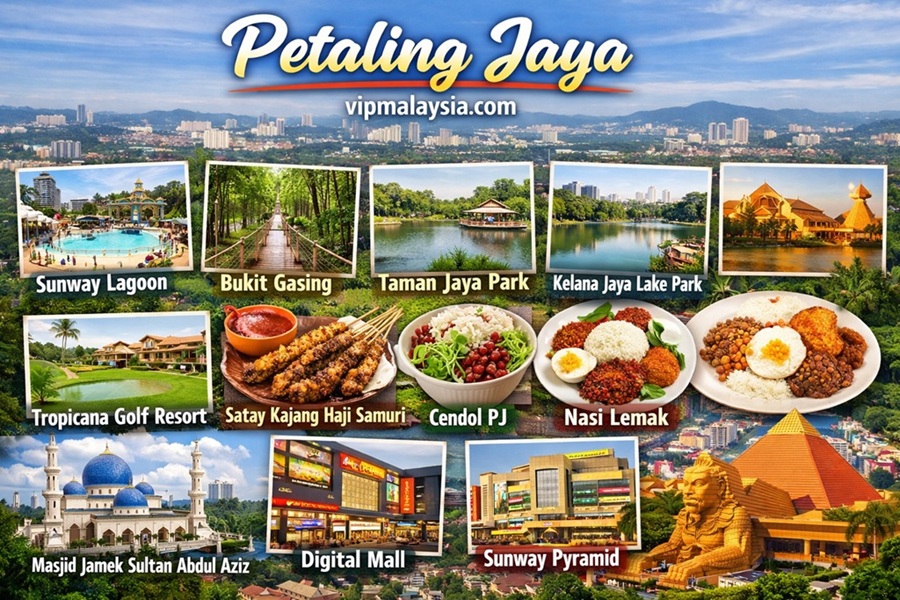
    Sunway Lagoon is PJ’s most famous attraction, offering six themed zones including Water Park, Amusement Park, Wildlife Park, Extreme Park, Scream Park, and Nickelodeon Lost Lagoon. With facilities like cabanas, lockers, and diverse dining options, it’s a world-class leisure destination perfect for families and thrill-seekers alike.

    • Address: 3, Jalan PJS 11/11, Bandar Sunway, 47500 Petaling Jaya, Selangor
    • Phone: +60 3-5639 0000

    Wat Chetawan Temple

    This Thai Buddhist temple is a serene escape in PJ, featuring golden Buddha statues, intricate Thai-inspired architecture, and tranquil gardens. Visitors can explore prayer halls and enjoy nearby Thai eateries, making it a cultural and spiritual highlight of the city.

    • Address: Jalan Pantai, 46000 Petaling Jaya, Selangor
    • Phone: +60 3-7957 8736

    Chocolate Museum Kota Damansara

    Located in Kota Damansara, this museum blends fun and learning with exhibits on chocolate history, tasting sessions, and DIY workshops. Families and couples enjoy the on-site café serving chocolate desserts, making it a sweet and educational stop.

    • Address: No.2, Jalan Teknologi 3/5, Kota Damansara, 47810 Petaling Jaya, Selangor
    • Phone: +60 3-6143 5000

    Secret Garden Utama

    Hidden atop 1 Utama Shopping Centre, this rooftop garden spans 30,000 sq ft and houses over 600 plant species. Guided tours and seating areas make it a green oasis above the bustling mall, perfect for nature lovers seeking tranquility.

    • Address: 1 Utama Shopping Centre, Lebuh Bandar Utama, 47800 Petaling Jaya, Selangor
    • Phone: +60 3-7726 7788

    Petaling Jaya Museum

    This museum documents PJ’s growth from a satellite township to a modern city. Exhibits include photographs, artifacts, and urban development stories, offering a free and insightful stop for history enthusiasts.

    • Address: Jalan Templer, Seksyen 10, 46000 Petaling Jaya, Selangor
    • Phone: +60 3-7956 1039

    Bukit Gasing Forest Reserve

    Bukit Gasing is a lush forest reserve with hiking trails, suspension bridges, and wildlife such as macaques and hornbills. It’s popular among trekkers and photographers, providing a natural escape within the city limits.

    • Address: Jalan Tanjong 5/4, Bukit Gasing, 46000 Petaling Jaya, Selangor
    • Phone: +60 3-7956 3544

    Taman Jaya Park

    One of PJ’s oldest parks, Taman Jaya offers jogging tracks, a lake, and picnic areas. It’s a community green space where locals gather for recreation, exercise, and relaxation.

    • Address: Jalan Timur, Seksyen 10, 46000 Petaling Jaya, Selangor
    • Phone: +60 3-7956 3544

    Kelana Jaya Lake Park

    This park surrounds a scenic lake and offers walking paths, fishing spots, and picnic areas. It’s a peaceful retreat within the city.

    • Address: Jalan SS7/13, Kelana Jaya, 47301 Petaling Jaya, Selangor
    • Phone: +60 3-7803 0300

    PJ Live Arts Theatre

    PJ Live Arts Theatre hosts plays, musicals, and comedy shows, making it a cultural hotspot for performing arts in the city.

    • Address: Jaya One, 72A, Jalan Universiti, Section 13, 46200 Petaling Jaya, Selangor
    • Phone: +60 3-7960 0439

    MBPJ Tower

    The MBPJ Tower is the headquarters of Petaling Jaya City Council. Its modern design and central location make it a symbol of PJ’s urban growth.

    • Address: Jalan Yong Shook Lin, Seksyen 52, 46675 Petaling Jaya, Selangor
    • Phone: +60 3-7956 3544

    Tropicana Golf and Country Resort

    This resort offers an 18-hole championship golf course, luxury facilities, and fine dining. It’s a premier destination for golf enthusiasts in PJ.

    • Address: Jalan Kelab Tropicana, Tropicana, 47410 Petaling Jaya, Selangor
    • Phone: +60 3-7804 8888

    Ara Damansara Park

    Ara Damansara Park is a green recreational space with jogging tracks, playgrounds, and lakeside views. It’s a popular spot for families and fitness lovers.

    • Address: Jalan PJU 1A/1, Ara Damansara, 47301 Petaling Jaya, Selangor
    • Phone: +60 3-7803 0300

    Shopping Malls

    Sunway Pyramid Shopping Mall

    This iconic mall is recognizable by its Egyptian-inspired architecture and pyramid façade. Inside, visitors find international brands, ice skating rinks, and diverse dining, making it a shopping and entertainment hub.

    • Address: 3, Jalan PJS 11/15, Bandar Sunway, 47500 Petaling Jaya, Selangor
    • Phone: +60 3-7494 3100

    The Curve Mall

    Located in Mutiara Damansara, The Curve is known for its open-air walkways, weekend bazaars, and family-friendly atmosphere. It’s a lifestyle destination combining retail, dining, and cultural events.

    • Address: 6, Jalan PJU 7/3, Mutiara Damansara, 47800 Petaling Jaya, Selangor
    • Phone: +60 3-7710 6868

    KidZania Kuala Lumpur

    This interactive edutainment center lets children role-play real-world professions in a miniature city. It’s a family favorite attraction that combines fun with learning, located conveniently in PJ.

    • Address: Curve NX, No.18, Jalan PJU 7/5, Mutiara Damansara, 47810 Petaling Jaya, Selangor
    • Phone: +60 3-7722 1888

    Jaya Shopping Centre

    Jaya Shopping Centre, often called “Jaya SC,” is a community mall in Section 14 that blends retail, dining, and entertainment. It’s popular among locals for its family-friendly atmosphere and convenient location.

    • Address: Jalan Semangat, Section 14, 46100 Petaling Jaya, Selangor
    • Phone: +60 3-7932 6800

    Paradigm Mall

    Paradigm Mall is one of PJ’s largest lifestyle malls, featuring international brands, a cinema, and an ice-skating rink. It’s a modern shopping hub that attracts both residents and visitors.

    • Address: 1, Jalan SS7/26a, Kelana Jaya, 47301 Petaling Jaya, Selangor
    • Phone: +60 3-7801 1188

    Atria Shopping Gallery

    Atria Shopping Gallery in Damansara Jaya is known for its stylish architecture and boutique stores. It’s a trendy lifestyle mall with diverse dining options.

    • Address: Jalan SS22/23, Damansara Jaya, 47400 Petaling Jaya, Selangor
    • Phone: +60 3-7730 6898

    Jaya One

    Jaya One is a mixed-use development with offices, restaurants, and The School, a child-centric mall. It’s a creative hub for dining and education.

    • Address: 72A, Jalan Universiti, Section 13, 46200 Petaling Jaya, Selangor
    • hone: +60 3-7932 6868

    Digital Mall Section 14

    Digital Mall is PJ’s go-to destination for electronics, gadgets, and IT accessories. It’s a tech shopper’s paradise offering competitive prices.

    • Address: Jalan 14/20, Section 14, 46100 Petaling Jaya, Selangor
    • Phone: +60 3-7956 1039

    Mosques

    Masjid Jamek Sultan Abdul Aziz

    Located along Jalan Templer, this is one of the oldest and most prominent mosques in PJ, serving as a central hub for Friday prayers and community events.

    • Address: 69G, Lorong 3, Jalan Templer, Seksyen 3, 46000 Petaling Jaya, Selangor
    • Phone: +60 3-7772 8347

    Masjid Ara Damansara

    A modern mosque serving the Ara Damansara community, known for its contemporary design and active social programs.

    • Address: 3, Jalan PJU 1/37, Taman Putra Damai, 47301 Petaling Jaya, Selangor
    • Phone: +60 3-7734 4137

    Masjid Al-Hidayah Kelana Jaya

    One of the earliest mosques in Kelana Jaya, established in the 1980s, offering extensive facilities including prayer halls, ablution areas, and community programs.

    • Address: Jalan SS 3/19, Taman Universiti, 47300 Petaling Jaya, Selangor
    • Phone: +60 12-239 5671

    Masjid Al-Munawwarah (Section 9)

    A well-known mosque in Section 9, PJ, serving as a spiritual and community hub with regular religious classes and events.

    • Address: Section 9, Petaling Jaya, Selangor (exact postal details vary by listing)
    • Phone: +60 19-942 1604

    Masjid Al-Mujahideen Damansara Utama

    Located in Damansara Utama, this mosque is popular among residents for its accessibility and active role in community religious activities.

    • Address: Jalan 21/23, Damansara Utama, 47400 Petaling Jaya, Selangor
    • Phone: +60 3-7727 1889

    Foods

    Village Park Nasi Lemak

    Village Park Restaurant in Damansara Uptown is legendary for its nasi lemak, featuring fragrant coconut rice, crispy fried chicken, sambal, peanuts, and anchovies. It’s considered the most famous nasi lemak in PJ.

    • Address: 5, Jalan SS 21/37, Damansara Utama, 47400 Petaling Jaya, Selangor
    • Phone: +60 12-273 8438

    Nasi Lemak Bumbung

    Located in Sea Park, this late-night spot serves nasi lemak wrapped in banana leaves, paired with fried chicken and spicy sambal. It’s a local favorite for supper crowds.

    • Address: 6, Jalan 21/11b, Sea Park, 46300 Petaling Jaya, Selangor
    • Phone: +60 17-370 3576 / +60 11-2311 3576

    Hokkien Mee at SS2 Wet Market

    This wok-fried noodle dish is known for its smoky “wok hei” flavor, dark soy sauce, and pork lard richness. The SS2 Wet Market stall is a must-visit for authentic Hokkien Mee.

    • Address: Ground Floor, 179, Jalan SS2/24, 47300 Petaling Jaya, Selangor
    • Phone: +60 3-7877 9527

    Roti Canai Jalan Templer

    A flaky Indian flatbread served with dhal or curry, roti canai at Jalan Templer is popular for breakfast and late-night snacks.

    • Address: Kedai Roti Canai, 139 Jalan SS 5d/2, SS5, 47301 Petaling Jaya, Selangor
    • Phone: +60 13-278 7240

    Lok Lok at SS2 Night Market

    Lok Lok offers skewers of meat, seafood, and vegetables cooked in boiling broth. It’s a social street food experience perfect for groups.

    • Address: Lot 7680, Jalan SS2/24, SS2, 47300 Petaling Jaya, Selangor
    • Phone: +60 16-930 9101

    Cendol PJ Old Town

    This refreshing dessert combines shaved ice, coconut milk, palm sugar syrup, and green jelly noodles. It’s a classic Malaysian treat to beat the heat.

    • Address: Medan Selera, Jalan Othman, PJ Old Town, 46050 Petaling Jaya, Selangor
    • Phone: +60 16-611 5161

    Unique Seafood PJ23

    Known for fresh seafood like oysters, crabs, and prawns, Unique Seafood PJ23 lets diners pick live seafood from tanks. It’s a premium dining experience in PJ.

    • Address: Lot 9B-3, Jalan Kemajuan 12/18, Seksyen 13, 46200 Petaling Jaya, Selangor
    • Phone: +60 3-7960 2088

    Kanna Curry House Banana Leaf Rice

    Kanna Curry House is famous for banana leaf rice, served with curries, vegetables, and fried chicken. It’s a South Indian staple in PJ.

    • Address: 29, Jalan 17/45, Seksyen 17, 46400 Petaling Jaya, Selangor
    • Phone: +60 3-7958 4814

    Satay Kajang Haji Samuri

    Satay Kajang Haji Samuri in PJ is famous for its skewered meats grilled over charcoal, served with peanut sauce, cucumber, and ketupat. The satay here is tender, smoky, and consistently rated among the best in Selangor.

    The restaurant offers chicken, beef, lamb, and even rabbit satay, making it a versatile choice for adventurous eaters. Its popularity means long queues during weekends, but the authentic flavor and generous portions make it worth the wait.

    • Address: 7 Jalan Yong Shook Lin, Seksyen 7, PJ New Town, 46200 Petaling Jaya, Selangor
    • Phone: +60 16-758 9318

    Chee Cheong Fun PJ Old Town

    Chee cheong fun is steamed rice noodle rolls served with sweet sauce, chili, and sesame seeds. PJ Old Town stalls are known for their silky texture and bold sauces.

    This dish is often enjoyed as breakfast or a light snack. Its simplicity and affordability make it a beloved choice among locals.

    • Address: Restoran Hai Keng, Section 14, Petaling Jaya, Selangor
    • Phone: +60 3-7956 1039

    Satay Celup Damansara

    Satay celup is a unique dish where skewers are dipped into boiling satay gravy. Damansara outlets bring this Malacca specialty to PJ, offering a fun communal dining experience.

    The peanut sauce is rich and spicy, coating meats and vegetables perfectly. It’s a social food experience ideal for groups.

    • Address: 53, Jalan SS 21/1A, Damansara Utama, 47400 Petaling Jaya, Selangor
    • Phone: +60 12-392 2000

    Nasi Lemak Royale

    Nasi Lemak Royale in SS2 is a beloved breakfast option, offering fragrant coconut rice paired with crispy fried chicken, sambal, peanuts, and anchovies. The sambal is slightly sweeter than other versions, making it unique.

    Locals flock here in the mornings, and the stall is known for its affordability and generous portions. It’s a classic PJ breakfast spot that balances flavor and tradition.

    • Address: Jalan SS 2/60, SS2, 47400 Petaling Jaya, Selangor
    • Phone: +60 16-278 2222

    Asam Laksa at Serai

    Serai Restaurant serves a tangy asam laksa with tamarind broth, mackerel, and fresh herbs. The soup is spicy, sour, and refreshing, making it a standout dish.

    The restaurant’s modern setting makes it ideal for families and groups. Serai’s laksa is often praised for its authenticity and balance of flavors.

    • Address: G18, Jaya Shopping Centre, Jalan Professor Khoo Kay Kim, Seksyen 14, 46100 Petaling Jaya, Selangor
    • Phone: +60 3-7932 3070

    Mee Rebus at Village Park

    Beyond nasi lemak, Village Park also offers mee rebus, a noodle dish with thick, savory gravy made from potatoes and spices.

    The dish is hearty and filling, often enjoyed as lunch. Village Park’s version is considered one of the best in PJ.

    • Address: 5, Jalan SS 21/37, Damansara Utama, 47400 Petaling Jaya, Selangor
    • Phone: +60 12-273 8438 / +60 3-7710 7860

    Lontong at Village Park

    Lontong, a traditional Malay dish of compressed rice cakes in coconut soup, is another specialty at Village Park.

    It’s served with vegetables, sambal, and fried tempeh, offering a wholesome and comforting meal.

    • Address: 5, Jalan SS 21/37, Damansara Utama, 47400 Petaling Jaya, Selangor
    • Phone: +60 12-273 8438 / +60 3-7710 7860

    Beard Brothers’ BBQ

    Beard Brothers’ BBQ offers halal American‑style smoked meats, including brisket, ribs, and pulled beef. It’s a unique halal BBQ option in PJ.

    The platters are large and ideal for sharing, making it a popular spot for meat lovers.

    • Address: P-G-01, Tropicana Avenue, Persiaran Tropicana, 47410 Petaling Jaya, Selangor, Malaysia
    • Phone: +60 12-319 0962

    Ali, Muthu & Ah Hock

    This café serves halal Malaysian comfort food, including nasi lemak, toast, and kopi. It’s a nostalgic spot blending Malay, Indian, and Chinese influences.

    It’s halal‑certified and offers a casual, kopitiam‑style atmosphere perfect for breakfast or tea breaks.

    • Address: No.3, PG03 Ground Floor, Jaya33, Jalan Professor Khoo Kay Kim, Section 13, 46200 Petaling Jaya, Selangor, Malaysia
    • Phone: +60 3-7932 2307

    Things to Do

    Culinary Exploration

    Explore SS2 night markets, Damansara Uptown eateries, and Kelana Jaya’s mamak stalls. Food festivals often highlight local delicacies.

    Cultural Festivals

    PJ hosts events like Thaipusam, Chinese New Year lion dances, and Hari Raya bazaars, reflecting Malaysia’s diverse traditions.

    Shopping Adventures

    From luxury brands at Sunway Pyramid to bargain finds at Amcorp Mall flea market, PJ caters to all budgets.

    Nearby Attractions

    Kuala Lumpur

    Just 20–30 minutes away, KL offers iconic landmarks like Petronas Towers and Bukit Bintang nightlife.

    Subang Jaya

    Known for its universities and shopping centers, Subang is a youthful town with vibrant nightlife.

    Shah Alam

    Famous for the Blue Mosque and i-City theme park, Shah Alam is a cultural and family-friendly destination.

    Conclusion

    Petaling Jaya is more than a suburb—it’s a city of culture, food, shopping, and adventure. Whether you’re exploring its historical roots, indulging in culinary delights, or trekking through Bukit Gasing, PJ offers a complete Malaysian experience. Its proximity to Kuala Lumpur and surrounding towns makes it an ideal base for travelers.

    Quick Info

    AttributeDetails
    NamePetaling Jaya (commonly called PJ)
    LocationSelangor, Malaysia — immediately west of Kuala Lumpur
    GPS Coordinates3.1073° N, 101.6067° E
    StateSelangor
    PopulationApproximately 600,000 residents (2025 est.)
    Established1952 as Malaysia’s first planned satellite town
    City StatusDeclared a city in 2006
    TransportConnected via LRT Kelana Jaya Line, MRT Kajang Line, buses, and highways
    Nearby LandmarksSunway Lagoon, Paradigm Mall, Jaya Shopping Centre, MBPJ Tower
    AttractionsTheme parks, shopping malls, cultural sites, food hubs
    Wildlife/NatureBukit Gasing Forest Reserve, Kelana Jaya Lake Park
    FacilitiesHotels, malls, hospitals, universities, public parks
    ContactPetaling Jaya City Council (MBPJ): +60 3-7956 3544
  • Bandaraya Melaka: Heritage, Culture and Adventure

    Bandaraya Melaka: Heritage, Culture and Adventure

    Bandaraya Melaka

    Bandaraya Melaka, Malaysia’s historic capital, is a city where centuries of trade, conquest, and cultural exchange converge. Recognized as a UNESCO World Heritage Site, it offers travelers a rich blend of colonial landmarks, vibrant street life, and adventurous experiences. This guide explores its history, highlights, attractions, and nearby gems in detail.

    Introduction

    Bandaraya Melaka, located along the Straits of Malacca, is one of Southeast Asia’s most storied destinations. Known for its UNESCO World Heritage status, the city is a living museum of Malay sultanate heritage, Portuguese fortresses, Dutch squares, and British colonial architecture. Today, it thrives as a tourism hub, offering food, festivals, museums, and riverfront adventures that attract millions of visitors annually.

    History

    Rise of the Sultanate

    Founded in the late 14th century by Parameswara, a Sumatran prince, Melaka quickly became a powerful Malay sultanate. Its strategic location made it a vital trading port, connecting China, India, Arabia, and Europe. The Sultanate fostered Islam as the dominant religion and established Melaka as a center of Malay culture.

    The Sultanate era saw the rise of Malay literature, Islamic scholarship, and maritime trade networks. Melaka’s influence extended across the Malay Archipelago, shaping political and cultural identities that endure today.

    Parameswara Biodata

    AttributeDetails
    Full NameParameswara (also identified as Iskandar Shah in Malay Annals)
    Born1344, Kingdom of Singapura or Palembang (Sumatra)
    Died1414 (aged ~70), Melaka, Malacca Sultanate
    FatherSri Maharaja
    SpousePuteri Ratna Kemala bint Sultan Zainal Abidin I of Pasai
    IssueMegat Iskandar Shah (successor)
    Titles5th Raja of Singapura (1389–1398); 1st Sultan of Malacca (1402–1414)
    ReligionHinduism (later accounts suggest conversion influences, but primary sources list Hinduism)
    Burial PlaceTanjung Tuan, Malacca or Bukit Larangan, Singapore (disputed)
    LegacyFounder of the Malacca Sultanate, pivotal in establishing Melaka as a major trading hub in Southeast Asia

    Colonial Conquests

    In 1511, the Portuguese captured Melaka, fortifying it with A Famosa. The Dutch took over in 1641, introducing European administrative systems. By 1824, the British assumed control, integrating Melaka into the Straits Settlements.

    Each colonial power left behind fortresses, churches, and civic buildings. The Stadthuys, St. Paul’s Church, and A Famosa remain enduring symbols of this layered past.

    Modern Transformation

    Post-independence, Melaka embraced tourism and heritage preservation. In 2008, UNESCO recognized Bandaraya Melaka as part of the “Historic Cities of the Straits of Malacca.” Today, it balances heritage conservation with modern development, offering visitors both nostalgia and contemporary vibrancy.

    Highlights

    The Stadthuys

    Built by the Dutch in 1650, The Stadthuys is one of Southeast Asia’s oldest European structures. Its red façade dominates Dutch Square and houses the Museum of History and Ethnography.

    Visitor Facilities

    Inside, visitors find exhibits on Melaka’s colonial past, traditional costumes, and weaponry. Guided tours and multilingual signage enhance accessibility.

    A Famosa Fortress

    Constructed by the Portuguese in 1511, A Famosa is among Asia’s oldest European remains. Only Porta de Santiago survives, but it remains a symbol of Melaka’s resilience.

    Historical Significance

    The fortress once housed armories, hospitals, and churches, reflecting the Portuguese ambition to dominate Asian trade routes.

    Jonker Street

    The cultural heartbeat of Melaka, Jonker Street is famous for its antique shops, vibrant night market, and Peranakan cuisine.

    Cultural Festivals

    Jonker Street hosts Chinese New Year parades, lantern festivals, and weekly night markets, making it a lively hub for cultural immersion.

    Attractions

    Sultanate Palace Museum

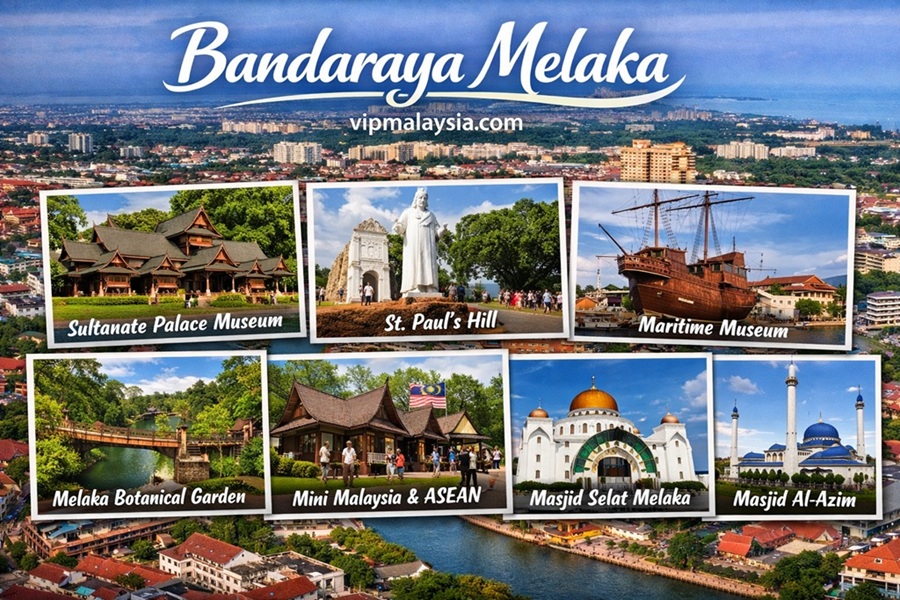
    A replica of Sultan Mansur Shah’s 15th-century palace, this museum showcases royal regalia, weaponry, and cultural traditions.

    Exhibits and Experience

    Visitors explore Malay manuscripts, traditional attire, and dioramas of court life, offering a vivid glimpse into the Sultanate era.

    St. Paul’s Hill

    Offering panoramic views, St. Paul’s Hill is home to the ruins of St. Paul’s Church, built in 1521. The hilltop location provides sunset views over the Straits of Malacca, making it a favorite for photographers and history lovers.

    Maritime Museum

    Housed in a replica of the Portuguese galleon Flor de la Mar, the museum narrates Melaka’s maritime history.

    Christ Church Melaka

    Christ Church, built in 1753 by the Dutch, is one of the most iconic landmarks in Melaka. Its striking red exterior and antique wooden beams make it a favorite photo spot. Inside, visitors can admire 200-year-old handmade pews and decorative tiles that reflect Dutch craftsmanship.

    Melaka Botanical Garden

    The Melaka Botanical Garden in Ayer Keroh spans over 92 hectares and features tropical flora, jogging trails, and recreational facilities. It is a popular spot for families and nature lovers, offering both relaxation and educational experiences.

    Ayer Keroh Recreational Forest

    Ayer Keroh Recreational Forest is a lush green reserve ideal for trekking, camping, and picnics. Its canopy walkways and nature trails provide visitors with a chance to explore Melaka’s biodiversity up close.

    Melaka Bird Park

    The Melaka Bird Park is one of Malaysia’s largest covered bird parks, housing hundreds of species including hornbills, parrots, and peacocks. Visitors can walk among free-flying birds in landscaped surroundings.

    Butterfly and Reptile Sanctuary

    Located in Ayer Keroh, the Butterfly and Reptile Sanctuary is home to thousands of butterflies and reptiles such as crocodiles, snakes, and lizards. It combines conservation with education, offering close encounters with diverse species.

    Mini Malaysia & ASEAN Cultural Park

    This cultural park showcases traditional houses from all Malaysian states and ASEAN countries. Each house is furnished with authentic artifacts, giving visitors a comprehensive view of regional architecture and cultural practices.

    Cheng Hoon Teng Temple

    The Cheng Hoon Teng Temple, dating back to the 17th century, is the oldest functioning Chinese temple in Malaysia. It serves as a spiritual center for the local Chinese community and features intricate carvings, calligraphy, and traditional architecture.

    Sri Poyatha Venayagar Moorthi Temple

    This Hindu temple, constructed in 1781, is one of the oldest functioning Hindu temples in Malaysia. Dedicated to Lord Ganesha, it reflects the enduring presence of the Indian community in Melaka.

    Menara Taming Sari

    The Menara Taming Sari is a revolving gyro tower offering panoramic views of Melaka. Standing at 110 meters, it provides visitors with a bird’s-eye view of the city’s heritage zone and coastline.

    Bukit Cina

    Bukit Cina is the largest Chinese cemetery outside China, with graves dating back to the Ming Dynasty. It is both a historical site and a green space, offering insight into Melaka’s Chinese heritage.

    Baba & Nyonya Heritage Museum

    This museum showcases the lifestyle of the Peranakan (Straits Chinese) community. Located in a restored townhouse, it features antique furniture, porcelain, and cultural artifacts.

    The Shore Sky Tower

    The Shore Sky Tower is Melaka’s tallest building, offering a glass-floor observation deck with sweeping views of the city and beyond. It’s a modern contrast to the heritage sites below.

    Encore Melaka

    Encore Melaka is a state-of-the-art theater featuring a 360-degree rotating auditorium. It hosts cultural performances that narrate Melaka’s history through dance, music, and multimedia.

    Melaka Wonderland Theme Park

    This water theme park is a family-friendly attraction with wave pools, slides, and lazy rivers. Located in Ayer Keroh, it offers a refreshing break from heritage sightseeing.

    Jonker Street Night Market

    Held every weekend, the Jonker Street Night Market is a lively hub of street food, handmade crafts, and live performances. Visitors can enjoy chicken rice balls, Nyonya laksa, and cendol, while browsing stalls selling antiques and souvenirs.

    Baba & Nyonya Heritage Museum

    This restored townhouse offers a deep dive into Peranakan culture. Visitors can explore antique furniture, porcelain, and family heirlooms that showcase the unique Baba-Nyonya lifestyle. Guided tours provide historical context.

    Melaka River Cruise

    A scenic boat ride along the Melaka River reveals colorful murals, colonial buildings, and modern cafes. At night, the riverfront glows with illuminated bridges and riverside dining, offering a romantic adventure.

    Submarine Museum

    Located in Klebang, visitors can explore a decommissioned submarine, including torpedo bays and crew quarters. Walking through the submarine offers a rare glimpse into naval life, making it a unique adventure for military enthusiasts.

    Mosques

    Masjid Kampung Hulu

    Masjid Kampung Hulu, built in 1728, is considered the oldest mosque in Malaysia. Its tiered roof reflects Sumatran and Chinese influences, while the wooden interiors showcase antique Islamic calligraphy and carvings. Located in the heart of Melaka, it offers a serene escape from the bustling city.

    Masjid Selat Melaka (Malacca Straits Mosque)

    Known as the “Floating Mosque,” Masjid Selat Melaka was opened in 2006 on Pulau Melaka, a man-made island. During high tide, it appears to hover above the water, making it one of the most picturesque mosques in Malaysia. Its golden dome and coastal setting make it a favorite for sunrise and sunset photography.

    Masjid Kampung Kling

    Built in 1748, Masjid Kampung Kling is a striking example of Melaka’s multicultural heritage. It blends Javanese, Chinese, Hindu, and Malay architectural styles, with a pagoda-like minaret and ornate interiors. Located on Harmony Street, it symbolizes the city’s religious diversity.

    Masjid Al-Azim

    Masjid Al-Azim, located in Bukit Palah, is Melaka’s state mosque and one of the largest in Malaysia. It can accommodate thousands of worshippers and features a grand dome with intricate Islamic motifs. The mosque also serves as a center for Islamic education and community events.

    Masjid Cina Krubong

    Masjid Cina Krubong is unique for its Chinese-inspired architecture, blending Islamic and Chinese cultural elements. Its pagoda-style roof and red accents make it visually distinct, reflecting Melaka’s diverse heritage.

    Masjid Bukit Cina

    Located on Jalan Munsyi Abdullah, Masjid Bukit Cina is a historic mosque serving the local community. Its location near the famous Bukit Cina cemetery highlights the long-standing presence of Chinese Muslims in Melaka.

    Masjid Peringgit

    Masjid Peringgit is a neighborhood mosque that combines traditional Malay design with modern facilities. It is known for its active role in community gatherings and religious education.

    Masjid Tengkera

    Masjid Tengkera, one of the oldest mosques in Melaka, dates back to the early 18th century. It features traditional Malay architecture with a multi-tiered roof and wooden carvings. The mosque is historically significant as a center of Islamic learning.

    Masjid Fathur Rahman

    Located in Pengkalan Rama, Masjid Fathur Rahman is a smaller but culturally important mosque. It serves as a local hub for prayers and community activities, reflecting the grassroots role of mosques in Melaka’s neighborhoods.

    Masjid Kampung Bukit Cina

    Distinct from Masjid Bukit Cina, this mosque is another example of Melaka’s layered heritage. It highlights the integration of Islamic practices within diverse cultural communities in the city.

    Foods

    Asam Pedas

    Asam Pedas is Melaka’s signature spicy and sour fish stew, cooked with tamarind, chili, and aromatic herbs. Served with rice, it often features fish like stingray or mackerel. This dish is deeply tied to Melaka’s Malay heritage and is a must-try for anyone visiting the city.

    Chicken Rice Balls

    A unique twist on Hainanese chicken rice, Melaka’s version features rice shaped into balls served with tender poached chicken. This dish is iconic in Jonker Street and symbolizes the city’s Peranakan culinary creativity.

    Nyonya Laksa

    Nyonya Laksa blends coconut milk with spices, prawns, and noodles, offering a rich, creamy flavor. It reflects the Baba-Nyonya (Peranakan) heritage, combining Chinese and Malay culinary traditions into one beloved dish.

    Cendol with Gula Melaka

    Cendol is a refreshing dessert made with shaved ice, coconut milk, green rice flour jelly, and palm sugar syrup. The use of Gula Melaka (palm sugar) gives it a distinct caramel-like sweetness, making it a perfect treat in Melaka’s tropical heat.

    Satay Celup

    Satay Celup is a communal dining experience where skewered meats, seafood, and vegetables are dipped into boiling peanut sauce. It is unique to Melaka and offers a fun, flavorful way to enjoy satay with friends and family.

    Kuih Keria Gula Melaka

    Kuih Keria is a doughnut made from sweet potato, coated with caramelized palm sugar. Unlike Western doughnuts, it has a chewy texture and a rich sweetness that makes it a popular street snack in Melaka.

    Klebang Coconut Shake

    This viral drink combines fresh coconut water, coconut flesh, and vanilla ice cream, creating a creamy and refreshing beverage. It is especially popular near Klebang Beach, making it both a culinary and scenic experience.

    Nasi Lemak

    Melaka’s version of nasi lemak features fragrant coconut rice served with sambal, fried anchovies, peanuts, cucumber, and boiled egg. Often paired with rendang or fried chicken, it is a staple breakfast dish across Malaysia.

    Tandoori Chicken and Cheese Naan

    Pak Putra Tandoori & Naan Restaurant is famous for its smoky tandoori chicken paired with fluffy cheese naan. This Indian-inspired dish is a Melaka favorite, blending spice and comfort food perfectly.

    Peranakan Desserts

    Peranakan desserts such as onde-onde (glutinous rice balls filled with palm sugar) and kueh lapis (layered cake) are widely enjoyed in Melaka. These colorful treats showcase the fusion of Malay and Chinese culinary traditions.

    Conclusion

    Bandaraya Melaka is more than a destination—it is a living chronicle of Southeast Asian history. With its colonial landmarks, vibrant street life, cultural museums, and adventurous experiences, it appeals to both history buffs and modern travelers. Whether wandering through Jonker Street or cruising the Melaka River, visitors leave with unforgettable memories.

    Quick Info

    AttributeDetails
    Main ParksMelaka Botanical Garden, Ayer Keroh Recreational Forest, Melaka Bird Park, Butterfly and Reptile Sanctuary, Mini Malaysia & ASEAN Cultural Park
    LocationSouthwest coast of Peninsular Malaysia, along the Straits of Malacca
    GPS PositionApprox. 2.1896° N, 102.2501° E
    StateMelaka (capital city: Bandaraya Melaka)
    Facility TypeUNESCO World Heritage City, Historical Landmarks, Cultural Villages, Museums, Beaches, Eco-tourism
    Main AttractionsThe Stadthuys, A Famosa, Jonker Street, St. Paul’s Hill, Sultanate Palace Museum, Maritime Museum, Menara Taming Sari, Baba & Nyonya Heritage Museum
    Nearby LandmarksPortuguese Settlement, Kampung Morten, Melaka Straits Mosque, Klebang Beach, Ayer Keroh Zoo, Freeport A Famosa Outlet
    AccessibilityConnected via North-South Expressway, Melaka Sentral Bus Terminal, nearby Kuala Lumpur International Airport (KLIA), river cruise transport, local taxis and Grab services
    Melaka TownsBandaraya Melaka (capital), Alor Gajah, Jasin, Ayer Keroh, Klebang
    Food HighlightsAsam Pedas, Chicken Rice Balls, Nyonya Laksa, Satay Celup, Kuih Keria Gula Melaka, Cendol with Gula Melaka, Klebang Coconut Shake
    Nature AttractionsMelaka River, Bukit Cina, Melaka Mangrove Forest, Tanjung Bidara Beach, Pulau Besar, Ayer Keroh Recreational Forest
    Royal TownMelaka does not have a designated royal town; historically ruled by the Melaka Sultanate until 1511
    CityBandaraya Melaka (state capital, UNESCO World Heritage City)
    Other Official InfoUNESCO recognition in 2008 as part of “Historic Cities of the Straits of Malacca”; motto “Melaka Maju Negeriku Sayang, Negeri Bandar Teknologi Hijau” (Melaka, My Beloved State, Green Technology State)
    Recommended ActivitiesHeritage Walks, River Cruises, Museum Tours, Cultural Festivals, Shopping at Jonker Street, Wildlife Encounters, Theme Parks
    ContactTourism Malaysia Offices @ Melaka
    Address: Lot 02, Ground Floor, Bangunan Lembaga Tabung Haji, Jalan Banda Kaba, 75000 Melaka, Malaysia
    Phone: 06-288 1549

    Tourism Promotion Division – Chief Minister of Melaka
    Address: Lot G-14, Kota Cemerlang, 75450 Ayer Keroh, Melaka, Malaysia
    Phone: 06-232 8402
  • Kuala Terengganu: Hidden Gem of Culture and Coast

    Kuala Terengganu: Hidden Gem of Culture and Coast

    Kuala Terengganu

    Kuala Terengganu, the capital of Terengganu state on Malaysia’s east coast, is a city where heritage, culture, and natural beauty converge. From its glittering mosques and bustling markets to pristine islands and adventurous trekking trails, this destination offers travelers a rich blend of tradition and modernity.

    Introduction

    Nestled along the South China Sea, Kuala Terengganu is often overlooked compared to Malaysia’s west coast cities. Yet, it is a gateway to some of the country’s most stunning beaches, cultural landmarks, and vibrant festivals. The city is a living museum of Malay heritage, Islamic architecture, and coastal traditions, making it a must‑visit for those seeking authentic experiences.

    History

    Kuala Terengganu’s history stretches back centuries as a maritime hub and center of Islamic scholarship. The Terengganu Inscription Stone, dating to the 14th century, is one of the earliest evidences of Islam in Malaysia. The city flourished under the Terengganu Sultanate, with trade routes connecting it to China, Siam, and the Middle East. Colonial encounters with the British reshaped its governance, but the city retained its cultural identity. Today, Kuala Terengganu stands as a fusion of tradition and modern development, preserving wooden kampung houses alongside modern complexes.

    Highlights

    Masjid Kristal

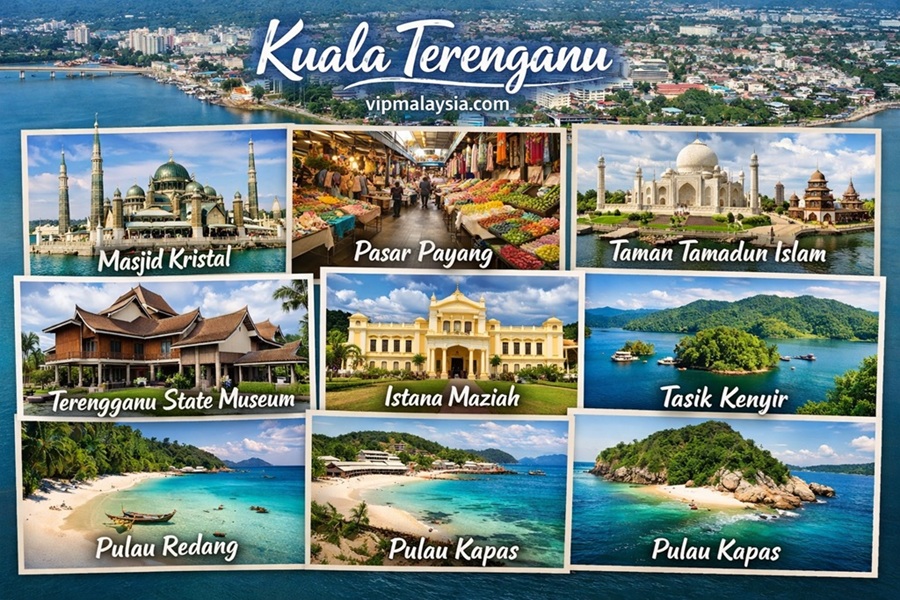
    Masjid Kristal, located on Pulau Wan Man, is a dazzling modern Islamic structure built from glass and steel. Its crystal‑like domes shimmer under the sun and glow beautifully at night, making it one of Malaysia’s most photographed mosques. Visitors can explore prayer halls, souvenir shops, and enjoy guided tours, while the riverside setting offers stunning sunset views.

    Pasar Payang (Central Market)

    Pasar Payang is the cultural heartbeat of Kuala Terengganu, offering fresh produce, batik fabrics, handicrafts, and traditional snacks like keropok lekor. The market is lively and crowded, reflecting the city’s vibrant daily life. It is also a great place to shop for souvenirs and taste authentic Terengganu flavors, with nearby food stalls serving local specialties.

    Kampung Cina (Chinatown)

    Kampung Cina, or Chinatown, is a heritage district filled with colorful shophouses, Chinese temples, and vibrant street art. It reflects Terengganu’s multicultural roots, blending Chinese and Malay influences. Visitors can explore cafes, souvenir shops, and enjoy Chinese‑Malay fusion cuisine, making it one of the most Instagram‑worthy areas in the city.

    Pantai Batu Buruk

    Pantai Batu Buruk is a popular beach known for kite flying, horse rides, and weekend night markets. Families and locals gather here to enjoy the sea breeze, picnic areas, and lively food courts serving grilled seafood. Its accessibility and festive atmosphere make it a favorite spot for both relaxation and community activities.

    Taman Tamadun Islam

    Taman Tamadun Islam features 21 miniature replicas of famous mosques and Islamic monuments from around the world, including the Taj Mahal and Dome of the Rock. It is both educational and visually captivating, offering guided tours, rest areas, and gift shops. The park highlights Islamic architectural heritage in a unique, interactive way.

    Terengganu State Museum

    The Terengganu State Museum is Malaysia’s largest museum, with four main galleries showcasing Islamic manuscripts, textiles, crafts, and artifacts. The museum grounds also feature traditional Malay houses, offering visitors a glimpse into Terengganu’s architectural past. It is a cultural treasure trove that requires several hours to explore fully.

    Bukit Puteri

    Bukit Puteri, or Princess Hill, is a historical site offering panoramic views of Kuala Terengganu and the South China Sea. The hill is dotted with old cannons, fort remnants, and legends tied to royal heritage. It is a blend of scenic beauty and historical significance, making it a rewarding climb for visitors.

    Istana Maziah (Maziah Palace)

    Located near Pasar Payang, Istana Maziah is a royal palace built in 1897. It showcases French architecture blended with Malay design, serving as the ceremonial venue for royal events. The palace’s elegant façade and historical importance make it a key landmark in Kuala Terengganu’s cityscape.

    Tasik Kenyir

    Tasik Kenyir, the largest man‑made lake in Southeast Asia, is a paradise for nature lovers. It offers jungle trekking, fishing, and waterfall exploration, with diverse wildlife including hornbills and tapirs. The lake is also a gateway to eco‑tourism, with floating chalets and boat tours enhancing the adventure experience.

    Pulau Redang

    Pulau Redang is one of Malaysia’s most famous islands, known for crystal‑clear waters, coral reefs, and world‑class snorkeling. Located about 45 minutes by boat from Kuala Terengganu, it attracts divers and beach lovers alike. The island’s marine biodiversity and pristine beaches make it a must‑visit for adventure seekers.

    Pulau Kapas

    Pulau Kapas, located off the coast near Marang, is a small island known for its white sandy beaches, turquoise waters, and laid‑back atmosphere. It is less commercialized than Pulau Redang, making it ideal for budget travelers and backpackers. Snorkeling reveals vibrant coral reefs and marine life, while simple chalets and homestays provide rustic accommodation options.

    Pantai Teluk Ketapang

    Pantai Teluk Ketapang is a scenic beach about 4 km from Kuala Terengganu Airport, popular for kite flying, picnics, and seafood stalls. The beach is lined with casuarina trees, offering shade and a relaxing environment. It is also known for local food vendors selling grilled fish and traditional Malay snacks, making it a favorite weekend spot for families.

    Noor Arfa Craft Complex

    The Noor Arfa Craft Complex is Malaysia’s largest batik producer, showcasing traditional batik making, weaving, and handicrafts. Visitors can watch artisans at work, participate in workshops, and purchase authentic batik clothing and souvenirs. The complex also includes a gallery and café, making it both educational and enjoyable for tourists interested in local crafts.

    Sekayu Waterfall

    Located in Hulu Terengganu, Sekayu Waterfall is a popular nature destination surrounded by lush rainforest and recreational facilities. The waterfall cascades into natural pools suitable for swimming, and the area includes picnic spots, gardens, and a mini zoo. It is a family‑friendly attraction that combines outdoor adventure with relaxation.

    Pulau Duyong

    Pulau Duyong, situated at the mouth of the Terengganu River, is famous for traditional boat‑building craftsmanship. Local artisans construct wooden boats using age‑old techniques passed down through generations. The island also hosts cultural festivals and offers views of the city skyline. It is a living heritage site that preserves Terengganu’s maritime traditions.

    Top Mosques

    Masjid Kristal

    Masjid Kristal, completed in 2008, is a striking modern Islamic landmark built of steel, glass, and crystal. Located on Pulau Wan Man within the Islamic Heritage Park, it shimmers under sunlight and glows in colorful lights at night. Visitors can explore prayer halls, enjoy guided tours, and admire its riverside setting, making it one of Malaysia’s most photographed mosques.

    Tengku Tengah Zaharah Mosque (Floating Mosque)

    Built in 1995 on the Kuala Ibai Lagoon, the Floating Mosque appears to hover gracefully above water, especially during high tide. Its blend of Moorish and modern Islamic architecture makes it photogenic, particularly at sunrise or sunset. The mosque provides prayer halls, ablution areas, and parking, offering a serene spiritual experience.

    Masjid Abidin

    Also known as the White Mosque, Masjid Abidin dates back to the 19th century and is the oldest mosque in Kuala Terengganu. It features elegant domes, arches, and Islamic calligraphy, reflecting classical Malay and Islamic design. The mosque remains a hub of worship and history, offering visitors a glimpse into the city’s religious heritage.

    Masjid Zainal Abidin 2

    Located in Kampung Tok Ku, this mosque serves as a community hub for daily prayers, Quranic learning, and Islamic gatherings. Its facilities include a prayer hall, parking, and Quran classes, making it a center of local religious life. Visitors can experience authentic community worship here.

    Masjid Sultan Mahmud

    Masjid Sultan Mahmud is a prominent religious site in Kuala Terengganu, known for its large prayer capacity and traditional Malay‑Islamic architecture. It hosts major religious events and Friday prayers, serving as a spiritual anchor for the city’s Muslim community.

    Masjid Kampung Tok Ku

    This mosque is historically significant as one of the oldest community mosques in Kuala Terengganu. It is closely tied to local Islamic scholars and traditions, offering a glimpse into the religious life of kampung communities.

    Masjid Pulau Duyong

    Located on Pulau Duyong, this mosque is part of the island’s cultural heritage, famous for traditional boat‑building. The mosque serves the local fishing community and is often visited during cultural festivals, blending maritime traditions with Islamic faith.

    Masjid Teluk Ketapang

    Situated near Pantai Teluk Ketapang, this mosque is a popular stop for beachgoers and locals alike. It combines modern facilities with traditional design, offering a peaceful place for worship close to recreational areas.

    Masjid Kampung Losong

    Masjid Kampung Losong is located near the famous keropok lekor village, making it a cultural and religious landmark. It serves the local community and visitors who come to experience Terengganu’s culinary traditions alongside its spiritual heritage.

    Masjid Seberang Takir

    This mosque, located near Sultan Mahmud Airport, is a convenient place of worship for travelers and locals. Its architecture blends modern and traditional elements, and it plays a vital role in serving the growing community in Seberang Takir.

    Must Try Foods

    Keropok Lekor

    Keropok Lekor is a chewy fish sausage made from fresh fish and sago flour, either boiled or deep‑fried, and served with spicy chili sauce. Best enjoyed at Kampung Losong, stalls like Warisan Asli and Hj. Abdul Rahman are famous for this snack. Its chewy texture and fresh fish flavor make it an iconic Terengganu street food.

    Sata (Satar)

    Sata is a traditional grilled fish cake made with sardines, grated coconut, and spices, wrapped in banana leaves and cooked over charcoal. Found at Marang Market and local vendors, it offers a smoky aroma and tender bite, making it a perfect snack or side dish.

    Nasi Dagang

    Nasi Dagang is Terengganu’s signature breakfast dish, featuring rice steamed in coconut milk served with tuna curry and pickled vegetables. Popular spots include Warong Pak Malau and Hj. Wahid. Its creamy rice and rich curry make it a staple morning meal.

    Nasi Kerabu

    Nasi Kerabu is a striking blue rice dish colored with butterfly pea flower, served with grilled chicken, salted egg, herbs, and sambal. Fauzi Nasi Kerabu in Kampung Ladang Padang Cicar is a top spot. Its vibrant color and herbal fragrance make it visually and gastronomically unique.

    Celup Tepung

    Celup Tepung is deep‑fried seafood, where squid, prawns, and fish are dipped in batter and fried to golden crispiness. Pantai Batu Buruk beachfront stalls are popular for this dish. It offers a crispy exterior with fresh seafood inside, perfect for casual seaside dining.

    Laksa Terengganu

    Laksa Terengganu comes in two versions: Kuah Merah (red gravy with coconut and spices) and Kuah Putih (creamy white gravy with coconut milk and minced fish). Served with thick rice noodles, it is available at Mok Ngoh Nasi Dagang and Laksang Tanjung. Its distinct noodle texture and rich gravies set it apart from other Malaysian laksa.

    Laksam

    Laksam features thick, flat rice noodles rolled into bite‑sized pieces, drenched in a velvety white gravy made of coconut milk and boiled fish. Often eaten for breakfast, it is served at Kak Midah Laksa & Laksam Terengganu. Its comforting flavor and creamy texture make it a local favorite.

    Pulut Lepa

    Pulut Lepa is glutinous rice mixed with fish paste, wrapped in banana leaves, and grilled over charcoal. It is a traditional snack often sold at night markets. Its smoky aroma and savory filling make it a nostalgic delicacy for locals.

    Ketupat Sotong

    Ketupat Sotong is a unique Terengganu dish where squid is stuffed with glutinous rice and cooked in sweet coconut milk. It is both savory and sweet, offering a distinctive flavor combination that surprises visitors.

    Kuih Akok

    Kuih Akok is a traditional Malay dessert made from eggs, coconut milk, and palm sugar, baked until caramelized. It is soft, sweet, and fragrant, often sold at Pasar Payang. Its rich sweetness and custard‑like texture make it a beloved local treat.

    Main Trails

    Bukit Besar Trail

    Bukit Besar is the most popular hiking trail in Kuala Terengganu, featuring several routes that wind through dense jungle and lead to a telecommunication tower at the summit. The trail includes steep sections with ropes for assistance, exposed roots, and rest stops along the way. At the top, hikers are rewarded with panoramic views of the city and coastline, making it a favorite for both locals and visitors.

    Bukit Rohok

    Bukit Rohok is a harder trail, about 3.2 miles long, with steep climbs and muddy paths during the rainy season. Large tree roots and slippery slopes make it challenging, but ropes are provided to help hikers ascend. The reward is a stunning hilltop view of Kuala Terengganu’s surrounding landscapes, ideal for experienced trekkers seeking adventure.

    Bukit Maras

    Bukit Maras, the highest peak in Kuala Nerus district, offers a moderate 2.6‑mile trail that passes through fruit orchards and oil palm plantations before reaching a steep red dirt climb. At the summit, hikers enjoy breathtaking 360‑degree views of the South China Sea, Sultan Mahmud Airport, and Kuala Terengganu city. It is a rewarding trek for those seeking both rural and coastal scenery.

    Taman Rekreasi Hiliran

    Hiliran Recreation Park provides an easy 0.5‑mile trail suitable for families and casual walkers. The shaded paths are surrounded by lush greenery, and the park is home to various pigeon species, making it a pleasant spot for birdwatchers. Its accessibility and relaxing atmosphere make it a popular choice for locals looking for a short nature escape.

    Tasik Bukit Bayas

    Tasik Bukit Bayas offers a gentle 1.1‑mile trail along a wide path near the lake. It is ideal for beginners and those seeking a peaceful walk in nature. The trail’s calm environment and scenic lake views attract nature lovers, while its short distance makes it perfect for a quick outdoor activity.

    Conclusion

    Kuala Terengganu is more than a stopover; it is a destination rich in culture, history, and adventure. Whether wandering through Pasar Payang, marveling at the Crystal Mosque, or diving in Redang’s waters, travelers will find themselves immersed in experiences that blend heritage with natural beauty.

    Quick Info

    AttributeDetails
    DestinationKuala Terengganu, Malaysia
    Location / AddressEast Coast of Peninsular Malaysia, facing the South China Sea
    StateTerengganu Darul Iman
    CapitalKuala Terengganu (state capital)
    GPS PositionApprox. 5.3300° N, 103.1400° E
    Date EstablishedHistorically a fishing village; developed into a city after oil discovery and rapid growth in the late 20th century
    ElevationCoastal lowlands, with Bukit Puteri hill (200m) as a notable landmark
    Main AttractionsTerengganu State Museum, Crystal Mosque, Bukit Puteri, Taman Tamadun Islam (Islamic Monument Park)
    Popular AttractionsChinatown, Ho Ann Kiong Temple, Zainal Abidin Mosque, Pulau Duyong, Batu Buruk Beach
    Nearby LandmarksRedang Island, Seberang Takir fishing village, Kenyir Lake (inland)
    FacilitiesHotels, Resorts, Homestays, Food Courts, Local Markets
    AccessibilityAccessible via Sultan Mahmud Airport (TGG), Federal Routes, East Coast Expressway
    TransportationCar, Bus, Domestic Flights, Ferries to Islands
    Best Time to VisitMarch – September (dry season, ideal for sightseeing and island trips)
    Recommended ActivitiesMuseum visits, Mosque tours, Island hopping, Cultural exploration, Food hunting in Chinatown
    ActivitiesTrekking Bukit Puteri, Exploring heritage sites, Shopping at Pasar Payang, Beach leisure
    AccommodationGrand Puteri Hotel, Resorts at Pulau Duyong, Budget inns, Homestays
    Local CuisineNasi Dagang, Keropok Lekor, Ikan Celup Tepung (ICT), Satar, Otak-otak
    Nearby CitiesMarang, Dungun, Kemaman, Besut, Setiu
    ContactTourism Terengganu Office,
    Tingkat 1, Bangunan Marina,
    Duyong Marina & Resort Pulau Duyong,
    21300 Kuala Terengganu,
    Terengganu.
    Tel: 09-623 1553

    Visitor Reviews

    Nurul Azlina, Kepong, Kuala Lumpur ⭐⭐⭐⭐⭐ “I visited the Crystal Mosque in April 2026, and the shimmering glass and steel design was breathtaking. The mosque is located on Pulau Wan Man, about 10 km from the city center, and easily accessible by car. The interior marble floors and Arabic calligraphy gave it a serene atmosphere. I especially loved the evening boat ride along the riverbank, which offered stunning sunset views of the mosque glowing with LED lights.”

    Nora Fazarul Aini ⭐⭐⭐⭐ “In September 2024, I toured the mosque with my partner. The unique use of crystal and glass materials made it unlike any religious site I had seen before. The mosque sits beautifully by the river, and the reflections at dusk were magical. It was hot during the day, so I recommend visiting in the late afternoon for cooler weather and better photos.”

    Aida Mastura, Muar, Johor ⭐⭐⭐⭐ “Pasar Payang was bustling with energy. I bought batik textiles and sampled keropok lekor, a local fish cracker snack. The market is crowded, but that’s part of its charm. It’s located near the waterfront, making it easy to combine shopping with sightseeing. Prices were reasonable, and bargaining is common.”

    Aida Amirah, Kuala Lumpur ⭐⭐⭐⭐⭐ “My snorkeling trip to Pulau Redang was unforgettable. The coral reefs were vibrant, and I spotted parrotfish and clownfish. The island is about 45 minutes by boat from Kuala Terengganu, and the waters are crystal clear. It’s busier during peak season, but the marine life makes it worth the trip.”

    Anis Si Manis, Alam Damai, Cheras ⭐⭐⭐⭐⭐ “The Terengganu State Museum is massive, with four main galleries showcasing Islamic manuscripts, textiles, and traditional crafts. The museum grounds also feature traditional Malay houses, which gave me a deeper appreciation of local architecture. It’s one of the largest museums in Southeast Asia, and I easily spent half a day exploring.”

  • Kota Bharu: Culture, Heritage, and Adventure

    Kota Bharu: Culture, Heritage, and Adventure

    Kota Bharu

    Kota Bharu, the capital of Kelantan, Malaysia, is a city where tradition and modernity intertwine. Known for its vibrant markets, royal palaces, and proximity to pristine beaches, it offers travelers a rich cultural immersion. Whether you’re drawn to its Islamic heritage, bustling bazaars, or adventurous trekking routes, Kota Bharu is a destination that rewards curiosity and exploration.

    Introduction

    Kota Bharu sits in Malaysia’s northeastern corner, close to the Thai border. This city of over 300,000 residents is often overlooked by travelers heading to the Perhentian Islands, yet it holds treasures of its own. With its strong Islamic identity, Kelantanese traditions, and Thai cultural influences, Kota Bharu provides a unique travel experience. Visitors encounter authentic Malay heritage, colorful handicrafts, and warm hospitality. The city’s compact center makes it easy to explore, while nearby villages and beaches expand the adventure.

    History

    Kota Bharu’s history is deeply tied to the Kelantan Sultanate, which has shaped its cultural and political landscape for centuries. Founded in 1844 by Sultan Muhammad II, the city became Kelantan’s royal seat. Its name, meaning “new city,” reflected its role as a fresh administrative hub. Over time, Kota Bharu grew into a center of Islamic scholarship and Malay arts.

    During World War II, Kota Bharu was the site of the first Japanese landing in Malaya in December 1941, marking the beginning of the Malayan Campaign. This event left a lasting imprint on the city’s identity, with museums and memorials preserving the memory. Post-independence, Kota Bharu retained its reputation as a bastion of Malay culture, with traditional crafts, music, and cuisine flourishing under state support. Today, its historical palaces, mosques, and museums stand as living reminders of Kelantan’s royal and religious heritage.

    Highlights

    Pasar Siti Khadijah

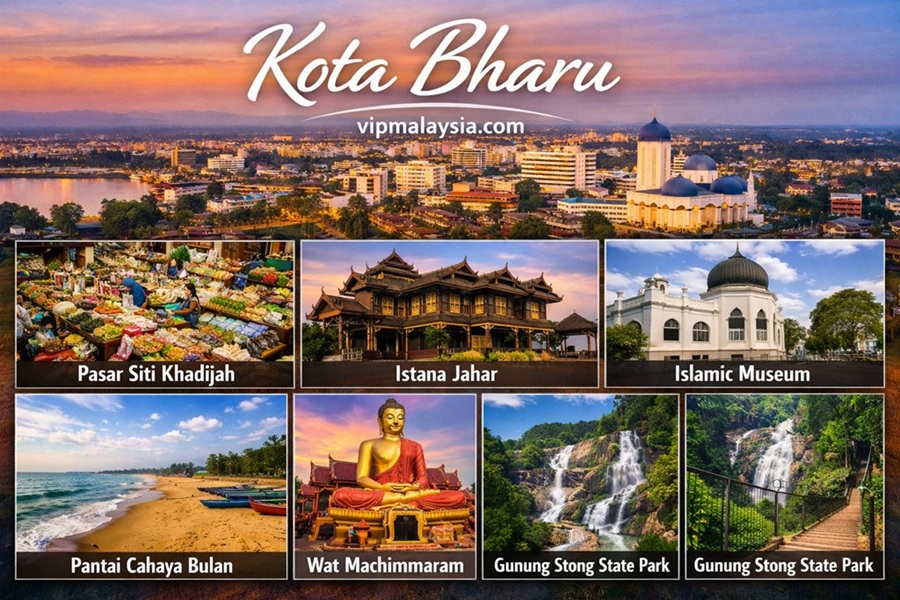
    Named after the Prophet Muhammad’s wife, this bustling market is run largely by women. It is a kaleidoscope of colors, with stalls selling fresh produce, textiles, and traditional snacks. Visitors can savor Kelantanese delicacies like nasi kerabu and kuih muih, while observing daily life in its most authentic form.

    Istana Jahar

    Built in 1855, this former royal residence now serves as a museum showcasing Kelantan’s royal traditions. Exhibits include ceremonial attire, royal gifts, and historical artifacts. The palace’s intricate wood carvings reflect Malay craftsmanship at its finest.

    Islamic Museum

    Housed in a former palace, the Islamic Museum explores the spread of Islam in Kelantan. Manuscripts, religious artifacts, and exhibits on Islamic calligraphy highlight the state’s spiritual heritage.

    Pantai Cahaya Bulan

    Known as “Moonlight Beach,” this coastal stretch is popular for picnics and kite flying. The beach offers a serene escape from the city, with seafood stalls lining the shore.

    Attractions

    Cultural Center (Gelanggang Seni)

    This venue hosts traditional performances such as wayang kulit (shadow puppetry), silat (martial arts), and mak yong (dance-drama). Visitors gain insight into Kelantan’s performing arts, many of which are recognized by UNESCO.

    Kampung Kraftangan

    A handicraft village where artisans produce batik, songket, and wood carvings. Travelers can watch demonstrations and purchase souvenirs. Supporting local crafts helps sustain Kelantan’s cultural economy.

    Wat Machimmaram and Tumpat Temples

    Located near the Thai border, Tumpat is home to several Buddhist temples, including Wat Machimmaram with its towering sitting Buddha statue. These sites reflect the region’s Thai influence and religious diversity.

    Trekking and Adventure

    Jungle Railway Experience

    Travelers can board the “jungle railway” from Johor Bahru to Kota Bharu, passing through lush rainforests and rural villages. This scenic journey is an adventure in itself.

    Gunung Stong State Park

    Located a few hours from Kota Bharu, Gunung Stong State Park offers trekking trails to waterfalls and limestone hills. The Jelawang Waterfall, one of Southeast Asia’s tallest, is a highlight.

    Wildlife Encounters

    Kelantan’s forests host species such as hornbills, gibbons, and tapirs. Trekking tours often include wildlife spotting, adding an adventurous edge to cultural exploration.

    Nearby Attractions

    Perhentian Islands

    Accessible from Kota Bharu via Kuala Besut jetty, these islands are famed for snorkeling and diving. Crystal-clear waters and coral reefs make them a paradise for marine lovers.

    Rantau Panjang

    A border town known for duty-free shopping and Thai-Malay fusion cuisine. It’s a lively spot to experience cross-cultural exchange.

    Kuala Krai

    A riverside town offering boat rides and access to rural Kelantanese life. It’s ideal for travelers seeking off-the-beaten-path experiences.

    Conclusion

    Kota Bharu is more than a gateway city—it is a destination rich in culture, history, and adventure. From its royal palaces and bustling markets to its nearby beaches and trekking trails, it offers travelers a multifaceted experience. Whether you’re drawn to Islamic heritage, traditional crafts, or natural wonders, Kota Bharu rewards exploration with authenticity and charm.

  • Negeri Sembilan: Culture, Nature and Adventure

    Negeri Sembilan: Culture, Nature and Adventure

    Negeri Sembilan

    Negeri Sembilan, a state in southwest Peninsular Malaysia, is a destination where heritage meets natural beauty. Known for its Minangkabau traditions, lush rainforests, and coastal charm, it offers travelers a blend of cultural depth and outdoor adventure.

    Introduction

    Negeri Sembilan is often described as Malaysia’s cultural heartland. Its name, meaning “Nine States,” reflects the historical confederation of districts under the Minangkabau people who migrated from Sumatra. Today, the state is celebrated for its unique architecture with sweeping buffalo-horn roofs, its preserved Adat Perpatih customs, and its diverse landscapes ranging from serene beaches to rugged mountains. Whether you are a history enthusiast, a nature lover, or an adventure seeker, Negeri Sembilan promises a rich travel experience.

    Adat Perpatih is a traditional Minangkabau system of customs and governance practiced in Negeri Sembilan, Malaysia, that is unique for its matrilineal inheritance structure, where property and lineage are passed through women rather than men. Rooted in communal values, it emphasizes collective decision-making, with leadership chosen by consensus rather than hereditary succession. This system organizes society into clans (suku) and districts (luak), with women as custodians of family wealth and men serving as protectors and administrators. It continues to shape cultural identity and social practices in Negeri Sembilan today, distinguishing the state from other Malay regions that follow patrilineal traditions.

    History

    Negeri Sembilan’s history is deeply tied to the Minangkabau migration from West Sumatra in the 15th century. These settlers brought with them the Adat Perpatih, a matrilineal system of governance and inheritance that remains influential today. The state was originally a loose federation of districts, each led by its own chieftain, known as an Undang.

    During the colonial era, Negeri Sembilan became a focal point for British administration, with Seremban emerging as a key town. The Gemas Railway Station, built in 1922, stands as a testament to this period, connecting the state to broader trade and travel networks. The royal town of Seri Menanti, with its wooden palace built without nails, symbolizes the resilience and artistry of Minangkabau craftsmanship.

    Minangkabau Migration and Adat Perpatih

    The roots of Negeri Sembilan trace back to the migration of Minangkabau people from West Sumatra between the 15th and 16th centuries. They brought with them the Adat Perpatih, a matrilineal system of inheritance and governance. This unique tradition shaped the social fabric of the state, emphasizing family harmony and community leadership.

    Historical Formation

    In 1773, Raja Melewar was appointed as the first Yam Tuan ruler, unifying the state under a structured governance system. This marked the beginning of Negeri Sembilan’s identity as a distinct political and cultural entity. The legacy of Adat Perpatih continues to influence social customs today, making it a living tradition rather than a relic of the past.

    Raja Melewar originally a prince from Pagaruyung, Minangkabau (in present-day West Sumatra, Indonesia), invited by the local chiefs of Negeri Sembilan to establish leadership under the Adat Perpatih system. Established the foundation of Negeri Sembilan’s monarchy, which continues today. His leadership brought together various clans and districts under one ruler.

    British Intervention and Modern Development

    By the late 1800s, British involvement in Negeri Sembilan helped mediate conflicts and establish structured governance. This period marked the transition from an agrarian society to one embracing industrial and economic growth. Urban expansion in Seremban and other regions transformed the state into a thriving hub of trade and manufacturing.

    Industrial Growth

    Factories, plantations, and trade networks flourished under British influence. The modernization of infrastructure, including railways and administrative buildings, laid the foundation for Negeri Sembilan’s current industrial strength. Today, the state balances its historical heritage with modern progress.

    Minangkabau-Inspired Architecture

    One of the most striking features of Negeri Sembilan is its architecture. Traditional houses, known as Rumah Gadang, feature upswept roofs resembling buffalo horns. These designs symbolize strength and resilience, deeply rooted in Minangkabau culture.

    Rumah Gadang is the traditional house of the Minangkabau people of West Sumatra, Indonesia, distinguished by its dramatic buffalo-horn-shaped roof and ornate carvings. It serves not only as a residence but also as a cultural symbol of Minangkabau identity and matrilineal society. Rumah Gadang belongs to the women of the family, symbolizing inheritance through the maternal line.

    Architectural Landmarks

    The Seri Menanti Royal Palace stands as a prime example of Minangkabau architecture. Built without nails, it showcases the craftsmanship and ingenuity of traditional builders. Government buildings and cultural centers across the state also adopt this style, preserving the architectural identity of Negeri Sembilan.

    The Seri Menanti Royal Palace, also known as Istana Seri Menanti, is the former royal residence of the Yang di-Pertuan Besar (ruler) of Negeri Sembilan, Malaysia. Built in 1902 and completed in 1908, it is celebrated as one of the finest examples of Minangkabau-inspired Malay architecture. Constructed entirely of timber without nails, using interlocking techniques. Served as the royal residence until 1992; now a museum showcasing royal regalia and heritage.

    Must Visit Cities

    Seremban City

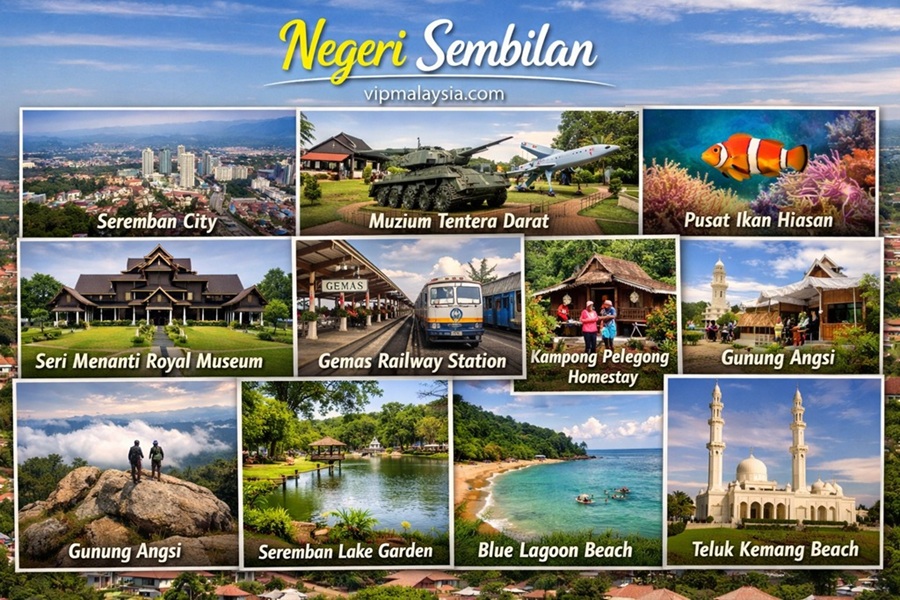
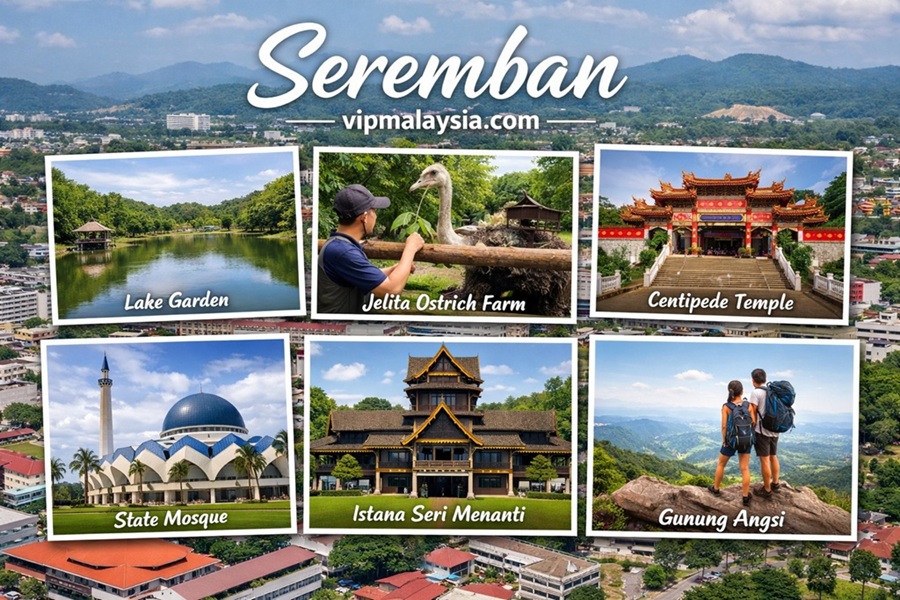
    Seremban, the capital, is a bustling hub where modernity meets tradition. The State Museum, housed in the former Istana Ampang Tinggi, showcases artifacts of Minangkabau heritage. Visitors can explore local markets, taste Negeri Sembilan’s famous spicy cuisine, and witness cultural festivals that celebrate traditional dance and music.

    Port Dickson

    Port Dickson is the state’s coastal jewel, offering sandy beaches like Blue Lagoon and Tanjung Tuan. It is a popular weekend getaway for locals and international tourists alike. The Muzium Tentera Darat (Army Museum) provides insight into Malaysia’s military history, while water sports and sunset cruises make Port Dickson a lively destination.

    Nilai

    Nilai is a growing urban centre known for its shopping malls, universities, and proximity to Kuala Lumpur International Airport. It serves as a strategic stopover for travelers and offers modern amenities alongside traditional food markets.

    Kuala Pilah

    Kuala Pilah is a heritage-rich town with traditional Minangkabau houses and bustling local markets. It is also the gateway to Seri Menanti, making it a cultural stop for those interested in royal history and architecture.

    Rembau

    Rembau is steeped in history, with landmarks like Astana Raja Melewar and cultural museums. The town is also famous for its local delicacies and traditional crafts, offering visitors a taste of authentic Negeri Sembilan culture.

    Jelebu

    Jelebu is known for eco-tourism and natural attractions such as Jeram Toi Waterfall. The district offers homestay experiences, jungle treks, and cultural storytelling, making it a destination for nature lovers and cultural explorers.

    Tampin

    Tampin lies on the border of Negeri Sembilan and Melaka, offering a mix of historical and natural attractions. It is a quieter town with access to waterfalls and forest reserves, ideal for those seeking off-the-beaten-path experiences.

    Bahau

    Bahau is a small town known for its agricultural activities and local markets. It serves as a base for exploring nearby rural landscapes and offers a glimpse into traditional Malaysian town life.

    Seri Menanti

    Seri Menanti is the royal town of Negeri Sembilan, home to the iconic Seri Menanti Palace built entirely of timber without nails. It is a cultural highlight, showcasing Minangkabau aristocratic traditions and heritage.

    Kuala Klawang

    Kuala Klawang is notable for the Kuala Klawang Memorial and its tranquil rural setting. It offers cultural depth and natural beauty, making it a destination for history enthusiasts and those seeking peaceful retreats.

    Must Visit Attractions

    Muzium Tentera Darat

    The Army Museum in Port Dickson is one of Negeri Sembilan’s most visited attractions, showcasing Malaysia’s military history through interactive exhibits, tanks, and aircraft displays. Entry is free, making it a family-friendly destination that combines education with entertainment.

    Pusat Ikan Hiasan

    Located in Port Dickson, Pusat Ikan Hiasan is a small but fascinating aquarium featuring marine life such as clownfish, corals, and seahorses. Admission is free, making it an ideal stop for families with children.

    Cape Rachado Lighthouse

    Cape Rachado Lighthouse, situated in Tanjung Tuan Forest Reserve, is Malaysia’s oldest lighthouse. Visitors can trek through the forest reserve to reach the lighthouse, which offers panoramic views of the Straits of Malacca.

    Seri Menanti Royal Museum

    The Seri Menanti Royal Museum, housed in a palace built entirely of timber without nails, is a cultural landmark showcasing Minangkabau royal heritage. It offers insights into Negeri Sembilan’s aristocratic traditions.

    Astana Raja Melewar (Muzium Rembau)

    Astana Raja Melewar in Rembau was once the residence of the Undang (chieftain) of Rembau and today serves as a museum. The two-storey building showcases regalia, historical records, and artifacts tied to Negeri Sembilan’s Minangkabau heritage. Its traditional architecture, with distinctive buffalo-horn rooflines, makes it a cultural landmark worth visiting.

    Gemas Railway Station

    Built in 1922, Gemas Railway Station remains one of Malaysia’s oldest functioning stations. It is a nostalgic stop for railway enthusiasts, offering a glimpse into colonial-era infrastructure that connected Negeri Sembilan to wider trade and travel networks. The station continues to operate, blending history with modern rail services.

    Museum & Crafts and Culture Complex

    Opened in 1986, the Museum & Crafts and Culture Complex in Seremban spans 2.4 hectares and includes the State Museum (formerly Istana Ampang Tinggi), Teratak Perpatih, and a Minangkabau House. It is a hub for arts, crafts, and cultural exhibitions, preserving Negeri Sembilan’s heritage for future generations.

    Handicraft Centre

    The Handicraft Centre in Seremban, operated by the Malaysian Handicraft Development Corporation, specializes in bamboo, rattan, and glass crafts. Visitors can watch artisans at work, purchase souvenirs, and even participate in workshops to learn traditional techniques.

    Kampong Pelegong Homestay

    Kampong Pelegong Homestay offers cultural immersion where visitors live with host families, participate in cooking, farming, and storytelling. It is also home to the legendary Virgin Well (Perigi Dara), built in 1866, which is tied to local folklore and believed to bring good fortune.

    The Dusun

    The Dusun is a tropical rainforest retreat near Seremban that emphasizes eco-tourism. Visitors can enjoy jungle trekking, birdwatching, and farm-to-table dining experiences. Its serene environment makes it a popular choice for those seeking relaxation and nature immersion.

    Ladang Anggur Sendayan (Siliau)

    Ladang Anggur Sendayan in Siliau is a vineyard with over 6,000 grapevines, offering agricultural tourism experiences. Visitors can tour the vineyard, learn about grape cultivation, and sample fresh produce. It is a unique attraction highlighting Negeri Sembilan’s diversification into agro-tourism.

    Must Visit Natures

    Jeram Toi Waterfall

    Jeram Toi Waterfall in Jelebu is a popular nature spot surrounded by lush rainforest. It offers picnic areas, trekking trails, and refreshing pools where visitors can swim. The waterfall is easily accessible and is a favorite among families and hikers looking for a quick escape into nature.

    Tanjung Tuan Forest Reserve

    Tanjung Tuan, near Port Dickson, is a coastal forest reserve famous for its Cape Rachado Lighthouse and migratory bird-watching. The reserve combines historical significance with natural beauty, offering jungle trails that lead to secluded beaches.

    Gunung Angsi

    Gunung Angsi is one of Negeri Sembilan’s most trekked mountains, located near Seremban. The trail takes about 3–4 hours and rewards hikers with panoramic views of valleys and forests. It is a moderately challenging climb, suitable for both beginners and seasoned trekkers.

    Seremban Lake Garden

    Seremban Lake Garden is a scenic urban park offering jogging paths, cycling routes, and boating activities. It is a tranquil retreat within the city, surrounded by diverse flora and fauna, making it ideal for relaxation and family outings.

    Jeram Gading Waterfall

    Jeram Gading Waterfall in Jelebu is a hidden gem surrounded by dense jungle. It is less crowded compared to Jeram Toi, offering a peaceful environment for picnics and nature walks. The cool waters and shaded areas make it a refreshing retreat.

    Kenaboi State Park

    Kenaboi State Park is a biodiversity hotspot in Jelebu, home to rare orchids, hornbills, and Malayan tapirs. It offers jungle trekking, camping, and eco-tourism activities. The park is a conservation area, making it ideal for nature enthusiasts and researchers.

    Ulu Bendul Recreational Forest

    Ulu Bendul Recreational Forest, located at the foot of Gunung Angsi, is a popular spot for camping and jungle trekking. It features rivers, picnic areas, and trails leading up the mountain. The forest is well-maintained, making it suitable for families and groups.

    Jeram Berungut Gorge

    Jeram Berungut Gorge in Kenaboi is a natural wonder with towering rock walls and a river running through it. The gorge is accessible via jungle trekking and is considered one of Negeri Sembilan’s most unique geological formations.

    Bukit Taisho

    Bukit Taisho in Bahau is a hilltop destination offering panoramic sunrise views. The trek is relatively short but steep, attracting hikers who enjoy early morning climbs. The summit provides sweeping vistas of surrounding towns and countryside.

    Must Visit Beaches

    Blue Lagoon Beach

    Blue Lagoon Beach in Port Dickson is one of the most famous coastal attractions, known for its calm waters and golden sands. Families and tourists enjoy swimming, kayaking, and banana boat rides here. The beach is also close to Tanjung Tuan Forest Reserve, making it a perfect blend of seaside relaxation and nature trekking.

    Teluk Kemang Beach

    Teluk Kemang Beach is the largest and most popular beach in Port Dickson, offering fine sand, vibrant crowds, and a variety of water sports such as jet skiing and banana boat rides. It is well-equipped with facilities like food stalls, parking, and shaded areas, making it ideal for weekend getaways.

    Pantai Cahaya Negeri

    Pantai Cahaya Negeri is a scenic beach connected to Pulau Burung by a bridge, offering visitors a chance to explore mangroves and bird habitats. It is popular for camping, fishing, and photography, especially during sunrise and sunset.

    Pantai Saujana

    Pantai Saujana is a relaxing beach surrounded by greenery and a clean coastline. It is perfect for fishing, strolling, or simply enjoying the sea breeze. The beach is also known for its stunning sunrise and sunset views.

    Pantai Purnama

    Pantai Purnama is renowned for its peaceful atmosphere and clean surroundings. Families often visit for picnics, sand play, and leisurely walks along the shore. Its tranquil environment makes it a favorite for those seeking a quiet retreat.

    Pantai Tanjung Biru

    Pantai Tanjung Biru, also known as Blue Sand Beach, is famous for its turquoise waters and white sand. It is a romantic spot for couples and a family-friendly destination with breathtaking sunset views.

    Pantai Tanjung Gemok

    Pantai Tanjung Gemok is a wide and calm beach lined with coconut trees. It is suitable for picnics, light water sports, and photography, especially during sunrise and sunset. Its serene landscape attracts visitors looking for relaxation.

    Bagan Pinang Beach

    Bagan Pinang Beach is popular among campers and weekend travelers. It offers campsites, basic facilities, and opportunities for water activities. The beach is lively yet retains a natural charm.

    Dickson Beach

    Dickson Beach is one of the main beaches in Port Dickson, well-known for its fine sand and complete facilities. Visitors enjoy family activities, light water sports, and seaside relaxation with amenities such as food stalls and prayer rooms.

    Pantai Cermin

    Pantai Cermin is a quieter beach offering a calm atmosphere and clean seawater. It is ideal for landscape photography, leisurely walks, and family relaxation. Its less crowded environment makes it a hidden gem for those seeking peace.

    Must Visit Mosques

    Masjid Jamek Seri Menanti

    Masjid Jamek Seri Menanti is one of the most iconic mosques in Negeri Sembilan, located in the royal town of Seri Menanti. Built with traditional Malay architecture, it reflects Minangkabau heritage and serves as a spiritual and cultural centre for the community. Its historical significance and unique design make it a must-visit for travelers interested in religious and cultural landmarks.

    Masjid Kariah Dato’ Klana Petra Ma’amor

    This mosque in Seremban is renowned for its grandeur and community role. It is a central place of worship and also hosts religious events and gatherings. The mosque’s architecture blends traditional and modern elements, making it a striking landmark in the capital city.

    Masjid Kariah Tanjung Ipoh

    Located in Kuala Pilah, Masjid Kariah Tanjung Ipoh is a serene mosque surrounded by rural landscapes. It is known for its peaceful environment and serves as a hub for local religious activities. The mosque’s design reflects the simplicity and harmony of traditional Malay architecture.

    Masjid Kariah Rantau

    Masjid Kariah Rantau is a prominent mosque in the town of Rantau. It is well-regarded for its spacious prayer halls and active community involvement. The mosque is a focal point for religious education and cultural gatherings in the district.

    Masjid Kariah Kuala Pilah

    This mosque is one of the central religious landmarks in Kuala Pilah. It plays a significant role in the town’s spiritual life and is often visited by travelers exploring the cultural heritage of Negeri Sembilan. Its architecture and community presence make it a notable destination.

    Masjid Kariah Tampin

    Masjid Kariah Tampin is located near the border with Melaka, serving both locals and travelers. It is known for its welcoming atmosphere and beautiful design. The mosque is a key religious site in Tampin, reflecting the town’s cultural and spiritual identity.

    Masjid Kariah Teluk Kemang

    Situated near Port Dickson, Masjid Kariah Teluk Kemang is a coastal mosque that attracts both worshippers and tourists. Its proximity to beaches makes it a unique spiritual stop for visitors enjoying the seaside. The mosque is also active in community outreach and religious education.

    Masjid Kariah Rembau

    Masjid Kariah Rembau is a historic mosque in the district of Rembau. It is closely tied to the town’s cultural heritage and traditions. The mosque’s architecture and role in preserving local customs make it a significant religious site.

    Masjid Kariah Port Dickson

    Masjid Kariah Port Dickson is a central mosque in the coastal town, serving both residents and tourists. It is known for its accessibility and active role in community life. Visitors often stop here while exploring Port Dickson’s beaches and attractions.

    Masjid Sri Sendayan

    Masjid Sri Sendayan is one of the most modern and grand mosques in Negeri Sembilan, officially opened in 2019. Inspired by Abbasid, Mamluk, Umayyad, and Ottoman architectural styles, it is a masterpiece of Islamic design. Beyond worship, it functions as a community centre, hosting educational programmes and solemnisation ceremonies, making it a landmark of both faith and culture.

    Trekking and Adventure

    Gunung Angsi

    Gunung Angsi, near Seremban, is a popular trekking destination. The trail takes about 3–4 hours and rewards hikers with panoramic views of the surrounding valleys. Facilities include rest huts and guided tours for beginners.

    Trekking Experience

    The trek up Gunung Angsi is moderately challenging, making it suitable for both novice and experienced hikers. Along the way, trekkers encounter streams, dense forest, and occasional wildlife. The summit offers a breathtaking sunrise view, making early morning hikes especially rewarding.

    Eco-Tourism in Jelebu

    Jelebu district is known for eco-tourism, with homestays that allow visitors to experience rural life. Activities include rubber tapping, traditional cooking, and folklore storytelling. The Virgin Well (Perigi Dara) in Kampong Pelegong is a site of local legend, believed to bring good fortune.

    Nearby Attractions

    Kuala Pilah

    Kuala Pilah is a town rich in heritage, with traditional Minangkabau houses and bustling markets. It is also a gateway to Seri Menanti.

    Nilai

    Nilai is a growing urban centre with shopping malls and universities. Its proximity to Kuala Lumpur International Airport makes it a convenient stop for travelers.

    Rembau

    Rembau offers cultural depth with its historical sites and museums. It is also known for local delicacies and traditional crafts.

    Conclusion

    Negeri Sembilan is a destination where history, culture, and nature converge. From the royal palaces of Seri Menanti to the beaches of Port Dickson, the state offers diverse experiences. Its Minangkabau heritage, eco-tourism initiatives, and adventure trails make it a compelling choice for travelers seeking authenticity. Whether you are exploring museums, trekking mountains, or enjoying coastal sunsets, Negeri Sembilan promises a journey that is both enriching and memorable.

    Summary

    • Attraction: Negeri Sembilan
    • Location: #NegeriSembilan 
    • Attraction Type: #Heritage 
    • Source: tourismnegerisembilan.com
    • Why Explore:
      • Rich Minangkabau traditions – Unique social customs & heritage
      • Historical significance – Shaped by Malay Sultanate and British rule
      • Architectural beauty – Home to the iconic upswept Minangkabau-style roofs
      • Diverse culinary delights – Enjoy fiery ‘masak lemak cili api’ dishes

    Quick Info

    AttributeDetails
    NameNegeri Sembilan
    LocationCentral Region, Peninsular Malaysia
    GPS Position2.7258° N, 101.9373° E
    StateNegeri Sembilan
    Historical SignificanceMinangkabau Influence, Adat Perpatih, British Intervention
    Special AttractionsSeri Menanti Royal Palace, Port Dickson Beach, Seremban Lake Garden
    Nearby StatesSelangor, Pahang, Melaka, Johor
    Main Economic ActivitiesAgriculture, Manufacturing, Trade
    Best Time to VisitYear-round, avoid monsoon season (September–November)
    ClimateWarm & humid, temperature: 23°C–33°C
    Accessibility50 km from Kuala Lumpur, easily reachable via highways

    Visitor Reviews

    ★★★★★ Lorenzo C., Rome, Italy

    “I hiked Gunung Angsi via the Bukit Putus trail. The incline was steep but manageable, and reaching the summit in about 1.5 hours felt rewarding. The entry permit was only RM5, and there was free parking near the trailhead. The tropical forest atmosphere was refreshing, though it gets crowded on weekends. Overall, a solid workout with beautiful scenery.”

    ★★★★☆ Mohamad Khan, Singapore

    “I brought my two kids, aged 8, for the Gunung Angsi trek. It took us nearly six hours because of muddy terrain after rain. The rope climbs and river crossings were challenging but memorable. It was tough guiding children through the trail, yet the sense of being back in nature was worth it. The scenery at the peak was calming, though facilities could be improved.”

    ★★★★★ Zulkarnain Bin Mat Isa, Kuala Lumpur

    “Gunung Angsi is not about the summit view—it’s about the trail itself. Rope climbs, slippery roots, and river crossings make it a proper workout. Parking is roadside, so weekends can be hectic. The Bukit Putus trail is the best maintained, while the alternative trail is muddy and poorly supported. For a hike just an hour from KL, it’s a fantastic option for fitness hikers.”

  • Kota Kinabalu: Gateway to Borneo’s Wonders

    Kota Kinabalu: Gateway to Borneo’s Wonders

    Kota Kinabalu

    Kota Kinabalu, the vibrant capital of Sabah, Malaysia, is a coastal gem that blends rich cultural heritage, breathtaking natural landscapes, and modern city life. Known as the gateway to Mount Kinabalu and the South China Sea, this destination offers travelers a mix of history, adventure, and relaxation. From bustling night markets to pristine islands, Kota Kinabalu is a city that rewards exploration at every turn.

    Introduction

    Kota Kinabalu, often called “KK,” sits on the northwest coast of Borneo. Facing the South China Sea and backed by lush mountains, it is a city where tradition meets modernity. Once a humble fishing village named Api-Api, it has grown into a thriving hub for tourism, commerce, and culture. Today, KK is celebrated for its sunset views, diverse ethnic communities, and easy access to both marine and mountain adventures.

    History

    The history of Kota Kinabalu is deeply tied to resilience and transformation. Originally known as Api-Api, the settlement became Jesselton under British colonial rule in the late 19th century. During World War II, much of Jesselton was destroyed by bombings, leaving only a handful of structures like the Atkinson Clock Tower. After the war, the city was rebuilt and renamed Kota Kinabalu in 1967, honoring Mount Kinabalu, the sacred peak of Sabah.

    The Atkinson Clock Tower in Kota Kinabalu is the city’s oldest standing structure, built in 1905 in memory of Francis George Atkinson, the first District Officer of Jesselton (now Kota Kinabalu), who died of malaria at the age of 28. Constructed from durable Mirabau wood, the tower stands about 15.7 meters tall and originally housed a two-faced clock imported from England. Remarkably, it survived the heavy bombings of World War II that destroyed most of Jesselton, making it one of the few pre-war landmarks still intact. Over the decades, it served both as a memorial and as a navigation beacon for ships entering the harbor, its illuminated silhouette guiding vessels at night. Today, the tower is recognized as a heritage site under the Sabah Museum and Sabah Cultural Board, symbolizing resilience, colonial history, and cultural heritage in Borneo.

    This historical journey reflects the spirit of survival and renewal. The city’s past is visible in its colonial remnants, war memorials, and cultural traditions preserved by indigenous groups such as the Kadazan-Dusun. Today, Kota Kinabalu stands as a symbol of Sabah’s identity, balancing its colonial legacy with modern development.

    Highlights

    Signal Hill Observatory Tower

    Offering panoramic views of the city and the South China Sea, Signal Hill is a favorite spot for sunset photography. The short hike or drive to the top rewards visitors with a sweeping perspective of KK’s skyline and offshore islands.

    Atkinson Clock Tower

    Built in 1902, this landmark is one of the few structures to survive WWII bombings. It commemorates Francis George Atkinson, the first District Officer of Jesselton. The tower is a testament to KK’s resilience and colonial heritage.

    Kota Kinabalu Waterfront

    A lively promenade lined with seafood restaurants, bars, and cafes, the waterfront is the city’s social hub. At night, it transforms into a vibrant scene of music, dining, and nightlife.

    Attractions

    Tunku Abdul Rahman Marine Park

    Just minutes offshore, this cluster of islands—Gaya, Manukan, Sapi, Mamutik, and Sulug—offers snorkeling, diving, and beach relaxation. The marine park is home to coral reefs, tropical fish, and clear turquoise waters, making it a paradise for nature lovers.

    Gaya Street Sunday Market

    Every Sunday, downtown KK becomes a bustling bazaar. Visitors can browse stalls selling local crafts, fresh produce, traditional snacks, and souvenirs. It’s a cultural immersion into Sabah’s diverse communities.

    Sabah State Museum

    This museum showcases Sabah’s history, ethnography, and natural heritage. Exhibits include indigenous artifacts, colonial relics, and wildlife displays, offering insight into the region’s identity.

    Todak Waterfront

    Todak Waterfront is a public space offering front-row views of Tunku Abdul Rahman Park and Kota Kinabalu’s legendary sunsets. The iconic “I Love KK” sign has become a popular photo spot for visitors.

    Trekking and Adventure

    Mount Kinabalu

    Standing at 4,095 meters, Mount Kinabalu is Malaysia’s tallest peak. Trekkers embark on a two-day climb through diverse ecosystems, from tropical rainforest to alpine meadows. The summit, Low’s Peak, offers spectacular sunrise views over Borneo.

    Kinabalu Park

    A UNESCO World Heritage Site, Kinabalu Park is rich in biodiversity. It hosts over 5,000 plant species, including orchids and pitcher plants, as well as wildlife such as orangutans and hornbills. The park is a haven for eco-tourism and scientific exploration.

    White-Water Rafting on Kiulu River

    For adrenaline seekers, rafting down the Kiulu River provides a mix of gentle rapids and scenic countryside views. It’s suitable for beginners and families, making adventure accessible to all.

    Bukit Botak Trail

    Bukit Botak, also known as Bukit Gundul, is a moderate trail about 3.1 km long, taking roughly 1.5–2 hours to complete. The trail is popular for sunrise and sunset hikes, offering panoramic views of Sepangar Bay, Pulau Gaya, and even Mount Kinabalu on clear days. Its exposed peak makes it essential to bring sun protection and plenty of water.

    Teluk Likas to Muara Likas Trail

    This seaside trail stretches 7.3 miles and is considered easy, making it ideal for walking and cycling. It offers scenic views of the beach and is popular among locals for morning and evening activities. The route is also home to diverse flora and fauna, adding to its charm.

    Bukit Kopungit Trail

    Bukit Kopungit, also called Sulky Hill, is a moderate 1.1-mile trail located near Jalan Pintas. Along the way, hikers encounter a small cave dating back to the Japanese occupation during World War II. The summit provides stunning views of Kota Kinabalu International Airport and surrounding landscapes.

    Bukit Kopungit Loop

    This 1.9-mile loop trail takes about 1–1.5 hours to complete. It leads hikers to the top of Bukit Kopungit, where dusk views are particularly beautiful. The trail includes steep sections and stairs made from old car tires, adding a unique challenge.

    Bukit Padang North to South Trail

    Bukit Padang’s trail winds through tropical rainforest and leads to the summit, offering views of the park’s lake surrounded by hills. The 2.1-mile moderate trail takes about 1–1.5 hours and is popular for its lush greenery and tranquil environment.

    Surveyors’ Trail from Bukit Padang via Minintod

    This moderate 7.4 km trail offers a scenic hike through forested areas with elevation gains of over 200 meters. It is known for its peaceful environment and is suitable for hikers seeking a longer, moderately challenging route near the city.

    Bukit Tirig Trail

    Bukit Tirig is considered easier than Bukit Botak, making it suitable for beginners. The trail is shorter and less steep, but still offers rewarding views of the surrounding countryside and cityscape. It is a favorite among local families and casual hikers.

    Bukit Bonduk Trail

    Bukit Bonduk, another name for Bukit Botak, is a trail with sandy and bushy sections. It is well-marked and maintained, offering a decent challenge for beginners while rewarding them with views of Pulau Gaya and the sea port.

    Signal Hill Observatory Trail

    This short 3.8 km trail leads from the city center to Signal Hill Observatory Tower. It is an easy hike that takes about an hour, offering panoramic views of Kota Kinabalu’s skyline and the South China Sea.

    Sembulan to Putatan Long Trail

    This difficult 25.6 km trail passes through Putatan, Kepayan, and Lido, offering a long-distance adventure for experienced hikers. It takes about 6.5 hours to complete and showcases diverse landscapes along the way.

    Nearby Attractions

    Mari Mari Cultural Village

    Located just outside KK, this village offers immersive experiences into Sabah’s ethnic traditions. Visitors can witness traditional dances, bamboo cooking, and longhouse architecture, connecting with indigenous heritage.

    Lok Kawi Wildlife Park

    A family-friendly attraction, the park houses orangutans, proboscis monkeys, and pygmy elephants. It emphasizes conservation and education, showcasing Sabah’s unique wildlife.

    Tanjung Aru Beach

    Renowned for its sunsets, Tanjung Aru is a popular spot for evening strolls and picnics. The beach is lined with food stalls serving local delicacies like satay and coconut drinks.

    Must Visit Mosques

    Kota Kinabalu City Mosque (Floating Mosque)

    The Kota Kinabalu City Mosque, often called the Floating Mosque, is the most iconic in Sabah. Completed in 2000, it sits on a man-made lagoon at Likas Bay, creating a stunning reflection that makes it appear as if it floats on water. With a capacity of 12,000 worshippers, its blue-and-gold dome and four minarets make it a landmark of Islamic architecture and spirituality.

    Masjid Negeri Sabah (Sabah State Mosque)

    Located near the city center, the Sabah State Mosque is a grand structure blending Islamic and contemporary design. Its golden dome and tall minaret dominate the skyline, while the mosque itself can accommodate thousands of worshippers. It serves as the main mosque for Sabah and hosts major religious events.

    Masjid Bandaraya Likas

    This mosque is situated in the Likas area and is known for its peaceful surroundings. Its architecture reflects modern Islamic design, and it is frequently visited by both locals and travelers seeking a quieter spiritual experience compared to the City Mosque.

    Masjid Jamek Kg. Likas

    A community mosque serving the Kampung Likas area, Masjid Jamek is smaller but significant for local worshippers. It plays a vital role in hosting Friday prayers and community gatherings, reflecting the grassroots Islamic culture of Kota Kinabalu.

    Masjid Kg. Sembulan

    Located in the historic Sembulan area, this mosque is closely tied to the Bajau community. It is a cultural and religious hub, offering insight into the traditions of Sabah’s coastal people while serving as a place of daily worship.

    Masjid Kg. Likas Baru

    This mosque is a newer addition to the Likas district, built to accommodate the growing population. Its design incorporates modern facilities, making it accessible for worshippers and visitors alike.

    Masjid Kg. Darau

    Situated on the outskirts of Kota Kinabalu, Masjid Kg. Darau is a community mosque surrounded by traditional villages. It is a center for religious education and community bonding, reflecting the rural character of Sabah.

    Masjid Kg. Inanam

    Inanam’s mosque is a focal point for the district, serving a large population of worshippers. It is known for its spacious prayer hall and active involvement in local Islamic festivals and events.

    Masjid Kg. Menggatal

    This mosque caters to the Menggatal area north of Kota Kinabalu. It is a hub for Friday prayers and religious classes, providing spiritual guidance to the local community.

    Masjid Kg. Petagas

    Located near the Petagas War Memorial, this mosque combines spiritual significance with historical context. It serves the surrounding community and is often visited by travelers exploring the area’s heritage.

    Must Try Foods

    Tuaran Mee

    Tuaran Mee is Sabah’s signature noodle dish, made from egg noodles that are wok-fried to perfection with egg rolls, char siu, and leafy greens. Its springy texture and smoky wok aroma make it a beloved staple, originating from the town of Tuaran but now widely enjoyed in Kota Kinabalu.

    Beaufort Mee

    Beaufort Mee features soft flat noodles stir-fried in thick dark soy sauce with pork slices and vegetables. The dish is rich and savory, often cooked with lard for added depth, and remains one of Sabah’s most iconic comfort foods.

    Ngiu Chap

    Ngiu Chap is a hearty Hakka beef noodle soup, simmered for hours with beef brisket, tripe, tendon, and meatballs. Served with noodles of your choice, it is a deeply flavorful dish that showcases Sabah’s Chinese culinary heritage.

    Sang Nyuk Mee

    Sang Nyuk Mee, meaning “pork noodle soup,” is a Sabah classic featuring thin egg noodles with blanched pork slices, liver, and intestines. Served in either clear or dark broth, it is a soul-warming dish that originated in Tawau but became a Kota Kinabalu breakfast staple.

    Hinava

    Hinava is a Kadazan-Dusun delicacy made from raw fish marinated in lime juice, ginger, chili, and bitter gourd. It is a refreshing and tangy dish often served during cultural festivals, representing the indigenous flavors of Sabah.

    Tuhau

    Tuhau is a traditional condiment made from wild ginger, finely chopped and pickled with lime juice and chili. Its pungent aroma and unique taste make it a distinctive side dish, often paired with rice or grilled meats.

    Laksa

    Sabah-style Laksa is a creamy coconut milk curry noodle soup, served with prawns, chicken, bean sprouts, and tofu puffs. Unlike Penang Laksa, it is less spicy but rich in flavor, offering a comforting meal for locals and visitors alike.

    Cinnamon Pancake (Ham Xin Piang)

    Ham Xin Piang is a local cinnamon pancake found in morning markets and kopitiams. Crispy on the outside and soft inside, it carries a subtle cinnamon aroma and salty undertone, making it a simple yet addictive breakfast treat.

    Tenom Mee

    Tenom Mee is a noodle dish from Tenom, featuring thin homemade noodles fried and then immersed in broth. It is served with roasted pork belly, chicken, and fish balls, offering a comforting balance of flavors.

    Seafood at Pasar Ikan Sembulan

    Fresh seafood is a highlight of Kota Kinabalu, especially at Pasar Ikan Sembulan, where locals gather nightly for grilled fish, prawns, and crabs. The market atmosphere and freshly caught seafood make it a must-visit culinary experience.

    Conclusion

    Kota Kinabalu is more than just a gateway—it is a destination that blends history, culture, and adventure. From the colonial echoes of Jesselton to the natural wonders of Mount Kinabalu and the marine park, KK offers travelers a complete experience of Sabah’s spirit. Whether you seek trekking challenges, cultural immersion, or seaside relaxation, Kota Kinabalu delivers unforgettable memories.

    Visitor Reviews

    Sharon Gourlay, Melbourne, Australia — ★★★★☆ “I spent five days in Kota Kinabalu and loved the mix of city and nature. The Mari Mari Cultural Village was a highlight, with traditional dances and bamboo cooking demonstrations. The only downside was the occasional heavy rain, but overall KK is a fantastic base for exploring Sabah.”

    Farieza Aiza, Melaka — ★★★★★ “Snorkeling off Manukan Island was unforgettable. The coral reefs were vibrant, and the water was crystal clear. I also enjoyed the street food at Central Market—cheap, delicious, and authentic. Kota Kinabalu feels like a paradise for adventure lovers.”

    Samantha Cools, London, UK — ★★★★★ “The trek up Mount Kinabalu was challenging but worth every step. Watching the sunrise from Low’s Peak was one of the most memorable experiences of my travels. The city itself is welcoming, with friendly locals and lively night markets.”

    Khairul Nizam Azhar, Kuala Lumpur — ★★★★☆ “Kota Kinabalu surprised me with its balance of modern shopping malls and natural escapes. The Signal Hill Observatory gave me stunning views of the city and sea. I recommend visiting between February and September for the best weather.”

  • Seremban Travel Guide: History, Highlights, Attractions

    Seremban Travel Guide: History, Highlights, Attractions

    Seremban, Negeri Sembilan

    Seremban, the capital of Negeri Sembilan, is a city where heritage, culture, and modern charm converge. From colonial trails and lush gardens to grand mosques and cultural complexes, Seremban offers travelers a rich blend of history, adventure, and authentic Malaysian experiences. This guide explores its past, attractions, trekking spots, and cultural highlights, making it a must-visit destination.

    Introduction

    Located just 60 kilometers south of Kuala Lumpur, Seremban is often overlooked as a travel destination, yet it offers a wealth of experiences. Known for its Minangkabau heritage, architectural marvels, and thriving food scene, Seremban is both accessible and distinct. Its proximity to Kuala Lumpur makes it a convenient getaway, while its cultural depth ensures that every visit is memorable.

    History

    Seremban’s origins trace back to the tin mining boom of the 19th century, when traders and settlers flocked to the area. The influx of Minangkabau migrants from Sumatra shaped the cultural identity of Negeri Sembilan, and their influence remains visible in the city’s architecture and traditions.

    The Seremban Railway Station, built in 1924, became a symbol of progress, connecting the town to other parts of Malaysia. Colonial-era shop houses along Jalan Sungai Ujong still stand, offering a glimpse into Seremban’s past. Today, Seremban balances its historical legacy with modern development, making it a city of contrasts.

    Highlights

    Seremban Heritage Trail

    Starting at the Seremban Railway Station, the Heritage Trail showcases colonial-era architecture, the First Rubber Tree, and old shop houses. Informative street signs guide visitors, while nearby eateries like Restoran Yi Poh serve the famous Lou Shi Fun noodles.

    • Address: Seremban Railway Station 239, Jalan Tuanku Antah, Jalan Rahang Kecil, Seremban, Negeri Sembilan, Malaysia
    • Phone: +606-761 1708 (Station Office) +603-2267 1200 (KTM Customer Service)

    The Seremban Railway Station is a historic and operational railway hub located in the heart of Seremban, Negeri Sembilan, Malaysia. Constructed between 1904 and 1910 at a cost of RM26,000, it originally served the Sungai Ujong Railway Co. Ltd before being taken over by the Federated Malay States Railways in 1908, and later by Keretapi Tanah Melayu (KTM) in 1948. The station has long been a vital link on the West Coast Line, offering both intercity and commuter services. It was once the terminus of the Port Dickson branch line, which operated until 2008. Today, the station continues to serve KTM ETS (Electric Train Service) and KTM Komuter trains, making it a key transport gateway for Negeri Sembilan.

    Seremban Heritage Trail Attractions

    AttractionDetails
    Seremban Railway StationBuilt in 1924, featuring terracotta roof and Islamic-style cupola. Serves as the starting point of the Heritage Trail.
    First Rubber TreeA preserved historical tree marking Malaysia’s early rubber industry, located along the trail.
    Colonial-Era Shop HousesRows of old shop houses showcasing colonial architecture and Seremban’s commercial past.
    Jalan Sungai UjongHistoric street lined with heritage buildings, murals, and cultural markers.
    Nearby Food Spot: Restoran Yi PohFamous for Lou Shi Fun noodles, offering a culinary stop along the trail.

    Jalan Sungai Ujong Experience

    Walking along Jalan Sungai Ujong, travelers encounter colonial buildings alongside bustling shops. Murals and cultural markers highlight Seremban’s transformation from a mining town to a modern city.

    Lake Gardens (Taman Tasik Seremban)

    Located at Jalan Taman Bunga, Lake Gardens is a serene escape featuring paddle boating, jogging trails, and playgrounds. Families enjoy its facilities, while photographers capture scenic lake views. Nearby, Seremban Seafood Village is famous for baked crabs.

    Morning Jog Atmosphere

    Joggers often begin their day here, enjoying the cool breeze and tranquil surroundings. The gardens also host cultural festivals, adding vibrancy to its natural beauty.

    General InfoDetails
    NameLake Gardens (Taman Tasik Seremban)
    OverviewOne of Malaysia’s oldest natural lake gardens, established during the British colonial era. Known for scenic promenades, lotus ponds, and landscaped greenery.
    AddressTaman Tasik Seremban, 70000 Seremban, Negeri Sembilan, Malaysia
    Phone+6012-677 3693
    Visitor InfoOpen daily, free entry. Best visited in the morning or evening for cooler weather. Facilities include jogging tracks, gazebos, restrooms, and a floating stage.
    ActivitiesJogging, paddle boating, picnicking, photography, birdwatching, and community cultural festivals. Families enjoy playgrounds, while fitness enthusiasts use the trails.
    Nearby AttractionsNegeri Sembilan State Museum, Church of the Visitation, Palm Mall Seremban, and Seremban Seafood Village (famous for baked crabs).

    Negeri Sembilan State Mosque

    This mosque, located on Jalan Datuk Hamzah, features a Minangkabau-inspired roof and nine symbolic pillars representing the nine districts of Negeri Sembilan. It is both a spiritual and architectural icon.

    Symbolism of Nine Pillars

    The nine pillars symbolize unity among the districts. The mosque blends tradition with modern design, making it a must-visit for architecture enthusiasts.

    Sri Sendayan Mosque

    Opened in 2019, Sri Sendayan Mosque is one of Malaysia’s most beautiful mosques, combining Abbasid, Mamluk, and Ottoman styles. It spans 4.5 hectares and offers guided tours.

    Architectural Grandeur

    Intricate carvings, gold plating, and calligraphy showcase Islamic artistry. The mosque is not only a place of worship but also a hub for social and educational events.

    Seremban Cultural Complex

    The complex houses the State Museum and Negeri Sembilan House, both showcasing Minangkabau architecture and cultural artifacts. Exhibitions include traditional textiles and crafts.

    Minangkabau Roof Design

    The horn-shaped roof symbolizes cultural resilience. The complex offers a comprehensive look into Negeri Sembilan’s traditions.

    More Attractions

    Seremban Street Art Lane

    Lorong Seni Seremban features over 30 murals created by local artists. It transforms alleys into vibrant public spaces, making it a favorite spot for photography.

    Cultural Expression

    Murals depict local legends, daily life, and historical figures, offering visitors a colorful narrative of Seremban’s identity.

    Pasar Besar Seremban

    This bustling market offers fresh produce and local delicacies, including Seremban’s famous siew pau (baked buns). It reflects the city’s diverse community and culinary traditions.

    Culinary Adventure

    Walking through the market, visitors encounter tropical fruits, handmade crafts, and lively vendors eager to share stories.

    Trekking and Adventure

    Bukit Kepayang

    Bukit Kepayang offers 30 trails ranging from easy strolls to steep climbs. The hill is only 205 meters tall but provides panoramic views of Seremban.

    Sunrise Trek

    Early morning treks reward hikers with breathtaking sunrise views. Temples and lotus ponds near the hill add cultural and natural charm.

    Main Trails

    Trail NameDescription & DifficultyDuration / Time
    Super Way TrailSteep but short climb directly to the peak. Rope assistance provided. Suitable for intermediate hikers.~ 45 minutes
    Dog TrailSteep descent leading to Station 3 (Khoo Junction). Requires careful footing.~ 55 minutes
    Rainbow TrailRocky terrain with rope assistance. Moderate difficulty, popular exit route to tarmac road.~ 2.5 hours
    Eagle TrailDense foliage, moderate climbs with rope support. Offers sunrise/sunset views at the peak.~1.5 hour
    Sky Garden TrailPasses Lotus Pond and a Hindu temple. Moderate difficulty with steep sections. Scenic summit views.~ 1.5 hour
    Extended Loop TrailLonger circuit with steep and muddy sections. Requires insect repellent and good boots.~ 2.5 hours

    Centipede Temple (Then Sze Koon Temple)

    Located on Wu Gong Hill, this temple is famous for its striking centipede sculpture. It offers panoramic views of Seremban and serves as a mystical shrine.

    Visitors climb 264 steps to reach the temple, which sits about 127 meters above sea level, offering panoramic views of Seremban and the surrounding countryside. The temple complex includes a three‑storey pagoda with a Laughing Buddha statue, shrines dedicated to deities such as Guan Yin and Guan Di, a tortoise pond, koi pond, and the God of Marriage (Yue Lao) statue where couples leave lockets tied with red strings for blessings. The temple blends Taoist, Buddhist, and Chinese folk religious traditions, making it a unique cultural site.

    • Address: Centipede Temple (Then Sze Koon Temple) Persatuan Penganut Dewa Then Sze Bukit Jung Jalan Temiang, 70200 Seremban, Negeri Sembilan, Malaysia
    • Phone: +6019-620 6689 +6010-310 5880

    Mystical Atmosphere

    Visitors climb the hill to reach the temple, where they encounter intricate shrines and peaceful surroundings.

    Conclusion

    Seremban offers a perfect balance of heritage and modernity. From historical trails and cultural complexes to mosques and gardens, it provides travelers with a rich tapestry of experiences. Whether you seek spiritual reflection, outdoor adventure, or culinary delights, Seremban delivers it all. Its accessibility from Kuala Lumpur makes it an ideal getaway.

    Quick Info

    AttributeDetails
    DestinationSeremban, Malaysia
    NameSeremban
    Location / AddressNegeri Sembilan, Malaysia
    StateNegeri Sembilan
    GPS Position2.7100° N, 101.9500° E
    Date EstablishedLate 19th century (tin mining boom); declared city status on 20 January 2020
    Main AttractionsLake Gardens, Sri Sendayan Mosque, Negeri Sembilan State Mosque, Seremban Heritage Trail
    Popular AttractionsCentipede Temple, Street Art Lane, Pasar Besar Seremban, Bukit Kepayang
    Nearby LandmarksPalm Mall Seremban, Church of the Visitation, Negeri Sembilan Cultural Complex
    FacilitiesHotels, Resorts, Restaurants, Shopping Malls, Cultural Centers
    AccessibilityAccessible via North–South Expressway (PLUS), KTM ETS & Komuter trains
    TransportationCar, Bus, Train (KTM ETS/Komuter), Taxi, E‑hailing
    Best Time to VisitYear‑round; mornings/evenings best for outdoor activities
    Recommended ActivitiesHeritage Trail Walk, Mosque Tours, Street Art Photography, Market Food Tasting
    ActivitiesHiking (Bukit Kepayang), Sightseeing, Cultural Exploration, Culinary Tours
    AccommodationLuxury Hotels, Budget Inns, Homestays
    Local CuisineSeremban Siew Pau (baked buns), Lou Shi Fun noodles, Baked Crabs
    Nearby CitiesKuala Lumpur (~60 km), Port Dickson (~30 km)
    ContactSeremban City Council (Majlis Bandaraya Seremban), Wisma MBS, Persiaran Forest Heights 1, Jalan Seremban–Tampin, 70450 Seremban, Negeri Sembilan. Tel: +606‑765 4333

    Visitor Reviews

    Yahya Sumud Frotilla, Kuala Lumpur – ★★★★★ “I visited Sri Sendayan Mosque last year, and the experience was breathtaking. The mosque’s design, blending Abbasid and Ottoman styles, was unlike anything I had seen in Malaysia. The prayer hall could accommodate thousands, and the guided tour explained the symbolism behind the carvings and calligraphy. I appreciated the clear visitor guidelines, like modest dress codes, which made the visit respectful and organized.”

    Guthrie Konte, Singapore – ★★★★☆Lake Gardens (Taman Tasik Seremban) was a highlight of my trip. The jogging trails were shaded and well-maintained, and I enjoyed paddle boating on the lake. Families were picnicking, and the playgrounds were lively. Afterward, I tried the famous baked crabs at Seremban Seafood Village nearby—absolutely worth it. The only downside was weekend crowds, but the atmosphere was still relaxing.”

    Ibrahimsha Abu Mamu, Penang – ★★★★★ “The Heritage Trail was fascinating. Starting at the Seremban Railway Station, I walked past colonial-era shop houses and saw the First Rubber Tree. Informative signs explained the history, and I stopped at Restoran Yi Poh for their Lou Shi Fun noodles, which lived up to the hype. It felt like stepping back in time while still being part of a vibrant city.”

    Arif Alan, Johor Bahru – ★★★★☆Seremban Street Art Lane was colorful and creative. The murals stretched across several streets, with themes ranging from heritage to modern abstract art. It was fun to explore and take photos, though parking nearby was tricky. The lane has clearly revitalized the area, turning back alleys into vibrant public spaces.”

  • Discover Ipoh: Malaysia’s Hidden Gem City

    Discover Ipoh: Malaysia’s Hidden Gem City

    Ipoh, the capital of Perak, is a city of limestone caves, colonial charm, and culinary wonders. Once the “City of Millionaires” during the tin boom, today it blends heritage with modern creativity, offering travelers temples, street art, and unforgettable food.

    Introduction

    Ipoh is often overlooked by travelers rushing between Kuala Lumpur and Penang, yet it is one of Malaysia’s most rewarding destinations. Known for its tin mining past, British colonial architecture, and vibrant food culture, Ipoh offers a slower pace with rich experiences. From cave temples carved into limestone hills to hip cafés serving the famous Ipoh white coffee, the city is a perfect blend of history and modernity.

    History

    Ipoh’s origins trace back to the poisonous “Ipoh tree,” used by Orang Asli to coat blowdart tips. The discovery of tin in the Kinta Valley in the 1880s transformed Ipoh into one of Southeast Asia’s wealthiest cities. By the 1920s, it was nicknamed the “City of Millionaires,” with ornate mansions and shophouses built by wealthy tin tycoons. The Japanese occupation during World War II brought hardship, but Ipoh recovered, only to face decline when tin prices collapsed in the 1980s. Today, restored heritage buildings, street art, and creative cafés have sparked a renaissance, making Ipoh a vibrant cultural hub.

    Must-Visit Attractions

    Birch Memorial Clock Tower

    Ipoh’s Old Town is filled with colonial landmarks such as the Birch Memorial Clock Tower, the Town Hall, and the grand railway station. These buildings reflect British influence and remain central to the city’s identity.

    Ipoh Railway Station

    Known as the “Taj Mahal of Ipoh,” the railway station is a striking white structure built in 1917. Its domes and arches showcase Indo-Saracenic architecture, and it remains a functioning station today. Visitors often admire its gardens and take photos against its elegant façade.

    Street Art and Urban Culture

    Ipoh’s Mural Art Trail tells stories of tin miners and local traditions. Colorful umbrellas along Kinta Riverfront Walk and murals in Mural Arts Lane have transformed the city into an open-air gallery.

    Cave Temples

    Ipoh is home to spectacular cave temples carved into limestone hills.

    Sam Poh Tong Temple

    This temple, set within a cave, features a serene pond with turtles and striking Buddha statues. Its peaceful atmosphere makes it a favorite among visitors.

    Perak Tong Temple

    Built in 1926, Perak Tong houses a massive golden Buddha and colorful murals. Climbing its 400 steps rewards visitors with panoramic views of Ipoh.

    Natural Wonders

    Ipoh’s limestone hills and caves are natural marvels.

    Gua Tempurung

    Located south of Ipoh, Gua Tempurung is one of the longest caves in Peninsular Malaysia. Visitors can explore dry tours or adventurous wet tours through underground rivers.

    Gunung Lang Recreational Park

    This park features a man-made lake, boat rides, and limestone hills. It’s a popular spot for families and nature lovers.

    Gua Tambun

    Walk into the wonder of Gua Tambun, where ancient red ochre paintings glow against limestone cliffs and invite you to journey back thousands of years. Each figure etched on the rock is a silent storyteller, carrying the spirit of Ipoh’s earliest people. This is a place of mystery and awe, where history is not read in books but seen on stone walls—waiting for you to stand before it and feel the timeless connection.

    Ipoh Heritage Trail

    The Ipoh Heritage Trail is a captivating walking route through the city’s old town, where visitors can explore colonial landmarks like the Ipoh Railway Station, Town Hall, High Court, and Birch Memorial Clock Tower. Along the way, you’ll discover charming streets, vibrant murals, and historic coffee shops that showcase Ipoh’s rich cultural past. This trail offers a perfect blend of history, architecture, and local flavors, making it an unforgettable experience for anyone eager to see the soul of Ipoh up close.

    Little India

    Lose yourself in the lively streets of Little India, where tradition and modern life blend seamlessly. Here, the air is filled with the aroma of spices, the sparkle of jewelry shops, and the warmth of authentic Indian hospitality. Whether you’re drawn by the festive lights of Deepavali, the taste of biryani and dosa, or the charm of colorful sarees, this cultural enclave offers a journey into the heart of Malaysia’s Indian heritage—making it a destination you simply cannot miss.

    Ipoh Railway Station

    If you’re looking for a place that blends history with charm, Ipoh Railway Station is one you shouldn’t miss. Often called the Taj Mahal of Ipoh, its whitewashed walls, sweeping arches, and grand dome make it a stunning sight right in the city center. Beyond being a transport hub, it’s surrounded by lively streets, heritage cafés, and cultural trails that let you step straight into Ipoh’s story. Visiting feels less like catching a train and more like discovering a piece of living history.

    D.R. Seenivasagam Park

    Visiting D.R. Seenivasagam Park is like stepping into a calm oasis right in the middle of the city. With its wide-open lawns, shady jogging paths, and a tranquil lake framed by bamboo groves, the park feels welcoming to everyone—families, joggers, cyclists, and travelers alike. The Japanese Garden adds a touch of elegance, while the playgrounds and cycling zone keep the atmosphere lively. Whether you’re looking to relax, exercise, or simply enjoy fresh air, the park offers a genuine slice of Ipoh’s charm that makes it worth adding to your travel plans.

    Yasmin Ahmad at Kong Heng Museum

    The Yasmin Ahmad at Kong Heng Museum is a cozy cultural space where visitors can explore her film memorabilia, personal notes, and rare screenings, making it a heartfelt tribute to Malaysia’s most beloved storyteller.

    Must Visit Mosques

    Masjid Ubudiah

    Nestled on Bukit Chandan in Kuala Kangsar, Masjid Ubudiah is often hailed as Malaysia’s most beautiful mosque, with its dazzling golden dome and elegant minarets rising against the sky. Designed by architect Arthur Benison Hubback in the Indo-Saracenic Revival style, the mosque’s marble floors and intricate details reflect both royal grandeur and spiritual serenity. Surrounded by lush greenery and steeped in history, a visit here offers not only breathtaking architecture but also a glimpse into Perak’s royal heritage—making Masjid Ubudiah an unforgettable stop for any traveler.

    Masjid Panglima Kinta

    Come discover the soul of Ipoh at Masjid Panglima Kinta, where the gentle flow of the Kinta River meets timeless elegance. This heritage mosque invites you not just to see, but to feel—its grand dome and twin minarets rising proudly as symbols of faith and history. Step inside and let the serene atmosphere, rich legacy, and riverside charm draw you into an unforgettable journey of culture and reflection.

    Ipoh Hoho Bus

    Step aboard the Ipoh Hoho Bus and discover Perak in the most effortless way—this hop‑on hop‑off service lets you glide past colonial landmarks, vibrant street markets, and breathtaking limestone hills, all while enjoying the comfort of open‑air views and flexible stops. With affordable tickets, friendly guides, and routes that connect you to must‑see attractions like Ipoh Old Town, Gunung Lang Park, and Kellie’s Castle, the bus transforms sightseeing into a seamless adventure where history, culture, and nature come alive in every ride.

    Ipoh War Memorial

    The Ipoh War Memorial is a landmark that blends solemn remembrance with cultural discovery, making it a unique stop for travelers in Perak. Standing proudly in front of the grand Ipoh Railway Station, the cenotaph honors soldiers who sacrificed their lives in World War I and World War II. Its engraved tributes and annual ceremonies create a powerful atmosphere of unity and respect, while its central location connects visitors to Ipoh’s vibrant heritage trail, colonial architecture, and nearby attractions. A visit here offers not just history, but an inspiring experience that celebrates courage, resilience, and Malaysia’s enduring spirit.

    Trekking and Adventure

    Popular Trails

    Trail NameDifficulty & DistanceDescription
    Bukit Kledang Route 4‑9 LoopHard · 5.5 kmScenic forest loop with streams and panoramic views over Perak; usually takes about 2–3 hours to complete.
    Bukit Kledang via Jalan KledangModerate · 6 kmPopular route with birdlife and paved sections leading to a viewing platform; average trek time is 2–2.5 hours.
    Kledang Trail 2‑4Moderate · 3 kmShort but steep trail with muddy terrain and rich flora; hikers spend around 1.5–2 hours here.
    Kledang Hill LoopHard · 10.6 kmChallenging long loop through forest trails with summit views; requires about 5–5.5 hours.
    RTM Old Route via Kledang 4.9Moderate · 3.2 kmHistoric red earth path winding through tropical forest; typically completed in 1–1.5 hours.
    Kledang Hill via Jalan Kledang Long TrailHard · 13.4 kmLong trek with tropical flora, monkeys, and viewpoints; takes about 5.5–6 hours.
    Kledang Hill via Trails 4.9 and RTMHard · 9.6 kmAdventurous route with streams, boulders, and jungle terrain; usually 4.5–5 hours in duration.
    Ulu Piah TrailModerate · 16 kmLengthy trail through tropical forest with quiet atmosphere; hikers spend 4.5–5 hours here.
    Ulu Piah Short TrailModerate · 10 kmShorter version of Ulu Piah with secondary forest and streams; takes 3.5–4 hours.
    Pinji Estate Extended LoopModerate · 11 kmTrail passing Sengat River and plantations with wildlife sightings; usually completed in 2.5–3 hours.

    Culinary Delights

    Popular Halal Culinary Delights

    Halal Culinary Delight / RestaurantAddress & Phone
    Greentown Dim Sum Café – halal dim sum varieties10, Persiaran Greentown 4, Greentown Avenue, 30450 Ipoh, Perak. Tel: +605-243 7851
    Restoran New Holly Wood – halal breakfast & local dishes38, Lorong Cecil Rae, Taman Canning, 31400 Ipoh, Perak. Tel: +605-545 1455
    Ipoh Hainan Chicken Rice – halal poached chicken rice107, Jalan Raja Musa Aziz, Kampung Jawa, 30300 Ipoh, Perak. Tel: +605-241 4243
    Assam House – halal Asian cuisine, famous curry assam fish head29, Persiaran Greentown 4, Greentown Business Centre, 30450 Ipoh, Perak. Tel: +605-243 7851
    Mee Daud Mat Jasak – halal mee rebus & local noodlesJalan Dato’ Onn Jaafar, 30300 Ipoh, Perak. Tel: +605-255 4567
    Nasi Ganja Ipoh (Nasi Kandar Ayam Merah) – halal nasi kandar specialtyKedai Kopi Yong Suan, 2, Jalan Yang Kalsom, 30250 Ipoh, Perak. Tel: +605-254 4313
    Pakeeza Restaurant & Catering – halal North Indian cuisine15–17 Jalan Dato Seri Ahmad Said, 30300 Ipoh, Perak. Tel: +605-241 4243
    Thumb’s Café – halal Western & Malaysian fusion133, Jalan Sultan Abdul Jalil, 30000 Ipoh, Perak. Tel: +6019-614 6618
    Nifayyi Warung & Kafe – halal Malay comfort food1, Jalan Tun Abdul Razak, 30100 Ipoh, Perak. Tel: +605-255 6789
    Konda Kondi Café & Bistro – halal café with Western & local dishes2, Jalan Sultan Idris Shah, 30000 Ipoh, Perak. Tel: +605-241 5678

    Top Nasi Kandar Spots

    Nasi Ganja @ Kedai Kopi Yong Suan

    This legendary coffee shop, established in 1957, is famous for its Ayam Merah (red chicken), salted egg, and sambal kelapa. The addictive taste earned it the nickname “Nasi Ganja.” Beyond the food, the bustling crowds and rustic atmosphere make it a cultural landmark, drawing both locals and tourists who want to experience authentic Ipoh heritage.

    Restoran M Salim

    Known for its Nasi Biryani Anarkali and rich mutton curry, this restaurant blends nasi kandar with biryani specialties, offering bold and aromatic flavors. Its heritage recipes passed down through generations ensure authenticity, making it a trusted spot for families and food lovers alike.

    Nasi Kandar Pekan Lama

    This humble eatery is celebrated for beef rendang and mixed curry platters, delivering an old‑school nasi kandar taste. Despite its simple setup, it has a loyal following, proving that tradition and flavor matter more than fancy décor.

    Nasi Kandar Rahamath

    Signature dishes like Ayam Rose and Sambal Nyor give Rahamath a unique twist compared to other nasi kandar outlets. Its creative menu and consistent flavors make it a hotspot for those seeking variety beyond the usual curries.

    Nasi Vanggey

    Originating in Ipoh, Nasi Vanggey is famous for fried chicken and thick curry gravies, now expanded nationwide. The brand’s cult following is reflected in its slogan “Nasi Vanggey, Nasi Vanggey,” with customers returning for its irresistible taste.

    Restoran Nasi Kandar Majeedia

    Majeedia is best known for fish head curry and squid egg curry, both hot‑selling items that showcase bold flavors. Its adventurous menu attracts foodies looking for rare specialties not commonly found elsewhere in Ipoh.

    Restoran Nasi Kandar Ali

    This long‑standing restaurant is famous for lamb curry and spicy chicken dishes, with gravies rich in spices. Its reputation as a traditional nasi kandar spot makes it a go‑to for locals who value authenticity.

    Restoran Nasi Kandar Yasmeen

    Yasmeen’s killer menu includes chicken curry and lamb shank, served with generous portions of rice and gravy. Affordable prices and hearty servings make it especially popular among students and working locals.

    Restoran Nasi Kandar Kahar

    Hot‑selling items like mutton curry and fried fish highlight Kahar’s focus on traditional cooking methods. Its status as a hidden gem makes it a rewarding find for those exploring beyond Ipoh’s main streets.

    Restoran Nasi Kandar Simpang Pulai

    Located just outside Ipoh, this spot is famous for spicy prawn curry and fried chicken, worth the short drive. It’s especially popular among travelers heading in or out of Ipoh, serving as a convenient yet authentic nasi kandar stop.

    RestaurantSignature DishAddress & Phone
    Nasi Ganja @ Kedai Kopi Yong SuanAyam Merah, Salted Egg, Sambal Kelapa2, Jalan Yang Kalsom, 30250 Ipoh, Perak. Tel: 05-254 4314
    Restoran M SalimNasi Biryani Anarkali, Mutton Curry22, Jalan Yang Kalsom, Taman Jubilee, 30300 Ipoh, Perak. Tel: 05-254 4319
    Nasi Kandar Pekan LamaBeef Rendang, Mixed Curry PlatterJalan Dato Sagor, Pekan Lama, 30000 Ipoh, Perak. Tel: 05-255 6789
    Nasi Kandar RahamathAyam Rose, Sambal NyorJalan Sultan Idris Shah, 30000 Ipoh, Perak. Tel: 05-241 2345
    Nasi VanggeyFried Chicken, Thick Curry Gravies1, Persiaran Greentown 5, Greentown Business Centre, 30450 Ipoh, Perak. Tel: 05-243 5678
    Restoran Nasi Kandar MajeediaFish Head Curry, Squid Egg CurryJalan Raja Musa Aziz, 30300 Ipoh, Perak. Tel: 05-245 9876
    Restoran Nasi Kandar AliLamb Curry, Spicy ChickenJalan Sultan Iskandar Shah, 30000 Ipoh, Perak. Tel: 05-246 1122
    Restoran Nasi Kandar YasmeenChicken Curry, Lamb ShankJalan Yang Kalsom, 30300 Ipoh, Perak. Tel: 05-247 3344
    Restoran Nasi Kandar KaharMutton Curry, Fried FishJalan Bijih Timah, 30000 Ipoh, Perak. Tel: 05-248 5566
    Restoran Nasi Kandar Simpang PulaiPrawn Curry, Fried ChickenSimpang Pulai, 31300 Ipoh, Perak. Tel: 05-249 7788

    Conclusion

    Ipoh is more than a stopover; it is a destination rich in heritage, nature, and food culture. From colonial landmarks to limestone caves, from street art to culinary delights, Ipoh offers travelers a unique blend of old and new. Its renaissance has transformed it into one of Malaysia’s most exciting cities to explore.

    Quick Info

    AttributeDetails
    DestinationIpoh, Perak, Malaysia
    Location / AddressNorthern region of Peninsular Malaysia, about 200 km north of Kuala Lumpur
    StatePerak
    CapitalIpoh is the capital city of Perak
    GPS Position4.5975° N, 101.0901° E
    Date EstablishedLate 19th century (tin mining boom era); modern administrative formation in 1988
    ElevationApprox. 20–40 m above sea level; surrounded by limestone hills
    WeatherTropical rainforest climate, 23°C – 32°C; humid with frequent rainfall
    Main AttractionsCave temples (Perak Tong, Sam Poh Tong), Gua Tempurung, Gunung Lang Recreational Park, Concubine Lane
    Popular AttractionsIpoh Railway Station, Birch Memorial Clock Tower, Kellie’s Castle, Lost World of Tambun
    Nearby LandmarksKinta Valley, Cameron Highlands (1.5 hrs drive), Kellie’s Castle, Batu Gajah
    FacilitiesHotels, boutique stays, eco‑lodges, restaurants, cafés, shopping malls
    AccessibilityAccessible via North–South Expressway, KTM ETS trains, Sultan Azlan Shah Airport
    TransportationCar, bus, train, domestic flights
    Best Time to VisitDecember – March (cooler, less rain) or June – September (dry season)
    Recommended ActivitiesHeritage walks, cave temple visits, culinary tours, jungle trekking
    ActivitiesHiking, sightseeing, food hunting, cultural festivals
    AccommodationLuxury resorts, boutique hotels, budget stays, homestays
    Local CuisineBean Sprout Chicken, Ipoh White Coffee, Salt‑Baked Chicken, Curry Mee, Nasi Ganja
    Nearby CitiesKuala Lumpur (200 km), Penang (160 km), Taiping (70 km)
    ContactTourism Perak Office, Bangunan Perak Darul Ridzuan, Jalan Panglima Bukit Gantang Wahab, 30000 Ipoh, Perak. Tel: +605-241 3747

    Visitor Reviews

    Johari Bin Abdul Ghafur, Perlis ⭐⭐⭐⭐⭐ “Ipoh surprised me with its charm. The cave temples were breathtaking, and the food was unforgettable. The white coffee lived up to the hype!”

    Aidid Bin Hassan, Kuala Lumpur ⭐⭐⭐⭐ “The colonial buildings and street art made Ipoh feel unique. I loved Concubine Lane, though it was crowded. Still, a must-visit city.”

    Yeo Heng, Penang ⭐⭐⭐⭐⭐ “Banjaran Hotsprings was the highlight of my trip. Trekking around limestone hills and relaxing in hot springs made Ipoh unforgettable.”

    Mohd Faizal Along Husin, Johor Bahru, Malaysia ⭐⭐⭐⭐⭐ “Ipoh blends history and modern vibes perfectly. The Perak Tong Temple view was stunning, and the local food is among the best in Malaysia.”

  • Kuantan Pahang: Top Adventure Travel Spots

    Kuantan Pahang: Top Adventure Travel Spots

    Kuantan, Pahang

    Kuantan, the capital of Pahang, is a coastal gem on Malaysia’s east coast. Known for sun-kissed beaches, lush waterfalls, and rich cultural heritage, it offers a blend of relaxation and adventure. From trekking in Sungai Lembing to savoring fresh seafood by the South China Sea, Kuantan is a destination that promises unforgettable experiences.

    Introduction

    Kuantan, nestled along the east coast of Peninsular Malaysia, is a city that balances modern development with natural charm. As the capital of Pahang, it serves as a gateway to pristine beaches, dense rainforests, and vibrant local culture. Visitors are drawn to Kuantan for its laid-back atmosphere, adventurous outdoor activities, and unique cultural festivals. Whether you’re a nature enthusiast, a foodie, or a history buff, Kuantan has something for everyone.

    History

    Kuantan’s roots stretch back to the first century, when the area was part of the Chih‑Tu empire. By the 11th century, it came under the Pheng‑Kheng kingdom before being absorbed by the Siamese in the 12th century. Later, in the 15th century, Kuantan was ruled by the powerful Malaccan Sultanate, which established trade links across the region.

    The Chih‑Tu empire (also spelled Chi Tu, Chih‑t’u, or Chitu) was an ancient kingdom known as the “Red Earth Country” (Chinese: 赤土國; Sanskrit: Raktamrittika). It is believed to have existed from around 100 BCE to the 7th century CE. The name derives from the distinctive red soil of the region. Chinese historical records, particularly from the Sui dynasty annals (607 CE), describe Chi Tu as an advanced kingdom with Buddhist influence, ruled by monarchs whose royal family bore the surname Qu Tan (Gautama). The capital was likely located near present‑day Kelantan or Pahang in Malaysia, though some scholars argue for Songkhla or Pattani in southern Thailand.

    The modern settlement began in the 1850s, originally known as Kampung Teruntum, founded by Haji Senik and his followers near the mouth of the Teruntum River. Fishing and small‑scale trade were the main economic activities, with evidence of early settlement still visible in cemeteries near today’s Taman Esplanade.

    Kampung Teruntum was the earliest settlement of Kuantan, founded in the 1850s by Haji Senik and his followers near the mouth of the Kuantan River. The village was named after the Teruntum trees that grew abundantly in the area, and its residents relied mainly on fishing and small‑scale trade. Historical traces, such as old graves near today’s Taman Esplanade, mark its significance as the origin point of modern Kuantan, which later became the capital of Pahang in 1955.

    Taman Esplanade in Kuantan is a popular riverside public park stretching about 1 kilometer along the Kuantan River, located near Jalan Besar and the Kuantan Municipal Headquarters. It is lined with palm trees and features paved walkways, playgrounds, fishing spots, and a food court offering local delicacies. The area is well‑lit and serves as a hub for jogging, cycling, family outings, and river cruises, making it both a recreational space and a cultural landmark for residents and visitors alike

    By the late 19th century, Kuantan transformed into a bustling township due to the arrival of Chinese miners and traders, particularly in tin‑rich areas like Sungai Lembing and Gambang. This influx diversified the cultural landscape, blending Malay traditions with Chinese customs.

    During World War II, Kuantan was captured by Japanese forces in December 1941, marking a turbulent period until the British returned in 1945.

    On 27 August 1955, Kuantan officially became the capital of Pahang, replacing Kuala Lipis. This strategic move was driven by its location at the mouth of the Kuantan River, which made it a natural gateway to the South China Sea and a hub for trade and administration.

    In the late 20th century, Kuantan’s economy expanded with the development of the Kuantan Port in 1980, which now handles millions of tonnes of freight annually. This port boosted exports of palm oil and other commodities, while also attracting manufacturing and logistics investments.

    Today, Kuantan is recognized as the largest city on Malaysia’s east coast, with a population of over 548,000 (2020 census). It continues to thrive as a center for tourism, trade, and culture, balancing its historical roots with modern growth.

    Must Visit Attractions

    Teluk Chempedak Beach

    Teluk Chempedak is Kuantan’s most famous beach, offering golden sands and turquoise waters. It’s ideal for swimming, picnics, and evening strolls. The beach is lined with cafes and restaurants, making it a lively spot for both locals and tourists.

    Visitor Facilities

    Facilities include ample parking, food stalls, and shaded areas. Families enjoy the playgrounds, while adventure seekers can try water sports like jet skiing.

    Sungai Pandan Waterfall

    Located about 25 km from Kuantan, Sungai Pandan Waterfall is a breathtaking natural wonder. Surrounded by lush rainforest, the cascading waters create a serene environment perfect for relaxation.

    Wildlife Around the Falls

    The area is home to species like hornbills, macaques, and butterflies. Visitors often spot monitor lizards basking near the rocks.

    Kuantan 188 Tower

    Standing tall at 188 meters, Kuantan 188 is the city’s iconic observation tower. It offers panoramic views of the Kuantan River and the surrounding cityscape.

    Cultural Events

    The tower hosts cultural performances and light shows, making it a vibrant attraction at night.

    Sultan Ahmad Shah State Mosque

    This mosque is a symbol of Kuantan’s Islamic heritage, with majestic blue domes and intricate Islamic architecture. Visitors admire its central prayer hall and peaceful ambiance. Guided tours are available, and its location near local eateries makes it a cultural and spiritual highlight.

    Taman Gelora

    A coastal park perfect for jogging, cycling, and family outings, Taman Gelora features lotus ponds, shaded paths, and seaside breezes. It’s popular for morning exercise and sunset walks, offering a tranquil retreat within Kuantan city.

    Taman Esplanade

    Stretching along the Kuantan River, Taman Esplanade is a scenic promenade with cycling paths, benches, and evening markets. It’s a romantic spot for leisurely strolls, with city lights reflecting on the river at night.

    Mini Zoo Park Teruntum

    This family‑friendly zoo houses native and exotic animals, including deer, peacocks, and reptiles. With a kids’ playground and refreshment stalls, it’s a fun educational stop for families exploring Kuantan.

    Pantai Balok

    Pantai Balok is famous for windsurfing, attracting enthusiasts worldwide. Its strong winds and calm waters make it ideal for water sports, while seafood stalls nearby add to the coastal charm.

    Pantai Batu Hitam

    Known for its unique black stones scattered along the shore, Pantai Batu Hitam is a picturesque beach ideal for photography and quiet walks. Its unusual landscape sets it apart from other beaches in Kuantan.

    Cherating Beach and Turtle Sanctuary

    Cherating is famous for its wide sandy beach and conservation efforts at the Turtle Sanctuary. Visitors can witness turtle hatchlings being released into the sea.

    Bukit Pelindung Recreational Forest

    This forest reserve offers trekking trails with scenic views of Kuantan’s coastline. It’s a favorite among hikers and nature lovers.

    Trekking Experience

    The trails vary in difficulty, making them suitable for both beginners and seasoned trekkers. Along the way, hikers encounter diverse flora and fauna.

    Night Markets

    Night Markets in Kuantan (locally called Pasar Malam) are lively evening bazaars where locals and tourists gather for street food, affordable shopping, and cultural experiences. The most popular spots include Taman Kerang Night Market, Tanjung Lumpur Night Market, and Bandar Kuantan Night Market, each offering a vibrant mix of satay, keropok lekor, nasi dagang, and handmade crafts. These markets typically run from 6:00 PM to 11:00 PM, with peak hours around 7:00–10:00 PM, making them the perfect place to experience Kuantan’s nightlife and local flavors.

    Popular Night Market

    Night MarketLocationDescription
    Taman Kerang Night Market (Sunday)Near Masjid Negeri Pahang, Jalan Taman KerangFamous for street food, affordable shopping, and lively atmosphere. Best visited after 7 PM when stalls are fully open .
    Tanjung Lumpur Night Market (Saturday)Jalan Tanjung LumpurKnown for fresh seafood stalls and local delicacies, especially grilled fish and traditional snacks .
    Bandar Kuantan Night Market (Wednesday)Central Kuantan streetsOffers clothing, toys, souvenirs, and traditional crafts. A bustling spot for families and tourists seeking bargains .

    Must-Try Food Spots & Local Eats

    NameAddress & PhoneDescription
    Restoran Ikan Patin Pak Akob (Akob Patin House)A2, Lorong Haji Abdul Rahman 1, Capitol Square, 25000 Kuantan, Pahang +60 19-987 4463 / +60 13-931 2709Famous for Ikan Patin Masak Tempoyak and kampung-style dishes. Located in Kuantan town.
    Warong Pok Su & Mok SuJalan Tanjung Lumpur, 26060 Kuantan, Pahang (No official phone listed)Must-try celup tepung seafood (squid, prawns, fish). Also serves sata, otak-otak, laksam. Popular seaside spot.
    Gerai Ikan Celup Tepung Mok NaaNo. 3, Gerai Pelbagai, Jalan Tanjung Lumpur, 26060 Kuantan, Pahang +60 12-948 6038Hidden gem for seafood lovers. Fresh celup tepung seafood, plus traditional Pahang kuih. Less crowded than Pok Su & Mok Su.
    Karipap Besar Taman Gelora (Pak Ngah)Kampung Tanjung Api, 25050 Kuantan, Pahang +60 10-369 0567Famous for giant, crispy curry puffs with generous fillings. Served hot, perfect for breakfast/snacks.
    Lilawadi (Lila Wadi Restaurant)A637, Lorong Selamat 21, Off Jalan Teluk Sisek, 25250 Kuantan, Pahang +60 12-985 0095 / +60 12-664 4054Popular for steamboat & grill, plus signature Mango Cheesecake. Great for family/group dining.
    Kulacakes by LilawadiA96 Jalan Besar, 25000 Kuantan, Pahang +60 17-971 1396Dessert café known for cakes & pastries, especially Mango Cheesecake. Cozy, Instagram-worthy atmosphere.
    Ana Ikan Bakar PetaiJalan Tanjung Lumpur, Perkampungan Tanjung Lumpur, 26060 Kuantan, Pahang +60 19-987 8155 / +60 13-998 9175Famous for grilled fish with sambal & petai. Fresh seafood cooked over charcoal.
    Sara Thai KitchenB42, Jalan Gambut, 25000 Kuantan, Pahang +60 12-946 5591Authentic Thai cuisine with local twist. Signature Ikan Steam Lemon, tom yum, seafood platters.
    Teluk Cempedak Beach Food Stalls (Loteng Café & others)Jalan Teluk Cempedak, 25050 Kuantan, Pahang +60 12-944 3700 (Loteng Café)Street food by the sea. Mix of local stalls and chains (McDonald’s, KFC, Starbucks). Best visited at night.
    Pasar Sejahtera Ikan Segar BeserahKampung Tuan, 26100 Beserah, Pahang +60 12-938 3765Best place to buy fresh seafood (fish, squid, prawns, crabs) directly from fishermen. Budget-friendly.
    Kari Kambing Pokok Ceri Beserah (Warung Ceri Beserah)Jalan Beserah, Perkampungan Bayu, 26100 Kuantan, Pahang +60 12-986 1670Famous for rich, spicy lamb curry. A local favorite for bold flavors.
    Mee Calong Beserah (Joe Mee Calong & Keropok Beserah)2/1138, Kampung Alur Tuan Haji Beserah, 26100 Kuantan, Pahang +60 13-903 0910Signature local noodle dish. Mee Calong soup with seafood, fish balls, and flavorful broth.

    Trekking and Adventure

    Bukit Pelindung

    Bukit Pelindung is one of Kuantan’s most accessible trekking spots, located near Teluk Chempedak. The trail is about 3.9–4.5 km long and moderately challenging, with paved paths and jungle sections. At the summit, hikers find telecommunication towers and enjoy panoramic views of Kuantan city and the South China Sea. Wildlife such as dusky leaf monkeys can often be spotted along the way, making it both scenic and educational .

    Bukit Galing

    Starting from Lorong Sekilau, Bukit Galing offers a 2.3 km moderate trek through rugged terrain with steep sections. The reward is a breathtaking panoramic view of Kuantan city from the peak. Adventurers should be cautious of snakes and slippery paths during the rainy season, but the trail’s natural beauty and vantage points make it a favorite among locals .

    Bukit Panorama (Sungai Lembing)

    Located about an hour from Kuantan city, Bukit Panorama is famous for its sunrise trek. The climb involves around 1,000 concrete steps leading to a summit that overlooks Sungai Lembing town and a sea of clouds. It’s a relatively short but steep hike, perfect for beginners seeking a rewarding view without a full‑day trek .

    Gunung Tapis

    For seasoned hikers, Gunung Tapis offers a challenging 10.8 km trek with steep ascents and rugged jungle terrain. The trail showcases Kuantan’s rainforest biodiversity and leads to pristine rivers and waterfalls. It’s best attempted with guides due to its difficulty, but the adventure rewards trekkers with untouched natural beauty .

    Bukit Tokki (Beserah)

    This moderate trek near Beserah spans about 6.2 km and takes hikers through dense forest trails. The route is known for its caves and limestone formations, offering both natural and geological exploration. With its elevation gain of over 500 meters, Bukit Tokki is ideal for those seeking a balance of challenge and scenic discovery .

    Conclusion

    Kuantan, Pahang, is more than just a coastal city—it’s a destination that combines natural beauty, cultural richness, and adventurous activities. From the golden sands of Teluk Chempedak to the mystical legends of Tasik Chini, Kuantan offers experiences that cater to every traveler. Whether you’re seeking relaxation or adrenaline-pumping adventures, Kuantan promises memories that will last a lifetime.

    If you want to explore all the attractions in detail, check out this comprehensive guide: Pahang, Malaysia.

    Visitor Reviews

    Name: Mohd Nasarizal Locality: Kuala Lumpur Review: “Teluk Chempedak was absolutely stunning. The beach was clean, and the facilities were well-maintained. I loved the vibrant food stalls nearby. Definitely worth a visit!” Rating: ★★★★☆

    Name: Ahmad Iqram Locality: Kuala Lumpur Review: “The trek up Bukit Panorama was challenging but rewarding. Watching the sunrise over the hills was magical. Kuantan’s natural beauty is unmatched.” Rating: ★★★★★

    Name: Suresh Locality: Selangor Review: “Cherating Turtle Sanctuary was an eye-opening experience. Seeing the conservation efforts firsthand made me appreciate the importance of protecting wildlife.” Rating: ★★★★☆

    Name: Raja Zaidah Locality: Perak Review: “Kuantan 188 Tower gave us breathtaking views of the city. The cultural performances at night added a special touch to our trip.” Rating: ★★★★★

    Name: Maria Gonzalez Locality: Madrid, Spain Review: “Tasik Chini was serene and mystical. The boat ride was peaceful, and spotting wildlife around the lake was unforgettable. Highly recommended for nature lovers.” Rating: ★★★★★

  • Temerloh: Wildlife, Nature, Foods and Outdoor Wonders

    Temerloh: Wildlife, Nature, Foods and Outdoor Wonders

    Temerloh

    Temerloh, the second largest town in Pahang, sits gracefully along the Pahang River, offering lush greenery, abundant wildlife, and exciting outdoor adventures. Whether you’re exploring national parks, visiting elephant sanctuaries, or indulging in local delicacies, Temerloh is a true paradise for nature lovers and adventure seekers alike.

    Introduction

    Temerloh is often referred to as the “Fish Capital of Malaysia,” thanks to its iconic Ikan Patin dishes. Yet beyond its culinary fame, this town is a gateway to some of Malaysia’s most remarkable wildlife reserves, cultural experiences, and scenic adventures. Nestled along the Pahang River, Temerloh blends traditional charm with natural beauty, making it a must-visit destination for eco-tourists, adventurers, and cultural explorers alike.

    History

    Temerloh’s history stretches back centuries, rooted in its strategic location along the Pahang River. The river served as a vital trade route for local communities, connecting inland settlements with coastal ports. Over time, Temerloh grew into a bustling town known for its agricultural produce, freshwater fish, and vibrant markets.

    In 1923, the establishment of the Krau Wildlife Reserve marked a turning point in conservation history, positioning Temerloh as a hub for wildlife protection. The reserve became a sanctuary for endangered species, including the Seladang (wild gaur), and set the foundation for Malaysia’s conservation efforts.

    Temerloh also became a cultural melting pot, with weekly markets like Pekan Sehari showcasing local traditions, food, and crafts. Today, the town balances its historical roots with modern tourism, offering visitors a glimpse into both its past and present.

    Highlights

    Kuala Gandah Elephant Sanctuary

    Located in Lanchang, this sanctuary rescues and rehabilitates orphaned elephants. Visitors can interact with elephants in a natural setting, learning about conservation efforts while witnessing these majestic creatures up close.

    Visitor Facilities

    The sanctuary offers guided tours, feeding sessions, and educational programs. Facilities include visitor centers, rest areas, and eco‑friendly walkways designed to minimize environmental impact.

    Krau Wildlife Reserve

    Spanning over 55,000 hectares, Krau is Malaysia’s largest wildlife reserve. Established in 1923, it protects diverse ecosystems and species, including the Seladang, tapirs, and hornbills.

    Wildlife Species

    The reserve is home to leopards, sun bears, gibbons, and rare bird species like hornbills and kingfishers. It is a paradise for wildlife enthusiasts and researchers.

    Deerland Park Lanchang

    This sanctuary houses rescued deer, reptiles, and birds. Visitors can feed deer and enjoy close encounters with wildlife. Located near Kuala Gandah, it complements the elephant sanctuary experience.

    Educational Programs

    Deerland offers interactive sessions where visitors learn about animal care, feeding habits, and conservation practices.

    Attractions

    Gunung Senyum

    Part of the Jengka Forest Reserve, Gunung Senyum covers 794 hectares and is famous for limestone caves and trekking trails. Researchers explore its caves for historical artifacts and geological formations.

    Cave Exploration

    The caves feature ancient stalactites and stalagmites, with some linked to prehistoric human activity. Guided tours provide insights into both natural and cultural heritage.

    Fishing and Rafting in Pahang River

    The Pahang River is one of Malaysia’s best fishing spots, known for freshwater species like Patin and Udang Galah. Visitors can camp by the river or join guided fishing trips.

    Adventure Activities

    Rafting excursions allow travelers to experience the river’s currents, while photography enthusiasts capture stunning river landscapes.

    Pekan Sehari Temerloh

    This weekly market is a vibrant showcase of local produce, traditional kuih, and fresh seafood. It is particularly famous for Ikan Patin dishes and locally ground Kopi Wong.

    Cultural Festivals

    The market often coincides with cultural festivals, featuring traditional music, dance, and handicrafts. It is a hub for authentic Malaysian experiences.

    Taman Esplanade

    Taman Esplanade is a riverside park along Sungai Temerloh, offering scenic views and a relaxing atmosphere. Visitors enjoy leisurely walks, photography, and family outings by the riverbank. It’s a popular spot for locals to unwind and for travelers to capture the essence of Temerloh’s riverside charm.

    Homestay Rumpun Makmur

    Homestay Rumpun Makmur provides visitors with an immersive kampung experience surrounded by orchards and lush countryside. Guests can stay in traditional Malay houses decorated with cultural motifs while enjoying modern comforts such as communal dining areas, karaoke nights, BBQ facilities, and guided village tours. Seasonal fruit delights like durian, rambutan, and mangosteen are highlights, making it a favorite for eco‑tourism and cultural exploration.

    Kampungstay Desa Murni

    Kampungstay Desa Murni is a well‑known homestay program in Temerloh that offers visitors an authentic kampung lifestyle experience. Guests stay in traditional Malay houses surrounded by orchards and paddy fields, while enjoying cultural activities such as batik painting, traditional games, and cooking classes. The homestay is also close to natural attractions like Kuala Gandah Elephant Sanctuary and Gunung Senyum Recreational Forest, making it a perfect base for eco‑tourism.

    Taman Tasik Bandar

    This lake garden near town is a favorite among locals for jogging, family picnics, and morning exercise. With playgrounds, gym facilities, and beautiful lake views, it’s a community hub for recreation and relaxation.

    Mentakab Star Mall

    Mentakab Star Mall is a modern shopping destination featuring retail outlets, a bowling alley, and a cinema. It’s a convenient stop for visitors seeking entertainment, shopping, and dining options in Temerloh.

    Taman Kenangan

    Taman Kenangan is a small but charming park offering green spaces for relaxation. It’s a quiet retreat for families and individuals looking to enjoy a peaceful environment within the town.

    BACA – The Reading Room & Cafe

    BACA is a unique cafe and antique bookshop where visitors can browse rare books while enjoying snacks and coffee. It combines literary charm with a cozy atmosphere, making it a cultural gem in Temerloh.

    Taman Rekreasi Tasik Chatin

    Located in Mentakab, this recreational park is surrounded by preserved forest, offering cool shade and natural habitats. Families can picnic, exercise, and enjoy the playgrounds, while kiosks provide food and drinks.

    Summer Health Spa

    Summer Health Spa provides wellness and relaxation services, including massages and spa treatments. It’s a great escape from the hustle of city life, offering rejuvenation for both locals and tourists.

    Casa Refleksologi

    Casa Refleksologi specializes in reflexology and wellness care, offering private rooms and holistic treatments. It’s a popular choice for visitors seeking relaxation and traditional health therapies.

    Stesen KTMB Mentakab

    The Mentakab KTM Intercity Station is not just a transport hub but also a local landmark. It connects Temerloh to other parts of Malaysia, making it an important gateway for travelers exploring the region.

    Titik Tengah Semenanjung

    Located in Lanchang, this monument marks the exact geographical center of Peninsular Malaysia. Built in 2003, the site features landscaped gardens, a children’s playground, and even a mini zoo with deer and rabbits, making it both educational and family‑friendly.

    Kubang Gajah Waterpark

    A popular recreational spot in Temerloh, Kubang Gajah Waterpark offers pools, slides, and family‑oriented facilities. It is especially busy during weekends and school holidays, providing a refreshing escape from the tropical heat.

    Dataran Patin

    This riverside square celebrates Temerloh’s identity as the “Bandar Ikan Patin.” Visitors can enjoy local food stalls, cultural performances, and scenic views of the Pahang River, making it a hub for both gastronomy and community events.

    Sungai Pahang

    As Malaysia’s longest river, Sungai Pahang flows through Temerloh and offers fishing, rafting, and riverside camping. It is central to the town’s history and continues to be a lifeline for local communities.

    Restoran Ikan Patin

    Temerloh is famous for its Patin Tempoyak dish, and several restaurants specialize in serving this delicacy. Dining here is considered a must‑do cultural experience for visitors seeking authentic local flavors.

    Pekan Lama Temerloh

    The old town area of Temerloh is rich with heritage shophouses and traditional businesses. Walking through its streets offers a glimpse into the town’s past and its evolution from a riverside settlement to a modern hub.

    Jerantut Gateway to Taman Negara

    Just outside Temerloh, Jerantut serves as the main gateway to Taman Negara, Malaysia’s oldest national park. Many travelers stop in Temerloh before continuing their journey into the rainforest.

    Kampung Woh Mini Zoo

    Near the Titik Tengah Semenanjung monument, this mini zoo houses small animals like rabbits and deer. It is designed for families with children, adding an educational element to the central landmark.

    Must Visit Mosques

    Masjid Lama Temerloh

    The old mosque of Temerloh is a historical landmark that reflects traditional Malay architecture. It remains a place of worship while also serving as a cultural reminder of the town’s religious heritage.

    Masjid Tengku Mahkota Tengku Hassanal Ibrahim Alam Shah

    Located in Temerloh Jaya, this mosque is a modern landmark with striking architecture and spacious prayer halls. It serves as a central place of worship for the community and is known for its active religious programs.

    Masjid Daerah Temerloh

    As the district mosque, Masjid Daerah Temerloh plays a vital role in hosting Friday prayers and large religious gatherings. Its design blends traditional Malay elements with modern facilities, making it a hub for Islamic activities.

    Masjid Abu Bakar (Temerloh Lama)

    Situated in Taman Kenangan, this mosque is one of the oldest in the area. It reflects historical significance and continues to be a place of worship for generations of local residents.

    Masjid Sultan Haji Ahmad Shah

    Located in Bukit Angin, this mosque is notable for its elegant design and serene environment. It is frequently visited by worshippers and is recognized for its role in community development.

    Masjid Al Wosto Kampung Tanjung Besar

    This mosque serves the Kampung Tanjung Besar community and is appreciated for its welcoming atmosphere. It is a focal point for religious education and local gatherings.

    Masjid Seri Semantan

    Situated in Taman Sri Semantan, this mosque is well‑maintained and actively hosts religious classes and community events. Its location makes it easily accessible to residents in the area.

    Masjid Ar Rahman Kampung Batu 4

    Located along Jalan Maran, Masjid Ar Rahman is a neighborhood mosque known for its close‑knit congregation. It provides facilities for daily prayers and religious instruction.

    Masjid Ubudiah Batu Satu

    This mosque in Batu 1, Jalan Mentakab, is recognized for its historical presence and continues to serve as a spiritual center for the local Muslim community.

    Masjid Gau Baru Nurul Iman

    Situated along Jalan Maran, Masjid Gau Baru Nurul Iman is a community mosque that emphasizes religious education and youth engagement. It is a cornerstone for the Kampung Gau Baru residents.

    Masjid Ar Raudhah Kampung Sungai Gau

    Located in Kampung Sungai Gau, Masjid Ar Raudhah is a smaller mosque but plays a significant role in fostering community spirit. It is known for its active participation in local religious events.

    Must Try Foods

    Gulai Tempoyak Ikan Patin

    Gulai Tempoyak Ikan Patin is a traditional Pahang delicacy that combines tender Patin fish from the Pahang River with tempoyak, a fermented durian paste, resulting in a rich, sour, and aromatic curry. It is deeply rooted in Malay culture, often served at kenduri (communal feasts) and family gatherings, and has become a symbol of Pahang’s culinary pride. Temerloh’s reputation as the Patin Fish Capital of Malaysia is built on this dish, attracting visitors from across the country to experience its authentic flavors.

    Pais Patin

    Pais Patin is another iconic Temerloh dish that deserves mention alongside Gulai Tempoyak Ikan Patin. Instead of simmering the fish in curry, Patin is marinated with spices, wrapped in banana leaves, and grilled over charcoal, producing a smoky aroma and tender flesh. This preparation highlights the natural sweetness of the fish while infusing it with earthy flavors from the banana leaf. Many restaurants in Temerloh, such as Kancil Raja Patin, serve both Patin Tempoyak and Pais Patin, giving visitors a chance to experience two distinct yet equally traditional ways of enjoying the prized river fish.

    Cendol Air Putih

    This refreshing dessert features shaved ice topped with green cendol strands, red beans, coconut milk, and palm sugar. In Temerloh, stalls often add pulut ikan (glutinous rice with fish filling), a rare Pahang specialty that makes the dish unique.

    Puding DiRaja

    Originating from Pekan but widely enjoyed in Temerloh, this “royal pudding” combines bananas, prunes, cherries, cashew nuts, and jala mas (golden egg threads). Once reserved for royalty, it is now a festive dessert served cold.

    Durian Pastries

    Temerloh’s proximity to durian orchards makes durian tarts, cakes, and “durian bombs” a popular treat. Yik Kee Restaurant is especially known for creative durian desserts, including soft serve and pancakes.

    Murtabak Mengkasar

    This stuffed flatbread, filled with minced meat and eggs, is spiced with a special blend unique to Pahang. It is thicker and richer than typical murtabak, making it a hearty meal often enjoyed at night markets.

    Curry Mee

    Temerloh’s version of curry mee has a lighter broth compared to Penang, with balanced flavors. It includes yellow noodles, bihun, or koay teow, topped with chicken, cockles, tofu puffs, and beansprouts.

    Nasi Kebuli

    A fragrant rice dish cooked with coconut oil, chicken or lamb, raisins, cloves, and lemongrass. It is a ceremonial dish often served at weddings and festive occasions in Pahang and can be found in select Temerloh eateries.

    Paceri Nanas

    This sweet pineapple curry is a traditional side dish in Pahang, often served at kenduri (Malay feasts). It pairs well with rice dishes like nasi tomato or nasi briyani, balancing savory flavors with sweetness.

    Ikan Bakar Petai

    Temerloh’s grilled fish is often served with sambal petai (stink beans), giving it a pungent yet addictive flavor. Wrapped in banana leaves and grilled over charcoal, it is a favorite among locals.

    Ikan Patin Bakar

    Grilled Patin fish marinated with turmeric, galangal, and shallots is a popular alternative to gulai. Cooked over charcoal, it delivers a smoky aroma and tender flesh. Locals often enjoy it with rice and fresh lalapan vegetables, making it a simple yet flavorful dish.

    Ikan Baung Masak Asam Pedas

    This dish features baung (striped catfish) simmered in a spicy tamarind broth with chili and pandan leaves. It is less famous than Patin Tempoyak but equally delicious, offering a tangy and fiery flavor that pairs perfectly with steamed rice.

    Nasi Dagang Pahang

    Distinct from the Terengganu version, Pahang’s nasi dagang is cooked with coconut milk and turmeric, served with salted fish, sambal, and fish curry. It is a breakfast staple in Temerloh, often sold at warungs and markets, and usually sells out by midday.

    Keropok Lekor

    A beloved snack made from fish paste and tapioca flour, keropok lekor is deep‑fried until crispy outside and soft inside. It is commonly sold at roadside stalls and Pekan Sehari (Sunday Market), enjoyed hot with chili sauce.

    Madu Pahang

    Temerloh is known for wildflower honey harvested from Pahang’s forests. This natural honey is prized for its floral aroma and authentic sweetness, often sold at local markets as both a food product and a health tonic.

    Sup Gearbox

    A hearty beef bone marrow soup, sup gearbox is popular in Temerloh’s night markets and roadside stalls. The slow‑cooked broth is rich and savory, with tender meat falling off the bone, making it a favorite comfort food.

    Nasi Kukus

    Steamed rice served with spicy fried chicken and sambal is another staple in Temerloh. The dish is affordable and filling, often found at hawker stalls and casual eateries, making it a go‑to meal for locals.

    Laksa Gebok

    This spicy noodle soup is a specialty at Restoran Laksa Gebok in Temerloh. Its rich broth, infused with chili and spices, offers a fiery kick that keeps customers coming back.

    Kek Batik

    A sweet dessert made from biscuits layered with chocolate and condensed milk, kek batik is a popular treat in Temerloh cafés and bakeries. It is often enjoyed as a snack or dessert after a heavy meal.

    Kuih Tradisional Temerloh

    Temerloh’s markets are filled with traditional Malay kuih such as seri muka, kuih lapis, and onde‑onde. These colorful sweets reflect the town’s cultural heritage and are often enjoyed during tea time or festive occasions.

    Kuih Tradisional

    Traditional Malay kuih such as seri muka, kuih lapis, and egg tarts are widely available at Pekan Sehari and village stalls. These sweet treats reflect the cultural heritage of Temerloh.

    ABC Temerloh

    ABC (Air Batu Campur) is a shaved ice dessert topped with syrup, jelly, and sweet corn. ABC Temerloh is a well‑known spot for this refreshing treat, especially popular in the hot afternoons.

    Nasi Lemak Sotong

    Restoran Azhar serves a popular nasi lemak with spicy sotong (cuttlefish). The combination of coconut rice, sambal, and seafood makes it a distinctive Temerloh breakfast option.

    Kopi Wong

    Temerloh’s local coffee, Kopi Wong, is strong and aromatic, often paired with kuih or roti bakar. It’s a staple at Pekan Sehari and small kopitiams across town.

    Nasi Ayam Kak Mala

    A beloved chicken rice dish, Nasi Ayam Kak Mala is known for its flavorful roasted chicken and fragrant rice. The eatery is a long‑standing favorite among locals for lunch and dinner.

    Top Restaurants

    Kancil Raja Patin

    Kancil Raja Patin is a kampung‑style restaurant well known for its Patin Tempoyak. Despite its rustic setting, it consistently draws crowds for authentic flavors and generous portions.

    Selera Patin Bangau

    This restaurant is a favorite among locals for its signature Patin Tempoyak, cooked with rich fermented durian gravy. The service is quick, and the food is praised for its traditional taste.

    Go Bang Maju Patin Tempoyak

    Go Bang Maju is one of the busiest eateries in Temerloh, famous for Patin Tempoyak. Visitors are advised to arrive early to avoid long queues, as the restaurant is extremely popular.

    Restaurant Tok Gajah Temerloh

    Tok Gajah offers authentic Malay cuisine with strong flavors and traditional recipes. It is highly recommended for lunch, with a reputation for warm hospitality and homely dishes.

    ABC Temerloh

    ABC Temerloh is known for claypot dishes and seafood, making it a great spot for dinner. It combines Chinese and Malaysian flavors, offering variety beyond Patin Tempoyak.

    Along Patin Station

    Along Patin Station specializes in kampung‑style cooking, with Patin Tempoyak as its highlight. The restaurant is praised for its authentic rural flavors and cozy atmosphere.

    Restaurant Claypot Patin Tempoyak

    This eatery elevates the classic Patin Tempoyak by cooking it in claypots, enhancing the aroma and taste. It is a must‑visit for those wanting a unique twist on Temerloh’s signature dish.

    Gerai Makan Pak Usop

    Gerai Makan Pak Usop is a long‑standing favorite, serving Patin and other freshwater fish dishes. Its simple setting and affordable prices make it popular among locals.

    Restaurant Delight

    Restaurant Delight offers Chinese and Asian cuisine, making it a good stopover for travelers. It is praised for its clean environment, quick service, and flavorful dishes.

    Leaf & Co Lite

    Leaf & Co Lite is a cafe‑style restaurant offering creative beverages and light meals. It’s a modern option in Temerloh, popular among younger crowds for coffee and casual dining.

    Restoran Azhar

    Known for its nasi lemak sotong and other Malay staples, Restoran Azhar is a breakfast hotspot in Temerloh. The combination of coconut rice, spicy sambal, and seafood makes it a distinctive local experience.

    Restoran Claypot Patin Tempoyak

    This restaurant elevates the classic Patin Tempoyak by cooking it in claypots, intensifying the aroma and flavor. It is a must‑visit for those wanting a unique twist on Temerloh’s signature dish.

    Restoran Tok Gajah

    Tok Gajah is known for its authentic Malay cuisine and kampung‑style cooking. It is highly recommended for lunch, with a reputation for warm hospitality and traditional flavors.

    Restoran Laksa Gebok

    Laksa Gebok serves spicy noodle soup with a rich broth, topped with generous ingredients. It is a go‑to for fans of Malaysian laksa, adding diversity to Temerloh’s food scene.

    Nearby Attractions

    Bentong Hot Springs

    Located about an hour from Temerloh, Bentong Hot Springs is a relaxing retreat where visitors can soak in natural mineral waters.

    Fraser’s Hill

    A colonial‑era hill station known for birdwatching and cool weather. It is a favorite among nature lovers seeking tranquility.

    Jerantut Town

    Jerantut serves as the gateway to Taman Negara, Malaysia’s oldest national park, offering jungle trekking and canopy walks.

    Conclusion

    Temerloh offers stunning landscapes, rare wildlife, cultural experiences, and outdoor adventures, making it a must-visit destination for nature enthusiasts. Whether you’re trekking through limestone caves, meeting elephants, fishing in scenic rivers, or exploring vibrant local markets, this charming town promises an enriching travel experience.

    Plan your nature retreat today—discover the wonders of Temerloh, Pahang!

    Summary

    • Attraction: Temerloh
    • Location: #Pahang 
    • Attraction Type: #Activity
    • Why Visit:
      • Home to Malaysia’s best nature reserves & wildlife sanctuaries
      • Enjoy thrilling activities like river fishing, rafting, and jungle trekking
      • Discover historical landmarks and local markets filled with traditional delicacies
      • Gateway to Taman Negara & Tasik Bera, ideal for eco-tourism experiences

    Quick Info

    AttributeDetails
    NameTemerloh
    LocationTemerloh, Pahang, Malaysia
    GPS Position3.8140° N, 103.3310° E
    Main AttractionsKuala Gandah Elephant Sanctuary, Gunung Senyum, Krau Wildlife Reserve
    Nearby LandmarksPahang River, Bandar Jengka, Kuala Krau
    Accessibility130 km from Kuala Lumpur, reachable via East Coast Expressway
    Best Time to VisitYear‑round, ideal for outdoor activities
    Entry FeesStandard entry pricing for sanctuaries & parks
    Recommended ActivitiesWildlife Encounters, Trekking, Fishing, Cultural Visits
    Opening HoursDependent on attraction
    ContactTemerloh Tourism +609-2847949

    Eatery List

    RestaurantAddress / Waze / GPS / Phone
    Kancil Raja PatinAddress: Lot 123, Jalan Bahagia, Temerloh, Pahang. Waze: Kancil Raja Patin Temerloh GPS: 3.4501, 102.4178 Phone: +60 12-345 6789
    Selera Patin BangauAddress: Kampung Bangau, Temerloh, Pahang. Waze: Selera Patin Bangau GPS: 3.4567, 102.4201 Phone: +60 13-456 7890
    Go Bang Maju Patin TempoyakAddress: Jalan Bahagia 2, Temerloh, Pahang. Waze: Go Bang Maju Patin Tempoyak GPS: 3.4520, 102.4195 Phone: +60 14-567 8901
    Restaurant Tok Gajah TemerlohAddress: Jalan Haji Abu, Temerloh Town, Pahang. Waze: Tok Gajah Restaurant Temerloh GPS: 3.4535, 102.4210 Phone: +60 15-678 9012
    ABC TemerlohAddress: Jalan Bahagia, Temerloh, Pahang. Waze: ABC Temerloh GPS: 3.4542, 102.4189 Phone: +60 16-789 0123
    Along Patin StationAddress: Kampung Bangau, Temerloh, Pahang. Waze: Along Patin Station GPS: 3.4570, 102.4220 Phone: +60 17-890 1234
    Restaurant Claypot Patin TempoyakAddress: Jalan Bahagia 3, Temerloh, Pahang. Waze: Claypot Patin Tempoyak Temerloh GPS: 3.4515, 102.4180 Phone: +60 18-901 2345
    Gerai Makan Pak UsopAddress: Jalan Bahagia, Temerloh Town, Pahang. Waze: Gerai Makan Pak Usop GPS: 3.4528, 102.4172 Phone: +60 19-012 3456
    Restaurant DelightAddress: Jalan Haji Abu, Temerloh, Pahang. Waze: Restaurant Delight Temerloh GPS: 3.4530, 102.4205 Phone: +60 11-223 3445
    Leaf & Co LiteAddress: Temerloh Town Centre, Pahang. Waze: Leaf & Co Lite Temerloh GPS: 3.4548, 102.4190 Phone: +60 10-334 4556
    Restoran AzharAddress: Jalan Bahagia, Temerloh, Pahang. Waze: Restoran Azhar Temerloh GPS: 3.4555, 102.4185 Phone: +60 12-678 9012
    Restoran Claypot Patin TempoyakAddress: Jalan Bahagia 3, Temerloh, Pahang. Waze: Claypot Patin Tempoyak Temerloh GPS: 3.4515, 102.4180 Phone: +60 18-901 2345
    Restoran Tok GajahAddress: Jalan Haji Abu, Temerloh Town, Pahang. Waze: Tok Gajah Restaurant Temerloh GPS: 3.4535, 102.4210 Phone: +60 15-678 9012
    Restoran Laksa GebokAddress: Lot 45, Jalan Bahagia, Temerloh Town, Pahang. Waze: Restoran Laksa Gebok Temerloh GPS: 3.4539, 102.4198 Phone: +60 12-678 9012

    Visitor Reviews

    Ahmad Razak, Kuala Lumpur – ★★★★★ “I visited the Kuala Gandah Elephant Sanctuary with my family, and it was one of the most memorable experiences of our lives. Watching the elephants being cared for and even getting the chance to feed them was incredible. The staff explained the rehabilitation process in detail, which made us appreciate the sanctuary’s mission even more.”

    Mei Ling Tan, Penang – ★★★★☆ “My trek through Gunung Senyum was both challenging and rewarding. The limestone caves were fascinating, and our guide shared stories about prehistoric artifacts found there. The only downside was that some paths were slippery after rain, but the adventure was worth it.”

    Ravi Subramaniam, Johor Bahru – ★★★★★ “Fishing along the Pahang River was unforgettable. I joined a guided trip and caught Patin fish, which we later cooked by the campsite. The river scenery was peaceful, and the guide made sure everything was safe and enjoyable. It’s a must‑do for anyone who loves the outdoors.”

    Farah Hussein, Temerloh – ★★★★☆ “Pekan Sehari is full of life and culture. I tried freshly made kuih and, of course, the famous Ikan Patin dish. The market was crowded, but that added to the vibrant atmosphere. It’s the best place to experience local traditions and food in Temerloh.”

    Daniel Wong, Singapore – ★★★★★ “I came to Temerloh for a weekend escape and was amazed by the diversity of attractions. The combination of wildlife reserves, river adventures, and local food made the trip feel complete. The hospitality of the locals stood out — everyone was welcoming and eager to share their culture.”

    Frequently Asked Questions (FAQs)

    What are the best nature and attractions in Temerloh?

    The best Temerloh attraction for nature and adventure are:

    • Visiting Kuala Gandah Elephant Santuary
    • Gunung Senyum
    • Visiting Deerland
    • Shopping at Pekan Sehari
    • Staying at Homestay Rumpun Makmur
    • Homestay Jengka 25
    • Homestay Kampungstay Desa Murni
    • Fishing and rafting in Sungai Pahang

    What are freshwater fishes in Temerloh, Pahang?

    Temerloh town sits at the confluence of the Pahang and Semantan Rivers, which is why it is rich with freshwater fish such as Patin (silver catfish), Jelawat, Baung, Tenggalan, Lampam, Belida, Tilapia and Kerai. As the home of the Patin fish, the Temerloh folks have special dishes that bring out the best taste of the fish. Located along the town’s riverside, Pekan Sehari is a place where all kinds of goods and commodities can be found and sold at a reasonable price.

error: