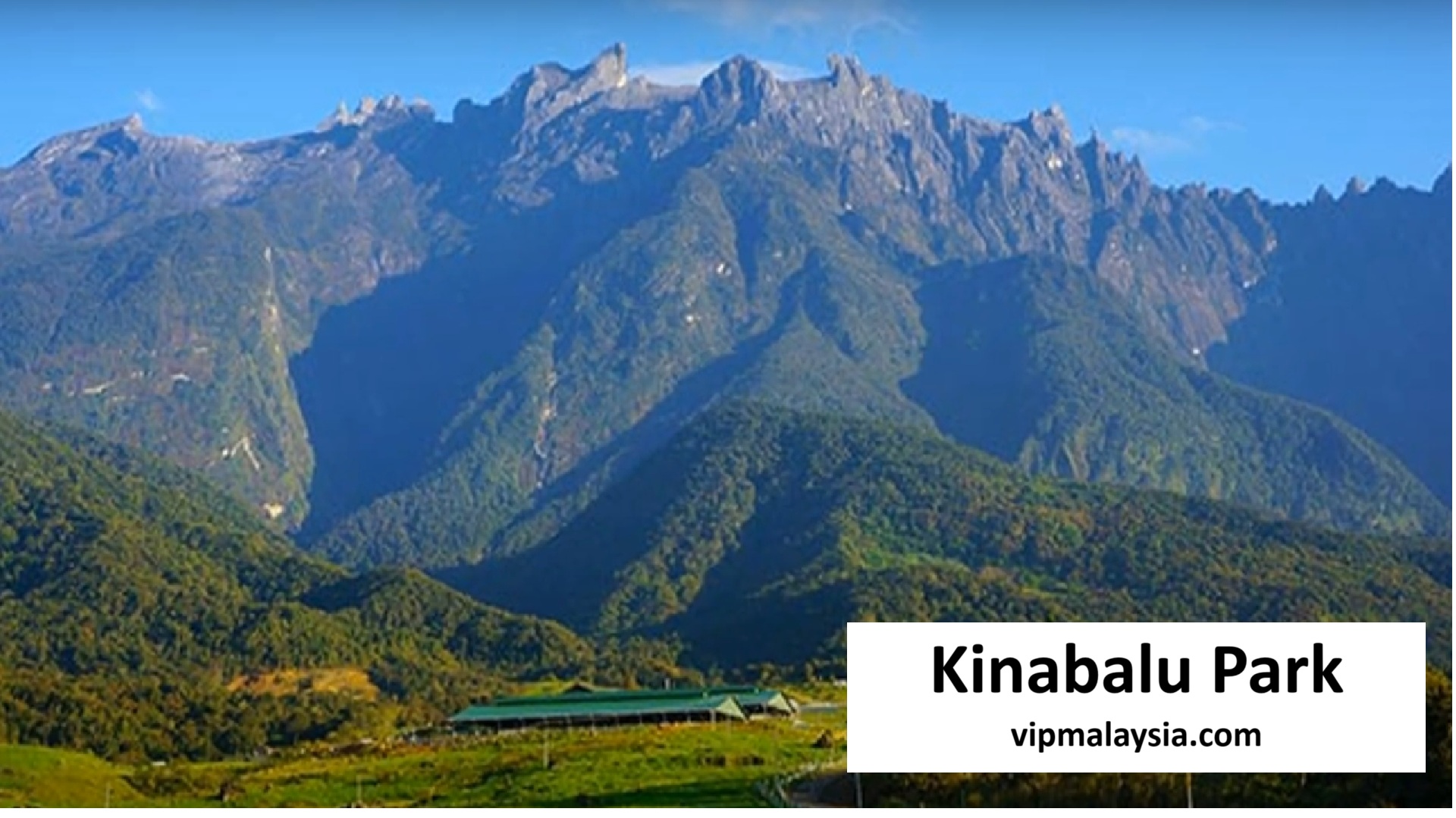
Kinabalu Park
Kinabalu Park in Sabah, Malaysia, is a UNESCO World Heritage Site that blends breathtaking landscapes, extraordinary biodiversity, and thrilling adventure. From the towering Mount Kinabalu to lush rainforests and soothing hot springs, this destination offers travelers a rare chance to explore nature’s crown jewel in Southeast Asia.
Introduction
Kinabalu Park is more than just a national park—it is a living sanctuary where nature, culture, and adventure converge. Nestled in the northern tip of Borneo, this park is home to Mount Kinabalu, the highest peak in Southeast Asia, and a treasure trove of flora and fauna. Recognized as Malaysia’s first UNESCO World Heritage Site in 2000, Kinabalu Park has become a global symbol of conservation and exploration. Whether you are a hiker, a birdwatcher, or a family seeking a rejuvenating escape, Kinabalu Park promises an unforgettable journey.
History
Kinabalu Park’s history is deeply tied to both scientific discovery and cultural reverence. Established in 1964 as one of Malaysia’s earliest protected areas, the park was created to safeguard the unique ecosystems surrounding Mount Kinabalu. Over the decades, researchers uncovered its staggering biodiversity, documenting thousands of plant species and rare animals. In 2000, UNESCO recognized Kinabalu Park as a World Heritage Site for its outstanding universal value, citing its role as a “natural laboratory of evolutionary processes.”
Local legends also enrich its history. The Kadazan-Dusun people regard Mount Kinabalu as sacred, believing it to be the resting place of ancestral spirits. This cultural reverence blends seamlessly with scientific importance, making Kinabalu Park both a spiritual and ecological landmark. Today, it stands as a testament to Malaysia’s commitment to conservation and sustainable tourism.
Highlights
Mount Kinabalu
Mount Kinabalu rises majestically at 4,095.2 meters, making it the highest peak between the Himalayas and New Guinea. Climbers from around the world flock here to test their endurance and witness sunrise views that paint the sky in hues of gold and crimson. For many, the climb is not just physical but spiritual, offering a sense of achievement and connection with nature.
Trekking Routes and Facilities
The mountain offers two main climbing routes: the Timpohon Gate and the Mesilau Trail. Both provide unique perspectives of the mountain’s diverse ecosystems. Along the way, climbers encounter rest huts, ranger stations, and guided support, ensuring safety and accessibility.
Biodiversity Hotspot
Kinabalu Park is a paradise for naturalists. With over 5,000 plant species, including orchids, pitcher plants, and the rare Rafflesia, the park is a botanical wonderland. It also shelters more than 300 bird species and 100 mammals, ranging from clouded leopards to Bornean gibbons.
Unique Flora and Fauna
The park’s flora reflects influences from the Himalayas, China, Australia, and pan-tropical regions. Visitors can marvel at towering dipterocarp trees, delicate mosses, and carnivorous plants. Wildlife enthusiasts may spot hornbills, civets, and even the elusive orangutan in surrounding forests.
Substations and Research
Kinabalu Park operates four substations—Sayap, Nalapak, Serinsim, and Monggis. These serve as research hubs and eco-tourism gateways. Scientists study evolutionary processes here, while visitors gain immersive experiences through guided walks and educational programs.
Sayap Substation
Sayap Substation lies on the western flank of Kinabalu Park, offering a quieter, less-explored retreat. It is renowned for its pristine montane forests, rich birdlife, and tranquil hiking trails leading to Kemantis Waterfall. Established in 1992, Sayap plays a crucial role in monitoring the park’s western boundary while supporting biodiversity research. Visitors often enjoy birdwatching and guided hikes that reveal rare reptiles and amphibians, making it a hotspot for eco-adventures.
Beyond its ecological significance, Sayap has become a hub for community-based tourism. Local guides, including former poachers turned conservationists, lead night walks to spot horned frogs, red-headed kraits, and other nocturnal species. Homestays in nearby villages provide authentic cultural immersion, while conservation programs such as fig tree nurseries highlight the interconnectedness of flora and fauna.
Nalapak Substation
Nalapak Substation, established in 1995, is located at the northernmost tip of Kinabalu Park. Known locally as “Sub-stesen Utara,” it functions primarily as a ranger outpost, safeguarding the park’s northern boundary. Its strategic position makes it essential for enforcement and monitoring activities, ensuring the protection of flora and fauna in remote areas.
Although less visited by tourists compared to Sayap or Serinsim, Nalapak offers unique opportunities for researchers and conservationists. Its remote location provides access to untouched habitats, making it valuable for floral and faunal inventories conducted by Sabah Parks. The substation’s presence underscores the importance of maintaining surveillance across the park’s vast 754 sq km area.
Serinsim Substation
Serinsim Substation, located about 32 km from Kota Marudu, showcases a different face of Kinabalu Park. Unlike the highland headquarters, Serinsim is dominated by lowland rainforest and rivers, offering attractions such as Misumpak Waterfall, Bat Cave, and Mount Nombuyukong. It also hosts cultural landmarks like the grave of Si-Gunting, a local hero who resisted British colonial rule, and the legendary tomb of Gambaliu, a mythical giant.
Facilities at Serinsim include hostels, chalets, and camping grounds, making it accessible for families and adventure seekers. Visitors can enjoy river picnics, wildlife spotting, and deer farm visits. The substation’s blend of natural beauty and cultural heritage makes it a unique destination within Kinabalu Park, appealing to both history enthusiasts and nature lovers.
Monggis Substation
Monggis Substation, situated about 45 km from Ranau, serves as the gateway to Mount Tambuyukon, Malaysia’s third-highest peak at 2,580 meters. This substation is vital for climbers and researchers, offering access to diverse ecosystems ranging from lowland forests to ultrabasic rock formations. The ascent from Monggis to Tambuyukon provides a remarkable journey across varied biodiversity zones.
In addition to trekking, Monggis supports research in biology, geology, and eco-tourism potential. Its isolated location ensures minimal disturbance, making it an ideal site for scientific exploration. For adventurers, Monggis offers challenging climbs and breathtaking views, while conservationists value its role in safeguarding one of Sabah’s most ecologically rich regions.
Major Attractions
Poring Hot Springs
Located 40 kilometers from the park headquarters, Poring Hot Springs is a favorite among families and wellness seekers. Its sulphurous baths are believed to have healing properties, while canopy walkways and rainforest trails provide adventure. Waterfalls nearby add to the charm, making it a perfect blend of relaxation and exploration.
Visitor Facilities
The hot springs complex includes children’s pools, private baths, and picnic areas. Visitors can also explore butterfly farms and orchid gardens, enhancing the educational value of the site.
Kinabalu Summit (Low’s Peak)
The summit of Gunung Kinabalu, known as Low’s Peak, is the park’s most iconic attraction. Standing at 4,095 meters, it offers breathtaking sunrise views that stretch across Sabah and the South China Sea. Climbers often describe the experience as life-changing, with the granite spires creating a dramatic silhouette against the sky.
Reaching the summit requires stamina and preparation, but the reward is unparalleled. The climb is supported by guides and facilities, making it accessible to trekkers worldwide. It remains the highlight of Kinabalu Park’s adventure tourism.
Botanical Garden
The Kinabalu Botanical Garden showcases the park’s extraordinary biodiversity. It houses rare orchids, pitcher plants, and medicinal herbs, offering visitors a glimpse into the mountain’s unique flora.
Educational tours highlight conservation efforts and the importance of preserving endemic species. The garden is a must-visit for botanists and nature enthusiasts alike.
Carson Falls
Carson Falls is a scenic waterfall located near Timpohon Gate. It provides a refreshing stop for climbers beginning their ascent, with cool waters cascading through lush vegetation.
The falls are named after botanist Richard Carson, who contributed to Kinabalu’s ecological studies. It remains a tranquil attraction for hikers and photographers.
Canopy Walkway
The canopy walkway at Poring offers a thrilling experience above the treetops. Suspended bridges allow visitors to explore the rainforest from a unique perspective, spotting birds and insects along the way.
This attraction emphasizes the park’s biodiversity and provides an educational adventure for families. It is one of the most photographed experiences in Kinabalu Park.
Kinabalu Park Headquarters
The park headquarters at Timpohon Gate is the starting point for most climbs. It houses visitor facilities, including accommodations, restaurants, and information centers.
Educational exhibits highlight the park’s biodiversity and conservation efforts. It is an essential stop for climbers preparing for the ascent.
Kundasang War Memorial
The Kundasang War Memorial honors Allied soldiers who perished during World War II’s Sandakan Death Marches. It features gardens representing different nations and serves as a poignant historical site.
Visitors gain insight into Sabah’s wartime history and the sacrifices made. The memorial adds cultural depth to the natural attractions of Kinabalu Park.
Things to Do
Birdwatching and Wildlife Tours
Kinabalu Park is a haven for birdwatchers. Species such as the mountain blackeye, Bornean barbet, and crimson-headed partridge delight enthusiasts. Guided tours also highlight mammals like the Malay civet and reptiles such as the Kinabalu horned frog.
Botanical Exploration
Visitors can join guided botanical walks to learn about orchids, ferns, and medicinal plants. The park’s botanical diversity makes it a living classroom for students and researchers.
Climbing Mount Kinabalu
The climb to Mount Kinabalu’s summit is a bucket-list adventure. Climbers typically spend two days ascending, with an overnight stay at Laban Rata Resthouse before the final push to the summit. The experience combines physical challenge with breathtaking views.
Via Ferrata Adventure
For thrill-seekers, Kinabalu Park offers the world’s highest via ferrata—a network of iron rungs and cables fixed to the mountain. This allows climbers to traverse cliffs and ridges safely, adding adrenaline to the journey.
Other Information
Entrance Fees
By Ages
| Category | MyKad Holders (RM) | Non-Malaysians (RM) |
|---|---|---|
| Adult (18+) | 3.00 | 15.00 |
| Senior (55+) | 1.00 | 15.00 |
| Youth (<18) | 1.00 | 10.00 |
Note: Conservation fees cover Kinabalu HQ, Mesilau Nature Resort & Poring Hot Spring
Conservation and Climbing
| # | Particulars | Above 18 Years | 17 Years & Below | Remarks |
|---|---|---|---|---|
| 01 | Conservation Fee (Malaysian) | RM 10 | RM 5 | Below 12 Years / Above 60 Years & OKU: Free of Charge |
| 02 | Conservation Fee (International) | RM 50 | RM 25 | — |
| 03 | Mount Kinabalu Climbing Permit (Malaysian) | RM 100 | RM 50 | — |
| 04 | Mount Kinabalu Climbing Permit (International) | RM 400 | RM 200 | — |
Routes
| Route | Name | Operating Hours | Description |
|---|---|---|---|
| P1 | Poring Visitor Centre Gallery | 09:00 ~ 16:00 Daily | Exhibits of Kinabalu Park’s rich biodiversity with a focus on bird species and educational media. |
| P2 | Butterfly Farm | 09:00 ~ 16:00 Daily | Borneo’s first butterfly farm with a walk-through enclosure showcasing endangered species like Rajah Brooke’s birdwing. |
| P3 | Hot Springs | 09:00 ~ 16:00 Daily | Sulphuric hot baths with healing properties, featuring temperature-controlled open-air and private bathtubs. |
| P4 | Canopy Walkway | 09:00 ~ 16:00 Daily | 41 meters high and 157.8 meters long, offering thrilling views of towering Menggaris trees. |
| P5 | Rock Pool | 09:00 ~ 16:00 Daily (Closed Monday) | Cold freshwater pool perfect for a refreshing dip after the hot springs. |
| P6 | Orchid Conservation Centre | 09:00 ~ 16:00 Daily | Home to about 1,200 orchid species—Borneo’s rarest and most exotic floral gems. |
| P7 | Langanan Waterfall | Accessible via 2-hour hike | At 120 meters, it’s Poring’s highest waterfall—a must-see after a scenic jungle trek. |
| P8 | Kipungit Waterfall | Accessible any time | 10-meter tall waterfall ideal for a quick dip and forest picnic. |
| P9 | Bat Cave | On trail between P8 and P7 | Small cave with fruit bats—safe for a brief detour and a peek at nocturnal life. |
| P10 | Rafflesia Garden | 09:00 ~ 16:00 Daily | Chance to view the world’s largest flower, Rafflesia, in rare and brief bloom. |
| P11 | Ethnobotanical Garden | 09:00 ~ 16:00 Daily | Exhibits of jungle fruits and medicinal plants used by local communities. |
| P12 | Tropical Garden | 09:00 ~ 17:00 Daily | Mini rainforest with exotic birds and tiny deer—perfect for families and photographers. |
| P13 | Bamboo Garden | Accessible any time | Featuring Gigantochloa levis, showcasing the importance of bamboo in traditional Dusun culture. |
| P14 | Slide Pool | 08:00 ~ 16:00 Daily (Closed Monday) | Kid-friendly cold water pool with slides—a playful way to wrap up the day. |
Nearby Attractions
Desa Dairy Farm
Located in Kundasang, Desa Dairy Farm offers panoramic views of Mount Kinabalu and fresh dairy products. Families enjoy feeding calves and savoring homemade ice cream.
Visitors can tour the farm, interact with cattle, and enjoy scenic views of Mount Kinabalu. It is a popular stop for both locals and tourists.
Ranau Town
Ranau, a nearby town, provides cultural immersion with local markets, handicrafts, and traditional cuisine. It is also home to memorials commemorating World War II, adding historical depth to the region.
Kundasang Town
The nearby town of Kundasang is often called the “New Zealand of Sabah” for its cool climate and dairy farms. It serves as a gateway to Kinabalu Park and hosts vibrant local markets. Cultural festivals, such as the Kaamatan Harvest Festival, showcase Kadazan-Dusun traditions, offering travelers a deeper connection to local heritage.
Conclusion
Whether you’re drawn by its ecological significance or the call of Mount Kinabalu itself, Kinabalu Park is a rare gem that delivers beyond expectation. It invites explorers, nature lovers, and dreamers to come and experience the magic of wild Malaysia. Step into a realm of misty peaks, ancient forests, and healing hot springs. Book your Kinabalu Park adventure and let nature inspire you.
Summary
- Attraction: Kinabalu Park
- Location: #Sabah
- Attraction Type: #Nature Mount
Comparison Table
| Attribute | Gunung Kinabalu | Kinabalu Park |
|---|---|---|
| Nature | A single granitic mountain peak rising to 4,095 m | A protected area of 754 km² surrounding the mountain |
| Elevation | 4,095 meters (13,435 feet), Malaysia’s highest point | Varies from lowland rainforest to alpine zones, ranging 152 m–4,095 m |
| Prominence | 4,095 m, rising directly from sea level | Not applicable; encompasses multiple ecosystems |
| Status | Sacred mountain to Kadazan-Dusun people; major climbing destination | UNESCO World Heritage Site since 2000, recognized for biodiversity |
| Main Entry Point | Timpohon Gate (summit climb) | Park HQ at Timpohon Gate; multiple nature trails and visitor centers |
| Biodiversity | Home to rare flora like Nepenthes rajah and Paphiopedilum rothschildianum | Over 5,000 plant species, 326 bird species, 100+ mammals |
| Activities | Summit climbing, via ferrata, alpine trekking | Birdwatching, botanical garden tours, hot springs, canopy walks |
| Nearby Town | Kundasang (gateway town) | Kundasang and Ranau provide accommodations and cultural experiences |
Quick Info
| Attribute | Details |
|---|---|
| Name | Kinabalu Park |
| Location | State of Sabah, Northern Borneo, Malaysia |
| GPS Position | 6.0833° N, 116.5500° E |
| World Heritage Status | Designated by UNESCO on 30 November 2000 |
| Area | 754 sq km / 75,370 hectares |
| Altitude | 152 m to 4,095.2 m (Mount Kinabalu summit) |
| Main Feature | Mount Kinabalu |
| Biomes | Lowland rainforest, montane forest, sub-alpine scrub |
| Flora Diversity | Over 5,000 plant species, including orchids, pitcher plants, and Rafflesia (not literally half of Borneo’s species) |
| Bird Species | Over 300 species documented |
| Substations | Sayap, Nalapak, Serinsim, Monggis |
| Visitor Entry | Park HQ at Kundasang, ~92 km from Kota Kinabalu |
| Admin Office | Sabah Parks Conservation Center HQ, KK Times Square |
| Operating Hours | 7:00 AM to 5:00 PM daily |
| Contact Info | Sabah Parks, Lot 45 & 46, Level 1–5, Block H, Signature Office, KK Times Square, Coastal Highway, 88100 Kota Kinabalu, Sabah, Malaysia. Tel: +6088-523500 Fax: +6088-486434, 486435, 486436 Email: sabahparks@sabah.gov.my, sabahparks@gmail.com |
Visitor Reviews
HP Wu – Singapore Rating: ★★★★★ “I visited Kinabalu Park in March 2024 and was amazed by the sheer scale of Mount Kinabalu at 4,095 meters. We rented a car and had a local driver-guide named Jai, who was an expert in hiking and even knowledgeable about snakes in the forest. His guidance made the trek safer and more enjoyable. The trails were well-marked, and the biodiversity was incredible. This is truly a must-visit destination in Sabah.”
Soko37 – Budapest, Hungary Rating: ★★★★☆ “We traveled from Kota Kinabalu on rented motorbikes, which took about two hours. The weather shifted quickly—it started raining during our first hike, making the trails slippery and muddy. Despite that, the park was fantastic for casual hikers, families, and even older visitors. There are many trails, both short and long, and facilities like restaurants and accommodations are available. I recommend proper hiking shoes, rain jackets, and snacks, as the temperature can change rapidly.”
Olly Gaspar – Australia (Travel Blogger) Rating: ★★★★★ “As a full-time traveler, I explored Kinabalu Park in January 2025. The entrance sits at 1,550 meters, so you immediately feel the cooler climate compared to Kota Kinabalu. The park is Malaysia’s first UNESCO World Heritage Site and boasts over 5,000 vascular plant species and 90 mammal species. I didn’t climb the summit due to the high permit cost, but the interconnected trails offered excellent hiking opportunities. It’s easy to reach from Kota Kinabalu by bus, taxi, or guided tour, and the entrance fee is RM50 for international adults.”
Tripadvisor Community – General Consensus Average Rating: ★★★★☆ (4.1/5 from 630 reviews) Visitors consistently praise Kinabalu Park for its breathtaking scenery, biodiversity, and accessibility. Many highlight the sunrise views from Mount Kinabalu, the variety of hiking trails, and nearby attractions like Poring Hot Springs and Desa Dairy Farm. Some note that weather conditions can change quickly, making preparation essential.