The Best Attraction in Malaysia. Makam Mahsuri is an atttraction and Langkawi is a destination in Malaysia. The best food beach, historical building, landmarks, museum, zoo, art and agriculture. Discover Malaysia attraction now from the best local cuisine in every state, explore Taman Negara, beautiful mountain etc. We will provide all 14 states in Malaysia about the attractions you must visit. Read on!
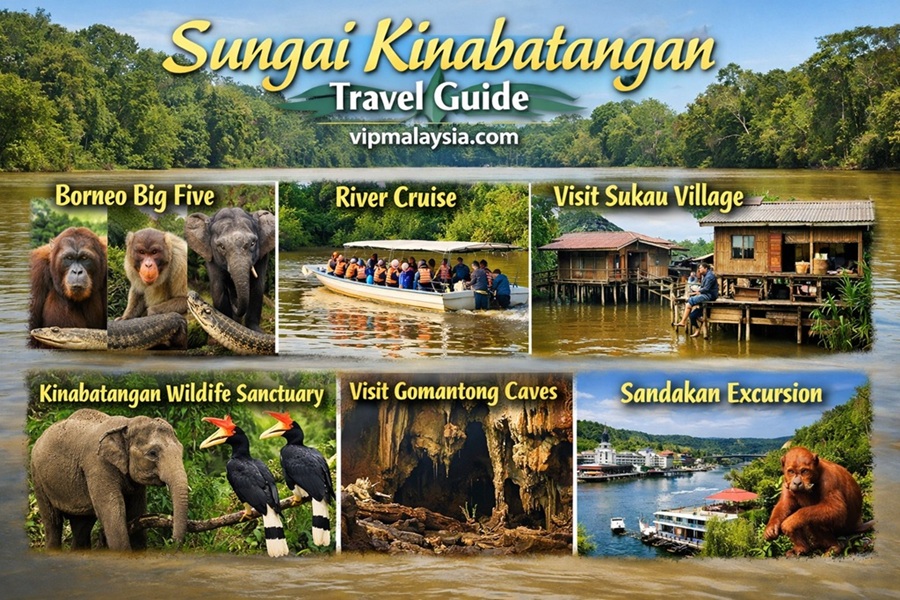
Sungai Kinabatangan, the second longest river in Malaysia, flows through Sabah’s lush rainforests and offers one of the richest wildlife experiences in Southeast Asia. Known for its orangutans, pygmy elephants, and proboscis monkeys, this destination is a must for eco-travelers seeking adventure and cultural immersion.
Introduction
Nestled in the heart of Malaysian Borneo, Sungai Kinabatangan is more than just a river—it is a living corridor of biodiversity. Stretching 560 kilometers from the Crocker Range to the Sulu Sea, it is famed for its dense wildlife population and unique ecosystem. Travelers flock here to witness rare species in their natural habitat, making it one of Sabah’s most iconic eco-tourism destinations.
History
The Kinabatangan River has long been central to the lives of indigenous communities such as the Orang Sungai. Historically, it served as a vital trade route, connecting inland villages with coastal settlements. During colonial times, the river was mapped by explorers who marveled at its biodiversity. In the late 20th century, deforestation and palm oil plantations threatened its ecosystem, leading to the establishment of the Kinabatangan Wildlife Sanctuary in 2002. This sanctuary now protects endangered species and sustains eco-tourism, balancing conservation with community livelihoods.
Highlights
Wildlife Encounters
The Kinabatangan is renowned for the “Borneo Big Five”: orangutans, pygmy elephants, proboscis monkeys, crocodiles, and hornbills. Spotting these animals in a single river cruise is a rare privilege.
Cultural Festivals
Local communities host traditional celebrations, including harvest festivals and river rituals, offering visitors a glimpse into indigenous heritage.
Things to Do
River Cruise
A river cruise along Sungai Kinabatangan is the most popular activity, offering close encounters with proboscis monkeys, crocodiles, and hornbills. Morning cruises reveal misty landscapes and active primates, while evening trips showcase crocodiles and nocturnal birds.
Night Safari
Guided night safaris allow visitors to witness nocturnal species such as tarsiers, owls, and civets. The experience highlights the unique biodiversity of the rainforest after dark.
Birdwatching
The Kinabatangan is a paradise for birdwatchers, with over 200 species including hornbills, kingfishers, and eagles. Many eco-lodges provide specialized birdwatching tours.
Trekking in the Jungle
Guided jungle treks reveal hidden waterfalls, medicinal plants, and diverse wildlife. These treks provide a deeper understanding of the rainforest ecosystem.
Visit Sukau Village
Sukau village offers cultural immersion, where visitors can learn traditional fishing methods and taste local cuisine. Homestays provide authentic experiences with the Orang Sungai community.
Explore Bilit Adventure Lodge
Bilit Adventure Lodge offers all-inclusive packages with guided treks, river cruises, and cultural experiences. It is a popular choice for eco-tourists seeking convenience.
Wildlife Sanctuary Tour
The Kinabatangan Wildlife Sanctuary protects endangered species such as orangutans, pygmy elephants, and gibbons. Tours highlight conservation efforts and the importance of protecting biodiversity.
The sanctuary protects ten primate species, including orangutans and gibbons, alongside over 200 bird species.
Kayaking along Tributaries
Kayaking offers a more intimate view of the rainforest, allowing travelers to explore smaller tributaries and spot wildlife up close. It is a quieter alternative to motorized cruises.
Visit Gomantong Caves
Located nearby, Gomantong Caves are famous for edible bird’s nests and house millions of bats and swiftlets. The caves are a fascinating side trip from Kinabatangan.
Sandakan Excursion
A trip to Sandakan, about 2.5 hours away, includes visits to the Sepilok Orangutan Rehabilitation Centre and the Rainforest Discovery Centre. It complements the Kinabatangan experience with conservation education.
Nearby Attractions
Sandakan
Located 2.5 hours away, Sandakan is home to the Sepilok Orangutan Rehabilitation Centre and the Rainforest Discovery Centre.
Gomantong Caves
Famous for edible bird’s nests, Gomantong Caves also house millions of bats and swiftlets.
Danum Valley
Danum Valley is a pristine rainforest reserve offering deeper jungle experiences, often paired with Kinabatangan tours.
Conclusion
Sungai Kinabatangan is a rare eco-destination where wildlife, culture, and adventure converge. From river cruises to trekking, it offers unforgettable encounters with endangered species and indigenous traditions. For travelers seeking authentic Borneo experiences, this river is a must-visit.
Visitor Reviews
Adam Smith, London ⭐⭐⭐⭐⭐ “I stayed at a riverside lodge in Sukau and joined multiple river cruises. Within the first morning, I spotted wild orangutans swinging across the canopy, proboscis monkeys lounging by the riverbanks, and hornbills flying overhead. The lodge arranged everything—meals, transport from Sandakan, and guided treks. The convenience and wildlife density made it one of the best eco-travel experiences I’ve had in Asia.”
Alexander Hidik, Singapore ⭐⭐⭐⭐ “My trip to Bilit Adventure Lodge was unforgettable. The guided night walk revealed tarsiers and owls, while the daytime cruise brought us face-to-face with pygmy elephants crossing the river. The lodge was rustic but comfortable, with friendly staff who explained the conservation efforts. Humidity and mosquitoes were challenging, but the wildlife encounters outweighed everything.”
Daniel Armando Reyes, Manila ⭐⭐⭐⭐⭐ “Kinabatangan was the highlight of my Borneo journey. I joined two cruises daily, each lasting about two hours, and saw crocodiles basking on the banks and macaques leaping through the trees. The eco-lodge package included cultural immersion in Sukau village, where locals shared traditional fishing practices. It felt like a perfect balance of adventure and cultural learning.”
Vincent Lam Sheng, Hong Kong ⭐⭐⭐⭐ “I booked a full package through Sukau Greenview B&B. The staff picked me up from Sandakan and organized everything seamlessly. The river cruise was breathtaking—proboscis monkeys with their comical noses and hornbills gliding across the sky. The facilities were basic but clean, and the food was hearty local fare. I’d recommend this to anyone who wants wildlife without the stress of logistics.”
Sandakan, Sabah’s coastal gem, is a destination where wildlife encounters, colonial history, and eco-adventures converge. This guide explores its highlights, attractions, trekking opportunities, and nearby gems, offering travelers a comprehensive look at one of Borneo’s most captivating cities.
Introduction
Sandakan, located on the northeastern coast of Sabah, Malaysia, is often called the “Gateway to Borneo’s Wildlife.” Once the capital of British North Borneo, it is now renowned for its lush rainforests, diverse wildlife, and poignant wartime history. Visitors are drawn to its Sepilok Orangutan Rehabilitation Centre, the Kinabatangan River, and cultural landmarks that narrate its colonial past. Sandakan is not just a stopover—it’s a destination that blends eco-tourism, heritage, and adventure into a memorable journey.
History
Sandakan’s history is deeply intertwined with trade, colonialism, and war. In the late 19th century, it became the capital of British North Borneo, thriving on timber exports and maritime trade. The city’s cosmopolitan character earned it the nickname “Little Hong Kong.” During World War II, Sandakan witnessed tragedy with the infamous Sandakan Death Marches, where thousands of Allied prisoners perished. Today, memorials and preserved colonial buildings like the Agnes Keith House and St. Michael’s Church stand as reminders of resilience and remembrance.
Highlights
Sepilok Orangutan Rehabilitation Centre
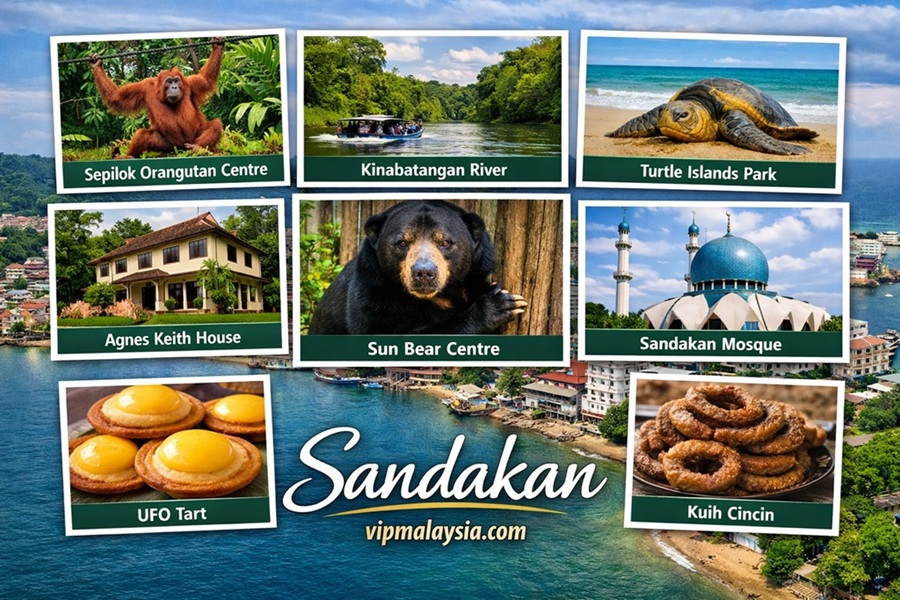
Founded in 1964, Sepilok is one of the world’s leading sanctuaries for orangutans. Visitors can witness feeding sessions and learn about conservation efforts. The center also houses a Sun Bear Conservation Centre, making it a hub for wildlife rehabilitation.
Kinabatangan River
The Kinabatangan River is renowned for its biodiversity, offering river cruises where travelers can spot pygmy elephants, proboscis monkeys, crocodiles, and hornbills. It is one of the richest ecosystems in Southeast Asia, and lodges along the river provide immersive experiences including night walks and birdwatching tours.
Turtle Islands Park
Located about 40 km off Sandakan’s coast, Turtle Islands Park is dedicated to sea turtle conservation. Visitors can witness nesting turtles at night and the release of hatchlings into the sea, a rare and moving experience. The park consists of three islands—Selingan, Bakkungan Kecil, and Gulisan—each playing a vital role in protecting endangered green and hawksbill turtles.
Attractions
Agnes Keith House
This colonial home turned museum showcases the life of author Agnes Keith, who documented her experiences in Sandakan during WWII. It offers insights into the city’s wartime struggles and resilience.
St. Michael’s and All Angels Church
Built in 1893, St. Michael’s and All Angels Church is one of Sabah’s oldest stone buildings. It survived wartime bombings and now serves as a heritage landmark.
Sandakan Memorial Park
The Sandakan Memorial Park is built on the site of a former WWII prisoner‑of‑war camp. It commemorates the thousands of Allied soldiers who perished during the Sandakan Death Marches. The park features memorial plaques, a small museum, and serene gardens, making it a solemn yet essential historical site.
Puu Jih Shih Temple
The Puu Jih Shih Temple is a striking Chinese Buddhist temple perched on a hill overlooking Sandakan Bay. Built in 1987, it features ornate architecture, golden statues, and sweeping views of the city. It is a spiritual site for the local Chinese community and a popular stop for tourists seeking cultural immersion.
Gomantong Caves
The Gomantong Caves are limestone caves famous for edible bird’s nests harvested by locals. The caves are also home to thousands of bats and swiftlets, creating a dramatic natural spectacle. Visitors can explore boardwalks inside the cave system and learn about the centuries‑old bird’s nest trade.
Bornean Sun Bear Conservation Centre
Located next to Sepilok, the Bornean Sun Bear Conservation Centre (BSBCC) was founded in 2008 by Dr. Wong Siew Te. It rescues and rehabilitates sun bears, the smallest bear species, with over 40 individuals currently housed in forest enclosures. Visitors observe them from elevated boardwalks and learn about threats like deforestation and illegal pet trade.
Rainforest Discovery Centre
The Rainforest Discovery Centre near Sepilok offers canopy walks, jungle trails, and educational exhibits. It is a hotspot for birdwatching, with species such as hornbills, kingfishers, and pittas frequently spotted. The center promotes environmental education and is a favorite among eco‑tourists.
Sandakan Central Market
Sandakan Central Market is indeed a bustling hub in the city center, famous for fresh seafood, dried anchovies, prawns, and local delicacies. It has multiple levels: the ground floor for seafood, the first floor for dried goods and handicrafts, and the second floor for food stalls. It is both a shopping and cultural experience.
Sim Sim Water Village
Sim Sim (also known as Buli Sim Sim) is a traditional stilt village, one of Sandakan’s oldest settlements dating back to 1879. It reflects maritime heritage and is home to Bajau and Chinese communities. Visitors can walk boardwalks, dine at seafood restaurants, and see the original site of Sandakan town.
Sandakan Crocodile Farm
Located about 12 km from Sandakan, this is Malaysia’s largest crocodile farm with over 3,000 reptiles. It features crocodile and snake shows, a mini zoo with Amazonian fish, and a children’s park. However, reviews are mixed, with some visitors criticizing animal welfare conditions.
Japanese Cemetery
Established in 1890 by Kinoshita Kuni, the cemetery primarily holds graves of Japanese women known as karayuki-san (prostitutes sent abroad due to poverty). It later added a monument for WWII soldiers in 1989. It is part of the Sandakan Heritage Trail and remains a poignant historical site.
Sandakan Heritage Museum
Located in Wisma Warisan, this museum showcases pre‑war and post‑war history, including barter trade items, colonial office equipment, and a mural of Sandakan in 1935. It is part of the Heritage Trail and linked to the Sabah Museum.
Sam Sing Kung Temple
Built in 1887, this Taoist temple is the third oldest in Sandakan, dedicated to three saints: Lord Guan (justice), Tin Hou/Mazu (protection for seafarers), and Wenchang Emperor (success in exams). It houses historical artifacts like a bronze bell donated by Sandakan’s first Kapitan Cina.
St. Mary’s Cathedral
Founded in 1883, St. Mary’s is the oldest Catholic church in Sandakan and the seat of the Diocese of Sandakan. It began as a mission station by Mill Hill missionaries and later expanded with schools and a convent. The current structure blends modern and traditional architecture.
Sandakan Rainforest Park
Sandakan Rainforest Park preserves one of the last patches of primary rainforest within the city. It features nature trails, orchids, pitcher plants, and WWII historical significance as part of the Death March trail. It is ideal for birdwatching and short hikes.
Batu Sapi Town
Batu Sapi is known for its rock formation shaped like a buffalo, created by water erosion. It is tied to local legends and has a heritage park. However, reviews note poor maintenance of viewing areas, though recent efforts have improved cleanliness.
Must Try Foods
Sandakan Seafood Noodles
Sandakan Seafood Noodles
Sandakan’s seafood noodles are iconic, made from fish paste that gives the noodles a chewy texture. Served in a clear broth with fish slices, prawns, or squid, they are a breakfast staple at local shops such as Kong Teck and Bak Seng Lau.
Butter Prawns
Butter Prawns
Butter prawns are a Sandakan specialty, prepared with deep‑fried prawns tossed in butter, curry leaves, chili, and egg floss. The freshness of locally caught prawns elevates the flavor, making it a must‑order dish at seafood restaurants like Sim Sim and Ocean King.
Fresh Crab Dishes
Fresh Crab Dishes
Sandakan is renowned for crab dishes such as Kam Heong Crab and Sweet & Sour Crab. Waterfront restaurants serve them either steamed to preserve natural sweetness or cooked in rich sauces, showcasing the abundance of crustaceans in local waters.
UFO Tart
UFO Tart
The UFO tart was invented in Sandakan in 1955 by Hainanese baker Fu Ah On. It features a sponge base topped with custard and meringue, resembling a flying saucer. Locals affectionately call it “cow dung tart,” and May 5 is celebrated as UFO Tart Day in Sabah.
Kuih Cincin
Kuih Cincin
Kuih cincin is a traditional Bajau and Bruneian Malay snack shaped like rings, made from rice flour and palm sugar, then deep‑fried twice for crunch. It is a festive treat often sold in Sandakan’s markets and enjoyed during cultural celebrations.
Ikan Bakar (Grilled Fish)
Ikan Bakar (Grilled Fish)
Sandakan’s Sim Sim Water Village is famous for ikan bakar, where freshly caught fish, stingray, or squid are marinated in spices and grilled over charcoal. Served with sambal and rice, it is a staple of local dining.
Nasi Lemak Sandakan Style
Nasi Lemak Sandakan Style
Unlike traditional nasi lemak, Sandakan’s version is a modern café adaptation, often featuring seafood accompaniments like prawns or bamboo‑served rice. It reflects the city’s coastal identity but is not a heritage dish.
Dried Seafood Products
Dried Seafood Products
Sandakan Central Market is renowned for dried seafood such as anchovies, prawns, fish maw, and prawn crackers. These products are popular souvenirs and highlight the city’s fishing heritage.
Bak Kut Teh Sandakan Style
Bak Kut Teh Sandakan Style
Sandakan is unique for its seafood bak kut teh, where fresh prawns, squid, and fish replace pork ribs in a peppery herbal broth. Restaurants like Nam Chai are famous for this local twist.
Coconut Jelly
Coconut Jelly
Coconut jelly is a refreshing dessert made from fresh coconut water and flesh, set into a soft jelly. It is popular in Sandakan’s cafés and markets, offering a cooling treat in the tropical climate.
Mosques
Sandakan District Mosque
Sandakan District Mosque
The Sandakan District Mosque, also known as Masjid Daerah Sandakan, is the city’s main mosque. Built between 1985 and 1989, it features a large dome and minaret and serves as the central place of worship for the district.
Address: Jalan Sim‑Sim, 90000 Sandakan, Sabah
Phone: 014‑376 2526 / 011‑3145 7374
Masjid At‑Taqwa Taman Merpati
Masjid At‑Taqwa Taman Merpati
Located in Taman Merpati, Masjid At‑Taqwa is a well‑known mosque with modern architecture and spacious prayer halls. It is popular among residents for daily prayers and community events.
Address: 10, Jalan Taman Rimba 1, 90000 Sandakan, Sabah
Phone: 012‑333 4545
Masjid Nurussyakirin Taman Indah Jaya
Masjid Nurussyakirin Taman Indah Jaya
This mosque in Taman Indah Jaya is recognized for its welcoming atmosphere and active programs. It provides facilities for Quran classes and youth activities, making it a hub for the local Muslim community.
Address: Jalan Indah Jaya Flats, Batu 4, 90008 Sandakan, Sabah
Jannatun Naim Mosque
Jannatun Naim Mosque
Jannatun Naim Mosque is a smaller but highly respected mosque in Sandakan. It is known for its peaceful environment and strong community involvement in religious education.
Address: Taman Sri Taman, Batu 3½, Jalan Labuk, Peti Surat 1221, 90000 Sandakan, Sabah
Masjid Raya Seri Aman
Masjid Raya Seri Aman
Located in Pekan Muhibbah, Masjid Raya Seri Aman is admired for its striking design and serene setting. It is one of the most beautiful mosques in Sandakan, attracting worshippers and visitors alike.
Address: Rancangan Sungai Manila, Batu 12, Peti Surat 1038, 90711 Sandakan, Sabah
Pangiran Galpam Mosque
Pangiran Galpam Mosque
Situated along Jalan Labuk, Pangiran Galpam Mosque is a prominent mosque serving the surrounding neighborhoods. It is valued for its accessibility and active congregation.
Address: Batu 7, Jalan Labuk, 90000 Sandakan, Sabah
Masjid Al‑Furqan Kampung Sim Sim
Masjid Al‑Furqan Kampung Sim Sim
Masjid Al‑Furqan in Kampung Sim Sim is a coastal mosque that reflects the fishing village’s heritage. Its location near the water makes it a unique and picturesque place of worship.
Address: Kampung Sim Sim, 90000 Sandakan, Sabah
Masjid Taman Fajar
Masjid Taman Fajar
Masjid Taman Fajar is a community mosque with modern facilities. It is well‑maintained and serves as a center for religious gatherings and festive prayers.
Address: 223, Lorong Fajar 2, Taman Fajar, 90000 Sandakan, Sabah
Masjid Assyakirin Taman Tinosan
Masjid Assyakirin Taman Tinosan
Located in Taman Tinosan, Masjid Assyakirin is known for its vibrant community activities. It provides prayer facilities and hosts educational programs for children and adults.
Address: Jalan Bunga Matahari, 90000 Sandakan, Sabah, Malaysia
Phone: 088‑245 675
Masjid Al‑Kahfi Taman Rimba
Masjid Al‑Kahfi Taman Rimba
Masjid Al‑Kahfi in Taman Rimba is a smaller mosque but important to its local neighborhood. It offers a quiet space for worship and community bonding.
Address: Lorong Rimba 1, Taman Rimba, 90000 Sandakan, Sabah
Major Trails
Sandakan offers several scenic trails ranging from rainforest walks to coastal paths. These routes are popular among hikers and nature lovers, with options for both beginners and experienced trekkers.
Major Trails
Sepilok Forest Trail
The Sepilok Forest Trail is a popular hike near the Sepilok Orangutan Rehabilitation Centre. It winds through lowland rainforest, offering opportunities to spot hornbills, macaques, and tropical flora. The trail is well‑maintained and accessible for casual hikers.
Taman Sentosa Trail
Located in Sandakan’s Taman Sentosa area, this trail is about 5 km long with gentle elevation. It is favored by locals for morning and evening walks, providing a mix of urban greenery and quiet forest paths.
Rainforest Discovery Centre Canopy Walk
The Rainforest Discovery Centre features canopy walkways and jungle trails that allow hikers to experience the forest from above. It is especially popular with birdwatchers, as hornbills and kingfishers are frequently seen.
Sandakan Heritage Trail
This urban trail connects historical landmarks such as the Agnes Keith House, St. Michael’s Church, and the Japanese Cemetery. It is less about wilderness and more about cultural exploration, blending walking with heritage discovery.
Walking in Sandakan Trail
This 8 km trail offers a mix of urban and natural scenery, with an elevation gain of over 900 meters. It is considered moderately challenging and provides panoramic views of Sandakan’s coastline and hills.
Batu Sapi Trail
Near Batu Sapi town, this trail leads to limestone formations shaped like a buffalo. It is short but culturally significant, tied to local legends, and offers views of fishing villages and coastal landscapes.
Sandakan Hill Trail
This 4 km trail climbs through forested terrain with nearly 400 meters of elevation gain. It is popular among fitness hikers and provides a good workout while showcasing Sandakan’s inland greenery.
Sim Sim Coastal Walk
Near Kampung Sim Sim, this trail follows boardwalks along the stilt village. It is more of a cultural walk than a hike, offering views of the sea, fishing boats, and traditional wooden houses.
Kinabatangan Riverside Walk
While most visitors take boat cruises, there are short riverside trails near lodges along the Kinabatangan River. These walks allow close encounters with wildlife such as proboscis monkeys and hornbills.
Sandakan Rainforest Park Trail
This trail runs through one of the last primary rainforest patches in Sandakan city. It features orchids, pitcher plants, and birdlife, making it ideal for short hikes and nature study.
Major Trails Comparison Table
Trail
Difficulty Level
Popularity
Sepilok Forest Trail
Easy – flat paths, suitable for beginners
High – popular with tourists visiting Sepilok Orangutan Centre
Rainforest Discovery Centre Canopy Walk
Easy to Moderate – canopy walkways and short jungle trails
High – birdwatchers and eco‑tourists flock here
Sandakan Heritage Trail
Easy – urban walk connecting landmarks
High – cultural tourists and history enthusiasts
Sandakan Rainforest Park Trail
Easy to Moderate – nature trails in primary forest
Medium – nature lovers and birdwatchers visit
Deramakot Forest Reserve Trails
Moderate to Challenging – long treks in certified rainforest
Medium – eco‑tourists and wildlife photographers
Nearby Attractions
Labuk Bay Proboscis Monkey Sanctuary
Labuk Bay Proboscis Monkey Sanctuary
Labuk Bay Proboscis Monkey Sanctuary is a privately owned reserve where visitors can observe proboscis monkeys in their natural mangrove habitat. The sanctuary provides feeding platforms and educational talks, allowing close encounters with these unique primates known for their distinctive noses and playful behavior.
Address: Mile 19, Jalan Labuk, Sandakan, Sabah, 90000, Malaysia
Phone: 089‑672 133 / 019‑853 4098 / 017‑892 5191
Deramakot Forest Reserve
Deramakot Forest Reserve
A hidden gem for eco-tourists, Deramakot is a sustainable logging forest where rare species like clouded leopards and orangutans roam. Covers 55,507 hectares of mixed dipterocarp forest. Managed by the Sabah Forestry Department, it is the world’s longest‑certified tropical rainforest under FSC standards. Accessible via Telupid, about 3–4 hours from Sandakan.
Address: Deramakot Forest Management Unit (FMU), Telupid, Beluran District, Sandakan Division, Sabah, Malaysia
Phone: 089‑278 800 / 082‑248 000
Conclusion
Sandakan is a destination where nature, history, and adventure converge. From orangutans at Sepilok to wartime memorials and river safaris, the city offers a holistic travel experience. Its blend of eco-tourism and cultural heritage makes it one of Borneo’s most rewarding journeys.
Visitor Reviews
Visitor Reviews
Nor Syazwani, Kuala Rompin, Pahang ⭐⭐⭐⭐ “I visited the Sepilok Orangutan Rehabilitation Centre and was amazed at how close you can get to the orangutans during feeding time. The boardwalks are well maintained, and the staff explained the conservation work clearly. Sandakan’s seafood was excellent, especially the butter prawns at the waterfront. Transport options are limited though, so planning ahead is important.”
James Robert Harold, Singapore ⭐⭐⭐⭐⭐ “The Kinabatangan River cruise was unforgettable. We spotted pygmy elephants, proboscis monkeys, and hornbills in their natural habitat. The guides were knowledgeable and made sure we understood the importance of protecting this ecosystem. Staying at a riverside lodge added to the adventure, with night walks revealing owls and fireflies.”
Rossi Da Mata, Rome ⭐⭐⭐⭐ “Exploring the Agnes Keith House gave me a deep sense of Sandakan’s colonial past. The exhibits are well curated, and the view from the hill is stunning. Compared to Kota Kinabalu, Sandakan feels quieter and more authentic, which I appreciated. The nearby St. Michael’s Church was another highlight, with its Gothic architecture and wartime history.”
Ahmad Azumu Bin Haji Faizal, Kuala Lumpur ⭐⭐⭐⭐⭐ “My trip to Turtle Islands Park was emotional. Watching hatchlings crawl to the sea at night was a once-in-a-lifetime experience. The facilities are basic but sufficient, and the conservation staff are passionate about their work. It’s a must-visit for anyone who loves marine life and wants to support turtle conservation.”
KL Sentral is the primary transportation hub in Kuala Lumpur. Discover its seamless train connectivity, top business hotels, and retail outlets.
Introduction
KL Sentral, situated in Brickfields, is Malaysia’s premier transportation hub, connecting intercity trains, airport rail links, monorail, and commuter services. Beyond its role in transit, it has evolved into a lifestyle destination with hotels, shopping malls, dining, and cultural experiences. Its strategic location makes it the most accessible point in Kuala Lumpur.
History
KL Sentral was conceived in the late 1990s as part of Malaysia’s modernization drive. Officially opened in 2001, it replaced the old Kuala Lumpur Railway Station as the central hub. The project was designed to integrate transport systems while fostering urban development. Over the years, KL Sentral has grown into a mixed-use district with office towers, luxury hotels, and retail complexes. It symbolizes Malaysia’s ambition to create a world-class urban transport hub.
Highlights
Modern Architecture
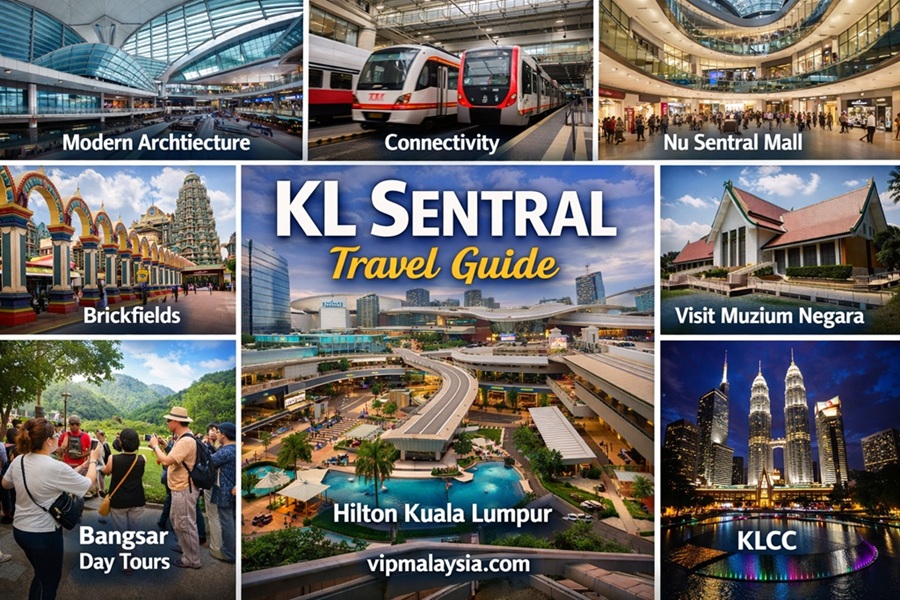
KL Sentral was conceived under the master plan of renowned architect Dr. Kisho Kurokawa, who also designed Kuala Lumpur International Airport. The station’s design emphasizes openness, with expansive concourses, high ceilings, and glass facades that allow natural light to permeate the space. This modern aesthetic reflects Kuala Lumpur’s cosmopolitan identity while ensuring functionality for millions of passengers annually. The architecture also integrates retail and hospitality spaces, creating a hub that blends transport with lifestyle convenience.
Beyond its physical structure, KL Sentral embodies the “city within a city” concept. Surrounding developments include corporate office towers, luxury condominiums, and international hotels, all harmoniously designed to complement the transit hub. This integrated environment has set a precedent for mixed-use urban planning in Malaysia, symbolizing the nation’s modernization and ambition to create world-class infrastructure.
Connectivity
KL Sentral is Malaysia’s most connected transport hub, supporting six rail networks: KLIA Ekspres, KLIA Transit, KTM Komuter, KTM Intercity, LRT Kelana Jaya Line, and the Monorail. The KLIA Ekspres provides a direct 28-minute journey to Kuala Lumpur International Airport, making it the fastest and most convenient airport transfer option. This seamless integration ensures efficient travel across the Klang Valley and beyond, positioning KL Sentral as the backbone of Malaysia’s rail network.
Connectivity extends beyond rail services, with bus and taxi terminals integrated into the hub. Its strategic location in Brickfields places it within easy reach of major business districts, tourist attractions, and residential areas. Travelers can easily move between KL Sentral, KLCC, and Bukit Bintang using the city’s rail network, making it a practical base for exploring Kuala Lumpur.
Lifestyle Spaces
KL Sentral has evolved into a lifestyle destination, anchored by Nu Sentral Mall. The mall offers international fashion brands, local boutiques, diverse dining options, and entertainment facilities such as cinemas. This makes KL Sentral not only a transit hub but also a vibrant social and leisure space for both locals and visitors.
Adjacent to the station are luxury hotels like Hilton Kuala Lumpur and Le Méridien, providing premium accommodation with world-class amenities including spas, rooftop pools, and award-winning restaurants. These hotels ensure that travelers can enjoy comfort and convenience without leaving the hub. The integration of hospitality, shopping, and transport makes KL Sentral a complete urban experience.
Attractions
Nu Sentral Mall
Nu Sentral Mall is a modern shopping complex directly connected to KL Sentral, making it one of the most convenient retail destinations in Kuala Lumpur. Opened in 2012, it spans approximately 500,000 square feet across multiple levels and attracts an estimated 10–12 million visitors annually. The mall features international fashion brands such as H&M and Uniqlo, alongside anchor tenants like Parkson and Jaya Grocer. Dining options range from food courts to mid-range restaurants, while entertainment facilities include Golden Screen Cinemas and a bowling center.
Beyond shopping, Nu Sentral Mall enhances KL Sentral’s identity as a lifestyle hub. Its integration with the transit station allows travelers to seamlessly transition from commuting to leisure activities. Seasonal promotions and cultural events are regularly hosted, adding to its appeal as a community space. Its strategic location and diverse offerings make Nu Sentral Mall a central attraction for both locals and tourists.
Brickfields
Brickfields, often referred to as “Little India,” is a cultural enclave located adjacent to KL Sentral. The area is known for its colorful temples, spice shops, sari boutiques, and authentic Indian restaurants. Walking through Brickfields offers visitors a sensory experience of vibrant sights, sounds, and aromas, making it a cultural counterpoint to KL Sentral’s modernity.
Brickfields also serves as a historical and spiritual center, with landmarks such as the Sri Kandaswamy Kovil Temple, Thean Hou Temple, and Buddhist Maha Vihara. The neighborhood’s architecture and street decorations reflect Indian heritage, while bustling markets showcase traditional goods like saris, flower garlands, and banana leaf rice. Brickfields adds cultural depth to KL Sentral, offering visitors a chance to explore Malaysia’s multicultural identity.
Cultural Festivals
Brickfields hosts numerous cultural festivals throughout the year, making it a lively destination for visitors. Deepavali (Diwali) celebrations transform the streets with lights, decorations, and festive bazaars, while Thaipusam processions bring thousands of devotees to the temples. These events highlight the area’s strong Indian cultural presence and provide immersive experiences for tourists.
In addition to Hindu festivals, Brickfields also celebrates Buddhist and Christian traditions, reflecting Malaysia’s diverse religious landscape. Cultural parades, music performances, and food fairs are common during festive seasons, drawing crowds from across Kuala Lumpur. The year-round vibrancy of Brickfields ensures that KL Sentral is not only a transit hub but also a cultural gateway.
Things to Do
Besides commuting or waiting at KL Sentral, visitors can enjoy spas, museums, cultural walks, and nightlife within minutes of the hub. Here are 10 engaging things to do, each with rich detail and citation markers.
The Spa at Hilton Kuala Lumpur offers luxury treatments including aromatherapy massages and facials. Located just steps from KL Sentral, it’s ideal for travelers seeking relaxation after a long journey.
Guests can also access the Hilton’s infinity pool and fitness center, making it a complete wellness stop. The spa’s reputation for service excellence has earned it consistently high visitor ratings.
Nu Sentral Mall is directly connected to KL Sentral, featuring international fashion brands, dining options, and entertainment like Golden Screen Cinemas.
Its integration with the station makes it convenient for travelers to shop or dine while in transit. Seasonal events and promotions add vibrancy to the mall experience.
Located about 8 minutes from KL Sentral, Muzium Negara showcases Malaysia’s history, culture, and heritage through permanent and rotating exhibitions. Highlights include prehistoric artifacts, traditional costumes, and galleries on Malaysia’s independence. It’s a must-visit for history enthusiasts.
This colonial-era building in Brickfields is a cultural landmark dedicated to Swami Vivekananda. The ashram hosts community events and offers a glimpse into Indian spiritual traditions in Malaysia.
Zeta Bar at Hilton Kuala Lumpur is a popular nightlife spot offering cocktails, live music, and DJ sets. It’s a stylish venue for unwinding after a day of travel or meetings, located just minutes from KL Sentral.
Brickfields is known for its vibrant temples, spice shops, and Indian restaurants. Visitors can experience cultural festivals like Deepavali and Thaipusam, making it a lively year-round attraction.
Super Blind Traditional Massage Centre in Brickfields offers therapeutic massages by visually impaired masseurs, known for their skill and precision. It’s a unique wellness experience that supports community empowerment.
Day tours starting near Bangsar Station provide guided experiences of Kuala Lumpur’s food, culture, and hidden gems. These tours are ideal for first-time visitors wanting curated local insights.
This Taoist temple in Brickfields is known for its ornate architecture and spiritual atmosphere. It offers a peaceful retreat from the bustling city and showcases traditional Chinese religious practices.
Located inside Nu Sentral Mall, Erawan Wellness offers Thai-inspired massages and spa treatments. It’s a convenient option for travelers seeking quick relaxation before continuing their journey.
Nearby Attractions
Bangsar is one of Kuala Lumpur’s most established lifestyle neighborhoods, located just southwest of the city center. It is famous for its Telawi Streets, a compact grid of shoplots where visitors can café-hop, browse boutique stores, and enjoy refined nightlife. By day, Bangsar thrives with brunch cafés such as Lisette’s Café & Bakery and Antipodean, while by night, cocktail bars and wine lounges attract young professionals and expatriates. The area’s walkability and vibrant food scene make it a favorite for both locals and tourists.
Beyond its commercial buzz, Bangsar retains a residential charm with tree-lined streets and landed homes. The neighborhood also hosts Bangsar Village, a lifestyle mall with fashion boutiques, supermarkets, and casual dining. For cultural exploration, the nearby Thean Hou Temple offers panoramic city views and traditional Chinese architecture. Bangsar’s balance of energetic nightlife and quiet residential lanes makes it a unique destination that blends modern lifestyle with community roots.
Mid Valley City is home to Mid Valley Megamall, one of Malaysia’s largest shopping centers. Opened in 1999, the mall spans 1.8 million square feet and houses over 500 retailers, including international fashion brands like Zara, H&M, and Uniqlo, alongside premium beauty labels such as Chanel, Dior, and Gucci Beauty. Anchor tenants include AEON and Golden Screen Cinemas, while the Mid Valley Exhibition Centre hosts large-scale events and fairs. With over 11,000 parking bays and excellent public transport links, the mall is a major retail and lifestyle hub.
Adjacent to the Megamall is The Gardens Mall, which offers a more upscale shopping experience with luxury brands and fine dining. Mid Valley City also integrates hotels such as Cititel and St. Giles Boulevard, making it convenient for visitors to stay, shop, and dine in one location. The district’s strategic position between KL Sentral and Bangsar ensures easy access, making it a central attraction for both locals and international travelers.
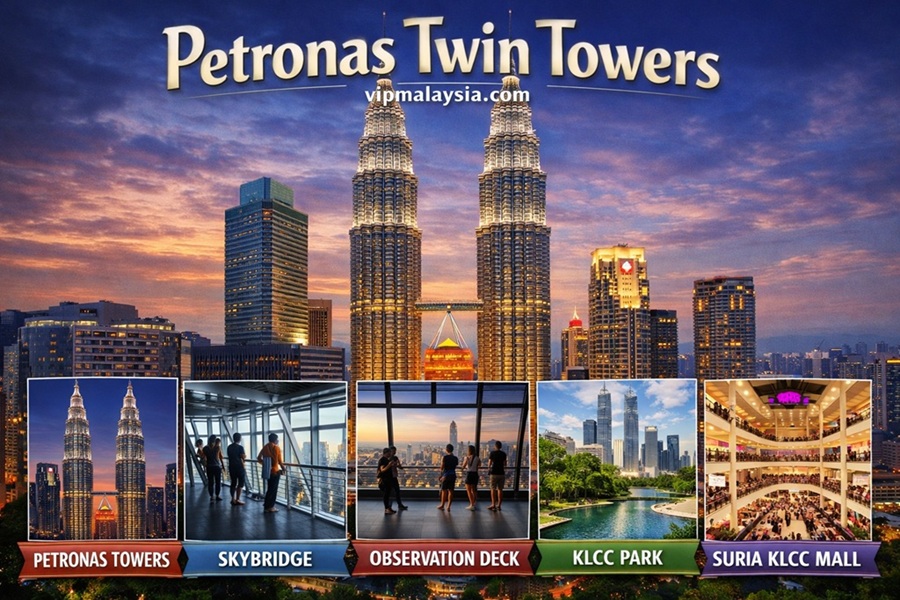
KLCC is the symbolic heart of modern Malaysia, anchored by the Petronas Twin Towers, which rise to 452 meters and remain the tallest twin towers in the world. Visitors can access the Skybridge at levels 41–42 and the Observation Deck at level 86 for panoramic views of Kuala Lumpur. The towers are complemented by Suria KLCC, a luxury shopping mall featuring brands like Louis Vuitton, Chanel, and Gucci, as well as dining and entertainment options.
Directly behind the towers lies KLCC Park, a 50-acre urban sanctuary designed by landscape architect Roberto Burle Marx. The park features a 1.3 km jogging track, children’s playground, wading pool, and the famous Lake Symphony fountain show, which lights up the evenings with music and water displays. Nearby attractions include Aquaria KLCC, an underwater world with a 90-meter tunnel, and Pavilion Mall, accessible via the KLCC–Bukit Bintang pedestrian bridge. Together, these attractions make KLCC a must-visit destination for both leisure and cultural exploration.
Conclusion
KL Sentral is not just a station but a lifestyle hub. It combines transport efficiency, cultural richness, and modern conveniences, making it the perfect starting point for exploring Kuala Lumpur.
Visitor Reviews
Visitor Reviews
Hisyamuddin Hassan, Kuala Lumpur ⭐⭐⭐⭐ “I often use KL Sentral for my daily commute, and the convenience is unmatched. The KLIA Ekspres gets me to the airport in under 30 minutes, which is a lifesaver for business trips. Nu Sentral Mall is perfect for grabbing a quick meal or shopping before catching a train. The only downside is the crowd during peak hours, but that’s expected in Malaysia’s busiest hub.”
Dalilah Daud, Singapore ⭐⭐⭐⭐⭐ “I stayed at Hilton Kuala Lumpur, which is directly connected to KL Sentral. The hotel’s infinity pool overlooking the city skyline was stunning, and the restaurants offered excellent international cuisine. Having KL Sentral next door meant I could hop on the MRT to Bukit Bintang or take the LRT to KLCC without hassle. It made exploring Kuala Lumpur incredibly easy.”
Nagendra Murthy Chennai ⭐⭐⭐⭐ “Brickfields felt like a slice of home. The Sri Kandaswamy Kovil Temple was beautifully decorated, and the food stalls offered authentic banana leaf rice and masala tea. I visited during Deepavali, and the streets were lit up with colorful decorations and bustling bazaars. It was a cultural experience that added depth to my trip beyond the modern cityscape.”
Azanizam Ibrahim, London ⭐⭐⭐⭐⭐ “KL Sentral made my trip stress-free. I arrived at KLIA and within half an hour was at my hotel in Brickfields. From there, I explored Mid Valley Megamall, which was massive — over 500 shops, including Zara and Uniqlo. Later, I took the MRT to KLCC to see the Petronas Twin Towers and enjoy the Lake Symphony show at night. The connectivity was seamless and saved me so much time.”
KLIA Airport is Malaysia’s largest international hub, offering world-class facilities, duty-free shopping, lounges, and unique attractions like the Jungle Boardwalk — making every layover an experience.
Introduction
KLIA, opened in 1998, is Malaysia’s primary international airport. It is strategically located in Sepang, Selangor, serving Greater Kuala Lumpur and beyond. The airport is renowned for its state-of-the-art infrastructure, premium lounges, and extensive shopping and dining options, making it a destination in itself.
History
The idea of KLIA was conceived in the early 1990s when Sultan Abdul Aziz Shah Airport could no longer meet rising demand. Construction began in 1993, and KLIA was inaugurated in June 1998. Its early years were marked by challenges, including baggage system issues, but it quickly rose to prominence. By the mid-2000s, KLIA had won awards such as World’s Best Airport (AERTA) and became a hub for both full-service and low-cost carriers.
The government recognized that Subang Airport’s location near Kuala Lumpur’s urban sprawl made expansion difficult. Noise pollution, traffic congestion, and limited land availability meant that Subang could not realistically meet future aviation demands. As Malaysia’s economy grew and tourism flourished, planners envisioned a new airport that would not only handle rising passenger numbers but also symbolize Malaysia’s modernization. This vision led to the development of KLIA in Sepang, strategically placed away from the city center with ample land for future expansion.
Highlights
KLIA stands out as one of Southeast Asia’s most advanced airports, combining modern architecture with efficient passenger services. Its design emphasizes spaciousness, natural lighting, and seamless connectivity between terminals. The airport has consistently ranked among the world’s best for service quality, reflecting Malaysia’s ambition to position itself as a global aviation hub.
Beyond its physical infrastructure, KLIA has become a symbol of Malaysia’s modernization. It integrates cultural elements such as traditional motifs and art displays, offering travelers a glimpse of the nation’s heritage. The airport’s commitment to sustainability, including energy-efficient systems and green spaces, further enhances its reputation as a forward-looking facility.
Global Airport Connectivity Rankings
Airport
Rank & Region
Key Notes
London Heathrow
Rank 1, Europe
Most connected globally, strong airline partnerships
Istanbul Airport
Rank 2, Europe
Rapid growth, Turkish Airlines dominates 79% of flights
Amsterdam Schiphol
Rank 3, Europe
Increased destinations, major European hub
Kuala Lumpur International Airport (KLIA)
Rank 4 (joint with Frankfurt), Asia Pacific
Most connected in Asia Pacific, No.1 low-cost carrier hub (AirAsia 36% of flights)
Frankfurt Airport
Rank 4 (joint with KLIA), Europe
Climbed from 10th to 4th, strong European connectivity
Chicago O’Hare
Rank 6, North America
Top U.S. international hub
Atlanta Hartsfield-Jackson
Rank 8, North America
Largest domestic hub in the U.S.
Terminal Excellence
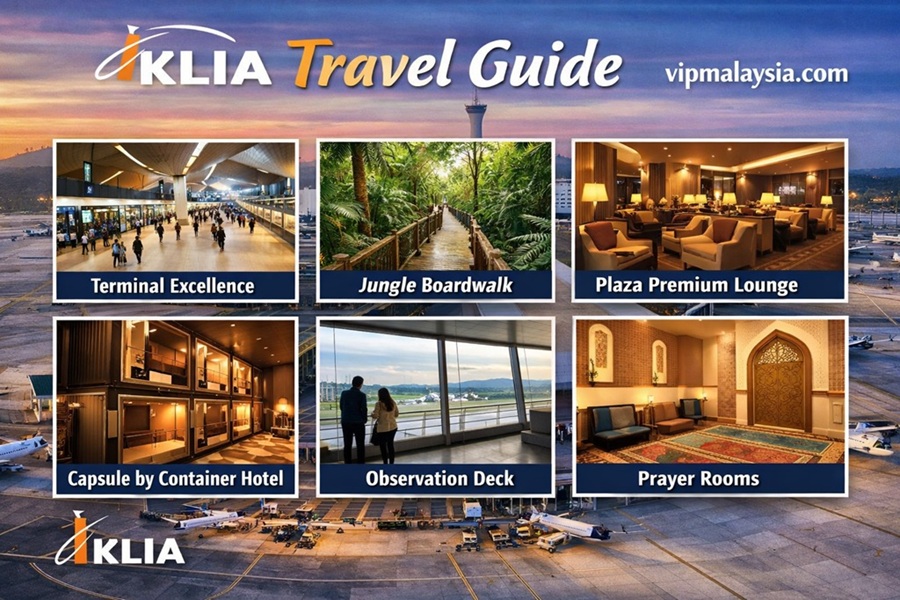
KLIA is divided into two major terminals: KLIA (Main Terminal) and KLIA2 (Budget Terminal). The main terminal caters to premium carriers such as Malaysia Airlines, Emirates, and Singapore Airlines, offering extensive lounge facilities, high-end retail, and fine dining. KLIA2, on the other hand, is dominated by AirAsia and other low-cost airlines, designed with a focus on affordability and efficiency.
The contrast between KLIA and KLIA2 reflects Malaysia’s dual strategy of serving both luxury travelers and budget-conscious passengers. KLIA2’s Gateway@KLIA2 mall operates 24/7, making it one of the largest airport shopping complexes in Asia. Meanwhile, the main terminal emphasizes comfort and exclusivity, with premium lounges and direct hotel connections, ensuring a tailored experience for different traveler segments.
KLIA vs KLIA2
Aspect
KLIA (Main Terminal)
KLIA2 (Budget Terminal)
Airlines Served
Premium carriers such as Malaysia Airlines, Emirates, Singapore Airlines
Low-cost carriers, dominated by AirAsia
Design Focus
Luxury and full-service travel
Affordability and efficiency
Lounges
Premium lounges including Plaza Premium First and Golden Lounge
Budget lounges, fewer premium options
Hotels
Direct connection to Sama-Sama Hotel
Connected to Tune Hotel, budget-friendly
Architecture
Spacious design, natural light, cultural motifs
Mall-style design with Gateway@KLIA2 shopping complex
Immigration & Security
Streamlined for premium travelers
Longer walking distances and queues due to high passenger volume
Dining & Retail
Extensive fine dining and high-end retail outlets
Affordable dining, fast food, and budget shopping
Cultural Features
Jungle boardwalk and art installations
Entertainment and retail focus, less cultural integration
Transport Links
KLIA Ekspres connects directly to KL Sentral in 28 minutes
KLIA Ekspres also serves KLIA2, but requires longer walks to platforms
Symbolism
Represents Malaysia’s modernization and global aviation ambition
Hub for Asia’s largest low-cost airline network, boosting regional travel
Terminal
Address & Phone
KLIA (Main Terminal)
Address: Kuala Lumpur International Airport, KLIA, 64000 Sepang, Selangor, Malaysia. Phone: 603-8777 8888 / 603-8776 2000 (General Enquiries) Lost & Found: 603-8776 4312 (24 hours)
KLIA2
Address: Kuala Lumpur International Airport 2 (KLIA2), KLIA, 64000 Sepang, Selangor, Malaysia. Phone: 603-8778 5000 (24 hours General Line) Information Counters: 603-8778 5540 / 603-8778 5541 / 603-8778 5542
Connectivity
KLIA offers flights to over 137 destinations worldwide, making it one of the most connected airports globally. It ranks second in international connectivity after London Heathrow, underscoring its role as a major transit hub in Asia. This extensive network supports Malaysia’s tourism industry and strengthens its position in global trade and travel.
The airport’s connectivity is enhanced by the KLIA Ekspres, a high-speed rail link that connects the airport to Kuala Lumpur city center in under 30 minutes. This seamless integration of air and ground transport ensures that KLIA remains competitive with other regional hubs like Singapore Changi and Bangkok Suvarnabhumi. The combination of global flight routes and efficient local transport makes KLIA a preferred choice for international travelers.
Attractions
One of KLIA’s most distinctive attractions is the Jungle Boardwalk, located in the Satellite Terminal. Covering over 970 square meters, it houses more than 3,600 trees and 39 species of tropical plants sourced from Sepang’s forests. Visitors can stroll along wooden walkways, enjoy a mini waterfall, and experience the sights and sounds of a tropical rainforest — all within the airport. It is the only airport in Malaysia to offer such a feature, making it a refreshing escape for international passengers during layovers.
Beyond its greenery, the Jungle Boardwalk serves as both a cultural and ecological showcase. Informational signs highlight Malaysia’s biodiversity, turning the walk into a mini ecological lesson. The natural environment reduces travel stress and reinforces KLIA’s reputation as a hub that integrates modern infrastructure with sustainability.
KLIA also integrates cultural and luxury experiences into its design. The Kampung Morten-inspired décor brings traditional Malaysian village charm into the terminal, offering travelers a nostalgic glimpse of heritage. This décor reflects Malaysia’s cultural identity and provides a unique photo opportunity for passengers.
On the luxury side, KLIA hosts attractions such as the Chanel pop-up store and the Bacha Coffee lounge, which provide premium shopping and dining experiences. These offerings balance cultural authenticity with modern luxury, ensuring KLIA appeals to both leisure and business travelers. Together, these attractions make KLIA not just a gateway to Malaysia but also a cultural and lifestyle destination.
The Plaza Premium Lounge is one of KLIA’s most popular attractions for transit passengers. It offers comfortable seating, shower facilities, nap areas, and a wide selection of food and beverages. Travelers can relax in a quiet environment away from the busy terminal, making long layovers more enjoyable. The lounge is accessible to all passengers regardless of airline or ticket class, which makes it a convenient option for those seeking premium comfort.
In addition to relaxation, the lounge provides business amenities such as Wi-Fi, charging stations, and meeting spaces. This makes it ideal for corporate travelers who need to stay productive while waiting for their flights. The combination of leisure and work facilities ensures that Plaza Premium Lounge remains a key attraction for both leisure and business passengers.
The Capsule by Container Hotel offers a unique sleeping experience at KLIA. Designed like a Japanese capsule hotel, it provides compact sleeping pods for short stays, perfect for passengers with overnight layovers or early morning flights. Each capsule is equipped with basic amenities such as bedding, lighting, and power outlets, ensuring a comfortable rest at an affordable price.
Beyond the sleeping pods, the hotel also offers shower facilities and luggage storage, making it a practical choice for budget-conscious travelers. Its location within the airport terminal ensures easy access to departure gates, reducing transit stress. This innovative concept has become a highlight for travelers seeking convenience and affordability at KLIA.
The Observation Deck at KLIA provides panoramic views of the runways and aircraft movements. It is a favorite spot for aviation enthusiasts and passengers who enjoy watching planes take off and land. The deck offers a unique perspective on the airport’s operations, making it both educational and entertaining.
Families and children often find the observation deck particularly engaging, as it allows them to see aircraft up close in a safe environment. The attraction adds an experiential element to KLIA, turning waiting time into an opportunity to appreciate the scale and complexity of modern aviation.
The Be Relax Spa is a wellness attraction at KLIA offering massages, aromatherapy, and relaxation treatments. It caters to weary travelers who want to relieve stress and fatigue before or after long flights. The spa’s services range from quick chair massages to full-body treatments, making it flexible for passengers with varying schedules.
KLIA provides prayer rooms throughout its terminals, offering quiet spaces for spiritual reflection. These facilities are available free of charge and cater to passengers of different faiths, ensuring inclusivity and comfort during travel. The rooms are designed to be serene, allowing travelers to pause and recharge spiritually before continuing their journey.
The Sama-Sama Hotel, connected to KLIA via a skybridge and buggy service, features a modern gymnasium, swimming pool, and spa. It operates daily from 7am to 11pm, providing travelers with a convenient way to maintain fitness routines during layovers.
This fitness center adds a layer of convenience for passengers who value health and wellness while traveling. It reflects KLIA’s focus on providing premium services that go beyond basic airport amenities, ensuring that travelers can maintain their routines even while in transit.
KLIA regularly hosts art exhibitions showcasing Malaysian culture and creativity. These installations range from traditional crafts to contemporary art pieces, strategically placed throughout the terminals to engage passengers. The exhibitions provide travelers with a glimpse into Malaysia’s rich artistic heritage.
By incorporating art into its design, KLIA transforms waiting areas into cultural spaces. This initiative not only beautifies the airport but also educates international visitors about Malaysia’s identity, making KLIA a cultural gateway as well as a transport hub.
KLIA offers free shower facilities in selected areas, allowing passengers to freshen up during long layovers or before connecting flights. These facilities are particularly useful for transit travelers who want to feel rejuvenated without booking a hotel.
Nearby Attractions
The Sepang International Circuit is one of Malaysia’s premier motorsport venues, located just 4–5 km from KLIA. It hosts Formula One, MotoGP, and other racing events throughout the year. Visitors can tour the track, explore the grandstands, and even book driving experiences.
Beyond racing, the circuit offers guided tours that showcase its state-of-the-art facilities. It’s a must-visit for motorsport enthusiasts and provides a thrilling diversion for travelers with time to spare near KLIA.
The Mitsui Outlet Park is a large shopping complex about 5 km from KLIA. It features discounted branded items from fashion, sportswear, and lifestyle categories. Travelers can enjoy duty-free shopping and dining options before heading back to the airport.
With frequent shuttle services from KLIA, the outlet park is easily accessible. It’s ideal for passengers looking to shop for bargains or enjoy a meal during a layover.
Located within KLIA2, Gateway@KLIA2 is a massive mall offering retail, dining, and entertainment options. It operates 24/7, making it convenient for travelers arriving at odd hours.
The mall includes international brands, local shops, and a wide range of eateries. It’s perfect for those who prefer to stay close to the airport while still enjoying a shopping experience.
The Qi Forest Spa, located near Ibis Styles Hotel KLIA, is a wellness retreat just 1.6 km from the airport. It offers massages, aromatherapy, and relaxation treatments.
This spa is ideal for passengers seeking rejuvenation before or after long-haul flights. Its proximity to KLIA makes it a convenient escape for wellness-focused travelers.
The KLIA Ekspres is a high-speed train connecting KLIA to Kuala Lumpur Sentral in just 28 minutes. It’s both an attraction and a practical transport option.
Contact Info
Item
Details
Name
KLIA Ekspres (Express Rail Link Sdn Bhd)
Address
Level 2, KL City Air Terminal (KL CAT), KL Sentral Station, Jalan Stesen Sentral 5, 50470 Kuala Lumpur, Malaysia
Phone
+603-2267 8000
Website
www.kliaekspres.com
Email
Available via Help Centre contact form
Operating Hours
Monday–Friday, 8:30 AM – 6:00 PM (Help Centre)
Passengers enjoy modern facilities, comfortable seating, and efficient service. For those with longer layovers, it provides quick access to Kuala Lumpur city center.
The Global Lounge, located in the Satellite Building, offers premium services including food, drinks, and relaxation areas.
It’s a quieter alternative to the main lounges, catering to travelers who want a more exclusive experience.
Located about 25 minutes from KLIA, Bagan Lalang Beach is a coastal destination known for seafood restaurants and scenic views.
It’s a great spot for travelers with longer layovers who want to experience Malaysia’s seaside charm.
The Paya Indah Wetlands is a nature reserve about 25 km from KLIA. It features crocodiles, hippos, and birdwatching opportunities.
This eco-attraction is perfect for nature lovers seeking a quick escape from the airport environment.
The Kelip-Kelip Kampung Kuantan, about 1 hour 20 minutes from KLIA, offers magical boat rides through mangroves lit up by thousands of fireflies.
It’s one of Malaysia’s most enchanting natural attractions and worth the trip for travelers with extended layovers.
Located about 35 minutes from KLIA, Putrajaya is Malaysia’s administrative capital. It features stunning landmarks such as the Putra Mosque, Perdana Putra (Prime Minister’s Office), and the scenic Putrajaya Lake.
Visitors can enjoy boat cruises, explore landscaped parks, and admire the city’s modern Islamic architecture. Putrajaya is a cultural and political showcase, making it a worthwhile stop near KLIA.
The tech hub of Cyberjaya is located about 25 minutes from KLIA. Cyberjaya is known as Malaysia’s “Silicon Valley,” it houses tech companies, innovation centers, and modern lifestyle attractions.
Travelers can explore cafés, co-working spaces, and recreational parks. Cyberjaya offers a glimpse into Malaysia’s digital future and is ideal for business travelers or those curious about the country’s tech scene.
Conclusion
KLIA is not just an airport—it is a gateway to Malaysia’s culture, commerce, and connectivity. With its blend of modern facilities, cultural showcases, and nearby attractions, KLIA remains a top choice for international travelers.
Quick Info
Item
Details
Name
Kuala Lumpur International Airport (KLIA)
Location
Sepang, Selangor, Malaysia (45 km south of Kuala Lumpur city)
Opened
1998
IATA Code
KUL
Terminals
KLIA Main Terminal (KLIA1) and KLIA2
Capacity
Designed for 75 million passengers annually
Transport
KLIA Ekspres train, buses, taxis, car rentals
Hotel
Sama-Sama Hotel connected via skybridge
Lounges
Plaza Premium Lounge, airline lounges
Unique Attraction
Jungle Boardwalk indoor rainforest
Shopping
Duty-free luxury brands and Gateway@KLIA2 mall
Address
Kuala Lumpur International Airport, 64000 KLIA, Sepang, Selangor, Malaysia
Phone
+603-8777 8888
Email
contact@malaysiaairports.com.my
Website
www.klia.com.my
Visitor Reviews
Real Visitor Reviews
Chris Mark Your Travel., United Kingdom ⭐⭐⭐⭐⭐ “I took the KLIA Ekspres from the airport to KL Sentral and was impressed by how clean and efficient it was. The train left exactly on time and reached the city in just 28 minutes. For a busy international hub, this kind of reliability makes a huge difference when planning onward travel.”
Kevin Hucther, Australia ⭐⭐⭐⭐ “KLIA itself felt a bit dated in some areas, with limited seating and charging points. However, the WiFi worked well, and restaurant prices were fair compared to other airports. Staff were polite, though queues at immigration could be long during peak hours.”
Arbaeyah Abby, Singapore ⭐⭐⭐⭐ “My transit experience was stressful due to unclear signage and crowded conditions. I had trouble locating my luggage, which was moved to another belt without notice. Later, I had to sprint to catch a bus to another building for boarding. Thankfully, airline crew helped me shortcut the queue, but clearer announcements and directions would improve the experience.”
Jeffrey Ooi Seng Keng, Malaysia ⭐⭐⭐⭐⭐ “The Plaza Premium First Lounge at KLIA was a highlight of my trip. Stylish interiors, attentive staff, and excellent food made the wait enjoyable. Facilities like shower rooms and quiet resting areas added comfort, making it one of the best lounges I’ve visited in Asia.”
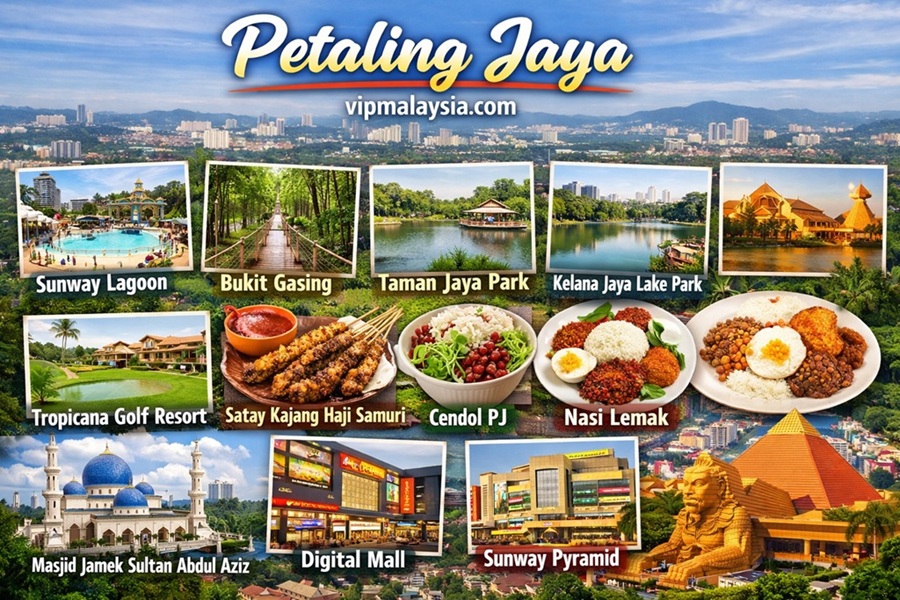
Petaling Jaya, often called PJ, is a vibrant city in Selangor that blends modern lifestyle with cultural heritage. Known for its food hubs, shopping malls, and nearby adventures, PJ is more than a suburb—it’s a destination worth exploring.
Introduction
Petaling Jaya is one of Malaysia’s most dynamic urban centers, located just west of Kuala Lumpur. Established in the 1950s as a satellite township, it has grown into a bustling city with modern skyscrapers, thriving neighborhoods, and cultural landmarks. Today, PJ is celebrated for its food scene, lifestyle hubs, and accessibility, making it a must-visit for travelers seeking authentic Malaysian experiences.
History
Petaling Jaya’s origins date back to the early 1950s when Kuala Lumpur faced rapid population growth. The British colonial administration developed PJ as a planned township to ease congestion. Initially, it consisted of modest housing estates and kampungs, but by the 1970s, PJ had transformed into a commercial hub. The construction of highways like the Federal Highway and LDP further integrated PJ into the Klang Valley. Over decades, PJ evolved into a city of its own, with established neighborhoods such as SS2, Damansara, and Kelana Jaya. Its history reflects Malaysia’s urbanization journey, blending traditional Malay roots with modern development.
Highlights
Food Lover’s Playground
Petaling Jaya is renowned for its hawker stalls, kopitiams, and modern cafés. SS2 and Damansara Uptown are hotspots where locals flock for authentic Malaysian dishes like nasi lemak, char kway teow, and satay. The café culture in SS15 and Damansara adds a modern twist, attracting younger crowds.
Lifestyle and Shopping
PJ boasts some of Malaysia’s largest malls, including 1 Utama Shopping Centre, Sunway Pyramid, and The Curve. These malls combine retail, dining, and entertainment, offering everything from international brands to local boutiques.
Established Neighborhoods
Unlike central Kuala Lumpur, PJ thrives on community living. Each township has its own identity, with markets, schools, and cultural centers shaping daily life.
Attractions
Sunway Lagoon Theme Park
Sunway Lagoon is PJ’s most famous attraction, offering six themed zones including Water Park, Amusement Park, Wildlife Park, Extreme Park, Scream Park, and Nickelodeon Lost Lagoon. With facilities like cabanas, lockers, and diverse dining options, it’s a world-class leisure destination perfect for families and thrill-seekers alike.
Address: 3, Jalan PJS 11/11, Bandar Sunway, 47500 Petaling Jaya, Selangor
Phone: +60 3-5639 0000
Wat Chetawan Temple
This Thai Buddhist temple is a serene escape in PJ, featuring golden Buddha statues, intricate Thai-inspired architecture, and tranquil gardens. Visitors can explore prayer halls and enjoy nearby Thai eateries, making it a cultural and spiritual highlight of the city.
Address: Jalan Pantai, 46000 Petaling Jaya, Selangor
Phone: +60 3-7957 8736
Chocolate Museum Kota Damansara
Located in Kota Damansara, this museum blends fun and learning with exhibits on chocolate history, tasting sessions, and DIY workshops. Families and couples enjoy the on-site café serving chocolate desserts, making it a sweet and educational stop.
Address: No.2, Jalan Teknologi 3/5, Kota Damansara, 47810 Petaling Jaya, Selangor
Phone: +60 3-6143 5000
Secret Garden Utama
Hidden atop 1 Utama Shopping Centre, this rooftop garden spans 30,000 sq ft and houses over 600 plant species. Guided tours and seating areas make it a green oasis above the bustling mall, perfect for nature lovers seeking tranquility.
Address: 1 Utama Shopping Centre, Lebuh Bandar Utama, 47800 Petaling Jaya, Selangor
Phone: +60 3-7726 7788
Petaling Jaya Museum
This museum documents PJ’s growth from a satellite township to a modern city. Exhibits include photographs, artifacts, and urban development stories, offering a free and insightful stop for history enthusiasts.
Address: Jalan Templer, Seksyen 10, 46000 Petaling Jaya, Selangor
Phone: +60 3-7956 1039
Bukit Gasing Forest Reserve
Bukit Gasing is a lush forest reserve with hiking trails, suspension bridges, and wildlife such as macaques and hornbills. It’s popular among trekkers and photographers, providing a natural escape within the city limits.
Address: Jalan Tanjong 5/4, Bukit Gasing, 46000 Petaling Jaya, Selangor
Phone: +60 3-7956 3544
Taman Jaya Park
One of PJ’s oldest parks, Taman Jaya offers jogging tracks, a lake, and picnic areas. It’s a community green space where locals gather for recreation, exercise, and relaxation.
Address: Jalan Timur, Seksyen 10, 46000 Petaling Jaya, Selangor
Phone: +60 3-7956 3544
Kelana Jaya Lake Park
This park surrounds a scenic lake and offers walking paths, fishing spots, and picnic areas. It’s a peaceful retreat within the city.
Address: Jalan SS7/13, Kelana Jaya, 47301 Petaling Jaya, Selangor
Phone: +60 3-7803 0300
PJ Live Arts Theatre
PJ Live Arts Theatre hosts plays, musicals, and comedy shows, making it a cultural hotspot for performing arts in the city.
Address: Jaya One, 72A, Jalan Universiti, Section 13, 46200 Petaling Jaya, Selangor
Phone: +60 3-7960 0439
MBPJ Tower
The MBPJ Tower is the headquarters of Petaling Jaya City Council. Its modern design and central location make it a symbol of PJ’s urban growth.
Address: Jalan Yong Shook Lin, Seksyen 52, 46675 Petaling Jaya, Selangor
Phone: +60 3-7956 3544
Tropicana Golf and Country Resort
This resort offers an 18-hole championship golf course, luxury facilities, and fine dining. It’s a premier destination for golf enthusiasts in PJ.
Address: Jalan Kelab Tropicana, Tropicana, 47410 Petaling Jaya, Selangor
Phone: +60 3-7804 8888
Ara Damansara Park
Ara Damansara Park is a green recreational space with jogging tracks, playgrounds, and lakeside views. It’s a popular spot for families and fitness lovers.
Address: Jalan PJU 1A/1, Ara Damansara, 47301 Petaling Jaya, Selangor
Phone: +60 3-7803 0300
Shopping Malls
Sunway Pyramid Shopping Mall
This iconic mall is recognizable by its Egyptian-inspired architecture and pyramid façade. Inside, visitors find international brands, ice skating rinks, and diverse dining, making it a shopping and entertainment hub.
Address: 3, Jalan PJS 11/15, Bandar Sunway, 47500 Petaling Jaya, Selangor
Phone: +60 3-7494 3100
The Curve Mall
Located in Mutiara Damansara, The Curve is known for its open-air walkways, weekend bazaars, and family-friendly atmosphere. It’s a lifestyle destination combining retail, dining, and cultural events.
Address: 6, Jalan PJU 7/3, Mutiara Damansara, 47800 Petaling Jaya, Selangor
Phone: +60 3-7710 6868
KidZania Kuala Lumpur
This interactive edutainment center lets children role-play real-world professions in a miniature city. It’s a family favorite attraction that combines fun with learning, located conveniently in PJ.
Address: Curve NX, No.18, Jalan PJU 7/5, Mutiara Damansara, 47810 Petaling Jaya, Selangor
Phone: +60 3-7722 1888
Jaya Shopping Centre
Jaya Shopping Centre, often called “Jaya SC,” is a community mall in Section 14 that blends retail, dining, and entertainment. It’s popular among locals for its family-friendly atmosphere and convenient location.
Address: Jalan Semangat, Section 14, 46100 Petaling Jaya, Selangor
Phone: +60 3-7932 6800
Paradigm Mall
Paradigm Mall is one of PJ’s largest lifestyle malls, featuring international brands, a cinema, and an ice-skating rink. It’s a modern shopping hub that attracts both residents and visitors.
Address: 1, Jalan SS7/26a, Kelana Jaya, 47301 Petaling Jaya, Selangor
Phone: +60 3-7801 1188
Atria Shopping Gallery
Atria Shopping Gallery in Damansara Jaya is known for its stylish architecture and boutique stores. It’s a trendy lifestyle mall with diverse dining options.
Address: Jalan SS22/23, Damansara Jaya, 47400 Petaling Jaya, Selangor
Phone: +60 3-7730 6898
Jaya One
Jaya One is a mixed-use development with offices, restaurants, and The School, a child-centric mall. It’s a creative hub for dining and education.
Address: 72A, Jalan Universiti, Section 13, 46200 Petaling Jaya, Selangor
hone: +60 3-7932 6868
Digital Mall Section 14
Digital Mall is PJ’s go-to destination for electronics, gadgets, and IT accessories. It’s a tech shopper’s paradise offering competitive prices.
Address: Jalan 14/20, Section 14, 46100 Petaling Jaya, Selangor
Phone: +60 3-7956 1039
Mosques
Masjid Jamek Sultan Abdul Aziz
Located along Jalan Templer, this is one of the oldest and most prominent mosques in PJ, serving as a central hub for Friday prayers and community events.
Address: 69G, Lorong 3, Jalan Templer, Seksyen 3, 46000 Petaling Jaya, Selangor
Phone: +60 3-7772 8347
Masjid Ara Damansara
A modern mosque serving the Ara Damansara community, known for its contemporary design and active social programs.
Address: 3, Jalan PJU 1/37, Taman Putra Damai, 47301 Petaling Jaya, Selangor
Phone: +60 3-7734 4137
Masjid Al-Hidayah Kelana Jaya
One of the earliest mosques in Kelana Jaya, established in the 1980s, offering extensive facilities including prayer halls, ablution areas, and community programs.
Address: Jalan SS 3/19, Taman Universiti, 47300 Petaling Jaya, Selangor
Phone: +60 12-239 5671
Masjid Al-Munawwarah (Section 9)
A well-known mosque in Section 9, PJ, serving as a spiritual and community hub with regular religious classes and events.
Address: Section 9, Petaling Jaya, Selangor (exact postal details vary by listing)
Phone: +60 19-942 1604
Masjid Al-Mujahideen Damansara Utama
Located in Damansara Utama, this mosque is popular among residents for its accessibility and active role in community religious activities.
Address: Jalan 21/23, Damansara Utama, 47400 Petaling Jaya, Selangor
Phone: +60 3-7727 1889
Foods
Village Park Restaurant in Damansara Uptown is legendary for its nasi lemak, featuring fragrant coconut rice, crispy fried chicken, sambal, peanuts, and anchovies. It’s considered the most famous nasi lemak in PJ.
Address: 5, Jalan SS 21/37, Damansara Utama, 47400 Petaling Jaya, Selangor
Phone: +60 12-273 8438
Located in Sea Park, this late-night spot serves nasi lemak wrapped in banana leaves, paired with fried chicken and spicy sambal. It’s a local favorite for supper crowds.
Address: 6, Jalan 21/11b, Sea Park, 46300 Petaling Jaya, Selangor
Phone: +60 17-370 3576 / +60 11-2311 3576
This wok-fried noodle dish is known for its smoky “wok hei” flavor, dark soy sauce, and pork lard richness. The SS2 Wet Market stall is a must-visit for authentic Hokkien Mee.
Address: Ground Floor, 179, Jalan SS2/24, 47300 Petaling Jaya, Selangor
Phone: +60 3-7877 9527
A flaky Indian flatbread served with dhal or curry, roti canai at Jalan Templer is popular for breakfast and late-night snacks.
Address: Kedai Roti Canai, 139 Jalan SS 5d/2, SS5, 47301 Petaling Jaya, Selangor
Phone: +60 13-278 7240
Lok Lok offers skewers of meat, seafood, and vegetables cooked in boiling broth. It’s a social street food experience perfect for groups.
Address: Lot 7680, Jalan SS2/24, SS2, 47300 Petaling Jaya, Selangor
Phone: +60 16-930 9101
This refreshing dessert combines shaved ice, coconut milk, palm sugar syrup, and green jelly noodles. It’s a classic Malaysian treat to beat the heat.
Address: Medan Selera, Jalan Othman, PJ Old Town, 46050 Petaling Jaya, Selangor
Phone: +60 16-611 5161
Known for fresh seafood like oysters, crabs, and prawns, Unique Seafood PJ23 lets diners pick live seafood from tanks. It’s a premium dining experience in PJ.
Address: Lot 9B-3, Jalan Kemajuan 12/18, Seksyen 13, 46200 Petaling Jaya, Selangor
Phone: +60 3-7960 2088
Kanna Curry House is famous for banana leaf rice, served with curries, vegetables, and fried chicken. It’s a South Indian staple in PJ.
Address: 29, Jalan 17/45, Seksyen 17, 46400 Petaling Jaya, Selangor
Phone: +60 3-7958 4814
Satay Kajang Haji Samuri in PJ is famous for its skewered meats grilled over charcoal, served with peanut sauce, cucumber, and ketupat. The satay here is tender, smoky, and consistently rated among the best in Selangor.
The restaurant offers chicken, beef, lamb, and even rabbit satay, making it a versatile choice for adventurous eaters. Its popularity means long queues during weekends, but the authentic flavor and generous portions make it worth the wait.
Address: 7 Jalan Yong Shook Lin, Seksyen 7, PJ New Town, 46200 Petaling Jaya, Selangor
Phone: +60 16-758 9318
Chee cheong fun is steamed rice noodle rolls served with sweet sauce, chili, and sesame seeds. PJ Old Town stalls are known for their silky texture and bold sauces.
This dish is often enjoyed as breakfast or a light snack. Its simplicity and affordability make it a beloved choice among locals.
Address: Restoran Hai Keng, Section 14, Petaling Jaya, Selangor
Phone: +60 3-7956 1039
Satay celup is a unique dish where skewers are dipped into boiling satay gravy. Damansara outlets bring this Malacca specialty to PJ, offering a fun communal dining experience.
The peanut sauce is rich and spicy, coating meats and vegetables perfectly. It’s a social food experience ideal for groups.
Address: 53, Jalan SS 21/1A, Damansara Utama, 47400 Petaling Jaya, Selangor
Phone: +60 12-392 2000
Nasi Lemak Royale in SS2 is a beloved breakfast option, offering fragrant coconut rice paired with crispy fried chicken, sambal, peanuts, and anchovies. The sambal is slightly sweeter than other versions, making it unique.
Locals flock here in the mornings, and the stall is known for its affordability and generous portions. It’s a classic PJ breakfast spot that balances flavor and tradition.
Address: Jalan SS 2/60, SS2, 47400 Petaling Jaya, Selangor
Phone: +60 16-278 2222
Serai Restaurant serves a tangy asam laksa with tamarind broth, mackerel, and fresh herbs. The soup is spicy, sour, and refreshing, making it a standout dish.
The restaurant’s modern setting makes it ideal for families and groups. Serai’s laksa is often praised for its authenticity and balance of flavors.
Address: G18, Jaya Shopping Centre, Jalan Professor Khoo Kay Kim, Seksyen 14, 46100 Petaling Jaya, Selangor
Phone: +60 3-7932 3070
Beyond nasi lemak, Village Park also offers mee rebus, a noodle dish with thick, savory gravy made from potatoes and spices.
The dish is hearty and filling, often enjoyed as lunch. Village Park’s version is considered one of the best in PJ.
Address: 5, Jalan SS 21/37, Damansara Utama, 47400 Petaling Jaya, Selangor
Phone: +60 12-273 8438 / +60 3-7710 7860
Lontong, a traditional Malay dish of compressed rice cakes in coconut soup, is another specialty at Village Park.
It’s served with vegetables, sambal, and fried tempeh, offering a wholesome and comforting meal.
Address: 5, Jalan SS 21/37, Damansara Utama, 47400 Petaling Jaya, Selangor
Phone: +60 12-273 8438 / +60 3-7710 7860
Beard Brothers’ BBQ offers halal American‑style smoked meats, including brisket, ribs, and pulled beef. It’s a unique halal BBQ option in PJ.
The platters are large and ideal for sharing, making it a popular spot for meat lovers.
This café serves halal Malaysian comfort food, including nasi lemak, toast, and kopi. It’s a nostalgic spot blending Malay, Indian, and Chinese influences.
It’s halal‑certified and offers a casual, kopitiam‑style atmosphere perfect for breakfast or tea breaks.
Address: No.3, PG03 Ground Floor, Jaya33, Jalan Professor Khoo Kay Kim, Section 13, 46200 Petaling Jaya, Selangor, Malaysia
Phone: +60 3-7932 2307
Nearby Attractions
Kuala Lumpur
Just 20–30 minutes away, KL offers iconic landmarks like Petronas Towers and Bukit Bintang nightlife.
Subang Jaya
Known for its universities and shopping centers, Subang is a youthful town with vibrant nightlife.
Shah Alam
Famous for the Blue Mosque and i-City theme park, Shah Alam is a cultural and family-friendly destination.
Conclusion
Petaling Jaya is more than a suburb—it’s a city of culture, food, shopping, and adventure. Whether you’re exploring its historical roots, indulging in culinary delights, or trekking through Bukit Gasing, PJ offers a complete Malaysian experience. Its proximity to Kuala Lumpur and surrounding towns makes it an ideal base for travelers.
Quick Info
Attribute
Details
Name
Petaling Jaya (commonly called PJ)
Location
Selangor, Malaysia — immediately west of Kuala Lumpur
GPS Coordinates
3.1073° N, 101.6067° E
State
Selangor
Population
Approximately 600,000 residents (2025 est.)
Established
1952 as Malaysia’s first planned satellite town
City Status
Declared a city in 2006
Transport
Connected via LRT Kelana Jaya Line, MRT Kajang Line, buses, and highways
Nearby Landmarks
Sunway Lagoon, Paradigm Mall, Jaya Shopping Centre, MBPJ Tower
Attractions
Theme parks, shopping malls, cultural sites, food hubs
Wildlife/Nature
Bukit Gasing Forest Reserve, Kelana Jaya Lake Park
Facilities
Hotels, malls, hospitals, universities, public parks
Contact
Petaling Jaya City Council (MBPJ): +60 3-7956 3544
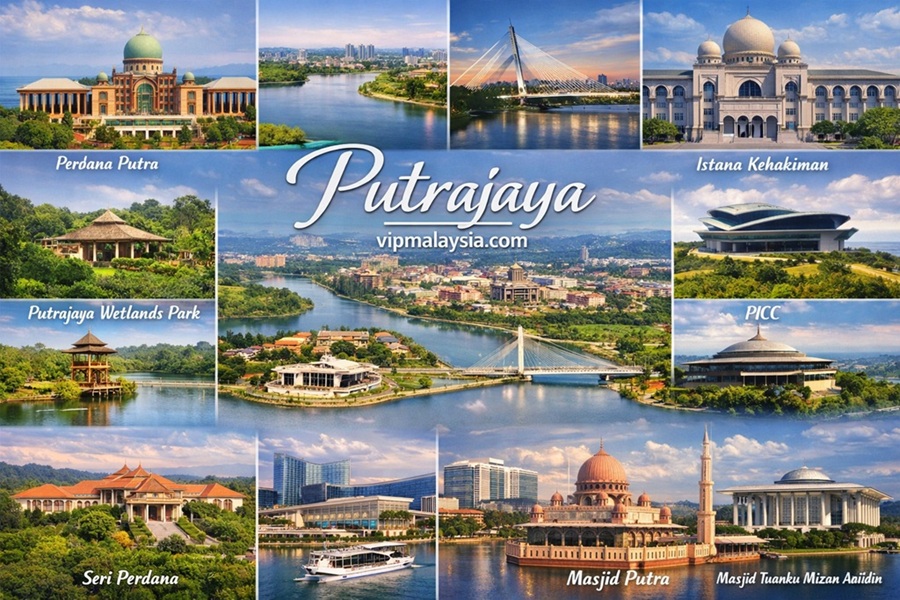
Putrajaya is often called Malaysia’s “Garden City” thanks to its expansive parks, lakes, and eco-conscious design. With futuristic bridges, grand mosques, and cultural pavilions, it provides a peaceful escape from Kuala Lumpur’s bustle while offering plenty of attractions for visitors.
Introduction
Putrajaya was conceived in the 1990s as a modern administrative hub, designed to symbolize Malaysia’s progress and vision. Today, it is not only the seat of government but also a destination for travelers seeking architecture, nature, and cultural experiences.
History
Putrajaya’s story begins on land once dominated by oil palm plantations and marshland, reflecting Malaysia’s agricultural economy in the mid-20th century. As Kuala Lumpur expanded rapidly, the government faced mounting congestion and sought a new administrative center that could ease pressure on the capital while symbolizing national progress. The concept of Putrajaya emerged in the early 1990s under Prime Minister Mahathir Mohamad, closely tied to Vision 2020, Malaysia’s ambitious plan to become a fully developed nation by the year 2020.
Construction officially began in August 1995, guided by a master plan that emphasized sustainability, aesthetics, and harmony with nature. Wide boulevards, landscaped parks, and artificial lakes were integrated to create a city that balanced modern urban development with ecological awareness. The city was named after Tunku Abdul Rahman Putra Al-Haj, Malaysia’s first Prime Minister, in recognition of his role in securing independence and shaping the nation’s early identity.
By 1999, Putrajaya was declared the federal administrative capital, with many government ministries relocating from Kuala Lumpur. Two years later, on 1 February 2001, Putrajaya was officially designated Malaysia’s third Federal Territory, after Kuala Lumpur and Labuan. Nearly 40% of its land area was reserved for green spaces and water bodies, making it one of Southeast Asia’s most eco-conscious planned cities. Today, Putrajaya stands as both a political hub and a destination for travelers, blending Islamic-inspired architecture with contemporary design in a city that continues to evolve as a symbol of Malaysia’s modern aspirations.
Highlights
Perdana Putra
Perdana Putra houses the Prime Minister’s Office and is a symbol of Malaysia’s governance. Its green-domed structure dominates Putrajaya’s skyline.
Though entry is restricted, the exterior is a popular photo spot, especially with its blend of Islamic and European architectural influences.
Putrajaya Lake
This man-made lake spans 650 hectares and sits at the heart of the city. It’s a hub for water sports and leisure cruises.
The lake also provides scenic views of surrounding landmarks, making it a favorite for sunset photography.
Seri Wawasan Bridge
Known for its futuristic sail-like design, Seri Wawasan Bridge is one of Putrajaya’s most photographed structures.
At night, the bridge lights up with vibrant colors, offering a spectacular view across the lake.
Istana Kehakiman
The Palace of Justice, or Istana Kehakiman, is one of Putrajaya’s most iconic government buildings, housing Malaysia’s Federal Court and Court of Appeal. Completed in 2003 and inaugurated in 2004, it was designed by architect AR Ahmad Rozi Abd Wahab with influences from Islamic, Moorish, and Palladian styles, echoing structures like the Taj Mahal and the Sultan Abdul Samad Building in Kuala Lumpur. Its five-storey judiciary block and two-storey court complex are arranged around a central rotunda, symbolizing order and balance in the judicial system.
Visitors admire its grand domes and granite façade, which combine classical depth with modern functionality. The building also houses a library, museum, and conference hall, making it not only a judicial hub but also a cultural landmark. Its location in Precinct 3 places it among other administrative icons, and its intricate design makes it a favorite stop for architecture enthusiasts and photographers.
Putrajaya Botanical Garden
The Putrajaya Botanical Garden, inaugurated in 2003, spans over 92 hectares, making it one of Malaysia’s largest botanical gardens. Known as the “Mother of All Gardens,” it features more than 750 plant species across themed sections such as Palm Hill, Sun Garden, and Floral Gardens. It also houses the Astaka Morocco Pavilion, inspired by Moroccan heritage, which adds cultural depth to its natural beauty.
Cyclists, joggers, and families enjoy its trails, canopy bridge, and picnic areas. The garden also plays a role in ethnobotany and conservation, cultivating medicinal and endangered plants for research. Admission is free, with small fees for tram rides or bicycle rentals, making it a popular destination for both leisure and education.
Putrajaya Wetlands Park
The Putrajaya Wetlands Park is Malaysia’s largest man-made freshwater wetlands, covering 335 acres. Officially opened in 2001, it acts as the “kidneys of Putrajaya,” filtering water from Sungai Chua and Sungai Bisa before it enters Putrajaya Lake. Its 24 wetland cells host diverse flora such as reeds and grasses, creating habitats for aquatic life.
The park is a haven for birdwatchers, with 59 migratory species and 200 local species recorded. Activities include kayaking, cycling, camping, and guided tours at the Nature Appreciation Centre. Entry is free, making it a prime eco-tourism destination that blends recreation with conservation.
Main Trails
Trail Name
Description
Upper West Wetland Trail
Moderate, 4.5 miles (7.2 km), estimated 2–2.5 hours. Flat terrain with gravel and sand, suitable for cycling, jogging, and walking. Exposed to sun, best visited in the morning. Offers reflection photo opportunities and habitats for spawning birds and aquatic plants.
Upper North–Upper East Wetlands Trail
Moderate, 5.6 miles (9 km), estimated 2.5–3 hours. Flat gravel paths ideal for cycling and jogging. Home to 24 species of freshwater fish and diverse birdlife. Great for spotting local wildlife and enjoying nature photography.
Upper East–North–West Wetlands Trail
Moderate, 8.8 miles (14 km), estimated 4–4.5 hours. Longer trail combining multiple wetland zones. Flat terrain, mostly exposed to sun. Wildlife sightings include macaques, spawning birds, and aquatic plants.
Putrajaya West Trail
Easy, 2.3 miles (3.7 km), estimated 1–1.5 hours. Well-maintained pedestrian and bicycle paths along the lakeshore. Designed for leisure activities, perfect for families and casual visitors.
Putra Bridge
The Putra Bridge is Putrajaya’s main bridge, spanning 435 meters across the lake. Inspired by Iran’s Khaju Bridge, it connects Precinct 1 (Government Precinct) with Precinct 2 (Mixed Development Precinct). Its triple-deck design accommodates vehicles, pedestrians, and a monorail track.
The bridge features octagonal viewing pavilions and even houses restaurants within its pillars. It offers panoramic views of landmarks like the Putra Mosque and Perdana Putra, making it both a functional and aesthetic centerpiece of the city.
Cruise Tasik Putrajaya
Cruise Tasik Putrajaya offers a unique way to explore the city’s landmarks via the lake. Operating since 2003, it provides options from traditional gondola-style boats (Perahu Dondang Sayang) to modern air-conditioned catamarans.
Passengers enjoy views of over 20 attractions, including the Putra Mosque, Seri Wawasan Bridge, and Palace of Justice. Packages range from sightseeing cruises to dining experiences, making it a versatile attraction for families, couples, and tourists.
Putrajaya International Convention Centre (PICC)
The PICC, completed in 2003, sits atop Putrajaya’s highest point in Precinct 5. Its design was inspired by the Pending Perak, a royal Malay belt buckle, symbolizing tradition and modernity.
With a capacity for 8,000 delegates, it hosts international conferences and events. Facilities include a plenary hall for 3,000, banquet hall for 2,500, and multiple meeting rooms. Its hilltop location offers sweeping views of Putrajaya, making it both a functional and scenic venue.
Seri Perdana
Seri Perdana is the official residence of Malaysia’s Prime Minister, built in 1997 on a 42.5-acre site in Precinct 10. Its design blends Malay, Islamic, and European architecture, reflecting Malaysia’s cultural diversity.
While most of the complex is private, certain sections like the Banquet Block and Protocol Block are open to the public. It also serves as a venue for welcoming foreign dignitaries. Its landscaped gardens and hilltop location make it a symbol of governance and hospitality.
China-Malaysia Friendship Garden
The China-Malaysia Friendship Garden, located in Precinct 4’s Anjung Floria, was built in 2014 to commemorate the 40th anniversary of diplomatic relations between Malaysia and China. Inspired by Lingnan-style gardens from Guangdong and Guangxi, it incorporates six classical elements: mountain, water, stone, building, calligraphy, and plants. Visitors enter through ornate gateways guarded by 200-year-old Qilin statues from China, then stroll past winding corridors, bamboo groves, and serene ponds that symbolize harmony between the two nations.
The garden is a popular spot for wedding photography thanks to its moon gate, pavilion overlooking the lake, and vibrant landscaping with bonsai, willows, and blooming flowers. Known in Mandarin as Zhiyuan (“garden of understanding”), it embodies the Tang Dynasty phrase “A bosom friend afar brings a distant land near.” It also forms part of the Royal Floria Putrajaya Festival, making it both a cultural landmark and a recreational attraction.
Astaka Morocco
The Astaka Morocco, or Moroccan Pavilion, lies within the Putrajaya Botanical Garden. Built between 2003 and 2004, it was designed as a symbol of cultural exchange between Malaysia and Morocco. Materials were imported directly from Morocco, and artisans replicated the architectural styles of imperial cities like Marrakesh and Fez. Its courtyards feature colorful mosaics, arabesque carvings, and Quranic inscriptions, blending Islamic heritage with Moroccan artistry.
Visitors are greeted by cedarwood-scented doors, intricate plasterwork, and fountains that evoke North African palaces. Divided into three grand courtyards, each space is unique, showcasing Morocco’s decorative arts. The pavilion requires a small entry fee, but its authenticity and craftsmanship make it one of Putrajaya’s most treasured cultural gems.
Taman Saujana Hijau
Taman Saujana Hijau, located in Precinct 11, is a 41-hectare hilltop park styled after European landscapes. Divided into three zones—European, Oriental, and English gardens—it features pine trees, rolling lawns, and flower fields reminiscent of Cameron Highlands. Entry is free, and visitors often spend an hour exploring its scenic trails.
The park is popular for jogging, picnics, and wedding photography, with sunrise and sunset offering the best views. Its European-style pavilion and Oriental pagoda provide photogenic backdrops, while the 2.8 km jogging trail attracts fitness enthusiasts. Families enjoy its playgrounds and open lawns, making it a versatile leisure spot.
Pantai Floria
Opened in 2022, Pantai Floria is a 100-meter artificial beach located at Anjung Floria in Precinct 4. It features sandy shores, tiered seating, and facilities like cafes, surau, and ample parking. Activities include kayaking, fishing, and picnicking along the lakeside.
The beach also hosts the Royal Floria Flower Festival, where themed gardens and floral displays attract thousands of visitors. Families enjoy its accessibility and recreational options, making it a weekend hotspot for relaxation without leaving Putrajaya.
Putrajaya Challenge Park
The Putrajaya Challenge Park (Taman Cabaran) in Precinct 5 spans 30 hectares and is considered one of Asia’s best extreme sports facilities. It includes an indoor rock climbing complex with 20-meter walls, a skatepark, and mountain biking trails.
The park caters to all skill levels, offering beginner zones, expert climbing walls, and BMX stunt areas. Its 9.1 km mountain bike trail is rated highly by enthusiasts for technical difficulty. Affordable entry fees and equipment rentals make it accessible to thrill-seekers and families alike.
Marina Putrajaya
Located in Precinct 5, Marina Putrajaya is a recreational hub offering water sports, fitness facilities, and event spaces. It includes a swimming pool, squash courts, gym, sauna, and multipurpose halls for weddings or conferences.
The lakeside boardwalk is popular for kayaking, dragon boating, and sunset strolls. Its relaxed atmosphere contrasts with Putrajaya’s bold architecture, making it a favorite for locals seeking leisure and quiet reflection.
ESCAPE Putrajaya
The ESCAPE Putrajaya adventure park is perfect for families and thrill-seekers, with activities like zip-lining, obstacle courses, and water play areas. It’s a fun way to spend an active day outdoors.
LAMPU Festival
The LAMPU Festival (Light and Motion Putrajaya) is an annual event that transforms Putrajaya’s streets into a dazzling spectacle of lights, projections, and artistic installations. Held at Dataran Putrajaya, it features 3D projection mapping on iconic government buildings, interactive light displays, and cultural performances, making it one of Malaysia’s most anticipated year-end celebrations.
District 21 Adventure Park
Located nearby, this indoor park offers obstacle courses, climbing walls, and adrenaline-filled activities for families and thrill-seekers.
Top Shopping Malls
IOI City Mall
IOI City Mall, located in IOI Resort City, is Malaysia’s largest shopping mall with over 2.5 million sq. ft. of retail space. Expanded in 2022, it now houses more than 700 outlets, an Olympic-sized ice rink (Icescape), and the adventure park District 21.
The mall also features IOI City Farm, an indoor urban farm with 23 animal species and 70 plant types, plus a sports center with 15 badminton courts. Open daily from 10 am to 10 pm, it’s a one-stop destination for shopping, dining, and entertainment in Putrajaya.
Address: IOI City Mall, Lebuh IRC, IOI Resort City, 62502 Putrajaya, Selangor
Phone: +603-8328 8899
Alamanda Shopping Centre
The Alamanda Shopping Centre is Putrajaya’s first and most central mall, offering over 160 shops, a supermarket, bowling alley, karaoke center, cinema, and scenic Bamboo Walkway. Its Esplanade provides beautiful lake views, making it a favorite for both shopping and leisure.
Address: Jalan Alamanda, Presint 1, 62000 Putrajaya, Wilayah Persekutuan Putrajaya
Phone: +603-8888 8882
Mitsui Outlet Park KLIA Sepang
Located near Kuala Lumpur International Airport, the Mitsui Outlet Park KLIA Sepang is a premium outlet mall offering discounts on international and local brands year-round. It combines shopping with dining options and is popular among travelers for last-minute purchases before flights.
Address: Persiaran Komersial, 64000 KLIA, Selangor, Malaysia
Phone: +603-8777 9300
DPULZE Shopping Centre
The DPULZE Shopping Centre in Cyberjaya is a modern retail hub catering to professionals, students, and families. It features Jaya Grocer, TGV Cinemas, fashion outlets, and diverse dining options. Its strategic location makes it Cyberjaya’s main shopping destination.
Address: Persiaran Multimedia, Cyber 12, 63000 Cyberjaya, Selangor, Malaysia
Phone: +603-8689 5501
Shaftsbury Square Putrajaya
The Shaftsbury Square Mall is an upscale shopping and lifestyle hub linked to serviced apartments and hotels. It offers premium retail outlets, diverse dining options, and fitness centers, making it ideal for luxury shoppers and travelers seeking convenience.
Address: Jalan Alamanda, Presint 1, 62000 Putrajaya, Wilayah Persekutuan Putrajaya
Phone: +603-8889 8888
Must-Visit Mosques
Masjid Putra
Masjid Putra, often called the “Pink Mosque,” is one of Putrajaya’s most recognizable landmarks. Its rose-tinted granite and intricate Islamic architecture make it a stunning sight along the Putrajaya Lake.
Inside, the mosque can accommodate up to 15,000 worshippers. Visitors are drawn to its grand prayer hall and serene surroundings, making it both a spiritual and architectural highlight.
Address: Persiaran Persekutuan, Presint 1, 62502 Putrajaya, Wilayah Persekutuan Putrajaya, Malaysia
Phone: +603-8888 5678
Masjid Tuanku Mizan Zainal Abidin
The Tuanku Mizan Zainal Abidin Mosque, also known as the Iron Mosque, is a striking modern structure built with 70% steel. Completed in 2009, it features an airy design without traditional walls, allowing natural ventilation from Putrajaya Lake. Its contemporary style contrasts with the traditional Putra Mosque, making it a fascinating destination for architecture enthusiasts and worshippers alike.
Address: No. 25, Jalan Tuanku Abdul Rahman, Presint 3, 62100 Putrajaya, Wilayah Persekutuan Putrajaya, Malaysia
Phone: +603-8880 4300
Nearby Attractions
Kuala Lumpur
Just 25 km from Putrajaya, Kuala Lumpur offers a vibrant mix of shopping, dining, and nightlife. Visitors can explore iconic landmarks such as the Petronas Twin Towers, shop at Pavilion KL or Suria KLCC, and enjoy diverse street food at Jalan Alor. The city’s cultural highlights include the Islamic Arts Museum Malaysia and Batu Caves, making it easy to combine urban excitement with heritage exploration.
Sunway Lagoon
Located in Bandar Sunway, Petaling Jaya, the Sunway Lagoon Theme Park is a multi-park destination featuring thrilling water rides, wildlife encounters, and adventure zones. Highlights include the world’s largest surf pool, the Vuvuzela water slide, and a wildlife park with over 150 animal species. Families can also enjoy Captain Quack Land and evening entertainment, making it one of Malaysia’s most popular attractions.
Cyberjaya
Neighboring Putrajaya, Cyberjaya is Malaysia’s tech hub, home to multinational companies, startups, and innovation centers. Beyond its corporate identity, Cyberjaya offers modern cafes, cultural events, and recreational spaces like the Cyberjaya Lake Gardens. It’s a great spot for visitors who want to experience Malaysia’s digital economy while enjoying a relaxed lifestyle environment.
Conclusion
Putrajaya is more than just Malaysia’s administrative capital—it is a destination of architecture, culture, and eco-tourism. Whether you’re drawn to its mosques, bridges, or gardens, the city offers a refreshing balance of modernity and tranquility.
Dataran Merdeka, also known as Merdeka Square, is one of Malaysia’s most iconic landmarks. It is the site where the Union Jack was lowered and the Malayan flag was raised for the first time, symbolizing the nation’s independence. Beyond its historical significance, the square is a cultural and architectural gem, offering visitors a blend of heritage, leisure, and community spirit.
Introduction
Located in central Kuala Lumpur, Dataran Merdeka is more than just a square—it is a living monument to Malaysia’s journey toward sovereignty. The expansive green field, surrounded by colonial-era buildings, serves as a gathering place for national celebrations, cultural festivals, and everyday leisure. Its accessibility and rich heritage make it a must-visit destination for travelers exploring the capital.
History
Originally known as the “Padang,” the field was used by British colonial administrators for cricket matches and official ceremonies. The Royal Selangor Club, established in 1884, stood as a social hub for expatriates. On the midnight of 30 August 1957, the Union Jack was lowered, and at dawn on 31 August, the Malayan flag was raised on a towering 95-meter flagpole—the tallest in Southeast Asia at the time. This moment marked the birth of Malaysia as an independent nation, cementing Dataran Merdeka as a symbol of national pride.
Highlights
The Iconic Flagpole
Standing at approximately 95 meters, the flagpole is among the tallest in the world. It marks the exact spot where Malaysia’s independence was declared, making it a powerful national symbol.
Sultan Abdul Samad Building
Built in 1897, this Moorish-inspired structure with its copper dome and clock tower is one of Kuala Lumpur’s most photographed landmarks. It once housed British administrative offices and now serves government ministries.
The Padang
The expansive lawn provides panoramic views of surrounding heritage buildings and serves as the venue for parades, festivals, and public gatherings.
Attractions
Heritage Buildings
Surrounding Dataran Merdeka are architectural treasures such as the Kuala Lumpur City Library, National Textile Museum, St. Mary’s Cathedral, and the Royal Selangor Club. Each building reflects Malaysia’s colonial past and cultural diversity.
Night Views
At night, the square transforms into a picturesque scene with illuminated buildings, cooler temperatures, and fewer crowds—ideal for photography.
Things to Do
Explore the Sultan Abdul Samad Building
The Sultan Abdul Samad Building, completed in 1897, is a Moorish-inspired landmark with copper domes and a clock tower. It once housed British colonial offices and today serves government ministries. Visitors often admire its architecture during both day and night, when the building is beautifully illuminated.
Visit the National Textile Museum
Located beside the square, the National Textile Museum showcases Malaysia’s textile heritage, including batik, songket, and pua kumbu weaving. It is a cultural highlight for weekday visits and offers insight into Malaysia’s diverse traditions.
Walk Across the Padang
The Padang, once a cricket ground, is now a spacious lawn perfect for leisure walks. Families gather here on weekends, enjoying the open space and views of surrounding heritage buildings.
Attend Independence Day Celebrations
On 31 August, Dataran Merdeka hosts Malaysia’s Independence Day parade, cultural performances, and fireworks. The square becomes a focal point for patriotic festivities, drawing thousands of visitors.
Capture Night Photography
At night, colonial buildings around the square are illuminated, creating a picturesque scene. Photographers often capture the glowing Sultan Abdul Samad Building and the towering flagpole.
Explore St. Mary’s Cathedral
Built in 1894, St. Mary’s Cathedral is one of Malaysia’s oldest Anglican churches. Its neo-Gothic architecture and stained-glass windows provide a serene escape from the city bustle.
Join a Heritage Walking Tour
Guided tours around Dataran Merdeka highlight colonial history and Malaysia’s independence journey. These tours are popular on weekdays and weekends, offering educational experiences.
Visit Kuala Lumpur City Gallery
The gallery features interactive exhibits and a large-scale model of Kuala Lumpur. It is a great weekday activity for learning about the city’s past and future development.
Relax at the Royal Selangor Club
Founded in 1884, the Royal Selangor Club was a social hub for British expatriates. Its Tudor-style architecture remains a striking feature of the square.
The Royal Selangor Club is a private members-only social club and is not open to the general public. Access is restricted to members and their invited guests, so casual visitors cannot enter or use its facilities.
Attend Cultural Festivals
Throughout the year, Dataran Merdeka hosts cultural festivals with traditional dance and food fairs. These events showcase Malaysia’s multicultural heritage.
Watch the New Year’s Eve Countdown
On New Year’s Eve, the square becomes a lively venue for concerts, fireworks, and countdown celebrations. It is one of Kuala Lumpur’s most popular spots to welcome the new year.
Visit the Music Museum
Nearby, the Music Museum displays traditional Malaysian instruments and explores the evolution of music in the country. It is a hidden gem for culture enthusiasts.
Enjoy Weekend Picnics
Locals gather at the Padang for picnics during weekends. The open lawn provides a relaxing environment for families and friends to enjoy food and leisure activities.
Explore Central Market
Just a short walk away, Central Market is a hub for handicrafts and souvenirs. Visitors can shop for batik clothing, handmade jewelry, and traditional crafts.
Discover Petaling Street
Nearby Chinatown offers bustling markets, street food, and cultural experiences. It is a great place to explore after visiting Dataran Merdeka.
Join Merdeka Day Parade Rehearsals
Weeks before Independence Day, rehearsals for the parade take place at the square. Visitors can witness military drills, marching bands, and cultural performances.
Visit the Malayan Railway Administration Building
Located nearby, this building showcases colonial architecture and remains a significant heritage site. It is often included in heritage tours around Dataran Merdeka.
Attend Sports Events
The Padang occasionally hosts sports activities, harking back to its colonial-era use as a cricket ground. Community fitness events are common on weekends.
Explore Bukit Nanas Forest Reserve
Located nearby, Bukit Nanas offers trekking trails and a canopy walk. It is one of Malaysia’s oldest forest reserves, providing a natural escape close to the square.
Visit KL Tower and Petronas Twin Towers
From Dataran Merdeka, visitors can easily access Kuala Lumpur’s modern landmarks. Both KL Tower and Petronas Twin Towers offer panoramic views of the city, contrasting with the colonial heritage of the square.
Conclusion
Dataran Merdeka is not only a historical site but also a cultural and social hub. It represents Malaysia’s independence, showcases colonial architecture, and continues to host national celebrations. For travelers, it offers a blend of history, leisure, and proximity to other attractions in Kuala Lumpur.
Visitor Reviews
Bernadette Wolf, Johor Bahru ⭐⭐⭐⭐⭐ “I visited Dataran Merdeka during the National Day parade, and the atmosphere was unforgettable. Seeing the 95-meter flagpole where the Malayan flag was first raised gave me goosebumps. The Sultan Abdul Samad Building lit up beautifully at night, and the crowd was full of patriotic energy.”
Adrian Chong, Singapore ⭐⭐⭐⭐ “As a history lover, I was fascinated by the colonial architecture surrounding the square. The National Textile Museum nearby gave me deeper insight into Malaysia’s cultural heritage. It was easy to walk from the square to Chinatown for street food afterward, which made the trip even more enjoyable.”
Media Nerium, New Delhi ⭐⭐⭐⭐⭐ “Dataran Merdeka felt like stepping back in time. The Royal Selangor Club and St. Mary’s Cathedral added layers of history to the visit. I joined a guided walking tour that explained how the square evolved from a cricket field to the site of independence. It was both educational and inspiring.”
Jerry Fortune, USA ⭐⭐⭐⭐ “I came here in the evening, and the square was peaceful compared to the daytime crowds. Families were relaxing on the Padang, and the illuminated clock tower of Sultan Abdul Samad Building was stunning. It’s a great spot for photography and learning about Malaysia’s independence story.”
Wong Mei Lan, Melbourne ⭐⭐⭐⭐⭐ “During my trip to Kuala Lumpur, Dataran Merdeka was the highlight. The Independence Gallery inside Sultan Abdul Samad Building gave me a detailed look at Malaysia’s journey to freedom. The square itself is well-maintained, and nearby attractions like Central Market made the visit complete.”
Discover why the Petronas Twin Towers aren’t just Malaysia’s tallest marvel but a world‑famous bucket‑list experience. From jaw‑dropping Skybridge views to luxury shopping and hidden cultural gems, this guide reveals insider tips that most tourists miss. Don’t just see Kuala Lumpur’s skyline — step inside its beating heart.
Introduction
The Petronas Twin Towers dominate Kuala Lumpur’s skyline, representing Malaysia’s rapid modernization and cultural pride. Completed in 1998, they were the tallest buildings in the world until 2004 and still hold the record as the tallest twin towers globally. Their shimmering façade of steel and glass makes them a dazzling sight both day and night, while their interior offers world-class facilities, exhibitions, and breathtaking views.
History
Commissioned by Petronas, Malaysia’s national oil and gas company, the towers were designed by Argentine architect César Pelli. Construction began in 1992 and was completed in 1l998. Built with reinforced concrete and clad in stainless steel and glass, the towers reflect motifs of Islamic art, symbolizing unity and strength. The Skybridge, connecting the towers at levels 41 and 42, was designed not only as an architectural marvel but also as an emergency exit route. The towers became a global symbol of Malaysia’s economic rise in the late 20th century.
Highlights
Skybridge
The Skybridge, located 170 meters above ground, offers panoramic views of Kuala Lumpur. It is one of the most photographed features of the towers and provides a unique vantage point for visitors.
Observation Deck
On the 86th floor, the Observation Deck provides sweeping views of the city. Interactive displays and telescopes enhance the experience, making it a favorite spot for sunset photography.
Attractions
KLCC Park
At the base of the towers lies KLCC Park, a beautifully landscaped area with jogging tracks, fountains, and a children’s playground. It is a popular spot for both locals and tourists to relax and enjoy the view of the towers.
Suria KLCC Mall
Suria KLCC is a premier shopping destination offering luxury brands, dining options, and cultural attractions such as the Petrosains Discovery Centre and the Philharmonic Hall.
Major Corporate Offices
PETRONAS Corporate Headquarters
Tower 1 of the Petronas Twin Towers serves as the global headquarters of PETRONAS, Malaysia’s national oil and gas company. Ranked among the Fortune Global 500, PETRONAS manages operations in over 100 countries from this base. The headquarters spans multiple levels, including executive offices and strategic management divisions, symbolizing Malaysia’s economic strength and international reach.
PETRONAS LNG Sdn Bhd
Within the towers, PETRONAS LNG Sdn Bhd maintains its corporate office, overseeing liquefied natural gas operations and international partnerships. This division plays a critical role in Malaysia’s energy exports, coordinating projects and global distribution from its Kuala Lumpur base.
PETRONAS Carigali
The exploration and production arm, PETRONAS Carigali, also has offices in the towers. Carigali manages upstream oil and gas activities, including offshore exploration projects across Asia and the Middle East. Its presence in the towers underscores the building’s importance as a hub for energy innovation and resource management.
International Conference & Exhibition Professionals (iCEP)
Another tenant is iCEP, a subsidiary of PETRONAS that organizes international conferences and exhibitions. From its office in the towers, iCEP manages large-scale industry events, reinforcing Kuala Lumpur’s role as a regional center for energy and corporate networking.
Other Attractions
Petrosains Science Discovery Centre
Located inside Suria KLCC, this interactive science museum is dedicated to petroleum science and technology. It features engaging exhibits, including a simulated oil platform and space exploration displays, making it ideal for families and curious minds.
Lake Symphony
Situated at KLCC Park, Lake Symphony is famous for its nightly fountain shows, choreographed with lights and music. Visitors often gather here in the evening to enjoy the spectacle with the towers illuminated in the background.
Dewan Filharmonik Petronas
This concert hall, located at the base of the towers, is home to the Malaysian Philharmonic Orchestra. It hosts classical music performances and international concerts, offering a cultural highlight for visitors.
Marini’s on 57
A rooftop bar and fine dining restaurant on the 57th floor of Menara 3 Petronas, Marini’s offers panoramic views of the towers and Kuala Lumpur’s skyline. It is a popular spot for nightlife and romantic dinners.
Kinokuniya Bookstore
One of the largest bookstores in Malaysia, Kinokuniya is located within Suria KLCC. It offers a wide selection of international and local titles, making it a haven for book lovers.
Avenue K Shopping Mall
Just across the street from the towers, Avenue K provides a more casual shopping experience compared to Suria KLCC. It features trendy boutiques, dining options, and entertainment facilities.
Kuala Lumpur Convention Centre
Just a short walk from the towers, the Kuala Lumpur Convention Centre hosts international exhibitions, conferences, and events. It also connects directly to Aquaria KLCC, making it a hub for both business and leisure visitors.
SkyBar at Traders Hotel
Located across from the towers, SkyBar offers one of the most famous rooftop views of the Petronas Twin Towers. With its poolside setting and cocktails, it’s a nightlife hotspot for tourists and locals alike.
KLCC Mosque (Masjid As Syakirin)
Known as the “Jewel in the Park,” this mosque is situated within KLCC Park. It blends modern architecture with Islamic design and provides a serene space for worshippers and visitors.
Pavilion Kuala Lumpur
Pavilion Kuala Lumpur is a luxury shopping mall located about 15 minutes’ walk from the towers, Pavilion KL offers high‑end retail, dining, and entertainment. It’s connected to KLCC via a covered pedestrian walkway, making it easily accessible.
Jalan P. Ramlee Nightlife District
Adjacent to the towers, Jalan P. Ramlee is famous for its vibrant nightlife, with clubs, bars, and live music venues. It’s a lively area that contrasts with the serene KLCC Park.
Kuala Lumpur Tower
Another iconic skyscraper offering panoramic views, often compared with the Petronas Twin Towers.
Conclusion
The Petronas Twin Towers are more than just architectural marvels; they are a symbol of Malaysia’s progress, culture, and ambition. From the Skybridge to the Observation Deck, from KLCC Park to Suria Mall, every corner offers something unique. Visiting the towers is not just sightseeing—it is experiencing the heartbeat of Kuala Lumpur.
Visitor Reviews
Sarah, Sydney ⭐⭐⭐⭐⭐ “I booked tickets online to avoid the morning rush, and it was worth it. The Skybridge gave me a unique perspective of Kuala Lumpur, and the Observation Deck at level 86 was simply stunning. The interactive displays helped me understand the towers’ history. I recommend visiting at sunset for the best city views.”
Mahindra Murthy, Mumbai ⭐⭐⭐⭐ “The towers are impressive, especially when lit up at night. I enjoyed walking through KLCC Park afterward — the Lake Symphony show was magical. The only downside was the long queue for tickets, so plan ahead. Still, it’s a must‑see attraction in Kuala Lumpur.”
David Costa, London ⭐⭐⭐⭐⭐ “As an architecture enthusiast, I was blown away by César Pelli’s design. The Islamic motifs in the structure are fascinating, and the stainless steel façade gleams beautifully under the sun. Suria KLCC Mall was convenient for dining after the visit, and I even caught a performance at Dewan Filharmonik Petronas.”
Ahmad Assaruddin, Johor Bahru ⭐⭐⭐⭐ “I took my family to Petrosains inside Suria KLCC, and the kids loved the interactive exhibits. The towers themselves are awe‑inspiring, but the highlight for us was the science discovery centre. It made the trip educational as well as fun.”
Cherating, located in Pahang on Malaysia’s east coast, is a destination that combines natural beauty, cultural richness, and adventure. This long-form guide explores its history, highlights, attractions, and activities, offering travelers a comprehensive look at what makes Cherating unforgettable.
Introduction
Cherating is a coastal town along the South China Sea, about 5.5 hours from Kuala Lumpur. Known for its white sandy beaches, turtle nesting grounds, and vibrant Malay traditions, it has grown from a fishing village into a resort hub. Visitors are drawn to its balance of tranquility and adventure, with eco-tourism and cultural experiences at the forefront.
History
Cherating’s history stretches back to the 16th century as a trading post in the Malay Archipelago. Its coastal waters attracted merchants and fishermen, shaping the town’s identity. By the late 20th century, Cherating became one of Malaysia’s first beach destinations to host international resorts, including Club Med. Today, it remains a symbol of Malaysia’s tourism evolution, blending heritage with modern leisure.
Highlights
Cherating Beach
Cherating Beach is the town’s centerpiece, offering golden sands, water sports, and breathtaking sunsets. Families enjoy its safe swimming areas, while adventurers take to surfing and jet skiing.
Cherating Turtle Sanctuary
This sanctuary protects endangered green and hawksbill turtles. Visitors can witness hatchlings being released into the sea, an unforgettable conservation experience.
Attractions
Cherating River Cruise
A mangrove river cruise reveals otters, kingfishers, and fireflies. Local guides share ecological insights, making it both educational and scenic.
Limbong Art Batik Workshop
Cherating is famous for batik, and Limbong Art offers hands‑on workshops where visitors can design and paint their own batik cloth. This cultural experience connects travelers with Malay artistry, allowing them to take home a personalized souvenir.
Firefly Watching
One of Cherating’s most enchanting experiences is firefly watching along the river. Guided boat tours after dusk reveal thousands of glowing fireflies synchronized like natural lanterns. It’s a serene activity that combines eco‑tourism with wonder.
Surfing at Kam’s Surf Shack
Cherating is one of Malaysia’s few surfing destinations, and Kam’s Surf Shack has been a pioneer since 1990. It offers surf lessons, board rentals, and kite surfing opportunities. The best waves arrive between November and March, making it a seasonal highlight.
Rimbun Dahan Turtle Hatchery
Located near The Kasturi Resort, this privately run hatchery focuses on turtle conservation. Visitors can learn about egg incubation and hatchling release programs, supporting grassroots efforts to protect marine life.
Kompleks Kraftangan Kuantan
Just outside Cherating, this craft complex showcases traditional Malay handicrafts, weaving, and batik painting. It’s an educational stop where travelers can appreciate local artisanship and purchase authentic souvenirs.
Lagoona Resort Adventure
Lagoona Resort offers camping, river tubing, and eco‑adventures. Guests can enjoy rafting, jungle trekking, and riverside relaxation, making it a versatile destination for families and adventure seekers alike.
Club Med Cherating
Club Med Cherating is a world‑renowned eco‑resort offering archery, treetop adventures, yoga, and sailing. Surrounded by lush greenery and the South China Sea, it blends luxury with eco‑friendly tourism, making it a top choice for international visitors.
Cherating Night Market
The Cherating Night Market offers a lively atmosphere with stalls selling local Malay delicacies, handicrafts, and fresh produce. Visitors can sample satay, nasi lemak, and traditional kuih while mingling with locals. It’s a great way to experience authentic village life and flavors.
Hafiz’s Firefly Tour
Run by a well-known local guide, Hafiz’s Firefly Tour is one of the most popular eco‑experiences in Cherating. His deep knowledge of the mangrove ecosystem and firefly behavior makes the trip both educational and enchanting.
Cherating Point Surf School
Cherating Point Surf School is a hub for surf enthusiasts, offering lessons, board rentals, and surf camps. It’s particularly popular during the monsoon season when waves are at their peak.
Cherating Beach Bar
This beachfront bar is a favorite hangout for travelers seeking sunset views, cocktails, and live music. It adds a vibrant nightlife element to Cherating’s otherwise laid‑back vibe.
Sungai Ular Fishing Village
Located near Cherating, Sungai Ular is a traditional fishing village where visitors can observe daily fishing routines, boat building, and seafood markets. It offers a glimpse into the coastal lifestyle of Pahang.
Cherating Cultural Festival
Held annually, the Cherating Cultural Festival showcases traditional dances, batik exhibitions, and local cuisine. It’s a celebration of Malay heritage and a chance for visitors to engage with community traditions.
Cherating ATV Adventure
For thrill seekers, ATV rides along Cherating’s beaches and jungle trails provide an adrenaline rush. Riders explore hidden paths, riversides, and scenic viewpoints, making it a fun outdoor activity.
Cherating Spa Retreats
Several resorts in Cherating offer spa treatments inspired by Malay and Balinese traditions. Visitors can enjoy herbal massages, aromatherapy, and seaside relaxation, perfect after a day of adventure.
Sungai Lembing Rainbow Waterfall
Though a short drive from Cherating, Sungai Lembing’s Rainbow Waterfall is a popular day trip. The waterfall creates a rainbow effect in the morning sunlight, offering a spectacular natural sight.
Popular Foods
Ikan Bakar
Cherating’s coastal location makes ikan bakar (grilled fish) a staple. Freshly caught fish is marinated in sambal and grilled over charcoal, producing a smoky flavor that pairs perfectly with rice and local condiments. Warong Awang Ikan Bakar is a popular spot for this dish.
Nasi Lemak
Often called Malaysia’s national dish, nasi lemak is a fragrant coconut rice meal served with sambal, fried anchovies, peanuts, cucumber, and boiled egg. In Cherating, it’s commonly enjoyed at roadside stalls or mamak shops like Jom Mamak.
Keropok Lekor
A local East Coast specialty, keropok lekor is a deep‑fried fish sausage snack. D’Lekor Keropok House in Cherating is known for serving fresh, crispy versions, often eaten with chili sauce.
Assam Laksa
Cherating eateries serve assam laksa, a tangy noodle soup made with mackerel, tamarind, and herbs. Its sour and spicy broth is refreshing in the coastal heat and is a favorite among locals.
Apam Balik
This sweet street snack, apam balik, is a pancake filled with crushed peanuts, sugar, and sometimes sweet corn. It’s a nostalgic treat often found at Cherating’s night markets.
Batik Café Smoothie Bowls
Loca Café in Cherating is famous for its smoothie bowls topped with tropical fruits and granola, catering to health‑conscious travelers and surfers. It’s a modern twist on local dining.
Tomyam Seafood
Sri Tumpat Tomyam Seafood offers tomyam soup, a spicy and sour Thai‑inspired dish popular in Cherating. Packed with prawns, squid, and herbs, it’s a warming comfort food.
Roti Canai
A staple breakfast dish, roti canai is a flaky flatbread served with dhal or curry. It’s widely available in Cherating’s mamak shops and is beloved for its affordability and taste.
Creme Brûlée at Café Marion
Cherating surprises visitors with French patisserie at Café Marion, where the creme brûlée has become a cult favorite. Its caramelized top and creamy custard are a sweet indulgence after a day at the beach.
Otak‑Otak
A traditional Malay dish, otak‑otak is spiced fish paste wrapped in banana leaves and grilled. It’s aromatic, slightly spicy, and widely enjoyed in Cherating’s local eateries.
Nasi Kerabu
Nasi kerabu is a traditional Kelantanese dish popular in Pahang, featuring blue‑tinted rice colored with butterfly pea flowers, served with herbs, salted egg, and fried fish or chicken. It’s a vibrant, aromatic meal often found in Cherating’s warungs.
Roti Jala
Roti jala, or “net bread,” is a delicate crepe made from turmeric‑flavored batter, usually served with curry. In Cherating, it’s a common breakfast or tea‑time snack, offering a light yet flavorful option.
Kuih Lapis
This colorful layered cake, kuih lapis, is a sweet treat made from rice flour, coconut milk, and sugar. It’s steamed into rainbow layers and is a nostalgic dessert often sold at Cherating’s night markets.
Curry Mee
Curry mee is a spicy noodle soup with coconut milk, curry broth, tofu, cockles, and prawns. Cherating eateries serve it with freshly caught seafood, making it a hearty coastal dish.
Air Batu Campur (ABC)
ABC, also known as ais kacang, is a shaved ice dessert topped with red beans, corn, grass jelly, and syrup. In Cherating’s hot climate, it’s a refreshing way to cool down after a day at the beach.
Nasi Ulam
Nasi ulam is a traditional Malay herb rice dish, mixing fragrant rice with finely chopped herbs, vegetables, and sometimes salted fish. It’s a healthy, aromatic dish found in Cherating’s local kitchens.
Bahulu
Bahulu is a small sponge cake, often shaped like flowers or fish, and is a popular festive snack. In Cherating, bahulu is sold at bakeries and markets, offering a sweet bite with tea.
Sago Gula Melaka
This dessert features sago pearls topped with palm sugar syrup and coconut milk. It’s a creamy, sweet treat that highlights Malaysia’s love for gula melaka (palm sugar).
Mee Rebus
Mee rebus is a noodle dish served in a thick, sweet‑savory gravy made from potatoes, curry powder, and shrimp stock. Cherating stalls often add boiled egg and lime for extra flavor.
Mosques to Visit
Masjid Cherating
Masjid Cherating, located in Kampung Padang Lalang, Balok, is the main mosque serving the Cherating community. It is a Sunni mosque with separate prayer spaces for men and women, wudu facilities, and restrooms. While modest in size, it is a welcoming place for locals and travelers seeking a quiet space for prayer.
Trekking and Adventure
Cherating Mangrove Trails
Guided treks through mangrove forests highlight biodiversity, including macaques and monitor lizards. These trails emphasize eco-tourism and conservation.
Lagoona Resort Camping
Adventure seekers can camp by the beach, combining outdoor living with seaside relaxation.
Nearby Attractions
Kuantan City
Just 45 minutes away, Kuantan offers urban comforts, shopping, and cultural festivals like the Pahang Arts Festival.
Sungai Lembing
A former tin mining town, Sungai Lembing features rainbow waterfalls and heritage museums, perfect for day trips.
Masjid Negeri Pahang (Sultan Ahmad Shah Mosque)
As the largest mosque in Pahang, Masjid Sultan Ahmad Shah is a spiritual center for Muslims across the state. It features spacious prayer areas, a religious library, and Middle Eastern architectural influences. Its scale and design make it a landmark for both worshippers and tourists.
Conclusion
Cherating is more than a beach town — it is a fusion of culture, nature, and adventure. Whether you’re drawn to turtle conservation, mangrove cruises, or surfing, Cherating delivers experiences that resonate with travelers seeking authenticity and beauty.
Visitor Reviews
Sharon Campbell, Australia ⭐⭐⭐⭐ “I stayed at The Kasturi in Cherating and loved waking up to the sound of waves. The turtle sanctuary was a highlight — seeing hatchlings released into the sea was unforgettable. The only drawback was the long drive from Kuala Lumpur, about five hours, but it was worth it.”
Abu Muiz, Malaysia ⭐⭐⭐⭐⭐ “My visit to the Cherating Turtle Sanctuary was simple yet impactful. The staff explained nesting seasons and threats to turtles, and outside I witnessed hatchlings making their way to the ocean. It wasn’t flashy, but it felt authentic and meaningful.”
Ramlee Bin Bidin, Malaysia ⭐⭐⭐⭐ “Pantai Cherating at sunset was magical. Locals brought chairs and food, and there were no loud vendors or staged photo spots. Just grilled fish from a nearby warung and the sound of waves. It felt like real Malaysia, not a tourist trap.”
Mubarak Al-Haqimi, UAE ⭐⭐⭐⭐ “Cherating is offbeat compared to Langkawi or Penang. I enjoyed the relaxed vibe, sunny beaches, and mangrove river cruise where I spotted kingfishers and monitor lizards. It’s quieter and less commercialized, which made it special.”
Brinchang in Cameron Highlands is a vibrant hill town known for its bustling night markets, strawberry farms, tea plantations, and misty forests. This guide explores its history, attractions, trekking trails, and nearby gems, making it a must-visit destination for travelers seeking both culture and adventure.
Introduction
Brinchang, perched at around 1,540 meters above sea level, is one of the liveliest towns in the Cameron Highlands of Malaysia. Unlike its quieter neighbor Tanah Rata, Brinchang thrives with energy — from steaming hotpot restaurants to buzzing night markets. Its cool climate, rich agricultural heritage, and proximity to natural wonders make it a favorite among tourists and locals alike.
History
Brinchang’s story is deeply tied to the development of the Cameron Highlands in the early 20th century. British colonial officers envisioned the highlands as a retreat from the tropical heat, establishing tea plantations and vegetable farms. Brinchang grew as a commercial hub, serving farmers and traders. Over time, the town transformed into a tourism hotspot, with hotels, markets, and attractions springing up. The Pasar Malam (night market) became a cultural landmark, symbolizing Brinchang’s blend of tradition and modern tourism. Today, Brinchang balances its agricultural roots with its role as a bustling gateway to highland adventures.
Highlights
Pasar Malam (Brinchang Night Market)
The weekend night market is Brinchang’s most famous attraction, drawing crowds with its vibrant atmosphere. Visitors can sample local delicacies such as grilled corn, fried mushrooms, and strawberry desserts, while browsing stalls selling handicrafts, souvenirs, and fresh produce. It’s a cultural hub that reflects the town’s lively spirit and agricultural roots.
Big Red Strawberry Farm
One of the largest strawberry farms in Cameron Highlands, offering pick-your-own experiences. Families enjoy fresh strawberry desserts and educational tours about cultivation.
Nearby Boh Tea Plantation offers panoramic views and guided tours. Visitors learn about tea processing and enjoy fresh brews overlooking rolling hills.
Kea Farm
A bustling market near Brinchang selling vegetables, fruits, flowers, and local snacks. It’s a hub for agricultural trade and tourist shopping.
Gunung Brinchang
Gunung Brinchang is one of the highest peaks in Cameron Highlands, accessible by road and trekking trails. The summit offers panoramic views of tea plantations and valleys, while the Mossy Forest lies nearby. It’s a must for adventure seekers and nature lovers.
Time Tunnel Museum
This nostalgic museum features memorabilia from Malaysia’s past, including photographs, household items, and toys. It offers insight into local history and culture, making it a unique attraction for history enthusiasts. It’s often called a “museum of memories.”
Butterfly Garden
Near Kea Farm, the Butterfly Garden showcases colorful butterflies, insects, and reptiles. Educational exhibits make it family-friendly, while the vibrant displays appeal to photographers and nature lovers. It’s a blend of education and entertainment.
Sam Poh Temple
Sam Poh Temple is one of the largest Buddhist temples in Cameron Highlands, located in Brinchang. It features ornate architecture, statues, and peaceful surroundings. Visitors come to admire its cultural significance and serene atmosphere. It’s a spiritual landmark in the highlands.
The Ee Feng Gu Bee Farm is a popular stop for learning about honey production. Visitors can explore bee hives, taste fresh honey, and purchase honey-based products. It’s both educational and enjoyable for families.
Cameron Highlands Jungle Trail No. 1
This trekking route connects Brinchang to Tanah Rata, passing through lush forests and offering scenic views. It’s a favorite among hikers seeking adventure and a deeper connection with nature.
Cameron Highlands Flora Park
Flora Park is a newer attraction featuring beautifully landscaped gardens filled with flowers and ornamental plants. It’s ideal for leisurely walks, photography, and appreciating the region’s horticultural diversity.
Cameron Highlands Adventure Farm
Adventure Farm offers interactive experiences such as vegetable picking and farm tours. It’s designed for families and travelers who want to engage with local agriculture in a hands-on way.
Cameron Highlands Golf Course
Located near Brinchang, this highland golf course provides a unique experience with cool weather and scenic landscapes. Golfers enjoy challenging fairways surrounded by rolling hills and tea plantations.
Cameron Lavender Garden
The Lavender Garden is a colorful floral paradise featuring rows of lavender blooms, themed photo spots, and souvenir shops. It’s one of the most Instagrammable attractions in Brinchang, drawing visitors for both its beauty and fragrance.
Rose Centre
Located near Kea Farm, the Rose Centre showcases terraces filled with roses of different varieties and colors. Visitors can stroll through landscaped gardens and enjoy panoramic views of the highlands.
Agro Technology Park MARDI
This agricultural research park offers guided tours of fruit orchards, flower gardens, and greenhouses. It’s both educational and scenic, highlighting Cameron Highlands’ role in Malaysia’s horticulture.
Green View Garden
Behind a large chocolate shop, Green View Garden features landscaped grounds, a Japanese restaurant, and a mini zoo with free-roaming animals. Families enjoy paddle boats and open-air cafés here.
Sheep Sanctuary
This attraction allows visitors to interact with sheep in a highland setting. Children especially enjoy feeding and petting the animals, making it a family-friendly stop.
Hobbitoon Village
Inspired by fantasy architecture, Hobbitoon Village features whimsical hobbit-style houses and themed photo spots. Though small, it’s a quirky attraction for photography enthusiasts.
Agro Market Cameron Highlands
A modern complex with flower parks, aviaries, and themed sections like “Mini Santorini.” It combines shopping with leisure, offering convenient parking and diverse attractions.
Orang Asli Village
Near Brinchang, visitors can explore indigenous Orang Asli settlements, learning about traditional lifestyles, crafts, and culture. It offers a glimpse into Malaysia’s native heritage.
ATV Adventure Rides
For thrill-seekers, ATV rides around Brinchang provide an adrenaline rush while exploring scenic trails and farmland. It’s a popular activity for younger travelers and adventure enthusiasts.
Robinson Falls
Robinson Falls is a scenic waterfall located near Tanah Rata but easily accessible from Brinchang through jungle trails. Surrounded by lush rainforest, it offers a peaceful retreat for hikers and nature lovers seeking tranquility.
Bharat Tea Plantation
Often overshadowed by Boh Tea, Bharat Tea Plantation provides equally stunning views of rolling green hills. Visitors can enjoy tea tasting at the café while overlooking the valley, making it a quieter alternative for photography and relaxation.
Cameron Highlands Flora Park
Flora Park is a landscaped garden filled with vibrant flowers and ornamental plants. It’s ideal for leisurely walks, photography, and appreciating horticultural diversity in the cool highland climate.
Agro Market Cameron Highlands
A modern complex combining flower parks, aviaries, and themed sections such as “Mini Santorini.” It blends shopping with leisure, offering convenient facilities and diverse attractions for families.
Water Cress Valley
This farm-to-table restaurant specializes in watercress dishes. Visitors can tour the farm and enjoy fresh meals prepared with locally grown produce, making it a culinary highlight of Brinchang.
Masjid Kayangan Brinchang
Masjid Kayangan, located in the heart of Brinchang, is the town’s most important mosque and a peaceful retreat for both locals and visitors. Established in 1990, it was built to serve the growing Muslim community as Brinchang developed into a tourism and agricultural hub. The mosque blends traditional Malay architecture with stone and wood elements, offering spacious prayer halls and facilities such as shower rooms, changing rooms, and toilets. It hosts Friday prayers, Quranic classes, and religious festivals, making it a cornerstone of community life. For travelers, it provides a welcoming environment to rest and reflect, with accessibility from nearby hotels and shops. Parking can be limited, but its central location makes it easy to reach on foot. Visitors often highlight its serene atmosphere and cultural significance as a must-see religious site in Cameron Highlands.
Foods
Grilled Sweet Corn
Sweet corn in Brinchang is renowned for its juiciness and natural sweetness, thanks to the fertile highland soil. Vendors grill or steam it, often serving with butter and salt. It’s a staple snack at the Brinchang Night Market and a favorite among visitors.
Charcoal-Grilled Sweet Potatoes
The cool mountain air makes charcoal-grilled sweet potatoes especially comforting. Their caramelized flavor pairs perfectly with chilly evenings, and purple sweet potatoes unique to the region are also available.
Bamboo-Cooked Biryani (Nasi Dalam Buluh)
A creative take on biryani, rice is cooked inside bamboo tubes, giving it a smoky aroma. Often paired with chicken or mutton curry, this dish is a filling street food highlight at Brinchang’s night market.
Satay Skewers
Satay in Brinchang is grilled fresh over charcoal and served with peanut sauce, cucumber slices, and ketupat rice cakes. Varieties include chicken, beef, and lamb, making it a crowd-pleaser.
Fried Mushrooms and Vegetables
Thanks to fertile farms, Brinchang offers crunchy deep-fried enoki, oyster mushrooms, and tempura-style vegetables. Served with spicy mayo or garlic sauce, they are a popular snack at Kea Farm and the night market.
Apam Balik (Sweet Peanut Pancake)
Apam Balik is a folded pancake filled with peanuts, sugar, and sweet corn. In Brinchang, unique versions include chocolate or strawberry fillings, reflecting the region’s produce.
Steamboat Hotpot
Steamboat (hotpot) is Brinchang’s signature dining experience, perfect for the cool climate. Families gather around bubbling broth filled with vegetables, meats, and noodles. It’s offered in many restaurants across town.
Strawberry Desserts
Strawberries are Brinchang’s iconic fruit. Visitors enjoy strawberry ice cream, waffles, milkshakes, and chocolate-dipped strawberries at farms and cafés.
Highland Tea and Scones
Tea plantations near Brinchang serve freshly brewed tea alongside scones, cakes, and sandwiches. The Jim Thompson Tea Room and Smokehouse are popular spots for this quintessential highland experience.
Grilled Squid
At Brinchang’s Golden Hills Night Market, freshly grilled squid skewers are a crowd favorite. Cooked over charcoal, they are seasoned with spices and served with dipping sauces, offering a smoky and savory taste perfect for the cool highland evenings.
Highland Herbal Soup
This warming soup is infused with local herbs grown in Cameron Highlands. Often served at steamboat restaurants, it’s believed to have health benefits and is especially comforting in Brinchang’s chilly climate.
Strawberry Chocolate Fondue
Strawberries dipped in melted chocolate are a signature treat at Brinchang’s night market. Some stalls even offer white strawberries, making this dessert both unique and indulgent.
Economy Rice (Nasi Campur)
Economy rice stalls let visitors pick from a variety of side dishes — vegetables, meats, and curries — to pair with rice. It’s an affordable and filling option popular among locals and tourists alike.
Fresh Highland Vegetables
Brinchang’s markets sell freshly harvested vegetables like baby kai lan, tomatoes, and eggplants. Many stalls also prepare stir-fried dishes on the spot, showcasing the freshness of highland produce.
Local Honey and Honeycomb
Honey stalls at the night market sell jars of highland honey and even raw honeycomb. Visitors often highlight the natural sweetness and purity of these products.
Fruit Juices and Blends
Drink stalls offer creative blends such as lemon, lychee, and strawberry juice. These refreshing beverages are popular with visitors exploring the market.
Burgers and Street Sandwiches
Several stalls serve freshly grilled burgers and sandwiches, often with a local twist such as spicy sauces or highland vegetables.
Takoyaki (Japanese Octopus Balls)
Takoyaki has become a trendy street food at Brinchang’s night market. These savory balls are filled with octopus, topped with bonito flakes, and drizzled with mayonnaise.
Crepes with Strawberry Filling
Crepes made with fresh Cameron Highlands strawberries are a dessert highlight. Vendors prepare them with cream or chocolate, making them a sweet finish to a night market stroll.
Main Trails
Brinchang is one of the best bases for trekking in Cameron Highlands, with several jungle trails starting right in town. The most notable routes include Trail #1 to Gunung Brinchang, Trail #2 from Sam Poh Temple, and nearby peaks like Mount Irau and Coral Hill. These trails vary in difficulty, offering options for casual walkers and experienced hikers.
Trail #1: Brinchang Town to Gunung Brinchang
This trail begins in Brinchang town and climbs all the way to Gunung Brinchang (2,032m), the second-highest peak in Cameron Highlands. The trek takes about 3–4 hours one way and is considered tough, with steep sections and unmarked paths. Most hikers take a taxi up to the summit and descend on foot. A guide is recommended due to unclear markings.
Trail #2: Sam Poh Temple to Trail #3
Starting at Sam Poh Buddhist Temple in Brinchang, this trail connects to Trail #3 leading toward Gunung Berembun. It takes about 1.5 hours one way and is moderately difficult. Unlike Trail #1, it doesn’t require a guide, but terrain can be rough and unmarked.
Trail #3: Arcadia to Gunung Berembun
Trail #3 begins near Arcadia Cottage by the Sultan Ahmad Shah Golf Course and climbs steeply to Gunung Berembun (1,840m). The hike takes about 2.5 hours one way and is often combined with Trail #7 or #8 for a longer trek. It’s a popular choice for hikers seeking panoramic views.
Mount Irau
Located near Brinchang, Mount Irau (2,110m) is the 15th-highest mountain in Malaysia. The trail passes through the famous Mossy Forest, covered in thick moss and unique flora. The hike is moderate to difficult, taking 2–3 hours, and is best avoided during the monsoon season due to slippery conditions.
Coral Hill Loop
This short loop trail near Brinchang offers a 360-degree view of the surrounding highlands. It’s about 1 mile long and takes 30–60 minutes. The trail passes through mossy jungle with orchids and towering trees, making it ideal for casual hikers.
Coral Hill – Rock Garden
A steeper variation of Coral Hill, this trail winds through mossy forest terrain with soft, sponge-like ground. The summit provides sweeping views of the rainforest canopy. It’s moderately difficult but rewarding for those seeking a shorter adventure.
Puncak Brinchang Barat
This trek leads to the peak of Puncak Brinchang Barat, offering breathtaking panoramic vistas of Cameron Highlands. The trail is moderately challenging, passing through mossy forests rich in flora and fauna. A permit is required for access.
Mount Brinchang
Gunung Brinchang itself can also be hiked via a longer trail (7.6 miles, 5–5.5 hours). This route passes through tea plantations and diverse forest ecosystems. It’s moderately difficult and provides one of the most scenic highland experiences.
Conclusion
Brinchang is more than just a town — it’s a cultural hub, a gateway to adventure, and a culinary paradise. From misty forests to bustling markets, it offers diverse experiences for every traveler. Whether you’re trekking through cloud forests or savoring strawberries, Brinchang promises memories that linger long after your visit.
⭐⭐⭐⭐ 4/5 — Night Market Vibes
Farah, Kuala Lumpur “The Pasar Malam in Brinchang was buzzing with energy. I loved the grilled corn and fried mushrooms, and the cool weather made walking around enjoyable. Parking was a bit chaotic, but the food and atmosphere were worth it.”
⭐⭐⭐⭐⭐ 5/5 — Mossy Forest Magic
Daniel, London “The Mossy Forest tour was surreal. Walking through mist-covered trees felt like stepping into another world. The guide explained the plants and wildlife in detail, which made the experience even richer.”
⭐⭐⭐⭐ 4/5 — Strawberry Picking Fun
Siti, Johor Bahru “Big Red Strawberry Farm was a hit with my kids. Picking strawberries was fun, and the desserts were delicious. It was crowded on the weekend, but still a memorable family outing.”
⭐⭐⭐⭐⭐ 5/5 — Highland Steamboat Tradition
Rajesh, Bangalore “Having steamboat dinner in Brinchang was unforgettable. Sitting in the cool highland air with bubbling hotpot felt authentic and comforting. The portions were generous, and the flavors were spot on.”
⭐⭐⭐⭐ 4/5 — Scenic Tea Plantation Views
Cheryl, Singapore “The Boh Tea Plantation near Brinchang offered stunning views. The tea was fresh and aromatic, and the café overlooked rolling hills. It was crowded, but the scenery made it worthwhile.”