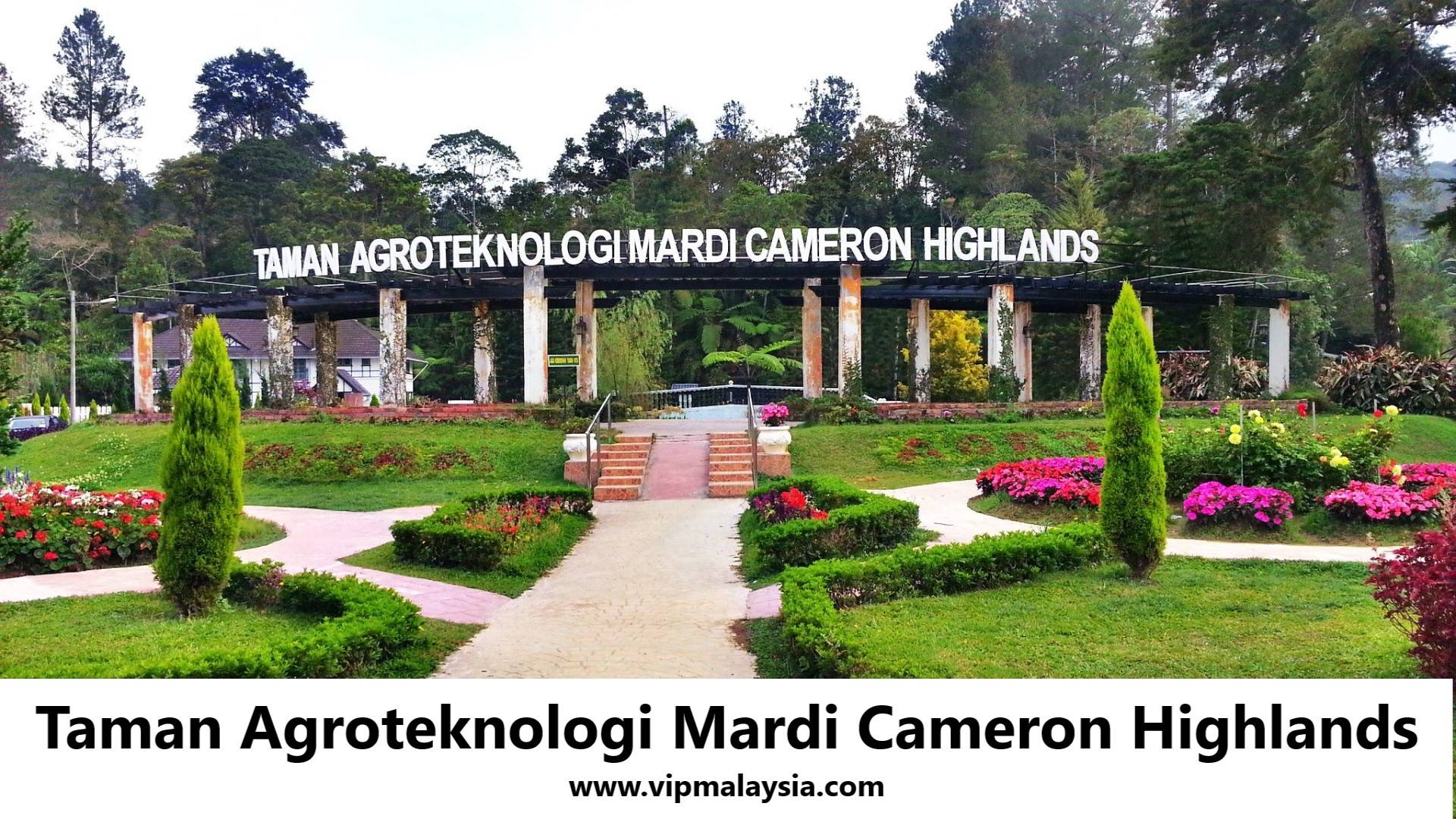
Taman Agroteknologi MARDI, Cameron Highlands
Discover Malaysia’s first agro‑tourism research park in Cameron Highlands. From colonial history to modern farming innovations, Taman Agroteknologi MARDI offers gardens, trekking trails, and interactive exhibits for visitors of all ages.
Introduction
The Agro-Technology Park in Cameron Highlands is located just 1 km from Tanah Rata, making it easily accessible for visitors. Originally established by the British in 1925–1926 as the Federal Experimental Station, its early focus was on tea cultivation. In 1971, management was handed over to the Malaysian Agricultural Research and Development Institute (MARDI), which later transformed the site into an agro-technology park. By June 2003, the park officially opened to the public, offering both research and tourism opportunities.
Taman Agroteknologi MARDI in Cameron Highlands is Malaysia’s pioneering agro‑tourism park, blending agricultural research with visitor experiences since 1925. Open daily from 8:00 am to 5:00 pm (closed Tuesdays), it offers guided tours, flower gardens, colonial cottages, and hands‑on farming demonstrations — making it a must‑visit for families, researchers, and nature lovers.
Covering about 42 hectares, the park is divided into themed zones such as the English Garden, Rose Garden, Orchid Garden, Herb Garden, Research Centre, and Information Centre. Its research emphasizes temperate crops including strawberries, apples, pears, persimmons, citrus fruits, roses, orchids, and herbs. For visitors, the park provides guided tours, flower gardens, plant nurseries, and educational exhibits, blending scientific exploration with tourism appeal.
MARDI stands for the Malaysian Agricultural Research and Development Institute, a government agency established to conduct research, development, and innovation in agriculture, food, and agro-based industries in Malaysia. It serves as a national center for agricultural R&D, technology transfer, and advisory services.
The History
British Agricultural Experimentation
The park began as the Federal Experimental Station in 1925, focusing on tea cultivation and highland farming. Its colonial‑era cottages and early tea plantations remain preserved, offering a glimpse into Malaysia’s agricultural past.
Tea & Highland Plantations
By 1935, the tea factory was operational, and research expanded into strawberries, vegetables, and floriculture. Today, the park continues to lead in sustainable farming practices, soil health studies, and pest management.
MARDI Quick Facts
- Established: 28 March 1969 under the MARDI Act.
- Headquarters: Serdang, Selangor, Malaysia.
- Research Areas: Paddy & rice, horticulture, livestock, industrial crops, soil science, food technology, biotechnology, agro-biodiversity, and socio-economics.
Highlights
Guided Tours & Learning Opportunities
Visitors can join guided horticultural tours, explore greenhouse experiments, and watch organic fertilizer production. These experiences provide insight into farm‑to‑table practices in Cameron Highlands.
Botanical Garden Tours
Visitors can explore themed gardens such as the Herb Garden, English Garden, Rose Garden, and Orchid Garden. Each section highlights unique plant species, offering a colorful and fragrant experience.
The Rose Garden alone features over 40 rose varieties, while the Orchid Garden showcases diverse orchids. These gardens provide both educational insights and aesthetic enjoyment for nature lovers.
Fruit Orchard Tours
Guests can learn about temperate crops like strawberries, apples, citrus fruits, and Malaysian grapes. The orchards demonstrate how these fruits thrive in the cool highland climate.
A highlight of the tour is the seasonal fruit tasting, where visitors enjoy freshly harvested produce, making the experience both informative and delicious.
Educational Farming Tours
These tours provide guided sessions on sustainable farming practices, showcasing how MARDI integrates eco-friendly methods into agriculture.
Participants also gain insights into crop innovation and agricultural research, learning how modern techniques improve productivity and sustainability.
Interactive Workshops
Workshops allow visitors to participate in hands-on demonstrations covering horticulture and crop cultivation. These sessions are designed to be engaging and practical.
The focus is on eco-friendly farming methods, encouraging participants to adopt sustainable practices in their own gardening or farming efforts.
Nature Walks & Observation Tours
Guests can enjoy scenic guided walks through landscaped gardens and trails, surrounded by lush greenery and fresh mountain air.
These tours offer photography opportunities to capture vibrant flora while experiencing the cool and refreshing highland climate.
Six Main Zones
Rose Garden
The Rose Garden is one of the highlights, showcasing over 40 varieties of roses in vibrant colors and unique forms. Visitors can stroll through beautifully landscaped paths surrounded by fragrant blooms.
This zone offers a picturesque setting perfect for photography and relaxation, making it a favorite among tourists seeking both beauty and tranquility.
Orchid Garden
The Orchid Garden features a diverse collection of orchids, ranging from delicate native species to exotic hybrids. Each display emphasizes the rich biodiversity of Malaysia’s highlands.
Guests can admire the unique shapes and colors of orchids while learning about their cultivation and ecological importance.
English Garden
The English Garden recreates a traditional European-style landscape, complete with manicured lawns, floral borders, and charming garden designs.
It provides a romantic atmosphere and a refreshing contrast to tropical gardens, making it ideal for leisurely walks and quiet reflection.
Herb Garden
The Herb Garden introduces visitors to medicinal and culinary plants, offering insights into their uses in daily life.
This zone emphasizes practical knowledge about herbs, encouraging visitors to appreciate their role in health, cooking, and sustainable living.
Key Features
- Medicinal Herbs Plants traditionally used in Malaysian and Asian remedies, such as tongkat ali, misai kucing, and kacip fatimah.
- Culinary Herbs Common kitchen herbs like basil, oregano, thyme, and mint, adapted to the Cameron Highlands’ temperate climate.
- Aromatic & Decorative Herbs Lavender, rosemary, and lemongrass, which thrive in the cool weather and are used for fragrance and landscaping.
- Educational Displays Informative boards and guided tours explain the uses, cultivation methods, and benefits of each herb.
Tongkat Ali, scientifically known as Eurycoma longifolia Jack, is a medicinal shrub native to Southeast Asia, widely used in traditional medicine for its reputed aphrodisiac, anti-malarial, and energy-enhancing properties. It is often marketed as “Malaysian ginseng” or “long jack,”. Rich in quassinoids, alkaloids, and bioactive steroids. These compounds are studied for potential anti-inflammatory, antimicrobial, anti-diabetic, and anti-anxiety effects.
Misai Kucing (Orthosiphon stamineus), also known as “cat’s whiskers” or “Java tea,” is a tropical medicinal herb widely cultivated in Malaysia, Indonesia, and Thailand. It is traditionally used for kidney health, urinary tract infections, gout, high blood pressure, and diabetes due to its strong diuretic and anti-inflammatory properties. Chemical composition are Triterpene saponins: Hederagenin derivatives (anti-inflammatory), Flavonoids: Sinensetin, eupatorin, salvigenin (antioxidant and anti-inflammatory), Caffeic acid derivatives: Rosmarinic acid, tartrate compounds (renal protective), Volatile oils: β-caryophyllene, α-humulene (antimicrobial).
Kacip Fatimah (Labisia pumila) is a traditional medicinal herb native to Malaysia, widely used by Malay women for post-partum recovery, reproductive health, and easing childbirth. It is rich in phytoestrogens and isoflavones, which may help regulate menstrual cycles and alleviate menopausal symptoms. Bioactive compounds are Benzoquinone & resorcinol derivatives: Contribute to medicinal activity. Phytoestrogens: Plant-derived estrogen-like compounds beneficial for female reproductive health. Isoflavones: Known for antioxidant and hormone-modulating properties.
Research Centre
The Research Centre highlights MARDI’s agricultural innovations, showcasing sustainable farming practices and crop development projects.
Visitors gain exposure to scientific advancements that support Malaysia’s agriculture, making this zone both educational and inspiring.
Information Centre
The Information Centre serves as the starting point for tours, offering maps, guides, and background details about the gardens and orchards.
It provides visitor support and orientation, ensuring guests can plan their exploration effectively and maximize their experience.
Plant Diagnosis & Agricultural Research
The park hosts labs for plant diagnostics, soil testing, and pest control research. These facilities highlight Malaysia’s commitment to agricultural sustainability.
Attractions
Flower Gardens and Colonial Charm
The park features rose gardens, orchid plots, herb gardens, and an English‑style colonial bungalow. Seasonal blooms like tulips and chrysanthemums attract photography enthusiasts and families.
Example: Rose Garden Experience
Walking through the rose garden, visitors encounter vibrant varieties cultivated under highland conditions. Benches and gazebos provide rest spots, making it ideal for leisurely exploration.
Fruit Orchards and Hydroponics
Apple, guava, and passionfruit trees thrive here, alongside hydroponic vegetable plots. Visitors can taste or purchase seasonal produce directly from the park.
Highland Trails and Eco‑Walks
The park offers leafy walking paths and scenic rest areas, perfect for trekking enthusiasts. Trails wind through orchards and flower beds, providing immersive nature experiences.
English Cottage & Colonial Bungalow
These preserved colonial structures are popular photo spots, reflecting the park’s historical significance. Couples and families often capture timeless portraits here.
Visitor Facilities
Facilities include cafeteria, playground, surau, seminar rooms, and homestay accommodations such as English cottages and Camelia apartments. A souvenir center sells local products and potted plants.
Conclusion
Taman Agroteknologi MARDI offers an incredible mix of nature, science, and hands-on learning, making it one of Cameron Highlands’ most unique attractions. Whether you’re exploring greenhouse research, learning about sustainable farming, or enjoying the rich agricultural history, this destination promises an inspiring and educational experience.
Plan your visit today—experience the innovation of Taman Agroteknologi MARDI, Cameron Highlands!
Summary
- Attraction: Taman Agroteknologi MARDI, Cameron Highlands
- Location: #Pahang #CameronHighlands
- Attraction Type: #Park
- Source: tatmch.mardi.gov.my
- Why Visit:
- Historical agricultural research station since 1925
- Fascinating horticultural & greenhouse research facilities
- Interactive exhibits with organic farming demonstrations
- Perfect for tourists, researchers & families seeking knowledge
Quick Info
| Attribute | Details |
|---|---|
| Name | Taman Agroteknologi MARDI |
| Location | Tanah Rata, Cameron Highlands, Pahang, Malaysia |
| GPS Position | 4.4700° N, 101.3800° E |
| State | Pahang |
| Facility Type | Agricultural Research Park |
| Main Attractions | Tea Plantation, Greenhouses, Research Exhibits |
| Nearby Landmarks | Tanah Rata Town, Local Farms & Plant Nurseries |
| Accessibility | 1 km from Tanah Rata, accessible by car or foot |
| Best Time to Visit | Open year-round, ideal for agricultural learning |
| Entry Fees | Guided tours available upon request |
| Recommended Activities | Guided Tours, Plant Diagnosis, Organic Farming |
| Opening Hours | 8:00 AM – 6:00 PM daily |
| Contact | Taman Agroteknologi MARDI (+605-4911255 / +605-4915945) |
Visitor Reviews
- Amelia Nasution, Penang – ★★★★★ “The guided tour was fascinating. I loved learning about hydroponics and tasting fresh strawberries. The colonial bungalow was a perfect photo spot.”
- Ravi Kumar, Kuala Lumpur – ★★★★☆ “Peaceful and educational. The rose garden was stunning, though some sections were less active during off‑season. Still worth the visit.”
- Noraini Hassan, Johor Bahru – ★★★★★ “Great family outing! My kids enjoyed the playground and we all loved the tulip festival. Affordable entry fee and friendly staff.”
- James Wong, Singapore – ★★★★☆ “Beautiful gardens and orchards. The eco‑trail walk was refreshing. Wish there were more food options, but overall a memorable experience.”
Frequently Asked Questions (FAQs)
What are the visiting hours for Taman Agroteknologi MARDI in Cameron Highlands?
Taman Agroteknologi MARDI visiting hours:
Wednesday to Monday 8.00 am. to 5.00 pm. School Holiday & Public Holiday (Closed on Aidilfitri and Aidiladha) 8.00 am. to 5.00 pm. Tuesday CLOSED. The park is open every day from 8.00 am -5.00 pm including School Holidays & Public Holidays except Tuesday, Aidilfitri & Aidiladha.
What is the entrance fee for Taman Agroteknologi MARDI in Cameron Highlands?
| Entrance Fees | |
| Adult | RM 5.00 |
| Adult Group | RM 120.00/Bus |
| Student | RM 2.00 |
| Student Group | RM 60.00/Bus |
| Below 6 years old | FOC |
| Above 60 years old | RM 2.00 |
| Disabled | FOC |
Effective Date 01 March 2017