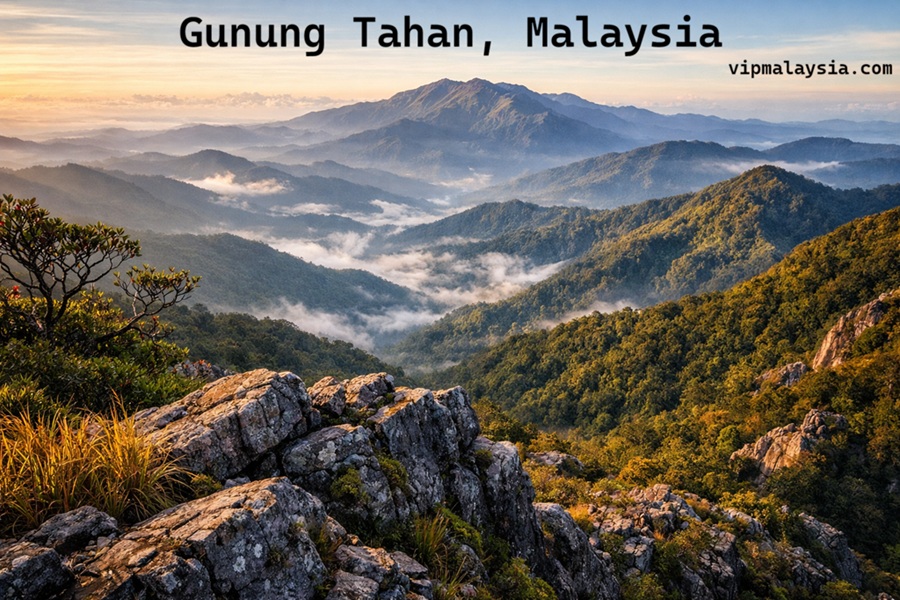
Gunung Tahan, the highest peak in Peninsular Malaysia, is a legendary destination for trekkers and nature lovers. Rising 2,187 meters above sea level, it offers pristine rainforests, rugged trails, and unforgettable wildlife encounters.
Region
State
Capital City
Northern
Kedah
Alor Setar
Perlis
Kangar
Penang (Pulau Pinang)
George Town
Perak
Ipoh
East Coast
Kelantan
Kota Bharu
Terengganu
Kuala Terengganu
Pahang
Kuantan
Southern
Johor
Johor Bahru
Malacca (Melaka)
Malacca City
Negeri Sembilan
Seremban
Central
Selangor
Shah Alam
Introduction
Gunung Tahan, often called “Mount Endurance,” is not just a mountain but a test of stamina, spirit, and appreciation for nature. Located within Taman Negara National Park, this peak is renowned for its challenging trails, diverse ecosystems, and cultural significance. For adventurers, it represents the pinnacle of trekking in Malaysia, while for nature enthusiasts, it is a sanctuary of biodiversity.
History
Gunung Tahan’s name reflects its reputation: “tahan” means endurance in Malay. Historically, the mountain was considered sacred, with folklore describing magical wells guarded by mythical beings. The first recorded expedition was in 1905, led by Leonard Wray Jnr and Herbert Robinson, involving over sixty men and lasting five months. Since then, Gunung Tahan has become a symbol of Malaysia’s natural heritage and a rite of passage for serious climbers.
Leonard Wray Jnr (1852–1942): A botanist and geologist who became the first curator of the Perak Museum and later Director of Museums of the Federated Malay States. He contributed significantly to the study of Malayan flora and fauna, pioneered tin mining techniques, and represented British Malaya at international exhibitions. He was awarded the Imperial Service Order in 1903.
Herbert Christopher Robinson (1874–1929): A British zoologist and ornithologist, best known for initiating The Birds of the Malay Peninsula, a major ornithological reference. He served as curator of the Selangor Museum (1903–1926), directed fisheries, and led expeditions including the first European ascent of Gunung Tahan. His work on Malayan birds was completed posthumously in five volumes.
Highlights
Taman Negara Surroundings
Gunung Tahan sits within Taman Negara, one of the world’s oldest rainforests. Visitors encounter dipterocarp forests, mossy highlands, and river valleys. Wildlife includes Malayan tigers, elephants, sun bears, hornbills, and tapirs. Facilities at Kuala Tahan and Merapoh provide lodging, guides, and permits.
Orang Asli Heritage
Nearby villages of the Orang Asli showcase indigenous traditions. Travelers can learn about jungle survival, handicrafts, and cultural rituals, enriching the trekking experience.
Scenic Trails
Three main routes lead to the summit: Kuala Tahan–Kuala Tahan (7 days), Merapoh–Merapoh (3–4 days), and Kuala Tahan–Merapoh traverse (5 days). Each offers unique landscapes, from river crossings to exposed ridges.
Trail Route
Duration & Key Features
Kuala Tahan – Kuala Tahan Route
~7 days; This route is essentially a round‑trip trek starting and ending at Kuala Tahan, the main gateway into Taman Negara. It’s the longest and most traditional trail to Gunung Tahan’s summit
Merapoh – Merapoh Route
~3–4 days; shorter but steeper climb with eroded clay paths, exposed ridges, and sub‑alpine terrain near Bukit Botak offering panoramic views
Kuala Tahan – Merapoh traverse
~5 days; a combination route linking both entry points, showcasing diverse landscapes from rivers to open ridges
Bukit Botak Views
The final ascent passes Bukit Botak, a sub‑alpine zone with shrubs and open ground. Panoramic views stretch across Pahang and Kelantan, rewarding trekkers with breathtaking vistas.
Bukit Botak is a prominent landmark on the Gunung Tahan summit trail in Taman Negara, Malaysia. The name means “Bald Hill” in Malay, referring to its exposed, treeless terrain near the peak. Situated along the Merapoh route, Bukit Botak is known for its open, rocky sub‑alpine landscape, strong winds, and panoramic views of the surrounding rainforest. Trekkers often camp at Bukit Botak as the final staging point before the last ascent to Gunung Tahan’s summit.
Attractions
Sungai Relau Entrance
Merapoh’s Sungai Relau entrance is the gateway to shorter treks. It also offers caving adventures and the Sungai Relau Treetop Walk.
Kuala Tahan Gateway
The classic Kuala Tahan trail is longer but scenic, with multiple river crossings and diverse ecosystems. Facilities include hostels, eco‑lodges, and visitor centers.
Wildlife Encounters
Gunung Tahan is a refuge for rare species. Birdwatchers may spot snowy‑browed flycatchers and red‑billed malkohas, while mammals like elephants roam the lower forests.
Trekking and Adventure
Physical Challenge
Gunung Tahan is considered Malaysia’s toughest trek. It presents a physical challenge due to its long trekking duration and demanding terrain. Climbers encounter dense rainforest, multiple river crossings, and steep ascents that test endurance over several days.
The mountain’s high altitude and exposed areas like Bukit Botak add to the difficulty, with harsh weather conditions and limited shelter. These factors make Gunung Tahan one of Malaysia’s most challenging hikes, requiring strong fitness and mental resilience to reach the summit.
Camping Sites
Designated camps such as Kem Kubang and Kem Botak provide resting points. Nights can be cold, with temperatures dropping to 4°C in December and January.
Kem Kubang
Kem Kubang is one of the key campsites along the Merapoh route to Gunung Tahan. Situated at around 1,400–1,500 meters elevation, it is often used as a resting point before tackling the steeper climbs toward Bukit Botak and the summit. The terrain leading to Kem Kubang is marked by slippery, eroded clay paths and significant elevation gain, making it a physically demanding section of the trek. Hikers often note that mobile networks (Celcom and Maxis) are available here, which makes it a practical checkpoint for communication.
Kem Botak
Kem Botak lies much closer to the summit of Gunung Tahan, at nearly 1,900 meters altitude. Its name, meaning “Bald Camp”, reflects the exposed, rocky terrain with sparse vegetation. The campsite is known for its cold climate, often dropping below 10°C at night, requiring proper gear like sleeping bags and thick jackets. Water sources are limited but available nearby, with one point for drinking and another for washing. Due to its proximity to the peak, Kem Botak is the final staging camp where trekkers spend the night before making the early morning push to catch sunrise at the summit.
Camp
Altitude
Key Features
Kem Kubang
~1,400–1,500m
Mid‑point campsite on the Merapoh route. Terrain includes slippery clay paths and steep ascents. Offers mobile coverage (Celcom/Maxis), making it a practical communication checkpoint. Often used as a rest stop before the push toward Bukit Botak.
Kem Botak
~1,900m
Final staging camp before the summit. Known for cold climate (below 10°C at night), exposed rocky terrain, and sparse vegetation. Water sources nearby are separated for drinking and washing. Trekkers camp here before the early morning summit attempt.
River Crossings
Trekkers must ford rivers like Sungai Tahan, adding adventure and risk. Guides ensure safety and share knowledge of local flora and fauna.
Sungai Tahan
Sungai Tahan is one of the legendary rivers in Taman Negara, flowing near Kuala Tahan where the park headquarters is located. It is surrounded by a 130‑million‑year‑old tropical rainforest, making it a prime spot for jungle trekking and river exploration. Visitors often experience rapids shooting, boat rides, and wildlife sightings along its banks, with opportunities to see monkeys, lizards, and diverse bird species.
The Sungai Tahan Trail runs along the river, offering a moderate hike of about 16 km that takes 5-6 hours. The path is uneven and tangled with tree roots, providing a challenging yet rewarding experience. Trekkers enjoy panoramic forest views, encounters with wildlife, and the chance to immerse themselves in one of the world’s oldest rainforests.
Must‑Visit Highlights
Merapoh Town
Merapoh serves as a base for climbers. It offers local eateries, homestays, and access to caves like Gua Kepayang Besar.
Gua Kepayang Besar is a large limestone cave located deep within Taman Negara, Pahang, and is often used as a natural campsite during multi‑day jungle treks. Accessible after a boat ride and an 8–9 km trek from Kuala Keniam, the cave provides shelter, cooking space, and a resting point for trekkers surrounded by dramatic limestone formations and the sounds of the rainforest. Its remote location makes it a highlight for those seeking both adventure and survival experiences in Malaysia’s oldest national park.
Kuala Tahan Village
This riverside village is the main entrance to Taman Negara. Visitors can enjoy boat rides, cultural performances, and traditional Malay cuisine.
Jerantut District
Jerantut is the administrative hub, with markets, transport links, and museums showcasing Pahang’s heritage.
Conclusion
Gunung Tahan is more than a mountain — it is Malaysia’s ultimate trekking challenge, a sanctuary of biodiversity, and a cultural landmark. From the dense rainforests of Taman Negara to the panoramic summit views, every step is a journey through endurance, discovery, and awe. For those who conquer it, Gunung Tahan is not just a destination but a lifelong memory.
Visitor Reviews
Farah, Johor Bahru ⭐⭐⭐⭐⭐ “Climbing Gunung Tahan was the hardest thing I’ve ever done, but reaching the summit felt incredible. The wildlife sightings made it unforgettable.”
Lucas, Berlin ⭐⭐⭐⭐ “The trek from Merapoh was steep and slippery, but the views at Bukit Botak were worth every step. Guides were professional and supportive.”
Mei Ling, Hong Kong ⭐⭐⭐⭐⭐ “Kuala Tahan trail was long but scenic. Crossing rivers and camping in the forest gave me a true wilderness experience.”
Arun, Bangalore ⭐⭐⭐⭐ “Facilities at Sungai Relau were helpful, though basic. The trek tested my endurance, but the summit sunrise was magical.”
Sophie, Paris ⭐⭐⭐⭐⭐ “Gunung Tahan is a must for serious hikers. The biodiversity amazed me, from hornbills to orchids. It’s tough, but so rewarding.”
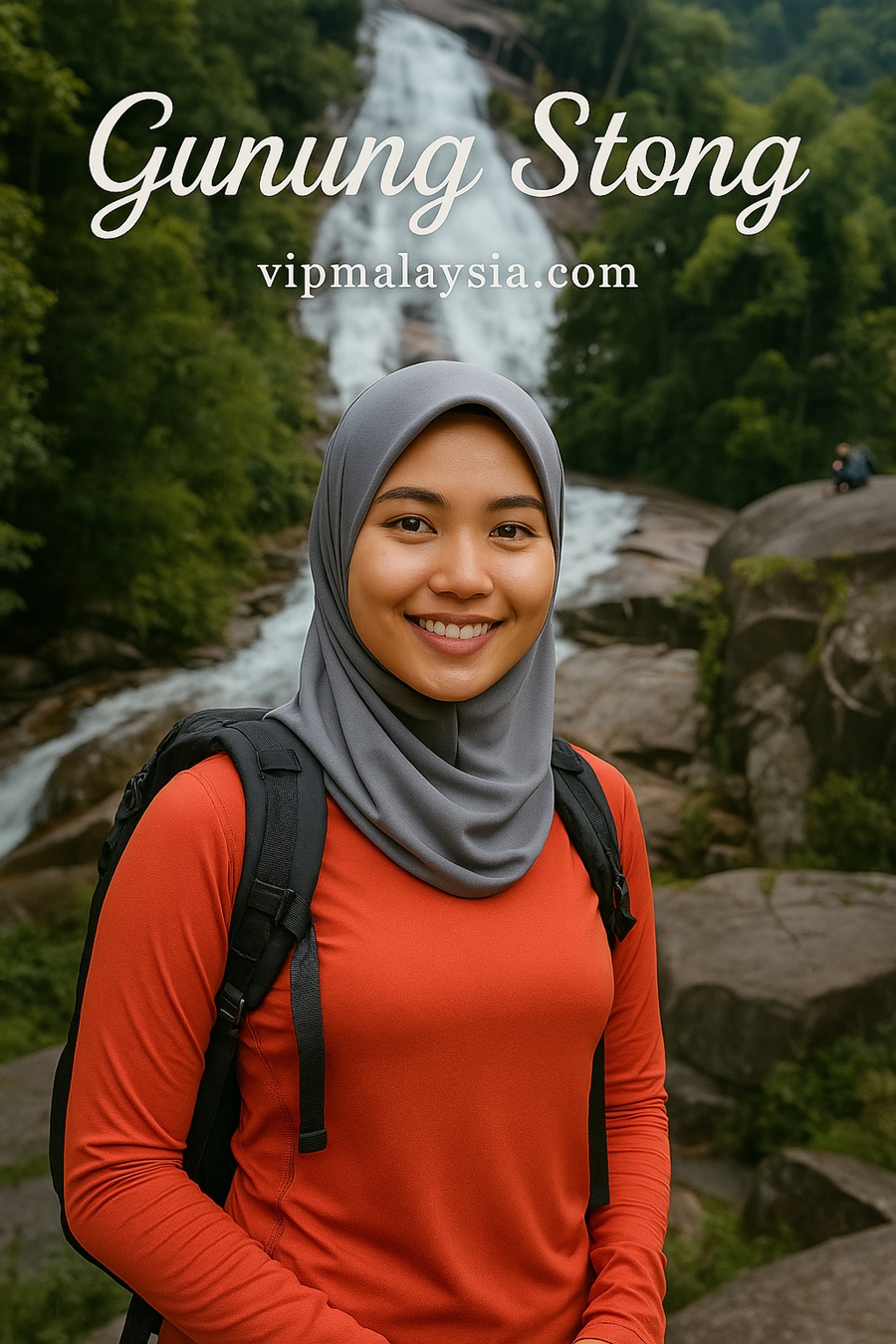
Discover Gunung Stong in Dabong, Kelantan—home to Asia’s tallest waterfall, lush rainforest trails, and breathtaking campsites. This complete guide covers trekking routes, facilities, attractions, and booking info for your next adventure.
Why Visit
Gunung Stong isn’t just a mountain—it’s a sanctuary of nature, culture, and challenge. Located in Dabong, Kelantan, this highland escape offers a rare blend of cascading waterfalls, mystical caves, and rugged trails. Whether you’re a seasoned hiker or a curious explorer, Gunung Stong promises an unforgettable journey into Malaysia’s wild heart.
Trekking & Trails
Baha’s Camp Trail
Start from Jelawang Resort (666 ft elevation)
Reach Baha’s Camp in 45 minutes
Explore nearby caves and waterfalls
Sumalian Trail
Off-track route through Semeliang Valley
Visit Taman Orkid, Gua Kelawar, Gua Kayu Jadi Batu
Encounter rare orchids and fossilized wood
Gunung Ayam & Gunung Stong Expedition
Begin at Baha’s Camp at sunrise
Reach Gunung Stong peak by midday
Continue to Gunung Ayam via Beta Balak (2652 ft)
Camp near bonsai trees and enjoy sunset views
Visitor Reviews & Testimonials
“Gunung Stong is a dream for nature lovers. The waterfall is majestic and the trails are challenging but rewarding.” – Amir, hiker from Kuala Lumpur
“I’ve never seen a sunrise like the one from Jelawang Waterfall. The view from Baha’s Camp is magical.” – Siti, backpacker from Penang
“The Sumalian Trail was tough but worth it. Gua Kayu Jadi Batu is unlike anything I’ve seen.” – Lela, adventure seeker
Quick Info: Gunung Stong Overview
Attribute
Details
Location Name
Gunung Stong
Address
Hutan Simpan Gunung Stong Tengah, Dabong, Kelantan
GPS Coordinates
WGS 84 : N5.3396°, E101.9749°
State
Kelantan
Height
1433 meters
Main Waterfall
Jelawang Waterfall – 305 meters (tallest in Southeast Asia)
Nearby Peaks
Gunung Ayam, Puncak Baha
Popular Trails
Baha’s Camp Trail, Sumalian Trail
Natural Attractions
Gua Rantai, Kolam Puteri, Telaga Tujuh, Air Terjun Dua Gunung
Camping Capacity
Up to 200 people (2 designated sites)
Facilities
Parking, toilets, surau, chalet, rest huts, jogging track, cooking area
Nearby Town
Dabong (accessible by train)
Transport Options
Train, boat, van, taxi, bus
Distance from Jeli
46 km
Distance from Kuala Krai
84 km
Emergency Contacts
911, Jeli Health Office (609-9440 333), Jeli Police HQ (609-7867 222), Jeli Fire Station (609-9440 444)
Park Status
State Park under National Forestry Act 1984
Contact & Booking Information
Organization
Address & Contact
LEMBAGA KEMAJUAN KELANTAN SELATAN (KESEDAR)
Bandar Baru Gua Musang, 18300 Gua Musang, Kelantan Darul Naim, Malaysia Tel: 609-9132200 Fax: 609-9121211 Email: kesgm@kesedar.gov.my
Forestry Department of Peninsular Malaysia
Jalan Sultan Salahuddin, 50660 Kuala Lumpur Tel: 603-26164488 Fax: 603-26925657 Email: webmaster@forestry.gov.my
Malaysia Biodiversity Information System (MyBIS)
Biodiversity and Forestry Management Division, Ministry of NRES, Level 6, Block F11, Kompleks F, Presint 1, 62000 Putrajaya, Malaysia Email: hello.mybis@nres.gov.my
WWF-Malaysia Offices
Semenanjung Malaysia:
No. 1 Jalan PJS 5/28A, PJCC 46150 Petaling Jaya, Selangor, Malaysia Tel: +603 7450 3773 Fax: +603 7450 3777
Sabah:
6th Floor, CPS Tower, Centre Point Complex, Kota Kinabalu 88800 Sabah Tel: +6088 262 420 Fax: +6088 242 531
Sarawak:
7th Floor, Bangunan Binamas, Lot 138, Section 54, Jalan Padungan, Kuching 93100 Sarawak Tel: +6082 247 420 / 257 420 Fax: +6082 241 531 Email: contactus@wwf.org.my
Stong Heritage Eco Resort
Gunung Stong, Dabong, Malaysia Tel: 013-838 3828
Final Thoughts
Gunung Stong is more than a mountain—it’s a living canvas of Malaysia’s natural wonders. From cascading waterfalls and mystical caves to bonsai-covered peaks and off-track jungle trails, this destination offers a rare blend of serenity and adventure. Whether you’re camping under the stars or chasing waterfalls, Gunung Stong will leave you breathless—in the best way.
Ready to conquer Kelantan’s crown jewel? Pack your boots, book your spot, and let Gunung Stong elevate your spirit.
Summary
Attraction: Gunung Stong
Location: #Kelantan
Attraction Type: #Mount
Best Destinations in Kelantan
Discover the best destinations in Kelantan—from the majestic waterfalls of Gunung Stong to the cultural treasures of Kota Bharu. Whether you’re drawn to royal heritage, jungle adventures, or serene beaches, this guide unveils Kelantan’s most unforgettable experiences. Click now to plan your perfect East Coast escape!
Tok Bali Dreaming of golden sands and soothing tides? Tok Bali offers more than just beach bliss—it’s a living postcard of marine culture, peaceful retreats,…
Pantai Bisikan Bayu Escape to the soulful shores of Pantai Bisikan Bayu, where wind whispers through casuarina trees and waves invite you to relax, play,…
Masjid Sultan Muhammad II, Telipot Built in 1978, Masjid Sultan Muhammad II—formerly known as Masjid Telipot—is a mosque of elegance, cultural depth, and spiritual significance….
Masjid Ar-Rahman Masjid Ar-Rahman, located in Pulau Gajah, Kelantan, is more than a mosque—it’s a testament to spiritual dedication and global design influences. Built between…
Wat Mai Suwankiri Nestled in the lush district of Tumpat, Kelantan, Wat Mai Suwankiri is a stunning Thai Buddhist temple that celebrates tradition, artistry, and…
Looking for travel inspiration, delicious recipes, or the best places to eat? Want to stay updated on smart financial tips, personal loan promotions, or the latest car models? Whether you’re searching for hobby ideas, product reviews, or something new, we’ve got you covered! Click on the links, explore exciting insights, and let your next discovery begin—it’s just one click away!
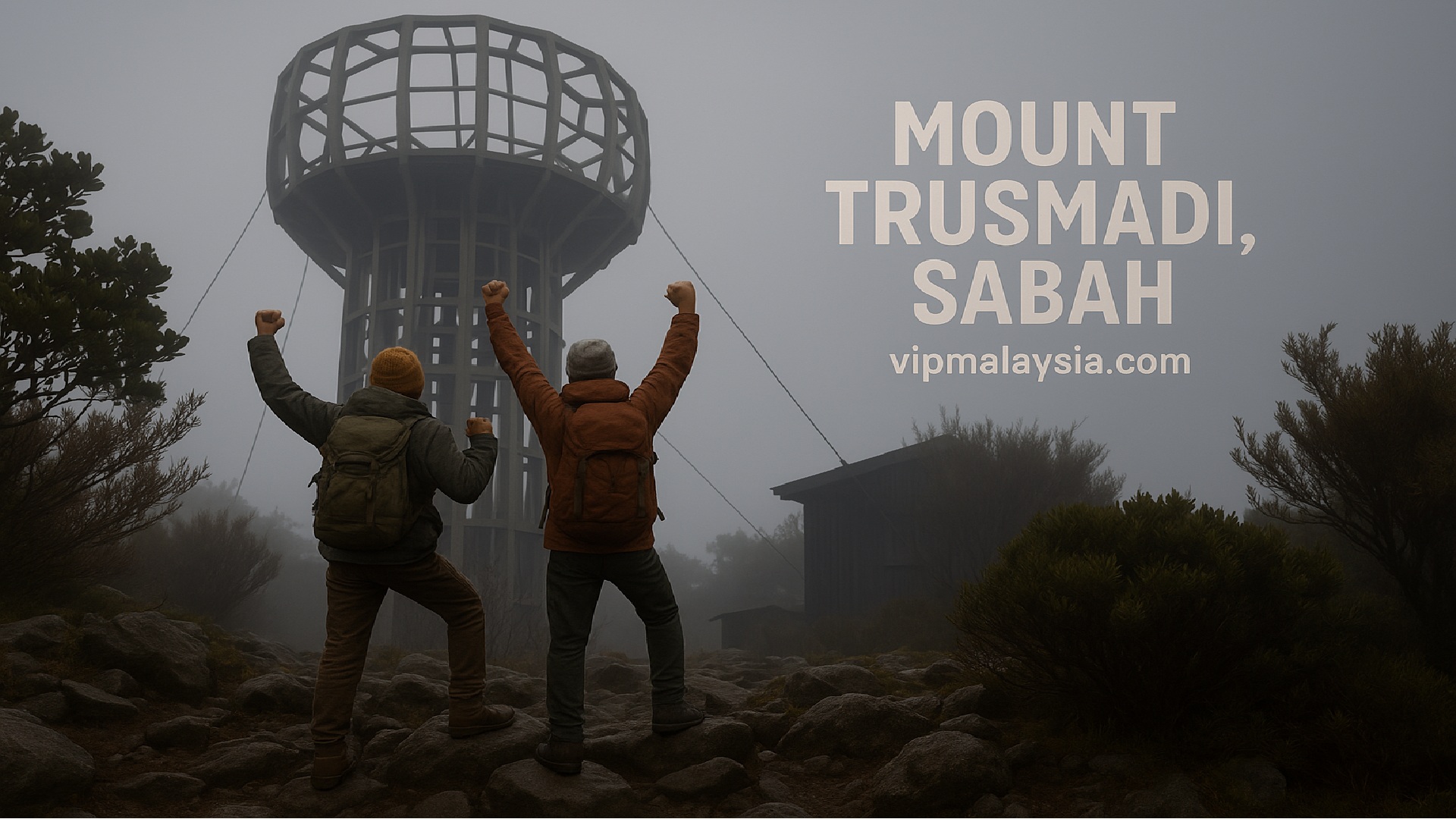
Gunung Trusmadi, Sabah’s second tallest peak, is a rugged mountain that challenges even seasoned hikers. Rising to 2,642 meters, it offers rare biodiversity, panoramic views of Mount Kinabalu, and an unforgettable wilderness adventure.
Introduction
If Mount Kinabalu is the crown of Malaysia, Gunung Trusmadi is the challenge. Located in Sabah’s interior, this mountain stands at 2,642 meters above sea level, making it the second highest peak in the country. Unlike Kinabalu’s well‑trodden paths, Trusmadi’s trails are raw, steep, and demanding, rewarding climbers with pristine rainforest, endemic flora, and breathtaking sunrise views of Kinabalu itself. For those seeking a more remote and authentic trekking experience, Trusmadi is calling.
History
Gunung Trusmadi’s history is deeply tied to the indigenous communities of Sabah. The Kadazan Dusun people call it Nulu Trusmadi, meaning “mountain of Trusmadi.” For centuries, the mountain was revered as a sacred site, believed to be home to spirits that guarded the forest. During the colonial era, British explorers documented its rugged terrain and unique biodiversity, but it remained largely untouched compared to Kinabalu.
In the 1980s, the Sabah Forestry Department designated the Trusmadi Forest Reserve, covering 184,527 hectares, to protect its rich ecosystems. This move safeguarded rare species such as the Nepenthes × trusmadiensis, a hybrid pitcher plant found nowhere else on Earth. Today, Trusmadi is recognized not only as a trekking destination but also as a biodiversity hotspot, attracting researchers, conservationists, and adventurers alike.
Highlights
The Second Tallest but Toughest
Gunung Trusmadi may not surpass Kinabalu in height, but many hikers agree it is far more grueling. Trails are steep, muddy, and less developed, demanding endurance and resilience. The reward is solitude and a sense of raw adventure that Kinabalu’s crowded summit cannot match.
Gunung Trusmadi is Malaysia’s second highest peak at 2,642 m, while Mount Kinabalu towers at 4,095 m. Kinabalu is taller and more accessible, but Trusmadi is widely regarded as the tougher climb due to its undeveloped trails and raw jungle conditions.
Gunung Trusmadi vs Mount Kinabalu
Aspect
Gunung Trusmadi
Mount Kinabalu
Height
2,642 m (8,668 ft), second highest in Malaysia
4,095 m (13,435 ft), tallest in Malaysia
Difficulty
Considered tougher: muddy, steep, narrow trails, vertical climbs, less infrastructure
Challenging mainly due to altitude and long stair climbs; trails are well-maintained
Trails
Three main routes: Kaingaran (5.0 km), Mastan (4.4 km), Mannan (11.5 km)
Standard route via Timpohon Gate; alternative Mesilau trail (longer, scenic)
Biodiversity
Rich flora and fauna, five vegetation zones, endemic pitcher plant Nepenthes × trusmadiensis
Kinabalu Park UNESCO site, over 5,000 plant species, orchids, and endemic animals
Facilities
Basic rest houses and campsites; limited amenities, requires guides and permits
Well-developed lodges, rest houses, and organized climbing packages
Popularity
Less crowded, appeals to seasoned hikers seeking solitude and challenge
Highly popular, attracts thousands annually, more accessible for casual climbers
Summit Views
Panoramic sunrise view of Mount Kinabalu ~40 km north
Expansive views across Sabah and South China Sea
Biodiversity Wonderland
The mountain features five vegetation zones: lowland dipterocarp, hill dipterocarp, lower montane, upper montane, and summit scrub. Each zone hosts unique wildlife, from hornbills and gibbons in the lowlands to orchids and mosses in the upper montane. The highlight is the endemic Nepenthes × trusmadiensis, a rare pitcher plant hybrid that thrives only here.
Attractions
Sunrise Views of Mount Kinabalu
One of the most magical experiences is witnessing Mount Kinabalu glowing at sunrise from Trusmadi’s summit. On clear mornings, the view is unforgettable, with Kinabalu’s jagged silhouette framed by misty valleys.
Rare Flora and Fauna
Trusmadi is home to clouded leopards, barking deer, and hornbills, alongside countless orchids and ferns. Its forests are a living museum of Bornean biodiversity.
Cultural Encounters
Nearby towns such as Tambunan and Keningau host Kadazan Dusun festivals, where visitors can experience traditional dances, rice wine (tapai), and local crafts.
Climb Packages
2D1N Climb
Perfect for experienced trekkers short on time
Includes: overnight stay, licensed guides, meals
Pickup: Your hotel in Kota Kinabalu
3D2N Climb
Extra night in Tambunan to prep and rest
Ideal for: Better acclimatization, scenic detours
4D3N Climb via Sinua Trail
Longest and most immersive option
A test of endurance for the seasoned adventurer
Things to Do
Trekking and Hiking
Gunung Trusmadi offers three main summit trails — Kaingaran, Mastan, and Mannan — each with distinct challenges and experiences. Kaingaran is the most developed, Mastan is steep and rugged, while Mannan is the longest and most immersive rainforest trek.
Wayaan Kaingaran (Tambunan)
The Kaingaran Trail is the oldest and most established route to Gunung Trusmadi’s summit. Stretching 5.0 km, it typically requires 2 days and 1 night to complete. The trail begins with a scenic 3 km elevated boardwalk through montane forest, offering opportunities to spot orchids, pitcher plants, and birdlife. Midway, climbers rest at Walai Tingkoyodon Rest House, which provides electricity, water supply, toilets, and basic lodging for up to 20 people. This makes Kaingaran the most accessible and tourist‑friendly option, though a 4WD vehicle is required to reach the trailhead from Tambunan.
The final stretch to the summit is steeper, requiring stamina and determination, but climbers are rewarded with panoramic views of Mount Kinabalu at sunrise. Because of its infrastructure and relative ease compared to other trails, Kaingaran is often recommended for first‑time climbers of Trusmadi who still want a challenging but manageable adventure.
Wayaan Mastan (Keningau)
The Mastan Trail from Keningau is the shortest at 4.4 km, but it is also the steepest and most demanding. Climbers usually complete it in 2 days and 1 night, starting from Apin‑Apin base camp. Unlike Kaingaran, Mastan is less developed, with minimal facilities, making it a raw jungle experience. The trail is known for its vertical climbs and muddy paths, requiring good physical fitness and preparation.
Authorities limit the Mastan trail to 30 climbers per day to reduce environmental impact and preserve its wilderness. Along the way, trekkers encounter unique spots such as Pagandadan Ranjers and Taman H.S. Martyn, which showcase diverse flora and fauna. This trail is ideal for seasoned hikers seeking a tougher challenge and solitude away from more popular routes.
Wayaan Mannan (Sinua, Sook)
The Mannan Trail is the longest and most immersive, covering 11.5 km and requiring 4 days and 3 nights to complete. Starting from Sinua village in Sook, the trail is accessible by good roads, eliminating the need for 4WD vehicles. Climbers traverse dense rainforest, cross streams, and camp at designated sites such as Camp 1 and Camp 2, which provide basic facilities like hammocks, running water, and toilets.
This route is renowned for its rich biodiversity, with sightings of exotic orchids, pitcher plants, hornbills, and even waterfalls such as Waig Nakalabai. The longer duration allows trekkers to acclimatize to altitude and fully immerse themselves in the wilderness. Mannan is best suited for experienced adventurers who want a deep rainforest journey and are prepared for endurance challenges.
Birdwatching and Wildlife Spotting
Trusmadi’s forests are a paradise for birdwatchers, with sightings of Bornean bristleheads, hornbills, and kingfishers. Mammals such as civets and macaques are also common.
Eco‑Tourism and Conservation
Visitors can join guided tours that highlight conservation efforts, learning about forest protection and sustainable tourism practices.
Nearby Attractions
Tambunan Town
Known as the “Switzerland of Sabah,” Tambunan is surrounded by paddy fields and rolling hills. Visitors can explore the Tambunan Rafflesia Reserve, home to the world’s largest flower.
Keningau Town
A bustling town with markets, cultural festivals, and access to the Crocker Range. It is a gateway for trekkers heading to Trusmadi via the Mastan trail.
Sinua Village
Located near Sook, Sinua offers a glimpse into rural Sabah life. Visitors can experience homestays, local cuisine, and traditional farming practices.
Conclusion
For those who seek more than just another summit photo, Gunung Trusmadi offers something deeper: solitude, struggle, and a rare communion with nature. Whether you’re drawn by its elusive pitcher plants or its reputation as the tougher Kinabalu, this mountain will test—and transform—you.
Book your expedition to Gunung Trusmadi today and redefine what adventure means to you. For bookings, permits, or guided packages, contact the forestry officers or Amazing Borneo Tours.
Summary
Attraction: Gunung Trusmadi
Location: #Sabah
Attraction Type: #Mount
Climbing Contacts & Forestry Approvals
Route / Contact
Details
Notes
Wayaan Kaingaran – Tambunan
District Forest Officer: Mr. Saleh Intang Address: Peti Surat No. 64, 89657 Tambunan E‑Mail: saleh.intang@sabah.gov.my Telephone: +60 88 899 589
Official forestry contact for Kaingaran trail permits and coordination
Wayaan Mastan & Mannan – Keningau / Sook
District Forest Officer: Mr. Azman Said Address: Peti Surat No. 88, 89007 Keningau E‑Mail: azman.said@sabah.gov.my Telephone: +60 87 331 203 / +60 87 338 721
Handles permits and trail management for Mastan and Mannan routes
Operator – Amazing Borneo Tours
Amazing Borneo Tours & Events Sdn. Bhd. Address: Lot 1‑39, Kompeks Asia City, Kota Kinabalu E‑Mail: info@mounttrusmadi.com Telephone: +60 17‑262 2009
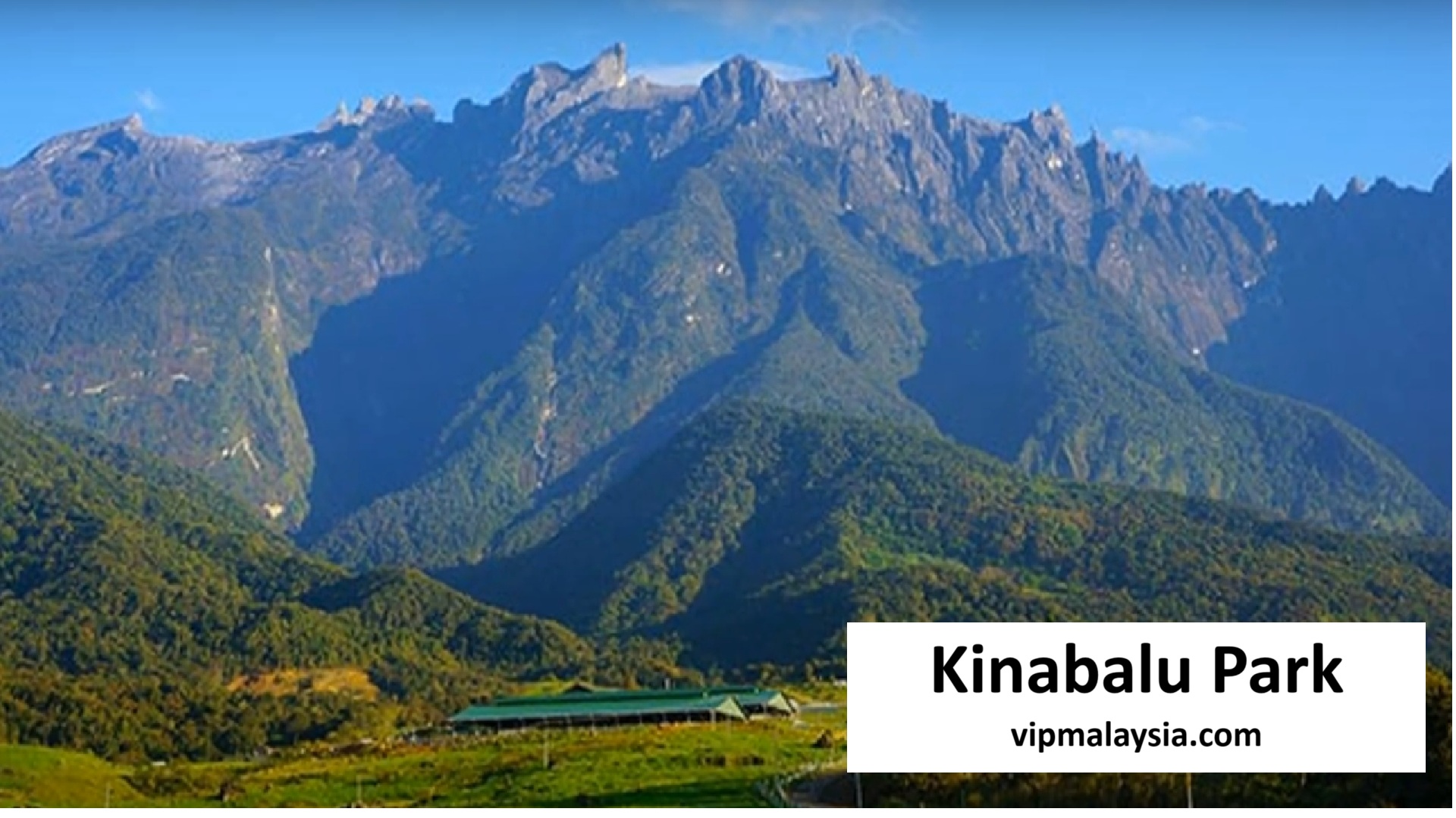
Kinabalu Park in Sabah, Malaysia, is a UNESCO World Heritage Site that blends breathtaking landscapes, extraordinary biodiversity, and thrilling adventure. From the towering Mount Kinabalu to lush rainforests and soothing hot springs, this destination offers travelers a rare chance to explore nature’s crown jewel in Southeast Asia.
Introduction
Kinabalu Park is more than just a national park—it is a living sanctuary where nature, culture, and adventure converge. Nestled in the northern tip of Borneo, this park is home to Mount Kinabalu, the highest peak in Southeast Asia, and a treasure trove of flora and fauna. Recognized as Malaysia’s first UNESCO World Heritage Site in 2000, Kinabalu Park has become a global symbol of conservation and exploration. Whether you are a hiker, a birdwatcher, or a family seeking a rejuvenating escape, Kinabalu Park promises an unforgettable journey.
History
Kinabalu Park’s history is deeply tied to both scientific discovery and cultural reverence. Established in 1964 as one of Malaysia’s earliest protected areas, the park was created to safeguard the unique ecosystems surrounding Mount Kinabalu. Over the decades, researchers uncovered its staggering biodiversity, documenting thousands of plant species and rare animals. In 2000, UNESCO recognized Kinabalu Park as a World Heritage Site for its outstanding universal value, citing its role as a “natural laboratory of evolutionary processes.”
Local legends also enrich its history. The Kadazan-Dusun people regard Mount Kinabalu as sacred, believing it to be the resting place of ancestral spirits. This cultural reverence blends seamlessly with scientific importance, making Kinabalu Park both a spiritual and ecological landmark. Today, it stands as a testament to Malaysia’s commitment to conservation and sustainable tourism.
Highlights
Mount Kinabalu
Mount Kinabalu rises majestically at 4,095.2 meters, making it the highest peak between the Himalayas and New Guinea. Climbers from around the world flock here to test their endurance and witness sunrise views that paint the sky in hues of gold and crimson. For many, the climb is not just physical but spiritual, offering a sense of achievement and connection with nature.
Trekking Routes and Facilities
The mountain offers two main climbing routes: the Timpohon Gate and the Mesilau Trail. Both provide unique perspectives of the mountain’s diverse ecosystems. Along the way, climbers encounter rest huts, ranger stations, and guided support, ensuring safety and accessibility.
Biodiversity Hotspot
Kinabalu Park is a paradise for naturalists. With over 5,000 plant species, including orchids, pitcher plants, and the rare Rafflesia, the park is a botanical wonderland. It also shelters more than 300 bird species and 100 mammals, ranging from clouded leopards to Bornean gibbons.
Unique Flora and Fauna
The park’s flora reflects influences from the Himalayas, China, Australia, and pan-tropical regions. Visitors can marvel at towering dipterocarp trees, delicate mosses, and carnivorous plants. Wildlife enthusiasts may spot hornbills, civets, and even the elusive orangutan in surrounding forests.
Substations and Research
Kinabalu Park operates four substations—Sayap, Nalapak, Serinsim, and Monggis. These serve as research hubs and eco-tourism gateways. Scientists study evolutionary processes here, while visitors gain immersive experiences through guided walks and educational programs.
Sayap Substation
Sayap Substation lies on the western flank of Kinabalu Park, offering a quieter, less-explored retreat. It is renowned for its pristine montane forests, rich birdlife, and tranquil hiking trails leading to Kemantis Waterfall. Established in 1992, Sayap plays a crucial role in monitoring the park’s western boundary while supporting biodiversity research. Visitors often enjoy birdwatching and guided hikes that reveal rare reptiles and amphibians, making it a hotspot for eco-adventures.
Beyond its ecological significance, Sayap has become a hub for community-based tourism. Local guides, including former poachers turned conservationists, lead night walks to spot horned frogs, red-headed kraits, and other nocturnal species. Homestays in nearby villages provide authentic cultural immersion, while conservation programs such as fig tree nurseries highlight the interconnectedness of flora and fauna.
Nalapak Substation
Nalapak Substation, established in 1995, is located at the northernmost tip of Kinabalu Park. Known locally as “Sub-stesen Utara,” it functions primarily as a ranger outpost, safeguarding the park’s northern boundary. Its strategic position makes it essential for enforcement and monitoring activities, ensuring the protection of flora and fauna in remote areas.
Although less visited by tourists compared to Sayap or Serinsim, Nalapak offers unique opportunities for researchers and conservationists. Its remote location provides access to untouched habitats, making it valuable for floral and faunal inventories conducted by Sabah Parks. The substation’s presence underscores the importance of maintaining surveillance across the park’s vast 754 sq km area.
Serinsim Substation
Serinsim Substation, located about 32 km from Kota Marudu, showcases a different face of Kinabalu Park. Unlike the highland headquarters, Serinsim is dominated by lowland rainforest and rivers, offering attractions such as Misumpak Waterfall, Bat Cave, and Mount Nombuyukong. It also hosts cultural landmarks like the grave of Si-Gunting, a local hero who resisted British colonial rule, and the legendary tomb of Gambaliu, a mythical giant.
Facilities at Serinsim include hostels, chalets, and camping grounds, making it accessible for families and adventure seekers. Visitors can enjoy river picnics, wildlife spotting, and deer farm visits. The substation’s blend of natural beauty and cultural heritage makes it a unique destination within Kinabalu Park, appealing to both history enthusiasts and nature lovers.
Monggis Substation
Monggis Substation, situated about 45 km from Ranau, serves as the gateway to Mount Tambuyukon, Malaysia’s third-highest peak at 2,580 meters. This substation is vital for climbers and researchers, offering access to diverse ecosystems ranging from lowland forests to ultrabasic rock formations. The ascent from Monggis to Tambuyukon provides a remarkable journey across varied biodiversity zones.
In addition to trekking, Monggis supports research in biology, geology, and eco-tourism potential. Its isolated location ensures minimal disturbance, making it an ideal site for scientific exploration. For adventurers, Monggis offers challenging climbs and breathtaking views, while conservationists value its role in safeguarding one of Sabah’s most ecologically rich regions.
Major Attractions
Poring Hot Springs
Located 40 kilometers from the park headquarters, Poring Hot Springs is a favorite among families and wellness seekers. Its sulphurous baths are believed to have healing properties, while canopy walkways and rainforest trails provide adventure. Waterfalls nearby add to the charm, making it a perfect blend of relaxation and exploration.
Visitor Facilities
The hot springs complex includes children’s pools, private baths, and picnic areas. Visitors can also explore butterfly farms and orchid gardens, enhancing the educational value of the site.
Kinabalu Summit (Low’s Peak)
The summit of Gunung Kinabalu, known as Low’s Peak, is the park’s most iconic attraction. Standing at 4,095 meters, it offers breathtaking sunrise views that stretch across Sabah and the South China Sea. Climbers often describe the experience as life-changing, with the granite spires creating a dramatic silhouette against the sky.
Reaching the summit requires stamina and preparation, but the reward is unparalleled. The climb is supported by guides and facilities, making it accessible to trekkers worldwide. It remains the highlight of Kinabalu Park’s adventure tourism.
Botanical Garden
The Kinabalu Botanical Garden showcases the park’s extraordinary biodiversity. It houses rare orchids, pitcher plants, and medicinal herbs, offering visitors a glimpse into the mountain’s unique flora.
Educational tours highlight conservation efforts and the importance of preserving endemic species. The garden is a must-visit for botanists and nature enthusiasts alike.
Carson Falls
Carson Falls is a scenic waterfall located near Timpohon Gate. It provides a refreshing stop for climbers beginning their ascent, with cool waters cascading through lush vegetation.
The falls are named after botanist Richard Carson, who contributed to Kinabalu’s ecological studies. It remains a tranquil attraction for hikers and photographers.
Canopy Walkway
The canopy walkway at Poring offers a thrilling experience above the treetops. Suspended bridges allow visitors to explore the rainforest from a unique perspective, spotting birds and insects along the way.
This attraction emphasizes the park’s biodiversity and provides an educational adventure for families. It is one of the most photographed experiences in Kinabalu Park.
Kinabalu Park Headquarters
The park headquarters at Timpohon Gate is the starting point for most climbs. It houses visitor facilities, including accommodations, restaurants, and information centers.
Educational exhibits highlight the park’s biodiversity and conservation efforts. It is an essential stop for climbers preparing for the ascent.
Kundasang War Memorial
The Kundasang War Memorial honors Allied soldiers who perished during World War II’s Sandakan Death Marches. It features gardens representing different nations and serves as a poignant historical site.
Visitors gain insight into Sabah’s wartime history and the sacrifices made. The memorial adds cultural depth to the natural attractions of Kinabalu Park.
Things to Do
Birdwatching and Wildlife Tours
Kinabalu Park is a haven for birdwatchers. Species such as the mountain blackeye, Bornean barbet, and crimson-headed partridge delight enthusiasts. Guided tours also highlight mammals like the Malay civet and reptiles such as the Kinabalu horned frog.
Botanical Exploration
Visitors can join guided botanical walks to learn about orchids, ferns, and medicinal plants. The park’s botanical diversity makes it a living classroom for students and researchers.
Climbing Mount Kinabalu
The climb to Mount Kinabalu’s summit is a bucket-list adventure. Climbers typically spend two days ascending, with an overnight stay at Laban Rata Resthouse before the final push to the summit. The experience combines physical challenge with breathtaking views.
Via Ferrata Adventure
For thrill-seekers, Kinabalu Park offers the world’s highest via ferrata—a network of iron rungs and cables fixed to the mountain. This allows climbers to traverse cliffs and ridges safely, adding adrenaline to the journey.
Other Information
Entrance Fees
By Ages
Category
MyKad Holders (RM)
Non-Malaysians (RM)
Adult (18+)
3.00
15.00
Senior (55+)
1.00
15.00
Youth (<18)
1.00
10.00
Note: Conservation fees cover Kinabalu HQ, Mesilau Nature Resort & Poring Hot Spring
Conservation and Climbing
#
Particulars
Above 18 Years
17 Years & Below
Remarks
01
Conservation Fee (Malaysian)
RM 10
RM 5
Below 12 Years / Above 60 Years & OKU: Free of Charge
02
Conservation Fee (International)
RM 50
RM 25
—
03
Mount Kinabalu Climbing Permit (Malaysian)
RM 100
RM 50
—
04
Mount Kinabalu Climbing Permit (International)
RM 400
RM 200
—
Routes
Route
Name
Operating Hours
Description
P1
Poring Visitor Centre Gallery
09:00 ~ 16:00 Daily
Exhibits of Kinabalu Park’s rich biodiversity with a focus on bird species and educational media.
P2
Butterfly Farm
09:00 ~ 16:00 Daily
Borneo’s first butterfly farm with a walk-through enclosure showcasing endangered species like Rajah Brooke’s birdwing.
P3
Hot Springs
09:00 ~ 16:00 Daily
Sulphuric hot baths with healing properties, featuring temperature-controlled open-air and private bathtubs.
P4
Canopy Walkway
09:00 ~ 16:00 Daily
41 meters high and 157.8 meters long, offering thrilling views of towering Menggaris trees.
P5
Rock Pool
09:00 ~ 16:00 Daily (Closed Monday)
Cold freshwater pool perfect for a refreshing dip after the hot springs.
P6
Orchid Conservation Centre
09:00 ~ 16:00 Daily
Home to about 1,200 orchid species—Borneo’s rarest and most exotic floral gems.
P7
Langanan Waterfall
Accessible via 2-hour hike
At 120 meters, it’s Poring’s highest waterfall—a must-see after a scenic jungle trek.
P8
Kipungit Waterfall
Accessible any time
10-meter tall waterfall ideal for a quick dip and forest picnic.
P9
Bat Cave
On trail between P8 and P7
Small cave with fruit bats—safe for a brief detour and a peek at nocturnal life.
P10
Rafflesia Garden
09:00 ~ 16:00 Daily
Chance to view the world’s largest flower, Rafflesia, in rare and brief bloom.
P11
Ethnobotanical Garden
09:00 ~ 16:00 Daily
Exhibits of jungle fruits and medicinal plants used by local communities.
P12
Tropical Garden
09:00 ~ 17:00 Daily
Mini rainforest with exotic birds and tiny deer—perfect for families and photographers.
P13
Bamboo Garden
Accessible any time
Featuring Gigantochloa levis, showcasing the importance of bamboo in traditional Dusun culture.
P14
Slide Pool
08:00 ~ 16:00 Daily (Closed Monday)
Kid-friendly cold water pool with slides—a playful way to wrap up the day.
Nearby Attractions
Desa Dairy Farm
Located in Kundasang, Desa Dairy Farm offers panoramic views of Mount Kinabalu and fresh dairy products. Families enjoy feeding calves and savoring homemade ice cream.
Visitors can tour the farm, interact with cattle, and enjoy scenic views of Mount Kinabalu. It is a popular stop for both locals and tourists.
Ranau Town
Ranau, a nearby town, provides cultural immersion with local markets, handicrafts, and traditional cuisine. It is also home to memorials commemorating World War II, adding historical depth to the region.
Kundasang Town
The nearby town of Kundasang is often called the “New Zealand of Sabah” for its cool climate and dairy farms. It serves as a gateway to Kinabalu Park and hosts vibrant local markets. Cultural festivals, such as the Kaamatan Harvest Festival, showcase Kadazan-Dusun traditions, offering travelers a deeper connection to local heritage.
Conclusion
Whether you’re drawn by its ecological significance or the call of Mount Kinabalu itself, Kinabalu Park is a rare gem that delivers beyond expectation. It invites explorers, nature lovers, and dreamers to come and experience the magic of wild Malaysia. Step into a realm of misty peaks, ancient forests, and healing hot springs. Book your Kinabalu Park adventure and let nature inspire you.
Summary
Attraction: Kinabalu Park
Location: #Sabah
Attraction Type: #Nature Mount
Comparison Table
Attribute
Gunung Kinabalu
Kinabalu Park
Nature
A single granitic mountain peak rising to 4,095 m
A protected area of 754 km² surrounding the mountain
Elevation
4,095 meters (13,435 feet), Malaysia’s highest point
Varies from lowland rainforest to alpine zones, ranging 152 m–4,095 m
Prominence
4,095 m, rising directly from sea level
Not applicable; encompasses multiple ecosystems
Status
Sacred mountain to Kadazan-Dusun people; major climbing destination
UNESCO World Heritage Site since 2000, recognized for biodiversity
Main Entry Point
Timpohon Gate (summit climb)
Park HQ at Timpohon Gate; multiple nature trails and visitor centers
Biodiversity
Home to rare flora like Nepenthes rajah and Paphiopedilum rothschildianum
Over 5,000 plant species, 326 bird species, 100+ mammals
Activities
Summit climbing, via ferrata, alpine trekking
Birdwatching, botanical garden tours, hot springs, canopy walks
Nearby Town
Kundasang (gateway town)
Kundasang and Ranau provide accommodations and cultural experiences
Over 5,000 plant species, including orchids, pitcher plants, and Rafflesia (not literally half of Borneo’s species)
Bird Species
Over 300 species documented
Substations
Sayap, Nalapak, Serinsim, Monggis
Visitor Entry
Park HQ at Kundasang, ~92 km from Kota Kinabalu
Admin Office
Sabah Parks Conservation Center HQ, KK Times Square
Operating Hours
7:00 AM to 5:00 PM daily
Contact Info
Sabah Parks, Lot 45 & 46, Level 1–5, Block H, Signature Office, KK Times Square, Coastal Highway, 88100 Kota Kinabalu, Sabah, Malaysia. Tel: +6088-523500 Fax: +6088-486434, 486435, 486436 Email: sabahparks@sabah.gov.my, sabahparks@gmail.com
Visitor Reviews
HP Wu – SingaporeRating: ★★★★★ “I visited Kinabalu Park in March 2024 and was amazed by the sheer scale of Mount Kinabalu at 4,095 meters. We rented a car and had a local driver-guide named Jai, who was an expert in hiking and even knowledgeable about snakes in the forest. His guidance made the trek safer and more enjoyable. The trails were well-marked, and the biodiversity was incredible. This is truly a must-visit destination in Sabah.”
Soko37 – Budapest, HungaryRating: ★★★★☆ “We traveled from Kota Kinabalu on rented motorbikes, which took about two hours. The weather shifted quickly—it started raining during our first hike, making the trails slippery and muddy. Despite that, the park was fantastic for casual hikers, families, and even older visitors. There are many trails, both short and long, and facilities like restaurants and accommodations are available. I recommend proper hiking shoes, rain jackets, and snacks, as the temperature can change rapidly.”
Olly Gaspar – Australia (Travel Blogger)Rating: ★★★★★ “As a full-time traveler, I explored Kinabalu Park in January 2025. The entrance sits at 1,550 meters, so you immediately feel the cooler climate compared to Kota Kinabalu. The park is Malaysia’s first UNESCO World Heritage Site and boasts over 5,000 vascular plant species and 90 mammal species. I didn’t climb the summit due to the high permit cost, but the interconnected trails offered excellent hiking opportunities. It’s easy to reach from Kota Kinabalu by bus, taxi, or guided tour, and the entrance fee is RM50 for international adults.”
Tripadvisor Community – General ConsensusAverage Rating: ★★★★☆ (4.1/5 from 630 reviews) Visitors consistently praise Kinabalu Park for its breathtaking scenery, biodiversity, and accessibility. Many highlight the sunrise views from Mount Kinabalu, the variety of hiking trails, and nearby attractions like Poring Hot Springs and Desa Dairy Farm. Some note that weather conditions can change quickly, making preparation essential.
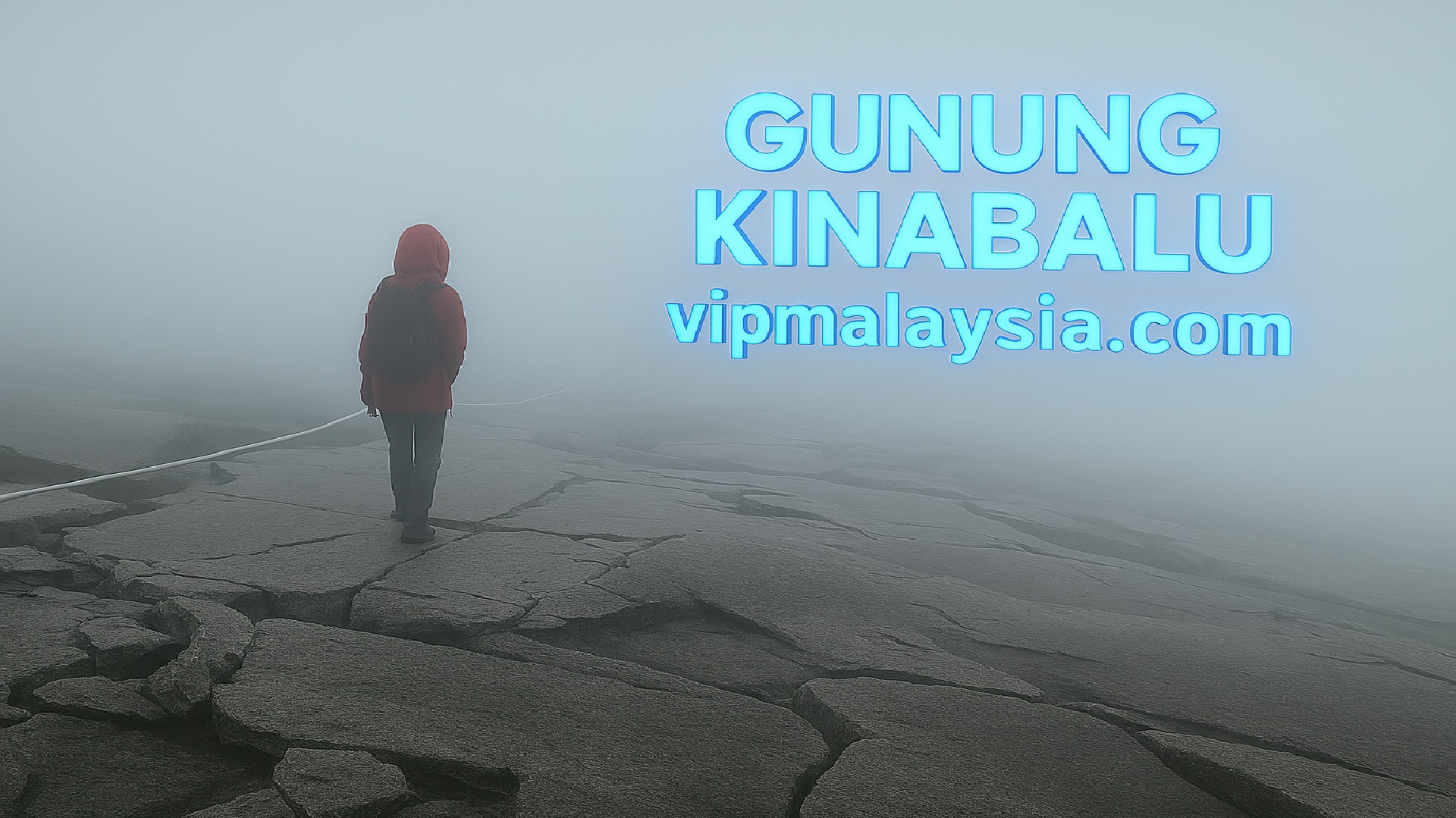
Ready for an unforgettable journey above the clouds? Gunung Kinabalu, Malaysia’s highest peak, offers more than just a climb—it’s a life-changing experience in the heart of Malaysian Borneo. Discover everything you need to plan, prepare, and say “I made it to the top.”
Introduction
Gunung Kinabalu, rising 4,095 meters above sea level, is Malaysia’s highest mountain and one of Southeast Asia’s most iconic natural wonders. Nestled within Kinabalu Park in Sabah, this UNESCO World Heritage Site offers breathtaking biodiversity, cultural heritage, and unforgettable trekking adventures.
History
The history of Gunung Kinabalu is deeply intertwined with the indigenous Kadazan-Dusun people, who regard the mountain as sacred. According to local legend, the spirits of ancestors dwell on its slopes, making it a place of reverence and ritual. The name “Kinabalu” is believed to derive from “Aki Nabalu,” meaning “Revered Place of the Dead.”
European explorers first documented the mountain in the mid-19th century, with Sir Hugh Low leading the earliest recorded ascent in 1851. His name lives on at Low’s Peak, the highest point of the mountain. Over time, Gunung Kinabalu became a focal point for scientific research due to its extraordinary biodiversity. In 1964, Kinabalu Park was established to protect this ecological treasure, and in 2000, UNESCO recognized it as a World Heritage Site.
Getting There
Gunung Kinabalu is located within Kinabalu Park, near Kundasang, about two hours by car from Kota Kinabalu, the capital of Sabah. The park headquarters at Timpohon Gate serves as the main entry point for climbers.
Travelers typically fly into Kota Kinabalu International Airport (BKI), then continue by taxi, rental car, or tour bus to the park. The journey itself is scenic, passing through rolling hills and villages before reaching the cooler highlands.
How to Get There
Most treks begin early from Timpohon Gate, the standard trailhead. The Mesilau Trail was once an alternative but has been closed since the 2015 earthquake.
Permits, guides, and accommodations must be booked in advance through Kinabalu Park HQ. This ensures climbers are registered, guided safely, and provided with lodging at Panalaban (formerly Laban Rata).
When to Go
The best months to climb are March to August, during Sabah’s drier season. Weather is more stable, though mountain conditions remain unpredictable.
Booking ahead is essential, as daily climber numbers are limited to protect the environment. A licensed mountain guide is mandatory, and accommodations at Panalaban fill quickly during peak season.
Climb Itenary
Day / Stage
Details
Duration & Difficulty
Day 1: Arrival at Kinabalu Park HQ
Register at Park HQ, secure permits, meet certified guide. Begin trek at Timpohon Gate (1,866 m). First stop at Carson Falls, then continue through forest huts (Kandis, Ubah, Lowii, Mempening). Overnight at Panalaban Resthouse (formerly Laban Rata) at 3,272 m.
6–8 hours trekking. Moderate to strenuous; altitude gain ~1,400 m.
Day 2: Summit Push (Low’s Peak)
Wake at ~2:00 AM. Begin steep ascent over granite slabs with fixed ropes. Reach Low’s Peak (4,095 m) at sunrise. Descend back to Panalaban for breakfast, then continue down to Park HQ.
Mandatory overnight at Panalaban Resthouse (altitude lodging with meals).
1 night minimum stay required.
Difficulty Level
Considered moderate to strenuous. Requires fitness, stamina, and acclimatization.
Summit push is the hardest section; descent often tougher on knees.
Total Duration
Standard climb is 2 days, 1 night. Extended itineraries may include extra acclimatization hikes in Kinabalu Park.
2D1N standard; optional 3D2N for slower pace.
Highlights
The Summit Experience
Standing at 4,095 meters, Low’s Peak offers panoramic views that stretch across Sabah and, on clear days, even toward the South China Sea. The sunrise from the summit is considered one of the most spectacular in Asia.
Biodiversity Wonderland
Gunung Kinabalu is home to over 5,000 plant species, including orchids, pitcher plants, and the giant Rafflesia. The mountain also shelters 326 bird species and 100+ mammals, making it a living museum of biodiversity.
Cultural Significance
For the Kadazan-Dusun, Gunung Kinabalu is a sacred site. Rituals and traditions tied to the mountain continue to this day, reinforcing its role as a cultural landmark.
Extraordinary Flora
Nepenthes Rajah
Nepenthes rajah is the world’s largest pitcher plant, endemic to Mount Kinabalu. Its traps can hold over a liter of fluid and have been known to capture not only insects but also small vertebrates like frogs and even rats. This carnivorous plant thrives in nutrient-poor soils, supplementing its diet with prey digestion. Its ecological role is fascinating, as it also forms symbiotic relationships with tree shrews that feed on nectar while fertilizing the plant with droppings.
The plant’s striking size and adaptation make it a symbol of Kinabalu’s unique biodiversity. Conservationists emphasize its vulnerability to habitat loss and illegal collection, making protection within Kinabalu Park essential.
Paphiopedilum Rothschildianum
Known as the “Kinabalu Gold,” Paphiopedilum rothschildianum is one of the rarest orchids in the world. It grows exclusively on Kinabalu’s limestone cliffs and is distinguished by its striped petals and elegant slipper-shaped blooms. This orchid can take up to 15 years to flower, adding to its rarity and value.
Its beauty has unfortunately made it a target for illegal trade, with specimens fetching thousands of dollars on the black market. Strict conservation measures are in place to protect this orchid, which is considered a crown jewel of Kinabalu’s flora.
Rafflesia Keithii
Rafflesia keithii is one of the two Rafflesia species found in Kinabalu Park. It produces enormous flowers up to 80 cm in diameter, with a distinctive foul odor that attracts carrion flies for pollination. This parasitic plant lacks leaves, stems, and roots, living entirely off its host vine.
Despite its unpleasant smell, Rafflesia keithii is a major attraction for visitors. Its unpredictable blooming cycle makes sightings rare, adding to its mystique and allure.
Rhododendron Lowii
Rhododendron lowii is a spectacular species discovered by Sir Hugh Low, after whom Kinabalu’s summit is named. It produces large golden-yellow flower clusters that glow in the misty montane forests.
This rhododendron thrives in cloud forests above 2,200 meters, where mist and moisture dominate. Its vibrant blooms are a highlight for trekkers, symbolizing the mountain’s rich floral diversity.
Nepenthes Villosa
Nepenthes villosa is another rare pitcher plant found at higher altitudes of Kinabalu. It is adapted to colder, harsher conditions and features hairy pitchers with serrated peristomes.
This species is particularly vulnerable due to its limited distribution. Its survival depends on the unique microclimates created by Kinabalu’s granite slopes.
Dacrydium Gibbsiae
Dacrydium gibbsiae is a rare conifer endemic to Kinabalu’s montane forests. It thrives in cooler climates above 1,200 meters, forming part of the oak-chestnut forest ecosystem.
Its presence highlights Kinabalu’s role as a hub for conifer diversity in Southeast Asia. The species contributes to the ecological balance by providing habitat and food for wildlife.
Rhododendron Ericoides
Rhododendron ericoides is a heath rhododendron found in Kinabalu’s subalpine zones. Its scarlet, thimble-sized flowers bloom in thickets, creating vibrant displays in March and April.
This hardy shrub thrives in harsh conditions, with gnarled branches adapted to withstand strong winds and poor soils. Its resilience symbolizes the adaptability of Kinabalu’s flora.
Nepenthes Edwardsiana
Nepenthes edwardsiana is considered one of the most beautiful pitcher plants, with strikingly ribbed peristomes and vivid coloration. It is endemic to Kinabalu and nearby mountains.
Its rarity and aesthetic appeal make it highly sought after by collectors, but strict protection ensures its survival within Kinabalu Park.
Phyllocladus Hypophyllus
Phyllocladus hypophyllus is a unique conifer found in Kinabalu’s montane forests. Unlike typical conifers, it has flattened leaf-like structures called phylloclades.
This adaptation allows it to thrive in misty, nutrient-poor environments. Its unusual morphology makes it a fascinating subject for botanists studying evolutionary adaptations.
Rhododendron Buxifolium
Rhododendron buxifolium, or box-leaved rhododendron, grows in Kinabalu’s subalpine meadows. Its larger red flowers bloom spectacularly in spring, adding bursts of color to the high-altitude landscape.
This species is well adapted to soggy patches and rocky crevices, showcasing the resilience of Kinabalu’s alpine vegetation.
Rarest Fauna
Thomas’ Pygmy Squirrel
Thomas’ pygmy squirrel is one of the smallest squirrels in the world, measuring only about 7 cm in body length. Endemic to Kinabalu Park, it is often seen darting among mossy branches in montane forests. Its tiny size and rapid movements make it a challenge to spot, but it plays an important role in seed dispersal.
This species is considered vulnerable due to its restricted range. Conservation within Kinabalu Park ensures its survival, as deforestation outside protected areas threatens its delicate habitat.
Kinabalu Shrew
The Kinabalu shrew is a rare insectivorous mammal found only on Mount Kinabalu. It thrives in the cool, moist conditions of the montane forest floor, feeding on insects and small invertebrates. Its dark fur and small size make it well adapted to the dense undergrowth.
Because of its limited distribution, the Kinabalu shrew is highly vulnerable to environmental changes. Researchers emphasize its importance as an indicator species for ecosystem health in high-altitude habitats.
Mountain Blackbird
The mountain blackbird is a common sight near the summit of Gunung Kinabalu. This bird is adapted to high-altitude conditions, feeding on insects and berries found in alpine vegetation. Its dark plumage contrasts beautifully against the granite backdrop of the mountain.
Birdwatchers often encounter this species during summit climbs, making it one of the most recognizable avian residents of Kinabalu. Its presence highlights the unique birdlife adapted to extreme conditions.
Crimson-Headed Wood-Partridge
The crimson-headed wood-partridge is a striking bird confined to the mountains of Borneo, including Kinabalu. Its vivid red head and patterned plumage make it a prized sighting for birdwatchers. It inhabits dense montane forests, feeding on seeds and insects.
This species is considered near-threatened due to habitat loss. Kinabalu Park provides a crucial refuge, ensuring its survival in the face of deforestation elsewhere in Sabah.
Slow Loris
The slow loris is a nocturnal primate found in Kinabalu Park. With its large eyes adapted for night vision, it moves slowly through the trees, feeding on insects, fruit, and tree sap. Its deliberate movements and unique appearance make it a fascinating species.
Unfortunately, the slow loris is threatened by illegal wildlife trade. Protection within Kinabalu Park is vital to safeguard this rare primate from exploitation.
Bornean Gibbon
The Bornean gibbon is an agile primate known for its loud, melodious calls that echo through Kinabalu’s forests. It is an important seed disperser, contributing to forest regeneration. Its long arms allow it to swing effortlessly between trees.
This species is endangered due to habitat fragmentation. Kinabalu Park remains one of the few strongholds where gibbons can thrive in undisturbed montane forests.
Kinabalu Friendly Bush-Warbler
The Kinabalu friendly bush-warbler is an endemic bird species found only on Mount Kinabalu. It inhabits dense undergrowth and is known for its distinctive song. Its small size and elusive behavior make it a challenge to observe.
This bird is a symbol of Kinabalu’s unique avifauna. Its restricted range underscores the importance of conserving high-altitude habitats in Sabah.
Bornean Green Tree Frog
The Bornean green tree frog is a rare amphibian found in Kinabalu Park. Its bright green coloration helps it blend into mossy environments, while its sticky pads allow it to cling to wet surfaces. It thrives in the cool, humid conditions of montane forests.
Amphibians like this frog are sensitive to environmental changes, making them key indicators of ecosystem health. Conservation efforts in Kinabalu Park protect this species from habitat loss and climate change.
Rhinoceros Hornbill
The rhinoceros hornbill is one of Borneo’s most iconic birds, and it can be found in Kinabalu Park. Its large casque and striking plumage make it instantly recognizable. It plays a vital role in seed dispersal, helping maintain forest diversity.
Though widespread in Borneo, the hornbill faces threats from hunting and habitat destruction. Kinabalu Park provides a safe haven where this majestic bird continues to thrive.
Tarsier
The tarsier is a nocturnal primate with enormous eyes adapted for night vision. Found in Kinabalu Park, it feeds on insects and small vertebrates. Its ability to leap between trees makes it a remarkable predator in the forest canopy.
Tarsiers are vulnerable to habitat loss and disturbance. Kinabalu Park’s protected environment ensures their survival, making them a highlight for wildlife enthusiasts exploring the mountain.
Major Trails
Timpohon–Summit Trail
The Timpohon–Summit Trail is the most popular route to Low’s Peak, starting at Timpohon Gate. Along the way, hikers encounter Carson Falls, Kandis Hut, and several viewpoints. The trail is well-marked but steep, requiring stamina and preparation.
This trail is considered the standard climb, with most climbers reaching Panalaban before the final summit push. Its accessibility and facilities make it the primary choice for international visitors.
Mount Kinabalu Trail
The Mount Kinabalu Trail is a strenuous 15.9-mile route that challenges climbers with steep ascents and exposed granite terrain. It demands endurance and technical maneuvering, especially near the summit.
Above base camp, the landscape transforms into a moonscape of stone, with fixed ropes assisting climbers in high winds. This trail is ideal for experienced trekkers seeking a demanding climb.
Laban Rata–Gunung Kinabalu Trail
Starting at Laban Rata, this trail involves over 6,000 steps and steep granite slabs. Climbers scramble naturally and use guide ropes to reach the summit.
The misty terrain and dramatic rocky outcrops make this trail visually stunning. Unique flora such as pitcher plants and orchids line the path, adding to its appeal.
Silau Silau Trail
The Silau Silau Trail begins near Kinabalu Hall and is moderate in difficulty. It features steep ascents, exposed roots, and muddy sections, requiring careful footing.
Despite its challenges, the trail offers breathtaking scenery and is popular among casual hikers. It connects with other trails, making it versatile for exploration.
Mempening Trail
Often paired with Silau Silau, the Mempening Trail provides a scenic forest walk. It is moderately difficult, with uneven terrain and occasional steep climbs.
The trail is rich in biodiversity, offering glimpses of orchids, ferns, and birdlife. It is a favorite among nature enthusiasts seeking a shorter hike.
Ranau Trail
The Ranau Trail is one of two summit routes from Panalaban, offering a direct ascent to Low’s Peak. It is steep and rocky, requiring climbers to use ropes for safety.
This trail is known for its panoramic views and is often chosen for its slightly shorter distance compared to Kota Belud Trail.
Kota Belud Trail
The Kota Belud Trail is the alternative summit route from Panalaban. It is longer and more challenging, with exposed granite sections.
Climbers often choose this trail for its dramatic scenery and sense of adventure. It is recommended for those seeking a tougher ascent.
Carson Falls Trail
Carson Falls Trail leads to a refreshing waterfall near the Timpohon Gate. It is short but steep, making it a rewarding detour for climbers.
The cool waters and lush surroundings provide a natural respite before or after a climb. It is a popular spot for photography and relaxation.
Kipungit Waterfall Trail
This trail leads to Kipungit Waterfall, located near Poring Hot Springs. It is relatively easy and suitable for families.
The waterfall is surrounded by tropical vegetation, offering a serene environment. Many visitors combine this trail with a soak in the hot springs.
Low’s Gully Trail
Low’s Gully Trail is a challenging descent into a deep valley on Kinabalu’s northern face. It is considered one of the toughest treks in the park.
This trail requires technical skills and is often attempted by experienced climbers. Its remote location and rugged terrain make it legendary among adventurers.
Mesilau Trail
Slightly longer and more scenic (Closed since the 2015 earthquake; only Timpohon Gate is currently open)
Things to Do
Summit Climb to Low’s Peak
Climbing to Low’s Peak, the highest point of Gunung Kinabalu at 4,095 meters, is the ultimate adventure. The trek begins at Timpohon Gate and requires an overnight stay at Panalaban before the early morning summit push. The sunrise view from the peak is considered one of the most spectacular in Asia.
The climb is challenging but accessible to most fit trekkers. Guides are mandatory, ensuring safety and cultural respect. This activity is the highlight for visitors seeking both physical achievement and spiritual connection.
Explore Kinabalu Park Botanical Garden
The botanical garden showcases Kinabalu’s extraordinary biodiversity, including rare orchids, pitcher plants, and medicinal herbs. It is a living museum of flora, offering educational tours for visitors.
Researchers and tourists alike value the garden for its conservation role. It provides insight into endemic species found only on Kinabalu’s slopes, making it a must-do for nature lovers.
Relax at Poring Hot Springs
Poring Hot Springs is famous for its natural thermal baths, ideal for soothing muscles after trekking. The hot mineral waters are believed to have healing properties.
Beyond the baths, visitors can enjoy canopy walks, butterfly gardens, and orchid houses. This attraction combines relaxation with eco-tourism, making it family-friendly.
Birdwatching in Montane Forests
Gunung Kinabalu is home to 326 bird species, including hornbills, mountain blackbirds, and endemic bush-warblers. Birdwatching trails provide opportunities to spot rare species.
The montane forests are particularly rewarding for bird enthusiasts. Guided tours enhance the experience, offering expert knowledge on avian behavior and habitats.
Via Ferrata Adventure
Kinabalu hosts the world’s highest via ferrata, offering climbers thrilling vertical routes with steel cables and ladders. It is suitable for both beginners and experienced adventurers.
The adrenaline rush of traversing granite cliffs is unmatched. Safety equipment and guides ensure a secure experience, making it one of the park’s most unique activities.
Visit Kundasang Town
Kundasang, known as the “New Zealand of Sabah,” offers cool climate, dairy farms, and fresh produce markets. It is a scenic town near Kinabalu Park.
Visitors enjoy flower gardens, cultural experiences, and panoramic views of the mountain. Kundasang complements the natural attractions with local hospitality.
Discover Carson Falls
Carson Falls is a refreshing waterfall near Timpohon Gate. It is a short hike but provides a scenic stop for climbers beginning their ascent.
The falls are surrounded by lush vegetation, offering a tranquil environment. It is a popular spot for photography and relaxation before tackling the mountain.
Canopy Walk at Poring
The canopy walkway at Poring allows visitors to explore the rainforest from above. Suspended bridges provide thrilling views of treetops and wildlife.
This activity emphasizes Kinabalu’s biodiversity and is suitable for families. It is one of the most photographed experiences in the park.
Explore Ranau Town
Ranau is a vibrant town near Kinabalu Park, known for its markets and cultural experiences. It serves as a base for exploring waterfalls and hot springs.
The town offers accommodations and local cuisine, making it a convenient stop for visitors. Its lively atmosphere complements the natural beauty of Kinabalu.
Visit Kundasang War Memorial
The Kundasang War Memorial honors Allied soldiers who perished during World War II’s Sandakan Death Marches. It features gardens representing different nations.
The memorial provides historical context to Sabah’s wartime past. Visitors gain cultural depth alongside natural exploration, making it a meaningful attraction.
Visit Desa Dairy Farm
Located in Kundasang, this farm offers fresh milk, cheese, and ice cream. Its rolling green pastures and cool climate make it a family-friendly attraction.
Conclusion
Reaching an astonishing 4,095 meters, Gunung Kinabalu stands tall as Malaysia’s highest mountain and a bucket-list destination for trekkers, nature lovers, and spiritual wanderers. Nestled within the Kinabalu Park, a UNESCO World Heritage Site, the mountain is revered not just for its height but for its incredible biodiversity and cultural significance to the indigenous Kadazan-Dusun people.
So, what are you waiting for? Lace up those boots, book your pass, and experience Malaysia’s rooftop for yourself.
Summary
Attraction: Gunung Kinabalu
Location: #Sabah
Attraction Type: #Mount
Quick Info
Attribute
Details
Name
Gunung Kinabalu
Location
Kinabalu Park, Sabah, Malaysian Borneo
Coordinates
6.0750° N, 116.5580° E
State
Sabah
Elevation
4,095 meters (13,435 feet)
Prominence
4,095 meters (rises directly from sea level)
Type
Granitic mountain
Status
UNESCO World Heritage Site (since 2000)
Main Entry Point
Timpohon Gate (Mesilau Trail closed since 2015)
Climbing Permit
Required via Sabah Parks
Accommodation
Panalaban Resthouse (formerly Laban Rata)
Park Entry Fee
Yes (varies by nationality)
Guide Requirement
Mandatory certified local guide
Best Climbing Season
March–August (dry season, though weather is variable)
Nearby Town
Kundasang
Contact
Sabah Parks HQ: +6088-523 500
Visitor Reviews
Ann Sophia (United Kingdom) ★★★★☆ Ann S, a 70-year-old traveler, described her climb as “a challenge and a half.” She reached Panalaban Resthouse but decided not to attempt the summit due to the steepness and early morning darkness. Her husband, younger and fitter, managed to reach Low’s Peak but struggled on the descent, which she noted was “worse than going up.” This honest account highlights the physical demands of the climb, especially for older trekkers .
Nur Liyana Hasim (Johor) ★★★★★ This climber emphasized the respect deserved for the mountain, describing the second morning’s summit push as “really early, aiming to arrive at Low’s Peak before sunrise.” They noted the difficulty of climbing in darkness but praised the breathtaking sunrise view as worth the effort. Their review underscores the importance of preparation and stamina for the summit attempt .
Elham Alhambra (Sabah, Malaysia) ★★★★★ A local reviewer highlighted the cultural and ecological significance of Kinabalu Park. They praised the biodiversity, mentioning orchids, pitcher plants, and hornbills spotted along the trail. They also emphasized the importance of booking permits and guides in advance, noting that Sabah Parks enforces strict conservation rules to protect the mountain’s fragile ecosystem .
Basri Timothy (Australia) ★★★★☆ An Australian visitor described the climb as “tough but rewarding.” They appreciated the facilities at Panalaban Resthouse, where warm meals and lodging at 3,272 m helped them acclimatize. They also noted the mandatory guide system as reassuring, ensuring safety and cultural respect during the climb. Their review reflects the balance between challenge and support provided by Kinabalu Park .
Discover Selangor’s most breathtaking hiking trails — from Bukit Kutu to Gunung Nuang — while staying safe and legal. Learn which routes require permits, when licensed forest guides (MGP) are mandatory, and how to avoid costly fines.
Introduction
Selangor, Malaysia’s vibrant state bordering Kuala Lumpur, is home to lush rainforests, waterfalls, and mountain peaks that attract thousands of hikers each year. Whether you’re chasing sunrise views at Bukit Broga or tackling the challenging ascent of Gunung Nuang, one thing is certain: hiking here isn’t just about stamina, it’s about following the rules. Since 2025, the Selangor Forestry Department has tightened regulations, requiring permits for all hikes in forest reserves and licensed forest mountain guides (MGP) for specific trails. This ensures safety, preserves fragile ecosystems, and promotes responsible ecotourism.
Permit Requirements
Every trail within Selangor’s permanent forest reserves now requires a permit via the SeForest e-Permit system. Applications must be submitted at least 48 hours before your hike, with a fee of RM5 per person. Rangers stationed at trailheads often check permits, and failure to comply can result in fines up to RM30,000 or imprisonment under the National Forestry Act 1984.
Trails Requiring Licensed Guides (MGP)
Not all trails demand a guide, but several of Selangor’s most iconic hikes do. These include:
Gunung Nuang (via Pangsun) – The tallest peak in Selangor, known for its strenuous climb.
Bukit Kutu – A historic colonial hill station offering panoramic views.
Pine Tree Hill – A popular Fraser’s Hill trek with steep ascents.
Gunung Semangkok – A challenging ridge hike connecting Fraser’s Hill and Raub.
Gunung Rajah (via Kuala Kubu Bharu) – A demanding trail with river crossings.
Licensed guides are trained in first aid, equipped with radios, and ensure hikers return before cutoff times. This reduces risks of getting lost or stranded overnight.
Why These Rules Matter
Safety First – Trails like Gunung Nuang can take over 10 hours to complete. Guides help prevent accidents and coordinate rescues.
Legal Compliance – Hiking without permits or guides where required can lead to severe penalties.
Ecotourism Support – Fees and guide services contribute to forest conservation and sustainable tourism.
Selangor’s hiking trails are among Malaysia’s finest, offering everything from misty sunrises to rugged mountain challenges. But with beauty comes responsibility. By securing permits and hiring licensed guides where required, hikers not only protect themselves but also contribute to preserving these natural gems for future generations. Hiking smarter, safer, and legally ensures that Selangor’s forests remain a sanctuary for both adventurers and wildlife.
Norsuhailah Binti Abdul Majid “I recently hiked Bukit Kutu with an MGP guide, and the experience was incredible. The guide not only ensured our safety but also shared fascinating stories about the colonial ruins at the summit. Applying for the permit was straightforward, and I felt reassured knowing we were hiking legally. Compared to my earlier hikes without permits, this felt more organized and respectful of nature. I’d recommend anyone planning a hike in Selangor to follow the rules — it makes the adventure safer and more meaningful.”
Jasmin Aleeza Abdul Sahak, Kuala Lumpur-based hiker shared his experience on Bukit Kutu: “Bukit Kutu is one of the toughest hikes I’ve done in Selangor. It took me about 4 hours to reach the summit, with three river crossings along the way. The terrain is steep, and there are sections where you need to climb metal ladders bolted into boulders. A permit and guide were required — we arranged ours beforehand, and the guide was invaluable in keeping us on track and ensuring we returned safely. Parking near Kampung Pertak cost RM2, and the permit was RM5 per person. The summit rewarded us with panoramic views and remnants of the old colonial hill station. It’s definitely not a beginner-friendly trail, but the sense of accomplishment was incredible.”
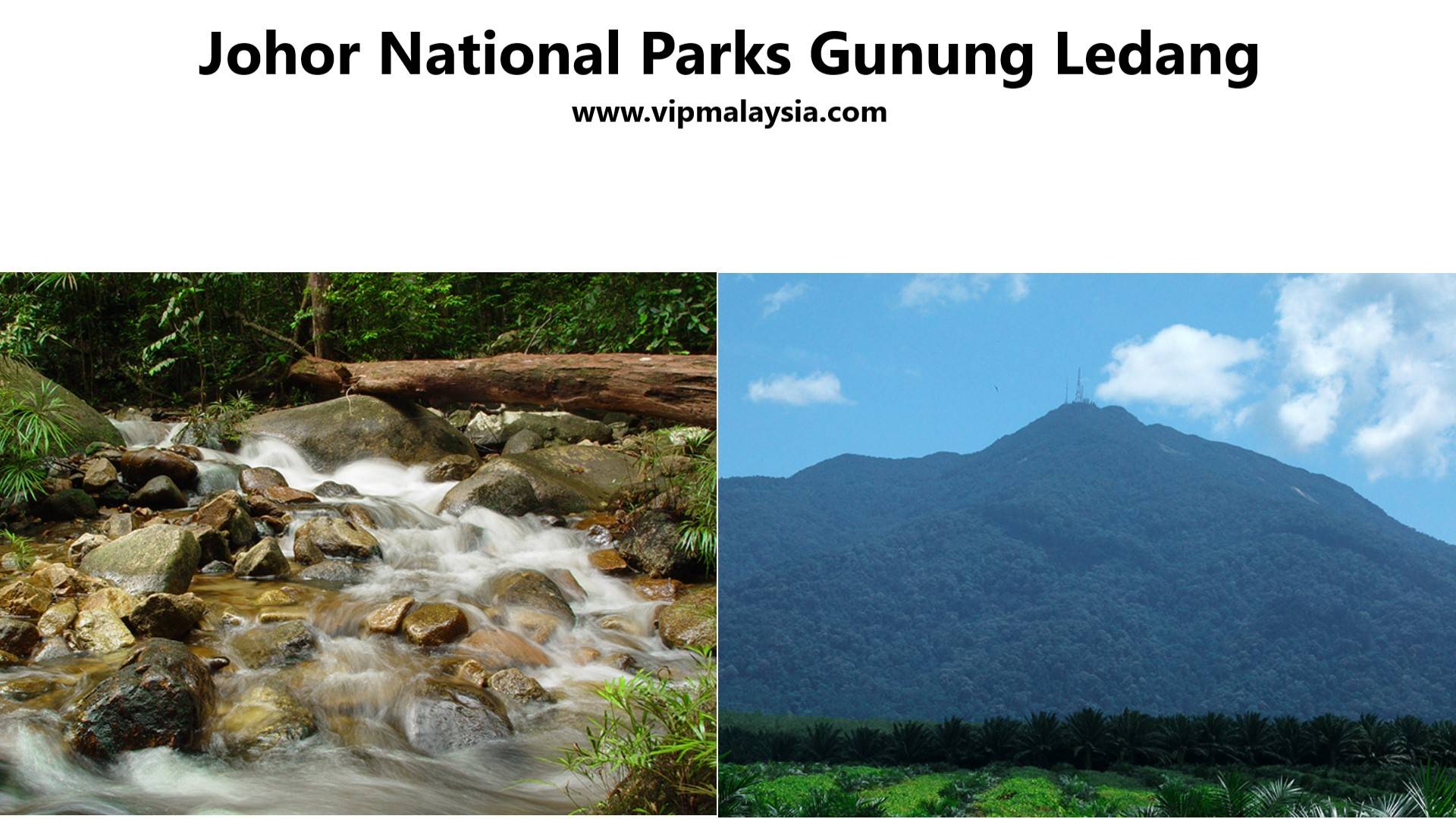
Climb Johor’s highest peak at Gunung Ledang National Park — where Legend Meets Adventure. Explore Challenging Summit Trails, Lush Rainforests, and Waterfalls while uncovering the folklore of the mystical princess. With Modern Visitor Facilities, Diverse Wildlife, and Nearby Towns for Easy Access, Gunung Ledang is the ultimate eco‑tourism escape. Plan your journey today and Discover Malaysia’s Mountain of Legends.
Introduction
Gunung Ledang National Park, established in 2005, is Johor’s crown jewel of eco‑tourism. Rising to 1,276 meters, Gunung Ledang (Mount Ophir) is the highest peak in southern Peninsular Malaysia. The park spans 8,611 hectares of rainforest, serving as a vital water catchment for Johor and Melaka.
Beyond its natural beauty, Gunung Ledang is steeped in folklore. The tale of Puteri Gunung Ledang, a mystical princess who rejected the Sultan of Melaka’s marriage proposal by setting seven impossible demands, adds cultural depth to the mountain’s allure. Today, the park blends Adventure, Biodiversity, and Heritage, making it a must‑visit destination for hikers, families, and cultural explorers.
The Legend of Puteri Gunung Ledang
Gunung Ledang is famously linked to Puteri Gunung Ledang, a legendary princess who, according to historical texts, rejected the marriage proposal of the Sultan of Melaka by setting seven impossible demands, including a golden bridge and silver bridge connecting Melaka to the mountain. This legend has been passed down for generations, making the mountain one of Malaysia’s most mystical landmarks.
A Mountain of Gold
In the 14th century, Chinese sailors called it “Kim Sua” (Gold Mountain), believing the peak contained hidden treasures. British explorers later named it Mount Ophir, alluding to King Solomon’s fabled gold mines.
Trekking & Adventure
How to Reach the Summit
Reaching the summit of Gunung Ledang offers both excitement and challenge, with multiple trails catering to different skill levels. The trek requires stamina and preparation, as hikers navigate steep ascents, dense rainforest, and rocky paths. Whether choosing the more accessible Sagil Trail or the demanding Asahan Trail, the journey rewards adventurers with panoramic views and a sense of accomplishment.
Trails & Scenic Hiking Routes
The mountain features diverse trails that highlight its natural beauty. The Sagil Trail is the most popular and accessible, taking 4–6 hours to reach the peak, while the Asahan Trail offers a longer, steeper climb for seasoned trekkers. Along the way, hikers encounter waterfalls, lush greenery, and scenic viewpoints that make the trek both physically rewarding and visually stunning.
Rich Biodiversity in Johor National Park
Gunung Ledang lies within Johor National Park, a critical water catchment area for Johor and Melaka. The rainforest is home to exotic birds, monkeys, and unique plant species, making it a hotspot for eco-tourism. Its lush tropical jungle not only supports biodiversity but also provides a serene environment for nature lovers seeking an immersive trekking experience.
Preparing for Your Mountain Ascent
To ensure a safe and enjoyable trek, hikers should wear proper boots with strong grip for steep trails, carry sufficient water and snacks to stay hydrated, and begin early in the morning to take advantage of cooler conditions. These simple preparations can make the difference between a challenging struggle and a memorable adventure.
Main Trails
Trail Name
Description
Sagil Trail
Most popular summit route from Johor side. Takes 6–8 hours to ascend (~7–9 km) and 4–5 hours to descend. Features checkpoints (CP1–CP8), rope sections, ladders, and panoramic summit views. Suitable for fit hikers with moderate experience.
Asahan Trail
Challenging summit route from Melaka side. About 12.7 km long with ~1,290 m elevation gain. Includes steep climbs, exposed tree roots, clay paths, and Padang Batu granite slope. Final ascent requires ropes and ladders. Recommended for experienced trekkers.
Lagenda Trail
Extends from Taman Hutan Lagenda entrance to summit. Can be done in a day but often split into two days with camping at Kolam Gajah. Includes ladders on near-vertical granite faces and narrow crevices. Offers sunrise/sunset views from peak.
Gunung Ledang Loop
Strenuous 11 km circuit trail. Begins with hundreds of steps, transitions into rugged rainforest, and includes hazardous rock scrambles, fixed ropes, and bolted ladders. Very muddy terrain.
Bukit Petai Trail
Moderate 5.5 km trail, estimated 2–2.5 hours. Passes through dense jungle with scenic views. Suitable for shorter hikes.
Ampung Jatuh Trail
Moderate 4.2 km trail, estimated 1.5–2 hours. Winds through jungle with steep sections and exposed roots. Ends at a tranquil waterfall.
Puteri Gunung Ledang Waterfalls Trail
Short 2.1 km moderate trail (~1 hour). Leads to waterfalls, ideal for casual hikers and eco-tourism.
Attractions
Summit Trek and Hiking Trails
The summit trek is the park’s main attraction. Climbers face Steep Ascents, Rope Sections, and Rugged Terrain, but are rewarded with panoramic views stretching across Johor and Melaka. The trek typically takes 5–7 hours, depending on fitness levels.
Other trails include shorter jungle walks leading to waterfalls and picnic areas, ideal for families or casual hikers. The trails are well‑marked, with guides available for those seeking a safer, more informative journey.
Waterfalls and Recreational Spots
Gunung Ledang is home to several waterfalls, including Puteri Waterfall, a popular spot for cooling off after hikes. The cascades are surrounded by lush rainforest, offering opportunities for photography and relaxation.
Picnic areas and campsites near the waterfalls make the park suitable for day trips and overnight stays. Families often gather here for weekend outings, enjoying the combination of nature and accessibility.
Puteri Waterfall
Nestled within the lush greenery of Gunung Ledang National Park in Johor, Puteri Waterfall—often referred to as Air Terjun Gunung Ledang—is a destination that blends natural beauty with cultural heritage. Just a short trek from the park’s entrance, this multi-level cascade offers visitors a refreshing escape from city life, while immersing them in the folklore of Malaysia’s legendary princess.
The journey to the waterfall begins with a 30-minute walk along a well-maintained trail shaded by towering trees. The sound of rushing water grows louder as you approach, until the falls reveal themselves in a series of cascades tumbling into clear pools. These pools are popular for swimming, while the surrounding areas provide shaded spots perfect for picnics and relaxation.
Beyond its natural charm, Puteri Waterfall carries a mystical aura tied to Malay folklore. The site is named after the Princess of Gunung Ledang, a figure immortalized in stories of Sultan Mansur Shah of Malacca, who sought her hand in marriage. Her legendary conditions for marriage—seen as impossible to fulfill—have become part of Malaysia’s cultural tapestry, adding depth to the visitor experience.
For those seeking adventure, the waterfall serves as a gateway to more challenging treks up Gunung Ledang itself, a climb that can take six to eight hours and rewards hikers with panoramic views of Johor and Melaka. Yet, even without scaling the mountain, Puteri Waterfall offers plenty: birdwatching opportunities, photography spots, and a serene environment to reconnect with nature.
Facilities such as restrooms, showers, and designated picnic areas make the site accessible to families and casual travelers. However, visitors are advised to wear proper footwear, as trails can be slippery after rain, and to bring essentials like insect repellent and drinking water.
Puteri Waterfall, also known as Air Terjun Gunung Ledang, is a multi-level cascade located in Johor’s Gunung Ledang National Park. It is famous for its lush tropical surroundings, picnic spots, and the folklore of the Princess of Gunung Ledang.
Visitor Facilities
The park is equipped with modern facilities to enhance visitor experiences:
Visitor Complex with park office, gallery, mini library, and audio‑visual room.
Dewan Lagenda Hall for cultural events and group activities.
Cafeteria and Cooking Areas (meals available with prior arrangement).
Obstacle Course and Jungle Huts for team‑building.
Surau, Toilets, and Showers for convenience.
Wildlife and Biodiversity
Gunung Ledang’s rainforest supports diverse flora and fauna:
Birds: Hornbills, Eagles, and Kingfishers.
Mammals: Macaques, Civets, and Squirrels.
Plants: Pitcher Plants, Orchids, Ferns, and Dipterocarp Trees.
Macaques are monkeys of the genus Macaca, found across Asia and North Africa. They live in social troops with complex hierarchies and are highly adaptable to human environments. Their diet includes fruits, seeds, leaves, and occasionally insects or small animals.
Civets are small nocturnal mammals of the family Viverridae, native to Asia and Africa. They are known for their musky scent and play a role in producing kopi luwak coffee. Civets are omnivorous, feeding on fruits, insects, and small animals.
Squirrels are rodents of the family Sciuridae, found worldwide in forests, parks, and urban areas. They are recognized for their bushy tails and agile climbing abilities. Squirrels store seeds and nuts, which contributes to forest regeneration.
The park’s biodiversity reflects its role as a Critical Conservation Area, protecting species while offering educational opportunities for visitors.
Cultural Significance and Festivals
The legend of Puteri Gunung Ledang remains central to the park’s identity. Cultural festivals and storytelling events occasionally highlight this folklore, connecting visitors to Malaysia’s heritage.
Local communities in nearby towns sometimes organize Traditional Performances and Food Fairs, especially during school holidays, making a visit to Gunung Ledang both a natural and cultural experience.
Nearby Towns and Access
Tangkak: The closest town, offering accommodations, food stalls, and transport services.
Melaka City: About an hour away, providing a wider range of hotels, cultural attractions, and dining options.
Johor Bahru: Approximately 2.5 hours by car, making the park accessible for weekend trips.
Tangkak is a town in northern Johor, close to the border with Melaka. It is well known as Malaysia’s “Textile Town” because of its thriving fabric and garment trade. The town is also a gateway to Gunung Ledang (Mount Ophir), a popular hiking spot tied to Malay legends, and is famous for dishes like Tangkak Beef Noodles.
Melaka is Malaysia’s “Historic State,” located on the west coast about two hours south of Kuala Lumpur. It has a rich past shaped by Malay, Portuguese, Dutch, and British influences, and its city center is a UNESCO World Heritage Site. Visitors are drawn to landmarks such as A Famosa Fort, Stadthuys, and Jonker Street, as well as its renowned Nyonya cuisine and desserts like cendol.
Conclusion
Gunung Ledang National Park is a destination where Nature, Adventure, and Legend Converge. From the Challenging Summit Trek to the Serene Waterfalls, and from the Modern Visitor Facilities to the Rich Cultural Folklore, the park offers experiences for every type of traveler.
Plan your visit today — Gunung Ledang National Park awaits with unforgettable adventures that showcase Malaysia’s Mountain of Legends.
Summary
Attraction: Gunung Ledang
Location: #Johor
Attraction Type: #Mount
Source: johornationalparks.gov.my
Must‑Visit Highlights:
Summit Trek: A challenging climb with breathtaking views.
Puteri Waterfall: A scenic cascade perfect for relaxation.
Visitor Complex: Cultural exhibits and educational facilities.
Legendary Folklore: The story of Puteri Gunung Ledang adds depth to the experience.
Nearby Towns: Tangkak and Melaka offer cultural and culinary extensions to the trip.
Quick Info
Attribute
Details
Name
Gunung Ledang (Mount Ophir)
Location
Johor National Park, Tangkak District, Johor, Malaysia
GPS Position
2°20’27.6″N, 102°37’03.0″E (≈ 2.3409° N, 102.6175° E)
State
Johor
Facility Type
National Park, Hiking Trails, Camping Grounds
Main Attractions
Mountain Summit (1,276 m), Puteri Falls, Legends of Puteri Gunung Ledang, Wildlife Exploration
Nearby Landmarks
Tangkak Town, Segamat, Melaka Historical Sites
Accessibility
Reachable via trailheads in Sagil (Johor) & Asahan (Melaka)
Best Time to Visit
Dry season (March–September) for clearer skies and safer trekking
Entry Fees
RM 5–16 (Malaysians), RM 10–26 (foreigners), summit permit RM 13–20, camping RM 3–5 per night
Johor National Parks Office: Office +60 6 963 1030, Mobile +60 19 777 2057
Visitor Information
Tsonz, Singapore – ★★★★☆ “I started the Sagil Trail at 8 AM after registering and declaring my items at the park office. The hike was steep with steps, rope climbs, and multiple ladders. We reached the summit by 12:50 PM, just before the 2 PM cut-off. The climb was tough but manageable with training. Sadly, clouds blocked the view, though guides said clear days offer spectacular sights over Melaka. Finished by 4 PM. Bring proper boots and don’t overpack — there are water points along the way.”
Nor B., Kluang – ★★★☆☆ “I’ve hiked Gunung Ledang twice, once via Sagil and once via Asahan. The Sagil route is more organized with checkpoints, but crowded on weekends. The Asahan trail is steeper and muddier, with exposed tree roots and clay paths. The Padang Batu granite slope was stunning but very challenging. Facilities at the base are basic, and permits can feel bureaucratic. Still, the biodiversity and the legend of Puteri Gunung Ledang make it special.”
Johan K., Netherlands – ★★★★☆ “As a backpacker, I found Gunung Ledang both rewarding and frustrating. The summit trek felt like an obstacle course with ropes and ladders, not a casual hike. Camping was cheap, and trails were well-marked, so I could go without a guide. But bureaucracy at the entrance and noisy weekend groups took away from the wilderness vibe. Compared to Taman Negara, it feels more managed, but still worth it for the challenge and views.”
Frequently Asked Questions (FAQs)
How the name Gunung Ledang is derived from?
The name “Gunung Ledang” is likely to have been coined during the reign of the Majapahit empire. In Old Javanese, “Ledang” may be translated as “high”, “faraway”, or “showy”.
What are the old fairy tales and legendary stories about Gunung Ledang?
About the seven impossible demands to Sultan of Melaka and gold treasure like King Solomon. No wonder it was called as Kim Sua or gold mountain.
Located just 5 km from Ipoh town, Gunung Lang Recreational Park is one of Perak’s best nature destinations, featuring stunning limestone formations, scenic lakes, and family-friendly activities. Whether you’re hiking through lush landscapes, taking a tranquil boat ride, or enjoying a picnic surrounded by nature, this park offers a peaceful escape from the city.
Introduction
Nestled just 5 kilometers from Ipoh town, Gunung Lang Recreational Park is one of Perak’s most celebrated nature destinations. With its limestone hills, artificial lakes, and lush greenery, the park offers a peaceful escape from the city’s bustle. Families, nature lovers, and adventure seekers flock here every week to enjoy boat rides, picnics, trekking, and cultural experiences. Officially opened in the 1990s and redeveloped in 2000, the park has become a symbol of eco‑tourism in Malaysia, blending natural beauty with heritage architecture.
History
The area surrounding Gunung Lang has been shaped by millions of years of geological processes, with limestone hills forming through the dissolution of soluble rocks. During the late 19th century, Ipoh was a booming tin mining town, and parts of Gunung Lang were linked to mining activities. By the early 1990s, local authorities recognized the need to conserve the landscape and transform it into a recreational space. In 1992, the park was officially opened, and by October 2000, it was redeveloped with new facilities, including observation towers, landscaped gardens, and cultural heritage structures. Today, Gunung Lang stands as both a conservation site and a leisure destination.
Highlights
Limestone Hills and Scenic Lakes
The park’s most striking features are its limestone hills, Gunung Lang and Gunung Bilike, which rise dramatically above the artificial lake. These hills are millions of years old and provide a stunning backdrop for boat rides and photography. The lake itself spans 14 hectares and is home to freshwater fish, adding to the park’s ecological diversity.
Comparison Table
Gunung Lang
Gunung Bilike
Location: Ipoh · Recreational
Location: Ipoh · Geological
Type: Limestone · Eco‑tourism
Type: Limestone · Scenic
Description: The main hill of Gunung Lang Recreational Park, featuring a cascading waterfall, lake, and eco‑tourism facilities.
Description: A limestone hill adjacent to Gunung Lang, forming part of the scenic backdrop and geological landscape of the park.
Distance from Ipoh: 5 km
Distance from Ipoh: 5 km
Area: 30 hectares
Area: Part of park
Lake: 14 hectares
Lake: Shared
Opened: 2000
Opened: 2000
Pros: Boat ride, viewing towers, children’s playground, mini zoo, camping grounds, cultural structures
Cons: Crowded on weekends, limited parking, facilities require upkeep
Cons: No developed facilities, limited accessibility, less family‑friendly
Flora and Fauna
Gunung Lang is a sanctuary for tropical plants and wildlife. Landscaped gardens showcase heliconia, bougainvillea, and musa trees, while the lake supports aquatic species. Birdwatchers often spot kingfishers, herons, and migratory storks. The mini zoo within the park houses deer, monkeys, and exotic birds, making it a family‑friendly attraction.
Heliconia
Heliconia is a genus of flowering plants in the family Heliconiaceae, native mainly to tropical America and parts of the Pacific. Often called “lobster‑claws” or “false bird‑of‑paradise”, these plants are known for their brightly colored bracts in red, orange, yellow, or green. They are perennial herbs with banana‑like leaves and can grow up to 4.5 meters tall. Heliconias are pollinated primarily by hummingbirds and produce blue‑purple fruits. They are widely cultivated as ornamentals in tropical gardens.
Bougainvillea
Bougainvillea is a genus of thorny ornamental vines, bushes, and small trees in the family Nyctaginaceae, native to South America. Known for their vibrant papery bracts in colors such as pink, magenta, purple, red, orange, and white, they surround small, inconspicuous flowers. Bougainvillea plants can grow up to 12 meters tall, scrambling over other vegetation with spiky thorns. They are popular in warm climates worldwide as decorative plants along fences, walls, and gardens, and are often referred to as “paper flowers.”
Musa Trees
Musa is the genus that includes bananas and plantains, belonging to the family Musaceae. Despite being called “banana trees,” Musa species are actually giant herbaceous plants, not true trees. Their apparent trunk is a pseudostem formed by tightly packed leaf bases, which can reach up to 9 meters tall. Musa plants produce large paddle‑shaped leaves and fruit clusters known as “hands.” Native to tropical Indomalaya and Australia, they are among the world’s most important food crops, providing staple fruits and fibers such as abaca (Manila hemp).
Heritage Structures
Scattered throughout the park are traditional Malay houses and floating heritage structures that reflect Perak’s architectural history. These cultural elements provide insight into Malaysia’s past and create a harmonious blend of nature and heritage.
Things to Do
Boat Rides Across the Lake
One of the most popular activities is the boat ride across the artificial lake. For a small fee, visitors can enjoy a tranquil journey surrounded by limestone cliffs and lush greenery. The ride leads to the park’s inner section, where more attractions await.
Boat Ride Experience
The boat ride is short but memorable, offering close‑up views of limestone formations and reflections on the water. Families often find it relaxing, while photographers capture stunning shots of nature.
Picnic Spots and Relaxation Areas
Gunung Lang is dotted with picnic areas, open fields, and shaded gazebos. Families and groups gather here to enjoy meals, play games, or simply relax in the fresh air.
Picnic Atmosphere
Picnicking at Gunung Lang is a nostalgic experience, reminiscent of traditional Malaysian family outings. The combination of food, laughter, and scenic surroundings makes it a highlight for many visitors.
Children’s Playground and Mini Zoo
The park caters to younger visitors with a playground and a mini zoo. Children can enjoy swings, slides, and animal encounters, making Gunung Lang a family‑friendly destination.
Family Fun
Parents appreciate the safe and engaging environment, while children delight in feeding fish or watching monkeys. The playground and zoo ensure that the park appeals to all age groups.
Camping Grounds
The park accommodates up to 600 visitors in its camping area, making it ideal for school trips, corporate retreats, and outdoor enthusiasts. Facilities include restrooms, open fields, and designated fire pits.
Camping Atmosphere
Camping at Gunung Lang offers a unique experience of sleeping under the stars surrounded by limestone hills. The sounds of nature, from chirping crickets to rustling leaves, create a tranquil environment. Group activities such as night walks and storytelling sessions add to the adventure.
Nearby Attractions
Perak Cave Temple
Located nearby, the Perak Cave Temple is a historic Buddhist temple built within limestone formations. It features colorful murals, statues, and a prayer hall, offering visitors a spiritual retreat alongside their nature excursion.
Kek Lok Tong Cave Temple
Another nearby attraction, Kek Lok Tong, is famous for its enormous caverns and stunning statues. The temple is surrounded by landscaped gardens and ponds, making it a peaceful complement to the outdoor adventure at Gunung Lang.
Ipoh’s Heritage Trail
For those interested in history, Ipoh’s Heritage Trail showcases colonial‑era buildings, old shophouses, and cultural hotspots. Visitors can explore landmarks such as the Ipoh Railway Station and Birch Memorial Clock Tower, adding depth to their trip.
Trekking and Adventure
Hiking Trails and Viewing Towers
Gunung Lang offers trekking paths that wind through lush greenery and limestone terrain. Observation towers provide panoramic views of the lake and surrounding hills, making them popular spots for photography.
Trekking Experience
The trails are suitable for both beginners and seasoned hikers. Along the way, visitors encounter tropical plants, wildlife, and scenic viewpoints. The towers allow for breathtaking vistas, especially during sunrise or sunset, when the limestone cliffs glow in golden hues.
Hiking Trails
The hiking trails at Gunung Lang Recreational Park are designed to be accessible for visitors of all ages. Most paths are flat, paved, and clearly marked, making them suitable for families and casual walkers. The trails wind through tropical gardens, limestone formations, and swamp areas, offering a mix of scenic views and natural encounters. Observation towers along the trails provide panoramic vistas of the lake and surrounding hills, especially beautiful during sunrise or sunset. Visitors are advised to wear comfortable shoes, carry water, and plan their walk in the morning to avoid the midday heat.
Trail Name / Area
Details
Duration
Lakeside Boardwalk
Flat, paved trail along the artificial lake, surrounded by tropical plants and limestone cliffs. Suitable for families and casual walkers.
35–50 minutes
Garden Loops
Easy walking loops through landscaped gardens featuring heliconia, bougainvillea, and musa trees. Accessible for all ages, with benches and shaded gazebos.
50-60 minutes
Observation Tower Path
Leads to tall lookout towers offering panoramic views of the lake and limestone hills. Best visited during sunrise or sunset for photography.
35 minutes
Swamp Walkway
Elevated path across swamp areas, providing encounters with local wildlife such as birds and fish.
60–90 minutes
Jungle Trekking Route
More adventurous trails through limestone terrain and forested areas, suitable for outdoor enthusiasts seeking a challenge.
90–150 minutes
Conclusion
Gunung Lang Recreational Park isn’t just a nature retreat—it’s an adventure into Malaysia’s limestone beauty, offering scenic lakes, outdoor activities, and peaceful surroundings. Whether you’re boating across tranquil waters, enjoying a picnic, or capturing breathtaking photos, this park promises an unforgettable experience.
Reconnect with nature—plan your visit to Gunung Lang today!
Summary
Attraction: #GunungLangRecreationalPark
Location: #Perak
Attraction Type: #RecreationalPark
Why Visit:
Limestone mountains & scenic lake views – A perfect blend of nature and tranquility
Family-friendly activities – Including boat rides, cycling paths, and nature trails
Stunning flora & fauna – See rare plants like heliconia, bougainvillea, and musa trees
Eco-tourism destination – Officially protected as an environmentally sensitive area
Quick Info
Attribute
Details
Name
Gunung Lang Recreational Park, Perak
Address
Jalan Damai, 30100 Ipoh, Perak, Malaysia
GPS Position
4.6097° N, 101.0893° E
State
Perak
Established
1992 (opened), redeveloped in 2000
Facility Type
Nature Park & Recreational Area
Special Attractions
Limestone Hills, Lake Views, Floating Heritage Structures
Nearby Attractions
Perak Cave Temple, Kek Lok Tong Cave Temple, Ipoh Heritage Trail
Accessibility
Located near Ipoh, accessible via Jalan Kuala Kangsar
Best Time to Visit
Morning or evening for ideal weather
Contact
Majlis Bandaraya Ipoh – Jalan Sultan Abdul Jalil, Greentown, 30450 Ipoh, Perak Darul Ridzuan. Phone: 05-208 3333 / 05-253 7396. Email: mbi@mbi.gov.my
Visitor Reviews
Name: Nurul Huda Locality: Johor Bahru, Malaysia Review: “Gunung Lang was breathtaking. The boat ride across the lake was peaceful, and the limestone hills looked stunning in the morning light. My children loved the playground and mini zoo.” Rating: ★★★★☆
Name: Justin Xhaka Locality: Melbourne, Australia Review: “I was amazed by the blend of nature and culture. The traditional Malay houses added charm, and the observation tower gave me the best view of Ipoh. Definitely worth the visit.” Rating: ★★★★★
Name: Augustine Long Locality: Hong Kong Review: “The park was relaxing and family‑friendly. We enjoyed a picnic by the lake and spotted several bird species. It’s a great escape from the city.” Rating: ★★★★☆
Name: Arvind Sharma Locality: New Delhi, India Review: “Camping at Gunung Lang was unforgettable. The atmosphere was serene, and the limestone hills at night were magical. Highly recommended for outdoor enthusiasts.” Rating: ★★★★★
Located in the heart of Cameron Highlands, Mount Jasar offers one of the most picturesque hiking experiences in Malaysia. Whether you’re an avid trekker, a nature enthusiast, or looking for a moderate adventure, this hike provides breathtaking views and rich biodiversity, making it a must-visit spot.
Introduction
Mount Jasar (also called Gunung Jasar) is one of the most accessible peaks in the Cameron Highlands, located just outside the town of Tanah Rata in Pahang, Malaysia. The mountain offers a moderate-level trek that typically takes 2–4 hours round trip, winding through dense jungle terrain with occasional steep inclines.
At the summit, hikers are rewarded with panoramic views of Ringlet town, Bharat Tea Plantation, and surrounding highland ranges. A large electric transmission tower near the peak serves as a recognizable landmark. The trail is most commonly accessed via Trail 10 near Carnation Park or through Tan’s Camellia Garden, both within walking distance of Tanah Rata.
Ringlet (1,127–1,135 meters above sea level) is the southernmost town in Cameron Highlands, Pahang, Malaysia, often called the gateway to the highlands when driving up from Tapah along Federal Route 59. It is known for its tea plantations, vegetable farms, and cool mountain climate, serving as a hub for agriculture and a quieter alternative to tourist-heavy towns like Tanah Rata and Brinchang.
Mount Jasar is also culturally significant, as trails nearby connect to the Orang Asli village of Sg Ruil, offering visitors a chance to experience indigenous traditions. Its biodiversity includes orchids, mosses, butterflies, and bird species, making it a rich ecological site.
Mount Jasar is a scenic mountain in Cameron Highlands, Malaysia, known for its moderate hiking trails, lush jungle terrain, and panoramic views of Ringlet town and Bharat Tea Plantation. It stands at an elevation of about 1,655–1,696 meters and is easily accessible from Tanah Rata, making it a popular trek for both casual hikers and nature enthusiasts.
History
Mount Jasar’s trails were originally used by locals and settlers navigating the highlands. During the British colonial era, Cameron Highlands became a retreat for cooler climates, and tea plantations flourished. Mount Jasar’s vantage points offered surveyors and planters sweeping views of the valleys below. Over time, the trail evolved into a recreational path, attracting hikers who wanted to experience the highland ecosystem. Today, it remains a blend of heritage and nature, with remnants of old pathways and modern signboards guiding trekkers.
Highlights
Trailhead Location
Mount Jasar’s main trailhead begins at Tan’s Camellia Garden or via Trail 10 near Carnation Park. These entry points are well-marked, making navigation straightforward. The garden itself is a charming attraction, filled with colorful blooms that set the tone for the trek.
Trail Entry
The Camellia Garden entrance feels like stepping into a living postcard. Visitors pass through manicured flower beds before entering dense jungle terrain. Trail 10, on the other hand, offers a more rustic start, with a narrow path leading directly into the forest canopy.
Trekking Experience
The trek is moderate, lasting about 2–4 hours round trip depending on pace. Paths wind through dense jungle, with gradual inclines punctuated by occasional steep climbs. Along the way, hikers encounter vibrant flora such as red ginger plants, moss-covered trees, and delicate orchids.
Jungle Terrain And Flora
The forest floor is alive with ferns, lichen, and fungi. Butterflies flutter across sunlit clearings, while bird calls echo through the canopy. This biodiversity makes Mount Jasar not just a hike, but an ecological exploration.
Peak View And Scenic Highlights
At the summit, hikers are rewarded with panoramic views of Ringlet town, the Bharat Tea Plantation, and distant mountain ranges. A large electric transmission tower near the peak serves as a landmark and photo spot.
Bharat Tea Plantation, also known as Cameron Valley Tea Estate, is one of the largest and most accessible tea plantations in Cameron Highlands, Malaysia. Established in 1933 by the Bharat Group, it is the second-largest tea producer in the country and is famous for its Cameron Valley Tea brand.
Highland Perspectives
From this vantage point, the rolling tea fields resemble a green quilt stitched across the valley. Mist often drifts through the ridges, creating a mystical atmosphere. Sunrise hikes are particularly magical, with golden light illuminating the plantations below.
Trekking And Adventure
Gunung Perdah Extension
For those seeking more adventure, the trail extends to Gunung Perdah, a neighboring peak. This section is less frequented, offering solitude and deeper immersion into the jungle. Mist often blankets the path, adding an ethereal quality to the trek.
Misty Jungle Experience
The Gunung Perdah trail feels untouched, with narrower paths and denser vegetation. Hikers often describe the silence as profound, broken only by the rustle of leaves and distant bird calls.
Orang Asli Village (Sg Ruil)
Nearby lies the Sg Ruil Orang Asli village, home to Malaysia’s indigenous people. Visitors can explore traditional bamboo houses, learn about handicrafts, and experience authentic cultural practices.
Cultural Encounters
Interacting with the Orang Asli offers insight into their sustainable lifestyle. Many villagers share stories of living in harmony with the forest, using plants for medicine and rituals. This cultural dimension enriches the Mount Jasar trek beyond nature.
Must‑Visit Highlights
Tanah Rata Town
Tanah Rata serves as the gateway to Mount Jasar. The town offers cozy guesthouses, local eateries, and colonial‑era buildings. It’s also a hub for buses and taxis, making logistics simple for visitors.
Visitor Facilities
Tanah Rata provides essentials like ATMs, pharmacies, and gear shops. After the trek, hikers often relax at local cafés, sampling Cameron Highlands’ famous strawberry desserts.
Bharat Tea Plantation
Visible from Mount Jasar’s summit, the Bharat Tea Plantation is a must‑visit. Sprawling tea fields stretch across rolling hills, and visitors can tour the estate, sip freshly brewed tea, and enjoy scenic viewpoints.
A tea plantation in Cameron Highlands refers to large cultivated estates where tea is grown, processed, and packaged, taking advantage of the region’s cool climate and fertile highland soil. These plantations, such as BOH, Bharat, and Cameron Valley, are iconic attractions offering scenic landscapes, visitor centers, and insights into Malaysia’s tea heritage.
The plantation café offers panoramic views while serving signature Cameron Valley teas. Learning about tea processing adds depth to the visit, connecting the landscape to its economic and cultural significance.
Cameron Valley refers to the tea estates owned by the Bharat Group of Companies, located along the main road between Ringlet and Tanah Rata in Cameron Highlands. Established in 1933, the plantation covers about 1,600 acres and is Malaysia’s second‑largest tea producer, marketing its products under the brand Cameron Valley Tea.
Visitors can enjoy freshly brewed tea, scones, and cakes at the plantation’s tea houses, explore short walking trails through the tea fields, and learn about tea cultivation through audio‑visual presentations. The estate is recognized for its picturesque landscapes, cultural heritage, and accessibility, making it one of the most popular attractions in Cameron Highlands.
Wildlife Encounters
Mount Jasar’s biodiversity is remarkable. Hikers may spot butterflies, hornbills, and small mammals. The flora includes orchids, mosses, and towering hardwood trees.
Species Highlights
Butterflies such as the Rajah Brooke’s Birdwing add splashes of color to the trail. Birdwatchers often record sightings of bulbuls and drongos. The forest’s layered vegetation supports a thriving ecosystem.
Rajah Brooke’s Birdwing (Trogonoptera brookiana), commonly called the Rajah Brooke butterfly, is a striking birdwing species native to the rainforests of the Thai‑Malay Peninsula, Borneo, and Sumatra. It is Malaysia’s national butterfly, named in 1855 by Alfred Russel Wallace after James Brooke, the Rajah of Sarawak.
Hiking Tips And Visitor Essentials
Best Time To Visit
The dry season from March to September offers the safest and most scenic conditions. Trails are less muddy, and visibility is excellent. Early morning hikes provide cooler temperatures and breathtaking sunrise views.
Seasonal Considerations
Afternoon rains are common outside the dry season, making trails slippery. Planning hikes in the morning ensures a safer and more enjoyable experience.
What To Pack
Proper gear enhances comfort and safety. Essentials include sturdy hiking shoes, lightweight clothing, water, snacks, and a camera. Bug repellent is crucial, as mosquitoes thrive in jungle environments.
Eco‑Friendly Gear
Visitors are encouraged to bring reusable bottles and avoid single‑use plastics. Respecting the environment ensures Mount Jasar remains pristine for future generations.
Conclusion
Mount Jasar offers a breathtaking highland adventure, blending scenic landscapes, rich biodiversity, and accessible trekking routes in Malaysia’s renowned mountain retreat. Whether you’re a casual hiker or an experienced trekker, this destination promises stunning views and unforgettable experiences.
Plan your adventure today—explore the beauty of Mount Jasar, Cameron Highlands!
Visitor Reviews
Tumiran Yusoff, Kuala Lumpur – 5 Stars “Mount Jasar was the highlight of my Cameron Highlands trip. The trail was challenging but manageable, and the views of the tea plantations were breathtaking. I loved the cultural stop at the Orang Asli village—it made the hike even more meaningful.”
Sam Lim, Penang – 4 Stars “The trek took us about three hours, with some steep sections. The jungle was lush and full of butterflies. The only downside was the muddy trail after rain, but overall it was a rewarding experience.”
Sofia Badrulhisyam, Johor Bahru – 5 Stars “An amazing hike! The sunrise from the summit was magical. The trail was well-marked, and we felt safe throughout. Visiting the Bharat Tea Plantation afterward was the perfect way to end the day.”
Marcus Lee, Singapore – 4 Stars “Mount Jasar offered a great balance of adventure and accessibility. The electric tower near the peak was a unique landmark. I’d recommend starting early to avoid afternoon rain.”
Summary
Attraction: Mount Jasar
Location: #Pahang #CameronHighlands
Attraction Type: #Mount
Source: asme.wordpress.com
Why Hike:
Moderate-level trek – Suitable for anyone with a basic fitness level
Nestled in the heart of Cameron Highlands, Mount Irau offers a captivating hiking experience, taking adventurers through a fairy-tale-like mossy forest, cool mountain breezes, and misty clouds. Standing at 2,110 meters (6,922 feet), this highland gem is among Malaysia’s most breathtaking trekking destinations.
Introduction
Mount Irau stands tall at 2,110 meters above sea level, making it one of the most captivating peaks in Malaysia’s Cameron Highlands. Known as the “mossy forest mountain,” it offers hikers a surreal journey through landscapes blanketed in velvety moss, twisted roots, and misty air. The mountain is a paradise for nature lovers, adventure seekers, and photographers alike. Its unique ecosystem, cool temperatures, and panoramic summit views make it a must-visit destination for both domestic and international travelers.
History
Mount Irau has long been part of the cultural and ecological heritage of the Cameron Highlands. Historically, the indigenous Orang Asli communities revered the mountain as a sacred site, believing its moss-covered forest to be home to spirits and natural guardians. During the colonial era, British explorers and botanists documented the area’s rare flora, contributing to its reputation as a biodiversity hotspot. The mountain’s mossy forest is now recognized as one of Malaysia’s most unique ecological treasures. Conservation efforts continue to protect its fragile ecosystem from over-tourism and environmental degradation.
Highlights
Mossy Forest Magic
The mossy forest is the crown jewel of Mount Irau. Visitors are greeted by ancient trees draped in moss, mist drifting through the canopy, and roots forming natural sculptures. Walking through this forest feels like stepping into a fairytale world. The biodiversity here includes orchids, ferns, pitcher plants, and rare wildlife species such as mountain shrews and highland birds.
Visitor Facilities
Facilities near the Mossy Forest entrance include parking areas, rest stops, and guided tour services. Local operators provide 4×4 transfers to the trailhead, ensuring accessibility for all visitors. Eco-tourism initiatives emphasize sustainable practices, encouraging hikers to minimize waste and respect the fragile environment.
5 Best Mossy Forest Mountains in Malaysia
Mountain & Location
Highlights
Mount Brinchang, Cameron Highlands (Pahang)
Famous Mossy Forest boardwalk, 2,032m peak, panoramic views, orchids, ferns, and pitcher plants.
Mount Irau, Cameron Highlands (Pahang)
Known as the “mossy forest mountain,” surreal misty trails, twisted roots, and panoramic summit at 2,110m.
Mount Kinabalu, Sabah
UNESCO World Heritage Site, mossy forest zones between 2,000–3,000m, rare orchids, pitcher plants, and endemic species.
Gunung Angsi, Negeri Sembilan
Less crowded mossy trails, rich biodiversity, and cooler climate compared to lowland forests.
Gunung Ledang, Johor
Legendary mountain with mossy forest sections, mystical atmosphere, and cultural folklore tied to local history.
Gunung Batu Brinchang
Gunung Batu Brinchang, located nearby, offers a scenic warm-up trek before tackling Mount Irau. Standing at 2,031 meters, it is accessible via road and features a watchtower with panoramic views of the Cameron Highlands. This trek is ideal for acclimatizing to the altitude and enjoying breathtaking vistas.
Cultural Festivals Nearby
The Cameron Highlands host annual festivals celebrating tea, strawberries, and local culture. Visitors often combine their trek with these events, experiencing traditional dances, food fairs, and handicraft exhibitions. These festivals enrich the hiking journey with cultural immersion.
Jungle Walk 14
For those seeking extended adventures, Jungle Walk 14 provides an alternative trail through dense forest canopies. Known for its biodiversity, this trail showcases unique plant species and offers opportunities for birdwatching. It is a favorite among ecologists and nature photographers.
Wildlife Species
Wildlife spotted along Jungle Walk 14 includes silvered leaf monkeys, hornbills, and rare butterflies. The trail’s dense vegetation supports a thriving ecosystem, making it a living classroom for biodiversity enthusiasts. Encounters with wildlife add excitement to the trekking experience.
Attractions
Panoramic Summit Views
Reaching the summit of Mount Irau is a rewarding achievement. The peak offers panoramic views of the Cameron Highlands, with rolling hills, tea plantations, and distant peaks visible on clear days. The summit is a perfect spot for photography and reflection.
Best Time To Visit
The best time to hike Mount Irau is during the dry season, typically from March to September. Cooler temperatures and clearer skies enhance the trekking experience. Avoiding the monsoon season ensures safer and more enjoyable hikes.
Malaysia’s monsoon season refers to two distinct wind and rainfall regimes that shape the country’s climate: the Northeast Monsoon (November–March) and the Southwest Monsoon (May–September). The Northeast Monsoon is wetter and often causes flooding along the east coast, while the Southwest Monsoon is relatively drier.
Eco-Tourism And Conservation
Mount Irau’s mossy forest is fragile, requiring careful conservation. Local authorities and NGOs promote eco-tourism practices, including limiting visitor numbers and maintaining trails. Hikers are encouraged to respect nature and contribute to conservation efforts.
Hiker Conservation Guidelines
Do
Don’t
Carry Reusable Bottles – Reduce plastic waste by bringing refillable water containers.
Leave Trash Behind – Never litter; pack out all waste to protect fragile ecosystems.
Stick To Designated Trails – Prevent erosion and protect mossy forest vegetation.
Trample Off-Trail Areas – Avoid damaging moss beds and rare plants by wandering off paths.
Use Eco-Friendly Gear – Choose biodegradable soaps and sustainable hiking equipment.
Use Harsh Chemicals – Avoid insect repellents or detergents that harm soil and water quality.
Respect Wildlife – Observe animals quietly without disturbing their natural behavior.
Feed Wild Animals – Feeding disrupts diets and can make animals dependent on humans.
Join Guided Tours – Local guides share knowledge and ensure sustainable practices.
Ignore Safety Advice – Skipping instructions can endanger both hikers and the environment.
Support Local Communities – Buy local produce or crafts to encourage eco-tourism.
Exploit Resources – Avoid damaging plants or taking souvenirs from the forest.
Practice Leave No Trace – Ensure the forest remains pristine for future visitors.
Start Fires – Open flames can devastate mossy forests and wildlife habitats.
Check Weather Forecasts – Plan hikes during safe conditions to minimize trail damage.
Hike In Heavy Rain – Wet conditions increase erosion and trail degradation.
Participate In Clean-Up Drives – Help maintain trails and reduce human impact.
Ignore Conservation Rules – Disregarding park regulations harms preservation efforts.
Educate Fellow Hikers – Share eco-friendly practices to build awareness.
Disturb Cultural Sites – Avoid disrespecting indigenous heritage or sacred areas.
Sustainable Practices
Visitors are advised to carry reusable water bottles, avoid littering, and stick to designated paths. Guided tours often include educational sessions on the importance of preserving the mossy forest. Sustainability ensures that future generations can enjoy Mount Irau’s beauty.
Cameron Highlands Strawberry Farms
After a challenging trek, visitors can unwind at nearby strawberry farms. These farms allow guests to pick fresh strawberries, enjoy desserts, and purchase local produce. The farms are a delightful way to experience the agricultural charm of the Cameron Highlands.
Cameron Highlands strawberries are typically medium-sized, bright red, and glossy, cultivated in cool highland climates that give them a sweeter taste and firmer texture compared to lowland varieties. Their appearance is enhanced by greenhouse and hydroponic farming methods, producing uniform rows of vibrant berries ideal for picking and photography.
Tanah Rata and Brinchang are the closest towns, offering accommodations, restaurants, and transport services. Tanah Rata is known for its colonial-style guesthouses, while Brinchang features bustling night markets. Both towns serve as convenient bases for exploring Mount Irau and surrounding attractions.
Trekking And Adventure
Starting Point And Trail Overview
The trek begins at the Mossy Forest entrance near Cameron Square. Free parking is available, and most hikers opt for a 4×4 transfer to the trailhead. The trail to the summit takes approximately 3–4 hours, depending on pace and weather conditions. The journey is as rewarding as the destination, with every step revealing new natural wonders.
Cameron Square is the first and only shopping complex in Cameron Highlands, strategically located at Kea Farm next to the Copthorne Hotel. It features a three-level commercial center with over 100 retail outlets and 342 parking spaces, making it a central hub for visitors and locals alike. Restaurants, cafés, pharmacies, boutiques, and entertainment outlets operate within its 160,000 sq ft premises.
Trail Difficulty
The trail is moderately challenging, requiring stamina and proper footwear. Slippery, muddy paths and steep ascents test hikers’ endurance. Preparation and caution are essential for a safe and enjoyable trek.
Mossy Forest Trek
The mossy forest trail is the highlight of the Mount Irau hike. Tree roots form natural staircases, while moss blankets every surface. Mist often drifts through the forest, creating an ethereal atmosphere. This section of the trek is both challenging and mesmerizing.
Terrain Challenges
Hikers must navigate muddy paths, crawl through narrow tree openings, and balance on root formations. These natural obstacles add adventure to the trek, making it a thrilling experience. The terrain demands resilience but rewards hikers with unforgettable memories.
Conclusion
Mount Irau offers a mystical hiking adventure, blending moss-covered landscapes, challenging trails, and rewarding summit views for nature lovers and thrill-seekers alike. Whether you’re a seasoned hiker or a first-time explorer, this highland trek promises an unforgettable journey through one of Malaysia’s most unique forests.
Plan your adventure today—immerse yourself in the enchantment of Mount Irau!
Summary
Attraction: Mount Irau
Location: #Pahang #CameronHighlands
Attraction Type: #Mount
Source: pokokkelapa.wordpress.com
Why Hike:
Explore Malaysia’s famous mossy forest – A rare natural wonder with dreamlike landscapes
Enjoy cool mountain temperatures – Escape the heat and immerse in fresh, crisp air
Perfect for nature lovers & adventure seekers – Witness ancient trees, twisted roots & vibrant greenery
Rewarding summit views – Marvel at panoramic highland scenery once you reach the peak
Quick Info
Attribute
Details
Name
Mount Irau (Gunung Irau)
Location
Cameron Highlands, Pahang, Malaysia
GPS Position
4.4889° N, 101.3890° E
State
Pahang
Facility Type
Highland Hiking & Nature Trek
Main Attractions
Mossy Forest, Jungle Walk 14, Stunning Highland Views
Nearby Landmarks
Gunung Batu Brinchang, Cameron Strawberry Farms
Accessibility
Starting point at Mossy Forest with 4×4 shuttle
Best Time to Visit
Morning for cool temperatures & best visibility
Hiking Duration
3-4 hours to reach summit
Recommended Gear
Hiking boots, rain protection, energy snacks
Entry Fees
May vary based on guided tours
Contact
Phone: +6019-451 8380
Visitor Reviews
Angeline Tan, Kuala Lumpur – ★★★★★ “The mossy forest was unlike anything I’ve ever seen. The mist and moss created a magical atmosphere, and the summit views were breathtaking. Highly recommend proper hiking shoes!”
Mamu Iskandar, Penang – ★★★★☆ “The trek was challenging but rewarding. Crawling through tree roots was tough, but it added to the adventure. The nearby strawberry farms were a sweet bonus after the hike.”
Jennifer Williams, London – ★★★★★ “Mount Irau was the highlight of my trip to Malaysia. The biodiversity was incredible, and the guided tour was very informative. The cool climate made the hike comfortable.”
Dang Anum, Melaka – ★★★★☆ “The trail was muddy and slippery, but that’s part of the charm. The mossy forest felt like stepping into another world. I would love to return during the dry season.”
Steve Melvin, California – ★★★★★ “Absolutely stunning! The mossy forest is a photographer’s dream. The cultural festivals in Cameron Highlands added so much to the experience. Truly unforgettable.”
Frequently Asked Questions (FAQs)
Berapakah ketinggian Gunung Irau di Cameron Highlands?
Gunung yang sangat popular di Pahang, iaitu Mount Irau mempunyai ketinggian 2,032 meter. Untuk mencapai puncaknya pula adalah 2,110 meter.
What are the best tips for hiking Mount Irau in Cameron Highlands?
Tips for hiking Mount Irau:
Walk with the weather in mind. If you want to avoid the mud go during the dry season. Otherwise pack some layers and rain resistant outerwear.
Pick your shoes wisely. The acidity of the peat bog eats away shoe glue so make sure you have good walking or hiking shoes on. Converse were common on the trail but a mistake and donning your favourite sneakers are not a good idea either unlike you fancy having them seasoned. Locals recommend adidas kampung which you can get from any descent hardware store for between RM8 and Rm12 a pair.
Report in and stay in touch. Hikers are required to gain a permit from the forestry department before entering but few do. You are also recommended to report your plans to the police before your trip. Accidents happen, so keep your phone charged up and data off to prolong battery life. It was only when Hafiza, Hakim and I returned to KL that we found out that one KL Hiker had injured her knee and was carried out by the fire brigade at midnight.
Apakah pakej yang ditawarkan Gunung Irau, Cameron Highlands?
Mossy Forest Boardwalk, 4×4 Transfer & Tiket masuk.
Mount Irau Cameron Highlands Jadual Pakej A:
Parking Kereta di Ladang Teh Sg Palas (lokasi akan diberi)
Naik 4×4 dan menuju ke Wakaf Mossy Forest (20 minit)
Masuk Mossy Forest (30 minit)
Pulang ke parking kereta di Ladang Teh (20 minit)
Total perjalanan 1 jam 20 minit(+-)
Guide SOS, 4×4 Transfer, Permit Mendaki, Tiket Mossy Forest, Lunch Pack (Nasi Ayam Berempah), Radio Comm, First Aid Kit Standby, Police Report & Management Fees.
Mount Irau Cameron Highlands Jadual Pakej B:
0700 – Berkumpul di Nova Square, breakfast, parking kereta, pemeriksaan suhu & pendaftaran.
0730 – Taklimat dari Guide SOS, menaiki 4×4 ke Wakaf Irau.
0830 – Selepas senaman ringan, kita mulakan pendakian.
1130 – Dijangka semua peserta tiba di Puncak Mini Irau. Bergambar kenangan & makan tengahari.
1230 – Mula turun ke wakaf.
1430 – Dijangka tiba di wakaf, naik 4×4 turun ke Nova Square.
1530 – Dijangka semua selamat tiba di parkir, aktiviti tamat.