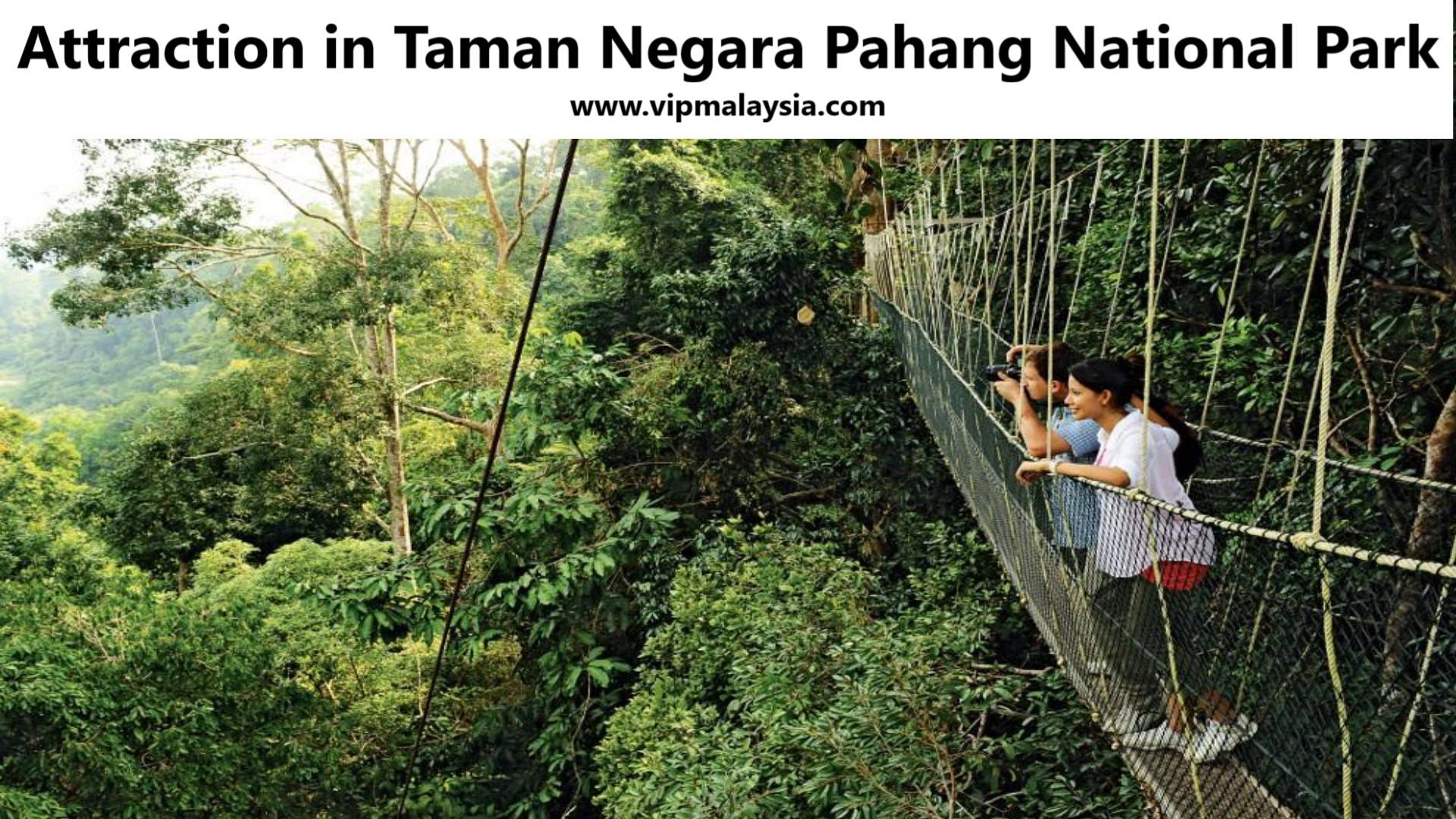
Category: Attraction

The Best Attraction in Malaysia. Makam Mahsuri is an atttraction and Langkawi is a destination in Malaysia. The best food beach, historical building, landmarks, museum, zoo, art and agriculture. Discover Malaysia attraction now from the best local cuisine in every state, explore Taman Negara, beautiful mountain etc. We will provide all 14 states in Malaysia about the attractions you must visit. Read on!

  • Gulai Asam Rong: A Rare Pahang Culinary Gem

    Gulai Asam Rong: A Rare Pahang Culinary Gem

    Gulai Asam Rong

    Experience the bold flavors of Gulai Asam Rong, a traditional dish from Jerantut, Pahang, made with rubber seeds or buah perah. This long-form guide explores its origins, cultural significance, cooking methods, trekking and adventure highlights in Pahang, must-visit destinations, and authentic visitor reviews.

    Introduction

    Among Malaysia’s diverse culinary treasures, Gulai Asam Rong stands out as a dish deeply rooted in heritage and nature. Originating from villages in Jerantut, Pahang, it is crafted from buah perah or rubber seeds, fermented to create a distinctive tang. This dish is not only a testament to the ingenuity of rural communities but also a living tradition passed down through generations. Today, Gulai Asam Rong is celebrated across Malaysia, offering visitors a chance to taste history while exploring the natural and cultural wonders of Pahang.

    Highlights

    The Origins and Cultural Significance

    Gulai Asam Rong reflects the resourcefulness of rural Malaysians who transformed forest produce into culinary art. Its unique ingredient, buah perah, was once foraged from deep forests before rubber seeds became a more accessible substitute.

    The Story Behind Asam Rong

    The name “asam rong” derives from “isirong,” meaning the inner part of fruit. Traditionally, villagers harvested buah perah, dried and fermented it, and used it as a base for gulai. Over time, rubber seeds replaced buah perah due to availability, but the dish retained its distinctive flavor and cultural importance.

    A Unique Ingredient Found in Nature

    Buah perah and rubber seeds are rich in oils and proteins, making them ideal for fermentation. Their transformation into asam rong highlights the Malay tradition of preserving food naturally. This ingredient embodies the connection between people and their environment, turning forest harvests into culinary heritage.

    The best places to enjoy authentic gulai asam rong are in Jerantut and Kuala Lipis. Notable restaurants include Kak Noor Gulai Asam Rom in Jerantut (famous for kampung-style gulai, cooked with authentic balance of sour and spicy flavors. Nostalgic taste passed down generations) and Restoran Gulai Kampung in Kuala Lipis (Known for serving gulai asam rong alongside other traditional Pahang dishes. Popular among locals and travelers.), both highly recommended for their kampung-style authenticity.

    Regions Where Gulai Asam Rong Is Popular

    While Jerantut remains the heartland of Gulai Asam Rong, its popularity has spread across Pahang.

    Traditional Villages in Pahang

    Villages such as Kampung Ulu Tembeling, Kampung Kuala Tembeling, and Kuala Tahan are renowned for their authentic preparation. These communities preserve traditional methods, offering visitors a chance to taste Gulai Asam Rong in its most genuine form.

    Kampung Ulu Tembeling is a mukim (commune) in Jerantut District, Pahang, Malaysia, covering over 416,997 hectares and including parts of Taman Negara. It consists of several traditional villages such as Kampung Bantal, Kampung Pagi, Kampung Kuala Sat, Kampung Mat Daling, Kampung Kucing, and Kampung Gusai. Villages here preserve traditional Malay kampung lifestyles and are closely linked to Orang Asli heritage.

    Kampung Kuala Tembeling is a traditional Malay village located in Jerantut District, Pahang, Malaysia, situated along the Tembeling River. It is historically significant as a river transit point and gateway to Taman Negara, Malaysia’s oldest national park. A Malay kampung preserving traditional lifestyles and river-based culture.

    Kuala Tahan is a village in Jerantut District, Pahang, Malaysia, located at the at the meeting point of Sungai Tahan and Sungai Tembeling. It is best known as the main gateway to Taman Negara, Malaysia’s oldest national park, and serves as a hub for eco-tourism with resorts, floating restaurants, and river transport facilities.

    Expansion to Other Areas

    Beyond Jerantut, towns like Kuala Lipis, Maran, Raub, and Kuantan have embraced the dish. Restaurants and homestays in these regions often serve Gulai Asam Rong, introducing it to travelers exploring Pahang’s diverse landscapes.

    Raub is a historic town and district capital in western Pahang, Malaysia, located about 100–108 km northeast of Kuala Lumpur by road. It is one of the oldest towns in Pahang, originally established in the late 18th century and later developed as a gold-mining settlement in the 1880s. Today, Raub is known for its colonial heritage, agriculture, and especially its famous Musang King durian. “Raub” means to scoop with one’s hands in Malay, referring to the abundance of gold ore historically found there.

    How Gulai Asam Rong Is Made

    The preparation of Gulai Asam Rong is a meticulous process that requires patience and skill.

    From Rubber Seeds to a Flavorful Base

    Rubber seeds are collected, peeled, and dried under the sun for three to seven days. Once dried, they are pounded into small pieces and fermented naturally. This fermentation process can preserve the seeds for months without refrigeration, ensuring a steady supply of asam rong.

    Cooking Methods

    Gulai Asam Rong is versatile. It can be cooked with fish, creating a rich and flavorful gulai, or paired with vegetables in a style similar to taucu cooking. Some households even transform asam rong into sambal, adding depth and complexity to everyday meals.

    Local Beliefs About Asam Rong

    Traditionally, villagers believed that excessive consumption of asam rong could cause digestive issues. While modern studies are limited, these beliefs reflect the cautious respect communities hold for fermented foods. Moderation remains a guiding principle in enjoying this dish.

    Trekking and Adventure

    Exploring Jerantut and Surrounding Areas

    Jerantut is not only the birthplace of Gulai Asam Rong but also a gateway to adventure.

    Riverside and Forest Trails

    The Tembeling River offers scenic trekking routes, where visitors can enjoy lush greenery and spot wildlife such as hornbills and macaques. Forest trails around Jerantut lead to hidden waterfalls and traditional villages, providing immersive cultural experiences.

    The Tembeling River is a major tributary of the Pahang River in Malaysia, flowing through Jerantut District in Pahang. It is historically significant as the main waterway into the interior of Pahang and serves as the traditional gateway to Taman Negara, Malaysia’s oldest national park. The Tembeling River is approximately 110 km (68 miles) long, making it one of the major tributaries of the Pahang River. It flows from Ulu Tembeling in the Pantai Timur Range and joins the Pahang River at Kuala Tembeling.

    Gateway to Taman Negara

    Jerantut serves as the main entry point to Taman Negara, Malaysia’s oldest national park. Visitors can embark on jungle treks, canopy walks, and river cruises, encountering tapirs, elephants, and exotic bird species. The combination of culinary and natural exploration makes Jerantut a unique destination.

    Taman Negara is Malaysia’s oldest and largest national park, established in 1938–1939 as King George V National Park and renamed after independence. It spans three states — Pahang, Kelantan, and Terengganu — covering about 4,343 km² of tropical rainforest, which is estimated to be over 130 million years old, making it one of the world’s oldest rainforests.

    Cultural Festivals and Traditions

    Pahang’s cultural calendar enriches the experience of tasting Gulai Asam Rong.

    Culinary Celebrations

    Local festivals often feature cooking demonstrations of Gulai Asam Rong, alongside other traditional dishes. These events highlight the importance of food in community bonding and cultural preservation.

    Music and Dance

    Performances of gamelan and zapin accompany festivals, offering visitors a glimpse into Pahang’s artistic heritage. The blend of food, music, and dance creates a holistic cultural immersion.

    Nearby Attractions

    Jerantut Town

    Jerantut’s town center offers vibrant markets where visitors can find fresh produce, rubber seeds, and local crafts. The weekly market is a hub of activity, showcasing the region’s agricultural and culinary diversity.

    Nearby Towns and Attractions

    • Kuala Tahan: Entry point to Taman Negara, offering eco-lodges and guided tours.
    • Kuala Lipis: A historical town with colonial architecture and local delicacies.
    • Maran and Raub: Known for their agricultural produce and traditional villages.
    • Kuantan: Pahang’s capital, blending modern attractions with cultural heritage.

    Wildlife Encounters

    Pahang’s forests and rivers are rich in biodiversity, enhancing the visitor experience.

    Species Lists

    • Fish: Patin, tilapia, and river catfish.
    • Birds: Hornbills, kingfishers, and eagles.
    • Mammals: Tapirs, elephants, and macaques.

    These encounters highlight the harmony between culinary traditions and natural ecosystems.

    Conclusion

    Gulai Asam Rong offers a deep connection to Malaysia’s rural traditions, making it one of Pahang’s most distinctive dishes. Whether you’re exploring the origins of rubber seed fermentation, tasting its bold flavors, or embracing the culture behind its preparation, this dish promises an authentic experience of Malaysia’s culinary heritage.

    Plan your food adventure today—taste the unique flavors of Gulai Asam Rong in Pahang!

    Summary

    • Attraction: Gulai Asam Rong
    • Location: #Pahang 
    • Attraction Type: #Food 
    • Source: wikipedia.org
    • Highlights:
      • A traditional dish originating from the villages of Jerantut, Pahang
      • Made from rubber seeds or buah perah, giving it a distinctive taste
      • Passed down through generations, celebrated across Malaysia
      • Versatile cooking styles—pairs well with fish or vegetables

    Quick Info

    AttributeDetails
    NameGulai Asam Rong
    LocationJerantut, Pahang, Malaysia
    GPS Position4.1830° N, 102.3678° E
    StatePahang
    Facility TypeTraditional Cuisine, Local Restaurant & Culinary Experience
    Main IngredientsRubber Seeds / Buah Perah, Fish, Spices
    Popular Cooking StylesGulai Asam Rong, Stir-Fried with Vegetables, Sambal
    Nearby LandmarksTemerloh, Kuala Lipis, Maran
    AccessibilityEasily available at traditional eateries
    Best Time to EatLunch & dinner for fresh servings
    Entry FeesRestaurant pricing applies
    Recommended PairingsRice, Grilled Fish, Traditional Malay Side Dishes
    Opening HoursVaries by restaurant
    ContactGerai Z&Z Mak Anjang (+6013-3057868)

    Visitor Reviews

    Farid Hassan, Penang, Malaysia – ★★★★★ “I tasted Gulai Asam Rong in Jerantut, and it was unlike anything I’ve tried before. The fermented flavor was bold yet balanced, and the hospitality of the villagers made the experience even more special.”

    Emily Tan, Melbourne, Australia – ★★★★☆ “The dish had a unique tang that took me by surprise. I loved learning about the fermentation process and exploring Jerantut’s markets. It’s a must-try for adventurous food lovers.”

    Ravi Kumar, Chennai, India – ★★★★★ “Gulai Asam Rong was a highlight of my trip to Pahang. The combination of fish and asam rong created a flavor that was rich and satisfying. The cultural stories behind the dish made it even more meaningful.”

    Maria Lopez, Barcelona, Spain – ★★★★☆ “The taste was strong and distinctive, but once I adjusted, I appreciated its depth. Pairing it with rice made it perfect. The trekking trails around Jerantut added to the overall experience.”

    Michelle Brown, London, UK – ★★★★★ “I was fascinated by the use of rubber seeds in cooking. The fermentation gave the dish a unique character. It was both a culinary and cultural discovery that I will never forget.”

    Frequently Asked Questions (FAQs)

    Dimanakah restoran gulai asam rong paling sedap di Pahang?

    Gulai Asam Rong Gerai Z & Z Mak Anjang adalah restoran popular yang terletak di medan selera berhampiran Majlis Daerah Jerantut. Menu yang paling popular adalah gulai asam rong yang paling sedap. Gulai asam rong kepala ikan kenerak adalah menu yang wajib anda cuba.

    Apakah bahan asal asam rong?

    Bahan yang menghasilkan asal rong adalah dari biji getah yang ditumbuk halus dan diperam sehingga bertukar warna dari putih kepada hitam. Ia juga menghasilkan minyak yang diperlukan dalam membuat menu tradisional Pahang ini.

    Apakah mudah memasak gulai asam rong?

    Penyediaan gulai asam rong sedikit rumit dan memakan masa yang lama. Ia harus betul-betul masak. Jika tidak cukup masak boleh mengakibatkan anda sakit perut.

    Bagaimana cara menikmati gulai asam rong?

    Gulai asam rong akan terasa kenikmatannya apabila anda makan nasi putih beserta ulam-ulaman seperti ulam keladat dicicah bersama tempoyak.

    Dimanakah restoran gulai asam rong terbaik di Pahang?

    Salah satu restoran terbaik yang menyajikan menu makanan terbaik di Pahang adalah Gerai Z & Z Mak Anjang No 4, Kompleks Niaga Fasa 1, Jalan Bidai, Bandar Baru Jerantut, Jerantut, Pahang

  • Gulai Tempoyak Ikan Patin: Malaysia’s Iconic Culinary Treasure

    Gulai Tempoyak Ikan Patin: Malaysia’s Iconic Culinary Treasure

    Gulai Tempoyak Ikan Patin

    Discover the rich flavors of Gulai Tempoyak Ikan Patin, a traditional Pahang delicacy made with tender Patin fish and fermented durian curry. This long-form guide explores its history, cultural significance, top eateries, trekking and adventure highlights around Temerloh, and authentic visitor reviews.

    Introduction

    Temerloh, Pahang, is home to the legendary Gulai Tempoyak Ikan Patin, a rich, tangy, and deeply satisfying dish that showcases Malaysia’s culinary heritage. Rooted in the lush riverside town of Temerloh, Pahang, this dish combines the delicate texture of Patin fish with the bold tang of tempoyak, a fermented durian paste. More than just food, it represents tradition, community, and the pride of Pahang’s people. Visitors flock to Temerloh not only to savor this dish but also to immerse themselves in the surrounding natural beauty, cultural festivals, and adventurous trekking opportunities.

    Fermented durian paste, known locally as tempoyak, is a traditional Malay condiment made by salting and fermenting the pulp of ripe or overripe durian fruit. The fermentation process, driven by lactic acid bacteria, produces a tangy, pungent paste widely used in Malaysian and Indonesian cuisine. Durian flesh is mixed with salt (2–5% by weight) and left to ferment for 3–7 days at room temperature. Fermentation is driven by lactic acid bacteria such as Lactobacillus plantarum, Lactobacillus fermentum, and Pediococcus species. Taste profile: Sour, pungent, savory-sweet, with intensified durian flavor.

    Highlights

    The History and Culinary Significance

    Gulai Tempoyak Ikan Patin traces its origins to the Malay heartlands, where river fish and durian were abundant. The fermentation of durian into tempoyak created a unique ingredient that transformed local cuisine. Passed down through generations, this dish became a symbol of hospitality and celebration.

    Origin of Gulai Tempoyak

    The dish’s foundation lies in the rivers of Temerloh, where Patin fish thrive. Known for their tender flesh and mild flavor, Patin fish are ideal for absorbing the tangy richness of tempoyak. Families across Pahang have preserved this recipe, ensuring its authenticity remains intact.

    A Traditional Malay Dish Rooted in Heritage

    Tempoyak is more than an ingredient—it is a cultural marker. Its pungent aroma and tangy taste reflect the Malay tradition of fermentation, a method that preserves food while enhancing flavor. Gulai Tempoyak Ikan Patin thus stands as a culinary bridge between past and present.

    Selera Patin Bangau

    Selera Patin Bangau is synonymous with Gulai Tempoyak. Founded by Rohazlina Yusuf, who ironically disliked Patin fish, the restaurant perfected a cooking method that won over locals and tourists alike. Location: Jalan Kampung Baru, Kampung Bangau, 28000 Temerloh, Pahang.

    The Story Behind the Restaurant

    Rohazlina’s innovation was to prepare the tempoyak curry first, ensuring its flavors were balanced, before adding the fish. This technique prevents the fish from overcooking and preserves its delicate texture. Today, Selera Patin Bangau is a culinary landmark, drawing visitors from Kuala Lumpur and beyond.

    How Gulai Tempoyak Ikan Patin Is Made

    The preparation of Gulai Tempoyak is a meticulous process that highlights traditional Malay cooking techniques.

    Traditional Cooking Techniques

    Fresh Patin fish is cleaned and sliced carefully to maintain its texture. Tempoyak is blended with turmeric, chilies, and coconut milk, creating a base that is both creamy and tangy. The curry is simmered slowly, allowing the flavors to meld harmoniously. The result is a dish that is rich, aromatic, and unforgettable.

    Where to Enjoy

    Temerloh remains the epicenter of Gulai Tempoyak.

    Top Spots in Temerloh

    • Selera Patin Bangau in Kampung Bangau Tanjung is legendary.
    • Riverside restaurants along Sungai Pahang offer fresh Patin dishes with scenic views. include Kancil Raja Patin, Angah Maju Selera Patin Tebing Sungai, and Restoran Terapung D Mukmin. These eateries are located in Temerloh, the “Patin capital of Malaysia,” and are highly rated for their authentic kampung-style cuisine and riverfront ambiance.
    • Local warungs (small eateries) serve authentic versions, often accompanied by traditional side dishes like ulam and sambal.

    Trekking and Adventure

    Exploring Temerloh’s Natural Beauty

    Temerloh is not only about food—it is a gateway to adventure. The surrounding landscapes offer trekking trails, wildlife encounters, and cultural immersion.

    Riverside Trekking Trails

    The banks of Sungai Pahang provide serene trekking routes. Visitors can enjoy lush greenery, spot kingfishers and herons, and experience the tranquility of Malaysia’s longest river.

    Adventure in Pahang’s Forests

    Nearby forests host diverse wildlife, including tapirs, hornbills, and macaques. Guided treks allow visitors to explore safely while learning about local flora and fauna.

    Cultural Festivals and Local Traditions

    Temerloh celebrates its heritage through vibrant festivals.

    Pahang Culinary Festivals

    Annual events showcase Gulai Tempoyak alongside other traditional dishes. Cooking competitions, cultural performances, and handicraft exhibitions highlight the richness of Malay culture.

    Traditional Music and Dance

    Visitors can witness performances of gamelan and zapin, traditional art forms that complement the culinary experience.

    Gamelan is a traditional Indonesian orchestra made up mainly of percussive instruments such as gongs, metallophones, drums, and xylophones, often accompanied by bamboo flutes and string instruments. It originated in Java and Bali, and in 2021 was inscribed by UNESCO as Intangible Cultural Heritage of Humanity. Gamelan Melayu was introduced to the royal courts of Pahang in the 19th century, and later spread to Terengganu.

    Zapin is a traditional Malay dance form that blends Arab-Islamic and Malay cultural influences, performed with lively footwork and accompanied by music from instruments such as the gambus (lute), marwas (drum), and violin. It is widely practiced in Malaysia, especially in Johor, and is often performed at cultural festivals, weddings, and community gatherings.

    Nearby Attractions

    Temerloh Town

    Temerloh’s bustling town center offers markets where fresh Patin fish and tempoyak are sold. The Sunday market, known as “Pekan Sehari,” is a must-visit for local produce and crafts.

    Nearby Towns and Attractions

    • Mentakab: Known for its historical sites and local delicacies.
    • Jerantut: Gateway to Taman Negara, Malaysia’s oldest national park.
    • Kuala Gandah Elephant Sanctuary: A conservation center where visitors can learn about elephant protection.

    Mentakab is a town and mukim (commune) in the Temerloh District of Pahang, Malaysia, located along the Semantan River. It serves as an industrial and commercial hub, historically important as a railway town, and had a population of about 52,000 as of 2020. Grew as a riverine trading hub in the late 19th century, connecting Kuala Lumpur to Kuantan.

    Wildlife Encounters

    Temerloh’s rivers and forests are home to diverse species.

    Species Lists

    • Fish: Patin, tilapia, and river catfish.
    • Birds: Hornbills, kingfishers, and eagles.
    • Mammals: Tapirs, macaques, and civets.

    These encounters enrich the visitor experience, making Temerloh a destination that combines gastronomy with eco-tourism.

    Conclusion

    Gulai Tempoyak Ikan Patin offers a bold, flavorful taste of Malaysia’s rich culinary traditions, making it one of the most iconic dishes from Temerloh, Pahang. Whether you’re savoring its creamy tempoyak sauce, indulging in fresh Patin fish, or immersing yourself in local food culture, this dish promises an unforgettable dining experience.

    Plan your food adventure today—taste the authentic flavors of Gulai Tempoyak Ikan Patin in Temerloh!

    Summary

    • Attraction: Gulai Tempoyak Ikan Patin
    • Location: #Pahang  
    • Attraction Type: #Food
    • Highlights:
      • Made with fresh Patin fish, famously tender & flavorful
      • Simmered in rich tempoyak curry, a fermented durian delicacy
      • A beloved traditional dish that embodies Pahang’s culinary pride
      • Best enjoyed in Temerloh, the heart of Patin fish farming

    Quick Info

    AttributeDetails
    NameGulai Tempoyak Ikan Patin
    LocationTemerloh, Pahang, Malaysia
    GPS Position3.4465° N, 102.4218° E
    StatePahang
    Facility TypeTraditional Cuisine, Local Restaurant & Culinary Experience
    Main AttractionsAuthentic Patin Fish Dish, Tempoyak Curry, Local Dining Spots
    Nearby LandmarksSungai Pahang, Kampung Bangau Tanjung
    AccessibilityEasily accessible via major highways
    Best Time to VisitLunch & dinner time for fresh servings
    Entry FeesRestaurant pricing applies
    Recommended ActivitiesFood Tasting, Local Culinary Experience, Riverside Dining
    Opening Hours10:00 AM – 8:00 PM
    ContactSelera Patin Bangau (+6013-9964100)

    Visitor Reviews

    Megat Rahman, Kuala Lumpur, Malaysia – ★★★★★ “I never thought fermented durian could taste this good. The Gulai Tempoyak at Selera Patin Bangau was unforgettable. The fish was tender, and the curry had the perfect balance of tang and spice.”

    Siti Shazliza, Kelantan, Malaysia – ★★★★☆ “The flavors were unique and rich. I loved the cultural atmosphere in Temerloh. The only downside was the crowd during peak hours, but the food was worth the wait.”

    John Matthews, London, United Kingdom – ★★★★★ “As a foreign visitor, I was amazed by the depth of flavor. The Patin fish melted in my mouth, and the tempoyak curry was unlike anything I’ve tasted before. Truly a highlight of my trip to Malaysia.”

    Sim Tze Kuang, Hong Kong – ★★★★★ “The riverside setting made the meal even more special. Gulai Tempoyak is a dish that tells a story, and I felt connected to the local culture through every bite.”

    Carlos Fernandez, Madrid, Spain – ★★★★☆ “The dish was delicious, though the strong aroma of tempoyak took some getting used to. Once I adjusted, I appreciated the complexity of flavors. A must-try for adventurous eaters.”

    Frequently Asked Questions (FAQs)

    Apakah restoran yang menjual gulai tempoyak ikan patin terbaik di Pahang?

    Ada banyak restoran yang menjual gulai tempoyak ikan patin di Pahang. Tetapi Restoran Selera Patin Bangau menjadi bualan semua orang kerana kesedapan yang tidak terkata.

    Apakah yang boleh dibuat dengan buah durian untuk masakan?

    Durian selain dari boleh dimakan begitu sahaja, tetapi boleh dibuat masakan seperti sambal tempoyak, serawa dan gulai tempoyak ikan patin yang sangat terkenal di Negeri Pahang.

  • Fishing Pahang River: Malaysia’s Angling Paradise

    Fishing Pahang River: Malaysia’s Angling Paradise

    Fishing in Pahang River

    Fishing in Pahang River is one of Malaysia’s most thrilling freshwater adventures, offering anglers the chance to catch prized species like patin, kerai, temelian, and tengalan. With serene riverbanks, guided expeditions, and cultural immersion in riverside villages, it is both a sporting and cultural journey.

    Introduction

    Stretching over 459 km, Pahang River is Malaysia’s longest river and a lifeline for communities across the state. Known as the “Patin Capital” in Temerloh, the river supports diverse freshwater species and provides opportunities for fishing, rafting, and eco-tourism. Its riverbanks are dotted with traditional villages, cultural markets, and lush forests, making it a destination that blends adventure with heritage.

    “Ikan Patin Capital” refers to the town of Temerloh in Pahang, Malaysia, which is widely recognized as the national hub for freshwater catfish (ikan patin) due to its abundance in the Pahang River and its cultural significance in local cuisine. Temerloh earned the title “Patin Capital” because the best-quality patin fish are found in the Pahang River, making the town synonymous with patin dishes. The town’s reputation is tied to its signature dish, patin masak tempoyak (patin cooked in fermented durian paste), which is considered a culinary icon of Pahang.

    Highlights

    Best Fishing Spots and Techniques

    Fishing in Pahang River is a rewarding experience, with hotspots like Temerloh, Chenor, Lubok Paku, Kuala Triang, and Kuala Bera offering unique catches.

    Chenor

    Chenor is both a mukim (sub-district) and a state constituency in Pahang, Malaysia, located about 55 km from Temerloh and accessible via the East Coast Expressway. It is known for its rural villages such as Kampung Chenor, Kampung Bukit Bota, Kampung Tanjung Memalau, Kampung Raja, Kampung Kening, and Kampung Batu Bor, traditional economic activities like rubber tapping and fish farming, and its representation in the Pahang State Legislative Assembly. Population activities: Rubber tapping, cage fish farming (ikan sangkar), and small-scale farming are common. Many younger residents migrate to urban centers for stable employment.

    Chenor is recognized as a riverside village area along the Pahang River that doubles as a popular freshwater fishing spot. Anglers often target species such as patin (catfish), toman (snakehead), and other river fish (kerai, and tengalan), making Chenor a notable destination for recreational fishing. Sungai Chenor, a tributary of the Pahang River, is the main fishing area.

    Lubok Paku

    Lubok Paku is a small town in the Maran District of Pahang, Malaysia (about 20 km from Maran town, situated directly on the Pahang River.), best known for its historical police station and proximity to the Pahang River. The town holds cultural and historical significance due to its role in anti-colonial resistance during the late 19th century. A landmark attacked and destroyed by followers of Dato’ Bahaman, Tok Gajah, and Mat Kilau during uprisings against British colonial rule in the early 1800s.

    Chenor is a hidden gem for tengalan and kerai, while Lubok Paku’s deep pools are ideal for larger fish. Kuala Triang and Kuala Bera are known for seasonal freshwater prawn fishing, adding variety to the angling experience.

    Lubok Paku is a riverside settlement along the Pahang River that is well-known as a freshwater fishing spot. Anglers visit the area to catch species such as patin (catfish), lampam, toman (snakehead), and kelah, making it both a recreational destination and part of local kampung life.

    Kuala Triang

    Kuala Triang is a small town and mukim (sub-district) in the Bera District of Pahang, Malaysia. It is historically and culturally significant as one of the early settlement areas along the Triang River, and today it serves as a rural community hub with agriculture and aquaculture as its main economic activities. Economy: Rubber tapping, palm oil cultivation, and freshwater fish farming dominate.

    Kuala Triang is a riverside area along the Pahang River that is recognized as a freshwater fishing spot. Anglers target species such as patin (catfish), toman (snakehead), kerai, and tengalan, making it a popular destination for both locals and visitors.

    Kuala Bera

    Kuala Bera is officially classified as a hamlet (kampung/locality) in the Bera District of Pahang, Malaysia. It lies near Kampung Tengah Batu Papan and Kampung Bohor Baru and is part of the rural settlements that make up Mukim Bera. It contributes to the broader identity of Bera District, which blends traditional villages, FELDA settlements, and Orang Asli communities.

    FELDA (Federal Land Development Authority) is a Malaysian government agency established on 1 July 1956 under the Land Development Ordinance 1956. Its main role is to spearhead land development projects, resettle rural poor families into newly developed agricultural schemes, and modernize Malaysia’s agricultural sector, especially through palm oil and rubber plantations. FELDA schemes are spread across Peninsular Malaysia, housing over 100,000 settler families. Economic role: Major contributor to Malaysia’s palm oil industry, with FELDA settlers managing plantations that feed into FGV Holdings Berhad, one of the world’s largest palm oil companies.

    Orang Asli are the indigenous peoples of Peninsular Malaysia, officially recognized by the Malaysian government as the earliest inhabitants of the region. They comprise diverse ethnic groups with distinct languages, cultures, and traditions, and are under the care of the Jabatan Kemajuan Orang Asli (JAKOA). The term “Orang Asli” literally means “original people” in Malay. Estimated at around 178,000 individuals, making up less than 1% of Malaysia’s population.

    Kuala Bera is a scenic riverside locality in Pahang, Malaysia, situated near Tasik Bera and the Bera River, and it is widely recognized as a premier freshwater fishing spot. Anglers from across the region visit Kuala Bera to catch popular species such as patin, toman, lampam, and kelah, making it both a recreational destination and a reflection of the traditional kampung lifestyle. With its natural charm, cultural heritage, and fishing appeal, Kuala Bera offers visitors an authentic rural experience while serving as a hub for outdoor enthusiasts and eco-tourism in Pahang.

    Fishing Techniques and Tips

    Anglers often fish during early mornings and late evenings when fish are most active. Bait selection ranges from live worms and small fish to homemade tempoyak bait for patin. Boat fishing is popular in deeper waters, while floating nets and trawling nets are used in calmer or shallow sections.

    Fish Species

    Patin

    Patin is a freshwater catfish native to Malaysia, scientifically known as Pangasianodon hypophthalmus, and belongs to the Pangasiidae family. It is prized both as a sport fish and as a culinary delicacy, especially in dishes like patin masak tempoyak (patin cooked with fermented durian). Scientific name: Pangasianodon hypophthalmus. Native species: Includes P. hypophthalmus, P. nasutus (patin buah), P. micronemus (patin juara), and Helicophagus waandersii (patin muncung).

    Toman

    Toman is the common name for the Giant Snakehead (Channa micropeltes), a large predatory freshwater fish native to Southeast Asia, including Malaysia. It is highly prized as a sport fish due to its aggressive nature and strength, and it is also valued in local cuisine. Popular among anglers for its explosive strikes and fighting ability. Consumed in local dishes, though less common than patin due to its strong flavor.

    Kerai

    Kerai is a freshwater fish found in Malaysia’s rivers and lakes, belonging to the Cyprinidae family. It includes species such as Puntius daruphani (kerai kunyit) and Osteochilus melanopleura (kerai jelawat), both prized for their role in local cuisine and river ecosystems. Widely present in Malaysian freshwater systems, including the Pahang River and Kenyir Lake.

    • Kerai jelawat: Known as “the jewel of river gastronomy” in Pahang, valued for its silver sheen and delicate flesh.
    • Kerai kunyit: Recognized by its yellowish hue, commonly found in forest streams.

    Tengalan

    Tengalan, scientifically known as Puntioplites bulu (sometimes referred to as Puntius bulu), is a native freshwater fish of Malaysia belonging to the Cyprinidae family. Highly prized for both culinary use and as a sport fish, it is commonly found in rivers such as Sungai Pahang, Sungai Perak, Sungai Endau, and Sungai Muar, as well as lakes like Tasik Chenderoh, Tasik Temenggor, and Tasik Cini. Known by regional names such as “mungalan,” “mengkalan,” or “tingkalian,” the tengalan typically grows to a medium size of 30–40 cm, making it a sought-after catch for anglers and an important part of Malaysia’s freshwater biodiversity.

    Trekking and Adventure

    Pahang River Rafting and Fishing Expeditions

    The river is also home to the Pahang International River Rafting Expedition, where participants build bamboo rafts, camp along scenic banks, and fish in traditional styles. Villages like Guai, Pesagi, and Paloh Hinai welcome visitors with cultural hospitality. The best rafting season is between March and October, when water levels are stable.

    The Pahang International River Rafting Expedition is an annual eco-tourism and sporting event held on the Pahang River, Malaysia’s longest river. Established in 2001, it attracts both local and international participants who compete in rafting challenges while experiencing the natural beauty and cultural heritage along the riverbanks.

    Contact Tourism Malaysia HQ
    Tourism Malaysia HQPhone: +60 3-8891 8000
    Email: enquiries@tourism.gov.my
    Website: https://malaysia.travel

    Riverside Camping and Eco-Tourism

    Camping along the riverbanks offers serene views and opportunities to observe wildlife such as kingfishers, hornbills, and otters. Eco-tourism initiatives encourage sustainable fishing practices, ensuring the river remains a thriving ecosystem.

    Nearby Attractions

    Temerloh Town and Pekan Sehari

    Temerloh is the cultural hub of Pahang River, hosting Pekan Sehari, the largest weekly market in Pahang. Visitors can enjoy local delicacies like ikan patin masak tempoyak, shop for crafts, and experience riverside culture.

    Gunung Senyum and Tekam Plantation Resort

    Nearby attractions include Gunung Senyum, a limestone hill with caves and folklore, and Tekam Plantation Resort, offering eco-tourism and plantation tours. These destinations complement fishing trips with trekking and cultural exploration.

    Conclusion

    Fishing in Pahang River is a once-in-a-lifetime experience, making it a must-visit destination for anglers, nature lovers, and adventure seekers. Whether you’re casting for giant freshwater fish, rafting down scenic waters, or camping under the stars, this iconic river offers endless opportunities for exploration and excitement.

    Get your fishing gear ready—plan your angling trip to Pahang River today!

    Summary

    • Attraction: Pahang River
    • Location: #Pahang 
    • Attraction Type: #Activity #Fishing #River
    • Source: pahangtourism.org.my
    • Key Features:
      • One of Malaysia’s top freshwater fishing destinations
      • Home to various fish species, including patin, kerai, temelian & tengalan
      • Serene riverbanks ideal for camping & nature exploration
      • Guided fishing expeditions available for adventurous anglers

    Quick Info

    AttributeDetails
    NameFishing in Pahang River
    LocationSungai Pahang, Pahang Darul Makmur, Malaysia
    GPS Position3.4502° N, 102.4206° E
    StatePahang
    Main AttractionsFishing, Rafting, Camping, Nature Exploration
    Nearby LandmarksTemerloh, Chenor, Kuala Triang
    AccessibilityEasy access via East Coast Expressway
    Best Time to VisitMarch – October for optimal fishing conditions
    Entry FeesFree access, boat rental fees apply
    Recommended ActivitiesFishing, River Rafting, Camping, Photography
    Opening HoursOpen daily
    ContactPahang Fishing Association (+609-2797249)

    Visitor Reviews

    • Ahmad Zulkifli, Malaysia – ★★★★★ “Temerloh’s patin fishing was unforgettable. The river is peaceful, and the local guides made the trip enjoyable.”
    • Lim Tat, Singapore – ★★★★☆ “Loved the rafting expedition. Building bamboo rafts and camping by the river was a unique experience.”
    • Kim Trump, China – ★★★★★ “Fishing at Lubok Paku was thrilling. I caught a kerai and learned traditional techniques from local fishermen.”
    • Lukman Adam, Malaysia – ★★★★☆ “The river is beautiful, and the cultural immersion in villages like Guai was enriching. Highly recommend combining fishing with rafting.”

    Frequently Asked Questions (FAQs)

    What are the best nature and attractions in Temerloh, Pahang Darul Makmur?

    The best Temerloh attraction for nature and adventure are:

    Visiting Kuala Gandah Elephant Santuary
    Gunung Senyum
    Visiting Deerland
    Shopping at Pekan Sehari
    Staying at Homestay Rumpun Makmur
    Homestay Jengka 25
    Homestay Kampungstay Desa Murni
    Fishing and rafting in Sungai Pahang

    What are freshwater fishes found in Temerloh, Pahang Darul Makmur?

    Temerloh town sits at the confluence of the Pahang and Semantan Rivers, which is why it is rich with freshwater fish such as Patin (silver catfish), Jelawat, Baung, Tenggalan, Lampam, Belida, Tilapia and Kerai. As the home of the Patin fish, the Temerloh folks have special dishes that bring out the best taste of the fish. Located along the town’s riverside, Pekan Sehari is a place where all kinds of goods and commodities can be found and sold at a reasonable price.

  • Institut Biodiversiti Veterinar: Preserving Natural Heritage

    Institut Biodiversiti Veterinar: Preserving Natural Heritage

    Institut Biodiversiti Veterinar Kebangsaan

    Institut Biodiversiti Veterinar Kebangsaan (IBVK) in Jerantut, Pahang, is Malaysia’s premier center for biodiversity and veterinary research. Established in 1980 and now spanning over 181 hectares, it houses elite livestock, advanced laboratories, and public exhibitions that promote conservation, sustainability, and ecological awareness.

    Introduction

    Founded as the Pusat Permanian Beradas Nasional in 1980, the institute evolved into IBVK in 1989 when relocated to Bukit Dinding, Jerantut. Today, it is managed under the Department of Veterinary Services (DVS) and plays a crucial role in genetic research, biodiversity mapping, and conservation programs. With laboratories for semen, embryo, and molecular studies, IBVK supports Malaysia’s livestock industry while promoting ecological sustainability.

    Bukit Dinding in Jerantut, Pahang, refers to both a hill area and a traditional Malay village settlement (Kampung Bukit Dinding) located in Mukim Burau, Jerantut district. It is a rural community with basic facilities such as a mosque and a primary school, and it forms part of Jerantut’s historical and cultural landscape. Facilities: Sekolah Kebangsaan Bukit Dinding – primary school for local children and Masjid Kampung Bukit Dinding – serves as a place of worship and community activities.

    Highlights

    Biodiversity and Conservation

    IBVK is a hub for scientific discovery, focusing on Malaysia’s flora and fauna. Research programs include biodiversity mapping, eco-expeditions, and genetic improvement of livestock.

    IBVK began in 1980 as the National Artificial Insemination Centre in Seremban, later relocated to Johor, and finally established at Bukit Dinding, Jerantut, Pahang in 1989.

    Wildlife Research and Preservation

    The institute conducts studies on rainforest ecosystems, rare species, and endangered wildlife. Its conservation efforts safeguard Malaysia’s biodiversity while supporting sustainable agriculture.

    Educational Programs and Public Awareness

    IBVK organizes exhibitions, seminars, and workshops to raise awareness about biodiversity. Collaborations with universities and conservation organizations enhance its outreach.

    Interactive Exhibitions

    Visitors can explore museum collections featuring rare wildlife specimens, gaining insights into Malaysia’s ecological richness. These exhibitions are designed to engage both students and the general public.

    The museum collections at the Institut Biodiversiti Veterinar Kebangsaan (IBVK) in Pahang feature preserved wildlife specimens, biodiversity exhibitions, and educational displays that highlight Malaysia’s ecological richness and veterinary heritage. These collections serve both as research references and public awareness tools.

    Sustainable Environmental Practices

    The institute advocates eco-friendly conservation methods and sustainable land-use policies. It also promotes responsible tourism and ecological preservation.

    Community Engagement

    Local communities are involved in awareness programs, ensuring that conservation efforts are inclusive and impactful. This strengthens the bond between science and society.

    Advanced Research Facilities

    IBVK’s laboratories for semen, embryo, and molecular studies are among the most advanced in Malaysia. They support genetic improvement and biodiversity conservation.

    Elite Livestock Breeding

    The institute houses elite livestock breeds, contributing to Malaysia’s agricultural sustainability and food security.

    Conclusion

    Institut Biodiversiti Veterinar Kebangsaan is at the forefront of Malaysia’s biodiversity conservation efforts, making it a must-visit destination for researchers, students, and nature lovers. Whether you’re exploring wildlife exhibits, learning about ecological preservation, or engaging in scientific research, this institute provides a fascinating and educational experience.

    Learn more about Malaysia’s biodiversity—plan your visit to Institut Biodiversiti Veterinar Kebangsaan today!

    Summary

    • Attraction: Institut Biodiversiti Veterinar
    • Location: #Pahang 
    • Attraction Type: #Nature Wildlife 
    • Source: wildlife.gov.my, ketsa.gov.my, forestry.gov.my
    • Why Visit:
      • Home to Malaysia’s largest wildlife conservation and research efforts
      • Engage in biodiversity exhibitions and nature awareness programs
      • Learn about ecological sustainability and habitat preservation
      • Explore museum collections featuring rare wildlife specimens

    Quick Info

    AttributeDetails
    NameInstitut Biodiversiti Veterinar Kebangsaan
    LocationBukit Rengit, Lanchang, Pahang, Malaysia
    GPS Position3.6841° N, 102.2227° E
    StatePahang
    Main AttractionsBiodiversity Research, Wildlife Museum, Conservation Exhibitions
    Nearby LandmarksKuala Gandah Elephant Sanctuary, Krau Wildlife Reserve
    Accessibility2-hour drive from Kuala Lumpur via East Coast Expressway
    Best Time to VisitYear-round for research and educational programs
    Entry FeesStandard conservation support fees apply
    Recommended ActivitiesBiodiversity Research, Wildlife Exhibitions, Nature Conservation Tours
    Opening HoursOpen daily
    ContactInstitut Biodiversiti (+609-2803351)

    Visitor Reviews

    • Bunga Azalea, Malaysia – ★★★★★ “Visiting IBVK was eye-opening. The exhibitions were informative, and the staff explained conservation efforts clearly.”
    • Thomas Cruz, Brazil – ★★★★☆ “The research facilities are impressive. I enjoyed learning about Malaysia’s biodiversity, though public access is limited.”
    • Priyanka, India – ★★★★★ “The museum collections were fascinating. It’s a great place for students and researchers interested in ecology.”
    • Kiatisok Bupchai, Thailand – ★★★★☆ “Combining IBVK with a trip to Gunung Senyum made for a perfect weekend. The institute’s role in conservation is inspiring.”

    Frequently Asked Questions (FAQs)

    Apakah fungsi Institut Biodiversiti Veterinar Kebangsaan?

    Ia terletak di Pahang Malaysia dan mempunyai fungsi seperti berikut:

    1. Program Latihan
    2. Kesedaran Awam
    3. Koleksi Spesimen Zoologi

    Apakah yang anda perlu tahu tentang United Nation Earth Summit pada tahun 1992?

    United Nation Earth Summit pada tahun 1992 telah mendefinisikan Kepelbagaian biologi atau “biodiversiti” sebagai ” kepelbagaian antara organisma hidup dari pelbagai sumber dari daratan mahupun samudera dan lain-lain yang melangkau ekosistem akuatik dan sebahagian daripada ekosistem yang kompleks termasuk di dalam kelompok spesies dan antara spesies dan ekosistemnya.

    Apakah penemuan-penemuan signifikan ekspedisi saintifik kepelbagaian biologi hutan di Malaysia?

    Malaysia telah diiktirafkan sebagai salah sebuah negara ‘mega-kepelbagaian’ di dunia. Sejajar dengan pengiktirafan ini, kerajaan Malaysia telah memberi persetujuan dan komitmen untuk mempertingkatkan keberkesanan pengurusan, pemeliharaan dan pembangunan sumber kepelbagaian biologi hutan negara secara berkekalan. Dalam konteks ini, penekanan berterusan diberikan ke atas aspek-aspek pemeliharaan, pemuliharaan, penggunaan secara lestari dan perkongsian secara saksama dan adil terhadap sumber tersebut.

  • Homestay Jengka 25: Comfort & Authenticity in Pahang

    Homestay Jengka 25: Comfort & Authenticity in Pahang

    Homestay Jengka 25

    Homestay Jengka 25 in Felda Jengka, Pahang, offers exclusive bungalow-style accommodations for Muslim guests, strategically located near UiTM Jengka and Tekam Plantation Resort. With spacious rooms, modern amenities, and affordable rates, it is an ideal choice for families, students, and travelers seeking comfort in Malaysia’s heartland.

    Introduction

    Located in Felda Jengka 25, Homestay Jengka 25 provides a unique blend of modern comfort and rural tranquility. Designed exclusively for Muslim guests, the homestay features spacious bungalow units with affordable rates. Its proximity to UiTM Jengka, Tekam Plantation Resort, and Gunung Senyum makes it a convenient base for both leisure and academic visits. Guests can enjoy kampung-style hospitality while exploring Pahang’s natural and cultural attractions.

    Jengka refers to the largest FELDA (Federal Land Development Authority) settlement cluster in Malaysia, located in Pahang. Known as the “Jengka Triangle,” it spans three districts — Temerloh, Jerantut, and Maran — and consists of 25 FELDA schemes that produce palm oil and rubber. The central township is Bandar Pusat Jengka, developed as a hub for the settlers.

    UiTM Jengka (Universiti Teknologi MARA Cawangan Pahang, Kampus Jengka) is the main campus of UiTM in Pahang, located in Bandar Tun Abdul Razak Jengka, Maran district. It was established in 1988 on 1,000 acres of land and serves as the academic hub for FELDA settlers’ children and the wider community, offering diploma and degree programs across multiple faculties.

    Room Types and Pricing

    Comfortable Bungalow Rentals

    Homestay Jengka 25 offers three main units: Pintu 1 (Standard Room) at RM200 per night, Pintu 2 (Deluxe Room) at RM250 per night, and Pintu 3 (Family Unit) for larger groups. Each bungalow is equipped with air-conditioning, spacious living areas, and modern bathrooms.

    Booking Procedure

    Reservations are made directly with the hosts, Pn Fatimah and En Ramli. Guests check availability, make full payment via Maybank, and confirm bookings through SMS and WhatsApp. This straightforward process ensures reliability and convenience.

    Attractions Nearby

    Nearby Landmarks and Activities

    The homestay’s location offers easy access to several attractions. Gunung Senyum, a limestone hill with caves and folklore, is perfect for trekking and exploration. Tekam Plantation Resort provides eco-tourism experiences with lush greenery and plantation tours.

    UiTM Jengka and Educational Institutions

    Families visiting students at UiTM Jengka or Kolej Matrikulasi Teknikal Jengka find the homestay especially convenient. Its proximity reduces travel time, making it a practical choice for academic-related stays.

    Traditional Village Experience

    Guests can participate in the Felda Jengka 25 Homestay Program, staying with local families to learn about kampung life. Activities include cooking traditional Malay dishes, farming, and cultural performances.

    FELDA (Federal Land Development Authority) is a Malaysian government agency established in 1956 to spearhead rural development by resettling landless farmers into newly developed agricultural areas. Its main mission was to reduce poverty and boost the economy through large-scale cultivation of cash crops, especially oil palm and rubber.

    Taste of Kampung Cuisine

    Signature dishes such as ikan patin masak tempoyak and rebong masak lemak are highlights of the culinary experience. Meals are prepared with fresh, locally sourced ingredients, offering authentic flavors of Pahang.

    Tekam Plantation Resort

    This resort offers guided plantation tours, showcasing Malaysia’s agricultural heritage. Visitors can learn about rubber, palm oil, and cocoa cultivation while enjoying the serene environment.

    Pekan Sehari Temerloh

    A short drive away, this Sunday market is Pahang’s largest, featuring fresh river fish, traditional delicacies, and artisanal crafts. It is a cultural highlight for visitors seeking authentic local experiences.

    Trekking and Adventure

    Gunung Senyum Exploration

    Gunung Senyum is a limestone formation with over 20 caves, each with unique geological features and folklore. Guided treks allow visitors to explore its biodiversity and learn about its cultural significance.

    Outdoor Activities

    Guests can enjoy fishing at nearby rivers, cycling through Felda plantations, and exploring local markets. These activities provide a balance of adventure and relaxation.

    Conclusion

    Homestay Jengka 25 combines comfort, affordability & strategic location, making it a top choice for travelers visiting Bandar Jengka. Whether you’re exploring local attractions, staying for university visits, or enjoying a relaxing countryside escape, this homestay guarantees a cozy and memorable experience.

    Plan your stay today—book Homestay Jengka 25 in Pahang now!

    Summary

    • Attraction: Homestay Jengka 25
    • Location: #Pahang 
    • Attraction Type: #Homestay 
    • Source: homestayjengka.blogspot.com, feldajengka25.pjk.com.my
    • Why Choose:
      • Exclusive bungalow units available for rental (Muslim guests only)
      • Spacious rooms with modern amenities
      • Strategic location near UiTM Jengka & Tekam Plantation Resort
      • Affordable rates with convenient booking options

    Quick Info

    AttributeDetails
    NameHomestay Jengka 25
    LocationJengka 25, Bandar Jengka, Pahang, Malaysia
    GPS Position3.8140° N, 103.3310° E
    StatePahang
    Facility TypeHomestay, Bungalow Accommodation
    Main AttractionsGunung Senyum, Tekam Plantation Resort, UiTM Jengka
    Nearby LandmarksKolej Matrikulasi Teknikal Jengka, Kuala Krau, Kerdau
    AccessibilityEasy access via Pahang highways
    Best Time to VisitYear-round
    Entry FeesStandard accommodation pricing applies
    Recommended Local ExperiencesVillage Living, Nature Retreat, Local Cuisine
    Opening HoursAvailable year-round
    ContactPn Fatimah (019-9312169) / En Ramli (019-9162169)

    Visitor Reviews

    • Aminah Yusuf, Malaysia – ★★★★★ “Spacious rooms and friendly hosts. Perfect for visiting my daughter at UiTM Jengka. Highly recommended.”
    • Daniel Wong, Singapore – ★★★★☆ “Comfortable stay with modern amenities. Loved the nearby Tekam Plantation tour. Booking was simple and reliable.”
    • Fadhillah Yusoff, Malaysia – ★★★★★ “The homestay gave us a true kampung experience. The food was authentic, and the environment was peaceful.”
    • Kris De, South Korea – ★★★★☆ “Gunung Senyum trekking was unforgettable. The homestay provided a great base for exploring Pahang’s countryside.”

    Frequently Asked Questions (FAQs)

    Apakah aktiviti menarik di Homestay Felda Jengka 25, Pahang?

    Aktiviti menarik yang anda boleh lakukan di Homestay Felda Jengka 25 adalah seperti melawati kawasan persekitaran kampung, membuat lawatan dan aktiviti di ladang sawit dan tapak semaian sawit. Selain itu, anda juga boleh melawati tempat rekreasi Gunung Senyum yang terletak berdekatan dengan homestay ini.

    Mengapa anda perlu menginap di Homestay Jengka 25 ini?

    Homestay Jengka 25 ini sangat sesuai untuk

    • Sesuai untuk melawat anak di UiTM Jengka/Kolej Matrikulasi Teknikal Pahang Jengka
    • Penginapan Kenduri Kahwin
    • Urusan di Jengka
    • Cuti hujung minggu/cuti sekolah
    • Berehat & menenangkan fikiran di suasana felda dan sunyi
    • Terdapat 6 kolam ikan di belakang Banglo. Boleh pancing dan terus masak segar-segar (talipia, haruan, keli, puyu, patok)

    Apakah tempat menarik jika anda tinggal di Homestay Jengka 25, Pahang?

    Lokasi Strategik di Homestay Jengka 25:

    • Gunung Senyum: 10 minit
    • Kuala Krau: 15 minit
    • Bandar Jengka: 20 minit
    • UiTM Jengka: 20 minit
    • Pusat Matrikulasi Teknikal Pahang Cawangan Jengka: 20 minit
    • Tekam Plantation Resort: 30 minit
    • Bandar Temerloh: 40 minit
    • Highway LPT (exit Temerloh/Jerantut): 30 minit
    • Highway LPT (exit Bandar Jengka/Chenor):40 minit
  • Pekan Sehari Temerloh: Pahang’s Sunday Market Gem

    Pekan Sehari Temerloh: Pahang’s Sunday Market Gem

    Pekan Sehari Temerloh, Pahang

    Pekan Sehari Temerloh is the longest and largest weekly market in Pahang, drawing visitors and locals alike for its lively atmosphere, fresh produce, traditional delicacies, and artisanal goods. Located along Lurah Semantan, this Sunday-only bazaar offers everything from fresh river fish to handcrafted items—an unmissable stop for travelers looking to experience authentic Malaysian street markets.

    Pekan Sehari Temerloh is Pahang’s largest and longest weekly market, held every Sunday along Sungai Pahang. With over 400 stalls, it offers fresh produce, river fish, traditional delicaci> es, and artisanal crafts, making it a must-visit cultural and culinary experience in Malaysia.

    Explore Malaysia’s liveliest Sunday market in Temerloh, where fresh river fish, authentic delicacies, and handcrafted goods meet scenic views of Sungai Pahang.

    Introduction

    Located in the heart of Temerloh, Pekan Sehari Temerloh is the biggest weekly market in Pahang and one of the most vibrant in Malaysia. Established decades ago, it has become a cultural landmark, attracting locals and tourists alike. Every Sunday from 7 AM to 12 PM, the market transforms Jalan Lurah Semantan into a bustling bazaar filled with fresh produce, traditional foods, and artisanal crafts. Its riverside setting along Sungai Pahang adds scenic charm, making shopping here a uniquely Malaysian experience.

    Lurah Semantan refers to a central community area in Temerloh, Pahang, Malaysia, best known for Alun Alun Lurah Semantan (Lurah Semantan Square), a public space used for local events, markets, and gatherings. It also hosts facilities such as the PETRONAS Lurah Semantan station, making it both a social and economic hub for the town.

    Sungai Pahang (Pahang River) is the longest river on the Malay Peninsula, stretching about 459 km across the state of Pahang, Malaysia, before flowing into the South China Sea at Kuala Pahang in Pekan. It plays a vital role in the region’s ecology, history, and economy. Drainage basin: Covers about 29,300 km², extending into Pahang and parts of Negeri Sembilan.

    Highlights

    Fresh River Fish Market

    Temerloh is famously known as the “Patin Capital of Malaysia”, and the market reflects this heritage. Visitors can find ikan patin, temoleh, baung, and other freshwater species sourced directly from Sungai Pahang. The fish are prized for their freshness and quality, often sold at competitive prices.

    Patin is a freshwater catfish species (Pangasianodon hypophthalmus) from the Pangasiidae family, widely found in Malaysian rivers such as Sungai Pahang and Sungai Perak. It is highly prized for its tender, fatty flesh and is the star ingredient in the famous Pahang dish patin masak tempoyak (patin cooked with fermented durian). Size: Can grow up to 1 meter long and weigh several kilograms. Taste: Rich, fatty, and tender flesh, considered one of Malaysia’s most flavorful freshwater fish. Nutritional Value: Omega-3 fatty acids: High levels beneficial for heart health, protein-rich: Provides essential amino acids and micronutrients: Contains calcium, iron, potassium, phosphorus, and vitamins.

    Signature Seafood Experience

    The highlight is ikan patin masak tempoyak, catfish cooked in fermented durian paste, a delicacy unique to Pahang. Vendors often share cooking tips, making the market both a shopping and cultural learning experience.

    Ikan patin masak tempoyak is a traditional Pahang dish made from patin fish (freshwater catfish) cooked in a sauce of tempoyak (fermented durian), chili, turmeric, and other local spices. It is considered one of Malaysia’s most iconic river fish dishes, especially associated with Temerloh along the Sungai Pahang. Premium river-caught patin used in this dish can fetch high prices, reflecting its prestige.

    Traditional Delicacies

    Food lovers will delight in the variety of authentic Pahang cuisine available. From rebong masak lemak (bamboo shoots in coconut milk) to kuih-muih like tapai, bahulu, and apam balik, the market is a feast for the senses.

    Rebong Masak Lemak

    Rebung masak lemak is a traditional Malay dish made from rebung (bamboo shoots) cooked in a rich, creamy masak lemak (coconut milk curry) with turmeric, chili, and aromatic herbs. It is a popular delicacy in Malaysia, especially in Negeri Sembilan and Pahang, where masak lemak cili api is a signature style.

    Characteristics

    • Main ingredient: Rebung, tender bamboo shoots harvested young.
    • Cooking style: Masak lemak, a coconut milk-based curry flavored with turmeric and chili.
    • Taste profile: Creamy, slightly spicy, with a mild sweetness from coconut milk and earthy notes from bamboo shoots.
    • Variations: Sometimes cooked with added proteins like ikan patin, chicken, or beef.

    Tapai

    Tapai is a traditional fermented food in Southeast Asia, especially popular in Malaysia and Indonesia. It is made from glutinous rice or cassava that is inoculated with a starter culture (usually ragi, a mix of yeast and fungi) and left to ferment, producing a sweet, slightly alcoholic taste.

    Characteristics

    • Main ingredients: Glutinous rice or cassava.
    • Fermentation agent: Ragi, a starter containing yeast and molds.
    • Taste profile: Sweet, mildly sour, with a subtle alcoholic note.
    • Texture: Soft, moist, and sticky.

    Bahulu

    Bahulu is a traditional Malay sponge cake, often described as Malaysia’s version of madeleines. It is small, fluffy, and lightly sweet, usually baked in brass or cast-iron molds with floral or oval shapes. Bahulu is a popular festive treat, especially during Hari Raya Aidilfitri and other celebrations.

    Characteristics

    • Main ingredients: Eggs, flour, sugar, and sometimes vanilla.
    • Texture: Soft and airy inside, with a slightly crisp golden-brown crust.
    • Shapes: Traditionally baked in molds shaped like flowers, fish, or ovals.
    • Taste profile: Mildly sweet, eggy, and light — perfect for tea-time snacks.

    Apam Balik

    Apam balik is a traditional Malaysian street snack, also known as “turnover pancake” or “folded pancake.” It is made from a batter of flour, eggs, sugar, and baking powder, cooked on a griddle, then filled with ingredients such as crushed peanuts, sugar, and sweet corn before being folded in half.

    Characteristics

    • Main ingredients: Flour, eggs, sugar, baking powder.
    • Fillings: Traditionally crushed peanuts, sugar, and sweet corn. Modern versions may include chocolate, cheese, or kaya.
    • Texture: Crispy edges with a soft, fluffy center.
    • Taste profile: Sweet, nutty, and slightly buttery.

    Local Handcrafted Products

    Beyond food, Pekan Sehari is a treasure trove of artisanal goods. Handwoven baskets, batik fabrics, and traditional crafts are sold alongside homemade herbal remedies and natural skincare products.

    Artisans and Cultural Crafts

    Local artisans showcase their skills, ensuring that traditional crafts remain alive. Visitors can purchase souvenirs that embody Pahang’s cultural richness, from batik textiles to handmade coffee beans roasted at Kopi Wong’s specialty stall.

    Over 400 Vendors

    With hundreds of stalls, the market offers everything from fresh produce to clothing. The sheer scale makes it one of the largest traditional markets in Peninsular Malaysia.

    Trekking & Adventure

    Visitor Facilities and Nearby Towns

    Temerloh town provides accommodations, eateries, and cultural attractions. Visitors often combine a trip to Pekan Sehari with nearby destinations like Kuala Gandah Elephant Sanctuary or Krau Wildlife Reserve, creating a full eco-cultural itinerary.

    Cultural Festivals and Local Heritage

    Visiting during festivals such as Hari Raya or local harvest celebrations enhances the experience. The market becomes even livelier, with performances, traditional music, and festive foods adding to the atmosphere.

    Scenic Sungai Pahang Views

    Shopping along the riverbank offers picturesque views, especially in the morning when the market is at its busiest. The river is central to Temerloh’s identity, and its presence enriches the market’s charm.

    Conclusion

    Pekan Sehari Temerloh is a vibrant marketplace overflowing with local charm, making it a must-visit destination for food lovers, cultural explorers, and souvenir hunters. Whether you’re sampling fresh seafood, indulging in traditional dishes, or browsing handcrafted items, this Sunday market promises an authentic Malaysian experience.

    Ready to explore Pahang’s longest weekly market? Visit Pekan Sehari Temerloh today!

    Summary

    • Attraction: Pekan Sehari Temerloh
    • Location: #Pahang 
    • Attraction Type: #Market 
    • Source: pahangtourism.org.my, pdttemerloh.pahang.gov.my
    • Why Visit:
      • The biggest & longest weekly market in Pahang
      • Bustling marketplace with fresh fruits, vegetables & handcrafted goods
      • Famous for local delicacies like ikan patin masak tempoyak
      • Enjoy scenic views of Sungai Pahang while shopping

    Quick Info

    AttributeDetails
    NamePekan Sehari Temerloh
    LocationJalan Ibrahim, Lurah Semantan, Temerloh, Pahang, Malaysia
    GPS Position3.4502° N, 102.4206° E
    StatePahang
    Main AttractionsFresh Produce, Traditional Delicacies, Artisanal Goods
    Nearby LandmarksSungai Pahang, Temerloh Old Town
    AccessibilityEasy access via East Coast Expressway
    Best Time to VisitSundays, 7:00 AM – 1:00 PM
    Entry FeesFree admission
    Recommended ActivitiesShopping, Food Tasting, Photography
    Opening HoursEvery Sunday, 7:00 AM – 1:00 PM
    ContactTemerloh Tourism Office (+609-2797249)

    Visitor Reviews

    • Aziz Pelesit Kota, Malaysia – ★★★★★ “The ikan patin masak tempoyak was unforgettable. The market is lively, and the riverside setting makes it special.”
    • Donald Lee Thorn, USA – ★★★★☆ “Loved the variety of crafts and local foods. It’s crowded, but that’s part of the charm. A must-see in Temerloh.”
    • Priyamana, India – ★★★★★ “The fresh fish market was amazing. Vendors were friendly and explained cooking methods. Truly authentic.”
    • Moriti, Malawi– ★★★★☆ “Great cultural experience. The handcrafted batik fabrics were beautiful. Wish the market stayed open longer.”

    Frequently Asked Questions (FAQs)

    Apakah keistimewaan Pekan Sehari di Temerloh, Pahang?

    Jika anda berpeluang untuk ke sini, jangan lepaskan peluang untuk membeli kopi yang dikisar sendiri oleh seorang otai. Dikenali sebagai Kopi Wong, serbuk kopi yang beliau hasilkan mendapat tempat dihati penduduk setempat dan jika anda penggemar kopi, datanglah membeli Serbuk Kopi Wong yang sangat original ini.

  • Deerland Park: A Hidden Wildlife Sanctuary in Pahang

    Deerland Park: A Hidden Wildlife Sanctuary in Pahang

    Deerland Park, Pahang

    Deerland Park in Lanchang, Pahang, is a privately managed wildlife sanctuary offering intimate encounters with rescued deer, sun bears, exotic birds, and reptiles. Located just 2 km from Kuala Gandah Elephant Sanctuary, it combines eco-tourism with conservation education, making it one of Malaysia’s hidden gems for families and nature enthusiasts.

    Deer are hoofed ruminant mammals belonging to the family Cervidae, characterized by antlers (in males of most species), cloven hooves, and a herbivorous diet. They are widely distributed across Eurasia, the Americas, and parts of Africa, with species ranging from small roe deer to large moose and elk. In Malay, the word for “deer” is most commonly translated as rusa. Other regional or specific terms include menjangan and kijang, depending on the type of deer being referred to.

    Introduction

    Established in 1996 by En Abdullah Ahmad B. Mahmud, Deerland Park spans 10 acres in Lanchang, Pahang. Built with private funds, the park was designed to support Malaysia’s dwindling wildlife populations while offering the public a chance to appreciate nature. Its proximity to the Kuala Gandah Elephant Sanctuary and Krau Wildlife Reserve makes it part of a larger conservation corridor. Visitors can expect hands-on experiences like feeding deer, observing sun bears, and learning about Malaysia’s diverse ecosystems.

    The sun bear (Helarctos malayanus) is the smallest species of bear in the world, native to the tropical forests of Southeast Asia (including Malaysia, Thailand, Myanmar, Laos, Cambodia, Vietnam, and the islands of Sumatra and Borneo). It is easily recognized by the golden crescent-shaped patch on its chest and is currently listed as Vulnerable due to habitat loss and poaching. Size: Adults weigh 30–70 kg and stand 120–150 cm long, making them the smallest bear species. Distinctive feature: Orange-yellow crescent marking on the chest, unique to each individual. Diet: Omnivorous — eats fruits, insects, honey, and small vertebrates. Known for its exceptionally long tongue (20–25 cm) used to extract honey.

    Conservation and Educational Programs

    Deerland Park promotes wildlife protection through interactive exhibits and guided tours. Its mission aligns with Malaysia’s conservation goals, offering a platform for public education. By supporting Deerland, visitors contribute to sustaining endangered species and preserving ecosystems.

    Highlights

    Wildlife Encounters & Attractions

    Deerland Park houses around 30 Indonesian deer, alongside exotic wildlife such as Bengal cats, ostriches, Nilgai deer from India, and colorful birds like peafowl and pheasants. Reptile exhibits include Burmese and reticulated pythons, offering a glimpse into Malaysia’s reptilian diversity.

    Indonesian deer

    The “Indonesian deer” often refers to the Babirusa (Babyrousa), a rare wild pig species native to Indonesia that is commonly called the “deer-pig” because of its slender body and tusk-like canine teeth resembling antlers. Found only on islands such as Sulawesi, Togian, Sula, and Buru, it is a unique mammal that has puzzled scientists for decades. Behavior: Shy, forest-dwelling, often near rivers and swamps.

    Bengal Cats

    The Bengal cat (Felis catus × Prionailurus bengalensis) is a hybrid domestic cat breed developed by crossing the Asian leopard cat with domestic cats, prized for its exotic spotted or marbled coat and energetic personality. Originating in the United States in the 1970s, it is now one of the most recognized pedigree cat breeds worldwide. Appearance: Medium-to-large cats with muscular build, short coat featuring rosettes, marbling, or arrowhead markings. Size: Adult males weigh 9–15 pounds, females 6–12 pounds. Height ranges 13–16 inches. Life span: Typically 12–20 years, depending on environment and care.

    Ostrich

    The ostrich (Struthio camelus) is the world’s largest living bird, native to Africa. It is a flightless species known for its long legs, powerful running ability (up to 70 km/h), and distinctive long neck, making it a unique member of the bird family.

    Nilgai Deer

    The nilgai (Boselaphus tragocamelus), also called the “blue bull,” is the largest antelope in Asia. Despite sometimes being referred to as a “deer,” it belongs to the Bovidae family (related to cattle and antelopes) rather than Cervidae (true deer). Males are bluish-grey, females are tawny-orange, and the species is abundant across India and Nepal.

    Peafowl

    Peafowl are large terrestrial birds in the pheasant family (Phasianidae), best known for the male’s extravagant tail feathers. The term covers three species: the Indian peafowl (Pavo cristatus), the green peafowl (Pavo muticus), and the Congo peafowl (Afropavo congensis). Males are called peacocks, females are peahens. Size: Large birds, males can reach 2.3 m in length including tail feathers.

    Pheasants

    Pheasants are medium-to-large birds belonging to the family Phasianidae, known for their bright plumage, long tails, and ground-dwelling habits. They are native to Asia but have been widely introduced elsewhere for hunting and ornamental purposes. In Malay, pheasants are generally referred to as burung pegar.

    Burmese Pythons

    The Burmese python (Python bivittatus) is one of the largest non‑venomous snake species in the world, native to Southeast Asia, and currently listed as Vulnerable on the IUCN Red List. It is also notorious as an invasive species in Florida, USA, due to escapes and releases from the pet trade.

    Characteristics

    • Size: Typically 3–5 meters (10–16 feet), but can exceed 6 meters.
    • Weight: Up to 90 kg (200 lbs).
    • Appearance: Dark brown blotches bordered with black along the body; muscular build.
    • Lifespan: 20–25 years in the wild or captivity.
    • Hunting style: Ambush predator; kills prey by constriction. Known to consume prey as large as deer, alligators, and domestic animals in Florida.
    • Excellent swimmers, often near water but also adept at climbing trees.

    Reticulated Pythons

    The reticulated python (Malayopython reticulatus) is the world’s longest snake species, native to South and Southeast Asia, and classified as Least Concern by the IUCN. It is non‑venomous, a powerful constrictor, and can reach lengths of over 10 meters (32 feet).

    Characteristics

    • Size: Average 3–6 meters, but exceptional individuals exceed 10 meters (32.8 feet).
    • Weight: Typically 75–160 kg depending on size.
    • Appearance: Distinctive “reticulated” (net‑like) geometric pattern of black, gold, and brown across the body.
    • Lifespan: 20–25 years in captivity, slightly less in the wild.
    • Excellent swimmers; often near water but also capable climbers.
    • Hunting style: Ambush predator; kills prey by constriction. Known to take large prey such as pigs, deer, and occasionally primates.

    Wildlife Attractions

    Deer Sanctuary

    Visitors can hand-feed and interact with friendly deer in semi-natural enclosures. This sanctuary emphasizes conservation, teaching guests about the importance of protecting deer species in Malaysia. Families particularly enjoy the gentle nature of the deer, making it a highlight for children.

    Exotic Wildlife and Nature Trails

    Beyond deer, the park features sun bears, ostriches, and rare bird species. Guided tours lead visitors through scenic rainforest trails, where native flora and fauna thrive. The trails provide opportunities for photography and birdwatching, immersing guests in Malaysia’s natural beauty.

    Trekking & Adventure

    Visitor Facilities and Nearby Towns

    Facilities include shaded rest areas, feeding stations, and small exhibits. The nearby town of Temerloh, about 50 km away, offers accommodations, food stalls, and cultural experiences. Visitors often combine trips to Deerland Park with Kuala Gandah Elephant Sanctuary for a full day of eco-tourism.

    Cultural Festivals and Local Heritage

    Timing a visit during Pahang’s cultural festivals enhances the experience. Traditional Malay performances, food fairs, and handicraft markets in Temerloh allow visitors to connect with local heritage while exploring wildlife attractions.

    Must-Visit Highlights

    Sun Bear Enclosure

    The park’s rescued sun bears are a major attraction. Guests can observe their behavior and learn about conservation efforts to protect this vulnerable species.

    Kuala Gandah Elephant Sanctuary Nearby

    Just 2 km away, this sanctuary rehabilitates elephants and educates visitors about human-elephant conflict. Pairing a visit here with Deerland Park creates a comprehensive wildlife experience.

    Educational Programs

    Interactive exhibits and nature guides provide insights into animal behavior, ecosystems, and conservation strategies. Students and researchers benefit from hands-on learning opportunities.

    Conclusion

    Deerland Park offers a unique blend of wildlife interactions, eco-tourism, and conservation education, making it a top destination for animal lovers, families, and adventure seekers. Whether you’re feeding gentle deer, spotting exotic wildlife, or immersing yourself in nature’s beauty, this hidden gem promises an extraordinary experience.

    Plan your nature getaway today—explore Deerland Park in Pahang!

    Summary

    • Attraction: Deerland Park
    • Location: #Pahang 
    • Attraction Type: #Park #Zoo #Wildlife  
    • Source: pahangtourism.org.my, mpt.gov.my
    • Why Visit:
      • Meet rescued deer, sun bears, exotic birds & other wildlife
      • Explore a pristine rainforest teeming with natural beauty
      • Enjoy hands-on experiences like feeding animals & learning about conservation
      • Perfect for eco-tourism, photography & outdoor adventures

    Quick Info

    AttributeDetails
    NameDeerland Park
    LocationBukit Rengit, Lanchang, Pahang, Malaysia
    GPS Position3.6841° N, 102.2227° E
    StatePahang
    Main AttractionsDeer Sanctuary, Wildlife Encounters, Nature Trails
    Nearby LandmarksKuala Gandah Elephant Sanctuary, Krau Wildlife Reserve
    Accessibility2-hour drive from Kuala Lumpur via East Coast Expressway
    Best Time to VisitYear-round for wildlife experiences
    Entry FeesStandard wildlife park admission applies
    Recommended ActivitiesAnimal Feeding, Guided Nature Tours, Photography
    Opening HoursOpen daily
    ContactDeerland Park (+6019-3020012 / +609-2797249)

    Visitor Reviews

    • Sam Lim, Malaysia – ★★★★★ “Feeding the deer was magical. My kids loved the hands-on experience, and the sun bear enclosure was fascinating.”
    • Markus Schneider, Germany – ★★★★☆ “The park is small but packed with wildlife. I enjoyed the guided trail and seeing rare birds. Facilities are basic but sufficient.”
    • Tumiran Bakhtiar, Indonesia – ★★★★★ “Deerland Park is perfect for families. The educational programs taught us so much about conservation. Highly recommended.”
    • David Sean, UK– ★★★★☆ “Loved the close encounters with deer and exotic animals. Combining this with Kuala Gandah made for an amazing day trip.”

    Frequently Asked Questions (FAQs)

    Dimanakah lokasi Deerland Park dan berapakah keluasan taman ini?

    Ia terletak di Lanchang dan mengambil masa sejauh 50.5km dari Temerloh. Taman ini mempunyai keluasan 10 ekar.

    Bilakah waktu operasi Deerland Park, Pahang?

    Waktu Operasi : 11.00 pagi – 6.00 petang (Setiap hari kecuali Jumaat)

  • Krau Wildlife Reserve: Largest Biodiversity Sanctuary

    Krau Wildlife Reserve: Largest Biodiversity Sanctuary

    Krau Wildlife Reserve, Pahang

    Krau Wildlife Reserve is Malaysia’s largest wildlife reserve, spanning 62,395 hectares, offering an extraordinary glimpse into the country’s rich biodiversity and conservation efforts. Home to the seladang (gaur), primates, rare birds, and unique ecosystems, this protected area is a must-visit for nature lovers and researchers alike.

    The seladang, also known as the gaur (Bos gaurus), is one of the largest wild cattle species in the world, native to South and Southeast Asia, and in Malaysia it is specifically referred to as the seladang. It is a powerful, stocky animal with distinctive dark brown to black coloration, massive horns, and a muscular build, often found in forested hills and montane regions. Scientific name: Bos gaurus (Malayan subspecies: Bos gaurus hubbacki). Size: Shoulder height up to 1.9 meters, males can weigh up to 1,000 kg. Habitat: Prefers hilly or montane forests, often near forest edges and salt licks

    Introduction

    Nestled in the Temerloh District of Pahang, Krau Wildlife Reserve is a sanctuary of extraordinary biodiversity. Established in 1923 and later expanded to 62,395 hectares, it is Malaysia’s largest wildlife reserve. The reserve is drained by the Krau, Lompat, and Teris rivers, and its altitude ranges from 43 meters at Kuala Lompat to 2,107 meters at Mount Benom. This diverse terrain supports lush rainforests, salt licks, and river valleys, creating habitats for countless species. For visitors, Krau offers not only breathtaking scenery but also a chance to witness conservation in action.

    The Teris River (Sungai Teris) is a stream located in Pahang, Malaysia, within the Krau Wildlife Reserve. It is a small but ecologically important waterway, supporting diverse flora and fauna in one of Malaysia’s oldest protected forest reserves. Elevation: Around 100 meters above sea level. Flora diversity: Surveys recorded species from gymnosperms, monocotyledons, and dicotyledons, including rare plants like Gnetum tenuifolium.

    Gymnosperms are a group of seed-producing plants known as “naked seed” plants because their seeds are not enclosed within fruits, unlike flowering plants (angiosperms). They include conifers, cycads, ginkgo, and gnetophytes, and are among the oldest plant lineages, dating back to the Carboniferous period.

    Monocotyledons (often called monocots) are one of the two major groups of flowering plants (angiosperms), characterized by having a single seed leaf or cotyledon in their embryos. They include grasses, lilies, orchids, palms, and many staple crops such as rice, wheat, and maize.

    Dicotyledons (often called dicots) are one of the two major groups of flowering plants (angiosperms), characterized by having two seed leaves or cotyledons in their embryos. They represent a vast diversity of species, including most broad-leaved trees, shrubs, and many herbaceous plants.

    Gnetum tenuifolium is a slender, evergreen climbing plant belonging to the gymnosperm group Gnetaceae, native to Southeast Asia, including the Malay Peninsula. It is used locally for food and medicine, though its habitats are increasingly threatened by deforestation.

    The Teris River (Sungai Teris) is a stream located in Pahang, Malaysia, within the Krau Wildlife Reserve. It is ecologically important, supporting diverse flora and fauna, and has been the subject of biodiversity research.

    Highlights

    Wildlife & Conservation

    The reserve is renowned for its seladang (gaur), Malaysia’s second-largest land mammal, which thrives in the Krau River valley. Salt licks in the eastern and southern areas attract herds of these majestic creatures. Visitors may also encounter long-tailed macaques, gibbons, hornbills, and rare bat species. Research stations, such as the one at Kuala Lompat, focus on primate and bat studies, contributing to global knowledge of tropical ecosystems.

    Kuala Lompat is a forest research station located within the Krau Wildlife Reserve in Pahang, Malaysia. It is managed by the Forest Research Institute of Malaysia (FRIM) and serves as a base for ecological, botanical, and wildlife studies in one of the country’s oldest protected areas. Kuala Lompat is remote, requiring permits and coordination with FRIM for entry. Unlike tourist waterfalls or parks, Kuala Lompat is primarily for researchers, not casual visitors.

    Seladang and Other Endangered Species

    The seladang is a symbol of Malaysia’s wilderness, often seen grazing in open valleys. Alongside them, endangered hornbills and raptors soar above the canopy. The reserve’s biodiversity also includes clouded leopards, sun bears, and tapirs, making it a critical refuge for Malaysia’s fauna.

    Trekking & Adventure

    For adventure seekers, Krau offers trekking routes that lead to Mount Benom, rising to 2,107 meters. Trails wind through dense rainforest, river crossings, and salt licks, providing opportunities to spot wildlife. Guided treks emphasize safety and conservation, ensuring minimal disturbance to habitats.

    Visitor Facilities and Nearby Towns

    Facilities are limited to maintain ecological integrity, but basic accommodations and guided tours are available. The nearby town of Temerloh serves as a gateway, offering lodging, food, and cultural experiences. Visitors can also explore local markets and traditional Malay villages.

    Temerloh’s most famous signature food is Ikan Patin Tempoyak, a freshwater catfish dish cooked in fermented durian paste. This dish has earned Temerloh the nickname Bandar Ikan Patin (Patin Town) and is widely regarded as the culinary identity of Pahang. Other notable foods include pekasam (fermented fish), cendol, and Puding DiRaja.

    Cendol is a traditional Southeast Asian dessert made of green rice flour jelly strands flavored with pandan, coconut milk, palm sugar syrup (gula Melaka), and shaved ice. It is one of Malaysia’s most iconic sweet treats, especially popular during hot tropical days. Optional toppings: Red beans, sweet corn, glutinous rice, or durian for richer versions. Popularity in Malaysia: A staple at roadside stalls, kopitiams, and food courts, especially in Penang, Melaka, and Kuala Lumpur. It represents Malaysia’s multicultural food identity and is often enjoyed during festive seasons or as a cooling street snack.

    Must-Visit Highlights

    Kuala Lompat Research Station

    This station is internationally recognized for its studies on primates and bats. Visitors can learn about ongoing research and the importance of biodiversity conservation.

    The Kuala Lompat Research Station is a forest research institute located inside the Krau Wildlife Reserve in Pahang, Malaysia. It is managed primarily for ecological and biodiversity studies, and access is restricted to researchers with prior approval. Strictly limited to researchers; the general public is not allowed without permits.

    National Elephant Conservation Centre

    Located near the reserve, this center rehabilitates rescued elephants and educates the public about human-elephant conflict. It is a vital part of Malaysia’s conservation strategy.

    The National Elephant Conservation Centre (NECC), also known as the Kuala Gandah Elephant Sanctuary, is Malaysia’s only dedicated elephant conservation facility. Established in 1989 in Lanchang, Pahang, it focuses on rescuing, relocating, and rehabilitating wild elephants whose habitats are threatened by development. Location: About 2 hours from Kuala Lumpur via East Coast Expressway.

    Cultural Festivals and Local Heritage

    Visitors can time their trips to coincide with Pahang’s cultural festivals, such as traditional dance performances and food fairs, enriching the wildlife experience with local heritage.

    Eco-Tourism and Sustainability

    Eco-tourism in Krau is carefully managed to minimize human impact. Access is restricted, and guided tours emphasize conservation awareness. Programs for wildlife rescue and rehabilitation actively monitor populations, ensuring the reserve remains a safe haven for endangered species. The Institute of Biodiversity supports scientific research, making Krau a hub for conservation studies.

    Conclusion

    Krau Wildlife Reserve is a testament to Malaysia’s commitment to wildlife conservation, making it an essential destination for researchers, conservationists, and nature lovers. Whether you’re observing rare species, studying biodiversity, or learning about conservation efforts, this sanctuary promises a profound appreciation for Malaysia’s natural heritage.

    Discover the wonders of Malaysia’s wildlife—explore Krau Wildlife Reserve in Pahang today!

    Summary

    • Attraction: Krau Wildlife Reserve
    • Location: #Pahang 
    • Attraction Type: #Wildlife 
    • Source: wildlife.gov.my
    • Why Visit:
      • One of Malaysia’s most significant wildlife conservation areas
      • Home to endangered species, including the seladang
      • Breathtaking rainforests & diverse habitats
      • Research stations studying primates, bats, and rare birds

    Quick Info

    AttributeDetails
    NameKrau Wildlife Reserve
    LocationTemerloh, Pahang, Malaysia
    GPS Position4.1851° N, 102.0347° E
    StatePahang
    Main AttractionsSeladang Conservation, Rainforest Exploration, Biodiversity Studies
    Nearby LandmarksBenom Mountain, Kuala Lompat Research Station
    AccessibilityLocated near Lanchang, Pahang
    Best Time to VisitYear-round, especially for wildlife observation
    Entry FeesRegulated access for conservation purposes
    Recommended ActivitiesWildlife Observation, Research, Nature Exploration
    Opening HoursRestricted access with permits required
    ContactKrau Wildlife Reserve (+609-3121253)

    Visitor Reviews

    • Tan Swee Goh, Singapore – ★★★★★ “I was amazed by the seladang herds near the salt licks. The guided trek to Mount Benom was challenging but rewarding. Truly a hidden gem of Malaysia.”
    • Haji Daud, Malaysia – ★★★★☆ “The biodiversity here is incredible. I especially enjoyed visiting the Kuala Lompat Research Station. Facilities are basic, but that’s part of the authentic experience.”
    • Usha Patel, India – ★★★★★ “The National Elephant Conservation Centre was inspiring. Seeing rescued elephants rehabilitated gave me hope for conservation efforts in Asia.”
    • Kenji Sawadi, Japan – ★★★★☆ “The rainforest trekking was unforgettable. I spotted hornbills and macaques. Wish there were more visitor amenities, but the pristine environment is worth it.”

    Frequently Asked Questions (FAQs)

    Boleh senaraikan kawasan perlindungan dibawah pengurusan Jabatan Perhilitan?

    Berikut adalah senarai kawasan perlindungan dibawah pengurusan Jabatan Perhilitan

    • Rezab Hidupan Liar Krau, Pahang
    • Rezab Hidupan Liar Pahang Tua, Pahang
    • Rezab Hidupan Liar Bukit Fraser, Pahang
    • Rezab Hidupan Liar Sungkai, Perak
    • Rezab Hidupan Liar Chior, Perak
    • Rezab Hidupan Liar Batu Gajah, Perak
    • Rezab Hidupan Liar Sungai Dusun, Selangor
    • Rezab Hidupan Liar Bukit Kutu, Selangor
    • Rezab Hidupan Liar Bukit Sungai Puteh, Kuala Lumpur/ Selangor
    • Rezab Hidupan Liar Bukit Nanas, Kuala Lumpur
    • Rezab Hidupan Liar Kelab Golf Di Raja Selangor, Kuala Lumpur
    • Rezab Hidupan Liar Klang Gate, Selangor
    • Rezab Hidupan Liar Tanjung Tuan, Melaka
    • Four Bird Island, Port Dickson, Negeri Sembilan
    • Rezab Hidupan Liar Pulau Tioman
    • GoM, GEF –UNDP PROJECT

    Enhancing Effectiveness and Financial Sustainability of Protected Areas in Malaysia (PA Financing Project)

  • Taman Eko Rimba Gunung Senyum: Cave Adventure Awaits

    Taman Eko Rimba Gunung Senyum: Cave Adventure Awaits

    Taman Eko Rimba Gunung Senyum, Pahang

    Taman Eko Rimba Gunung Senyum in Pahang is a spectacular eco-park featuring 19 limestone caves, lush rainforest, and archaeological treasures dating back thousands of years. Visitors can trek scenic trails, camp under the stars, and explore caves like Gua Terang Bulan and Gua Gelap. Sitting at 1,549 meters above sea level, this natural wonder is a paradise for spelunkers, researchers, and adventure seekers.

    Gunung Senyum (literally “Smiling Mountain”) is a limestone hill and recreational forest in Jengka, Temerloh District, Pahang, Malaysia, famous for its caves, archaeological sites, and eco-tourism activities. It is part of the Jengka Forest Reserve and covers about 794 hectares, making it a key natural and cultural attraction in central Pahang. Height: Approximately 486–550 meters above sea level.

    Introduction

    Located in Temerloh District, Pahang, Taman Eko Rimba Gunung Senyum is one of Malaysia’s most fascinating eco-tourism destinations. Known for its limestone caves formed over 3,000 years ago, the park offers a blend of geological wonders, biodiversity, and cultural heritage. With 19 caves to explore, ranging from mystical caverns to archaeological sites, Gunung Senyum is ideal for adventurers, researchers, and nature lovers. Visitors can enjoy trekking, camping, and photography while immersing themselves in Malaysia’s natural and historical legacy.

    Highlights

    Gunung Senyum’s caves are the centerpiece of the park, each with unique formations and stories. The caves are accessible via trekking trails, offering both casual exploration and challenging spelunking opportunities.

    Gua Terang Bulan (Moonlight Cave)

    This cave is famous for its moonlit glow, creating a mystical atmosphere. The formations inside resemble natural sculptures, inspiring legends among locals. Visitors often describe it as one of the most enchanting caves in Malaysia.

    Gua Gelap

    True to its name, Gua Gelap is pitch-dark and requires torches for exploration. The cave challenges adventurers with narrow passages and hidden chambers. Its silence and darkness create an unforgettable spelunking experience.

    Gua Jebak Puyoh

    Rich in geological history, Gua Jebak Puyoh showcases ancient formations that fascinate researchers and explorers alike. The cave’s layered rocks tell stories of environmental changes over millennia.

    Gua Angin (Wind Cave)

    Gua Angin is known for its constant cool breeze that flows through its chambers. The natural ventilation makes it a refreshing stop for explorers. Visitors often rest here to enjoy the calming atmosphere before continuing their journey.

    Gua Tiga Ber adik (Three Brothers Cave)

    This cave features three interconnected chambers symbolizing unity. The layout resembles siblings standing side by side. It is often highlighted as a representation of family bonds in local folklore.

    Gua Kelawar (Bat Cave)

    Home to bat colonies, Gua Kelawar plays an important ecological role. The bats help control insect populations in the forest. Visitors can observe them at dusk when they leave the cave in large numbers.

    Gua Gajah (Elephant Cave)

    The limestone formations here resemble elephants in shape. Its massive structures give the cave a majestic feel. Many visitors are drawn to its striking resemblance to the animal.

    Gua Makam Tok Long

    This cave contains a burial site considered sacred by locals. It is often visited with respect and reverence. The site reflects the cultural and spiritual heritage of the community.

    Gua Merlap

    Known for sparkling mineral deposits, Gua Merlap shines under torchlight. The glittering walls create a magical effect. Explorers often describe it as walking through a cave of stars.

    Gua Taman

    At its entrance, lush greenery thrives, resembling a natural garden. The vegetation adds beauty and freshness to the cave. It is a peaceful spot that blends forest and limestone scenery.

    Gua Tiga Tingkat (Three Levels Cave)

    This cave has multiple levels, offering adventurous exploration. Each tier presents different formations and pathways. It is popular among thrill-seekers who enjoy climbing and discovery.

    Gua Batu Sanding

    The walls of this cave appear smooth and polished. The limestone looks as though it has been sanded down. This unique texture sets it apart from other caves in the area.

    Gua Kolam Tujuh (Seven Pools Cave)

    Natural pools formed by water seepage can be found here. These pools add charm and uniqueness to the cave. They are often admired for their tranquil beauty.

    Gua Silat

    Traditionally linked to martial arts, Gua Silat carries cultural significance. It is said to have been used for training in the past. The cave’s spacious interior makes it suitable for such practices.

    Gua Malim

    This cave is associated with spiritual rituals and meditation. Its quiet environment provides a sense of peace. It remains a place of reflection for those seeking tranquility.

    Gua Puteri (Princess Cave)

    Local legends tie this cave to a mystical princess. Stories of enchantment surround its chambers. Visitors are often intrigued by its folklore and beauty.

    Gua Penyu (Turtle Cave)

    Rock formations here resemble turtles resting. The shapes are a natural wonder admired by explorers. It is one of the more visually distinctive caves in Gunung Senyum.

    Gua Jeram

    Small waterfalls and streams flow inside this cave. The sound of running water adds to its charm. It is a refreshing spot for visitors seeking natural beauty.

    Gua Dangdang

    This cave is famous for its echoes. Sounds made inside reverberate loudly, creating a dramatic effect. It is often enjoyed by visitors experimenting with its acoustics.

    Trekking and Adventure

    Archaeological and Geological Discoveries

    Gunung Senyum is not only a natural wonder but also a scientific landmark. Archaeologists and geologists have studied its caves for decades, uncovering evidence of ancient human activity and unique rock formations.

    A Landmark for Scientific Exploration

    The limestone formations date back over 3,000 years, while mudstone and shale landscapes are estimated at 2,100 years old. These geological features provide valuable insights into Malaysia’s environmental history. Researchers continue to explore the caves, making Gunung Senyum a hub for scientific discovery.

    Trekking Trails

    The eco-park offers trails of varying difficulty, suitable for both casual hikers and seasoned adventurers. Trails wind through dense forest, limestone ridges, and cave entrances, offering diverse experiences.

    Camping and Visitor Facilities

    Camping is popular among visitors, with designated sites offering basic facilities. The park provides rest areas, picnic spots, and guided tours. Nearby villages offer homestays, allowing travelers to experience local hospitality and cuisine.

    Nearby Towns

    Temerloh, known as the “Patin Fish Capital,” is a nearby town offering culinary delights such as ikan patin tempoyak. Local festivals celebrate Pahang’s culture, featuring traditional music, dance, and crafts. These events enrich the eco-tourism experience by connecting visitors to the region’s heritage.

    Artifacts found in some caves suggest human presence dating back centuries. These discoveries highlight Gunung Senyum’s role as both a natural and cultural heritage site.

    Conclusion

    Taman Eko Rimba Gunung Senyum offers a magical blend of geological wonders, untouched rainforests, and thrilling cave explorations, making it a must-visit destination for adventurers, researchers, and outdoor enthusiasts. Whether you’re trekking through limestone formations, studying ancient caves, or embracing the beauty of Pahang’s wilderness, this park promises an unforgettable escape.

    Ready for adventure? Explore the fascinating caves of Gunung Senyum today!

    Summary

    • Attraction: Taman Eko Rimba Gunung Senyum
    • Location: #Pahang 
    • Attraction Type: #Mount 
    • Source: pahangtourism.org.my, forestry.gov.my, Bharian
    • Why Visit:
      • Discover 19 remarkable caves, including Gua Terang Bulan & Gua Gelap
      • Explore limestone formations over 3,000 years old
      • Surrounded by lush rainforest, ideal for eco-tourism & nature photography
      • Great for trekking, camping, and archaeological research

    Quick Info

    AttributeDetails
    NameTaman Eko Rimba Gunung Senyum
    LocationNear Jengka, Pahang, Malaysia
    GPS Position3.8851° N, 102.3847° E
    StatePahang
    Main AttractionsCave Exploration, Trekking, Geological Research
    Nearby LandmarksTemerloh, Jengka, Pahang River
    AccessibilityLocated 40 km from Temerloh, 45 km from Jengka
    Best Time to VisitYear-round for cave adventures & trekking
    Entry FeesStandard recreational fees apply
    Recommended ActivitiesCave Exploration, Trekking, Photography, Camping
    Emergency ContactsPolice: +609-4662452 | Fire Station: +609-4664359
    ContactForest Officer, Temerloh (+609-2962755)

    Visitor Reviews

    Hannah Noir, Germany – ★★★★★ “Exploring Gua Terang Bulan was magical. The formations looked like natural sculptures, and the guided tour was very informative.”

    Mohd Farid, Malaysia – ★★★★☆ “The trekking trails were challenging but rewarding. Facilities are basic, so come prepared. The caves are worth every effort.”

    Hashimi Yusoff, Malaysia – ★★★★★ “I loved the biodiversity. Spotting hornbills and orchids made the trek unforgettable. Camping under the stars was a highlight.”

    Maizatul Azra, Malaysia – ★★★★★ “Gua Gelap was thrilling. The darkness and silence made it a true adventure. The staff were helpful and ensured safety throughout.”

    Frequently Asked Questions (FAQs)

    How many small caves in Taman Eko Rimba Gunung Senyum, Pahang?

    There are 19 caves found within the park, and among the caves that arouse greater interest to scientific researchers and archaeologists:

    • Gua Terang Bulan
    • Gua Hidang
    • Gua Taman Satu
    • Gua Taman Dua
    • Gua Angin
    • Gua Merlap
    • Gua Kolam Tuju
    • Gua Gajah
    • Gua Gelap

    What is the famous legendary story in Taman Eko Rimba Gunung Senyum?

    Among the most famous legend in Taman Eko Rimba Gunung Senyum is the story of Tok Long, is a noble person, Tok Long who is said to have married an elf in this mountain region. The consequences of breaking a promise, Tok Long failed to find his wife back in causing elves decided meditating on it until his death. Grave in Gua Makam Tok Long is said to be evidence of a long story handed down from generation to generation.

    Bagaimana Gunung Senyum yang terletak di Pahang mendapat nama?

    Menurut sejarah, Gunung Senyum mendapat namanya apabila Almarhum Sultan Ahmad yang memerintah Pahang pada tahun 1863 hingga 1892, ketika itu dalam perjalanan berangkat ke Kuala Krau, Temerloh, terpandang kepada sebuah gunung di tebing kanan Sungai Pahang dan bertanya kepada pengiring baginda, nama gunung berkenaan. Pengiring baginda hanya berpandangan antara satu sama lain sambil tersenyum. Bagi mengelakkan pengiring dan pembesar Pahang berasa malu, baginda bertitah menamakan gunung berkenaan sebagai Gunung Senyum, gara-gara gelagat pegawai istananya yang asyik tersenyum.

    Apakah kemudahan yang disediakan oleh Taman Eko Rimba Gunung Senyum, Pahang?

    Perkhemahan adalah salah satu aktiviti yang popular disini. Diantara kemudahan yang ada adalah informasi, parking, bridge, pelantar, masjid, chalet, toilet, dewan, pondok dan gerai.

    Apakah tarikan yang boleh didapati di Taman Eko Rimba Gunung Senyum, Pahang?

    Menurut sumber rasmi, antara tarikan yang boleh anda lakukan adalah kajian, khemah, trekking, cave geology artasik dan melihat spesis burung yang banyak dan jarang ditemui.

    Berapakah kadar bayaran di Taman Eko Rimba Gunung Senyum?

    Kadar bayaran yang dikenakan apabila saya ingin meneroka Taman ini adalah seperti berikut:

    • Bayaran kemasukan : Dewasa RM2.00
    • Bayaran kemasukan : Kanak-kanak RM1.00
  • Kuala Gandah Elephant Sanctuary: Ethical Wildlife Haven

    Kuala Gandah Elephant Sanctuary: Ethical Wildlife Haven

    Kuala Gandah Elephant Sanctuary, Pahang

    Kuala Gandah Elephant Sanctuary is Malaysia’s premier elephant conservation center, playing a crucial role in rescuing, rehabilitating, and protecting Malaysia’s endangered elephants. Nestled within the Krau Wildlife Reserve in Lanchang, Pahang, this sanctuary offers visitors a rare opportunity to interact with rescued elephants while learning about conservation efforts.

    Kuala Gandah is a village in Lanchang, Temerloh District, Pahang, Malaysia, best known for the Kuala Gandah Elephant Conservation Centre (KGEC). This center is one of Malaysia’s most important wildlife facilities, dedicated to rescuing, rehabilitating, and relocating wild Asian elephants displaced by deforestation and development.

    Krau Wildlife Reserve is the largest wildlife reserve in Peninsular Malaysia, covering about 62,395 hectares in Pahang. Established in 1923, it protects diverse ecosystems from lowland rainforest to montane forest and is especially important for conserving species like the gaur (Indian bison), primates, bats, and birds. Altitude range: From 43 meters at Kuala Lompat to 2,107 meters at Mount Benom’s summit. Rivers: Drained by the Krau, Lompat, and Teris Rivers, which sustain its ecosystems.

    Lanchang is a small town in Temerloh District, Pahang, Malaysia, known for its agricultural activities, eco-tourism, and proximity to major conservation areas like the Krau Wildlife Reserve.

    Introduction

    Nestled in the lush forests of Pahang, the Kuala Gandah Elephant Sanctuary—officially known as the National Elephant Conservation Centre—has become a cornerstone of Malaysia’s wildlife preservation efforts. Managed by the Department of Wildlife and National Parks (PERHILITAN), the sanctuary provides a safe haven for elephants displaced by deforestation and human-wildlife conflict. Visitors are welcomed into an environment where conservation meets education, offering both hands-on experiences and deep insights into the challenges of protecting Malaysia’s majestic giants. Kuala Gandah Elephant Sanctuary is established in 1989, managed by PERHILITAN (Department of Wildlife and National Parks).

    The gaur (Bos gaurus), also known as the Indian bison, is the largest species of wild cattle in the world. Native to South and Southeast Asia, it is a powerful, muscular animal recognized for its massive build, distinctive dark brown coat, and striking white “stockings” on its legs. Size: Males can weigh up to 1,500 kg, standing 1.7–2.2 meters tall at the shoulder.

    PERHILITAN is Malaysia’s Department of Wildlife and National Parks (Jabatan Perlindungan Hidupan Liar dan Taman Negara), a government agency under the Ministry of Natural Resources and Environmental Sustainability. It is responsible for conserving wildlife, managing national parks, and enforcing laws against poaching and illegal trade. Established in 1972, evolving from the earlier Jabatan Mergastua.

    Highlights

    Conservation and Rehabilitation

    The sanctuary has successfully relocated and rehabilitated over 400 wild elephants in the past 25 years. Many of these elephants were rescued from areas where their habitats were destroyed by logging or agricultural expansion. The center’s mission is to ensure that elephants can live safely while raising awareness about the importance of protecting their ecosystems.

    Rescuing and Relocating Endangered Elephants

    Elephants brought to Kuala Gandah undergo medical care, rehabilitation, and gradual reintegration into protected reserves. The process is carefully managed to reduce stress on the animals and ensure their long-term survival. Visitors gain a rare glimpse into the dedication of conservationists working tirelessly to safeguard Malaysia’s wildlife.

    Educational and Interactive Visitor Programs

    The sanctuary emphasizes ethical tourism, allowing guests to interact with elephants responsibly. Activities include feeding, bathing, and observing elephants in their natural environment. Guided tours provide context about elephant behavior, conservation challenges, and the sanctuary’s role in wildlife protection.

    Creating Awareness and Support for Conservation

    Educational programs are designed to inspire visitors to become advocates for conservation. By learning about the elephants’ struggles and triumphs, guests leave with a deeper appreciation of Malaysia’s biodiversity and the importance of sustainable practices.

    Sustainable Eco-Tourism

    Unlike exploitative attractions, Kuala Gandah ensures that elephants are treated with respect. There are no performances or forced activities; instead, the focus is on rehabilitation and education. Visitor contributions directly support ongoing rescue missions, veterinary care, and research initiatives.

    National Elephant Conservation Centre

    The sanctuary doubles as a research hub, where scientists study elephant behavior, genetics, and habitat needs. This knowledge informs national policies on wildlife management and strengthens Malaysia’s commitment to protecting endangered species.

    Elephant Feeding and Bathing Sessions

    One of the most memorable experiences is feeding elephants with fruits and vegetables provided by the sanctuary. Bathing sessions allow visitors to help cool the elephants in the river, fostering a sense of connection and responsibility.

    Souvenir and Craft Shops

    Local artisans sell handicrafts and eco-friendly souvenirs near the sanctuary. Purchasing these items supports community livelihoods and promotes sustainable tourism.

    Trekking and Adventure

    Exploring Pahang’s Natural Beauty

    Beyond the sanctuary, Pahang offers trekking opportunities through tropical rainforests and river valleys. Visitors can combine their trip with eco-adventures such as jungle trekking, birdwatching, and river exploration.

    Wildlife Encounters

    Trekkers may spot hornbills, macaques, and even tapirs in the surrounding forests. The biodiversity of Pahang enhances the experience, making it a holistic journey that blends conservation with adventure.

    Adventure Activities Near Kuala Gandah

    Nearby attractions include Lanchang town, known for its local markets and cultural festivals. Visitors can also explore waterfalls and forest reserves, adding variety to their itinerary.

    Visitor Facilities

    The sanctuary provides visitor amenities such as rest areas, guided tours, and educational exhibits. Local homestays and eco-lodges offer accommodations for those wishing to extend their stay and immerse themselves in rural Malaysian culture.

    Cultural Festivals and Events

    Visitors can time their trip to coincide with local festivals in nearby towns. These events showcase traditional music, dance, and cuisine, offering a vibrant cultural immersion alongside the sanctuary visit.

    Nearby Towns and Attractions

    Lanchang and Temerloh are popular stopovers, offering authentic Malaysian food such as ikan patin tempoyak (catfish in fermented durian sauce). These towns enrich the travel experience with their blend of culture and hospitality.

    Conclusion

    Kuala Gandah Elephant Sanctuary is a beacon of hope for Malaysia’s endangered elephants, making it an essential stop for eco-tourists, conservationists, and wildlife lovers. Whether you’re interacting with rescued elephants, supporting conservation efforts, or learning about Malaysia’s wildlife, this sanctuary offers a meaningful and unforgettable experience.

    Get closer to Malaysia’s majestic giants—plan your visit to Kuala Gandah Elephant Sanctuary today!

    Summary

    • Attraction: Kuala Gandah Elephant Sanctuary
    • Location: #Pahang 
    • Attraction Type: #Wildlife 
    • Source: pahangtourism.org.my, wildlife.gov.my
    • Why Visit:
      • Meet orphaned and rescued elephants in a protected environment
      • Learn about Malaysia’s elephant conservation efforts
      • Experience hands-on activities, including feeding & bathing elephants
      • Support ethical wildlife rehabilitation & sustainable eco-tourism

    Quick Info

    AttributeDetails
    NameKuala Gandah Elephant Sanctuary
    LocationLanchang, Pahang, Malaysia
    GPS Position3.6841° N, 102.2227° E
    StatePahang
    Main AttractionsElephant Rehabilitation, Feeding & Bathing Activities, Conservation Education
    Nearby LandmarksKrau Wildlife Reserve, Benom Mountain
    Accessibility2-hour drive from Kuala Lumpur via East Coast Expressway
    Best Time to VisitYear-round for wildlife experiences
    Entry FeesStandard conservation support fees apply
    Recommended ActivitiesElephant Feeding, Bathing, Guided Conservation Tours
    Opening HoursOpen daily
    ContactKuala Gandah Elephant Sanctuary (+6013-9319650)

    Visitor Reviews

    Maria Claudia, Spain – ★★★★★ “Bathing the elephants was a heartwarming experience. The guides explained everything clearly, and I felt my visit truly supported conservation.”

    Ravi Kumar, India – ★★★★☆ “The sanctuary is well-managed and ethical. Facilities are basic but sufficient. Watching elephants roam freely was unforgettable.”

    Mustapha Kamal, Malaysia – ★★★★★ “I appreciated the educational programs. Learning about the relocation efforts gave me a new perspective on wildlife conservation.”

    James O’Connor, Ireland – ★★★★★ “Feeding the elephants was magical. The staff were passionate and knowledgeable, making the visit both fun and meaningful.”

    Frequently Asked Questions (FAQs)

    What are the kid’s fun activities at Kuala Gandah Elephant Sanctuary, Pahang?

    Families that are traveling with kids should not miss a visit to Kuala Gandah. Kids will forever fall in love with elephants after they experience the close interaction at Kuala Gandah. Visitors can witness feeding and bathing of the elephants, a great experience especially for children. To minimize stress for the elephants’ visitors can only see the elephants 2 times a day. Bathing of the elephants is only possible if water levels are high enough.

    Important to watch is the National Geographic Video documentary that is shown a few times daily; weekdays at 1pm, 1.30pm & 2pm (on Fridays only), weekends at 12.30pm, 1pm & 1.30pm.

    How to get to Kuala Gandah Elephant Sanctuary in Pahang?

    It is roughly a two-hour drive from Kuala Lumpur (around 200km). There are organized tours from Kuala Lumpur, though you can also get a taxi or rent a car to drive there yourself. The elephant sanctuary is located along the East Coast Expressway between Kuala Lumpur and the city of Kuantan in eastern peninsular. From the main highway you get off at exit 816 Lanchang Interchange (Lanchang/Raub/Kuala Lipis). From there you can follow the signs to Kuala Gandah (or keep heading towards Lanchang). The sanctuary is opened daily between 10.30 and about 4pm.

    What are the visitor’s timetables to Kuala Gandah Elephant Sanctuary in Pahang?

    The visitor’s timetables are:

     TIMELOCATIONACTIVITIES 
     1030 – 1100River (Wooden bridge) Adult elephants bathe in the river
     1030 – 1600 Exercise yardAdult elephants in the grazing area
     10.30 – 1645 Activities area Observation and hand feeding young elephants
     1100 – 1130 River (Activities area) Young elephants’ bath in the river
     1130 – 1200 (Except Friday – Sunday and Public Holiday) River (Wooden bridge) Adult elephants bathe in the river
     1415 – 1445 /

    1500 – 1530 (Friday)

     River (Activities area) Adult elephants bathe in the river

    *Call Kuala Gandah Elephant Sanctuary Pahang for latest schedule.
    *Subject to change

    When is the visiting time to Kuala Gandah Elephant Sanctuary, Pahang?

    DayTime
    Monday – Sunday 10.30 am – 4.15 pm
error: