Gulai Asam Rong
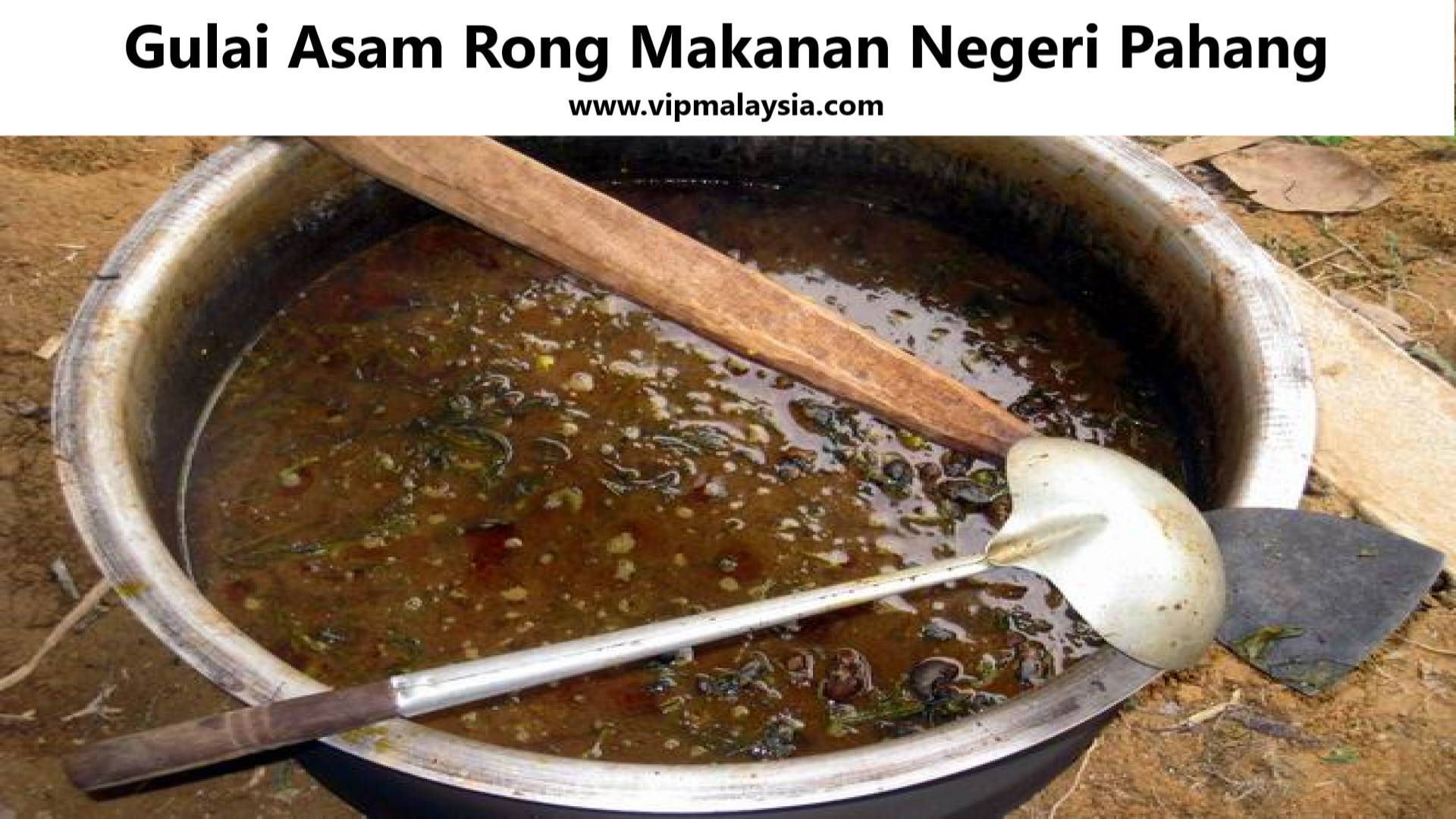
Experience the bold flavors of Gulai Asam Rong, a traditional dish from Jerantut, Pahang, made with rubber seeds or buah perah. This long-form guide explores its origins, cultural significance, cooking methods, trekking and adventure highlights in Pahang, must-visit destinations, and authentic visitor reviews.
Introduction
Among Malaysia’s diverse culinary treasures, Gulai Asam Rong stands out as a dish deeply rooted in heritage and nature. Originating from villages in Jerantut, Pahang, it is crafted from buah perah or rubber seeds, fermented to create a distinctive tang. This dish is not only a testament to the ingenuity of rural communities but also a living tradition passed down through generations. Today, Gulai Asam Rong is celebrated across Malaysia, offering visitors a chance to taste history while exploring the natural and cultural wonders of Pahang.
Highlights
The Origins and Cultural Significance
Gulai Asam Rong reflects the resourcefulness of rural Malaysians who transformed forest produce into culinary art. Its unique ingredient, buah perah, was once foraged from deep forests before rubber seeds became a more accessible substitute.
The Story Behind Asam Rong
The name “asam rong” derives from “isirong,” meaning the inner part of fruit. Traditionally, villagers harvested buah perah, dried and fermented it, and used it as a base for gulai. Over time, rubber seeds replaced buah perah due to availability, but the dish retained its distinctive flavor and cultural importance.
A Unique Ingredient Found in Nature
Buah perah and rubber seeds are rich in oils and proteins, making them ideal for fermentation. Their transformation into asam rong highlights the Malay tradition of preserving food naturally. This ingredient embodies the connection between people and their environment, turning forest harvests into culinary heritage.
The best places to enjoy authentic gulai asam rong are in Jerantut and Kuala Lipis. Notable restaurants include Kak Noor Gulai Asam Rom in Jerantut (famous for kampung-style gulai, cooked with authentic balance of sour and spicy flavors. Nostalgic taste passed down generations) and Restoran Gulai Kampung in Kuala Lipis (Known for serving gulai asam rong alongside other traditional Pahang dishes. Popular among locals and travelers.), both highly recommended for their kampung-style authenticity.
Regions Where Gulai Asam Rong Is Popular
While Jerantut remains the heartland of Gulai Asam Rong, its popularity has spread across Pahang.
Traditional Villages in Pahang
Villages such as Kampung Ulu Tembeling, Kampung Kuala Tembeling, and Kuala Tahan are renowned for their authentic preparation. These communities preserve traditional methods, offering visitors a chance to taste Gulai Asam Rong in its most genuine form.
Kampung Ulu Tembeling is a mukim (commune) in Jerantut District, Pahang, Malaysia, covering over 416,997 hectares and including parts of Taman Negara. It consists of several traditional villages such as Kampung Bantal, Kampung Pagi, Kampung Kuala Sat, Kampung Mat Daling, Kampung Kucing, and Kampung Gusai. Villages here preserve traditional Malay kampung lifestyles and are closely linked to Orang Asli heritage.
Kampung Kuala Tembeling is a traditional Malay village located in Jerantut District, Pahang, Malaysia, situated along the Tembeling River. It is historically significant as a river transit point and gateway to Taman Negara, Malaysia’s oldest national park. A Malay kampung preserving traditional lifestyles and river-based culture.
Kuala Tahan is a village in Jerantut District, Pahang, Malaysia, located at the at the meeting point of Sungai Tahan and Sungai Tembeling. It is best known as the main gateway to Taman Negara, Malaysia’s oldest national park, and serves as a hub for eco-tourism with resorts, floating restaurants, and river transport facilities.
Expansion to Other Areas
Beyond Jerantut, towns like Kuala Lipis, Maran, Raub, and Kuantan have embraced the dish. Restaurants and homestays in these regions often serve Gulai Asam Rong, introducing it to travelers exploring Pahang’s diverse landscapes.
Raub is a historic town and district capital in western Pahang, Malaysia, located about 100–108 km northeast of Kuala Lumpur by road. It is one of the oldest towns in Pahang, originally established in the late 18th century and later developed as a gold-mining settlement in the 1880s. Today, Raub is known for its colonial heritage, agriculture, and especially its famous Musang King durian. “Raub” means to scoop with one’s hands in Malay, referring to the abundance of gold ore historically found there.
How Gulai Asam Rong Is Made
The preparation of Gulai Asam Rong is a meticulous process that requires patience and skill.
From Rubber Seeds to a Flavorful Base
Rubber seeds are collected, peeled, and dried under the sun for three to seven days. Once dried, they are pounded into small pieces and fermented naturally. This fermentation process can preserve the seeds for months without refrigeration, ensuring a steady supply of asam rong.
Cooking Methods
Gulai Asam Rong is versatile. It can be cooked with fish, creating a rich and flavorful gulai, or paired with vegetables in a style similar to taucu cooking. Some households even transform asam rong into sambal, adding depth and complexity to everyday meals.
Local Beliefs About Asam Rong
Traditionally, villagers believed that excessive consumption of asam rong could cause digestive issues. While modern studies are limited, these beliefs reflect the cautious respect communities hold for fermented foods. Moderation remains a guiding principle in enjoying this dish.
Trekking and Adventure
Exploring Jerantut and Surrounding Areas
Jerantut is not only the birthplace of Gulai Asam Rong but also a gateway to adventure.
Riverside and Forest Trails
The Tembeling River offers scenic trekking routes, where visitors can enjoy lush greenery and spot wildlife such as hornbills and macaques. Forest trails around Jerantut lead to hidden waterfalls and traditional villages, providing immersive cultural experiences.
The Tembeling River is a major tributary of the Pahang River in Malaysia, flowing through Jerantut District in Pahang. It is historically significant as the main waterway into the interior of Pahang and serves as the traditional gateway to Taman Negara, Malaysia’s oldest national park. The Tembeling River is approximately 110 km (68 miles) long, making it one of the major tributaries of the Pahang River. It flows from Ulu Tembeling in the Pantai Timur Range and joins the Pahang River at Kuala Tembeling.
Gateway to Taman Negara
Jerantut serves as the main entry point to Taman Negara, Malaysia’s oldest national park. Visitors can embark on jungle treks, canopy walks, and river cruises, encountering tapirs, elephants, and exotic bird species. The combination of culinary and natural exploration makes Jerantut a unique destination.
Taman Negara is Malaysia’s oldest and largest national park, established in 1938–1939 as King George V National Park and renamed after independence. It spans three states — Pahang, Kelantan, and Terengganu — covering about 4,343 km² of tropical rainforest, which is estimated to be over 130 million years old, making it one of the world’s oldest rainforests.
Cultural Festivals and Traditions
Pahang’s cultural calendar enriches the experience of tasting Gulai Asam Rong.
Culinary Celebrations
Local festivals often feature cooking demonstrations of Gulai Asam Rong, alongside other traditional dishes. These events highlight the importance of food in community bonding and cultural preservation.
Music and Dance
Performances of gamelan and zapin accompany festivals, offering visitors a glimpse into Pahang’s artistic heritage. The blend of food, music, and dance creates a holistic cultural immersion.
Nearby Attractions
Jerantut Town
Jerantut’s town center offers vibrant markets where visitors can find fresh produce, rubber seeds, and local crafts. The weekly market is a hub of activity, showcasing the region’s agricultural and culinary diversity.
Nearby Towns and Attractions
- Kuala Tahan: Entry point to Taman Negara, offering eco-lodges and guided tours.
- Kuala Lipis: A historical town with colonial architecture and local delicacies.
- Maran and Raub: Known for their agricultural produce and traditional villages.
- Kuantan: Pahang’s capital, blending modern attractions with cultural heritage.
Wildlife Encounters
Pahang’s forests and rivers are rich in biodiversity, enhancing the visitor experience.
Species Lists
- Fish: Patin, tilapia, and river catfish.
- Birds: Hornbills, kingfishers, and eagles.
- Mammals: Tapirs, elephants, and macaques.
These encounters highlight the harmony between culinary traditions and natural ecosystems.
Conclusion
Gulai Asam Rong offers a deep connection to Malaysia’s rural traditions, making it one of Pahang’s most distinctive dishes. Whether you’re exploring the origins of rubber seed fermentation, tasting its bold flavors, or embracing the culture behind its preparation, this dish promises an authentic experience of Malaysia’s culinary heritage.
Plan your food adventure today—taste the unique flavors of Gulai Asam Rong in Pahang!
Summary
- Attraction: Gulai Asam Rong
- Location: #Pahang
- Attraction Type: #Food
- Source: wikipedia.org
- Highlights:
- A traditional dish originating from the villages of Jerantut, Pahang
- Made from rubber seeds or buah perah, giving it a distinctive taste
- Passed down through generations, celebrated across Malaysia
- Versatile cooking styles—pairs well with fish or vegetables
Quick Info
| Attribute | Details |
|---|---|
| Name | Gulai Asam Rong |
| Location | Jerantut, Pahang, Malaysia |
| GPS Position | 4.1830° N, 102.3678° E |
| State | Pahang |
| Facility Type | Traditional Cuisine, Local Restaurant & Culinary Experience |
| Main Ingredients | Rubber Seeds / Buah Perah, Fish, Spices |
| Popular Cooking Styles | Gulai Asam Rong, Stir-Fried with Vegetables, Sambal |
| Nearby Landmarks | Temerloh, Kuala Lipis, Maran |
| Accessibility | Easily available at traditional eateries |
| Best Time to Eat | Lunch & dinner for fresh servings |
| Entry Fees | Restaurant pricing applies |
| Recommended Pairings | Rice, Grilled Fish, Traditional Malay Side Dishes |
| Opening Hours | Varies by restaurant |
| Contact | Gerai Z&Z Mak Anjang (+6013-3057868) |
Visitor Reviews
Farid Hassan, Penang, Malaysia – ★★★★★ “I tasted Gulai Asam Rong in Jerantut, and it was unlike anything I’ve tried before. The fermented flavor was bold yet balanced, and the hospitality of the villagers made the experience even more special.”
Emily Tan, Melbourne, Australia – ★★★★☆ “The dish had a unique tang that took me by surprise. I loved learning about the fermentation process and exploring Jerantut’s markets. It’s a must-try for adventurous food lovers.”
Ravi Kumar, Chennai, India – ★★★★★ “Gulai Asam Rong was a highlight of my trip to Pahang. The combination of fish and asam rong created a flavor that was rich and satisfying. The cultural stories behind the dish made it even more meaningful.”
Maria Lopez, Barcelona, Spain – ★★★★☆ “The taste was strong and distinctive, but once I adjusted, I appreciated its depth. Pairing it with rice made it perfect. The trekking trails around Jerantut added to the overall experience.”
Michelle Brown, London, UK – ★★★★★ “I was fascinated by the use of rubber seeds in cooking. The fermentation gave the dish a unique character. It was both a culinary and cultural discovery that I will never forget.”
Frequently Asked Questions (FAQs)
Dimanakah restoran gulai asam rong paling sedap di Pahang?
Gulai Asam Rong Gerai Z & Z Mak Anjang adalah restoran popular yang terletak di medan selera berhampiran Majlis Daerah Jerantut. Menu yang paling popular adalah gulai asam rong yang paling sedap. Gulai asam rong kepala ikan kenerak adalah menu yang wajib anda cuba.
Apakah bahan asal asam rong?
Bahan yang menghasilkan asal rong adalah dari biji getah yang ditumbuk halus dan diperam sehingga bertukar warna dari putih kepada hitam. Ia juga menghasilkan minyak yang diperlukan dalam membuat menu tradisional Pahang ini.
Apakah mudah memasak gulai asam rong?
Penyediaan gulai asam rong sedikit rumit dan memakan masa yang lama. Ia harus betul-betul masak. Jika tidak cukup masak boleh mengakibatkan anda sakit perut.
Bagaimana cara menikmati gulai asam rong?
Gulai asam rong akan terasa kenikmatannya apabila anda makan nasi putih beserta ulam-ulaman seperti ulam keladat dicicah bersama tempoyak.
Dimanakah restoran gulai asam rong terbaik di Pahang?
Salah satu restoran terbaik yang menyajikan menu makanan terbaik di Pahang adalah Gerai Z & Z Mak Anjang No 4, Kompleks Niaga Fasa 1, Jalan Bidai, Bandar Baru Jerantut, Jerantut, Pahang