The Best Attraction in Malaysia. Makam Mahsuri is an atttraction and Langkawi is a destination in Malaysia. The best food beach, historical building, landmarks, museum, zoo, art and agriculture. Discover Malaysia attraction now from the best local cuisine in every state, explore Taman Negara, beautiful mountain etc. We will provide all 14 states in Malaysia about the attractions you must visit. Read on!
Pulau Tioman, Malaysia’s most breathtaking island getaway, offers world-class snorkeling spots, untouched beaches, and hidden lagoons that make island hopping an unforgettable experience. Whether you’re a nature lover, adventure seeker, or looking for a relaxing retreat, hopping across Tioman’s pristine islands and crystal-clear waters will leave you mesmerized.
Introduction
Tioman Island, located off the east coast of Peninsular Malaysia, is a jewel of the South China Sea. Known for its crystal-clear waters, diverse marine life, and lush rainforests, Tioman has become a premier destination for island hopping. Travelers are drawn to its untouched beaches, vibrant coral reefs, and welcoming local communities. Whether you are seeking adventure, relaxation, or cultural immersion, Tioman offers a blend of experiences that cater to every type of traveler. The island’s accessibility from Mersing and Tanjung Gemok makes it a convenient yet exotic getaway.
Highlights
Renggis Island
Renggis Island is one of Tioman’s most famous snorkeling spots. The shallow waters make it ideal for beginners, while the vibrant coral reefs and frequent sightings of sea turtles captivate seasoned snorkelers. The island’s gentle waves provide a safe environment, and its proximity to Tioman’s main villages ensures easy access. Visitors often remark on the abundance of tropical fish, including parrotfish and angelfish, which create a kaleidoscope of colors beneath the surface.
Visitor Facilities
Renggis Island offers guided snorkeling tours, equipment rentals, and boat transfers. Local operators emphasize safety and provide life jackets for children, making it a family-friendly destination. Small kiosks on Tioman’s mainland sell refreshments and snacks for day-trippers heading to Renggis.
Monkey Bay
Monkey Bay is a secluded gem accessible only by boat or jungle trek. Its untouched sandy shores and lush tropical forest backdrop make it perfect for nature photography. The bay’s tranquility appeals to travelers seeking solitude, while its calm waters invite leisurely swims and sunbathing.
Shark Point
Shark Point is renowned for sightings of blacktip reef sharks. While encounters are not guaranteed, the thrill of spotting these majestic creatures excites adventurous snorkelers. The clear visibility makes Shark Point ideal for observing marine life, including schools of barracuda and colorful nudibranchs.
Wildlife Species List
Beyond sharks, Shark Point is home to butterflyfish, clownfish, and giant clams. The reef’s biodiversity attracts marine biologists and eco-tourists alike. Conservation efforts ensure that the ecosystem remains vibrant and sustainable.
Salang Beach
Salang Beach combines relaxation with lively beachfront dining. Its white sandy shores and turquoise waters create postcard-perfect scenery. The beach is lined with restaurants serving fresh seafood, Malay delicacies, and international cuisine. Sunset views here are particularly breathtaking, drawing couples and photographers.
Nearby Towns
Salang is close to Tekek, Tioman’s main village, where visitors can find duty-free shops, local markets, and cultural exhibits. Tekek also hosts eco-tours that highlight Tioman’s rainforest biodiversity, offering a balance between beach leisure and inland exploration.
Coral Island
Coral Island is a snorkeling haven with shallow reefs teeming with marine life. Its accessibility makes it a favorite among families. The island’s clear waters and sandy beaches provide a relaxing environment, while its reefs offer educational opportunities for children learning about marine ecosystems.
Tulai Island
Tulai Island, also known as “Coral Island’s twin,” is less crowded and offers pristine beaches. Its remoteness appeals to travelers seeking untouched beauty. Tulai’s reefs are home to rare species, making it a hotspot for eco-tourism.
Nipah Village
Nipah Village showcases Tioman’s cultural side. Visitors can experience traditional Malay hospitality, sample local dishes, and learn about fishing practices. The village’s charm lies in its authenticity, offering a glimpse into daily life on Tioman.
Trekking and Adventure
Jungle Treks Across Tioman
Tioman’s dense rainforests provide opportunities for trekking adventures. Trails lead to waterfalls, hidden caves, and panoramic viewpoints. Guided treks often highlight medicinal plants, bird species, and traditional uses of the forest by local communities. Trekking is suitable for both beginners and experienced hikers, with varying levels of difficulty.
Asah Waterfall Trek
The trek to Asah Waterfall is a popular choice. It takes visitors through lush greenery, past streams, and into the heart of Tioman’s jungle. The waterfall itself is a refreshing spot for swimming and photography. Guides often share stories of Tioman’s folklore, adding cultural depth to the adventure.
Kayaking and Diving
Beyond trekking, Tioman offers kayaking along its coastline and diving into deeper waters. Kayakers enjoy exploring hidden coves and mangrove areas, while divers encounter shipwrecks and rare marine species. Dive centers across Tioman provide certification courses, making it a hub for underwater exploration.
Marine Park Diving
Tioman Marine Park is a highlight for divers. Its protected waters host diverse coral species and rare fish, including Napoleon wrasse. Diving here emphasizes conservation, with strict guidelines to preserve the fragile ecosystem.
Travel Guide
How to Get to Pulau Tioman
Travelers can reach Tioman via ferry from Tanjung Gemok or Mersing Jetty. Both routes offer direct connections to Tioman’s villages. Alternatively, flights to Sultan Ahmad Shah Airport in Kuantan provide access to ferry services. The journey itself is scenic, with views of the South China Sea.
Mersing Jetty is the main ferry terminal on the east coast of Johor, Malaysia, serving as the gateway to Pulau Tioman, Pulau Rawa, and other islands in the South China Sea. It is strategically located in Mersing town and is one of the most important maritime transport hubs in southern Malaysia. Address: Mersing Harbour Centre, Jalan Abu Bakar, 86800 Mersing, Johor, Malaysia. Travel Time: From Johor Bahru (Senai International Airport): 3 hours by car via Route 3, from Kuala Lumpur: 6 hours by car via North–South Expressway (E2) and Route 3.
Best Time
The ideal season for island hopping is March to October, when waters are clear and weather is sunny. This period offers the best snorkeling visibility and calm seas. November to February marks the monsoon season, with limited boat trips and rougher conditions. Travelers are advised to plan accordingly.
Conclusion
Island hopping in Tioman offers a spectacular mix of adventure, relaxation, and breathtaking scenery, making it one of Malaysia’s top tropical getaways. Whether you’re exploring coral reefs, unwinding on secluded beaches, or enjoying fresh seafood, this island-hopping experience will leave you with memories to cherish forever.
Plan your trip today—experience the beauty of Pulau Tioman through island hopping!
Summary
Attraction: Island Hopping, Tioman
Location: #Pahang #Tioman
Attraction Type: #Island
Source: nazratulazra.blogspot.com, travelblog.org
Highlights:
Explore diverse marine life – Snorkel among colorful coral reefs, sea turtles, and tropical fish
Visit untouched islands & beaches – Discover secluded locations only accessible by boat
Enjoy a variety of water activities – Experience kayaking, diving, and fishing adventures
Perfect for all travelers – Suitable for families, couples, and solo explorers
Quick Info
Attribute
Details
Name
Island Hopping, Pulau Tioman
Location
Pulau Tioman, Pahang, Malaysia
GPS Position
2.7906° N, 104.1712° E
State
Pahang
Activity Type
Island Tour & Snorkeling Experience
Main Attractions
Renggis Island, Monkey Bay, Shark Point, Salang Beach
Nearby Landmarks
Tioman Marine Park, Tekek Village, Coral Reef Diving Sites
Accessibility
Ferry from Tanjung Gemok or Mersing Jetty
Best Time to Visit
March–October for best weather and visibility
Entry Fee
Depends on tour package and boat rental rates
Opening Hours
Available daily, dependent on boat availability
Contact
Call/SMS/WhatsApp: 019-9155093 (EPEQ/HAZERI)
Visitor Reviews
James Carter, United Kingdom – ★★★★★ “I had an amazing time snorkeling at Renggis Island. The coral reefs were vibrant, and I even spotted a sea turtle. Tioman is truly a paradise for nature lovers.”
Aisha Rahman, Singapore – ★★★★☆ “Monkey Bay was so peaceful and secluded. The trek through the jungle was challenging but rewarding. I wish there were more facilities, but the natural beauty made up for it.”
Carlos Mendoza, Spain – ★★★★★ “Shark Point was thrilling! I didn’t see sharks this time, but the marine life was incredible. The guides were knowledgeable and ensured we respected the reef.”
Mei Ling, China – ★★★★★ “Salang Beach was perfect for relaxing. The seafood restaurants served delicious meals, and the sunset views were breathtaking. I’ll definitely return.”
David Johnson, Australia – ★★★★☆ “The trek to Asah Waterfall was unforgettable. The jungle was lush, and the waterfall was refreshing. It’s a must-do for adventure seekers visiting Tioman.”
Discover Malaysia’s tropical marine paradise at Taman Laut Tioman, a breathtaking archipelago of nine islands renowned for diverse marine ecosystems, world-class diving spots, and eco-tourism adventures. From lush rainforests to vibrant coral reefs, this destination offers unforgettable experiences for relaxation, exploration, and adventure.
Introduction
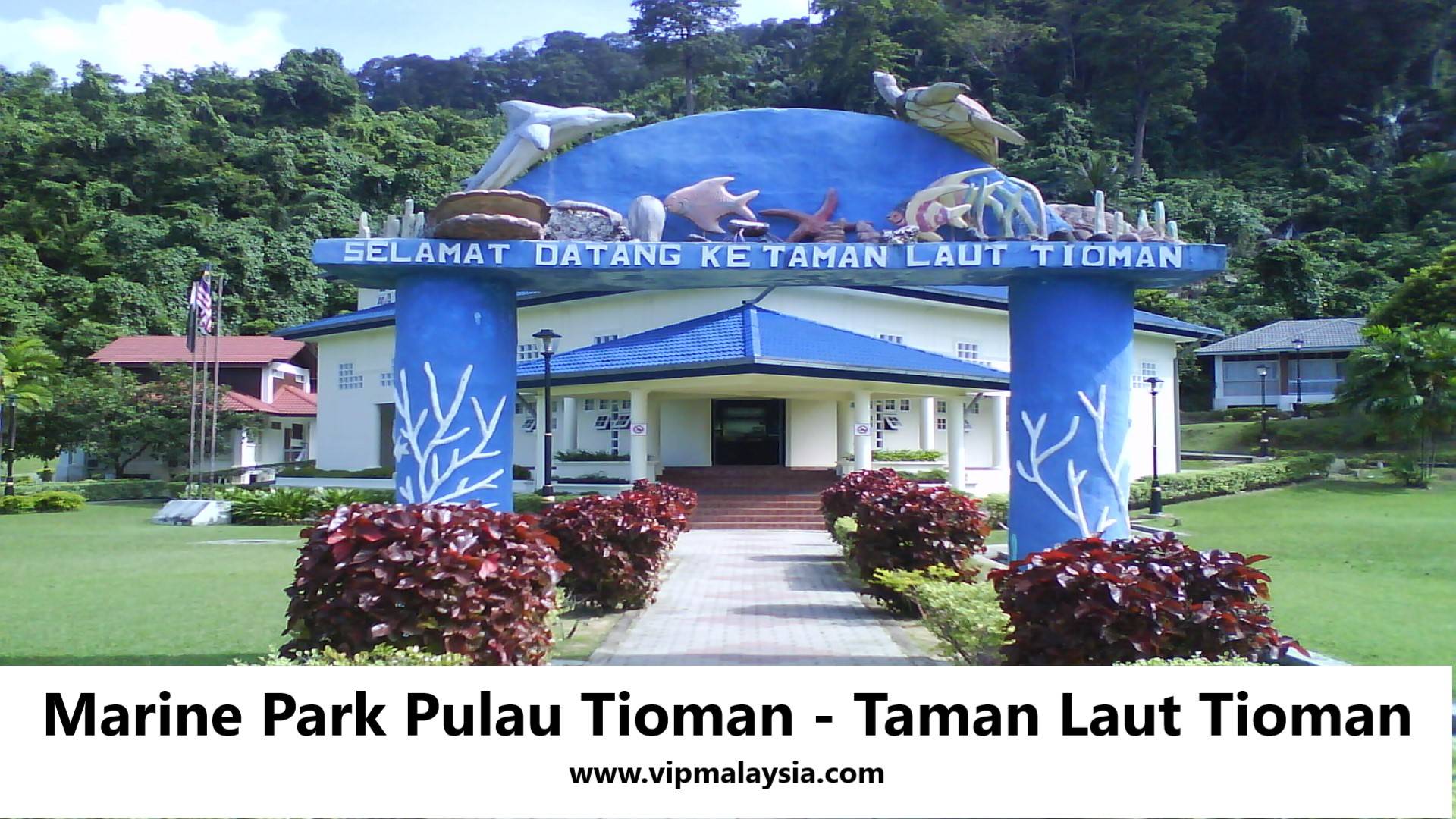
Taman Laut Tioman, officially known as Tioman Marine Park, is one of Malaysia’s most treasured natural sanctuaries. Located off the east coast of Peninsular Malaysia, this marine park encompasses nine spectacular islands, each offering unique attractions and highlights. Visitors are drawn to its pristine beaches, crystal-clear waters, and thriving coral reefs that host an astonishing variety of marine life. Beyond the underwater wonders, the islands are home to tropical rainforests, cultural villages, and eco-friendly resorts that make it a perfect blend of adventure and relaxation. Whether you are a diver, trekker, or simply a nature enthusiast, Taman Laut Tioman promises an immersive journey into Malaysia’s tropical beauty.
Highlights
Pulau Tioman
Pulau Tioman is the centerpiece of the marine park, spanning a coastline of 69 kilometers. Its white sandy beaches are fringed by lush tropical rainforests and dramatic granite boulders. The island hosts several villages such as Kampung Tekek and Salang, where visitors can experience local culture and hospitality. Eco-tourism thrives here, with resorts offering sustainable stays and guided tours that emphasize conservation. Pulau Tioman is also famous for its myths, with legends claiming the island was once a dragon princess resting in the South China Sea.
Visitor Facilities And Local Culture
Pulau Tioman offers modern visitor facilities including resorts, homestays, and dive centers. The Marine Park Centre at Kampung Tekek provides orientation, maps, and exhibits on biodiversity. The island’s cuisine features fresh seafood dishes, often prepared with local spices, making dining a memorable part of the visit.
The best seafood in Kampung Tekek, Tioman Island, can be found at Sarang Seafood Village, which is highly rated for its fresh catches like crab, prawns, and grilled fish, served in a relaxed seaside setting. Other notable spots include Restoran Mama Rina and Restoran Seafood Alif, both offering authentic Malay-style seafood dishes.
Kampung Tekek is the largest and most developed village on Tioman Island, Malaysia, often regarded as the island’s “capital.” It serves as the main hub for transport, commerce, and administration, with ferry services, the island’s only airport, and duty-free shopping facilities. Main gateway for tourists arriving by ferry from Mersing or Tanjung Gemok, or via Berjaya Tioman Airport. Duty-free shops: Tekek is famous for affordable alcohol, chocolates, and imported goods.
A duty-free shop is a retail outlet that sells goods exempt from local or national taxes and duties, typically catering to international travelers at airports, seaports, or border crossings. These shops allow passengers to purchase items like alcohol, tobacco, perfumes, and luxury goods at lower prices compared to regular retail stores. Goods sold do not include import duties, VAT, or excise taxes, provided they are taken out of the country by travelers.
Pulau Tokong Bahara
Pulau Tokong Bahara is a diver’s paradise, known for its unspoiled coral reefs and diverse marine species. The island’s underwater formations are ideal for experienced divers seeking unique challenges. Its remote location ensures fewer crowds, offering a peaceful and intimate exploration of Malaysia’s marine biodiversity.
Pulau Tokong Bahara (also known as Bahara Rock or Bahara Lighthouse) is a renowned dive site off Tioman Island, Malaysia, famous for its strong currents (making it suitable for experienced divers) that attract large pelagic species such as blacktip reef sharks, manta rays, and eagle rays. It is part of the Tioman Marine Park and considered one of the island’s top advanced diving spots. Accessible only by boat, typically from dive centers in Tekek or Salang.
Blacktip Reef Sharks
The blacktip reef shark (Carcharhinus melanopterus) is a small species of requiem shark easily recognized by the distinctive black tips on its fins, especially the first dorsal fin. It inhabits shallow coral reefs across the Indo-Pacific and is currently listed as Vulnerable on the IUCN Red List due to overfishing and habitat loss.
Manta Rays
Manta rays are majestic marine animals belonging to the genus Mobula, easily recognized by their triangular wing-like pectoral fins and horn-shaped cephalic fins near the mouth. With wingspans that can reach up to 7 meters, they are among the largest rays in the ocean, gliding gracefully through tropical and subtropical waters worldwide. Both giant and reef manta rays are currently listed as Vulnerable on the IUCN Red List, making conservation efforts crucial to their survival. Their short whiplike tails, sometimes equipped with spines, and their wide mouths adapted for filter-feeding on plankton highlight their unique evolutionary traits.
Known for their gentle nature, manta rays are often seen breaching the surface in spectacular jumps or gliding effortlessly alongside divers and snorkelers. Unlike many marine species, they are non-aggressive toward humans, which makes encounters with them especially memorable. Their large triangular fins resemble wings, giving them an almost otherworldly appearance as they soar through the water. These “devilfish,” named for their horn-shaped cephalic fins, embody both power and elegance, making them a symbol of ocean biodiversity and a favorite subject for marine ecotourism.
Eagle Rays
Eagle rays are striking cartilaginous fishes from the family Myliobatidae, easily identified by their flat bodies, wing-like pectoral fins, and long whip-like tails. Many species feature distinctive spotted or patterned backs, making them a favorite sight for divers in tropical and subtropical waters worldwide. With wingspans reaching up to 3 meters, eagle rays are admired for their graceful swimming and occasional leaps out of the water, a behavior that adds to their reputation as one of the ocean’s most elegant creatures.
Generally shy and non-aggressive toward humans, eagle rays sometimes travel in groups, especially the spotted eagle ray, creating mesmerizing underwater displays. Unfortunately, many species are considered Near Threatened or Vulnerable due to overfishing and habitat loss, highlighting the importance of marine conservation. Their unique appearance and gentle behavior make them both ecologically significant and a symbol of the delicate balance within ocean ecosystems.
Pulau Labas
Pulau Labas is perfect for those seeking tranquility. Its crystal-clear waters are ideal for snorkeling, while scenic viewpoints provide panoramic vistas of the surrounding islands. The beaches are secluded, making it a favorite among eco-tourists and adventure seekers who prefer quiet exploration.
Pulau Labas is a small islet located off the coast of Tioman Island in Pahang, Malaysia, known both as part of a protected marine park and as a popular diving site featuring unique underwater rock formations. It is managed under Malaysia’s Department of Marine Park and offers rich biodiversity, making it a notable destination for eco-tourism and marine conservation.
Pulau Labas is a picturesque island near Tioman, located close to Kampung Salang and Air Batang, making it a convenient stop for travelers exploring the northern coast. Frequently included in eco-tourism itineraries alongside Pulau Tulai and Pulau Sepoi, it offers crystal-clear waters, thriving marine biodiversity, and a peaceful atmosphere ideal for diving, snorkeling, and nature lovers seeking an authentic island escape.
Magicienne Rock
Magicienne Rock is a submerged reef renowned for its stunning coral formations. Divers are treated to vibrant marine life, including clownfish, angelfish, and nudibranchs. The reef’s depth and clarity make it a favorite for underwater photography.
Magicienne Rock is a renowned dive site off Tioman Island, Pahang, Malaysia, consisting of an underwater pinnacle rising to about 8 meters below the surface. It is famous for its rich marine biodiversity, including whale sharks, manta rays, leopard sharks, and turtles, making it one of the top attractions in the Tioman Marine Park. Location: Northeast of Pulau Tioman, Pahang, Malaysia, Depth Range: 8 m to ~25 m (max depth ~15 m for most dives, up to 49 ft recorded).
Diving Experience At Magicienne Rock
The site is accessible to both novice and experienced divers. Its shallow sections are perfect for beginners, while deeper areas challenge advanced divers. The reef’s biodiversity ensures every dive is unique, with new species often spotted.
Pulau Sepoi
Pulau Sepoi is celebrated for its thriving marine habitat. Snorkelers and divers encounter schools of colorful fish, sea turtles, and occasional reef sharks. The island’s calm waters make it ideal for family-friendly snorkeling adventures.
Pulau Sepoi (sometimes referred to as Seri Buat Island) is a small islet near Tioman Island, Malaysia, known for its pristine coral reefs, clear waters, and status as a protected marine park site. It is popular for snorkeling and diving, though less frequently visited compared to other Tioman dive spots. Access: By boat, ~45 minutes from Tioman Island. Depth Range: 5–25 meters, Visibility: 5–20 m depending on season. Special Site: Golden Reef, northeast of Sepoi, with vibrant coral competition and diverse fish life
Visitor Facilities And Accessibility
Pulau Sepoi offers basic facilities such as rest huts and guided tours. Its proximity to Pulau Tioman makes it easily accessible by boat. Conservation programs here emphasize protecting coral reefs from human impact.
Pulau Tulai
Pulau Tulai, also known as Coral Island, is one of Tioman’s most popular snorkeling destinations, famous for its clear turquoise waters, vibrant coral reefs, and diverse marine life including turtles, reef sharks, and even dolphins. Day trips by boat are the main way to reach the island, with Genting Point being a highlight for spotting colorful fish among healthy coral beds.
Pulau Tulai offers snorkelers an unforgettable experience thanks to its pristine sandy beaches and thriving underwater ecosystem. The island’s reefs host species such as the Latent Sling-Jaw Wrasse, alongside schools of tropical fish that make the waters shimmer with color. Morning boat trips are recommended for the calmest seas and best visibility, ensuring a safe and rewarding adventure. Beyond snorkeling, diving opportunities are available, though some coral areas show signs of damage, they still provide spectacular views of marine biodiversity. Coral Island remains a must-visit for nature lovers seeking both relaxation and exploration in Tioman’s surrounding waters.
Pulau Chebeh
Pulau Chebeh, located off Tioman Island, is a premier deep dive site famous for its dramatic granite boulder formations, caves, and swim-throughs. Divers encounter rich marine biodiversity including yellowtail fusiliers, batfish, blacktip reef sharks, and barracuda, with visibility often reaching 20 meters or more.
This site offers depths between 10–25 meters, with intermediate to advanced divers favoring its labyrinth of tunnels and channels. A notable cave at around 21 meters is teeming with fish, while seasonal highlights (April and October) may include sightings of manta rays or even the elusive whale shark. Strong currents enhance the experience by attracting pelagic species, making Pulau Chebeh one of Tioman’s most thrilling underwater adventures for those seeking both geological wonders and diverse marine life.
Pulau Renggis
Pulau Renggis, located just off Tekek on Tioman Island, is one of Malaysia’s most iconic snorkeling sites, renowned for its shallow reefs, crystal-clear waters, and abundant marine life including clownfish, parrotfish, turtles, and even small blacktip reef sharks. Its easy accessibility from Berjaya Tioman Resort makes it a favorite for both beginners and seasoned snorkelers.
The island’s reefs are permanent coral sanctuaries that host a wide diversity of species, offering excellent visibility and calm conditions ideal for underwater photography. Snorkelers often encounter sea turtles resting on the seabed and schools of colorful fish weaving through hard and soft corals. Morning visits are recommended for the clearest waters and fewer crowds, while the site’s proximity to Tioman’s main village ensures it remains one of the most visited and celebrated snorkeling destinations in the region.
Pulau Jahat
Pulau Jahat, located just a short boat ride from Tioman Island, is a renowned dive site known for its dramatic underwater terrain, strong currents, and diverse marine life. With depths ranging from 16 to 30 meters, it features massive granite boulders, sloping coral reefs, and caves that make it a thrilling destination for intermediate to advanced divers.
The site is home to an impressive variety of species including parrotfish, fusiliers, angelfish, groupers, moray eels, barracuda, trevally, reef sharks, and turtles. Coral diversity is equally rich, with branching corals, whip corals, sea fans, and large boulder formations creating vibrant underwater landscapes. Visibility often reaches up to 20 meters, and the moderate to strong currents provide opportunities for exhilarating drift dives. Pulau Jahat is considered one of Tioman’s most adventurous dive spots, offering both macro photography opportunities with nudibranchs and encounters with pelagic species like sharks and rays.
Trekking And Adventure
Rainforest Trails
Pulau Tioman’s rainforest trails offer trekking opportunities for all levels. Trails such as the Tekek to Juara route take hikers through dense jungles, waterfalls, and wildlife habitats. Along the way, trekkers may spot macaques, monitor lizards, and exotic bird species.
Tekek – Juara Route
The Tekek – Juara Route refers to the main jungle trekking trail on Tioman Island that connects the village of Tekek on the west coast to Juara on the east coast. It is a 2–3 hour hike through dense rainforest and paved sections, offering one of the island’s most popular overland connections.
The Tekek – Juara Route on Tioman Island begins near Masjid Jamek Tekek and offers hikers a moderate challenge with a mix of jungle trails and paved road sections. This scenic path is ideal for those with basic fitness levels, providing a rewarding experience through lush rainforest terrain and opportunities to spot local wildlife.
Along the way, trekkers are treated to panoramic views of Tioman’s interior, making the Tekek – Juara Route a favorite for nature lovers and adventure seekers. Its combination of accessibility and natural beauty ensures a memorable hike that showcases the island’s diverse ecosystem and cultural landmarks.
Rock Climbing
Gunung Nenek Semukut, better known as the Dragon Horns, is Tioman Island’s most iconic climbing landmark, rising majestically to 703 meters above sea level. Located near Kampung Mukut at the southern tip of the island, this twin-peaked granite formation resembles the horns of a dragon and has become one of Southeast Asia’s premier big-wall climbing destinations. With towering walls reaching up to 300 meters, climbers can test their skills on more than 14 established routes, ranging from grades 5c+ to 7c+, making it a true playground for advanced adventurers seeking both challenge and breathtaking scenery.
Access to the Dragon Horns involves a journey via ferry from Mersing or Singapore, followed by a transfer to Berjaya Resort and then a speedboat or fishing boat ride to Mukut. Once there, climbers are rewarded with dramatic granite faces that demand ropes, harnesses, and advanced techniques. The site has drawn world-class international climbers such as Arnaud Petit and Cedar Wright, who pioneered routes that continue to inspire enthusiasts today. For those seeking a blend of authentic adventure, natural beauty, and global climbing prestige, Gunung Nenek Semukut stands as a must-visit highlight of Tioman Island.
Grade 7a. Steep granite face, popular among experienced climbers.
The French Connection
Grade 6c+. Established by Arnaud Petit, known for precise technical climbing.
The Dragon’s Backbone
Grade 6c. Long sustained pitches along the exposed ridge line.
The Horn Ridge
Grade 6b+. Scenic climb with panoramic views of Tioman’s coastline.
The Mukut Wall
Grade 6b. Accessible route near Kampung Mukut side, often used for warm-ups.
The Bahara Line
Grade 6a+. Easier line, suitable for intermediate climbers.
The Twin Peaks Traverse
Grade 6a. Traverses across both horns, highly exposed and scenic.
The Pioneer’s Route
Grade 5c+. First ascent line by Scotty Nelson & Nick Tomlin (2000). Historic route.
The Eagle’s Flight
Grade 6b. Named after frequent eagle sightings near the wall.
The Granite Wave
Grade 6c. Smooth granite face requiring technical footwork.
The Vertical Garden
Grade 6a+. Features pockets of vegetation along the wall.
The Horned Summit Direct
Grade 7a+. Direct line to the summit, very demanding and exposed.
Kayaking
Kayaking in Taman Laut Tioman (Tioman Marine Park) is defined as an eco-tourism water activity where visitors paddle across the calm, crystal-clear waters surrounding Tioman Island and its smaller islets. It is especially popular outside the Northeast monsoon season, offering both short beachside paddles and longer expeditions to nearby islands.
Key Features
Main Hub: Kampung Tekek, where the Pusat Taman Laut Tioman visitor center is located.
Other Launch Points: Juara, Salang, and ABC Village beaches.
Waters: Generally flat and calm, ideal for beginners.
Equipment: Sturdy rental kayaks available at beaches; stable and designed to be unsinkable.
Duration: From 30 minutes to full-day trips depending on fitness and skill.
Paddleboarding
Paddleboarding (Stand-Up Paddleboarding, SUP) in Taman Laut Tioman is defined as a recreational water sport where visitors stand on a large, stable board and use a paddle to glide across Tioman’s calm, crystal-clear seas. Tioman Island is considered one of Malaysia’s best SUP destinations thanks to its sheltered bays, easy learning curve, and stunning natural scenery.
Key Features
Main Areas: Kampung Tekek, Juara Beach, Salang, and ABC Village — all offering calm waters ideal for SUP.
Duration: Sessions range from short 30-minute paddles near shore to half-day explorations of nearby coves and reefs.
Conclusion
Taman Laut Tioman offers an extraordinary mix of adventure, marine biodiversity, and island beauty, making it one of Malaysia’s most treasured marine parks. Whether you’re diving in crystal-clear waters, snorkeling among coral reefs, or relaxing on pristine beaches, these islands promise an island getaway like no other.
Plan your island escape today—immerse yourself in the beauty of Taman Laut Tioman, Malaysia!
Summary
Attraction: Taman Laut Tioman
Location: #Johor #Tioman
Attraction Type: #Island
Source: ketsa.gov.my / marinepark.dof.gov.my
Why Visit:
Diverse marine ecosystems & vibrant coral reefs
Nine spectacular islands offering varied experiences
Perfect for relaxation, adventure, and eco-tourism
Quick Info
Attribute
Details
Name
Taman Laut Tioman
Location
Off the east coast of Peninsular Malaysia
GPS Position
2.8184° N, 104.1576° E
State
Pahang
Facility Type
Marine Park, Diving Sites & Island Retreats
Main Attractions
Coral Reefs, Island Exploration, Diving & Snorkeling
Nearby Landmarks
Pulau Labas, Pulau Tokong Bahara, Pulau Seri Buat
Accessibility
Boat transfers from Tanjung Gemuk, Pahang
Best Time to Visit
March – October for calm waters & ideal diving conditions
Entry Fees
Marine park fees may apply
Recommended Activities
Diving, Snorkeling, Island Hopping
Opening Hours
Accessible all year
Contact
Pusat Taman Laut Pulau Tioman (+609-4131273 / +609-4191595)
Visitor Reviews
Jacqueline Soh, Singapore – ★★★★★ “I had the most amazing diving experience at Pulau Tokong Bahara. The coral reefs were vibrant, and I even spotted a reef shark. The guides were knowledgeable and emphasized conservation, which made the trip even more meaningful.”
James Walker, United Kingdom – ★★★★☆ “Pulau Tioman was stunning, with its beaches and rainforest trails. The trek to Juara was challenging but rewarding. Facilities could be improved, but the natural beauty more than made up for it.”
Tuan Haji Abdul Rahman, Malaysia – ★★★★★ “Pulau Labas was serene and perfect for relaxation. Snorkeling was incredible, and I loved the eco-tourism focus. It felt good knowing my visit supported conservation efforts.”
Philips Lauren, UK – ★★★★☆ “Magicienne Rock was a diver’s dream. The underwater photography opportunities were endless. The currents were strong, but the dive instructors ensured safety throughout.”
Mark Davidson, Australia – ★★★★★ “Pulau Sepoi was family-friendly and accessible. My kids enjoyed snorkeling, and we saw sea turtles up close. The conservation programs were inspiring, and we learned a lot about marine life.”
Frequently Asked Questions (FAQs)
What are Marine Park Centre, Pulau Tioman facilities and services?
Toilet and wash facilities, picnic tables and barbeque pits are provided at selected sites. A jetty at the visitor’s centre allows boats to come along shore. The park management provides mooring buoys over coral reefs to allow for snorkelling and diving boats. Visitors can shop for small items of food and drinks at the village shops. For hiring of diving equipment and filling of air tanks, visitors can enquire at the respective dive shops.
How to get to Taman Laut Tioman?
By Air
There is an airstrip in Pulau Tioman. Berjaya Air flies twice daily to the island from Kuala Lumpur and Singapore.
Land and sea
The main staging points to the Tioman Marine Park are Tanjung Gemuk (in Pahang) and Mersing (Johor). Scheduled ferry services (21⁄2-hour journey) from the Tanjung Gemuk or Mersing jetties link to Pulau Tioman on a daily basis. Express bus services from major towns and cities to these two points are also readily available.
The major routes are as follows:
From Kuala Lumpur to Tanjung Gemok Jetty or Mersing Jetty (51⁄2 hours journey).
From Singapore to Tanjung Gemok Jetty or Mersing Jetty (21⁄2 hours journey).
Experience Tioman Cabana Club, a tropical hideaway where sandy shores meet turquoise waters. Relax in cozy cabanas, enjoy snorkeling and water sports, and explore lush rainforest trails. Secure your stay now and discover the perfect blend of adventure, relaxation, and authentic island charm.
Introduction
Tioman Cabana Club welcomes travelers to a tropical sanctuary where island charm and seaside comfort blend seamlessly. Nestled along Pulau Tioman’s golden shoreline, the resort offers an inviting escape for those seeking both adventure and tranquility. Guests can wake to the gentle sound of waves, spend their days snorkeling in crystal‑clear waters or kayaking across calm lagoons, and explore rainforest trails alive with exotic wildlife.
The cabanas provide a cozy retreat, combining rustic simplicity with modern touches that reflect the spirit of Tioman. Evenings bring the magic of seaside relaxation, with starlit skies and the soothing rhythm of the ocean creating unforgettable moments. Whether you are a diver, a nature enthusiast, or simply in search of peace, Tioman Cabana Club delivers an island experience that lingers long after your stay, redefining the way you connect with relaxation, discovery, and the vibrant culture of Malaysia’s treasured island.
Services
Island Tour and Snorkel Trip – Tulai RM110
Tulai (also known as Coral Island) is one of Tioman’s most popular island tour and snorkel trip on Tioman. Visit the white sands of Long Beach, snorkel at Batu Malang and Mangrove Bay and on the way back visit Monkey Bay. This trip is great for those looking for some of the best snorkeling spots the island has to offer, relaxing on the beach or enjoying the nature of Tioman.
Batu Malang (also called Malang Rock) is a famous dive and snorkel site off Tioman Island, Malaysia, consisting of striking rock formations surrounded by healthy coral reefs. Its name means “unfortunate rock” in Malay, linked to a local legend, but today it is celebrated as one of the island’s most popular underwater attractions. Recognizable as a cluster of rocks rising above the water, creating shallow and deep zones for divers. Accessible only by boat trips from Tioman villages such as Salang or Tekek.
It takes approximately 30 minutes to reach the first stop (Mangrove Bay) by speed boat and the journey out there is enjoyable. The total trip will last for about 4-5 hours and the trip itinerary may be altered slightly on the day depending on conditions and where we think will be the nicest that day. In the right season you might even be lucky enough to spot dolphins on the way to the islands!
Monkey Bay is a secluded beach and snorkeling spot on Tioman Island (near Salang), famous for its calm turquoise waters, coral reefs, and jungle-fringed setting. It is often visited on boat trips from Salang or Tekek and is considered one of the island’s most picturesque natural attractions. Surrounded by dense rainforest, giving it a wild and untouched feel.
Island Tour and Snorkel Trip – Pulau Renggis – RM60
Pulau Renggis is just a short distance from Tekek and if you are feeling adventurous it is even possible to get here by Kayak or Stand-Up Paddle. Take a look at our beach activities for more information on Kayak and SUP rental). This trip is a shorter Island Tour and Snorkel Trip and usually lasts for just a couple of hours as it is only small and very close. This another reason why it is so popular.
Pulau Renggis is a small rocky islet located off the west coast of Tioman Island, Malaysia, renowned as one of the island’s most popular snorkeling and diving spots due to its vibrant coral reefs and abundant marine life. Pulau Renggis lies just offshore from Tekek Village, making it easily accessible by boat. Its proximity to Tioman’s Marine Park Centre makes it a key site for underwater exploration.
Snorkeling at Renggis Island should be on the itinerary of every marine enthusiast. The shallow waters, hard corals and abundance of marine life here make Renggis a perfect snorkeling spot and great morning or afternoon trip. Hopefully you are even lucky enough to swim with the black tip reef sharks and even turtles! This small rocky island is an underwater heaven for marine lovers.
Asah Waterfall Island Tour and Snorkel Trip – RM120
Asah waterfall (sometimes known as Mukut waterfall) is located in the deserted Kampung Asah. Set amidst the lush tropical rainforest, it is said to be one of the best and most famous waterfalls in Tioman since it was also featured in the movie South Pacific. The trip from Tioman Cabana is a half day trip taking you to the southern part of the island and is perfect families, couples and groups wanting to explore more of what the island has to offer above sea level. You will pass the famous twin peaks (also known as the dragon horns) and can stop off along the way at one of the southern villages for lunch.
Asah Waterfall is the tallest and most famous waterfall on Tioman Island, Malaysia, located near Mukut village on the southern end of the island. It is celebrated for its crystal-clear waters, jungle setting, and accessibility via boat tours or short treks. Fed by the Sungai Asah stream, forming a cascade-style waterfall. Accessible by: Short jungle treks from nearby villages like Pasir Sarang Burung and Asah, Boat tours from other villages (Tekek, Salang, etc.). Trekking time: 30-45 minutes from the nearest village. Considered the highest waterfall on Tioman Island.
Pasir Sarang Burung is a beach located on the southern part of Tioman Island, Malaysia, near Mukut Village. It is a quiet, natural spot surrounded by rainforest and close to Asah Waterfall, making it popular for eco-tourism and jungle trekking. Elevation: About 16 meters (52 feet) above sea level.
Pasir Sarang Burung on Tioman Island is a hidden gem that embodies natural beauty, where pristine beaches meet dense jungle and nearby waterfalls create a serene backdrop. Its quiet atmosphere makes it perfect for travelers seeking solitude and a slower pace of life. For those craving adventure, jungle treks and eco-tours reveal Tioman’s remarkable biodiversity, from exotic flora to rare wildlife. Beyond nature, the area offers authentic village settings, giving visitors a genuine glimpse into traditional lifestyles far removed from tourist-heavy spots, making it a destination that feels both untouched and deeply immersive.
Round Island Trip – RM160
The round island trip is a full day out and stops at all the best places that Tioman has to offer. The majority of the day will be spent on the boat and so is a trip for those who love exploring and being on the water. Stop at Telok Dalam for some snorkeling at a beautiful coral garden followed by a visit to the Pirate Cave. You can find lunch at Juara Village on the East coast of the island and then enjoy a refreshing rinse at Asah Waterfall on the way back. The final stop will be at Renggis Island for a chance to swim with turtles and sharks!
Telok Dalam is a bay and beach located on the northern part of Tioman Island, Malaysia, known for its calm waters, sandy shoreline, and surrounding rainforest. It is a quieter, less developed area compared to Tekek or Salang, making it attractive for eco-tourism and peaceful retreats.
Conclusion
Tioman Cabana Club is more than a resort — it is a sanctuary where tropical charm, natural beauty, and island adventure come together to create an unforgettable experience. Guests can wake to the sound of waves along pristine beaches, spend their days snorkeling among vibrant coral reefs or kayaking across calm lagoons, and explore rainforest trails alive with exotic wildlife. Evenings bring the joy of seaside relaxation, with cabanas offering comfort and simplicity that reflect the spirit of Tioman. Whether you are seeking adventure, tranquility, or a balance of both, Tioman Cabana Club provides the perfect setting for lasting memories. Secure your stay now and let this tropical retreat redefine the way you connect with relaxation, discovery, and the vibrant culture of Pulau Tioman.
Summary
Attraction: Tioman Cabana Club
Location: Pahang, Malaysia
Attraction Type: Activity in Malaysia
Credit: tiomancabana.com
Category: #Pahang #Tioman #Johor
Visitor Information
Tioman Cabana Beach Bistro Kampung Tekek, 86807, Pulau Tioman, Pahang, Malaysia Telephone: 09-4191045 (OFFICE) / 0137176677 (WHATSAPP)
Frequently Asked Questions (FAQs)
What are things to bring if you do a snorkeling in Tioman Island?
According to Tioman Cabana, what to bring to make the most of these trips we recommend that you bring with you.
Swim Wear
Sun Lotion
Towel
Drinking Water
Camera
Note Back from Tioman Cabana– Prices above are based on a minimum number of guests per trip. If you would like to charter private boat or create your own tailor made itinerary, then you can send us a email for more information and prices. Itineraries may be altered on the day depending on the conditions.
Discover Swiss Cottage Tioman Island, a charming beachfront retreat where rustic style meets tropical beauty. Wake to ocean views, enjoy snorkeling in crystal waters, and relax in cozy seaside cottages. Secure your stay now and experience the perfect mix of adventure, tranquility, and authentic island charm.
Introduction
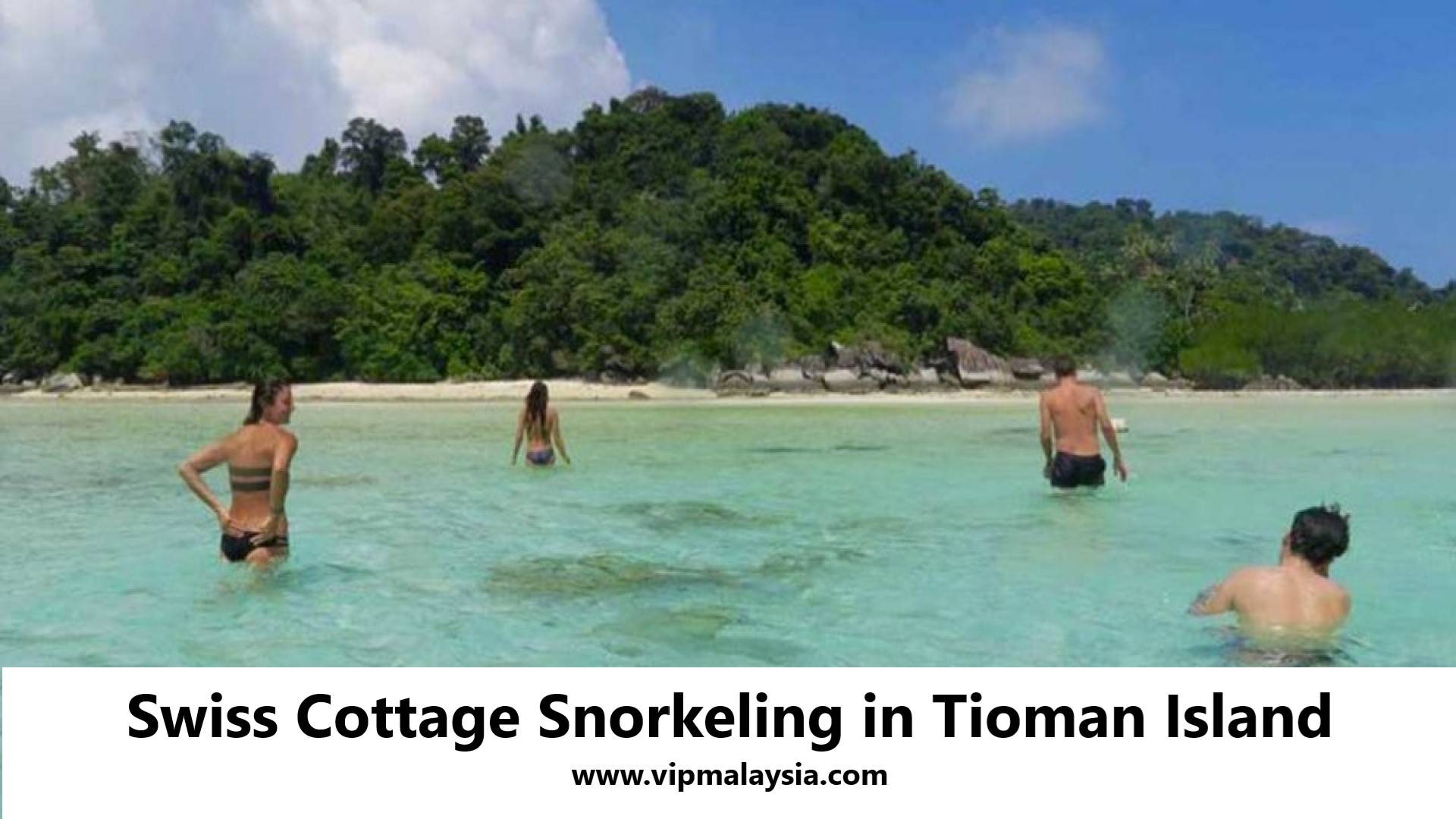
Swiss Cottage is one of the best companies that offers exciting activity in Tioman Island especially in snorkeling. You can refer the snorkeling price below and contact them directly for latest price and promo.
Services
Snorkeling
Tioman Island is a fantastic destination for snorkeling. The Shallow reefs that surround the island are ideal because you can just swim off the beach and the reef is right there no boat necessary. The Tekek beach house reef is one of the best on the island and is a favored snorkel site for both seasoned local free divers and beginners.
You can rent snorkeling gear from us.
Mask & snorkel RM10 per day
Fins are RM10 per day
Boat Trips
We can arrange boat trips out to the nearby islands with our experienced local guide Wasabi Yayah. Wasabi is well known in the village for his multitude of skills and has an uncanny knack for knowing where the turtles will be, not to mention the fact that he is just about the safest and friendliest boatman you will encounter, great with kids and one who takes great pride in making people happy. The boatrtips range from a full day to a couple of hours, the most popular is the half day morning trip. for more information, please enquire at reception.
Conclusion
Swiss Cottage Tioman Island is more than a place to stay — it is a sanctuary where rustic charm, natural beauty, and island adventure come together to create an unforgettable experience. Guests can wake to the sound of waves along pristine beaches, spend their days snorkeling among vibrant coral reefs, or wander rainforest trails alive with exotic wildlife. Evenings bring the joy of seaside relaxation, with cozy cottages offering comfort and simplicity that reflect the spirit of Tioman. Whether you are seeking adventure, tranquility, or a blend of both, Swiss Cottage Tioman Island provides the perfect setting for lasting memories. Secure your stay now and let this tropical retreat redefine the way you connect with relaxation, discovery, and the vibrant culture of Pulau Tioman.
Summary
Attraction: Swiss Cottage
Location: Pahang & Johor Malaysia
Attraction Type: Activity in Malaysia
Credit: swiss-cottage-tioman.com
Category: #Tioman #Pahang #Johor #Activity
Visitor Information
Swiss Cottage Snorkeling in Tioman Island Malaysia Lot 888 Kampung Tekek, 26800 Tioman Island, Pahang 011-2899 5874
Frequently Asked Questions (FAQs)
What are the prices for snorkeling at Swiss Cottage?
According to Swiss Cottage Tioman, the prices for snorkeling in Tioman Island are as follows:
Boat Trip
Adult Price
Child Price
Rengis Island
RM45
RM23
Full day Coral Island trip
RM110
RM55
Half day Coral Island trip
RM85
RM43
Full Day Mukut Waterfall trip
RM115
RM58
Fishing trip
RM110
RM55
Costal trip
RM80
RM40
*Kindly call for latest price/ promo
What to bring if you are planning for a boat trip?
According to Swiss Cottage Tioman Island, Mask and snorkels are included if you are doing a boat trip. You can also hire masks, snorkel and fins from the Swiss Cottage reception, if you would like to explore the house reef. If you are doing a boat trip, we recommend you bring the following with you
Towell
Wide brim hat to protect you from the sun
A Rash guard with UV protection
Water bottle (you can refill your water bottle at reception anytime)
Sunscreen (some sunscreens kill the reef, please read this article on sunscreen)
Reviews
THE SNORKELING PARADISE OF MALAYSIA: Swiss Cottage Snorkeling in Tioman Island Malaysia – Hello there, travel lovers! We are back to Malaysia – our second home! We are so happy to kick off our Malaysian series with the most beautiful island that we’ve experienced – Tioman Island, Malaysia. We are also very proud to announce that we’ve been working with Swiss Cottage Tioman, they have kindly accommodated us for free and invited us to celebrate Justina’s birthday along with Stella’s birthday! Two ladies born on the same day – International Women Day! So lucky!
We highly recommend staying at Swiss Cottage. Great hospitality, the chalets are right on the beach and it’s perfect for sunsets! Book your accommodation here: https://swiss-cottage-tioman.com/. Beer For Breakfast
Escape to Aman Tioman Beach Resort, a serene island haven where golden sands meet turquoise waters. Enjoy beachfront dining, snorkeling, and rainforest adventures. Secure your stay now and experience the perfect blend of relaxation, exploration, and authentic tropical charm in Pulau Tioman.
Introduction
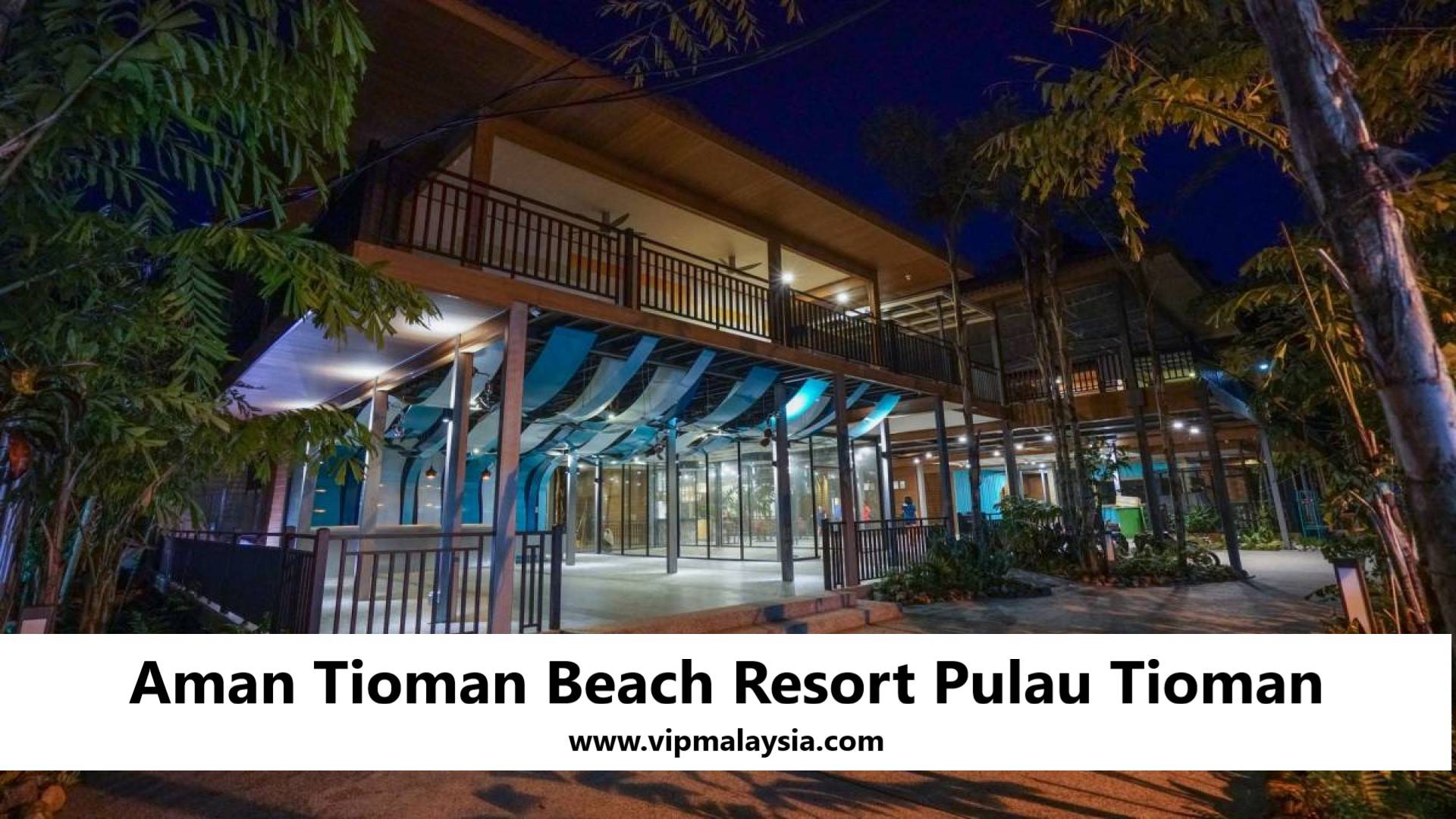
Aman Tioman Beach Resort is located at Kampung Paya of Tioman Island, a beautiful and pristine beach, where lush and peaceful rainforests also surround the resort. Surrounded by healthy and rich coral reefs, it is a haven for all scuba divers alike from around the region. Many duty-free shops exist on the island, guests can purchase goods such as liquor, chocolates and cigarettes at a lower price compared to most airports.
Kampung Paya (often called Paya Village) is a small settlement on the southwest coast of Tioman Island, Malaysia, known for its serene beach, coral reefs, and proximity to mangrove swamps, making it a popular destination for snorkeling, diving, and eco-tourism. Kampung Paya sits on the west coast of Tioman Island, between Tekek and Genting villages. It is accessible via Paya Jetty, where ferries from Mersing and Tanjung Gemok stop.
Aman Tioman is a 4 Star Beach Resort will eventually boast 135 spacious rooms, fully air-con and with satellite TV channels. Through the use of synthetic wood and other ecologically friendly building materials, the resort blends perfectly with the surrounding eco-diversity.
Far away from the hustles and bustles of the city, Aman Tioman serves as an ideal getaway for the holidays, provide an enjoyable and relaxing experience for all our guests.
Check-In: 14:00 pm / Check-Out: 10:00 am
As Tioman Island is located around 30 kilometers off the east coast of Peninsular Malaysia, it can be reached by ferries from either Mersing or Tanjong Gemok. The ferry journey from both locations to Tioman Island will require around 1.5 to 2 hours depending on the boats used. All boats will stop at the Paya Village Jetty, where guests can take a roughly 3-minute walk to our resort. Kindly visit tiomanferryticket.com for their services.
Snorkeling Package
Snorkeling is an excellent way to discover the mesmerizing magical charm that is Pulau Tioman. The island is surrounded by crystal clear freshwater with incredible visibility and pleasant temperatures. Treat yourself to relaxing and adrenaline full times with our snorkeling tours.
Snorkeling is one of the most sought after experiences for holidaymakers looking to push their limits. It’s an experience that stimulates you mentally, physically, and opens your eyes to something new; have you seen beautiful corals and fishes up close? For me, snorkeling is one of a kind adventure that puts me back in touch with nature. Tioman Island is well known for its world-class snorkeling spots. It’s an ideal location for thrill seekers craving for underwater adventure. The island is a special place that has become the ultimate getaway for dive enthusiasts.
Aman Tioman Resort is nestled at an idyllic location along a pristine beach of sandy beach with the clearest of blue water. The luxurious Aman Tioman Resort may well be the crowning jewel of Pulau Tioman. Guests at our resort enjoy the ultimate relaxation with incredible views, a picture-perfect Golden sandy beach.
Miles of pristine coral reefs provide habitats for the thousands of varieties of marine life that can be explored beneath the clear blue waters of the South China Sea. Both local and foreign enthusiasts flock Pulau Tioman to explore some of Malaysia’s most exclusive and diverse underwater world. It’s the perfect gateway to go off-grid and unwind, but for thrill-seekers, there is an array of activities to enjoy. Snorkeling is the go-to activity in Tioman for guests looking to explore colorful reefs and beautiful marine life around the island. It’s a great attraction for both non-divers and experienced divers.
Snorkeling is, without doubt, a unique experience for thrill-seekers and adrenaline enthusiasts. It’s mostly like visiting another planet full of elusive fish and coral reefs. For first time divers, it’s astonishing and humbling seeing how significant ocean life is. Aman Tioman Resort facilitates guided snorkeling excursions provided by trained professionals to ensure a safe and meaningful experience. The tours sell out quickly, so we encourage our guests to book early enough.
Accommodation
Aman Tioman Resort offers a memorable stay in cozy rooms with everything you would expect. Come and join us at Aman Tioman and enjoy an unforgettable snorkeling experience. Here you will be surrounded by breathtaking beauty as you discover one of the best-kept secrets in Peninsular Malaysia.
You can choose from an array of custom dive and accommodation packages. After thrilling adventures in Tioman, guests are served with an excellent selection of both local and international cuisines. Book with us and enjoy an abundance of amenities and comforts for the ultimate snorkeling holiday.
Club Deluxe Triple
Best accommodation in Pulau Tioman Malaysia in room: Our rooms are well-equipped with all the modern amenities, perfect for an island getaway. These rooms feature a balcony where you can enjoy a breathtaking hill view of the island. All rooms at Aman Tioman are designed specially to cater to the needs of our guests, suitable for single persons, couples and families. From RM430.00 per night
Club Deluxe Quad
Best accommodation in Pulau Tioman Malaysia in room: At Aman Tioman, our rooms are well-equipped with all the modern amenities, perfect for an island getaway. These rooms feature a balcony where you can enjoy a breathtaking hill view of the island. All rooms are designed specially to cater to the needs of our guests, suitable for single persons, couples and families. From RM480.00 per night
Deluxe Twin / Queen
Best accommodation in Pulau Tioman Malaysia in room: Our rooms in Aman Tioman are well-equipped with all the modern amenities, perfect for an island getaway. These rooms feature a balcony where you can enjoy a breathtaking hill view of the island. All rooms are designed specially to cater to the needs of our guests, suitable for single persons, couples and families. From RM380.00 per night
Deluxe Triple
Best accommodation in Pulau Tioman Malaysia in room: Our rooms are well-equipped with all the modern amenities, perfect for an island getaway. These rooms at Aman Tioman feature a balcony where you can enjoy a breathtaking hill view of the island. All rooms are designed specially to cater to the needs of our guests, suitable for single persons, couples and families. From RM410.00 per night
Deluxe Quad
Best accommodation in Pulau Tioman Malaysia in room: Our rooms are well-equipped with all the modern amenities, perfect for an island getaway. These rooms feature a balcony where you can enjoy a breathtaking hill view of the island. All rooms are designed specially to cater to the needs of our guests, suitable for single persons, couples and families. From RM460.00 per night
Attractions
Aman Tioman Resort
Aman Tioman Resort is built at a prime beachfront location that is a boat ride from the best dives sites that Malaysia has to offer. The sites are pristine and boast an unrivalled variety of marine life. We are well-positioned to make sure you dive and snorkel to your heart’s content.
Aman Tioman Resort has a unique way of meeting your adventure expectations. During the excursions, our experienced guides will point out elusive fish and marine life. We take our time to explore the pristine coral reef teaming with incredible sights including turtles and large shoals of colourful fish and plenty more. Guests are encouraged to book early to ensure a spot on the snorkelling excursions.
Aman Tioman Dive Center
If you wish to enjoy the most out of snorkelling in Pulau Tioman, book with us and we will guide you to the best untouched and secluded locations. The Aman Tioman Diving center offers quality snorkelling lessons in a beautiful and pristine environment. We have put together an excellent mix of snorkelling gear to ensure a safe and comfortable experience. Our snorkelling packages are competitively priced and provide dive enthusiasts with great fun and a much-needed diving experience.
PADI Courses
Our Aman Tioman Dive Centre PADI Courses in Tioman is managed by experience PADI Instructors and Dive Master. Equipped with stated of the art Bauer Compressor PE700-VE, brand new scuba cylinders and scuba equipments we aim to ensure peace of mind diving when you dive with us. We presently have 2 brand new dive boats (twin engine -300hp and 350hp respectively) manned by experience Boat Captains to the many dive sites around Tioman Island. Safety is our priority, and our staffs are trained to deliver best service to ensure comfortable and fabulous dive experience to our guests.
At Aman Tioman Dive Centre and Beach Resort, you will experience spectaculars sunsets, delicious barbecue seafood and international cuisine prepared by our resident Chefs. The Beach Resort host 3 restaurants, Aman Kopitiam offering a mix of local delicacies, Ocean Bliss Restaurant – delicious Chinese dishes and 2Pai Restaurant – sumptuous Western cuisine and a cocktail bar to boast for cocktail lovers.
Conclusion
Aman Tioman Beach Resort is more than a place to stay — it is a sanctuary where natural beauty, cultural richness, and modern comfort come together to create an unforgettable island experience. Guests can wake to the sound of waves along pristine beaches, spend their days snorkeling in crystal waters or kayaking across calm lagoons, and explore rainforest trails alive with exotic wildlife. Evenings bring the joy of seaside dining under starlit skies, with fresh seafood and local flavors that capture the essence of Tioman. Whether you are seeking adventure, tranquility, or a balance of both, Aman Tioman Beach Resort offers a setting that inspires lasting memories. Secure your stay now and let this tropical retreat redefine the way you connect with relaxation, discovery, and the vibrant spirit of Pulau Tioman.
Summary
Attraction: Aman Tioman Beach Resort Pulau Tioman Malaysia
Location: Pahang and Johor Malaysia
Attraction Type: Hotel in Malaysia
Credit: amantioman.com
Category: #Tioman #Johor #Hotel
Visitor Information
Aman Tioman Beach Resort Pulau Tioman Malaysia Lot 73 Kampung Paya, Pulau Tioman, 26800 Pahang Darul Makmur
Aman Tioman Dive Centre, Lot 73 Kampung Paya Tioman Island, 26800 Mersing, Pahang Telephone: +6012 336 1116 (Chok); +6012 611 2963 (Weng) Email: info@amantiomandive.com
Reviews
Aman Tioman Snorkeling Package Tioman Island Snorkeling: Pleasant jurney from busy Kuala Lumpur through chill out town Mersing to Tropical Tioman Island. Soon as we arived we felt the chill out vibe, get blowened away by green rain forest and dive into crystal clear water of china sea. It wasn’t best snorkeling of our lives, but tioman protected marine park has lot to offer. From giant corals to sharks, cuttle fish and wide variety of clown fish. Birch Web Design- youtube.com
Aman Tioman Dive Centre Tioman Island | PADI Open Water Diver Course | MALAYSIA 2019: One of the best things in Malaysia are its beautiful tropical islands that features breathtaking coral reefs and amazing sea life. We wanted to take in as much as we can and explore the beauty that lies underwater. Join us as we start our journey as scuba divers with the PADI Open Water Diver Course in one of Malaysia’s famous islands for diving, Pulau Tioman. Puri and Sue- youtube.com
Aman Tioman Dive Centre PADI Open Water Diver Course Video ALL Skills in Order • Scuba Diving Tips: PADI Open Water Diver Course Skills finally all together performed at Open Water Diver Student Level. The PADI Open Water Diver course is the most popular scuba diving course in the world, and with millions of people taking the PADI Open Water Diver course worldwide, we thought to bring you the ultimate YouTube video showing how all PADI Open Water Diver course skills are conducted from a perfect student level.
There are many PADI Open Water Diver course skills video’s out there, but many are made with demonstrations from the scuba diving instructor level. These PADI Open Water Diver course skills demonstrations include over-exaggerated movements, reminders and much more, which is fantastic for demonstrations but not always easy to understand to PADI Open Water Diver course students. The PADI Open Water Diver course instructors give fantastic demonstrations, but we wanted to show you what YOU have to do as a PADI Open Water Diver course student.
All PADI Open Water Diver Course Skills:
Skin Diving
Equipment Set Up
Disconnect Low Pressure Inflator Hose
Loose Cylinder Band
Weight Belt Removal & Replacement at the Surface
Emergency Weight Belt Drop
Confined Dive 1
Put on dive equipment using proper technique
Buddy Check
Inflate/Deflate BCD at the Surface
Regulator Clearing Two Methods
Regulator Removal & Recovery
Partially Flooded Mask
Alternate Air Source Stationary for 30 Seconds
Controlled Descent Shallow to Deep
Swim Maintaining Buoyancy
Air Check
Ascent Using Proper Technique
Inflating BCD at the Surface
Snorkeling
Orally Inflate the BCD at the Surface
Confined Dive 2
Put on dive equipment using proper technique
Buddy Check
Giant Stride Entry
Buoyancy Check at the Surface
Clear a Snorkel Using Blast Method
Snorkel to Regulator Exchange
Snorkel for 50 Meters (with a buddy)
5 Point Descent (with a buddy)
Fin Pivot LPI
Fully Flooded Mask
Mask Removal & Replacement
Scuba Diving Tips- youtube.com,
Frequently Asked Questions (FAQs)
What are scuba diving lessons offered by Aman Tioman?
Aman Tioman Snorkeling Package – As a diver, having the necessary certification is not only a proof of competence but also shows your level of proficiency. Aman Tioman Resort has an onsite dive center providing diving lessons that are inclusive of equipment use, instructions, and certification. For beginners, we teach you how to use diving equipment such as scuba-tank.
Also, you get to learn necessary skills such as how to use hand signals to communicate underwater, getting water out of the eye mask, among other skills to ensure safe and comfortable underwater exploration. Be it swimming with fish or just marveling at the underwater wonders; you need the training to ensure a safe and fun experience.
The onsite Aman Tioman Dive Center has everything you need for both training and leisure dives. Divers can rent a variety of dive equipment that is well maintained and serviced. Aman Tioman Dive Center is fully accredited by the globally recognized PADI diving education system. Armed with your training, enjoy the incredible species of flora and fauna that roam the South China Sea.
Why Aman Tioman Beach Resort is the ultimate accommodation for divers?
Aman Tioman offers perfect, stylish, family-friendly, and luxurious accommodation right at the heart of Pulau Tioman Island. For both divers and non-divers, you don’t need to go far to discover the underwater paradise when you let us accommodate you at Aman Tioman Resort. Guests are surrounded by the beauty that is unmatched anywhere on earth.
We’ve got all the amenities and comfort you can expect from a 4-star resort. Come and join us in Pulaum Tioman and enjoy the most incredible snorkeling experience of your life. Don’t dream it-book today!
Why should you choose Aman Tioman Dive Centre for PADI license?
Although scuba diving is our core activity at Aman Tioman Dive Centre, we also offer Fishing Charter, Snorkeling tours and Jungle trekking. Just visit our Aman Tioman Activities Centre and check-in with our friendly staff to book your preferred fun activity.
Discover The Barat Tioman Beach Resort, a tropical haven where golden sands meet turquoise waters. Indulge in beachfront dining, thrilling water sports, and rainforest adventures. Secure your stay now and enjoy the perfect mix of relaxation, exploration, and unforgettable island charm.
Introduction
Welcome to a taste of island life. The Barat Tioman Beach Resort warmly invites you to discover an unspoiled natural paradise located on the east side of Pulau Tioman, with a 2km long stretch of golden sand beach offering an exciting assortment of sea and land-based adventures, eco-tourism attractions and facilities throughout the year.
Hidden away on the east coast of Pulau Tioman, Juara Beach retains the charm of a secluded, unspoilt 2km long golden sand beach, voted by CNN as the No.21 most beautiful beach in the world, amidst the peaceful village of Kampung Juara. Here, discover the warm and welcoming ambience of The Barat Tioman Beach Resort.
Juara Beach is a secluded, pristine beach located on the east coast of Tioman Island, Malaysia, known for its calm waters, lush jungle backdrop, and peaceful atmosphere compared to the busier west coast. It’s often described as one of the island’s most beautiful and tranquil spots, ideal for swimming, nature walks, and turtle conservation experiences. Unlike the west coast villages (like Tekek and Salang), Juara is more remote, accessible mainly by a jungle road or boat. Juara has small resorts, guesthouses, and chalets, offering simple but comfortable stays. Visiting the Juara Turtle Project, a conservation center where visitors can learn about sea turtles and sometimes help release hatchlings.
Tekek is the largest and most developed village on Tioman Island, Malaysia, often considered its “capital.” It serves as the main entry and exit point for visitors, with ferry services, the island’s only airport, and essential facilities like shops, banks, and a hospital. Tekek is known for duty-free shops, offering alcohol, chocolates, and other goods at lower prices. More restaurants, cafes, and bars compared to other villages, giving Tekek a livelier atmosphere.
Salang is a small village on the northwest coast of Tioman Island, Malaysia, known for its lively backpacker scene, vibrant nightlife, and easy access to some of the island’s best dive sites. Compared to quieter spots like Juara, Salang is more social, with bars and beach cafés creating a lively atmosphere. Marine Life: Close to famous dive sites such as Coral Island, Labas, and Tiger Reef.
History of Pulau Tioman
According to legend Pulau Tioman which is located on the east coast of Pahang in Malaysia, was the rest stop of a beautiful dragon princess who whilst flying to visit her prince in Singapore fell in love with the surrounding waters and decided to settle there permanently by transforming her body into an island. The twin peaks, Pulau Tioman’s famous landmarks, are believed to resemble the ears of the legendary princess.
Hidden within Pulau Tioman’s tropical rainforests you can spot macaques, black giant squirrels, and various bird species which feed on local fruits. During the day, giant Asian water monitor lizards surface in search of food while colourful snakes and agamid lizards that resemble small dinosaurs play hide and seek among large tree trunks.
At night, watch out as slow lorises, brush-tailed porcupines, civets, and mouse deers come to life as you listen to the sound of katydids and cicadas fill the air – The Barat Tioman Snorkeling
Stay
Located on 5 acres of sprawling beachfront property, The Barat Tioman invites you to stay in air-conditioned comfort in one of our 56 spacious rooms with modern amenities. After an exciting day of discovering nature-inspired adventures, cool down by the swimming pool with a refreshing drink from our rooftop Skybar, or enjoy delicious bites against an ocean view at Barat Restaurant with your family and friends before heading back to your room for a hot shower and relaxing time as you watch TV.
Seafront Chalet & Seafront Villa
Spacious semi-detached chalets & villas. Wake up to a hot mug of coffee or tea while you enjoy stunning sea views from the privacy of your extra-large balcony. In the evening, relax with a cold drink from the fridge in front of your 40-inch flat screen TV. The Seafront Chalets & Villas are generously sized for four and can accommodate an extra bed (mattress).
Seaview Hilltop Villa
Luxuriate in style in your very own villa. Enjoy incredible ocean views from your large balcony as you relax in the privacy of your exclusive Seaview Hilltop Villa. Experience solitude and serenity surrounded by the tropical rainforest as you soak in your personal Jacuzzi overlooking the sea or bask in the sun on beach loungers and unwind with a book while listening to the soothing sound of the waves. Couples can look forward to a perfect night’s sleep in their King bed while families enjoy the comfort of one King and one Queen bed with the option of an extra bed (mattress).
Executive Family Room
Perfect space for group fun. More people = more fun! Our Executive Family Room comes with 1 Queen Bed and 2 Double Decker Beds to accommodate six friends or a family of six who want to spend quality time together. Got a last-minute addition? The Executive Family Room is able to fit an extra bed (mattress).
Things to do
Snorkeling Spots
Pulau Tioman is teeming with marine life and coral reefs and is a haven for nature lovers to enjoy and explore. The island’s sandy golden beaches, warm seas, lush rainforest, and endless sunshine make it one of Southeast Asia’s most attractive travel destinations – The Barat Tioman Snorkeling.
Snorkeling Package
The snorkeling packages offered from The Barat Tioman is divided into low season and peak season. The prices are very if you plan to go for snorkeling in the months of February and October.
3 Days / 2 Nights Full Board Accommodation + 2 Snorkeling Trips (low season).
4 Days / 3 Nights Full Board Accommodation + 2 The Barat Tioman Snorkeling Pulau Tioman Malaysia Trips (low season).
Package Price (Per Room): 4 Days / 3 Nights Full Board Accommodation + 2 The Barat Tioman Snorkeling Pulau Tioman Malaysia Trips (peak season).
Package Price (Per Room): 3 Days / 2 Nights Full Board Accommodation + 2 The Barat Tioman Snorkeling Pulau Tioman Malaysia Trips (peak season).
Scuba Diving
Pulau Tioman’s rich array of marine life including anemone fish, scorpion fish, nudibranchs, turtles, lobsters, and sharks make this island one of Malaysia’s most popular scuba diving destinations. Brush up on your scuba diving skills at the Barat Dive Centre; an internationally recognized PADI Dive Centre that offers diving courses and leisure dives. Beginners can get an introduction to the world of scuba diving through our Discovery Scuba Dive program.
Term & Conditions:
Please book your activities at least 1 day in advance at our Recreational Counter Located at Barat Drive Center.
Rate excluding Govt Tax / Conservation Fund imposed by Malaysian Authorities.
Proof of diving certification for leisure dive. We reserve the right to reject any participant.
We shall not be responsible for any injury or losses due to any accident during the activities.
The Barat reserves the right to change the rates without prior notice.
Discover Juara Beach
Kampung Juara is the only village on the east coast of Pulau Tioman that is accessible by road. This relatively undiscovered part of the island features the quiet and tranquil Juara Beach, which is the ideal venue for sea and water sports activities.
Here, you can swim, kayak, surf, or stand up paddle board on the clear blue waters. Under the sea, the fascinating marine ecosystem beckons you to snorkel or scuba dive to explore the wonders of the ocean. A trip to the waterfalls will leave you feeling refreshed while a jungle trek through the tropical rainforest will allow you to discover the local wildlife. You can also learn more about turtle conservation at the neighbouring turtle sanctuary or play a game of beach football or beach volleyball as you enjoy the warmth of the soft, smooth sand under your feet.
Visit The Barat Tioman’s Recreation Centre to explore all these adventures and more with the help of our experienced recreation guides.
Discover Pulau Tioman
Pulau Tioman is teeming with marine life and coral reefs, and is a haven for nature lovers to enjoy and explore. The island’s sandy golden beaches, warm seas, lush rainforest, and endless sunshine make it one of Southeast Asia’s most attractive travel destinations. According to legend Pulau Tioman which is located on the east coast of Pahang in Malaysia, was the rest stop of a beautiful dragon princess who whilst flying to visit her prince in Singapore fell in love with the surrounding waters and decided to settle there permanently by transforming her body into an island. The twin peaks, Pulau Tioman’s famous landmarks, are believed to resemble the ears of the legendary princess.
Hidden within Pulau Tioman’s tropical rainforests you can spot macaques, black giant squirrels, and various bird species which feed on local fruits. During the day, giant Asian water monitor lizards surface in search of food while colourful snakes and agamid lizards that resemble small dinosaurs play hide and seek among large tree trunks. At night, watch out as slow lorises, brush-tailed porcupines, civets, and mouse deers come to life as you listen to the sound of katydids and cicadas fill the air.
Pulau Tioman’s duty-free status is another attraction as tourists can buy chocolates, alcoholic beverages, and cigarettes at duty free prices.
Conclusion
The Barat Tioman Beach Resort is more than a place to rest — it is a destination where nature, culture, and comfort converge to create an unforgettable island experience. Guests can wake to the sound of waves along pristine beaches, spend their days snorkeling in crystal waters or kayaking across calm lagoons, and wander rainforest trails alive with exotic wildlife. Evenings bring the joy of dining by the shore, with fresh seafood and local flavors served under starlit skies. Whether you are seeking adventure, tranquility, or a balance of both, the resort offers a setting that inspires lasting memories. Secure your stay now and let The Barat Tioman Beach Resort redefine your connection to relaxation, discovery, and the vibrant spirit of Pulau Tioman.
Summary
Attraction: The Barat Tioman Beach Resort
Location: Pahang, Malaysia
Attraction Type: Island in Malaysia
Credit: barattioman.com
Category: #Tioman #Pahang #Island
Visitor Information
The Barat Tioman Beach Resort, Lot 438 Kampung Juara Pulau Tioman, 26800 Kuala Rompin, Pahang
Perjalananku ke Pulau Tioman 2020: Perjalananku ke Pulau Tioman bersama keluargaku. Perjalanan dari Jeti Mersing dengan menaiki feri ke jeti Kampung Tekek, Pulau Tioman mengambil masa 2 jam perjalanan. Setelah sampai Kampung Tekek, Pulau Tioman kami menaiki kereta pacuan empat roda menuju Kampung Juara iaitu di mana kami bermalam Di The Barat Tioman Beach Resort. Perjalanan sejauh 8km dalam masa 20 minit. Kami sekeluarga menginap di Barat Tioman Beach Resort selama tiga hari dua malam. Amri Najib- youtube.com
The Barat Tioman Snorkeling: Snorkeling at Tioman Island ABC, you do not have to scuba dive experience beautiful underwater nature. The protected rich marine life at ABC area is easy to access, corals are just few meters of the shore. Birch Web Design- youtube.com
Snorkeling in Tioman Island Pahang Malaysia: Hello there, travel lovers! We are back to Malaysia – our second home! We are so happy to kick off our Malaysian series with the most beautiful island that we’ve experienced – Tioman Island, Malaysia. We are also very proud to announce that we’ve been working with Swiss Cottage Tioman, they have kindly accommodated us for free and invited us to celebrate Justina’s birthday along with Stella’s birthday! Two ladies born on the same day – International Women Day! So lucky! We highly recommend staying at Swiss Cottage. Great hospitality, the chalets are right on the beach and it’s perfect for sunsets! Cheers! Beer For Breakfast- youtube.com
Review The Barat Tioman Beach Resort: Ideal for fun and relaxation, The Barat Tioman Beach Resort is located in the Kampung Juara area of Tioman Island. The city center is merely away, and the airport can be reached within 35 minutes. With its convenient location, the hotel offers easy access to the city’s must-see destinations. At The Barat Tioman Beach Resort, every effort is made to make guests feel comfortable. To do so, the hotel provides the best in services and amenities. While lodging at this wonderful property, guests can enjoy convenience store, daily housekeeping, gift/souvenir shop, taxi service, wheelchair accessible.
The ambiance of The Barat Tioman Beach Resort is reflected in every guestroom. television LCD/plasma screen, free welcome drink, linens, mirror, towels are just some of the facilities that can be found throughout the property. The hotel offers fantastic facilities, including boats, canoe, dart board, watersports equipment rentals, wind surfing, to help you unwind after an action-packed day in the city. Whatever your purpose of visit, The Barat Tioman Beach Resort is an excellent choice for your stay in Tioman Island. HotelKDM- youtube.com
Barat Tioman Resort One of the best resorts in Pulau Tioman: Meraikan ulangtahun perkahwinan isteriku bagaikan umpama mimpi dalam mimpi. Aku plan membawa isteriku ke Pulau Tioman detaik pertemuan di mana perasaan cinta disulami ke alam perkahwinan. Kini aku berbangga dapat dapat kembali ke Pulau Tioman setelah cinta yang disulami selepas 10 tahun ikatan perkahwinan. Baggio Megat- youtube.com
Frequently Asked Questions (FAQs)
What to discover when you are at Pulau Tioman, Malaysia
You can discover nature-inspired adventure, discover Juara Beach (also known as The Long Beach of Pulu Tioman) and discover the island rich in flora and fauna in Pulau Tioman.
What is the price range for scuba diving packages at The Barat Tioman?
The Barat Tioman Diving (Own Equipment). Contact for latest / revise price
Experience the best of Tioman Dive Resort on Pulau Tioman, Malaysia, with top-notch accommodation and diving courses provided by B&J Diving Centre. Discover why our resort is the ideal place to stay and learn diving skills. Click here for detailed information on our packages and the benefits of diving with us.
Introduction
Tioman Island has a lot to offer for everyone. It might be primarily a destination for scuba diving and snorkelling but apart from water sport and chilling out in the sun one can also go island hopping, play golf at Berjaya’s 18-hole golf course, hike through one of the oldest rainforests on earth and chill after a day in tropical paradise at our B&J Beach Bar. Get in touch with us if you’d like to know more about us and Tioman Island.
History
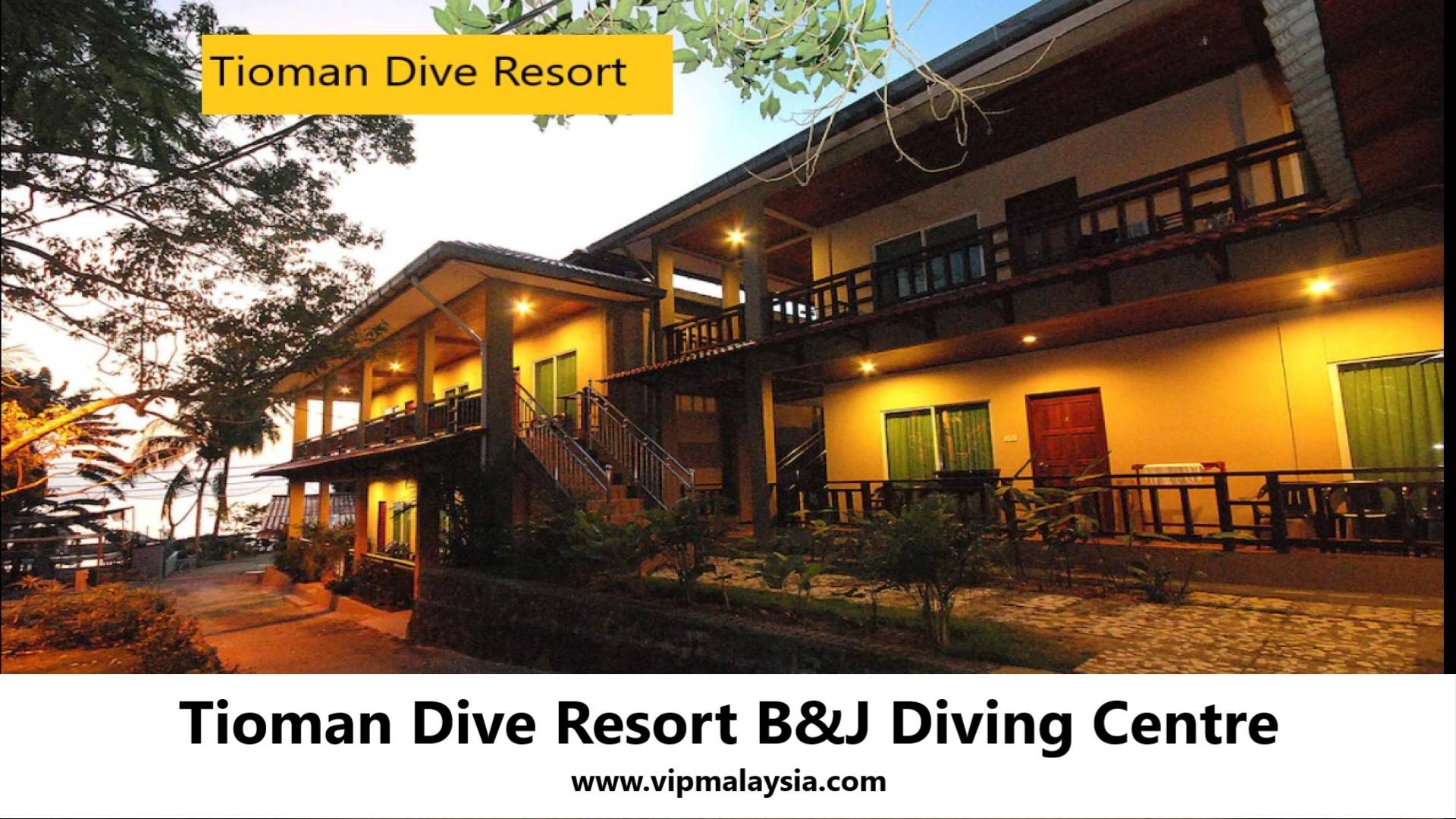
Tioman Dive Resort aka TDR was built in 2012 and extended in 2014. Tioman Dive Resort B&J Diving Centre make it a point to renovate every monsoon season to ensure the place does not age. We are a small, cozy resort with just 11 secluded rooms available to diver and non-divers alike. As our TripAdvisor reviews suggest, we can truthfully say that we have some of the best rooms available in northern Tioman. TDR is conveniently located just meters away from our scuba diving centre in ABC (Air Batang Bay) on Tioman Island.
Accomodation
TIOMAN DIVE RESORT aka TDR High quality accommodation on an island in the South China Sea. Tioman Dive Resort aka TDR was built in 2012 and extended in 2014. The mission of the owners is to offer local and international guests clean and spacious rooms with a modern design, daily room cleaning service and all the amenities one would wish for.
TDR hosts just 11 beautiful rooms in various categories as described in our room list page. It’s a double story building where every room has access to the balcony with seating arrangements. We care for the environment and have put a water dispenser as well as reusable water bottles in place. Our vision is that Tioman Dive Resort looks better each year hence we keep re-investing in TDR and renovate each room at the end of each season.
Tioman Dive Resort packages are based on various resorts in Air Batang Bay (aka ABC)
Executive Triple Rooms
Furnished with either 1 king plus a 1 single bed or instead 3 single beds. This spacious room with sofa, attached bathroom and common balcony with chairs. Expect an elegantly furnished and air-conditioned room with ceiling fan, featuring tiled flooring, a wardrobe, in-room safe, a fridge, kettle with free tea/coffee and a flat-screen satellite TV with DVD player. The rooms come with En suite bathroom offering hot water shower facility, hair dryer and free toiletries. Enjoy garden views from the room or common balcony with seating area.
All rooms have aroma diffusers as well as reusable water bottles and electronic mosquito repellent. Water dispenser for hot and cold drinking water can be found in the common areas. Daily room cleaning service. Tioman Dive Resort TDR is owned and operated by B&J Diving Centre, a leading PADI 5 Star IDC Centre which is offering all PADI scuba diving courses as well as daily dive excursions for already certified divers.
Dormitory Rooms with Air-Conditioning
Basic but clean air-conditioned “Backpacker Style” dormitory with bunk beds on the 1st floor. Warm water shower/toilets are on the ground floor and only accessible from outside. We host a total of 4 dorm rooms, each can sleep up to 5 persons. Bedsheets and towel provided but will only be changed once a week (self-wash/laundry machine is available). No room cleaning service hence you need to make-up your own bed.
Conclusion
Tioman Dive Resort is more than a destination — it’s an immersive island sanctuary where the thrill of underwater discovery meets the calm of tropical living. From colorful reefs alive with marine life to evenings spent unwinding by the shore, every detail is designed to enrich your journey. Whether you’re a passionate diver, a nature enthusiast, or simply seeking a peaceful retreat, the resort offers experiences that linger long after your visit. Secure your stay now and let Tioman Dive Resort redefine your connection to adventure, relaxation, and the natural beauty of Malaysia’s most treasured island.
Summary
Attraction: Tioman Dive Resort
Location: Pahang, Malaysia
Attraction Type: Hotel in Malaysia
Credit: divetioman.com
Category: #Tioman #Pahang #Hotel
Visitor Information
Tioman Dive Resort Air Batang, Tioman Island, Malaysia Phone: +60 9419 1218 Email: info@tiomandiveresort.com
Reviews
Awesome Room, Laid Back: Simply love this place and can’t help it, I just have to keep coming back. Love the rooms (I think I tried them all), the team, the vibe, the island and the diving. Absolutely enjoy chilling out at the bar at night and forget about work. Highly recommended for divers and non-divers .- Maisarah- Singapore
Simply Excellent ” The Best of All is Tioman Island Malaysia – B&J Diving Center: If you are into diving and looking for a chill-out hotel with nice rooms, then you are in for a treat. The rooms are very comfortable, and they provide an air diffuser as well as mosquito repellent. It is also nice that there is a water cooler that dispenses very cold and hot water. Tracey W- Singapore
Frequently Asked Questions (FAQs)
Why many peoples like to stay at Tioman Dive Resort?
Recognizing the demand for a higher standard of accommodation on the island, B&J has built its own Tioman Dive Resort to offer our customers not only spacious and clean rooms, but also daily room cleaning service and all the amenities for a luxurious stay on Tioman.
Escape to Paya Beach Resort Pulau Tioman, where pristine beaches meet lush rainforest and crystal‑clear waters. Enjoy snorkeling, spa indulgence, and unforgettable island adventures. Secure your stay now and experience the perfect blend of relaxation and discovery at Tioman’s premier beachfront resort.
Introduction
Paya Beach Spa & Dive Resort is located centrally at the central western shores of Tioman Island Malaysia. Explore the exclusive white sand beach that spans across our beachfront resort and create memorable experiences at the one and only Beach Front Resort with full facilities at Paya Village, Kampong Paya.
Experience the exhilarating feeling that Tioman Snorkeling offers from Paya Beach Resort. Snorkeling in Tioman Island is as exciting as it gets, and it all begins with a familiarization session at the resort’s snorkeling pool, followed by a brief presentation at the Movie Room, and a guided eco walk through Tioman Island Resort’s rock falls.
Snorkeling Package
Our Tioman’s Paya Beach Resort snorkeling adventure comes with some fees such as the tour starting from the beachfront to Tomok Island and back to the resort. Another tour is headed to the Benut Beach, where you can witness one of the last two turtle sanctuaries in the island. If you are adventurous enough, you may take a half-day bumboat, which goes with a snorkeling tour to Marine Park and Renggis Island. As for other guests who wish to visit other parts of Tioman Island‘s exotic snorkeling sites, you may take a private charter speedboat tour.
Keep in mind that pre-arrival reservations for Paya Beach Resort apply to secure your spot in these tours, particularly on peak seasons.
Some of the best snorkeling spots are in the temperate waters of the tropics, and our Tioman beach resort just happens to be in the perfect place, as it hugs the southern shores of Pulau Tioman. At Paya Beach Resort, we ensure your safety with a familiarization session at our swimming pool and a brief presentation, all with a dedicated guide on-site to answer all your questions. Afterwards, you can start your journey through nature with our guided rockfall walk, before diving (pun intended) into the fun of Tioman snorkeling!
Are you looking for things to do on Tioman island? Then gear up and get ready for the ultimate water adventure in the dazzling waters of the South China Sea. Our exclusive Tioman snorkeling trip, which will take you to the nearby Renggis Island & Marine Park, promises to be the height of your experience here on Pulau Tioman. See with your own eyes the scenery that seems to belong to a mermaid’s fairytale – with the vibrant marine life and beautiful coral reefs waiting for you to explore – and discover now why this is the most popular activity at our Tioman beach resort!
WHAT’S SO SPECIAL?
If you’re looking to interact with ocean life in the most authentic way, then snorkeling is the activity for you. The name comes from ‘snorkel,’ which is a sharp breathing tube, because you will only need that, some goggles, and some swim fins before you can immerse yourself in the kingdom of the sea! Float along the surface to observe exotic fish and colorful corals in the jade-like water under the sun, and you’ll find that jewels of the ocean come in more shades than gems of the lands.
And here’s the catch – you can be a non-swimmer and still enjoy snorkeling! Our on-site guides will give you training to get comfortable in water, and the swim fins are all you will need to move about. Whether you are an expert swimmer or someone with no experience, the best way to snorkel is still to slow down, relax, and let the fins do the hard work for you as you explore the marine life of Tioman island.
Rooms Highlight
Superior Pool View
With our latest addition of having a “Modern” concept themed room, the Superior Chalets located next to our swimming pool is perfect for the pool lovers! Furthermore, each room features a private balcony and is located just a few steps from the beach. Each room is equipped with two double beds which can comfortably accommodate up to 4 adults.
Superior Beach Front
The Superior Beach Front rooms at our Tioman accommodation features a private balcony that opens directly to the beach. This room category is an ideal choice for the beach lovers who are looking to spend the weekend with their loved ones enjoying the sun and the sea. There are 2 Double Beds in each room, suitable for 4 Adults. Experience the beach lifestyle with us today!
Superior Chalet
Situated in a quiet environment, our Superior Chalets are located just a few steps away from the beach. Each chalet is equipped with a private balcony for you and your loved ones to enjoy the calming sea breeze from the South China Sea. There are three different layouts available. One Queen-sized bed & One Single Sofa Bed, Two Queen-sized beds (Priority for 4 adults to a room), One Queen-sized bed and two single beds (Priority for 4 adults to a room)
Conclusion
At Paya Beach Resort Pulau Tioman, every moment is designed to immerse you in the island’s natural wonders and cultural charm, offering a rare balance of adventure and serenity. From sunrise walks along pristine sands to evenings spent savoring local flavors under the stars, the resort creates experiences that linger long after your stay. Whether you’re drawn to the thrill of snorkeling in crystal waters, the calm of a rejuvenating spa session, or the joy of discovering Tioman’s lush rainforest trails, this beachfront haven provides the perfect setting for unforgettable memories. Secure your stay now and let Paya Beach Resort redefine the way you connect with nature, relaxation, and discovery on one of Malaysia’s most treasured islands.
Summary
Attraction: Paya Beach Resort Best Hotel in Pulau Tioman Malaysia
Location: Pahang Malaysia
Attraction Type: Hotel in Malaysia
Credit: www.payabeach.com
Category: #Tioman #Pahang #Hotel
Visitor Information
Paya Beach Spa & Dive Resort Kampong Paya, Pulau Tioman, Malaysia Telephone: 1800 818 848 (Local Toll Free) / +65 6733 4333 (Overseas) / 60 186608081 (WhatsApp and WeChat) E-mail: sales@payabeach.com Website: www.payabeach.com
Frequently Asked Questions (FAQs)
Why should you choose Paya Beach Resort as your snorkeling company in Pulau Tioman?
Some of the best snorkeling spots are in the temperate waters of the tropics, and our Tioman beach resort just happens to be in the perfect place, as it hugs the southern shores of Pulau Tioman. We ensure your safety with a familiarization session at our swimming pool and a brief presentation, all with a dedicated guide on-site to answer all your questions. Afterwards, you can start your journey through nature with our guided rockfall walk, before diving (pun intended) into the fun of Tioman snorkeling!
For your adventures, we have several pre-designed snorkeling routes that caters to travelers with different preferences. Furthermore, a private speedboat tour can always be arranged if you’re interested in exploring other areas of the island.
Check out our 3D2N Fallboard Package & 3D2N Water Adventure Package that comprises of half day snorkeling tours in Tioman island.
Nestled in Cherating, Pahang, Club Med Cherating Beach is a world-class all-inclusive resort, perfect for family getaways, nature adventures, and wellness retreats. Surrounded by lush rainforest and the South China Sea, this eco-friendly paradise offers premium accommodations, thrilling activities, and a breathtaking beachfront.
Introduction
The Club Med Cherating resort is a jewel of Malaysia’s east coast, blending natural beauty with modern luxury. Located in Cherating, Pahang, this beachfront haven is surrounded by tropical rainforest and the South China Sea. Since its establishment, the resort has become a favorite among families, couples, and adventure seekers. Guests enjoy an all-inclusive experience with gourmet dining, wellness programs, and thrilling outdoor activities. With its eco-conscious philosophy and dedication to cultural immersion, Club Med Cherating offers more than just a holiday—it provides a transformative journey into nature and Malaysian heritage.
Seasonal Events and Local Cuisine
The best time to visit is between March and October, when sunny weather enhances outdoor activities.
Culinary Delights
Club Med Cherating’s restaurants serve a mix of international and local cuisine. Traditional Malay dishes such as nasi dagang and ikan bakar are popular, alongside gourmet buffets. Dining experiences often include cultural performances, blending food with entertainment.
Festival Celebrations
During festive seasons, the resort organizes special events that reflect Malaysian traditions. Guests may enjoy cultural dances, music performances, and themed dinners. These celebrations create memorable experiences that connect travelers with local culture.
Highlights
Accommodation and Amenities
Club Med Cherating offers a range of accommodations designed to suit different preferences.
Superior and Deluxe Rooms
Superior and Deluxe Rooms provide spacious comfort with views of lush gardens or the ocean. Each room features private balconies, modern décor, and amenities that ensure a relaxing stay. Guests often enjoy waking up to the sound of waves or birdsong, creating a serene atmosphere that enhances the resort’s tropical charm.
Suites with Exclusive Benefits
Suites offer elevated luxury with panoramic views and personalized concierge services. Honeymooners and VIP travelers particularly appreciate the extra space and privacy. These suites embody indulgence, combining elegance with the natural beauty of Cherating’s coastline.
Exclusive Resort Facilities
The resort’s facilities cater to both relaxation and adventure.
Zen Pool and Spa
The Zen Pool overlooks the sea, providing a tranquil escape for adults. Complementing this is the Club Med Spa, which offers massages, facials, and holistic treatments. Guests often describe these experiences as rejuvenating, blending traditional techniques with modern wellness practices.
Recreational Activities
Club Med Cherating is renowned for its diverse recreational options. Archery, golf, sailing, and rock climbing are available, alongside unique experiences like trapeze lessons and batik painting workshops. Families benefit from Kids Clubs and childcare services, ensuring that both parents and children enjoy their stay.
Sport Activities
Tennis Lesson
Individual sports to improve your skills while having heaps of fun. “The undeniable advantage of a Club Med holiday? The huge range of activities on offer,” explains Christian Hilaire, Sports Expert for the European Seaside Resort Zone.
Need to practice your backhand? Numerous resorts benefit from tennis courts surrounded by lush scenery, including Gregolimano in Greece, Phuket in Thailand and Sandpiper Bay in the USA. Golfers of all levels can practise their swing on some of the most beautiful greens in the world – check out the Club Med Resorts of Pragelato in southern Portugal and Pragelato Vialattea in Italy.
Tennis, golf or horse-riding: choose your favorite open-air sport or try them all! Whether you’re a seasoned athlete or a beginner, make the most of a huge choice of land-based sports to enjoy with family or friends at Club Med. On the land, in the air, in group classes or independently, play and work on your fitness on the best playing fields. Expert sports coaches will support in your quest for thrills and well-being. Learn tennis as a family on a clay court, or perfect your backhand, coached by André Agassi at the Sandpiper Bay Tennis Academy.
Golf Lesson
Learn to play golf like a pro and practice your swing on an oasis edged by coconut trees. Learn horse-riding on a beach of fine sand at sunset. Recharge your batteries with a yoga session on a cruise on the Club Med 2. Why not have a go at TRX, for example, a form of suspension training that builds muscles, available in some gyms, like at the Club Med Les Arcs Panorama Resort.
Relax with a tai chi session in the mountains of Asia, like at the Club Med Guilin Resort in China. In winter, hurtle down the slopes of the biggest ski areas in the Alps, or on the eternal snows of Japan. Archery, tree-top adventure courses, climbing, mountain biking, trekking, volleyball, basketball or football: an outdoor activity for everyone.
Yoga Session
Get back your Zen by enjoying yoga sessions at the Club Med Cefalù Resort in Sicily, for example. Work your muscles* and tone up with abs/glutes sessions, Pilates, step, stretching, Zumba classes… The cardio and weights room are also available all day for you to visit at your leisure.
Why not try something more unusual with a flying trapeze session at Opio in France, a beginner’s archery lesson at Bodrum in Turkey, climbing at Val Thoren’s in the Alps or even treetop-walking at Cherating Beach in Malaysia. Beginner or expert carver, if you love fresh powder, then head to the Alps, Asia or Canada for some skiing and snowboarding.
*Activities vary between Resorts
Trekking and Adventure
Jungle Treks and Eco-Tours
The resort organizes guided treks through surrounding jungles, highlighting local flora and fauna. Trails vary in difficulty, catering to casual walkers and seasoned adventurers. Guides explain the ecological importance of mangroves, rainforests, and coastal ecosystems, enriching the trekking experience.
Wildlife Encounters
Treks often reveal wildlife such as hornbills, macaques, and monitor lizards. The jungle’s biodiversity makes every walk unique, with guides emphasizing responsible observation. These encounters deepen visitors’ appreciation for Malaysia’s natural heritage.
Marine Adventures
Club Med Cherating’s beachfront location offers endless marine activities.
Kayaking and Snorkeling
Kayaking through mangrove channels provides close encounters with ecosystems that support turtle populations. Snorkeling reveals coral reefs teeming with colorful fish, occasionally accompanied by juvenile turtles. These activities highlight the interconnectedness of marine life and conservation.
Hatchling Release Programs
One of the most memorable experiences is participating in turtle hatchling release programs. Guests guide baby turtles to the sea, witnessing their first steps into the ocean. This activity fosters a personal connection to conservation, leaving lasting impressions on participants.
Educational and Cultural Experiences
Club Med Cherating emphasizes learning alongside leisure.
Batik Painting Workshops
Guests can join batik painting workshops, a traditional Malaysian art form. These sessions provide cultural immersion, allowing visitors to create personalized souvenirs. The workshops also support local artisans, reinforcing the resort’s commitment to community engagement.
Conservation Awareness Programs
The resort collaborates with nearby sanctuaries to promote conservation awareness. Educational talks and interactive exhibits inform guests about marine ecosystems, climate change, and sustainable tourism. These programs inspire visitors to adopt eco-friendly practices beyond their holiday.
Conclusion
Club Med Cherating offers an extraordinary escape combining beachfront relaxation, adventure sports, and family-friendly activities, making it one of Malaysia’s top resort destinations. Whether you’re seeking tranquility, adrenaline, or cultural immersion, this resort promises an experience like no other.
Plan your trip today—immerse yourself in nature, luxury, and adventure at Club Med Cherating!
Sophie Laurent, France – ★★★★★ “Club Med Cherating was the perfect blend of relaxation and adventure. The Zen Pool was heavenly, and the jungle trek gave us a real taste of Malaysia’s biodiversity.”
Ravi Abdullah, Pakistan – ★★★★☆ “The resort is stunning, with excellent food and activities. I especially enjoyed the batik workshop. It can get busy during peak season, but overall, a fantastic stay.”
Hannah Wong, Australia – ★★★★★ “My family loved the Kids Club, and the staff were incredibly attentive. The turtle hatchling release was magical. We’ll definitely return.”
Markus Schneider, Germany – ★★★★★ “The golf lessons and yoga sessions were highlights for me. The resort’s eco-conscious approach made the experience even more rewarding.”
Isabella Caserati, Italy – ★★★★☆ “Cherating’s cultural vibe combined with the resort’s luxury made this trip unforgettable. The food was delicious, and the staff were warm and welcoming.”
Frequently Asked Questions (FAQs)
What activities you can do at Club Med Cherating, Pahang?
More nature experiences for you. Check out the Healthy Corner in the restaurant for clean bites and Daily Detox water stations widely available in the Resort.
Nature Arts & Craft: Bring your imagination out to play and transform dried leaves, twigs, seashells or anything you manage to find in nature.
Family Painting Class: Stay connected with your loved ones and choose this form of artistic expression as family bonding fun. Reservation is required, find out more from the team once you arrive at the Resort.
Family Yoga: A wonderful way to stay relaxed and healthy – together. More Amazing Family! experiences for your family. Have a go at Family Cooking lesson and see who’s the best cook; remember to reserve your spot in advance once you’re at the resort!
What are additional activities you can do during your stay at Club Med Cherating?
Other activities you can try (at extra cost)
Family Batik class (once a week – subject to change)
Private lesson / personal training for any of the classes
Nestled along the serene beaches of Cherating, Pahang, the Chendor Turtle Sanctuary is a beacon of marine conservation. Established in 1972, this sanctuary protects endangered sea turtles, educates visitors, and offers unforgettable encounters with nature. From witnessing nesting Leatherbacks to joining hatchling release programs, the sanctuary blends adventure, education, and conservation into one inspiring destination.
Introduction
The Chendor Turtle Sanctuary in Cherating, Pahang, is more than just a tourist attraction—it is a living classroom and a vital conservation hub. Founded to safeguard Malaysia’s endangered sea turtles, the sanctuary has become a cornerstone of ecological preservation and public awareness. Visitors can explore exhibits, join guided tours, and even participate in hatchling release programs, making it a unique blend of adventure and education. With free admission and a strong emphasis on donations, the sanctuary thrives on community support and global interest in marine conservation.
Visitor Facilities
The sanctuary offers a range of facilities to enhance the visitor experience. An educational center provides exhibits on turtle biology, conservation challenges, and local marine ecosystems. Guided tours are available in both Malay and English, ensuring accessibility for international visitors. A small gift shop sells eco-friendly souvenirs, while shaded rest areas allow families to relax. Importantly, the sanctuary emphasizes sustainability, encouraging visitors to minimize plastic use and support conservation through donations.
Highlights
Turtle Species
The sanctuary is home to four remarkable turtle species, each with unique traits and nesting habits.
Leatherback Turtles (Dermochelys coriacea)
The Leatherback Turtle is the largest of all sea turtles, reaching up to 2.4 meters in length and weighing nearly 900 kilograms. Unlike other species, its shell is leathery rather than hard, giving it a unique appearance and flexibility in deep-sea diving.
Historically, Leatherbacks were the main nesting species at Chendor Beach, Malaysia. The sanctuary was established in 1972 to protect them, but their numbers have collapsed dramatically. Today, they are critically endangered and rarely seen in the region, making conservation efforts more urgent than ever.
Green Sea Turtles (Chelonia mydas)
The Green Sea Turtle is one of the most common species found at Chendor today. Growing up to 1.5 meters and weighing around 200 kilograms, they play a vital ecological role by grazing on seagrasses and algae, which helps maintain healthy seagrass beds.
Their nesting season occurs between April and September, with females laying about 115 eggs per clutch every 2–3 years. Visitors to Chendor are most likely to encounter Green Turtles during this period, making them the highlight of turtle-watching experiences.
Hawksbill Turtles (Eretmochelys imbricata)
The Hawksbill Turtle is smaller, reaching up to 114 cm and weighing between 45–70 kg. They are easily recognized by their sharp, beak-like mouth, which allows them to feed on sponges, mollusks, jellyfish, and algae.
By controlling sponge populations, Hawksbills help maintain coral reef balance. At Chendor, they are occasionally observed but are far less frequent than Green Turtles, making sightings a special experience for conservationists and visitors alike.
Olive Ridley Turtles (Lepidochelys olivacea)
The Olive Ridley Turtle is one of the smallest species, measuring 60–70 cm and weighing 35–50 kg. They are famous worldwide for their synchronized mass nesting events, known as “arribadas,” though this behavior is not common in Malaysia.
At Chendor, Olive Ridleys are rare visitors and not considered a regular nesting species. Their occasional presence adds diversity to the sanctuary’s turtle population, highlighting the global importance of protecting different species across regions.
Hatchling Release Programs
One of the most memorable adventures is participating in hatchling release programs. Visitors can help guide baby turtles to the sea, witnessing their first steps into the ocean. These programs are carefully managed to ensure minimal stress to the hatchlings. The experience fosters a personal connection to conservation, leaving lasting impressions on participants.
Trekking and Adventure
Coastal Trails and Eco-Tours
Beyond turtle encounters, the sanctuary offers trekking opportunities along coastal trails. These eco-tours highlight mangrove ecosystems, birdwatching spots, and local flora. Guides explain the interdependence of species, from migratory birds to crabs and fish nurseries. The trails are suitable for families, with shorter routes for casual walkers and longer treks for adventure seekers.
Wildlife Encounters
Trekking often reveals encounters with wildlife such as monitor lizards, hornbills, and macaques. The sanctuary’s proximity to mangroves and forests makes it a biodiversity hotspot. Guides emphasize responsible observation, ensuring minimal disturbance to animals. These encounters deepen visitors’ appreciation for Malaysia’s rich natural heritage.
Cherating Beach Activities
Cherating’s coastline offers opportunities for kayaking, snorkeling, and surfing. Kayaking through mangrove channels provides a close look at ecosystems that support turtle populations. Snorkeling reveals coral reefs inhabited by colorful fish and, occasionally, juvenile turtles. Surfing, popular among locals and tourists, adds a thrill to the coastal experience.
Cherating is a coastal village in Pahang, Malaysia, best known for its beaches, surfing, and traditional crafts. It is also home to a turtle sanctuary and has become a popular tourist destination for both locals and international visitors.
Cherating Beach is a popular destination for both locals and tourists, offering a mix of relaxation and adventure. Surfing is especially popular during the monsoon season from November to March, when waves are at their peak. Outside of surf season, visitors enjoy swimming in calmer waters and sunbathing along the wide sandy shoreline.
The beach’s laid-back atmosphere makes it ideal for families, couples, and solo travelers alike. Whether you’re chasing waves or simply soaking up the sun, Cherating provides a versatile coastal escape.
Eco-Tourism and Accessibility
Cherating is also known for its eco-tourism experiences, including mangrove river cruises where visitors can spot wildlife such as kingfishers and monitor lizards. Firefly watching at night adds a magical touch, while turtle conservation programs give travelers the chance to learn about and support endangered species.
Accessibility is straightforward, with Cherating easily reached by road from Kuantan or Kuala Lumpur. Accommodation options range from budget chalets to luxury resorts like Club Med Cherating, ensuring that every traveler finds a stay that suits their style and budget.
Conclusion
Chendor Turtle Sanctuary stands as a vital conservation center dedicated to protecting Malaysia’s sea turtles. Whether you’re interested in marine wildlife, learning about conservation, or supporting sustainability, this sanctuary offers an educational and meaningful experience.
Witness sea turtle conservation firsthand—visit Chendor Turtle Sanctuary and make a difference!
Visitor Reviews
Sweetie Tan, Singapore – ★★★★★ “I was amazed by the hatchling release program. Watching tiny turtles make their way to the ocean was unforgettable. The guides were knowledgeable and passionate about conservation.”
Cast Pierlo, Italy – ★★★★☆ “The sanctuary is well-maintained and informative. I especially enjoyed the exhibits on turtle species. It can get crowded during nesting season, but overall, a fantastic experience.”
Shahrizan Ismail, Malaysia – ★★★★★ “Bringing my children here was the best decision. They learned so much about turtles and conservation. The staff made the experience engaging and educational.”
David Johnson, United Kingdom – ★★★★★ “The trekking tours were a highlight for me. Seeing wildlife in its natural habitat was incredible. The sanctuary’s commitment to sustainability is commendable.”
Sakura Ito, Japan – ★★★★☆ “I loved the cultural blend of Cherating and the sanctuary. The local food was delicious, and the hatchery tour was very informative. A must-visit for nature lovers.”
Summary
Attraction: Chendor Turtle Sanctuary
Location: #Pahang #Cherating
Attraction Type: #Island
Source: pahangtourism.org.my
Why Visit:
Supports conservation of Malaysia’s endangered sea turtles – Learn about hatchery operations and rescue efforts
Home to multiple turtle species – Observe Leatherback, Green, Hawksbill, and Olive Ridley turtles