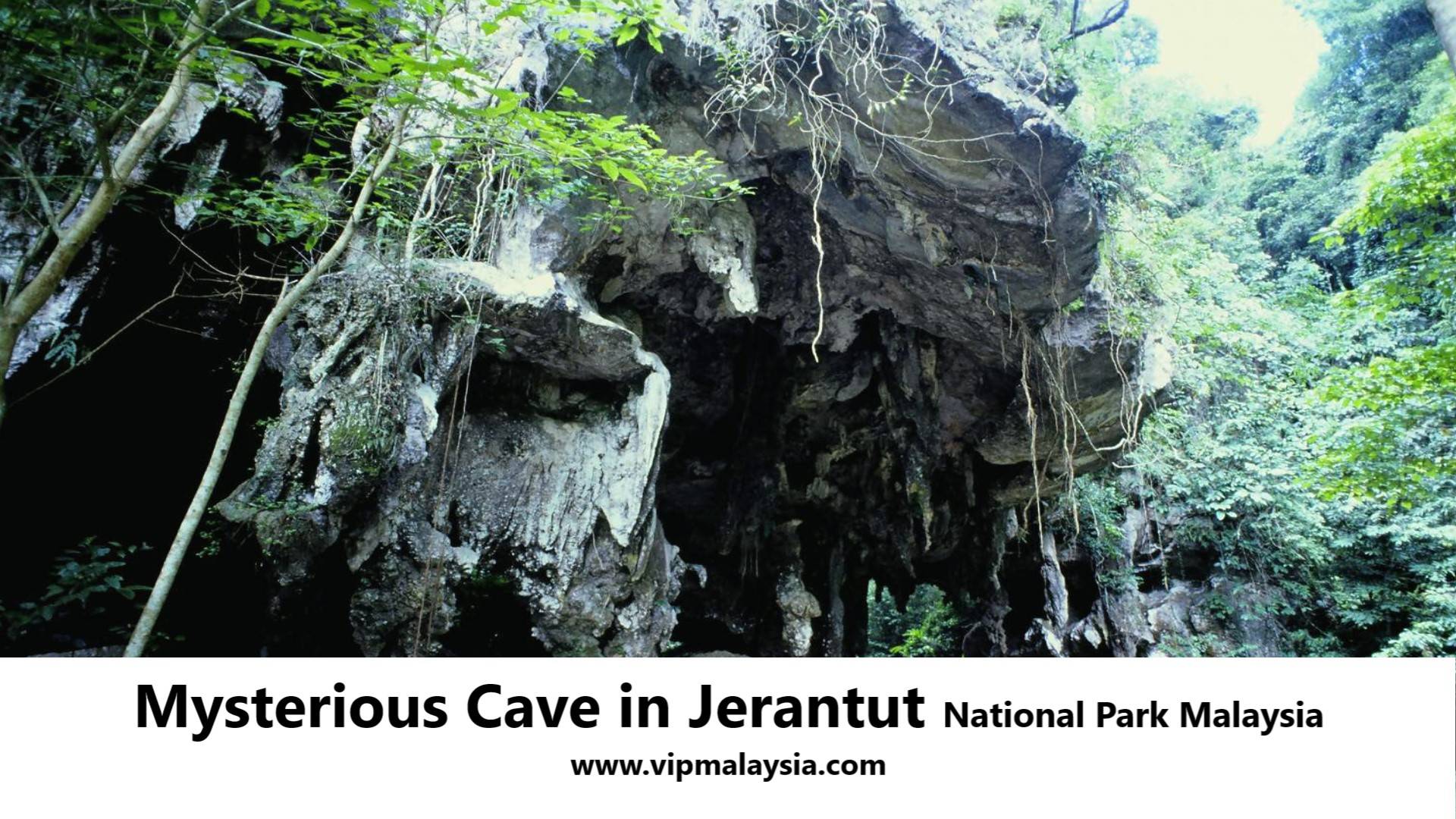
Mysterious Caves of Jerantut National Park
Jerantut National Park is home to some of Malaysia’s most mysterious subterranean caverns, offering thrilling exploration, breathtaking geological formations, and intriguing folklore. Whether you’re an adventure seeker or a curious traveler, the caves of Taman Negara promise an extraordinary journey into the depths of nature.
Introduction
Taman Negara Jerantut, located in Pahang, is one of Malaysia’s most iconic eco-tourism destinations. Beyond its lush rainforests and rivers, the park is home to a network of mysterious caves that reveal millions of years of geological history. These caverns, formed from ancient limestone, attract adventurers, photographers, and researchers alike. Visitors can explore winding tunnels, marvel at stalactites and stalagmites, and encounter cave-dwelling wildlife. With guided tours and cultural folklore enriching the experience, the caves of Taman Negara offer a unique blend of adventure, science, and heritage.
Highlights
Legendary Cave Formations
Gua Telinga (Ear Cave)
Gua Telinga is one of the most famous caves in Taman Negara, located near Kuala Tahan. Accessible via a 30-minute trek from the jetty, it is known for its winding tunnels and bat populations. The cave’s narrow passages challenge explorers, making it a favorite among adventure seekers. Guided tours provide safety and insights into the cave’s ecology.
Gua Tongkat
Gua Tongkat features large chambers with stunning limestone pillars. Legends speak of mystical artifacts hidden within, adding cultural intrigue to its geological beauty. The cave is ideal for deep exploration and photography, with its dramatic formations illuminated by natural light. Visitors often remark on the sense of mystery and grandeur that defines this cavern.
Hidden Gems Of Taman Negara
Gua Sanding
Gua Sanding is a hidden cavern filled with mesmerizing stalactites and stalagmites. Rare cave-dwelling insects thrive here, making it a site of ecological importance. Guided exploration is required for safety, as the cave’s terrain can be challenging. Its unique textures and formations make it a highlight for geology enthusiasts.
Stalactites and stalagmites are mineral formations found in limestone caves: stalactites hang like icicles from the ceiling, while stalagmites rise upward from the cave floor. Both are formed by dripping mineral-rich water that deposits calcium carbonate over thousands of years. Both are types of speleothems (cave mineral deposits).
Gua Sanding is one of the limestone caves within the Kota Gelanggi Cave Complex in Jerantut, Pahang, Malaysia. It is part of a system estimated to be 150 million years old, gazetted as a National Heritage Site, and notable for its archaeological, geological, and eco-tourism significance.
Gua Terang Bulan
This cave is famous for its natural skylight that illuminates sections of the cavern. Visitors are treated to breathtaking views of glowing rock walls, best experienced during mid-day when sunlight filters through. The interplay of light and shadow creates a magical atmosphere, making it a favorite among photographers.
Gua Terang Bulan is one of the limestone caves within the Kota Gelanggi Cave Complex in Jerantut, Pahang, Malaysia. Its name means “Moonlight Cave,” inspired by the way light enters and illuminates its chambers, creating a mystical glow. It is part of a system estimated to be 150 million years old, gazetted as a National Heritage Site, and valued for its geological, archaeological, and eco-tourism significance.
Gua Kepayang
Gua Kepayang is a massive underground network of chambers accessible via Kuala Keniyam, requiring a two-hour boat ride from Kuala Tahan. It offers multi-hour exploration opportunities, with vast spaces that feel like subterranean cathedrals. The cave’s scale and complexity make it one of the most adventurous destinations in Taman Negara.
The Kota Gelanggi caves, including Gua Kepayang, are tied to legends of orang bunian (supernatural beings) and Sang Kelembai, a mythical giant said to turn beings into stone.
Studies by the National Museum in 1981 found artifacts linked to prehistoric human settlements.
Trekking and Adventure
Guided Cave Tours
Guided tours are essential for exploring Taman Negara’s caves safely. Experienced guides provide helmets, safety equipment, and knowledge about cave ecology. Visitors learn about rock formations, bat colonies, and local folklore tied to the caves. These tours ensure that exploration is both thrilling and educational.
Visitor Facilities And Accessibility
Facilities at Kuala Tahan include ranger stations, accommodations, and boat services to cave entrances. Visitors can arrange permits and guided tours here. The nearby town of Jerantut offers supplies, food, and cultural experiences, making it a convenient base for cave exploration. Seasonal festivals in Jerantut also enrich the adventure with local traditions.
Wildlife Encounters In The Caves
The caves of Taman Negara are home to diverse wildlife, including bats, swiftlets, and rare insects. These species play vital roles in the ecosystem, from pollination to nutrient cycling. Observing them in their natural habitat provides insight into the delicate balance of cave ecology.
Swiftlets are small cave-dwelling birds from the swift family (Apodidae), found mainly in Southeast Asia, the Malay Peninsula, and the South Pacific. They are best known for building nests from their hardened saliva, which are harvested as edible bird’s nests — a delicacy highly prized in Chinese cuisine. Scientific Classification: Belong to the tribe Collocaliini within the swift family (Apodidae). Species Count: Around 30 species, mostly confined to tropical and subtropical Asia and the Pacific. In Malay, “swiftlets” are translated as burung waled.
Cultural Folklore And Legends
Local folklore adds depth to the caves’ allure. Stories of mystical artifacts, hidden treasures, and spiritual guardians are passed down through generations. These legends enrich the visitor experience, blending adventure with cultural heritage. Guides often share these tales during tours, making exploration both informative and enchanting.
Conclusion
Jerantut National Park offers an extraordinary underground adventure, making it a top destination for explorers, caving enthusiasts, and nature lovers. Whether you’re venturing into Gua Telinga’s bat-filled tunnels or marveling at limestone formations deep within Gua Kepayang, this hidden gem promises a thrilling journey below the rainforest.
Plan your cave exploration today—discover the mysteries of Jerantut National Park!
Quick Info
| Attribute | Details |
|---|---|
| Name | Jerantut National Park Caves |
| Location | Kuala Tahan, Jerantut, Pahang, Malaysia |
| GPS Position | 4.3851° N, 102.4172° E |
| Main Attractions | Gua Telinga, Gua Sanding, Gua Kepayang, Gua Tongkat |
| Nearby Landmarks | Taman Negara Rainforest, Gunung Tahan |
| Accessibility | Accessible via road & river from Jerantut town |
| Best Time to Visit | March – October for dry season exploration |
| Entry Fees | Standard park fees apply |
| Recommended Activities | Guided Cave Exploration, Trekking, Wildlife Spotting |
| Opening Hours | Open daily |
| Contact | Taman Negara Tourism (+609-4718300) |
Summary
- Attraction: Mysterious Caves of Jerantut National Park
- Location: #Pahang
- Attraction Type: #NationalPark
- Source:
- Why Visit:
- Home to ancient limestone caverns with rich geological history
- Adventure-filled treks through hidden cave tunnels
- Perfect for caving enthusiasts and nature lovers
- Spot unique rock formations & learn about cave-dwelling wildlife
Visitor Reviews
Michael Dogg, Malaysia – ★★★★★ “Exploring Gua Telinga was thrilling. The narrow tunnels and bat colonies made it unforgettable. The guides were professional and ensured our safety.”
Sebastian, Germany – ★★★★☆ “Gua Terang Bulan was magical. The natural skylight created stunning visuals. It was a bit challenging to reach, but worth the effort.”
Roslan Hawau, UK – ★★★★★ “Gua Kepayang felt like entering a cathedral underground. The chambers were massive, and the boat ride to the cave added to the adventure.”
Annie Kool, Spain – ★★★★☆ “Gua Sanding was fascinating with its stalactites and rare insects. The guided tour was informative, though the terrain was tough. A great experience overall.”
Frequently Asked Questions (FAQs)
How does a cave get its nutrients?
Caves receive nutrients through several key processes:
- Organic Matter from Surface: Nutrients can be washed into caves from the surface through rainwater and runoff. Organic matter such as leaves, soil, and animal droppings can enter caves through cracks and openings.
- Guano Deposits: Bat guano (feces) is a significant source of nutrients in many caves. It can provide essential nutrients like nitrogen and phosphorus, supporting a variety of cave-dwelling organisms.
- Microbial Activity: Microbes and fungi in caves can break down organic material and contribute to nutrient cycling. These organisms can also be involved in processes like mineral weathering, which releases additional nutrients.
- Drip Water and Mineral Deposits: Dripping water in caves can carry dissolved minerals that may contribute to nutrient availability. Over time, these minerals can accumulate in cave sediments.
- Inorganic Sources: Nutrients can also come from the dissolution of rocks and minerals present in the cave environment, providing essential elements for various cave ecosystems.
Understanding these processes helps in comprehending the nutrient dynamics of cave ecosystems and their ecological balance.