Category: Attraction

The Best Attraction in Malaysia. Makam Mahsuri is an atttraction and Langkawi is a destination in Malaysia. The best food beach, historical building, landmarks, museum, zoo, art and agriculture. Discover Malaysia attraction now from the best local cuisine in every state, explore Taman Negara, beautiful mountain etc. We will provide all 14 states in Malaysia about the attractions you must visit. Read on!

  • Lenggong Valley: Discover Malaysia’s Ancient Past

    Lenggong Valley: Discover Malaysia’s Ancient Past

    Lenggong Valley, Perak

    Step into history at Lenggong Valley, Malaysia’s UNESCO World Heritage Site. From the discovery of the Perak Man skeleton to prehistoric caves and stone tools dating back nearly two million years, this lush valley is a living museum of human civilization. Whether you’re a history buff, nature lover, or adventure seeker, Lenggong offers an unforgettable journey into the past.

    The Perak Man is the name given to the skeletal remains of a prehistoric human discovered in 1991 at Gua Gunung Runtuh in Lenggong Valley, Perak, Malaysia. Estimated to be 10,000–11,000 years old, it is the oldest and most complete human skeleton ever found in Peninsular Malaysia and Southeast Asia. The skeleton belonged to a male aged about 40–45 years, approximately 157 cm tall, who suffered from a congenital deformity known as brachymesophalangia. Despite his disability, evidence suggests he was cared for by his community, highlighting early social bonds and compassion. The burial was in a foetal position, accompanied by stone tools and river shells, indicating ritual significance. Today, Perak Man is displayed at the Lenggong Archaeological Museum.

    Introduction

    Nestled in the state of Perak, Malaysia, Lenggong Valley is one of Southeast Asia’s most significant archaeological landscapes. Recognized as a UNESCO World Heritage Site in 2012, the valley preserves evidence of human activity spanning almost two million years. Visitors are drawn not only to its archaeological treasures but also to its breathtaking rainforest scenery, cultural heritage, and nearby attractions.

    History

    The story of Lenggong Valley begins with its prehistoric legacy. Archaeological excavations have uncovered stone tools, burial sites, and skeletal remains that trace human presence back nearly two million years. The Bukit Bunuh meteorite impact site, dated to 1.83 million years ago, reshaped the valley’s landscape and preserved stone tools within suevite rock, offering rare geological and archaeological evidence.

    The Bukit Bunuh meteorite impact site is a geological and archaeological landmark in Lenggong Valley, Perak, Malaysia, where a meteorite struck approximately 1.83 million years ago. The impact created an expansive crater complex about 8 kilometers in diameter, with fissures extending as deep as 700 meters. The strike produced unique rocks such as suevite, impact melt rocks, and breccia, which preserved evidence of prehistoric stone tools embedded within them. This rare combination of geological and archaeological findings demonstrates both the force of nature and early human presence in the region. Bukit Bunuh is recognized as part of the UNESCO World Heritage Site of Lenggong Valley, making it a crucial location for geoscience research, archaeology, and public education.

    The most celebrated discovery is the Perak Man, unearthed in 1991 at Gua Gunung Runtuh. This skeleton, over 10,000 years old, is the most complete prehistoric human skeleton found in Southeast Asia. His burial site provides invaluable insights into early human life, health, and rituals. Together, these findings make Lenggong Valley a cornerstone of global archaeological research.

    Gua Gunung Runtuh is a limestone cave located at Bukit Kepala Gajah in Lenggong Valley, Perak, Malaysia. It is one of the most important archaeological sites in Southeast Asia, renowned as the discovery site of the Perak Man skeleton, dated to approximately 10,000–11,000 years ago. Excavations carried out in 1990–1991 by Universiti Sains Malaysia uncovered the burial, which included stone tools, shells, and other artifacts, reflecting the social life and rituals of prehistoric communities. The cave itself sits about 105 meters above sea level, with coordinates near GPS: 5.12659, 100.96978, and is accessible via trekking paths from nearby villages in Lenggong. Today, Gua Gunung Runtuh is recognized as part of the UNESCO World Heritage Site of Lenggong Valley.

    Highlights

    Archaeological Discoveries

    Bukit Bunuh Meteorite Impact Site

    The Bukit Bunuh Impact Site in Lenggong Valley is evidence of a meteor strike that occurred about 1.83 million years ago. The impact created an expansive crater complex spanning nearly 8 kilometers in diameter, with fissures extending as deep as 700 meters. Geological studies revealed rocks such as suevite and impact melt breccia, which preserved embedded stone tools, linking the site to early human activity.

    Research by Universiti Sains Malaysia confirmed Bukit Bunuh as an in-situ Paleolithic site and meteorite crater. The discovery of hand axes embedded in suevite rock demonstrates a rare overlap of geology and archaeology. This makes Bukit Bunuh not only a geological marvel but also a crucial record of prehistoric human presence in Southeast Asia.

    • Address: Bukit Bunuh, Lenggong Valley, Perak, Malaysia
    • Phone (Lenggong Valley Archaeological Gallery / Visitor Info): +605 7677 207

    Kota Tampan Tool Workshop

    The Kota Tampan Archaeological Site is one of Malaysia’s earliest Paleolithic stone tool workshops, dating back about 74,000 years. Excavations revealed thousands of stone tools, including hammerstones, cores, and flakes, showing advanced tool-making techniques of prehistoric humans.

    The site was abandoned after the catastrophic Toba volcanic eruption in Sumatra, which occurred around 74,000 years ago. This event covered the region in ash, halting human activity. Today, Kota Tampan remains a vital record of early technology and adaptation, with artifacts displayed at the Lenggong Archaeological Museum.

    • Address: Kota Tampan Archaeological Site, Lenggong Valley, Perak, Malaysia
    • Phone (Lenggong Valley Archaeological Gallery): +605 7677 207

    Bukit Jawa

    The Bukit Jawa Geoarchaeological Site is located along the ancient terrace of the Perak River and dates back approximately 200,000 years. It was used by Paleolithic communities as a stone tool production area, with quartzite and quartz gravels serving as raw materials.

    Artifacts discovered at Bukit Jawa include anvils, hammerstones, pebble tools, and flakes, reflecting early technological development. The site highlights the relationship between humans and their environment, making it a key component of the Lenggong Valley UNESCO World Heritage designation.

    • Address: Bukit Jawa Geoarchaeological Site, Lenggong Valley, Perak, Malaysia
    • Phone (Lenggong Valley Archaeological Gallery): +605 7677 207

    The Perak Man

    The discovery of Perak Man revolutionized Southeast Asian archaeology. His skeleton revealed congenital deformities, suggesting that prehistoric communities cared for individuals with disabilities. This finding highlights the social bonds and compassion of early societies.

    Attractions

    Lenggong Archaeological Museum

    The museum houses artifacts from Malaysia’s earliest civilizations, including the remains of Perak Man. Visitors can explore exhibits on stone tools, burial practices, and the valley’s geological history.

    • Address: Lenggong Archaeological Museum (Galeri Arkeologi Lembah Lenggong) Kota Tampan, 33400 Lenggong, Hulu Perak, Perak Darul Ridzuan, Malaysia
    • Phone: +605 767 9700
    • Opening Hours:
      • Daily: 9:00 AM – 5:00 PM
      • Friday: 9:00 AM – 12:15 PM, 2:45 PM – 5:00 PM
      • Admission: Free

    Gua Gunung Runtuh

    Gua Gunung Runtuh is a limestone cave located at Bukit Kepala Gajah, Lenggong Valley, Perak, Malaysia. The cave lies about 72 meters below the summit of the hill and has a star-shaped floor measuring roughly 96 m². It is globally significant as the burial site of the Perak Man, Southeast Asia’s most complete prehistoric skeleton, dated to around 10,000–11,000 years ago. Archaeological excavations revealed stone tools, shells, and ritual artifacts, offering insights into the social and spiritual practices of prehistoric communities.

    Visitors to Gua Gunung Runtuh can explore guided trekking routes through lush rainforest to reach the cave, combining adventure with cultural discovery. Activities include learning about prehistoric life, observing limestone formations, and experiencing the UNESCO World Heritage landscape. The site is managed under the Lenggong Valley Archaeological framework, with visitor information available at:

    • Address: Lenggong Archaeological Museum, Kota Tampan, 33400 Lenggong, Perak, Malaysia.
    • Phone: +605 767 9700

    Lipur Lata Kekabu Rainforest

    Lipur Lata Kekabu Rainforest is a popular eco-park located in Kampung Kota Tampan Air, 33400 Lenggong, Perak, Malaysia. Nestled within the Hutan Simpan Bintang Hijau, it is about 9 km from Lenggong town and 25 km from Kuala Kangsar. The site features a pristine waterfall, a suspension bridge, and well-maintained hiking trails. Facilities include campsites, a multipurpose hall, prayer rooms, toilets, and changing rooms, making it suitable for family picnics and group activities. Entry is free, and the park is open daily from 7:00 AM to 6:00 PM .

    Visitors can enjoy activities such as jungle trekking, camping, swimming in the river, and photography. The suspension bridge offers scenic views of the rainforest canopy, while the waterfall provides a refreshing natural retreat. Wildlife enthusiasts may spot tropical birds and small mammals along the trails. For more information or to arrange overnight camping, visitors can contact the Hulu Perak District Forestry Office at +605 791 2384.

    Hutan Simpan Bintang Hijau

    Hutan Simpan Bintang Hijau is a permanent reserved forest located in Lenggong, forming part of the Banjaran Bintang range. It is classified as a hill dipterocarp forest, rich in biodiversity and home to numerous endemic and migratory species. The forest supports ecosystems of granite-based soils, providing habitats for tropical flora and fauna, including rare birds and mammals.

    The forest is also the setting for eco-tourism attractions such as Lata Kekabu Forest Eco Park, which features waterfalls, trekking trails, and camping facilities. Managed by the Hulu Perak District Forestry Office, Hutan Simpan Bintang Hijau plays a vital role in conservation, education, and recreation, while being part of the broader Lenggong Geopark recognized for its geological and biological heritage.

    For those seeking more immersive experiences, nearby sites like D’Rambong Glamping Park provide options for glamping, team-building activities, and stargazing. Visitors can also enjoy water-based adventures such as tubing, rafting, and fishing along the rivers that border the forest reserve. With its rich biodiversity and eco-tourism facilities, Hutan Simpan Bintang Hijau is a perfect destination for both relaxation and exploration in Malaysia’s natural heritage .

    Trekking and Adventure

    Rainforest Trails

    Lenggong Valley’s rainforest is rich with biodiversity. Trekking trails lead visitors through dense vegetation, past waterfalls, and into caves that once sheltered prehistoric humans.

    Main Trekking Trails

    Trail NameDescription
    Puncak Anak Ulu Sepat via Pos LenwengA challenging 19.6 km trek (10–11.5 hours) into the Titiwangsa Range. Terrain shifts from swampy ground to steep rock faces, with campsites near rivers. Known for aggressive sandflies but offers rugged adventure and limited summit views.
    Trans Chamah – Ulu SepatOne of the hardest treks, spanning 70.3 km (24+ hours). Features sharp ridges, steep valleys, and multiple river crossings. Requires resilience and hydration planning due to long stretches without water sources.
    Lata Kekabu TrailA moderate 1.3 km hike (40–60 minutes) leading to a 4-meter waterfall. Includes picnic areas, resting sheds, and a sturdy bridge crossing. Ideal for families and casual hikers.
    Gua Kajang – Gua Puteri – Gua NgaumA 1.1 km cave exploration trail (45–60 minutes). Showcases limestone formations, stalagmites, and stalactites. Historically occupied during the Palaeolithic and Neolithic periods.
    Lata Tok Muda TrailA moderate 11.3 km trek with scenic rainforest views. Offers a mix of river crossings and jungle paths, suitable for intermediate hikers.
    King of Lenggong Trail (50km)A loop trail of 51.2 km with moderate difficulty and ~520 m elevation gain. For endurance runners, it can be completed in 6–7 hours during organized events, but for hikers, expect 12–17 hours or multi-day trekking depending on pace and rest stops.

    Wildlife Encounters

    The valley is home to species such as hornbills, macaques, and monitor lizards. Birdwatchers will find the area particularly rewarding, with sightings of rare tropical species.

    Cultural Festivals

    Local communities celebrate traditional festivals that showcase Perak’s heritage. Visitors can experience authentic food, music, and crafts, adding cultural depth to their adventure.

    Nearby Attractions

    Bukit Bunuh

    A site of global importance, Bukit Bunuh preserves evidence of human activity destroyed by a meteorite impact. The embedded stone tools are a rare testament to prehistoric resilience.

    Tasik Raban

    Tasik Raban is a scenic freshwater lake located in Kampung Raban, 33030 Lenggong, Perak, Malaysia. It is part of the Perak River basin and is surrounded by lush hills and traditional Malay villages. The lake is renowned for its tranquil beauty, making it a popular spot for fishing, boating, birdwatching, and photography. It also serves as a natural habitat for freshwater fish species and migratory birds, contributing to the ecological richness of the Lenggong Valley.

    Visitors can enjoy activities such as lake cruises, kayaking, and village homestays, which provide cultural immersion into the local lifestyle. The area is also home to Resort Tasik Raban, offering chalets and facilities for tourists. Tasik Raban is recognized as part of the Lenggong Geopark UNESCO World Heritage Site, linking natural beauty with archaeological significance.

    • Address: Kampung Raban, 33030 Lenggong, Perak, Malaysia
    • Phone (Resort Tasik Raban): +605 751 2799 / +6019 576 3414

    Kuala Kangsar

    Known as the royal town of Perak, Kuala Kangsar features heritage landmarks such as the Ubudiah Mosque and Istana Kenangan. It’s a cultural complement to Lenggong’s prehistoric attractions.

    Maxwell Hill

    Maxwell Hill, officially known as Bukit Larut, is Malaysia’s oldest hill station, established in 1884 by William Edward Maxwell, a British Assistant Resident of Perak. Located about 10 km from Taiping town, Perak, it sits at an altitude of 1,250 meters above sea level and is renowned for its cool climate, lush greenery, colonial-era bungalows, and vibrant flora such as sunflowers, roses, and orchids. The area is also famous for birdwatching, jungle trekking, and panoramic views stretching from Penang to Pangkor Island on clear days. Private vehicles are not allowed; visitors must use government-operated Land Rover jeeps to ascend the winding hill road.

    • Address: Bukit Larut (Maxwell Hill), Jalan Bukit Larut, 34000 Taiping, Perak, Malaysia
    • Phone (Bukit Larut Office): +605 890 8888

    Sir William Edward Maxwell Biodata

    AttributeDetails
    Full NameSir William Edward Maxwell, KCMG
    Born5 August 1846, son of Sir Peter Benson Maxwell (Chief Justice of the Straits Settlements) and Frances Dorothea
    Died10 December 1897 (aged 51), at sea off Grand Canary due to malaria; buried at sea
    SpouseLillias Grant Aberigh-Mackay (married 1870)
    ChildrenSir William George Maxwell
    OccupationBritish colonial administrator; legal profession background
    Key Roles– British Resident of Selangor (1889–1892) – Colonial Secretary of the Straits Settlements (1892–1895) – Acting Governor of the Straits Settlements (1893–1894) – Governor of the Gold Coast (1895–1897)
    ContributionsIntroduced land title systems in the Straits Settlements; promoted Malay language studies; contributed manuscripts to the Royal Asiatic Society

    Conclusion

    Lenggong Valley is more than an archaeological site—it’s a living museum of human history. From the Perak Man skeleton to the Bukit Bunuh meteorite impact site, the valley offers unparalleled insights into prehistoric life. Combined with lush rainforests, cultural festivals, and nearby heritage towns, Lenggong is a destination that blends history, nature, and adventure.

    Summary

    • Attraction: Lenggong Valley 
    • Location: #Perak 
    • Attraction Type: #Forest 
    • Source: tourismperakmalaysia.com, https://whc.unesco.org/en/list/1396/
    • Why Visit:
      • UNESCO World Heritage Site – Home to archaeological discoveries
      • Ancient human settlements – Featuring prehistoric caves, stone tools, and burial sites
      • Perak Man’s resting place – Southeast Asia’s oldest fully preserved human skeleton
      • A true open-air museum – Explore archaeological sites set in lush rainforest landscapes

    Quick Info

    AttributeDetails
    NameLenggong Valley, Perak
    AddressNo.83, Kg. Hilir Teluk Batu, 33400 Lenggong, Perak, Malaysia
    GPS Position5.0762° N, 100.9678° E
    StatePerak
    UNESCO DesignationJune 30, 2012
    Facility TypeArchaeological Site & Museum
    Special AttractionsPerak Man, Prehistoric Tool Workshops, Caves
    Nearby AttractionsKuala Kangsar, Tasik Raban, Taiping
    AccessibilityLocated north of Ipoh, accessible via highways
    Best Time to VisitMorning or evening for cooler weather
    Contact+6019-233 9101

    Visitor Reviews

    Gerald Hourier, Kuala Lumpur – ★★★★★ “I was amazed by the Lenggong Archaeological Museum. Seeing Perak Man in person was surreal. The guides were knowledgeable, and the rainforest trails nearby made the trip even more memorable.”

    Saidatul Paiman, Penang – ★★★★☆ “The valley is fascinating, especially Bukit Bunuh. The trekking experience was great, though facilities could be improved. Overall, a must-visit for history lovers.”

    Siti Rahmah, Ipoh – ★★★★★ “Lenggong Valley feels like stepping back in time. The caves and stone tools were incredible, and Tasik Raban was a peaceful retreat after exploring the sites.”

    Baskaran, Singapore – ★★★★★ “As an archaeology enthusiast, Lenggong exceeded my expectations. The Perak Man discovery is world-class, and the surrounding rainforest made the trip unforgettable.”

  • Perak Museum: Discover Malaysia’s Oldest Treasure

    Perak Museum: Discover Malaysia’s Oldest Treasure

    Perak Museum, Taiping

    Perak Museum, situated in Taiping, Perak, holds the honor of being Malaysia’s oldest museum, housing a remarkable collection of artifacts, historical treasures, and ethnological exhibits. Established in 1883, this museum offers a deep dive into Malaysia’s rich cultural, natural, and archaeological history, making it a must-visit for history lovers and curious explorers.

    Introduction

    Nestled in the charming town of Taiping, Perak Museum stands as a living testament to Malaysia’s rich heritage. More than just a repository of artifacts, it is a cultural gateway that connects visitors to the traditions, natural history, and colonial legacy of the region. Its Neo-Classical, Moorish, and Victorian architectural blend makes the building itself a historical artifact, while the exhibits inside narrate centuries of Malaysian life. Whether you are a student of history, a traveler seeking authentic experiences, or a family looking for an educational outing, Perak Museum offers a journey into the past that remains relevant today.

    History

    The Perak Museum was founded in 1883 under the guidance of Sir Hugh Low, the British Resident of Perak. Initially, its purpose was to collect and preserve specimens of flora and fauna from the Malay Peninsula. Over time, its scope expanded to include ethnological artifacts, archaeological finds, and cultural treasures. The museum’s first curator, Leonard Wray Jr., played a pivotal role in shaping its collections, ensuring that both natural history and human heritage were represented.

    AttributeDetails
    Full NameSir Hugh Low, GCMG
    Born10 May 1824, Upper Clapton, London, United Kingdom
    Died18 April 1905, Alassio, Italy (aged 80)
    OccupationBritish colonial administrator, naturalist
    Key Roles4th British Resident of Perak (1877–1889); Acting Governor of Labuan (1866–1867)
    Known ForFirst successful British administrator in the Malay Peninsula; introduced Hevea rubber trials; first documented ascent of Mount Kinabalu (1851)
    SpousesCatherine Napier (m. 1848; died 1851), Siti Hawa (before 1905), Ann Douglas (m. 1885)
    Children2 (Hugh “Hugo” Brooke Low and Catherine “Kitty” Elizabeth Low)
    LegacyKinabalu’s highest peak and a northern gully named after him; model for British colonial administration in Southeast Asia

    The building itself reflects the colonial ambitions of the late 19th century. Constructed in stages, it embodies a fusion of Neo-Classical symmetry, Moorish arches, and Victorian detailing. This architectural blend mirrors the multicultural influences that shaped Perak during the colonial era. Today, the museum stands not only as Malaysia’s oldest but also as one of its most comprehensive cultural institutions.

    Highlights

    Cultural and Ethnological Artifacts

    The museum’s cultural section showcases indigenous handicrafts, including woven textiles, mats, and baskets. These artifacts highlight the artistry of Malaysia’s Orang Asli communities. Traditional woodwork, ceremonial masks, and carved statues provide insight into ancient rituals and craftsmanship. Among the prized exhibits are heirlooms from Perak’s royal lineage, including handwoven pieces created by the Sultan’s family.

    Natural History and Wildlife Exhibits

    The zoological section features preserved specimens, including skeletons and rare species such as the benturong. Geological and botanical collections highlight Malaysia’s diverse ecosystems, from tropical plants to unique rock formations. Diorama displays, some over a century old, recreate natural habitats, offering visitors a glimpse into Malaysia’s wildlife heritage.

    A diorama is a three-dimensional model or scenic representation that depicts a situation, such as a historical event, wildlife in natural surroundings, or a miniature landscape. It often combines sculpted figures, realistic details, and painted backgrounds to create lifelike scenes for educational or entertainment purposes. Museums frequently use dioramas to showcase animals, cultural practices, or historical moments in a visually immersive way.

    Archaeological Gallery

    This gallery houses prehistoric artifacts, including pottery and stone tools. These relics provide evidence of early human settlement in the Malay Peninsula. The gallery’s layout allows visitors to trace the evolution of human culture in Malaysia, from primitive tools to more sophisticated artifacts.

    Indigenous People’s Gallery

    Dedicated to Malaysia’s indigenous communities, this gallery explores their traditions, crafts, and way of life. Exhibits include traditional attire, hunting tools, and musical instruments. The gallery emphasizes the importance of preserving indigenous heritage in the face of modernization.

    Nearby Attractions

    Taiping Lake Gardens

    Located just a short walk from the museum, Taiping Lake Gardens is one of Malaysia’s oldest public parks. Its serene lakes, lush greenery, and colonial-era landscaping make it a perfect spot for relaxation after a museum visit.

    Taiping Zoo and Night Safari

    Malaysia’s oldest zoo, Taiping Zoo, is home to diverse wildlife species. The Night Safari offers a unique opportunity to observe nocturnal animals in their natural habitats.

    Bukit Larut (Maxwell Hill)

    A colonial-era hill retreat, Bukit Larut offers trekking trails, cool weather, and panoramic views. It is a favorite destination for nature lovers seeking adventure beyond the museum.

    Conclusion

    Perak Museum is more than a historical site—it is a living archive of Malaysia’s cultural and natural heritage. From indigenous crafts to zoological specimens, every exhibit tells a story of Malaysia’s past and present. Its affordable entry and proximity to Taiping’s other attractions make it an ideal destination for families, students, and travelers. Visiting Perak Museum is not just about seeing artifacts; it is about experiencing the continuity of Malaysia’s heritage in a setting that has stood the test of time.

    Perak Museum isn’t just Malaysia’s oldest museum—it’s a historical gateway, offering a vast collection of cultural artifacts, wildlife exhibits, and ethnological wonders. Whether you’re exploring indigenous crafts, marveling at ancient zoological specimens, or admiring colonial-era architecture, this museum is a must-see for history enthusiasts.

    Step into Malaysia’s rich past—plan your visit to Perak Museum today!

    Summary

    • Attraction: #PerakMuseum  
    • Location: #Perak 
    • Attraction Type: #Museum 
    • Source: http://www.jmm.gov.my/, tourismperakmalaysia.com
    • Why Visit:
      • Malaysia’s oldest museum – Established in 1883, preserving historical & cultural artifacts
      • Extensive collections – Features ethnology, botany, zoology, and archaeology exhibits
      • Colonial architecture – A stunning British mix of Neo-Classical, Moorish, and Victorian styles
      • Affordable entry for all – Tickets priced at RM2 for adults, free for children

    Quick Info

    AttributeDetails
    NamePerak Museum, Taiping
    AddressJunction of Jalan Muzium & Jalan Taming Sari, 34000 Taiping, Perak, Malaysia
    GPS Position4.8513° N, 100.7415° E
    StatePerak
    Established1883
    Facility TypePublic Museum & National Heritage Landmark
    Special ExhibitsCultural Artifacts, Zoological Specimens, Indigenous Handicrafts, Archaeological Finds
    Nearby AttractionsTaiping Lake Gardens, Taiping Zoo & Night Safari, Bukit Larut (Maxwell Hill)
    AccessibilityCentrally located in Taiping, near Taiping Jail; easily accessible by car, bus, or train
    Best Time to VisitMorning or mid-afternoon for cooler weather and fewer crowds
    Contact+605-806 0502

    Visitor Reviews

    Michael Abdul, Kuala Lumpur – ★★★★★ “I was amazed by the depth of the exhibits. The indigenous crafts were beautifully displayed, and the colonial architecture added to the charm. A must-visit for anyone interested in Malaysian history.”

    Stephen, Penang – ★★★★☆ “The museum is small but packed with fascinating artifacts. The zoological specimens were my favorite. Entry is very affordable, making it accessible for everyone.”

    Noraini Hassan, Johor Bahru – ★★★★★ “Loved the archaeological gallery! The pottery and ancient tools gave me a real sense of Malaysia’s prehistoric past. The staff were friendly and knowledgeable.”

    James Wong, Ipoh – ★★★★☆ “Great place to spend a few hours. The diorama displays are unique and well-preserved. I also enjoyed visiting Taiping Lake Gardens afterward—it’s a perfect combination.”

  • Taiping Lake Gardens: Discover Timeless Beauty Today

    Taiping Lake Gardens: Discover Timeless Beauty Today

    Taiping Lake Gardens, Perak

    Taiping Lake Gardens in Perak is Malaysia’s first public park, established in 1880 from an abandoned tin mine. With its century-old rain trees, scenic lakes, and colonial heritage, it offers a tranquil escape for families, nature lovers, and photographers.

    Introduction

    Nestled in the heart of Taiping, Taiping Lake Gardens is a living testament to Malaysia’s colonial past and natural beauty. Established in 1880, it was the country’s first public garden, transformed from a tin mining site into a lush recreational haven. Spanning 64 hectares, the gardens feature ten interlinked lakes, iconic rain trees, lotus ponds, and heritage structures. Today, it remains one of Malaysia’s most picturesque destinations, drawing visitors for relaxation, outdoor activities, and cultural exploration.

    The Birth of Malaysia’s First Public Garden

    The story of Taiping Lake Gardens begins in the late 19th century, during the height of British colonial rule in Perak. The idea of transforming an abandoned tin mine into a public park is credited to Colonel Robert Sandilands Frowd Walker, who envisioned a green sanctuary for the growing town of Taiping. The land itself was generously donated by Chung Keng Quee, a prominent Chinese tin miner and philanthropist whose contributions shaped much of Taiping’s early development.

    Development of the gardens was overseen by Charles Compton Reade, a town planner known for his work in creating garden city concepts across Malaya. By 1884, the barren mining land had been transformed into a lush landscape, with grasses, flowers, and trees carefully planted to create a recreational retreat. To protect the young gardens, parts of the area were fenced off to keep out roaming cattle, ensuring the preservation of its delicate greenery.

    Over time, the gardens became a symbol of Taiping’s transformation from a bustling mining settlement into a town celebrated for its natural beauty and colonial heritage. Today, the Taiping Lake Gardens stand as Malaysia’s oldest public park, a living legacy of environmental restoration and community vision.

    Key Figures

    FigureContribution
    Colonel Robert Sandilands Frowd WalkerCredited with the idea of creating Taiping Lake Gardens during British colonial rule. He envisioned transforming abandoned tin mining land into a public park.
    Charles Compton ReadeTown planner who oversaw the development of the gardens in 1880. He also contributed to Kuala Lumpur’s garden city planning, working alongside Lady Swettenham.
    Chung Keng QueeWealthy Chinese tin miner who donated the land for the gardens, enabling its transformation into Malaysia’s first public park.

    Highlights

    Majestic Rain Trees

    The gardens are famous for their Angsana rain trees (Samanea saman), whose sprawling branches arch gracefully over the lakes. These century-old trees create one of Malaysia’s most photographed natural scenes, especially at sunrise and sunset.

    The Angsana rain tree (Samanea saman), also known locally as Pokok Pukul Lima or Monkey Pod Tree, is a large tropical tree belonging to the Fabaceae family. Native to Central and South America, it was introduced to Southeast Asia in the late 1800s and has since become iconic in Malaysia, especially at Taiping Lake Gardens. The tree is renowned for its massive umbrella-shaped crown, which can spread up to 30 meters, providing extensive shade. Its bipinnate leaves fold in the evening or during cloudy weather, giving it the nickname Pukul Lima (“five o’clock tree”). The tree produces pink-and-white powderpuff-like flowers and long seed pods containing sweet pulp eaten by animals. Today, it is celebrated as a heritage tree and a defining feature of Malaysia’s landscapes.

    Scenic Reflections

    The mirrored reflections of the rain trees on the calm waters are breathtaking. Photographers often capture the golden hues of dawn or the romantic glow of dusk, making this spot a favorite for wedding shoots and travel photography.

    Lotus Pond and Bridges

    The gardens feature tranquil lotus ponds and charming bridges, including the Chinese Bridge and Zig Zag Bridge, which add architectural elegance to the natural landscape. These structures highlight the blend of colonial design and local aesthetics.

    Romantic Settings

    Couples often stroll across these bridges, enjoying the serene views of lotus blooms and misty waters. The bridges provide perfect vantage points for panoramic photos of the gardens.

    Heritage Buildings

    Surrounding the gardens are colonial-era structures such as the Old Residency and Raja’s House, which reflect Taiping’s historical significance. These buildings once housed colonial administrators and local nobility.

    Architectural Legacy

    The blend of British colonial architecture with local influences offers visitors a glimpse into Taiping’s past. These heritage sites complement the gardens’ natural beauty, making the area both culturally and environmentally rich.

    Attractions

    Jogging and Walking Paths

    Well-maintained paths wind through the gardens, making them ideal for morning jogs or evening strolls. The shaded trails under rain trees provide a cool and refreshing environment.

    Paddle Boating

    Visitors can rent paddle boats to explore the lakes up close. This activity is popular among families and couples, offering a peaceful way to enjoy the gardens’ waterscapes.

    Lotus Bay Experience

    Paddle boating near Lotus Bay allows visitors to glide past blooming lotus flowers, creating a serene and picturesque adventure.

    Birdwatching and Photography

    The gardens are home to diverse wildlife, including monkeys, turtles, and numerous bird species. Birdwatchers and photographers flock here to capture the vibrant biodiversity.

    Wildlife Encounters

    Early mornings are the best time to spot kingfishers, herons, and migratory birds. The gardens’ calm environment makes wildlife observation easy and enjoyable.

    Nearby Attractions

    Taiping War Cemetery

    A solemn site near the gardens, the cemetery honors soldiers who died during World War II. Its peaceful setting provides historical context to Taiping’s colonial past.

    Tribute to History

    The cemetery is meticulously maintained, offering visitors a quiet place to reflect on Malaysia’s wartime history.

    Bukit Larut (Maxwell Hill)

    Located nearby, Bukit Larut is Malaysia’s oldest hill resort, offering jungle trekking and panoramic views of Taiping. Visitors often combine a trip to the gardens with a hike up the hill.

    Cool Climate Escape

    At 1,250 meters above sea level, Bukit Larut provides a refreshing escape from the tropical heat. Its colonial bungalows and tea houses add to the nostalgic charm.

    Taiping Zoo and Night Safari

    Adjacent to the gardens, Zoo Taiping is Malaysia’s oldest zoo, featuring over 1,500 animals. The Night Safari offers a unique chance to observe nocturnal wildlife.

    Family-Friendly Adventure

    Families can spend the day at the zoo and transition into the Night Safari, making Taiping a full-day destination for wildlife and nature enthusiasts.

    Local Food and Culture

    Nearby hawker centers such as Larut Matang Hawker Centre serve local delicacies like char kuey teow, laksa, and ice kacang. Cultural festivals in Taiping often spill into the gardens, adding vibrancy to the serene landscape.

    Culinary Delight

    After a stroll, visitors can enjoy authentic Perak cuisine, making the gardens not just a natural retreat but also a cultural experience.

    Larut Matang Hawker Centre

    DetailInformation
    NameLarut Matang Hawker Centre
    AddressJalan Panggung Wayang, Bandar Taiping, Perak Darul Ridzuan, 34000 Malaysia
    Phone (Landline)05-807 2027
    Phone (Mobile)+60 19-750 0851
    Opening HoursMon–Fri: 8:00 AM – 5:00 PM; Sat & Sun: Closed (some stalls open earlier, 5:00 AM – 9:00 PM daily)
    FacilitiesSeating available, halal & non-halal sections, nearby parking, public toilets
    SpecialtiesFamous for Mee Goreng Mamak Daun Pisang, Fishball Char Kuey Teow, Curry Mee, Wantan Mee, and Hor Ka Sai

    Conclusion

    Taiping Lake Gardens is more than a park—it is a living heritage site that blends history, nature, and culture. With its century-old rain trees, lotus ponds, colonial architecture, and nearby attractions, it offers a complete travel experience. Whether you’re a jogger, photographer, or history enthusiast, the gardens promise tranquility and inspiration.

    Summary

    • Attraction: #TaipingLakeGardens  
    • Location: #Perak 
    • Attraction Type: #Food
    • Why Visit:
      • Malaysia’s first public park – Established in 1880, preserving nature for over a century
      • Stunning rain trees & scenic lakes – Perfect for relaxation, photography, and outdoor activities
      • Colonial-era heritage structures – Featuring historical buildings surrounding the gardens
      • Recreational activities for all – Enjoy jogging, boating, cycling, and picnicking

    Quick Info

    AttributeDetails
    NameTaiping Lake Gardens, Perak
    AddressJalan Pekeliling, Taman Tasik Taiping, 34000 Taiping, Perak, Malaysia
    GPS Position4.8539° N, 100.7333° E
    StatePerak
    Date Established1880
    Facility TypePublic Park & Heritage Site
    Special AttractionsRain Trees, Lotus Pond, West Lake, Chinese Bridge, Zig Zag Bridge
    Nearby AttractionsTaiping Zoo, Bukit Larut, War Cemetery
    Accessibility5-minute drive or 20-minute walk from Taiping town; accessible via taxi/Grab
    Best Time to VisitEarly morning or late afternoon; dry season (March–October)
    Contact017-546 0464

    Visitor Reviews

    Melissa, Singapore – ★★★★★ “Walking under the rain trees felt magical. The reflections on the lake at sunset were unforgettable. A must-visit for anyone traveling to Perak.”

    Kamal Gaddafi, Kuala Lumpur – ★★★★☆ “The gardens are beautiful and well-kept. Paddle boating was fun, though I wish there were more food stalls inside. Still, a peaceful retreat worth visiting.”

    Alicia Burn, USA – ★★★★★ “I was amazed by the heritage buildings around the gardens. The combination of colonial history and natural beauty made this one of the highlights of my Malaysia trip.”

    Siti Hasliza, Johor – ★★★★☆ “The jogging paths are perfect for morning exercise. I loved the birdwatching opportunities, especially spotting kingfishers. Rainy weather can be a challenge, but it adds to the charm.”

  • Zoo Taiping Night Safari: Experience Nature After Dark

    Zoo Taiping Night Safari: Experience Nature After Dark

    Zoo Taiping Night Safari, Perak

    Zoo Taiping Night Safari in Perak is Malaysia’s first nocturnal wildlife experience, offering visitors a chance to witness rare animals under moonlit skies. With over 1,600 animals across 140 species, immersive habitats, and nearby cultural attractions, it’s a must-visit destination for families, nature lovers, and adventure seekers.

    Introduction

    Nestled within the lush greenery of Taiping Lake Gardens, Zoo Taiping Night Safari stands as one of Malaysia’s most unique wildlife attractions. Unlike traditional zoos, this safari allows visitors to explore the fascinating world of nocturnal animals in their natural settings. Covering 36 acres, the zoo is home to more than 1,600 animals from 140 species, ranging from majestic predators to rare nocturnal creatures. Its open-concept enclosures replicate natural habitats, making it both an educational and thrilling experience for all ages.

    Taiping Lake Gardens (Malay: Taman Tasik Taiping) is Malaysia’s first public garden, established in 1880 during British colonial rule. Originally a tin mining site, it was transformed into a lush recreational park featuring scenic lakes, century-old rain trees, and diverse flora and fauna. Covering approximately 64 hectares, the gardens are located in Taiping, Perak, and remain one of the country’s most cherished heritage landscapes. It is a popular destination for walking, jogging, cycling, paddle boating, and photography, offering both historical significance and natural beauty. Address: Jalan Pekeliling, Taman Tasik Taiping, 34000 Taiping, Perak, Malaysia

    History

    Zoo Taiping was established in 1961, making it Malaysia’s oldest zoo. Over the decades, it has grown into a premier conservation and education center. In 2003, the Night Safari was introduced, marking Malaysia’s first-ever nocturnal zoo experience. This innovation transformed Taiping into a tourism hotspot, attracting both local and international visitors eager to witness wildlife behavior after dark. The zoo has also played a vital role in breeding endangered species such as the Malayan tiger and siamang, contributing to Malaysia’s conservation efforts.

    The siamang (Symphalangus syndactylus) is the largest species of gibbon, an arboreal primate native to the forests of Sumatra (Indonesia) and the Malay Peninsula. Distinguished by its shaggy black fur and long arms, the siamang can reach up to 1 meter in height and weigh around 10–14 kilograms. A unique feature is the gular sac (throat pouch), which can inflate to the size of its head, amplifying its loud, resonating calls that carry across the forest. Another distinctive trait is the partial webbing between its second and third toes, reflected in its scientific name syndactylus (“joined fingers”).

    Highlights

    Majestic Predators

    Visitors can observe Malayan tigers, lions, and leopards in enclosures designed to mimic their natural habitats. These predators are most active at night, offering a rare glimpse into their nocturnal behaviors.

    Rare Nocturnal Creatures

    The Night Safari showcases animals that thrive in darkness, including owls, civets, and slow lorises. Their unique adaptations highlight the diversity of Malaysia’s wildlife.

    Exotic Species

    Beyond nocturnal animals, the zoo houses orangutans, giraffes, hippos, hornbills, and deer, making it a comprehensive wildlife destination.

    Attractions

    Conservation and Breeding Programs

    Zoo Taiping has successfully bred endangered species such as tigers, Nilgai, and Siamang. Its conservation initiatives emphasize sustainable habitats and educational outreach.

    The nilgai (Boselaphus tragocamelus), also known as the “blue bull,” is the largest antelope in Asia. Native to the northern Indian subcontinent and parts of eastern Pakistan, it is the sole member of the genus Boselaphus. Adult males are characterized by their bluish-gray coat, short horns, black mane, and a tuft of long hair on the throat, while females and juveniles are tawny to orange-brown. Nilgai typically stand 1.2–1.5 meters at the shoulder and weigh between 100–215 kilograms.

    Educational Tours

    Guided tours provide insights into Malaysia’s conservation efforts, teaching visitors about the importance of protecting biodiversity. These tours are especially popular among school groups and families.

    Visitor Facilities

    The zoo offers amenities such as food stalls, rest areas, and souvenir shops. Accessibility features ensure that families with children and elderly visitors can enjoy the safari comfortably.

    Jungle Walks

    The Night Safari includes walking trails where visitors can explore the zoo’s outdoor sections under moonlit skies. These trails are safe yet immersive, allowing guests to feel connected to nature.

    Tram Rides

    For those who prefer a more relaxed experience, tram rides provide a guided journey through the zoo’s highlights. Narration during the ride enhances the educational aspect of the visit.

    Adventure for Families

    Interactive feeding sessions and discovery trails make the safari family-friendly, ensuring children can learn while having fun.

    Nearby Attractions

    Taiping Lake Gardens

    Located adjacent to the zoo, this century-old park is famous for its rain trees and tranquil lakes. It’s a perfect spot for relaxation before or after your safari adventure.

    Bukit Larut (Maxwell Hill)

    Just a short drive away, Bukit Larut offers hiking trails and panoramic views of Taiping. It’s Malaysia’s oldest hill resort, ideal for nature enthusiasts.

    Perak Museum

    As Malaysia’s oldest museum, the Perak Museum showcases cultural artifacts, natural history exhibits, and heritage collections. It complements the educational experience of the zoo.

    Conclusion

    Zoo Taiping Night Safari is more than just a zoo—it’s an immersive journey into Malaysia’s nocturnal wilderness. With its rich history, diverse wildlife, conservation programs, and nearby attractions, it offers something for everyone. Whether you’re a family seeking adventure, a student eager to learn, or a traveler exploring Perak, this destination promises unforgettable memories.

    Summary

    • Attraction: #Zoo Taiping 
    • Location: #Perak 
    • Attraction Type: #Zoo 
    • Source: tourismperakmalaysia.com, https://zootaiping.gov.my/
    • Why Visit:
      • Malaysia’s first night safari – Explore wildlife under moonlit lighting
      • Over 1,500 animals across 140 species – Spot tigers, lions, giraffes, and more
      • Immersive nature experience – Located within the scenic Taiping Lake Gardens
      • Open-concept enclosures – Designed to replicate the animals’ natural habitats

    Quick Info

    AttributeDetails
    NameZoo Taiping Night Safari, Perak
    AddressJalan Taman Tasik Taiping, Taman Tasik Taiping, 34000 Taiping, Perak, Malaysia
    GPS Position4.8472° N, 100.7346° E
    StatePerak
    Facility TypeZoo & Night Safari Experience
    Total Animals1,500+ individuals across 140 species
    Special AttractionsMalayan Tigers, Nocturnal Species, Walking Trails
    Nearby AttractionsTaiping Lake Gardens, Bukit Larut, Perak Museum
    AccessibilityLocated within Taiping, adjacent to Taiping Lake Gardens
    Best Time to VisitEvening or night for the full safari experience
    Contact+605-805 5676

    Visitor Reviews

    Amirul Afiyan, Kuala Lumpur – ★★★★★ “I brought my kids to the Night Safari, and they were amazed by the tigers and owls. The tram ride was comfortable, and the guided narration made it educational. Truly worth the trip!”

    John Teh, Penang – ★★★★☆ “The zoo is well-maintained, and the nocturnal experience is unique. I loved the slow lorises and civets. However, I wish there were more food options inside. Still, a great family outing.”

    Teh Chooi Im, Ipoh – ★★★★★ “Zoo Taiping Night Safari exceeded my expectations. The enclosures felt natural, and the conservation efforts are commendable. Bukit Larut nearby made the trip even more memorable.”

    Shahrul Mohamad Nor, Johor Bahru – ★★★★☆ “The Night Safari was magical. Watching animals under moonlight was surreal. The educational tours were informative, though the walking trails could use better lighting. Overall, highly recommended.”

  • Yasmin Ahmad Museum Ipoh: Explore Today

    Yasmin Ahmad Museum Ipoh: Explore Today

    Yasmin Ahmad at Kong Heng Museum, Ipoh

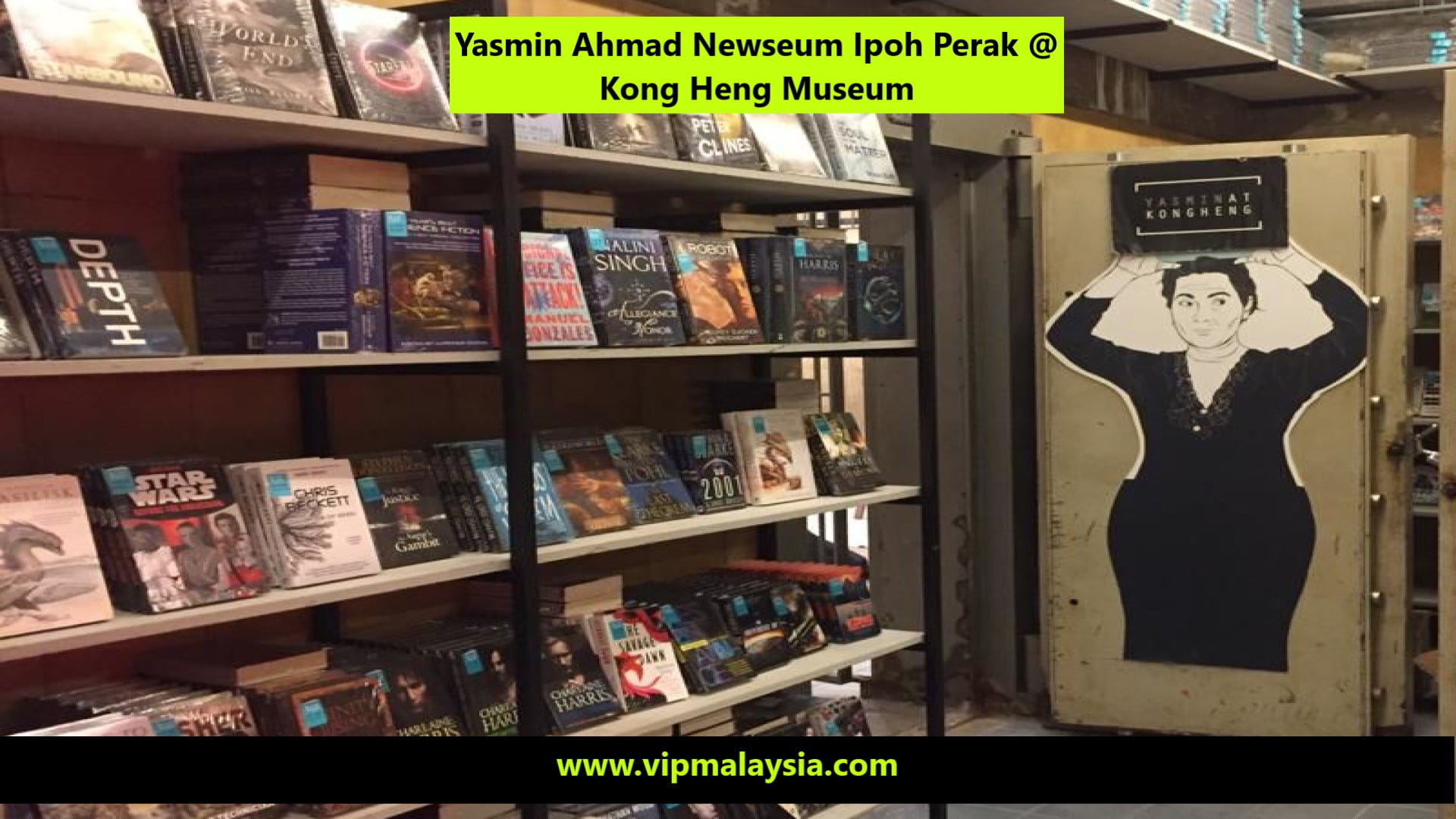
    Yasmin Ahmad at Kong Heng Museum, located in Ipoh, Perak, is a heartfelt tribute to one of Malaysia’s most iconic filmmakers, Yasmin Ahmad. Renowned for her groundbreaking films like “Sepet,” “Gubra,” “Muallaf,” and “Talentime”, Yasmin’s work celebrated Malaysia’s multicultural society with powerful storytelling, deep human emotions, and thought-provoking themes.

    Introduction

    Nestled in the vibrant heart of Ipoh, Perak, the Yasmin Ahmad at Kong Heng Museum stands as a living tribute to one of Malaysia’s most beloved filmmakers. Yasmin Ahmad, celebrated for her groundbreaking films such as Sepet, Gubra, Muallaf, and Talentime, left behind a legacy that continues to inspire audiences across generations. Her works championed unity, diversity, and the beauty of everyday life in Malaysia’s multicultural society.

    The museum, located within Kong Heng Square, is more than just a collection of artifacts—it is a storytelling sanctuary. Visitors are invited to step into Yasmin’s world, experiencing her creative journey through personal archives, film screenings, and interactive exhibits. Surrounded by Ipoh’s heritage architecture, bustling cafes, and artistic spaces, the museum offers a cultural immersion that blends cinema, history, and community spirit.

    Summarizing Four Iconic Films

    FilmDetails
    SepetReleased in 2005, this romantic drama set in Ipoh tells the story of Jason, a Chinese boy selling pirated VCDs, and Orked, a Malay schoolgirl. Their interracial romance explores themes of love, race, and societal pressures. It won Best Film at the Malaysian Film Festival and international recognition at the Tokyo International Film Festival.
    GubraReleased in 2006, this sequel to Sepet continues Orked’s journey, now married but facing marital struggles. The film intertwines her story with social issues such as HIV awareness and religious tolerance. Shot in Ipoh, it reflects Yasmin’s signature style of blending humor with sensitive themes.
    MuallafReleased in 2008, this drama follows two Malay sisters escaping their abusive father and finding refuge with a Catholic schoolteacher. The film explores themes of faith, forgiveness, and cross‑cultural understanding. Initially screened in Singapore due to censorship issues in Malaysia, it later won recognition at the Tokyo International Film Festival.
    TalentimeReleased in 2009, Yasmin’s final film before her passing centers on a school talent competition, weaving together stories of love, family, and cultural diversity. It features a romance between a Malay‑mixed pianist and a deaf Indian boy, highlighting Malaysia’s multicultural fabric. The film was praised for its emotional depth and musical elements.

    History

    The museum was established in 2014 as a collaborative effort between Yasmin’s family, friends, and supporters who wished to preserve her legacy. It occupies a space within Kong Heng Square, a historic area that has been revitalized into a hub for arts and culture. The museum is often referred to as a “newseum” or resource center, emphasizing its evolving nature.

    Yasmin Ahmad’s career spanned advertising and filmmaking, with her iconic Petronas festive commercials touching millions of Malaysians. Her films broke barriers by portraying interracial relationships, religious diversity, and the struggles of ordinary people. The museum captures this spirit by showcasing her handwritten notes, original scripts, awards, and behind‑the‑scenes footage. It is not only a memorial but also a platform for dialogue about cinema, culture, and identity.

    Visitor Facilities

    Accessibility

    The museum is designed to be accessible to all visitors, with ramps and seating areas available.

    Guided Tours

    Occasional guided tours provide deeper insights into Yasmin’s life and works, led by curators or volunteers passionate about her legacy.

    Nearby Towns

    Visitors can explore nearby towns such as Kampar and Taiping, each offering unique cultural and historical experiences.

    Cultural Festivals

    Ipoh hosts various cultural festivals throughout the year, including food fairs, art exhibitions, and traditional celebrations. These events enrich the museum experience by connecting visitors to the broader cultural landscape.

    Highlights

    Personal Archives

    Visitors can explore Yasmin’s personal belongings, including her handwritten notes, diaries, and film scripts. These artifacts provide insight into her creative process and the themes she cared deeply about—love, family, and unity.

    Biodata for Yasmin Ahmad

    AttributeDetails
    Full NameYasmin binti Ahmad
    Date of Birth7 January 1958
    Place of BirthKampung Bukit Treh, Muar, Johor, Malaysia
    Date of Death25 July 2009 (aged 51)
    Place of DeathDamansara Specialist Hospital, Petaling Jaya, Selangor, Malaysia
    OccupationFilm director, writer, scriptwriter; Executive Creative Director at Leo Burnett Kuala Lumpur
    Years Active1993–2009
    SpouseTan Yew Leong (m. 2003–2009)
    ParentsAhmad Hashim (father), Inom Yon (mother)
    EducationStudied politics and psychology at Newcastle University, England
    Notable WorksSepet, Gubra, Muallaf, Talentime, Petronas festive ads
    Awards & RecognitionMultiple international film festival awards; Inducted into Malaysian Advertising Hall of Fame (2008)

    Film Screenings

    The museum occasionally hosts screenings of Yasmin’s films in intimate settings. Watching Sepet or Talentime within the museum adds a layer of emotional resonance, as visitors are surrounded by the very artifacts that shaped these stories.

    Advertising Masterpieces

    Yasmin’s Petronas advertisements are legendary for their heartfelt storytelling. The museum features clips and storyboards from these commercials, reminding visitors of her ability to capture the essence of Malaysian life in just a few minutes.

    Interactive Exhibits

    Beyond static displays, the museum encourages engagement. Visitors can participate in discussions, workshops, and cultural dialogues that reflect Yasmin’s vision of inclusivity and empathy.

    Nearby Attractions

    Kong Heng Square

    The museum is located in Kong Heng Square, a lively area filled with heritage cafes, boutique shops, and creative spaces. The square itself is a destination, offering visitors a chance to enjoy Ipoh’s famous white coffee and local delicacies.

    • Address: Kong Heng Square, Jalan Bandar Timah, 30000 Ipoh, Perak, Malaysia
    • Phone: +60 5-241 1692

    Time Tunnel Museum

    Nearby, the Time Tunnel Museum offers a nostalgic journey through Malaysia’s past. Visitors can explore vintage collectibles, old photographs, and artifacts that evoke memories of bygone eras.

    • Address: 23, Jalan Panglima, 30000 Ipoh, Perak, Malaysia
    • Phone: 016-328 8438

    The Time Tunnel Museum in Ipoh Old Town is a nostalgic memorabilia museum that allows visitors to step back in time and relive Malaysia’s past. Located on Jalan Panglima, it showcases everyday items from the 1950s through the 1980s, including vintage telephones, cameras, barber chairs, cash registers, and advertising posters. Curated by See Kok Shan, it is a sister property to the Cameron Highlands Time Tunnel Museum. Exhibits also include personal items such as family photographs, report cards, bus tickets, and driver’s licenses, as well as sections dedicated to Ipoh’s tin mining history and wartime artifacts from the Japanese Occupation. A highlight is the reconstructed kopitiam (traditional coffee shop), complete with old Coca‑Cola bottles, Milo tins, and vintage teapots, offering a detailed glimpse into Malaysia’s cultural heritage.

    Ipoh’s Street Art Trail

    Ipoh is renowned for its vibrant street art, with murals depicting Malaysian heritage and culture. The trail is easily accessible from Kong Heng Square, making it a perfect complement to the museum visit.

    Kinta Nature Park

    Located just outside Ipoh, Kinta Nature Park is a haven for birdwatchers and nature enthusiasts. The park is home to over 130 species of birds, including migratory species, making it a rewarding stop for eco‑tourists.

    Gua Tempurung

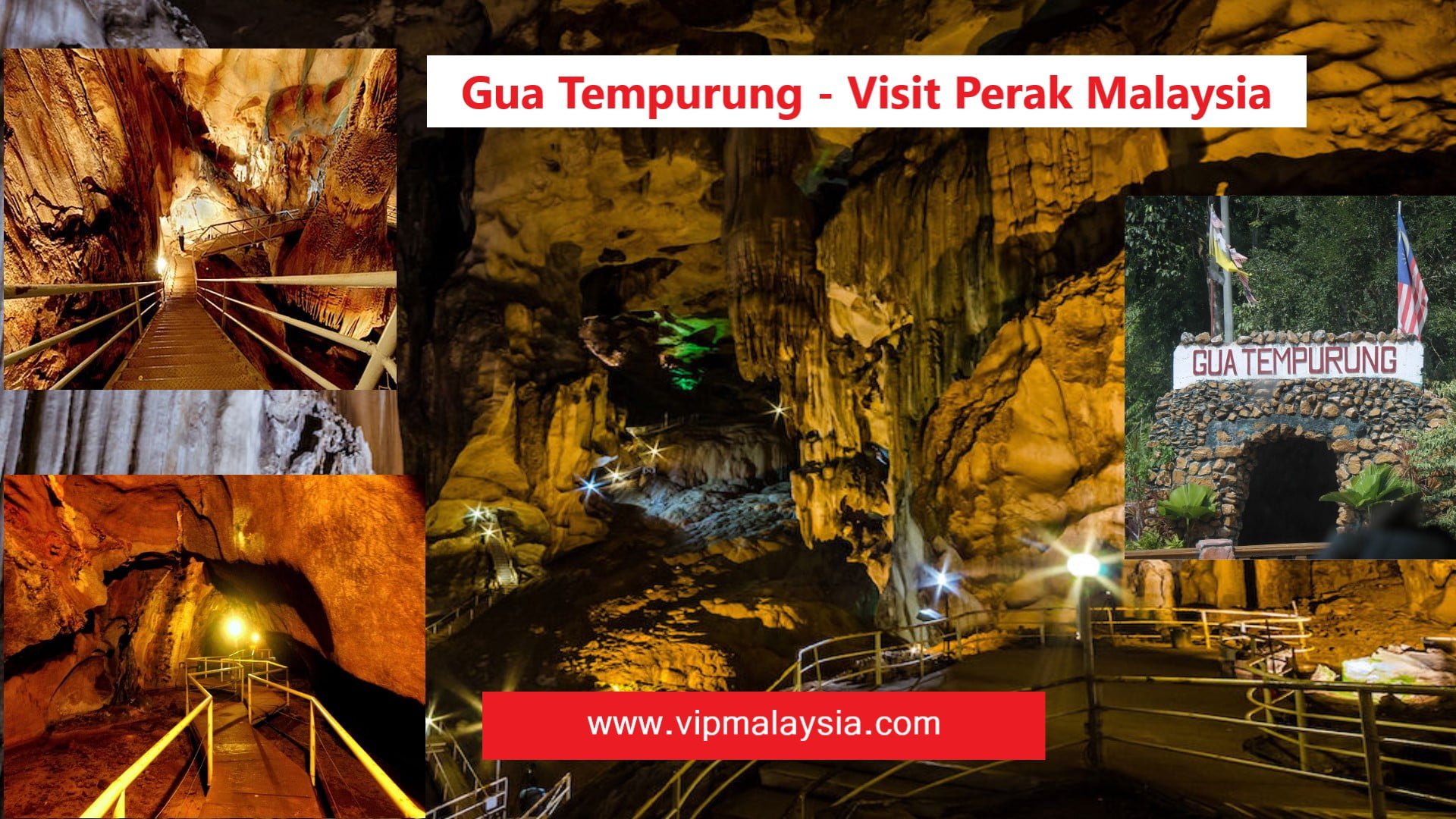
    One of Malaysia’s largest limestone caves, Gua Tempurung offers trekking and caving adventures. Visitors can explore its chambers, underground rivers, and stunning stalactite formations.

    Bukit Kledang

    For those seeking a hiking challenge, Bukit Kledang provides trails of varying difficulty. The summit offers panoramic views of Ipoh and its surrounding landscapes, making it a favorite among locals and tourists alike.

    Bukit Kledang, also known as Kledang Hill, is a well‑loved hiking destination located near Ipoh, Perak. Rising to about 808 meters, it offers multiple trails such as the “main road,” “4‑2,” “4‑3,” “4‑9,” and “RTM,” with the popular “4‑2” staircase trail leading to a viewpoint at 350 meters that provides clear, unobstructed vistas of Perak below. The summit itself is forested and does not offer wide views, so most hikers stop at the viewpoint. The trails are free to access, well‑maintained, and frequented by locals of all ages, making Bukit Kledang both a fitness hub and a nature retreat for residents and visitors alike.

    Main Trails

    Trail NameDetails
    4‑2 TrailA popular one‑hour jungle hike leading to a gazebo viewpoint at around 350 meters. Known for its tire‑step path, it offers the clearest panoramic views of Ipoh and Perak. Suitable for casual hikers but can be physically demanding.
    RTM TrailA longer, more challenging route (2–4 hours) that leads to the summit and the broadcasting tower (RTM station). Mostly tarmac road with steep inclines, surrounded by dense trees at the top. Best for fitness training rather than scenic views.
    4‑9 TrailA jungle route of about 2 hours, featuring a small waterfall along the way. Connects to the 4‑2 viewpoint trail, offering both nature and scenic highlights.

    Must‑Visit Highlights

    Yasmin’s Handwritten Notes

    Among the most touching exhibits are Yasmin’s handwritten notes and diaries. They reveal her thoughts on love, faith, and humanity, offering a glimpse into the mind of a visionary storyteller.

    ItemDetails
    Handwritten NotesYasmin Ahmad kept a personal shoebox filled with clumsily scribbled observations, half‑baked ideas, and drafts that later inspired her Petronas commercials and film scripts. These notes reveal her creative process and raw honesty, often labeled by herself as “Poetic Rejects.”
    Diaries & ScriptsThe museum and published works such as I Lup Chew contain transcripts of her diaries, poems, and scripts. These intimate writings showcase her reflections on life, faith, and storytelling, offering a glimpse into the mind of Malaysia’s celebrated filmmaker.

    Rare Film Memorabilia

    Posters, production stills, and behind‑the‑scenes photographs from her films are displayed, allowing visitors to appreciate the artistry and effort behind each project.

    Film memorabilia related to Yasmin Ahmad refers to the collection of artifacts, documents, and personal items preserved to celebrate her cinematic legacy. At the Yasmin Ahmad at Kong Heng Museum in Ipoh, visitors can view original film scripts, handwritten notes, posters, awards, and behind‑the‑scenes photographs from her acclaimed works such as Sepet, Gubra, Muallaf, and Talentime. The museum also showcases rare unreleased clips, advertising masterpieces like her Petronas festive commercials, and personal archives that highlight her creative journey and impact on Malaysian cinema. These memorabilia serve not only as historical records but also as cultural touchstones, reflecting Yasmin’s vision of unity, diversity, and humanity in storytelling.

    Petronas Festive Ads

    These advertisements, often aired during Hari Raya and other festivals, are celebrated for their emotional depth. The museum’s collection highlights Yasmin’s ability to unite Malaysians through shared cultural narratives.

    Most Memorable Petronas Festive Ads

    Festive AdDetails
    Tan Hong Ming in Love (2007 Merdeka Ad)A heartwarming short film featuring schoolchildren Tan Hong Ming and Ummi Khazriena, highlighting racial harmony and innocence. It became a cultural phenomenon and remains one of Malaysia’s most beloved ads.
    Hari Raya Ad – Forgiveness Theme (2003)Focused on family reconciliation during Hari Raya, emphasizing forgiveness and unity. Yasmin’s storytelling style made it relatable across cultures.
    Chinese New Year Ad – Family Bonds (2006)Showcased generational ties and the importance of family traditions during CNY, blending humor with emotional depth.
    Deepavali Ad – Togetherness (2004)Highlighted multicultural friendships and the spirit of sharing during Deepavali, reinforcing Yasmin’s vision of unity in diversity.

    Conclusion

    The Yasmin Ahmad at Kong Heng Museum is more than a memorial—it is a living testament to the power of storytelling. It celebrates Malaysia’s cultural diversity, cinematic heritage, and Yasmin’s enduring vision of unity. Visitors can immerse themselves in her creative journey, explore Ipoh’s vibrant attractions, and embark on adventures in the surrounding natural landscapes.

    Whether you are a film enthusiast, cultural explorer, or nature lover, the museum offers a holistic experience that blends art, history, and adventure. A visit here is not just about remembering Yasmin Ahmad—it is about embracing the values she championed and carrying them forward.

    Summary

    • Attraction: #YasminAhmad
    • Location: #Perak
    • Attraction Type: #Museum
    • Source: tourismperakmalaysia.com, malaysia.travel/
    • Why Visit:
      • A tribute to Malaysia’s beloved filmmaker – Showcasing Yasmin Ahmad’s artistic and cinematic legacy
      • Rare behind-the-scenes content – Featuring scripts, posters, memorabilia, and personal artifacts
      • Immersive film screenings – Watch Yasmin’s works in the museum’s exclusive viewing areas
      • A cultural hotspot in Kong Heng Square – Surrounded by historic buildings, creative spaces, and cafes

    Quick Info

    AttributeDetails
    NameYasmin Ahmad at Kong Heng Museum, Ipoh
    Address91, Jalan Sultan Yusof, 30000 Ipoh, Perak, Malaysia
    GPS Position4.5975° N, 101.0794° E
    StatePerak
    Facility TypeFilm & Cultural Museum
    Special ExhibitsFilm memorabilia, photography, screenings
    Nearby AttractionsKong Heng Square, Time Tunnel Museum, Ipoh Street Art
    AccessibilityLocated in Ipoh’s heritage district
    Best Time to VisitMorning or evening for a cultural experience
    Contact05-246 0019

    Visitor Reviews

    Badrul Munir Rahman, Kuala Lumpur ⭐⭐⭐⭐⭐ “I was deeply moved by the handwritten notes and personal artifacts. The museum captures Yasmin’s spirit beautifully, and the surrounding Kong Heng Square adds to the charm.”

    Soo Vince, Penang ⭐⭐⭐⭐ “The exhibits are heartfelt and authentic. I especially enjoyed the Petronas ads section. It would be great if they had more regular film screenings.”

    Siti Salmah Daya, Johor Bahru ⭐⭐⭐⭐⭐ “Visiting the museum felt like stepping into Yasmin’s world. The interactive exhibits made me reflect on Malaysian culture and unity. Truly inspiring.”

    Suzanne Yaakob, Singapore ⭐⭐⭐⭐⭐ “As a film lover, this museum is a gem. The memorabilia and behind‑the‑scenes content are rare finds. Ipoh’s street art nearby made the trip even more worthwhile.”

    Farah Nasuha, Kota Kinabalu ⭐⭐⭐⭐ “The museum is small but impactful. The personal archives are touching, and the staff were very welcoming. A must‑visit when in Ipoh.”

  • D.R. Seenivasagam Park: Ipoh’s Green Escape

    D.R. Seenivasagam Park: Ipoh’s Green Escape

    D.R. Seenivasagam Park, Perak

    D.R. Seenivasagam Park, located in Ipoh, Perak, is a serene recreational retreat, offering lush landscapes, historical significance, and a variety of outdoor activities. Initially named Coronation Park, it was later renamed in the 1960s in honor of D.R. Seenivasagam, a prominent lawyer and politician known for his contributions to Perak. Today, the park serves as a beloved escape for families, joggers, cyclists, and nature lovers alike.

    Introduction

    Ipoh, the capital of Perak, is often celebrated for its colonial architecture, limestone caves, and culinary delights. Yet, beyond its bustling streets lies a serene oasis—D.R. Seenivasagam Park. Known locally as Taman D.R., this sprawling recreational space has been a cornerstone of community life since the 1950s. With its expansive fields, tranquil lakes, and Japanese Garden, the park embodies both historical significance and modern leisure. For families, joggers, cyclists, and tourists, it remains one of Ipoh’s most iconic destinations.

    History

    Originally opened in the early 1950s, the park was named Coronation Park to commemorate Queen Elizabeth II’s coronation in 1953. In the 1960s, it was renamed in honor of D.R. Seenivasagam, a respected lawyer and politician who represented Ipoh in Parliament from 1957 to 1969. His contributions to Perak’s civic life made him a beloved figure, and the renaming symbolized the city’s pride in its local leadership.

    The park spans approximately 30 acres (12 hectares) along the Kinta River, making it one of Ipoh’s largest green spaces. Over the decades, it has undergone renovations, including the addition of the Japanese Garden in 1995, developed with assistance from Fukuoka City Hall, Ipoh’s sister city. Today, the park blends colonial heritage with Asian cultural influences, offering a unique recreational experience.

    Highlights

    Expansive Green Fields

    The park boasts wide football fields and open lawns, perfect for community matches, training sessions, or casual picnics. These fields are often used for local festivals and cultural events, making them a hub of social activity.

    Scenic Lake and Bridges

    At the heart of the park lies a picturesque lake, complete with wooden bridges and lotus ponds. Visitors can rent paddle boats, adding a playful dimension to the tranquil waters. The lake is also a favorite spot for photographers capturing Ipoh’s natural beauty.

    Japanese Garden

    The Japanese Garden is one of the park’s crown jewels. Designed with koi ponds, bonsai plants, and a red arched bridge, it recreates the ambiance of Fukuoka’s landscapes. Though modest in scale, it remains a peaceful retreat for meditation, photography, and cultural appreciation.

    Attractions

    Cycling and Jogging Tracks

    The park features a traffic-themed cycling zone, complete with road signs to teach children safe riding practices. Jogging tracks wind through shaded areas, offering a refreshing exercise environment. Bicycle rentals are available, making it accessible for tourists.

    Playgrounds and Skateboarding Area

    Families flock to the playgrounds, equipped with swings, slides, and climbing structures. A small skateboarding area, surrounded by trees, adds variety for teens and young adults seeking adventure.

    Wildlife and Flora

    The park is home to diverse plant species, including bamboo groves, frangipani trees, hibiscus, and orchids. Birdwatchers often spot kingfishers, mynas, and herons near the lake. Seasonal blooms add vibrant color, making each visit unique.

    apanese Garden Pavilion

    The pavilion, reminiscent of a Japanese tea house, offers a cultural escape. Visitors often enjoy quiet picnics here, surrounded by koi ponds and lotus blooms.

    Clock Tower

    A vintage clock tower stands as a relic of the park’s early days. It is a nostalgic landmark, often photographed by history enthusiasts.

    Bamboo Thickets

    The giant bamboo groves are among the park’s most striking natural features. They provide shade and a unique backdrop for photography.

    Trekking and Adventure

    Reflexology Paths and Fitness Zones

    For wellness enthusiasts, the park offers reflexology paths and outdoor gym equipment. These facilities encourage visitors to combine relaxation with physical activity.

    Hidden Corners and Benches

    Scattered throughout the park are quiet benches under frangipani trees, ideal for reflection or reading. These hidden gems provide solitude amidst the city’s bustle.

    Kinta Riverfront Walk

    Adjacent to the park, the Kinta Riverfront Walk extends the adventure. Landscaped in the 2010s, it features LED-lit trees, pedestrian bridges, and riverside kiosks. Known locally as the “Love Bridge,” it has become a romantic evening destination.

    The Kinta Riverfront Walk in Ipoh, Perak, is a scenic riverside promenade along the Kinta River. It is lined with restaurants, cafes, boutique shops, and art galleries, making it a vibrant hub for both locals and tourists. During the day, the walkway offers refreshing greenery and shaded paths ideal for jogging or cycling, while at night, LED-lit trees create a dazzling atmosphere that reflects beautifully on the river. The area also features attractions such as the Palong Tin Mining Gallery Museum, which highlights Ipoh’s tin mining heritage, and a black metal pedestrian bridge that serves as a popular photography spot. Overall, it combines leisure, culture, and gastronomy, making it one of Ipoh’s most popular urban attractions.

    Nearby Attractions

    Ipoh Railway Station

    Often called Malaysia’s Taj Mahal, the Ipoh Railway Station is a stunning colonial building built in 1917. Its whitewashed façade, domes, and arches showcase British architecture blended with Mughal influences. Today, it remains a functioning train station while also serving as a landmark admired by history enthusiasts and photographers.

    Han Chin Pet Soo Museum

    The Han Chin Pet Soo Museum offers a fascinating glimpse into Ipoh’s tin mining history. Originally a private club for Hakka miners, it now houses exhibits on mining tools, opium dens, and the lives of early Chinese settlers. Visitors can explore authentic artifacts and learn about the industry that shaped Ipoh’s growth.

    Birch Memorial Clock Tower

    The Birch Memorial Clock Tower, built in 1909, stands as a tribute to James W.W. Birch, the first British Resident of Perak. Located near Ipoh’s old town, the tower features panels depicting world figures from history. It is both a historical landmark and a reminder of Malaysia’s colonial past, making it a must-see for heritage lovers.

    Kek Lok Tong Cave Temple

    Nestled within limestone hills, the Kek Lok Tong Cave Temple is a spiritual sanctuary combining natural beauty with Buddhist and Taoist shrines. Its cavernous interior houses statues and altars, while the surrounding gardens and lotus ponds provide a peaceful retreat. The temple is also known for its panoramic views of Ipoh’s karst landscape.

    Ipoh World at Han Chin Pet Soo

    Located in Ipoh’s old town, Ipoh World at Han Chin Pet Soo is a heritage museum dedicated to the city’s tin mining past. It offers guided tours with exhibits on mining tools, opium dens, and the lives of Hakka miners, making it a fascinating stop for history lovers.

    Perak Cave Temple

    The Perak Cave Temple is a limestone cave temple with colorful murals, Buddhist statues, and a towering golden Buddha. Visitors can climb to the top for panoramic views of Ipoh’s skyline and surrounding hills, blending spirituality with natural beauty.

    Sam Poh Tong Temple

    Known as Ipoh’s oldest cave temple, Sam Poh Tong Temple features intricate carvings, serene prayer halls, and a turtle pond where visitors can feed turtles as a symbol of longevity. Its peaceful atmosphere makes it a popular spiritual retreat.

    Ipoh Town Hall and Post Office

    The Ipoh Town Hall and Post Office are colonial-era landmarks showcasing Edwardian architecture. Built in the early 20th century, these buildings reflect Ipoh’s rich colonial heritage and remain iconic symbols of the city’s past.

    Gunung Lang Recreational Park

    Just a short drive away, Gunung Lang Recreational Park offers a scenic lake surrounded by limestone hills. Visitors can take a boat ride across the lake to explore landscaped gardens, observation towers, and wildlife, making it a family-friendly outdoor destination.

    Conclusion

    D.R. Seenivasagam Park feels less like a tourist attraction and more like a living part of Ipoh’s heartbeat. It’s where families gather for picnics, joggers find shaded trails, and children learn to cycle in a safe environment. The Japanese Garden adds a touch of cultural charm, while the lake and bamboo groves remind visitors that nature still thrives in the middle of the city.

    What makes the park special is its balance—it’s both a place to unwind quietly and a space alive with community activity. For anyone visiting Ipoh, spending time here offers a glimpse of the city’s warmth, history, and love for green spaces. It’s not just a park—it’s a reminder that the simplest joys often come from fresh air, open fields, and a moment of calm by the water.

    Summary

    • Attraction: #DRSeenivasagamPark 
    • Location: #Perak 
    • Attraction Type: #RecreationalPark
    • Why Visit:
      • One of Ipoh’s most iconic parks – A spacious, scenic retreat with rich history
      • Relaxing green space – Featuring large fields, a picturesque lake, and fresh air
      • Family-friendly recreational activities – Perfect for cycling, jogging, and picnics
      • Japanese Garden & scenic bridges – Offering beautiful spots for photography and relaxation

    Quick Info

    AttributeDetails
    NameD.R. Seenivasagam Park, Ipoh
    AddressJalan Keliling Dalam, 30300 Ipoh, Perak, Malaysia
    GPS Position4.6010° N, 101.0798° E
    StatePerak
    Facility TypePublic Park & Recreational Area
    Special AttractionsJapanese Garden, Cycling Zone, Picnic Areas, Jogging Tracks
    Nearby AttractionsIpoh Railway Station, Concubine Lane, Han Chin Pet Soo Museum
    AccessibilityLocated in Ipoh city center, near major roads
    Best Time to VisitMorning or evening for cooler temperatures
    Contact016-547 4756

    Visitor Reviews

    Salmah Baharuddin, Kuala Lumpur – ★★★★★ “I visited the park during a weekend trip to Ipoh. The Japanese Garden was stunning, and the paddle boats on the lake were a fun surprise. It’s a perfect place for families, and I’ll definitely return.”

    Sufiyan Abdullah, Singapore – ★★★★☆ “Beautiful park with lots of greenery. The cycling track was great for kids, though parking was a bit crowded on Sunday. Still, the atmosphere was peaceful and worth the visit.”

    Kak Yati, Penang – ★★★★★ “I loved the bamboo groves and the quiet benches hidden under frangipani trees. The park feels like a sanctuary in the middle of the city. Highly recommended for nature lovers.”

    Vijay, Chennai – ★★★★★ “The Japanese Garden reminded me of my travels in Japan. It’s small but authentic, with koi ponds and a red bridge. The cultural connection between Ipoh and Fukuoka is fascinating.”

    Mohamad Fareen, Johor Bahru – ★★★★☆ “The playground was perfect for my kids, and we enjoyed a picnic by the lake. Some areas could use better maintenance, but overall it’s a wonderful spot for family outings.”

  • Ipoh Railway Station: Taj Mahal of Perak Travel

    Ipoh Railway Station: Taj Mahal of Perak Travel

    Ipoh Railway Station, Perak

    Discover the timeless charm of Ipoh Railway Station, Perak’s colonial-era masterpiece often called the Taj Mahal of Ipoh. Built in 1917 by architect Arthur Benison Hubback, this landmark blends Edwardian Baroque and Mughal influences, offering travelers a gateway into Malaysia’s rich railway heritage and cultural history.

    Introduction

    Ipoh Railway Station stands proudly in the heart of Perak’s capital city, a living monument to Malaysia’s colonial past and modern connectivity. Known affectionately as the Taj Mahal of Ipoh, the station is more than just a transport hub—it is a cultural icon, architectural marvel, and historical treasure. Designed by the renowned British architect Arthur Benison Hubback, the station opened in 1917 to replace the earlier 1894 wooden structure. Its grand dome, sweeping arches, and Indo-Saracenic flourishes make it one of Malaysia’s most photographed landmarks. Today, it continues to serve thousands of passengers daily while offering visitors a glimpse into the elegance of a bygone era.

    History

    Early Beginnings

    The first Ipoh railway station was constructed in 1894 as part of the Perak Railway network. It was a modest wooden building that served the growing tin-mining town for two decades. As Ipoh expanded rapidly, the need for a larger, more permanent station became clear. In 1914, plans were drawn up for a grand new station that would reflect the city’s prosperity. Despite delays caused by World War I and material shortages, the station was completed in 1917.

    Architectural Vision

    Arthur Benison Hubback, the architect behind Kuala Lumpur Railway Station and Masjid Jamek, infused the Ipoh station with a blend of Edwardian Baroque and Mughal-inspired design. The result was a striking building with a central dome, sweeping loggias (covered walkway), and intricate arches that echoed the grandeur of palaces in India. The station quickly earned its nickname, the Taj Mahal of Ipoh, for its majestic appearance.

    The Majestic Hotel

    One of the station’s unique features was the Majestic Hotel, located on the second floor. Originally offering 17 rooms, later expanded to 21, the hotel catered to travelers seeking comfort and colonial elegance. It remained in operation for decades before closing in 2011, with redevelopment plans announced in recent years.

    • Address: Bangunan Stesen Keretapi, Jalan Panglima Bukit Gantang Wahab, 30000 Ipoh, Perak, Malaysia
    • Phone: +60 5-255 5605

    The Majestic Station Hotel, also known historically as the Station Hotel Ipoh, is a colonial-era hotel located within the Ipoh Railway Station building. Designed by Arthur Benison Hubback and opened in 1917, it was originally built to provide first-class accommodation for travelers arriving in Ipoh during the tin-mining boom. The hotel featured 17 rooms initially, later expanded to 21, and included a restaurant and bar. It operated for decades before closing in 2010. Plans for redevelopment were announced in 2020, with the site set to reopen as the Grand Majestic Hotel under a new management scheme.

    Highlights

    Architectural Grandeur

    The station’s most striking feature is its grand dome and symmetrical arches, which dominate the skyline. Visitors are often captivated by the Indo-Saracenic style, blending Mughal domes with Edwardian flourishes. The façade’s whitewashed walls and elegant verandahs make it a favorite spot for photography.

    Station Square and Cenotaph

    In front of the station lies Ipoh Station Square, a landscaped plaza featuring memorials and sculptures. The Ipoh Cenotaph, dedicated to soldiers who died in World War I and II, adds a solemn historical layer to the site.

    Nearby Attractions

    Ipoh Old Town

    Just a short walk away, Ipoh Old Town offers colonial-era shop houses, vibrant street art, and traditional coffee shops serving Ipoh’s famous white coffee. The heritage trail connects visitors to landmarks like the Birch Memorial Clock Tower and the Ipoh Town Hall.

    Concubine Lane

    Concubine Lane, once a bustling alley of traders and miners, is now a lively street filled with boutique shops, cafés, and murals. It’s a must-visit for those exploring Ipoh’s cultural side.

    Museums and Heritage

    Nearby attractions include the Han Chin Pet Soo Museum, which tells the story of Ipoh’s tin-mining boom, and the Tun Razak Library, offering insights into Perak’s history.

    Trekking and Adventure

    Kinta Valley Exploration

    Beyond the station, Ipoh serves as a gateway to the Kinta Valley, known for its limestone hills and caves. Adventurers can trek to Gua Tempurung, one of Malaysia’s largest caves, featuring stalactites, underground rivers, and guided tours.

    Wildlife and Nature

    The surrounding region is home to diverse wildlife, including hornbills, macaques, and tropical butterflies. Eco-parks and forest reserves near Ipoh provide opportunities for birdwatching and jungle trekking.

    Colonial Heritage Trail

    Walking from the station, visitors can follow the Ipoh Heritage Trail, which links key colonial buildings such as the Town Hall, Post Office, and Court Complex. Each site reflects the city’s role during the British colonial era.

    Conclusion

    Ipoh Railway Station is more than a transit point—it is a colonial masterpiece, a cultural landmark, and a gateway to adventure. From its architectural grandeur designed by Arthur Benison Hubback to its role in Malaysia’s railway heritage, the station embodies the spirit of Ipoh. Whether you’re admiring its dome, exploring nearby attractions, or embarking on treks in the Kinta Valley, the station offers a journey through history and nature. For travelers seeking both nostalgia and discovery, Ipoh Railway Station remains a must-visit destination in Perak.

    Explore the Historic Charm & Architecture of Ipoh Railway Station

    Why Visit:

    • Architectural masterpiece – Designed by Arthur Benison Hubback, inspired by Indo-Saracenic architecture
    • Historical significance – Originally a hospital before becoming a railway station in 1917
    • Home to the Majestic Hotel – Experience colonial-era elegance within the station
    • Iconic railway landmark in Malaysia – A must-see stop for train travelers and architecture enthusiasts

    Step into history—visit Ipoh Railway Station today!

    The Architecture & History of Ipoh Railway Station

    Colonial Elegance & Moorish Influences

    • ✔ Designed by British architect Arthur Benison Hubback – A blend of Edwardian Baroque and Mughal elements
    • ✔ Grand dome & intricate archesResembling a royal palace with stunning symmetrical details
    • ✔ Expansive loggia (covered walkway)

    From Hospital to Railway Hub

    • ✔ Initially built to serve as a hospital – Later repurposed due to material shortages during WWI
    • ✔ Officially opened as a railway station in 1917Becoming one of Malaysia’s earliest railway landmarks
    • The first railway line in Malaysia was Taiping–Port Weld (1885).

    Visitor Experience & Nearby Attractions

    Things to See & Do at Ipoh Railway Station

    • ✔ Admire the grand colonial architecture – Perfect for photography and historical appreciation
    • ✔ Explore the Majestic Hotel within the stationEnjoy a nostalgic stay in a heritage setting
    • ✔ Walk through Ipoh Heritage Square – A plaza featuring sculptures, memorials, and green spaces

    Nearby Attractions

    • ✔ Ipoh’s Old Town & Heritage Trail – Discover colonial-era buildings, murals, and classic coffee shops
    • ✔ Concubine Lane – A historic alley filled with traditional shops and hidden gems
    • ✔ Han Chin Pet Soo Museum – An insightful museum dedicated to Ipoh’s tin mining past

    Ipoh Railway Station isn’t just a transportation hub—it’s a colonial masterpiece, offering stunning architecture, historical significance, and a link to Malaysia’s railway heritage. Whether you’re exploring its grand design, uncovering its past, or capturing its beauty through your lens, this station is a must-visit in Ipoh.

    Step into history—plan your visit to Ipoh Railway Station today!

    Summary

    • Attraction: #IpohRailwayStation  
    • Location: #Perak 
    • Attraction Type: #Building 
    • Source: tourismperakmalaysia.com, Facebook.com
    • Why Visit:
      • Architectural masterpiece – Designed by Arthur Benison Hubback, inspired by Indo-Saracenic architecture
      • Historical significance in 1917
      • Home to the Majestic Hotel – Experience colonial-era elegance within the station
      • Iconic railway landmark in Malaysia – A must-see stop for train travelers and architecture enthusiasts

    Quick Info

    AttributeDetails
    NameIpoh Railway Station, Perak
    AddressStesen Keretapi Ipoh, Jalan Panglima Bukit Gantang Wahab, 30000 Ipoh, Perak, Malaysia
    GPS Position4.5973° N, 101.0730° E
    StatePerak
    ArchitectArthur Benison Hubback
    Facility TypeRailway Station & Historical Landmark
    Special AttractionsColonial Architecture, Grand Dome, Station Square, Majestic Hotel (closed in 2010, redevelopment planned)
    Nearby AttractionsIpoh Heritage Square, Old Town, Concubine Lane, Han Chin Pet Soo Museum
    AccessibilityLocated in Ipoh city center, near major roads; connected by ETS and KTM Komuter services
    Best Time to VisitMorning or evening for photography; cooler temperatures and softer light
    ContactTicket Counter: +605-254 7987; KTM Call Center: 1300-88-5862 (local) / +603-2267 1200 (international)

    Visitor Reviews

    Lucy, Penang – ★★★★★ “I was amazed by the station’s architecture. The dome and arches are breathtaking, and the heritage trail nearby made my trip unforgettable. Truly the Taj Mahal of Ipoh.”

    Shahrudin Hashim, Kuala Lumpur – ★★★★☆ “The station is beautiful and full of history. Parking was a bit crowded, but the experience of walking through Old Town after visiting the station was worth it.”

    Faraeiza Gayong, Singapore – ★★★★★ “Loved the colonial vibe! The Majestic Hotel section, though closed, still adds charm. Perfect spot for photography and exploring Ipoh’s cultural side.”

    Dato; Senik, Johor Bahru – ★★★★★ “Traveling by ETS to Ipoh was smooth, and arriving at this station felt like stepping back in time. The nearby cafés and Concubine Lane were highlights of my trip.”

  • Little India, Ipoh: Colors, Culture & Cuisine

    Little India, Ipoh: Colors, Culture & Cuisine

    Little India, Ipoh

    Little India in Ipoh, Perak, is a lively ethnic enclave rich in Indian heritage, traditional cuisine, and cultural attractions. As the heart of Malaysia’s Indian community in Ipoh, this neighborhood is the go-to destination for authentic Indian food, festive shopping, and historical exploration.

    Introduction

    Nestled in the heart of Ipoh, Perak, Little India is a cultural jewel that reflects centuries of Indian migration, trade, and tradition. The neighborhood is alive with colorful sarees, fragrant spices, and the rhythms of classical Indian music. Whether you are a history enthusiast, a foodie, or a cultural explorer, Little India promises an unforgettable experience.

    History

    A Heritage of Trade and Tradition

    Little India traces its roots back to the tin boom era of the Kinta Valley, when Indian immigrants arrived to build businesses and communities. The Nattukkotai Chettiars from South India and Punjabi traders played a pivotal role in shaping the district’s commercial identity. Over time, the enclave became a hub for textiles, spices, and jewelry, blending old-world charm with modern commerce.

    The Kinta Valley is a geographical region in central Perak, Malaysia, surrounding Ipoh. It is formed by the Kinta River, a tributary of the Perak River, and lies between the Titiwangsa Range and the Keledang Range. Historically, the valley was one of the richest tin-mining areas in the world, with mines that were highly productive during the late 19th and 20th centuries. Today, it is recognized not only for its mining heritage but also for its karst landscapes, limestone hills, and cultural significance. In 2018, the Kinta Valley was declared Malaysia’s second national geopark, highlighting its geological and historical importance.

    Influence of South Indian and Punjabi Communities

    The streets of Little India still echo with the South Indian and Punjabi influence. Chettiars established financial institutions, while Punjabi merchants introduced fabrics and carpets. This cultural mix created a thriving business district that remains central to Ipoh’s identity today.

    South Indian and Punjabi Influences

    South IndianPunjabi
    Predominantly Nattukkotai Chettiars from Tamil Nadu, known for trade and financial services.Traders from Punjab region, often involved in textiles, carpets, and fabrics.
    Strong influence in temple culture, especially Hindu rituals and festivals like Deepavali.Contribution to business diversity, bringing North Indian traditions and Sikh religious practices.
    Cuisine includes dosa, idli, sambar, biryani, and spice-heavy vegetarian dishes.Cuisine features tandoori, naan, butter chicken, and rich dairy-based sweets.
    Established financial institutions and lending systems during the tin boom era.Expanded commercial networks, adding variety to Ipoh’s Indian business scene.
    Cultural performances often include Bharatanatyam and Carnatic music.Cultural identity expressed through Bhangra dance and Punjabi folk music.

    Highlights

    Annual Festivals and Events

    Little India is best experienced during its festive seasons. The Deepavali Carnival transforms the streets into a dazzling spectacle of lights, dance, and shopping. Thaipusam, though centered at Gunung Cheroh’s temple, spills into Little India with vibrant celebrations. Visitors can also enjoy traditional dance and music performances during cultural events.

    Gunung Cheroh is a prominent limestone hill located in Ipoh, Perak, Malaysia. It is part of the Kinta Valley’s karst landscape and is historically significant for its cave temples, particularly the Sri Subramaniar Temple, which is dedicated to Lord Murugan. The hill is composed of ancient limestone formations estimated to be around 400 million years old. In 1973, Gunung Cheroh was the site of a tragic cave collapse that killed over 40 people, leading to stricter geological monitoring and safety measures. Today, it remains a cultural and religious landmark, especially during Thaipusam, when thousands of devotees gather for rituals and processions.

    Culinary Experiences

    Food is at the heart of Little India. Restaurants serve authentic Indian dishes such as biryani, dosa, roti canai, and masala curries. Street stalls offer handmade sweets like laddu and jalebi, while spice shops provide fragrant herbs and ingredients for home cooking.

    Authentic Indian Dishes, Sweets, and Spices

    NameDescription
    BiryaniA fragrant rice dish cooked with spices, saffron, and meat or vegetables, often served with raita and curry.
    DosaA thin, crispy South Indian crepe made from fermented rice and lentil batter, usually paired with chutneys and sambar.
    Roti CanaiA flaky, layered flatbread popular in Malaysia, influenced by Indian cuisine, served with dhal or curry.
    Masala CurriesRich, spiced gravies made with a blend of masala powders, featuring chicken, lamb, or vegetarian options.
    LadduSweet round balls made from flour, ghee, and sugar, often flavored with cardamom and nuts.
    JalebiDeep-fried spirals soaked in sugar syrup, crispy on the outside and syrupy inside, a festive favorite.
    Fragrant SpicesShops offer turmeric, cumin, coriander, cardamom, and chili powders essential for Indian cooking.
    Fresh HerbsCurry leaves, coriander, and mint are widely available, adding aroma and flavor to traditional dishes.

    Little India Arch

    The Little India Arch at Jalan Lahat is a colorful gateway that welcomes visitors with intricate designs and vibrant hues. It symbolizes the pride and heritage of the Indian community in Ipoh.

    Deepavali Carnival

    Held annually, the Deepavali Carnival is a highlight for travelers. Streets are illuminated with oil lamps, stalls sell festive goods, and performances showcase classical Indian dance and music.

    Attractions

    Shopping Streets

    Little India’s shopping lanes are lined with saree boutiques, jewelry shops, and spice stores. Visitors can browse bangles, festive attire, and decorative items that reflect Indian craftsmanship.

    Religious Landmarks

    The Sri Maha Mariamman Temple stands as a spiritual centerpiece, adorned with intricate carvings and vibrant rituals. It is a must-visit for those seeking to understand the religious traditions of Ipoh’s Indian community.

    • Address: Persiaran Lapangan Perdana 3, Taman Panorama Lapangan Perdana, 31650 Ipoh, Perak, Malaysia
    • Phone: 011-2159 9630

    Sri Maha Mariamman Temple (Ipoh, Perak) is a Hindu temple dedicated to Goddess Mariamman, revered as the mother goddess in South Indian tradition. Established by the Indian community in the early 20th century, the temple has become a spiritual and cultural landmark for devotees in Ipoh. It is known for its intricate carvings, colorful gopuram (tower), and vibrant religious festivals such as Deepavali and Chitrai Thiruvilla. The temple serves as a center for worship, community gatherings, and cultural preservation.

    Nearby Cultural Sites

    Little India is located close to the Ipoh Heritage Trail, where colonial architecture and historical landmarks tell the story of the city’s past. The famous Ipoh murals add a modern artistic touch, depicting Malaysia’s diverse heritage.

    Trekking and Adventure

    Exploring Ipoh’s Surroundings

    Beyond the bustling streets, visitors can embark on trekking adventures in the limestone hills surrounding Ipoh. Trails such as Gunung Lang and Kinta Nature Park offer opportunities to spot wildlife, including hornbills, macaques, and monitor lizards.

    Wildlife Encounters

    Ipoh’s natural reserves are home to bird species like kingfishers and egrets, as well as butterflies and tropical flora. Trekking here provides a refreshing contrast to the urban vibrancy of Little India.

    Conclusion

    Little India in Ipoh is more than a shopping district—it is a living museum of Indian heritage. From its historical roots in trade to its modern-day festivals and cuisine, the enclave offers travelers a rich cultural journey. Whether you are savoring spicy curries, exploring temples, or trekking nearby hills, Little India is a destination that blends tradition with adventure.

    Summary

    • Attraction: #LittleIndia  
    • Location: #Perak 
    • Attraction Type: #Attraction 
    • Source: https://en.wikipedia.org/, tourismperakmalaysia.com
    • Why Visit:
      • Home to Ipoh’s Indian cultural scene – Discover vibrant traditions, music, and religious sites
      • Famous for Malaysian Indian cuisine – Enjoy spiced curries, biryani, and handmade sweets
      • Bustling shopping streets – Find traditional attire, jewelry, and decorative items
      • Rich historical significance – A hub for early Indian immigrants and merchants in Perak

    Quick Info

    AttributeDetails
    NameLittle India, Ipoh
    AddressJalan Lahat, Ipoh City Center, 30000 Ipoh, Perak, Malaysia
    GPS Position4.5971° N, 101.0807° E
    StatePerak
    Facility TypeCultural & Commercial District
    Special AttractionsIndian cuisine, traditional shops, annual festivities, vibrant street atmosphere
    Nearby AttractionsIpoh Heritage Trail, Sri Maha Mariamman Temple, Ipoh Street Murals
    AccessibilityCentrally located in Ipoh, easily reached via major roads and public transport
    Best Time to VisitEvening for lively shopping, dining, and festive ambiance
    Popular Shops1. Old Street Curry Mee House – Famous for Indian-Malaysian fusion dishes. 2. Beevi Jewellers – Renowned jewelry store offering gold and traditional designs. 3. Gabil Matching Centre – Women’s clothing boutique specializing in sarees and festive attire. 4. Chennai Collection’s – Jewelry and accessories with South Indian influence. 5. Madras Mess – Authentic Tamil restaurant serving banana leaf rice and curries.

     Visitor Reviews

    Gopi Nathan, Penang – ★★★★★ “Ipoh’s Little India is a feast for the senses. The food was authentic, and the Deepavali Carnival was breathtaking. I especially loved the vibrant saree shops.”

    Subadron Haji Tahir, Kuala Lumpur – ★★★★☆ “The atmosphere was lively and welcoming. The temple visit was serene, and the murals nearby added a modern touch. It can get crowded during festivals, but that’s part of the charm.”

    Timothy Prakash, Johor Bahru – ★★★★★ “Little India in Ipoh reminded me of Chennai’s bustling streets. The spice shops were incredible, and trekking in Gunung Lang after visiting the enclave made the trip perfect.”

    Siti Aisyah, Malacca – ★★★★☆ “I enjoyed exploring the shops and tasting Indian sweets. The cultural performances during Deepavali were unforgettable. Parking can be tricky, but the experience was worth it.”

  • Masjid Panglima Kinta: Heritage Mosque by Kinta River

    Masjid Panglima Kinta: Heritage Mosque by Kinta River

    Masjid Panglima Kinta, Perak

    Discover the timeless beauty of Masjid Panglima Kinta, Ipoh’s oldest mosque built in 1898. With its striking white‑and‑blue façade, Mughal‑Colonial architecture, and riverside setting, this heritage landmark offers a spiritual retreat and a glimpse into Perak’s rich cultural past.

    Introduction

    Standing gracefully by the Kinta River, Masjid Panglima Kinta is one of Ipoh’s most iconic religious and historical landmarks. Commissioned in 1898 by Dato’ Panglima Kinta Muhammad Yusuff in memory of his late wife, the mosque embodies a fusion of Mughal, Colonial, and Neo‑Classical influences. Its distinctive dome, twin minarets, and white‑and‑blue exterior make it a striking sight in the heart of Ipoh. Beyond its architectural grandeur, the mosque has served as a hub for Islamic learning and community life for over a century.

    The Kinta River (Malay: Sungai Kinta) is a principal river in the state of Perak, Malaysia, flowing approximately 100 km from its source in the Titiwangsa Mountains near Ulu Kinta through the Kinta Valley before joining the Perak River near Teluk Intan. The river basin covers about 2,540–2,566 km², and historically, the valley was the epicenter of Malaysia’s tin mining boom in the late 19th century, with the world’s largest tin field discovered there in 1876. Ipoh, the capital of Perak, developed rapidly along the river due to mining and trade. The Kinta River is also known for its limestone hills, rich biodiversity, and cultural heritage sites such as Gua Tambun. Today, it remains vital for water supply and local livelihoods, though it faces environmental challenges like pollution and habitat degradation.

    Accessibility

    Located in central Ipoh, the mosque is easily accessible by local roads and public transport. Visitors should dress modestly and respect prayer times.

    Heritage Status

    Gazetted as a heritage building in 2012, the mosque is protected under Malaysia’s National Heritage Department, ensuring its preservation for future generations.

    Best Time to Visit

    Morning or late afternoon visits are recommended to enjoy cooler temperatures and avoid peak prayer times.

    History

    Built to Honor a Loved One

    Masjid Panglima Kinta was constructed as a tribute to Saaidah bt Chik, the wife of Dato’ Panglima Kinta Muhammad Yusuff, who passed away in 1898. The mosque quickly became a spiritual center for Kampung Kuchai and surrounding villages, symbolizing both personal devotion and community heritage.

    Dato’ Panglima Kinta Muhammad Yusuff

    • 10th Dato’ Panglima Kinta – Muhammad Yusuff was elected in 1884 after the death of his cousin, Dato’ Panglima Kinta Zainal Abidin (Uda Bidin).
    • Tin Mining Leader – He was a wealthy Malay tin miner in Perak and played a major role in the economic growth of the Kinta Valley.
    • Builder of Masjid Panglima Kinta – In 1898, he commissioned the mosque in Ipoh as a tribute to his late wife, making it one of the oldest mosques in the city.
    • Political Influence – As a member of the Perak Council of State, he helped steer Ipoh’s transformation from a small village into the largest town in Kinta during his tenure (1884–1903).
    • Legacy Preserved – His contributions are documented in the Galeri Panglima Kinta at Masjid Panglima Kinta, which showcases his role in Ipoh’s early development.

    Family Mausoleum

    Behind the mosque lies the mausoleum of the Panglima Kinta lineage, where family members and notable figures such as Shaik Tholji, an Egyptian scholar who taught Quran recitals in Perak, were laid to rest. This adds a layer of historical depth to the site.

    Shaik Tholji was an Egyptian Quran scholar who settled in Ipoh, Perak, during the late 19th century and became closely associated with Masjid Panglima Kinta. He was renowned for teaching and popularizing Quran recitals among the Malay community, strengthening the mosque’s role as a center of Islamic learning. Living within the mosque compound, he contributed significantly to religious education in Perak, and upon his death, he was buried in the family mausoleum of Dato’ Panglima Kinta Muhammad Yusuff, cementing his legacy as a respected figure in the region’s Islamic heritage.

    Shaik Tholji Biography

    • Late 19th Century Arrival – Shaik Tholji, an Egyptian Quran scholar, arrived in Ipoh, Perak, and became associated with Masjid Panglima Kinta, where he began teaching Quran recitals and Islamic studies.
    • Religious Teaching Years – He lived within the mosque compound and was instrumental in popularizing Quran recitals among the Malay community, strengthening the mosque’s role as a center of Islamic learning.
    • Community Influence – His teachings attracted students and worshippers, making Masjid Panglima Kinta a hub for spiritual guidance and education in Ipoh.
    • Final Resting Place – After his passing, Shaik Tholji was buried in the family mausoleum of Dato’ Panglima Kinta Muhammad Yusuff, located behind the mosque, cementing his legacy in Perak’s religious heritage.

    Architectural Splendor

    The mosque’s design blends Mughal arches, Colonial symmetry, and Neo‑Classical motifs. Built with lime plaster and bricks, its rectangular form measures 40 by 25 meters. The prayer hall, crowned with a two‑tiered pyramidal roof and a central dome, accommodates up to 400 worshippers. Twin minarets, divided into five sections symbolizing the Five Pillars of Islam, flank the façade.

    Distinctive Features

    The crenellated roofline, horseshoe arches, and cupola‑crowned minarets highlight Mughal influences, while verandas and symmetrical layouts reflect Colonial design. The mosque’s white paint with blue strokes enhances its grandeur, earning it the nickname “Masjid Biru” (Blue Mosque).

    Highlights

    Riverside Ambiance

    Overlooking the Kinta River, the mosque offers a serene environment for prayer and reflection. The riverside setting enhances its spiritual aura and provides scenic views of Ipoh.

    Riverside Walks

    While Masjid Panglima Kinta itself is not a trekking site, its riverside location makes it ideal for leisurely walks. Visitors can stroll along the Kinta River, enjoying the peaceful ambiance and views of Ipoh’s skyline.

    Exploring the mosque in combination with nearby heritage sites creates a cultural adventure. Walking through Ipoh’s old town, visitors encounter colonial architecture, traditional markets, and vibrant street art.

    Riverside Setting

    The peaceful location by the Kinta River makes the mosque not only a place of worship but also a scenic landmark for visitors.

    Interior Prayer Hall

    Inside, worshippers find Islamic calligraphy, intricate tilework, and a finely crafted hardwood minbar with Malay carvings. The hall’s design balances function and artistry, accommodating large congregations during Friday prayers.

    Central Dome and Minarets

    The mosque’s dome and twin minarets are its most striking features, symbolizing Islamic heritage and architectural brilliance.

    Galeri Panglima Kinta

    The Galeri Panglima Kinta, located within the compound of Masjid Panglima Kinta in Ipoh, Perak, serves as a heritage gallery dedicated to the legacy of Dato’ Panglima Kinta Muhammad Yusuff and the mosque’s historical significance. Visitors can explore exhibits that highlight the mosque’s construction in 1898, its architectural blend of Mughal and Colonial influences, and the role of the Panglima Kinta lineage in shaping Ipoh’s cultural and religious landscape.

    Situated at 15, 3, Jalan Masjid, Taman Jubilee, 30300 Ipoh, Perak, the gallery is easily accessible to visitors exploring the Ipoh Heritage Trail. For inquiries, the mosque office can be reached at 019-570 7995. The gallery offers a quiet yet informative experience, making it a meaningful stop for those interested in Perak’s Islamic and community heritage.

    Nearby Attractions

    Ipoh Heritage Trail

    The mosque is a key stop on the Ipoh Heritage Trail, which showcases colonial‑era buildings and cultural landmarks. Visitors can explore nearby shophouses, museums, and temples.

    Concubine Lane

    Just minutes away, Concubine Lane offers traditional shops, local delicacies, and vibrant street life. It’s a perfect blend of history and modern tourism.

    Han Chin Pet Soo Museum

    This museum highlights Ipoh’s tin mining history, providing context to the city’s economic and cultural development.

    Ipoh’s Cultural Scene

    Visitors can explore Ipoh’s vibrant food culture, famous for white coffee and street food. The city hosts cultural festivals celebrating Perak’s diverse heritage.

    Kampung Kuchai

    The mosque historically served the Malay residents of Kampung Kuchai, a nearby village, highlighting its role as a community hub.

    Kampung Kuchai is an early Malay settlement in Ipoh, Perak, founded around 1900 by Toh Puan Saripah Rodziah and her husband Seri Adika Raja Wan Mohammad Salleh. It is historically significant as one of the earliest Malay enclaves in Ipoh, located next to the Kinta River and adjacent to Kampung Paloh. During its peak, Kampung Kuchai featured a mosque (Masjid Panglima Kinta), Malay mansions, rows of shophouses, schools, and a government clinic, making it a vibrant community hub. Often referred to as the “Wealthy Malay Enclave of Ipoh,” the settlement played a crucial role in the city’s early development and is now recognized for its cultural heritage value, with conservation efforts highlighting its potential as part of Ipoh’s heritage trail.

    Conclusion

    Masjid Panglima Kinta isn’t just a place of worship—it’s a historical masterpiece, reflecting Islamic heritage, architectural beauty, and the legacy of Perak’s past. Whether you’re admiring its design, learning about its significance, or capturing its elegance through photography, this mosque is a must-visit landmark in Ipoh.

    Witness the grandeur of faith—plan your visit to Masjid Panglima Kinta today!

    Quick Info

    AttributeDetails
    NameMasjid Panglima Kinta, Perak
    Address15, 3, Jalan Masjid, Taman Jubilee, 30300 Ipoh, Perak, Malaysia
    GPS Position4.5973° N, 101.0814° E
    StatePerak
    Date Built1898
    Architectural StyleMughal, Moorish, British Colonial, Neo‑Classical
    Special AttractionsGrand Dome, Twin Minarets, Riverside View, Family Mausoleum
    Nearby AttractionsIpoh Heritage Trail, Concubine Lane, Han Chin Pet Soo Museum
    AccessibilityLocated in Ipoh’s heritage district, easily accessible by road and part of the Ipoh Heritage Trail
    Best Time to VisitMorning or evening for cooler temperatures and quieter ambiance
    Contact – JKKN Perak (Perak State Heritage Department)Kompleks JKKN Perak, Lot 20561 & 20565, Jalan Caldwell, Off Jalan Raja Di Hilir, 30350 Ipoh, Perak Darul Ridzuan. Phone: 05-253 7001 / 05-254 1027
    Contact – Tourism Perak Malaysia (Ipoh Tourism Office)22, 22A & 22B, Jalan Teh Hawa, Kampung Jawa, 30300 Ipoh, Perak, Malaysia. Phone: 05-249 9966

    Summary

    • Attraction: #MasjidPanglimaKinta 
    • Location: #Perak 
    • Attraction Type: #Mosque 
    • Source: tourismperakmalaysia.com, https://www.beautifulmosque.com/, http://masjid.islam.gov.my/
    • Why Visit:
      • One of the oldest mosques in IpohDating back to 1898, rich in history and heritage
      • Unique architectural fusionCombining British Colonial and Mughal designs
      • Overlooks the Kinta RiverA peaceful and scenic location for reflection
      • Houses a family mausoleumThe resting place of the Panglima Kinta lineage

    Visitor Reviews

    Farah Aziz, Kuala Lumpur – ★★★★★ “The mosque’s architecture is stunning, especially the dome and minarets. The riverside location makes it peaceful and memorable. A must‑visit in Ipoh.”

    Rose Lee, Penang – ★★★★☆ “Beautiful heritage site with rich history. The interior is impressive, though some areas could benefit from better maintenance. Still worth the visit.”

    Nurul Huda, Johor Bahru – ★★★★★ “I loved the cultural atmosphere around the mosque. Walking along the Kinta River after prayers was refreshing. The heritage trail nearby adds to the experience.”

    Michelle Rob, Singapore – ★★★★☆ “The blend of Mughal and Colonial architecture is fascinating. The guided heritage trail made the visit even more insightful. Highly recommended for history lovers.”

  • Gua Tambun: Ancient Cave Art in Perak

    Gua Tambun: Ancient Cave Art in Perak

    Gua Tambun, Perak

    Step into Malaysia’s prehistoric past at Gua Tambun, a limestone cave near Ipoh, Perak, where over 600 ancient rock paintings dating back 2,000–12,000 years reveal the artistry and beliefs of early civilizations. Recognized as a National Heritage Site in 2010, this archaeological treasure offers visitors a rare glimpse into Southeast Asia’s Neolithic heritage, surrounded by scenic landscapes and cultural attractions.

    Introduction

    Nestled on the limestone cliffs of Gunung Panjang, just outside Ipoh, Gua Tambun is one of Malaysia’s most remarkable archaeological sites. First discovered in 1959 by a British soldier, the cave shelters hundreds of prehistoric paintings etched in red and purple pigments. These artworks, depicting animals, humans, and abstract motifs, are believed to date back thousands of years, making Gua Tambun the largest known rock art site in Peninsular Malaysia. For travelers seeking history, adventure, and cultural immersion, this destination offers a unique blend of heritage and natural beauty.

    Gunung Panjang is a limestone peak located in Daerah Kinta, Perak, Malaysia, with an elevation of approximately 151 metres (495 feet). It is part of the larger limestone hill formation near Ipoh and is notable for housing Gua Tambun, the site of Malaysia’s largest known collection of prehistoric rock art. The cave paintings on Gunung Panjang’s cliff walls, dating back thousands of years, depict animals, humans, and abstract motifs, offering insights into Neolithic life in Southeast Asia.

    Visitor Facilities and Experience

    Accessibility

    The site is accessible via local roads, with parking available near Tambun. Visitors should prepare for a short hike and bring insect repellent due to mosquitoes.

    Guided Tours

    Educational tours led by heritage experts are occasionally available, offering deeper insights into the art and its preservation.

    Best Time to Visit

    Morning or late afternoon visits are recommended to avoid the midday heat and to enjoy cooler trekking conditions.

    History

    Discovery and Early Research

    In 1959, 2nd Lt. R. L. Rawlings stumbled upon the cave paintings while surveying the limestone hills near Tambun. His discovery sparked interest among archaeologists, who later documented more than 600 figures across 11 panels. These images, painted with haematite pigments, remain vivid despite centuries of exposure.

    Lt. R. L. Rawlings was a British officer of the 2nd Battalion, 6th Queen Elizabeth’s Own Gurkha Rifles, credited with the discovery of the Tambun rock art in 1959. While surveying the Gunung Panjang limestone hill near Ipoh, Perak, Rawlings identified a rocky overhang covered with prehistoric paintings. His find marked the beginning of archaeological interest in Gua Tambun, which later became recognized as Malaysia’s largest known rock art site, with depictions dating between 2,000 and 12,000 years old.

    Cultural Significance

    The site is often linked to Neolithic communities and possibly the Hoabinhian culture, which thrived in Southeast Asia between 10,000 and 5,000 years ago. While direct cultural associations remain debated, the paintings provide invaluable insights into prehistoric life, rituals, and artistic expression.

    Preservation Efforts

    Declared a National Heritage Site in 2010, Gua Tambun has undergone conservation projects to protect its fragile artworks. Despite challenges such as weathering and vandalism, local authorities and archaeologists continue to promote awareness and preservation.

    Highlights

    Ancient Rock Art

    The cave’s walls are adorned with over 600 paintings, ranging from zoomorphic depictions of deer, tapirs, and marine creatures to anthropomorphic figures engaged in rituals. Geometric designs, possibly symbolizing spiritual or astronomical beliefs, add further intrigue.

    Zoomorphic Representations

    Animal figures dominate the panels, showcasing the importance of wildlife in prehistoric life. Deer, dugongs, and even marine species are painted in striking red hues, reflecting both subsistence and symbolic roles.

    A dugong (Dugong dugon) is a large, aquatic, herbivorous marine mammal found in warm coastal waters of the Indo‑Pacific region. It belongs to the order Sirenia, which also includes manatees, and is the only living species in the family Dugongidae. Dugongs are distinguished by their fusiform bodies, paddle‑like flippers, and a dolphin‑like fluked tail. They feed primarily on seagrass and can live up to 70 years. The species is currently listed as Vulnerable by the IUCN due to threats such as habitat loss, fishing‑related fatalities, and hunting.

    Anthropomorphic Figures

    Human-like drawings illustrate scenes of hunting, dancing, and ritual practices. These depictions highlight the social and cultural dimensions of early communities.

    Geometric and Abstract Motifs

    Triangles, circles, and linear patterns suggest symbolic meanings, possibly linked to cosmology or spiritual beliefs. Their presence underscores the complexity of prehistoric thought.

    Nearby Attractions

    Gunung Lang Recreational Park

    Located nearby, Gunung Lang Recreational Park features limestone formations, a scenic lake, and boat rides. It’s a perfect complement to a heritage visit, offering relaxation and nature exploration.

    Perak Cave Temple

    A Buddhist temple built within a limestone cavern, Perak Cave Temple offers panoramic views of Ipoh and intricate murals depicting Buddhist teachings.

    Kek Lok Tong Cave Temple

    Known for its vast caverns and serene gardens, Kek Lok Tong is a spiritual retreat where visitors can admire Buddhist shrines and limestone formations.

    Trekking and Adventure

    Main Hiking Trails

    Reaching Gua Tambun requires a short but steep hike, involving around 120 steps. The trek rewards visitors with breathtaking views of Ipoh and the surrounding limestone hills.

    Tambun Heritage Trail

    The Tambun Heritage Trail is the primary route leading visitors to the cave paintings. It involves a short hike of about 120 steps, shaded by limestone overhangs and greenery. Along the way, hikers may encounter wildlife such as hornbills, monitor lizards, and monkeys, making the journey both cultural and natural.

    Gunung Panjang Nature Path

    The Gunung Panjang Nature Path extends along the limestone ridge near Gua Tambun, offering scenic views of Ipoh and its surroundings. This less structured trail is ideal for adventurous hikers who enjoy exploring natural terrain. The path showcases diverse flora and fauna, adding a wildlife element to the cultural experience.

    Unrecognized or Maintained Trails

    Bukit Kledang Route 4‑9 Loop

    Located close to Ipoh, the Bukit Kledang Route 4‑9 Loop is a challenging 5.5 km trail known for its steep inclines and lush forest cover. The route begins with a river crossing and gradually ascends through shaded terrain, rewarding hikers with panoramic views of Perak at the summit.

    Gunung Alai Trail

    The Gunung Alai Trail offers a 5.6 km hike with multiple checkpoints, starting from a rubber plantation and transitioning into bamboo forests. It is popular for sunrise treks, with breathtaking views from the peak that make it a favorite among seasoned hikers.

    Bukit Liman Kati Path

    The Bukit Liman Kati Path is a 6.4 km trail featuring steep sections and diverse flora and fauna. Though less frequented, it provides a more rugged adventure, with muddy terrain during the rainy season and scenic hilltop vistas.

    Other Adventures

    Wildlife Encounters

    The area is home to diverse species, including macaques, hornbills, and butterflies. Birdwatchers and nature enthusiasts will find the trek especially rewarding.

    Photography Opportunities

    The cave’s elevated position offers stunning vantage points for photography, capturing both prehistoric art and panoramic landscapes.

    Must-Visit Highlights

    The Dugong Painting

    One of the most famous figures at Gua Tambun is the dugong, painted approximately 10 meters above the cave floor. Its rarity makes it a highlight for visitors.

    Main Rock Panels

    The central panels, featuring clusters of human and animal figures, provide the most comprehensive glimpse into prehistoric artistry.

    Scenic Overlook

    From the cave’s ledge, visitors can enjoy sweeping views of Ipoh, blending cultural heritage with natural beauty.

    Cultural Festivals and Nearby Towns

    Ipoh’s Cultural Scene

    Visitors can explore Ipoh’s vibrant food culture, famous for white coffee and street food. The city also hosts cultural festivals celebrating Perak’s diverse heritage.

    Tambun Town

    Known for its pomelo orchards, Tambun offers a taste of local agriculture and traditional markets.

    Conclusion

    Gua Tambun is more than a cave—it is a living museum of Malaysia’s prehistoric past. With over 600 ancient paintings, recognized heritage status, and proximity to cultural and natural attractions, it offers a rare opportunity to connect with early human civilization. Whether you are a history enthusiast, adventure seeker, or casual traveler, Gua Tambun promises an unforgettable journey into the heart of Southeast Asia’s heritage.

    Summary

    • Attraction: #GuaTambun 
    • Location: #Perak 
    • Attraction Type: #Cave
    • Why Visit:
      • One of Malaysia’s oldest rock art sites – Dating back to 2,500–4,000 years ago
      • Home to more than 600 ancient drawings – Featuring animals, human figures, and geometric designs
      • Recognized as a National Heritage Site – Officially gazetted in 2010
      • Educational guided tours available – Learn about Neolithic cave art, early human life, and rock art preservation

    Quick Info

    AttributeDetails
    NameGua Tambun, Perak
    AddressTambun, 31400 Ipoh, Perak, Malaysia
    GPS Position4.6235° N, 101.1336° E
    StatePerak
    Year Discovered1959 (by Lt. R. L. Rawlings)
    Facility TypeArchaeological Heritage Site
    Special AttractionsAncient Rock Paintings (2,000–12,000 years old), occasional guided tours, short hiking trail
    Nearby AttractionsGunung Lang Recreational Park, Perak Cave Temple, Kek Lok Tong Cave Temple
    AccessibilityLocated near Ipoh, accessible via local roads; requires short hike of ~120 steps
    Best Time to VisitMorning or late afternoon for cooler temperatures
    Contact – JKKN Perak (Perak State Heritage Department)Kompleks JKKN Perak, Lot 20561 & 20565, Jalan Caldwell, Off Jalan Raja Di Hilir, 30350 Ipoh, Perak Darul Ridzuan. Phone: 05-253 7001 / 05-254 1027
    Contact – Tourism Perak Malaysia (Ipoh Tourism Office)22, 22A & 22B, Jalan Teh Hawa, Kampung Jawa, 30300 Ipoh, Perak, Malaysia. Phone: 05-249 9966

    Visitor Reviews

    Amira Yusof, Kuala Lumpur – ★★★★★ “I was amazed by the sheer number of paintings. The hike was short but steep, and reaching the site felt like stepping back in time. Truly worth the effort!”

    Farzana Rahim, Penang – ★★★★☆ “The rock art is fascinating, though the site could use better maintenance. Still, the historical value is undeniable, and the views of Ipoh are stunning.”

    Iza Farlini, Johor Bahru – ★★★★★ “Visiting Gua Tambun was an eye-opening experience. The guided tour helped me understand the significance of the paintings. Highly recommended for families and students.”

    Zoei Tan, Singapore – ★★★★☆ “The dugong painting was my favorite highlight. The trek was manageable, and the surrounding nature made the visit even more enjoyable. A hidden gem near Ipoh.”

error: