The Best Attraction in Malaysia. Makam Mahsuri is an atttraction and Langkawi is a destination in Malaysia. The best food beach, historical building, landmarks, museum, zoo, art and agriculture. Discover Malaysia attraction now from the best local cuisine in every state, explore Taman Negara, beautiful mountain etc. We will provide all 14 states in Malaysia about the attractions you must visit. Read on!
Step inside the Muzium Negara Malaysia a hidden gem easily accessible by MRT Muzium Negara Station. From prehistoric relics to royal regalia and independence-era artifacts, this captures Malaysia’s past and present through personal reflections and vibrant storytelling. Plan your visit now.
Introduction
Muzium Negara, or the National Museum of Malaysia, stands as a cultural beacon in Kuala Lumpur. Since its opening in 1963, it has welcomed millions of visitors eager to explore Malaysia’s diverse past. The museum is more than a repository of artifacts—it is a living narrative of the country’s evolution, from ancient civilizations to modern independence. With its strategic location near KL Sentral and direct MRT access, Muzium Negara is both a tourist attraction and a heritage institution cherished by locals.
History
The origins of Muzium Negara trace back to the early 20th century when the Selangor Museum served as the primary repository of Malayan artifacts. After World War II and the destruction of much of the Selangor Museum, the idea of a new national museum gained momentum. Construction began in 1962, and the museum was officially opened by Malaysia’s first Prime Minister, Tunku Abdul Rahman, in 1963.
The building itself is a masterpiece of post-independence architecture, blending traditional Malay design with modern functionality. Its sweeping Minangkabau-style roof symbolizes cultural continuity, while murals on the façade depict Malaysia’s journey from prehistoric times to independence. Over the decades, Muzium Negara has expanded its collections, hosting both permanent galleries and rotating exhibitions that highlight Malaysia’s role in Southeast Asia’s cultural tapestry.
Getting There
By Bus
Visitors can board the GoKL RED Line bus and alight at the stop near Muzium Negara. Alternatively, the KL Hop-On Hop-Off Bus service stops at Stop No. 20, which is designated for the National Museum. These routes make the museum easily reachable for both tourists and locals without needing private transport.
By KTM Komuter / LRT / Monorail / ERL
Travelers using rail services such as KTM Komuter, LRT, Monorail, or ERL should alight at KL Sentral Station. From there, a covered pedestrian walkway connects directly to the MRT Muzium Negara Station, ensuring a safe and convenient walk to the museum entrance.
By MRT
The most straightforward option is to take the MRT Kajang Line and head directly to Muzium Negara Station. This underground station is located just a short walk from the museum and is connected to KL Sentral via a 240-meter pedestrian link, making it one of the most convenient access points.
Car Parking
For those driving, comfortable parking areas are available at Muzium Negara. The official rates are RM3.00 for the first hour and RM2.00 for each subsequent hour, inclusive of 6% SST. This makes it practical for families or groups traveling by car.
Highlights
Gallery A: Early History
This gallery showcases Malaysia’s prehistoric roots. Visitors encounter Perak Man, the oldest complete human skeleton in Southeast Asia, dating back over 10,000 years. Stone tools from the Paleolithic era and Neolithic burial jars illustrate the ingenuity of early communities. A striking Dong Son bell from 150 CE reflects ancient trade and cultural exchanges with Vietnam.
Perak Man’s Significance
Perak Man is not only a scientific marvel but also a cultural symbol. His discovery in 1991 reshaped understanding of early human settlement in Southeast Asia. The skeleton’s burial posture and accompanying artifacts suggest ritual practices, offering a glimpse into the spiritual life of Malaysia’s earliest inhabitants.
Gallery B: Malay Kingdoms
This gallery celebrates the grandeur of ancient Malay polities such as Langkasuka, Srivijaya, and Melaka. Exhibits include Islamic regalia, royal weaponry, and the Avalokiteshvara statue, designated a National Heritage Artifact. These artifacts highlight Malaysia’s role as a hub of trade, religion, and diplomacy in the region.
Srivijaya’s Maritime Power
The Srivijaya empire, centered in Palembang, controlled trade routes across the Straits of Malacca. Artifacts in this gallery illustrate how Malaysia’s coastal kingdoms thrived through maritime commerce, connecting India, China, and the Middle East.
Gallery C: Colonial Era
Here, visitors journey through centuries of colonization by the Portuguese, Dutch, British, and Japanese. Exhibits include maps, weaponry, and cultural artifacts that reveal the profound impact of colonial rule. The Golden Flower replica, a tribute to the King of Siam, symbolizes diplomatic exchanges during this era.
Japanese Occupation
The Japanese occupation (1941–1945) is vividly portrayed through uniforms, propaganda materials, and personal accounts. This section emphasizes the resilience of Malaysians during wartime hardship.
Gallery D: Modern Malaysia
This gallery narrates Malaysia’s path to independence and nationhood. Exhibits highlight the rise of UMNO in 1946, the declaration of independence in 1957, and the formation of Malaysia in 1963 with Sabah, Sarawak, and Singapore. Multimedia displays showcase Malaysia’s post-independence progress in education, technology, and culture.
Independence Memorabilia
Visitors can view photographs of Tunku Abdul Rahman proclaiming “Merdeka!” at Stadium Merdeka, alongside documents and artifacts from the independence movement. These items embody the spirit of unity and determination that shaped modern Malaysia.
Things to Do
Family-Friendly Activities
Muzium Negara offers free guided tours led by museum volunteers, lasting 1–2 hours. These tours cover all four galleries and provide engaging stories behind the artifacts.
Program Ceria @ Muzium Negara
Held every Saturday at Dewan Tengah, this program invites children aged 7–12 to participate in heritage craft-making. Activities include creating wau bulan (traditional kites), playing traditional drums, and learning about cultural practices.
Special Exhibitions
Beyond permanent galleries, Muzium Negara hosts rotating exhibitions on topics such as Islamic art, Southeast Asian textiles, and contemporary Malaysian animation. These exhibitions ensure that each visit offers something new.
Nearby Attractions
Malay World Ethnology Museum
Located within the museum complex, this institution focuses on Malay cultural traditions, including attire, weaponry, and performing arts.
Orang Asli Craft Museum
Dedicated to Malaysia’s indigenous peoples, this museum showcases handicrafts, musical instruments, and traditional dwellings.
KL Bird Park
Known as the “World’s Largest Free-Flight Walk-In Aviary,” KL Bird Park houses over 3,000 birds across 200 species.
National Monument (Tugu Negara)
This iconic sculpture commemorates Malaysia’s fallen heroes and is a short walk from Muzium Negara.
NU Sentral Mall
For those seeking modern amenities, NU Sentral Mall offers shopping, dining, and entertainment just next to KL Sentral.
Conclusion
Just minutes from the city center and directly connected to the MRT Muzium Negara station, Muzium Negara invites you to dive into Malaysia’s past—from ancient civilizations to modern independence. It’s where education meets experience, wrapped in culture, nostalgia, and heritage.
Summary
Attraction: Muzium Negara
Location: #KualaLumpur
Attraction Type: #Museum
Source: muziumnegara.gov.my and other sources
Quick Info
Attribute
Details
Name
National Museum of Malaysia (Muzium Negara)
Address & Contact
Muzium Negara Jabatan Muzium Malaysia Jalan Damansara 50566 Kuala Lumpur (+60) 03-2267 1111 pr.mn[at]jmm.gov.my
Location
Kuala Lumpur, Malaysia
Nearest MRT Station
Muzium Negara MRT Station
Entrance Fee
RM5 per person
Main Galleries
Pre-History, Malay Kingdoms, Colonial Era, Malaysia Today
Highlight Exhibits
Perak Man, Royal Regalia, Independence Archives
Accessibility
Wheelchair Friendly, Bilingual Signs
Operating Hours
9:00 AM – 5:00 PM (Last Admission: 4:30 PM) Open daily except 1st & 2nd day of Eid al-Fitr and 1st day of Eid al-Adha
Language Support
Malay, English, Chinese Descriptions
Photography
Allowed (No Flash)
Ticket
Category
Price
Malaysian Citizens
Adults
RM 2.00
Senior Citizens & Persons with Disabilities (OKU)
RM 1.00
Children (12 years and below)
Free
Secondary School Students (in uniform)
Free
Secondary School Students (not in uniform)
RM 2.00
ICOM Members
Free
Non-Malaysian Visitors
Adults
RM 5.00
Children (6–12 years)
RM 2.00
Children (below 6 years)
Free
ICOM Members
Free
Visitor Reviews
Anne Ahmad, United Kingdom ⭐⭐⭐⭐⭐ “I joined the free guided tour and it was excellent. The volunteer guides were knowledgeable and refused tips, which made the experience feel genuine. The galleries gave a clear overview of Malaysia’s history, and I especially enjoyed the colonial section. Easy access from KL Sentral made the visit convenient.”
Raja Rimba, Ampangan, Negeri Sembilan ⭐⭐⭐⭐ “As part of our KCA University academic trip, we visited Muzium Negara and had Ee Lin as our volunteer guide. She explained Malaysia’s journey from prehistoric times to independence with passion. The students were impressed by the Perak Man exhibit and the independence memorabilia. It was both educational and inspiring.”
Loan Phạm, Ho Chi Minh City ⭐⭐⭐⭐ “This museum is ideal if you want to learn about Malaysian history and culture. I admired the traditional weaponry and ceremonial attire, and the modern gallery gave me insight into Malaysia’s independence movement. The museum is well-maintained, though the café could offer more local food options.”
Mohd Mustaqem ‘the biceps’, Kuala Lumpur ⭐⭐⭐⭐⭐ “I often bring visiting friends here because it’s affordable and accessible via MRT. The galleries are well laid out, and the murals on the building façade are stunning. The Program Ceria for kids is a great initiative, making the museum family-friendly. Parking is spacious, which is convenient for locals driving in.”
Ready for a wild adventure near Kuala Lumpur? Explore Zoo Negara, Malaysia’s national zoo that promises unforgettable encounters with over 3,500 animals, charming wildlife shows, and conservation wonders—all wrapped in one, family-friendly experience. Step inside Malaysia’s premier zoological park, where the roar of tigers, the swing of orangutans, and the splash of hippos await. Whether you’re a local planning a weekend trip or a traveler eager to explore native wildlife, Zoo Negara is a place where conservation meets inspiration.
Introduction
Zoo Negara blends conservation, education, and family recreation in a landscaped, open‑concept park. The site is easily reached from central Kuala Lumpur (roughly 5–8 km northeast) and is a popular half‑day outing for families and wildlife enthusiasts.
History
Zoo Negara Malaysia is the country’s national zoo located in Ulu Klang, Selangor, covering about 110 acres and officially opened on 14 November 1963. Today it hosts several thousand animals across hundreds of species and is managed by the Malaysian Zoological Society.
Zoo Negara’s story begins with a small MAHA miniature zoo in the 1950s; the national park was formally opened by Tunku Abdul Rahman in 1963 and quickly became known as the “Zoo in the Jungle” for its lush setting. Urban growth around Ulu Klang prompted relocation proposals in later decades, but public support and government backing kept the zoo in place while it modernised exhibits and welfare standards. The zoo’s evolution reflects Malaysia’s changing relationship with wildlife: from exhibition to scientific breeding, rehabilitation, and public education.
Over the decades, Zoo Negara transformed from traditional cages into open‑concept exhibits, mirroring global trends in animal welfare. Its breeding programmes for endangered species such as the False Gharial and Milky Stork have positioned it as a leader in conservation. The zoo also collaborates with universities and international zoological institutions, making it a hub for scientific research and training.
The Five Pillars
Education
We believe that education is the key to creating awareness about wildlife conservation. Zoo Negara serves as an open-air classroom where young minds learn about, and nurture, a deep care for wildlife. Explore our tailored Education Packages designed for schools and the public alike!
Conservation
Imagine a world without wildlife. At Zoo Negara, conserving Malaysian wildlife is at the heart of our mission. We work tirelessly to protect lesser-known yet highly endangered species such as the False Gharial and the Milky Storks, alongside iconic species like the Malayan Tiger and Bornean Orang Utan. Our active breeding programs, in collaboration with the local Wildlife Department, aim to reintroduce these creatures back into the wild.
Research
Zoo Negara is a living laboratory for research. With over 400 species available for study, researchers from zoology, biology, and veterinary fields—both local and international—find a treasure trove of knowledge waiting behind our gates. We invite everyone, including foreigners, to step into our doors of knowledge.
Recreation
Entertainment is a cherished aspect of Malaysian culture—and the zoo embodies that spirit without compromising ethics. Our animal shows capture the natural behavior of wildlife in an educational and engaging way. Expect authenticity over spectacle, as our shows are designed to educate while entertaining, without the aura of circus acts.
Training
Zoo Negara is committed to sharing its vast expertise in wildlife management with other zoos and conservation bodies across Malaysia and internationally. By actively collaborating within the zoological community, we contribute significantly to the national and global wildlife conservation agenda.
Highlights
Giant Panda Conservation Centre
The arrival of Fu Wa and Feng Yi, Malaysia’s resident giant pandas, marked a milestone in 2014. Their climate‑controlled enclosure is one of the most visited attractions, offering educational displays on panda conservation.
Panda Experience
Visitors can observe pandas in a carefully maintained environment, with feeding times scheduled to maximize viewing opportunities. The centre also highlights Malaysia’s role in global conservation diplomacy.
Savannah Walk
This open plain exhibit features giraffes, zebras, and antelopes. Designed to mimic African grasslands, it allows visitors to see animals roaming freely in spacious habitats.
Educational Value
Interpretive panels explain ecological relationships between species, helping visitors understand the importance of biodiversity in savannah ecosystems.
Zoo Negara Malaysia’s conservation work is real and documented: the zoo has successfully bred over 100 Milky Storks since 2005 and runs a captive breeding programme for the endangered False Gharial, supporting reintroduction and awareness efforts.
Education and Research
Zoo Negara is more than a leisure park; it functions as an open‑air classroom. Collaborations with universities such as Universiti Putra Malaysia provide opportunities for students and researchers to study animal health, behavior, and ecology. These partnerships have produced valuable insights into species like the Malayan Tapir and Milky Stork, reinforcing the zoo’s role as a living laboratory.
Student Engagement
Students gain hands‑on exposure to animal care, veterinary practices, and habitat management. This practical training nurtures future conservationists and strengthens Malaysia’s scientific community.
Wildlife Conservation Efforts
Zoo Negara plays a hands‑on role in breeding and reintroduction programmes for endangered species.
False Gharial Programme
The False Gharial (Tomistoma schlegelii), a rare freshwater crocodilian, is bred at Zoo Negara to counter habitat loss and declining wild populations. With fewer than 2,500 individuals left in the wild, the zoo’s captive breeding programme contributes to species survival and public awareness.
Milky Stork Programme
Zoo Negara has successfully bred over 100 Milky Storks since 2005, supporting reintroduction efforts in wetlands such as Kuala Selangor and Kuala Gula. While challenges remain—such as habitat destruction and pollution—the programme demonstrates Malaysia’s commitment to restoring wild populations.
Visitor Engagement Programmes
Adopt Our Animals
Visitors can symbolically adopt animals like the Malayan Tiger or Orangutan, directly funding their care and conservation.
Donors and Sponsors
Zoo Negara’s conservation work is sustained by a network of donors and sponsors. Contributions fund veterinary care, habitat maintenance, and educational outreach.
KeeperKu Programme
This initiative allows participants to shadow zookeepers, learning firsthand about animal care and daily responsibilities. It is both educational and experiential.
Student Training
Structured training programmes combine classroom learning with practical fieldwork, preparing future zoologists, veterinarians, and conservationists.
CSR Programme
Corporate partners engage through CSR initiatives, sponsoring habitats, educational campaigns, and community outreach. These collaborations amplify the zoo’s conservation impact.
Attractions
Visitor Facilities
Zoo Negara offers tram rides, picnic areas, restrooms, food kiosks, and shaded walking trails. Families can enjoy playgrounds, while students benefit from educational packages tailored to school groups.
Amphitheatre and Shows
Daily wildlife shows highlight natural animal behaviors. Unlike circus acts, these performances emphasize education, showcasing species such as sea lions and macaws.
Cultural Events and Festivals
The zoo hosts Zoo Camp overnight experiences, conservation awareness days, and school holiday programmes. These events foster community engagement and highlight Malaysia’s cultural connection to wildlife.
Things To Do
Keeper Talks and Feeding Sessions
Scheduled throughout the day, these interactive sessions allow visitors to learn directly from zookeepers. Feeding times for elephants, giraffes, and pandas are particularly popular.
Aquarium and Aviary
The Tunku Abdul Rahman Aquarium houses freshwater and marine species, while the aviary features hornbills, storks, and flamingos. Both areas emphasize Malaysia’s aquatic and avian biodiversity.
Trekking & Adventure
Landscaped Trails
Zoo Negara’s 110 acres of trails provide gentle walks through tropical greenery. While not wilderness treks, they offer shaded paths ideal for photography and exploration.
Adventure for Families
Children can enjoy interactive zones, while adults appreciate the opportunity to explore diverse habitats at a leisurely pace. The zoo’s design encourages discovery without overwhelming visitors.
Facilities
Tram Ride
The zoo operates a tram service that loops around major exhibits. Tickets cost MYR 10.90 for adults with MyKad and MYR 6.90 for children, while non‑MyKad holders pay slightly more. Babies under 2 ride free, and OKU cardholders receive a 10% discount. This service is especially useful for covering long distances across the 110 acres.
Wheelchair and Stroller Rentals
Wheelchairs and baby strollers are available at Information Counter B. Wheelchair rental is RM10 with a refundable deposit of RM50, while strollers cost RM20 with a RM50 deposit. The stroller service is sponsored by Mother Care, making it convenient for parents with young children.
Electronic Lockers
Lockers are located at the ticket counter for safe storage of personal belongings. Rental rates are RM20 for small, RM35 for medium, and RM55 for extra‑large lockers, payable via e‑wallet or card. This facility is ideal for tourists carrying cameras, backpacks, or extra clothing.
Prayer Room and Zoo Huts
The Surau Abu Hurairah provides a quiet space for prayer or rest, located near Dataran Dato’ Ismail Hutson and The Wild Restaurant. Shaded zoo huts are scattered across the grounds, offering families a place to relax, feed babies, or take breaks from the tropical heat.
Amphitheatre and Multi‑Animal Show
The amphitheatre hosts the Multi‑Animal Show, featuring sea lions and macaws. Showtimes are typically 11:00 AM and 3:00 PM daily, though the show is closed on Fridays except during school holidays and public holidays. Seating is shaded, making it a highlight for families.
Nearby Attractions
Ampang and Taman Melawati
These nearby towns offer local eateries and shopping options, making them convenient stops before or after a zoo visit.
Kuala Lumpur City Centre
Just 5–8 km away, visitors can combine a zoo trip with iconic attractions such as the Petronas Twin Towers, KLCC Park, and cultural museums.
Conclusion
Zoo Negara Malaysia remains a cornerstone for wildlife education and conservation near KL—ideal for families, students, and travellers seeking close encounters with Southeast Asian and global species.
Summary
Attraction: Zoo Negara Malaysia
Location: #KualaLumpur
Attraction Type: #Zoo
Source: zoonegara.my
Ticket Prices
Information
Details
Operation Hours
9:00 AM – 5:00 PM (Open Daily)
Multi‑Animal Show
Daily at 11:00 AM & 3:00 PM; Friday: 11:00 AM & 3:30 PM; Closed on Fridays except school/public holidays
Entrance Fee – Adult (Malaysian)
RM48.00
Entrance Fee – Adult (i‑KAD / Work Permit)
RM53.00
Entrance Fee – Adult (Foreigner)
RM93.00
Entrance Fee – Children (3–12 years)
Malaysian: RM21.00; i‑KAD / Work Permit: RM28.00; Foreigner: RM48.00
Children Below 36 Months
Free
Senior Citizen (60+ years)
Malaysian: RM26.00; i‑KAD / Work Permit: RM53.00; Foreigner: RM93.00
School Concession Ticket
Student: RM18.00; 1 Teacher per 10 Students: Free; Additional Teacher: RM20.00 (Letter from school & student in uniform required)
Malayan Tiger, Bornean Orangutan, Sun Bear, Capybara Families, False Gharial Crocodile, Milky Stork, Malayan Tapir, Hippos & White Tigers
Fun Experiences for Visitors
Educational Wildlife Shows, Open Concept Exhibits, Tram Rides Through the Park, Aquarium & Aviary Zones, Feeding Sessions and Keeper Talks
Visitor Reviews
★★★★☆ — Stan Gus, Cape Town, South Africa
Visited in April 2024. “The giant pandas were the highlight and the enclosures looked neat and clean. However, I noticed the lions and tigers appeared lethargic and possibly underweight, though it might have been due to the heat. Overall, the zoo seemed well maintained, but I left conflicted about animal welfare. Still, the panda exhibit alone made the trip worthwhile.”
★★★☆☆ — Haji Os Bin Ibrahim, Kuala Lumpur, Malaysia
Visited in November 2023. “Bring lots of water and wear comfortable clothing. Some animals, especially the big cats, looked miserable and poorly cared for compared to Singapore Zoo. Facilities were basic, and the zoo clearly struggles with funding. I treated my visit as a donation to a struggling institution, but improvements are urgently needed.”
★★★★☆ — Abdul Ghani Pasembor, Petaling Jaya, Malaysia
Visited in 2025. “The Panda Conservation Centre was excellent, with clear educational displays and a cool environment. The tram ride was convenient for families, and the aviary offered a wide range of bird species. My children enjoyed the keeper talks, which were informative and interactive. Overall, a good half‑day trip, though food options inside could be better.”
Maran, Pahang is home to stunning waterfalls, lush forests, historical temples, and serene fishing spots, making it a perfect getaway for nature lovers and adventure seekers. Whether you’re hiking through rainforest reserves, immersing yourself in spiritual reflection, or casting a fishing line in tranquil waters, Maran offers incredible experiences for travelers seeking Malaysia’s unspoiled beauty.
Introduction
Nestled in the heart of Pahang, Maran is a district that blends natural beauty with cultural heritage. Known for its cascading waterfalls, dense tropical forests, and sacred temples, Maran provides travelers with an authentic Malaysian experience. Whether you are seeking adventure-filled trekking, spiritual reflection, or peaceful fishing retreats, Maran offers a diverse range of attractions that cater to every type of traveler.
History
Maran’s history is deeply tied to the development of Pahang as a state rich in natural resources and cultural traditions. The district was once a quiet agricultural hub, surrounded by rubber and palm oil plantations that shaped its economy. Over time, Maran became known not only for its fertile lands but also for its spiritual significance, with temples like Sri Maranthandevar Temple established in the late 19th century.
The temple, founded in 1891, reflects the migration and settlement of Indian communities who brought their traditions and festivals to the region. Meanwhile, the forests and rivers around Maran have long been part of local folklore, serving as gathering places for communities and sustaining livelihoods through fishing and farming. Today, Maran balances its agricultural roots with growing tourism, offering visitors a glimpse into both its past and present.
Highlights
Teladas Waterfall
Located just 1 km from Maran town, Teladas Waterfall is a favorite among locals. The site is perfect for family outings, with shaded areas for picnics and natural pools for swimming. Parking is available, though visitors must rely on private vehicles to reach the site. The waterfall is most lively during weekends, when families gather to enjoy the cool waters.
Hutan Lipur Lubuk Yu
Situated 32 km from Maran, Lubuk Yu is a lush rainforest escape. The area is equipped with facilities such as food stalls, toilets, and camping sites, making it a popular weekend destination. While the forest reserve is beautiful, visitors should be cautious due to past safety concerns related to waterborne diseases. Nevertheless, Lubuk Yu remains a beloved spot for nature walks and camping adventures.
Jerangkang Waterfall
Jerangkang Waterfall is a hidden paradise featuring 40 cascading tiers. Located near Paya Gelugor, the site requires a 4WD vehicle for access, with local guides often arranging transportation. The waterfall is renowned for its jungle trails and natural pools, offering a true wilderness experience. Permits are required for exploring higher tiers, and the site is best visited outside the monsoon season.
Sri Maranthandevar Temple
Established in 1891, Sri Maranthandevar Temple is surrounded by palm oil and rubber plantations. The temple is a spiritual retreat, ideal for meditation and reflection. Each year, the Panguni Uthiram Festival draws devotees from across Malaysia, with attendance reaching hundreds of thousands. The temple’s historical significance and vibrant cultural celebrations make it a cornerstone of Maran’s identity.
Paya Teras Fishing Spot
Just 5 km from Maran town, Paya Teras is a tranquil fishing site. Anglers can catch freshwater species while enjoying the peaceful surroundings. The site is popular among locals and visitors alike, offering a relaxing escape from the bustle of town life.
Other Attractions
Maran Hill Golf Resort
Maran Hill Golf Resort is a popular stop for travelers heading towards Kuantan. The resort features an 18-hole golf course set amidst rolling hills and lush greenery, making it a scenic location for both casual and competitive golfers. Facilities include a clubhouse, dining options, and practice ranges, offering a complete golfing experience.
Taman Tasik Maran
Taman Tasik Maran is a lakeside recreational park ideal for boating, fishing, and family picnics. The landscaped gardens and jogging tracks make it a favorite among locals for evening strolls. The lake’s calm waters provide a serene backdrop for relaxation and photography.
Jeram Pelangi Waterfall
Located in Kampung Kuala Sentul, Jeram Pelangi Waterfall is a multi-tiered cascade surrounded by dense forest. It is less crowded than other waterfalls, offering a peaceful retreat for nature lovers. The site is suitable for swimming and camping, with clear pools at the base of the falls.
Che Minah Sayang Recreation Park
Formerly known as Lubuk Ujid, Che Minah Sayang Recreation Park is a family-friendly destination with playgrounds, gazebos, and shaded picnic areas. The park is popular among locals for weekend outings and provides a safe environment for children to play.
Galeri Tokoh Museum
The Galeri Tokoh Museum showcases three-dimensional displays highlighting notable figures from Maran. It is a compact but engaging facility that celebrates local history and achievements. Visitors can explore interactive exhibits and learn about Maran’s cultural heritage.
Jengka Wonderland
Located in Bandar Pusat Jengka, Jengka Wonderland is a waterpark featuring pools, slides, and family-friendly attractions. It is a popular destination for children and offers a refreshing escape during Malaysia’s hot weather.
Jerangkang Eco Park
Jerangkang Eco Park is a nature retreat near Jerangkang Waterfall. It offers eco-friendly accommodations and camping facilities, making it ideal for those who want to immerse themselves in the rainforest environment. Activities include trekking, birdwatching, and river bathing.
Galeri M Warna
Galeri M Warna, founded by Zakaria Adam, is an art gallery in Kampung Sentosa featuring paintings themed around the “periuk kera” (pitcher plant). The gallery highlights local artistic talent and provides a unique cultural experience for visitors interested in Malaysian art.
Galeri Tokoh & 3D Maran
This gallery combines exhibitions of local scholars and artists with interactive 3D illusion art. It is a modern cultural attraction that appeals to both history enthusiasts and families looking for fun photo opportunities.
Ladang Lebah Maran (Bee Farm)
The Maran Bee Farm offers visitors a chance to learn about honey production and beekeeping. Guests can sample fresh honey and explore the farm’s educational exhibits. It is a unique agro-tourism destination that highlights sustainable practices.
Mosques
Masjid Daerah Maran (As-Syakirin)
Masjid Daerah Maran, also known as As-Syakirin Mosque, is the main district mosque located in Kampung Paya Pasir. It is one of the largest mosques in Maran, featuring modern Islamic architecture and serving as the hub for Friday prayers and community events.
Masjid Jamek Felda Kampung New Zealand
This mosque in Felda Kampung New Zealand is a prominent religious site for the local settlement. It is well-maintained and frequently visited by residents, reflecting the strong Islamic identity of the Felda community.
Masjid Luit
Located in Kampung Luit, Masjid Luit is a traditional mosque that blends local village charm with Islamic architecture. It is a central place of worship for villagers and hosts regular religious gatherings.
Masjid Kampung Kuala Sentul
Masjid Kampung Kuala Sentul is situated in one of Maran’s historic villages. The mosque is known for its peaceful surroundings and serves as a spiritual anchor for the community.
Masjid At-Tohir Felda Bukit Tajau
Masjid At-Tohir in Felda Bukit Tajau is a modern mosque with a strong community presence. It is highly rated by visitors and locals for its facilities and active role in religious education.
Masjid Jamek Kampung Lubuk Paku
Located in Kampung Lubuk Paku, this mosque is a key religious site for the village community. It is appreciated for its serene environment and accessibility for worshippers.
Masjid Kampung Serengkam
Masjid Kampung Serengkam is a village mosque surrounded by rural landscapes. It is a vital place of worship and community gathering for residents of Serengkam.
Masjid Jamek Kg. Jara
Masjid Jamek Kampung Jara is a smaller mosque but plays an important role in serving the spiritual needs of the Kampung Jara community. It is known for its welcoming atmosphere.
Masjid Kampung Baru Jara
This mosque is located in Kampung Baru Jara and is another important religious site in Maran. It provides a space for daily prayers and community activities.
Surau Al Firdaus Taman Maran Impian
Although technically a surau, Al Firdaus in Taman Maran Impian is a must-visit for its active role in the local residential community. It is well-maintained and frequently hosts religious classes and gatherings.
Foods
Patin Tempoyak
Patin Tempoyak is Maran’s signature dish, featuring freshwater catfish cooked in fermented durian paste. The rich, tangy flavor is beloved across Pahang, and Maran’s version is considered among the best, often served at local eateries like Kak Awang Aya.
Murtabak Luwait
Murtabak Luwait, available at Laman Qalbu near Mahkamah Maran, is a stuffed pancake filled with spiced meat and eggs. It is a popular evening snack, praised for its generous filling and crispy texture.
Nasi Dagang Maran
Nasi Dagang is a traditional East Coast dish of rice steamed in coconut milk, served with fish curry. In Maran, the local restaurant Restoran Nasi Dagang Maran is well-known for its authentic preparation.
Roti Tsunami
Roti Tsunami is a creative local bread dish found in Felda Jengka 5. It is a layered, oversized roti canai served with curry, making it a fun and filling meal for groups.
Char Kuey Teow Paktampidi
Char Kuey Teow at Paktampidi in Felda Jengka 5 is a must-try for noodle lovers. The wok-fried flat noodles are cooked with prawns, eggs, and bean sprouts, offering a smoky flavor that locals rave about.
Sup Abah
Kedai Sup Abah in Felda Jengka 4 serves hearty beef soup, flavored with local spices and herbs. It is a comforting dish, especially popular during rainy evenings.
Gulai Lemak Cili Api
Restoran Sir B’ Food in Maran is famous for Gulai Lemak Cili Api, a spicy coconut-based curry often cooked with chicken or fish. The dish reflects authentic kampung-style cooking.
Mee Celup Kak Long
Mee Celup Kak Long is a noodle dish served in flavorful beef broth, topped with fresh herbs and vegetables. It is a staple breakfast option in Maran, offering a balance of spice and comfort.
Kopi Wong
Kopi Wong is a specialty coffee unique to Maran, often served in local warungs and cafes. Its strong, aromatic flavor makes it a favorite among locals and travelers seeking an authentic Pahang beverage.
Traditional Malay Breakfast at Aimanur Cafe
Aimanur Cafe is a popular spot for traditional Malay breakfast, serving nasi lemak, roti canai, and teh tarik. The cafe is open from morning until late night, making it a versatile choice for travelers.
Trails
Bukit Makro Trail
Bukit Makro is a popular hill trail near Maran, offering moderate climbs with elevations of around 180–210 meters. The trail is suitable for beginners and intermediate hikers, providing panoramic views of the surrounding countryside once at the summit.
Taman Tasik Maran Trail
The Taman Tasik Maran trail is an easy 1.6-mile route around the scenic lake. It is family-friendly with flat terrain, ideal for jogging, cycling, or light walks. Visitors often encounter monkeys along the path, adding to the natural charm.
Bukit Tinggi Maran Trail
Bukit Tinggi Maran is a harder 5.2 km hike starting from Jalan Kuala Lumpur–Kuantan. The trail ascends through lush jungle landscapes and rewards hikers with breathtaking views from the peak. Wildlife sightings are common along the way.
Jerangkang Falls Trail
The Jerangkang Falls trail is a challenging 30 km trek through bamboo groves and dense jungle. It leads to a spectacular multi-tier waterfall where camping is popular. A permit is required for higher tiers, and guides are recommended.
Teladas Falls Path
Teladas Falls offers a short, easy 1.6 km trail near Maran town. The path leads to two waterfalls, one above the other, with picnic areas nearby. While swimming is less common due to water clarity, the site is popular for family outings.
Jerangkang Waterfall via Gambang Timur
This 22km trail provides access to Jerangkang’s upper tiers. The trek requires a 4WD vehicle to reach the trailhead and is best done with a guide. The crystal-clear waters and campsite make it a memorable adventure.
Sungai Lepar – Sungai Berakit Trail
This 20 km rainforest trail begins near village areas and winds through lush greenery. It is considered a hard trek, offering encounters with diverse flora and fauna along the riverbanks.
Gunung Berantai Round Trip
The scenic round trip from Sungai Jara to Gunung Berantai covers 8.5 km and takes about 4 hours. It is a moderate trail with significant elevation gain, offering hikers both forest paths and mountain views.
Short Hiking Round Trip (Maran)
This easy 3 km trail is suitable for beginners, taking about 1 hour to complete. It features gentle ascents and descents, making it ideal for casual hikers or families with children.
Bukit Bendera Trail
The Taman Bukit Bendera trail is a long-distance hike of nearly 78 km with an elevation gain of over 705 meter. It is suited for experienced hikers seeking endurance challenges and panoramic views across Maran.
Nearby Attractions
Beyond Maran, visitors can explore nearby towns such as Temerloh, famous for its patin fish dishes, and Kuantan, known for its beaches and cultural sites. These destinations complement a trip to Maran, offering a broader view of Pahang’s diverse attractions.
Conclusion
Maran, Pahang offers a perfect blend of nature, adventure, and cultural experiences, making it a must-visit destination for explorers, families, and history buffs. Whether you’re hiking to waterfalls, meditating in ancient temples, or fishing in serene waters, this charming town promises a refreshing escape into Malaysia’s hidden treasures.
Plan your trip today—experience the magic of Maran, Pahang!
Summary
Attraction: Maran, Pahang
Location: #Pahang
Attraction Type: #Activity
Why Visit:
Home to breathtaking waterfalls & nature escapes
Rich cultural & spiritual heritage with ancient temples
Adventure-filled activities from trekking to fishing
Easy accessibility with natural attractions just a short drive away
Year-round for nature adventures & cultural experiences
Entry Fees
Depends on attraction
Recommended Activities
Trekking, Fishing, Sightseeing, Local Cuisine Exploration
Opening Hours
Open daily
Contact
Maran Tourism Office: +609-2797249
Visitor Reviews
Teladas Waterfall
Firdaus Othman, Kuantan – ★★★★☆ “Quite an unexpected view and a great time with family. The environment was clean, with public washrooms and a playground nearby. The waterfalls were surprisingly clear even on weekdays. Entry was free when I visited.”
Iffiey Khairudin, Maran – ★★★★☆ “Teladas is more of a small waterfall or rapids near Maran town. Entrance fee was RM3 per vehicle. Facilities were simple but useful, including toilets and benches.”
Lubuk Yu Forest Reserve
Lan Lazim, Kuala Lumpur – ★★★★☆ “All facilities could be used after registering online. The shaded camping environment was comfortable, and the hammock festival was a unique experience. The river pools were refreshing.”
Mohammad Khairizal Afendy, Temerloh – ★★★★☆ “An isolated place but crowded on weekends. The river stream can be dangerous, but shallow areas are safe for bathing. Facilities like gazebos and toilets were adequate.”
Jerangkang Waterfall
Florian Rockstroh, Germany – ★★★★★ “After visiting more than 100 waterfalls, Jerangkang is one of my favorites. I walked for 5 hours without seeing another person, climbing and jumping off the falls. The peace and beauty of over 40 cascades were unforgettable.”
Mugilan Manokaran, Selangor – ★★★★☆ “The hike was about 5 km from base camp. The scenery and deep pools made the effort worthwhile. The trail can be slippery, so sturdy shoes are a must.”
Sri Maranthandevar Temple
Fairuz, Kuala Lumpur – ★★★★★ “The shrine of Lord Murugan offered peace and calmness. Leaving the temple felt like leaving behind worries. A must-visit pilgrimage site in Pahang.”
Collie Ann, Johor – ★★★★☆ “Visited recently; the temple surface was uplifted to prevent floods. Priests were friendly, and lunch was served free. Improvements in facilities were noticeable.”
Selvananda A., Ipoh – ★★★☆☆ “Ten years ago it was vibrant, but now renovations and poor maintenance have affected the experience. The free vegetarian lunch was very basic.”
Paya Teras Fishing Spot
Mat Pokok Ceri, Kuala Lumpur – ★★★★☆ “One place not far from town, clean and budget-friendly. A safe area for children to play while adults enjoy fishing. Freshwater scenery was relaxing.”
Temerloh, the second largest town in Pahang, sits gracefully along the Pahang River, offering lush greenery, abundant wildlife, and exciting outdoor adventures. Whether you’re exploring national parks, visiting elephant sanctuaries, or indulging in local delicacies, Temerloh is a true paradise for nature lovers and adventure seekers alike.
Introduction
Temerloh is often referred to as the “Fish Capital of Malaysia,” thanks to its iconic Ikan Patin dishes. Yet beyond its culinary fame, this town is a gateway to some of Malaysia’s most remarkable wildlife reserves, cultural experiences, and scenic adventures. Nestled along the Pahang River, Temerloh blends traditional charm with natural beauty, making it a must-visit destination for eco-tourists, adventurers, and cultural explorers alike.
History
Temerloh’s history stretches back centuries, rooted in its strategic location along the Pahang River. The river served as a vital trade route for local communities, connecting inland settlements with coastal ports. Over time, Temerloh grew into a bustling town known for its agricultural produce, freshwater fish, and vibrant markets.
In 1923, the establishment of the Krau Wildlife Reserve marked a turning point in conservation history, positioning Temerloh as a hub for wildlife protection. The reserve became a sanctuary for endangered species, including the Seladang (wild gaur), and set the foundation for Malaysia’s conservation efforts.
Temerloh also became a cultural melting pot, with weekly markets like Pekan Sehari showcasing local traditions, food, and crafts. Today, the town balances its historical roots with modern tourism, offering visitors a glimpse into both its past and present.
The sanctuary offers guided tours, feeding sessions, and educational programs. Facilities include visitor centers, rest areas, and eco‑friendly walkways designed to minimize environmental impact.
Krau Wildlife Reserve
Spanning over 55,000 hectares, Krau is Malaysia’s largest wildlife reserve. Established in 1923, it protects diverse ecosystems and species, including the Seladang, tapirs, and hornbills.
Wildlife Species
The reserve is home to leopards, sun bears, gibbons, and rare bird species like hornbills and kingfishers. It is a paradise for wildlife enthusiasts and researchers.
Deerland offers interactive sessions where visitors learn about animal care, feeding habits, and conservation practices.
Attractions
Gunung Senyum
Part of the Jengka Forest Reserve, Gunung Senyum covers 794 hectares and is famous for limestone caves and trekking trails. Researchers explore its caves for historical artifacts and geological formations.
Cave Exploration
The caves feature ancient stalactites and stalagmites, with some linked to prehistoric human activity. Guided tours provide insights into both natural and cultural heritage.
Fishing and Rafting in Pahang River
The Pahang River is one of Malaysia’s best fishing spots, known for freshwater species like Patin and Udang Galah. Visitors can camp by the river or join guided fishing trips.
Adventure Activities
Rafting excursions allow travelers to experience the river’s currents, while photography enthusiasts capture stunning river landscapes.
Pekan Sehari Temerloh
This weekly market is a vibrant showcase of local produce, traditional kuih, and fresh seafood. It is particularly famous for Ikan Patin dishes and locally ground Kopi Wong.
Cultural Festivals
The market often coincides with cultural festivals, featuring traditional music, dance, and handicrafts. It is a hub for authentic Malaysian experiences.
Taman Esplanade
Taman Esplanade is a riverside park along Sungai Temerloh, offering scenic views and a relaxing atmosphere. Visitors enjoy leisurely walks, photography, and family outings by the riverbank. It’s a popular spot for locals to unwind and for travelers to capture the essence of Temerloh’s riverside charm.
Homestay Rumpun Makmur
Homestay Rumpun Makmur provides visitors with an immersive kampung experience surrounded by orchards and lush countryside. Guests can stay in traditional Malay houses decorated with cultural motifs while enjoying modern comforts such as communal dining areas, karaoke nights, BBQ facilities, and guided village tours. Seasonal fruit delights like durian, rambutan, and mangosteen are highlights, making it a favorite for eco‑tourism and cultural exploration.
Kampungstay Desa Murni
Kampungstay Desa Murni is a well‑known homestay program in Temerloh that offers visitors an authentic kampung lifestyle experience. Guests stay in traditional Malay houses surrounded by orchards and paddy fields, while enjoying cultural activities such as batik painting, traditional games, and cooking classes. The homestay is also close to natural attractions like Kuala Gandah Elephant Sanctuary and Gunung Senyum Recreational Forest, making it a perfect base for eco‑tourism.
Taman Tasik Bandar
This lake garden near town is a favorite among locals for jogging, family picnics, and morning exercise. With playgrounds, gym facilities, and beautiful lake views, it’s a community hub for recreation and relaxation.
Mentakab Star Mall
Mentakab Star Mall is a modern shopping destination featuring retail outlets, a bowling alley, and a cinema. It’s a convenient stop for visitors seeking entertainment, shopping, and dining options in Temerloh.
Taman Kenangan
Taman Kenangan is a small but charming park offering green spaces for relaxation. It’s a quiet retreat for families and individuals looking to enjoy a peaceful environment within the town.
BACA – The Reading Room & Cafe
BACA is a unique cafe and antique bookshop where visitors can browse rare books while enjoying snacks and coffee. It combines literary charm with a cozy atmosphere, making it a cultural gem in Temerloh.
Taman Rekreasi Tasik Chatin
Located in Mentakab, this recreational park is surrounded by preserved forest, offering cool shade and natural habitats. Families can picnic, exercise, and enjoy the playgrounds, while kiosks provide food and drinks.
Summer Health Spa
Summer Health Spa provides wellness and relaxation services, including massages and spa treatments. It’s a great escape from the hustle of city life, offering rejuvenation for both locals and tourists.
Casa Refleksologi
Casa Refleksologi specializes in reflexology and wellness care, offering private rooms and holistic treatments. It’s a popular choice for visitors seeking relaxation and traditional health therapies.
Stesen KTMB Mentakab
The Mentakab KTM Intercity Station is not just a transport hub but also a local landmark. It connects Temerloh to other parts of Malaysia, making it an important gateway for travelers exploring the region.
Titik Tengah Semenanjung
Located in Lanchang, this monument marks the exact geographical center of Peninsular Malaysia. Built in 2003, the site features landscaped gardens, a children’s playground, and even a mini zoo with deer and rabbits, making it both educational and family‑friendly.
Kubang Gajah Waterpark
A popular recreational spot in Temerloh, Kubang Gajah Waterpark offers pools, slides, and family‑oriented facilities. It is especially busy during weekends and school holidays, providing a refreshing escape from the tropical heat.
Dataran Patin
This riverside square celebrates Temerloh’s identity as the “Bandar Ikan Patin.” Visitors can enjoy local food stalls, cultural performances, and scenic views of the Pahang River, making it a hub for both gastronomy and community events.
Sungai Pahang
As Malaysia’s longest river, Sungai Pahang flows through Temerloh and offers fishing, rafting, and riverside camping. It is central to the town’s history and continues to be a lifeline for local communities.
Restoran Ikan Patin
Temerloh is famous for its Patin Tempoyak dish, and several restaurants specialize in serving this delicacy. Dining here is considered a must‑do cultural experience for visitors seeking authentic local flavors.
Pekan Lama Temerloh
The old town area of Temerloh is rich with heritage shophouses and traditional businesses. Walking through its streets offers a glimpse into the town’s past and its evolution from a riverside settlement to a modern hub.
Jerantut Gateway to Taman Negara
Just outside Temerloh, Jerantut serves as the main gateway to Taman Negara, Malaysia’s oldest national park. Many travelers stop in Temerloh before continuing their journey into the rainforest.
Kampung Woh Mini Zoo
Near the Titik Tengah Semenanjung monument, this mini zoo houses small animals like rabbits and deer. It is designed for families with children, adding an educational element to the central landmark.
Must Visit Mosques
Masjid Lama Temerloh
The old mosque of Temerloh is a historical landmark that reflects traditional Malay architecture. It remains a place of worship while also serving as a cultural reminder of the town’s religious heritage.
Masjid Tengku Mahkota Tengku Hassanal Ibrahim Alam Shah
Located in Temerloh Jaya, this mosque is a modern landmark with striking architecture and spacious prayer halls. It serves as a central place of worship for the community and is known for its active religious programs.
Masjid Daerah Temerloh
As the district mosque, Masjid Daerah Temerloh plays a vital role in hosting Friday prayers and large religious gatherings. Its design blends traditional Malay elements with modern facilities, making it a hub for Islamic activities.
Masjid Abu Bakar (Temerloh Lama)
Situated in Taman Kenangan, this mosque is one of the oldest in the area. It reflects historical significance and continues to be a place of worship for generations of local residents.
Masjid Sultan Haji Ahmad Shah
Located in Bukit Angin, this mosque is notable for its elegant design and serene environment. It is frequently visited by worshippers and is recognized for its role in community development.
Masjid Al Wosto Kampung Tanjung Besar
This mosque serves the Kampung Tanjung Besar community and is appreciated for its welcoming atmosphere. It is a focal point for religious education and local gatherings.
Masjid Seri Semantan
Situated in Taman Sri Semantan, this mosque is well‑maintained and actively hosts religious classes and community events. Its location makes it easily accessible to residents in the area.
Masjid Ar Rahman Kampung Batu 4
Located along Jalan Maran, Masjid Ar Rahman is a neighborhood mosque known for its close‑knit congregation. It provides facilities for daily prayers and religious instruction.
Masjid Ubudiah Batu Satu
This mosque in Batu 1, Jalan Mentakab, is recognized for its historical presence and continues to serve as a spiritual center for the local Muslim community.
Masjid Gau Baru Nurul Iman
Situated along Jalan Maran, Masjid Gau Baru Nurul Iman is a community mosque that emphasizes religious education and youth engagement. It is a cornerstone for the Kampung Gau Baru residents.
Masjid Ar Raudhah Kampung Sungai Gau
Located in Kampung Sungai Gau, Masjid Ar Raudhah is a smaller mosque but plays a significant role in fostering community spirit. It is known for its active participation in local religious events.
Must Try Foods
Gulai Tempoyak Ikan Patin
Gulai Tempoyak Ikan Patin is a traditional Pahang delicacy that combines tender Patin fish from the Pahang River with tempoyak, a fermented durian paste, resulting in a rich, sour, and aromatic curry. It is deeply rooted in Malay culture, often served at kenduri (communal feasts) and family gatherings, and has become a symbol of Pahang’s culinary pride. Temerloh’s reputation as the Patin Fish Capital of Malaysia is built on this dish, attracting visitors from across the country to experience its authentic flavors.
Pais Patin
Pais Patin is another iconic Temerloh dish that deserves mention alongside Gulai Tempoyak Ikan Patin. Instead of simmering the fish in curry, Patin is marinated with spices, wrapped in banana leaves, and grilled over charcoal, producing a smoky aroma and tender flesh. This preparation highlights the natural sweetness of the fish while infusing it with earthy flavors from the banana leaf. Many restaurants in Temerloh, such as Kancil Raja Patin, serve both Patin Tempoyak and Pais Patin, giving visitors a chance to experience two distinct yet equally traditional ways of enjoying the prized river fish.
Cendol Air Putih
This refreshing dessert features shaved ice topped with green cendol strands, red beans, coconut milk, and palm sugar. In Temerloh, stalls often add pulut ikan (glutinous rice with fish filling), a rare Pahang specialty that makes the dish unique.
Puding DiRaja
Originating from Pekan but widely enjoyed in Temerloh, this “royal pudding” combines bananas, prunes, cherries, cashew nuts, and jala mas (golden egg threads). Once reserved for royalty, it is now a festive dessert served cold.
Durian Pastries
Temerloh’s proximity to durian orchards makes durian tarts, cakes, and “durian bombs” a popular treat. Yik Kee Restaurant is especially known for creative durian desserts, including soft serve and pancakes.
Temerloh’s version of curry mee has a lighter broth compared to Penang, with balanced flavors. It includes yellow noodles, bihun, or koay teow, topped with chicken, cockles, tofu puffs, and beansprouts.
This sweet pineapple curry is a traditional side dish in Pahang, often served at kenduri (Malay feasts). It pairs well with rice dishes like nasi tomato or nasi briyani, balancing savory flavors with sweetness.
Ikan Bakar Petai
Temerloh’s grilled fish is often served with sambal petai (stink beans), giving it a pungent yet addictive flavor. Wrapped in banana leaves and grilled over charcoal, it is a favorite among locals.
Ikan Patin Bakar
Grilled Patin fish marinated with turmeric, galangal, and shallots is a popular alternative to gulai. Cooked over charcoal, it delivers a smoky aroma and tender flesh. Locals often enjoy it with rice and fresh lalapan vegetables, making it a simple yet flavorful dish.
Ikan Baung Masak Asam Pedas
This dish features baung (striped catfish) simmered in a spicy tamarind broth with chili and pandan leaves. It is less famous than Patin Tempoyak but equally delicious, offering a tangy and fiery flavor that pairs perfectly with steamed rice.
Nasi Dagang Pahang
Distinct from the Terengganu version, Pahang’s nasi dagang is cooked with coconut milk and turmeric, served with salted fish, sambal, and fish curry. It is a breakfast staple in Temerloh, often sold at warungs and markets, and usually sells out by midday.
Keropok Lekor
A beloved snack made from fish paste and tapioca flour, keropok lekor is deep‑fried until crispy outside and soft inside. It is commonly sold at roadside stalls and Pekan Sehari (Sunday Market), enjoyed hot with chili sauce.
Madu Pahang
Temerloh is known for wildflower honey harvested from Pahang’s forests. This natural honey is prized for its floral aroma and authentic sweetness, often sold at local markets as both a food product and a health tonic.
Sup Gearbox
A hearty beef bone marrow soup, sup gearbox is popular in Temerloh’s night markets and roadside stalls. The slow‑cooked broth is rich and savory, with tender meat falling off the bone, making it a favorite comfort food.
Nasi Kukus
Steamed rice served with spicy fried chicken and sambal is another staple in Temerloh. The dish is affordable and filling, often found at hawker stalls and casual eateries, making it a go‑to meal for locals.
Laksa Gebok
This spicy noodle soup is a specialty at Restoran Laksa Gebok in Temerloh. Its rich broth, infused with chili and spices, offers a fiery kick that keeps customers coming back.
Kek Batik
A sweet dessert made from biscuits layered with chocolate and condensed milk, kek batik is a popular treat in Temerloh cafés and bakeries. It is often enjoyed as a snack or dessert after a heavy meal.
Kuih Tradisional Temerloh
Temerloh’s markets are filled with traditional Malay kuih such as seri muka, kuih lapis, and onde‑onde. These colorful sweets reflect the town’s cultural heritage and are often enjoyed during tea time or festive occasions.
Kuih Tradisional
Traditional Malay kuih such as seri muka, kuih lapis, and egg tarts are widely available at Pekan Sehari and village stalls. These sweet treats reflect the cultural heritage of Temerloh.
ABC Temerloh
ABC (Air Batu Campur) is a shaved ice dessert topped with syrup, jelly, and sweet corn. ABC Temerloh is a well‑known spot for this refreshing treat, especially popular in the hot afternoons.
Nasi Lemak Sotong
Restoran Azhar serves a popular nasi lemak with spicy sotong (cuttlefish). The combination of coconut rice, sambal, and seafood makes it a distinctive Temerloh breakfast option.
Kopi Wong
Temerloh’s local coffee, Kopi Wong, is strong and aromatic, often paired with kuih or roti bakar. It’s a staple at Pekan Sehari and small kopitiams across town.
Nasi Ayam Kak Mala
A beloved chicken rice dish, Nasi Ayam Kak Mala is known for its flavorful roasted chicken and fragrant rice. The eatery is a long‑standing favorite among locals for lunch and dinner.
Top Restaurants
Kancil Raja Patin
Kancil Raja Patin is a kampung‑style restaurant well known for its Patin Tempoyak. Despite its rustic setting, it consistently draws crowds for authentic flavors and generous portions.
Selera Patin Bangau
This restaurant is a favorite among locals for its signature Patin Tempoyak, cooked with rich fermented durian gravy. The service is quick, and the food is praised for its traditional taste.
Go Bang Maju Patin Tempoyak
Go Bang Maju is one of the busiest eateries in Temerloh, famous for Patin Tempoyak. Visitors are advised to arrive early to avoid long queues, as the restaurant is extremely popular.
Restaurant Tok Gajah Temerloh
Tok Gajah offers authentic Malay cuisine with strong flavors and traditional recipes. It is highly recommended for lunch, with a reputation for warm hospitality and homely dishes.
ABC Temerloh
ABC Temerloh is known for claypot dishes and seafood, making it a great spot for dinner. It combines Chinese and Malaysian flavors, offering variety beyond Patin Tempoyak.
Along Patin Station
Along Patin Station specializes in kampung‑style cooking, with Patin Tempoyak as its highlight. The restaurant is praised for its authentic rural flavors and cozy atmosphere.
Restaurant Claypot Patin Tempoyak
This eatery elevates the classic Patin Tempoyak by cooking it in claypots, enhancing the aroma and taste. It is a must‑visit for those wanting a unique twist on Temerloh’s signature dish.
Gerai Makan Pak Usop
Gerai Makan Pak Usop is a long‑standing favorite, serving Patin and other freshwater fish dishes. Its simple setting and affordable prices make it popular among locals.
Restaurant Delight
Restaurant Delight offers Chinese and Asian cuisine, making it a good stopover for travelers. It is praised for its clean environment, quick service, and flavorful dishes.
Leaf & Co Lite
Leaf & Co Lite is a cafe‑style restaurant offering creative beverages and light meals. It’s a modern option in Temerloh, popular among younger crowds for coffee and casual dining.
Restoran Azhar
Known for its nasi lemak sotong and other Malay staples, Restoran Azhar is a breakfast hotspot in Temerloh. The combination of coconut rice, spicy sambal, and seafood makes it a distinctive local experience.
Restoran Claypot Patin Tempoyak
This restaurant elevates the classic Patin Tempoyak by cooking it in claypots, intensifying the aroma and flavor. It is a must‑visit for those wanting a unique twist on Temerloh’s signature dish.
Restoran Tok Gajah
Tok Gajah is known for its authentic Malay cuisine and kampung‑style cooking. It is highly recommended for lunch, with a reputation for warm hospitality and traditional flavors.
Restoran Laksa Gebok
Laksa Gebok serves spicy noodle soup with a rich broth, topped with generous ingredients. It is a go‑to for fans of Malaysian laksa, adding diversity to Temerloh’s food scene.
Nearby Attractions
Bentong Hot Springs
Located about an hour from Temerloh, Bentong Hot Springs is a relaxing retreat where visitors can soak in natural mineral waters.
Fraser’s Hill
A colonial‑era hill station known for birdwatching and cool weather. It is a favorite among nature lovers seeking tranquility.
Jerantut Town
Jerantut serves as the gateway to Taman Negara, Malaysia’s oldest national park, offering jungle trekking and canopy walks.
Conclusion
Temerloh offers stunning landscapes, rare wildlife, cultural experiences, and outdoor adventures, making it a must-visit destination for nature enthusiasts. Whether you’re trekking through limestone caves, meeting elephants, fishing in scenic rivers, or exploring vibrant local markets, this charming town promises an enriching travel experience.
Plan your nature retreat today—discover the wonders of Temerloh, Pahang!
Summary
Attraction: Temerloh
Location: #Pahang
Attraction Type: #Activity
Why Visit:
Home to Malaysia’s best nature reserves & wildlife sanctuaries
Enjoy thrilling activities like river fishing, rafting, and jungle trekking
Discover historical landmarks and local markets filled with traditional delicacies
Gateway to Taman Negara & Tasik Bera, ideal for eco-tourism experiences
Quick Info
Attribute
Details
Name
Temerloh
Location
Temerloh, Pahang, Malaysia
GPS Position
3.8140° N, 103.3310° E
Main Attractions
Kuala Gandah Elephant Sanctuary, Gunung Senyum, Krau Wildlife Reserve
Nearby Landmarks
Pahang River, Bandar Jengka, Kuala Krau
Accessibility
130 km from Kuala Lumpur, reachable via East Coast Expressway
Best Time to Visit
Year‑round, ideal for outdoor activities
Entry Fees
Standard entry pricing for sanctuaries & parks
Recommended Activities
Wildlife Encounters, Trekking, Fishing, Cultural Visits
Opening Hours
Dependent on attraction
Contact
Temerloh Tourism +609-2847949
Eatery List
Restaurant
Address / Waze / GPS / Phone
Kancil Raja Patin
Address: Lot 123, Jalan Bahagia, Temerloh, Pahang. Waze: Kancil Raja Patin Temerloh GPS: 3.4501, 102.4178 Phone: +60 12-345 6789
Address: Jalan Haji Abu, Temerloh Town, Pahang. Waze: Tok Gajah Restaurant Temerloh GPS: 3.4535, 102.4210 Phone: +60 15-678 9012
Restoran Laksa Gebok
Address: Lot 45, Jalan Bahagia, Temerloh Town, Pahang. Waze: Restoran Laksa Gebok Temerloh GPS: 3.4539, 102.4198 Phone: +60 12-678 9012
Visitor Reviews
Ahmad Razak, Kuala Lumpur – ★★★★★ “I visited the Kuala Gandah Elephant Sanctuary with my family, and it was one of the most memorable experiences of our lives. Watching the elephants being cared for and even getting the chance to feed them was incredible. The staff explained the rehabilitation process in detail, which made us appreciate the sanctuary’s mission even more.”
Mei Ling Tan, Penang – ★★★★☆ “My trek through Gunung Senyum was both challenging and rewarding. The limestone caves were fascinating, and our guide shared stories about prehistoric artifacts found there. The only downside was that some paths were slippery after rain, but the adventure was worth it.”
Ravi Subramaniam, Johor Bahru – ★★★★★ “Fishing along the Pahang River was unforgettable. I joined a guided trip and caught Patin fish, which we later cooked by the campsite. The river scenery was peaceful, and the guide made sure everything was safe and enjoyable. It’s a must‑do for anyone who loves the outdoors.”
Farah Hussein, Temerloh – ★★★★☆ “Pekan Sehari is full of life and culture. I tried freshly made kuih and, of course, the famous Ikan Patin dish. The market was crowded, but that added to the vibrant atmosphere. It’s the best place to experience local traditions and food in Temerloh.”
Daniel Wong, Singapore – ★★★★★ “I came to Temerloh for a weekend escape and was amazed by the diversity of attractions. The combination of wildlife reserves, river adventures, and local food made the trip feel complete. The hospitality of the locals stood out — everyone was welcoming and eager to share their culture.”
Frequently Asked Questions (FAQs)
What are the best nature and attractions in Temerloh?
The best Temerloh attraction for nature and adventure are:
Visiting Kuala Gandah Elephant Santuary
Gunung Senyum
Visiting Deerland
Shopping at Pekan Sehari
Staying at Homestay Rumpun Makmur
Homestay Jengka 25
Homestay Kampungstay Desa Murni
Fishing and rafting in Sungai Pahang
What are freshwater fishes in Temerloh, Pahang?
Temerloh town sits at the confluence of the Pahang and Semantan Rivers, which is why it is rich with freshwater fish such as Patin (silver catfish), Jelawat, Baung, Tenggalan, Lampam, Belida, Tilapia and Kerai. As the home of the Patin fish, the Temerloh folks have special dishes that bring out the best taste of the fish. Located along the town’s riverside, Pekan Sehari is a place where all kinds of goods and commodities can be found and sold at a reasonable price.
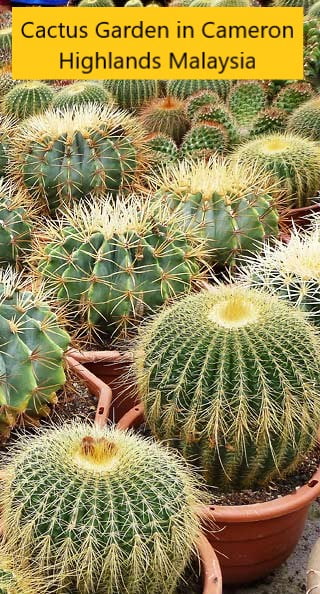
Cactus Garden Cameron Highlands reveals a rare highland wonder: towering succulents, century‑old cacti, and vibrant nurseries set against mist‑draped tea valleys. Stroll through Cactus Valley and Cactus Point to uncover exotic plants, capture unforgettable photos, and savor nearby strawberry farms. A botanical escape where hidden flora meets highland adventure awaits every curious traveler.
Introduction
The Cactus Gardens of Cameron Highlands are a unique attraction that blends horticultural wonder with cultural charm. Visitors are greeted by sprawling nurseries filled with succulents, towering cacti, and ornamental plants, many of which have been cultivated for decades. Beyond the plants, the gardens offer shopping opportunities, photography spots, and connections to nearby farms and tea estates. Whether you are a plant enthusiast, a casual traveler, or a family seeking a relaxing day out, these gardens provide a refreshing escape into Malaysia’s highland beauty.
History
The story of Cameron Highlands’ cactus gardens dates back to the mid-20th century when settlers began cultivating plants suited to the cool highland climate. Early nurseries were small, family-run businesses that experimented with succulents and ornamental species. Over time, these collections grew into larger attractions such as Cactus Valley and Cactus Point.
By the 1980s, Cameron Highlands had become a horticultural hub, attracting visitors from across Malaysia and beyond. The gardens expanded to include rare species, some aged over 70 years, alongside fruit orchards and vegetable plots. Today, they stand as living museums of botanical diversity, showcasing not only cacti but also fuchsia, camellias, and other ornamental plants. Their history reflects the region’s transformation from a colonial hill station into a thriving agricultural and tourism destination.
Highlights
Cactus Valley
Located in Brinchang, Cactus Valley is one of Malaysia’s largest cactus collections. It features terraced landscapes filled with succulents, ornamental plants, and fruit orchards. Visitors can also purchase fresh strawberries and tomatoes grown on-site. The valley is particularly popular among families and nature photographers.
Visitor Facilities
Cactus Valley provides parking areas, restrooms, and small cafés. The entrance fee is modest, making it accessible to all travelers. Informational boards highlight plant species, offering educational value for children and enthusiasts alike.
Cactus Point
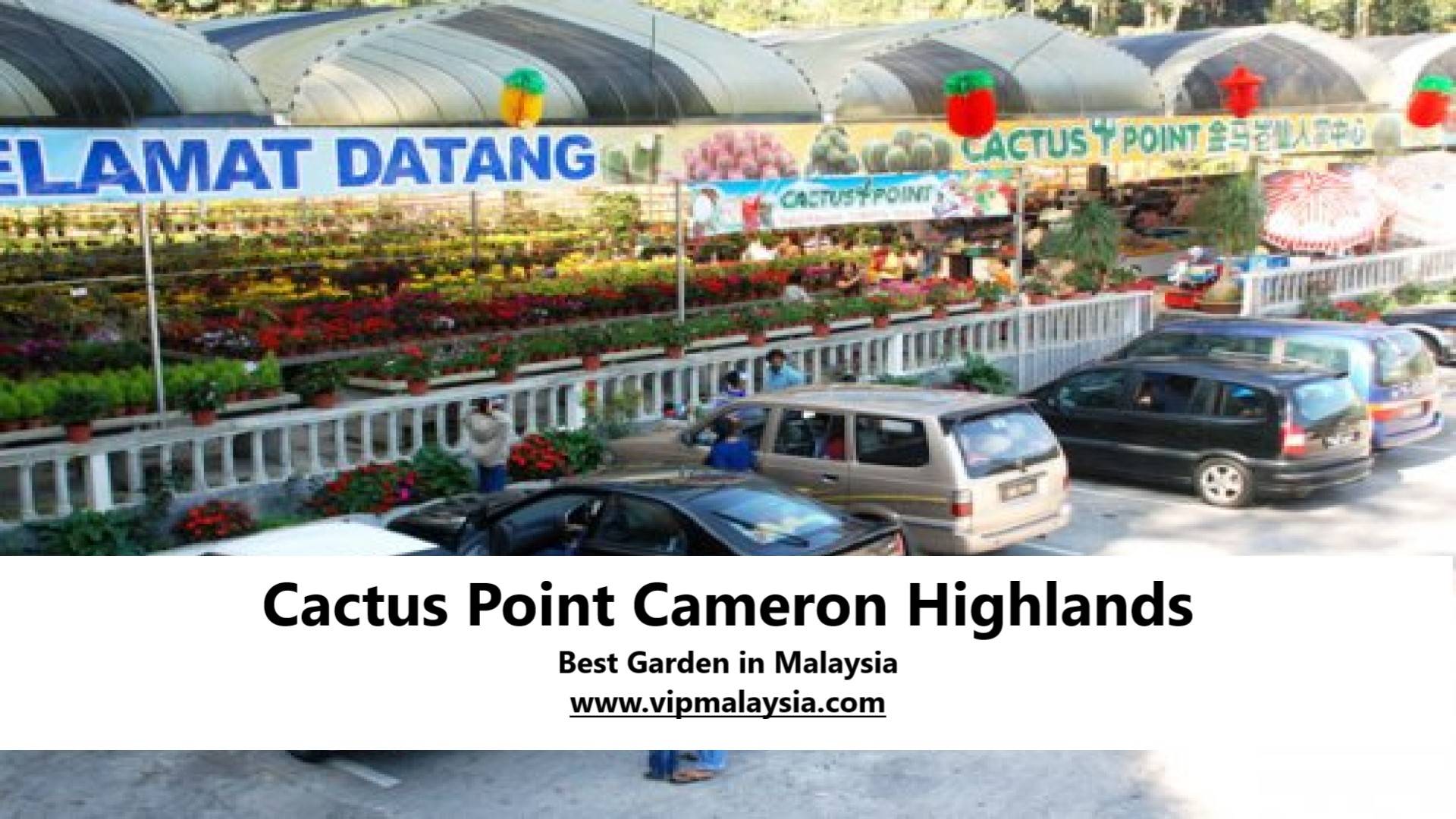
Cactus Point combines a nursery, garden, and farm. It is known for its wide selection of cacti, ranging from miniature succulents to giant species. The nursery also experiments with hydroponic cultivation of strawberries and tomatoes, reflecting modern agricultural practices.
Visitor Facilities
Cactus Point offers shaded walkways, plant shops, and a small refreshment corner. Staff members are knowledgeable and often share insights into cactus care. The nursery’s layout makes it easy for visitors to browse and shop comfortably.
Things to Do
Explore Rare Cactus Collections
At Cactus Valley, visitors can admire one of Malaysia’s largest cactus collections, with specimens aged over 70 years. The terraced gardens showcase succulents alongside roses, apple trees, and ornamental plants, making it a living gallery of horticultural diversity. The cool highland climate allows rare species to thrive, offering a unique botanical experience.
Capture Stunning Photography
Early mornings at Cactus Valley are ideal for photography, as mist drapes the gardens and the light enhances the textures of the succulents. The landscaped terraces and panoramic views provide countless opportunities for memorable snapshots. Many travelers recommend timing visits with flowering seasons, when the gardens are most vibrant.
Shop for Succulents and Plants
At Cactus Point, visitors can browse a wide selection of succulents, decorative pots, and gardening supplies. Prices are affordable, with small succulents starting around RM8–10 per pot. The nursery also sells flowers like orchids, hibiscus, and chrysanthemums, making it a great stop for plant shopping.
Relax in Scenic Nurseries
Cactus Point offers a serene environment where visitors can stroll freely without entrance fees. The nursery is neatly organized, with species grouped together for easy viewing. Shaded walkways and benches make it comfortable to spend time admiring the plants, while antiques displayed at the back add a cultural touch to the visit.
Combine with Nearby Attractions
The cactus gardens are located near strawberry farms and tea plantations, making it easy to combine visits. Many travelers enjoy strawberry picking at Big Red Strawberry Farm or sipping tea at Cameron Valley Tea Plantation after exploring the gardens. This combination creates a balanced itinerary of horticulture, agriculture, and relaxation.
Trekking and Adventure
Highland Trails
Beyond the gardens, Cameron Highlands offers trekking routes that connect visitors to tea plantations, mossy forests, and waterfalls. These trails provide opportunities to experience the region’s biodiversity, including orchids, ferns, and bird species.
Wildlife Encounters
Hikers may spot highland birds such as the silver-eared mesia or mountain bulbul. Butterflies and small mammals also inhabit the area, adding to the sense of adventure. The cool climate makes trekking pleasant year-round.
Adventure Activities
For those seeking more excitement, nearby farms offer strawberry picking, while tea plantations provide immersive tours. Adventure seekers can combine a visit to the cactus gardens with outdoor exploration, creating a balanced itinerary of relaxation and activity.
Nearby Attractions
Strawberry Farms
Cameron Highlands is famous for its strawberry farms, many located near the cactus gardens. Visitors can enjoy picking fresh strawberries, tasting desserts, and purchasing jams or chocolates. Farms such as Big Red Strawberry Farm are popular stops.
Cameron Valley Tea Plantation
The Cameron Valley Tea Plantation offers sweeping views of lush tea fields. Guests can sip premium teas in scenic teahouses while learning about the plantation’s history. This attraction pairs perfectly with a visit to the cactus gardens.
Local Cafés and Towns
Nearby towns like Brinchang and Tanah Rata host charming cafés and local markets. Visitors can indulge in highland produce, traditional dishes, and souvenirs. Cultural festivals, including flower shows and harvest celebrations, often take place in these towns, adding vibrancy to the travel experience.
Conclusion
Cactus Valley and Cactus Point offer a botanical wonderland, blending rare plant collections, beautiful landscapes, and relaxing garden experiences in Cameron Highlands. Whether you’re a nature lover, gardener, or casual visitor, these highland attractions promise a refreshing escape.
Plan your visit today—immerse yourself in the beauty of Cameron Highlands’ Cactus Gardens!
Quick Info
Attribute
Details
Name
Cactus Garden (Cactus Valley & Cactus Point)
Location
Cameron Highlands, Pahang, Malaysia
GPS Position
4.4901° N, 101.3784° E (approximate for Brinchang area)
Shop for exotic succulents – Take home beautiful potted plants & gardening essentials
Enjoy scenic farm surroundings – Located near strawberry farms & tea plantations
Frequently Asked Questions (FAQs)
What are 30 best attractions in Cameron Highlands you must visits?
There are many more attractions here that you can go to. The best attractions in Cameron Highlands are Rich Flora Strawberry Centre, Blue Valley Flowers Farm, Step In, Low Seok Ie Vegetable & Flower Nursery, Water Crest Valley, Cameron Highlands Orchids & Roses Garden, Green Farm, Fragrance Nursery, Uncle Sam Farm, Multi crops Central Market, Goodwill Flower Enterprise and Valder Mega Floriculture Centre. You can visit Green View Garden, Low Orchid Garden, Fong Huat Nursery, Agro-Technology Agro Mardi, Taman Agro Al-Mashoor, Glory 78, Cactus Point (Brinchang), Cactus Valley (Brinchang), Rose Valley, Rose Centre, List of Rose Garden, Rose Centre Cameron Highlands, Rose Valley, Orchid & Rose Garden, Cactus Point and Cactus Valley.
What are the best cactus garden Cameron Highlands?
The Cactus Garden that you must visit during your holiday in Cameron Highlands Malaysia are:
Bukit Gambang Resort City in Kuantan, Pahang, is Malaysia’s premier family-friendly destination, offering thrilling water rides, exotic wildlife encounters, and luxurious accommodations. Just three hours from Kuala Lumpur, this integrated resort city blends adventure, relaxation, and cultural charm, making it a must-visit for families, corporate retreats, and nature lovers.
Introduction
Nestled in Gambang, near Kuantan in Pahang, Bukit Gambang Resort City (BGRC) has become one of Malaysia’s most celebrated holiday destinations. Known for its expansive Water Park, immersive Safari Park, and comfortable resorts, BGRC offers a unique blend of modern entertainment and natural wonders. Whether you’re splashing in wave pools, trekking through tropical forests, or meeting rare wildlife, this resort city promises unforgettable memories for every visitor.
History
Bukit Gambang’s roots lie in the historic town of Gambang, once a bustling tin-mining hub in Pahang. The area’s transformation began in the early 2000s when developers envisioned a large-scale integrated resort that would rival Malaysia’s top leisure destinations. By 2009, the Water Park opened its doors, quickly attracting families from across the country. The Safari Park, launched later, expanded the resort’s appeal by introducing wildlife conservation and education alongside entertainment. Today, BGRC stands as a symbol of Gambang’s evolution—from a mining town to a thriving tourism hub.
Owner / Management
Other Useful Info
Developed and owned by Sentoria Group Berhad
Managed by Sentoria Themeparks & Resorts Sdn. Bhd., the leisure and hospitality arm of Sentoria Group
Headquarters: Jalan Gambang, Gambang, Pahang, Malaysia
Spans 727 acres of secondary jungle, designed as “One Location, Multiple Attractions”
Completion Year: 2009
Features Malaysia’s largest pillarless ballroom, certified by Malaysia Book of Records, seating 3,100 guests
Industry: Hospitality & Leisure
Includes Bukit Gambang Water Park (45.8 acres) and Safari Park (138 acres, largest in Malaysia)
Revenue: Estimated < RM20 million (hospitality division)
Accommodation: Caribbean Bay Resort (578 units), Arabian Bay Resort (546 suites), Everia Villas Resort (42 villas)
Highlights
Bukit Gambang Water Park
The Water Park is the centerpiece of BGRC, featuring Malaysia’s first 8-mode wave pool. Visitors can enjoy gentle ripples or thrilling surges, making it suitable for all ages. The longest family raft ride in Malaysia ensures group fun, while the Aqua Play zone provides safe water activities for younger guests. A cashless wristband system enhances convenience, allowing seamless purchases throughout the park.
Bukit Gambang Safari Park
Covering 138 acres, the Safari Park is Malaysia’s largest, housing over 300 exotic species. It is home to the country’s first locally born white lion, alongside African lions, brown bears, Malayan tapirs, ostriches, hornbills, and flamingos. Visitors can explore themed zones such as Feeding Alley, Foreign Village, and Forest Land, where interactive experiences bring guests closer to wildlife.
Accommodation and Dining
Caribbean Bay Resort
Caribbean Bay Resort is a family-oriented accommodation within Bukit Gambang Resort City, offering over 578 suites including Family Suites, Studio Suites, Deluxe Suites, and Junior Suites. The resort is designed with tropical-inspired décor and modern amenities such as air-conditioning, Wi-Fi, and private balconies. Guests can enjoy facilities like a swimming pool, fitness center, and banquet halls, making it suitable for both leisure and corporate stays. Dining options include a trendy coffee house, lounges, and food courts serving local and international cuisine.
The resort emphasizes convenience with multiple dining outlets, including seafood buffets and casual cafés. Guests can also explore retail and gift shops within the property, adding to the holiday experience. Facilities such as meeting rooms, a kid’s club, and water sports activities make it versatile for families and groups. Its location amidst 547 acres of secondary jungle provides a serene backdrop, while being only 35 km from Kuantan’s beaches.
Arabian Bay Resort
Arabian Bay Resort offers a more luxurious stay, featuring spacious suites such as Studio Suites, 2-Bedroom Suites, Arabian Suites, and even penthouses. Rated as a 4-star property, it provides modern amenities including air-conditioning, swimming pools, fitness centers, and banquet facilities. Its Arabian-inspired architecture and proximity to the Safari Park make it a popular choice for both leisure travelers and corporate groups.
Guests at Arabian Bay Resort can enjoy themed restaurants serving international and Malaysian cuisine, alongside cafés and bars for casual dining. The resort also features a large ballroom and meeting facilities, making it ideal for conferences and events. Recreational amenities include indoor pools and wellness centers, ensuring both relaxation and productivity. Its strategic location in Gambang provides easy access to Kuantan’s attractions, including Teluk Chempedak Beach and Sungai Pandan Waterfall.
Nearby Attractions
Sungai Pandan Waterfall
Located just 14 km away, Sungai Pandan Waterfall is a natural wonder perfect for picnics and trekking. Its cascading waters and lush surroundings make it a favorite among locals and tourists.
Kuantan Cultural Festivals
Nearby Kuantan hosts vibrant cultural festivals, including Hari Raya celebrations, Chinese New Year parades, and local batik exhibitions. These events provide visitors with a deeper appreciation of Pahang’s rich heritage.
Bandar Gambang Heritage
The town of Gambang itself retains historical charm, with old shop lots and remnants of its tin-mining past. Exploring the town offers a glimpse into the area’s transformation from industry to tourism.
Kuantan Beaches
Kuantan’s famous beaches, including Teluk Chempedak and Balok Beach, are within a short drive. These coastal gems are ideal for water sports, seafood dining, and sunset views.
Local Cuisine
Visitors can savor ikan bakar (grilled fish), keropok lekor (fish crackers), and durian delicacies in Kuantan’s bustling food scene. These culinary experiences add flavor to any BGRC trip.
Trekking and Adventure
Jungle Trails
BGRC offers guided jungle trekking, where visitors can explore tropical flora and fauna. Trails vary in difficulty, catering to both beginners and seasoned hikers. Along the way, trekkers may encounter hornbills, macaques, and rare orchids.
Adventure Activities
For thrill-seekers, BGRC provides ATV rides, paintball, and zip-lining. These activities are designed for team-building and family bonding, making the resort ideal for corporate retreats.
Golf and Leisure
The nearby Gambang Golf Resort offers a relaxing alternative, with scenic fairways and modern facilities. It’s a perfect complement to the resort’s adventure-packed attractions.
Conclusion
Bukit Gambang Resort City provides a dynamic combination of theme parks, wildlife encounters, and resort stays, making it one of Malaysia’s top family-friendly vacation spots. Whether you’re looking for adventure, relaxation, or quality time with loved ones, this resort city promises excitement and unforgettable moments.
Plan your trip today—explore the wonders of Bukit Gambang Resort City!
Summary
Attraction: Bukit Gambang Resort City
Location: #Pahang
Attraction Type: #ThemePark
Source: bgrc.com.my
Why Visit:
Malaysia’s ultimate family-friendly resort – Features theme parks, wildlife attractions, and luxury accommodations
Safari Park & Water Park experiences – Encounter wildlife up close and enjoy thrilling water rides
Perfect for families & group retreats – Includes meeting spaces, team-building activities, and leisure facilities
All-in-one holiday destination – Enjoy nature, fun, adventure, and relaxation in one place
Quick Info
Attribute
Details
Name
Bukit Gambang Resort City
Location
Kampung Pohoi, 26300 Gambang, Pahang, Malaysia
GPS Position
Approx. 3.7515° N, 103.1155° E (based on Gambang coordinates)
State
Pahang
Facility Type
Theme Park Resort & Wildlife Sanctuary
Main Attractions
Bukit Gambang Water Park, Safari Park, Active Academy (jungle trekking, ATV, paintball), Golf Resort
Nearby Landmarks
Kuantan City Center, Cherating Beach, Sungai Pandan Waterfall
Accessibility
Approx. 3-hour drive from Kuala Lumpur via East Coast Expressway
Best Time to Visit
Weekdays for fewer crowds; school holidays for family events
Entry Fee
Adults RM75, Children RM60, Senior Citizens RM60, Children under 4 free
Opening Hours
Open daily, 24 hours for resort facilities; parks operate daytime with special night safari events
Contact
Phone: 09-548 8000
Frequently Asked Questions (FAQs)
Why you need to stay and relax in Bukit Gambang Resort City, Kuantan?
Bukit Gambang Resort City also offers 1,866 accommodation rooms of various categories in two themed resorts – Arabian Bay Resort and Caribbean Bay Resort. Holidaymakers also have the option of staying in the Global Heritage (126 units) which are specially designed 3 and 4-bedroom villas depicting typical houses of cities such as San Francisco, Amsterdam and Venice.
What are the attractions in Bukit Gambang Resort City Water Park?
The attractions at Bukit Gambang Resort City Water Park are:
Our Mascot Don’t forget to say hi to our mascot if you ever see him around the water park!
Family Raft Ride
Ride on our Family Raft Ride with exciting twists and turns as you make your way through one of the longest rides in Malaysia.
6 Lane Racer Thrill seekers at the ready! You’re in for a fast and bumpy ride as you race your friends to the bottom of this slide.
Aqua Play Zone Kids will enjoy the slides at our Aqua Play zones! Why not book a cabana right next to this zone too? Perfect for a big family group.
Penguin Island Experience giant piranhas splash gallons of water or explore the water playground and enjoy the splash. An all-time favorite.
Coco Beach Rest and relax to the sound of waves gently crashing againts golden sands. Build sandcastles or even surf the waves at Coco Beach. There’s no better way to spend the afternoon.
Tanjung Piai, also known as Cape of the Golden Leather Fern, is a mesmerizing coastal wetland in Johor, Malaysia, recognized for its rich mangrove ecosystem, historical significance, and status as the southernmost point of mainland Asia. Whether you’re a nature lover, a history buff, or an eco-traveler, this national park offers an unparalleled experience blending biodiversity, conservation, and scenic beauty.
Introduction
Tanjung Piai, located in Pontian District, Johor, Malaysia, is a remarkable destination that combines geography, ecology, and culture. Known as the southernmost tip of mainland Asia, it is a place where visitors can gaze across the Johor Strait and see both Singapore and Indonesia. Established as a national park in 1997 and recognized as a Ramsar Site in 2003, Tanjung Piai is celebrated for its mangrove forests, mudflats, and rich biodiversity. Today, it stands as a symbol of conservation, eco-tourism, and natural beauty.
History
The Ramsar Recognition
Tanjung Piai’s designation as a Ramsar Site in 2003 marked a turning point in its conservation journey. This recognition placed the park among Malaysia’s most important wetlands, ensuring international attention and protection. The Ramsar Convention emphasized the need to safeguard its mangrove ecosystem, which acts as a natural barrier against storms and coastal erosion.
Mangrove Restoration and Protection
Over the years, Tanjung Piai faced severe erosion due to tanker traffic and pollution. Offshore breakwaters were installed to reduce wave impact, while mangrove replanting initiatives successfully restored degraded areas. These efforts have revitalized the park, making it healthier than ever before.
Highlights
Scenic Boardwalk Experience
Visitors can explore 1.2 km of elevated boardwalks winding through lush mangrove forests. These trails offer panoramic views of the ocean, with glimpses of Singapore and Indonesia on clear days. The boardwalks also provide access to observation towers and jetties, perfect for photography and birdwatching.
Unique Biodiversity and Wildlife
Tanjung Piai is home to 22 mangrove tree species and a variety of wildlife. Migratory birds, including the Lesser Adjutant Stork, thrive here, alongside mudskippers, crabs, and otters. The park is part of Johor’s Important Bird Area, making it a hotspot for ecological research and education.
Importance of Each Mangrove Species
Species
Ecological Importance
Rhizophora apiculata (Bakau Minyak)
Strong stilt roots stabilize coastlines, reduce erosion, and provide shelter for fish nurseries.
Rhizophora mucronata (Bakau Kurap)
Dense root systems trap sediments, improving water clarity and protecting inland areas.
Rhizophora stylosa (Bakau Pasir)
Found along sandy shores, crucial for shoreline stabilization and crab habitats.
Ceriops tagal (Tengar Laut)
Salt-tolerant species that supports mudskippers and small crustaceans.
Ceriops decandra (Tengar)
Plays a role in nutrient cycling, enriching mudflats for benthic organisms.
Bruguiera gymnorhiza (Berus Laut)
Large buttress roots provide nesting sites for birds and stabilize tidal zones.
Bruguiera cylindrica (Berus)
Dominant species in Johor mangroves, important for biomass and carbon storage.
Bruguiera parviflora (Lenggadai)
Supports biodiversity by offering shaded habitats for juvenile fish.
Bruguiera sexangula (Putut)
Contributes to mangrove canopy diversity, aiding bird roosting.
Avicennia alba (Api-api Putih)
Pneumatophores (breathing roots) aerate soil and support mollusks.
Avicennia officinalis (Api-api Jambu)
Provides nectar for pollinators and stabilizes muddy substrates.
Avicennia rumphiana (Api-api Hitam)
Rare species, important for genetic diversity and shoreline resilience.
Sonneratia alba (Perepat)
Supports mudskippers and provides food for fruit bats.
Sonneratia caseolaris (Pedada)
Produces edible fruits, used traditionally, and supports bird diets.
Sonneratia ovata (Gedabu)
Enhances biodiversity by offering food sources for aquatic species.
Nypa fruticans (Nipah)
Palm species used by locals for thatching; supports estuarine biodiversity.
Excoecaria agallocha (Buta-buta)
Toxic sap deters herbivores, balancing species competition.
Xylocarpus granatum (Nyireh Batu)
Provides timber and stabilizes coastal soils.
Xylocarpus moluccensis (Nyireh Bunga)
Important for canopy diversity and long-term forest resilience.
Acanthus ilicifolius (Acanthus)
Shrub species that colonizes open mudflats, preventing erosion.
Acrostichum aureum (Piai Raya)
Fern that thrives in disturbed areas, aiding mangrove regeneration.
Acrostichum speciosum (Piai Laka)
Similar to A. aureum, helps stabilize soils and supports wetland recovery.
Attractions
Visitor Facilities
The park features a visitor complex with an information gallery, rest areas, and a unique elevated campsite within the mangroves. Admission fees are affordable, with discounts for students and senior citizens. Free parking is available for cars, motorcycles, and buses.
Cultural and Culinary Experiences
Nearby Pontian town offers seafood restaurants built on wooden jetties, serving fresh catches from the Johor Strait. Local festivals, such as traditional Malay cultural events, add vibrancy to the region, making Tanjung Piai not just a natural but also a cultural destination.
Trekking and Adventure
Coastal Wetland Exploration
Walking through the mangroves is an adventure in itself. Elevated trails allow visitors to observe mudskippers darting across tidal flats, crabs burrowing in the mud, and otters swimming gracefully. The eco-friendly tourism practices ensure minimal disturbance to wildlife while offering immersive experiences.
Trails and Boardwalk Routes
Trail Name
Description
Main Boardwalk Trail
About 1.2 km long, easy difficulty, flat wooden paths through mangroves. Offers views of mudskippers, crabs, and migratory birds. Suitable for families and casual walkers.
Southernmost Tip Trail
Short trail leading to the globe monument at Asia’s southernmost point. Easy walk, less than 1 km, with panoramic views of Singapore and Indonesia.
Observation Tower Trail
Connects boardwalks to elevated viewing platforms. Moderate difficulty due to stairs, rewarding with birdwatching opportunities and wide coastal views.
Mangrove Education Trail
Designed for school groups and eco-tours. Includes signage explaining mangrove ecology, mudskipper habitats, and conservation efforts. Easy walk, about 1 km.
Campsite Access Trail
Leads to the raised wooden campsite platforms. Moderate walk, requires navigating muddy mangrove terrain. Used mainly by overnight visitors and student groups.
Educational Programs
The park supports ecological education through guided tours and research initiatives. Schools and universities often conduct field trips here, learning about mangrove ecology, coastal protection, and sustainable conservation.
Things to Do
Explore the Southernmost Tip of Mainland Asia
One of the most iconic experiences at Tanjung Piai is walking along the boardwalk to reach the globe monument marking the southernmost point of mainland Asia. Visitors can enjoy panoramic views of Singapore and Indonesia across the Johor Strait, making it a unique geographical landmark and a popular photo spot.
Discover Mangrove Forests and Wildlife
The park’s extensive mangrove ecosystem offers elevated trails where visitors can spot mudskippers, crabs, otters, and migratory birds. Educational signage along the Mangrove Education Trail explains the importance of mangroves in coastal protection and biodiversity, making it both an adventure and a learning experience.
Visit the 3 Kingdoms Jetty and Observation Points
At the 3 Kingdoms Jetty, visitors can see Malaysia, Singapore, and Indonesia from one vantage point. Observation towers provide elevated views of the wetlands and passing ships in the Strait of Malacca, offering excellent opportunities for birdwatching and scenic photography.
Address: Taman Negara Johor Tanjung Piai 82030, Mukim Serkat, Pontian, Johor Darul Ta’zim, Malaysia
Phone: +607-2661301 / +607-6960264
The 3 Kingdoms Jetty at Tanjung Piai Johor National Park is a scenic boardwalk extension where visitors can simultaneously view Malaysia, Singapore, and Indonesia across the Johor Strait. It is one of the park’s most popular observation points, offering panoramic coastal vistas, birdwatching opportunities, and a symbolic experience of standing at the southernmost tip of mainland Asia. The jetty and observation towers are part of the park’s eco-tourism facilities, designed to highlight the unique geographical position and biodiversity of the mangrove ecosystem.
Enjoy Local Culture and Cuisine Nearby
After exploring the park, visitors often head to Pontian and Kukup fishing villages, famous for their stilt houses and seafood restaurants. These nearby attractions complement the ecological adventure with cultural immersion and fresh local cuisine.
10 Halal Eateries Nearby
Name & Address
Description
Restoran ZZ Sup Tulang – 20, Jalan Petri 5/1, Kampung Bahru, 80100 Johor Bahru
Famous for rich sup tulang broth with chunky beef bones. A local favorite where diners sip marrow with straws.
Restoran Kacang Pool Haji – Jalan Sabar, Taman Dato Onn, 80350 Johor Bahru
Serves the iconic kacang pool dish with buttered toast and broad bean gravy topped with a runny egg.
Kai Xuan Halal Chinese Restaurant – The Puteri Pacific Hotel, Bandar Johor Bahru
Offers halal-certified dim sum and Chinese cuisine, popular for family dining.
Chicken Lab – No 2, Jalan Austin Heights 8/7, Taman Mount Austin, Johor Bahru
Halal-certified Korean fried chicken, army stew, and tteokbokki.
Restoran Anisofea Asam Pedas Johor Asli – Johor Bahru
Known for authentic claypot asam pedas with seafood and spicy broth.
The Marco Polo Kitchen – Johor Bahru
Halal-friendly Italian and steakhouse cuisine, praised for seafood platters.
The Spice Kitchen – Johor Bahru
Popular halal-certified Indian restaurant serving biryani, curries, and tandoori.
Makan Kitchen (DoubleTree Hilton) – Johor Bahru
International halal buffet with Malay, Chinese, and Indian dishes.
Zaituna Restaurant – Johor Bahru
Halal Lebanese and Middle Eastern cuisine, famous for creamy hummus and grilled meats.
Tepian Tebrau – Johor Bahru waterfront
Affordable halal seafood restaurant with scenic views of the strait.
Nearby Attractions
Pulau Kukup National Park
Located nearby, Pulau Kukup is another Ramsar Site, famous for its riverine mangrove ecosystem. It complements Tanjung Piai, offering visitors a broader perspective on Johor’s wetlands.
Kukup Fishing Village
This traditional fishing village is known for its stilt houses and seafood markets. Visitors can experience local culture, buy fresh produce, and enjoy boat rides around the mangrove islands.
Johor Bahru City
Just an hour’s drive away, Johor Bahru offers modern attractions, shopping malls, and cultural landmarks, making it a convenient extension to a Tanjung Piai trip.
Conclusion
Tanjung Piai is more than a geographical landmark—it is a living ecosystem, a conservation success story, and a cultural gateway. From its Ramsar recognition to its thriving mangroves, the park embodies the harmony between nature and humanity. Whether you are a nature enthusiast, photographer, or cultural explorer, Tanjung Piai promises an unforgettable journey.
Johor National Parks Office: 07-2661301 / 07-6960264
Tanjung Piai offers a unique blend of conservation, natural beauty, and historical significance, making it one of Malaysia’s most fascinating ecological sites. Whether you’re exploring mangrove forests, standing at the southernmost tip of Asia, or witnessing wetland conservation in action, this park promises an extraordinary experience in Malaysia’s coastal landscapes.
Plan your nature adventure today—discover the beauty of Tanjung Piai, Johor!
Summary
Attraction: Tanjung Piai
Location: #Johor
Attraction Type: #Island
Source: johornationalparks.gov.my
Why Visit:
Home to the southernmost tip of mainland Asia
Recognized as a Ramsar Site for wetland conservation
A thriving mangrove ecosystem supporting diverse wildlife
Boardwalks & scenic viewpoints overlooking Singapore & Indonesia
Visitor Reviews
Sharunisha A., Selangor – ★★★☆☆ “I visited Tanjung Piai recently and while the mangrove boardwalk was scenic, the access road was under heavy construction and quite rough. Driving after dark was risky, and I felt the facilities could be better maintained. Still, the southernmost tip landmark was worth seeing.”
Sik Sheng, Kuala Lumpur – ★★★★☆ “The journey to Tanjung Piai was challenging due to sudden dirt road sections near Pulau Indah highway, but once inside the park, the mangrove ecosystem was beautiful. The boardwalks gave me close encounters with mudskippers and crabs, and the views of Singapore were stunning.”
Maizurah Hamzah, Johor Bahru – ★★★★★ “Tanjung Piai National Park is a gem. The mangroves are lush and thriving, and the elevated trails make it easy to explore without disturbing the ecosystem. It’s a peaceful place for birdwatching and photography, and I appreciated the conservation efforts highlighted in the visitor gallery.”
Wong Pek Lai, Pontian – ★★★★★ “As someone from Pontian, I often bring friends to Tanjung Piai. The park is small but rich in biodiversity. The elevated campsite is unique, and the seafood restaurants nearby make the trip even more enjoyable. It’s a proud landmark for Johor and Malaysia.”
Frequently Asked Questions (FAQs)
What countries can be seen from Tanjung Piai?
If you are here at Johor National Parks Tanjung Piai, you can see Singapore and Indonesia, our closest neighboring countries simultaneously.
Discover the PD Waterfront Development in Port Dickson — a premier seafront destination offering luxurious residences, vibrant attractions, and exciting adventures. From D’Wharf Residence to Richmond Condotel and future Water Chalets, this development blends modern living with coastal charm. Whether you’re seeking investment opportunities or unforgettable leisure, PD Waterfront is a must-visit hub on Malaysia’s west coast.
Introduction
Port Dickson, located along the Straits of Malacca, has long been a favored coastal retreat for Malaysians and international visitors. The PD Waterfront Development represents a bold transformation of this seaside town, combining luxury residences, hospitality, and recreational facilities into a single integrated destination. With projects like D’Wharf Residence, Richmond Condotel, and planned Water Chalets, the development is designed to elevate Port Dickson into a modern lifestyle hub while preserving its natural beauty and maritime heritage.
History
The story of PD Waterfront begins with TSR Ocean Park Sdn Bhd, a developer with a vision to rejuvenate Port Dickson’s coastline. In the early 2010s, plans were unveiled to create a mixed-use waterfront township that would attract both investors and tourists. Construction of D’Wharf Residence began soon after, with its completion in 2016 marking the first milestone of the project. Richmond Condotel followed as part of the master plan, offering panoramic ocean views and luxury living.
The development also envisioned a marina with 100 berths, catering to sailing enthusiasts and fostering a boating lifestyle in Port Dickson. This marina was not just a leisure facility but a strategic move to position Port Dickson as a regional hub for nautical tourism. The planned Water Chalets, inspired by traditional Malay coastal architecture, were designed to blend cultural heritage with modern luxury, offering visitors a unique stay directly above the water.
Over time, PD Waterfront has become a symbol of Port Dickson’s evolution — from a quiet fishing town into a vibrant coastal destination that balances investment opportunities, tourism growth, and cultural preservation.
Highlights
D’Wharf Residence
D’Wharf Residence is a serviced apartment complex overlooking the seafront. Completed in 2016, it features 227 units across 15 floors. The property offers modern facilities such as swimming pools, gymnasiums, and retail outlets at its base. Investors were drawn to its lease-back program, which promised returns and perks like free stays. While promotional claims of guaranteed returns should be approached cautiously, the residence remains a popular choice for both short-term stays and long-term investment.
Facilities and Lifestyle
Residents enjoy direct access to the waterfront promenade, dining outlets, and entertainment venues. The integration of retail and leisure facilities makes D’Wharf a self-contained lifestyle hub. Its proximity to Port Dickson town center ensures convenience while maintaining a resort-like atmosphere.
Richmond Condotel
Richmond Condotel was designed to complement D’Wharf Residence, offering luxury-furnished units with panoramic sea views. With unit sizes ranging from 436 sq. ft. to 1,342 sq. ft., it caters to both individual buyers and families. The project was marketed with flexible options: personal use or investment through professional hotel management.
Investment Features
Promotions included fixed returns of 6–7% per annum for the first six years, along with free stays. While these were developer-driven incentives, Richmond Condotel remains notable for its architectural design and prime location along the waterfront.
Water Chalets and Marina
The planned Water Chalets represent the most ambitious phase of PD Waterfront. Inspired by traditional chalets, these units will be built directly above the water, offering luxury furnishings and immersive ocean views. The accompanying marina, equipped with a breakwater, is intended to support sailing and boating activities, enhancing Port Dickson’s appeal to maritime tourists.
Cultural and Environmental Impact
The chalets aim to blend modern luxury with local heritage, reflecting Port Dickson’s fishing village roots. The marina also supports eco-tourism by encouraging sustainable boating practices and providing facilities for marine enthusiasts.
Nearby Attractions
Waterfront Promenade
The promenade is a lively stretch lined with cafes, restaurants, and shops. Visitors can enjoy evening strolls, seafood dining, and cultural performances during festive seasons. The promenade has become a social hub for both locals and tourists.
The best Halal Food options
Restaurant
Specialty / Highlights
Mimi Ikan Bakar & Kerang Rebus
Famous for grilled fish and boiled clams, offering authentic Malay seafood flavors with a cozy family-friendly atmosphere.
Restoran Pantai Ria
Known for fresh lobster, crab, and fish dishes, located right by the waterfront with scenic ocean views.
Samudra Ikan Bakar
Offers a wide variety of seafood including prawns, squid, and fish, popular among locals though crowded during holidays.
Warung Salai
Specializes in Negeri Sembilan’s signature Masak Lemak Cili Api and Asam Pedas, a must-try for traditional Malay cuisine.
Aden Restoran
Serves Middle Eastern halal dishes like hummus, malawah bread, and tabouleh, adding international variety to the promenade.
Nearby Towns
Port Dickson town itself offers historical sites such as the Army Museum and Cape Rachado Lighthouse. Seremban, located about 35 minutes away, provides additional urban amenities and cultural experiences.
Cultural Festivals
Port Dickson hosts annual events such as the Port Dickson International Triathlon and local cultural festivals celebrating Malay traditions. These events draw crowds to the waterfront, enhancing its reputation as a vibrant destination.
The Port Dickson International Triathlon (PDIT) is Malaysia’s longest-running triathlon event, held annually at Avillion Admiral Cove in Port Dickson. Established over two decades ago, it has become a premier endurance race in Southeast Asia, attracting both local and international athletes.
The event typically spans two days:
Day 1 features the Junior Triathlon, with shorter swim, cycle, and run distances for participants aged 10–17.
Day 2 hosts the Olympic Distance Triathlon, consisting of a 1.5 km swim, 40 km cycle, and 10 km run, open to individual competitors and relay teams.
The race is renowned for its challenging sea currents, undulating cycling routes, and scenic coastal running trails, making it both a competitive and cultural highlight in Port Dickson’s sporting calendar. It is currently in its 22nd edition, scheduled for May 2025.
Trekking and Adventure
Cape Rachado Forest Reserve
Located near PD Waterfront, Cape Rachado offers trekking trails through lush forests leading to the historic lighthouse. The reserve is home to diverse wildlife, including macaques, hornbills, and monitor lizards.
Wildlife Species
Birdwatchers can spot migratory species along the Straits of Malacca, while nature enthusiasts enjoy sightings of coastal flora and fauna. The reserve provides a balance of adventure and ecological education.
Water Sports
PD Waterfront supports activities such as jet skiing, kayaking, and banana boat rides. The marina’s future development will expand opportunities for sailing and yachting, making Port Dickson a hub for water-based adventure.
Must-Visit Highlights
Army Museum Port Dickson
A short drive from PD Waterfront, the Army Museum showcases Malaysia’s military history with interactive exhibits and preserved artifacts. It is a popular attraction for families and history enthusiasts.
Cape Rachado Lighthouse
This iconic lighthouse offers panoramic views of the Straits of Malacca. Visitors often trek through forest trails to reach the site, combining adventure with cultural exploration.
PD Ostrich Farm
Families can enjoy interactive experiences at the PD Ostrich Farm, where visitors can feed ostriches, ride ponies, and learn about farm animals. It adds a unique dimension to Port Dickson’s attractions.
Conclusion
The PD Waterfront Development in Port Dickson is more than just a property project — it is a transformative vision that blends luxury living, cultural heritage, and adventure tourism. From D’Wharf Residence and Richmond Condotel to the planned Water Chalets and marina, the development positions Port Dickson as a premier coastal destination. Visitors can enjoy vibrant attractions, trekking adventures, and cultural festivals, while investors see opportunities in a growing tourism hub.
Summary
Attraction: PD Waterfront Development in Port Dickson
PD Waterfront Sales Gallery 1-02-1, Persiaran Waterfront, PD Waterfront, 1st Mile, 71000 Port Dickson, Negeri Sembilan, Malaysia. Telephone: 606.647.2808
Visitor Reviews
Name: Farah Ibrahim Locality: Kuala Lumpur Review: “PD Waterfront is perfect for a quick weekend escape. Just 1.5 hours from KL, the boardwalk offers stunning sunset views over the Straits of Malacca. I loved renting an e-scooter to explore the promenade and stopping at Sri Pantai Ria Seafood Restaurant for fresh grilled fish. The vibe is relaxed yet lively, and the sea breeze makes evening walks unforgettable.” ⭐⭐⭐⭐⭐
Name: Jason Lim Locality: Petaling Jaya Review: “The waterfront is lively with cafés like Inside Scoop and ZUS Coffee, but it can get crowded on weekends. Parking was easy, and the atmosphere was vibrant with families flying kites and kids enjoying carnival rides. The sunset was the highlight, though I wish there were more shaded seating areas along the promenade. Still, a solid 4-star experience.” ⭐⭐⭐⭐
Name: Nurul Huda Locality: Seremban Review: “I stayed at D’Wharf Hotel right on the waterfront. Waking up to the sound of waves and having breakfast by the boardwalk was magical. The hotel’s location made it easy to explore nearby attractions like Cape Rachado Lighthouse. The facilities were modern, and the sea view from my room was breathtaking. Highly recommend for couples or families.” ⭐⭐⭐⭐⭐
Name: Ahmad Zaki Locality: Melaka Review: “PD Waterfront has a good mix of local and international dining options — from McDonald’s and Starbucks to Kim’s Seafood and PappaRich. It’s a one-stop hub for food, shopping, and leisure. I attended the International F3000 Powerboat Challenge here in 2014, and the waterfront was buzzing with energy. Great place for events and family outings.” ⭐⭐⭐⭐⭐
Masjid Lama Kampung Baharu in Jerantut, Pahang is a century-old mosque that blends Malay, Javanese, and Chinese architectural influences. With its pagoda-style roof, Merbau timber pillars, and rich cultural history, this heritage site offers visitors a glimpse into Malaysia’s spiritual and architectural past. Explore its highlights, nearby attractions, trekking adventures, and authentic visitor reviews.
Introduction
Nestled in Kampung Baharu, Jerantut, Pahang, Masjid Lama Kampung Baharu stands as a living testament to Malaysia’s diverse cultural and religious heritage. Built more than a hundred years ago, the mosque has served generations of villagers as a place of worship, education, and community gathering. Its unique architectural design, influenced by Masjid Demak in Java, Masjid Kampung Laut in Kelantan, and Masjid Kampung Kling in Melaka, makes it one of the most distinctive mosques in the region. Today, it remains a cherished landmark, attracting heritage enthusiasts, architects, and travelers seeking authentic cultural experiences.
Heritage Mosques in the World
Category
Description
Address & Phone
Masjid Lama Kampung Baharu, Jerantut
A century-old mosque blending Malay, Javanese, and Chinese influences. Features Merbau timber pillars and a pagoda-style roof.
Kampung Baharu, 27000 Jerantut, Pahang, Malaysia. Phone: 09-266 7079
Masjid Demak, Java
One of Indonesia’s oldest mosques, built in the 15th century by Wali Songo. Known for its three-tiered pyramidal roof symbolizing Iman, Islam, and Ihsan.
Jl. Sultan Fattah No.57, Bintoro, Demak, Central Java, Indonesia. Phone: (0291) 685532
Masjid Kampung Laut, Kelantan
Considered Malaysia’s oldest surviving mosque, originally built on the banks of the Kelantan River by Javanese ulama. Constructed with cengal wood and a tiered roof.
Wakaf Bharu, 16200 Kelantan, Malaysia. Phone: 09-741 2400
Masjid Kampung Kling, Melaka
Built in 1748, this mosque showcases Hindu, Chinese, and Malay influences. Located on Harmony Street, it is a symbol of multicultural heritage.
Jalan Tukang Emas, 75400 Melaka, Malaysia. Phone: Not publicly listed
History
The mosque’s origins trace back to the early 20th century, when villagers sought a central place for prayer and community life. Constructed with Merbau timber pillars, the structure was designed to withstand the tropical climate while embodying traditional Malay craftsmanship. The beduk (drum) once played a vital role in announcing prayer times and important community events, echoing through the village as a call to gather.
Architecturally, the mosque reflects a fusion of influences. The pyramidal roof supported by four central pillars mirrors Javanese and Malay traditions, while the pagoda-style tiers reveal Chinese artistry. This blending of cultures symbolizes Malaysia’s historical openness to diverse traditions and philosophies. Over time, the mosque became not only a spiritual hub but also a center for Quranic studies, religious discourse, and cultural preservation.
Highlights
Architectural Design
The mosque’s most striking feature is its multi-tiered pagoda-like roof, which sets it apart from typical domed mosques. The roof’s layered structure allows for natural ventilation, keeping the prayer hall cool even during hot afternoons. The Merbau timber pillars are both functional and symbolic, representing strength and resilience.
Cultural Significance
For decades, the mosque was the heart of Kampung Baharu’s social life. Villagers gathered here not only for prayers but also for religious education, Quran recitation, and community announcements. The sound of the beduk resonated as a cultural marker, reminding everyone of their shared faith and heritage.
Heritage Recognition
In 2018, students from POLISAS documented the mosque under the Measured Drawing project, highlighting its importance as a heritage structure. Their work ensured that the mosque’s legacy would be preserved for future generations.
Nearby Attractions
Nearby Towns and Villages
Jerantut is known as the gateway to Taman Negara National Park, one of the world’s oldest rainforests. Visitors to Masjid Lama Kampung Baharu often extend their journey to explore Jerantut town, with its bustling markets, traditional eateries, and cultural festivals.
Cultural Festivals
Local festivals such as Hari Raya Aidilfitri and Maulidur Rasul are celebrated with grandeur, often centered around the mosque. These events provide travelers with an immersive experience of Malay-Muslim traditions, complete with communal feasts and cultural performances.
Wildlife Encounters
Jerantut’s proximity to Taman Negara means visitors can encounter diverse wildlife, including Malayan tigers, tapirs, hornbills, and elephants. This makes a trip to the mosque not just a cultural journey but also a natural adventure.
Trekking and Adventure
Gateway to Taman Negara
Masjid Lama Kampung Baharu is strategically located for travelers heading to Taman Negara, offering a spiritual pause before embarking on jungle treks. The national park features canopy walks, river cruises, and night safaris.
Jungle Trekking
Trekking routes range from short village trails to multi-day expeditions deep into the rainforest. Along the way, trekkers encounter towering trees, medicinal plants, and rare wildlife. The mosque serves as a serene starting point, grounding visitors in cultural heritage before they immerse themselves in nature.
River Adventures
The nearby Sungai Tembeling offers river cruises and fishing opportunities. Adventurers often combine mosque visits with river journeys, creating a balanced itinerary of spirituality and exploration.
Conclusion
Masjid Lama Kampung Baharu in Jerantut, Pahang is more than a place of worship—it is a living heritage site. Its unique architecture, cultural significance, and proximity to natural wonders make it a must-visit destination for travelers seeking both spiritual and adventurous experiences. Whether you are an architect, historian, or nature enthusiast, this mosque offers a rare blend of tradition, culture, and exploration.
Summary
Attraction: Masjid Lama Kampung Baharu, Jerantut, Pahang
Location: Pahang Malaysia
Attraction Type: #Mosque #Attraction #Pahang
Source: youtube.com
Quick Info
Category
Details
Name
Masjid Lama Kampung Baharu (Masjid Warisan 1 Abad)
Origin
Kampung Baharu, Jerantut, Pahang, Malaysia
GPS Position
Approximate coordinates: 3.9330° N, 102.3620° E (Jerantut town area)
Architectural Style
Fusion of Malay, Javanese, and Chinese influences; pagoda-style roof with Merbau timber pillars
Historical Significance
Built over a century ago, served as a hub for prayer, Quranic studies, and community announcements using the beduk drum
Visitor Facilities
Open daily for prayers; basic amenities available; nearby Jerantut town offers food stalls, markets, and lodging
Nearby Attractions
Gateway to Taman Negara National Park, Sungai Tembeling river cruises, Jerantut town cultural festivals
Accessibility
Easily accessible by road from Jerantut town; local buses and taxis available
Best Time to Visit
During cultural festivals such as Hari Raya or Maulidur Rasul, when the mosque becomes a vibrant community hub
Contact
Phone: 09-266 7079 / 011-1543 5123
Frequently Asked Questions (FAQs)
Berapakah usia Masjid Lama Kampung Baharu?
Dikenali sebagai Masjid Tertua, ia terletak di Jerantut Pahang dan kini berusia 1 abad. Tapak masjid ini merupakan tapak asal dari dahulu sehingga sekarang. Masjid ini juga dibina mengikut arah kiblat.
Apakah keunikan Masjid Tertua di Jerantut ini untuk kita ketahui?
Masjid Lama Kampung Baharu merupakan masjid yang tertua yang pernah dibina di Kampung Baharu, Jerantut, Pahang. Masjid ini telah dibina serta digunapakai pada tahun 1922. Usia masjid ini menghampiri ratusan tahun (97 Tahun). Masjid lama ini telah dibina oleh seorang tukang kayu yang berketurunan cina dari Melaka. Masjid ini tidak pernah dialih atau dipindahkan, tidak dilanda banjir dan tidak pernah diubahsuai.
Bagaimanakah cara pembinaan Masjid Tertua Jerantut berusia 1 abad?
Pembinaan Masjid Lama Kampung Baharu ini menggunakan sistem tebuk dan pasak atau dikenali sebagai tangam yang tidak memerlukan pemasangan paku. Masjid ini dapat dikenali berdasarkan bentuk bumbung limas yang berbentuk pyramid (bertingkat) menirus ke atas dan diatas bumbung terdapat buah buton (tunjuk langit). Reka bentuk bumbung tirus itu melambangkan Islam, iman dan ihsan.
Visitor Reviews
Ahmad Syakirin, Kuala Lumpur – ★★★★★ “I visited Masjid Lama Kampung Baharu during a short trip to Jerantut. The mosque’s pagoda-style roof and Merbau pillars immediately caught my eye. The villagers explained how the beduk was once used to announce prayer times, and I could almost imagine the sound echoing through the village. It felt like stepping back in time, yet the atmosphere was warm and welcoming. Truly a heritage gem.”
Shamsul Yusof Kadri, Kuantan – ★★★★☆ “My family and I stopped by after visiting Taman Negara. The mosque is small but rich in history. We were impressed by the craftsmanship of the wooden pillars and the serene prayer hall. The locals shared stories about how the mosque was once the center of community life. It’s not a touristy spot, but that’s what makes it special — you feel the authenticity.”
Cikgu Lily, Selangor – ★★★★★ “As a heritage traveler, I was fascinated by the blend of Malay, Javanese, and Chinese influences in the architecture. The roof design reminded me of temples I’ve seen in China, yet the spiritual aura was distinctly Islamic. The villagers were kind enough to let me join a Quran recitation session, which gave me a deeper appreciation of the mosque’s role in education and faith. A highlight of my Malaysian journey.”
Tun Faridah, Penang – ★★★★☆ “I came during a local festival, and the mosque was alive with activity. The communal prayers, feasts, and cultural performances made me realize how important this mosque is to the identity of Kampung Baharu. The setting is peaceful, surrounded by greenery, and it’s close enough to Jerantut town for easy access. I would recommend it to anyone interested in heritage tourism.”
Venessa, Singapore – ★★★★★ “Before heading into Taman Negara, I stopped here and was amazed by the historical depth and architectural uniqueness. The mosque is modest compared to grand city mosques, but its character is unmatched. The villagers told me about the POLISAS students who documented the mosque, and I admired how the younger generation is helping preserve heritage. It’s a must-see for anyone who values culture and history.”
Nasi Kebuli is a prestigious dish deeply intertwined with the history of Pahang’s royal cuisine, originating from Kuala Lipis, the former capital of Pahang during British colonial rule. Traditionally prepared with fragrant rice, turmeric-marinated chicken, and aromatic spices, this dish has been enjoyed exclusively at special royal ceremonies and important occasions.
Introduction
Nasi Kebuli is more than just food—it is a symbol of Pahang’s royal tradition and cultural pride. Originating in Kuala Lipis, the former capital of Pahang, this dish was once prepared exclusively for the Sultan and his guests. With its golden rice infused with coconut milk and turmeric, paired with tender chicken and spices, Nasi Kebuli continues to captivate Malaysians and visitors alike. Its story reflects the journey of a humble village recipe that rose to royal prominence and remains a treasured heritage dish.
The History
From the Village to the Sultan’s Table
Nasi Kebuli’s origins trace back to Kuala Lipis in the 1940s, when Sultan Mahmud Shah and his entourage visited Kampung Jeram Landak. A villager named Hussin prepared a meal of rice with village chicken, which impressed the Sultan. This dish was later named “Nasi Ke Bawah Duli,” signifying its royal connection.
Sultan Mahmud Shah ibni Almarhum Sultan Ahmad Al‑Mu’adzam Shah was the second Sultan of modern Pahang, reigning from 1914 to 1917. He was the son of Sultan Ahmad Al‑Mu’adzam Shah, the first modern Sultan of Pahang. His reign was short, but it became historically significant because of the origins of Nasi Kebuli, a royal dish tied to his visit to Kuala Lipis.
Kampung Jeram Landak is a traditional Malay village located in Kuala Lipis, Pahang, Malaysia. It is historically significant as part of the cultural landscape of Pahang and is closely associated with the origins of Nasi Kebuli, a royal dish prepared for Sultan Mahmud Shah during his visit in the early 20th century.
Oral Tradition and Legacy
Local oral histories emphasize Hussin’s role in introducing the dish, though formal documentation is limited. Nevertheless, the story has become part of Pahang’s culinary folklore, reinforcing Nasi Kebuli’s identity as a dish of royal heritage.
A Dish Fit for Royal Gatherings
Nasi Kebuli was served during royal banquets, ceremonial events, and formal gatherings. Its preparation required precision, with rice cooked in coconut milk and layered with turmeric‑marinated chicken. The dish symbolized hospitality and prestige, making it a centerpiece of palace dining.
Highlights
Culinary Excellence
Nasi Kebuli is distinguished by its fragrant rice, creamy coconut milk, and aromatic spices. The turmeric‑marinated chicken adds depth, while star anise, cinnamon, and cloves elevate the aroma. The balance of flavors creates a dish that is both luxurious and comforting.
Cultural Significance
Beyond taste, Nasi Kebuli represents Pahang’s royal heritage. It is a dish that connects modern Malaysians to their history, embodying traditions passed down through generations.
Exclusive Royal Ceremonies
Nasi Kebuli is still prepared during select royal events in Pahang, maintaining its ceremonial prestige.
Local Eateries in Kuala Lipis
Though rare, some eateries in Kuala Lipis serve Nasi Kebuli, allowing visitors to taste this royal dish outside palace settings.
Top 5 Nasi Kebuli Spots
Restaurant / Stall
Details
Kampung Kuala Kenong Stall
Recognized as the birthplace of Nasi Kebuli, where villager Hussin first prepared the dish for Sultan Mahmud Shah. Still associated with traditional servings of the dish.
Kampung Budu Community Stalls
Local stalls in Kampung Budu are known for preparing Nasi Kebuli during festivals and community events, preserving its royal heritage.
Kampung Jeram Landak Mosque Events
Nasi Kebuli is often served during religious and cultural gatherings at Kampung Jeram Landak, reinforcing its ceremonial roots.
Kampung Kuala Medang Village Stalls
Kuala Medang is another hotspot where villagers prepare Nasi Kebuli, especially during weddings and royal-linked celebrations.
Tanjung Besar Local Eateries
Known for offering Nasi Kebuli during special occasions, maintaining its exclusivity as a heritage dish of Kuala Lipis.
Cultural Festivals
Festivals in Pahang often showcase traditional foods, including Nasi Kebuli, celebrating Malaysia’s culinary diversity.
Recipe
Traditional Ingredients
Fragrant rice – Traditionally cooked with coconut milk
Chicken – Marinated with turmeric, salt & spices
Shallots, garlic & ginger – Adds richness to the flavor
Coconut milk – Provides a creamy, luxurious texture
Star anise, cinnamon & cloves – Elevates the aroma
Salt & sugar – Balances the taste
Cooking Instructions
Marinate the chicken – Coat in turmeric, salt & spices.
Prepare the rice base – Cook with coconut milk & aromatic spices.
Sauté shallots, garlic & ginger – Fry until fragrant.
Add star anise, cinnamon & cloves – Enhances the depth of flavor.
Combine chicken & rice – Cook together until fully infused.
Let it simmer & serve warm – Perfect with traditional Malay side dishes.
Conclusion
Nasi Kebuli is a royal legacy, a cultural treasure, and a culinary masterpiece. From its humble beginnings in Kuala Lipis to its role in palace banquets, it continues to embody Pahang’s rich heritage. Whether enjoyed at a festival, museum, or local eatery, Nasi Kebuli remains a dish that connects people to the elegance of Malaysia’s royal cuisine.
Summary
Attraction: Nasi Kebuli
Location: #Pahang
Attraction Type: #Food
Source: malaysiaaktif.my
Features:
A historic dish served in the Royal Palace of Pahang
First introduced in Kuala Lipis, reflecting a rich cultural heritage
Exclusively prepared for noble and ceremonial gatherings
Flavored with turmeric, coconut milk & local spices
Quick Info
Category
Details
Name
Nasi Kebuli
Origin
Kuala Lipis, Pahang, Malaysia
GPS Position
4.1854° N, 102.0534° E (approximate coordinates for Kuala Lipis town)
Royal Recipe, Turmeric‑Marinated Chicken, Coconut‑Infused Rice
Best Pairings
Traditional Malay Side Dishes (acar, sambal, curry)
Recommended Restaurants
Rarely on daily menus; found at exclusive royal ceremonies, cultural festivals, and select stalls in Kuala Lipis
Accessibility
Limited availability outside Pahang; mostly tied to ceremonial events
Best Time to Eat
During special events, weddings, and royal celebrations
Price Range
Varies depending on preparation and occasion; not standardized like commercial dishes
Visitor Reviews
Shamsuddin Nasir, Kuala Lipis – ★★★★★ “I grew up in Kuala Lipis, and Nasi Kebuli has always been part of our cultural identity. I first tasted it during a royal celebration at the local mosque. The rice was fragrant with coconut milk, and the turmeric chicken was tender and flavorful. It’s not something you find every day, which makes it even more special.”
Yanti, Penang – ★★★★☆ “I tried Nasi Kebuli during a food festival in Pahang. The stall explained its royal origins, and the taste lived up to the story. The spices were aromatic, and the coconut milk gave the rice a creamy texture. It was slightly heavier than what I’m used to, but definitely worth experiencing for its heritage value.”
Aiman the ‘Luncur’ RXZ, Kuantan – ★★★★★ “I had Nasi Kebuli at a community event in Kuala Lipis. The preparation was meticulous, and the flavors were unlike any other rice dish I’ve tried. The balance of star anise, cinnamon, and cloves gave it a deep aroma. It felt like eating history, connecting us to the traditions of the Sultan’s palace.”
Darlene Kamal Ariffin, Singapore – ★★★★★ “As a tourist, I was fascinated by the story of Nasi Kebuli. I visited Kuala Lipis and was lucky to taste it at a cultural showcase. The rice was rich and creamy, and the chicken was perfectly marinated. Learning that it was once called ‘Nasi Ke Bawah Duli’ made the experience even more meaningful.”
Zahid Abu Hassan, Kuala Lumpur – ★★★★☆ “I finally tried Nasi Kebuli after hearing so much about its royal background. The dish was served with side dishes like acar and curry, which complemented the flavors beautifully. It’s not widely available outside Pahang, so tasting it felt like a rare privilege.”
Frequently Asked Questions (FAQs)
Nyatakan dengan jelas mengenai asal usul Nasi Kebuli?
Asalnya Nasi Kebuli ini hanya menjadi makanan warisan DiRaja atau Kebawah Duli Yang Maha Mulia Sultan Pahang. Hidangan ini amat popular di kampung-kampung sekitar Kuala Kenong, Kampung Budu, Jelai, Tanjung Besar, Kuala Medang , Kampung Jeram Landak dan semua daerah di Kuala Lipis khasnya. Menurut sejarah, Nasi Kebuli diperkenalkan di kampung Kuala Kenong, Kuala Lipis. Kewujudan nasi ini bermula apabila Kebawah Duli Yang Maha Mulia Almarhum Sultan Mahmud Shah (1914 – 1917) bersama 60 orang pengikutnya mudik ke Pekan Kuala Lipis dan berhenti di Kuala Kenong.