The Best Attraction in Malaysia. Makam Mahsuri is an atttraction and Langkawi is a destination in Malaysia. The best food beach, historical building, landmarks, museum, zoo, art and agriculture. Discover Malaysia attraction now from the best local cuisine in every state, explore Taman Negara, beautiful mountain etc. We will provide all 14 states in Malaysia about the attractions you must visit. Read on!
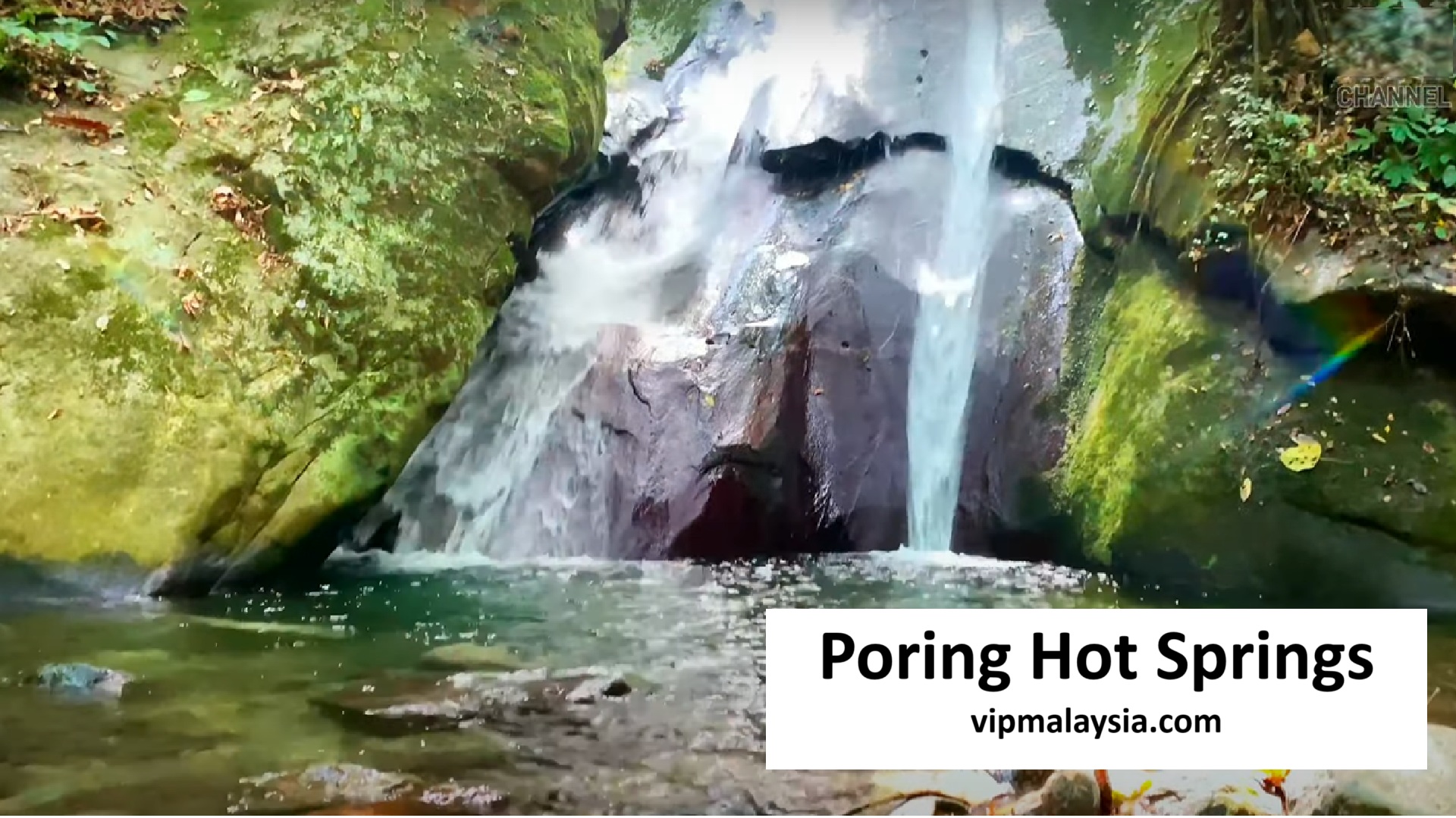
Escape to Sabah’s healing jungle retreat—Poring Hot Springs. Just 40km from Kinabalu Park, this rainforest sanctuary offers steamy mineral baths, sky-high canopy walks, and rare flower sightings. Discover nature’s spa and adventure in one unforgettable destination.
Introduction
Nestled in the Ranau district of Sabah, Malaysia, Poring Hot Springs is a destination that seamlessly combines relaxation, adventure, and biodiversity. Located at approximately 400 meters above sea level, this retreat is famed for its sulphur-rich waters that soothe weary muscles after treks up Mount Kinabalu. Beyond its healing baths, Poring offers canopy walkways suspended high above the rainforest floor, vibrant nature gardens, and trails leading to waterfalls and rare flora. It is a place where families, hikers, and nature lovers converge to experience both serenity and thrill.
History
The history of Poring Hot Springs is deeply tied to the cultural and ecological heritage of Sabah. The name “Poring” comes from a local bamboo species, symbolizing the abundance of natural resources in the area. Originally used by locals for its therapeutic waters, the site gained prominence during the British colonial era when Kinabalu Park was established in 1964. As tourism expanded, Poring became a key attraction within the park’s network, offering visitors a chance to explore the lowland rainforest ecosystem distinct from the alpine environment of Mount Kinabalu. Over the decades, conservation efforts have ensured that the hot springs and surrounding rainforest remain protected, while facilities such as private baths, swimming pools, and educational gardens were introduced to enhance visitor experiences.
Highlights
The Healing Waters
The sulphur-rich pools are the heart of Poring Hot Springs. Visitors often report improved circulation, relief from muscle aches, and a sense of rejuvenation after soaking in the mineral baths. Both open-air pools and private tubs are available, catering to families and individuals seeking tranquility.
Canopy Walkway
Suspended up to 43 meters above the ground and stretching 158 meters, the canopy walkway offers breathtaking views of the rainforest canopy. It provides a rare opportunity to observe wildlife that thrives in the treetops, including birds, insects, and small mammals. The walkway is constructed with aluminium ladders and wooden planks, ensuring both safety and adventure.
Rafflesia Flower
The Rafflesia, the world’s largest bloom, is one of Poring’s most iconic attractions. With flowers that can exceed one meter in diameter, spotting a Rafflesia in bloom is a rare and unforgettable experience. Trails around Poring are monitored by guides who alert visitors when a flower is in bloom.
Nature Gardens
Poring’s nature gardens serve as living classrooms. The butterfly farm, orchid conservation centre, and insectarium showcase the region’s biodiversity. These gardens highlight Sabah’s commitment to conservation and education, making them ideal for families and students.
Attractions
Pools for Families
Children can enjoy swimming pools with slides, while adults relax in rock pools surrounded by greenery. The combination of fun and relaxation makes Poring a family-friendly destination.
Waterfalls
Two waterfalls are accessible from Poring: Kipungit (10 meters, 15-minute walk) and Langanan (120 meters, 2-hour trek). These waterfalls offer refreshing breaks and scenic photo opportunities.
Wildlife Encounters
The rainforest around Poring is home to hornbills, gibbons, and a variety of butterflies. Birdwatchers and wildlife enthusiasts often find the area rewarding for spotting rare species.
Things to Do
Trekking and Adventure
Visitors can embark on treks to waterfalls, explore canopy trails, or hike through the rainforest. Adventure seekers often combine a visit to Poring with climbing Mount Kinabalu, using the hot springs as a recovery stop.
Educational Tours
Guided tours of the nature gardens provide insights into local flora and fauna. Students and researchers frequently visit Poring to study its biodiversity.
Relaxation
Private baths and spa-like facilities allow visitors to unwind in peace. The hot springs are especially popular among those seeking natural remedies for stress and fatigue.
Trekking and Adventure
Kipungit Waterfall
Kipungit Waterfall is indeed one of the most accessible natural highlights near Poring Hot Springs. The trail is about 665 meters long, taking 15–20 minutes at a relaxed pace. The waterfall itself measures roughly 10–12 meters in height, cascading into a shallow pool surrounded by dense rainforest vegetation.
Visitors often describe it as an ideal spot for picnics and refreshing dips, especially after soaking in the sulphur baths nearby. The pool at the base is shallow, making it suitable for families with children. Facilities such as picnic areas and camping grounds are available close to the site, and birdwatchers may spot species like the White-crowned shama or Asian Fairy-bluebird along the trail.
Langanan Waterfall
Langanan Waterfall is a far more demanding trek compared to Kipungit. The trail is approximately 6 kilometers one way, requiring 2–3 hours each way depending on fitness levels. Rising to an impressive 120 meters, it is considered one of Sabah’s tallest waterfalls. The trek passes through pristine rainforest rich in orchids, ferns, and occasional sightings of hornbills, squirrels, or gibbons. The terrain is moderately challenging, with steep sections and muddy paths, so proper footwear and preparation are essential.
Registration at the ticket counter is required before starting the trek, and entry is not allowed after 2 PM for safety reasons. Upon arrival, hikers are rewarded with the thunderous roar of the cascade and misty spray that cools the air—a dramatic payoff that makes the effort worthwhile.
Canopy Exploration
Although currently closed for maintenance, the canopy walkway remains one of Poring’s most iconic adventures. Its suspension bridges provide thrilling perspectives of the rainforest canopy.
Nearby Attractions
Kinabalu Park
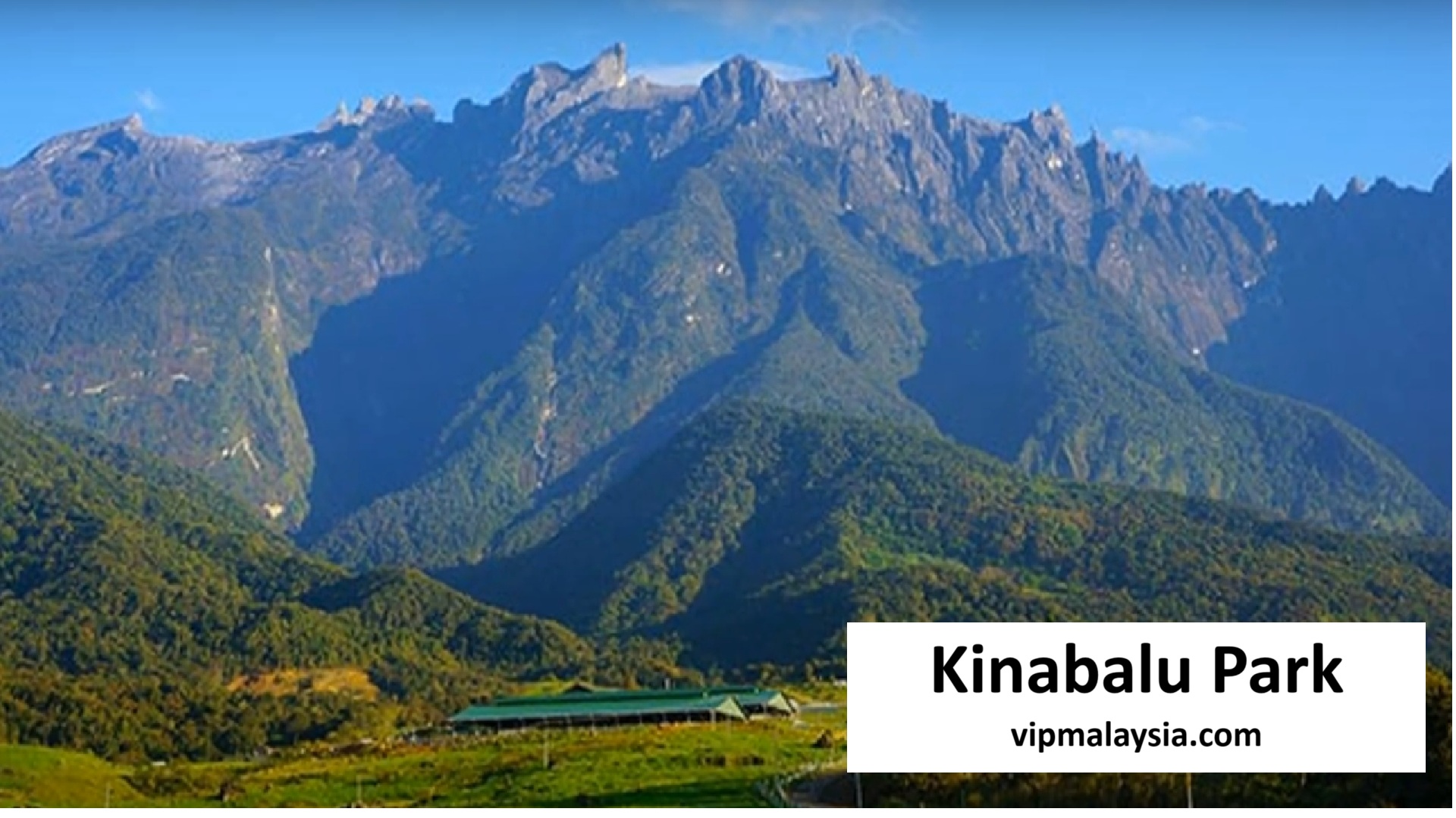
Just 40 km away, Kinabalu Park is a UNESCO World Heritage Site. It is home to Mount Kinabalu, Southeast Asia’s highest peak, and offers diverse ecosystems ranging from alpine meadows to tropical rainforests.
Ranau Town
Ranau, the nearest town, provides access to local markets, cultural festivals, and traditional cuisine. Visitors often stop here to experience Sabah’s local culture.
Desa Dairy Farm
Located in Kundasang, Desa Dairy Farm offers panoramic views of Mount Kinabalu and fresh dairy products. It is a family-friendly stop often combined with trips to Poring.
Conclusion
Poring Hot Springs is more than a destination—it is an experience that blends relaxation, adventure, and education. From sulphur baths to canopy walks, waterfalls to rare flowers, it offers something for every traveler. Its proximity to Kinabalu Park makes it an essential stop for those exploring Sabah. Whether you seek healing waters, thrilling treks, or encounters with unique flora and fauna, Poring delivers a rainforest retreat that is both rejuvenating and unforgettable.
Summary
Attraction: Poring Hot Springs
Location: #Sabah
Attraction Type: #HotSpring Waterfall
Quick Info
Attribute
Corrected Details
Name
Poring Hot Springs
Address
About 40 km from Kinabalu Park Headquarters, Ranau District, Sabah, Malaysia
GPS Position
6.0167° N, 116.7167° E (accurate)
State
Sabah
Elevation
~400 meters above sea level (not 500 m)
Date of Public Access
Kinabalu Park was gazetted in 1964; Poring facilities developed later. May 1990 is not a confirmed official date.
Hot Spring Type
Sulphuric water baths (open‑air pools and private tubs)
Water Benefits
Traditionally believed to soothe aches, fatigue, and aid recovery after trekking Mount Kinabalu
Sabah Parks HQ, Block H, Lot 45 & 46, Signature Office, KK Times Square, Kota Kinabalu, Sabah, Malaysia
Phone
+6088-523500
Email
hello@sabahparks.org.my
Visitor Reviews
Andy Sinclair, North Yorkshire, United Kingdom – ★★★★★ “I loved the butterfly walk at Poring Hot Springs. It was on level ground, making it accessible even after a long trek in Kinabalu Park. The gardens were well maintained, and the variety of butterflies was stunning. It felt like a living classroom where you could learn while enjoying nature.”
Jonathan Davis, United States – ★★★★☆ “After soaking in the hot springs, I tried the Rainforest Restaurant nearby. Honestly, the burger wasn’t great—too much sauce—but the setting was beautiful, surrounded by lush greenery. The hot pools themselves were relaxing, and I could feel my muscles loosen after the climb up Mount Kinabalu.”
Puteri Balkish, Malaysia – ★★★★★ “It’s a long drive from Kota Kinabalu, but worth it. After trekking in Kinabalu National Park, soaking in the sulphur baths was heavenly. The water temperature was perfect, and I felt completely rejuvenated. The Rafflesia garden nearby was an added bonus—I was lucky enough to see one in bloom.”
Sarah Palmer, New Zealand – ★★★★☆ “The canopy walkway was the highlight for me. Suspended high above the rainforest, it gave incredible views and a chance to spot wildlife in the treetops. The trek to Langanan Waterfall was tough but rewarding. The hot springs were crowded, but still a great way to end the day.”
Kinabalu Park in Sabah, Malaysia, is a UNESCO World Heritage Site that blends breathtaking landscapes, extraordinary biodiversity, and thrilling adventure. From the towering Mount Kinabalu to lush rainforests and soothing hot springs, this destination offers travelers a rare chance to explore nature’s crown jewel in Southeast Asia.
Introduction
Kinabalu Park is more than just a national park—it is a living sanctuary where nature, culture, and adventure converge. Nestled in the northern tip of Borneo, this park is home to Mount Kinabalu, the highest peak in Southeast Asia, and a treasure trove of flora and fauna. Recognized as Malaysia’s first UNESCO World Heritage Site in 2000, Kinabalu Park has become a global symbol of conservation and exploration. Whether you are a hiker, a birdwatcher, or a family seeking a rejuvenating escape, Kinabalu Park promises an unforgettable journey.
History
Kinabalu Park’s history is deeply tied to both scientific discovery and cultural reverence. Established in 1964 as one of Malaysia’s earliest protected areas, the park was created to safeguard the unique ecosystems surrounding Mount Kinabalu. Over the decades, researchers uncovered its staggering biodiversity, documenting thousands of plant species and rare animals. In 2000, UNESCO recognized Kinabalu Park as a World Heritage Site for its outstanding universal value, citing its role as a “natural laboratory of evolutionary processes.”
Local legends also enrich its history. The Kadazan-Dusun people regard Mount Kinabalu as sacred, believing it to be the resting place of ancestral spirits. This cultural reverence blends seamlessly with scientific importance, making Kinabalu Park both a spiritual and ecological landmark. Today, it stands as a testament to Malaysia’s commitment to conservation and sustainable tourism.
Highlights
Mount Kinabalu
Mount Kinabalu rises majestically at 4,095.2 meters, making it the highest peak between the Himalayas and New Guinea. Climbers from around the world flock here to test their endurance and witness sunrise views that paint the sky in hues of gold and crimson. For many, the climb is not just physical but spiritual, offering a sense of achievement and connection with nature.
Trekking Routes and Facilities
The mountain offers two main climbing routes: the Timpohon Gate and the Mesilau Trail. Both provide unique perspectives of the mountain’s diverse ecosystems. Along the way, climbers encounter rest huts, ranger stations, and guided support, ensuring safety and accessibility.
Biodiversity Hotspot
Kinabalu Park is a paradise for naturalists. With over 5,000 plant species, including orchids, pitcher plants, and the rare Rafflesia, the park is a botanical wonderland. It also shelters more than 300 bird species and 100 mammals, ranging from clouded leopards to Bornean gibbons.
Unique Flora and Fauna
The park’s flora reflects influences from the Himalayas, China, Australia, and pan-tropical regions. Visitors can marvel at towering dipterocarp trees, delicate mosses, and carnivorous plants. Wildlife enthusiasts may spot hornbills, civets, and even the elusive orangutan in surrounding forests.
Substations and Research
Kinabalu Park operates four substations—Sayap, Nalapak, Serinsim, and Monggis. These serve as research hubs and eco-tourism gateways. Scientists study evolutionary processes here, while visitors gain immersive experiences through guided walks and educational programs.
Sayap Substation
Sayap Substation lies on the western flank of Kinabalu Park, offering a quieter, less-explored retreat. It is renowned for its pristine montane forests, rich birdlife, and tranquil hiking trails leading to Kemantis Waterfall. Established in 1992, Sayap plays a crucial role in monitoring the park’s western boundary while supporting biodiversity research. Visitors often enjoy birdwatching and guided hikes that reveal rare reptiles and amphibians, making it a hotspot for eco-adventures.
Beyond its ecological significance, Sayap has become a hub for community-based tourism. Local guides, including former poachers turned conservationists, lead night walks to spot horned frogs, red-headed kraits, and other nocturnal species. Homestays in nearby villages provide authentic cultural immersion, while conservation programs such as fig tree nurseries highlight the interconnectedness of flora and fauna.
Nalapak Substation
Nalapak Substation, established in 1995, is located at the northernmost tip of Kinabalu Park. Known locally as “Sub-stesen Utara,” it functions primarily as a ranger outpost, safeguarding the park’s northern boundary. Its strategic position makes it essential for enforcement and monitoring activities, ensuring the protection of flora and fauna in remote areas.
Although less visited by tourists compared to Sayap or Serinsim, Nalapak offers unique opportunities for researchers and conservationists. Its remote location provides access to untouched habitats, making it valuable for floral and faunal inventories conducted by Sabah Parks. The substation’s presence underscores the importance of maintaining surveillance across the park’s vast 754 sq km area.
Serinsim Substation
Serinsim Substation, located about 32 km from Kota Marudu, showcases a different face of Kinabalu Park. Unlike the highland headquarters, Serinsim is dominated by lowland rainforest and rivers, offering attractions such as Misumpak Waterfall, Bat Cave, and Mount Nombuyukong. It also hosts cultural landmarks like the grave of Si-Gunting, a local hero who resisted British colonial rule, and the legendary tomb of Gambaliu, a mythical giant.
Facilities at Serinsim include hostels, chalets, and camping grounds, making it accessible for families and adventure seekers. Visitors can enjoy river picnics, wildlife spotting, and deer farm visits. The substation’s blend of natural beauty and cultural heritage makes it a unique destination within Kinabalu Park, appealing to both history enthusiasts and nature lovers.
Monggis Substation
Monggis Substation, situated about 45 km from Ranau, serves as the gateway to Mount Tambuyukon, Malaysia’s third-highest peak at 2,580 meters. This substation is vital for climbers and researchers, offering access to diverse ecosystems ranging from lowland forests to ultrabasic rock formations. The ascent from Monggis to Tambuyukon provides a remarkable journey across varied biodiversity zones.
In addition to trekking, Monggis supports research in biology, geology, and eco-tourism potential. Its isolated location ensures minimal disturbance, making it an ideal site for scientific exploration. For adventurers, Monggis offers challenging climbs and breathtaking views, while conservationists value its role in safeguarding one of Sabah’s most ecologically rich regions.
Major Attractions
Poring Hot Springs
Located 40 kilometers from the park headquarters, Poring Hot Springs is a favorite among families and wellness seekers. Its sulphurous baths are believed to have healing properties, while canopy walkways and rainforest trails provide adventure. Waterfalls nearby add to the charm, making it a perfect blend of relaxation and exploration.
Visitor Facilities
The hot springs complex includes children’s pools, private baths, and picnic areas. Visitors can also explore butterfly farms and orchid gardens, enhancing the educational value of the site.
Kinabalu Summit (Low’s Peak)
The summit of Gunung Kinabalu, known as Low’s Peak, is the park’s most iconic attraction. Standing at 4,095 meters, it offers breathtaking sunrise views that stretch across Sabah and the South China Sea. Climbers often describe the experience as life-changing, with the granite spires creating a dramatic silhouette against the sky.
Reaching the summit requires stamina and preparation, but the reward is unparalleled. The climb is supported by guides and facilities, making it accessible to trekkers worldwide. It remains the highlight of Kinabalu Park’s adventure tourism.
Botanical Garden
The Kinabalu Botanical Garden showcases the park’s extraordinary biodiversity. It houses rare orchids, pitcher plants, and medicinal herbs, offering visitors a glimpse into the mountain’s unique flora.
Educational tours highlight conservation efforts and the importance of preserving endemic species. The garden is a must-visit for botanists and nature enthusiasts alike.
Carson Falls
Carson Falls is a scenic waterfall located near Timpohon Gate. It provides a refreshing stop for climbers beginning their ascent, with cool waters cascading through lush vegetation.
The falls are named after botanist Richard Carson, who contributed to Kinabalu’s ecological studies. It remains a tranquil attraction for hikers and photographers.
Canopy Walkway
The canopy walkway at Poring offers a thrilling experience above the treetops. Suspended bridges allow visitors to explore the rainforest from a unique perspective, spotting birds and insects along the way.
This attraction emphasizes the park’s biodiversity and provides an educational adventure for families. It is one of the most photographed experiences in Kinabalu Park.
Kinabalu Park Headquarters
The park headquarters at Timpohon Gate is the starting point for most climbs. It houses visitor facilities, including accommodations, restaurants, and information centers.
Educational exhibits highlight the park’s biodiversity and conservation efforts. It is an essential stop for climbers preparing for the ascent.
Kundasang War Memorial
The Kundasang War Memorial honors Allied soldiers who perished during World War II’s Sandakan Death Marches. It features gardens representing different nations and serves as a poignant historical site.
Visitors gain insight into Sabah’s wartime history and the sacrifices made. The memorial adds cultural depth to the natural attractions of Kinabalu Park.
Things to Do
Birdwatching and Wildlife Tours
Kinabalu Park is a haven for birdwatchers. Species such as the mountain blackeye, Bornean barbet, and crimson-headed partridge delight enthusiasts. Guided tours also highlight mammals like the Malay civet and reptiles such as the Kinabalu horned frog.
Botanical Exploration
Visitors can join guided botanical walks to learn about orchids, ferns, and medicinal plants. The park’s botanical diversity makes it a living classroom for students and researchers.
Climbing Mount Kinabalu
The climb to Mount Kinabalu’s summit is a bucket-list adventure. Climbers typically spend two days ascending, with an overnight stay at Laban Rata Resthouse before the final push to the summit. The experience combines physical challenge with breathtaking views.
Via Ferrata Adventure
For thrill-seekers, Kinabalu Park offers the world’s highest via ferrata—a network of iron rungs and cables fixed to the mountain. This allows climbers to traverse cliffs and ridges safely, adding adrenaline to the journey.
Other Information
Entrance Fees
By Ages
Category
MyKad Holders (RM)
Non-Malaysians (RM)
Adult (18+)
3.00
15.00
Senior (55+)
1.00
15.00
Youth (<18)
1.00
10.00
Note: Conservation fees cover Kinabalu HQ, Mesilau Nature Resort & Poring Hot Spring
Conservation and Climbing
#
Particulars
Above 18 Years
17 Years & Below
Remarks
01
Conservation Fee (Malaysian)
RM 10
RM 5
Below 12 Years / Above 60 Years & OKU: Free of Charge
02
Conservation Fee (International)
RM 50
RM 25
—
03
Mount Kinabalu Climbing Permit (Malaysian)
RM 100
RM 50
—
04
Mount Kinabalu Climbing Permit (International)
RM 400
RM 200
—
Routes
Route
Name
Operating Hours
Description
P1
Poring Visitor Centre Gallery
09:00 ~ 16:00 Daily
Exhibits of Kinabalu Park’s rich biodiversity with a focus on bird species and educational media.
P2
Butterfly Farm
09:00 ~ 16:00 Daily
Borneo’s first butterfly farm with a walk-through enclosure showcasing endangered species like Rajah Brooke’s birdwing.
P3
Hot Springs
09:00 ~ 16:00 Daily
Sulphuric hot baths with healing properties, featuring temperature-controlled open-air and private bathtubs.
P4
Canopy Walkway
09:00 ~ 16:00 Daily
41 meters high and 157.8 meters long, offering thrilling views of towering Menggaris trees.
P5
Rock Pool
09:00 ~ 16:00 Daily (Closed Monday)
Cold freshwater pool perfect for a refreshing dip after the hot springs.
P6
Orchid Conservation Centre
09:00 ~ 16:00 Daily
Home to about 1,200 orchid species—Borneo’s rarest and most exotic floral gems.
P7
Langanan Waterfall
Accessible via 2-hour hike
At 120 meters, it’s Poring’s highest waterfall—a must-see after a scenic jungle trek.
P8
Kipungit Waterfall
Accessible any time
10-meter tall waterfall ideal for a quick dip and forest picnic.
P9
Bat Cave
On trail between P8 and P7
Small cave with fruit bats—safe for a brief detour and a peek at nocturnal life.
P10
Rafflesia Garden
09:00 ~ 16:00 Daily
Chance to view the world’s largest flower, Rafflesia, in rare and brief bloom.
P11
Ethnobotanical Garden
09:00 ~ 16:00 Daily
Exhibits of jungle fruits and medicinal plants used by local communities.
P12
Tropical Garden
09:00 ~ 17:00 Daily
Mini rainforest with exotic birds and tiny deer—perfect for families and photographers.
P13
Bamboo Garden
Accessible any time
Featuring Gigantochloa levis, showcasing the importance of bamboo in traditional Dusun culture.
P14
Slide Pool
08:00 ~ 16:00 Daily (Closed Monday)
Kid-friendly cold water pool with slides—a playful way to wrap up the day.
Nearby Attractions
Desa Dairy Farm
Located in Kundasang, Desa Dairy Farm offers panoramic views of Mount Kinabalu and fresh dairy products. Families enjoy feeding calves and savoring homemade ice cream.
Visitors can tour the farm, interact with cattle, and enjoy scenic views of Mount Kinabalu. It is a popular stop for both locals and tourists.
Ranau Town
Ranau, a nearby town, provides cultural immersion with local markets, handicrafts, and traditional cuisine. It is also home to memorials commemorating World War II, adding historical depth to the region.
Kundasang Town
The nearby town of Kundasang is often called the “New Zealand of Sabah” for its cool climate and dairy farms. It serves as a gateway to Kinabalu Park and hosts vibrant local markets. Cultural festivals, such as the Kaamatan Harvest Festival, showcase Kadazan-Dusun traditions, offering travelers a deeper connection to local heritage.
Conclusion
Whether you’re drawn by its ecological significance or the call of Mount Kinabalu itself, Kinabalu Park is a rare gem that delivers beyond expectation. It invites explorers, nature lovers, and dreamers to come and experience the magic of wild Malaysia. Step into a realm of misty peaks, ancient forests, and healing hot springs. Book your Kinabalu Park adventure and let nature inspire you.
Summary
Attraction: Kinabalu Park
Location: #Sabah
Attraction Type: #Nature Mount
Comparison Table
Attribute
Gunung Kinabalu
Kinabalu Park
Nature
A single granitic mountain peak rising to 4,095 m
A protected area of 754 km² surrounding the mountain
Elevation
4,095 meters (13,435 feet), Malaysia’s highest point
Varies from lowland rainforest to alpine zones, ranging 152 m–4,095 m
Prominence
4,095 m, rising directly from sea level
Not applicable; encompasses multiple ecosystems
Status
Sacred mountain to Kadazan-Dusun people; major climbing destination
UNESCO World Heritage Site since 2000, recognized for biodiversity
Main Entry Point
Timpohon Gate (summit climb)
Park HQ at Timpohon Gate; multiple nature trails and visitor centers
Biodiversity
Home to rare flora like Nepenthes rajah and Paphiopedilum rothschildianum
Over 5,000 plant species, 326 bird species, 100+ mammals
Activities
Summit climbing, via ferrata, alpine trekking
Birdwatching, botanical garden tours, hot springs, canopy walks
Nearby Town
Kundasang (gateway town)
Kundasang and Ranau provide accommodations and cultural experiences
Over 5,000 plant species, including orchids, pitcher plants, and Rafflesia (not literally half of Borneo’s species)
Bird Species
Over 300 species documented
Substations
Sayap, Nalapak, Serinsim, Monggis
Visitor Entry
Park HQ at Kundasang, ~92 km from Kota Kinabalu
Admin Office
Sabah Parks Conservation Center HQ, KK Times Square
Operating Hours
7:00 AM to 5:00 PM daily
Contact Info
Sabah Parks, Lot 45 & 46, Level 1–5, Block H, Signature Office, KK Times Square, Coastal Highway, 88100 Kota Kinabalu, Sabah, Malaysia. Tel: +6088-523500 Fax: +6088-486434, 486435, 486436 Email: sabahparks@sabah.gov.my, sabahparks@gmail.com
Visitor Reviews
HP Wu – SingaporeRating: ★★★★★ “I visited Kinabalu Park in March 2024 and was amazed by the sheer scale of Mount Kinabalu at 4,095 meters. We rented a car and had a local driver-guide named Jai, who was an expert in hiking and even knowledgeable about snakes in the forest. His guidance made the trek safer and more enjoyable. The trails were well-marked, and the biodiversity was incredible. This is truly a must-visit destination in Sabah.”
Soko37 – Budapest, HungaryRating: ★★★★☆ “We traveled from Kota Kinabalu on rented motorbikes, which took about two hours. The weather shifted quickly—it started raining during our first hike, making the trails slippery and muddy. Despite that, the park was fantastic for casual hikers, families, and even older visitors. There are many trails, both short and long, and facilities like restaurants and accommodations are available. I recommend proper hiking shoes, rain jackets, and snacks, as the temperature can change rapidly.”
Olly Gaspar – Australia (Travel Blogger)Rating: ★★★★★ “As a full-time traveler, I explored Kinabalu Park in January 2025. The entrance sits at 1,550 meters, so you immediately feel the cooler climate compared to Kota Kinabalu. The park is Malaysia’s first UNESCO World Heritage Site and boasts over 5,000 vascular plant species and 90 mammal species. I didn’t climb the summit due to the high permit cost, but the interconnected trails offered excellent hiking opportunities. It’s easy to reach from Kota Kinabalu by bus, taxi, or guided tour, and the entrance fee is RM50 for international adults.”
Tripadvisor Community – General ConsensusAverage Rating: ★★★★☆ (4.1/5 from 630 reviews) Visitors consistently praise Kinabalu Park for its breathtaking scenery, biodiversity, and accessibility. Many highlight the sunrise views from Mount Kinabalu, the variety of hiking trails, and nearby attractions like Poring Hot Springs and Desa Dairy Farm. Some note that weather conditions can change quickly, making preparation essential.
Ready for an unforgettable journey above the clouds? Gunung Kinabalu, Malaysia’s highest peak, offers more than just a climb—it’s a life-changing experience in the heart of Malaysian Borneo. Discover everything you need to plan, prepare, and say “I made it to the top.”
Introduction
Gunung Kinabalu, rising 4,095 meters above sea level, is Malaysia’s highest mountain and one of Southeast Asia’s most iconic natural wonders. Nestled within Kinabalu Park in Sabah, this UNESCO World Heritage Site offers breathtaking biodiversity, cultural heritage, and unforgettable trekking adventures.
History
The history of Gunung Kinabalu is deeply intertwined with the indigenous Kadazan-Dusun people, who regard the mountain as sacred. According to local legend, the spirits of ancestors dwell on its slopes, making it a place of reverence and ritual. The name “Kinabalu” is believed to derive from “Aki Nabalu,” meaning “Revered Place of the Dead.”
European explorers first documented the mountain in the mid-19th century, with Sir Hugh Low leading the earliest recorded ascent in 1851. His name lives on at Low’s Peak, the highest point of the mountain. Over time, Gunung Kinabalu became a focal point for scientific research due to its extraordinary biodiversity. In 1964, Kinabalu Park was established to protect this ecological treasure, and in 2000, UNESCO recognized it as a World Heritage Site.
Getting There
Gunung Kinabalu is located within Kinabalu Park, near Kundasang, about two hours by car from Kota Kinabalu, the capital of Sabah. The park headquarters at Timpohon Gate serves as the main entry point for climbers.
Travelers typically fly into Kota Kinabalu International Airport (BKI), then continue by taxi, rental car, or tour bus to the park. The journey itself is scenic, passing through rolling hills and villages before reaching the cooler highlands.
How to Get There
Most treks begin early from Timpohon Gate, the standard trailhead. The Mesilau Trail was once an alternative but has been closed since the 2015 earthquake.
Permits, guides, and accommodations must be booked in advance through Kinabalu Park HQ. This ensures climbers are registered, guided safely, and provided with lodging at Panalaban (formerly Laban Rata).
When to Go
The best months to climb are March to August, during Sabah’s drier season. Weather is more stable, though mountain conditions remain unpredictable.
Booking ahead is essential, as daily climber numbers are limited to protect the environment. A licensed mountain guide is mandatory, and accommodations at Panalaban fill quickly during peak season.
Climb Itenary
Day / Stage
Details
Duration & Difficulty
Day 1: Arrival at Kinabalu Park HQ
Register at Park HQ, secure permits, meet certified guide. Begin trek at Timpohon Gate (1,866 m). First stop at Carson Falls, then continue through forest huts (Kandis, Ubah, Lowii, Mempening). Overnight at Panalaban Resthouse (formerly Laban Rata) at 3,272 m.
6–8 hours trekking. Moderate to strenuous; altitude gain ~1,400 m.
Day 2: Summit Push (Low’s Peak)
Wake at ~2:00 AM. Begin steep ascent over granite slabs with fixed ropes. Reach Low’s Peak (4,095 m) at sunrise. Descend back to Panalaban for breakfast, then continue down to Park HQ.
Mandatory overnight at Panalaban Resthouse (altitude lodging with meals).
1 night minimum stay required.
Difficulty Level
Considered moderate to strenuous. Requires fitness, stamina, and acclimatization.
Summit push is the hardest section; descent often tougher on knees.
Total Duration
Standard climb is 2 days, 1 night. Extended itineraries may include extra acclimatization hikes in Kinabalu Park.
2D1N standard; optional 3D2N for slower pace.
Highlights
The Summit Experience
Standing at 4,095 meters, Low’s Peak offers panoramic views that stretch across Sabah and, on clear days, even toward the South China Sea. The sunrise from the summit is considered one of the most spectacular in Asia.
Biodiversity Wonderland
Gunung Kinabalu is home to over 5,000 plant species, including orchids, pitcher plants, and the giant Rafflesia. The mountain also shelters 326 bird species and 100+ mammals, making it a living museum of biodiversity.
Cultural Significance
For the Kadazan-Dusun, Gunung Kinabalu is a sacred site. Rituals and traditions tied to the mountain continue to this day, reinforcing its role as a cultural landmark.
Extraordinary Flora
Nepenthes Rajah
Nepenthes rajah is the world’s largest pitcher plant, endemic to Mount Kinabalu. Its traps can hold over a liter of fluid and have been known to capture not only insects but also small vertebrates like frogs and even rats. This carnivorous plant thrives in nutrient-poor soils, supplementing its diet with prey digestion. Its ecological role is fascinating, as it also forms symbiotic relationships with tree shrews that feed on nectar while fertilizing the plant with droppings.
The plant’s striking size and adaptation make it a symbol of Kinabalu’s unique biodiversity. Conservationists emphasize its vulnerability to habitat loss and illegal collection, making protection within Kinabalu Park essential.
Paphiopedilum Rothschildianum
Known as the “Kinabalu Gold,” Paphiopedilum rothschildianum is one of the rarest orchids in the world. It grows exclusively on Kinabalu’s limestone cliffs and is distinguished by its striped petals and elegant slipper-shaped blooms. This orchid can take up to 15 years to flower, adding to its rarity and value.
Its beauty has unfortunately made it a target for illegal trade, with specimens fetching thousands of dollars on the black market. Strict conservation measures are in place to protect this orchid, which is considered a crown jewel of Kinabalu’s flora.
Rafflesia Keithii
Rafflesia keithii is one of the two Rafflesia species found in Kinabalu Park. It produces enormous flowers up to 80 cm in diameter, with a distinctive foul odor that attracts carrion flies for pollination. This parasitic plant lacks leaves, stems, and roots, living entirely off its host vine.
Despite its unpleasant smell, Rafflesia keithii is a major attraction for visitors. Its unpredictable blooming cycle makes sightings rare, adding to its mystique and allure.
Rhododendron Lowii
Rhododendron lowii is a spectacular species discovered by Sir Hugh Low, after whom Kinabalu’s summit is named. It produces large golden-yellow flower clusters that glow in the misty montane forests.
This rhododendron thrives in cloud forests above 2,200 meters, where mist and moisture dominate. Its vibrant blooms are a highlight for trekkers, symbolizing the mountain’s rich floral diversity.
Nepenthes Villosa
Nepenthes villosa is another rare pitcher plant found at higher altitudes of Kinabalu. It is adapted to colder, harsher conditions and features hairy pitchers with serrated peristomes.
This species is particularly vulnerable due to its limited distribution. Its survival depends on the unique microclimates created by Kinabalu’s granite slopes.
Dacrydium Gibbsiae
Dacrydium gibbsiae is a rare conifer endemic to Kinabalu’s montane forests. It thrives in cooler climates above 1,200 meters, forming part of the oak-chestnut forest ecosystem.
Its presence highlights Kinabalu’s role as a hub for conifer diversity in Southeast Asia. The species contributes to the ecological balance by providing habitat and food for wildlife.
Rhododendron Ericoides
Rhododendron ericoides is a heath rhododendron found in Kinabalu’s subalpine zones. Its scarlet, thimble-sized flowers bloom in thickets, creating vibrant displays in March and April.
This hardy shrub thrives in harsh conditions, with gnarled branches adapted to withstand strong winds and poor soils. Its resilience symbolizes the adaptability of Kinabalu’s flora.
Nepenthes Edwardsiana
Nepenthes edwardsiana is considered one of the most beautiful pitcher plants, with strikingly ribbed peristomes and vivid coloration. It is endemic to Kinabalu and nearby mountains.
Its rarity and aesthetic appeal make it highly sought after by collectors, but strict protection ensures its survival within Kinabalu Park.
Phyllocladus Hypophyllus
Phyllocladus hypophyllus is a unique conifer found in Kinabalu’s montane forests. Unlike typical conifers, it has flattened leaf-like structures called phylloclades.
This adaptation allows it to thrive in misty, nutrient-poor environments. Its unusual morphology makes it a fascinating subject for botanists studying evolutionary adaptations.
Rhododendron Buxifolium
Rhododendron buxifolium, or box-leaved rhododendron, grows in Kinabalu’s subalpine meadows. Its larger red flowers bloom spectacularly in spring, adding bursts of color to the high-altitude landscape.
This species is well adapted to soggy patches and rocky crevices, showcasing the resilience of Kinabalu’s alpine vegetation.
Rarest Fauna
Thomas’ Pygmy Squirrel
Thomas’ pygmy squirrel is one of the smallest squirrels in the world, measuring only about 7 cm in body length. Endemic to Kinabalu Park, it is often seen darting among mossy branches in montane forests. Its tiny size and rapid movements make it a challenge to spot, but it plays an important role in seed dispersal.
This species is considered vulnerable due to its restricted range. Conservation within Kinabalu Park ensures its survival, as deforestation outside protected areas threatens its delicate habitat.
Kinabalu Shrew
The Kinabalu shrew is a rare insectivorous mammal found only on Mount Kinabalu. It thrives in the cool, moist conditions of the montane forest floor, feeding on insects and small invertebrates. Its dark fur and small size make it well adapted to the dense undergrowth.
Because of its limited distribution, the Kinabalu shrew is highly vulnerable to environmental changes. Researchers emphasize its importance as an indicator species for ecosystem health in high-altitude habitats.
Mountain Blackbird
The mountain blackbird is a common sight near the summit of Gunung Kinabalu. This bird is adapted to high-altitude conditions, feeding on insects and berries found in alpine vegetation. Its dark plumage contrasts beautifully against the granite backdrop of the mountain.
Birdwatchers often encounter this species during summit climbs, making it one of the most recognizable avian residents of Kinabalu. Its presence highlights the unique birdlife adapted to extreme conditions.
Crimson-Headed Wood-Partridge
The crimson-headed wood-partridge is a striking bird confined to the mountains of Borneo, including Kinabalu. Its vivid red head and patterned plumage make it a prized sighting for birdwatchers. It inhabits dense montane forests, feeding on seeds and insects.
This species is considered near-threatened due to habitat loss. Kinabalu Park provides a crucial refuge, ensuring its survival in the face of deforestation elsewhere in Sabah.
Slow Loris
The slow loris is a nocturnal primate found in Kinabalu Park. With its large eyes adapted for night vision, it moves slowly through the trees, feeding on insects, fruit, and tree sap. Its deliberate movements and unique appearance make it a fascinating species.
Unfortunately, the slow loris is threatened by illegal wildlife trade. Protection within Kinabalu Park is vital to safeguard this rare primate from exploitation.
Bornean Gibbon
The Bornean gibbon is an agile primate known for its loud, melodious calls that echo through Kinabalu’s forests. It is an important seed disperser, contributing to forest regeneration. Its long arms allow it to swing effortlessly between trees.
This species is endangered due to habitat fragmentation. Kinabalu Park remains one of the few strongholds where gibbons can thrive in undisturbed montane forests.
Kinabalu Friendly Bush-Warbler
The Kinabalu friendly bush-warbler is an endemic bird species found only on Mount Kinabalu. It inhabits dense undergrowth and is known for its distinctive song. Its small size and elusive behavior make it a challenge to observe.
This bird is a symbol of Kinabalu’s unique avifauna. Its restricted range underscores the importance of conserving high-altitude habitats in Sabah.
Bornean Green Tree Frog
The Bornean green tree frog is a rare amphibian found in Kinabalu Park. Its bright green coloration helps it blend into mossy environments, while its sticky pads allow it to cling to wet surfaces. It thrives in the cool, humid conditions of montane forests.
Amphibians like this frog are sensitive to environmental changes, making them key indicators of ecosystem health. Conservation efforts in Kinabalu Park protect this species from habitat loss and climate change.
Rhinoceros Hornbill
The rhinoceros hornbill is one of Borneo’s most iconic birds, and it can be found in Kinabalu Park. Its large casque and striking plumage make it instantly recognizable. It plays a vital role in seed dispersal, helping maintain forest diversity.
Though widespread in Borneo, the hornbill faces threats from hunting and habitat destruction. Kinabalu Park provides a safe haven where this majestic bird continues to thrive.
Tarsier
The tarsier is a nocturnal primate with enormous eyes adapted for night vision. Found in Kinabalu Park, it feeds on insects and small vertebrates. Its ability to leap between trees makes it a remarkable predator in the forest canopy.
Tarsiers are vulnerable to habitat loss and disturbance. Kinabalu Park’s protected environment ensures their survival, making them a highlight for wildlife enthusiasts exploring the mountain.
Major Trails
Timpohon–Summit Trail
The Timpohon–Summit Trail is the most popular route to Low’s Peak, starting at Timpohon Gate. Along the way, hikers encounter Carson Falls, Kandis Hut, and several viewpoints. The trail is well-marked but steep, requiring stamina and preparation.
This trail is considered the standard climb, with most climbers reaching Panalaban before the final summit push. Its accessibility and facilities make it the primary choice for international visitors.
Mount Kinabalu Trail
The Mount Kinabalu Trail is a strenuous 15.9-mile route that challenges climbers with steep ascents and exposed granite terrain. It demands endurance and technical maneuvering, especially near the summit.
Above base camp, the landscape transforms into a moonscape of stone, with fixed ropes assisting climbers in high winds. This trail is ideal for experienced trekkers seeking a demanding climb.
Laban Rata–Gunung Kinabalu Trail
Starting at Laban Rata, this trail involves over 6,000 steps and steep granite slabs. Climbers scramble naturally and use guide ropes to reach the summit.
The misty terrain and dramatic rocky outcrops make this trail visually stunning. Unique flora such as pitcher plants and orchids line the path, adding to its appeal.
Silau Silau Trail
The Silau Silau Trail begins near Kinabalu Hall and is moderate in difficulty. It features steep ascents, exposed roots, and muddy sections, requiring careful footing.
Despite its challenges, the trail offers breathtaking scenery and is popular among casual hikers. It connects with other trails, making it versatile for exploration.
Mempening Trail
Often paired with Silau Silau, the Mempening Trail provides a scenic forest walk. It is moderately difficult, with uneven terrain and occasional steep climbs.
The trail is rich in biodiversity, offering glimpses of orchids, ferns, and birdlife. It is a favorite among nature enthusiasts seeking a shorter hike.
Ranau Trail
The Ranau Trail is one of two summit routes from Panalaban, offering a direct ascent to Low’s Peak. It is steep and rocky, requiring climbers to use ropes for safety.
This trail is known for its panoramic views and is often chosen for its slightly shorter distance compared to Kota Belud Trail.
Kota Belud Trail
The Kota Belud Trail is the alternative summit route from Panalaban. It is longer and more challenging, with exposed granite sections.
Climbers often choose this trail for its dramatic scenery and sense of adventure. It is recommended for those seeking a tougher ascent.
Carson Falls Trail
Carson Falls Trail leads to a refreshing waterfall near the Timpohon Gate. It is short but steep, making it a rewarding detour for climbers.
The cool waters and lush surroundings provide a natural respite before or after a climb. It is a popular spot for photography and relaxation.
Kipungit Waterfall Trail
This trail leads to Kipungit Waterfall, located near Poring Hot Springs. It is relatively easy and suitable for families.
The waterfall is surrounded by tropical vegetation, offering a serene environment. Many visitors combine this trail with a soak in the hot springs.
Low’s Gully Trail
Low’s Gully Trail is a challenging descent into a deep valley on Kinabalu’s northern face. It is considered one of the toughest treks in the park.
This trail requires technical skills and is often attempted by experienced climbers. Its remote location and rugged terrain make it legendary among adventurers.
Mesilau Trail
Slightly longer and more scenic (Closed since the 2015 earthquake; only Timpohon Gate is currently open)
Things to Do
Summit Climb to Low’s Peak
Climbing to Low’s Peak, the highest point of Gunung Kinabalu at 4,095 meters, is the ultimate adventure. The trek begins at Timpohon Gate and requires an overnight stay at Panalaban before the early morning summit push. The sunrise view from the peak is considered one of the most spectacular in Asia.
The climb is challenging but accessible to most fit trekkers. Guides are mandatory, ensuring safety and cultural respect. This activity is the highlight for visitors seeking both physical achievement and spiritual connection.
Explore Kinabalu Park Botanical Garden
The botanical garden showcases Kinabalu’s extraordinary biodiversity, including rare orchids, pitcher plants, and medicinal herbs. It is a living museum of flora, offering educational tours for visitors.
Researchers and tourists alike value the garden for its conservation role. It provides insight into endemic species found only on Kinabalu’s slopes, making it a must-do for nature lovers.
Relax at Poring Hot Springs
Poring Hot Springs is famous for its natural thermal baths, ideal for soothing muscles after trekking. The hot mineral waters are believed to have healing properties.
Beyond the baths, visitors can enjoy canopy walks, butterfly gardens, and orchid houses. This attraction combines relaxation with eco-tourism, making it family-friendly.
Birdwatching in Montane Forests
Gunung Kinabalu is home to 326 bird species, including hornbills, mountain blackbirds, and endemic bush-warblers. Birdwatching trails provide opportunities to spot rare species.
The montane forests are particularly rewarding for bird enthusiasts. Guided tours enhance the experience, offering expert knowledge on avian behavior and habitats.
Via Ferrata Adventure
Kinabalu hosts the world’s highest via ferrata, offering climbers thrilling vertical routes with steel cables and ladders. It is suitable for both beginners and experienced adventurers.
The adrenaline rush of traversing granite cliffs is unmatched. Safety equipment and guides ensure a secure experience, making it one of the park’s most unique activities.
Visit Kundasang Town
Kundasang, known as the “New Zealand of Sabah,” offers cool climate, dairy farms, and fresh produce markets. It is a scenic town near Kinabalu Park.
Visitors enjoy flower gardens, cultural experiences, and panoramic views of the mountain. Kundasang complements the natural attractions with local hospitality.
Discover Carson Falls
Carson Falls is a refreshing waterfall near Timpohon Gate. It is a short hike but provides a scenic stop for climbers beginning their ascent.
The falls are surrounded by lush vegetation, offering a tranquil environment. It is a popular spot for photography and relaxation before tackling the mountain.
Canopy Walk at Poring
The canopy walkway at Poring allows visitors to explore the rainforest from above. Suspended bridges provide thrilling views of treetops and wildlife.
This activity emphasizes Kinabalu’s biodiversity and is suitable for families. It is one of the most photographed experiences in the park.
Explore Ranau Town
Ranau is a vibrant town near Kinabalu Park, known for its markets and cultural experiences. It serves as a base for exploring waterfalls and hot springs.
The town offers accommodations and local cuisine, making it a convenient stop for visitors. Its lively atmosphere complements the natural beauty of Kinabalu.
Visit Kundasang War Memorial
The Kundasang War Memorial honors Allied soldiers who perished during World War II’s Sandakan Death Marches. It features gardens representing different nations.
The memorial provides historical context to Sabah’s wartime past. Visitors gain cultural depth alongside natural exploration, making it a meaningful attraction.
Visit Desa Dairy Farm
Located in Kundasang, this farm offers fresh milk, cheese, and ice cream. Its rolling green pastures and cool climate make it a family-friendly attraction.
Conclusion
Reaching an astonishing 4,095 meters, Gunung Kinabalu stands tall as Malaysia’s highest mountain and a bucket-list destination for trekkers, nature lovers, and spiritual wanderers. Nestled within the Kinabalu Park, a UNESCO World Heritage Site, the mountain is revered not just for its height but for its incredible biodiversity and cultural significance to the indigenous Kadazan-Dusun people.
So, what are you waiting for? Lace up those boots, book your pass, and experience Malaysia’s rooftop for yourself.
Summary
Attraction: Gunung Kinabalu
Location: #Sabah
Attraction Type: #Mount
Quick Info
Attribute
Details
Name
Gunung Kinabalu
Location
Kinabalu Park, Sabah, Malaysian Borneo
Coordinates
6.0750° N, 116.5580° E
State
Sabah
Elevation
4,095 meters (13,435 feet)
Prominence
4,095 meters (rises directly from sea level)
Type
Granitic mountain
Status
UNESCO World Heritage Site (since 2000)
Main Entry Point
Timpohon Gate (Mesilau Trail closed since 2015)
Climbing Permit
Required via Sabah Parks
Accommodation
Panalaban Resthouse (formerly Laban Rata)
Park Entry Fee
Yes (varies by nationality)
Guide Requirement
Mandatory certified local guide
Best Climbing Season
March–August (dry season, though weather is variable)
Nearby Town
Kundasang
Contact
Sabah Parks HQ: +6088-523 500
Visitor Reviews
Ann Sophia (United Kingdom) ★★★★☆ Ann S, a 70-year-old traveler, described her climb as “a challenge and a half.” She reached Panalaban Resthouse but decided not to attempt the summit due to the steepness and early morning darkness. Her husband, younger and fitter, managed to reach Low’s Peak but struggled on the descent, which she noted was “worse than going up.” This honest account highlights the physical demands of the climb, especially for older trekkers .
Nur Liyana Hasim (Johor) ★★★★★ This climber emphasized the respect deserved for the mountain, describing the second morning’s summit push as “really early, aiming to arrive at Low’s Peak before sunrise.” They noted the difficulty of climbing in darkness but praised the breathtaking sunrise view as worth the effort. Their review underscores the importance of preparation and stamina for the summit attempt .
Elham Alhambra (Sabah, Malaysia) ★★★★★ A local reviewer highlighted the cultural and ecological significance of Kinabalu Park. They praised the biodiversity, mentioning orchids, pitcher plants, and hornbills spotted along the trail. They also emphasized the importance of booking permits and guides in advance, noting that Sabah Parks enforces strict conservation rules to protect the mountain’s fragile ecosystem .
Basri Timothy (Australia) ★★★★☆ An Australian visitor described the climb as “tough but rewarding.” They appreciated the facilities at Panalaban Resthouse, where warm meals and lodging at 3,272 m helped them acclimatize. They also noted the mandatory guide system as reassuring, ensuring safety and cultural respect during the climb. Their review reflects the balance between challenge and support provided by Kinabalu Park .
Looking for a walkable, lifestyle-driven mall experience in the Klang Valley? The Curve Mutiara Damansara blends fashion, food, and family fun across scenic courtyards and pedestrian-friendly lanes. Discover why it remains a cherished shopping destination for trendsetters and everyday shoppers alike.
Introduction
Welcome to The Curve Mutiara Damansara, a landmark in Malaysia’s retail landscape. Since its opening in 2005, The Curve has transformed into a holistic lifestyle hub where families gather for weekend brunches, fashion enthusiasts explore global brands, and friends enjoy vibrant open-air courtyards. Its unique pedestrian-friendly design sets it apart from conventional malls, making it a destination that blends shopping, leisure, and culture seamlessly.
History
The Curve was conceptualized in the early 2000s as part of the larger Mutiara Damansara township development, which also houses IKEA Damansara and IPC Shopping Centre. Developers envisioned a mall that would break away from the enclosed, air-conditioned shopping complexes common in Malaysia.
When it opened in December 2005, The Curve became Malaysia’s first pedestrianised shopping mall, featuring wide walkways, open-air courtyards, and alfresco dining zones. Its Asian and Western Courtyards were designed to reflect cultural diversity, offering both local delicacies and international cuisines. Over the years, The Curve has hosted seasonal festivals, fashion shows, and family events, cementing its reputation as a lifestyle destination.
Despite challenges in the retail sector, The Curve has remained resilient by adapting to consumer trends, integrating wellness outlets, and maintaining strong ties with nearby attractions like IKEA and KidZania. Today, it continues to thrive as a hub for shopping, dining, and community gatherings.
Getting There
By MRT / LRT
The Curve is directly connected to the Mutiara Damansara MRT station (Kajang Line) via a covered walkway. Travel times vary depending on your starting point:
The Curve is easily accessible via major highways including the LDP, Sprint Expressway, NKVE, and Persiaran Surian. Parking facilities offer more than 2,400 bays, though weekends can be busy.
Highlights
Fashion and Retail Diversity
The Curve houses over 200 outlets, ranging from international fashion labels to local boutiques. Visitors can find everything from daily essentials to luxury items, making it a one-stop destination for diverse shopping needs.
Dining Courtyards
The Asian and Western Courtyards are signature features, offering alfresco dining experiences. Whether you crave Malaysian street food or Western fine dining, the courtyards provide a vibrant atmosphere for all tastes.
Family-Friendly Spaces
Safe pedestrian routes, open-air seating, and seasonal decorations make The Curve ideal for families. Children can enjoy play zones while parents relax at cafés, creating a wholesome environment for all ages.
Attractions
Wellness and Lifestyle
The Curve integrates wellness outlets, spas, and fitness centers, allowing visitors to rejuvenate after shopping. Beauty salons and health services are strategically placed for convenience.
Cultural Festivals
Throughout the year, The Curve hosts Chinese New Year lion dances, Hari Raya bazaars, and Christmas light displays, turning the mall into a festive hub that celebrates Malaysia’s multicultural heritage.
Entertainment
Nearby attractions like KidZania Kuala Lumpur and Cineleisure Damansara complement The Curve, offering family entertainment options within walking distance.
Things to Do
Shopping Adventures
Explore fashion boutiques, specialty stores, and lifestyle outlets. From global brands like H&M and Nike to local designers, The Curve caters to every shopper’s preference.
Dining Experiences
Enjoy alfresco dining in courtyards or indoor restaurants. Popular spots include local kopitiams, Japanese sushi bars, and Italian trattorias, ensuring a diverse culinary journey.
Weekend Markets
The Curve often hosts weekend bazaars, featuring artisanal crafts, local delicacies, and cultural performances. These markets provide a unique shopping experience beyond mainstream retail.
Trekking and Adventure
Urban Exploration
While The Curve itself is urban, its pedestrian-friendly design encourages exploration. Visitors can stroll through courtyards, enjoy street performances, and discover hidden cafés.
Nearby Outdoor Options
Just a short drive away, Kota Damansara Community Forest Reserve offers trekking trails for nature lovers. The reserve is home to diverse wildlife, including macaques, hornbills, and tropical flora.
Adventure Activities
For thrill-seekers, nearby attractions like Escape Challenge Petaling Jaya provide obstacle courses and adventure games, making The Curve a gateway to both urban and outdoor fun.
Nearby Attractions
IKEA Damansara
Directly connected to The Curve, IKEA offers affordable home furnishings and a famous Swedish restaurant.
IPC Shopping Centre
Located next door, IPC complements The Curve with additional retail and dining options.
KidZania Kuala Lumpur
An interactive edutainment center where children role-play real-world professions, located within walking distance.
Damansara Perdana and Kota Damansara
These nearby townships offer vibrant nightlife, local eateries, and cultural experiences, making them perfect extensions to a visit at The Curve.
Conclusion
The Curve Mutiara Damansara remains Malaysia’s premier pedestrianised lifestyle mall. With its unique open-air courtyards, diverse retail mix, family-friendly atmosphere, and proximity to major attractions, it continues to be a cherished destination in the Klang Valley. Whether you’re shopping, dining, or exploring nearby adventures, The Curve offers a holistic experience that blends modernity with community spirit.
Summary
Attraction: The Curve Mutiara Damansara
Location: #Selangor
Attraction Type: #Shopping
Quick Info
Details
Information
Name
The Curve Mutiara Damansara
Type
Pedestrianised Lifestyle Mall
Address
6 Jalan PJU 7/3, Mutiara Damansara, 47810 Petaling Jaya, Selangor, Malaysia
GPS Position
Approx. 3.1516° N, 101.6090° E
State
Selangor
Opening Hours
Daily, 10:00 AM – 10:00 PM
Dining Zones
Asian Courtyard, Western Courtyard (Alfresco)
Transport Access
MRT (Mutiara Damansara Station), LRT connections, RapidKL Bus, Car via LDP/NKVE/Sprint
Shopping Themes
Fashion, Lifestyle, Family, Food
Parking System
LPR (License Plate Recognition)
Cashless Convenience
Yes – Entry/Exit via LPR, supports cashless payments
Family Facilities
Child-friendly amenities, Open Courtyards, Play Zones
Ambience
Open-air, Covered Walkways, Relaxing Layout
Inquiries Contact
+603 7710 6868
Email
hellothecurve@bprop.com.my
Visitor Reviews
Mohamad Adif Davood, Kuala Lumpur – ★★★★★ “I visited Urban Retreat Spa at The Curve and had one of the most soothing massages ever. The therapist was highly skilled, and the ginger tea served afterward was refreshing. The spa’s ambiance made me feel completely relaxed, and I would recommend it to anyone looking for wellness services in Petaling Jaya.”
Zulie Fitrinani, Selangor – ★★★★☆ “I enjoyed the relaxed vibes at The Curve compared to other malls. It wasn’t congested, and there was live music that created a pleasant atmosphere. My kids loved the arcade and play area, which made the visit enjoyable for the whole family. It’s definitely a good spot for weekend outings.”
Mohamad Sazali Bin Pitong, Petaling Jaya – ★★★★★ “During Ramadan, I visited The Curve with my children for Hari Raya shopping. The central court was beautifully decorated with a nostalgic 1950s theme, featuring old-style shops like a sundry store, fruit shop, and even a postal office. It brought back childhood memories and showcased the mall’s creativity in seasonal events. Bravo to the management for such thoughtful cultural displays.”
Saifa Izzura Hamzah, Kuala Lumpur – ★★★★★ “I had a wonderful experience at The Curve’s Urban Retreat Spa. The massage was excellent, and the staff were professional. The mall itself is spacious, with a good mix of shops and eateries. I particularly liked that it wasn’t overcrowded, making it easy to move around with family.”
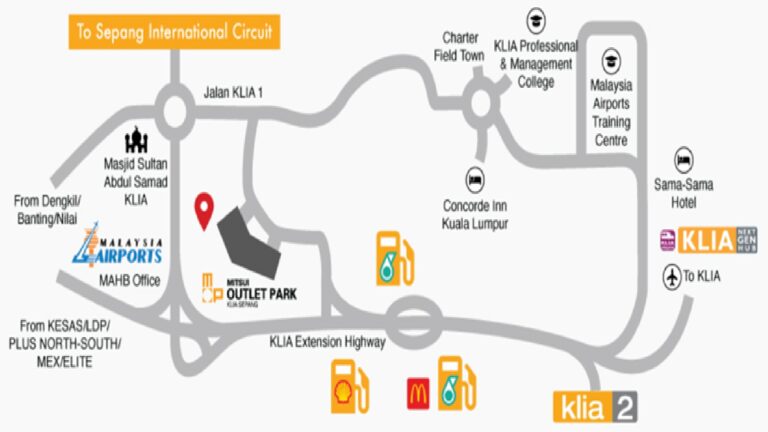
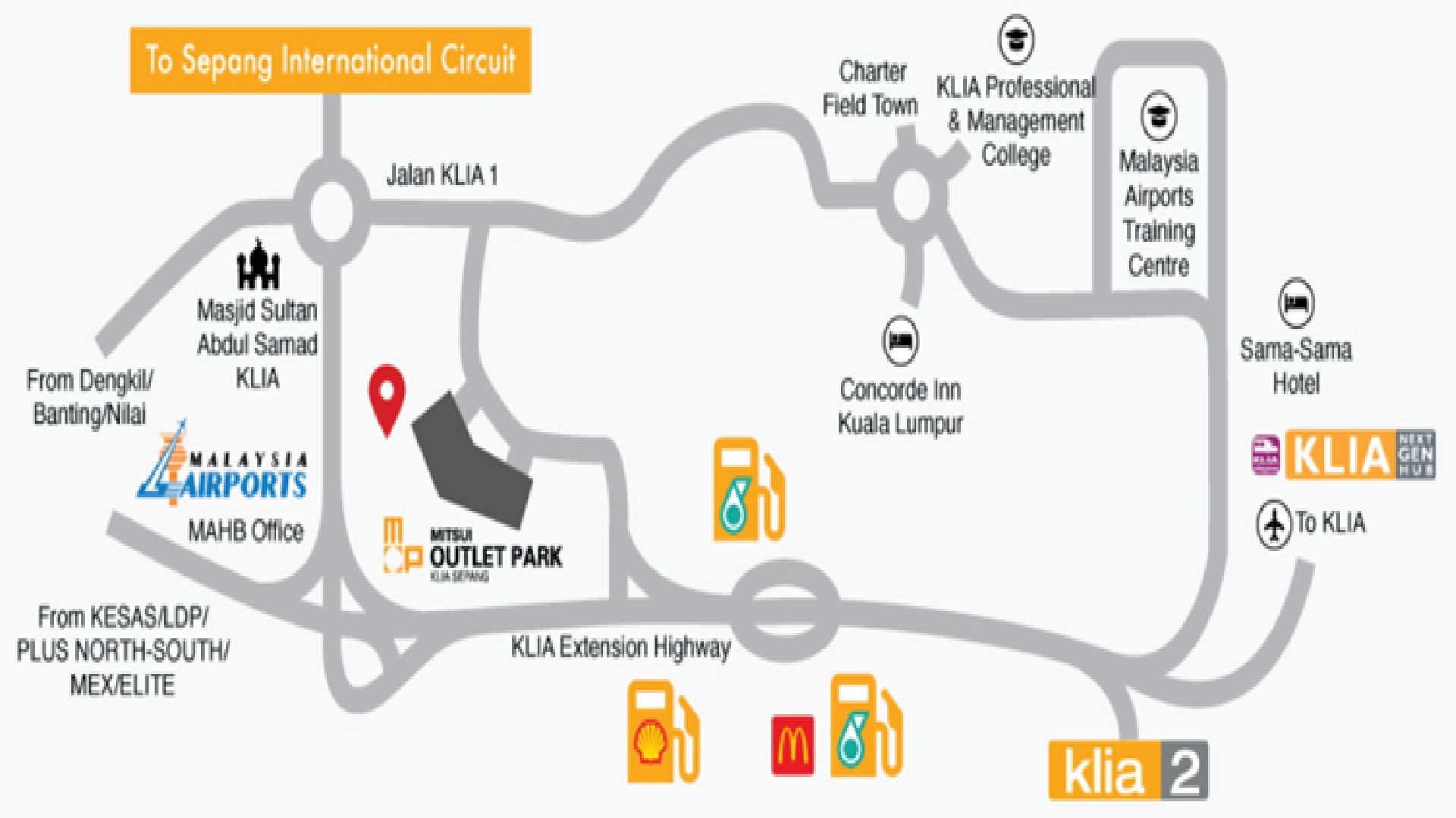
Mitsui Outlet Park KLIA Sepang is Malaysia’s largest outlet mall, strategically located just minutes from Kuala Lumpur International Airport (KLIA and KLIA2). With over 200 stores, year-round discounts, and a blend of shopping, dining, and leisure, it has become a lifestyle destination for travelers and locals alike. Surrounded by cultural landmarks and natural attractions, this outlet offers more than retail—it’s a gateway to experiences that combine convenience, culture, and adventure.
Introduction
Nestled in Sepang, Selangor, Mitsui Outlet Park is a modern retail paradise that seamlessly integrates shopping with travel convenience. Opened in 2015, it has grown into a must-visit destination for tourists arriving at KLIA and KLIA2, as well as Malaysians seeking premium brands at discounted prices. With its expansive floor area of 65,549 m², the outlet houses international fashion labels, sportswear, lifestyle brands, and local favorites. Beyond shopping, visitors can enjoy diverse dining options, family-friendly facilities, and easy access to nearby attractions such as Putrajaya and Sepang International Circuit.
History
The story of Mitsui Outlet Park KLIA Sepang begins with a collaboration between Mitsui Fudosan Co. Ltd. of Japan and Malaysia Airports Holdings Berhad (MAHB). The vision was to create a retail hub that would serve both international travelers and domestic shoppers. Construction began in 2013, and by May 2015, the outlet opened its doors with more than 140 stores. Over the years, expansions increased its capacity to over 200 outlets, making it Malaysia’s largest fully covered outlet mall.
The outlet’s design reflects Japanese architectural sensibilities, emphasizing spacious walkways, natural lighting, and a clean, modern aesthetic. Its proximity to KLIA was intentional, offering travelers a convenient stopover for shopping and dining. The outlet also introduced facilities such as flight check-in kiosks, baggage storage, and shuttle services, reinforcing its role as a travel-friendly retail hub. Today, Mitsui Outlet Park KLIA Sepang stands as a symbol of Malaysia’s growing retail tourism industry, attracting millions of visitors annually.
Highlights
International Brands and Discounts
Visitors can explore Coach, Michael Kors, Polo Ralph Lauren, Adidas, Nike, Puma, Levi’s, Samsonite, Victoria’s Secret, Bath & Body Works, and more. Discounts range from 30% to 70% year-round, making it a hotspot for bargain hunters.
Dining Experiences
From Malaysian street food to international cuisines, the outlet offers diverse dining options. Popular restaurants include The Chicken Rice Shop, Sushi King, Starbucks, and Secret Recipe, ensuring travelers can refuel before or after flights.
Travel-Friendly Facilities
The outlet provides shuttle buses from KLIA, baggage storage, prayer rooms, and even flight check-in kiosks. These facilities make it uniquely convenient for travelers in transit.
Attractions
Fashion and Lifestyle
The outlet’s fashion section is its crown jewel, offering everything from luxury handbags to casual wear. Shoppers can find seasonal collections, clearance sales, and exclusive outlet-only items.
Family and Kids
Children can enjoy play zones, while parents shop stress-free. Family-friendly dining and stroller rentals add to the convenience.
Cultural Touches
Occasional cultural festivals and seasonal events, such as Hari Raya bazaars and Christmas markets, bring local charm to the outlet.
Things to Do
Shopping Therapy
With over 200 stores, visitors can indulge in premium retail therapy without breaking the bank.
Dining and Relaxation
After shopping, visitors can unwind at cafes or enjoy a full meal at restaurants offering both local and international flavors.
Seasonal Events
The outlet hosts fashion shows, festive celebrations, and promotional campaigns, adding excitement to each visit.
Nearby Attractions
Sepang International Circuit
Just 10 minutes away, the Sepang International Circuit offers motorsport thrills, go-karting, paintball, and circuit tours.
Motorsport Experience
Visitors can witness international racing events or participate in adrenaline-pumping activities. The circuit’s facilities make it a hub for motorsport enthusiasts.
Putrajaya Wetlands Park
Located 30 minutes away, this park is Malaysia’s first man-made wetlands.
Wildlife and Bird-Watching
Home to migratory birds, otters, and monitor lizards, the park is a paradise for nature lovers. Scenic trails allow visitors to reconnect with nature.
AVANI Sepang Gold Coast
A 40-minute drive leads to this resort, famous for its palm-shaped villas extending into the Straits of Malacca. Guests enjoy spa treatments, water sports, and breathtaking sunsets.
Putrajaya Cruise
Visitors can choose from over 20 cruise packages, ranging from sightseeing tours to romantic dining experiences on Putrajaya Lake.
Putra Mosque
The iconic pink-domed Putra Mosque is a marvel of Islamic architecture. Located by the lake in Putrajaya, it offers both spiritual serenity and architectural grandeur.
Conclusion
Mitsui Outlet Park KLIA Sepang is more than a shopping mall—it is a lifestyle destination. With its strategic location near KLIA, expansive retail offerings, and proximity to cultural and natural attractions, it has become a must-visit for travelers and locals alike. Whether you’re seeking premium brands at unbeatable prices, indulging in local cuisine, or exploring nearby attractions, this outlet delivers a complete experience.
Mitsui Outlet Park KLIA Sepang is where travel meets retail luxury. Whether you’re touching down in Malaysia, making a pit stop before heading home, or simply craving a stylish day out, this is where convenience, culture, and commerce collide beautifully.
So why wait? Plan your visit today and experience why Mitsui Outlet Park KLIA Sepang has become a must-visit lifestyle destination in Malaysia.
Summary
Attraction: Mitsui Outlet Park KLIA Map
Location: #Selangor
Attraction Type: #Shopping
Quick Info
Category
Details
Name
Mitsui Outlet Park KLIA Sepang
Address
Persiaran Komersial, 64000 KLIA, Selangor Darul Ehsan
GPS Position
Approx. 2.7400° N, 101.7100° E
State
Selangor, Malaysia
Opening Hours
10:00 AM – 10:00 PM
Public Transport
Train (ERL/Transit), Bus, Taxi from KLIA/KL Sentral
Major Highways
ELITE, LDP, MAJU, KESAS, NKVE
Parking Rates
Car: RM2/hour Motorcycle: FREE (designated bays)
Driving Distance
KL Sentral: 1 hour Klang: 45 mins
Free Shuttle
From KLIA/klia2 to MOP (every 20 mins)
Helpdesk (App Support)
1300-1300-75
General Hotline
03-8777 9300
Email
info@mfma.com.my
Nearby Attractions
Sepang International Circuit, AVANI Gold Coast, Putra Mosque
ELITE Highway, LDP Highway, KESAS Highway, MAJU Expressway, North-South Expressway Central Link, MAX Highway, New Klang Valley Expressway (NKVE)
Parking
Car: RM2 per hour Motorcycle: FREE (designated bays)
Train
KLIA Express (ERL): 28–33 mins (KL Sentral → KLIA), then ~20 mins shuttle to MOP KLIA Transit: 35–39 mins (KL Sentral → KLIA), then ~20 mins shuttle to MOP
Bus
Aerobus KL Sentral → KLIA: ~1 hr 15 mins, then ~20 mins shuttle to MOP Klang (Premiere Hotel) → KLIA: ~1 hr 10 mins, then ~20 mins shuttle to MOP KLIA/KLIA2 → MOP Shuttle: ~20 mins Any bus to KLIA/klia2 + Shuttle: ~1 hr 30 mins total
Taxi
KL City → MOP: ~45–60 mins KLIA/KLIA2 → MOP: ~8–12 mins
Note
Travel durations are estimates and may vary depending on traffic conditions. Shuttle buses from KLIA run every 20 minutes.
Visitor Reviews
Mc Wilson, Melbourne, Australia – ★★★★☆ “I hoped the Mitsui Outlet Mall would offer cheap goods like other factory outlets worldwide. Prices were higher than expected, but the mall was air-conditioned and comfortable, making it a good refuge from Malaysia’s humidity. The free shuttle service from KLIA1 and KLIA2 was convenient, and I enjoyed browsing brands like Ralph Lauren Polo. Overall, not the cheapest, but worth a visit if you have a layover.”
Sarah Hughes, Sorrento, Australia – ★★★☆☆ “Yes, you can find popular brands such as Boss, Polo Ralph Lauren, and Brooks Brothers, but prices are steep. I saw shoes at MYR2,540 and shirts at MYR590, which is hardly discounted. While the mall is clean and organized, I felt better deals could be found in Kuala Lumpur city. Still, it’s convenient for travelers with time to spare before flights.”
Timber Find Pile, Perth, Australia – ★★★★☆ “The free shuttle to and from KLIA was easy to find and leaves every 20 minutes. The outlet itself is a standard shopping center, but the convenience factor is excellent. I managed to shop for sportswear and grab a meal before my flight. It’s not the cheapest outlet, but the accessibility makes it worthwhile.”
Yati, Executive Muda, Kuala Lumpur, Malaysia – ★★★★☆ “As a local, I visit Mitsui Outlet Park for branded items at discounted prices. I bought a Coach handbag at nearly half the retail price. Dining options are varied, with both local and international restaurants. It gets crowded on weekends, but facilities like prayer rooms and family-friendly amenities are well-maintained.”
Drake Jr, London, UK – ★★★★★ “Perfect for travelers. I had a long layover at KLIA and took the shuttle to Mitsui Outlet Park. The baggage storage service was a lifesaver, and I enjoyed shopping at Adidas and Nike. The mall is spacious, modern, and offers a good mix of international and local brands. Definitely worth a stop if you’re flying through KLIA.”
Sunway Pyramid is Malaysia’s first themed shopping mall, blending Egyptian-inspired architecture with world-class retail, dining, and entertainment. Since opening in 1997, it has grown into a 4.3 million sq ft lifestyle destination, winning prestigious awards and captivating millions of visitors each year.
Introduction
Sunway Pyramid is more than a mall—it is a cultural landmark and lifestyle hub that has transformed shopping and entertainment in Malaysia. Located in Bandar Sunway, Selangor, this retail giant is instantly recognizable by its towering lion statue and pyramid-inspired design. Since its grand opening in 1997, Sunway Pyramid has become a premier destination for families, tourists, and locals alike, offering a blend of fashion, food, entertainment, and cultural experiences under one roof.
History
The story of Sunway Pyramid begins in the mid-1990s when the Sunway Group envisioned a shopping complex that would redefine Malaysia’s retail landscape. Construction began with the bold idea of creating a themed mall inspired by ancient Egyptian architecture. When it opened in July 1997, Sunway Pyramid was celebrated as Malaysia’s first themed shopping and entertainment mall.
Over the years, the mall expanded significantly. In 2007, the “Pyramid Phase 2” project added new wings, increasing the total retail space to 4.3 million square feet. This expansion introduced more international brands, dining options, and entertainment facilities, solidifying its reputation as a lifestyle destination.
Today, Sunway Pyramid is not just a shopping center—it is part of the larger Sunway City township, which includes Sunway Lagoon Theme Park, Sunway University, and Sunway Medical Centre. Its evolution reflects Malaysia’s growth as a modern, cosmopolitan nation while retaining cultural and architectural uniqueness.
Highlights
Architectural Marvel
The mall’s Egyptian-inspired design is its most striking feature. Visitors are greeted by a massive lion statue guarding the entrance, symbolizing strength and grandeur. The pyramid-shaped façade, sandstone textures, and hieroglyphic motifs create a sense of stepping into an ancient world.
Award-Winning Excellence
Sunway Pyramid has earned numerous accolades, including the EdgeProp Malaysia Best Managed & Sustainable Property (2021) and the FIABCI Prix d’Excellence (2010 & 2011). These awards highlight its commitment to sustainability, innovation, and customer experience.
Major Highlights:
EdgeProp Malaysia Best Managed & Sustainable Property (2021) – Gold (10 Years and Above – Retail)
InfluentialBrands® Top Brand Award (2018 & 2019)
ICSC APAC Gold – Digital Technology (2019)
FSC APAC Leadership Award – Forest Sustainability (2019)
Motherhood Choice Award – Family Friendly Mall (2019)
HR Asia Silver – Best in Onboarding (2019)
Best Companies to Work For in Asia (2018)
The Edge Property Excellence Award (2017)
Malaysia Tourism Award – Best & Most Innovative Shopping Mall (2010–2015)
FIABCI Malaysia & World Prix D’Excellence – Best Retail (2010 & 2011)
MRCA, MYES, MMSC, APECP & Social Media Excellence Awards (2008–2016)
Sunway Pyramid was also crowned the winner of the ‘My Favourite Mall’ online poll held by Tourism Malaysia (2011–2012), winning prize money and a national trophy.
Attractions
Orange Atrium and Blue Atrium
The mall features two iconic atriums—the vibrant Orange Atrium and the calming Blue Atrium. Each atrium is designed with unique themes, offering immersive shopping and dining experiences.
Ice Skating Rink
One of the mall’s most popular attractions is its Olympic-sized ice skating rink, a rare feature in Malaysian malls. Families and sports enthusiasts flock here for recreational skating and professional training.
Entertainment Zones
Sunway Pyramid houses cinemas, arcades, karaoke lounges, and themed entertainment centers. It regularly hosts cultural festivals, gaming events, and exhibitions, making it a hub for leisure and creativity.
Things to Do
Shopping Paradise
With over 900 retail outlets, Sunway Pyramid offers everything from luxury fashion brands to everyday essentials. Visitors can explore zones dedicated to fashion, beauty, electronics, and lifestyle products.
Culinary Experiences
Food lovers will find a diverse range of dining options, from fusion restaurants and dessert bars to international cuisines. The interactive food courts provide both local delicacies and global flavors.
Family-Friendly Activities
Families can enjoy edutainment zones, enrichment centers, and safe play areas for children. The mall’s design emphasizes cleanliness and security, ensuring a welcoming environment for all ages.
Trekking and Adventure
Sunway Lagoon Connection
Adjacent to the mall is Sunway Lagoon Theme Park, offering water rides, wildlife encounters, and adventure trails. Visitors can easily combine shopping with outdoor fun, making Sunway Pyramid part of a larger adventure experience.
Wildlife and Nature
The surrounding Sunway City area features landscaped parks, lakes, and eco-friendly spaces. Birdwatchers and nature enthusiasts often explore these areas to spot local species such as kingfishers, herons, and tropical songbirds.
Cultural Festivals
Sunway Pyramid frequently hosts cultural events, including Chinese New Year lion dances, Hari Raya bazaars, and Deepavali light festivals. These celebrations add vibrancy and cultural depth to the mall’s atmosphere.
Nearby Attractions
Sunway Lagoon Theme Park
A world-class amusement park with water slides, wildlife zones, and adventure rides.
Sunway University and Medical Centre
Educational and healthcare institutions that make Sunway City a self-sustaining township.
Subang Jaya and Petaling Jaya
Subang Jaya and Petaling Jaya offer additional shopping, dining, and nightlife options, making the area a complete urban experience.
Conclusion
Since its grand opening in 1997, Sunway Pyramid has grown into 4.3 million square feet of retail, dining, and experiential wonder. As Malaysia’s first themed shopping and entertainment mall, it has redefined how the country shops, plays, and celebrates.
With zones for fashion, beauty, gourmet dining, tech lovers, and families, you’ll always discover something new under its majestic domes.
Summary
Attraction: Sunway Pyramid
Location: #Selangor
Attraction Type: #Shopping
Quick Information
Details
Information
Name
Sunway Pyramid Shopping Mall
Tagline
Your One-Stop Shopping & Entertainment Mall
Address
3, Jalan PJS 11/15, Bandar Sunway, 47500 Petaling Jaya, Selangor
State
Selangor, Malaysia
GPS Position
3.0738° N, 101.6070° E
Opening Year
1997
Size
4.3 million sq. ft.
Main Features
Orange Atrium, Blue Atrium, Egyptian-Themed Architecture
Connectivity
Linked via air-conditioned walkway to Sunway Pyramid West
Child-Friendly
Playland, Enrichment & Edutainment Centres
Operating Hours
Daily 10:00 AM – 10:00 PM
Smoking Policy
Strictly Non-Smoking
Pet Policy
No Pets Allowed
Centre Management Office
Level CP6, Blue Atrium, No. 3 Jalan PJS 11/15
Concierge Counter
+603-7494 3100
Control Room
+603-7494 3170
Visitor Reviews
Nor Farihin Jamsari, Subang Jaya – ★★★★★ “I stayed in Subang Jaya for three weeks, and Sunway Pyramid quickly became my go-to mall. The variety of shops is incredible, from international fashion brands to local boutiques. The Egyptian-themed design with the lion statue makes every visit feel unique. It’s also very convenient with Grab rides dropping you right at the entrance.”
Peter Keanu, Colombo – ★★★★☆ “During my short trip to Malaysia, I visited Sunway Pyramid and was impressed by the scale of the mall. The Orange Atrium is vibrant, and the Blue Atrium offers a calmer vibe. Dining options are extensive, but weekends can be crowded. I recommend downloading Grab for easy transport to and from the mall.”
Fadzillah Ali Reza, Singapore – ★★★★☆ “I visited Sunway Pyramid while on holiday in Petaling Jaya. The mall is massive, and the Egyptian-inspired lion statue is iconic. Shopping is excellent, with a mix of luxury and affordable brands. The only downside was the weekend crowd, but overall, it’s worth the experience.”
Jensen Young, Penang – ★★★★★ “I attended the Artbox Festival at Sunway Pyramid, and it was unforgettable. The mall’s event spaces are well-managed, and the atmosphere was lively. The Orange Atrium is stunning, and the cultural events make the mall more than just a shopping destination. Truly one of Malaysia’s best malls.”
Thirupathy Arumugam, Bangalore – ★★★★☆ “On my holiday in Malaysia, I explored Sunway Pyramid and was amazed by its size and design. The lion statue at the entrance is a must-see. Dining options are diverse, though vegetarian choices could be expanded. The connection to Sunway Lagoon makes it perfect for combining shopping with adventure.”
Amira Ghazali, Kuala Lumpur – ★★★★★ “As a local, I often bring my children to Sunway Pyramid. The ice-skating rink is a highlight—it’s rare to find such facilities in Malaysia. The Parenthood play zone is safe and engaging, and the food courts offer both Malaysian favorites and international cuisine. It’s a family-friendly environment that keeps us coming back.”
Strategically nestled in IOI Resort City, just 35 minutes from Kuala Lumpur International Airport, IOI City Mall Putrajaya is a massive in size. With 8 million sq ft of lettable space, the mall is home to luxury brands, exquisite dining, a world-class sports center, and immersive indoor attractions. Let’s explore.
Introduction
Welcome to IOI City Mall Putrajaya, a landmark that has transformed Malaysia’s retail and leisure scene. Located in IOI Resort City, just 35 minutes from KLIA, this sprawling complex is a hub of fashion, food, family fun, and cultural experiences. Whether you’re here for luxury shopping, thrilling indoor adventures, or tranquil lakeside dining, IOI City Mall offers a complete ecosystem of lifestyle attractions.
History
IOI City Mall opened its doors in 2014, introducing 1.5 million sq. ft. of retail space. Its immediate success led to the Phase 2 expansion in 2022, which elevated the mall to 8 million sq. ft., making it the largest in Malaysia. The expansion added new wings, enhanced facilities, and more entertainment zones, cementing its role as a regional lifestyle hub.
The mall’s growth reflects Malaysia’s vision of blending modernity with culture. Today, IOI City Mall is not just a shopping destination but a symbol of Putrajaya’s evolution into a vibrant urban center.
Nature Meets Urban
A day trip might include morning trekking at Putrajaya Wetlands, followed by an afternoon of shopping and skating at IOI City Mall, blending nature with modern leisure.
Highlights
District 21 Indoor Theme Park
District 21 is a post-apocalyptic themed adventure park filled with adrenaline-pumping attractions. Visitors climb walls at the Power Station, bounce at the Launch Pad trampoline zone, and soar on the Roller Glider zipline-coaster hybrid. The Ninja Warrior Course challenges stamina, while rides like Free Fall and the maze test courage and skill.
Thrill and Fun
Families, schools, and corporate groups flock here for team building and birthday parties, making District 21 a cornerstone of IOI City Mall’s entertainment offerings.
Icescape Ice Skating Rink
The Icescape Ice Rink is Malaysia’s only Olympic-sized indoor skating arena (30m x 60m). It hosts skating lessons, birthday parties, and group sessions, welcoming both beginners and professionals.
Winter in the Tropics
Visitors enjoy the novelty of skating in tropical Malaysia, with spacious facilities ensuring safety and fun. Schools often organize group outings, while families spend weekends gliding across the ice.
Category
Details
Operating Hours
Monday – Sunday & Public Holidays: 10:00 AM – 10:00 PM
Ice Resurfacing Times
2:30 PM, 5:00 PM & 7:30 PM (each 30 minutes)
Walk-in Rates
Starting from RM30 per session (inclusive of skate rental)
IOI City Farm
IOI City Farm is Malaysia’s first indoor urban farm park, combining education with entertainment. It features three zones: Green Land (plants and aquatics), Little Rimba (foxes, marmosets, peacocks), and Fresh Water World (aquatic species).
Eco-Education
Children delight in seeing exotic animals up close, while adults appreciate the conservation focus. The farm emphasizes eco-awareness and biodiversity, making it both fun and meaningful.
Symphony Walk
The Symphony Walk offers lakeside dining and musical fountain shows. It’s a tranquil escape from the mall’s bustling interior, perfect for evening strolls and photography.
Lakeside Charm
Couples enjoy romantic dinners by the lake, while families gather to watch the fountain’s rhythmic display under the night sky.
Show Schedule
Day
Time
Playlist
Monday – Thursday
7:30 PM – 7:41 PM
Teresa Teng, Good Time & Shape of You
8:00 PM – 8:13 PM
Happy, Titanium & Magnificent 7
8:30 PM – 8:42 PM
Without You, Party Rock Anthem & Shape of You
9:30 PM – 9:44 PM
Good Time, Titanium & Magnificent 7
Friday – Sunday
10:00 PM – 10:12 PM
Titanium, Without You & Shape of You
IOI Grand Exhibition & Convention Centre
This venue hosts weddings, corporate events, and cultural celebrations. With packages tailored for Malay, Indian, Chinese, and Western weddings, it provides full-service planning and elegant spaces.
Celebrations in Style
Guests praise the seamless coordination and luxurious ambiance, making it a preferred venue for large-scale events.
IOI Sports Centre
The IOI Sports Centre is a state-of-the-art indoor arena featuring 15 badminton courts, 2 futsal courts, and pickleball facilities. It caters to athletes and recreational players alike.
Sporting Excellence
Weekend tournaments attract local sports enthusiasts, while families enjoy casual games in a climate-controlled environment.
Nearby Attractions
Putrajaya
Known for its iconic architecture like the Putra Mosque and Perdana Putra, Putrajaya offers cultural and scenic experiences just minutes away.
KLIA
Travelers often combine a mall visit with airport layovers, given the 30–35-minute drive from KLIA.
Cyberjaya
Malaysia’s tech hub, Cyberjaya, is nearby, offering modern cafes, coworking spaces, and cultural festivals.
Conclusion
IOI City Mall has earned its status as Malaysia’s ultimate lifestyle complex. Whether you’re chasing thrills, bonding with loved ones, or just enjoying some retail therapy—this is where urban energy meets inspired experiences. Its strategic location near KLIA and Putrajaya makes it a must-visit hub for leisure and culture.
Summary
Attraction: IOI City Mall Putrajaya
Location: #Selangor
Attraction Type: #Shopping
Quick Info
Attribute
Details
Name
IOI City Mall Putrajaya
Address
Lebuh IRC, IOI Resort City, 62502 Putrajaya, Selangor
GPS
2.9697° N, 101.7153° E
State
Selangor Darul Ehsan
Established
2014
Lettable Space
8 million sq. ft.
Attractions
District 21, Icescape Rink, City Farm, Symphony Walk, Sports Centre
Parking
14,000+ bays with LPR and Car Finder
Transport Access
LDP, SKVE, MEX, NKVE, Besraya, SILK
Public Transport
MRT Putrajaya, KTM Serdang, Smart Bus T523
Opening Hours
10:00AM – 10:00PM daily
Official Website
www.ioicitymall.com.my
Customer Hotline
+603-8328 8900 or 03- 8328 8899
Email
ioicitymall@ioiproperties.com.my
Nearby Landmarks
UPM, Hospital Serdang, IKRAM Mosque, Hospital Sultan Abdul Aziz Shah (UPM), Hospital Sultan Idris Shah (Serdang), IOI RESORTCITY, UNITEN, IUKL, UNITEN
Visitor Reviews
Anne Ahmad, Putrajaya ⭐⭐⭐⭐⭐ “Tony Roma’s at IOI City Mall was simply the best! The staff were attentive, providing baby chairs and cutlery for my child without us asking. The food was delicious, and the service from Aliya, Thagendra, Yee Mon, and Syasya made the evening memorable. This is why we keep coming back — not just for the food, but for the warmth of the people.”
Azli ‘Babolat Evo User’, Singapore ⭐⭐⭐⭐ “IOI City Mall is absolutely massive but surprisingly walkable compared to other large malls like 1 Utama. The layout is well organized, and I loved dining at Colombo Café, which served excellent Sri Lankan food. It’s a beautiful mall with diverse options, and I’ll definitely return.”
Chan Meng Lam, Putrajaya ⭐⭐⭐⭐⭐ “We visited Tony Roma’s at IOI City Mall and were blown away by the service. The staff anticipated our needs, from baby chairs to refills, and checked in regularly to ensure everything was perfect. The food was consistently delicious, and the atmosphere was welcoming. Truly one of the nicest dining experiences we’ve had.”
Abdul Rashid Bin Abdul Rani, Kuala Lumpur ⭐⭐⭐⭐ “IOI City Mall offers a wide variety of eateries, trendy fashion brands, and adventurous activities like District 21 and the Olympic-sized Icescape Ice Rink. It’s a destination where you can spend more than three hours easily, whether shopping, dining, or enjoying entertainment.”
Nestled by tranquil lakes and infused with traditional Malay architecture, the Galeri Shah Alam is more than just a gallery—it’s a sanctuary of Malaysian visual culture. Let us guide you through this exquisite destination, where history meets artistry and community meets creativity.
Galeri Shah Alam is a cultural sanctuary nestled within the scenic Shah Alam Lake Gardens. Established in 1991, it has grown into one of Malaysia’s most important art institutions, blending traditional Malay architecture with modern creativity. Visitors can explore exhibitions, workshops, and performances while immersing themselves in the vibrant heritage of Selangor.
Introduction
The Shah Alam Art Gallery (Galeri Shah Alam) is more than an exhibition space—it is a living testimony to Malaysia’s artistic spirit. Located in the heart of Shah Alam, Selangor’s capital city, the gallery stands as a beacon of creativity, heritage, and community engagement. With its serene lakeside setting and traditional Malay-inspired architecture, the gallery offers visitors a unique cultural experience that combines history, artistry, and nature.
History
Birth of a Vision
The gallery was officially founded on 26 January 1991 by the Selangor Art Foundation, under the patronage of Sultan Sharafuddin Idris Shah Alhaj. His vision was to create a space that would nurture Malaysian artists and preserve the nation’s cultural identity. The gallery’s establishment marked a turning point in Selangor’s cultural landscape, providing a permanent home for exhibitions, performances, and educational programs.
Architectural Significance
Designed with traditional Malay aesthetics, the building reflects the harmony between heritage and modernity. The original design is attributed to Puan Maimunah Deraman, who envisioned a structure that would embody Malay cultural values while serving contemporary artistic needs. Over the years, renovations have enhanced its facilities, but the gallery has retained its authentic charm.
Growth Into a Cultural Institution
Since its inception, the gallery has hosted countless exhibitions, ranging from student showcases to international art festivals. It has become a hub for Malaysian visual culture, fostering dialogue between artists, scholars, and the public. The gallery’s evolution mirrors Malaysia’s broader journey of embracing modernity while cherishing tradition.
Highlights
Galeri 1
Galeri 1 is the main exhibition hall, spanning over 3,000 square feet. It regularly hosts large-scale exhibitions, including national art competitions and retrospectives of renowned Malaysian artists. The spacious layout allows for diverse installations, from paintings and sculptures to multimedia art.
Galeri 2
Smaller and more intimate, Galeri 2 is ideal for focused showcases. Emerging artists often debut their work here, making it a space of discovery and experimentation. Visitors can expect thought-provoking exhibitions that highlight contemporary issues and personal narratives.
Open Air Stage
The open-air stage is a versatile venue used for poetry readings, theater performances, and community events. Its lakeside backdrop creates a serene atmosphere, making it popular for weddings and cultural festivals.
Workshops and Programs
The gallery regularly organizes workshops in clay art, batik painting, and doodle raya. These hands-on experiences allow visitors to engage directly with Malaysian artistic traditions, fostering creativity across all age groups.
Attractions
Permanent Collections
The gallery houses a permanent collection of Malaysian artworks, including pieces by Datuk Syed Ahmad Jamal, one of Malaysia’s most celebrated artists. These works reflect the evolution of Malaysian art from traditional motifs to modern expressions.
Rotating Exhibitions
Exhibitions such as Pameran RUPA ARUPA and TARSCAPES Journeys of Expression showcase both established and emerging talents. These rotating displays ensure that every visit offers something new and exciting.
Cultural Festivals
The gallery often collaborates with local organizations to host cultural festivals, featuring traditional dance, music, and food. These events highlight Selangor’s diverse heritage and provide immersive experiences for visitors.
Things to Do
Explore the Lake Gardens
Visitors can stroll through the Shah Alam Lake Gardens, which surround the gallery. The tranquil environment complements the artistic experience, offering opportunities for photography, picnics, and relaxation.
Attend Performances
From theater productions to musical concerts, the gallery’s open-air stage is a lively venue for cultural performances. Attending these events provides deeper insight into Malaysia’s performing arts scene.
Participate in Workshops
Hands-on workshops allow visitors to learn traditional crafts such as batik and pottery. These sessions are popular among families and school groups, offering both fun and education.
Trekking and Adventure Nearby
Bukit Cerakah Forest Reserve
Located near Shah Alam, Bukit Cerakah offers trekking trails through lush tropical forests. Visitors can explore diverse flora and fauna, making it a perfect complement to the artistic journey at the gallery.
Shah Alam Lake Gardens Trails
The gardens feature walking and jogging paths that wind around the lakes. These trails are ideal for light trekking, birdwatching, and enjoying the natural beauty of Selangor.
Wildlife Encounters
The area is home to species such as herons, kingfishers, and monitor lizards. Nature enthusiasts will appreciate the chance to observe wildlife in its natural habitat.
A modern theme park featuring digital lights, snow walks, and amusement rides. It offers a vibrant contrast to the cultural atmosphere of the gallery.
Klang Town
Just a short drive away, Klang is famous for its royal palace and culinary delights. Visitors can explore traditional markets and enjoy authentic Malaysian cuisine.
Conclusion
The Galeri Shah Alam is not just an exhibition space—it is a cultural institution that embodies Malaysia’s artistic heritage. With its rich history, diverse attractions, and serene surroundings, the gallery offers a holistic experience that blends art, nature, and community. Whether you are an art lover, a family seeking cultural enrichment, or a traveler exploring Selangor, the gallery promises an unforgettable journey.
Summary
Attraction: Galeri Shah Alam
Location: #Selangor
Attraction Type: #Museum
Quick Info
Attribute
Details
Name
Shah Alam Art Gallery (Galeri Shah Alam)
Address
Persiaran Tasik, Seksyen 14 40000 Shah Alam, Selangor
State
Selangor Darul Ehsan
GPS
3.0708° N, 101.5183° E
Established
26 January 1991
Official Launch
6 July 1991
Entry
Free Admission
Facilities
Gallery 1 (3,145 sq.ft), Gallery 2 (1,413 sq.ft), Open Air Stage, Cafeteria, Gardens
Workshops
Clay Art, Doodle Raya, eKad Raya, Kraf Hiasan Dinding
Phone
+603-5510 5344
Email
pentadbir@galerishahalam.com
Website
www.galerishahalam.com
Opening Hours
10:00 am – 5:00 pm (Closed on Public Holidays)
Nearby
200m from PKNS Complex, 300m from Plaza Alam Sentral
Directions
Accessible via NKVE, KESAS, FEDERAL, and GUTHRIE highways
Uncover the fascinating journey of Malaysia’s automotive industry at the National Automobile Museum in Sepang. Located near KLIA and the Sepang International Circuit, this free-entry destination showcases vintage classics, motorsport heritage, and the proud achievements of PROTON, PERODUA, MODENAS, and BUFORI. A must-visit for car lovers, history enthusiasts, and families, the museum offers two floors of discovery that blend nostalgia with innovation.
Introduction
The National Automobile Museum in Sepang is more than just a collection of cars—it is a living narrative of Malaysia’s industrial ambition and cultural pride. Nestled within the Sepang International Circuit, the museum provides visitors with a rare opportunity to trace the nation’s automotive evolution, from the earliest imported vehicles to the rise of homegrown brands. With free admission and easy access from Kuala Lumpur International Airport, it has become a popular stop for travelers seeking both education and entertainment.
History
Malaysia’s automotive journey began in the late 20th century, when the government envisioned heavy industry as a cornerstone of national development. In 1980, the Heavy Industries Corporation of Malaysia (HICOM) was established, laying the groundwork for local automotive ventures. By 1983, PROTON was born, producing the Proton Saga in 1985 as the country’s first national car. PERODUA followed in 1993, focusing on compact and affordable vehicles, while MODENAS entered the motorcycle market in 1995. BUFORI, a boutique luxury carmaker, added a unique flair by handcrafting bespoke automobiles in Malaysia.
Highlights
Ground Floor: Vintage to Velocity
The ground floor immerses visitors in the roots of transportation. The 1904 Brushmobile, one of the earliest cars to reach Malaysian shores, stands as a testament to the dawn of motoring. The 1923 Ford Speedster and 1935 Alvis Tourer showcase the elegance and engineering of early automotive design.
Motorsport Heritage
Sepang International Circuit’s racing legacy is vividly displayed here. Exhibits highlight Malaysia’s role in hosting Formula 1, MotoGP, and Super GT events. Visitors can explore memorabilia, racing suits, and photographs that capture the adrenaline of international motorsport. The section emphasizes how Malaysia became a global destination for speed and competition.
First Floor: Made in Malaysia
The first floor celebrates national pride, showcasing the achievements of Malaysian automotive companies. PROTON’s early models, PERODUA’s compact innovations, MODENAS motorcycles, and BUFORI’s handcrafted luxury cars are displayed with detailed narratives.
Innovation and Identity
This section emphasizes how Malaysia’s automotive industry reflects the nation’s identity. From affordable family cars to high-performance motorcycles, the exhibits highlight the diversity of local innovation. Visitors gain insight into how these companies shaped Malaysia’s economy and cultural landscape.
Attractions
Visitor Facilities
The museum offers comfortable facilities, including air-conditioned galleries, rest areas, and informative displays. Guided tours are available for groups, while interactive panels provide educational content for younger visitors. A souvenir shop sells automotive-themed merchandise, making it a family-friendly destination.
Cultural Festivals
Throughout the year, Sepang hosts cultural and automotive festivals that complement the museum experience. Events such as Malaysia Autoshow and local heritage festivals allow visitors to enjoy both modern automotive showcases and traditional cultural performances.
Things to Do
Educational Exploration
Visitors can engage with detailed exhibits that explain the evolution of Malaysia’s automotive industry. School groups often visit for educational tours, making the museum a hub for learning about engineering, design, and industrial history.
Photography Opportunities
The museum’s vintage cars and racing memorabilia provide excellent photography backdrops. Enthusiasts often capture images of rare vehicles, making it a popular spot for social media sharing.
Trekking and Adventure
Sepang International Circuit
Beyond the museum, adventure seekers can explore the Sepang International Circuit. Track tours allow visitors to walk or cycle around the famous racing venue, experiencing the thrill of motorsport from a new perspective.
Wildlife and Wetlands
Nearby, the Paya Indah Wetlands offer trekking opportunities amidst diverse wildlife. Visitors can spot species such as herons, kingfishers, and monitor lizards while enjoying eco-friendly trails. The wetlands provide a natural contrast to the industrial heritage of the museum.
Nearby Attractions
Mitsui Outlet Park
A short drive from the museum, Mitsui Outlet Park offers shopping and dining experiences. International brands and local products make it a convenient stop for travelers.
Pantai Morib and Bagan Lalang
Pantai Morib and Bagan Lalang provide beachside relaxation and seafood dining. Medan Ikan Bakar Bagan Lalang is particularly famous for grilled fish dishes, offering a taste of local cuisine.
Avani Sepang Goldcoast Resort
For luxury seekers, the Avani Sepang Goldcoast Resort offers overwater villas with stunning views. It is a popular choice for visitors combining cultural exploration with leisure.
KLIA Jungle Boardwalk
Located within Kuala Lumpur International Airport, the Jungle Boardwalk allows travelers to experience Malaysia’s tropical biodiversity without leaving the airport premises. It is an ideal stop for those with layovers.
Conclusion
The National Automobile Museum in Sepang is a free-entry destination that blends history, innovation, and national pride. With its two floors of exhibits, visitors can explore both vintage classics and modern Malaysian automotive achievements. Its proximity to KLIA and Sepang International Circuit makes it a convenient and enriching stop for travelers. From motorsport heritage to local innovation, the museum captures Malaysia’s automotive soul.
Summary
Attraction: National Automobile Museum Sepang
Location: #Selangor
Attraction Type: #Museum
Quick Info
Attribute
Details
Name and Address
National Automobile Museum (Muzium Automobil Nasional) PETRONAS Sepang International Circuit 27, Sepang F1 Circuit 64000 Sepang, Selangor Phone: 03-8787 4759
Location
Welcome Centre, Sepang International Circuit
State
Selangor
GPS Coordinates
Approx. 2.7603° N, 101.7382° E
Opened
Early 2000s
Size
7,949 sq ft (Ground) + 10,577 sq ft (First Floor)
Admission
Free
Opening Hours
Daily, 9:00 am – 5:00 pm
Closed
1st & 2nd day of Eid al-Fitr, 1st day of Eid al-Adha
Main Attractions
Classic cars, Malaysian-made vehicles, racing exhibits
Facilities
Information desk, free entry, ample parking
Transportation
Taxi from KLIA / LCCT / Nilai KTM Station
Nearby Spots
KLIA, KLIA2, Sepang Gold Coast, Mitsui Outlet Park
Popular Events
Formula 1, Super GT, MotoGP at SIC
Contact
Via SIC administration or Selangor tourism board
Visitor Reviews
John Roast, Greensboro, North Carolina – ★★★★★ “I visited in Nov 2024 and was blown away by the sheer number of vintage cars. The 1904 Brushmobile and the copper-bodied car were standouts, and I even saw a Batmobile replica. Every automobile was in pristine condition, making it feel like stepping back in time. This museum is a hidden gem near KLIA.”
Mama Rayyan, Shah Alam, Malaysia – ★★★★☆ “The museum is modest in size but has a good collection of Proton cars and some rare vintage models. It’s worth visiting if you’re already in the area, though it may not justify a long trip on its own. Still, the historical context adds value.”
Picky Slyvester, Manila, Philippines – ★★★★☆ “The museum was a pleasant surprise, with beautifully preserved classics and national cars like the Proton Saga. It’s free entry, which makes it even better. A quick but enriching stop if you’re traveling through Sepang.”
Ramona Abdul Rahman, Singapore – ★★★★★ “As a car enthusiast, I found the museum fascinating. The Proton Waja and Saga models were displayed alongside vintage classics, showing Malaysia’s automotive evolution. The blend of history, design, and engineering makes it appealing for families and tourists alike. It’s a must-visit if you’re exploring Sepang.”
Kelip-Kelip Kampung Kuantan in Kuala Selangor is one of Malaysia’s most enchanting eco-tourism destinations. Famous for its synchronized fireflies (Pteroptyx tener) that illuminate the Berembang trees along the Selangor River, this site offers visitors a rare glimpse of nature’s magic. Just 1.5 hours from Kuala Lumpur, Kampung Kuantan blends natural wonder, cultural heritage, and authentic village charm.
Introduction
Nestled in the quiet district of Kuala Selangor, Kampung Kuantan Fireflies Park is a sanctuary where nature performs nightly spectacles. The synchronized flashing of thousands of fireflies transforms the riverbanks into a living constellation. Visitors arrive from across the globe to witness this phenomenon, often described as one of the most mesmerizing natural light shows in the world. Beyond the fireflies, the area offers mangrove ecosystems, traditional Malay food, and a warm kampung atmosphere that makes every visit unforgettable.
History
The story of Kampung Kuantan’s firefly tours began in the 1970s, when a local villager recognized the potential of sharing this natural wonder with outsiders. Initially, small sampan boats were used to ferry curious visitors along the Selangor River. Over time, word spread, and the site gained international recognition. By the 1980s, the tours had become a staple of eco-tourism in Malaysia.
In the following decades, the Kuala Selangor Municipal Council took over management, ensuring sustainable practices and protecting the delicate mangrove ecosystem. Today, the park operates with a fleet of traditional boats, guided by experienced boatmen who share stories of the fireflies and their environment. This transformation from a humble village initiative to a globally recognized attraction reflects Malaysia’s commitment to eco-tourism and conservation.
Highlights
The Magical Fireflies
The star attraction is the synchronized fireflies (Pteroptyx tener), which flash in perfect rhythm—three times per second—creating a dazzling spectacle. This rare synchronization is found in only a few places worldwide, making Kampung Kuantan a unique destination.
The Berembang Trees
The fireflies gather on Berembang trees (Sonneratia caseolaris), whose broad leaves and nectar-rich flowers provide food and shelter. These trees also play a vital ecological role, filtering toxins from the river and stabilizing the mangrove banks.
Eco-Friendly Boat Rides
Visitors embark on traditional sampan boats, paddled silently to avoid disturbing the fireflies. The absence of motor noise enhances the tranquility, allowing guests to immerse themselves fully in the natural surroundings.
Attractions
Firefly Observation
The nightly tours are carefully timed to coincide with peak firefly activity, usually just after dusk. Guides explain the biology of the fireflies, their mating signals, and the importance of mangrove conservation.
Mangrove Ecosystem
The surrounding mangroves host diverse wildlife, including mudskippers, kingfishers, and monitor lizards. The ecosystem is a living classroom, showcasing the interdependence of species.
Nearby Attractions
Lontong Kampung Kuantan
After an evening river cruise, many visitors head to Gerai Makan Kampung Kuantan along Jalan Bukit Kuda, Klang. This humble eatery serves authentic Malaysian Lontong, a dish made with nasi impit (compressed rice cakes) in a rich coconut broth, accompanied by tempeh, tofu, sambal, cabbage, carrots, suhun (glass noodles), and boiled egg.
Variations and Comfort
Some versions include bergedel (fried potato patties), sambal udang (spicy prawns), or even peanut sauce, adding depth and variety to the dish. For locals, lontong is more than food — it’s a nostalgic comfort meal often enjoyed during festive mornings.
Perfect Pairing
Visitors often pair lontong with teh tarik, Malaysia’s famous pulled tea, creating a kampung-style dining experience that balances hearty flavors with warm hospitality. This makes it ideal for breakfast or afternoon tea after exploring the firefly park.
Address: No. 122B, Jalan Bukit Kuda, Kampung Kuantan, 41300 Klang, Selangor, Malaysia
Other Food Spots
Restoran Sahabat Makanan Laut
Located next to the seafood market in Bagan Pasir, Restoran Sahabat Makanan Laut offers fresh catches cooked in traditional styles. The restaurant is well-known for its grilled fish and spicy sambal dishes, with a scenic view of the river adding to the dining experience.
Address: 35 Jalan Bagan Pasir, Tanjong Karang, Kuala Selangor, Selangor, Malaysia
Phone: +60 3-3269 7890
Sun Star Restaurant
For those seeking vegetarian or Indian cuisine, Sun Star Restaurant is a hidden gem located about 5.8 km from Kampung Kuantan. It serves flavorful curries, biryani, and vegetarian thali sets, making it a great alternative to the seafood-heavy options nearby.
Address: 35 Jalan Bendahara 1/3, Kuala Selangor, Selangor, Malaysia
Phone: +60 3-3289 9876
Kuala Selangor Nature Park
A short drive away, this park is a haven for birdwatchers, with over 150 species recorded. Migratory birds such as herons and egrets flock here seasonally.
Bukit Melawati
Beyond trekking, Bukit Melawati offers cultural heritage sites, including the Altingsburg Lighthouse and royal graves. The hill is also famous for its playful silvered leaf monkeys.
Sekinchan
Known as Malaysia’s “rice bowl,” Sekinchan is a picturesque town with endless paddy fields. Visitors can tour rice mills, enjoy seafood, and capture stunning photography.
Conclusion
If you’re looking for a serene escape from the city, Kampung Kuantan offers a rare and radiant encounter with nature. From synchronized fireflies to delicious village cooking, this gem on the Selangor River is a feast for your senses. Plan your trip today—and let nature light the way!
Summary
Attraction: Kelip-Kelip Kampung Kuantan
Location: #Selangor
Attraction Type: #Nature
Quick Info
Info
Details
Name
Kelip-Kelip Kampung Kuantan
Location
Sungai Selangor, Kampung Kuantan, Kuala Selangor
Coordinates
±3.35° N, 101.25° E
State
Selangor Darul Ehsan
Established
Early 1970s (pioneered by a local villager)
Managed by
Majlis Perbandaran Kuala Selangor (Kuala Selangor District Council)
Distance from KL
Approx. 56 km, travel time ~1.5 hours
Nearby Attractions
Bukit Malawati, Kuala Selangor Nature Park, Pantai Remis
Transportation
Tour packages from Kuala Lumpur, self-drive options