The Best Attraction in Malaysia. Makam Mahsuri is an atttraction and Langkawi is a destination in Malaysia. The best food beach, historical building, landmarks, museum, zoo, art and agriculture. Discover Malaysia attraction now from the best local cuisine in every state, explore Taman Negara, beautiful mountain etc. We will provide all 14 states in Malaysia about the attractions you must visit. Read on!
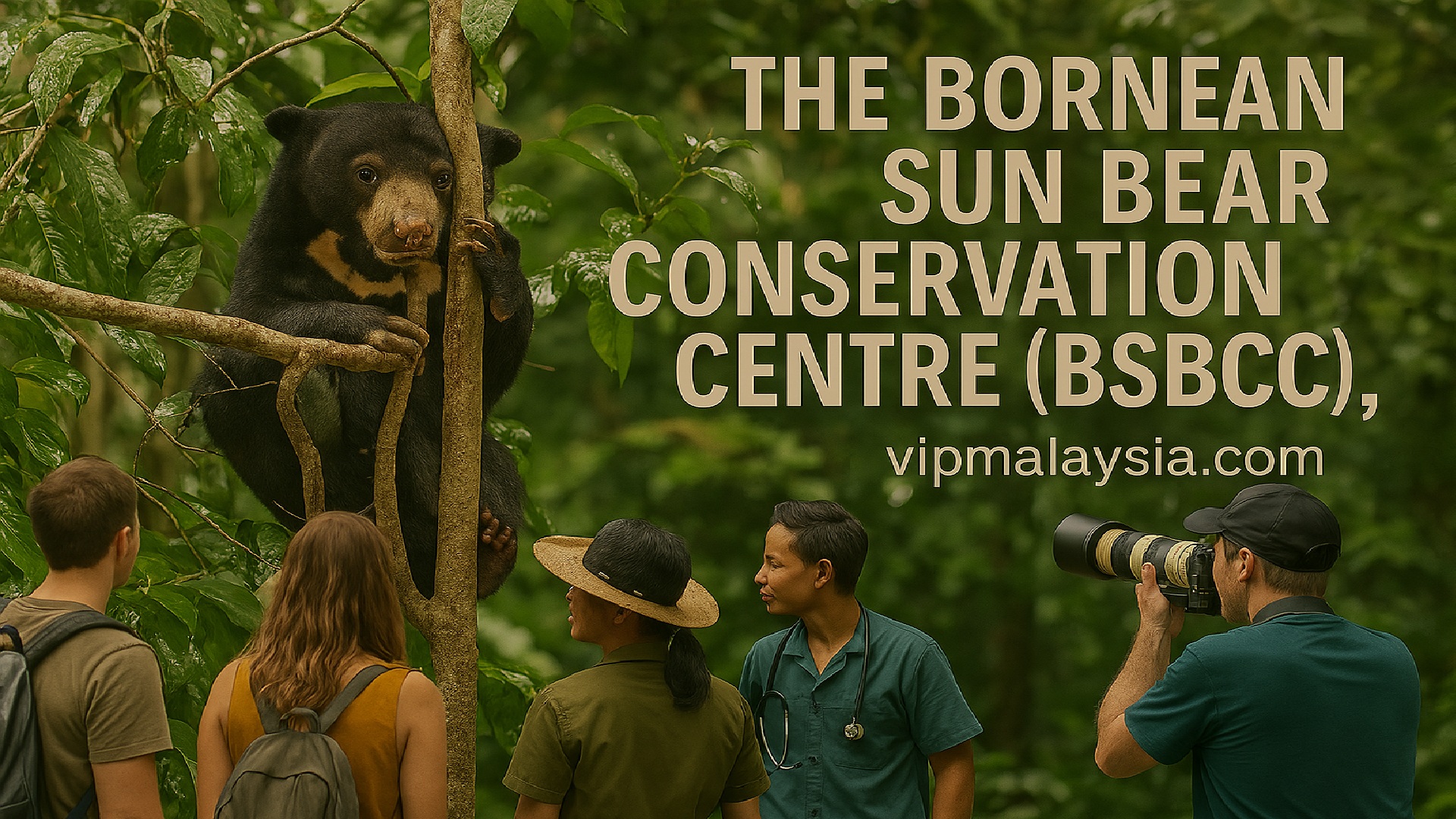
Discover the untold story of the world’s smallest bear and how you can help save them from extinction—all while enjoying a once-in-a-lifetime wildlife experience in Sabah. The Bornean Sun Bear Conservation Centre (BSBCC) is more than eco-tourism—it’s a mission with heart, offering visitors a chance to witness rescued bears reclaim their wild instincts.
Introduction
Nestled in the lush rainforest of Sepilok, Sabah, the Bornean Sun Bear Conservation Centre stands as a beacon of hope for one of the most vulnerable species on Earth. Known as the smallest bear species, sun bears are instantly recognizable by their golden chest crescent and playful yet resilient nature. The centre provides sanctuary for bears rescued from illegal captivity, habitat destruction through deforestation, poaching, and neglectful conditions, malnourished and isolated), while also educating the public about conservation. Visiting BSBCC is not just a wildlife encounter—it’s a chance to directly support species survival.
History
The BSBCC was founded in 2008 by wildlife biologist Wong Siew Te, whose vision was to create a safe haven for sun bears rescued from dire conditions. Many of these bears had been kept as pets, locked in cages, or exploited for entertainment. Wong recognized that without intervention, countless bears would never experience the forest again.
In its early years, the centre faced challenges of funding, awareness, and infrastructure. Yet through partnerships with Sabah Wildlife Department and Sabah Forestry Department, BSBCC grew into a world-class facility. By 2014, the centre opened its doors to the public, allowing visitors to witness firsthand the rehabilitation process. Today, with over 40 bears under care, BSBCC continues to expand its mission, combining animal welfare, research, education, and ecotourism. Its history is a testament to perseverance, compassion, and the power of community-driven conservation.
Visitor Facilities
BSBCC offers guided tours, multilingual signage, and a visitor centre with exhibits. Amenities include rest areas, souvenir shops, and cafes serving local delicacies.
Cultural Integration
The centre collaborates with local communities, showcasing traditional crafts and cultural festivals. This integration highlights the connection between conservation and cultural heritage.
Highlights
Rehabilitation Enclosures
The centre features large forested enclosures where bears learn to climb, forage, and build nests. These natural habitats mimic the wild, helping bears regain instincts lost during captivity.
Observation Platforms
Visitors can view bears from elevated platforms without disturbing them. These platforms are strategically placed to offer panoramic views of the rainforest and its inhabitants.
Educational Programs
BSBCC hosts talks, exhibitions, and interactive sessions for students and tourists. These programs highlight the importance of conservation and the threats facing sun bears.
Research Initiatives
Ongoing studies monitor bear behavior, health, and adaptability. Some bears are evaluated for potential release into protected forests, though only a few meet the criteria.
Ecotourism Impact
Every visitor contributes to conservation funding. Ticket sales and donations directly support bear care, facility maintenance, and outreach programs. Your visit is both an adventure and a lifeline for these animals.
Things to Do
Sun Bear Viewing
The main attraction is, of course, the sun bears themselves. Watching them climb trees, dig for insects, or lounge in hammocks is both entertaining and educational.
Rainforest Experience
The centre is located within the Sepilok rainforest reserve, home to diverse wildlife including orangutans, hornbills, and macaques. Visitors often spot these species during their trip.
Guided Tours
Knowledgeable guides lead visitors through the centre, explaining bear behavior and conservation efforts. Tours are available in multiple languages.
Photography
The observation platforms provide excellent opportunities for wildlife photography. Visitors are encouraged to capture moments while respecting animal welfare.
Educational Talks
Daily sessions allow guests to interact with staff, ask questions, and learn about conservation laws and practices.
Volunteer Programs
For those seeking deeper involvement, BSBCC offers volunteer opportunities. Participants assist with education, maintenance, and outreach projects.
Trekking and Adventure
Sepilok Rainforest Trails
Surrounding the centre are trails that wind through dense rainforest. Trekking here offers encounters with exotic flora and fauna.
Wildlife Encounters
Hiking through Sepilok often reveals sightings of hornbills, flying squirrels, and even pygmy elephants. Each trek is a chance to connect with nature.
Adventure Activities
Nearby adventure options include canopy walks, river cruises, and jungle survival courses. These activities complement a visit to BSBCC, offering a full eco-adventure experience.
Nearby Attractions
Sepilok Orangutan Rehabilitation Centre
Located just minutes away, this centre rescues and rehabilitates orangutans. Visitors can watch feeding sessions and learn about primate conservation.
Rainforest Discovery Centre
A hub for environmental education, the RDC features canopy walkways, botanical gardens, and birdwatching towers.
Sandakan Town
The nearest urban centre, Sandakan, offers historical sites such as the Agnes Keith House and vibrant local markets.
Cultural Festivals
Visitors may coincide their trip with local festivals celebrating Sabah’s diverse ethnic heritage, including Kadazan-Dusun harvest festivals and Bajau sea rituals.
Conclusion
By visiting or volunteering at the Bornean Sun Bear Conservation Centre, you’re not just a tourist—you’re a conservation ally. Each ticket helps fund rescue efforts, each photo shared spreads awareness, and every volunteer makes a difference.
Whether you’re planning a trip to Sabah or looking for a wildlife cause to support, the BSBCC needs your voice. Visit, donate, volunteer, or even adopt a sun bear. Let’s protect what makes our world wild—before it’s too late.
Summary
Attraction: Bornean Sun Bear Conservation Centre
Location: #Sabah
Attraction Type: #Wildlife
Quick Info
Category
Details
Name
Bornean Sun Bear Conservation Centre (BSBCC)
Address
PPM 219, Elopura, 90000 Sandakan, Sabah, Malaysia
GPS Position
5.8431°N, 117.9481°E
State
Sabah, Malaysia
Founded
2008 (Opened to public in 2014)
Facility Type
Wildlife Rehabilitation & Education Centre
No. of Rescued Bears
42–44 ex-captive bears (numbers fluctuate)
Opening Hours
9:00 AM – 3:30 PM daily, including holidays
Admission (Malaysians)
Children RM 5 Adults RM 10
Admission (Non-Malaysians)
Children RM 25 Adults RM 50
Discount Rate
Reduced rates for Sabah residents with valid ID
Transport Options
20 km from Sandakan town; accessible by car, taxi, Grab. Visitors from Kota Kinabalu or Semporna typically fly to Sandakan first.
Volunteer Programme
Available – Hands-on conservation and education activities
Contact
Phone: +6089-534491 Email: info.bsbcc@gmail.com
Website
bsbcc.org.my
Partners
Sabah Wildlife Department, Sabah Forestry Department, HUTAN Kinabatangan
Visitor Reviews
Travel with Graham, United Kingdom – ★★★★★ “I took a Grab from Sandakan, about 40 minutes, and combined my visit with the Sepilok Orangutan Centre across the road. The facilities at BSBCC are well designed for the animals, with spacious enclosures and shaded viewing platforms. Watching the bears forage and climb in a natural rainforest setting was unforgettable. It’s clear the centre prioritizes animal welfare and visitor education.”
Eric Mc Guiness, Hertfordshire, UK – ★★★★☆ “This centre is just across from the Orangutan Rehabilitation Centre, making it easy to visit both in one day. The work being done here is amazing—rescuing bears from captivity and giving them a second chance. The educational displays were informative, though I wished for more interactive exhibits. Still, seeing the bears up close in such a natural environment was worth the trip.”
Abdullah Al-Mahdi, Malaysia – ★★★★★ “As a travel blogger, I found BSBCC to be one of Sabah’s most meaningful attractions. The rainforest setting is immersive, and the conservation mission is inspiring. The centre highlights how sun bears act as seed dispersers and termite controllers, vital for the ecosystem. It’s not just a tourist stop—it’s a chance to witness conservation in action and support a species that desperately needs protection.”
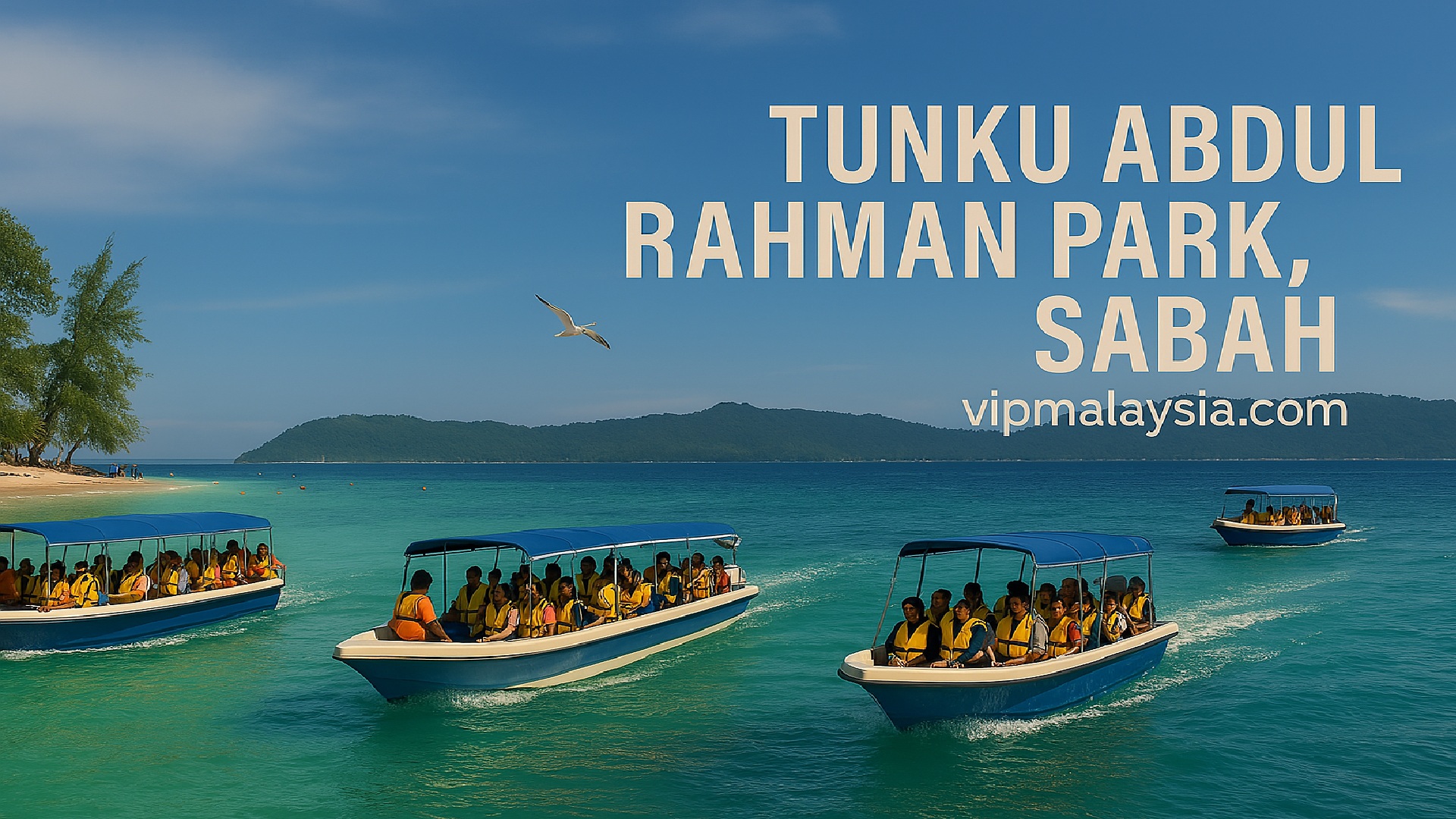
Escape to Sabah’s iconic island sanctuary—Tunku Abdul Rahman Park. Just minutes from Kota Kinabalu, this tropical marine haven offers crystal-clear waters, vibrant coral reefs, and five unique islands perfect for diving, beach days, jungle trekking, and unforgettable getaways.
Introduction
Nestled just 3 kilometers off the shores of Kota Kinabalu, Tunku Abdul Rahman Park is Sabah’s crown jewel, offering the perfect harmony of marine biodiversity and natural island bliss. This protected marine park encompasses five distinct islands—Gaya, Sapi, Manukan, Mamutik, and Sulug—each with its own story, charm, and adventure. Whether you’re a beach lover, an underwater explorer, or simply craving a picnic surrounded by turquoise waters, this is your ideal getaway.
History
The park was gazetted in 1974 as Sabah’s first marine national park, named after Malaysia’s first Prime Minister, Tunku Abdul Rahman Putra Al-Haj. Its establishment was part of a broader conservation effort to protect coral reefs, marine life, and coastal ecosystems from rapid urban development in Kota Kinabalu. Historically, Gaya Island was home to early settlements and even a British colonial station in the late 19th century. Over time, the islands became a refuge for fishermen and traders, before evolving into a protected sanctuary. Today, the park stands as a testament to Sabah’s commitment to preserving its natural heritage while offering sustainable tourism opportunities.
Highlights
Gaya Island
The largest island, Gaya, is famous for its luxury resorts such as Gayana Eco Resort and Bunga Raya Island Resort. It also hosts the Marine Ecology Research Centre (MERC), dedicated to coral restoration and giant clam breeding. Visitors can explore jungle trails spanning 20 km, including a 0.5 km plank walk through marsh jungle, offering a glimpse into Sabah’s diverse flora and fauna.
Manukan Island
Manukan is the most developed island, operated by Sutera Sanctuary Lodges. It features accommodations, cafés, BBQ pits, and seasport shops. Its long sandy beach is ideal for families, while snorkeling zones reveal vibrant coral gardens.
Sapi Island
Sapi is popular for day trips and snorkeling, with clear waters and abundant marine life. It is also known for the thrilling zipline adventure connecting Sapi to Gaya Island, offering adrenaline seekers a unique experience.
Mamutik Island
The smallest island, Mamutik, is perfect for those seeking tranquility. It has KOKTAS cafés operated by Sabah Parks staff cooperative, shaded picnic areas, and shallow reefs ideal for beginner snorkelers.
Sulug Island
Sulug is the least developed, offering a rustic escape. Its untouched beaches and rocky outcrops make it a favorite for those who prefer solitude and raw natural beauty.
Things to Do
Scuba Diving
The park is renowned for its world-class dive sites, with coral reefs teeming with marine life such as clownfish, reef sharks, and sea turtles. Dive operators based in Kota Kinabalu offer packages for beginners and advanced divers alike.
Snorkeling
Crystal-clear waters around Sapi and Manukan make snorkeling a must-do activity. Visitors can rent equipment on the islands and explore shallow reefs filled with colorful corals and tropical fish.
Jungle Trekking
Gaya Island features 20 km of jungle trails, including the marsh plank walk that educates visitors about mangrove ecosystems. Wildlife such as hornbills and monitor lizards are often spotted along the trails.
4Beach Picnics
Manukan and Mamutik Islands are popular for family picnics, with BBQ pits, shaded shelters, and sandy beaches perfect for relaxation.
Zipline Adventure
Sapi Island offers a thrilling zipline ride to Gaya Island, one of the longest island-to-island ziplines in the world, giving adrenaline seekers a unique perspective over turquoise waters.
Island Hopping
A 20-minute boat ride from Jesselton Point Jetty opens up endless opportunities for island hopping. Visitors can combine snorkeling at Sapi, trekking at Gaya, and relaxing at Manukan in a single day.
Wildlife Spotting
The park is home to diverse species including sea eagles, hornbills, giant clams, and reef fish. Birdwatchers and marine enthusiasts find plenty to observe both on land and underwater.
Camping
Rustic camping is permitted on most islands except Manukan and Sulug. Visitors can pitch tents and enjoy a night under the stars, though facilities are basic.
Cultural Exhibitions
Manukan Island hosts an exhibition center showcasing marine conservation and Sabah’s cultural heritage. It includes video presentations and educational displays for visitors.
Photography and Sunset Views
Manukan and Sulug Islands are famous for their sunset views, with golden skies reflecting over the South China Sea. Photographers often capture stunning landscapes and wildlife moments here.
Trekking and Adventure
The major jungle trails in Tunku Abdul Rahman Park are located across Gaya, Manukan, Sapi, and Mamutik Islands, each offering unique trekking experiences ranging from short educational walks to longer forest hikes. These trails are well-documented by Sabah Parks and AllTrails.
Gaya Island Extended Trail
Pulau Gaya, the largest island in the park, features the Extended Trail, a 7.8 km route that winds through dense jungle before opening up to coastal views. The trek involves uphill climbs and descents, making it moderately challenging. Hikers are rewarded with panoramic vistas of the South China Sea and encounters with wildlife such as hornbills and macaques. The trail can be muddy during the rainy season, so sturdy footwear is recommended.
Manukan Island Loop
The Manukan Island Loop is a 3.5 km trail that circles the island, offering a mix of beachside scenery and forested paths. It is relatively flat and suitable for families, though it can become slippery after rain. Along the way, trekkers enjoy views of wildflowers and hear the rhythmic sounds of waves crashing against the shore. This trail is ideal for those seeking a gentle introduction to jungle trekking.
Sapi Island Trail
Sapi Island hosts a 1.9 km trail that begins at the beach and winds through forested terrain to viewpoints and small secluded beaches. The route is mostly flat, making it accessible for all ages. Wildlife sightings include monitor lizards and tropical birds. At low tide, visitors can even walk across the sandbank linking Sapi to Gaya Island, adding a unique adventure to the trek.
Mamutik Island Trail
Pulau Mamutik, the smallest island, offers a short 0.9 km trail through lush greenery. Despite its size, the trail provides opportunities to spot unique bird species such as the Philippine megapode, also known as the “red chicken face bird.” The trek is easy and suitable for beginners, with shaded paths that make it comfortable even during midday heat.
Nearby Attractions
Kota Kinabalu City
Just minutes away, Kota Kinabalu offers vibrant markets, seafood restaurants, and cultural landmarks such as the Sabah State Museum and Atkinson Clock Tower.
Mount Kinabalu
A UNESCO World Heritage Site, Mount Kinabalu is about 2 hours from the city. It is Southeast Asia’s tallest peak and a major trekking destination.
Mari Mari Cultural Village
Located near Kota Kinabalu, this village showcases the traditions of Sabah’s ethnic groups, including bamboo cooking, traditional dances, and longhouse architecture.
Conclusion
Tunku Abdul Rahman Park is a sanctuary where marine biodiversity meets island luxury. With five distinct islands offering everything from diving and snorkeling to jungle trekking and cultural experiences, it is the ultimate getaway for nature lovers and adventure seekers. Whether you’re exploring coral reefs, hiking jungle trails, or enjoying a family picnic, the park delivers unforgettable memories just minutes from Kota Kinabalu.
Summary
Attraction: Tunku Abdul Rahman Park
Location: #Sabah
Attraction Type: #Park
Quick Info
Details
Information
Park Name
Tunku Abdul Rahman Park
Address
Lot 45 & 46, Block H, Signature Office, KK Times Square, Coastal Highway, 88100 Kota Kinabalu, Sabah
GPS Coordinates
5.9779° N, 116.0450° E
Phone
+60 88 523 500 / +60 88 486 434 / 435 / 436
Email
sabahparks@sabah.gov.my / sabahparks@gmail.com
Website
sabahparks.org.my
State
Sabah
Organization
Sabah Parks
Governance
Type A – Government statutory body
IUCN Category
II (National Park)
Status
Gazetted
Area
4,928.1 hectares
Established
1974
Main Jetty Access
Jesselton Point Jetty
Boat Travel Time
15–20 minutes (depending on island)
Exhibition Center
Manukan Island Exhibition Hall (daily except Monday, 9am–3pm); Marine Ecology Research Centre at Gayana Eco Resort, Gaya Island
Meeting Facilities
Mini seminar room, bookings via Sabah Parks
Religious Facilities
Surau available (Manukan Island and Sabah Parks HQ)
Entrance & Conservation Fees
Daily Entrance
Visitor Category
Fee
Malaysian (18+)
RM 8
Malaysian (13–17)
RM 5
Malaysian (Under 12, 60+, Disabled)
Free
International (18+)
RM 25
International (Below 18/60+)
RM 20
Scuba Diving at Kuraman
Visitor Category
Fee
Malaysian
RM 100
International
RM 200
Visitor Reviews
Emma Di Matteo, UK ★★★★☆ “We stayed at Gaya Island Resort for a week. The jungle views from our villa were stunning, and the reef snorkeling was enjoyable though some coral was bleached. Chef Doli went above and beyond to prepare vegetarian meals for us every night. Drinks were pricey, but the service was outstanding.”
Stephen Holiday, USA ★★★★★ “Our two-night stay at Gaya Island Resort was incredible. The villa had wraparound balconies with views of Mount Kinabalu. The teppanyaki restaurant was the best I’ve ever experienced, and snorkeling tours led by staff helped us spot turtles. Worth the splurge despite high costs.”
Peter Regnet, Southampton, UK ★★★★☆ “My daughter and I visited Manukan as a day trip. We saw reef sharks and rays while snorkeling close to shore. The beach was great, though walking to Sunset Point was too hot. Overall, a wonderful family day.”
Janet Sihotang, Melbourne, Australia ★★★★☆ “Manukan has the best infrastructure among the islands. Plenty of beach space and shade, plus a nice restaurant. Sadly, there was a lot of rubbish on the beach, which was disappointing for a national park.”
Sharon Gonglo, South Africa ★★★★★ “My favourite, Sapi Island in the park. The water was crystal clear, and snorkeling from the shore revealed clownfish. The sand was soft and clean, making it perfect for couples.”
Suzieyanti Hernie Badrul, Bandar Seri Begawan, Brunei ★★★★☆ “We bought boat tickets easily and spent three hours snorkeling. Sapi Island was less crowded, with lifeguards ensuring safety. A great family outing.”
Mohd Noh Salleh, Malaysia ★★★★☆ “Mamutik is a good spot for snorkeling. We saw monitor lizards and enjoyed the café. The waters were clear, though broken coral meant wearing swim shoes was necessary.”
Brandon Gates, Melbourne, Australia ★★★☆☆ “Nice clear water, but Mamutik Island was noisy with inconsiderate tourists blasting music and taking endless selfies. Best visited as part of a multi-island trip rather than staying all day.”
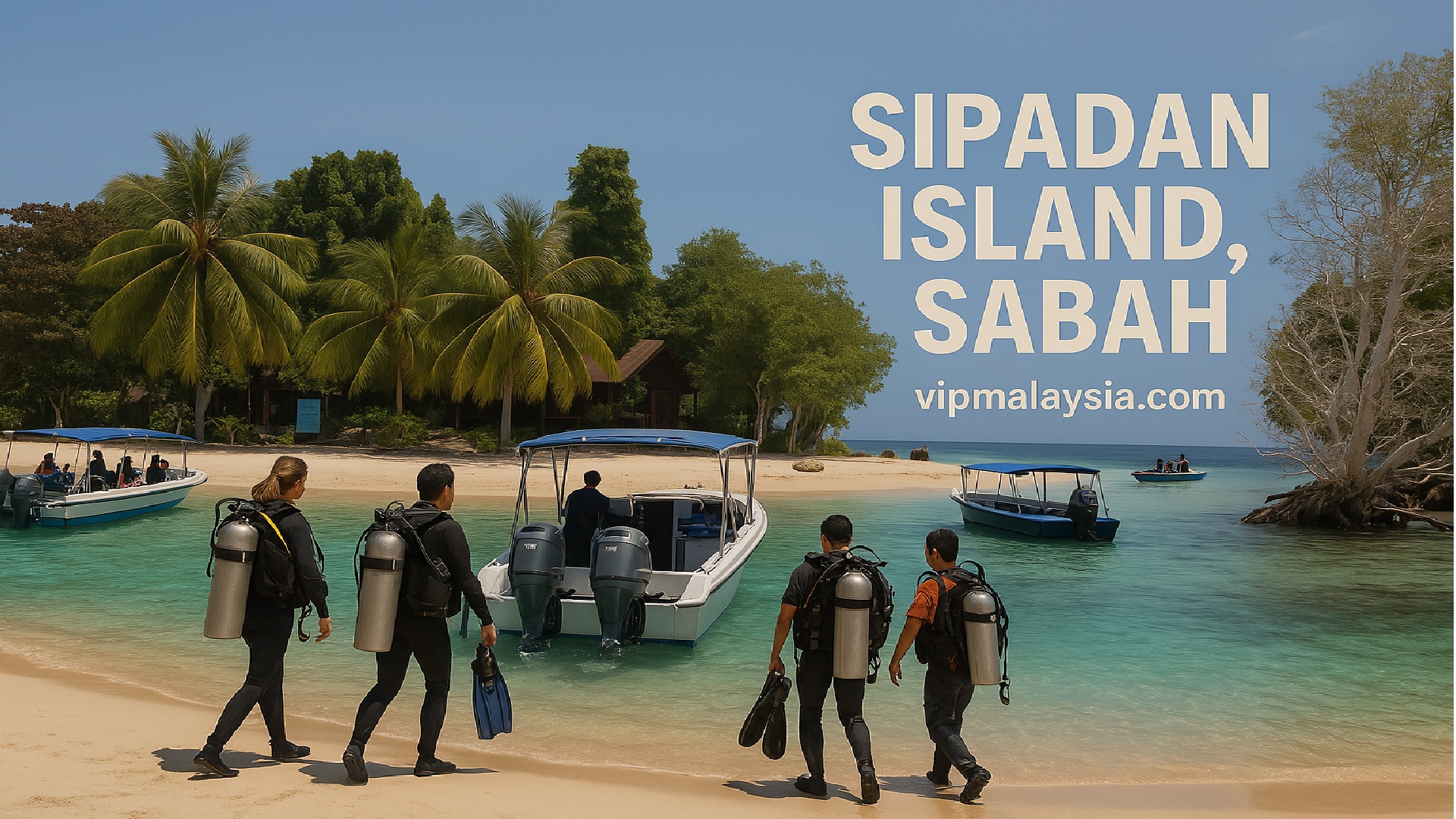
Explore the breathtaking wonders of Sipadan Island, Malaysia‘s only oceanic island and one of the world’s top diving destinations. Home to vibrant coral reefs, swirling barracudas, sea turtles, and over 400+ fish species and over 300 coral species, this protected marine park offers a once-in-a-lifetime underwater experience for certified divers. Plan your dream dive today and uncover nature’s masterpiece beneath the Celebes Sea.
Introduction
Sipadan Island is often described as the crown jewel of Southeast Asian diving. Located off the coast of Sabah in the Celebes Sea, it has captivated explorers, marine biologists, and divers for decades. Ocean pioneer Jacques Cousteau once called it “an untouched piece of art,” and today, it remains one of the most sought‑after dive sites in the world. With strict conservation measures, limited daily permits, and no accommodations on the island itself, Sipadan offers a rare chance to experience nature in its purest form.
History
Sipadan’s story is as fascinating as its underwater world. Formed by corals growing atop an extinct volcanic cone, the island rises 600 meters from the seabed, making it Malaysia’s only true oceanic island.
In 1933, Sipadan was declared a bird sanctuary by the colonial government of North Borneo, recognizing its importance for migratory seabirds. Later, in 1981, the Sabah government designated it as a marine reserve, laying the groundwork for stronger conservation. By 2004, Sipadan was officially gazetted as a marine park, ensuring its protection under Sabah Parks.
The island once hosted dive resorts, but in 2009, all accommodations were removed to preserve its fragile ecosystem. Today, divers stay on nearby islands such as Mabul or Kapalai, traveling by boat to Sipadan for day trips. This careful management has allowed Sipadan’s reefs and marine life to flourish, making it a living testament to conservation success.
Highlights
The Marine Ecosystem
Sipadan is home to green and hawksbill turtles, schools of bumphead parrotfish, swirling barracudas, and reef sharks. Divers often encounter rare species such as scalloped hammerheads, thresher sharks, and manta rays. With visibility reaching up to 60 meters during peak season, the underwater scenery is breathtaking.
Hanging Gardens
Named for its coral arches and sponge‑covered walls, this site resembles an underwater Versailles. Layers of soft corals, sea fans, and sponges create a dreamscape for underwater photographers. The vibrant colors and intricate structures make it a favorite for macro enthusiasts.
Wildlife Above Water
Sipadan is also a sanctuary for seabirds such as frigatebirds and sea eagles. Its lush vegetation provides nesting grounds, adding another layer of biodiversity to the island.
Dive Sites
Drop Off
A surreal experience that begins just 9 meters from the beach—welcome to an underwater cliff diving into a 600m abyss teeming with vibrant marine life.
Coral Garden
Coral Garden is a vibrant reef teeming with hard and soft corals, barrel sponges, and featherstars. Divers encounter schools of sweetlips, butterflyfish, and clownfish weaving through the coral structures. The site is ideal for underwater photography, showcasing Sipadan’s rich biodiversity in shallow, sunlit waters.
Midreef
Midreef offers a gentle slope covered in colorful corals and sponges, making it suitable for divers of all levels. Reef sharks, bumphead parrotfish, and turtles are common sightings here. The calm conditions and abundant marine life make Midreef a relaxing yet rewarding dive.
Whitetip Avenue
Named for the frequent presence of whitetip reef sharks, this site is a thrilling encounter zone. Sharks patrol the sandy bottom while schools of fusiliers and trevally dart overhead. The avenue’s mix of predators and reef fish creates an exciting dive experience.
Staghorn Crest
Staghorn Crest is dominated by expansive staghorn coral formations, providing shelter for damselfish and anthias. The reef’s intricate structures attract macro photographers looking for nudibranchs and shrimp species. It’s a showcase of coral diversity and resilience.
South Point
South Point is one of Sipadan’s deeper sites, known for pelagic encounters. Divers may spot hammerhead sharks, thresher sharks, and large schools of barracuda. Strong currents make this site best suited for experienced divers seeking big‑fish thrills.
Turtle Patch
Turtle Patch lives up to its name, with frequent sightings of green and hawksbill turtles grazing on sponges. The sandy bottom is dotted with coral bommies that attract reef fish and crustaceans. It’s a peaceful dive where turtles are the star attraction.
Barracuda Point
Barracuda Point is one of Sipadan’s signature dive sites, famous for its swirling vortex of Chevron barracudas. Divers are often surrounded by thousands of fish moving in unison, creating a living tornado. Strong currents add to the thrill, making this site a must‑visit for adrenaline seekers.
Explore Turtle Cavern (Turtle Tomb)
This haunting cave system contains skeletal remains of turtles that became trapped over the years. Divers explore chambers filled with limestone formations and eerie beauty. It is both a historical and ecological highlight, offering a glimpse into Sipadan’s natural past.
Dive at South Point
South Point is known for its deep wall dives and pelagic species. Hammerhead sharks and thresher sharks are occasionally spotted here, along with schools of trevally and barracuda. The site’s strong currents make it suitable for experienced divers seeking big‑fish encounters.
Things to Do
Diving Under the Sea
Sipadan is globally renowned for its dramatic wall dives and pelagic encounters. Divers descend along vertical drop‑offs that plunge 600 meters into the Celebes Sea, encountering reef sharks, manta rays, and schools of jackfish. With visibility often exceeding 30 meters, the underwater scenery is breathtaking, making diving the island’s primary attraction.
The main activity is scuba diving, with daily permits capped at 120 divers to protect the reef. Dive operators in Semporna, Mabul, and Kapalai arrange trips, ensuring sustainable tourism.
Snorkeling the Shallow Reefs
Non‑divers can enjoy Sipadan’s vibrant shallow reefs through snorkeling. The clear lagoons are home to colorful corals, reef fish, and sea turtles gliding gracefully. Snorkeling offers a more relaxed way to experience the island’s biodiversity without scuba certification.
Visit Bum Bum Island
Located near Semporna, Bum Bum Island offers cultural immersion with Bajau Laut communities. Visitors can explore traditional stilt villages, learn about maritime heritage, and enjoy local seafood. It’s a meaningful side trip that complements the marine adventure.
Island Hopping to Mabul Island
Mabul Island is famous for “muck diving,” where divers explore sandy bottoms rich with unusual critters like frogfish, flamboyant cuttlefish, and pygmy seahorses. The island also has fishing villages and budget accommodations, making it a lively base for Sipadan trips.
Explore Mataking Island
Mataking Island is a private resort destination known for its white sandy beaches and turquoise waters. It features an underwater post office where divers can send waterproof postcards. The island is ideal for relaxation after intense diving at Sipadan.
Relax at Kapalai Island
Kapalai is a sandbar resort built entirely on stilts above shallow reefs. Guests enjoy over‑water chalets, direct access to house reefs, and a secluded atmosphere. It’s perfect for honeymooners or travelers seeking privacy alongside diving opportunities.
Day Trips with Scenic Views
Visitors often combine Sipadan diving with day trips to Semporna town, enjoying local Sabah cuisine and cultural festivals. Scenic boat rides across turquoise waters provide stunning views of the Celebes Sea, making the journey itself part of the adventure.
Cultural and Natural Heritage
Nearby Semporna town hosts cultural festivals celebrating Bajau Laut traditions. Visitors can explore local seafood markets, traditional crafts, and maritime heritage before or after their dive trips.
Underwater Photography
While Sipadan is primarily for certified divers, snorkeling opportunities exist around nearby islands. Underwater photographers flock here for the clarity and diversity of marine life.
Birdwatching
Sipadan’s bird sanctuary status makes it ideal for spotting migratory species. Visitors often see sea eagles, kingfishers, and frigatebirds circling the island.
Exploring Nearby Islands
Though Sipadan itself is small and heavily protected, nearby islands like Mabul and Kapalai offer trekking, village visits, and cultural immersion. Mabul is famous for its “muck diving,” where divers explore sandy bottoms rich with unusual critters.
Walking through Mabul’s fishing villages provides insight into Bajau Laut culture. Wooden stilt houses, traditional boats, and friendly locals create a unique atmosphere. Trekking paths lead to viewpoints overlooking turquoise waters, perfect for sunset photography.
Here’s a comparison of Mabul Island and Kapalai Island, two popular bases for divers visiting Sipadan. Mabul offers variety and community atmosphere, while Kapalai provides exclusivity and seclusion.
Category
Mabul Island
Kapalai Island
Type
A real island with a Bajau Laut fishing village, multiple resorts, and the unique Seaventures Dive Rig (a converted oil platform).
A sandbar resort only, with Sipadan Kapalai Dive Resort built entirely on stilts over shallow reefs. No dry land, just over‑water chalets.
Accommodation
Offers budget lodges to mid‑range resorts like Sipadan‑Mabul Resort (SMART) and Borneo Divers.
Exclusively over‑water chalets, designed for privacy and luxury.
Diving
10+ dive sites with diverse muck diving habitats: mimic octopus, flamboyant cuttlefish, frogfish, pygmy seahorses, ornate ghost pipefish.
Direct house reef access from chalets; fewer dive sites but consistent macro life. Unlimited dives without boats.
Atmosphere
Community vibe with local villages, cultural immersion, and lively energy. Backpacker options available.
Secluded and private atmosphere. Only resort guests are allowed, ensuring exclusivity.
Accessibility
~35–50 minutes by speedboat from Semporna.
~50–65 minutes by speedboat from Semporna.
Nearby Attractions
Semporna Town
Semporna serves as the gateway to Sipadan. It offers accommodations, seafood restaurants, and cultural experiences. Festivals such as the Regatta Lepa, celebrating traditional Bajau boats, are highlights for visitors.
Tun Sakaran Marine Park
Located near Semporna, this marine park encompasses several islands and reefs, offering additional diving opportunities. It is home to rare giant clams, seagrass beds, and diverse coral ecosystems.
Mataking Island
Mataking Island is a private resort destination located northeast of Sipadan, known for its pristine beaches and turquoise waters. Its most unique feature is the world’s first underwater post office, where divers can send waterproof postcards from beneath the sea. Beyond this novelty, Mataking offers vibrant coral gardens, luxury accommodations, and opportunities for snorkeling and kayaking. The island is often chosen as a relaxing retreat after the adrenaline‑filled dives at Sipadan, blending adventure with leisure.
Conclusion
Sipadan Island is a true destination for divers and nature lovers. Whether you’re floating past coral cathedrals or exchanging glances with a green turtle, it’s an experience that imprints itself deeply. Limited access, high conservation efforts, and unmatched beauty make Sipadan one of Earth’s last true underwater sanctuaries.
Make your dream dive happen—check permit availability with licensed Sabah Parks tour operators and plan your journey through Semporna today.
Summary
Attraction:
Location: #Sabah
Attraction Type: Island
Quick Info
Category
Details
Name
Sipadan Island Park
Address
Semporna, Sabah, Malaysia
GPS Position
4.1146° N, 118.6281° E
State Govt
State: Sabah — Lot 45 & 46, Level 1–5, Block H, Signature Office, KK Times Square, Coastal Highway, 88100 Kota Kinabalu, Sabah, Malaysia. P.O. Box 10626, 88806 Kota Kinabalu, Sabah, Malaysia. Website: www.sabahparks.org.my Email: sabahparks@sabah.gov.my / sabahparks@gmail.com Tel: +6088-523500 Fax: +6088-486434, 486435, 486436
Date Gazetted
2004 as Marine Park (resorts closed in 2009)
Total Area
16,860 hectares / 50 km²
Island Type
Oceanic, coral on volcanic cone
Marine Species
~400+ fish species, 300+ coral species (not 3,000)
Bird Species
Kingfishers, sunbirds, wood pigeons
Access
45 min by speedboat from Semporna
Jetty
Kg. Bangau-Bangau, Semporna
Permit Required
Yes (max 120–176 permits/day depending on regulation updates)
Dive Certification
Minimum Advanced Open Water
Dive Limit
2 dives per day per person
Accommodation
All accommodation facilities on Sipadan were closed in 2009 to protect its pristine treasures. Divers stay at nearby resorts on Mabul or Kapalai.
Facilities
Shelter, restroom on island
Closure Month
December (annual reef rest)
Fees
Category
Fee
Conservation Fee (International)
RM 100 / person
Conservation Fee (Malaysian)
RM 50 / person
Scuba Diving Fee (International)
RM 350 / person
Scuba Diving Fee (Malaysian)
RM 250 / person
Visitor Reviews
Mohd Rashdan – Kuala Lumpur, MalaysiaRating: ★★★★★ “I finally dived Sipadan in May 2024 after years of anticipation. The Barracuda Point vortex was surreal—thousands of barracudas circling us in a silver tornado. The ranger’s office check‑in was smooth, and visibility was excellent at nearly 30 meters. Compared to Mabul, Sipadan’s reefs were pristine, with turtles everywhere. Truly worth the strict permit system.”
Steve Mc Carthy – London, UKRating: ★★★★☆ “As a seasoned diver, Sipadan ranks in my top three destinations worldwide. The vertical drop‑offs and pelagic encounters—reef sharks, turtles, and the famous barracuda tornado—were unforgettable. Logistics were a bit complex, requiring flights to Tawau and boat transfers from Semporna, but the effort was rewarded with world‑class diving. The daily permit limit of 176 divers ensures the reef remains healthy.”
Sayang Sharifah – Kota Kinabalu, SabahRating: ★★★★★ “As a local diver, Sipadan is our pride. The conservation measures are strict, but they keep the reefs vibrant. I saw green turtles on every dive and even spotted a hammerhead shark at South Point. Staying at Mabul gave me cultural immersion with Bajau Laut villages, while Sipadan itself felt untouched and sacred.”
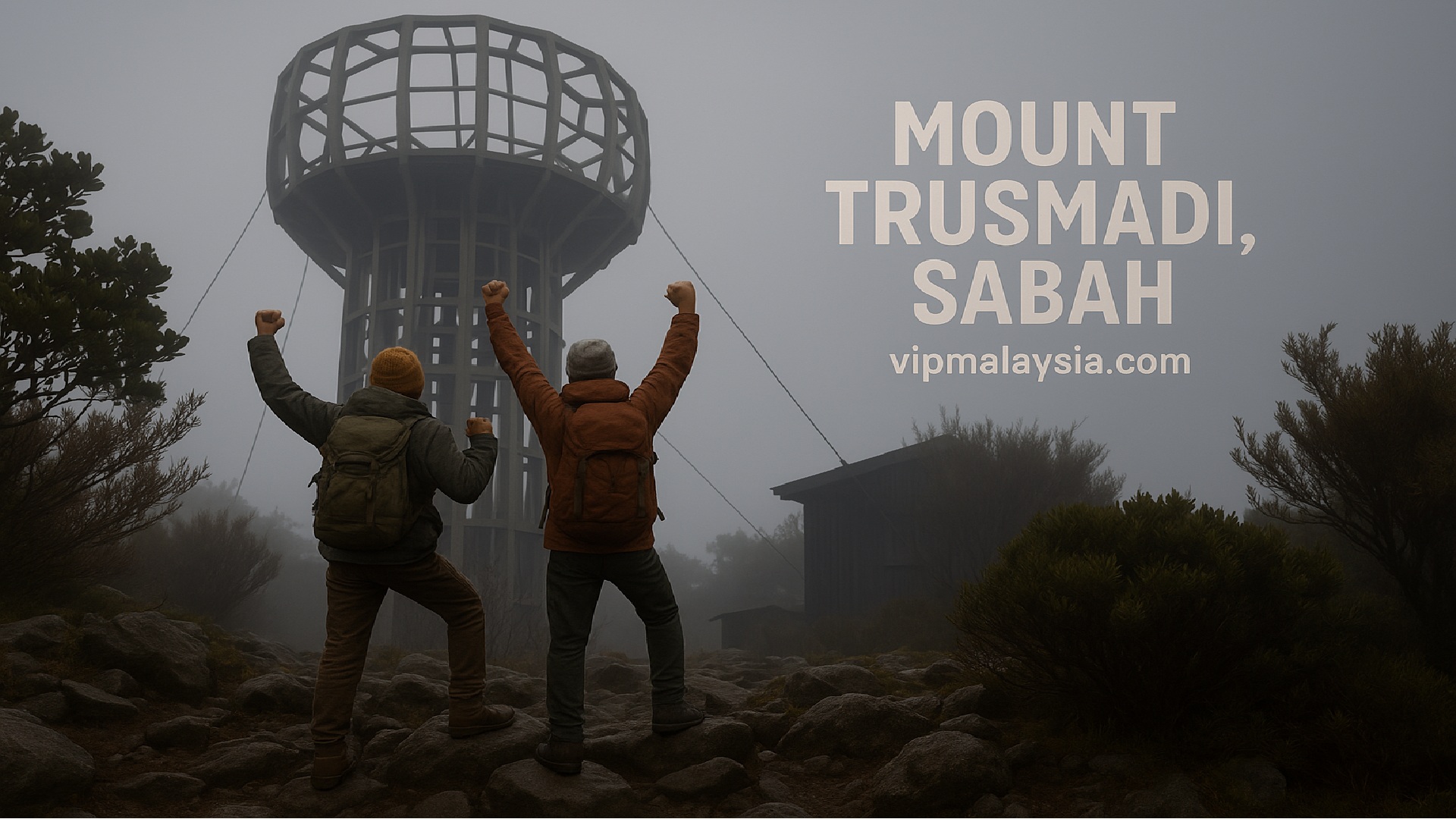
Gunung Trusmadi, Sabah’s second tallest peak, is a rugged mountain that challenges even seasoned hikers. Rising to 2,642 meters, it offers rare biodiversity, panoramic views of Mount Kinabalu, and an unforgettable wilderness adventure.
Introduction
If Mount Kinabalu is the crown of Malaysia, Gunung Trusmadi is the challenge. Located in Sabah’s interior, this mountain stands at 2,642 meters above sea level, making it the second highest peak in the country. Unlike Kinabalu’s well‑trodden paths, Trusmadi’s trails are raw, steep, and demanding, rewarding climbers with pristine rainforest, endemic flora, and breathtaking sunrise views of Kinabalu itself. For those seeking a more remote and authentic trekking experience, Trusmadi is calling.
History
Gunung Trusmadi’s history is deeply tied to the indigenous communities of Sabah. The Kadazan Dusun people call it Nulu Trusmadi, meaning “mountain of Trusmadi.” For centuries, the mountain was revered as a sacred site, believed to be home to spirits that guarded the forest. During the colonial era, British explorers documented its rugged terrain and unique biodiversity, but it remained largely untouched compared to Kinabalu.
In the 1980s, the Sabah Forestry Department designated the Trusmadi Forest Reserve, covering 184,527 hectares, to protect its rich ecosystems. This move safeguarded rare species such as the Nepenthes × trusmadiensis, a hybrid pitcher plant found nowhere else on Earth. Today, Trusmadi is recognized not only as a trekking destination but also as a biodiversity hotspot, attracting researchers, conservationists, and adventurers alike.
Highlights
The Second Tallest but Toughest
Gunung Trusmadi may not surpass Kinabalu in height, but many hikers agree it is far more grueling. Trails are steep, muddy, and less developed, demanding endurance and resilience. The reward is solitude and a sense of raw adventure that Kinabalu’s crowded summit cannot match.
Gunung Trusmadi is Malaysia’s second highest peak at 2,642 m, while Mount Kinabalu towers at 4,095 m. Kinabalu is taller and more accessible, but Trusmadi is widely regarded as the tougher climb due to its undeveloped trails and raw jungle conditions.
Gunung Trusmadi vs Mount Kinabalu
Aspect
Gunung Trusmadi
Mount Kinabalu
Height
2,642 m (8,668 ft), second highest in Malaysia
4,095 m (13,435 ft), tallest in Malaysia
Difficulty
Considered tougher: muddy, steep, narrow trails, vertical climbs, less infrastructure
Challenging mainly due to altitude and long stair climbs; trails are well-maintained
Trails
Three main routes: Kaingaran (5.0 km), Mastan (4.4 km), Mannan (11.5 km)
Standard route via Timpohon Gate; alternative Mesilau trail (longer, scenic)
Biodiversity
Rich flora and fauna, five vegetation zones, endemic pitcher plant Nepenthes × trusmadiensis
Kinabalu Park UNESCO site, over 5,000 plant species, orchids, and endemic animals
Facilities
Basic rest houses and campsites; limited amenities, requires guides and permits
Well-developed lodges, rest houses, and organized climbing packages
Popularity
Less crowded, appeals to seasoned hikers seeking solitude and challenge
Highly popular, attracts thousands annually, more accessible for casual climbers
Summit Views
Panoramic sunrise view of Mount Kinabalu ~40 km north
Expansive views across Sabah and South China Sea
Biodiversity Wonderland
The mountain features five vegetation zones: lowland dipterocarp, hill dipterocarp, lower montane, upper montane, and summit scrub. Each zone hosts unique wildlife, from hornbills and gibbons in the lowlands to orchids and mosses in the upper montane. The highlight is the endemic Nepenthes × trusmadiensis, a rare pitcher plant hybrid that thrives only here.
Attractions
Sunrise Views of Mount Kinabalu
One of the most magical experiences is witnessing Mount Kinabalu glowing at sunrise from Trusmadi’s summit. On clear mornings, the view is unforgettable, with Kinabalu’s jagged silhouette framed by misty valleys.
Rare Flora and Fauna
Trusmadi is home to clouded leopards, barking deer, and hornbills, alongside countless orchids and ferns. Its forests are a living museum of Bornean biodiversity.
Cultural Encounters
Nearby towns such as Tambunan and Keningau host Kadazan Dusun festivals, where visitors can experience traditional dances, rice wine (tapai), and local crafts.
Climb Packages
2D1N Climb
Perfect for experienced trekkers short on time
Includes: overnight stay, licensed guides, meals
Pickup: Your hotel in Kota Kinabalu
3D2N Climb
Extra night in Tambunan to prep and rest
Ideal for: Better acclimatization, scenic detours
4D3N Climb via Sinua Trail
Longest and most immersive option
A test of endurance for the seasoned adventurer
Things to Do
Trekking and Hiking
Gunung Trusmadi offers three main summit trails — Kaingaran, Mastan, and Mannan — each with distinct challenges and experiences. Kaingaran is the most developed, Mastan is steep and rugged, while Mannan is the longest and most immersive rainforest trek.
Wayaan Kaingaran (Tambunan)
The Kaingaran Trail is the oldest and most established route to Gunung Trusmadi’s summit. Stretching 5.0 km, it typically requires 2 days and 1 night to complete. The trail begins with a scenic 3 km elevated boardwalk through montane forest, offering opportunities to spot orchids, pitcher plants, and birdlife. Midway, climbers rest at Walai Tingkoyodon Rest House, which provides electricity, water supply, toilets, and basic lodging for up to 20 people. This makes Kaingaran the most accessible and tourist‑friendly option, though a 4WD vehicle is required to reach the trailhead from Tambunan.
The final stretch to the summit is steeper, requiring stamina and determination, but climbers are rewarded with panoramic views of Mount Kinabalu at sunrise. Because of its infrastructure and relative ease compared to other trails, Kaingaran is often recommended for first‑time climbers of Trusmadi who still want a challenging but manageable adventure.
Wayaan Mastan (Keningau)
The Mastan Trail from Keningau is the shortest at 4.4 km, but it is also the steepest and most demanding. Climbers usually complete it in 2 days and 1 night, starting from Apin‑Apin base camp. Unlike Kaingaran, Mastan is less developed, with minimal facilities, making it a raw jungle experience. The trail is known for its vertical climbs and muddy paths, requiring good physical fitness and preparation.
Authorities limit the Mastan trail to 30 climbers per day to reduce environmental impact and preserve its wilderness. Along the way, trekkers encounter unique spots such as Pagandadan Ranjers and Taman H.S. Martyn, which showcase diverse flora and fauna. This trail is ideal for seasoned hikers seeking a tougher challenge and solitude away from more popular routes.
Wayaan Mannan (Sinua, Sook)
The Mannan Trail is the longest and most immersive, covering 11.5 km and requiring 4 days and 3 nights to complete. Starting from Sinua village in Sook, the trail is accessible by good roads, eliminating the need for 4WD vehicles. Climbers traverse dense rainforest, cross streams, and camp at designated sites such as Camp 1 and Camp 2, which provide basic facilities like hammocks, running water, and toilets.
This route is renowned for its rich biodiversity, with sightings of exotic orchids, pitcher plants, hornbills, and even waterfalls such as Waig Nakalabai. The longer duration allows trekkers to acclimatize to altitude and fully immerse themselves in the wilderness. Mannan is best suited for experienced adventurers who want a deep rainforest journey and are prepared for endurance challenges.
Birdwatching and Wildlife Spotting
Trusmadi’s forests are a paradise for birdwatchers, with sightings of Bornean bristleheads, hornbills, and kingfishers. Mammals such as civets and macaques are also common.
Eco‑Tourism and Conservation
Visitors can join guided tours that highlight conservation efforts, learning about forest protection and sustainable tourism practices.
Nearby Attractions
Tambunan Town
Known as the “Switzerland of Sabah,” Tambunan is surrounded by paddy fields and rolling hills. Visitors can explore the Tambunan Rafflesia Reserve, home to the world’s largest flower.
Keningau Town
A bustling town with markets, cultural festivals, and access to the Crocker Range. It is a gateway for trekkers heading to Trusmadi via the Mastan trail.
Sinua Village
Located near Sook, Sinua offers a glimpse into rural Sabah life. Visitors can experience homestays, local cuisine, and traditional farming practices.
Conclusion
For those who seek more than just another summit photo, Gunung Trusmadi offers something deeper: solitude, struggle, and a rare communion with nature. Whether you’re drawn by its elusive pitcher plants or its reputation as the tougher Kinabalu, this mountain will test—and transform—you.
Book your expedition to Gunung Trusmadi today and redefine what adventure means to you. For bookings, permits, or guided packages, contact the forestry officers or Amazing Borneo Tours.
Summary
Attraction: Gunung Trusmadi
Location: #Sabah
Attraction Type: #Mount
Climbing Contacts & Forestry Approvals
Route / Contact
Details
Notes
Wayaan Kaingaran – Tambunan
District Forest Officer: Mr. Saleh Intang Address: Peti Surat No. 64, 89657 Tambunan E‑Mail: saleh.intang@sabah.gov.my Telephone: +60 88 899 589
Official forestry contact for Kaingaran trail permits and coordination
Wayaan Mastan & Mannan – Keningau / Sook
District Forest Officer: Mr. Azman Said Address: Peti Surat No. 88, 89007 Keningau E‑Mail: azman.said@sabah.gov.my Telephone: +60 87 331 203 / +60 87 338 721
Handles permits and trail management for Mastan and Mannan routes
Operator – Amazing Borneo Tours
Amazing Borneo Tours & Events Sdn. Bhd. Address: Lot 1‑39, Kompeks Asia City, Kota Kinabalu E‑Mail: info@mounttrusmadi.com Telephone: +60 17‑262 2009
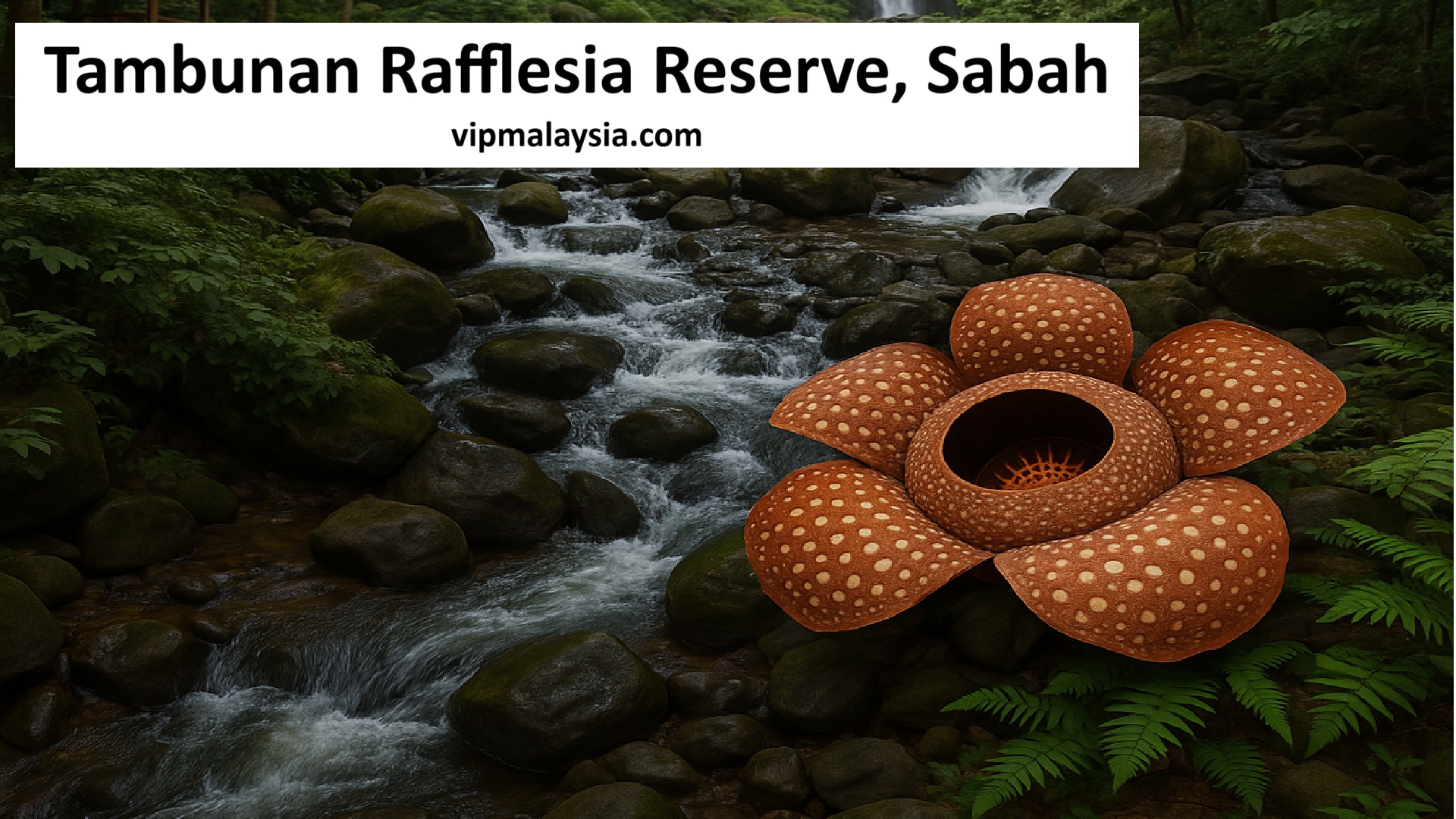
Just an hour’s drive from Kota Kinabalu, Tambunan Rafflesia Reserve offers an extraordinary trek into Sabah’s rainforest to witness the rare and massive Rafflesia flower—one of the largest and most unique blooms on Earth. With its captivating jungle trails, fascinating biodiversity, and the unforgettable chance to spot the elusive “corpse flower,” this nature reserve is a must-visit gem for eco-tourists and adventure seekers alike.
Introduction
Nestled within the Crocker Range National Park, the Tambunan Rafflesia Reserve is one of Sabah’s most unique attractions. Known for the elusive Rafflesia flower, often called the “corpse flower” due to its pungent scent, the reserve combines natural wonder with cultural richness. Visitors are drawn not only by the chance to see this rare bloom but also by the surrounding highland landscapes, Dusun traditions, and diverse wildlife.
History
The Tambunan Rafflesia Reserve was established as part of Sabah’s conservation efforts in the late 1980s, following growing concern about the declining habitats of the Rafflesia species. The Crocker Range, with its dense rainforest and high biodiversity, was identified as a critical zone for preservation. The Rafflesia Information Centre (RIC) was built along the roadside to provide education, guided treks, and updates on blooming cycles.
Historically, the Rafflesia has fascinated botanists since its discovery in the early 19th century. Indigenous communities in Borneo revered the flower for its rarity and mysterious growth cycle, often associating it with spiritual symbolism. Over time, the reserve became a hub for eco-tourism, balancing conservation with visitor experiences. Today, it stands as a testament to Sabah’s commitment to protecting one of the world’s most extraordinary plants.
Location & Experience
Just 1 hour (85km) from Kota Kinabalu, located in Crocker Range National Park, the Tambunan Rafflesia Reserve lies nestled along the roadside at the forest’s edge—marked by the Rafflesia Information Centre (RIC).
Travel Tips & Essentials
What to Wear:
Light, breathable clothing
Long trousers or shorts
Comfortable walking shoes
What to Bring:
Insect repellent
Sunblock or hat
Umbrella or raincoat
Things to Remember Before You Go
Bloom sightings are rare—always check blooming status online.
Be early! Entry is only allowed before 3:00 PM.
The flower stinks! That’s part of its charm.
Reserve is open daily.
Private guide? Available upon request.
Shared tours follow a join-in format.
Departure times may vary due to traffic.
Highlights
The Rare Bloom
The Rafflesia flower can reach up to one meter in diameter, making it the largest individual flower on Earth. Its bloom lasts only 3–5 days, creating a sense of urgency and excitement for visitors. Spotting a Rafflesia in full bloom is a once-in-a-lifetime experience.
What Makes Rafflesia So Special?
The Rafflesia isn’t just a flower—it’s an enigma. Known for its giant size (up to 1 meter in diameter!) and pungent scent, this rare bloom mimics the smell of decaying flesh to attract pollinators. Despite the odor, the sight of a blooming Rafflesia is both humbling and awe-inspiring.
Biodiversity of Crocker Range
The reserve is part of the Crocker Range National Park, home to hornbills, gibbons, orchids, and countless insect species. Visitors often encounter rich flora and fauna even if the Rafflesia is not blooming.
Cultural Encounters
Tambunan is known for its Dusun heritage, bamboo crafts, and rice cultivation. Festivals such as Pesta Kaamatan (Harvest Festival) showcase traditional dances, music, and food.
Attractions
Rafflesia Information Centre
The RIC serves as the main gateway to the reserve. It offers educational exhibits, guided tours, and updates on bloom status. It is the best place to learn about the biology and conservation of Rafflesia.
Jungle Trails
Several trekking routes lead into the rainforest, ranging from short walks to more challenging hikes. Trails are maintained to balance accessibility with conservation.
Scenic Highlands
Tambunan’s valleys and hills provide panoramic views, waterfalls, and cool mountain air. The journey itself is as rewarding as the destination.
Things to Do
Educational Sessions
Visitors can attend talks at the Information Centre, learning about Rafflesia’s parasitic nature and its role in the ecosystem.
Photography
The reserve offers stunning opportunities for macro and landscape photography. Capturing a blooming Rafflesia is a prized shot for nature photographers.
Cultural Exploration
Beyond the reserve, Tambunan town offers local markets, bamboo crafts, and traditional Dusun cuisine.
Guided Jungle Treks
Licensed guides lead treks into monitored plots where Rafflesia buds are tracked. Guides enhance the experience with insights into local ecology and culture.
A typical trek lasts 1–2 hours, winding through dense rainforest. Visitors may encounter orchids, pitcher plants, and wildlife such as squirrels and hornbills. Even without a bloom, the trek is immersive and rewarding.
Adventure Beyond the Reserve
Tambunan is a gateway to Crocker Range National Park, offering longer treks, camping, and birdwatching. Adventurers can combine Rafflesia viewing with multi-day jungle expeditions.
Bird Watching
The wetlands, forest edges, and riverbanks around Tambunan attract hundreds of bird species, including rare endemics found only in Borneo. Birdwatching is a rewarding activity for nature enthusiasts.
Tambunan River Rafting
For adventure seekers, rafting along the Tambunan River provides thrills amid lush rainforest scenery. It’s a popular activity that complements trekking.
Rice Paddy Walks
Tambunan’s terraced rice paddies are a cultural and scenic highlight. Walking through these fields offers insight into Dusun agricultural traditions and stunning photo opportunities.
Highland Cycling
Cycling through Tambunan’s cool highland climate is a refreshing way to explore the valley. Routes pass through villages, bamboo groves, and scenic landscapes.
Nearby Attractions
Tambunan Town
A charming highland town known for bamboo crafts, rice fields, and Dusun traditions. It is the cultural heart of the district.
Mahua Waterfall
Located near Tambunan, Mahua Waterfall is a popular spot for picnics and swimming. The 17-meter cascade is surrounded by lush forest.
Crocker Range National Park
Beyond the reserve, Crocker Range National Park offers diverse trekking routes, wildlife encounters, and panoramic viewpoints.
Conclusion
The Tambunan Rafflesia Reserve is more than a place to see a flower — it is a journey into Sabah’s natural and cultural heritage. The rare bloom, rich biodiversity, and Dusun traditions make it a must-visit destination. Even if the rafflesia flower doesn’t bloom during your visit, the journey through Tambunan Rafflesia Reserve is a soulful return to nature. With its lush jungles, knowledgeable guides, and rare biodiversity, this hidden gem in Sabah invites you to slow down, breathe in (maybe not too deeply), and fall in love with the raw beauty of Borneo.
For the latest blooming updates, follow Sabah Forestry Department on Facebook.
Summary
Attraction: Tambunan Raflesia Reserve
Location: #Sabah
Attraction Type: #Park
Quick Info
Category
Details
Name
Tambunan Rafflesia Reserve
Address
KM 58 Kota Kinabalu–Tambunan Road, Crocker Range National Park, Sabah, Malaysia
GPS Coordinates
5.5981° N, 116.3432° E (approximate)
State
Sabah
Opening Hours
Daily, 8:00 AM – 3:00 PM
Entrance Fee (MY Adult)
RM5
Entrance Fee (INTL Adult)
RM15
Child Fee (MY)
RM3
Child Fee (INTL)
RM7
Guiding Fee (MY)
RM50 / 5 pax
Guiding Fee (INTL)
RM100 / 5 pax
Floral Species
Several Rafflesia species endemic to Borneo
Facilities
Rafflesia Information Centre, Guided Tours, Trekking Trails
Hana Akira, Tokyo, Japan – ★★★★★ “I was lucky enough to see two Rafflesia pods, one of which was on its second day of flowering. The bloom was massive and impressive, easily one of the most extraordinary sights I’ve seen in nature. The guides explained the lifecycle and conservation efforts, which made the experience even more meaningful.”
Triumph Malta, London, UK – ★★☆☆☆ “Although the flower was in full bloom, I had to pay MYR 30 just to walk about 100–200 meters to see it. For me, this felt overpriced and not worth the money, especially since the viewing area was small and crowded. The flower itself was fascinating, but the overall experience was disappointing.”
Sofea Jane, Kuala Lumpur, Malaysia – ★★★★★ “We visited during a cloudy afternoon and were lucky to see two Rafflesia blooms, each about 40 cm in diameter. The guide showed us buds at different stages, from cabbage-like forms to rotting blooms. The trek was short but slippery, so proper shoes are essential. It was an unforgettable chance to witness Malaysia’s iconic wonder.”
David Hudson, Melbourne, Australia – ★★★★☆ “The drive through the Crocker Range was scenic, and we managed to see a Rafflesia in bloom. The guide fee was RM100, which felt steep, but the flower’s life history and sheer size made it worthwhile. Checking the Facebook page beforehand is crucial, as blooms only last 4–6 days.”
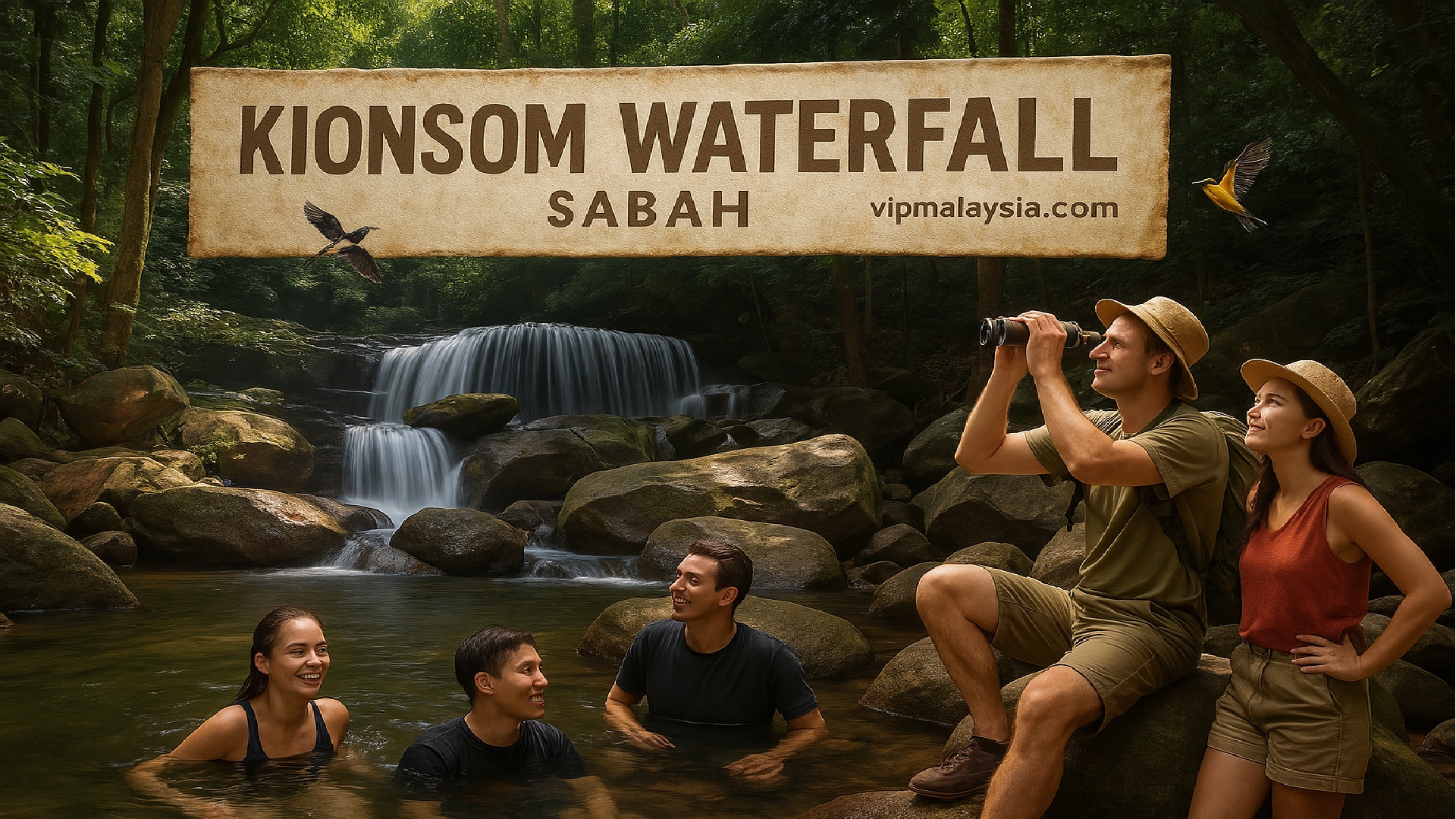
Need a quick escape from Kota Kinabalu’s bustle? Tucked just 20 KM away, Kionsom Waterfall (also known as Kiansom) offers seven cascading waterfalls, jungle trails, rare flora, and cool shaded pools perfect for weekend retreats. Whether you’re looking to picnic, swim, or explore Sabah’s lush greenery, this beloved nature spot hits all the right notes.
Introduction
Nestled in the foothills of the Crocker Range, Kionsom Waterfall in Sabah is one of the most accessible natural attractions near Kota Kinabalu. Known locally as Kiansom, this waterfall complex is a favorite weekend getaway for families, hikers, and nature enthusiasts. With its seven tiers of waterfalls, jungle trails, and rustic facilities, it provides a refreshing escape from the city’s bustle.
History
The history of Kionsom Waterfall is deeply tied to the communities of Inanam. For generations, villagers have used the river for bathing, fishing, and cultural rituals. Oral traditions suggest that the falls were once sacred sites where local Kadazan-Dusun communities performed water-related ceremonies. In the 1980s, the Sabah Parks authority began developing the site into a recreational area, adding paved walkways and basic facilities. Over time, it became a popular destination for both locals and tourists, while still retaining its rustic charm. Today, Kionsom Waterfall stands as a symbol of how natural heritage and community traditions coexist in Sabah.
Getting to Here
The drive to Kionsom Waterfall from Kota Kinabalu to Kiansom takes only 30–40 minutes. After reaching Inanam’s main roundabout, follow signs toward SJK (C) Yick Nam School. Along the scenic route, you’ll pass traditional village homes and the Mari-Mari Cultural Village before arriving at the Kiansom Waterfall Centre (Pusat Air Terjun Kiansom).
Once you step out of your car, you’ll immediately feel the crisp forest air and hear the nearby river’s chatter. At the base of lush hills and next to Kionsom River, the park opens daily with these hours:
Mon–Fri: 6:00 AM – 5:00 PM
Sat–Sun: 6:00 AM – 6:00 PM
Highlights
The Cascading Seven Falls
Kionsom Waterfall is famed for its seven cascading tiers. The lower three are easily accessible, offering pools for swimming and picnic spots. The upper tiers require trekking, rewarding adventurers with dramatic drops and secluded jungle scenery.
Flora and Fauna
Visitors often encounter tropical plants such as wild orchids, ferns, and the striking Red Lipstick Flower (Aeschynanthus tricolor). Birdwatchers may spot hornbills, kingfishers, and jungle fowl. In rainy seasons, leeches are common, reminding trekkers of the forest’s raw wilderness.
Attractions
Seven Cascading Waterfalls
Unlike single-tier waterfalls, Kionsom offers seven unique cascades, each with its own character. The lower tiers are family-friendly, while the upper falls reward trekkers with dramatic drops and secluded jungle scenery.
Picnic and Swimming Zones
The lower waterfalls are popular for family outings. Sheltered benches and shaded pools make them ideal for picnics. Swimming is common, though visitors must be cautious as there are no lifeguards.
Jungle Trekking Adventure
For those seeking adventure, the upper tiers require trekking along moderately challenging jungle trails. Expect slippery paths, leeches in rainy seasons, and rewarding views of untouched rainforest.
Things to Do
Cliff Jumping
Local youths often leap from rocky ledges into the pools. While thrilling, this activity carries risks due to varying water depths.
Perfect for Photography
The waterfalls and rainforest backdrop provide stunning photography opportunities. Morning light filtering through the canopy creates dramatic effects, making it a favorite spot for wedding shoots and nature photography.
Cultural Visits
Nearby lies the Mari-Mari Cultural Village, where visitors can explore traditional houses and learn about indigenous customs. Combining a visit to both sites offers a rich cultural and natural experience.
Contact Info
Category
Details
Address
Jalan Kionsom, Inanam, 88450 Kota Kinabalu, Sabah, Malaysia
The trek to the upper waterfalls is steep and slippery, especially after rain. Adventurers must be prepared for mud, leeches, and uneven terrain. The reward is solitude and the tallest waterfall, which drops over 20 feet.
Nearby Attractions
Mari-Mari Cultural Village
Located along the route to Kionsom, this living museum showcases traditional longhouses, dances, and crafts of Sabah’s ethnic groups.
Kota Kinabalu City
Just 30–40 minutes away, Kota Kinabalu offers seafood markets, shopping malls, and cultural festivals such as the Kaamatan Harvest Festival.
Crocker Range Park
Further inland, this protected area offers extensive trekking routes and diverse wildlife, complementing the shorter trails at Kionsom.
Conclusion
Without a doubt—yes. Kiansom is not just another waterfall. It’s a 7-tiered, jungle-wrapped escape that balances easy access with real wilderness charm. From safe picnic areas to secret jungle gems, you’ll find something for every pace of adventure.
Load your cooler, lace up your hiking shoes, and bring a spirit of discovery. Kiansom Waterfall is a nature retreat that welcomes families, explorers, and photographers alike.
Ready to uncover Sabah’s serene backyard? Let’s make your next weekend unforgettable.
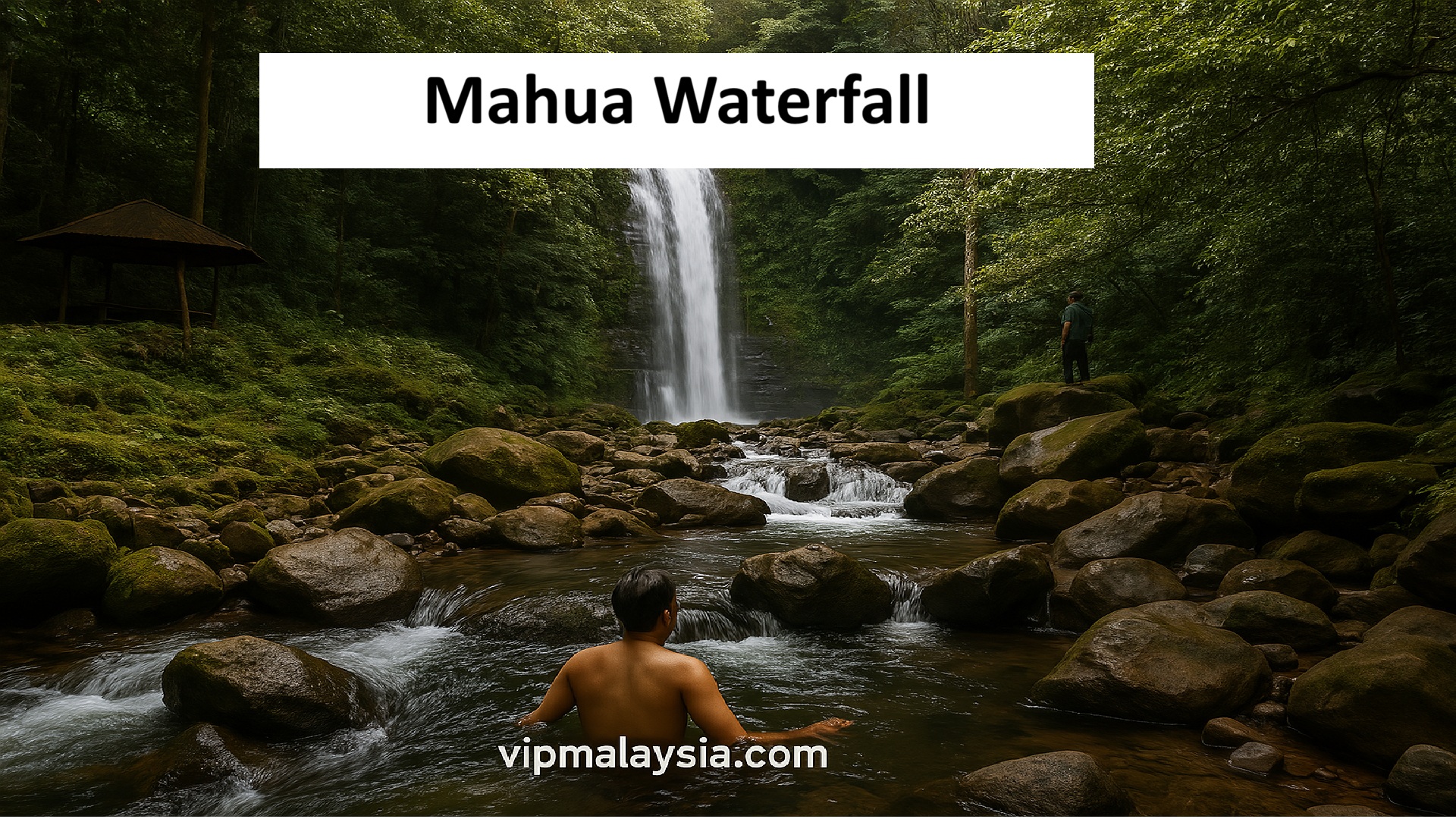
Ready to uncover one of Sabah’s best-kept nature secrets? Nestled in the heart of Crocker Range National Park, Mahua Waterfall is a natural wonder just 1.5 hours from Kota Kinabalu that delivers lush rainforest vibes, easy jungle trekking, and a thundering 17-meter cascade. Whether you’re a nature lover, hiker, photographer or weekend escape artist—Mahua should be on your radar.
Introduction
Mahua Waterfall is one of Sabah’s most enchanting natural attractions. Located in Tambunan District, this waterfall is celebrated for its accessibility, pristine rainforest setting, and refreshing climate. The paved trail leading to the falls makes it suitable for families, while the surrounding biodiversity draws nature enthusiasts from across Malaysia and beyond. Its combination of accessibility, natural beauty, and cultural charm makes Mahua a standout destination in Borneo.
History
The history of Mahua Waterfall is closely tied to the Crocker Range, a mountainous spine that stretches across western Sabah. For centuries, the Dusun people of Tambunan lived in harmony with this landscape, cultivating rice in fertile valleys and practicing traditional forest stewardship. Mahua itself was once a hidden gem known mainly to local villagers, who used the forest trails for gathering medicinal plants and hunting small game.
In the late 20th century, conservation efforts led to the establishment of Crocker Range National Park. Mahua was designated as one of the park’s visitor attractions, with a trail and basic facilities built to encourage eco‑tourism. Over time, Mahua became a symbol of Sabah’s commitment to balancing conservation with community development. Today, it stands not only as a natural wonder but also as a living reminder of the region’s cultural heritage and ecological importance.
Highlights
Easy Accessibility
Mahua Waterfall is only 500 meters from the entrance gate, with a paved trail suitable for children and elderly visitors. This makes it one of the most family‑friendly waterfalls in Sabah, unlike others that require hours of jungle trekking.
Nature’s Curiosities
Visitors often encounter unusual fungi, iridescent beetles, and lacewings along the trail. Some fungi resemble delicate dim sum dumplings, while rocks shaped like faces spark playful imagination. These curiosities add charm to the journey, making Mahua more than just a waterfall—it’s a living classroom of rainforest wonders.
Stunning Natural Beauty
The waterfall plunges 17 meters into a crystal‑clear pool, surrounded by dense rainforest. The mist and sound of rushing water create a calming atmosphere that visitors consistently describe as refreshing and serene.
Cool Highland Climate
Located in Tambunan’s Crocker Range, Mahua enjoys cooler temperatures compared to coastal Kota Kinabalu. Visitors often note the cold mountain water and crisp air, making it a perfect escape from tropical heat.
Rich Biodiversity
The area is home to birds like wagtails, bulbuls, and sunbirds, as well as butterflies and rainforest insects. The lush greenery and wildlife sightings add an educational dimension for families and nature lovers.
Family‑Friendly Facilities
Mahua offers benches, picnic shelters, toilets, and changing rooms, ensuring comfort for visitors. Parents appreciate the safe, flat trail and facilities that make it easy to spend a full day at the site.
Affordable Entrance Fees
Entrance fees are very reasonable: RM5–RM6 for Malaysians and RM12–RM20 for international visitors, with discounts for children, seniors, and persons with disabilities. This affordability makes Mahua accessible to all.
Swimming Opportunities
The plunge pool at the base of the falls is 1.2–1.3 meters deep, suitable for swimming and splashing. Visitors often highlight the invigorating experience of dipping into the icy mountain water.
Eco‑Tourism Development
Mahua was developed by Sabah Parks as part of its eco‑tourism initiative, balancing visitor enjoyment with conservation. Safety features and trail maintenance ensure sustainability while preserving the pristine environment.
Scenic Drive from Kota Kinabalu
The journey itself is rewarding: a 1.5–2 hour drive through the Crocker Range Highlands, with views of rolling hills, paddy fields, and traditional villages. The drive adds cultural and scenic value to the trip.
Attractions
Visitor Facilities
Mahua offers benches, picnic shelters, toilets, and a viewing platform. These facilities make it comfortable for families and groups to spend extended time enjoying the falls. The viewing platform is especially popular for selfies and group photos with the roaring cascade as backdrop.
Overnight Options
Mahua Rainforest Paradise, located near the entrance, provides 12 charming rooms, a restaurant, and camping facilities. Rates range from RM30–RM95 per night, making it affordable for budget travelers and families. Staying overnight allows visitors to experience the forest’s tranquility after day‑trippers leave.
Cultural Festivals
Tambunan District is known for its Kaamatan (Harvest Festival), celebrated in May. Visitors who time their trip during this festival can enjoy traditional dances, rice wine, and Dusun cultural performances. Mahua becomes part of a larger cultural journey when paired with local festivities.
Things to Do
Trekking and Adventure
Mahua is ideal for light trekking, but adventurous visitors can extend their journey deeper into Crocker Range National Park. Longer trails lead to higher elevations, offering panoramic views of valleys and villages. The park caters to both casual walkers and seasoned trekkers.
Photography
The waterfall’s mist, rainforest textures, and vibrant wildlife provide endless opportunities for photography. Morning light is especially magical, casting golden hues across the cascade. Mahua is a paradise for landscape and macro photographers alike.
Picnicking
Families often bring food to enjoy at picnic shelters. The cool climate makes outdoor dining pleasant, and children delight in splashing near the shallow edges of the plunge pool. Picnicking here combines relaxation with immersion in nature.
Nearby Attractions
Tambunan Town
Just 15 kilometers away, Tambunan offers local markets, handicrafts, and traditional Dusun cuisine. Visitors can sample linopot (rice wrapped in leaves) and enjoy the hospitality of local villagers. Tambunan adds cultural depth to a Mahua trip.
Gunung Alab
Located along the Crocker Range, Gunung Alab is a popular trekking destination. Its summit provides panoramic views of valleys and distant peaks. Combining Mahua with Gunung Alab creates a balanced itinerary of waterfall relaxation and mountain adventure.
Kipandi Butterfly Park
Near Kota Kinabalu, Kipandi Butterfly Park showcases Sabah’s butterfly species, orchids, and pitcher plants. It complements Mahua by highlighting the region’s biodiversity in a curated setting.
Conclusion
Mahua Waterfall is more than a scenic cascade—it is a gateway to Sabah’s rainforest heritage. Its accessibility, biodiversity, and cultural connections make it a must‑visit destination. Whether you come for a quick trek, a family picnic, or an extended adventure, Mahua delivers an unforgettable experience. Pairing it with nearby attractions like Tambunan town and Gunung Alab enriches the journey, offering both natural and cultural immersion.
Summary
Attraction: Mahua Waterfall
Location: #Sabah
Attraction Type: #Waterfall
Quick Info
Category
Details
Name
Mahua Waterfall (Air Terjun Mahua)
Height
17 meters (≈ 6 floors)
Location
Kg. Patau, Tambunan, Sabah, Malaysia
GPS
5.796761, 116.408407
State
Sabah
Open Since
Early 2000s (developed under Crocker Range National Park, exact year not officially documented)
Luncai Gangsa– Kuala LumpurRating: ★★★★☆ “I took a 2‑hour drive from Kota Kinabalu to Tambunan and reached Mahua Waterfall on a Sunday. Amazingly, we had the whole place to ourselves. The water was ice‑cold, but refreshing, and the short trek was easy. Overall, it was a great day trip worth the drive.”
Periasamy Virusamy – PerakRating: ★★★★☆ “It’s not the largest waterfall, but it was still enjoyable. I went with friends, and despite heavy rain making the water very cold, we had fun chilling together. The drive down was memorable, and Mahua gave us a good experience to share.”
Amirolhadi Ismail Petra – TambunanRating: ★★★★★ “Mahua Waterfall is a gem in Tambunan. The paved trail makes it easy for families, and the facilities like huts and benches are convenient. The sound of the falls and the cool climate make it a perfect escape from city life.”
Discover the Sepilok Orangutan Rehabilitation Centre in Sabah, Malaysia—an iconic sanctuary where orphaned and injured orangutans are nurtured back to health and taught survival skills before returning to the wild. Nestled in the Kabili-Sepilok Forest Reserve, this conservation hub offers visitors a chance to witness rehabilitation in action, trek through lush rainforest, and embrace a mission that protects one of the world’s most endangered primates.
Introduction
The Sepilok Orangutan Rehabilitation Centre (SOURC) is more than a tourist attraction—it is a living testament to Malaysia’s dedication to wildlife conservation. Located just 23 kilometers from Sandakan in Sabah, this center has become a global symbol of hope for orangutans. Visitors are drawn not only by the chance to see these magnificent creatures up close but also by the emotional journey of witnessing their path back to freedom.
History
Founded in 1964, the Sepilok Orangutan Rehabilitation Centre was established by Barbara Harrison, a British conservationist, with support from the Sabah Forestry Department. At the time, orangutans faced severe threats from deforestation, illegal hunting, and the pet trade. The center was envisioned as a safe haven where rescued orangutans could be rehabilitated and eventually released into the wild.
Over the decades, Sepilok has grown into one of the world’s most respected rehabilitation facilities. It has successfully released hundreds of orangutans back into the forest, while continuing to care for those unable to survive independently. The center also expanded its mission to include education, research, and eco-tourism, making it a cornerstone of conservation in Southeast Asia.
Early Challenges
In its early years, Sepilok faced difficulties in funding, staffing, and public awareness. Rehabilitation required patience, as orangutans needed years to learn survival skills. Despite these challenges, the center persevered, gradually earning international recognition.
Modern Achievements
Today, Sepilok is home to around 60–80 orangutans living freely in the reserve, with another 25–30 under rehabilitation. It collaborates with global conservation organizations and continues to inspire eco-travelers and researchers worldwide.
Love orangutans? We do too—but physical contact can transmit human diseases to these 96% genetically-similar primates. So, at SOURC, a safe distance is required to protect both you and them.
Visiting Hours
Day
Morning Hours
Afternoon Hours
Monday – Thursday
9:00 AM – 12:00 PM
2:00 PM – 4:00 PM
Friday
9:00 AM – 11:00 AM
2:00 PM – 4:00 PM
Saturday – Sunday
9:00 AM – 12:00 PM
2:00 PM – 4:00 PM
Highlights
Feeding Sessions
Twice daily, at 10:00 AM and 3:00 PM, visitors can watch orangutans emerge from the forest to feeding platforms. These sessions are not staged performances but part of the rehabilitation process, ensuring orangutans receive supplemental food while learning to forage independently.
Outdoor Nursery
The Outdoor Nursery allows visitors to observe young orangutans through a protective glass window. Here, juveniles practice climbing, swinging, and socializing—skills essential for survival in the wild.
Kabili-Sepilok Forest Reserve
Covering over 4,300 hectares, the Kabili-Sepilok Forest Reserve is a pristine rainforest teeming with biodiversity. It is home to hornbills, macaques, gibbons, and countless insect species, making it a paradise for nature lovers.
Attractions
Visitor Facilities
Sepilok offers a visitor center with educational exhibits, a small café, and souvenir shops. Information boards detail the rehabilitation process, orangutan biology, and conservation challenges.
Educational Programs
The center runs awareness campaigns and school programs, teaching locals and tourists about the importance of protecting orangutans and their habitats.
Wildlife Encounters
Beyond orangutans, visitors may spot sun bears, long-tailed macaques, and hornbills. The adjacent Bornean Sun Bear Conservation Centre provides another opportunity to learn about endangered species.
Things to Do
Trekking and Birdwatching
The forest reserve offers trails for trekking, where visitors can immerse themselves in the rainforest’s sights and sounds. Birdwatchers will delight in spotting species such as the rhinoceros hornbill and kingfishers.
The Sepilok Rainforest Trails feature several major routes, including the Kabili Trail, Sepilok Laut Trail, and the Rainforest Discovery Centre paths, each offering unique wildlife encounters and rainforest immersion.
Kabili Trail
The Kabili Trail is one of the most popular routes in Sepilok, stretching over 8 miles through dense rainforest. It offers a moderately challenging trek with an elevation gain of around 719 feet, making it suitable for adventurous hikers. Along the way, trekkers often encounter hornbills, macaques, and rich tropical flora. The trail connects to the Sepilok Orangutan Rehabilitation Centre, providing opportunities to combine wildlife viewing with conservation education.
Sepilok Laut Trail
The Sepilok Laut Trail extends over 11 miles and leads hikers from the rainforest into mangrove ecosystems near the Sepilok Laut Reception Centre. This trail is known for its biodiversity, with sightings of proboscis monkeys, kingfishers, and occasional crocodiles in the mangroves. The elevation gain of over 1,000 feet adds to the challenge, but the reward is a diverse landscape that transitions from dense jungle to coastal wetlands.
Rainforest Discovery Centre Trails
The Rainforest Discovery Centre (RDC) offers shorter, inter-looping trails that are ideal for families and casual hikers. These trails are well-marked with educational panels describing local wildlife and plants. Night walks are a highlight, where visitors can spot nocturnal species such as slow lorises, tarsiers, and civet cats. The RDC trails also connect to canopy walkways, giving hikers elevated views of the rainforest and its birdlife.
Photography
Photography enthusiasts can capture stunning images of orangutans, lush rainforest, and diverse wildlife. DSLR and GoPro cameras require a small fee, while phone cameras are free.
Cultural Exploration
Nearby Sandakan hosts cultural festivals and markets where visitors can experience Sabah’s rich heritage. The Sandakan Memorial Park and Agnes Keith House provide historical insights into the region.
Night Walks
Night walks reveal nocturnal creatures such as tarsiers, slow lorises, and owls. These guided tours provide a different perspective on the rainforest ecosystem.
Nearby Attractions
Bornean Sun Bear Conservation Centre
Located next to Sepilok, the Bornean Sun Bear Conservation Centre rescues and rehabilitates sun bears, the world’s smallest bear species. Visitors can observe them in natural forest enclosures.
Rainforest Discovery Centre
The Rainforest Discovery Centre (RDC) is located in Sepilok, Sandakan, Sabah, just about 3 kilometers from the Sepilok Orangutan Rehabilitation Centre. Managed by the Sabah Forestry Department, it serves as a vital hub for environmental education and conservation awareness. Visitors are drawn to its impressive canopy walkway, stretching 347 meters and rising up to 25 meters high, which offers panoramic views of the rainforest and excellent opportunities for birdwatching. The RDC also features botanical gardens showcasing native plants and trees, including medicinal and economic species, making it a rich learning ground for eco-tourists, researchers, and school groups.
Beyond its educational role, the RDC is a vibrant destination for nature enthusiasts. The serene lake within the center is a popular spot for relaxation and spotting water birds, while the annual Borneo Bird Festival attracts birdwatchers from around the world. As part of the Kabili-Sepilok Forest Reserve, the RDC complements the orangutan sanctuary by offering a broader view of Sabah’s biodiversity. Together, these attractions create a holistic eco-tourism experience, blending wildlife encounters with conservation education and cultural appreciation.
Sandakan City
Sandakan, once known as “Little Hong Kong,” offers cultural experiences, seafood markets, and historical landmarks. It is the gateway to Sepilok and other eco-tourism destinations.
Conclusion
Sepilok Orangutan Rehabilitation Centre is a living, breathing success story. It’s where humanity meets nature—not to dominate, but to heal. It invites us to be part of a mission bigger than ourselves.
Ready to stand face-to-face with one of Earth’s most intelligent beings—and help save them in the process? Whether you’re traveling solo or with loved ones, your trip to Sepilok could be the most meaningful memory you’ll make in Borneo.
Share this guide, spread the word, and let Sepilok show you the wild side of compassion.
Summary
Attraction: Sepilok Orang Utan Rehabilitation Centre
Location: #Sabah
Attraction Type: #Wildlife
Quick Info
Category
Details
Name
Sepilok Orangutan Rehabilitation Centre (SOURC)
Address
Pusat Pemulihan Orangutan Sepilok, W.D.T 200, 90009 Sandakan, Sabah, Malaysia
GPS Coordinates
5.8646° N, 117.9497° E
State
Sabah
Year Established
1964
Managed By
Sabah Wildlife Department
Location Type
Kabili-Sepilok Forest Reserve
Facility Highlights
Outdoor Nursery, Viewing Platform, Jungle Trails
Feeding Times
10:00 AM & 3:00 PM
Wildlife Species
Orangutans, Birds, Sun Bears
Touch Policy
Visitors not allowed to touch orangutans due to disease risk
Ticket Price (Adult)
RM5 (Malaysian), RM30 (non-Malaysian)
Ticket Price (Child)
RM2 (Malaysian), RM15 (Non-Malaysian)
Camera Fee
Free for phones, RM10 for professional gear
Ticket Validity
Valid for one day
Nearby Lodging
Multiple jungle lodges within 1km
Getting There
~50 min drive from Sandakan City Centre (25km)
Public Transport
Bus from Sandakan, drop-off at Jalan Sepilok junction (~2.5km away)
Name: Ali Maiden Locality: Kuala Lumpur, Malaysia Review: ★★★★☆ “I was amazed by the dedication of the staff. Watching the orangutans at the feeding platform was unforgettable. The trek through the rainforest was challenging but rewarding. I wish there were more guided tours available.”
Name: Monica Alphard Locality: London, UK Review: ★★★★★ “Sepilok was the highlight of my trip to Borneo. Seeing young orangutans in the nursery was heartwarming. The conservation mission is inspiring, and the facilities were well-maintained. Highly recommended for eco-travelers.”
Name: Abdul Rahman Ghuyub Locality: Singapore Review: ★★★★★ “The experience was magical. The feeding sessions felt authentic, not staged. I appreciated the strict rules about not touching the orangutans—it shows how seriously they take conservation. The nearby Sun Bear Centre was a bonus.”
Name: Melor Delimasari Locality: Kota Kinabalu, Malaysia Review: ★★★★☆ “Sepilok is a must-visit for anyone in Sabah. The rainforest trek was breathtaking, and I spotted hornbills and macaques. The visitor center could use more interactive exhibits, but overall, it was an enriching experience.”
Nestled on the West Coast of Sabah, Taman Negara Banjaran Crocker is more than Malaysia’s largest park—it’s a UNESCO Biosphere Reserve, an eco-adventure hub, a conservation success story, and a healing escape for outdoor lovers. From rafting wild rivers to spotting the rare Rafflesia and camping beneath montane skies, this protected treasure invites you into nature’s living classroom.
Taman Negara Banjaran Crocker, Sabah’s largest protected area, is a UNESCO Biosphere Reserve and a sanctuary of biodiversity. From trekking the historic Salt Trail to spotting the rare Rafflesia, this eco-adventure hub offers a living classroom of nature, culture, and conservation.
Introduction
Nestled along the western spine of Sabah, Taman Negara Banjaran Crocker spans 139,919 hectares of rugged terrain, montane forests, and river valleys. Established in 1984, it is Malaysia’s largest terrestrial park and a cornerstone of conservation. In 2014, UNESCO recognized it as part of the Crocker Range Biosphere Reserve, elevating its global importance. Today, the park is not only a refuge for wildlife but also a destination for eco-tourism, cultural encounters, and outdoor adventure.
History
The origins of Taman Negara Banjaran Crocker trace back to Sabah’s post-independence conservation movement. In the early 1980s, rapid logging and agricultural expansion threatened the ecological balance of the Crocker Range. Recognizing its role as a water catchment for rivers like the Papar and Padas, the Sabah government gazetted the area in 1984.
Over the decades, the park became a focal point for biodiversity research. In 1996, the Fernarium was established to showcase Sabah’s native fern species, and by 2004, the Crocker Nature Centre opened to support environmental education. The UNESCO designation in 2014 marked a milestone, expanding the protected area into a biosphere reserve of 350,584 hectares. This recognition highlighted not only its ecological value but also its cultural significance, as indigenous Dusun and Murut communities continue to live in buffer zones, practicing sustainable agriculture and traditional crafts.
How to Get There
From Kota Kinabalu, visitors can reach Crocker Range National Park by taxi or bus. A taxi to Keningau Taxi Station costs around RM120, while a taxi directly to the Crocker Range Station is about RM40. Alternatively, buses depart from Merdeka Field to Keningau for RM16. The Tung Ma Bus service runs three times daily at 8:00 am, 12:00 pm, and 4:00 pm, with fares of RM20 each way.
From Keningau Town, the Crocker Range Park Headquarters is just 15 km away, roughly a 30‑minute drive by car. This proximity makes Keningau a convenient base for visitors, especially those planning to explore substations such as Gunung Alab, Mahua, or the Rafflesia Plot. Local taxis and private cars are the most common transport options, and signage along the road helps guide travelers to the park entrance .
Highlights
Immense Biodiversity
The park shelters ecosystems ranging from lowland dipterocarp forests to cloud forests. Endemic orchids, pitcher plants, and the giant Rafflesia bloom thrive here. Mammals include orangutans, gibbons, tarsiers, and clouded leopards. Birdwatchers can spot hornbills, bulbuls, and the Asian paradise flycatcher. Insects are equally diverse, with rhinoceros beetles and stick insects drawing attention at the insectarium.
UNESCO Biosphere Recognition
The biosphere reserve designation in 2014 created three zones: the core protected park, buffer zones with community settlements, and transition areas for sustainable development. This model integrates conservation with human livelihood, making Crocker Range a living example of coexistence between nature and culture.
Attractions
Birdwatching Wonderland
Crocker Range is a paradise for ornithologists. The montane forests host over 265 bird species, including the Bornean barbet, chestnut munia, and whitehead’s broadbill. Early mornings are best for sightings, with misty canopies alive with calls.
Salt Trail Trekking
The Salt Trail is a 34 km route once used by villagers to trade salt and rice. Today, trekkers experience deep jungle immersion, river crossings, and village homestays. The trail connects Inobong Substation to Tikolod, offering cultural encounters with Dusun communities.
Insectarium Encounters
The insectarium at park headquarters educates visitors about Sabah’s insect diversity. Displays include stag beetles, leaf insects, and luminous fireflies, making it a favorite for families and students.
Climb Iconic Peaks and Trails
Minduk Sirung: A 12 km trek from Gunung Alab Substation to Mahua Waterfall, offering mossy forest landscapes. Climbers receive an official tag and certificate.
Mount Tinutudan: Less publicized but officially recognized, requiring guides and offering panoramic views of the Crocker spine.
Things to Do
The Fernarium
Established in 1996 and opened in 2004, the fernarium spans 5 hectares and showcases over 55 native fern species. It is one of the most diverse fern gardens in Southeast Asia, serving as both a research site and visitor attraction.
The Crocker Nature Centre
Opened in 2004, the centre features a gallery, lecture hall, and eco-programmes. Activities include composting workshops, nature games, and conservation talks, making it a hub for environmental education.
Observation Tower
Located near Keningau, the tower offers sweeping views of the town and surrounding valleys. Sunrise and dusk are particularly stunning, with golden light illuminating the Crocker Range ridges.
Trekking and Adventure
Camping and Shelter Sites
Visitors can camp at headquarters, Inobong, and Mahua. Facilities include shelters, fire pits, and basic amenities, allowing immersion in rainforest nights under starry skies.
Inobong
The Inobong Substation is situated in the Penampang district and functions as both a visitor and research station. It is historically significant as the starting point of the Salt Trail, a 34 km jungle route once used by villagers to trade salt and rice. Today, trekkers begin their journey here, experiencing river crossings, dense rainforest immersion, and cultural encounters with Dusun communities along the way. Facilities include a visitor registration office, chalets, and trails leading to waterfalls and longer routes that form part of the Salt Trail.
Beyond trekking, Inobong offers panoramic views of Kota Kinabalu and the offshore islands from its vantage points. The surrounding montane forest is home to hornbills, bulbuls, and orchids, making it a hotspot for biodiversity enthusiasts. Visitors often highlight the cultural richness of nearby villages, where traditional Dusun practices such as bamboo weaving and subsistence farming are still preserved. This blend of natural and cultural heritage makes Inobong a vital entry point for eco‑tourism in Crocker Range .
Mahua
The Mahua Substation, located in Tambunan district, is best known for the Mahua Waterfall, a 17‑meter cascade that falls into a 1.3 m deep pool. It is one of the most accessible attractions within Crocker Range Park, situated about 16 km from Tambunan town and 8 km from Kg. Patau. Facilities include basic shelters, picnic areas, and camping grounds, making it popular with both local families and international tourists. The substation sits at about 1,000 meters above sea level, surrounded by tropical forest.
Mahua also serves as an educational hub, with ranger‑led tours explaining the ecological importance of the surrounding forest. The area is rich in biodiversity, including ferns, orchids, and insects that thrive in the moist environment. Visitors often describe Mahua as a serene escape, ideal for photography and relaxation, while still offering adventure through nearby trekking routes that connect deeper into the Crocker Range. Its accessibility and facilities make Mahua one of the most visited substations in the park, attracting around 1,600 visitors monthly .
Hostel Accommodation
The park offers dormitories for up to 36 guests and two king-bed rooms. Shared kitchens and lounges foster a communal atmosphere for trekkers and researchers.
River Adventures
While rafting is popular in the nearby Padas River, it complements the Crocker Range experience. The river’s Grade III–IV rapids attract thrill-seekers, often combined with park trekking itineraries.
Padas River
The Padas River flows through the interior of southwestern Sabah and is renowned for its white-water rafting adventures. Situated near Beaufort and Tenom, it is accessible only by train, adding to its distinctive charm. The rafting stretch covers about 9 km of Grade III–IV rapids, with seven named rapids such as Merry-Go-Round, Break Point, Scooby Doo, Cobra, Curve, Lambada, and Head Hunter. These rapids provide varying levels of challenge, making the river suitable for thrill-seekers looking for one of Southeast Asia’s most exhilarating rafting experiences.
Beyond the adrenaline rush, the Padas River offers scenic views of lush rainforest and glimpses of rural life along the railway. The journey itself is part of the adventure, as visitors ride the historic train from Beaufort or Tenom to reach the rafting stations at Pangi or Rayoh. This railway is the oldest in Borneo and passes through Murut tribal areas, adding cultural depth to the trip. Rafting operators typically provide safety briefings, guides, and riverside lunches, ensuring both excitement and comfort. The combination of natural beauty, cultural heritage, and thrilling rapids makes the Padas River a highlight of Crocker Range’s adventure tourism.
Major Trails
The three major trails in Taman Negara Banjaran Crocker are the Salt Trail, Minduk Sirung Trail, and Mount Tinutudan climb — each offering unique jungle trekking experiences with cultural immersion, biodiversity, and challenging terrain.
Salt Trail
The Salt Trail is a historic 34 km jungle route once used by the Dusun and Murut people to trade salt and rice between remote villages and the west coast. Today, it is a multi‑day trek (3–4 days) starting at the Inobong Substation and ending at Kg. Tikolod, passing through villages like Terian, Buayan, and Kionop. Trekkers encounter river crossings, suspension bridges, and homestays, making it both a cultural and ecological journey through dense rainforest and traditional communities.
Minduk Sirung Trail
The Minduk Sirung Trail connects Gunung Alab Substation to Mahua Waterfall, spanning about 12 km through mossy montane forest. Rising to ~2,050 m, it is a point‑to‑point trek that takes 7–8 hours, featuring root‑covered jungle paths, scrambles, and fixed ropes. The trail is known for its pristine biodiversity, panoramic viewpoints, and technical terrain, making it a moderately hard hike that rewards trekkers with the Mahua cascade at the finish.
Mount Tinutudan Trail
The Mount Tinutudan climb is another adventure route within Crocker Range, offering a challenging ascent with steep sections and rewarding views. The trail requires permits and guides, with fees set by Sabah Parks. It is less frequented than the Salt Trail or Minduk Sirung, making it ideal for trekkers seeking solitude and immersion in untouched rainforest. The climb highlights the rugged terrain of Crocker Range and contributes to its reputation as an eco‑adventure hub.
Nearby Attractions
Gunung Alab
The Gunung Alab Substation is a high-altitude trekking zone located within Crocker Range National Park. Situated at approximately 1,800 meters above sea level, it is known for its mossy forests, cool climate, and panoramic views of the Crocker spine. The substation serves as a gateway for trails such as Minduk Sirung, which connects Gunung Alab to Mahua Waterfall. Trekkers often highlight the unique flora here, including orchids, pitcher plants, and ferns that thrive in the misty montane environment.
Beyond trekking, Gunung Alab is a hub for eco-tourism and research. The area provides facilities for hikers, including registration offices and basic shelters. Birdwatchers frequent the substation to spot endemic species such as the Bornean barbet and Whitehead’s broadbill. Its accessibility from Kota Kinabalu makes it a popular starting point for both short hikes and multi-day treks deeper into Crocker Range.
Mahua Waterfall
The Mahua Waterfall, located near Tambunan, is one of the most popular attractions in Crocker Range. This 17-meter cascade drops into a clear pool surrounded by lush jungle, making it a favorite picnic and photography spot. The site is easily accessible, with facilities such as picnic shelters, camping grounds, and ranger stations. Its proximity to Tambunan town makes it a convenient destination for families and day-trippers.
Visitors often describe Mahua as a serene escape, ideal for relaxation and nature immersion. The waterfall is also part of educational tours organized by Sabah Parks, where guides explain the ecological importance of the surrounding forest. The biodiversity here includes ferns, orchids, and insects that thrive in the moist environment, making Mahua both a recreational and educational highlight of Crocker Range.
Rafflesia Plot
The Rafflesia Plot within Crocker Range is managed by Sabah Parks and offers visitors the chance to witness the world’s largest flower. The Rafflesia bloom is unpredictable, but when it occurs, it draws crowds eager to see its massive petals and unique structure. The plot is carefully monitored by park rangers to protect the delicate ecosystem and ensure sustainable tourism.
Beyond the spectacle of the bloom, the Rafflesia Plot serves as an educational site. Visitors learn about the plant’s parasitic nature, its role in the forest ecosystem, and the conservation challenges it faces. The site underscores Crocker Range’s biodiversity and highlights the importance of preserving rare species for future generations.
Inobong Substation
The Inobong Substation, located near Penampang, is the starting point of the historic Salt Trail. This 34 km jungle route was once used by villagers to trade salt and rice, and today it offers trekkers deep immersion into rainforest landscapes. Facilities at Inobong include registration offices, chalets, and access to guides who are essential for navigating the rugged terrain.
In addition to trekking, Inobong provides opportunities for birdwatching and cultural encounters. The surrounding montane forest is home to hornbills, bulbuls, and orchids, while nearby villages showcase traditional Dusun practices such as bamboo weaving and subsistence farming. This combination of natural and cultural heritage makes Inobong a vital eco-tourism hub in Crocker Range.
Mount Kinabalu
Located near Crocker Range, Mount Kinabalu is Southeast Asia’s tallest peak at 4,095 meters and a UNESCO World Heritage Site. It is often combined with Crocker Range itineraries, as both parks are managed by Sabah Parks and highlight the region’s ecological richness. Kinabalu is famous for its diverse flora, including orchids, pitcher plants, and the rare Nepenthes rajah.
Beyond its natural beauty, Mount Kinabalu is a cultural icon for the Kadazan-Dusun people, who regard it as sacred. Climbers from around the world attempt its summit, making it one of Malaysia’s most visited natural attractions. Its proximity to Crocker Range allows travelers to experience both high-altitude adventure and rainforest immersion in a single trip.
CRBR Buffer Zones
The buffer zones of the Crocker Range Biosphere Reserve (CRBR) surround the core protected areas and serve as transitional spaces where conservation and community life intersect. These zones are home to diverse ecosystems, including lowland forests, rivers, and agricultural landscapes that support species such as hornbills, orchids, and amphibians. They act as ecological corridors, allowing wildlife to move between habitats while reducing pressure on the strictly protected core zones.
Equally important, the buffer zones are inhabited by rural communities, primarily the Dusun and Murut peoples, who practice traditional farming, bamboo weaving, and small-scale agroforestry. These communities play a vital role in sustainable resource management, balancing livelihoods with conservation goals. Programs led by Sabah Parks and UNESCO encourage eco-tourism, organic farming, and cultural preservation, ensuring that biodiversity protection goes hand-in-hand with improving local quality of life. This integration of nature and community makes the CRBR buffer zones a living example of how conservation can support rural resilience.
Conclusion
Taman Negara Banjaran Crocker is Malaysia’s largest terrestrial park, a UNESCO Biosphere Reserve, and a biodiversity hotspot. It offers trekking, birdwatching, cultural encounters, and educational facilities, making it a destination for both adventure seekers and conservation enthusiasts. Its integration of indigenous communities into sustainable practices sets it apart as a model of coexistence.
Summary
Attraction: Taman Negara Banjaran Crocker
Location: #Sabah
Attraction Type: #NationalPark
Quick Info
Category
Description
Name
Taman Negara Banjaran Crocker
Location
West Coast of Sabah, Borneo
Established
1984
Biosphere Recognition
UNESCO Crocker Range Biosphere Reserve (June 2014)
Total Area
139,919 ha (Park) / 350,584 ha (Biosphere)
Elevation
~1,000 m above sea level (HQ near Keningau)
Forest Types
Lowland rainforest, montane forest, cloud forest
Flora
229 fern species, Rafflesia sites, diverse plant zones
Mahua, Gunung Alab, Inobong, Ulu Kimanis, Buayan, Melalap, Ulu Membakut
Contact HQ
Block H, Level 1–5, Lot 45 & 46, KK Times Square, Sabah
Phone
+6088-523500
Email
info@sabahparks.org.my
Entrance Fees
Category
Fee
International aged 18 years old and above
RM 20 / person / day
International aged 17 years old and below
RM 12 / person / day
Malaysian aged 18 years old and above
RM 6 / person / day
Malaysian aged 13 to 17 years old
RM 5 / person / day
Malaysian aged 12 & below, 60+ & PWD
Free of charge
Rafflesia Blooming Observation Fee
Category
Fee
International (all categories)
RM 30 / person / day
Malaysian (all categories)
RM 15 / person / day
Minduk Sirung Trail – Gunung Alab Substation
#
Particulars
18 Years & Above
17 Years & Below
Remarks
01
Minduk Sirung (Malaysian)
RM 40
RM 20
Includes tag & cert
02
Minduk Sirung (International)
RM 100
RM 50
Includes tag & cert
03
Insurance
RM 7 / day
—
04
Mountain Guide
RM 150 / day / 5 pax
Mount Tinutudan Climbing Fees
#
Particulars
18 Years & Above
17 Years & Below
Remarks
01
Mount Tinutudan (Malaysian)
RM 40
RM 20
Includes tag & cert
02
Mount Tinutudan (International)
RM 100
RM 50
Includes tag & cert
03
Insurance
RM 7 / day
—
04
Mountain Guide
RM 150 / day / 3 pax
Visitor Reviews
Johan Kruseman, Netherlands – ★★★★☆ “I backpacked through Crocker Range in April 2026. The humidity was intense, and leeches were everywhere, but the solitude was worth it. Unlike Kinabalu Park, this place feels raw and untamed. Facilities are basic, sometimes closed, but camping under the cloud forest ridges was unforgettable. Birdlife was abundant, and I spotted hornbills near the trail.”
Jacob Anak Salim, Borneo – ★★★★★ “Crocker Range is Sabah’s underrated giant. The air is cool, the forest alive with calls and mist rolling over ridges. It’s not polished—no glamping or fancy resorts—but that’s the charm. I loved hearing insects hum and spotting orchids along the trail. The drive through Kimanis-Keningau trunk road was scenic but rough, with potholes after rain. Still, the raw jungle vibe makes it special.”
Al Mustafa Kiting, Sabah – ★★★★☆ “Visited Mahua Waterfall in Tambunan, and it was stunning. The cascade is refreshing, perfect after a hike. The road conditions were challenging, especially deeper into Inobong, but manageable with a careful drive. The observation tower near Keningau gave breathtaking views at dusk. Facilities are simple, so bring your own supplies.”
Mimi Sadok, Sabah – ★★★★★ “I often camp in Crocker Range, and it’s always rewarding. The insectarium is fascinating, especially for kids, with beetles and stick insects. Registration at the park office is mandatory, and I appreciate the safety measures. The Salt Trail trek connects you with local Dusun villages, and homestays add cultural depth. It’s a place for nature lovers, not luxury seekers.”
Experience the untouched wonder of Danum Valley Conservation Area, a 130‑million‑year‑old rainforest sanctuary in Sabah, Malaysia. This pristine wilderness is home to rare wildlife, towering dipterocarp trees, cascading waterfalls, and world‑class research facilities. Whether you seek adventure, serenity, or ecological discovery, Danum Valley offers a once‑in‑a‑lifetime journey into nature’s finest sanctuary.
Introduction
Nestled deep in the heart of Sabah, Malaysia, the Danum Valley Conservation Area is one of the world’s most celebrated tropical rainforests. Covering 438 square kilometers of protected land, this ancient ecosystem has remained untouched by logging or permanent human settlement. Visitors are drawn to its extraordinary biodiversity, where orangutans swing through the canopy, hornbills soar overhead, and rivers carve their way through lush valleys. For eco‑tourists, scientists, and adventurers alike, Danum Valley represents a rare chance to step into a living museum of natural history.
History
The story of Danum Valley is one of foresight and preservation. In the early 1980s, Sabah faced increasing pressures from logging and development. Recognizing the irreplaceable ecological value of its lowland dipterocarp forests, the Sabah Forestry Department designated Danum Valley as a Class I Protection Forest Reserve in 1984. This status ensured that no logging, hunting, or permanent settlement would ever occur within its boundaries.
In 1986, the Danum Valley Field Centre (DVFC) was established as a hub for scientific research. Since then, it has attracted global researchers studying rainforest ecology, climate change, and endangered species. The centre’s work has contributed to international conservation efforts and deepened our understanding of tropical ecosystems. Today, Danum Valley stands as a testament to Malaysia’s commitment to preserving its natural heritage, offering both protection for biodiversity and opportunities for sustainable eco‑tourism.
How to Get Here
Flying Into Lahad Datu
The most common gateway to Danum Valley is via Lahad Datu, a small town on Sabah’s east coast. Daily flights operate from Kota Kinabalu, taking about one hour. From Lahad Datu Airport, visitors continue by road into the rainforest interior.
Road Journey from Lahad Datu
The drive from Lahad Datu to Danum Valley is approximately 81 km, but don’t let the distance fool you—it takes nearly two hours due to rugged terrain and unpaved roads. The journey itself is part of the adventure, winding through oil palm plantations before giving way to dense rainforest. Four‑wheel drive vehicles are essential, and transfers are usually arranged through lodges or the Danum Valley Field Centre.
Alternative Routes
Travelers can also reach Lahad Datu by road from Tawau or Sandakan. These drives are longer—five to seven hours depending on conditions—but they offer scenic views of Sabah’s countryside.
Permits and Access
Entry into the conservation area requires a permit, issued at the Danum Valley office in Fajar town, Lahad Datu. This regulation ensures that visitor numbers remain controlled and that the fragile ecosystem is protected. Most lodges and research centres assist with permit applications as part of their booking process.
Booking Transfers and Guides
Transfers, guided treks, and night safaris can be arranged through official channels. The contact point often provided is camd.reservations@gmail.com, which connects visitors with the Conservation Area’s management team. Booking in advance is strongly recommended, as access is limited and demand is high during peak seasons.
Travel Notes for Visitors
Road Conditions: Expect bumpy, muddy tracks, especially after rain. Travel time can be longer than expected.
Facilities: The Borneo Rainforest Lodge offers eco‑luxury stays, while the Danum Valley Field Centre provides simpler accommodations for researchers and budget travelers.
Connectivity: There is little to no mobile signal or internet access once inside the valley. Visitors should prepare for a true digital detox.
Best Time to Visit: Dry season months (March–October) are generally more comfortable for trekking, though wildlife sightings occur year‑round.
Highlights
Towering Biodiversity
Danum Valley is home to more than 200 tree species per hectare, with over 511 species identified overall. The towering dipterocarps dominate the canopy, some reaching heights of 70 meters. Beneath them thrive orchids, ferns, and medicinal plants still being studied by botanists. This dense vegetation provides shelter for countless species, making the valley a hotspot for ecological discovery.
Wildlife Wonderland
The conservation area shelters over 120 mammal species, including the Bornean orangutan, clouded leopard, sun bear, and Bornean pygmy elephant. Visitors often encounter civets, flying lemurs, and deer during night drives. The diversity of wildlife makes Danum Valley one of the most important refuges for endangered species in Southeast Asia.
The Birder’s Paradise
With more than 300 bird species recorded, Danum Valley is a dream destination for birdwatchers. All eight hornbill species found in Borneo can be spotted here, alongside rare birds such as the Bornean bristlehead and blue‑headed pitta. Birding trails and canopy towers provide excellent vantage points for spotting these feathered wonders.
Attractions
Jungle Trekking and Nature Trails
Guided treks lead visitors through dense rainforest trails, where every step reveals new flora and fauna. Trails vary in difficulty, from short walks to multi‑day expeditions. Along the way, trekkers may encounter orangutans feeding, gibbons calling, or butterflies fluttering in shafts of sunlight.
Waterfall Escapes
Hidden within the forest are natural pools and waterfalls such as Tembaling and Purut, where visitors can swim and relax. These serene spots offer a refreshing break from trekking and a chance to immerse in the rainforest’s tranquility.
Wildlife Safari and Night Drive
Night drives in 4×4 vehicles reveal the rainforest’s nocturnal life. Guides point out flying squirrels, civets, slow lorises, and even the elusive leopard cat. The thrill of spotting rare animals under the stars makes this one of the most popular activities.
Eco‑Education and Recreation
Danum Valley is not only a tourist destination but also a living classroom. Educational programs for schools, universities, and private groups are regularly conducted. Facilities include conference rooms, libraries, and laboratories, blending leisure with learning.
Things to Do
Trekking and Adventure
Adventurers can embark on multi‑day treks deep into the forest, camping under the canopy and exploring remote trails. These expeditions often include visits to ancient burial sites, waterfalls, and wildlife observation points. Trekking in Danum Valley is both physically challenging and spiritually rewarding, offering a profound connection to nature.
Example: Burial Sites of the Kadazan‑Dusun
Within the valley are ancient burial sites of the Kadazan‑Dusun people, marked by coffins placed in caves and cliff faces. These sites provide cultural depth to the natural landscape, reminding visitors of the human history intertwined with the forest. Exploring them offers a glimpse into Sabah’s indigenous heritage.
Nearby Attractions
Imbak Canyon
Known as Borneo’s “majestic refugium,” Imbak Canyon is another conservation area rich in biodiversity. Its dramatic cliffs and waterfalls make it a striking complement to Danum Valley.
Maliau Basin
Often called the “Lost World of Sabah,” Maliau Basin is a remote, pristine wilderness with unique ecosystems. Its circular basin and waterfalls attract researchers and adventurers alike.
Taliwas River
A tranquil retreat near Lahad Datu, the Taliwas River offers camping and eco‑education programs. It is a popular spot for families seeking a gentler rainforest experience.
Silam Coast
Where rainforest meets the sea, the Silam Coast offers mangrove forests and marine biodiversity. Visitors can enjoy coastal walks and birdwatching.
Kalabakan Upland
This area features healing nature trails and community‑based eco‑tourism initiatives. It highlights the role of local communities in conservation.
Segama Highlands
A stronghold of the red apes, the Segama Highlands are crucial for orangutan conservation. Trekking here provides opportunities to observe these endangered primates in their natural habitat.
Conclusion
The Danum Valley Conservation Area is more than a destination—it is a sanctuary of life, history, and discovery. Its untouched rainforest, extraordinary biodiversity, and cultural heritage make it one of the world’s most important conservation sites. Visitors leave with a deeper appreciation for nature, a sense of serenity, and unforgettable memories. Whether you are a scientist, adventurer, or nature lover, Danum Valley offers a journey into the heart of Earth’s oldest rhythms.
Summary
Attraction: Danum Valley Conservation Area
Location: #Sabah
Attraction Type: #Wildlife
Quick Info
Attribute
Details
Name
Danum Valley Conservation Area
Address
Approximately 80 km east of Lahad Datu, Sabah, Malaysia
GPS Position
5.0316° N, 117.6893° E (approximate)
State
Sabah
Date Established
Declared Class I Protection Forest Reserve in 1984; Danum Valley Field Centre (DVFC) established in 1986
Forested Area
Ancient rainforest estimated at 130 million years old
Forest Coverage
Predominantly lowland dipterocarp forest; small areas of montane forest
Wildlife
Over 120 mammal species including orangutans, gibbons, pygmy elephants, clouded leopards, sun bears
Bird Species
More than 300 species recorded; includes all 8 hornbill species and endemic birds like the Bornean bristlehead
Tree Diversity
Over 500 identified tree species; ~200 species per hectare
Main Activities
Jungle trekking, canopy walks, birdwatching, waterfall swimming, night safaris, eco‑education
Accommodation
Borneo Rainforest Lodge (eco‑luxury) and Danum Valley Field Centre (research/basic lodging)
Yayasan Sabah Complex, Tun Mustapha Tower, Kota Kinabalu
Visitor Reviews
Marian, United States – ★★★★★ “I visited Danum Valley in 2025 and was blown away by its raw beauty. There’s no Wi‑Fi and barely any phone signal, which made the experience even more immersive. I woke up to gibbon calls echoing through the canopy and saw orangutans building nests during a guided trek. The night safari was unforgettable—we spotted civets and flying lemurs. Facilities were basic but comfortable, and the remoteness made it feel like stepping back in time.”
Mike Dorian, United Kingdom – ★★★★★ “Danum Valley is not for casual tourists—it’s for serious nature lovers. I stayed at the Borneo Rainforest Lodge, waking up to hornbills flying overhead and orangutans swinging near the chalets. The guides were excellent, pointing out rare species like the Bornean bristlehead. The road from Lahad Datu was rough and bumpy, taking nearly two hours, but the journey was worth it. The atmosphere was reverent; people spoke softly, moved slowly, and respected the wilderness.”
Joe Branco, Netherlands – ★★★★☆ “As a wildlife photographer, Danum Valley was paradise. I captured pygmy elephants along the Segama River and hornbills in flight. The biodiversity here is staggering—clouded leopards, gibbons, and sun bears all inhabit the area. The only downside was the challenging access road, which can be muddy after rain. Still, the pristine rainforest and the chance to photograph rare species made it one of the most rewarding trips of my career.”
Erling Carr, Malaysia – ★★★★★ “Danum Valley is one of Southeast Asia’s most important rainforest reserves. I joined a research group at the Danum Valley Field Centre and learned about conservation projects protecting over 124 mammal species and 340 bird species. The canopy walk was breathtaking, offering views of hornbills and gibbons at sunrise. The isolation was part of the magic—no settlements, no hunting, no deforestation. It felt like entering a living laboratory of nature.”