Tag: wildlife

  • Borneo Elephant Sanctuary: A Refuge for Rare Giants

    Borneo Elephant Sanctuary: A Refuge for Rare Giants


    Borneo Elephant Sanctuary

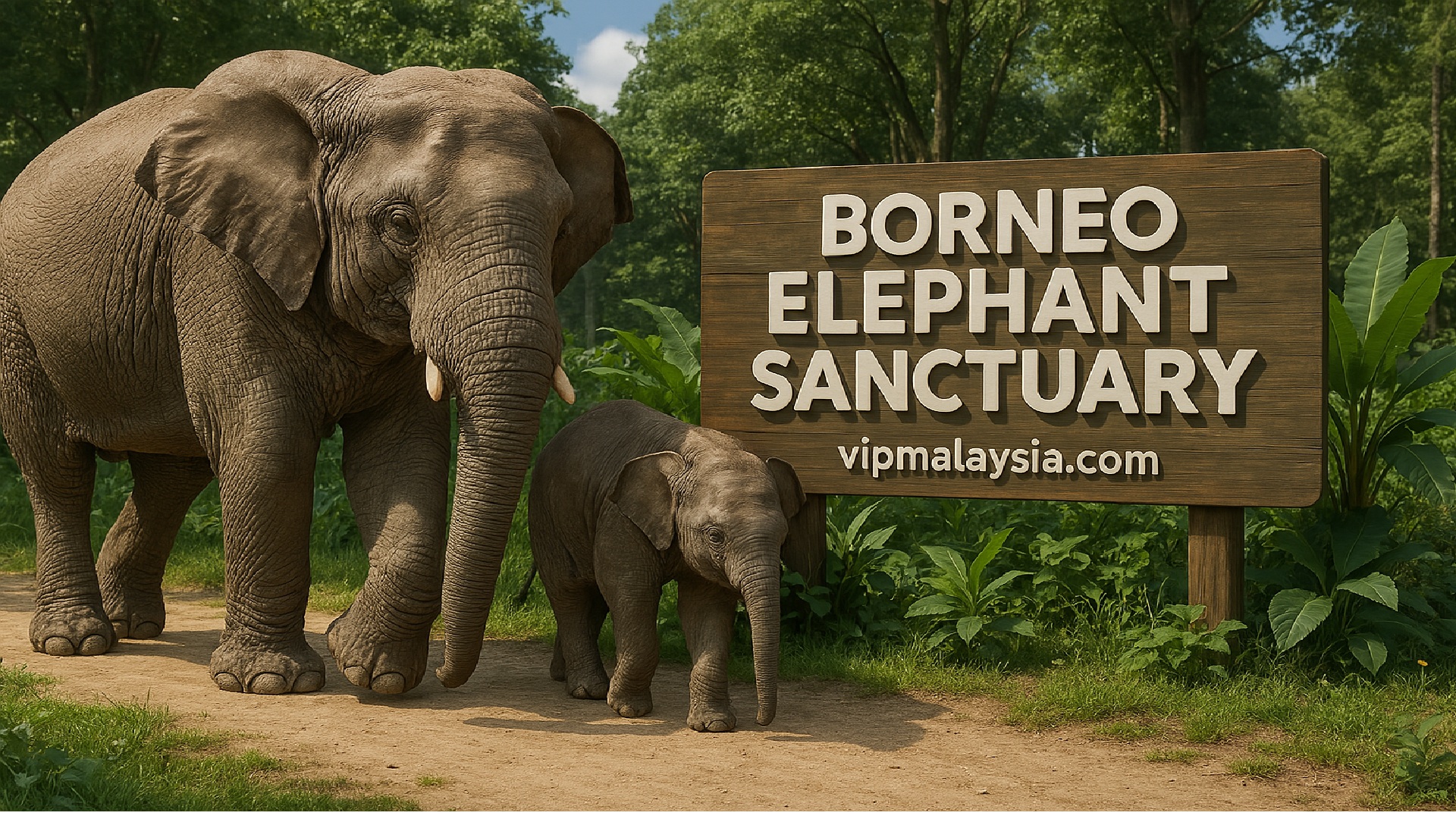
    Nestled deep within the heart of Sabah’s Kinabatangan Wildlife Sanctuary lies a haven of hope—Borneo Elephant Sanctuary (BES). Home to the endangered and gentle Bornean elephants, this sanctuary is not just a place—it’s a mission to rescue, rehabilitate, and reconnect nature’s giants to the wild. Explore how BES is changing lives, one elephant at a time.

    Experience Wildlife Conservation Like Never Before

    At the Borneo Elephant Sanctuary, every visitor becomes part of a bigger story. From its humble beginnings in the early 2000s to its current status as a pioneering elephant care and rehabilitation facility in Malaysia, BES proves what’s possible when people and purpose align for wildlife conservation.

    This is more than ecotourism—this is transformation in action.
    Why Matters

    What Is BES?

    Location & Purpose

    Located at Lot 8, Kinabatangan Wildlife Sanctuary, Borneo Elephant Sanctuary spans 1,214 hectares, with 25 hectares developed as a rescue, care, and rehabilitation zone for endangered Bornean elephants. It serves as a life-saving haven for injured and orphaned elephants, many of whom are victims of human–elephant conflict or habitat destruction.

    History & Vision

    • Concept initiated in early 2000s during late Datuk Patrick @ Mahadi Andau’s tenure.
    • Phase 1 began on October 1, 2012 and completed by June 28, 2013, backed by partners from Japan.
    • Overseen by Borneo Conservation Trust and Sabah Wildlife Department.

    Sanctuary Pillars

    1. Strategic Rescue & Release Programme

    Trains elephants in preparation for reintegration into connected forest corridors. Injured elephants are treated with specialized care on-site.

    2. Habitat Protection & Corridor Restoration

    Recognizes the urgent need for ecological corridors to connect fragmented habitats and ensure sustainable home ranges.

    3. Scientific Research & Habitat Study

    Studies show fragmented forests create higher risks and stress for elephants. Findings also helped formulate the Bornean Elephant Action Plan 2020–2029.

    4. Awareness, Education & Community Outreach

    BES and Borneo Conservation Trust engage with local communities, schools, and stakeholders to build support for peaceful coexistence.

    5. Sustainable Infrastructure Development

    Backed by Malaysia’s Rolling Plan 4 under the 10th Malaysia Plan and generous global partnerships.

    Quick Info at a Glance

    Attribute Details
    Name Borneo Elephant Sanctuary (BES)
    Location Lot 8, Kinabatangan Wildlife Sanctuary, Sabah
    GPS Position 5.437°N, 118.250°E (approx)
    Established 2012 (Phase 1 complete in 2013)
    Size 1,214 hectares (25 hectares developed)
    Managing Body Borneo Conservation Trust & Sabah Wildlife Department
    Population Supported Endangered Bornean Elephants
    Scientific Name Elephas maximus borneensis
    Status Endangered, fewer than 1,500 left
    Habitat Lowland Dipterocarp Forest
    Goal Rescue, rehabilitate, and release elephants
    Master Plan RM25–30M for BES, RM50–60M overall (with corridors)
    Programme Strategic Elephant Rescue & Biodiversity Corridor
    Partners Asahiyama Zoo, Saraya Corp, Kirin, NTT Data, more
    Contact bctrust2006@gmail.com | +6088 902 843
    Address Unit 3-2, Lorong Lintas Plaza, 88300 Kota Kinabalu

    User Reviews & Testimonials

    “I was blown away by the dedication of the caretakers and the serenity of the Borneo Elephant Sanctuary. Seeing the elephants safe and recovering was deeply moving.” – Liya N., Kuala Lumpur

    “Borneo Elephant Sanctuary is not just a tourist stop—it’s an emotional and inspiring experience. Every ringgit supports real conservation work. A must-visit.” – Tom R., Canada

    Conclusion

    The Borneo Elephant Sanctuary isn’t just a facility—it’s a force for good, restoring dignity and life to elephants pushed to the brink. As their habitat shrinks and conflicts rise, your visit, donation, or advocacy becomes a vital part of their survival story.

    Support BES through donations, volunteering, or partnerships.


    Borneo Elephant Sanctuary

    Summary

    • Attraction: Borneo Elephant Sanctuary
    • Location: #Sabah 
    • Attraction Type: #Wildlife 

    Best Destinations in Sabah

    Uncover the best destinations in Sabah—from the breathtaking peaks of Mount Kinabalu to the pristine shores of Sipadan Island. Whether you’re chasing wildlife encounters, cultural gems, or tropical escapes, this guide reveals the most unmissable adventures. Click now to plan your perfect Sabah getaway!


    Sabah

    Web Directories

    Looking for travel inspiration, delicious recipes, or the best places to eat? Want to stay updated on smart financial tips, personal loan promotions, or the latest car models? Whether you’re searching for hobby ideas, product reviews, or something new, we’ve got you covered! Click on the links, explore exciting insights, and let your next discovery begin—it’s just one click away!

    1. https://asiaworldtour.com: “Asia World Tour: Your Gateway to Asian and World Adventures”
    2. https://personalfinancingloan.com: “Personal Financing Loan: Your Path to Financial Freedom”
    3. https://hobbyforte.com: “HobbyForte: Discover Your Car Passion, Explore Your Interests”
    4. https://reviewsanything.com: “ReviewsAnything: Your Trusted Source for Honest Gadget Reviews”
    5. https://rumahmampumilik.com: “Rumah Mampu Milik: Your Affordable Homeownership Journey Begins Here”
    6. https://malaysiadigit.com: “MalaysiaDigit: Your Digital Destination for News and Insights”
    7. https://vipmalaysia.com: “VIP Malaysia: Elevate Your Experience in Malaysia”
    8. https://vipmalaysia.com: “Indulge in Elegance at Nordiyana: Latest Recipe and Culinary Inspirations”
    9. https://e-penyatagaji.com: “E-Penyata Gaji: Simplifying Payroll Management for You”
    10. https://googleasia.org: “Google Asia: Explore the World and Asia’s Wonders with Google Asia”
    11. https://malaysiafit.com: “Malaysia Fit: Your Partner in Health and Wellness”
    12. https://koperasi.info: “Koperasi: Building Communities, Empowering Lives”
    13. https://recipeinside.com: “RecipeInside: Unveiling Culinary Creations, Your Guide to Delicious Dishes”
    14. https://asiahealthcenter.com: “Asia Health Center: Your Source for Holistic Wellness Solutions”
    15. https://nationalhealthcenters.com: “National Health Centers: Your Source for Vital Health Information and Community Care”
    16. https://malaysiabit.com: “MalaysiaBit: Stay Informed, Stay Connected”
    17. https://epenyatagaji.com: “E-Penyata Gaji: Your Digital Payslip Solution”
    18. https://koperasi.work: “Koperasi Work: Collaborate, Innovate, Succeed”
    19. https://koperasi.business: “Koperasi Business: Driving Entrepreneurship, Fostering Growth”
  • Bornean Sun Bear Conservation Centre: Unforgettable Memory

    Bornean Sun Bear Conservation Centre: Unforgettable Memory


    Bornean Sun Bear Conservation Centre

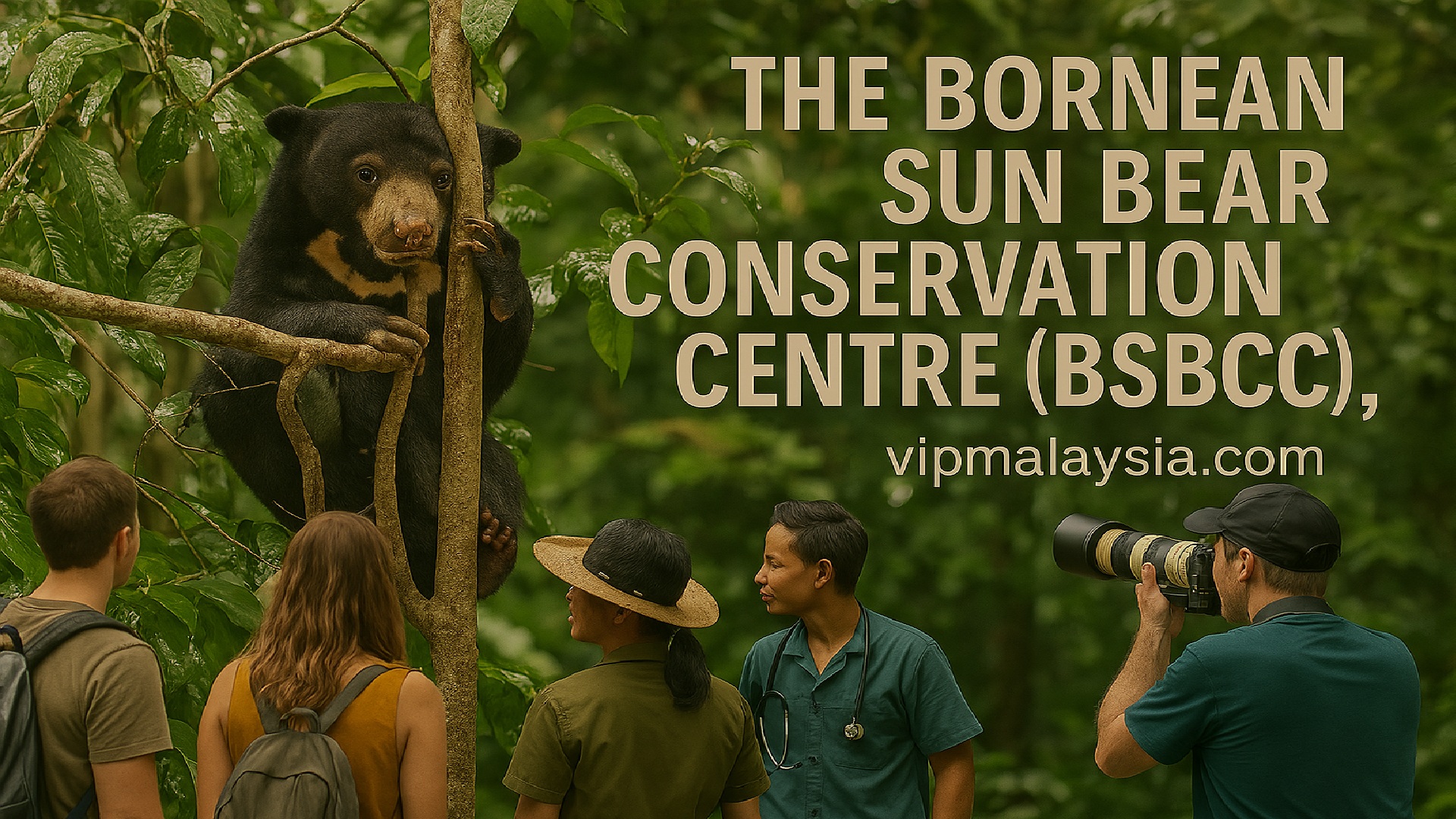
    Discover the untold story of the world’s smallest bear and how you can help save them from extinction—all while enjoying a once-in-a-lifetime wildlife experience in Sabah. This isn’t just eco-tourism—it’s a mission with heart.

    Plan Your Visit, Protect a Species

    Sabah’s Bornean Sun Bear Conservation Centre (BSBCC) offers more than just a glimpse of nature—it’s a second chance at life for sun bears rescued from illegal captivity. With over 43 bears currently under care and over a decade of conservation work, the centre welcomes visitors into the heart of the rainforest to witness these gentle creatures reclaim their wild instincts.

    Why BSBCC Matters

    Who Are the Sun Bears?

    Unique Characteristics

    • Smallest bear species on Earth
    • Known for their golden chest crescent
    • Incredible climbers, foragers, and nest builders

    Why They Need Us

    • Habitat destruction through deforestation
    • Victims of poaching and the illegal pet trade
    • Often found in neglectful conditions, malnourished and isolated

    Five Pillars of Conservation

    1. Animal Welfare

    BSBCC provides optimal living conditions in large, forested enclosures for rescued sun bears—many of whom were kept in cramped cages without sunlight or stimulation.

    2. Rehabilitation

    In Bornean Sun Bear Conservation Centre (BSBCC), bears learn essential skills: climbing, foraging, and building nests—vital behaviors for possible reintroduction to the wild.

    3. Education

    The centre conducts student talks, Q&A sessions, and exhibitions to build public awareness about sun bear conservation, animal welfare laws, and local coexistence.

    4. Research

    Ongoing studies monitor behavioral development and identify bears eligible for forest release.

    5. Ecotourism

    Visitors directly support conservation efforts. The observation platform, bear talk sessions, and multilingual signage make this an enlightening and unforgettable trip.

    Essential Visitor Info

    Attribute Details
    Name Bornean Sun Bear Conservation Centre (BSBCC)
    Address PPM 219, Elopura, 90000, Sandakan, Sabah
    GPS Position 5.8431°N, 117.9481°E
    State Sabah, Malaysia
    Founded 2008 (Opened to public in 2014)
    Facility Type Wildlife Rehabilitation & Education Centre
    No. of Rescued Bears 43–45 ex-captive bears
    Opening Hours 9:00 AM – 3:30 PM daily, including holidays
    Admission (Malaysians) Children RM 5 | Adults RM 10
    Admission (Non-Malaysians) Children RM 25 | Adults RM 50
    Discount Rate MYR 30 / MYR 15 (Intl. residents with valid ID)
    Transport Options Car, Taxi, Grab, Bus (20km from Sandakan, KK, Semporna)
    Volunteer Programme Available – Hands-on conservation activities
    Contact +6089-534491 | info.bsbcc@gmail.com
    Website bsbcc.org.my
    Partners Sabah Wildlife Dept, HUTAN Kinabatangan

    What Visitors Are Saying

    “Incredible experience. Seeing the bears in their forest sanctuary was unforgettable. Knowing my ticket supports their welfare made it even more meaningful.” – Aira M., Kuala Lumpur

    “I brought my kids to Bornean Sun Bear Conservation Centre (BSBCC) and we all learned so much! The staff were informative, and the bears… absolutely adorable.” – Joshua T., Australia

    Conclusion

    By visiting or volunteering at the Bornean Sun Bear Conservation Centre, you’re not just a tourist—you’re a conservation ally. Each ticket helps fund rescue efforts, each photo shared spreads awareness, and every volunteer makes a difference.

    Whether you’re planning a trip to Sabah or looking for a wildlife cause to support, the BSBCC needs your voice. Visit, donate, volunteer, or even adopt a sun bear. Let’s protect what makes our world wild—before it’s too late.


    The Bornean Sun Bear Conservation Centre (BSBCC)

    Summary

    • Attraction: Bornean Sun Bear Conservation Centre
    • Location: #Sabah 
    • Attraction Type: #Wildlife 

    Best Destinations in Sabah

    Uncover the best destinations in Sabah—from the breathtaking peaks of Mount Kinabalu to the pristine shores of Sipadan Island. Whether you’re chasing wildlife encounters, cultural gems, or tropical escapes, this guide reveals the most unmissable adventures. Click now to plan your perfect Sabah getaway!


    Sabah

    Web Directories

    Looking for travel inspiration, delicious recipes, or the best places to eat? Want to stay updated on smart financial tips, personal loan promotions, or the latest car models? Whether you’re searching for hobby ideas, product reviews, or something new, we’ve got you covered! Click on the links, explore exciting insights, and let your next discovery begin—it’s just one click away!

    1. https://asiaworldtour.com: “Asia World Tour: Your Gateway to Asian and World Adventures”
    2. https://personalfinancingloan.com: “Personal Financing Loan: Your Path to Financial Freedom”
    3. https://hobbyforte.com: “HobbyForte: Discover Your Car Passion, Explore Your Interests”
    4. https://reviewsanything.com: “ReviewsAnything: Your Trusted Source for Honest Gadget Reviews”
    5. https://rumahmampumilik.com: “Rumah Mampu Milik: Your Affordable Homeownership Journey Begins Here”
    6. https://malaysiadigit.com: “MalaysiaDigit: Your Digital Destination for News and Insights”
    7. https://vipmalaysia.com: “VIP Malaysia: Elevate Your Experience in Malaysia”
    8. https://vipmalaysia.com: “Indulge in Elegance at Nordiyana: Latest Recipe and Culinary Inspirations”
    9. https://e-penyatagaji.com: “E-Penyata Gaji: Simplifying Payroll Management for You”
    10. https://googleasia.org: “Google Asia: Explore the World and Asia’s Wonders with Google Asia”
    11. https://malaysiafit.com: “Malaysia Fit: Your Partner in Health and Wellness”
    12. https://koperasi.info: “Koperasi: Building Communities, Empowering Lives”
    13. https://recipeinside.com: “RecipeInside: Unveiling Culinary Creations, Your Guide to Delicious Dishes”
    14. https://asiahealthcenter.com: “Asia Health Center: Your Source for Holistic Wellness Solutions”
    15. https://nationalhealthcenters.com: “National Health Centers: Your Source for Vital Health Information and Community Care”
    16. https://malaysiabit.com: “MalaysiaBit: Stay Informed, Stay Connected”
    17. https://epenyatagaji.com: “E-Penyata Gaji: Your Digital Payslip Solution”
    18. https://koperasi.work: “Koperasi Work: Collaborate, Innovate, Succeed”
    19. https://koperasi.business: “Koperasi Business: Driving Entrepreneurship, Fostering Growth”
  • Sepilok Orangutan Rehabilitation Centre: A Wild Encounter

    Sepilok Orangutan Rehabilitation Centre: A Wild Encounter


    Sepilok Orangutan Rehabilitation Centre

    Discover the Sepilok Orangutan Rehabilitation Centre—Sabah’s iconic wildlife sanctuary where rescued orangutans learn to return to the wild. Trek, witness feedings, and embrace a conservation mission that warms the heart.

    Begin Your Wild Journey

    Tucked in the lush Kabili-Sepilok Forest Reserve of Borneo, the Sepilok Orangutan Rehabilitation Centre (SOURC) isn’t just a tourist stop—it’s an emotional journey into the heart of wildlife rescue. Founded in 1964, SOURC has become a cornerstone in wildlife conservation, drawing eco-travelers and animal lovers from across the globe.

    What to Expect

    A Day in the Life at SOURC

    • Witness orangutans up close during feeding times: 10:00 AM & 3:00 PM.
    • Explore the Outdoor Nursery, where young orangutans take their first steps to freedom.
    • Trek through the Kabili-Sepilok rainforest, a haven for birdwatchers and jungle adventurers.

    But wait—what if no orangutans show up?

    It’s not a glitch, it’s a win. During fruiting seasons, orangutans may skip the platform feedings because they’ve found enough food naturally. That’s the goal—to reintegrate them into the wild successfully.

    Why No Hugs Allowed?

    Love orangutans? We do too—but physical contact can transmit human diseases to these 96% genetically-similar primates. So, at SOURC, a safe distance is required to protect both you and them.

    “I have touched and hugged an orangutan before—why not here?” Because respecting nature means not interfering with their journey back to it.

    Entry Fees & Camera Policy

    Entrance Fee

    • Adults: RM5 (Malaysian), RM30 (non-Malaysian)
    • Children: RM2 (Malaysian), RM15 (non-Malaysian)

    Camera Fees

    • Phone Cameras: Free
    • DSLRs & GoPros: RM10

    Ticket valid for the entire day.

    Visiting Hours

    Day Morning Hours Afternoon Hours
    Monday – Thursday 9:00 AM – 12:00 PM 2:00 PM – 4:00 PM
    Friday 9:00 AM – 11:00 AM 2:00 PM – 4:00 PM
    Saturday – Sunday 9:00 AM – 12:00 PM 2:00 PM – 4:00 PM

    Location & Access Guide

    Attribute Details
    Name Sepilok Orangutan Rehabilitation Centre (SOURC)
    Address Pusat Pemulihan Orangutan Sepilok, W.D.T 200, 90009 Sandakan, Sabah, Malaysia
    GPS Coordinates 5.8646° N, 117.9497° E
    State Sabah
    Year Established 1964
    Managed By Sabah Wildlife Department
    Location Type Kabili-Sepilok Forest Reserve
    Facility Highlights Outdoor Nursery, Viewing Platform, Jungle Trails
    Feeding Times 10:00 AM & 3:00 PM
    Wildlife Species Orangutans, Birds, Sun Bears
    Touch Policy Visitors not allowed to touch orangutans due to disease risk
    Ticket Price (Adult) RM5 (Malaysian), RM30 (Non-Malaysian)
    Ticket Price (Child) RM2 (Malaysian), RM15 (Non-Malaysian)
    Camera Fee Free for phones, RM10 for professional gear
    Ticket Validity Valid for one day
    Nearby Lodging Multiple jungle lodges within 1km
    Getting There ~40 min drive from Sandakan City Centre (23km)
    Public Transport Bus from Sandakan, drop-off at Jalan Sepilok junction (~2.5km away)
    Taxi Fare Approx. RM40 to Sandakan
    Nearby Attraction Bornean Sun Bear Conservation Centre (adjacent)
    Operating Hours Mon–Thurs 9AM–12PM & 2PM–4PM; Fri 9AM–11AM & 2PM–4PM; Weekends 9AM–12PM & 2PM–4PM
    Contact Number 089 – 633 587
    Fax 089 – 633 597

    User Reviews & Testimonials

    “It was deeply moving to watch the orangutans learn to climb and play again. Knowing they’d be free one day made the experience priceless.” — Mustapha, Kuala Lumpur

    “No frills, no fake interactions—just pure conservation work. Sepilok humbled me.” — Rastal, Australia

    “Seeing a mother and her baby in the Outdoor Nursery brought tears to my eyes. Sepilok Orangutan Rehabilitation Centre is worth every second of the trip.” — Elise, France

    Final Thoughts

    Sepilok Orangutan Rehabilitation Centre is a living, breathing success story. It’s where humanity meets nature—not to dominate, but to heal. It invites us to be part of a mission bigger than ourselves.

    Ready to stand face-to-face with one of Earth’s most intelligent beings—and help save them in the process? Whether you’re traveling solo or with loved ones, your trip to Sepilok could be the most meaningful memory you’ll make in Borneo.

    Share this guide, spread the word, and let Sepilok show you the wild side of compassion.


    Sepilok Orang Utan Rehabilitation Centre

    Summary

    • Attraction: Sepilok Orang Utan Rehabilitation Centre
    • Location: #Sabah 
    • Attraction Type: #Wildlife 

    Best Destinations in Sabah

    Uncover the best destinations in Sabah—from the breathtaking peaks of Mount Kinabalu to the pristine shores of Sipadan Island. Whether you’re chasing wildlife encounters, cultural gems, or tropical escapes, this guide reveals the most unmissable adventures. Click now to plan your perfect Sabah getaway!

    Kinabalu Park

    Kinabalu Park Discover why Kinabalu Park, Malaysia’s first UNESCO World Heritage Site, is a haven for biodiversity, adventure, and soul-stirring landscapes. Whether you’re a nature…


    Sabah

    Web Directories

    Looking for travel inspiration, delicious recipes, or the best places to eat? Want to stay updated on smart financial tips, personal loan promotions, or the latest car models? Whether you’re searching for hobby ideas, product reviews, or something new, we’ve got you covered! Click on the links, explore exciting insights, and let your next discovery begin—it’s just one click away!

    1. https://asiaworldtour.com: “Asia World Tour: Your Gateway to Asian and World Adventures”
    2. https://personalfinancingloan.com: “Personal Financing Loan: Your Path to Financial Freedom”
    3. https://hobbyforte.com: “HobbyForte: Discover Your Car Passion, Explore Your Interests”
    4. https://reviewsanything.com: “ReviewsAnything: Your Trusted Source for Honest Gadget Reviews”
    5. https://rumahmampumilik.com: “Rumah Mampu Milik: Your Affordable Homeownership Journey Begins Here”
    6. https://malaysiadigit.com: “MalaysiaDigit: Your Digital Destination for News and Insights”
    7. https://vipmalaysia.com: “VIP Malaysia: Elevate Your Experience in Malaysia”
    8. https://vipmalaysia.com: “Indulge in Elegance at Nordiyana: Latest Recipe and Culinary Inspirations”
    9. https://e-penyatagaji.com: “E-Penyata Gaji: Simplifying Payroll Management for You”
    10. https://googleasia.org: “Google Asia: Explore the World and Asia’s Wonders with Google Asia”
    11. https://malaysiafit.com: “Malaysia Fit: Your Partner in Health and Wellness”
    12. https://koperasi.info: “Koperasi: Building Communities, Empowering Lives”
    13. https://recipeinside.com: “RecipeInside: Unveiling Culinary Creations, Your Guide to Delicious Dishes”
    14. https://asiahealthcenter.com: “Asia Health Center: Your Source for Holistic Wellness Solutions”
    15. https://nationalhealthcenters.com: “National Health Centers: Your Source for Vital Health Information and Community Care”
    16. https://malaysiabit.com: “MalaysiaBit: Stay Informed, Stay Connected”
    17. https://epenyatagaji.com: “E-Penyata Gaji: Your Digital Payslip Solution”
    18. https://koperasi.work: “Koperasi Work: Collaborate, Innovate, Succeed”
    19. https://koperasi.business: “Koperasi Business: Driving Entrepreneurship, Fostering Growth”
  • Danum Valley Conservation Area: Borneo’s Great Wilderness

    Danum Valley Conservation Area: Borneo’s Great Wilderness


    Danum Valley Conservation Area

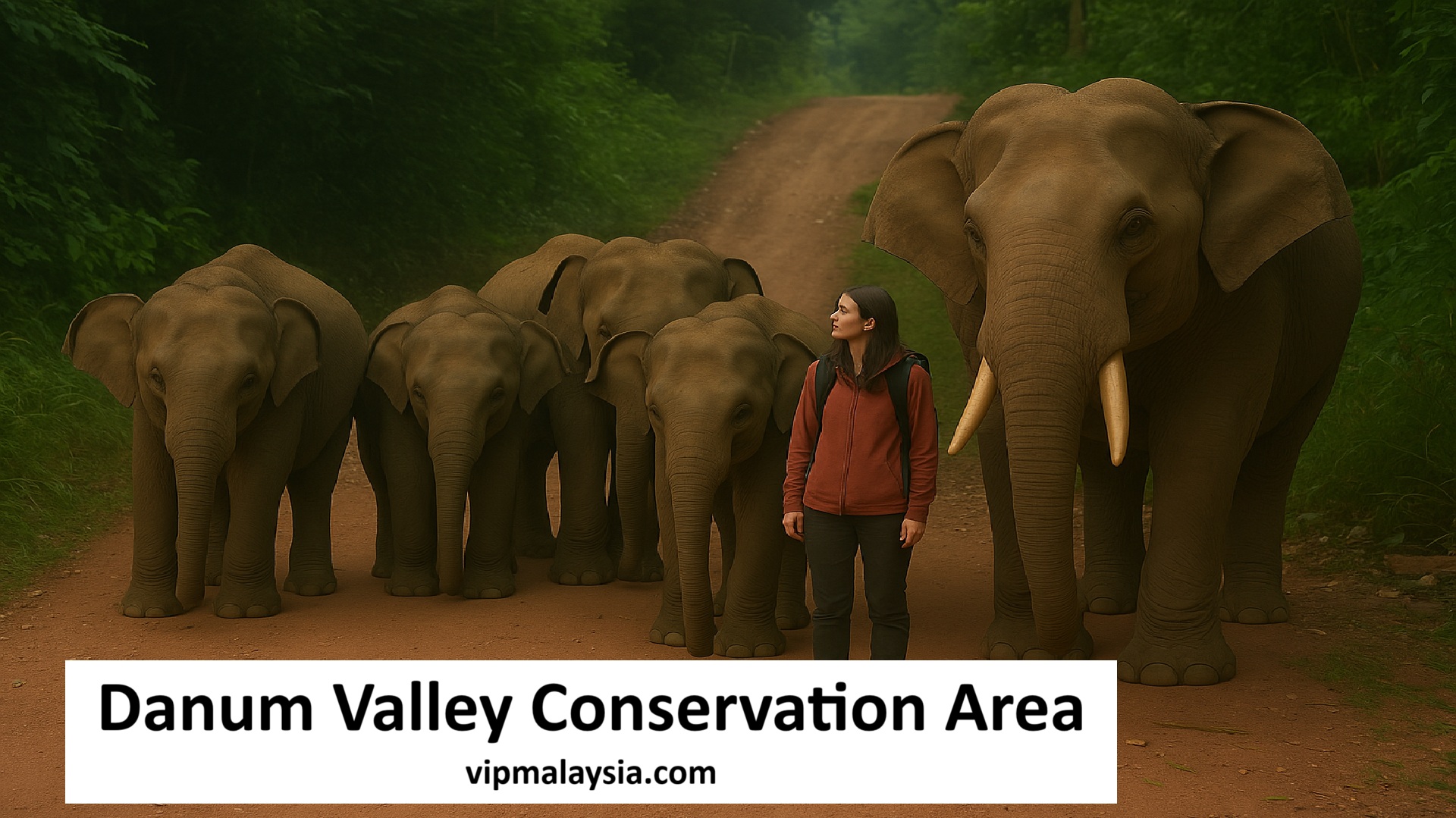
    Experience the untouched wonder of Danum Valley, a 130-million-year-old rainforest sanctuary tucked deep in Sabah, Malaysia. This premier conservation area is a haven for exotic species, towering trees, cascading waterfalls, and once-in-a-lifetime wildlife encounters. Plan your escape into nature’s finest sanctuary—where no logging exists and adventure, discovery, and serenity await.

    Why Visit

    A Virgin Forest with Ancient Roots

    Danum Valley Conservation Area is located 80 km east of Lahad Datu, this preservation site spans undisturbed dipterocarp lowland forests, towering mountains, and meandering rivers—all far removed from human habitation.

    An Endangered Eden

    Home to the Bornean Orangutan, Bornean Gibbon, and over 121 mammal species, Danum is globally recognized for its biodiversity and houses some of the most extraordinary animal and plant life on Earth.

    Quick Overview

    Attribute Details
    Name Danum Valley Conservation Area
    Address 80 km east of Lahad Datu, Sabah, Malaysia
    GPS Position 5.0316° N, 117.6893° E (approximate)
    State Sabah
    Date Established 1980s; Research Centre in 1986
    Forested Area 130 million-year-old pristine rainforest
    Forest Coverage 95% lowland dipterocarp, 5% mountainous
    Wildlife Over 121 mammal species, 10 primates, rare fauna
    Bird Species 317+ species, 15 endemic to Borneo
    Tree Diversity 511+ identified tree species
    Main Activities Trekking, camping, waterfall swimming, birdwatching, night safaris
    Accommodation Chalets, permanent campgrounds, Danum Valley Studies Centre (DVSC)
    Facilities Restaurant, library, labs, computer room, conference hall, satellite TV
    Best Experience 3D2N or 4D3N rainforest immersion
    Transfer Service Scheduled/private transfer from Lahad Datu
    Contact Info camd.reservations@gmail.com | +6017 488435
    Head Office Yayasan Sabah Complex, 12th Floor, Tun Mustapha Tower, Kota Kinabalu

    Attractions

    Towering Biodiversity

    Over 511 tree species stand tall under the forest canopy. Among their roots live rare mammals, birds, insects, and plants that scientists are still discovering.

    Wildlife Wonderland

    You could cross paths with the Bornean Clouded Leopard, Sun Bear, or Hornbills while on guided walks, night safaris, or sunrise treks.

    The Birder’s Paradise

    Spot Rare Feathers in Flight

    With 317 recorded bird species, nearly three-quarters of Borneo’s birdlife, Danum Valley is a dream come true for birders. Keep binoculars handy for endemic finds you’ll see nowhere else.

    Activities

    Jungle Trekking & Nature Trails

    Step into a living classroom as you venture through trails dense with dipterocarp forests, rich in rare sightings.

    Waterfall Escapes

    Swim and splash in the Tembaling or Purut Waterfalls—pure, natural pools tucked into the rainforest folds.

    Wildlife Safari & Night Drive

    Hop on a 4×4 jeep for a night drive guided by experts who’ll point out nocturnal wildlife, from flying lemurs to civets and deer.

    Eco-Education & Recreation

    Great for educational programs, private functions, or family retreats, this conservation area blends leisure and learning seamlessly.

    DVSC

    World-Class Research in the Heart of the Jungle

    Danum Valley Studies Centre (DVSC), established in 1986, supports global researchers, scientists, and students in ecological studies. Facilities include labs, libraries, lodging, conference rooms, and more—all in harmony with the environment.

    How to Get to Danum Valley

    • Fly to Lahad Datu from Kota Kinabalu
    • Or drive from Tawau or Sandakan
    • From Lahad Datu: approx. 81 km drive to Danum
    • Permits required (issued at Danum Valley office in Fajar town)
    • Contact: camd.reservations@gmail.com to book transfers or guides

    Visitor Reviews & Testimonials

    “I’ve traveled the globe, and Danum Valley felt like stepping back in time to Eden. The sounds, the mist, the wildlife—it was simply magical.” — Sofia L., Sweden

    “The Danum Valley Research Centre is beyond impressive. Watching hornbills from your window while sipping Sabah coffee? Nothing beats it.” — Jeffery N., New Zealand

    “A paradise for anyone who loves trees, wildlife, and true eco-travel. I left inspired and changed.” — Nurul A., Malaysia

    Nearby Natural Wonders

    • Imbak Canyon – Borneo’s majestic refugium
    • Maliau Basin – The Lost World of Sabah
    • Taliwas River – Tranquil rainforest retreat
    • Silam Coast – Where rainforest meets the sea
    • Kalabakan Upland – Healing nature trails
    • Segama Highlands – Stronghold of the red apes

    Final Thoughts

    Danum Valley is more than a destination—it’s a spiritual return to the wild. With each chirp, rustle, and canopy breeze, this conservation area invites you to reconnect with Earth’s most ancient rhythms.


    Danum Valley Conservation Area

    Summary

    • Attraction: Danum Valley Conservation Area
    • Location: #Sabah 
    • Attraction Type: #Wildlife 

    Best Destinations in Sabah

    Uncover the best destinations in Sabah—from the breathtaking peaks of Mount Kinabalu to the pristine shores of Sipadan Island. Whether you’re chasing wildlife encounters, cultural gems, or tropical escapes, this guide reveals the most unmissable adventures. Click now to plan your perfect Sabah getaway!

    Kinabalu Park

    Kinabalu Park Discover why Kinabalu Park, Malaysia’s first UNESCO World Heritage Site, is a haven for biodiversity, adventure, and soul-stirring landscapes. Whether you’re a nature…


    Sabah

    Web Directories

    Looking for travel inspiration, delicious recipes, or the best places to eat? Want to stay updated on smart financial tips, personal loan promotions, or the latest car models? Whether you’re searching for hobby ideas, product reviews, or something new, we’ve got you covered! Click on the links, explore exciting insights, and let your next discovery begin—it’s just one click away!

    1. https://asiaworldtour.com: “Asia World Tour: Your Gateway to Asian and World Adventures”
    2. https://personalfinancingloan.com: “Personal Financing Loan: Your Path to Financial Freedom”
    3. https://hobbyforte.com: “HobbyForte: Discover Your Car Passion, Explore Your Interests”
    4. https://reviewsanything.com: “ReviewsAnything: Your Trusted Source for Honest Gadget Reviews”
    5. https://rumahmampumilik.com: “Rumah Mampu Milik: Your Affordable Homeownership Journey Begins Here”
    6. https://malaysiadigit.com: “MalaysiaDigit: Your Digital Destination for News and Insights”
    7. https://vipmalaysia.com: “VIP Malaysia: Elevate Your Experience in Malaysia”
    8. https://vipmalaysia.com: “Indulge in Elegance at Nordiyana: Latest Recipe and Culinary Inspirations”
    9. https://e-penyatagaji.com: “E-Penyata Gaji: Simplifying Payroll Management for You”
    10. https://googleasia.org: “Google Asia: Explore the World and Asia’s Wonders with Google Asia”
    11. https://malaysiafit.com: “Malaysia Fit: Your Partner in Health and Wellness”
    12. https://koperasi.info: “Koperasi: Building Communities, Empowering Lives”
    13. https://recipeinside.com: “RecipeInside: Unveiling Culinary Creations, Your Guide to Delicious Dishes”
    14. https://asiahealthcenter.com: “Asia Health Center: Your Source for Holistic Wellness Solutions”
    15. https://nationalhealthcenters.com: “National Health Centers: Your Source for Vital Health Information and Community Care”
    16. https://malaysiabit.com: “MalaysiaBit: Stay Informed, Stay Connected”
    17. https://epenyatagaji.com: “E-Penyata Gaji: Your Digital Payslip Solution”
    18. https://koperasi.work: “Koperasi Work: Collaborate, Innovate, Succeed”
    19. https://koperasi.business: “Koperasi Business: Driving Entrepreneurship, Fostering Growth”
  • Deerland Park: A Hidden Wildlife Sanctuary in Pahang

    Deerland Park: A Hidden Wildlife Sanctuary in Pahang

    Deerland Park, Pahang

    Deerland Park in Lanchang, Pahang, is a privately managed wildlife sanctuary offering intimate encounters with rescued deer, sun bears, exotic birds, and reptiles. Located just 2 km from Kuala Gandah Elephant Sanctuary, it combines eco-tourism with conservation education, making it one of Malaysia’s hidden gems for families and nature enthusiasts.

    Deer are hoofed ruminant mammals belonging to the family Cervidae, characterized by antlers (in males of most species), cloven hooves, and a herbivorous diet. They are widely distributed across Eurasia, the Americas, and parts of Africa, with species ranging from small roe deer to large moose and elk. In Malay, the word for “deer” is most commonly translated as rusa. Other regional or specific terms include menjangan and kijang, depending on the type of deer being referred to.

    Introduction

    Established in 1996 by En Abdullah Ahmad B. Mahmud, Deerland Park spans 10 acres in Lanchang, Pahang. Built with private funds, the park was designed to support Malaysia’s dwindling wildlife populations while offering the public a chance to appreciate nature. Its proximity to the Kuala Gandah Elephant Sanctuary and Krau Wildlife Reserve makes it part of a larger conservation corridor. Visitors can expect hands-on experiences like feeding deer, observing sun bears, and learning about Malaysia’s diverse ecosystems.

    The sun bear (Helarctos malayanus) is the smallest species of bear in the world, native to the tropical forests of Southeast Asia (including Malaysia, Thailand, Myanmar, Laos, Cambodia, Vietnam, and the islands of Sumatra and Borneo). It is easily recognized by the golden crescent-shaped patch on its chest and is currently listed as Vulnerable due to habitat loss and poaching. Size: Adults weigh 30–70 kg and stand 120–150 cm long, making them the smallest bear species. Distinctive feature: Orange-yellow crescent marking on the chest, unique to each individual. Diet: Omnivorous — eats fruits, insects, honey, and small vertebrates. Known for its exceptionally long tongue (20–25 cm) used to extract honey.

    Conservation and Educational Programs

    Deerland Park promotes wildlife protection through interactive exhibits and guided tours. Its mission aligns with Malaysia’s conservation goals, offering a platform for public education. By supporting Deerland, visitors contribute to sustaining endangered species and preserving ecosystems.

    Highlights

    Wildlife Encounters & Attractions

    Deerland Park houses around 30 Indonesian deer, alongside exotic wildlife such as Bengal cats, ostriches, Nilgai deer from India, and colorful birds like peafowl and pheasants. Reptile exhibits include Burmese and reticulated pythons, offering a glimpse into Malaysia’s reptilian diversity.

    Indonesian deer

    The “Indonesian deer” often refers to the Babirusa (Babyrousa), a rare wild pig species native to Indonesia that is commonly called the “deer-pig” because of its slender body and tusk-like canine teeth resembling antlers. Found only on islands such as Sulawesi, Togian, Sula, and Buru, it is a unique mammal that has puzzled scientists for decades. Behavior: Shy, forest-dwelling, often near rivers and swamps.

    Bengal Cats

    The Bengal cat (Felis catus × Prionailurus bengalensis) is a hybrid domestic cat breed developed by crossing the Asian leopard cat with domestic cats, prized for its exotic spotted or marbled coat and energetic personality. Originating in the United States in the 1970s, it is now one of the most recognized pedigree cat breeds worldwide. Appearance: Medium-to-large cats with muscular build, short coat featuring rosettes, marbling, or arrowhead markings. Size: Adult males weigh 9–15 pounds, females 6–12 pounds. Height ranges 13–16 inches. Life span: Typically 12–20 years, depending on environment and care.

    Ostrich

    The ostrich (Struthio camelus) is the world’s largest living bird, native to Africa. It is a flightless species known for its long legs, powerful running ability (up to 70 km/h), and distinctive long neck, making it a unique member of the bird family.

    Nilgai Deer

    The nilgai (Boselaphus tragocamelus), also called the “blue bull,” is the largest antelope in Asia. Despite sometimes being referred to as a “deer,” it belongs to the Bovidae family (related to cattle and antelopes) rather than Cervidae (true deer). Males are bluish-grey, females are tawny-orange, and the species is abundant across India and Nepal.

    Peafowl

    Peafowl are large terrestrial birds in the pheasant family (Phasianidae), best known for the male’s extravagant tail feathers. The term covers three species: the Indian peafowl (Pavo cristatus), the green peafowl (Pavo muticus), and the Congo peafowl (Afropavo congensis). Males are called peacocks, females are peahens. Size: Large birds, males can reach 2.3 m in length including tail feathers.

    Pheasants

    Pheasants are medium-to-large birds belonging to the family Phasianidae, known for their bright plumage, long tails, and ground-dwelling habits. They are native to Asia but have been widely introduced elsewhere for hunting and ornamental purposes. In Malay, pheasants are generally referred to as burung pegar.

    Burmese Pythons

    The Burmese python (Python bivittatus) is one of the largest non‑venomous snake species in the world, native to Southeast Asia, and currently listed as Vulnerable on the IUCN Red List. It is also notorious as an invasive species in Florida, USA, due to escapes and releases from the pet trade.

    Characteristics

    • Size: Typically 3–5 meters (10–16 feet), but can exceed 6 meters.
    • Weight: Up to 90 kg (200 lbs).
    • Appearance: Dark brown blotches bordered with black along the body; muscular build.
    • Lifespan: 20–25 years in the wild or captivity.
    • Hunting style: Ambush predator; kills prey by constriction. Known to consume prey as large as deer, alligators, and domestic animals in Florida.
    • Excellent swimmers, often near water but also adept at climbing trees.

    Reticulated Pythons

    The reticulated python (Malayopython reticulatus) is the world’s longest snake species, native to South and Southeast Asia, and classified as Least Concern by the IUCN. It is non‑venomous, a powerful constrictor, and can reach lengths of over 10 meters (32 feet).

    Characteristics

    • Size: Average 3–6 meters, but exceptional individuals exceed 10 meters (32.8 feet).
    • Weight: Typically 75–160 kg depending on size.
    • Appearance: Distinctive “reticulated” (net‑like) geometric pattern of black, gold, and brown across the body.
    • Lifespan: 20–25 years in captivity, slightly less in the wild.
    • Excellent swimmers; often near water but also capable climbers.
    • Hunting style: Ambush predator; kills prey by constriction. Known to take large prey such as pigs, deer, and occasionally primates.

    Wildlife Attractions

    Deer Sanctuary

    Visitors can hand-feed and interact with friendly deer in semi-natural enclosures. This sanctuary emphasizes conservation, teaching guests about the importance of protecting deer species in Malaysia. Families particularly enjoy the gentle nature of the deer, making it a highlight for children.

    Exotic Wildlife and Nature Trails

    Beyond deer, the park features sun bears, ostriches, and rare bird species. Guided tours lead visitors through scenic rainforest trails, where native flora and fauna thrive. The trails provide opportunities for photography and birdwatching, immersing guests in Malaysia’s natural beauty.

    Trekking & Adventure

    Visitor Facilities and Nearby Towns

    Facilities include shaded rest areas, feeding stations, and small exhibits. The nearby town of Temerloh, about 50 km away, offers accommodations, food stalls, and cultural experiences. Visitors often combine trips to Deerland Park with Kuala Gandah Elephant Sanctuary for a full day of eco-tourism.

    Cultural Festivals and Local Heritage

    Timing a visit during Pahang’s cultural festivals enhances the experience. Traditional Malay performances, food fairs, and handicraft markets in Temerloh allow visitors to connect with local heritage while exploring wildlife attractions.

    Must-Visit Highlights

    Sun Bear Enclosure

    The park’s rescued sun bears are a major attraction. Guests can observe their behavior and learn about conservation efforts to protect this vulnerable species.

    Kuala Gandah Elephant Sanctuary Nearby

    Just 2 km away, this sanctuary rehabilitates elephants and educates visitors about human-elephant conflict. Pairing a visit here with Deerland Park creates a comprehensive wildlife experience.

    Educational Programs

    Interactive exhibits and nature guides provide insights into animal behavior, ecosystems, and conservation strategies. Students and researchers benefit from hands-on learning opportunities.

    Conclusion

    Deerland Park offers a unique blend of wildlife interactions, eco-tourism, and conservation education, making it a top destination for animal lovers, families, and adventure seekers. Whether you’re feeding gentle deer, spotting exotic wildlife, or immersing yourself in nature’s beauty, this hidden gem promises an extraordinary experience.

    Plan your nature getaway today—explore Deerland Park in Pahang!

    Summary

    • Attraction: Deerland Park
    • Location: #Pahang 
    • Attraction Type: #Park #Zoo #Wildlife  
    • Source: pahangtourism.org.my, mpt.gov.my
    • Why Visit:
      • Meet rescued deer, sun bears, exotic birds & other wildlife
      • Explore a pristine rainforest teeming with natural beauty
      • Enjoy hands-on experiences like feeding animals & learning about conservation
      • Perfect for eco-tourism, photography & outdoor adventures

    Quick Info

    AttributeDetails
    NameDeerland Park
    LocationBukit Rengit, Lanchang, Pahang, Malaysia
    GPS Position3.6841° N, 102.2227° E
    StatePahang
    Main AttractionsDeer Sanctuary, Wildlife Encounters, Nature Trails
    Nearby LandmarksKuala Gandah Elephant Sanctuary, Krau Wildlife Reserve
    Accessibility2-hour drive from Kuala Lumpur via East Coast Expressway
    Best Time to VisitYear-round for wildlife experiences
    Entry FeesStandard wildlife park admission applies
    Recommended ActivitiesAnimal Feeding, Guided Nature Tours, Photography
    Opening HoursOpen daily
    ContactDeerland Park (+6019-3020012 / +609-2797249)

    Visitor Reviews

    • Sam Lim, Malaysia – ★★★★★ “Feeding the deer was magical. My kids loved the hands-on experience, and the sun bear enclosure was fascinating.”
    • Markus Schneider, Germany – ★★★★☆ “The park is small but packed with wildlife. I enjoyed the guided trail and seeing rare birds. Facilities are basic but sufficient.”
    • Tumiran Bakhtiar, Indonesia – ★★★★★ “Deerland Park is perfect for families. The educational programs taught us so much about conservation. Highly recommended.”
    • David Sean, UK– ★★★★☆ “Loved the close encounters with deer and exotic animals. Combining this with Kuala Gandah made for an amazing day trip.”

    Frequently Asked Questions (FAQs)

    Dimanakah lokasi Deerland Park dan berapakah keluasan taman ini?

    Ia terletak di Lanchang dan mengambil masa sejauh 50.5km dari Temerloh. Taman ini mempunyai keluasan 10 ekar.

    Bilakah waktu operasi Deerland Park, Pahang?

    Waktu Operasi : 11.00 pagi – 6.00 petang (Setiap hari kecuali Jumaat)

  • Krau Wildlife Reserve: Largest Biodiversity Sanctuary

    Krau Wildlife Reserve: Largest Biodiversity Sanctuary

    Krau Wildlife Reserve, Pahang

    Krau Wildlife Reserve is Malaysia’s largest wildlife reserve, spanning 62,395 hectares, offering an extraordinary glimpse into the country’s rich biodiversity and conservation efforts. Home to the seladang (gaur), primates, rare birds, and unique ecosystems, this protected area is a must-visit for nature lovers and researchers alike.

    The seladang, also known as the gaur (Bos gaurus), is one of the largest wild cattle species in the world, native to South and Southeast Asia, and in Malaysia it is specifically referred to as the seladang. It is a powerful, stocky animal with distinctive dark brown to black coloration, massive horns, and a muscular build, often found in forested hills and montane regions. Scientific name: Bos gaurus (Malayan subspecies: Bos gaurus hubbacki). Size: Shoulder height up to 1.9 meters, males can weigh up to 1,000 kg. Habitat: Prefers hilly or montane forests, often near forest edges and salt licks

    Introduction

    Nestled in the Temerloh District of Pahang, Krau Wildlife Reserve is a sanctuary of extraordinary biodiversity. Established in 1923 and later expanded to 62,395 hectares, it is Malaysia’s largest wildlife reserve. The reserve is drained by the Krau, Lompat, and Teris rivers, and its altitude ranges from 43 meters at Kuala Lompat to 2,107 meters at Mount Benom. This diverse terrain supports lush rainforests, salt licks, and river valleys, creating habitats for countless species. For visitors, Krau offers not only breathtaking scenery but also a chance to witness conservation in action.

    The Teris River (Sungai Teris) is a stream located in Pahang, Malaysia, within the Krau Wildlife Reserve. It is a small but ecologically important waterway, supporting diverse flora and fauna in one of Malaysia’s oldest protected forest reserves. Elevation: Around 100 meters above sea level. Flora diversity: Surveys recorded species from gymnosperms, monocotyledons, and dicotyledons, including rare plants like Gnetum tenuifolium.

    Gymnosperms are a group of seed-producing plants known as “naked seed” plants because their seeds are not enclosed within fruits, unlike flowering plants (angiosperms). They include conifers, cycads, ginkgo, and gnetophytes, and are among the oldest plant lineages, dating back to the Carboniferous period.

    Monocotyledons (often called monocots) are one of the two major groups of flowering plants (angiosperms), characterized by having a single seed leaf or cotyledon in their embryos. They include grasses, lilies, orchids, palms, and many staple crops such as rice, wheat, and maize.

    Dicotyledons (often called dicots) are one of the two major groups of flowering plants (angiosperms), characterized by having two seed leaves or cotyledons in their embryos. They represent a vast diversity of species, including most broad-leaved trees, shrubs, and many herbaceous plants.

    Gnetum tenuifolium is a slender, evergreen climbing plant belonging to the gymnosperm group Gnetaceae, native to Southeast Asia, including the Malay Peninsula. It is used locally for food and medicine, though its habitats are increasingly threatened by deforestation.

    The Teris River (Sungai Teris) is a stream located in Pahang, Malaysia, within the Krau Wildlife Reserve. It is ecologically important, supporting diverse flora and fauna, and has been the subject of biodiversity research.

    Highlights

    Wildlife & Conservation

    The reserve is renowned for its seladang (gaur), Malaysia’s second-largest land mammal, which thrives in the Krau River valley. Salt licks in the eastern and southern areas attract herds of these majestic creatures. Visitors may also encounter long-tailed macaques, gibbons, hornbills, and rare bat species. Research stations, such as the one at Kuala Lompat, focus on primate and bat studies, contributing to global knowledge of tropical ecosystems.

    Kuala Lompat is a forest research station located within the Krau Wildlife Reserve in Pahang, Malaysia. It is managed by the Forest Research Institute of Malaysia (FRIM) and serves as a base for ecological, botanical, and wildlife studies in one of the country’s oldest protected areas. Kuala Lompat is remote, requiring permits and coordination with FRIM for entry. Unlike tourist waterfalls or parks, Kuala Lompat is primarily for researchers, not casual visitors.

    Seladang and Other Endangered Species

    The seladang is a symbol of Malaysia’s wilderness, often seen grazing in open valleys. Alongside them, endangered hornbills and raptors soar above the canopy. The reserve’s biodiversity also includes clouded leopards, sun bears, and tapirs, making it a critical refuge for Malaysia’s fauna.

    Trekking & Adventure

    For adventure seekers, Krau offers trekking routes that lead to Mount Benom, rising to 2,107 meters. Trails wind through dense rainforest, river crossings, and salt licks, providing opportunities to spot wildlife. Guided treks emphasize safety and conservation, ensuring minimal disturbance to habitats.

    Visitor Facilities and Nearby Towns

    Facilities are limited to maintain ecological integrity, but basic accommodations and guided tours are available. The nearby town of Temerloh serves as a gateway, offering lodging, food, and cultural experiences. Visitors can also explore local markets and traditional Malay villages.

    Temerloh’s most famous signature food is Ikan Patin Tempoyak, a freshwater catfish dish cooked in fermented durian paste. This dish has earned Temerloh the nickname Bandar Ikan Patin (Patin Town) and is widely regarded as the culinary identity of Pahang. Other notable foods include pekasam (fermented fish), cendol, and Puding DiRaja.

    Cendol is a traditional Southeast Asian dessert made of green rice flour jelly strands flavored with pandan, coconut milk, palm sugar syrup (gula Melaka), and shaved ice. It is one of Malaysia’s most iconic sweet treats, especially popular during hot tropical days. Optional toppings: Red beans, sweet corn, glutinous rice, or durian for richer versions. Popularity in Malaysia: A staple at roadside stalls, kopitiams, and food courts, especially in Penang, Melaka, and Kuala Lumpur. It represents Malaysia’s multicultural food identity and is often enjoyed during festive seasons or as a cooling street snack.

    Must-Visit Highlights

    Kuala Lompat Research Station

    This station is internationally recognized for its studies on primates and bats. Visitors can learn about ongoing research and the importance of biodiversity conservation.

    The Kuala Lompat Research Station is a forest research institute located inside the Krau Wildlife Reserve in Pahang, Malaysia. It is managed primarily for ecological and biodiversity studies, and access is restricted to researchers with prior approval. Strictly limited to researchers; the general public is not allowed without permits.

    National Elephant Conservation Centre

    Located near the reserve, this center rehabilitates rescued elephants and educates the public about human-elephant conflict. It is a vital part of Malaysia’s conservation strategy.

    The National Elephant Conservation Centre (NECC), also known as the Kuala Gandah Elephant Sanctuary, is Malaysia’s only dedicated elephant conservation facility. Established in 1989 in Lanchang, Pahang, it focuses on rescuing, relocating, and rehabilitating wild elephants whose habitats are threatened by development. Location: About 2 hours from Kuala Lumpur via East Coast Expressway.

    Cultural Festivals and Local Heritage

    Visitors can time their trips to coincide with Pahang’s cultural festivals, such as traditional dance performances and food fairs, enriching the wildlife experience with local heritage.

    Eco-Tourism and Sustainability

    Eco-tourism in Krau is carefully managed to minimize human impact. Access is restricted, and guided tours emphasize conservation awareness. Programs for wildlife rescue and rehabilitation actively monitor populations, ensuring the reserve remains a safe haven for endangered species. The Institute of Biodiversity supports scientific research, making Krau a hub for conservation studies.

    Conclusion

    Krau Wildlife Reserve is a testament to Malaysia’s commitment to wildlife conservation, making it an essential destination for researchers, conservationists, and nature lovers. Whether you’re observing rare species, studying biodiversity, or learning about conservation efforts, this sanctuary promises a profound appreciation for Malaysia’s natural heritage.

    Discover the wonders of Malaysia’s wildlife—explore Krau Wildlife Reserve in Pahang today!

    Summary

    • Attraction: Krau Wildlife Reserve
    • Location: #Pahang 
    • Attraction Type: #Wildlife 
    • Source: wildlife.gov.my
    • Why Visit:
      • One of Malaysia’s most significant wildlife conservation areas
      • Home to endangered species, including the seladang
      • Breathtaking rainforests & diverse habitats
      • Research stations studying primates, bats, and rare birds

    Quick Info

    AttributeDetails
    NameKrau Wildlife Reserve
    LocationTemerloh, Pahang, Malaysia
    GPS Position4.1851° N, 102.0347° E
    StatePahang
    Main AttractionsSeladang Conservation, Rainforest Exploration, Biodiversity Studies
    Nearby LandmarksBenom Mountain, Kuala Lompat Research Station
    AccessibilityLocated near Lanchang, Pahang
    Best Time to VisitYear-round, especially for wildlife observation
    Entry FeesRegulated access for conservation purposes
    Recommended ActivitiesWildlife Observation, Research, Nature Exploration
    Opening HoursRestricted access with permits required
    ContactKrau Wildlife Reserve (+609-3121253)

    Visitor Reviews

    • Tan Swee Goh, Singapore – ★★★★★ “I was amazed by the seladang herds near the salt licks. The guided trek to Mount Benom was challenging but rewarding. Truly a hidden gem of Malaysia.”
    • Haji Daud, Malaysia – ★★★★☆ “The biodiversity here is incredible. I especially enjoyed visiting the Kuala Lompat Research Station. Facilities are basic, but that’s part of the authentic experience.”
    • Usha Patel, India – ★★★★★ “The National Elephant Conservation Centre was inspiring. Seeing rescued elephants rehabilitated gave me hope for conservation efforts in Asia.”
    • Kenji Sawadi, Japan – ★★★★☆ “The rainforest trekking was unforgettable. I spotted hornbills and macaques. Wish there were more visitor amenities, but the pristine environment is worth it.”

    Frequently Asked Questions (FAQs)

    Boleh senaraikan kawasan perlindungan dibawah pengurusan Jabatan Perhilitan?

    Berikut adalah senarai kawasan perlindungan dibawah pengurusan Jabatan Perhilitan

    • Rezab Hidupan Liar Krau, Pahang
    • Rezab Hidupan Liar Pahang Tua, Pahang
    • Rezab Hidupan Liar Bukit Fraser, Pahang
    • Rezab Hidupan Liar Sungkai, Perak
    • Rezab Hidupan Liar Chior, Perak
    • Rezab Hidupan Liar Batu Gajah, Perak
    • Rezab Hidupan Liar Sungai Dusun, Selangor
    • Rezab Hidupan Liar Bukit Kutu, Selangor
    • Rezab Hidupan Liar Bukit Sungai Puteh, Kuala Lumpur/ Selangor
    • Rezab Hidupan Liar Bukit Nanas, Kuala Lumpur
    • Rezab Hidupan Liar Kelab Golf Di Raja Selangor, Kuala Lumpur
    • Rezab Hidupan Liar Klang Gate, Selangor
    • Rezab Hidupan Liar Tanjung Tuan, Melaka
    • Four Bird Island, Port Dickson, Negeri Sembilan
    • Rezab Hidupan Liar Pulau Tioman
    • GoM, GEF –UNDP PROJECT

    Enhancing Effectiveness and Financial Sustainability of Protected Areas in Malaysia (PA Financing Project)

  • Kuala Gandah Elephant Sanctuary: Ethical Wildlife Haven

    Kuala Gandah Elephant Sanctuary: Ethical Wildlife Haven

    Kuala Gandah Elephant Sanctuary, Pahang

    Kuala Gandah Elephant Sanctuary is Malaysia’s premier elephant conservation center, playing a crucial role in rescuing, rehabilitating, and protecting Malaysia’s endangered elephants. Nestled within the Krau Wildlife Reserve in Lanchang, Pahang, this sanctuary offers visitors a rare opportunity to interact with rescued elephants while learning about conservation efforts.

    Kuala Gandah is a village in Lanchang, Temerloh District, Pahang, Malaysia, best known for the Kuala Gandah Elephant Conservation Centre (KGEC). This center is one of Malaysia’s most important wildlife facilities, dedicated to rescuing, rehabilitating, and relocating wild Asian elephants displaced by deforestation and development.

    Krau Wildlife Reserve is the largest wildlife reserve in Peninsular Malaysia, covering about 62,395 hectares in Pahang. Established in 1923, it protects diverse ecosystems from lowland rainforest to montane forest and is especially important for conserving species like the gaur (Indian bison), primates, bats, and birds. Altitude range: From 43 meters at Kuala Lompat to 2,107 meters at Mount Benom’s summit. Rivers: Drained by the Krau, Lompat, and Teris Rivers, which sustain its ecosystems.

    Lanchang is a small town in Temerloh District, Pahang, Malaysia, known for its agricultural activities, eco-tourism, and proximity to major conservation areas like the Krau Wildlife Reserve.

    Introduction

    Nestled in the lush forests of Pahang, the Kuala Gandah Elephant Sanctuary—officially known as the National Elephant Conservation Centre—has become a cornerstone of Malaysia’s wildlife preservation efforts. Managed by the Department of Wildlife and National Parks (PERHILITAN), the sanctuary provides a safe haven for elephants displaced by deforestation and human-wildlife conflict. Visitors are welcomed into an environment where conservation meets education, offering both hands-on experiences and deep insights into the challenges of protecting Malaysia’s majestic giants. Kuala Gandah Elephant Sanctuary is established in 1989, managed by PERHILITAN (Department of Wildlife and National Parks).

    The gaur (Bos gaurus), also known as the Indian bison, is the largest species of wild cattle in the world. Native to South and Southeast Asia, it is a powerful, muscular animal recognized for its massive build, distinctive dark brown coat, and striking white “stockings” on its legs. Size: Males can weigh up to 1,500 kg, standing 1.7–2.2 meters tall at the shoulder.

    PERHILITAN is Malaysia’s Department of Wildlife and National Parks (Jabatan Perlindungan Hidupan Liar dan Taman Negara), a government agency under the Ministry of Natural Resources and Environmental Sustainability. It is responsible for conserving wildlife, managing national parks, and enforcing laws against poaching and illegal trade. Established in 1972, evolving from the earlier Jabatan Mergastua.

    Highlights

    Conservation and Rehabilitation

    The sanctuary has successfully relocated and rehabilitated over 400 wild elephants in the past 25 years. Many of these elephants were rescued from areas where their habitats were destroyed by logging or agricultural expansion. The center’s mission is to ensure that elephants can live safely while raising awareness about the importance of protecting their ecosystems.

    Rescuing and Relocating Endangered Elephants

    Elephants brought to Kuala Gandah undergo medical care, rehabilitation, and gradual reintegration into protected reserves. The process is carefully managed to reduce stress on the animals and ensure their long-term survival. Visitors gain a rare glimpse into the dedication of conservationists working tirelessly to safeguard Malaysia’s wildlife.

    Educational and Interactive Visitor Programs

    The sanctuary emphasizes ethical tourism, allowing guests to interact with elephants responsibly. Activities include feeding, bathing, and observing elephants in their natural environment. Guided tours provide context about elephant behavior, conservation challenges, and the sanctuary’s role in wildlife protection.

    Creating Awareness and Support for Conservation

    Educational programs are designed to inspire visitors to become advocates for conservation. By learning about the elephants’ struggles and triumphs, guests leave with a deeper appreciation of Malaysia’s biodiversity and the importance of sustainable practices.

    Sustainable Eco-Tourism

    Unlike exploitative attractions, Kuala Gandah ensures that elephants are treated with respect. There are no performances or forced activities; instead, the focus is on rehabilitation and education. Visitor contributions directly support ongoing rescue missions, veterinary care, and research initiatives.

    National Elephant Conservation Centre

    The sanctuary doubles as a research hub, where scientists study elephant behavior, genetics, and habitat needs. This knowledge informs national policies on wildlife management and strengthens Malaysia’s commitment to protecting endangered species.

    Elephant Feeding and Bathing Sessions

    One of the most memorable experiences is feeding elephants with fruits and vegetables provided by the sanctuary. Bathing sessions allow visitors to help cool the elephants in the river, fostering a sense of connection and responsibility.

    Souvenir and Craft Shops

    Local artisans sell handicrafts and eco-friendly souvenirs near the sanctuary. Purchasing these items supports community livelihoods and promotes sustainable tourism.

    Trekking and Adventure

    Exploring Pahang’s Natural Beauty

    Beyond the sanctuary, Pahang offers trekking opportunities through tropical rainforests and river valleys. Visitors can combine their trip with eco-adventures such as jungle trekking, birdwatching, and river exploration.

    Wildlife Encounters

    Trekkers may spot hornbills, macaques, and even tapirs in the surrounding forests. The biodiversity of Pahang enhances the experience, making it a holistic journey that blends conservation with adventure.

    Adventure Activities Near Kuala Gandah

    Nearby attractions include Lanchang town, known for its local markets and cultural festivals. Visitors can also explore waterfalls and forest reserves, adding variety to their itinerary.

    Visitor Facilities

    The sanctuary provides visitor amenities such as rest areas, guided tours, and educational exhibits. Local homestays and eco-lodges offer accommodations for those wishing to extend their stay and immerse themselves in rural Malaysian culture.

    Cultural Festivals and Events

    Visitors can time their trip to coincide with local festivals in nearby towns. These events showcase traditional music, dance, and cuisine, offering a vibrant cultural immersion alongside the sanctuary visit.

    Nearby Towns and Attractions

    Lanchang and Temerloh are popular stopovers, offering authentic Malaysian food such as ikan patin tempoyak (catfish in fermented durian sauce). These towns enrich the travel experience with their blend of culture and hospitality.

    Conclusion

    Kuala Gandah Elephant Sanctuary is a beacon of hope for Malaysia’s endangered elephants, making it an essential stop for eco-tourists, conservationists, and wildlife lovers. Whether you’re interacting with rescued elephants, supporting conservation efforts, or learning about Malaysia’s wildlife, this sanctuary offers a meaningful and unforgettable experience.

    Get closer to Malaysia’s majestic giants—plan your visit to Kuala Gandah Elephant Sanctuary today!

    Summary

    • Attraction: Kuala Gandah Elephant Sanctuary
    • Location: #Pahang 
    • Attraction Type: #Wildlife 
    • Source: pahangtourism.org.my, wildlife.gov.my
    • Why Visit:
      • Meet orphaned and rescued elephants in a protected environment
      • Learn about Malaysia’s elephant conservation efforts
      • Experience hands-on activities, including feeding & bathing elephants
      • Support ethical wildlife rehabilitation & sustainable eco-tourism

    Quick Info

    AttributeDetails
    NameKuala Gandah Elephant Sanctuary
    LocationLanchang, Pahang, Malaysia
    GPS Position3.6841° N, 102.2227° E
    StatePahang
    Main AttractionsElephant Rehabilitation, Feeding & Bathing Activities, Conservation Education
    Nearby LandmarksKrau Wildlife Reserve, Benom Mountain
    Accessibility2-hour drive from Kuala Lumpur via East Coast Expressway
    Best Time to VisitYear-round for wildlife experiences
    Entry FeesStandard conservation support fees apply
    Recommended ActivitiesElephant Feeding, Bathing, Guided Conservation Tours
    Opening HoursOpen daily
    ContactKuala Gandah Elephant Sanctuary (+6013-9319650)

    Visitor Reviews

    Maria Claudia, Spain – ★★★★★ “Bathing the elephants was a heartwarming experience. The guides explained everything clearly, and I felt my visit truly supported conservation.”

    Ravi Kumar, India – ★★★★☆ “The sanctuary is well-managed and ethical. Facilities are basic but sufficient. Watching elephants roam freely was unforgettable.”

    Mustapha Kamal, Malaysia – ★★★★★ “I appreciated the educational programs. Learning about the relocation efforts gave me a new perspective on wildlife conservation.”

    James O’Connor, Ireland – ★★★★★ “Feeding the elephants was magical. The staff were passionate and knowledgeable, making the visit both fun and meaningful.”

    Frequently Asked Questions (FAQs)

    What are the kid’s fun activities at Kuala Gandah Elephant Sanctuary, Pahang?

    Families that are traveling with kids should not miss a visit to Kuala Gandah. Kids will forever fall in love with elephants after they experience the close interaction at Kuala Gandah. Visitors can witness feeding and bathing of the elephants, a great experience especially for children. To minimize stress for the elephants’ visitors can only see the elephants 2 times a day. Bathing of the elephants is only possible if water levels are high enough.

    Important to watch is the National Geographic Video documentary that is shown a few times daily; weekdays at 1pm, 1.30pm & 2pm (on Fridays only), weekends at 12.30pm, 1pm & 1.30pm.

    How to get to Kuala Gandah Elephant Sanctuary in Pahang?

    It is roughly a two-hour drive from Kuala Lumpur (around 200km). There are organized tours from Kuala Lumpur, though you can also get a taxi or rent a car to drive there yourself. The elephant sanctuary is located along the East Coast Expressway between Kuala Lumpur and the city of Kuantan in eastern peninsular. From the main highway you get off at exit 816 Lanchang Interchange (Lanchang/Raub/Kuala Lipis). From there you can follow the signs to Kuala Gandah (or keep heading towards Lanchang). The sanctuary is opened daily between 10.30 and about 4pm.

    What are the visitor’s timetables to Kuala Gandah Elephant Sanctuary in Pahang?

    The visitor’s timetables are:

     TIMELOCATIONACTIVITIES 
     1030 – 1100River (Wooden bridge) Adult elephants bathe in the river
     1030 – 1600 Exercise yardAdult elephants in the grazing area
     10.30 – 1645 Activities area Observation and hand feeding young elephants
     1100 – 1130 River (Activities area) Young elephants’ bath in the river
     1130 – 1200 (Except Friday – Sunday and Public Holiday) River (Wooden bridge) Adult elephants bathe in the river
     1415 – 1445 /

    1500 – 1530 (Friday)

     River (Activities area) Adult elephants bathe in the river

    *Call Kuala Gandah Elephant Sanctuary Pahang for latest schedule.
    *Subject to change

    When is the visiting time to Kuala Gandah Elephant Sanctuary, Pahang?

    DayTime
    Monday – Sunday 10.30 am – 4.15 pm
error: