Escape into a world of waterfalls, palms, and frogs at Kubah National Park—just a short drive from Kuching. With lush jungle trails, rare wildlife, and the majestic Mount Serapi as your backdrop, Kubah is the perfect day trip or overnight rainforest retreat.
Why Visit
Kubah National Park is a biodiversity hotspot nestled just 20 km from Kuching. It’s a haven for nature lovers, birdwatchers, and hikers, offering a mix of tropical rainforest, jungle streams, and scenic trails. Whether you’re chasing waterfalls or spotting frogs by moonlight, Kubah delivers a wild experience with easy access.
Jungle Trails & Hiking Highlights
Waterfall Trail
3 km moderate trail
Leads to rock pools and a scenic waterfall
Great for cooling off after a trek
Belian Trail
1.6 km loop
Showcases Sarawak’s famous Ironwood trees
Easy and educational
Summit Trail (Gunung Serapi)
9 km round trip
Challenging hike with panoramic views
Viewing platform at 911m elevation
Other Trails
Palmetum Trail – 30 mins, palm-focused walk
Selang Trail – 45 mins to Bukit Selang viewpoint
Rayu Trail – 2 hrs to Matang Wildlife Centre
Wildlife & Frogging Adventures
Over 60 frog species, including one of the world’s smallest
Sarawak Tourism Board Level 4, Plaza Aurora, Jalan McDougall 93000 Kuching, Sarawak. E-Mail: stb@sarawaktourism.com Telephone: +6082 423600 / +6082 416700
Borneo Adventure Kuching Head Office 55 Main Bazaar 93000 Kuching, Sarawak, Malaysia. Tel: +60-82-245175 Fax: +60-82-422626 / 234212 Email: info@borneoadventure.com
What Visitors Say
“The waterfall trail at Kubah National Park was magical—lush greenery, cool pools, and not a soul in sight. A perfect escape from the city.” – Michael M., Malaysia
“We saw frogs the size of a fingernail and heard the jungle come alive at night. Kubah National Park is a hidden gem!” – Tom & Ellie, UK
“The summit hike was tough but worth it. The view from Gunung Serapi is unforgettable.” – Rajan P., Singapore
Conclusion
Whether you’re chasing waterfalls, photographing frogs, or just craving fresh rainforest air, Kubah National Park is your perfect nature escape near Kuching.
Plan your visit today—book accommodation, pack your hiking shoes, and don’t forget your camera.
Summary
Attraction: Kubah National Park
Location: #Sarawak
Attraction Type: #NationalPark
Best Destinations in Sarawak
Uncover the best destinations in Sarawak—from the breathtaking peaks of Mount Kinabalu to the pristine shores of Sipadan Island. Whether you’re chasing wildlife encounters, cultural gems, or tropical escapes, this guide reveals the most unmissable adventures. Click now to plan your perfect Sabah getaway!
Gunung Gading National Park Gunung Gading National Park in Sarawak, Malaysia is home to the world’s largest flower, the Rafflesia. Just two hours from Kuching,…
Kubah National Park Escape into a world of waterfalls, palms, and frogs at Kubah National Park—just a short drive from Kuching. With lush jungle trails,…
Batang Ai National Park Venture deep into Sarawak’s untamed interior at Batang Ai National Park—where orangutans roam free, Iban longhouses line the rivers, and jungle…
Gunung Mulu National Park Step into the heart of Borneo’s untouched wilderness at Gunung Mulu National Park—home to the world’s largest cave chamber, rare orchids,…
Bako National Park, Sarawak Uncover Sarawak’s oldest and most biodiverse Bako National Park. With over 16 jungle trails, exotic wildlife like the proboscis monkey, scenic…
Looking for travel inspiration, delicious recipes, or the best places to eat? Want to stay updated on smart financial tips, personal loan promotions, or the latest car models? Whether you’re searching for hobby ideas, product reviews, or something new, we’ve got you covered! Click on the links, explore exciting insights, and let your next discovery begin—it’s just one click away!
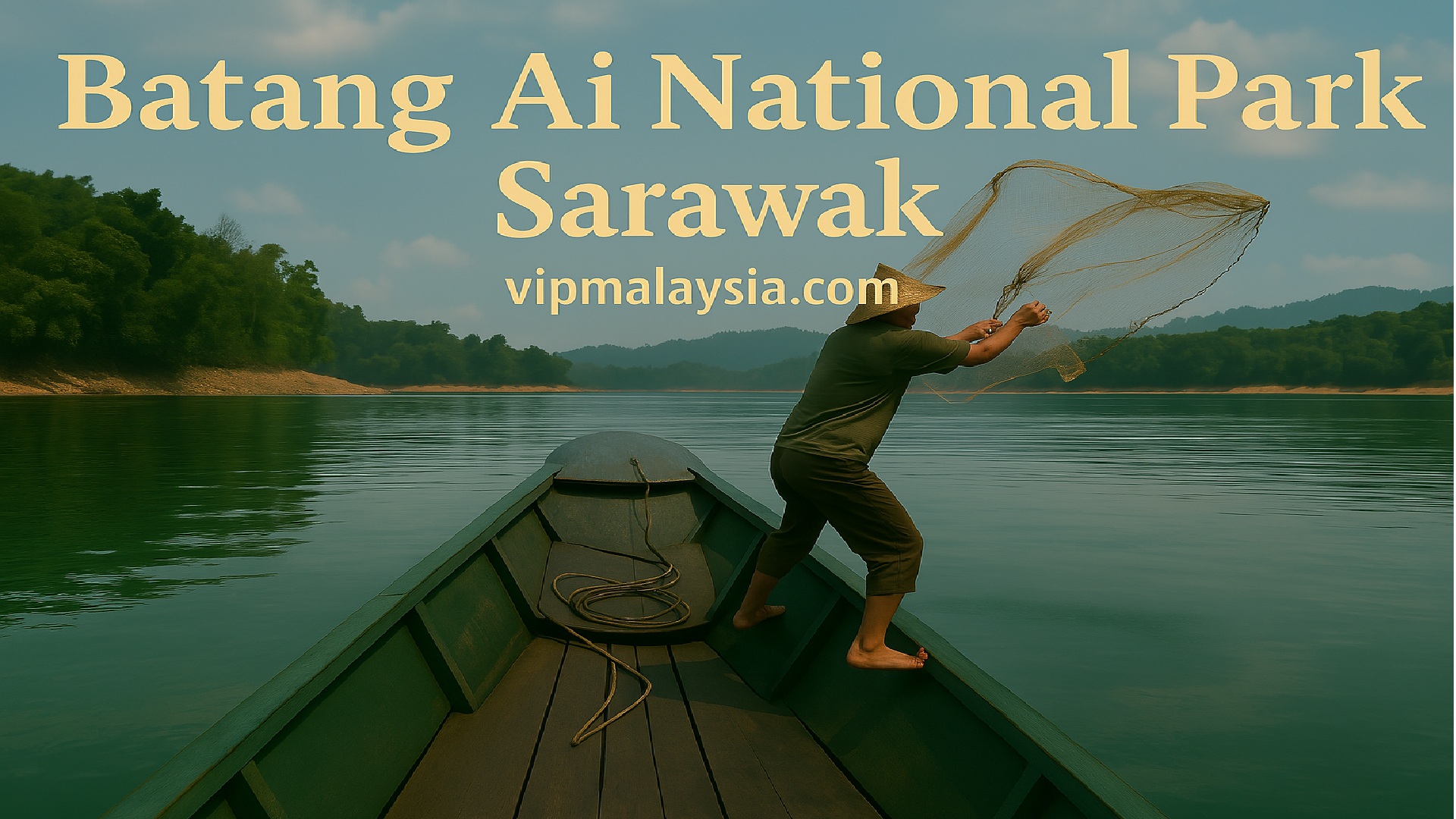
Venture deep into Sarawak’s untamed interior at Batang Ai National Park—where orangutans roam free, Iban longhouses line the rivers, and jungle trails lead to ancient burial grounds. Whether you seek cultural immersion or rainforest adventure, Batang Ai is your gateway to Borneo’s soul.
Why Visit
Tucked away in the upper reaches of Sarawak’s river systems, Batang Ai National Park is a rare blend of wildlife sanctuary, cultural heritage, and rainforest retreat. From longboat journeys to jungle treks, and from orangutan sightings to Iban hospitality, this park offers a truly immersive Bornean experience.
Jungle Trails & Ancient Paths
Batang Ai’s five official trails offer a glimpse into the park’s diverse ecosystems—from dipterocarp forests to ancient burial sites. All treks require a registered guide or park ranger.
Trail Overview
Trail Name
Length
Grade
Estimated Time
Padalai Trail
1.8 km
Easy
1 hr 30 mins
Bebiyong Trail
4.0 km
Easy
2 hr 30 mins
Bilitong Trail
4.6 km
Moderate
4 hrs
Enggam Trail
8.2 km
Challenging
6 hrs
Sium Trail
7.6 km
Moderate
5 hrs 30 mins
Getting There
From Kuching: 5-hour drive to Batang Ai Hydro Lake
From Lake to Park HQ: 2-hour longboat ride (1 hour across lake, 1 hour upriver)
Note: No public longboat service—arrange transport in advance
Tip: Water levels may require passengers to help push boats through shallow rapids!
Where to Stay
No accommodation inside the park
Nearby options:
Iban longhouse homestays (authentic cultural experience)
Aiman Batang Ai Resort & Retreat (lakeside comfort, 1.5 hrs by boat from park HQ)
What to Bring
Food and drinking water (no canteen on-site)
Insect repellent, sunscreen, waterproof bags
Sturdy hiking shoes and lightweight clothing
Flashlight and camera (permit required for pro use)
What Visitors Say
“The boat ride alone was worth the trip—crystal-clear rivers, jungle all around, and the friendliest guides we’ve ever met.” – James & Lila, UK
“We stayed in an Iban longhouse and saw orangutan nests in the wild. It felt like stepping into a National Geographic documentary.” – Amir R., Malaysia
“The trails were challenging but rewarding. The forest is alive with sound and color. Bring good shoes and a sense of wonder.” – Clarke M., Germany
Quick Facts at a Glance
Attribute
Details
Name
Batang Ai National Park
Location
Lubok Antu, Sri Aman Division, Sarawak, Malaysia
Established
1991
Area
24,040 hectares
GPS Position
1.2333° N, 112.6667° E
State
Sarawak
Main Entry Point
Batang Ai Hydro Lake (via longboat)
Park HQ Access
2-hour boat ride from Aiman Batang Ai Resort or public jetty
Distance from Kuching
275 km (~5 hours by road)
Operating Hours
Daily, 8:00 AM – 5:00 PM
Accommodation
Iban longhouses, Aiman Batang Ai Resort (offsite)
Facilities
No canteen; bring own food and water
Permit Required
Yes, for professional photography/filming
Contact
Tel: (+6) 082-248088
Corporate Office
Lot 218, Jalan Tapang, Kota Sentosa, Kuching
Email
info@sarawakforestry.com
Toll-Free
1800-88-2526
Ready to Explore?
Whether you’re chasing the call of the wild or the warmth of Iban hospitality, Batang Ai National Park is Sarawak at its most raw and real. From jungle trails to river journeys, this is where adventure begins.
Plan your trip today—contact the Sarawak Forestry Corporation or book through a trusted eco-tour operator.
Summary
Attraction: Batang Ai National Park
Location: #Sarawak
Attraction Type: #NationalPark
Best Destinations in Sarawak
Uncover the best destinations in Sarawak—from the breathtaking peaks of Mount Kinabalu to the pristine shores of Sipadan Island. Whether you’re chasing wildlife encounters, cultural gems, or tropical escapes, this guide reveals the most unmissable adventures. Click now to plan your perfect Sabah getaway!
Batang Ai National Park Venture deep into Sarawak’s untamed interior at Batang Ai National Park—where orangutans roam free, Iban longhouses line the rivers, and jungle…
Gunung Mulu National Park Step into the heart of Borneo’s untouched wilderness at Gunung Mulu National Park—home to the world’s largest cave chamber, rare orchids,…
Bako National Park, Sarawak Uncover Sarawak’s oldest and most biodiverse Bako National Park. With over 16 jungle trails, exotic wildlife like the proboscis monkey, scenic…
Looking for travel inspiration, delicious recipes, or the best places to eat? Want to stay updated on smart financial tips, personal loan promotions, or the latest car models? Whether you’re searching for hobby ideas, product reviews, or something new, we’ve got you covered! Click on the links, explore exciting insights, and let your next discovery begin—it’s just one click away!
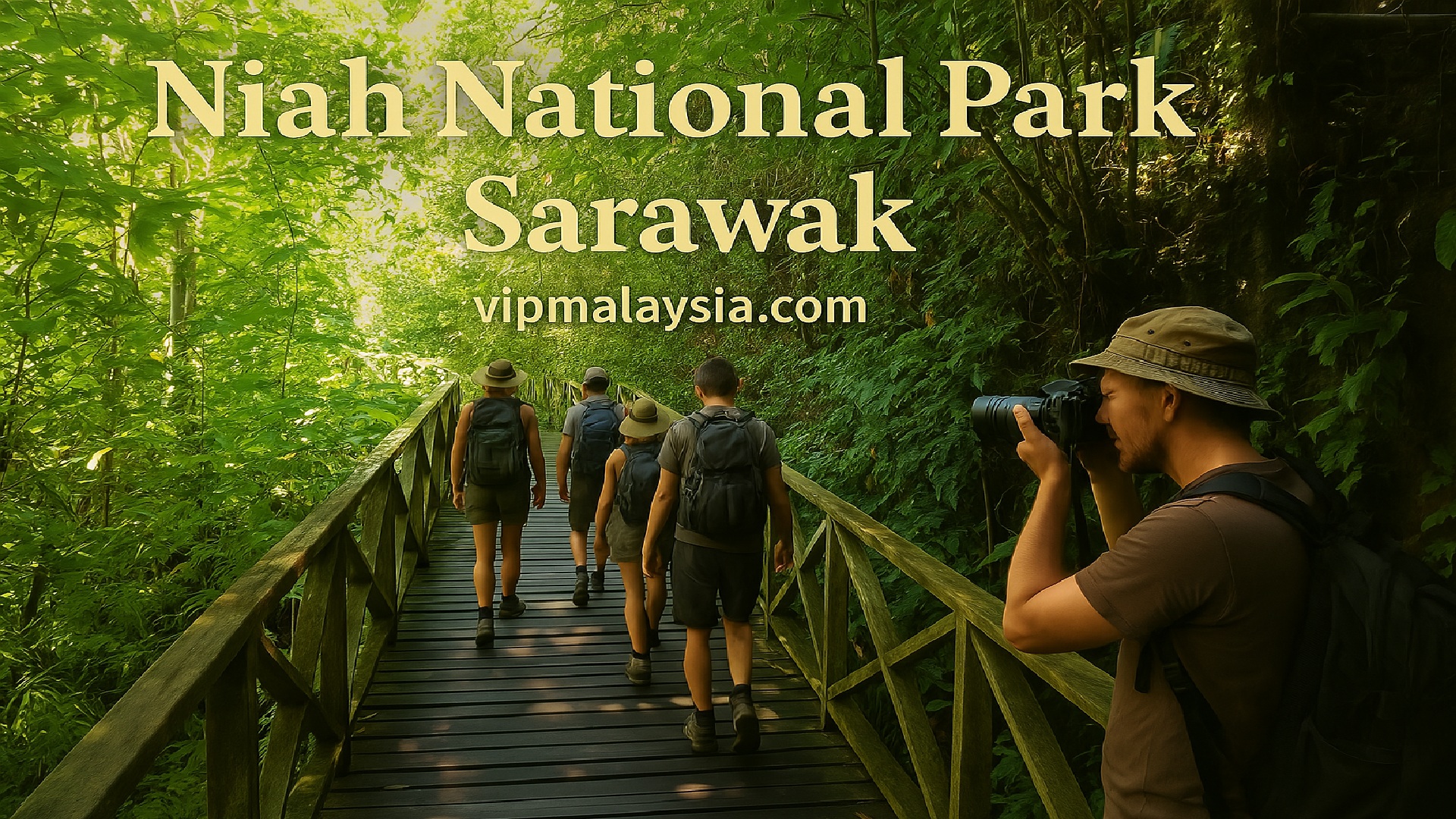
Step into the shadows of time at Niah National Park, where 40,000 years of human history echo through vast limestone caverns. From ancient cave paintings to rare geckos and moonlit rainforest walks, Niah is a living museum of nature, culture, and mystery.
Why Visit
Niah isn’t just a park—it’s a portal. A place where archaeology, biodiversity, and indigenous culture converge in a single, unforgettable experience. Whether you’re a history buff, nature lover, or curious traveler, Niah’s Great Cave and Painted Cave will leave you awestruck.
Explore the Caves of Time
The Great Cave
One of the world’s most spectacular cave entrances (60m high, 250m wide)
Archaeological site of 40,000-year-old human remains
Home to bats, swiftlets, and Penan bird’s nest collectors
Moon Cave (Gan Kira)
A pitch-black passage with surreal rock formations
Flashlight essential—this is where the cave whispers its secrets
Painted Cave (Gua Kain Hitam)
Prehistoric wall art and ancient burial site
View boat-shaped coffins and haunting cave paintings
Trader’s Cave
Historic overhang where guano and bird’s nest traders once bartered
A glimpse into the economic history of the caves
Nature Trails & Wildlife
Bukit Kasut Trail
A steep climb with panoramic views of the rainforest canopy
Madu Trail
A gentler walk through lush jungle, ideal for birdwatching
Wildlife Encounters
Niah Cave Gecko (endemic to Borneo)
Roundleaf bats, hornbills, flying lizards, and butterflies
Monkeys and squirrels often spotted along the plankwalk
Note: No cooking facilities; electricity and water available 24/7
For bookings, contact the National Parks Booking Office in Miri. Counter Hours: 8:00 AM – 3:00 PM (Daily, including Public Holidays)
Quick Facts at a Glance
Attribute
Details
Name
Niah National Park
Location
Muara Subis, Miri Division, Sarawak, Malaysia
Established
1974
Area
3,138 hectares
GPS Position
3.8128° N, 113.7500° E
State
Sarawak
Main Entry Point
Niah National Park HQ (via Niah River boat)
Distance from Miri
~110 km (2-hour drive)
Distance from Bintulu
~120 km (2-hour drive)
Access to Caves
Boat + 3.5 km plankwalk
Operating Hours
Daily, 8AM – 5PM
Best Time to Visit
March to October (dry season)
Accommodation
Chalets, hostels, nearby homestays
Key Attractions
Great Cave, Painted Cave, Trader’s Cave, Moon Cave
Wildlife
Bats, swiftlets, geckos, hornbills, monkeys
Activities
Caving, archaeology, birdwatching, photography
Facilities
Visitor center, trails, boat service, restrooms
Contact Information
Item
Details
Photography & Filming Permit
Required for professional use; arrange in advance with the National Park Booking Office
Counter Operating Hours (Park HQ)
8:00 AM – 3:00 PM (Monday–Sunday, including Public Holidays)
Contact – Niah National Park
Tel: 085-737450 / 085-737454
Corporate Office – Kuching
Lot 218, KCLD, Jalan Tapang, Kota Sentosa, 93250 Kuching, Sarawak, Malaysia
Phone (Corporate)
+60 82-610088
Fax
+60 82-610099
Toll-Free
1800-88-2526
Email
info@sarawakforestry.com
Operating Hours (Corporate Office)
Monday–Thursday: 8:00 AM – 1:00 PM & 2:00 PM – 5:00 PM Friday: 8:00 AM – 11:45 AM & 2:15 PM – 5:00 PM Saturday–Sunday & Public Holidays: Closed
What Visitors Say
“Walking into the Great Cave felt like stepping into another world. The silence, the scale, the history—it gave me chills.” – Daniel T., Australia
“The Painted Cave was hauntingly beautiful. I couldn’t stop thinking about the people who lived here thousands of years ago.” – Nurul A., Malaysia
“We saw bats, geckos, and even a hornbill! The plankwalk was peaceful and full of surprises.” – Liam & Zoe, UK
Plan Your Adventure Today
Niah National Park is more than a destination—it’s a story written in stone, bone, and silence. Whether you’re chasing ancient echoes or rare wildlife, Niah will move you in ways you didn’t expect. Ready to explore? Book your trip with a trusted local operator or start planning your Sarawak itinerary now.
Summary
Attraction: Niah National Park
Location: #Sarawak
Attraction Type: #NationalPark #Cave
Best Destinations in Sarawak
Uncover the best destinations in Sarawak—from the breathtaking peaks of Mount Kinabalu to the pristine shores of Sipadan Island. Whether you’re chasing wildlife encounters, cultural gems, or tropical escapes, this guide reveals the most unmissable adventures. Click now to plan your perfect Sabah getaway!
Gunung Mulu National Park Step into the heart of Borneo’s untouched wilderness at Gunung Mulu National Park—home to the world’s largest cave chamber, rare orchids,…
Bako National Park, Sarawak Uncover Sarawak’s oldest and most biodiverse Bako National Park. With over 16 jungle trails, exotic wildlife like the proboscis monkey, scenic…
Looking for travel inspiration, delicious recipes, or the best places to eat? Want to stay updated on smart financial tips, personal loan promotions, or the latest car models? Whether you’re searching for hobby ideas, product reviews, or something new, we’ve got you covered! Click on the links, explore exciting insights, and let your next discovery begin—it’s just one click away!
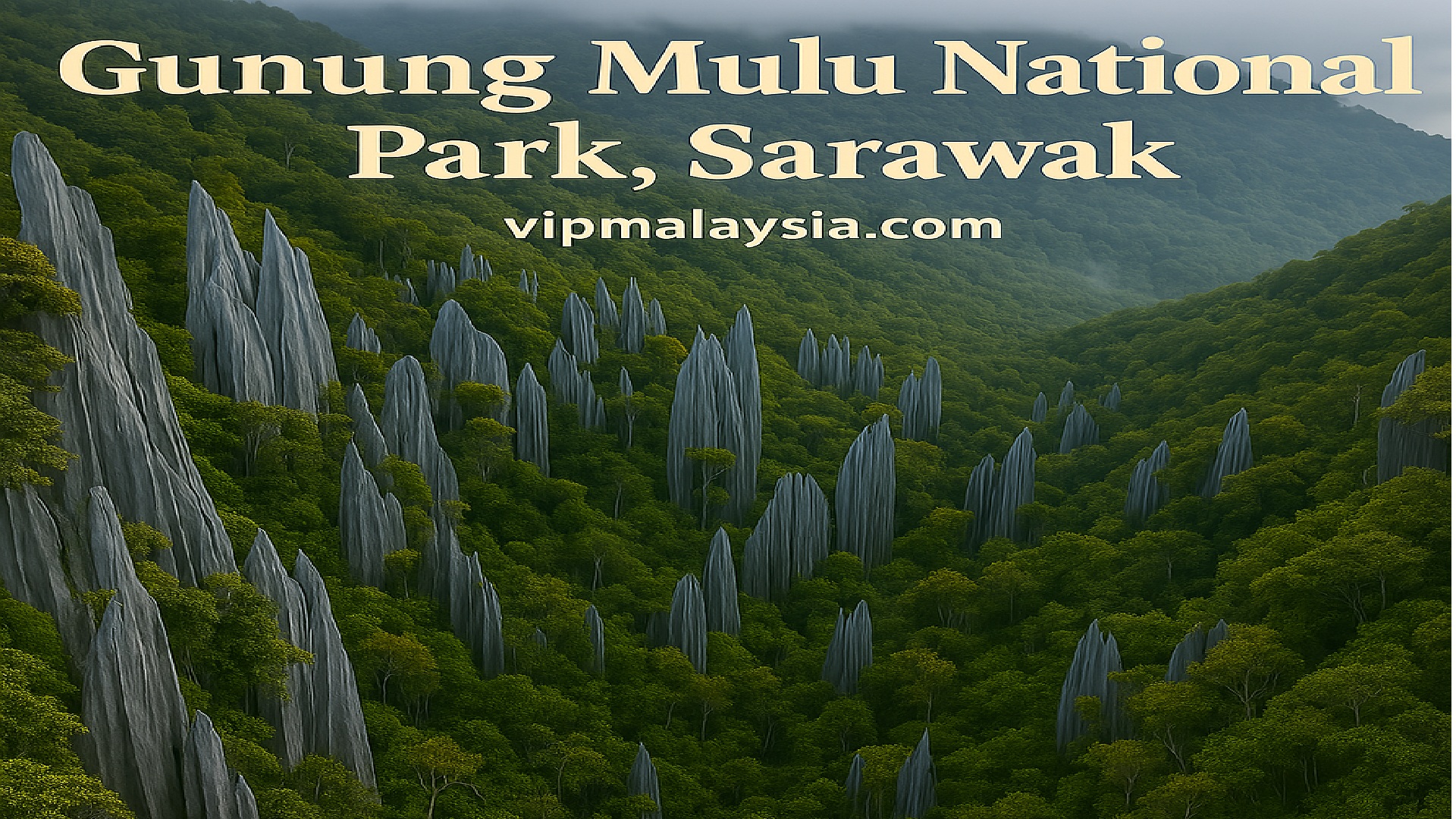
Step into the heart of Borneo’s untouched wilderness at Gunung Mulu National Park—home to the world’s largest cave chamber, rare orchids, and limestone pinnacles that pierce the clouds. Whether you’re chasing adventure or serenity, Mulu is where nature writes its most epic story.
Why Visit
Tucked deep in Sarawak’s rainforest, Gunung Mulu National Park is a UNESCO World Heritage Site that offers a surreal blend of biodiversity, geology, and adventure. From bat-filled caverns to cloud-kissed peaks, Mulu is a destination that rewards the curious and the courageous.
Biodiversity: A Living Museum of Borneo
Flora & Fauna Highlights
3,500+ vascular plant species
182 species of orchids
15 species of carnivorous pitcher plants
116 mammals (including 54 bat species)
305 birds, 100 reptiles, 97 amphibians
20,000+ invertebrates including 4,000 beetles and 360 spiders
Endemic Species to Watch For
Nepenthes muluensis – pitcher plant near Gunung Mulu summit
Monophyllaea pendula – one-leaf plant at Clearwater Cave
Mulu Horned Frog – found only near the summit
Api Dwarf Toad – limestone lowlands specialist
Geo-Diversity: Sculpted by Time & Rain
The Making of Mulu
Formed from Melinau limestone and sandstone matrix
Uplifted 5 million years ago from ancient seabeds
Home to one of the world’s longest cave systems
Sarawak Chamber: largest enclosed space on Earth
Must-See Show Caves
Deer Cave
Largest cave passage in the world
2 km long, 174m wide, 122m high
Famous for the evening bat exodus
Lang’s Cave
Smallest but most ornate
Stunning stalactites and cave fauna
Clearwater Cave
Asia’s longest cave (107 km)
Underground river, boat access, 200-step forest climb
Wind Cave
Cool breezes, “King’s Room” formations
Connected to Clearwater via plankwalk or boat
Adventure Awaits: Pinnacles & Peaks
The Pinnacles – razor-sharp limestone spires
Gunung Mulu Summit Trek – 2,377m climb
Adventure Caving – for ages 12+, fitness required
Where to Stay
Inside the Park: Air-conditioned bungalows, hostels, camping
Outside the Park: Marriott Resort, local homestays
Note: No banks or pharmacies—come prepared!
Quick Facts at a Glance
Attribute
Details
Name
Gunung Mulu National Park
Address
No 11, Mulu National Park, Pekan Mulu
98070, Miri, Sarawak
“The bat exodus at Deer Cave was like watching nature’s own fireworks show. Absolutely surreal.” – Jamie L., UK
“We stayed at the Marriott and did the Pinnacles trek—tough but worth every step. Gunung Mulu National Park is magical.” – Arif & Nadia, Malaysia
“The biodiversity in Gunung Mulu National Park blew my mind. I saw frogs I didn’t even know existed! – Clara M., Germany
Conclusion
Gunung Mulu National Park is a journey into Earth’s deep past and wild present. Whether you’re a nature lover, a cave explorer, or a thrill-seeker, Mulu will leave you breathless in the best way. Book your The biodiversity in Gunung Mulu National Park adventure now with Majestic Leisure & Tours or call +6085-427751.
Summary
Attraction: Gunung Mulu National Park
Location: #Sarawak
Attraction Type: #NationalPark
Best Destinations in Sarawak
Uncover the best destinations in Sarawak—from the breathtaking peaks of Mount Kinabalu to the pristine shores of Sipadan Island. Whether you’re chasing wildlife encounters, cultural gems, or tropical escapes, this guide reveals the most unmissable adventures. Click now to plan your perfect Sabah getaway!
Semenggoh Wildlife Centre Just 24 km from Kuching, Semenggoh Wildlife Centre offers a once-in-a-lifetime chance to witness semi-wild orangutans in their natural rainforest habitat. It’s…
Siniawan Night Market Just 25 minutes from Kuching, Siniawan Night Market transforms a sleepy heritage town into a glowing corridor of flavors, lights, and nostalgia….
The Brooke Gallery Visit The Brooke Gallery at Fort Margherita in Kuching and explore the story of Sarawak’s ‘White Rajahs’. Learn about James Brooke’s arrival…
Fort Margherita Towering above the Sarawak River, Fort Margherita stands as a proud sentinel of Kuching’s colonial history and Iban heritage. Once a bastion of…
Fort Sylvia Visit Fort Sylvia in Kapit, Sarawak—an iconic historical site built in 1880 that now serves as a museum. Discover exhibits on Iban heritage,…
Sematan Beach, Sarawak Discover Sematan Beach in Sarawak, a quiet coastal village with pristine beaches, waterfalls, island tours, cycling adventures, and cultural heritage. Plan your…
Damai Beach A blissful hideaway 40 minutes from Kuching—Damai Beach invites you to unwind beneath towering rainforests, cruise mangrove rivers, and witness rare wildlife like…
Maludam National Park Maludam National Park in Sarawak is a remote yet vital peat swamp reserve, teeming with red banded langurs, proboscis monkeys, rare hornbills,…
Looking for travel inspiration, delicious recipes, or the best places to eat? Want to stay updated on smart financial tips, personal loan promotions, or the latest car models? Whether you’re searching for hobby ideas, product reviews, or something new, we’ve got you covered! Click on the links, explore exciting insights, and let your next discovery begin—it’s just one click away!
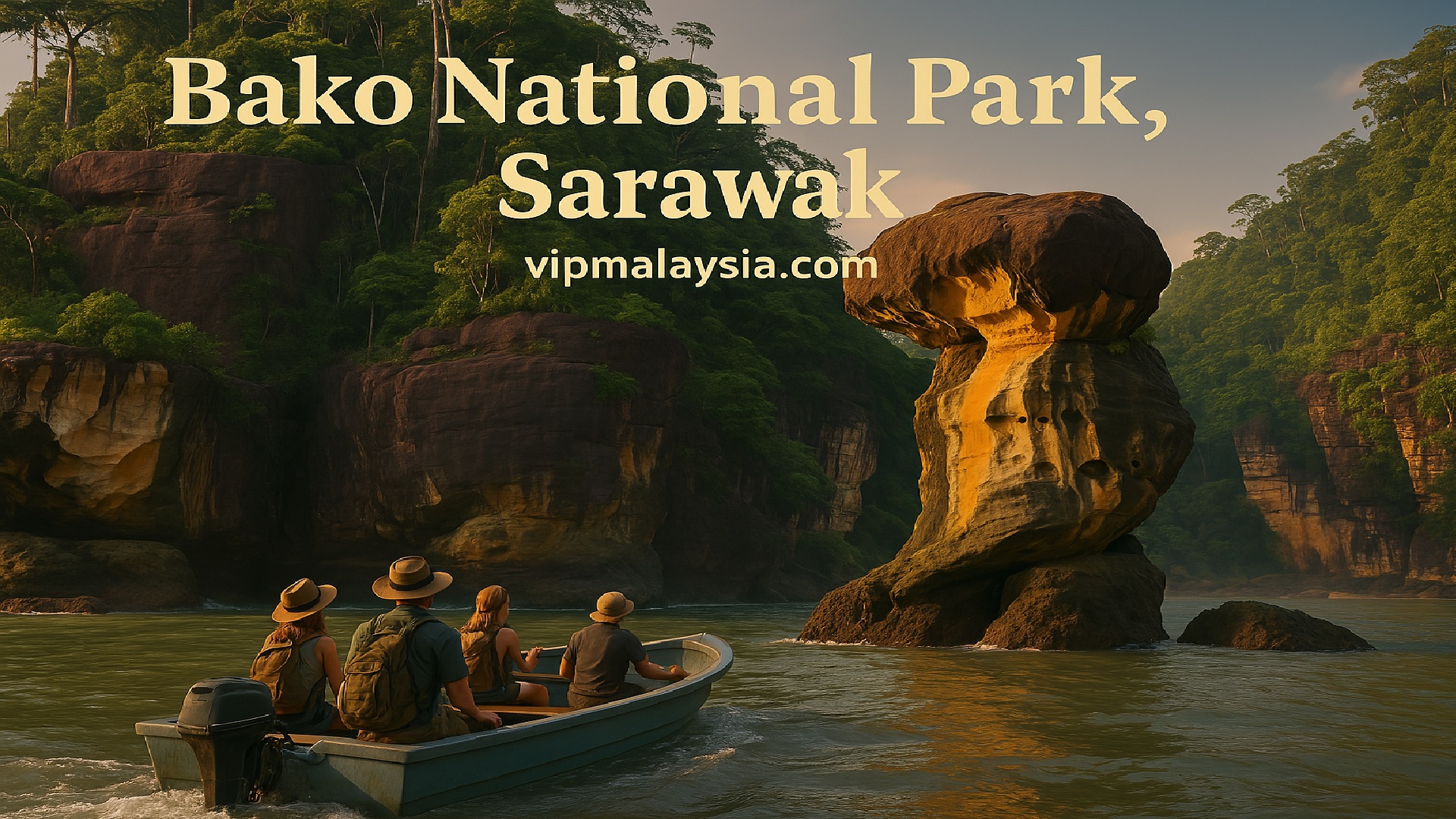
Uncover Sarawak’s oldest and most biodiverse Bako National Park. With over 16 jungle trails, exotic wildlife like the proboscis monkey, scenic beaches, and ancient rock formations, Bako offers a one-of-a-kind rainforest experience. Whether you’re an avid trekker or an eco-curious traveler, this hidden gem needs to be on your Borneo bucket list.
Why Visit
Nestled at the tip of the Muara Tebas Peninsula, Bako National Park may be Sarawak’s smallest park, but it packs an astonishing diversity of ecosystems, wildlife, and adventure—all within easy reach of Kuching. Its coastal cliffs, secluded beaches, twisted mangroves, and rainforest trails offer a complete Borneo wilderness experience.
Trekking Through the Wild
Bako’s 16 Trails
Easy to Moderate Trails
Tanjung Sapi (0.5km) – Steep but short trail for sweeping sea views and possible proboscis monkey sightings.
Telok Paku (0.8km) – Great for early wildlife watching and beach access.
Telok Delima (0.25km) – Excellent for quiet monkey encounters along dense vegetation.
Moderate to Challenging Treks
Telok Pandan Kecil & Besar (1.5km / 0.75km) – Iconic cliff and beach trail with sea stack views.
Lintang Trail (5.25km loop) – Your best bet for a half-day sampler of all Bako ecosystems.
Tajor Trail (2.75km) – Ends in a peaceful jungle waterfall and tiny beach.
For Hardcore Hikers
Telok Limau (5.75km, 7 hrs) – Only for the experienced. Crosses hill country with a beach reward.
Pa’Amit Trail (1.5km, 7¼ hrs) – Long and wild. Plan thoroughly before attempting.
Don’t Miss: Pulau Lakei & Telok Keruin
Pulau Lakei – Swim in clear waters and view mystical cliff art
Telok Keruin – Climb the 160-step ladder to the grave of legendary Datuk Ibrahim
Wildlife Encounters
Bako is the best place in Malaysia to see proboscis monkeys in the wild. Also spotted:
Silver-leaf monkeys
Bearded pigs
Flying lemurs
Colorful kingfishers and hornbills
Bring your binoculars and tread quietly.
Quick Info
Tour Packages
Planning your Bako National Park adventure? Choose from these carefully crafted tour options—each offering a unique way to explore the park’s wildlife, beaches, and scenic trails:
Tour Package
Duration
Highlights
From (MYR)
Bako National Park Day Tour
1 Day
Boat cruise, short hikes, wildlife spotting
230
2D1N Bako – Proboscis Monkey Tour
2 Days, 1 Night
Evening hike, overnight stay, wildlife focus
840
3D2N Bako – Natural Trekking Tour
3 Days, 2 Nights
Full trail experience, waterfalls, camping
1180
3D2N Kuching City + Bako National Park
3 Days, 2 Nights
City sights + rainforest trails
—
Trek and Trails
Trail Name
Description
Trail Length
One Way Time & Distance from HQ
Tanjung Sapi
Short, steep climb with views of Telok Assam and Santubong. Proboscis monkey sightings possible.
0.5 km
30 min (0.8 km)
Telok Paku
Leads through cliff forest to a quiet beach. Good for spotting proboscis monkeys.
0.8 km
1 hr (1.2 km)
Ulu Assam
Steep jungle climb with swamp forest start. Scenic views from the top.
0.8 km
1¼ hrs (1.4 km)
Telok Delima
Prime monkey-viewing territory. Move quietly and listen for grunting sounds.
0.25 km
45 min (1 km)
Telok Pandan Besar
Hike through scrub and pitcher plants to stunning coastal cliffs.
0.75 km
1 hr (1.75 km)
Telok Pandan Kecil
Popular cliff trek ending at a beach. Sea stack and monkey sightings common.
1.5 km
1½ hrs (2.5 km)
Ulu Serait
Connects Lintang to Bukit Gondol. Through padang and swamp forest.
1.25 km
1½ hrs (2.2 km)
Lintang Loop
Covers nearly all vegetation types. Great for day visitors.
5.25 km
3½ hrs
Tajor
Exposed trail ending in a beach with waterfall stop. Watch for slippery rocks.
2.75 km
2½ hrs (3.5 km)
Tanjung Rhu
Access via Tajor. Rocky peninsula with wave-cut platforms.
1.8 km
2½ hrs (4.2 km)
Bukit Keruing
Passes rainforest giants and flanks the park’s 2nd highest point.
2.25 km
3½ hrs (5.5 km)
Paya Jelutong
Shortcut through swamp forest. Unique high-elevation ecology.
0.2 km
3½ hrs (5.7 km)
Bukit Gondol
Semi-loop over Bako’s highest peak. Panoramic views of the coast.
2 km
4½ hrs (7.7 km)
Telok Sibur
Day trek to the park’s longest beach via mangroves and river crossing.
0.8 km
3½ hrs (5.3 km)
Telok Limau
Epic 7-hour jungle hike with varied terrain and views.
5.75 km
7 hrs (10 km)
Telok Keruin
Island trail to Malay warrior’s grave, sacred pool, and scenic beach.
1 km
30 min
Pa’Amit Trail
Side route from Telok Limau with lookout points and rock pools.
1.5 km
7¼ hrs (10.5 km)
Pulau Lakei
Beach trail with rock paintings. Access by boat only.
Visitor center, chalets, canteen, showers, info boards
Contact
Majestic Leisure & Tours
Tel: +6085-427751 / +6085-417751
Fax: +6085-437751
Email: info@majesticleisure.my Website: www.borneotravelnetwork.com Chinese Website: www.junwanglvyou.com
What Visitors Say
“The trail variety here is unreal—you get cliffs, beaches, monkeys, and waterfalls in one day!” – Alex C. from Melbourne
“Bako National Park is a hidden gem! We saw proboscis monkeys up close. The views from Telok Pandan were unforgettable.” – Casserin Lin, Kuala Lumpur
“Well maintained trails and helpful rangers. Great experience for our whole family.” – Ravi & Anika, Singapore
How to Get There
Start your journey from Kuching, then head to Bako Jetty, a 30-minute ride. From there, a scenic boat ride (another 20 minutes) takes you to the park entrance.
Travel Tips & Essentials
Bring reusable water bottles, insect repellent, and waterproof gear
Respect the wildlife—don’t feed or approach animals
Watch out for cheeky monkeys near beaches!
Ready to Explore?
Whether you’re an avid birder, thrill-seeking hiker, or a beach-loving wanderer—Bako National Park delivers an unforgettable adventure. And with its manageable size and access from Kuching, it’s an absolute must-do.
Start planning your rainforest journey today—book with Majestic Leisure & Tours or call +6085-427751.
Summary
Attraction: Bako National Park
Location: #Sarawak
Attraction Type: #NationalPark
Best Destinations in Sarawak
Uncover the best destinations in Sarawak—from the breathtaking peaks of Mount Kinabalu to the pristine shores of Sipadan Island. Whether you’re chasing wildlife encounters, cultural gems, or tropical escapes, this guide reveals the most unmissable adventures. Click now to plan your perfect Sabah getaway!
Gunung Mulu National Park Step into the heart of Borneo’s untouched wilderness at Gunung Mulu National Park—home to the world’s largest cave chamber, rare orchids,…
Bako National Park, Sarawak Uncover Sarawak’s oldest and most biodiverse Bako National Park. With over 16 jungle trails, exotic wildlife like the proboscis monkey, scenic…
Looking for travel inspiration, delicious recipes, or the best places to eat? Want to stay updated on smart financial tips, personal loan promotions, or the latest car models? Whether you’re searching for hobby ideas, product reviews, or something new, we’ve got you covered! Click on the links, explore exciting insights, and let your next discovery begin—it’s just one click away!
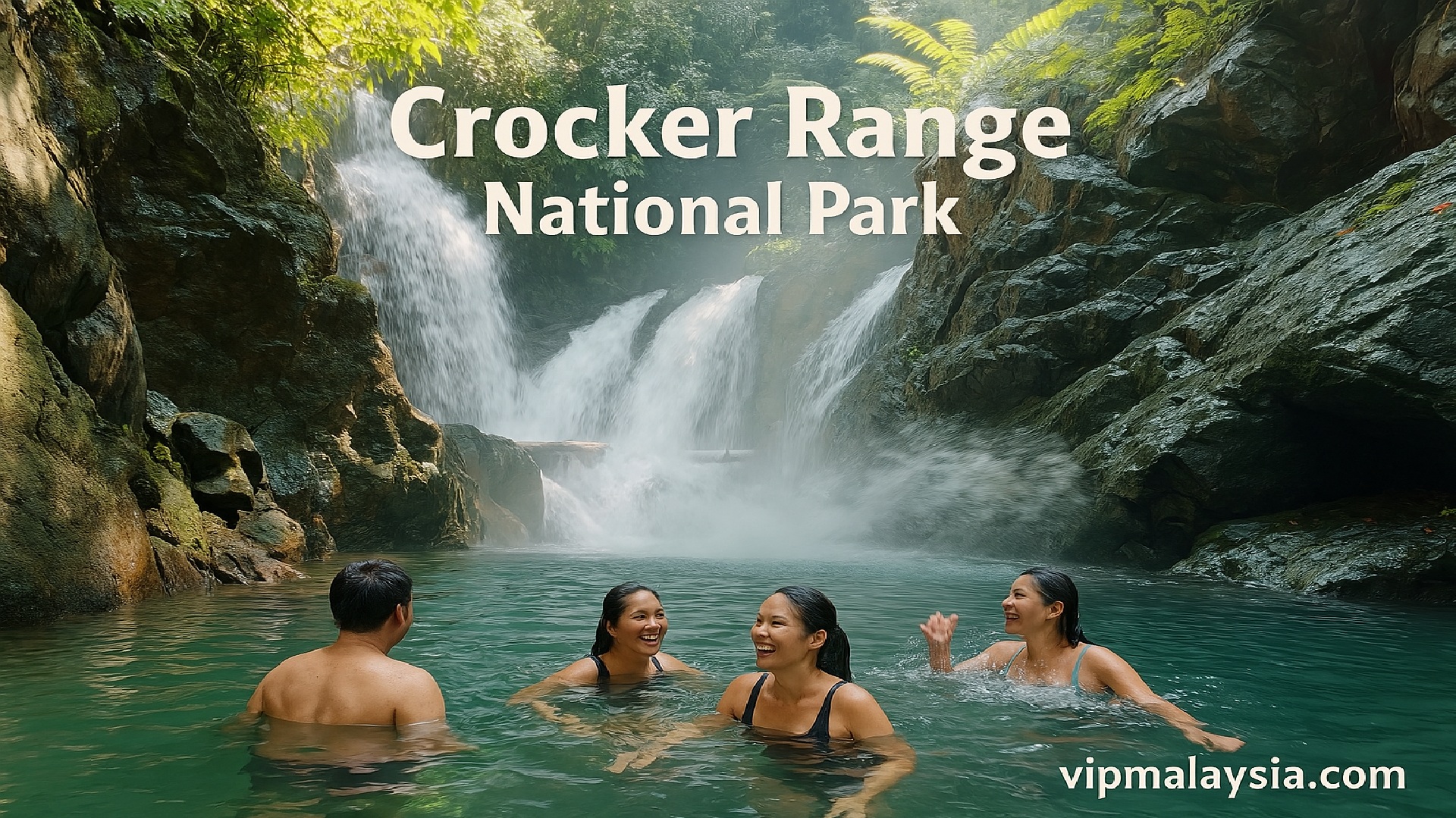
Nestled on the West Coast of Sabah, Taman Negara Banjaran Crocker is more than Malaysia’s largest park—it’s a UNESCO Biosphere Reserve, an eco-adventure hub, a conservation success story, and a healing escape for outdoor lovers. From rafting wild rivers to spotting the rare Rafflesia and camping beneath montane skies, this protected treasure invites you into nature’s living classroom.
Taman Negara Banjaran Crocker, Sabah’s largest protected area, is a UNESCO Biosphere Reserve and a sanctuary of biodiversity. From trekking the historic Salt Trail to spotting the rare Rafflesia, this eco-adventure hub offers a living classroom of nature, culture, and conservation.
Introduction
Nestled along the western spine of Sabah, Taman Negara Banjaran Crocker spans 139,919 hectares of rugged terrain, montane forests, and river valleys. Established in 1984, it is Malaysia’s largest terrestrial park and a cornerstone of conservation. In 2014, UNESCO recognized it as part of the Crocker Range Biosphere Reserve, elevating its global importance. Today, the park is not only a refuge for wildlife but also a destination for eco-tourism, cultural encounters, and outdoor adventure.
History
The origins of Taman Negara Banjaran Crocker trace back to Sabah’s post-independence conservation movement. In the early 1980s, rapid logging and agricultural expansion threatened the ecological balance of the Crocker Range. Recognizing its role as a water catchment for rivers like the Papar and Padas, the Sabah government gazetted the area in 1984.
Over the decades, the park became a focal point for biodiversity research. In 1996, the Fernarium was established to showcase Sabah’s native fern species, and by 2004, the Crocker Nature Centre opened to support environmental education. The UNESCO designation in 2014 marked a milestone, expanding the protected area into a biosphere reserve of 350,584 hectares. This recognition highlighted not only its ecological value but also its cultural significance, as indigenous Dusun and Murut communities continue to live in buffer zones, practicing sustainable agriculture and traditional crafts.
How to Get There
From Kota Kinabalu, visitors can reach Crocker Range National Park by taxi or bus. A taxi to Keningau Taxi Station costs around RM120, while a taxi directly to the Crocker Range Station is about RM40. Alternatively, buses depart from Merdeka Field to Keningau for RM16. The Tung Ma Bus service runs three times daily at 8:00 am, 12:00 pm, and 4:00 pm, with fares of RM20 each way.
From Keningau Town, the Crocker Range Park Headquarters is just 15 km away, roughly a 30‑minute drive by car. This proximity makes Keningau a convenient base for visitors, especially those planning to explore substations such as Gunung Alab, Mahua, or the Rafflesia Plot. Local taxis and private cars are the most common transport options, and signage along the road helps guide travelers to the park entrance .
Highlights
Immense Biodiversity
The park shelters ecosystems ranging from lowland dipterocarp forests to cloud forests. Endemic orchids, pitcher plants, and the giant Rafflesia bloom thrive here. Mammals include orangutans, gibbons, tarsiers, and clouded leopards. Birdwatchers can spot hornbills, bulbuls, and the Asian paradise flycatcher. Insects are equally diverse, with rhinoceros beetles and stick insects drawing attention at the insectarium.
UNESCO Biosphere Recognition
The biosphere reserve designation in 2014 created three zones: the core protected park, buffer zones with community settlements, and transition areas for sustainable development. This model integrates conservation with human livelihood, making Crocker Range a living example of coexistence between nature and culture.
Attractions
Birdwatching Wonderland
Crocker Range is a paradise for ornithologists. The montane forests host over 265 bird species, including the Bornean barbet, chestnut munia, and whitehead’s broadbill. Early mornings are best for sightings, with misty canopies alive with calls.
Salt Trail Trekking
The Salt Trail is a 34 km route once used by villagers to trade salt and rice. Today, trekkers experience deep jungle immersion, river crossings, and village homestays. The trail connects Inobong Substation to Tikolod, offering cultural encounters with Dusun communities.
Insectarium Encounters
The insectarium at park headquarters educates visitors about Sabah’s insect diversity. Displays include stag beetles, leaf insects, and luminous fireflies, making it a favorite for families and students.
Climb Iconic Peaks and Trails
Minduk Sirung: A 12 km trek from Gunung Alab Substation to Mahua Waterfall, offering mossy forest landscapes. Climbers receive an official tag and certificate.
Mount Tinutudan: Less publicized but officially recognized, requiring guides and offering panoramic views of the Crocker spine.
Things to Do
The Fernarium
Established in 1996 and opened in 2004, the fernarium spans 5 hectares and showcases over 55 native fern species. It is one of the most diverse fern gardens in Southeast Asia, serving as both a research site and visitor attraction.
The Crocker Nature Centre
Opened in 2004, the centre features a gallery, lecture hall, and eco-programmes. Activities include composting workshops, nature games, and conservation talks, making it a hub for environmental education.
Observation Tower
Located near Keningau, the tower offers sweeping views of the town and surrounding valleys. Sunrise and dusk are particularly stunning, with golden light illuminating the Crocker Range ridges.
Trekking and Adventure
Camping and Shelter Sites
Visitors can camp at headquarters, Inobong, and Mahua. Facilities include shelters, fire pits, and basic amenities, allowing immersion in rainforest nights under starry skies.
Inobong
The Inobong Substation is situated in the Penampang district and functions as both a visitor and research station. It is historically significant as the starting point of the Salt Trail, a 34 km jungle route once used by villagers to trade salt and rice. Today, trekkers begin their journey here, experiencing river crossings, dense rainforest immersion, and cultural encounters with Dusun communities along the way. Facilities include a visitor registration office, chalets, and trails leading to waterfalls and longer routes that form part of the Salt Trail.
Beyond trekking, Inobong offers panoramic views of Kota Kinabalu and the offshore islands from its vantage points. The surrounding montane forest is home to hornbills, bulbuls, and orchids, making it a hotspot for biodiversity enthusiasts. Visitors often highlight the cultural richness of nearby villages, where traditional Dusun practices such as bamboo weaving and subsistence farming are still preserved. This blend of natural and cultural heritage makes Inobong a vital entry point for eco‑tourism in Crocker Range .
Mahua
The Mahua Substation, located in Tambunan district, is best known for the Mahua Waterfall, a 17‑meter cascade that falls into a 1.3 m deep pool. It is one of the most accessible attractions within Crocker Range Park, situated about 16 km from Tambunan town and 8 km from Kg. Patau. Facilities include basic shelters, picnic areas, and camping grounds, making it popular with both local families and international tourists. The substation sits at about 1,000 meters above sea level, surrounded by tropical forest.
Mahua also serves as an educational hub, with ranger‑led tours explaining the ecological importance of the surrounding forest. The area is rich in biodiversity, including ferns, orchids, and insects that thrive in the moist environment. Visitors often describe Mahua as a serene escape, ideal for photography and relaxation, while still offering adventure through nearby trekking routes that connect deeper into the Crocker Range. Its accessibility and facilities make Mahua one of the most visited substations in the park, attracting around 1,600 visitors monthly .
Hostel Accommodation
The park offers dormitories for up to 36 guests and two king-bed rooms. Shared kitchens and lounges foster a communal atmosphere for trekkers and researchers.
River Adventures
While rafting is popular in the nearby Padas River, it complements the Crocker Range experience. The river’s Grade III–IV rapids attract thrill-seekers, often combined with park trekking itineraries.
Padas River
The Padas River flows through the interior of southwestern Sabah and is renowned for its white-water rafting adventures. Situated near Beaufort and Tenom, it is accessible only by train, adding to its distinctive charm. The rafting stretch covers about 9 km of Grade III–IV rapids, with seven named rapids such as Merry-Go-Round, Break Point, Scooby Doo, Cobra, Curve, Lambada, and Head Hunter. These rapids provide varying levels of challenge, making the river suitable for thrill-seekers looking for one of Southeast Asia’s most exhilarating rafting experiences.
Beyond the adrenaline rush, the Padas River offers scenic views of lush rainforest and glimpses of rural life along the railway. The journey itself is part of the adventure, as visitors ride the historic train from Beaufort or Tenom to reach the rafting stations at Pangi or Rayoh. This railway is the oldest in Borneo and passes through Murut tribal areas, adding cultural depth to the trip. Rafting operators typically provide safety briefings, guides, and riverside lunches, ensuring both excitement and comfort. The combination of natural beauty, cultural heritage, and thrilling rapids makes the Padas River a highlight of Crocker Range’s adventure tourism.
Major Trails
The three major trails in Taman Negara Banjaran Crocker are the Salt Trail, Minduk Sirung Trail, and Mount Tinutudan climb — each offering unique jungle trekking experiences with cultural immersion, biodiversity, and challenging terrain.
Salt Trail
The Salt Trail is a historic 34 km jungle route once used by the Dusun and Murut people to trade salt and rice between remote villages and the west coast. Today, it is a multi‑day trek (3–4 days) starting at the Inobong Substation and ending at Kg. Tikolod, passing through villages like Terian, Buayan, and Kionop. Trekkers encounter river crossings, suspension bridges, and homestays, making it both a cultural and ecological journey through dense rainforest and traditional communities.
Minduk Sirung Trail
The Minduk Sirung Trail connects Gunung Alab Substation to Mahua Waterfall, spanning about 12 km through mossy montane forest. Rising to ~2,050 m, it is a point‑to‑point trek that takes 7–8 hours, featuring root‑covered jungle paths, scrambles, and fixed ropes. The trail is known for its pristine biodiversity, panoramic viewpoints, and technical terrain, making it a moderately hard hike that rewards trekkers with the Mahua cascade at the finish.
Mount Tinutudan Trail
The Mount Tinutudan climb is another adventure route within Crocker Range, offering a challenging ascent with steep sections and rewarding views. The trail requires permits and guides, with fees set by Sabah Parks. It is less frequented than the Salt Trail or Minduk Sirung, making it ideal for trekkers seeking solitude and immersion in untouched rainforest. The climb highlights the rugged terrain of Crocker Range and contributes to its reputation as an eco‑adventure hub.
Nearby Attractions
Gunung Alab
The Gunung Alab Substation is a high-altitude trekking zone located within Crocker Range National Park. Situated at approximately 1,800 meters above sea level, it is known for its mossy forests, cool climate, and panoramic views of the Crocker spine. The substation serves as a gateway for trails such as Minduk Sirung, which connects Gunung Alab to Mahua Waterfall. Trekkers often highlight the unique flora here, including orchids, pitcher plants, and ferns that thrive in the misty montane environment.
Beyond trekking, Gunung Alab is a hub for eco-tourism and research. The area provides facilities for hikers, including registration offices and basic shelters. Birdwatchers frequent the substation to spot endemic species such as the Bornean barbet and Whitehead’s broadbill. Its accessibility from Kota Kinabalu makes it a popular starting point for both short hikes and multi-day treks deeper into Crocker Range.
Mahua Waterfall
The Mahua Waterfall, located near Tambunan, is one of the most popular attractions in Crocker Range. This 17-meter cascade drops into a clear pool surrounded by lush jungle, making it a favorite picnic and photography spot. The site is easily accessible, with facilities such as picnic shelters, camping grounds, and ranger stations. Its proximity to Tambunan town makes it a convenient destination for families and day-trippers.
Visitors often describe Mahua as a serene escape, ideal for relaxation and nature immersion. The waterfall is also part of educational tours organized by Sabah Parks, where guides explain the ecological importance of the surrounding forest. The biodiversity here includes ferns, orchids, and insects that thrive in the moist environment, making Mahua both a recreational and educational highlight of Crocker Range.
Rafflesia Plot
The Rafflesia Plot within Crocker Range is managed by Sabah Parks and offers visitors the chance to witness the world’s largest flower. The Rafflesia bloom is unpredictable, but when it occurs, it draws crowds eager to see its massive petals and unique structure. The plot is carefully monitored by park rangers to protect the delicate ecosystem and ensure sustainable tourism.
Beyond the spectacle of the bloom, the Rafflesia Plot serves as an educational site. Visitors learn about the plant’s parasitic nature, its role in the forest ecosystem, and the conservation challenges it faces. The site underscores Crocker Range’s biodiversity and highlights the importance of preserving rare species for future generations.
Inobong Substation
The Inobong Substation, located near Penampang, is the starting point of the historic Salt Trail. This 34 km jungle route was once used by villagers to trade salt and rice, and today it offers trekkers deep immersion into rainforest landscapes. Facilities at Inobong include registration offices, chalets, and access to guides who are essential for navigating the rugged terrain.
In addition to trekking, Inobong provides opportunities for birdwatching and cultural encounters. The surrounding montane forest is home to hornbills, bulbuls, and orchids, while nearby villages showcase traditional Dusun practices such as bamboo weaving and subsistence farming. This combination of natural and cultural heritage makes Inobong a vital eco-tourism hub in Crocker Range.
Mount Kinabalu
Located near Crocker Range, Mount Kinabalu is Southeast Asia’s tallest peak at 4,095 meters and a UNESCO World Heritage Site. It is often combined with Crocker Range itineraries, as both parks are managed by Sabah Parks and highlight the region’s ecological richness. Kinabalu is famous for its diverse flora, including orchids, pitcher plants, and the rare Nepenthes rajah.
Beyond its natural beauty, Mount Kinabalu is a cultural icon for the Kadazan-Dusun people, who regard it as sacred. Climbers from around the world attempt its summit, making it one of Malaysia’s most visited natural attractions. Its proximity to Crocker Range allows travelers to experience both high-altitude adventure and rainforest immersion in a single trip.
CRBR Buffer Zones
The buffer zones of the Crocker Range Biosphere Reserve (CRBR) surround the core protected areas and serve as transitional spaces where conservation and community life intersect. These zones are home to diverse ecosystems, including lowland forests, rivers, and agricultural landscapes that support species such as hornbills, orchids, and amphibians. They act as ecological corridors, allowing wildlife to move between habitats while reducing pressure on the strictly protected core zones.
Equally important, the buffer zones are inhabited by rural communities, primarily the Dusun and Murut peoples, who practice traditional farming, bamboo weaving, and small-scale agroforestry. These communities play a vital role in sustainable resource management, balancing livelihoods with conservation goals. Programs led by Sabah Parks and UNESCO encourage eco-tourism, organic farming, and cultural preservation, ensuring that biodiversity protection goes hand-in-hand with improving local quality of life. This integration of nature and community makes the CRBR buffer zones a living example of how conservation can support rural resilience.
Conclusion
Taman Negara Banjaran Crocker is Malaysia’s largest terrestrial park, a UNESCO Biosphere Reserve, and a biodiversity hotspot. It offers trekking, birdwatching, cultural encounters, and educational facilities, making it a destination for both adventure seekers and conservation enthusiasts. Its integration of indigenous communities into sustainable practices sets it apart as a model of coexistence.
Summary
Attraction: Taman Negara Banjaran Crocker
Location: #Sabah
Attraction Type: #NationalPark
Quick Info
Category
Description
Name
Taman Negara Banjaran Crocker
Location
West Coast of Sabah, Borneo
Established
1984
Biosphere Recognition
UNESCO Crocker Range Biosphere Reserve (June 2014)
Total Area
139,919 ha (Park) / 350,584 ha (Biosphere)
Elevation
~1,000 m above sea level (HQ near Keningau)
Forest Types
Lowland rainforest, montane forest, cloud forest
Flora
229 fern species, Rafflesia sites, diverse plant zones
Mahua, Gunung Alab, Inobong, Ulu Kimanis, Buayan, Melalap, Ulu Membakut
Contact HQ
Block H, Level 1–5, Lot 45 & 46, KK Times Square, Sabah
Phone
+6088-523500
Email
info@sabahparks.org.my
Entrance Fees
Category
Fee
International aged 18 years old and above
RM 20 / person / day
International aged 17 years old and below
RM 12 / person / day
Malaysian aged 18 years old and above
RM 6 / person / day
Malaysian aged 13 to 17 years old
RM 5 / person / day
Malaysian aged 12 & below, 60+ & PWD
Free of charge
Rafflesia Blooming Observation Fee
Category
Fee
International (all categories)
RM 30 / person / day
Malaysian (all categories)
RM 15 / person / day
Minduk Sirung Trail – Gunung Alab Substation
#
Particulars
18 Years & Above
17 Years & Below
Remarks
01
Minduk Sirung (Malaysian)
RM 40
RM 20
Includes tag & cert
02
Minduk Sirung (International)
RM 100
RM 50
Includes tag & cert
03
Insurance
RM 7 / day
—
04
Mountain Guide
RM 150 / day / 5 pax
Mount Tinutudan Climbing Fees
#
Particulars
18 Years & Above
17 Years & Below
Remarks
01
Mount Tinutudan (Malaysian)
RM 40
RM 20
Includes tag & cert
02
Mount Tinutudan (International)
RM 100
RM 50
Includes tag & cert
03
Insurance
RM 7 / day
—
04
Mountain Guide
RM 150 / day / 3 pax
Visitor Reviews
Johan Kruseman, Netherlands – ★★★★☆ “I backpacked through Crocker Range in April 2026. The humidity was intense, and leeches were everywhere, but the solitude was worth it. Unlike Kinabalu Park, this place feels raw and untamed. Facilities are basic, sometimes closed, but camping under the cloud forest ridges was unforgettable. Birdlife was abundant, and I spotted hornbills near the trail.”
Jacob Anak Salim, Borneo – ★★★★★ “Crocker Range is Sabah’s underrated giant. The air is cool, the forest alive with calls and mist rolling over ridges. It’s not polished—no glamping or fancy resorts—but that’s the charm. I loved hearing insects hum and spotting orchids along the trail. The drive through Kimanis-Keningau trunk road was scenic but rough, with potholes after rain. Still, the raw jungle vibe makes it special.”
Al Mustafa Kiting, Sabah – ★★★★☆ “Visited Mahua Waterfall in Tambunan, and it was stunning. The cascade is refreshing, perfect after a hike. The road conditions were challenging, especially deeper into Inobong, but manageable with a careful drive. The observation tower near Keningau gave breathtaking views at dusk. Facilities are simple, so bring your own supplies.”
Mimi Sadok, Sabah – ★★★★★ “I often camp in Crocker Range, and it’s always rewarding. The insectarium is fascinating, especially for kids, with beetles and stick insects. Registration at the park office is mandatory, and I appreciate the safety measures. The Salt Trail trek connects you with local Dusun villages, and homestays add cultural depth. It’s a place for nature lovers, not luxury seekers.”
Endau Rompin National Park is one of Malaysia’s oldest and most treasured rainforests, spanning 870square kilometers of untouched wilderness. Whether you’re a trekking enthusiast, a fishing lover, or a nature explorer, Endau Rompin offers unparalleled experiences within its lush, prehistoric landscape.
Endau Rompin National Park in Johor, Malaysia, is a vast rainforest sanctuary spanning 870 square kilometers, celebrated for its prehistoric landscapes, rare wildlife, and thrilling jungle adventures. This long-form travel guide explores its history, highlights, attractions, trekking opportunities, and nearby destinations, offering a complete resource for travelers seeking an authentic rainforest experience.
Introduction
Nestled between Johor and Pahang, Endau Rompin National Park is Malaysia’s second-largest national park after Taman Negara. It is a living museum of biodiversity, home to ancient rock formations dating back 248 million years, lush jungle trails, and cascading waterfalls. For trekkers, anglers, and nature enthusiasts, the park offers a rare chance to immerse in one of the oldest tropical rainforests in the world.
History
The story of Endau Rompin begins with its geological roots. The park’s terrain is shaped by volcanic and sedimentary rocks formed during the Triassic period, making it a unique geological treasure. Indigenous Orang Asli communities have lived in and around the forest for centuries, preserving traditions and knowledge of the land.
Efforts to protect the park gained momentum in the late 20th century. In 1981, the Malaysian government recognized its ecological importance, and by 1993, Endau Rompin was officially gazetted as a national park. Since then, it has been managed by the Johor National Parks Corporation, ensuring conservation of its rare flora and fauna, including endangered species like the Malayan tiger, Asian elephant, and Malayan tapir.
The park also holds cultural significance, with legends tied to its rivers and waterfalls. Local folklore speaks of mystical guardians and hidden caves, adding a layer of enchantment to its natural beauty.
Highlights
Ancient Rainforest Ecosystem
Endau Rompin is a prehistoric rainforest, estimated to be over 130 million years old. Its dense canopy shelters thousands of species, from towering hardwood trees to delicate orchids.
Rare Wildlife Encounters
Visitors may spot black giant squirrels, mouse deer, hornbills, and even elephants. The park is also a critical habitat for the Malayan tiger, though sightings are rare due to its elusive nature.
Rivers and Waterfalls
The park is crisscrossed by rivers such as the Kinchin and Kemapan, offering fishing and rafting opportunities. The Mahkota Waterfall, a 50-meter cascade, is one of the park’s most iconic landmarks.
Attractions
Mahkota Waterfall
Mahkota Waterfall is one of the most iconic attractions in Endau Rompin. Standing at 50 meters high, it requires a 45-minute jungle trek from the base camp. The waterfall’s cool pools are perfect for swimming, and its misty spray creates a magical atmosphere for photography. Visitors often camp nearby to enjoy the sound of rushing water at night.
Kinchin River
The Kinchin River is famous for fishing and camping. Anglers can catch freshwater species during permitted seasons, while campers enjoy the scenic riverside environment. The river is also used for rafting and water abseiling, making it a hub for adventure activities. Fishing is prohibited during September–October to protect breeding cycles.
Kemapan River
Similar to Kinchin, the Kemapan River offers crystal-clear waters and excellent fishing conditions. It is also a prime spot for rafting, with rapids that challenge thrill-seekers. The riverbanks are ideal for camping, providing a tranquil setting amidst the rainforest.
Kelapa Gading Cave
Though often mentioned in local lore, the Kelapa Gading Cave beneath Mahkota Waterfall remains unverified in official records. Visitors should treat it as a mythical attraction rather than a confirmed site.
Buaya Sangkut Waterfall
Located near the Peta entrance, Buaya Sangkut Waterfall is a favorite among trekkers. The name, meaning “Crocodile Snag,” comes from local folklore. The waterfall is surrounded by dense rainforest, offering a refreshing stop for hikers. Its natural pools are ideal for relaxation after a long trek.
Upeh Guling Waterfall
This waterfall is renowned for its unique rock formations and crystal-clear pools. It is one of the highlights of the Peta entrance trails. The cascading waters create natural slides, making it a fun spot for adventurous visitors. The surrounding jungle adds to its charm, with orchids and ferns lining the path.
Takah Pandan Waterfall
Found at the Selai entrance, Takah Pandan is a serene waterfall surrounded by lush greenery. It is less crowded than Mahkota, offering a peaceful retreat. The waterfall’s gentle cascades make it suitable for swimming and picnicking. Trekkers often combine it with visits to nearby waterfalls in the Selai cluster.
Takah Tinggi Waterfall
Takah Tinggi, meaning “Tall Waterfall,” is one of the most impressive cascades in the Selai area. Its towering drop creates a dramatic sight, especially during the rainy season. The trek to reach it is challenging, but the reward is a breathtaking view of water plunging into deep pools.
Kuala Jasin to Batu Hampar Trail
This 16-kilometer trekking route is among the most popular trails in Endau Rompin. It takes hikers through diverse ecosystems, from river crossings to dense jungle. Along the way, trekkers encounter exotic plants, insects, and occasional wildlife tracks. It is considered a must-do for serious adventurers.
Orang Asli Villages
The indigenous Orang Asli communities live around the park, particularly near the Kampung Peta entrance. Visitors can learn about their traditions, handicrafts, and deep knowledge of the rainforest. Cultural immersion adds a unique dimension to the park experience, connecting nature with heritage.
Wildlife Sanctuary
Endau Rompin is home to endangered species such as the Malayan tiger, Malayan tapir, and Asian elephant. Though sightings are rare, the park remains a critical sanctuary for these animals. Birdwatchers can spot hornbills, kingfishers, and other tropical species. The sanctuary underscores the park’s importance in conservation.
Tasik Air Biru
Tasik Air Biru, also known as the Blue Lake, is a natural pool famous for its turquoise waters that contrast beautifully with the surrounding rainforest. It is a tranquil spot often included in multi-day treks, offering a serene environment for swimming and photography.
Batu Hampar Rapids
Batu Hampar is a series of rapids along the Endau River, characterized by smooth rock formations and rushing waters. Trekkers on the Kuala Jasin trail often stop here to rest and enjoy the scenic power of the river.
Gunung Janing
Gunung Janing is a smaller peak within the park that provides panoramic views of the rainforest canopy. The trek to its summit is challenging but rewarding, with opportunities to spot hornbills and other birdlife.
Lubuk Tapah
Lubuk Tapah is a calm river pool surrounded by towering trees, making it a popular swimming and resting spot for trekkers. Anglers also enjoy fishing here, as the pool is home to freshwater species.
Kuala Marong Campsite
Kuala Marong is a designated campsite located near the Endau River. It offers basic facilities for overnight stays and serves as a base for treks to nearby waterfalls and rapids.
Gunung Besar
Gunung Besar is the tallest peak in Endau Rompin, offering breathtaking views of the park’s vast rainforest. The climb is strenuous but appeals to serious trekkers seeking solitude and adventure.
Kuala Jasin
Kuala Jasin is a key entry point for treks, located along the Endau River. It is rich in biodiversity, with frequent sightings of butterflies and birds, and serves as a gateway to Batu Hampar and other attractions.
Takah Selai Waterfall
Takah Selai is a secluded waterfall accessible from the Selai entrance. Its clear waters and peaceful jungle surroundings make it ideal for swimming, photography, and relaxation.
Gunung Tiong
Gunung Tiong is a lesser-known peak offering a quieter trekking experience. The trail is steep but manageable, and the summit provides views of rainforest valleys, appealing to off-the-beaten-path adventurers.
Lubuk Merekek
Lubuk Merekek is a natural pool known for its calm waters and shaded surroundings. It is a popular picnic spot for families and trekkers, offering a chance to relax after long hikes.
Takah Tepan’ang Waterfall
Takah Tepan’ang is another gem in the Selai entrance, offering multiple tiers of cascades. Its secluded location makes it a rewarding destination for those willing to trek deeper into the rainforest.
Things to Do
Jungle Trekking
With 26 kilometers of trails, trekking is the park’s most popular activity. Trails vary in difficulty, from beginner-friendly walks to challenging multi-day expeditions.
Kahang Trail
The Kahang Trail is one of the most accessible routes into Endau Rompin, ideal for beginners and families. It leads to Takah Pandan Waterfall, offering a relatively easy trek through lush rainforest. The trail is known for its scenic beauty and is often recommended for first-time visitors who want a manageable yet rewarding jungle experience.
Selai Trail
The Selai Trail is more rugged and suited for seasoned trekkers. It passes through dense jungle and leads to Takah Tinggi Waterfall, one of Johor’s tallest cascades. The trail requires stamina and preparation, but it rewards hikers with dramatic scenery, rare orchids, and occasional wildlife sightings.
Peta Trail
The Peta Trail is culturally significant, as it passes through Orang Asli villages and scenic rivers. Trekkers can learn about indigenous traditions while exploring the rainforest. The trail also provides access to attractions like Lubuk Tapah pool and Buaya Sangkut Waterfall, making it a blend of cultural immersion and natural exploration.
Kuala Jasin to Batu Hampar Trail
This 16-kilometer trek is one of the park’s most popular long-distance routes. It takes hikers across river crossings, muddy jungle paths, and diverse ecosystems. Along the way, trekkers encounter Batu Hampar Rapids, smooth rock formations shaped by rushing waters, and abundant flora and fauna.
Lubuk Tapah Trail
The Lubuk Tapah Trail leads to a serene natural pool surrounded by towering rainforest trees. It is a shorter trek compared to others, making it suitable for those seeking a refreshing dip without committing to a full-day hike. The pool is also a hotspot for freshwater fish, attracting anglers during permitted seasons.
Wildlife Spotting
The park is a paradise for birdwatchers and wildlife enthusiasts. Species include hornbills, kingfishers, tapirs, and elephants. Night walks reveal nocturnal creatures like civets and owls.
Camping and River Adventures
Camping by the rivers offers a serene retreat. Activities include river rafting, water abseiling, and fishing during permitted seasons.
Nearby Attractions
Mersing Town
Located about 2 hours away, Mersing is a coastal town known for its seafood and as a gateway to Tioman Island.
Segamat
Closer to the Selai entrance, Segamat offers local markets and cultural festivals, making it a convenient stop before or after your trek.
Tioman Island
For travelers seeking a mix of rainforest and beach, Tioman Island offers diving, snorkeling, and resort stays.
Conclusion
Endau Rompin offers an extraordinary mix of adventure, biodiversity, and eco-tourism, making it one of Malaysia’s most treasured rainforest parks. Whether you’re trekking through prehistoric forests, fishing in scenic rivers, or swimming beneath waterfalls, this national park promises a thrilling jungle getaway unlike any other.
Plan your rainforest escape today—immerse yourself in the beauty of Endau Rompin National Park, Malaysia!
Summary
Attraction: Endau Rompin National Park
Location: #Pahang
Attraction Type: #NationalPark
Source: pahangtourism.org.my
Why Visit:
Home to ancient rock formations dating back 248 million years
One of the oldest tropical rainforests in the world
No fixed daily hours; entry regulated by permits and ranger stations
Contact
Johor National Parks Corporation: +607-2661301
Visitor Reviews
Denis Sulong, Malacca – ★★★★★ “I joined a guided trek from the Kampung Peta entrance, and the Orang Asli guides were incredible. They explained medicinal plants along the trail and even showed us how they use rattan for weaving. The Mahkota Waterfall was spectacular, and the cool dip after a long hike felt heavenly. Facilities are basic, but that’s part of the charm of being in such a pristine rainforest.”
Junaidi Saberani, Petaling Jaya – ★★★★☆ “I camped by the Kinchin River with friends in July. The fishing was excellent, and we caught several freshwater species. At night, we heard gibbons calling from the canopy, which was surreal. The only downside was the long drive from Johor Bahru, but once inside the park, it was worth every kilometer.”
Patrick Ganesan, Singapore – ★★★★★ “My family and I explored the Selai entrance. The trek was challenging but rewarding, with sightings of hornbills and even a tapir crossing the trail. The park rangers were very helpful, ensuring we followed safety rules. The biodiversity here is unmatched, and it felt like stepping back into a prehistoric world.”
Mohd Hafiz, Kuantan – ★★★★☆ “I visited during the dry season, and the trails were manageable. The highlight was rafting along the Kemapan River, which was thrilling yet safe with guides. We also learned about the conservation efforts to protect the Malayan tiger. Facilities could be improved, but the raw adventure makes up for it.”
Hazel Tee, Penang – ★★★★★ “As a photographer, Endau Rompin was paradise. The light filtering through ancient trees, the mist around Mahkota Waterfall, and the vibrant orchids gave me endless shots. I stayed overnight at a campsite, and waking up to the sound of cicadas and hornbills was unforgettable. It’s a destination that truly rewards those who love nature.”
Frequently Asked Questions (FAQs)
What are 5 best things to do in Endau Rompin National Park?
You can do many activities in Endau Rompin National Park Malaysia and the recommended ones are:
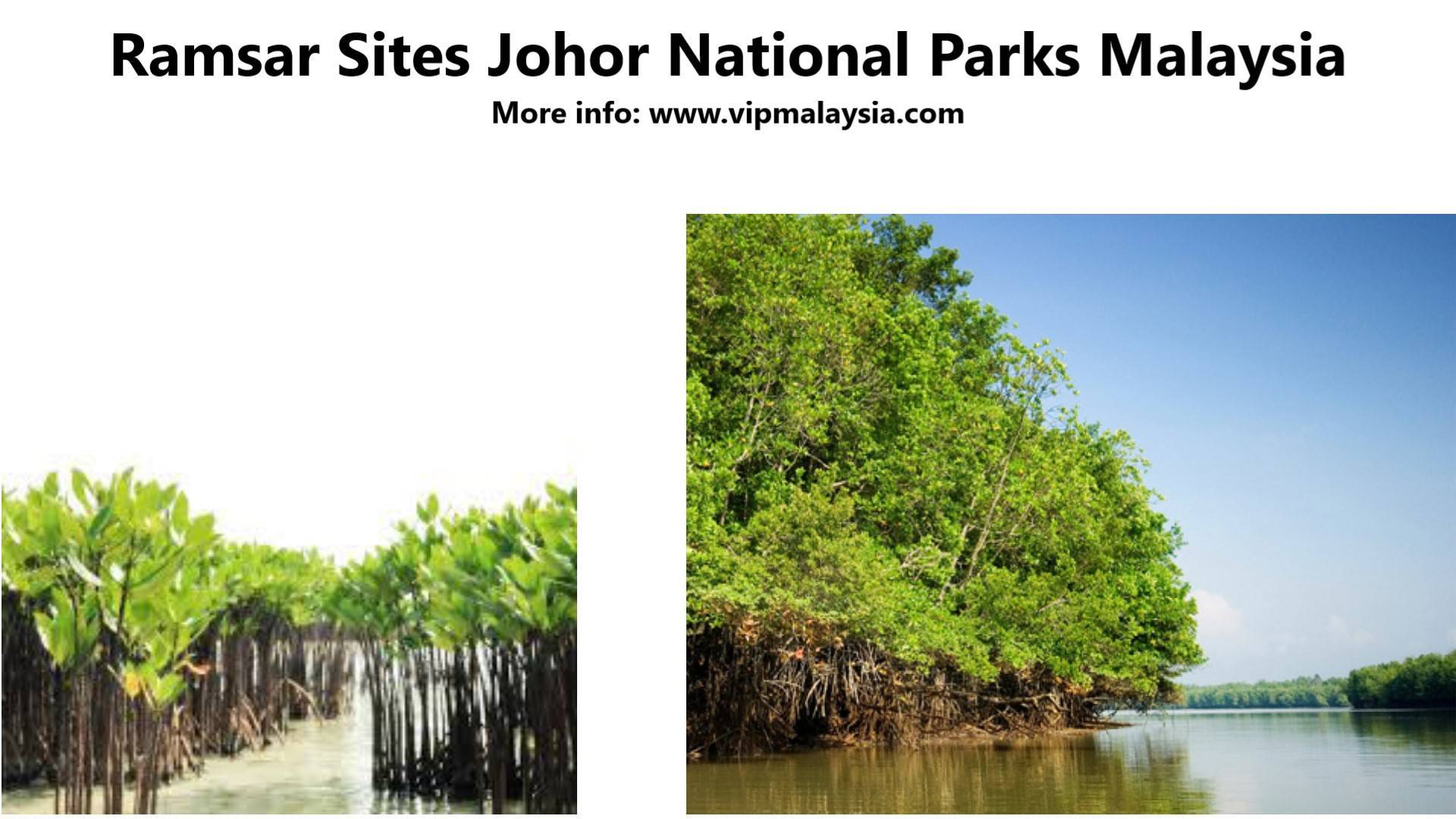
Johor, Malaysia, is home to some of the most ecologically significant wetlands, recognized under the Ramsar Convention, offering diverse landscapes, rich biodiversity, and conservation-focused tourism. Whether you’re a nature lover, a conservation advocate, or a traveler seeking scenic wonders, Johor’s national parks promise an immersive experience in Malaysia’s protected ecosystems.
Johor, Malaysia, is home to some of the most ecologically significant wetlands recognized under the Ramsar Convention. From mangrove forests to coastal mudflats, these national parks offer rare wildlife encounters, immersive eco-tourism, and conservation-focused adventures. Whether you’re a nature lover, a conservation advocate, or a traveler seeking scenic wonders, Johor’s national parks promise an unforgettable journey into Malaysia’s protected ecosystems.
Introduction
Johor’s national parks are more than just green escapes; they are living museums of biodiversity and cultural heritage. With Pulau Kukup, Tanjung Piai, and Sungai Pulai designated as Ramsar Sites, Johor has become a global hotspot for wetland conservation. These parks not only safeguard rare flora and fauna but also provide educational programs, eco-tourism opportunities, and sustainable livelihoods for local communities.
History
The establishment of Johor’s national parks reflects Malaysia’s commitment to conservation. Pulau Kukup National Park was gazetted in 1997 to protect one of the world’s largest uninhabited mangrove islands. In 2003, it was recognized as a Ramsar Site, joining Tanjung Piai and Sungai Pulai in the global network of wetlands of international importance.
Historically, Pulau Kukup was infamous as a pirate’s den, with legends of goblin princesses and giant snakes woven into its folklore. Tanjung Piai, meanwhile, has long been celebrated as the southernmost tip of mainland Asia, a symbolic landmark for travelers. Sungai Pulai, the largest riverine mangrove system in Johor, has been central to local fishing traditions and ecological research. Together, these parks embody Johor’s journey from myth and livelihood to modern conservation.
Highlights
Pulau Kukup National Park
Pulau Kukup is one of the largest uninhabited mangrove islands in the world, spanning 647 hectares. It is home to rare species like the flat-headed cat, bearded pig, and smooth-coated otter. Visitors can explore boardwalks, observation towers, and suspension bridges that provide panoramic views of mangrove ecosystems.
Unique Wildlife Encounters
Pulau Kukup shelters 27 mangrove species, including Sonneratia alba, Malaysia’s tallest mangrove tree. Migratory birds such as the milky stork and Chinese egret make seasonal stops here, offering birdwatchers a rare spectacle. The mangroves also serve as nurseries for fish and shellfish, supporting local fishing communities.
Tanjung Piai National Park
Tanjung Piai is celebrated as the southernmost tip of mainland Asia, where visitors can stand at the edge of the continent. Its mangrove forests and mudflats are vital habitats for migratory birds and marine life. Elevated boardwalks allow travelers to explore without disturbing the fragile ecosystem.
Cultural and Ecological Significance
Tanjung Piai is not only a Ramsar Site but also a symbol of Malaysia’s ecological stewardship. The park hosts educational programs and eco-festivals that highlight the importance of mangrove conservation. Local communities benefit from eco-tourism initiatives, blending cultural heritage with environmental awareness.
Sungai Pulai Forest Reserve
Sungai Pulai is Johor’s largest riverine mangrove system, covering over 9,000 hectares. It plays a crucial role in wetland preservation, biodiversity conservation, and ecological research. The reserve is home to saltwater crocodiles, mangrove skinks, and diverse bird species.
Conservation Programs
Managed by the Johor National Parks Corporation, Sungai Pulai is a hub for wetland education. Programs include mangrove planting, guided eco-tours, and awareness campaigns that promote sustainable management. Malaysia’s participation in the Ramsar Convention since 1994 underscores its long-term commitment to wetland conservation.
Attractions
Visitor Facilities
Johor’s national parks are equipped with boardwalks, suspension bridges, observation towers, and arboretum trails. Pulau Kukup offers boat rides through mangrove rivers, while Tanjung Piai provides coastal boardwalks with interpretive signage. Facilities include visitor centers, rest areas, and guided tours.
Festivals and Cultural Events
Local towns near the parks, such as Pontian and Kukup, host cultural festivals celebrating fishing traditions and mangrove heritage. These events provide visitors with opportunities to experience Johor’s vibrant culture alongside its natural wonders.
Trekking and Adventure
Mangrove Trails
Pulau Kukup’s 600-meter arboretum trail allows visitors to walk within the mangrove canopy. Tanjung Piai’s boardwalks stretch across mudflats, offering close encounters with crabs, mudskippers, and migratory birds. Sungai Pulai’s riverine trails provide immersive experiences in Malaysia’s largest mangrove system.
Adventure Activities
Eco-tourism initiatives include boat rides, birdwatching tours, and mangrove planting activities. Adventurers can climb Pulau Kukup’s 5-storey suspension bridge for panoramic views or join conservation programs that combine exploration with environmental stewardship.
Nearby Attractions
Kukup Fishing Village
Located near Pulau Kukup, Kukup Fishing Village is famous for its seafood restaurants and stilt houses. Visitors can enjoy fresh catches while experiencing traditional fishing culture.
Pontian Town
Pontian offers markets, cultural festivals, and local crafts. It serves as a gateway to Johor’s national parks, providing accommodations and transport options.
Johor Bahru
As the state capital, Johor Bahru offers urban attractions, shopping, and cultural landmarks. It is an ideal base for travelers exploring Johor’s Ramsar Sites.
Conclusion
Johor’s national parks are living sanctuaries of biodiversity, cultural heritage, and conservation. From Pulau Kukup’s mangrove wilderness to Tanjung Piai’s continental landmark and Sungai Pulai’s riverine ecosystems, these parks offer immersive experiences for travelers and conservationists alike. By visiting, you not only explore Malaysia’s natural wonders but also contribute to the preservation of globally significant wetlands.
Wan Ahmad Nuruddin, Kelantan – ★★★★☆ “I took the boat ride to Pulau Kukup after lunch at a local seafood restaurant. The mangrove island was peaceful, and we spotted monkeys and even a wild boar along the boardwalk. The 5-level suspension tower was thrilling, though steep for kids. Facilities were clean, and the pathways were well maintained.”
Sophia Terawis, Singapore – ★★★★☆ “The highlight of Pulau Kukup was climbing the 5-storey suspension bridge. I stopped at level 3 because of the height, but the views of mangroves and wildlife were spectacular. Saw monkeys and mudskippers along the trail. It’s safe but not ideal for small children due to steep stairs.”
Monalisa Elwah, Melbourne – ★★★★★ “We joined a guided tour from Singapore to Kukup. The local guide explained the mangrove ecosystem in detail, making the experience educational. Walking through the mangrove canopy and spotting migratory birds was unforgettable. The traditional fishing village nearby added cultural charm to the trip.”
Boris Rashdan, Johor Bahru – ★★★★★ “Pulau Kukup is one of the healthiest mangrove forests I’ve visited. The boardwalks are easy to navigate, and the arboretum trail is perfect for birdwatching. I saw milky storks and egrets during migration season. The eco-tourism programs, like mangrove planting, made the visit meaningful.”
Nur Balqis, Perlis – ★★★★☆ “Tanjung Piai was a symbolic visit for me. Standing at the southernmost tip of mainland Asia felt special. The Kopi Tenggek café nearby served traditional Malay coffee and keropok lekor, which added to the cultural experience. The boardwalks were scenic, though more shaded areas would improve comfort.”
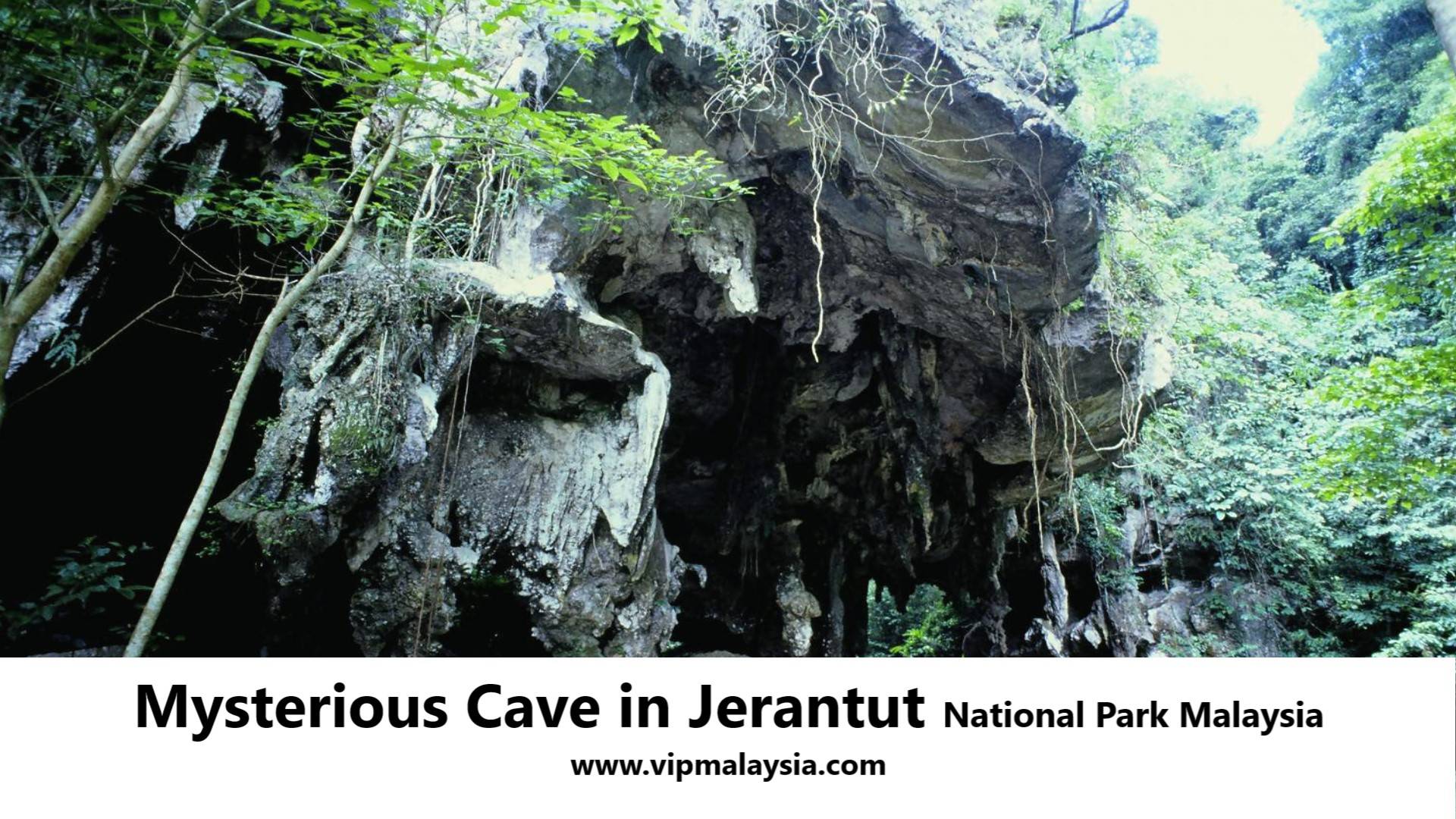
Jerantut National Park is home to some of Malaysia’s most mysterious subterranean caverns, offering thrilling exploration, breathtaking geological formations, and intriguing folklore. Whether you’re an adventure seeker or a curious traveler, the caves of Taman Negara promise an extraordinary journey into the depths of nature.
Introduction
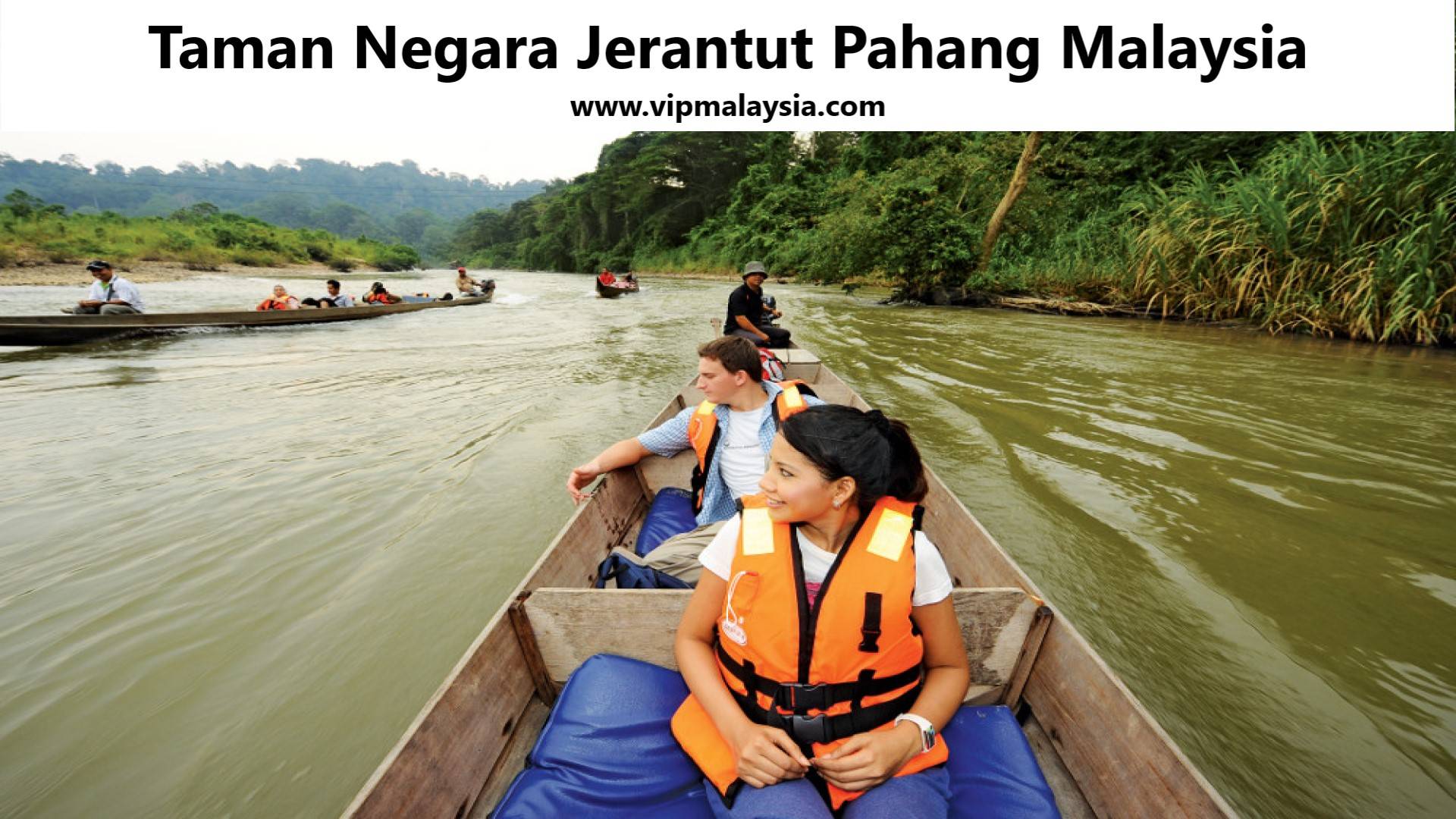
Taman Negara Jerantut, located in Pahang, is one of Malaysia’s most iconic eco-tourism destinations. Beyond its lush rainforests and rivers, the park is home to a network of mysterious caves that reveal millions of years of geological history. These caverns, formed from ancient limestone, attract adventurers, photographers, and researchers alike. Visitors can explore winding tunnels, marvel at stalactites and stalagmites, and encounter cave-dwelling wildlife. With guided tours and cultural folklore enriching the experience, the caves of Taman Negara offer a unique blend of adventure, science, and heritage.
Highlights
Legendary Cave Formations
Gua Telinga (Ear Cave)
Gua Telinga is one of the most famous caves in Taman Negara, located near Kuala Tahan. Accessible via a 30-minute trek from the jetty, it is known for its winding tunnels and bat populations. The cave’s narrow passages challenge explorers, making it a favorite among adventure seekers. Guided tours provide safety and insights into the cave’s ecology.
Gua Tongkat
Gua Tongkat features large chambers with stunning limestone pillars. Legends speak of mystical artifacts hidden within, adding cultural intrigue to its geological beauty. The cave is ideal for deep exploration and photography, with its dramatic formations illuminated by natural light. Visitors often remark on the sense of mystery and grandeur that defines this cavern.
Hidden Gems Of Taman Negara
Gua Sanding
Gua Sanding is a hidden cavern filled with mesmerizing stalactites and stalagmites. Rare cave-dwelling insects thrive here, making it a site of ecological importance. Guided exploration is required for safety, as the cave’s terrain can be challenging. Its unique textures and formations make it a highlight for geology enthusiasts.
Stalactites and stalagmites are mineral formations found in limestone caves: stalactites hang like icicles from the ceiling, while stalagmites rise upward from the cave floor. Both are formed by dripping mineral-rich water that deposits calcium carbonate over thousands of years. Both are types of speleothems (cave mineral deposits).
Gua Sanding is one of the limestone caves within the Kota Gelanggi Cave Complex in Jerantut, Pahang, Malaysia. It is part of a system estimated to be 150 million years old, gazetted as a National Heritage Site, and notable for its archaeological, geological, and eco-tourism significance.
Gua Terang Bulan
This cave is famous for its natural skylight that illuminates sections of the cavern. Visitors are treated to breathtaking views of glowing rock walls, best experienced during mid-day when sunlight filters through. The interplay of light and shadow creates a magical atmosphere, making it a favorite among photographers.
Gua Terang Bulan is one of the limestone caves within the Kota Gelanggi Cave Complex in Jerantut, Pahang, Malaysia. Its name means “Moonlight Cave,” inspired by the way light enters and illuminates its chambers, creating a mystical glow. It is part of a system estimated to be 150 million years old, gazetted as a National Heritage Site, and valued for its geological, archaeological, and eco-tourism significance.
Gua Kepayang
Gua Kepayang is a massive underground network of chambers accessible via Kuala Keniyam, requiring a two-hour boat ride from Kuala Tahan. It offers multi-hour exploration opportunities, with vast spaces that feel like subterranean cathedrals. The cave’s scale and complexity make it one of the most adventurous destinations in Taman Negara.
The Kota Gelanggi caves, including Gua Kepayang, are tied to legends of orang bunian (supernatural beings) and Sang Kelembai, a mythical giant said to turn beings into stone.
Studies by the National Museum in 1981 found artifacts linked to prehistoric human settlements.
Trekking and Adventure
Guided Cave Tours
Guided tours are essential for exploring Taman Negara’s caves safely. Experienced guides provide helmets, safety equipment, and knowledge about cave ecology. Visitors learn about rock formations, bat colonies, and local folklore tied to the caves. These tours ensure that exploration is both thrilling and educational.
Visitor Facilities And Accessibility
Facilities at Kuala Tahan include ranger stations, accommodations, and boat services to cave entrances. Visitors can arrange permits and guided tours here. The nearby town of Jerantut offers supplies, food, and cultural experiences, making it a convenient base for cave exploration. Seasonal festivals in Jerantut also enrich the adventure with local traditions.
Wildlife Encounters In The Caves
The caves of Taman Negara are home to diverse wildlife, including bats, swiftlets, and rare insects. These species play vital roles in the ecosystem, from pollination to nutrient cycling. Observing them in their natural habitat provides insight into the delicate balance of cave ecology.
Swiftlets are small cave-dwelling birds from the swift family (Apodidae), found mainly in Southeast Asia, the Malay Peninsula, and the South Pacific. They are best known for building nests from their hardened saliva, which are harvested as edible bird’s nests — a delicacy highly prized in Chinese cuisine. Scientific Classification: Belong to the tribe Collocaliini within the swift family (Apodidae). Species Count: Around 30 species, mostly confined to tropical and subtropical Asia and the Pacific. In Malay, “swiftlets” are translated as burung waled.
Cultural Folklore And Legends
Local folklore adds depth to the caves’ allure. Stories of mystical artifacts, hidden treasures, and spiritual guardians are passed down through generations. These legends enrich the visitor experience, blending adventure with cultural heritage. Guides often share these tales during tours, making exploration both informative and enchanting.
Conclusion
Jerantut National Park offers an extraordinary underground adventure, making it a top destination for explorers, caving enthusiasts, and nature lovers. Whether you’re venturing into Gua Telinga’s bat-filled tunnels or marveling at limestone formations deep within Gua Kepayang, this hidden gem promises a thrilling journey below the rainforest.
Plan your cave exploration today—discover the mysteries of Jerantut National Park!
Attraction: Mysterious Caves of Jerantut National Park
Location: #Pahang
Attraction Type: #NationalPark
Source:
Why Visit:
Home to ancient limestone caverns with rich geological history
Adventure-filled treks through hidden cave tunnels
Perfect for caving enthusiasts and nature lovers
Spot unique rock formations & learn about cave-dwelling wildlife
Visitor Reviews
Michael Dogg, Malaysia – ★★★★★ “Exploring Gua Telinga was thrilling. The narrow tunnels and bat colonies made it unforgettable. The guides were professional and ensured our safety.”
Sebastian, Germany – ★★★★☆ “Gua Terang Bulan was magical. The natural skylight created stunning visuals. It was a bit challenging to reach, but worth the effort.”
Roslan Hawau, UK – ★★★★★ “Gua Kepayang felt like entering a cathedral underground. The chambers were massive, and the boat ride to the cave added to the adventure.”
Annie Kool, Spain – ★★★★☆ “Gua Sanding was fascinating with its stalactites and rare insects. The guided tour was informative, though the terrain was tough. A great experience overall.”
Frequently Asked Questions (FAQs)
How does a cave get its nutrients?
Caves receive nutrients through several key processes:
Organic Matter from Surface: Nutrients can be washed into caves from the surface through rainwater and runoff. Organic matter such as leaves, soil, and animal droppings can enter caves through cracks and openings.
Guano Deposits: Bat guano (feces) is a significant source of nutrients in many caves. It can provide essential nutrients like nitrogen and phosphorus, supporting a variety of cave-dwelling organisms.
Microbial Activity: Microbes and fungi in caves can break down organic material and contribute to nutrient cycling. These organisms can also be involved in processes like mineral weathering, which releases additional nutrients.
Drip Water and Mineral Deposits: Dripping water in caves can carry dissolved minerals that may contribute to nutrient availability. Over time, these minerals can accumulate in cave sediments.
Inorganic Sources: Nutrients can also come from the dissolution of rocks and minerals present in the cave environment, providing essential elements for various cave ecosystems.
Understanding these processes helps in comprehending the nutrient dynamics of cave ecosystems and their ecological balance.
Explore Taman Negara Jerantut, where pristine rainforests, thrilling adventures, and cultural encounters await. From Gunung Tahan trekking to canopy walks and river rafting, this destination offers unforgettable eco-tourism experiences in Pahang.
Taman Negara Jerantut is Malaysia’s premier rainforest destination, offering jungle trekking, canopy walks, river excursions, and cultural experiences with the Orang Asli. It is accessible via Jerantut town, the gateway to Kuala Tahan, and is renowned for its biodiversity, including tapirs, hornbills, and rare plants.
Introduction
Taman Negara Jerantut, located in Pahang, is one of the world’s oldest rainforests, estimated to be over 130 million years old. As the main gateway to Kuala Tahan, it provides access to Malaysia’s most pristine natural landscapes. Visitors can enjoy jungle trekking, canopy walks, river rafting, and wildlife spotting, while also experiencing the traditions of indigenous Orang Asli communities. With its rich biodiversity and cultural heritage, Jerantut is a must-visit for eco-tourists and adventure seekers.
Kuala Tahan is a village in Jerantut District, Pahang, Malaysia, located at the confluence of the Tahan and Tembeling Rivers. It is best known as the main gateway to Taman Negara National Park, Malaysia’s oldest and largest protected rainforest. Accessibility: From Kuantan or Kuala Lumpur — 3–4 hours by car or public transport, from Jerantut town (68 km) — about 1 hour 15 minutes by bus or taxi.
Highlights
Jungle Adventures
Gunung Tahan Trekking
Gunung Tahan, at 2,187 meters, is the highest peak in Peninsular Malaysia. The trek is challenging, requiring endurance and preparation, but rewards climbers with panoramic views of untouched rainforest. Guided tours are recommended, as trails can be demanding and weather unpredictable.
Peninsular Malaysia (also called West Malaysia or Semenanjung Malaysia) is the southern part of the Malay Peninsula, covering about 131,956 km² (50,948 sq mi) and making up nearly 40% of Malaysia’s total area. It borders Thailand to the north, Singapore to the south, and is separated from Sumatra by the Strait of Malacca. Home to the majority of Malaysia’s population, including the capital Kuala Lumpur and administrative center Putrajaya.
Canopy Walkway
The canopy walkway stretches 400 meters and rises 25 meters above the ground, making it one of the longest in the world. Visitors enjoy breathtaking views of the rainforest canopy, spotting birds and monkeys along the way. It is a highlight for photographers and nature lovers.
Wildlife and River Activities
Kuala Gandah Elephant Sanctuary
Located near Taman Negara, this sanctuary shelters orphaned elephants and promotes conservation. Visitors can interact with elephants in a natural setting, learning about Malaysia’s efforts to protect these majestic animals.
Orphaned elephants are young calves that have lost their mothers due to poaching, habitat loss, disease, or natural causes. Without maternal care, they struggle to survive, but elephant herds and conservation organizations often step in to provide protection, social support, and rehabilitation.
Kelah Sanctuary
The Kelah Sanctuary protects the prized Malaysian Mahseer fish. Visitors can feed and observe these fish in crystal-clear waters, making it one of Malaysia’s best eco-tourism spots.
Kelah (Ikan Kelah) refers to the Malaysian Mahseer, a freshwater fish from the Cyprinidae family, known as the “King of River Fish” in Malaysia due to its rarity, beauty, fighting strength, and high economic value. It is prized both as a delicacy and as a sport fish, but is increasingly threatened by overfishing and habitat loss. Flesh is highly prized, fetching RM15–25 per kg, and sought after by recreational anglers for its fighting ability. Found in pristine rivers such as Kenyir Lake, Sungai Tembeling, and Sungai Petang, requiring clean, fast-flowing waters.
Pahang River Excursions
Boat rides along the Pahang River offer scenic views and opportunities for fishing and rafting. These excursions connect Kuala Tahan with surrounding reserves, providing access to hidden nature spots.
Cultural and Local Experiences
Indigenous Village Visits
Visitors can meet the Orang Asli, Malaysia’s indigenous tribes, and learn about their traditions. Activities include fire-starting, blowpipe hunting, and demonstrations of survival skills. These encounters provide a culturally enriching experience that complements the natural adventures.
Orang Asli are the indigenous peoples of Peninsular Malaysia, regarded as its earliest inhabitants before the arrival of Malays. The term “Orang Asli” literally means original people in Malay and collectively refers to 18 distinct ethnic subgroups, making up about 0.7% of the peninsula’s population. Ethnic Subgroups: Divided into three main categories: Proto-Malay (closer cultural ties to Malays, often coastal or riverine), Negrito (smallest group, hunter-gatherers) and Senoi (largest group, traditionally swidden farmers).
Kota Gelanggi Caves
Near Jerantut, the Kota Gelanggi Caves feature limestone formations and ancient rock art. Exploring these caves adds historical depth to the natural adventures of Taman Negara.
Kota Gelanggi Caves is a limestone cave complex in Jerantut, Pahang, Malaysia, dating back nearly 150 million years. It covers 147.3 hectares, contains over 100 caverns, and is gazetted as a National Heritage Site due to its biodiversity, geological significance, archaeological value, and rich local myths. Location: About 25 km from Jerantut town, Pahang.
Jerantut is the largest district in Pahang, Malaysia, covering about 755,772 hectares. It is located in the central region of the state and is widely known as the main gateway to Taman Negara National Park, one of the world’s oldest rainforests. Contains 10 mukims and 295 villages, administered under 58 JKKK (Village Development and Security Committees). Administration: Jerantut District Council (Majlis Daerah Jerantut) was gazetted on 18 February 1982.
Conclusion
Taman Negara Jerantut is a destination that combines thrilling jungle adventures, rich biodiversity, and cultural heritage. From the challenging Gunung Tahan trek to canopy walks and river excursions, visitors experience Malaysia’s rainforest at its finest. Encounters with wildlife and indigenous communities make the journey holistic and unforgettable. For eco-tourists and adventurers, Jerantut offers a gateway to Malaysia’s natural and cultural treasures.
Summary
Attraction: Taman Negara Jerantut
Location: #Pahang
Attraction Type: #NationalPark
Source: pahangtourism.org.my, mdjerantut.gov.my
Why Visit:
Home to Malaysia’s most pristine rainforests & stunning biodiversity
Enjoy thrilling activities like jungle trekking, river rafting & canopy walks
Spot exotic wildlife including tapirs, hornbills, and rare plants
Experience the beauty of Kuala Tahan & Pahang’s natural wonders
Quick Info
Attribute
Details
Name
Taman Negara Jerantut
Location
Kuala Tahan, Jerantut, Pahang, Malaysia
GPS Position
4.3851° N, 102.4172° E
Main Attractions
Gunung Tahan, Canopy Walkway, Kelah Sanctuary, Jungle Trekking
Nearby Landmarks
Kuala Gandah Elephant Sanctuary, Pahang River
Accessibility
Located 130km from Kuala Lumpur, accessible via road & river
Best Time to Visit
March – October for optimal weather
Entry Fees
Standard entry pricing applies
Recommended Activities
Jungle Trekking, Wildlife Watching, River Rafting, Indigenous Visits
Opening Hours
Open daily
Contact
Taman Negara Tourism (+609-2847949)
Visitor Reviews
Lam Poh Chung, Singapore – ★★★★★ “The canopy walkway was breathtaking. I spotted hornbills and monkeys while walking above the rainforest. Truly unforgettable.”
David Müller, Germany – ★★★★☆ “Gunung Tahan was tough but rewarding. The guides were excellent, and the views from the summit were worth every step.”
Steven Sim, Malaysia – ★★★★★ “The Orang Asli village visit was eye-opening. Learning traditional survival skills made me appreciate their culture even more.”
Abdul Muhith, Malaysia – ★★★★☆ “The Kelah Sanctuary was fascinating. Watching the Mahseer fish in clear waters was a highlight of my trip.”
Frequently Asked Questions (FAQs)
Apakah hutan hujan tropika yang terbesar dan tertua didunia?
Taman Negara Malaysia di Jerantut Pahang merupakan hutan hujan tropika yang terbesar dan tertua di dunia merupakan salah satu tumpuan utama pelancong di dalam mahupun pelancong dari luar negara. Di sini turut kaya dengan pelbagai bentuk gua-gua batu kapur. Antaranya ialah Gua Telinga dan Gua Kepayang Besar.
Bagaimana caranya untuk ke Taman Negara Malaysia menggunakan pengangkutan air?
Ya apabila anda sampai, anda boleh menggunakan jalan air iaitu dengan menaiki bot. Jarak perjalanan mengambil masa 3 jam. Tetapi sebelum itu, pengunjung boleh menaiki bas atau teksi menuju ke Jeti Kuala Tembeling. Dari sini pengunjung boleh menaiki bot terus sampai ke Kuala Tahan memudik / melawan arus Sg. Tembeling dan akan melalui beberapa perkampungan seperi Pasir Tambang, Pasir Durian, Jeram Ampai, Kg. Chebong, Kg. Labu, Kg. Merting, Kg. Gol, Kg. Sg. Tiang, Kg. Padang, Kg. Tekah dan Kg. Belebar
Berikan senarai hotel dan resort di Taman Negara Jerantut, Malaysia?
Anda boleh menginap di banyak resort, hotel, motel, chalet, asrama atau rumah tetamu tatkala kunjungan anda ke Taman Negara Jerantut Pahang Malaysia. Berikut adalah senarai tempat kediaman yang boleh anda pilih lengkap dengan alamat dan nombor telefon.
Mutiara Taman Negara Kuala Tahan, 27000 Jerantut Pahang Darul Makmur Tel:09-2663500 / Faks:09-2661500 E-mail:fomtn@mutiarahotels.com http://www.mutiarahotels.com/
Pesona Village Resort Taman Negara 27000 Jerantut Pahang Darul Makmur Tel:09-2669696 / 2662622 / 2662622 Faks:09-2671196
Teresek View Motel Taman Negara Kuala Tahan, 27000 Jerantut Pahang Darul Makmur Tel:09-2602720 / 09- 2602721 Faks:09-2602722
Rainforest Resort Taman Negara P.O.Box 76 27000 Jerantut Pahang Tel:09-2667888 / 7241/ 7637 Faks:09-2672352 http://www.rainforest-tamannegara.com email: resvns@rainforest-tamannegara.com
Woodland Resort Tel:09-2661111
Agoh Chalet Tel:09-2663500
Ekoton Chalet Tel:09-2669897
Homestay Sg. Tekah (House) Tel:09-2666387
Liana Hostel Tel:09-2669322
Nusa Camp Tel:09-2662369
Tahan Guest House Tel:09-2667752
Apakah keunikan apabila anda mendaki Gunung Tahan, Pahang?
Bagi aktiviti mendaki Gunung Tahan, perjalanan turun/naik memakan masa selama sembilan hari. Manakala bagi peminat aktiviti memancing ikan, Sungai Keniam adalah tempat yang paling digemari. Terdapat dua buah gua dalam kawasan taman ini iaitu Gua Daun Menari di Kuala Keniam dan Gua Telinga (gua batu kapur yang terbentuk oleh aliran sungai). Pengurusan Taman Negara, iaitu Taman Negara Resort turut menyediakan kemudahan penginapan kepada para pengunjung.