Tag: NationalPark

  • Mysterious Caves of Jerantut National Park: Hidden Wonders

    Mysterious Caves of Jerantut National Park: Hidden Wonders

    Mysterious Caves of Jerantut National Park

    Jerantut National Park is home to some of Malaysia’s most mysterious subterranean caverns, offering thrilling exploration, breathtaking geological formations, and intriguing folklore. Whether you’re an adventure seeker or a curious traveler, the caves of Taman Negara promise an extraordinary journey into the depths of nature.

    Introduction

    Taman Negara Jerantut, located in Pahang, is one of Malaysia’s most iconic eco-tourism destinations. Beyond its lush rainforests and rivers, the park is home to a network of mysterious caves that reveal millions of years of geological history. These caverns, formed from ancient limestone, attract adventurers, photographers, and researchers alike. Visitors can explore winding tunnels, marvel at stalactites and stalagmites, and encounter cave-dwelling wildlife. With guided tours and cultural folklore enriching the experience, the caves of Taman Negara offer a unique blend of adventure, science, and heritage.

    Highlights

    Legendary Cave Formations

    Gua Telinga (Ear Cave)

    Gua Telinga is one of the most famous caves in Taman Negara, located near Kuala Tahan. Accessible via a 30-minute trek from the jetty, it is known for its winding tunnels and bat populations. The cave’s narrow passages challenge explorers, making it a favorite among adventure seekers. Guided tours provide safety and insights into the cave’s ecology.

    Gua Tongkat

    Gua Tongkat features large chambers with stunning limestone pillars. Legends speak of mystical artifacts hidden within, adding cultural intrigue to its geological beauty. The cave is ideal for deep exploration and photography, with its dramatic formations illuminated by natural light. Visitors often remark on the sense of mystery and grandeur that defines this cavern.

    Hidden Gems Of Taman Negara

    Gua Sanding

    Gua Sanding is a hidden cavern filled with mesmerizing stalactites and stalagmites. Rare cave-dwelling insects thrive here, making it a site of ecological importance. Guided exploration is required for safety, as the cave’s terrain can be challenging. Its unique textures and formations make it a highlight for geology enthusiasts.

    Stalactites and stalagmites are mineral formations found in limestone caves: stalactites hang like icicles from the ceiling, while stalagmites rise upward from the cave floor. Both are formed by dripping mineral-rich water that deposits calcium carbonate over thousands of years. Both are types of speleothems (cave mineral deposits).

    Gua Sanding is one of the limestone caves within the Kota Gelanggi Cave Complex in Jerantut, Pahang, Malaysia. It is part of a system estimated to be 150 million years old, gazetted as a National Heritage Site, and notable for its archaeological, geological, and eco-tourism significance.

    Gua Terang Bulan

    This cave is famous for its natural skylight that illuminates sections of the cavern. Visitors are treated to breathtaking views of glowing rock walls, best experienced during mid-day when sunlight filters through. The interplay of light and shadow creates a magical atmosphere, making it a favorite among photographers.

    Gua Terang Bulan is one of the limestone caves within the Kota Gelanggi Cave Complex in Jerantut, Pahang, Malaysia. Its name means “Moonlight Cave,” inspired by the way light enters and illuminates its chambers, creating a mystical glow. It is part of a system estimated to be 150 million years old, gazetted as a National Heritage Site, and valued for its geological, archaeological, and eco-tourism significance.

    Gua Kepayang

    Gua Kepayang is a massive underground network of chambers accessible via Kuala Keniyam, requiring a two-hour boat ride from Kuala Tahan. It offers multi-hour exploration opportunities, with vast spaces that feel like subterranean cathedrals. The cave’s scale and complexity make it one of the most adventurous destinations in Taman Negara.

    The Kota Gelanggi caves, including Gua Kepayang, are tied to legends of orang bunian (supernatural beings) and Sang Kelembai, a mythical giant said to turn beings into stone.

    Studies by the National Museum in 1981 found artifacts linked to prehistoric human settlements.

    Trekking and Adventure

    Guided Cave Tours

    Guided tours are essential for exploring Taman Negara’s caves safely. Experienced guides provide helmets, safety equipment, and knowledge about cave ecology. Visitors learn about rock formations, bat colonies, and local folklore tied to the caves. These tours ensure that exploration is both thrilling and educational.

    Visitor Facilities And Accessibility

    Facilities at Kuala Tahan include ranger stations, accommodations, and boat services to cave entrances. Visitors can arrange permits and guided tours here. The nearby town of Jerantut offers supplies, food, and cultural experiences, making it a convenient base for cave exploration. Seasonal festivals in Jerantut also enrich the adventure with local traditions.

    Wildlife Encounters In The Caves

    The caves of Taman Negara are home to diverse wildlife, including bats, swiftlets, and rare insects. These species play vital roles in the ecosystem, from pollination to nutrient cycling. Observing them in their natural habitat provides insight into the delicate balance of cave ecology.

    Swiftlets are small cave-dwelling birds from the swift family (Apodidae), found mainly in Southeast Asia, the Malay Peninsula, and the South Pacific. They are best known for building nests from their hardened saliva, which are harvested as edible bird’s nests — a delicacy highly prized in Chinese cuisine. Scientific Classification: Belong to the tribe Collocaliini within the swift family (Apodidae). Species Count: Around 30 species, mostly confined to tropical and subtropical Asia and the Pacific. In Malay, “swiftlets” are translated as burung waled.

    Cultural Folklore And Legends

    Local folklore adds depth to the caves’ allure. Stories of mystical artifacts, hidden treasures, and spiritual guardians are passed down through generations. These legends enrich the visitor experience, blending adventure with cultural heritage. Guides often share these tales during tours, making exploration both informative and enchanting.

    Conclusion

    Jerantut National Park offers an extraordinary underground adventure, making it a top destination for explorers, caving enthusiasts, and nature lovers. Whether you’re venturing into Gua Telinga’s bat-filled tunnels or marveling at limestone formations deep within Gua Kepayang, this hidden gem promises a thrilling journey below the rainforest.

    Plan your cave exploration today—discover the mysteries of Jerantut National Park!

    Quick Info

    AttributeDetails
    NameJerantut National Park Caves
    LocationKuala Tahan, Jerantut, Pahang, Malaysia
    GPS Position4.3851° N, 102.4172° E
    Main AttractionsGua Telinga, Gua Sanding, Gua Kepayang, Gua Tongkat
    Nearby LandmarksTaman Negara Rainforest, Gunung Tahan
    AccessibilityAccessible via road & river from Jerantut town
    Best Time to VisitMarch – October for dry season exploration
    Entry FeesStandard park fees apply
    Recommended ActivitiesGuided Cave Exploration, Trekking, Wildlife Spotting
    Opening HoursOpen daily
    ContactTaman Negara Tourism (+609-4718300)

    Summary

    • Attraction: Mysterious Caves of Jerantut National Park
    • Location: #Pahang 
    • Attraction Type: #NationalPark 
    • Source:
    • Why Visit:
      • Home to ancient limestone caverns with rich geological history
      • Adventure-filled treks through hidden cave tunnels
      • Perfect for caving enthusiasts and nature lovers
      • Spot unique rock formations & learn about cave-dwelling wildlife

    Visitor Reviews

    Michael Dogg, Malaysia – ★★★★★ “Exploring Gua Telinga was thrilling. The narrow tunnels and bat colonies made it unforgettable. The guides were professional and ensured our safety.”

    Sebastian, Germany – ★★★★☆ “Gua Terang Bulan was magical. The natural skylight created stunning visuals. It was a bit challenging to reach, but worth the effort.”

    Roslan Hawau, UK – ★★★★★ “Gua Kepayang felt like entering a cathedral underground. The chambers were massive, and the boat ride to the cave added to the adventure.”

    Annie Kool, Spain – ★★★★☆ “Gua Sanding was fascinating with its stalactites and rare insects. The guided tour was informative, though the terrain was tough. A great experience overall.”

    Frequently Asked Questions (FAQs)

    How does a cave get its nutrients?

    Caves receive nutrients through several key processes:

    • Organic Matter from Surface: Nutrients can be washed into caves from the surface through rainwater and runoff. Organic matter such as leaves, soil, and animal droppings can enter caves through cracks and openings.
    • Guano Deposits: Bat guano (feces) is a significant source of nutrients in many caves. It can provide essential nutrients like nitrogen and phosphorus, supporting a variety of cave-dwelling organisms.
    • Microbial Activity: Microbes and fungi in caves can break down organic material and contribute to nutrient cycling. These organisms can also be involved in processes like mineral weathering, which releases additional nutrients.
    • Drip Water and Mineral Deposits: Dripping water in caves can carry dissolved minerals that may contribute to nutrient availability. Over time, these minerals can accumulate in cave sediments.
    • Inorganic Sources: Nutrients can also come from the dissolution of rocks and minerals present in the cave environment, providing essential elements for various cave ecosystems.

    Understanding these processes helps in comprehending the nutrient dynamics of cave ecosystems and their ecological balance.

  • Taman Negara Jerantut: Gateway to Malaysia’s Rainforest

    Taman Negara Jerantut: Gateway to Malaysia’s Rainforest

    Taman Negara Jerantut

    Explore Taman Negara Jerantut, where pristine rainforests, thrilling adventures, and cultural encounters await. From Gunung Tahan trekking to canopy walks and river rafting, this destination offers unforgettable eco-tourism experiences in Pahang.

    Taman Negara Jerantut is Malaysia’s premier rainforest destination, offering jungle trekking, canopy walks, river excursions, and cultural experiences with the Orang Asli. It is accessible via Jerantut town, the gateway to Kuala Tahan, and is renowned for its biodiversity, including tapirs, hornbills, and rare plants.

    Introduction

    Taman Negara Jerantut, located in Pahang, is one of the world’s oldest rainforests, estimated to be over 130 million years old. As the main gateway to Kuala Tahan, it provides access to Malaysia’s most pristine natural landscapes. Visitors can enjoy jungle trekking, canopy walks, river rafting, and wildlife spotting, while also experiencing the traditions of indigenous Orang Asli communities. With its rich biodiversity and cultural heritage, Jerantut is a must-visit for eco-tourists and adventure seekers.

    Kuala Tahan is a village in Jerantut District, Pahang, Malaysia, located at the confluence of the Tahan and Tembeling Rivers. It is best known as the main gateway to Taman Negara National Park, Malaysia’s oldest and largest protected rainforest. Accessibility: From Kuantan or Kuala Lumpur — 3–4 hours by car or public transport, from Jerantut town (68 km) — about 1 hour 15 minutes by bus or taxi.

    Highlights

    Jungle Adventures

    Gunung Tahan Trekking

    Gunung Tahan, at 2,187 meters, is the highest peak in Peninsular Malaysia. The trek is challenging, requiring endurance and preparation, but rewards climbers with panoramic views of untouched rainforest. Guided tours are recommended, as trails can be demanding and weather unpredictable.

    Peninsular Malaysia (also called West Malaysia or Semenanjung Malaysia) is the southern part of the Malay Peninsula, covering about 131,956 km² (50,948 sq mi) and making up nearly 40% of Malaysia’s total area. It borders Thailand to the north, Singapore to the south, and is separated from Sumatra by the Strait of Malacca. Home to the majority of Malaysia’s population, including the capital Kuala Lumpur and administrative center Putrajaya.

    Canopy Walkway

    The canopy walkway stretches 400 meters and rises 25 meters above the ground, making it one of the longest in the world. Visitors enjoy breathtaking views of the rainforest canopy, spotting birds and monkeys along the way. It is a highlight for photographers and nature lovers.

    Wildlife and River Activities

    Kuala Gandah Elephant Sanctuary

    Located near Taman Negara, this sanctuary shelters orphaned elephants and promotes conservation. Visitors can interact with elephants in a natural setting, learning about Malaysia’s efforts to protect these majestic animals.

    Orphaned elephants are young calves that have lost their mothers due to poaching, habitat loss, disease, or natural causes. Without maternal care, they struggle to survive, but elephant herds and conservation organizations often step in to provide protection, social support, and rehabilitation.

    Kelah Sanctuary

    The Kelah Sanctuary protects the prized Malaysian Mahseer fish. Visitors can feed and observe these fish in crystal-clear waters, making it one of Malaysia’s best eco-tourism spots.

    Kelah (Ikan Kelah) refers to the Malaysian Mahseer, a freshwater fish from the Cyprinidae family, known as the “King of River Fish” in Malaysia due to its rarity, beauty, fighting strength, and high economic value. It is prized both as a delicacy and as a sport fish, but is increasingly threatened by overfishing and habitat loss. Flesh is highly prized, fetching RM15–25 per kg, and sought after by recreational anglers for its fighting ability. Found in pristine rivers such as Kenyir Lake, Sungai Tembeling, and Sungai Petang, requiring clean, fast-flowing waters.

    Pahang River Excursions

    Boat rides along the Pahang River offer scenic views and opportunities for fishing and rafting. These excursions connect Kuala Tahan with surrounding reserves, providing access to hidden nature spots.

    Cultural and Local Experiences

    Indigenous Village Visits

    Visitors can meet the Orang Asli, Malaysia’s indigenous tribes, and learn about their traditions. Activities include fire-starting, blowpipe hunting, and demonstrations of survival skills. These encounters provide a culturally enriching experience that complements the natural adventures.

    Orang Asli are the indigenous peoples of Peninsular Malaysia, regarded as its earliest inhabitants before the arrival of Malays. The term “Orang Asli” literally means original people in Malay and collectively refers to 18 distinct ethnic subgroups, making up about 0.7% of the peninsula’s population. Ethnic Subgroups: Divided into three main categories: Proto-Malay (closer cultural ties to Malays, often coastal or riverine), Negrito (smallest group, hunter-gatherers) and Senoi (largest group, traditionally swidden farmers).

    Kota Gelanggi Caves

    Near Jerantut, the Kota Gelanggi Caves feature limestone formations and ancient rock art. Exploring these caves adds historical depth to the natural adventures of Taman Negara.

    Kota Gelanggi Caves is a limestone cave complex in Jerantut, Pahang, Malaysia, dating back nearly 150 million years. It covers 147.3 hectares, contains over 100 caverns, and is gazetted as a National Heritage Site due to its biodiversity, geological significance, archaeological value, and rich local myths. Location: About 25 km from Jerantut town, Pahang.

    Jerantut is the largest district in Pahang, Malaysia, covering about 755,772 hectares. It is located in the central region of the state and is widely known as the main gateway to Taman Negara National Park, one of the world’s oldest rainforests. Contains 10 mukims and 295 villages, administered under 58 JKKK (Village Development and Security Committees). Administration: Jerantut District Council (Majlis Daerah Jerantut) was gazetted on 18 February 1982.

    Conclusion

    Taman Negara Jerantut is a destination that combines thrilling jungle adventures, rich biodiversity, and cultural heritage. From the challenging Gunung Tahan trek to canopy walks and river excursions, visitors experience Malaysia’s rainforest at its finest. Encounters with wildlife and indigenous communities make the journey holistic and unforgettable. For eco-tourists and adventurers, Jerantut offers a gateway to Malaysia’s natural and cultural treasures.

    Summary

    • Attraction: Taman Negara Jerantut
    • Location: #Pahang 
    • Attraction Type: #NationalPark 
    • Source: pahangtourism.org.my, mdjerantut.gov.my
    • Why Visit:
      • Home to Malaysia’s most pristine rainforests & stunning biodiversity
      • Enjoy thrilling activities like jungle trekking, river rafting & canopy walks
      • Spot exotic wildlife including tapirs, hornbills, and rare plants
      • Experience the beauty of Kuala Tahan & Pahang’s natural wonders

    Quick Info

    AttributeDetails
    NameTaman Negara Jerantut
    LocationKuala Tahan, Jerantut, Pahang, Malaysia
    GPS Position4.3851° N, 102.4172° E
    Main AttractionsGunung Tahan, Canopy Walkway, Kelah Sanctuary, Jungle Trekking
    Nearby LandmarksKuala Gandah Elephant Sanctuary, Pahang River
    AccessibilityLocated 130km from Kuala Lumpur, accessible via road & river
    Best Time to VisitMarch – October for optimal weather
    Entry FeesStandard entry pricing applies
    Recommended ActivitiesJungle Trekking, Wildlife Watching, River Rafting, Indigenous Visits
    Opening HoursOpen daily
    ContactTaman Negara Tourism (+609-2847949)

    Visitor Reviews

    Lam Poh Chung, Singapore – ★★★★★ “The canopy walkway was breathtaking. I spotted hornbills and monkeys while walking above the rainforest. Truly unforgettable.”

    David Müller, Germany – ★★★★☆ “Gunung Tahan was tough but rewarding. The guides were excellent, and the views from the summit were worth every step.”

    Steven Sim, Malaysia – ★★★★★ “The Orang Asli village visit was eye-opening. Learning traditional survival skills made me appreciate their culture even more.”

    Abdul Muhith, Malaysia – ★★★★☆ “The Kelah Sanctuary was fascinating. Watching the Mahseer fish in clear waters was a highlight of my trip.”

    Frequently Asked Questions (FAQs)

    Apakah hutan hujan tropika yang terbesar dan tertua didunia?

    Taman Negara Malaysia di Jerantut Pahang merupakan hutan hujan tropika yang terbesar dan tertua di dunia merupakan salah satu tumpuan utama pelancong di dalam mahupun pelancong dari luar negara. Di sini turut kaya dengan pelbagai bentuk gua-gua batu kapur. Antaranya ialah Gua Telinga dan Gua Kepayang Besar.

    Bagaimana caranya untuk ke Taman Negara Malaysia menggunakan pengangkutan air?

    Ya apabila anda sampai, anda boleh menggunakan jalan air iaitu dengan menaiki bot. Jarak perjalanan mengambil masa 3 jam. Tetapi sebelum itu, pengunjung boleh menaiki bas atau teksi menuju ke Jeti Kuala Tembeling. Dari sini pengunjung boleh menaiki bot terus sampai ke Kuala Tahan memudik / melawan arus Sg. Tembeling dan akan melalui beberapa perkampungan seperi Pasir Tambang, Pasir Durian, Jeram Ampai, Kg. Chebong, Kg. Labu, Kg. Merting, Kg. Gol, Kg. Sg. Tiang, Kg. Padang, Kg. Tekah dan Kg. Belebar

    Berikan senarai hotel dan resort di Taman Negara Jerantut, Malaysia?

    Anda boleh menginap di banyak resort, hotel, motel, chalet, asrama atau rumah tetamu tatkala kunjungan anda ke Taman Negara Jerantut Pahang Malaysia. Berikut adalah senarai tempat kediaman yang boleh anda pilih lengkap dengan alamat dan nombor telefon.

    Mutiara Taman Negara
    Kuala Tahan, 27000 Jerantut
    Pahang Darul Makmur
    Tel:09-2663500 / Faks:09-2661500
    E-mail:fomtn@mutiarahotels.com
    http://www.mutiarahotels.com/
    Pesona Village Resort
    Taman Negara 27000 Jerantut
    Pahang Darul Makmur
    Tel:09-2669696 / 2662622 / 2662622
    Faks:09-2671196
    Teresek View Motel
    Taman Negara Kuala Tahan, 27000 Jerantut
    Pahang Darul Makmur
    Tel:09-2602720 / 09- 2602721
    Faks:09-2602722
    Rainforest Resort Taman Negara
    P.O.Box 76 27000 Jerantut Pahang
    Tel:09-2667888 / 7241/ 7637
    Faks:09-2672352
    http://www.rainforest-tamannegara.com email: resvns@rainforest-tamannegara.com
    Woodland Resort
    Tel:09-2661111
    Agoh Chalet
    Tel:09-2663500
    Ekoton Chalet
    Tel:09-2669897
    Homestay Sg. Tekah (House)
    Tel:09-2666387
    Liana Hostel
    Tel:09-2669322
    Nusa Camp
    Tel:09-2662369
    Tahan Guest House
    Tel:09-2667752

    Apakah keunikan apabila anda mendaki Gunung Tahan, Pahang?

    Bagi aktiviti mendaki Gunung Tahan, perjalanan turun/naik memakan masa selama sembilan hari. Manakala bagi peminat aktiviti memancing ikan, Sungai Keniam adalah tempat yang paling digemari. Terdapat dua buah gua dalam kawasan taman ini iaitu Gua Daun Menari di Kuala Keniam dan Gua Telinga (gua batu kapur yang terbentuk oleh aliran sungai). Pengurusan Taman Negara, iaitu Taman Negara Resort turut menyediakan kemudahan penginapan kepada para pengunjung.

  • Taman Negara Sungai Relau: Your Gateway to Gunung Tahan

    Taman Negara Sungai Relau: Your Gateway to Gunung Tahan

    Taman Negara Sungai Relau

    Taman Negara Sungai Relau is the western entrance to Malaysia’s oldest national park, offering thrilling jungle trekking, limestone cave explorations, and the famous Gunung Tahan climb. Whether you’re a seasoned hiker or a nature enthusiast, this rugged terrain promises an unforgettable adventure.

    Discover Malaysia’s wild frontier at Taman Negara Sungai Relau, where untamed rainforest, thrilling treks, and rare wildlife await. From the legendary Gunung Tahan climb to limestone caverns and riverside trails, this destination offers an unforgettable adventure for explorers and nature lovers alike.

    Gunung Tahan (Mount Tahan) is the highest peak in Peninsular Malaysia at 2,187 m (7,175 ft) above sea level, located within Taman Negara National Park. It is renowned as the most challenging climb in Malaysia, often requiring several days of trekking through dense rainforest and rugged terrain. Home to endangered species such as Malayan tigers, elephants, sun bears, tapirs, and snakes. Part of the Tahan Range in the Tenasserim Hills, a granite ridge older than the Himalayas. In Malay, Gunung Tahan translates to “Mount Endurance” — reflecting the difficulty of the climb

    Introduction

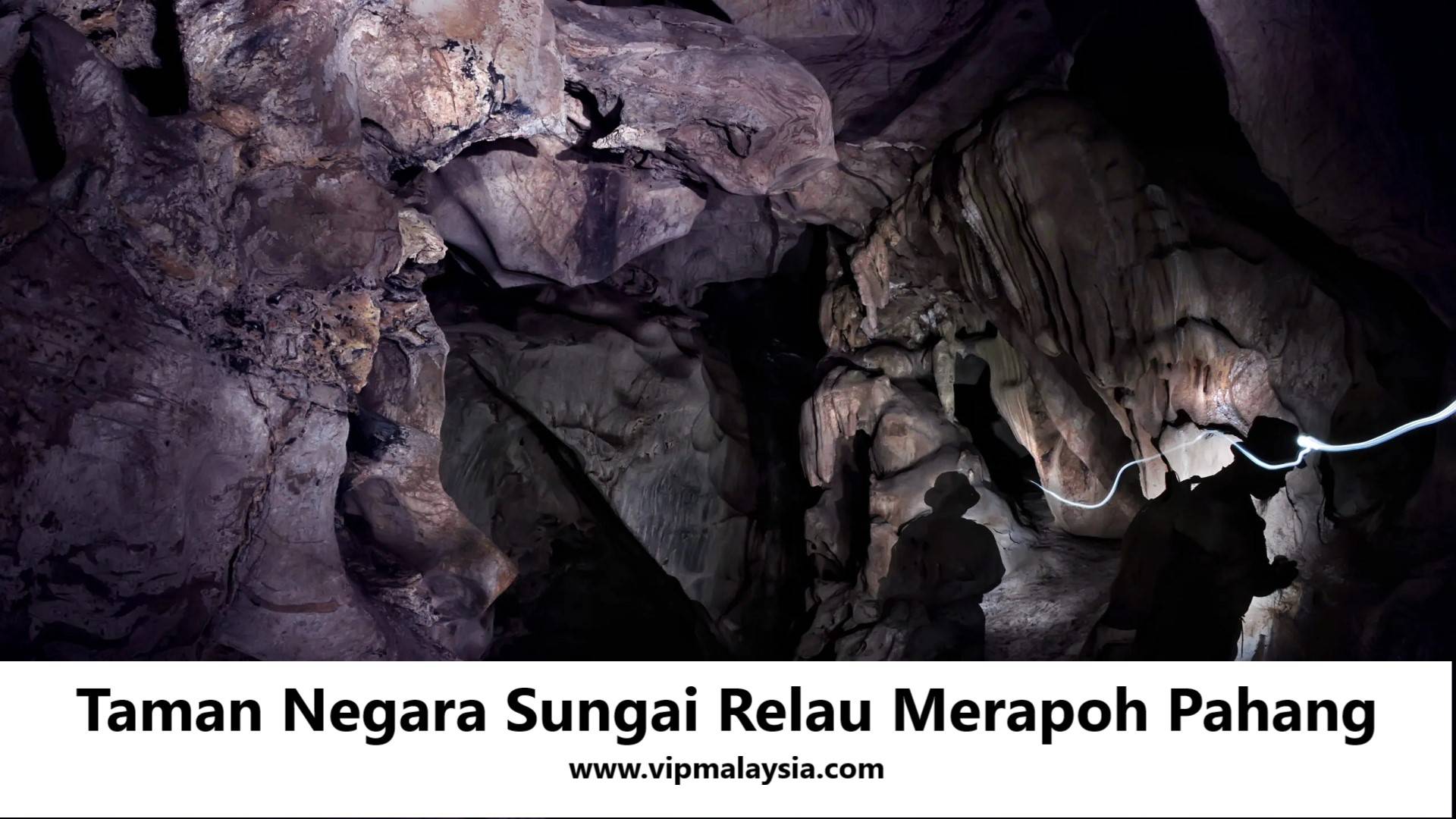
    Taman Negara Sungai Relau is one of Malaysia’s most remarkable gateways into the country’s oldest rainforest. Located in Merapoh, Pahang, this park is celebrated for its rugged trekking routes, diverse ecosystems, and cultural significance. Visitors are drawn to its pristine landscapes, where towering Tualang trees, limestone caves, and peat swamp forests create a natural wonderland. Beyond the trails, Sungai Relau offers facilities for travelers, access to nearby towns, and opportunities to witness traditional festivals. Whether you are a seasoned trekker or a curious traveler, this destination promises challenging adventures, breathtaking scenery, and encounters with rare wildlife.

    The Tualang tree (Koompassia excelsa) is one of the tallest tropical rainforest trees in the world, reaching up to 85–88 m (280–289 ft), and is native to Malaysia, Indonesia, Brunei, the Philippines, and Thailand. It is famous for hosting giant honeybee colonies and plays a vital ecological and cultural role in Southeast Asia.

    Tualang Ecological Importance

    • Bee Habitat: Giant honeybees (Apis dorsata) build massive honeycombs on its branches, producing prized wild honey.
    • Wildlife Shelter: Birds, bats, and small mammals use the tree for nesting and protection.
    • Forest Role: Emergent species that stabilizes rainforest structure and biodiversity.

    Peat swamp forests are tropical wetlands where waterlogged soils prevent organic matter from fully decomposing, leading to the accumulation of thick layers of acidic peat. They are among the world’s largest near-surface carbon reserves, making them critical for climate regulation and biodiversity. Formation: Dead leaves and wood accumulate in waterlogged conditions, creating acidic peat layers.

    Trekking and Adventure

    Taman Negara Sungai Relau is a paradise for adventurers seeking untouched rainforest experiences. The park is home to challenging trails, limestone formations, and diverse wildlife species. It is also the most popular route for climbing Gunung Tahan, Malaysia’s tallest peak. Visitors can explore scenic riverside paths, limestone caverns, and interpretive trails that highlight the region’s biodiversity. The area is rich in cultural heritage, with nearby towns offering glimpses into traditional Malay life and local festivals.

    Gunung Tahan Climb

    The Gunung Tahan climb from Sungai Relau is considered Malaysia’s toughest trekking route. Unlike the five-day trek from Kuala Tahan, this climb can be completed in two days, though it demands endurance and preparation. The journey begins with a 14-km jeep trail linking Sungai Relau to Kuala Juram, the trailhead. Climbers must be ready for steep ascents, unpredictable weather, and long hours of hiking. Guided assistance is highly recommended, as the trail passes through dense forests and river crossings. Reaching the summit rewards trekkers with panoramic views of Malaysia’s untouched wilderness.

    Kuala Juram is a remote base camp inside Taman Negara, Pahang, Malaysia, serving as the starting point for treks up Gunung Tahan and as the site of the Kuala Juram Kelah Sanctuary. It is considered one of the most pristine rainforest areas in Peninsular Malaysia accessible by road. Known for towering trees and untouched jungle, making it one of the most remote road-connected areas in Peninsular Malaysia. A conservation site (Kelah Sanctuary) for the Red Mahseer (Tor tambroides), Malaysia’s prized freshwater fish. Visitors can observe, feed, and even attempt to catch-and-release the fish by hand.

    Kuala Juram Trekking Significance

    • Gunung Tahan Route: Kuala Juram is the entry point for the Merapoh–Kuala Juram trail, considered shorter but still demanding compared to the Kuala Tahan route.
    • Campsites: Key overnight stops include Kem Kor and Kem Botak, with Kuala Juram as the initial staging area.
    • Logistics: Hikers must register with the Perhilitan Department at Sungai Relau before being transported by 4WD to Kuala Juram.

    Visitor Facilities For Climbers

    Facilities at Sungai Relau include a ranger station, campsites, and basic accommodations. Climbers can arrange permits, guides, and transportation here. The nearby town of Merapoh provides supplies, food stalls, and homestays, making it a convenient base for adventurers. Seasonal festivals in Merapoh also allow visitors to experience local culture before or after their trek.

    Unique Jungle Trails

    Interpretive Trail: Nature’s Classroom

    This beginner-friendly trail offers a 30–45 minute stroll through diverse forest ecosystems. Along the path, 20 educational stations introduce Malaysia’s flora, including medicinal plants and towering hardwoods. Families and school groups often use this trail as an outdoor classroom, making it an ideal introduction to rainforest ecology.

    Negeram Trail: Riverside Escape

    The Negeram Trail is a jungle trekking route in Taman Negara National Park, Malaysia, designed as an easy-to-moderate hike that allows visitors to experience the rainforest’s biodiversity without the extreme difficulty of longer treks like Gunung Tahan. It is popular for short eco-tourism walks and wildlife observation. Classified as a Green Line trail (easy), typically completed in under 4 hours.

    Stretching 4 km along the Sungai Relau River, this scenic trek is perfect for wildlife spotting. Visitors often encounter freshwater fish, kingfishers, and towering Tualang trees. The trail’s riverside setting makes it a peaceful escape, especially for photographers seeking reflections of the forest canopy on calm waters.

    Sungai Relau is both a river in Penang and the name of a gateway into Taman Negara National Park in Pahang. In Penang, it flows through Relau and merges from two streams (Relau A and Relau B merging south of Jalan Dato Ismail Hashim), while in Pahang, “Sungai Relau” refers to the entry point near Merapoh that provides access to pristine rainforest and the Gunung Tahan trekking route. Origin: Relau B begins in the hills of Paya Terubong.

    Palas Trail: A Wild Trek Through Peat Swamp Forest

    The Palas Trail is a moderately challenging 1.6-km route featuring hills and stream crossings. It is famous for animal tracks, with wild boars and deer frequently spotted here. The swampy terrain provides insight into Malaysia’s unique peat ecosystems, which play a vital role in carbon storage and biodiversity.

    The Palas Trail in Taman Negara is a short rainforest trekking route named after the fan palms (locally called Palas) that line the path. It is an easy interpretive trail designed to introduce visitors to rainforest flora and ecosystems, making it suitable for casual hikers and eco-tourists. Suitable for families, beginners, and those seeking a short rainforest experience without strenuous trekking. Difficulty: Easy stroll, typically 30–45 minutes

    Gua Gajah Trail: Limestone Wonders

    This 5-km trek leads to Gua Gajah, a cavern filled with bats and unique limestone formations. During monsoon seasons, elephants are known to shelter here, leaving behind fascinating signs of their presence. Inside the cave, visitors can observe guano deposits and intricate stalactites, making it a geological highlight of Sungai Relau.

    The Gua Gajah Trail in Taman Negara Sungai Relau (Merapoh), Pahang, is an easy rainforest trekking route named after “Elephant Cave.” It is popular with beginners and eco-tourists, offering wildlife encounters and a glimpse of elephant-made paths through the jungle. Hikers may encounter signs of tigers, sun bears, elephants, and birds along the trail. Deep claw marks on trees are notable highlight. Duration: Typically 1–2 hours depending on pace.

    Wildlife and Birdwatching

    Meet Malaysia’s Rare Species

    Taman Negara Sungai Relau is home to tapirs, wild boars, and exotic mammals that thrive in its dense forests. Over 200 bird species inhabit the park, including hornbills, Murai Batu, and rare raptors. Birdwatchers often gather at dawn to witness flocks of colorful species soaring above the canopy. The park also shelters reptiles, amphibians, and freshwater fish, making it a biodiversity hotspot. For photographers and nature lovers, Sungai Relau offers unparalleled opportunities to capture Malaysia’s rare wildlife.

    Seasonal Birdwatching Highlights

    During migratory seasons, Sungai Relau becomes a haven for visiting species from northern Asia. The riverbanks and swamp forests attract herons, egrets, and migratory flycatchers. Local guides often organize birdwatching tours, ensuring visitors can spot both resident and migratory species.

    Wildlife Conservation Efforts

    Sungai Relau is part of Malaysia’s broader conservation initiatives to protect endangered species. Rangers monitor wildlife activity, ensuring tapirs, elephants, and hornbills thrive in their natural habitats. Educational programs highlight the importance of rainforest preservation, encouraging visitors to practice sustainable tourism. By supporting conservation, travelers contribute to the protection of Malaysia’s ecological treasures.

    Eco-Tourism Practices

    Eco-tourism initiatives at Sungai Relau include waste management, guided tours, and awareness campaigns. Visitors are encouraged to minimize plastic use and respect wildlife habitats. These practices ensure that future generations can continue to enjoy the park’s natural beauty.

    Nearby Attractions

    Merapoh

    The town of Merapoh serves as the main gateway to Sungai Relau. Known for its warm hospitality, Merapoh offers homestays, food stalls, and cultural experiences. Visitors can enjoy traditional Malay cuisine, including nasi kerabu and rendang. Seasonal festivals, such as Hari Raya celebrations, showcase local dances, music, and crafts. These cultural highlights enrich the trekking experience, allowing travelers to connect with Malaysia’s heritage.

    Merapoh is a small town in northern Lipis District, Pahang, Malaysia, near the Pahang–Kelantan border. It is best known as a gateway to Taman Negara National Park and as a “caving paradise” with hundreds of limestone caves of historical and geological significance. Northern Lipis District, Pahang, Close to the Kelantan border, about 25 km south of Gua Musang. Hosts 200–500 limestone caves, many with prehistoric rock paintings, unique formations, and historical value. Majority of locals speak the Kelantanese dialect due to migration and proximity to Kelantan. Lies along the Kota Bharu–Kuala Lumpur highway and is connected by the railway line from Tumpat to Gemas, making it a rest stop for travelers.

    Local Handicrafts and Traditions

    Merchants in Merapoh often sell handmade crafts, including woven baskets and batik textiles. These items reflect the artistry of local communities and provide meaningful souvenirs. Travelers can also witness traditional ceremonies, where music and storytelling play a central role in preserving cultural identity.

    Conclusion

    Taman Negara Sungai Relau offers rugged jungle trekking, untouched rainforest scenery, and thrilling wildlife encounters, making it a must-visit destination for explorers and adventure seekers. Whether you’re scaling Gunung Tahan, discovering hidden caves, or spotting rare wildlife, this park promises an extraordinary outdoor experience.

    Ready for adventure? Plan your expedition to Taman Negara Sungai Relau today!

    Summary

    • Attraction: Taman Negara Sungai Relau
    • Location: #Pahang 
    • Attraction Type: #NationalPark 
    • Source: pahangtourism.org.my
    • Why Visit:
      • Home to challenging trails & untouched rainforest landscapes
      • Popular route for climbing Malaysia’s tallest peak, Gunung Tahan
      • Diverse ecosystem featuring lowland forests, limestone formations & rare wildlife
      • Exciting trekking trails, including the famous Gua Gajah & Negeram Trail

    Quick Info

    AttributeDetails
    NameTaman Negara Sungai Relau
    LocationMerapoh, Kuala Lipis, Pahang, Malaysia
    GPS Position4.5851° N, 102.0347° E
    StatePahang
    EstablishedOpened to the public in August 1993
    Main AttractionsGunung Tahan Trek, Gua Gajah, Wildlife & Birdwatching
    Nearby LandmarksTaman Negara, Gua Musang
    Accessibility7 km from Merapoh, 100 km from Kuala Lipis
    Best Time to VisitMarch – October for trekking & clear weather
    Entry FeesGuided tour pricing applies
    Recommended ActivitiesJungle Trekking, Cave Exploration, Mountain Climbing
    Opening HoursOpen daily
    ContactTaman Negara Sungai Relau (+609-2790585)

    Visitor Reviews

    James Tan, Singapore – ★★★★★ “I climbed Gunung Tahan via Sungai Relau, and it was the toughest yet most rewarding trek I’ve ever done. The facilities were basic but sufficient, and the guides were incredibly knowledgeable. The view from the summit was worth every step.”

    Maria Gonzalez, Spain – ★★★★☆ “The Negeram Trail was peaceful and full of wildlife. I spotted hornbills and even a tapir near the river. The only downside was the humidity, but that’s part of the rainforest experience. Overall, a beautiful adventure.”

    Arun Patel, India – ★★★★★ “Gua Gajah was fascinating! The limestone formations and bat colonies made the trek unforgettable. I also loved exploring Merapoh town afterward, where the food was delicious and the locals were welcoming.”

    Sophie Müller, Germany – ★★★★☆

    “The Interpretive Trail was perfect for my family. My kids learned so much about plants and animals. The ranger station staff were friendly, and the facilities were well-maintained. A great introduction to Malaysia’s rainforest.”

    Mahmood Abdullah, Singapore – ★★★★★ “A True Wilderness Experience!” “Trekking Gunung Tahan was the toughest and most rewarding hike of my life!”

    Sidhique, Singapore – ★★★★★ “A Hidden Rainforest Gem” “Loved exploring the caves and spotting hornbills—an unforgettable adventure!”

    Jeremy Chuah, Singapore – ★★★★★ “Perfect for Jungle Trekking” “The trails, wildlife, and river scenery make Sungai Relau a must-visit!”

    Frequently Asked Questions (FAQs)

    What are four (4) popular trails in Taman Negara Sungai Relau, Pahang?

    You can use interpretive, negeram, palas and Gua Gajah trails to Taman Negara.

    What are the fees and facilities in Taman Negara Sungai Relau, Pahang?

    The fees and facilities in Taman Negara Sg. Relau are as per below:

    • Rest House (15 rooms) – RM 40-50 per room/night.
    • Hostel (40 beds) – RM 10 per person/night.
    • Entry Fee – RM 1 per person.
    • Camping Fee – RM 1 per person.
    • Camera – RM 5 per person.
    • 4WD Ride – RM 7.50 one way.
    • WD Night Safari – RM 40 per person (minimum 2).
    • Guide Service – RM 60-80 per day; RM 20 overnight
  • Explore National Parks Majesty: Gunung Ledang and Endau Rompin

    Explore National Parks Majesty: Gunung Ledang and Endau Rompin

    Gunung Ledang and Endau Rompin National Parks, Johor

    Discover Johor National Parks — Malaysia’s southern treasure of rainforests, mangroves, and mountain escapes. From the legendary Gunung Ledang to the ancient Endau‑Rompin rainforest and the southernmost tip of Asia at Tanjung Piai, Johor offers rare wildlife, cultural legends, and eco‑tourism adventures. Plan your journey now and explore the green heart of Malaysia.”

    Introduction

    Johor, the southernmost state of Peninsular Malaysia, is a land of contrasts where modern development meets untouched wilderness. The Johor National Parks Corporation manages a network of protected areas that safeguard over 120,000 hectares of pristine ecosystems. These parks are not only vital for conservation but also serve as gateways for travelers to experience authentic eco‑tourism, cultural heritage, and outdoor adventure.

    For visitors, Johor National Parks offer more than scenic beauty. They provide opportunities to connect with nature, learn about biodiversity, and immerse in local folklore. Whether you are a hiker, birdwatcher, photographer, or simply someone seeking tranquility, Johor’s parks promise experiences that linger long after your journey ends.

    Attractions

    Gunung Ledang National Park

    Gunung Ledang, also known as Mount Ophir, rises majestically to 1,276 meters, making it Johor’s highest peak. The mountain is steeped in legend, with tales of a mystical princess who lived atop its summit. Today, it attracts hikers eager to conquer its challenging trails and enjoy panoramic views of Johor and Melaka. Along the way, visitors encounter waterfalls, lush forests, and diverse flora.

    The park is a blend of natural wonder and cultural storytelling, making it a must‑visit for those who appreciate both adventure and folklore. Its accessibility from Johor Bahru and Melaka also makes it a popular weekend destination.

    Endau‑Rompin National Park

    Spanning 870 square kilometers, Endau‑Rompin is one of Malaysia’s oldest rainforests, estimated to be 240 million years old. It is a sanctuary for rare species such as the Malayan tiger, Asian elephant, and white‑handed gibbon. The park is also home to unique plants like fan palms and pitcher plants.

    Visitors can trek through dense jungle, camp by rivers, and marvel at waterfalls like Buaya Sangkut. Endau‑Rompin is not just a tourist attraction; it is a living laboratory for scientists studying biodiversity. For eco‑tourists, it offers a chance to experience untouched wilderness and ancient geological formations.

    Endau Rompin Peta

    Established in 1993, the 48,905-ha Endau-Rompin National Park is the largest protected area in the southern half of Peninsular Malaysia. This ancient rainforest realm in north-eastern Johor is a treasure trove of biodiversity, and a critical habitat so important for the survival of the country’s globally threatened megafauna, including the Malayan Tiger, Malayan Tapir and Asian Elephant.

    There are two official entry points to the National Parks: the Peta entrance located along the eastern boundary in the district of Mersing, and the Selai entrance at the southwestern boundary in the district of Segamat. The Johor National Parks Peta entrance provides a gateway to the rugged wilderness of the upper Endau valley, where pristine rivers and raging waterfalls are the star attractions.

    A visit to Johor National Parks Peta is also a cultural experience, as the Endau valley lies within the customary lands of the indigenous people of Kampung Peta, whose lives are intertwined with the forest in profound and inexplicable ways. Through the eyes and hearts of the Jakun, this timeless land is filled with oral history; populated by unseen beings; and alive with the hidden messages of benevolent animals.

    Planning your best adventure at Johor National Parks including:

    • Upeh Guling – Soak up the scenery at one of the most beautiful waterfalls in the country.
    • Buaya Sangkut – Endure the challenging trek to the foot of this majestic falls.
    • Janing Barat – Feel the other-worldly vibes of the fan palm forest.
    • Tasik Biru – Swim with the fishes in the translucent waters of the blue lake.
    • Kampung Peta – Experience authentic Orang Hulu culture and hospitality.

    Endau Rompin Selai

    Established in 1993, the 48,905-ha Endau-Rompin National Park is the largest protected area in the southern half of Peninsular Malaysia. This ancient rainforest realm in north-eastern Johor is a treasure trove of biodiversity, and a critical habitat so important for the survival of the country’s globally threatened megafauna, including the Malayan Tiger, Malayan Tapir and Asian Elephant.

    There are two official entry points to the park: the Peta entrance located along the eastern boundary in the district of Mersing, and the entrance at the southwestern boundary in the district of Segamat. The Johor National Parks Selai entrance is named after the main river that flows through this park of the park. A local Orang Asli legend has it that long ago a celestial princess who possessed great body heat descended upon the earth.

    The scorching heat that emanated from her body caused the great river that flowed down from the mountains of Gunung Besar to be reduced to a mere trickle the size of a strip of rattan or in the local language, sehelai rotan (or “Selai” for short). Smaller than the Johor National Parks Endau and Jasin rivers at the park’s eastern entrance, the Selai river exudes a tranquil quality, with exquisite Pelawan trees that lean over the water’s edge, their foliage dappling sunlight onto stony islets encircled by aquatic life.

    The local word for “waterfall” is takah, and Selai is indeed takah country. Some of its finest waterfalls are open to visitors; these form the focal points of pleasant, if not mildly challenging, day treks through the rainforest.

    Experiences the best destination when you arrive here.

    • Takah Tinggi – Feel the force while standing at the foot of this massive waterfall.
    • Tubing Sungai Selai – Use your strength and wits to conquer the rapids by tyre tube and paddle.
    • Takah Pandan – Savour the fragile beauty of the falls and the unique plants that adorn it.
    • Forest trails – Be captivated by all the little things that you spot along the trail, both in the daytime and at night.

    Tanjung Piai National Park

    Tanjung Piai holds the distinction of being the southernmost tip of mainland Asia. Its mangrove forests stretch across 526 hectares and are recognized as a Ramsar wetland site of international importance. Elevated boardwalks allow visitors to explore the mangroves without disturbing the ecosystem.

    The park is home to mudskippers, crabs, and migratory birds. It is also a symbolic destination, where travelers can stand at the edge of Asia and gaze across the Straits of Johor. For those interested in conservation, Tanjung Piai demonstrates the importance of mangroves in protecting coastlines and supporting biodiversity.

    Pulau Kukup National Park

    Pulau Kukup is one of the world’s largest uninhabited mangrove islands. Covering 647 hectares, it supports rich biodiversity including proboscis monkeys, mudskippers, and migratory birds. Elevated walkways and observation towers provide excellent vantage points for eco‑photography and birdwatching.

    The island’s isolation has allowed its ecosystem to remain largely undisturbed. Pulau Kukup is a reminder of the fragile balance between human activity and nature, and its Ramsar status underscores its global ecological value.

    Gunung Pulai Recreational Forest

    Located near Johor Bahru, Gunung Pulai is a favorite among locals for weekend hikes and picnics. Its trails lead to waterfalls and viewpoints, offering a more accessible alternative to Gunung Ledang. The forest is home to secondary rainforest species and freshwater streams, making it ideal for families and casual hikers.

    Gunung Pulai demonstrates how natural spaces can coexist with urban development, providing city dwellers with a quick escape into nature.

    Must‑visit Highlights

    • Gunung Ledang summit trek: A challenging climb with breathtaking views.
    • Endau‑Rompin’s Buaya Sangkut waterfall: A pristine jungle cascade.
    • Tanjung Piai’s southernmost landmark: A symbolic photo spot at Asia’s edge.
    • Pulau Kukup’s mangrove boardwalks: Perfect for eco‑photography and birdwatching.
    • Gunung Pulai’s waterfalls: Family‑friendly recreation near Johor Bahru.

    Each highlight showcases Johor’s diversity — from mountain adventures and rainforest exploration to wetland conservation and cultural legends.

    Conclusion

    Johor National Parks embody the essence of Malaysia’s natural heritage. From the legendary heights of Gunung Ledang to the ancient rainforests of Endau‑Rompin, and from the southernmost tip of Asia at Tanjung Piai to the mangrove wonders of Pulau Kukup, Johor offers a diversity of landscapes unmatched in the region.

    Plan your visit today — Johor National Parks await with unforgettable adventures that showcase the green heart of Malaysia.

    Summary

    • Attraction: Johor National Parks Gunung Ledang Endau Rompin
    • Location: #Johor #NationalPark 
    • Attraction Type: National Park in Malaysia

    *Credit: www.johornationalparks.gov.my

    Contact Information

    Johor National Parks Corporation
    Level 1, Dato’ Muhamad Salleh Perang Building, Kota Iskandar,
    79100 Nusajaya, Johor Darul Ta’zim.
    Telephone: +607 266 1301

    Taman Negara Johor Endau-Rompin (Peta)
    11, Jalan Bawal 1, Taman Kahang Baru,
    86700 Kahang, Kluang, Johor Darul Ta’zim.
    Telephone: +607 788 2812 / +6013 744 0951

    Taman Negara Johor Endau-Rompin (Selai)
    8, Jalan Satria 1, Taman Berjaya,
    86500 Bekok, Segamat, Johor Darul Ta’zim.
    Telephone: +607 922 1253 / +6013 744 0952

error: