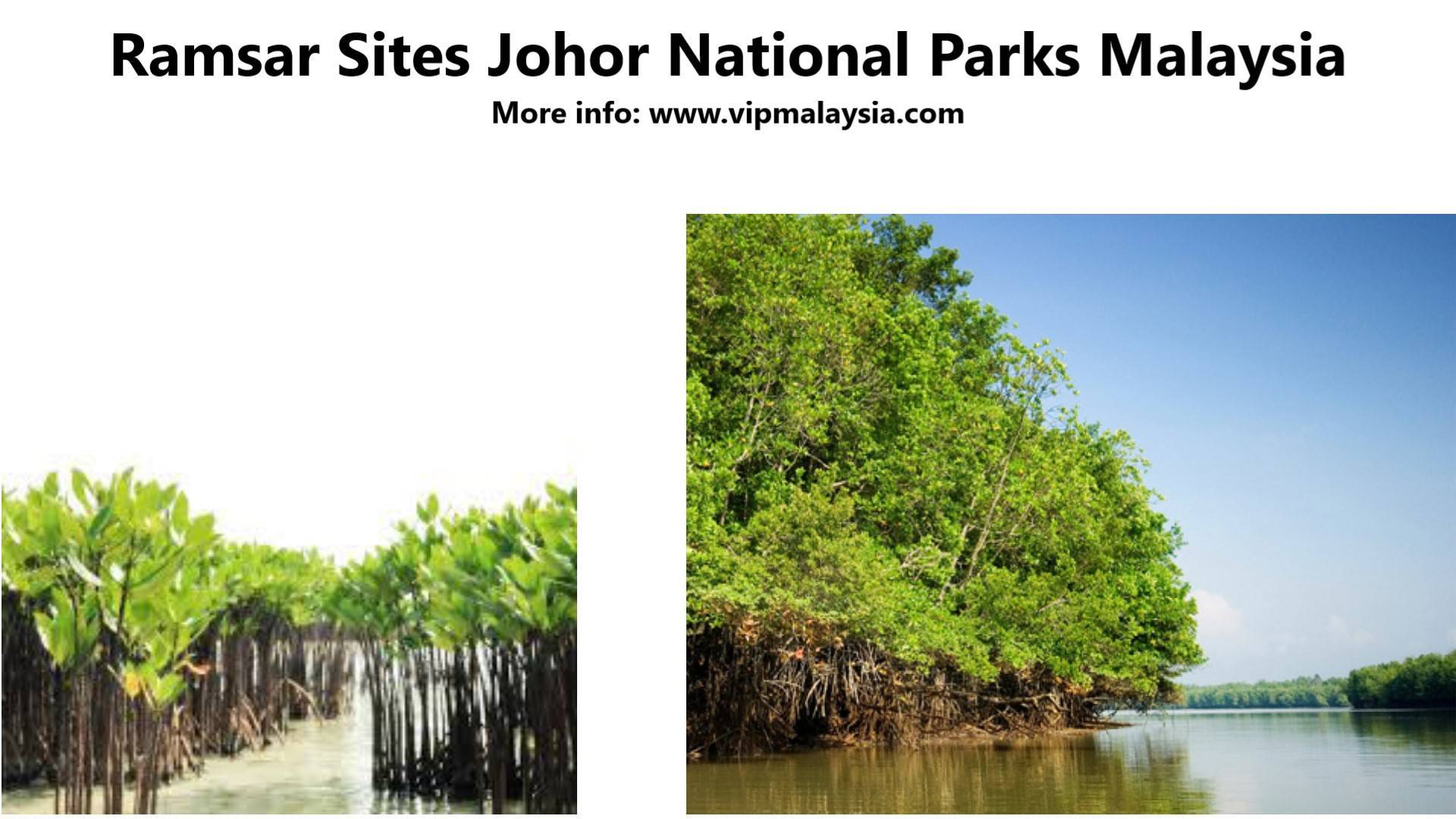
Johor National Parks
Johor, Malaysia, is home to some of the most ecologically significant wetlands, recognized under the Ramsar Convention, offering diverse landscapes, rich biodiversity, and conservation-focused tourism. Whether you’re a nature lover, a conservation advocate, or a traveler seeking scenic wonders, Johor’s national parks promise an immersive experience in Malaysia’s protected ecosystems.
Johor, Malaysia, is home to some of the most ecologically significant wetlands recognized under the Ramsar Convention. From mangrove forests to coastal mudflats, these national parks offer rare wildlife encounters, immersive eco-tourism, and conservation-focused adventures. Whether you’re a nature lover, a conservation advocate, or a traveler seeking scenic wonders, Johor’s national parks promise an unforgettable journey into Malaysia’s protected ecosystems.
Introduction
Johor’s national parks are more than just green escapes; they are living museums of biodiversity and cultural heritage. With Pulau Kukup, Tanjung Piai, and Sungai Pulai designated as Ramsar Sites, Johor has become a global hotspot for wetland conservation. These parks not only safeguard rare flora and fauna but also provide educational programs, eco-tourism opportunities, and sustainable livelihoods for local communities.
History
The establishment of Johor’s national parks reflects Malaysia’s commitment to conservation. Pulau Kukup National Park was gazetted in 1997 to protect one of the world’s largest uninhabited mangrove islands. In 2003, it was recognized as a Ramsar Site, joining Tanjung Piai and Sungai Pulai in the global network of wetlands of international importance.
Historically, Pulau Kukup was infamous as a pirate’s den, with legends of goblin princesses and giant snakes woven into its folklore. Tanjung Piai, meanwhile, has long been celebrated as the southernmost tip of mainland Asia, a symbolic landmark for travelers. Sungai Pulai, the largest riverine mangrove system in Johor, has been central to local fishing traditions and ecological research. Together, these parks embody Johor’s journey from myth and livelihood to modern conservation.
Highlights
Pulau Kukup National Park
Pulau Kukup is one of the largest uninhabited mangrove islands in the world, spanning 647 hectares. It is home to rare species like the flat-headed cat, bearded pig, and smooth-coated otter. Visitors can explore boardwalks, observation towers, and suspension bridges that provide panoramic views of mangrove ecosystems.
Unique Wildlife Encounters
Pulau Kukup shelters 27 mangrove species, including Sonneratia alba, Malaysia’s tallest mangrove tree. Migratory birds such as the milky stork and Chinese egret make seasonal stops here, offering birdwatchers a rare spectacle. The mangroves also serve as nurseries for fish and shellfish, supporting local fishing communities.
Tanjung Piai National Park
Tanjung Piai is celebrated as the southernmost tip of mainland Asia, where visitors can stand at the edge of the continent. Its mangrove forests and mudflats are vital habitats for migratory birds and marine life. Elevated boardwalks allow travelers to explore without disturbing the fragile ecosystem.
Cultural and Ecological Significance
Tanjung Piai is not only a Ramsar Site but also a symbol of Malaysia’s ecological stewardship. The park hosts educational programs and eco-festivals that highlight the importance of mangrove conservation. Local communities benefit from eco-tourism initiatives, blending cultural heritage with environmental awareness.
Sungai Pulai Forest Reserve
Sungai Pulai is Johor’s largest riverine mangrove system, covering over 9,000 hectares. It plays a crucial role in wetland preservation, biodiversity conservation, and ecological research. The reserve is home to saltwater crocodiles, mangrove skinks, and diverse bird species.
Conservation Programs
Managed by the Johor National Parks Corporation, Sungai Pulai is a hub for wetland education. Programs include mangrove planting, guided eco-tours, and awareness campaigns that promote sustainable management. Malaysia’s participation in the Ramsar Convention since 1994 underscores its long-term commitment to wetland conservation.
Attractions
Visitor Facilities
Johor’s national parks are equipped with boardwalks, suspension bridges, observation towers, and arboretum trails. Pulau Kukup offers boat rides through mangrove rivers, while Tanjung Piai provides coastal boardwalks with interpretive signage. Facilities include visitor centers, rest areas, and guided tours.
Festivals and Cultural Events
Local towns near the parks, such as Pontian and Kukup, host cultural festivals celebrating fishing traditions and mangrove heritage. These events provide visitors with opportunities to experience Johor’s vibrant culture alongside its natural wonders.
Trekking and Adventure
Mangrove Trails
Pulau Kukup’s 600-meter arboretum trail allows visitors to walk within the mangrove canopy. Tanjung Piai’s boardwalks stretch across mudflats, offering close encounters with crabs, mudskippers, and migratory birds. Sungai Pulai’s riverine trails provide immersive experiences in Malaysia’s largest mangrove system.
Adventure Activities
Eco-tourism initiatives include boat rides, birdwatching tours, and mangrove planting activities. Adventurers can climb Pulau Kukup’s 5-storey suspension bridge for panoramic views or join conservation programs that combine exploration with environmental stewardship.
Nearby Attractions
Kukup Fishing Village
Located near Pulau Kukup, Kukup Fishing Village is famous for its seafood restaurants and stilt houses. Visitors can enjoy fresh catches while experiencing traditional fishing culture.
Pontian Town
Pontian offers markets, cultural festivals, and local crafts. It serves as a gateway to Johor’s national parks, providing accommodations and transport options.
Johor Bahru
As the state capital, Johor Bahru offers urban attractions, shopping, and cultural landmarks. It is an ideal base for travelers exploring Johor’s Ramsar Sites.
Conclusion
Johor’s national parks are living sanctuaries of biodiversity, cultural heritage, and conservation. From Pulau Kukup’s mangrove wilderness to Tanjung Piai’s continental landmark and Sungai Pulai’s riverine ecosystems, these parks offer immersive experiences for travelers and conservationists alike. By visiting, you not only explore Malaysia’s natural wonders but also contribute to the preservation of globally significant wetlands.
Summary
- Attraction: Johor’s National Parks
- Location: #Johor
- Attraction Type: #NationalPark
- Source: johornationalparks.gov.my
- Why Visit:
- Recognized Ramsar Sites protecting vital wetland habitats
- Home to rare flora & fauna, including mangrove ecosystems
- Educational programs promoting conservation awareness
- Nature trails, wildlife spotting & wetland exploration
Quick Info
| Attribute | Details |
|---|---|
| Main Parks | Pulau Kukup National Park, Tanjung Piai National Park, Sungai Pulai Forest Reserve |
| Location | Johor, Malaysia |
| GPS Position | Depends on specific park |
| State | Johor |
| Facility Type | Wetland Conservation, Nature Trails & Eco-tourism |
| Main Attractions | Coastal Wetlands, Mangrove Forests, Wildlife Watching |
| Nearby Landmarks | Johor Wetlands, Ramsar Sites |
| Accessibility | Well-maintained trails & boardwalks for visitors |
| Best Time to Visit | All year for guided conservation experiences |
| Entry Fees | Applicable for certain parks |
| Recommended Activities | Nature Walks, Birdwatching, Environmental Education |
| Opening Hours | 9:00 AM – 5:00 PM |
| Contact | Johor National Parks Corporation: +607-2661301 |
Visitor Reviews
Wan Ahmad Nuruddin, Kelantan – ★★★★☆ “I took the boat ride to Pulau Kukup after lunch at a local seafood restaurant. The mangrove island was peaceful, and we spotted monkeys and even a wild boar along the boardwalk. The 5-level suspension tower was thrilling, though steep for kids. Facilities were clean, and the pathways were well maintained.”
Sophia Terawis, Singapore – ★★★★☆ “The highlight of Pulau Kukup was climbing the 5-storey suspension bridge. I stopped at level 3 because of the height, but the views of mangroves and wildlife were spectacular. Saw monkeys and mudskippers along the trail. It’s safe but not ideal for small children due to steep stairs.”
Monalisa Elwah, Melbourne – ★★★★★ “We joined a guided tour from Singapore to Kukup. The local guide explained the mangrove ecosystem in detail, making the experience educational. Walking through the mangrove canopy and spotting migratory birds was unforgettable. The traditional fishing village nearby added cultural charm to the trip.”
Boris Rashdan, Johor Bahru – ★★★★★ “Pulau Kukup is one of the healthiest mangrove forests I’ve visited. The boardwalks are easy to navigate, and the arboretum trail is perfect for birdwatching. I saw milky storks and egrets during migration season. The eco-tourism programs, like mangrove planting, made the visit meaningful.”
Nur Balqis, Perlis – ★★★★☆ “Tanjung Piai was a symbolic visit for me. Standing at the southernmost tip of mainland Asia felt special. The Kopi Tenggek café nearby served traditional Malay coffee and keropok lekor, which added to the cultural experience. The boardwalks were scenic, though more shaded areas would improve comfort.”