Tag: food

  • Bukit Kinding Resort, Perak: The Best Eco Adventure Getaway

    Bukit Kinding Resort, Perak: The Best Eco Adventure Getaway

    Bukit Kinding Resort, Perak

    Nestled in Tanjung Rambutan, Perak, Bukit Kinding Resort is a paradise for thrill-seekers and nature lovers, offering breathtaking landscapes and adrenaline-pumping activities. More than just a resort, this eco-adventure park promises an unforgettable experience of outdoor fun, team-building, and relaxation, making it one of Perak’s top eco destinations.

    Escape into Nature & Adventure at Bukit Kinding Resort

    Why Visit:

    • Stunning hilltop location – A peaceful hideaway surrounded by greenery
    • Malaysia’s longest Flying Fox – Certified at 486 meters, offering breathtaking valley views
    • Adventure-filled activities – From rock climbing to aqua zorbing and rope courses
    • Perfect for corporate events & family getaways – Offering tailored packages for all visitors

    Ready to embrace adventure? Plan your trip to Bukit Kinding Resort today!

    The Bukit Kinding Experience

    Adrenaline & Outdoor Adventures

    • ✔ Flying Fox – Malaysia’s longest zip line adventure spanning 486 meters
    • ✔ Paintball & Jungle Trekking – Perfect for thrill-seekers and nature enthusiasts
    • ✔ Aqua Zorbing & Kayaking – Fun water-based activities for all skill levels

    Relaxation & Scenic Beauty

    • ✔ Sunset Campsite – Experience evening bonfires with views of Ipoh’s skyline
    • ✔ Bungalows & Chalets – Cozy accommodations amidst natural serenity
    • ✔ Poolside Spa & Gym – Unwind with wellness activities at the resort’s indoor facilities

    Bukit Kinding Resort isn’t just a place to stay—it’s an adventure-packed experience, offering thrilling outdoor activities, nature escapes, and relaxation options. Whether you’re zip-lining through the hills, exploring jungle trails, or enjoying the scenic sunset, this resort promises a once-in-a-lifetime eco-adventure in Perak.

    Embrace the thrill—plan your trip to Bukit Kinding Resort today!

    Summary

    • Attraction: #BukitKindingResort 
    • Location: #Perak 
    • Attraction Type: #Food 
    • Source: visitperak.com.my
    • Why Visit:
      • Stunning hilltop location – A peaceful hideaway surrounded by greenery
      • Malaysia’s longest Flying Fox – Certified at 486 meters, offering breathtaking valley views
      • Adventure-filled activities – From rock climbing to aqua zorbing and rope courses
      • Perfect for corporate events & family getaways – Offering tailored packages for all visitors

    Quick Info

    AttributeDetails
    NameBukit Kinding Resort, Perak
    AddressLot 26302, Jalan Chemor, Bukit Kinding, Tanjung Rambutan, 31250 Perak, Malaysia
    GPS Position4.6860° N, 101.1225° E
    StatePerak
    Operating Hours9:00 AM – 6:00 PM Daily
    Facility TypeEco-Adventure Resort & Outdoor Park
    Special AttractionsFlying Fox, Paintball, Aqua Zorbing, Jungle Trekking
    Outdoor ActivitiesArchery, Mountain Biking, Rock Climbing, Camping
    Indoor FacilitiesFunction Hall, Badminton Court, Gym, Spa
    Nearby AttractionsIpoh City, Lost World of Tambun, Banjaran Hotsprings
    AccessibilityConnected via public transport & major highways
    Best Time to VisitMorning or Sunset for scenic beauty
    Contact+605-533 1122


  • Menara Condong Teluk Intan: Must-Visit Attraction

    Menara Condong Teluk Intan: Must-Visit Attraction

    Menara Condong Teluk Intan, Perak

    Located in Teluk Intan, Perak, Menara Condong is Malaysia’s answer to the Leaning Tower of Pisa, standing 25 meters tall with a distinct incline due to its soft soil foundation. Resembling an eight-level Chinese pagoda, this iconic clock tower was originally built in 1892 for water storage but has since become one of Perak’s most fascinating landmarks.

    Discover the Historic Charm & Unique Architecture of Menara Condong

    Why Visit Menara Condong Teluk Intan?

    • ✔ A unique leaning tower in Malaysia – Offering a picturesque sight and historical significance
    • ✔ Chinese pagoda-inspired architecture – Featuring intricate tiled roofs and decorative influences
    • ✔ A historical timekeeper – The original clock from London still chimes every 15 minutes
    • ✔ Cultural and heritage value – Symbolizing Teluk Intan’s rich colonial and local history

    > Step into history—plan your visit to Menara Condong Teluk Intan today!

    The Story Behind Menara Condong

    The Purpose of Its Construction

    • ✔ Built in 1892 – Designed as a reservoir and fire-fighting water source
    • ✔ Architectural marvel – Constructed from wood and brick, with a steel water tank on the top level
    • ✔ The Leaning Factor – Over time, soft soil and water weight caused a noticeable tilt westward

    Historical Events & Ownership

    • ✔ British colonial influence – Served as a town clock tower during their administration
    • ✔ Role during World War II – Used by Japanese soldiers as a watchtower
    • ✔ Official ownership transition – Became a national heritage site under Perak’s authority after independence

    Visitor Experience & Nearby Attractions

    Explore the Tower & Local Landmarks

    • ✔ Walk inside Menara Condong – Observe its wooden staircases and historical structure
    • ✔ Plaza activities – Enjoy cultural events and photography opportunities
    • ✔ Visit Jalan Ah Cheong – Named after Leong Choon Cheong, the Chinese contractor who built the tower

    Nearby Attractions

    • ✔ Teluk Intan Waterfront – A scenic riverside walkway ideal for evening strolls
    • ✔ Historical Shophouses – Experience traditional Malaysian-Chinese architectural designs
    • ✔ Local Food Delicacies – Try famous ‘mee rebus’ and Teluk Intan’s unique ‘chee cheong fun’

    Menara Condong Teluk Intan isn’t just Malaysia’s leaning tower—it’s a historical masterpiece, reflecting colonial influence, Chinese architecture, and local heritage. Whether you’re admiring its pagoda-inspired design, listening to its century-old clock, or exploring the town’s vibrant cultural scene, this tower offers an unforgettable experience.

    Visit Malaysia’s very own leaning tower—plan your trip to Menara Condong Teluk Intan today!

    Summary

    • Attraction: Menara Condong Teluk Intan
    • Location: #Perak 
    • Attraction Type: #Food 
    • Source: tourismperakmalaysia.com, http://www.mpti.gov.my/en/visitors/places-interest/menara-condong

    Quick Info

    AttributeDetails
    NameMenara Condong Teluk Intan, Perak
    AddressLot 1&2, Komplex Menara Condong, Jalan Bandar, 36000 Teluk Intan, Perak, Malaysia
    GPS Position4.0226° N, 101.0205° E
    StatePerak
    Date Built1892
    Facility TypeClock Tower & Heritage Site
    Special AttractionsLeaning Structure, Historic Timekeeper, Cultural Plaza
    Nearby AttractionsTeluk Intan Waterfront, Historical Shophouses, Local Food Spots
    AccessibilityConnected via major roads & public transport
    Best Time to VisitMorning or sunset for best views
    Contact+605-622 1299


  • Masjid Ubudiah Perak: Malaysia’s Golden Royal Mosque

    Masjid Ubudiah Perak: Malaysia’s Golden Royal Mosque

    Masjid Ubudiah, Perak

    Masjid Ubudiah in Kuala Kangsar, Perak, shines as one of Malaysia’s most stunning mosques, blending royal heritage, Moorish-inspired architecture, and golden domes that captivate visitors worldwide. Discover its history, highlights, nearby attractions, and adventurous experiences in this ultimate travel guide.

    Introduction

    Masjid Ubudiah, located in the royal town of Kuala Kangsar, Perak, is often hailed as Malaysia’s most beautiful mosque. With its gleaming golden dome, four towering minarets, and Indo-Saracenic Revival design, it stands as a symbol of grandeur and faith. Commissioned in 1913 by Sultan Idris Murshidul Adzam Shah I as an act of gratitude for his recovery from illness, the mosque remains a treasured landmark of Perak’s royal heritage. Visitors are drawn not only to its architectural brilliance but also to its serene atmosphere, cultural significance, and proximity to other royal attractions.

    Sultan Idris Murshidul Adzam Shah I (1849–1916) was the 28th Sultan of Perak, reigning from 1887 until his death in 1916. Born on 19 June 1849 in Kuala Keboi, Kampar, Perak, he was the son of Raja Bendahara Alang Iskandar. His reign marked a significant period in Perak’s history, as the state became part of the Federated Malay States under British administration in 1895. Sultan Idris was known for his progressive vision, supporting education, infrastructure, and Malay political development. He inaugurated the Victoria Bridge in Karai in 1900, one of Malaysia’s oldest railway bridges, and played a role in shaping Perak’s modern identity. He passed away on 14 January 1916 at Istana Negara, Bukit Chandan, Kuala Kangsar, and was buried at the Al-Ghufran Royal Mausoleum nearby.

    History

    The mosque’s construction began in 1913 under the design of Arthur Benison Hubback, the British architect behind Kuala Lumpur and Ipoh railway stations. Its completion in 1917 was delayed by two unusual events: the outbreak of World War I and a famous incident where elephants belonging to the Sultan and Raja Chulan damaged imported Italian marble. Despite these setbacks, the mosque was officially opened in 1917 by Sultan Abdul Jalil Nasaruddin Shah, successor to Sultan Idris. Costing RM200,000—a significant sum at the time—the mosque quickly became a symbol of pride for Perak.

    Arthur Benison Hubback (1871–1948) was a British architect and army officer best known for his contributions to colonial architecture in Malaya. Born on 13 April 1871 in Liverpool, England, he trained in architecture before arriving in Malaya in 1895. By 1900, he was appointed Chief Government Architect of the Federated Malay States, designing over 25 landmark buildings. His works include the Kuala Lumpur Railway Station, Masjid Jamek, Masjid Ubudiah in Kuala Kangsar, Ipoh Railway Station, and the National Textile Museum. Hubback’s style combined Indo-Saracenic Revival and European “Wrenaissance” influences, leaving a lasting impact on Malaysia’s architectural heritage.

    Arthur Benison Hubback’s major works in Malaysia

    YearWork / BuildingLocation & Style
    1907Masjid JamekKuala Lumpur — Indo-Saracenic Revival style with Mughal domes and arches
    1910Kuala Lumpur Railway StationKuala Lumpur — Indo-Saracenic Revival with Moorish and Mughal influences
    1913–1917Masjid UbudiahKuala Kangsar, Perak — Royal mosque with golden dome, Indo-Saracenic Revival
    1914Ipoh Railway StationIpoh, Perak — Neo-classical with Indo-Saracenic elements
    1914Panggung Bandaraya DBKLKuala Lumpur — Neo-Moorish style
    1915National Textile Museum (formerly FMS Railway Headquarters)Kuala Lumpur — Indo-Saracenic Revival
    1915Carcosa Seri Negara (extension works)Kuala Lumpur — Colonial European with Saracenic touches
    1916Old Kuala Lumpur High Court BuildingKuala Lumpur — Indo-Saracenic Revival
    1917Masjid Ubudiah completionKuala Kangsar, Perak — Symbol of Perak’s royal heritage
    1910sKowloon-Canton Railway TerminusHong Kong — Indo-Saracenic Revival

    Malaysia’s Most Beautiful Mosques

    MosqueAttractionAddress & Phone
    Sultan Salahuddin Abdul Aziz Shah Mosque (Blue Mosque)Largest mosque in Malaysia, iconic blue domePersiaran Masjid, Seksyen 14, 40000 Shah Alam, Selangor — +60 3-5519 9988
    Putra Mosque (Pink Mosque)Stunning pink granite mosque by Putrajaya LakePersiaran Persekutuan, Presint 1, 62502 Putrajaya — +60 3-8888 5678
    Masjid Negara (National Mosque)National symbol with modern Islamic designJalan Perdana, Tasik Perdana, 50480 Kuala Lumpur — +60 3-2693 7905
    Crystal MosqueUnique glass and steel mosque in TerengganuPulau Wan Man, Islamic Heritage Park, 21000 Kuala Terengganu, Terengganu — +60 9-622 1600
    Masjid ZahirHistoric mosque, one of the oldest in MalaysiaJalan Tunku Ibrahim, Bandar Alor Setar, 05000 Kedah — +60 4-733 5678
    Masjid UbudiahRoyal mosque with golden dome in Kuala KangsarBukit Chandan, 33000 Kuala Kangsar, Perak — +60 5-776 4256
    Tuanku Mizan Zainal Abidin Mosque (Iron Mosque)Modern mosque built with steel, overlooking Putrajaya LakeJalan Tuanku Abdul Rahman, Presint 3, 62502 Putrajaya — +60 3-8881 6800
    Federal Territory MosqueOttoman-inspired mosque in Kuala LumpurJalan Tuanku Abdul Halim, Kompleks Kerajaan, 50480 Kuala Lumpur — +60 3-6201 8798
    Kota Kinabalu City MosqueFloating mosque on Likas BayJalan Pasir, Kampung Likas, 88400 Kota Kinabalu, Sabah — +60 88-246 000
    Masjid Jamek Sultan Abdul SamadHistoric mosque at the confluence of riversJalan Tun Perak, City Centre, 50050 Kuala Lumpur — +60 3-2691 2829

    Cultural Festivals

    Visitors during Islamic festivals such as Eid al-Fitr or Eid al-Adha witness the mosque at its most vibrant, with thousands gathering for prayers. The atmosphere is deeply spiritual and culturally enriching.

    Photography Opportunities

    The mosque’s golden dome glows spectacularly at sunrise and sunset. Morning light offers the best angles, while evening captures highlight its silhouette against the sky.

    Visitor Facilities

    Masjid Ubudiah welcomes non-Muslim visitors outside prayer times, provided modest dress codes are observed. Scarves are available for women, and donations are encouraged. Facilities include prayer halls, ablution areas, and landscaped gardens.

    Highlights

    Architectural Grandeur

    The mosque’s Indo-Saracenic Revival style blends Moorish, Mughal, and Islamic influences. Its central golden dome, flanked by four minarets and smaller domed turrets, creates a striking skyline visible from afar. Italian marble adds elegance to the white façade, with darker bands enhancing its symmetry.

    Moorish Influence

    Moorish architecture developed in the western Islamic world, particularly in Spain (Al-Andalus) and North Africa. It is characterized by horseshoe arches, intricate geometric tilework, courtyards, and ornate arabesque decoration. Famous examples include the Alhambra in Granada and the Great Mosque of Córdoba. These features contributed to the decorative richness and spatial harmony seen in Indo-Saracenic Revival buildings.

    Mughal Influence

    Mughal architecture flourished in India between the 16th and 18th centuries under emperors like Akbar and Shah Jahan. It is known for grand domes, slender minarets, symmetrical layouts, and elaborate ornamentation. Iconic monuments such as the Taj Mahal and Agra Fort showcase its blend of Persian, Islamic, and Indian traditions. This influence brought monumental scale and refined detailing into Indo-Saracenic Revival works.

    Islamic Influence

    Islamic architecture, spanning from the 7th century onward, emphasizes mosques, domes, minarets, courtyards, and decorative calligraphy. It integrates geometric patterns and arabesques while avoiding figurative imagery, focusing instead on spiritual symbolism. Structures like the Dome of the Rock in Jerusalem and the Great Mosque of Damascus exemplify its core principles. This broad tradition provided the foundational elements of faith and design that Indo-Saracenic Revival architects adapted.

    Dome and Minarets

    The golden dome is the mosque’s crown jewel, glowing brilliantly under sunlight. The four minarets rise majestically, symbolizing strength and faith. Visitors often capture photographs from the palace grounds or the public square, where the symmetry of the mosque is most apparent.

    Nearby Attractions

    Iskandariah Palace

    Located nearby, this palace serves as the official residence of the Sultan of Perak. While entry is restricted, its regal architecture is admired from outside, offering a glimpse into Perak’s royal grandeur.

    • Address: Bukit Chandan, 33000 Kuala Kangsar, Perak, Malaysia
    • Phone: +60 5-776 4256

    Iskandariah Palace (Istana Iskandariah) is the official royal residence of the Sultan of Perak, located in the royal town of Kuala Kangsar, Perak. Completed in 1933, it was commissioned by Sultan Iskandar Shah and has since served as the abode for successive Sultans of Perak. The palace sits majestically on Bukit Chandan, overlooking the Perak River, and is renowned for its Indo-Saracenic architectural style, blending colonial European elements with Islamic features such as onion-shaped domes and pointed arches. It remains a symbol of Perak’s royal heritage and cultural grandeur.

    Sultan Azlan Shah Gallery

    A museum dedicated to the late Sultan Azlan Shah, showcasing royal artifacts, photographs, and Perak’s rich royal lineage. It provides cultural depth to a visit to Masjid Ubudiah.

    • Address: Jalan Istana, Bukit Chandan, 33000 Kuala Kangsar, Perak, Malaysia
    • Phone: +60 5-776 0546

    Sultan Azlan Shah Gallery (Galeri Sultan Azlan Shah) is a heritage museum located in Bukit Chandan, Kuala Kangsar, Perak. Officially opened on 9 December 2003 by Sultan Azlan Muhibbuddin Shah, the gallery was established in the restored Istana Ulu, a palace originally built in 1898 and completed in 1903. The gallery showcases the life, achievements, and royal legacy of Sultan Azlan Shah, the 34th Sultan of Perak and Malaysia’s 9th Yang di-Pertuan Agong. Exhibits include personal memorabilia, historical artifacts, royal dioramas, and cultural displays, offering visitors a deeper understanding of Perak’s royal heritage and the constitutional monarchy system. The building itself reflects a blend of colonial and local architectural styles, with Acehnese roof influences and domes inspired by Indian design.

    Royal Mausoleum (Makam Diraja)

    Situated beside the mosque, this serene site houses the tombs of Perak’s past rulers. Visitors often combine mosque tours with a respectful walk through the mausoleum grounds.

    • Address: Bukit Chandan, 33000 Kuala Kangsar, Perak, Malaysia
    • Phone: +60 5-776 5500

    Royal Mausoleum (Makam Diraja Perak) is the burial ground for the Sultans of Perak and members of the royal family, located in Bukit Chandan, Kuala Kangsar. This sacred site lies adjacent to Masjid Ubudiah, one of Malaysia’s most beautiful mosques. The mausoleum is distinguished by its serene atmosphere and traditional Islamic architecture, with domes and arches reflecting Perak’s royal heritage. It serves as a place of reverence and remembrance, symbolizing the continuity of Perak’s monarchy and its cultural legacy.

    Istana Kenangan (Memory Palace)

    A stunning wooden palace once used as a royal residence, now converted into a museum displaying Perak’s cultural heritage. Its traditional Malay architecture contrasts beautifully with Masjid Ubudiah’s grandeur.

    • Phone: +60 5-776 4757
    • Address: Bukit Chandan, 33000 Kuala Kangsar, Perak, Malaysia

    Istana Kenangan (Memory Palace), also known as Istana Tepas or Istana Lembah, is a historic royal residence in Bukit Chandan, Kuala Kangsar, Perak. Built in 1926 by master carpenter Haji Suffian and his sons, it was commissioned by Sultan Iskandar Shah as a temporary palace while Istana Iskandariah was under construction. The palace is a masterpiece of traditional Malay architecture, constructed entirely of hardwood without nails, with woven bamboo walls and a distinctive roof design. Its aerial view resembles a sword in its sheath, symbolizing royal power. From 1931 to 1933, Sultan Iskandar Shah resided here, and later it served as a royal guest palace during ceremonial occasions. In 1986, it was converted into the Royal Museum of Kuala Kangsar (Muzium Diraja Kuala Kangsar), preserving Perak’s royal heritage and declared a historical heritage site in 2009.

    Trekking and Adventure

    Bukit Chandan Exploration

    Masjid Ubudiah sits atop Bukit Chandan, a hill offering scenic views of Kuala Kangsar. Visitors can trek around the area, enjoying lush greenery and glimpses of royal landmarks.

    • Address: Bukit Chandan, 33000 Kuala Kangsar, Perak, Malaysia
    • Phone: +60 5-776 5500

    Bukit Chandan is a historic royal hill area in Kuala Kangsar, Perak, Malaysia. It is home to several of Perak’s most important royal landmarks, including Masjid Ubudiah, Iskandariah Palace, the Royal Mausoleum (Makam Diraja), and the Sultan Azlan Shah Gallery. Bukit Chandan has long been associated with Perak’s monarchy, serving as the seat of royal residences and ceremonial sites. The area is also known for its lush greenery and elevated views of the Perak River, making it both a cultural and scenic destination.

    Riverside Walks

    The Kuala Kangsar Riverside along the Perak River provides opportunities for leisurely walks, photography, and boat rides. The riverbanks are lined with colonial-era buildings and local markets, adding charm to the experience.

    • Address: Kuala Kangsar Riverside Esplanade, Jalan Daeng Selili, 33000 Kuala Kangsar, Perak, Malaysia
    • Phone: +60 5-777 2020

    Kuala Kangsar Riverside (Esplanade), also known as the Kuala Kangsar Waterfront, is a scenic promenade along the Perak River in the royal town of Kuala Kangsar, Perak. Historically, the riverside has been a gathering place for locals and travelers, reflecting the town’s royal heritage and traditional Malay charm. Today, it offers a relaxing ambiance with tree-lined walkways, gazebos, playgrounds, and riverside dining. Visitors can enjoy morning jogs, sunset strolls, or night views with reflections on the river. The esplanade also features viewing decks and a small marina, making it a favorite spot for families, photographers, and couples. Nearby attractions include Masjid Ubudiah, Istana Kenangan, Victoria Bridge, and the Sultan Azlan Shah Gallery.

    Wildlife Encounters

    The surrounding Perak region is home to tropical rainforest species such as hornbills, macaques, and monitor lizards. Nature enthusiasts often combine mosque visits with eco-tours in nearby forest reserves.

    Conclusion

    Masjid Ubudiah is more than a mosque—it is a royal symbol, an architectural masterpiece, and a cultural beacon of Perak. From its golden dome and marble floors to its proximity to royal landmarks, the mosque offers a rich blend of history, spirituality, and beauty. Whether you are a pilgrim, a heritage traveler, or an adventurer exploring Perak’s landscapes, Masjid Ubudiah promises an unforgettable experience.

    Summary

    • Attraction: #MasjidUbudiah 
    • Location: #Perak 
    • Attraction Type: #Food 
    • Source: tourismperakmalaysia.com, https://itc.gov.my/, http://www.mpkkpk.gov.my/
    • Why Visit:
      • Stunning Islamic architecture – Designed by Arthur Benison Hubback, the mind behind Ipoh & KL railway stations
      • Royal heritage significance – Commissioned by Sultan Idris as a mark of gratitude for recovery from illness
      • Marble imported from Italy – Showcasing world-class craftsmanship and artistic excellence
      • Sacred Islamic landmark – An important spiritual destination for Muslims in Perak and beyond

    Quick Info

    AttributeDetails
    NameMasjid Ubudiah, Perak
    AddressUbudiah Royal Mosque, Jalan Istana, Bukit Chandan, 33000 Kuala Kangsar, Perak, Malaysia
    GPS Position4.7731° N, 100.9294° E
    StatePerak
    Date BuiltFoundation laid in 1913, completed in 1917
    Facility TypeMosque & Historical Landmark
    ArchitectArthur Benison Hubback
    Special AttractionsGolden Dome, Marble Floors, Royal Heritage
    Nearby AttractionsIskandariah Palace, Royal Mausoleum (Makam Diraja), Sultan Azlan Shah Gallery, Istana Kenangan
    AccessibilityLocated in Kuala Kangsar, accessible via PLUS Highway exit (Kuala Kangsar Interchange)
    Best Time to VisitMorning or sunset for best photography
    Contact+60 5-776 4256

    Visitor Reviews

    Lukman Tumiran, Penang ⭐⭐⭐⭐⭐ “I was amazed by the golden dome shining in the morning sun. The mosque is breathtaking, and the nearby Sultan Azlan Shah Gallery added depth to my visit. Truly worth the trip.”

    Jonathan Augustine, Singapore ⭐⭐⭐⭐⭐ “The architecture is stunning, and the history behind the elephant incident made the tour fascinating. I appreciated the respectful visitor guidelines and the serene atmosphere.”

    Seri Mawar, Kuala Lumpur ⭐⭐⭐⭐⭐ “Masjid Ubudiah is a jewel of Perak. The marble floors and Moorish design are exquisite. I combined my visit with a walk along the Perak River, which made the day perfect.”

    Engku Hassan Nasrullah, Johor Bahru ⭐⭐⭐⭐ “The mosque is beautiful, though entry times for visitors are limited. Still, the photography opportunities are unmatched, especially at sunset.”

  • Lenggong Valley: Malaysia’s Ancient Archaeological Treasure

    Lenggong Valley: Malaysia’s Ancient Archaeological Treasure

    Lenggong Valley, Perak

    Lenggong Valley, located in Perak, Malaysia, is one of Southeast Asia’s most significant archaeological sites, earning UNESCO World Heritage status in 2012. Spanning nearly 2 million years of human history, this site offers visitors rare insights into ancient civilizations, stone tool workshops, and the remains of Perak Man—the oldest complete human skeleton found in the region.

    Explore the Prehistoric Wonders of Lenggong Valley

    Why Visit:

    • UNESCO World Heritage Site – Home to archaeological discoveries dating back 1.83 million years
    • Ancient human settlements – Featuring prehistoric caves, stone tools, and burial sites
    • Perak Man’s resting place – Southeast Asia’s oldest fully preserved human skeleton
    • A true open-air museum – Explore archaeological sites set in lush rainforest landscapes

    Step into history—plan your journey to Lenggong Valley today!

    Archaeological Discoveries & Historical Significance

    Lenggong’s Prehistoric Legacy

    • ✔ Earliest hominid presence outside Africa – Dating back to 1.83 million years ago
    • ✔ Bukit Bunuh Meteorite Impact Site – A meteor strike shaped the local prehistoric landscape
    • ✔ Kota Tampan tool workshop – Evidence of stone tool creation from 74,000 years ago

    The Perak Man Discovery

    • ✔ Found in Gua Gunung Runtuh Cave – Excavated in 1991, aged over 10,000 years
    • ✔ Most complete prehistoric skeleton in Southeast Asia – Providing rare insights into early human life
    • ✔ Displayed at Lenggong Archaeological MuseumA must-visit for history enthusiasts

    Visitor Experience & Nearby Attractions

    Must-Visit Sites in Lenggong

    • ✔ Lenggong Archaeological Museum – Featuring artifacts from Malaysia’s earliest civilizations
    • ✔ Gua Gunung Runtuh – The resting place of Perak Man
    • ✔ Bukit Jawa – Showcasing stone tools from 200,000 years ago
    • ✔ Lipur Lata Kekabu Rainforest – A beautiful nature retreat near the archaeological sites

    Nearby Attractions

    • ✔ Kuala Kangsar – The royal town of Perak with stunning heritage landmarks
    • ✔ Tasik Raban – A picturesque lake surrounded by lush hills
    • ✔ Taiping & Maxwell Hill – One of Malaysia’s oldest colonial hill stations

    Lenggong Valley isn’t just an archaeological site—it’s a gateway to prehistoric history, offering a rare glimpse into Southeast Asia’s earliest human settlements. Whether you’re exploring the remains of Perak Man, discovering ancient tools, or trekking through lush landscapes, this UNESCO site promises an unforgettable historical journey.Travel back in time—plan your visit to Lenggong Valley today!

    Summary

    • Attraction: Lenggong Valley 
    • Location: #Perak 
    • Attraction Type: #Forest 
    • Source: tourismperakmalaysia.com, https://whc.unesco.org/en/list/1396/
    • Why Visit:
      • UNESCO World Heritage Site – Home to archaeological discoveries dating back 1.83 million years
      • Ancient human settlements – Featuring prehistoric caves, stone tools, and burial sites
      • Perak Man’s resting place – Southeast Asia’s oldest fully preserved human skeleton
      • A true open-air museum – Explore archaeological sites set in lush rainforest landscapes

    Quick Info

    AttributeDetails
    NameLenggong Valley, Perak
    AddressNo.83, KG. Hilir Teluk Batu, 33400 Lenggong, Perak, Malaysia
    GPS Position5.0762° N, 100.9678° E
    StatePerak
    UNESCO DesignationJune 30, 2012
    Facility TypeArchaeological Site & Museum
    Special AttractionsPerak Man, Prehistoric Tool Workshops, Caves
    Nearby AttractionsKuala Kangsar, Tasik Raban, Taiping
    AccessibilityLocated north of Ipoh, accessible via highways
    Best Time to VisitMorning or evening for cooler weather
    Contact+6019-233 9101


  • Taiping Lake Gardens: Malaysia’s Most Beautiful Public Park

    Taiping Lake Gardens: Malaysia’s Most Beautiful Public Park

    Taiping Lake Gardens, Perak

    Taiping Lake Gardens, one of Malaysia’s oldest and most picturesque parks, is a breathtaking oasis in Perak, set against the backdrop of Bukit Larut (Maxwell Hill). Established in 1880 on an abandoned tin mine, this garden is a blend of history, nature, and tranquility, making it a must-visit destination for nature lovers, joggers, and photographers alike.

    Discover the Timeless Charm of Taiping Lake Gardens

    Why Visit:

    • Malaysia’s first public park – Established in 1880, preserving nature for over a century
    • Stunning rain trees & scenic lakes – Perfect for relaxation, photography, and outdoor activities
    • Colonial-era heritage structures – Featuring historical buildings surrounding the gardens
    • Recreational activities for all – Enjoy jogging, boating, cycling, and picnicking

    Escape into nature’s embrace—plan your visit to Taiping Lake Gardens today!

    The Beauty & History of Taiping Lake Gardens

    The Birth of Malaysia’s First Public Garden

    • ✔ Converted from an abandoned tin mine – A true environmental transformation
    • ✔ Brainchild of Colonel Robert Walker & Charles Compton Reade – Developed during British rule
    • ✔ Donated by Chung Keng Quee – A gift to the community for recreation and greenery

    Natural & Architectural Attractions

    • ✔ Majestic Angsana Rain Trees – Iconic century-old trees extending over the lake
    • ✔ Scenic Lotus Pond & Bridges – Offering tranquil views and romantic settings
    • ✔ Heritage Buildings – Including the Old Residency & Raja’s House

    Activities & Outdoor Fun

    Enjoy Nature & Recreation

    • ✔ Jogging & Reflexology Paths – Ideal for morning strolls and exercise
    • ✔ Paddleboat Rides & Fishing – A relaxing way to enjoy the lake’s beauty
    • ✔ Birdwatching & Photography – Capture stunning sunrise and sunset reflections

    Nearby Attractions

    • ✔ Taiping Zoo & Night Safari – Malaysia’s oldest and most diverse wildlife sanctuary
    • ✔ Bukit Larut (Maxwell Hill) – A historic hill retreat perfect for jungle trekking
    • ✔ Taiping War Cemetery – A peaceful tribute to fallen WWII soldiers

    Taiping Lake Gardens isn’t just a park—it’s a historic natural retreat, offering breathtaking landscapes, outdoor activities, and rich colonial heritage. Whether you’re taking in the sights, capturing photographs, or simply relaxing under century-old rain trees, this park is a must-visit in Malaysia.

    Immerse yourself in nature’s beauty—plan your visit to Taiping Lake Gardens today!

    Summary

    • Attraction: #TaipingLakeGardens  
    • Location: #Perak 
    • Attraction Type: #Food
    • Why Visit:
      • Malaysia’s first public park – Established in 1880, preserving nature for over a century
      • Stunning rain trees & scenic lakes – Perfect for relaxation, photography, and outdoor activities
      • Colonial-era heritage structures – Featuring historical buildings surrounding the gardens
      • Recreational activities for all – Enjoy jogging, boating, cycling, and picnicking

    Quick Info

    AttributeDetails
    NameTaiping Lake Gardens, Perak
    AddressJalan Pekeliling, Taman Tasik Taiping, 34000 Taiping, Perak, Malaysia
    GPS Position4.8532° N, 100.7425° E
    StatePerak
    Date Established1880
    Facility TypePublic Park & Heritage Site
    Special AttractionsRain Trees, Lotus Pond, Colonial Buildings
    Nearby AttractionsTaiping Zoo, Bukit Larut, War Cemetery
    AccessibilityLocated near Taiping town & main roads
    Best Time to VisitMorning or sunset for ideal photography
    Contact+6017-546 0464


  • Ipoh Hoho Bus Ride: Explore Perak’s Hidden Gems

    Ipoh Hoho Bus Ride: Explore Perak’s Hidden Gems

    Ipoh Hoho Bus, Perak

    Discover Ipoh and Perak like never before with the Ipoh Hoho Bus, a hop‑on hop‑off service that connects heritage landmarks, cultural districts, and natural wonders. From Ipoh Old Town’s colonial charm to Kellie’s Castle’s mysterious beauty, this bus offers a flexible, affordable, and scenic way to explore Malaysia’s heartland.

    Introduction

    The Ipoh Hoho Bus, officially known as the Perak Hop‑On Hop‑Off Bus, is more than just a transport service—it is a gateway to Perak’s cultural, historical, and natural treasures. Operating mainly on weekends, the bus allows visitors to hop on and off at designated stops, making it easy to explore Ipoh’s vibrant neighborhoods, limestone cave temples, and colonial landmarks. With open‑top seating and air‑conditioned comfort, the journey blends convenience with adventure, offering travelers a panoramic view of Perak’s landscapes and heritage.

    History

    The Perak Hop‑On Hop‑Off Bus was launched to boost tourism in Ipoh and surrounding towns. Initially covering 12 stops, the service expanded to 13, connecting key attractions such as Ipoh Old Town, Little India, and Panglima Kinta Mosque. The initiative was part of Perak’s broader tourism strategy to highlight its colonial architecture, natural parks, and cultural diversity. Though some stops like the Movie Animation Park Studios (MAPS) are now closed, the bus continues to evolve, with plans to include destinations such as Lost World of Tambun and Kellie’s Castle.

    Visitor Facilities and Cultural Insights

    The Ipoh Hoho Bus provides comfortable seating, digital information screens, and local guides who share stories about Ipoh’s history. Nearby towns such as Tambun and Gopeng offer fruit farms, handicraft centers, and cultural festivals celebrating Perak’s diverse heritage. Wildlife enthusiasts can spot species like hornbills, macaques, and freshwater fish in natural parks along the route.

    Highlights

    Scenic Open‑Top Experience

    Passengers enjoy unobstructed views of Ipoh’s greenery and limestone hills from the half‑roofed buses. The open‑air design creates a unique sightseeing experience, especially when passing through heritage streets lined with colonial buildings.

    Affordable and Tourist‑Friendly

    Tickets are priced reasonably, making the bus a cost‑effective alternative to taxis or private cars. With a one‑day pass, visitors can explore multiple attractions without worrying about transport logistics.

    Weekend Operations

    Currently, the bus operates every Saturday and Sunday from 9:30 am to 8:30 pm, with intervals of about one hour between stops. This schedule caters to both local families and international tourists seeking a relaxed weekend adventure.

    Routes

    The Ipoh Hoho Bus currently covers 12 key stops, including:

    • Meru Terminal – Main transport hub
    • Ipoh High Court – A colonial landmark
    • Little India – Vibrant shops & Indian cuisine
    • Ipoh Old Town – Heritage sites & traditional coffee shops
    • Telekom Malaysia – Central business district
    • Brewster Road – Historic colonial buildings
    • Weil Hotel / Ipoh Parade – Shopping & dining hotspots
    • Night Gate – Evening entertainment area
    • Octagon – Boutique hotels & nightlife
    • The Majestic – Luxury accommodation
    • Kinta Kinta Mosque – One of Perak’s oldest mosques

    Phase 2 Expansion (November 2019)

    New routes will include:

    • Lost World of Tambun – Hot springs & adventure park
    • Pomelo Farm, Tambun – Visit fruit plantations & enjoy fresh pomelos
    • Sam Poh Tong Temple – A stunning cave temple with breathtaking views
    • Gopeng Bus Stop – Gateway to Gopeng’s nature & white-water rafting
    • Kellie’s Castle – Malaysia’s most famous colonial mansion
    • Silveritage, Medan Gopeng – A center for handicrafts & heritage shopping

    Nearby Attractions

    Ipoh Old Town

    Ipoh Old Town is the cultural heart of the city, famous for its white coffee, heritage shophouses, and street art murals. Visitors can stroll through narrow lanes, admire colonial architecture, and sample traditional kopitiam breakfasts.

    Panglima Kinta Mosque

    One of Perak’s oldest mosques, Panglima Kinta Mosque showcases Moorish‑inspired architecture and serves as a spiritual landmark. Its history dates back to the 19th century, reflecting Ipoh’s multicultural roots.

    Weil Hotel and Ipoh Parade

    This stop connects travelers to modern shopping and dining experiences. Ipoh Parade is a bustling mall featuring local boutiques, international brands, and food courts offering Malaysian delicacies.

    Gerbang Malam (Night Gate)

    A lively night market where visitors can shop for clothes, accessories, and street food. The atmosphere is vibrant, with stalls offering affordable souvenirs and local snacks.

    Trekking and Adventure

    Gunung Lang Recreational Park

    Located just outside Ipoh, Gunung Lang offers trekking trails, a scenic lake, and limestone hills. Visitors can take boat rides across the lake and explore lush greenery, making it a favorite for nature lovers.

    Gopeng White‑Water Rafting

    Accessible via the bus’s Phase 2 expansion, Gopeng is renowned for its adventurous rafting experiences. The Kampar River provides thrilling rapids suitable for beginners and seasoned rafters alike.

    Lost World of Tambun

    This theme park combines hot springs, water slides, and adventure rides. It is also home to a petting zoo and tiger valley, making it a family‑friendly destination.

    Must‑Visit Highlights

    Kellie’s Castle

    Kellie’s Castle is a mysterious colonial mansion built by Scottish planter William Kellie Smith. The unfinished castle is surrounded by legends of hidden tunnels and ghostly sightings, adding intrigue to its historical charm.

    Sam Poh Tong Temple

    A cave temple nestled within limestone formations. Visitors can admire intricate statues, serene ponds with turtles, and panoramic views of Ipoh from the temple grounds.

    Perak Cave Temple

    Another cave temple featuring colorful murals and a towering Buddha statue. The temple is a blend of spirituality and artistry, attracting both worshippers and tourists.

    Conclusion

    The Ipoh Hoho Bus is not just a ride—it is an immersive journey through Perak’s landscapes, heritage, and culture. It offers flexibility, affordability, and scenic exploration, making it ideal for both first‑time visitors and seasoned travelers. Whether you are sipping white coffee in Ipoh Old Town, trekking limestone hills, or marveling at Kellie’s Castle, the bus ensures that your Perak adventure is seamless and unforgettable.

    Summary

    • Attraction: Ipoh Hoho Bus 
    • Location: #Perak 
    • Attraction Type: #Food 
    • Source: https://www.tourismperakmalaysia.com/
    • Why Ride:
      • Hassle-free city exploration – Hop on and off at top attractions across Ipoh & Perak
      • Scenic open-top buses – Enjoy unobstructed views of Ipoh’s heritage and greenery
      • Affordable & tourist-friendly – A cost-effective alternative to taxis and private cars
      • Expanding routes – Phase 2 will add Lost World of Tambun, Sam Poh Tong, and Kellie’s Castle

    Quick Info

    AttributeDetails
    NameIpoh Hoho Bus (Perak Hop-On Hop-Off)
    AddressTourism Perak, 22 Jalan Teh Hawa, Kampung Jawa, 30300 Ipoh, Perak, Malaysia
    GPS Position4.5980° N, 101.0815° E
    StatePerak
    Operation HoursSaturday & Sunday, 9:30 AM – 8:30 PM (1-hour intervals)
    Facility TypeTourist Bus Service
    Special AttractionsHop-On Hop-Off flexibility, open-top deck with air-conditioning, heritage & nature routes
    Nearby AttractionsIpoh Old Town, Panglima Kinta Mosque, Gunung Lang Park, Perak Cave Temple, Kellie’s Castle (Phase 2 expansion)
    AccessibilityOperates across 13 designated stops including Meru Terminal, Ipoh High Court, Little India, Ipoh Parade, Gerbang Malam, Octagon, and The Majestic
    Best Time to VisitMorning or evening for cooler weather and ideal sightseeing
    Contact+605-249 9966 (Tourism Perak)

    Visitor Reviews

    Norzihan, Kuala Lumpur ⭐⭐⭐⭐⭐ “I loved how easy it was to explore Ipoh without worrying about transport. The open‑top bus gave us amazing views of the old shophouses, and the guide was very informative.”

    Ammala Devi, Singapore ⭐⭐⭐⭐ “The bus was comfortable and affordable. I especially enjoyed hopping off at Gerbang Malam for street food. It would be great if the service ran on weekdays too.”

    Mohamad Azlan, Pahang ⭐⭐⭐⭐⭐ “Gunung Lang was breathtaking! The bus made it so convenient to reach nature spots. I recommend this to anyone visiting Ipoh for the first time.”

    Sofia Mubarak, Selangor ⭐⭐⭐⭐ “The cultural mix of temples, mosques, and colonial buildings was fascinating. The bus staff were friendly, and the ride felt safe and well‑organized.”

  • Warong Poksu Moksu: Kuantan’s ICT Gem

    Warong Poksu Moksu: Kuantan’s ICT Gem

    Warong Poksu Moksu, Pahang

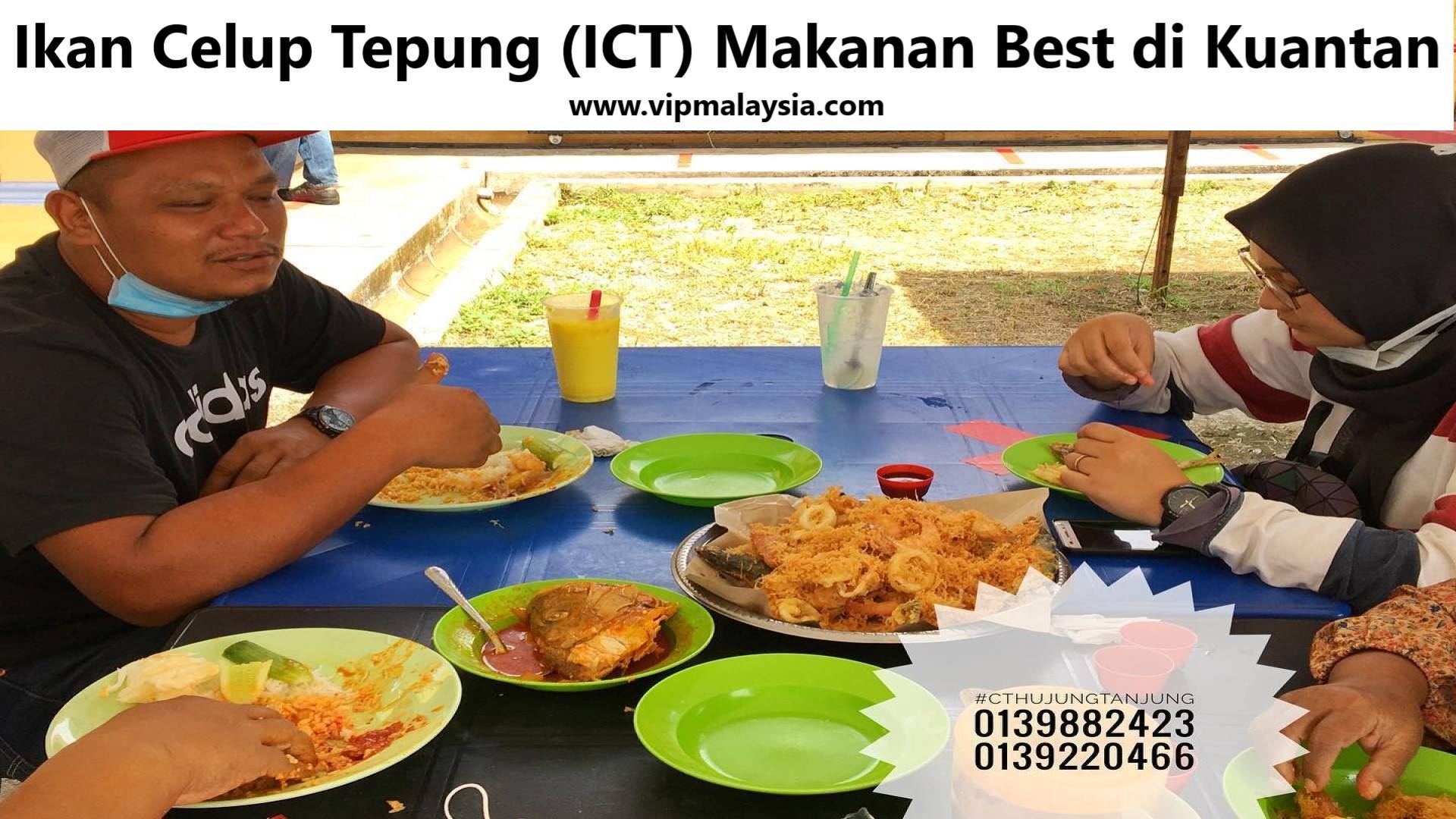
    Warong Poksu Moksu is one of Kuantan’s most beloved coastal eateries, famous for its crispy seafood dishes known as Ikan Celup Tepung (ICT). With fresh ingredients, affordable prices, and a lively atmosphere, this spot has become a must-visit destination for locals and tourists alike.

    Introduction

    Nestled in the bustling seaside town of Kuantan, Warong Poksu Moksu has earned its reputation as a culinary landmark. Known for its golden-brown seafood delights, this eatery offers more than just food—it delivers a complete cultural and dining experience. From the freshness of its daily catch to the warmth of its loyal customer base, Warong Poksu Moksu embodies the essence of Kuantan’s coastal charm.

    Ikan Celup Tepung (ICT) is a famous Terengganu street food consisting of fish dipped in seasoned rice flour batter and deep-fried until golden. It is considered part of the state’s food identity, with its recipe passed down through generations and even proposed for intellectual property protection as a geographical indication. The batter recipe—made from rice flour, eggs, sugar, pepper, baking soda, turmeric, and sometimes secret family ingredients—has been handed down through Terengganu families.

    Highlights

    One of Kuantan’s Most Popular ICT Spots

    Warong Poksu Moksu consistently draws crowds, making it one of the busiest ICT stalls in Kuantan. The popularity is a testament to the quality of food and the authenticity of the dining experience. Customers often wait patiently for their turn, knowing that the reward is worth it.

    Crispy and Flavorful Seafood

    The hallmark of Warong Poksu Moksu lies in its perfectly fried seafood. Each piece is coated in a light batter that crisps up beautifully, locking in the natural flavors of the fish, squid, or prawns. The crunch is irresistible, and the taste lingers long after the meal.

    Affordable Prices With Generous Portions

    Despite its fame, Warong Poksu Moksu remains committed to affordability. Generous portions ensure that customers leave satisfied, making it a favorite among families, students, and travelers.

    A Local Favorite

    The eatery is always packed with loyal customers, many of whom have been visiting for years. This loyalty speaks volumes about the consistency and quality of the food.

    Signature Dishes

    Ikan Celup Tepung

    Fresh fish is coated in a golden batter and fried to perfection. The crisp exterior contrasts beautifully with the tender, juicy fish inside. Served with dipping sauces, this dish is the star of the menu.

    Sotong Celup Tepung

    Squid rings are lightly battered and fried until golden. The texture is tender yet firm, offering a delightful chewiness.

    Udang Celup Tepung

    Juicy prawns are fried to a golden crisp, bursting with flavor in every bite. The batter locks in the natural juices, making this dish a crowd-pleaser.

    Sata

    Sata is one of the most iconic East Coast delicacies served at Warong Poksu Moksu. Made from a mixture of spiced fish paste wrapped in banana leaves and grilled over hot coals, it delivers a smoky aroma and a tender bite. The flavors are rich yet balanced, offering a taste of tradition that connects diners to Kuantan’s culinary heritage.

    At Warong Poksu Moksu, sata is prepared fresh daily, ensuring that each bite captures the authentic taste of Pahang’s coastal cuisine. The grilling process infuses the fish with a subtle char, while the banana leaves keep the paste moist and fragrant. It’s a dish that pairs beautifully with rice or can be enjoyed on its own as a savory snack.

    Nasi Dagang

    Nasi dagang is another highlight, featuring fragrant rice steamed with coconut milk and served alongside a flavorful fish curry. This dish is deeply rooted in East Coast culture, often enjoyed during festive occasions but equally beloved as a daily staple. The combination of creamy rice and spiced curry creates a comforting yet indulgent meal.

    Nasi dagang is a traditional Malaysian dish originating from the East Coast states of Terengganu and Kelantan, historically linked to traders and fishermen who relied on its hearty coconut rice and fish curry for sustenance. Its name literally means “trader’s rice,” reflecting its deep cultural ties to maritime trade and coastal communities.

    At Warong Poksu Moksu, nasi dagang is presented with care, offering generous portions that satisfy both locals and visitors. The curry is rich and aromatic, with tender fish that melts in the mouth. It’s a dish that showcases the balance of flavors—savory, spicy, and slightly sweet—that defines Kuantan’s culinary identity.

    Rice Blend

    The rice blend in nasi dagang is a unique combination of glutinous and long-grain rice, steamed in coconut milk with fenugreek seeds and pandan leaves. This preparation gives the rice a fragrant aroma and a slightly nutty flavor, setting it apart from ordinary steamed rice. The texture is firm yet tender, making it the perfect base for rich curries.

    At Warong Poksu Moksu, the rice is carefully prepared to maintain its authentic East Coast character. The subtle sweetness from the coconut milk and the herbal notes from pandan create a layered taste experience. This blend is not only filling but also deeply satisfying, reflecting the traditional culinary practices of Kuantan.

    Fish Curry

    Traditionally, nasi dagang is served with gulai ikan tongkol, a tuna curry that is both hearty and flavorful. The curry is simmered with spices, coconut milk, and tamarind, resulting in a dish that is rich yet balanced. The tuna absorbs the spices beautifully, offering a robust taste that pairs perfectly with the rice.

    Ikan tongkol (Euthynnus affinis), or mackerel tuna, is a nutrient-dense fish commonly eaten in Malaysia. Per 100 g serving, it provides about 100–110 kcal, 13–24 g of protein and is low in fat (1.5–2 g), while also supplying minerals like phosphorus, potassium, calcium, and iron. In Malaysia, ikan tongkol is most famously paired with nasi dagang, where it is cooked in a rich coconut-based curry (gulai ikan tongkol). Its firm texture makes it ideal for curries, grilling, or preservation as pindang.

    Warong Poksu Moksu stays true to this tradition, though variations with chicken or prawn curry are also available. Each version maintains the same depth of flavor, ensuring that diners enjoy a comforting and authentic meal. The curry is the centerpiece of the dish, elevating the rice blend into a complete culinary experience.

    Accompaniments

    To complete the dish, nasi dagang is often served with pickled cucumber and carrots, adding a refreshing crunch and tangy contrast to the rich curry. These accompaniments balance the heaviness of the rice and curry, making the meal more vibrant and enjoyable.

    At Warong Poksu Moksu, hard-boiled eggs are sometimes included, providing extra protein and texture. The combination of rice, curry, and fresh sides creates a well-rounded dish that satisfies both taste and nutrition. It’s a thoughtful balance of flavors that showcases the harmony of East Coast cuisine.

    In Malay, hard-boiled eggs are commonly called “telur rebus”.

    Otak-Otak

    Otak-otak is a spiced fish cake wrapped in banana leaves and grilled until firm yet tender. The dish is known for its bold flavors, blending chili, turmeric, and coconut milk into a fragrant paste. Its smoky aroma and vibrant taste make it a favorite among seafood lovers.

    Warong Poksu Moksu’s version of otak-otak emphasizes freshness, using locally sourced fish to ensure quality. The grilling process enhances the flavor, creating a slightly charred exterior while keeping the inside moist and flavorful. It’s a dish that perfectly complements the eatery’s lineup of fried seafood specialties.

    Otak-otak is a traditional Southeast Asian fish cake that originated in Palembang, South Sumatra, and it spread across the Malay Archipelago, especially into coastal Malaysia and Singapore, where it developed distinct local variations. Its name, which literally means “brain.” in Malay, comes from the soft, pale texture of the dish, which resembles brain matter but contains no actual brain.

    Laksam

    Laksam is a traditional East Coast noodle dish made from rice flour rolled into thick, flat noodles and served with a rich, creamy gravy. The sauce, often made from fish and coconut milk, is smooth and savory, coating the noodles in layers of flavor. It’s a comforting dish that reflects the heartiness of Kuantan’s food culture.

    Laksam is a traditional Malay dish from Kelantan and Terengganu, created with rolled rice flour noodles and a rich white fish-and-coconut gravy. Its history reflects the culinary heritage of Malaysia’s East Coast, where fresh seafood and simple rice-based staples shaped local food culture. In Kelantan, it is called Lakse, while in Terengganu it is known as Laksang.

    At Warong Poksu Moksu, laksam is served with fresh herbs and vegetables, adding brightness to the creamy base. The balance of textures—from the soft noodles to the crisp garnishes—creates a satisfying meal that appeals to both locals and tourists. It’s a dish that highlights the diversity of East Coast cuisine beyond fried seafood.

    Dining Experience

    Atmosphere and Setting

    Warong Poksu Moksu enjoys a prime coastal location. The eatery is always bustling, filled with laughter, chatter, and the aroma of freshly fried seafood. It offers authentic kampung-style dishes, with cleanliness that is second to none.

    Service Quality

    The staff are known for their friendliness and efficiency. Despite the crowds, orders are handled quickly, ensuring customers enjoy their meals without long waits.

    Conclusion

    Warong Poksu Moksu offers a perfect blend of freshness, crispiness, and affordability, making it the top choice for Ikan Celup Tepung lovers in Kuantan. Whether you’re exploring local delicacies, craving a satisfying meal, or looking for an authentic seafood experience, this warong promises an unbeatable dining adventure.

    Plan your visit today—taste the legendary Ikan Celup Tepung at Warong Poksu Moksu!

    Summary

    • Attraction: Warong Poksu Moksu
    • Location: #Pahang 
    • Attraction Type: #Food 
    • Source: facebook.com, makanmakankuantan.blogspot.com

    Quick Info

    AttributeDetails
    NameWarong Poksu Moksu
    LocationJalan Tanjung Lumpur, Kuantan, Pahang, Malaysia
    GPS Position3.8140° N, 103.3310° E
    StatePahang
    Facility TypeLocal Warong, Seafood Specialties
    Main AttractionsIkan Celup Tepung, Sotong Celup Tepung, ABC
    Nearby LandmarksBalai Polis Tg. Lumpur, Masjid Tg. Lumpur
    AccessibilityEasily reachable via Kuantan highways
    Best Time to VisitLunchtime (high customer traffic)
    Entry FeesRestaurant pricing applies
    Recommended Side DishesChili Sauce, Dipping Gravy, Sambal
    Opening Hours11:00 AM – 3:00 PM
    ContactWarong Poksu Moksu (+6013-9882423)

    Contact Information

    Ikan Celup Tepung Hujung Tanjung
    Perkampungan Tanjung Lumpur,
    26060 Kuantan, Pahang
    Telephone: 0139882423 / 0139220366

    Ikan Celup Tepung Mok Naa
    No 3, gerai pelbagai, Jalan Tanjung Lumpur,
    26060 Kuantan, Pahang
    Telephone: 012-948 6038

     Ikan Celup Tepung Poksu Moksu
    Jalan Tanjung Lumpur, Kampung Peramu Maju,
    26060 Kuantan, Pahang
    Telephone: 019-989 0261

    Customer Reviews

    Ahmad From Malaysia – ★★★★★

    “Ikan Celup Tepung here is unbeatable. The batter is light, crispy, and the fish tastes incredibly fresh. I’ve been coming here for years, and it never disappoints.”

    Sarah From Australia – ★★★★☆

    “The seafood was delicious, and the atmosphere was lively. It was a bit crowded, but that only shows how popular this place is. Definitely worth the visit.”

    Huda Hakim From Malaysia – ★★★★★

    “The prawns were juicy and perfectly fried. I loved the dipping sauces that added extra flavor. This is a must-visit spot in Kuantan.”

    Selvam From Malaysia – ★★★★☆

    “The squid was tender and flavorful, and the desserts were refreshing. The service was fast despite the crowd. Highly recommended for anyone visiting Kuantan.”

    Frequently Asked Questions (FAQs)

    Apa menu makanan wajib di Ikan Celup Tepung Warong Poksu Moksu?

    Ini adalah kedai makan kegemaran kami dan menyediakan menu yang ‘macam-macam ada’. Menu yang disediakan adalah dari nasi putih dan lauk pauk serta banyak pilihan kuih-muih. Menu istimewanya adalah makanan laut seperti ikan, udang, sotong digoreng dicelup tepung dan lain-lain. Semuanya fresh! Rasanya sama dengan apa yang ada di negeriku Terengganu!

    Apakah menu Ikan Celup Tepung Warong Poksu Moksu yang terbaik yang mesti anda makan?

    Antara recommended dishes menu yang selalu kami makan disini adalah:

    1. Ikan goreng celup tepung.
    2. Laksa kuah putih Terengganu.
    3. Sotong celup tepung.
    4. Nasi dagang – boleh tahan juga rasanya.
    5. Dan banyak lagi local kuih yang ada. Semuanya best belaka.

    What are the best foods in Pahang you must try?

    Welcome to Pahang! You can find the best foods here. Its super delicious different from others.

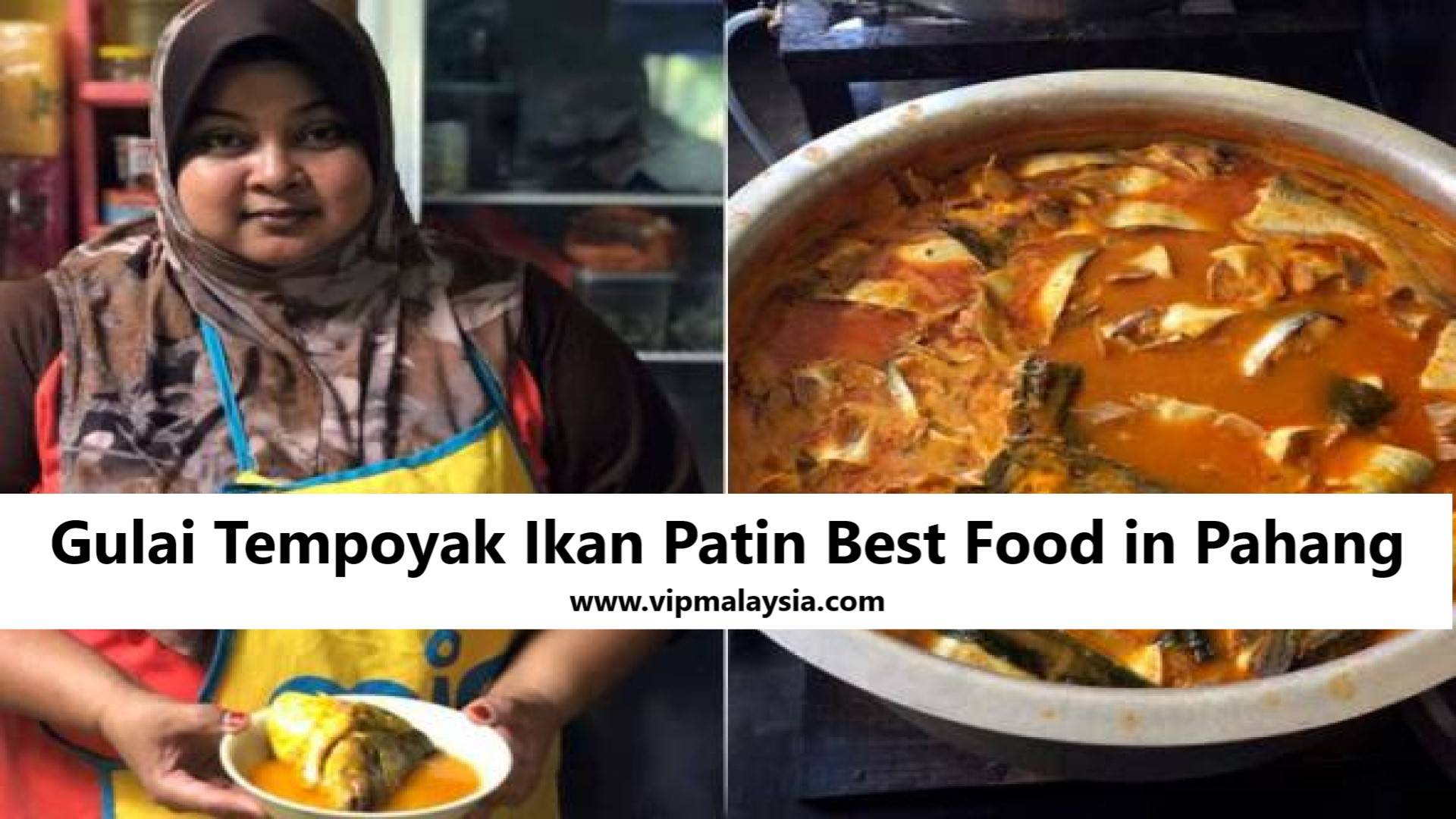
    • Gulai tempoyak ikan patin
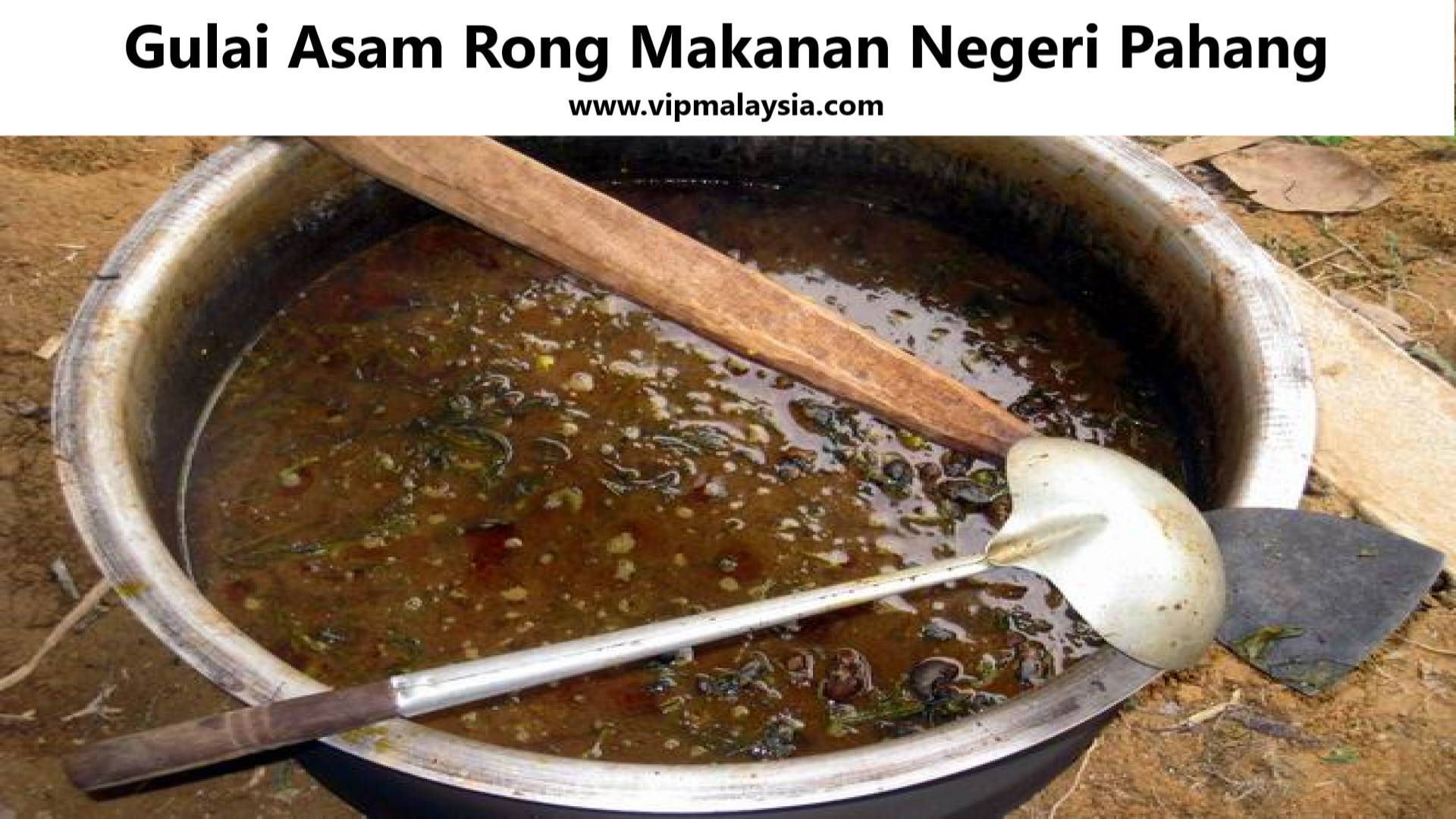
    • Gulai asam rong
    • Ikan bakar petai
    • Paceri nanas
    • Nasi kebuli
    • Curry mee
    • Murtabak mengkasar
    • Puding DiRaja
    • Cendol air putih
    • Ikan Celup Tepung (ICT)
    • Satar

    Kenapa makan tradisional Negeri Pahang ini dipanggil sebagai ‘Nasi Kebuli’?

    Nasi kebuli adalah makanan kegemaran golongan istana Pahang. Nasi kebuli adalah singkatan bagi nama “Nasi Kebawah Duli”.

  • Ibrahim Cendol Air Putih: Kuantan’s Iconic Treat

    Ibrahim Cendol Air Putih: Kuantan’s Iconic Treat

    Ibrahim Cendol Air Putih

    Cool off with Kuantan’s most famous dessert—Ibrahim Cendol Air Putih. Featuring silky smooth cendol strands, creamy coconut milk, and perfectly balanced palm sugar syrup, this legendary stall has gained popularity as Kuantan’s must-visit dessert spot.

    Introduction

    In the heart of Kuantan, Ibrahim Cendol Air Putih has become synonymous with authentic Malaysian desserts. This humble yet bustling eatery is celebrated for its perfectly balanced cendol, made with freshly prepared strands, creamy coconut milk, and thick palm sugar syrup. Beyond its taste, the shop embodies the spirit of community, drawing loyal customers and curious travelers alike. Whether you’re seeking a quick refreshment on a hot day or indulging in Malaysia’s culinary heritage, Ibrahim Cendol Air Putih offers an experience that blends tradition, flavor, and hospitality.

    Cendol is a traditional Malaysian dessert made with shaved ice topped with coconut milk, palm sugar syrup (gula melaka), and green rice flour jelly strands. It is widely enjoyed across Malaysia, particularly in Kuala Lumpur, Selangor, Kedah, Pahang, Penang, Negeri Sembilan, Melaka, and Johor, especially as a refreshing treat in hot weather.

    Gula Melaka is a traditional palm sugar made from the sap of coconut or palm trees, commonly used in Malaysian cuisine. It is typically sold in cylindrical blocks and has a deep brown color with a rich, caramel-like flavor. Essential in desserts like cendol, onde-onde, and kuih, as well as in syrups and sauces. A staple sweetener in traditional Southeast Asian cooking, valued for its natural taste and authenticity.

    Highlights

    The Perfect Ingredients

    Every bowl of cendol at Ibrahim Cendol Air Putih is crafted with precision. The soft, smooth strands are made fresh daily, ensuring a delightful texture. Combined with rich coconut milk and palm sugar syrup, the dessert achieves a balance of sweetness and creaminess that defines its reputation.

    Coconut milk is a rich, milky-white liquid extracted from the grated pulp of mature coconuts, widely used in cooking and beverages across Southeast Asia, South Asia, Oceania, and beyond. It is distinct from coconut water, as it is thicker, creamier, and high in oil content, most of which is saturated fat.

    Freshness That Sets It Apart

    The emphasis on freshness is what makes Ibrahim Cendol Air Putih stand out. Each serving is prepared on the spot, guaranteeing that customers enjoy the dessert at its peak flavor. This dedication to quality has earned the shop a loyal following among locals and tourists.

    Gula Melaka and palm sugar are related but not identical. Gula Melaka is a specific type of palm sugar traditionally made from coconut palm sap in Malaysia, while “palm sugar” is a broader term that can come from various palm species such as date, nipah, or palmyra palms.

    A Local Favorite

    The shop’s popularity is evident in the constant flow of customers. Families, students, and office workers all gather here to enjoy a bowl of cendol, making it a communal hub. Its reputation as Kuantan’s go-to dessert spot reflects both its culinary excellence and cultural significance.

    Tradition Meets Modern Demand

    While rooted in tradition, Ibrahim Cendol Air Putih adapts to modern tastes by offering a variety of options. From classic cendol to ABC specials, the menu caters to diverse preferences, ensuring that everyone finds something they love.

    Signature Dishes

    The menu at Ibrahim Cendol Air Putih is extensive, but several items stand out as customer favorites.

    Cendol Campur

    This variety combines red beans, jelly, and sweet corn, creating a colorful and flavorful mix. The combination of textures makes it a popular choice among younger customers.

    Cendol Kacang

    A classic option, Cendol Kacang highlights the traditional pairing of red beans with silky coconut milk. Its simplicity and authenticity appeal to purists who appreciate the original taste.

    Cendol Jagung

    For those who enjoy a sweeter twist, Cendol Jagung incorporates creamy sweet corn. The corn adds richness and a subtle crunch, enhancing the overall experience.

    Cendol Pulut

    This version includes glutinous rice, offering a heartier texture. It’s particularly popular among customers seeking a more filling dessert that doubles as a light meal.

    ABC Special

    The ABC Special is a vibrant icy dessert topped with evaporated milk, jelly, and colorful ingredients. It’s a festive treat that appeals to both children and adults, especially during hot afternoons.

    ABC (Air Batu Campur) is a popular Malaysian dessert made of shaved ice topped with a colorful mix of sweet ingredients such as red beans, sweet corn, grass jelly, palm seeds, and drizzled with evaporated milk, condensed milk, or syrup. It is also commonly known as Ais Kacang. A refreshing treat in Malaysia’s hot climate, especially during festive seasons and family outings.

    Dining Experience

    Atmosphere and Ambience

    Located near the Tunas Manja Air Putih supermarket, the shop is easily accessible and always bustling. The lively atmosphere reflects its popularity, with customers chatting and enjoying their desserts in a casual setting.

    A Blend of Tradition and Community

    The dining experience at Ibrahim Cendol Air Putih is more than just about food. It’s about community, where locals gather to share stories over bowls of cendol. The shop’s welcoming environment makes visitors feel part of Kuantan’s cultural fabric.

    Beyond Cendol: Traditional Kuih

    In addition to cendol, the shop offers traditional Malaysian kuih. These small, colorful cakes complement the dessert, providing variety and showcasing Malaysia’s rich culinary heritage. At Cendol Ibrahim Air Putih in Kuantan, customers can enjoy not only its famous cendol and ABC but also a selection of traditional Malaysian kuih such as kuih lapis, seri muka, onde-onde, and other bite-sized Malay cakes, alongside nasi lemak and other local snacks. These kuih are served fresh and complement the shaved ice desserts perfectly.

    Kuih Lapis

    Kuih Lapis is a traditional Malaysian layered cake made from rice flour, coconut milk, sugar, and natural coloring, steamed layer by layer to create a colorful, chewy dessert. It is one of the most iconic kuih varieties in Malay cuisine.

    Seri Muka

    Seri Muka is a traditional Malaysian kuih consisting of two distinct layers: a glutinous rice base and a rich pandan-flavored custard topping. It is one of the most iconic Malay desserts, often served during festive occasions and family gatherings. Often sold at markets, roadside stalls, and dessert shops as part of assorted kuih platters.

    Onde-onde

    Onde-onde is a traditional Malaysian and Indonesian kuih made of glutinous rice flour dough filled with palm sugar (gula melaka), boiled, and then rolled in grated coconut. When eaten, the palm sugar melts inside, creating a burst of sweetness. A popular kuih served during teatime, festive occasions, and family gatherings.

    Nasi Lemak

    Nasi lemak is a traditional Malaysian dish (Malay culinary heritage) consisting of fragrant rice cooked in coconut milk and pandan leaves, served with sambal (spicy chili paste), fried crispy anchovies (ikan bilis), toasted peanuts, hard-boiled or fried egg, and cucumber slices. It is often accompanied by rendang, fried chicken, or curry, making it one of Malaysia’s most iconic national foods.

    Conclusion

    Ibrahim Cendol Air Putih offers a perfect blend of creamy coconut milk, smooth cendol, and aromatic palm sugar syrup, making it the most refreshing dessert in Kuantan. Whether you’re looking to cool off, craving an authentic Malaysian treat, or simply exploring Pahang’s local food scene, this cendol stall promises an unbeatable experience.

    Plan your trip today—taste the legendary Ibrahim Cendol Air Putih in Kuantan!

    Summary

    • Attraction: Ibrahim Cendol Air Putih
    • Location: #Pahang 
    • Attraction Type: #Food 
    • Source: naza-atai.blogspot.com, says.com
    • Highlights:
      • Serves authentic, well-balanced traditional cendol
      • Offers a variety of options—classic cendol, ABC, cendol pulut & more
      • Always freshly prepared with high-quality ingredients
      • A local favorite, consistently drawing loyal customers 

    Quick Info

    AttributeDetails
    NameIbrahim Cendol Air Putih
    LocationJalan Air Putih, Taman Berserah, Kuantan, Pahang, Malaysia
    GPS Position3.8140° N, 103.3310° E
    StatePahang
    Facility TypeTraditional Cendol Stall
    Main AttractionsCendol Campur, Cendol Pulut, ABC Special
    Nearby LandmarksTunas Manja Air Putih, Jalan Beserah
    AccessibilityEasily reachable via Kuantan highways
    Best Time to VisitAfternoon for peak freshness
    Entry FeesStandard stall pricing applies
    Recommended Side DishesTraditional Kuih, Nasi Lemak Bungkus
    Opening Hours11:00 AM – 7:00 PM
    ContactIbrahim Cendol Air Putih (+6016-9333111)

    Customer Reviews

    Review by Farah, Singapore

    ⭐⭐⭐⭐⭐ “Ibrahim Cendol Air Putih is the best cendol I’ve ever had. The coconut milk was creamy, and the palm sugar syrup had such a rich flavor. It’s worth the trip to Kuantan just for this dessert.”

    Review by Louis, Gold Coast, Australia

    ⭐⭐⭐⭐ “The cendol was refreshing and authentic. I especially enjoyed the Cendol Pulut, which was filling and delicious. The shop was crowded, but that only added to the lively atmosphere.”

    Review by Norhisyam Abu Besar, Brunei Darussalam

    ⭐⭐⭐⭐⭐ “I loved the ABC Special—it was colorful, sweet, and perfect for the hot weather. The staff were friendly, and the kuih selection was a nice surprise. Definitely a must-visit spot.”

    Review by Rajesh Kanda, Chennai, India

    ⭐⭐⭐⭐⭐ “The Cendol Kacang reminded me of traditional desserts back home, but with a unique Malaysian twist. The flavors were balanced, and the freshness was undeniable. I’ll be back whenever I visit Kuantan.”

  • Puding Diraja Pahang: A Royal Dessert of Malaysia

    Puding Diraja Pahang: A Royal Dessert of Malaysia

    Puding Diraja Pahang

    Puding Diraja, also known as Royal Pudding, is one of Pahang’s most treasured desserts, featuring a rich combination of bananas, prunes, cashew nuts, and caramelized toppings. Traditionally served to the royal family, this exquisite dessert is a symbol of luxury and culinary heritage in Malaysia. Today, it remains a symbol of elegance, tradition, and festive indulgence.

    Introduction

    Puding Diraja, often referred to as the “Royal Pudding,” is one of Malaysia’s most treasured desserts. Originating from the state of Pahang, this dish was historically prepared for the royal family, making it a culinary symbol of prestige and refinement. Its unique combination of bananas, prunes, cherries, and the delicate golden garnish known as Jala Emas sets it apart from other traditional Malay desserts. Beyond its taste, Puding Diraja embodies centuries of cultural heritage, festive celebration, and culinary artistry.

    Highlights

    Puding Diraja was originally created for the Sultanate of Pahang, symbolizing luxury and exclusivity. Its preparation required meticulous attention to detail, ensuring that every bite reflected the grandeur of royal dining.

    Jala Emas

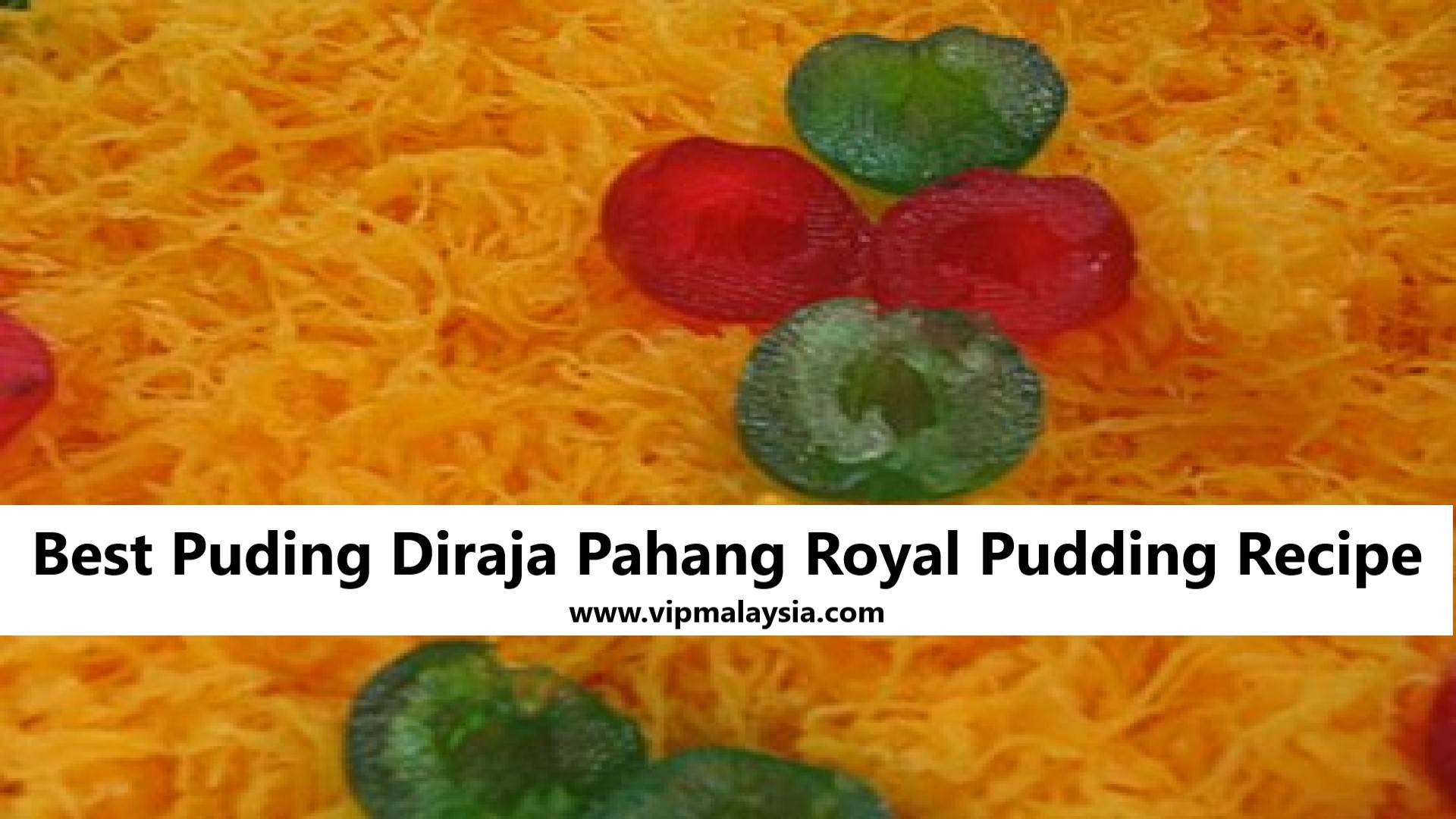
    One of the most striking features of Puding Diraja is Jala Emas, a delicate garnish made from egg yolks spun into golden threads. This intricate decoration not only enhances the pudding’s visual appeal but also represents prosperity and celebration. The artistry behind Jala Emas reflects the skill and patience of Malay culinary traditions.

    Traditional Pairings

    Puding Diraja is often enjoyed alongside other festive Malay dishes such as rendang, ketupat, and lemang. These savory items balance the sweetness of the pudding, creating a harmonious dining experience. The contrast between rich meats and delicate dessert highlights the diversity of Malay cuisine.

    Ketupat is a traditional Malay diamond-shaped rice cake made by cooking rice inside a woven palm leaf pouch, resulting in a compact, diamond-shaped dumpling. It is closely associated with festive celebrations such as Hari Raya Aidilfitri in Malaysia.

    Lemang is a traditional Malay dish made from glutinous rice, coconut milk, and salt, cooked in hollowed bamboo lined with banana leaves over an open fire. It is especially popular during Hari Raya Aidilfitri and Hari Raya Haji celebrations in Malaysia. Commonly eaten with rendang, chicken curry, or beef floss (serunding). Considered a culinary icon of Malay culture, often sold at roadside stalls during festive seasons.

    Modern Interpretations

    Contemporary chefs have reimagined Puding Diraja by incorporating fusion elements such as chocolate drizzle, caramel sauce, or exotic fruits. These innovations allow the dessert to appeal to younger generations while preserving its royal essence. Restaurants in Pahang and Kuala Lumpur often showcase these modern twists during cultural festivals.

    Dining Experience

    Enjoying Puding Diraja in Pahang offers a unique cultural immersion. Traditional eateries often serve the dessert in ornate dishes, accompanied by Malay music and festive décor. The ambiance enhances the sense of heritage, making the experience more than just culinary—it becomes cultural storytelling.

    Seasonal Celebrations

    Puding Diraja is especially popular during Ramadan, where it is served as part of the breaking fast meal. Its rich flavors provide comfort and indulgence after a day of fasting. Families and communities gather to share the dessert, reinforcing its role as a symbol of unity and festivity.

    Conclusion

    Puding Diraja is not just a sweet treat—it is a symbol of elegance, history, and culinary craftsmanship, making it one of Malaysia’s finest royal desserts. Whether you’re enjoying its rich flavors, learning about its origins, or savoring it at a traditional eatery, this pudding promises an unforgettable dining experience.

    Plan your culinary adventure today—taste the exquisite Puding Diraja in Pahang!

    How to Make

    Essential Ingredients

    The Key Components for a Perfect Royal Pudding

    • Pisang Lemak Manis – A sweet banana variety
    • Prunes – Adds a rich, fruity contrast
    • Cashew Nuts – Provides crunch & nuttiness
    • Sweetened Condensed Milk – For extra creaminess
    • Jala Emas – Delicate golden egg strands
    • Cherry Garnish – For vibrant presentation

    Cooking Instructions

    Step-by-Step Guide

    1. Prepare the bananas – Slice Pisang Lemak Manis evenly.
    2. Caramelize prunes & cashews – Slightly toast for enhanced flavor.
    3. Make the sweet sauce – Mix condensed milk with light syrup.
    4. Cook Jala Emas – Create golden threads using egg yolk & sugar.
    5. Layer the pudding – Arrange bananas, prunes, cashews & sauce beautifully.
    6. Garnish & serve chilled – Enjoy the luxurious taste of Puding Diraja!

    Summary

    • Attraction: Puding Diraja Pahang
    • Location: #Pahang 
    • Attraction Type: #Food 
    • Source: wikipedia.org, lensapekan.blogspot.com
    • Highlights:
      • A historical dish exclusively served to Pahang’s royal family
      • Delicately crafted with premium ingredients & unique flavors
      • Includes Jala Emas, a golden thread-like garnish made from egg yolk
      • Typically enjoyed during Ramadan & festive celebrations

    Quick Info

    AttributeDetails
    NamePuding Diraja
    OriginPahang, Malaysia
    GPS Position3.8140° N, 103.3310° E
    Main IngredientsPisang Lemak Manis, Prunes, Cashew Nuts, Condensed Milk
    Popular Cooking StylesClassic Royal Recipe, Served Chilled, Garnished with Jala Emas
    Best PairingsTraditional Malay Tea, Ramadan Feasts, Festive Celebrations
    Recommended RestaurantsMM Dessert by MM Catering
    AccessibilityAvailable in select dessert shops in Pahang
    Best Time to EatEvening, Ramadan, Special Celebrations
    Price RangeVaries by location & quality of ingredients
    ContactMM Dessert by MM Catering (+609-5675795)

    Customer Reviews

    Review by Saadah Binti Besar, Kuala Lumpur, Malaysia

    ⭐⭐⭐⭐⭐ “I tasted Puding Diraja during Ramadan in Pahang, and it was unforgettable. The Jala Emas garnish was stunning, and the pudding itself was rich yet perfectly balanced. It truly felt like a royal treat.”

    Review by Michael Zion, London, United Kingdom

    ⭐⭐⭐⭐ “Visiting Malaysia, I was eager to try traditional desserts. Puding Diraja exceeded my expectations with its unique flavors and presentation. It’s unlike anything I’ve had before, though a bit too sweet for my taste.”

    Review by Nurul Aida Suparman, Jakarta, Indonesia

    ⭐⭐⭐⭐⭐ “Puding Diraja is a masterpiece. The combination of fruits and golden garnish made it both delicious and beautiful. I would recommend it to anyone visiting Pahang.”

    Review by Nora Fazarul Aini, Tokyo, Japan

    ⭐⭐⭐⭐⭐ “I enjoyed Puding Diraja at a cultural festival in Kuala Lumpur. The dessert was elegant, and the atmosphere made it even more special. It’s a dish that truly represents Malaysia’s heritage.”

    Frequently Asked Questions (FAQs)

    Apakah bahan-bahan untuk jala emas Resepi Puding DiRaja?

    Bahan-bahan: (untuk jala emas)

    • 5 biji kuning telur dibuang tali pusatnya
    • 1 cawan gula*
    • 2 cawan air*
    • 1 helai daun pandan disimpul*
    • Acuan roti jala muncung kecil atau kelongsong daun pisang)
    • Penapis

    Cara-cara membuat Puding Diraja / Royal Pudding: (untuk jala emas)

    1. Masukkan bahan bertanda ke dalam kuali (pan).
    2. Sambil menunggu air gula mendidih kita kacau kuning telur biasa sebati dan tapis kuning telor.
    3. Setelah air mendidih, keluarkan daun pandan tadi. Serta masukkan telur dalam acuan roti jala atau dalam kelongsong daun pisang.
    4. Tinggikan sedikit acuan roti jala atau kelongsong tadi (seperti cara membuat butter prawn) untuk mendapatkan urat yang halus.
    5. Tuang kan kuning telur tadi dari tepi pan (kuali) secara bulatan (cara tuang pun seperti mana kita buat roti jala).
    6. Jika 5 biji telur ini boleh menghasilkan untuk 3 kali. Jangan buat sekali gus.
    7. Jala mas ini tidak lama sangat dalam air gula tu. Lepas tuang, tunggu sekejap.
    8. Selepas itu, angkat samaada guna chop stik atau guna senduk dan toskan air gula.
    9. Ulang lagi sampai 3 kali atau 4 kali dan ketepikan.

    Apakah bahan-bahan hiasan Puding Diraja Pahang?

    Berikut adalah bahan hiasan yang diperlukan:

    • Buah prune *dibuang biji
    • Buah ceri merah dan hijau dipotong 4
    • Gajus di goreng sebentar

    Cara menghias Puding Diraja Pahang | Royal Pudding

    1. Mula-mula masukkan pisang goreng ke dalam bekas.
    2. Letakkan atas pisang jala mas sehingga menutup pisang.
    3. Letak buah prune, ceri merah dan hijau serta gajus.
    4. Curah sos kastard yang sejuk tadi sedia dihidang.

    Apakah bahan-bahan yang diperlukan untuk sos Kastard bagi Resepi Puding DiRaja?

    Bahan-bahan untuk sos Kastard Puding Diraja

    • 1 biji telur
    • 400ml susu cair
    • 1 cawan air
    • 1 helai daun pandan *disimpul
    • Sedikit esen vanila
    • 2 @ 3 sudu besar gula *(saya buat tidak menggunakan banyak sangat gula sebab jala mas sudah rasa manis dan pisang pun dah ada rasa manisnya. Kira sos saya ini manis-manis buah sahaja).

    Cara-cara untuk sos kastard Puding DiRaja Pahang | Royal Pudding

    1. Masukkan telur, susu cair, esen vanila, Kacau sebati.
    2. Kemudian masukkan air dan daun pandan serta gula.
    3. Masak dengan api sederhana besar. Bila mendidih tutup api dan sejukkan dalam peti ais.

    Apakah bahan-bahan  yang diperlukan untuk Pisang Goreng bagi Resepi Puding DiRaja?

    Bahan-bahan untuk Pisang Goreng

    • Pisang * kalau boleh carilah pisang lemak manis (sangat sesuai) kalau tidak ada pisang lemak manis boleh guna apa-apa jenis pisang yang manis.

    Cara-caranya (untuk pisang goreng)

    • Panaskan kuali dan masukkan minyak serta goreng pisang tersebut satu persatu * (pisang tidak perlu dibelah/potong. Tetapi jika pisang yang digunakan bukan pisang lemak manis dan saiz agak besar terpulanglah hendak potong atau tidak. Goreng sampai agak gelap sikit warna.
  • Murtabak Mengkasar: Pahang’s Royal Culinary Jewel

    Murtabak Mengkasar: Pahang’s Royal Culinary Jewel

    Murtabak Mengkasar

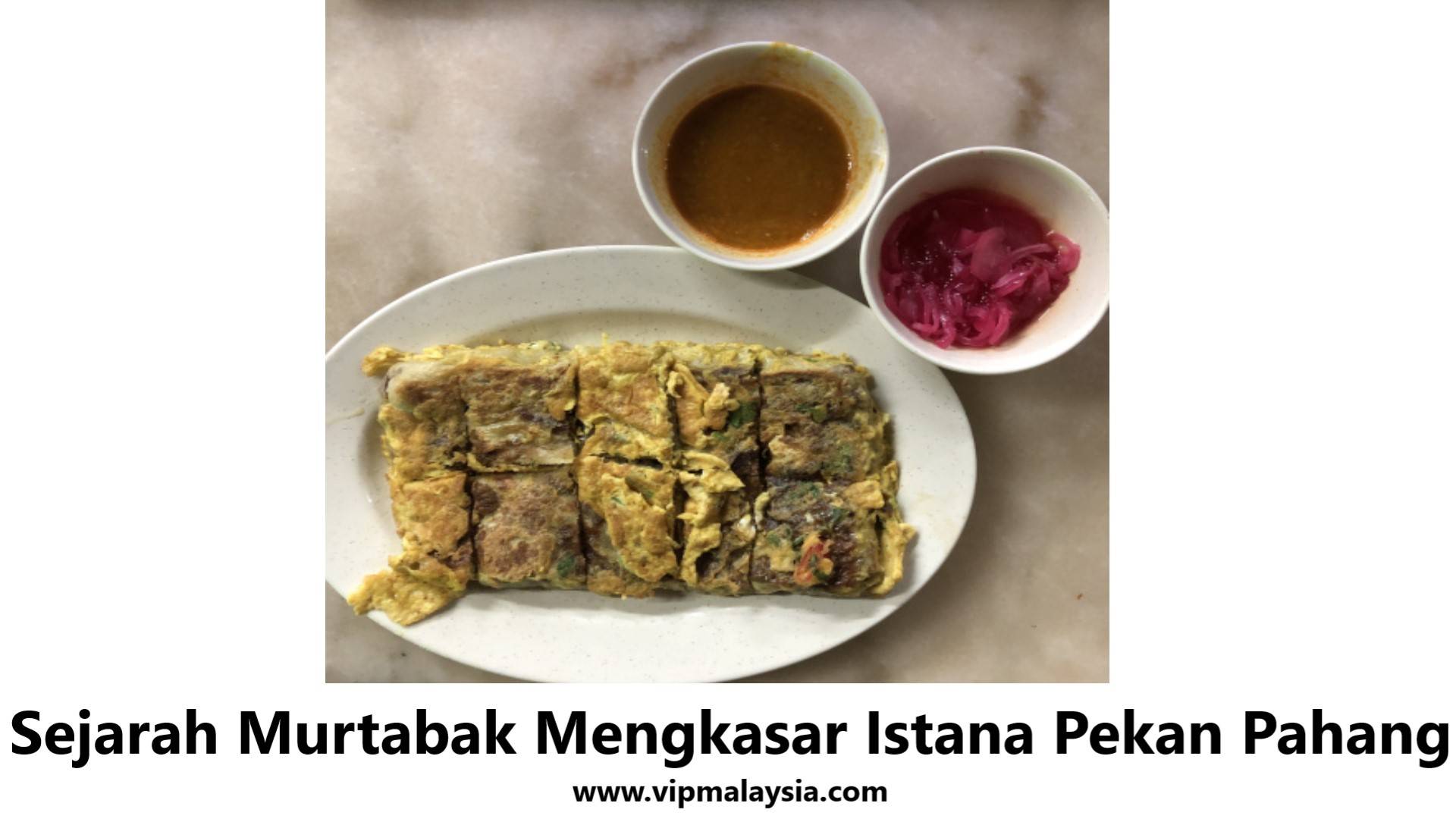
    Indulge in the rich flavors of Murtabak Mengkasar, a royal specialty from Pekan, Pahang. With spiced minced meat, eggs, and flaky roti canai layers, this dish offers a luxurious taste of tradition. Traditionally prepared as a royal dish in Pahang, this murtabak offers an irresistible blend of texture and bold flavors that captivate both locals and tourists.

    Pekan is both a town and district in Pahang, Malaysia, serving as the royal capital of the state. It is historically significant as the former administrative center of Pahang and remains closely tied to the Sultanate today. Situated in the southeast of Pahang, about 50 km south of Kuantan, along the banks of the Pahang River. Known as the Royal Town of Pahang (Bandar Diraja), housing the Sultan’s palace and royal institutions.

    Introduction

    Malaysia’s culinary heritage is filled with dishes that tell stories of culture, community, and history. Among them, Murtabak Mengkasar stands out as a royal delicacy originating from Kampung Mengkasar in Pekan, Pahang. Known as Murtabak Diraja or “Royal Murtabak,” it was once prepared exclusively for the royal family of Pahang. Today, it is enjoyed nationwide, celebrated for its rich filling of spiced minced meat and eggs, encased in crispy roti canai layers. Beyond its taste, Murtabak Mengkasar represents tradition, luxury, and the pride of Pahang’s culinary identity.

    Mengkasar refers to both a historic Malay village in Pekan District, Pahang, and a famous culinary heritage dish known as Murtabak Mengkasar. The village, Kampung Mengkasar, is one of the oldest settlements in Pekan, while the dish originated in the royal kitchens of Pahang and later became a popular delicacy across the state. Historically settled by Bugis and Acheh communities.

    Highlights

    The History

    Murtabak Mengkasar carries a legacy that connects food with royalty. Developed in Kampung Mengkasar, Pekan, this dish was originally crafted for the royal family of Pahang. Its luxurious ingredients and meticulous preparation symbolized status and hospitality. Over time, it spread beyond the palace, becoming a beloved dish across Malaysia.

    How It Became Known as Murtabak Diraja

    The title “Murtabak Diraja” reflects its royal origins. Its association with Pahang’s monarchy elevated its prestige, making it a dish of celebration and pride. Today, it remains a culinary icon, linking modern diners to centuries of tradition.

    Uniqueness

    Murtabak Mengkasar distinguishes itself through its preparation and ingredients.

    A Distinctive Blend of Ingredients and Preparation

    Unlike regular murtabak, the minced meat filling is pre-cooked with herbs and spices, ensuring depth of flavor. A golden egg mixture enhances richness, while premium spices such as star anise and cloves add fragrance. The layering technique creates a crispy, flaky texture that sets it apart from other versions.

    Signature Dishes

    Murtabak Mengkasar in Pekan

    Pekan remains the best place to savor authentic Murtabak Mengkasar.

    A Royal Culinary Experience

    Restaurants in Pekan serve the dish with traditional accompaniments like dhal curry and pickled onions. The atmosphere reflects Pahang’s heritage, offering diners a sense of connection to its royal past.

    Modern Interpretations

    Contemporary chefs have introduced creative twists to the dish.

    Fusion Styles and Innovations

    Some versions incorporate chicken or seafood, while others experiment with cheese or modern sauces. These adaptations keep the dish relevant for younger generations while preserving its essence. Presentation has also evolved, with some restaurants serving it in elegant platters to highlight its royal origins.

    Nearby Attractions

    Exploring Pekan’s Heritage

    Pekan offers more than culinary delights—it is a town rich in history and culture.

    Royal Museums and Landmarks

    Visitors can explore the Sultan Abu Bakar Museum, which showcases Pahang’s royal heritage. The town also features traditional crafts and historical sites, making it a cultural hub.

    The Sultan Abu Bakar Museum (Muzium Sultan Abu Bakar) is a heritage museum located in Pekan, Pahang, Malaysia. Officially opened on 21 October 1976 by Sultan Ahmad Shah, it occupies a historic building originally constructed in the 1920s during British Malaya, later serving as British Resident’s residence, Japanese officers’ quarters during WWII, and later Sultan Abu Bakar’s palace (Istana Kota Beram) before being converted into a museum. Exhibits include ancient Chinese pottery, glassware, archaeological finds, ethnological artifacts, and royal memorabilia.

    Local Food Scene

    Beyond Murtabak Mengkasar, Pekan offers dishes like gulai tempoyak and ikan patin. Local markets provide fresh produce and traditional snacks, immersing visitors in Pahang’s culinary diversity.

    How to Make

    Essential Ingredients

    • Eggs (10 pieces) – Gives richness & holds the filling together
    • Minced meat (6 servings) – Cooked with special spice blends
    • Onions (6 servings, diced) – Lightly sautéed with margarine
    • Turmeric, star anise, cloves – Adds fragrance & depth
    • Spring onions, celery leaves, chili – Balances flavors
    • Sugar & soy sauce – Provides mild sweetness & umami
    • Secret spice blend – A mix of 14 aromatic herbs for authenticity

    Cooking Instructions

    1. Mix all filling ingredients – Combine minced meat, onions, spices & eggs.
    2. Prepare roti canai base – Lightly oil a pan and heat the dough.
    3. Layer filling onto the roti canai – Slowly pour the mixture evenly.
    4. Flip & cook on both sides – Ensure a crispy, golden texture.
    5. For ‘special’ Murtabak, add another layer – Repeat the process for double-layer indulgence.
    6. Serve hot with pickled onions & dhal curry – Enjoy the ultimate Murtabak experience!

    Conclusion

    Murtabak Mengkasar is a royal culinary treasure that embodies Pahang’s heritage. From its origins in Kampung Mengkasar to its nationwide popularity, it reflects the creativity and pride of Malay cooking. Visitors who savor this dish also gain access to Pekan’s cultural landmarks, nearby towns, and natural attractions. Whether enjoyed in a traditional setting or a modern restaurant, Murtabak Mengkasar remains a dish that celebrates tradition, flavor, and community.

    Summary

    • Attraction: Resepi Murtabak Mengkasar
    • Location: #Pahang 
    • Attraction Type: #Food 
    • Source: resipimcik.blogspot.com
    • HIghlights:
      • A unique Pahang specialty with royal origins
      • Rich filling made from spiced minced meat & eggs
      • Crispy, flaky roti canai layers infused with flavor
      • Best paired with pickled onions & dhal curry

    Quick Info

    AttributeDetails
    NameMurtabak Mengkasar
    OriginKampung Mengkasar, Pekan, Pahang
    GPS Position3.4996° N, 103.3895° E
    Main IngredientsEggs, Minced Meat, Spices, Roti Canai Dough
    Popular Cooking StylesClassic Murtabak, Double-Layer Royal Version
    Best PairingsPickled Onions, Dhal Curry, Sambal
    Recommended RestaurantsMurtabak Mengkasar Hj Din
    AccessibilityAvailable in select eateries in Pahang
    Best Time to EatLunch & Dinner
    Price RangeVaries by location & preparation
    ContactMurtabak Mengkasar Hj Din (+6012-9514668)

    Customer Reviews

    Hafiz Abdullah, Kuala Terengganu, Malaysia – ★★★★★ “Murtabak Mengkasar was unlike any murtabak I’ve tasted. The filling was rich and flavorful, and the crispy layers made it perfect. Dining in Pekan felt like stepping into history.”

    Douglas Barbosa, Sydney, Australia – ★★★★☆ “The royal murtabak was delicious, though quite heavy. The spices were aromatic, and the dhal curry complemented it well. Exploring Pekan’s museums after the meal made the trip memorable.”

    Mohammed Rasheed Abdul Majeed, Cairo, Egypt – ★★★★★ “I was amazed by the depth of flavor. The minced meat and egg mixture was perfectly balanced. It truly felt like a royal dish, and the hospitality in Pekan was outstanding.”

    Elena Rossi, Milan, Italy – ★★★★☆ “The crispy texture and rich filling were impressive. It was different from any stuffed bread I’ve tried before. The cultural atmosphere in Pekan added to the experience.”

    Kenny, South Korea – ★★★★★ “Murtabak Mengkasar was a highlight of my trip. The spices were fragrant, and the double-layer version was indulgent. Pairing it with pickled onions made it unforgettable.”

error: