Category: Sabah

The state of Sabah di Bawah Bayu

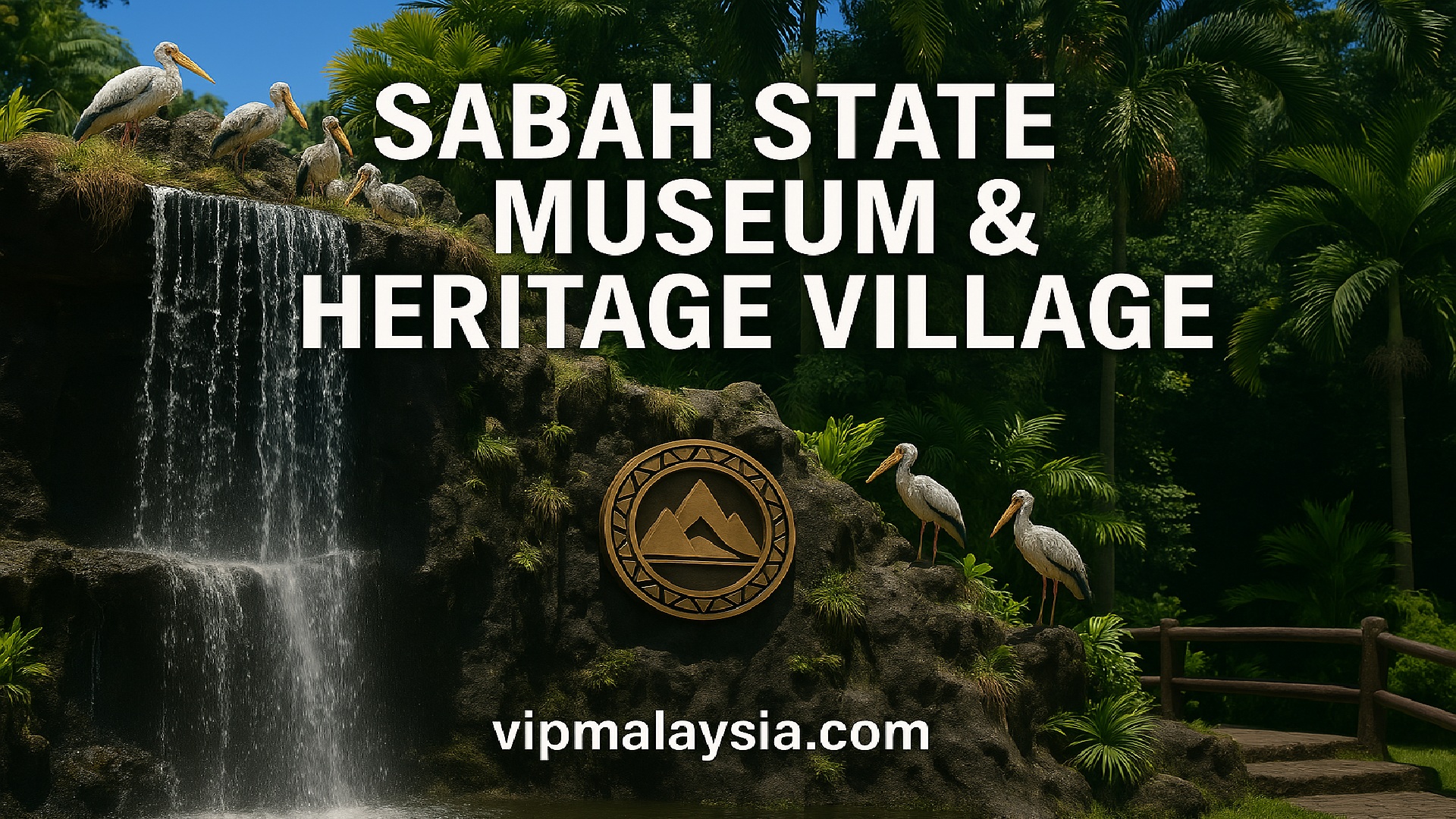
  • Muzium Sabah: Journey Through Borneo’s Living Legacy

    Muzium Sabah: Journey Through Borneo’s Living Legacy

    Muzium Sabah

    Step into Sabah’s living legacy at the Muzium Sabah. From ancient artifacts to traditional longhouses, this cultural gem in Kota Kinabalu invites you to explore Borneo’s rich history, nature, and traditions—all in one immersive experience.

    Introduction

    The Muzium Sabah is more than a museum—it is a cultural heartbeat of Borneo. Nestled on Bukit Istana Lama in Kota Kinabalu, this sprawling 43-acre complex invites visitors to explore the diverse heritage of Sabah. With galleries dedicated to ethnography, archaeology, ceramics, and natural history, alongside a heritage village and lush ethnobotanical gardens, the museum offers a holistic view of the state’s past and present.

    History

    The origins of Muzium Sabah trace back to 1965, when the Sabah Society and the Woolley Collection laid the foundation for preserving the region’s cultural treasures. Initially housed in a modest shophouse on Gaya Street, the museum quickly became a hub for scholars and enthusiasts.

    By 1984, the museum relocated to its current site on Bukit Istana Lama, a location chosen for its historical significance as the former palace grounds. The official opening was graced by His Majesty Sultan Ahmad Shah, the Yang di-Pertuan Agong, marking a new chapter in Sabah’s cultural preservation. Today, the museum operates under the Ministry of Tourism, Culture and Environment, continuing its mission to safeguard and showcase the rich legacy of the land.

    This historical journey reflects not only the growth of the institution but also Sabah’s evolving identity as a state proud of its indigenous roots, colonial encounters, and modern aspirations.

    Highlights

    Main Building

    The museum’s main building is inspired by the Rungus longhouse, a traditional architectural style that symbolizes community and continuity. Inside, visitors encounter galleries that span ethnography, archaeology, ceramics, Islamic civilization, and natural history.

    Whale Skeleton Exhibit

    One of the most striking displays is Malaysia’s largest whale skeleton, suspended dramatically to illustrate the scale of marine life in Borneo’s waters. This exhibit underscores Sabah’s deep connection to the sea and its biodiversity.

    Science and Technology Centre

    The Science and Technology Centre adds a modern dimension to the museum. It features interactive exhibitions that engage visitors of all ages.

    North Borneo Railway Carriage

    A highlight here is the preserved North Borneo Railway carriage, offering a nostalgic glimpse into colonial-era travel. Visitors can step inside and imagine journeys across Sabah during the early 20th century.

    Heritage Village and Ethnobotanical Garden

    The Heritage Village is a living showcase of traditional houses from Sabah’s ethnic groups, including Kadazan-Dusun, Bajau, and Murut. Each house is authentically reconstructed, allowing visitors to step into the daily lives of these communities.

    Ethnobotanical Garden

    Surrounding the village is a lush ethnobotanical garden, where native plants are cultivated not only for their ecological value but also for their cultural significance. Visitors learn how plants are used in rituals, medicine, and cuisine, reinforcing the deep bond between nature and culture.

    Cultural Activities and Events

    The museum regularly hosts live demonstrations, seasonal performances, and workshops. These activities bring heritage to life, from traditional weaving and dance to storytelling sessions.

    Educational Programs

    Schools and groups benefit from tailored educational talks, making the museum a vital resource for learning about history, culture, and science.

    Attractions

    Galleries of Knowledge

    Each gallery offers a unique perspective:

    • Ethnography: Traditional costumes, tools, and rituals.
    • Archaeology: Artifacts from prehistoric Borneo.
    • Ceramics: Collections spanning centuries of trade.
    • Natural History: Wildlife specimens and ecological exhibits.

    Islamic Civilization Gallery

    This gallery highlights Sabah’s Islamic heritage, showcasing manuscripts, calligraphy, and artifacts that trace the spread of Islam in the region.

    Visitor Facilities

    The museum ensures comfort and accessibility with book and handicraft shops, prayer rooms, water dispensers, and vending machines. For groups, multipurpose rooms and guided tours are available upon request.

    Things to Do

    Explore Traditional Houses

    Walking through the Heritage Village is like traveling across Sabah’s ethnic landscape. Each house tells a story of craftsmanship, belief, and daily life.

    Seasonal Festivals

    Visitors may coincide their trip with cultural festivals hosted at the museum, offering vibrant performances and culinary experiences.

    Hands-On Workshops

    Workshops allow guests to try traditional crafts, from weaving to pottery. These interactive sessions deepen appreciation for Sabah’s artisanship.

    Nearby Attractions

    Kota Kinabalu City

    Just minutes away, Kota Kinabalu offers vibrant markets, seafood restaurants, and cultural landmarks like the Atkinson Clock Tower.

    Tunku Abdul Rahman Marine Park

    A short boat ride from the city, Tunku Abdul Rahman Marine Park is ideal for snorkeling and diving, complementing the museum’s marine exhibits with real-life encounters.

    Monsopiad Cultural Village

    Located nearby, this village provides deeper insight into Kadazan-Dusun traditions, including warrior legends and ancestral rituals.

    Conclusion

    Muzium Sabah is a gateway to Borneo’s soul. From its whale skeleton to its heritage houses, the museum encapsulates the diversity and resilience of Sabah’s people and environment. Whether you are a history enthusiast, a cultural explorer, or a curious traveler, the museum offers a journey that is both educational and inspiring.

    Summary

    • Attraction: Muzium Sabah
    • Location: #Sabah 
    • Attraction Type: #Museum 

    Quick Info

    CategoryDetails
    NameMuzium Sabah
    AddressSabah Museum Complex, Jalan Muzium, 88300 Kota Kinabalu, Sabah
    GPS Coordinates5.9730° N, 116.0714° E (approx)
    Distance from Airport6 km from Kota Kinabalu International Airport
    StateSabah
    EstablishedFounded 1965, current site opened 1984
    Opening HoursDaily, 9:00 AM – 5:00 PM
    Admission MalaysiansRM2.00 (Free for children under 12, students, seniors, disabled)
    Admission Non-MalaysiansRM15.00
    FacilitiesPrayer rooms, bookshop, seminar rooms; vending machines mentioned
    Tour GuideAvailable upon written request
    Mobile ExhibitionsOutreach programs for schools and villages
    Audio-Visual RentalsProjectors, microphones, TV sets
    Contact Numbers+60 88 253 199 / +60 88 263 551 / +60 88 240 230
    Emailmuzium.sabah@sabah.gov.my
    Websitemuseum.sabah.gov.my

    Visitor Reviews

    Flovinus Samuel Bian, Kota Kinabalu – ★★★★☆ “I visited the museum in September 2024 and was impressed by the whale skeleton and the locomotive gallery. The heritage village gave a real sense of how Sabah’s ethnic groups lived. It’s a good place to learn about Sabah’s history, though some outdoor exhibits could use more maintenance.”

    Sharifah Aleeya Syed Ibrahim, Kuala Lumpur – ★★★★☆ “We only managed to see two outdoor exhibits—the locomotive gallery and the heritage village—but both were worth the time. The railway carriage was fascinating, and the traditional houses were beautifully reconstructed. I’d recommend allocating at least half a day to explore fully.”

    Reen Bukhari, Damascus, Syria – ★★★★☆ “The museum displays historic findings from the Borneo peninsula and covers all eras of Sabah’s history. It was quiet and well-organized, with a gift shop offering good souvenirs. I appreciated the calm atmosphere, which made it easy to absorb the exhibits.”

    Sally and David Fernandes, Australia – ★★★★★ “We spent about two hours here and found it very informative. The museum is cool inside, which made the visit comfortable. Toilets were clean, and the galleries were well laid out. It’s definitely worth the time if you want to understand Sabah’s heritage.”

    Firdaus Hasanuddin, Malaysia – ★★★★☆ “The museum showcases the history of Sabah and Borneo across multiple floors. Exhibitions are divided into zones with English captions, which made it accessible for non-Malay speakers. Entry was RM15, and the gift shop had reasonably priced items. A solid cultural experience.”
  • Gua Gomantong: Bat Exodus and Bird Nest Wonders

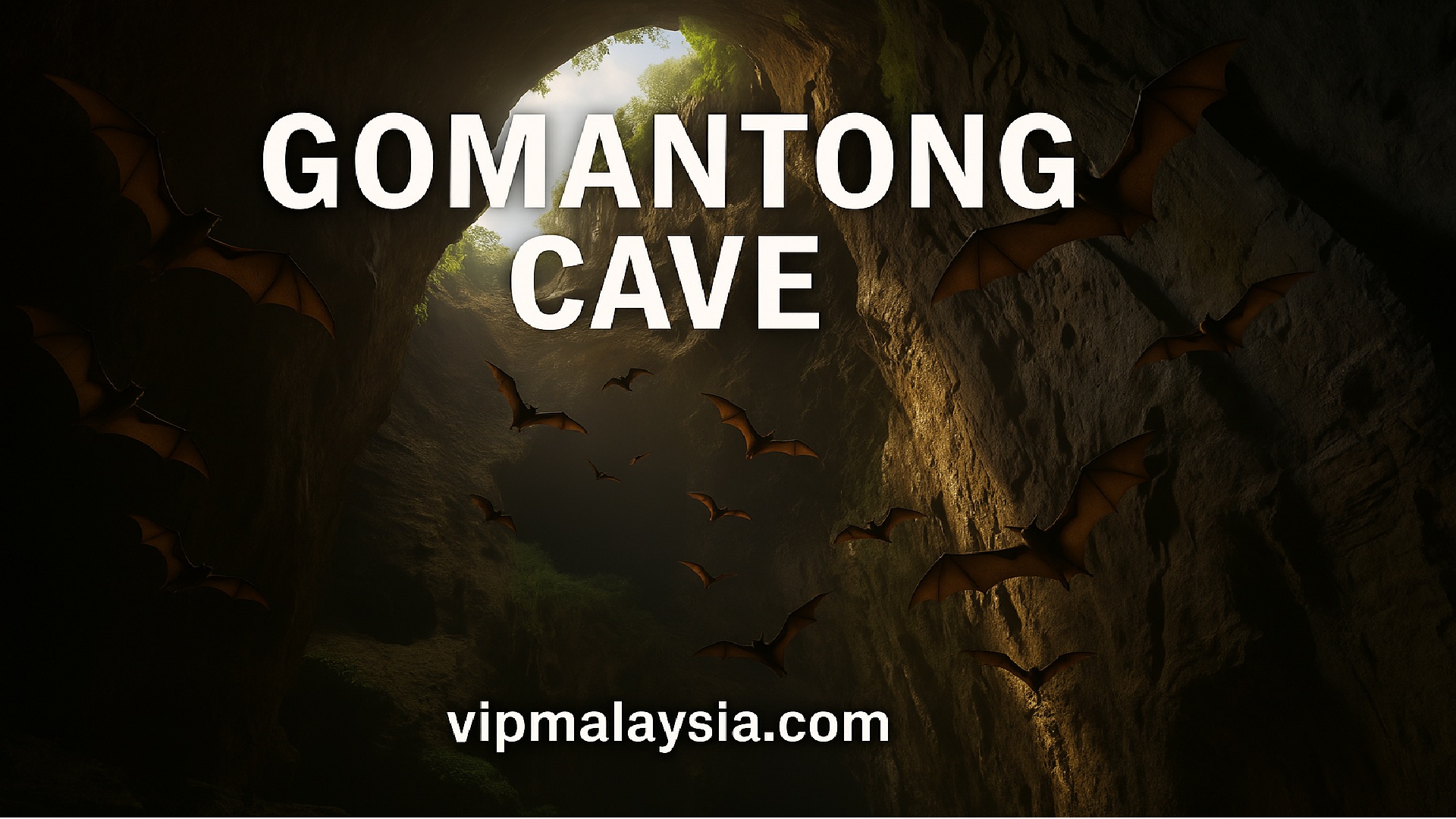
    Gua Gomantong: Bat Exodus and Bird Nest Wonders

    Gua Gomantong, Sabah

    Journey into the heart of Borneo’s limestone marvel, Gua Gomantong. Witness ancient cave systems, edible bird nests, and one of nature’s greatest spectacles—the daily bat exodus—in an unforgettable eco-adventure.

    Introduction

    Deep in Sabah’s Kinabatangan district lies Gua Gomantong, a colossal limestone cave system revered for both its ecological treasures and rich cultural significance. More than just a cave, it’s a living ecosystem, a source of culinary rarity, and a haven for nature lovers seeking unique wildlife encounters.

    Journey into the limestone marvel of Gua Gomantong, Sabah, where ancient caves, edible bird nests, and the breathtaking bat exodus create one of Borneo’s most unforgettable eco-adventures.

    History

    The history of Gua Gomantong stretches back hundreds of years, intertwined with the traditions of the local communities and the economic lifeblood of Sabah. The caves have long been associated with the harvesting of edible bird nests, a practice believed to date back to the 13th century. These nests, crafted by swiftlets using their saliva, became a prized delicacy in Chinese cuisine, symbolizing prosperity and health.

    During the colonial era, the caves were recognized as a vital resource, and strict regulations were introduced to manage harvesting seasons. This ensured sustainability and preserved the delicate balance between human use and ecological conservation. Over time, the caves also became a focal point for scientific research, with biologists documenting the diverse species of bats, swiftlets, and insects that thrive within. Today, Gua Gomantong stands as both a cultural heritage site and a protected wildlife reserve, embodying the harmony between tradition and conservation.

    Getting Here

    • From Kota Kinabalu: ~5–6 hours by car to Sandakan, then ~2.5 hours to the caves.
    • From Sandakan: Full-day tours available; self-drive or ride-hailing services are also an option.

    Highlights

    The Cave Complex

    Simud Hitam and Simud Putih

    Simud Hitam, or the Black Cave, is the most accessible chamber, boasting a towering entrance nearly 90 meters high. Visitors can explore its depths via wooden boardwalks, encountering guano-covered floors alive with cockroaches and beetles. Simud Putih, or the White Cave, is far more restricted, requiring special permits and a steep climb to reach. It is here that the most valuable bird nests are harvested, making it a site of both ecological and economic importance.

    Visitor Facilities

    The caves are equipped with boardwalks, viewing platforms, and basic facilities to ensure safe exploration. Rangers from the Sabah Wildlife Department monitor activities, and interpretive signs provide insights into the cave’s biodiversity and cultural history.

    Edible Bird Nests – Nature’s Delicacy

    The swiftlets of Gomantong craft their nests entirely from saliva, a remarkable feat of natural engineering. These nests are harvested twice yearly under strict supervision, ensuring sustainability. For centuries, they have been exported across Asia, fetching high prices in markets from Hong Kong to Beijing.

    Cultural Significance

    The bird nest trade has shaped local communities, providing livelihoods and fostering traditions. Harvesting is often accompanied by rituals and ceremonies, reflecting the deep respect for nature embedded in local culture.

    The Bat Exodus

    At dusk, millions of bats stream out of the cave in a swirling aerial ballet, while swiftlets return to roost. This natural phenomenon attracts wildlife enthusiasts and photographers from around the world.

    Ecological Importance

    The bat exodus plays a crucial role in maintaining ecological balance, as bats disperse seeds and control insect populations. The synchronization of bats leaving and swiftlets returning is a rare spectacle that underscores the interconnectedness of species.

    Wildlife Encounters

    The surrounding forest is alive with biodiversity. Visitors may spot serpent eagles, bat hawks, and kingfishers, while lucky travelers might glimpse orangutans swinging through the canopy.

    Species Lists

    Beyond birds and primates, the area is home to macaques, hornbills, and a variety of reptiles. The forest reserve protects these species, making Gomantong a hotspot for eco-tourism and conservation.

    Attractions

    Trekking and Adventure

    Trekking around Gomantong offers immersive experiences in Borneo’s rainforest. Trails lead through dense vegetation, alive with the calls of hornbills and the rustle of monitor lizards.

    Adventure Experiences

    Guided tours often combine cave exploration with river cruises along the Kinabatangan, where proboscis monkeys and pygmy elephants can be observed. This blend of adventure and wildlife makes Gomantong a highlight of any Sabah itinerary.

    Nearby Attractions

    The Kinabatangan River is the most famous nearby destination, offering cruises that reveal Borneo’s rich biodiversity. Sandakan, the nearest town, provides cultural experiences, including visits to the Agnes Keith House and the Sandakan Memorial Park.

    Cultural and Eco-Tours

    Many tours from Sandakan or Sukau combine Gomantong Cave visits with river cruises or cultural stops. These packages allow travelers to experience both the underground ecosystem and the broader rainforest environment. Guided tours provide valuable context on conservation efforts and the ecological importance of the caves.

    Kinabatangan River Cruise

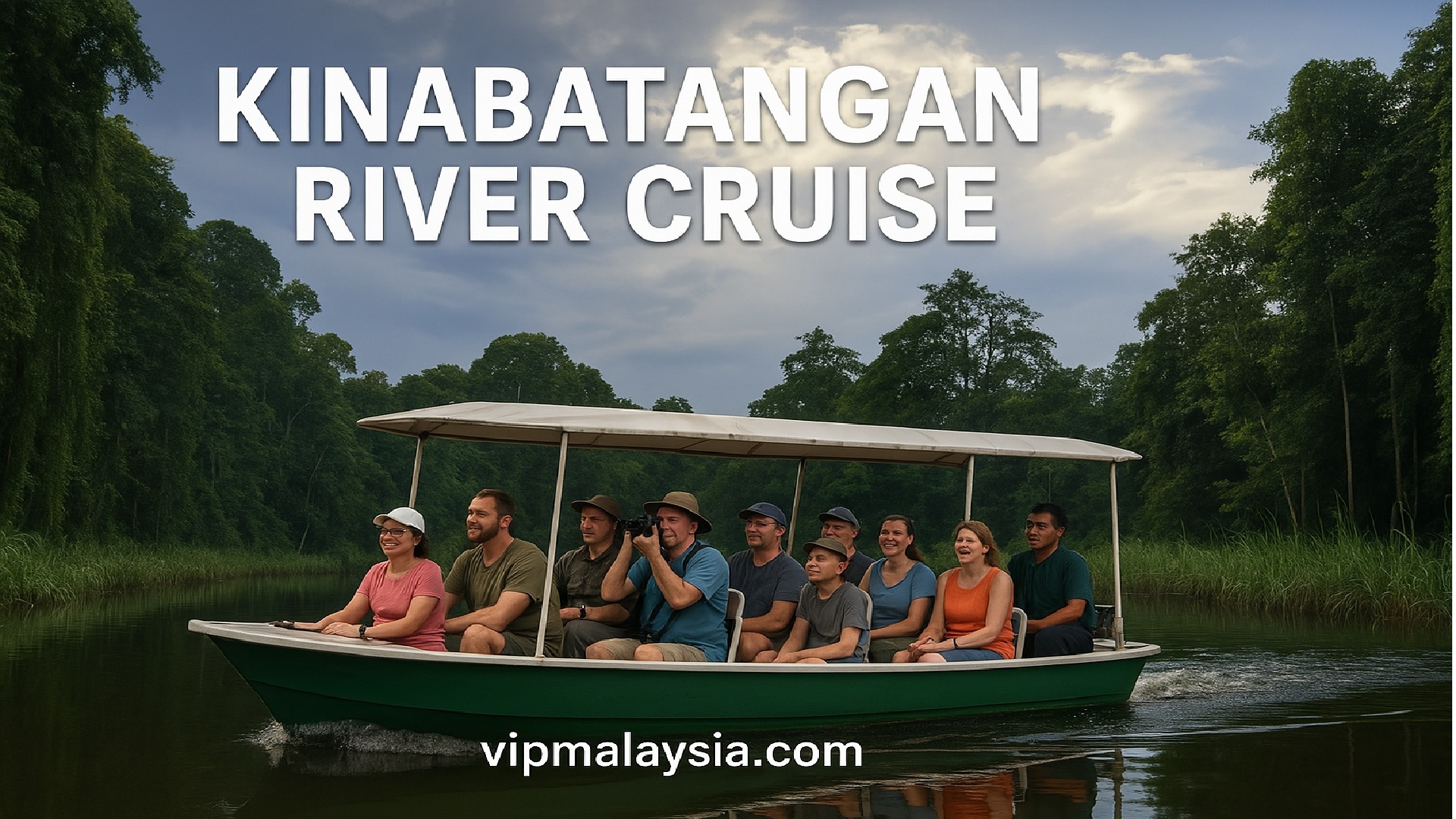
    Pairing a cave visit with a Kinabatangan River cruise enhances the adventure. The river is famous for proboscis monkeys, pygmy elephants, and crocodiles. Many tour operators combine Gomantong Cave exploration with river cruises, offering a full-day immersion into Sabah’s wildlife.

    Photography Opportunities

    The caves and surrounding forest provide unique photography opportunities, from the dramatic bat exodus to close-ups of swiftlets and orangutans. The interplay of light and shadow inside the cave creates striking compositions, while dusk offers unforgettable wildlife shots.

    Conclusion

    Gua Gomantong may not be polished or perfumed—but it offers something far richer: an authentic connection to Borneo’s natural and cultural legacy. From witnessing ancient harvesting practices to standing beneath cave ceilings that reach 300 feet, every step inside Gomantong humbles and inspires. Whether you’re a curious traveler, wildlife photographer, or cultural explorer, this journey will echo long after you leave the cave.

    Ready to discover Borneo’s most dramatic underground marvel? Your eco-adventure starts here.

    Summary

    • Attraction: Gua Gomantong
    • Location: #Sabah 
    • Attraction Type: #Cave 

    Quick Info

    CategoryDetails
    NameGua Gomantong
    AddressKinabatangan District, Sabah, Malaysia
    GPS5.4890° N, 118.1996° E (approx)
    StateSabah
    Size3,297 hectares
    Managed BySabah Wildlife Department
    Main AttractionsEdible bird nests, bat exodus, cave ecosystems
    Cave SectionsSimud Hitam (public access); Simud Putih (permit required, steep 30-min climb)
    Visiting HoursMon–Thu, Sat–Sun: 8am–1pm, 2pm–5pm; Fri: 8–11:30am, 2–5pm
    Best Time to VisitNest harvest seasons: Feb–Apr, Jul–Sep
    Entrance Fee MalaysianRM 5 Adult / RM 2 Child
    Entrance Fee InternationalRM 30 Adult / RM 15 Child
    Photography FeesRM 30 (camera), RM 50 (video camera)
    FacilitiesBoardwalk, rest hut, parking area
    Nearby CitySandakan (~2.5 hours drive)
    Contact+60 89 561 527 / wildlife.sabah.gov.my

    Tour Option

    Sandakan – Gomantong Cave & Kinabatangan River Cruise

    • Price: RM550.00 / per person
    • Tour Code: ABSK-WA1503
    • Duration: Full Day
    • Min. Pax: 2
    • Pickup: 9:00 AM at your hotel or Sandakan Airport
    • Drop-off: 9:00 PM at Sandakan hotel
    • Contact: info@rainforestlodge.com / +60 12-855 2009

    Recommended Packing Checklist

    Essentials

    • Covered shoes or boots (for guano-laden cave floor)
    • Camera & binoculars
    • Personal ID & cash for entry

    Gear & Apparel

    • Light raincoat or poncho
    • Long pants & long sleeve shirt
    • Hat & insect repellent
    • Water bottle & torchlight

    Visitor Reviews

    Chris Cruise, North Yorkshire, United Kingdom – ★★★★☆ “First and foremost, it’s not for the squeamish! The cave is home to millions of bats and swiftlets, so guano is everywhere—on the walkway, handrails, and floor. The smell of ammonia is overwhelming, but safety helmets and facemasks help. Despite the discomfort, the sheer scale of the cave and the wildlife spectacle make it unforgettable.”

    Caroline M, Melbourne, Australia – ★★★★☆ “The cave was very impressive, though creepy crawlies are everywhere—cockroaches, beetles, and even rats. Our guide Abdul explained the history of bird nest harvesting, which added depth to the visit. Watching the bats stream out at dusk was worth braving the smell and insects.”

    Kartika Ahmad Fahmy, Kota Kinabalu – ★★★★★ “Arriving at Gomantong Cave around 6 p.m. was perfect. The bat exodus was mesmerizing, with millions of bats swirling into the sky while swiftlets returned. Outside, we spotted serpent eagles and even a wild orangutan near the forest edge. The boardwalk made access easy, though covered shoes were essential.”

    Lando Anak Misah Kinabatangan – ★★★★★ “Our families have harvested bird nests here for generations. Twice a year, we climb using traditional rotan ladders and bamboo poles to collect nests. It’s dangerous work, but it sustains our community. Visitors who learn about this tradition often gain a deeper respect for the cultural heritage of Gomantong.”

  • Kinabatangan River Cruise: Wildlife Adventure in Sabah

    Kinabatangan River Cruise: Wildlife Adventure in Sabah

    Kinabatangan River Cruise

    Cruise through the heart of Borneo on the Kinabatangan River and experience Malaysia’s most thrilling wildlife adventure. From orangutans to pygmy elephants, this immersive river safari is your gateway to unforgettable encounters in the wild.

    Introduction

    The Kinabatangan River Cruise is a premier eco-tourism experience in Malaysian Borneo. Stretching over 560 km, the Kinabatangan River flows through Sabah’s lush rainforests, mangroves, and oxbow lakes. This region is a sanctuary for endangered species and a living classroom for nature enthusiasts. Visitors are drawn not only by the promise of wildlife sightings but also by the chance to experience the raw beauty of Southeast Asia’s last great wilderness.

    History

    The Kinabatangan River has long been central to the lives of indigenous communities such as the Orang Sungai, who relied on its waters for fishing, transport, and agriculture. Historically, the river basin was covered in dense primary rainforest, but logging and palm oil plantations in the late 20th century reshaped the landscape. Conservation efforts began in the 1990s, leading to the establishment of the Kinabatangan Wildlife Sanctuary. Today, eco-lodges and community-based tourism projects help protect the river’s fragile ecosystem while offering visitors a chance to witness its wonders.

    Highlights

    Borneo’s Big 5

    The Kinabatangan River is famous for sightings of orangutans, proboscis monkeys, pygmy elephants, hornbills, and crocodiles. These species represent the crown jewels of Sabah’s biodiversity and are often spotted during guided cruises.

    Bornean Orangutan

    Highly intelligent and soulful, orangutans grace the treetops with gentle curiosity. With roughly around 104,000 left in the wild, every sighting is a powerful reminder of our shared DNA.

    Proboscis Monkeys

    Watch these comical creatures leap from branches and bask near the riverbank. Their long noses and social antics are crowd favorites.

    Bornean Pygmy Elephants

    Small in stature but big on charm, these gentle mammals may cross paths with your boat, especially during early morning cruises.

    Birdlife Galore

    From hornbills to kingfishers, over 200 species light up the skies here.

    Sunrise and Night Cruises

    Early morning cruises reveal misty waters and active wildlife, while nighttime excursions showcase nocturnal creatures and the symphony of jungle sounds.

    Eco-Lodges in Sukau and Abai

    Staying at riverfront lodges offers comfort and immersion. Lodges provide guided tours, local cuisine, and cultural experiences, blending sustainability with hospitality.

    Attractions

    Sepilok Orangutan Rehabilitation Centre

    Located near Sandakan, Sepilok is a must-visit before heading to the river. Visitors can observe rescued orangutans learning survival skills.

    Labuk Bay Proboscis Monkey Sanctuary

    This sanctuary offers close encounters with proboscis monkeys, complementing sightings along the river.

    Turtle Island Park

    An extension to the cruise, Turtle Island allows visitors to witness sea turtles nesting and hatchlings making their way to the ocean.

    Things to Do

    Wildlife Safaris

    Daily boat trips (morning, afternoon, and night) maximize chances of spotting rare species.

    Wildlife Tour Packages

    3D2N Safari Options

    • Sepilok + Sun Bear Centre + 2 nights at Kinabatangan Riverside Lodge
    • Sepilok + 1 night Abai Jungle Lodge + 1 night Riverside Lodge

    4D3N Safari Combos

    • Sepilok + 1 night MY Nature + 2 nights Riverside Lodge
    • Sepilok + Labuk Bay + 1 night MY Nature + 1 night Abai + 1 night Riverside Lodge

    Jungle Walks

    Guided treks through forest trails reveal medicinal plants, insects, and smaller mammals.

    Oxbow Lake Trek

    This trek explores oxbow lakes formed by river meanders. Guides explain the ecological importance of these habitats, where crocodiles and water birds thrive.

    Cave Exploration

    Nearby Gomantong Caves are famous for swiftlet nests used in bird’s nest soup. The caves also house bats and unique insects.

    Nearby Attractions

    Sandakan Town

    Known as the gateway to Kinabatangan, Sandakan offers colonial history, seafood markets, and cultural landmarks.

    Rainforest Discovery Centre

    Located near Sepilok, this center features canopy walks and educational exhibits about Borneo’s ecosystems.

    Cultural Festivals

    Visitors may coincide with local festivals such as Kaamatan (Harvest Festival), offering insights into Sabah’s traditions.

    Conclusion

    Exploring the Kinabatangan River is like stepping into a living wildlife documentary. Whether it’s witnessing the soulful gaze of an orangutan, catching a glimpse of a pygmy elephant herd, or gliding past crocodiles in the dark, this is Borneo at its wildest. For travelers looking to disconnect and reconnect with nature, this river cruise is your call to the wild.

    Summary

    • Attraction: Kinabatangan River Cruise
    • Location: #Sabah 
    • Attraction Type: #Activity 

    Quick Info

    CategoryDetails
    NameKinabatangan River Cruise
    AddressKinabatangan River, Sabah, Malaysian Borneo
    GPS Coordinates5.4914° N, 118.1096° E (near Sukau)
    StateSabah
    Sanctuary Area27,800 hectares (Kinabatangan Wildlife Sanctuary, gazetted in 2002)
    River Length560 km (Sabah’s longest river, Malaysia’s second-longest)
    Main Access TownSandakan
    Distance from Sandakan132 km to Sukau (approx. 2.5–3 hours by road)
    Top LodgesKinabatangan Riverside Lodge, Abai Jungle Lodge
    ActivitiesMorning & afternoon cruises, wildlife watching, eco tours, jungle walks
    Best Time to VisitMarch to October (dry season, best wildlife visibility)
    Common AnimalsOrangutans, pygmy elephants, proboscis monkeys, hornbills, crocodiles
    Additional OptionsTurtle Island extension (Selingan Island for turtle nesting)
    AgencyBorneo Adventure (leading eco-tour operator)
    ContactKuching Head Office, 55 Main Bazaar, 93000 Kuching, Sarawak, Malaysia.
    Tel: +60-82-245175
    Fax: +60-82-422626 / 234212,
    E-Mail: info@borneoadventure.com

    What to Pack for Your Jungle Adventure

    Essentials

    • Camera & binoculars
    • Raincoat & torchlight
    • Insect repellent & sunscreen

    Clothing

    • Lightweight cotton T-shirts & long sleeves
    • Long pants or shorts
    • Comfortable walking shoes & a hat

    Visitor Reviews

    Anastasia Kurt, Melbourne, Australia ⭐⭐⭐⭐⭐ “I booked a 3-day, 2-night package with Sukau Backpackers Bed & Breakfast in August 2023. The lodge was simple but comfortable, and meals were included. We had two guided boat tours each day, and I was lucky enough to see wild orangutans in the treetops, proboscis monkeys along the riverbank, and even a herd of pygmy elephants crossing the river. The guides were very knowledgeable, pointing out hornbills and crocodiles I would have missed. The only challenge was the leeches during a forest trek, so leech socks are a must!”

    Maria Gourlay, Sydney, Australia ⭐⭐⭐⭐ “My 2-day, 1-night Kinabatangan River Cruise was one of my favorite Sabah experiences. The lodges along the river are rustic but charming, and the accessibility of wildlife here is incredible. I spotted crocodiles basking on the banks, hornbills flying overhead, and proboscis monkeys leaping through the trees. The downside is that palm oil plantations have reduced the forest cover, but ironically this makes wildlife easier to spot. Overall, a great introduction to Borneo’s biodiversity.”

    Jennifer Volks, London, UK ⭐⭐⭐⭐⭐ “Cruising the Kinabatangan River felt like entering another world. I saw orangutans swinging in the canopy, saltwater crocodiles over 4 meters long, and hornbills swooping across the river. The highlight was watching a herd of pygmy elephants bathe near the riverbank. The lodges were comfortable, and the tours were well-organized. It’s not just a boat ride—it’s an intimate window into Borneo’s wild heart. I recommend bringing binoculars and a good camera to capture the moments.”

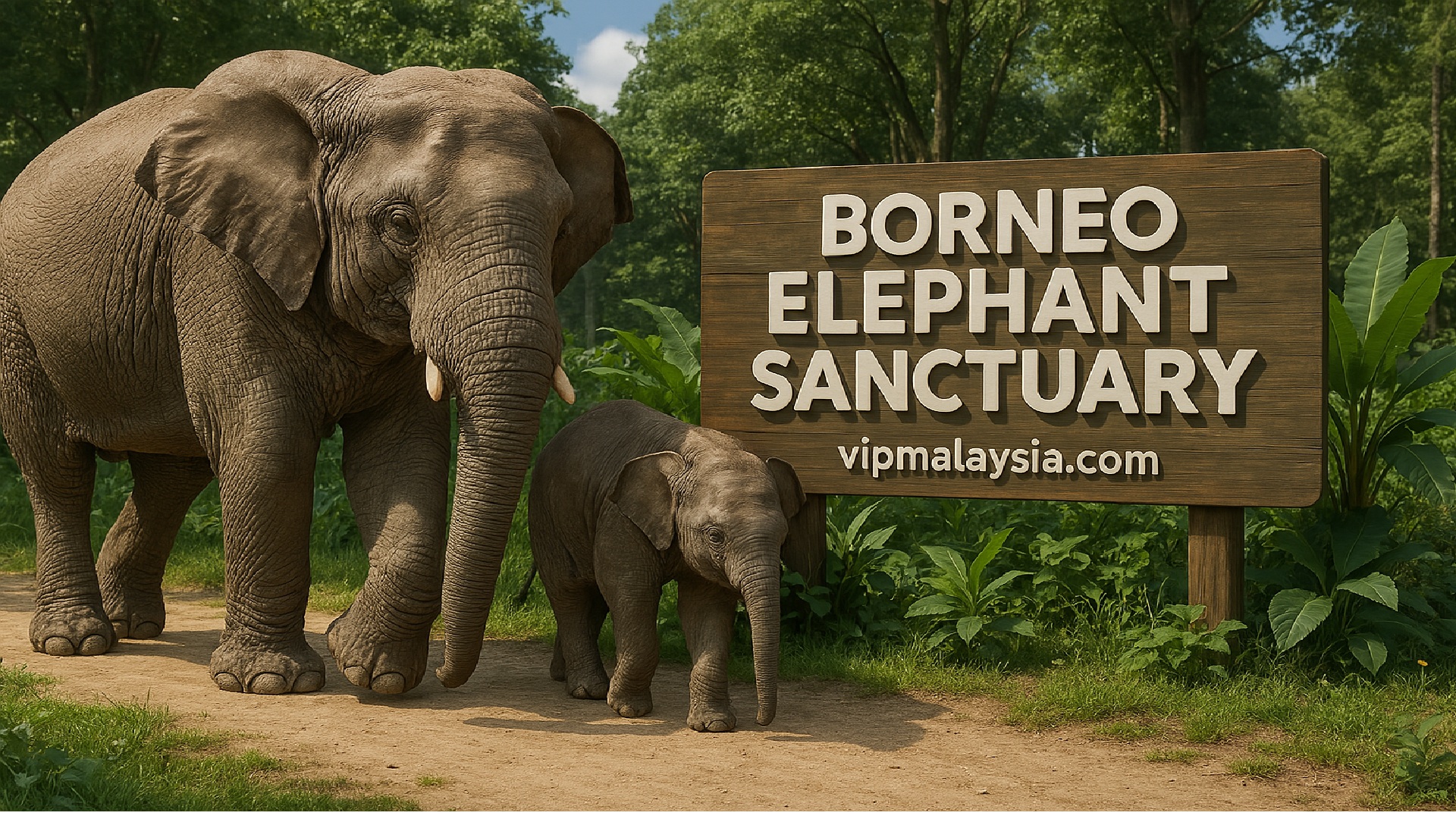
  • Borneo Elephant Sanctuary: A Refuge for Rare Giants

    Borneo Elephant Sanctuary: A Refuge for Rare Giants

    Borneo Elephant Sanctuary

    Nestled deep within the heart of Sabah’s Kinabatangan Wildlife Sanctuary lies a haven of hope—Borneo Elephant Sanctuary (BES). Home to the endangered and gentle Bornean elephants, this sanctuary is not just a place—it’s a mission to rescue, rehabilitate, and reconnect nature’s giants to the wild. Explore how BES is changing lives, one elephant at a time.

    Introduction

    Nestled in the lush Kinabatangan floodplains of Sabah, Malaysia, the Borneo Elephant Sanctuary stands as a beacon of hope for the endangered Bornean elephant. This sanctuary is not merely a facility—it is a mission-driven initiative that combines wildlife rescue, habitat restoration, and education. Visitors are welcomed into a transformative experience where conservation is not just observed but actively lived.

    History

    The origins of BES trace back to the early 2000s, when the late Datuk Patrick @ Mahadi Andau envisioned a dedicated refuge for elephants suffering from habitat loss and human–elephant conflict. His vision materialized through the collaboration of the Sabah Wildlife Department and the Borneo Conservation Trust, with international support from Japanese partners.

    Phase 1 of the sanctuary began on October 1, 2012, and was completed by June 28, 2013. This milestone marked the establishment of a 25-hectare developed zone within the larger 1,214-hectare sanctuary. The facility was designed to provide medical care, rehabilitation, and eventual release of elephants into connected forest corridors. Over the years, BES has grown into a cornerstone of Malaysia’s conservation strategy, contributing to the Bornean Elephant Action Plan 2020–2029.

    Highlights

    Rescue and Rehabilitation

    The sanctuary specializes in rescuing elephants injured by snares, accidents, or human conflict. Specialized veterinary care ensures that elephants regain strength before being reintroduced into the wild.

    Habitat Corridors

    BES plays a crucial role in restoring ecological corridors that connect fragmented forests. These corridors allow elephants to roam freely, reducing stress and ensuring sustainable home ranges.

    Scientific Research

    Researchers at BES study the effects of fragmented forests on elephant health and behavior. Findings show that isolation increases risks and stress, and this research helped shape the Bornean Elephant Action Plan 2020–2029, a national strategy for elephant conservation.

    Awareness, Education & Community Outreach

    BES works closely with local communities, schools, and stakeholders to build support for peaceful coexistence. Educational programs raise awareness about conservation challenges, while outreach activities encourage sustainable practices that benefit both people and wildlife.

    Sustainable Infrastructure Development

    Supported by Malaysia’s Rolling Plan 4 under the 10th Malaysia Plan, BES integrates eco-friendly infrastructure and global partnerships. This ensures that facilities remain sustainable while expanding capacity for elephant care and research.

    Things to Do

    Guided Tours

    Visitors can join guided tours led by conservation experts. These tours provide insights into elephant rescue operations, habitat restoration, and ongoing research.

    Community Engagement

    Guests are encouraged to participate in outreach programs, including tree planting and wildlife awareness workshops.

    Cultural Experiences

    Nearby villages host cultural festivals showcasing traditional dances, crafts, and local cuisine, offering a deeper connection to Sabah’s heritage.

    Trekking and Adventure

    Jungle Treks

    The Kinabatangan Wildlife Sanctuary was gazetted in 1997 under Sabah’s Wildlife Conservation Enactment and is recognized as Malaysia’s largest RAMSAR site. Covering 26,000 hectares, it is home to diverse habitats including riverine forests, oxbow lakes, and mangroves. Visitors can expect to encounter Bornean pygmy elephants, orangutans, proboscis monkeys, saltwater crocodiles, and over 200 bird species, making it one of Southeast Asia’s most biodiverse regions.

    Address and Contact Information

    The sanctuary’s visitor hub is the Danau Girang Field Centre, located at Lot 6, Lower Kinabatangan Wildlife Sanctuary, Sabah, Malaysia. For inquiries, visitors can call +60 88-341 527 or email goossensbr@cardiff.ac.uk. The center provides guided tours, research opportunities, and visitor facilities.

    Visitor Experience and Activities

    The sanctuary offers river cruises, jungle trekking, birdwatching, and wildlife photography, with tours typically running from 6:00 AM to 6:00 PM year-round. River cruises at dawn or dusk are especially popular, offering sightings of elephants feeding along the banks, hornbills in flight, and crocodiles lurking in the water. Cultural experiences in nearby villages, such as Sukau and Bilit, allow visitors to engage with indigenous communities and learn about conservation efforts.

    River Cruises

    The Sungai Kinabatangan stretches approximately 560–563 km, making it the longest river in Sabah and the second longest in Malaysia after the Rajang River. Its basin covers 16,795 km², and it flows from the mountains of Tongod District to the Sulu Sea near Sandakan. The river is renowned for its extraordinary biodiversity, with habitats ranging from limestone caves and dipterocarp forests to mangroves and oxbow lakes. Wildlife includes Bornean pygmy elephants, proboscis monkeys, orangutans, saltwater crocodiles, and over 200 bird species, making it one of Southeast Asia’s richest ecosystems.

    Address and Accessibility

    Visitors typically access Sungai Kinabatangan through the town of Sukau, located along the riverbanks. The sanctuary’s visitor hub is at Lot 6, Lower Kinabatangan Wildlife Sanctuary, Sabah, Malaysia, with inquiries directed to +60 88-341 527. The river is reachable by road from Sandakan, taking about 2–3 hours by car, or by boat along the river itself. This accessibility, combined with eco-lodges such as Sukau Rainforest Lodge and Kinabatangan Riverside Lodge, makes it a popular destination for both short excursions and extended eco-tourism stays.

    Visitor Experience and Activities

    Travelers to Sungai Kinabatangan often embark on river cruises at dawn or dusk, which provide the best opportunities to spot wildlife in their natural habitats. Jungle trekking along the floodplains offers encounters with rare bird species, while nearby villages such as Sukau and Bilit host cultural experiences, including traditional dances and local cuisine. The river’s unique blend of wildlife and community life makes it a holistic eco-tourism destination, combining conservation with cultural immersion. Eco-lodges along the river also provide guided tours, photography opportunities, and cultural exchanges with the Orang Sungai communities who have lived along the river for centuries.

    Nearby Attractions

    Sepilok Orangutan Rehabilitation Centre

    The Sepilok Orangutan Rehabilitation Centre near Sandakan is one of Sabah’s most recognized conservation projects. Established in the 1960s, it focuses on rescuing and rehabilitating orphaned and injured orangutans before releasing them back into the surrounding forest reserve. Visitors can observe feeding sessions and learn about the challenges orangutans face due to deforestation and human activity, making Sepilok both an educational and inspiring stop for eco-tourists.

    Gomantong Caves

    The Gomantong Caves, located in the Kinabatangan region, are famous for their limestone formations and for being the largest cave system in the area. They are best known for edible swiftlet nests, which have been harvested for centuries and remain a delicacy in Chinese cuisine. The caves also host large bat colonies, creating a dramatic evening bat exodus that draws visitors, while wildlife such as orangutans and hornbills can often be seen nearby.

    Danum Valley Conservation Area

    The Danum Valley Conservation Area is a pristine rainforest reserve in Sabah, recognized as one of the most undisturbed lowland dipterocarp forests in Southeast Asia. It is home to rare species such as orangutans, pygmy elephants, and clouded leopards, alongside hundreds of bird species. Visitors can stay at eco-lodges, enjoy guided treks, canopy walks, and night drives, while researchers at the Danum Valley Field Centre continue to study its unique biodiversity.

    Conclusion

    The Borneo Elephant Sanctuary isn’t just a facility—it’s a force for good, restoring dignity and life to elephants pushed to the brink. As their habitat shrinks and conflicts rise, your visit, donation, or advocacy becomes a vital part of their survival story.

    Support BES through donations, volunteering, or partnerships.

    Summary

    • Attraction: Borneo Elephant Sanctuary
    • Location: #Sabah 
    • Attraction Type: #Wildlife 

    Quick Info

    CategoryDetails
    NameBorneo Elephant Sanctuary (BES)
    LocationLot 8, Kinabatangan Wildlife Sanctuary, Sabah
    GPS PositionApprox. 5.437°N, 118.250°E
    EstablishedPhase 1 began in 2012, completed in 2013
    Size1,214 hectares (25 hectares developed for facilities)
    Managing BodyBorneo Conservation Trust & Sabah Wildlife Department
    Population SupportedEndangered Bornean elephants (Elephas maximus borneensis)
    StatusEndangered – fewer than 1,500 remain in Sabah
    HabitatLowland dipterocarp forest and Kinabatangan floodplains
    GoalRescue, rehabilitate, and release elephants into connected corridors
    Master PlanRM25–30M for BES core facilities; RM50–60M including corridor restoration
    ProgrammeStrategic Elephant Rescue & Biodiversity Corridor
    PartnersAsahiyama Zoo, Saraya Corp, Kirin, NTT Data, and other global supporters
    Contact Emailbctrust2006@gmail.com
    Phone Number+60 88-902 843
    AddressUnit 3-2, Lorong Lintas Plaza, 88300 Kota Kinabalu, Sabah
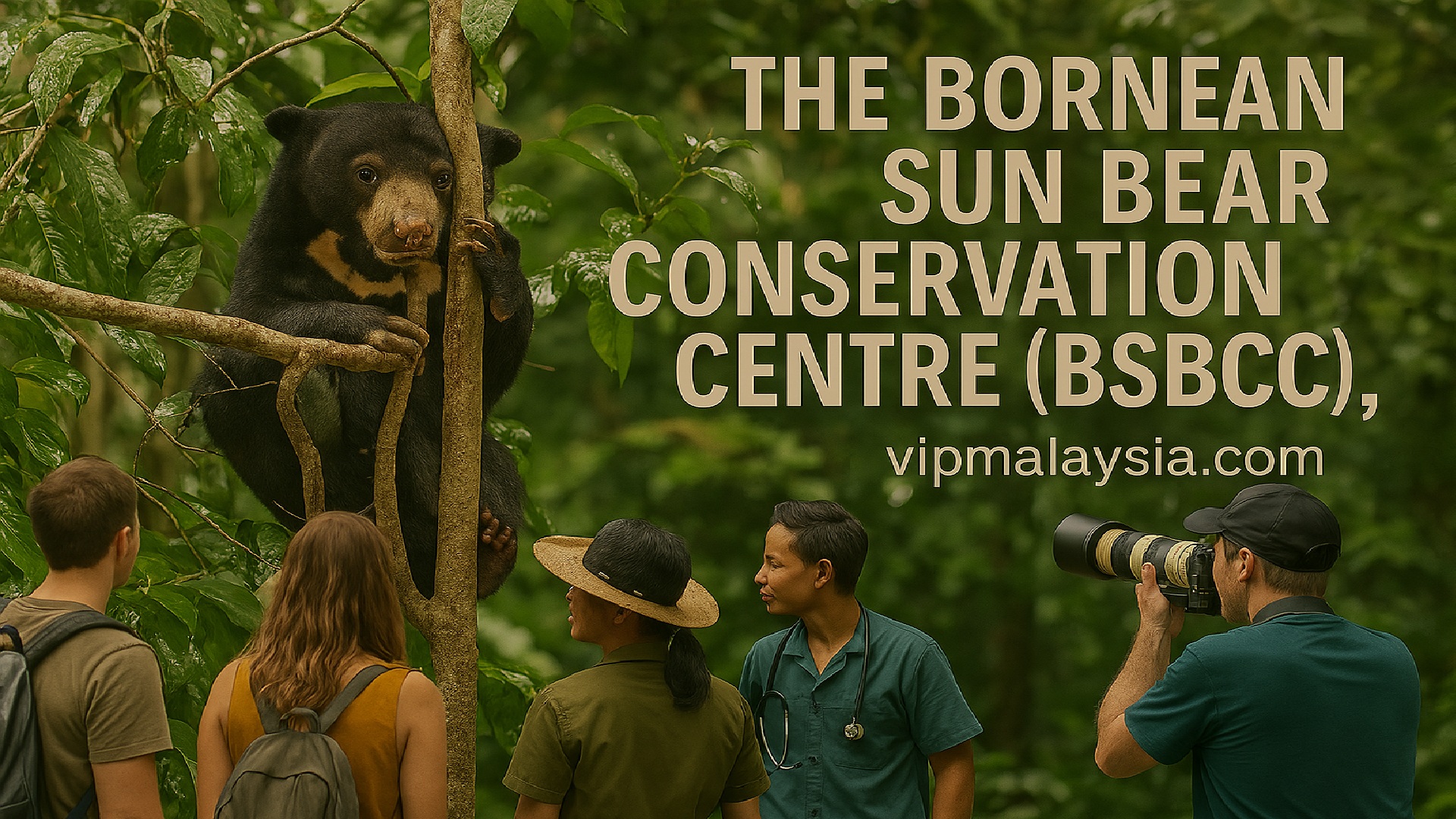
  • Bornean Sun Bear Centre: Sabah’s Hidden Gem

    Bornean Sun Bear Centre: Sabah’s Hidden Gem

    Bornean Sun Bear Conservation Centre

    Discover the untold story of the world’s smallest bear and how you can help save them from extinction—all while enjoying a once-in-a-lifetime wildlife experience in Sabah. The Bornean Sun Bear Conservation Centre (BSBCC) is more than eco-tourism—it’s a mission with heart, offering visitors a chance to witness rescued bears reclaim their wild instincts.

    Introduction

    Nestled in the lush rainforest of Sepilok, Sabah, the Bornean Sun Bear Conservation Centre stands as a beacon of hope for one of the most vulnerable species on Earth. Known as the smallest bear species, sun bears are instantly recognizable by their golden chest crescent and playful yet resilient nature. The centre provides sanctuary for bears rescued from illegal captivity, habitat destruction through deforestation, poaching, and neglectful conditions, malnourished and isolated), while also educating the public about conservation. Visiting BSBCC is not just a wildlife encounter—it’s a chance to directly support species survival.

    History

    The BSBCC was founded in 2008 by wildlife biologist Wong Siew Te, whose vision was to create a safe haven for sun bears rescued from dire conditions. Many of these bears had been kept as pets, locked in cages, or exploited for entertainment. Wong recognized that without intervention, countless bears would never experience the forest again.

    In its early years, the centre faced challenges of funding, awareness, and infrastructure. Yet through partnerships with Sabah Wildlife Department and Sabah Forestry Department, BSBCC grew into a world-class facility. By 2014, the centre opened its doors to the public, allowing visitors to witness firsthand the rehabilitation process. Today, with over 40 bears under care, BSBCC continues to expand its mission, combining animal welfare, research, education, and ecotourism. Its history is a testament to perseverance, compassion, and the power of community-driven conservation.

    Visitor Facilities

    BSBCC offers guided tours, multilingual signage, and a visitor centre with exhibits. Amenities include rest areas, souvenir shops, and cafes serving local delicacies.

    Cultural Integration

    The centre collaborates with local communities, showcasing traditional crafts and cultural festivals. This integration highlights the connection between conservation and cultural heritage.

    Highlights

    Rehabilitation Enclosures

    The centre features large forested enclosures where bears learn to climb, forage, and build nests. These natural habitats mimic the wild, helping bears regain instincts lost during captivity.

    Observation Platforms

    Visitors can view bears from elevated platforms without disturbing them. These platforms are strategically placed to offer panoramic views of the rainforest and its inhabitants.

    Educational Programs

    BSBCC hosts talks, exhibitions, and interactive sessions for students and tourists. These programs highlight the importance of conservation and the threats facing sun bears.

    Research Initiatives

    Ongoing studies monitor bear behavior, health, and adaptability. Some bears are evaluated for potential release into protected forests, though only a few meet the criteria.

    Ecotourism Impact

    Every visitor contributes to conservation funding. Ticket sales and donations directly support bear care, facility maintenance, and outreach programs. Your visit is both an adventure and a lifeline for these animals.

    Things to Do

    Sun Bear Viewing

    The main attraction is, of course, the sun bears themselves. Watching them climb trees, dig for insects, or lounge in hammocks is both entertaining and educational.

    Rainforest Experience

    The centre is located within the Sepilok rainforest reserve, home to diverse wildlife including orangutans, hornbills, and macaques. Visitors often spot these species during their trip.

    Guided Tours

    Knowledgeable guides lead visitors through the centre, explaining bear behavior and conservation efforts. Tours are available in multiple languages.

    Photography

    The observation platforms provide excellent opportunities for wildlife photography. Visitors are encouraged to capture moments while respecting animal welfare.

    Educational Talks

    Daily sessions allow guests to interact with staff, ask questions, and learn about conservation laws and practices.

    Volunteer Programs

    For those seeking deeper involvement, BSBCC offers volunteer opportunities. Participants assist with education, maintenance, and outreach projects.

    Trekking and Adventure

    Sepilok Rainforest Trails

    Surrounding the centre are trails that wind through dense rainforest. Trekking here offers encounters with exotic flora and fauna.

    Wildlife Encounters

    Hiking through Sepilok often reveals sightings of hornbills, flying squirrels, and even pygmy elephants. Each trek is a chance to connect with nature.

    Adventure Activities

    Nearby adventure options include canopy walks, river cruises, and jungle survival courses. These activities complement a visit to BSBCC, offering a full eco-adventure experience.

    Nearby Attractions

    Sepilok Orangutan Rehabilitation Centre

    Located just minutes away, this centre rescues and rehabilitates orangutans. Visitors can watch feeding sessions and learn about primate conservation.

    Rainforest Discovery Centre

    A hub for environmental education, the RDC features canopy walkways, botanical gardens, and birdwatching towers.

    Sandakan Town

    The nearest urban centre, Sandakan, offers historical sites such as the Agnes Keith House and vibrant local markets.

    Cultural Festivals

    Visitors may coincide their trip with local festivals celebrating Sabah’s diverse ethnic heritage, including Kadazan-Dusun harvest festivals and Bajau sea rituals.

    Conclusion

    By visiting or volunteering at the Bornean Sun Bear Conservation Centre, you’re not just a tourist—you’re a conservation ally. Each ticket helps fund rescue efforts, each photo shared spreads awareness, and every volunteer makes a difference.

    Whether you’re planning a trip to Sabah or looking for a wildlife cause to support, the BSBCC needs your voice. Visit, donate, volunteer, or even adopt a sun bear. Let’s protect what makes our world wild—before it’s too late.

    Summary

    • Attraction: Bornean Sun Bear Conservation Centre
    • Location: #Sabah 
    • Attraction Type: #Wildlife 

    Quick Info

    CategoryDetails
    NameBornean Sun Bear Conservation Centre (BSBCC)
    AddressPPM 219, Elopura, 90000 Sandakan, Sabah, Malaysia
    GPS Position5.8431°N, 117.9481°E
    StateSabah, Malaysia
    Founded2008 (Opened to public in 2014)
    Facility TypeWildlife Rehabilitation & Education Centre
    No. of Rescued Bears42–44 ex-captive bears (numbers fluctuate)
    Opening Hours9:00 AM – 3:30 PM daily, including holidays
    Admission (Malaysians)Children RM 5 Adults RM 10
    Admission (Non-Malaysians)Children RM 25 Adults RM 50
    Discount RateReduced rates for Sabah residents with valid ID
    Transport Options20 km from Sandakan town; accessible by car, taxi, Grab. Visitors from Kota Kinabalu or Semporna typically fly to Sandakan first.
    Volunteer ProgrammeAvailable – Hands-on conservation and education activities
    ContactPhone: +6089-534491 Email: info.bsbcc@gmail.com
    Websitebsbcc.org.my
    PartnersSabah Wildlife Department, Sabah Forestry Department, HUTAN Kinabatangan

    Visitor Reviews

    Travel with Graham, United Kingdom – ★★★★★ “I took a Grab from Sandakan, about 40 minutes, and combined my visit with the Sepilok Orangutan Centre across the road. The facilities at BSBCC are well designed for the animals, with spacious enclosures and shaded viewing platforms. Watching the bears forage and climb in a natural rainforest setting was unforgettable. It’s clear the centre prioritizes animal welfare and visitor education.”

    Eric Mc Guiness, Hertfordshire, UK – ★★★★☆ “This centre is just across from the Orangutan Rehabilitation Centre, making it easy to visit both in one day. The work being done here is amazing—rescuing bears from captivity and giving them a second chance. The educational displays were informative, though I wished for more interactive exhibits. Still, seeing the bears up close in such a natural environment was worth the trip.”

    Abdullah Al-Mahdi, Malaysia – ★★★★★ “As a travel blogger, I found BSBCC to be one of Sabah’s most meaningful attractions. The rainforest setting is immersive, and the conservation mission is inspiring. The centre highlights how sun bears act as seed dispersers and termite controllers, vital for the ecosystem. It’s not just a tourist stop—it’s a chance to witness conservation in action and support a species that desperately needs protection.”

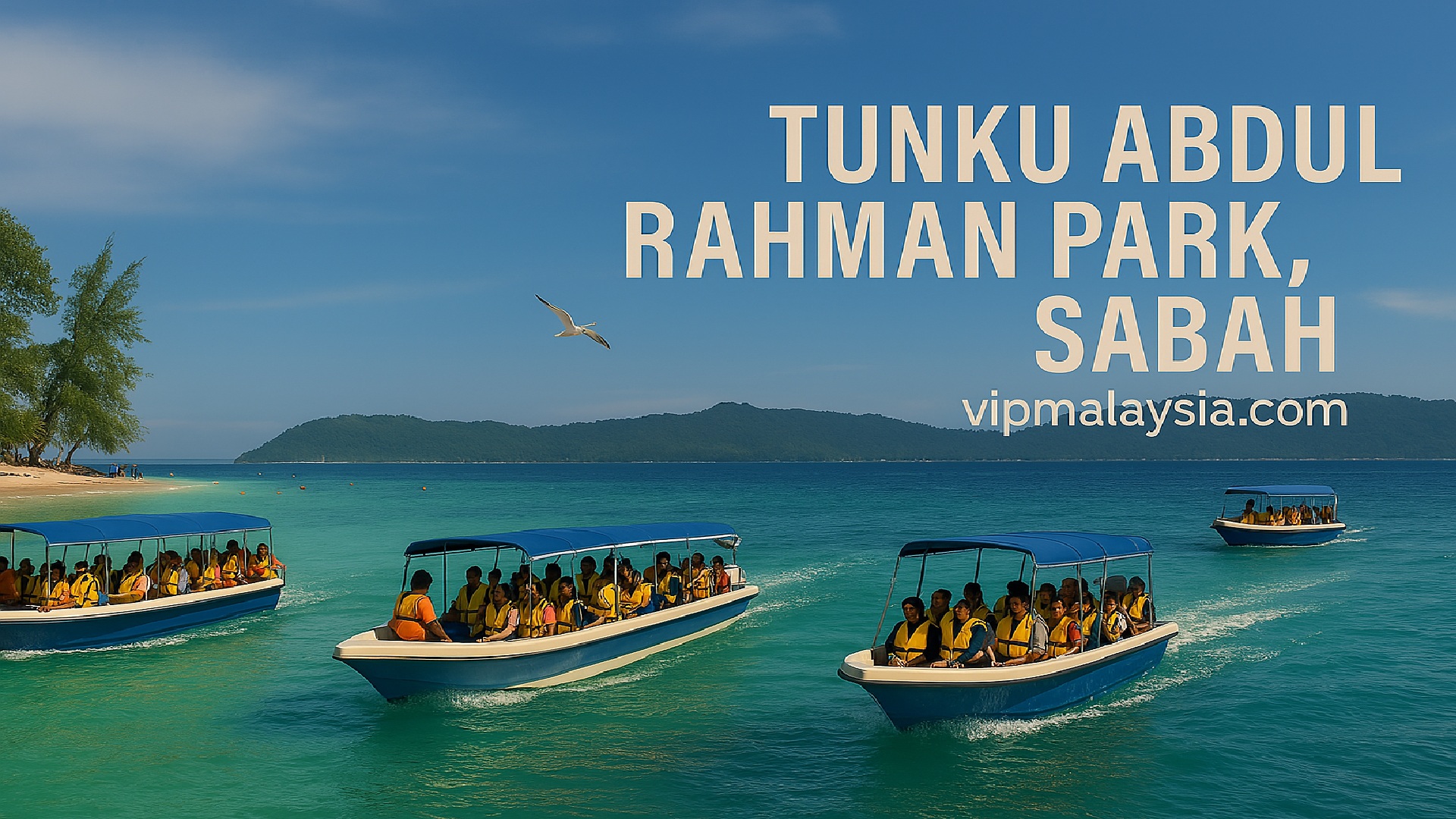
  • Tunku Abdul Rahman Park: Sabah’s Marine Treasures

    Tunku Abdul Rahman Park: Sabah’s Marine Treasures

    Tunku Abdul Rahman Park, Sabah

    Escape to Sabah’s iconic island sanctuary—Tunku Abdul Rahman Park. Just minutes from Kota Kinabalu, this tropical marine haven offers crystal-clear waters, vibrant coral reefs, and five unique islands perfect for diving, beach days, jungle trekking, and unforgettable getaways.

    Introduction

    Nestled just 3 kilometers off the shores of Kota Kinabalu, Tunku Abdul Rahman Park is Sabah’s crown jewel, offering the perfect harmony of marine biodiversity and natural island bliss. This protected marine park encompasses five distinct islands—Gaya, Sapi, Manukan, Mamutik, and Sulug—each with its own story, charm, and adventure. Whether you’re a beach lover, an underwater explorer, or simply craving a picnic surrounded by turquoise waters, this is your ideal getaway.

    History

    The park was gazetted in 1974 as Sabah’s first marine national park, named after Malaysia’s first Prime Minister, Tunku Abdul Rahman Putra Al-Haj. Its establishment was part of a broader conservation effort to protect coral reefs, marine life, and coastal ecosystems from rapid urban development in Kota Kinabalu. Historically, Gaya Island was home to early settlements and even a British colonial station in the late 19th century. Over time, the islands became a refuge for fishermen and traders, before evolving into a protected sanctuary. Today, the park stands as a testament to Sabah’s commitment to preserving its natural heritage while offering sustainable tourism opportunities.

    Highlights

    Gaya Island

    The largest island, Gaya, is famous for its luxury resorts such as Gayana Eco Resort and Bunga Raya Island Resort. It also hosts the Marine Ecology Research Centre (MERC), dedicated to coral restoration and giant clam breeding. Visitors can explore jungle trails spanning 20 km, including a 0.5 km plank walk through marsh jungle, offering a glimpse into Sabah’s diverse flora and fauna.

    Manukan Island

    Manukan is the most developed island, operated by Sutera Sanctuary Lodges. It features accommodations, cafés, BBQ pits, and seasport shops. Its long sandy beach is ideal for families, while snorkeling zones reveal vibrant coral gardens.

    Sapi Island

    Sapi is popular for day trips and snorkeling, with clear waters and abundant marine life. It is also known for the thrilling zipline adventure connecting Sapi to Gaya Island, offering adrenaline seekers a unique experience.

    Mamutik Island

    The smallest island, Mamutik, is perfect for those seeking tranquility. It has KOKTAS cafés operated by Sabah Parks staff cooperative, shaded picnic areas, and shallow reefs ideal for beginner snorkelers.

    Sulug Island

    Sulug is the least developed, offering a rustic escape. Its untouched beaches and rocky outcrops make it a favorite for those who prefer solitude and raw natural beauty.

    Things to Do

    Scuba Diving

    The park is renowned for its world-class dive sites, with coral reefs teeming with marine life such as clownfish, reef sharks, and sea turtles. Dive operators based in Kota Kinabalu offer packages for beginners and advanced divers alike.

    Snorkeling

    Crystal-clear waters around Sapi and Manukan make snorkeling a must-do activity. Visitors can rent equipment on the islands and explore shallow reefs filled with colorful corals and tropical fish.

    Jungle Trekking

    Gaya Island features 20 km of jungle trails, including the marsh plank walk that educates visitors about mangrove ecosystems. Wildlife such as hornbills and monitor lizards are often spotted along the trails.

    4Beach Picnics

    Manukan and Mamutik Islands are popular for family picnics, with BBQ pits, shaded shelters, and sandy beaches perfect for relaxation.

    Zipline Adventure

    Sapi Island offers a thrilling zipline ride to Gaya Island, one of the longest island-to-island ziplines in the world, giving adrenaline seekers a unique perspective over turquoise waters.

    Island Hopping

    A 20-minute boat ride from Jesselton Point Jetty opens up endless opportunities for island hopping. Visitors can combine snorkeling at Sapi, trekking at Gaya, and relaxing at Manukan in a single day.

    Wildlife Spotting

    The park is home to diverse species including sea eagles, hornbills, giant clams, and reef fish. Birdwatchers and marine enthusiasts find plenty to observe both on land and underwater.

    Camping

    Rustic camping is permitted on most islands except Manukan and Sulug. Visitors can pitch tents and enjoy a night under the stars, though facilities are basic.

    Cultural Exhibitions

    Manukan Island hosts an exhibition center showcasing marine conservation and Sabah’s cultural heritage. It includes video presentations and educational displays for visitors.

    Photography and Sunset Views

    Manukan and Sulug Islands are famous for their sunset views, with golden skies reflecting over the South China Sea. Photographers often capture stunning landscapes and wildlife moments here.

    Trekking and Adventure

    The major jungle trails in Tunku Abdul Rahman Park are located across Gaya, Manukan, Sapi, and Mamutik Islands, each offering unique trekking experiences ranging from short educational walks to longer forest hikes. These trails are well-documented by Sabah Parks and AllTrails.

    Gaya Island Extended Trail

    Pulau Gaya, the largest island in the park, features the Extended Trail, a 7.8 km route that winds through dense jungle before opening up to coastal views. The trek involves uphill climbs and descents, making it moderately challenging. Hikers are rewarded with panoramic vistas of the South China Sea and encounters with wildlife such as hornbills and macaques. The trail can be muddy during the rainy season, so sturdy footwear is recommended.

    Manukan Island Loop

    The Manukan Island Loop is a 3.5 km trail that circles the island, offering a mix of beachside scenery and forested paths. It is relatively flat and suitable for families, though it can become slippery after rain. Along the way, trekkers enjoy views of wildflowers and hear the rhythmic sounds of waves crashing against the shore. This trail is ideal for those seeking a gentle introduction to jungle trekking.

    Sapi Island Trail

    Sapi Island hosts a 1.9 km trail that begins at the beach and winds through forested terrain to viewpoints and small secluded beaches. The route is mostly flat, making it accessible for all ages. Wildlife sightings include monitor lizards and tropical birds. At low tide, visitors can even walk across the sandbank linking Sapi to Gaya Island, adding a unique adventure to the trek.

    Mamutik Island Trail

    Pulau Mamutik, the smallest island, offers a short 0.9 km trail through lush greenery. Despite its size, the trail provides opportunities to spot unique bird species such as the Philippine megapode, also known as the “red chicken face bird.” The trek is easy and suitable for beginners, with shaded paths that make it comfortable even during midday heat.

    Nearby Attractions

    Kota Kinabalu City

    Just minutes away, Kota Kinabalu offers vibrant markets, seafood restaurants, and cultural landmarks such as the Sabah State Museum and Atkinson Clock Tower.

    Mount Kinabalu

    A UNESCO World Heritage Site, Mount Kinabalu is about 2 hours from the city. It is Southeast Asia’s tallest peak and a major trekking destination.

    Mari Mari Cultural Village

    Located near Kota Kinabalu, this village showcases the traditions of Sabah’s ethnic groups, including bamboo cooking, traditional dances, and longhouse architecture.

    Conclusion

    Tunku Abdul Rahman Park is a sanctuary where marine biodiversity meets island luxury. With five distinct islands offering everything from diving and snorkeling to jungle trekking and cultural experiences, it is the ultimate getaway for nature lovers and adventure seekers. Whether you’re exploring coral reefs, hiking jungle trails, or enjoying a family picnic, the park delivers unforgettable memories just minutes from Kota Kinabalu.

    Summary

    • Attraction: Tunku Abdul Rahman Park
    • Location: #Sabah 
    • Attraction Type: #Park 

    Quick Info

    DetailsInformation
    Park NameTunku Abdul Rahman Park
    AddressLot 45 & 46, Block H, Signature Office, KK Times Square, Coastal Highway, 88100 Kota Kinabalu, Sabah
    GPS Coordinates5.9779° N, 116.0450° E
    Phone+60 88 523 500 / +60 88 486 434 / 435 / 436
    Emailsabahparks@sabah.gov.my / sabahparks@gmail.com
    Websitesabahparks.org.my
    StateSabah
    OrganizationSabah Parks
    GovernanceType A – Government statutory body
    IUCN CategoryII (National Park)
    StatusGazetted
    Area4,928.1 hectares
    Established1974
    Main Jetty AccessJesselton Point Jetty
    Boat Travel Time15–20 minutes (depending on island)
    Exhibition CenterManukan Island Exhibition Hall (daily except Monday, 9am–3pm); Marine Ecology Research Centre at Gayana Eco Resort, Gaya Island
    Meeting FacilitiesMini seminar room, bookings via Sabah Parks
    Religious FacilitiesSurau available (Manukan Island and Sabah Parks HQ)

    Entrance & Conservation Fees

    Daily Entrance

    Visitor CategoryFee
    Malaysian (18+)RM 8
    Malaysian (13–17)RM 5
    Malaysian (Under 12, 60+, Disabled)Free
    International (18+)RM 25
    International (Below 18/60+)RM 20

    Scuba Diving at Kuraman

    Visitor CategoryFee
    MalaysianRM 100
    InternationalRM 200

    Visitor Reviews

    Emma Di Matteo, UK ★★★★☆ “We stayed at Gaya Island Resort for a week. The jungle views from our villa were stunning, and the reef snorkeling was enjoyable though some coral was bleached. Chef Doli went above and beyond to prepare vegetarian meals for us every night. Drinks were pricey, but the service was outstanding.”

    Stephen Holiday, USA ★★★★★ “Our two-night stay at Gaya Island Resort was incredible. The villa had wraparound balconies with views of Mount Kinabalu. The teppanyaki restaurant was the best I’ve ever experienced, and snorkeling tours led by staff helped us spot turtles. Worth the splurge despite high costs.”

    Peter Regnet, Southampton, UK ★★★★☆ “My daughter and I visited Manukan as a day trip. We saw reef sharks and rays while snorkeling close to shore. The beach was great, though walking to Sunset Point was too hot. Overall, a wonderful family day.”

    Janet Sihotang, Melbourne, Australia ★★★★☆ “Manukan has the best infrastructure among the islands. Plenty of beach space and shade, plus a nice restaurant. Sadly, there was a lot of rubbish on the beach, which was disappointing for a national park.”

    Sharon Gonglo, South Africa ★★★★★ “My favourite, Sapi Island in the park. The water was crystal clear, and snorkeling from the shore revealed clownfish. The sand was soft and clean, making it perfect for couples.”

    Suzieyanti Hernie Badrul, Bandar Seri Begawan, Brunei ★★★★☆ “We bought boat tickets easily and spent three hours snorkeling. Sapi Island was less crowded, with lifeguards ensuring safety. A great family outing.”

    Mohd Noh Salleh, Malaysia ★★★★☆ “Mamutik is a good spot for snorkeling. We saw monitor lizards and enjoyed the café. The waters were clear, though broken coral meant wearing swim shoes was necessary.”

    Brandon Gates, Melbourne, Australia ★★★☆☆ “Nice clear water, but Mamutik Island was noisy with inconsiderate tourists blasting music and taking endless selfies. Best visited as part of a multi-island trip rather than staying all day.”

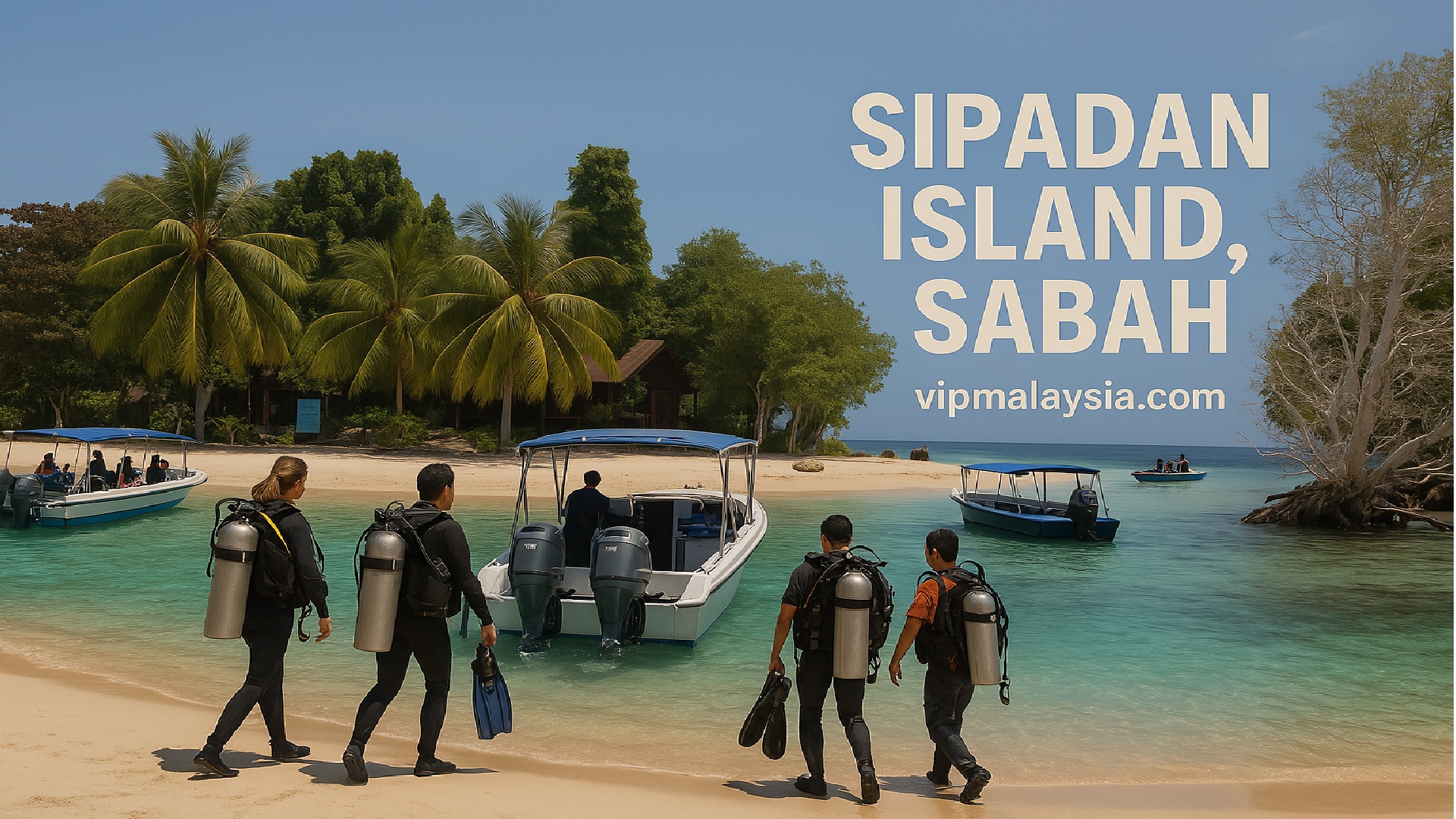
  • Sipadan Island: Sabah’s Oceanic Diving Paradise

    Sipadan Island: Sabah’s Oceanic Diving Paradise

    Sipadan Island, Sabah

    Explore the breathtaking wonders of Sipadan Island, Malaysia‘s only oceanic island and one of the world’s top diving destinations. Home to vibrant coral reefs, swirling barracudas, sea turtles, and over 400+ fish species and over 300 coral species, this protected marine park offers a once-in-a-lifetime underwater experience for certified divers. Plan your dream dive today and uncover nature’s masterpiece beneath the Celebes Sea.

    Introduction

    Sipadan Island is often described as the crown jewel of Southeast Asian diving. Located off the coast of Sabah in the Celebes Sea, it has captivated explorers, marine biologists, and divers for decades. Ocean pioneer Jacques Cousteau once called it “an untouched piece of art,” and today, it remains one of the most sought‑after dive sites in the world. With strict conservation measures, limited daily permits, and no accommodations on the island itself, Sipadan offers a rare chance to experience nature in its purest form.

    History

    Sipadan’s story is as fascinating as its underwater world. Formed by corals growing atop an extinct volcanic cone, the island rises 600 meters from the seabed, making it Malaysia’s only true oceanic island.

    In 1933, Sipadan was declared a bird sanctuary by the colonial government of North Borneo, recognizing its importance for migratory seabirds. Later, in 1981, the Sabah government designated it as a marine reserve, laying the groundwork for stronger conservation. By 2004, Sipadan was officially gazetted as a marine park, ensuring its protection under Sabah Parks.

    The island once hosted dive resorts, but in 2009, all accommodations were removed to preserve its fragile ecosystem. Today, divers stay on nearby islands such as Mabul or Kapalai, traveling by boat to Sipadan for day trips. This careful management has allowed Sipadan’s reefs and marine life to flourish, making it a living testament to conservation success.

    Highlights

    The Marine Ecosystem

    Sipadan is home to green and hawksbill turtles, schools of bumphead parrotfish, swirling barracudas, and reef sharks. Divers often encounter rare species such as scalloped hammerheads, thresher sharks, and manta rays. With visibility reaching up to 60 meters during peak season, the underwater scenery is breathtaking.

    Hanging Gardens

    Named for its coral arches and sponge‑covered walls, this site resembles an underwater Versailles. Layers of soft corals, sea fans, and sponges create a dreamscape for underwater photographers. The vibrant colors and intricate structures make it a favorite for macro enthusiasts.

    Wildlife Above Water

    Sipadan is also a sanctuary for seabirds such as frigatebirds and sea eagles. Its lush vegetation provides nesting grounds, adding another layer of biodiversity to the island.

    Dive Sites

    Drop Off

    A surreal experience that begins just 9 meters from the beach—welcome to an underwater cliff diving into a 600m abyss teeming with vibrant marine life.

    Coral Garden

    Coral Garden is a vibrant reef teeming with hard and soft corals, barrel sponges, and featherstars. Divers encounter schools of sweetlips, butterflyfish, and clownfish weaving through the coral structures. The site is ideal for underwater photography, showcasing Sipadan’s rich biodiversity in shallow, sunlit waters.

    Midreef

    Midreef offers a gentle slope covered in colorful corals and sponges, making it suitable for divers of all levels. Reef sharks, bumphead parrotfish, and turtles are common sightings here. The calm conditions and abundant marine life make Midreef a relaxing yet rewarding dive.

    Whitetip Avenue

    Named for the frequent presence of whitetip reef sharks, this site is a thrilling encounter zone. Sharks patrol the sandy bottom while schools of fusiliers and trevally dart overhead. The avenue’s mix of predators and reef fish creates an exciting dive experience.

    Staghorn Crest

    Staghorn Crest is dominated by expansive staghorn coral formations, providing shelter for damselfish and anthias. The reef’s intricate structures attract macro photographers looking for nudibranchs and shrimp species. It’s a showcase of coral diversity and resilience.

    South Point

    South Point is one of Sipadan’s deeper sites, known for pelagic encounters. Divers may spot hammerhead sharks, thresher sharks, and large schools of barracuda. Strong currents make this site best suited for experienced divers seeking big‑fish thrills.

    Turtle Patch

    Turtle Patch lives up to its name, with frequent sightings of green and hawksbill turtles grazing on sponges. The sandy bottom is dotted with coral bommies that attract reef fish and crustaceans. It’s a peaceful dive where turtles are the star attraction.

    Barracuda Point

    Barracuda Point is one of Sipadan’s signature dive sites, famous for its swirling vortex of Chevron barracudas. Divers are often surrounded by thousands of fish moving in unison, creating a living tornado. Strong currents add to the thrill, making this site a must‑visit for adrenaline seekers.

    Explore Turtle Cavern (Turtle Tomb)

    This haunting cave system contains skeletal remains of turtles that became trapped over the years. Divers explore chambers filled with limestone formations and eerie beauty. It is both a historical and ecological highlight, offering a glimpse into Sipadan’s natural past.

    Dive at South Point

    South Point is known for its deep wall dives and pelagic species. Hammerhead sharks and thresher sharks are occasionally spotted here, along with schools of trevally and barracuda. The site’s strong currents make it suitable for experienced divers seeking big‑fish encounters.

    Things to Do

    Diving Under the Sea

    Sipadan is globally renowned for its dramatic wall dives and pelagic encounters. Divers descend along vertical drop‑offs that plunge 600 meters into the Celebes Sea, encountering reef sharks, manta rays, and schools of jackfish. With visibility often exceeding 30 meters, the underwater scenery is breathtaking, making diving the island’s primary attraction.

    The main activity is scuba diving, with daily permits capped at 120 divers to protect the reef. Dive operators in Semporna, Mabul, and Kapalai arrange trips, ensuring sustainable tourism.

    Snorkeling the Shallow Reefs

    Non‑divers can enjoy Sipadan’s vibrant shallow reefs through snorkeling. The clear lagoons are home to colorful corals, reef fish, and sea turtles gliding gracefully. Snorkeling offers a more relaxed way to experience the island’s biodiversity without scuba certification.

    Visit Bum Bum Island

    Located near Semporna, Bum Bum Island offers cultural immersion with Bajau Laut communities. Visitors can explore traditional stilt villages, learn about maritime heritage, and enjoy local seafood. It’s a meaningful side trip that complements the marine adventure.

    Island Hopping to Mabul Island

    Mabul Island is famous for “muck diving,” where divers explore sandy bottoms rich with unusual critters like frogfish, flamboyant cuttlefish, and pygmy seahorses. The island also has fishing villages and budget accommodations, making it a lively base for Sipadan trips.

    Explore Mataking Island

    Mataking Island is a private resort destination known for its white sandy beaches and turquoise waters. It features an underwater post office where divers can send waterproof postcards. The island is ideal for relaxation after intense diving at Sipadan.

    Relax at Kapalai Island

    Kapalai is a sandbar resort built entirely on stilts above shallow reefs. Guests enjoy over‑water chalets, direct access to house reefs, and a secluded atmosphere. It’s perfect for honeymooners or travelers seeking privacy alongside diving opportunities.

    Day Trips with Scenic Views

    Visitors often combine Sipadan diving with day trips to Semporna town, enjoying local Sabah cuisine and cultural festivals. Scenic boat rides across turquoise waters provide stunning views of the Celebes Sea, making the journey itself part of the adventure.

    Cultural and Natural Heritage

    Nearby Semporna town hosts cultural festivals celebrating Bajau Laut traditions. Visitors can explore local seafood markets, traditional crafts, and maritime heritage before or after their dive trips.

    Underwater Photography

    While Sipadan is primarily for certified divers, snorkeling opportunities exist around nearby islands. Underwater photographers flock here for the clarity and diversity of marine life.

    Birdwatching

    Sipadan’s bird sanctuary status makes it ideal for spotting migratory species. Visitors often see sea eagles, kingfishers, and frigatebirds circling the island.

    Exploring Nearby Islands

    Though Sipadan itself is small and heavily protected, nearby islands like Mabul and Kapalai offer trekking, village visits, and cultural immersion. Mabul is famous for its “muck diving,” where divers explore sandy bottoms rich with unusual critters.

    Walking through Mabul’s fishing villages provides insight into Bajau Laut culture. Wooden stilt houses, traditional boats, and friendly locals create a unique atmosphere. Trekking paths lead to viewpoints overlooking turquoise waters, perfect for sunset photography.

    Here’s a comparison of Mabul Island and Kapalai Island, two popular bases for divers visiting Sipadan. Mabul offers variety and community atmosphere, while Kapalai provides exclusivity and seclusion.

    CategoryMabul IslandKapalai Island
    TypeA real island with a Bajau Laut fishing village, multiple resorts, and the unique Seaventures Dive Rig (a converted oil platform).A sandbar resort only, with Sipadan Kapalai Dive Resort built entirely on stilts over shallow reefs. No dry land, just over‑water chalets.
    AccommodationOffers budget lodges to mid‑range resorts like Sipadan‑Mabul Resort (SMART) and Borneo Divers.Exclusively over‑water chalets, designed for privacy and luxury.
    Diving10+ dive sites with diverse muck diving habitats: mimic octopus, flamboyant cuttlefish, frogfish, pygmy seahorses, ornate ghost pipefish.Direct house reef access from chalets; fewer dive sites but consistent macro life. Unlimited dives without boats.
    AtmosphereCommunity vibe with local villages, cultural immersion, and lively energy. Backpacker options available.Secluded and private atmosphere. Only resort guests are allowed, ensuring exclusivity.
    Accessibility~35–50 minutes by speedboat from Semporna.~50–65 minutes by speedboat from Semporna.

    Nearby Attractions

    Semporna Town

    Semporna serves as the gateway to Sipadan. It offers accommodations, seafood restaurants, and cultural experiences. Festivals such as the Regatta Lepa, celebrating traditional Bajau boats, are highlights for visitors.

    Tun Sakaran Marine Park

    Located near Semporna, this marine park encompasses several islands and reefs, offering additional diving opportunities. It is home to rare giant clams, seagrass beds, and diverse coral ecosystems.

    Mataking Island

    Mataking Island is a private resort destination located northeast of Sipadan, known for its pristine beaches and turquoise waters. Its most unique feature is the world’s first underwater post office, where divers can send waterproof postcards from beneath the sea. Beyond this novelty, Mataking offers vibrant coral gardens, luxury accommodations, and opportunities for snorkeling and kayaking. The island is often chosen as a relaxing retreat after the adrenaline‑filled dives at Sipadan, blending adventure with leisure.

    Conclusion

    Sipadan Island is a true destination for divers and nature lovers. Whether you’re floating past coral cathedrals or exchanging glances with a green turtle, it’s an experience that imprints itself deeply. Limited access, high conservation efforts, and unmatched beauty make Sipadan one of Earth’s last true underwater sanctuaries.

    Make your dream dive happen—check permit availability with licensed Sabah Parks tour operators and plan your journey through Semporna today.

    Summary

    • Attraction:  
    • Location: #Sabah 
    • Attraction Type: Island

    Quick Info

    CategoryDetails
    NameSipadan Island Park
    AddressSemporna, Sabah, Malaysia
    GPS Position4.1146° N, 118.6281° E
    State GovtState: Sabah — Lot 45 & 46, Level 1–5, Block H, Signature Office, KK Times Square, Coastal Highway, 88100 Kota Kinabalu, Sabah, Malaysia. P.O. Box 10626, 88806 Kota Kinabalu, Sabah, Malaysia.
    Website: www.sabahparks.org.my
    Email: sabahparks@sabah.gov.my / sabahparks@gmail.com
    Tel: +6088-523500 Fax: +6088-486434, 486435, 486436
    Date Gazetted2004 as Marine Park (resorts closed in 2009)
    Total Area16,860 hectares / 50 km²
    Island TypeOceanic, coral on volcanic cone
    Marine Species~400+ fish species, 300+ coral species (not 3,000)
    Bird SpeciesKingfishers, sunbirds, wood pigeons
    Access45 min by speedboat from Semporna
    JettyKg. Bangau-Bangau, Semporna
    Permit RequiredYes (max 120–176 permits/day depending on regulation updates)
    Dive CertificationMinimum Advanced Open Water
    Dive Limit2 dives per day per person
    AccommodationAll accommodation facilities on Sipadan were closed in 2009 to protect its pristine treasures. Divers stay at nearby resorts on Mabul or Kapalai.
    FacilitiesShelter, restroom on island
    Closure MonthDecember (annual reef rest)

    Fees

    CategoryFee
    Conservation Fee (International)RM 100 / person
    Conservation Fee (Malaysian)RM 50 / person
    Scuba Diving Fee (International)RM 350 / person
    Scuba Diving Fee (Malaysian)RM 250 / person

    Visitor Reviews

    Mohd Rashdan – Kuala Lumpur, Malaysia Rating: ★★★★★ “I finally dived Sipadan in May 2024 after years of anticipation. The Barracuda Point vortex was surreal—thousands of barracudas circling us in a silver tornado. The ranger’s office check‑in was smooth, and visibility was excellent at nearly 30 meters. Compared to Mabul, Sipadan’s reefs were pristine, with turtles everywhere. Truly worth the strict permit system.”

    Steve Mc Carthy – London, UK Rating: ★★★★☆ “As a seasoned diver, Sipadan ranks in my top three destinations worldwide. The vertical drop‑offs and pelagic encounters—reef sharks, turtles, and the famous barracuda tornado—were unforgettable. Logistics were a bit complex, requiring flights to Tawau and boat transfers from Semporna, but the effort was rewarded with world‑class diving. The daily permit limit of 176 divers ensures the reef remains healthy.”

    Sayang Sharifah – Kota Kinabalu, Sabah Rating: ★★★★★ “As a local diver, Sipadan is our pride. The conservation measures are strict, but they keep the reefs vibrant. I saw green turtles on every dive and even spotted a hammerhead shark at South Point. Staying at Mabul gave me cultural immersion with Bajau Laut villages, while Sipadan itself felt untouched and sacred.”

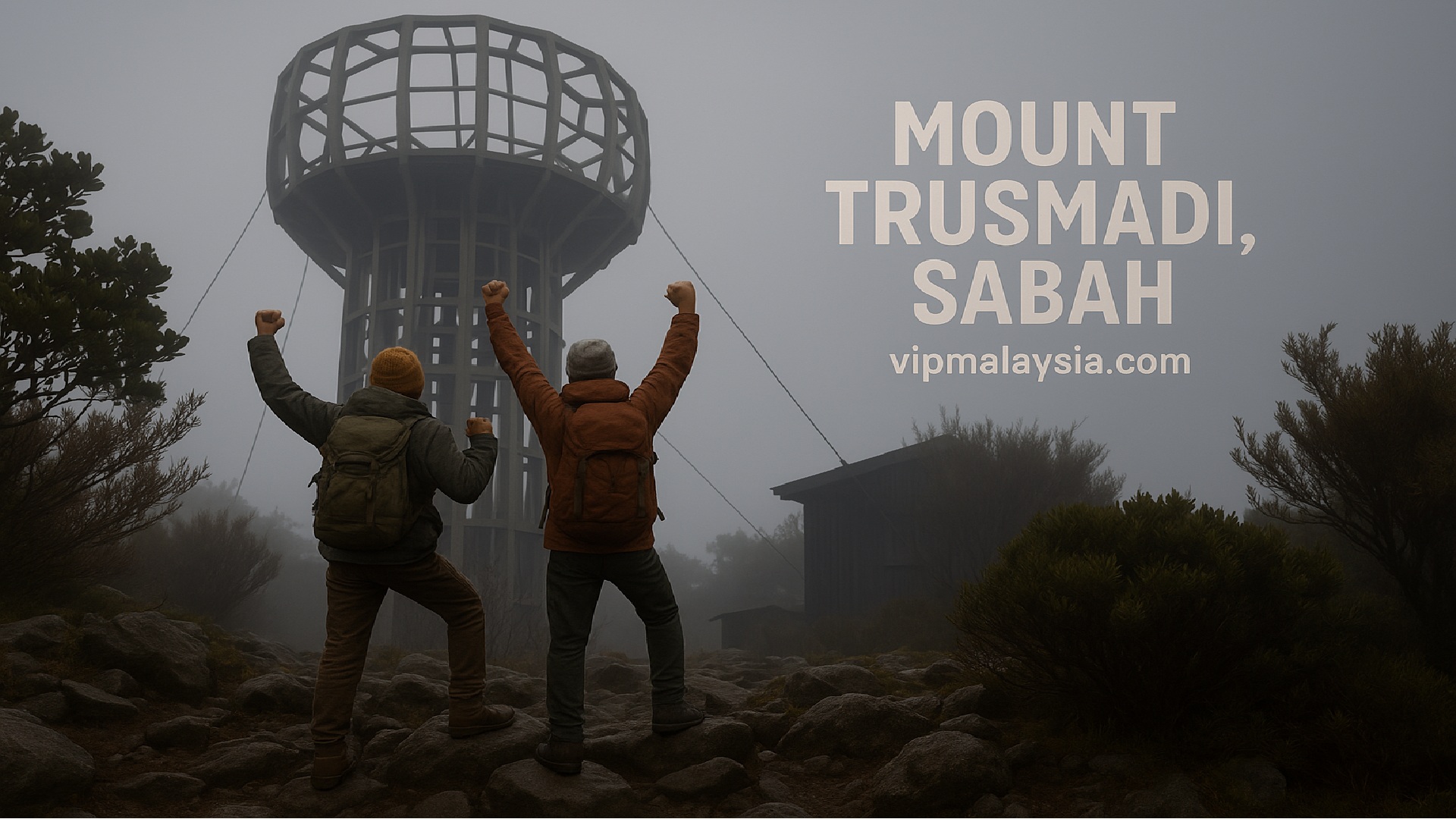
  • Gunung Trusmadi: Malaysia’s Toughest Mountain Trek

    Gunung Trusmadi: Malaysia’s Toughest Mountain Trek

    Gunung Trusmadi

    Gunung Trusmadi, Sabah’s second tallest peak, is a rugged mountain that challenges even seasoned hikers. Rising to 2,642 meters, it offers rare biodiversity, panoramic views of Mount Kinabalu, and an unforgettable wilderness adventure.

    Introduction

    If Mount Kinabalu is the crown of Malaysia, Gunung Trusmadi is the challenge. Located in Sabah’s interior, this mountain stands at 2,642 meters above sea level, making it the second highest peak in the country. Unlike Kinabalu’s well‑trodden paths, Trusmadi’s trails are raw, steep, and demanding, rewarding climbers with pristine rainforest, endemic flora, and breathtaking sunrise views of Kinabalu itself. For those seeking a more remote and authentic trekking experience, Trusmadi is calling.

    History

    Gunung Trusmadi’s history is deeply tied to the indigenous communities of Sabah. The Kadazan Dusun people call it Nulu Trusmadi, meaning “mountain of Trusmadi.” For centuries, the mountain was revered as a sacred site, believed to be home to spirits that guarded the forest. During the colonial era, British explorers documented its rugged terrain and unique biodiversity, but it remained largely untouched compared to Kinabalu.

    In the 1980s, the Sabah Forestry Department designated the Trusmadi Forest Reserve, covering 184,527 hectares, to protect its rich ecosystems. This move safeguarded rare species such as the Nepenthes × trusmadiensis, a hybrid pitcher plant found nowhere else on Earth. Today, Trusmadi is recognized not only as a trekking destination but also as a biodiversity hotspot, attracting researchers, conservationists, and adventurers alike.

    Highlights

    The Second Tallest but Toughest

    Gunung Trusmadi may not surpass Kinabalu in height, but many hikers agree it is far more grueling. Trails are steep, muddy, and less developed, demanding endurance and resilience. The reward is solitude and a sense of raw adventure that Kinabalu’s crowded summit cannot match.

    Gunung Trusmadi is Malaysia’s second highest peak at 2,642 m, while Mount Kinabalu towers at 4,095 m. Kinabalu is taller and more accessible, but Trusmadi is widely regarded as the tougher climb due to its undeveloped trails and raw jungle conditions.

    Gunung Trusmadi vs Mount Kinabalu

    AspectGunung TrusmadiMount Kinabalu
    Height2,642 m (8,668 ft), second highest in Malaysia4,095 m (13,435 ft), tallest in Malaysia
    DifficultyConsidered tougher: muddy, steep, narrow trails, vertical climbs, less infrastructureChallenging mainly due to altitude and long stair climbs; trails are well-maintained
    TrailsThree main routes: Kaingaran (5.0 km), Mastan (4.4 km), Mannan (11.5 km)Standard route via Timpohon Gate; alternative Mesilau trail (longer, scenic)
    BiodiversityRich flora and fauna, five vegetation zones, endemic pitcher plant Nepenthes × trusmadiensisKinabalu Park UNESCO site, over 5,000 plant species, orchids, and endemic animals
    FacilitiesBasic rest houses and campsites; limited amenities, requires guides and permitsWell-developed lodges, rest houses, and organized climbing packages
    PopularityLess crowded, appeals to seasoned hikers seeking solitude and challengeHighly popular, attracts thousands annually, more accessible for casual climbers
    Summit ViewsPanoramic sunrise view of Mount Kinabalu ~40 km northExpansive views across Sabah and South China Sea

    Biodiversity Wonderland

    The mountain features five vegetation zones: lowland dipterocarp, hill dipterocarp, lower montane, upper montane, and summit scrub. Each zone hosts unique wildlife, from hornbills and gibbons in the lowlands to orchids and mosses in the upper montane. The highlight is the endemic Nepenthes × trusmadiensis, a rare pitcher plant hybrid that thrives only here.

    Attractions

    Sunrise Views of Mount Kinabalu

    One of the most magical experiences is witnessing Mount Kinabalu glowing at sunrise from Trusmadi’s summit. On clear mornings, the view is unforgettable, with Kinabalu’s jagged silhouette framed by misty valleys.

    Rare Flora and Fauna

    Trusmadi is home to clouded leopards, barking deer, and hornbills, alongside countless orchids and ferns. Its forests are a living museum of Bornean biodiversity.

    Cultural Encounters

    Nearby towns such as Tambunan and Keningau host Kadazan Dusun festivals, where visitors can experience traditional dances, rice wine (tapai), and local crafts.

    Climb Packages

    2D1N Climb

    • Perfect for experienced trekkers short on time
    • Includes: overnight stay, licensed guides, meals
    • Pickup: Your hotel in Kota Kinabalu

    3D2N Climb

    • Extra night in Tambunan to prep and rest
    • Ideal for: Better acclimatization, scenic detours

    4D3N Climb via Sinua Trail

    • Longest and most immersive option
    • A test of endurance for the seasoned adventurer

    Things to Do

    Trekking and Hiking

    Gunung Trusmadi offers three main summit trails — Kaingaran, Mastan, and Mannan — each with distinct challenges and experiences. Kaingaran is the most developed, Mastan is steep and rugged, while Mannan is the longest and most immersive rainforest trek.

    Wayaan Kaingaran (Tambunan)

    The Kaingaran Trail is the oldest and most established route to Gunung Trusmadi’s summit. Stretching 5.0 km, it typically requires 2 days and 1 night to complete. The trail begins with a scenic 3 km elevated boardwalk through montane forest, offering opportunities to spot orchids, pitcher plants, and birdlife. Midway, climbers rest at Walai Tingkoyodon Rest House, which provides electricity, water supply, toilets, and basic lodging for up to 20 people. This makes Kaingaran the most accessible and tourist‑friendly option, though a 4WD vehicle is required to reach the trailhead from Tambunan.

    The final stretch to the summit is steeper, requiring stamina and determination, but climbers are rewarded with panoramic views of Mount Kinabalu at sunrise. Because of its infrastructure and relative ease compared to other trails, Kaingaran is often recommended for first‑time climbers of Trusmadi who still want a challenging but manageable adventure.

    Wayaan Mastan (Keningau)

    The Mastan Trail from Keningau is the shortest at 4.4 km, but it is also the steepest and most demanding. Climbers usually complete it in 2 days and 1 night, starting from Apin‑Apin base camp. Unlike Kaingaran, Mastan is less developed, with minimal facilities, making it a raw jungle experience. The trail is known for its vertical climbs and muddy paths, requiring good physical fitness and preparation.

    Authorities limit the Mastan trail to 30 climbers per day to reduce environmental impact and preserve its wilderness. Along the way, trekkers encounter unique spots such as Pagandadan Ranjers and Taman H.S. Martyn, which showcase diverse flora and fauna. This trail is ideal for seasoned hikers seeking a tougher challenge and solitude away from more popular routes.

    Wayaan Mannan (Sinua, Sook)

    The Mannan Trail is the longest and most immersive, covering 11.5 km and requiring 4 days and 3 nights to complete. Starting from Sinua village in Sook, the trail is accessible by good roads, eliminating the need for 4WD vehicles. Climbers traverse dense rainforest, cross streams, and camp at designated sites such as Camp 1 and Camp 2, which provide basic facilities like hammocks, running water, and toilets.

    This route is renowned for its rich biodiversity, with sightings of exotic orchids, pitcher plants, hornbills, and even waterfalls such as Waig Nakalabai. The longer duration allows trekkers to acclimatize to altitude and fully immerse themselves in the wilderness. Mannan is best suited for experienced adventurers who want a deep rainforest journey and are prepared for endurance challenges.

    Birdwatching and Wildlife Spotting

    Trusmadi’s forests are a paradise for birdwatchers, with sightings of Bornean bristleheads, hornbills, and kingfishers. Mammals such as civets and macaques are also common.

    Eco‑Tourism and Conservation

    Visitors can join guided tours that highlight conservation efforts, learning about forest protection and sustainable tourism practices.

    Nearby Attractions

    Tambunan Town

    Known as the “Switzerland of Sabah,” Tambunan is surrounded by paddy fields and rolling hills. Visitors can explore the Tambunan Rafflesia Reserve, home to the world’s largest flower.

    Keningau Town

    A bustling town with markets, cultural festivals, and access to the Crocker Range. It is a gateway for trekkers heading to Trusmadi via the Mastan trail.

    Sinua Village

    Located near Sook, Sinua offers a glimpse into rural Sabah life. Visitors can experience homestays, local cuisine, and traditional farming practices.

    Conclusion

    For those who seek more than just another summit photo, Gunung Trusmadi offers something deeper: solitude, struggle, and a rare communion with nature. Whether you’re drawn by its elusive pitcher plants or its reputation as the tougher Kinabalu, this mountain will test—and transform—you.

    Book your expedition to Gunung Trusmadi today and redefine what adventure means to you. For bookings, permits, or guided packages, contact the forestry officers or Amazing Borneo Tours.

    Summary

    • Attraction: Gunung Trusmadi
    • Location: #Sabah 
    • Attraction Type: #Mount 

    Climbing Contacts & Forestry Approvals

    Route / ContactDetailsNotes
    Wayaan Kaingaran – TambunanDistrict Forest Officer: Mr. Saleh Intang
    Address: Peti Surat No. 64, 89657 Tambunan
    E‑Mail: saleh.intang@sabah.gov.my
    Telephone: +60 88 899 589
    Official forestry contact for Kaingaran trail permits and coordination
    Wayaan Mastan & Mannan – Keningau / SookDistrict Forest Officer: Mr. Azman Said
    Address: Peti Surat No. 88, 89007 Keningau
    E‑Mail: azman.said@sabah.gov.my
    Telephone: +60 87 331 203 / +60 87 338 721
    Handles permits and trail management for Mastan and Mannan routes
    Operator – Amazing Borneo ToursAmazing Borneo Tours & Events Sdn. Bhd. Address: Lot 1‑39, Kompeks Asia City, Kota Kinabalu
    E‑Mail: info@mounttrusmadi.com
    Telephone: +60 17‑262 2009
    Licensed operator offering guided Trusmadi climb packages

    Quick Info

    CategoryDetails
    NameMount Trus Madi / Gunung Trusmadi
    Height2,642 meters (8,668 ft)
    LocationCrocker Range, Sabah, Malaysia
    GPS Coordinates5.4214° N, 116.3986° E (approx.)
    StateSabah
    Nearest CityKota Kinabalu (~70 km)
    Forest Reserve Area184,527 hectares
    Flora600+ species including Nepenthes × trusmadiensis
    Vegetation Types5 distinct zones
    Trails to SummitKaingaran, Mastan, Mannan
    Most Challenging TrailMannan (4D3N trek)
    View from SummitMount Kinabalu at sunrise
    Contact Emailsaleh.intang@sabah.gov.my azman.said@sabah.gov.my
    Info Siteforest.sabah.gov.my
    Required ApprovalYes, from District Forestry Officer
    Climb Managed ByAmazing Borneo Tours & Events Sdn. Bhd.


  • Tambunan Rafflesia Reserve: Sabah’s Rare Bloom Adventure

    Tambunan Rafflesia Reserve: Sabah’s Rare Bloom Adventure

    Tambunan Rafflesia Reserve, Sabah

    Just an hour’s drive from Kota Kinabalu, Tambunan Rafflesia Reserve offers an extraordinary trek into Sabah’s rainforest to witness the rare and massive Rafflesia flower—one of the largest and most unique blooms on Earth. With its captivating jungle trails, fascinating biodiversity, and the unforgettable chance to spot the elusive “corpse flower,” this nature reserve is a must-visit gem for eco-tourists and adventure seekers alike.

    Introduction

    Nestled within the Crocker Range National Park, the Tambunan Rafflesia Reserve is one of Sabah’s most unique attractions. Known for the elusive Rafflesia flower, often called the “corpse flower” due to its pungent scent, the reserve combines natural wonder with cultural richness. Visitors are drawn not only by the chance to see this rare bloom but also by the surrounding highland landscapes, Dusun traditions, and diverse wildlife.

    History

    The Tambunan Rafflesia Reserve was established as part of Sabah’s conservation efforts in the late 1980s, following growing concern about the declining habitats of the Rafflesia species. The Crocker Range, with its dense rainforest and high biodiversity, was identified as a critical zone for preservation. The Rafflesia Information Centre (RIC) was built along the roadside to provide education, guided treks, and updates on blooming cycles.

    Historically, the Rafflesia has fascinated botanists since its discovery in the early 19th century. Indigenous communities in Borneo revered the flower for its rarity and mysterious growth cycle, often associating it with spiritual symbolism. Over time, the reserve became a hub for eco-tourism, balancing conservation with visitor experiences. Today, it stands as a testament to Sabah’s commitment to protecting one of the world’s most extraordinary plants.

    Location & Experience

    Just 1 hour (85km) from Kota Kinabalu, located in Crocker Range National Park, the Tambunan Rafflesia Reserve lies nestled along the roadside at the forest’s edge—marked by the Rafflesia Information Centre (RIC).

    Travel Tips & Essentials

    What to Wear:

    • Light, breathable clothing
    • Long trousers or shorts
    • Comfortable walking shoes

    What to Bring:

    • Insect repellent
    • Sunblock or hat
    • Umbrella or raincoat

    Things to Remember Before You Go

    • Bloom sightings are rare—always check blooming status online.
    • Be early! Entry is only allowed before 3:00 PM.
    • The flower stinks! That’s part of its charm.
    • Reserve is open daily.
    • Private guide? Available upon request.
    • Shared tours follow a join-in format.
    • Departure times may vary due to traffic.

    Highlights

    The Rare Bloom

    The Rafflesia flower can reach up to one meter in diameter, making it the largest individual flower on Earth. Its bloom lasts only 3–5 days, creating a sense of urgency and excitement for visitors. Spotting a Rafflesia in full bloom is a once-in-a-lifetime experience.

    What Makes Rafflesia So Special?

    The Rafflesia isn’t just a flower—it’s an enigma. Known for its giant size (up to 1 meter in diameter!) and pungent scent, this rare bloom mimics the smell of decaying flesh to attract pollinators. Despite the odor, the sight of a blooming Rafflesia is both humbling and awe-inspiring.

    Biodiversity of Crocker Range

    The reserve is part of the Crocker Range National Park, home to hornbills, gibbons, orchids, and countless insect species. Visitors often encounter rich flora and fauna even if the Rafflesia is not blooming.

    Cultural Encounters

    Tambunan is known for its Dusun heritage, bamboo crafts, and rice cultivation. Festivals such as Pesta Kaamatan (Harvest Festival) showcase traditional dances, music, and food.

    Attractions

    Rafflesia Information Centre

    The RIC serves as the main gateway to the reserve. It offers educational exhibits, guided tours, and updates on bloom status. It is the best place to learn about the biology and conservation of Rafflesia.

    Jungle Trails

    Several trekking routes lead into the rainforest, ranging from short walks to more challenging hikes. Trails are maintained to balance accessibility with conservation.

    Scenic Highlands

    Tambunan’s valleys and hills provide panoramic views, waterfalls, and cool mountain air. The journey itself is as rewarding as the destination.

    Things to Do

    Educational Sessions

    Visitors can attend talks at the Information Centre, learning about Rafflesia’s parasitic nature and its role in the ecosystem.

    Photography

    The reserve offers stunning opportunities for macro and landscape photography. Capturing a blooming Rafflesia is a prized shot for nature photographers.

    Cultural Exploration

    Beyond the reserve, Tambunan town offers local markets, bamboo crafts, and traditional Dusun cuisine.

    Guided Jungle Treks

    Licensed guides lead treks into monitored plots where Rafflesia buds are tracked. Guides enhance the experience with insights into local ecology and culture.

    A typical trek lasts 1–2 hours, winding through dense rainforest. Visitors may encounter orchids, pitcher plants, and wildlife such as squirrels and hornbills. Even without a bloom, the trek is immersive and rewarding.

    Adventure Beyond the Reserve

    Tambunan is a gateway to Crocker Range National Park, offering longer treks, camping, and birdwatching. Adventurers can combine Rafflesia viewing with multi-day jungle expeditions.

    Bird Watching

    The wetlands, forest edges, and riverbanks around Tambunan attract hundreds of bird species, including rare endemics found only in Borneo. Birdwatching is a rewarding activity for nature enthusiasts.

    Tambunan River Rafting

    For adventure seekers, rafting along the Tambunan River provides thrills amid lush rainforest scenery. It’s a popular activity that complements trekking.

    Rice Paddy Walks

    Tambunan’s terraced rice paddies are a cultural and scenic highlight. Walking through these fields offers insight into Dusun agricultural traditions and stunning photo opportunities.

    Highland Cycling

    Cycling through Tambunan’s cool highland climate is a refreshing way to explore the valley. Routes pass through villages, bamboo groves, and scenic landscapes.

    Nearby Attractions

    Tambunan Town

    A charming highland town known for bamboo crafts, rice fields, and Dusun traditions. It is the cultural heart of the district.

    Mahua Waterfall

    Located near Tambunan, Mahua Waterfall is a popular spot for picnics and swimming. The 17-meter cascade is surrounded by lush forest.

    Crocker Range National Park

    Beyond the reserve, Crocker Range National Park offers diverse trekking routes, wildlife encounters, and panoramic viewpoints.

    Conclusion

    The Tambunan Rafflesia Reserve is more than a place to see a flower — it is a journey into Sabah’s natural and cultural heritage. The rare bloom, rich biodiversity, and Dusun traditions make it a must-visit destination. Even if the rafflesia flower doesn’t bloom during your visit, the journey through Tambunan Rafflesia Reserve is a soulful return to nature. With its lush jungles, knowledgeable guides, and rare biodiversity, this hidden gem in Sabah invites you to slow down, breathe in (maybe not too deeply), and fall in love with the raw beauty of Borneo.

    For the latest blooming updates, follow Sabah Forestry Department on Facebook.

    Summary

    • Attraction: Tambunan Raflesia Reserve
    • Location: #Sabah 
    • Attraction Type: #Park 

    Quick Info

    CategoryDetails
    NameTambunan Rafflesia Reserve
    AddressKM 58 Kota Kinabalu–Tambunan Road, Crocker Range National Park, Sabah, Malaysia
    GPS Coordinates5.5981° N, 116.3432° E (approximate)
    StateSabah
    Opening HoursDaily, 8:00 AM – 3:00 PM
    Entrance Fee (MY Adult)RM5
    Entrance Fee (INTL Adult)RM15
    Child Fee (MY)RM3
    Child Fee (INTL)RM7
    Guiding Fee (MY)RM50 / 5 pax
    Guiding Fee (INTL)RM100 / 5 pax
    Floral SpeciesSeveral Rafflesia species endemic to Borneo
    FacilitiesRafflesia Information Centre, Guided Tours, Trekking Trails
    Activity Duration1–2 hours
    Recommended AttireShirt, Long/Short Pants, Trekking Shoes
    Best Time to VisitCheck Sabah Forestry updates for bloom status
    Important RuleNo entry after 3:00 PM
    Contact+60 88 899 589 / +60 11 252 51277 (Sabah Forestry Department)

    Visitor Reviews

    Hana Akira, Tokyo, Japan – ★★★★★ “I was lucky enough to see two Rafflesia pods, one of which was on its second day of flowering. The bloom was massive and impressive, easily one of the most extraordinary sights I’ve seen in nature. The guides explained the lifecycle and conservation efforts, which made the experience even more meaningful.”

    Triumph Malta, London, UK – ★★☆☆☆ “Although the flower was in full bloom, I had to pay MYR 30 just to walk about 100–200 meters to see it. For me, this felt overpriced and not worth the money, especially since the viewing area was small and crowded. The flower itself was fascinating, but the overall experience was disappointing.”

    Sofea Jane, Kuala Lumpur, Malaysia – ★★★★★ “We visited during a cloudy afternoon and were lucky to see two Rafflesia blooms, each about 40 cm in diameter. The guide showed us buds at different stages, from cabbage-like forms to rotting blooms. The trek was short but slippery, so proper shoes are essential. It was an unforgettable chance to witness Malaysia’s iconic wonder.”

    David Hudson, Melbourne, Australia – ★★★★☆ “The drive through the Crocker Range was scenic, and we managed to see a Rafflesia in bloom. The guide fee was RM100, which felt steep, but the flower’s life history and sheer size made it worthwhile. Checking the Facebook page beforehand is crucial, as blooms only last 4–6 days.”

  • Kionsom Waterfall, Sabah: Scenic Jungle Escape

    Kionsom Waterfall, Sabah: Scenic Jungle Escape

    Kionsom Waterfall, Sabah

    Need a quick escape from Kota Kinabalu’s bustle? Tucked just 20 KM away, Kionsom Waterfall (also known as Kiansom) offers seven cascading waterfalls, jungle trails, rare flora, and cool shaded pools perfect for weekend retreats. Whether you’re looking to picnic, swim, or explore Sabah’s lush greenery, this beloved nature spot hits all the right notes.

    Introduction

    Nestled in the foothills of the Crocker Range, Kionsom Waterfall in Sabah is one of the most accessible natural attractions near Kota Kinabalu. Known locally as Kiansom, this waterfall complex is a favorite weekend getaway for families, hikers, and nature enthusiasts. With its seven tiers of waterfalls, jungle trails, and rustic facilities, it provides a refreshing escape from the city’s bustle.

    History

    The history of Kionsom Waterfall is deeply tied to the communities of Inanam. For generations, villagers have used the river for bathing, fishing, and cultural rituals. Oral traditions suggest that the falls were once sacred sites where local Kadazan-Dusun communities performed water-related ceremonies. In the 1980s, the Sabah Parks authority began developing the site into a recreational area, adding paved walkways and basic facilities. Over time, it became a popular destination for both locals and tourists, while still retaining its rustic charm. Today, Kionsom Waterfall stands as a symbol of how natural heritage and community traditions coexist in Sabah.

    Getting to Here

    The drive to Kionsom Waterfall from Kota Kinabalu to Kiansom takes only 30–40 minutes. After reaching Inanam’s main roundabout, follow signs toward SJK (C) Yick Nam School. Along the scenic route, you’ll pass traditional village homes and the Mari-Mari Cultural Village before arriving at the Kiansom Waterfall Centre (Pusat Air Terjun Kiansom).

    Once you step out of your car, you’ll immediately feel the crisp forest air and hear the nearby river’s chatter. At the base of lush hills and next to Kionsom River, the park opens daily with these hours:

    • Mon–Fri: 6:00 AM – 5:00 PM
    • Sat–Sun: 6:00 AM – 6:00 PM

    Highlights

    The Cascading Seven Falls

    Kionsom Waterfall is famed for its seven cascading tiers. The lower three are easily accessible, offering pools for swimming and picnic spots. The upper tiers require trekking, rewarding adventurers with dramatic drops and secluded jungle scenery.

    Flora and Fauna

    Visitors often encounter tropical plants such as wild orchids, ferns, and the striking Red Lipstick Flower (Aeschynanthus tricolor). Birdwatchers may spot hornbills, kingfishers, and jungle fowl. In rainy seasons, leeches are common, reminding trekkers of the forest’s raw wilderness.

    Attractions

    Seven Cascading Waterfalls

    Unlike single-tier waterfalls, Kionsom offers seven unique cascades, each with its own character. The lower tiers are family-friendly, while the upper falls reward trekkers with dramatic drops and secluded jungle scenery.

    Picnic and Swimming Zones

    The lower waterfalls are popular for family outings. Sheltered benches and shaded pools make them ideal for picnics. Swimming is common, though visitors must be cautious as there are no lifeguards.

    Jungle Trekking Adventure

    For those seeking adventure, the upper tiers require trekking along moderately challenging jungle trails. Expect slippery paths, leeches in rainy seasons, and rewarding views of untouched rainforest.

    Things to Do

    Cliff Jumping

    Local youths often leap from rocky ledges into the pools. While thrilling, this activity carries risks due to varying water depths.

    Perfect for Photography

    The waterfalls and rainforest backdrop provide stunning photography opportunities. Morning light filtering through the canopy creates dramatic effects, making it a favorite spot for wedding shoots and nature photography.

    Cultural Visits

    Nearby lies the Mari-Mari Cultural Village, where visitors can explore traditional houses and learn about indigenous customs. Combining a visit to both sites offers a rich cultural and natural experience.

    Contact Info

    CategoryDetails
    AddressJalan Kionsom, Inanam, 88450 Kota Kinabalu, Sabah, Malaysia
    Phone013-881 4921
    Emailtours@riverbug.asia
    Websitewww.marimariculturalvillage.my

    Jungle Trek to Hidden Falls

    The trek to the upper waterfalls is steep and slippery, especially after rain. Adventurers must be prepared for mud, leeches, and uneven terrain. The reward is solitude and the tallest waterfall, which drops over 20 feet.

    Nearby Attractions

    Mari-Mari Cultural Village

    Located along the route to Kionsom, this living museum showcases traditional longhouses, dances, and crafts of Sabah’s ethnic groups.

    Kota Kinabalu City

    Just 30–40 minutes away, Kota Kinabalu offers seafood markets, shopping malls, and cultural festivals such as the Kaamatan Harvest Festival.

    Crocker Range Park

    Further inland, this protected area offers extensive trekking routes and diverse wildlife, complementing the shorter trails at Kionsom.

    Conclusion

    Without a doubt—yes. Kiansom is not just another waterfall. It’s a 7-tiered, jungle-wrapped escape that balances easy access with real wilderness charm. From safe picnic areas to secret jungle gems, you’ll find something for every pace of adventure.

    Load your cooler, lace up your hiking shoes, and bring a spirit of discovery. Kiansom Waterfall is a nature retreat that welcomes families, explorers, and photographers alike.

    Ready to uncover Sabah’s serene backyard? Let’s make your next weekend unforgettable.

    Summary

    • Attraction: Kionsom Waterfall
    • Location: #Sabah 
    • Attraction Type: #Waterfall 

    Quick Info

    CategoryDetails
    NameKionsom Waterfall (Air Terjun Kionsom)
    Alternative NamesKiansom, Kiansam, 建山
    LocationInanam, near Kota Kinabalu, Sabah
    GPS CoordinatesApprox. 6.0°N, 116.2°E (not officially published)
    StateSabah
    Distance from Kota Kinabalu20 KM / 30–40 minutes drive
    Waterfall Count7 unique cascades
    Main Trail TypeCement walkway (lower falls), jungle trail (upper falls)
    FacilitiesToilets, showers, picnic areas, benches
    Toilet FeeRM0.20 entry, RM0.50 shower
    Swimming AllowedYes, at own risk (no lifeguards)
    Public Transport AccessNo direct option; private car or taxi recommended
    Entrance Fee – Local AdultRM4.00
    Local ChildRM1.00
    Foreign AdultRM10.00
    Foreign ChildRM5.00
    Wedding PhotoshootRM10.00 per person
    Video/FilmingRM10.00 per person
error: