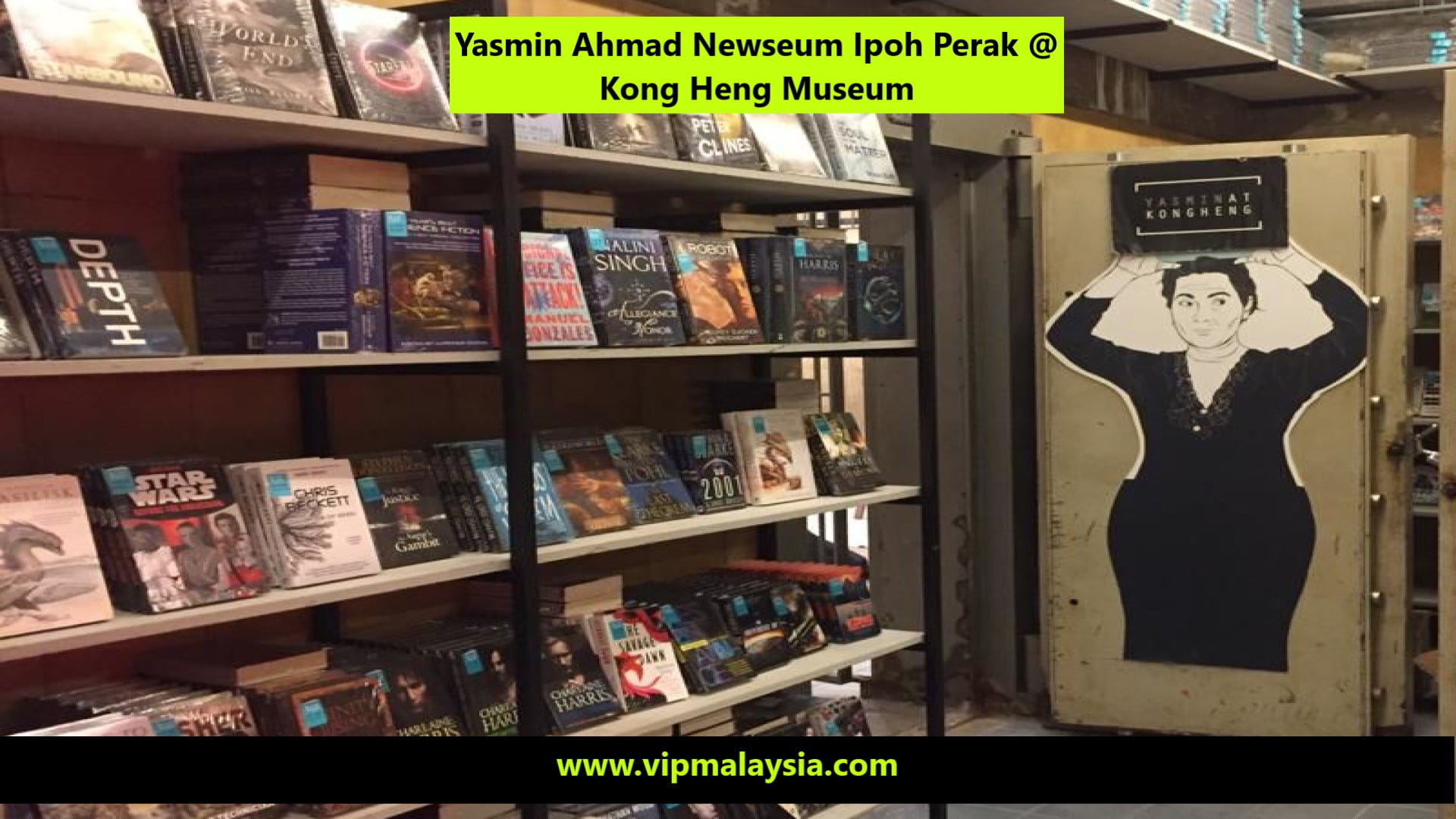
Yasmin Ahmad at Kong Heng Museum, located in Ipoh, Perak, is a heartfelt tribute to one of Malaysia’s most iconic filmmakers, Yasmin Ahmad. Renowned for her groundbreaking films like “Sepet,” “Gubra,” “Muallaf,” and “Talentime”, Yasmin’s work celebrated Malaysia’s multicultural society with powerful storytelling, deep human emotions, and thought-provoking themes.
Experience the Legacy of Yasmin Ahmad at Kong Heng Museum
Why Visit:
A tribute to Malaysia’s beloved filmmaker – Showcasing Yasmin Ahmad’s artistic and cinematic legacy
Rare behind-the-scenes content – Featuring scripts, posters, memorabilia, and personal artifacts
Immersive film screenings – Watch Yasmin’s works in the museum’s exclusive viewing areas
A cultural hotspot in Kong Heng Square – Surrounded by historic buildings, creative spaces, and cafes
> Step into the world of Yasmin Ahmad—visit Kong Heng Museum today!
The Legacy of Yasmin Ahmad
Her Impact on Malaysian Cinema
✔ Revolutionized storytelling – Known for portraying real-life issues with authenticity and heart
✔ Champion of unity & diversity – Films reflected Malaysia’s unique blend of cultures
✔ Award-winning director – Honored locally and internationally for her thought-provoking work
Exhibits & Collections
✔ Personal archives – Featuring original scripts, awards, and Yasmin’s handwritten notes
✔ Unreleased film clips – Watch never-before-seen footage from Yasmin’s creative journey
✔ Advertising masterpieces – Admire her legendary Petronas festive ads that touched millions
Visitor Experience & Nearby Attractions
What to Expect at Kong Heng Museum
✔ Exclusive film screenings – Enjoy Yasmin’s works in a beautifully curated setting
✔ Photography & memorabilia displays – See rare images and personal artifacts from Yasmin’s life
✔ Interactive exhibits – Engage in discussions about cinema, culture, and storytelling
Nearby Attractions
✔ Kong Heng Square – A vibrant hub filled with heritage cafes, boutiques, and artistic spaces
✔ Time Tunnel Museum – Travel back in time with nostalgic artifacts and vintage collectibles
✔ Ipoh’s Street Art Trail – Explore the famous murals depicting Malaysia’s heritage and culture
Yasmin Ahmad at Kong Heng Museum isn’t just a tribute—it’s a storytelling sanctuary, celebrating Malaysia’s film heritage, cultural diversity, and emotional narratives. Whether you’re watching Yasmin’s most celebrated films, admiring her personal archives, or exploring Ipoh’s creative scene, this museum is a must-visit for cinema enthusiasts and cultural explorers alike.
Step into Yasmin Ahmad’s world—plan your visit to Kong Heng Museum today!
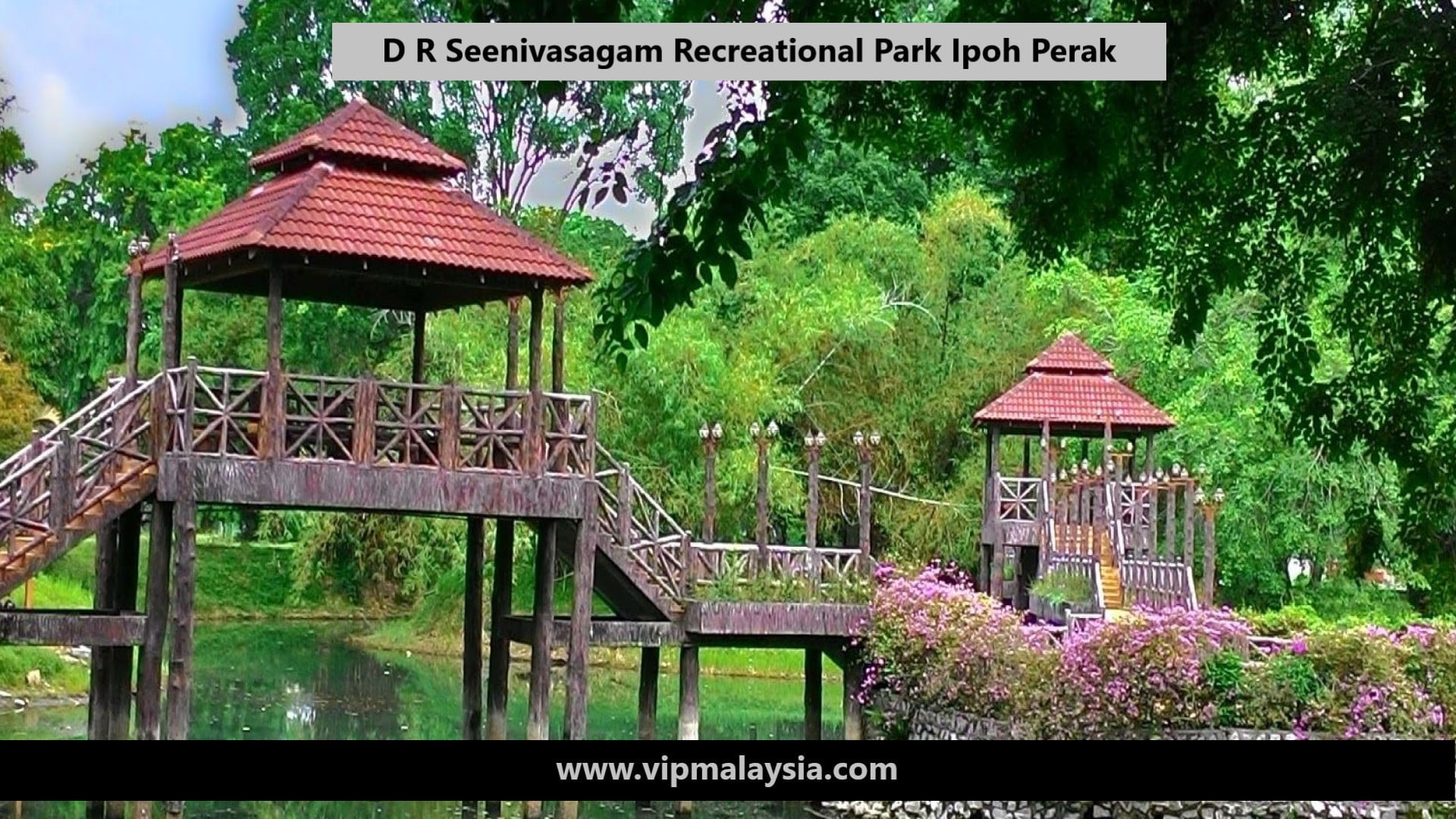
D.R. Seenivasagam Park, located in Ipoh, Perak, is a serene recreational retreat, offering lush landscapes, historical significance, and a variety of outdoor activities. Initially named Coronation Park, it was later renamed in the 1960s in honor of D.R. Seenivasagam, a prominent lawyer and politician known for his contributions to Perak. Today, the park serves as a beloved escape for families, joggers, cyclists, and nature lovers alike.
Introduction
Ipoh, the capital of Perak, is often celebrated for its colonial architecture, limestone caves, and culinary delights. Yet, beyond its bustling streets lies a serene oasis—D.R. Seenivasagam Park. Known locally as Taman D.R., this sprawling recreational space has been a cornerstone of community life since the 1950s. With its expansive fields, tranquil lakes, and Japanese Garden, the park embodies both historical significance and modern leisure. For families, joggers, cyclists, and tourists, it remains one of Ipoh’s most iconic destinations.
History
Originally opened in the early 1950s, the park was named Coronation Park to commemorate Queen Elizabeth II’s coronation in 1953. In the 1960s, it was renamed in honor of D.R. Seenivasagam, a respected lawyer and politician who represented Ipoh in Parliament from 1957 to 1969. His contributions to Perak’s civic life made him a beloved figure, and the renaming symbolized the city’s pride in its local leadership.
The park spans approximately 30 acres (12 hectares) along the Kinta River, making it one of Ipoh’s largest green spaces. Over the decades, it has undergone renovations, including the addition of the Japanese Garden in 1995, developed with assistance from Fukuoka City Hall, Ipoh’s sister city. Today, the park blends colonial heritage with Asian cultural influences, offering a unique recreational experience.
Highlights
Expansive Green Fields
The park boasts wide football fields and open lawns, perfect for community matches, training sessions, or casual picnics. These fields are often used for local festivals and cultural events, making them a hub of social activity.
Scenic Lake and Bridges
At the heart of the park lies a picturesque lake, complete with wooden bridges and lotus ponds. Visitors can rent paddle boats, adding a playful dimension to the tranquil waters. The lake is also a favorite spot for photographers capturing Ipoh’s natural beauty.
Japanese Garden
The Japanese Garden is one of the park’s crown jewels. Designed with koi ponds, bonsai plants, and a red arched bridge, it recreates the ambiance of Fukuoka’s landscapes. Though modest in scale, it remains a peaceful retreat for meditation, photography, and cultural appreciation.
Attractions
Cycling and Jogging Tracks
The park features a traffic-themed cycling zone, complete with road signs to teach children safe riding practices. Jogging tracks wind through shaded areas, offering a refreshing exercise environment. Bicycle rentals are available, making it accessible for tourists.
Playgrounds and Skateboarding Area
Families flock to the playgrounds, equipped with swings, slides, and climbing structures. A small skateboarding area, surrounded by trees, adds variety for teens and young adults seeking adventure.
Wildlife and Flora
The park is home to diverse plant species, including bamboo groves, frangipani trees, hibiscus, and orchids. Birdwatchers often spot kingfishers, mynas, and herons near the lake. Seasonal blooms add vibrant color, making each visit unique.
apanese Garden Pavilion
The pavilion, reminiscent of a Japanese tea house, offers a cultural escape. Visitors often enjoy quiet picnics here, surrounded by koi ponds and lotus blooms.
Clock Tower
A vintage clock tower stands as a relic of the park’s early days. It is a nostalgic landmark, often photographed by history enthusiasts.
Bamboo Thickets
The giant bamboo groves are among the park’s most striking natural features. They provide shade and a unique backdrop for photography.
Trekking and Adventure
Reflexology Paths and Fitness Zones
For wellness enthusiasts, the park offers reflexology paths and outdoor gym equipment. These facilities encourage visitors to combine relaxation with physical activity.
Hidden Corners and Benches
Scattered throughout the park are quiet benches under frangipani trees, ideal for reflection or reading. These hidden gems provide solitude amidst the city’s bustle.
Kinta Riverfront Walk
Adjacent to the park, the Kinta Riverfront Walk extends the adventure. Landscaped in the 2010s, it features LED-lit trees, pedestrian bridges, and riverside kiosks. Known locally as the “Love Bridge,” it has become a romantic evening destination.
The Kinta Riverfront Walk in Ipoh, Perak, is a scenic riverside promenade along the Kinta River. It is lined with restaurants, cafes, boutique shops, and art galleries, making it a vibrant hub for both locals and tourists. During the day, the walkway offers refreshing greenery and shaded paths ideal for jogging or cycling, while at night, LED-lit trees create a dazzling atmosphere that reflects beautifully on the river. The area also features attractions such as the Palong Tin Mining Gallery Museum, which highlights Ipoh’s tin mining heritage, and a black metal pedestrian bridge that serves as a popular photography spot. Overall, it combines leisure, culture, and gastronomy, making it one of Ipoh’s most popular urban attractions.
Nearby Attractions
Ipoh Railway Station
Often called Malaysia’s Taj Mahal, the Ipoh Railway Station is a stunning colonial building built in 1917. Its whitewashed façade, domes, and arches showcase British architecture blended with Mughal influences. Today, it remains a functioning train station while also serving as a landmark admired by history enthusiasts and photographers.
Han Chin Pet Soo Museum
The Han Chin Pet Soo Museum offers a fascinating glimpse into Ipoh’s tin mining history. Originally a private club for Hakka miners, it now houses exhibits on mining tools, opium dens, and the lives of early Chinese settlers. Visitors can explore authentic artifacts and learn about the industry that shaped Ipoh’s growth.
Birch Memorial Clock Tower
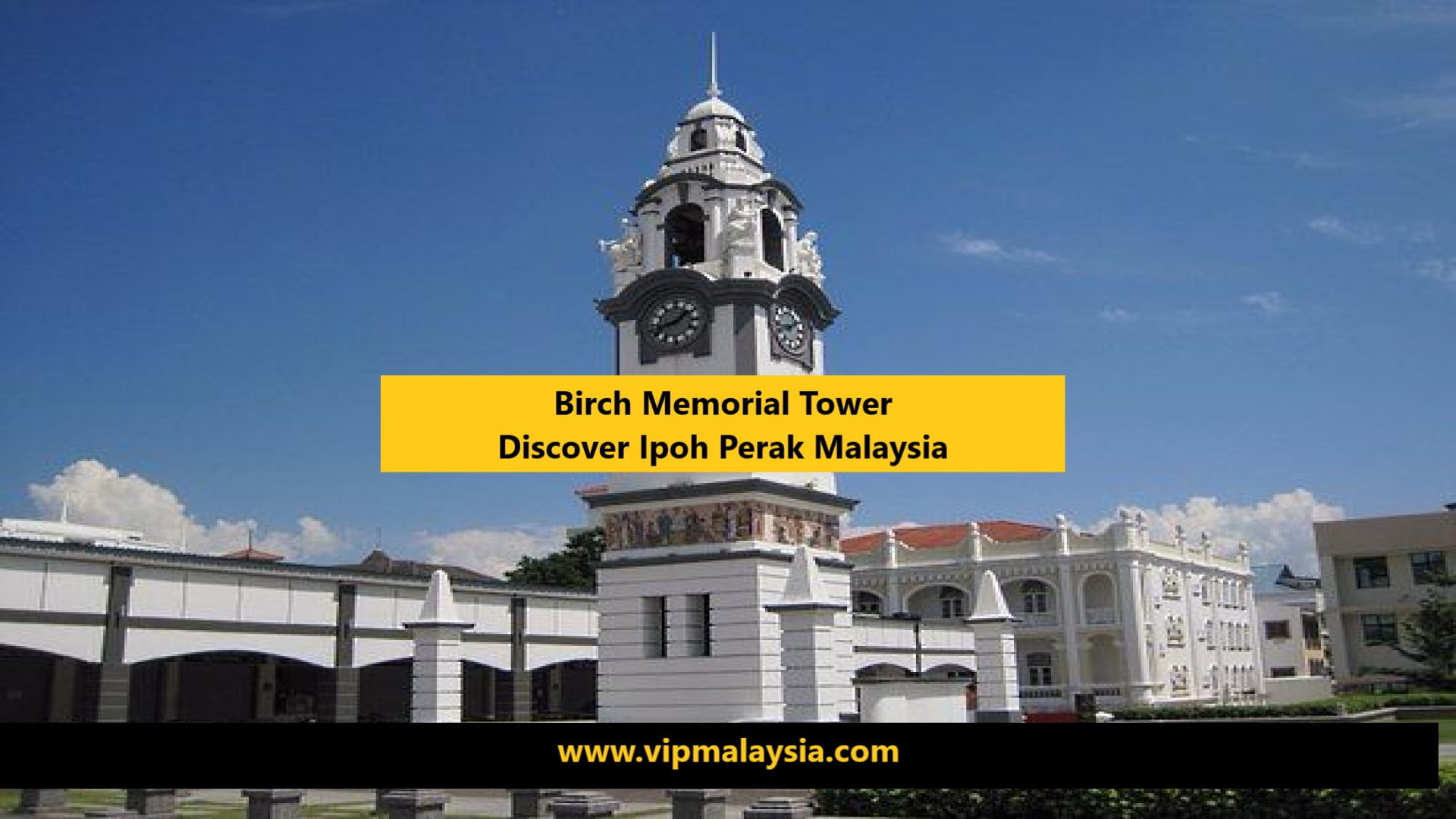
The Birch Memorial Clock Tower, built in 1909, stands as a tribute to James W.W. Birch, the first British Resident of Perak. Located near Ipoh’s old town, the tower features panels depicting world figures from history. It is both a historical landmark and a reminder of Malaysia’s colonial past, making it a must-see for heritage lovers.
Kek Lok Tong Cave Temple
Nestled within limestone hills, the Kek Lok Tong Cave Temple is a spiritual sanctuary combining natural beauty with Buddhist and Taoist shrines. Its cavernous interior houses statues and altars, while the surrounding gardens and lotus ponds provide a peaceful retreat. The temple is also known for its panoramic views of Ipoh’s karst landscape.
Ipoh World at Han Chin Pet Soo
Located in Ipoh’s old town, Ipoh World at Han Chin Pet Soo is a heritage museum dedicated to the city’s tin mining past. It offers guided tours with exhibits on mining tools, opium dens, and the lives of Hakka miners, making it a fascinating stop for history lovers.
Perak Cave Temple
The Perak Cave Temple is a limestone cave temple with colorful murals, Buddhist statues, and a towering golden Buddha. Visitors can climb to the top for panoramic views of Ipoh’s skyline and surrounding hills, blending spirituality with natural beauty.
Sam Poh Tong Temple
Known as Ipoh’s oldest cave temple, Sam Poh Tong Temple features intricate carvings, serene prayer halls, and a turtle pond where visitors can feed turtles as a symbol of longevity. Its peaceful atmosphere makes it a popular spiritual retreat.
Ipoh Town Hall and Post Office
The Ipoh Town Hall and Post Office are colonial-era landmarks showcasing Edwardian architecture. Built in the early 20th century, these buildings reflect Ipoh’s rich colonial heritage and remain iconic symbols of the city’s past.
Gunung Lang Recreational Park
Just a short drive away, Gunung Lang Recreational Park offers a scenic lake surrounded by limestone hills. Visitors can take a boat ride across the lake to explore landscaped gardens, observation towers, and wildlife, making it a family-friendly outdoor destination.
Conclusion
D.R. Seenivasagam Park feels less like a tourist attraction and more like a living part of Ipoh’s heartbeat. It’s where families gather for picnics, joggers find shaded trails, and children learn to cycle in a safe environment. The Japanese Garden adds a touch of cultural charm, while the lake and bamboo groves remind visitors that nature still thrives in the middle of the city.
What makes the park special is its balance—it’s both a place to unwind quietly and a space alive with community activity. For anyone visiting Ipoh, spending time here offers a glimpse of the city’s warmth, history, and love for green spaces. It’s not just a park—it’s a reminder that the simplest joys often come from fresh air, open fields, and a moment of calm by the water.
Summary
Attraction: #DRSeenivasagamPark
Location: #Perak
Attraction Type: #RecreationalPark
Why Visit:
One of Ipoh’s most iconic parks – A spacious, scenic retreat with rich history
Relaxing green space – Featuring large fields, a picturesque lake, and fresh air
Family-friendly recreational activities – Perfect for cycling, jogging, and picnics
Japanese Garden & scenic bridges – Offering beautiful spots for photography and relaxation
Quick Info
Attribute
Details
Name
D.R. Seenivasagam Park, Ipoh
Address
Jalan Keliling Dalam, 30300 Ipoh, Perak, Malaysia
GPS Position
4.6010° N, 101.0798° E
State
Perak
Facility Type
Public Park & Recreational Area
Special Attractions
Japanese Garden, Cycling Zone, Picnic Areas, Jogging Tracks
Nearby Attractions
Ipoh Railway Station, Concubine Lane, Han Chin Pet Soo Museum
Accessibility
Located in Ipoh city center, near major roads
Best Time to Visit
Morning or evening for cooler temperatures
Contact
016-547 4756
Visitor Reviews
Salmah Baharuddin, Kuala Lumpur – ★★★★★ “I visited the park during a weekend trip to Ipoh. The Japanese Garden was stunning, and the paddle boats on the lake were a fun surprise. It’s a perfect place for families, and I’ll definitely return.”
Sufiyan Abdullah, Singapore – ★★★★☆ “Beautiful park with lots of greenery. The cycling track was great for kids, though parking was a bit crowded on Sunday. Still, the atmosphere was peaceful and worth the visit.”
Kak Yati, Penang – ★★★★★ “I loved the bamboo groves and the quiet benches hidden under frangipani trees. The park feels like a sanctuary in the middle of the city. Highly recommended for nature lovers.”
Vijay, Chennai – ★★★★★ “The Japanese Garden reminded me of my travels in Japan. It’s small but authentic, with koi ponds and a red bridge. The cultural connection between Ipoh and Fukuoka is fascinating.”
Mohamad Fareen, Johor Bahru – ★★★★☆ “The playground was perfect for my kids, and we enjoyed a picnic by the lake. Some areas could use better maintenance, but overall it’s a wonderful spot for family outings.”
Discover the timeless charm of Ipoh Railway Station, Perak’s colonial-era masterpiece often called the Taj Mahal of Ipoh. Built in 1917 by architect Arthur Benison Hubback, this landmark blends Edwardian Baroque and Mughal influences, offering travelers a gateway into Malaysia’s rich railway heritage and cultural history.
Introduction
Ipoh Railway Station stands proudly in the heart of Perak’s capital city, a living monument to Malaysia’s colonial past and modern connectivity. Known affectionately as the Taj Mahal of Ipoh, the station is more than just a transport hub—it is a cultural icon, architectural marvel, and historical treasure. Designed by the renowned British architect Arthur Benison Hubback, the station opened in 1917 to replace the earlier 1894 wooden structure. Its grand dome, sweeping arches, and Indo-Saracenic flourishes make it one of Malaysia’s most photographed landmarks. Today, it continues to serve thousands of passengers daily while offering visitors a glimpse into the elegance of a bygone era.
History
Early Beginnings
The first Ipoh railway station was constructed in 1894 as part of the Perak Railway network. It was a modest wooden building that served the growing tin-mining town for two decades. As Ipoh expanded rapidly, the need for a larger, more permanent station became clear. In 1914, plans were drawn up for a grand new station that would reflect the city’s prosperity. Despite delays caused by World War I and material shortages, the station was completed in 1917.
Architectural Vision
Arthur Benison Hubback, the architect behind Kuala Lumpur Railway Station and Masjid Jamek, infused the Ipoh station with a blend of Edwardian Baroque and Mughal-inspired design. The result was a striking building with a central dome, sweeping loggias (covered walkway), and intricate arches that echoed the grandeur of palaces in India. The station quickly earned its nickname, the Taj Mahal of Ipoh, for its majestic appearance.
The Majestic Hotel
One of the station’s unique features was the Majestic Hotel, located on the second floor. Originally offering 17 rooms, later expanded to 21, the hotel catered to travelers seeking comfort and colonial elegance. It remained in operation for decades before closing in 2011, with redevelopment plans announced in recent years.
Address: Bangunan Stesen Keretapi, Jalan Panglima Bukit Gantang Wahab, 30000 Ipoh, Perak, Malaysia
Phone: +60 5-255 5605
The Majestic Station Hotel, also known historically as the Station Hotel Ipoh, is a colonial-era hotel located within the Ipoh Railway Station building. Designed by Arthur Benison Hubback and opened in 1917, it was originally built to provide first-class accommodation for travelers arriving in Ipoh during the tin-mining boom. The hotel featured 17 rooms initially, later expanded to 21, and included a restaurant and bar. It operated for decades before closing in 2010. Plans for redevelopment were announced in 2020, with the site set to reopen as the Grand Majestic Hotel under a new management scheme.
Highlights
Architectural Grandeur
The station’s most striking feature is its grand dome and symmetrical arches, which dominate the skyline. Visitors are often captivated by the Indo-Saracenic style, blending Mughal domes with Edwardian flourishes. The façade’s whitewashed walls and elegant verandahs make it a favorite spot for photography.
Station Square and Cenotaph
In front of the station lies Ipoh Station Square, a landscaped plaza featuring memorials and sculptures. The Ipoh Cenotaph, dedicated to soldiers who died in World War I and II, adds a solemn historical layer to the site.
Nearby Attractions
Ipoh Old Town
Just a short walk away, Ipoh Old Town offers colonial-era shop houses, vibrant street art, and traditional coffee shops serving Ipoh’s famous white coffee. The heritage trail connects visitors to landmarks like the Birch Memorial Clock Tower and the Ipoh Town Hall.
Concubine Lane
Concubine Lane, once a bustling alley of traders and miners, is now a lively street filled with boutique shops, cafés, and murals. It’s a must-visit for those exploring Ipoh’s cultural side.
Museums and Heritage
Nearby attractions include the Han Chin Pet Soo Museum, which tells the story of Ipoh’s tin-mining boom, and the Tun Razak Library, offering insights into Perak’s history.
Trekking and Adventure
Kinta Valley Exploration
Beyond the station, Ipoh serves as a gateway to the Kinta Valley, known for its limestone hills and caves. Adventurers can trek to Gua Tempurung, one of Malaysia’s largest caves, featuring stalactites, underground rivers, and guided tours.
Wildlife and Nature
The surrounding region is home to diverse wildlife, including hornbills, macaques, and tropical butterflies. Eco-parks and forest reserves near Ipoh provide opportunities for birdwatching and jungle trekking.
Colonial Heritage Trail
Walking from the station, visitors can follow the Ipoh Heritage Trail, which links key colonial buildings such as the Town Hall, Post Office, and Court Complex. Each site reflects the city’s role during the British colonial era.
Conclusion
Ipoh Railway Station is more than a transit point—it is a colonial masterpiece, a cultural landmark, and a gateway to adventure. From its architectural grandeur designed by Arthur Benison Hubback to its role in Malaysia’s railway heritage, the station embodies the spirit of Ipoh. Whether you’re admiring its dome, exploring nearby attractions, or embarking on treks in the Kinta Valley, the station offers a journey through history and nature. For travelers seeking both nostalgia and discovery, Ipoh Railway Station remains a must-visit destination in Perak.
Explore the Historic Charm & Architecture of Ipoh Railway Station
Why Visit:
Architectural masterpiece – Designed by Arthur Benison Hubback, inspired by Indo-Saracenic architecture
Historical significance – Originally a hospital before becoming a railway station in 1917
Home to the Majestic Hotel – Experience colonial-era elegance within the station
Iconic railway landmark in Malaysia – A must-see stop for train travelers and architecture enthusiasts
Step into history—visit Ipoh Railway Station today!
The Architecture & History of Ipoh Railway Station
Colonial Elegance & Moorish Influences
✔ Designed by British architect Arthur Benison Hubback – A blend of Edwardian Baroque and Mughal elements
✔ Grand dome & intricate arches – Resembling a royal palace with stunning symmetrical details
✔ Expansive loggia (covered walkway)
From Hospital to Railway Hub
✔ Initially built to serve as a hospital – Later repurposed due to material shortages during WWI
✔ Officially opened as a railway station in 1917 – Becoming one of Malaysia’s earliest railway landmarks
The first railway line in Malaysia was Taiping–Port Weld (1885).
Visitor Experience & Nearby Attractions
Things to See & Do at Ipoh Railway Station
✔ Admire the grand colonial architecture – Perfect for photography and historical appreciation
✔ Explore the Majestic Hotel within the station – Enjoy a nostalgic stay in a heritage setting
✔ Walk through Ipoh Heritage Square – A plaza featuring sculptures, memorials, and green spaces
Nearby Attractions
✔ Ipoh’s Old Town & Heritage Trail – Discover colonial-era buildings, murals, and classic coffee shops
✔ Concubine Lane – A historic alley filled with traditional shops and hidden gems
✔ Han Chin Pet Soo Museum – An insightful museum dedicated to Ipoh’s tin mining past
Ipoh Railway Station isn’t just a transportation hub—it’s a colonial masterpiece, offering stunning architecture, historical significance, and a link to Malaysia’s railway heritage. Whether you’re exploring its grand design, uncovering its past, or capturing its beauty through your lens, this station is a must-visit in Ipoh.
Step into history—plan your visit to Ipoh Railway Station today!
Summary
Attraction: #IpohRailwayStation
Location: #Perak
Attraction Type: #Building
Source: tourismperakmalaysia.com, Facebook.com
Why Visit:
Architectural masterpiece – Designed by Arthur Benison Hubback, inspired by Indo-Saracenic architecture
Historical significancein 1917
Home to the Majestic Hotel – Experience colonial-era elegance within the station
Iconic railway landmark in Malaysia – A must-see stop for train travelers and architecture enthusiasts
Quick Info
Attribute
Details
Name
Ipoh Railway Station, Perak
Address
Stesen Keretapi Ipoh, Jalan Panglima Bukit Gantang Wahab, 30000 Ipoh, Perak, Malaysia
GPS Position
4.5973° N, 101.0730° E
State
Perak
Architect
Arthur Benison Hubback
Facility Type
Railway Station & Historical Landmark
Special Attractions
Colonial Architecture, Grand Dome, Station Square, Majestic Hotel (closed in 2010, redevelopment planned)
Nearby Attractions
Ipoh Heritage Square, Old Town, Concubine Lane, Han Chin Pet Soo Museum
Accessibility
Located in Ipoh city center, near major roads; connected by ETS and KTM Komuter services
Best Time to Visit
Morning or evening for photography; cooler temperatures and softer light
Lucy, Penang – ★★★★★ “I was amazed by the station’s architecture. The dome and arches are breathtaking, and the heritage trail nearby made my trip unforgettable. Truly the Taj Mahal of Ipoh.”
Shahrudin Hashim, Kuala Lumpur – ★★★★☆ “The station is beautiful and full of history. Parking was a bit crowded, but the experience of walking through Old Town after visiting the station was worth it.”
Faraeiza Gayong, Singapore – ★★★★★ “Loved the colonial vibe! The Majestic Hotel section, though closed, still adds charm. Perfect spot for photography and exploring Ipoh’s cultural side.”
Dato; Senik, Johor Bahru – ★★★★★ “Traveling by ETS to Ipoh was smooth, and arriving at this station felt like stepping back in time. The nearby cafés and Concubine Lane were highlights of my trip.”
Little India in Ipoh, Perak, is a lively ethnic enclave rich in Indian heritage, traditional cuisine, and cultural attractions. As the heart of Malaysia’s Indian community in Ipoh, this neighborhood is the go-to destination for authentic Indian food, festive shopping, and historical exploration.
Introduction
Nestled in the heart of Ipoh, Perak, Little India is a cultural jewel that reflects centuries of Indian migration, trade, and tradition. The neighborhood is alive with colorful sarees, fragrant spices, and the rhythms of classical Indian music. Whether you are a history enthusiast, a foodie, or a cultural explorer, Little India promises an unforgettable experience.
History
A Heritage of Trade and Tradition
Little India traces its roots back to the tin boom era of the Kinta Valley, when Indian immigrants arrived to build businesses and communities. The Nattukkotai Chettiars from South India and Punjabi traders played a pivotal role in shaping the district’s commercial identity. Over time, the enclave became a hub for textiles, spices, and jewelry, blending old-world charm with modern commerce.
The Kinta Valley is a geographical region in central Perak, Malaysia, surrounding Ipoh. It is formed by the Kinta River, a tributary of the Perak River, and lies between the Titiwangsa Range and the Keledang Range. Historically, the valley was one of the richest tin-mining areas in the world, with mines that were highly productive during the late 19th and 20th centuries. Today, it is recognized not only for its mining heritage but also for its karst landscapes, limestone hills, and cultural significance. In 2018, the Kinta Valley was declared Malaysia’s second national geopark, highlighting its geological and historical importance.
Influence of South Indian and Punjabi Communities
The streets of Little India still echo with the South Indian and Punjabi influence. Chettiars established financial institutions, while Punjabi merchants introduced fabrics and carpets. This cultural mix created a thriving business district that remains central to Ipoh’s identity today.
South Indian and Punjabi Influences
South Indian
Punjabi
Predominantly Nattukkotai Chettiars from Tamil Nadu, known for trade and financial services.
Traders from Punjab region, often involved in textiles, carpets, and fabrics.
Strong influence in temple culture, especially Hindu rituals and festivals like Deepavali.
Contribution to business diversity, bringing North Indian traditions and Sikh religious practices.
Cuisine includes dosa, idli, sambar, biryani, and spice-heavy vegetarian dishes.
Cuisine features tandoori, naan, butter chicken, and rich dairy-based sweets.
Established financial institutions and lending systems during the tin boom era.
Expanded commercial networks, adding variety to Ipoh’s Indian business scene.
Cultural performances often include Bharatanatyam and Carnatic music.
Cultural identity expressed through Bhangra dance and Punjabi folk music.
Highlights
Annual Festivals and Events
Little India is best experienced during its festive seasons. The Deepavali Carnival transforms the streets into a dazzling spectacle of lights, dance, and shopping. Thaipusam, though centered at Gunung Cheroh’s temple, spills into Little India with vibrant celebrations. Visitors can also enjoy traditional dance and music performances during cultural events.
Gunung Cheroh is a prominent limestone hill located in Ipoh, Perak, Malaysia. It is part of the Kinta Valley’s karst landscape and is historically significant for its cave temples, particularly the Sri Subramaniar Temple, which is dedicated to Lord Murugan. The hill is composed of ancient limestone formations estimated to be around 400 million years old. In 1973, Gunung Cheroh was the site of a tragic cave collapse that killed over 40 people, leading to stricter geological monitoring and safety measures. Today, it remains a cultural and religious landmark, especially during Thaipusam, when thousands of devotees gather for rituals and processions.
Culinary Experiences
Food is at the heart of Little India. Restaurants serve authentic Indian dishes such as biryani, dosa, roti canai, and masala curries. Street stalls offer handmade sweets like laddu and jalebi, while spice shops provide fragrant herbs and ingredients for home cooking.
Authentic Indian Dishes, Sweets, and Spices
Name
Description
Biryani
A fragrant rice dish cooked with spices, saffron, and meat or vegetables, often served with raita and curry.
Dosa
A thin, crispy South Indian crepe made from fermented rice and lentil batter, usually paired with chutneys and sambar.
Roti Canai
A flaky, layered flatbread popular in Malaysia, influenced by Indian cuisine, served with dhal or curry.
Masala Curries
Rich, spiced gravies made with a blend of masala powders, featuring chicken, lamb, or vegetarian options.
Laddu
Sweet round balls made from flour, ghee, and sugar, often flavored with cardamom and nuts.
Jalebi
Deep-fried spirals soaked in sugar syrup, crispy on the outside and syrupy inside, a festive favorite.
Fragrant Spices
Shops offer turmeric, cumin, coriander, cardamom, and chili powders essential for Indian cooking.
Fresh Herbs
Curry leaves, coriander, and mint are widely available, adding aroma and flavor to traditional dishes.
Little India Arch
The Little India Arch at Jalan Lahat is a colorful gateway that welcomes visitors with intricate designs and vibrant hues. It symbolizes the pride and heritage of the Indian community in Ipoh.
Deepavali Carnival
Held annually, the Deepavali Carnival is a highlight for travelers. Streets are illuminated with oil lamps, stalls sell festive goods, and performances showcase classical Indian dance and music.
Attractions
Shopping Streets
Little India’s shopping lanes are lined with saree boutiques, jewelry shops, and spice stores. Visitors can browse bangles, festive attire, and decorative items that reflect Indian craftsmanship.
Religious Landmarks
The Sri Maha Mariamman Temple stands as a spiritual centerpiece, adorned with intricate carvings and vibrant rituals. It is a must-visit for those seeking to understand the religious traditions of Ipoh’s Indian community.
Address: Persiaran Lapangan Perdana 3, Taman Panorama Lapangan Perdana, 31650 Ipoh, Perak, Malaysia
Phone: 011-2159 9630
Sri Maha Mariamman Temple (Ipoh, Perak) is a Hindu temple dedicated to Goddess Mariamman, revered as the mother goddess in South Indian tradition. Established by the Indian community in the early 20th century, the temple has become a spiritual and cultural landmark for devotees in Ipoh. It is known for its intricate carvings, colorful gopuram (tower), and vibrant religious festivals such as Deepavali and Chitrai Thiruvilla. The temple serves as a center for worship, community gatherings, and cultural preservation.
Nearby Cultural Sites
Little India is located close to the Ipoh Heritage Trail, where colonial architecture and historical landmarks tell the story of the city’s past. The famous Ipoh murals add a modern artistic touch, depicting Malaysia’s diverse heritage.
Trekking and Adventure
Exploring Ipoh’s Surroundings
Beyond the bustling streets, visitors can embark on trekking adventures in the limestone hills surrounding Ipoh. Trails such as Gunung Lang and Kinta Nature Park offer opportunities to spot wildlife, including hornbills, macaques, and monitor lizards.
Wildlife Encounters
Ipoh’s natural reserves are home to bird species like kingfishers and egrets, as well as butterflies and tropical flora. Trekking here provides a refreshing contrast to the urban vibrancy of Little India.
Conclusion
Little India in Ipoh is more than a shopping district—it is a living museum of Indian heritage. From its historical roots in trade to its modern-day festivals and cuisine, the enclave offers travelers a rich cultural journey. Whether you are savoring spicy curries, exploring temples, or trekking nearby hills, Little India is a destination that blends tradition with adventure.
Home to Ipoh’s Indian cultural scene – Discover vibrant traditions, music, and religious sites
Famous for Malaysian Indian cuisine – Enjoy spiced curries, biryani, and handmade sweets
Bustling shopping streets – Find traditional attire, jewelry, and decorative items
Rich historical significance – A hub for early Indian immigrants and merchants in Perak
Quick Info
Attribute
Details
Name
Little India, Ipoh
Address
Jalan Lahat, Ipoh City Center, 30000 Ipoh, Perak, Malaysia
GPS Position
4.5971° N, 101.0807° E
State
Perak
Facility Type
Cultural & Commercial District
Special Attractions
Indian cuisine, traditional shops, annual festivities, vibrant street atmosphere
Nearby Attractions
Ipoh Heritage Trail, Sri Maha Mariamman Temple, Ipoh Street Murals
Accessibility
Centrally located in Ipoh, easily reached via major roads and public transport
Best Time to Visit
Evening for lively shopping, dining, and festive ambiance
Popular Shops
1. Old Street Curry Mee House – Famous for Indian-Malaysian fusion dishes. 2. Beevi Jewellers – Renowned jewelry store offering gold and traditional designs. 3. Gabil Matching Centre – Women’s clothing boutique specializing in sarees and festive attire. 4. Chennai Collection’s – Jewelry and accessories with South Indian influence. 5. Madras Mess – Authentic Tamil restaurant serving banana leaf rice and curries.
Visitor Reviews
Gopi Nathan, Penang – ★★★★★ “Ipoh’s Little India is a feast for the senses. The food was authentic, and the Deepavali Carnival was breathtaking. I especially loved the vibrant saree shops.”
Subadron Haji Tahir, Kuala Lumpur – ★★★★☆ “The atmosphere was lively and welcoming. The temple visit was serene, and the murals nearby added a modern touch. It can get crowded during festivals, but that’s part of the charm.”
Timothy Prakash, Johor Bahru – ★★★★★ “Little India in Ipoh reminded me of Chennai’s bustling streets. The spice shops were incredible, and trekking in Gunung Lang after visiting the enclave made the trip perfect.”
Siti Aisyah, Malacca – ★★★★☆ “I enjoyed exploring the shops and tasting Indian sweets. The cultural performances during Deepavali were unforgettable. Parking can be tricky, but the experience was worth it.”
Discover the timeless beauty of Masjid Panglima Kinta, Ipoh’s oldest mosque built in 1898. With its striking white‑and‑blue façade, Mughal‑Colonial architecture, and riverside setting, this heritage landmark offers a spiritual retreat and a glimpse into Perak’s rich cultural past.
Introduction
Standing gracefully by the Kinta River, Masjid Panglima Kinta is one of Ipoh’s most iconic religious and historical landmarks. Commissioned in 1898 by Dato’ Panglima Kinta Muhammad Yusuff in memory of his late wife, the mosque embodies a fusion of Mughal, Colonial, and Neo‑Classical influences. Its distinctive dome, twin minarets, and white‑and‑blue exterior make it a striking sight in the heart of Ipoh. Beyond its architectural grandeur, the mosque has served as a hub for Islamic learning and community life for over a century.
The Kinta River (Malay: Sungai Kinta) is a principal river in the state of Perak, Malaysia, flowing approximately 100 km from its source in the Titiwangsa Mountains near Ulu Kinta through the Kinta Valley before joining the Perak River near Teluk Intan. The river basin covers about 2,540–2,566 km², and historically, the valley was the epicenter of Malaysia’s tin mining boom in the late 19th century, with the world’s largest tin field discovered there in 1876. Ipoh, the capital of Perak, developed rapidly along the river due to mining and trade. The Kinta River is also known for its limestone hills, rich biodiversity, and cultural heritage sites such as Gua Tambun. Today, it remains vital for water supply and local livelihoods, though it faces environmental challenges like pollution and habitat degradation.
Accessibility
Located in central Ipoh, the mosque is easily accessible by local roads and public transport. Visitors should dress modestly and respect prayer times.
Heritage Status
Gazetted as a heritage building in 2012, the mosque is protected under Malaysia’s National Heritage Department, ensuring its preservation for future generations.
Best Time to Visit
Morning or late afternoon visits are recommended to enjoy cooler temperatures and avoid peak prayer times.
History
Built to Honor a Loved One
Masjid Panglima Kinta was constructed as a tribute to Saaidah bt Chik, the wife of Dato’ Panglima Kinta Muhammad Yusuff, who passed away in 1898. The mosque quickly became a spiritual center for Kampung Kuchai and surrounding villages, symbolizing both personal devotion and community heritage.
Dato’ Panglima Kinta Muhammad Yusuff
10th Dato’ Panglima Kinta – Muhammad Yusuff was elected in 1884 after the death of his cousin, Dato’ Panglima Kinta Zainal Abidin (Uda Bidin).
Tin Mining Leader – He was a wealthy Malay tin miner in Perak and played a major role in the economic growth of the Kinta Valley.
Builder of Masjid Panglima Kinta – In 1898, he commissioned the mosque in Ipoh as a tribute to his late wife, making it one of the oldest mosques in the city.
Political Influence – As a member of the Perak Council of State, he helped steer Ipoh’s transformation from a small village into the largest town in Kinta during his tenure (1884–1903).
Legacy Preserved – His contributions are documented in the Galeri Panglima Kinta at Masjid Panglima Kinta, which showcases his role in Ipoh’s early development.
Family Mausoleum
Behind the mosque lies the mausoleum of the Panglima Kinta lineage, where family members and notable figures such as Shaik Tholji, an Egyptian scholar who taught Quran recitals in Perak, were laid to rest. This adds a layer of historical depth to the site.
Shaik Tholji was an Egyptian Quran scholar who settled in Ipoh, Perak, during the late 19th century and became closely associated with Masjid Panglima Kinta. He was renowned for teaching and popularizing Quran recitals among the Malay community, strengthening the mosque’s role as a center of Islamic learning. Living within the mosque compound, he contributed significantly to religious education in Perak, and upon his death, he was buried in the family mausoleum of Dato’ Panglima Kinta Muhammad Yusuff, cementing his legacy as a respected figure in the region’s Islamic heritage.
Shaik Tholji Biography
Late 19th Century Arrival – Shaik Tholji, an Egyptian Quran scholar, arrived in Ipoh, Perak, and became associated with Masjid Panglima Kinta, where he began teaching Quran recitals and Islamic studies.
Religious Teaching Years – He lived within the mosque compound and was instrumental in popularizing Quran recitals among the Malay community, strengthening the mosque’s role as a center of Islamic learning.
Community Influence – His teachings attracted students and worshippers, making Masjid Panglima Kinta a hub for spiritual guidance and education in Ipoh.
Final Resting Place – After his passing, Shaik Tholji was buried in the family mausoleum of Dato’ Panglima Kinta Muhammad Yusuff, located behind the mosque, cementing his legacy in Perak’s religious heritage.
Architectural Splendor
The mosque’s design blends Mughal arches, Colonial symmetry, and Neo‑Classical motifs. Built with lime plaster and bricks, its rectangular form measures 40 by 25 meters. The prayer hall, crowned with a two‑tiered pyramidal roof and a central dome, accommodates up to 400 worshippers. Twin minarets, divided into five sections symbolizing the Five Pillars of Islam, flank the façade.
Distinctive Features
The crenellated roofline, horseshoe arches, and cupola‑crowned minarets highlight Mughal influences, while verandas and symmetrical layouts reflect Colonial design. The mosque’s white paint with blue strokes enhances its grandeur, earning it the nickname “Masjid Biru” (Blue Mosque).
Highlights
Riverside Ambiance
Overlooking the Kinta River, the mosque offers a serene environment for prayer and reflection. The riverside setting enhances its spiritual aura and provides scenic views of Ipoh.
Riverside Walks
While Masjid Panglima Kinta itself is not a trekking site, its riverside location makes it ideal for leisurely walks. Visitors can stroll along the Kinta River, enjoying the peaceful ambiance and views of Ipoh’s skyline.
Exploring the mosque in combination with nearby heritage sites creates a cultural adventure. Walking through Ipoh’s old town, visitors encounter colonial architecture, traditional markets, and vibrant street art.
Riverside Setting
The peaceful location by the Kinta River makes the mosque not only a place of worship but also a scenic landmark for visitors.
Interior Prayer Hall
Inside, worshippers find Islamic calligraphy, intricate tilework, and a finely crafted hardwood minbar with Malay carvings. The hall’s design balances function and artistry, accommodating large congregations during Friday prayers.
Central Dome and Minarets
The mosque’s dome and twin minarets are its most striking features, symbolizing Islamic heritage and architectural brilliance.
Galeri Panglima Kinta
The Galeri Panglima Kinta, located within the compound of Masjid Panglima Kinta in Ipoh, Perak, serves as a heritage gallery dedicated to the legacy of Dato’ Panglima Kinta Muhammad Yusuff and the mosque’s historical significance. Visitors can explore exhibits that highlight the mosque’s construction in 1898, its architectural blend of Mughal and Colonial influences, and the role of the Panglima Kinta lineage in shaping Ipoh’s cultural and religious landscape.
Situated at 15, 3, Jalan Masjid, Taman Jubilee, 30300 Ipoh, Perak, the gallery is easily accessible to visitors exploring the Ipoh Heritage Trail. For inquiries, the mosque office can be reached at 019-570 7995. The gallery offers a quiet yet informative experience, making it a meaningful stop for those interested in Perak’s Islamic and community heritage.
Nearby Attractions
Ipoh Heritage Trail
The mosque is a key stop on the Ipoh Heritage Trail, which showcases colonial‑era buildings and cultural landmarks. Visitors can explore nearby shophouses, museums, and temples.
Concubine Lane
Just minutes away, Concubine Lane offers traditional shops, local delicacies, and vibrant street life. It’s a perfect blend of history and modern tourism.
Han Chin Pet Soo Museum
This museum highlights Ipoh’s tin mining history, providing context to the city’s economic and cultural development.
Ipoh’s Cultural Scene
Visitors can explore Ipoh’s vibrant food culture, famous for white coffee and street food. The city hosts cultural festivals celebrating Perak’s diverse heritage.
Kampung Kuchai
The mosque historically served the Malay residents of Kampung Kuchai, a nearby village, highlighting its role as a community hub.
Kampung Kuchai is an early Malay settlement in Ipoh, Perak, founded around 1900 by Toh Puan Saripah Rodziah and her husband Seri Adika Raja Wan Mohammad Salleh. It is historically significant as one of the earliest Malay enclaves in Ipoh, located next to the Kinta River and adjacent to Kampung Paloh. During its peak, Kampung Kuchai featured a mosque (Masjid Panglima Kinta), Malay mansions, rows of shophouses, schools, and a government clinic, making it a vibrant community hub. Often referred to as the “Wealthy Malay Enclave of Ipoh,” the settlement played a crucial role in the city’s early development and is now recognized for its cultural heritage value, with conservation efforts highlighting its potential as part of Ipoh’s heritage trail.
Conclusion
Masjid Panglima Kinta isn’t just a place of worship—it’s a historical masterpiece, reflecting Islamic heritage, architectural beauty, and the legacy of Perak’s past. Whether you’re admiring its design, learning about its significance, or capturing its elegance through photography, this mosque is a must-visit landmark in Ipoh.
Witness the grandeur of faith—plan your visit to Masjid Panglima Kinta today!
Quick Info
Attribute
Details
Name
Masjid Panglima Kinta, Perak
Address
15, 3, Jalan Masjid, Taman Jubilee, 30300 Ipoh, Perak, Malaysia
GPS Position
4.5973° N, 101.0814° E
State
Perak
Date Built
1898
Architectural Style
Mughal, Moorish, British Colonial, Neo‑Classical
Special Attractions
Grand Dome, Twin Minarets, Riverside View, Family Mausoleum
Nearby Attractions
Ipoh Heritage Trail, Concubine Lane, Han Chin Pet Soo Museum
Accessibility
Located in Ipoh’s heritage district, easily accessible by road and part of the Ipoh Heritage Trail
Best Time to Visit
Morning or evening for cooler temperatures and quieter ambiance
Contact – JKKN Perak (Perak State Heritage Department)
Kompleks JKKN Perak, Lot 20561 & 20565, Jalan Caldwell, Off Jalan Raja Di Hilir, 30350 Ipoh, Perak Darul Ridzuan. Phone: 05-253 7001 / 05-254 1027
Contact – Tourism Perak Malaysia (Ipoh Tourism Office)
22, 22A & 22B, Jalan Teh Hawa, Kampung Jawa, 30300 Ipoh, Perak, Malaysia. Phone: 05-249 9966
One of the oldest mosques in Ipoh – Dating back to 1898, rich in history and heritage
Unique architectural fusion – Combining British Colonial and Mughal designs
Overlooks the Kinta River – A peaceful and scenic location for reflection
Houses a family mausoleum – The resting place of the Panglima Kinta lineage
Visitor Reviews
Farah Aziz, Kuala Lumpur – ★★★★★ “The mosque’s architecture is stunning, especially the dome and minarets. The riverside location makes it peaceful and memorable. A must‑visit in Ipoh.”
Rose Lee, Penang – ★★★★☆ “Beautiful heritage site with rich history. The interior is impressive, though some areas could benefit from better maintenance. Still worth the visit.”
Nurul Huda, Johor Bahru – ★★★★★ “I loved the cultural atmosphere around the mosque. Walking along the Kinta River after prayers was refreshing. The heritage trail nearby adds to the experience.”
Michelle Rob, Singapore – ★★★★☆ “The blend of Mughal and Colonial architecture is fascinating. The guided heritage trail made the visit even more insightful. Highly recommended for history lovers.”
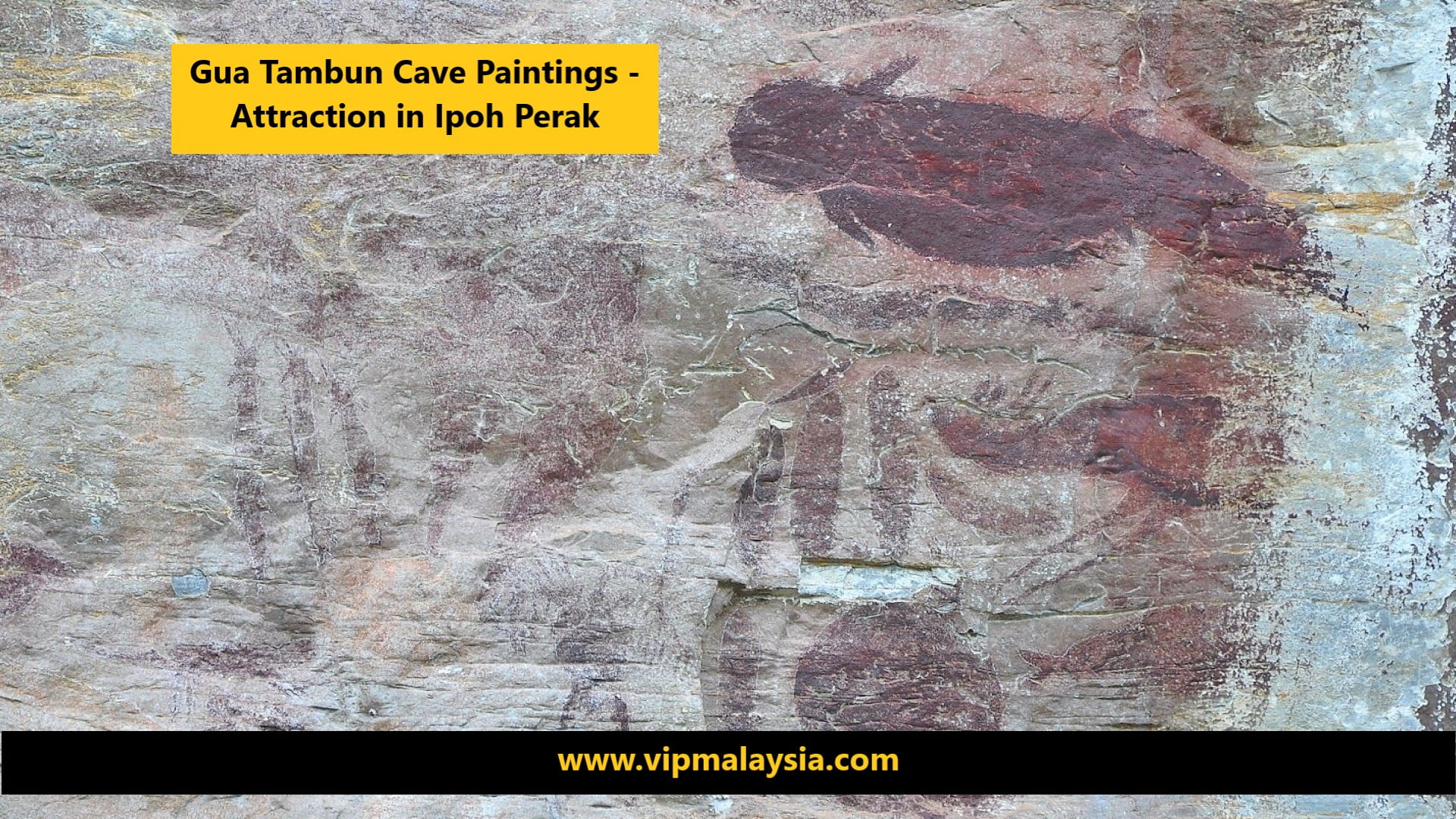
Step into Malaysia’s prehistoric past at Gua Tambun, a limestone cave near Ipoh, Perak, where over 600 ancient rock paintings dating back 2,000–12,000 years reveal the artistry and beliefs of early civilizations. Recognized as a National Heritage Site in 2010, this archaeological treasure offers visitors a rare glimpse into Southeast Asia’s Neolithic heritage, surrounded by scenic landscapes and cultural attractions.
Introduction
Nestled on the limestone cliffs of Gunung Panjang, just outside Ipoh, Gua Tambun is one of Malaysia’s most remarkable archaeological sites. First discovered in 1959 by a British soldier, the cave shelters hundreds of prehistoric paintings etched in red and purple pigments. These artworks, depicting animals, humans, and abstract motifs, are believed to date back thousands of years, making Gua Tambun the largest known rock art site in Peninsular Malaysia. For travelers seeking history, adventure, and cultural immersion, this destination offers a unique blend of heritage and natural beauty.
Gunung Panjang is a limestone peak located in Daerah Kinta, Perak, Malaysia, with an elevation of approximately 151 metres (495 feet). It is part of the larger limestone hill formation near Ipoh and is notable for housing Gua Tambun, the site of Malaysia’s largest known collection of prehistoric rock art. The cave paintings on Gunung Panjang’s cliff walls, dating back thousands of years, depict animals, humans, and abstract motifs, offering insights into Neolithic life in Southeast Asia.
Visitor Facilities and Experience
Accessibility
The site is accessible via local roads, with parking available near Tambun. Visitors should prepare for a short hike and bring insect repellent due to mosquitoes.
Guided Tours
Educational tours led by heritage experts are occasionally available, offering deeper insights into the art and its preservation.
Best Time to Visit
Morning or late afternoon visits are recommended to avoid the midday heat and to enjoy cooler trekking conditions.
History
Discovery and Early Research
In 1959, 2nd Lt. R. L. Rawlings stumbled upon the cave paintings while surveying the limestone hills near Tambun. His discovery sparked interest among archaeologists, who later documented more than 600 figures across 11 panels. These images, painted with haematite pigments, remain vivid despite centuries of exposure.
Lt. R. L. Rawlings was a British officer of the 2nd Battalion, 6th Queen Elizabeth’s Own Gurkha Rifles, credited with the discovery of the Tambun rock art in 1959. While surveying the Gunung Panjang limestone hill near Ipoh, Perak, Rawlings identified a rocky overhang covered with prehistoric paintings. His find marked the beginning of archaeological interest in Gua Tambun, which later became recognized as Malaysia’s largest known rock art site, with depictions dating between 2,000 and 12,000 years old.
Cultural Significance
The site is often linked to Neolithic communities and possibly the Hoabinhian culture, which thrived in Southeast Asia between 10,000 and 5,000 years ago. While direct cultural associations remain debated, the paintings provide invaluable insights into prehistoric life, rituals, and artistic expression.
Preservation Efforts
Declared a National Heritage Site in 2010, Gua Tambun has undergone conservation projects to protect its fragile artworks. Despite challenges such as weathering and vandalism, local authorities and archaeologists continue to promote awareness and preservation.
Highlights
Ancient Rock Art
The cave’s walls are adorned with over 600 paintings, ranging from zoomorphic depictions of deer, tapirs, and marine creatures to anthropomorphic figures engaged in rituals. Geometric designs, possibly symbolizing spiritual or astronomical beliefs, add further intrigue.
Zoomorphic Representations
Animal figures dominate the panels, showcasing the importance of wildlife in prehistoric life. Deer, dugongs, and even marine species are painted in striking red hues, reflecting both subsistence and symbolic roles.
A dugong (Dugong dugon) is a large, aquatic, herbivorous marine mammal found in warm coastal waters of the Indo‑Pacific region. It belongs to the order Sirenia, which also includes manatees, and is the only living species in the family Dugongidae. Dugongs are distinguished by their fusiform bodies, paddle‑like flippers, and a dolphin‑like fluked tail. They feed primarily on seagrass and can live up to 70 years. The species is currently listed as Vulnerable by the IUCN due to threats such as habitat loss, fishing‑related fatalities, and hunting.
Anthropomorphic Figures
Human-like drawings illustrate scenes of hunting, dancing, and ritual practices. These depictions highlight the social and cultural dimensions of early communities.
Geometric and Abstract Motifs
Triangles, circles, and linear patterns suggest symbolic meanings, possibly linked to cosmology or spiritual beliefs. Their presence underscores the complexity of prehistoric thought.
Nearby Attractions
Gunung Lang Recreational Park
Located nearby, Gunung Lang Recreational Park features limestone formations, a scenic lake, and boat rides. It’s a perfect complement to a heritage visit, offering relaxation and nature exploration.
Perak Cave Temple
A Buddhist temple built within a limestone cavern, Perak Cave Temple offers panoramic views of Ipoh and intricate murals depicting Buddhist teachings.
Kek Lok Tong Cave Temple
Known for its vast caverns and serene gardens, Kek Lok Tong is a spiritual retreat where visitors can admire Buddhist shrines and limestone formations.
Trekking and Adventure
Main Hiking Trails
Reaching Gua Tambun requires a short but steep hike, involving around 120 steps. The trek rewards visitors with breathtaking views of Ipoh and the surrounding limestone hills.
Tambun Heritage Trail
The Tambun Heritage Trail is the primary route leading visitors to the cave paintings. It involves a short hike of about 120 steps, shaded by limestone overhangs and greenery. Along the way, hikers may encounter wildlife such as hornbills, monitor lizards, and monkeys, making the journey both cultural and natural.
Gunung Panjang Nature Path
The Gunung Panjang Nature Path extends along the limestone ridge near Gua Tambun, offering scenic views of Ipoh and its surroundings. This less structured trail is ideal for adventurous hikers who enjoy exploring natural terrain. The path showcases diverse flora and fauna, adding a wildlife element to the cultural experience.
Unrecognized or Maintained Trails
Bukit Kledang Route 4‑9 Loop
Located close to Ipoh, the Bukit Kledang Route 4‑9 Loop is a challenging 5.5 km trail known for its steep inclines and lush forest cover. The route begins with a river crossing and gradually ascends through shaded terrain, rewarding hikers with panoramic views of Perak at the summit.
Gunung Alai Trail
The Gunung Alai Trail offers a 5.6 km hike with multiple checkpoints, starting from a rubber plantation and transitioning into bamboo forests. It is popular for sunrise treks, with breathtaking views from the peak that make it a favorite among seasoned hikers.
Bukit Liman Kati Path
The Bukit Liman Kati Path is a 6.4 km trail featuring steep sections and diverse flora and fauna. Though less frequented, it provides a more rugged adventure, with muddy terrain during the rainy season and scenic hilltop vistas.
Other Adventures
Wildlife Encounters
The area is home to diverse species, including macaques, hornbills, and butterflies. Birdwatchers and nature enthusiasts will find the trek especially rewarding.
Photography Opportunities
The cave’s elevated position offers stunning vantage points for photography, capturing both prehistoric art and panoramic landscapes.
Must-Visit Highlights
The Dugong Painting
One of the most famous figures at Gua Tambun is the dugong, painted approximately 10 meters above the cave floor. Its rarity makes it a highlight for visitors.
Main Rock Panels
The central panels, featuring clusters of human and animal figures, provide the most comprehensive glimpse into prehistoric artistry.
Scenic Overlook
From the cave’s ledge, visitors can enjoy sweeping views of Ipoh, blending cultural heritage with natural beauty.
Cultural Festivals and Nearby Towns
Ipoh’s Cultural Scene
Visitors can explore Ipoh’s vibrant food culture, famous for white coffee and street food. The city also hosts cultural festivals celebrating Perak’s diverse heritage.
Tambun Town
Known for its pomelo orchards, Tambun offers a taste of local agriculture and traditional markets.
Conclusion
Gua Tambun is more than a cave—it is a living museum of Malaysia’s prehistoric past. With over 600 ancient paintings, recognized heritage status, and proximity to cultural and natural attractions, it offers a rare opportunity to connect with early human civilization. Whether you are a history enthusiast, adventure seeker, or casual traveler, Gua Tambun promises an unforgettable journey into the heart of Southeast Asia’s heritage.
Summary
Attraction: #GuaTambun
Location: #Perak
Attraction Type: #Cave
Why Visit:
One of Malaysia’s oldest rock art sites – Dating back to 2,500–4,000 years ago
Home to more than 600 ancient drawings – Featuring animals, human figures, and geometric designs
Recognized as a National Heritage Site – Officially gazetted in 2010
Educational guided tours available – Learn about Neolithic cave art, early human life, and rock art preservation
Quick Info
Attribute
Details
Name
Gua Tambun, Perak
Address
Tambun, 31400 Ipoh, Perak, Malaysia
GPS Position
4.6235° N, 101.1336° E
State
Perak
Year Discovered
1959 (by Lt. R. L. Rawlings)
Facility Type
Archaeological Heritage Site
Special Attractions
Ancient Rock Paintings (2,000–12,000 years old), occasional guided tours, short hiking trail
Nearby Attractions
Gunung Lang Recreational Park, Perak Cave Temple, Kek Lok Tong Cave Temple
Accessibility
Located near Ipoh, accessible via local roads; requires short hike of ~120 steps
Best Time to Visit
Morning or late afternoon for cooler temperatures
Contact – JKKN Perak (Perak State Heritage Department)
Kompleks JKKN Perak, Lot 20561 & 20565, Jalan Caldwell, Off Jalan Raja Di Hilir, 30350 Ipoh, Perak Darul Ridzuan. Phone: 05-253 7001 / 05-254 1027
Contact – Tourism Perak Malaysia (Ipoh Tourism Office)
22, 22A & 22B, Jalan Teh Hawa, Kampung Jawa, 30300 Ipoh, Perak, Malaysia. Phone: 05-249 9966
Visitor Reviews
Amira Yusof, Kuala Lumpur – ★★★★★ “I was amazed by the sheer number of paintings. The hike was short but steep, and reaching the site felt like stepping back in time. Truly worth the effort!”
Farzana Rahim, Penang – ★★★★☆ “The rock art is fascinating, though the site could use better maintenance. Still, the historical value is undeniable, and the views of Ipoh are stunning.”
Iza Farlini, Johor Bahru – ★★★★★ “Visiting Gua Tambun was an eye-opening experience. The guided tour helped me understand the significance of the paintings. Highly recommended for families and students.”
Zoei Tan, Singapore – ★★★★☆ “The dugong painting was my favorite highlight. The trek was manageable, and the surrounding nature made the visit even more enjoyable. A hidden gem near Ipoh.”
Located just 5 km from Ipoh town, Gunung Lang Recreational Park is one of Perak’s best nature destinations, featuring stunning limestone formations, scenic lakes, and family-friendly activities. Whether you’re hiking through lush landscapes, taking a tranquil boat ride, or enjoying a picnic surrounded by nature, this park offers a peaceful escape from the city.
Introduction
Nestled just 5 kilometers from Ipoh town, Gunung Lang Recreational Park is one of Perak’s most celebrated nature destinations. With its limestone hills, artificial lakes, and lush greenery, the park offers a peaceful escape from the city’s bustle. Families, nature lovers, and adventure seekers flock here every week to enjoy boat rides, picnics, trekking, and cultural experiences. Officially opened in the 1990s and redeveloped in 2000, the park has become a symbol of eco‑tourism in Malaysia, blending natural beauty with heritage architecture.
History
The area surrounding Gunung Lang has been shaped by millions of years of geological processes, with limestone hills forming through the dissolution of soluble rocks. During the late 19th century, Ipoh was a booming tin mining town, and parts of Gunung Lang were linked to mining activities. By the early 1990s, local authorities recognized the need to conserve the landscape and transform it into a recreational space. In 1992, the park was officially opened, and by October 2000, it was redeveloped with new facilities, including observation towers, landscaped gardens, and cultural heritage structures. Today, Gunung Lang stands as both a conservation site and a leisure destination.
Highlights
Limestone Hills and Scenic Lakes
The park’s most striking features are its limestone hills, Gunung Lang and Gunung Bilike, which rise dramatically above the artificial lake. These hills are millions of years old and provide a stunning backdrop for boat rides and photography. The lake itself spans 14 hectares and is home to freshwater fish, adding to the park’s ecological diversity.
Comparison Table
Gunung Lang
Gunung Bilike
Location: Ipoh · Recreational
Location: Ipoh · Geological
Type: Limestone · Eco‑tourism
Type: Limestone · Scenic
Description: The main hill of Gunung Lang Recreational Park, featuring a cascading waterfall, lake, and eco‑tourism facilities.
Description: A limestone hill adjacent to Gunung Lang, forming part of the scenic backdrop and geological landscape of the park.
Distance from Ipoh: 5 km
Area: 30 hectares
Area: Part of park
Lake: 14 hectares
Lake: Shared
Opened: 2000
Opened: 2000
Pros: Boat ride, viewing towers, children’s playground, mini zoo, camping grounds, cultural structures
Cons: Crowded on weekends, limited parking, facilities require upkeep
Cons: No developed facilities, limited accessibility, less family‑friendly
Flora and Fauna
Gunung Lang is a sanctuary for tropical plants and wildlife. Landscaped gardens showcase heliconia, bougainvillea, and musa trees, while the lake supports aquatic species. Birdwatchers often spot kingfishers, herons, and migratory storks. The mini zoo within the park houses deer, monkeys, and exotic birds, making it a family‑friendly attraction.
Heliconia
Heliconia is a genus of flowering plants in the family Heliconiaceae, native mainly to tropical America and parts of the Pacific. Often called “lobster‑claws” or “false bird‑of‑paradise”, these plants are known for their brightly colored bracts in red, orange, yellow, or green. They are perennial herbs with banana‑like leaves and can grow up to 4.5 meters tall. Heliconias are pollinated primarily by hummingbirds and produce blue‑purple fruits. They are widely cultivated as ornamentals in tropical gardens.
Bougainvillea
Bougainvillea is a genus of thorny ornamental vines, bushes, and small trees in the family Nyctaginaceae, native to South America. Known for their vibrant papery bracts in colors such as pink, magenta, purple, red, orange, and white, they surround small, inconspicuous flowers. Bougainvillea plants can grow up to 12 meters tall, scrambling over other vegetation with spiky thorns. They are popular in warm climates worldwide as decorative plants along fences, walls, and gardens, and are often referred to as “paper flowers.”
Musa Trees
Musa is the genus that includes bananas and plantains, belonging to the family Musaceae. Despite being called “banana trees,” Musa species are actually giant herbaceous plants, not true trees. Their apparent trunk is a pseudostem formed by tightly packed leaf bases, which can reach up to 9 meters tall. Musa plants produce large paddle‑shaped leaves and fruit clusters known as “hands.” Native to tropical Indomalaya and Australia, they are among the world’s most important food crops, providing staple fruits and fibers such as abaca (Manila hemp).
Heritage Structures
Scattered throughout the park are traditional Malay houses and floating heritage structures that reflect Perak’s architectural history. These cultural elements provide insight into Malaysia’s past and create a harmonious blend of nature and heritage.
Things to Do
Boat Rides Across the Lake
One of the most popular activities is the boat ride across the artificial lake. For a small fee, visitors can enjoy a tranquil journey surrounded by limestone cliffs and lush greenery. The ride leads to the park’s inner section, where more attractions await.
Boat Ride Experience
The boat ride is short but memorable, offering close‑up views of limestone formations and reflections on the water. Families often find it relaxing, while photographers capture stunning shots of nature.
Picnic Spots and Relaxation Areas
Gunung Lang is dotted with picnic areas, open fields, and shaded gazebos. Families and groups gather here to enjoy meals, play games, or simply relax in the fresh air.
Picnic Atmosphere
Picnicking at Gunung Lang is a nostalgic experience, reminiscent of traditional Malaysian family outings. The combination of food, laughter, and scenic surroundings makes it a highlight for many visitors.
Children’s Playground and Mini Zoo
The park caters to younger visitors with a playground and a mini zoo. Children can enjoy swings, slides, and animal encounters, making Gunung Lang a family‑friendly destination.
Family Fun
Parents appreciate the safe and engaging environment, while children delight in feeding fish or watching monkeys. The playground and zoo ensure that the park appeals to all age groups.
Camping Grounds
The park accommodates up to 600 visitors in its camping area, making it ideal for school trips, corporate retreats, and outdoor enthusiasts. Facilities include restrooms, open fields, and designated fire pits.
Camping Atmosphere
Camping at Gunung Lang offers a unique experience of sleeping under the stars surrounded by limestone hills. The sounds of nature, from chirping crickets to rustling leaves, create a tranquil environment. Group activities such as night walks and storytelling sessions add to the adventure.
Nearby Attractions
Perak Cave Temple
Located nearby, the Perak Cave Temple is a historic Buddhist temple built within limestone formations. It features colorful murals, statues, and a prayer hall, offering visitors a spiritual retreat alongside their nature excursion.
Kek Lok Tong Cave Temple
Another nearby attraction, Kek Lok Tong, is famous for its enormous caverns and stunning statues. The temple is surrounded by landscaped gardens and ponds, making it a peaceful complement to the outdoor adventure at Gunung Lang.
Ipoh’s Heritage Trail
For those interested in history, Ipoh’s Heritage Trail showcases colonial‑era buildings, old shophouses, and cultural hotspots. Visitors can explore landmarks such as the Ipoh Railway Station and Birch Memorial Clock Tower, adding depth to their trip.
Trekking and Adventure
Hiking Trails and Viewing Towers
Gunung Lang offers trekking paths that wind through lush greenery and limestone terrain. Observation towers provide panoramic views of the lake and surrounding hills, making them popular spots for photography.
Trekking Experience
The trails are suitable for both beginners and seasoned hikers. Along the way, visitors encounter tropical plants, wildlife, and scenic viewpoints. The towers allow for breathtaking vistas, especially during sunrise or sunset, when the limestone cliffs glow in golden hues.
Hiking Trails
The hiking trails at Gunung Lang Recreational Park are designed to be accessible for visitors of all ages. Most paths are flat, paved, and clearly marked, making them suitable for families and casual walkers. The trails wind through tropical gardens, limestone formations, and swamp areas, offering a mix of scenic views and natural encounters. Observation towers along the trails provide panoramic vistas of the lake and surrounding hills, especially beautiful during sunrise or sunset. Visitors are advised to wear comfortable shoes, carry water, and plan their walk in the morning to avoid the midday heat.
Trail Name / Area
Details
Duration
Lakeside Boardwalk
Flat, paved trail along the artificial lake, surrounded by tropical plants and limestone cliffs. Suitable for families and casual walkers.
35–50 minutes
Garden Loops
Easy walking loops through landscaped gardens featuring heliconia, bougainvillea, and musa trees. Accessible for all ages, with benches and shaded gazebos.
50-60 minutes
Observation Tower Path
Leads to tall lookout towers offering panoramic views of the lake and limestone hills. Best visited during sunrise or sunset for photography.
35 minutes
Swamp Walkway
Elevated path across swamp areas, providing encounters with local wildlife such as birds and fish.
60–90 minutes
Jungle Trekking Route
More adventurous trails through limestone terrain and forested areas, suitable for outdoor enthusiasts seeking a challenge.
90–150 minutes
Conclusion
Gunung Lang Recreational Park isn’t just a nature retreat—it’s an adventure into Malaysia’s limestone beauty, offering scenic lakes, outdoor activities, and peaceful surroundings. Whether you’re boating across tranquil waters, enjoying a picnic, or capturing breathtaking photos, this park promises an unforgettable experience.
Reconnect with nature—plan your visit to Gunung Lang today!
Summary
Attraction: #GunungLangRecreationalPark
Location: #Perak
Attraction Type: #RecreationalPark
Why Visit:
Limestone mountains & scenic lake views – A perfect blend of nature and tranquility
Family-friendly activities – Including boat rides, cycling paths, and nature trails
Stunning flora & fauna – See rare plants like heliconia, bougainvillea, and musa trees
Eco-tourism destination – Officially protected as an environmentally sensitive area
Quick Info
Attribute
Details
Name
Gunung Lang Recreational Park, Perak
Address
Jalan Damai, 30100 Ipoh, Perak, Malaysia
GPS Position
4.6097° N, 101.0893° E
State
Perak
Established
1992 (opened), redeveloped in 2000
Facility Type
Nature Park & Recreational Area
Special Attractions
Limestone Hills, Lake Views, Floating Heritage Structures
Nearby Attractions
Perak Cave Temple, Kek Lok Tong Cave Temple, Ipoh Heritage Trail
Accessibility
Located near Ipoh, accessible via Jalan Kuala Kangsar
Best Time to Visit
Morning or evening for ideal weather
Contact
Majlis Bandaraya Ipoh – Jalan Sultan Abdul Jalil, Greentown, 30450 Ipoh, Perak Darul Ridzuan. Phone: 05-208 3333 / 05-253 7396. Email: mbi@mbi.gov.my
Visitor Reviews
Name: Nurul Huda Locality: Johor Bahru, Malaysia Review: “Gunung Lang was breathtaking. The boat ride across the lake was peaceful, and the limestone hills looked stunning in the morning light. My children loved the playground and mini zoo.” Rating: ★★★★☆
Name: Justin Xhaka Locality: Melbourne, Australia Review: “I was amazed by the blend of nature and culture. The traditional Malay houses added charm, and the observation tower gave me the best view of Ipoh. Definitely worth the visit.” Rating: ★★★★★
Name: Augustine Long Locality: Hong Kong Review: “The park was relaxing and family‑friendly. We enjoyed a picnic by the lake and spotted several bird species. It’s a great escape from the city.” Rating: ★★★★☆
Name: Arvind Sharma Locality: New Delhi, India Review: “Camping at Gunung Lang was unforgettable. The atmosphere was serene, and the limestone hills at night were magical. Highly recommended for outdoor enthusiasts.” Rating: ★★★★★
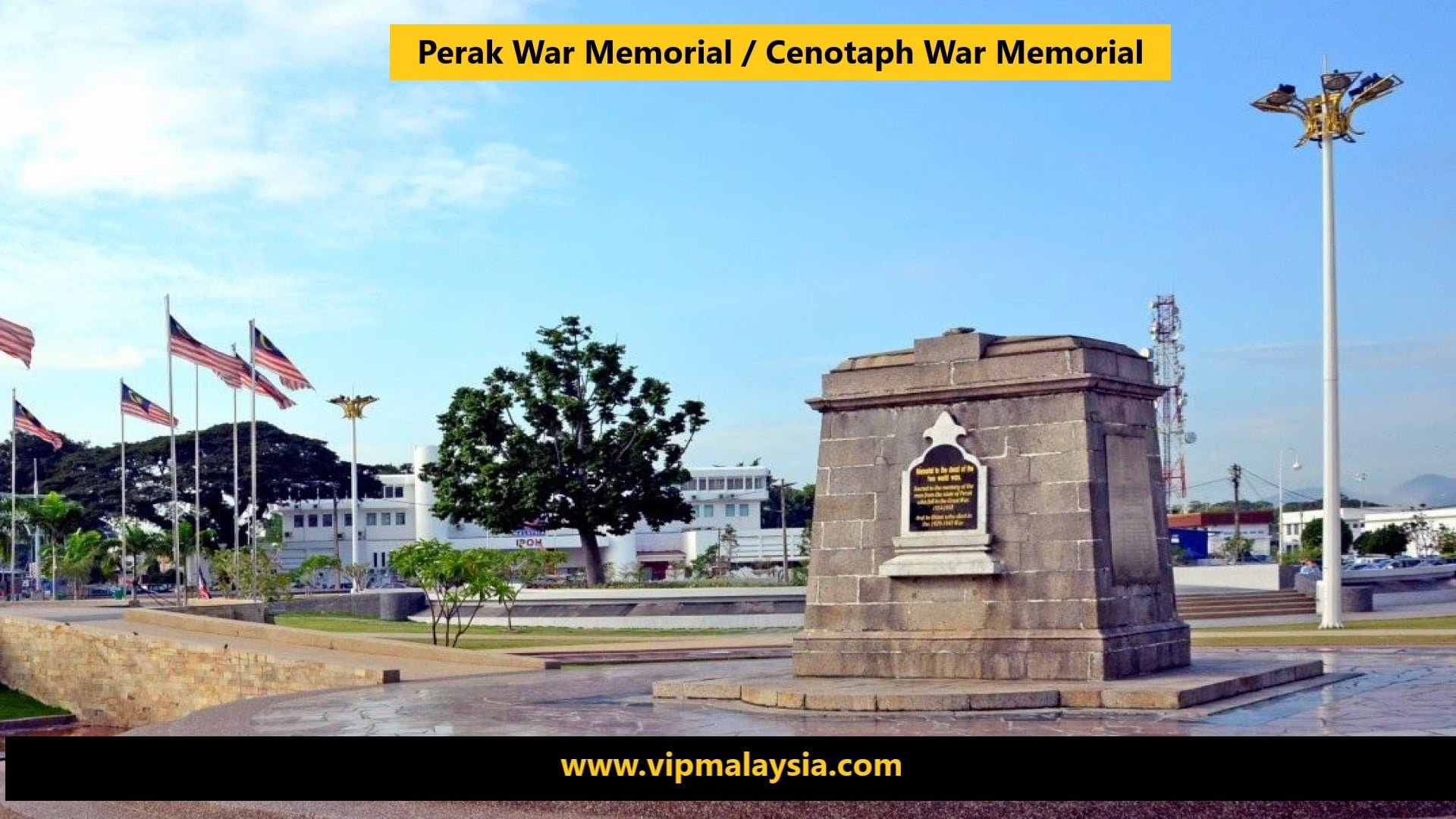
The Ipoh War Memorial in Perak stands as a solemn cenotaph commemorating soldiers who gave their lives in World War I and World War II. Located at Ipoh Station Square beside the iconic Ipoh Railway Station, this historic landmark is both a site of remembrance and a cultural attraction for visitors exploring Malaysia’s heritage.
Introduction
The Ipoh War Memorial is one of Malaysia’s most poignant monuments, built to honor the sacrifices of Perak’s servicemen during the global conflicts of the 20th century. Standing proudly outside the Ipoh Railway Station, often called the “Taj Mahal of Ipoh,” the memorial is a place where history, architecture, and collective memory converge. Visitors are drawn not only to its solemn beauty but also to the surrounding colonial landmarks, cultural festivals, and vibrant city life that make Ipoh a fascinating destination.
History
The memorial was unveiled in 1927 as the Perak War Memorial, dedicated initially to those who perished in World War I. After World War II, additional inscriptions were added to commemorate the fallen of that conflict. Over the decades, the cenotaph has become a focal point for remembrance ceremonies, attracting veterans, diplomats, and civilians alike. Its location at Ipoh Station Square was chosen deliberately, symbolizing accessibility and visibility for all who pass through the city.
Comparison Between World War I and World War II
World War I
World War II
Fought from 1914–1918
Fought from 1939–1945
Triggered by the assassination of Archduke Franz Ferdinand of Austria-Hungary
Triggered by Germany’s invasion of Poland in 1939
Major powers: Allied (UK, France, Russia, later USA) vs. Central (Germany, Austria-Hungary, Ottoman Empire)
Major powers: Allies (UK, USA, USSR, China, France) vs. Axis (Germany, Italy, Japan)
Primarily fought in Europe, with battles in Africa and the Middle East
Fought across Europe, Asia, Africa, and the Pacific, truly global
Warfare style: trench warfare, chemical weapons, static fronts
Casualties: ~20 million deaths (military + civilian)
Casualties: ~70–85 million deaths, including the Holocaust
Ended with the Treaty of Versailles (1919)
Ended with the surrender of Germany (May 1945) and Japan (September 1945)
Legacy: reshaped Europe, collapse of empires (Austro-Hungarian, Ottoman, German, Russian)
Legacy: creation of the United Nations, Cold War rivalry, decolonization
Highlights
Architectural Design
The cenotaph is built in classical style, with clean lines and engraved plaques listing the names of fallen servicemen. Its solemn simplicity reflects the dignity of sacrifice. The backdrop of the grand Ipoh Railway Station enhances its visual impact, making it one of the most photographed landmarks in the city.
Annual Ceremonies
Every year, wreath‑laying ceremonies are held at the memorial, attended by Malaysian armed forces, foreign missions, and community groups. These events reinforce the memorial’s role as a living site of remembrance rather than a static monument.
Symbol of Unity
The memorial is more than stone and inscriptions—it is a symbol of unity across generations. Schoolchildren, veterans, and dignitaries gather here, bridging past and present in shared respect for those who served.
Memorial Plaques
The engraved plaques listing names of fallen soldiers are the heart of the memorial. Visitors often pause here to reflect on the personal sacrifices behind the global conflicts.
Remembrance Week
Although not always fixed to June, annual remembrance ceremonies are held, drawing participants from Malaysia, Australia, and the UK. These events highlight the international significance of the memorial.
Colonial Backdrop
The juxtaposition of the cenotaph with the railway station creates a powerful visual narrative of Malaysia’s wartime and colonial history. It is a must‑see for photographers and history enthusiasts.
The Ipoh War Memorial is not only a cenotaph but a timeless landmark that embodies Malaysia’s resilience, sacrifice, and unity. Located at Ipoh Station Square beside the iconic Ipoh Railway Station, it continues to serve as a gathering place for remembrance ceremonies, cultural events, and heritage exploration. Visitors are drawn to its solemn plaques, annual tributes, and the powerful colonial backdrop that tells the story of Perak’s wartime contributions.
For travelers, the memorial offers more than history—it connects seamlessly with Ipoh’s vibrant attractions, trekking adventures, and cultural festivals, making it a must‑visit destination in Malaysia. Whether you come to honor fallen heroes, explore the city’s architectural gems, or immerse yourself in local traditions, the Ipoh War Memorial stands as a living testament to courage and unity that continues to inspire generations.
Summary
Attraction: #IpohWarMemorial
Location: #Perak
Attraction Type: #Landmark
Source: tourismperakmalaysia.com
Why Visit:
Tribute to fallen soldiers – Honoring Perak’s heroes from WWI & WWII
Central Remembrance Week ceremonies – A historical site for annual commemorations
Historic location – Situated next to Ipoh Railway Station, a colonial-era landmark
Symbol of unity & sacrifice – A powerful reminder of Malaysia’s wartime contributions
Quick Info
Attribute
Details
Name
Ipoh Cenotaph (also known as Ipoh War Memorial, historically Perak War Memorial)
Address
Station Square, in front of Ipoh Railway Station, 30100 Ipoh, Perak, Malaysia
GPS Position
4.5976° N, 101.0743° E (approximate verified coordinates)
State
Perak
Year Established
1927 (dedicated to WWI fallen; later extended for WWII and subsequent conflicts)
Facility Type
War Memorial & Historical Landmark
Special Attractions
Cenotaph monument, engraved plaques with names, annual wreath‑laying ceremonies
Nearby Attractions
Ipoh Railway Station, Ipoh Heritage Trail, Birch Memorial Clock Tower
Accessibility
Centrally located in Ipoh city, easily accessible by road and public transport
Best Time to Visit
During annual remembrance ceremonies (dates vary, often around November for Armistice/Remembrance Day)
Contact
Tourism Perak Malaysia: +605‑249 9966
Visitor Reviews
Suria Zainuddin, Kuala Lumpur ⭐⭐⭐⭐⭐ “The Ipoh War Memorial moved me deeply. Standing in front of the plaques, I felt a strong connection to the past. The railway station backdrop makes it even more special. A must‑visit for anyone interested in history.”
Jamie Young, Sydney, Australia ⭐⭐⭐⭐⭐ “As an Australian, it was meaningful to see how Malaysia honors its fallen soldiers alongside Commonwealth allies. The ceremony was dignified, and the atmosphere was solemn yet welcoming.”
Nurul Huda, Penang ⭐⭐⭐⭐⭐ “I visited during a school trip, and it was eye‑opening. The memorial is beautifully maintained, and the nearby heritage trail made the experience even richer. Highly recommended for families and students.”
Raj Dam Singh, Mumbai, India ⭐⭐⭐⭐ “The memorial is impressive, though I wish there were more information boards explaining the history. Still, the location next to the railway station makes it easy to access and photograph.”
Sarah Williams, London, UK ⭐⭐⭐⭐⭐ “Attending the wreath‑laying ceremony was unforgettable. The sense of unity among people from different countries was inspiring. Ipoh itself is a charming city with so much to explore.”
Built in 1909, Birch Memorial Clock Tower stands as a tribute to J.W.W. Birch, Perak’s first British Resident, who was assassinated in 1875. Located in Ipoh’s heritage district, this ornate clock tower features symbolic carvings, historical figures, and striking architecture, making it a must-visit colonial landmark in Malaysia. Explore its rich history, British governance tribute, and cultural significance.
Introduction
The Birch Memorial Clock Tower stands proudly in the heart of Ipoh’s heritage district, a monument that bridges Malaysia’s colonial past with its vibrant present. Built in 1909 to commemorate J.W.W. Birch, the first British Resident of Perak, the tower is more than just a timekeeper—it is a historical narrative carved in stone and adorned with symbolic figures. Visitors are drawn to its ornate design, its cultural significance, and its central location near other heritage gems. Whether you are a history enthusiast, architecture lover, or casual traveler, the Birch Memorial Clock Tower offers a fascinating glimpse into the legacy of British Malaya.
History
The Legacy of J.W.W. Birch
James Wheeler Woodford Birch was appointed as the first British Resident of Perak in 1874 following the Pangkor Treaty. His role was to advise the Sultan and oversee administrative reforms, but his disregard for local customs led to resistance. In 1875, Birch was assassinated in Pasir Salak by Malay chiefs led by Dato’ Maharajalela, sparking the Perak War. The British later consolidated control, and Birch was memorialized through this clock tower, unveiled in 1909 by his son, E.W. Birch.
James Wheeler Woodford Birch (J.W.W. Birch) was a British colonial administrator, born on 3 April 1826 in England. He served briefly in the Royal Navy before joining the Roads Department in Ceylon in 1846. His career advanced, and by 1870 he became Colonial Secretary of the Straits Settlements. Following the Pangkor Treaty of 1874, Birch was appointed the first British Resident of Perak on 4 November 1874. His tenure was marked by conflict with local chiefs due to his enforcement of British policies, taxation reforms, and opposition to slavery. On 2 November 1875, Birch was assassinated in Pasir Salak, Perak, by followers of Dato’ Maharajalela, an event that triggered the Perak War and strengthened British influence in Malaya. He died at age 49.
Pasir Salak is a historical riverside town and mukim located in the Perak Tengah District, Perak, Malaysia. It is situated along the Perak River, about 45 minutes from Ipoh. The town is most famous as the site where J.W.W. Birch, the first British Resident of Perak, was assassinated in 1875 by local Malay chiefs led by Dato’ Maharajalela, an event that sparked the Perak War. This uprising became a symbol of Malay resistance against colonial rule and is considered a precursor to later nationalist movements. Today, Pasir Salak is home to the Pasir Salak Historical Complex, which preserves monuments, dioramas, and memorials dedicated to the struggle, including the Birch assassination site, Kutai traditional houses, and galleries on Perak’s history.
Architectural Symbolism
The tower originally featured a bronze bust of Birch, later removed. Its design includes four statues representing Loyalty, Justice, Patience, and Fortitude, virtues associated with British governance. Four panels illustrate the progress of civilization, depicting figures from Moses and Confucius to Shakespeare and Darwin. The clock mechanism, supplied by Gillet and Johnson of Croydon, strikes chimes reminiscent of Big Ben.
Name: Lela Pandak Lam, better known as Dato’ Maharajalela
Birth/Origin: Descendant of Bugis nobility from Luwuk, Sulawesi; settled in Perak during the reign of Sultan Muzaffar Shah III
Role: Tribal chief and one of the Orang Besar Berlapan (Eight Great Chiefs) of Perak; held authority in Pasir Salak
Known For: Leading resistance against British colonial rule and orchestrating the assassination of J.W.W. Birch, the first British Resident of Perak, on 2 November 1875 at Pasir Salak
Historical Context: His opposition stemmed from Birch’s disregard for Malay customs, taxation reforms, and abolition of slavery without compensation, which angered local chiefs
Death: Executed by hanging on 20 January 1877 in Taiping after being convicted of Birch’s murder
Legacy: Remembered as a Malay nationalist hero and symbol of resistance against colonialism; memorialized in places such as Jalan Maharajalela in Kuala Lumpur and KD Maharaja Lela naval vessel
Highlights
Striking Architecture
The tower’s square structure is decorated with murals and statues, blending Victorian design with colonial symbolism. Its whitewashed façade and dome make it a standout landmark in Ipoh’s old town.
Civilization Panels
Each of the four panels narrates stages of human progress—from the Stone Age to modern science. Visitors can admire depictions of Galileo, Michelangelo, Florence Nightingale, and Thomas Edison, among others.
The Four Panels (44 Historical Figures)
Panel
Depictions of Human Progress
Panel A (North)
The Stone Age: hunter, fisherman, woman spinning. The Iron Age: man and woman. Early Eastern Peoples: Nubian with gold and ivory, Chaldean astrologer, woman making pottery, Egyptian, Assyrian, Persian.
Panel B (West)
Eastern Mediterranean: Moses, David, Phoenician, woman of Aegean civilization. Far East: Confucius, Buddha, Lao Tzu. Greece and Rome: Greek art, Alexander the Great, Plato, Augustus.
Panel C (South)
Byzantine Empire: Constantine the Great. Islam: Muhammad (removed in 1958). Age of Chivalry: Crusader. Age of Faith: Saint Clare of Assisi, Saint Thomas Aquinas. Renaissance: Galileo, Michelangelo, Vittoria Colonna, Columbus. Reformation: Martin Luther. Elizabethan Age: Shakespeare.
Panel D (East)
Modern Science, Art, and Social Services: Isaac Newton, William Harvey, James Watt, embroiderer, Beethoven, Robert Stephenson, Louis Daguerre, Florence Nightingale, Charles Darwin, Thomas Edison, Joseph Lister.
Historic Clock Mechanism
The tower houses a mother bell and four smaller bells, once striking melodious chimes. Though time has weathered the mechanism, it remains a fascinating relic of early 20th-century engineering.
Nearby Attractions
Ipoh State Mosque
Adjacent to the tower, the mosque’s grand architecture offers a spiritual and cultural contrast to the colonial memorial.
Address: Jalan Sultan Idris Shah, 30000 Ipoh, Perak, Malaysia
Phone: +605-2557964 or +605-2548853
The Ipoh State Mosque, officially called Masjid Sultan Idris Shah II, is the main state mosque of Perak located in central Ipoh. Built between 1967 and 1968 and inaugurated in 1978, it is notable for its modern design featuring 66 domes, spacious prayer halls, and landscaped grounds. The mosque serves as both a religious center and a symbol of Malaysia’s post‑independence identity, making it one of Ipoh’s most prominent landmarks.
The Birch Memorial Clock Tower is indeed one of the key stops along the Ipoh Heritage Trail, which guides visitors through colonial‑era landmarks such as the Ipoh Town Hall, old banks, and other historic buildings in the city’s heritage district. The trail was designed to showcase Ipoh’s architectural and cultural legacy, and the tower is highlighted as a central feature of this walking route.
The Ipoh Heritage Trail is a walking route in Ipoh, Perak, that connects 27 heritage landmarks from the Ipoh Railway Station to the Birch Memorial Clock Tower. Marked with yellow footprints and information boards, it guides visitors through colonial-era architecture, tin mining legacies, cultural streets, and historic institutions, offering a two-hour journey that can extend longer with stops at museums, cafes, and shops.
While the tower itself is urban, nearby attractions like Kinta Nature Park offer birdwatching opportunities, with species such as herons, egrets, and kingfishers.
Address & Phone:
Address: Kinta Nature Park, 31000 Batu Gajah, Perak, Malaysia
Phone: Managed under Perak State Parks Corporation — +605-5253800
Kinta Nature Park in Batu Gajah, Perak, is a 900-hectare wetland reserve created from former tin-mining land. It offers free entry and is famous for birdwatching, with more than 150 species recorded. Visitors can enjoy observation towers, campsites, and scenic trails, making it a peaceful destination for nature enthusiasts.
Concubine Lane
A bustling street filled with food stalls, boutique shops, and murals, just a short walk from the tower.
Han Chin Pet Soo Museum
A museum dedicated to Ipoh’s tin mining history, offering insights into the Hakka community and colonial trade.
Local Food Scene
Ipoh is famous for dishes like Ipoh white coffee, bean sprout chicken, and curry noodles—perfect after a heritage walk.
Conclusion
Birch Memorial Clock Tower isn’t just a clock—it’s a historical tribute, offering deep insights into Perak’s colonial past, architectural excellence, and significant events in Malaysian history. Whether you’re exploring the tower’s carvings, learning about J.W.W. Birch, or capturing breathtaking photographs, this landmark promises an enriching experience.
Step into Perak’s history—plan your visit to Birch Memorial Clock Tower today!
Tribute to Perak’s colonial history – Honoring J.W.W. Birch and British administration in Malaya
Stunning clock tower architecture – Showcasing statues and murals, historical panels, and intricate designs
Central landmark in Ipoh’s heritage district – Located near Ipoh State Mosque and historical sites
A symbol of British governance – Depicting four virtues: Loyalty, Justice, Patience, and Fortitude
Quick Info
Attribute
Details
Name
Birch Memorial Clock Tower, Perak
Address
Jalan Dato Sagor, 31650 Ipoh, Perak, Malaysia
GPS Position
4.5978° N, 101.0801° E
State
Perak
Year Built
1909
Architectural Style
Colonial British Architecture
Special Attractions
Clock Tower, Historical Carvings, Civilization Panels with 44 Historical Figures, British Administration Tribute
Nearby Attractions
Ipoh State Mosque, Ipoh Railway Station, Ipoh Heritage Trail
Accessibility
Located in Ipoh city center
Best Time to Visit
Morning or evening for best photography
Contact
+605-249 9966 (Tourism Perak)
Visitor Reviews
Aaron Machler, Zurich, Switzerland – ★★★★★ “I was amazed by the intricate carvings and the historical panels. The tower is a perfect spot to start the Ipoh Heritage Trail. The nearby mosque and railway station make the area even more impressive.”
Bukhari Budin, Penang, Malaysia – ★★★★☆ “The clock tower is beautiful and full of history. I enjoyed learning about Birch and the colonial era. It can get hot during midday, so visiting in the morning is best.”
Theresa Dalot, Melbourne, Australia – ★★★★★ “Walking around the Birch Memorial Clock Tower felt like stepping back in time. The civilization panels are fascinating, and the nearby Concubine Lane adds a lively touch to the visit.”
Siti Rahman, Johor Bahru, Malaysia – ★★★★☆ “The tower is well-preserved and surrounded by heritage buildings. It’s a great place for photography and history lovers. I wish the clock chimes were still functioning.”
Discover Ipoh and Perak like never before with the Ipoh Hoho Bus, a hop‑on hop‑off service that connects heritage landmarks, cultural districts, and natural wonders. From Ipoh Old Town’s colonial charm to Kellie’s Castle’s mysterious beauty, this bus offers a flexible, affordable, and scenic way to explore Malaysia’s heartland.
Introduction
The Ipoh Hoho Bus, officially known as the Perak Hop‑On Hop‑Off Bus, is more than just a transport service—it is a gateway to Perak’s cultural, historical, and natural treasures. Operating mainly on weekends, the bus allows visitors to hop on and off at designated stops, making it easy to explore Ipoh’s vibrant neighborhoods, limestone cave temples, and colonial landmarks. With open‑top seating and air‑conditioned comfort, the journey blends convenience with adventure, offering travelers a panoramic view of Perak’s landscapes and heritage.
History
The Perak Hop‑On Hop‑Off Bus was launched to boost tourism in Ipoh and surrounding towns. Initially covering 12 stops, the service expanded to 13, connecting key attractions such as Ipoh Old Town, Little India, and Panglima Kinta Mosque. The initiative was part of Perak’s broader tourism strategy to highlight its colonial architecture, natural parks, and cultural diversity. Though some stops like the Movie Animation Park Studios (MAPS) are now closed, the bus continues to evolve, with plans to include destinations such as Lost World of Tambun and Kellie’s Castle.
Visitor Facilities and Cultural Insights
The Ipoh Hoho Bus provides comfortable seating, digital information screens, and local guides who share stories about Ipoh’s history. Nearby towns such as Tambun and Gopeng offer fruit farms, handicraft centers, and cultural festivals celebrating Perak’s diverse heritage. Wildlife enthusiasts can spot species like hornbills, macaques, and freshwater fish in natural parks along the route.
Highlights
Scenic Open‑Top Experience
Passengers enjoy unobstructed views of Ipoh’s greenery and limestone hills from the half‑roofed buses. The open‑air design creates a unique sightseeing experience, especially when passing through heritage streets lined with colonial buildings.
Affordable and Tourist‑Friendly
Tickets are priced reasonably, making the bus a cost‑effective alternative to taxis or private cars. With a one‑day pass, visitors can explore multiple attractions without worrying about transport logistics.
Weekend Operations
Currently, the bus operates every Saturday and Sunday from 9:30 am to 8:30 pm, with intervals of about one hour between stops. This schedule caters to both local families and international tourists seeking a relaxed weekend adventure.
Routes
The Ipoh Hoho Bus currently covers 12 key stops, including:
Meru Terminal – Main transport hub
Ipoh High Court – A colonial landmark
Little India – Vibrant shops & Indian cuisine
Ipoh Old Town – Heritage sites & traditional coffee shops
Telekom Malaysia – Central business district
Brewster Road – Historic colonial buildings
Weil Hotel / Ipoh Parade – Shopping & dining hotspots
Night Gate – Evening entertainment area
Octagon – Boutique hotels & nightlife
The Majestic – Luxury accommodation
Kinta Kinta Mosque – One of Perak’s oldest mosques
Phase 2 Expansion (November 2019)
New routes will include:
Lost World of Tambun – Hot springs & adventure park
Sam Poh Tong Temple – A stunning cave temple with breathtaking views
Gopeng Bus Stop – Gateway to Gopeng’s nature & white-water rafting
Kellie’s Castle – Malaysia’s most famous colonial mansion
Silveritage, Medan Gopeng – A center for handicrafts & heritage shopping
Nearby Attractions
Ipoh Old Town
Ipoh Old Town is the cultural heart of the city, famous for its white coffee, heritage shophouses, and street art murals. Visitors can stroll through narrow lanes, admire colonial architecture, and sample traditional kopitiam breakfasts.
Panglima Kinta Mosque
One of Perak’s oldest mosques, Panglima Kinta Mosque showcases Moorish‑inspired architecture and serves as a spiritual landmark. Its history dates back to the 19th century, reflecting Ipoh’s multicultural roots.
Weil Hotel and Ipoh Parade
This stop connects travelers to modern shopping and dining experiences. Ipoh Parade is a bustling mall featuring local boutiques, international brands, and food courts offering Malaysian delicacies.
Gerbang Malam (Night Gate)
A lively night market where visitors can shop for clothes, accessories, and street food. The atmosphere is vibrant, with stalls offering affordable souvenirs and local snacks.
Trekking and Adventure
Gunung Lang Recreational Park
Located just outside Ipoh, Gunung Lang offers trekking trails, a scenic lake, and limestone hills. Visitors can take boat rides across the lake and explore lush greenery, making it a favorite for nature lovers.
Gopeng White‑Water Rafting
Accessible via the bus’s Phase 2 expansion, Gopeng is renowned for its adventurous rafting experiences. The Kampar River provides thrilling rapids suitable for beginners and seasoned rafters alike.
Kellie’s Castle is a mysterious colonial mansion built by Scottish planter William Kellie Smith. The unfinished castle is surrounded by legends of hidden tunnels and ghostly sightings, adding intrigue to its historical charm.
Sam Poh Tong Temple
A cave temple nestled within limestone formations. Visitors can admire intricate statues, serene ponds with turtles, and panoramic views of Ipoh from the temple grounds.
Perak Cave Temple
Another cave temple featuring colorful murals and a towering Buddha statue. The temple is a blend of spirituality and artistry, attracting both worshippers and tourists.
Conclusion
The Ipoh Hoho Bus is not just a ride—it is an immersive journey through Perak’s landscapes, heritage, and culture. It offers flexibility, affordability, and scenic exploration, making it ideal for both first‑time visitors and seasoned travelers. Whether you are sipping white coffee in Ipoh Old Town, trekking limestone hills, or marveling at Kellie’s Castle, the bus ensures that your Perak adventure is seamless and unforgettable.
Summary
Attraction: Ipoh Hoho Bus
Location: #Perak
Attraction Type: #Food
Source: https://www.tourismperakmalaysia.com/
Why Ride:
Hassle-free city exploration – Hop on and off at top attractions across Ipoh & Perak
Scenic open-top buses – Enjoy unobstructed views of Ipoh’s heritage and greenery
Affordable & tourist-friendly – A cost-effective alternative to taxis and private cars
Expanding routes – Phase 2 will add Lost World of Tambun, Sam Poh Tong, and Kellie’s Castle
Quick Info
Attribute
Details
Name
Ipoh Hoho Bus (Perak Hop-On Hop-Off)
Address
Tourism Perak, 22 Jalan Teh Hawa, Kampung Jawa, 30300 Ipoh, Perak, Malaysia
GPS Position
4.5980° N, 101.0815° E
State
Perak
Operation Hours
Saturday & Sunday, 9:30 AM – 8:30 PM (1-hour intervals)
Ipoh Old Town, Panglima Kinta Mosque, Gunung Lang Park, Perak Cave Temple, Kellie’s Castle (Phase 2 expansion)
Accessibility
Operates across 13 designated stops including Meru Terminal, Ipoh High Court, Little India, Ipoh Parade, Gerbang Malam, Octagon, and The Majestic
Best Time to Visit
Morning or evening for cooler weather and ideal sightseeing
Contact
+605-249 9966 (Tourism Perak)
Visitor Reviews
Norzihan, Kuala Lumpur ⭐⭐⭐⭐⭐ “I loved how easy it was to explore Ipoh without worrying about transport. The open‑top bus gave us amazing views of the old shophouses, and the guide was very informative.”
Ammala Devi, Singapore ⭐⭐⭐⭐ “The bus was comfortable and affordable. I especially enjoyed hopping off at Gerbang Malam for street food. It would be great if the service ran on weekdays too.”
Mohamad Azlan, Pahang ⭐⭐⭐⭐⭐ “Gunung Lang was breathtaking! The bus made it so convenient to reach nature spots. I recommend this to anyone visiting Ipoh for the first time.”
Sofia Mubarak, Selangor ⭐⭐⭐⭐ “The cultural mix of temples, mosques, and colonial buildings was fascinating. The bus staff were friendly, and the ride felt safe and well‑organized.”