Category: Perak

The state of Perak Darul Ridzuan

  • Gua Tempurung: Explore Malaysia’s Hidden Cave Gem

    Gua Tempurung: Explore Malaysia’s Hidden Cave Gem

    Gua Tempurung, Perak

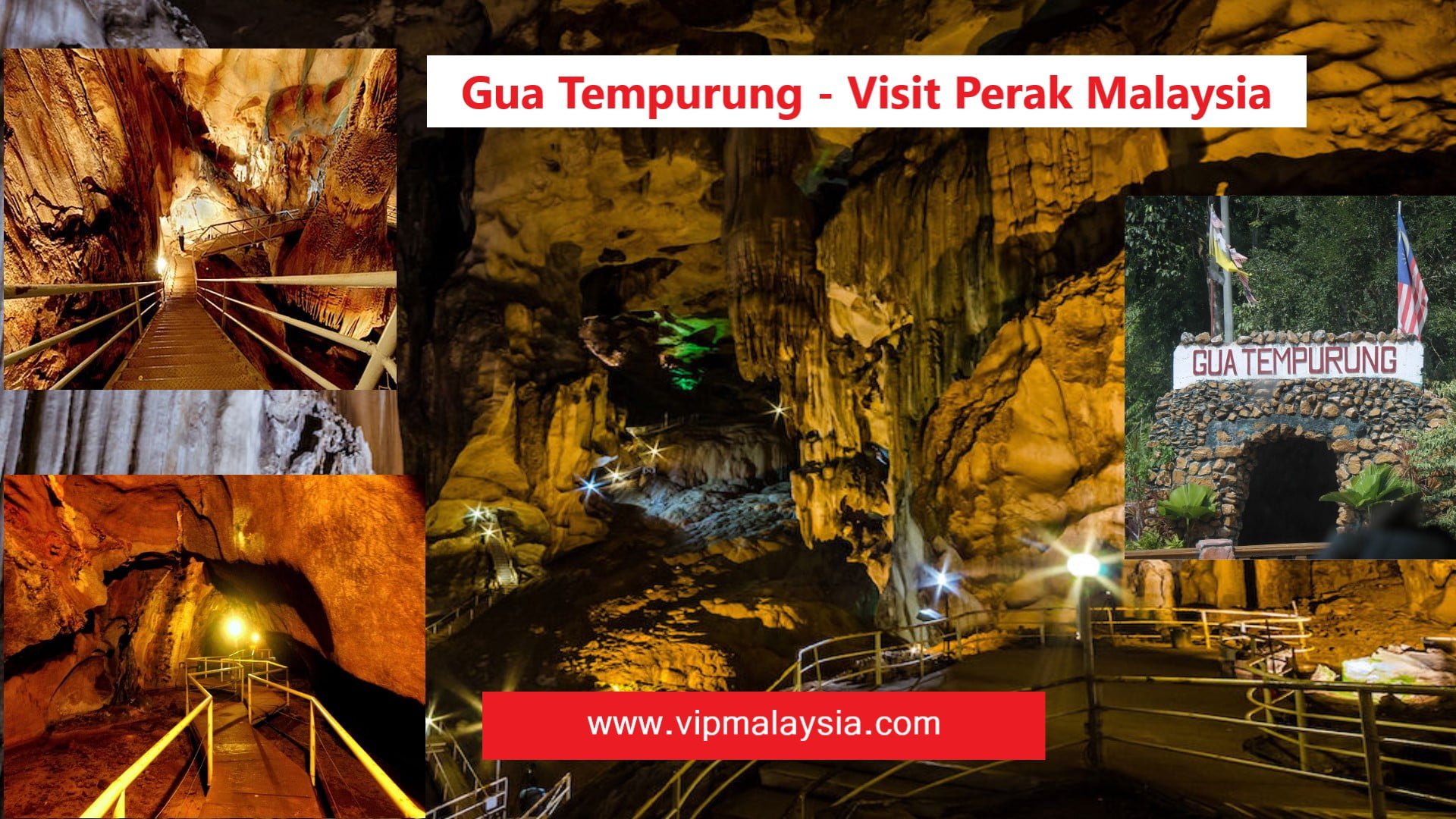
    Deep within Gopeng, Perak, lies Gua Tempurung, one of Malaysia’s longest limestone caves. With five massive domes, a 1.9 km accessible stretch, and a history tied to tin mining and wartime hideouts, this underground wonder offers both geological marvels and thrilling adventures.

    Introduction

    Nestled in the lush landscapes of Gopeng, Perak, Gua Tempurung is a limestone cave system that has fascinated explorers, historians, and nature lovers alike. Stretching over 4.5 km in total length, with 1.9 km open to visitors, the cave is celebrated for its towering stalactites, stalagmites, and underground rivers. Its age is often cited as 400 million years, referring to the limestone itself, making it one of the oldest geological formations in Malaysia. Beyond its natural beauty, Gua Tempurung carries a rich history, from being a communist hideout during the Malayan Emergency to serving as a tin mining site in the 1970s. Today, it stands as a premier tourist destination, offering guided tours that range from easy walks to extreme spelunking adventures.

    History

    Gua Tempurung’s story is as captivating as its geological formations. Archaeological evidence suggests the cave has existed since 8000 BC, though the limestone itself dates back hundreds of millions of years. During the 1950s and 1960s, the cave became a strategic hideout for communist insurgents during the Malayan Emergency. Later, in the 1970s, tin mining operations left behind traces of Malaysia’s industrial past, visible in certain chambers. Today, the cave is preserved and managed as a tourist attraction, balancing conservation with accessibility.

    Visitor Facilities

    The cave is equipped with lighting, stairways, bridges, and rest areas. Nearby towns like Ipoh and Gopeng offer accommodations ranging from eco-parks to luxury resorts, ensuring comfort after a day of adventure.

    Highlights

    Golden Flowstone Cavern

    This dome rises nearly 90 meters high, featuring a smooth golden limestone cascade that glimmers under artificial lighting. It is one of the most photographed sections of the cave, offering breathtaking views for visitors.

    Alam Cavern

    Standing at 72 meters, Alam Cavern is renowned for its echo effects. Visitors often test the acoustics by calling out, experiencing the cave’s natural resonance.

    Gergasi Cavern

    Known as the “Giant Cavern,” it houses a 15-meter limestone column that towers majestically, resembling a colossal pillar.

    Tin Mine Cavern

    This section bears the marks of tin mining activities from the 1970s. Visitors can still see excavation remnants, offering a glimpse into Malaysia’s mining heritage.

    Battlefield Cavern

    A rugged chamber filled with fallen stalactites and rock formations, including the famous Fallen Warrior, a collapsed structure resembling a warrior figure.

    What to ExploreDetailsVisitor Tips
    Golden Flowstone CavernA dome nearly 90 m high with golden limestone cascades that shimmer under lighting.Best for photography; bring a tripod for long‑exposure shots.
    Alam CavernEcho chamber rising 72 m, famous for its natural acoustics.Try calling out to hear the resonance; great for kids and groups.
    Gergasi CavernHouses a 15 m limestone column resembling a giant pillar.Wear sturdy shoes; the floor can be slippery near this formation.
    Tin Mine CavernEvidence of 1970s tin mining operations still visible.Guides explain mining history; ideal for history enthusiasts.
    Battlefield CavernRugged chamber with collapsed stalactites, including the Fallen Warrior.Flashlights recommended; formations are dramatic but dimly lit.
    Underground RiverA 1.6 km river flows through the cave, part of wet tours.Expect to get wet; waterproof bags and extra clothes are advised.
    Guided Walkway ToursIlluminated paths and ~600 steps for easy exploration.Suitable for families; tours last 40–50 minutes.
    Extreme Cave TrekkingWet tours with river crossings, slides, and tight passages.Only for fit adventurers; tours last 2–3 hours with ranger guidance.

    Attractions

    Gunung Tempurung and Gunung Gajah

    The limestone hills above the cave, visible from the North-South Expressway, are iconic landmarks. They provide lush greenery and karst scenery that frame the cave’s entrance.

    Destination Comparison

    DestinationDescription
    Gunung TempurungA limestone karst hill near Gua Tempurung, visible from the North‑South Expressway. It is directly tied to the cave system and popular for trekking, cave exploration, and photography. Easily accessible via Gua Tempurung tours and nearby facilities.
    Gunung GajahA limestone massif in Perak, named for its elephant‑like shape (“Gajah” means elephant). Known for rugged cliffs and dense vegetation, it is less developed for tourism and best suited for adventurous hikers seeking offbeat landscapes. Accessibility is moderate, with routes from Ipoh (about 75 km) and Teluk Intan (25 km), making it a rewarding stop for adventurous travelers seeking offbeat landscapes and cultural immersion.

    Underground River

    A 1.6 km river flows through the cave, forming part of the wet adventure tours. Its cool waters add to the thrill of exploration.

    Fish Species in the Underground River

    The Underground River at Gua Tempurung is part of Perak’s freshwater ecosystem, which hosts species typical of limestone cave rivers. Surveys of Perak’s rivers list members of the Cyprinidae family (carps and minnows such as Rasbora spp. and Barbonymus gonionotus), along with catfish (Hemibagrus nemurus) and knifefish (Notopterus notopterus). These species are adapted to shaded, slow‑moving waters and are representative of the biodiversity found in subterranean streams.

    Additionally, freshwater eels (Anguilla spp.) have been recorded in Perak’s river systems, occasionally appearing in cave rivers due to their migratory nature. The presence of such species highlights the ecological connectivity between the underground river and larger waterways in the region, making Gua Tempurung an important site for observing freshwater biodiversity in a unique cave environment.

    Easy Walkway Tours

    Visitors can enjoy illuminated pathways and climb over 600 steps, making it accessible for families and casual travelers. These tours highlight formations resembling animals and mythical figures.

    Extreme Cave Trekking

    For thrill-seekers, wet tours involve wading through underground rivers, sliding down slick limestone, and crawling through tight passages. These ranger-guided tours last 2–3 hours and require stamina and courage.

    Photography Opportunities

    The interplay of natural cave lighting and shadows creates dramatic scenes, perfect for photography enthusiasts. Long-exposure shots capture the shimmering flowstones and intricate textures.

    Nearby Attractions

    Gopeng Heritage Town

    Just minutes away, Gopeng offers colonial architecture, museums, and vibrant street food. The Gopeng Heritage House showcases artifacts from the mining era, while local hawker stalls serve Perak delicacies.

    Gopeng Heritage Town in Perak is a historic settlement that flourished during Malaysia’s tin mining boom, now preserved as a cultural destination showcasing colonial architecture, traditional shophouses, and museums. Its centerpiece, the Gopeng Heritage House, located at No. 6, Jalan Sungai Itek, 31600 Gopeng, Perak, Malaysia and reachable at +6012-501 3201, offers visitors a glimpse into the lifestyle of wealthy tin mine owners and the community’s rich heritage through antique furniture, mining relics, and cultural exhibits.

    Ulu Geroh Rafflesia Trail

    A jungle trek leading to sightings of the Rafflesia, the world’s largest flower. The trail also offers encounters with butterflies, hornbills, and lush rainforest scenery.

    Ulu Geroh Rafflesia Trail in Perak is a jungle trekking route located about 12 km from Gopeng, renowned for sightings of the Rafflesia, the world’s largest flower. The trail winds through durian orchards, rubber and oil palm estates, and forest reserves, and is guided by the indigenous Semai Orang Asli, who share their deep knowledge of the rainforest. Trekking typically involves a lorry ride followed by a 1.5‑hour hike, where visitors may encounter blooming Rafflesia, Rajah Brooke butterflies, and diverse jungle wildlife. The bloom of the Rafflesia lasts only 4–5 days, making timing crucial for visitors seeking this rare spectacle.

    Pangkor Island

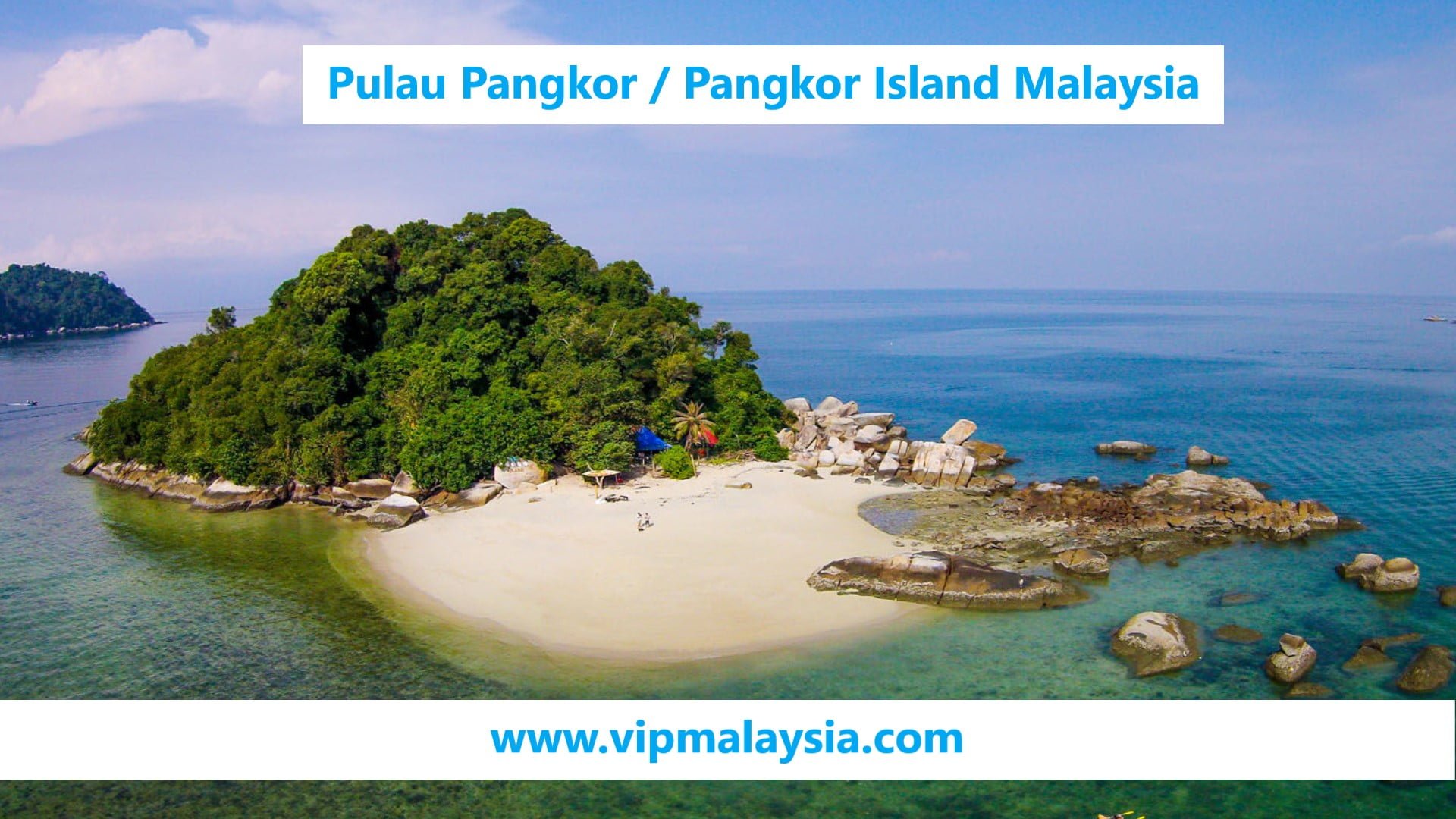
    Located off Perak’s coast, Pangkor Island is a beach paradise with clear waters, fishing villages, and cultural festivals. It’s a perfect extension to a cave exploration trip.

    Pangkor Island (Malay: Pulau Pangkor) is a tropical island located in the Strait of Malacca, within the Manjung District of Perak, Malaysia. Covering about 18–21 km², it is home to fishing villages, sandy beaches such as Coral Bay and Pasir Bogak, and lush forested hills. Historically, Pangkor was a refuge for fishermen, merchants, and pirates, and later became significant during the Dutch colonial era, with the construction of the Dutch Fort in 1670 to control the tin trade. It was also the site of the Pangkor Treaty of 1874, which marked the beginning of British colonial influence in Perak. Today, Pangkor Island thrives on tourism and fishing, offering visitors duty‑free shopping, water sports, cultural temples, and nearby resorts such as Pangkor Laut.

    Pulau Pangkor

    Conclusion

    Gua Tempurung is more than just a cave—it is a living museum of geology, history, and adventure. From its towering domes and underground rivers to its wartime past and mining heritage, the cave offers a multifaceted experience. Whether you seek a leisurely stroll or an adrenaline-pumping trek, Gua Tempurung delivers unforgettable memories. Its proximity to cultural towns and natural trails makes it a must-visit destination in Perak.

    Summary

    • Attraction: #GuaTempurung  
    • Location: #Perak 
    • Attraction Type: #Cave 
    • Source: tourismperakmalaysia.com, https://en.wikipedia.org/
    • Why Visit:
      • Malaysia’s largest limestone cave – Spanning 1.9 km of underground beauty
      • Stunning geological formations – Experience towering stalactites and stalagmites
      • Rich historical significance – Once a communist hideout and later a tin mining site
      • Adventurous cave tours – Choose guided experiences ranging from easy walks to extreme spelunking

    Quick Info

    AttributeDetails
    NameGua Tempurung, Perak
    AddressPusat Pelancongan Gua Tempurung, 31600 Gopeng, Perak, Malaysia
    GPS Position4.4353° N, 101.1762° E
    StatePerak
    Operating Hours9:00 AM – 5:00 PM Daily
    Facility TypeLimestone Cave & Adventure Park
    Special AttractionsStalactites, Stalagmites, Historical Hideout, Underground River, Extreme Cave Trekking
    Nearby AttractionsGopeng Heritage Town, Ulu Geroh Rafflesia Trail, Pangkor Island
    AccessibilityConnected via North-South Expressway; public buses and taxis available from Ipoh
    Best Time to VisitMorning or late afternoon for cooler temperatures
    Contact+6012-529 2426
    Entry FeesRM 6–RM 30 depending on tour type (dry walk vs. wet adventure)
    Tour OptionsGuided walkway tours (40–50 mins), extreme wet tours (2–3 hrs)
    Safety NotesWear sturdy shoes, bring flashlight for dim areas, waterproof bags for wet tours
    Facilities AvailableParking, restrooms, souvenir stalls, food kiosks
    Travel Distance~25 km south of Ipoh (30–40 min drive)

    Visitor Reviews

    Siti Sarah, Kuala Lumpur – ★★★★★ “I joined the wet adventure tour, and it was exhilarating! Crawling through tight passages and sliding down limestone rocks was unforgettable. The guides were professional and ensured safety throughout.”

    Stephanie Lee Fong, Penang – ★★★★☆ “The cave is stunning, especially the Golden Flowstone Cavern. I wish there were more information boards inside, but overall, it was a fantastic experience with my family.”

    Normazliza Hassan, Johor Bahru – ★★★★★ “Loved the easy walkway tour. The lighting made the formations look magical, and my kids enjoyed spotting shapes in the rocks. Facilities were clean and well-maintained.”

    Scott, Sarawak – ★★★★★ “As a local, I’ve visited Gua Tempurung multiple times. Each trip feels different. The history of the communist hideout adds depth to the adventure. Highly recommended for tourists.”

  • Kellie’s Castle, Perak: A Mystery-Shrouded Colonial Relic

    Kellie’s Castle, Perak: A Mystery-Shrouded Colonial Relic

    Kellie’s Castle, Perak

    Deep within Batu Gajah, Perak, Kellie’s Castle stands as a testament to British colonial history, architectural grandeur, and lingering mysteries. Built by Scottish planter William Kellie Smith, this unfinished mansion was intended to replicate the grand palaces of British India, featuring Moorish-style arches, hidden tunnels, and even Malaysia’s first planned elevator. Though left incomplete after Kellie’s sudden death in 1926, the castle remains one of Malaysia’s most enigmatic and iconic landmarks.

    Explore the History & Legends of Kellie’s Castle

    Why Visit:

    • Unique colonial architecture – Designed in British Raj style with Moorish influences
    • Mysterious underground tunnels – Some believed to connect to secret escape routes
    • Fascinating ghostly legends – Allegedly haunted by William Kellie Smith’s spirit
    • Stunning hilltop location – Overlooking lush Perak plantations and the Raya River

    Step into history and unravel the mysteries—plan your visit to Kellie’s Castle today!

    The Legacy of Kellie’s Castle

    William Kellie Smith: The Visionary Builder

    • ✔ Arrived in Malaya in 1890 – Seeking wealth through rubber and tin industries
    • ✔ Built Kellas House in 1910 – The original estate before constructing the castle
    • ✔ Honored his workersFunded a Hindu temple, where a statue of Kellie still stands

    The Unfinished Castle & Its Mysteries

    • ✔ Construction halted after Kellie’s death – Died of pneumonia in Portugal, 1926
    • ✔ Mysterious hidden passages – Believed to house escape tunnels and secret rooms
    • ✔ Haunted reputation – Visitors report ghost sightings and eerie sensations within its halls

    Visitor Experience & Nearby Attractions

    Castle Exploration & Historical Insights

    • ✔ Walk through grand hallways – Admire Moorish arches, British colonial details, and Gothic elements
    • ✔ Discover hidden corridors – See rumored escape tunnels and rooftop courtyard
    • ✔ Learn about Malaya’s colonial pastGuided tours available for deeper historical context

    Nearby Attractions

    • ✔ Batu Gajah Town – Explore colonial-era architecture and traditional Perak cuisine
    • ✔ Tanjung Tualang Tin Dredge – Visit Malaysia’s last surviving tin mining dredge
    • ✔ Kellie’s Temple – The Hindu shrine dedicated to his plantation workers

    Kellie’s Castle isn’t just a colonial relic—it’s a place of mystery, history, and architectural beauty, offering hidden passageways, haunting legends, and breathtaking hilltop views. Whether you’re exploring the mansion’s unfinished halls, uncovering tales of its builder, or capturing its eerie elegance, this castle promises a truly unforgettable journey into Malaysia’s past.

    Step into mystery—plan your visit to Kellie’s Castle today!

    Summary

    • Attraction: #KelliesCastle 
    • Location: #Perak 
    • Attraction Type: #Attraction 
    • Source: tourismperakmalaysia.com, http://www.mdbg.gov.my/, https://en.wikipedia.org/
    • Why Visit:
      • Unique colonial architecture – Designed in British Raj style with Moorish influences
      • Mysterious underground tunnels – Some believed to connect to secret escape routes
      • Fascinating ghostly legends – Allegedly haunted by William Kellie Smith’s spirit
      • Stunning hilltop location – Overlooking lush Perak plantations and the Raya River

    Quick Info

    AttributeDetails
    NameKellie’s Castle, Perak
    AddressBatu 5, Jalan Gopeng, 31000 Batu Gajah, Perak, Malaysia
    GPS Position4.4747° N, 101.0716° E
    StatePerak
    Operating Hours9:00 AM – 6:00 PM Daily
    Facility TypeHistorical Mansion & Cultural Landmark
    Special AttractionsHidden Tunnels, Rooftop Courtyard, Haunted Reputation
    Nearby AttractionsBatu Gajah Town, Tanjung Tualang Tin Dredge, Kellie’s Hindu Temple
    AccessibilityConnected via major highways & public transport
    Best Time to VisitMorning or sunset for stunning views
    Contact+605-365 3381


  • Menara Condong Teluk Intan: Must-Visit Attraction

    Menara Condong Teluk Intan: Must-Visit Attraction

    Menara Condong Teluk Intan, Perak

    Located in Teluk Intan, Perak, Menara Condong is Malaysia’s answer to the Leaning Tower of Pisa, standing 25 meters tall with a distinct incline due to its soft soil foundation. Resembling an eight-level Chinese pagoda, this iconic clock tower was originally built in 1892 for water storage but has since become one of Perak’s most fascinating landmarks.

    Discover the Historic Charm & Unique Architecture of Menara Condong

    Why Visit Menara Condong Teluk Intan?

    • ✔ A unique leaning tower in Malaysia – Offering a picturesque sight and historical significance
    • ✔ Chinese pagoda-inspired architecture – Featuring intricate tiled roofs and decorative influences
    • ✔ A historical timekeeper – The original clock from London still chimes every 15 minutes
    • ✔ Cultural and heritage value – Symbolizing Teluk Intan’s rich colonial and local history

    > Step into history—plan your visit to Menara Condong Teluk Intan today!

    The Story Behind Menara Condong

    The Purpose of Its Construction

    • ✔ Built in 1892 – Designed as a reservoir and fire-fighting water source
    • ✔ Architectural marvel – Constructed from wood and brick, with a steel water tank on the top level
    • ✔ The Leaning Factor – Over time, soft soil and water weight caused a noticeable tilt westward

    Historical Events & Ownership

    • ✔ British colonial influence – Served as a town clock tower during their administration
    • ✔ Role during World War II – Used by Japanese soldiers as a watchtower
    • ✔ Official ownership transition – Became a national heritage site under Perak’s authority after independence

    Visitor Experience & Nearby Attractions

    Explore the Tower & Local Landmarks

    • ✔ Walk inside Menara Condong – Observe its wooden staircases and historical structure
    • ✔ Plaza activities – Enjoy cultural events and photography opportunities
    • ✔ Visit Jalan Ah Cheong – Named after Leong Choon Cheong, the Chinese contractor who built the tower

    Nearby Attractions

    • ✔ Teluk Intan Waterfront – A scenic riverside walkway ideal for evening strolls
    • ✔ Historical Shophouses – Experience traditional Malaysian-Chinese architectural designs
    • ✔ Local Food Delicacies – Try famous ‘mee rebus’ and Teluk Intan’s unique ‘chee cheong fun’

    Menara Condong Teluk Intan isn’t just Malaysia’s leaning tower—it’s a historical masterpiece, reflecting colonial influence, Chinese architecture, and local heritage. Whether you’re admiring its pagoda-inspired design, listening to its century-old clock, or exploring the town’s vibrant cultural scene, this tower offers an unforgettable experience.

    Visit Malaysia’s very own leaning tower—plan your trip to Menara Condong Teluk Intan today!

    Summary

    • Attraction: Menara Condong Teluk Intan
    • Location: #Perak 
    • Attraction Type: #Food 
    • Source: tourismperakmalaysia.com, http://www.mpti.gov.my/en/visitors/places-interest/menara-condong

    Quick Info

    AttributeDetails
    NameMenara Condong Teluk Intan, Perak
    AddressLot 1&2, Komplex Menara Condong, Jalan Bandar, 36000 Teluk Intan, Perak, Malaysia
    GPS Position4.0226° N, 101.0205° E
    StatePerak
    Date Built1892
    Facility TypeClock Tower & Heritage Site
    Special AttractionsLeaning Structure, Historic Timekeeper, Cultural Plaza
    Nearby AttractionsTeluk Intan Waterfront, Historical Shophouses, Local Food Spots
    AccessibilityConnected via major roads & public transport
    Best Time to VisitMorning or sunset for best views
    Contact+605-622 1299


  • Pulau Pangkor, Perak: Top Holiday Destination

    Pulau Pangkor, Perak: Top Holiday Destination

    Pulau Pangkor, Perak: Malaysia’s Tropical Island Retreat

    Pulau Pangkor, located in Perak, is one of Malaysia’s most beloved island getaways, offering pristine beaches, crystal-clear waters, and a rich blend of fishing heritage and modern resorts. Whether you’re snorkeling at Coral Bay, exploring historical landmarks, or savoring fresh seafood, this island delivers the perfect balance of relaxation and adventure.

    Experience the Beauty & Serenity of Pulau Pangkor

    Why Visit:

    • Stunning coastline – Golden sands and turquoise waters perfect for beach lovers
    • Vibrant fishing communities – Experience traditional Malaysian island life
    • Rich historical significance – Visit Dutch Fort, the ancient Batu Bersurat, and Pangkor Town
    • Adventure & eco-tourism – Engage in water sports, jungle trekking, and island hopping

    Escape to paradise—plan your Pulau Pangkor getaway today!

    Beaches & Attractions

    Best Beaches in Pulau Pangkor

    • ✔ Pasir Bogak Beach – Ideal for swimming and water sports
    • ✔ Teluk Nipah Beach – Famous for snorkeling and coral reef exploration
    • ✔ Coral Bay – A tranquil hideaway perfect for relaxation
    • ✔ Turtle Bay – Spot sea turtles in their natural habitat

    Historical & Cultural Landmarks

    • ✔ Dutch Fort – A 17th-century fortress reflecting Malaysia’s colonial past
    • ✔ Batu Bersurat (Sacred Rock) – Featuring ancient carvings left by early traders
    • ✔ Fishing Villages – Discover authentic island traditions and fresh seafood markets

    Activities & Outdoor Adventures

    Exciting Island Experiences

    • ✔ Snorkeling & Diving – Explore Malaysia’s vibrant underwater world
    • ✔ Jungle Trekking – Hike through lush rainforests with scenic coastal views
    • ✔ Fishing & Boating – Witness local fishermen in action or rent a boat for island hopping

    Nearby Attractions

    • ✔ Lumut Town – A gateway to Pulau Pangkor with charming waterfront views
    • ✔ Pangkor Laut Resort – An exclusive private island retreat for luxury travelers
    • ✔ Marina Island – A man-made island with upscale accommodations

    Pulau Pangkor isn’t just an island getaway—it’s a tropical paradise, blending breathtaking landscapes, fascinating culture, and thrilling adventures. Whether you’re lounging on pristine beaches, exploring colonial ruins, or immersing yourself in island life, this destination guarantees an unforgettable Malaysian escape.

    Plan your ultimate tropical retreat—visit Pulau Pangkor today!

    Summary

    • Attraction: #PulauPangkor  
    • Location: #Perak 
    • Attraction Type: #Island 
    • Source: tourismperakmalaysia.com, https://en.wikipedia.org/wiki/
    • Why Visit:
      • Stunning coastline – Golden sands and turquoise waters perfect for beach lovers
      • Vibrant fishing communities – Experience traditional Malaysian island life
      • Rich historical significance – Visit Dutch Fort, the ancient Batu Bersurat, and Pangkor Town
      • Adventure & eco-tourism – Engage in water sports, jungle trekking, and island hopping

    Quick Info

    AttributeDetails
    NamePulau Pangkor, Perak
    AddressPangkor Island, Perak, Malaysia
    GPS Position4.2105° N, 100.5534° E
    StatePerak
    Best BeachesPasir Bogak, Teluk Nipah, Coral Bay, Turtle Bay
    Historical LandmarksDutch Fort, Batu Bersurat, Pangkor Town
    Outdoor ActivitiesSnorkeling, Diving, Jungle Trekking, Fishing, Boating
    Nearby AttractionsLumut Town, Pangkor Laut Resort, Marina Island
    AccessibilityAccessible via ferry from Lumut
    Best Time to VisitNovember to March for ideal weather
    Contact+605-249 9966


  • Masjid Ubudiah Perak: Malaysia’s Golden Royal Mosque

    Masjid Ubudiah Perak: Malaysia’s Golden Royal Mosque

    Masjid Ubudiah, Perak

    Masjid Ubudiah in Kuala Kangsar, Perak, shines as one of Malaysia’s most stunning mosques, blending royal heritage, Moorish-inspired architecture, and golden domes that captivate visitors worldwide. Discover its history, highlights, nearby attractions, and adventurous experiences in this ultimate travel guide.

    Introduction

    Masjid Ubudiah, located in the royal town of Kuala Kangsar, Perak, is often hailed as Malaysia’s most beautiful mosque. With its gleaming golden dome, four towering minarets, and Indo-Saracenic Revival design, it stands as a symbol of grandeur and faith. Commissioned in 1913 by Sultan Idris Murshidul Adzam Shah I as an act of gratitude for his recovery from illness, the mosque remains a treasured landmark of Perak’s royal heritage. Visitors are drawn not only to its architectural brilliance but also to its serene atmosphere, cultural significance, and proximity to other royal attractions.

    Sultan Idris Murshidul Adzam Shah I (1849–1916) was the 28th Sultan of Perak, reigning from 1887 until his death in 1916. Born on 19 June 1849 in Kuala Keboi, Kampar, Perak, he was the son of Raja Bendahara Alang Iskandar. His reign marked a significant period in Perak’s history, as the state became part of the Federated Malay States under British administration in 1895. Sultan Idris was known for his progressive vision, supporting education, infrastructure, and Malay political development. He inaugurated the Victoria Bridge in Karai in 1900, one of Malaysia’s oldest railway bridges, and played a role in shaping Perak’s modern identity. He passed away on 14 January 1916 at Istana Negara, Bukit Chandan, Kuala Kangsar, and was buried at the Al-Ghufran Royal Mausoleum nearby.

    History

    The mosque’s construction began in 1913 under the design of Arthur Benison Hubback, the British architect behind Kuala Lumpur and Ipoh railway stations. Its completion in 1917 was delayed by two unusual events: the outbreak of World War I and a famous incident where elephants belonging to the Sultan and Raja Chulan damaged imported Italian marble. Despite these setbacks, the mosque was officially opened in 1917 by Sultan Abdul Jalil Nasaruddin Shah, successor to Sultan Idris. Costing RM200,000—a significant sum at the time—the mosque quickly became a symbol of pride for Perak.

    Arthur Benison Hubback (1871–1948) was a British architect and army officer best known for his contributions to colonial architecture in Malaya. Born on 13 April 1871 in Liverpool, England, he trained in architecture before arriving in Malaya in 1895. By 1900, he was appointed Chief Government Architect of the Federated Malay States, designing over 25 landmark buildings. His works include the Kuala Lumpur Railway Station, Masjid Jamek, Masjid Ubudiah in Kuala Kangsar, Ipoh Railway Station, and the National Textile Museum. Hubback’s style combined Indo-Saracenic Revival and European “Wrenaissance” influences, leaving a lasting impact on Malaysia’s architectural heritage.

    Arthur Benison Hubback’s major works in Malaysia

    YearWork / BuildingLocation & Style
    1907Masjid JamekKuala Lumpur — Indo-Saracenic Revival style with Mughal domes and arches
    1910Kuala Lumpur Railway StationKuala Lumpur — Indo-Saracenic Revival with Moorish and Mughal influences
    1913–1917Masjid UbudiahKuala Kangsar, Perak — Royal mosque with golden dome, Indo-Saracenic Revival
    1914Ipoh Railway StationIpoh, Perak — Neo-classical with Indo-Saracenic elements
    1914Panggung Bandaraya DBKLKuala Lumpur — Neo-Moorish style
    1915National Textile Museum (formerly FMS Railway Headquarters)Kuala Lumpur — Indo-Saracenic Revival
    1915Carcosa Seri Negara (extension works)Kuala Lumpur — Colonial European with Saracenic touches
    1916Old Kuala Lumpur High Court BuildingKuala Lumpur — Indo-Saracenic Revival
    1917Masjid Ubudiah completionKuala Kangsar, Perak — Symbol of Perak’s royal heritage
    1910sKowloon-Canton Railway TerminusHong Kong — Indo-Saracenic Revival

    Malaysia’s Most Beautiful Mosques

    MosqueAttractionAddress & Phone
    Sultan Salahuddin Abdul Aziz Shah Mosque (Blue Mosque)Largest mosque in Malaysia, iconic blue domePersiaran Masjid, Seksyen 14, 40000 Shah Alam, Selangor — +60 3-5519 9988
    Putra Mosque (Pink Mosque)Stunning pink granite mosque by Putrajaya LakePersiaran Persekutuan, Presint 1, 62502 Putrajaya — +60 3-8888 5678
    Masjid Negara (National Mosque)National symbol with modern Islamic designJalan Perdana, Tasik Perdana, 50480 Kuala Lumpur — +60 3-2693 7905
    Crystal MosqueUnique glass and steel mosque in TerengganuPulau Wan Man, Islamic Heritage Park, 21000 Kuala Terengganu, Terengganu — +60 9-622 1600
    Masjid ZahirHistoric mosque, one of the oldest in MalaysiaJalan Tunku Ibrahim, Bandar Alor Setar, 05000 Kedah — +60 4-733 5678
    Masjid UbudiahRoyal mosque with golden dome in Kuala KangsarBukit Chandan, 33000 Kuala Kangsar, Perak — +60 5-776 4256
    Tuanku Mizan Zainal Abidin Mosque (Iron Mosque)Modern mosque built with steel, overlooking Putrajaya LakeJalan Tuanku Abdul Rahman, Presint 3, 62502 Putrajaya — +60 3-8881 6800
    Federal Territory MosqueOttoman-inspired mosque in Kuala LumpurJalan Tuanku Abdul Halim, Kompleks Kerajaan, 50480 Kuala Lumpur — +60 3-6201 8798
    Kota Kinabalu City MosqueFloating mosque on Likas BayJalan Pasir, Kampung Likas, 88400 Kota Kinabalu, Sabah — +60 88-246 000
    Masjid Jamek Sultan Abdul SamadHistoric mosque at the confluence of riversJalan Tun Perak, City Centre, 50050 Kuala Lumpur — +60 3-2691 2829

    Cultural Festivals

    Visitors during Islamic festivals such as Eid al-Fitr or Eid al-Adha witness the mosque at its most vibrant, with thousands gathering for prayers. The atmosphere is deeply spiritual and culturally enriching.

    Photography Opportunities

    The mosque’s golden dome glows spectacularly at sunrise and sunset. Morning light offers the best angles, while evening captures highlight its silhouette against the sky.

    Visitor Facilities

    Masjid Ubudiah welcomes non-Muslim visitors outside prayer times, provided modest dress codes are observed. Scarves are available for women, and donations are encouraged. Facilities include prayer halls, ablution areas, and landscaped gardens.

    Highlights

    Architectural Grandeur

    The mosque’s Indo-Saracenic Revival style blends Moorish, Mughal, and Islamic influences. Its central golden dome, flanked by four minarets and smaller domed turrets, creates a striking skyline visible from afar. Italian marble adds elegance to the white façade, with darker bands enhancing its symmetry.

    Moorish Influence

    Moorish architecture developed in the western Islamic world, particularly in Spain (Al-Andalus) and North Africa. It is characterized by horseshoe arches, intricate geometric tilework, courtyards, and ornate arabesque decoration. Famous examples include the Alhambra in Granada and the Great Mosque of Córdoba. These features contributed to the decorative richness and spatial harmony seen in Indo-Saracenic Revival buildings.

    Mughal Influence

    Mughal architecture flourished in India between the 16th and 18th centuries under emperors like Akbar and Shah Jahan. It is known for grand domes, slender minarets, symmetrical layouts, and elaborate ornamentation. Iconic monuments such as the Taj Mahal and Agra Fort showcase its blend of Persian, Islamic, and Indian traditions. This influence brought monumental scale and refined detailing into Indo-Saracenic Revival works.

    Islamic Influence

    Islamic architecture, spanning from the 7th century onward, emphasizes mosques, domes, minarets, courtyards, and decorative calligraphy. It integrates geometric patterns and arabesques while avoiding figurative imagery, focusing instead on spiritual symbolism. Structures like the Dome of the Rock in Jerusalem and the Great Mosque of Damascus exemplify its core principles. This broad tradition provided the foundational elements of faith and design that Indo-Saracenic Revival architects adapted.

    Dome and Minarets

    The golden dome is the mosque’s crown jewel, glowing brilliantly under sunlight. The four minarets rise majestically, symbolizing strength and faith. Visitors often capture photographs from the palace grounds or the public square, where the symmetry of the mosque is most apparent.

    Nearby Attractions

    Iskandariah Palace

    Located nearby, this palace serves as the official residence of the Sultan of Perak. While entry is restricted, its regal architecture is admired from outside, offering a glimpse into Perak’s royal grandeur.

    • Address: Bukit Chandan, 33000 Kuala Kangsar, Perak, Malaysia
    • Phone: +60 5-776 4256

    Iskandariah Palace (Istana Iskandariah) is the official royal residence of the Sultan of Perak, located in the royal town of Kuala Kangsar, Perak. Completed in 1933, it was commissioned by Sultan Iskandar Shah and has since served as the abode for successive Sultans of Perak. The palace sits majestically on Bukit Chandan, overlooking the Perak River, and is renowned for its Indo-Saracenic architectural style, blending colonial European elements with Islamic features such as onion-shaped domes and pointed arches. It remains a symbol of Perak’s royal heritage and cultural grandeur.

    Sultan Azlan Shah Gallery

    A museum dedicated to the late Sultan Azlan Shah, showcasing royal artifacts, photographs, and Perak’s rich royal lineage. It provides cultural depth to a visit to Masjid Ubudiah.

    • Address: Jalan Istana, Bukit Chandan, 33000 Kuala Kangsar, Perak, Malaysia
    • Phone: +60 5-776 0546

    Sultan Azlan Shah Gallery (Galeri Sultan Azlan Shah) is a heritage museum located in Bukit Chandan, Kuala Kangsar, Perak. Officially opened on 9 December 2003 by Sultan Azlan Muhibbuddin Shah, the gallery was established in the restored Istana Ulu, a palace originally built in 1898 and completed in 1903. The gallery showcases the life, achievements, and royal legacy of Sultan Azlan Shah, the 34th Sultan of Perak and Malaysia’s 9th Yang di-Pertuan Agong. Exhibits include personal memorabilia, historical artifacts, royal dioramas, and cultural displays, offering visitors a deeper understanding of Perak’s royal heritage and the constitutional monarchy system. The building itself reflects a blend of colonial and local architectural styles, with Acehnese roof influences and domes inspired by Indian design.

    Royal Mausoleum (Makam Diraja)

    Situated beside the mosque, this serene site houses the tombs of Perak’s past rulers. Visitors often combine mosque tours with a respectful walk through the mausoleum grounds.

    • Address: Bukit Chandan, 33000 Kuala Kangsar, Perak, Malaysia
    • Phone: +60 5-776 5500

    Royal Mausoleum (Makam Diraja Perak) is the burial ground for the Sultans of Perak and members of the royal family, located in Bukit Chandan, Kuala Kangsar. This sacred site lies adjacent to Masjid Ubudiah, one of Malaysia’s most beautiful mosques. The mausoleum is distinguished by its serene atmosphere and traditional Islamic architecture, with domes and arches reflecting Perak’s royal heritage. It serves as a place of reverence and remembrance, symbolizing the continuity of Perak’s monarchy and its cultural legacy.

    Istana Kenangan (Memory Palace)

    A stunning wooden palace once used as a royal residence, now converted into a museum displaying Perak’s cultural heritage. Its traditional Malay architecture contrasts beautifully with Masjid Ubudiah’s grandeur.

    • Phone: +60 5-776 4757
    • Address: Bukit Chandan, 33000 Kuala Kangsar, Perak, Malaysia

    Istana Kenangan (Memory Palace), also known as Istana Tepas or Istana Lembah, is a historic royal residence in Bukit Chandan, Kuala Kangsar, Perak. Built in 1926 by master carpenter Haji Suffian and his sons, it was commissioned by Sultan Iskandar Shah as a temporary palace while Istana Iskandariah was under construction. The palace is a masterpiece of traditional Malay architecture, constructed entirely of hardwood without nails, with woven bamboo walls and a distinctive roof design. Its aerial view resembles a sword in its sheath, symbolizing royal power. From 1931 to 1933, Sultan Iskandar Shah resided here, and later it served as a royal guest palace during ceremonial occasions. In 1986, it was converted into the Royal Museum of Kuala Kangsar (Muzium Diraja Kuala Kangsar), preserving Perak’s royal heritage and declared a historical heritage site in 2009.

    Trekking and Adventure

    Bukit Chandan Exploration

    Masjid Ubudiah sits atop Bukit Chandan, a hill offering scenic views of Kuala Kangsar. Visitors can trek around the area, enjoying lush greenery and glimpses of royal landmarks.

    • Address: Bukit Chandan, 33000 Kuala Kangsar, Perak, Malaysia
    • Phone: +60 5-776 5500

    Bukit Chandan is a historic royal hill area in Kuala Kangsar, Perak, Malaysia. It is home to several of Perak’s most important royal landmarks, including Masjid Ubudiah, Iskandariah Palace, the Royal Mausoleum (Makam Diraja), and the Sultan Azlan Shah Gallery. Bukit Chandan has long been associated with Perak’s monarchy, serving as the seat of royal residences and ceremonial sites. The area is also known for its lush greenery and elevated views of the Perak River, making it both a cultural and scenic destination.

    Riverside Walks

    The Kuala Kangsar Riverside along the Perak River provides opportunities for leisurely walks, photography, and boat rides. The riverbanks are lined with colonial-era buildings and local markets, adding charm to the experience.

    • Address: Kuala Kangsar Riverside Esplanade, Jalan Daeng Selili, 33000 Kuala Kangsar, Perak, Malaysia
    • Phone: +60 5-777 2020

    Kuala Kangsar Riverside (Esplanade), also known as the Kuala Kangsar Waterfront, is a scenic promenade along the Perak River in the royal town of Kuala Kangsar, Perak. Historically, the riverside has been a gathering place for locals and travelers, reflecting the town’s royal heritage and traditional Malay charm. Today, it offers a relaxing ambiance with tree-lined walkways, gazebos, playgrounds, and riverside dining. Visitors can enjoy morning jogs, sunset strolls, or night views with reflections on the river. The esplanade also features viewing decks and a small marina, making it a favorite spot for families, photographers, and couples. Nearby attractions include Masjid Ubudiah, Istana Kenangan, Victoria Bridge, and the Sultan Azlan Shah Gallery.

    Wildlife Encounters

    The surrounding Perak region is home to tropical rainforest species such as hornbills, macaques, and monitor lizards. Nature enthusiasts often combine mosque visits with eco-tours in nearby forest reserves.

    Conclusion

    Masjid Ubudiah is more than a mosque—it is a royal symbol, an architectural masterpiece, and a cultural beacon of Perak. From its golden dome and marble floors to its proximity to royal landmarks, the mosque offers a rich blend of history, spirituality, and beauty. Whether you are a pilgrim, a heritage traveler, or an adventurer exploring Perak’s landscapes, Masjid Ubudiah promises an unforgettable experience.

    Summary

    • Attraction: #MasjidUbudiah 
    • Location: #Perak 
    • Attraction Type: #Food 
    • Source: tourismperakmalaysia.com, https://itc.gov.my/, http://www.mpkkpk.gov.my/
    • Why Visit:
      • Stunning Islamic architecture – Designed by Arthur Benison Hubback, the mind behind Ipoh & KL railway stations
      • Royal heritage significance – Commissioned by Sultan Idris as a mark of gratitude for recovery from illness
      • Marble imported from Italy – Showcasing world-class craftsmanship and artistic excellence
      • Sacred Islamic landmark – An important spiritual destination for Muslims in Perak and beyond

    Quick Info

    AttributeDetails
    NameMasjid Ubudiah, Perak
    AddressUbudiah Royal Mosque, Jalan Istana, Bukit Chandan, 33000 Kuala Kangsar, Perak, Malaysia
    GPS Position4.7731° N, 100.9294° E
    StatePerak
    Date BuiltFoundation laid in 1913, completed in 1917
    Facility TypeMosque & Historical Landmark
    ArchitectArthur Benison Hubback
    Special AttractionsGolden Dome, Marble Floors, Royal Heritage
    Nearby AttractionsIskandariah Palace, Royal Mausoleum (Makam Diraja), Sultan Azlan Shah Gallery, Istana Kenangan
    AccessibilityLocated in Kuala Kangsar, accessible via PLUS Highway exit (Kuala Kangsar Interchange)
    Best Time to VisitMorning or sunset for best photography
    Contact+60 5-776 4256

    Visitor Reviews

    Lukman Tumiran, Penang ⭐⭐⭐⭐⭐ “I was amazed by the golden dome shining in the morning sun. The mosque is breathtaking, and the nearby Sultan Azlan Shah Gallery added depth to my visit. Truly worth the trip.”

    Jonathan Augustine, Singapore ⭐⭐⭐⭐⭐ “The architecture is stunning, and the history behind the elephant incident made the tour fascinating. I appreciated the respectful visitor guidelines and the serene atmosphere.”

    Seri Mawar, Kuala Lumpur ⭐⭐⭐⭐⭐ “Masjid Ubudiah is a jewel of Perak. The marble floors and Moorish design are exquisite. I combined my visit with a walk along the Perak River, which made the day perfect.”

    Engku Hassan Nasrullah, Johor Bahru ⭐⭐⭐⭐ “The mosque is beautiful, though entry times for visitors are limited. Still, the photography opportunities are unmatched, especially at sunset.”

  • Lenggong Valley: Malaysia’s Ancient Archaeological Treasure

    Lenggong Valley: Malaysia’s Ancient Archaeological Treasure

    Lenggong Valley, Perak

    Lenggong Valley, located in Perak, Malaysia, is one of Southeast Asia’s most significant archaeological sites, earning UNESCO World Heritage status in 2012. Spanning nearly 2 million years of human history, this site offers visitors rare insights into ancient civilizations, stone tool workshops, and the remains of Perak Man—the oldest complete human skeleton found in the region.

    Explore the Prehistoric Wonders of Lenggong Valley

    Why Visit:

    • UNESCO World Heritage Site – Home to archaeological discoveries dating back 1.83 million years
    • Ancient human settlements – Featuring prehistoric caves, stone tools, and burial sites
    • Perak Man’s resting place – Southeast Asia’s oldest fully preserved human skeleton
    • A true open-air museum – Explore archaeological sites set in lush rainforest landscapes

    Step into history—plan your journey to Lenggong Valley today!

    Archaeological Discoveries & Historical Significance

    Lenggong’s Prehistoric Legacy

    • ✔ Earliest hominid presence outside Africa – Dating back to 1.83 million years ago
    • ✔ Bukit Bunuh Meteorite Impact Site – A meteor strike shaped the local prehistoric landscape
    • ✔ Kota Tampan tool workshop – Evidence of stone tool creation from 74,000 years ago

    The Perak Man Discovery

    • ✔ Found in Gua Gunung Runtuh Cave – Excavated in 1991, aged over 10,000 years
    • ✔ Most complete prehistoric skeleton in Southeast Asia – Providing rare insights into early human life
    • ✔ Displayed at Lenggong Archaeological MuseumA must-visit for history enthusiasts

    Visitor Experience & Nearby Attractions

    Must-Visit Sites in Lenggong

    • ✔ Lenggong Archaeological Museum – Featuring artifacts from Malaysia’s earliest civilizations
    • ✔ Gua Gunung Runtuh – The resting place of Perak Man
    • ✔ Bukit Jawa – Showcasing stone tools from 200,000 years ago
    • ✔ Lipur Lata Kekabu Rainforest – A beautiful nature retreat near the archaeological sites

    Nearby Attractions

    • ✔ Kuala Kangsar – The royal town of Perak with stunning heritage landmarks
    • ✔ Tasik Raban – A picturesque lake surrounded by lush hills
    • ✔ Taiping & Maxwell Hill – One of Malaysia’s oldest colonial hill stations

    Lenggong Valley isn’t just an archaeological site—it’s a gateway to prehistoric history, offering a rare glimpse into Southeast Asia’s earliest human settlements. Whether you’re exploring the remains of Perak Man, discovering ancient tools, or trekking through lush landscapes, this UNESCO site promises an unforgettable historical journey.Travel back in time—plan your visit to Lenggong Valley today!

    Summary

    • Attraction: Lenggong Valley 
    • Location: #Perak 
    • Attraction Type: #Forest 
    • Source: tourismperakmalaysia.com, https://whc.unesco.org/en/list/1396/
    • Why Visit:
      • UNESCO World Heritage Site – Home to archaeological discoveries dating back 1.83 million years
      • Ancient human settlements – Featuring prehistoric caves, stone tools, and burial sites
      • Perak Man’s resting place – Southeast Asia’s oldest fully preserved human skeleton
      • A true open-air museum – Explore archaeological sites set in lush rainforest landscapes

    Quick Info

    AttributeDetails
    NameLenggong Valley, Perak
    AddressNo.83, KG. Hilir Teluk Batu, 33400 Lenggong, Perak, Malaysia
    GPS Position5.0762° N, 100.9678° E
    StatePerak
    UNESCO DesignationJune 30, 2012
    Facility TypeArchaeological Site & Museum
    Special AttractionsPerak Man, Prehistoric Tool Workshops, Caves
    Nearby AttractionsKuala Kangsar, Tasik Raban, Taiping
    AccessibilityLocated north of Ipoh, accessible via highways
    Best Time to VisitMorning or evening for cooler weather
    Contact+6019-233 9101


  • Kuala Sepetang, Perak: A Hidden Coastal Gem

    Kuala Sepetang, Perak: A Hidden Coastal Gem

    Kuala Sepetang, Perak

    Kuala Sepetang, formerly known as Port Weld, is a vibrant fishing village in Perak, Malaysia, famous for its charcoal kilns, seafood delights, and breathtaking mangrove ecosystem. Just 30 minutes from Taiping, this historic town is home to Malaysia’s first railway station, making it a fascinating blend of heritage, nature, and local traditions.

    Experience Kuala Sepetang’s Rich Culture & Natural Wonders

    Why Visit:

    • Stunning coastal landscapes – Explore river views and mangrove forests
    • Seafood paradise – Indulge in fresh prawns, mee udang, and local delicacies
    • Thriving fishing community – Witness traditional fish farming at Kuala Sangga
    • Firefly & eagle-watching tours – A unique night-time spectacle for nature lovers

    > Discover a coastal treasure—plan your visit to Kuala Sepetang today!

    Must-See Attractions

    Natural & Ecotourism Spots

    • ✔ Matang Mangrove Forest Reserve – A biodiversity hotspot with walking trails
    • ✔ Kuala Sepetang River Cruise – Enjoy scenic boat tours and wildlife spotting
    • ✔ Charcoal Kilns – Learn about Malaysia’s traditional charcoal-making process

    Local Heritage & Landmarks

    • ✔ Former Port Weld Railway Station – Malaysia’s first railway station, built in 1885
    • ✔ Fishing Villages & Kuala Sangga – See floating fish farms and authentic village life
    • ✔ Traditional Markets – Shop for fresh seafood and handmade local crafts

    Things to Do in Kuala Sepetang

    Culinary Delights & Local Eats

    • ✔ Mee Udang Special – Savor fresh prawn noodles at famous local stalls
    • ✔ Curry Mee & Pau – Enjoy authentic Malaysian flavors in cozy village eateries
    • ✔ Seafood Restaurants – Taste the freshest catches served by riverside cafes

    Outdoor Adventures

    • ✔ Firefly Night Tour – A magical river cruise to see glowing fireflies
    • ✔ Mangrove Trekking – Walk the wooden boardwalk through a thriving swamp ecosystem
    • ✔ Eagle Feeding Experience – Watch majestic birds soar over the river at sunset

    Kuala Sepetang isn’t just a fishing village—it’s a coastal retreat, offering fresh seafood, stunning mangrove landscapes, and unique heritage experiences. Whether you’re feasting on mee udang, spotting fireflies along the river, or exploring Malaysia’s first railway station, this town is a must-visit in Perak.

    Plan your unforgettable seaside escape—visit Kuala Sepetang today!

    Summary

    • Attraction: #KualaSepetang  
    • Location: #Perak 
    • Attraction Type: #Destination 
    • Source: tourismperakmalaysia.com, https://en.wikipedia.org/
    • Why Visit:
      • Stunning coastal landscapes – Explore river views and mangrove forests
      • Seafood paradise – Indulge in fresh prawns, mee udang, and local delicacies
      • Thriving fishing community – Witness traditional fish farming at Kuala Sangga
      • Firefly & eagle-watching tours – A unique night-time spectacle for nature lovers

    Quick Info

    AttributeDetails
    NameKuala Sepetang, Perak
    AddressLarut, Matang & Selama District, Perak, Malaysia
    GPS Position4.8544° N, 100.6484° E
    StatePerak
    Historical SignificanceMalaysia’s first railway station (Port Weld, 1885)
    Best Seafood DishesMee Udang, Curry Mee, Pau, Fresh Grilled Fish
    Outdoor ActivitiesFirefly Night Cruise, Mangrove Trekking, Eagle Watching
    Nearby AttractionsMatang Mangrove Forest, Kuala Sangga Fishing Village, Taiping
    Accessibility30 mins from Taiping via major roads
    Best Time to VisitEvening for fireflies & seafood dining
    Contact+605-622 1299


  • Perak Museum, Taiping: Malaysia’s Oldest Museum

    Perak Museum, Taiping: Malaysia’s Oldest Museum

    Perak Museum, Taiping

    Perak Museum, situated in Taiping, Perak, holds the honor of being Malaysia’s oldest museum, housing a remarkable collection of artifacts, historical treasures, and ethnological exhibits. Established in 1883, this museum offers a deep dive into Malaysia’s rich cultural, natural, and archaeological history, making it a must-visit for history lovers and curious explorers.

    Explore the Legacy & Heritage of Perak Museum

    Why Visit:

    • Malaysia’s oldest museum – Established in 1883, preserving historical & cultural artifacts
    • Extensive collections – Features ethnology, botany, zoology, and archaeology exhibits
    • Colonial architecture – A stunning British Art Deco-style museum building
    • Affordable entry for all – Tickets priced at RM2 for adults, free for children

    Step into Malaysia’s historical past—plan your visit to Perak Museum today!

    Exhibits & Collections

    Cultural & Ethnological Artifacts

    • ✔ Indigenous Handicrafts – Displays beautiful woven textiles, mats, and baskets
    • ✔ Ancient Malaysian Woodwork – Featuring traditional carved statues & ceremonial masks
    • ✔ Sultan’s Family Heirlooms – Rare handwoven artifacts from Perak’s royal lineage

    Natural History & Wildlife Exhibits

    • ✔ Zoological Specimens – Preserved animal skeletons and rare species like the benturong
    • ✔ Geological & Botanical Collections – Showcasing Malaysia’s diverse plant and rock formations
    • ✔ Diorama Displays – Unique 100-year-old exhibition cases depicting wild habitats

    Visitor Experience & Nearby Attractions

    Must-See Areas in the Museum

    • ✔ Archaeological Gallery – Home to prehistoric artifacts and ancient pottery
    • ✔ Indigenous People’s Gallery – Exploring Malaysia’s indigenous communities
    • ✔ Moving Exhibitions – Featuring historical topics like the Glorious Taiping & Perak Sultanate

    Nearby Attractions

    • ✔ Taiping Lake Gardens – A picturesque park perfect for relaxing walks
    • ✔ Taiping Zoo & Night Safari – Malaysia’s oldest zoo, home to diverse wildlife
    • ✔ Bukit Larut (Maxwell Hill) – A colonial-era hill retreat for nature lovers

    Perak Museum isn’t just Malaysia’s oldest museum—it’s a historical gateway, offering a vast collection of cultural artifacts, wildlife exhibits, and ethnological wonders. Whether you’re exploring indigenous crafts, marveling at ancient zoological specimens, or admiring colonial-era architecture, this museum is a must-see for history enthusiasts.

    Step into Malaysia’s rich past—plan your visit to Perak Museum today!

    Summary

    • Attraction: #PerakMuseum  
    • Location: #Perak 
    • Attraction Type: #Museum 
    • Source: http://www.jmm.gov.my/, tourismperakmalaysia.com
    • Why Visit:
      • Malaysia’s oldest museum – Established in 1883, preserving historical & cultural artifacts
      • Extensive collections – Features ethnology, botany, zoology, and archaeology exhibits
      • Colonial architecture – A stunning British Art Deco-style museum building
      • Affordable entry for all – Tickets priced at RM2 for adults, free for children

    Quick Info

    AttributeDetails
    NamePerak Museum, Taiping
    AddressJunction of Jalan Muzium & Jalan Taming Sari, 34000 Taiping, Perak, Malaysia
    GPS Position4.8513° N, 100.7415° E
    StatePerak
    Established1883
    Facility TypePublic Museum & Heritage Landmark
    Special ExhibitsCultural Artifacts, Zoological Specimens, Indigenous Handicrafts
    Nearby AttractionsTaiping Lake Gardens, Taiping Zoo, Bukit Larut
    AccessibilityLocated in Taiping, near Taiping Jail
    Best Time to VisitMorning or mid-afternoon for ideal touring
    Contact+605-806 0502
  • Taiping Lake Gardens: Malaysia’s Most Beautiful Public Park

    Taiping Lake Gardens: Malaysia’s Most Beautiful Public Park

    Taiping Lake Gardens, Perak

    Taiping Lake Gardens, one of Malaysia’s oldest and most picturesque parks, is a breathtaking oasis in Perak, set against the backdrop of Bukit Larut (Maxwell Hill). Established in 1880 on an abandoned tin mine, this garden is a blend of history, nature, and tranquility, making it a must-visit destination for nature lovers, joggers, and photographers alike.

    Discover the Timeless Charm of Taiping Lake Gardens

    Why Visit:

    • Malaysia’s first public park – Established in 1880, preserving nature for over a century
    • Stunning rain trees & scenic lakes – Perfect for relaxation, photography, and outdoor activities
    • Colonial-era heritage structures – Featuring historical buildings surrounding the gardens
    • Recreational activities for all – Enjoy jogging, boating, cycling, and picnicking

    Escape into nature’s embrace—plan your visit to Taiping Lake Gardens today!

    The Beauty & History of Taiping Lake Gardens

    The Birth of Malaysia’s First Public Garden

    • ✔ Converted from an abandoned tin mine – A true environmental transformation
    • ✔ Brainchild of Colonel Robert Walker & Charles Compton Reade – Developed during British rule
    • ✔ Donated by Chung Keng Quee – A gift to the community for recreation and greenery

    Natural & Architectural Attractions

    • ✔ Majestic Angsana Rain Trees – Iconic century-old trees extending over the lake
    • ✔ Scenic Lotus Pond & Bridges – Offering tranquil views and romantic settings
    • ✔ Heritage Buildings – Including the Old Residency & Raja’s House

    Activities & Outdoor Fun

    Enjoy Nature & Recreation

    • ✔ Jogging & Reflexology Paths – Ideal for morning strolls and exercise
    • ✔ Paddleboat Rides & Fishing – A relaxing way to enjoy the lake’s beauty
    • ✔ Birdwatching & Photography – Capture stunning sunrise and sunset reflections

    Nearby Attractions

    • ✔ Taiping Zoo & Night Safari – Malaysia’s oldest and most diverse wildlife sanctuary
    • ✔ Bukit Larut (Maxwell Hill) – A historic hill retreat perfect for jungle trekking
    • ✔ Taiping War Cemetery – A peaceful tribute to fallen WWII soldiers

    Taiping Lake Gardens isn’t just a park—it’s a historic natural retreat, offering breathtaking landscapes, outdoor activities, and rich colonial heritage. Whether you’re taking in the sights, capturing photographs, or simply relaxing under century-old rain trees, this park is a must-visit in Malaysia.

    Immerse yourself in nature’s beauty—plan your visit to Taiping Lake Gardens today!

    Summary

    • Attraction: #TaipingLakeGardens  
    • Location: #Perak 
    • Attraction Type: #Food
    • Why Visit:
      • Malaysia’s first public park – Established in 1880, preserving nature for over a century
      • Stunning rain trees & scenic lakes – Perfect for relaxation, photography, and outdoor activities
      • Colonial-era heritage structures – Featuring historical buildings surrounding the gardens
      • Recreational activities for all – Enjoy jogging, boating, cycling, and picnicking

    Quick Info

    AttributeDetails
    NameTaiping Lake Gardens, Perak
    AddressJalan Pekeliling, Taman Tasik Taiping, 34000 Taiping, Perak, Malaysia
    GPS Position4.8532° N, 100.7425° E
    StatePerak
    Date Established1880
    Facility TypePublic Park & Heritage Site
    Special AttractionsRain Trees, Lotus Pond, Colonial Buildings
    Nearby AttractionsTaiping Zoo, Bukit Larut, War Cemetery
    AccessibilityLocated near Taiping town & main roads
    Best Time to VisitMorning or sunset for ideal photography
    Contact+6017-546 0464


  • Zoo Taiping Night Safari: A Unique Wildlife Experience

    Zoo Taiping Night Safari: A Unique Wildlife Experience

    Zoo Taiping Night Safari, Perak

    Zoo Taiping Night Safari is one of Malaysia’s top wildlife attractions, offering a rare opportunity to observe nocturnal animals in their natural settings. Located in Taiping, Perak, this 34-acre zoo is home to over 2,000 animals from more than 160 local and exotic species, making it a perfect family-friendly destination.

    Discover Malaysia’s First & Most Exciting Night Safari

    Why Visit:

    • Malaysia’s first night safari – Explore wildlife under moonlit lighting
    • Over 2,000 animals across 160 species – Spot tigers, lions, giraffes, and more
    • Immersive nature experience – Located within the scenic Taiping Lake Gardens
    • Open-concept enclosures – Designed to replicate the animals’ natural habitats

    > Step into the wild—plan your adventure to Zoo Taiping Night Safari today!

    Animal Exhibits & Conservation Efforts

    Explore the Diverse Wildlife

    • ✔ Majestic predators – Witness Malayan tigers, lions, and leopards roaming freely
    • ✔ Rare nocturnal creatures – Spot owls, civets, and slow lorises active at night
    • ✔ Exotic species – Includes orangutans, hippos, hornbills, and deer

    Conservation & Breeding Programs

    • ✔ Wildlife breeding efforts – Successfully bred tigers, Siamang, Nilgai, and more
    • ✔ Sustainable habitats – Designed to mimic natural environments for animal well-being
    • ✔ Educational tours – Learn about Malaysia’s conservation efforts through guided sessions

    Visitor Experience & Nearby Attractions

    Activities & Night Safari Adventures

    • ✔ Moonlit animal watching – Experience wildlife behavior in natural night settings
    • ✔ Tranquil boat rides & jungle walks – Explore the zoo’s outdoor sections at night
    • ✔ Kid-friendly experiences – Enjoy interactive animal encounters and discovery trails

    Nearby Attractions

    • ✔ Taiping Lake Gardens – A scenic park featuring century-old rain trees
    • ✔ Bukit Larut (Maxwell Hill) – A hiking retreat with breathtaking hill views
    • ✔ Perak Museum – Malaysia’s oldest museum showcasing history & heritage

    Zoo Taiping Night Safari isn’t just a wildlife park—it’s a thrilling nocturnal adventure, offering the chance to witness nature’s wonders after dark. Whether you’re spotting exotic animals under moonlit lighting, enjoying tranquil boat rides, or immersing yourself in Malaysia’s conservation efforts, this attraction promises an unforgettable experience for visitors of all ages.

    Explore the wild at night—plan your trip to Zoo Taiping Night Safari today!

    Summary

    • Attraction: #Zoo Taiping 
    • Location: #Perak 
    • Attraction Type: #Zoo 
    • Source: tourismperakmalaysia.com, https://zootaiping.gov.my/
    • Why Visit:
      • Malaysia’s first night safari – Explore wildlife under moonlit lighting
      • Over 2,000 animals across 160 species – Spot tigers, lions, giraffes, and more
      • Immersive nature experience – Located within the scenic Taiping Lake Gardens
      • Open-concept enclosures – Designed to replicate the animals’ natural habitats

    Quick Info

    AttributeDetails
    NameZoo Taiping Night Safari, Perak
    AddressJalan Taman Tasik Taiping, Taman Tasik Taiping, 34000 Taiping, Perak, Malaysia
    GPS Position4.8472° N, 100.7346° E
    StatePerak
    Facility TypeZoo & Night Safari Experience
    Total Animals2,000+ individuals across 160 species
    Special AttractionsMalayan Tigers, Nocturnal Species, Jungle Walks
    Nearby AttractionsTaiping Lake Gardens, Bukit Larut, Perak Museum
    AccessibilityLocated within Taiping, near the lake gardens
    Best Time to VisitEvening or night for the full safari experience
    Contact+605-805 5676


error: