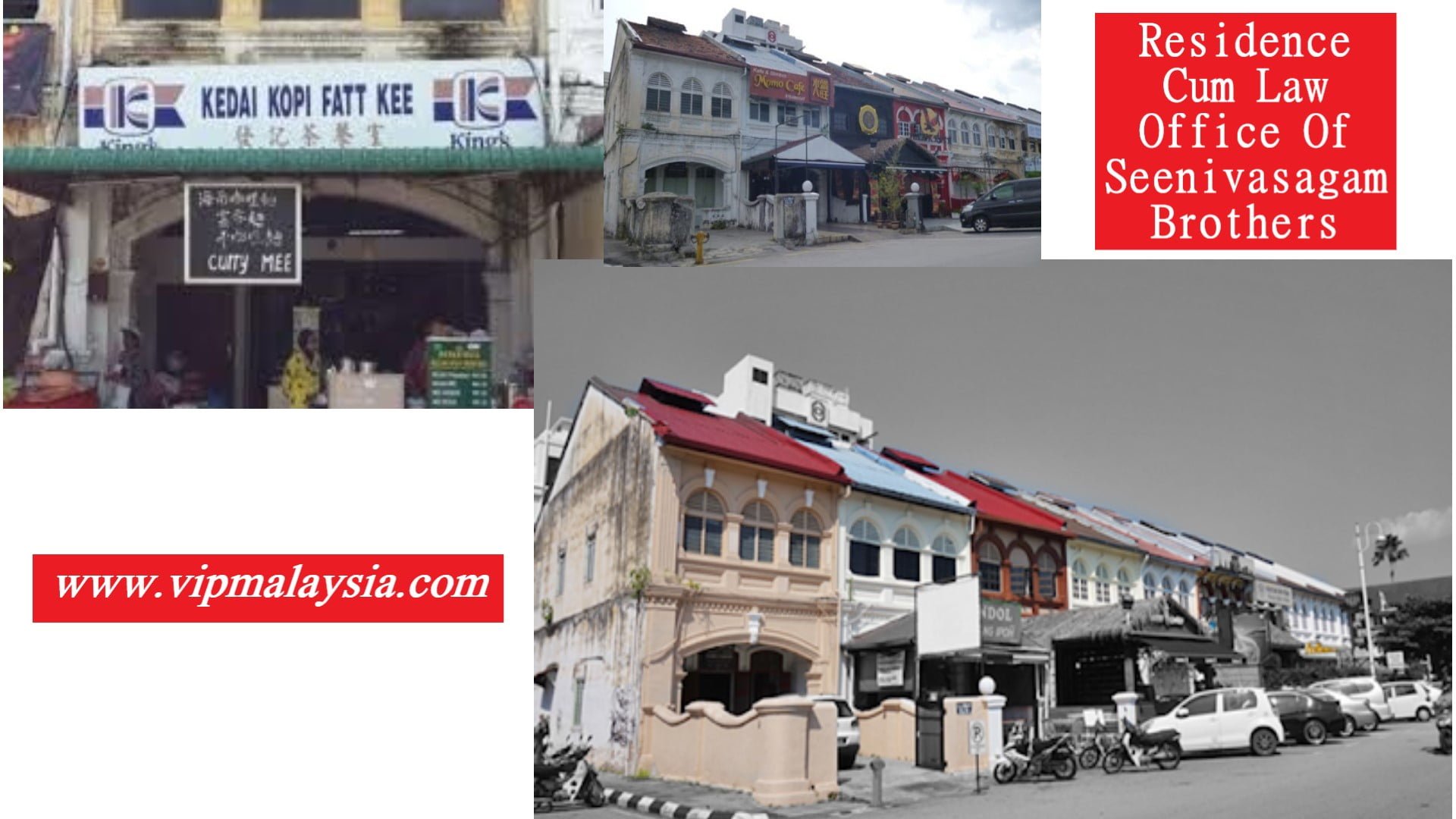
Seenivasagam Brothers, Perak
Discover the historic Seenivasagam Brothers building in Ipoh, a pre-war law office turned cultural hotspot. From authentic Malaysian delicacies like rojak and cendol to its rich political legacy tied to the Perak Progressive Party (PPP), this destination blends heritage, history, and flavor. Perfectly located along Ipoh’s heritage trail, it offers visitors a chance to explore colonial-era architecture, cultural festivals, and vibrant street food.
The Perak Progressive Party (PPP) was a political party in Malaysia founded in 1953 by the Seenivasagam Brothers in Ipoh, Perak. Initially established as a regional party, it was later renamed the People’s Progressive Party (PPP) in 1956 to reflect its national ambitions. The party was known for championing the rights of ordinary citizens, particularly urban communities, and played a significant role in Perak’s political landscape during the 1950s and 1960s. It joined the Alliance briefly in 1954, withdrew in 1955, and later became part of the Barisan Nasional coalition in 1973. Over time, however, its influence declined, and it was deregistered in 2019 before being re-registered in 2023.
Introduction
The Seenivasagam Brothers’ legacy is deeply woven into the cultural and political fabric of Ipoh, Perak. Their former law office, now a thriving cultural and culinary hub, stands as a testament to Malaysia’s struggle for social justice and the preservation of heritage. Visitors today can enjoy traditional delicacies, explore Ipoh’s heritage zone, and immerse themselves in the historical narratives that shaped modern Malaysia.
History
The Seenivasagam Brothers, S.P. Seenivasagam and D.R. Seenivasagam, were prominent lawyers and political leaders in the 1950s. They founded the Perak Progressive Party (PPP) in 1953, championing the rights of ordinary citizens and advocating for social equality. Their law office became a hub for legal and political discourse, influencing the trajectory of Malaysian politics.
Biodata
| Name | Life & Career | Political Role |
|---|---|---|
| S.P. Seenivasagam (Sri Padhmaraja Seenivasagam) | Born in Ipoh, 1918 – Died 4 July 1975. Educated at Anderson School, studied law at Middle Temple, London. Returned to Malaya post-WWII, began legal career in 1949 at family firm S. Seenivasagam & Sons. Known as a brilliant civil lawyer. | Co-founder of Perak Progressive Party (PPP) in 1953, renamed People’s Progressive Party in 1956. Served as party president until death. Won Menglembu parliamentary seat (1959–1974) and Kuala Pari state seat. Became Ipoh’s first municipal president in 1962. Later joined Barisan Nasional in 1974. |
| D.R. Seenivasagam (Darma Raja Seenivasagam) | Born in Ipoh, 1925 – Died 15 March 1969. Of Ceylonese Tamil ancestry. Practiced law at family firm S. Seenivasagam & Sons. Gained fame defending Lee Meng in a high-profile Emergency case. Known as a charismatic criminal lawyer and champion of the poor. | First president of PPP (1953–1969). Represented Ipoh in Parliament (1957–1969). Led PPP to major victories in Ipoh municipal council elections. Vocal critic of the ruling Alliance government, accused ministers of corruption. His death in 1969 marked the decline of PPP’s influence. |
A Historic Law Office
The building itself is a pre-war townhouse, strategically located near Ipoh Padang. Its architecture reflects colonial-era influences, with high ceilings, wooden shutters, and tiled flooring. This office was not only a workplace but also a center for political activism, where ideas of reform and progress were debated and shaped.
The Ipoh Padang is a historic open field in central Ipoh, Perak, established in 1898. It has long been a venue for sports, cultural events, and political gatherings. Over the years, it hosted football, cricket, and tennis matches, as well as important civic ceremonies. During the Japanese Occupation, it was used for daily allegiance assemblies, and in 1943, Subhas Chandra Bose delivered a speech here to rally support for the Indian National Army. On 31 May 1962, the Sultan of Perak proclaimed the formation of the Municipality of Ipoh at this site, marking a milestone in the city’s governance.
Today, Ipoh Padang is surrounded by landmarks such as the Royal Ipoh Club, St. Michael’s Institution, and the Birch Memorial Clock Tower, making it a key stop on Ipoh’s heritage trail. It remains a popular recreational space for locals, hosting festivals, parades, and community sports, while offering visitors a chance to experience both colonial-era architecture and modern cultural life.
Cultural Significance in Ipoh
Today, the site is recognized as part of Ipoh’s heritage zone. Surrounded by pre-war shop houses, museums, and cultural landmarks, it offers visitors a glimpse into the city’s vibrant past. The Seenivasagam Brothers’ contributions remain celebrated, making the building a symbol of heritage preservation and cultural pride.
Highlights
Authentic Malaysian Cuisine
Visitors can indulge in rojak, a sweet and spicy fruit-and-vegetable salad topped with peanut sauce, and cendol, a refreshing dessert made with pandan jelly, coconut milk, and palm sugar. These dishes are not only delicious but also represent the culinary diversity of Malaysia.
Rojak N Cendol Padang Ipoh
Just beside the Seenivasagam Brothers’ historic law office near Ipoh Padang, visitors will find Rojak N Cendol Padang Ipoh, a popular stall serving freshly made rojak and cendol. Known for its sweet-spicy fruit rojak topped with peanut sauce and refreshing cendol with coconut milk and palm sugar, this spot has become a favorite among locals and tourists exploring the heritage trail.
Tong Sui Kai (Dessert Street)
A short walk from the Seenivasagam Brothers’ building lies Tong Sui Kai, famously called Dessert Street. This lively night food hub offers a variety of Malaysian desserts, including rojak and cendol, alongside other sweet treats. The vibrant atmosphere, combined with authentic flavors, makes it a perfect evening stop after visiting Ipoh’s heritage landmarks.
Heritage Trail Exploration
The building is part of Ipoh’s heritage trail, which includes landmarks such as the Birch Memorial Clock Tower, Ipoh Railway Station, and St. Michael’s Institution. Walking through this trail allows visitors to experience colonial-era architecture and cultural fusion.
Colonial-Era Influence
Ipoh’s old town showcases a blend of Malay, Chinese, and British architectural styles. The Seenivasagam Brothers’ building stands as a fine example of this fusion, offering a visual narrative of Malaysia’s multicultural history.
Ipoh Cultural Festivals
Ipoh hosts vibrant cultural festivals, including parades, food fairs, and heritage celebrations. While the 2017 Ipoh Cultural Parade achieved recognition in Malaysia’s Book of Records, the Seenivasagam Brothers’ site remains a focal point for cultural gatherings and community events.
Museums and Landmarks Nearby
Visitors can explore nearby attractions such as the Han Chin Pet Soo Museum, dedicated to tin mining history, and the Ipoh World Heritage Gallery, which documents the city’s evolution. These sites complement the historical narrative of the Seenivasagam Brothers’ legacy.
Exploring Ipoh’s Heritage Zone
For adventurous travelers, trekking through Ipoh’s heritage zone offers a unique experience. The area is filled with hidden alleys, traditional shop houses, and street art murals, making it ideal for exploration.
Ipoh’s Heritage Zone is the historic heart of the city, centered around Ipoh Padang and Old Town, where colonial-era architecture, cultural landmarks, and preserved shop houses showcase the city’s rich past. The Ipoh Heritage Trail features more than 20–30 stops, including the Ipoh Railway Station, Birch Memorial Clock Tower, Royal Ipoh Club, St. Michael’s Institution, and the residence and law office of the Seenivasagam Brothers, making it a comprehensive journey through Perak’s political and cultural history. Visitors can explore the trail on foot or by scooter, with markers in English and Malay guiding them through each stop. The zone is also surrounded by vibrant food streets, museums like Han Chin Pet Soo, and cultural hubs such as Concubine Lane, blending heritage with modern attractions.
Wildlife and Natural Surroundings
Ipoh is surrounded by limestone hills and caves, home to diverse wildlife species such as silvered leaf monkeys, hornbills, and tropical butterflies. Visitors can combine cultural exploration with nature trekking, creating a holistic travel experience.
Nearby Attractions
Seenivasagam Brothers Building
The centerpiece of this journey, the building offers heritage architecture, cultural exhibitions, and authentic dining experiences.
Ipoh Railway Station
Known as the “Taj Mahal of Ipoh,” this colonial-era station is a must-see for architecture enthusiasts.
Kellie’s Castle
Located just outside Ipoh, Kellie’s Castle is a fascinating unfinished mansion that reflects colonial ambition and mystery.
Perak Cave Temple
A limestone cave temple adorned with murals and statues, offering spiritual and cultural insights.
Conclusion
The Seenivasagam Brothers’ building is more than just a heritage site—it is a living testament to Malaysia’s political history, cultural diversity, and culinary traditions. Visitors can enjoy authentic delicacies, explore Ipoh’s heritage trail, and immerse themselves in the legacy of leaders who shaped the nation’s identity. Whether you are a history buff, a food lover, or an adventurer, this destination promises a rich and unforgettable experience.
Summary
- Attraction: #SeenivasagamBrothers
- Location: #Perak
- Attraction Type: #Building
- Source: tourismperakmalaysia.com, https://www.facebook.com/TourismPerakMalaysia/
- Why Visit
- Historic pre-war building – A former law office turned cultural hotspot
- Authentic Malaysian cuisine – Enjoy delicious rojak and refreshing cendol on-site
- Strong cultural significance – Linked to the founding of the Perak Progressive Party (PPP) in 1953
- Proximity to Ipoh’s heritage trail – Ideal for history buffs and food lovers exploring the city
Quick Info
| Attribute | Details |
|---|---|
| Name | Seenivasagam Brothers Ipoh, Perak |
| Address | 3, Jalan Tun Sambanthan, 30000 Ipoh, Perak |
| GPS Position | 4.5975° N, 101.0790° E |
| State | Perak |
| Date Established | Pre-1950s |
| Facility Type | Historical Building & Local Eatery |
| Special Attractions | Heritage Architecture, Rojak, Cendol, Political History |
| Nearby Attractions | Ipoh Padang, Concubine Lane, Birch Memorial Clock Tower |
| Accessibility | Close to public transport and Ipoh’s heritage trail |
| Best Time to Visit | Afternoon for best food experience |
Visitor Reviews
Amirul Kamarulzaman, Kuala Lumpur – ★★★★★ “I was amazed by the historical depth of the Seenivasagam Brothers’ building. The rojak was authentic, and the cendol was the best I’ve had in years. The heritage trail nearby made the visit even more memorable.”
Rachel Tan, Penang – ★★★★☆ “The building is beautifully preserved, and the cultural significance is inspiring. I enjoyed the food, though the seating area could be expanded. Still, it’s a must-visit for anyone exploring Ipoh.”
Donnie Tan Eng Soon, Singapore – ★★★★★ “As a history enthusiast, I found the narrative of the Seenivasagam Brothers fascinating. The law office turned cultural hotspot is a perfect blend of heritage and modern dining. Highly recommended!”
Safura Ahmad Shah, Johor Bahru – ★★★★★ “The atmosphere was vibrant, and the food was delicious. I loved walking the heritage trail afterward. It’s a great spot for both locals and tourists.”