Tag: Building

  • Seenivasagam Brothers, Ipoh: Heritage & Local Delights

    Seenivasagam Brothers, Ipoh: Heritage & Local Delights

    Seenivasagam Brothers, Perak

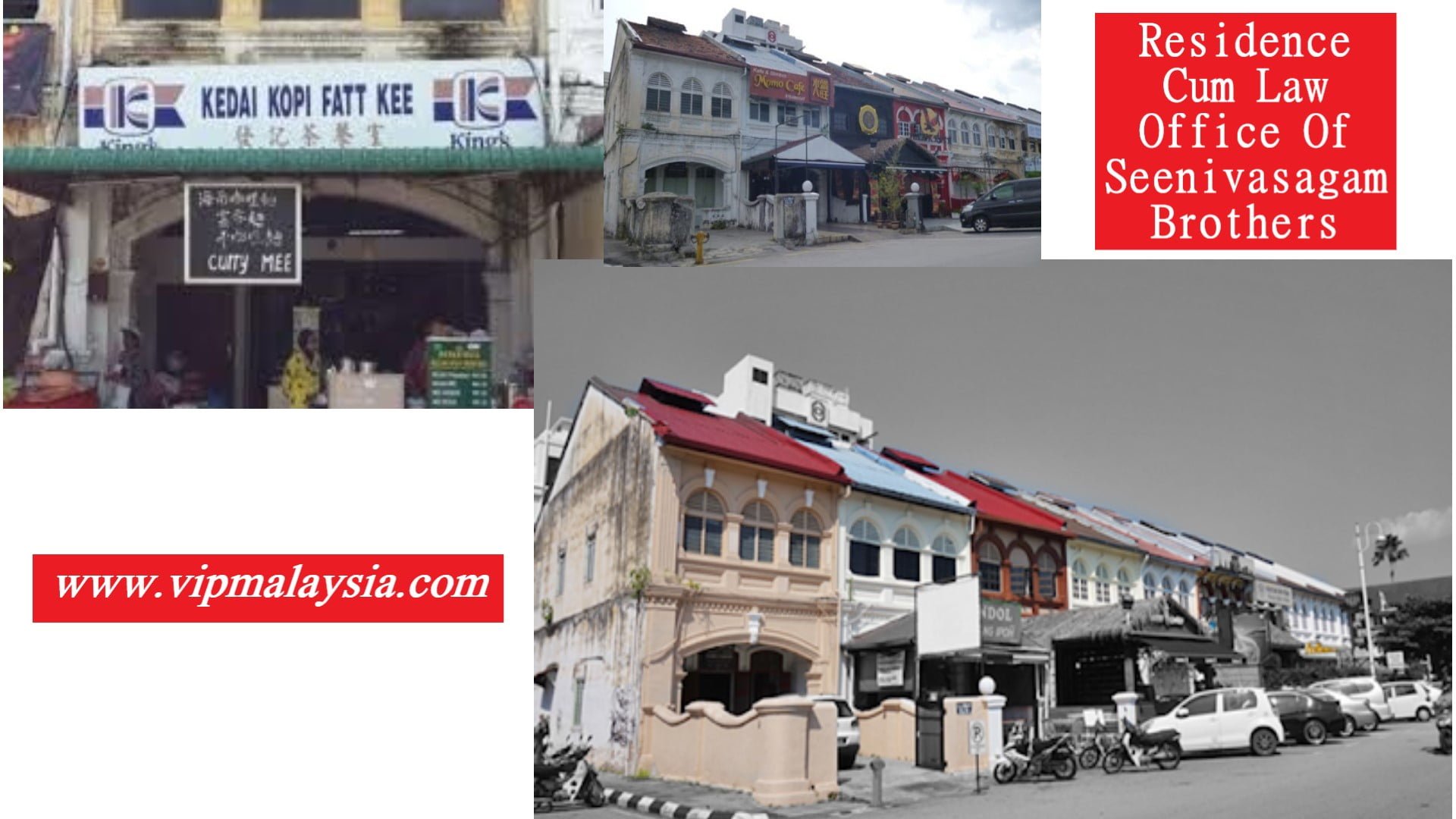
    Located on the fringe of Ipoh Padang, the historic Residence & Law Office of the Seenivasagam Brothers stands as a preserved pre-war townhouse, once home to legal offices and influential figures in Malaysia’s political landscape. Today, this architectural gem offers a unique cultural experience, blending heritage charm with local delicacies like rojak and cendol.

    Why Visit

    • Historic pre-war building – A former law office turned cultural hotspot
    • Authentic Malaysian cuisine – Enjoy delicious rojak and refreshing cendol on-site
    • Strong cultural significance – Linked to the founding of the Perak Progressive Party (PPP) in 1953
    • Proximity to Ipoh’s heritage trail – Ideal for history buffs and food lovers exploring the city

    Discover heritage, history, and local flavors—plan your visit to Seenivasagam Brothers today!

    History & Cultural Impact

    The Legacy of the Seenivasagam Brothers

    • Founded the Perak Progressive Party (PPP) – Champions of common folk’s rights in the 1950s
    • Used as a legal office – A historic center for Malaysian legal and political movements
    • Located in Ipoh’s heritage zone – Surrounded by pre-war architecture and cultural landmarks

    Ipoh Cultural & Heritage Attractions

    • Heritage trail exploration – Visit landmarks, museums, and traditional shop houses
    • Ipoh Cultural Parade 2017 – Achieved Malaysia’s Book of Records as the largest cultural parade
    • Colonial-era influence – Showcasing historical Malay-Chinese-British architecture

    Local Cuisine & Unique Dining

    Traditional Malaysian Delicacies

    • Rojak – A sweet, spicy, and tangy mix of fruits and vegetables with peanut sauce
    • Cendol – A refreshing dessert made with pandan jelly, coconut milk, and palm sugar
    • Street food experience – Enjoy classic Malaysian flavors right at a historic site

    Seenivasagam Brothers isn’t just a historical site—it’s a cultural experience, where political legacy meets iconic Malaysian street food. Whether you’re exploring Ipoh’s heritage trail, learning about Malaysia’s past, or indulging in delicious cendol and rojak, this destination offers a truly unique blend of history and cuisine.

    Step into history and savor authentic Malaysian flavors—visit Seenivasagam Brothers in Ipoh today!

    Summary

    • Attraction: #SeenivasagamBrothers  
    • Location: #Perak 
    • Attraction Type: #Building  
    • Source: tourismperakmalaysia.com, https://www.facebook.com/TourismPerakMalaysia/
    • Why Visit
      • Historic pre-war building – A former law office turned cultural hotspot
      • Authentic Malaysian cuisine – Enjoy delicious rojak and refreshing cendol on-site
      • Strong cultural significance – Linked to the founding of the Perak Progressive Party (PPP) in 1953
      • Proximity to Ipoh’s heritage trail – Ideal for history buffs and food lovers exploring the city

    Quick Info

    AttributeDetails
    NameSeenivasagam Brothers Ipoh, Perak
    Address3, Jalan Tun Sambanthan, 30000 Ipoh, Perak
    GPS Position4.5975° N, 101.0790° E
    StatePerak
    Date EstablishedPre-1950s
    Facility TypeHistorical Building & Local Eatery
    Special AttractionsHeritage Architecture, Rojak, Cendol, Political History
    Nearby AttractionsIpoh Padang, Concubine Lane, Birch Memorial Clock Tower
    AccessibilityClose to public transport and Ipoh’s heritage trail
    Best Time to VisitAfternoon for best food experience
    ContactHistorical Site, No Official Contact


  • Perak Hydro Building: A Neo-Renaissance Architectural Marvel

    Perak Hydro Building: A Neo-Renaissance Architectural Marvel

    Perak Hydro Building

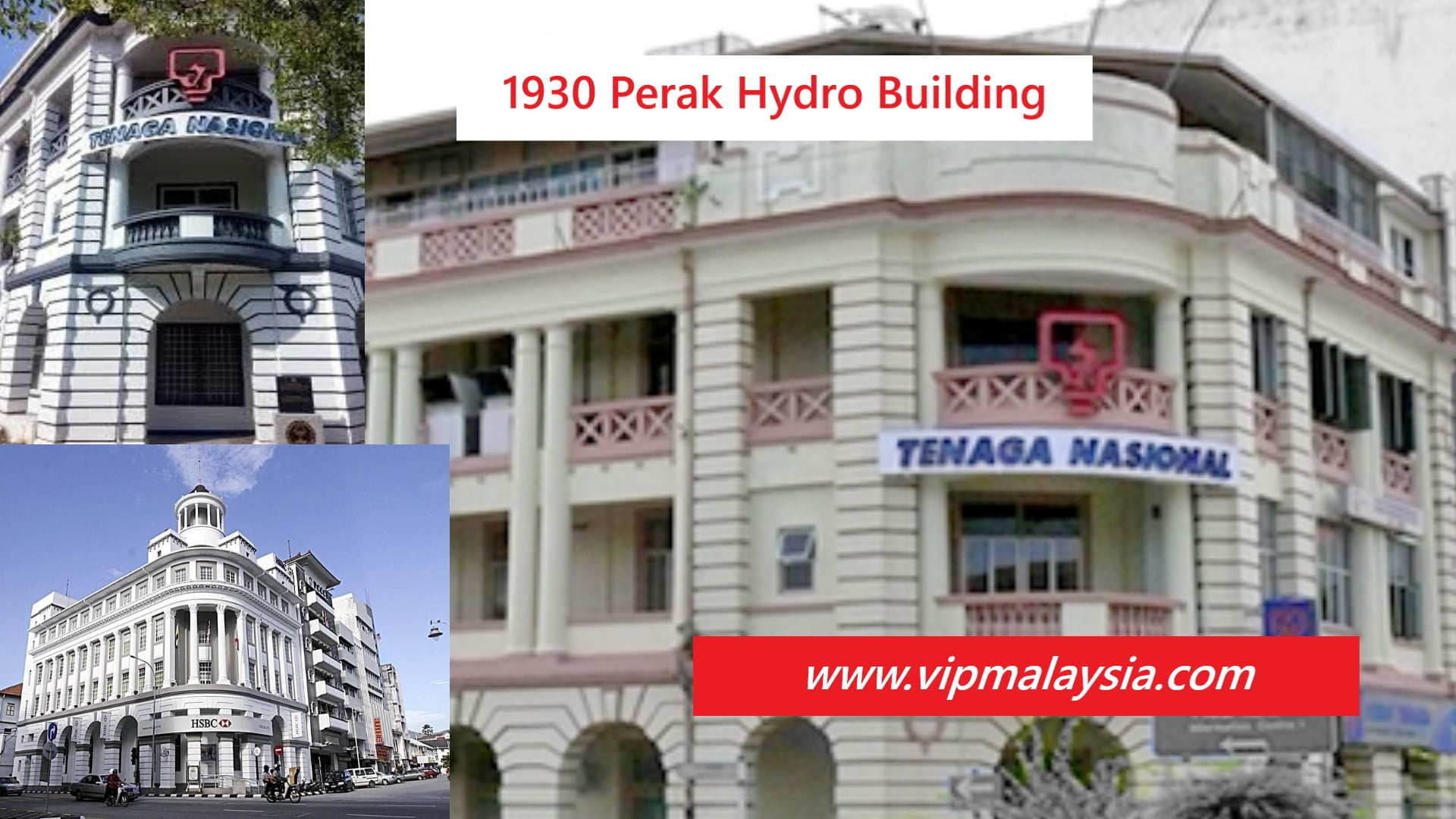
    Perak Hydro Building, located in Ipoh, Perak, is one of Malaysia’s most impressive Neo-Renaissance structures, featuring grand Greek and Roman-inspired columns. Originally built in 1930, this building served as the headquarters for the Perak River Hydro-Electric Power Company, supplying electricity to Malaya’s thriving tin mining industry. Today, the building is occupied by Tenaga Nasional Berhad (TNB), yet its historical charm and architectural grandeur remain untouched.

    Discover the History & Significance of Perak Hydro Building

    Why Visit:

    • Neo-Renaissance architecture – Showcasing colossal columns and intricate European designs
    • Rich historical value – Once home to Malaya’s largest electricity supplier in the 1930s
    • Symbol of industrial progress – Played a key role in powering tin mines in the Kinta Valley
    • Prime location in Ipoh – A great stop for history buffs and architecture enthusiasts

    Explore Ipoh’s iconic heritage—plan your visit to Perak Hydro Building today!

    History & Architectural Significance

    The Birth of Perak Hydro Power

    • ✔ Established in London in 1926 – Formed to provide hydroelectric power to Malaya’s tin industry
    • ✔ Largest power provider in Malaya – Boosting economic growth through industrial electrification
    • ✔ Key location in Ipoh – Situated in the heart of Malaysia’s tin-mining district

    Architectural Marvel

    • ✔ Built in 1930 – Featuring Neo-Renaissance Victorian elements
    • ✔ Greek & Roman columns – Elevating the building’s grand European aesthetic
    • ✔ Still standing strong – Currently utilized by Tenaga Nasional Berhad (TNB)

    Visitor Experience & Nearby Attractions

    Explore the Heritage of Ipoh

    • ✔ Walk through the city’s colonial past – Visit Ipoh’s historic landmarks and buildings
    • ✔ Stop by Tin Mining Museum – Learn about Malaya’s mining legacy
    • ✔ Photography hotspot – Capture the stunning architectural details of Perak Hydro Building

    Nearby Attractions

    • ✔ Ipoh Railway Station – A magnificent British colonial structure
    • ✔ Birch Memorial Clock Tower – A historical tribute to James Birch
    • ✔ Concubine Lane – Discover Ipoh’s famous heritage shopping street

    Perak Hydro Building isn’t just an architectural gem—it’s a historical icon, representing Malaysia’s industrial progress and colonial craftsmanship. Whether you’re admiring its Neo-Renaissance beauty, learning about Malaya’s energy history, or exploring Ipoh’s heritage, this building offers an immersive experience of history and culture.

    Step into Malaysia’s industrial past—visit Perak Hydro Building in Ipoh today!

    Summary

    • Attraction: #PerakHydroBuilding 
    • Location: #Perak 
    • Attraction Type: #Building 
    • Source: tourismperakmalaysia.com, http://ipohheritage.mbi.gov.my/index.php/perak-hydro-building/
    • Why Visit:
      • Neo-Renaissance architecture – Showcasing colossal columns and intricate European designs
      • Rich historical value – Once home to Malaya’s largest electricity supplier in the 1930s
      • Symbol of industrial progress – Played a key role in powering tin mines in the Kinta Valley
      • Prime location in Ipoh – A great stop for history buffs and architecture enthusiasts

    Quick Info

    AttributeDetails
    NamePerak Hydro Building Ipoh
    Address2, Jalan Dato Maharajalela, 30000 Ipoh, Perak
    GPS Position4.5972° N, 101.0793° E
    StatePerak
    Date Established1930
    Facility TypeHistorical Building & National Electricity Office
    Special AttractionsNeo-Renaissance Architecture, Greek Columns, Industrial Heritage
    Nearby AttractionsIpoh Railway Station, Birch Memorial Clock Tower, Concubine Lane
    AccessibilityConnected via public transport & major roads
    Best Time to VisitMorning or Late Afternoon
    ContactOccupied by Tenaga Nasional Berhad (TNB)


  • Ipoh Railway Station: Taj Mahal of Perak Travel

    Ipoh Railway Station: Taj Mahal of Perak Travel

    Ipoh Railway Station, Perak

    Discover the timeless charm of Ipoh Railway Station, Perak’s colonial-era masterpiece often called the Taj Mahal of Ipoh. Built in 1917 by architect Arthur Benison Hubback, this landmark blends Edwardian Baroque and Mughal influences, offering travelers a gateway into Malaysia’s rich railway heritage and cultural history.

    Introduction

    Ipoh Railway Station stands proudly in the heart of Perak’s capital city, a living monument to Malaysia’s colonial past and modern connectivity. Known affectionately as the Taj Mahal of Ipoh, the station is more than just a transport hub—it is a cultural icon, architectural marvel, and historical treasure. Designed by the renowned British architect Arthur Benison Hubback, the station opened in 1917 to replace the earlier 1894 wooden structure. Its grand dome, sweeping arches, and Indo-Saracenic flourishes make it one of Malaysia’s most photographed landmarks. Today, it continues to serve thousands of passengers daily while offering visitors a glimpse into the elegance of a bygone era.

    History

    Early Beginnings

    The first Ipoh railway station was constructed in 1894 as part of the Perak Railway network. It was a modest wooden building that served the growing tin-mining town for two decades. As Ipoh expanded rapidly, the need for a larger, more permanent station became clear. In 1914, plans were drawn up for a grand new station that would reflect the city’s prosperity. Despite delays caused by World War I and material shortages, the station was completed in 1917.

    Architectural Vision

    Arthur Benison Hubback, the architect behind Kuala Lumpur Railway Station and Masjid Jamek, infused the Ipoh station with a blend of Edwardian Baroque and Mughal-inspired design. The result was a striking building with a central dome, sweeping loggias (covered walkway), and intricate arches that echoed the grandeur of palaces in India. The station quickly earned its nickname, the Taj Mahal of Ipoh, for its majestic appearance.

    The Majestic Hotel

    One of the station’s unique features was the Majestic Hotel, located on the second floor. Originally offering 17 rooms, later expanded to 21, the hotel catered to travelers seeking comfort and colonial elegance. It remained in operation for decades before closing in 2011, with redevelopment plans announced in recent years.

    • Address: Bangunan Stesen Keretapi, Jalan Panglima Bukit Gantang Wahab, 30000 Ipoh, Perak, Malaysia
    • Phone: +60 5-255 5605

    The Majestic Station Hotel, also known historically as the Station Hotel Ipoh, is a colonial-era hotel located within the Ipoh Railway Station building. Designed by Arthur Benison Hubback and opened in 1917, it was originally built to provide first-class accommodation for travelers arriving in Ipoh during the tin-mining boom. The hotel featured 17 rooms initially, later expanded to 21, and included a restaurant and bar. It operated for decades before closing in 2010. Plans for redevelopment were announced in 2020, with the site set to reopen as the Grand Majestic Hotel under a new management scheme.

    Highlights

    Architectural Grandeur

    The station’s most striking feature is its grand dome and symmetrical arches, which dominate the skyline. Visitors are often captivated by the Indo-Saracenic style, blending Mughal domes with Edwardian flourishes. The façade’s whitewashed walls and elegant verandahs make it a favorite spot for photography.

    Station Square and Cenotaph

    In front of the station lies Ipoh Station Square, a landscaped plaza featuring memorials and sculptures. The Ipoh Cenotaph, dedicated to soldiers who died in World War I and II, adds a solemn historical layer to the site.

    Nearby Attractions

    Ipoh Old Town

    Just a short walk away, Ipoh Old Town offers colonial-era shop houses, vibrant street art, and traditional coffee shops serving Ipoh’s famous white coffee. The heritage trail connects visitors to landmarks like the Birch Memorial Clock Tower and the Ipoh Town Hall.

    Concubine Lane

    Concubine Lane, once a bustling alley of traders and miners, is now a lively street filled with boutique shops, cafés, and murals. It’s a must-visit for those exploring Ipoh’s cultural side.

    Museums and Heritage

    Nearby attractions include the Han Chin Pet Soo Museum, which tells the story of Ipoh’s tin-mining boom, and the Tun Razak Library, offering insights into Perak’s history.

    Trekking and Adventure

    Kinta Valley Exploration

    Beyond the station, Ipoh serves as a gateway to the Kinta Valley, known for its limestone hills and caves. Adventurers can trek to Gua Tempurung, one of Malaysia’s largest caves, featuring stalactites, underground rivers, and guided tours.

    Wildlife and Nature

    The surrounding region is home to diverse wildlife, including hornbills, macaques, and tropical butterflies. Eco-parks and forest reserves near Ipoh provide opportunities for birdwatching and jungle trekking.

    Colonial Heritage Trail

    Walking from the station, visitors can follow the Ipoh Heritage Trail, which links key colonial buildings such as the Town Hall, Post Office, and Court Complex. Each site reflects the city’s role during the British colonial era.

    Conclusion

    Ipoh Railway Station is more than a transit point—it is a colonial masterpiece, a cultural landmark, and a gateway to adventure. From its architectural grandeur designed by Arthur Benison Hubback to its role in Malaysia’s railway heritage, the station embodies the spirit of Ipoh. Whether you’re admiring its dome, exploring nearby attractions, or embarking on treks in the Kinta Valley, the station offers a journey through history and nature. For travelers seeking both nostalgia and discovery, Ipoh Railway Station remains a must-visit destination in Perak.

    Explore the Historic Charm & Architecture of Ipoh Railway Station

    Why Visit:

    • Architectural masterpiece – Designed by Arthur Benison Hubback, inspired by Indo-Saracenic architecture
    • Historical significance – Originally a hospital before becoming a railway station in 1917
    • Home to the Majestic Hotel – Experience colonial-era elegance within the station
    • Iconic railway landmark in Malaysia – A must-see stop for train travelers and architecture enthusiasts

    Step into history—visit Ipoh Railway Station today!

    The Architecture & History of Ipoh Railway Station

    Colonial Elegance & Moorish Influences

    • ✔ Designed by British architect Arthur Benison Hubback – A blend of Edwardian Baroque and Mughal elements
    • ✔ Grand dome & intricate archesResembling a royal palace with stunning symmetrical details
    • ✔ Expansive loggia (covered walkway)

    From Hospital to Railway Hub

    • ✔ Initially built to serve as a hospital – Later repurposed due to material shortages during WWI
    • ✔ Officially opened as a railway station in 1917Becoming one of Malaysia’s earliest railway landmarks
    • The first railway line in Malaysia was Taiping–Port Weld (1885).

    Visitor Experience & Nearby Attractions

    Things to See & Do at Ipoh Railway Station

    • ✔ Admire the grand colonial architecture – Perfect for photography and historical appreciation
    • ✔ Explore the Majestic Hotel within the stationEnjoy a nostalgic stay in a heritage setting
    • ✔ Walk through Ipoh Heritage Square – A plaza featuring sculptures, memorials, and green spaces

    Nearby Attractions

    • ✔ Ipoh’s Old Town & Heritage Trail – Discover colonial-era buildings, murals, and classic coffee shops
    • ✔ Concubine Lane – A historic alley filled with traditional shops and hidden gems
    • ✔ Han Chin Pet Soo Museum – An insightful museum dedicated to Ipoh’s tin mining past

    Ipoh Railway Station isn’t just a transportation hub—it’s a colonial masterpiece, offering stunning architecture, historical significance, and a link to Malaysia’s railway heritage. Whether you’re exploring its grand design, uncovering its past, or capturing its beauty through your lens, this station is a must-visit in Ipoh.

    Step into history—plan your visit to Ipoh Railway Station today!

    Summary

    • Attraction: #IpohRailwayStation  
    • Location: #Perak 
    • Attraction Type: #Building 
    • Source: tourismperakmalaysia.com, Facebook.com
    • Why Visit:
      • Architectural masterpiece – Designed by Arthur Benison Hubback, inspired by Indo-Saracenic architecture
      • Historical significance in 1917
      • Home to the Majestic Hotel – Experience colonial-era elegance within the station
      • Iconic railway landmark in Malaysia – A must-see stop for train travelers and architecture enthusiasts

    Quick Info

    AttributeDetails
    NameIpoh Railway Station, Perak
    AddressStesen Keretapi Ipoh, Jalan Panglima Bukit Gantang Wahab, 30000 Ipoh, Perak, Malaysia
    GPS Position4.5973° N, 101.0730° E
    StatePerak
    ArchitectArthur Benison Hubback
    Facility TypeRailway Station & Historical Landmark
    Special AttractionsColonial Architecture, Grand Dome, Station Square, Majestic Hotel (closed in 2010, redevelopment planned)
    Nearby AttractionsIpoh Heritage Square, Old Town, Concubine Lane, Han Chin Pet Soo Museum
    AccessibilityLocated in Ipoh city center, near major roads; connected by ETS and KTM Komuter services
    Best Time to VisitMorning or evening for photography; cooler temperatures and softer light
    ContactTicket Counter: +605-254 7987; KTM Call Center: 1300-88-5862 (local) / +603-2267 1200 (international)

    Visitor Reviews

    Lucy, Penang – ★★★★★ “I was amazed by the station’s architecture. The dome and arches are breathtaking, and the heritage trail nearby made my trip unforgettable. Truly the Taj Mahal of Ipoh.”

    Shahrudin Hashim, Kuala Lumpur – ★★★★☆ “The station is beautiful and full of history. Parking was a bit crowded, but the experience of walking through Old Town after visiting the station was worth it.”

    Faraeiza Gayong, Singapore – ★★★★★ “Loved the colonial vibe! The Majestic Hotel section, though closed, still adds charm. Perfect spot for photography and exploring Ipoh’s cultural side.”

    Dato; Senik, Johor Bahru – ★★★★★ “Traveling by ETS to Ipoh was smooth, and arriving at this station felt like stepping back in time. The nearby cafés and Concubine Lane were highlights of my trip.”

  • Ipoh Heritage Trail: Colonial Charm and Culture

    Ipoh Heritage Trail: Colonial Charm and Culture

    Heritage Trail Ipoh, Perak

    Discover the Ipoh Heritage Trail, a curated walking journey through 27 historic landmarks in Perak’s capital. From colonial architecture and tin mining heritage to Concubine Lane’s vibrant markets, this trail offers a deep dive into Malaysia’s cultural past and present.

    Introduction

    The Ipoh Heritage Trail is more than just a walking route; it is a living museum that captures the essence of Malaysia’s colonial past and tin mining legacy. Nestled in the heart of Perak’s capital, Ipoh, this trail takes visitors through 27 historic sites, weaving together stories of architecture, culture, and community. Whether you are a history enthusiast, a casual traveler, or a foodie eager to taste Ipoh white coffee, the trail offers something for everyone.

    Ipoh white coffee is a traditional Malaysian coffee drink that originated in Ipoh, Perak. Despite its name, the coffee is not actually white. The beans are slow-roasted in palm oil margarine without sugar, producing a lighter roast with a smooth, caramelized flavor. The brewed coffee is typically served with sweetened condensed milk, giving it a creamy texture and pale beige color. This style of preparation was introduced by Hainanese immigrants in the 19th century during the tin-mining boom, and it has since become one of Malaysia’s most iconic beverages, earning Ipoh recognition as one of the world’s top coffee towns.

    History

    Ipoh rose to prominence in the late 19th century as the center of Malaysia’s booming tin mining industry. British colonial influence left behind grand buildings, civic institutions, and cultural landmarks that still stand today. The Ipoh Heritage Trail was officially curated by the Ipoh City Council to preserve and showcase these treasures. With information plaques in Malay and English, visitors can learn about the significance of each stop, from the Ipoh Railway Station to the Birch Memorial Clock Tower.

    Ipoh City Council (Malay: Majlis Bandaraya Ipoh, abbreviated MBI) is the local authority responsible for administering the city of Ipoh in Perak, Malaysia. Established under the Local Government Act 1976 (Act 171) and the Town and Country Planning Act 1976 (Act 172), it functions as a corporate body tasked with managing urban development, public health, sanitation, waste management, environmental protection, and infrastructure maintenance. The council was officially formed when Ipoh was granted city status on 27 May 1988, succeeding the Ipoh Municipal Council. Its jurisdiction covers 643 square kilometers with a population of over 880,000 people, making it the central authority for administration, commerce, sports, finance, politics, religion, and education in Perak.

    Highlights

    Ipoh Railway Station

    Known as the “Taj Mahal of Ipoh”, this station is a striking example of British colonial architecture. Built in 1917, it also houses the Majestic Hotel. Its domes and arches reflect Indo-Saracenic design, making it one of Malaysia’s most photographed landmarks.

    Majestic Hotel Ipoh (also known historically as the Majestic Station Hotel) is a heritage hotel located within the Ipoh Railway Station building in Perak, Malaysia. Designed in 1914 by British architect Arthur Benison Hubback in Moorish and neo-classical style, the hotel opened in 1935 and operated until its closure in 2010. It was once considered one of Ipoh’s most prestigious accommodations, offering direct access to the railway station and serving travelers with colonial-era charm. The property, owned by the Railway Assets Corporation (RAC), is currently undergoing redevelopment and restoration, with plans to reopen as the Grand Majestic Hotel, positioning it again as a central hub for tourism and heritage in Ipoh.

    Birch Memorial Clock Tower

    This tower commemorates J.W.W. Birch, Perak’s first British Resident. It features panels depicting world figures from philosophy, religion, and law. The tower remains a controversial yet iconic symbol of colonial governance.

    Concubine Lane

    Once a hub for traders and miners, Concubine Lane is now a lively street filled with heritage shops, cafes, and murals. It is a favorite spot for tourists seeking both history and Instagram-worthy photos.

    Nearby Attractions

    Ipoh Town Hall

    The Ipoh Town Hall is a colonial-era masterpiece built in 1916. Its neoclassical design reflects British civic architecture, and today it serves as a venue for cultural events and weddings.

    • Address: 2700, Jalan Panglima Bukit Gantang Wahab, 30000 Ipoh, Perak, Malaysia
    • Phone: 05-208 3333 / 05-253 7396

    Ipoh Town Hall is a historic colonial-era building in Ipoh, Perak, Malaysia. Designed by British architect Arthur Benison Hubback in Neo-Classical style, it was completed in 1916 and originally served as both a civic hall and the town’s main post office. The building has hosted significant cultural and political events, including concerts, operas, and even the inaugural congress of the Malay Nationalist Party in 1945. Today, it is under the jurisdiction of the Ipoh City Council and has been gazetted as a National Heritage site. Plans are underway to repurpose it into a performing arts center and art gallery, preserving its architectural legacy while revitalizing its cultural role.

    Han Chin Pet Soo Museum

    This museum was once a private club for Hakka tin miners. Today, it offers guided tours that showcase the tin mining industry, gambling culture, and social life of Ipoh’s past.

    • Address: 3, Jalan Bijeh Timah, 30100 Ipoh, Perak, Malaysia
    • Phone: 05-241 4541 / 05-529 3306

    Han Chin Pet Soo Museum is Malaysia’s first Hakka tin mining museum, located in Ipoh, Perak. Originally established in 1893 as the Hakka Miners’ Club by tin miner Leong Fee, the building was rebuilt in 1929 and later restored by Ipoh World Sdn. Bhd. The museum opened to the public in 2015 and showcases over 1,500 artifacts, photographs, and collectibles from the tin mining era. Exhibits include reconstructions of gambling rooms, opium dens, kitchens, and miners’ living quarters, offering visitors a vivid glimpse into Ipoh’s social and industrial past. Entry is free but requires prior appointment, and guided tours are conducted in small groups.

    Ipoh Old Town

    The birthplace of Ipoh white coffee, Old Town is lined with coffee shops, murals, and colonial shophouses. It is the perfect place to indulge in local flavors while exploring heritage.

    Nasi Kandar in Ipoh

    No exploration of Ipoh is complete without tasting Nasi Kandar, a beloved Malaysian dish that originated in Penang but has become a staple in Ipoh’s food scene. It consists of steamed rice served with a variety of curries and side dishes, often featuring chicken, beef, lamb, or seafood. The name “kandar” refers to the traditional way vendors carried rice and curry pots balanced on a pole across their shoulders. Today, Ipoh’s Nasi Kandar restaurants are famous for their rich, spicy gravies and generous portions, making them a perfect stop after walking the Ipoh Heritage Trail.

    Trekking and Adventure

    Walking the Trail

    The trail is a curated walking route through Ipoh’s historic colonial landmarks and tin mining heritage sites. It spans about 6 kilometers (and can be completed in 2 hours, though exploring museums and cafes may extend it to 6 hours) across the city center, starting near the Ipoh Railway Station (where trail maps are available) and weaving through Concubine Lane, Ipoh Town Hall, Birch Memorial Clock Tower, Ipoh Old Town, and other heritage points.

    Visitor Facilities

    Along the route, visitors will find shaded rest areas, cafes, and public facilities. Scooters are available for rent near Ipoh Padang, making it easier to navigate in the tropical heat.

    Nearby Towns

    Ipoh is well connected to nearby towns such as Kuala Kangsar, known for its royal heritage, and Taiping, famous for its lake gardens. These towns complement the Ipoh experience with additional cultural depth.

    Kuala Kangsar is the royal town of Perak, Malaysia, located along the Perak River about 25 km northwest of Ipoh and 98 km southeast of George Town, Penang. It serves as the administrative capital of the Kuala Kangsar District and is governed by the Kuala Kangsar Municipal Council (Majlis Perbandaran Kuala Kangsar). The town is historically significant as the site of the first Conference of Rulers of the Federated Malay States in 1897. It is also known for landmarks such as the Ubudiah Mosque, considered one of the most beautiful mosques in Malaysia, the Iskandariah Palace, the royal residence of the Sultan of Perak, and the Malay College Kuala Kangsar (MCKK), founded in 1905 as an elite school for Malay nobility. The town is closely tied to Malaysia’s agricultural history, being the site where the first rubber trees in Malaya were planted.

    Nearby Attractions

    St. Michael’s Institution

    St. Michael’s Institution in Ipoh, Perak, is a historic Catholic school founded in 1912 by the La Salle Brothers. Known for its Gothic architecture designed by Brother Director J.B. Coppin, the school has long been a landmark in Ipoh’s educational and cultural landscape. It offers primary to secondary education and is recognized for its strong academic tradition, co-curricular excellence, and values rooted in the Lasallian mission of holistic education. Today, St. Michael’s Institution continues to serve as one of Perak’s most prestigious schools, blending heritage with modern learning.

    • Address: Jalan S.P. Seenivasagam, 30000 Ipoh, Perak, Malaysia
    • Phone: 05-254 0418 Fax: 05-254 0487

    Royal Ipoh Club

    Royal Ipoh Club is one of Malaysia’s oldest elite social clubs, established around 1895 and located beside the Ipoh Padang in Perak. Originally founded as a colonial sports and social club for British expatriates, it later became a prestigious gathering place for locals after independence. The clubhouse, a distinctive black-and-white heritage building completed in 1898, has hosted generations of dignitaries and remains under the patronage of the Sultan of Perak. Today, the Royal Ipoh Club offers facilities such as function rooms, dining halls, a gym, and the famous “Long Bar,” continuing its tradition as a hub for social and cultural integration in Ipoh.

    • Address: Jalan Panglima Bukit Gantang Wahab, P.O. Box 3, 30000 Ipoh, Perak Darul Ridzuan, Malaysia
    • Phone: 05-254 2212, 05-254 5646, 05-255 8611, 05-253 7833

    Perak Cave Temple

    Although not part of the official trail, this temple is a nearby attraction. Nestled within limestone hills, it features Buddhist statues, murals, and panoramic views of Ipoh.

    • Address: Jalan Kuala Kangsar, Kawasan Perindustrian Tasek, 31400 Ipoh, Perak, Malaysia
    • Phone: 011-2358 4126

    The temple is open daily from 8:00 AM – 5:00 PM, and it is one of Ipoh’s most iconic limestone cave temples, featuring murals, Buddha statues, and panoramic views of the city.

    Cultural Festivals and Wildlife

    Festivals

    Ipoh hosts annual events such as the Ipoh International Run and Perak Cultural Festival, which often include performances near heritage sites. These festivals bring the trail to life with music, dance, and food.

    Ipoh International Run (IIR) is a major annual running event organized by the Ipoh City Council (Majlis Bandaraya Ipoh) in collaboration with event partners. First held in 1985, it has grown into one of Malaysia’s most recognized city runs, attracting thousands of participants from both local and international communities. The run features multiple categories, including 21 km, 10 km, and 5 km distances, catering to elite athletes, fun runners, and school participants. After a hiatus due to SUKMA 2018 and the Covid-19 pandemic, the event made its comeback in 2024, coinciding with Visit Perak Year 2024, and was hosted at Stadium Indera Mulia, Ipoh. The event not only promotes fitness but also highlights Ipoh’s cultural and heritage landmarks along the race routes.

    • Address: Stadium Indera Mulia, Persiaran Bulan, Kompleks Sukan Ipoh, 31400 Ipoh, Perak, Malaysia
    • Phone (Event Management): 014-337 7078 / 013-881 7078

    Wildlife

    While the trail itself is urban, nearby parks like Gunung Lang Recreational Park offer encounters with local wildlife such as macaques, hornbills, and freshwater fish.

    Conclusion

    The Ipoh Heritage Trail is a journey through time, blending colonial architecture, tin mining heritage, and local culture. Whether you are drawn to the grandeur of the Ipoh Railway Station, the charm of Concubine Lane, or the flavors of Ipoh Old Town, this trail offers a holistic experience of Malaysia’s history and identity.

    Summary

    • Attraction: #HeritageTrail  
    • Location: #Perak 
    • Attraction Type: #Building 
    • Source: http://ipohheritage.mbi.gov.my/
    • Why Explore:
      • Immerse in colonial architecture – Admire British-inspired buildings with intricate designs
      • Learn about Ipoh’s tin mining legacy – Discover the industry that shaped Malaysia’s economy
      • Visit iconic historical landmarks – Including Concubine Lane, Birch Memorial & Town Hall
      • Indulge in Ipoh’s famous local flavors – Enjoy Ipoh white coffee & nasi kandar on your journey

    Quick Info

    AttributeDetails
    NameHeritage Trail Ipoh, Perak
    AddressTourism Perak, 22 Jalan Teh Hawa, Kampung Jawa, 30300 Ipoh, Perak, Malaysia
    GPS Position4.5975° N, 101.0794° E
    StatePerak
    Walking DistanceApprox. 3 km
    Facility TypeHistorical Walking Trail
    Special AttractionsColonial Architecture, Tin Mining History, Vibrant Market Streets
    Nearby AttractionsIpoh Railway Station, Concubine Lane, Gunung Lang Park
    AccessibilityWalkable trail across Ipoh’s historic landmarks
    Best Time to VisitMorning or evening for cooler temperatures
    Contact05-249 9966 (Tourism Perak)

    Visitor Reviews

    Name: Darius Kim Locality: Penang, Malaysia Review: “The Ipoh Heritage Trail was a fascinating walk through history. I loved the Ipoh Railway Station and the murals in Old Town. The trail was well-marked and easy to follow.” Rating: ⭐⭐⭐⭐

    Name: Robert Gardner Locality: London, UK Review: “Ipoh surprised me with its rich colonial heritage. The Birch Memorial Clock Tower was impressive, and Concubine Lane was buzzing with life. Definitely worth a day trip.” Rating: ⭐⭐⭐⭐⭐

    Name: Ku Faridah Ku Musa Locality: Kuala Lumpur, Malaysia Review: “I enjoyed the Han Chin Pet Soo Museum and learning about tin mining. The trail gave me a deeper appreciation of Ipoh’s role in Malaysia’s history.” Rating: ⭐⭐⭐⭐

    Name: Adam Paiman Locality: Muar, Johor Review: “Walking the Ipoh Heritage Trail felt like stepping back in time. The Ipoh Town Hall and St. Michael’s Institution were highlights. Great mix of history and culture.” Rating: ⭐⭐⭐⭐⭐

error: