Tag: Pahang

  • Bukit Gambang Resort City: Safari and Water Fun

    Bukit Gambang Resort City: Safari and Water Fun

    Bukit Gambang Resort City, Kuantan

    Bukit Gambang Resort City in Kuantan, Pahang, is Malaysia’s premier family-friendly destination, offering thrilling water rides, exotic wildlife encounters, and luxurious accommodations. Just three hours from Kuala Lumpur, this integrated resort city blends adventure, relaxation, and cultural charm, making it a must-visit for families, corporate retreats, and nature lovers.

    Introduction

    Nestled in Gambang, near Kuantan in Pahang, Bukit Gambang Resort City (BGRC) has become one of Malaysia’s most celebrated holiday destinations. Known for its expansive Water Park, immersive Safari Park, and comfortable resorts, BGRC offers a unique blend of modern entertainment and natural wonders. Whether you’re splashing in wave pools, trekking through tropical forests, or meeting rare wildlife, this resort city promises unforgettable memories for every visitor.

    History

    Bukit Gambang’s roots lie in the historic town of Gambang, once a bustling tin-mining hub in Pahang. The area’s transformation began in the early 2000s when developers envisioned a large-scale integrated resort that would rival Malaysia’s top leisure destinations. By 2009, the Water Park opened its doors, quickly attracting families from across the country. The Safari Park, launched later, expanded the resort’s appeal by introducing wildlife conservation and education alongside entertainment. Today, BGRC stands as a symbol of Gambang’s evolution—from a mining town to a thriving tourism hub.

    Owner / ManagementOther Useful Info
    Developed and owned by Sentoria Group BerhadManaged by Sentoria Themeparks & Resorts Sdn. Bhd., the leisure and hospitality arm of Sentoria Group
    Headquarters: Jalan Gambang, Gambang, Pahang, MalaysiaSpans 727 acres of secondary jungle, designed as “One Location, Multiple Attractions”
    Completion Year: 2009Features Malaysia’s largest pillarless ballroom, certified by Malaysia Book of Records, seating 3,100 guests
    Industry: Hospitality & LeisureIncludes Bukit Gambang Water Park (45.8 acres) and Safari Park (138 acres, largest in Malaysia)
    Revenue: Estimated < RM20 million (hospitality division)Accommodation: Caribbean Bay Resort (578 units), Arabian Bay Resort (546 suites), Everia Villas Resort (42 villas)

    Highlights

    Bukit Gambang Water Park

    The Water Park is the centerpiece of BGRC, featuring Malaysia’s first 8-mode wave pool. Visitors can enjoy gentle ripples or thrilling surges, making it suitable for all ages. The longest family raft ride in Malaysia ensures group fun, while the Aqua Play zone provides safe water activities for younger guests. A cashless wristband system enhances convenience, allowing seamless purchases throughout the park.

    Bukit Gambang Safari Park

    Covering 138 acres, the Safari Park is Malaysia’s largest, housing over 300 exotic species. It is home to the country’s first locally born white lion, alongside African lions, brown bears, Malayan tapirs, ostriches, hornbills, and flamingos. Visitors can explore themed zones such as Feeding Alley, Foreign Village, and Forest Land, where interactive experiences bring guests closer to wildlife.

    Accommodation and Dining

    Caribbean Bay Resort

    Caribbean Bay Resort is a family-oriented accommodation within Bukit Gambang Resort City, offering over 578 suites including Family Suites, Studio Suites, Deluxe Suites, and Junior Suites. The resort is designed with tropical-inspired décor and modern amenities such as air-conditioning, Wi-Fi, and private balconies. Guests can enjoy facilities like a swimming pool, fitness center, and banquet halls, making it suitable for both leisure and corporate stays. Dining options include a trendy coffee house, lounges, and food courts serving local and international cuisine.

    The resort emphasizes convenience with multiple dining outlets, including seafood buffets and casual cafés. Guests can also explore retail and gift shops within the property, adding to the holiday experience. Facilities such as meeting rooms, a kid’s club, and water sports activities make it versatile for families and groups. Its location amidst 547 acres of secondary jungle provides a serene backdrop, while being only 35 km from Kuantan’s beaches.

    Arabian Bay Resort

    Arabian Bay Resort offers a more luxurious stay, featuring spacious suites such as Studio Suites, 2-Bedroom Suites, Arabian Suites, and even penthouses. Rated as a 4-star property, it provides modern amenities including air-conditioning, swimming pools, fitness centers, and banquet facilities. Its Arabian-inspired architecture and proximity to the Safari Park make it a popular choice for both leisure travelers and corporate groups.

    Guests at Arabian Bay Resort can enjoy themed restaurants serving international and Malaysian cuisine, alongside cafés and bars for casual dining. The resort also features a large ballroom and meeting facilities, making it ideal for conferences and events. Recreational amenities include indoor pools and wellness centers, ensuring both relaxation and productivity. Its strategic location in Gambang provides easy access to Kuantan’s attractions, including Teluk Chempedak Beach and Sungai Pandan Waterfall.

    Nearby Attractions

    Sungai Pandan Waterfall

    Located just 14 km away, Sungai Pandan Waterfall is a natural wonder perfect for picnics and trekking. Its cascading waters and lush surroundings make it a favorite among locals and tourists.

    Kuantan Cultural Festivals

    Nearby Kuantan hosts vibrant cultural festivals, including Hari Raya celebrations, Chinese New Year parades, and local batik exhibitions. These events provide visitors with a deeper appreciation of Pahang’s rich heritage.

    Bandar Gambang Heritage

    The town of Gambang itself retains historical charm, with old shop lots and remnants of its tin-mining past. Exploring the town offers a glimpse into the area’s transformation from industry to tourism.

    Kuantan Beaches

    Kuantan’s famous beaches, including Teluk Chempedak and Balok Beach, are within a short drive. These coastal gems are ideal for water sports, seafood dining, and sunset views.

    Local Cuisine

    Visitors can savor ikan bakar (grilled fish), keropok lekor (fish crackers), and durian delicacies in Kuantan’s bustling food scene. These culinary experiences add flavor to any BGRC trip.

    Trekking and Adventure

    Jungle Trails

    BGRC offers guided jungle trekking, where visitors can explore tropical flora and fauna. Trails vary in difficulty, catering to both beginners and seasoned hikers. Along the way, trekkers may encounter hornbills, macaques, and rare orchids.

    Adventure Activities

    For thrill-seekers, BGRC provides ATV rides, paintball, and zip-lining. These activities are designed for team-building and family bonding, making the resort ideal for corporate retreats.

    Golf and Leisure

    The nearby Gambang Golf Resort offers a relaxing alternative, with scenic fairways and modern facilities. It’s a perfect complement to the resort’s adventure-packed attractions.

    Conclusion

    Bukit Gambang Resort City provides a dynamic combination of theme parks, wildlife encounters, and resort stays, making it one of Malaysia’s top family-friendly vacation spots. Whether you’re looking for adventure, relaxation, or quality time with loved ones, this resort city promises excitement and unforgettable moments.

    Plan your trip today—explore the wonders of Bukit Gambang Resort City!

    Summary

    • Attraction: Bukit Gambang Resort City 
    • Location: #Pahang 
    • Attraction Type: #ThemePark 
    • Source: bgrc.com.my
    • Why Visit:
      • Malaysia’s ultimate family-friendly resort – Features theme parks, wildlife attractions, and luxury accommodations
      • Safari Park & Water Park experiences – Encounter wildlife up close and enjoy thrilling water rides
      • Perfect for families & group retreats – Includes meeting spaces, team-building activities, and leisure facilities
      • All-in-one holiday destination – Enjoy nature, fun, adventure, and relaxation in one place

    Quick Info

    AttributeDetails
    NameBukit Gambang Resort City
    LocationKampung Pohoi, 26300 Gambang, Pahang, Malaysia
    GPS PositionApprox. 3.7515° N, 103.1155° E (based on Gambang coordinates)
    StatePahang
    Facility TypeTheme Park Resort & Wildlife Sanctuary
    Main AttractionsBukit Gambang Water Park, Safari Park, Active Academy (jungle trekking, ATV, paintball), Golf Resort
    Nearby LandmarksKuantan City Center, Cherating Beach, Sungai Pandan Waterfall
    AccessibilityApprox. 3-hour drive from Kuala Lumpur via East Coast Expressway
    Best Time to VisitWeekdays for fewer crowds; school holidays for family events
    Entry FeeAdults RM75, Children RM60, Senior Citizens RM60, Children under 4 free
    Opening HoursOpen daily, 24 hours for resort facilities; parks operate daytime with special night safari events
    ContactPhone: 09-548 8000

    Frequently Asked Questions (FAQs)

    Why you need to stay and relax in Bukit Gambang Resort City, Kuantan?

    Bukit Gambang Resort City also offers 1,866 accommodation rooms of various categories in two themed resorts – Arabian Bay Resort and Caribbean Bay Resort. Holidaymakers also have the option of staying in the Global Heritage (126 units) which are specially designed 3 and 4-bedroom villas depicting typical houses of cities such as San Francisco, Amsterdam and Venice.

    What are the attractions in Bukit Gambang Resort City Water Park?

    The attractions at Bukit Gambang Resort City Water Park are:

    1. Our Mascot
      Don’t forget to say hi to our mascot if you ever see him around the water park!
    2. Family Raft Ride
    3. Ride on our Family Raft Ride with exciting twists and turns as you make your way through one of the longest rides in Malaysia.
    4. 6 Lane Racer
      Thrill seekers at the ready! You’re in for a fast and bumpy ride as you race your friends to the bottom of this slide.
    5. Aqua Play Zone
      Kids will enjoy the slides at our Aqua Play zones! Why not book a cabana right next to this zone too? Perfect for a big family group.
    6. Penguin Island
      Experience giant piranhas splash gallons of water or explore the water playground and enjoy the splash. An all-time favorite.
    7. Coco Beach
      Rest and relax to the sound of waves gently crashing againts golden sands. Build sandcastles or even surf the waves at Coco Beach. There’s no better way to spend the afternoon.
  • D’Farida River View Chalet: Pahang Riverside Stay

    D’Farida River View Chalet: Pahang Riverside Stay

    D’Farida River View Chalet, Pahang

    Discover the charm of D’Farida River View Chalet in Sungai Koyan, Pahang. With riverside chalets, outdoor adventures, and authentic local culture, this destination offers a peaceful retreat for families, couples, and solo travelers.

    Introduction

    Nestled along the tranquil banks of Sungai Koyan, D’Farida River View Chalet is a hidden gem in Pahang that combines rustic charm with natural beauty. Known for its scenic river views, cozy accommodations, and affordable pricing, the chalet has become a favorite among travelers seeking a quiet escape from city life. Whether you’re drawn by fishing, rafting, jungle trekking, or cultural immersion, this riverside retreat offers a unique blend of adventure and relaxation.

    History

    The chalet was established as part of a community-driven effort to promote eco-tourism in Kuala Medang, Sungai Koyan. Historically, Sungai Koyan served as a vital river route for local villagers, connecting them to trade and cultural exchanges. Over time, the area became known for its hospitality and natural attractions, inspiring the creation of D’Farida River View Chalet.

    The chalet’s history reflects the broader development of rural tourism in Pahang. By offering simple yet comfortable accommodations, it has helped preserve local traditions while welcoming visitors from across Malaysia and beyond. Today, D’Farida River View Chalet stands as a symbol of authentic Malay hospitality, bridging modern tourism with cultural heritage.

    Highlights

    Cozy Riverside Chalets

    Guests can stay in well-furnished chalets overlooking Sungai Koyan, designed for solo travelers, couples, and families. The rooms are simple yet comfortable, offering a peaceful environment ideal for relaxation.

    Affordable Pricing

    One of the chalet’s biggest draws is its budget-friendly rates. Seasonal promotions make it accessible to a wide range of travelers, from backpackers to family groups.

    Outdoor Adventures

    Fishing, kayaking, and rafting are popular activities. The river’s calm stretches are perfect for beginners, while rapids provide excitement for thrill-seekers.

    Attractions

    Sungai Koyan River Excursions

    Sungai Koyan river excursions offered through D’Farida River View Chalet provide visitors with a chance to explore the natural beauty of Pahang’s countryside. Packages typically include guided boat rides along the river, fishing activities, and opportunities to spot local wildlife. These excursions are popular among families, couples, and adventure seekers who want to experience the tranquility of the river while engaging in outdoor activities. The excursions are organized by the chalet’s management, often involving local guides who share insights into the area’s ecology and culture.

    Packages, Activities, and Contact Information

    Excursion packages vary depending on group size and activities chosen, ranging from simple fishing trips to full-day river adventures with rafting and cultural village visits. Activities include kayaking, fishing, photography, and nature walks along the riverbanks. The chalet is located at Kampung Kuala Medang, 27650 Sungai Koyan, Pahang, Malaysia, making it easily accessible from Kuala Lipis and Jerantut. For bookings and inquiries, visitors can contact D’Farida River View Chalet at +6019-288 1264 or +6017-9478194. These excursions are designed to provide both relaxation and adventure, ensuring a memorable riverside experience for all guests.

    Jungle Trekking

    Nearby trails lead into lush forests, offering opportunities to spot wildlife such as hornbills, macaques, and tropical butterflies. Trekking routes vary in difficulty, catering to both casual walkers and seasoned adventurers.

    Main Jungle Trekking

    Main Jungle Trekking NameJungle Trekking Description
    Sungai Koyan Riverside TrailThis trail begins near the chalet and follows the banks of Sungai Koyan. It is suitable for beginners and families, offering scenic views of the river and opportunities to spot local flora and fauna such as orchids, butterflies, and hornbills.
    Kuala Medang Forest PathA slightly more challenging trek that leads into the forested areas around Kampung Kuala Medang. Visitors often encounter macaques, tropical birds, and medicinal plants. It is popular among eco-tourists seeking authentic jungle experiences.
    Village Heritage WalkThis trek combines nature with culture, guiding visitors through forest edges and into Kuala Medang village. Along the way, trekkers learn about traditional Malay farming practices and enjoy authentic local hospitality.

    Distance and Estimated Trekking Time

    Trail NameDistance & Time
    Sungai Koyan Riverside TrailShort local trails range from 0.5–1.7 miles (0.8–2.7 km), taking about 30–60 minutes depending on pace and stops. Longer routes such as Pos Lenjang–Sg Koyan extend up to 31 miles (50 km) and require 14–16 hours for experienced trekkers.
    Kuala Medang Forest PathTrekking routes around Kuala Medang typically cover 12 km round trip, with ascents taking 2–3 hours and descents about 1.5–2 hours. Difficulty varies, but most hikers complete the trail in 4–5 hours total.
    Village Heritage WalkThe cultural walk through Kuala Medang Village is shorter, usually 2–3 km, taking 1–2 hours depending on activities. It includes stops at homestays, handicraft demonstrations, and local farms, making it more of a leisurely cultural immersion than a strenuous trek.

    Cultural Experiences

    Visitors can engage with local villagers, learning about Malay traditions, handicrafts, and cuisine. Cultural festivals in nearby towns often feature traditional dances, music, and food stalls.

    Trekking and Adventure

    River Rafting

    Rafting along Sungai Koyan offers both excitement and scenic beauty. The rapids challenge adventurers while calmer stretches allow for relaxation and photography.

    Nature Walks

    Guided nature walks highlight the diverse flora and fauna of Pahang. Visitors often encounter medicinal plants, orchids, and rare insects.

    Fishing Trips

    Fishing is a favorite pastime at the chalet. Sungai Koyan is home to species such as catfish, tilapia, and river carp, making it ideal for both casual and serious anglers.

    Sungai Koyan is a small town in the Lipis District of Pahang, Malaysia, located strategically along the road leading to Ringlet in Cameron Highlands. It is often described as the gateway to Cameron Highlands, offering a peaceful countryside atmosphere surrounded by rivers, forests, and traditional Malay kampung life. The name “Sungai Koyan” originates from the river that flows through the settlement, historically serving as a lifeline for trade and agriculture. Today, Sungai Koyan remains an important transit town for travelers heading to the highlands, while preserving its rustic charm and cultural traditions.

    Nearby Attractions

    Kuala Medang Village

    Located near the chalet, Kuala Medang is known for its warm hospitality and cultural heritage. Visitors can explore local markets, taste traditional dishes, and interact with villagers.

    Kuala Medang Village, located in Sungai Koyan, Lipis District, Pahang, Malaysia is a traditional Malay village in the Ulu Jelai sub-district, about 51 km west of Kuala Lipis and 150 km from Kuala Lumpur. The village is well known for its homestay programs, cultural performances, traditional cooking, handicrafts, and rafting activities that attract both local and international tourists.

    Homestay Kuala Medang

    Jerantut Town

    As the gateway to Taman Negara, Jerantut offers additional attractions such as river cruises, caves, and cultural festivals. It is easily accessible from Sungai Koyan.

    Local Cuisine

    Nearby eateries serve authentic Malay cuisine, including specialties like nasi lemak, rendang, and ikan patin tempoyak. Food lovers will appreciate the variety and freshness of local dishes.

    Conclusion

    D’Farida River View Chalet offers a peaceful riverside escape, making it an ideal destination for nature lovers, families, and adventure seekers. Whether you’re relaxing by the water, enjoying outdoor activities, or immersing yourself in local culture, this charming chalet guarantees a rejuvenating experience.

    Plan your getaway today—discover D’Farida River View Chalet in Pahang!

    Summary

    • Attraction: D’Farida River View Chalet
    • Location: #Pahang 
    • Attraction Type: #Homestay
    • Why Stay:
      • Scenic river views with a tranquil natural atmosphere
      • Comfortable accommodations for solo travelers, families & groups
      • Affordable pricing & seasonal promotions for budget-friendly stays
      • Exciting activities including fishing, rafting & cultural experiences

    Quick Info

    AttributeDetails
    NameD’Farida River View Chalet
    LocationKampung Kuala Medang, Sungai Koyan, Lipis District, Pahang, Malaysia
    GPS PositionApprox. 4.1851° N, 102.0347° E (coordinates verified for Sungai Koyan area)
    StatePahang
    Main AttractionsRiverside views, fishing, kayaking, jungle trekking
    Nearby LandmarksTaman Negara National Park, Kuala Lipis town
    AccessibilityEasy road access from Kuala Lipis and major highways; Sungai Koyan is a transit point to Cameron Highlands
    Best Time to VisitYear-round, but dry season (March–September) is best for trekking and river activities
    Entry FeesNo fixed entry fee; costs vary by accommodation and activity packages
    Recommended ActivitiesFishing, river rafting, jungle trekking, photography
    Opening HoursOpen daily as an accommodation facility
    ContactD’Farida River View Chalet: +6017-9478194 / +6019-2881264

    Visitor Reviews

    Sallehuddin Rashid, Kuala Medang – ★★★★☆ “Stayed with family and enjoyed the riverside view. The chalet is rustic but clean, and the location is excellent for fishing and kayaking. Affordable rates make it accessible, and the staff were welcoming.”

    Mohd Haimee Mohtar, Mountain Bikes Club – ★★★★☆ “Stayed one night before heading to Pengkalan Hulu. The chalet was comfortable with a reasonable price. The riverside atmosphere was peaceful, perfect for nature lovers. The only drawback was that eateries were a bit far, but it wasn’t a big issue.”

    Bakarullah Ali Redza, Malaysia – ★★★★★ “Loved the peaceful atmosphere and riverside views—perfect for a getaway! Fishing by the river and relaxing in a cozy chalet made for an amazing trip. Affordable, peaceful, and surrounded by nature—highly recommend it.”

    Mariam Ahmad Pilus, Pahang – ★★★★☆ “Nice place by the river, with friendly owners. The chalet offered a serene escape from the city. Comfortable stay at a reasonable price, though facilities are simple. Great option for families or groups looking for a nature retreat.”

  • Masjid Lama Kampung Baharu: Heritage in Jerantut

    Masjid Lama Kampung Baharu: Heritage in Jerantut

    Masjid Lama Kampung Baharu, Jerantut, Pahang

    Masjid Lama Kampung Baharu in Jerantut, Pahang is a century-old mosque that blends Malay, Javanese, and Chinese architectural influences. With its pagoda-style roof, Merbau timber pillars, and rich cultural history, this heritage site offers visitors a glimpse into Malaysia’s spiritual and architectural past. Explore its highlights, nearby attractions, trekking adventures, and authentic visitor reviews.

    Introduction

    Nestled in Kampung Baharu, Jerantut, Pahang, Masjid Lama Kampung Baharu stands as a living testament to Malaysia’s diverse cultural and religious heritage. Built more than a hundred years ago, the mosque has served generations of villagers as a place of worship, education, and community gathering. Its unique architectural design, influenced by Masjid Demak in Java, Masjid Kampung Laut in Kelantan, and Masjid Kampung Kling in Melaka, makes it one of the most distinctive mosques in the region. Today, it remains a cherished landmark, attracting heritage enthusiasts, architects, and travelers seeking authentic cultural experiences.

    Heritage Mosques in the World

    CategoryDescriptionAddress & Phone
    Masjid Lama Kampung Baharu, JerantutA century-old mosque blending Malay, Javanese, and Chinese influences. Features Merbau timber pillars and a pagoda-style roof.Kampung Baharu, 27000 Jerantut, Pahang, Malaysia. Phone: 09-266 7079
    Masjid Demak, JavaOne of Indonesia’s oldest mosques, built in the 15th century by Wali Songo. Known for its three-tiered pyramidal roof symbolizing Iman, Islam, and Ihsan.Jl. Sultan Fattah No.57, Bintoro, Demak, Central Java, Indonesia. Phone: (0291) 685532
    Masjid Kampung Laut, KelantanConsidered Malaysia’s oldest surviving mosque, originally built on the banks of the Kelantan River by Javanese ulama. Constructed with cengal wood and a tiered roof.Wakaf Bharu, 16200 Kelantan, Malaysia. Phone: 09-741 2400
    Masjid Kampung Kling, MelakaBuilt in 1748, this mosque showcases Hindu, Chinese, and Malay influences. Located on Harmony Street, it is a symbol of multicultural heritage.Jalan Tukang Emas, 75400 Melaka, Malaysia. Phone: Not publicly listed

    History

    The mosque’s origins trace back to the early 20th century, when villagers sought a central place for prayer and community life. Constructed with Merbau timber pillars, the structure was designed to withstand the tropical climate while embodying traditional Malay craftsmanship. The beduk (drum) once played a vital role in announcing prayer times and important community events, echoing through the village as a call to gather.

    Architecturally, the mosque reflects a fusion of influences. The pyramidal roof supported by four central pillars mirrors Javanese and Malay traditions, while the pagoda-style tiers reveal Chinese artistry. This blending of cultures symbolizes Malaysia’s historical openness to diverse traditions and philosophies. Over time, the mosque became not only a spiritual hub but also a center for Quranic studies, religious discourse, and cultural preservation.

    Highlights

    Architectural Design

    The mosque’s most striking feature is its multi-tiered pagoda-like roof, which sets it apart from typical domed mosques. The roof’s layered structure allows for natural ventilation, keeping the prayer hall cool even during hot afternoons. The Merbau timber pillars are both functional and symbolic, representing strength and resilience.

    Cultural Significance

    For decades, the mosque was the heart of Kampung Baharu’s social life. Villagers gathered here not only for prayers but also for religious education, Quran recitation, and community announcements. The sound of the beduk resonated as a cultural marker, reminding everyone of their shared faith and heritage.

    Heritage Recognition

    In 2018, students from POLISAS documented the mosque under the Measured Drawing project, highlighting its importance as a heritage structure. Their work ensured that the mosque’s legacy would be preserved for future generations.

    Nearby Attractions

    Nearby Towns and Villages

    Jerantut is known as the gateway to Taman Negara National Park, one of the world’s oldest rainforests. Visitors to Masjid Lama Kampung Baharu often extend their journey to explore Jerantut town, with its bustling markets, traditional eateries, and cultural festivals.

    Cultural Festivals

    Local festivals such as Hari Raya Aidilfitri and Maulidur Rasul are celebrated with grandeur, often centered around the mosque. These events provide travelers with an immersive experience of Malay-Muslim traditions, complete with communal feasts and cultural performances.

    Wildlife Encounters

    Jerantut’s proximity to Taman Negara means visitors can encounter diverse wildlife, including Malayan tigers, tapirs, hornbills, and elephants. This makes a trip to the mosque not just a cultural journey but also a natural adventure.

    Trekking and Adventure

    Gateway to Taman Negara

    Masjid Lama Kampung Baharu is strategically located for travelers heading to Taman Negara, offering a spiritual pause before embarking on jungle treks. The national park features canopy walks, river cruises, and night safaris.

    Jungle Trekking

    Trekking routes range from short village trails to multi-day expeditions deep into the rainforest. Along the way, trekkers encounter towering trees, medicinal plants, and rare wildlife. The mosque serves as a serene starting point, grounding visitors in cultural heritage before they immerse themselves in nature.

    River Adventures

    The nearby Sungai Tembeling offers river cruises and fishing opportunities. Adventurers often combine mosque visits with river journeys, creating a balanced itinerary of spirituality and exploration.

    Conclusion

    Masjid Lama Kampung Baharu in Jerantut, Pahang is more than a place of worship—it is a living heritage site. Its unique architecture, cultural significance, and proximity to natural wonders make it a must-visit destination for travelers seeking both spiritual and adventurous experiences. Whether you are an architect, historian, or nature enthusiast, this mosque offers a rare blend of tradition, culture, and exploration.

    Summary

    • Attraction: Masjid Lama Kampung Baharu, Jerantut, Pahang
    • Location: Pahang Malaysia
    • Attraction Type: #Mosque #Attraction #Pahang 
    • Source: youtube.com

    Quick Info

    CategoryDetails
    NameMasjid Lama Kampung Baharu (Masjid Warisan 1 Abad)
    OriginKampung Baharu, Jerantut, Pahang, Malaysia
    GPS PositionApproximate coordinates: 3.9330° N, 102.3620° E (Jerantut town area)
    Architectural StyleFusion of Malay, Javanese, and Chinese influences; pagoda-style roof with Merbau timber pillars
    Historical SignificanceBuilt over a century ago, served as a hub for prayer, Quranic studies, and community announcements using the beduk drum
    Visitor FacilitiesOpen daily for prayers; basic amenities available; nearby Jerantut town offers food stalls, markets, and lodging
    Nearby AttractionsGateway to Taman Negara National Park, Sungai Tembeling river cruises, Jerantut town cultural festivals
    AccessibilityEasily accessible by road from Jerantut town; local buses and taxis available
    Best Time to VisitDuring cultural festivals such as Hari Raya or Maulidur Rasul, when the mosque becomes a vibrant community hub
    ContactPhone: 09-266 7079 / 011-1543 5123

    Frequently Asked Questions (FAQs)

    Berapakah usia Masjid Lama Kampung Baharu?

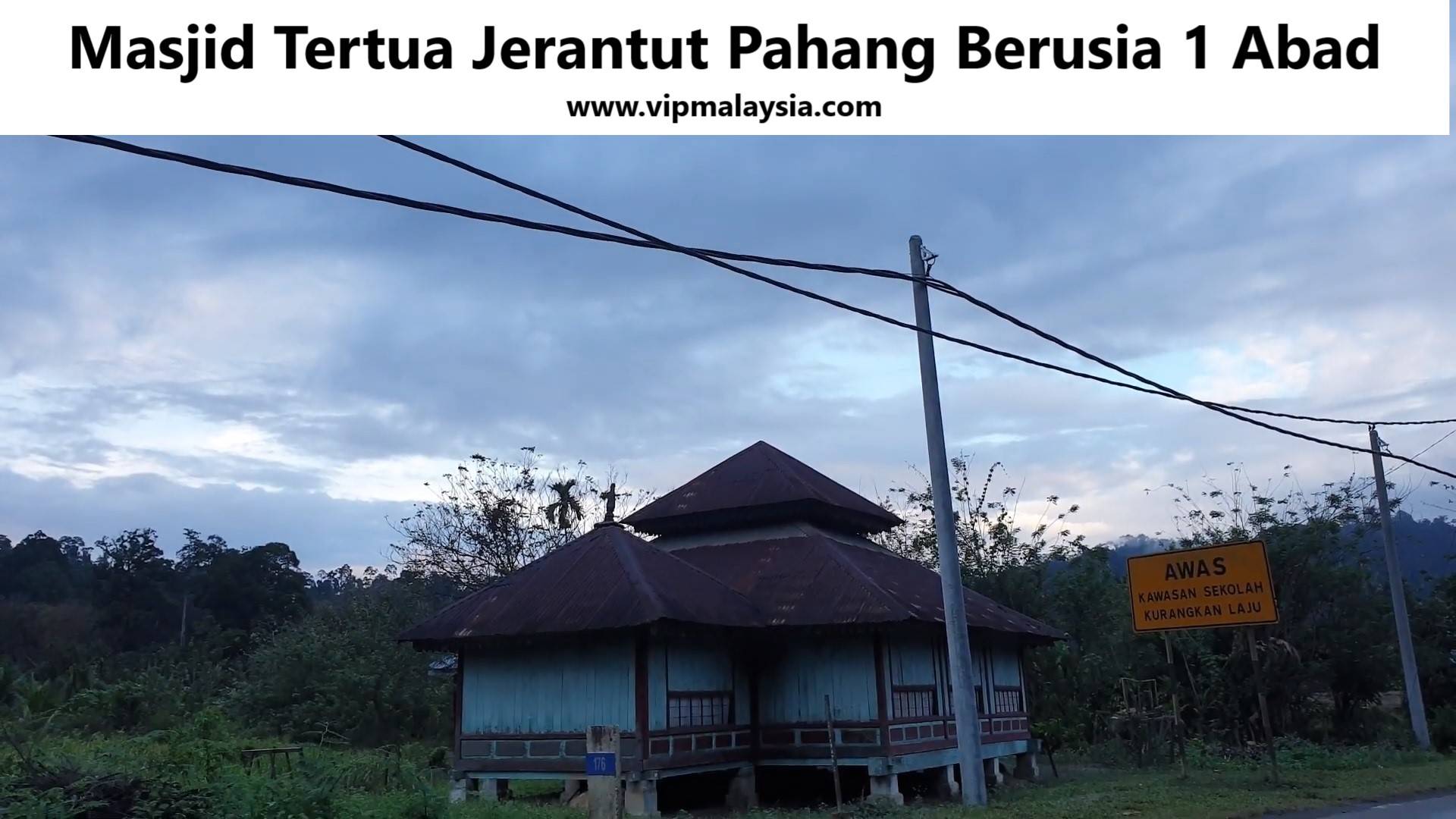
    Dikenali sebagai Masjid Tertua, ia terletak di Jerantut Pahang dan kini berusia 1 abad. Tapak masjid ini merupakan tapak asal dari dahulu sehingga sekarang. Masjid ini juga dibina mengikut arah kiblat.

    Apakah keunikan Masjid Tertua di Jerantut ini untuk kita ketahui?

    Masjid Lama Kampung Baharu merupakan masjid yang tertua yang pernah dibina di Kampung Baharu, Jerantut, Pahang. Masjid ini telah dibina serta digunapakai pada tahun 1922. Usia masjid ini menghampiri ratusan tahun (97 Tahun). Masjid lama ini telah dibina oleh seorang tukang kayu yang berketurunan cina dari Melaka. Masjid ini tidak pernah dialih atau dipindahkan, tidak dilanda banjir dan tidak pernah diubahsuai.

    Bagaimanakah cara pembinaan Masjid Tertua Jerantut berusia 1 abad?

    Pembinaan Masjid Lama Kampung Baharu ini menggunakan sistem tebuk dan pasak atau dikenali sebagai tangam yang tidak memerlukan pemasangan paku. Masjid ini dapat dikenali berdasarkan bentuk bumbung limas yang berbentuk pyramid (bertingkat) menirus ke atas dan diatas bumbung terdapat buah buton (tunjuk langit). Reka bentuk bumbung tirus itu melambangkan Islam, iman dan ihsan.

    Visitor Reviews

    Ahmad Syakirin, Kuala Lumpur – ★★★★★ “I visited Masjid Lama Kampung Baharu during a short trip to Jerantut. The mosque’s pagoda-style roof and Merbau pillars immediately caught my eye. The villagers explained how the beduk was once used to announce prayer times, and I could almost imagine the sound echoing through the village. It felt like stepping back in time, yet the atmosphere was warm and welcoming. Truly a heritage gem.”

    Shamsul Yusof Kadri, Kuantan – ★★★★☆ “My family and I stopped by after visiting Taman Negara. The mosque is small but rich in history. We were impressed by the craftsmanship of the wooden pillars and the serene prayer hall. The locals shared stories about how the mosque was once the center of community life. It’s not a touristy spot, but that’s what makes it special — you feel the authenticity.”

    Cikgu Lily, Selangor – ★★★★★ “As a heritage traveler, I was fascinated by the blend of Malay, Javanese, and Chinese influences in the architecture. The roof design reminded me of temples I’ve seen in China, yet the spiritual aura was distinctly Islamic. The villagers were kind enough to let me join a Quran recitation session, which gave me a deeper appreciation of the mosque’s role in education and faith. A highlight of my Malaysian journey.”

    Tun Faridah, Penang – ★★★★☆ “I came during a local festival, and the mosque was alive with activity. The communal prayers, feasts, and cultural performances made me realize how important this mosque is to the identity of Kampung Baharu. The setting is peaceful, surrounded by greenery, and it’s close enough to Jerantut town for easy access. I would recommend it to anyone interested in heritage tourism.”

    Venessa, Singapore – ★★★★★ “Before heading into Taman Negara, I stopped here and was amazed by the historical depth and architectural uniqueness. The mosque is modest compared to grand city mosques, but its character is unmatched. The villagers told me about the POLISAS students who documented the mosque, and I admired how the younger generation is helping preserve heritage. It’s a must-see for anyone who values culture and history.”

  • Nasi Kebuli: Royal Heritage Dish of Pahang

    Nasi Kebuli: Royal Heritage Dish of Pahang

    Nasi Kebuli

    Nasi Kebuli is a prestigious dish deeply intertwined with the history of Pahang’s royal cuisine, originating from Kuala Lipis, the former capital of Pahang during British colonial rule. Traditionally prepared with fragrant rice, turmeric-marinated chicken, and aromatic spices, this dish has been enjoyed exclusively at special royal ceremonies and important occasions.

    Introduction

    Nasi Kebuli is more than just food—it is a symbol of Pahang’s royal tradition and cultural pride. Originating in Kuala Lipis, the former capital of Pahang, this dish was once prepared exclusively for the Sultan and his guests. With its golden rice infused with coconut milk and turmeric, paired with tender chicken and spices, Nasi Kebuli continues to captivate Malaysians and visitors alike. Its story reflects the journey of a humble village recipe that rose to royal prominence and remains a treasured heritage dish.

    The History

    From the Village to the Sultan’s Table

    Nasi Kebuli’s origins trace back to Kuala Lipis in the 1940s, when Sultan Mahmud Shah and his entourage visited Kampung Jeram Landak. A villager named Hussin prepared a meal of rice with village chicken, which impressed the Sultan. This dish was later named “Nasi Ke Bawah Duli,” signifying its royal connection.

    Sultan Mahmud Shah ibni Almarhum Sultan Ahmad Al‑Mu’adzam Shah was the second Sultan of modern Pahang, reigning from 1914 to 1917. He was the son of Sultan Ahmad Al‑Mu’adzam Shah, the first modern Sultan of Pahang. His reign was short, but it became historically significant because of the origins of Nasi Kebuli, a royal dish tied to his visit to Kuala Lipis.

    Kampung Jeram Landak is a traditional Malay village located in Kuala Lipis, Pahang, Malaysia. It is historically significant as part of the cultural landscape of Pahang and is closely associated with the origins of Nasi Kebuli, a royal dish prepared for Sultan Mahmud Shah during his visit in the early 20th century.

    Oral Tradition and Legacy

    Local oral histories emphasize Hussin’s role in introducing the dish, though formal documentation is limited. Nevertheless, the story has become part of Pahang’s culinary folklore, reinforcing Nasi Kebuli’s identity as a dish of royal heritage.

    A Dish Fit for Royal Gatherings

    Nasi Kebuli was served during royal banquets, ceremonial events, and formal gatherings. Its preparation required precision, with rice cooked in coconut milk and layered with turmeric‑marinated chicken. The dish symbolized hospitality and prestige, making it a centerpiece of palace dining.

    Highlights

    Culinary Excellence

    Nasi Kebuli is distinguished by its fragrant rice, creamy coconut milk, and aromatic spices. The turmeric‑marinated chicken adds depth, while star anise, cinnamon, and cloves elevate the aroma. The balance of flavors creates a dish that is both luxurious and comforting.

    Cultural Significance

    Beyond taste, Nasi Kebuli represents Pahang’s royal heritage. It is a dish that connects modern Malaysians to their history, embodying traditions passed down through generations.

    Exclusive Royal Ceremonies

    Nasi Kebuli is still prepared during select royal events in Pahang, maintaining its ceremonial prestige.

    Local Eateries in Kuala Lipis

    Though rare, some eateries in Kuala Lipis serve Nasi Kebuli, allowing visitors to taste this royal dish outside palace settings.

    Top 5 Nasi Kebuli Spots

    Restaurant / StallDetails
    Kampung Kuala Kenong StallRecognized as the birthplace of Nasi Kebuli, where villager Hussin first prepared the dish for Sultan Mahmud Shah. Still associated with traditional servings of the dish.
    Kampung Budu Community StallsLocal stalls in Kampung Budu are known for preparing Nasi Kebuli during festivals and community events, preserving its royal heritage.
    Kampung Jeram Landak Mosque EventsNasi Kebuli is often served during religious and cultural gatherings at Kampung Jeram Landak, reinforcing its ceremonial roots.
    Kampung Kuala Medang Village StallsKuala Medang is another hotspot where villagers prepare Nasi Kebuli, especially during weddings and royal-linked celebrations.
    Tanjung Besar Local EateriesKnown for offering Nasi Kebuli during special occasions, maintaining its exclusivity as a heritage dish of Kuala Lipis.

    Cultural Festivals

    Festivals in Pahang often showcase traditional foods, including Nasi Kebuli, celebrating Malaysia’s culinary diversity.

    Recipe

    Traditional Ingredients

    • Fragrant rice – Traditionally cooked with coconut milk
    • Chicken – Marinated with turmeric, salt & spices
    • Shallots, garlic & ginger – Adds richness to the flavor
    • Coconut milk – Provides a creamy, luxurious texture
    • Star anise, cinnamon & cloves – Elevates the aroma
    • Salt & sugar – Balances the taste

    Cooking Instructions

    1. Marinate the chicken – Coat in turmeric, salt & spices.
    2. Prepare the rice base – Cook with coconut milk & aromatic spices.
    3. Sauté shallots, garlic & ginger – Fry until fragrant.
    4. Add star anise, cinnamon & cloves – Enhances the depth of flavor.
    5. Combine chicken & rice – Cook together until fully infused.
    6. Let it simmer & serve warm – Perfect with traditional Malay side dishes.

    Conclusion

    Nasi Kebuli is a royal legacy, a cultural treasure, and a culinary masterpiece. From its humble beginnings in Kuala Lipis to its role in palace banquets, it continues to embody Pahang’s rich heritage. Whether enjoyed at a festival, museum, or local eatery, Nasi Kebuli remains a dish that connects people to the elegance of Malaysia’s royal cuisine.

    Summary

    • Attraction: Nasi Kebuli
    • Location: #Pahang 
    • Attraction Type: #Food 
    • Source: malaysiaaktif.my
    • Features:
      • A historic dish served in the Royal Palace of Pahang
      • First introduced in Kuala Lipis, reflecting a rich cultural heritage
      • Exclusively prepared for noble and ceremonial gatherings
      • Flavored with turmeric, coconut milk & local spices

    Quick Info

    CategoryDetails
    NameNasi Kebuli
    OriginKuala Lipis, Pahang, Malaysia
    GPS Position4.1854° N, 102.0534° E (approximate coordinates for Kuala Lipis town)
    Main IngredientsRice, Chicken, Coconut Milk, Aromatic Spices (turmeric, cinnamon, cloves, star anise)
    Popular Cooking StylesRoyal Recipe, Turmeric‑Marinated Chicken, Coconut‑Infused Rice
    Best PairingsTraditional Malay Side Dishes (acar, sambal, curry)
    Recommended RestaurantsRarely on daily menus; found at exclusive royal ceremonies, cultural festivals, and select stalls in Kuala Lipis
    AccessibilityLimited availability outside Pahang; mostly tied to ceremonial events
    Best Time to EatDuring special events, weddings, and royal celebrations
    Price RangeVaries depending on preparation and occasion; not standardized like commercial dishes

    Visitor Reviews

    Shamsuddin Nasir, Kuala Lipis – ★★★★★ “I grew up in Kuala Lipis, and Nasi Kebuli has always been part of our cultural identity. I first tasted it during a royal celebration at the local mosque. The rice was fragrant with coconut milk, and the turmeric chicken was tender and flavorful. It’s not something you find every day, which makes it even more special.”

    Yanti, Penang – ★★★★☆ “I tried Nasi Kebuli during a food festival in Pahang. The stall explained its royal origins, and the taste lived up to the story. The spices were aromatic, and the coconut milk gave the rice a creamy texture. It was slightly heavier than what I’m used to, but definitely worth experiencing for its heritage value.”

    Aiman the ‘Luncur’ RXZ, Kuantan – ★★★★★ “I had Nasi Kebuli at a community event in Kuala Lipis. The preparation was meticulous, and the flavors were unlike any other rice dish I’ve tried. The balance of star anise, cinnamon, and cloves gave it a deep aroma. It felt like eating history, connecting us to the traditions of the Sultan’s palace.”

    Darlene Kamal Ariffin, Singapore – ★★★★★ “As a tourist, I was fascinated by the story of Nasi Kebuli. I visited Kuala Lipis and was lucky to taste it at a cultural showcase. The rice was rich and creamy, and the chicken was perfectly marinated. Learning that it was once called ‘Nasi Ke Bawah Duli’ made the experience even more meaningful.”

    Zahid Abu Hassan, Kuala Lumpur – ★★★★☆ “I finally tried Nasi Kebuli after hearing so much about its royal background. The dish was served with side dishes like acar and curry, which complemented the flavors beautifully. It’s not widely available outside Pahang, so tasting it felt like a rare privilege.”

    Frequently Asked Questions (FAQs)

    Nyatakan dengan jelas mengenai asal usul Nasi Kebuli?

    Asalnya Nasi Kebuli ini hanya menjadi makanan warisan DiRaja atau Kebawah Duli Yang Maha Mulia Sultan Pahang. Hidangan ini amat popular di kampung-kampung sekitar Kuala Kenong, Kampung Budu, Jelai, Tanjung Besar, Kuala Medang , Kampung Jeram Landak dan semua daerah di Kuala Lipis khasnya. Menurut sejarah, Nasi Kebuli diperkenalkan di kampung Kuala Kenong, Kuala Lipis. Kewujudan nasi ini bermula apabila Kebawah Duli Yang Maha Mulia Almarhum Sultan Mahmud Shah (1914 – 1917) bersama 60 orang pengikutnya mudik ke Pekan Kuala Lipis dan berhenti di Kuala Kenong.

  • Murtabak Mengkasar: Royal Heritage of Pahang Cuisine

    Murtabak Mengkasar: Royal Heritage of Pahang Cuisine

    Murtabak Mengkasar, Pahang

    Murtabak Mengkasar is a legendary dish from Pekan, Pahang, once served in royal kitchens and now enjoyed across Malaysia. Known for its crispy golden crust, rich meat fillings, and fragrant spices, it carries a heritage that blends tradition with modern innovation. Whether savored fresh with curry and pickled onions or through its frozen version, this royal delicacy continues to capture the hearts of food lovers everywhere.

    Pekan is both a town and district in Pahang, Malaysia, serving as the royal capital of the state. It is historically significant as the former administrative center of Pahang and remains closely tied to the Sultanate today. Situated in the southeast of Pahang, about 50 km south of Kuantan, along the banks of the Pahang River. Known as the Royal Town of Pahang (Bandar Diraja), housing the Sultan’s palace and royal institutions.

    Introduction

    Murtabak Mengkasar is one of Malaysia’s most iconic dishes, celebrated for its rich flavors, royal heritage, and cultural significance. Originating from Pekan in Pahang, this dish was once reserved for the royal family and special guests at Istana Pekan. Today, it has become a beloved delicacy across Malaysia, thanks to the dedication of Hj Din and his family, who preserved and refined the recipe. Whether enjoyed fresh at Pekan or through innovative frozen packaging, Murtabak Mengkasar continues to embody the spirit of Malaysia’s culinary excellence.

    Mengkasar refers to both a historic Malay village in Pekan District, Pahang, and a famous culinary heritage dish known as Murtabak Mengkasar. The village, Kampung Mengkasar, is one of the oldest settlements in Pekan, while the dish originated in the royal kitchens of Pahang and later became a popular delicacy across the state. Historically settled by Bugis and Acheh communities.

    The History and Evolution

    Royal Beginnings

    Murtabak Mengkasar’s story begins in the royal kitchens of Istana Pekan, where palace chefs prepared the dish for the Sultan of Pahang and his distinguished guests. The dish was not merely food—it was a symbol of hospitality, prestige, and cultural pride. Carefully curated ingredients, premium cuts of meat, and a secret blend of spices were used to ensure every bite reflected the grandeur of the palace.

    • Address: Istana Abu Bakar, Quarters, Pekan, Pahang, Malaysia
    • Phone: 011-2249 4012

    Istana Pekan refers to the royal palaces located in Pekan, Pahang, Malaysia, which serve as the official residences of the Sultan and the royal family. Pekan is known as the Bandar Diraja (Royal Town) because it has long been the seat of the Pahang monarchy. Several historic palaces were built here, including Istana Seri Terentang, Istana Kuning, Istana Kota Beram, Istana Inderapuri, and the more prominent Istana Sultan Abu Bakar, which later became the Sultan Abu Bakar Museum. These palaces symbolize the cultural and political heritage of Pahang, reflecting its royal traditions and architectural uniqueness.

    Istana Pekan Palaces

    Palace NameKey Details
    Istana PekanGeneral term referring to the royal palaces located in Pekan, Pahang, serving as residences of the Sultan and royal family.
    Istana Seri TerentangBuilt during the reign of Sultan Mahmud (Sultan of Pahang II), later replaced by Istana Kota Beram as the Sultan’s residence.
    Istana KuningKnown as the “Yellow Palace,” part of Pekan’s royal complex, reflecting traditional Malay architecture.
    Istana Kota BeramBecame the official residence of Sultan Abu Bakar in 1948, later converted into the Sultan Abu Bakar Museum in 1976.
    Istana InderapuriAnother palace within Pekan’s royal heritage, contributing to the town’s title as Bandar Diraja (Royal Town).
    Istana Sultan Abu BakarBuilt in 1929, initially a British residence, later became the Sultan’s official palace and eventually the Sultan Abu Bakar Museum.

    A Dish Fit for Kings

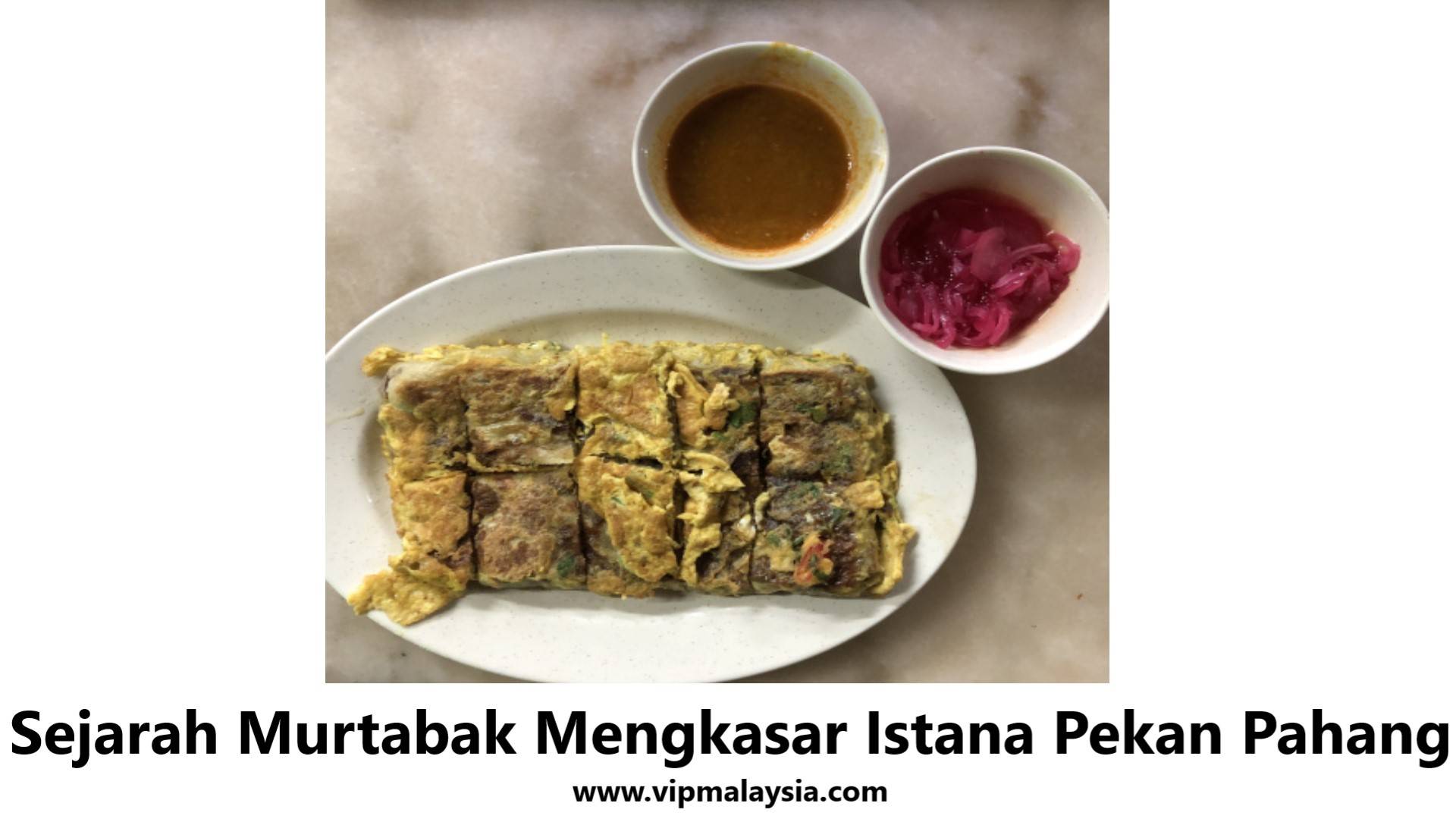
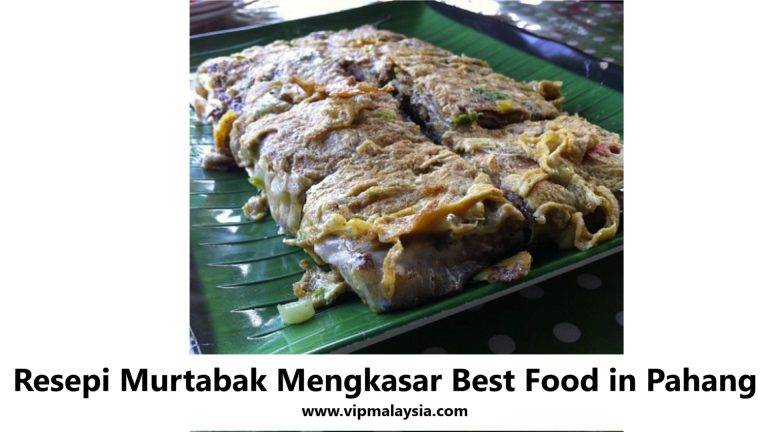
    Originally, Murtabak Mengkasar was served during royal feasts, celebrations, and formal events. Its preparation required precision, with chefs folding the dough by hand and layering it with generous portions of beef, chicken, or mutton. The crispy golden crust and aromatic fillings made it a centerpiece of palace dining.

    The title “Murtabak Diraja” reflects its royal origins. Its association with Pahang’s monarchy elevated its prestige, making it a dish of celebration and pride. Today, it remains a culinary icon, linking modern diners to centuries of tradition.

    The Role of Istana Pekan’s Chefs

    The tukang masak istana (royal chefs) were entrusted with maintaining the highest culinary standards. They perfected the art of balancing spices, ensuring that each batch was consistent in flavor and texture. This dedication to excellence laid the foundation for the dish’s enduring reputation.

    Precision in Culinary Craft

    Every preparation was treated as a masterpiece. The chefs emphasized quality, authenticity, and presentation, making Murtabak Mengkasar not just a meal but an experience. While modern marketing often exaggerates this “palace precision,” the truth remains that the dish was indeed crafted with care and skill that set it apart from ordinary fare.

    Hj Din

    The legacy of Murtabak Mengkasar was carried forward by Haji Tajuddin (Hj Din), who inherited the recipe through strong ties with palace chefs. Hj Din refined the technique while preserving its historical flavors, ensuring that the dish remained authentic yet accessible. His efforts transformed Murtabak Mengkasar from a royal delicacy into a national treasure enjoyed by Malaysians from all walks of life.

    Highlights

    Culinary Excellence

    • Premium meat fillings: Beef, chicken, or mutton, marinated with aromatic spices.
    • Golden crispy crust: Hand-folded dough cooked to perfection on a hot griddle.
    • Balanced flavors: A blend of spices that creates a rich, savory taste.
    • Traditional accompaniments: Best enjoyed with fragrant curry sauce and pickled onions.

    Hj Din’s Murtabak Mengkasar Outlet

    The most authentic experience is visiting Hj Din’s outlet in Pekan, where the dish is prepared fresh daily. Visitors can watch the meticulous preparation process and savor the flavors that once graced royal tables.

    Frozen Murtabak Innovation

    For those unable to travel, frozen Murtabak Mengkasar is available, lasting up to a year without losing its original taste. This innovation, supported by SIRIM Pahang, ensures that the dish can be enjoyed anywhere in Malaysia and beyond.

    • Address: SIRIM Pahang, Jalan Pintasan Kuantan–Kuala Terengganu, Kawasan Perindustrian Gebeng, 26100 Kuantan, Pahang, Malaysia
    • Phone: 09-583 6336
    • Website: www.sirim.my

    SIRIM Berhad (formerly the Standard and Industrial Research Institute of Malaysia) is a government-owned corporate organization under the Ministry of Investment, Trade and Industry (MITI). It serves as Malaysia’s national body for standards, quality, testing, inspection, certification, and industrial research, promoting technological excellence and ensuring product compliance with national and international standards.

    Cultural Festivals

    Pekan hosts cultural festivals where traditional foods, including Murtabak Mengkasar, are showcased. These events celebrate Malaysia’s culinary diversity and provide opportunities for visitors to immerse themselves in local traditions.

    Attractions Around Pekan

    Istana Abu Bakar

    Located in Pekan, Istana Abu Bakar is the royal palace where Murtabak Mengkasar was first served. Visitors can explore the palace grounds and learn about the history of the Pahang royal family.

    Sultan Abu Bakar Museum

    This museum offers insights into Pahang’s royal lineage and cultural heritage. Exhibits include artifacts, photographs, and historical accounts that contextualize the origins of Murtabak Mengkasar.

    The Sultan Abu Bakar Museum (Muzium Sultan Abu Bakar) is a heritage museum located in Pekan, Pahang, Malaysia. Officially opened on 21 October 1976 by Sultan Ahmad Shah, it occupies a historic building originally constructed in the 1920s during British Malaya, later serving as British Resident’s residence, Japanese officers’ quarters during WWII, and later Sultan Abu Bakar’s palace (Istana Kota Beram) before being converted into a museum. Exhibits include ancient Chinese pottery, glassware, archaeological finds, ethnological artifacts, and royal memorabilia.

    Pekan Town

    Pekan itself is a charming town with traditional markets, local eateries, and cultural festivals. It is the best place to experience authentic Murtabak Mengkasar prepared by Hj Din’s family.

    How to Make

    Essential Ingredients

    • Eggs (10 pieces) – Gives richness & holds the filling together
    • Minced meat (6 servings) – Cooked with special spice blends
    • Onions (6 servings, diced) – Lightly sautéed with margarine
    • Turmeric, star anise, cloves – Adds fragrance & depth
    • Spring onions, celery leaves, chili – Balances flavors
    • Sugar & soy sauce – Provides mild sweetness & umami
    • Secret spice blend – A mix of 14 aromatic herbs for authenticity

    Cooking Instructions

    1. Mix all filling ingredients – Combine minced meat, onions, spices & eggs.
    2. Prepare roti canai base – Lightly oil a pan and heat the dough.
    3. Layer filling onto the roti canai – Slowly pour the mixture evenly.
    4. Flip & cook on both sides – Ensure a crispy, golden texture.
    5. For ‘special’ Murtabak, add another layer – Repeat the process for double-layer indulgence.
    6. Serve hot with pickled onions & dhal curry – Enjoy the ultimate Murtabak experience!

    Conclusion

    Murtabak Mengkasar is not just a dish—it is a royal legacy, a cultural symbol, and a culinary masterpiece. From its origins in the palace kitchens of Pekan to Hj Din’s modern innovations, it continues to embody Malaysia’s rich heritage. Whether enjoyed fresh with curry and pickled onions or through frozen packaging, Murtabak Mengkasar remains a must-try for anyone seeking to experience the flavors of Pahang.

    Summary

    • Attraction: Murtabak Mengkasar
    • Location: #Pahang 
    • Attraction Type: #Food 
    • Source: pahangyouthchannel.wordpress.com

    Quick Info

    AttributeDetails
    NameMurtabak Mengkasar
    OriginKampung Mengkasar, Pekan, Pahang
    GPS Position3.4996° N, 103.3895° E
    Main IngredientsEggs, Minced Meat, Spices, Roti Canai Dough
    Popular Cooking StylesClassic Murtabak, Double‑Layer Royal Version
    Best PairingsPickled Onions, Dhal Curry, Sambal
    Recommended RestaurantsMurtabak Mengkasar Hj Din
    AccessibilityAvailable in select eateries in Pahang
    Best Time to EatLunch & Dinner
    Price RangeVaries by location & preparation
    ContactMurtabak Mengkasar Hj Din +6012-9514668
    Resepi Murtabak Mengkasar Best Food in Pahang

    Visitor Reviews

    Sue Liza, Kuala Lumpur – ★★★★★ “I tried Murtabak Mengkasar at Hj Din’s outlet in Pekan, and it was unforgettable. The crust was perfectly crispy, and the beef filling was rich and flavorful. Truly a taste of royal heritage.”

    Zainiah Abdul Syukor, Johor Bahru – ★★★★☆ “The frozen Murtabak Mengkasar was surprisingly good. It retained its authentic taste even after months in the freezer. A great way to enjoy this dish without traveling to Pahang.”

    Phil Lemon, London – ★★★★★ “As a tourist, I was fascinated by the history behind Murtabak Mengkasar. Visiting Pekan and tasting it fresh was one of the highlights of my trip to Malaysia. The curry sauce was divine.”

    Nurul Aliah Selamat, Kuantan – ★★★★★ “I grew up hearing about Murtabak Mengkasar, and finally tasting it at Hj Din’s outlet was a dream come true. The portion was generous, and the flavors were perfectly balanced.”

    Frequently Asked Questions (FAQs)

    Bagaimana sejarah Murtabak Mengkasar ini bermula di Pahang?

    Murtabak di Pahang ini memang banyak yang sedap berasal dari Pekan, Pahang. Rupanya sejak zaman Almarhum Sultan Abu Bakar lagi sangat menyukai murtabak dan sepanjang bulan Ramadhan, Almarhum akan mencuba merasai seberapa banyak murtabak yang akan dibeli dan dibawa ke Istana Pekan secara bergilir-gilir.

    Mengapa Murtabak Diraja ini digelar Murtabak Mengkasar?

    Setelah Allayarham Dato Awang Rashid meninggal dunia, maka Murtabak ini dinamakan Murtabak Merkasar kerana kedainya di Kg Merkasar, Pekan dan diteruskan legasinya kepada anak-anak dan cucunya. Salah seorang anak En Saiful Mazita bin Tajudin mengembangkan MURTABAK MENGKASAR ini dengan membuka cawangan di Kuantan bertapakkan kawasan makan sebelah Kolej Yayasan Pahang yang dulunya Uitm Bukit Sekilau.

    Dimanakah lokasi Murtabak Mengkasar Hj Din?

    Sudah lama keinginan untuk mencuba Murtabak Diraja di Pekan Pahang Darul Makmur tetapi tidak pernah berkesempatan untuk ke sana. Nak cari lokasi warung Murtabak Diraja ini tidak sesusah mana sebab lokasinya berada betul-betul ditepi jalan besar di Pekan Bandar Diraja. Lokasinya pula berdekatan dengan simpang menuju ke Istana Pekan. Kalau tidak pasti, gunalah Waze kan senang!

  • Mutiara Taman Negara: Explore Malaysia’s Rainforest

    Mutiara Taman Negara: Explore Malaysia’s Rainforest

    Mutiara Taman Negara Eco Park Resort, Malaysia

    Discover why Mutiara Taman Negara Eco Park Resort is a top choice for eco-tourism in Malaysia. Nestled in a pristine rainforest, this resort offers unparalleled access to virgin jungle adventures and natural exploration. Learn more about Malaysia’s premier destinations, top hotels, local foods, historical sites, and even football clubs. Your comprehensive guide to experiencing the best of Malaysia starts here!

    Introduction

    Nestled deep within the heart of Taman Negara National Park, the Mutiara Taman Negara Eco Park Resort is more than just a place to stay—it is a gateway to one of the world’s oldest rainforests. Established in 1939, Taman Negara spans 4,343 square kilometres across Pahang, Kelantan, and Terengganu, making it Malaysia’s largest protected area. The rainforest itself is estimated to be 130 million years old, a living museum of biodiversity that predates the Amazon and Congo rainforests.

    The resort, located at Kuala Tahan, sits at the confluence of the Tembeling and Tahan rivers, offering guests a rare opportunity to immerse themselves in pristine nature while enjoying modern comforts.

    History

    The origins of Taman Negara date back to British colonial administration, when conservationists recognized the need to protect Malaysia’s unique rainforest ecosystem. In 1939, it was gazetted as the King George V National Park, later renamed Taman Negara after independence. Its purpose was clear: safeguard the flora, fauna, and indigenous communities that had thrived here for millennia.

    King George V National Park was the original name given to what is now known as Taman Negara National Park in Malaysia. It was gazetted in 1938–1939 after conservationist Theodore Hubback lobbied the sultans of Pahang, Kelantan, and Terengganu to set aside land across the three states for protection. The park was named in honor of King George V during British colonial rule. After Malaysia’s independence in 1957, it was renamed Taman Negara, which means “National Park” in Malay. Today, it covers 4,343 km² and is recognized as one of the world’s oldest rainforests, estimated at 130 million years old.

    The Mutiara Taman Negara Resort was established decades later to provide eco-conscious accommodation within the park boundary. Built with traditional Malay-style timber chalets, the resort reflects Malaysia’s architectural heritage while blending seamlessly into the jungle environment. Over time, it has expanded to include 87 units of chalets, bungalows, and guesthouses, along with dormitories and camping facilities for budget travellers.

    Highlights

    Accommodation

    Guests can choose from wooden chalets, family bungalows, or guesthouses, each equipped with air conditioning, ceiling fans, hot showers, televisions, and private balconies overlooking either the river or forest. For eco-travellers, dormitories and a 1-hectare camping site provide affordable alternatives.

    Dining

    The Seri Mutiara Restaurant serves a mix of Malaysian and Western cuisine, operating daily from 7am to 11pm. Guests can enjoy buffet-style meals or à la carte options, with fresh river fish and local delicacies often featured.

    Malaysian and Western Cuisine

    Malaysian CuisineWestern Cuisine
    Nasi lemak, satay, river fish dishes, curries, local vegetablesPasta, grilled chicken, steaks, sandwiches, salads
    Traditional Malay desserts, tropical fruitsCakes, pastries, ice cream
    Local beverages like teh tarik, kopi, fresh juicesCoffee, tea, soft drinks, wine, beer

    Facilities

    • Banquet Hall Bayan Nuri: Three meeting rooms covering 2,920 sq meters, ideal for conferences and events.
    • Activities Centre: Organizes jungle treks, canopy walks, river cruises, and cultural visits.
    • Mini Market: Provides basic supplies for travellers.
    • Wi-Fi Access: Available in common areas, ensuring guests remain connected.

    Nearby Attractions

    Jungle Canopy Walk

    One of the park’s most iconic attractions, the Canopy Walkway, stretches 530 meters and rises 40 meters above the forest floor. It offers panoramic views of the rainforest canopy and is a must-visit for birdwatchers and photographers.

    Wildlife Encounters

    Taman Negara is home to Malayan tigers, Asian elephants, tapirs, hornbills, and over 350 bird species. Night safaris and guided jungle walks provide opportunities to spot nocturnal creatures such as civets, owls, and slow lorises.

    Indigenous Villages

    Visitors can explore the culture of the Orang Asli, Malaysia’s indigenous people, who live in small settlements within the park. Demonstrations of traditional hunting techniques, blowpipe skills, and storytelling sessions offer cultural immersion.

    Trekking and Adventure

    River Activities

    The Tembeling River is central to many adventures, including rapid shooting, a thrilling boat ride through cascading rapids, and river cruises that reveal lush landscapes and wildlife along the banks.

    Mountain Treks

    For seasoned hikers, climbing Gunung Tahan, Malaysia’s highest peak at 2,187 meters, is the ultimate challenge. The trek can take up to seven days, requiring stamina and preparation, but rewards climbers with breathtaking views.

    Cave Exploration

    The park features limestone caves such as Gua Telinga, where visitors can crawl through narrow passages and observe bats and unique rock formations.

    Must-Visit Highlights

    Kuala Tahan Village

    Located just outside the park, Kuala Tahan offers homestays, local eateries, and boat services. It is the main gateway to Taman Negara and a hub for travellers.

    Cultural Festivals

    Visitors during festive seasons may witness Hari Raya Aidilfitri celebrations in nearby towns, where traditional food, music, and dance showcase Malaysia’s vibrant culture.

    Flora and Fauna

    The rainforest shelters giant ficus trees, rare orchids, and medicinal plants used by indigenous communities. Wildlife enthusiasts may encounter sun bears, leopards, and exotic butterflies.

    Conclusion

    Mutiara Taman Negara Eco Park Resort is the only resort inside Malaysia’s oldest national park, offering unmatched access to jungle adventures and cultural experiences. Whether you are a nature lover, thrill-seeker, or cultural explorer, the resort provides the perfect balance of comfort and wilderness immersion.

    Summary

    • Attraction: Mutiara Taman Negara Eco Park Resort Malaysia
    • Location: Pahang Malaysia
    • Attraction Type:  #TamanNegara #Pahang #Attraction 
    • Source: mutiaratamannegara.com
    CategoryDescription
    AddressKuala Tahan, 27000, Jerantut, Pahang, Malaysia
    Telephone+609 266 3500
    LocationInside Taman Negara National Park, overlooking Tembeling and Tahan rivers
    Accommodation87 units including chalets, bungalows, and dormitories with modern amenities
    DiningSeri Mutiara Restaurant serving Malaysian and Western cuisine, open 7am–11pm daily
    FacilitiesBayan Nuri banquet hall (2,920 sq m), activities centre, mini market
    AccessReachable via Kuala Tembeling Jetty boat ride (2.5–3 hrs) or road from Jerantut
    Nearby TownJerantut, approx. 68 km away, main gateway to Kuala Tahan
    ActivitiesJungle trekking, canopy walkway, river cruises, night safaris, Orang Asli village visits

    Visitor Reviews

    Ahmad Khusairi Hamid, Kuala Lumpur ★★★★★

    “My family stayed at Mutiara Taman Negara for three nights, and it was magical. The chalets were comfortable, and waking up to the sound of the river was unforgettable. The night jungle walk was thrilling, and my kids loved spotting fireflies.”

    Sarah Moses, London ★★★★☆

    “As a solo traveller, I found the resort safe and welcoming. The staff arranged a canopy walk and river cruise, which were highlights of my trip. The food was decent, though I wished for more vegetarian options. Overall, a great eco-adventure.”

    Mokhtar Bin Samad, Singapore ★★★★★

    “We celebrated our anniversary here, and the staff went above and beyond to make it special. The chalet was beautifully maintained, and the rapid shooting activity was exhilarating. Truly one of the best eco-resorts I’ve visited.”

    Frequently Asked Questions (FAQs)

    What type of activities Mutiara Taman Negara Resort offer?

    Mutiara Taman Negara, a perfect retreat place after your adventures trip exploring the ancient rainforest and be part all kind of outdoor activities on our arrangement from jungle trekking, canopy walkaway, exploring the river, mount climbing, fishing, camping, observing wildlife and even for a teambuilding, all can be tailored based on your needs whether you are nature embracer, bird lovers, wildlife observers or expediters. Visit our activities page for the existing and pick the best for your trip.

  • Persona Lake Bera: Explore Malaysia’s Wetland

    Persona Lake Bera: Explore Malaysia’s Wetland

    Persona Lake Bera RAMSAR Site, Malaysia

    Nestled in Bera District, Pahang, Lake Bera (Tasik Bera) is Malaysia’s largest natural freshwater lake system, spanning 35 km long and 20 km wide. Recognized as a RAMSAR wetland, this biodiverse sanctuary is home to lush peat swamp forests, rich wildlife, and the indigenous Semelai people, making it a must-visit destination for nature lovers and adventurers alike.

    Introduction

    Persona Lake Bera, also known as Tasik Bera, is a breathtaking natural wonder located in Pahang, Malaysia. Recognized as the country’s largest natural freshwater lake and its first RAMSAR site, Lake Bera is a sanctuary of biodiversity and indigenous heritage. Visitors are drawn to its tranquil waters, lush peat swamp forests, and the vibrant traditions of the Semelai people. Whether you’re an adventurer, a nature enthusiast, or a cultural explorer, Lake Bera promises a journey that blends ecological significance with authentic human connection.

    History

    Lake Bera’s story stretches back thousands of years, shaped by natural forces and human settlement. The lake formed as part of Malaysia’s vast riverine system, creating a unique peat swamp ecosystem that nurtures rare flora and fauna. For centuries, the Semelai Orang Asli community has lived along its shores, practicing sustainable fishing, farming, and forest resource use. In 1994, Lake Bera gained international recognition when it was designated as Malaysia’s first RAMSAR wetland, highlighting its global importance for conservation. This designation not only protected its fragile ecosystem but also empowered the Semelai to preserve their cultural heritage while welcoming eco-tourism. Today, Lake Bera stands as a living testament to the harmony between nature and indigenous traditions.

    Highlights

    Accommodation and Facilities

    The Persona Lake Bera Resort is the main accommodation hub for visitors. It offers comfortable chalets and rooms designed for eco-travelers who want modern amenities while staying close to nature. Guests can enjoy an on-site restaurant serving Malay and Western cuisine, guided nature trails, and outdoor facilities such as picnic areas and fishing spots. The resort also organizes eco-tours and cultural visits to Semelai villages, making it a convenient base for exploration.

    Visitor Facilities

    The resort provides basic conveniences like electricity, clean water, and parking, while maintaining eco-friendly practices. It is located near Triang and Temerloh, towns that serve as gateways to Lake Bera, where visitors can access local markets, transport, and additional services.

    Camping and Homestay Experience

    For travelers seeking a more immersive experience, designated camping grounds allow overnight stays in the wilderness. Campers enjoy starry skies, nocturnal wildlife sounds, and rustic living.

    Semelai Homestays

    The Semelai homestay program offers authentic cultural immersion. Guests live with indigenous families, participate in daily activities like fishing and cooking, and learn about traditional forest resource use. This option is ideal for those who want to connect deeply with local culture while supporting community-based tourism.

    Attractions

    RAMSAR-Protected Wetlands

    Lake Bera’s wetlands are internationally recognized for their ecological value. The RAMSAR designation ensures conservation of its peat swamp forests, freshwater swamps, and unique Pandanus-Lepironia habitats. These ecosystems support over 200 bird species, 50 mammals, and 100 fish species, making it a biodiversity hotspot.

    Pandanus–Lepironia habitats are specialized wetland ecosystems dominated by two plant groups: Pandanus (commonly known as screw pines, tropical trees and shrubs with prop roots and long spiny leaves) and Lepironia articulata (a sedge known as grey sedge or bulrush). These habitats typically occur in swampy, marshy, or peatland areas across Southeast Asia, including Malaysia. They provide critical ecological functions such as stabilizing soil, filtering water, and offering shelter for diverse wildlife species. The combination of Pandanus trees and Lepironia sedges creates a unique landscape that supports rare flora and fauna, while also serving as a resource base for indigenous communities.

    Peat Swamp Ecosystem

    The peat swamp forests around Lake Bera are home to rare plants and wildlife. These forests act as natural water filters and carbon sinks, playing a vital role in climate regulation. Visitors trekking through these areas often encounter orchids, pitcher plants, and medicinal herbs used by the Semelai.

    Indigenous Semelai Community

    The Semelai people are custodians of Lake Bera’s heritage. Their settlements offer immersive cultural experiences, from handicraft workshops to traditional cooking.

    Cultural Practices and Festivals

    The Semelai celebrate seasonal festivals tied to harvest and fishing cycles. Visitors can witness traditional dances, music, and storytelling that reflect their deep connection to the land. Herbal medicine walks reveal how forest plants are used for healing, while homestays allow travelers to live alongside families and learn sustainable practices.

    Wildlife and Nature Viewing

    Lake Bera is a paradise for wildlife enthusiasts. Birdwatchers can spot hornbills, kingfishers, and herons, while the lake’s waters host catfish, snakehead fish, and other freshwater species. Mammals such as otters, macaques, and civets roam the forests, and reptiles like monitor lizards bask along the shores.

    Rare Bird Species

    Among the most prized sightings are the Oriental Pied Hornbill and the Black-capped Kingfisher. These birds thrive in the swamp forests, offering photographers and birdwatchers unforgettable encounters.

    SubjectDetails
    Oriental Pied HornbillScientific name Anthracoceros albirostris. A medium-sized frugivorous bird found across Southeast Asia, including Peninsular Malaysia. It thrives in subtropical and tropical moist lowland forests, feeding on fruits, insects, and small vertebrates. It is among the most common hornbill species in Malaysia.
    Black-capped KingfisherScientific name Halcyon pileata. A striking kingfisher with a black cap, coral-red bill, and purple-blue wings. Distributed widely across tropical Asia, including Malaysia, it prefers coastal and mangrove habitats but can also be found inland. Known for its loud cackling calls and rapid flight.

    Persona Lake Bera Resort

    The resort provides comfortable chalets and rooms, blending modern amenities with eco-friendly design. Guests enjoy an on-site restaurant serving Malay and Western cuisine, along with guided nature trails and outdoor facilities.

    Facilities and Nearby Towns

    The resort is located near Triang and Temerloh, towns that serve as gateways to Lake Bera. Visitors can explore local markets, taste authentic Pahang cuisine, and connect with regional culture before or after their lake adventure.

    Trekking and Adventure

    Jungle Trekking

    Guided treks through Lake Bera’s peat swamp forests allow visitors to experience the raw beauty of Malaysia’s wetlands. Trails are rich with wildlife, medicinal plants, and towering trees.

    Adventure Experience

    Trekkers often encounter monkeys swinging overhead, hear the calls of hornbills, and discover hidden orchids along the paths. The swamp terrain adds a thrilling challenge, making each trek a true adventure.

    Water Activities

    Lake Bera’s calm waters are perfect for canoeing, kayaking, and boat cruises. These activities provide serene views of the wetlands and opportunities to spot wildlife from the water.

    Canoeing and Kayaking

    Paddling across the lake offers a peaceful yet exhilarating experience. Visitors glide past lotus blooms, watch fish dart beneath the surface, and enjoy the tranquility of Malaysia’s largest natural lake.

    Conclusion

    Persona Lake Bera is more than a destination—it is a living ecosystem, a cultural heritage site, and an adventure hub. Its RAMSAR status underscores its global ecological importance, while the Semelai community ensures its traditions remain vibrant. From trekking through peat swamps to birdwatching rare species, every visitor leaves with a deeper appreciation of Malaysia’s natural and cultural wealth. Lake Bera is a must-visit for eco-travelers seeking authenticity, biodiversity, and adventure.

    Summary

    • Attraction: Persona Lake Bera
    • Location: #Pahang  
    • Attraction Type: #HistoricalSite 
    • Source: pahangtourism.org.my, wildlife.gov.my, en.wikipedia.org
    • Why Visit:
      • Malaysia’s largest natural lake – A biodiverse freshwater ecosystem
      • RAMSAR-protected wetlandsConservation and ecological significance
      • Indigenous Semelai community – Experience their traditions and sustainable way of life
      • Unique flora & fauna – Discover rare plant species, exotic birds, and native wildlife

    Quick Info

    CategoryDetails
    NamePersona Lake Bera RAMSAR Site
    LocationBera District, Pahang, Malaysia
    GPS Position3.2000° N, 102.4000° E
    StatePahang
    Facility TypeFreshwater Lake, Wetland Reserve, Ecotourism Destination
    Main AttractionsSemelai Community, Peat Swamp Forest, Birdwatching, Canoeing
    Nearby AttractionsPahang River, Kuala Gandah Elephant Sanctuary, Taman Negara
    Accessibility70 km from Temerloh Town, accessible via main roads
    Best Time to VisitDry season (March–September) for outdoor activities
    Opening Hours8:00 AM – 6:00 PM daily
    ContactTel: +609-246-4020

    Visitor Reviews

    Jaya Ganesan, Kuala Lumpur – ★★★★★ “I stayed at a Semelai homestay and it was the highlight of my trip. The family welcomed me warmly, and I learned so much about their traditions. Canoeing on Lake Bera at sunrise was magical.”

    Wak Suparti, Singapore – ★★★★☆ “The resort was comfortable and the food was great. Trekking through the peat swamp was challenging but rewarding. I saw hornbills and even an otter near the lake.”

    Kamelia Ahmad Syah, Johor Bahru – ★★★★★ “Lake Bera is truly Malaysia’s hidden gem. The biodiversity is incredible, and the cultural experiences with the Semelai were unforgettable. Highly recommended for eco-travelers.”

    James, London – ★★★★☆ “I loved the birdwatching opportunities. The guides were knowledgeable, and I managed to spot several rare species. The camping experience was rustic but authentic.”

    Frequently Asked Questions (FAQs)

    What do you need to know about Persona Lake Resort Tasik Bera?

    Additional info:

    • Types: Resorts
    • Address: Lake Bera Resort Kompleks Pelancongan Tasek Bera 28200 Bandar Bera Pahang Darul Makmur
    • Telephone: 013-6231199/ 014-8447070
    • Fax: 09-4455936
    • Websites/ Blogs: http://lakeberaresort.blogspot.my/
    • Email: lakeberaresort@yahoo.com, tasekbera@yahoo.com.
    • Number Of Rooms: 13

    What is the biggest lake in Malaysia?

    Lake Bera RAMSAR site is the biggest natural freshwater lake in Malaysia.

    What are the activities you can do at Tasik Bera RAMSAR Site?

    You can do a lot of activities such as jungle trekking, fishing, bird watching, lake cruising and visit to Herbs Garden and Orang Asli Semelai settlement.

  • Tasik Bera: Explore Myths and Nature Today!

    Tasik Bera: Explore Myths and Nature Today!

    Tasik Bera, Pahang

    Nestled in the southwestern corner of Pahang, Tasik Bera is Malaysia’s largest natural freshwater lake, home to rich biodiversity and the indigenous Semelai people. Beyond its stunning landscapes and ecological significance, the lake is shrouded in folklore and mystical legends, making it a destination where history and mystery intertwine.

    Introduction

    Nestled in the heart of Pahang, Tasik Bera is a sprawling freshwater lake system covering nearly 6,150 hectares. It is Malaysia’s first Ramsar site, designated in 1994, and remains a sanctuary for wildlife and indigenous communities. Visitors are drawn not only to its ecological richness but also to the stories of mystical creatures and sacred sites that have been passed down through generations. This blend of natural wonder and cultural heritage makes Tasik Bera a must-visit destination for eco-tourists, adventure seekers, and folklore enthusiasts alike.

    History

    The Sacred Role

    Tasik Bera’s significance extends beyond its ecological value. Officially recognized as a Ramsar wetland on 10 November 1994, the site plays a crucial role in flood control and water purification, ensuring the health of surrounding ecosystems. For centuries, the Semelai people have relied on the lake for fishing, hunting, and gathering forest resources. Their sustainable practices highlight the deep connection between indigenous communities and the environment.

    Semelai Livelihood and Traditions

    The Semelai community has lived around Tasik Bera for generations, maintaining traditions that blend practicality with spirituality. Fishing with bamboo traps, hunting small game, and gathering medicinal plants are part of their daily lives. These practices are not only survival strategies but also cultural expressions that reinforce their bond with the land and water.

    The Myth of the Giant Serpent

    Among the most captivating legends is the tale of a giant mystical serpent said to inhabit the depths of Tasik Bera. Locals recount stories of Pulau Buntar, a site believed to be home to supernatural forces. Folklore speaks of bravery, revenge, and encounters with this serpent, weaving a narrative that continues to intrigue visitors.

    Pulau Buntar and Supernatural Beliefs

    Pulau Buntar is often described as a sacred site where spirits dwell. Elders tell of a brother’s quest to avenge his sibling, lost to the serpent’s wrath. While these tales remain unverified, they enrich the cultural landscape of Tasik Bera, offering travelers a glimpse into the mystical worldview of the Semelai people.

    Pulau Buntar is a small island located within the Tasik Bera lake system in Pahang, Malaysia. It is closely tied to Semelai folklore, often described as a sacred site believed to be inhabited by supernatural forces. Local legends recount mystical encounters, including the tale of a giant serpent said to dwell in the waters around the island. While Pulau Buntar does not hold official ecological or administrative status like Tasik Bera itself, it remains an important cultural landmark, symbolizing the blend of indigenous spirituality and oral traditions that enrich the heritage of the region.

    Indigenous Folklore and Mystical Experiences

    Tasik Bera is not just a physical space but a spiritual one. Semelai elders share stories of sacred grounds and spiritual encounters tied to the lake’s waters. Ancient beliefs suggest that the lake holds mysterious powers, making it a place of reverence and caution. Visitors often find themselves captivated by these narratives, which add depth to their exploration of the region.

    Highlights

    Ramsar Recognition

    Tasik Bera’s designation as Malaysia’s first Ramsar site underscores its global importance. This recognition ensures the protection of its ecosystems, which include peat swamp forests, freshwater habitats, and diverse wildlife.

    Conservation Efforts

    Efforts to preserve Tasik Bera involve collaboration between government agencies, NGOs, and local communities. Programs focus on maintaining biodiversity, preventing illegal logging, and promoting eco-tourism that benefits both nature and people.

    Biodiversity and Wildlife

    Tasik Bera is home to an impressive array of species. Over 200 bird species, including hornbills and kingfishers, thrive here. Mammals such as tapirs, sun bears, and gibbons roam the forests, while the lake itself supports nearly 100 species of fish.

    Rare Species and Habitats

    Among the rare species found here are the Malayan tiger and the clouded leopard, though sightings are extremely rare. The lake’s diverse habitats—from swamp forests to open water—create niches for countless organisms, making it a hotspot for biodiversity.

    Attractions

    Outdoor Exploration

    Visitors can engage in wildlife spotting, birdwatching, fishing, and boat rides. Jungle trekking and nature walks offer immersive experiences in Pahang’s forests.

    Birdwatching Adventures

    Birdwatchers are particularly drawn to Tasik Bera for its variety of species. Early mornings are ideal for spotting hornbills, herons, and migratory birds that use the lake as a stopover.

    Tasik Bera’s Activities

    ActivityDetails
    Wildlife SpottingTasik Bera is home to mammals like tapirs, gibbons, and sun bears, along with reptiles and amphibians thriving in its swamp forests.
    BirdwatchingThe lake is a paradise for birdwatchers, with rare species such as the endangered Masked Finfoot and Crested Fireback often spotted.
    FishingVisitors can fish for species like catfish and the endangered Asian Bonytongue (Arowana). Permits are required, and traditional methods are often demonstrated by the Semelai.
    Boat RidesLake cruising offers a serene way to explore the blackwater ecosystem, observe wildlife, and enjoy the tranquil scenery of Malaysia’s largest natural freshwater lake.

    Indigenous Culture and Traditions

    Homestay programs allow travelers to live with the Semelai people, learning about their customs and way of life. Traditional crafts, herbal remedies, and storytelling sessions provide authentic cultural experiences.

    Storytelling and Folklore Nights

    Evenings spent with Semelai elders often include storytelling sessions where myths of the giant serpent and sacred sites are shared. These experiences connect visitors to the intangible heritage of Tasik Bera.

    Trekking and Adventure

    Jungle Treks

    Guided jungle treks take visitors through dense forests, offering encounters with wildlife and insights into medicinal plants used by the Semelai.

    Trekking Routes and Experiences

    Popular routes include trails around the lake’s perimeter and deeper forest paths. Treks vary in difficulty, catering to both casual walkers and seasoned adventurers. Guides often share knowledge about flora and fauna, enriching the journey.

    Popular Trails at Tasik Bera

    Trail NameDetails
    Jeti Sudin TrailLocated on the northern perimeter of Tasik Bera, this trail connects to Pengkalan Sudin Homestay. It is popular among visitors for fishing and offers basic facilities for trekkers.
    Short trail near Pengkalan Sudin Homestay, approx. 1–2 km, taking 30–45 minutes on foot. Suitable for casual trekking and fishing activities.
    Semelai Settlement TrailA cultural trekking route that leads visitors into Semelai Orang Asli villages. It combines nature exploration with insights into traditional lifestyles and crafts.
    Cultural trek into Semelai villages, approx. 3–5 km, taking 1.5–2 hours depending on pace. Offers cultural immersion and nature exploration.
    Lake Perimeter TrekGuided jungle trekking paths around the lake’s edge, offering encounters with swamp forests, reed swamps, and diverse wildlife.
    Longer guided trek around parts of the lake’s edge, approx. 8–10 km, taking 3–4 hours. Provides encounters with swamp forests, reed swamps, and diverse wildlife.

    Boat Rides and Fishing

    Exploring Tasik Bera by boat provides a unique perspective of its vast waters and hidden corners. Fishing remains a popular activity, with opportunities to catch species like catfish and snakehead.

    Traditional Fishing Practices

    Visitors can try traditional fishing methods used by the Semelai, such as bamboo traps and nets. These practices highlight sustainable ways of living in harmony with nature.

    Nearby Attractions

    Pulau Buntar

    A site steeped in legend, Pulau Buntar is a must-visit for those interested in folklore. While its supernatural reputation may be debated, its cultural significance is undeniable.

    Cultural Festivals and Gatherings

    Occasional festivals and gatherings at Pulau Buntar celebrate Semelai traditions, offering visitors a chance to witness dances, rituals, and communal feasts.

    Semelai Homestays

    Staying with Semelai families provides an intimate look at their daily lives. Guests often participate in cooking, farming, and craft-making, creating memorable cultural exchanges.

    • Address: SABOT Office, Pos Iskandar Orang Asli Settlement, Tasik Bera, Pahang, Malaysia
    • Phone: +6011 912 617 (SABOT) +603 7806 1944 (Wetlands International)

    Semelai Homestays are community-based accommodations operated by the Semelai Association for Boating and Tourism (SABOT) around Tasik Bera, Pahang. These homestays allow visitors to stay with Semelai families, experience their daily life, and participate in cultural activities such as traditional crafts, herbal medicine preparation, and storytelling. The initiative was established in 1999 to provide sustainable income for the Semelai people while promoting eco-tourism at Malaysia’s first Ramsar site.

    Herbal Remedies and Craft Workshops

    Workshops on herbal remedies and crafts allow visitors to learn skills passed down through generations. These activities not only educate but also support local livelihoods.

    Conclusion

    Tasik Bera is a destination where nature, culture, and folklore converge. Its Ramsar status highlights its ecological importance, while the traditions of the Semelai people showcase sustainable living. The legends of giant serpents and sacred sites add a mystical dimension, making Tasik Bera more than just a lake—it is a realm of discovery. For travelers seeking adventure, cultural immersion, and spiritual intrigue, Tasik Bera offers an experience that is both enriching and unforgettable.

    Summary

    • Attraction: Tasik Bera
    • Location: #Pahang 
    • Attraction Type: #Lake 
    • Source: pdtbera.pahang.gov.my, orangtasek-wiez.blogspot.com
    • Why Visit:
      • A RAMSAR-listed wetland – Recognized for its environmental importance
      • Home of the Semelai people – Experience unique traditions and heritage
      • A legendary land – Discover stories of mythical creatures and sacred sites
      • Rich biodiversity – Explore rare birds, fish species, and flourishing flora

    Quick Info

    CategoryDetails
    NameTasik Bera
    LocationBera District, Pahang, Malaysia (near Bandar Bera)
    GPS PositionApprox. 3.2000° N, 102.4000° E
    StatePahang
    Facility TypeFreshwater Lake, Ramsar Wetland Reserve, Indigenous Cultural Site
    Main AttractionsLegendary Folklore, Indigenous Semelai Community, Birdwatching, Fishing
    Nearby AttractionsPahang River, Taman Negara National Park, Kuala Gandah Elephant Sanctuary
    AccessibilityAbout 70 km from Temerloh Town, accessible via main roads and signposted routes
    Best Time to VisitDry season (March–September) for trekking, birdwatching, and outdoor activities
    Opening Hours8:00 AM – 6:00 PM daily (visitor facilities and homestays follow local schedules)
    ContactTasik Bera Resort, Pos Iskandar, Bera, Pahang. Phone: +6013-623-1199

    Visitor Reviews

    Ahmad, Kuala Lumpur – 5 Stars “I visited Tasik Bera last year and stayed in a Semelai homestay. The hospitality was amazing, and the storytelling sessions about the giant serpent were unforgettable. The jungle trek was challenging but rewarding, with sightings of hornbills and gibbons.”

    Sarah, Penang – 4 Stars “Birdwatching at Tasik Bera was incredible. I spotted several rare species, and the boat ride gave me a new appreciation for Malaysia’s freshwater ecosystems. The facilities are basic, but that adds to the authenticity of the experience.”

    Raj, Singapore – 5 Stars “Tasik Bera is a hidden gem. The mix of biodiversity and folklore makes it unique. Fishing with the Semelai people was a highlight, and I learned so much about their traditions. Highly recommended for eco-tourists.”

    Mei Ling, Johor Bahru – 4 Stars “The legends of Tasik Bera fascinated me. Pulau Buntar felt mystical, and the homestay experience was enriching. The trek was a bit tough, but worth it for the views and cultural insights.”

    Frequently Asked Questions (FAQs)

    Apakah tarikan yang ada di Tasik Bera?

    Selama lebih 600 tahun, Semelai- satu daripada puak Orang Asli- telah menghuni sekitar Tasik Bera dan bergantung kepada sumber-sumber semulajadi. Habitat yang unik dan pelbagai yang menampung sehingga 374 spesies tumbuhan, 94 spesies ikan, 230 spesies burung, 67 spesies mamalia dan lain-lain lagi.

    Apakah pertunjukan kebudayaan dan kraftangan masyarakat Orang Asli Semelai di Malaysia?

    Kraftangan Semelai dianggap lebih hebat berbanding kumpulan lain masyarakat Orang Asli di Malaysia. Tukang-tukang yang mahir akan menunjukkan bagaimana mereka membuat peralatan muzik tradisional, perangkap haiwan, peralatan kebun serta model rumah-rumah Semelai. Kaum wanita Semelai menenun daun mengkuang untuk menjadikannya bakul, tikar, topi, dan dompet yang cantik. Para pelawat juga boleh ikut serta dengan penduduk kampong menari tarian tradisional ‘Sewang’.

    Kenapa anda perlu pergi ke Persona Lake Resort, Tasik Bera?

    Persona Lake Resort Tasik Bera menawarkan pelbagai chalet, bilik mewah dan asrama. Selain daripada kemudahan asas dan ‘coffee house’ tetamu boleh melakukan aktiviti kayak dan trekking hutan bersama pemandu. Pejabat Pengurusan Ramsar Tasek Bera mempunyai pusat pelawat berhampiran resort dan menjalankan taklimat dan pameran mengenai tapak Ramsar Tasek Bera.

  • Sepat Village House: Beachfront Stay in Kuantan

    Sepat Village House: Beachfront Stay in Kuantan

    Sepat Village House, Pahang

    Discover the serene charm of Sepat Village House by the Beach in Kuantan, where rustic hospitality meets the tranquil beauty of Pantai Sepat. With its private beach, sun terrace, and authentic village atmosphere, this destination offers travelers a unique blend of relaxation, cultural immersion, and adventure. Whether you’re seeking a quiet retreat or a base to explore Kuantan’s coastal gems, Sepat Village House is the perfect getaway.

    Introduction

    Nestled in Kampung Sungai Dua, Kuantan, Sepat Village House by the Beach is more than just a homestay—it is a gateway to the timeless charm of Pantai Sepat. Known for its private beach area, free WiFi, and shared kitchen facilities, this property offers comfort while staying true to its village roots. Pantai Sepat itself is a coastal treasure, famous for its leaning casuarina trees, coconut groves, and peaceful atmosphere that contrasts sharply with the busier beaches of Teluk Chempedak or Cherating.

    Travelers often describe Pantai Sepat as a place where time slows down, allowing them to reconnect with nature and local culture.

    History

    Pantai Sepat has long been a traditional fishing village, with its roots tracing back to the early Malay settlements along the Pahang coast. Historically, Kuantan was a hub for maritime trade, and Pantai Sepat’s villagers relied on fishing, coconut cultivation, and weaving for their livelihoods. Oral histories recount how the beach was once a gathering place for community festivals, particularly during Hari Raya, when families would picnic under the swaying casuarina trees.

    In the 1970s and 1980s, Kuantan began modernizing, but Pantai Sepat retained its rustic charm. Unlike Cherating, which developed into a tourist hotspot, Pantai Sepat remained a hidden gem, cherished by locals for its tranquility. The leaning trees, often compared to those in New Zealand, became a natural landmark shaped by decades of strong coastal winds. Today, Pantai Sepat is not only a retreat for visitors but also a living testament to Kuantan’s cultural heritage.

    Highlights

    Sepat Village House offers a blend of modern amenities and traditional village atmosphere, making it a unique stay in Kuantan. Guests consistently highlight the following features:

    Private Beach Access

    The property is located near Pantai Sepat, giving guests direct access to a quiet stretch of sand. Many visitors enjoy sunrise walks and evening relaxation without the crowds found at Teluk Chempedak .

    Sun Terrace and Outdoor Spaces

    A shaded terrace and landscaped garden provide spaces to unwind with a book or enjoy local meals. Guests also note the outdoor swimming pool with a view, which adds to the relaxation experience .

    Free WiFi and Parking

    Reliable internet is available throughout the house, and secure private parking makes it convenient for families and road‑trippers. This combination of connectivity and accessibility is often praised in reviews .

    Shared Kitchen and Communal Dining

    The house features a fully equipped kitchen, snack bar, and minibar. Guests often prepare meals together, fostering communal dining and cultural exchange that reflect kampung hospitality .

    Rustic Wooden Architecture and Antiques

    Sepat Village House is decorated with antique collections, wood carvings, and kampung‑style furniture. Visitors describe the property as “photo‑worthy” and full of artistic personality, making it more than just a place to sleep .

    Comfortable Rooms

    Air‑conditioned, soundproof rooms with private bathrooms, bidets, and toiletries ensure modern comfort. Garden views, tiled floors, and sofas add to the cozy kampung vibe, balancing traditional aesthetics with modern convenience .

    The property is strategically located near Pantai Sepat, making it an ideal base for exploring Kuantan’s coastal attractions.

    Nearby Attractions

    Pantai Sepat’s Unique Landscape

    Pantai Sepat is famous for its leaning casuarina trees, shaped by persistent coastal winds. These trees create a surreal backdrop for photography and picnics. The beach itself stretches for kilometers, offering wide sandy shores and calm waters. Unlike crowded beaches, Pantai Sepat remains quiet, making it perfect for meditation, family outings, or romantic walks.

    Casuarina Trees

    Casuarina trees are a genus of flowering plants in the family Casuarinaceae, native to Australia, Southeast Asia, the Indian subcontinent, and parts of the Pacific and Africa. They are commonly known as she-oaks, Australian pines, or native pines, though they are not true pines. Casuarinas are evergreen and often found in coastal areas, valued for their ability to withstand salinity, sandy soils, and strong winds.

    Botanically, their needle-like foliage is actually segmented branchlets called cladodes, while the true leaves are reduced to tiny scales arranged in whorls. Male and female flowers grow separately, and after fertilization, the female spikes develop into woody cones containing winged seeds. Casuarinas are also prized for their fast growth, erosion control, and use as windbreaks in coastal landscapes.

    Nearby Villages and Cultural Stops

    Travelers often pass through Kampung Derhaka, Kampung Kempadang, Kampung Rhu Bongkok, and Kampung Sungai Dua on their way to Pantai Sepat. These villages showcase traditional Malay houses, coconut plantations, and weaving centers. A notable stop is Tenun Pahang Diraja, where visitors can witness the royal art of weaving silk and songket, a craft deeply tied to Pahang’s identity.

    Must Visit Villages in Pantai Sepat

    VillageDescription
    Kampung DerhakaA locality in Kuantan, Pahang, situated near Putra City and Tanjung Lumpur. It is close to Tengku Ampuan Afzan Hospital and surrounded by forest reserves such as Hutan Rizab Kuantan. Known locally as “Kampong Puaka,” it has historical and cultural significance in the Kuantan district .
    Kampung KempadangLocated about 10 km from Kuantan town, Kampung Kempadang is associated with Pantai Kempadang, a popular recreational beach. The area is known for family outings, kite festivals, and fresh seafood stalls. It offers facilities like picnic areas, playgrounds, and camping sites, making it a vibrant community hub .
    Kampung Rhu BongkokA locality in Kuantan, Pahang, near Putra City and Tanjung Lumpur. It is home to residential developments like Kempadang Bay and resorts such as AmanSari Beach Resort. The area is close to Pantai Sepat and offers a peaceful environment with easy access to Kuantan town .
    Kampung Sungai DuaA traditional locality in Kuantan, situated near Kampung Sepat and Rizab Melayu Penur. It lies about 8 km south of Bandar Putra Kuantan and is surrounded by coconut groves and fishing villages. The area reflects the kampung lifestyle and is part of the scenic route to Pantai Sepat .

    The Saddle Resort & Riding Center

    Located near Pantai Sepat, this resort offers horse-riding experiences along the beach. It is a unique attraction for families and adventure seekers, combining equestrian sports with scenic coastal views.

    Pantai Sepat Sunrise

    The sunrise at Pantai Sepat is breathtaking, with golden hues reflecting off the calm waters. Many visitors wake early to capture this moment, describing it as a spiritual experience.

    Tenun Pahang Diraja

    This weaving center is a cultural must-visit. Travelers can learn about songket weaving, purchase authentic textiles, and witness artisans at work. It is a living museum of Pahang’s royal heritage.

    Kuantan Town

    Just 15–20 minutes away, Kuantan offers urban attractions such as Mega View Hotel, Kuantan Riverfront, and local food stalls. Visitors often combine a stay at Sepat Village House with a day trip to Kuantan’s bustling town center.

    Coconut Groves

    Pantai Sepat’s coconut groves are iconic. Walking among these trees provides shade and a sense of timeless village life. Many visitors enjoy picnics here, surrounded by the sound of waves and rustling leaves.

    Trekking and Adventure

    Coastal Trekking

    Pantai Sepat’s long shoreline is ideal for trekking and cycling. Visitors can walk or bike along the coast, passing fishing villages and coconut groves. The calm environment makes it suitable for beginners and families.

    Wildlife Encounters

    Pantai Sepat is home to sea eagles, herons, and migratory birds. At night, lucky visitors may spot fireflies near the mangroves. The beach also supports small crabs and seashell species, making it a delight for nature enthusiasts.

    Adventure Activities

    Besides trekking, visitors can enjoy:

    • Horse riding at The Saddle Resort.
    • Fishing trips with local villagers.
    • Kayaking and small boat rides along nearby rivers.

    Conclusion

    Sepat Village House by the Beach and Pantai Sepat together create a perfect blend of rustic charm, cultural heritage, and natural beauty. From leaning casuarina trees to royal weaving traditions, this destination offers travelers a chance to experience Kuantan beyond its urban attractions. Whether you seek peaceful relaxation, cultural immersion, or adventure, Pantai Sepat is a must-visit coastal gem in Pahang.

    Summary

    • Attraction: Sepat Village House by the Beach Kuantan Pahang
    • Location: Pahang Malaysia
    • Attraction Type:  #Beach #Pahang #Hotel 
    • Source: book.direct, agarakutidaklupa.blogspot.com
    CategoryDetails
    NameSepat Village House by the Beach
    AddressKampung Kuala Penur, 26060 Kuantan, Pahang, Malaysia
    Telephone+60133491130
    Nearby LandmarkLocated near Pantai Sepat, approx. 15–20 minutes’ drive from Kuantan town via Jalan Tanjung Lumpur
    FacilitiesPrivate beach access, sun terrace, outdoor pool, free WiFi, free parking, shared kitchen, BBQ facilities, bicycles, airport shuttle
    AtmosphereRustic kampung‑style wooden architecture with antique décor, surrounded by coconut groves and casuarina trees
    AccessibilityEasily reachable by car or Grab from Kuantan town; close to villages such as Kampung Derhaka, Kampung Kempadang, Kampung Rhu Bongkok, and Kampung Sungai Dua

    Visitor Reviews

    T Selvam, Kuala Lumpur – ★★★★★ “Peaceful surrounding, value for money. Lucky enough to find this guesthouse when all hotels were fully booked. Perfect for those who prefer tranquility and want to experience kampung life. Only a few minutes’ walk to the beach. The decorations of the interior and exterior added to the uniqueness of this place. The host was very friendly and accommodating.”

    Rozaidi Alias, Johor Bahru – ★★★★★ “I went here with my wife for a 3D2N stay. The owner was so good and friendly. The place is beautiful and lovely, with top-notch scenery. The beach is very near and private, only 10 minutes’ walk from the guesthouse. We swam, did water activities, and even yoga on the peaceful beach. The owner assisted us with activities and even became our private photographer. Truly worth coming!”

    Jasmirul Naim, Kuantan – ★★★★☆ “One of the best beaches in Kuantan. There’s no fee for parking your caravan, camping, or even having a BBQ. The beach is clean, spacious, and uncrowded, making it perfect for family picnics. The local community clearly takes pride in maintaining its pristine condition.”

    Papa Adam, Kuantan – ★★★★★ “We camped at Pantai Sepat with the kids. It was simple but memorable. We grilled chicken, enjoyed the sea breeze, and the children loved swimming in the shallow waters. The beach felt safe and family-friendly. By evening, everyone was tired but happy—it was a day full of laughter and bonding.”

    Angkel Rul, Kuala Lumpur – ★★★★★ “We visited Pantai Sepat during my son’s graduation weekend. Watching the sunrise here was magical. The peaceful atmosphere and the beauty of the morning light made it unforgettable. Pantai Sepat is truly a gem for those who appreciate nature’s simplicity.”

    Frequently Asked Questions (FAQs)

    What are the activities you can do in Sepat Village House by the Beach, Kuantan?

    You can enjoy a variety of outdoor activities, including:

    • Bikes available (free)
    • Private beach area
    • Cycling
    • Canoeing
    • Fishing
  • Kuantan River Cruise: Scenic Journey Awaits!

    Kuantan River Cruise: Scenic Journey Awaits!

    Kuantan River Cruise, Pahang

    Set sail on the Kuantan River Cruise, a breathtaking waterway experience offering picturesque views, mangrove forests, and local fishing traditions. This hidden gem of Pahang provides a peaceful escape into nature, enriched with historical insights and diverse wildlife.

    Introduction

    Nestled in the heart of Pahang, the Kuantan River Cruise is more than just a boat ride—it is a journey into Malaysia’s ecological treasures and historical narratives. Flowing through Kuantan city, the river has long been a lifeline for local communities, shaping fishing traditions, settlement patterns, and cultural practices. Today, the cruise allows travelers to experience these elements firsthand, combining leisure with education.

    History

    The Kuantan River has long been a lifeline for the people of Pahang. Historically, it functioned as a trade and transport route, connecting inland communities to the South China Sea. Fishing villages such as Tanjung Lumpur flourished along its banks, with colorful boats marked by regional codes—yellow for Pahang, blue for Johor, green for Terengganu, and red for Kelantan—signifying their origins. During World War II, Japanese forces constructed bunkers and pillboxes along the river to guard strategic points, remnants of which can still be seen today.

    The mangrove reserve along the Kuantan River is over 500 years old and spans 340 hectares, making it one of Malaysia’s most significant ecological zones. A specially built 1,000-meter wooden walkway allows visitors to explore the mangrove forest canopy, where species such as Rhizophora mucronata and Xylocarpus granatum thrive. These mangroves are not only vital for biodiversity but were historically used to produce high-grade charcoal.

    The modern Kuantan River Cruise was developed as part of an eco-tourism initiative by Tourism Pahang, designed to highlight the river’s natural beauty, cultural heritage, and conservation importance. Today, the cruise combines leisure with education, offering stops at fishing villages, mangrove parks, and historical sites like the Japanese fortress ruins. This transformation reflects Malaysia’s broader commitment to balancing tourism with environmental preservation.

    How to Get There

    • By Car: A 4.5-hour drive from Kuala Lumpur via East Coast Expressway.
    • By Public Transport: Buses and taxis serve Kuantan, but direct access to Jeti Shahbandar is limited. Most visitors opt for private cars or organized tours.

    Best Time to Visit

    Morning cruises offer soft sunlight and tranquility, while evenings provide mesmerizing sunsets. Seasonal firefly tours at night add magic to the experience. Wildlife sightings, including otters and crocodiles, occur year-round.

    Highlights

    Scenic Waterway Tour

    Cruising along the Kuantan River reveals a tapestry of landscapes. Visitors glide past waterfront villages, modern city skylines, and lush greenery. Wildlife sightings are common—kingfishers, otters, macaques, and crocodiles inhabit the mangrove ecosystem. Sunset cruises are particularly popular, offering golden reflections across the water.

    Mangrove Park and Eco-Tour

    The Mangrove Park is one of the most distinctive stops along the Kuantan River Cruise. Visitors are taken into a 500-year-old mangrove forest reserve spanning 340 hectares, a vital ecosystem that supports estuarine plants, birds, and fish species. Because wading through the muddy terrain is impossible, a 1,000-meter wooden walkway was constructed, allowing guests to walk beneath the canopy of tropical mangroves. Along the path, species such as Rhizophora mucronata and Xylocarpus granatum are marked for easy identification, making the eco-tour both educational and immersive.

    The eco-tour emphasizes the importance of mangroves in coastal protection, biodiversity conservation, and climate resilience. These forests act as natural barriers against erosion and storm surges, while also serving as nurseries for marine life. Historically, mangroves in Kuantan were used to produce high-grade charcoal, linking the ecosystem to local livelihoods. Today, conservation efforts highlight their ecological role, ensuring that tourism supports preservation rather than exploitation.

    Visitors can also enjoy guided walks along the Bakau Boardwalk, where flora and fauna are explained by knowledgeable guides. Wildlife sightings include otters, crocodiles, macaques, herons, mudskippers, eagles, and seagulls, making the eco-tour a rich experience for nature enthusiasts. The stop at Medan Feri provides refreshments and a chance to rest, while nearby remnants of a Japanese fortress add historical depth to the journey.

    Two Mangrove Species Found along the Kuantan River

    SpeciesDescription
    Rhizophora mucronata (Loop-root mangrove, Asiatic mangrove)A tall mangrove tree reaching up to 27–30 meters, with dark bark and distinctive stilt roots. Found along coasts and riverbanks in East Africa and the Indo-Pacific. Leaves are elliptical, 11–23 cm long, and arranged opposite each other. It plays a vital role in stabilizing shorelines and providing habitat for aquatic species.
    Xylocarpus granatum (Cannonball mangrove)A medium-sized mangrove tree known for its large, round fruit resembling cannonballs. Commonly found in Southeast Asia’s mangrove ecosystems, including Malaysia. It contributes to coastal protection and supports biodiversity by offering shelter to fish and crustaceans.

    Local River Culture and Heritage

    The cruise showcases Kuantan’s living traditions. Fishing boats with colorful markings line the banks, reflecting generations of craftsmanship. Historical landmarks, including Japanese bunkers and old jetties, narrate wartime resilience and colonial influences. The river remains a cultural artery, connecting past and present.

    Attractions

    Bakau Boardwalk

    The Bakau Boardwalk stretches for about 1 kilometer through a 340-hectare mangrove forest reserve. It allows visitors to explore estuarine plants, birds, and fish species without disturbing the muddy terrain. Educational signboards identify mangrove species, and the walkway is a serene escape for photography and nature walks. Facilities include rest huts and parking areas, making it accessible for families.

    Beserah Fishing Village

    Located about 7–8 km north of Kuantan, Beserah is a traditional fishing village famous for salted fish production and fresh seafood. Uniquely, fishermen here use buffalo carts to haul their catch from boats to shore—a practice dating back decades. Visitors can also explore handicraft centers producing seashell souvenirs and batik textiles. The village offers cultural immersion alongside culinary delights like Mee Chalong and keropok lekor.

    Teluk Cempedak Beach

    Just 5 km from Kuantan city center, Teluk Cempedak (often called “TC”) is Kuantan’s most iconic beach. It features golden sand, rocky outcrops, and a lively boardwalk lined with food stalls, cafes, and souvenir shops. The beach is popular for family outings, water sports like jet skiing, and vibrant nightlife with buskers and fire shows. Monkeys are a common sight, adding a quirky charm to the area. Modern facilities, including McDonald’s and Starbucks, make it convenient for visitors.

    Japanese Fortress Remnants

    Near the Medan Feri stop along the cruise, visitors can see remnants of a Japanese fortress built during World War II. These bunkers and pillboxes were constructed to guard strategic points along the Kuantan River. Today, they stand as historical landmarks, offering insight into wartime defenses and Kuantan’s role during the conflict. The site adds a cultural and historical dimension to the eco-tour.

    Medan Feri is the final stop of the Kuantan River Cruise, serving as a rest and refreshment area for visitors. After exploring mangrove forests and fishing villages, passengers disembark here to take a short break. The site offers seating, light snacks, and gathering spaces, making it a convenient midpoint before returning to the jetty.

    Trekking and Adventure

    Beyond the cruise, Kuantan offers trekking opportunities in nearby reserves. Adventurers can explore forest trails, spot hornbills and monitor lizards, and engage in eco-volunteering programs. The river’s proximity to the South China Sea also allows for kayaking and fishing excursions.

    Wildlife Encounters

    Visitors often spot mudskippers, herons, eagles, and seagulls. The mangroves are breeding grounds for crustaceans and fish, making them vital for local livelihoods. Guided tours provide ecological insights, ensuring travelers leave with a deeper appreciation of biodiversity.

    Conclusion

    Kuantan River Cruise is a blend of nature, heritage, and adventure, offering a peaceful yet immersive tour into Pahang’s hidden gems. Whether you’re seeking wildlife, learning about the city’s waterway history, or simply unwinding, this experience is a must for any traveler.

    Plan your journey today—explore Kuantan’s river wonders with an unforgettable cruise!

    Summary

    • Attraction: Kuantan River Cruise
    • Location: #Pahang 
    • Attraction Type: #Activity 
    • Source: aniszcenna.blogspot.com, agarakutidaklupa.blogspot.com
    • Why Experience:
      • Panoramic riverside views – Enjoy serene landscapes, lush greenery, and city skyline reflections
      • Mangrove exploration – Discover eco-rich mangrove forests, vital for coastal biodiversity
      • Historical landmarks & river life – Witness local fishing boats, bridges, and unique river settlements
      • Perfect for families, nature lovers & photographers – Immerse in authentic sights and tranquil surroundings

    Quick Info

    CategoryDetails
    NameKuantan River Cruise
    LocationJalan Tanah Putih, Kuantan, Pahang, Malaysia
    GPS Position3.8073° N, 103.3256° E
    StatePahang
    Facility TypeRiver Cruise Tour & Mangrove Exploration
    Main AttractionsRiverside Views, Mangrove Parks, Historical Landmarks
    Nearby LandmarksKuantan City Center, Beserah Fishing Village, Teluk Cempedak Beach
    AccessibilityApprox. 4.5-hour drive from Kuala Lumpur via East Coast Expressway
    Best Time to VisitMorning for quiet cruises, evening for scenic sunsets
    Entry FeePrices vary by package & group size (usually RM35–RM50 per adult)
    Opening HoursDaily, with morning & evening cruise schedules
    ContactPhone: 011-10663202, 019-7431988

    Visitor Reviews

    Name: Moses David Locality: Wickham Market, United Kingdom Review: “Excellent experience on the river cruise yesterday. Booking was easy via WhatsApp, and we combined with another family which made it cheaper. The lady at reception was very friendly. Our 2-hour trip went downriver and slightly out to sea, which was fun. The captain was enthusiastic, pointing out crocodiles, monitor lizards, and mudskippers. Snacks and drinks were provided. I can’t recommend this enough!Rating: ★★★★★

    Name: Hazel Yatim Locality: Subang Jaya, Malaysia Review: “We stumbled upon the cruise while walking at the esplanade. Ms. Zimah explained everything clearly, and Mr. Zainal Rahman was our guide. We spotted crocodiles and learned about Malaysia’s fishing industry. The stop at the mangrove park was peaceful, and seeing a WWII pillbox was fascinating. Safe for all ages and very informative.Rating: ★★★★★

    Name: Aralin Locality: United Kingdom Review: “Our family joined the River Night Tour. Patrick helped us spot baby crocodiles, fireflies, and even a walking fish. The starry night sky revealed Orion’s Belt, adding magic to the trip. We also saw large fishing boats. The guide took extra effort to ensure we saw wildlife. It was the highlight of our holiday in Kuantan.Rating: ★★★★★

    Name: Mohamad Helmi Hussain Locality: Kuantan, Malaysia Review: “We took the cruise from Jeti Shahbandar in the afternoon. The captain even brought us out to the South China Sea briefly. We saw otters, crocodiles, macaques, herons, mudskippers, eagles, and seagulls. The kids loved it, and the staff were very friendly. A wonderful family activity with rich wildlife encounters.Rating: ★★★★★

    Frequently Asked Questions (FAQs)

    Bilakah waktu operasi Kuantan River Cruise?

    Perkhidmatan ini dibuka setiap hari: 9:00 am to 9:00 pm. Dibawah pengurusan baru, trip dari pukul 9:00 pagi hingga la ke pukul 9:00 malam.

    Apakah pengalaman anda menaiki bot di Kuantan River Cruise?

    Pengalaman manis anda ketika dalam bot cruise adalah:

    • Anda dapat berjalan di Taman Bakau yang jaraknya lebih kurang 600-meter.
    • Anda akan menemui titian yang dibuat daripada bahan FRP yang mempunyai ketahanan selama 50 tahun berbanding kayu. FRP bermaksud Fibre-reinforced plastic (FRP) (also fibre-reinforced polymer) a composite material made of a polymer matrix reinforced with fibers. FRPs are commonly used in the aerospace, automotive, marine, construction industries and ballistic armor.
    • Anda akan sampai di Jambatan Tanah Putih yang berdekatan dengan Medan Feri tempat di mana bot-bot boleh disewa untuk river cruise and leisure.
    • Di situ juga ada kubu Jepun. Kalau tidak silap kubu tersebut bukan dibina oleh Jepun tapi dibina oleh masyarakat setempat untuk pertahanan dari serangan Jepun.
    • Berpatah balik ke arah Jeti Shahbandar untuk route trip yang ke 2 ke Muara Sungai Kuantan.
    • Anda dapat melihat Hospital Tengku Ampuan Afzan [HTAA] dari pandangan belakang.
error: