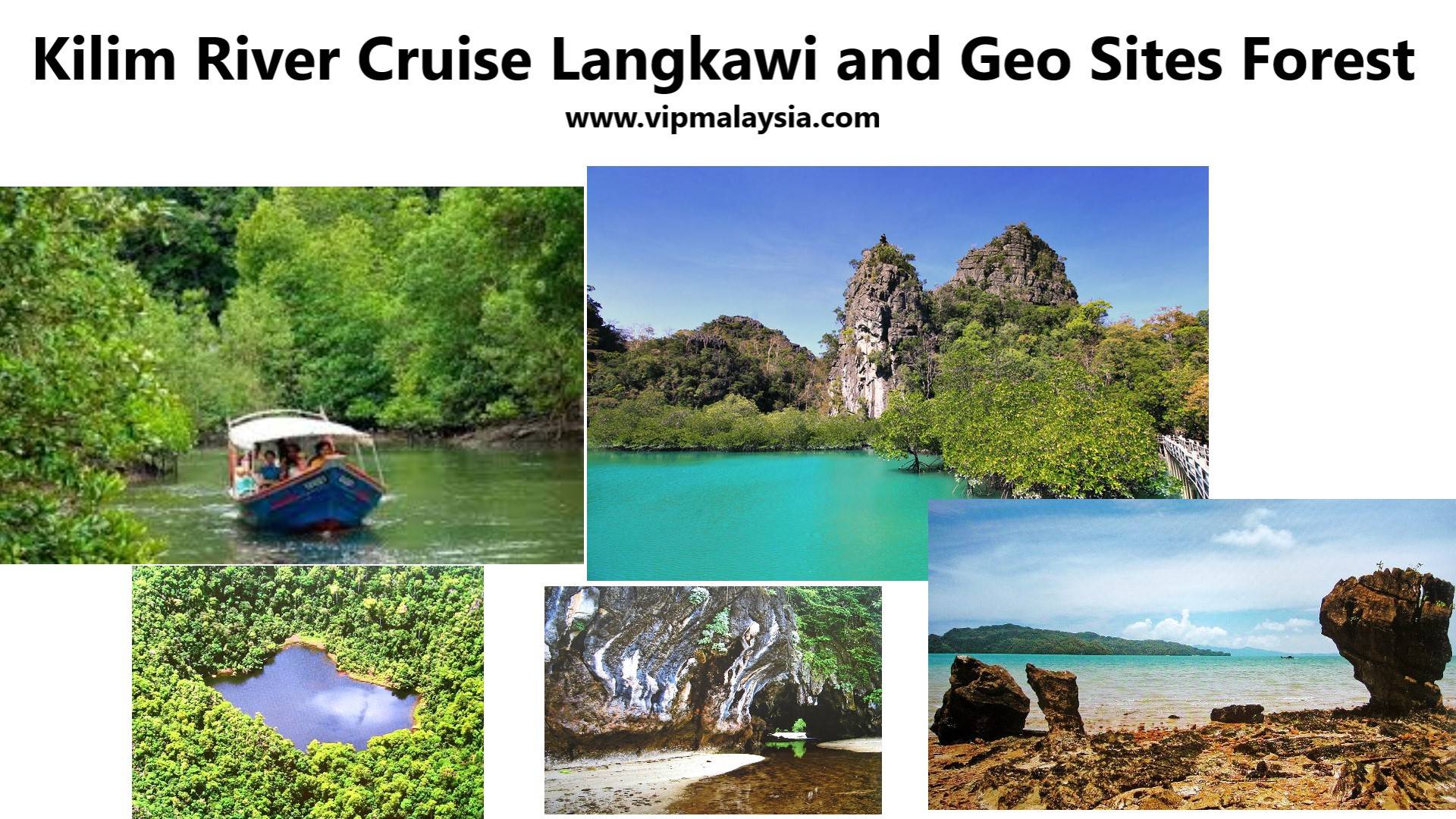
Kilim River Cruise, Langkawi
Experience the Kilim River Cruise in Pulau Langkawi, where you can explore UNESCO Geo Sites and immerse yourself in the beauty of nature. This guide covers attractions, trekking and adventure opportunities, must‑visit highlights, and practical tips for an unforgettable eco‑tourism journey.
Introduction
The Kilim River Cruise, located within the Kilim Karst Geoforest Park in Langkawi, is a UNESCO‑recognized natural wonder. Visitors glide along calm waters surrounded by mangrove forests, limestone cliffs, and exotic wildlife. The cruise is both educational and recreational, offering insights into Malaysia’s coastal ecosystems while providing a relaxing escape from city life. Whether you’re a birdwatcher, adventure seeker, or family traveler, the Kilim River Cruise delivers a unique blend of nature and culture.
The Kilim Nature Park Langkawi spreads over an area of 100sq. km that features a mixture of protected green mangrove forests, isolated white beaches and blue lagoons. Through this Kilim River Cruise, you will be able to witness the wonders of the park’s marine ecosystem, flora and fauna and its natural habitats. You’ll get to see eagles here, in a great number too. The eagles include white-bellied fish eagle, brahminy kite and the gigantic sea eagles.
Not so long ago, Kilim was a laid-back place where people’s activities are connected mainly to small scale fishing. Today, this park can be regarded as the most successful ecotourism destination in Langkawi where economic activities have vastly improved. The beauty of this geo forest park lies in its diverse natural geological, biological and cultural resources with high heritage value. These elements have been the pillars for the success of its ecotourism.
Among the remarkable features found here are the pristine mangrove and limestone forests, dramatic karstic landscapes and landform and colorful cultures. this geo forest park is also unique because it is the only place in Malaysia where one can find a coexistence of coastal karst and mangrove ecosystems. These unique landscapes provide new experience to tourists who flock this area to observe a wide spectrum of geological heritage diversity, such as various types of rock, beautiful caves, coastal and island karst morphologies, fossils, as well as rich mangrove fauna and flora.
Attractions
Kilim Geo Forest Park (or Kilim Karst Geo Forest Park as its full name) is one of the three Geo Forest parks associated with the Langkawi Geopark. The other two are the Machinchang Cambrian Geo Forest Park and The Dayang Bunting Marble Geo Forest Park. Langkawi Geopark comprises the whole of Langkawi Island, which is one of the districts of Kedah State, Malaysia. Langkawi started as a fishing village until its revelation as a UNESCO Geopark.
Feeding Marine Life and Birdwatching
You might even get the chance to hand‑feed marine life during the Kilim River Cruise. Birdwatchers will especially enjoy this experience during the migratory seasons in September and March, when flocks of shorebirds pass through the mangroves. The cruise eventually reaches the Andaman Sea, exiting the Kilim River through a narrow limestone passage known as The Hole in the Wall. This natural gateway connects the river to the open sea and provides a sheltered area for a fish farm.
Fish Farm and Floating Restaurant Experience
At the fish farm, visitors can feed a variety of species including groupers, bat fish, blue‑spotted stingrays, lobsters, mantis prawns, and snappers. This interactive stop is both educational and entertaining, offering close encounters with marine life. The farm also hosts a floating restaurant, where guests can select fresh seafood directly from the tanks and have it cooked to their preference. This combination of hands‑on learning and dining makes the Kilim River Cruise a memorable cultural and culinary experience.
Mangrove Forests and Limestone Cliffs
The cruise takes you through dense mangrove forests with prop roots rising above turquoise waters. Towering limestone cliffs frame the river, creating dramatic scenery. These ecosystems are vital for protecting coastlines and supporting biodiversity.
Bat Cave and Crocodile Cave
One highlight is the Bat Cave, home to megabats and microbats. Visitors can observe them resting or flying within the cave. Another stop is Crocodile Cave, named for its crocodile‑shaped limestone formation. While no crocodiles live here today, the cave remains a fascinating geological site.
Bat Cave
The Bat Cave, locally known as Gua Kelawar, is one of the most popular stops along the Kilim River Cruise. Inside, visitors can observe colonies of fruit bats and microbats hanging from the cave ceiling. Guided tours provide insights into their ecological role, explaining how bats help with pollination and insect control. The cave is easily accessible via wooden walkways, making it suitable for families and students interested in wildlife.
Crocodile Cave
Crocodile Cave, or Gua Buaya, is another fascinating highlight. It is named after the crocodile‑shaped limestone formation at its entrance. While no crocodiles inhabit the cave today, it remains an important geological site. The cave’s narrow passage connects the Kilim River to the Andaman Sea, and during high tide, boats can pass directly through. This natural gateway adds adventure to the cruise and offers dramatic views of limestone cliffs.
Fish Farms and Floating Restaurants
The cruise often includes visits to floating fish farms, where visitors learn about aquaculture and can feed groupers or stingrays. Floating restaurants nearby serve fresh seafood, making the experience both educational and culinary.
Trekking and Adventure
Jungle Trekking Trails
Beyond the river, Kilim Karst Geoforest Park offers jungle trekking trails. Visitors can explore tropical flora, spot hornbills, and encounter monitor lizards. Guided treks provide ecological insights and safe routes through the forest.
Mangrove Flora
The mangrove forests in Kilim Karst Geoforest Park are among the richest and most extensive in Southeast Asia, with over 55 mangrove species recorded. These include species such as Rhizophora (red mangrove), Avicennia (grey mangrove), and Sonneratia (mangrove apple). Their dense root systems protect the shoreline from erosion, provide nurseries for fish, and shelter wildlife like mudskippers, crabs, and otters.
Limestone Flora
The limestone cliffs and karst formations host specialized plants that thrive in nutrient‑poor soils. These include hardy ferns, orchids, and shrubs adapted to the rocky environment. Some species cling directly to cliff faces, creating striking greenery against the stark limestone backdrop. This flora contributes to the park’s unique landscape and supports nesting sites for hornbills and other birds.
Rare and Ancient Species
One notable plant found in Langkawi’s geoparks is the cycad (Cycas circinalis), considered a “living fossil” dating back to the Jurassic period. Its presence highlights the park’s geological and biological significance, offering visitors a glimpse into ancient plant lineages that have survived for millions of years.
Kayaking and Eco‑Tours
For adventure seekers, kayaking along the mangrove channels offers a more intimate experience. Eco‑tours emphasize conservation, teaching visitors about mangrove importance and sustainable tourism practices.
Birdwatching and Wildlife Spotting
The area is a paradise for birdwatchers, with species such as sea eagles, kingfishers, and migratory shorebirds. Otters, mudskippers, and mud crabs are commonly seen along the banks, adding to the diversity of wildlife encounters.
Must‑Visit Highlights
Geology and Cultural Heritage
The park features unique geological formations, including limestone karsts and caves. Local guides share stories about pirate legends and fishing traditions, enriching the cultural dimension of the cruise.
Visitor Facilities and Accessibility
Facilities include jetty points, guided tours, restrooms, and souvenir shops. Cruises typically last 1–2 hours, with options for half‑day or full‑day packages. The site is accessible from Langkawi town, with transport services available.
Nearby Towns and Festivals
Langkawi town offers markets, seafood restaurants, and cultural festivals. Visitors often combine the cruise with trips to Pantai Cenang Beach or Kuah town, making it part of a broader Langkawi itinerary.
Conclusion
The Kilim River Cruise is a must‑visit eco‑tourism experience in Langkawi, blending mangrove exploration, wildlife encounters, and cultural heritage. Whether you’re gliding past limestone cliffs, spotting sea eagles, or dining at floating restaurants, the cruise offers something for everyone. With its accessibility, educational value, and natural beauty, the Kilim River Cruise stands as one of Malaysia’s most enriching coastal adventures.
Summary
- Destination Name: Kilim River Cruise, Langkawi
- State: #Kedah
- Country: Malaysia
- Category: #TouristAttractions #Attraction #Langkawi
- Credit: visitkedah.com.my, kilimgeoforestpark.com
Contact Information
Langkawi Tourist Information Centre
Kilim River Cruise Langkawi
Phone: +604-966 7789/955 715
Frequently Asked Questions (FAQs)
Where is Kilim Nature Park located?
Kilim Nature Park is located on the northeastern side of Langkawi Island about 13km from Kuah town and is accessible via Jalan Kisap.
What is the first UNESCO’s Global Geopark in Southeast Asia region?
Langkawi was endorsed as the 52nd Global Geopark by UNESCO on 1st June 2007, making it the 1st geopark in Malaysia and the Southeast Asia region. This endorsement was given due to its significant Geo heritage features like landscapes, caves sea arches and sea stacks, drop stones, fossil and local community involvement. Langkawi Geopark is a member of the Asia Pacific Geoparks Network and The Global Geoparks Network (GGN).