Just minutes from Dungun town, Bukit Bauk Urban Forest offers a refreshing escape into nature with lush trails, serene picnic spots, and panoramic hilltop views. Whether you’re here to hike, jog, meditate, or simply breathe in the forest air, this eco-park is a sanctuary for wellness seekers and outdoor lovers alike.
Ready to reconnect with nature? Let’s explore why Bukit Bauk belongs on your travel list.
Why Visit
A Forest in the City
Located just 6 km from Dungun Town
Nestled in Bukit Bauk Forest Reserve
Features Hill Dipterocarp, Lowland Dipterocarp, and Peat Swamp Forests
Wellness & Recreation
Jogging tracks, walking trails, and green squares
Ideal for morning workouts, sunset strolls, and forest meditation
Adventure & Exploration
Jungle trekking and hill climbing
Trail to Bukit Bauk Peak (472 meters above sea level)
Study trails and eco-education programs
Attractions & Activities
Hiking & Trekking
Bukit Bauk Peak Trail
Moderate difficulty, 3.1 miles round trip
Elevation gain: 1,026 ft
Estimated time: 2 hours
Forest Trails
Benches and rest stops along the way
Trail markers and maps available
Picnicking & Relaxation
Green Square & Pondok
Shaded gazebos and picnic tables
Ideal for family outings and group gatherings
Kafe Rimba
Local café serving refreshments and light meals
Located near the trail entrance
Quick Info
Bukit Bauk Urban Forest Visitor Information
Attribute
Details
Address
Jalan Bukit Bauk, Dungun District, Terengganu, 23000, Malaysia
GPS Position
4.6936° N, 103.4113° E
State
Terengganu
Forest Type
Hill Dipterocarp, Lowland Dipterocarp, Peat Swamp Forest
Distance from Dungun
6 km
Distance from Kuala Terengganu
130 km via Kuala Terengganu–Dungun Road
Admission Fee
Free
Opening Hours
Daily: 6:00 AM – 7:00 PM
Facilities
Information center, jogging tracks, toilets, prayer rooms, green square
Nearby Café
Kafe Rimba Bandar Bukit Bauk
Nearby Attractions
Pasar Besar Dungun, Teluk Bidara Beach, Chemerong Waterfall
Pejabat Hutan Daerah Terengganu Selatan: 09-8441 404
User Reviews & Testimonials
“Bukit Bauk is my go-to spot for weekend hikes. The trail is peaceful, and the views from the top are stunning. It’s a great place to clear your mind.” – Suzuka, Kuala Lumpur
“I love how accessible this forest is. Just a short drive from town and you’re surrounded by nature. The facilities are clean and well-maintained.” – Hisyammuddin Tajul Urus, Dungun
Contact & Booking Information
Bukit Bauk Urban Forest – Visitor Essentials
Attribute
Details
Forest Office
Pejabat Hutan Daerah Terengganu Selatan – Telephone Number: 09-8441 404
Navigation
Use Google Maps or Waze and search for Bukit Bauk Urban Forest
Parking
Parking is available onsite
Admission
Admission is free
Permit
Permit is not required for casual visits; check with forest office for hiking group permits
Best Season
Open year-round; early mornings and evenings are recommended
Bukit Bauk Urban Forest – Forestry & Emergency Contact Directory
Agency
Details
State Forestry Department Terengganu
Address: Unit Hutan Lipur dan Rekreasi, Jabatan Perhutanan Negeri Terengganu, Tingkat 8, Wisma Negeri, 20200 Kuala Terengganu, Terengganu
District Police Station Dungun – Five kilometers away – Telephone Number: 09-8482 222
Fire Station Dungun – Five kilometers away – Telephone Number: 09-8261 444
Final Thoughts
Bukit Bauk Urban Forest is more than just a park—it’s a living classroom, a wellness retreat, and an adventure playground all rolled into one. Whether you’re chasing sunrise views, studying forest ecology, or simply enjoying a quiet walk, this destination offers something for everyone.
So, lace up your shoes, grab your water bottle, and let Bukit Bauk show you the magic of Terengganu’s natural heritage.
Summary
Attraction: Bukit Bauk Urban Forest
Location: #Terengganu
Attraction Type: #Nature #Forest
Best Destinations in Terengganu
Discover the best destinations in Terengganu, Malaysia—from pristine beaches and crystal-clear islands to vibrant cultural heritage and traditional crafts. Whether you’re exploring the iconic Redang Island, strolling through Kuala Terengganu’s charming markets, or marveling at the Floating Mosque, Terengganu promises breathtaking natural beauty and unforgettable local experiences.
Lang Tengah Island, Terengganu Nestled between Pulau Redang and Pulau Perhentian, Lang Tengah Island offers untouched jungle, powder-white beaches, and vibrant corals—all just a 30-minute…
Pulau Redang Pulau Redang, the crown jewel of nine protected islands in the South China Sea, promises crystalline waters, vibrant coral reefs, and unforgettable marine…
Pantai Jambu Bongkok, Terengganu Pantai Jambu Bongkok has taken Instagram by storm—towering coconut palms, peaceful beach hamlets, and an eco-park that invites you to unplug…
Pantai Kelulut Tired of crowded beaches and noisy tourist traps? Let Pantai Kelulut in Terengganu charm you with its quiet sands, fresh coconut groves, and…
Pulau Kapas, Terengganu Pulau Kapas is an idyllic island just 6 km off the coast of Marang, Terengganu, Malaysia. Known for crystal-clear waters, pristine coral…
Pantai Air Tawar, Terengganu Discover Pantai Air Tawar in Besut, Terengganu—a beloved beach destination known for its cultural celebrations, scenic coastline, family-friendly ambiance, and local…
Lata Belatan, Terengganu Lata Belatan in Besut, Terengganu, offers a rare blend of tranquility, biodiversity, and forest adventure. As the main entry to Gunung Tebu…
Lata Tembakah, Terengganu Escape to the serene embrace of Lata Tembakah, nestled deep within Terengganu’s Pelagat Forest Reserve. Whether you’re a camper, nature lover, waterfall…
Looking for travel inspiration, delicious recipes, or the best places to eat? Want to stay updated on smart financial tips, personal loan promotions, or the latest car models? Whether you’re searching for hobby ideas, product reviews, or something new, we’ve got you covered! Click on the links, explore exciting insights, and let your next discovery begin—it’s just one click away!
Deep in the heart of Kelantan lies Sungai Kenerong, a pristine river destination surrounded by lush rainforest, local legends, and breathtaking views. Whether you’re craving a nature escape, a family outing, or a quiet camping experience, this hidden gem delivers peace, adventure, and connection in every ripple. This guide gives you everything—from location tips and activities to reviews and contact info—so you can plan your perfect getaway.
Pack your boots, ready your camera, and let Sungai Kenerong carry your worries away!
Why You Should Visit
A River That Tells Stories
Sungai Kenerong isn’t just a waterway—it’s part of Kelantan’s spiritual and ecological tapestry. Flowing through Jeli District, near the famed Gunung Stong State Park, this river connects adventurers to mystical caves, forest trails, and a deeper appreciation of nature’s rhythm.
How to Get There
Location Guide
To reach Sungai Kenerong, visitors usually make their way to Dabong, then head northeast toward Kampung Kuala Geris, passing through dense forest paths and village roads. Most attractions around this river are accessible via 4WD or guided transport.
Quick Info
Attribute
Details
Name
Sungai Kenerong
Location
Near Gunung Stong, Dabong, Kelantan
GPS Coordinates
5.3093° N, 101.9881° E (approximate)
District
Jeli / Gua Musang Border
Access Point
Via Kampung Kuala Geris
Nearest Town
Dabong
Transport Options
Local guide vans, off-road vehicles, trekking
Main Attractions
River trekking, waterfall hopping, jungle immersion
Facilities
Campgrounds, rest huts, trail signage
Activities
Camping, river bathing, bird watching, nature walks
Ideal Visiting Months
March to October
Nearby Sites
Gunung Stong, Gua Ikan, Baha’s Camp
Environment
Rainforest river ecosystem
Wildlife
Hornbills, river otters, freshwater fish
Local Cuisine Nearby
Kampung-style food stalls, grilled river fish
Safety Notes
Travel with guides; river current stronger in monsoon
Eco-Friendly Tips
Leave no trace; avoid soaps in the stream
Entry Fee
Free (some guided tours charge)
User Reviews & Testimonials
“I didn’t expect a river to make me feel so grounded. Sungai Kenerong is nature’s therapy—clear waters, green giants, and complete silence.” — Nadzrin, Kota Bharu
“The river trek from Kuala Geris to the waterfall made me forget about my phone for hours. Absolute refreshment.” — Sophia, Penang
Contact & Booking Info
Entity
Details
Tourism Office
Majlis Daerah Dabong Email: mddabong@kelantan.gov.my Tel: 09-966 3345
Guided Transport
Kenderaan Dabong to Sungai Kenerong – Call 017-985 7773
Local Guide
Nizam – 010-646 3456 (recreation and site access)
Tourist Information
Kelantan Tourist Info Center Email: tic@kelantan.gov.my Tel: 09-7483543
Booking
Via guide phone or onsite only; no online portal available
Final Thoughts
Sungai Kenerong is more than just a river—it’s the kind of place that reminds us to slow down, take a deep breath, and reconnect with the raw power of nature. You won’t find WiFi or souvenirs, but you will find the kind of peace money can’t buy.
Whether you come for the adventure or the quiet, Sungai Kenerong welcomes you just the way you are.
Summary
Attraction: Sungai Kenerong
Location: #Kelantan
Attraction Type: #River
Best Destinations in Kelantan
Discover the best destinations in Kelantan—from the majestic waterfalls of Gunung Stong to the cultural treasures of Kota Bharu. Whether you’re drawn to royal heritage, jungle adventures, or serene beaches, this guide unveils Kelantan’s most unforgettable experiences. Click now to plan your perfect East Coast escape!
Tok Bali Dreaming of golden sands and soothing tides? Tok Bali offers more than just beach bliss—it’s a living postcard of marine culture, peaceful retreats,…
Pantai Bisikan Bayu Escape to the soulful shores of Pantai Bisikan Bayu, where wind whispers through casuarina trees and waves invite you to relax, play,…
Masjid Sultan Muhammad II, Telipot Built in 1978, Masjid Sultan Muhammad II—formerly known as Masjid Telipot—is a mosque of elegance, cultural depth, and spiritual significance….
Masjid Ar-Rahman Masjid Ar-Rahman, located in Pulau Gajah, Kelantan, is more than a mosque—it’s a testament to spiritual dedication and global design influences. Built between…
Wat Mai Suwankiri Nestled in the lush district of Tumpat, Kelantan, Wat Mai Suwankiri is a stunning Thai Buddhist temple that celebrates tradition, artistry, and…
Looking for travel inspiration, delicious recipes, or the best places to eat? Want to stay updated on smart financial tips, personal loan promotions, or the latest car models? Whether you’re searching for hobby ideas, product reviews, or something new, we’ve got you covered! Click on the links, explore exciting insights, and let your next discovery begin—it’s just one click away!
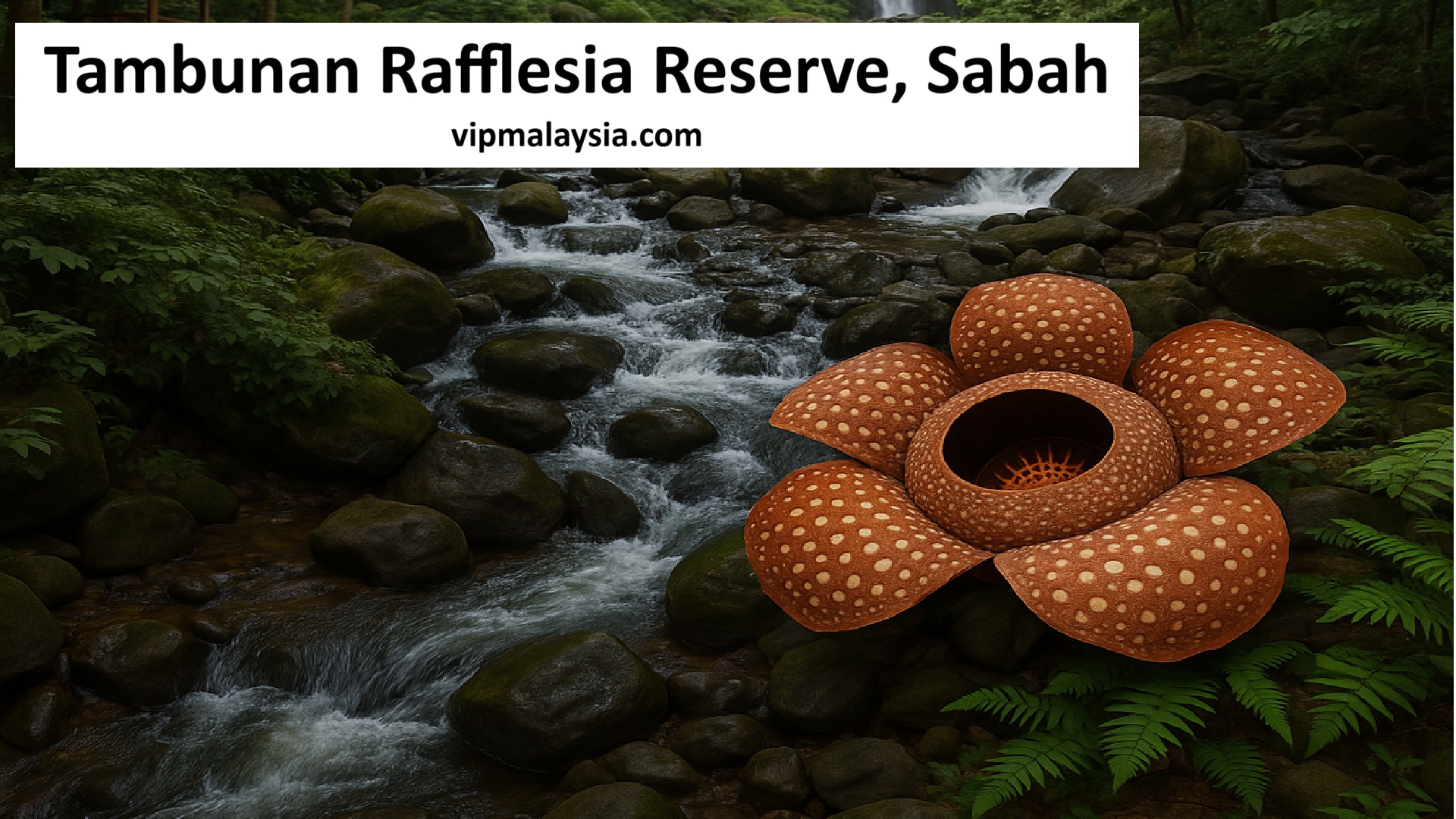
Just an hour’s drive from Kota Kinabalu, Tambunan Rafflesia Reserve offers an extraordinary trek into Sabah’s rainforest to witness the rare and massive Rafflesia flower—one of the largest and most unique blooms on Earth. With its captivating jungle trails, fascinating biodiversity, and the unforgettable chance to spot the elusive “corpse flower,” this nature reserve is a must-visit gem for eco-tourists and adventure seekers alike.
Why Visit
What Makes Rafflesia So Special?
The Rafflesia isn’t just a flower—it’s an enigma. Known for its giant size (up to 1 meter in diameter!) and pungent scent, this rare bloom mimics the smell of decaying flesh to attract pollinators. Despite the odor, the sight of a blooming Rafflesia is both humbling and awe-inspiring.
Fun Fact:
Rafflesia flowers only bloom for 3–5 days, making sightings a blend of timing, luck, and nature’s whimsy.
Location & Experience
Where Is It?
Just 1 hour (80km) from Kota Kinabalu, located in Crocker Range National Park, the Tambunan Rafflesia Reserve lies nestled along the roadside at the forest’s edge—marked by the Rafflesia Information Centre (RIC).
What Can You Do?
Jungle trekking with licensed guides
Educational sessions at the Information Centre
Observe various rafflesia species endemic to Borneo & Sumatra
Connect with Sabah Forestry on Facebook for live blooming updates
Travel Tips & Essentials
What to Wear:
Light, breathable clothing
Long trousers or shorts
Comfortable walking shoes
What to Bring:
Insect repellent
Sunblock or hat
Umbrella or raincoat
Things to Remember Before You Go
Bloom sightings are rare—always check blooming status online.
“This was my second visit to Tambunan Rafflesia Reserve and STILL no bloom—but the trek was so worth it. Guides are friendly, and the forest is magical!” – Afiqah, Malaysia
“Saw a full bloom! What a privilege. Even the smell added to the authenticity. Would love to come back to Tambunan Rafflesia Reserve with friends.” – Jamal, Singapore
“We didn’t get to see the flower in Tambunan Rafflesia Reserve, but the experience was priceless. Trekking through the jungle was unforgettable.” – Clara, Germany
Conclusion
Even if the rafflesia flower doesn’t bloom during your visit, the journey through Tambunan Rafflesia Reserve is a soulful return to nature. With its lush jungles, knowledgeable guides, and rare biodiversity, this hidden gem in Sabah invites you to slow down, breathe in (maybe not too deeply), and fall in love with the raw beauty of Borneo.
Book your trekking experience today! Reach out to the Rafflesia Info Centre: Telephone: +60 88 899 589 | +60 11 252 51277 E-Mail: rafflesia.info@gmail.com
For the latest blooming updates, follow Sabah Forestry Department on Facebook.
Summary
Attraction: Tambunan Raflesia Reserve
Location: #Sabah
Attraction Type: #Park
Best Destinations in Sabah
Uncover the best destinations in Sabah—from the breathtaking peaks of Mount Kinabalu to the pristine shores of Sipadan Island. Whether you’re chasing wildlife encounters, cultural gems, or tropical escapes, this guide reveals the most unmissable adventures. Click now to plan your perfect Sabah getaway!
Kionsom Waterfall, Sabah Need a quick escape from Kota Kinabalu’s bustle? Tucked just 20 KM away, Kionsom Waterfall (also known as Kiansom) offers seven cascading…
Mahua Waterfall, Sabah Ready to uncover one of Sabah’s best-kept nature secrets? Nestled in the heart of Crocker Range National Park, Mahua Waterfall is a…
Crocker Range National Park Nestled on the West Coast of Sabah, Crocker Range National Park is more than Malaysia’s largest park—it’s a UNESCO Biosphere Reserve,…
Danum Valley Conservation Area Experience the untouched wonder of Danum Valley, a 130-million-year-old rainforest sanctuary tucked deep in Sabah, Malaysia. This premier conservation area is…
Poring Hot Springs Escape to Sabah’s healing jungle retreat—Poring Hot Springs. Just 40km from Kinabalu Park, this rainforest sanctuary offers steamy mineral baths, sky-high canopy…
Kinabalu Park Discover why Kinabalu Park, Malaysia’s first UNESCO World Heritage Site, is a haven for biodiversity, adventure, and soul-stirring landscapes. Whether you’re a nature…
Gunung Kinabalu Ready for an unforgettable journey above the clouds? Gunung Kinabalu, Southeast Asia’s highest peak, offers more than just a climb—it’s a life-changing experience…
Looking for travel inspiration, delicious recipes, or the best places to eat? Want to stay updated on smart financial tips, personal loan promotions, or the latest car models? Whether you’re searching for hobby ideas, product reviews, or something new, we’ve got you covered! Click on the links, explore exciting insights, and let your next discovery begin—it’s just one click away!
Experience the untouched wonder of Danum Valley Conservation Area, a 130‑million‑year‑old rainforest sanctuary in Sabah, Malaysia. This pristine wilderness is home to rare wildlife, towering dipterocarp trees, cascading waterfalls, and world‑class research facilities. Whether you seek adventure, serenity, or ecological discovery, Danum Valley offers a once‑in‑a‑lifetime journey into nature’s finest sanctuary.
Introduction
Nestled deep in the heart of Sabah, Malaysia, the Danum Valley Conservation Area is one of the world’s most celebrated tropical rainforests. Covering 438 square kilometers of protected land, this ancient ecosystem has remained untouched by logging or permanent human settlement. Visitors are drawn to its extraordinary biodiversity, where orangutans swing through the canopy, hornbills soar overhead, and rivers carve their way through lush valleys. For eco‑tourists, scientists, and adventurers alike, Danum Valley represents a rare chance to step into a living museum of natural history.
History
The story of Danum Valley is one of foresight and preservation. In the early 1980s, Sabah faced increasing pressures from logging and development. Recognizing the irreplaceable ecological value of its lowland dipterocarp forests, the Sabah Forestry Department designated Danum Valley as a Class I Protection Forest Reserve in 1984. This status ensured that no logging, hunting, or permanent settlement would ever occur within its boundaries.
In 1986, the Danum Valley Field Centre (DVFC) was established as a hub for scientific research. Since then, it has attracted global researchers studying rainforest ecology, climate change, and endangered species. The centre’s work has contributed to international conservation efforts and deepened our understanding of tropical ecosystems. Today, Danum Valley stands as a testament to Malaysia’s commitment to preserving its natural heritage, offering both protection for biodiversity and opportunities for sustainable eco‑tourism.
How to Get Here
Flying Into Lahad Datu
The most common gateway to Danum Valley is via Lahad Datu, a small town on Sabah’s east coast. Daily flights operate from Kota Kinabalu, taking about one hour. From Lahad Datu Airport, visitors continue by road into the rainforest interior.
Road Journey from Lahad Datu
The drive from Lahad Datu to Danum Valley is approximately 81 km, but don’t let the distance fool you—it takes nearly two hours due to rugged terrain and unpaved roads. The journey itself is part of the adventure, winding through oil palm plantations before giving way to dense rainforest. Four‑wheel drive vehicles are essential, and transfers are usually arranged through lodges or the Danum Valley Field Centre.
Alternative Routes
Travelers can also reach Lahad Datu by road from Tawau or Sandakan. These drives are longer—five to seven hours depending on conditions—but they offer scenic views of Sabah’s countryside.
Permits and Access
Entry into the conservation area requires a permit, issued at the Danum Valley office in Fajar town, Lahad Datu. This regulation ensures that visitor numbers remain controlled and that the fragile ecosystem is protected. Most lodges and research centres assist with permit applications as part of their booking process.
Booking Transfers and Guides
Transfers, guided treks, and night safaris can be arranged through official channels. The contact point often provided is camd.reservations@gmail.com, which connects visitors with the Conservation Area’s management team. Booking in advance is strongly recommended, as access is limited and demand is high during peak seasons.
Travel Notes for Visitors
Road Conditions: Expect bumpy, muddy tracks, especially after rain. Travel time can be longer than expected.
Facilities: The Borneo Rainforest Lodge offers eco‑luxury stays, while the Danum Valley Field Centre provides simpler accommodations for researchers and budget travelers.
Connectivity: There is little to no mobile signal or internet access once inside the valley. Visitors should prepare for a true digital detox.
Best Time to Visit: Dry season months (March–October) are generally more comfortable for trekking, though wildlife sightings occur year‑round.
Highlights
Towering Biodiversity
Danum Valley is home to more than 200 tree species per hectare, with over 511 species identified overall. The towering dipterocarps dominate the canopy, some reaching heights of 70 meters. Beneath them thrive orchids, ferns, and medicinal plants still being studied by botanists. This dense vegetation provides shelter for countless species, making the valley a hotspot for ecological discovery.
Wildlife Wonderland
The conservation area shelters over 120 mammal species, including the Bornean orangutan, clouded leopard, sun bear, and Bornean pygmy elephant. Visitors often encounter civets, flying lemurs, and deer during night drives. The diversity of wildlife makes Danum Valley one of the most important refuges for endangered species in Southeast Asia.
The Birder’s Paradise
With more than 300 bird species recorded, Danum Valley is a dream destination for birdwatchers. All eight hornbill species found in Borneo can be spotted here, alongside rare birds such as the Bornean bristlehead and blue‑headed pitta. Birding trails and canopy towers provide excellent vantage points for spotting these feathered wonders.
Attractions
Jungle Trekking and Nature Trails
Guided treks lead visitors through dense rainforest trails, where every step reveals new flora and fauna. Trails vary in difficulty, from short walks to multi‑day expeditions. Along the way, trekkers may encounter orangutans feeding, gibbons calling, or butterflies fluttering in shafts of sunlight.
Waterfall Escapes
Hidden within the forest are natural pools and waterfalls such as Tembaling and Purut, where visitors can swim and relax. These serene spots offer a refreshing break from trekking and a chance to immerse in the rainforest’s tranquility.
Wildlife Safari and Night Drive
Night drives in 4×4 vehicles reveal the rainforest’s nocturnal life. Guides point out flying squirrels, civets, slow lorises, and even the elusive leopard cat. The thrill of spotting rare animals under the stars makes this one of the most popular activities.
Eco‑Education and Recreation
Danum Valley is not only a tourist destination but also a living classroom. Educational programs for schools, universities, and private groups are regularly conducted. Facilities include conference rooms, libraries, and laboratories, blending leisure with learning.
Things to Do
Trekking and Adventure
Adventurers can embark on multi‑day treks deep into the forest, camping under the canopy and exploring remote trails. These expeditions often include visits to ancient burial sites, waterfalls, and wildlife observation points. Trekking in Danum Valley is both physically challenging and spiritually rewarding, offering a profound connection to nature.
Example: Burial Sites of the Kadazan‑Dusun
Within the valley are ancient burial sites of the Kadazan‑Dusun people, marked by coffins placed in caves and cliff faces. These sites provide cultural depth to the natural landscape, reminding visitors of the human history intertwined with the forest. Exploring them offers a glimpse into Sabah’s indigenous heritage.
Nearby Attractions
Imbak Canyon
Known as Borneo’s “majestic refugium,” Imbak Canyon is another conservation area rich in biodiversity. Its dramatic cliffs and waterfalls make it a striking complement to Danum Valley.
Maliau Basin
Often called the “Lost World of Sabah,” Maliau Basin is a remote, pristine wilderness with unique ecosystems. Its circular basin and waterfalls attract researchers and adventurers alike.
Taliwas River
A tranquil retreat near Lahad Datu, the Taliwas River offers camping and eco‑education programs. It is a popular spot for families seeking a gentler rainforest experience.
Silam Coast
Where rainforest meets the sea, the Silam Coast offers mangrove forests and marine biodiversity. Visitors can enjoy coastal walks and birdwatching.
Kalabakan Upland
This area features healing nature trails and community‑based eco‑tourism initiatives. It highlights the role of local communities in conservation.
Segama Highlands
A stronghold of the red apes, the Segama Highlands are crucial for orangutan conservation. Trekking here provides opportunities to observe these endangered primates in their natural habitat.
Conclusion
The Danum Valley Conservation Area is more than a destination—it is a sanctuary of life, history, and discovery. Its untouched rainforest, extraordinary biodiversity, and cultural heritage make it one of the world’s most important conservation sites. Visitors leave with a deeper appreciation for nature, a sense of serenity, and unforgettable memories. Whether you are a scientist, adventurer, or nature lover, Danum Valley offers a journey into the heart of Earth’s oldest rhythms.
Summary
Attraction: Danum Valley Conservation Area
Location: #Sabah
Attraction Type: #Wildlife
Quick Info
Attribute
Details
Name
Danum Valley Conservation Area
Address
Approximately 80 km east of Lahad Datu, Sabah, Malaysia
GPS Position
5.0316° N, 117.6893° E (approximate)
State
Sabah
Date Established
Declared Class I Protection Forest Reserve in 1984; Danum Valley Field Centre (DVFC) established in 1986
Forested Area
Ancient rainforest estimated at 130 million years old
Forest Coverage
Predominantly lowland dipterocarp forest; small areas of montane forest
Wildlife
Over 120 mammal species including orangutans, gibbons, pygmy elephants, clouded leopards, sun bears
Bird Species
More than 300 species recorded; includes all 8 hornbill species and endemic birds like the Bornean bristlehead
Tree Diversity
Over 500 identified tree species; ~200 species per hectare
Main Activities
Jungle trekking, canopy walks, birdwatching, waterfall swimming, night safaris, eco‑education
Accommodation
Borneo Rainforest Lodge (eco‑luxury) and Danum Valley Field Centre (research/basic lodging)
Yayasan Sabah Complex, Tun Mustapha Tower, Kota Kinabalu
Visitor Reviews
Marian, United States – ★★★★★ “I visited Danum Valley in 2025 and was blown away by its raw beauty. There’s no Wi‑Fi and barely any phone signal, which made the experience even more immersive. I woke up to gibbon calls echoing through the canopy and saw orangutans building nests during a guided trek. The night safari was unforgettable—we spotted civets and flying lemurs. Facilities were basic but comfortable, and the remoteness made it feel like stepping back in time.”
Mike Dorian, United Kingdom – ★★★★★ “Danum Valley is not for casual tourists—it’s for serious nature lovers. I stayed at the Borneo Rainforest Lodge, waking up to hornbills flying overhead and orangutans swinging near the chalets. The guides were excellent, pointing out rare species like the Bornean bristlehead. The road from Lahad Datu was rough and bumpy, taking nearly two hours, but the journey was worth it. The atmosphere was reverent; people spoke softly, moved slowly, and respected the wilderness.”
Joe Branco, Netherlands – ★★★★☆ “As a wildlife photographer, Danum Valley was paradise. I captured pygmy elephants along the Segama River and hornbills in flight. The biodiversity here is staggering—clouded leopards, gibbons, and sun bears all inhabit the area. The only downside was the challenging access road, which can be muddy after rain. Still, the pristine rainforest and the chance to photograph rare species made it one of the most rewarding trips of my career.”
Erling Carr, Malaysia – ★★★★★ “Danum Valley is one of Southeast Asia’s most important rainforest reserves. I joined a research group at the Danum Valley Field Centre and learned about conservation projects protecting over 124 mammal species and 340 bird species. The canopy walk was breathtaking, offering views of hornbills and gibbons at sunrise. The isolation was part of the magic—no settlements, no hunting, no deforestation. It felt like entering a living laboratory of nature.”
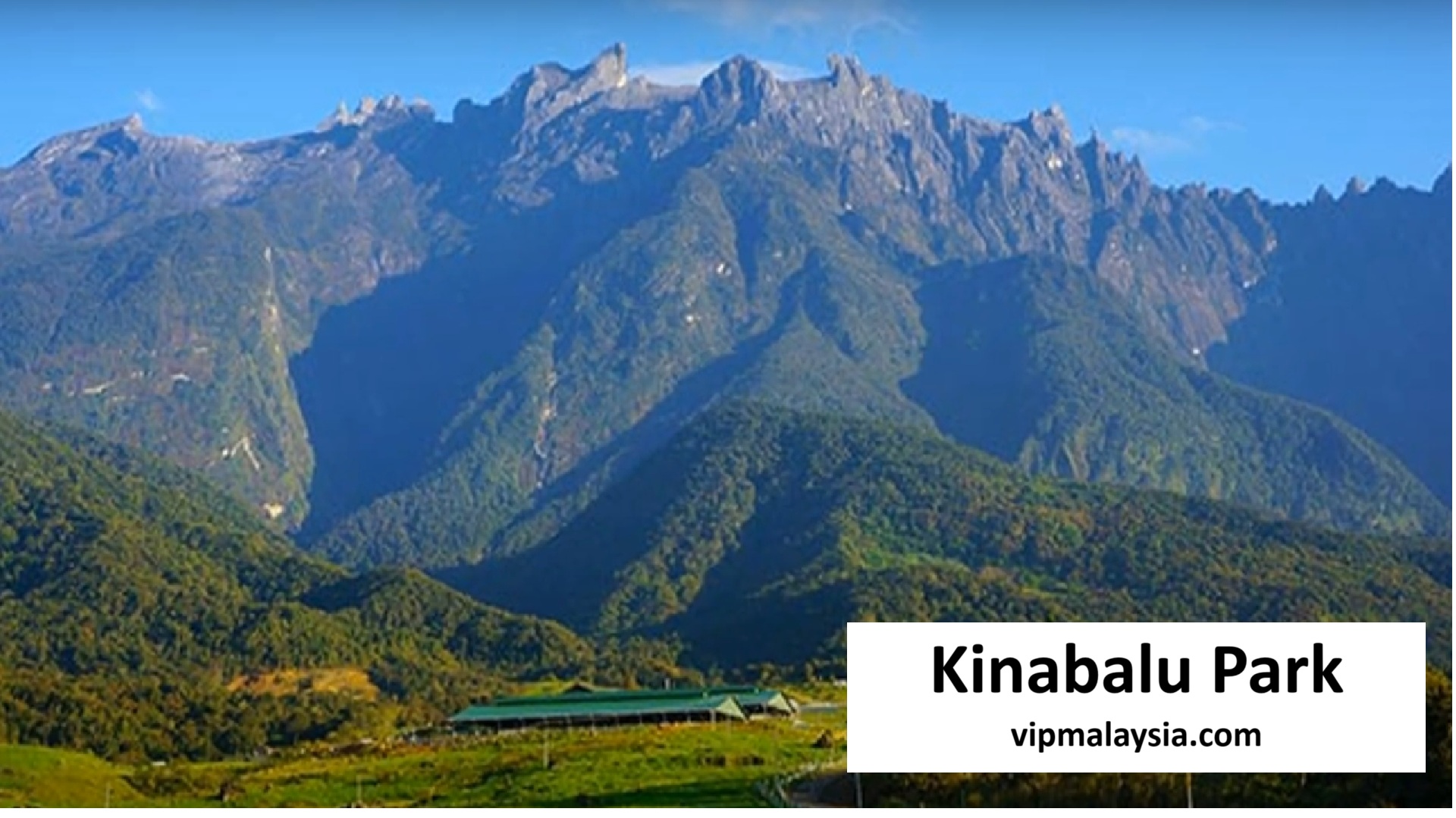
Kinabalu Park in Sabah, Malaysia, is a UNESCO World Heritage Site that blends breathtaking landscapes, extraordinary biodiversity, and thrilling adventure. From the towering Mount Kinabalu to lush rainforests and soothing hot springs, this destination offers travelers a rare chance to explore nature’s crown jewel in Southeast Asia.
Introduction
Kinabalu Park is more than just a national park—it is a living sanctuary where nature, culture, and adventure converge. Nestled in the northern tip of Borneo, this park is home to Mount Kinabalu, the highest peak in Southeast Asia, and a treasure trove of flora and fauna. Recognized as Malaysia’s first UNESCO World Heritage Site in 2000, Kinabalu Park has become a global symbol of conservation and exploration. Whether you are a hiker, a birdwatcher, or a family seeking a rejuvenating escape, Kinabalu Park promises an unforgettable journey.
History
Kinabalu Park’s history is deeply tied to both scientific discovery and cultural reverence. Established in 1964 as one of Malaysia’s earliest protected areas, the park was created to safeguard the unique ecosystems surrounding Mount Kinabalu. Over the decades, researchers uncovered its staggering biodiversity, documenting thousands of plant species and rare animals. In 2000, UNESCO recognized Kinabalu Park as a World Heritage Site for its outstanding universal value, citing its role as a “natural laboratory of evolutionary processes.”
Local legends also enrich its history. The Kadazan-Dusun people regard Mount Kinabalu as sacred, believing it to be the resting place of ancestral spirits. This cultural reverence blends seamlessly with scientific importance, making Kinabalu Park both a spiritual and ecological landmark. Today, it stands as a testament to Malaysia’s commitment to conservation and sustainable tourism.
Highlights
Mount Kinabalu
Mount Kinabalu rises majestically at 4,095.2 meters, making it the highest peak between the Himalayas and New Guinea. Climbers from around the world flock here to test their endurance and witness sunrise views that paint the sky in hues of gold and crimson. For many, the climb is not just physical but spiritual, offering a sense of achievement and connection with nature.
Trekking Routes and Facilities
The mountain offers two main climbing routes: the Timpohon Gate and the Mesilau Trail. Both provide unique perspectives of the mountain’s diverse ecosystems. Along the way, climbers encounter rest huts, ranger stations, and guided support, ensuring safety and accessibility.
Biodiversity Hotspot
Kinabalu Park is a paradise for naturalists. With over 5,000 plant species, including orchids, pitcher plants, and the rare Rafflesia, the park is a botanical wonderland. It also shelters more than 300 bird species and 100 mammals, ranging from clouded leopards to Bornean gibbons.
Unique Flora and Fauna
The park’s flora reflects influences from the Himalayas, China, Australia, and pan-tropical regions. Visitors can marvel at towering dipterocarp trees, delicate mosses, and carnivorous plants. Wildlife enthusiasts may spot hornbills, civets, and even the elusive orangutan in surrounding forests.
Substations and Research
Kinabalu Park operates four substations—Sayap, Nalapak, Serinsim, and Monggis. These serve as research hubs and eco-tourism gateways. Scientists study evolutionary processes here, while visitors gain immersive experiences through guided walks and educational programs.
Sayap Substation
Sayap Substation lies on the western flank of Kinabalu Park, offering a quieter, less-explored retreat. It is renowned for its pristine montane forests, rich birdlife, and tranquil hiking trails leading to Kemantis Waterfall. Established in 1992, Sayap plays a crucial role in monitoring the park’s western boundary while supporting biodiversity research. Visitors often enjoy birdwatching and guided hikes that reveal rare reptiles and amphibians, making it a hotspot for eco-adventures.
Beyond its ecological significance, Sayap has become a hub for community-based tourism. Local guides, including former poachers turned conservationists, lead night walks to spot horned frogs, red-headed kraits, and other nocturnal species. Homestays in nearby villages provide authentic cultural immersion, while conservation programs such as fig tree nurseries highlight the interconnectedness of flora and fauna.
Nalapak Substation
Nalapak Substation, established in 1995, is located at the northernmost tip of Kinabalu Park. Known locally as “Sub-stesen Utara,” it functions primarily as a ranger outpost, safeguarding the park’s northern boundary. Its strategic position makes it essential for enforcement and monitoring activities, ensuring the protection of flora and fauna in remote areas.
Although less visited by tourists compared to Sayap or Serinsim, Nalapak offers unique opportunities for researchers and conservationists. Its remote location provides access to untouched habitats, making it valuable for floral and faunal inventories conducted by Sabah Parks. The substation’s presence underscores the importance of maintaining surveillance across the park’s vast 754 sq km area.
Serinsim Substation
Serinsim Substation, located about 32 km from Kota Marudu, showcases a different face of Kinabalu Park. Unlike the highland headquarters, Serinsim is dominated by lowland rainforest and rivers, offering attractions such as Misumpak Waterfall, Bat Cave, and Mount Nombuyukong. It also hosts cultural landmarks like the grave of Si-Gunting, a local hero who resisted British colonial rule, and the legendary tomb of Gambaliu, a mythical giant.
Facilities at Serinsim include hostels, chalets, and camping grounds, making it accessible for families and adventure seekers. Visitors can enjoy river picnics, wildlife spotting, and deer farm visits. The substation’s blend of natural beauty and cultural heritage makes it a unique destination within Kinabalu Park, appealing to both history enthusiasts and nature lovers.
Monggis Substation
Monggis Substation, situated about 45 km from Ranau, serves as the gateway to Mount Tambuyukon, Malaysia’s third-highest peak at 2,580 meters. This substation is vital for climbers and researchers, offering access to diverse ecosystems ranging from lowland forests to ultrabasic rock formations. The ascent from Monggis to Tambuyukon provides a remarkable journey across varied biodiversity zones.
In addition to trekking, Monggis supports research in biology, geology, and eco-tourism potential. Its isolated location ensures minimal disturbance, making it an ideal site for scientific exploration. For adventurers, Monggis offers challenging climbs and breathtaking views, while conservationists value its role in safeguarding one of Sabah’s most ecologically rich regions.
Major Attractions
Poring Hot Springs
Located 40 kilometers from the park headquarters, Poring Hot Springs is a favorite among families and wellness seekers. Its sulphurous baths are believed to have healing properties, while canopy walkways and rainforest trails provide adventure. Waterfalls nearby add to the charm, making it a perfect blend of relaxation and exploration.
Visitor Facilities
The hot springs complex includes children’s pools, private baths, and picnic areas. Visitors can also explore butterfly farms and orchid gardens, enhancing the educational value of the site.
Kinabalu Summit (Low’s Peak)
The summit of Gunung Kinabalu, known as Low’s Peak, is the park’s most iconic attraction. Standing at 4,095 meters, it offers breathtaking sunrise views that stretch across Sabah and the South China Sea. Climbers often describe the experience as life-changing, with the granite spires creating a dramatic silhouette against the sky.
Reaching the summit requires stamina and preparation, but the reward is unparalleled. The climb is supported by guides and facilities, making it accessible to trekkers worldwide. It remains the highlight of Kinabalu Park’s adventure tourism.
Botanical Garden
The Kinabalu Botanical Garden showcases the park’s extraordinary biodiversity. It houses rare orchids, pitcher plants, and medicinal herbs, offering visitors a glimpse into the mountain’s unique flora.
Educational tours highlight conservation efforts and the importance of preserving endemic species. The garden is a must-visit for botanists and nature enthusiasts alike.
Carson Falls
Carson Falls is a scenic waterfall located near Timpohon Gate. It provides a refreshing stop for climbers beginning their ascent, with cool waters cascading through lush vegetation.
The falls are named after botanist Richard Carson, who contributed to Kinabalu’s ecological studies. It remains a tranquil attraction for hikers and photographers.
Canopy Walkway
The canopy walkway at Poring offers a thrilling experience above the treetops. Suspended bridges allow visitors to explore the rainforest from a unique perspective, spotting birds and insects along the way.
This attraction emphasizes the park’s biodiversity and provides an educational adventure for families. It is one of the most photographed experiences in Kinabalu Park.
Kinabalu Park Headquarters
The park headquarters at Timpohon Gate is the starting point for most climbs. It houses visitor facilities, including accommodations, restaurants, and information centers.
Educational exhibits highlight the park’s biodiversity and conservation efforts. It is an essential stop for climbers preparing for the ascent.
Kundasang War Memorial
The Kundasang War Memorial honors Allied soldiers who perished during World War II’s Sandakan Death Marches. It features gardens representing different nations and serves as a poignant historical site.
Visitors gain insight into Sabah’s wartime history and the sacrifices made. The memorial adds cultural depth to the natural attractions of Kinabalu Park.
Things to Do
Birdwatching and Wildlife Tours
Kinabalu Park is a haven for birdwatchers. Species such as the mountain blackeye, Bornean barbet, and crimson-headed partridge delight enthusiasts. Guided tours also highlight mammals like the Malay civet and reptiles such as the Kinabalu horned frog.
Botanical Exploration
Visitors can join guided botanical walks to learn about orchids, ferns, and medicinal plants. The park’s botanical diversity makes it a living classroom for students and researchers.
Climbing Mount Kinabalu
The climb to Mount Kinabalu’s summit is a bucket-list adventure. Climbers typically spend two days ascending, with an overnight stay at Laban Rata Resthouse before the final push to the summit. The experience combines physical challenge with breathtaking views.
Via Ferrata Adventure
For thrill-seekers, Kinabalu Park offers the world’s highest via ferrata—a network of iron rungs and cables fixed to the mountain. This allows climbers to traverse cliffs and ridges safely, adding adrenaline to the journey.
Other Information
Entrance Fees
By Ages
Category
MyKad Holders (RM)
Non-Malaysians (RM)
Adult (18+)
3.00
15.00
Senior (55+)
1.00
15.00
Youth (<18)
1.00
10.00
Note: Conservation fees cover Kinabalu HQ, Mesilau Nature Resort & Poring Hot Spring
Conservation and Climbing
#
Particulars
Above 18 Years
17 Years & Below
Remarks
01
Conservation Fee (Malaysian)
RM 10
RM 5
Below 12 Years / Above 60 Years & OKU: Free of Charge
02
Conservation Fee (International)
RM 50
RM 25
—
03
Mount Kinabalu Climbing Permit (Malaysian)
RM 100
RM 50
—
04
Mount Kinabalu Climbing Permit (International)
RM 400
RM 200
—
Routes
Route
Name
Operating Hours
Description
P1
Poring Visitor Centre Gallery
09:00 ~ 16:00 Daily
Exhibits of Kinabalu Park’s rich biodiversity with a focus on bird species and educational media.
P2
Butterfly Farm
09:00 ~ 16:00 Daily
Borneo’s first butterfly farm with a walk-through enclosure showcasing endangered species like Rajah Brooke’s birdwing.
P3
Hot Springs
09:00 ~ 16:00 Daily
Sulphuric hot baths with healing properties, featuring temperature-controlled open-air and private bathtubs.
P4
Canopy Walkway
09:00 ~ 16:00 Daily
41 meters high and 157.8 meters long, offering thrilling views of towering Menggaris trees.
P5
Rock Pool
09:00 ~ 16:00 Daily (Closed Monday)
Cold freshwater pool perfect for a refreshing dip after the hot springs.
P6
Orchid Conservation Centre
09:00 ~ 16:00 Daily
Home to about 1,200 orchid species—Borneo’s rarest and most exotic floral gems.
P7
Langanan Waterfall
Accessible via 2-hour hike
At 120 meters, it’s Poring’s highest waterfall—a must-see after a scenic jungle trek.
P8
Kipungit Waterfall
Accessible any time
10-meter tall waterfall ideal for a quick dip and forest picnic.
P9
Bat Cave
On trail between P8 and P7
Small cave with fruit bats—safe for a brief detour and a peek at nocturnal life.
P10
Rafflesia Garden
09:00 ~ 16:00 Daily
Chance to view the world’s largest flower, Rafflesia, in rare and brief bloom.
P11
Ethnobotanical Garden
09:00 ~ 16:00 Daily
Exhibits of jungle fruits and medicinal plants used by local communities.
P12
Tropical Garden
09:00 ~ 17:00 Daily
Mini rainforest with exotic birds and tiny deer—perfect for families and photographers.
P13
Bamboo Garden
Accessible any time
Featuring Gigantochloa levis, showcasing the importance of bamboo in traditional Dusun culture.
P14
Slide Pool
08:00 ~ 16:00 Daily (Closed Monday)
Kid-friendly cold water pool with slides—a playful way to wrap up the day.
Nearby Attractions
Desa Dairy Farm
Located in Kundasang, Desa Dairy Farm offers panoramic views of Mount Kinabalu and fresh dairy products. Families enjoy feeding calves and savoring homemade ice cream.
Visitors can tour the farm, interact with cattle, and enjoy scenic views of Mount Kinabalu. It is a popular stop for both locals and tourists.
Ranau Town
Ranau, a nearby town, provides cultural immersion with local markets, handicrafts, and traditional cuisine. It is also home to memorials commemorating World War II, adding historical depth to the region.
Kundasang Town
The nearby town of Kundasang is often called the “New Zealand of Sabah” for its cool climate and dairy farms. It serves as a gateway to Kinabalu Park and hosts vibrant local markets. Cultural festivals, such as the Kaamatan Harvest Festival, showcase Kadazan-Dusun traditions, offering travelers a deeper connection to local heritage.
Conclusion
Whether you’re drawn by its ecological significance or the call of Mount Kinabalu itself, Kinabalu Park is a rare gem that delivers beyond expectation. It invites explorers, nature lovers, and dreamers to come and experience the magic of wild Malaysia. Step into a realm of misty peaks, ancient forests, and healing hot springs. Book your Kinabalu Park adventure and let nature inspire you.
Summary
Attraction: Kinabalu Park
Location: #Sabah
Attraction Type: #Nature Mount
Comparison Table
Attribute
Gunung Kinabalu
Kinabalu Park
Nature
A single granitic mountain peak rising to 4,095 m
A protected area of 754 km² surrounding the mountain
Elevation
4,095 meters (13,435 feet), Malaysia’s highest point
Varies from lowland rainforest to alpine zones, ranging 152 m–4,095 m
Prominence
4,095 m, rising directly from sea level
Not applicable; encompasses multiple ecosystems
Status
Sacred mountain to Kadazan-Dusun people; major climbing destination
UNESCO World Heritage Site since 2000, recognized for biodiversity
Main Entry Point
Timpohon Gate (summit climb)
Park HQ at Timpohon Gate; multiple nature trails and visitor centers
Biodiversity
Home to rare flora like Nepenthes rajah and Paphiopedilum rothschildianum
Over 5,000 plant species, 326 bird species, 100+ mammals
Activities
Summit climbing, via ferrata, alpine trekking
Birdwatching, botanical garden tours, hot springs, canopy walks
Nearby Town
Kundasang (gateway town)
Kundasang and Ranau provide accommodations and cultural experiences
Over 5,000 plant species, including orchids, pitcher plants, and Rafflesia (not literally half of Borneo’s species)
Bird Species
Over 300 species documented
Substations
Sayap, Nalapak, Serinsim, Monggis
Visitor Entry
Park HQ at Kundasang, ~92 km from Kota Kinabalu
Admin Office
Sabah Parks Conservation Center HQ, KK Times Square
Operating Hours
7:00 AM to 5:00 PM daily
Contact Info
Sabah Parks, Lot 45 & 46, Level 1–5, Block H, Signature Office, KK Times Square, Coastal Highway, 88100 Kota Kinabalu, Sabah, Malaysia. Tel: +6088-523500 Fax: +6088-486434, 486435, 486436 Email: sabahparks@sabah.gov.my, sabahparks@gmail.com
Visitor Reviews
HP Wu – SingaporeRating: ★★★★★ “I visited Kinabalu Park in March 2024 and was amazed by the sheer scale of Mount Kinabalu at 4,095 meters. We rented a car and had a local driver-guide named Jai, who was an expert in hiking and even knowledgeable about snakes in the forest. His guidance made the trek safer and more enjoyable. The trails were well-marked, and the biodiversity was incredible. This is truly a must-visit destination in Sabah.”
Soko37 – Budapest, HungaryRating: ★★★★☆ “We traveled from Kota Kinabalu on rented motorbikes, which took about two hours. The weather shifted quickly—it started raining during our first hike, making the trails slippery and muddy. Despite that, the park was fantastic for casual hikers, families, and even older visitors. There are many trails, both short and long, and facilities like restaurants and accommodations are available. I recommend proper hiking shoes, rain jackets, and snacks, as the temperature can change rapidly.”
Olly Gaspar – Australia (Travel Blogger)Rating: ★★★★★ “As a full-time traveler, I explored Kinabalu Park in January 2025. The entrance sits at 1,550 meters, so you immediately feel the cooler climate compared to Kota Kinabalu. The park is Malaysia’s first UNESCO World Heritage Site and boasts over 5,000 vascular plant species and 90 mammal species. I didn’t climb the summit due to the high permit cost, but the interconnected trails offered excellent hiking opportunities. It’s easy to reach from Kota Kinabalu by bus, taxi, or guided tour, and the entrance fee is RM50 for international adults.”
Tripadvisor Community – General ConsensusAverage Rating: ★★★★☆ (4.1/5 from 630 reviews) Visitors consistently praise Kinabalu Park for its breathtaking scenery, biodiversity, and accessibility. Many highlight the sunrise views from Mount Kinabalu, the variety of hiking trails, and nearby attractions like Poring Hot Springs and Desa Dairy Farm. Some note that weather conditions can change quickly, making preparation essential.
Kelip-Kelip Kampung Kuantan in Kuala Selangor is one of Malaysia’s most enchanting eco-tourism destinations. Famous for its synchronized fireflies (Pteroptyx tener) that illuminate the Berembang trees along the Selangor River, this site offers visitors a rare glimpse of nature’s magic. Just 1.5 hours from Kuala Lumpur, Kampung Kuantan blends natural wonder, cultural heritage, and authentic village charm.
Introduction
Nestled in the quiet district of Kuala Selangor, Kampung Kuantan Fireflies Park is a sanctuary where nature performs nightly spectacles. The synchronized flashing of thousands of fireflies transforms the riverbanks into a living constellation. Visitors arrive from across the globe to witness this phenomenon, often described as one of the most mesmerizing natural light shows in the world. Beyond the fireflies, the area offers mangrove ecosystems, traditional Malay food, and a warm kampung atmosphere that makes every visit unforgettable.
History
The story of Kampung Kuantan’s firefly tours began in the 1970s, when a local villager recognized the potential of sharing this natural wonder with outsiders. Initially, small sampan boats were used to ferry curious visitors along the Selangor River. Over time, word spread, and the site gained international recognition. By the 1980s, the tours had become a staple of eco-tourism in Malaysia.
In the following decades, the Kuala Selangor Municipal Council took over management, ensuring sustainable practices and protecting the delicate mangrove ecosystem. Today, the park operates with a fleet of traditional boats, guided by experienced boatmen who share stories of the fireflies and their environment. This transformation from a humble village initiative to a globally recognized attraction reflects Malaysia’s commitment to eco-tourism and conservation.
Highlights
The Magical Fireflies
The star attraction is the synchronized fireflies (Pteroptyx tener), which flash in perfect rhythm—three times per second—creating a dazzling spectacle. This rare synchronization is found in only a few places worldwide, making Kampung Kuantan a unique destination.
The Berembang Trees
The fireflies gather on Berembang trees (Sonneratia caseolaris), whose broad leaves and nectar-rich flowers provide food and shelter. These trees also play a vital ecological role, filtering toxins from the river and stabilizing the mangrove banks.
Eco-Friendly Boat Rides
Visitors embark on traditional sampan boats, paddled silently to avoid disturbing the fireflies. The absence of motor noise enhances the tranquility, allowing guests to immerse themselves fully in the natural surroundings.
Attractions
Firefly Observation
The nightly tours are carefully timed to coincide with peak firefly activity, usually just after dusk. Guides explain the biology of the fireflies, their mating signals, and the importance of mangrove conservation.
Mangrove Ecosystem
The surrounding mangroves host diverse wildlife, including mudskippers, kingfishers, and monitor lizards. The ecosystem is a living classroom, showcasing the interdependence of species.
Nearby Attractions
Lontong Kampung Kuantan
After an evening river cruise, many visitors head to Gerai Makan Kampung Kuantan along Jalan Bukit Kuda, Klang. This humble eatery serves authentic Malaysian Lontong, a dish made with nasi impit (compressed rice cakes) in a rich coconut broth, accompanied by tempeh, tofu, sambal, cabbage, carrots, suhun (glass noodles), and boiled egg.
Variations and Comfort
Some versions include bergedel (fried potato patties), sambal udang (spicy prawns), or even peanut sauce, adding depth and variety to the dish. For locals, lontong is more than food — it’s a nostalgic comfort meal often enjoyed during festive mornings.
Perfect Pairing
Visitors often pair lontong with teh tarik, Malaysia’s famous pulled tea, creating a kampung-style dining experience that balances hearty flavors with warm hospitality. This makes it ideal for breakfast or afternoon tea after exploring the firefly park.
Address: No. 122B, Jalan Bukit Kuda, Kampung Kuantan, 41300 Klang, Selangor, Malaysia
Other Food Spots
Restoran Sahabat Makanan Laut
Located next to the seafood market in Bagan Pasir, Restoran Sahabat Makanan Laut offers fresh catches cooked in traditional styles. The restaurant is well-known for its grilled fish and spicy sambal dishes, with a scenic view of the river adding to the dining experience.
Address: 35 Jalan Bagan Pasir, Tanjong Karang, Kuala Selangor, Selangor, Malaysia
Phone: +60 3-3269 7890
Sun Star Restaurant
For those seeking vegetarian or Indian cuisine, Sun Star Restaurant is a hidden gem located about 5.8 km from Kampung Kuantan. It serves flavorful curries, biryani, and vegetarian thali sets, making it a great alternative to the seafood-heavy options nearby.
Address: 35 Jalan Bendahara 1/3, Kuala Selangor, Selangor, Malaysia
Phone: +60 3-3289 9876
Kuala Selangor Nature Park
A short drive away, this park is a haven for birdwatchers, with over 150 species recorded. Migratory birds such as herons and egrets flock here seasonally.
Bukit Melawati
Beyond trekking, Bukit Melawati offers cultural heritage sites, including the Altingsburg Lighthouse and royal graves. The hill is also famous for its playful silvered leaf monkeys.
Sekinchan
Known as Malaysia’s “rice bowl,” Sekinchan is a picturesque town with endless paddy fields. Visitors can tour rice mills, enjoy seafood, and capture stunning photography.
Conclusion
If you’re looking for a serene escape from the city, Kampung Kuantan offers a rare and radiant encounter with nature. From synchronized fireflies to delicious village cooking, this gem on the Selangor River is a feast for your senses. Plan your trip today—and let nature light the way!
Summary
Attraction: Kelip-Kelip Kampung Kuantan
Location: #Selangor
Attraction Type: #Nature
Quick Info
Info
Details
Name
Kelip-Kelip Kampung Kuantan
Location
Sungai Selangor, Kampung Kuantan, Kuala Selangor
Coordinates
±3.35° N, 101.25° E
State
Selangor Darul Ehsan
Established
Early 1970s (pioneered by a local villager)
Managed by
Majlis Perbandaran Kuala Selangor (Kuala Selangor District Council)
Distance from KL
Approx. 56 km, travel time ~1.5 hours
Nearby Attractions
Bukit Malawati, Kuala Selangor Nature Park, Pantai Remis
Transportation
Tour packages from Kuala Lumpur, self-drive options
Escape the urban rush of Kuala Lumpur and discover Taman Rimba Ampang, a rejuvenated eco-park nestled just 2km from Bandar Ampang. With lush rainforest trails, sparkling rivers, and family-friendly facilities, this destination offers a perfect blend of adventure and relaxation for nature lovers.
Introduction
Taman Rimba Ampang, also known as the Ampang Recreational Forest, is a lowland dipterocarp forest reserve located on the eastern edge of Kuala Lumpur. This green sanctuary has long been cherished by locals and visitors alike for its tranquil rivers, shaded trails, and rich biodiversity. Whether you’re seeking a weekend picnic, a refreshing swim, or a deeper connection with Malaysia’s rainforest heritage, this park provides an accessible yet authentic nature experience. Its proximity to the city makes it a rare gem — a rainforest escape without the need for long travel.
History
The history of Taman Rimba Ampang is deeply tied to Kuala Lumpur’s growth and the preservation of Selangor’s forest reserves. Originally gazetted as part of the Ampang Forest Reserve, the site was developed into a recreational forest in the late 20th century to provide urban residents with a natural retreat. Over the years, it became a popular spot for school excursions, family outings, and eco-research projects, reflecting Malaysia’s commitment to balancing development with conservation.
In 2016, the construction of the East Klang Valley Expressway (EKVE) led to the park’s temporary closure, sparking concerns about environmental impact. However, the Selangor Forestry Department initiated a RM2.3 million rejuvenation project to restore and upgrade the facilities. Today, Taman Rimba Ampang stands as a symbol of resilience — a forest that has weathered urban pressures yet continues to thrive as a green lung for Kuala Lumpur.
Highlights
River Bathing
The park’s river, fed by pristine hill waters, is a highlight for visitors. Families often gather along its shallow banks to enjoy cool dips and natural water play. The river’s gentle flow makes it safe for children, while deeper pools upstream attract adventurous swimmers.
Birdwatching
Bird enthusiasts flock to the park to spot species such as the Asian koel, black-naped oriole, and crimson sunbird. The dense canopy provides excellent opportunities for photography and research, making it a hotspot for ornithologists.
Educational Retreats
Schools and universities frequently use the park for field studies and environmental education programs. Its biodiversity offers a living classroom where students can learn about rainforest ecology, hydrology, and conservation practices.
Attractions
Family-Friendly Facilities
Visitors will find ample parking, clean restrooms, shaded gazebos, and surau (prayer facilities). These amenities make the park accessible for families, ensuring comfort during long stays.
Designated Campsites
Although camping facilities are modest, the park provides designated zones for tents and group activities. These areas are ideal for small gatherings, nature retreats, and scout programs.
Picnic Spots
Gazebos and shaded huts line the riverbanks, offering perfect picnic spots. Many visitors bring food to enjoy amidst the sounds of flowing water and chirping birds.
Things to Do
Trekking and Hiking
The forest trails range from easy riverside walks to moderate jungle treks. Hikers can explore paths shaded by towering dipterocarp trees, encountering wildlife such as macaques, squirrels, and butterflies.
Major Trails
Trail Name
Description
Riverside Nature Trail
A short, easy walking path along the shallow streams, ideal for families with children. Visitors enjoy shaded gazebos, picnic spots, and opportunities to spot butterflies and river fish.
Forest Canopy Trail
A slightly longer trail leading into the dipterocarp forest canopy. Suitable for casual hikers, this path offers birdwatching opportunities (hornbills, kingfishers) and encounters with monkeys and squirrels.
Adventure Activities
For those seeking more thrill, the park’s terrain allows for jungle trekking, river exploration, and nature photography. Organized eco-tours sometimes include guided treks focusing on flora and fauna identification.
Nearby Attractions
Ampang Town
Just 2km away, Ampang town offers local eateries, markets, and cultural experiences. Visitors often combine a forest trip with a food hunt, sampling famous Ampang Yong Tau Foo.
Kuala Lumpur City
Being only 30–40 minutes from the city center, visitors can easily extend their trip to include KLCC, Bukit Bintang, or Chinatown, blending urban exploration with nature immersion.
Conclusion
Taman Rimba Ampang is more than just a recreational forest — it is a living testament to Malaysia’s rainforest heritage. With its accessible location, family-friendly facilities, and diverse attractions, the park offers a rare opportunity to reconnect with nature without leaving the city behind. Whether you’re seeking river bathing, birdwatching, trekking, or cultural exploration, this eco-park delivers a holistic outdoor experience. Its rejuvenation after EKVE construction underscores its importance as a green sanctuary for future generations. Plan your escape today—because the forest is calling
Summary
Attraction: Taman Rimba Ampang
Location: #Selangor
Attraction Type: #Nature Sport
Quick Info
Attribute
Details
Name
Taman Rimba Ampang
Address
Hutan Simpan Ampang, 2 km from Bandar Ampang
State
Selangor
GPS Coordinates
N3.1564°, E101.7984°
Type
Lowland Dipterocarp Forest
Opening Hours
Daily, 8:00am – 5:00pm
Entry Fee
RM2 Adults / RM1 Children (Below 12)
Transport Access
Bus, Taxi
Main Attractions
River bathing, Camping, Birding, Field Study
Facilities
Parking, Toilets, Surau, Huts
Camp Site
10 units / Max 50 pax (unverified capacity)
Nearest Hospital
Hospital Ampang – 6 km 03-4289 6000
Police Station
Balai Polis Ampang – 4 km 03-4295 2222
Fire Department
Balai Bomba Ampang – 5 km 03-4292 4444
Inquiries
Pejabat Hutan Daerah Selangor Tengah – 03-9081 6054
Maintenance
Jabatan Perhutanan Negeri Selangor, Tingkat 3, Bangunan Sultan Salahuddin Abdul Aziz Shah, 40660 Shah Alam, Selangor, Malaysia
Recovery Effort
RM2.3 Million Post-EKVE Highway Project
Visitor Reviews
Nurul Azwa, Petaling Jaya ⭐⭐⭐⭐
“I visited with my family last school holiday. My kids loved swimming in the shallow streams, which were safe and clear. The gazebos provided shade for our picnic, and the surau was convenient for prayers. Parking was easy, and the restrooms were clean, which made the trip comfortable.”
Jason King., Kuala Lumpur ⭐⭐⭐⭐⭐
“As a bird photographer, I came here to capture hornbills and kingfishers. The forest canopy was dense, and I managed to photograph butterflies and monkeys too. It’s rare to find such biodiversity so close to the city. The trails were manageable, and the serenity of the park kept me there longer than planned.”
Theresa Lai, Selangor ⭐⭐⭐⭐⭐
“I’ve been visiting since the park reopened in 2009 after upgrading works. The rivers are crystal clear, and the shaded rainforest canopy makes it cool even during midday. My favorite activity is hiking the short trails, where I often spot squirrels and river fish. Entry fees are affordable, and guided tours add depth to the experience.”
Huda Hakim, Ampang ⭐⭐⭐⭐
“I grew up nearby and often come here for weekend relaxation. The facilities are basic but sufficient — gazebos, BBQ spots, and rest huts. The river is refreshing, though during rainy season the water level rises quickly, so caution is needed. It’s a perfect escape without having to drive far from Kuala Lumpur.”
Bukit Kutu near Kuala Kubu Bharu is a legendary Selangor hike that blends colonial history, rainforest adventure, and panoramic summit views. With steep trails, river crossings, and ruins of a forgotten hill station, this destination challenges hikers while rewarding them with breathtaking scenery and cultural heritage.
Introduction
If there’s one hike that challenges your calves and awakens your soul (while questioning your life decisions along the way), it’s Bukit Kutu. What starts as a “bukit” (hill) quickly turns into an untamed mountain adventure, complete with rivers, boulders, steep stairs—and surprisingly strong mobile signal.
Tucked just 24 km from Kuala Kubu Bharu, Bukit Kutu is often mistaken for a simple hill, but the climb quickly reveals its true nature as a mountain trek. Rising to 1,053 meters, the trail winds through rivers, tangled roots, and mossy boulders, offering both punishment and exhilaration. Despite its rugged terrain, hikers are often surprised by the strong mobile signal at the summit—a modern twist to a timeless adventure.
History
Bukit Kutu’s story begins in the early 20th century when it was known as Treacher’s Hill, a colonial hill station established by British administrators seeking refuge from the tropical heat. Built around 1920–1922, the settlement featured bungalows, stone walls, and a chimney that still stands today. After World War II, the site was abandoned, leaving behind ruins that now serve as historical markers along the trail.
Forgotten Colonial Legacy
The remnants of Treacher’s Hill tell a tale of British leisure and retreat. The stone chimney, moss-covered steps, and scattered bricks are silent witnesses to a bygone era. Over time, the jungle reclaimed the area, transforming it into a hidden archaeological site within a thriving rainforest ecosystem.
Conservation and Forest Reserve
Although often referred to as a “wildlife reserve,” Bukit Kutu is officially part of the Selangor forest reserve and water catchment area. This designation protects its biodiversity, ensuring that native flora and fauna continue to thrive. The forest is home to species such as dusky leaf monkeys, hornbills, and wild orchids, making it a living museum of Malaysian rainforest ecology.
Highlights
Panoramic Summit Views
At the peak, hikers are rewarded with sweeping views of Kuala Kubu Bharu, the surrounding valleys, and even glimpses of Genting Highlands on clear days. The summit’s boulders provide natural platforms for photography and rest.
Colonial Ruins
The chimney and stone foundations are among the most photographed features, offering a tangible connection to Bukit Kutu’s colonial past.
Biodiversity
The trail passes through dense rainforest rich with ferns, pitcher plants, and butterflies, making it a paradise for nature enthusiasts.
Attractions
Kuala Kubu Bharu Town
Kuala Kubu Bharu, often called KKB, is the gateway to Bukit Kutu and one of Malaysia’s earliest planned towns. After the catastrophic flood of 1883 destroyed the original Kuala Kubu settlement, the British rebuilt the town in 1928 under Charles Compton Reade, Malaya’s first town planner. It became a pioneering example of the Garden City Movement, integrating greenbelts, tree-lined streets, and colonial architecture into its design.
Heritage and Architecture
Walking through KKB reveals colonial-era shop houses, government buildings, and landmarks such as the King George VI Memorial Clock Tower and the old fire station, now serving as the Hulu Selangor Tourism Information Centre. The town’s layout reflects early 20th-century urban planning principles, with pedestrian-friendly streets and preserved heritage structures.
Local Food and Culture
KKB is also known for its local food stalls and bakeries, such as the famous Teng Wun Bakery, which has been serving kaya puffs for decades. Traditional eateries and markets offer authentic Malaysian dishes, making the town a perfect stop before or after a hike.
Sungai Selangor Dam
Located just outside Kuala Kubu Bharu, the Sungai Selangor Dam was completed in 2002 and now serves as both a water catchment and a scenic attraction.
Scenic Views and Photography
The dam’s viewpoint offers sweeping vistas of the reservoir, surrounding hills, and forested slopes, making it a favorite spot for photographers. Golden hour and sunset are particularly popular times to capture reflections on the water.
Visitor Experience
Facilities include a recreational park with gazebos and the Splash Info Center, which provides educational displays about the dam project. Visitors often stop here for picnics, nature walks, and relaxation after trekking Bukit Kutu or en route to Fraser’s Hill.
Things to Do
Trekking and Hiking
The Trail Experience
The trek is a 10–11 km round trip with an elevation gain of about 910 meters. Most hikers take 3–4 hours to ascend and 2–3 hours to descend, depending on fitness and weather. The trail is rugged, featuring river crossings, tangled roots, steep stair-like climbs, and boulder scrambles. It is considered one of Selangor’s more demanding hikes, often described as both punishing and rewarding.
Permit and Guide Info
A permit from the Selangor Forestry Department is required, costing RM5 per person. Guides are not mandatory but are highly recommended for groups or first-time hikers, with fees around RM200–250. While fines exist for hiking without permits, the often-quoted RM20,000 penalty is exaggerated; enforcement focuses on ensuring compliance with forestry regulations rather than imposing extreme punishments.
Tips Before You Climb
Start early to avoid the midday heat and crowds. Bring sufficient water, snacks, and a power bank, as the trail is long and energy-draining. Wear sturdy trail shoes with good grip to handle slippery roots and rocks. Be mindful of bees during mating seasons, and expect wet paths after rainfall. Despite the remote setting, hikers often note surprisingly strong mobile signal at the summit, making it easy to share photos instantly.
Birdwatching
The forest reserve is a hotspot for birdwatchers, with sightings of hornbills, kingfishers, and drongos.
Camping
While camping at Bukit Kutu itself is restricted, nearby campsites in Kuala Kubu Bharu offer facilities for overnight stays.
Nearby Attractions
Fraser’s Hill
A colonial hill station about an hour’s drive away, offering cool weather, birdwatching, and Tudor-style architecture.
Chiling Waterfall
One of Selangor’s most famous waterfalls, requiring a short trek and multiple river crossings.
Bukit Kutu is more than a hike—it is a blend of history, adventure, and natural beauty. From colonial ruins to rainforest biodiversity, the trail offers a unique experience that challenges the body and enriches the soul. With proper preparation and respect for its protected status, Bukit Kutu remains one of Selangor’s most iconic trekking destinations.
Visitor Reviews
Parames, Kuala Lumpur – ★★★★☆ “I completed Bukit Kutu last month, and it took me about 3.5 hours to reach the summit with three river crossings. The trail is demanding, especially the steep scrambles and ladders near the top. Parking at Kampung Pertak was RM2, and the permit process was straightforward. The panoramic view at 1,053 meters was spectacular, and the colonial ruins added a unique historical touch.”
Sarah & Lela, Kuala Lumpur – ★★★★★ “As a solo hiker, I joined a guided trek in February 2026. Bukit Kutu is not just a mountain—it’s a living rainforest sanctuary. The hike through Hulu Selangor was immersive, with bamboo groves, rivers, and wildlife sightings. The guide shared stories about Treacher’s Hill, which made the experience culturally rich. It’s a challenging trail but worth every step for those seeking authentic adventure.”
Monaliza, Shah Alam – ★★★★☆ “The hike began along Sungai Luit, where we pitched a tent near the river before starting. Crossing the broken bridge and climbing the three sets of ladders was thrilling but also nerve-wracking. The stone wall along the trail was a highlight, and reaching the summit gave us breathtaking views of the forest and mountains. Definitely bring good shoes and plenty of water.”
Mohd Suhaili, Petaling Jaya – ★★★★★ “Bukit Kutu is one of the hardest hikes I’ve done in Selangor. The dense forest, bamboo groves, and steep ascents tested my endurance. The summit boulders were perfect for photos, and the strong mobile signal was a surprise. The ruins of Treacher’s Hill made me reflect on the colonial past. It’s a must-do for serious hikers who want both history and adventure.”
Conclusion
Absolutely—if you enjoy pain with a view. The steep ascent might have you questioning everything, but the summit, the misty peaks, and that first IG story post make it unforgettable. Just remember to register, bring a guide, and carry your sense of humor along the trail. Ready to conquer Bukit Kutu? Tag your squad, book that guide, and let the wild adventure begin.
Summary
Attraction: Bukit Kutu
Location: #Selangor
Attraction Type: #Nature #Activity
Quick Info
Attribute
Correct Information
Name
Bukit Kutu (formerly Treacher’s Hill) – part of Selangor forest reserve and water catchment, not officially gazetted as a wildlife reserve
Location
Trailhead at Kampung Pertak, about 24 km from Kuala Kubu Bharu, Hulu Selangor, Selangor
State
Selangor
Elevation
1,053 m above sea level
Date Established
Colonial hill station built in early 1920s (Treacher’s Hill); abandoned after WWII
Area
Overlaps with forest reserves and water catchment zones; exact hectares not officially published
Facilities
Trailhead at Kampung Pertak, streams along trail, summit boulders with panoramic views, strong mobile coverage reported by hikers
Permit Required
Yes, RM5 per person via Selangor Forestry Department
Guide Cost
RM200–250 per group (optional, not mandatory)
Max Hikers per Guide
Typically 6–7 hikers per guide (recommended for safety)
Mobile Coverage
Strong signal at summit, often noted by hikers
Permit Authority
Selangor Forestry Department, Hulu Selangor District Office (not PERHILITAN)
Contact
Selangor Forestry Department Hulu Selangor Office – permits and inquiries handled locally
Discover Selangor’s most breathtaking hiking trails — from Bukit Kutu to Gunung Nuang — while staying safe and legal. Learn which routes require permits, when licensed forest guides (MGP) are mandatory, and how to avoid costly fines.
Introduction
Selangor, Malaysia’s vibrant state bordering Kuala Lumpur, is home to lush rainforests, waterfalls, and mountain peaks that attract thousands of hikers each year. Whether you’re chasing sunrise views at Bukit Broga or tackling the challenging ascent of Gunung Nuang, one thing is certain: hiking here isn’t just about stamina, it’s about following the rules. Since 2025, the Selangor Forestry Department has tightened regulations, requiring permits for all hikes in forest reserves and licensed forest mountain guides (MGP) for specific trails. This ensures safety, preserves fragile ecosystems, and promotes responsible ecotourism.
Permit Requirements
Every trail within Selangor’s permanent forest reserves now requires a permit via the SeForest e-Permit system. Applications must be submitted at least 48 hours before your hike, with a fee of RM5 per person. Rangers stationed at trailheads often check permits, and failure to comply can result in fines up to RM30,000 or imprisonment under the National Forestry Act 1984.
Trails Requiring Licensed Guides (MGP)
Not all trails demand a guide, but several of Selangor’s most iconic hikes do. These include:
Gunung Nuang (via Pangsun) – The tallest peak in Selangor, known for its strenuous climb.
Bukit Kutu – A historic colonial hill station offering panoramic views.
Pine Tree Hill – A popular Fraser’s Hill trek with steep ascents.
Gunung Semangkok – A challenging ridge hike connecting Fraser’s Hill and Raub.
Gunung Rajah (via Kuala Kubu Bharu) – A demanding trail with river crossings.
Licensed guides are trained in first aid, equipped with radios, and ensure hikers return before cutoff times. This reduces risks of getting lost or stranded overnight.
Why These Rules Matter
Safety First – Trails like Gunung Nuang can take over 10 hours to complete. Guides help prevent accidents and coordinate rescues.
Legal Compliance – Hiking without permits or guides where required can lead to severe penalties.
Ecotourism Support – Fees and guide services contribute to forest conservation and sustainable tourism.
Selangor’s hiking trails are among Malaysia’s finest, offering everything from misty sunrises to rugged mountain challenges. But with beauty comes responsibility. By securing permits and hiring licensed guides where required, hikers not only protect themselves but also contribute to preserving these natural gems for future generations. Hiking smarter, safer, and legally ensures that Selangor’s forests remain a sanctuary for both adventurers and wildlife.
Norsuhailah Binti Abdul Majid “I recently hiked Bukit Kutu with an MGP guide, and the experience was incredible. The guide not only ensured our safety but also shared fascinating stories about the colonial ruins at the summit. Applying for the permit was straightforward, and I felt reassured knowing we were hiking legally. Compared to my earlier hikes without permits, this felt more organized and respectful of nature. I’d recommend anyone planning a hike in Selangor to follow the rules — it makes the adventure safer and more meaningful.”
Jasmin Aleeza Abdul Sahak, Kuala Lumpur-based hiker shared his experience on Bukit Kutu: “Bukit Kutu is one of the toughest hikes I’ve done in Selangor. It took me about 4 hours to reach the summit, with three river crossings along the way. The terrain is steep, and there are sections where you need to climb metal ladders bolted into boulders. A permit and guide were required — we arranged ours beforehand, and the guide was invaluable in keeping us on track and ensuring we returned safely. Parking near Kampung Pertak cost RM2, and the permit was RM5 per person. The summit rewarded us with panoramic views and remnants of the old colonial hill station. It’s definitely not a beginner-friendly trail, but the sense of accomplishment was incredible.”
Looking for a scenic escape just outside Kuala Lumpur? Bukit Broga offers a beginner-friendly hike with breathtaking sunrise views, rolling hills, and a touch of adventure. Whether you’re a first-time hiker or a seasoned trail lover, this hilltop gem in Semenyih is a must-visit.
Introduction
Nestled on the border of Selangor and Negeri Sembilan, Bukit Broga (also known as Bukit Lalang) is a 400-meter hill that has become a favorite among locals and tourists alike. With its panoramic sunrise views, easy-to-moderate trail, and lush lalang grass fields, it’s the perfect weekend escape for nature lovers, photographers, and families.
Bukit Broga is one of Malaysia’s most accessible and scenic hiking destinations. Located in Semenyih, about 60 minutes from Kuala Lumpur, this hill is renowned for its open grassland slopes and breathtaking sunrise panoramas. Unlike dense jungle treks, Bukit Broga’s lalang grass fields provide wide‑open views, making it a favorite among photographers, families, and casual hikers. The trail is short yet rewarding, with three distinct peaks offering progressively better vantage points over the surrounding valleys, palm plantations, and distant city skylines.
History
Bukit Broga’s history is deeply tied to the surrounding town of Semenyih and the agricultural landscape of Negeri Sembilan. The name “Broga” is believed to have originated from the nearby Broga village, which itself has roots in early Chinese and Malay settlements. Historically, the hill was used by locals for farming and grazing, with lalang grass dominating the slopes due to its resilience in Malaysia’s tropical climate.
Over time, Bukit Broga transformed from a quiet agricultural backdrop into a recreational hotspot. In the late 20th century, as urban expansion reached Semenyih, locals began hiking the hill for leisure. Its popularity surged in the 2000s, when social media highlighted its sunrise views and photogenic landscapes. Today, Bukit Broga stands as both a cultural landmark and a natural retreat, symbolizing the balance between Malaysia’s rural heritage and modern outdoor tourism.
Highlights
Sunrise Views
The most iconic highlight of Bukit Broga is its sunrise. As dawn breaks, golden light spills across the lalang grass, illuminating the misty valleys below. The first and second peaks are especially popular for sunrise photography, offering unobstructed views of Semenyih and beyond.
Beginner-Friendly Trail
Unlike more challenging hikes such as Bukit Tabur, Bukit Broga is accessible to beginners. The trail is relatively short, with rest points along the way, making it suitable for families and casual walkers.
Instagram-Worthy Spots
From boulders perched at the summit to sweeping views of palm plantations, Bukit Broga is filled with photo opportunities. Many hikers pause at each peak to capture the changing scenery, especially during sunrise and sunset.
Attractions
Lalang Grass Slopes
The lalang grass fields are a defining feature of Bukit Broga. These tall, swaying grasses create a picturesque setting, especially when lit by morning sunlight.
Three Peaks
Bukit Broga’s trail leads to three distinct peaks. The first peak offers open views, the second provides panoramic vistas, and the third is more shaded, surrounded by trees and vegetation.
Wildlife Encounters
Though not dense jungle, Bukit Broga is home to small wildlife species such as squirrels, birds, and butterflies. Occasionally, hikers may spot monkeys near the lower slopes.
Things to Do
Hiking and Trekking
The primary activity at Bukit Broga is hiking. The trail takes about 45–60 minutes to reach the final peak, depending on pace.
Photography
Bukit Broga is a paradise for photographers. Sunrise shots, panoramic landscapes, and candid hiking moments are popular themes.
Picnics and Relaxation
Many visitors bring snacks and enjoy a picnic at the peaks. The open grassland provides a comfortable space to rest and soak in the views.
Checkpoint 1: First peak (15–20 minutes, open view).
Checkpoint 2: Second peak (15–20 minutes, panoramic view).
Checkpoint 3: Final peak (20–30 minutes, shaded).
Visitor Facilities
Basic facilities such as parking, food stalls, and rest areas are available near the trailhead. Local vendors often sell drinks and snacks, especially on weekends.
Safety Tips
Hikers are advised to bring headlamps if starting before sunrise, wear shoes with good grip, and carry sufficient water. The trail can be slippery after rain.
Nearby Attractions
Semenyih Town
Semenyih offers local eateries, traditional markets, and cultural festivals. Visitors often stop by for breakfast after a sunrise hike.
Broga Temple
Located near the hill, Broga Temple is a Chinese temple known for its colorful statues and panoramic views. It’s a popular stop for those seeking cultural exploration.
Nottingham University Malaysia
Just a short drive away, the university campus adds a modern touch to the area, with cafes and facilities accessible to visitors.
Other Hikes
Nearby trails include Bukit Gasing and Gunung Tok Wan, offering more challenging adventures for seasoned hikers.
Bukit Gasing
Bukit Gasing, located between Kuala Lumpur and Petaling Jaya, is one of the most popular urban forest reserves for casual hikers. The trails here range from easy to moderate, with highlights such as the suspension bridge, abandoned houses, and the telecommunication tower. The forest park is accessible through multiple entrances, including the main archway at Jalan Gasing and the Pantai Hill Park entrance.
Facilities like toilets, washing areas, and resting gazebos make it a convenient spot for families and beginners. The hike typically takes one to two hours, depending on the chosen route, and offers a mix of flat paths, steep climbs like the “Killer Stairs,” and shaded forest trails.
Beyond its trails, Bukit Gasing is a cultural and ecological gem. The forest reserve is home to monkeys, birds, and butterflies, adding to the natural charm. Visitors often encounter Hindu temples and cemeteries along the way, reflecting the area’s diverse heritage. The park is especially lively on weekends, with local hikers and families enjoying picnics and photography.
However, parking can be challenging, and the trails may become muddy during the monsoon season. Despite these minor inconveniences, Bukit Gasing remains a beloved destination for those seeking a quick escape into nature without leaving the city’s vicinity.
Gunung Tok Wan
Gunung Tok Wan, standing at approximately 675 meters, is a more challenging extension of the popular Broga Hill hike. After conquering Broga’s three peaks, hikers continue into denser forest trails leading to Tok Wan’s summit. The trek is rated moderate to hard, with steep ascents, rocky paths, and occasional thorny vegetation.
The journey typically takes 2.5 to 3 hours from Broga Peak 3, and hikers should be prepared with sufficient water, headlamps if starting late, and protective clothing against leeches. At the summit, the views stretch across Selangor’s countryside, with Broga Hill visible in the distance.
The history of Gunung Tok Wan adds intrigue to the hike. It was reportedly “discovered” by Kajang Prison officers in 2010, and since then, it has become a training ground for seasoned hikers. Unlike Broga Hill’s open lalang grass slopes, Tok Wan’s trail is shaded and secluded, offering a quieter experience.
Camping is possible along the trail with permits from the Selangor Forestry Department, and wildlife encounters such as fireflies and small mammals have been reported. While less crowded than Broga, the trail’s raw and rugged nature makes it unsuitable for beginners, but perfect for those seeking a tougher adventure beyond the tourist-heavy Broga peaks.
Conclusion
Whether you’re chasing the sunrise, reconnecting with nature, or just looking for a peaceful escape from city life, Bukit Broga delivers. It’s a place where memories are made, lungs are filled with fresh air, and hearts leave a little lighter. Set your alarm early and lace up your hiking shoes. Capture the sunrise and tag your journey with #BukitBroga.
Remember: Leave only footprints, take only memories.
Summary
Attraction: Bukit Broga
Location: #Selangor
Attraction Type: #Nature
Source: nordiyana.com
Quick Info
Attribute
Details
Name
Bukit Broga (Broga Hill), also known as Bukit Lalang
Location
Broga Town, Semenyih, Selangor — right on the Selangor/Negeri Sembilan border
GPS Coordinates
2.9396° N, 101.9008° E
State
Officially in Selangor, but bordering Negeri Sembilan
Height
Approximately 400 meters above sea level (some sources list 375m depending on peak measured)
Trail Length
About 1.2 km from trailhead to the third peak
Difficulty
Easy to Moderate — suitable for beginners, families, and casual hikers
Estimated Hiking Time
45-80 minutes to reach the summit, depending on pace and rest stops
Best Time to Visit
Between 5:30 AM and 9:00 AM for sunrise views
Entrance Fee
RM1–RM2 per person (collected by plantation owners, varies slightly)
Parking
Available at plantation carpark, RM2–RM3 per vehicle
Facilities
Basic amenities: toilets, drink stalls, parking, signage at trailhead
Nearby Landmarks
University of Nottingham Malaysia, Broga Rabbit Farm, Broga Temple
Wildlife
Birds, butterflies, occasional monkeys along lower slopes
Trail Type
Open lalang grassland, dirt paths, rocky sections near peaks
Contact
Tourism Selangor: 03-5513 2000
Visitor Reviews
Nadia Suparman, Kuala Lumpur – ★★★★★ “I hiked Bukit Broga last month with my cousins, and we started at 5:30 a.m. to catch the sunrise. The trail was manageable even though I’m not very fit, with plenty of spots to rest. The view from the second peak was breathtaking — mist rolling over the palm plantations and the golden light hitting the lalang grass. Parking was easy at the plantation carpark, though it gets crowded on weekends. Definitely worth the early wake‑up.”
Daniyal Mohd Azwan, Petaling Jaya – ★★★★☆ “I’ve been to Bukit Broga three times, and each visit feels different depending on the weather. On my last hike, the trail was a bit muddy after rain, so good shoes are a must. The lalang grass fields are stunning, especially when the wind blows across them. I love that the hike is short but rewarding, though it can get packed with hikers at sunrise. Facilities at the base are basic, but local stalls selling coconut water and nasi lemak make the trip feel complete.”
Aishah Abdul Manap, Seremban – ★★★★★ “As someone from Negeri Sembilan, Bukit Broga is practically in my backyard. I often bring visiting friends here because it’s beginner‑friendly yet scenic. The three peaks offer different vibes — the first is open and breezy, the second has the best panoramic view, and the third is shaded and quieter. Wildlife is minimal, but I’ve spotted hornbills once near the upper slopes. It’s a great spot to introduce people to hiking without overwhelming them.”
Marcella Ariffin, Shah Alam – ★★★★☆ “I went with my photography group, and Bukit Broga is a dream for sunrise shots. The lalang grass catches the light beautifully, and the boulders at the summit make for dramatic compositions. We stayed at the second peak for almost an hour just taking photos. The only downside is the crowd — it’s very popular, so if you want solitude, weekdays are better. Still, the accessibility and views make it one of the best short hikes near KL.”
Justin Hogan, Kajang – ★★★★★ “My family and I hiked Bukit Broga on a Sunday morning. My younger brother, who’s only 10, managed to reach the second peak without much trouble. The trail is well‑trodden, and there are plenty of people around, which makes it feel safe. After the hike, we visited Broga Temple nearby, which added a cultural touch to the trip. It’s a perfect combination of nature and heritage, and I’d recommend it to anyone looking for a wholesome weekend activity.”