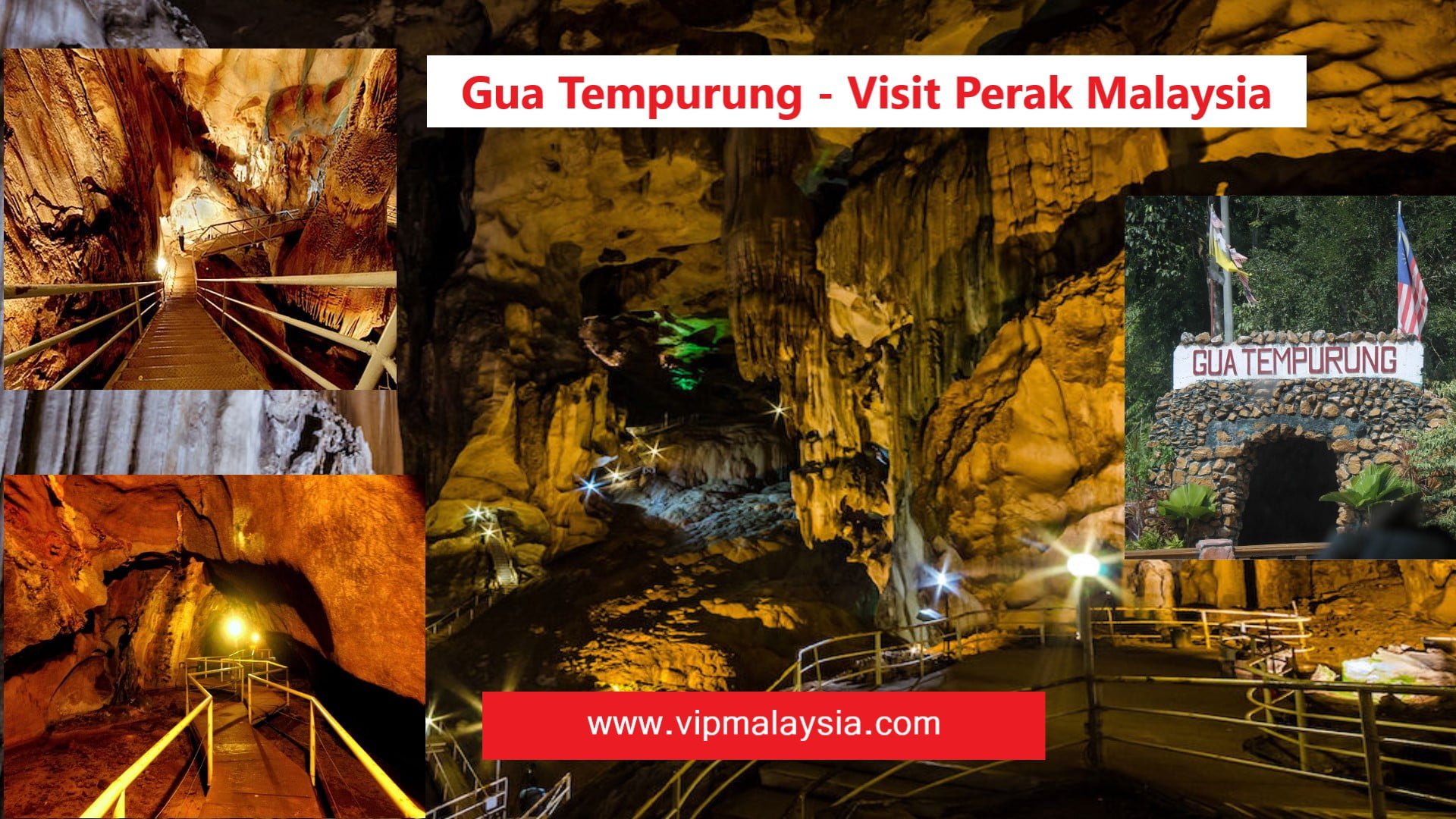
Nestled in Gopeng, Perak, Gua Tempurung is one of Malaysia’s most fascinating limestone cave systems, believed to be over 400 million years old, with some claims suggesting it could be 1.5 billion years old. This breathtaking natural wonder spans two kilometers, featuring stalactites, stalagmites, majestic chambers, and intricate rock formations that attract adventurers, researchers, and nature lovers alike.
Discover the Secrets of One of the Oldest Caves in the World
Why Visit:
One of Malaysia’s largest cave systems – Stretching over two kilometers
Stunning geological formations – Featuring stalactites, stalagmites, and honeycomb tunnels
Historical significance – Possibly one of the world’s oldest caves
Adventure-filled exploration – Perfect for cave trekking, eco-tourism, and photography
Ready to embark on a cave adventure? Plan your visit to Tempurung Cave today!
Geological Significance & Studies
Is Tempurung Cave Really 1.5 Billion Years Old?
✔ Estimated at 400 million years old – Based on initial studies by the Perak state government
✔ Potentially much older – Chinese geologists suggest the presence of “meat rock,” which takes 1.5 billion years to form
✔ Ongoing research – Authorities may conduct detailed studies to verify its true age
Unique Cave Formations
✔ Gigantic chambers – Including Gergasi Cave, Alam Cave, and Tin Mine Cave
✔ Limestone artistry – Stunning marble formations found only in this region
✔ Historic mining site – Evidence of tin mining activities within the cave
Activities & Visitor Experience
Cave Exploration & Adventure
✔ Guided tours – Experience various trekking levels from easy walks to intense spelunking
✔ Extreme adventure – Enjoy river crossings, underground tunnels, and rock scrambling
✔ Eco-tourism hotspot – Ideal for nature photography, exploration, and geology studies
Nearby Attractions
✔ Ulu Geroh Rafflesia Trail – A trekking haven home to Malaysia’s giant rafflesia flower
✔ Pangkor Island – Famous for beaches, seafood, and rich cultural heritage
✔ Gopeng Heritage Town – Discover local history, street food, and nature retreats
Tempurung Cave isn’t just a geological marvel—it’s an adventure-filled experience, offering underground river crossings, hidden chambers, and scientific wonders. Whether you’re exploring its vast tunnels, trekking its limestone formations, or discovering its ancient history, this cave is a must-visit destination for nature enthusiasts and thrill-seekers alike.
Embark on an epic cave adventure—plan your visit to Tempurung Cave today!
Summary
Attraction: #TempurungCave
Location: #Perak
Attraction Type: #Cave
Source: Peraknews
Why Visit:
One of Malaysia’s largest cave systems – Stretching over two kilometers
Stunning geological formations – Featuring stalactites, stalagmites, and honeycomb tunnels
Historical significance – Possibly one of the world’s oldest caves
Adventure-filled exploration – Perfect for cave trekking, eco-tourism, and photography
Quick Info
Attribute
Details
Name
Tempurung Cave, Perak
Address
Pusat Pelancongan Gua Tempurung, 31600 Gopeng, Perak, Malaysia
Deep within Gopeng, Perak, lies Gua Tempurung, one of Malaysia’s longest limestone caves. With five massive domes, a 1.9 km accessible stretch, and a history tied to tin mining and wartime hideouts, this underground wonder offers both geological marvels and thrilling adventures.
Introduction
Nestled in the lush landscapes of Gopeng, Perak, Gua Tempurung is a limestone cave system that has fascinated explorers, historians, and nature lovers alike. Stretching over 4.5 km in total length, with 1.9 km open to visitors, the cave is celebrated for its towering stalactites, stalagmites, and underground rivers. Its age is often cited as 400 million years, referring to the limestone itself, making it one of the oldest geological formations in Malaysia. Beyond its natural beauty, Gua Tempurung carries a rich history, from being a communist hideout during the Malayan Emergency to serving as a tin mining site in the 1970s. Today, it stands as a premier tourist destination, offering guided tours that range from easy walks to extreme spelunking adventures.
History
Gua Tempurung’s story is as captivating as its geological formations. Archaeological evidence suggests the cave has existed since 8000 BC, though the limestone itself dates back hundreds of millions of years. During the 1950s and 1960s, the cave became a strategic hideout for communist insurgents during the Malayan Emergency. Later, in the 1970s, tin mining operations left behind traces of Malaysia’s industrial past, visible in certain chambers. Today, the cave is preserved and managed as a tourist attraction, balancing conservation with accessibility.
Visitor Facilities
The cave is equipped with lighting, stairways, bridges, and rest areas. Nearby towns like Ipoh and Gopeng offer accommodations ranging from eco-parks to luxury resorts, ensuring comfort after a day of adventure.
Highlights
Golden Flowstone Cavern
This dome rises nearly 90 meters high, featuring a smooth golden limestone cascade that glimmers under artificial lighting. It is one of the most photographed sections of the cave, offering breathtaking views for visitors.
Alam Cavern
Standing at 72 meters, Alam Cavern is renowned for its echo effects. Visitors often test the acoustics by calling out, experiencing the cave’s natural resonance.
Gergasi Cavern
Known as the “Giant Cavern,” it houses a 15-meter limestone column that towers majestically, resembling a colossal pillar.
Tin Mine Cavern
This section bears the marks of tin mining activities from the 1970s. Visitors can still see excavation remnants, offering a glimpse into Malaysia’s mining heritage.
Battlefield Cavern
A rugged chamber filled with fallen stalactites and rock formations, including the famous Fallen Warrior, a collapsed structure resembling a warrior figure.
What to Explore
Details
Visitor Tips
Golden Flowstone Cavern
A dome nearly 90 m high with golden limestone cascades that shimmer under lighting.
Best for photography; bring a tripod for long‑exposure shots.
Alam Cavern
Echo chamber rising 72 m, famous for its natural acoustics.
Try calling out to hear the resonance; great for kids and groups.
Gergasi Cavern
Houses a 15 m limestone column resembling a giant pillar.
Wear sturdy shoes; the floor can be slippery near this formation.
Tin Mine Cavern
Evidence of 1970s tin mining operations still visible.
Guides explain mining history; ideal for history enthusiasts.
Battlefield Cavern
Rugged chamber with collapsed stalactites, including the Fallen Warrior.
Flashlights recommended; formations are dramatic but dimly lit.
Underground River
A 1.6 km river flows through the cave, part of wet tours.
Expect to get wet; waterproof bags and extra clothes are advised.
Guided Walkway Tours
Illuminated paths and ~600 steps for easy exploration.
Suitable for families; tours last 40–50 minutes.
Extreme Cave Trekking
Wet tours with river crossings, slides, and tight passages.
Only for fit adventurers; tours last 2–3 hours with ranger guidance.
Attractions
Gunung Tempurung and Gunung Gajah
The limestone hills above the cave, visible from the North-South Expressway, are iconic landmarks. They provide lush greenery and karst scenery that frame the cave’s entrance.
Destination Comparison
Destination
Description
Gunung Tempurung
A limestone karst hill near Gua Tempurung, visible from the North‑South Expressway. It is directly tied to the cave system and popular for trekking, cave exploration, and photography. Easily accessible via Gua Tempurung tours and nearby facilities.
Gunung Gajah
A limestone massif in Perak, named for its elephant‑like shape (“Gajah” means elephant). Known for rugged cliffs and dense vegetation, it is less developed for tourism and best suited for adventurous hikers seeking offbeat landscapes. Accessibility is moderate, with routes from Ipoh (about 75 km) and Teluk Intan (25 km), making it a rewarding stop for adventurous travelers seeking offbeat landscapes and cultural immersion.
Underground River
A 1.6 km river flows through the cave, forming part of the wet adventure tours. Its cool waters add to the thrill of exploration.
Fish Species in the Underground River
The Underground River at Gua Tempurung is part of Perak’s freshwater ecosystem, which hosts species typical of limestone cave rivers. Surveys of Perak’s rivers list members of the Cyprinidae family (carps and minnows such as Rasbora spp. and Barbonymus gonionotus), along with catfish (Hemibagrus nemurus) and knifefish (Notopterus notopterus). These species are adapted to shaded, slow‑moving waters and are representative of the biodiversity found in subterranean streams.
Additionally, freshwater eels (Anguilla spp.) have been recorded in Perak’s river systems, occasionally appearing in cave rivers due to their migratory nature. The presence of such species highlights the ecological connectivity between the underground river and larger waterways in the region, making Gua Tempurung an important site for observing freshwater biodiversity in a unique cave environment.
Easy Walkway Tours
Visitors can enjoy illuminated pathways and climb over 600 steps, making it accessible for families and casual travelers. These tours highlight formations resembling animals and mythical figures.
Extreme Cave Trekking
For thrill-seekers, wet tours involve wading through underground rivers, sliding down slick limestone, and crawling through tight passages. These ranger-guided tours last 2–3 hours and require stamina and courage.
Photography Opportunities
The interplay of natural cave lighting and shadows creates dramatic scenes, perfect for photography enthusiasts. Long-exposure shots capture the shimmering flowstones and intricate textures.
Nearby Attractions
Gopeng Heritage Town
Just minutes away, Gopeng offers colonial architecture, museums, and vibrant street food. The Gopeng Heritage House showcases artifacts from the mining era, while local hawker stalls serve Perak delicacies.
Gopeng Heritage Town in Perak is a historic settlement that flourished during Malaysia’s tin mining boom, now preserved as a cultural destination showcasing colonial architecture, traditional shophouses, and museums. Its centerpiece, the Gopeng Heritage House, located at No. 6, Jalan Sungai Itek, 31600 Gopeng, Perak, Malaysia and reachable at +6012-501 3201, offers visitors a glimpse into the lifestyle of wealthy tin mine owners and the community’s rich heritage through antique furniture, mining relics, and cultural exhibits.
Ulu Geroh Rafflesia Trail
A jungle trek leading to sightings of the Rafflesia, the world’s largest flower. The trail also offers encounters with butterflies, hornbills, and lush rainforest scenery.
Ulu Geroh Rafflesia Trail in Perak is a jungle trekking route located about 12 km from Gopeng, renowned for sightings of the Rafflesia, the world’s largest flower. The trail winds through durian orchards, rubber and oil palm estates, and forest reserves, and is guided by the indigenous Semai Orang Asli, who share their deep knowledge of the rainforest. Trekking typically involves a lorry ride followed by a 1.5‑hour hike, where visitors may encounter blooming Rafflesia, Rajah Brooke butterflies, and diverse jungle wildlife. The bloom of the Rafflesia lasts only 4–5 days, making timing crucial for visitors seeking this rare spectacle.
Pangkor Island
Located off Perak’s coast, Pangkor Island is a beach paradise with clear waters, fishing villages, and cultural festivals. It’s a perfect extension to a cave exploration trip.
Pangkor Island (Malay: Pulau Pangkor) is a tropical island located in the Strait of Malacca, within the Manjung District of Perak, Malaysia. Covering about 18–21 km², it is home to fishing villages, sandy beaches such as Coral Bay and Pasir Bogak, and lush forested hills. Historically, Pangkor was a refuge for fishermen, merchants, and pirates, and later became significant during the Dutch colonial era, with the construction of the Dutch Fort in 1670 to control the tin trade. It was also the site of the Pangkor Treaty of 1874, which marked the beginning of British colonial influence in Perak. Today, Pangkor Island thrives on tourism and fishing, offering visitors duty‑free shopping, water sports, cultural temples, and nearby resorts such as Pangkor Laut.
Gua Tempurung is more than just a cave—it is a living museum of geology, history, and adventure. From its towering domes and underground rivers to its wartime past and mining heritage, the cave offers a multifaceted experience. Whether you seek a leisurely stroll or an adrenaline-pumping trek, Gua Tempurung delivers unforgettable memories. Its proximity to cultural towns and natural trails makes it a must-visit destination in Perak.
Wear sturdy shoes, bring flashlight for dim areas, waterproof bags for wet tours
Facilities Available
Parking, restrooms, souvenir stalls, food kiosks
Travel Distance
~25 km south of Ipoh (30–40 min drive)
Visitor Reviews
Siti Sarah, Kuala Lumpur – ★★★★★ “I joined the wet adventure tour, and it was exhilarating! Crawling through tight passages and sliding down limestone rocks was unforgettable. The guides were professional and ensured safety throughout.”
Stephanie Lee Fong, Penang – ★★★★☆ “The cave is stunning, especially the Golden Flowstone Cavern. I wish there were more information boards inside, but overall, it was a fantastic experience with my family.”
Normazliza Hassan, Johor Bahru – ★★★★★ “Loved the easy walkway tour. The lighting made the formations look magical, and my kids enjoyed spotting shapes in the rocks. Facilities were clean and well-maintained.”
Scott, Sarawak – ★★★★★ “As a local, I’ve visited Gua Tempurung multiple times. Each trip feels different. The history of the communist hideout adds depth to the adventure. Highly recommended for tourists.”
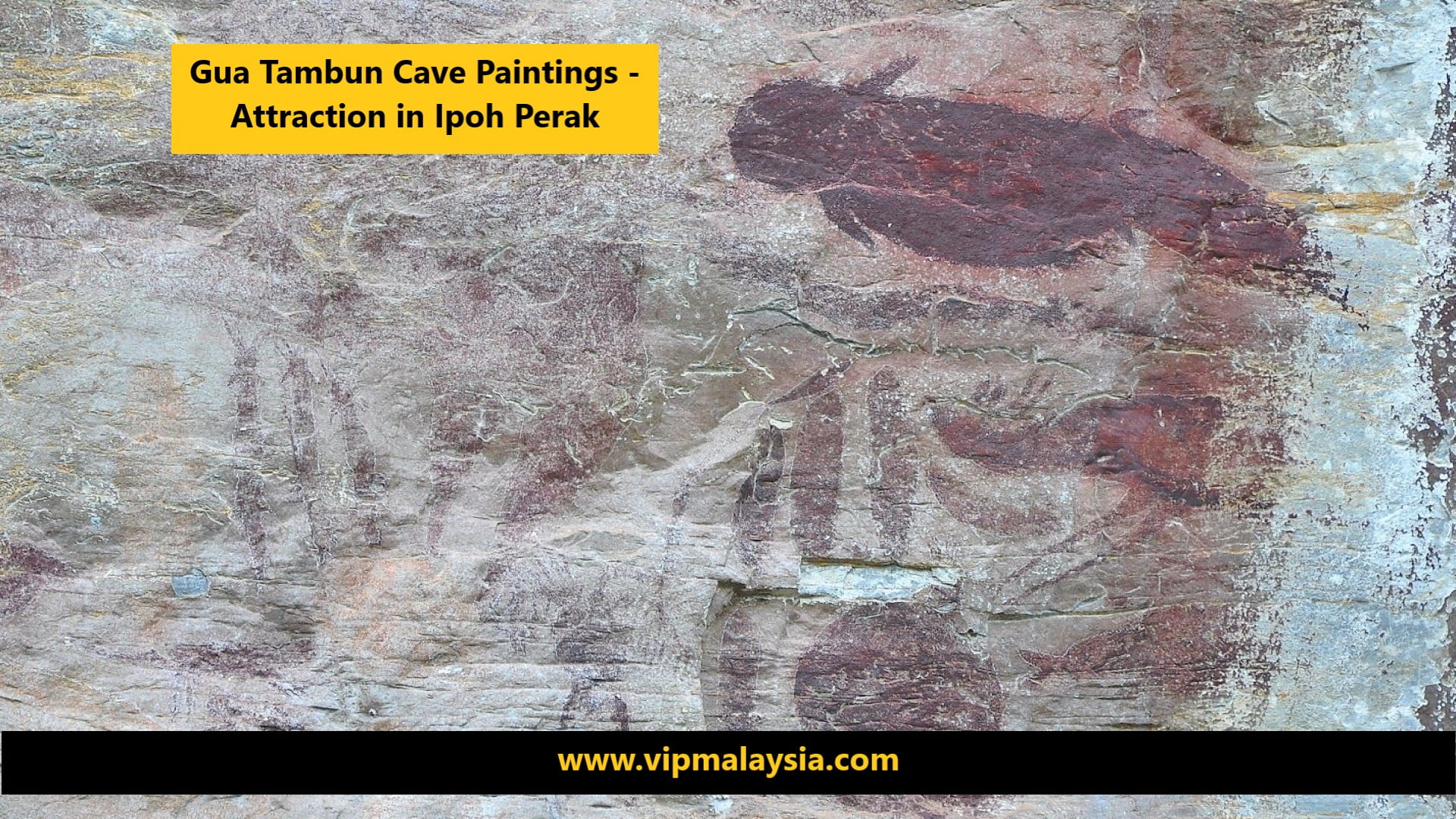
Step into Malaysia’s prehistoric past at Gua Tambun, a limestone cave near Ipoh, Perak, where over 600 ancient rock paintings dating back 2,000–12,000 years reveal the artistry and beliefs of early civilizations. Recognized as a National Heritage Site in 2010, this archaeological treasure offers visitors a rare glimpse into Southeast Asia’s Neolithic heritage, surrounded by scenic landscapes and cultural attractions.
Introduction
Nestled on the limestone cliffs of Gunung Panjang, just outside Ipoh, Gua Tambun is one of Malaysia’s most remarkable archaeological sites. First discovered in 1959 by a British soldier, the cave shelters hundreds of prehistoric paintings etched in red and purple pigments. These artworks, depicting animals, humans, and abstract motifs, are believed to date back thousands of years, making Gua Tambun the largest known rock art site in Peninsular Malaysia. For travelers seeking history, adventure, and cultural immersion, this destination offers a unique blend of heritage and natural beauty.
Gunung Panjang is a limestone peak located in Daerah Kinta, Perak, Malaysia, with an elevation of approximately 151 metres (495 feet). It is part of the larger limestone hill formation near Ipoh and is notable for housing Gua Tambun, the site of Malaysia’s largest known collection of prehistoric rock art. The cave paintings on Gunung Panjang’s cliff walls, dating back thousands of years, depict animals, humans, and abstract motifs, offering insights into Neolithic life in Southeast Asia.
Visitor Facilities and Experience
Accessibility
The site is accessible via local roads, with parking available near Tambun. Visitors should prepare for a short hike and bring insect repellent due to mosquitoes.
Guided Tours
Educational tours led by heritage experts are occasionally available, offering deeper insights into the art and its preservation.
Best Time to Visit
Morning or late afternoon visits are recommended to avoid the midday heat and to enjoy cooler trekking conditions.
History
Discovery and Early Research
In 1959, 2nd Lt. R. L. Rawlings stumbled upon the cave paintings while surveying the limestone hills near Tambun. His discovery sparked interest among archaeologists, who later documented more than 600 figures across 11 panels. These images, painted with haematite pigments, remain vivid despite centuries of exposure.
Lt. R. L. Rawlings was a British officer of the 2nd Battalion, 6th Queen Elizabeth’s Own Gurkha Rifles, credited with the discovery of the Tambun rock art in 1959. While surveying the Gunung Panjang limestone hill near Ipoh, Perak, Rawlings identified a rocky overhang covered with prehistoric paintings. His find marked the beginning of archaeological interest in Gua Tambun, which later became recognized as Malaysia’s largest known rock art site, with depictions dating between 2,000 and 12,000 years old.
Cultural Significance
The site is often linked to Neolithic communities and possibly the Hoabinhian culture, which thrived in Southeast Asia between 10,000 and 5,000 years ago. While direct cultural associations remain debated, the paintings provide invaluable insights into prehistoric life, rituals, and artistic expression.
Preservation Efforts
Declared a National Heritage Site in 2010, Gua Tambun has undergone conservation projects to protect its fragile artworks. Despite challenges such as weathering and vandalism, local authorities and archaeologists continue to promote awareness and preservation.
Highlights
Ancient Rock Art
The cave’s walls are adorned with over 600 paintings, ranging from zoomorphic depictions of deer, tapirs, and marine creatures to anthropomorphic figures engaged in rituals. Geometric designs, possibly symbolizing spiritual or astronomical beliefs, add further intrigue.
Zoomorphic Representations
Animal figures dominate the panels, showcasing the importance of wildlife in prehistoric life. Deer, dugongs, and even marine species are painted in striking red hues, reflecting both subsistence and symbolic roles.
A dugong (Dugong dugon) is a large, aquatic, herbivorous marine mammal found in warm coastal waters of the Indo‑Pacific region. It belongs to the order Sirenia, which also includes manatees, and is the only living species in the family Dugongidae. Dugongs are distinguished by their fusiform bodies, paddle‑like flippers, and a dolphin‑like fluked tail. They feed primarily on seagrass and can live up to 70 years. The species is currently listed as Vulnerable by the IUCN due to threats such as habitat loss, fishing‑related fatalities, and hunting.
Anthropomorphic Figures
Human-like drawings illustrate scenes of hunting, dancing, and ritual practices. These depictions highlight the social and cultural dimensions of early communities.
Geometric and Abstract Motifs
Triangles, circles, and linear patterns suggest symbolic meanings, possibly linked to cosmology or spiritual beliefs. Their presence underscores the complexity of prehistoric thought.
Nearby Attractions
Gunung Lang Recreational Park
Located nearby, Gunung Lang Recreational Park features limestone formations, a scenic lake, and boat rides. It’s a perfect complement to a heritage visit, offering relaxation and nature exploration.
Perak Cave Temple
A Buddhist temple built within a limestone cavern, Perak Cave Temple offers panoramic views of Ipoh and intricate murals depicting Buddhist teachings.
Kek Lok Tong Cave Temple
Known for its vast caverns and serene gardens, Kek Lok Tong is a spiritual retreat where visitors can admire Buddhist shrines and limestone formations.
Trekking and Adventure
Main Hiking Trails
Reaching Gua Tambun requires a short but steep hike, involving around 120 steps. The trek rewards visitors with breathtaking views of Ipoh and the surrounding limestone hills.
Tambun Heritage Trail
The Tambun Heritage Trail is the primary route leading visitors to the cave paintings. It involves a short hike of about 120 steps, shaded by limestone overhangs and greenery. Along the way, hikers may encounter wildlife such as hornbills, monitor lizards, and monkeys, making the journey both cultural and natural.
Gunung Panjang Nature Path
The Gunung Panjang Nature Path extends along the limestone ridge near Gua Tambun, offering scenic views of Ipoh and its surroundings. This less structured trail is ideal for adventurous hikers who enjoy exploring natural terrain. The path showcases diverse flora and fauna, adding a wildlife element to the cultural experience.
Unrecognized or Maintained Trails
Bukit Kledang Route 4‑9 Loop
Located close to Ipoh, the Bukit Kledang Route 4‑9 Loop is a challenging 5.5 km trail known for its steep inclines and lush forest cover. The route begins with a river crossing and gradually ascends through shaded terrain, rewarding hikers with panoramic views of Perak at the summit.
Gunung Alai Trail
The Gunung Alai Trail offers a 5.6 km hike with multiple checkpoints, starting from a rubber plantation and transitioning into bamboo forests. It is popular for sunrise treks, with breathtaking views from the peak that make it a favorite among seasoned hikers.
Bukit Liman Kati Path
The Bukit Liman Kati Path is a 6.4 km trail featuring steep sections and diverse flora and fauna. Though less frequented, it provides a more rugged adventure, with muddy terrain during the rainy season and scenic hilltop vistas.
Other Adventures
Wildlife Encounters
The area is home to diverse species, including macaques, hornbills, and butterflies. Birdwatchers and nature enthusiasts will find the trek especially rewarding.
Photography Opportunities
The cave’s elevated position offers stunning vantage points for photography, capturing both prehistoric art and panoramic landscapes.
Must-Visit Highlights
The Dugong Painting
One of the most famous figures at Gua Tambun is the dugong, painted approximately 10 meters above the cave floor. Its rarity makes it a highlight for visitors.
Main Rock Panels
The central panels, featuring clusters of human and animal figures, provide the most comprehensive glimpse into prehistoric artistry.
Scenic Overlook
From the cave’s ledge, visitors can enjoy sweeping views of Ipoh, blending cultural heritage with natural beauty.
Cultural Festivals and Nearby Towns
Ipoh’s Cultural Scene
Visitors can explore Ipoh’s vibrant food culture, famous for white coffee and street food. The city also hosts cultural festivals celebrating Perak’s diverse heritage.
Tambun Town
Known for its pomelo orchards, Tambun offers a taste of local agriculture and traditional markets.
Conclusion
Gua Tambun is more than a cave—it is a living museum of Malaysia’s prehistoric past. With over 600 ancient paintings, recognized heritage status, and proximity to cultural and natural attractions, it offers a rare opportunity to connect with early human civilization. Whether you are a history enthusiast, adventure seeker, or casual traveler, Gua Tambun promises an unforgettable journey into the heart of Southeast Asia’s heritage.
Summary
Attraction: #GuaTambun
Location: #Perak
Attraction Type: #Cave
Why Visit:
One of Malaysia’s oldest rock art sites – Dating back to 2,500–4,000 years ago
Home to more than 600 ancient drawings – Featuring animals, human figures, and geometric designs
Recognized as a National Heritage Site – Officially gazetted in 2010
Educational guided tours available – Learn about Neolithic cave art, early human life, and rock art preservation
Quick Info
Attribute
Details
Name
Gua Tambun, Perak
Address
Tambun, 31400 Ipoh, Perak, Malaysia
GPS Position
4.6235° N, 101.1336° E
State
Perak
Year Discovered
1959 (by Lt. R. L. Rawlings)
Facility Type
Archaeological Heritage Site
Special Attractions
Ancient Rock Paintings (2,000–12,000 years old), occasional guided tours, short hiking trail
Nearby Attractions
Gunung Lang Recreational Park, Perak Cave Temple, Kek Lok Tong Cave Temple
Accessibility
Located near Ipoh, accessible via local roads; requires short hike of ~120 steps
Best Time to Visit
Morning or late afternoon for cooler temperatures
Contact – JKKN Perak (Perak State Heritage Department)
Kompleks JKKN Perak, Lot 20561 & 20565, Jalan Caldwell, Off Jalan Raja Di Hilir, 30350 Ipoh, Perak Darul Ridzuan. Phone: 05-253 7001 / 05-254 1027
Contact – Tourism Perak Malaysia (Ipoh Tourism Office)
22, 22A & 22B, Jalan Teh Hawa, Kampung Jawa, 30300 Ipoh, Perak, Malaysia. Phone: 05-249 9966
Visitor Reviews
Amira Yusof, Kuala Lumpur – ★★★★★ “I was amazed by the sheer number of paintings. The hike was short but steep, and reaching the site felt like stepping back in time. Truly worth the effort!”
Farzana Rahim, Penang – ★★★★☆ “The rock art is fascinating, though the site could use better maintenance. Still, the historical value is undeniable, and the views of Ipoh are stunning.”
Iza Farlini, Johor Bahru – ★★★★★ “Visiting Gua Tambun was an eye-opening experience. The guided tour helped me understand the significance of the paintings. Highly recommended for families and students.”
Zoei Tan, Singapore – ★★★★☆ “The dugong painting was my favorite highlight. The trek was manageable, and the surrounding nature made the visit even more enjoyable. A hidden gem near Ipoh.”
Perched 4,600 feet above sea level in Genting Highlands, Malaysia, Chin Swee Caves Temple is a breathtaking Buddhist temple, offering panoramic mountain views, cultural heritage, and spiritual enlightenment. Whether you’re admiring intricate architectural details, seeking tranquility, or exploring the temple’s historical significance, this destination promises a serene retreat for all visitors.
Introduction
Nestled high in the misty peaks of Genting Highlands, Malaysia, the Chin Swee Caves Temple is one of the country’s most iconic spiritual landmarks. Rising 4,600 feet above sea level, this temple offers visitors a serene escape from the bustling city life of Kuala Lumpur. With its nine-storey pagoda, majestic Buddha statue, and intricate shrines, the temple is not only a place of worship but also a cultural treasure that attracts devotees and tourists from across Asia.
The temple’s location on a 28-acre plot of rocky forested land provides sweeping views of the Titiwangsa Mountains, lush greenery, and winding roads leading to Resorts World Genting. Whether you are a spiritual seeker, a cultural enthusiast, or a photographer chasing misty landscapes, Chin Swee Caves Temple promises an unforgettable journey.
The Titiwangsa Mountains (Malay: Banjaran Titiwangsa, also called the Main Range) are the central mountain spine of Peninsular Malaysia, stretching about 480 kilometers north to south from the Thai border into southern Pahang. They form part of the wider Tenasserim Hills and act as a natural divider between the east and west coasts of the peninsula. The range is geologically composed of granite, quartzite, and limestone, with peaks such as Mount Korbu (2,183 m) and Mount Tahan (2,187 m). Ecologically, the Titiwangsa Mountains are a biodiversity hotspot, home to species like the Malayan tiger, Asian elephant, and Malayan tapir, and serve as a critical watershed for major rivers including the Pahang and Perak.
History
The Legacy of Monk Qingshui
The temple is dedicated to Master Qingshui (Chin Swee), a revered Buddhist monk from Fujian, China. Known for his miraculous powers to summon rain and ward off evil spirits, Qingshui has been worshipped for centuries across Southeast Asia. His legacy symbolizes wisdom, protection, and harmony, making the temple a spiritual beacon for thousands of devotees each year.
Master Qingshui (Chin Swee), also known as Qing Shui Zu Shi, was a revered Buddhist monk from Fujian Province, China, worshipped for his miraculous abilities to summon rain, heal the sick, and ward off evil spirits. He is often depicted with a blackened face, a feature linked to legends of surviving poisoning or spiritual trials. Over centuries, he became a deified figure in Chinese folk religion, honored in temples across Southeast Asia, including the Chin Swee Caves Temple in Genting Highlands, Malaysia. His legacy symbolizes protection, wisdom, and compassion, attracting devotees who seek blessings for health, peace, and prosperity.
The Vision of Lim Goh Tong
The temple owes its existence to Tan Sri Lim Goh Tong, the visionary founder of Resorts World Genting. After completing the resort in 1975, Lim Goh Tong donated land and spearheaded the temple’s construction. Due to the steep and rocky terrain, modern machinery was unusable, and workers relied on manual excavation, digging foundations up to 100 feet deep. Despite the challenges, the temple was completed in 1994, standing today as a testament to perseverance and devotion.
Highlights
The Nine-Storey Pagoda
The towering pagoda is one of the temple’s most recognizable features. Visitors can climb its levels to enjoy panoramic views of the surrounding highlands. Each floor is adorned with intricate carvings and statues, symbolizing prayers and blessings.
Pagoda Level
Features, Significance, and Visitor Experience
Level 1 – Entrance Gateway
Key Features: Lanterns and incense offerings welcome visitors. Spiritual Significance: Marks the beginning of the spiritual ascent at Genting Highlands. Visitor Experience: Guests light incense and start their journey upward.
Level 2 – Guardian Deities
Key Features: Carvings of Buddhist deities adorn the walls. Spiritual Significance: Represents divine protection and guidance. Visitor Experience: Quiet alcoves provide spaces for reflection.
Level 3 – Bodhisattva Hall
Key Features: Statues of Bodhisattvas. Spiritual Significance: Embodies compassion and mercy. Visitor Experience: A popular stop for devotees seeking blessings.
Level 4 – Karma Murals
Key Features: Intricate murals and inscriptions. Spiritual Significance: Highlights Buddhist teachings of karma and morality. Visitor Experience: Offers educational insight into philosophy and spiritual lessons.
Level 5 – Devotion Altars
Key Features: Decorative altars with offerings. Spiritual Significance: Symbolizes perseverance and devotion. Visitor Experience: Visitors pause here for prayers and offerings.
Level 6 – Guardian Sculptures
Key Features: Sculptures of protective guardians. Spiritual Significance: Represents strength and resilience. Visitor Experience: Creates a sense of safety for climbers ascending the pagoda.
Level 7 – Enlightenment Shrines
Key Features: Smaller shrines with candles. Spiritual Significance: Embodies enlightenment and wisdom. Visitor Experience: A serene space for meditation and quiet contemplation.
Level 8 – Panoramic Windows
Key Features: Wide windows overlooking Genting Highlands. Spiritual Significance: Symbolizes clarity and vision. Visitor Experience: Provides sweeping views of misty mountains and lush forests.
Level 9 – Summit Altar
Key Features: Main altar illuminated with lamps. Spiritual Significance: Represents ultimate spiritual attainment. Visitor Experience: The highest point of the pagoda, ideal for prayer, meditation, and photography.
Meditation and Reflection
The pagoda is not just an architectural marvel but also a spiritual sanctuary. Many visitors find peace while meditating here, enveloped by cool mountain air and drifting clouds.
The Majestic Buddha Statue
Standing at 15 meters tall, the Buddha statue radiates serenity and wisdom. Surrounded by lush greenery, it creates a picturesque setting that draws both devotees and photographers. The craftsmanship reflects traditional Chinese artistry, making it a cultural highlight of the temple.
Journey to Enlightenment Pathway
One of the temple’s most unique attractions is the Journey to Enlightenment, a walkway depicting the 10 chambers of hell and 18 levels of purgatory. Through vivid sculptures and inscriptions, visitors are guided through Buddhist teachings on karma, virtue, and morality.
Spiritual Lessons
This pathway serves as a reminder of the consequences of one’s actions and the rewards of living a virtuous life. It is both educational and deeply reflective, offering visitors a chance to contemplate their spiritual journey.
Guan Yin Statue
The temple features a striking nine-faced Guan Yin statue, symbolizing compassion and mercy. It is a popular site for devotees seeking blessings.
Chin Swee Statue
The black-faced statue of Master Chin Swee stands as a guardian figure, revered for his protective powers.
Panoramic Viewpoints
Several vantage points within the temple complex provide sweeping views of Genting Highlands and the surrounding rainforest. These spots are perfect for photography, especially during sunrise and sunset.
Nearby Attractions
Sky Terrace and Walkway Sculptures
The Sky Terrace connects different sections of the temple, offering breathtaking views of the highlands. Along the walkway, statues depict stages of enlightenment, guiding visitors on a reflective spiritual path.
Scenic Prayer Spots
The terrace is a favorite spot for prayers and contemplation. With clouds drifting across the mountains, the atmosphere is tranquil and inspiring.
Tan Sri Lim Goh Tong Hall
This hall honors the temple’s founder, showcasing his vision and dedication. Visitors can learn about Lim Goh Tong’s contributions to Malaysia’s tourism industry and his role in creating this spiritual sanctuary.
Tan Sri Lim Goh Tong Hall is a dedicated facility within the Chin Swee Caves Temple complex in Genting Highlands. It serves as a retreat center with 110 rooms, designed for devotees, students, and visitors seeking prayers, meditation, reflection, and self-discovery. Located at 4,600 feet above sea level, the hall provides a tranquil environment ideal for spiritual and cultural activities. It is also used for group practices such as yoga, tai chi, and meditation, making it a versatile space for both religious and wellness purposes. The hall reflects the vision of Tan Sri Lim Goh Tong, the founder of Resorts World Genting, who built the temple as a gift to the community.
Vegetarian Restaurant
The temple also houses a vegetarian restaurant serving Chin Swee cuisine, a fusion of Chinese, Malay, and Indian flavors. Popular dishes include noodles, rice, curries, and soups, making it a perfect stop for visitors seeking wholesome meals.
Nearby Towns
Visitors can explore nearby towns such as Batang Kali and Gohtong Jaya, which offer local markets, eateries, and cultural experiences. During Chinese festivals like Mid-Autumn Festival and Chinese New Year, the temple becomes a hub of vibrant celebrations, with lantern displays, prayers, and cultural performances.
Conclusion
The Chin Swee Caves Temple is more than just a religious site — it is a cultural, historical, and spiritual gem of Malaysia. From its nine-storey pagoda and majestic Buddha statue to the Journey to Enlightenment pathway, the temple offers visitors a chance to immerse themselves in heritage and tranquility. Whether you come for meditation, photography, or cultural exploration, this temple promises a memorable experience above the clouds.
Chin Swee Caves Temple Travel Guide
Chin Swee Caves Temple stands as a majestic symbol of spirituality, perseverance, and heritage, offering peaceful mountain views, stunning architecture, and cultural significance. Whether you’re exploring its sacred grounds, embracing tranquility, or marveling at its artistic beauty, this temple promises an unforgettable journey into Malaysia’s rich spiritual legacy.
Summary
Attraction: Chin Swee Caves Temple
Location: #Pahang #GentingHighlands
Attraction Type: #Ancient
Source: rwgenting.com
Why Visit:
Rich historical and cultural significance
Iconic temple architecture
Spectacular highland scenery
Perfect for spiritual seekers & photographers
Quick Info
Attribute
Details
Name
Chin Swee Caves Temple
Location
Genting Highlands, Pahang, Malaysia
GPS Position
3.4223° N, 101.7870° E
State
Pahang – central highland state of Malaysia
Facility Type
Spiritual & cultural heritage site dedicated to Master Qingshui
Main Attractions
Nine‑Storey Pagoda, 15‑meter Buddha Statue, SkyTerrace, Journey to Enlightenment Pathway
Nearby Landmarks
Resorts World Genting, Awana SkyWay cable car, First World Plaza shopping & entertainment
Accessibility
Connected via Awana SkyWay station and Karak Highway; accessible by private car, bus, or motorbike
How to Get There
Drive from Kuala Lumpur (≈1 hour via Karak Highway) or board the Awana SkyWay cable car with a stop at Chin Swee Station; limited bus services available
Best Time to Visit
Morning for meditation and tranquility; afternoon for misty mountain views; evening for sunset and temple lighting ambiance
Entry Fee
Free admission – open to all visitors
Opening Hours
8:00 AM – 10:00 PM daily
Contact
Phone: +603‑2179 1886
Visitor Reviews
Name: Tan Chee Keong Locality: Malaysia Review: “The temple is absolutely stunning. The Journey to Enlightenment pathway was eye-opening, and the views from the pagoda were breathtaking. The vegetarian restaurant was a pleasant surprise. Highly recommended!” Rating: ⭐⭐⭐⭐☆ (4/5)
Name: Yong Ee Zee Locality: China Review: “I visited during Chinese New Year, and the atmosphere was magical. Lanterns lit up the temple, and the cultural performances were unforgettable. The Buddha statue is truly majestic.” Rating: ⭐⭐⭐⭐⭐ (5/5)
Name: Wong Ai Lin Locality: Kuala Lumpur, Malaysia Review: “A peaceful retreat from city life. The temple’s architecture is intricate, and the Sky Terrace offered the most serene prayer experience I’ve ever had. Perfect for meditation.” Rating: ⭐⭐⭐⭐⭐ (5/5)
Name: Daniel Wong Locality: Vancouver, Canada Review: “The temple is a photographer’s dream. Misty mountains, detailed sculptures, and vibrant cultural heritage made this trip unforgettable. I’ll definitely return.” Rating: ⭐⭐⭐⭐☆ (4/5)
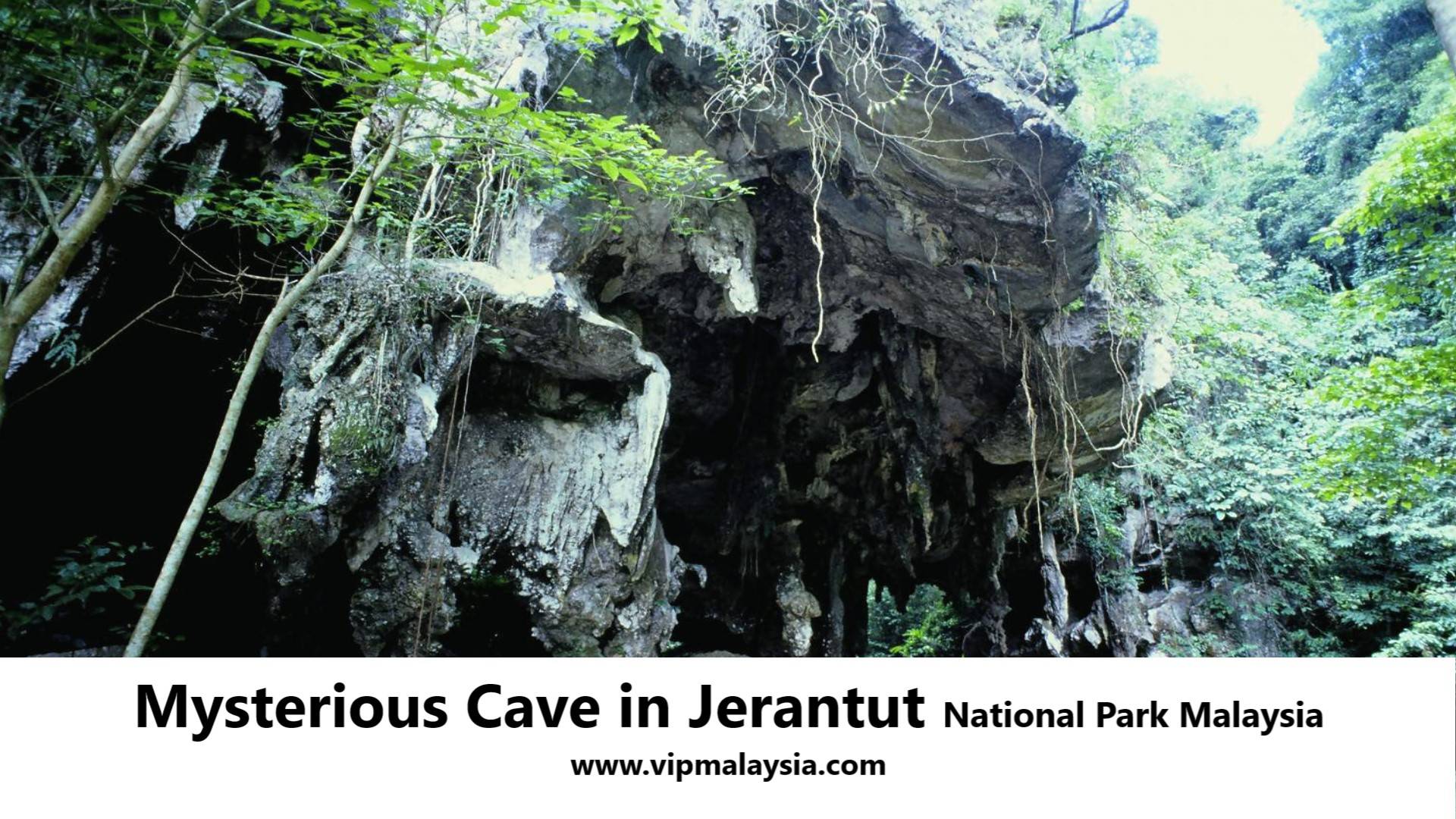
Jerantut National Park is home to some of Malaysia’s most mysterious subterranean caverns, offering thrilling exploration, breathtaking geological formations, and intriguing folklore. Whether you’re an adventure seeker or a curious traveler, the caves of Taman Negara promise an extraordinary journey into the depths of nature.
Introduction
Taman Negara Jerantut, located in Pahang, is one of Malaysia’s most iconic eco-tourism destinations. Beyond its lush rainforests and rivers, the park is home to a network of mysterious caves that reveal millions of years of geological history. These caverns, formed from ancient limestone, attract adventurers, photographers, and researchers alike. Visitors can explore winding tunnels, marvel at stalactites and stalagmites, and encounter cave-dwelling wildlife. With guided tours and cultural folklore enriching the experience, the caves of Taman Negara offer a unique blend of adventure, science, and heritage.
Highlights
Legendary Cave Formations
Gua Telinga (Ear Cave)
Gua Telinga is one of the most famous caves in Taman Negara, located near Kuala Tahan. Accessible via a 30-minute trek from the jetty, it is known for its winding tunnels and bat populations. The cave’s narrow passages challenge explorers, making it a favorite among adventure seekers. Guided tours provide safety and insights into the cave’s ecology.
Gua Tongkat
Gua Tongkat features large chambers with stunning limestone pillars. Legends speak of mystical artifacts hidden within, adding cultural intrigue to its geological beauty. The cave is ideal for deep exploration and photography, with its dramatic formations illuminated by natural light. Visitors often remark on the sense of mystery and grandeur that defines this cavern.
Hidden Gems Of Taman Negara
Gua Sanding
Gua Sanding is a hidden cavern filled with mesmerizing stalactites and stalagmites. Rare cave-dwelling insects thrive here, making it a site of ecological importance. Guided exploration is required for safety, as the cave’s terrain can be challenging. Its unique textures and formations make it a highlight for geology enthusiasts.
Stalactites and stalagmites are mineral formations found in limestone caves: stalactites hang like icicles from the ceiling, while stalagmites rise upward from the cave floor. Both are formed by dripping mineral-rich water that deposits calcium carbonate over thousands of years. Both are types of speleothems (cave mineral deposits).
Gua Sanding is one of the limestone caves within the Kota Gelanggi Cave Complex in Jerantut, Pahang, Malaysia. It is part of a system estimated to be 150 million years old, gazetted as a National Heritage Site, and notable for its archaeological, geological, and eco-tourism significance.
Gua Terang Bulan
This cave is famous for its natural skylight that illuminates sections of the cavern. Visitors are treated to breathtaking views of glowing rock walls, best experienced during mid-day when sunlight filters through. The interplay of light and shadow creates a magical atmosphere, making it a favorite among photographers.
Gua Terang Bulan is one of the limestone caves within the Kota Gelanggi Cave Complex in Jerantut, Pahang, Malaysia. Its name means “Moonlight Cave,” inspired by the way light enters and illuminates its chambers, creating a mystical glow. It is part of a system estimated to be 150 million years old, gazetted as a National Heritage Site, and valued for its geological, archaeological, and eco-tourism significance.
Gua Kepayang
Gua Kepayang is a massive underground network of chambers accessible via Kuala Keniyam, requiring a two-hour boat ride from Kuala Tahan. It offers multi-hour exploration opportunities, with vast spaces that feel like subterranean cathedrals. The cave’s scale and complexity make it one of the most adventurous destinations in Taman Negara.
The Kota Gelanggi caves, including Gua Kepayang, are tied to legends of orang bunian (supernatural beings) and Sang Kelembai, a mythical giant said to turn beings into stone.
Studies by the National Museum in 1981 found artifacts linked to prehistoric human settlements.
Trekking and Adventure
Guided Cave Tours
Guided tours are essential for exploring Taman Negara’s caves safely. Experienced guides provide helmets, safety equipment, and knowledge about cave ecology. Visitors learn about rock formations, bat colonies, and local folklore tied to the caves. These tours ensure that exploration is both thrilling and educational.
Visitor Facilities And Accessibility
Facilities at Kuala Tahan include ranger stations, accommodations, and boat services to cave entrances. Visitors can arrange permits and guided tours here. The nearby town of Jerantut offers supplies, food, and cultural experiences, making it a convenient base for cave exploration. Seasonal festivals in Jerantut also enrich the adventure with local traditions.
Wildlife Encounters In The Caves
The caves of Taman Negara are home to diverse wildlife, including bats, swiftlets, and rare insects. These species play vital roles in the ecosystem, from pollination to nutrient cycling. Observing them in their natural habitat provides insight into the delicate balance of cave ecology.
Swiftlets are small cave-dwelling birds from the swift family (Apodidae), found mainly in Southeast Asia, the Malay Peninsula, and the South Pacific. They are best known for building nests from their hardened saliva, which are harvested as edible bird’s nests — a delicacy highly prized in Chinese cuisine. Scientific Classification: Belong to the tribe Collocaliini within the swift family (Apodidae). Species Count: Around 30 species, mostly confined to tropical and subtropical Asia and the Pacific. In Malay, “swiftlets” are translated as burung waled.
Cultural Folklore And Legends
Local folklore adds depth to the caves’ allure. Stories of mystical artifacts, hidden treasures, and spiritual guardians are passed down through generations. These legends enrich the visitor experience, blending adventure with cultural heritage. Guides often share these tales during tours, making exploration both informative and enchanting.
Conclusion
Jerantut National Park offers an extraordinary underground adventure, making it a top destination for explorers, caving enthusiasts, and nature lovers. Whether you’re venturing into Gua Telinga’s bat-filled tunnels or marveling at limestone formations deep within Gua Kepayang, this hidden gem promises a thrilling journey below the rainforest.
Plan your cave exploration today—discover the mysteries of Jerantut National Park!
Attraction: Mysterious Caves of Jerantut National Park
Location: #Pahang
Attraction Type: #NationalPark
Source:
Why Visit:
Home to ancient limestone caverns with rich geological history
Adventure-filled treks through hidden cave tunnels
Perfect for caving enthusiasts and nature lovers
Spot unique rock formations & learn about cave-dwelling wildlife
Visitor Reviews
Michael Dogg, Malaysia – ★★★★★ “Exploring Gua Telinga was thrilling. The narrow tunnels and bat colonies made it unforgettable. The guides were professional and ensured our safety.”
Sebastian, Germany – ★★★★☆ “Gua Terang Bulan was magical. The natural skylight created stunning visuals. It was a bit challenging to reach, but worth the effort.”
Roslan Hawau, UK – ★★★★★ “Gua Kepayang felt like entering a cathedral underground. The chambers were massive, and the boat ride to the cave added to the adventure.”
Annie Kool, Spain – ★★★★☆ “Gua Sanding was fascinating with its stalactites and rare insects. The guided tour was informative, though the terrain was tough. A great experience overall.”
Frequently Asked Questions (FAQs)
How does a cave get its nutrients?
Caves receive nutrients through several key processes:
Organic Matter from Surface: Nutrients can be washed into caves from the surface through rainwater and runoff. Organic matter such as leaves, soil, and animal droppings can enter caves through cracks and openings.
Guano Deposits: Bat guano (feces) is a significant source of nutrients in many caves. It can provide essential nutrients like nitrogen and phosphorus, supporting a variety of cave-dwelling organisms.
Microbial Activity: Microbes and fungi in caves can break down organic material and contribute to nutrient cycling. These organisms can also be involved in processes like mineral weathering, which releases additional nutrients.
Drip Water and Mineral Deposits: Dripping water in caves can carry dissolved minerals that may contribute to nutrient availability. Over time, these minerals can accumulate in cave sediments.
Inorganic Sources: Nutrients can also come from the dissolution of rocks and minerals present in the cave environment, providing essential elements for various cave ecosystems.
Understanding these processes helps in comprehending the nutrient dynamics of cave ecosystems and their ecological balance.