Category: Attraction

The Best Attraction in Malaysia. Makam Mahsuri is an atttraction and Langkawi is a destination in Malaysia. The best food beach, historical building, landmarks, museum, zoo, art and agriculture. Discover Malaysia attraction now from the best local cuisine in every state, explore Taman Negara, beautiful mountain etc. We will provide all 14 states in Malaysia about the attractions you must visit. Read on!

  • Cactus Point, Cameron Highlands: Unique Garden Experience

    Cactus Point, Cameron Highlands: Unique Garden Experience

    Cactus Point, Cameron Highlands

    Cactus Point in Cameron Highlands is a vibrant nursery showcasing Malaysia’s largest cactus collection, hydroponic farming, and colorful blooms. With free entry, shopping opportunities, and scenic facilities, it’s a must‑visit destination for plant lovers and travelers alike.

    Introduction

    Cameron Highlands in Pahang, Malaysia, is renowned for its cool climate, lush tea plantations, and vibrant flower gardens. Among its many attractions, Cactus Point stands out as a botanical haven. Located in Brinchang, this nursery offers visitors a chance to explore one of Malaysia’s largest collections of cacti, alongside hydroponic farming displays, exotic flowers, and fruit‑bearing plants. Whether you are a gardening enthusiast, a casual traveler, or a family seeking a fun day out, Cactus Point provides a unique blend of education, leisure, and shopping.

    History

    Cactus Point was established in the late 20th century as part of Cameron Highlands’ growing horticultural industry. Initially a small nursery, it expanded rapidly due to the region’s favorable climate for both temperate and tropical plants. Over the years, it became one of the largest cactus nurseries in Malaysia, housing specimens that are decades old. Its founders envisioned a space where visitors could learn about plant cultivation, purchase gardening supplies, and enjoy the beauty of diverse flora. Today, Cactus Point remains a cornerstone of Cameron Highlands tourism, blending tradition with modern farming techniques.

    A cactus is a member of the Cactaceae family, distinguished by its thick, succulent stems and branches that store water, enabling survival in arid and desert environments. Instead of leaves, most cacti bear spines or scales that minimize water loss and provide protection. Common examples include the Prickly Pear (Opuntia), valued for its edible pads and fruits; the Barrel Cactus, known for its rounded shape and use as a water source in survival situations; the Christmas Cactus (Schlumbergera), a popular ornamental plant that blooms in winter; and the Organ Pipe Cactus (Stenocereus), a tall columnar species native to Mexico and Arizona.

    Highlights

    Extensive Variety Of Cactus And Plants

    Cactus Point boasts an impressive range of cacti, with some specimens aged over 70 years. Visitors can admire miniature decorative cacti, towering columnar species, and rare flowering varieties. Beyond cacti, the nursery features roses, lavender, calla lilies, impatiens, orchids, hibiscus, rhododendron, and geraniums. Fruit‑bearing plants such as peaches and passion fruits add a delightful twist, showcasing the diversity of Cameron Highlands’ horticulture.

    Rare Specimens And Educational Displays

    Many of the cacti are labeled with their scientific names, offering an educational experience for visitors. Some rare species are displayed in climate‑controlled sections, emphasizing the nursery’s dedication to conservation and plant science.

    Cactus Point in Cameron Highlands is known for selling a wide variety of cacti, including popular species such as Golden Barrel, Echeveria, and other decorative succulents. These plants are available in both miniature and larger forms, making them attractive to collectors and casual buyers alike.

    Popular Cactus

    Golden Barrel Cactus (Echinocactus grusonii)

    This round, spiny cactus is one of the most recognizable species sold at Cactus Point. It is prized for its striking spherical shape and golden spines, often used as a centerpiece in gardens or decorative pots.

    The Golden Barrel Cactus (Echinocactus grusonii)** is one of the most iconic ornamental cacti, instantly recognizable by its spherical shape and golden spines. Native to east‑central Mexico, particularly the states of Querétaro and Hidalgo, this cactus can grow to over 1 meter in height and 40–80 cm in diameter. Mature plants develop pronounced ribs and woolly areoles, and after many years they produce yellow flowers around the crown in summer, followed by small, woolly fruits containing shiny brown seeds. Its architectural form and drought tolerance make it a favorite in gardens, landscaping, and decorative pots worldwide.

    Despite its popularity, the Golden Barrel Cactus is classified as endangered due to habitat loss and over‑collection. Wild populations were severely reduced by the construction of the Zimapán Dam in Hidalgo, which flooded much of its natural habitat. Today, conservation efforts and widespread nursery cultivation help preserve this species, ensuring that visitors to places like Cactus Point Cameron Highlands can admire and purchase it responsibly. Its resilience, beauty, and rarity make the Golden Barrel Cactus both a botanical treasure and a symbol of sustainable horticulture.

    Echeveria

    Although technically a succulent, Echeveria is grouped with cacti at Cactus Point due to its popularity. Known for its rosette form and pastel colors, it is sold in individual pots or mixed decorative arrangements.

    The Echeveria genus is one of the most beloved groups of succulents in the family Crassulaceae, native to semi‑desert regions of Central America, Mexico, and northwestern South America. These plants are admired for their compact rosettes of fleshy leaves, which often display stunning colors ranging from green and blue‑gray to pink and purple. Typically growing 10–20 cm tall and 10–30 cm wide, some species can reach up to 30 cm in diameter, making them versatile for both indoor and outdoor displays. Their drought tolerance and low maintenance needs make them especially popular among visitors to places like Cactus Point Cameron Highlands, where they are sold as decorative souvenirs and garden additions.

    Among the notable species, Echeveria elegans, also known as the Mexican snowball, features pale blue rosettes; Echeveria agavoides resembles agave with pointed leaves tipped in red; Echeveria gibbiflora grows larger and even serves as a host plant for butterflies like Callophrys xami; and Echeveria lilacina, often called ghost echeveria, is admired for its silvery‑gray rosettes. These species highlight the diversity and ornamental appeal of Echeveria, making them a must‑see for visitors seeking unique plants in Cameron Highlands.

    Miniature Decorative Cacti

    Cactus Point offers a wide range of small, potted cacti that are ideal for beginners or as souvenirs. These include species with varied shapes and spines, often sold in sets at affordable prices.

    Old And Rare Cacti

    Some specimens at Cactus Point are decades old, with certain varieties reaching up to 70 years in age. These rare plants are displayed as living collections, though some are available for purchase.

    At Cactus Point in Cameron Highlands, visitors can explore a wide variety of cacti, including giant barrel cacti, rare ornamental species, and miniature decorative cacti. These plants are neatly grouped for easy viewing, making the nursery both a shopping destination and a botanical showcase. The collection is especially appealing to tourists and plant enthusiasts who want to bring home unique souvenirs or add exotic species to their gardens. With affordable options for beginners and rare specimens for collectors, Cactus Point offers something for everyone.

    Mixed Succulent Pots

    Visitors can buy decorative ceramic pots containing multiple succulent and cactus varieties. These arrangements are popular for home decoration and gifts, offering a colorful mix of species.

    Shopping For Plants And Souvenirs

    Cactus Point doubles as a wholesale and retail nursery. Visitors can purchase miniature cacti, decorative succulents, and flowering plants to take home. Gardening supplies such as fertilizers, flowerpots, and vases are readily available, making it a one‑stop destination for enthusiasts. Local products like Cameron Highlands tea, strawberries, and fresh vegetables are also sold, allowing tourists to bring home authentic regional goods.

    Local Handicrafts And Gifts

    In addition to plants, stalls offer handmade crafts, ceramic pots, and woven baskets. These items reflect the cultural artistry of the Highlands, making them perfect souvenirs.

    Accessibility And Facilities

    Cactus Point is designed with visitor comfort in mind. Entry is free, making it accessible to all. The nursery provides wide parking spaces for cars, vans, and buses, ensuring convenience for group tours. Wheelchair‑accessible walkways allow inclusive exploration. On‑site restaurants and refreshment stalls serve local delicacies, while clean restrooms add to the visitor‑friendly experience.

    Family‑Friendly Amenities

    Families with children will appreciate the safe walkways, shaded resting areas, and interactive plant displays. The nursery often organizes seasonal exhibitions, adding variety to repeat visits.

    Plant Varieties

    Lavender

    Lavender is a fragrant evergreen shrub from the genus Lavandula in the mint family (Lamiaceae), widely cultivated for its aromatic leaves and purple flower spikes. Native to the Mediterranean region, Canary Islands, parts of Africa, and southern Europe, it thrives in sunny climates with well‑drained soil. Its essential oils are highly valued in perfumery, cosmetics, and aromatherapy, while dried flowers are used in sachets and culinary recipes, adding both fragrance and flavor.

    Among its notable species, English Lavender (Lavandula angustifolia) is prized for producing high‑quality essential oil, French Lavender (Lavandula stoechas) is cultivated for ornamental beauty and distinctive fragrance, and Woolly Lavender (Lavandula lanata) is admired for its silvery foliage. Together, these varieties highlight lavender’s versatility as both decorative and practical, making it one of the most beloved members of the mint family.

    Calla Lilies

    Calla lilies are elegant flowering plants from the genus Zantedeschia in the arum family (Araceae), native to southern Africa. They are admired worldwide for their striking funnel‑shaped spathes and lush foliage, though they are not true lilies. As tuberous perennials, they thrive in moist, well‑drained soil and are popular in gardens, floral arrangements, and as ornamental houseplants. Their beauty and symbolism make them a favorite in wedding bouquets, floral decorations, and container gardening, often representing purity and elegance in cultural traditions.

    Among the notable species, Zantedeschia aethiopica is known as the white arum lily and is hardy in mild climates, often grown outdoors. Zantedeschia elliottiana stands out with its bright yellow spathes and spotted leaves, while Zantedeschia rehmannii is a smaller variety with pink to red spathes, commonly cultivated in pots.

    Impatiens

    Impatiens are a large genus of flowering plants in the family Balsaminaceae, recognized for their bright, irregularly shaped flowers and their unique explosive seed dispersal mechanism, which earned them the nickname “touch‑me‑not.” With over 1,000 species distributed across Asia, Africa, Europe, and North America, they are especially popular as ornamental plants in shaded gardens. Shade‑loving varieties like Impatiens walleriana, commonly called “busy lizzie,” are widely cultivated for their vibrant colors and ability to thrive where many other flowers struggle.

    Among the notable species, Impatiens walleriana is a favorite in gardens, producing hybrids in a wide range of colors. Impatiens balsamina, or garden balsam, is native to Asia and valued for its ornamental appeal. Impatiens capensis, known as spotted jewelweed, is native to North America and features orange flowers with red or brown spots. Meanwhile, Impatiens glandulifera, or Himalayan balsam, introduced in Europe, is recognized for its tall growth and pink flowers, though it is considered invasive in some regions.

    Orchids

    The orchid family (Orchidaceae) is one of the largest and most diverse plant families in the world, with over 26,000 species across nearly 900 genera. Orchids are admired for their fragrant, colorful blooms and fascinating pollination strategies, making them highly valued in horticulture and floristry. They thrive in a wide range of environments, from tropical forests to temperate regions, and are cultivated globally for both decorative and commercial purposes. Visitors exploring botanical gardens or nurseries often find orchids among the most captivating plants due to their beauty and variety.

    Among the notable genera, Phalaenopsis, or moth orchids, are popular in homes and floral shops; Cymbidium is prized for its long‑lasting flowers often used in corsages; Dendrobium includes species ranging from tropical to temperate climates; Vanilla is unique for producing the vanilla flavoring from its seed pods; and Paphiopedilum, known as slipper orchids, are admired for their pouch‑like labellum. These genera highlight the extraordinary diversity of orchids, making them a must‑see for visitors interested in plant collections and floral displays.

    Hibiscus

    Hibiscus is a large genus of flowering plants in the mallow family (Malvaceae), comprising about 250–300 species of shrubs, trees, and herbaceous plants. Native to warm temperate, subtropical, and tropical regions worldwide, hibiscus is admired for its large, trumpet‑shaped flowers in vibrant colors such as red, pink, yellow, and white. Its striking blooms make it one of the most popular ornamental plants in gardens and landscapes across the globe.

    Among the notable species, Hibiscus rosa‑sinensis, also known as the Chinese or Hawaiian hibiscus, is widely cultivated for ornamental use; Hibiscus syriacus, or rose of Sharon, thrives in temperate gardens; Hibiscus sabdariffa, called roselle, is valued for its calyces used in teas and culinary preparations; and Hibiscus mutabilis, the Confederate rose, is admired for flowers that change color with age. In Malaysia, the Hibiscus rosa‑sinensis is the national flower, locally known as Bunga Raya, symbolizing unity and courage of the people. This cultural significance makes hibiscus not only a garden favorite but also a national emblem.

    Rhododendron

    Rhododendron is a diverse genus of about 1,000 species of woody flowering plants in the heath family (Ericaceae), admired for their clusters of funnel‑shaped flowers and attractive foliage. Native mainly to the Himalayas and Southeast Asia, they also occur in North America and Europe, thriving in cool climates and mountainous regions. Their blooms come in a wide range of colors, including white, pink, red, purple, and yellow, making them popular in gardens and parks worldwide. Visitors to highland destinations such as Cameron Highlands often encounter rhododendrons as part of the ornamental plant collections.

    Among the notable species, Rhododendron arboreum, the tree rhododendron, produces striking red flowers in the Himalayas; Rhododendron macrophyllum, the Pacific rhododendron, is native to western North America; Azaleas, once considered a separate genus, are now classified under Rhododendron and are distinguished by their five anthers per flower; and Rhododendron protistum var. giganteum, the critically endangered “big tree rhododendron,” can grow up to 30 meters tall. These species highlight the genus’s diversity and cultural significance, making rhododendrons a must‑see for visitors interested in rare and beautiful flowering plants.

    Geraniums

    Geraniums are flowering plants in the genus Geranium (family Geraniaceae), commonly called cranesbills, with about 422 species of annuals, biennials, and perennials. They are admired for their palmately cleft leaves and five‑petaled flowers in shades of white, pink, purple, or blue. Thriving in temperate regions worldwide, geraniums are popular in gardens, landscaping, and decorative pots, making them a favorite among visitors looking for colorful and easy‑to‑grow plants. Their resilience and ornamental appeal ensure they remain a staple in both home gardens and public displays.

    Among the notable types, Hardy Geraniums are true geraniums that withstand winter climates, while Pelargoniums, often mistaken for geraniums, are widely grown as bedding plants and container favorites. Wild Geraniums, known as cranesbills, are native species that have naturalized in many regions, adding charm to meadows and woodland gardens. For visitors exploring nurseries or botanical attractions, geraniums offer both beauty and variety, making them an excellent choice for enhancing landscapes or bringing vibrant blooms into the home.

    Conclusion

    Cactus Point offers an extraordinary mix of nature, shopping, and gardening experiences, making it one of Cameron Highlands’ most unique attractions. Whether you’re buying plants, enjoying the floral gardens, or exploring hydroponic farming, this destination promises a refreshing escape into the botanical wonders of Malaysia.

    Plan your visit today—explore the beauty of Cactus Point, Cameron Highlands!

    Summary

    • Attraction: Cactus Point
    • Location: #Pahang #CameronHighlands 
    • Attraction Type: #Nursery 
    • Source: cameronhighlandsinfo.com
    • Why Visit:
      • Home to Malaysia’s largest cactus variety collection
      • Offers hydroponic farming methods for tomatoes & strawberries
      • A perfect shopping destination for souvenirs & gardening supplies
      • Free entry, making it an accessible stop for all visitors

    Quick Info

    AttributeDetails
    NameCactus Point
    LocationBrinchang, Cameron Highlands, Pahang, Malaysia
    GPS Position4.4700° N, 101.3800° E
    StatePahang
    Facility TypeGarden, Farm & Nursery
    Main AttractionsCactus Collection, Flower Nursery, Hydroponic Farming
    Nearby LandmarksBrinchang Town, Kea Farm Market, Strawberry Farms
    AccessibilityLocated near Brinchang, easily accessible by car
    Best Time to VisitOpen year-round for plant shopping & exploration
    Entry FeesFree (public access)
    Recommended ActivitiesPlant Shopping, Photography, Sightseeing
    Opening Hours8:00 AM – 6:00 PM daily
    ContactCactus Point, Brinchang (+6011-17829384)

    Frequently Asked Questions (FAQs)

    What makes shopping at Cactus Point in Cameron Highlands, Malaysia, a unique experience?

    You will enjoy these benefits while shopping at New Cactus Point (besides many attractions here in Cameron Highlands):

    • Free parking
    • Free entrance
    • One stop cactus centre
    • Strategic location
    • Cheaper price
    • Varieties of cactus, pot flowers, flowers
    • Fresh vegetables and fruits
    • The bigger vase centre
    • Various Cameron Highlands

    Enjoy your shopping!

  • Lavender Park Cameron Highlands: A Sea of Purple Beauty

    Lavender Park Cameron Highlands: A Sea of Purple Beauty

    Lavender Park, Cameron Highlands

    Discover the enchanting lavender fields of Cameron Highlands, where vibrant blooms, themed gardens, and aromatic experiences create one of Malaysia’s most photogenic destinations. From majestic lavender rows to exotic flower collections, this park offers a perfect blend of nature, leisure, and cultural charm.

    Lavender is a genus of flowering plants in the mint family (Lamiaceae), widely cultivated for its aromatic purple flowers and essential oils. Native to the Mediterranean and surrounding regions, lavender is valued for its use in perfumery, culinary herbs, traditional medicine, and ornamental gardening. Flowers: Typically blue, violet, or lilac, sometimes pink or white; arranged in spikes above foliage. Fragrance: Strongly aromatic due to compounds like linalool and linalyl acetate, which are key components of lavender oil

    Introduction

    Cameron Highlands has long been celebrated as Malaysia’s premier hill station, famous for its cool climate, tea plantations, and lush landscapes. Among its many attractions, Lavender Park stands out as a floral wonderland that combines horticulture with tourism. Visitors are drawn to its lavender gardens, seasonal blooms, themed attractions, and lavender-inspired products, making it a must-visit for families, couples, and nature enthusiasts.

    Lavender-inspired products at Cameron Highlands’ Lavender Garden include essential oils, dried lavender bunches, perfumes, hand creams, and culinary treats such as lavender ice cream, cheesecake, and lattes. These items are sold in the on-site gift shop and café, making them popular souvenirs and experiences for visitors.

    History

    Lavender Park was established to showcase the beauty of lavender in Malaysia’s tropical highlands. Unlike vast lavender fields in Europe, Cameron Highlands’ lavender is cultivated in landscaped plots with varieties such as Hokkaido, Taiwanese, and English lavender. Over the years, the park expanded to include seasonal flower displays, herb gardens, koi ponds, and themed cafés, transforming it into a holistic visitor experience. Its development reflects Cameron Highlands’ evolution from a colonial tea-growing region into a modern eco-tourism hub.

    Lavender Varieties Comparison

    Lavender TypeSize, Color, Fragrance & Visitor Notes
    Hokkaido LavenderOriginating from Japan, this variety is known for its deep purple blooms and strong fragrance. It thrives in cooler climates and is considered the most photogenic, making it ideal for Instagram-worthy shots. Visitors often highlight its vibrant color and aromatic appeal.
    Taiwanese LavenderFound in Cameron Lavender Garden alongside Hokkaido lavender, it produces lighter purple shades with smaller, delicate flowers. Its fragrance is milder, but it has a longer blooming season, ensuring consistent displays throughout the year.
    English LavenderA classic variety with soft purple hues and a gentle, calming aroma. Flowers are slightly larger and often used for essential oils, dried bouquets, and souvenirs. Visitors appreciate its traditional appeal and soothing scent, making it popular in the park’s gift shops.

    Highlights

    Majestic Lavender Fields

    The lavender gardens are carefully landscaped, creating rows of purple blooms that stretch across the hillside. Visitors can stroll along paved walkways, inhale the floral fragrance, and capture Instagram-worthy photos. While smaller than European lavender farms, the ambiance is equally enchanting, offering a relaxing escape from city life.

    Seasonal Lavender Varieties

    Different lavender species bloom throughout the year, ensuring that visitors always encounter colorful displays. The Hokkaido lavender is prized for its deep purple hue, while English lavender offers a softer fragrance. These varieties thrive in Cameron Highlands’ cool climate, making the park unique in Malaysia.

    Exotic Flower Collections

    Beyond lavender, the park showcases chrysanthemums, roses, daisies, and tulips, adding bursts of color to the landscape. Seasonal arrangements highlight Malaysia’s horticultural diversity, with flowers rotated to ensure freshness and vibrancy.

    Themed Gardens And Relaxation Areas

    Lavender Park integrates herb gardens, ornamental ponds, and decorative landscapes to enhance the visitor experience. The herb garden features aromatic plants like mint, rosemary, and basil, while koi ponds add tranquility.

    MInt

    Mint (Mentha) is a genus of aromatic perennial herbs in the family Lamiaceae, cultivated worldwide for its fragrant leaves and essential oils (menthol and carvone). Native to Eurasia, North America, southern Africa, and Australia, mint is widely used in culinary dishes (Peppermint (Mentha × piperita) and spearmint (Mentha spicata)), beverages, perfumes, and traditional medicine. Its leaves are oblong to lanceolate, often serrated, and dotted with resin glands that contain volatile oils, while its small tubular flowers—typically purple, pink, or white—are arranged in clusters or spikes, adding both ornamental and functional value to the plant.

    Rosemary

    Rosemary (Salvia rosmarinus, formerly Rosmarinus officinalis) is a fragrant evergreen shrub in the mint family (Lamiaceae), native to the Mediterranean region and widely cultivated for its culinary, medicinal, and ornamental value. Its needle-like leaves, dark green above and white below, measure 2–4 cm long and are rich in essential oils, while its small two-lipped flowers—usually purple-blue but sometimes white or pink—bloom in spring and summer. Rosemary is prized in cooking for flavoring meats, soups, vegetables, and beverages, and has long been used in traditional medicine for memory enhancement, digestive health, and antiseptic purposes.

    Basil

    Basil (Ocimum basilicum), commonly known as sweet basil or great basil, is an aromatic annual herb in the mint family (Lamiaceae), native to tropical regions from Central Africa to Southeast Asia and cultivated worldwide for its edible leaves and essential oils. Its glossy, oval-shaped leaves—smooth or slightly toothed—grow oppositely along square stems and are typically green, though some cultivars produce purple foliage.

    Basil bears small white to magenta flowers in terminal clusters or spikes and can reach heights of 30–150 cm depending on the variety. It is a culinary staple, flavoring meats, fish, salads, sauces, and iconic dishes such as Italian pesto and Southeast Asian curries, while also serving traditional medicinal roles as a stimulant, digestive aid, and anti-inflammatory herb.

    Wildlife Encounters

    Although not a butterfly farm itself, the park occasionally attracts native butterfly species due to its floral abundance. Birdwatchers may also spot highland species such as the silver-eared mesia and mountain bulbul.

    Trekking And Adventure

    Scenic Walks And Photography

    Visitors can enjoy peaceful strolls along paved paths, stopping at designated photo spots. The park’s design emphasizes accessibility, making it suitable for families and elderly visitors. Photographers particularly appreciate the contrasting colors of lavender and seasonal blooms.

    Adventure Trails Nearby

    For those seeking more adventure, nearby trekking routes such as Trail 10 to Gunung Jasar and Trail 14 to Gunung Mentigi offer panoramic views of Cameron Highlands. These trails complement a visit to Lavender Park, combining floral beauty with mountain exploration.

    Must-Visit Highlights

    Lavender Gift Shops And Café

    The park’s café serves lavender-infused ice cream, cheesecake, and beverages, offering a unique culinary experience. Souvenir shops sell essential oils, dried lavender, and handmade crafts, allowing visitors to take home a piece of Cameron Highlands.

    Visitor Facilities

    Facilities include ample parking, restrooms, and seating areas. The park is designed for comfort, ensuring that visitors can spend several hours exploring without inconvenience.

    Nearby Attractions

    Lavender Park is strategically located near other Cameron Highlands highlights:

    • BOH Tea Plantations – Malaysia’s largest tea producer, offering factory tours and panoramic views.
    • Butterfly Farm – Home to the Raja Brooke butterfly and a mini zoo.
    • Cameron Valley Tea – Another scenic tea estate with tasting sessions.

    These attractions make it easy to plan a full-day itinerary combining flowers, tea, and wildlife.

    Conclusion

    Lavender Park offers an enchanting floral retreat, blending expansive gardens, rare blooms, and serene relaxation areas in Cameron Highlands. Whether you’re a nature enthusiast, a photography lover, or simply looking for a peaceful escape, this park promises a magical experience.

    Plan your visit today—immerse yourself in the stunning beauty of Lavender Park, Cameron Highlands!

    Summary

    • Attraction: Lavender Park
    • Location: #Pahang #CameronHighlands 
    • Attraction Type: #Park 
    • Why Visit:
      • Stroll through vibrant lavender fields – Enjoy beautiful purple landscapes & floral scents
      • Discover diverse blooms – See chrysanthemums, roses, and seasonal flowers
      • Experience themed attractions – Visit butterfly gardens, herb gardens & ornamental ponds
      • Shop for lavender products – Find essential oils, dried lavender & floral souvenirs

    Quick Info

    AttributeDetails
    NameLavender Park, Cameron Highlands
    LocationTaman Tringkap, Brinchang, Cameron Highlands, Pahang, Malaysia
    GPS Position4.4882° N, 101.3893° E
    StatePahang
    Facility TypeLavender Farm & Botanical Garden
    Main AttractionsLavender Fields, Butterfly Garden, Herb Garden
    Nearby LandmarksCameron Tea Plantations, Butterfly Farms
    AccessibilityEasy access via major roads, ample parking available
    Best Time to VisitMorning for fresh blooms, evening for scenic walks
    Entry FeesMinimal charge for garden access
    Recommended ActivitiesPhotography, Gift Shopping, Relaxation
    Opening HoursMon – Thurs: 9AM – 6PM | Fri – Sun: 9AM – 7PM
    ContactPhone: +605 – 4961 208

    Visitor Reviews

    Name: Nadia Hamman Locality: Kuala Lumpur, Malaysia Review: “The lavender fields were stunning, and the café’s lavender ice cream was delicious. It’s a perfect spot for photography and family outings.” Rating: ★★★★☆

    Name: Tajuddin Ramli Locality: Penang, Malaysia Review: “I loved the seasonal flower displays and the herb garden. The park is well-maintained, though it can get crowded on weekends.” Rating: ★★★★☆

    Name: Casehiro Momota Locality: Tokyo, Japan Review: “The lavender varieties were impressive, and the souvenir shop had unique products. It’s smaller than lavender farms in Japan, but still worth visiting.” Rating: ★★★★★

    Name: Mohammad Alwi Locality: Singapore Review: “A relaxing experience with beautiful landscapes. The koi ponds and themed gardens added charm. Highly recommended for couples.” Rating: ★★★★★

    Frequently Asked Questions (FAQs)

    Why Lavender Park is must visit places in Cameron Highlands, Malaysia?

    Cameron Lavender, located in Tringkap is the newest addition to Cameron Highlands. Get mesmerized with the colourful sea of blooming flowers. Enjoy a cup of hot tea overlooking the stunning view of greeneries.

    What are the entrance fees for Lavender Park in Cameron Highlands, Malaysia?

    Lavender Park Cameron Highlands Entrance Fee:

    • RM8 adult
    • RM5 children

    Operating hours:

    • 9am-6pm (Mon-Thurs) and 9am-7pm (Fri-Sun)

  • Flower Nursery Cameron Highlands: Malaysia’s Floral Paradise

    Flower Nursery Cameron Highlands: Malaysia’s Floral Paradise

    Flower Nursery, Cameron Highlands

    Cameron Highlands is Malaysia’s floral capital, offering vibrant flower nurseries, diverse plant varieties, and the perfect highland climate for gardening enthusiasts. Whether you’re looking to buy fresh flowers, explore beautifully maintained nurseries, or learn about hydroponic cultivation, Flower Nursery Cameron Highlands is your ultimate destination.

    Introduction

    Cameron Highlands, located in Pahang, Malaysia, is renowned as the country’s floral capital. With its cool climate, fertile soil, and highland terrain, the region has become a hub for floriculture and eco-tourism. Visitors flock here to explore beautifully maintained nurseries, shop for fresh flowers, and enjoy the serene atmosphere of the highlands. Beyond flowers, the area offers tea plantations, strawberry farms, and cultural festivals, making it a diverse destination for travelers seeking both relaxation and adventure.

    History

    The development of Cameron Highlands as a floriculture hub dates back to the British colonial era in the 1920s. Initially cultivated for tea and vegetables, the region’s cool climate soon attracted flower growers. By the 1970s, commercial nurseries specializing in chrysanthemums and roses began exporting flowers to neighboring countries. Today, Cameron Highlands supplies over 80% of Malaysia’s cut flowers, with exports reaching Japan, Singapore, and Australia. This transformation has made the highlands not only a tourist attraction but also a vital agricultural center.

    Highlights

    Rich Flora Nursery

    Rich Flora Nursery is a wholesale florist specializing in roses, hydrangeas, and baby’s breath. It supplies premium-quality flowers for weddings, events, and home décor. Visitors can tour the nursery, learn about flower cultivation, and purchase fresh blooms directly from growers. The nursery’s reputation for quality makes it a must-visit for anyone interested in floriculture.

    Visitor Facilities

    Rich Flora offers guided tours, a retail shop, and packaging services for travelers who wish to bring flowers home. Parking and rest areas are available, making it convenient for group visits.

    Visitor Information

    • Address: No. 5 & 6, Bengkel Blok A, Jalan Kampung Raja, Kampung Raja, 39010 Cameron Highlands, Pahang, Malaysia
    • Phone Number: +60 5-498 1182
    • Opening Hours: Monday–Friday 9:00 AM – 4:00 PM, Sunday 9:00 AM – 4:00 PM, closed on Saturday

    Kea Farm Market

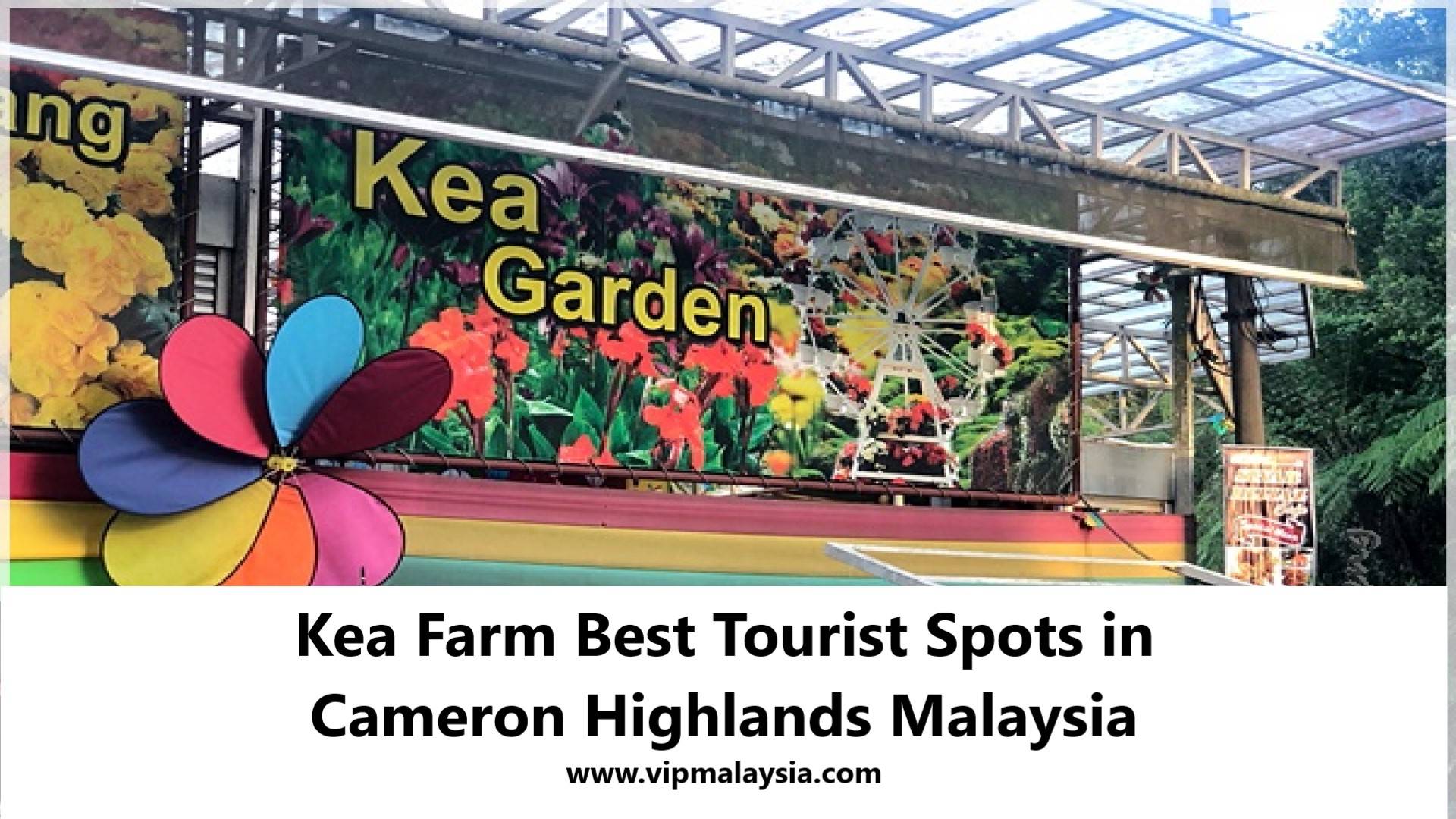
    Kea Farm Market is one of the busiest spots in Cameron Highlands, famous for strawberries, vegetables, and flowers. While not strictly an “organic farm,” it combines fresh produce with floral displays, offering eco-conscious visitors a chance to enjoy both agriculture and floriculture.

    Cultural Festivals

    During peak seasons, Kea Farm hosts local festivals showcasing traditional dances, food stalls, and flower exhibitions. These events highlight the cultural diversity of the highlands and provide a lively atmosphere for tourists.

    Visitor Information

    • Address: 43 & 44, Medan Argo, Kea Farm, Brinchang, 39100 Brinchang, Pahang, Malaysia
    • Opening Hours: Daily, 8:00 AM – 6:00 PM
    • Nearby Landmarks: Adjacent to Copthorne Hotel, about 3 km north of Brinchang town and close to attractions like Rose Center, Ee Feng Gu Honey Bee Farm, Butterfly Garden, and BOH Tea Sungai Palas plantation
    • Highlights:
      • Fresh strawberries, corn, asparagus, and avocados sold directly by farmers
      • Affordable flowers and ornamental plants (bouquets from RM10)
      • Local snacks such as steamed corn, sweet potatoes, and yogurt ice cream
      • Souvenirs, fashion apparel, and packaged food stalls

    Wengfong Nurseries

    Wengfong Nurseries is Southeast Asia’s leading chrysanthemum cutting supplier. Established decades ago, it has become a licensed exporter to international markets. The nursery specializes in premium chrysanthemum plants, making it a cornerstone of Malaysia’s floriculture industry.

    Wildlife Around Nurseries

    The surrounding areas of Wengfong Nurseries are home to bird species such as the silver-eared mesia and mountain bulbul. Visitors often spot these birds while exploring the nursery grounds, adding a touch of wildlife to the floral experience.

    Visitor Information

    • Address: 30, Kampung Raja, 39010 Tanah Rata, Cameron Highlands, Pahang, Malaysia
    • Phone Number: +60 5-210 4415
    • Email: info@wengfong.com.my
    • Specialization: Chrysanthemum cuttings, supplying premium varieties such as Alba, Arctic Queen, Bartoli, and Bella to international markets
    • Reputation: Recognized as a major distributor in Southeast Asia, with collaborations on flower trials and events like Flower Inspiration Days Malaysia

    Chrysanthemum is a genus of perennial flowering plants in the family Asteraceae, native mainly to East Asia and northeastern Europe, with China as the center of diversity. Widely cultivated for ornamental purposes, they are among the most popular autumn-blooming flowers worldwide, while also valued in traditional medicine where chrysanthemum tea is used to treat hypertension, fevers, and inflammation. In agriculture, Chrysanthemum cinerariifolium produces pyrethrum, a natural insecticide important for organic farming. Culturally, chrysanthemums hold deep symbolism in China and Japan, representing longevity and rejuvenation, and are celebrated in festivals and imperial traditions.

    VarietyDescription
    AlbaA popular chrysanthemum cutting offered by Wengfong Nurseries, known for its clean white petals and suitability for decorative floral arrangements.
    Arctic QueenLarge white chrysanthemum cultivar with uniform growth and flowering, widely used as both spray and disbud types in cut‑flower markets.
    BartoliA bright yellow chrysanthemum variety recognized for strong field performance and long vase life, making it ideal for export and commercial floriculture.
    BellaA delicate chrysanthemum cultivar with soft pastel tones, favored for weddings, ornamental displays, and premium decorative use.

    Nearby Attractions

    Jungle Trails

    Cameron Highlands offers trekking routes that connect nurseries with nearby forests. Trails such as Trail 10 and Trail 14 lead hikers through mossy forests, waterfalls, and viewpoints overlooking tea plantations. These treks combine adventure with natural beauty, making them popular among eco-tourists.

    Trail 10 – Tanah Rata to Gunung Jasar

    Trail 10 begins near Tanah Rata and ascends steadily through dense mossy forest, leading hikers to the summit of Gunung Jasar at 1,696 meters. The route is known for its steep natural staircases formed by tree roots, moss-covered landscapes, and rewarding viewpoints overlooking Tanah Rata and Cameron Valley. Many trekkers combine Trail 10 with Trail 6 to descend through tea plantations, creating a loop that takes about 3–4 hours. The trail is considered medium difficulty, requiring proper footwear and water, but no guide is necessary. It is often recommended as the best introduction to Cameron Highlands trekking because of its accessibility and scenic diversity.

    Gunung Jasar is a scenic mountain in Cameron Highlands, Malaysia, standing at about 1,655–1,696 meters. It is a popular hiking destination accessible via Trail 10 from Tanah Rata, offering panoramic views of tea plantations, lush mossy forests, and the cool highland climate. Difficulty: Considered a moderate-level trek, suitable for beginners and casual hikers with basic fitness

    Trail 14 – Gunung Mentigi to Tanah Rata

    Trail 14 connects with Trail 13 and leads hikers from Gunung Mentigi back to Tanah Rata, offering a more tranquil experience compared to busier routes. The path winds through lush jungle vegetation, providing opportunities to spot bird species and highland flora in a serene environment. Unlike Trail 10, Trail 14 is less crowded, making it appealing to those who prefer solitude and a slower pace. The route is moderately challenging, with sections that can be muddy or overgrown, so offline navigation apps like Maps.me are recommended. Trail 14 is often chosen by nature lovers who want to explore Cameron Highlands’ quieter side while still enjoying the cool climate and scenic forest atmosphere.

    Gunung Mentigi is a mountain in Cameron Highlands, Pahang, Malaysia, with an elevation of about 1,535 meters (5,036 feet). It is located near Tanah Rata and is a popular hiking destination, often accessed via local trails that provide scenic views of the highlands. Surrounded by lush montane forest, part of the Mentigi Forest Reserve (Hutan Rizab Mentigi), which itself has an elevation of 1,438 meters

    Strawberry and Flower Farm Visits

    Adventure seekers can combine trekking with farm visits. Many strawberry farms allow visitors to pick their own fruit, while flower nurseries offer hands-on experiences in planting and cultivation. This blend of activity and learning makes Cameron Highlands unique compared to other destinations.

    Eco-Friendly Practices

    Several farms employ hydroponic techniques and organic fertilizers, ensuring sustainable cultivation. Visitors gain insights into eco-friendly farming while enjoying fresh produce and flowers.

    Cameron Lavender Garden

    The Lavender Garden features cultivated lavender plots, themed photo spots, and lavender-infused desserts. Though smaller than European lavender fields, it offers a fragrant and colorful experience. Visitors can enjoy lavender tea, ice cream, and souvenirs.

    Cameron Lavender Garden is located in Tringkap, Cameron Highlands, Pahang, Malaysia, with the official address at 59, Brinchang, 39100 Brinchang, Pahang, and the contact phone number is +60 5-496 1208. It is one of the most popular attractions in the highlands, known for its vibrant lavender fields and themed café.

    BOH Tea Plantations

    The BOH Tea plantations, including Sungai Palas and Cameron Valley, are iconic attractions. Visitors can tour the estates, learn about tea production, and sip freshly brewed highland tea while overlooking rolling hills.

    Founded in 1929, BOH remains Malaysia’s largest tea producer. The plantations preserve colonial-era architecture and traditions, offering a glimpse into the region’s agricultural history.

    BOH Tea Plantations in Cameron Highlands operate two main visitor centers: BOH Tea Garden in Ringlet and Sungei Palas Tea Garden in Brinchang.

    BOH Tea Garden

    BOH Tea Garden in Ringlet, Cameron Highlands is located at 39000 Ringlet, Pahang, Malaysia and can be reached at 05-493 1324. This historic estate is a must-visit attraction in Cameron Highlands, offering visitors factory tours, tea tasting sessions, and panoramic views of lush plantations, making it ideal for eco-tourism and photography .

    Sungei Palas Tea Garden

    Sungei Palas Tea Garden in Brinchang, Cameron Highlands is situated at 39100 Brinchang, Pahang, Malaysia with the contact number 05-491 3788. Known for its modern visitor center, Tristan’s Terrace café, and educational exhibits, it is one of the top-rated tourist destinations in Cameron Highlands, perfect for travelers seeking both scenic landscapes and cultural experiences

    Butterfly Farm

    The Butterfly Farm near Kea Farm houses rare species such as the Raja Brooke birdwing. In addition to butterflies, the farm features reptiles, small mammals, and educational exhibits. It is a family-friendly attraction that combines biodiversity with interactive learning.

    Cameron Highlands Butterfly Farm is one of the most visited attractions in Brinchang, located at 43rd Miles, Kea Farm, 39100 Brinchang, Cameron Highlands, Pahang, Malaysia with the contact number 05-496 1475. This family‑friendly destination is a top Cameron Highlands attraction where visitors can explore a large hillside enclosure filled with butterflies, including the famous Raja Brooke butterfly, Malaysia’s national species.

    The farm also features a mini zoo with rabbits, reptiles, amphibians, chipmunks, and kangaroos, making it ideal for families and nature lovers. With its combination of educational exhibits, vibrant butterfly species, and interactive animal encounters, the Butterfly Farm is a must‑visit stop for anyone planning a Cameron Highlands itinerary.

    Conclusion

    Cameron Highlands is truly Malaysia’s floral capital, offering a blend of flower nurseries, tea plantations, strawberry farms, and eco-adventures. Whether you’re a gardening enthusiast, a photographer, or a nature lover, the highlands provide endless opportunities for exploration. With its rich history, diverse attractions, and sustainable practices, Cameron Highlands remains a must-visit destination for travelers seeking both relaxation and adventure.

    Summary

    • Attraction: Flower Nursery
    • Location: #Pahang #CameronHighlands 
    • Attraction Type: #Nursery 
    • Source: mdcameron.gov.my
    • Why Visit:
      • Explore Malaysia’s freshest flowers – Roses, chrysanthemums, carnations & more
      • Visit multiple nurseries along the highland road – Experience lush botanical wonders
      • Perfect for plant enthusiasts & nature lovers – See rare blooms & stunning landscapes
      • Enjoy a tranquil escape surrounded by beautiful flowers – Ideal for relaxation & photography

    Quick Info

    AttributeDetails
    NameFlower Nursery, Cameron Highlands
    LocationFrom Ringlet to Kampung Raja, Cameron Highlands, Pahang, Malaysia
    GPS Position4.4901° N, 101.3784° E
    StatePahang
    Facility TypeFlower Nurseries & Gardens
    Main AttractionsFresh Flowers, Gardening Products, Scenic Nurseries
    Nearby LandmarksCameron Lavender Garden, Tea Plantations, Butterfly Farms
    AccessibilityEasy roadside access via Cameron Highlands routes
    Best Time to VisitMorning for fresh flowers, afternoon for scenic relaxation
    Entry FeesFree access to most nurseries
    Recommended PurchasesRoses, Chrysanthemums, Hydrangeas, Carnations
    Opening Hours9:00 AM – 5:30 PM (Daily)
    ContactPhone: Available via local nurseries

    Cameron Highlands boasts Malaysia’s best flower nurseries, blending fresh blooms, scenic gardens, and tranquil natural escapes for flower enthusiasts and travelers alike. Whether you’re exploring vibrant landscapes, shopping for premium flowers, or simply enjoying the beauty of nature, these nurseries promise an unforgettable experience.

    Plan your trip today—immerse yourself in the breathtaking Flower Nurseries of Cameron Highlands!

    Visitor Reviews

    Nur Amelina Shaaban, Kuala Lumpur – ★★★★★ “I visited Rich Flora Nursery during my trip, and the roses were stunning. The staff explained the cultivation process, and I even brought home a bouquet. Truly worth the visit.”

    Yusoff Mahmody, Penang – ★★★★☆ “Kea Farm Market was bustling with activity. I loved the mix of fresh produce and flowers. It was crowded, but the atmosphere was lively and authentic.”

    Grace Low Siew Ming, Singapore – ★★★★★ “Wengfong Nurseries impressed me with its chrysanthemum varieties. The guided tour was informative, and I learned a lot about international flower exports.”

    Hatta Dollah, Johor Bahru – ★★★★☆ “The Lavender Garden was beautiful, though smaller than I expected. Still, the lavender ice cream was delicious, and the photo spots were perfect.”

    Sairo Hamada, Tokyo – ★★★★★ “The BOH Tea plantation tour was unforgettable. The views were breathtaking, and the tea tasting session was a highlight of my trip.”

    Frequently Asked Questions (FAQs)

    What are the best farms to visit in Cameron Highlands for flowers, vegetables, and fruits?

    For a delightful experience in Cameron Highlands, Malaysia, consider visiting the following flower and plant nurseries:

    • Rich Flora Strawberry Centre
    • Blue Valley Flowers Farm
    • Step In
    • Low Seok Ie Vegetable & Flower Nursery
    • Water Crest Valley
    • Cameron Highlands Orchids & Roses Garden
    • Glory 78
    • Cactus Point (Brinchang)
    • Cactus Valley (Brinchang)
    • Rose Valley
    • Rose Centre
    • Green Farm
    • Fragrance Nursery
    • Uncle Sam Farm
    • Multicrops Central Market
    • Goodwill Flower Enterprise
    • Valder Mega Floriculture Centre
    • Green View Garden
    • Low Orchid Garden
    • Fong Huat Nursery
    • Agro-Technology Agro Mardi
    • Taman Agro Al-Mashoor
  • Cactus Valley: Malaysia’s Highland Garden Escape

    Cactus Valley: Malaysia’s Highland Garden Escape

    Cactus Valley, Cameron Highlands

    Located in Brinchang, Cameron Highlands, Cactus Valley is a botanical paradise, featuring one of Malaysia’s largest cactus collections, alongside beautiful floral gardens and fresh fruit plantations. Whether you’re a nature lover, a gardening enthusiast, or a curious traveler, this attraction promises a fascinating exploration of Cameron Highlands’ botanical treasures.

    Introduction

    Cactus Valley in Cameron Highlands, Malaysia, is one of the largest cactus gardens in the country. Nestled in the highland’s temperate climate, it offers a unique blend of horticultural wonders, cultural charm, and visitor-friendly facilities. With specimens over 60 years old, alongside roses, orchids, hibiscus, and fruit orchards, the valley is more than just a cactus showcase—it is a living museum of plant diversity. Visitors can shop for miniature cacti, enjoy fresh produce, and capture stunning photographs against scenic backdrops. Its quirky yet diverse atmosphere makes Cactus Valley a must-visit destination for nature lovers, families, and adventurers.

    History

    Cactus Valley was established to highlight the adaptability and beauty of cacti in Malaysia’s highland environment. Initially a small collection, it grew into a sprawling garden featuring thousands of species, some dating back decades. The valley became a cornerstone of Cameron Highlands tourism, complementing tea plantations and flower gardens. Over time, it expanded to include fruit orchards, ornamental blooms, and shopping facilities, reflecting the region’s agricultural richness. Today, it stands as a testament to horticultural dedication and the highland’s role as Malaysia’s floral hub.

    Accessibility And Facilities

    Cactus Valley is designed to be accessible to a wide range of visitors. Entrance fees are modest, and pathways allow exploration of scenic views. While maintenance varies, the valley provides refreshment stalls and resting areas, ensuring a comfortable visit.

    Entrance Fee

    Typically, adults pay MYR5 and children MYR2, though some visitors report free entry depending on management or season. This affordability makes the valley accessible to families and groups.

    Walkways And Scenic Views

    Paved paths guide visitors through the garden, offering panoramic views of cacti and floral displays. Upper sections may be less polished, but they reward explorers with unique perspectives.

    Refreshment Stalls

    Basic food and drink options are available, though not full restaurants. These stalls provide quick refreshments, allowing visitors to recharge during their exploration.

    Highlights

    Diverse Collection of Cacti and Plants

    Cactus Valley boasts an impressive range of cacti, from towering specimens to miniature decorative varieties. Visitors can admire mature plants that have thrived for over half a century, alongside vibrant flowering species such as roses, orchids, and calla lilies. The garden’s diversity ensures that every corner offers something new to discover.

    Mature Cacti

    Some cacti in the valley are over 60 years old, showcasing resilience and longevity. Their towering forms and intricate structures make them iconic features of the garden, admired by botanists and casual visitors alike.

    Cactus is the singular form referring to a plant in the family Cactaceae, while cacti (or cactuses) are the plural forms. Both are correct in English usage, though cacti follows the original Latin pluralization and is more common in formal contexts.

    Flowering Plants

    Beyond cacti, the valley nurtures roses, fuchsia, and orchids. These blooms add color and fragrance, creating a balanced landscape that appeals to both cactus enthusiasts and flower lovers.

    Fuchsia refers both to a genus of ornamental shrubs (any of about 100 species of shrubs and small trees in the genus Fuchsia) in the evening-primrose family (Onagraceae), known for their pendulous, brightly colored flowers, and to a vivid reddish-purple color named after the plant. The name honors German botanist Leonhart Fuchs (1501–1566).

    Ornamental Blooms

    Hibiscus, rhododendron, and geraniums thrive in the highland climate. Their ornamental appeal enhances the valley’s aesthetic, offering vibrant displays that complement the rugged beauty of cacti.

    Rhododendron is a large genus of about 1,000 species of woody flowering plants in the heath family (Ericaceae), known for their showy clusters of funnel-shaped flowers and leathery foliage. They are native mainly to Asia, especially the Himalayas, but also occur in Europe, North America, and Australia. From Greek rhódon (“rose”) + déndron (“tree”), meaning “rose tree”. Includes shrubs and small to large trees, ranging from mat-like dwarf species only 10 cm high to giants over 30 m tall.

    Geraniums are flowering plants belonging to the genus Pelargonium (family Geraniaceae), widely cultivated for their colorful blossoms and aromatic foliage. The term “geranium” is often used interchangeably with Pelargonium, though true geraniums belong to the related genus Geranium (commonly called cranesbills).

    Shopping And Souvenirs

    Cactus Valley is not just about sightseeing—it’s also a shopping destination. Visitors can purchase miniature cacti, ornamental plants, and gardening supplies. Seasonal fresh produce such as strawberries, apples, and passion fruits adds a culinary dimension to the experience.

    Miniature Cacti And Ornamentals

    Miniature cacti are popular souvenirs, easy to transport and care for. Their decorative appeal makes them ideal gifts or home additions, allowing visitors to take a piece of the valley home.

    Fresh Produce

    Fruit orchards within the valley yield strawberries, apples, tomatoes, and passion fruits. Depending on the season, visitors can enjoy freshly harvested produce, reflecting Cameron Highlands’ agricultural abundance.

    Gardening Supplies

    Shops offer fertilizers, decorative pots, and tools. These supplies cater to gardening enthusiasts, encouraging visitors to cultivate their own plants inspired by the valley’s displays.

    The best fertilizers for cacti are low-nitrogen, well-balanced formulas that emphasize phosphorus and potassium to support root strength, stem resilience, and flowering. In Malaysia’s tropical climate, specialized cactus fertilizers such as Serbajadi Cactus Growth Booster and Flower Booster are recommended, while international options include Schultz Cactus Plus (2-7-7), Grow More Cactus Juice (1-7-6), and slow-release blends like The Grow Co Succulent & Cactus Plant Food.

    Trekking And Adventure

    Scenic Garden Exploration

    Cactus Valley’s pathways encourage leisurely walks and photography. Visitors can trek through diverse plant zones, pausing at benches to admire the scenery. The garden’s layout blends adventure with relaxation, making it suitable for all ages.

    Photography Opportunities

    Every corner of the valley offers picturesque views. From towering cacti to colorful flowerbeds, photographers find endless inspiration. The natural lighting of Cameron Highlands enhances the visual appeal.

    Fruit Orchard Trails

    Beyond cacti, orchard trails invite visitors to explore apple and strawberry plantations. These trails highlight the agricultural diversity of the highlands, offering both scenic beauty and seasonal harvest experiences.

    Seasonal Harvests

    Depending on the time of year, visitors may witness strawberry picking or apple harvesting. These activities connect tourists to local farming traditions and provide interactive experiences.

    Nearby Attractions

    Cactus Valley is part of a larger network of attractions in Cameron Highlands. Visitors often combine their trip with stops at Rose Valley, Cameron Lavender Garden, and tea plantations.

    Rose Valley

    Rose Valley showcases over 450 rose varieties, alongside exotic flowers such as gerbera and camellia. Its floral diversity complements the cactus displays, offering a contrasting experience.

    Rose Valley in Cameron Highlands is located at No.148, Kampung Tringkap, 39000 Tanah Rata, Pahang, Malaysia. It is a popular flower garden featuring over 450 varieties of roses and other ornamental plants, making it one of the key tourist attractions in the Highlands. Phone: 012-364 3208 (general inquiries); Alternative contact: 605-4961620 / 605-4961491

    Cameron Lavender Garden

    Lavender fields provide fragrant blossoms and herbal teas. The garden’s panoramic views and relaxing atmosphere make it a favorite among tourists.

    Cameron Lavender Garden is a popular floral attraction in Cameron Highlands, located at Lot 491, Mukim Blue Valley, Tringkap, 39000 Brinchang, Pahang, Malaysia. It is known for its vast lavender fields, themed gardens, and family-friendly activities. Phone: 05-491 1133

    Tea Plantations

    Cameron Highlands’ tea estates are world-renowned. Visitors can tour plantations, learn about tea production, and enjoy tastings of Malaysia’s finest teas.

    The most famous tea plantations in Cameron Highlands are BOH Tea Plantation (Ringlet), Sungai Palas Tea Garden (Brinchang), and Bharat’s Cameron Valley Tea Plantation (Tanah Rata). Their addresses are: BOH Tea Plantation (Phone: 05-493 1324) – Boh Road, Habu, 39000 Ringlet, Pahang; Sungai Palas Tea Garden (Phone: 05-491 3788) – Gunung Brinchang, 39100 Brinchang, Pahang; Cameron Valley Tea Plantation Bharat Group (Phone: 05-491 1133) – Batu 34, Jalan Ringlet, Tanah Rata, 39000 Tanah Rata, Pahang.

    Cultural Festivals And Local Towns

    Cactus Valley is enriched by nearby towns and cultural festivals. Tanah Rata and Brinchang serve as gateways, offering accommodations, restaurants, and markets. Festivals celebrate flowers, agriculture, and local traditions.

    Festivals

    Events such as flower parades and agricultural exhibitions highlight Cameron Highlands’ heritage. These festivals attract tourists and showcase the region’s cultural vibrancy.

    Local Towns

    Tanah Rata is known for its colonial charm and tea shops, while Brinchang offers bustling night markets with local delicacies. Both towns provide convenient access to Cactus Valley.

    Conclusion

    Cactus Valley offers an extraordinary blend of nature, gardening, and relaxation, making it one of Cameron Highlands’ most fascinating attractions. Whether you’re shopping for plants, admiring exotic flowers, or exploring the hillside gardens, this destination promises a refreshing escape into Malaysia’s botanical wonders.

    Plan your visit today—explore the beauty of Cactus Valley, Cameron Highlands!

    Summary

    • Attraction: Cactus Valley
    • Location: #Pahang #CameronHighlands 
    • Attraction Type: #Nursery 
    • Source: malaysiatravelpedia.com
    • Why Visit:
      • One of Malaysia’s biggest cactus gardens
      • Showcases unique cacti, including some over 60 years old
      • Features a mix of floral gardens, fruit orchards & fresh produce
      • Offers plant shopping, sightseeing & photography opportunities

    Quick Info

    AttributeDetails
    NameCactus Valley
    LocationBrinchang, Cameron Highlands, Pahang, Malaysia
    GPS Position4.4700° N, 101.3800° E
    StatePahang
    Facility TypeBotanical Garden & Nursery
    Main AttractionsCactus Collection, Floral Gardens, Fruit Orchards
    Nearby LandmarksBrinchang Town, Big Red Strawberry Farm
    AccessibilityEasily accessible from Brinchang town center
    Best Time to VisitOpen year-round for plant shopping & sightseeing
    Entry FeesMYR5 (Adults), MYR2 (Children)
    Recommended ActivitiesPlant Shopping, Photography, Sightseeing
    Opening Hours8:00 AM – 6:00 PM daily
    ContactCactus Valley (+605-4915640 / +605-4915641)

    Visitor Reviews

    Name: Nurul Huda Locality: Johor Bahru, Malaysia Review: “Cactus Valley was fascinating with its huge collection of cacti. I especially loved the 60-year-old specimens. The fruit orchards added a refreshing touch. Some paths need better upkeep, but overall it was worth the visit.” Rating: ★★★★☆

    Name: Marcus Jones Locality: Melbourne, Australia Review: “The diversity of plants was impressive. I bought miniature cacti as souvenirs, and the strawberries were delicious. The garden is quirky and fun, perfect for photography.” Rating: ★★★★★

    Name: Mariaman Loga Locality: Chennai, India Review: “I enjoyed walking through the pathways and taking photos of the ornamental blooms. The refreshment stalls were basic but handy. It’s a great spot for families and plant lovers.” Rating: ★★★★☆

    Name: Alejandro Torres Locality: Madrid, Spain Review: “Cactus Valley exceeded my expectations. The mix of cacti and flowering plants created a vibrant atmosphere. The nearby tea plantations made the trip even more memorable.” Rating: ★★★★★

    Frequently Asked Questions (FAQs)

    When is Cactus Valley, Cameron Highlands opening hours?

    OPENING HOURS: 8.00am – 6.00pm daily

    How much the Cactus Valley, Cameron Highlands entrance fee?

    ADMISSION FEE RM4 for adult and RM2 for children.

  • Rose Valley: Malaysia’s Floral Wonderland

    Rose Valley: Malaysia’s Floral Wonderland

    Rose Valley, Cameron Highlands

    Explore 450 rose varieties and exotic blooms at Rose Valley in Cameron Highlands. Wander scenic pathways, marvel at rare flowers, and discover cultural highlights that make this destination a must-visit for nature lovers and adventurers alike.

    Introduction

    Rose Valley in Cameron Highlands, Malaysia, is a breathtaking floral sanctuary that showcases one of the largest collections of roses in Southeast Asia. With over 450 varieties of roses, alongside exotic flowers such as gerbera, camellia, and honeysuckle, this garden is a paradise for botanists, photographers, and casual visitors. The valley combines natural beauty with cultural charm, offering paved pathways, landscaped gardens, and unique attractions like Malaysia’s largest flower vase landmark. Beyond its floral displays, Rose Valley connects visitors to the rich heritage of Cameron Highlands, where tea plantations, lavender gardens, and cultural festivals add depth to the experience.

    History

    Rose Valley was established as part of Cameron Highlands’ effort to preserve and showcase its cool-climate flora. The highland’s temperate weather made it an ideal location for cultivating roses and exotic flowers that thrive in cooler conditions. Over the years, the garden expanded to include rare species, educational exhibits, and visitor facilities. While some sections have seen varying levels of maintenance, the valley remains a symbol of Malaysia’s horticultural pride. Its history is intertwined with the development of Cameron Highlands as a tourist hub, where agriculture, tea estates, and flower gardens became central attractions.

    The best roses are varieties admired for their beauty, fragrance, resilience, and popularity among gardeners. The most celebrated include Hybrid Tea, Floribunda, Grandiflora, Climbing, and Shrub roses, each valued for unique traits that make them stand out in gardens and floral arrangements.

    Highlights

    Unique Rose Varieties

    Rose Valley’s main draw is its extensive rose collection. Visitors can admire black roses, known for their deep, velvety hue, or explore hornless roses, which are thornless and safe for children. Miniature roses add charm with their vibrant colors and compact size, perfect for decorative gardens. Each variety is carefully cultivated to highlight the diversity of rose species.

    Black Rose

    The black rose is a rare gem in the floral world. Its deep maroon-black petals symbolize mystery and elegance. Visitors often find this variety captivating, making it one of the most photographed blooms in the valley.

    Hornless Rose

    Hornless roses are thornless, making them ideal for families with children. Their smooth stems and delicate blossoms represent gentleness and accessibility, offering a safe yet beautiful floral experience.

    Miniature Roses

    Miniature roses are small but striking. Their vivid colors and compact growth make them popular among gardeners and visitors alike. They thrive in decorative beds and are often used in floral arrangements.

    Top Rose Varieties

    Rose VarietyColor, Features & Visitor Notes
    Black RoseRare and captivating with its deep, dark hue. Often considered a symbol of mystery and elegance. Visitors highlight its uniqueness compared to common rose colors.
    Hornless RoseA special thornless variety, making it safe and appealing for families. Known for its fragrance and smooth stems, ideal for decorative gardens.
    Miniature RosesSmall yet vibrant, available in multiple colors. Popular for ornamental displays and photography, often described as cheerful and delicate.
    Green RoseUnique for its greenish petals, rarely seen in traditional rose gardens. Adds exotic appeal to Rose Valley’s collection.
    Light Blue RoseDistinctive pale blue shade, uncommon in natural rose species. Visitors find it striking and photogenic against the highland backdrop.

    Exotic Flowers and Plants

    Rose Valley is not limited to roses. Exotic flowers such as gerbera, lady shoe flowers, gypsy blooms, honeysuckle, and camellia add diversity to the landscape. These species thrive in the highland climate, creating a colorful tapestry across the garden.

    Gerbera and Lady Shoe Flowers

    Gerbera daisies are known for their bold, cheerful colors, while lady shoe flowers (orchids) add elegance with their unique petal shapes. Together, they create a vibrant contrast in the garden.

    Gerbera is a genus of flowering plants in the daisy family (Asteraceae), widely cultivated for their large, brightly colored blooms, often used in gardens and floral arrangements. They are native to Asia and Africa and include popular species such as Gerbera jamesonii, also known as the Barberton daisy or Transvaal daisy. Origin of name: Named after German naturalist Traugott Gerber (1710–1743). Common names: Barberton daisy, Transvaal daisy, African daisy.

    The “lady shoe flower” refers to plants with blossoms shaped like a slipper or shoe, most notably Thunbergia mysorensis (Mysore trumpetvine, also called lady’s slipper vine) and the Cypripedioideae orchids (lady’s slipper orchids). Both are admired for their ornamental beauty and unique floral structure.

    Gypsy and Honeysuckle Flowers

    Gypsy flowers are delicate and whimsical, while honeysuckle thrives in the cool climate, offering fragrant blossoms that attract pollinators. Their presence enhances the valley’s biodiversity.

    “Gypsy flowers” commonly refers to Gypsophila, a genus of flowering plants in the carnation family (Caryophyllaceae), widely known as baby’s breath. These plants are admired for their delicate sprays of tiny white or pink blossoms, often used in wedding bouquets and floral arrangements. Gypsy flowers hold a cherished place in floristry, especially in wedding bouquets for their airy, delicate charm; they embody cultural symbolism of purity, everlasting love, and innocence, while certain species also offer practical commercial uses, providing saponins for soap, shampoo, photographic film, and even traditional desserts like halva. In Malay, “Gypsy flower” is most often associated with the poppy plant, which is translated as pokok popi (the plant) or bunga popi (the flower).

    Honeysuckle is the common name for plants in the genus Lonicera (family Caprifoliaceae), which are shrubs or climbing vines with opposite leaves and fragrant tubular flowers rich in nectar. They are widely grown for ornamental purposes and are known for attracting pollinators such as hummingbirds and butterflies.

    Honeysuckle, belonging to the genus Lonicera with about 180 species of arching shrubs and twining vines, is admired for its ornamental value in gardens thanks to its climbing habit and fragrant blossoms; its nectar-rich flowers attract pollinators like hummingbirds, bees, and butterflies, while in folklore it symbolizes devoted love and bonds of affection, and certain species have been used in traditional medicine, though caution is advised due to the toxicity of their berries. In Malay, the honeysuckle flower is translated as bunga buas-buas bukit or bunga bebuas bukit

    Camellia

    Camellias are prized for their glossy leaves and elegant blooms. They add sophistication to the garden and are often associated with cultural symbolism in Asia.

    Malaysia’s Largest Flower Vase

    One of Rose Valley’s most iconic landmarks is Malaysia’s largest flower vase. This towering structure is a favorite photography spot, symbolizing the valley’s dedication to floral artistry. Visitors often gather here to capture memorable moments against the backdrop of vibrant blooms.

    Trekking And Adventure

    Scenic Garden Walks

    Rose Valley offers paved pathways that wind through colorful flowerbeds. Benches are strategically placed for relaxation, allowing visitors to pause and enjoy the scenery. The garden walks are suitable for families, couples, and solo travelers seeking tranquility.

    Visitor Facilities

    Facilities include shaded rest areas, small kiosks selling refreshments, and souvenir stalls offering rose-themed memorabilia. While maintenance varies, the infrastructure supports a comfortable visitor experience.

    Rose Museum

    The Rose Museum is a small exhibit corner within the valley. It provides educational insights into rose cultivation, history, and memorabilia. Though modest in size, it enriches the visitor experience by connecting the floral displays to cultural narratives.

    Educational Insights

    Displays include information on rose breeding, cultivation techniques, and the role of roses in Malaysian horticulture. Visitors gain a deeper appreciation for the science and artistry behind rose gardening.

    Wildlife and Mini-Zoo

    Rose Valley once featured a mini-zoo with peacocks, ducks, and rabbits. While the zoo is no longer maintained, remnants of its enclosures remain. This aspect reflects the valley’s evolving attractions and focus on flora rather than fauna.

    Nearby Attractions

    Rose Valley is surrounded by other notable attractions in Cameron Highlands. Visitors often combine their trip with stops at Cactus Valley, Cameron Lavender Garden, and tea plantations.

    Cactus Valley

    Cactus Valley is located in Brinchang, Cameron Highlands, Pahang, Malaysia, and is one of the region’s most popular botanical attractions, featuring one of the largest collections of cacti in the country alongside floral gardens and fruit orchards. It sits in Pekan Lama, Brinchang, and is open daily from 8:00 AM to 6:00 PM, making it a convenient stop for visitors exploring the highlands.

    Cactus Valley showcases rare succulents and vibrant cactus collections. It is a contrasting experience to Rose Valley, highlighting plants adapted to arid climates.

    Cameron Lavender Garden

    Lavender fields stretch across the highlands, offering fragrant blossoms and herbal teas. The garden provides panoramic views and a relaxing atmosphere.

    Cameron Lavender Garden is located at No. 59, Brinchang, 39000 Tanah Rata, Pahang, Malaysia, along the main road between Tringkap and Kuala Terla, about 10 km from Brinchang town. It is a popular hillside attraction featuring rows of lavender plants, colorful flowers, a café serving lavender ice cream and strawberry desserts, and a gift shop.

    Tea Plantations

    Cameron Highlands is famous for its tea estates. Visitors can tour plantations, learn about tea production, and enjoy tastings of Malaysia’s finest highland teas.

    Tea Plantation Locations

    • BOH Tea Plantation:
      • Address: Boh Road, Habu, 39000 Ringlet, Cameron Highlands, Pahang
      • Opening Hours: Daily, 9:00 AM – 4:30 PM
      • Highlights: Largest and oldest tea producer in Malaysia, factory tours, panoramic café.
    • Sungai Palas Tea Garden:
      • Address: Gunung Brinchang, 39100 Brinchang, Cameron Highlands, Pahang
      • Opening Hours: Daily, 9:00 AM – 4:30 PM
      • Highlights: Iconic visitor center, scenic boardwalks, Cameronian Gold tea tastings.
    • Cameron Valley Tea Plantation:
      • Address: 49th Mile, Kuala Terla, 39000 Tanah Rata, Pahang
      • Opening Hours: Daily, 9:00 AM – 6:00 PM
      • Highlights: Owned by Bharat Group, ATV rides, Cameron Valley Tea House with masala tea and scones.

    Cultural Festivals And Local Towns

    Cameron Highlands hosts cultural festivals celebrating flowers, tea, and local traditions. Nearby towns such as Tanah Rata and Brinchang offer accommodations, restaurants, and markets. These towns serve as gateways to Rose Valley and enrich the overall travel experience.

    Festivals

    Flower festivals often feature parades, exhibitions, and cultural performances. They highlight the region’s agricultural heritage and attract tourists from across Malaysia.

    Local Towns

    Tanah Rata is known for its colonial charm and tea shops, while Brinchang offers bustling night markets with local delicacies. Both towns provide convenient access to Rose Valley.

    Tanah Rata is the largest town and administrative capital of the Cameron Highlands in Pahang, Malaysia, located at an elevation of about 1,440 meters (4,720 ft). Its name means “flat ground” in Malay, reflecting the relatively level terrain compared to the surrounding hills. Climate: Cool highland weather, with average daily maximum temperatures around 21–23 °C and minimums around 13–15 °C.

    Conclusion

    Rose Valley offers a vibrant floral escape, blending a vast collection of roses, exotic flowers, and tranquil garden walks in the serene highlands. Whether you’re a flower enthusiast, a nature lover, or simply seeking a peaceful getaway, this garden is a must-visit destination in Malaysia.

    Plan your visit today—immerse yourself in the beauty of Rose Valley, Cameron Highlands!

    Summary

    • Attraction: Rose Valley
    • Location: #Pahang #CameronHighlands 
    • Attraction Type: #Park 
    • Source: cameronhighlandsinfo.com 
    • Why Visit:
      • Explore 450 rose varieties – Marvel at stunning blooms in every shade & size
      • Enjoy paved pathways & scenic landscapes – Wander through beautifully cultivated flowerbeds
      • Encounter adorable resident animals – Spot peacocks, ducks & rabbits within the gardens
      • Discover rare flower species – See Gerbera, Lily, Camellia & Honeysuckle up close

    Quick Info

    AttributeDetails
    NameRose Valley, Cameron Highlands
    LocationTringkap, Cameron Highlands, Pahang, Malaysia
    GPS Position4.4901° N, 101.3784° E
    StatePahang
    Facility TypeRose Garden & Botanical Park
    Main AttractionsRose Collection, Exotic Flowers, Garden Walks
    Nearby LandmarksCactus Valley, Tea Plantations, Lavender Garden
    AccessibilityEasy access via Tringkap town, ample parking available
    Best Time to VisitMorning for fresh blooms, afternoon for scenic walks
    Entry FeesMinimal charge for garden access
    Recommended ActivitiesPhotography, Learning, Relaxation
    Opening Hours9:00 AM – 5:30 PM (Daily)
    Contact

    Rose Valley,
    No.148, Kampung Tringkap,
    39000 Tanah Rata, Pahang
    Telephone: 012-364 32086 / 05-4961620 /4961491
    Fax: 605-4961049

    Visitor Reviews

    Name: Douglas Manilla Locality: Penang, Malaysia Review: “Rose Valley is stunning with its wide variety of roses. The black rose was my favorite, and the flower vase landmark made for great photos. Some areas need better upkeep, but overall it was worth the trip.” Rating: ★★★★☆

    Name: Marvelous Yong Locality: Singapore Review: “I loved the paved pathways and the educational Rose Museum. The camellias were gorgeous, and the nearby tea plantations made the visit even more special. Highly recommended for families.” Rating: ★★★★★

    Name: Pasha Rahman Locality: Kuala Lumpur, Malaysia Review: “The valley is colorful and diverse, with roses I had never seen before. The miniature roses were delightful. Facilities could be improved, but the overall experience was memorable.” Rating: ★★★★☆

    Name: Hameed Locality: Isfahan, Iran Review: “Rose Valley exceeded my expectations. The exotic flowers like gerbera and honeysuckle added variety. The cultural festivals nearby made the trip even more enjoyable.” Rating: ★★★★★3

    Frequently Asked Questions (FAQs)

    What are the key details for visiting Rose Valley in Cameron Highlands?

    Here’s are the quick info:

    • The biggest flower vase in Malaysia
    • BLACK’ rose, ‘GREEN’ rose, ‘Light Blue’ rose, ‘THORNLESS’ rose plant
    • Cactus hill with 40-year-old cactus
    • Vegetables, Fruits, Flowers & Strawberry shop

    What is the ticket entry fee for Rose Valley in Cameron Highlands?

    Ticket entry fee are entrance tickets: RM 5 for adults and RM 2 for kids. Business Hours 8.00a.m – 6.00p.m

  • Honeybee Farm: Cameron Highlands Escape

    Honeybee Farm: Cameron Highlands Escape

    Step into the enchanting Honeybee Farm in Cameron Highlands, where visitors can learn about beekeeping and pollination, taste bottled honey products, and explore vibrant flower gardens. With free entry, family-friendly facilities, and nearby attractions like strawberry farms and mossy forests, this destination blends education, nature, and adventure.

    Introduction

    The Honeybee Farm in Cameron Highlands is a unique attraction that combines education, nature, and local culture. Nestled among the cool highland landscapes, the farm offers visitors an opportunity to discover the fascinating world of honeybees and their vital role in pollination. From interactive exhibits to honey tasting sessions, the farm provides a wholesome experience for families, students, and travelers seeking both fun and knowledge. Beyond the bees, the surrounding gardens and nearby attractions make this farm a must-visit stop in the highlands.

    History

    The Honeybee Farm was established in the early 1990s as part of Cameron Highlands’ growing eco-tourism initiatives. Initially designed to showcase honey production, the farm expanded to include educational exhibits on pollination, bee colonies, and the ecological importance of bees. Over time, it became a hub for conservation awareness, emphasizing the need to protect pollinators that sustain agriculture and biodiversity. Today, the farm stands as both a tourist attraction and an educational center, welcoming thousands of visitors annually.

    Honey Tasting Experience

    The honey tasting sessions are a highlight for many visitors. Sampling different varieties allows guests to appreciate the subtle differences in flavor and texture. This experience often leads to purchases, supporting the farm’s sustainability.

    Pairing Suggestions

    Honey pairs well with teas, breads, and desserts available in nearby towns. Visitors often enjoy combining honey with local strawberry treats, creating a uniquely Cameron Highlands flavor experience.

    Highlights

    Bee Colony Displays

    One of the farm’s most engaging features is its bee colony exhibits. Visitors can observe worker bees, drones, and the queen bee through safe glass enclosures. Detailed panels explain their roles within the hive, offering insight into the complex social structure of bees. This section is particularly popular among school groups, as it provides a hands-on learning experience about pollination and ecology.

    Worker Bees

    Worker bees are the tireless labor force of the hive, forming the largest group within the bee caste system. Unlike the queen, who is dedicated to reproduction, or drones, whose role is mating, workers take on nearly every other responsibility that sustains the colony. They forage for nectar and pollen, build and repair combs, feed larvae, and defend the hive against intruders. Their sheer numbers make them indispensable, not only to their colony but also to ecosystems worldwide, as they are responsible for about 80% of global crop pollination services, a critical foundation for human food production.

    The lifespan of a worker bee depends heavily on the season. Summer worker bees live only 5–8 weeks due to the intense demands of foraging, comb construction, and hive defense, which quickly wear down their wings and deplete their energy reserves. In contrast, winter worker bees, also called diutinus bees, can survive up to 8 months. They remain inside the hive, clustering together to generate warmth, and their physiology adapts to the season: larger fat bodies and higher levels of vitellogenin help boost immunity and slow aging. This remarkable adaptation ensures the colony’s survival through the cold months until spring returns.

    Drones Bee

    Drone bees are the male members of the honeybee caste system. They originate from unfertilized eggs and are therefore haploid, unlike the diploid workers and queens. Physically, drones are larger and stouter than workers but smaller than the queen. Their most distinctive feature is their large compound eyes, which meet at the top of the head and are perfectly adapted for spotting queens during mating flights. Unlike workers, drones lack a stinger, making them unable to defend the hive, but they possess long wings and strong flight muscles, enabling speeds of up to 23 mph during flight.

    The lifecycle of a drone bee takes about 25 days from egg to adult, slightly longer than that of workers. Their lifespan averages around 56 days, though it can range from 30–90 days depending on conditions. Their ultimate fate is tied to reproduction: drones that successfully mate with a queen die immediately afterward, as their reproductive organs detach during copulation. This sacrifice ensures the continuation of the colony’s genetic line, even though the individual drone’s role ends abruptly.

    Queen Bee

    A queen bee is the fertile, fully developed female of a honeybee colony, responsible for laying eggs and serving as the mother of nearly all bees in the hive. She develops when larvae are fed exclusively on royal jelly, which triggers her sexual maturity.

    The queen bee is the sole reproductive female in a honeybee colony, capable of laying up to 2,000 eggs per day during peak season to ensure the hive’s survival. Each colony typically has only one queen, who is protected and attended by worker bees. She mates during a brief nuptial flight with multiple drones, storing sperm that allows her to lay fertilized eggs throughout her life. This unique role makes her the central figure in the hive’s colony structure.

    The development of a queen bee begins when a fertilized egg is fed exclusively on royal jelly, unlike worker larvae that receive bee bread. Queens grow inside special peanut-shaped cells built vertically in the comb, and upon emergence, virgin queens chew their way out and often fight rivals to establish dominance. Physically, queens are larger than workers and drones, with a longer abdomen, shorter wings relative to body size, and a smooth stinger that can be used multiple times. Their longevity of 2–5 years far exceeds that of workers or drones, making them the enduring anchor of the colony.

    Honey Production

    The farm demonstrates how nectar collected by bees is transformed into bottled honey. Guests can watch videos and exhibits that explain the process, from hive to jar. Unlike raw honey straight from the hive, the farm emphasizes hygienic bottling practices to ensure quality and safety.

    The most popular honey at Cameron Highlands honeybee farms is raw, pure, unprocessed honey (locally called Madu Tua or 陈年老蜜), produced in pollution-free highland apiaries. Other sought-after varieties include Royal Honey, Propolis Honey, and Tongkat Ali Honey, each marketed for unique health benefits. Farms such as Ee Feng Gu and Highlands Apiary Farm are reliable sources for authentic honey.

    Visitors can sample different varieties of honey, each with distinct flavors influenced by the flowers bees forage. These tasting sessions allow guests to appreciate the diversity of honey and encourage purchases of bottled products.

    Madu Tua

    Madu Tua (陈年老蜜) is a raw, pure honey produced in the clean highland environments of the Cameron Highlands, particularly at Highlands Apiary Farm under the Ehoney brand. Beehives are placed in pesticide-free areas to ensure purity, resulting in honey that retains its natural enzymes, antioxidants, vitamins, and minerals since it is never heated or processed.

    This aged honey develops a darker color and richer taste compared to regular varieties due to longer natural storage. Its nutritional value and medicinal properties make it highly prized, offering both flavor and health benefits while reflecting the pristine conditions of its highland origin.

    Royal Honey

    Royal Honey is a commercial supplement that combines raw honey with royal jelly, bee pollen, propolis, and occasionally herbal extracts such as ginseng or Tongkat Ali. Each component contributes distinct nutritional properties: honey provides natural sugars and antioxidants, royal jelly delivers proteins and fatty acids, while bee pollen and propolis add amino acids and antimicrobial compounds. Some formulations also include botanicals like maca or epimedium to enhance the product’s appeal. Inspired by the nutrient-rich diet of queen bees, which is linked to their longevity and fertility, Royal Honey is marketed as a natural aid for vitality, immunity, and sexual health, though scientific evidence supporting these claims remains limited.

    Commercially, Royal Honey is packaged in sachets or vials and promoted for energy, stamina, and sexual enhancement.

    Propolis Honey

    Propolis Honey is a unique blend of natural honey and propolis, a resinous substance bees collect from tree sap and mix with wax. This combination creates a product valued for its antimicrobial, anti-inflammatory, and antioxidant properties, making it a staple in traditional medicine and modern wellness products. The honey base contributes natural sugars, enzymes, vitamins, and minerals, while propolis extract adds flavonoids, phenolic acids, and essential oils. Together, they form a nutrient-rich mixture with a distinctive flavor — honey’s sweetness balanced by propolis’ resinous, slightly bitter notes.

    Traditionally, Propolis Honey has been used as a soothing digestive aid, helping with sore throats and stomach discomfort. Its antimicrobial qualities make it effective against bacteria and fungi, while its anti-inflammatory properties help reduce swelling and irritation. Beyond internal use, it is also applied for wound healing, supporting tissue repair and skin recovery. Many consumers turn to Propolis Honey for immune support, believing it boosts resistance to infections and strengthens overall wellness.

    Tongkat Ali Honey

    Tongkat Ali Honey is a blend of natural honey infused with Tongkat Ali (Eurycoma longifolia), a medicinal plant native to Malaysia and Indonesia. Often referred to as Malaysian Ginseng or Longjack, Tongkat Ali has long been used in traditional medicine for its aphrodisiac, anti-malarial, and anti-diabetic properties. When combined with honey — and sometimes other botanicals like ginseng, black seed, or royal jelly — the infusion creates a vitality tonic marketed for energy, stamina, and men’s health. Typically sold in jars or sachets, it can be consumed directly or mixed into drinks, offering both sweetness and herbal potency.

    The composition of Tongkat Ali Honey usually includes multifloral or Manuka honey as a base, enriched with Tongkat Ali root extract containing quassinoids such as eurycomanone. Depending on the brand, additives like bee pollen, propolis, ginger, or licorice may be included to broaden its appeal. Claimed benefits range from energy and stamina support to men’s health, alongside potential immune system and circulation improvements.

    Educational Tours

    Guided tours provide deeper insights into beekeeping and pollination. Information panels and interactive exhibits are designed for both children and adults, making the learning experience accessible and engaging. The tours emphasize the role of bees in sustaining biodiversity and food security.

    Madu Tua vs Madu Tualang

    Madu Tua is a farm-produced aged raw honey from the Cameron Highlands, valued for its rich flavor developed through careful storage and maturation. In contrast, Madu Tualang is a wild rainforest honey harvested from giant bees nesting high in Tualang trees, prized for its medicinal properties and unique taste shaped by diverse tropical flora. Both varieties highlight Malaysia’s honey heritage, offering distinct qualities rooted in their origin and production methods.

    Interactive Learning

    Children can participate in quizzes and games that reinforce knowledge about bees. These activities make the farm a family-friendly destination, blending entertainment with education.

    Products And Souvenirs

    The farm’s shop offers a wide range of honey-based products, including jars of honey, royal jelly, pollen, lotions, soaps, and honey-infused drinks. These items are popular souvenirs, allowing visitors to take home a piece of their experience.

    Specialty Items

    Royal jelly and pollen are marketed for their nutritional benefits, while honey-based skincare products appeal to wellness enthusiasts. The shop also sells teas and bee-themed gifts, making it a versatile stop for shopping.

    Attractions

    Flower Gardens

    Surrounding the farm are vibrant flower gardens where bees forage naturally. Visitors can stroll through these gardens, enjoying colorful blooms and learning about the plants that support pollination. The gardens provide excellent opportunities for photography and relaxation.

    Seasonal Blooms

    Depending on the season, visitors may see sunflowers, lavender, or roses in full bloom. These gardens not only enhance the farm’s aesthetic appeal but also serve as vital food sources for bees.

    Birds And Insects

    Flower gardens attract birds and insects, creating a lively environment. Visitors may spot sunbirds, dragonflies, and butterflies during their strolls.

    Highland Flora

    The gardens feature native and exotic plants, including lavender, roses, and orchids. These plants not only beautify the farm but also sustain pollinators.

    Nearby Attractions

    The Honeybee Farm is conveniently located near other popular attractions. The Cameron Lavender Garden offers stunning lavender fields and lavender-infused treats. Strawberry farms allow visitors to pick their own fruit, while the Mossy Forest provides a mystical highland walk-through ancient trees and misty landscapes.

    The Cameron Lavender Garden is a popular agritourism attraction in Brinchang, Cameron Highlands, featuring sprawling lavender fields, seasonal flowers, photo spots, and lavender-themed treats. Established in 2015, it has become one of the region’s signature tourist destinations. Size: Spans over 5 acres with lavender, hydrangeas, roses, sunflowers, and marigolds. Address: Jalan Sungai Burong, near Kea Farm, about 9 km north of Tanah Rata.

    Local Towns

    Brinchang and Tanah Rata are nearby towns offering accommodations, restaurants, and markets. Exploring these towns adds depth to the travel experience, allowing visitors to enjoy local cuisine and crafts.

    Accessibility And Facilities

    Entry And Fees

    Entry to the Honeybee Farm is free, making it accessible to all visitors. The indoor maze, designed for children, has a small fee of RM3 for adults and RM2 for children. This affordability ensures that families can enjoy the farm without financial strain.

    Opening Hours

    The farm is open daily from 8:00 AM to 7:00 PM, providing flexibility for visitors to plan their trips. Early mornings are ideal for exploring the flower gardens, while afternoons are perfect for honey tasting.

    Visitor Comfort

    The farm includes shops, refreshment stalls, and seating areas, ensuring visitor comfort. Pathways are well-maintained, making the farm accessible for strollers and wheelchairs. These facilities enhance the overall experience, making it suitable for visitors of all ages.

    Souvenir Shopping

    The shops offer honey products, teas, and bee-themed gifts. These souvenirs are popular among tourists, providing lasting memories of their visit.

    Conclusion

    Honeybee Farm offers a unique and enriching experience, blending pure honey production, beekeeping insights, and nature-filled relaxation in Cameron Highlands. Whether you’re a honey enthusiast, a nature lover, or simply looking for a peaceful escape, this farm promises a memorable visit.

    Plan your trip today—immerse yourself in the wonders of honey at Honeybee Farm, Cameron Highlands!

    Summary

    • Attraction: Honeybee Farm
    • Location: #Pahang #CameronHighlands 
    • Attraction Type: #Farm 
    • Why Visit:
      • Taste raw, organic honey straight from the hive – Experience nature’s purest golden nectar
      • Engage with beekeeping & learn about pollination – Understand the vital role of bees in nature
      • Shop for premium honey-based products – Find honey lotion, soap, juice & more
      • Perfect for families & nature lovers – Explore flower-filled gardens buzzing with hardworking bees

    Quick Info

    AttributeDetails
    NameHoneybee Farm, Cameron Highlands
    LocationNo 75, Batu 43, Green Cow, Cameron Highlands, Pahang, Malaysia
    GPS Position4.4752° N, 101.3706° E
    StatePahang
    Facility TypeBeekeeping & Honey Production Farm
    Main AttractionsBee Gardens, Raw Honey Tasting, Skincare Products
    Nearby LandmarksLavender Garden, Strawberry Farms, Mossy Forest
    AccessibilityEasy access via major roads, ample parking available
    Best Time to VisitMorning for the best bee activity & honey tasting
    Entry FeesFree admission for farm visits
    Recommended ProductsPure Honey, Honey Lotion, Soap & Juice
    Opening Hours9:00 AM – 5:30 PM (Daily)
    ContactPhone: +605-4961951

    Visitor Reviews

    Name: Ahmad Majeedia Locality: Ipoh, Malaysia Review: “The Honeybee Farm was both educational and enjoyable. My children loved the maze, and we all enjoyed tasting different honey varieties. The flower gardens were beautiful and perfect for photos.” Rating: ★★★★☆

    Name: Kumar Vikram Locality: Chennai, India Review: “I was impressed by the bee colony displays and the detailed explanations. The honey tasting was a highlight, and I bought several jars to take home. The farm is well-maintained and very welcoming.” Rating: ★★★★★

    Name: Noh Salleh bin Ibrahim Locality: Johor Bahru, Malaysia Review: “The Honeybee Farm is a wonderful place to learn about pollination. The exhibits were informative, and the staff were friendly. The nearby attractions made our trip even more enjoyable.” Rating: ★★★★☆

    Name: Regal Nadal Locality: Madrid, Spain Review: “I loved the combination of education and relaxation. The honey products were excellent, and the flower gardens were stunning. It’s a great stop for families and solo travelers alike.” Rating: ★★★★★

    Frequently Asked Questions (FAQs)

    What is the benefit of raw honey?

    The benefits of raw honey are:

    • Highly Nutritious Natural Tonic
    • Promote Metabolism, Prevent Constipation
    • Reduce insomnia, Relieve Stress
    • Improve immunity, Improve Appetite
  • Butterfly Farm Wonders: A Family Adventure

    Butterfly Farm Wonders: A Family Adventure

    Butterfly Farm, Cameron Highlands

    Discover the enchanting Butterfly Farm, home to the dazzling Raja Brooke butterfly, interactive insect exhibits, and a family-friendly mini zoo. With lush greenery, affordable entry fees, and exciting trekking opportunities nearby, this destination offers a perfect blend of education, adventure, and relaxation.

    Introduction

    The Butterfly Farm is a captivating attraction nestled in the cool highlands of Malaysia, offering visitors a chance to immerse themselves in the delicate beauty of butterflies and the fascinating world of insects. Known for its scenic enclosures and interactive exhibits, the farm is a haven for families, nature lovers, and adventure seekers alike. Beyond the fluttering wings of the Raja Brooke butterfly, guests can explore reptiles, small mammals, and lush gardens that make this destination a memorable stop on any travel itinerary.

    History

    Established in the late 1980s, the Butterfly Farm was designed to showcase Malaysia’s rich biodiversity and provide an educational platform for visitors. Initially focused on butterflies, the farm gradually expanded to include insects, reptiles, and small mammals, creating a holistic experience for guests. Its mission has always been to promote conservation awareness while offering a family-friendly environment. Over the years, the farm has become a staple attraction in the Cameron Highlands, drawing thousands of visitors annually.

    Accessibility And Facilities

    The farm maintains affordable pricing, with tickets at RM10 for adults and RM5 for children. This makes it accessible to a wide range of visitors, including families and school groups.

    Visitor Comfort

    Well-maintained pathways ensure easy exploration, while refreshment stalls and seating areas provide comfort during visits. The farm’s layout is designed to be inclusive, accommodating visitors of all ages and abilities.

    Highlights

    The farm’s main draw is its diverse collection of butterflies and insects. Visitors can marvel at the Raja Brooke butterfly, known for its striking green and black wings, alongside vibrant moths and beetles. Tarantulas, scorpions, and stick insects are displayed in terrariums, allowing guests to safely observe these fascinating creatures. The collection emphasizes Malaysia’s unique biodiversity and provides an educational experience for children and adults alike.

    Raja Brooke

    The star attraction, the Raja Brooke butterfly, is a must-see. Its vibrant colors and graceful flight make it a symbol of Malaysia’s natural beauty. Visitors often spend time photographing this species within the scenic enclosure.

    The Raja Brooke’s butterfly, scientifically known as Trogonoptera brookiana, belongs to the swallowtail family Papilionidae. Named in honor of James Brooke, the first Rajah of Sarawak, by Alfred Russel Wallace in 1855, it is celebrated for its striking appearance and symbolic importance. Its conservation status is listed under CITES Appendix II, with the IUCN classifying it as Least Concern, though regulated trade is enforced to protect populations.

    Habitat and Distribution

    This butterfly thrives in the humid rainforests of the Thai-Malay Peninsula, Borneo, Sumatra, and nearby islands. It prefers lowland forests near rivers and streams, making it an indicator of healthy rainforest ecosystems. In Malaysia, the Raja Brooke’s birdwing is more than just a species—it is a national symbol representing biodiversity and the importance of rainforest conservation.

    Physical Description

    Males display a dazzling wingspan of 15–17 cm, with black wings marked by vivid green streaks and a bright red head. Females are slightly larger, with wingspans of 17–19 cm, featuring browner tones, white flashes, and glossy blue near the hindwings. This butterfly’s aposematic coloration warns predators of its toxicity, derived from its host plants in the Aristolochia genus, making it both visually stunning and biologically fascinating.

    Tarantula

    Tarantulas, members of the family Theraphosidae, are among the most recognizable arachnids due to their large size and hairy bodies. Unlike web-spinning spiders, they construct silk-lined burrows and rely on their downward-striking fangs to subdue prey. This adaptation allows them to tackle larger animals than most spiders, making them effective ground-dwelling predators. Their scientific classification places them within the infraorder Mygalomorphae, a group known for primitive fang structures.

    A tarantula is a large, hairy spider belonging to the family Theraphosidae, typically found in warm regions worldwide. They are known for their impressive size, venomous fangs used to subdue prey, and distinctive defensive behaviors.

    Global Distribution and Habitat

    These spiders are found across tropical and subtropical regions in the Americas, Africa, Asia, and Australia. Most species prefer burrows in soil, under logs, or rocks, though some are arboreal. Their habitats reflect their adaptability, ranging from dense rainforests to dry scrublands. In Malaysia, tarantulas can be observed at the Cameron Highlands Butterfly Farm, where they are displayed in glass enclosures as part of an educational insect gallery.

    The largest spider in the world is the Goliath birdeater (Theraphosa blondi), a tarantula native to the rainforests of northern South America. It is the heaviest spider by mass, weighing up to 175 g, with a leg span reaching 30 cm, while the giant huntsman spider (Heteropoda maxima) of Laos surpasses it in leg span alone (up to 30 cm) but has a lighter body.

    Physical Characteristics and Behavior

    Tarantulas vary greatly in size, with body lengths between 5–11 cm and leg spans reaching up to 30 cm in the largest species, such as the Goliath birdeater. While many are brown, some species exhibit striking colors like cobalt blue or metallic green-orange. They are ambush predators, feeding on insects, small vertebrates, and even frogs or lizards. Defensive strategies differ: New World tarantulas eject urticating hairs, while Old World species rely on aggression and painful bites.

    Human Interaction and Cultural Notes

    Despite their intimidating appearance, tarantula venom is generally mild to humans, causing only localized pain or swelling. Many species are popular in the exotic pet trade, though handling is discouraged due to stress and risk of bites. Interestingly, the term “tarantula” originally referred to the European wolf spider (Lycosa tarantula), which inspired the Italian folk dance tarantella. Today, tarantulas remain both feared and admired, symbolizing the fascinating diversity of arachnids worldwide.

    Reptile Exhibits

    The farm also houses a variety of reptiles, including frogs, lizards, snakes, and iguanas. These exhibits provide insight into the ecological roles of reptiles and their importance in maintaining balanced ecosystems. Visitors often find the iguanas particularly engaging due to their calm demeanor and striking appearance.

    Conservation Awareness

    Through detailed signage and guided tours, the farm educates visitors about reptile conservation. The exhibits highlight threats such as habitat loss and illegal trade, encouraging guests to support sustainable practices.

    Mini Zoo

    For younger visitors, the mini zoo is a delightful addition. Rabbits, guinea pigs, tortoises, and other small mammals provide opportunities for gentle interaction. This section is designed to be family-friendly, offering safe and enjoyable experiences for children.

    The mini zoo includes shaded seating areas and refreshment stalls, ensuring that families can relax while children engage with the animals. The farm’s pathways are well-maintained, making it accessible for strollers and wheelchairs.

    Guinea Pigs

    The guinea pig (Cavia porcellus) is a domesticated rodent belonging to the family Caviidae and order Rodentia. Originating from the Andes region of South America, it was domesticated thousands of years ago from wild cavy species. Initially bred for food and rituals in Andean cultures, guinea pigs were later introduced to Europe in the 16th century, where they became popular pets.

    Guinea pigs are stout-bodied, tailless rodents measuring 20–40 cm in length and weighing between 500–1,500 g. They have short limbs, large heads, and sharp claws, with coats that vary widely in color and texture, from solid white or black to patterned mixes. Their typical lifespan ranges from 3–5 years, though some can live up to 8 years in captivity. These physical traits make them easily recognizable and beloved by pet owners worldwide.

    As strict herbivores, guinea pigs feed on grasses, hay, vegetables, and fruits, requiring vitamin C supplementation since they cannot synthesize it naturally. They are highly social animals, thriving in groups and communicating through distinct vocalizations such as “wheeking” for food, “purring” when content, and “chirping.” Their social behavior makes them engaging companions, but solitary housing can lead to stress.

    Guinea pigs are cherished pets due to their gentle nature and responsiveness to handling. Historically, they played a significant role in biomedical research, giving rise to the metaphorical use of “guinea pig” for test subjects. In South American cultures, particularly in Peru, Bolivia, and Ecuador, they remain a traditional food source and are used in folk medicine and ceremonies. This dual role highlights their cultural significance across different societies.

    Conclusion

    Butterfly Farm offers a mesmerizing blend of nature, education, and interactive experiences, making it one of Cameron Highlands’ most unique attractions. Whether you’re watching free-flying butterflies, holding exotic insects, or exploring interactive exhibits, this destination promises an unforgettable escape into Malaysia’s natural beauty.

    Plan your visit today—experience the wonder of Butterfly Farm, Cameron Highlands!

    Summary

    • Attraction: Butterfly Farm
    • Location: #Pahang #CameronHighlands 
    • Attraction Type: #Park #Farm
    • Source: Butterfly Farm
    • Why Visit:
      • Home to dozens of butterfly species, including the famous Raja Brooke
      • Interactive exhibits with tarantulas, scorpions, beetles, and stick insects
      • Scenic enclosure with free-flying butterflies and lush greenery
      • Family-friendly with a mini zoo featuring rabbits, guinea pigs, tortoises, and small mammals

    Quick Info

    AttributeDetails
    NameButterfly Farm
    LocationKea Farm, Cameron Highlands, Pahang, Malaysia
    GPS Position4.4700° N, 101.3800° E
    StatePahang
    Facility TypeButterfly Sanctuary & Interactive Exhibit
    Main AttractionsButterfly Enclosure, Insect Gallery, Petting Zoo
    Nearby LandmarksKea Farm Market, Copthorne Hotel
    AccessibilityEasily accessible along the main road near Kea Farm
    Best Time to VisitMorning for best butterfly activity
    Entry FeesMYR10 (Adults), MYR5 (Children)
    Recommended ActivitiesButterfly Viewing, Interactive Animal Encounters
    Opening HoursMonday – Friday: 9:00 AM – 6:00 PM, Weekends & Holidays: 8:30 AM – 7:00 PM
    ContactButterfly Farm, Cameron Highlands (+6017-2116966)

    Visitor Reviews

    Name: Sarah Norissa Locality: Penang, Malaysia Review: “The Butterfly Farm was a delightful experience for my family. The butterflies were stunning, especially the Raja Brooke, and my kids loved the mini zoo. The pathways were easy to navigate, and the refreshment stalls made our visit comfortable.” Rating: ★★★★☆

    Name: Andrew Chen Locality: Singapore Review: “I was impressed by the variety of insects and reptiles. The exhibits were informative, and the staff were friendly. The trekking trails nearby added an adventurous touch to our trip. Highly recommended for nature lovers.” Rating: ★★★★★

    Name: Mohd Faizal Locality: Kuala Lumpur, Malaysia Review: “The Butterfly Farm is a wonderful place to learn about biodiversity. The interactive exhibits kept my children engaged, and the mini zoo was a hit. Affordable entry fees make it accessible for everyone.” Rating: ★★★★☆

    Name: Thomas Nguyen Locality: Ho Chi Minh City, Vietnam Review: “I enjoyed photographing the butterflies in the lush enclosure. The Raja Brooke was breathtaking, and the reptile exhibits were fascinating. The farm is well-maintained and offers a relaxing atmosphere.” Rating: ★★★★★

    Frequently Asked Questions (FAQs)

    How much and when is the Butterfly Farm, Cameron Highlands entrance fee and operation hours?

    Entrance Fees is RM10 for adult and RM5 for kids. Operation hours: Monday – Friday: 09:00-18:00 Weekend & Public Holidays: 08:30-19:00.

  • Strawberry Farms: Cameron Berry Picking

    Strawberry Farms: Cameron Berry Picking

    Cameron Highlands is Malaysia’s premier destination for strawberry lovers, offering lush farms, hands‑on picking experiences, and delicious strawberry‑inspired treats. Whether you’re looking to taste freshly picked berries, explore local cafés serving strawberry desserts, or enjoy scenic highland views, the region’s strawberry farms are the place to be.

    Experience the charm of Strawberry Farms in Cameron Highlands, where visitors can pick fresh berries, savor strawberry desserts, and explore scenic plantations. Perfect for families, couples, and travelers, these farms combine agriculture, leisure, and eco‑tourism in Malaysia’s cool highlands.

    Introduction

    Cameron Highlands is synonymous with strawberries, offering visitors a chance to enjoy one of Malaysia’s most beloved fruits in a unique setting. The region’s cool climate and fertile soil make it ideal for strawberry cultivation, and farms here have become popular attractions for tourists. From pick‑your‑own experiences to cafés serving strawberry‑inspired treats, these farms provide a blend of agriculture, leisure, and cultural immersion.

    The History

    Strawberry farming began in Cameron Highlands during the mid‑20th century, introduced by settlers who recognized the region’s potential for temperate crops. Over time, strawberries became a symbol of the highlands, attracting visitors eager to taste fresh produce.

    Growth of Agro‑Tourism

    As demand for strawberries grew, farms expanded to include cafés, souvenir shops, and educational tours. This transformation turned strawberry farming into a cornerstone of Cameron Highlands’ agro‑tourism industry, blending agriculture with visitor experiences.

    The Strawberry‑Picking Experience

    Hands‑On Harvesting

    Visitors receive baskets at the farm entrance and follow instructions to pick ripe strawberries. The experience is interactive, allowing families to bond while learning about farming.

    After harvesting, strawberries are weighed, and visitors pay accordingly. This system ensures fairness and encourages careful selection of ripe fruits.

    Educational Insights

    Guided tours at selected farms teach visitors about sustainable farming methods, pest control, and cultivation techniques. These tours highlight the importance of eco‑friendly practices in agriculture.

    Children especially benefit from these tours, gaining firsthand knowledge of farming. The educational aspect makes strawberry farms both entertaining and informative.

    Strawberry Comparison

    OriginSize, Taste, Color & Identification
    Cameron HighlandsMedium to small size, often soft due to highland humidity. Taste is sweet but watery, with high moisture content. Color is bright red but less uniform. You can identify them by their short shelf life and softer texture, usually sold fresh at farms and markets.
    EgyptMedium to large size, firm texture. Taste is sweet with mild tartness, depending on variety (Festival, Fortuna, Camarosa). Color is deep red with glossy appearance. You can identify them by their uniform conical shape and firmness, designed for long-distance export.
    JapanLarge, luxury-grade berries (e.g., Amaou). Taste is exceptionally sweet with mild acidity. Color is deep red, jewel-like, with no hollow center. You can identify them by their perfect symmetry, glossy finish, and premium packaging, often sold as gift fruits.
    South KoreaMedium to large size, firm yet juicy. Taste is very sweet with floral aroma, high sugar content (12–15° Brix). Color is vivid red with consistent shine. You can identify them by their elongated shape, strong fragrance, and premium branding (e.g., Seolhyang, Maehyang).

    Highlights

    Big Red Strawberry Farm

    Located in Brinchang, Big Red Strawberry Farm is one of the largest plantations in the region. Visitors can pick strawberries, explore the organic vegetable farm, and admire the cactus garden. The on‑site café serves scones, shakes, and chocolate‑dipped strawberries.

    Big Red Strawberry Farm, also known as Taman Agro Tourism, is a popular agritourism destination in Brinchang, Cameron Highlands, featuring hydroponic strawberry cultivation, organic vegetables, and visitor-friendly attractions such as strawberry picking, cafés, and souvenir shops. It is one of the largest and most accessible farms in the area, located right next to Cactus Valley.

    Location & Accessibility

    The farm is situated in Brinchang, Cameron Highlands, right next to the well-known Cactus Valley. Its central location makes it easy for visitors to include in their highland itinerary.

    It is easily accessible by car, with more than 200 parking spaces available, ensuring convenience for families and groups traveling together.

    Sheltered Farm Access

    The farm is fully sheltered, allowing visitors to enjoy the attractions regardless of weather conditions. This makes it a reliable stop during the rainy highland season.

    Its design ensures a comfortable experience rain or shine, making it one of the most visitor-friendly destinations in Cameron Highlands.

    Hydroponic Strawberries

    The farm specializes in hydroponic strawberries, grown neatly in greenhouse rows. This modern cultivation method ensures high-quality produce.

    Visitors can observe the innovative farming techniques that maintain freshness and sustainability in strawberry production.

    Organic Vegetables

    Beyond strawberries, the farm also cultivates organic vegetables such as lettuce and tomatoes. These crops highlight eco-friendly farming practices.

    Guests can appreciate the variety of produce grown in harmony with the highland environment.

    Strawberry Café

    The on-site café serves strawberry-themed dishes, ranging from waffles and ice cream to milkshakes and even strawberry fried rice.

    This makes the farm a culinary destination, offering unique flavors that celebrate its signature fruit.

    Souvenirs & Family Fun

    A souvenir shop offers strawberry-themed memorabilia, perfect for visitors to take home a piece of their trip.

    Family-friendly facilities include a koi fountain, flower nursery, and a petting zoo with rabbits, making it enjoyable for all ages.

    Opening Hours

    The farm is open daily from 8:30 AM to 6:00 PM, giving visitors ample time to explore its attractions.

    On Sundays, it opens slightly later at 9:00 AM, accommodating weekend visitors.

    YZ Strawberry Farm

    YZ Strawberry Farm offers a well‑maintained environment for strawberry picking. Conveniently located near Brinchang accommodations, it features a café serving muffins and strawberry‑based snacks.

    YZ Strawberry Farm is a locally owned strawberry farm and café in Kampung Taman Sedia, Tanah Rata, Cameron Highlands. It is known for pick‑your‑own strawberries, strawberry‑based dishes like scones and milkshakes, and unique creations such as strawberry nasi lemak. The farm is open daily except Tuesdays.

    Location & Background

    YZ Strawberry Farm is located at No. 22, Kampung Taman Sedia, Tanah Rata, Cameron Highlands, Pahang, Malaysia. This area is well-known for its farming community and authentic highland produce.

    The farm was founded by Mohd Yusoff Satar, a second-generation farmer, together with Zulkefli Zahari, and is part of YZ Agro Farm, combining traditional farming with modern agritourism.

    Farm Type & Hours

    YZ Strawberry Farm operates as both a strawberry farm and café, offering visitors a mix of agricultural experiences and culinary delights.

    Its opening hours are: Monday 8:30 AM – 5:00 PM, Tuesday closed, Wednesday 8:30 AM – 6:00 PM, and Thursday–Sunday 8:30 AM – 5:00 PM, making it accessible throughout most of the week.

    Pick‑Your‑Own Strawberries

    Visitors can enjoy the pick‑your‑own strawberries activity when the fruit is in season, harvesting fresh berries directly from the farm’s neat rows.

    This hands-on experience provides a memorable family activity, allowing guests to connect with the farming process while enjoying the freshness of the produce.

    Signature Dishes

    The café is famous for its fusion strawberry dishes, including Teh Tarik Strawberi (strawberry tea), Nasi Lemak Strawberi, strawberry scones, and milkshakes.

    These unique culinary creations highlight the versatility of strawberries, blending local flavors with creative innovation.

    Farm Products

    YZ Strawberry Farm produces jams, ice cream, and fresh strawberries on site, giving visitors the chance to take home authentic highland flavors.

    These products reflect the farm’s commitment to quality and freshness, making them popular souvenirs and gifts.

    Atmosphere & Facilities

    The farm offers a cozy, family‑friendly atmosphere, with a café serving both local delicacies and strawberry-inspired treats.

    Its welcoming environment makes it a relaxing stop for families and tourists, combining agriculture, dining, and leisure in one destination.

    Contact Information Farm Office

    For inquiries or bookings, visitors can reach the farm office at +605 491 3304. This ensures easy communication and visitor support, helping guests plan their visit smoothly.

    Trekking & Adventure

    Key Trails at Taman Sedia

    Trail 4 – Parit Falls Jungle Walk

    The Parit Falls Jungle Walk stretches about 2.7 km (1.7 miles) with an elevation gain of roughly 100 m (331 ft). It is considered an easy trail, making it suitable for casual hikers and families.

    Along the way, hikers pass Parit Falls and lush jungle vegetation, enjoying a refreshing walk through shaded greenery. Its accessibility and gentle terrain make it one of the most popular short trails in the area.

    Trail 6 & Trail 10

    Together, Trail 6 and Trail 10 cover about 5 km (3.1 miles), not the often overstated 6.3 km. With an elevation gain of around 300 m (971 ft), they are rated moderate in difficulty.

    These trails lead through dense jungle paths and ascend to Gunung Jasar, offering scenic viewpoints over Tanah Rata. The combination of forest immersion and panoramic views makes them rewarding for intermediate hikers.

    Trail 4‑6‑5 Loop

    The Trail 4‑6‑5 Loop spans about 6 km (3.7 miles) with an elevation gain between 140–250 m (450–820 ft). It is considered a moderate trail, blending road sections with forest paths.

    Hikers may encounter occasional wildlife such as monkeys, and food stalls near trailheads provide convenient refreshment stops. This loop offers a balanced mix of nature and local culture.

    Trail 7 & Trail 3

    Covering 8–9 km (5–5.6 miles) depending on the chosen route, these trails involve a steep climb with an elevation gain of about 500 m (1,640 ft). Trail 7 is often rated very difficult, while Trail 3 is moderately challenging.

    The paths lead to Gunung Berembun, rewarding hikers with panoramic views. However, conditions can be muddy and slippery in rainy weather, making them best suited for experienced hikers seeking adventure.

    Nearby Attractions

    Sheep Sanctuary

    Located near several strawberry farms, the Sheep Sanctuary offers family‑friendly interactions with animals. Visitors can feed and pet sheep, making it a popular stop for children.

    The Sheep Sanctuary in Cameron Highlands is a family-friendly agritourism attraction located in Kea Farm, Brinchang, offering visitors the chance to feed, pet, and interact with sheep and alpacas in a scenic highland setting. Established in 2017, it transformed a former strawberry farm into a unique animal-based tourism site.

    Location

    The attraction is situated in Kea Farm, Brinchang, about 7 km northeast of Tanah Rata, making it one of the most accessible spots in Cameron Highlands.

    It is located adjacent to the Kea Farm Market, a popular hub where visitors often park before walking to the entrance due to limited parking at the site.

    Visitor Access

    Parking is limited on-site, so most visitors leave their cars at the nearby market and walk a short distance. This adds to the lively atmosphere of the area.

    The farm’s location within a bustling market zone ensures easy access to local produce and shops, making it a convenient stop for tourists.

    Sheep & Alpaca Interaction

    Visitors can feed, pet, and take photos with friendly sheep, creating a hands-on and memorable experience.

    An alpaca enclosure was added later, diversifying the attraction and quickly becoming a crowd favorite among families and children.

    Photography & Café

    The farm offers lush green slopes and flower beds as scenic photography spots, perfect for capturing highland memories.

    A café and gift shop serve sheep-themed snacks and sell wool products, blending leisure with shopping opportunities.

    Operating Hours & Fees

    The farm is open daily from 9:00 AM to 6:00 PM, with the last entry at 5:30 PM to ensure visitors have enough time to explore.

    This consistent schedule makes it a reliable attraction for tourists planning day trips in Cameron Highlands.

    Entry Fees

    Admission is RM12 for adults and RM7 for children aged 4–12, while toddlers under 3 enter for free.

    Optional alpaca feed costs RM5, and group discounts are available for parties of 10 or more, making it budget-friendly for families.

    Farm History

    The farm was established in 2017, inspired by sheep farms in Taiwan, and converted from a former strawberry farm.

    Its transformation reflects a shift toward agrotourism, blending farming heritage with visitor experiences.

    Tourism & Sustainability

    The attraction promotes sustainable tourism while preserving Cameron Highlands’ agricultural legacy.

    By combining education, leisure, and farming, it supports eco-friendly practices and enhances the region’s cultural identity.

    Local Markets and Tea Plantations

    Nearby markets sell fresh produce, souvenirs, and handicrafts. Tea plantations offer tours and tastings, creating a well‑rounded Cameron Highlands itinerary.

    The best markets in Cameron Highlands are Kea Farm Morning Market, Brinchang Night Market (Golden Hills), Multicrops Central Market (Arked Peladang), S’Corner Central Market, and Tanah Rata Weekend Market. These markets stand out for their fresh produce, vibrant atmosphere, and unique local shopping experiences.

    Kea Farm Morning Market

    The Kea Farm Morning Market in Cameron Highlands is one of the region’s most vibrant open‑air markets, located in Brinchang along Jalan Kea Farm. It is renowned for its fresh produce, strawberries, flowers, local snacks, and souvenirs, making it a must‑visit spot for both tourists and locals. The market’s bustling energy, combined with its authentic farming heritage, creates a lively atmosphere that reflects the highlands’ culture.

    Operating daily from 6:30 AM to 2:00 PM, the market is best experienced in the early morning when produce is freshest and crowds are lighter. Visitors can explore stalls offering juicy strawberries, orchids, grilled corn, handmade crafts, and local delicacies, while enjoying the aromas and colors of Cameron Highlands. This mix of grocery shopping and tourist souvenirs makes it a truly authentic highland experience.

    Brinchang Night Market (Golden Hills)

    The Brinchang Night Market, also known as the Golden Hills Night Market, is the largest and most vibrant pasar malam in Cameron Highlands. Held every Friday and Saturday evening in Golden Hills, Brinchang, it is famous for its lively atmosphere, wide variety of street food, fresh produce, handicrafts, and souvenirs, drawing both locals and tourists to its bustling stalls.

    Operating from 4:00 PM to 10:00 PM, the market offers highlights such as grilled corn, fried mushrooms, satay, nasi lemak, strawberry desserts, and steamboat ingredients, alongside local handicrafts and farm produce. The colorful stalls, festive crowds, and aromas of freshly cooked street food create an authentic highland night market experience.

    Multicrops Central Market (Arked Peladang)

    The Multicrops Central Market, also known as Arked Peladang or Farmers Arcade, is a plant nursery and shopping complex located about 1 km after Brinchang town (or 2 km before Kea Farm). It serves as a one‑stop center for fresh produce, ornamental plants, teas, souvenirs, and handicrafts, making it a convenient destination for visitors seeking both shopping and local culture. Recognizable by its large green‑roof building, it offers ample parking and a calmer atmosphere compared to the crowded Kea Farm Market.

    Open daily from 9:00 AM to 6:00 PM, the market features ornamental plants, strawberry‑themed souvenirs, fresh vegetables, teas, honey, and jams, alongside household items and refreshments from its mini café and bakery. With landscaped interiors and themed shops like Strawberry Corner and Uncle Sam Farm, it provides a relaxed indoor shopping experience that blends Cameron Highlands’ agricultural heritage with modern convenience.

    S’Corner Central Market

    The S’Corner Central Market, also known as Strawberry Point, is a popular tourist shopping complex in Brinchang, Cameron Highlands. Located about 2 km north of town along the main road toward Kea Farm, it combines fresh produce, mushroom farms, strawberry products, souvenirs, and a tea house, making it both a retail and agro‑tourism destination. Its convenient location and adjoining parking lots make it easily accessible for visitors exploring the highlands.

    Open daily from 9:00 AM to 7:00 PM (though sometimes shorter hours apply), the market offers corn, strawberries, mushrooms, teas, honey, jams, and handicrafts, alongside strawberry‑picking activities and café refreshments. With its indoor shopping arcade and landscaped sections, it provides a calmer atmosphere compared to outdoor markets, while still drawing crowds on weekends for its diverse offerings.

    Tanah Rata Weekend Market

    The Tanah Rata Weekend Market is a small but lively pasar malam held near the bus terminal in Tanah Rata, Cameron Highlands. It offers a mix of fresh produce, local snacks, and souvenirs, making it a convenient stop for both tourists and residents. Compared to larger markets like Brinchang Night Market, it provides a more relaxed and cozy atmosphere, easily accessible by foot from most hotels and guesthouses in town.

    Operating on Friday and Saturday evenings from around 4 PM to 10 PM, the market features strawberries, vegetables, grilled corn, fried mushrooms, and traditional Malaysian street food, alongside strawberry‑themed trinkets and handicrafts. Its community feel and affordable offerings make it a favorite among locals, while giving visitors a taste of Cameron Highlands’ authentic night market culture.

    Conclusion

    Strawberry Park offers the ultimate berry-picking experience, blending fresh fruit harvesting, fun farm tours, and delightful strawberry-themed treats in the scenic Cameron Highlands. Whether you’re exploring agriculture, enjoying sweet desserts, or seeking a relaxing getaway, this farm destination promises an unforgettable trip.

    Plan your visit today—immerse yourself in the sweetness of Strawberry Park!

    Summary

    • Attraction: Strawberry Park
    • Location: #Pahang #CameronHighlands 
    • Attraction Type: #Park 
    • Why Visit:
      • Pick your own strawberriesHarvest fresh berries straight from the farm
      • Enjoy strawberry-themed dessertsTaste jams, scones, shakes & chocolate-dipped strawberries
      • Explore scenic farms & gardensWalk through lush plantations & take Instagram-worthy photos
      • Fun for all agesPerfect for families, couples & travelers seeking a fresh experience

    Quick Info

    AttributeDetails
    NameStrawberry Farm, Cameron Highlands
    LocationBrinchang, Cameron Highlands, Pahang, Malaysia
    GPS Position4.4905° N, 101.3896° E
    StatePahang
    Facility TypeStrawberry Farm & Café Experience
    Main AttractionsBerry Picking, Strawberry Café, Farm Tours
    Nearby LandmarksCameron Premium Outlets, The Sheep Sanctuary
    AccessibilityShort drive from Brinchang town, easy parking available
    Best Time to VisitMorning for freshest berries, afternoon for café experience
    Entry FeesMinimal charge for picking strawberries
    Recommended TreatsStrawberry milkshake, fresh berry desserts, scones
    Opening Hours8:30 AM – 5:30 PM (Daily)
    ContactPhone: +605-4913327

    Visitor Reviews

    Arjun Patel, Singapore – ★★★★☆ “YZ Strawberry Farm was convenient and easy to access. The picking experience was fun, and the café had great muffins. Would definitely return.”

    Nadia Hassan, Johor Bahru – ★★★★★ “Picking strawberries was such a fun family activity. The café served delicious scones, and the kids loved the milkshakes. A highlight of our trip.”

    Raymond Chia, Kuala Lumpur – ★★★★☆ “The farm was well maintained, and the staff were friendly. The strawberry desserts were excellent. It was crowded during the weekend, but still enjoyable.”

    Emily Tan, Penang – ★★★★★ “Big Red Strawberry Farm was amazing. The cactus garden and organic vegetables added variety. The strawberries were fresh and sweet.”

    Frequently Asked Questions (FAQs)

    Why should you go to Big Red Strawberry Farm, Cameron Highlands?

    • Hydroponically grown strawberries and lettuces
    • Potted Plants Center
    • Fully sheltered farm
    • Gift Shop
    • Cafe serving fresh strawberry snacks, milkshakes, strawberry sundae, juices, ice cream, muffin, tarts, tea, scones and more
    • Fresh salad from the farm
    • Ample parking bays

  • Sam Poh Temple: Cameron Highlands Icon

    Sam Poh Temple: Cameron Highlands Icon

    Sam Poh Temple, Cameron Highlands

    Discover the serenity of Sam Poh Temple, Cameron Highlands’ iconic Buddhist sanctuary. Built in 1972, this temple blends Chinese architecture, golden Buddha statues, and lush gardens, offering visitors a peaceful retreat into Malaysia’s cultural and spiritual heritage.

    Introduction

    Nestled in Brinchang, Cameron Highlands, Sam Poh Temple is the fourth-largest Buddhist temple in Malaysia, built in 1972. Known for its tranquil atmosphere and ornate Chinese-style design, it attracts both worshippers and tourists seeking reflection, cultural immersion, and architectural beauty. The temple’s courtyards, prayer halls, and landscaped gardens create a harmonious environment where spirituality meets artistry.

    The History

    Foundation and Growth

    Constructed in 1972, Sam Poh Temple reflects Cameron Highlands’ cultural diversity and Buddhist traditions. It was established as a place of meditation and community gathering, serving as a beacon of peace for locals and visitors alike. Over the years, it has grown into a prominent religious landmark.

    Architectural Beauty

    The temple showcases grand Buddha statues, intricate carvings, and vibrant prayer halls. Its design blends traditional Chinese architecture with spiritual symbolism. Surrounding gardens and ornamental ponds enhance the temple’s serene ambiance, making it a must‑visit attraction in the highlands.

    The 10 largest and most significant Buddhist temples in Malaysia include Kek Lok Si (Penang), Fo Guang Shan Dong Zen (Selangor), Enlightened Heart Tibetan Temple (Perak), Chin Swee Caves Temple (Pahang), Sam Poh Tong (Perak), Thean Hou Temple (Kuala Lumpur), Dhammikarama Burmese Temple (Penang), Wat Chaiyamangalaram (Penang), Buddhist Maha Vihara (Kuala Lumpur), and Puu Jih Shih Temple (Sabah). Kek Lok Si is the largest overall.

    Highlights

    Majestic Buddha Statues

    Golden statues of Buddha and Buddhist deities adorn the temple halls, reflecting teachings of compassion and wisdom. Visitors often witness monks chanting during prayer sessions, adding authenticity to the spiritual experience.

    Symbolism of Statues

    Each statue represents different aspects of Buddhist philosophy, from enlightenment to protection. Their placement within the temple halls guides visitors through a journey of reflection and reverence.

    Peaceful Temple Grounds

    The temple grounds feature landscaped gardens, courtyards, and cultural artifacts. Lush greenery surrounds the site, offering a tranquil environment for meditation and photography.

    Courtyard Atmosphere

    Walking through the courtyards, visitors encounter ornamental lanterns, stone pathways, and traditional decorations. The calm setting encourages mindfulness and quiet contemplation.

    Cultural Artifacts and Decorations

    Sam Poh Temple houses relics, calligraphy, and symbolic decorations that reflect Buddhist teachings. These artifacts provide insight into the spiritual practices of the community.

    Artistic Details

    Intricate carvings on pillars and walls depict stories from Buddhist scriptures. The artistry highlights the temple’s role as both a spiritual and cultural treasure.

    Surrounding Scenery

    Located in Brinchang, the temple is surrounded by highland vegetation and misty hills. The cool climate enhances the peaceful atmosphere, making it ideal for relaxation.

    Scenic Views

    From the temple grounds, visitors enjoy panoramic views of Brinchang town and the surrounding hills. The natural backdrop complements the temple’s spiritual aura.

    Attractions

    Prayer Halls and Meditation Spaces

    The temple’s prayer halls are adorned with incense, lanterns, and symbolic decorations. Visitors can participate in meditation sessions or simply enjoy the peaceful environment.

    Meditation Experience

    Sitting in the prayer hall, surrounded by chanting monks and the scent of incense, visitors find a moment of inner calm. This experience embodies the temple’s spiritual essence.

    Community and Local Integration

    Sam Poh Temple plays a role in the local community, hosting religious ceremonies and cultural events. Nearby homestays and eateries allow visitors to immerse themselves in Cameron Highlands’ traditions.

    Cultural Immersion

    Staying in Brinchang, travelers enjoy local cuisine and hospitality, complementing their temple visit with authentic cultural experiences.

    Trekking & Adventure

    Trails Around Brinchang

    The temple’s location near Brinchang makes it accessible to jungle trails leading to Gunung Brinchang and Gunung Berembun. Visitors often combine temple exploration with trekking adventures.

    Trekking Appeal

    The trails offer encounters with orchids, mossy forests, and highland bird species. The blend of spirituality and nature creates a holistic travel experience.

    Eco‑Tourism and Wildlife

    The temple’s surroundings support eco‑tourism, with opportunities to observe butterflies, squirrels, and birds. This biodiversity enhances the appeal of Cameron Highlands as a destination.

    Wildlife Encounters

    Birdwatchers often spot species such as the Fire‑tufted Barbet near the temple grounds. These encounters highlight the harmony between spirituality and nature.

    Conclusion

    Sam Poh Temple offers an extraordinary blend of history, spirituality, and architectural beauty, making it one of Cameron Highlands’ most iconic attractions. Whether you’re seeking tranquility, exploring Buddhist traditions, or admiring sacred statues, this temple promises a peaceful and enriching experience in Malaysia’s highlands.

    Plan your visit today—immerse yourself in the serenity of Sam Poh Temple, Cameron Highlands!

    Summary

    • Attraction: Sam Poh Temple
    • Location: #Pahang #CameronHighlands 
    • Attraction Type: #Temple 
    • Source: cameron.com.my
    • Why Visit:
      • Fourth-largest Buddhist temple in Malaysia
      • Beautiful architecture & intricate golden Buddha statues
      • Surrounded by lush greenery & peaceful ambiance

    Quick Info

    AttributeDetails
    NameSam Poh Temple
    LocationJalan Pecah Batu, Brinchang, Cameron Highlands, Pahang, Malaysia
    GPS Position4.4700° N, 101.3800° E
    StatePahang
    Facility TypeBuddhist Temple & Meditation Center
    Main AttractionsGolden Buddha Statues, Prayer Halls, Serene Gardens
    Nearby LandmarksBrinchang Town, Cameron Highlands Attractions
    AccessibilityEasily accessible from Brinchang town center
    Best Time to VisitOpen year-round for meditation & sightseeing
    Entry FeesFree (public access)
    Recommended ActivitiesTemple Tour, Photography, Meditation
    Opening Hours8:00 AM – 6:00 PM daily
    ContactSam Poh Temple (+605-4911393)

    Visitor Reviews

    • Kelvin Ong, Malacca – ★★★★★ “Sam Poh Temple was breathtaking. The golden Buddha statues and peaceful courtyards made it a truly spiritual experience. I felt calm and inspired throughout my visit.”
    • Mary Kimberly, Kota Kinabalu – ★★★★☆ “The temple grounds were beautiful and well maintained. I enjoyed the gardens and the chanting sessions. It was slightly crowded, but still very peaceful.”
    • Jonathan Teh, Penang – ★★★★★ “The architecture was stunning, with intricate carvings and vibrant prayer halls. The surrounding scenery added to the tranquility. A must‑visit in Cameron Highlands.”
    • Melissa Tan, Singapore – ★★★★☆ “I loved the combination of cultural artifacts and natural beauty. The temple offered a serene escape, and the nearby town made the trip even more enjoyable.”
  • Cameron Highlands Golf Club: Scenic Legacy

    Cameron Highlands Golf Club: Scenic Legacy

    Cameron Highlands Golf Club

    Step into the timeless charm of Cameron Highlands Golf Club, one of Malaysia’s oldest and most scenic golf courses. With its 18‑hole par 71 layout, lush cowgrass fairways, and cool highland climate, this destination offers golfers a peaceful yet challenging round surrounded by nature.

    Cowgrass fairways refer to golf course fairways planted with cow grass (Axonopus compressus), a hardy turf species widely used in Malaysia due to its durability, low maintenance, and cost-effectiveness. This grass provides a smooth, cushioned playing surface that withstands heavy foot traffic and recovers quickly from wear, making it ideal for fairways and practice areas.

    Introduction

    Nestled in the cool highlands of Pahang, the Cameron Highlands Golf Club is a historic gem dating back to the colonial era. Known for its lush greenery, elevated terrain, and serene atmosphere, it remains a favorite among both local and international golfers. The club combines sport, leisure, and heritage, offering not only a championship‑style course but also modern facilities for relaxation and social gatherings.

    The History

    Colonial Beginnings and Legacy

    Established during the British colonial period, the golf club was designed to provide recreation for settlers in the highlands. Its layout reflects traditional British golfing styles, with natural terrain incorporated into the course design. Over the decades, it has become a symbol of Cameron Highlands’ recreational heritage.

    Evolution of the Course

    Originally a modest nine‑hole course, it expanded into a full 18‑hole par 71 layout. The use of cowgrass fairways and Serangoon greens reflects Malaysia’s adaptation of tropical grasses for highland conditions. Today, the course continues to attract golfers seeking both challenge and tranquility.

    Public Access & Rates

    The club is open daily from 7:00 am to 6:30 pm, allowing visitors to enjoy morning or afternoon rounds. Walk‑in access makes it convenient for tourists exploring Cameron Highlands.

    Green fees are RM120 on weekdays and RM150 on weekends for 18 holes. Senior discounts provide affordability for older players, while caddy services enhance the overall experience.

    Highlights

    Championship‑Style Highland Course

    The course stretches 6,101 meters, offering a mix of long fairways and strategic hazards. Elevated terrain creates natural challenges, while the cool climate ensures comfortable play throughout the year. The Sungai Bertam stream runs through the course, adding scenic beauty and technical difficulty.

    Highland Terrain Challenges

    Golfers must adapt to uneven lies and sloping fairways, which test precision and strategy. The highland winds also influence ball trajectory, making each round unique.

    Cowgrass Fairways

    Cowgrass fairways refer to golf course fairways planted with cow grass (Axonopus compressus), a hardy turf species widely used in Malaysia due to its durability, low maintenance, and cost-effectiveness. This grass provides a smooth, cushioned playing surface that withstands heavy foot traffic and recovers quickly from wear, making it ideal for fairways and practice areas.

    Key Features

    • Durability & Resilience: Cowgrass tolerates heavy use on golf courses, maintaining consistent coverage without bare patches.
    • Low Maintenance: It grows slowly, requiring less frequent mowing and reduced irrigation compared to Bermuda or Zoysia grass.
    • Cost-Effective: Lower fertilizer and pesticide needs make it a budget-friendly option for large fairways.
    • Playability: Provides a firm yet cushioned surface, ensuring predictable ball roll and enhancing the golfing experience.
    • Environmental Sustainability: Its drought tolerance and disease resistance reduce water and chemical usage.

    Serangoon Greens

    Serangoon greens are golf course putting surfaces planted with Serangoon grass, a fine-bladed turf variety favored in Malaysia for its smooth texture, consistent ball roll, and ability to thrive in tropical climates. They are often paired with cowgrass fairways, creating a durable and playable combination for local courses.

    Key Characteristics

    • Smooth Playability: Serangoon grass produces a fine, even surface that enhances putting accuracy and speed.
    • Tropical Adaptability: It grows well in Malaysia’s humid climate, resisting common turf diseases and maintaining quality year-round.
    • Durability: Withstands heavy foot traffic and frequent play, making it suitable for busy golf clubs.
    • Common Usage: Found in many Malaysian courses such as Batu Pahat Golf Club and Kelab Rahman Putra Malaysia, where cowgrass fairways lead into well-kept Serangoon greens.

    Clubhouse & Facilities

    Clubhouse Heritage

    The colonial‑style clubhouse is a highlight, offering both historical charm and modern comfort. Its architecture reflects the British influence on Cameron Highlands.

    Dining

    The clubhouse features a café and restaurant serving local and international cuisine. After a round, golfers can relax in the karaoke lounge, gym, or spa. Meeting rooms provide spaces for corporate events, making the club a versatile venue.

    Social Atmosphere

    The clubhouse is a hub for camaraderie, where golfers gather to share experiences. Its colonial architecture blends tradition with modern amenities, creating a welcoming environment.

    Pro Shop and Services

    A well‑stocked pro shop offers golfing equipment, apparel, and accessories. Caddy services are available at affordable rates, ensuring players receive guidance and support during their rounds.

    Scenic Surroundings

    The course is surrounded by lush highland vegetation, offering panoramic views of Cameron Highlands. The cool climate and misty mornings create a picturesque setting for golf and photography.

    Wildlife Encounters

    Birds such as the Mountain Imperial Pigeon and butterflies often accompany golfers on the course. The biodiversity adds charm, reminding visitors of the highland ecosystem.

    Conclusion

    Cameron Highlands Golf Club offers a perfect blend of scenic beauty, championship-level play, and highland relaxation, making it one of Malaysia’s premier golfing destinations. Whether you’re enjoying the fresh mountain air, practicing your swing, or simply soaking in the landscapes, this course promises an unparalleled golfing retreat.

    Plan your golfing getaway today—experience the prestige of Cameron Highlands Golf Club.

    Summary

    • Attraction: Cameron Highlands Golf Club
    • Location: #Pahang #CameronHighlands 
    • Attraction Type: #Golf 
    • Source: golf.com.my
    • Why Visit:
      • One of Malaysia’s oldest and most scenic golf courses
      • 18-hole, par 71, 6,101-meter championship course
      • Surrounded by lush greenery and tranquil landscapes
      • Ideal for golfers seeking peaceful & challenging rounds 

    Quick Info

    AttributeDetails
    NameCameron Highlands Golf Club
    LocationTanah Rata, Cameron Highlands, Pahang, Malaysia
    GPS Position4.4700° N, 101.3800° E
    StatePahang
    Facility Type18-Hole Championship Golf Course
    Main AttractionsGolf Course, Clubhouse, Scenic Highland Views
    Nearby LandmarksTanah Rata Town, Brinchang, Strawberry Park Resort
    AccessibilityEasily accessible from Tanah Rata
    Best Time to VisitYear-round for golfing & relaxation
    Entry FeesMembership-based, caddy services available
    Recommended ActivitiesGolfing, Photography, Sightseeing
    Opening HoursFlexible golfing hours
    ContactKelab Golf Sultan Ahmad Shah (+605-4911256 / +605-4911126)

    Visitor Reviews

    • Adrian Lim, Penang – ★★★★★ “Playing here was unforgettable. The cool climate and scenic views made every round enjoyable. The clubhouse facilities were excellent.”
    • Syed Ibrahim , Johor Bahru – ★★★★☆ “The course was challenging with its slopes and winds. Loved the colonial atmosphere of the clubhouse. Slightly crowded on weekends, but worth it.”
    • Hafiz Abdullah, Kuala Lumpur – ★★★★★ “Affordable green fees and friendly caddies. The stream running through the course added beauty and difficulty. A must‑visit for golf lovers.”
    • Lawrence Tee, Singapore – ★★★★☆ “The scenery was breathtaking. I enjoyed both the golf and nearby cultural festivals. Food options at the clubhouse could be expanded, but overall a great trip.”

    Frequently Asked Questions (FAQs)

    Berapakah kadar bayaran Cameron Highlands Golf Club Tanah Rata Hari Biasa (Weekdays)?

    Biasa (Normal)

    • 18 Lubang (18 Holes) – RM 95.40 + Gov tax 6% (RM 101.12)
    • 9 Lubang (9 Holes) – RM 47.70 + Gov tax 6% (RM 50.56)

    Warga Emas (56 Tahun Ke Atas) / Senior Golfer (56 Years Old & Above)

    • 18 Lubang (18 Holes) – RM 63.60 + Gov tax 6% (RM 67.42)
    • 9 Lubang (9 Holes) – RM 31.80 + Gov tax 6% (RM 33.71)

    Japanese

    • 18 Holes – RM 84.80 + Gov tax 6% (RM 89.89)
    • 9 Holes – RM 42.40 + Gov tax 6% (RM 44.94)

    Berapakah kadar bayaran Cameron Highlands Golf Club Tanah Rata pada hari Sabtu/Ahad/Kelepasan Am?

    Kadar Bayaran Cameron Highlands Golf Club Tanah Rata pada Hari Sabtu/Ahad/Kelepasan Am

    Biasa (Normal)

    • 18 Lubang (18 Holes) – RM 152.65 + Cukai Kerajaan 6% (RM 161.81)
    • 9 Lubang (9 Holes) – RM 76.35 + Cukai Kerajaan 6% (RM 80.93)

    Warga Emas (56 Tahun Ke Atas) / Senior Golfer (56 Years Old & Above)

    • 18 Lubang (18 Holes) – RM 95.40 + Cukai Kerajaan 6% (RM 101.12)
    • 9 Lubang (9 Holes) – RM 47.70 + Cukai Kerajaan 6% (RM 50.56)

    Japanese Senior Golfer (56 Tahun Ke Atas)

    • 18 Lubang (18 Holes) – RM 127.20 + Cukai Kerajaan 6% (RM 134.83)
    • 9 Lubang (9 Holes) – RM 63.60 + Cukai Kerajaan 6% (RM 67.42)
error: