Author: mohdazwan

  • Johor Islands: Beaches, Diving & Hidden Escapes

    Johor Islands: Beaches, Diving & Hidden Escapes

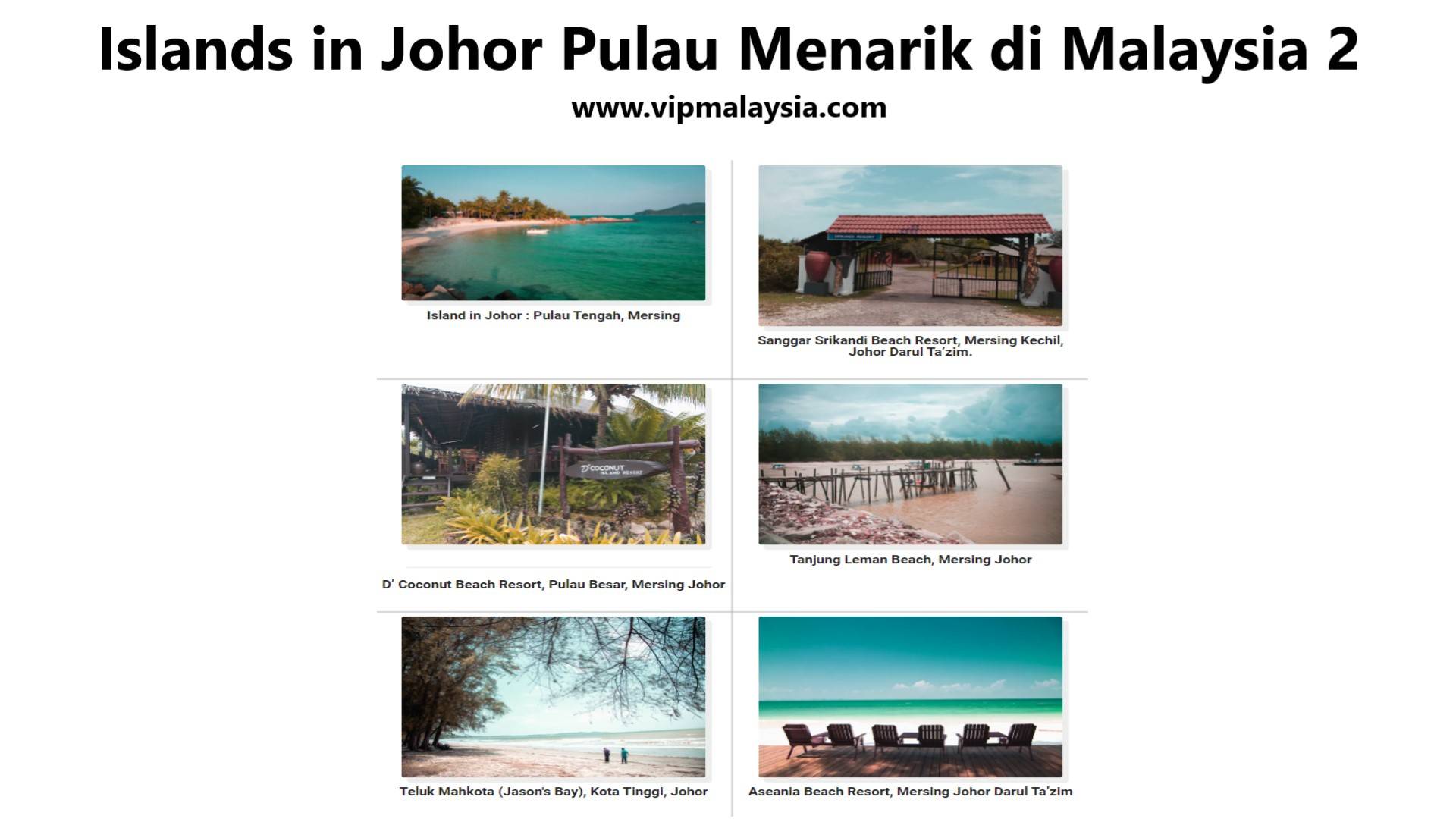
    Johor’s Islands

    Johor’s islands are Malaysia’s hidden gems, offering pristine beaches, vibrant marine parks, and unforgettable adventures. From diving with whale sharks to strolling along powder-white sands, these tropical escapes promise both tranquility and thrill.

    Introduction

    Johor, Malaysia, is blessed with a coastline that opens into the South China Sea, dotted with islands that rival the beauty of more famous Southeast Asian destinations. These islands are not only about crystal-clear waters and white sandy beaches, but also about rich biodiversity, cultural heritage, and authentic seaside resorts. Whether you’re an adventure seeker, a nature lover, or someone longing for a tranquil getaway, Johor’s islands deliver experiences that blend relaxation, exploration, and tropical charm.

    History

    The islands of Johor have long been intertwined with maritime trade, fishing communities, and colonial encounters. Pulau Besar, for instance, was once a stopover for sailors navigating the Straits of Malacca. Pulau Tengah gained international attention in the 1970s when it served as a refugee camp for Vietnamese boat people. Pulau Tinggi, with its towering Mount Semundu, was historically a landmark for seafarers. Over time, these islands transitioned from fishing villages into eco-tourism destinations, balancing conservation with hospitality. Today, Johor’s islands are part of the Sultan Iskandar Marine Park, ensuring protection for coral reefs and marine life while welcoming visitors from around the world.

    Highlights

    Pulau Tinggi

    Pulau Tinggi, located about 30 km off Mersing, is one of Johor’s most scenic islands. Its name, meaning “high” in Malay, refers to Mount Semundu, a 600-meter extinct volcano that dominates the island’s interior. Historically, Chinese sailors called it “The General’s Hat Island” due to its cone-shaped peak. Today, the island is part of the Sultan Iskandar Marine Park, offering pristine beaches, coral reefs, and traditional fishing villages that preserve Johor’s maritime heritage.

    Attractions

    Visitors to Pulau Tinggi can enjoy snorkeling in crystal-clear waters, scuba diving at deeper reefs, and trekking up Mount Semundu for panoramic views. The island also hosts a turtle hatchery, where conservationists protect eggs and release hatchlings into the sea. Resorts such as Tad Marine Resort and SHAZ Resort provide beachfront chalets, guided tours, and full-board packages. With limited connectivity and basic facilities, Pulau Tinggi is often described as a “digital detox” destination, perfect for travelers seeking tranquility and eco-adventure.

    Pulau Tengah

    Pulau Tengah is a small island in the Seribuat Archipelago near Mersing, known for its eco-friendly Batu Batu Resort. The island gained historical significance in the late 1970s as a refugee camp for Vietnamese boat people. Today, it is celebrated for its ten sandy beaches, dense jungle interior, and rich marine biodiversity, making it a secluded paradise for honeymooners and eco-tourists. Its exclusivity and conservation efforts distinguish it from more commercialized islands like Pulau Rawa.

    Attractions

    Activities on Pulau Tengah include snorkeling, diving, kayaking, and jungle trekking. The Batu Batu Resort integrates sustainability with luxury, offering solar-powered villas, reef restoration programs, and a turtle hatchery. Guests can participate in marine conservation projects, enjoy spa treatments, or dine on fresh seafood prepared with local flavors. Seasonal turtle nesting, particularly hawksbill and green turtles, adds to the island’s allure, making it a hotspot for eco-conscious travelers seeking both relaxation and meaningful engagement with nature.

    Tanjung Balau

    Tanjung Balau is a coastal destination in Kota Tinggi, often grouped with Johor’s island attractions due to its seaside charm. It is famous for its picturesque beachfront views, calm waves, and fishing heritage, making it a family-friendly retreat. The area is easily accessible by road, unlike offshore islands, and offers a blend of cultural and recreational experiences.

    Attractions

    The highlight of Tanjung Balau is the Muzium Nelayan (Fishermen’s Museum), which showcases traditional fishing tools, boats, and stories of local fishermen. Visitors can stroll along the overwater walkway leading to a small jetty, enjoy swimming in shallow waters, and explore seafood restaurants nearby. Its combination of cultural heritage and seaside relaxation makes it a unique stop in Johor’s coastal tourism.

    Pulau Aur

    Pulau Aur lies deep within the Sultan Iskandar Marine Park, about 65 km east of Mersing. Historically, it was a stopover for Chinese traders, but today it is renowned for its rich coral reefs and clear waters, attracting divers from Malaysia and Singapore. The island remains relatively undeveloped, with only a few resorts catering mainly to scuba divers and anglers.

    Attractions

    Pulau Aur offers drift dives, wall dives, and encounters with reef sharks, rays, and schools of barracuda. Its proximity to Pulau Dayang makes it part of a twin diving destination. Resorts here provide basic facilities but focus heavily on dive packages and fishing charters. The island’s remoteness ensures a tranquil atmosphere, ideal for those seeking adventure away from crowds.

    Pulau Dayang

    Pulau Dayang is located near Pulau Aur and is considered one of Johor’s premier diving destinations. It is famous for Rayner’s Rock, where divers occasionally spot whale sharks during seasonal migrations. The island also features multiple dive sites, including underwater wrecks and coral gardens.

    Attractions

    Dayang Blue Resort is the main accommodation, catering to divers with gear rental and guided expeditions. Marine life includes sea turtles, parrotfish, and rays, making every dive a colorful experience. Whale shark sightings, while not guaranteed, are a major draw for diving enthusiasts. The island’s rustic facilities emphasize diving rather than luxury, appealing to adventure travelers.

    Pulau Pemanggil

    Pulau Pemanggil is a remote island about 45 km from Mersing, known for its emerald-green waters and premier sport fishing opportunities. It is culturally significant due to Batu Buau, a sacred boulder believed to hold spiritual power among locals.

    Attractions

    Fishing charters target marlin, sailfish, and mackerel, making the island a hotspot for anglers. Lanting Beach Resort, perched on a hillside, offers panoramic views and caters to both fishing enthusiasts and leisure travelers. Snorkeling reveals schools of barracuda and colorful reef fish. The island’s limited connectivity makes it ideal for those seeking seclusion and a break from modern distractions.

    Pulau Rawa

    Pulau Rawa, often called the “Maldives of Johor,” is a small coral island about 16 km from Mersing. It is famous for its powder-white sand, turquoise waters, and steep jungle cliffs. The island is privately owned by the Sultan of Johor, adding exclusivity to its charm.

    Attractions

    Two main resorts operate here: Rawa Island Resort, which is family-oriented, and Alang’s Rawa, popular among younger crowds. Activities include snorkeling, kayaking, and hiking jungle trails. The iconic Rawa slide, a giant water slide into the sea, is a favorite among visitors. Its proximity to Mersing makes it one of the most accessible yet luxurious island getaways in Johor. Gorgeous remote island ambiance within a 45-minute boat ride from Mersing

    Pulau Sibu Besar

    Pulau Sibu Besar is part of the Sibu archipelago, gazetted as a marine park in 1993. It is known for its secluded beaches, vibrant marine life, and cultural village experiences. The island is less commercialized, offering a rustic yet charming retreat.

    Attractions

    Resorts such as Rimba Resort and Sea Gypsy Village provide eco-friendly stays with diving and snorkeling excursions. Visitors can explore Kampung Duku, where locals share fishing traditions and host cultural performances during festive seasons. The island’s northeast beaches are particularly stunning, offering quiet relaxation away from crowds.

    Major Johor Islands

    IslandAttraction DescriptionsAddress & Phone
    Pulau Tinggi – TAd Marine ResortSerene beach escape, turquoise waters, turtle hatchery, coral reefs, trekking Mount Semundu.Kampung Pasir Panjang, Pulau Tinggi, 86800 Mersing, Johor, Malaysia. Phone: +60 12-908 9929
    Pulau Tengah – Batu Batu ResortPrivate eco-resort, coconut groves, snorkeling, turtle conservation, sustainable tourism.Pulau Tengah, 86800 Mersing, Johor, Malaysia. Phone: +60 17-755 5888
    Tanjung Balau – Fishermen MuseumCoastal retreat, beachfront views, fishing heritage museum, jetty walkway.Kompleks Pelancongan, Tanjung Balau, 81930 Kota Tinggi, Johor, Malaysia. Phone: +60 12-972 6791
    Pulau Aur – The Rock ResortDiving paradise, coral reefs, fishing charters, rustic yet luxury resort.Teluk Baai, Pulau Aur, 86800 Mersing, Johor, Malaysia. Phone: +60 12-628 9056
    Pulau Dayang – Dayang Blues ResortDive haven, whale shark sightings at Rayner’s Rock, wreck diving, vibrant marine life.Pulau Dayang, Mersing, Johor, Malaysia. Phone: +60 12-764 5824
    Pulau Pemanggil – Lanting Beach ResortRemote fishing hotspot, marlin & sailfish, Batu Buau sacred boulder, hillside resort.Pulau Pemanggil, 86800 Mersing, Johor, Malaysia. Phone: +60 12-331 7408
    Pulau Rawa – Rawa Island ResortMaldives of Johor, powder-white sand, iconic Rawa slide, jungle trails.Tourist Centre, Jalan Abu Bakar, 86800 Mersing, Johor, Malaysia. Phone: +60 7-799 1204
    Pulau Sibu Besar – Rimba ResortSecluded beaches, snorkeling, diving, Kampung Duku cultural village.Pulau Sibu, Mersing, Johor, Malaysia. Phone: +60 12-710 6855
    Pulau Besar – Aseania Beach ResortMarine park island, beachfront resorts, snorkeling, nearby Rawa & Mensirip.Lot 33, 34 & 35, Pulau Besar (Johor) – Jeti Mersing, 86800 Mersing, Johor, Malaysia. Phone: +60 3-9770 1055

    Trekking and Adventure

    Pulau Tinggi’s Mount Semundu

    At 620 meters, Mount Semundu offers trekking opportunities. Trails lead through dense rainforest, home to hornbills, macaques, and monitor lizards.

    Main TrailDescription
    Mount Semundu TrailThe trail ascends to the peak of Mount Semundu (approx. 600m above sea level), the extinct volcanic hill that dominates Pulau Tinggi. The trek typically takes 2–3 hours round trip, depending on fitness levels. It is considered moderate to challenging, with steep sections and dense rainforest paths. Accessibility is limited to guided hikes arranged by local resorts, as trails are not formally marked. The reward is panoramic views of the South China Sea and surrounding islands.

    Jungle Walks on Pulau Rawa

    Pulau Rawa’s steep jungle cliffs provide hiking trails with panoramic views of the South China Sea.

    Nearby Attractions

    Mersing Town

    Mersing is the gateway to Johor’s islands. It offers ferry services, seafood restaurants, and local markets.

    Kota Tinggi Waterfalls

    The Kota Tinggi Waterfalls (Air Terjun Kota Tinggi) are located at the foot of Gunung Muntahak, about 15 km from Kota Tinggi town and 60 km from Johor Bahru. The site is one of Johor’s most popular natural attractions, drawing both locals and tourists for swimming, picnics, and family outings. The waterfalls consist of two main cascades: one near the park entrance and another larger one further up the trail, accessible via a walkway and cement steps. Both cascades feed into dammed pools suitable for swimming and tubing.

    Cascades and Facilities

    The lower waterfall is easily accessible and ideal for families with children, while the upper waterfall offers a more dramatic cascade and scenic views. Facilities include chalets, food stalls, gazebos, toilets, and designated picnic areas. Entry fees are modest, ranging from RM5–10 for Malaysian adults and RM10–15 for non-Malaysians, with additional charges for parking and optional camping. The waterfalls are open daily from 8:00 AM to 6:00 PM, though hours may vary during the rainy season.

    Safety and Accessibility

    Visitors should note that the pools are dammed and can be deeper than expected, with strong currents after rainfall. Slippery rocks and narrow paths near the upper falls require caution. Accessibility is good by car, with routes from Johor Bahru (2 hours), Kuala Lumpur (4.5 hours), and Singapore (2 hours depending on border traffic). Public transport options include buses from Larkin Sentral to Kota Tinggi town, followed by taxis or e-hailing services for the final 15 km.

    Natural Highlights

    The waterfalls are surrounded by lush tropical rainforest, making them a hotspot for birdwatching and short jungle treks. The cold water originates from Gunung Muntahak, providing a refreshing escape from the tropical heat. With multiple cascades, natural pools, and nearby trails, Kota Tinggi Waterfalls remain a versatile destination for both relaxation and adventure.

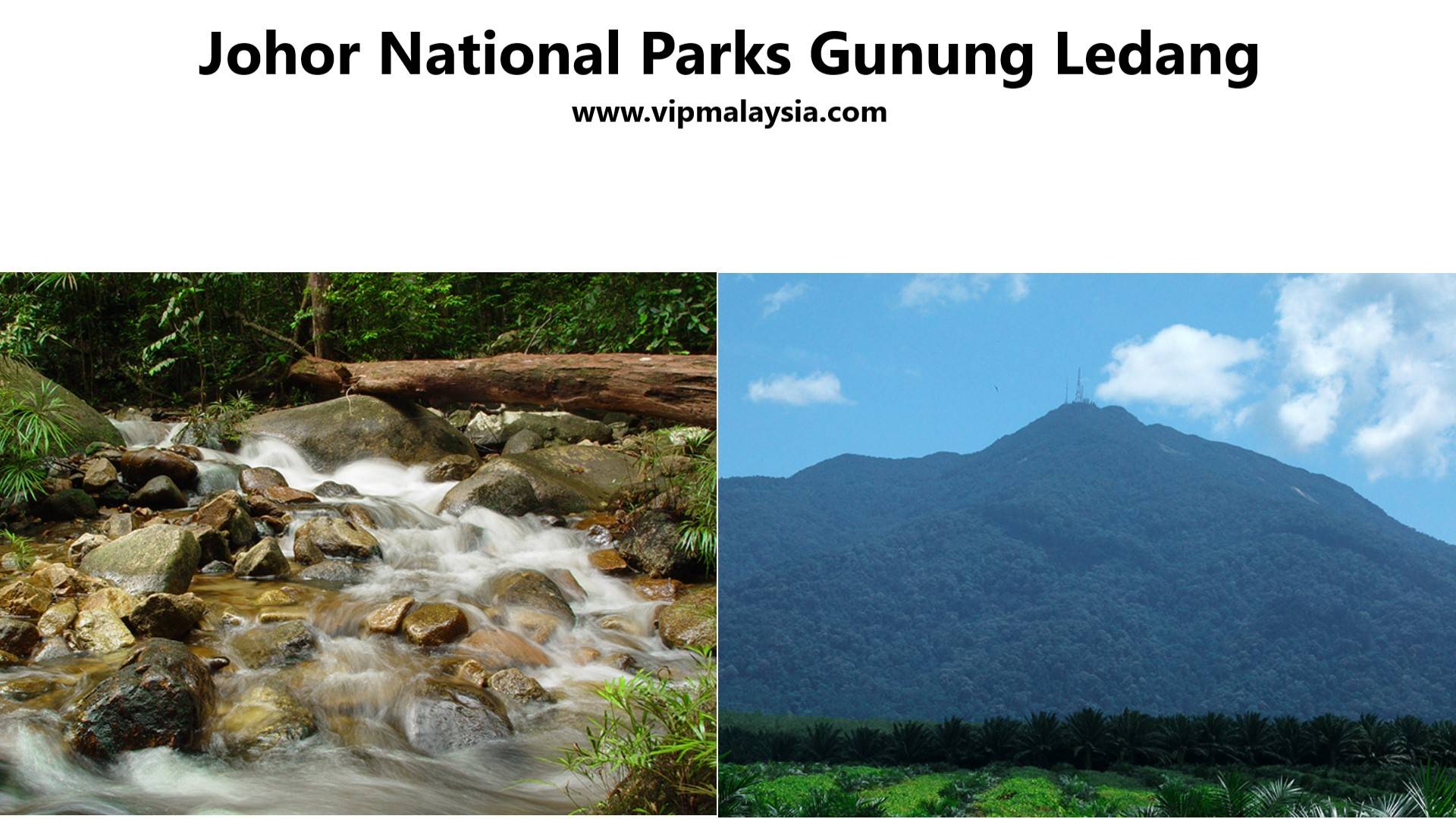
    Gunung Muntahak is a mountain located in the Kota Tinggi District of Johor, Malaysia, rising to an elevation of approximately 713 meters (2,339 feet). It is part of the Panti Permanent Forest Reserve (Hutan Simpanan Kekal Panti) and is considered one of the highest peaks in southern Johor. The mountain is covered by hill dipterocarp forest, rich in flora with medicinal value, and is home to diverse wildlife including monkeys, birds, and reptiles.

    Hutan Simpanan Kekal Panti is a permanent forest reserve located in the southern district of Johor, Malaysia, encompassing Gunung Panti and surrounding lowland dipterocarp forest ecosystems. It is managed under the National Forestry Act 1984 and gazetted as part of Malaysia’s Permanent Reserved Forests (HSK), which are designated for long-term conservation, research, eco-tourism, and sustainable forestry. The reserve is known for its biodiversity, including hornbills, gibbons, and rare plant species, and serves as a popular trekking and birdwatching destination. Entry requires permits issued by the Johor Forestry Department, with facilities such as the Panti Forest Eco Park providing access points for visitors.

    Main Trekking Trails within Hutan Simpanan Kekal Panti

    Trail NameDuration, Difficulty & Highlights
    Gunung Panti TrailThe hike usually takes 3-3.5 hours round trip. It is rated moderate, with rope and ladder sections near the summit. Elevation is about 485 m, and the last 100 m involves a steep rock wall climb (or ladder alternative). Highlights include panoramic views of the Sumalayang range and sightings of hornbills and gibbons.
    Gunung Muntahak TrailA longer trek of about 8-9 hours round trip, considered challenging due to steep inclines, muddy terrain, and dense jungle. At 713 m, it is Johor’s highest peak, offering views of the South China Sea. Streams from this mountain feed the Kota Tinggi Waterfalls.
    Sungai Pelepah TrailA shorter jungle trek of 3 to 3.5 hours rated easy to moderate. The trail follows the river, with multiple small waterfalls and natural pools popular for swimming. It is family-friendly but requires caution on slippery rocks.

    Conclusion

    Johor’s islands offer an extraordinary blend of adventure, relaxation, and natural beauty, making them one of Malaysia’s top tropical destinations. Whether you’re snorkeling among vibrant coral reefs, strolling along pristine beaches, or enjoying luxury resorts, these coastal gems promise a paradise getaway that’s truly unforgettable.

    Plan your island escape today—immerse yourself in the beauty of Johor’s Islands!

    Summary

    • Attraction: Johor Island
    • Location: #Johor
    • Attraction Type: #Island 
    • Source: tourism.johor.my
    • Why Visit:
      • Idyllic beaches & pristine natural landscapes
      • Exciting snorkeling & scuba diving opportunities
      • Protected marine parks teeming with biodiversity
      • Authentic seaside resorts & beachfront experiences

    Quick Info

    AttributeDetails
    Main IslandsPulau Tinggi, Pulau Tengah, Pulau Rawa, Pulau Harimau
    LocationMersing & Kota Tinggi, Johor, Malaysia
    GPS PositionVaries depending on specific island (e.g., Pulau Rawa: 2.556°N, 104.635°E)
    StateJohor
    Facility TypeBeach resorts, marine parks, and coastal retreats
    Main AttractionsBeaches, snorkeling, scuba diving, island resorts
    Nearby LandmarksTanjung Leman, Jason’s Bay, Mersing Jetty
    AccessibilityBoat transfers from Mersing & Tanjung Leman
    Best Time to VisitDry season (March–September) for best weather
    Entry FeesVaries by resort or marine park regulations
    Recommended ActivitiesSnorkeling, scuba diving, beach relaxation
    Opening HoursAccessible year-round
    ContactTourism Johor: +60 7-224 1432 / +60 7-224 9960

    Visitor Reviews

    Amir, Kuala Lumpur – 5 Stars “I visited Pulau Tinggi last August and stayed at Tad Marine Resort. The beachfront chalet was simple but comfortable, and waking up to the sound of waves was magical. The highlight was the turtle hatchery — I joined a release program where hatchlings were guided into the sea at sunset. Snorkeling trips revealed vibrant coral gardens with clownfish and parrotfish. The trek up Mount Semundu was challenging but rewarding, with panoramic views of the South China Sea.”

    Sarah Suzaily, Singapore – 4 Stars “My weekend getaway to Pulau Rawa was unforgettable. The beach was pristine, and the famous Rawa slide was a fun attraction for both kids and adults. I stayed at Rawa Island Resort, which had excellent service and family-friendly facilities. The jungle trail behind the resort offered a short but steep hike with breathtaking views. The only drawback was the crowd during peak season — weekdays are definitely better for a quieter experience.”

    Hafiz Iberahim P Malai, Johor Bahru – 5 Stars “Fishing at Pulau Pemanggil was the best adventure I’ve had. I joined a local charter and managed to catch a sailfish, which was thrilling. The island’s Lanting Beach Resort sits on a hillside, offering panoramic views of emerald waters. The resort staff shared stories about Batu Buau, the sacred boulder, which added cultural depth to the trip. Snorkeling near the reef revealed schools of barracuda and colorful wrasses. It’s remote, so expect limited mobile coverage — perfect for disconnecting.”

    Lennon Maguire, London – 4 Stars “I stayed at Pulau Tengah’s Batu Batu Resort for five nights. The eco-friendly design impressed me — solar panels, rainwater harvesting, and reef restoration projects were all part of the experience. I joined a guided snorkeling trip and saw giant clams and reef sharks. The resort also runs a turtle conservation program, and I was lucky to witness hatchlings being released. The only downside was the limited ferry schedule from Mersing, which required careful planning.”

    Kenji, Tokyo – 5 Stars “Diving at Pulau Dayang was spectacular. Rayner’s Rock offered the chance to see whale sharks — I was fortunate to spot one during my dive in May. The underwater wrecks were fascinating, with schools of snapper and trevally circling around. The Dayang Blue Resort catered well to divers, with gear rental and experienced guides. Evenings were spent sharing dive stories over fresh seafood dinners. It’s a diver’s haven, but not ideal for casual beachgoers since facilities are focused on diving.”
  • Johor National Parks: Ramsar Wetlands Wonders

    Johor National Parks: Ramsar Wetlands Wonders

    Johor National Parks

    Johor, Malaysia, is home to some of the most ecologically significant wetlands, recognized under the Ramsar Convention, offering diverse landscapes, rich biodiversity, and conservation-focused tourism. Whether you’re a nature lover, a conservation advocate, or a traveler seeking scenic wonders, Johor’s national parks promise an immersive experience in Malaysia’s protected ecosystems.

    Johor, Malaysia, is home to some of the most ecologically significant wetlands recognized under the Ramsar Convention. From mangrove forests to coastal mudflats, these national parks offer rare wildlife encounters, immersive eco-tourism, and conservation-focused adventures. Whether you’re a nature lover, a conservation advocate, or a traveler seeking scenic wonders, Johor’s national parks promise an unforgettable journey into Malaysia’s protected ecosystems.

    Introduction

    Johor’s national parks are more than just green escapes; they are living museums of biodiversity and cultural heritage. With Pulau Kukup, Tanjung Piai, and Sungai Pulai designated as Ramsar Sites, Johor has become a global hotspot for wetland conservation. These parks not only safeguard rare flora and fauna but also provide educational programs, eco-tourism opportunities, and sustainable livelihoods for local communities.

    History

    The establishment of Johor’s national parks reflects Malaysia’s commitment to conservation. Pulau Kukup National Park was gazetted in 1997 to protect one of the world’s largest uninhabited mangrove islands. In 2003, it was recognized as a Ramsar Site, joining Tanjung Piai and Sungai Pulai in the global network of wetlands of international importance.

    Historically, Pulau Kukup was infamous as a pirate’s den, with legends of goblin princesses and giant snakes woven into its folklore. Tanjung Piai, meanwhile, has long been celebrated as the southernmost tip of mainland Asia, a symbolic landmark for travelers. Sungai Pulai, the largest riverine mangrove system in Johor, has been central to local fishing traditions and ecological research. Together, these parks embody Johor’s journey from myth and livelihood to modern conservation.

    Highlights

    Pulau Kukup National Park

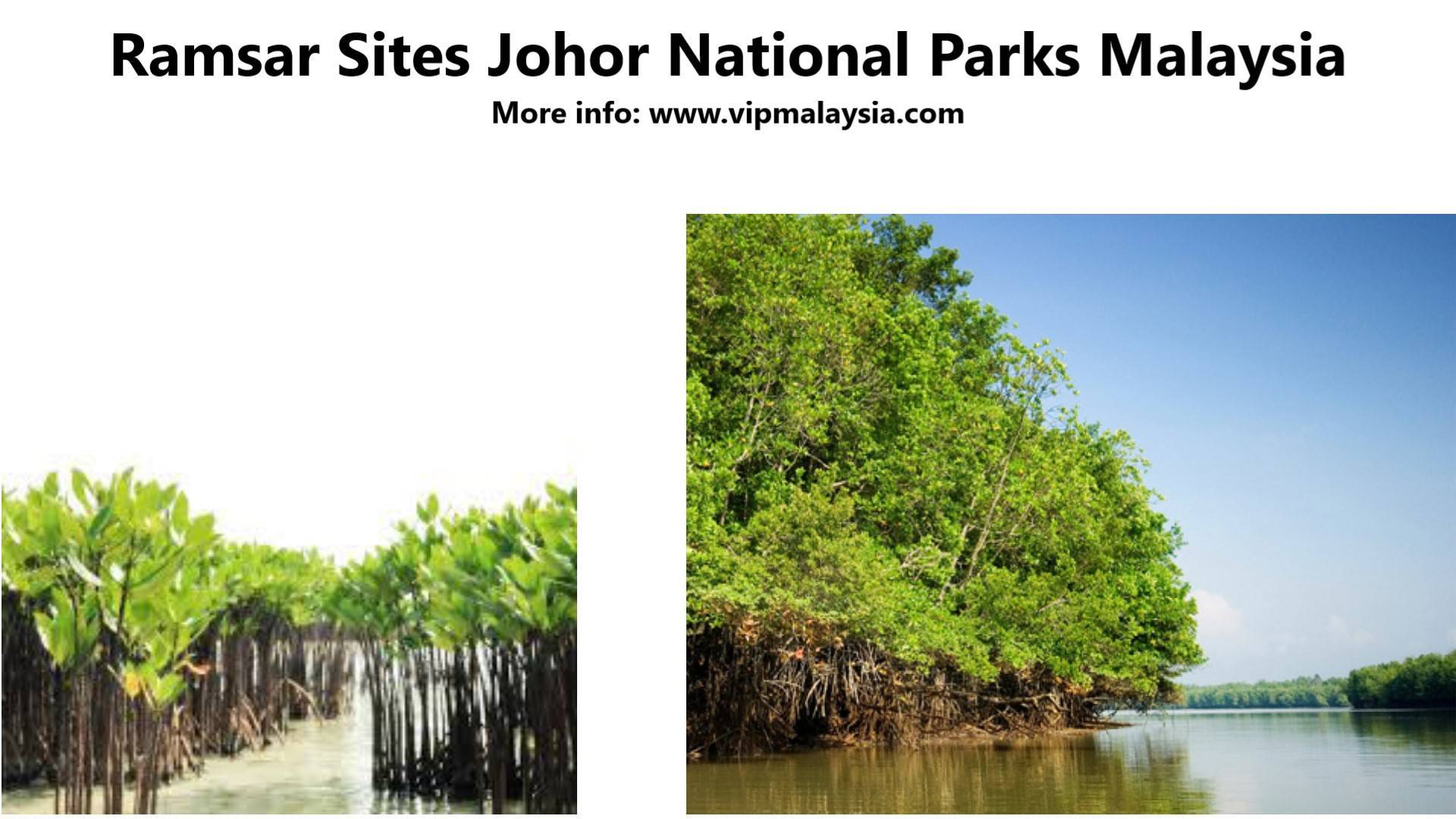
    Pulau Kukup is one of the largest uninhabited mangrove islands in the world, spanning 647 hectares. It is home to rare species like the flat-headed cat, bearded pig, and smooth-coated otter. Visitors can explore boardwalks, observation towers, and suspension bridges that provide panoramic views of mangrove ecosystems.

    Unique Wildlife Encounters

    Pulau Kukup shelters 27 mangrove species, including Sonneratia alba, Malaysia’s tallest mangrove tree. Migratory birds such as the milky stork and Chinese egret make seasonal stops here, offering birdwatchers a rare spectacle. The mangroves also serve as nurseries for fish and shellfish, supporting local fishing communities.

    Tanjung Piai National Park

    Tanjung Piai is celebrated as the southernmost tip of mainland Asia, where visitors can stand at the edge of the continent. Its mangrove forests and mudflats are vital habitats for migratory birds and marine life. Elevated boardwalks allow travelers to explore without disturbing the fragile ecosystem.

    Cultural and Ecological Significance

    Tanjung Piai is not only a Ramsar Site but also a symbol of Malaysia’s ecological stewardship. The park hosts educational programs and eco-festivals that highlight the importance of mangrove conservation. Local communities benefit from eco-tourism initiatives, blending cultural heritage with environmental awareness.

    Sungai Pulai Forest Reserve

    Sungai Pulai is Johor’s largest riverine mangrove system, covering over 9,000 hectares. It plays a crucial role in wetland preservation, biodiversity conservation, and ecological research. The reserve is home to saltwater crocodiles, mangrove skinks, and diverse bird species.

    Conservation Programs

    Managed by the Johor National Parks Corporation, Sungai Pulai is a hub for wetland education. Programs include mangrove planting, guided eco-tours, and awareness campaigns that promote sustainable management. Malaysia’s participation in the Ramsar Convention since 1994 underscores its long-term commitment to wetland conservation.

    Attractions

    Visitor Facilities

    Johor’s national parks are equipped with boardwalks, suspension bridges, observation towers, and arboretum trails. Pulau Kukup offers boat rides through mangrove rivers, while Tanjung Piai provides coastal boardwalks with interpretive signage. Facilities include visitor centers, rest areas, and guided tours.

    Festivals and Cultural Events

    Local towns near the parks, such as Pontian and Kukup, host cultural festivals celebrating fishing traditions and mangrove heritage. These events provide visitors with opportunities to experience Johor’s vibrant culture alongside its natural wonders.

    Trekking and Adventure

    Mangrove Trails

    Pulau Kukup’s 600-meter arboretum trail allows visitors to walk within the mangrove canopy. Tanjung Piai’s boardwalks stretch across mudflats, offering close encounters with crabs, mudskippers, and migratory birds. Sungai Pulai’s riverine trails provide immersive experiences in Malaysia’s largest mangrove system.

    Adventure Activities

    Eco-tourism initiatives include boat rides, birdwatching tours, and mangrove planting activities. Adventurers can climb Pulau Kukup’s 5-storey suspension bridge for panoramic views or join conservation programs that combine exploration with environmental stewardship.

    Nearby Attractions

    Kukup Fishing Village

    Located near Pulau Kukup, Kukup Fishing Village is famous for its seafood restaurants and stilt houses. Visitors can enjoy fresh catches while experiencing traditional fishing culture.

    Pontian Town

    Pontian offers markets, cultural festivals, and local crafts. It serves as a gateway to Johor’s national parks, providing accommodations and transport options.

    Johor Bahru

    As the state capital, Johor Bahru offers urban attractions, shopping, and cultural landmarks. It is an ideal base for travelers exploring Johor’s Ramsar Sites.

    Conclusion

    Johor’s national parks are living sanctuaries of biodiversity, cultural heritage, and conservation. From Pulau Kukup’s mangrove wilderness to Tanjung Piai’s continental landmark and Sungai Pulai’s riverine ecosystems, these parks offer immersive experiences for travelers and conservationists alike. By visiting, you not only explore Malaysia’s natural wonders but also contribute to the preservation of globally significant wetlands.

    Summary

    • Attraction: Johor’s National Parks
    • Location: #Johor 
    • Attraction Type: #NationalPark 
    • Source: johornationalparks.gov.my
    • Why Visit:
      • Recognized Ramsar Sites protecting vital wetland habitats
      • Home to rare flora & fauna, including mangrove ecosystems
      • Educational programs promoting conservation awareness
      • Nature trails, wildlife spotting & wetland exploration

    Quick Info

    AttributeDetails
    Main ParksPulau Kukup National Park, Tanjung Piai National Park, Sungai Pulai Forest Reserve
    LocationJohor, Malaysia
    GPS PositionDepends on specific park
    StateJohor
    Facility TypeWetland Conservation, Nature Trails & Eco-tourism
    Main AttractionsCoastal Wetlands, Mangrove Forests, Wildlife Watching
    Nearby LandmarksJohor Wetlands, Ramsar Sites
    AccessibilityWell-maintained trails & boardwalks for visitors
    Best Time to VisitAll year for guided conservation experiences
    Entry FeesApplicable for certain parks
    Recommended ActivitiesNature Walks, Birdwatching, Environmental Education
    Opening Hours9:00 AM – 5:00 PM
    ContactJohor National Parks Corporation: +607-2661301

    Visitor Reviews

    Wan Ahmad Nuruddin, Kelantan – ★★★★☆ “I took the boat ride to Pulau Kukup after lunch at a local seafood restaurant. The mangrove island was peaceful, and we spotted monkeys and even a wild boar along the boardwalk. The 5-level suspension tower was thrilling, though steep for kids. Facilities were clean, and the pathways were well maintained.”

    Sophia Terawis, Singapore – ★★★★☆ “The highlight of Pulau Kukup was climbing the 5-storey suspension bridge. I stopped at level 3 because of the height, but the views of mangroves and wildlife were spectacular. Saw monkeys and mudskippers along the trail. It’s safe but not ideal for small children due to steep stairs.”

    Monalisa Elwah, Melbourne – ★★★★★ “We joined a guided tour from Singapore to Kukup. The local guide explained the mangrove ecosystem in detail, making the experience educational. Walking through the mangrove canopy and spotting migratory birds was unforgettable. The traditional fishing village nearby added cultural charm to the trip.”

    Boris Rashdan, Johor Bahru – ★★★★★ “Pulau Kukup is one of the healthiest mangrove forests I’ve visited. The boardwalks are easy to navigate, and the arboretum trail is perfect for birdwatching. I saw milky storks and egrets during migration season. The eco-tourism programs, like mangrove planting, made the visit meaningful.”

    Nur Balqis, Perlis – ★★★★☆ “Tanjung Piai was a symbolic visit for me. Standing at the southernmost tip of mainland Asia felt special. The Kopi Tenggek café nearby served traditional Malay coffee and keropok lekor, which added to the cultural experience. The boardwalks were scenic, though more shaded areas would improve comfort.”

  • Taman Laut Sultan Iskandar: Johor’s Marine Jewel

    Taman Laut Sultan Iskandar: Johor’s Marine Jewel

    Taman Laut Sultan Iskandar, Johor

    Located off the southeastern coast of Peninsular Malaysia, Taman Laut Sultan Iskandar is a breathtaking marine park, home to pristine beaches, crystal-clear waters, and diverse marine life. Whether you’re a snorkeling enthusiast, an island explorer, or a conservation advocate, this national park promises an unforgettable coastal adventure.

    Introduction

    Located off the southeastern coast of Peninsular Malaysia, Taman Laut Sultan Iskandar is one of the country’s most treasured marine parks. Stretching across the Seribuat Archipelago, this park encompasses 41 islands grouped into six main clusters: Pulau Tinggi, Pulau Sibu, Pulau Besar, Pulau Rawa, Pulau Aur, and Pulau Pemanggil. The park is celebrated for its rich biodiversity, including dugongs, sea turtles, and rare coral species, making it a paradise for divers, snorkelers, and eco-tourists alike.

    History

    The history of Taman Laut Sultan Iskandar is deeply tied to Johor’s maritime heritage. For centuries, these islands were home to Malay fishing communities, who relied on the abundant marine life for sustenance. In earlier times, the waters were plagued by pirates, but as piracy diminished, the islands transformed into safe havens for trade and settlement.

    By the late 20th century, Malaysia recognized the ecological importance of these islands. The government designated them as a marine park, named after Sultan Iskandar of Johor, to protect the fragile ecosystems from overfishing and destructive practices. Today, the park is not only a conservation zone but also a thriving tourism destination, balancing ecological preservation with sustainable visitor experiences.

    Highlights

    Pulau Tinggi

    Pulau Tinggi, often called “High Island,” is known for its lush greenery and towering hills. The island is dotted with traditional villages and offers a blend of cultural immersion and natural beauty. Visitors can enjoy trekking trails through tropical forests, leading to panoramic viewpoints overlooking the South China Sea.

    Pulau Sibu

    Pulau Sibu is famous for its sandy beaches and fishing villages. The island is part of the Mersing Geopark, showcasing volcanic rock formations that date back 248 million years. Its coastline is ideal for snorkeling, while inland trails reveal hidden mangroves and wildlife.

    Pulau Besar

    Pulau Besar is larger and more developed, offering beach resorts and cultural heritage sites. It is a favorite among families and leisure travelers, with facilities such as chalets, guided tours, and water sports rentals.

    Pulau Aur

    Pulau Aur is a diver’s paradise, renowned for its deep-sea wonders. Coral reefs here are home to nudibranchs, staghorn corals, and schools of tropical fish. The island’s remoteness makes it ideal for serious scuba divers seeking untouched underwater landscapes.

    Pulau Pemanggil

    Pulau Pemanggil is rich in marine biodiversity and fishing traditions. It is also known for its mystical folklore, with locals believing the island holds spiritual significance. Visitors can explore both its natural wonders and cultural narratives.

    Attractions

    Coral Reefs and Marine Life

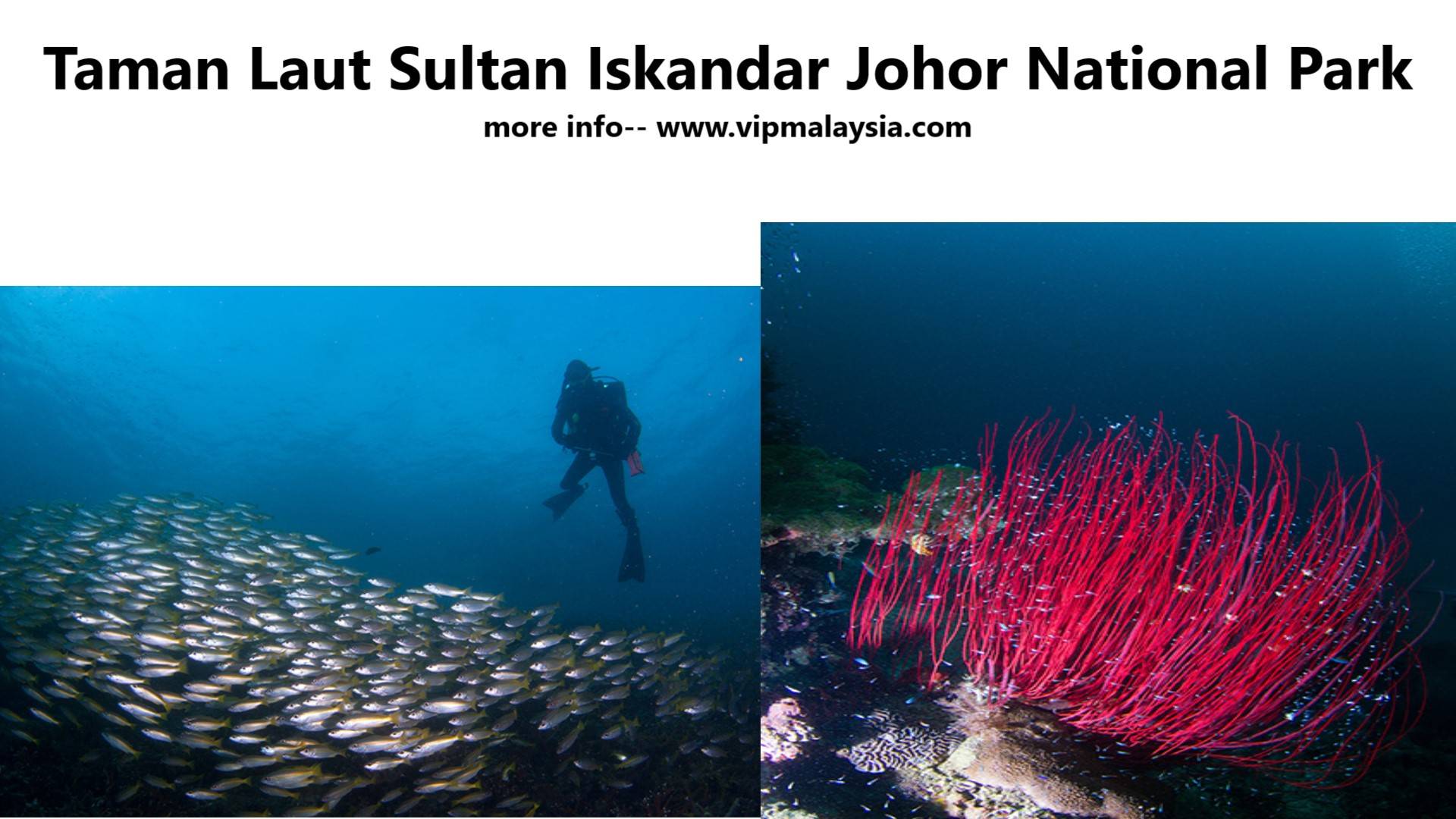
    The park’s coral reefs are among the healthiest in Malaysia, supporting species such as parrotfish, clownfish, reef sharks, and sea turtles. Dugongs, though rare, are occasionally sighted, making the park a sanctuary for endangered marine mammals.

    Cultural Festivals

    Local fishing communities host traditional festivals celebrating the sea. These events often feature Malay music, dance, and seafood feasts, offering visitors a glimpse into Johor’s coastal culture.

    Visitor Facilities

    Resorts and guesthouses across the islands provide accommodations ranging from budget chalets to luxury villas. Facilities include boat transfers, guided diving tours, eco-lodges, and marine education centers.

    Trekking and Adventure

    Jungle Trails

    Several islands feature jungle trekking routes. Pulau Tinggi’s trails lead to waterfalls and hilltops, while Pulau Sibu’s volcanic formations provide geological exploration opportunities.

    Water Adventures

    Snorkeling and scuba diving are the most popular activities. Pulau Aur and Pulau Rawa are particularly famous for their underwater clarity, often compared to the Maldives. Deep-sea fishing trips are also available for sport enthusiasts.

    Nearby Attractions

    Mersing Town

    Mersing serves as the gateway to the marine park. The town offers local markets, seafood restaurants, and cultural landmarks. Visitors often stop here to arrange boat transfers to the islands.

    Tanjung Leman Jetty

    Located south of Mersing, this jetty provides access to Pulau Tinggi and Pulau Sibu. It is surrounded by coastal villages and offers a quieter alternative to Mersing.

    Tioman Island

    Though outside Johor, Tioman Island is nearby and often combined with trips to Taman Laut Sultan Iskandar. It is another diving hotspot with its own unique biodiversity.

    Conclusion

    Taman Laut Sultan Iskandar offers an unparalleled blend of marine biodiversity, island beauty, and adventure, making it one of Malaysia’s best marine park destinations. Whether you’re snorkeling among vibrant reefs, lounging on pristine beaches, or exploring island ecosystems, this coastal paradise promises a tropical getaway like no other.

    Plan your trip today—immerse yourself in the beauty of Taman Laut Sultan Iskandar, Johor!

    Summary

    • Attraction: Taman Laut Sultan Iskandar
    • Location: #Johor 
    • Attraction Type: #NationalPark 
    • Source: johornationalparks.gov.my
    • Why Visit:
      • Protected marine park encompassing 41 islands
      • Crystal-clear waters teeming with vibrant coral reefs
      • Rich biodiversity including rare flora & fauna
      • Perfect for scuba diving, snorkeling & island getaways

    Quick Info

    AttributeDetails
    NameTaman Laut Sultan Iskandar
    LocationMersing, Johor, Malaysia
    GPS PositionVaries depending on specific island
    StateJohor
    Facility TypeMarine Park, Island Resorts & Diving Spots
    Main AttractionsBeaches, Snorkeling, Diving, Island Retreats
    Nearby LandmarksMersing Jetty, Seribuat Archipelago
    AccessibilityBoat transfers from Mersing Jetty or Tanjung Leman Jetty
    Best Time to VisitMarch – September (dry season, calm seas)
    Entry FeesMarine park conservation fees apply
    Recommended ActivitiesDiving, Snorkeling, Beach Relaxation, Trekking
    Opening HoursAccessible all year (weather permitting)
    ContactPhone Numbers: +607-2661301 / +607-7982868
    Address: Johor National Parks Corporation, Mersing Office, Jalan Abu Bakar, 86800 Mersing, Johor, Malaysia
    AddressJohor National Parks Corporation, Mersing Office, Jalan Abu Bakar, 86800 Mersing, Johor, Malaysia

    41 Islands

    Island NameClusterDescription
    Pulau TinggiTinggi ClusterLargest island, lush forests, trekking trails, waterfalls, and traditional fishing villages.
    Pulau MawarTinggi ClusterKnown for sandbank trek to “Heaven’s Gate” rock arch and mangrove forests.
    Pulau MentinggiTinggi ClusterSmaller island near Pulau Tinggi, covered with dense vegetation.
    Pulau SibuSibu ClusterFamous for sandy beaches, fishing villages, and volcanic rock formations.
    Pulau Sibu HujungSibu ClusterSouthern tip island, quiet retreat with fishing community.
    Pulau Sibu TengahSibu ClusterMid-sized island with eco-resorts and snorkeling sites.
    Pulau Sibu KukusSibu ClusterSmall rocky island, part of volcanic formations.
    Pulau BesarBesar ClusterLarger island with beach resorts, chalets, and cultural heritage.
    Pulau TengahBesar ClusterEco-resorts and turtle conservation projects.
    Pulau HujungBesar ClusterSmaller island near Pulau Besar, quiet beaches.
    Pulau RawaRawa ClusterCoral island with white sandy beaches and clear waters.
    Pulau AurAur ClusterRemote island, scuba diving hotspot with deep-sea coral reefs.
    Pulau DayangAur ClusterNeighboring Pulau Aur, popular among divers for pristine reefs.
    Pulau LangAur ClusterSmall rocky island near Pulau Aur, diving site.
    Pulau PinangAur ClusterTiny island, diving and snorkeling site.
    Pulau PemanggilPemanggil ClusterRich in marine biodiversity, sport fishing traditions, mystical folklore.
    Pulau TokongPemanggil ClusterSmall rocky outcrop, fishing spot.
    Pulau Batu GajahPemanggil ClusterRock formation island, known for fishing.
    Pulau LalangPemanggil ClusterSmall island with coral reefs.
    Pulau Seri BuatBesar ClusterScenic island with beaches and coral reefs.
    Pulau HarimauBesar ClusterKnown for tiger-shaped rock formation and snorkeling.
    Pulau MensiripBesar ClusterSmall island with coral reefs.
    Pulau GualBesar ClusterRocky island, fishing and snorkeling.
    Pulau LimaBesar ClusterCluster of five small rocky islands, diving site.
    Pulau SetindanBesar ClusterSmall island with coral reefs.
    Pulau ChakarBesar ClusterSmall rocky island.
    Pulau Batu PutihBesar ClusterWhite rock island, snorkeling site.
    Pulau Lalang BesarBesar ClusterLarger coral island.
    Pulau Lalang KecilBesar ClusterSmaller coral island.
    Pulau Hujung BesarBesar ClusterEnd island of Besar cluster.
    Pulau Batu MerahBesar ClusterRed rock island.
    Pulau Tokong BurungBesar ClusterBird-shaped rock island.
    Pulau Tokong BelalaiBesar ClusterElephant trunk-shaped rock island.
    Pulau Tokong GajahBesar ClusterElephant-shaped rock island.
    Pulau Tokong ChakarBesar ClusterSmall rocky outcrop.
    Pulau Tokong LalangBesar ClusterCoral reef island.
    Pulau Tokong Seri BuatBesar ClusterSmall rocky island near Seri Buat.
    Pulau Tokong HarimauBesar ClusterRock island near Harimau.
    Pulau Tokong MensiripBesar ClusterRock island near Mensirip.
    Pulau Tokong LimaBesar ClusterRock island near Lima.
    Pulau Tokong SetindanBesar ClusterRock island near Setindan.

    Visitor Reviews

    Mohamad Zain Kadir, Kuala Lumpur – ★★★★★ “I spent three days at Pulau Aur diving with a local operator. The visibility was incredible, easily 30 meters, and I saw reef sharks, rays, and even a hawksbill turtle. The coral reefs were healthy compared to other spots I’ve visited in Malaysia. The boat ride from Mersing was long but worth it, and the island felt untouched and peaceful.”

    Nurin Binti Aiman, Johor Bahru – ★★★★☆ “Pulau Besar was a relaxing escape. The beach was clean, and the water was turquoise. My family stayed at a chalet right by the shore, and the kids loved snorkeling near the jetty where clownfish and parrotfish were abundant. The only issue was the limited ferry schedule, which made planning a bit tricky.”

    Jacqualine, Singapore – ★★★★★ “Pulau Tinggi offered a mix of adventure and culture. I hiked up the jungle trail to the hilltop, which took about two hours, and the view of the South China Sea was breathtaking. The local fishing village was welcoming, and I enjoyed fresh seafood prepared by the locals. It felt authentic and not overly commercialized.”

    Eisma, Penang – ★★★★☆ “Pulau Sibu was unique with its volcanic rock formations. I joined a guided eco-tour that explained the geology and history of the island. Snorkeling was enjoyable, though some areas had minor coral bleaching. Still, the marine life was diverse, and I spotted nudibranchs and schools of fusiliers. The island’s quiet atmosphere made it perfect for a short retreat.”

    Ratnam Seri Dewi, Kuala Lumpur – ★★★★★ “Pulau Pemanggil was fascinating. I joined a sport fishing trip and caught a giant trevally, which was thrilling. The island also had a mystical vibe, with locals sharing stories about its spiritual significance. The biodiversity was impressive, and I saw dugongs during a boat ride. It’s less crowded compared to other islands, which made the experience more intimate.”

  • Gunung Ledang, Johor: Malaysia’s Legendary Mountain

    Gunung Ledang, Johor: Malaysia’s Legendary Mountain

    Gunung Ledang National Park, Johor

    Climb Johor’s highest peak at Gunung Ledang National Park — where Legend Meets Adventure. Explore Challenging Summit Trails, Lush Rainforests, and Waterfalls while uncovering the folklore of the mystical princess. With Modern Visitor Facilities, Diverse Wildlife, and Nearby Towns for Easy Access, Gunung Ledang is the ultimate eco‑tourism escape. Plan your journey today and Discover Malaysia’s Mountain of Legends.

    Introduction

    Gunung Ledang National Park, established in 2005, is Johor’s crown jewel of eco‑tourism. Rising to 1,276 meters, Gunung Ledang (Mount Ophir) is the highest peak in southern Peninsular Malaysia. The park spans 8,611 hectares of rainforest, serving as a vital water catchment for Johor and Melaka.

    Beyond its natural beauty, Gunung Ledang is steeped in folklore. The tale of Puteri Gunung Ledang, a mystical princess who rejected the Sultan of Melaka’s marriage proposal by setting seven impossible demands, adds cultural depth to the mountain’s allure. Today, the park blends Adventure, Biodiversity, and Heritage, making it a must‑visit destination for hikers, families, and cultural explorers.

    The Legend of Puteri Gunung Ledang

    Gunung Ledang is famously linked to Puteri Gunung Ledang, a legendary princess who, according to historical texts, rejected the marriage proposal of the Sultan of Melaka by setting seven impossible demands, including a golden bridge and silver bridge connecting Melaka to the mountain. This legend has been passed down for generations, making the mountain one of Malaysia’s most mystical landmarks.

    A Mountain of Gold

    In the 14th century, Chinese sailors called it “Kim Sua” (Gold Mountain), believing the peak contained hidden treasures. British explorers later named it Mount Ophir, alluding to King Solomon’s fabled gold mines.

    Trekking & Adventure

    How to Reach the Summit

    Reaching the summit of Gunung Ledang offers both excitement and challenge, with multiple trails catering to different skill levels. The trek requires stamina and preparation, as hikers navigate steep ascents, dense rainforest, and rocky paths. Whether choosing the more accessible Sagil Trail or the demanding Asahan Trail, the journey rewards adventurers with panoramic views and a sense of accomplishment.

    Trails & Scenic Hiking Routes

    The mountain features diverse trails that highlight its natural beauty. The Sagil Trail is the most popular and accessible, taking 4–6 hours to reach the peak, while the Asahan Trail offers a longer, steeper climb for seasoned trekkers. Along the way, hikers encounter waterfalls, lush greenery, and scenic viewpoints that make the trek both physically rewarding and visually stunning.

    Rich Biodiversity in Johor National Park

    Gunung Ledang lies within Johor National Park, a critical water catchment area for Johor and Melaka. The rainforest is home to exotic birds, monkeys, and unique plant species, making it a hotspot for eco-tourism. Its lush tropical jungle not only supports biodiversity but also provides a serene environment for nature lovers seeking an immersive trekking experience.

    Preparing for Your Mountain Ascent

    To ensure a safe and enjoyable trek, hikers should wear proper boots with strong grip for steep trails, carry sufficient water and snacks to stay hydrated, and begin early in the morning to take advantage of cooler conditions. These simple preparations can make the difference between a challenging struggle and a memorable adventure.

    Main Trails

    Trail NameDescription
    Sagil TrailMost popular summit route from Johor side. Takes 6–8 hours to ascend (~7–9 km) and 4–5 hours to descend. Features checkpoints (CP1–CP8), rope sections, ladders, and panoramic summit views. Suitable for fit hikers with moderate experience.
    Asahan TrailChallenging summit route from Melaka side. About 12.7 km long with ~1,290 m elevation gain. Includes steep climbs, exposed tree roots, clay paths, and Padang Batu granite slope. Final ascent requires ropes and ladders. Recommended for experienced trekkers.
    Lagenda TrailExtends from Taman Hutan Lagenda entrance to summit. Can be done in a day but often split into two days with camping at Kolam Gajah. Includes ladders on near-vertical granite faces and narrow crevices. Offers sunrise/sunset views from peak.
    Gunung Ledang LoopStrenuous 11 km circuit trail. Begins with hundreds of steps, transitions into rugged rainforest, and includes hazardous rock scrambles, fixed ropes, and bolted ladders. Very muddy terrain.
    Bukit Petai TrailModerate 5.5 km trail, estimated 2–2.5 hours. Passes through dense jungle with scenic views. Suitable for shorter hikes.
    Ampung Jatuh TrailModerate 4.2 km trail, estimated 1.5–2 hours. Winds through jungle with steep sections and exposed roots. Ends at a tranquil waterfall.
    Puteri Gunung Ledang Waterfalls TrailShort 2.1 km moderate trail (~1 hour). Leads to waterfalls, ideal for casual hikers and eco-tourism.

    Attractions

    Summit Trek and Hiking Trails

    The summit trek is the park’s main attraction. Climbers face Steep Ascents, Rope Sections, and Rugged Terrain, but are rewarded with panoramic views stretching across Johor and Melaka. The trek typically takes 5–7 hours, depending on fitness levels.

    Other trails include shorter jungle walks leading to waterfalls and picnic areas, ideal for families or casual hikers. The trails are well‑marked, with guides available for those seeking a safer, more informative journey.

    Waterfalls and Recreational Spots

    Gunung Ledang is home to several waterfalls, including Puteri Waterfall, a popular spot for cooling off after hikes. The cascades are surrounded by lush rainforest, offering opportunities for photography and relaxation.

    Picnic areas and campsites near the waterfalls make the park suitable for day trips and overnight stays. Families often gather here for weekend outings, enjoying the combination of nature and accessibility.

    Puteri Waterfall

    Nestled within the lush greenery of Gunung Ledang National Park in Johor, Puteri Waterfall—often referred to as Air Terjun Gunung Ledang—is a destination that blends natural beauty with cultural heritage. Just a short trek from the park’s entrance, this multi-level cascade offers visitors a refreshing escape from city life, while immersing them in the folklore of Malaysia’s legendary princess.

    The journey to the waterfall begins with a 30-minute walk along a well-maintained trail shaded by towering trees. The sound of rushing water grows louder as you approach, until the falls reveal themselves in a series of cascades tumbling into clear pools. These pools are popular for swimming, while the surrounding areas provide shaded spots perfect for picnics and relaxation.

    Beyond its natural charm, Puteri Waterfall carries a mystical aura tied to Malay folklore. The site is named after the Princess of Gunung Ledang, a figure immortalized in stories of Sultan Mansur Shah of Malacca, who sought her hand in marriage. Her legendary conditions for marriage—seen as impossible to fulfill—have become part of Malaysia’s cultural tapestry, adding depth to the visitor experience.

    For those seeking adventure, the waterfall serves as a gateway to more challenging treks up Gunung Ledang itself, a climb that can take six to eight hours and rewards hikers with panoramic views of Johor and Melaka. Yet, even without scaling the mountain, Puteri Waterfall offers plenty: birdwatching opportunities, photography spots, and a serene environment to reconnect with nature.

    Facilities such as restrooms, showers, and designated picnic areas make the site accessible to families and casual travelers. However, visitors are advised to wear proper footwear, as trails can be slippery after rain, and to bring essentials like insect repellent and drinking water.

    Puteri Waterfall, also known as Air Terjun Gunung Ledang, is a multi-level cascade located in Johor’s Gunung Ledang National Park. It is famous for its lush tropical surroundings, picnic spots, and the folklore of the Princess of Gunung Ledang.

    Visitor Facilities

    The park is equipped with modern facilities to enhance visitor experiences:

    • Visitor Complex with park office, gallery, mini library, and audio‑visual room.
    • Dewan Lagenda Hall for cultural events and group activities.
    • Cafeteria and Cooking Areas (meals available with prior arrangement).
    • Obstacle Course and Jungle Huts for team‑building.
    • Surau, Toilets, and Showers for convenience.

    Wildlife and Biodiversity

    Gunung Ledang’s rainforest supports diverse flora and fauna:

    • Birds: Hornbills, Eagles, and Kingfishers.
    • Mammals: Macaques, Civets, and Squirrels.
    • Plants: Pitcher Plants, Orchids, Ferns, and Dipterocarp Trees.

    Macaques are monkeys of the genus Macaca, found across Asia and North Africa. They live in social troops with complex hierarchies and are highly adaptable to human environments. Their diet includes fruits, seeds, leaves, and occasionally insects or small animals.

    Civets are small nocturnal mammals of the family Viverridae, native to Asia and Africa. They are known for their musky scent and play a role in producing kopi luwak coffee. Civets are omnivorous, feeding on fruits, insects, and small animals.

    Squirrels are rodents of the family Sciuridae, found worldwide in forests, parks, and urban areas. They are recognized for their bushy tails and agile climbing abilities. Squirrels store seeds and nuts, which contributes to forest regeneration.

    The park’s biodiversity reflects its role as a Critical Conservation Area, protecting species while offering educational opportunities for visitors.

    Cultural Significance and Festivals

    The legend of Puteri Gunung Ledang remains central to the park’s identity. Cultural festivals and storytelling events occasionally highlight this folklore, connecting visitors to Malaysia’s heritage.

    Local communities in nearby towns sometimes organize Traditional Performances and Food Fairs, especially during school holidays, making a visit to Gunung Ledang both a natural and cultural experience.

    Nearby Towns and Access

    • Tangkak: The closest town, offering accommodations, food stalls, and transport services.
    • Melaka City: About an hour away, providing a wider range of hotels, cultural attractions, and dining options.
    • Johor Bahru: Approximately 2.5 hours by car, making the park accessible for weekend trips.

    Tangkak is a town in northern Johor, close to the border with Melaka. It is well known as Malaysia’s “Textile Town” because of its thriving fabric and garment trade. The town is also a gateway to Gunung Ledang (Mount Ophir), a popular hiking spot tied to Malay legends, and is famous for dishes like Tangkak Beef Noodles.

    Melaka is Malaysia’s “Historic State,” located on the west coast about two hours south of Kuala Lumpur. It has a rich past shaped by Malay, Portuguese, Dutch, and British influences, and its city center is a UNESCO World Heritage Site. Visitors are drawn to landmarks such as A Famosa Fort, Stadthuys, and Jonker Street, as well as its renowned Nyonya cuisine and desserts like cendol.

    Conclusion

    Gunung Ledang National Park is a destination where Nature, Adventure, and Legend Converge. From the Challenging Summit Trek to the Serene Waterfalls, and from the Modern Visitor Facilities to the Rich Cultural Folklore, the park offers experiences for every type of traveler.

    Plan your visit today — Gunung Ledang National Park awaits with unforgettable adventures that showcase Malaysia’s Mountain of Legends.

    Summary

    • Attraction: Gunung Ledang
    • Location: #Johor 
    • Attraction Type: #Mount 
    • Source: johornationalparks.gov.my
    • Must‑Visit Highlights:
      • Summit Trek: A challenging climb with breathtaking views.
      • Puteri Waterfall: A scenic cascade perfect for relaxation.
      • Visitor Complex: Cultural exhibits and educational facilities.
      • Legendary Folklore: The story of Puteri Gunung Ledang adds depth to the experience.
      • Nearby Towns: Tangkak and Melaka offer cultural and culinary extensions to the trip.

    Quick Info

    AttributeDetails
    NameGunung Ledang (Mount Ophir)
    LocationJohor National Park, Tangkak District, Johor, Malaysia
    GPS Position2°20’27.6″N, 102°37’03.0″E (≈ 2.3409° N, 102.6175° E)
    StateJohor
    Facility TypeNational Park, Hiking Trails, Camping Grounds
    Main AttractionsMountain Summit (1,276 m), Puteri Falls, Legends of Puteri Gunung Ledang, Wildlife Exploration
    Nearby LandmarksTangkak Town, Segamat, Melaka Historical Sites
    AccessibilityReachable via trailheads in Sagil (Johor) & Asahan (Melaka)
    Best Time to VisitDry season (March–September) for clearer skies and safer trekking
    Entry FeesRM 5–16 (Malaysians), RM 10–26 (foreigners), summit permit RM 13–20, camping RM 3–5 per night
    Recommended ActivitiesHiking, Camping, Birdwatching, Waterfall Visits, Mythology Exploration
    Opening Hours8:00 AM – 5:00 PM daily
    ContactJohor National Parks Office: Office +60 6 963 1030, Mobile +60 19 777 2057

    Visitor Information

    Tsonz, Singapore – ★★★★☆ “I started the Sagil Trail at 8 AM after registering and declaring my items at the park office. The hike was steep with steps, rope climbs, and multiple ladders. We reached the summit by 12:50 PM, just before the 2 PM cut-off. The climb was tough but manageable with training. Sadly, clouds blocked the view, though guides said clear days offer spectacular sights over Melaka. Finished by 4 PM. Bring proper boots and don’t overpack — there are water points along the way.”

    Nor B., Kluang – ★★★☆☆ “I’ve hiked Gunung Ledang twice, once via Sagil and once via Asahan. The Sagil route is more organized with checkpoints, but crowded on weekends. The Asahan trail is steeper and muddier, with exposed tree roots and clay paths. The Padang Batu granite slope was stunning but very challenging. Facilities at the base are basic, and permits can feel bureaucratic. Still, the biodiversity and the legend of Puteri Gunung Ledang make it special.”

    Johan K., Netherlands – ★★★★☆ “As a backpacker, I found Gunung Ledang both rewarding and frustrating. The summit trek felt like an obstacle course with ropes and ladders, not a casual hike. Camping was cheap, and trails were well-marked, so I could go without a guide. But bureaucracy at the entrance and noisy weekend groups took away from the wilderness vibe. Compared to Taman Negara, it feels more managed, but still worth it for the challenge and views.”

    Frequently Asked Questions (FAQs)

    How the name Gunung Ledang is derived from?

    The name “Gunung Ledang” is likely to have been coined during the reign of the Majapahit empire. In Old Javanese, “Ledang” may be translated as “high”, “faraway”, or “showy”.

    What are the old fairy tales and legendary stories about Gunung Ledang?

    About the seven impossible demands to Sultan of Melaka and gold treasure like King Solomon. No wonder it was called as Kim Sua or gold mountain.

  • Tanjung Piai: Discover Asia’s Southernmost Point

    Tanjung Piai: Discover Asia’s Southernmost Point

    Tanjung Piai, Johor

    Tanjung Piai, also known as Cape of the Golden Leather Fern, is a mesmerizing coastal wetland in Johor, Malaysia, recognized for its rich mangrove ecosystem, historical significance, and status as the southernmost point of mainland Asia. Whether you’re a nature lover, a history buff, or an eco-traveler, this national park offers an unparalleled experience blending biodiversity, conservation, and scenic beauty.

    Introduction

    Tanjung Piai, located in Pontian District, Johor, Malaysia, is a remarkable destination that combines geography, ecology, and culture. Known as the southernmost tip of mainland Asia, it is a place where visitors can gaze across the Johor Strait and see both Singapore and Indonesia. Established as a national park in 1997 and recognized as a Ramsar Site in 2003, Tanjung Piai is celebrated for its mangrove forests, mudflats, and rich biodiversity. Today, it stands as a symbol of conservation, eco-tourism, and natural beauty.

    History

    The Ramsar Recognition

    Tanjung Piai’s designation as a Ramsar Site in 2003 marked a turning point in its conservation journey. This recognition placed the park among Malaysia’s most important wetlands, ensuring international attention and protection. The Ramsar Convention emphasized the need to safeguard its mangrove ecosystem, which acts as a natural barrier against storms and coastal erosion.

    Mangrove Restoration and Protection

    Over the years, Tanjung Piai faced severe erosion due to tanker traffic and pollution. Offshore breakwaters were installed to reduce wave impact, while mangrove replanting initiatives successfully restored degraded areas. These efforts have revitalized the park, making it healthier than ever before.

    Highlights

    Scenic Boardwalk Experience

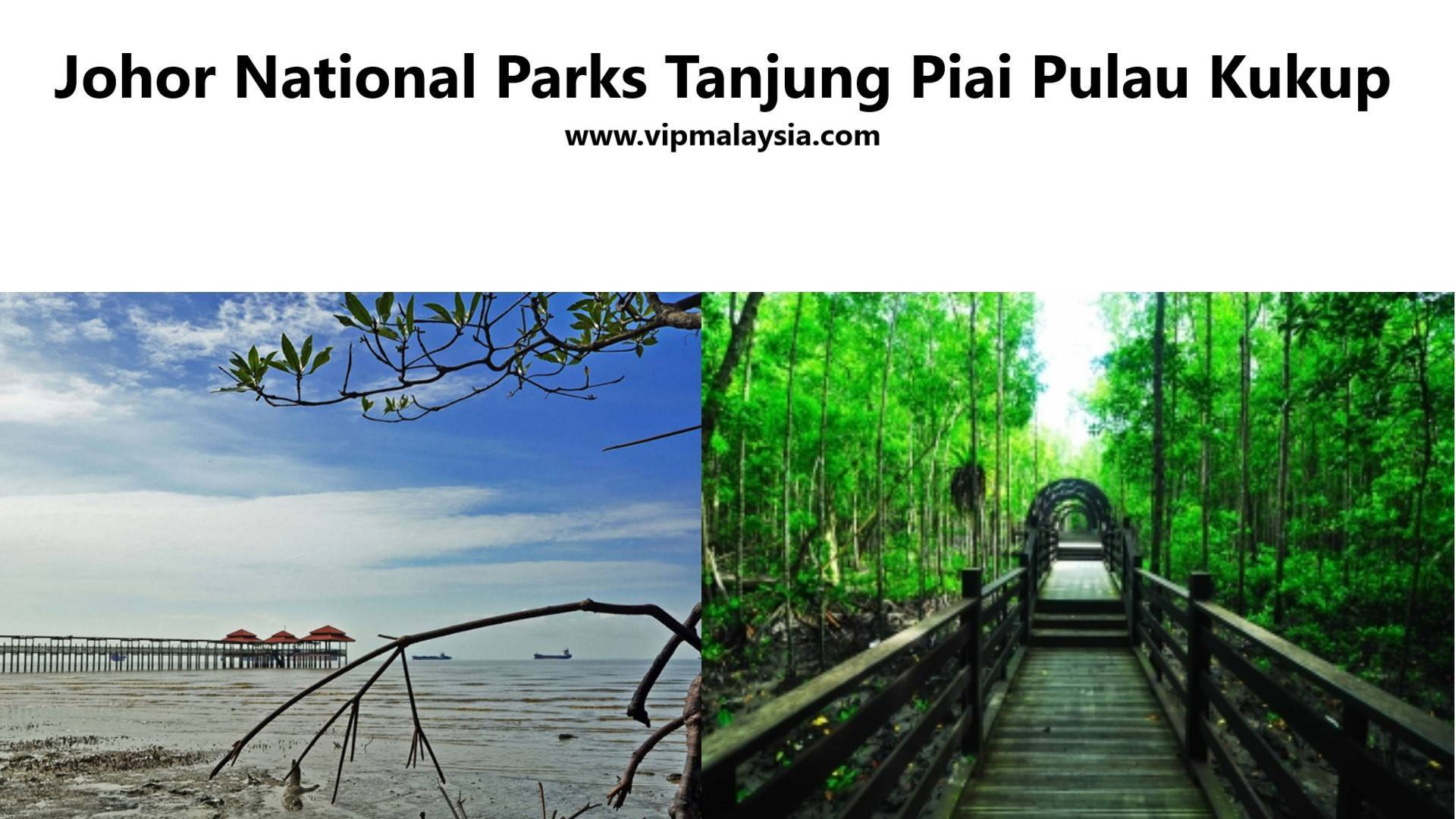
    Visitors can explore 1.2 km of elevated boardwalks winding through lush mangrove forests. These trails offer panoramic views of the ocean, with glimpses of Singapore and Indonesia on clear days. The boardwalks also provide access to observation towers and jetties, perfect for photography and birdwatching.

    Unique Biodiversity and Wildlife

    Tanjung Piai is home to 22 mangrove tree species and a variety of wildlife. Migratory birds, including the Lesser Adjutant Stork, thrive here, alongside mudskippers, crabs, and otters. The park is part of Johor’s Important Bird Area, making it a hotspot for ecological research and education.

    Importance of Each Mangrove Species

    SpeciesEcological Importance
    Rhizophora apiculata (Bakau Minyak)Strong stilt roots stabilize coastlines, reduce erosion, and provide shelter for fish nurseries.
    Rhizophora mucronata (Bakau Kurap)Dense root systems trap sediments, improving water clarity and protecting inland areas.
    Rhizophora stylosa (Bakau Pasir)Found along sandy shores, crucial for shoreline stabilization and crab habitats.
    Ceriops tagal (Tengar Laut)Salt-tolerant species that supports mudskippers and small crustaceans.
    Ceriops decandra (Tengar)Plays a role in nutrient cycling, enriching mudflats for benthic organisms.
    Bruguiera gymnorhiza (Berus Laut)Large buttress roots provide nesting sites for birds and stabilize tidal zones.
    Bruguiera cylindrica (Berus)Dominant species in Johor mangroves, important for biomass and carbon storage.
    Bruguiera parviflora (Lenggadai)Supports biodiversity by offering shaded habitats for juvenile fish.
    Bruguiera sexangula (Putut)Contributes to mangrove canopy diversity, aiding bird roosting.
    Avicennia alba (Api-api Putih)Pneumatophores (breathing roots) aerate soil and support mollusks.
    Avicennia officinalis (Api-api Jambu)Provides nectar for pollinators and stabilizes muddy substrates.
    Avicennia rumphiana (Api-api Hitam)Rare species, important for genetic diversity and shoreline resilience.
    Sonneratia alba (Perepat)Supports mudskippers and provides food for fruit bats.
    Sonneratia caseolaris (Pedada)Produces edible fruits, used traditionally, and supports bird diets.
    Sonneratia ovata (Gedabu)Enhances biodiversity by offering food sources for aquatic species.
    Nypa fruticans (Nipah)Palm species used by locals for thatching; supports estuarine biodiversity.
    Excoecaria agallocha (Buta-buta)Toxic sap deters herbivores, balancing species competition.
    Xylocarpus granatum (Nyireh Batu)Provides timber and stabilizes coastal soils.
    Xylocarpus moluccensis (Nyireh Bunga)Important for canopy diversity and long-term forest resilience.
    Acanthus ilicifolius (Acanthus)Shrub species that colonizes open mudflats, preventing erosion.
    Acrostichum aureum (Piai Raya)Fern that thrives in disturbed areas, aiding mangrove regeneration.
    Acrostichum speciosum (Piai Laka)Similar to A. aureum, helps stabilize soils and supports wetland recovery.

    Attractions

    Visitor Facilities

    The park features a visitor complex with an information gallery, rest areas, and a unique elevated campsite within the mangroves. Admission fees are affordable, with discounts for students and senior citizens. Free parking is available for cars, motorcycles, and buses.

    Cultural and Culinary Experiences

    Nearby Pontian town offers seafood restaurants built on wooden jetties, serving fresh catches from the Johor Strait. Local festivals, such as traditional Malay cultural events, add vibrancy to the region, making Tanjung Piai not just a natural but also a cultural destination.

    Trekking and Adventure

    Coastal Wetland Exploration

    Walking through the mangroves is an adventure in itself. Elevated trails allow visitors to observe mudskippers darting across tidal flats, crabs burrowing in the mud, and otters swimming gracefully. The eco-friendly tourism practices ensure minimal disturbance to wildlife while offering immersive experiences.

    Trails and Boardwalk Routes

    Trail NameDescription
    Main Boardwalk TrailAbout 1.2 km long, easy difficulty, flat wooden paths through mangroves. Offers views of mudskippers, crabs, and migratory birds. Suitable for families and casual walkers.
    Southernmost Tip TrailShort trail leading to the globe monument at Asia’s southernmost point. Easy walk, less than 1 km, with panoramic views of Singapore and Indonesia.
    Observation Tower TrailConnects boardwalks to elevated viewing platforms. Moderate difficulty due to stairs, rewarding with birdwatching opportunities and wide coastal views.
    Mangrove Education TrailDesigned for school groups and eco-tours. Includes signage explaining mangrove ecology, mudskipper habitats, and conservation efforts. Easy walk, about 1 km.
    Campsite Access TrailLeads to the raised wooden campsite platforms. Moderate walk, requires navigating muddy mangrove terrain. Used mainly by overnight visitors and student groups.

    Educational Programs

    The park supports ecological education through guided tours and research initiatives. Schools and universities often conduct field trips here, learning about mangrove ecology, coastal protection, and sustainable conservation.

    Things to Do

    Explore the Southernmost Tip of Mainland Asia

    One of the most iconic experiences at Tanjung Piai is walking along the boardwalk to reach the globe monument marking the southernmost point of mainland Asia. Visitors can enjoy panoramic views of Singapore and Indonesia across the Johor Strait, making it a unique geographical landmark and a popular photo spot.

    Discover Mangrove Forests and Wildlife

    The park’s extensive mangrove ecosystem offers elevated trails where visitors can spot mudskippers, crabs, otters, and migratory birds. Educational signage along the Mangrove Education Trail explains the importance of mangroves in coastal protection and biodiversity, making it both an adventure and a learning experience.

    Visit the 3 Kingdoms Jetty and Observation Points

    At the 3 Kingdoms Jetty, visitors can see Malaysia, Singapore, and Indonesia from one vantage point. Observation towers provide elevated views of the wetlands and passing ships in the Strait of Malacca, offering excellent opportunities for birdwatching and scenic photography.

    • Address: Taman Negara Johor Tanjung Piai 82030, Mukim Serkat, Pontian, Johor Darul Ta’zim, Malaysia
    • Phone: +607-2661301 / +607-6960264

    The 3 Kingdoms Jetty at Tanjung Piai Johor National Park is a scenic boardwalk extension where visitors can simultaneously view Malaysia, Singapore, and Indonesia across the Johor Strait. It is one of the park’s most popular observation points, offering panoramic coastal vistas, birdwatching opportunities, and a symbolic experience of standing at the southernmost tip of mainland Asia. The jetty and observation towers are part of the park’s eco-tourism facilities, designed to highlight the unique geographical position and biodiversity of the mangrove ecosystem.

    Enjoy Local Culture and Cuisine Nearby

    After exploring the park, visitors often head to Pontian and Kukup fishing villages, famous for their stilt houses and seafood restaurants. These nearby attractions complement the ecological adventure with cultural immersion and fresh local cuisine.

    10 Halal Eateries Nearby

    Name & AddressDescription
    Restoran ZZ Sup Tulang – 20, Jalan Petri 5/1, Kampung Bahru, 80100 Johor BahruFamous for rich sup tulang broth with chunky beef bones. A local favorite where diners sip marrow with straws.
    Restoran Kacang Pool Haji – Jalan Sabar, Taman Dato Onn, 80350 Johor BahruServes the iconic kacang pool dish with buttered toast and broad bean gravy topped with a runny egg.
    Kai Xuan Halal Chinese Restaurant – The Puteri Pacific Hotel, Bandar Johor BahruOffers halal-certified dim sum and Chinese cuisine, popular for family dining.
    Chicken Lab – No 2, Jalan Austin Heights 8/7, Taman Mount Austin, Johor BahruHalal-certified Korean fried chicken, army stew, and tteokbokki.
    Restoran Anisofea Asam Pedas Johor Asli – Johor BahruKnown for authentic claypot asam pedas with seafood and spicy broth.
    The Marco Polo Kitchen – Johor BahruHalal-friendly Italian and steakhouse cuisine, praised for seafood platters.
    The Spice Kitchen – Johor BahruPopular halal-certified Indian restaurant serving biryani, curries, and tandoori.
    Makan Kitchen (DoubleTree Hilton) – Johor BahruInternational halal buffet with Malay, Chinese, and Indian dishes.
    Zaituna Restaurant – Johor BahruHalal Lebanese and Middle Eastern cuisine, famous for creamy hummus and grilled meats.
    Tepian Tebrau – Johor Bahru waterfrontAffordable halal seafood restaurant with scenic views of the strait.

    Nearby Attractions

    Pulau Kukup National Park

    Located nearby, Pulau Kukup is another Ramsar Site, famous for its riverine mangrove ecosystem. It complements Tanjung Piai, offering visitors a broader perspective on Johor’s wetlands.

    Kukup Fishing Village

    This traditional fishing village is known for its stilt houses and seafood markets. Visitors can experience local culture, buy fresh produce, and enjoy boat rides around the mangrove islands.

    Johor Bahru City

    Just an hour’s drive away, Johor Bahru offers modern attractions, shopping malls, and cultural landmarks, making it a convenient extension to a Tanjung Piai trip.

    Conclusion

    Tanjung Piai is more than a geographical landmark—it is a living ecosystem, a conservation success story, and a cultural gateway. From its Ramsar recognition to its thriving mangroves, the park embodies the harmony between nature and humanity. Whether you are a nature enthusiast, photographer, or cultural explorer, Tanjung Piai promises an unforgettable journey.

    Quick Info

    AttributeDetails
    NameTanjung Piai Johor National Park
    LocationMukim Serkat, Pontian, Johor, Malaysia
    GPS Position1°16.00’ N, 103°30.00’ E
    StateJohor
    Facility TypeWetland Conservation Area, Boardwalk Trails, Visitor Complex, Elevated Campsite
    Main AttractionsMangrove Forests, Mudflats, Coastal Views, Southernmost Point of Mainland Asia
    Nearby LandmarksPulau Kukup National Park, Sungai Pulai Wetlands
    AccessibilityAccessible via Johor highways; located ~90 minutes from Johor Bahru
    Best Time to VisitMorning & evening for cooler weather and active wildlife
    Entry FeesCitizens: RM3 (students/seniors), RM5 (adults); Non-citizens: RM10 (students/seniors), RM20 (adults); Free parking
    Recommended ActivitiesNature Walks, Birdwatching, Wildlife Spotting, Scenic Photography, Camping
    Opening Hours9:00 AM – 5:00 PM daily
    ContactJohor National Parks Office: 07-2661301 / 07-6960264

    Tanjung Piai offers a unique blend of conservation, natural beauty, and historical significance, making it one of Malaysia’s most fascinating ecological sites. Whether you’re exploring mangrove forests, standing at the southernmost tip of Asia, or witnessing wetland conservation in action, this park promises an extraordinary experience in Malaysia’s coastal landscapes.

    Plan your nature adventure today—discover the beauty of Tanjung Piai, Johor!

    Summary

    • Attraction: Tanjung Piai
    • Location: #Johor 
    • Attraction Type: #Island 
    • Source: johornationalparks.gov.my
    • Why Visit:
      • Home to the southernmost tip of mainland Asia
      • Recognized as a Ramsar Site for wetland conservation
      • A thriving mangrove ecosystem supporting diverse wildlife
      • Boardwalks & scenic viewpoints overlooking Singapore & Indonesia

    Visitor Reviews

    Sharunisha A., Selangor – ★★★☆☆ “I visited Tanjung Piai recently and while the mangrove boardwalk was scenic, the access road was under heavy construction and quite rough. Driving after dark was risky, and I felt the facilities could be better maintained. Still, the southernmost tip landmark was worth seeing.”

    Sik Sheng, Kuala Lumpur – ★★★★☆ “The journey to Tanjung Piai was challenging due to sudden dirt road sections near Pulau Indah highway, but once inside the park, the mangrove ecosystem was beautiful. The boardwalks gave me close encounters with mudskippers and crabs, and the views of Singapore were stunning.”

    Maizurah Hamzah, Johor Bahru – ★★★★★ “Tanjung Piai National Park is a gem. The mangroves are lush and thriving, and the elevated trails make it easy to explore without disturbing the ecosystem. It’s a peaceful place for birdwatching and photography, and I appreciated the conservation efforts highlighted in the visitor gallery.”

    Wong Pek Lai, Pontian – ★★★★★ “As someone from Pontian, I often bring friends to Tanjung Piai. The park is small but rich in biodiversity. The elevated campsite is unique, and the seafood restaurants nearby make the trip even more enjoyable. It’s a proud landmark for Johor and Malaysia.”

    Frequently Asked Questions (FAQs)

    What countries can be seen from Tanjung Piai?

    If you are here at Johor National Parks Tanjung Piai, you can see Singapore and Indonesia, our closest neighboring countries simultaneously.

  • Kilim Geo Forest Park: Secrets of Langkawi Nature

    Kilim Geo Forest Park: Secrets of Langkawi Nature

    Kilim Geo Forest Park​, Langkawi

    Discover the wonders of Kilim Geo Forest Park, Langkawi, a UNESCO-listed site where mangrove swamps, limestone caves, and pristine beaches meet. From Kelawar Cave with its bat colonies to the tranquil Langgun Lake, this guide explores history, highlights, trekking adventures, and nearby attractions. Plan your visit and experience Langkawi’s natural heritage like never before.

    Introduction

    Kilim Geo Forest Park in Langkawi is one of Malaysia’s most celebrated natural reserves, blending geological marvels with ecological richness. Located on the northeastern coast of Langkawi Island, this UNESCO Global Geopark is famed for its mangrove forests, karstic limestone formations, and diverse wildlife. Visitors are drawn to its caves, rivers, and beaches, making it both a scientific treasure and a tourist paradise.

    The park is not just a destination—it is a journey into Langkawi’s geological past and ecological present.

    History

    The history of Kilim Geo Forest Park is deeply tied to the Setul Formation, a geological sequence dating back over 400 million years. These limestone layers preserve fossils from the Ordovician to Devonian periods, including gastropods, trilobites, and cephalopods. Over millennia, erosion and tectonic activity shaped caves, dolines, and cliffs that now define the park’s landscape.

    In the 2000s, Langkawi was recognized as Southeast Asia’s first UNESCO Global Geopark, with Kilim Geo Forest Park as one of its core zones. This recognition highlighted the park’s importance not only for tourism but also for scientific research and conservation. Today, Kilim Geo Forest Park stands as a living museum of Earth’s history, where visitors can witness both ancient fossils and thriving ecosystems.

    Highlights

    Kelawar Cave

    Kelawar Cave, also known as Bat Cave, lies within the Kisap Forest Reserve at the heart of Kilim’s mangrove swamps. The cave stretches about 60 meters and is divided into two chambers: a smaller western cave with a low roof and a larger chamber with ceilings reaching up to 10 meters.

    Inside, visitors encounter stalactites, stalagmites, and fossilized shells. Radiocarbon dating of these shells revealed they are approximately 5,000 years old, proving that ancient sea levels once stood 2 meters higher than today. This scientific evidence transforms Kelawar Cave into more than a tourist attraction — it is a geological archive of Langkawi’s environmental past.

    The Kisap Forest Reserve is a protected forest area located in Langkawi, Kedah, Malaysia. It forms part of the Sungai Kilim basin and is notable for its unique geological formations, including karst hills and limestone substrates. The reserve supports diverse ecosystems such as mangrove forests and caves (e.g., Gua Kelawar), which provide habitats for species like fruit bats, sea eagles, Brahminy kites, smooth otters, dusky leaf monkeys, and mangrove pit vipers. It plays an important role in biodiversity conservation and eco-tourism, though it faces challenges from tourist activities that can cause erosion and habitat disturbance.

    Langgun Lake

    Langgun Lake is the second largest freshwater lake in Langkawi, located within the Lower Limestone Member of the Setul Formation. It was formed as part of a bowl-shaped depression known as a sinkhole or doline, created when groundwater dissolved the surrounding limestone walls. Over time, the cavern collapsed, leaving behind a depression that gradually filled with rainwater to form the lake.

    The lake sits along a major fault line that cuts across Langgun Island, making it a striking example of how geological forces shape landscapes. Sinkholes are common in limestone terrains, and Langgun Lake is a textbook case of karstic processes at work.

    Visiting Langgun Lake requires a 45-minute trek through lush forest. The journey itself is rewarding, with opportunities to spot hornbills, macaques, and diverse flora. The lake’s tranquil waters and surrounding cliffs make it a peaceful retreat, contrasting with the bustling mangrove tours nearby.

    Crocodile Cave

    Crocodile Cave is a natural tunnel carved by an ancient underground stream. Accessible by boat during low tide, the cave allows visitors to pass through its arched limestone walls.

    The cave’s name comes from its crocodile-like shape when viewed from certain angles. Inside, small bat colonies roost, and fossilized shells cling to the walls. It is one of the most photogenic sites in Kilim Geo Forest Park.

    Today, boats can pass through its arched limestone walls at low tide. Inside, fossilized shells embedded in the walls provide evidence of past marine environments. Combined with its crocodile-like shape, the cave offers both scientific intrigue and visual wonder.

    Tanjung Rhu

    Tanjung Rhu is a large sand spit at the mouth of Sungai Ayer Hangat. This sand spit acts as a natural barrier, protecting the lagoon behind it while offering one of Langkawi’s most beautiful beaches.

    The site is renowned for its long, white sandy beaches lined with Casuarina trees (Pokok Rhu in Malay), which give the cape its name. Offshore lies the iconic Ayam Island, adding to the scenic views.

    Beyond its beach appeal, Tanjung Rhu provides several viewpoints of karstic landscapes, including limestone hills, karstic islands, and lagoonal features. It is located about 20 km from Kuah town, making it easily accessible for visitors.

    Attractions

    Anak Tikus Island

    Anak Tikus, or Baby Rats Island, is a remnant island located at the southern tip of Langgun Island. It is composed of dark, thickly layered limestone from the Early Ordovician Lower Limestone Member of the Setul Formation.

    The island is exceptionally rich in fossils, particularly gastropods and cephalopods. Among the most common species identified are Malayaspira rugosa, Teichispira kobayashii, Helicotoma jonesi, Palaeomphalus giganteus, Lesuerilla zonata, and Hormotoma sp. These fossils provide a window into marine ecosystems that existed over 450 million years ago.

    Geologically, Anak Tikus Island was formed by prolonged erosion and solution along weaker zones of an ancient headland, leaving behind a rugged remnant that now stands as a natural archive of Earth’s deep past.

    Mempelam Bay

    Mempelam Bay, also known as Mango Bay, is the type section of the Setul Formation, making it a cornerstone for understanding Langkawi’s geological history. This site showcases a complete sequence of rock layers spanning the Ordovician to Devonian periods.

    The bay comprises:

    • Ordovician Lower Limestone Member
    • Early Silurian Lower Detrital Member
    • Late Silurian Upper Limestone Member
    • Early to Middle Devonian Upper Detrital Member

    These transitions reflect ancient sea-level changes. For example, the shift from limestone to detrital rocks indicates a rising sea level, while the later deposition of limestone corresponds to a drop in sea level.

    Fossils are abundant and vary by layer:

    • Lower Limestone Member: gastropods, cephalopods, conodonts
    • Lower Detrital Member: trilobites, graptolites
    • Upper Limestone Member: trilobites, cephalopods, crinoids, trace fossils
    • Upper Detrital Member: generally fossil-poor

    Over time, erosion shaped broad platforms and sea stacks, while deformation in sandstone created anticlines, synclines, and crenulation folds. These features make Mempelam Bay a living textbook of stratigraphy and tectonics.

    Langsir Cave

    Langsir Cave is located on the southwest of Peluru Strait, facing Langgun Island. Developed within the Lower Limestone of the Setul Formation, the cave showcases classic karst features such as dolines and vertical limestone cliffs.

    The cave is notable for its fossil richness. Visitors can easily spot ancient shells, oysters, and barnacles encrusted on the cave roof. These fossils are positioned 2–3 meters above the current sea level, providing clear evidence of past marine conditions and sea-level changes over thousands of years.

    Inside, the doline is filled with saline water, creating a unique ecosystem surrounded by towering cliffs. This combination of geological formations and fossil evidence makes Langsir Cave both a scientific archive and a visually dramatic attraction.

    Cherita Cave

    Cherita Cave is a two-chamber cave developed within the limestone of the Ordovician–Silurian Setul Formation (480–440 million years ago). The lower chamber is a raised ancient sea cave, while the upper chamber offers a stunning view of the calm turquoise waters of the bay.

    Inside, visitors encounter unusual formations of stalagmites and rock falls. The curved walls and ceilings are pockmarked, evidence of swallows and bats that once occupied the cave. These natural features make Cherita Cave a fascinating stop for both geology enthusiasts and casual explorers.

    Beyond its geological significance, Cherita Cave holds archaeological importance. Conserved by the Museum and Antiquity Department, the cave contains artifacts and faded cave paintings. Ancient markings on the outer walls, though weathered by time, remain visible and await full deciphering. This dual heritage — geological and cultural — makes Cherita Cave a rare site where natural history and human history intersect.

    Dedap Cave

    Dedap Cave, named after the local Dedap tree, is a short tunnel cave that connects a bay with calm turquoise waters to a doline intermittently filled with marine or brackish water. Developed within the Setul Formation, the cave is accessible by small boat during high tide, making it a unique stop for adventurous visitors.

    Inside, a shallow stream runs through the tunnel, while the doline beyond is surrounded by dramatic limestone cliffs. This doline functions as a mangrove fringe and wetland forest, supporting diverse flora and fauna.

    Geological studies using aerial photographs and topographic maps reveal a major lineament running through the cave. It is very likely that Dedap Cave was formed by the persistent action of sea waves beating through this lineament over thousands of years. The result is a natural tunnel that offers stunning views of the bay and the islands beyond.

    Trekking and Adventure

    Mangrove Tours

    Boat tours through Kilim’s mangrove forests are a highlight, allowing visitors to see eagles, kingfishers, and monitor lizards. The mangroves play a vital role in coastal protection and biodiversity.

    Trekking to Langgun Lake

    The trek to Langgun Lake is moderately challenging, taking about 45 minutes. Along the way, visitors encounter diverse plant species and occasional wildlife such as macaques and hornbills.

    Cave Exploration

    Exploring caves like Kelawar and Crocodile Cave offers adventure and insight into Langkawi’s geological history. Guided tours ensure safety while explaining the significance of fossils and formations.

    Kayaking and Eco-Adventures

    Kayaking through mangrove channels provides a closer look at the ecosystem. Eco-adventure packages often include birdwatching, fishing villages, and cultural experiences.

    Recommended Visit Order

    Cave / SiteVisit Order & Notes
    Kelawar (Bat) CaveFirst stop – Closest to Kilim Jetty, easy access by boat, short walk inside. Suitable for all ages.
    Crocodile CaveSecond stop – Accessible by boat at low tide, moderate difficulty due to timing. Scenic tunnel passage.
    Langsir CaveThird stop – Slightly farther, requires boat ride and short trek. Moderate difficulty, saline doline inside.
    Cherita CaveFourth stop – More remote, involves trekking and climbing. Archaeological interest but higher effort.
    Dedap CaveFifth stop – Accessible by small boat during high tide, short tunnel but requires careful timing. Moderate difficulty.
    Anak Tikus IslandOptional scientific stop – Farther from main tourist route, fossil-rich but less developed for casual visitors.
    Mempelam BayOptional scientific stop – Geological interest, erosion platforms and fossils. Not a standard tourist itinerary.

    Nearby Attractions

    Kuah Town

    Located about 20 km from Tanjung Rhu, Kuah Town is Langkawi’s main commercial hub. Visitors can explore duty-free shops, seafood restaurants, and cultural festivals.

    Gunung Raya

    Gunung Raya is Langkawi’s highest peak, offering panoramic views of the island. Trekking trails and a scenic drive lead to its summit.

    Pulau Dayang Bunting

    Known as the Lake of the Pregnant Maiden, this island features a freshwater lake surrounded by hills. It is one of Langkawi’s most popular tourist spots.

    Cultural Festivals

    Langkawi hosts festivals such as the Langkawi International Maritime and Aerospace Exhibition (LIMA) and local cultural events celebrating Malay heritage.

    The Langkawi International Maritime and Aerospace Exhibition (LIMA) is a biennial event held in Langkawi, Kedah, Malaysia. Established in 1991, it has grown into one of Asia’s premier platforms for showcasing advancements in maritime and aerospace technologies. LIMA serves both defense and commercial sectors, attracting governments, industry leaders, startups, and the public from around the world. The exhibition features naval vessels, military and civil aircraft, drones, space technologies, and sustainability showcases, alongside aerial and maritime demonstrations. It is recognized as one of the largest aerospace and maritime displays in the Asia-Pacific region, making Langkawi a hub for innovation and international collaboration every two years.

    Conclusion

    Kilim Geo Forest Park is a unique blend of geological heritage and ecological diversity. From bat-filled caves to fossil-rich islands, the park offers experiences for both casual tourists and scientific explorers. Whether trekking to Langgun Lake, boating through Crocodile Cave, or relaxing at Tanjung Rhu, visitors are immersed in Langkawi’s natural beauty.

    The park is not just a destination—it is a living story of Earth’s history, waiting to be discovered.

    Summary

    • Attraction: Kilim Geo Forest Park​, Langkawi
    • Location: Kedah, Malaysia
    • Attraction Type: #Attraction #Langkawi #Kedah 
    • Credit: visitkedah.com.my, kilimgeoforestpark.com

    Tourist Attractions vs Scientific/Geological Sites

    Main Tourist AttractionsScientific/Geological Sites (Less Touristy)
    Kelawar Cave – Bat cave with stalactites, stalagmites, and a large bat colonyAnak Tikus Island – Small Ordovician limestone island rich in fossils, especially gastropods and cephalopods
    Langgun Lake – Scenic freshwater lake formed in a limestone sinkholeMempelam Bay – Geological site with sedimentary rock exposures, less visited by tourists
    Crocodile Cave – Limestone cave accessible by boat, known for narrow passages and unique formationsLangsir Cave – Cave with dramatic stalactites and stalagmites, studied for karst processes
    Tanjung Rhu – Famous beach with clear waters and mangrove surroundingsCherita Cave – Contains fossil records and geological layers of interest
    Dedap Cave – Remote cave with unique limestone features, mainly of scientific interest

    Quick Info

    CategoryDetails
    NameKilim Geoforest Park, Langkawi
    AddressJalan Kilim, Mukim Ayer Hangat, Langkawi, Kedah, Malaysia
    GPS Position6.4190° N, 99.8510° E
    StateKedah
    Established2007 (UNESCO Global Geopark designation)
    Park TypeMangrove, karst, and coastal ecosystem
    Special AttractionsKelawar (Bat) Cave, Crocodile Cave, Langsir Cave, Cherita Cave, Dedap Cave, Langgun Lake, Anak Tikus Island, Mempelam Bay, Tanjung Rhu Beach
    Fossil HighlightsGastropods (Malayaspira rugosa, Teichispira kobayashii), cephalopods, trilobites, graptolites, crinoids, conodonts
    Geological FeaturesOrdovician–Devonian Setul Formation, dolines, sinkholes, erosion platforms, anticlines, synclines
    Nearby AttractionsTanjung Rhu Beach, Gunung Raya, Air Hangat Village, Langkawi Wildlife Park
    Accessibility20 km from Kuah town; boat tours available from Kilim Jetty
    Best Time to VisitMorning or late afternoon (cooler temperatures, calmer tides)
    Opening HoursDaily; Boat tours typically 9:00 AM – 5:00 PM
    PricingRM200–RM350 per boat (shared tours); private tours vary
    ContactPhone: +604-966-7789 (Langkawi Geopark Information Centre)

    Frequently Asked Questions (FAQs)

    What are geo sites and trails to be explored when you are at Kilim Geo Forest Park?

    There are many attractions at Kilim Geo Forest Park to explore. Visiting Kelawar Cave, Anak Tikus Island, Langgun Lake, Mempelam Bay, Geo Sites Langsir Cave, Gua Cherita, Dedap Cave and Gua Buaya are best in natures. Besides that, you can visit to Tanjung Rhu located at the mouth of Sungai Ayer Hangat.

    What is the second largest freshwater in Langkawi Island?

    Langgun Lake is the second largest freshwater lake in Langkawi and recognized under Kilim Geo Forest Park​ UNESCO.

    Langkawi Tourist Information Centre
    Kilim River Cruise Langkawi
    Phone: +604-966 7789/955 715

  • Suria KLCC: Kuala Lumpur’s Iconic Lifestyle Hub

    Suria KLCC: Kuala Lumpur’s Iconic Lifestyle Hub

    Suria KLCC, Kuala Lumpur

    Suria KLCC Kuala Lumpur is Malaysia’s premier shopping, dining, and entertainment hub, nestled beneath the world-famous Petronas Twin Towers. Featuring luxury boutiques, fine dining, and iconic attractions like Aquaria KLCC, Petrosains Discovery Centre, and Dewan Filharmonik PETRONAS, this destination offers unparalleled retail and cultural experiences. Whether you’re here for shopping, relaxation, or sightseeing, Suria KLCC delivers an unforgettable urban adventure. Plan your visit today!

    Introduction

    Suria KLCC is more than just a shopping mall—it is a symbol of modern Kuala Lumpur and a gateway to Malaysia’s cultural and entertainment scene. Located at the foot of the Petronas Twin Towers, this iconic complex blends retail luxury with science, art, and leisure. Whether you’re here for shopping, sightseeing, or relaxation, Suria KLCC delivers a complete experience that reflects the vibrant spirit of Malaysia’s capital city.

    History

    Suria KLCC opened its doors in May 1998, as part of the ambitious Kuala Lumpur City Centre (KLCC) development project. The name “Suria” is derived from the Malay word for “sunshine,” symbolizing brightness and energy. Designed with a crescent-shaped floor plan, the mall connects seamlessly to the Petronas Twin Towers, KLCC Park, and Dewan Filharmonik PETRONAS.

    Over the years, Suria KLCC has grown into a premier lifestyle destination, welcoming nearly 40 million visitors annually. Its strategic location and integration with cultural institutions like Galeri PETRONAS and Petrosains Discovery Centre have made it a hub for both locals and international tourists. The mall’s architecture reflects modern elegance, while its facilities—from MRT access to convention center tunnels—ensure unmatched convenience.

    Highlights

    Shopping and Dining

    Suria KLCC boasts over 300 specialty stores, featuring luxury brands such as Cartier, Prada, Versace, and Rolex. Visitors can explore flagship outlets, concept stores, and high-tech gadget retailers. Dining options range from gourmet restaurants to casual eateries, offering both Malaysian delicacies and international cuisine.

    Cultural and Artistic Experiences

    The mall is home to Galeri PETRONAS, showcasing Malaysian and international art, and Dewan Filharmonik PETRONAS, where the Malaysian Philharmonic Orchestra performs world-class concerts. These venues elevate Suria KLCC beyond retail, making it a cultural landmark.

    Visitor Facilities

    Suria KLCC offers modern amenities including prayer rooms, baby care facilities, concierge services, and direct access to the Kuala Lumpur Convention Centre. Its integration with the LRT system ensures easy connectivity across the city.

    Nearby Attractions

    Petronas Twin Towers and Skybridge

    The Petronas Twin Towers remain the tallest twin towers in the world. Visitors can access the Skybridge and Observation Deck, enjoying panoramic views of Kuala Lumpur. Though managed separately, the towers are directly connected to Suria KLCC.

    KLCC Park and Lake Symphony

    Adjacent to the mall, KLCC Park spans 50 acres of greenery, jogging tracks, and playgrounds. The Lake Symphony fountain show, with 150 programmed animations, dazzles visitors nightly with music and lights.

    Aquaria KLCC

    Located within the KLCC complex, Aquaria KLCC features a 90-meter underwater tunnel and over 150 marine species. It is a family-friendly attraction that complements the mall’s entertainment offerings.

    Petrosains Discovery Centre

    This interactive science museum offers hands-on exhibits, making it a favorite among families and school groups. It highlights Malaysia’s energy industry while inspiring curiosity about science and technology.

    Dewan Filharmonik PETRONAS

    A world-class concert hall, it is the pride of Malaysia’s classical music scene. Visitors can enjoy performances by international and local orchestras.

    Galeri PETRONAS

    This gallery offers rotating exhibitions of contemporary and traditional art, making it a must-visit for art enthusiasts.

    Major Attractions

    NameDescription
    Petronas Twin TowersThe tallest twin towers in the world at 452 meters, designed by César Pelli. Visitors can access the Skybridge and Observation Deck for panoramic views of Kuala Lumpur.
    Address: Kuala Lumpur City Centre, 50088 Kuala Lumpur, Malaysia.
    Phone: 03-2331 8080
    KLCC ParkA 50-acre urban sanctuary adjacent to Suria KLCC, featuring jogging tracks, playgrounds, tropical greenery, and the Lake Symphony fountain show with 150 programmed animations daily.
    Address: Menara Dayabumi, Jalan Sultan Hishamuddin, 50050 Kuala Lumpur, Malaysia.
    Phone: 03-2783 7588
    Dewan Filharmonik PETRONASMalaysia’s premier concert hall located at the podium level of the Twin Towers. It is home to the Malaysian Philharmonic Orchestra and renowned for its acoustics and elegant design.
    Address: Ground Floor, Tower Two, Petronas Twin Towers, Kuala Lumpur City Centre, 50088 Kuala Lumpur, Malaysia.
    Phone: 03-2331 7007
    Aquaria KLCCA state-of-the-art oceanarium showcasing over 150 marine species. Highlights include a 90-meter underwater tunnel and interactive exhibits, making it a family-friendly attraction.
    Address: Kuala Lumpur Convention Centre, Jalan Pinang, Kuala Lumpur City Centre, 50088 Kuala Lumpur, Malaysia.
    Phone: 03-2333 1888
    Petrosains Discovery CentreAn interactive science museum located on Level 4 of Suria KLCC. It offers hands-on exhibits, themed galleries like Geotime and Oil Platform, and educational experiences for all ages.
    Address: Level 4, Suria KLCC, Petronas Twin Towers, Kuala Lumpur City Centre, 50088 Kuala Lumpur, Malaysia.
    Phone: 03-2331 8181

    Trekking and Adventure

    Urban Exploration

    While Suria KLCC itself is urban, visitors can enjoy trekking trails in KLCC Park, designed for jogging and walking amidst lush greenery. The park’s landscaping integrates tropical flora and water features, creating a refreshing escape in the city center.

    Nearby Towns and Excursions

    From Suria KLCC, travelers can easily access Batu Caves, a limestone hill with Hindu temples and trekking opportunities. Other nearby adventures include Bukit Nanas Forest Reserve, offering canopy walks and wildlife encounters just minutes from the city center.

    Cultural Festivals

    Suria KLCC often hosts cultural events, exhibitions, and seasonal festivals, including Hari Raya celebrations, Chinese New Year performances, and Deepavali showcases. These events highlight Malaysia’s multicultural heritage and attract both locals and tourists.

    Conclusion

    Suria KLCC is not just a mall—it is a cultural, shopping, and entertainment landmark that defines Kuala Lumpur’s skyline. With attractions like Aquaria KLCC, Petrosains Discovery Centre, and Dewan Filharmonik PETRONAS, alongside luxury shopping and KLCC Park, it offers a complete urban adventure. Whether you’re a first-time visitor or a returning traveler, Suria KLCC promises memorable experiences at the heart of Malaysia’s capital.

    Quick Info

    CategoryDetails
    NameSuria KLCC Kuala Lumpur
    AddressLot No. 241, Level 2, Suria KLCC, Kuala Lumpur City Centre
    GPS Position3.1580° N, 101.7120° E
    StateKuala Lumpur
    Date Established1999
    Facility TypeShopping Mall & Entertainment Hub
    Retail SpaceOver 1.4 million sqft
    Key AttractionsPetronas Twin Towers, Aquaria KLCC, KLCC Park, Petrosains Discovery Centre
    Operating Hours10AM – 10PM Daily
    Contact+603-2382 2828

    Summary

    • Attraction: #SuriaKLCC 
    • Location: #KualaLumpur 
    • Attraction Type: #ShoppingMall 
    • Source: suriaklcc.com.my, kuala-lumpur.ws
    • Why Visit:
      • World-class attractions – Home to Aquaria, KLCC Park, Petrosains Discovery Centre, and Dewan Filharmonik PETRONAS
      • Luxury shopping & fine dining – Featuring high-end boutiques, gourmet restaurants, and top international brands
      • Cultural & artistic experiences – From live orchestra performances to Galeri PETRONAS’ stunning exhibitions
      • Unmatched convenience – Located at the heart of Kuala Lumpur with access to MRT stations & major roadways

    Visitor Reviews

    Nurul Adilla., Kuala Lumpur – ★★★★★ “I often visit Suria KLCC after work because of its convenient MRT and LRT connections. The mall is spacious, clean, and offers everything from luxury boutiques to casual dining. The Lake Symphony fountain show outside is a highlight, especially at night when the lights dance to music. It’s a perfect spot to unwind with family.”

    David Luis Mikael., London – ★★★★☆ “As a tourist, Suria KLCC was impressive. The Petrosains Discovery Centre kept my kids entertained for hours with interactive exhibits. We also enjoyed Aquaria KLCC nearby, which had a fascinating underwater tunnel. Shopping was great, though prices for luxury brands were similar to Europe. Still, the cultural mix of attractions made it worthwhile.”

    Muzaffar Ali Khan Penang – ★★★★★ “Suria KLCC is my go-to for both shopping and dining. The food courts offer a wide range of local and international dishes, and I particularly love the halal-certified restaurants like Serai. The mall is always bustling, but the facilities—baby care rooms, prayer rooms, and concierge services—make it very family-friendly.”

    Azizul Cha’a., Jakarta – ★★★★☆ “Visited Suria KLCC during Chinese New Year and was amazed by the festive decorations and cultural performances. The Galeri PETRONAS had an inspiring exhibition, and Dewan Filharmonik PETRONAS offered a world-class orchestra experience. The only downside was the weekend crowd, but overall, it’s a must-visit in Kuala Lumpur.”

    Frequently Asked Questions (FAQs)

    How to contact Petronas Twin Towers KLCC, Kuala Lumpur, Malaysia?

    For any inquiries, kindly contact us at:

    Petronas Twin Towers
    Lower Ground (Concourse) Level
    Telephone: +603-23318080
    www.petronastwintowers.com.my

    How to contact Petrosains KLCC, Kuala Lumpur, Malaysia?

    Fo any inquiries, kindly contact us at:

    Petrosains Discovery Centre
    Level 4, Suria KLCC
    Telephone: +603-23318181
    www.petrosains.com.my

    Where is Aquaria KLCC located?

    You can use this address and contact number below.

    Aquaria KLCC
    Kuala Lumpur Convention Centre Complex
    Telephone: +603-23331888

    What are attractions in Suria KLCC?

    There are many attractions in surrounding area. The most attractions you must go is Petronas Twin Towers. You also can go to esplanade or Lake Symphony, walk around or running at KLCC Park, visit Petrosains, Aquaria, Kuala Lumpur Convention Center and Art Gallery. Visitor can enjoy listening to live orchestra at Dewan Filharmonik Petronas.

    How to get to Kuala Lumpur Convention Centre?

    For any meetings, events etc., please contact at:

    Kuala Lumpur Convention Centre
    Jalan Pinang, Kuala Lumpur City Centre,
    50088 Kuala Lumpur,
    Wilayah Persekutuan Malaysia
    Telephone: +603-23332888
    www.klccconventioncentre.com

    Where can I get the best work of arts in Malaysia?

    One of the places you should go is Petronas Art Gallery. For any inquiries, kindly contact the number below:

    PETRONAS Art Gallery
    Lot 341-343, Level 3, Suria KLCC
    Telephone: +603-20517770
    www.galeripetronas.com.my

    How to reach to Dewan Filharmonik Petronas?

    It is located in Petronas Tower 2. Here is the address and telephone number:

    Dewan Filharmonik PETRONAS
    Level 2, Tower 2
    Telephone: +603-23317007
    www.dfp.com.my

  • Berjaya Times Square: Thrills Await You

    Berjaya Times Square: Thrills Await You

    Berjaya Times Square Indoor Theme Park

    Recognized by Malaysia’s Book of Records, Berjaya Times Square Theme Park is Malaysia’s largest indoor amusement park. Nestled in the heart of Bukit Bintang, Kuala Lumpur, this vibrant destination combines exhilarating rides, immersive VR experiences, and a dynamic shopping environment. Whether you’re an adrenaline junkie or a family seeking wholesome fun, this theme park promises non-stop excitement under one roof.

    Introduction

    Berjaya Times Square Theme Park is more than just a playground—it is a cultural landmark that has redefined urban entertainment in Malaysia. Located within the iconic Berjaya Times Square Mall, the park spans over 133,000 square feet, offering a unique blend of thrill rides, family attractions, and immersive digital experiences. Its strategic location in Bukit Bintang makes it a must-visit for both locals and international tourists.

    History

    The story of Berjaya Times Square begins in the late 1990s when the Berjaya Group envisioned a mega-complex that would combine retail, hospitality, and entertainment. Construction started in 1997, but the Asian financial crisis delayed its completion. Finally, in 2003, the twin towers and the sprawling mall opened, inaugurated by then Prime Minister Mahathir Mohamad.

    The theme park was designed as the centerpiece of this urban marvel. Its Supersonic Odyssey roller coaster, looping through the upper floors of the mall, became a symbol of Kuala Lumpur’s modernity. Over the years, the park expanded to include Galaxy Station and Fantasy Garden, each catering to different audiences. This evolution reflects Malaysia’s growing appetite for indoor leisure spaces that thrive regardless of tropical weather conditions.

    Visitor Facilities

    Berjaya Times Square Mall complements the theme park with over 1,000 retail shops, 65 food outlets, and a luxury hotel. Visitors enjoy ample parking, direct monorail access via Imbi Station, and diverse dining options ranging from local hawker fare to international cuisine.

    Highlights

    Galaxy Station

    Galaxy Station is the adrenaline hub of the park. Designed for teens and adults, it features high-speed rides and thrilling attractions.

    Supersonic Odyssey

    This roller coaster is Southeast Asia’s longest indoor multiple-inverted coaster, stretching 800 meters. Riders experience loops and corkscrews that weave through the mall’s atrium, offering a unique urban thrill unmatched in Malaysia.

    Robo Crash

    A bumper car ride with a twist, Robo Crash lets visitors engage in playful collisions while navigating futuristic tracks.

    Haunted House

    For those who crave chills, the Haunted House offers a spine-tingling walk-through experience filled with eerie effects and jump scares.

    Fantasy Garden

    Fantasy Garden is tailored for families and younger children. Its colorful rides and whimsical atmosphere make it a safe and engaging environment.

    Molly-Cool’s Swing

    This swinging ride mimics the motion of the sea, offering gentle thrills for kids and parents alike.

    Zoofari Fun Ride

    Children can hop on bionic animal rides that take them on a magical journey through themed landscapes.

    Kidz Playground

    An expansive indoor playground where kids can climb, slide, and explore safely.

    Attractions

    VR Arcade and Digital Games

    The park’s VR pods feature games like Combat Heroes, offering immersive battle simulations with synchronized motion and vibration.

    Winter Wonderland Snow Town

    A rare treat in tropical Malaysia, Snow Town lets visitors experience snowfall and icy fun all year round.

    Spinning Orbit

    Although less documented, this ride is said to offer high-speed rotations above the ground, adding to the thrill factor.

    Molly-Cool’s Swing

    This gentle swinging ride mimics the motion of the sea, offering a safe yet exciting experience for children and parents alike. Its nautical theme adds charm, making it one of the most photographed rides in the park.

    Fantasy Labyrinth

    Promoted as Malaysia’s largest crochet playground, the Fantasy Labyrinth is a colorful maze of tunnels, nets, and climbing structures. It encourages imaginative play and physical activity, giving kids hours of safe exploration.

    Zoofari Fun Ride

    Children can hop on bionic animal rides that move through themed paths, creating a magical safari-like journey. It’s one of the most unique attractions, blending technology with storytelling.

    Buddy Go Round and Crazy Bus

    These classic rides are given a whimsical twist. The Buddy Go Round carousel features playful characters instead of traditional horses, while the Crazy Bus takes kids on a lively spinning adventure. Both rides are perfect for younger visitors who want thrills without the intensity of Galaxy Station.

    Conclusion

    Berjaya Times Square Theme Park is not just Malaysia’s largest indoor amusement park—it is a fusion of thrills, culture, and convenience. From the Supersonic Odyssey roller coaster to family-friendly attractions in Fantasy Garden, the park offers something for everyone. Its integration with shopping, dining, and nearby cultural sites makes it a must-visit destination in Kuala Lumpur.

    Book your tickets now and experience non-stop excitement at Kuala Lumpur’s largest indoor theme park!

    Summary

    • Attraction: #BerjayaTimesSquare 
    • Location: #KualaLumpur 
    • Attraction Type: #Shopping in Malaysia
    • Source: berjayatimessquarethemeparkkl.com

    Quick Info

    AttributeDetails
    NameBerjaya Times Square Indoor Theme Park
    AddressNo. 09-103, 9th Floor, Berjaya Times Square, No.1, Jalan Imbi, 55100 Kuala Lumpur
    GPS Position3.1415° N, 101.7099° E
    StateKuala Lumpur
    Date Established2003
    Facility TypeIndoor Theme Park & Shopping Mall
    ZonesGalaxy Station & Fantasy Garden
    Key AttractionsSupersonic Odyssey, VR Experiences, Fantasy Labyrinth, Zoofari Fun Ride, Buddy Go Round, Crazy Bus
    Operating HoursMonday – Friday: 12PM – 9PM Weekends & Public Holidays: 11AM – 9PM
    Phone+603 2117 3118
    Emailtpcoordinator@timessquarekl.com

    Visitor Review

    Name: Malathi Shriya
    Location: Subang Jaya, Malaysia
    Review: “I’ve visited several times with my children, and they absolutely love the Fantasy Garden. The safety procedures are clear and the play areas are well-maintained, which makes me feel comfortable as a parent. Food and drinks inside the mall are a bit pricey, and some outlets could improve quality, but overall it’s a great family outing.”
    Rating: ⭐⭐⭐⭐

    Name: Christina M. G.
    Location: Perth, Australia
    Review: “The theme park feels dated in some areas and lighting could be improved. The mall shops surrounding it are not as high-end as I expected. The rides are fun for kids, but queues can get long during weekends. I was hoping for more modern attractions, so I left slightly disappointed.”
    Rating: ⭐⭐⭐

    Name: Taher Albaghli Julian
    Location: Kuwait City, Kuwait
    Review: “This theme park is huge and caters to all age groups. I tried the Supersonic Odyssey roller coaster, which has three inversions—it was thrilling! The Spinning Orbit and DNA Mixer added variety to the experience. It’s definitely enjoyable for both children and adults.”
    Rating: ⭐⭐⭐⭐

    Name: Rahman Argoto
    Location: Penang, Malaysia
    Review: “I brought my younger kids to Fantasy Garden, and they loved the Zoofari Fun Ride and playground. The staff were friendly and facilities were clean, which made our visit pleasant. Tickets are a bit expensive, but for a full day of entertainment, I think it’s worth it.”
    Rating: ⭐⭐⭐⭐

    Name: Jordan Harrison
    Location: London, UK
    Review: “I was amazed by how the theme park is integrated into the shopping mall. After riding the Supersonic Odyssey, we had dinner and continued shopping. It’s a complete day out with rides, food, and retail all in one place. I’d recommend it to tourists looking for something unique in Kuala Lumpur.”
    Rating: ⭐⭐⭐⭐⭐

    Frequently Asked Questions (FAQs)

    What are the attractions in Berjaya Times Square Theme Park, Kuala Lumpur?

    You can do a lot of things in this indoor theme park like galaxy station, fantasy garden and virtual reality (VR).

  • The Dusun: Rainforest Villas and Nature Escape

    The Dusun: Rainforest Villas and Nature Escape

    The Dusun, Negeri Sembilan

    Discover The Dusun in Negeri Sembilan, Malaysia—a rainforest retreat offering private villas, panoramic views, jungle trekking, and eco-living. Perfect for couples, families, and adventurers, this hidden gem blends nature, culture, and sustainability.

    Introduction

    Nestled in the lush hills of Seremban, Negeri Sembilan, The Dusun is more than just a resort—it is a sanctuary where travelers reconnect with nature. Known for its eco-friendly philosophy and breathtaking rainforest surroundings, The Dusun has become a sought-after destination for those seeking tranquility away from Kuala Lumpur’s bustling city life. With private villas, panoramic views, and immersive jungle experiences, it offers a rare combination of comfort and sustainability.

    History of The Dusun

    The Dusun began as a family-owned retreat founded by Helen and David, who envisioned a sustainable sanctuary that respected the rainforest. When they arrived in Negeri Sembilan decades ago, they worked closely with local villagers, hiring them and learning traditional practices. Their philosophy was simple: build structures that fit into the landscape, not the other way around.

    Instead of clearing large areas of forest, they designed villas around existing durian trees and natural terrain. Over time, The Dusun grew into a collection of eco-villas, each blending rustic charm with modern convenience. The founders emphasized organic farming, composting, and eco-friendly products, ensuring that the resort remained true to its sustainable roots. Today, The Dusun stands as a living example of ecotourism that supports local communities and preserves Malaysia’s rainforest heritage.

    Highlights of The Dusun

    Comfortable Villas and Cozy Retreats

    Guests can choose from several private villas, each designed with open-air concepts and natural ventilation. Balconies with mountain views allow visitors to wake up to misty hills and rainforest sounds. Villas are equipped with kitchens featuring fridges, stovetops, and tea pots, making them ideal for self-catering stays. While rustic in design, they maintain modern comforts without compromising eco-principles.

    Example: The Berembun House

    This villa is perched on a hillside, offering sweeping views of the rainforest canopy. Its open layout encourages guests to immerse themselves in nature, while the kitchen allows for self-prepared meals using fresh produce from local farms.

    Outdoor Activities and Nature Exploration

    The Dusun is a paradise for adventurers. Jungle trekking trails wind through Negeri Sembilan’s rainforest, leading to waterfalls and hidden streams. Guests can also enjoy birdwatching, spotting hornbills, kingfishers, and other tropical species. The resort features year-round pools, perfect for cooling off after a trek.

    Example: Guided Jungle Trek

    Local guides lead treks that highlight medicinal plants, wildlife habitats, and cultural stories tied to the rainforest. These treks are not only adventurous but educational, deepening appreciation for Malaysia’s biodiversity.

    Farm-to-Table Cuisine and Organic Living

    While The Dusun emphasizes self-catering, guests can enjoy authentic Malaysian breakfasts with continental or Asian options. Fresh produce is sourced from local farms, and the resort promotes organic practices such as composting and pesticide-free gardening. This commitment to sustainability creates a unique dining experience where guests savor meals that reflect the land’s bounty.

    Example: Organic Durian Season

    During durian season, guests can taste fresh fruit harvested directly from the property’s trees. This seasonal highlight connects visitors to Malaysia’s cultural love for durian while supporting eco-farming.

    Attractions Near The Dusun

    Jeram Toi Waterfall

    Located a short drive away, Jeram Toi offers refreshing pools and cascading waterfalls. It is a favorite spot for families and trekkers seeking a natural escape.

    Seremban Lake Garden

    This landscaped park is ideal for picnics and leisurely strolls. Its serene environment complements the rainforest retreat, offering a balance of urban greenery and natural beauty.

    Port Dickson Beach

    Just an hour’s drive from The Dusun, Port Dickson provides sandy beaches and coastal relaxation. Visitors often combine rainforest stays with seaside excursions, making their trip diverse and memorable.

    Trekking and Adventure

    Jungle Trails

    The Dusun’s trails are designed for both beginners and seasoned trekkers. Paths wind through moss-covered durian groves, bamboo forests, and hidden streams.

    Example: The Dusun Walk

    This trail loops around mature durian trees, covered in soft moss, and offers a tranquil walk accompanied by the sounds of crickets and frogs.

    Wildlife Encounters

    Guests often spot macaques, squirrels, and tropical birds. The rainforest’s orchestra of sounds—frogs, cicadas, and birds—creates a natural soundtrack that enhances the immersive experience.

    Example: Birdwatching Morning

    Early mornings are the best time to spot hornbills gliding across the canopy. Guests often describe these sightings as magical moments that define their stay.

    Must-Visit Highlights

    Eco-Friendly Practices

    The Dusun is committed to sustainability. Plastic-free soaps and shampoos are provided, sourced from local artisans. Wastewater is recycled into the ground, and composting is encouraged among guests.

    Cultural Connections

    The founders built strong ties with local villagers, supporting traditional practices and hiring locally. This cultural integration ensures that The Dusun is not just a resort but a community-driven project.

    Seasonal Experiences

    From durian harvests to tropical fruit barbecues, seasonal highlights enrich the visitor experience. Guests often plan trips around fruiting seasons to enjoy fresh produce directly from the land.

    Conclusion

    The Dusun in Negeri Sembilan is a rare blend of eco-living, cultural heritage, and rainforest adventure. With private villas, jungle trekking, organic farming, and nearby attractions, it offers something for every traveler. Whether you seek relaxation, romance, or adventure, The Dusun delivers an unforgettable experience rooted in sustainability and nature.

    Experience Nature’s Tranquility at The Dusun

    Why Visit The Dusun in Negeri Sembilan?

    • ✔ Exclusive rainforest retreat – Escape from city life and immerse yourself in nature
    • ✔ Stunning panoramic views – Overlooking lush green landscapes and majestic hills
    • ✔ Private villas & outdoor experiences – Enjoy spacious accommodations surrounded by nature
    • Villas are self-catering with kitchens; while fresh produce is grown onsite

    Relax, unwind, and reconnect with nature—visit The Dusun today!

    Resort Highlights & Guest Experience

    1. comfortable Villas & Cozy Retreats

    • ✔ Private forest villas – Equipped with modern comforts while maintaining an eco-friendly vibe
    • ✔ Balconies with stunning mountain views – Perfect for relaxing and soaking in nature’s beauty
    • ✔ Fully equipped kitchens – Featuring fridges, electric tea pots, and stovetops for convenience

    2. Outdoor Activities & Nature Exploration

    • ✔ Jungle trekking & waterfall excursions – Explore Malaysia’s rainforest trails
    • ✔ Year-round outdoor pool – Refresh yourself with a dip in the pool
    • ✔ Wildlife & birdwatching – Spot various species in their natural habitat

    3. Farm-to-Table Cuisine & Organic Living

    • ✔ Fresh produce sourced from local farms – Enjoy high-quality meals straight from nature
    • ✔ Authentic Malaysian breakfast choices – Choose continental or Asian-inspired breakfast options
    • ✔ Sustainable eco-living environment – The Dusun promotes organic, environmentally friendly practices

    Visitor Experience & Nearby Attractions

    What to Expect at The Dusun

    • ✔ A peaceful & immersive rainforest experience – Escape the hustle and bustle of city life
    • ✔ Family-friendly & romantic getaway options – A perfect destination for couples, friends, and families
    • ✔ Ideal for relaxation & rejuvenationReconnect with nature in total serenity

    Nearby Attractions

    • ✔ Jeram Toi Waterfall – Explore refreshing waterfall trails near The Dusun
    • ✔ Seremban Lake Garden – A peaceful park for strolling and picnics
    • ✔ Port Dickson BeachBeautiful coastal retreats just an hour’s drive away

    The Dusun isn’t just a resort—it’s a nature sanctuary, offering an immersive rainforest experience, breathtaking views, fresh organic food, and serene living spaces. Whether you’re seeking adventure or relaxation, this eco-retreat guarantees an unforgettable tropical getaway in Negeri Sembilan.

    Reconnect with nature’s beauty—visit The Dusun today!

    Summary

    • Attraction: The Dusun
    • Location: #NegeriSembilan 
    • Attraction Type: #Nature 
    • Source: youtube.com
    • Why Visit:
      • Exclusive rainforest retreat – Escape from city life and immerse yourself in nature
      • Stunning panoramic views – Overlooking lush green landscapes and majestic hills
      • Private villas & outdoor experiences – Enjoy spacious accommodations surrounded by nature
      • Farm-to-table dining & fresh produce – Savor local organic ingredients for a true tropical experience

    Quick Info

    AttributeDetails
    NameThe Dusun
    Location3437 Kampung Kolam Air Mukim Pantai, 71770 Seremban, Negeri Sembilan, Malaysia
    GPS Position2.7559° N, 101.9225° E
    StateNegeri Sembilan
    Facility TypeEco-Resort & Rainforest Retreat
    Special AttractionsPrivate Villas, Jungle Trekking, Outdoor Pool, Organic Living
    Nearby AttractionsJeram Toi Waterfall, Seremban Lake Garden, Port Dickson Beach
    Accessibility61 km from KL International Airport, easily accessible via highways
    Best Time to VisitYear-round for nature experiences
    Opening HoursCheck-in: 2:00 PM | Check-out: 11:00 AM
    ContactPhone: +6012-616-2585

    Visitor Reviews

    Shazlin Ahmad, Kuala Lumpur (5 stars) “I stayed at the Berembun House with my husband, and waking up to the sound of hornbills was unforgettable. The villa’s open-air design made us feel immersed in the rainforest, and the kitchen was well-equipped for self-catering. We even cooked with fresh vegetables bought from the Seremban market. The infinity-style pool overlooking the hills was the perfect way to end our evenings.”

    Azram Syah, Selangor (4 stars) “The Dusun is rustic but charming. Our villa had a balcony with sweeping views of the rainforest canopy. We trekked to Jeram Toi Waterfall with a local guide who explained the medicinal uses of plants along the trail. The only drawback was limited dining options onsite, but the self-catering kitchen made up for it. Birdwatching in the mornings was a highlight.”

    Monica Alberto, Singapore (5 stars) “We visited during durian season and had the chance to taste fresh durians straight from the trees. The kids loved the pool, and we enjoyed exploring Seremban Lake Garden nearby. The eco-friendly practices impressed me—no air conditioning, yet the villas stayed cool with natural ventilation. It’s not luxury in the conventional sense, but it’s a true rainforest retreat.”

    Pak Long, Melaka (4 stars) “The Dusun is ideal for those who want to disconnect. No TV, no city noise—just the sounds of cicadas and frogs at night. The villa’s kitchen had everything we needed, and we barbecued under the stars. Trekking through bamboo groves was magical. I’d recommend bringing groceries from Seremban since dining options are limited onsite.”

    Yogendran Fat, Selangor (5 stars) “Our family getaway was memorable. The villa was spacious, with a fridge and stovetop for cooking. We combined our stay with a day trip to Port Dickson Beach, which was just an hour away. The Dusun’s eco-living philosophy—composting, organic farming, and locally made toiletries—made us feel part of something sustainable. Truly a unique experience.”

    Frequently Asked Questions (FAQs)

    Where is The Dusun Tropical Rainforest Resort located?

    This resort is located at Kampung Kolam Air Mukim Pantai, Seremban, Negeri Sembilan.

  • PD Waterfront Development: Luxury Living Port Dickson

    PD Waterfront Development: Luxury Living Port Dickson

    PD Waterfront Development in Port Dickson

    Discover the PD Waterfront Development in Port Dickson — a premier seafront destination offering luxurious residences, vibrant attractions, and exciting adventures. From D’Wharf Residence to Richmond Condotel and future Water Chalets, this development blends modern living with coastal charm. Whether you’re seeking investment opportunities or unforgettable leisure, PD Waterfront is a must-visit hub on Malaysia’s west coast.

    Introduction

    Port Dickson, located along the Straits of Malacca, has long been a favored coastal retreat for Malaysians and international visitors. The PD Waterfront Development represents a bold transformation of this seaside town, combining luxury residences, hospitality, and recreational facilities into a single integrated destination. With projects like D’Wharf Residence, Richmond Condotel, and planned Water Chalets, the development is designed to elevate Port Dickson into a modern lifestyle hub while preserving its natural beauty and maritime heritage.

    History

    The story of PD Waterfront begins with TSR Ocean Park Sdn Bhd, a developer with a vision to rejuvenate Port Dickson’s coastline. In the early 2010s, plans were unveiled to create a mixed-use waterfront township that would attract both investors and tourists. Construction of D’Wharf Residence began soon after, with its completion in 2016 marking the first milestone of the project. Richmond Condotel followed as part of the master plan, offering panoramic ocean views and luxury living.

    The development also envisioned a marina with 100 berths, catering to sailing enthusiasts and fostering a boating lifestyle in Port Dickson. This marina was not just a leisure facility but a strategic move to position Port Dickson as a regional hub for nautical tourism. The planned Water Chalets, inspired by traditional Malay coastal architecture, were designed to blend cultural heritage with modern luxury, offering visitors a unique stay directly above the water.

    Over time, PD Waterfront has become a symbol of Port Dickson’s evolution — from a quiet fishing town into a vibrant coastal destination that balances investment opportunities, tourism growth, and cultural preservation.

    Highlights

    D’Wharf Residence

    D’Wharf Residence is a serviced apartment complex overlooking the seafront. Completed in 2016, it features 227 units across 15 floors. The property offers modern facilities such as swimming pools, gymnasiums, and retail outlets at its base. Investors were drawn to its lease-back program, which promised returns and perks like free stays. While promotional claims of guaranteed returns should be approached cautiously, the residence remains a popular choice for both short-term stays and long-term investment.

    Facilities and Lifestyle

    Residents enjoy direct access to the waterfront promenade, dining outlets, and entertainment venues. The integration of retail and leisure facilities makes D’Wharf a self-contained lifestyle hub. Its proximity to Port Dickson town center ensures convenience while maintaining a resort-like atmosphere.

    Richmond Condotel

    Richmond Condotel was designed to complement D’Wharf Residence, offering luxury-furnished units with panoramic sea views. With unit sizes ranging from 436 sq. ft. to 1,342 sq. ft., it caters to both individual buyers and families. The project was marketed with flexible options: personal use or investment through professional hotel management.

    Investment Features

    Promotions included fixed returns of 6–7% per annum for the first six years, along with free stays. While these were developer-driven incentives, Richmond Condotel remains notable for its architectural design and prime location along the waterfront.

    Water Chalets and Marina

    The planned Water Chalets represent the most ambitious phase of PD Waterfront. Inspired by traditional chalets, these units will be built directly above the water, offering luxury furnishings and immersive ocean views. The accompanying marina, equipped with a breakwater, is intended to support sailing and boating activities, enhancing Port Dickson’s appeal to maritime tourists.

    Cultural and Environmental Impact

    The chalets aim to blend modern luxury with local heritage, reflecting Port Dickson’s fishing village roots. The marina also supports eco-tourism by encouraging sustainable boating practices and providing facilities for marine enthusiasts.

    Nearby Attractions

    Waterfront Promenade

    The promenade is a lively stretch lined with cafes, restaurants, and shops. Visitors can enjoy evening strolls, seafood dining, and cultural performances during festive seasons. The promenade has become a social hub for both locals and tourists.

    The best Halal Food options

    RestaurantSpecialty / Highlights
    Mimi Ikan Bakar & Kerang RebusFamous for grilled fish and boiled clams, offering authentic Malay seafood flavors with a cozy family-friendly atmosphere.
    Restoran Pantai RiaKnown for fresh lobster, crab, and fish dishes, located right by the waterfront with scenic ocean views.
    Samudra Ikan BakarOffers a wide variety of seafood including prawns, squid, and fish, popular among locals though crowded during holidays.
    Warung SalaiSpecializes in Negeri Sembilan’s signature Masak Lemak Cili Api and Asam Pedas, a must-try for traditional Malay cuisine.
    Aden RestoranServes Middle Eastern halal dishes like hummus, malawah bread, and tabouleh, adding international variety to the promenade.

    Nearby Towns

    Port Dickson town itself offers historical sites such as the Army Museum and Cape Rachado Lighthouse. Seremban, located about 35 minutes away, provides additional urban amenities and cultural experiences.

    Cultural Festivals

    Port Dickson hosts annual events such as the Port Dickson International Triathlon and local cultural festivals celebrating Malay traditions. These events draw crowds to the waterfront, enhancing its reputation as a vibrant destination.

    The Port Dickson International Triathlon (PDIT) is Malaysia’s longest-running triathlon event, held annually at Avillion Admiral Cove in Port Dickson. Established over two decades ago, it has become a premier endurance race in Southeast Asia, attracting both local and international athletes.

    The event typically spans two days:

    • Day 1 features the Junior Triathlon, with shorter swim, cycle, and run distances for participants aged 10–17.
    • Day 2 hosts the Olympic Distance Triathlon, consisting of a 1.5 km swim, 40 km cycle, and 10 km run, open to individual competitors and relay teams.

    The race is renowned for its challenging sea currents, undulating cycling routes, and scenic coastal running trails, making it both a competitive and cultural highlight in Port Dickson’s sporting calendar. It is currently in its 22nd edition, scheduled for May 2025.

    Trekking and Adventure

    Cape Rachado Forest Reserve

    Located near PD Waterfront, Cape Rachado offers trekking trails through lush forests leading to the historic lighthouse. The reserve is home to diverse wildlife, including macaques, hornbills, and monitor lizards.

    Wildlife Species

    Birdwatchers can spot migratory species along the Straits of Malacca, while nature enthusiasts enjoy sightings of coastal flora and fauna. The reserve provides a balance of adventure and ecological education.

    Water Sports

    PD Waterfront supports activities such as jet skiing, kayaking, and banana boat rides. The marina’s future development will expand opportunities for sailing and yachting, making Port Dickson a hub for water-based adventure.

    Must-Visit Highlights

    Army Museum Port Dickson

    A short drive from PD Waterfront, the Army Museum showcases Malaysia’s military history with interactive exhibits and preserved artifacts. It is a popular attraction for families and history enthusiasts.

    Cape Rachado Lighthouse

    This iconic lighthouse offers panoramic views of the Straits of Malacca. Visitors often trek through forest trails to reach the site, combining adventure with cultural exploration.

    PD Ostrich Farm

    Families can enjoy interactive experiences at the PD Ostrich Farm, where visitors can feed ostriches, ride ponies, and learn about farm animals. It adds a unique dimension to Port Dickson’s attractions.

    Conclusion

    The PD Waterfront Development in Port Dickson is more than just a property project — it is a transformative vision that blends luxury living, cultural heritage, and adventure tourism. From D’Wharf Residence and Richmond Condotel to the planned Water Chalets and marina, the development positions Port Dickson as a premier coastal destination. Visitors can enjoy vibrant attractions, trekking adventures, and cultural festivals, while investors see opportunities in a growing tourism hub.

    Summary

    • Attraction: PD Waterfront Development in Port Dickson
    • Location: Negeri Sembilan, Malaysia
    • Attraction Type:  #Attraction #PortDickson #NegeriSembilan 
    • Source: pdwaterfront.com.my

    Contact

    PD Waterfront Sales Gallery
    1-02-1, Persiaran Waterfront,
    PD Waterfront, 1st Mile,
    71000 Port Dickson, Negeri Sembilan, Malaysia.
    Telephone: 606.647.2808

    Visitor Reviews

    Name: Farah Ibrahim Locality: Kuala Lumpur Review: “PD Waterfront is perfect for a quick weekend escape. Just 1.5 hours from KL, the boardwalk offers stunning sunset views over the Straits of Malacca. I loved renting an e-scooter to explore the promenade and stopping at Sri Pantai Ria Seafood Restaurant for fresh grilled fish. The vibe is relaxed yet lively, and the sea breeze makes evening walks unforgettable.” ⭐⭐⭐⭐⭐

    Name: Jason Lim Locality: Petaling Jaya Review: “The waterfront is lively with cafés like Inside Scoop and ZUS Coffee, but it can get crowded on weekends. Parking was easy, and the atmosphere was vibrant with families flying kites and kids enjoying carnival rides. The sunset was the highlight, though I wish there were more shaded seating areas along the promenade. Still, a solid 4-star experience.” ⭐⭐⭐⭐

    Name: Nurul Huda Locality: Seremban Review: “I stayed at D’Wharf Hotel right on the waterfront. Waking up to the sound of waves and having breakfast by the boardwalk was magical. The hotel’s location made it easy to explore nearby attractions like Cape Rachado Lighthouse. The facilities were modern, and the sea view from my room was breathtaking. Highly recommend for couples or families.” ⭐⭐⭐⭐⭐

    Name: Ahmad Zaki Locality: Melaka Review: “PD Waterfront has a good mix of local and international dining options — from McDonald’s and Starbucks to Kim’s Seafood and PappaRich. It’s a one-stop hub for food, shopping, and leisure. I attended the International F3000 Powerboat Challenge here in 2014, and the waterfront was buzzing with energy. Great place for events and family outings.” ⭐⭐⭐⭐⭐

error: