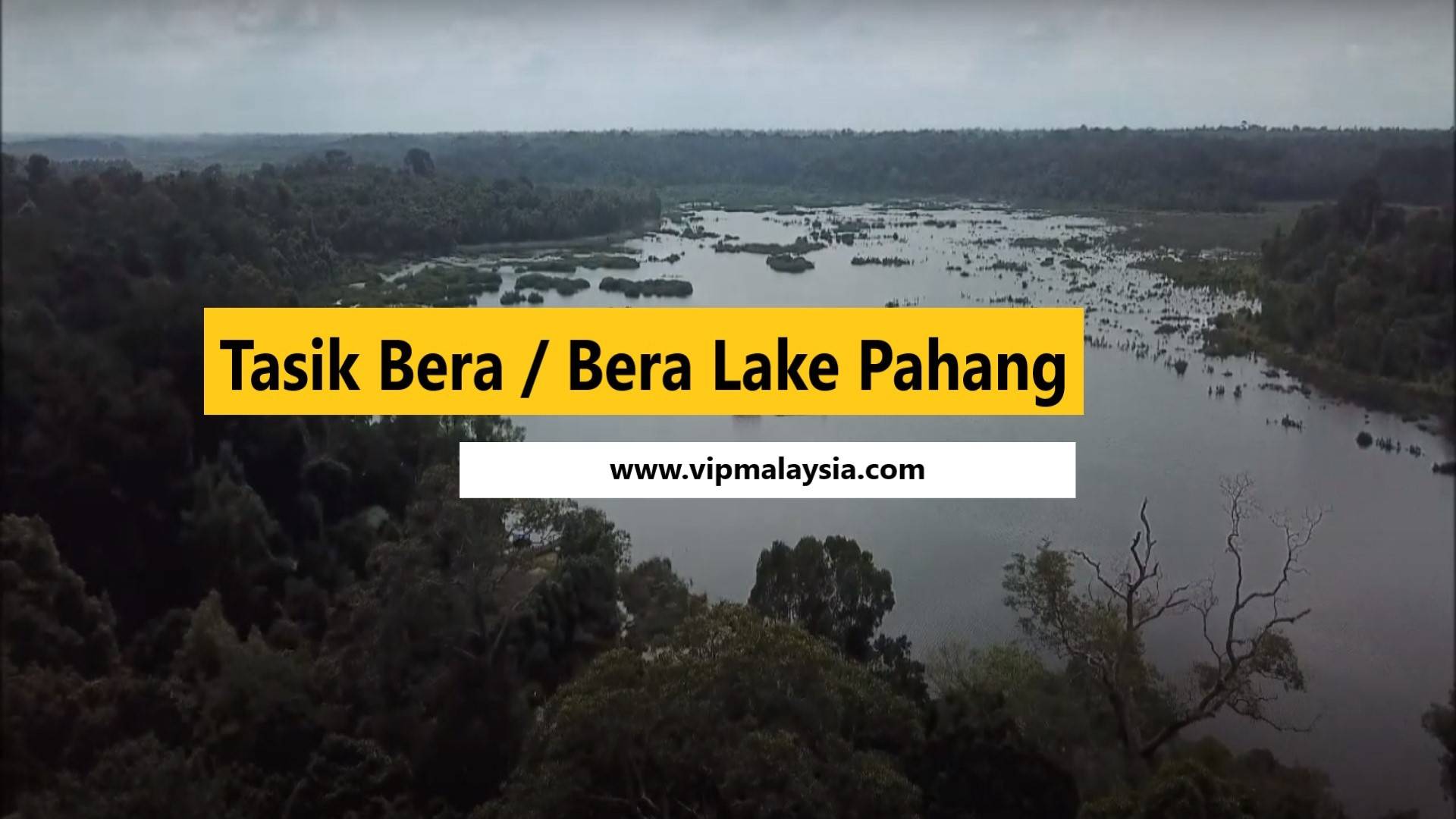
Bera Lake, Pahang
Explore Bera Lake, Malaysia’s Ramsar site renowned for its freshwater and peat swamp forests. Dive into the journey at Temangan, an Orang Asli settlement, and enjoy a stay at Persona Lake Resort. Discover the unique natural beauty and cultural heritage of this exceptional destination.
Temangan refers to both a town and a state constituency in Kelantan, Malaysia. It is located in the Machang District and is represented in the Kelantan State Legislative Assembly. The area is also recognized administratively as Mukim Temangan, a subdistrict within Machang. Temangan is also a state constituency in Kelantan, created in 1974, and represented in the Kelantan State Legislative Assembly. It has about 26,012 registered electors (2023) and a population of 29,773 (2020).
Introduction
Bera Lake, located in the central lowlands of Peninsular Malaysia, is a sprawling wetland ecosystem covering approximately 61,380 hectares. Recognized under the Ramsar Convention, it is Malaysia’s biggest natural lake and a vital ecological treasure. The lake’s unique hydrology, diverse habitats, and cultural significance make it a destination that blends natural beauty with human heritage. Visitors can explore its winding rivers, trek through peat swamp forests, and engage with the Semelai people, whose traditions remain deeply tied to the land.
The Ramsar Convention is an international treaty signed in 1971 in Ramsar, Iran, that provides a framework for the conservation and sustainable use of wetlands of international importance. It is also known as the Convention on Wetlands and currently has 172 contracting parties worldwide. Scope of Wetlands Covered: Human‑made sites such as fishponds, rice paddies, reservoirs, and salt pans, lakes and rivers, underground aquifers, swamps, marshes, peatlands, and wet grasslands and estuaries, deltas, tidal flats, mangroves, and coral reefs
The lake is patches and joint to one another by a small fast flowing channel between them with full of ‘screw pines’ plants or Rasau in Malay and ‘Pitcher Plant’ floating on the water. The Ramsar Convention on Wetlands is an intergovernmental treaty adopted to preserve and conserve selected bodies of wetlands or swamps, which are of international importance.
Bera Lake is often referred to as the Lake of Changing Color because its waters can appear in different shades depending on several factors:
- Seasonal Variation: During the rainy season, inflowing streams bring in sediments and organic matter, giving the water a darker or murkier tone. In drier months, the lake can look clearer and reflect more of the sky’s blue.
- Vegetation Influence: Aquatic plants like pitcher plants, water lilies, and submerged macrophytes release tannins and pigments into the water, subtly altering its color.
- Sunlight and Reflection: The angle of sunlight and the dense forest canopy around the lake create shifting hues, from greenish tones to golden reflections at sunset.
- Peat Swamp Ecosystem: The surrounding peat swamp forests leach organic compounds into the water, sometimes giving it a reddish-brown tint.
Accessibility
Bera Lake is accessible via road networks connecting to towns like Triang and Temerloh. Public transport options are limited, so private vehicles or guided tours are recommended.
Visitor Centers
The lake features visitor centers that provide maps, guides, and educational exhibits about the Ramsar site. These centers enhance awareness of conservation efforts and offer practical information for travelers.
Highlights
The Ramsar Wetland Significance
Bera Lake’s designation as a Ramsar site underscores its international importance. The wetlands span 31,120 hectares, including 6,800 hectares of swamp habitats. These areas are home to rare aquatic plants such as the purple water trumpet and floating pitcher plants. The Ramsar status ensures conservation efforts that protect both biodiversity and indigenous livelihoods.
Unique Flora and Fauna
The lake supports over 374 plant species, including dipterocarps towering up to 50 meters. Endemic species like bladderwort and rare sedges thrive here. Wildlife includes otters, monitor lizards, and migratory birds such as herons and kingfishers. The biodiversity makes Bera Lake a living laboratory for ecologists and a paradise for nature enthusiasts.
Dipterocarps are tall tropical hardwood trees belonging to the family Dipterocarpaceae, native mainly to Southeast Asia. They dominate lowland rainforests such as Taman Negara in Malaysia, producing valuable timber, aromatic oils, and resins, and are ecologically crucial for canopy structure and biodiversity. Many dipterocarp forests are safeguarded in reserves like Taman Negara and under international conventions such as the Ramsar Convention. Comprises about 22 genera and 680–695 species of flowering plants. Height: Some species reach 60–80 meters, forming the emergent layer of tropical rainforests.
Bladderworts are carnivorous plants in the genus Utricularia (family Lentibulariaceae), characterized by tiny bladder‑like traps that capture and digest small aquatic or soil invertebrates. They are widely distributed in freshwater habitats and wet soils across most continents except Antarctica. About 220–233 species worldwide.
In Lake Bera (Tasik Bera) the main bladderwort species recorded are Utricularia aurea (Floating Bladderwort) and Utricularia bifida. These carnivorous plants thrive in the lake’s shallow waters and swampy margins, making them important indicators of wetland health.
Indigenous Semelai Culture
The Semelai tribe, native to Bera Lake, maintains traditions that connect them to the forest. They practice resin extraction from keruing trees, used for waterproofing and torch-making. Visitors can witness demonstrations of jungle torches, a sustainable practice predating modern flashlights. The Semelai settlements—Bukit Rok, Temangan, and Pos Iskandar—offer cultural immersion experiences.
The Semelai are an Orang Asli tribe of the Proto‑Malay group, indigenous to Peninsular Malaysia, primarily found in Negeri Sembilan and Pahang, especially around Tasik Bera (Lake Bera). They traditionally practice animism, though some communities also follow Islam and Christianity.
Festivals and Traditions
Semelai communities celebrate seasonal festivals tied to fishing and harvest cycles. Traditional dances, music, and storytelling sessions provide insights into their worldview. These cultural practices enrich the visitor experience, offering a glimpse into Malaysia’s indigenous heritage.
Attractions
Bukit Rok Settlement
Bukit Rok is a key Semelai settlement accessible by boat or road. Visitors can observe traditional crafts, including weaving and resin processing. The community welcomes tourists warmly, often greeting them with “Apa Khabar.”
Bukit Rok is a hill in Pahang, Malaysia, located near Tasik Bera (Lake Bera) at approximately 35 meters above sea level. It is geographically significant as part of the swamp and wetland ecosystem surrounding Malaysia’s Ramsar site.
Pos Iskandar
Located three hours by boat, Pos Iskandar is another settlement rich in cultural heritage. It serves as a gateway to deeper forest exploration. The journey itself is scenic, with lush vegetation lining the waterways.
Pos Iskandar is an Orang Asli settlement in Bera District, Pahang, Malaysia, inhabited mainly by the Semelai tribe. It lies near Tasik Bera (Lake Bera) and serves as a cultural and ecological hub for the indigenous community.
Temangan Village
Temangan is a popular stopover for river expeditions. The village offers homestay experiences where visitors can share meals with families and learn about jungle survival techniques. It is a hub for cultural exchange and eco-tourism.
Kuala Bera Starting Point
Kuala Bera serves as the main entry for river journeys. It is a bustling hub where travelers prepare for expeditions. Facilities include boat rentals, local guides, and small eateries serving traditional Malay dishes.
Trekking and Adventure
River Expeditions
Exploring Bera River is an adventure in itself. A two-day journey from Kuala Bera to the lake involves navigating winding waters, rapids like Jeram Panjang, and tributaries such as the Serting River. Hiring experienced boatmen ensures safety while enhancing the thrill of discovery.
Jeram Panjang refers to two distinct places in Malaysia: (1) a locality in Mukim Rompin, Jempol District, Negeri Sembilan, and (2) a natural rapid (jeram) in Kelantan. Both share the same name but differ in context — one is a settlement, the other a hydrological feature.
The Serting River (Sungai Serting) is a stream in Negeri Sembilan, Malaysia, flowing through Jempol District near Kampung Serting Hulu and Kampung Baru Mahsan. It lies at an elevation of about 62–106 meters above sea level and is part of the West Coast river system.
Camping Along The River
Travelers often camp overnight at Orang Asli settlements like Temangan. These stops allow interaction with locals and provide authentic jungle experiences. Camping facilities are basic, requiring visitors to bring their own gear, food, and water.
Jungle Trekking
The surrounding peat swamp forests offer trekking opportunities for adventurers. Trails wind through dense vegetation, revealing wildlife such as hornbills and macaques. Trekking guides often highlight medicinal plants used by locals, adding educational value to the journey.
Wildlife Encounters
Encounters with wildlife are common. Otters play along riverbanks, while colorful butterflies flutter through the forest canopy. Birdwatchers can spot rare species like the black-and-red broadbill. These experiences make trekking both thrilling and educational.
Conclusion
Bera Lake in Pahang is more than just Malaysia’s largest natural lake—it is a living ecosystem, a cultural heritage site, and an adventure destination. Its Ramsar designation highlights its global importance, while the Semelai people’s traditions add depth to its identity. Whether trekking through peat swamps, navigating rivers, or engaging with indigenous communities, visitors will find Bera Lake a unique blend of nature and culture. For eco-tourists, adventurers, and cultural explorers alike, this lake remains a must-visit destination in Malaysia.
Summary
- Attraction: Bera Lake Pahang Malaysia
- Location: Pahang Malaysia
- Attraction Type: Lake in Malaysi
- Source: pahangtourism.org.my
- Category: #Lake #Pahang
Contact Information
Bera Lake Resort
Kompleks Pelancongan Tasek Bera
28200 Bandar Bera Pahang Darul Makmur
Telephone: 013-6231199 / 014-8447070
Frequently Asked Questions (FAQs)
Why must tourist pay a visit to people of the lake ‘Semelai Tribe’ Bera Lake?
If you happen to be at Bera Lake don’t forget to pay a visit to their little village around the lake. ‘Semelai people (Proto Malay) can only be found at the lake, their physical features and way of life is almost similar to the Malay people some seventy years back. Although, they have their own dialect, they understand and speak Malay too.
Today, they are still cultivated crops for their own consumption, plant rubber, palm oil and some are participated in the Felda Scheme to seek for a better tomorrow. Once a year, during dry season they are also planting ‘Dry Padi’ (Padi Huma) and harvested them three months later.
Why mud bathing is popular in Europe but not in Asia?
What an expensive way to go for Mud Bathing. Mud bathing is popular in Europe, it is a kind of traditional facial treatment as well as your body. Here, you pay nothing to get this kind of treatment. Take a boat or dugout canoe to a place where the water is clear and shallow. The place is called ‘Pasir Raja’ only about 10 – 15 minutes by boat/dugout canoe from the resort. Contact: Mr. Aziz Tel: 6013-623 1199 at the Tourist Complex.
Why choosing camping in Bera Lake as your preferred outdoor activity in Pahang?
If you are outdoor passionate, Bera Lake is the right place to visit. Take some of your friends here to go for trekking, boating and fishing. There is Chalet, Rooms or even Dormitory to accommodate you while you are at the lake. If you find the accommodation is a little deer, then opt for camping.
A large campsite near to the complex is ready to cater for at least 250 peoples. Bring your own camping gears or if you are in small group, you can rent them from the Bera Lake Resort. The camping fee is very nominal and tap water and toilet is available.
Why most people choose Bera Lake for jungle trekking?
Trekking is another exciting activity, there are 2 different trails near to the Tourist Complex Bera Lake Pahang Malaysia. One is just beside the complex and it’s taken only about half an hour return. The other one is near to the camp site; you could start trekking from there for about 3 hours return.
If you look for more adventurous trekking, just across the Bera Lake is another exciting trail that take you almost half a day. Here, you could learn to know some herbal plants like Tongkat Ali, Kacip Fatimah and Rempah Gunung. As you trek along, you will find some giant tropical trees such as Keruing, Kempas, Meranti, Tualang and Jelutong. Nothing waste when you go for jungle trekking, take your time, look around then only you know how to appreciate nature and reveal the secret of the jungle.
Why fishing in Bera Lake is the best activity here?
Fishing is ‘paradise’ at Bera Lake, Pahang. Hire a motorize boat or dugout canoe to go fishing around the lake. From the jetty at Bera Lake Resort you may go down stream as far as to Lubuk Ranting or going up stream until Pulau Benal. If you are on your own, make sure you find your way back, if not hire a guide.
Bera Lake is a vast natural lake where the water is fast flowing and deep. With a little of luck, right baits and right place you could catch the biggest species of the lake called ‘Tapah’ fish. Among the famous fish that can be found are Snake Head Fish (Toman), Catfish (Baung), Arowana and Tenggalan. During monsoon, you can enjoy searching for newly hatched Arowana as the demand for it is very rewarding. Bring along your fishing equipment or you may hire one at the Tourist Complex of Bera Lake. Among the best and most recommended baits are ‘Green Frog’, small ‘Catfish’ and Tapioca that being soak into water for a few nights.