Langkawi, Malaysia
Langkawi, Malaysia’s jewel of the Andaman Sea, is a tropical archipelago of 99 islands that blends pristine beaches, lush rainforests, and rich cultural heritage. Known for its duty-free shopping, breathtaking landscapes, and adventure opportunities, Langkawi is a destination that promises both relaxation and excitement. This long-form guide explores its history, highlights, attractions, trekking adventures, and visitor experiences to help you plan the ultimate trip.
Introduction
Langkawi is more than just a beach getaway — it is a UNESCO Global Geopark recognized for its geological wonders and biodiversity. The island offers a slower pace compared to Phuket or Bali, making it ideal for families, honeymooners, and travelers seeking tranquility. With world-class resorts, vibrant night markets, and natural marvels, Langkawi has steadily grown into one of Southeast Asia’s most beloved destinations.
History
Langkawi’s history is best understood as a tapestry of legend, trade, and colonial encounters. The most famous tale is that of Mahsuri, a young woman of Padang Matsirat whose beauty and kindness stirred jealousy in her village. Wrongly accused of adultery, she was executed, and as she died, white blood flowed from her wounds — a sign of her innocence. Mahsuri cursed Langkawi to endure seven generations of hardship, a prophecy locals believe was fulfilled through invasions, famine, and poverty. Her tomb, Makam Mahsuri, remains a cultural site where visitors reflect on the island’s tragic past and enduring folklore.
Beyond legend, Langkawi’s strategic location made it a vital stop along the spice trade routes of the Kedah Sultanate in the 15th century. Traders from India, China, and the Malay Archipelago exchanged tin, ceramics, and spices here, embedding multicultural influences into the island’s identity. In 1821, Siamese forces invaded Kedah, burning Langkawi’s capital, Padang Matsirat, and leaving scars that reinforced Mahsuri’s curse in the collective memory. Later, during the colonial era, the British and Japanese exploited Langkawi’s harbors, with the Japanese establishing naval bases during World War II. Post-war, the island languished in poverty, relying on fishing and rice farming.
The turning point came in 1987, when Prime Minister Mahathir Mohamad declared Langkawi a duty-free zone, sparking rapid development. Luxury resorts replaced fishing villages, and UNESCO recognized Langkawi as a Global Geopark in 2007, highlighting its ecological and geological significance. Today, Langkawi balances its mythical past with modern tourism, offering visitors both cultural depth and natural beauty.
Highlights
Langkawi Sky Bridge
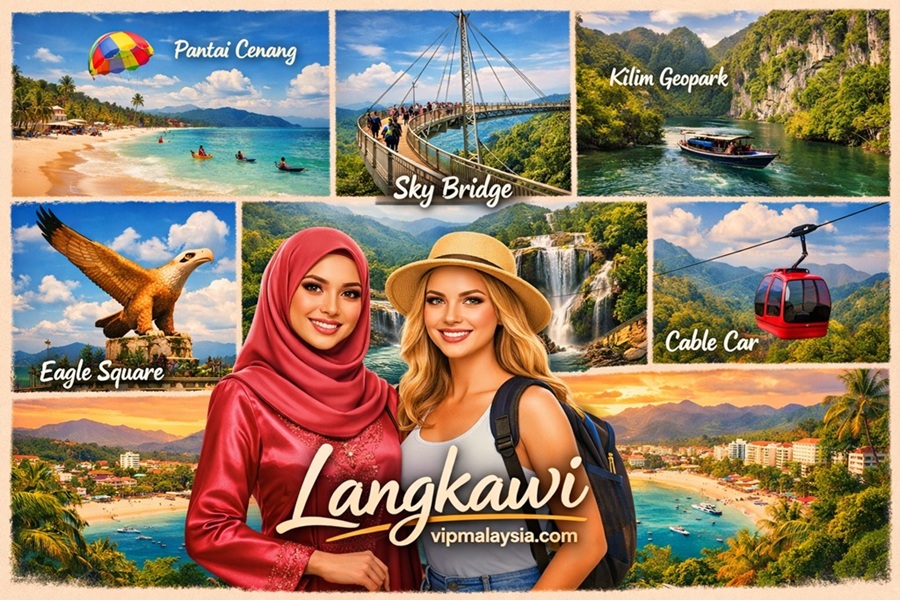
Suspended 125 meters above sea level, the Sky Bridge is a curved pedestrian marvel stretching 125 meters across the mountains. It offers panoramic views of Gunung Mat Cincang, Telaga Tujuh Waterfalls, and the Andaman Sea. Accessible via the SkyCab cable car, the bridge is an engineering feat and one of the most photographed landmarks in Malaysia. Visitors can enjoy cool breezes and breathtaking sunsets from this vantage point.
Eagle Square (Dataran Lang)
Located in Kuah Town, Eagle Square features a 12-meter-tall eagle statue poised for flight, symbolizing Langkawi’s heritage. The square is beautifully landscaped with fountains, terraces, and bridges, making it a popular spot for evening strolls. It is especially stunning at night when the statue is illuminated against the backdrop of the sea.
Duty-Free Shopping
Langkawi’s duty-free status makes it a shopper’s paradise. Visitors can purchase chocolates, alcohol, tobacco, perfumes, and kitchenware at significantly lower prices compared to mainland Malaysia. Popular shopping hubs include Cenang Mall, Langkawi Fair Shopping Mall, and various duty-free outlets in Kuah Town.
Tanjung Rhu Beach
Known for its crystal-clear waters and soft white sand, Tanjung Rhu is a quieter alternative to Pantai Cenang. Surrounded by limestone cliffs and mangroves, it is perfect for solitude seekers. The beach is also a gateway to boat tours exploring nearby caves and islands.
Kilim Karst Geoforest Park
A UNESCO Global Geopark, Kilim Karst is famous for its mangrove forests, limestone formations, and diverse wildlife. Visitors can take boat tours to explore bat caves, crocodile caves, and spot eagles swooping down for fish. It is a must-visit for eco-tourism enthusiasts.
Langkawi Cable Car (SkyCab)
The SkyCab is one of the steepest cable car rides in the world, taking visitors up to Gunung Mat Cincang. The ride offers spectacular views of rainforest, waterfalls, and the surrounding islands. At the top, visitors can access the Sky Bridge and observation decks.
Underwater World Langkawi
One of Southeast Asia’s largest aquariums, Underwater World Langkawi houses over 200 marine and freshwater species. Highlights include penguins, sharks, stingrays, and a 15-meter-long tunnel tank that immerses visitors in aquatic life.
Langkawi Wildlife Park
An interactive zoo where visitors can feed animals such as deer, flamingos, raccoons, and parrots. The park emphasizes close encounters, making it popular among families. It also showcases Malaysia’s native species in a safe and educational environment.
Beaches
The most famous beach in Langkawi, Pantai Cenang is lined with resorts, bars, and restaurants. It offers water sports such as jet skiing, parasailing, and banana boat rides. The lively atmosphere makes it ideal for families and young travelers seeking both relaxation and entertainment.
Night Markets
Held in different towns each night, Langkawi’s pasar malam (night markets) offer local delicacies like satay, nasi lemak, and fresh seafood.
Trekking and Adventure
Gunung Mat Cincang
Gunung Mat Cincang is not just a mountain — it is a living monument to Langkawi’s geological and cultural heritage. Rising to 701 meters above sea level, it is the second-highest peak on the island and part of one of Southeast Asia’s oldest rock formations, dating back over half a billion years. Visitors who ascend its trails are rewarded with sweeping views of the Andaman Sea, lush rainforests, and the famous Langkawi Sky Bridge suspended nearby. The mountain is also steeped in legend: local folklore tells of a giant named Mat Cincang who was turned into stone after a fierce quarrel with another giant, Gunung Raya, during a wedding feast. This mythical tale adds a mystical aura to the landscape.
For adventurers, Gunung Mat Cincang offers trekking trails through dense rainforest, where hornbills, macaques, and exotic orchids thrive. The climb is challenging but deeply rewarding, especially at sunrise when the mist lifts to reveal golden light over the archipelago. The nearby Telaga Tujuh Waterfalls (Seven Wells) add to the allure, with natural pools said to be enchanted by fairies. UNESCO recognized the mountain as part of Langkawi’s Global Geopark in 2007, underscoring its geological significance and biodiversity.
Seven Wells Waterfall (Telaga Tujuh)
Named after seven natural pools, this waterfall is a favorite among hikers. The climb is challenging but rewards visitors with refreshing dips in cool mountain water. Legends say fairies once bathed here, adding a mystical charm to the site.
Mangrove Kayaking
Exploring Kilim Karst Geoforest Park by kayak reveals limestone caves, hidden lagoons, and diverse ecosystems. It is both adventurous and educational.
Conclusion
Langkawi is a destination that combines natural beauty, cultural richness, and adventure opportunities. From its legendary history to its modern attractions, the island offers something for every traveler. Whether you seek relaxation on pristine beaches, thrilling treks in rainforests, or cultural immersion in festivals and markets, Langkawi promises unforgettable experiences.
If you want to explore all the attractions in detail, check out this comprehensive guide: Langkawi Malaysia.
Visitor Reviews
Mohan Joas, Singapore ⭐⭐⭐⭐⭐ “Langkawi exceeded my expectations. The Sky Bridge views were breathtaking, and the mangrove tour was both fun and educational. The locals were welcoming, and the food was delicious.”
Isabelle Tris, Barcelona, Spain ⭐⭐⭐⭐ “I loved the beaches, especially Tanjung Rhu. The duty-free shopping was a bonus. However, Pantai Cenang was a bit crowded during peak season. Still, Langkawi is worth visiting.”
Sankara Cibok, Chennai, India ⭐⭐⭐⭐⭐ “The Seven Wells Waterfall trek was challenging but rewarding. Langkawi’s wildlife and cultural festivals made the trip memorable. Highly recommend for adventure seekers.”
Roy Elliot, Dublin, Ireland ⭐⭐⭐⭐⭐ “Langkawi is paradise. The night markets were vibrant, and Eagle Square was iconic. Perfect mix of relaxation and exploration.”