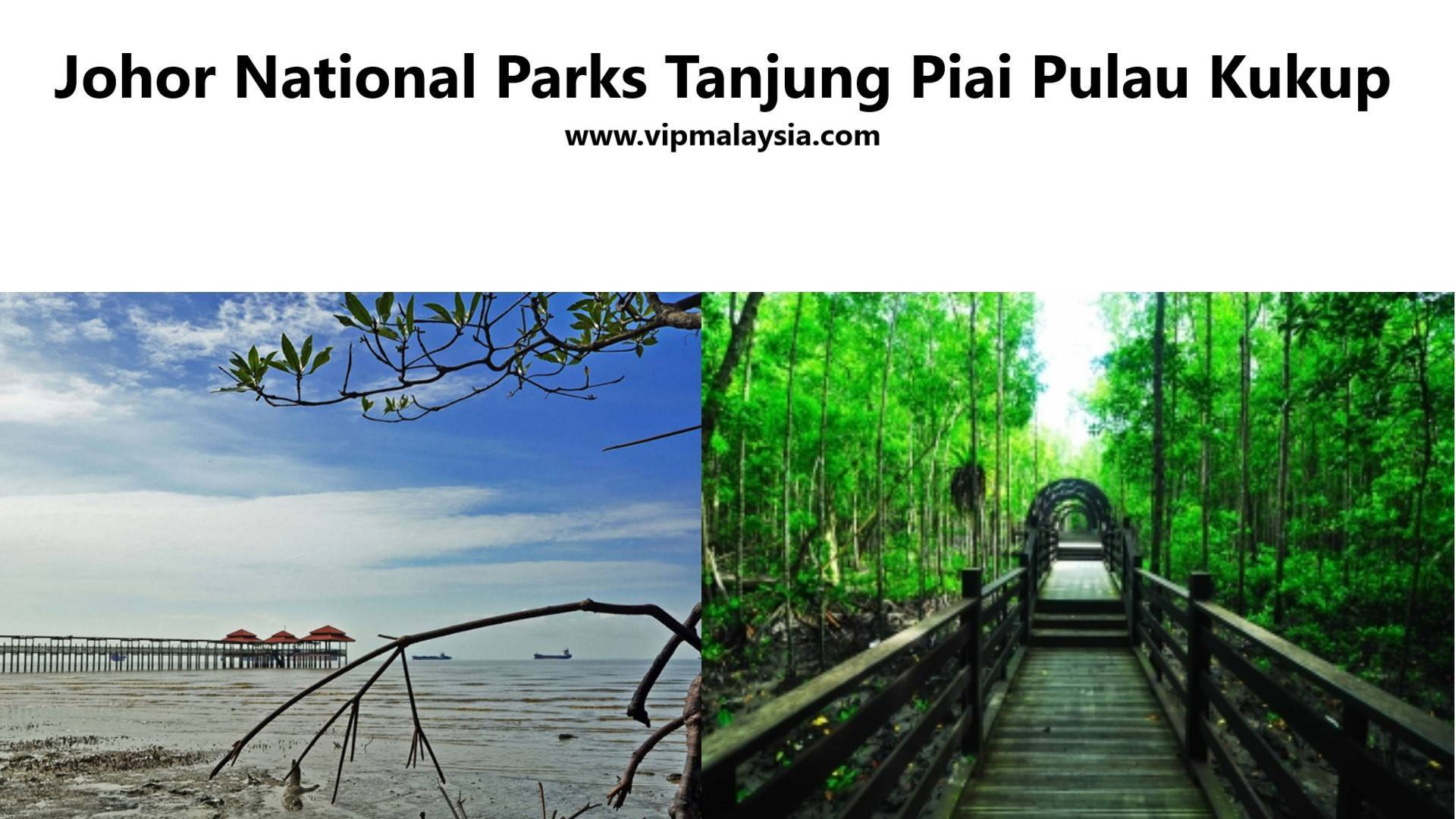
Tanjung Piai, Johor
Tanjung Piai, also known as Cape of the Golden Leather Fern, is a mesmerizing coastal wetland in Johor, Malaysia, recognized for its rich mangrove ecosystem, historical significance, and status as the southernmost point of mainland Asia. Whether you’re a nature lover, a history buff, or an eco-traveler, this national park offers an unparalleled experience blending biodiversity, conservation, and scenic beauty.
Introduction
Tanjung Piai, located in Pontian District, Johor, Malaysia, is a remarkable destination that combines geography, ecology, and culture. Known as the southernmost tip of mainland Asia, it is a place where visitors can gaze across the Johor Strait and see both Singapore and Indonesia. Established as a national park in 1997 and recognized as a Ramsar Site in 2003, Tanjung Piai is celebrated for its mangrove forests, mudflats, and rich biodiversity. Today, it stands as a symbol of conservation, eco-tourism, and natural beauty.
History
The Ramsar Recognition
Tanjung Piai’s designation as a Ramsar Site in 2003 marked a turning point in its conservation journey. This recognition placed the park among Malaysia’s most important wetlands, ensuring international attention and protection. The Ramsar Convention emphasized the need to safeguard its mangrove ecosystem, which acts as a natural barrier against storms and coastal erosion.
Mangrove Restoration and Protection
Over the years, Tanjung Piai faced severe erosion due to tanker traffic and pollution. Offshore breakwaters were installed to reduce wave impact, while mangrove replanting initiatives successfully restored degraded areas. These efforts have revitalized the park, making it healthier than ever before.
Highlights
Scenic Boardwalk Experience
Visitors can explore 1.2 km of elevated boardwalks winding through lush mangrove forests. These trails offer panoramic views of the ocean, with glimpses of Singapore and Indonesia on clear days. The boardwalks also provide access to observation towers and jetties, perfect for photography and birdwatching.
Unique Biodiversity and Wildlife
Tanjung Piai is home to 22 mangrove tree species and a variety of wildlife. Migratory birds, including the Lesser Adjutant Stork, thrive here, alongside mudskippers, crabs, and otters. The park is part of Johor’s Important Bird Area, making it a hotspot for ecological research and education.
Importance of Each Mangrove Species
| Species | Ecological Importance |
|---|---|
| Rhizophora apiculata (Bakau Minyak) | Strong stilt roots stabilize coastlines, reduce erosion, and provide shelter for fish nurseries. |
| Rhizophora mucronata (Bakau Kurap) | Dense root systems trap sediments, improving water clarity and protecting inland areas. |
| Rhizophora stylosa (Bakau Pasir) | Found along sandy shores, crucial for shoreline stabilization and crab habitats. |
| Ceriops tagal (Tengar Laut) | Salt-tolerant species that supports mudskippers and small crustaceans. |
| Ceriops decandra (Tengar) | Plays a role in nutrient cycling, enriching mudflats for benthic organisms. |
| Bruguiera gymnorhiza (Berus Laut) | Large buttress roots provide nesting sites for birds and stabilize tidal zones. |
| Bruguiera cylindrica (Berus) | Dominant species in Johor mangroves, important for biomass and carbon storage. |
| Bruguiera parviflora (Lenggadai) | Supports biodiversity by offering shaded habitats for juvenile fish. |
| Bruguiera sexangula (Putut) | Contributes to mangrove canopy diversity, aiding bird roosting. |
| Avicennia alba (Api-api Putih) | Pneumatophores (breathing roots) aerate soil and support mollusks. |
| Avicennia officinalis (Api-api Jambu) | Provides nectar for pollinators and stabilizes muddy substrates. |
| Avicennia rumphiana (Api-api Hitam) | Rare species, important for genetic diversity and shoreline resilience. |
| Sonneratia alba (Perepat) | Supports mudskippers and provides food for fruit bats. |
| Sonneratia caseolaris (Pedada) | Produces edible fruits, used traditionally, and supports bird diets. |
| Sonneratia ovata (Gedabu) | Enhances biodiversity by offering food sources for aquatic species. |
| Nypa fruticans (Nipah) | Palm species used by locals for thatching; supports estuarine biodiversity. |
| Excoecaria agallocha (Buta-buta) | Toxic sap deters herbivores, balancing species competition. |
| Xylocarpus granatum (Nyireh Batu) | Provides timber and stabilizes coastal soils. |
| Xylocarpus moluccensis (Nyireh Bunga) | Important for canopy diversity and long-term forest resilience. |
| Acanthus ilicifolius (Acanthus) | Shrub species that colonizes open mudflats, preventing erosion. |
| Acrostichum aureum (Piai Raya) | Fern that thrives in disturbed areas, aiding mangrove regeneration. |
| Acrostichum speciosum (Piai Laka) | Similar to A. aureum, helps stabilize soils and supports wetland recovery. |
Attractions
Visitor Facilities
The park features a visitor complex with an information gallery, rest areas, and a unique elevated campsite within the mangroves. Admission fees are affordable, with discounts for students and senior citizens. Free parking is available for cars, motorcycles, and buses.
Cultural and Culinary Experiences
Nearby Pontian town offers seafood restaurants built on wooden jetties, serving fresh catches from the Johor Strait. Local festivals, such as traditional Malay cultural events, add vibrancy to the region, making Tanjung Piai not just a natural but also a cultural destination.
Trekking and Adventure
Coastal Wetland Exploration
Walking through the mangroves is an adventure in itself. Elevated trails allow visitors to observe mudskippers darting across tidal flats, crabs burrowing in the mud, and otters swimming gracefully. The eco-friendly tourism practices ensure minimal disturbance to wildlife while offering immersive experiences.
Trails and Boardwalk Routes
| Trail Name | Description |
|---|---|
| Main Boardwalk Trail | About 1.2 km long, easy difficulty, flat wooden paths through mangroves. Offers views of mudskippers, crabs, and migratory birds. Suitable for families and casual walkers. |
| Southernmost Tip Trail | Short trail leading to the globe monument at Asia’s southernmost point. Easy walk, less than 1 km, with panoramic views of Singapore and Indonesia. |
| Observation Tower Trail | Connects boardwalks to elevated viewing platforms. Moderate difficulty due to stairs, rewarding with birdwatching opportunities and wide coastal views. |
| Mangrove Education Trail | Designed for school groups and eco-tours. Includes signage explaining mangrove ecology, mudskipper habitats, and conservation efforts. Easy walk, about 1 km. |
| Campsite Access Trail | Leads to the raised wooden campsite platforms. Moderate walk, requires navigating muddy mangrove terrain. Used mainly by overnight visitors and student groups. |
Educational Programs
The park supports ecological education through guided tours and research initiatives. Schools and universities often conduct field trips here, learning about mangrove ecology, coastal protection, and sustainable conservation.
Things to Do
Explore the Southernmost Tip of Mainland Asia
One of the most iconic experiences at Tanjung Piai is walking along the boardwalk to reach the globe monument marking the southernmost point of mainland Asia. Visitors can enjoy panoramic views of Singapore and Indonesia across the Johor Strait, making it a unique geographical landmark and a popular photo spot.
Discover Mangrove Forests and Wildlife
The park’s extensive mangrove ecosystem offers elevated trails where visitors can spot mudskippers, crabs, otters, and migratory birds. Educational signage along the Mangrove Education Trail explains the importance of mangroves in coastal protection and biodiversity, making it both an adventure and a learning experience.
Visit the 3 Kingdoms Jetty and Observation Points
At the 3 Kingdoms Jetty, visitors can see Malaysia, Singapore, and Indonesia from one vantage point. Observation towers provide elevated views of the wetlands and passing ships in the Strait of Malacca, offering excellent opportunities for birdwatching and scenic photography.
- Address: Taman Negara Johor Tanjung Piai 82030, Mukim Serkat, Pontian, Johor Darul Ta’zim, Malaysia
- Phone: +607-2661301 / +607-6960264
The 3 Kingdoms Jetty at Tanjung Piai Johor National Park is a scenic boardwalk extension where visitors can simultaneously view Malaysia, Singapore, and Indonesia across the Johor Strait. It is one of the park’s most popular observation points, offering panoramic coastal vistas, birdwatching opportunities, and a symbolic experience of standing at the southernmost tip of mainland Asia. The jetty and observation towers are part of the park’s eco-tourism facilities, designed to highlight the unique geographical position and biodiversity of the mangrove ecosystem.
Enjoy Local Culture and Cuisine Nearby
After exploring the park, visitors often head to Pontian and Kukup fishing villages, famous for their stilt houses and seafood restaurants. These nearby attractions complement the ecological adventure with cultural immersion and fresh local cuisine.
10 Halal Eateries Nearby
| Name & Address | Description |
|---|---|
| Restoran ZZ Sup Tulang – 20, Jalan Petri 5/1, Kampung Bahru, 80100 Johor Bahru | Famous for rich sup tulang broth with chunky beef bones. A local favorite where diners sip marrow with straws. |
| Restoran Kacang Pool Haji – Jalan Sabar, Taman Dato Onn, 80350 Johor Bahru | Serves the iconic kacang pool dish with buttered toast and broad bean gravy topped with a runny egg. |
| Kai Xuan Halal Chinese Restaurant – The Puteri Pacific Hotel, Bandar Johor Bahru | Offers halal-certified dim sum and Chinese cuisine, popular for family dining. |
| Chicken Lab – No 2, Jalan Austin Heights 8/7, Taman Mount Austin, Johor Bahru | Halal-certified Korean fried chicken, army stew, and tteokbokki. |
| Restoran Anisofea Asam Pedas Johor Asli – Johor Bahru | Known for authentic claypot asam pedas with seafood and spicy broth. |
| The Marco Polo Kitchen – Johor Bahru | Halal-friendly Italian and steakhouse cuisine, praised for seafood platters. |
| The Spice Kitchen – Johor Bahru | Popular halal-certified Indian restaurant serving biryani, curries, and tandoori. |
| Makan Kitchen (DoubleTree Hilton) – Johor Bahru | International halal buffet with Malay, Chinese, and Indian dishes. |
| Zaituna Restaurant – Johor Bahru | Halal Lebanese and Middle Eastern cuisine, famous for creamy hummus and grilled meats. |
| Tepian Tebrau – Johor Bahru waterfront | Affordable halal seafood restaurant with scenic views of the strait. |
Nearby Attractions
Pulau Kukup National Park
Located nearby, Pulau Kukup is another Ramsar Site, famous for its riverine mangrove ecosystem. It complements Tanjung Piai, offering visitors a broader perspective on Johor’s wetlands.
Kukup Fishing Village
This traditional fishing village is known for its stilt houses and seafood markets. Visitors can experience local culture, buy fresh produce, and enjoy boat rides around the mangrove islands.
Johor Bahru City
Just an hour’s drive away, Johor Bahru offers modern attractions, shopping malls, and cultural landmarks, making it a convenient extension to a Tanjung Piai trip.
Conclusion
Tanjung Piai is more than a geographical landmark—it is a living ecosystem, a conservation success story, and a cultural gateway. From its Ramsar recognition to its thriving mangroves, the park embodies the harmony between nature and humanity. Whether you are a nature enthusiast, photographer, or cultural explorer, Tanjung Piai promises an unforgettable journey.
Quick Info
| Attribute | Details |
|---|---|
| Name | Tanjung Piai Johor National Park |
| Location | Mukim Serkat, Pontian, Johor, Malaysia |
| GPS Position | 1°16.00’ N, 103°30.00’ E |
| State | Johor |
| Facility Type | Wetland Conservation Area, Boardwalk Trails, Visitor Complex, Elevated Campsite |
| Main Attractions | Mangrove Forests, Mudflats, Coastal Views, Southernmost Point of Mainland Asia |
| Nearby Landmarks | Pulau Kukup National Park, Sungai Pulai Wetlands |
| Accessibility | Accessible via Johor highways; located ~90 minutes from Johor Bahru |
| Best Time to Visit | Morning & evening for cooler weather and active wildlife |
| Entry Fees | Citizens: RM3 (students/seniors), RM5 (adults); Non-citizens: RM10 (students/seniors), RM20 (adults); Free parking |
| Recommended Activities | Nature Walks, Birdwatching, Wildlife Spotting, Scenic Photography, Camping |
| Opening Hours | 9:00 AM – 5:00 PM daily |
| Contact | Johor National Parks Office: 07-2661301 / 07-6960264 |
Tanjung Piai offers a unique blend of conservation, natural beauty, and historical significance, making it one of Malaysia’s most fascinating ecological sites. Whether you’re exploring mangrove forests, standing at the southernmost tip of Asia, or witnessing wetland conservation in action, this park promises an extraordinary experience in Malaysia’s coastal landscapes.
Plan your nature adventure today—discover the beauty of Tanjung Piai, Johor!
Summary
- Attraction: Tanjung Piai
- Location: #Johor
- Attraction Type: #Island
- Source: johornationalparks.gov.my
- Why Visit:
- Home to the southernmost tip of mainland Asia
- Recognized as a Ramsar Site for wetland conservation
- A thriving mangrove ecosystem supporting diverse wildlife
- Boardwalks & scenic viewpoints overlooking Singapore & Indonesia
Visitor Reviews
Sharunisha A., Selangor – ★★★☆☆ “I visited Tanjung Piai recently and while the mangrove boardwalk was scenic, the access road was under heavy construction and quite rough. Driving after dark was risky, and I felt the facilities could be better maintained. Still, the southernmost tip landmark was worth seeing.”
Sik Sheng, Kuala Lumpur – ★★★★☆ “The journey to Tanjung Piai was challenging due to sudden dirt road sections near Pulau Indah highway, but once inside the park, the mangrove ecosystem was beautiful. The boardwalks gave me close encounters with mudskippers and crabs, and the views of Singapore were stunning.”
Maizurah Hamzah, Johor Bahru – ★★★★★ “Tanjung Piai National Park is a gem. The mangroves are lush and thriving, and the elevated trails make it easy to explore without disturbing the ecosystem. It’s a peaceful place for birdwatching and photography, and I appreciated the conservation efforts highlighted in the visitor gallery.”
Wong Pek Lai, Pontian – ★★★★★ “As someone from Pontian, I often bring friends to Tanjung Piai. The park is small but rich in biodiversity. The elevated campsite is unique, and the seafood restaurants nearby make the trip even more enjoyable. It’s a proud landmark for Johor and Malaysia.”
Frequently Asked Questions (FAQs)
What countries can be seen from Tanjung Piai?
If you are here at Johor National Parks Tanjung Piai, you can see Singapore and Indonesia, our closest neighboring countries simultaneously.