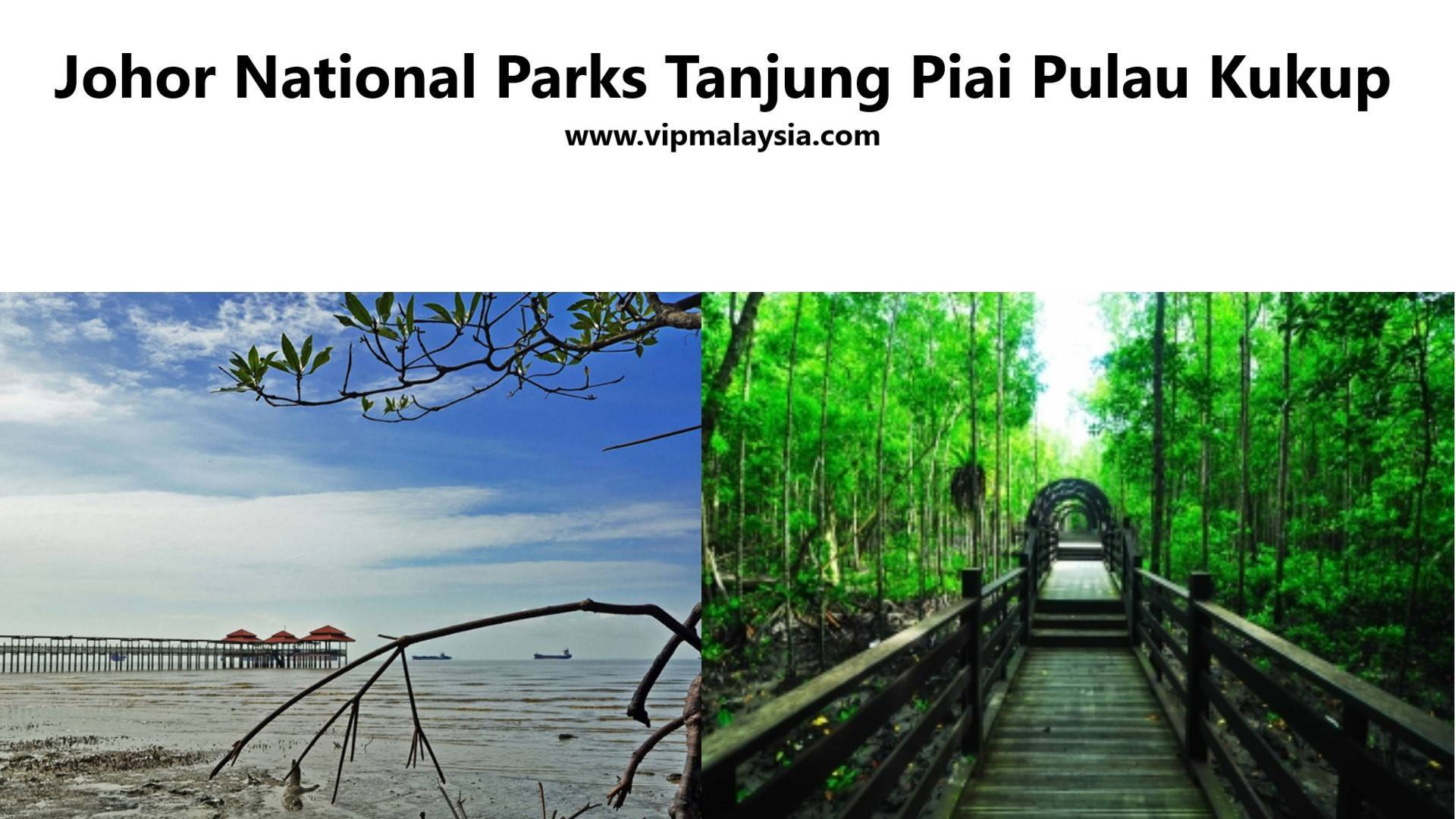
Pulau Kukup, Johor
Pulau Kukup, located in Johor, Malaysia, is one of the world’s largest uninhabited mangrove islands (647 hectares), offering a thriving ecosystem, historical legends, and conservation significance. From scenic boardwalks to migratory bird sanctuaries, Pulau Kukup blends conservation, history, and adventure into a unique travel experience.
Introduction
Pulau Kukup lies off the coast of Pontian in Johor, Malaysia, and is celebrated as a rare ecological treasure. Unlike many tropical islands, it remains uninhabited, allowing its mangrove forests and mudflats to flourish undisturbed. The island is a sanctuary for wildlife, a vital stopover for migratory birds, and a living laboratory for ecological research.
History
Pulau Kukup’s history is a blend of folklore, maritime trade, and conservation milestones. Historically, the island was notorious as a pirate’s den, with smugglers using its mangrove labyrinths as hideouts. Local legends speak of goblin princesses and giant serpents said to guard the island, adding a mystical aura to its natural beauty.
In 1997, Pulau Kukup was declared a national park, marking a turning point in protecting its fragile ecosystem. In 2003, it achieved Ramsar Site recognition, placing it among the world’s most important wetlands. This recognition underscores Malaysia’s commitment to preserving biodiversity and ensuring ecological sustainability.
Today, Pulau Kukup stands as both a historical landmark and a conservation hub, balancing ecological protection with eco-tourism.
Highlights
Scenic Boardwalks and Observation Decks
Elevated wooden boardwalks wind through dense mangrove forests, offering panoramic views of wetlands and wildlife. Observation decks are strategically placed to allow glimpses of mudskippers, crabs, and migratory birds. Informative signage educates visitors about mangrove ecology, making the experience both recreational and educational.
Ramsar Recognition
Pulau Kukup’s Ramsar status ensures its wetlands are protected for future generations. It also makes the island a vital research site for scientists studying mangrove ecosystems and migratory bird patterns.
Attractions
Wildlife and Biodiversity
Pulau Kukup is home to 27 mangrove species, including Sonneratia alba, Malaysia’s tallest mangrove tree. Its mudflats provide feeding grounds for migratory birds such as milky storks, Chinese egrets, and lesser adjutants. Wildlife includes smooth-coated otters, bearded pigs, flying foxes, saltwater crocodiles, and mangrove skinks.
Key Mangrove Species
| Species | Notes |
|---|---|
| Sonneratia alba | Tallest mangrove tree in Malaysia, reaching up to 20m. |
| Rhizophora mucronata | Common stabilizing species forming dense stands. |
| Rhizophora apiculata | Important for coastal erosion control. |
| Avicennia alba | White mangrove, thrives along mudflats. |
| Avicennia officinalis | Salt-tolerant, supports fish nurseries. |
| Bruguiera gymnorhiza | Large buttress roots, stabilizes soil. |
| Nypa fruticans | Nipa palm, used for roofing and sugar. |
| Xylocarpus granatum | Cannonball mangrove, produces large fruits. |
Migratory Birds
During peak migration seasons, thousands of birds stop at Pulau Kukup to rest and feed. Birdwatchers can witness species traveling vast distances along the East Asian-Australasian Flyway, making the island a paradise for ornithologists.
The East Asian–Australasian Flyway (EAAF) is one of the world’s major migratory bird routes, stretching from Arctic Russia and Alaska down to Australia and New Zealand, and supporting over 50 million migratory waterbirds across 37 countries. It is critical for species survival, linking breeding grounds in the north with non-breeding habitats in Southeast Asia and Australasia.
Legends and Myths
Folklore enriches the cultural experience of Pulau Kukup. Stories of a goblin princess who fell in love with a sailor and a giant serpent that protects the island are passed down through generations. Historically, Pulau Kukup was notorious as a pirate’s den, adding to its mystique.
Things to Do
Pulau Kukup offers a wide range of eco-tourism activities, from boat rides through mangrove rivers to birdwatching and conservation programs. Visitors can enjoy suspension bridge walks, explore the Arboretum trail, and even plant mangrove saplings as part of hands-on environmental efforts.
Explore the Mangroves by Boat
A guided boat ride around Pulau Kukup’s six rivers allows visitors to experience the mangrove ecosystem up close. Along the way, travelers often spot smooth-coated otters, mudskippers, and water snakes. These tours also highlight the ecological importance of mangroves in preventing coastal erosion and supporting marine life.
Walk the Suspension Bridge and Arboretum Trail
The park features a five-storey suspension bridge that offers panoramic views of the mangrove canopy. After crossing, visitors can continue along the 600-meter Arboretum trail, which winds through dense mangrove forests. This combination provides both adventure and education, with interpretive signage explaining the ecosystem.
Birdwatching
Pulau Kukup is a seasonal haven for migratory birds, especially between September and April. Species such as the milky stork, Chinese egret, and lesser adjutant are commonly observed. Birdwatchers are encouraged to bring binoculars and cameras to capture these rare sightings, making the island a hotspot for ornithologists.
Visit the Oldest Mangrove Tree
One of the highlights of Pulau Kukup is a 100-year-old Rhizophora mangle, the largest mangrove tree in Peninsular Malaysia. With a trunk diameter of about 60 cm, it stands as a living testament to the resilience of mangrove ecosystems. Visitors often stop here for photos and to appreciate its ecological significance.
Plant a Mangrove Tree
Visitors can actively participate in conservation by planting mangrove saplings. This hands-on activity is part of the park’s environmental education program and helps restore degraded areas. It’s a meaningful way to contribute to sustainability while learning about the importance of mangroves in coastal protection.
Fish Cage and Round-Island Boat Ride
The straits between Pulau Kukup and the mainland host thriving marine cage culture farms. Visitors can stop at a kelong (floating fish farm) to feed fish and learn about local aquaculture. A round-island boat ride also provides superb views of the Straits of Malacca and nearby islands, offering a broader perspective of the region.
Major Trails
Pulau Kukup’s major trails include the five-storey suspension bridge, the 600-meter Arboretum trail, and elevated boardwalks with observation towers. These trails are designed to showcase Johor’s mangrove biodiversity while offering panoramic views and educational experiences.
Pulau Kukup offers trekking trails designed for eco-tourists. These trails allow visitors to immerse themselves in mangrove ecosystems while learning about conservation efforts. The trails are well-maintained, making them accessible for families and casual hikers.
Facilities include rest huts, viewing towers, and guided tours led by park rangers. These tours provide insights into mangrove ecology, wildlife behavior, and conservation challenges. For adventurous travelers, kayaking through mangrove channels offers a thrilling way to explore the island’s hidden corners.
Suspension Bridge Trail
The suspension bridge at Pulau Kukup rises five storeys above the mangrove canopy, giving visitors a bird’s-eye view of the wetlands. Walking across provides a thrilling yet safe adventure, with panoramic vistas of the Straits of Malacca and the surrounding mangrove forests. Interpretive panels along the way explain the ecological importance of mangroves, making the trail both scenic and educational.
Arboretum Trail
Stretching 600 meters, the Arboretum trail winds through dense mangrove stands and highlights species such as Sonneratia alba and Rhizophora mucronata. This trail is quieter and more immersive, allowing visitors to appreciate the diversity of mangrove flora and fauna. Rest huts and signage make it accessible for families, while researchers use it to study mangrove ecology.
Boardwalk Trail
Elevated boardwalks extend deep into the mangrove ecosystem, ensuring minimal disturbance to the fragile mudflats. These trails lead to observation towers where migratory birds like milky storks and Chinese egrets can be spotted during peak seasons. Informative signage educates visitors about Pulau Kukup’s Ramsar Site status and its role in global conservation.
Trails Summary
| Trail | Distance & Duration (approx.) | Difficulty Level (general) |
|---|---|---|
| Suspension Bridge Trail | Five-storey suspension bridge, ~200m span. Crossing with stops takes about 15–20 minutes. | Moderate – safe with railings, but height and sway may challenge some visitors. |
| Arboretum Trail | 600m trail through mangrove stands, approximately 40 minutes at leisure pace. Highlights species like Sonneratia alba. | Easy – flat, shaded, family-friendly. |
| Boardwalk Trail | Elevated boardwalks extending ~1 km with observation towers, ~50–60 minutes including stops. | Easy – well-maintained, suitable for all ages. |
Nearby Attractions
Kukup Fishing Village
Kukup Fishing Village, also known as Kukup Laut, is a traditional fishing community built on stilts over mangrove mudflats along the Straits of Malacca. Established more than 100 years ago, it is home to about 1,400 residents, mainly of Teochew Chinese descent, and is one of Southeast Asia’s largest stilt fishing villages. The village is renowned for its seafood restaurants, homestays, and eco-tourism activities such as boat tours to floating fish farms (kelong) and visits to Pulau Kukup National Park.
Fish Species
Visitors to Kukup can see and taste a wide variety of fish and seafood species, both wild-caught and farmed in kelongs:
- Groupers (Epinephelus spp.)
- Snappers (Lutjanus spp.)
- Pomfrets (Pampus spp.)
- Sea bass / Barramundi (Lates calcarifer)
- Crabs (mud crabs, chili crab dishes)
- Prawns (butter prawns, tiger prawns)
- Gong gong (sea snails, a local delicacy)
- Squid and cuttlefish (often cooked salted egg style)
Address
Kukup Fishing Village (Kukup Laut) Pontian District, Johor, Malaysia Located about 20 km from Pontian town and 70 km from Johor Bahru.
Pontian Town
Pontian, the nearest town, offers attractions such as local markets, cultural festivals, and homestays. It serves as a gateway for travelers heading to Pulau Kukup and provides convenient amenities like hotels and transport services.
Conclusion
Pulau Kukup offers a captivating blend of conservation, folklore, and untouched nature, making it one of Malaysia’s most unique coastal destinations. Whether you’re exploring boardwalk trails, observing mangrove wildlife, or learning about ecological preservation, this island promises an unforgettable journey into Johor’s wetland biodiversity.
Plan your nature retreat today—discover the beauty of Pulau Kukup, Johor!
Summary
- Attraction: Pulau Kukup
- Location: #Johor
- Attraction Type: #Island
- Source: johornationalparks.gov.my
- Why Visit:
- One of the largest mangrove islands in the world (647 hectares!)
- Recognized as a Ramsar Site for wetland conservation
- A vital stopover for migratory birds along the East Asian-Australasian Flyway
- Home to rich biodiversity & rare mangrove species
Quick Info
| Attribute | Details |
|---|---|
| Name | Pulau Kukup Johor National Park |
| Location | Kukup, Pontian District, Johor, Malaysia |
| GPS Position | 1°19′00″ N, 103°25′00″ E |
| State | Johor |
| Facility Type | Wetland conservation area with boardwalk trails, suspension bridge, and visitor center |
| Main Attractions | Mangrove forests, mudflats, birdwatching, suspension bridge, Arboretum trail |
| Nearby Landmarks | Pontian Town, Tanjung Piai National Park, Johor wetlands |
| Accessibility | Accessible via boat transfers from Kukup mainland jetty |
| Best Time to Visit | Morning hours (9:00–11:00 AM) for wildlife observation and birdwatching |
| Entry Fees | Applicable (nominal fee charged by Johor National Parks) |
| Recommended Activities | Nature walks, mangrove planting, wildlife spotting, birdwatching, kelong visits |
| Opening Hours | 9:00 AM – 5:00 PM daily |
| Contact | Johor National Parks: 07-2661301 / 07-6969355 |
Visitor Reviews
Wong Chee Kiat, Subang Jaya, Malaysia
⭐⭐⭐⭐ “I visited Pulau Kukup in February 2025 with friends after lunch at High King Seafood Restaurant. The boat ride around the mangrove island was scenic, and we spotted mudskippers and water snakes. The monkeys near the jetty were mischievous, so visitors should be careful with food. Overall, it was a relaxing eco-trip with a mix of wildlife and cultural charm.”
Siti Hajar Zainuddin, Kuala Lumpur, Malaysia
⭐⭐⭐⭐⭐ “Pulau Kukup is truly a hidden gem. Walking along the 5-storey suspension bridge gave me panoramic views of the mangroves, and the 600m Arboretum trail was peaceful. I joined a mangrove planting activity, which made the visit meaningful. Seeing the 100-year-old Rhizophora mangle tree was a highlight — it’s the largest mangrove in Peninsular Malaysia. This place is perfect for eco-travelers.”
Kok Mei Wei, Singapore
⭐⭐⭐⭐ “I came for birdwatching and wasn’t disappointed. I spotted milky storks and Chinese egrets during migration season. The boardwalks are well-maintained, and the observation decks provided great photo opportunities. The nearby Kukup Fishing Village added to the experience with fresh seafood. It’s a great weekend escape from Singapore.”
Roslan Shah Bin Azim Shah, Johor Bahru, Malaysia
⭐⭐⭐⭐⭐ “As a trekking enthusiast, I loved the eco-trails and guided tours. The rangers explained the importance of mangroves in preventing coastal erosion. Kayaking through the mangrove channels was unforgettable, and I even saw smooth-coated otters. Pulau Kukup is a must-visit for anyone who enjoys nature and adventure.”