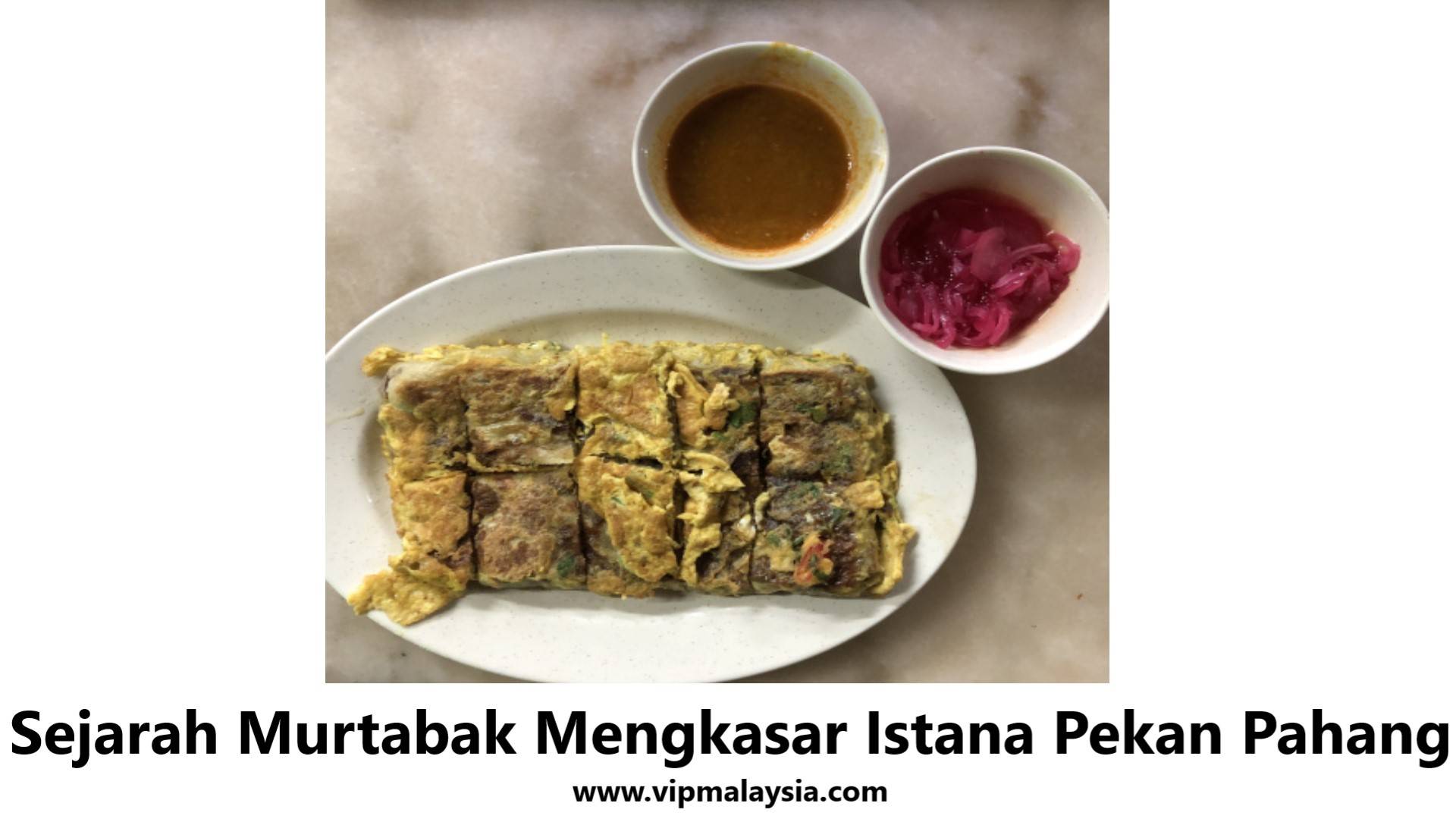
Indulge in the rich flavors of Murtabak Mengkasar, a royal specialty from Pekan, Pahang. With spiced minced meat, eggs, and flaky roti canai layers, this dish offers a luxurious taste of tradition. Traditionally prepared as a royal dish in Pahang, this murtabak offers an irresistible blend of texture and bold flavors that captivate both locals and tourists.
Introduction
Malaysia’s culinary heritage is filled with dishes that tell stories of culture, community, and history. Among them, Murtabak Mengkasar stands out as a royal delicacy originating from Kampung Mengkasar in Pekan, Pahang. Known as Murtabak Diraja or “Royal Murtabak,” it was once prepared exclusively for the royal family of Pahang. Today, it is enjoyed nationwide, celebrated for its rich filling of spiced minced meat and eggs, encased in crispy roti canai layers. Beyond its taste, Murtabak Mengkasar represents tradition, luxury, and the pride of Pahang’s culinary identity.
Highlights
The History
Murtabak Mengkasar carries a legacy that connects food with royalty. Developed in Kampung Mengkasar, Pekan, this dish was originally crafted for the royal family of Pahang. Its luxurious ingredients and meticulous preparation symbolized status and hospitality. Over time, it spread beyond the palace, becoming a beloved dish across Malaysia.
How It Became Known as Murtabak Diraja
Uniqueness
Murtabak Mengkasar distinguishes itself through its preparation and ingredients.
A Distinctive Blend of Ingredients and Preparation
Unlike regular murtabak, the minced meat filling is pre-cooked with herbs and spices, ensuring depth of flavor. A golden egg mixture enhances richness, while premium spices such as star anise and cloves add fragrance. The layering technique creates a crispy, flaky texture that sets it apart from other versions.
Signature Dishes
Murtabak Mengkasar in Pekan
Pekan remains the best place to savor authentic Murtabak Mengkasar.
A Royal Culinary Experience
Restaurants in Pekan serve the dish with traditional accompaniments like dhal curry and pickled onions. The atmosphere reflects Pahang’s heritage, offering diners a sense of connection to its royal past.
Modern Interpretations
Contemporary chefs have introduced creative twists to the dish.
Fusion Styles and Innovations
Some versions incorporate chicken or seafood, while others experiment with cheese or modern sauces. These adaptations keep the dish relevant for younger generations while preserving its essence. Presentation has also evolved, with some restaurants serving it in elegant platters to highlight its royal origins.
Nearby Attractions
Exploring Pekan’s Heritage
Pekan offers more than culinary delights—it is a town rich in history and culture.
Royal Museums and Landmarks
Visitors can explore the Sultan Abu Bakar Museum, which showcases Pahang’s royal heritage. The town also features traditional crafts and historical sites, making it a cultural hub.
Local Food Scene
Beyond Murtabak Mengkasar, Pekan offers dishes like gulai tempoyak and ikan patin. Local markets provide fresh produce and traditional snacks, immersing visitors in Pahang’s culinary diversity.
Conclusion
Murtabak Mengkasar is a royal culinary treasure that embodies Pahang’s heritage. From its origins in Kampung Mengkasar to its nationwide popularity, it reflects the creativity and pride of Malay cooking. Visitors who savor this dish also gain access to Pekan’s cultural landmarks, nearby towns, and natural attractions. Whether enjoyed in a traditional setting or a modern restaurant, Murtabak Mengkasar remains a dish that celebrates tradition, flavor, and community.
Summary
Attraction: Resepi Murtabak Mengkasar
Location: #Pahang
Attraction Type: #Food
Source: resipimcik.blogspot.com
HIghlights:
A unique Pahang specialty with royal origins
Rich filling made from spiced minced meat & eggs
Crispy, flaky roti canai layers infused with flavor
Best paired with pickled onions & dhal curry
Quick Info
Attribute
Details
Name
Murtabak Mengkasar
Origin
Kampung Mengkasar, Pekan, Pahang
GPS Position
3.4996° N, 103.3895° E
Main Ingredients
Eggs, Minced Meat, Spices, Roti Canai Dough
Popular Cooking Styles
Classic Murtabak, Double-Layer Royal Version
Best Pairings
Pickled Onions, Dhal Curry, Sambal
Recommended Restaurants
Murtabak Mengkasar Hj Din
Accessibility
Available in select eateries in Pahang
Best Time to Eat
Lunch & Dinner
Price Range
Varies by location & preparation
Contact
Murtabak Mengkasar Hj Din (+6012-9514668)
Customer Reviews
Hafiz Abdullah, Kuala Terengganu, Malaysia – ★★★★★ “Murtabak Mengkasar was unlike any murtabak I’ve tasted. The filling was rich and flavorful, and the crispy layers made it perfect. Dining in Pekan felt like stepping into history.”
Douglas Barbosa, Sydney, Australia – ★★★★☆ “The royal murtabak was delicious, though quite heavy. The spices were aromatic, and the dhal curry complemented it well. Exploring Pekan’s museums after the meal made the trip memorable.”
Mohammed Rasheed Abdul Majeed, Cairo, Egypt – ★★★★★ “I was amazed by the depth of flavor. The minced meat and egg mixture was perfectly balanced. It truly felt like a royal dish, and the hospitality in Pekan was outstanding.”
Elena Rossi, Milan, Italy – ★★★★☆ “The crispy texture and rich filling were impressive. It was different from any stuffed bread I’ve tried before. The cultural atmosphere in Pekan added to the experience.”
Kenny, South Korea – ★★★★★ “Murtabak Mengkasar was a highlight of my trip. The spices were fragrant, and the double-layer version was indulgent. Pairing it with pickled onions made it unforgettable.”
Pajeri Nenas is one of Malaysia’s most beloved pineapple-based dishes, known for its thick, creamy curry infused with a perfect blend of sweet, tangy, and savory flavors. Whether you’re a food lover, a home cook, or a traveler exploring Malaysian cuisine, this dish promises an unforgettable taste experience.
Introduction
Among Malaysia’s culinary gems, Pajeri Nenas stands out as a dish that perfectly balances sweetness and spice. Originating from Pahang, it combines tropical pineapple with rich coconut milk and fragrant spices, creating a curry that is both comforting and celebratory. Passed down through generations, Pajeri Nenas has become a staple in Malay households and festive occasions. Beyond its flavors, the dish connects visitors to Malaysia’s cultural heritage, offering a taste of tradition alongside opportunities to explore vibrant towns, cultural festivals, and natural attractions.
Highlights
The Origins and Recipe Variations
Pajeri Nenas reflects the ingenuity of Malay cooking, where tropical fruits are transformed into savory dishes.
A Traditional Malay Dish
Originally from Pahang, Pajeri Nenas quickly spread across Malaysia, becoming a household favorite. Its sweet and savory profile makes it versatile, pairing well with rice and meat-based dishes. Families often prepare it during festive seasons, reinforcing its role as a dish of celebration.
The Sweet and Savory Heritage
The dish combines pineapple’s natural sweetness with curry spices like turmeric, coriander, and cumin. Coconut milk adds creaminess, while tamarind paste introduces a tangy twist. This blend of flavors embodies Malaysia’s culinary diversity, where tropical produce meets spice traditions.
Variations
Pajeri Nenas is adaptable, with variations that cater to different tastes.
How It’s Cooked in Various Ways
Some versions include coconut milk for a richer texture, while others omit it for a lighter taste. Pajeri Terung, made with eggplant, offers a unique alternative, showcasing the versatility of the pajeri style. These variations highlight the creativity of Malay cooking, where ingredients are adapted to suit local preferences.
Pajeri Nenas in Traditional Settings
Pajeri Nenas is often served at weddings, festivals, and family gatherings.
A Dish of Celebration
Its presence at festive tables symbolizes hospitality and abundance. The combination of sweet pineapple and savory curry reflects the joy of communal dining, where food strengthens bonds.
Dining in Pahang
Restaurants in Pahang, especially in Kuantan and Temerloh, serve authentic Pajeri Nenas alongside other traditional dishes. Visitors can enjoy it with rice, grilled meats, or seafood, experiencing the full spectrum of Malay cuisine.
Modern Interpretations of Pajeri Nenas
Contemporary chefs have reimagined Pajeri Nenas, introducing new twists.
Fusion Styles
Some restaurants incorporate prawns or chicken into Pajeri Nenas, enhancing its richness. Others experiment with presentation, serving it in pineapple shells for visual appeal. These innovations keep the dish relevant while honoring its roots.
Recipe
Ingredients Needed
Key Components for the Best Pajeri Nenas
Fresh or canned pineapple (sliced into chunks)
Coconut milk for creaminess
Spices: turmeric, coriander, cumin, fennel seeds
Tamarind paste for a tangy twist
Sugar & salt for balanced flavor
Shallots, garlic & ginger for fragrance
Cooking Instructions
Step-by-Step Guide
Prepare the pineapple – Peel & slice if using fresh pineapple; drain if using canned.
Blend shallots, garlic, ginger & chilies – This creates the base spice mixture.
Sauté the spice paste in oil – Cook until aromatic & oil separates.
Mix in tamarind & coconut milk – Allow it to simmer gently.
Add pineapple chunks & let them absorb the curry – Cook until soft & well-coated.
Season to taste with sugar & salt – Balance flavors perfectly.
Serve warm with rice or side dishes – Enjoy the delicious combination of sweet & savory!
Customer Reviews
Sallehuddin Muhammad, Kuala Lumpur, Malaysia – ★★★★★ “Pajeri Nenas reminded me of my grandmother’s cooking. The balance of sweet pineapple and creamy curry was perfect. Dining in Kuantan made the experience even more authentic.”
Roy O’Connor, Dublin, Ireland – ★★★★☆ “I was fascinated by the use of pineapple in curry. The flavors were unique and well-balanced. The only challenge was adjusting to the sweetness, but it grew on me quickly.”
Mohamad Buyong, Kajang, Malaysia – ★★★★★ “The dish was rich and flavorful. I loved how the pineapple absorbed the curry. Exploring Pahang’s markets after tasting Pajeri Nenas made the trip unforgettable.”
Soleimani Qudsiah, Dubai, UAE – ★★★★☆ “Pajeri Nenas was unlike anything I’ve tried before. The creamy texture and tangy notes were delightful. The cultural festivals in Pahang added depth to the culinary journey.”
Carlos Christiano, Lisbon, Portugal – ★★★★★ “The combination of sweet and savory was extraordinary. Pajeri Nenas is a dish that tells a story, and tasting it in Pahang connected me to Malaysia’s heritage.”
Conclusion
Pajeri Nenas delivers a perfect balance of sweet, tangy & creamy flavors, making it one of Pahang’s most iconic traditional dishes. Whether you’re learning to cook it, savoring it in local eateries, or discovering its variations, this dish promises an unforgettable Malaysian culinary experience.
Plan your food adventure today—try the rich flavors of Pajeri Nenas in Pahang!
Summary
Attraction: Pajeri Nenas
Location: #Pahang
Attraction Type: #Food
Source: resepicikgu, mamawandiha.blogspot.com
HIghlights:
A classic traditional dish from Malaysia, especially Pahang
Made with fresh pineapple, coconut milk & aromatic spices
Rich, creamy texture with a hint of sweetness & mild spiciness
Perfectly pairs with rice & meat-based dishes
Quick Info
Attribute
Details
Name
Pajeri Nenas
Origin
Pahang, Malaysia
GPS Position
3.8140° N, 103.3310° E
Main Ingredients
Pineapple, Coconut Milk, Spices, Tamarind
Popular Cooking Styles
Traditional Curry, Without Coconut Milk, Pajeri Terung
Best Pairings
Rice, Meat-Based Dishes, Spicy Sambal
Recommended Restaurants
Local Malay Cuisine Outlets in Pahang
Accessibility
Available in traditional food stalls across Malaysia
Best Time to Eat
Lunch & Dinner
Price Range
Varies by restaurant
Frequently Asked Questions (FAQs)
Bagaimankah cara membuat resepi pajeri nenas utara?
Savor the smoky flavors of Ikan Bakar Petai, a coastal specialty from Tanjung Lumpur, Kuantan. Freshly grilled fish paired with fragrant petai beans and spicy sambal creates an unforgettable dining experience by the sea. This guide explores its culinary highlights, trekking and adventure opportunities nearby, must-visit attractions, and authentic visitor reviews.
Introduction
In the heart of Kuantan lies Tanjung Lumpur, a fishing village turned culinary hotspot famous for Ikan Bakar Petai. This dish combines freshly caught seafood with the earthy bitterness of petai beans, grilled to perfection over open flames. The result is a smoky, charred delicacy that embodies Malaysia’s coastal heritage. Beyond the food, Tanjung Lumpur offers cultural festivals, nearby towns rich in history, and natural adventures that make it a complete travel destination.
Tanjung Lumpur is a traditional fishing village located about 2 km from Kuantan city in Pahang, Malaysia. It lies across the Kuantan River, connected to Kuantan by the Jalan Abu Bakar bridge, and is especially famous for its ikan bakar (grilled fish). Only about 5–10 minutes by car from Kuantan city center.
Tanjung Lumpur is renowned for its seafood restaurants, where locals and tourists gather to enjoy freshly grilled fish. The combination of smoky aroma and petai’s distinctive flavor makes Ikan Bakar Petai a standout dish.
Ikan Bakar is a traditional Malaysian dish consisting of grilled fish, usually marinated with spices and served with sambal or dipping sauces. The name literally means “burnt fish” or “grilled fish” in Malay.
Petai, also known as “stink bean” or “bitter bean,” is a tropical legume native to Southeast Asia, especially Malaysia, Indonesia, and Thailand. It is valued for its strong aroma and distinctive taste, often used in Malay and Indonesian cooking. Often stir-fried with sambal, prawns, or anchovies in Malaysian and Indonesian cuisine. Scientific name: Parkia speciosa. Nutritional value: Rich in protein, fiber, and micronutrients.
Highlights
The freshness of the fish, sourced directly from coastal waters, ensures a tender texture. Grilling over charcoal enhances the natural taste, while petai beans add a slightly bitter, earthy balance. Sambal and signature sauces complete the dish, offering layers of spice and tang.
Ana Ikan Bakar Petai
Ana Ikan Bakar Petai has become a landmark restaurant in Kuantan, drawing crowds for its wide seafood selection and authentic flavors.
A Seafood Lover’s Paradise
The restaurant offers spacious seating and ample parking, making it convenient for families and groups. Its self-service ordering system allows diners to choose their preferred fish and cooking style. With a wide variety of seafood, from stingray to squid, Ana Ikan Bakar Petai ensures every visitor finds something to enjoy.
Perfect Pairings for Ikan Bakar Petai
Salted Egg Prawn delivers creamy richness, Sotong Celup Tepung offers crispy perfection, and Kerabu Mangga provides a refreshing tang. These side dishes balance the bold flavors of grilled fish and petai, creating a complete dining experience.
Restoran Ana Ikan Bakar Petai (Branch)
Restoran Ana Ikan Bakar Petai (Branch) in Perkampungan Tanjung Lumpur, Kuantan is a well-loved extension of the original Ana Ikan Bakar Petai brand, continuing its legacy as one of Pahang’s most iconic seafood destinations. The restaurant is especially famous for its signature dish, ikan bakar petai — freshly grilled fish infused with smoky flavors and paired with the bold, pungent sambal petai. Nestled in a traditional Malay village setting, this branch offers an authentic dining experience that attracts both locals and tourists seeking genuine kampung-style cuisine.
The restaurant serves a wide variety of grilled seafood platters, including prawns, squid, and other kampung-inspired Malay dishes. Its popularity continues to grow thanks to the combination of flavorful seafood, rustic atmosphere, and the strong reputation of the Ana Ikan Bakar Petai brand. For anyone visiting Kuantan, this branch has become a must-visit culinary spot, reinforcing its position as a top destination for seafood lovers in Malaysia.
Restoran Ikan Bakar Tanjung Lumpur
Restoran Ikan Bakar Tanjung Lumpur in Kuantan, Pahang is one of the most popular seafood destinations along Malaysia’s East Coast, celebrated for its kampung-style grilled fish and affordable prices. Located in Perkampungan Tanjung Lumpur, the restaurant offers a rustic open-air setting that makes it ideal for family gatherings and casual meals. Its signature dish, ikan bakar — fresh fish marinated with traditional spices, grilled over charcoal, and often paired with sambal petai — has earned it a loyal following among locals and tourists alike. The combination of authentic flavors and a welcoming atmosphere has cemented its reputation as a must-visit spot for seafood lovers in Kuantan.
Restoran Ikan Bakar Tanjung Lumpur offers a wide variety of kampung-style seafood dishes, including prawns, squid, jenahak, siakap, and kembung. Consistency in flavor and affordability are key reasons for its enduring popularity, with simple yet aromatic seasoning that highlights the freshness of the seafood. Sambal-based dishes, ulam-ulaman, and kampung-style side dishes further enhance the dining experience, making it a culinary landmark in Kuantan. For anyone seeking authentic Malay cuisine at budget-friendly prices, this restaurant remains a top choice along the East Coast.
Restoran Ikan Bakar Seri Tanjung
Restoran Ikan Bakar Seri Tanjung in Tanjung Lumpur, Kuantan has been a trusted name in kampung-style dining since 1976. Founded by Kak Yah and Abg Din, this restaurant quickly became a local favorite for its signature ikan bakar petai — smoky grilled fish paired with pungent sambal petai. Its homely, open-air atmosphere makes it ideal for family gatherings and relaxed meals, while its consistent taste has earned loyal customers for decades. With its authentic Malay flavors and welcoming environment, it remains one of Kuantan’s most recommended seafood destinations.
Beyond its flagship dish, Restoran Ikan Bakar Seri Tanjung offers a wide variety of kampung-style seafood, including prawns, squid, turmeric-grilled cuttlefish, and salted egg prawns. Known for affordability, the restaurant ensures that everyone can enjoy traditional Malay cuisine without breaking the budget. Its reputation for consistency and value has made it a must-visit for both locals and tourists, solidifying its place as a culinary landmark in Kuantan’s vibrant seafood scene.
Attractions
Kuantan is more than a food destination—it is a gateway to adventure.
Riverside and Coastal Trails
Visitors can explore trails along Sungai Kuantan, offering views of mangroves and fishing villages. Coastal walks provide opportunities to spot seabirds and enjoy the sea breeze. These trails connect travelers to the natural rhythm of Kuantan’s landscape.
Sungai Kuantan (Kuantan River) is the principal river in Kuantan District, Pahang, Malaysia. It originates from the highlands near Sungai Lembing and flows southeast for about 80–93 km before reaching the South China Sea at Tanjung Lumpur. The river supports a 500-year-old mangrove forest spanning 340 hectares, crucial for biodiversity. Water supply: Provides ~350,000 m³ of water daily for domestic, industrial, and agricultural use in Kuantan. Tourism: Known for the Kuantan River Cruise, offering scenic views of mangroves, wildlife, and Kuantan city.
Beaches and Outdoor Activities
Nearby beaches such as Teluk Chempedak and Pantai Balok are perfect for swimming, surfing, and kite flying. Adventure seekers can try water sports or simply relax by the shore, making Kuantan a versatile destination.
Teluk Chempedak (also spelled Teluk Cempedak) is a famous recreational beach located about 5 km east of Kuantan town, Pahang, Malaysia. Known for its white sandy shores, casuarina and pine trees, and rocky headlands facing the South China Sea, it is one of Kuantan’s most popular tourist destinations. Literally means Cempedak Bay; also known as Palm Beach.
Pantai Balok, situated in Balok is a well-known beach located about 15 km north of Kuantan, Pahang, Malaysia. It is famous for its long sandy shoreline, clear waters, and strong winds, making it one of the best windsurfing destinations in Asia.
Kuantan River Cruise in Pahang, Malaysia is a popular eco-tourism activity that takes visitors along the scenic Sungai Kuantan. This river cruise highlights the beauty of Kuantan’s mangrove ecosystem, offering breathtaking views of 500-year-old mangrove forests, traditional riverbank villages, and the city skyline. The boat tours typically last between 45 minutes to an hour, making them an accessible and enjoyable experience for families and travelers. With its combination of nature, culture, and relaxation, the Kuantan River Cruise has become one of the most recommended attractions in Kuantan for eco-tourism enthusiasts.
Night cruises are especially popular for firefly watching, where thousands of fireflies illuminate the mangrove trees, creating a magical spectacle. Visitors can also spot wildlife such as kingfishers and monitor lizards along the riverbanks, adding to the adventure. The Kuantan River Cruise not only provides a unique way to explore the natural beauty of Pahang but also promotes environmental awareness by showcasing the importance of mangrove conservation. For travelers seeking authentic eco-tourism experiences, the Kuantan River Cruise is a must-do activity that blends nature, culture, and sustainability.
Kuantan Town
Kuantan’s town center offers vibrant markets, shopping malls, and cultural attractions. Visitors can explore local crafts, fresh produce, and seafood stalls.
Kuantan Town is the capital of Pahang state in Malaysia, located on the east coast of Peninsular Malaysia at the mouth of the Kuantan River. It is the largest urban center on Malaysia’s east coast and serves as the political, economic, and cultural hub of Pahang. Established in the 1850s as the fishing village Kampung Teruntum. Became the state capital in 1955, replacing Kuala Lipis. Landmarks: The Sultan Ahmad Shah State Mosque and Serambi Teruntum bazaar are cultural highlights.
The Sultan Ahmad Shah State Mosque (Masjid Sultan Ahmad Shah) is the official state mosque of Pahang, located in the heart of Kuantan. Completed in 1993–1994, it is named after Sultan Ahmad al-Mu’adzam Shah, the first modern Sultan of Pahang, and stands as a major religious, cultural, and architectural landmark. The mosque replaced an earlier district mosque built in the 1960s, which was officiated by Sultan Abu Bakar in 1964. Designed by DZJ Architect and Associates, featuring turquoise domes and four minarets.
Serambi Teruntum Bazaar
Serambi Teruntum Bazaar in Kuantan, Pahang is a vibrant shopping and cultural complex located just 2 km from the city center, near Tanjung Lumpur. Developed under the Pahang state government and the East Coast Economic Region (ECER) initiative, it serves as a tourism icon showcasing the richness of local heritage. Visitors can explore a wide range of traditional products such as batik, songket, handicrafts, wood carvings, and souvenirs, alongside seafood products and delicacies like dodol, bahulu, and gula kabung.
Songket is a traditional Malaysian handwoven fabric made with silk or cotton threads interwoven with gold or silver threads, creating shimmering patterns that appear to float on the cloth. It is recognized by UNESCO (2021) as an Intangible Cultural Heritage of Humanity.
Beyond being a marketplace, Serambi Teruntum Bazaar plays a vital role in promoting eco-tourism and cultural tourism in Kuantan. Its homely kampung-style atmosphere and curated stalls highlight the artistry of local craftsmen while supporting small businesses. The bazaar not only attracts tourists but also serves as a gathering spot for locals, reinforcing its role as a cultural hub.
Dodol is a traditional sweet toffee-like confection popular in Malaysia. It is made by slowly cooking coconut milk, jaggery or palm sugar, and rice flour until it thickens into a sticky, chewy consistency. Ingredients: Coconut milk, palm sugar (gula melaka), and rice flour. Texture: Sticky, chewy, and slightly oily, similar to toffee or caramel. Cultural role: Traditionally prepared during festive occasions such as Hari Raya Aidilfitri and weddings.
By combining shopping, heritage, and gastronomy, Serambi Teruntum Bazaar strengthens Kuantan’s position as a leading destination on the East Coast, making it an essential stop for anyone exploring Pahang’s tourism landscape.
Gula kabung is a traditional natural sweetener made from the sap of the kabung palm (also known as the sugar palm, Arenga pinnata). It is boiled and solidified into blocks or cylinders, producing a rich, caramel-like sugar similar to palm sugar or jaggery.
Nearby Towns and Attractions
Kuantan is surrounded by destinations worth exploring:
Cherating: Famous for its beaches and turtle sanctuary.
Sungai Lembing: Known for its tin mining history and Rainbow Waterfall.
Pekan: The royal town of Pahang, rich in heritage sites.
Wildlife Encounters
Kuantan’s natural surroundings provide opportunities to encounter diverse species.
Species Lists
Fish varieties include stingray, mackerel, and Patin. Birdwatchers can spot kingfishers, herons, and sea eagles along rivers and coasts. Mammals such as macaques and civets inhabit nearby forests, adding to the region’s biodiversity.
Conclusion
Tanjung Lumpur offers a delightful blend of fresh seafood, coastal charm, and authentic dining, making it the top destination for Ikan Bakar Petai lovers. Whether you’re savoring smoky grilled fish, indulging in crispy side dishes, or enjoying the seaside atmosphere, this spot promises an exceptional seafood experience.
Plan your seafood adventure today—taste the finest Ikan Bakar Petai in Tanjung Lumpur, Pahang!
Summary
Attraction: Ikan Bakar Petai
Location: #Pahang
Attraction Type: #Food
HIghlights:
Freshly sourced seafood from coastal waters
Smoky, charred fish paired with fragrant petai beans
Served with flavorful sambal & signature sauces
Authentic local dining experience by the sea
Quick Info
Category
Details
Name
Ana Ikan Bakar Petai
Location
Tanjung Lumpur, Kuantan, Pahang, Malaysia
GPS Position
Approx. 3.7984° N, 103.3260° E (near Kuantan River mouth)
State
Pahang
Facility Type
Seafood restaurant, coastal dining
Main Attractions
Grilled fish with sambal petai, fresh seafood dishes
Nearby Landmarks
Kuantan River, Pantai Teluk Cempedak
Accessibility
Easily reachable via Kuantan highways; ~10 minutes from Kuantan city center
Bainon, Johor Bahru, Malaysia – ★★★★★ “The smoky flavor of the fish combined with petai was incredible. Ana Ikan Bakar Petai had a lively atmosphere, and the sambal was the best I’ve ever tasted.”
Man Meor Azman, Kuantan, Malaysia – ★★★★☆ “Ikan Bakar Petai was unique and flavorful. The restaurant was crowded, but the food was worth the wait. The nearby beaches made the trip even better.”
Fatimah Abdullah, Brunei – ★★★★★ “The freshness of the seafood was outstanding. I loved the salted egg prawns as a side dish. Kuantan’s coastal charm made the experience unforgettable.”
John Triumph, Texas, USA– ★★★★☆ “The grilled fish was perfectly cooked, and the petai added a distinctive taste. The restaurant was spacious, and the self-service system was convenient.”
Lisandro Martinez, Buenos Aires, Argentina – ★★★★★ “Ikan Bakar Petai was unlike anything I’ve tried before. The smoky aroma and spicy sambal were addictive. Exploring Kuantan’s markets and beaches made the trip complete.”
Frequently Asked Questions (FAQs)
Nyatakan waktu operasi Restoran Ana Ikan Bakar Petai Tanjung Lumpur, Kuantan?
Restoran Ana Ikan Bakar Petai Tanjung Lumpur beroperasi setiap setiap hari mulai jam 1 petang hingga 12 malam.
Apakah menu terbaik di Restoran Ana Ikan Bakar Petai Tanjung Lumpur?
Di antara menu yang menjadi tarikan dan favorite pengunjung adalah semestinya ikan bakar petai, tomyam putih, kailan ikan masin, lonjak masak pedas, ketam telur masin dan kerabu mangga. Satar ikan juga sedap.
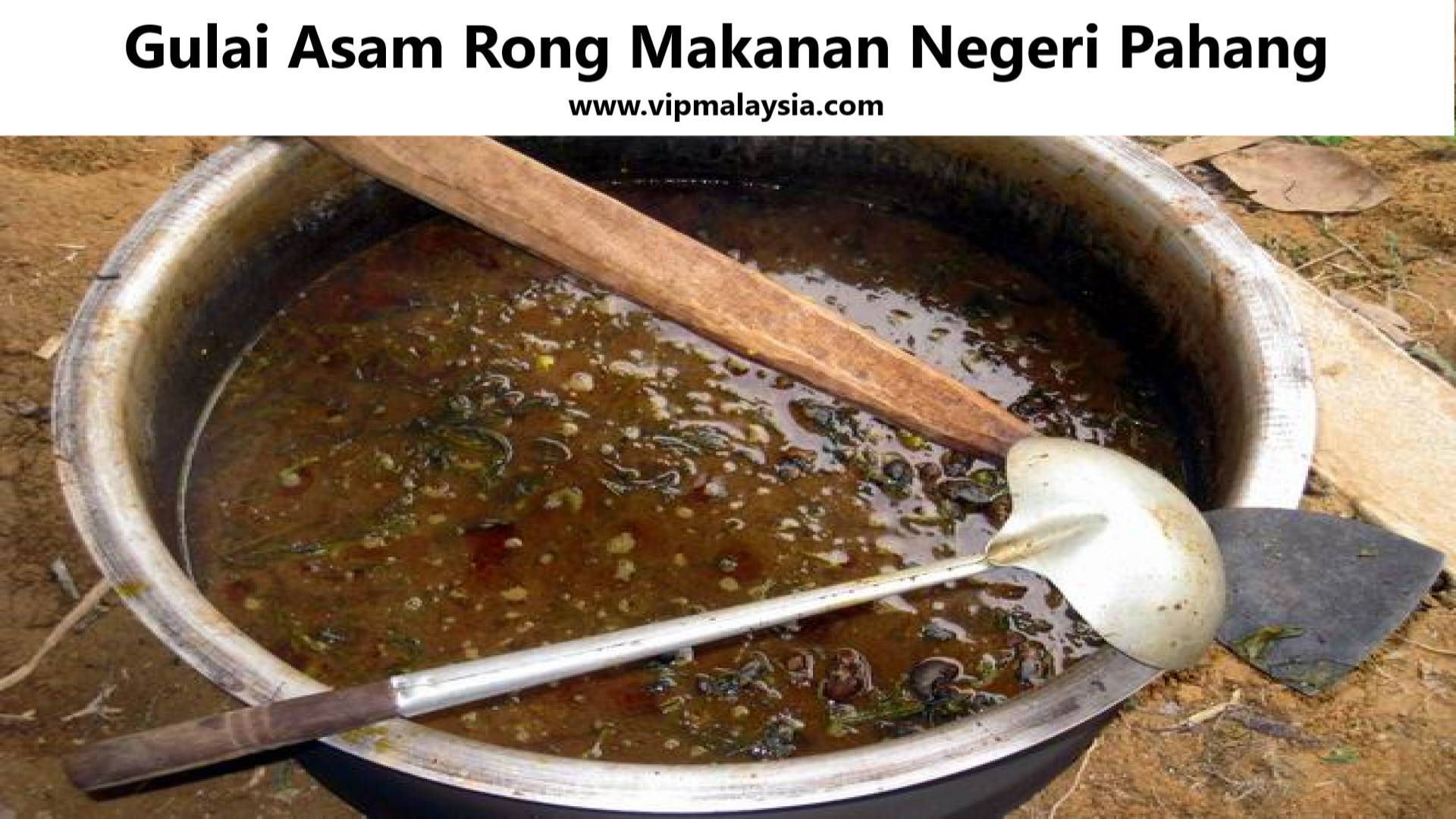
Experience the bold flavors of Gulai Asam Rong, a traditional dish from Jerantut, Pahang, made with rubber seeds or buah perah. This long-form guide explores its origins, cultural significance, cooking methods, trekking and adventure highlights in Pahang, must-visit destinations, and authentic visitor reviews.
Introduction
Among Malaysia’s diverse culinary treasures, Gulai Asam Rong stands out as a dish deeply rooted in heritage and nature. Originating from villages in Jerantut, Pahang, it is crafted from buah perah or rubber seeds, fermented to create a distinctive tang. This dish is not only a testament to the ingenuity of rural communities but also a living tradition passed down through generations. Today, Gulai Asam Rong is celebrated across Malaysia, offering visitors a chance to taste history while exploring the natural and cultural wonders of Pahang.
Highlights
The Origins and Cultural Significance
Gulai Asam Rong reflects the resourcefulness of rural Malaysians who transformed forest produce into culinary art. Its unique ingredient, buah perah, was once foraged from deep forests before rubber seeds became a more accessible substitute.
The Story Behind Asam Rong
The name “asam rong” derives from “isirong,” meaning the inner part of fruit. Traditionally, villagers harvested buah perah, dried and fermented it, and used it as a base for gulai. Over time, rubber seeds replaced buah perah due to availability, but the dish retained its distinctive flavor and cultural importance.
A Unique Ingredient Found in Nature
Buah perah and rubber seeds are rich in oils and proteins, making them ideal for fermentation. Their transformation into asam rong highlights the Malay tradition of preserving food naturally. This ingredient embodies the connection between people and their environment, turning forest harvests into culinary heritage.
The best places to enjoy authentic gulai asam rong are in Jerantut and Kuala Lipis. Notable restaurants include Kak Noor Gulai Asam Rom in Jerantut (famous for kampung-style gulai, cooked with authentic balance of sour and spicy flavors. Nostalgic taste passed down generations) and Restoran Gulai Kampung in Kuala Lipis (Known for serving gulai asam rong alongside other traditional Pahang dishes. Popular among locals and travelers.), both highly recommended for their kampung-style authenticity.
Regions Where Gulai Asam Rong Is Popular
While Jerantut remains the heartland of Gulai Asam Rong, its popularity has spread across Pahang.
Traditional Villages in Pahang
Villages such as Kampung Ulu Tembeling, Kampung Kuala Tembeling, and Kuala Tahan are renowned for their authentic preparation. These communities preserve traditional methods, offering visitors a chance to taste Gulai Asam Rong in its most genuine form.
Kampung Ulu Tembeling is a mukim (commune) in Jerantut District, Pahang, Malaysia, covering over 416,997 hectares and including parts of Taman Negara. It consists of several traditional villages such as Kampung Bantal, Kampung Pagi, Kampung Kuala Sat, Kampung Mat Daling, Kampung Kucing, and Kampung Gusai. Villages here preserve traditional Malay kampung lifestyles and are closely linked to Orang Asli heritage.
Kampung Kuala Tembeling is a traditional Malay village located in Jerantut District, Pahang, Malaysia, situated along the Tembeling River. It is historically significant as a river transit point and gateway to Taman Negara, Malaysia’s oldest national park. A Malay kampung preserving traditional lifestyles and river-based culture.
Kuala Tahan is a village in Jerantut District, Pahang, Malaysia, located at the at the meeting point of Sungai Tahan and Sungai Tembeling. It is best known as the main gateway to Taman Negara, Malaysia’s oldest national park, and serves as a hub for eco-tourism with resorts, floating restaurants, and river transport facilities.
Expansion to Other Areas
Beyond Jerantut, towns like Kuala Lipis, Maran, Raub, and Kuantan have embraced the dish. Restaurants and homestays in these regions often serve Gulai Asam Rong, introducing it to travelers exploring Pahang’s diverse landscapes.
Raub is a historic town and district capital in western Pahang, Malaysia, located about 100–108 km northeast of Kuala Lumpur by road. It is one of the oldest towns in Pahang, originally established in the late 18th century and later developed as a gold-mining settlement in the 1880s. Today, Raub is known for its colonial heritage, agriculture, and especially its famous Musang King durian. “Raub” means to scoop with one’s hands in Malay, referring to the abundance of gold ore historically found there.
How Gulai Asam Rong Is Made
The preparation of Gulai Asam Rong is a meticulous process that requires patience and skill.
From Rubber Seeds to a Flavorful Base
Rubber seeds are collected, peeled, and dried under the sun for three to seven days. Once dried, they are pounded into small pieces and fermented naturally. This fermentation process can preserve the seeds for months without refrigeration, ensuring a steady supply of asam rong.
Cooking Methods
Gulai Asam Rong is versatile. It can be cooked with fish, creating a rich and flavorful gulai, or paired with vegetables in a style similar to taucu cooking. Some households even transform asam rong into sambal, adding depth and complexity to everyday meals.
Local Beliefs About Asam Rong
Traditionally, villagers believed that excessive consumption of asam rong could cause digestive issues. While modern studies are limited, these beliefs reflect the cautious respect communities hold for fermented foods. Moderation remains a guiding principle in enjoying this dish.
Trekking and Adventure
Exploring Jerantut and Surrounding Areas
Jerantut is not only the birthplace of Gulai Asam Rong but also a gateway to adventure.
Riverside and Forest Trails
The Tembeling River offers scenic trekking routes, where visitors can enjoy lush greenery and spot wildlife such as hornbills and macaques. Forest trails around Jerantut lead to hidden waterfalls and traditional villages, providing immersive cultural experiences.
The Tembeling River is a major tributary of the Pahang River in Malaysia, flowing through Jerantut District in Pahang. It is historically significant as the main waterway into the interior of Pahang and serves as the traditional gateway to Taman Negara, Malaysia’s oldest national park. The Tembeling River is approximately 110 km (68 miles) long, making it one of the major tributaries of the Pahang River. It flows from Ulu Tembeling in the Pantai Timur Range and joins the Pahang River at Kuala Tembeling.
Gateway to Taman Negara
Jerantut serves as the main entry point to Taman Negara, Malaysia’s oldest national park. Visitors can embark on jungle treks, canopy walks, and river cruises, encountering tapirs, elephants, and exotic bird species. The combination of culinary and natural exploration makes Jerantut a unique destination.
Taman Negara is Malaysia’s oldest and largest national park, established in 1938–1939 as King George V National Park and renamed after independence. It spans three states — Pahang, Kelantan, and Terengganu — covering about 4,343 km² of tropical rainforest, which is estimated to be over 130 million years old, making it one of the world’s oldest rainforests.
Cultural Festivals and Traditions
Pahang’s cultural calendar enriches the experience of tasting Gulai Asam Rong.
Culinary Celebrations
Local festivals often feature cooking demonstrations of Gulai Asam Rong, alongside other traditional dishes. These events highlight the importance of food in community bonding and cultural preservation.
Music and Dance
Performances of gamelan and zapin accompany festivals, offering visitors a glimpse into Pahang’s artistic heritage. The blend of food, music, and dance creates a holistic cultural immersion.
Nearby Attractions
Jerantut Town
Jerantut’s town center offers vibrant markets where visitors can find fresh produce, rubber seeds, and local crafts. The weekly market is a hub of activity, showcasing the region’s agricultural and culinary diversity.
Nearby Towns and Attractions
Kuala Tahan: Entry point to Taman Negara, offering eco-lodges and guided tours.
Kuala Lipis: A historical town with colonial architecture and local delicacies.
Maran and Raub: Known for their agricultural produce and traditional villages.
Kuantan: Pahang’s capital, blending modern attractions with cultural heritage.
Wildlife Encounters
Pahang’s forests and rivers are rich in biodiversity, enhancing the visitor experience.
Species Lists
Fish: Patin, tilapia, and river catfish.
Birds: Hornbills, kingfishers, and eagles.
Mammals: Tapirs, elephants, and macaques.
These encounters highlight the harmony between culinary traditions and natural ecosystems.
Conclusion
Gulai Asam Rong offers a deep connection to Malaysia’s rural traditions, making it one of Pahang’s most distinctive dishes. Whether you’re exploring the origins of rubber seed fermentation, tasting its bold flavors, or embracing the culture behind its preparation, this dish promises an authentic experience of Malaysia’s culinary heritage.
Plan your food adventure today—taste the unique flavors of Gulai Asam Rong in Pahang!
Summary
Attraction: Gulai Asam Rong
Location: #Pahang
Attraction Type: #Food
Source: wikipedia.org
Highlights:
A traditional dish originating from the villages of Jerantut, Pahang
Made from rubber seeds or buah perah, giving it a distinctive taste
Passed down through generations, celebrated across Malaysia
Versatile cooking styles—pairs well with fish or vegetables
Quick Info
Attribute
Details
Name
Gulai Asam Rong
Location
Jerantut, Pahang, Malaysia
GPS Position
4.1830° N, 102.3678° E
State
Pahang
Facility Type
Traditional Cuisine, Local Restaurant & Culinary Experience
Main Ingredients
Rubber Seeds / Buah Perah, Fish, Spices
Popular Cooking Styles
Gulai Asam Rong, Stir-Fried with Vegetables, Sambal
Nearby Landmarks
Temerloh, Kuala Lipis, Maran
Accessibility
Easily available at traditional eateries
Best Time to Eat
Lunch & dinner for fresh servings
Entry Fees
Restaurant pricing applies
Recommended Pairings
Rice, Grilled Fish, Traditional Malay Side Dishes
Opening Hours
Varies by restaurant
Contact
Gerai Z&Z Mak Anjang (+6013-3057868)
Visitor Reviews
Farid Hassan, Penang, Malaysia – ★★★★★ “I tasted Gulai Asam Rong in Jerantut, and it was unlike anything I’ve tried before. The fermented flavor was bold yet balanced, and the hospitality of the villagers made the experience even more special.”
Emily Tan, Melbourne, Australia – ★★★★☆ “The dish had a unique tang that took me by surprise. I loved learning about the fermentation process and exploring Jerantut’s markets. It’s a must-try for adventurous food lovers.”
Ravi Kumar, Chennai, India – ★★★★★ “Gulai Asam Rong was a highlight of my trip to Pahang. The combination of fish and asam rong created a flavor that was rich and satisfying. The cultural stories behind the dish made it even more meaningful.”
Maria Lopez, Barcelona, Spain – ★★★★☆ “The taste was strong and distinctive, but once I adjusted, I appreciated its depth. Pairing it with rice made it perfect. The trekking trails around Jerantut added to the overall experience.”
Michelle Brown, London, UK – ★★★★★ “I was fascinated by the use of rubber seeds in cooking. The fermentation gave the dish a unique character. It was both a culinary and cultural discovery that I will never forget.”
Frequently Asked Questions (FAQs)
Dimanakah restoran gulai asam rong paling sedap di Pahang?
Gulai Asam Rong Gerai Z & Z Mak Anjang adalah restoran popular yang terletak di medan selera berhampiran Majlis Daerah Jerantut. Menu yang paling popular adalah gulai asam rong yang paling sedap. Gulai asam rong kepala ikan kenerak adalah menu yang wajib anda cuba.
Apakah bahan asal asam rong?
Bahan yang menghasilkan asal rong adalah dari biji getah yang ditumbuk halus dan diperam sehingga bertukar warna dari putih kepada hitam. Ia juga menghasilkan minyak yang diperlukan dalam membuat menu tradisional Pahang ini.
Apakah mudah memasak gulai asam rong?
Penyediaan gulai asam rong sedikit rumit dan memakan masa yang lama. Ia harus betul-betul masak. Jika tidak cukup masak boleh mengakibatkan anda sakit perut.
Bagaimana cara menikmati gulai asam rong?
Gulai asam rong akan terasa kenikmatannya apabila anda makan nasi putih beserta ulam-ulaman seperti ulam keladat dicicah bersama tempoyak.
Dimanakah restoran gulai asam rong terbaik di Pahang?
Salah satu restoran terbaik yang menyajikan menu makanan terbaik di Pahang adalah Gerai Z & Z Mak Anjang No 4, Kompleks Niaga Fasa 1, Jalan Bidai, Bandar Baru Jerantut, Jerantut, Pahang
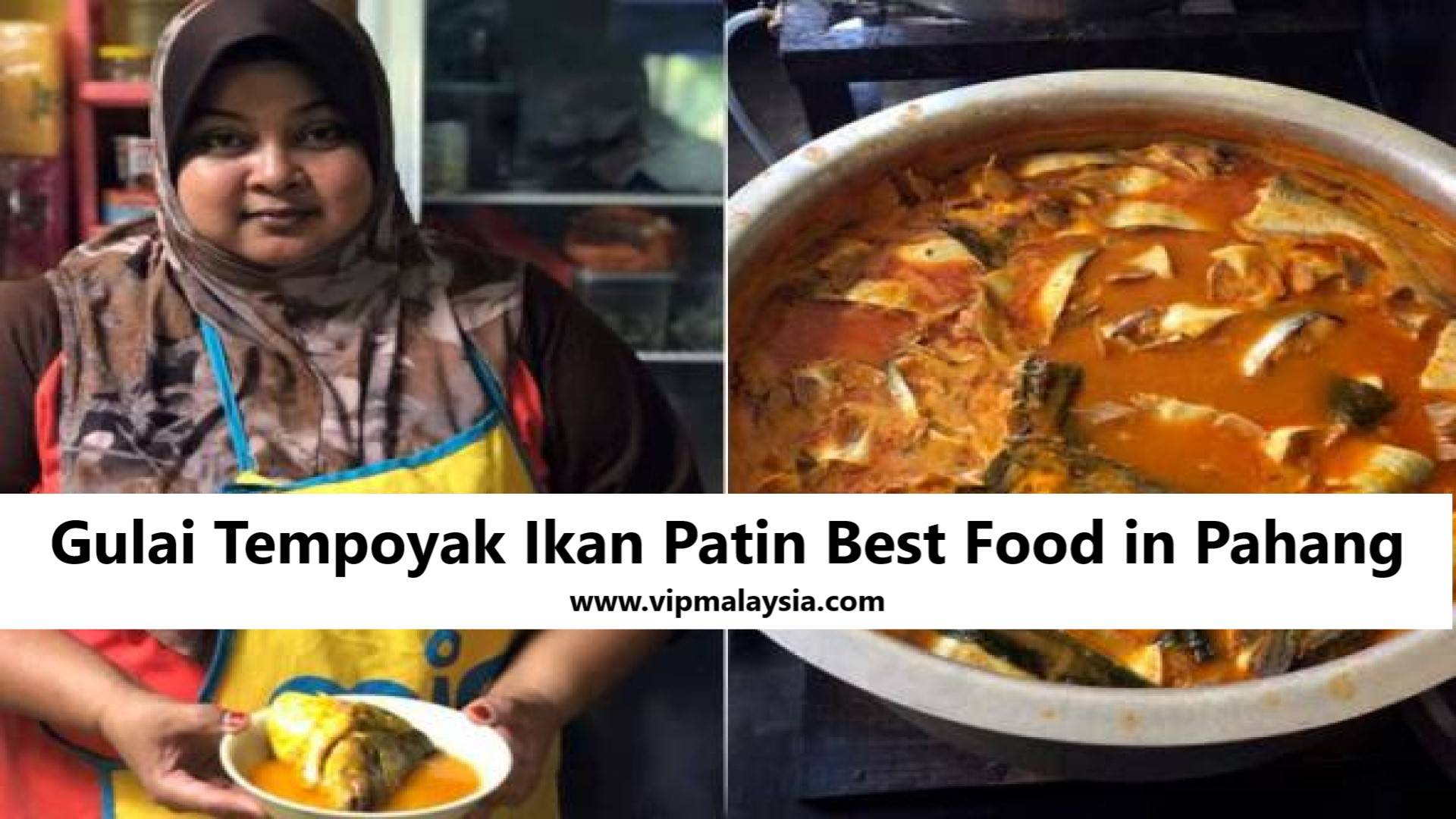
Discover the rich flavors of Gulai Tempoyak Ikan Patin, a traditional Pahang delicacy made with tender Patin fish and fermented durian curry. This long-form guide explores its history, cultural significance, top eateries, trekking and adventure highlights around Temerloh, and authentic visitor reviews.
Introduction
Temerloh, Pahang, is home to the legendary Gulai Tempoyak Ikan Patin, a rich, tangy, and deeply satisfying dish that showcases Malaysia’s culinary heritage. Rooted in the lush riverside town of Temerloh, Pahang, this dish combines the delicate texture of Patin fish with the bold tang of tempoyak, a fermented durian paste. More than just food, it represents tradition, community, and the pride of Pahang’s people. Visitors flock to Temerloh not only to savor this dish but also to immerse themselves in the surrounding natural beauty, cultural festivals, and adventurous trekking opportunities.
Fermented durian paste, known locally as tempoyak, is a traditional Malay condiment made by salting and fermenting the pulp of ripe or overripe durian fruit. The fermentation process, driven by lactic acid bacteria, produces a tangy, pungent paste widely used in Malaysian and Indonesian cuisine. Durian flesh is mixed with salt (2–5% by weight) and left to ferment for 3–7 days at room temperature. Fermentation is driven by lactic acid bacteria such as Lactobacillus plantarum, Lactobacillus fermentum, and Pediococcus species. Taste profile: Sour, pungent, savory-sweet, with intensified durian flavor.
The History
Gulai Tempoyak Ikan Patin traces its origins to the Malay heartlands, where river fish and durian were abundant. The fermentation of durian into tempoyak created a unique ingredient that transformed local cuisine. Passed down through generations, this dish became a symbol of hospitality and celebration.
The Pahang River, Malaysia’s longest at 459 km, is rich in freshwater fish and central to Temerloh, the “Patin Capital.” Key species include patin, the star of patin tempoyak; kelah, the prized “king of river fish”; rare temelian; kerai, popular with anglers; tenggalan, a local favorite; and baung, widely consumed catfish.
Origin of Gulai Tempoyak
The dish’s foundation lies in the rivers of Temerloh, where Patin fish thrive. Known for their tender flesh and mild flavor, Patin fish are ideal for absorbing the tangy richness of tempoyak. Families across Pahang have preserved this recipe, ensuring its authenticity remains intact.
A Traditional Malay Dish Rooted in Heritage
Tempoyak is more than an ingredient—it is a cultural marker. Its pungent aroma and tangy taste reflect the Malay tradition of fermentation, a method that preserves food while enhancing flavor. Gulai Tempoyak Ikan Patin thus stands as a culinary bridge between past and present.
Highlights
Selera Patin Bangau
Selera Patin Bangau is synonymous with Gulai Tempoyak. Founded by Rohazlina Yusuf, who ironically disliked Patin fish, the restaurant perfected a cooking method that won over locals and tourists alike. Location: Jalan Kampung Baru, Kampung Bangau, 28000 Temerloh, Pahang.
The Story Behind the Restaurant
Rohazlina’s innovation was to prepare the tempoyak curry first, ensuring its flavors were balanced, before adding the fish. This technique prevents the fish from overcooking and preserves its delicate texture. Today, Selera Patin Bangau is a culinary landmark, drawing visitors from Kuala Lumpur and beyond.
Cooking Method
The preparation of Gulai Tempoyak is a meticulous process that highlights traditional Malay cooking techniques.
Traditional Cooking Techniques
Fresh Patin fish is cleaned and sliced carefully to maintain its texture. Tempoyak is blended with turmeric, chilies, and coconut milk, creating a base that is both creamy and tangy. The curry is simmered slowly, allowing the flavors to meld harmoniously. The result is a dish that is rich, aromatic, and unforgettable.
Top Spots in Temerloh
Restaurant
Address & Phone
Selera Patin Bangau
Jalan Kampung Baru, Kampung Bangau, 28000 Temerloh, Pahang, Malaysia. Tel: 013-996 4100 / 019-907 3965
Restoran Claypot Patin Tempoyak
No. 62 Persiaran 1, Damai Court, Jalan Tengku Ismail, 28000 Temerloh, Pahang, Malaysia. Tel: 012-979 1719
Gerai Makan Pak Usop (Patin Pak Usop)
Jalan Lurah Semantan B12, 28000 Temerloh, Pahang, Malaysia. Tel: 013-963 4100
Kancil Raja Patin
Temerloh, Pahang, Malaysia (near town center). Tel: 013-933 4100
Go’Bang Maju Patin Tempoyak
Jalan Triang, 28000 Temerloh, Pahang, Malaysia (next to Petron Temerloh station, opposite traffic light). Tel: 09-296 4100
Trekking and Adventure
Exploring Temerloh’s Natural Beauty
Temerloh is not only about food—it is a gateway to adventure. The surrounding landscapes offer trekking trails, wildlife encounters, and cultural immersion.
Riverside Trekking Trails
The banks of Sungai Pahang provide serene trekking routes. Visitors can enjoy lush greenery, spot kingfishers and herons, and experience the tranquility of Malaysia’s longest river.
Adventure in Pahang’s Forests
Nearby forests host diverse wildlife, including tapirs, hornbills, and macaques. Guided treks allow visitors to explore safely while learning about local flora and fauna.
Cultural Festivals and Local Traditions
Temerloh celebrates its heritage through vibrant festivals.
Pahang Culinary Festivals
Annual events showcase Gulai Tempoyak alongside other traditional dishes. Cooking competitions, cultural performances, and handicraft exhibitions highlight the richness of Malay culture.
Traditional Music and Dance
Visitors can witness performances of gamelan and zapin, traditional art forms that complement the culinary experience.
Gamelan is a traditional Indonesian orchestra made up mainly of percussive instruments such as gongs, metallophones, drums, and xylophones, often accompanied by bamboo flutes and string instruments. It originated in Java and Bali, and in 2021 was inscribed by UNESCO as Intangible Cultural Heritage of Humanity. Gamelan Melayu was introduced to the royal courts of Pahang in the 19th century, and later spread to Terengganu.
Zapin is a traditional Malay dance form that blends Arab-Islamic and Malay cultural influences, performed with lively footwork and accompanied by music from instruments such as the gambus (lute), marwas (drum), and violin. It is widely practiced in Malaysia, especially in Johor, and is often performed at cultural festivals, weddings, and community gatherings.
Nearby Attractions
Temerloh Town
Temerloh’s bustling town center offers markets where fresh Patin fish and tempoyak are sold. The Sunday market, known as “Pekan Sehari,” is a must-visit for local produce and crafts.
Nearby Towns and Attractions
Mentakab: Known for its historical sites and local delicacies.
Jerantut: Gateway to Taman Negara, Malaysia’s oldest national park.
Kuala Gandah Elephant Sanctuary: A conservation center where visitors can learn about elephant protection.
Mentakab is a town and mukim (commune) in the Temerloh District of Pahang, Malaysia, located along the Semantan River. It serves as an industrial and commercial hub, historically important as a railway town, and had a population of about 52,000 as of 2020. Grew as a riverine trading hub in the late 19th century, connecting Kuala Lumpur to Kuantan.
Wildlife Encounters
Temerloh’s rivers and forests are home to diverse species.
Species Lists
Fish: Patin, tilapia, and river catfish.
Birds: Hornbills, kingfishers, and eagles.
Mammals: Tapirs, macaques, and civets.
These encounters enrich the visitor experience, making Temerloh a destination that combines gastronomy with eco-tourism.
Conclusion
Gulai Tempoyak Ikan Patin offers a bold, flavorful taste of Malaysia’s rich culinary traditions, making it one of the most iconic dishes from Temerloh, Pahang. Whether you’re savoring its creamy tempoyak sauce, indulging in fresh Patin fish, or immersing yourself in local food culture, this dish promises an unforgettable dining experience.
Plan your food adventure today—taste the authentic flavors of Gulai Tempoyak Ikan Patin in Temerloh!
Summary
Attraction: Gulai Tempoyak Ikan Patin
Location: #Pahang
Attraction Type: #Food
Highlights:
Made with fresh Patin fish, famously tender & flavorful
Simmered in rich tempoyak curry, a fermented durian delicacy
A beloved traditional dish that embodies Pahang’s culinary pride
Best enjoyed in Temerloh, the heart of Patin fish farming
Quick Info
Category
Details
Name
Gulai Tempoyak Ikan Patin
Location
Temerloh, Pahang, Malaysia
GPS Position
3.4465° N, 102.4218° E (Temerloh town center)
State
Pahang
Facility Type
Traditional Cuisine, Local Restaurants & Culinary Experience
Main Attractions
Authentic Patin Fish Dish, Tempoyak Curry, Local Dining Spots
Nearby Landmarks
Sungai Pahang, Kampung Bangau Tanjung
Accessibility
Easily accessible via East Coast Expressway (ECE) and major highways
Best Time to Visit
Lunch & dinner time for freshly cooked servings
Entry Fees
Restaurant pricing applies
Recommended Activities
Food Tasting, Local Culinary Experience, Riverside Dining
Recommended Restaurants
Selera Patin Bangau, Restoran Claypot Patin Tempoyak, Gerai Makan Pak Usop (Patin Pak Usop), Kancil Raja Patin, Go’Bang Maju Patin Tempoyak
Visitor Reviews
Megat Rahman, Kuala Lumpur, Malaysia – ★★★★★ “I never thought fermented durian could taste this good. The Gulai Tempoyak at Selera Patin Bangau was unforgettable. The fish was tender, and the curry had the perfect balance of tang and spice.”
Siti Shazliza, Kelantan, Malaysia – ★★★★☆ “The flavors were unique and rich. I loved the cultural atmosphere in Temerloh. The only downside was the crowd during peak hours, but the food was worth the wait.”
John Matthews, London, United Kingdom – ★★★★★ “As a foreign visitor, I was amazed by the depth of flavor. The Patin fish melted in my mouth, and the tempoyak curry was unlike anything I’ve tasted before. Truly a highlight of my trip to Malaysia.”
Sim Tze Kuang, Hong Kong – ★★★★★ “The riverside setting made the meal even more special. Gulai Tempoyak is a dish that tells a story, and I felt connected to the local culture through every bite.”
Carlos Fernandez, Madrid, Spain – ★★★★☆ “The dish was delicious, though the strong aroma of tempoyak took some getting used to. Once I adjusted, I appreciated the complexity of flavors. A must-try for adventurous eaters.”
Frequently Asked Questions (FAQs)
Apakah restoran yang menjual gulai tempoyak ikan patin terbaik di Pahang?
Ada banyak restoran yang menjual gulai tempoyak ikan patin di Pahang. Tetapi Restoran Selera Patin Bangau menjadi bualan semua orang kerana kesedapan yang tidak terkata.
Apakah yang boleh dibuat dengan buah durian untuk masakan?
Durian selain dari boleh dimakan begitu sahaja, tetapi boleh dibuat masakan seperti sambal tempoyak, serawa dan gulai tempoyak ikan patin yang sangat terkenal di Negeri Pahang.
Apakah perkara menarik di Temerloh, Pahang?
Temerloh, Pahang, menawarkan pelbagai tarikan menarik yang sesuai untuk pelbagai jenis pengunjung. Berikut adalah beberapa perkara menarik yang boleh anda lakukan dan alami di Temerloh:
Ikan Patin dan Masakan Tempoyak: Temerloh terkenal dengan ikan Patin dan masakan tempoyak. Anda boleh menikmati hidangan ikan Patin masak tempoyak yang merupakan hidangan ikonik di kawasan ini. Ada juga restoran dan kedai yang khusus menyajikan hidangan ini.
Sungai Pahang: Sungai Pahang adalah sungai terbesar di Semenanjung Malaysia dan merupakan tempat yang popular untuk aktiviti seperti memancing dan menyusuri sungai. Pemandangan sungai ini juga sangat menenangkan.
Taman Negara Kuala Tahan: Terletak tidak jauh dari Temerloh, Taman Negara Kuala Tahan adalah salah satu taman negara tertua di Malaysia. Ia menawarkan pelbagai aktiviti luar seperti trekking, bird-watching, dan menaiki canopy walkway yang terkenal.
Pasar Malam Temerloh: Pasar malam di Temerloh adalah tempat yang bagus untuk merasai makanan tempatan dan membeli barangan kraftangan serta cenderamata. Pasar ini biasanya dibuka pada waktu petang dan malam, menjadikannya tempat yang meriah untuk dikunjungi.
Kampung Abang: Kampung ini terkenal dengan seni dan kraftangan tradisional, termasuk anyaman rotan dan pembuatan kerajinan tangan. Anda boleh melawat kampung ini untuk melihat proses pembuatan dan membeli hasil kraftangan.
Hutan Simpan Jerangau: Hutan ini adalah kawasan perlindungan yang kaya dengan flora dan fauna. Jika anda pencinta alam, anda boleh menjelajahi kawasan ini dan menikmati keindahan semula jadi.
Muzium Temerloh: Muzium ini menampilkan pameran mengenai sejarah dan budaya tempatan, termasuk seni dan kraftangan tradisional masyarakat Melayu di Temerloh dan kawasan sekitarnya.
Gua Charas: Terletak sedikit di luar Temerloh, Gua Charas adalah gua yang menarik dengan stalaktit dan stalagmit yang unik. Ia juga merupakan tempat yang baik untuk mendaki dan menjelajah.
Kilang Batik dan Kraftangan: Anda boleh melawat kilang batik dan pusat kraftangan di Temerloh untuk melihat bagaimana batik dan produk tempatan lain dihasilkan serta membeli cenderamata.
Muzium Tentera: Terletak di Temerloh, muzium ini menawarkan pameran mengenai sejarah ketenteraan Malaysia dan boleh memberikan pandangan mendalam mengenai sejarah pertahanan negara.
Fishing in Pahang River is one of Malaysia’s most thrilling freshwater adventures, offering anglers the chance to catch prized species like patin, kerai, temelian, and tengalan. With serene riverbanks, guided expeditions, and cultural immersion in riverside villages, it is both a sporting and cultural journey.
Introduction
Stretching over 459 km, Pahang River is Malaysia’s longest river and a lifeline for communities across the state. Known as the “Patin Capital” in Temerloh, the river supports diverse freshwater species and provides opportunities for fishing, rafting, and eco-tourism. Its riverbanks are dotted with traditional villages, cultural markets, and lush forests, making it a destination that blends adventure with heritage.
“Ikan Patin Capital” refers to the town of Temerloh in Pahang, Malaysia, which is widely recognized as the national hub for freshwater catfish (ikan patin) due to its abundance in the Pahang River and its cultural significance in local cuisine. Temerloh earned the title “Patin Capital” because the best-quality patin fish are found in the Pahang River, making the town synonymous with patin dishes. The town’s reputation is tied to its signature dish, patin masak tempoyak (patin cooked in fermented durian paste), which is considered a culinary icon of Pahang.
Highlights
Best Fishing Spots and Techniques
Fishing in Pahang River is a rewarding experience, with hotspots like Temerloh, Chenor, Lubok Paku, Kuala Triang, and Kuala Bera offering unique catches.
Chenor
Chenor is both a mukim (sub-district) and a state constituency in Pahang, Malaysia, located about 55 km from Temerloh and accessible via the East Coast Expressway. It is known for its rural villages such as Kampung Chenor, Kampung Bukit Bota, Kampung Tanjung Memalau, Kampung Raja, Kampung Kening, and Kampung Batu Bor, traditional economic activities like rubber tapping and fish farming, and its representation in the Pahang State Legislative Assembly. Population activities: Rubber tapping, cage fish farming (ikan sangkar), and small-scale farming are common. Many younger residents migrate to urban centers for stable employment.
Chenor is recognized as a riverside village area along the Pahang River that doubles as a popular freshwater fishing spot. Anglers often target species such as patin (catfish), toman (snakehead), and other river fish (kerai, and tengalan), making Chenor a notable destination for recreational fishing. Sungai Chenor, a tributary of the Pahang River, is the main fishing area.
Lubok Paku
Lubok Paku is a small town in the Maran District of Pahang, Malaysia (about 20 km from Maran town, situated directly on the Pahang River.), best known for its historical police station and proximity to the Pahang River. The town holds cultural and historical significance due to its role in anti-colonial resistance during the late 19th century. A landmark attacked and destroyed by followers of Dato’ Bahaman, Tok Gajah, and Mat Kilau during uprisings against British colonial rule in the early 1800s.
Chenor is a hidden gem for tengalan and kerai, while Lubok Paku’s deep pools are ideal for larger fish. Kuala Triang and Kuala Bera are known for seasonal freshwater prawn fishing, adding variety to the angling experience.
Lubok Paku is a riverside settlement along the Pahang River that is well-known as a freshwater fishing spot. Anglers visit the area to catch species such as patin (catfish), lampam, toman (snakehead), and kelah, making it both a recreational destination and part of local kampung life.
Kuala Triang
Kuala Triang is a small town and mukim (sub-district) in the Bera District of Pahang, Malaysia. It is historically and culturally significant as one of the early settlement areas along the Triang River, and today it serves as a rural community hub with agriculture and aquaculture as its main economic activities. Economy: Rubber tapping, palm oil cultivation, and freshwater fish farming dominate.
Kuala Triang is a riverside area along the Pahang River that is recognized as a freshwater fishing spot. Anglers target species such as patin (catfish), toman (snakehead), kerai, and tengalan, making it a popular destination for both locals and visitors.
Kuala Bera
Kuala Bera is officially classified as a hamlet (kampung/locality) in the Bera District of Pahang, Malaysia. It lies near Kampung Tengah Batu Papan and Kampung Bohor Baru and is part of the rural settlements that make up Mukim Bera. It contributes to the broader identity of Bera District, which blends traditional villages, FELDA settlements, and Orang Asli communities.
FELDA (Federal Land Development Authority) is a Malaysian government agency established on 1 July 1956 under the Land Development Ordinance 1956. Its main role is to spearhead land development projects, resettle rural poor families into newly developed agricultural schemes, and modernize Malaysia’s agricultural sector, especially through palm oil and rubber plantations. FELDA schemes are spread across Peninsular Malaysia, housing over 100,000 settler families. Economic role: Major contributor to Malaysia’s palm oil industry, with FELDA settlers managing plantations that feed into FGV Holdings Berhad, one of the world’s largest palm oil companies.
Orang Asli are the indigenous peoples of Peninsular Malaysia, officially recognized by the Malaysian government as the earliest inhabitants of the region. They comprise diverse ethnic groups with distinct languages, cultures, and traditions, and are under the care of the Jabatan Kemajuan Orang Asli (JAKOA). The term “Orang Asli” literally means “original people” in Malay. Estimated at around 178,000 individuals, making up less than 1% of Malaysia’s population.
Kuala Bera is a scenic riverside locality in Pahang, Malaysia, situated near Tasik Bera and the Bera River, and it is widely recognized as a premier freshwater fishing spot. Anglers from across the region visit Kuala Bera to catch popular species such as patin, toman, lampam, and kelah, making it both a recreational destination and a reflection of the traditional kampung lifestyle. With its natural charm, cultural heritage, and fishing appeal, Kuala Bera offers visitors an authentic rural experience while serving as a hub for outdoor enthusiasts and eco-tourism in Pahang.
Fishing Techniques and Tips
Anglers often fish during early mornings and late evenings when fish are most active. Bait selection ranges from live worms and small fish to homemade tempoyak bait for patin. Boat fishing is popular in deeper waters, while floating nets and trawling nets are used in calmer or shallow sections.
Fish Species
Patin
Patin is a freshwater catfish native to Malaysia, scientifically known as Pangasianodon hypophthalmus, and belongs to the Pangasiidae family. It is prized both as a sport fish and as a culinary delicacy, especially in dishes like patin masak tempoyak (patin cooked with fermented durian). Scientific name: Pangasianodon hypophthalmus. Native species: Includes P. hypophthalmus, P. nasutus (patin buah), P. micronemus (patin juara), and Helicophagus waandersii (patin muncung).
Toman
Toman is the common name for the Giant Snakehead (Channa micropeltes), a large predatory freshwater fish native to Southeast Asia, including Malaysia. It is highly prized as a sport fish due to its aggressive nature and strength, and it is also valued in local cuisine. Popular among anglers for its explosive strikes and fighting ability. Consumed in local dishes, though less common than patin due to its strong flavor.
Kerai
Kerai is a freshwater fish found in Malaysia’s rivers and lakes, belonging to the Cyprinidae family. It includes species such as Puntius daruphani (kerai kunyit) and Osteochilus melanopleura (kerai jelawat), both prized for their role in local cuisine and river ecosystems. Widely present in Malaysian freshwater systems, including the Pahang River and Kenyir Lake.
Kerai jelawat: Known as “the jewel of river gastronomy” in Pahang, valued for its silver sheen and delicate flesh.
Kerai kunyit: Recognized by its yellowish hue, commonly found in forest streams.
Tengalan
Tengalan, scientifically known as Puntioplites bulu (sometimes referred to as Puntius bulu), is a native freshwater fish of Malaysia belonging to the Cyprinidae family. Highly prized for both culinary use and as a sport fish, it is commonly found in rivers such as Sungai Pahang, Sungai Perak, Sungai Endau, and Sungai Muar, as well as lakes like Tasik Chenderoh, Tasik Temenggor, and Tasik Cini. Known by regional names such as “mungalan,” “mengkalan,” or “tingkalian,” the tengalan typically grows to a medium size of 30–40 cm, making it a sought-after catch for anglers and an important part of Malaysia’s freshwater biodiversity.
Trekking and Adventure
Pahang River Rafting and Fishing Expeditions
The river is also home to the Pahang International River Rafting Expedition, where participants build bamboo rafts, camp along scenic banks, and fish in traditional styles. Villages like Guai, Pesagi, and Paloh Hinai welcome visitors with cultural hospitality. The best rafting season is between March and October, when water levels are stable.
The Pahang International River Rafting Expedition is an annual eco-tourism and sporting event held on the Pahang River, Malaysia’s longest river. Established in 2001, it attracts both local and international participants who compete in rafting challenges while experiencing the natural beauty and cultural heritage along the riverbanks.
Camping along the riverbanks offers serene views and opportunities to observe wildlife such as kingfishers, hornbills, and otters. Eco-tourism initiatives encourage sustainable fishing practices, ensuring the river remains a thriving ecosystem.
Nearby Attractions
Temerloh Town and Pekan Sehari
Temerloh is the cultural hub of Pahang River, hosting Pekan Sehari, the largest weekly market in Pahang. Visitors can enjoy local delicacies like ikan patin masak tempoyak, shop for crafts, and experience riverside culture.
Gunung Senyum and Tekam Plantation Resort
Nearby attractions include Gunung Senyum, a limestone hill with caves and folklore, and Tekam Plantation Resort, offering eco-tourism and plantation tours. These destinations complement fishing trips with trekking and cultural exploration.
Conclusion
Fishing in Pahang River is a once-in-a-lifetime experience, making it a must-visit destination for anglers, nature lovers, and adventure seekers. Whether you’re casting for giant freshwater fish, rafting down scenic waters, or camping under the stars, this iconic river offers endless opportunities for exploration and excitement.
Get your fishing gear ready—plan your angling trip to Pahang River today!
Summary
Attraction: Pahang River
Location: #Pahang
Attraction Type: #Activity #Fishing #River
Source: pahangtourism.org.my
Key Features:
One of Malaysia’s top freshwater fishing destinations
Home to various fish species, including patin, kerai, temelian & tengalan
Serene riverbanks ideal for camping & nature exploration
Guided fishing expeditions available for adventurous anglers
Quick Info
Attribute
Details
Name
Fishing in Pahang River
Location
Sungai Pahang, Pahang Darul Makmur, Malaysia
GPS Position
3.4502° N, 102.4206° E
State
Pahang
Main Attractions
Fishing, Rafting, Camping, Nature Exploration
Nearby Landmarks
Temerloh, Chenor, Kuala Triang
Accessibility
Easy access via East Coast Expressway
Best Time to Visit
March – October for optimal fishing conditions
Entry Fees
Free access, boat rental fees apply
Recommended Activities
Fishing, River Rafting, Camping, Photography
Opening Hours
Open daily
Contact
Pahang Fishing Association (+609-2797249)
Visitor Reviews
Ahmad Zulkifli, Malaysia – ★★★★★ “Temerloh’s patin fishing was unforgettable. The river is peaceful, and the local guides made the trip enjoyable.”
Lim Tat, Singapore – ★★★★☆ “Loved the rafting expedition. Building bamboo rafts and camping by the river was a unique experience.”
Kim Trump, China – ★★★★★ “Fishing at Lubok Paku was thrilling. I caught a kerai and learned traditional techniques from local fishermen.”
Lukman Adam, Malaysia – ★★★★☆ “The river is beautiful, and the cultural immersion in villages like Guai was enriching. Highly recommend combining fishing with rafting.”
Frequently Asked Questions (FAQs)
What are the best nature and attractions in Temerloh, Pahang Darul Makmur?
The best Temerloh attraction for nature and adventure are:
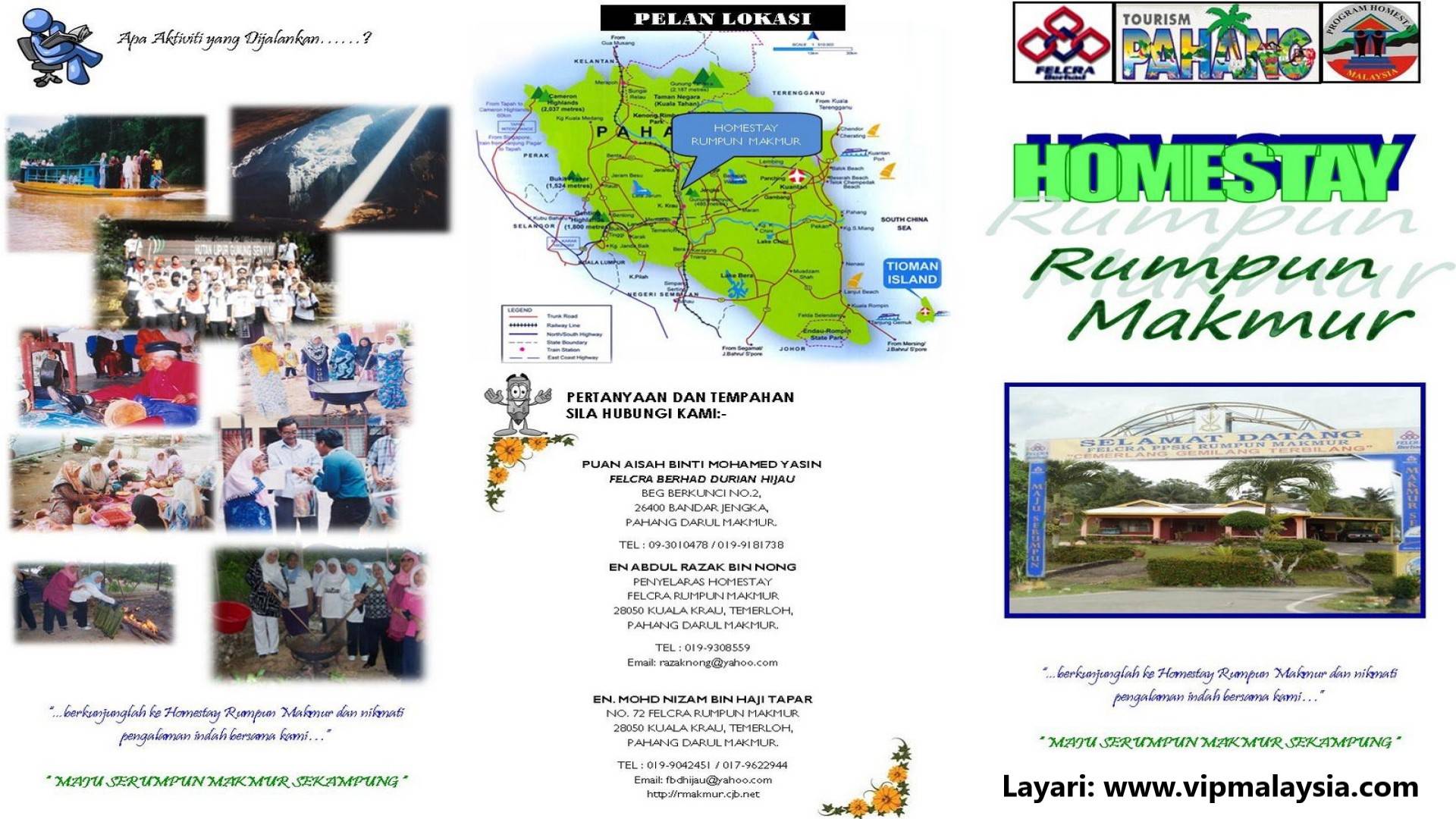
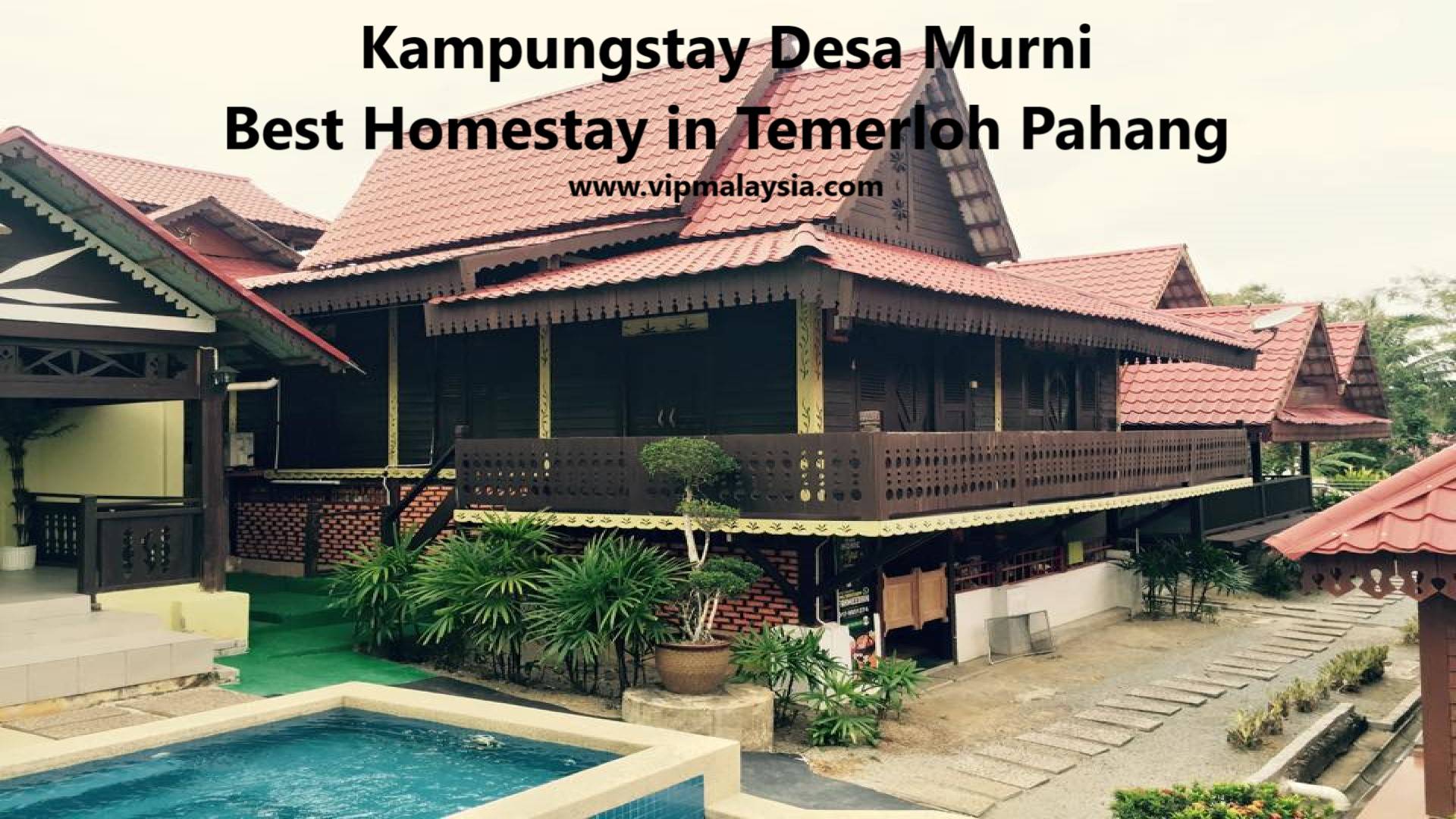
Visiting Kuala Gandah Elephant Santuary Gunung Senyum Visiting Deerland Shopping at Pekan Sehari Staying at Homestay Rumpun Makmur Homestay Jengka 25 Homestay Kampungstay Desa Murni Fishing and rafting in Sungai Pahang
What are freshwater fishes found in Temerloh, Pahang Darul Makmur?
Temerloh town sits at the confluence of the Pahang and Semantan Rivers, which is why it is rich with freshwater fish such as Patin (silver catfish), Jelawat, Baung, Tenggalan, Lampam, Belida, Tilapia and Kerai. As the home of the Patin fish, the Temerloh folks have special dishes that bring out the best taste of the fish. Located along the town’s riverside, Pekan Sehari is a place where all kinds of goods and commodities can be found and sold at a reasonable price.
Institut Biodiversiti Veterinar Kebangsaan (IBVK) in Jerantut, Pahang, is Malaysia’s premier center for biodiversity and veterinary research. Established in 1980 and now spanning over 181 hectares, it houses elite livestock, advanced laboratories, and public exhibitions that promote conservation, sustainability, and ecological awareness.
Introduction
Founded as the Pusat Permanian Beradas Nasional in 1980, the institute evolved into IBVK in 1989 when relocated to Bukit Dinding, Jerantut. Today, it is managed under the Department of Veterinary Services (DVS) and plays a crucial role in genetic research, biodiversity mapping, and conservation programs. With laboratories for semen, embryo, and molecular studies, IBVK supports Malaysia’s livestock industry while promoting ecological sustainability.
Bukit Dinding in Jerantut, Pahang, refers to both a hill area and a traditional Malay village settlement (Kampung Bukit Dinding) located in Mukim Burau, Jerantut district. It is a rural community with basic facilities such as a mosque and a primary school, and it forms part of Jerantut’s historical and cultural landscape. Facilities:Sekolah Kebangsaan Bukit Dinding – primary school for local children and Masjid Kampung Bukit Dinding – serves as a place of worship and community activities.
Highlights
Biodiversity and Conservation
IBVK is a hub for scientific discovery, focusing on Malaysia’s flora and fauna. Research programs include biodiversity mapping, eco-expeditions, and genetic improvement of livestock.
IBVK began in 1980 as the National Artificial Insemination Centre in Seremban, later relocated to Johor, and finally established at Bukit Dinding, Jerantut, Pahang in 1989.
Wildlife Research and Preservation
The institute conducts studies on rainforest ecosystems, rare species, and endangered wildlife. Its conservation efforts safeguard Malaysia’s biodiversity while supporting sustainable agriculture.
Educational Programs and Public Awareness
IBVK organizes exhibitions, seminars, and workshops to raise awareness about biodiversity. Collaborations with universities and conservation organizations enhance its outreach.
Interactive Exhibitions
Visitors can explore museum collections featuring rare wildlife specimens, gaining insights into Malaysia’s ecological richness. These exhibitions are designed to engage both students and the general public.
The museum collections at the Institut Biodiversiti Veterinar Kebangsaan (IBVK) in Pahang feature preserved wildlife specimens, biodiversity exhibitions, and educational displays that highlight Malaysia’s ecological richness and veterinary heritage. These collections serve both as research references and public awareness tools.
Sustainable Environmental Practices
The institute advocates eco-friendly conservation methods and sustainable land-use policies. It also promotes responsible tourism and ecological preservation.
Community Engagement
Local communities are involved in awareness programs, ensuring that conservation efforts are inclusive and impactful. This strengthens the bond between science and society.
Advanced Research Facilities
IBVK’s laboratories for semen, embryo, and molecular studies are among the most advanced in Malaysia. They support genetic improvement and biodiversity conservation.
Elite Livestock Breeding
The institute houses elite livestock breeds, contributing to Malaysia’s agricultural sustainability and food security.
Conclusion
Institut Biodiversiti Veterinar Kebangsaan is at the forefront of Malaysia’s biodiversity conservation efforts, making it a must-visit destination for researchers, students, and nature lovers. Whether you’re exploring wildlife exhibits, learning about ecological preservation, or engaging in scientific research, this institute provides a fascinating and educational experience.
Learn more about Malaysia’s biodiversity—plan your visit to Institut Biodiversiti Veterinar Kebangsaan today!
Bunga Azalea, Malaysia – ★★★★★ “Visiting IBVK was eye-opening. The exhibitions were informative, and the staff explained conservation efforts clearly.”
Thomas Cruz, Brazil – ★★★★☆ “The research facilities are impressive. I enjoyed learning about Malaysia’s biodiversity, though public access is limited.”
Priyanka, India – ★★★★★ “The museum collections were fascinating. It’s a great place for students and researchers interested in ecology.”
Kiatisok Bupchai, Thailand – ★★★★☆ “Combining IBVK with a trip to Gunung Senyum made for a perfect weekend. The institute’s role in conservation is inspiring.”
Frequently Asked Questions (FAQs)
Apakah fungsi Institut Biodiversiti Veterinar Kebangsaan?
Ia terletak di Pahang Malaysia dan mempunyai fungsi seperti berikut:
Program Latihan
Kesedaran Awam
Koleksi Spesimen Zoologi
Apakah yang anda perlu tahu tentang United Nation Earth Summit pada tahun 1992?
United Nation Earth Summit pada tahun 1992 telah mendefinisikan Kepelbagaian biologi atau “biodiversiti” sebagai ” kepelbagaian antara organisma hidup dari pelbagai sumber dari daratan mahupun samudera dan lain-lain yang melangkau ekosistem akuatik dan sebahagian daripada ekosistem yang kompleks termasuk di dalam kelompok spesies dan antara spesies dan ekosistemnya.
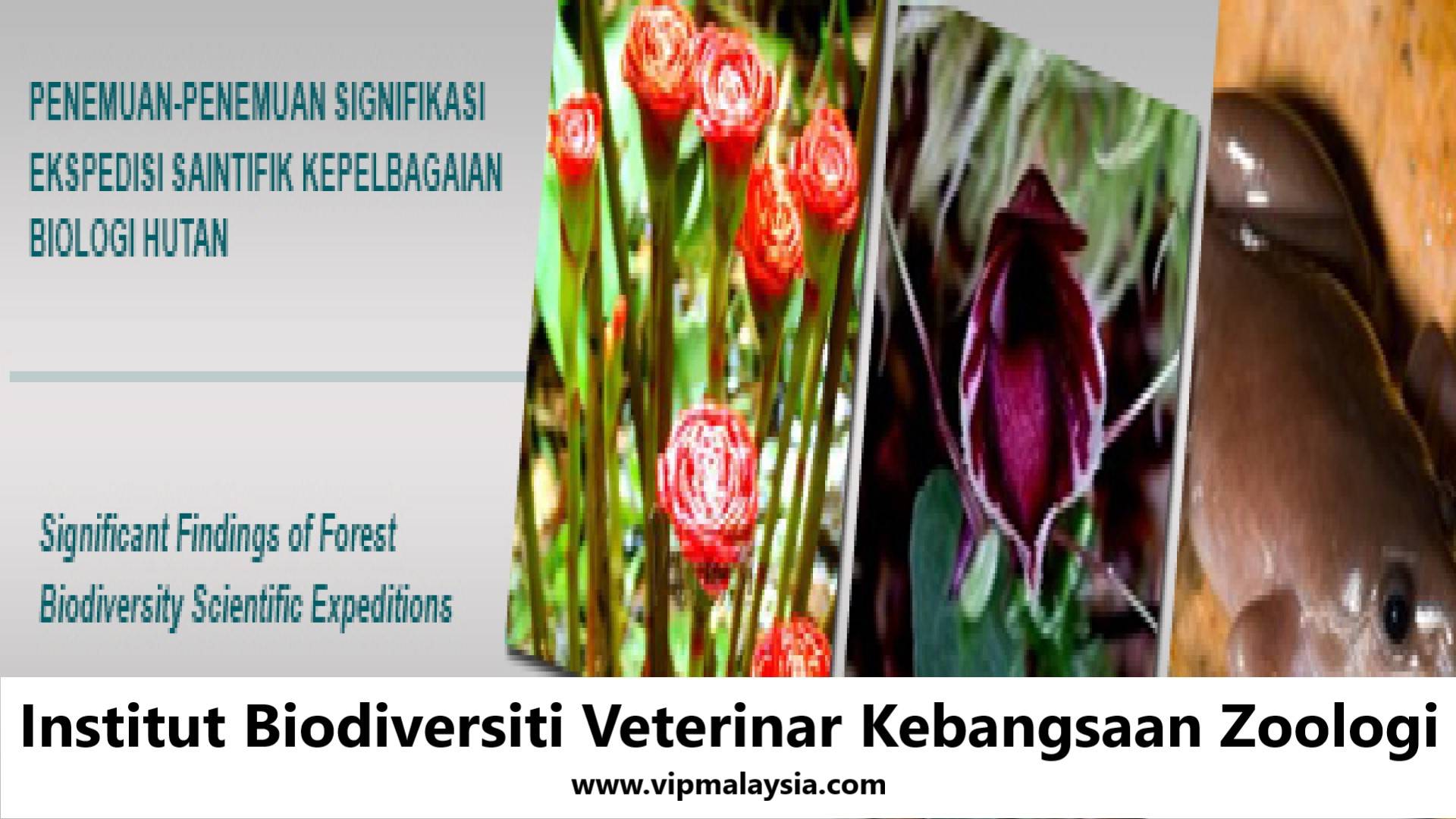
Apakah penemuan-penemuan signifikan ekspedisi saintifik kepelbagaian biologi hutan di Malaysia?
Malaysia telah diiktirafkan sebagai salah sebuah negara ‘mega-kepelbagaian’ di dunia. Sejajar dengan pengiktirafan ini, kerajaan Malaysia telah memberi persetujuan dan komitmen untuk mempertingkatkan keberkesanan pengurusan, pemeliharaan dan pembangunan sumber kepelbagaian biologi hutan negara secara berkekalan. Dalam konteks ini, penekanan berterusan diberikan ke atas aspek-aspek pemeliharaan, pemuliharaan, penggunaan secara lestari dan perkongsian secara saksama dan adil terhadap sumber tersebut.
Homestay Jengka 25 in Felda Jengka, Pahang, offers exclusive bungalow-style accommodations for Muslim guests, strategically located near UiTM Jengka and Tekam Plantation Resort. With spacious rooms, modern amenities, and affordable rates, it is an ideal choice for families, students, and travelers seeking comfort in Malaysia’s heartland.
Introduction
Located in Felda Jengka 25, Homestay Jengka 25 provides a unique blend of modern comfort and rural tranquility. Designed exclusively for Muslim guests, the homestay features spacious bungalow units with affordable rates. Its proximity to UiTM Jengka, Tekam Plantation Resort, and Gunung Senyum makes it a convenient base for both leisure and academic visits. Guests can enjoy kampung-style hospitality while exploring Pahang’s natural and cultural attractions.
Jengka refers to the largest FELDA (Federal Land Development Authority) settlement cluster in Malaysia, located in Pahang. Known as the “Jengka Triangle,” it spans three districts — Temerloh, Jerantut, and Maran — and consists of 25 FELDA schemes that produce palm oil and rubber. The central township is Bandar Pusat Jengka, developed as a hub for the settlers.
UiTM Jengka (Universiti Teknologi MARA Cawangan Pahang, Kampus Jengka) is the main campus of UiTM in Pahang, located in Bandar Tun Abdul Razak Jengka, Maran district. It was established in 1988 on 1,000 acres of land and serves as the academic hub for FELDA settlers’ children and the wider community, offering diploma and degree programs across multiple faculties.
Room Types and Pricing
Comfortable Bungalow Rentals
Homestay Jengka 25 offers three main units: Pintu 1 (Standard Room) at RM200 per night, Pintu 2 (Deluxe Room) at RM250 per night, and Pintu 3 (Family Unit) for larger groups. Each bungalow is equipped with air-conditioning, spacious living areas, and modern bathrooms.
Booking Procedure
Reservations are made directly with the hosts, Pn Fatimah and En Ramli. Guests check availability, make full payment via Maybank, and confirm bookings through SMS and WhatsApp. This straightforward process ensures reliability and convenience.
Attractions Nearby
Nearby Landmarks and Activities
The homestay’s location offers easy access to several attractions. Gunung Senyum, a limestone hill with caves and folklore, is perfect for trekking and exploration. Tekam Plantation Resort provides eco-tourism experiences with lush greenery and plantation tours.
UiTM Jengka and Educational Institutions
Families visiting students at UiTM Jengka or Kolej Matrikulasi Teknikal Jengka find the homestay especially convenient. Its proximity reduces travel time, making it a practical choice for academic-related stays.
Traditional Village Experience
Guests can participate in the Felda Jengka 25 Homestay Program, staying with local families to learn about kampung life. Activities include cooking traditional Malay dishes, farming, and cultural performances.
FELDA (Federal Land Development Authority) is a Malaysian government agency established in 1956 to spearhead rural development by resettling landless farmers into newly developed agricultural areas. Its main mission was to reduce poverty and boost the economy through large-scale cultivation of cash crops, especially oil palm and rubber.
Taste of Kampung Cuisine
Signature dishes such as ikan patin masak tempoyak and rebong masak lemak are highlights of the culinary experience. Meals are prepared with fresh, locally sourced ingredients, offering authentic flavors of Pahang.
Tekam Plantation Resort
This resort offers guided plantation tours, showcasing Malaysia’s agricultural heritage. Visitors can learn about rubber, palm oil, and cocoa cultivation while enjoying the serene environment.
Pekan Sehari Temerloh
A short drive away, this Sunday market is Pahang’s largest, featuring fresh river fish, traditional delicacies, and artisanal crafts. It is a cultural highlight for visitors seeking authentic local experiences.
Trekking and Adventure
Gunung Senyum Exploration
Gunung Senyum is a limestone formation with over 20 caves, each with unique geological features and folklore. Guided treks allow visitors to explore its biodiversity and learn about its cultural significance.
Outdoor Activities
Guests can enjoy fishing at nearby rivers, cycling through Felda plantations, and exploring local markets. These activities provide a balance of adventure and relaxation.
Conclusion
Homestay Jengka 25 combines comfort, affordability & strategic location, making it a top choice for travelers visiting Bandar Jengka. Whether you’re exploring local attractions, staying for university visits, or enjoying a relaxing countryside escape, this homestay guarantees a cozy and memorable experience.
Plan your stay today—book Homestay Jengka 25 in Pahang now!
Exclusive bungalow units available for rental (Muslim guests only)
Spacious rooms with modern amenities
Strategic location near UiTM Jengka & Tekam Plantation Resort
Affordable rates with convenient booking options
Quick Info
Attribute
Details
Name
Homestay Jengka 25
Location
Jengka 25, Bandar Jengka, Pahang, Malaysia
GPS Position
3.8140° N, 103.3310° E
State
Pahang
Facility Type
Homestay, Bungalow Accommodation
Main Attractions
Gunung Senyum, Tekam Plantation Resort, UiTM Jengka
Nearby Landmarks
Kolej Matrikulasi Teknikal Jengka, Kuala Krau, Kerdau
Accessibility
Easy access via Pahang highways
Best Time to Visit
Year-round
Entry Fees
Standard accommodation pricing applies
Recommended Local Experiences
Village Living, Nature Retreat, Local Cuisine
Opening Hours
Available year-round
Contact
Pn Fatimah (019-9312169) / En Ramli (019-9162169)
Visitor Reviews
Aminah Yusuf, Malaysia – ★★★★★ “Spacious rooms and friendly hosts. Perfect for visiting my daughter at UiTM Jengka. Highly recommended.”
Daniel Wong, Singapore – ★★★★☆ “Comfortable stay with modern amenities. Loved the nearby Tekam Plantation tour. Booking was simple and reliable.”
Fadhillah Yusoff, Malaysia – ★★★★★ “The homestay gave us a true kampung experience. The food was authentic, and the environment was peaceful.”
Kris De, South Korea – ★★★★☆ “Gunung Senyum trekking was unforgettable. The homestay provided a great base for exploring Pahang’s countryside.”
Frequently Asked Questions (FAQs)
Apakah aktiviti menarik di Homestay Felda Jengka 25, Pahang?
Aktiviti menarik yang anda boleh lakukan di Homestay Felda Jengka 25 adalah seperti melawati kawasan persekitaran kampung, membuat lawatan dan aktiviti di ladang sawit dan tapak semaian sawit. Selain itu, anda juga boleh melawati tempat rekreasi Gunung Senyum yang terletak berdekatan dengan homestay ini.
Mengapa anda perlu menginap di Homestay Jengka 25 ini?
Homestay Jengka 25 ini sangat sesuai untuk
Sesuai untuk melawat anak di UiTM Jengka/Kolej Matrikulasi Teknikal Pahang Jengka
Penginapan Kenduri Kahwin
Urusan di Jengka
Cuti hujung minggu/cuti sekolah
Berehat & menenangkan fikiran di suasana felda dan sunyi
Terdapat 6 kolam ikan di belakang Banglo. Boleh pancing dan terus masak segar-segar (talipia, haruan, keli, puyu, patok)
Apakah tempat menarik jika anda tinggal di Homestay Jengka 25, Pahang?
Lokasi Strategik di Homestay Jengka 25:
Gunung Senyum: 10 minit
Kuala Krau: 15 minit
Bandar Jengka: 20 minit
UiTM Jengka: 20 minit
Pusat Matrikulasi Teknikal Pahang Cawangan Jengka: 20 minit
Homestay Rumpun Makmur in Temerloh, Pahang, offers an authentic kampung-style retreat with modern amenities. Surrounded by orchards and located near Gunung Senyum, it is perfect for families, nature lovers, and cultural explorers seeking a peaceful countryside escape.
Introduction
Situated in the lush countryside of Temerloh, Homestay Rumpun Makmur is a community-based homestay program that allows visitors to experience traditional Malay village life. With cozy kampung-style houses, orchards offering seasonal fruits, and proximity to natural attractions like Gunung Senyum, it blends cultural immersion with modern comfort. Guests can enjoy authentic meals, participate in village activities, and explore Pahang’s natural heritage, making it an ideal destination for eco-tourism and cultural exploration.
Gunung Senyum (literally “Smiling Mountain”) is a limestone hill and recreational forest located in Jengka, Temerloh, Pahang, Malaysia. It is part of the Jengka Forest Reserve, covering about 794 hectares, and is famous for its caves, jungle trails, and archaeological sites. Location: Felda Jengka area, about 68 km from Temerloh town. Height: Approximately 486–550 meters above sea level.
Accommodation and Facilities
The homestay features kampung-style houses decorated with traditional Malay motifs, alongside modern amenities for convenience. Spacious homes cater to families and groups, while smaller units provide cozy stays for couples.
Guest Amenities
Facilities include communal dining areas, orchards, cycling paths, and recreational spaces. Guests can also enjoy karaoke nights, BBQ facilities, and guided village tours. The peaceful surroundings create a relaxing atmosphere away from urban life.
Seasonal Fruit Delights
Enjoy Freshly Harvested Durian and Local Fruits
One of the highlights of Homestay Rumpun Makmur is its seasonal fruit experience. Visitors can savor premium durian, mangosteen, rambutan, and langsat directly from local orchards.
Premium durian
Premium durian refers to high-quality durian varieties that are prized for their taste, texture, and aroma. In Malaysia, “premium” usually denotes durians that are rare, carefully cultivated, and often sold at higher prices due to their superior flavor profile and limited supply.
Characteristics
Varieties: Includes famous cultivars such as Musang King, Black Thorn, and D24.
Taste profile: Rich, creamy, bittersweet, with complex layers of flavor.
Texture: Smooth, custard-like flesh with minimal fiber.
Aroma: Strong but refined fragrance compared to standard durians.
Price: Premium durians can cost several times more than regular varieties, especially during peak season.
Musang King (Durian D197, also known as Raja Kunyit.) is Malaysia’s most famous premium durian variety, prized for its golden-yellow flesh, creamy texture, and bittersweet flavor. Originating in Kelantan in the 1970s and later popularized in Gua Musang, it is now the most sought-after durian in Malaysia, Singapore, and China, often commanding high prices due to its quality and limited supply. Considered the “Hermès of durian” in China due to its exclusivity.
Black Thorn durian (D200) or Ochee in Hokkien is a premium durian variety from Penang, Malaysia, celebrated for its deep orange flesh, custard-like texture, and sweet, slightly tangy flavor. It has gained recognition as one of the most exclusive durians, rivaling Musang King in prestige and price.
D24 durian is one of Malaysia’s classic durian cultivars, widely grown in Pahang and Johor, and long considered a premium variety before Musang King and Black Thorn rose to prominence. It is prized for its balanced sweet-bitter flavor, smooth pale yellow flesh, and affordability compared to newer premium types.
Mangosteen
Mangosteen (Garcinia mangostana) is a tropical fruit native to Southeast Asia, often called the “queen of fruits.” It is prized for its sweet, tangy flavor and juicy white flesh, enclosed in a thick purple rind. In Malay, “mangosteen” is called manggis.
Key Characteristics
Scientific name:Garcinia mangostana.
Appearance: Round fruit with a thick, dark purple rind and a green calyx at the top.
Flesh: Soft, segmented, white pulp with a sweet-sour taste.
Seeds: Some segments contain small, bitter seeds.
Taste profile: Juicy, fragrant, sweet with a slight acidity.
Nutritional Value
Rich in antioxidants: Contains xanthones, known for anti-inflammatory properties.
Vitamins & minerals: Provides vitamin C, fiber, potassium, and folate.
Low calorie: A refreshing, nutrient-rich tropical snack.
Rambutan
Rambutan (Nephelium lappaceum) is a tropical fruit native to Southeast Asia, closely related to lychee and longan. It is named after the Malay word rambut (meaning “hair”), referring to its hairy red or yellow skin.
Characteristics
Scientific name:Nephelium lappaceum.
Appearance: Round fruit with hairy spines on its skin, usually red or yellow when ripe.
Flesh: Translucent white, juicy, and sweet, similar to lychee.
Seeds: Contains a single seed, sometimes bitter if bitten.
Taste profile: Sweet, mildly acidic, refreshing.
Nutritional Value
Rich in vitamin C: Supports immunity and skin health.
Minerals: Contains iron, calcium, and potassium.
Fiber: Aids digestion and promotes gut health.
Low calorie: A healthy tropical snack.
Langsat
Langsat (Lansium parasiticum) is a tropical fruit native to Southeast Asia, widely grown in Malaysia, Indonesia, and Thailand. It is small, round to oval-shaped, with pale yellow skin and translucent segmented flesh.
Characteristics
Scientific name:Lansium parasiticum.
Appearance: Small, pale yellow fruit, often in clusters.
Flesh: Translucent, segmented, juicy pulp.
Taste profile: Sweet with a slight tartness, sometimes compared to grapes.
Seeds: Some segments contain bitter seeds.
Nutritional Value
Vitamin C: Supports immune health.
Fiber: Aids digestion.
Minerals: Contains iron, calcium, and phosphorus.
Low calorie: Refreshing and healthy tropical snack.
Langsat and duku are two closely related tropical fruits from the same species (Lansium parasiticum), but they have distinct differences in appearance, taste, and texture. They are often confused because they look similar, yet locals can easily tell them apart. Langsat: Often enjoyed fresh, valued for its refreshing sweet-sour balance. Duku: Preferred by many for its sweeter, milder flavor and thicker skin that makes peeling easier.
Culinary Experience During Fruit Season
Fruit-picking activities allow guests to engage with local farmers and learn about cultivation methods. Tasting sessions often include traditional desserts made with fresh fruits, offering a unique culinary journey.
Nearby Attractions
Gunung Senyum Adventure
The homestay is strategically located near Gunung Senyum, a limestone hill famous for its caves and folklore. Visitors can trek through its trails, explore caves, and learn about local legends.
The limestone caves are rich in biodiversity and cultural history. Guided tours explain the geological formations and myths associated with the hill, making it both an educational and adventurous experience.
Temerloh River Excursions
The nearby Sungai Pahang offers fishing, boat rides, and riverside picnics. It is Malaysia’s longest river, and its scenic views provide a tranquil backdrop for outdoor activities.
Local Village Markets
Guests can visit nearby markets to shop for handmade crafts, traditional snacks, and fresh produce. These markets reflect the vibrant community life of Temerloh and offer authentic souvenirs.
Cultural Immersion Programs
Homestay Rumpun Makmur organizes cultural activities such as traditional dance performances, handicraft workshops, and cooking classes. These programs allow guests to connect deeply with Malay heritage.
Family and Group Packages
Special packages cater to family gatherings, school trips, and corporate retreats. These include meals, guided tours, and cultural showcases, making the homestay suitable for diverse visitors.
Conclusion
Homestay Rumpun Makmur offers a peaceful escape into Malaysia’s countryside, making it the top choice for travelers seeking an authentic kampung experience. Whether you’re relaxing in nature, tasting freshly harvested fruits, or exploring nearby attractions, this homestay promises an unforgettable stay.
Plan your rural retreat today—experience Homestay Rumpun Makmur in Pahang!
Summary
Attraction: Homestay Rumpun Makmur
Location: #Pahang
Attraction Type: #Homestay
Source: facebook.com, kerdaupahang.blogspot.com
Why Choose:
Authentic kampung-style homestay with modern amenities
Opportunity to enjoy fresh durian & tropical fruits during the season
Located near Gunung Senyum for an adventurous getaway
Ideal for families, nature lovers & cultural explorers
Quick Info
Attribute
Details
Name
Homestay Rumpun Makmur
Location
Kuala Krau, Pahang, Malaysia
GPS Position
3.8140° N, 103.3310° E
State
Pahang
Facility Type
Kampung Homestay, Rural Retreat
Main Attractions
Durian Orchards, Gunung Senyum, Traditional Village Experience
Nearby Landmarks
Kuala Krau Town, Pahang River
Accessibility
Easily reachable via Temerloh Highway
Best Time to Visit
Fruit Season (May-August) for durian lovers
Entry Fees
Standard accommodation pricing applies
Recommended Local Experiences
Durian Feast, Kampung Living, Gunung Senyum Hiking
Opening Hours
Available year-round
Contact
Homestay Rumpun Makmur (+6019-9042451)
Visitor Reviews
Puteri Amira Hassan, Malaysia – ★★★★★ “Staying here felt like going back to my roots. The kampung-style house was cozy, and the durian season made it extra special.”
David Anthony Soh, Netherlands – ★★★★☆ “Gunung Senyum was incredible. The homestay provided a great base for exploring the caves. Facilities were simple but comfortable.”
Siti Rahmah, Brunei – ★★★★★ “The fruit-picking activity was fun for the whole family. We learned so much about local farming traditions. Highly recommended.”
Paul Ascott, New Zealand – ★★★★☆ “Loved the cultural immersion programs. The traditional dance and cooking class gave us a real taste of Malaysian heritage.”
Frequently Asked Questions (FAQs)
Apakah keistimewaan dan aktiviti di Homestay Rumpun Makmur, Temerloh?
Inilah istimewanya Homestay Rumpun Makmur apabila tiba musim durian dan buah buahan. Anda boleh menikmati keenakan buah buahan tempatan disamping beriadah menikmati keindahan alam dengan menjelajah ke gua sekitar hutan lipur Gunung Senyum dan menyusuri Sungai Pahang dengan menaiki bot.
Apa yang anda perlu tahu mengenai Homestay Rumpun Makmur di Temerloh?
Homestay Rumpun Makmur terletak di Daerah Temerloh, Pahang dengan keluasan perkampungan adalah 10 km persegi. Jumlah keseluruhan penduduk adalah 769 orang dan terdapat 166 jumlah buah rumah. Di dalamnya terdapat 5 buah kampung berada di bahagian barat Jengka, 25km daripada bandar dan 3km dari Kuala Krau.
Mengapa penduduk menamakan sebagai Rumpun Makmur sebagai nama kampung?
Penduduk asal Rumpun Makmur adalah terdiri daripada penduduk yang dipilih daripada 3 buah kampung iaitu Kg. Pulau Raya, Kampung Kuala Krau Seberang dan Kampung Gunung Senyum. Mereka ini dihimpun dalam satu rumpun yang diberi nama Rumpun Makmur. Itulah asalnya nama tersebut diambil.
Apakah pakej yang terdapat di Homestay Rumpun Makmur?
Kami menyediakan pakej untuk anda semua. Pakej adalah seperti dibawah:-
Pakej A (3 Hari 2 Malam) RM 180.00-200.00
Hari Pertama – Melawat Ke Ladang Ternakan Seladang, Melawat Ke Perkampungan Orang Asli, tiba di rumah keluarga angkat.
Hari Kedua – Bertolak ke Gunung Senyum, Aktiviti mendaki gunung (jelajah).
Hari Ketiga – Aktiviti bebas/ santai. dan
Pakej B 4 hari 3 Malam (RM 250)
Hari Pertama – Melawat ke Ladang Ternakan Seladang, Melawat ke perkampungan Orang Asli, tiba di rumah keluarga angkat.
Hari Kedua – Bertolak ke Gunung Senyum, Aktiviti mendaki gunung (jelajah).
Hari Ketiga – Demostrasi kraftangan seramik, Lawatan ke Makam Mat Kilau.
Kampungstay Desa Murni in Temerloh, Pahang, is a unique homestay that blends traditional kampung-style living with modern comforts. Just 15 minutes from the Temerloh highway exit, it offers authentic village experiences, cultural immersion, and access to nearby natural attractions.
Introduction
Nestled in Desa Murni Sanggang, Temerloh, Kampungstay Desa Murni is a homestay designed to immerse guests in Malaysia’s rural heritage. With seven kampung-style houses, six container cabins, and five A-type camping units, it caters to families, couples, and groups. Guests enjoy a peaceful environment, traditional Malay meals, and cultural activities, making it a perfect retreat for those seeking both relaxation and authenticity.
Highlights
Accommodation and Facilities
Traditional Meets Modern Comfort
The homestay offers a mix of traditional kampung houses and modern cabins. Each unit is equipped with basic amenities, while the surroundings provide a rustic atmosphere. Families can opt for larger houses, while couples may prefer cozy cabins.
Guest Amenities
Facilities include BBQ rental sets, spacious parking, karaoke, and a children’s swimming pool. These amenities ensure comfort while maintaining the kampung vibe.
Must-Try Local Cuisine
Guests are treated to authentic Malay dishes, with Gulai Ikan Patin Tempoyak as the highlight. Meals are prepared with locally sourced ingredients, offering a taste of Temerloh’s culinary heritage.
Gulai Ikan Patin Tempoyak is a traditional Pahang dish made from ikan patin (freshwater catfish) cooked in a rich, tangy sauce of tempoyak (fermented durian), turmeric, chili, and coconut milk. It is considered one of the most iconic river fish dishes in Malaysia, especially associated with Temerloh along Sungai Pahang.
Dining Experience
Meals are served in communal settings, encouraging interaction among guests. Nearby restaurants also offer traditional delicacies, expanding the culinary journey.
Family and Group Packages
The homestay provides packages for family days, weddings, and camping trips. These include meals, activities, and cultural performances, making it suitable for large gatherings.
Activities
Located near forests, rivers, and national parks, Kampungstay Desa Murni is ideal for eco-tourism. Guests can explore Sungai Pahang, visit Kuala Gandah Elephant Sanctuary, or trek in Krau Wildlife Reserve.
Outdoor Adventures
Activities include fishing, cycling, and village tours. Cultural programs such as traditional dance and handicraft workshops allow guests to experience rural Malaysian life.
Fishing
At Kampungstay Desa Murni in Temerloh, Pahang, the main types of fish available for recreational fishing are freshwater species such as ikan patin (catfish), tilapia, and keli (catfish). These are stocked in ponds and are also naturally found in nearby rivers like Sungai Pahang, making fishing a highlight of the homestay experience.
Fish Species
Patin (Pangasianodon hypophthalmus)
Signature freshwater catfish of Temerloh.
Highly prized for its tender, fatty flesh.
Central to the famous local dish patin masak tempoyak.
Tilapia (Oreochromis spp.)
Hardy, farmed fish common in Malaysian ponds.
Mild flavor, firm texture, popular for grilling or frying.
Keli (Clarias spp.)
Local catfish species, often found in rivers and ponds.
Earthy taste, widely used in rural Malay cooking.
Cycling
Cycling at Kampungstay Desa Murni is one of the popular recreational activities offered at the homestay village in Temerloh, Pahang. Guests can explore the kampung (village) surroundings on bicycles, enjoying scenic views of paddy fields, traditional houses, and rural landscapes while experiencing authentic Malaysian village life. Guests often stop at local shops, farms, or interact with villagers along the way. Suitable for families, groups, and solo travelers; bicycles are usually provided by the homestay.
Village Tours
Village tours at Kampungstay Desa Murni are guided experiences that allow visitors to explore traditional Malay kampung (village) life in Temerloh, Pahang. Guests can cycle or walk through the village, visit local homes, learn cultural practices, and enjoy authentic cuisine, making it a key part of the homestay’s cultural immersion program. Kampungstay Desa Murni offers both modern facilities and traditional village-style living.
Must-Visit Nearby Temerloh Town
Temerloh offers markets, cultural festivals, and local crafts. Visitors can explore Pekan Sehari Temerloh, famous for its river fish and artisanal goods.
Pekan Sehari is a traditional weekly market held in Temerloh, Pahang, Malaysia, along the banks of the Sungai Pahang. The name literally means “one-day market,” as it operates only on Sundays. It is one of the largest and most famous pasar minggu (weekly markets) in Malaysia, attracting both locals and tourists.
Conclusion
Kampungstay Desa Murni is a retreat where tradition meets modernity. With kampung-style homes, authentic cuisine, and access to Pahang’s natural and cultural attractions, it offers a holistic experience for families, couples, and adventurers. Whether you seek relaxation or cultural immersion, Desa Murni delivers an unforgettable stay.
Experience true village living with a blend of modern comfort
Relax in a serene, nature-filled environment
Enjoy signature dishes like Gulai Ikan Patin Tempoyak
Conveniently located just 15 minutes from the Temerloh highway exit
Quick Info
Attribute
Details
Name
Kampungstay Desa Murni
Location
Temerloh, Pahang, Malaysia
GPS Position
3.8140° N, 103.3310° E
State
Pahang
Facility Type
Village Homestay, Traditional & Modern Accommodations
Main Attractions
Peaceful Countryside, Local Cuisine, Nature Escapes
Nearby Landmarks
Temerloh Town, Pahang River, Outdoor Adventure Spots
Accessibility
15-minute drive from Temerloh Highway Exit
Best Time to Visit
Year-round for peaceful relaxation
Entry Fees
Standard accommodation pricing applies
Recommended Local Dishes
Gulai Ikan Patin Tempoyak, Malay Village Cuisine
Opening Hours
Available year-round
Contact
Kampungstay Desa Murni (+609-2847949 / Hafiz +6019-9859070)
Visitor Reviews
Nurul Huda, Malaysia – ★★★★★ “Loved the kampung-style house and the peaceful environment. The Gulai Ikan Patin Tempoyak was the best I’ve ever tasted.”
Robert Carmichael, United Kingdom – ★★★★☆ “Quiet and rural, perfect for families. My kids enjoyed the pool, and we loved visiting nearby Temerloh town.”
Rahman Dahlan, Brunei – ★★★★★ “The cultural programs were amazing. We joined a handicraft workshop and learned traditional weaving. Highly recommended.”
Benjamin Ariola, Australia– ★★★★☆ “Comfortable cabins with modern facilities. The village tours gave us a glimpse into authentic Malaysian life.”
Frequently Asked Questions (FAQs)
Apakah henis Homestay Kampungstay Desa Murni?
Rumah Moden 1 – RM650 4 bilik berkatil Queen size beserta attached bathroom Kemudahan wifi, aircond, astro, ruang tamu dan dapur Kapasiti katil 8 orang Kapasiti max. rumah 15 orang.
Rumah Moden 2 – RM700 4 bilik berkatil 2 King size setiap bilik beserta attached bathroom Kemudahan wifi, aircond, astro, ruang tamu dan dapur Kapasiti katil 16 orang Kapasiti max. rumah 25 orang Rumah tradisional 3 – RM650 5 bilik attached bathroom, 3 bilik twin dan 2 bilik Queen. Semua bilik attached bathroom.
Apakah aktiviti Kampungstay Desa Murni, Temerloh yang boleh anda lakukan selain berbasikal?
Kampungstay ini juga menawarkan aktivit berbasikal di kawasan kampung dengan harga yang berpatutan. Tempat ini juga sesuai untuk program hari keluarga, majlis formal dan bukan formal dan pelbagai program yang lain. Selain itu, ia juga menawarkan aktiviti memancing, mengecat batik di samping kemudahan-kemudahan seperti wi-fi, kolam renang, taman permainan kanak-kanak dan tempat letak kenderaaan. Tempat ini juga menawarkan penjagaan kesihatan seperti spa, sauna dan bekam.