Tag: Masjid

  • Masjid Lama Kampung Baharu: Heritage in Jerantut

    Masjid Lama Kampung Baharu: Heritage in Jerantut

    Masjid Lama Kampung Baharu, Jerantut, Pahang

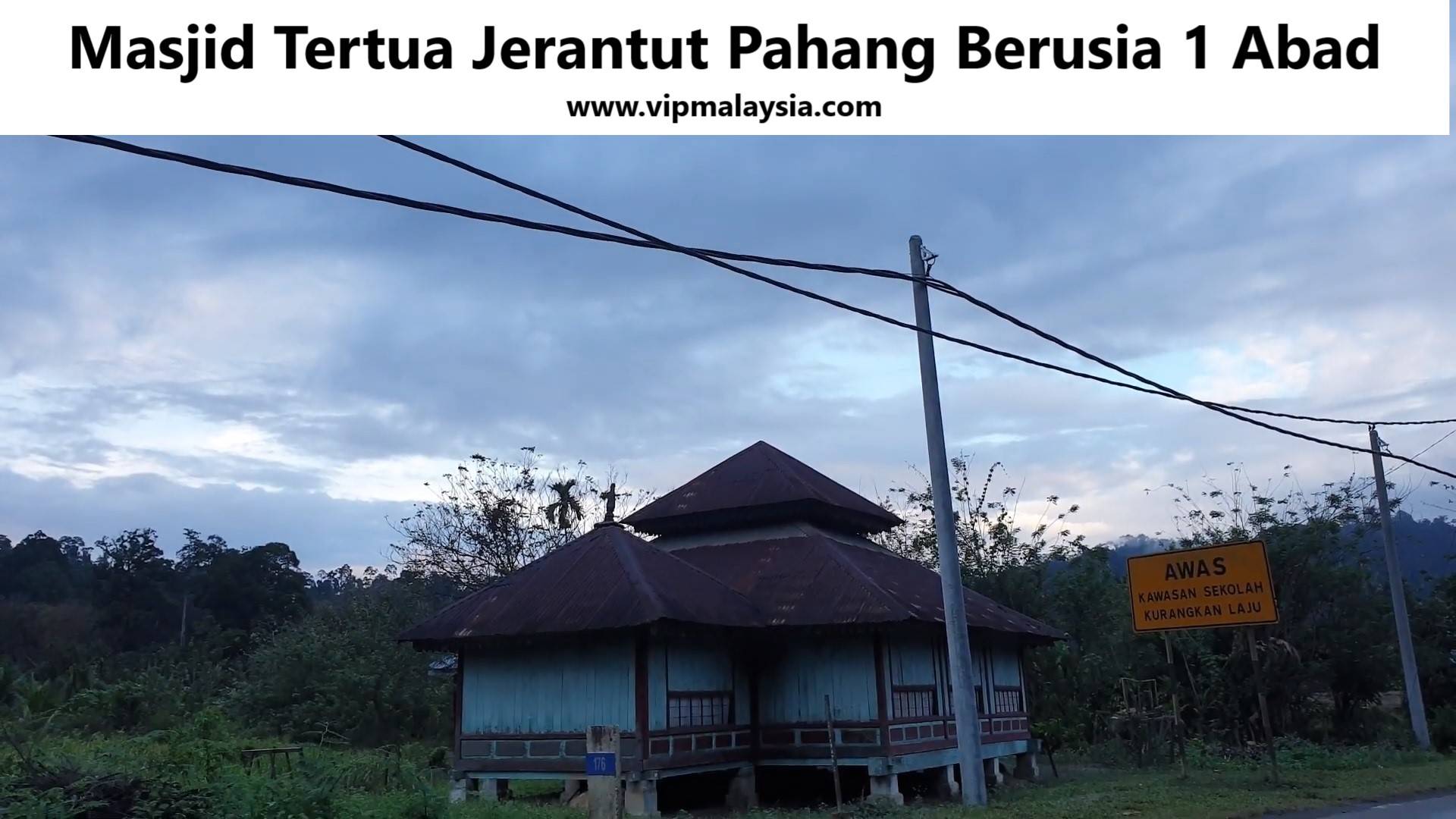
    Masjid Lama Kampung Baharu in Jerantut, Pahang is a century-old mosque that blends Malay, Javanese, and Chinese architectural influences. With its pagoda-style roof, Merbau timber pillars, and rich cultural history, this heritage site offers visitors a glimpse into Malaysia’s spiritual and architectural past. Explore its highlights, nearby attractions, trekking adventures, and authentic visitor reviews.

    Introduction

    Nestled in Kampung Baharu, Jerantut, Pahang, Masjid Lama Kampung Baharu stands as a living testament to Malaysia’s diverse cultural and religious heritage. Built more than a hundred years ago, the mosque has served generations of villagers as a place of worship, education, and community gathering. Its unique architectural design, influenced by Masjid Demak in Java, Masjid Kampung Laut in Kelantan, and Masjid Kampung Kling in Melaka, makes it one of the most distinctive mosques in the region. Today, it remains a cherished landmark, attracting heritage enthusiasts, architects, and travelers seeking authentic cultural experiences.

    Heritage Mosques in the World

    CategoryDescriptionAddress & Phone
    Masjid Lama Kampung Baharu, JerantutA century-old mosque blending Malay, Javanese, and Chinese influences. Features Merbau timber pillars and a pagoda-style roof.Kampung Baharu, 27000 Jerantut, Pahang, Malaysia. Phone: 09-266 7079
    Masjid Demak, JavaOne of Indonesia’s oldest mosques, built in the 15th century by Wali Songo. Known for its three-tiered pyramidal roof symbolizing Iman, Islam, and Ihsan.Jl. Sultan Fattah No.57, Bintoro, Demak, Central Java, Indonesia. Phone: (0291) 685532
    Masjid Kampung Laut, KelantanConsidered Malaysia’s oldest surviving mosque, originally built on the banks of the Kelantan River by Javanese ulama. Constructed with cengal wood and a tiered roof.Wakaf Bharu, 16200 Kelantan, Malaysia. Phone: 09-741 2400
    Masjid Kampung Kling, MelakaBuilt in 1748, this mosque showcases Hindu, Chinese, and Malay influences. Located on Harmony Street, it is a symbol of multicultural heritage.Jalan Tukang Emas, 75400 Melaka, Malaysia. Phone: Not publicly listed

    History

    The mosque’s origins trace back to the early 20th century, when villagers sought a central place for prayer and community life. Constructed with Merbau timber pillars, the structure was designed to withstand the tropical climate while embodying traditional Malay craftsmanship. The beduk (drum) once played a vital role in announcing prayer times and important community events, echoing through the village as a call to gather.

    Architecturally, the mosque reflects a fusion of influences. The pyramidal roof supported by four central pillars mirrors Javanese and Malay traditions, while the pagoda-style tiers reveal Chinese artistry. This blending of cultures symbolizes Malaysia’s historical openness to diverse traditions and philosophies. Over time, the mosque became not only a spiritual hub but also a center for Quranic studies, religious discourse, and cultural preservation.

    Highlights

    Architectural Design

    The mosque’s most striking feature is its multi-tiered pagoda-like roof, which sets it apart from typical domed mosques. The roof’s layered structure allows for natural ventilation, keeping the prayer hall cool even during hot afternoons. The Merbau timber pillars are both functional and symbolic, representing strength and resilience.

    Cultural Significance

    For decades, the mosque was the heart of Kampung Baharu’s social life. Villagers gathered here not only for prayers but also for religious education, Quran recitation, and community announcements. The sound of the beduk resonated as a cultural marker, reminding everyone of their shared faith and heritage.

    Heritage Recognition

    In 2018, students from POLISAS documented the mosque under the Measured Drawing project, highlighting its importance as a heritage structure. Their work ensured that the mosque’s legacy would be preserved for future generations.

    Nearby Attractions

    Nearby Towns and Villages

    Jerantut is known as the gateway to Taman Negara National Park, one of the world’s oldest rainforests. Visitors to Masjid Lama Kampung Baharu often extend their journey to explore Jerantut town, with its bustling markets, traditional eateries, and cultural festivals.

    Cultural Festivals

    Local festivals such as Hari Raya Aidilfitri and Maulidur Rasul are celebrated with grandeur, often centered around the mosque. These events provide travelers with an immersive experience of Malay-Muslim traditions, complete with communal feasts and cultural performances.

    Wildlife Encounters

    Jerantut’s proximity to Taman Negara means visitors can encounter diverse wildlife, including Malayan tigers, tapirs, hornbills, and elephants. This makes a trip to the mosque not just a cultural journey but also a natural adventure.

    Trekking and Adventure

    Gateway to Taman Negara

    Masjid Lama Kampung Baharu is strategically located for travelers heading to Taman Negara, offering a spiritual pause before embarking on jungle treks. The national park features canopy walks, river cruises, and night safaris.

    Jungle Trekking

    Trekking routes range from short village trails to multi-day expeditions deep into the rainforest. Along the way, trekkers encounter towering trees, medicinal plants, and rare wildlife. The mosque serves as a serene starting point, grounding visitors in cultural heritage before they immerse themselves in nature.

    River Adventures

    The nearby Sungai Tembeling offers river cruises and fishing opportunities. Adventurers often combine mosque visits with river journeys, creating a balanced itinerary of spirituality and exploration.

    Conclusion

    Masjid Lama Kampung Baharu in Jerantut, Pahang is more than a place of worship—it is a living heritage site. Its unique architecture, cultural significance, and proximity to natural wonders make it a must-visit destination for travelers seeking both spiritual and adventurous experiences. Whether you are an architect, historian, or nature enthusiast, this mosque offers a rare blend of tradition, culture, and exploration.

    Summary

    • Attraction: Masjid Lama Kampung Baharu, Jerantut, Pahang
    • Location: Pahang Malaysia
    • Attraction Type: #Mosque #Attraction #Pahang 
    • Source: youtube.com

    Quick Info

    CategoryDetails
    NameMasjid Lama Kampung Baharu (Masjid Warisan 1 Abad)
    OriginKampung Baharu, Jerantut, Pahang, Malaysia
    GPS PositionApproximate coordinates: 3.9330° N, 102.3620° E (Jerantut town area)
    Architectural StyleFusion of Malay, Javanese, and Chinese influences; pagoda-style roof with Merbau timber pillars
    Historical SignificanceBuilt over a century ago, served as a hub for prayer, Quranic studies, and community announcements using the beduk drum
    Visitor FacilitiesOpen daily for prayers; basic amenities available; nearby Jerantut town offers food stalls, markets, and lodging
    Nearby AttractionsGateway to Taman Negara National Park, Sungai Tembeling river cruises, Jerantut town cultural festivals
    AccessibilityEasily accessible by road from Jerantut town; local buses and taxis available
    Best Time to VisitDuring cultural festivals such as Hari Raya or Maulidur Rasul, when the mosque becomes a vibrant community hub
    ContactPhone: 09-266 7079 / 011-1543 5123

    Frequently Asked Questions (FAQs)

    Berapakah usia Masjid Lama Kampung Baharu?

    Dikenali sebagai Masjid Tertua, ia terletak di Jerantut Pahang dan kini berusia 1 abad. Tapak masjid ini merupakan tapak asal dari dahulu sehingga sekarang. Masjid ini juga dibina mengikut arah kiblat.

    Apakah keunikan Masjid Tertua di Jerantut ini untuk kita ketahui?

    Masjid Lama Kampung Baharu merupakan masjid yang tertua yang pernah dibina di Kampung Baharu, Jerantut, Pahang. Masjid ini telah dibina serta digunapakai pada tahun 1922. Usia masjid ini menghampiri ratusan tahun (97 Tahun). Masjid lama ini telah dibina oleh seorang tukang kayu yang berketurunan cina dari Melaka. Masjid ini tidak pernah dialih atau dipindahkan, tidak dilanda banjir dan tidak pernah diubahsuai.

    Bagaimanakah cara pembinaan Masjid Tertua Jerantut berusia 1 abad?

    Pembinaan Masjid Lama Kampung Baharu ini menggunakan sistem tebuk dan pasak atau dikenali sebagai tangam yang tidak memerlukan pemasangan paku. Masjid ini dapat dikenali berdasarkan bentuk bumbung limas yang berbentuk pyramid (bertingkat) menirus ke atas dan diatas bumbung terdapat buah buton (tunjuk langit). Reka bentuk bumbung tirus itu melambangkan Islam, iman dan ihsan.

    Visitor Reviews

    Ahmad Syakirin, Kuala Lumpur – ★★★★★ “I visited Masjid Lama Kampung Baharu during a short trip to Jerantut. The mosque’s pagoda-style roof and Merbau pillars immediately caught my eye. The villagers explained how the beduk was once used to announce prayer times, and I could almost imagine the sound echoing through the village. It felt like stepping back in time, yet the atmosphere was warm and welcoming. Truly a heritage gem.”

    Shamsul Yusof Kadri, Kuantan – ★★★★☆ “My family and I stopped by after visiting Taman Negara. The mosque is small but rich in history. We were impressed by the craftsmanship of the wooden pillars and the serene prayer hall. The locals shared stories about how the mosque was once the center of community life. It’s not a touristy spot, but that’s what makes it special — you feel the authenticity.”

    Cikgu Lily, Selangor – ★★★★★ “As a heritage traveler, I was fascinated by the blend of Malay, Javanese, and Chinese influences in the architecture. The roof design reminded me of temples I’ve seen in China, yet the spiritual aura was distinctly Islamic. The villagers were kind enough to let me join a Quran recitation session, which gave me a deeper appreciation of the mosque’s role in education and faith. A highlight of my Malaysian journey.”

    Tun Faridah, Penang – ★★★★☆ “I came during a local festival, and the mosque was alive with activity. The communal prayers, feasts, and cultural performances made me realize how important this mosque is to the identity of Kampung Baharu. The setting is peaceful, surrounded by greenery, and it’s close enough to Jerantut town for easy access. I would recommend it to anyone interested in heritage tourism.”

    Venessa, Singapore – ★★★★★ “Before heading into Taman Negara, I stopped here and was amazed by the historical depth and architectural uniqueness. The mosque is modest compared to grand city mosques, but its character is unmatched. The villagers told me about the POLISAS students who documented the mosque, and I admired how the younger generation is helping preserve heritage. It’s a must-see for anyone who values culture and history.”
  • Masjid Saidina Abu Bakar As-Siddiq: Bangsar’s Iconic Mosque

    Masjid Saidina Abu Bakar As-Siddiq: Bangsar’s Iconic Mosque

    Masjid Saidina Abu Bakar As-Siddiq, Kuala Lumpur

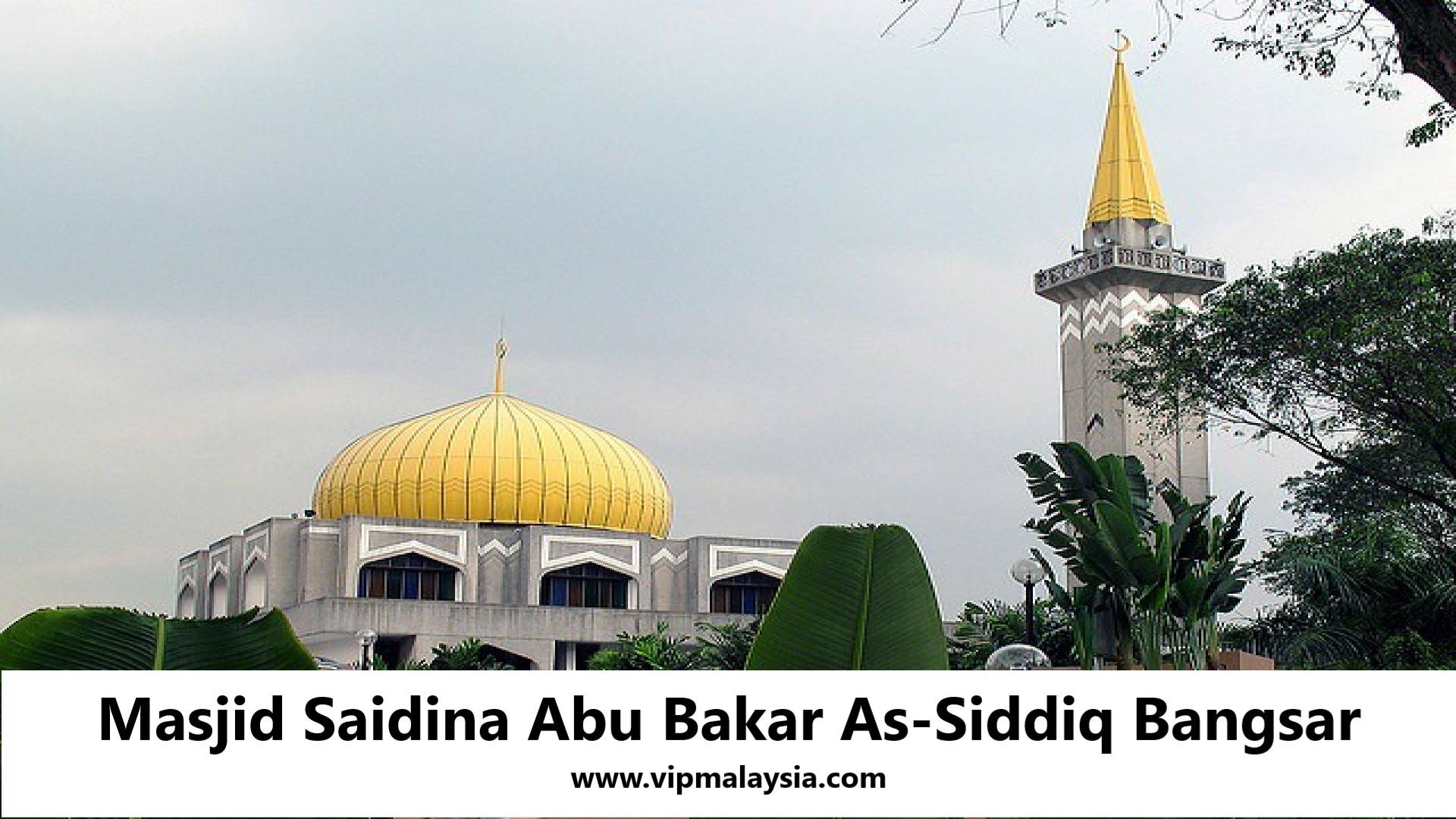
    Masjid Saidina Abu Bakar As-Siddiq Kuala Lumpur is a stunning mosque located in Bangsar, known for its modern Islamic architecture and historical significance. Inspired by traditional and contemporary designs, the mosque features a grand dome, exquisite wood carvings, and spacious prayer halls that can accommodate over 3,000 worshippers. With daily prayers, Islamic education programs, and community events, it serves as a beacon of faith and unity in Kuala Lumpur. Visit today to experience its spiritual beauty and welcoming atmosphere!

    Introduction

    Masjid Saidina Abu Bakar As-Siddiq is one of Kuala Lumpur’s most prominent mosques, blending Islamic tradition with modern facilities. Proposed in 1977 and inaugurated in 1982, it was built through community contributions and government support. Its architectural design, featuring a grand dome and elegant minarets, has even inspired mosque construction in the Republic of Maldives. With its strategic location near Bangsar Village Shopping Center, the mosque is easily accessible and continues to serve as a center for worship, education, and community engagement.

    Attractions and Highlights

    Historical Significance

    Establishment and Growth

    The mosque was proposed during a community discussion in 1977, reflecting the aspirations of Bangsar residents. Funded by donations and government support, it became a symbol of collective effort and devotion. Officially inaugurated in 1982, it has since grown into a landmark of faith and unity.

    Community Contributions

    The construction of Masjid Saidina Abu Bakar As-Siddiq highlights the generosity of Bangsar residents and Kuala Lumpur supporters. Their contributions ensured the mosque’s completion and sustainability. This legacy of community involvement continues through ongoing programs and events.

    Architectural Excellence

    Grand Dome Design

    The mosque’s dome measures 16.6 meters in diameter and rises 24 meters high. Its scale and elegance symbolize strength and tranquility. The dome serves as a focal point, admired by worshippers and visitors alike.

    Exquisite Wood Carvings

    Surah Al-Mu’minun verses are inscribed on Jelutong wood, showcasing intricate craftsmanship. These carvings reflect Islamic artistry and cultural identity. Visitors often find the carvings both spiritually uplifting and aesthetically captivating.

    Elegant Minarets

    The mosque’s minarets symbolize strength, unity, and devotion. Their design complements the dome, creating a harmonious architectural ensemble. The minarets stand as beacons of faith visible across Bangsar.

    Worship Facilities

    Spacious Main Hall

    The mosque’s main hall accommodates up to 3,000 worshippers. Air-conditioning and modern furnishings ensure comfort during daily prayers and Friday congregations. The hall reflects thoughtful design and accessibility.

    Ablution Facilities

    Separate ablution areas provide clean and convenient spaces for men and women. These facilities are designed to accommodate large crowds efficiently. Visitors appreciate the hygiene and accessibility offered.

    Community Engagement

    Islamic Classes for Children

    The mosque offers Quranic teachings and religious guidance for children. These classes nurture future generations with strong spiritual foundations. Parents value the mosque’s role in education and community development.

    Religious Sermons and Events

    Masjid Saidina Abu Bakar As-Siddiq hosts sermons, discussions, and special prayer programs. These events strengthen community bonds and spiritual enrichment. Visitors often find these programs inspiring and informative.

    Trekking and Adventure

    Nearby Towns and Exploration

    Bangsar

    Bangsar is a vibrant township known for its shopping centers, cafes, and nightlife. Visitors often combine a mosque visit with exploring Bangsar Village or Jalan Telawi. The area offers a balance of spirituality and leisure.

    Bangsar Village is a shopping and lifestyle mall located in Bangsar, Kuala Lumpur, Malaysia, known for its mix of retail outlets, dining options, and community-oriented atmosphere. Opened: Early 2000s, with Bangsar Village I as the original building. Expansion: Bangsar Village II was added in 2004, offering more upscale retail and dining experiences.

    Jalan Telawi is a well-known street in Bangsar, Kuala Lumpur, Malaysia, famous for its vibrant nightlife, cafés, restaurants, and boutique shops. Grew into a lifestyle hotspot in the 1990s and 2000s as Bangsar became popular with young professionals and expatriates. Known for trendy cafés, bars, and boutique shopping, making it a go-to destination for leisure and nightlife.

    Brickfields

    Located nearby, Brickfields is famous as Kuala Lumpur’s Little India. Visitors can explore temples, shops, and eateries, experiencing the city’s multicultural identity. Combining Brickfields with a mosque visit enriches the cultural journey.

    Mid Valley City

    A short drive away, Mid Valley Megamall offers extensive shopping and dining options. Tourists often enjoy a meal or shopping spree after visiting the mosque. The proximity adds convenience and variety.

    Cultural Festivals

    Ramadan Activities

    During Ramadan, the mosque hosts nightly prayers, Quran recitations, and community iftar gatherings. The atmosphere is vibrant, with thousands attending to strengthen their faith. Visitors gain insight into Malaysia’s Islamic traditions during this holy month.

    Eid Celebrations

    Eid al-Fitr and Eid al-Adha are celebrated with large congregations and festive events. The mosque becomes a hub of joy and unity, welcoming worshippers from across Kuala Lumpur. These celebrations highlight the mosque’s role in fostering community spirit.

    Wildlife and Nature

    Bukit Gasing Forest Reserve

    Located nearby, Bukit Gasing offers trekking trails and lush greenery. Visitors often enjoy a hike before or after prayers, combining nature with spirituality. The reserve is home to diverse flora and fauna, making it a nature lover’s paradise.

    Bukit Gasing Forest Reserve is a popular urban forest park located on the border of Petaling Jaya and Kuala Lumpur, Malaysia, known for its hiking trails, lush greenery, and recreational activities. Once a rubber plantation, later gazetted as a forest reserve. Popular for jogging, trekking, and weekend family outings. Size: Approximately 100 hectares.

    Taman Tasik Perdana

    This park provides scenic views, jogging tracks, and recreational facilities. Visitors often enjoy a stroll before or after prayers, blending relaxation with spirituality. The park’s lake and greenery offer a refreshing escape from the city.

    Conclusion

    Masjid Saidina Abu Bakar As-Siddiq Kuala Lumpur is a historic and cultural landmark that embodies Malaysia’s Islamic heritage. With its grand dome, exquisite wood carvings, and spacious prayer facilities, it offers worshippers and visitors a serene sanctuary. The mosque’s community programs, cultural festivals, and nearby attractions make it more than just a place of worship—it is a hub of faith, learning, and unity. Whether you come for prayer, education, or tourism, Masjid Saidina Abu Bakar As-Siddiq provides a journey into Malaysia’s Islamic identity and cultural pride.

    Summary

    • Attraction: #MasjidSaidinaAbuBakarAsSiddiq 
    • Location: #KualaLumpur 
    • Attraction Type: #Mosque 
    • Source: masjid.islam.gov.my, 2010694046.blogspot.com
    • Why Visit:
      • Prime location – Situated near Bangsar Village Shopping Center for easy accessibility
      • Unique architectural influence – A design inspiration for mosques in the Republic of Maldives
      • Community engagement – Offers Islamic education, prayer gatherings, and social activities
      • Rich historical background – Built with community contributions and government support

    Quick Info

    AttributeDetails
    NameMasjid Saidina Abu Bakar As-Siddiq Kuala Lumpur
    AddressJalan Ara, Bangsar Baru, 59100 Kuala Lumpur
    GPS Position3.1335° N, 101.6730° E
    StateKuala Lumpur
    Date Established1982
    Facility TypeMosque & Islamic Learning Center
    CapacityOver 3,000 worshippers
    Architectural InfluenceModel for mosque designs in the Republic of Maldives
    Prayer ServicesDaily Solat, Friday Prayers, Special Islamic Gatherings
    Community ServicesQuran Studies, Religious Talks, Charity Initiatives
    Nearby AttractionsBangsar Village, Mid Valley Megamall, Lake Gardens
    AccessibilityConnected via major roads and public transport
    Special EventsRamadan Ceremonies, Islamic Conferences, Prayer Gatherings
    Operating HoursOpen Daily
    Contact+603-2283 3707

    Visitor Reviews

    Ali, Turkey – ★★★★★ “Masjid Saidina Abu Bakar As-Siddiq was stunning. The dome and wood carvings created a peaceful atmosphere. The guided tour gave me a deeper understanding of Malaysia’s Islamic heritage.”

    Fatima, Morocco – ★★★★☆ “I loved the location near Bangsar Village. It was crowded during Friday prayers, but the facilities were well-organized. A great spiritual experience.”

    Daniel, Australia – ★★★★★ “The mosque felt serene and welcoming. The prayer halls were comfortable, and the community programs were inspiring. I highly recommend visiting.”

    Sofia, Argentina – ★★★★★ “The architecture was breathtaking, especially the dome and minarets. The staff were friendly, and the Ramadan activities were memorable. Truly a must-see in Kuala Lumpur.”

    “A beautifully designed mosque in KL! Spacious, peaceful, and welcoming—perfect for prayer and reflection!”Amir H., Malaysia

    “The architecture is stunning! A must-visit for those who appreciate Islamic designs and spiritual spaces.”Sara L., Maldives

    Frequently Asked Questions (FAQs)

    Cuba ceritakan sedikit mengenai sejarah Masjid Saidina Abu Bakar As-Siddiq di Bangsar, Kuala Lumpur?

    Projek pembinaan ini telah dimulakan pada 18 Julai 1980. Majlis penentuan arah kiblatnya pula telah dilaksanakan pada 24 Ogos 1980 oleh Tan Sri Sheikh Abdul Mohsein bin Haji Salleh, Mufti Wilayah Persekutuan. Peletakan batu asas disempurnakan oleh Datuk Amar Haji Abdul Taib bin Mahmud, Menteri Wilayah Persekutuan pada 23 November 1980. Bangunan masjid ini siap sepenuhnya pada bulan Mac 1982.

    Apakah keistimewaan yang ada pada seni binaan Masjid Saidina Abu Bakar As-Siddiq di Bangsar, Kuala Lumpur?

    Menara Masjid Saidina Abu Bakar As-Siddiq berketinggian 43.3-meter yang memuncak daripada kolam hiasan kepada pucuk menara dihiasi dengan aluminium berwarna emas. Selain itu kawasan laman dihiasi dengan pepohon rendang demi mengimbangi suasana persekitaran. Ia sangat mudah dikunjungi kerana terletak di kawasan bandar. Masjid Abu Bakar ini telah dijadikan sebagai model kepada pembinaan masjid negara Republik Maldives yang dibina pada tahun 1984.

    Apakah kemudahan dan dimanakah lokasi Masjid Saidina Abu Bakar As-Siddiq di Bangsar, Kuala Lumpur?

    Masjid Bangsar ini mempunyai dewan solat yang selesa, sekolah agama dan parkir. Keistimewaan Masjid Saidina Abu Bakar As-Siddiq ini sering mengadakan program kulilah dan tazkirah untuk para jemaahnya. Ia terletak di kawasan perumahan dan rumah kedai Bangsar dengan memuatkan 3,000 kapasiti jemaah. Ia berada di daerah ZON 6 dan beralamat di Masjid Saidina Abu Bakar As-Siddiq, Jalan Ara, 59000 Bangsar Kuala Lumpur.

    Anda boleh menghadiri kursus kahwin yang diadakan pada setiap hari Sabtu dan Ahad bertempat di Dewan Kuliah, Masjid Saidina Abu Bakar As-Siddiq, Jalan Ara, 59100, Bangsar, Kuala Lumpur (Bersebelahan Bangsar Village).

    Bagaimana sejarah Masjid Saidina Abu Bakar As-Siddiq dibina?

    Menurut kajian dari Nur Sheneera Jane Bt Che Ahmad Shariffuddin kepada Ustaz Abd Aziz bin Harjin Pensyarah  dalam 2010694046.blogspot.com, sejarah pembinaan Masjid Saidina Abu Bakar As-Siddiq ini bermula pada tahun 1976 apabila masyarakat Muslim yang menduduki kawasan di Bangsar, Kuala Lumpur ini menyuarakan pendapat mereka tentang pembinaan kerana belum ada masjid dibina di kawasan ini. Setelah beberapa perbincangan dan pembentangan idea telah dilakukan akhirnya ia diterima oleh Majlis Agama Islam Wilayah Persekutuan (JAWI) dan pembinaan dipersetujui pada 25 November 1977.

  • Masjid Al Bukhary: Majestic Landmark of Islamic Architecture

    Masjid Al Bukhary: Majestic Landmark of Islamic Architecture

    Masjid Al Bukhary, Kuala Lumpur

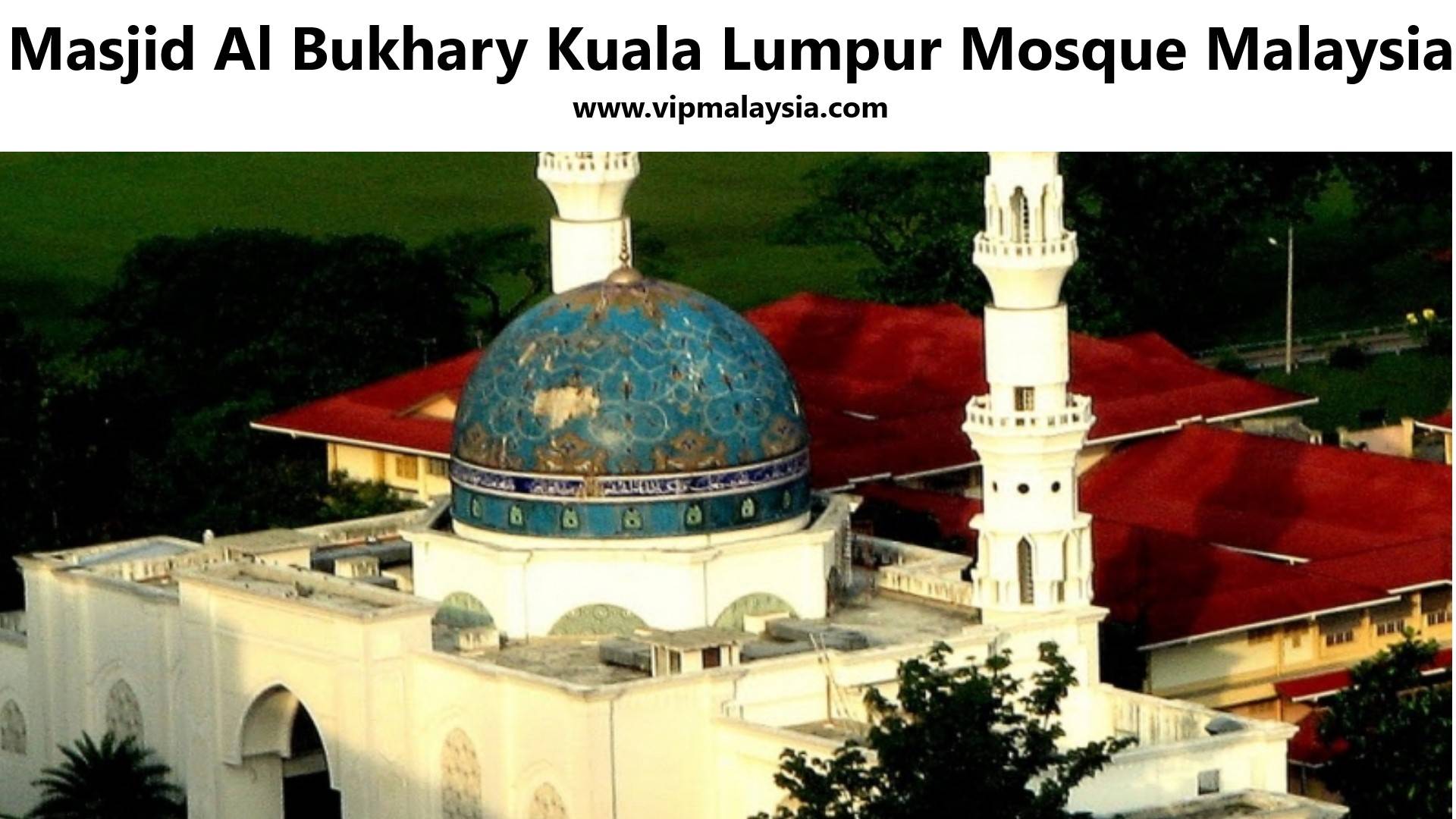
    Masjid Al Bukhary Kuala Lumpur is an iconic Islamic landmark, beautifully designed with grand domes, intricate calligraphy, and spacious prayer halls. Located in Jalan Hang Tuah, this mosque serves as a spiritual sanctuary for worshippers, accommodating over 1,600 congregants. With daily prayers, Quran studies, and religious gatherings, Masjid Al Bukhary stands as a beacon of faith and community engagement. Experience its serene ambiance and architectural beauty—plan your visit today!

    Introduction

    Masjid Al Bukhary Kuala Lumpur is a modern Islamic masterpiece completed in 2006, funded by Yayasan Al-Bukhary to serve the community. Built to replace the historical Surau Babul Jannah, the mosque combines traditional Islamic artistry with contemporary architecture. Its grand dome, expansive prayer halls, and intricate calligraphy make it both a spiritual and cultural landmark. Beyond worship, the mosque hosts Quran classes, religious discussions, and community events, reinforcing its role as a hub of faith and learning.

    Attractions and Highlights

    Historical Significance

    Legacy of Surau Babul Jannah

    Masjid Al Bukhary was established to preserve the legacy of Surau Babul Jannah, ensuring continuity of faith and tradition. The transition from surau to mosque reflects the growth of Kuala Lumpur’s Muslim community. Visitors often appreciate the historical depth embedded in its foundation.

    Charitable Mission

    Funded by Yayasan Al-Bukhary, the mosque embodies a charitable mission to serve the community. Its construction highlights the importance of philanthropy in Islamic culture. This mission continues through its educational and social programs.

    Architectural Excellence

    Grand Dome Structure

    The mosque’s dome is a striking feature, symbolizing tranquility and faith. Its design draws inspiration from traditional Islamic architecture while incorporating modern elements. The dome serves as a focal point for worshippers and visitors alike.

    Islamic Motifs and Calligraphy

    Intricate motifs and calligraphy adorn the mosque’s interiors, reflecting Islamic heritage and artistry. These designs create a serene atmosphere, enhancing the spiritual experience. Visitors often admire the craftsmanship and cultural symbolism.

    Expansive Prayer Halls

    The prayer halls accommodate over 1,600 worshippers, providing space for daily prayers and Friday congregations. Air-conditioning and modern furnishings ensure comfort. The halls reflect thoughtful design and accessibility.

    Worship Facilities

    Spacious Main Hall

    The mosque’s main hall is designed for daily prayers and Friday congregations. Its air-conditioned environment ensures comfort for worshippers. The hall’s scale reflects the mosque’s importance as a central place of worship.

    Ablution Facilities

    Dedicated ablution areas provide clean and convenient spaces for men and women. These facilities are designed to accommodate large crowds efficiently. Visitors appreciate the hygiene and accessibility offered.

    Community Engagement

    Quran Classes and Education

    Masjid Al Bukhary offers Quran classes and Islamic education for individuals of all ages. These programs strengthen religious knowledge and foster community learning. Visitors interested in cultural exchange often join these sessions.

    Religious Sermons and Discussions

    The mosque hosts sermons and community discussions, encouraging spiritual growth and unity. These events provide opportunities for worshippers to deepen their faith. Visitors often find these programs enriching and informative.

    Trekking and Adventure

    Nearby Towns and Exploration

    Kampung Baru

    Located nearby, Kampung Baru offers traditional Malay houses and street food. Visitors often explore the area to experience authentic Malaysian culture before or after visiting the mosque. The neighborhood provides a glimpse into Kuala Lumpur’s heritage.

    Jalan Tuanku Abdul Rahman

    This bustling street is famous for shopping and textiles. Combining a mosque visit with a trip to Jalan Tuanku Abdul Rahman offers both spiritual and cultural enrichment. The area reflects Kuala Lumpur’s blend of commerce and tradition.

    Chow Kit

    Known for its lively markets, Chow Kit offers fresh produce and local delicacies. Tourists can experience daily life in Kuala Lumpur while enjoying street snacks. Its proximity adds variety to the mosque visit.

    Cultural Festivals

    Ramadan Activities

    During Ramadan, Masjid Al Bukhary hosts nightly prayers, Quran recitations, and community iftar gatherings. The atmosphere is vibrant, with thousands attending to strengthen their faith. Visitors gain insight into Malaysia’s Islamic traditions during this holy month.

    Eid Celebrations

    Eid al-Fitr and Eid al-Adha are celebrated with large congregations and festive events. The mosque becomes a hub of joy and unity, welcoming worshippers from across Kuala Lumpur. These celebrations highlight the mosque’s role in fostering community spirit.

    Wildlife and Nature

    KL Forest Eco Park

    Located nearby, this urban forest reserve is home to diverse flora and fauna. Trekking through the reserve offers a unique experience, complementing a mosque visit with natural exploration. Wildlife enthusiasts appreciate the biodiversity of the area.

    Taman Tasik Titiwangsa

    This park offers scenic views, jogging tracks, and recreational facilities. Visitors often enjoy a stroll before or after prayers, combining nature with spirituality. The park’s lake and greenery provide a refreshing escape from the city.

    Conclusion

    Masjid Al Bukhary Kuala Lumpur is a modern Islamic landmark that preserves heritage while serving the community. With its grand dome, intricate motifs, and expansive prayer facilities, it offers worshippers and visitors a serene sanctuary. The mosque’s community programs, cultural festivals, and nearby attractions make it more than just a place of worship—it is a hub of faith, learning, and unity. Whether you come for prayer, education, or tourism, Masjid Al Bukhary provides a journey into Malaysia’s Islamic identity and cultural pride.

    Summary

    • Attraction: #MasjidAlBukhary 
    • Location: #KualaLumpur 
    • Attraction Type: #Mosque 
    • Source: masjid.islam.gov.my
    • Why Visit:
      • Iconic Islamic Landmark – A mosque rooted in history and spiritual significance
      • Architectural beauty – Features Islamic motifs, grand domes, and intricate calligraphy
      • Community-centered mosque – Hosts prayer sessions, Quran studies, and Islamic discussions
      • Strategic location – Easily accessible from KL’s main roads and nearby attractions

    Quick Info

    AttributeDetails
    NameMasjid Al Bukhary Kuala Lumpur
    Address30, Jalan Radin Anum, Sri Petaling, 57000 Kuala Lumpur
    GPS Position3.1285° N, 101.7120° E
    StateKuala Lumpur
    Date Established2006
    Facility TypeMosque & Islamic Center
    CapacityOver 1,600 worshippers
    Architectural StyleTraditional Islamic with modern elements
    Prayer ServicesDaily Solat, Friday Prayers, Special Ramadan Gatherings
    Community ServicesQuran Classes, Islamic Discussions, Charity Drives
    Nearby AttractionsKL Tower, Pavilion KL, KLCC Park
    AccessibilityConnected via major highways & public transport
    Special EventsRamadan Ceremonies, Eid Celebrations, Islamic Conferences
    Operating HoursOpen Daily
    Contact+603-9221 0554

    Visitor Reviews

    Soleimani, Iran – ★★★★★ “Masjid Al Bukhary was stunning. The dome and calligraphy created a peaceful atmosphere. The guided tour gave me a deeper understanding of Malaysia’s Islamic heritage.”

    Sabariah, Kuwait – ★★★★☆ “I loved the location and the spacious prayer halls. It was crowded during Friday prayers, but the facilities were well-organized. A great spiritual experience.”

    Yoshua, Australia – ★★★★★ “The mosque felt serene and welcoming. The prayer halls were comfortable, and the community programs were inspiring. I highly recommend visiting.”

    Diego De Maria, Argentina – ★★★★★ “The architecture was breathtaking, especially the dome and motifs. The staff were friendly, and the Ramadan activities were memorable. Truly a must-see in Kuala Lumpur.”

    “A stunning mosque in KL! The architecture is breathtaking, and the peaceful ambiance makes it perfect for prayers.”Lantern Razak., Malaysia

    “A spiritual retreat in the heart of KL! Masjid Al Bukhary is beautifully designed and always well-maintained.”Damanhuri Lorissa., Indonesia

    Frequently Asked Questions (FAQs)

    Bagaimana sejarah pembinaan Masjid Al Bukhary, Kuala Lumpur?

    Asalnya Masjid Al Bukhary di Kuala Lumpur adalah tanah surau lama dan sebahagiannya tapak perkuburan Islam yang diwakafkan oleh DYMM Sultan Selangor iaitu Almarhum Sultan Abdul Samad pada tahun 1860. Almarhum Baginda Sultan telah mengamanahkan Allahyarham Syed Lal Shah Albukhary untuk membangunkan serta menjaga surau ini yang telah diberi nama Babul Jannah.

    Pengaruh seni rekabentuk Masjid Al Bukhary, Kuala Lumpur diambil dari elemen apa?

    Dua buah menara adalah diadaptasi daripada ciri-ciri yang terdapat di Masjid Nabawi, Madinah. Di samping itu juga terdapat sebuah kubah utama yang ditutupi seramik kaca yang diimport khas dari Itali dan bahagian dalam kubah utama pula dihiasi dengan corak-corak yang diadaptasi darpada kesenian Negara Timur Tengah. Elemen yang terdapat pada bahagian luar masjid adalah gabungan ciri-ciri kesenian Melayu dengan Negara-negara Timur Tengah.

    Dimanakah lokasi Masjid Al Bukhary, Kuala Lumpur?

    Ia berada di Jalan Hang Tuah dan berdekatan Stesen RapidKL Hang Tuah, Stesen Monorail Hang Tuah, Ibu Pejabat Polis Kontijen Kuala Lumpur, Times Square dan Penjara Pudu. Ia telah dirasmikan oleh Seri Paduka Baginda Yang Dipertuan Agong Al-Wathiqu Billah Tuanku Mizan. Kapasiti jemaah boleh memuatkan 1,600 orang, berada pada zon 3 dan beralamat di NO.1, JALAN HANG TUAH, 50200 KUALA LUMPUR.

  • Masjid Jamek Kg Baru Kuala Lumpur: Heritage Mosque

    Masjid Jamek Kg Baru Kuala Lumpur: Heritage Mosque

    Masjid Jamek Kg Baru, Kuala Lumpur

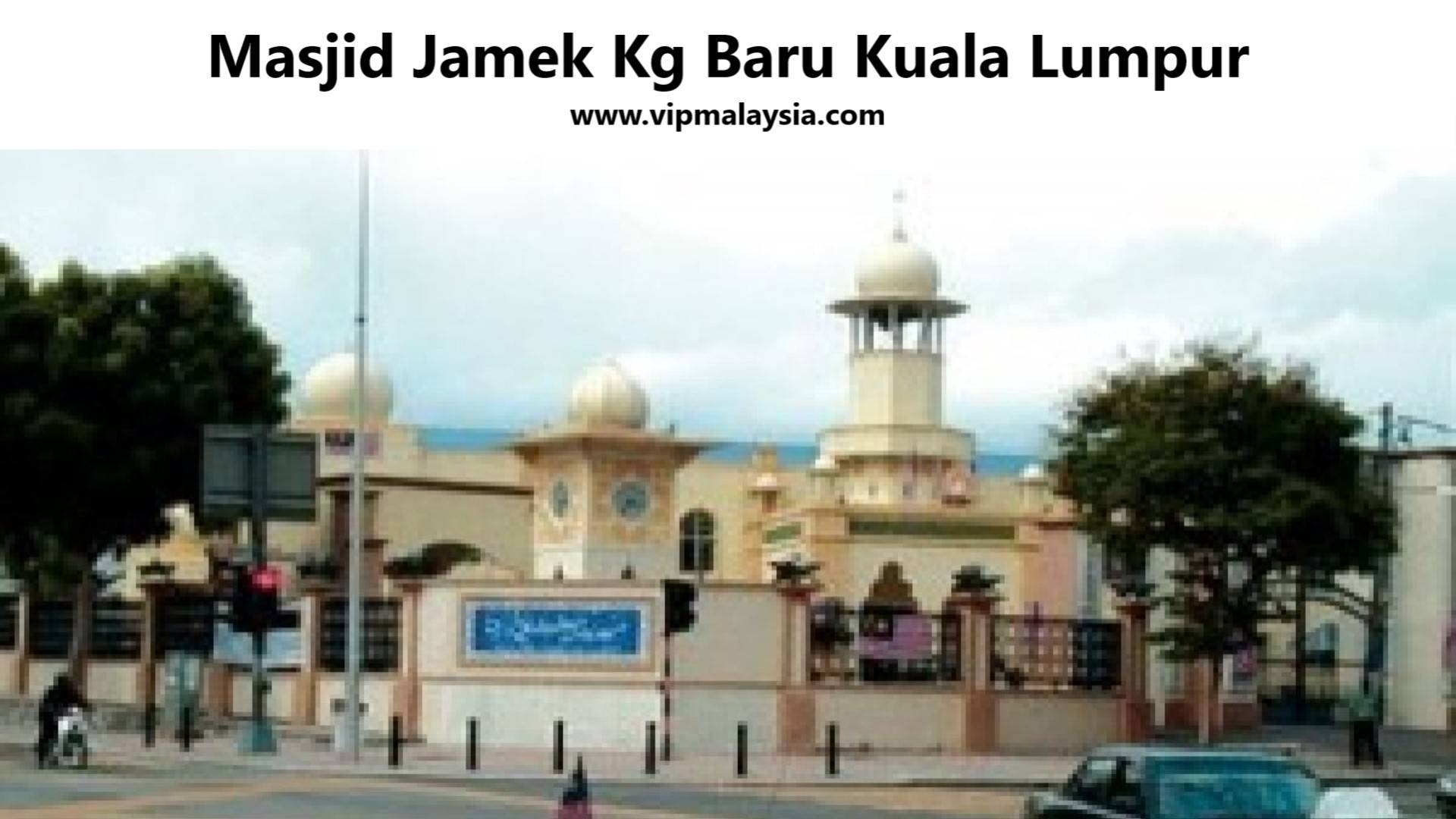
    Masjid Jamek Kg Baru, located in Kampung Baru, Kuala Lumpur, is one of Malaysia’s most historically significant mosques, playing a central role in Islamic worship and community gatherings. Established on donated land by Haji Bachik bin Abdullah, this mosque has evolved into a spiritual sanctuary with modernized facilities and community-driven activities.

    Introduction

    Masjid Jamek Kg Baru is one of Kuala Lumpur’s most significant mosques, deeply rooted in the city’s Islamic heritage. Established on donated land in the early 20th century, it has grown from a small surau into a full-fledged mosque serving thousands of worshippers. Officially inaugurated by Malaysia’s first Prime Minister, Tunku Abdul Rahman Putra Al-Haj, the mosque symbolizes both faith and national pride. With its traditional Malay-Islamic architecture, expansive facilities, and educational programs, Masjid Jamek Kg Baru continues to nurture future generations while welcoming visitors from across Malaysia and beyond.

    Attractions and Highlights

    Historical Significance

    Founding Legacy

    Masjid Jamek Kg Baru was established on land generously donated by Haji Bachik bin Abdullah. Initially a small surau, it expanded over the decades through community contributions and government support. Its transformation reflects the resilience and devotion of Kuala Lumpur’s Muslim community.

    Inauguration by Tunku Abdul Rahman

    The mosque’s official inauguration by Tunku Abdul Rahman added historical weight to its legacy. As Malaysia’s founding leader, his presence underscored the mosque’s importance in shaping national identity. This connection continues to resonate with worshippers today.

    Tunku Abdul Rahman Putra Al-Haj (1903–1990) was Malaysia’s first Prime Minister (1957–1970), widely honored as the “Father of Independence” for leading the country to freedom from British colonial rule and later overseeing the formation of Malaysia in 1963. Revered as Bapa Kemerdekaan (Father of Independence).

    Architectural Design

    Malay-Islamic Elements

    The mosque’s design incorporates traditional Malay-Islamic architecture, featuring domes, wood carvings, and open prayer spaces. These elements create a harmonious blend of cultural heritage and religious symbolism. Visitors often admire the craftsmanship and attention to detail.

    Modern Facilities

    Beyond its traditional design, the mosque includes modern amenities such as air-conditioned prayer halls, libraries, meeting rooms, and funeral management areas. These facilities ensure comfort and accessibility for worshippers and visitors alike.

    Prayer Facilities

    Expansive Halls

    The mosque’s Dewan Solat Muslimin and Dewan Solat Muslimat are air-conditioned and spacious, accommodating thousands of worshippers. These halls are designed for comfort and accessibility, ensuring a serene prayer experience.

    Ablution Areas

    Separate ablution facilities for men and women ensure hygiene and convenience. The design accommodates large crowds efficiently, reflecting thoughtful planning. Visitors appreciate the cleanliness and accessibility of these areas.

    Community Engagement

    Tadika Islam Masjid Jamek Kg Baru

    The mosque is home to an Islamic kindergarten that has achieved award-winning recognition. This institution nurtures young children with religious and academic education, ensuring future generations are grounded in faith and knowledge.

    Educational Programs

    The mosque offers Quranic education, Islamic lectures, and community events. These programs strengthen religious knowledge and foster unity among worshippers. Visitors interested in cultural exchange often join these sessions.

    Trekking and Adventure

    Nearby Towns and Exploration

    Kampung Baru

    Located in the heart of Kuala Lumpur, Kampung Baru is a historic Malay enclave known for its traditional houses and street food. Visitors often explore the area before or after visiting the mosque, enjoying dishes like nasi lemak and satay. The neighborhood offers a glimpse into Malaysia’s cultural roots.

    Chow Kit

    A short distance away, Chow Kit is famous for its bustling markets and local produce. Tourists can experience the vibrancy of Kuala Lumpur’s daily life while sampling fresh fruits and street snacks. The proximity adds variety to the mosque visit.

    Chow Kit is a district in central Kuala Lumpur, Malaysia, known for its bustling markets, street food, and diverse cultural atmosphere. Named after Loke Chow Kit, a prominent local businessman in the early 20th century. Situated near Jalan Tuanku Abdul Rahman, north of Kuala Lumpur’s city center.

    KLCC

    The iconic Petronas Twin Towers are nearby, offering shopping, dining, and panoramic views. Combining a mosque visit with a trip to KLCC provides a balance of spirituality and modernity.

    KLCC (Kuala Lumpur City Centre) is a landmark development in Kuala Lumpur, Malaysia, best known for housing the Petronas Twin Towers and serving as a premier hub for business, shopping, culture, and recreation. Location: Heart of Kuala Lumpur, built on the site of the former Selangor Turf Club.

    Cultural Festivals

    Ramadan Activities

    During Ramadan, Masjid Jamek Kg Baru hosts nightly prayers, Quran recitations, and community iftar gatherings. The atmosphere is lively, with thousands attending to strengthen their faith. Visitors gain insight into Malaysia’s Islamic traditions during this holy month.

    Ramadan is the ninth month of the Islamic lunar calendar, observed by Muslims worldwide as a sacred period of fasting, prayer, reflection, and community. Word origin: From Arabic Ramadān (رمضان), meaning “scorching heat,” linked to the month’s timing in the hot season. Duration: 29–30 days, depending on the lunar sighting.

    Eid Celebrations

    Eid al-Fitr and Eid al-Adha are celebrated with large congregations and festive events. The mosque becomes a hub of joy and unity, welcoming worshippers from across Kuala Lumpur. These celebrations highlight the mosque’s role in fostering community spirit.

    Eid al-Fitr is the Islamic festival that marks the end of Ramadan, the month of fasting, and is celebrated by Muslims worldwide with prayers, feasting, charity, and community gatherings. Celebrated on the first day of Shawwal, the 10th month of the Islamic lunar calendar. Muslims give Zakat al-Fitr (charitable donation of food or money) before the prayer to help the needy. A time to thank God for strength during Ramadan and blessings received.

    Eid al-Adha is the Islamic festival of sacrifice, commemorating Prophet Ibrahim’s (Abraham’s) willingness to obey God by sacrificing his son, before God provided a ram as a substitute. It is celebrated by Muslims worldwide with prayers, charity, and the ritual sacrifice of livestock. Falls on the 10th day of Dhu al-Hijjah, the last month of the Islamic lunar calendar, during the Hajj pilgrimage season. Honors Prophet Ibrahim’s devotion and submission to God.

    Wildlife and Nature

    Taman Tasik Titiwangsa

    Located nearby, this park offers scenic views, jogging tracks, and recreational facilities. Visitors often enjoy a stroll before or after prayers, combining nature with spirituality. The park’s lake and greenery provide a refreshing escape from the city.

    Taman Tasik Titiwangsa is a large recreational park in Kuala Lumpur, Malaysia, centered around a scenic lake and popular for outdoor activities, leisure, and family gatherings. Location: Jalan Kuantan, near Hospital Kuala Lumpur and Istana Budaya.

    KL Forest Eco Park

    This urban forest reserve is home to diverse flora and fauna, including tropical trees and bird species. Trekking through the reserve offers a unique experience, complementing a mosque visit with natural exploration.

    KL Forest Eco Park (formerly Bukit Nanas Forest Reserve) is one of Malaysia’s oldest permanent forest reserves, gazetted in 1906, and today serves as a 9.3-hectare tropical rainforest park located right in the heart of Kuala Lumpur near KL Tower. It is a rare urban green space offering canopy walks, hiking trails, and wildlife encounters.

    Conclusion

    Masjid Jamek Kg Baru Kuala Lumpur is a historic and cultural landmark that embodies Malaysia’s Islamic heritage. With its traditional architecture, expansive prayer facilities, and educational programs, it serves as both a place of worship and a center for community engagement. Visitors can explore its rich history, cultural festivals, and nearby attractions, making it a holistic destination. Whether you come for prayer, education, or tourism, Masjid Jamek Kg Baru offers a journey into Malaysia’s faith, tradition, and national pride.

    Summary

    • Attraction: #MasjidJamekKgBaru 
    • Location: #KualaLumpur 
    • Attraction Type: #Mosque 
    • Source: masjidmjkb.org.my
    • What to Expect:
      • Rich Islamic heritage – Founded in the early 1900s, deeply connected to Malaysia’s Muslim community
      • Historic significance – Officially inaugurated by Tunku Abdul Rahman Putra Al-Haj
      • Expansive facilities – Capacity for 7,000 worshippers, with air-conditioned prayer halls and educational centers
      • Cultural & religious education – Home to Tadika Islam Masjid Jamek Kg Baru, nurturing future generations

    Quick Info

    AttributeDetails
    NameMasjid Jamek Kg Baru Kuala Lumpur
    AddressJalan Raja Alang, Kampung Baru, 50300 Kuala Lumpur
    GPS Position3.1570° N, 101.6975° E
    StateKuala Lumpur
    Date EstablishedEarly 1900s
    Facility TypeMosque & Islamic Learning Center
    Capacity7,000 worshippers
    Architectural FeaturesTraditional Malay-Islamic design, open prayer spaces
    Prayer ServicesDaily Solat, Friday Prayers, Ramadan Gatherings
    Community ServicesQuran Studies, Religious Talks, Charity Programs
    Nearby AttractionsKampung Baru Market, Petronas Twin Towers, Suria KLCC
    AccessibilityConnected via LRT, MRT, major roads
    Special EventsRamadan Ceremonies, Eid Gatherings, Islamic Conferences
    Operating HoursOpen Daily
    Contact+603-2691 3954

    Visitor Reviews

    Hassan, Saudi Arabia – ★★★★★ “Masjid Jamek Kg Baru is beautiful and welcoming. The prayer halls were spacious and comfortable, and the atmosphere was peaceful. A truly historic mosque worth visiting.”

    Elena, Spain – ★★★★☆ “I loved the architecture, especially the wood carvings and domes. It was crowded during Friday prayers, but the facilities were well-organized. A great cultural experience.”

    Arjun, India – ★★★★★ “The mosque felt very community-driven. I was impressed by the Tadika Islam program and the focus on education. The guided tour gave me a deeper understanding of its history.”

    Mei, China – ★★★★★ “The mosque was serene and beautifully designed. The staff were friendly, and the Ramadan activities were inspiring. Highly recommended for anyone visiting Kuala Lumpur.”

    “Masjid Jamek Kg Baru is a historic landmark! Beautifully maintained, deeply connected to Islamic heritage, and welcoming to all worshippers.”Ismail H., Malaysia

    “A peaceful mosque in KL with rich history! Love the traditional architecture and community-driven activities.”Ayesha R., Singapore

    Frequently Asked Questions (FAQs)

    Apakah perkara yang paling diingati orang mengenai Masjid Jamek Kg Baru di Kuala Lumpur apabila berada di Bulan Ramadhan?

    Sudah pastinya Bulan Ramadhan bulan yang mulia dan menjadi kebiasaan bubur lambuk adalah perkara yang paling diingati apabila ditanya kepada orang ramai mengenai Masjid Jamek Kg Baru Kuala Lumpur. Kesedapan bubur lambuk Masjid Jamek Kg Baru Kuala Lumpur ini sehingga mendapat liputan luas di media massa dan stesen televisyen.

    Bagaimana wujudnya Kampung Baru?

    Sebenarnya nama Kampung Baru wujud atas dasar penyatuan dari beberapa buah kampung Melayu atau mukim. Pada kira-kira tahun akhir 1880 terdapat tujuh buah kampung yang kedudukannya berdekatan antara satu dengan yang lain. Penyatuan kampung-kampung tersebut telah dilakukan tahap demi tahap kerana masing-masing penduduk mahukan pentadbiran itu harus diterajui oleh mereka sendiri.

    Misalnya Kampung Masjid telah menjadi sebahagian Kampung Baru pada tahun 1880, Kampung Periok pula dalam tahun 1890. Kampung Hujung Pasir telah masuk ke dalam Ikatan Perkampungan itu dalam tahun 1900. Dalam tahun-tahun berkutnya jelas kelihatan jumlah penduduk semakin bertambah.

    Berita tentang kemakmuran penduduk-penduduk Kampung Baru telah diketahui umum khususnya oleh peniaga-peniaga yang berulang alik dari Kuala Lumpur ke Klang. Maka orang dari keturunan Jawa pula tidak mahu ketinggalan untuk mencari rezeki di situ. Dalam tahun 1906-pula ramai orang-orang Jawa berhijrah ke sini di suatu yang digelar Kampung Paya. Dalam tahun 1914 pula, Kampung Periok diterima masuk dengan pembahagian lot-lot tanah untuk tujuan penempatan.

    Berapakah kapasiti jemaah di Masjid Jamek Kg Baru, Kuala Lumpur?

    Hari ini, Masjid Jamek Kg Baru terpaksa menampung lebih dari 7,000 orang jemaah setiap hari Jumaat. Dan pada waktu sembahyang tidak kurang dari 500 orang berjamaah. Jumlah Masjid Jamek Kg Baru ini bertambah dari hari ke hari. Sebagaimana biasa kuliah tetap diadakan setiap malam selepas Maghrib sementara kuliah Subuh pula diadakan selepas Subuh hingga pukul 7.00 pagi setiap hari.

    Selain Masjid Jamek Kg Baru, apalagi yang yang terlintas difikiran anda jika anda sampai di Kampung Baru Kuala Lumpur?

    Selepas mendirikan solat fardhu atau solat jumaat, perkara yang paling menyeronokkan ialah mencari makanan masakan melayu. Anda boleh menikmati nasi lemak asli, nasi campur yang dijual ditepi jalan. Nasi Kandar LC Restaurant aka Line Clear juga ada disamping nasi padang masakan Indonesia.

error: