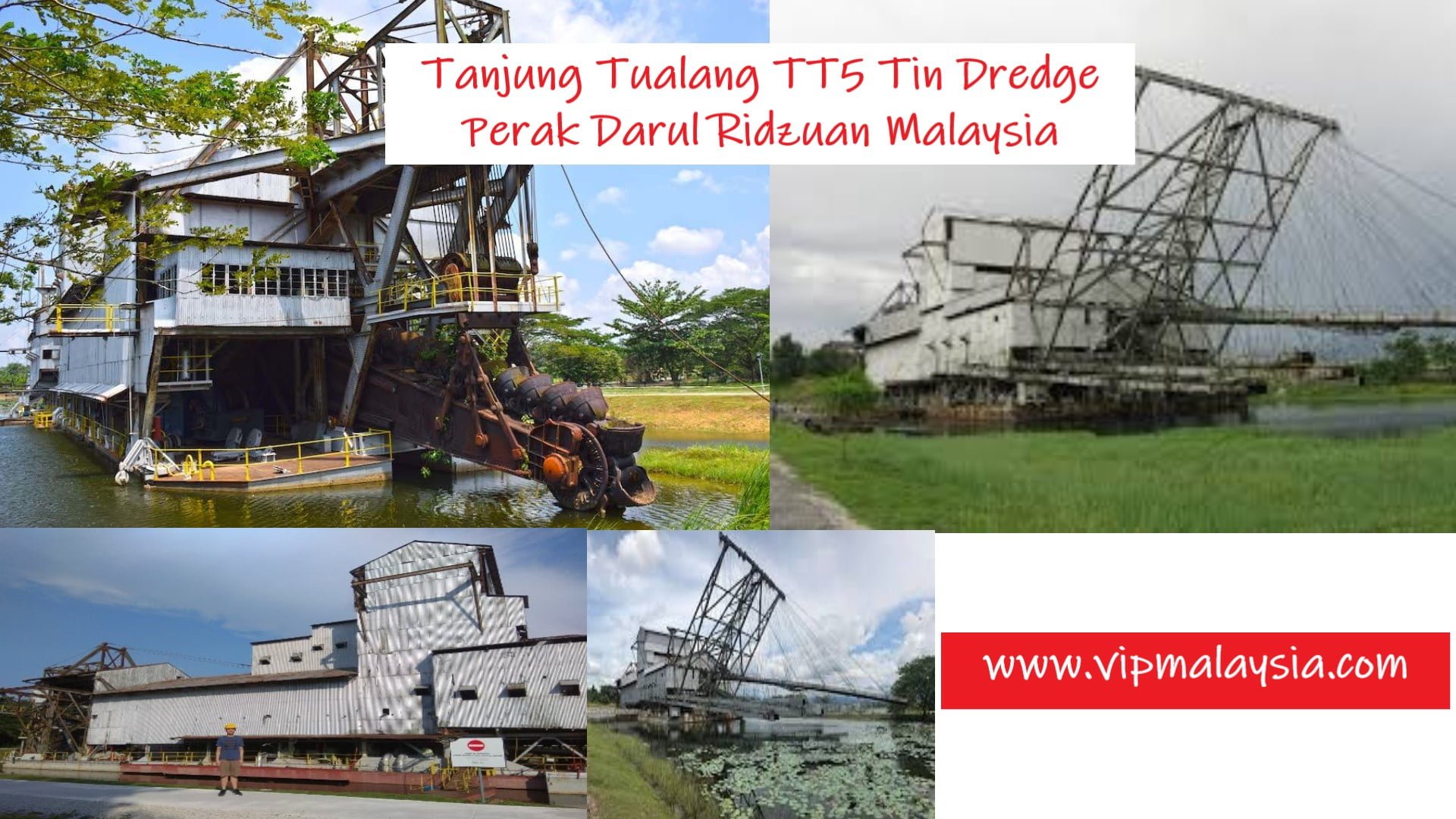
Once a bustling hub of Malaya’s tin mining industry, Tanjung Tualang Tin Dredge No. 5 (TT5) stands today as Malaysia’s last remaining tin dredge, offering visitors a glimpse into the golden era of tin mining. Built in England in 1938, TT5 operated for 44 years, and despite the decline of tin mining, it has now been carefully restored as a heritage site for historical exploration and educational experiences.
Experience the Heritage & Engineering Marvel of TT5 Tanjung Tualang Tin Dredge
Why Visit:
Malaysia’s last standing tin dredge – A massive floating factory from the 1930s
Engineering excellence – Built by F.W. Payne & Sons, weighing 4,500 tons
Guided tours & interactive experiences – Explore the dredge machinery, tin panning, and history exhibits
Family-friendly & event-ready – Offers ATV rides, photography sessions, camping, and community bazaars
Step into Malaysia’s industrial history—plan your visit to TT5 today!
The History & Significance of TT5
The Rise of Tin Mining in Perak
✔ Tin rush began in 1848 – Making Perak the wealthiest state in Malaya
✔ Ipoh: The City of Millionaires – Thanks to the thriving tin industry
✔ Over 120 dredges in operation by 1940 – Driven by foreign investments totaling RM 4 billion
Engineering Excellence & Operation
✔ Built in England in 1938 – Later upgraded in 1963 for improved efficiency
✔ Operated for 44 years – Until August 1982, when Malaysia’s tin industry declined
✔ Saved from demolition in 1997 – Donated to Perak State Government for preservation
Activities & Visitor Experience
Interactive & Educational Attractions
✔ Guided dredge tours – Walk through the control rooms and learn how tin was extracted
✔ Tin panning experience – Try hands-on tin mining just like the miners of the past
✔ Weekend community bazaars – Featuring local crafts, traditional games, and food stalls
Outdoor Adventures & Events
✔ ATV fun rides & horse riding – Perfect for families and thrill-seekers
✔ Fishing, camping & BBQ areas – Enjoy a relaxing day surrounded by historical landscapes
✔ Corporate functions & team-building – Ideal for photography, treasure hunts, and group events
TT5 Tanjung Tualang isn’t just a remnant of Malaysia’s tin mining past—it’s a living history, offering interactive tours, thrilling outdoor activities, and deep cultural insights. Whether you’re exploring the dredge machinery, trying your hand at tin panning, or enjoying the scenic landscapes, this heritage site is a must-visit for anyone in Perak.
Step into Malaysia’s tin mining legacy—visit TT5 Tanjung Tualang today!
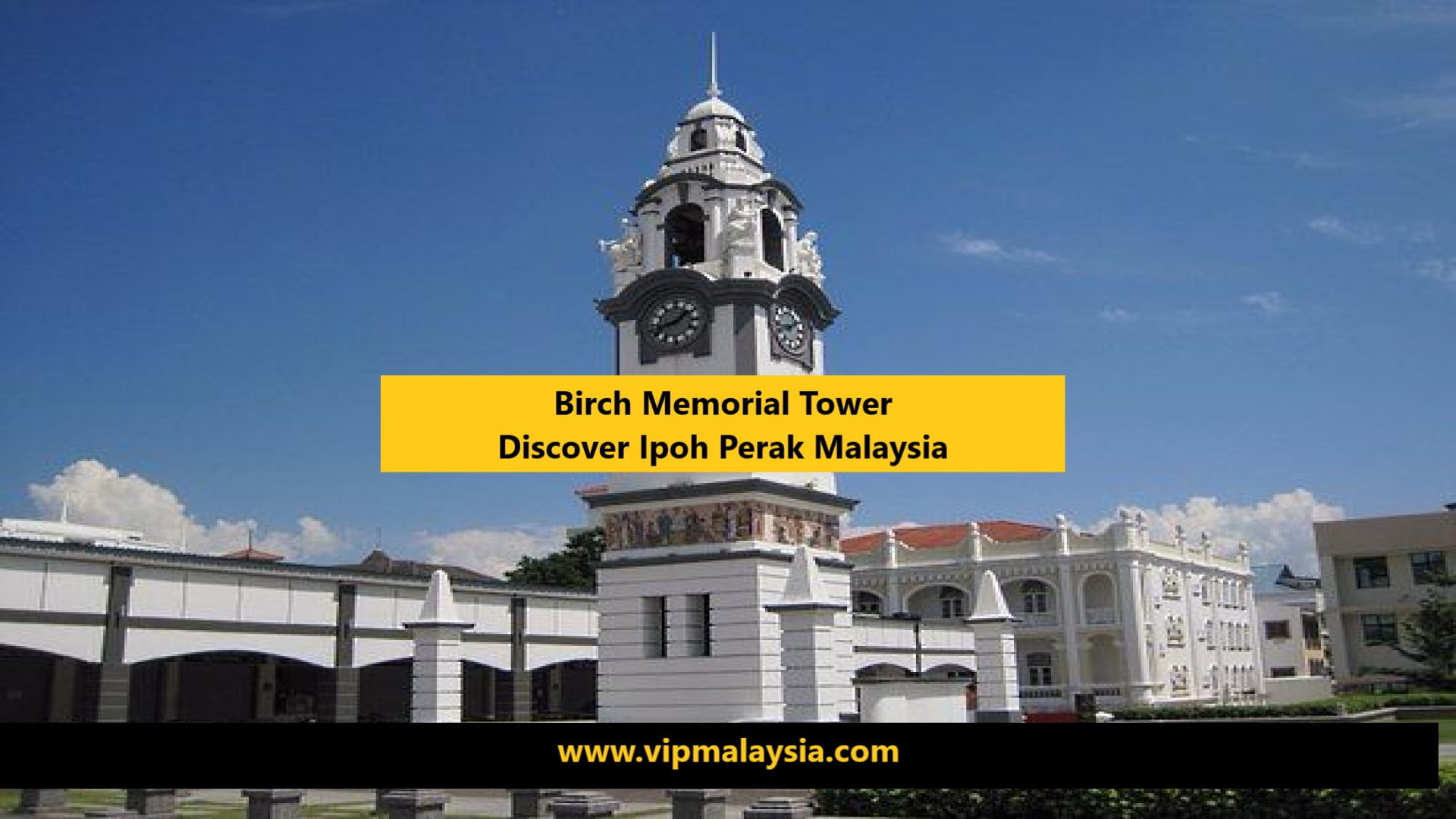
Built in 1909, Birch Memorial Clock Tower stands as a tribute to J.W.W. Birch, Perak’s first British Resident, who was assassinated in 1875. Located in Ipoh’s heritage district, this ornate clock tower features symbolic carvings, historical figures, and striking architecture, making it a must-visit colonial landmark in Malaysia. Explore its rich history, British governance tribute, and cultural significance.
Introduction
The Birch Memorial Clock Tower stands proudly in the heart of Ipoh’s heritage district, a monument that bridges Malaysia’s colonial past with its vibrant present. Built in 1909 to commemorate J.W.W. Birch, the first British Resident of Perak, the tower is more than just a timekeeper—it is a historical narrative carved in stone and adorned with symbolic figures. Visitors are drawn to its ornate design, its cultural significance, and its central location near other heritage gems. Whether you are a history enthusiast, architecture lover, or casual traveler, the Birch Memorial Clock Tower offers a fascinating glimpse into the legacy of British Malaya.
History
The Legacy of J.W.W. Birch
James Wheeler Woodford Birch was appointed as the first British Resident of Perak in 1874 following the Pangkor Treaty. His role was to advise the Sultan and oversee administrative reforms, but his disregard for local customs led to resistance. In 1875, Birch was assassinated in Pasir Salak by Malay chiefs led by Dato’ Maharajalela, sparking the Perak War. The British later consolidated control, and Birch was memorialized through this clock tower, unveiled in 1909 by his son, E.W. Birch.
James Wheeler Woodford Birch (J.W.W. Birch) was a British colonial administrator, born on 3 April 1826 in England. He served briefly in the Royal Navy before joining the Roads Department in Ceylon in 1846. His career advanced, and by 1870 he became Colonial Secretary of the Straits Settlements. Following the Pangkor Treaty of 1874, Birch was appointed the first British Resident of Perak on 4 November 1874. His tenure was marked by conflict with local chiefs due to his enforcement of British policies, taxation reforms, and opposition to slavery. On 2 November 1875, Birch was assassinated in Pasir Salak, Perak, by followers of Dato’ Maharajalela, an event that triggered the Perak War and strengthened British influence in Malaya. He died at age 49.
Pasir Salak is a historical riverside town and mukim located in the Perak Tengah District, Perak, Malaysia. It is situated along the Perak River, about 45 minutes from Ipoh. The town is most famous as the site where J.W.W. Birch, the first British Resident of Perak, was assassinated in 1875 by local Malay chiefs led by Dato’ Maharajalela, an event that sparked the Perak War. This uprising became a symbol of Malay resistance against colonial rule and is considered a precursor to later nationalist movements. Today, Pasir Salak is home to the Pasir Salak Historical Complex, which preserves monuments, dioramas, and memorials dedicated to the struggle, including the Birch assassination site, Kutai traditional houses, and galleries on Perak’s history.
Architectural Symbolism
The tower originally featured a bronze bust of Birch, later removed. Its design includes four statues representing Loyalty, Justice, Patience, and Fortitude, virtues associated with British governance. Four panels illustrate the progress of civilization, depicting figures from Moses and Confucius to Shakespeare and Darwin. The clock mechanism, supplied by Gillet and Johnson of Croydon, strikes chimes reminiscent of Big Ben.
Name: Lela Pandak Lam, better known as Dato’ Maharajalela
Birth/Origin: Descendant of Bugis nobility from Luwuk, Sulawesi; settled in Perak during the reign of Sultan Muzaffar Shah III
Role: Tribal chief and one of the Orang Besar Berlapan (Eight Great Chiefs) of Perak; held authority in Pasir Salak
Known For: Leading resistance against British colonial rule and orchestrating the assassination of J.W.W. Birch, the first British Resident of Perak, on 2 November 1875 at Pasir Salak
Historical Context: His opposition stemmed from Birch’s disregard for Malay customs, taxation reforms, and abolition of slavery without compensation, which angered local chiefs
Death: Executed by hanging on 20 January 1877 in Taiping after being convicted of Birch’s murder
Legacy: Remembered as a Malay nationalist hero and symbol of resistance against colonialism; memorialized in places such as Jalan Maharajalela in Kuala Lumpur and KD Maharaja Lela naval vessel
Highlights
Striking Architecture
The tower’s square structure is decorated with murals and statues, blending Victorian design with colonial symbolism. Its whitewashed façade and dome make it a standout landmark in Ipoh’s old town.
Civilization Panels
Each of the four panels narrates stages of human progress—from the Stone Age to modern science. Visitors can admire depictions of Galileo, Michelangelo, Florence Nightingale, and Thomas Edison, among others.
The Four Panels (44 Historical Figures)
Panel
Depictions of Human Progress
Panel A (North)
The Stone Age: hunter, fisherman, woman spinning. The Iron Age: man and woman. Early Eastern Peoples: Nubian with gold and ivory, Chaldean astrologer, woman making pottery, Egyptian, Assyrian, Persian.
Panel B (West)
Eastern Mediterranean: Moses, David, Phoenician, woman of Aegean civilization. Far East: Confucius, Buddha, Lao Tzu. Greece and Rome: Greek art, Alexander the Great, Plato, Augustus.
Panel C (South)
Byzantine Empire: Constantine the Great. Islam: Muhammad (removed in 1958). Age of Chivalry: Crusader. Age of Faith: Saint Clare of Assisi, Saint Thomas Aquinas. Renaissance: Galileo, Michelangelo, Vittoria Colonna, Columbus. Reformation: Martin Luther. Elizabethan Age: Shakespeare.
Panel D (East)
Modern Science, Art, and Social Services: Isaac Newton, William Harvey, James Watt, embroiderer, Beethoven, Robert Stephenson, Louis Daguerre, Florence Nightingale, Charles Darwin, Thomas Edison, Joseph Lister.
Historic Clock Mechanism
The tower houses a mother bell and four smaller bells, once striking melodious chimes. Though time has weathered the mechanism, it remains a fascinating relic of early 20th-century engineering.
Nearby Attractions
Ipoh State Mosque
Adjacent to the tower, the mosque’s grand architecture offers a spiritual and cultural contrast to the colonial memorial.
Address: Jalan Sultan Idris Shah, 30000 Ipoh, Perak, Malaysia
Phone: +605-2557964 or +605-2548853
The Ipoh State Mosque, officially called Masjid Sultan Idris Shah II, is the main state mosque of Perak located in central Ipoh. Built between 1967 and 1968 and inaugurated in 1978, it is notable for its modern design featuring 66 domes, spacious prayer halls, and landscaped grounds. The mosque serves as both a religious center and a symbol of Malaysia’s post‑independence identity, making it one of Ipoh’s most prominent landmarks.
The Birch Memorial Clock Tower is indeed one of the key stops along the Ipoh Heritage Trail, which guides visitors through colonial‑era landmarks such as the Ipoh Town Hall, old banks, and other historic buildings in the city’s heritage district. The trail was designed to showcase Ipoh’s architectural and cultural legacy, and the tower is highlighted as a central feature of this walking route.
The Ipoh Heritage Trail is a walking route in Ipoh, Perak, that connects 27 heritage landmarks from the Ipoh Railway Station to the Birch Memorial Clock Tower. Marked with yellow footprints and information boards, it guides visitors through colonial-era architecture, tin mining legacies, cultural streets, and historic institutions, offering a two-hour journey that can extend longer with stops at museums, cafes, and shops.
While the tower itself is urban, nearby attractions like Kinta Nature Park offer birdwatching opportunities, with species such as herons, egrets, and kingfishers.
Address & Phone:
Address: Kinta Nature Park, 31000 Batu Gajah, Perak, Malaysia
Phone: Managed under Perak State Parks Corporation — +605-5253800
Kinta Nature Park in Batu Gajah, Perak, is a 900-hectare wetland reserve created from former tin-mining land. It offers free entry and is famous for birdwatching, with more than 150 species recorded. Visitors can enjoy observation towers, campsites, and scenic trails, making it a peaceful destination for nature enthusiasts.
Concubine Lane
A bustling street filled with food stalls, boutique shops, and murals, just a short walk from the tower.
Han Chin Pet Soo Museum
A museum dedicated to Ipoh’s tin mining history, offering insights into the Hakka community and colonial trade.
Local Food Scene
Ipoh is famous for dishes like Ipoh white coffee, bean sprout chicken, and curry noodles—perfect after a heritage walk.
Conclusion
Birch Memorial Clock Tower isn’t just a clock—it’s a historical tribute, offering deep insights into Perak’s colonial past, architectural excellence, and significant events in Malaysian history. Whether you’re exploring the tower’s carvings, learning about J.W.W. Birch, or capturing breathtaking photographs, this landmark promises an enriching experience.
Step into Perak’s history—plan your visit to Birch Memorial Clock Tower today!
Tribute to Perak’s colonial history – Honoring J.W.W. Birch and British administration in Malaya
Stunning clock tower architecture – Showcasing statues and murals, historical panels, and intricate designs
Central landmark in Ipoh’s heritage district – Located near Ipoh State Mosque and historical sites
A symbol of British governance – Depicting four virtues: Loyalty, Justice, Patience, and Fortitude
Quick Info
Attribute
Details
Name
Birch Memorial Clock Tower, Perak
Address
Jalan Dato Sagor, 31650 Ipoh, Perak, Malaysia
GPS Position
4.5978° N, 101.0801° E
State
Perak
Year Built
1909
Architectural Style
Colonial British Architecture
Special Attractions
Clock Tower, Historical Carvings, Civilization Panels with 44 Historical Figures, British Administration Tribute
Nearby Attractions
Ipoh State Mosque, Ipoh Railway Station, Ipoh Heritage Trail
Accessibility
Located in Ipoh city center
Best Time to Visit
Morning or evening for best photography
Contact
+605-249 9966 (Tourism Perak)
Visitor Reviews
Aaron Machler, Zurich, Switzerland – ★★★★★ “I was amazed by the intricate carvings and the historical panels. The tower is a perfect spot to start the Ipoh Heritage Trail. The nearby mosque and railway station make the area even more impressive.”
Bukhari Budin, Penang, Malaysia – ★★★★☆ “The clock tower is beautiful and full of history. I enjoyed learning about Birch and the colonial era. It can get hot during midday, so visiting in the morning is best.”
Theresa Dalot, Melbourne, Australia – ★★★★★ “Walking around the Birch Memorial Clock Tower felt like stepping back in time. The civilization panels are fascinating, and the nearby Concubine Lane adds a lively touch to the visit.”
Siti Rahman, Johor Bahru, Malaysia – ★★★★☆ “The tower is well-preserved and surrounded by heritage buildings. It’s a great place for photography and history lovers. I wish the clock chimes were still functioning.”
Discover the historic Tanjung Tuan Lighthouse in Port Dickson, Malaysia. Nestled within Cape Rachado’s nature reserve, this landmark offers breathtaking views, jungle trekking, hidden beaches, and rich wildlife encounters.
Introduction
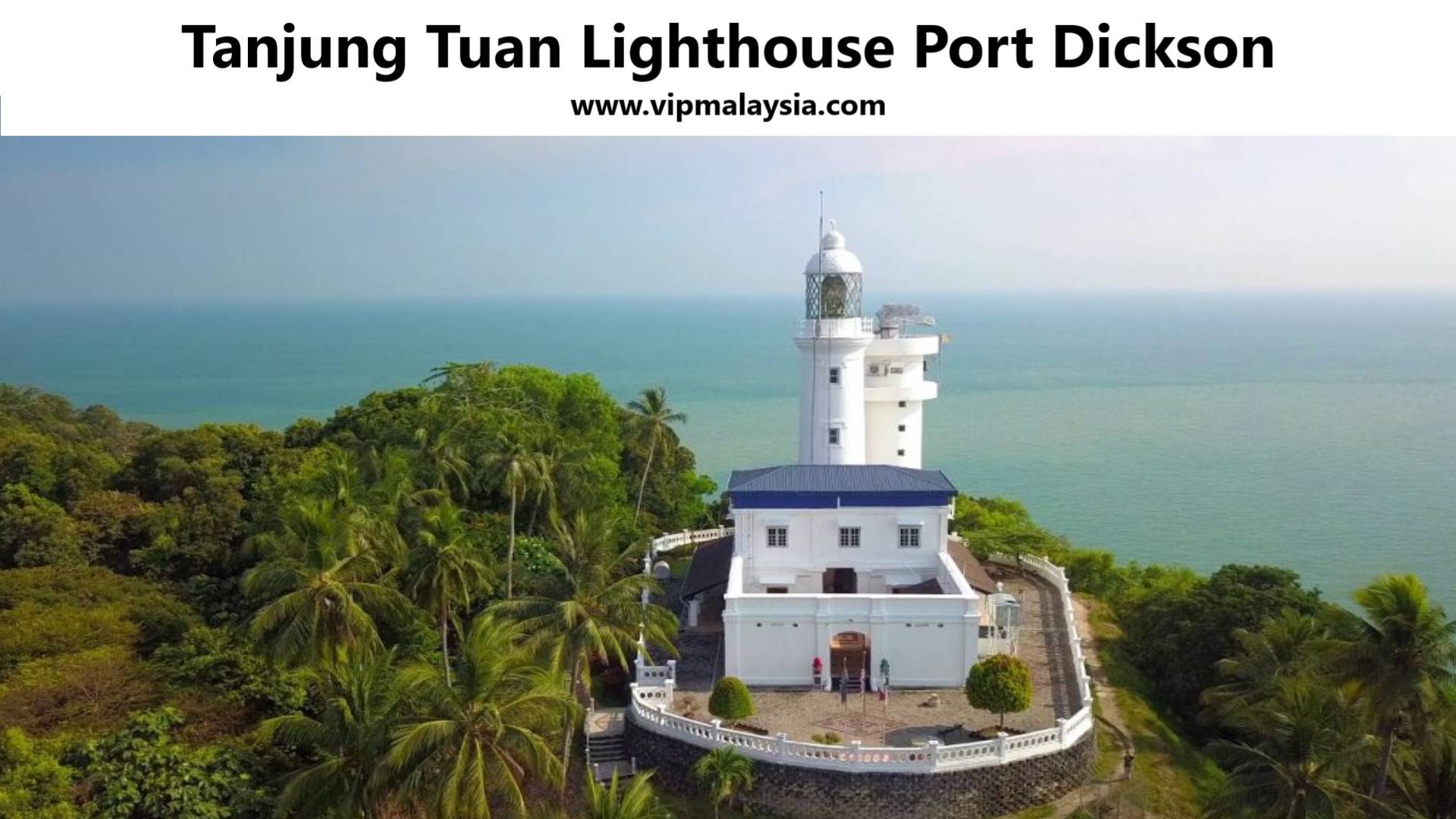
Standing tall on Cape Rachado, the Tanjung Tuan Lighthouse is one of Malaysia’s most iconic coastal landmarks. Located about 18 kilometers south of Port Dickson town, it is surrounded by an 80-hectare gazetted wildlife sanctuary. The site combines history, nature, and adventure, making it a favorite destination for travelers seeking both cultural heritage and outdoor exploration. From panoramic views of the Straits of Malacca to jungle trails leading to secluded beaches, Tanjung Tuan offers a unique blend of experiences.
The Straits of Malacca is one of the world’s most important and busiest shipping lanes, located between the Malay Peninsula (Malaysia and Thailand) and the Indonesian island of Sumatra. It connects the Indian Ocean to the South China Sea and the Pacific Ocean, making it a vital maritime passage for global trade. Narrowest point is around 2.8 km near Singapore. Serves as a major route for oil, gas, and goods transported between the Middle East, Europe, and East Asia.
Highlights
Historical Significance of the Lighthouse
Built during the Portuguese era, the lighthouse has witnessed centuries of maritime history. It overlooks the Straits of Malacca, one of the busiest shipping lanes in the world. The site was also the location of a naval battle in 1606 between Dutch and Portuguese forces, adding historical depth to its scenic beauty.
Maritime Heritage
Visitors can learn about the lighthouse’s role in guiding ships safely along the coast. Its strategic position highlights Malaysia’s importance in global trade routes. The lighthouse remains a symbol of resilience and maritime heritage.
Amazing View from the Summit
The peak of Cape Rachado offers sweeping views of the sea and lush forest below. On clear days, visitors can even glimpse the outline of Sumatra across the straits. Granite outcrops and coastal cliffs add dramatic charm to the scenery.
Cape Rachado, also known as Tanjung Tuan, is a historic headland located near Port Dickson, Negeri Sembilan, Malaysia. It is believed to be the oldest in Malaysia, built during Portuguese rule in the 16th century. and famous for its ancient lighthouse, forest reserve, and scenic coastal views, making it both a heritage site and a nature attraction.
Scenic Photography
Photographers often capture the interplay of sunlight on the waves and the vibrant greenery of the forest. The viewpoint at Bukit Batu Putih is especially popular, providing a limestone outcrop vantage point over Port Dickson’s coastline.
Blue Lagoon and Pantai Cermin
At the base of Cape Rachado lie two beloved beaches: Blue Lagoon and Pantai Cermin. These sheltered spots are perfect for swimming, picnics, and family outings. Their proximity to the lighthouse makes them convenient additions to a day trip.
Coastal Charm
Blue Lagoon is known for its calm waters and scenic backdrop, while Pantai Cermin offers a quieter atmosphere. Both beaches are ideal for relaxation after trekking through the forest trails.
Trekking and Adventure
Jungle Trails and Hidden Beaches
Cape Rachado’s forest reserve is crisscrossed with trails leading to hidden beaches. Visitors can trek through dense jungle, encountering wildlife along the way. The most popular trail leads to a beach facing Pulau Intan island, offering pristine scenery and tranquility.
Pulau Intan is a small island located off the coast of Negeri Sembilan, near Tanjung Tuan (Cape Rachado) and Port Dickson. It is part of the Tanjung Tuan Recreational Forest area and is known for its natural beauty, hiking trails, and proximity to the historic Cape Rachado Lighthouse.
Trail Experiences
The trek is moderately challenging, with hilly slopes and natural obstacles. Adventurers enjoy the sense of discovery as they reach secluded bays untouched by development. Each trail provides a unique perspective of the reserve’s natural charisma.
Batu Putih Viewpoint
Another highlight is the trail to Batu Putih, a limestone outcrop overlooking Port Dickson’s coastline. The viewpoint offers panoramic vistas and is a favorite among hikers. The trek combines physical challenge with rewarding scenery, making it a must-do activity. Typically reached via hiking trails through Tanjung Tuan Recreational Forest.
Wildlife Encounters
Along the trail, visitors may spot insects, mammals, and birds. The area is rich in biodiversity, with species such as hornbills, macaques, and butterflies thriving in the forest. These encounters add excitement to the trekking experience.
Cape Rachado Nature Reserve
The reserve surrounding the lighthouse is a protected sanctuary. It covers 80 hectares of forest, providing habitat for diverse flora and fauna. Birdwatching is particularly popular, with migratory species passing through during certain seasons.
Conservation Importance
The reserve plays a vital role in preserving Malaysia’s coastal ecosystems. Visitors gain awareness of conservation efforts while enjoying recreational activities. The balance between tourism and preservation is carefully maintained.
Visitor Facilities
Facilities at Cape Rachado include paved roads leading to the lighthouse, rest areas, and entry gates with affordable fees. Private vehicles are not allowed beyond certain points, ensuring the area remains peaceful. Joggers often use the uphill road in the evenings, adding to the recreational atmosphere.
Accessibility
The lighthouse is approximately 20 minutes’ drive from Port Dickson town, making it easily accessible for day trips. Nearby resorts and apartments provide accommodation options for longer stays.
Nearby Towns and Cultural Attractions
Port Dickson itself offers a blend of modern amenities and cultural sites. Visitors can explore local markets, seafood restaurants, and historical landmarks. The town’s proximity to Negeri Sembilan and Malacca adds variety to travel itineraries.
Cultural Festivals
Travelers may time their visit to coincide with local festivals, such as Hari Raya Aidilfitri or community events celebrating coastal heritage. These festivals enrich the experience with traditional music, food, and communal spirit.
Conclusion
The Tanjung Tuan Lighthouse is more than a historical structure—it is a gateway to scenic views, adventurous treks, and cultural immersion. From its maritime heritage to its natural reserve, the site embodies Malaysia’s coastal charm. Visitors can enjoy hidden beaches, wildlife encounters, and nearby attractions, making it a versatile destination. For those seeking history, nature, and adventure, Tanjung Tuan Lighthouse in Port Dickson is an unforgettable journey.
Name: Sofia Andersson, Sweden Review: “The trek to Batu Putih was challenging but worth it. The view of the coastline was breathtaking, and the wildlife sightings made it even more special.” Rating: ★★★★★
Name: Chen Wei, China Review: “I loved the peaceful atmosphere of Blue Lagoon after visiting the lighthouse. The combination of history and nature made the trip memorable.” Rating: ★★★★☆
Name: Fatima Al-Hassan, Saudi Arabia Review: “The lighthouse is beautiful, and the forest reserve is well maintained. It was inspiring to learn about its history while enjoying the scenery.” Rating: ★★★★★
Name: Lucas Brown, United States Review: “Cape Rachado is a hidden gem. The trails were fun, and the view of Sumatra from the summit was incredible. Highly recommended for nature lovers.” Rating: ★★★★☆
Tanjung Tuan Lighthouse Solo Hiking at Bukit Batu Putih Port Dickson
A solo hike to Bukit Batu Putih, Port Dickson. The location is situated between Port Dickson and Melaka, Malaysia. Hiking is very easy if you follow the track. A must-see attraction while you are in this area are,
Bukit Batu Putih
Cape Rachado Lighthouse
Tanjung Tuan Beach
Bukit Batu Putih is a nice spot for hiking, walking and relaxing with excellent view strait of Malacca. Enjoy this video with relaxing music.
syamoes youtube.com
Rumah Api Tanjung Tuan Port Dickson Malaysia ” Cape Rachado Lighthouse”
The Cape Rachado Lighthouse is a lighthouse also known as Tanjung Tuan in Malay, in Alor Gajah District, Malacca, Malaysia. The lighthouse is believed to be the oldest in the country, its history allegedly dating back to Portuguese rule of Malacca during the 16th century.
LEBAH DI CHANNEL youtube.com
Frequently Asked Questions (FAQs)
What is the story behind Tanjung Tuan Lighthouse and Portuguese word for ‘Broken Cape’?
Tanjung Tuan Lighthouse – Cape Rachado is named after the Portuguese word for ‘Broken Cape’. After conquering Malacca, the Portuguese colonial forces built a lighthouse at the peak in 1528, to guide friendly vessels to the port and keep an eye out for enemy ships. This historica lighthouse still stands here today, but with modern enhancements and adjoining radar transmitter that visitors can see.
Where is Portugese Cape Rachado Lighthouse located?
A Portuguese Cape Rachado Lighthouse is located at Tanjung Tuan, Port Dickson, Negeri Sembilan Malaysia. You can do a lot of activities there and enjoy spectacular view from the tower
What hidden attractions in Port Dickson, Malaysia, should you visit?
Cape Rachado Lighthouse is a hidden attraction and unknown to many tourists (even locals). The lightone stands majestically and is said to be one of the oldest in the country which dates back to the Portuguese rule in Malacca.
Step into Langkawi’s mythical past at Lagenda Park. With sculptures, serene gardens, and tales of Mahsuri and legendary giants, this cultural retreat offers history, nature, and relaxation near Kuah Jetty. This free-entry outdoor museum is adorned with stunning sculptures, lush gardens, and serene lakes, making it a perfect destination for families, nature lovers, and history enthusiasts alike.
Introduction
Lagenda Park in Langkawi is a unique attraction that blends mythology, culture, and natural beauty. Spanning 50 hectares, the park is dedicated to preserving Langkawi’s legendary tales through sculptures, monuments, and scenic landscapes. Visitors can immerse themselves in stories like Mahsuri’s curse and the battle of giants while enjoying tranquil gardens, lakes, and walking trails. Conveniently located near Kuah Jetty, Lagenda Park is a must-visit highlight for travelers seeking both cultural enrichment and leisure.
Attractions
The Legends of Lagenda Park
The park showcases 17 sculptures and monuments depicting Langkawi’s most famous myths.
The 17 sculptures and monuments at Lagenda Park in Langkawi are artistic installations that depict the island’s most famous myths and legends, serving as an open-air museum of cultural storytelling.
1. Mahsuri’s Curse
Mahsuri, unjustly accused of adultery, cursed Langkawi for seven generations. Her story is immortalized in sculptures and plaques, offering visitors a glimpse into the island’s most enduring legend.
2. The Battle Of Giants (Mat Cincang And Raya)
The duel between Mat Chinchang and Raya is said to have created Langkawi’s iconic mountains and Kuah Bay. Visitors can explore monuments that narrate this epic tale of strength and rivalry.
3. Garuda
Garuda, a mighty bird from Hindu epics, represents strength and divine protection. In Langkawi’s lore, it battles serpents and demons. The sculpture reflects cultural links to Hindu traditions.
4. Giant Phoenix
The phoenix symbolizes rebirth and immortality. Its renewal cycle mirrors Langkawi’s enduring spirit. The sculpture inspires hope and resilience.
5. Batu Belah Batu Bertangkup
This mythical rock can swallow those who complain of hunger. The story warns against ingratitude and emphasizes endurance. It remains a moral lesson in folklore.
6. Four Princes Of Langkawi
The princes symbolize legendary rulers who shaped the island’s destiny. Their struggles are immortalized in sculpture. The myth highlights royal heritage and pride.
7. Tun Teja
Tun Teja was a princess famed for beauty and tragic love. Betrayed and captured, her tale reflects loyalty and heartbreak. The monument honors her as a figure of romance and sacrifice.
8. Merong Mahawangsa
Merong Mahawangsa is celebrated as the warrior‑king who founded Kedah. His exploits link Langkawi to Malaysia’s early history. The sculpture emphasizes courage and leadership.
9. Dayang Bunting (Pregnant Maiden)
A celestial maiden blessed a lake with fertility powers after losing her child. Women bathing there are believed to gain conception blessings. The sculpture ties myth to the famous Dayang Bunting Lake.
10. Tasik Dayang Bunting Legend
This companion sculpture explains the origins of the Pregnant Maiden Lake. It reinforces the myth’s connection to fertility and divine blessing. Together, the sculptures narrate a complete mythical cycle.
11. Ogre Of Langkawi
Ancient tales speak of fearsome ogres roaming Langkawi. They symbolize chaos and danger in folklore. The sculpture warns of destructive forces overcome by courage.
An ogre is a legendary monster, usually depicted as a large, hideous, human-like giant that feeds on humans, especially children, and appears in folklore, fairy tales, and mythology worldwide. Often associated with cannibalism and cruelty.
12. Langkawi’s Mythical Birds
Birds in Langkawi’s myths symbolize freedom and guidance. They often act as messengers between realms. The sculptures celebrate nature’s role in storytelling.
13. The Warrior Of Langkawi
Legendary fighters defended the island from invaders and threats. Their bravery is immortalized as protectors of the land. The myth honors resilience and martial strength.
14. Princess Of Langkawi
This mythical princess embodies beauty and grace. Her story reflects love, sacrifice, and destiny. The monument celebrates feminine strength in folklore.
15. The Curse Of The Rock
Enchanted stones punished wrongdoers in ancient tales. The myth warns against dishonesty and cruelty. The sculpture serves as a reminder of justice in folklore.
16. Kuah Bay Legend
Kuah Bay’s formation is tied to the battle of giants. Pots and pans thrown during the fight became part of the bay’s geography. The sculpture connects myth to natural landmarks.
17. Gondwana Wall
Inspired by Langkawi’s ancient geological roots, the Gondwana Wall symbolizes prehistoric connections. It reflects the island’s place in Earth’s deep history. The sculpture bridges myth with scientific heritage.
The Gondwana Wall is a symbolic monument in Lagenda Park, Langkawi, representing the island’s ancient geological history and its connection to the supercontinent Gondwana dating back over 500 million years. It symbolizes the island’s place in Earth’s geological timeline, when Langkawi’s rocks were part of Gondwana, a massive supercontinent that included Africa, South America, Antarctica, Australia, and India. Showcases Langkawi’s status as one of the oldest geological formations in Southeast Asia.
Scenic and Cultural Features
Beyond legends, the park offers natural and cultural attractions.
Sculptures and Monuments
Seventeen sculptures depict Langkawi’s fables, each crafted with intricate detail. Visitors can stroll through the park and connect with the island’s storytelling tradition.
Four Serene Manmade Lakes
The lakes provide peaceful spots for reflection and relaxation. Surrounded by flowers and fruit trees, they are ideal for picnics and photography.
The Four Serene Manmade Lakes in Langkawi refer to the landscaped water features within Lagenda Park (Taman Lagenda), designed to enhance the park’s tranquility and provide visitors with spaces for reflection, relaxation, and leisure.
Gondwana Wall
Inspired by Langkawi’s ancient geological history, the Gondwana Wall is a striking feature that highlights the island’s prehistoric significance.
Traditional Displays
Handicrafts and cultural artifacts are showcased throughout the park, offering insight into Malaysia’s artistic heritage.
Trekking and Adventure
Walking and Jogging Trails
Visitors can explore the expansive grounds by foot or buggy. The trails are lined with tropical plants, offering opportunities to spot butterflies, hornbills, and monitor lizards.
Cultural Festivals
Nearby Kuah hosts festivals featuring Malay dance, gamelan music, and food fairs. These events allow visitors to combine their park visit with authentic cultural experiences.
Adventure Activities
Langkawi’s adventure circuit includes jungle trekking at Gunung Mat Cincang, mangrove kayaking, and island-hopping tours. Lagenda Park serves as a peaceful starting point for exploration.
Must-Visit Highlights
Eagle Square (Dataran Lang)
Located near the park, Eagle Square features a 12-meter-tall eagle monument symbolizing Langkawi. It is one of the island’s most photographed landmarks, offering panoramic views of Kuah Bay.
Kuah Duty-Free Shopping
Kuah Town is famous for duty-free outlets selling chocolates, alcohol, and souvenirs. Visitors can enjoy bargain shopping after a relaxing park stroll.
CHOGM Park and Al-Hana Mosque
CHOGM Park commemorates Langkawi’s role in hosting international events, while Al-Hana Mosque offers a serene space for reflection. Together, they provide cultural depth near Lagenda Park.
CHOGM stands for the Commonwealth Heads of Government Meeting, a biennial summit where leaders of Commonwealth nations gather to discuss global and regional issues, cooperation, and shared values. In Langkawi, CHOGM Park was established to commemorate Malaysia’s hosting of the Commonwealth Heads of Government Meeting in 1989. The park serves as a cultural landmark, symbolizing Malaysia’s role in international diplomacy and its connection to the Commonwealth community.
Conclusion
Lagenda Park Langkawi is more than a garden—it is a living museum of myths, culture, and nature. From Mahsuri’s curse to serene lakes and nearby attractions, the park offers a complete experience for families, history enthusiasts, and casual travelers. Whether you’re exploring sculptures, enjoying a picnic, or shopping in Kuah, Lagenda Park promises a journey into Langkawi’s legendary past.
Immerse yourself in Langkawi’s legendary stories – Discover tales like Mahsuri and the duel of Mat Chinchang and Raya
Enjoy serene gardens & walking trails – Perfect for relaxation and leisure strolls
A cultural and natural retreat – Combine mythology with breathtaking landscapes
Convenient location near Kuah Jetty – Explore duty-free shopping and nearby attractions
Customer Reviews
Farah, Kuala Lumpur ⭐⭐⭐⭐⭐ “Walking through Lagenda Park felt like stepping into Langkawi’s myths. The sculptures were beautiful, and the lakes offered a peaceful escape.”
Thomas, London ⭐⭐⭐⭐ “A great cultural experience. I loved learning about Mahsuri’s story. The park was well-maintained, and Eagle Square nearby was stunning.”
Aisha, Penang ⭐⭐⭐⭐⭐ “Perfect for families. My kids enjoyed the legends, and we had a lovely picnic by the lake. Kuah’s duty-free shopping was a bonus.”
“A hidden gem in Langkawi!” – Alya, Malaysia “Loved the sculptures and the serene walking trails—a peaceful escape in nature.”
“Beautiful and educational!” – Chris, UK “The stories behind the monuments make this park truly special. Great for photography too!”
“Perfect for a family outing!” – Amira, Indonesia “My kids enjoyed running around while we soaked in the legends and scenery.”
“Close to everything in Kuah!” – David, Australia “A great stop after exploring Eagle Square and the duty-free stores nearby.”
Frequently Asked Questions (FAQs)
Where is Lagenda Park located?
Located beside the Kuah jetty, Lagenda Park Langkawi Dalam Taman is a beautifully landscaped folklore-themed park. Opened in 1996, the open-air ‘garden museum’ faces the Kuah waterfront and colourful statues, with signboards in English detailing the myths associated with specific sculptures are spread out across the park. The 50-hectare compound has a total of 17 colorful sculptures depicting Langkawi legends including legends of heroic giants, mythical birds, evil ogres and beautiful princesses.
What are nearby attraction places in Taman Lagenda, Langkawi you must visit?
Besides visiting Taman Lagenda in Langkawi, there are many nearby attractions you can visit during your vacation in Langkawi Island. You are recommended to visit:
Dataran Lang (Eagle Square) is an iconic place to take photo.
Masjid Al-Hana is the largest mosque.
Gunung Raya is the highest mountain in Langkawi
Langkawi Crystal is a cystal production company where you can pay a visit to the factory and buy souvenir to bring back home.
Pekan Kuah
What activities you can do in Taman Lagenda, Langkawi?
Indulge with exciting activities while you are at Langkawi Lagenda Park such as:
Picnic
Reading a history sculpture
Nature walks like trail running, jogging and static exercise.
Photo shooting session
What is a history of Taman Lagenda, Langkawi?
Not as old of a monument site, Taman Lagenda was only built in 1996. However, the 17 sculptures built at the park that depict stories of various lost legends of Langkawi certainly carry the weight of times long ago. With sign boards at each of these massive sculptures, locals and tourists get to break myths attached to each one.
One of the sculptures in Taman Lagenda Langkawi is of two big giants who once upon a time were best friends.Later, a battle between them caused them to transform into Mat Cincang and Gunung Raya mountains. Another legend is that of a beautiful maiden named Mahsuri. Falsely claimed of adultery, Mahsuri was executed unjustly in the 1800s.
The sculpture of a mermaid playing with a golden ball led to a legend where a prince tried to woo the mermaid who resisted his actions. While many of these historical stories in Taman Lagenda Langkawi are readable to the public, many, unfortunately, have been rubbed with dust over time due to a lack of maintenance.