Tag: Ancient

  • Bukit Tengkorak Archaeological Site: Ancient Pottery Hill

    Bukit Tengkorak Archaeological Site: Ancient Pottery Hill


    Bukit Tengkorak Archaeological Site, Sabah

    Step into 3,000 years of history at Bukit Tengkorak — Malaysia’s most important Neolithic archaeological site. Discover ancient pottery, volcanic landscapes, and the living legacy of the Bajau people in this hidden gem of Sabah.

    Why Should Be on Your Travel List

    A Hill That Holds the Secrets of the Neolithic World

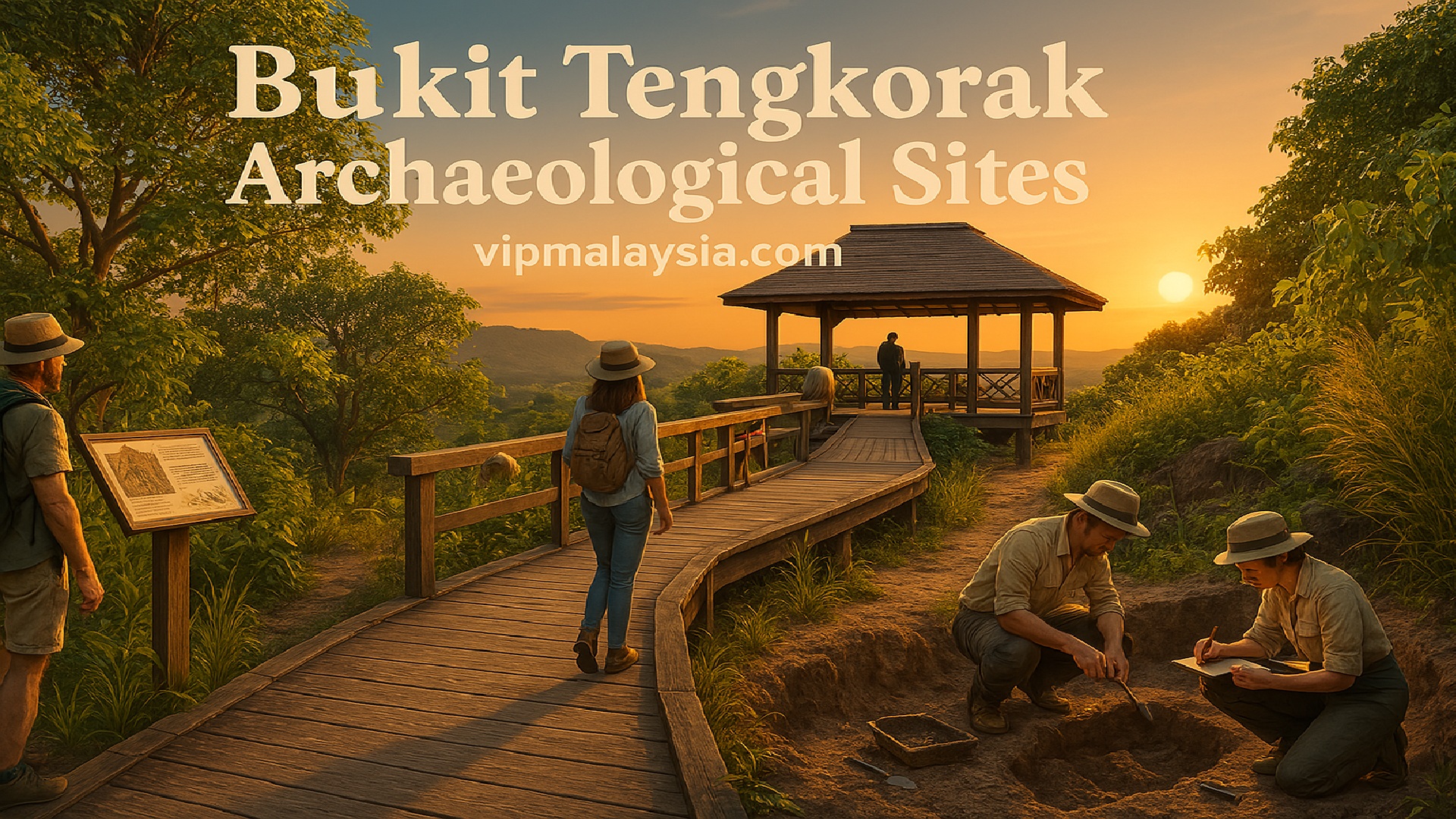
    Perched 600 feet above sea level and just 10km from Semporna town, Bukit Tengkorak (literally “Skull Hill”) is more than just a scenic hike — it’s a time capsule. This volcanic rock-shelter site was once part of a massive 2km-wide volcanic crater and is now recognized as the largest pottery production site in Southeast Asia during the Neolithic period.

    What’s So Special?

    A Living Link to the Neolithic Era

    Tens of thousands of pottery shards — some with intricate patterns — have been discovered here, dating back 3,000 years. The clay used for these artifacts was sourced locally, and the Bajau people of Semporna still practice traditional pottery-making today, preserving a craft that spans millennia.

    A Prehistoric Trade Hub

    Obsidian artifacts and volcanic rock studies suggest that Bukit Tengkorak was part of a vast maritime trade network stretching across Southeast Asia and the Pacific. This site offers evidence of one of the world’s longest prehistoric sea trade routes, connecting Borneo to the Andaman Sea and beyond.

    A Scenic Hike with a View

    The climb to the summit involves 610 wooden steps, with rest shelters and interpretive boards along the way. At the top, you’re rewarded with panoramic views of Semporna and its surrounding islands — a perfect blend of nature and history.

    Facilities & Visitor Info

    How to Get There

    Bukit Tengkorak is located along the Semporna–Tawau road, the site is easily accessible by car or taxi, just 10km from Semporna town.

    On-Site Amenities

    • Interpretive museum gallery
    • Wooden stairway trail with shelters
    • Observation decks
    • Guided tours (recommended for deeper insight)

    Contact & Administration

    • Managed by: Sabah Museum & Jabatan Warisan Negara
    • Museum Address: Muzium Wilayah Pantai Timur, Wisma Warisan, 90000 Sandakan, Sabah
    • Email: museum.sabah@sabah.gov.my / info@heritage.gov.my
    • Phone: +60 89 222 679
    • Fax: +60 89 229 593

    Quick Info Table

    Attribute Details
    Name Bukit Tengkorak Archaeological Site
    Location Jalan Tampi-Tampi, 10km south of Semporna, Sabah
    GPS Coordinates 4.4667° N, 118.6167° E (approximate)
    State Sabah
    Elevation 600 feet above sea level
    Opening Hours 9:00 AM – 5:00 PM daily
    Admission Fee Free
    Site Type Volcanic rock-shelter, archaeological hill
    Historical Significance Largest Neolithic pottery site in Southeast Asia
    Pottery Age Estimated 3,000 years old
    Current Practices Pottery still made by Bajau community
    Nearby Town Semporna (10km)
    Contact Person Puan Safinah Yusof
    Phone +60 89 222 679
    Email Safinah.Yusof@sabah.gov.my / Muzium.Sabah@sabah.gov.my
    Correspondence Address C/O Agnes Keith House, Jalan Istana, 90709 Sandakan, Sabah
    Website museum.sabah.gov.my

    User Reviews & Testimonials

    “Climbing Bukit Tengkorak was like walking through time. The view from the top was breathtaking, and the pottery shards were everywhere — it felt surreal.” — Aina M., Kuala Lumpur

    “I had no idea Sabah had such a rich prehistoric past. The museum was small but informative, and the hike was totally worth it.” — Richard L., Kota Kinabalu

    “Loved learning about the Bajau pottery tradition. It’s amazing how this ancient craft is still alive today.” — Bernard C., Singapore

    Conclusion

    Whether you’re a history buff, a curious traveler, or just someone who loves a good hike with a view, Bukit Tengkorak Archaeological Site offers a rare glimpse into Southeast Asia’s Neolithic past. With free admission, stunning scenery, and cultural depth, it’s one of Sabah’s most underrated treasures.

    Ready to explore 3,000 years of history? Plan your visit to Bukit Tengkorak today and uncover the stories written in stone, clay, and time.


    Bukit Tengkorak Archaeological Sites

    Summary

    • Attraction: Bukit Tengkorak Archaeological Sites
    • Location: #Sabah 
    • Attraction Type: #HistoricalSite #Ancient 

    Best Destinations in Sabah

    Uncover the best destinations in Sabah—from the breathtaking peaks of Mount Kinabalu to the pristine shores of Sipadan Island. Whether you’re chasing wildlife encounters, cultural gems, or tropical escapes, this guide reveals the most unmissable adventures. Click now to plan your perfect Sabah getaway!


    Sabah

    Web Directories

    Looking for travel inspiration, delicious recipes, or the best places to eat? Want to stay updated on smart financial tips, personal loan promotions, or the latest car models? Whether you’re searching for hobby ideas, product reviews, or something new, we’ve got you covered! Click on the links, explore exciting insights, and let your next discovery begin—it’s just one click away!

    1. https://asiaworldtour.com: “Asia World Tour: Your Gateway to Asian and World Adventures”
    2. https://personalfinancingloan.com: “Personal Financing Loan: Your Path to Financial Freedom”
    3. https://hobbyforte.com: “HobbyForte: Discover Your Car Passion, Explore Your Interests”
    4. https://reviewsanything.com: “ReviewsAnything: Your Trusted Source for Honest Gadget Reviews”
    5. https://rumahmampumilik.com: “Rumah Mampu Milik: Your Affordable Homeownership Journey Begins Here”
    6. https://malaysiadigit.com: “MalaysiaDigit: Your Digital Destination for News and Insights”
    7. https://vipmalaysia.com: “VIP Malaysia: Elevate Your Experience in Malaysia”
    8. https://vipmalaysia.com: “Indulge in Elegance at Nordiyana: Latest Recipe and Culinary Inspirations”
    9. https://e-penyatagaji.com: “E-Penyata Gaji: Simplifying Payroll Management for You”
    10. https://googleasia.org: “Google Asia: Explore the World and Asia’s Wonders with Google Asia”
    11. https://malaysiafit.com: “Malaysia Fit: Your Partner in Health and Wellness”
    12. https://koperasi.info: “Koperasi: Building Communities, Empowering Lives”
    13. https://recipeinside.com: “RecipeInside: Unveiling Culinary Creations, Your Guide to Delicious Dishes”
    14. https://asiahealthcenter.com: “Asia Health Center: Your Source for Holistic Wellness Solutions”
    15. https://nationalhealthcenters.com: “National Health Centers: Your Source for Vital Health Information and Community Care”
    16. https://malaysiabit.com: “MalaysiaBit: Stay Informed, Stay Connected”
    17. https://epenyatagaji.com: “E-Penyata Gaji: Your Digital Payslip Solution”
    18. https://koperasi.work: “Koperasi Work: Collaborate, Innovate, Succeed”
    19. https://koperasi.business: “Koperasi Business: Driving Entrepreneurship, Fostering Growth”
  • Chin Swee Temple: Mystical Highlands Escape

    Chin Swee Temple: Mystical Highlands Escape

    Chin Swee Caves Temple, Genting Highlands

    Perched 4,600 feet above sea level in Genting Highlands, Malaysia, Chin Swee Caves Temple is a breathtaking Buddhist temple, offering panoramic mountain views, cultural heritage, and spiritual enlightenment. Whether you’re admiring intricate architectural details, seeking tranquility, or exploring the temple’s historical significance, this destination promises a serene retreat for all visitors.

    Introduction

    Nestled high in the misty peaks of Genting Highlands, Malaysia, the Chin Swee Caves Temple is one of the country’s most iconic spiritual landmarks. Rising 4,600 feet above sea level, this temple offers visitors a serene escape from the bustling city life of Kuala Lumpur. With its nine-storey pagoda, majestic Buddha statue, and intricate shrines, the temple is not only a place of worship but also a cultural treasure that attracts devotees and tourists from across Asia.

    The temple’s location on a 28-acre plot of rocky forested land provides sweeping views of the Titiwangsa Mountains, lush greenery, and winding roads leading to Resorts World Genting. Whether you are a spiritual seeker, a cultural enthusiast, or a photographer chasing misty landscapes, Chin Swee Caves Temple promises an unforgettable journey.

    The Titiwangsa Mountains (Malay: Banjaran Titiwangsa, also called the Main Range) are the central mountain spine of Peninsular Malaysia, stretching about 480 kilometers north to south from the Thai border into southern Pahang. They form part of the wider Tenasserim Hills and act as a natural divider between the east and west coasts of the peninsula. The range is geologically composed of granite, quartzite, and limestone, with peaks such as Mount Korbu (2,183 m) and Mount Tahan (2,187 m). Ecologically, the Titiwangsa Mountains are a biodiversity hotspot, home to species like the Malayan tiger, Asian elephant, and Malayan tapir, and serve as a critical watershed for major rivers including the Pahang and Perak.

    History

    The Legacy of Monk Qingshui

    The temple is dedicated to Master Qingshui (Chin Swee), a revered Buddhist monk from Fujian, China. Known for his miraculous powers to summon rain and ward off evil spirits, Qingshui has been worshipped for centuries across Southeast Asia. His legacy symbolizes wisdom, protection, and harmony, making the temple a spiritual beacon for thousands of devotees each year.

    Master Qingshui (Chin Swee), also known as Qing Shui Zu Shi, was a revered Buddhist monk from Fujian Province, China, worshipped for his miraculous abilities to summon rain, heal the sick, and ward off evil spirits. He is often depicted with a blackened face, a feature linked to legends of surviving poisoning or spiritual trials. Over centuries, he became a deified figure in Chinese folk religion, honored in temples across Southeast Asia, including the Chin Swee Caves Temple in Genting Highlands, Malaysia. His legacy symbolizes protection, wisdom, and compassion, attracting devotees who seek blessings for health, peace, and prosperity.

    The Vision of Lim Goh Tong

    The temple owes its existence to Tan Sri Lim Goh Tong, the visionary founder of Resorts World Genting. After completing the resort in 1975, Lim Goh Tong donated land and spearheaded the temple’s construction. Due to the steep and rocky terrain, modern machinery was unusable, and workers relied on manual excavation, digging foundations up to 100 feet deep. Despite the challenges, the temple was completed in 1994, standing today as a testament to perseverance and devotion.

    Highlights

    The Nine-Storey Pagoda

    The towering pagoda is one of the temple’s most recognizable features. Visitors can climb its levels to enjoy panoramic views of the surrounding highlands. Each floor is adorned with intricate carvings and statues, symbolizing prayers and blessings.

    Pagoda LevelFeatures, Significance, and Visitor Experience
    Level 1 – Entrance GatewayKey Features: Lanterns and incense offerings welcome visitors. Spiritual Significance: Marks the beginning of the spiritual ascent at Genting Highlands. Visitor Experience: Guests light incense and start their journey upward.
    Level 2 – Guardian DeitiesKey Features: Carvings of Buddhist deities adorn the walls. Spiritual Significance: Represents divine protection and guidance. Visitor Experience: Quiet alcoves provide spaces for reflection.
    Level 3 – Bodhisattva HallKey Features: Statues of Bodhisattvas. Spiritual Significance: Embodies compassion and mercy. Visitor Experience: A popular stop for devotees seeking blessings.
    Level 4 – Karma MuralsKey Features: Intricate murals and inscriptions. Spiritual Significance: Highlights Buddhist teachings of karma and morality. Visitor Experience: Offers educational insight into philosophy and spiritual lessons.
    Level 5 – Devotion AltarsKey Features: Decorative altars with offerings. Spiritual Significance: Symbolizes perseverance and devotion. Visitor Experience: Visitors pause here for prayers and offerings.
    Level 6 – Guardian SculpturesKey Features: Sculptures of protective guardians. Spiritual Significance: Represents strength and resilience. Visitor Experience: Creates a sense of safety for climbers ascending the pagoda.
    Level 7 – Enlightenment ShrinesKey Features: Smaller shrines with candles. Spiritual Significance: Embodies enlightenment and wisdom. Visitor Experience: A serene space for meditation and quiet contemplation.
    Level 8 – Panoramic WindowsKey Features: Wide windows overlooking Genting Highlands. Spiritual Significance: Symbolizes clarity and vision. Visitor Experience: Provides sweeping views of misty mountains and lush forests.
    Level 9 – Summit AltarKey Features: Main altar illuminated with lamps. Spiritual Significance: Represents ultimate spiritual attainment. Visitor Experience: The highest point of the pagoda, ideal for prayer, meditation, and photography.

    Meditation and Reflection

    The pagoda is not just an architectural marvel but also a spiritual sanctuary. Many visitors find peace while meditating here, enveloped by cool mountain air and drifting clouds.

    The Majestic Buddha Statue

    Standing at 15 meters tall, the Buddha statue radiates serenity and wisdom. Surrounded by lush greenery, it creates a picturesque setting that draws both devotees and photographers. The craftsmanship reflects traditional Chinese artistry, making it a cultural highlight of the temple.

    Journey to Enlightenment Pathway

    One of the temple’s most unique attractions is the Journey to Enlightenment, a walkway depicting the 10 chambers of hell and 18 levels of purgatory. Through vivid sculptures and inscriptions, visitors are guided through Buddhist teachings on karma, virtue, and morality.

    Spiritual Lessons

    This pathway serves as a reminder of the consequences of one’s actions and the rewards of living a virtuous life. It is both educational and deeply reflective, offering visitors a chance to contemplate their spiritual journey.

    Guan Yin Statue

    The temple features a striking nine-faced Guan Yin statue, symbolizing compassion and mercy. It is a popular site for devotees seeking blessings.

    Chin Swee Statue

    The black-faced statue of Master Chin Swee stands as a guardian figure, revered for his protective powers.

    Panoramic Viewpoints

    Several vantage points within the temple complex provide sweeping views of Genting Highlands and the surrounding rainforest. These spots are perfect for photography, especially during sunrise and sunset.

    Nearby Attractions

    Sky Terrace and Walkway Sculptures

    The Sky Terrace connects different sections of the temple, offering breathtaking views of the highlands. Along the walkway, statues depict stages of enlightenment, guiding visitors on a reflective spiritual path.

    Scenic Prayer Spots

    The terrace is a favorite spot for prayers and contemplation. With clouds drifting across the mountains, the atmosphere is tranquil and inspiring.

    Tan Sri Lim Goh Tong Hall

    This hall honors the temple’s founder, showcasing his vision and dedication. Visitors can learn about Lim Goh Tong’s contributions to Malaysia’s tourism industry and his role in creating this spiritual sanctuary.

    Tan Sri Lim Goh Tong Hall is a dedicated facility within the Chin Swee Caves Temple complex in Genting Highlands. It serves as a retreat center with 110 rooms, designed for devotees, students, and visitors seeking prayers, meditation, reflection, and self-discovery. Located at 4,600 feet above sea level, the hall provides a tranquil environment ideal for spiritual and cultural activities. It is also used for group practices such as yoga, tai chi, and meditation, making it a versatile space for both religious and wellness purposes. The hall reflects the vision of Tan Sri Lim Goh Tong, the founder of Resorts World Genting, who built the temple as a gift to the community.

    Vegetarian Restaurant

    The temple also houses a vegetarian restaurant serving Chin Swee cuisine, a fusion of Chinese, Malay, and Indian flavors. Popular dishes include noodles, rice, curries, and soups, making it a perfect stop for visitors seeking wholesome meals.

    Nearby Towns

    Visitors can explore nearby towns such as Batang Kali and Gohtong Jaya, which offer local markets, eateries, and cultural experiences. During Chinese festivals like Mid-Autumn Festival and Chinese New Year, the temple becomes a hub of vibrant celebrations, with lantern displays, prayers, and cultural performances.

    Conclusion

    The Chin Swee Caves Temple is more than just a religious site — it is a cultural, historical, and spiritual gem of Malaysia. From its nine-storey pagoda and majestic Buddha statue to the Journey to Enlightenment pathway, the temple offers visitors a chance to immerse themselves in heritage and tranquility. Whether you come for meditation, photography, or cultural exploration, this temple promises a memorable experience above the clouds.

    Chin Swee Caves Temple Travel Guide

    Chin Swee Caves Temple stands as a majestic symbol of spirituality, perseverance, and heritage, offering peaceful mountain views, stunning architecture, and cultural significance. Whether you’re exploring its sacred grounds, embracing tranquility, or marveling at its artistic beauty, this temple promises an unforgettable journey into Malaysia’s rich spiritual legacy.

    Summary

    • Attraction: Chin Swee Caves Temple
    • Location: #Pahang #GentingHighlands 
    • Attraction Type: #Ancient 
    • Source: rwgenting.com
    • Why Visit:
      • Rich historical and cultural significance
      • Iconic temple architecture
      • Spectacular highland scenery
      • Perfect for spiritual seekers & photographers

    Quick Info

    AttributeDetails
    NameChin Swee Caves Temple
    LocationGenting Highlands, Pahang, Malaysia
    GPS Position3.4223° N, 101.7870° E
    StatePahang – central highland state of Malaysia
    Facility TypeSpiritual & cultural heritage site dedicated to Master Qingshui
    Main AttractionsNine‑Storey Pagoda, 15‑meter Buddha Statue, SkyTerrace, Journey to Enlightenment Pathway
    Nearby LandmarksResorts World Genting, Awana SkyWay cable car, First World Plaza shopping & entertainment
    AccessibilityConnected via Awana SkyWay station and Karak Highway; accessible by private car, bus, or motorbike
    How to Get ThereDrive from Kuala Lumpur (≈1 hour via Karak Highway) or board the Awana SkyWay cable car with a stop at Chin Swee Station; limited bus services available
    Best Time to VisitMorning for meditation and tranquility; afternoon for misty mountain views; evening for sunset and temple lighting ambiance
    Entry FeeFree admission – open to all visitors
    Opening Hours8:00 AM – 10:00 PM daily
    ContactPhone: +603‑2179 1886

    Visitor Reviews

    Name: Tan Chee Keong Locality: Malaysia Review: “The temple is absolutely stunning. The Journey to Enlightenment pathway was eye-opening, and the views from the pagoda were breathtaking. The vegetarian restaurant was a pleasant surprise. Highly recommended!” Rating: ⭐⭐⭐⭐☆ (4/5)

    Name: Yong Ee Zee Locality: China Review: “I visited during Chinese New Year, and the atmosphere was magical. Lanterns lit up the temple, and the cultural performances were unforgettable. The Buddha statue is truly majestic.” Rating: ⭐⭐⭐⭐⭐ (5/5)

    Name: Wong Ai Lin Locality: Kuala Lumpur, Malaysia Review: “A peaceful retreat from city life. The temple’s architecture is intricate, and the Sky Terrace offered the most serene prayer experience I’ve ever had. Perfect for meditation.” Rating: ⭐⭐⭐⭐⭐ (5/5)

    Name: Daniel Wong Locality: Vancouver, Canada Review: “The temple is a photographer’s dream. Misty mountains, detailed sculptures, and vibrant cultural heritage made this trip unforgettable. I’ll definitely return.” Rating: ⭐⭐⭐⭐☆ (4/5)

  • Makam Purba Langkawi: Uncovering Hidden History

    Makam Purba Langkawi: Uncovering Hidden History

    Makam Purba, Langkawi

    Uncover Langkawi’s hidden history—visit Makam Purba today! Nestled in Hutan Buloh, Mukim Ulu Melaka, Makam Purba is an ancient burial site surrounded by vast paddy fields, offering a glimpse into Malaysia’s forgotten history. Featuring two solitary graves believed to be centuries old, this site holds an aura of mystery, with uniquely carved tombstones suggesting the resting place of high-ranking individuals.

    Introduction

    Makam Purba is one of Langkawi’s most enigmatic historical landmarks, shrouded in mystery and folklore. Believed to be among the island’s oldest grave sites, it has sparked debates about whether it is the resting place of royalty, warriors, or legendary figures. Surrounded by scenic paddy fields and tropical rainforests, the site offers visitors a chance to experience both cultural storytelling and natural tranquility. With its deep historical significance and ties to Malay legends, Makam Purba continues to intrigue historians, locals, and travelers alike. A visit here is not just about exploring a tomb—it is about stepping into centuries of untold stories.

    Makam Purba is the ultimate destination for history lovers and cultural explorers, offering legend, heritage, and natural beauty—all in one unforgettable visit.

    Highlights

    A Historical Hidden Gem

    Ancient Tombstones

    Makam Purba features unique tombstones that differ from typical Malay graves. Their size and carvings suggest they may belong to prominent figures or royalty. Visitors often marvel at the craftsmanship, which reflects ancient burial traditions. The tombstones add to the site’s aura of mystery.

    Possible Royal Connections

    Some historians believe the site may be linked to rulers of Kedah or Malacca. The grandeur of the tombstones supports this theory. If true, Makam Purba would be a significant royal burial ground. This possibility enhances its cultural importance.

    Untouched Heritage

    Unlike more commercialized attractions, Makam Purba remains relatively untouched. Its quiet surroundings allow visitors to reflect on history. The site’s authenticity makes it a hidden gem for heritage explorers. It is a place where time seems to stand still.

    Unique Ancient Tombstones

    Symbolic Carvings

    The tombstones feature carvings that may symbolize status or lineage. These designs are rare in modern Malay graves. Scholars continue to study their meanings. Visitors can appreciate the artistry and cultural depth.

    Historical Speculation

    The uniqueness of the tombstones has led to speculation about their origins. Some believe they belong to warriors, while others suggest royal figures. The lack of definitive records adds to the intrigue. This mystery draws curious travelers.

    Preservation Efforts

    Local communities have worked to preserve the site. Efforts include maintaining the tombstones and surrounding area. Preservation ensures that future generations can continue to explore its history. It reflects respect for cultural heritage.

    Surrounded by Scenic Landscapes

    Paddy Fields

    Makam Purba is surrounded by lush paddy fields. These fields provide a serene backdrop for the site. Visitors can enjoy the peaceful atmosphere while exploring history. The combination of nature and heritage is captivating.

    Tropical Rainforest

    Nearby rainforests add to the site’s beauty. The greenery creates a tranquil environment. Wildlife can often be spotted in the area. It enhances the overall visitor experience.

    Natural Harmony

    The blend of paddy fields and rainforest creates harmony. Visitors feel connected to both nature and history. The landscapes make Makam Purba a unique destination. It is ideal for quiet reflection.

    Legends and Historical Significance

    Theories Behind Makam Purba

    The Grave of Parameswara

    Some believe Makam Purba may be the resting place of Parameswara, founder of the Malacca Sultanate. This theory connects Langkawi to broader Malay history. If true, the site would hold immense historical importance. Visitors are fascinated by this possibility.

    Parameswara was the last king of Singapura (1389–1398) and the founder of the Malacca Sultanate in 1402, remembered as the ruler who established Malacca as a major trading hub in Southeast Asia. He is often identified in the Malay Annals as Iskandar Shah.

    Mahsuri’s Resting Place

    Others speculate that Makam Purba could be linked to Mahsuri, Langkawi’s most famous legend. The connection adds a mystical dimension to the site. Mahsuri’s story of sacrifice and curse resonates deeply with locals. This theory enhances the site’s folklore appeal.

    Mahsuri is a legendary figure from Langkawi, Malaysia, remembered as a beautiful woman wrongfully accused of adultery and executed, who then cursed the island for seven generations. She was sentenced to death, and according to legend, white blood flowed from her wound, symbolizing her innocence.

    The Tomb of Hang Tuah

    Another theory suggests Makam Purba may be the final resting place of Hang Tuah, the legendary warrior. His story of loyalty and bravery is central to Malay culture. If true, the site would be a monument to heroism. Visitors are drawn to this legend.

    Hang Tuah is a legendary Malay warrior and admiral of the Malacca Sultanate in the 15th century during Sultan Mansur Shah’s reign (1459–1477), celebrated for his loyalty, bravery, and mastery of silat (Malay martial arts). He is regarded as one of the most illustrious figures in Malay literature, though historians debate whether he was a real person or purely a mythical hero.

    The Lost Royal Tomb

    Makam Sultan Muhiyuddin Mansur Syah

    Some historians believe the site belongs to Sultan Muhiyuddin Mansur Syah of Malacca. This theory ties Makam Purba to royal lineage. The tombstones’ grandeur supports this idea. It adds weight to the site’s historical significance.

    Sultan Muhiyuddin Mansur Shah was the 14th Sultan of Kedah, reigning from 1652 until his death in 1662. He is remembered for continuing the Mahawangsa royal lineage and ruling from Kota Naga before being buried at the Royal Mausoleum in Kota Sena.

    Connection to Hang Li Po

    Legends suggest Hang Li Po, a Chinese princess married to the Sultan, may have been buried beside him. However, her tombstone is missing. This absence adds mystery to the site. Visitors ponder the truth behind the legend.

    Hang Li Po is a legendary Chinese princess who, according to Malay historical chronicles, was married to Sultan Mansur Shah of Malacca in the 15th century as part of a diplomatic alliance between Malacca and the Ming Dynasty.

    Secret Burial

    The site may have been concealed from invading Thai forces. This secrecy protected its historical significance. The hidden nature of the tomb adds intrigue. It reflects the importance of preserving heritage.

    Visitor Experience and Nearby Attractions

    What to Expect

    A Site Shrouded in Mystery

    Makam Purba offers no definitive records about its origins. Visitors must rely on oral traditions and speculation. This mystery makes the experience unique. It is a place where history and legend intertwine.

    Silent and Untouched Surroundings

    The site is quiet and relatively untouched. Visitors can enjoy peaceful exploration. The atmosphere encourages reflection and contemplation. It is ideal for those seeking solitude.

    Cultural Storytelling from Locals

    Local communities often share oral traditions about the tomb. These stories enrich the visitor experience. They provide insight into Malay legends and history. Listening to locals adds authenticity to the visit.

    Nearby Attractions

    Masjid Kampung Ulu Melaka

    This mosque showcases historical religious architecture. Visitors can admire its design and cultural significance. It reflects Langkawi’s Islamic heritage. The mosque complements a visit to Makam Purba.

    Langkawi Wildlife Park

    The park features rare bird species and exotic animals. Interactive feeding sessions are popular among families. The park emphasizes conservation and education. It is a family-friendly attraction near Makam Purba.

    Gunung Raya Mountain

    Gunung Raya is Langkawi’s highest peak. Visitors can hike or drive to the summit. The mountain offers panoramic views of the island. It adds adventure to the cultural journey.

    Conclusion

    Makam Purba is more than just a grave site—it is a cultural landmark that embodies Langkawi’s history, legends, and mystery. With its unique tombstones, royal connections, and tranquil landscapes, it offers a multifaceted experience for visitors. The site connects travelers to Malay heritage while providing opportunities for reflection and exploration.

    Quick Info

    AttributeDetails
    NameMakam Purba Langkawi
    AddressKampung Padang Gaong, Ulu Melaka, Langkawi, Kedah, Malaysia
    GPS Position6.3774° N, 99.8086° E
    StateKedah
    Facility TypeHistorical Grave Site
    Special AttractionsAncient Tombstones, Malay Historical Legends, Mystical Heritage
    Nearby AttractionsMasjid Kampung Ulu Melaka, Langkawi Wildlife Park, Gunung Raya Mountain
    AccessibilityLocated in Ulu Melaka, accessible via car or taxi
    Best Time to VisitMorning or late afternoon for cooler weather
    Entry FeeFree
    ContactN/A

    Summary

    • Attraction: Makam Purba
    • Location: #Kedah #Langkawi 
    • Attraction Type: #Ancient 
    • Source: mplbp.gov.my, qulamirulhakim.blogspot.com, https://keturunanderbarraja.blogspot.com, sejarahnagarakedah.blogspot.com
    • What to Expect:
      • A historical hidden gem – One of Langkawi’s oldest grave sites with historical significance
      • Unique ancient tombstones – Possible resting place of royalty or prominent figures from the past
      • Surrounded by scenic landscapes – Experience tranquil paddy fields and tropical rainforest beauty
      • Deep cultural significance – Offers insight into Malay legends and historical accounts

    Visitor Reviews

    “A fascinating mystery!”Hafiz, Malaysia
    “The ancient tombstones hold so many untold stories—this place left me in awe.”

    “Worth exploring for history buffs!”Elena, Spain
    “This site is shrouded in mystery, and learning about its possible past was intriguing.”

    “Unique and thought-provoking!”Kumar, India
    “The solitary graves make you wonder about Langkawi’s lost history—it’s a must-visit.”

    “A quiet and reflective experience!”Sarah, Australia
    “I enjoyed the peaceful surroundings—it felt like stepping back in time.”

    Frequently Asked Questions (FAQs)

    Apakah maklumat sejarah Makam Purba Langkawi?

    Makam purba Langkawi atau ancient tomb Langkawi dijumpai pada tahun 1975 oleh orang kampung. Makam itu adalah makam Permaisuri Melur di Ulu Melaka, tempat Hang Tuah dibuang semasa Sultan Melaka. Makam tersebut adalah makam Permaisuri Derbar Raja Merong Mahawangsa iaitu Sultan Muzaffar Shah I semasa pemerintahan Langkasuka di Langkawi. Permaisuri Melur adalah anak raja Acheh, berketurunan Acheh semasa beliau memerintah di Pulau Lagenda Langkawi iaitu Langkasuka.

    Pada abad ke-14M, pada masa tersebut Langkawi adalah pusat pemerintahan ibu negara Langkasuka.Mengikut cerita mitos, makam tersebut semasa perang dengan Siam, ada harta emas disimpan di dalam tanah yang berseni dengan masjid purba. Tapak masjid di Ulu Melaka adalah tapak masjid yang dibina pada zaman Merong Mahawangsa iaitu Sultan Muzaffar Shah I. Masjid itu adalah masjid yang pertama di Langkawi. Dipercayai Permaisuri Melur pada masa itu pemerintahan Sultan Muzaffar Shah lebih lama daripada zaman Mashuri.

error: