Category: Historical Building

Historical Building in Malaysia

  • Masjid Sultan Suleiman: Klang’s Royal Neo-Classical Mosque

    Masjid Sultan Suleiman: Klang’s Royal Neo-Classical Mosque


    Masjid Sultan Suleiman Jamiur Rahmah

    Discover the majestic charm of Masjid Sultan Suleiman Jamiur Rahmah, a royal mosque built in 1932 that blends neo-classical elegance with Islamic heritage. Once Selangor’s state mosque, this architectural gem in Klang holds royal tombs, colonial artistry, and a spiritual legacy that continues to inspire.

    Introduction

    Nestled in the heart of Klang, Masjid Sultan Suleiman Jamiur Rahmah is more than a place of worship—it’s a living monument to Selangor’s royal and religious history. Built during the British colonial era and once the official state mosque, it remains a beacon of faith, culture, and architectural brilliance.

    Historical Significance

    A Mosque of Royal Status

    Before Shah Alam’s blue-domed mosque rose to prominence, Masjid Sultan Suleiman served as Selangor’s official state mosque. Its foundation stone was laid in 1932 in the presence of British dignitaries like Sir Laurence Peel and Tuan J. Lornie, and it was officially opened in 1934 by Sultan Alaeddin Suleiman Shah.

    A Royal Resting Place

    Masjid Sultan Suleiman grounds are home to royal tombs, including those of the Sultan’s wives and close relatives—making it not only a spiritual center but also a sacred royal heritage site.

    Architectural Brilliance

    Neo-Classical Meets Islamic Design

    • The mosque’s octagonal layout and smooth, semi-spherical domes reflect a rare blend of Western and Islamic aesthetics.
    • The main dome is two-tiered—a unique feature in Selangor—with a smaller dome perched atop a larger one, both painted in royal yellow.
    • Eight smaller domes crown the minarets, creating a regal skyline.

    Colonial Touches with Local Soul

    • The interior beams, windows, and doors showcase English colonial influence.
    • The mimbar (pulpit) is a masterpiece of carved wood and wrought iron, blending classical elegance with Islamic symbolism.

    Visiting Experience

    Spiritual Atmosphere

    Every Friday, Masjid Sultan Suleiman comes alive with congregational prayers. The acoustics, the light filtering through arched windows, and the reverent silence between prayers create a deeply moving experience.

    Accessibility & Amenities

    • Easily accessible from Klang town center
    • Ample parking space
    • Facilities for funeral services (van jenazah)
    • Welcoming to both worshippers and respectful visitors

    User Reviews & Testimonials

    “The yellow domes are iconic. I was blown away by the blend of colonial and Islamic design. A must-see in Klang.” – Farid A., architecture student

    “It’s peaceful, majestic, and full of history. I brought my kids here to learn about our royal heritage.” – Rohana M., local teacher

    “The mimbar is stunning. You can feel the presence of history in every corner.” – Jason L., cultural photographer

    Quick Facts at a Glance

    Attribute Details
    Name Masjid Sultan Suleiman Jamiur Rahmah
    Address Jalan Kota Raja, 41000 Klang, Selangor
    Alternate Location Jalan Raya Timur, Kawasan 1, Klang
    State Selangor
    GPS Coordinates 3.03472°N, 101.45028°E
    Phone 014-2697675
    Code 1002016
    Date Built 11 September 1932
    Official Opening 1934 by DYMM Sultan Alaeddin Suleiman Shah
    Architect Leofric Kesteven
    Architectural Style Neo-Classical with English Colonial Influence
    Main Structure Octagonal prayer hall with layered domes
    Dome Design Two-tiered yellow domes, unique in Selangor
    Capacity 1,000 worshippers
    Facilities Spacious prayer hall, van jenazah, large parking
    Royal Tombs Graves of sultans, consorts, and royal kin

    Conclusion

    Masjid Sultan Suleiman Jamiur Rahmah is more than a place of prayer—it’s a living archive of Selangor’s royal, architectural, and spiritual journey. Whether you’re a history buff, a design enthusiast, or a spiritual seeker, this mosque offers a rare glimpse into a time when faith and royalty walked hand in hand.


    Masjid Sultan Suleiman Jamiur Rahmah

    Summary

    • Attraction: Masjid Sultan Suleiman
    • Location: #Selangor 
    • Attraction Type: #HistoricalSite #Mosque 
    • Source: mbdk.gov.my, masjid.islam.gov.my

    Best Destinations in Selangor

    Discover the top attractions in Selangor — from iconic mosques to hidden nature gems, vibrant towns, and seaside escapes. Explore 100 must-visit destinations below and plan your perfect getaway today.


    Selangor

    Web Directories

    Looking for travel inspiration, delicious recipes, or the best places to eat? Want to stay updated on smart financial tips, personal loan promotions, or the latest car models? Whether you’re searching for hobby ideas, product reviews, or something new, we’ve got you covered! Click on the links, explore exciting insights, and let your next discovery begin—it’s just one click away!

    1. https://asiaworldtour.com: “Asia World Tour: Your Gateway to Asian and World Adventures”
    2. https://personalfinancingloan.com: “Personal Financing Loan: Your Path to Financial Freedom”
    3. https://hobbyforte.com: “HobbyForte: Discover Your Car Passion, Explore Your Interests”
    4. https://reviewsanything.com: “ReviewsAnything: Your Trusted Source for Honest Gadget Reviews”
    5. https://rumahmampumilik.com: “Rumah Mampu Milik: Your Affordable Homeownership Journey Begins Here”
    6. https://malaysiadigit.com: “MalaysiaDigit: Your Digital Destination for News and Insights”
    7. https://vipmalaysia.com: “VIP Malaysia: Elevate Your Experience in Malaysia”
    8. https://vipmalaysia.com: “Indulge in Elegance at Nordiyana: Latest Recipe and Culinary Inspirations”
    9. https://e-penyatagaji.com: “E-Penyata Gaji: Simplifying Payroll Management for You”
    10. https://googleasia.org: “Google Asia: Explore the World and Asia’s Wonders with Google Asia”
    11. https://malaysiafit.com: “Malaysia Fit: Your Partner in Health and Wellness”
    12. https://koperasi.info: “Koperasi: Building Communities, Empowering Lives”
    13. https://recipeinside.com: “RecipeInside: Unveiling Culinary Creations, Your Guide to Delicious Dishes”
    14. https://asiahealthcenter.com: “Asia Health Center: Your Source for Holistic Wellness Solutions”
    15. https://nationalhealthcenters.com: “National Health Centers: Your Source for Vital Health Information and Community Care”
    16. https://malaysiabit.com: “MalaysiaBit: Stay Informed, Stay Connected”
    17. https://epenyatagaji.com: “E-Penyata Gaji: Your Digital Payslip Solution”
    18. https://koperasi.work: “Koperasi Work: Collaborate, Innovate, Succeed”
    19. https://koperasi.business: “Koperasi Business: Driving Entrepreneurship, Fostering Growth”
  • Istana Bandar Jugra: Discover the Regal Legacy in Selangor

    Istana Bandar Jugra: Discover the Regal Legacy in Selangor


    Istana Bandar Jugra

    Step into the past and uncover Selangor’s royal roots with a visit to Istana Bandar, a stunning 19th-century palace nestled in Jugra. This guide unveils its architectural splendor, rich history, and nearby heritage gems that make Kuala Langat a must-visit for history lovers and curious travelers alike.

    Why Visit?

    At the heart of Kuala Langat stands Istana Bandar, a majestic palace built in 1899 by Sultan Ala’eddin Sulaiman Shah. It’s not just bricks and mortar—it’s where Selangor’s history was shaped. This site is a goldmine for architecture fans, cultural heritage explorers, and anyone with a fascination for royal stories.

    1. A Royal Past Comes Alive

    Step inside and imagine the palace life of Sultan Ala’eddin and his consort. The detailed dragon-scale carvings, thick brick walls, and Persian-inspired designs whisper tales of regal power and quiet elegance.

    2. A Fusion of Culture and Architecture

    The palace fuses Islamic, Indian, Middle Eastern, and Chinese aesthetics—making it one of Malaysia’s most eclectic architectural gems. Chinese artisans added graceful wood carvings that still dazzle today.

    3. Forgotten, Then Reborn

    Abandoned post-independence, Istana Bandar has seen many lives—a royal residence, a district craft center, even a Quranic school. Restored in 1988, it stands again as a proud heritage symbol.

    Quick Facts

    Attribute Details
    Name Istana Bandar (Alaeddin Palace)
    Address Jalan Istana Lama, Kampung Bandar, 42700 Jugra, Kuala Langat, Selangor
    GPS Coordinates 2.8385° N, 101.4258° E
    State Selangor Darul Ehsan
    Built 1899 – Completed circa 1905
    Founder Sultan Ala’eddin Sulaiman Shah
    Architectural Style Islamic-Indian, Middle Eastern, Chinese & Colonial
    Materials Chengal Wood, Lime Mortar, Brick
    Rooms 44 Rooms Over 5 Hectares
    Facilities Parking, Outdoor Gardens, Viewing Deck
    Ownership PADAT (Perbadanan Adat Melayu dan Warisan Negeri Selangor)
    Contact 03-55190050 / 03-55197604
    Website www.padat.gov.my
    Nearby Attractions Masjid Alaeddin, Rumah Api Jugra, Bukit Jugra
    Interesting Fact The palace was the site of a royal coronation in 1926

    Nearby Attractions

    Jugra Lighthouse

    Perched near the Bukit Jugra Radar, this lighthouse still guides seafarers and offers an incredible view of the Straits of Malacca.

    Former Jugra District Office

    The British legacy still lingers here. Now a memory preserved on Bukit Jugra’s slopes, it reflects Selangor’s first steps into colonial administration.

    Jugra Police Station & Jailhouse

    Crafted from granite and built during Sultan Abdul Samad’s reign, this fort-like relic shows early prison design in Malaysia.

    Batu Hampar Jetty

    Once used for tin and timber trade, this jetty connected Jugra to Klang—Selangor’s lifeblood during the 19th century.

    Masjid Sultan Alaeddin

    Built around 1905, this mosque is only 200 meters from Istana Bandar. With its timber-crafted mimbar and carved pillars, the design echoes influences from Deli, Medan. The Sultan often led Friday prayers here.

    Royal Mausoleum of Sultan Abdul Samad

    A sacred site on Bukit Jugra that holds the graves of Selangor’s royal family, dating back to the 1800s. A beautifully maintained and revered site surrounded by history.

    Istana Long Puteri / Istana Maimun

    The lesser-known royal residence of Raja Long Puteri. Its raised stone staircase and split-level wooden design make it architecturally unique, though sadly, it awaits proper restoration.

    Jugra Ammunition Store

    Domed and concrete-built, this fortress-like relic stored early munitions, strategically located by the Langat River for easy transport.

    User Reviews & Testimonials

    > “A hidden treasure! The Istana Bandar is beautifully restored and tells a story of Selangor’s regal roots. Loved the mix of cultures in the architecture.” – Dzul H., travel blogger

    > “Standing in the middle of the grand hallway, I could almost hear echoes of royal footsteps. It’s a must-visit if you’re near Jugra.” – Shukur M., tourist from Penang

    > “Istana Bandar is a great place to bring kids and talk about our state’s history. The nearby lighthouse and mosque are equally stunning.” – Nora Z., local guide

    Conclusion

    If you’re longing for more than just typical tourist hotspots, Istana Bandar and its surrounding heritage sites are your invitation to step back into a living legacy. From royal coronations to colonial crossroads, every brick and breeze here tells a tale.

    Whether you’re a history buff, a photographer, or just a curious wanderer, Jugra is calling—and the past is ready to greet you.


    Istana Bandar Jugra, Kuala Langat

    Summary

    • Attraction: Istana Bandar Jugra
    • Location: Kuala Langat, #Selangor 
    • Attraction Type: #HistoricalSite 
    • Source: selangor.gov.my, mpkl.gov.my, 

    Best Destinations in Selangor

    Discover the top attractions in Selangor — from iconic mosques to hidden nature gems, vibrant towns, and seaside escapes. Explore 100 must-visit destinations below and plan your perfect getaway today.


    Selangor

    Web Directories

    Looking for travel inspiration, delicious recipes, or the best places to eat? Want to stay updated on smart financial tips, personal loan promotions, or the latest car models? Whether you’re searching for hobby ideas, product reviews, or something new, we’ve got you covered! Click on the links, explore exciting insights, and let your next discovery begin—it’s just one click away!

    1. https://asiaworldtour.com: “Asia World Tour: Your Gateway to Asian and World Adventures”
    2. https://personalfinancingloan.com: “Personal Financing Loan: Your Path to Financial Freedom”
    3. https://hobbyforte.com: “HobbyForte: Discover Your Car Passion, Explore Your Interests”
    4. https://reviewsanything.com: “ReviewsAnything: Your Trusted Source for Honest Gadget Reviews”
    5. https://rumahmampumilik.com: “Rumah Mampu Milik: Your Affordable Homeownership Journey Begins Here”
    6. https://malaysiadigit.com: “MalaysiaDigit: Your Digital Destination for News and Insights”
    7. https://vipmalaysia.com: “VIP Malaysia: Elevate Your Experience in Malaysia”
    8. https://vipmalaysia.com: “Indulge in Elegance at Nordiyana: Latest Recipe and Culinary Inspirations”
    9. https://e-penyatagaji.com: “E-Penyata Gaji: Simplifying Payroll Management for You”
    10. https://googleasia.org: “Google Asia: Explore the World and Asia’s Wonders with Google Asia”
    11. https://malaysiafit.com: “Malaysia Fit: Your Partner in Health and Wellness”
    12. https://koperasi.info: “Koperasi: Building Communities, Empowering Lives”
    13. https://recipeinside.com: “RecipeInside: Unveiling Culinary Creations, Your Guide to Delicious Dishes”
    14. https://asiahealthcenter.com: “Asia Health Center: Your Source for Holistic Wellness Solutions”
    15. https://nationalhealthcenters.com: “National Health Centers: Your Source for Vital Health Information and Community Care”
    16. https://malaysiabit.com: “MalaysiaBit: Stay Informed, Stay Connected”
    17. https://epenyatagaji.com: “E-Penyata Gaji: Your Digital Payslip Solution”
    18. https://koperasi.work: “Koperasi Work: Collaborate, Innovate, Succeed”
    19. https://koperasi.business: “Koperasi Business: Driving Entrepreneurship, Fostering Growth”
  • Seenivasagam Brothers: Ipoh Heritage and Cuisine

    Seenivasagam Brothers: Ipoh Heritage and Cuisine

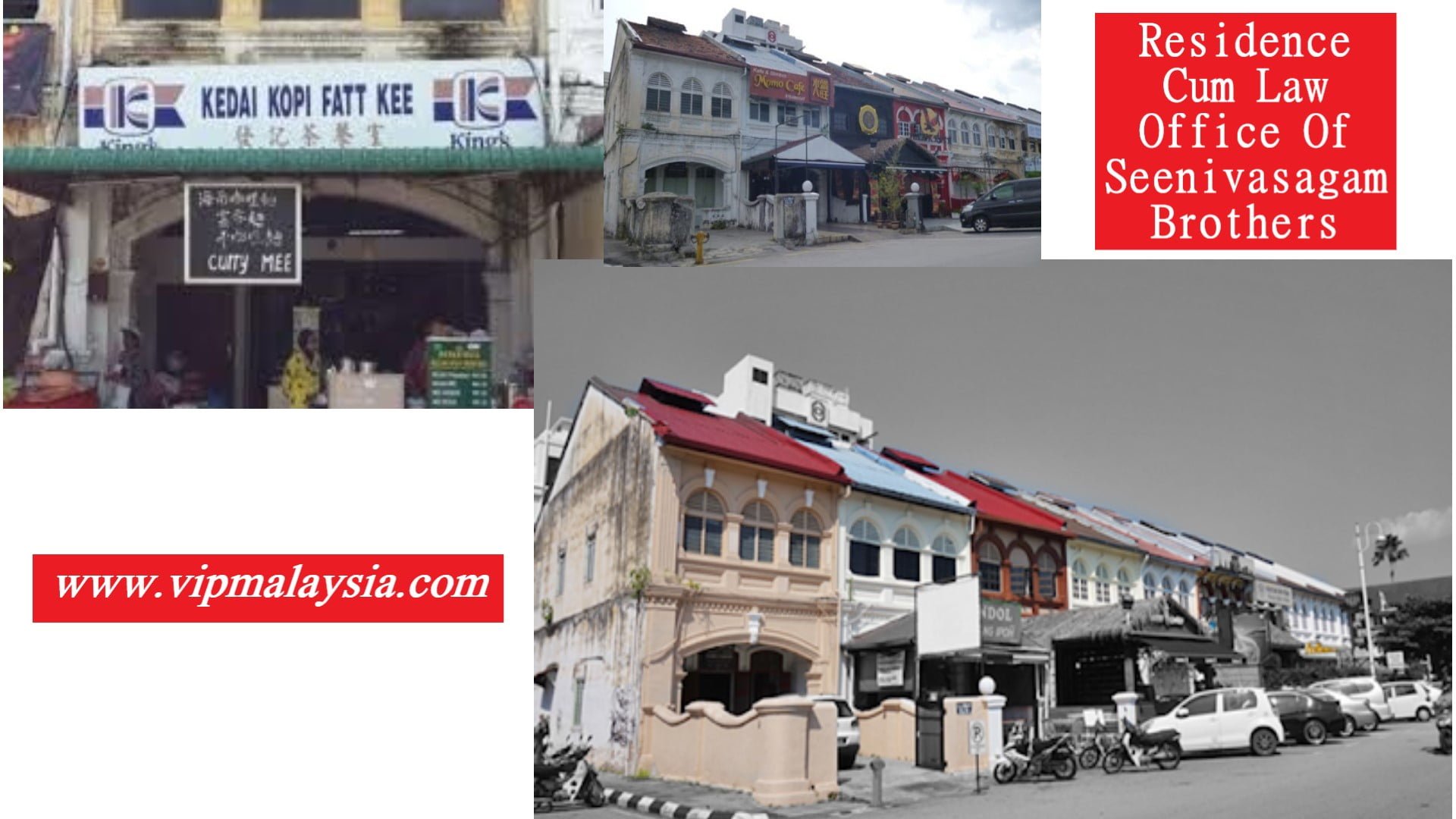
    Seenivasagam Brothers, Perak

    Discover the historic Seenivasagam Brothers building in Ipoh, a pre-war law office turned cultural hotspot. From authentic Malaysian delicacies like rojak and cendol to its rich political legacy tied to the Perak Progressive Party (PPP), this destination blends heritage, history, and flavor. Perfectly located along Ipoh’s heritage trail, it offers visitors a chance to explore colonial-era architecture, cultural festivals, and vibrant street food.

    The Perak Progressive Party (PPP) was a political party in Malaysia founded in 1953 by the Seenivasagam Brothers in Ipoh, Perak. Initially established as a regional party, it was later renamed the People’s Progressive Party (PPP) in 1956 to reflect its national ambitions. The party was known for championing the rights of ordinary citizens, particularly urban communities, and played a significant role in Perak’s political landscape during the 1950s and 1960s. It joined the Alliance briefly in 1954, withdrew in 1955, and later became part of the Barisan Nasional coalition in 1973. Over time, however, its influence declined, and it was deregistered in 2019 before being re-registered in 2023.

    Introduction

    The Seenivasagam Brothers’ legacy is deeply woven into the cultural and political fabric of Ipoh, Perak. Their former law office, now a thriving cultural and culinary hub, stands as a testament to Malaysia’s struggle for social justice and the preservation of heritage. Visitors today can enjoy traditional delicacies, explore Ipoh’s heritage zone, and immerse themselves in the historical narratives that shaped modern Malaysia.

    History

    The Seenivasagam Brothers, S.P. Seenivasagam and D.R. Seenivasagam, were prominent lawyers and political leaders in the 1950s. They founded the Perak Progressive Party (PPP) in 1953, championing the rights of ordinary citizens and advocating for social equality. Their law office became a hub for legal and political discourse, influencing the trajectory of Malaysian politics.

    Biodata

    NameLife & CareerPolitical Role
    S.P. Seenivasagam (Sri Padhmaraja Seenivasagam)Born in Ipoh, 1918 – Died 4 July 1975. Educated at Anderson School, studied law at Middle Temple, London. Returned to Malaya post-WWII, began legal career in 1949 at family firm S. Seenivasagam & Sons. Known as a brilliant civil lawyer.Co-founder of Perak Progressive Party (PPP) in 1953, renamed People’s Progressive Party in 1956. Served as party president until death. Won Menglembu parliamentary seat (1959–1974) and Kuala Pari state seat. Became Ipoh’s first municipal president in 1962. Later joined Barisan Nasional in 1974.
    D.R. Seenivasagam (Darma Raja Seenivasagam)Born in Ipoh, 1925 – Died 15 March 1969. Of Ceylonese Tamil ancestry. Practiced law at family firm S. Seenivasagam & Sons. Gained fame defending Lee Meng in a high-profile Emergency case. Known as a charismatic criminal lawyer and champion of the poor.First president of PPP (1953–1969). Represented Ipoh in Parliament (1957–1969). Led PPP to major victories in Ipoh municipal council elections. Vocal critic of the ruling Alliance government, accused ministers of corruption. His death in 1969 marked the decline of PPP’s influence.

    A Historic Law Office

    The building itself is a pre-war townhouse, strategically located near Ipoh Padang. Its architecture reflects colonial-era influences, with high ceilings, wooden shutters, and tiled flooring. This office was not only a workplace but also a center for political activism, where ideas of reform and progress were debated and shaped.

    The Ipoh Padang is a historic open field in central Ipoh, Perak, established in 1898. It has long been a venue for sports, cultural events, and political gatherings. Over the years, it hosted football, cricket, and tennis matches, as well as important civic ceremonies. During the Japanese Occupation, it was used for daily allegiance assemblies, and in 1943, Subhas Chandra Bose delivered a speech here to rally support for the Indian National Army. On 31 May 1962, the Sultan of Perak proclaimed the formation of the Municipality of Ipoh at this site, marking a milestone in the city’s governance.

    Today, Ipoh Padang is surrounded by landmarks such as the Royal Ipoh Club, St. Michael’s Institution, and the Birch Memorial Clock Tower, making it a key stop on Ipoh’s heritage trail. It remains a popular recreational space for locals, hosting festivals, parades, and community sports, while offering visitors a chance to experience both colonial-era architecture and modern cultural life.

    Cultural Significance in Ipoh

    Today, the site is recognized as part of Ipoh’s heritage zone. Surrounded by pre-war shop houses, museums, and cultural landmarks, it offers visitors a glimpse into the city’s vibrant past. The Seenivasagam Brothers’ contributions remain celebrated, making the building a symbol of heritage preservation and cultural pride.

    Highlights

    Authentic Malaysian Cuisine

    Visitors can indulge in rojak, a sweet and spicy fruit-and-vegetable salad topped with peanut sauce, and cendol, a refreshing dessert made with pandan jelly, coconut milk, and palm sugar. These dishes are not only delicious but also represent the culinary diversity of Malaysia.

    Rojak N Cendol Padang Ipoh

    Just beside the Seenivasagam Brothers’ historic law office near Ipoh Padang, visitors will find Rojak N Cendol Padang Ipoh, a popular stall serving freshly made rojak and cendol. Known for its sweet-spicy fruit rojak topped with peanut sauce and refreshing cendol with coconut milk and palm sugar, this spot has become a favorite among locals and tourists exploring the heritage trail.

    Tong Sui Kai (Dessert Street)

    A short walk from the Seenivasagam Brothers’ building lies Tong Sui Kai, famously called Dessert Street. This lively night food hub offers a variety of Malaysian desserts, including rojak and cendol, alongside other sweet treats. The vibrant atmosphere, combined with authentic flavors, makes it a perfect evening stop after visiting Ipoh’s heritage landmarks.

    Heritage Trail Exploration

    The building is part of Ipoh’s heritage trail, which includes landmarks such as the Birch Memorial Clock Tower, Ipoh Railway Station, and St. Michael’s Institution. Walking through this trail allows visitors to experience colonial-era architecture and cultural fusion.

    Colonial-Era Influence

    Ipoh’s old town showcases a blend of Malay, Chinese, and British architectural styles. The Seenivasagam Brothers’ building stands as a fine example of this fusion, offering a visual narrative of Malaysia’s multicultural history.

    Ipoh Cultural Festivals

    Ipoh hosts vibrant cultural festivals, including parades, food fairs, and heritage celebrations. While the 2017 Ipoh Cultural Parade achieved recognition in Malaysia’s Book of Records, the Seenivasagam Brothers’ site remains a focal point for cultural gatherings and community events.

    Museums and Landmarks Nearby

    Visitors can explore nearby attractions such as the Han Chin Pet Soo Museum, dedicated to tin mining history, and the Ipoh World Heritage Gallery, which documents the city’s evolution. These sites complement the historical narrative of the Seenivasagam Brothers’ legacy.

    Exploring Ipoh’s Heritage Zone

    For adventurous travelers, trekking through Ipoh’s heritage zone offers a unique experience. The area is filled with hidden alleys, traditional shop houses, and street art murals, making it ideal for exploration.

    Ipoh’s Heritage Zone is the historic heart of the city, centered around Ipoh Padang and Old Town, where colonial-era architecture, cultural landmarks, and preserved shop houses showcase the city’s rich past. The Ipoh Heritage Trail features more than 20–30 stops, including the Ipoh Railway Station, Birch Memorial Clock Tower, Royal Ipoh Club, St. Michael’s Institution, and the residence and law office of the Seenivasagam Brothers, making it a comprehensive journey through Perak’s political and cultural history. Visitors can explore the trail on foot or by scooter, with markers in English and Malay guiding them through each stop. The zone is also surrounded by vibrant food streets, museums like Han Chin Pet Soo, and cultural hubs such as Concubine Lane, blending heritage with modern attractions.

    Wildlife and Natural Surroundings

    Ipoh is surrounded by limestone hills and caves, home to diverse wildlife species such as silvered leaf monkeys, hornbills, and tropical butterflies. Visitors can combine cultural exploration with nature trekking, creating a holistic travel experience.

    Nearby Attractions

    Seenivasagam Brothers Building

    The centerpiece of this journey, the building offers heritage architecture, cultural exhibitions, and authentic dining experiences.

    Ipoh Railway Station

    Known as the “Taj Mahal of Ipoh,” this colonial-era station is a must-see for architecture enthusiasts.

    Kellie’s Castle

    Located just outside Ipoh, Kellie’s Castle is a fascinating unfinished mansion that reflects colonial ambition and mystery.

    Perak Cave Temple

    A limestone cave temple adorned with murals and statues, offering spiritual and cultural insights.

    Conclusion

    The Seenivasagam Brothers’ building is more than just a heritage site—it is a living testament to Malaysia’s political history, cultural diversity, and culinary traditions. Visitors can enjoy authentic delicacies, explore Ipoh’s heritage trail, and immerse themselves in the legacy of leaders who shaped the nation’s identity. Whether you are a history buff, a food lover, or an adventurer, this destination promises a rich and unforgettable experience.

    Summary

    • Attraction: #SeenivasagamBrothers  
    • Location: #Perak 
    • Attraction Type: #Building  
    • Source: tourismperakmalaysia.com, https://www.facebook.com/TourismPerakMalaysia/
    • Why Visit
      • Historic pre-war building – A former law office turned cultural hotspot
      • Authentic Malaysian cuisine – Enjoy delicious rojak and refreshing cendol on-site
      • Strong cultural significance – Linked to the founding of the Perak Progressive Party (PPP) in 1953
      • Proximity to Ipoh’s heritage trail – Ideal for history buffs and food lovers exploring the city

    Quick Info

    AttributeDetails
    NameSeenivasagam Brothers Ipoh, Perak
    Address3, Jalan Tun Sambanthan, 30000 Ipoh, Perak
    GPS Position4.5975° N, 101.0790° E
    StatePerak
    Date EstablishedPre-1950s
    Facility TypeHistorical Building & Local Eatery
    Special AttractionsHeritage Architecture, Rojak, Cendol, Political History
    Nearby AttractionsIpoh Padang, Concubine Lane, Birch Memorial Clock Tower
    AccessibilityClose to public transport and Ipoh’s heritage trail
    Best Time to VisitAfternoon for best food experience

    Visitor Reviews

    Amirul Kamarulzaman, Kuala Lumpur – ★★★★★ “I was amazed by the historical depth of the Seenivasagam Brothers’ building. The rojak was authentic, and the cendol was the best I’ve had in years. The heritage trail nearby made the visit even more memorable.”

    Rachel Tan, Penang – ★★★★☆ “The building is beautifully preserved, and the cultural significance is inspiring. I enjoyed the food, though the seating area could be expanded. Still, it’s a must-visit for anyone exploring Ipoh.”

    Donnie Tan Eng Soon, Singapore – ★★★★★ “As a history enthusiast, I found the narrative of the Seenivasagam Brothers fascinating. The law office turned cultural hotspot is a perfect blend of heritage and modern dining. Highly recommended!”

    Safura Ahmad Shah, Johor Bahru – ★★★★★ “The atmosphere was vibrant, and the food was delicious. I loved walking the heritage trail afterward. It’s a great spot for both locals and tourists.”


  • Perak Hydro Building: Explore Ipoh’s Iconic Heritage

    Perak Hydro Building: Explore Ipoh’s Iconic Heritage

    Perak Hydro Building

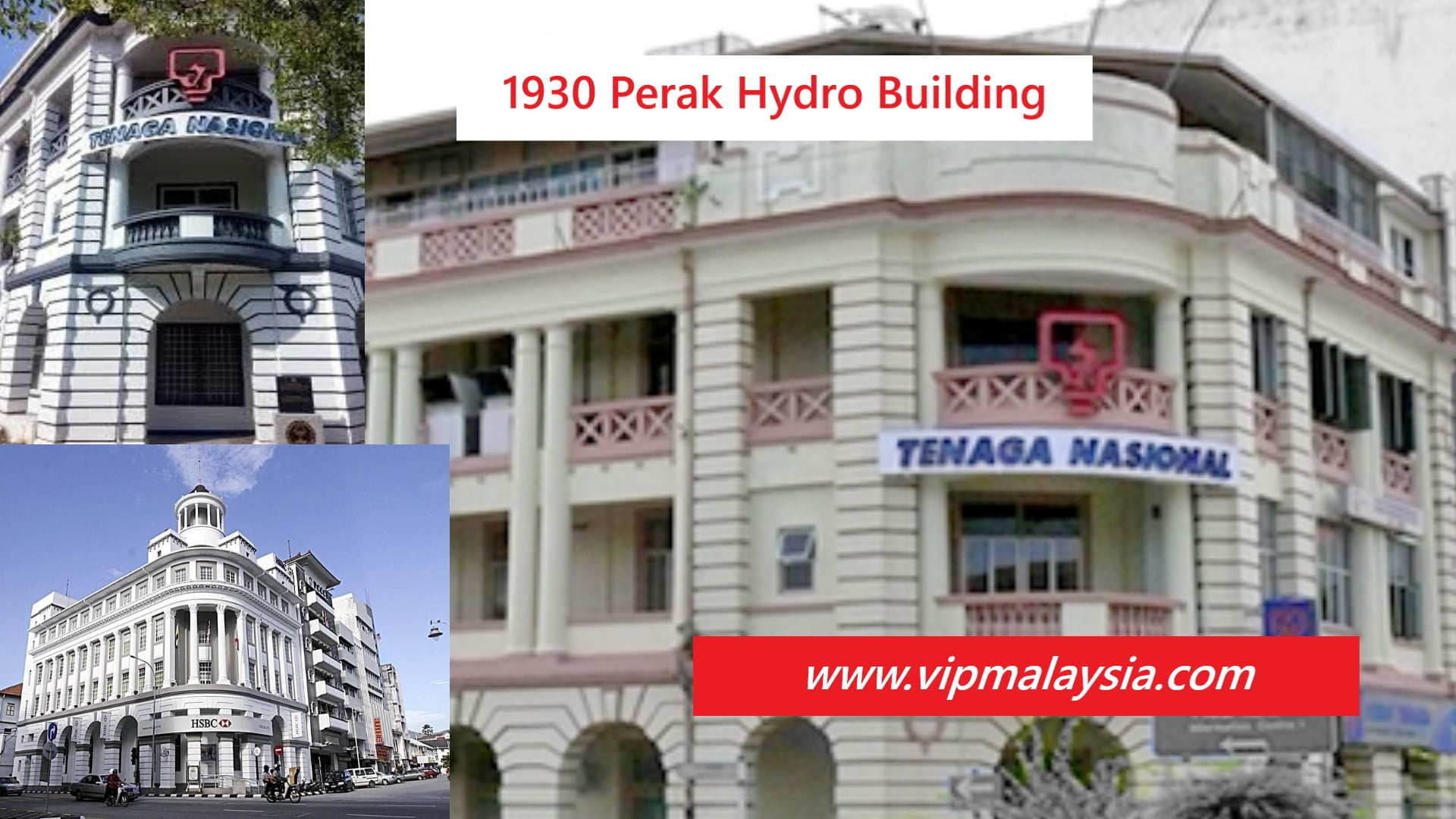
    Perak Hydro Building, located in Ipoh, Perak, is one of Malaysia’s most impressive Neo-Renaissance structures, featuring grand Greek and Roman-inspired columns. Originally built in 1930, this building served as the headquarters for the Perak River Hydro-Electric Power Company, supplying electricity to Malaya’s thriving tin mining industry. Today, the building is occupied by Tenaga Nasional Berhad (TNB), yet its historical charm and architectural grandeur remain untouched.

    Introduction

    The Perak Hydro Building stands as one of Ipoh’s most iconic landmarks, blending European Neo-Renaissance architecture with Malaysia’s industrial past. Built in the 1930s, it was the headquarters of the Perak River Hydro-Electric Company, which supplied electricity to the booming tin-mining industry in the Kinta Valley. Today, the building continues to serve as a symbol of progress, housing Tenaga Nasional Berhad (TNB). For history buffs, architecture enthusiasts, and adventure seekers, this site offers a fascinating journey into Malaysia’s colonial and industrial heritage.

    History

    The Birth of Perak Hydro Power

    The Perak River Hydro-Electric Company was established in London in 1926, with the mission of electrifying Malaya’s tin industry. At the time, tin mining was the backbone of the economy, and the company’s hydroelectric projects transformed industrial operations. By the 1930s, it had become the largest electricity supplier in Malaya, powering dredges and mines across the Kinta Valley. This electrification not only boosted productivity but also symbolized Malaya’s entry into modern industrialization.

    Architectural Marvel

    Constructed in 1930, the Perak Hydro Building embodies Neo-Renaissance design, with grand Greek and Roman columns and intricate European detailing. Its façade reflects the influence of colonial architecture, while its interior was designed to accommodate administrative offices and technical operations. Despite the passage of time, the building remains structurally sound and continues to serve as TNB’s office, preserving its legacy as a hub of energy and progress.

    Neo-Renaissance Elements

    The building’s design showcases symmetry, proportion, and classical motifs. The colossal columns at the entrance evoke the grandeur of European civic buildings, while decorative cornices and arched windows highlight its Renaissance inspiration. These elements make the Perak Hydro Building not only a functional space but also an architectural statement of prestige and authority.

    Cultural Festivals

    Visitors can time their trip to coincide with Ipoh’s cultural festivals, such as the Perak Festival of Arts or local Chinese New Year celebrations. These events showcase traditional dances, music, and culinary delights, enriching the travel experience.

    Visitor Facilities

    The Perak Hydro Building area is well-connected, with nearby cafés, hotels, and transport links. Facilities for tourists include guided heritage tours, photography spots, and easy access to Ipoh’s vibrant food scene, famous for dishes like Ipoh white coffee and bean sprout chicken.

    Cafés, Hotels, and Transport Links

    CategoryNearby Options
    CafésAud’s Cafe – Cozy breakfast spot with local hospitality; Above Gastrobar – Rooftop dining with skyline views; Plan B Restaurant – Vibrant Asian fusion flavors; Durbar at FMS – Historic Western & Asian fusion restaurant; Old Town Kitchen Cafe – Authentic Malaysian cuisine
    HotelsNovotel Taiping Perak – Modern 4-star hotel near Taiping Lake Gardens; Louis Hotel – Budget-friendly with cheerful staff; Flemington Hotel – Comfortable rooms with lake views; Legend Inn Taiping – Conveniently located in town center; Hotel Furama – Simple but well-rated accommodation
    Transport LinksIpoh Railway Station – Colonial landmark offering train services to KL and Penang; Local Bus Terminals – Connect Ipoh with nearby towns; Grab & Taxi Services – Widely available for city travel; PLUS Expressway Access – Easy road connectivity to Kuala Lumpur and Penang (general verified info)

    Highlights

    Industrial Progress and Tin Mining Legacy

    The building symbolizes the electrification of Malaya’s tin industry. It powered dredges in the Kinta Valley, enabling large-scale mining operations that placed Malaya among the world’s top tin producers. This industrial progress shaped Ipoh’s identity as a mining town and contributed to Malaysia’s economic development.

    Photography Hotspot

    With its striking façade and historical charm, the Perak Hydro Building is a favorite among photographers. The interplay of light and shadow on its columns creates dramatic visuals, while its central location makes it easy to capture alongside other colonial landmarks.

    Since the building functions as an office, entry inside is usually restricted, but photography and sightseeing outside are allowed.

    Nearby Attractions

    Ipoh Railway Station

    Known as the “Taj Mahal of Ipoh,” the railway station is a magnificent British colonial structure featuring Moorish and Victorian influences. Its white domes and arches make it one of the most photographed landmarks in the city.

    Birch Memorial Clock Tower

    Built in 1909 to commemorate James W.W. Birch, the first British Resident of Perak, the clock tower stands as a historical tribute. Its panels depict figures from world history, offering a glimpse into colonial perspectives of the time.

    Concubine Lane

    A bustling heritage street, Concubine Lane is lined with shops, cafés, and stalls selling local crafts. It offers visitors a chance to experience Ipoh’s cultural vibrancy while exploring its historic alleys.

    Trekking and Adventure

    Exploring Ipoh’s Heritage Trails

    Ipoh offers heritage trails that connect landmarks like the Perak Hydro Building, Railway Station, and old shophouses. Walking these trails allows visitors to immerse themselves in the city’s colonial past while enjoying its modern charm.

    Nearby Towns and Natural Escapes

    Beyond Ipoh, towns like Kampar and Taiping provide additional historical and natural attractions. Kampar is home to the Kinta Tin Mining Museum, while Taiping boasts the country’s oldest lake gardens and a rich colonial legacy.

    The Kinta Tin Mining Museum, officially known as the Kinta Tin Mining (Gravel Pump) Museum, is located in Kampar, Perak. Established in 2012, it was founded by former tin miner Tan Sri Hew See Tong to commemorate the tin mining industry that once made the Kinta Valley one of the richest tin-producing regions in the world. The museum focuses on the gravel pump method of extraction, showcasing outdoor exhibits such as heavy machinery, gravel pumps, and tractors, alongside indoor displays of mining tools, dioramas, and historical photographs. It serves as both an educational site and a tribute to the miners who worked under challenging conditions, preserving Malaysia’s tin mining legacy for future generations.

    Wildlife and Outdoor Activities

    The surrounding limestone hills and caves near Ipoh are habitats for diverse wildlife, including hornbills, macaques, and rare orchids. Trekking enthusiasts can explore Gua Tempurung, one of Malaysia’s largest limestone caves, offering adventure and geological wonders.

    Conclusion

    Perak Hydro Building isn’t just an architectural gem—it’s a historical icon, representing Malaysia’s industrial progress and colonial craftsmanship. Whether you’re admiring its Neo-Renaissance beauty, learning about Malaya’s energy history, or exploring Ipoh’s heritage, this building offers an immersive experience of history and culture.

    Step into Malaysia’s industrial past—visit Perak Hydro Building in Ipoh today!

    Summary

    • Attraction: #PerakHydroBuilding 
    • Location: #Perak 
    • Attraction Type: #Building 
    • Source: tourismperakmalaysia.com, http://ipohheritage.mbi.gov.my/index.php/perak-hydro-building/
    • Why Visit:
      • Neo-Renaissance architecture – Showcasing colossal columns and intricate European designs
      • Symbol of industrial progress – Played a key role in powering tin mines in the Kinta Valley
      • Prime location in Ipoh – A great stop for history buffs and architecture enthusiasts

    Quick Info

    AttributeDetails
    NamePerak Hydro Building, Ipoh
    Address2, Jalan Dato Maharajalela, 30000 Ipoh, Perak
    GPS Position4.5972° N, 101.0793° E
    StatePerak
    Date Established1930
    Facility TypeHistorical Building & Current Tenaga Nasional Berhad (TNB) Office
    Special AttractionsNeo-Renaissance architecture, Greek-inspired columns, industrial heritage linked to tin mining
    Nearby AttractionsIpoh Railway Station, Birch Memorial Clock Tower, Concubine Lane
    AccessibilityEasily reached via Ipoh Railway Station, local buses, taxis, and PLUS Expressway
    Best Time to VisitMorning or late afternoon (best for photography and cooler weather)
    ContactCurrently occupied and managed by Tenaga Nasional Berhad (TNB)
    TNB Careline (Malaysia): 1300 88 5454

    Visitor Reviews

    Angeline Vogue, Kuala Lumpur – ★★★★★ “I was amazed by the grandeur of the Perak Hydro Building. The columns and detailing are stunning, and learning about its role in powering the tin industry gave me a deeper appreciation of Ipoh’s history. A must-see for architecture lovers.”

    Periasamy Merrisamy, Penang – ★★★★☆ “The building is impressive and well-preserved. I enjoyed walking around the heritage trail nearby. It would be great if there were more guided tours inside, but overall, a fantastic experience.”

    Abdul Wahab Bin Walid, Singapore – ★★★★★ “Visiting the Perak Hydro Building was the highlight of my trip to Ipoh. The mix of colonial architecture and industrial history is fascinating. Plus, it’s close to other attractions like the railway station and Concubine Lane.”

    Chai Singh Deo, Johor Bahru – ★★★★★ “As a history buff, I found the Perak Hydro Building captivating. The story of how it powered the tin mines is incredible. The photography opportunities are endless, especially during sunset.”

  • Tambun Sai Baba Cave Temple: Explore & Find Peace

    Tambun Sai Baba Cave Temple: Explore & Find Peace

    Tambun Sai Baba Cave Temple, Perak

    Tambun Sai Baba Cave Temple in Ipoh, Malaysia, is more than a place of worship—it is a sanctuary of peace, history, and cultural harmony. Nestled within natural limestone caves, this temple offers visitors a chance to reconnect with spirituality while exploring nearby attractions like the Lost World of Tambun and Banjaran Hotsprings Retreat. Whether you seek meditation, cultural exploration, or adventure, this temple promises an enriching journey.

    Introduction

    Set against the lush limestone hills of Ipoh, the Tambun Sai Baba Cave Temple is a hidden gem that blends spirituality with nature’s grandeur. Dedicated to Sathya Sai Baba, the temple is unique for its multi-faith elements, housing statues of Hindu deities, Buddhist figures, and Sai Baba himself. Visitors are drawn not only to its serene prayer sessions but also to its proximity to Ipoh’s vibrant heritage and adventure spots. This temple is a must-visit for those who wish to experience tranquility, cultural diversity, and spiritual reflection.

    Sathya Sai Baba Biodata

    AttributeDetails
    Full NameRatnakaram Sathyanarayana Raju
    Popular NameSathya Sai Baba
    Date of Birth23 November 1926
    Place of BirthPuttaparthi, Madras Presidency, British India (present-day Andhra Pradesh, India)
    Date of Death24 April 2011 (aged 84)
    Place of DeathPuttaparthi, Andhra Pradesh, India
    Cause of DeathRespiratory failure and multiple organ complications
    NationalityIndian
    ReligionHinduism
    ParentsFather: Peddavenkama Raju Ratnakaram; Mother: Easwaramma
    SiblingsRatnakaram Seshama Raju (elder brother), Venkamma, Parvathamma, Janakiramaiah
    EducationAttended Bukkapatnam school, dropped out in early teens
    Claim to FameDeclared himself reincarnation of Shirdi Sai Baba at age 14
    Philosophy“Love All, Serve All. Help Ever, Hurt Never.”
    Organizations FoundedSri Sathya Sai International Organization, Sri Sathya Sai Central Trust
    Major TeachingsTruth (Sathya), Right Conduct (Dharma), Peace (Shanthi), Love (Prema), Non-violence (Ahimsa)
    Humanitarian WorkEstablished free hospitals, schools, universities, and major water supply projects across India
    ControversiesFaced allegations of sleight of hand, fraud, and misconduct, though never formally charged
    LegacyRevered spiritual leader with millions of followers worldwide; remembered for humanitarian projects and teachings

    History

    The temple’s story began more than 35 years ago when Brother Philip Foo transformed what was once a Quan Yin cave temple into Malaysia’s first Sai Baba cave temple. This transformation marked a significant spiritual milestone, introducing Sathya Sai Baba’s teachings to a wider Malaysian audience. Over the decades, the temple has become a center for meditation, prayer, and cultural exchange, welcoming devotees and curious travelers alike.

    Evolution Through the Years

    As the temple grew, it incorporated statues and artifacts from multiple faiths, symbolizing unity and harmony among religions. Today, visitors can find relics, photographs, and statues of Sai Baba alongside Ganesh and Buddha, reflecting Malaysia’s multicultural spirit. The temple’s limestone setting adds to its mystical aura, making it both a historical landmark and a spiritual retreat.

    Visitor Facilities

    Visitors will find shaded resting areas, prayer halls, and meditation corners. The temple maintains a welcoming environment with clean facilities, ensuring comfort for both devotees and tourists. Local volunteers often guide visitors, sharing stories of the temple’s origins and spiritual practices.

    Highlights

    Architectural and Cultural Elements

    The temple’s limestone cave structure creates a natural ambiance that enhances meditation and prayer. Inside, the Sai Baba statue in saffron robes with a raised blessing hand stands as a focal point of devotion. Surrounding it are statues of Ganesh and Buddha, emphasizing inclusivity and multi-faith respect. The cave’s natural acoustics also make prayer sessions deeply resonant, adding to the spiritual experience.

    Nearby Cultural and Heritage Spots

    The temple is just minutes away from Lost World of Tambun, a family-friendly theme park offering hot springs and water rides. For those seeking luxury, the Banjaran Hotsprings Retreat provides spa treatments amidst limestone caves. Ipoh itself is rich in heritage, with colonial architecture, vibrant street art, and famous food streets.

    Festivals and Celebrations

    During major Hindu and Buddhist festivals, the temple becomes a hub of activity. Devotees gather for prayer sessions, cultural performances, and communal meals. These events highlight the temple’s role in fostering multi-religious harmony and cultural exchange.

    Spiritual Prayer Sessions

    Every Sunday from 10 AM to noon, the temple hosts prayer sessions that attract devotees and visitors alike. These gatherings are not only religious but also cultural, offering a glimpse into Malaysia’s diverse spiritual practices.

    Meditation and Reflection

    The temple’s quiet corners are perfect for meditation. Visitors often describe the experience as deeply calming, aided by the cave’s natural coolness and serene atmosphere.

    Multi-Religious Harmony

    The presence of statues from different faiths makes the temple a symbol of unity and inclusivity. It stands as a reminder that spirituality transcends boundaries, welcoming all who seek peace.

    Trekking and Adventure

    Limestone Cave Exploration

    The temple’s location within limestone hills makes it ideal for trekking enthusiasts. Visitors can explore nearby trails that lead to panoramic views of Ipoh’s lush valleys. The caves themselves are home to unique geological formations, offering a blend of adventure and spirituality.

    Wildlife Encounters

    The surrounding area is rich in biodiversity. Birdwatchers may spot hornbills, kingfishers, and swallows nesting in the limestone cliffs. Small mammals like civet cats and macaques are also occasionally seen, adding to the natural charm of the temple’s environment.

    Trails Nearby

    Trail NameDetails
    Bukit Kledang Route 4-9 LoopHard 3.4-mile trail with uphill/downhill terrain, shaded by foliage, and crossing streams. Popular among experienced hikers.
    Bukit Kledang via Jalan KledangModerate 3.7-mile trail with steep inclines, rest areas, and birdwatching opportunities. Offers panoramic views of Perak.
    Kledang Trail 2-4Moderate 2-mile hike, often steep and muddy in rainy season. Rich in flora and fauna, recommended to bring insect repellent and water.
    Kledang Hill LoopHard 6.6-mile trek taking 5–5.5 hours. Features a viewing platform with breathtaking vistas and a jungle trail leading to the summit.
    RTM Old Route via Kledang 4.9 TrailModerate 2-mile route, estimated 1–1.5 hours. Popular among locals, offering a mix of tarmac and jungle paths.
    Mirror Lake (Tasik Cermin)Scenic beginner trail leading to a hidden lake surrounded by limestone cliffs. Accessible and popular for photography.

    Conclusion

    The Tambun Sai Baba Cave Temple is more than a religious site—it is a cultural and spiritual retreat. With its limestone cave setting, multi-faith statues, and proximity to Ipoh’s attractions, it offers a holistic experience for visitors. Whether you are drawn by history, adventure, or spirituality, this temple promises an unforgettable journey. Reconnect with peace, explore heritage, and embrace harmony at this remarkable destination.

    Visitor Reviews

    Ramesh Kumar, Penang – ★★★★★ “I visited the temple during a weekend trip to Ipoh. The limestone cave setting was breathtaking, and the prayer session left me feeling peaceful. The volunteers were welcoming and shared fascinating stories about the temple’s history.”

    Mei Ling Tan, Kuala Lumpur – ★★★★☆ “The temple is serene and beautifully maintained. I loved the multi-faith statues, which made the place feel inclusive. The only challenge was the narrow road leading up, but once inside, it was worth the effort.”

    Arun Prakash, Chennai, India – ★★★★★ “As a devotee of Sai Baba, visiting this temple was a dream come true. The statue of Sai Baba in saffron robes was inspiring, and the meditation hall was perfect for reflection. The nearby attractions made the trip even more enjoyable.”

    Wee Keong, Ipoh – ★★★★★ “Growing up in Ipoh, I’ve visited this temple many times. It’s a peaceful retreat where I go to meditate. The temple’s location near Lost World of Tambun makes it easy to combine spiritual visits with family outings.”

    Reconnect with spirituality and heritage—visit Tambun Sai Baba Cave Temple today!

    Summary

    • Attraction: #TambunSaiBaba 
    • Location: #Perak 
    • Attraction Type: #Temple 
    • Source: visitperak.com.my
    • Why Visit:
      • A unique cave temple experience – Set within natural limestone formations in Ipoh
      • Dedicated to Sathya Sai Baba – A serene place for prayers, reflection, and meditation
      • Multi-faith elements – Featuring statues of Hindu, Buddhist, and Sai Baba figures
      • Close to renowned attractions – Just minutes away from Lost World of Tambun & Banjaran Hotsprings Retreat

    Quick Info

    AttributeDetails
    NameTambun Sai Baba Cave Temple, Perak
    AddressSunway City Ipoh, 31150 Perak, Malaysia
    GPS Position4.6255° N, 101.1423° E
    StatePerak
    Date EstablishedOver 35 Years Ago
    Facility TypeCave Temple & Spiritual Retreat
    Special AttractionsLimestone Cave, Sai Baba Statues, Multi-Faith Elements
    Nearby AttractionsLost World of Tambun, Banjaran Hotsprings Retreat, Ipoh Heritage Sites
    AccessibilityConnected via major roads & public transport
    Best Time to VisitMorning for meditation or Sunday prayer sessions
    Contact+6017-455 1864


  • TT5 Tanjung Tualang Tin Dredge: A Living Legacy

    TT5 Tanjung Tualang Tin Dredge: A Living Legacy

    TT5 Tanjung Tualang Tin Dredge, Perak

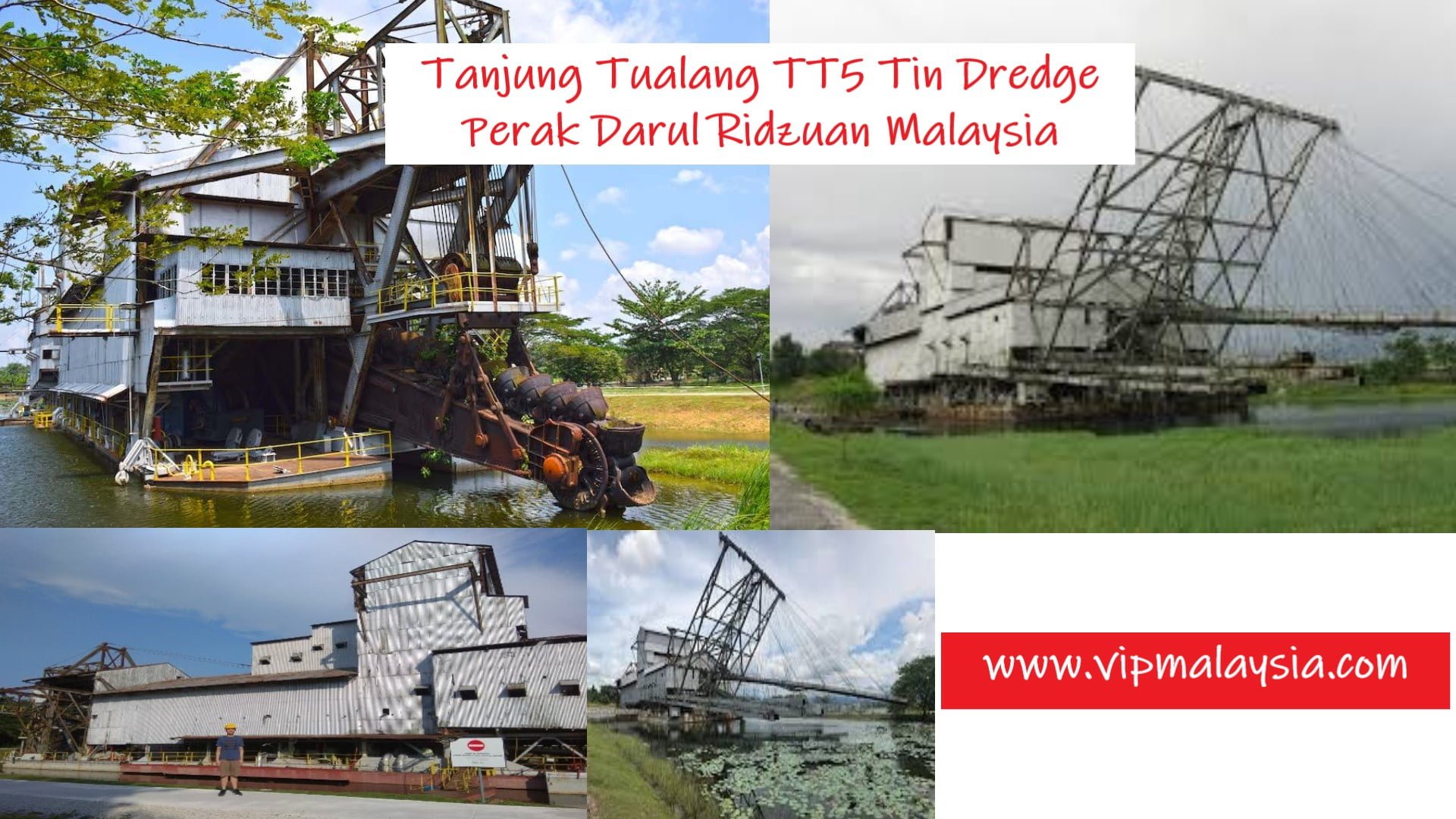
    Step into Malaysia’s industrial past at TT5 Tanjung Tualang Tin Dredge, the last surviving tin dredge in the country. This colossal floating factory from 1938 offers guided tours, tin panning, and family-friendly adventures, making it a must-visit heritage site in Perak.

    Introduction

    Nestled in Batu Gajah, Perak, TT5 Tanjung Tualang Tin Dredge stands as a monumental reminder of Malaysia’s tin mining glory. Once the backbone of the nation’s economy, tin mining transformed Perak into the wealthiest state in Malaya. Today, TT5 is not only a preserved engineering marvel but also a vibrant attraction blending history, education, and adventure. Visitors can explore its machinery, learn about the tin rush, and enjoy outdoor activities in the scenic Kinta Valley National Geopark.

    History

    The Rise of Tin Mining in Perak

    Tin mining in Perak began in 1848 in Taiping, sparking a rush that reshaped the region. By the early 20th century, Perak was known as the wealthiest state in Malaya, with Ipoh earning the nickname “City of Millionaires.” Foreign investments poured in, and by 1940, over 120 dredges operated across the state, symbolizing industrial might.

    Engineering Excellence and Operation

    TT5 was built in England in 1938 by F.W. Payne & Sons and shipped to Malaysia for assembly. Weighing 4,500 tons, it was upgraded in 1963 to improve efficiency. For 44 years, TT5 extracted tin until August 1982, when global tin prices collapsed. In 1997, it was saved from demolition and donated to the Perak State Government. Since 2018, TT5 has been recognized as part of the Kinta Valley National Geopark, cementing its role as a heritage landmark.

    F.W. Payne & Sons was a British engineering company founded by Francis William Payne. Originally, Payne and his brother Raymond worked as consulting engineers in Dunedin, New Zealand, specializing in alluvial mining and dredging. After Raymond’s death, Francis William Payne established the firm in London under the name F.W. Payne & Son, with his son F.G. Payne joining as junior partner. The company became notable for designing and building dredges, including Malaysia’s last surviving tin dredge, TT5, constructed in 1938.

    Visitor Facilities

    TT5 offers parking, restrooms, and a visitor center with ticketing and souvenirs. Guided tours typically last 1–2 hours, with tickets priced around RM21 per person.

    Highlights

    Guided Dredge Tours

    Visitors can walk through the dredge’s control rooms and machinery, gaining insight into how tin was extracted. Informational panels and audio guides narrate the process, making the experience both educational and immersive.

    Tin Panning Experience

    Hands-on tin panning lets visitors relive the miners’ work. This interactive activity is popular among families and school groups, offering a tangible connection to Malaysia’s industrial past.

    Heritage Gallery

    The visitor center houses exhibits on tin mining history, showcasing photographs, tools, and artifacts. It contextualizes TT5 within the broader story of Perak’s economic rise.

    Trekking and Adventure

    ATV Rides and Outdoor Fun

    ATV rides are available for thrill-seekers, offering a fun way to explore the dredge’s grounds. Families can enjoy fishing, camping, and BBQ areas, making TT5 a versatile destination for both history buffs and outdoor enthusiasts.

    Nearby Attractions

    Weekend Bazaars and Cultural Events

    Occasional bazaars feature local crafts, traditional games, and food stalls, adding a festive atmosphere. Cultural festivals in nearby towns, such as Ipoh’s heritage tours and Batu Gajah’s temple celebrations, complement the TT5 experience.

    Weekend Community Bazaars at TT5

    TT5 occasionally hosts bazaars featuring local crafts, traditional games, and food stalls. These events are designed to engage the community and provide visitors with a festive atmosphere alongside the heritage experience.

    Ipoh Heritage Tours

    Nearby Ipoh organizes heritage walks and cultural festivals, showcasing colonial architecture, cave temples, and traditional food culture. These tours complement a visit to TT5 by offering broader insights into Perak’s cultural richness.

    Batu Gajah Temple Celebrations

    Batu Gajah, close to TT5, is known for its temple festivals, which often include traditional performances and community gatherings. These events provide visitors with a deeper cultural immersion when paired with TT5’s industrial heritage.

    Wildlife and Scenic Landscapes

    The dredge sits within the Kinta Valley National Geopark, home to diverse flora and fauna. Birdwatchers often spot kingfishers and herons along the waterways, while the surrounding landscapes provide picturesque backdrops for photography.

    Nearby Towns

    Nearby Towns

    Ipoh

    Ipoh, located about 30 minutes from TT5, is celebrated for its colonial architecture, cave temples, and vibrant food scene. Known as the “City of Millionaires” during the tin boom, it remains a cultural hub with heritage tours and culinary delights that attract both locals and tourists .

    Batu Gajah

    Batu Gajah is home to Kellie’s Castle, an unfinished colonial mansion built by Scottish planter William Kellie-Smith in the early 1900s. The castle blends Moorish, Indo-Saracenic, and Scottish architectural styles, and is famous for its mysterious tunnels and Malaysia’s first planned elevator .

    Tanjung Tualang Village

    Tanjung Tualang Village is renowned for its freshwater prawns, making it a popular stop for visitors after exploring TT5. The village’s eateries serve freshly caught prawns prepared in various styles, offering a culinary highlight that complements the heritage experience of the dredge.

    • Address: Tanjung Tualang, Kinta District, Perak, Malaysia
    • Phone (local council): Batu Gajah District Council – 05-366 4000

    Tanjung Tualang Village is a mukim in the Kinta District of Perak, Malaysia, historically known as one of the major tin-mining towns during the early 1900s. The village derived its name from the tualang tree and later from the Toh Allang Chinese Tin Ltd company. By the mid-20th century, Tanjung Tualang was home to several large tin dredges, making it a significant site in Malaysia’s mining industry. Today, the area is famous for its freshwater prawns (udang galah), earning it the nickname “Freshwater Prawn Town.” It remains a popular stop for visitors heading to TT5 Tanjung Tualang Tin Dredge, combining heritage tourism with culinary experiences.

    Conclusion

    TT5 Tanjung Tualang isn’t just a remnant of Malaysia’s tin mining past—it’s a living history, offering interactive tours, thrilling outdoor activities, and deep cultural insights. Whether you’re exploring the dredge machinery, trying your hand at tin panning, or enjoying the scenic landscapes, this heritage site is a must-visit for anyone in Perak.

    Step into Malaysia’s tin mining legacy—visit TT5 Tanjung Tualang today!

    Summary

    • Attraction: #TT5TanjungTualang  
    • Location: #Perak 
    • Attraction Type: #HistoricalBuilding 
    • Source: tourismperakmalaysia.com, https://en.wikipedia.org/wiki/

    Quick Info

    AttributeDetails
    NameTT5 Tanjung Tualang Tin Dredge, Perak
    Address9th KM, Jalan Tanjung Tualang, 31000 Batu Gajah, Perak, Malaysia
    GPS Position4.4810° N, 101.0495° E
    StatePerak
    Operating Hours9:00 AM – 6:00 PM Daily (check for holiday closures)
    Facility TypeIndustrial Heritage Site & Historical Museum
    Special AttractionsTin Panning, Guided Dredge Tours, Heritage Gallery, Event-Based Bazaars & ATV Rides
    Nearby AttractionsIpoh Heritage Trail, Kellie’s Castle (Batu Gajah), Gopeng Eco Park
    AccessibilityBest reached by car via major highways; limited public transport, taxis or ride-hailing recommended
    Best Time to VisitMorning or late afternoon for cooler weather and better photography
    Contact+6014-904 3255

    Visitor Reviews

    Name: Marsha Hussin Locality: Kuala Lumpur, Malaysia Review: “TT5 is a fascinating place to learn about Malaysia’s tin mining history. The guided tour was informative, and the tin panning was fun for my kids. We also enjoyed the nearby seafood in Tanjung Tualang. Highly recommended!” Rating: ★★★★☆

    Name: Faezah Zakaria Locality: Penang, Malaysia Review: “The dredge is massive and impressive. Walking through the machinery felt like stepping back in time. The camping area was well-maintained, and the staff were friendly. A great mix of history and adventure.” Rating: ★★★★★

    Name: Nurul Shuhada Locality: Johor Bahru, Malaysia Review: “I loved the heritage gallery and the audio guides. The bazaar added a lively touch to our visit. TT5 is a must-see if you’re in Perak.” Rating: ★★★★☆

  • Ipoh War Memorial: Honoring Malaysia’s Fallen Heroes

    Ipoh War Memorial: Honoring Malaysia’s Fallen Heroes

    Ipoh War Memorial

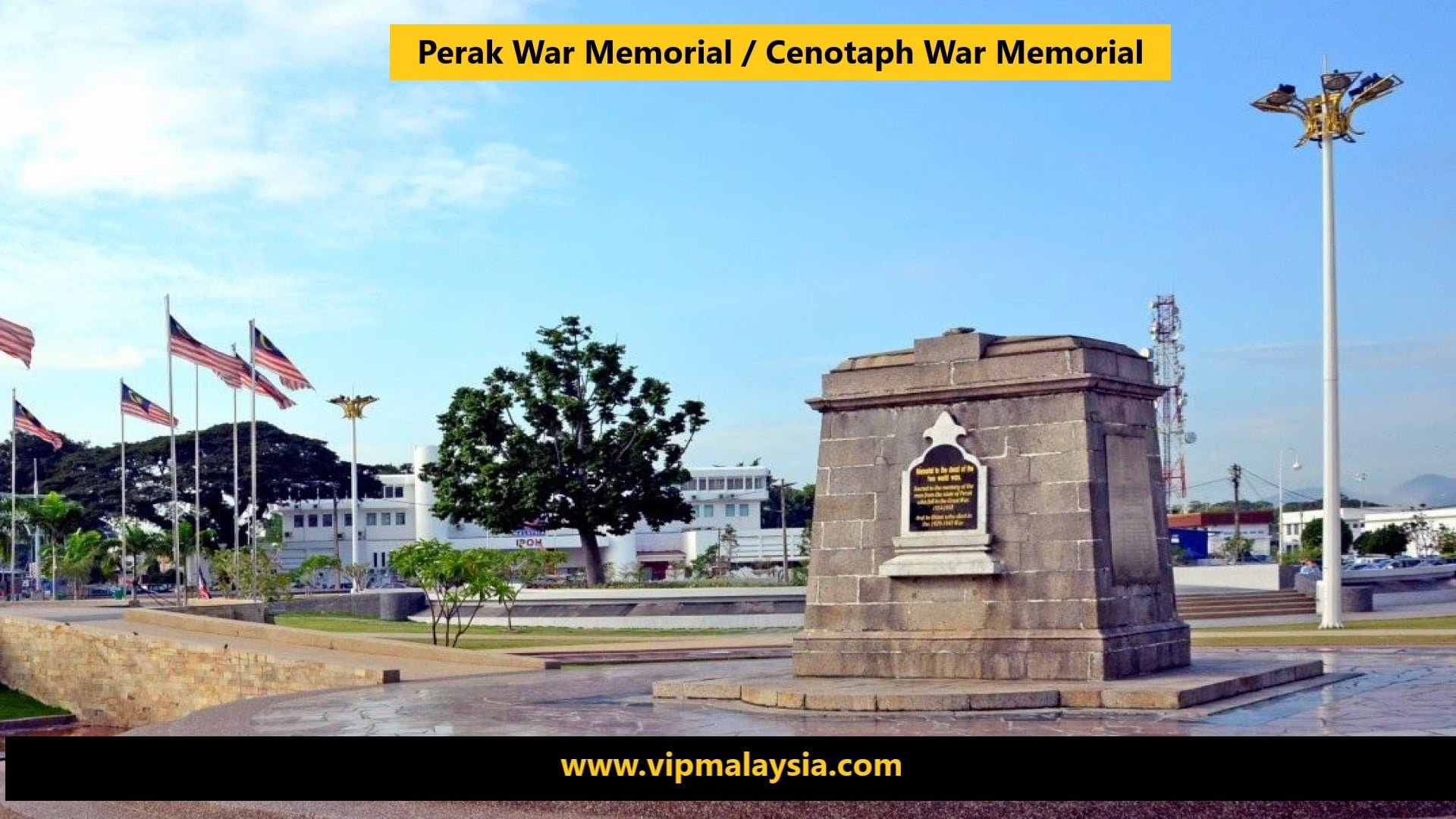
    The Ipoh War Memorial in Perak stands as a solemn cenotaph commemorating soldiers who gave their lives in World War I and World War II. Located at Ipoh Station Square beside the iconic Ipoh Railway Station, this historic landmark is both a site of remembrance and a cultural attraction for visitors exploring Malaysia’s heritage.

    Introduction

    The Ipoh War Memorial is one of Malaysia’s most poignant monuments, built to honor the sacrifices of Perak’s servicemen during the global conflicts of the 20th century. Standing proudly outside the Ipoh Railway Station, often called the “Taj Mahal of Ipoh,” the memorial is a place where history, architecture, and collective memory converge. Visitors are drawn not only to its solemn beauty but also to the surrounding colonial landmarks, cultural festivals, and vibrant city life that make Ipoh a fascinating destination.

    History

    The memorial was unveiled in 1927 as the Perak War Memorial, dedicated initially to those who perished in World War I. After World War II, additional inscriptions were added to commemorate the fallen of that conflict. Over the decades, the cenotaph has become a focal point for remembrance ceremonies, attracting veterans, diplomats, and civilians alike. Its location at Ipoh Station Square was chosen deliberately, symbolizing accessibility and visibility for all who pass through the city.

    Comparison Between World War I and World War II

    World War IWorld War II
    Fought from 1914–1918Fought from 1939–1945
    Triggered by the assassination of Archduke Franz Ferdinand of Austria-HungaryTriggered by Germany’s invasion of Poland in 1939
    Major powers: Allied (UK, France, Russia, later USA) vs. Central (Germany, Austria-Hungary, Ottoman Empire)Major powers: Allies (UK, USA, USSR, China, France) vs. Axis (Germany, Italy, Japan)
    Primarily fought in Europe, with battles in Africa and the Middle EastFought across Europe, Asia, Africa, and the Pacific, truly global
    Warfare style: trench warfare, chemical weapons, static frontsWarfare style: blitzkrieg tactics, mechanized armies, aerial bombing, nuclear weapons
    Casualties: ~20 million deaths (military + civilian)Casualties: ~70–85 million deaths, including the Holocaust
    Ended with the Treaty of Versailles (1919)Ended with the surrender of Germany (May 1945) and Japan (September 1945)
    Legacy: reshaped Europe, collapse of empires (Austro-Hungarian, Ottoman, German, Russian)Legacy: creation of the United Nations, Cold War rivalry, decolonization

    Highlights

    Architectural Design

    The cenotaph is built in classical style, with clean lines and engraved plaques listing the names of fallen servicemen. Its solemn simplicity reflects the dignity of sacrifice. The backdrop of the grand Ipoh Railway Station enhances its visual impact, making it one of the most photographed landmarks in the city.

    Annual Ceremonies

    Every year, wreath‑laying ceremonies are held at the memorial, attended by Malaysian armed forces, foreign missions, and community groups. These events reinforce the memorial’s role as a living site of remembrance rather than a static monument.

    Symbol of Unity

    The memorial is more than stone and inscriptions—it is a symbol of unity across generations. Schoolchildren, veterans, and dignitaries gather here, bridging past and present in shared respect for those who served.

    Memorial Plaques

    The engraved plaques listing names of fallen soldiers are the heart of the memorial. Visitors often pause here to reflect on the personal sacrifices behind the global conflicts.

    Remembrance Week

    Although not always fixed to June, annual remembrance ceremonies are held, drawing participants from Malaysia, Australia, and the UK. These events highlight the international significance of the memorial.

    Colonial Backdrop

    The juxtaposition of the cenotaph with the railway station creates a powerful visual narrative of Malaysia’s wartime and colonial history. It is a must‑see for photographers and history enthusiasts.

    Nearby Attractions

    Ipoh Railway Station

    Known as the “Taj Mahal of Ipoh,” this colonial‑era station is a masterpiece of Edwardian architecture. Its white domes and arches provide a stunning backdrop to the memorial, making the area a hub for heritage tourism.

    Ipoh Heritage Trail

    Visitors can follow the heritage trail to explore colonial buildings, old shophouses, and cultural landmarks. The trail connects the memorial to other sites, offering a deeper understanding of Ipoh’s historical significance.

    Birch Memorial Clock Tower

    Located nearby, this clock tower commemorates James W.W. Birch, Perak’s first British Resident. It is adorned with panels depicting historical figures and serves as another reminder of Malaysia’s colonial past.

    Conclusion

    The Ipoh War Memorial is not only a cenotaph but a timeless landmark that embodies Malaysia’s resilience, sacrifice, and unity. Located at Ipoh Station Square beside the iconic Ipoh Railway Station, it continues to serve as a gathering place for remembrance ceremonies, cultural events, and heritage exploration. Visitors are drawn to its solemn plaques, annual tributes, and the powerful colonial backdrop that tells the story of Perak’s wartime contributions.

    For travelers, the memorial offers more than history—it connects seamlessly with Ipoh’s vibrant attractions, trekking adventures, and cultural festivals, making it a must‑visit destination in Malaysia. Whether you come to honor fallen heroes, explore the city’s architectural gems, or immerse yourself in local traditions, the Ipoh War Memorial stands as a living testament to courage and unity that continues to inspire generations.

    Summary

    • Attraction: #IpohWarMemorial 
    • Location: #Perak 
    • Attraction Type: #Landmark  
    • Source: tourismperakmalaysia.com
    • Why Visit:
      • Tribute to fallen soldiers – Honoring Perak’s heroes from WWI & WWII
      • Central Remembrance Week ceremonies – A historical site for annual commemorations
      • Historic location – Situated next to Ipoh Railway Station, a colonial-era landmark
      • Symbol of unity & sacrifice – A powerful reminder of Malaysia’s wartime contributions

    Quick Info

    AttributeDetails
    NameIpoh Cenotaph (also known as Ipoh War Memorial, historically Perak War Memorial)
    AddressStation Square, in front of Ipoh Railway Station, 30100 Ipoh, Perak, Malaysia
    GPS Position4.5976° N, 101.0743° E (approximate verified coordinates)
    StatePerak
    Year Established1927 (dedicated to WWI fallen; later extended for WWII and subsequent conflicts)
    Facility TypeWar Memorial & Historical Landmark
    Special AttractionsCenotaph monument, engraved plaques with names, annual wreath‑laying ceremonies
    Nearby AttractionsIpoh Railway Station, Ipoh Heritage Trail, Birch Memorial Clock Tower
    AccessibilityCentrally located in Ipoh city, easily accessible by road and public transport
    Best Time to VisitDuring annual remembrance ceremonies (dates vary, often around November for Armistice/Remembrance Day)
    ContactTourism Perak Malaysia: +605‑249 9966

    Visitor Reviews

    Suria Zainuddin, Kuala Lumpur ⭐⭐⭐⭐⭐ “The Ipoh War Memorial moved me deeply. Standing in front of the plaques, I felt a strong connection to the past. The railway station backdrop makes it even more special. A must‑visit for anyone interested in history.”

    Jamie Young, Sydney, Australia ⭐⭐⭐⭐⭐ “As an Australian, it was meaningful to see how Malaysia honors its fallen soldiers alongside Commonwealth allies. The ceremony was dignified, and the atmosphere was solemn yet welcoming.”

    Nurul Huda, Penang ⭐⭐⭐⭐⭐ “I visited during a school trip, and it was eye‑opening. The memorial is beautifully maintained, and the nearby heritage trail made the experience even richer. Highly recommended for families and students.”

    Raj Dam Singh, Mumbai, India ⭐⭐⭐⭐ “The memorial is impressive, though I wish there were more information boards explaining the history. Still, the location next to the railway station makes it easy to access and photograph.”

    Sarah Williams, London, UK ⭐⭐⭐⭐⭐ “Attending the wreath‑laying ceremony was unforgettable. The sense of unity among people from different countries was inspiring. Ipoh itself is a charming city with so much to explore.”

  • Birch Memorial Clock Tower: Ipoh’s Iconic Heritage

    Birch Memorial Clock Tower: Ipoh’s Iconic Heritage

    Birch Memorial Clock Tower, Perak

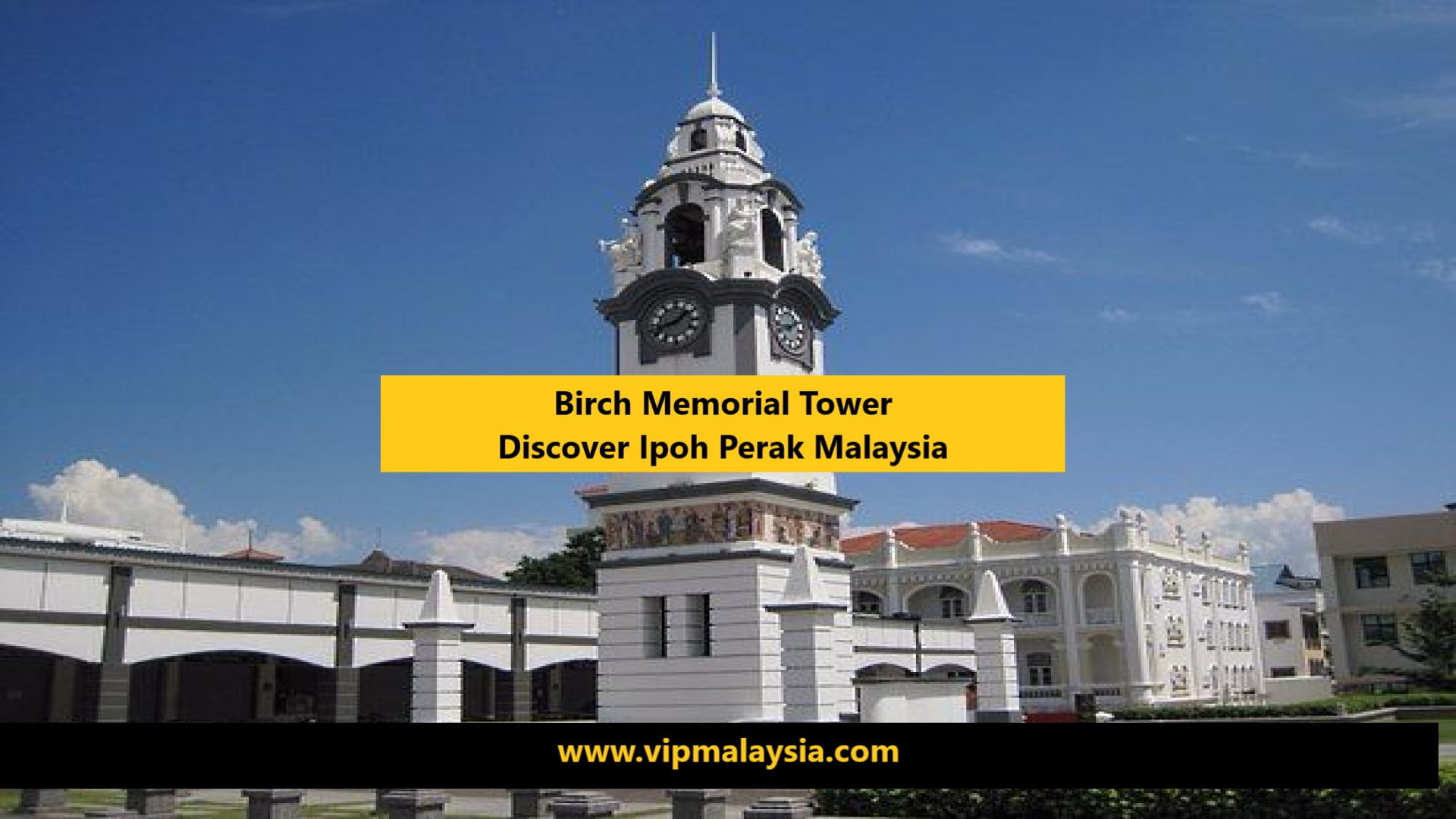
    Built in 1909, Birch Memorial Clock Tower stands as a tribute to J.W.W. Birch, Perak’s first British Resident, who was assassinated in 1875. Located in Ipoh’s heritage district, this ornate clock tower features symbolic carvings, historical figures, and striking architecture, making it a must-visit colonial landmark in Malaysia. Explore its rich history, British governance tribute, and cultural significance.

    Introduction

    The Birch Memorial Clock Tower stands proudly in the heart of Ipoh’s heritage district, a monument that bridges Malaysia’s colonial past with its vibrant present. Built in 1909 to commemorate J.W.W. Birch, the first British Resident of Perak, the tower is more than just a timekeeper—it is a historical narrative carved in stone and adorned with symbolic figures. Visitors are drawn to its ornate design, its cultural significance, and its central location near other heritage gems. Whether you are a history enthusiast, architecture lover, or casual traveler, the Birch Memorial Clock Tower offers a fascinating glimpse into the legacy of British Malaya.

    History

    The Legacy of J.W.W. Birch

    James Wheeler Woodford Birch was appointed as the first British Resident of Perak in 1874 following the Pangkor Treaty. His role was to advise the Sultan and oversee administrative reforms, but his disregard for local customs led to resistance. In 1875, Birch was assassinated in Pasir Salak by Malay chiefs led by Dato’ Maharajalela, sparking the Perak War. The British later consolidated control, and Birch was memorialized through this clock tower, unveiled in 1909 by his son, E.W. Birch.

    James Wheeler Woodford Birch (J.W.W. Birch) was a British colonial administrator, born on 3 April 1826 in England. He served briefly in the Royal Navy before joining the Roads Department in Ceylon in 1846. His career advanced, and by 1870 he became Colonial Secretary of the Straits Settlements. Following the Pangkor Treaty of 1874, Birch was appointed the first British Resident of Perak on 4 November 1874. His tenure was marked by conflict with local chiefs due to his enforcement of British policies, taxation reforms, and opposition to slavery. On 2 November 1875, Birch was assassinated in Pasir Salak, Perak, by followers of Dato’ Maharajalela, an event that triggered the Perak War and strengthened British influence in Malaya. He died at age 49.

    Pasir Salak is a historical riverside town and mukim located in the Perak Tengah District, Perak, Malaysia. It is situated along the Perak River, about 45 minutes from Ipoh. The town is most famous as the site where J.W.W. Birch, the first British Resident of Perak, was assassinated in 1875 by local Malay chiefs led by Dato’ Maharajalela, an event that sparked the Perak War. This uprising became a symbol of Malay resistance against colonial rule and is considered a precursor to later nationalist movements. Today, Pasir Salak is home to the Pasir Salak Historical Complex, which preserves monuments, dioramas, and memorials dedicated to the struggle, including the Birch assassination site, Kutai traditional houses, and galleries on Perak’s history.

    Architectural Symbolism

    The tower originally featured a bronze bust of Birch, later removed. Its design includes four statues representing Loyalty, Justice, Patience, and Fortitude, virtues associated with British governance. Four panels illustrate the progress of civilization, depicting figures from Moses and Confucius to Shakespeare and Darwin. The clock mechanism, supplied by Gillet and Johnson of Croydon, strikes chimes reminiscent of Big Ben.

    • Name: Lela Pandak Lam, better known as Dato’ Maharajalela
    • Birth/Origin: Descendant of Bugis nobility from Luwuk, Sulawesi; settled in Perak during the reign of Sultan Muzaffar Shah III
    • Role: Tribal chief and one of the Orang Besar Berlapan (Eight Great Chiefs) of Perak; held authority in Pasir Salak
    • Known For: Leading resistance against British colonial rule and orchestrating the assassination of J.W.W. Birch, the first British Resident of Perak, on 2 November 1875 at Pasir Salak
    • Historical Context: His opposition stemmed from Birch’s disregard for Malay customs, taxation reforms, and abolition of slavery without compensation, which angered local chiefs
    • Death: Executed by hanging on 20 January 1877 in Taiping after being convicted of Birch’s murder
    • Legacy: Remembered as a Malay nationalist hero and symbol of resistance against colonialism; memorialized in places such as Jalan Maharajalela in Kuala Lumpur and KD Maharaja Lela naval vessel

    Highlights

    Striking Architecture

    The tower’s square structure is decorated with murals and statues, blending Victorian design with colonial symbolism. Its whitewashed façade and dome make it a standout landmark in Ipoh’s old town.

    Civilization Panels

    Each of the four panels narrates stages of human progress—from the Stone Age to modern science. Visitors can admire depictions of Galileo, Michelangelo, Florence Nightingale, and Thomas Edison, among others.

    The Four Panels (44 Historical Figures)

    PanelDepictions of Human Progress
    Panel A (North)The Stone Age: hunter, fisherman, woman spinning. The Iron Age: man and woman. Early Eastern Peoples: Nubian with gold and ivory, Chaldean astrologer, woman making pottery, Egyptian, Assyrian, Persian.
    Panel B (West)Eastern Mediterranean: Moses, David, Phoenician, woman of Aegean civilization. Far East: Confucius, Buddha, Lao Tzu. Greece and Rome: Greek art, Alexander the Great, Plato, Augustus.
    Panel C (South)Byzantine Empire: Constantine the Great. Islam: Muhammad (removed in 1958). Age of Chivalry: Crusader. Age of Faith: Saint Clare of Assisi, Saint Thomas Aquinas. Renaissance: Galileo, Michelangelo, Vittoria Colonna, Columbus. Reformation: Martin Luther. Elizabethan Age: Shakespeare.
    Panel D (East)Modern Science, Art, and Social Services: Isaac Newton, William Harvey, James Watt, embroiderer, Beethoven, Robert Stephenson, Louis Daguerre, Florence Nightingale, Charles Darwin, Thomas Edison, Joseph Lister.

    Historic Clock Mechanism

    The tower houses a mother bell and four smaller bells, once striking melodious chimes. Though time has weathered the mechanism, it remains a fascinating relic of early 20th-century engineering.

    Nearby Attractions

    Ipoh State Mosque

    Adjacent to the tower, the mosque’s grand architecture offers a spiritual and cultural contrast to the colonial memorial.

    • Address: Jalan Sultan Idris Shah, 30000 Ipoh, Perak, Malaysia
    • Phone: +605-2557964 or +605-2548853

    The Ipoh State Mosque, officially called Masjid Sultan Idris Shah II, is the main state mosque of Perak located in central Ipoh. Built between 1967 and 1968 and inaugurated in 1978, it is notable for its modern design featuring 66 domes, spacious prayer halls, and landscaped grounds. The mosque serves as both a religious center and a symbol of Malaysia’s post‑independence identity, making it one of Ipoh’s most prominent landmarks.

    Ipoh Railway Station

    Nicknamed the “Taj Mahal of Ipoh”, this station is a masterpiece of British colonial architecture and a favorite photography spot.

    Ipoh Heritage Trail

    The Birch Memorial Clock Tower is indeed one of the key stops along the Ipoh Heritage Trail, which guides visitors through colonial‑era landmarks such as the Ipoh Town Hall, old banks, and other historic buildings in the city’s heritage district. The trail was designed to showcase Ipoh’s architectural and cultural legacy, and the tower is highlighted as a central feature of this walking route.

    The Ipoh Heritage Trail is a walking route in Ipoh, Perak, that connects 27 heritage landmarks from the Ipoh Railway Station to the Birch Memorial Clock Tower. Marked with yellow footprints and information boards, it guides visitors through colonial-era architecture, tin mining legacies, cultural streets, and historic institutions, offering a two-hour journey that can extend longer with stops at museums, cafes, and shops.

    Ipoh Heritage Trail

    Kinta Nature Park

    While the tower itself is urban, nearby attractions like Kinta Nature Park offer birdwatching opportunities, with species such as herons, egrets, and kingfishers.

    Address & Phone:

    • Address: Kinta Nature Park, 31000 Batu Gajah, Perak, Malaysia
    • Phone: Managed under Perak State Parks Corporation — +605-5253800

    Kinta Nature Park in Batu Gajah, Perak, is a 900-hectare wetland reserve created from former tin-mining land. It offers free entry and is famous for birdwatching, with more than 150 species recorded. Visitors can enjoy observation towers, campsites, and scenic trails, making it a peaceful destination for nature enthusiasts.

    Concubine Lane

    A bustling street filled with food stalls, boutique shops, and murals, just a short walk from the tower.

    Han Chin Pet Soo Museum

    A museum dedicated to Ipoh’s tin mining history, offering insights into the Hakka community and colonial trade.

    Local Food Scene

    Ipoh is famous for dishes like Ipoh white coffee, bean sprout chicken, and curry noodles—perfect after a heritage walk.

    Conclusion

    Birch Memorial Clock Tower isn’t just a clock—it’s a historical tribute, offering deep insights into Perak’s colonial past, architectural excellence, and significant events in Malaysian history. Whether you’re exploring the tower’s carvings, learning about J.W.W. Birch, or capturing breathtaking photographs, this landmark promises an enriching experience.

    Step into Perak’s history—plan your visit to Birch Memorial Clock Tower today!

    Summary

    • Attraction: Birch Memorial Clock Tower 
    • Location: #Perak 
    • Attraction Type: #HistoricalBuilding 
    • Source: tourismperakmalaysia.com, https://web.archive.org/
    • Why Visit:
      • Tribute to Perak’s colonial history – Honoring J.W.W. Birch and British administration in Malaya
      • Stunning clock tower architecture – Showcasing statues and murals, historical panels, and intricate designs
      • Central landmark in Ipoh’s heritage district – Located near Ipoh State Mosque and historical sites
      • A symbol of British governance – Depicting four virtues: Loyalty, Justice, Patience, and Fortitude

    Quick Info

    AttributeDetails
    NameBirch Memorial Clock Tower, Perak
    AddressJalan Dato Sagor, 31650 Ipoh, Perak, Malaysia
    GPS Position4.5978° N, 101.0801° E
    StatePerak
    Year Built1909
    Architectural StyleColonial British Architecture
    Special AttractionsClock Tower, Historical Carvings, Civilization Panels with 44 Historical Figures, British Administration Tribute
    Nearby AttractionsIpoh State Mosque, Ipoh Railway Station, Ipoh Heritage Trail
    AccessibilityLocated in Ipoh city center
    Best Time to VisitMorning or evening for best photography
    Contact+605-249 9966 (Tourism Perak)

    Visitor Reviews

    Aaron Machler, Zurich, Switzerland – ★★★★★ “I was amazed by the intricate carvings and the historical panels. The tower is a perfect spot to start the Ipoh Heritage Trail. The nearby mosque and railway station make the area even more impressive.”

    Bukhari Budin, Penang, Malaysia – ★★★★☆ “The clock tower is beautiful and full of history. I enjoyed learning about Birch and the colonial era. It can get hot during midday, so visiting in the morning is best.”

    Theresa Dalot, Melbourne, Australia – ★★★★★ “Walking around the Birch Memorial Clock Tower felt like stepping back in time. The civilization panels are fascinating, and the nearby Concubine Lane adds a lively touch to the visit.”

    Siti Rahman, Johor Bahru, Malaysia – ★★★★☆ “The tower is well-preserved and surrounded by heritage buildings. It’s a great place for photography and history lovers. I wish the clock chimes were still functioning.”

  • Sam Poh Temple: Cameron Highlands Icon

    Sam Poh Temple: Cameron Highlands Icon

    Sam Poh Temple, Cameron Highlands

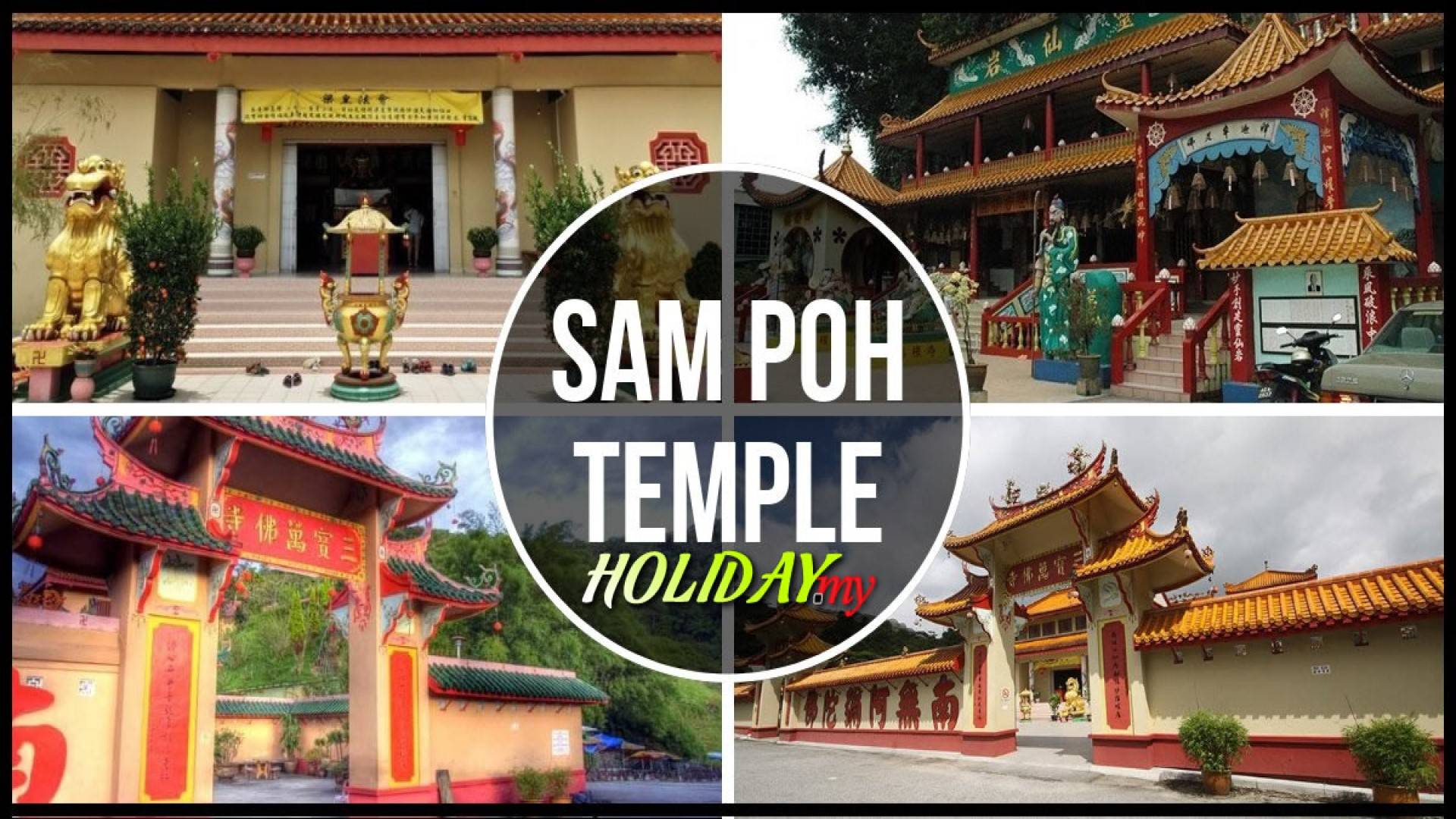
    Discover the serenity of Sam Poh Temple, Cameron Highlands’ iconic Buddhist sanctuary. Built in 1972, this temple blends Chinese architecture, golden Buddha statues, and lush gardens, offering visitors a peaceful retreat into Malaysia’s cultural and spiritual heritage.

    Introduction

    Nestled in Brinchang, Cameron Highlands, Sam Poh Temple is the fourth-largest Buddhist temple in Malaysia, built in 1972. Known for its tranquil atmosphere and ornate Chinese-style design, it attracts both worshippers and tourists seeking reflection, cultural immersion, and architectural beauty. The temple’s courtyards, prayer halls, and landscaped gardens create a harmonious environment where spirituality meets artistry.

    The History

    Foundation and Growth

    Constructed in 1972, Sam Poh Temple reflects Cameron Highlands’ cultural diversity and Buddhist traditions. It was established as a place of meditation and community gathering, serving as a beacon of peace for locals and visitors alike. Over the years, it has grown into a prominent religious landmark.

    Architectural Beauty

    The temple showcases grand Buddha statues, intricate carvings, and vibrant prayer halls. Its design blends traditional Chinese architecture with spiritual symbolism. Surrounding gardens and ornamental ponds enhance the temple’s serene ambiance, making it a must‑visit attraction in the highlands.

    The 10 largest and most significant Buddhist temples in Malaysia include Kek Lok Si (Penang), Fo Guang Shan Dong Zen (Selangor), Enlightened Heart Tibetan Temple (Perak), Chin Swee Caves Temple (Pahang), Sam Poh Tong (Perak), Thean Hou Temple (Kuala Lumpur), Dhammikarama Burmese Temple (Penang), Wat Chaiyamangalaram (Penang), Buddhist Maha Vihara (Kuala Lumpur), and Puu Jih Shih Temple (Sabah). Kek Lok Si is the largest overall.

    Highlights

    Majestic Buddha Statues

    Golden statues of Buddha and Buddhist deities adorn the temple halls, reflecting teachings of compassion and wisdom. Visitors often witness monks chanting during prayer sessions, adding authenticity to the spiritual experience.

    Symbolism of Statues

    Each statue represents different aspects of Buddhist philosophy, from enlightenment to protection. Their placement within the temple halls guides visitors through a journey of reflection and reverence.

    Peaceful Temple Grounds

    The temple grounds feature landscaped gardens, courtyards, and cultural artifacts. Lush greenery surrounds the site, offering a tranquil environment for meditation and photography.

    Courtyard Atmosphere

    Walking through the courtyards, visitors encounter ornamental lanterns, stone pathways, and traditional decorations. The calm setting encourages mindfulness and quiet contemplation.

    Cultural Artifacts and Decorations

    Sam Poh Temple houses relics, calligraphy, and symbolic decorations that reflect Buddhist teachings. These artifacts provide insight into the spiritual practices of the community.

    Artistic Details

    Intricate carvings on pillars and walls depict stories from Buddhist scriptures. The artistry highlights the temple’s role as both a spiritual and cultural treasure.

    Surrounding Scenery

    Located in Brinchang, the temple is surrounded by highland vegetation and misty hills. The cool climate enhances the peaceful atmosphere, making it ideal for relaxation.

    Scenic Views

    From the temple grounds, visitors enjoy panoramic views of Brinchang town and the surrounding hills. The natural backdrop complements the temple’s spiritual aura.

    Attractions

    Prayer Halls and Meditation Spaces

    The temple’s prayer halls are adorned with incense, lanterns, and symbolic decorations. Visitors can participate in meditation sessions or simply enjoy the peaceful environment.

    Meditation Experience

    Sitting in the prayer hall, surrounded by chanting monks and the scent of incense, visitors find a moment of inner calm. This experience embodies the temple’s spiritual essence.

    Community and Local Integration

    Sam Poh Temple plays a role in the local community, hosting religious ceremonies and cultural events. Nearby homestays and eateries allow visitors to immerse themselves in Cameron Highlands’ traditions.

    Cultural Immersion

    Staying in Brinchang, travelers enjoy local cuisine and hospitality, complementing their temple visit with authentic cultural experiences.

    Trekking & Adventure

    Trails Around Brinchang

    The temple’s location near Brinchang makes it accessible to jungle trails leading to Gunung Brinchang and Gunung Berembun. Visitors often combine temple exploration with trekking adventures.

    Trekking Appeal

    The trails offer encounters with orchids, mossy forests, and highland bird species. The blend of spirituality and nature creates a holistic travel experience.

    Eco‑Tourism and Wildlife

    The temple’s surroundings support eco‑tourism, with opportunities to observe butterflies, squirrels, and birds. This biodiversity enhances the appeal of Cameron Highlands as a destination.

    Wildlife Encounters

    Birdwatchers often spot species such as the Fire‑tufted Barbet near the temple grounds. These encounters highlight the harmony between spirituality and nature.

    Conclusion

    Sam Poh Temple offers an extraordinary blend of history, spirituality, and architectural beauty, making it one of Cameron Highlands’ most iconic attractions. Whether you’re seeking tranquility, exploring Buddhist traditions, or admiring sacred statues, this temple promises a peaceful and enriching experience in Malaysia’s highlands.

    Plan your visit today—immerse yourself in the serenity of Sam Poh Temple, Cameron Highlands!

    Summary

    • Attraction: Sam Poh Temple
    • Location: #Pahang #CameronHighlands 
    • Attraction Type: #Temple 
    • Source: cameron.com.my
    • Why Visit:
      • Fourth-largest Buddhist temple in Malaysia
      • Beautiful architecture & intricate golden Buddha statues
      • Surrounded by lush greenery & peaceful ambiance

    Quick Info

    AttributeDetails
    NameSam Poh Temple
    LocationJalan Pecah Batu, Brinchang, Cameron Highlands, Pahang, Malaysia
    GPS Position4.4700° N, 101.3800° E
    StatePahang
    Facility TypeBuddhist Temple & Meditation Center
    Main AttractionsGolden Buddha Statues, Prayer Halls, Serene Gardens
    Nearby LandmarksBrinchang Town, Cameron Highlands Attractions
    AccessibilityEasily accessible from Brinchang town center
    Best Time to VisitOpen year-round for meditation & sightseeing
    Entry FeesFree (public access)
    Recommended ActivitiesTemple Tour, Photography, Meditation
    Opening Hours8:00 AM – 6:00 PM daily
    ContactSam Poh Temple (+605-4911393)

    Visitor Reviews

    • Kelvin Ong, Malacca – ★★★★★ “Sam Poh Temple was breathtaking. The golden Buddha statues and peaceful courtyards made it a truly spiritual experience. I felt calm and inspired throughout my visit.”
    • Mary Kimberly, Kota Kinabalu – ★★★★☆ “The temple grounds were beautiful and well maintained. I enjoyed the gardens and the chanting sessions. It was slightly crowded, but still very peaceful.”
    • Jonathan Teh, Penang – ★★★★★ “The architecture was stunning, with intricate carvings and vibrant prayer halls. The surrounding scenery added to the tranquility. A must‑visit in Cameron Highlands.”
    • Melissa Tan, Singapore – ★★★★☆ “I loved the combination of cultural artifacts and natural beauty. The temple offered a serene escape, and the nearby town made the trip even more enjoyable.”
  • Tanjung Tuan Lighthouse, Port Dickson: Must-Visit Attraction

    Tanjung Tuan Lighthouse, Port Dickson: Must-Visit Attraction

    Tanjung Tuan Lighthouse, Port Dickson

    Discover the historic Tanjung Tuan Lighthouse in Port Dickson, Malaysia. Nestled within Cape Rachado’s nature reserve, this landmark offers breathtaking views, jungle trekking, hidden beaches, and rich wildlife encounters.

    Introduction

    Standing tall on Cape Rachado, the Tanjung Tuan Lighthouse is one of Malaysia’s most iconic coastal landmarks. Located about 18 kilometers south of Port Dickson town, it is surrounded by an 80-hectare gazetted wildlife sanctuary. The site combines history, nature, and adventure, making it a favorite destination for travelers seeking both cultural heritage and outdoor exploration. From panoramic views of the Straits of Malacca to jungle trails leading to secluded beaches, Tanjung Tuan offers a unique blend of experiences.

    The Straits of Malacca is one of the world’s most important and busiest shipping lanes, located between the Malay Peninsula (Malaysia and Thailand) and the Indonesian island of Sumatra. It connects the Indian Ocean to the South China Sea and the Pacific Ocean, making it a vital maritime passage for global trade. Narrowest point is around 2.8 km near Singapore. Serves as a major route for oil, gas, and goods transported between the Middle East, Europe, and East Asia.

    Highlights

    Historical Significance of the Lighthouse

    Built during the Portuguese era, the lighthouse has witnessed centuries of maritime history. It overlooks the Straits of Malacca, one of the busiest shipping lanes in the world. The site was also the location of a naval battle in 1606 between Dutch and Portuguese forces, adding historical depth to its scenic beauty.

    Maritime Heritage

    Visitors can learn about the lighthouse’s role in guiding ships safely along the coast. Its strategic position highlights Malaysia’s importance in global trade routes. The lighthouse remains a symbol of resilience and maritime heritage.

    Amazing View from the Summit

    The peak of Cape Rachado offers sweeping views of the sea and lush forest below. On clear days, visitors can even glimpse the outline of Sumatra across the straits. Granite outcrops and coastal cliffs add dramatic charm to the scenery.

    Cape Rachado, also known as Tanjung Tuan, is a historic headland located near Port Dickson, Negeri Sembilan, Malaysia. It is believed to be the oldest in Malaysia, built during Portuguese rule in the 16th century. and famous for its ancient lighthouse, forest reserve, and scenic coastal views, making it both a heritage site and a nature attraction.

    Tanjung Tuan Lighthouse, Port Dickson

    Scenic Photography

    Photographers often capture the interplay of sunlight on the waves and the vibrant greenery of the forest. The viewpoint at Bukit Batu Putih is especially popular, providing a limestone outcrop vantage point over Port Dickson’s coastline.

    Blue Lagoon and Pantai Cermin

    At the base of Cape Rachado lie two beloved beaches: Blue Lagoon and Pantai Cermin. These sheltered spots are perfect for swimming, picnics, and family outings. Their proximity to the lighthouse makes them convenient additions to a day trip.

    Coastal Charm

    Blue Lagoon is known for its calm waters and scenic backdrop, while Pantai Cermin offers a quieter atmosphere. Both beaches are ideal for relaxation after trekking through the forest trails.

    Trekking and Adventure

    Jungle Trails and Hidden Beaches

    Cape Rachado’s forest reserve is crisscrossed with trails leading to hidden beaches. Visitors can trek through dense jungle, encountering wildlife along the way. The most popular trail leads to a beach facing Pulau Intan island, offering pristine scenery and tranquility.

    Pulau Intan is a small island located off the coast of Negeri Sembilan, near Tanjung Tuan (Cape Rachado) and Port Dickson. It is part of the Tanjung Tuan Recreational Forest area and is known for its natural beauty, hiking trails, and proximity to the historic Cape Rachado Lighthouse.

    Trail Experiences

    The trek is moderately challenging, with hilly slopes and natural obstacles. Adventurers enjoy the sense of discovery as they reach secluded bays untouched by development. Each trail provides a unique perspective of the reserve’s natural charisma.

    Batu Putih Viewpoint

    Another highlight is the trail to Batu Putih, a limestone outcrop overlooking Port Dickson’s coastline. The viewpoint offers panoramic vistas and is a favorite among hikers. The trek combines physical challenge with rewarding scenery, making it a must-do activity. Typically reached via hiking trails through Tanjung Tuan Recreational Forest.

    Wildlife Encounters

    Along the trail, visitors may spot insects, mammals, and birds. The area is rich in biodiversity, with species such as hornbills, macaques, and butterflies thriving in the forest. These encounters add excitement to the trekking experience.

    Cape Rachado Nature Reserve

    The reserve surrounding the lighthouse is a protected sanctuary. It covers 80 hectares of forest, providing habitat for diverse flora and fauna. Birdwatching is particularly popular, with migratory species passing through during certain seasons.

    Conservation Importance

    The reserve plays a vital role in preserving Malaysia’s coastal ecosystems. Visitors gain awareness of conservation efforts while enjoying recreational activities. The balance between tourism and preservation is carefully maintained.

    Visitor Facilities

    Facilities at Cape Rachado include paved roads leading to the lighthouse, rest areas, and entry gates with affordable fees. Private vehicles are not allowed beyond certain points, ensuring the area remains peaceful. Joggers often use the uphill road in the evenings, adding to the recreational atmosphere.

    Accessibility

    The lighthouse is approximately 20 minutes’ drive from Port Dickson town, making it easily accessible for day trips. Nearby resorts and apartments provide accommodation options for longer stays.

    Nearby Towns and Cultural Attractions

    Port Dickson itself offers a blend of modern amenities and cultural sites. Visitors can explore local markets, seafood restaurants, and historical landmarks. The town’s proximity to Negeri Sembilan and Malacca adds variety to travel itineraries.

    Cultural Festivals

    Travelers may time their visit to coincide with local festivals, such as Hari Raya Aidilfitri or community events celebrating coastal heritage. These festivals enrich the experience with traditional music, food, and communal spirit.

    Conclusion

    The Tanjung Tuan Lighthouse is more than a historical structure—it is a gateway to scenic views, adventurous treks, and cultural immersion. From its maritime heritage to its natural reserve, the site embodies Malaysia’s coastal charm. Visitors can enjoy hidden beaches, wildlife encounters, and nearby attractions, making it a versatile destination. For those seeking history, nature, and adventure, Tanjung Tuan Lighthouse in Port Dickson is an unforgettable journey.

    Summary

    • Attraction: Tanjung Tuan Lighthouse
    • Location: Negeri Sembilan Malaysia
    • Attraction Type: Historical Building in Malaysia
    • Source: portdickson.info
    • Category: #HistoricalBuilding #Attraction #PortDickson #NegeriSembilan 

    Contact Information

    Cape Rachado Lighthouse
    71050, Melaka

    Visitor Reviews

    Name: Sofia Andersson, Sweden Review: “The trek to Batu Putih was challenging but worth it. The view of the coastline was breathtaking, and the wildlife sightings made it even more special.” Rating: ★★★★★

    Name: Chen Wei, China Review: “I loved the peaceful atmosphere of Blue Lagoon after visiting the lighthouse. The combination of history and nature made the trip memorable.” Rating: ★★★★☆

    Name: Fatima Al-Hassan, Saudi Arabia Review: “The lighthouse is beautiful, and the forest reserve is well maintained. It was inspiring to learn about its history while enjoying the scenery.” Rating: ★★★★★

    Name: Lucas Brown, United States Review: “Cape Rachado is a hidden gem. The trails were fun, and the view of Sumatra from the summit was incredible. Highly recommended for nature lovers.” Rating: ★★★★☆

    Tanjung Tuan Lighthouse Solo Hiking at Bukit Batu Putih Port Dickson

    A solo hike to Bukit Batu Putih, Port Dickson. The location is situated between Port Dickson and Melaka, Malaysia. Hiking is very easy if you follow the track. A must-see attraction while you are in this area are,

    1. Bukit Batu Putih
    2. Cape Rachado Lighthouse
    3. Tanjung Tuan Beach

    Bukit Batu Putih is a nice spot for hiking, walking and relaxing with excellent view strait of Malacca. Enjoy this video with relaxing music.

    syamoes youtube.com

    Rumah Api Tanjung Tuan Port Dickson Malaysia ” Cape Rachado Lighthouse”

    The Cape Rachado Lighthouse is a lighthouse also known as Tanjung Tuan in Malay, in Alor Gajah District, Malacca, Malaysia. The lighthouse is believed to be the oldest in the country, its history allegedly dating back to Portuguese rule of Malacca during the 16th century.

    LEBAH DI CHANNEL youtube.com

    Frequently Asked Questions (FAQs)

    What is the story behind Tanjung Tuan Lighthouse and Portuguese word for ‘Broken Cape’?

    Tanjung Tuan Lighthouse – Cape Rachado is named after the Portuguese word for ‘Broken Cape’. After conquering Malacca, the Portuguese colonial forces built a lighthouse at the peak in 1528, to guide friendly vessels to the port and keep an eye out for enemy ships. This historica lighthouse still stands here today, but with modern enhancements and adjoining radar transmitter that visitors can see.

    Where is Portugese Cape Rachado Lighthouse located?

    A Portuguese Cape Rachado Lighthouse is located at Tanjung Tuan, Port Dickson, Negeri Sembilan Malaysia. You can do a lot of activities there and enjoy spectacular view from the tower

    What hidden attractions in Port Dickson, Malaysia, should you visit?

    Cape Rachado Lighthouse is a hidden attraction and unknown to many tourists (even locals). The lightone stands majestically and is said to be one of the oldest in the country which dates back to the Portuguese rule in Malacca.

error: