Category: Conservation Center

  • Penang Bird Park: Malaysia’s Largest Avian Sanctuary

    Penang Bird Park: Malaysia’s Largest Avian Sanctuary


    Penang Bird Park

    Founded in 1988, Penang Bird Park is Malaysia’s first and largest bird sanctuary, home to over 3,000 birds across 300+ species. Located in Seberang Jaya, this 5-acre park offers immersive walk-in aviaries, interactive bird shows, and a lush garden landscape filled with waterfalls, ponds, and exotic wildlife. Whether you’re a seasoned ornithologist or a curious traveler, this park promises a vibrant, educational, and unforgettable experience.

    Plan your visit today and get closer to nature—one feathered friend at a time.

    Why Visit

    Location & Access

    • Situated in Seberang Jaya, mainland Penang
    • Address: Jalan Todak, 13700 Perai, Penang
    • GPS Coordinates: 5.3941, 100.3973

    By Car

    • 30-minute drive from George Town via Penang Bridge (E36)

    By Public Transport

    • Use Rapid Penang buses: CT13, 709, or 703
    • Ride-hailing apps like Grab and inDrive are also available

    Key Highlights

    Over 300 Bird Species in a Lush Tropical Haven

    • Established in 1988
    • Spans 5 acres
    • Over 3,000 birds from 300+ species
    • Includes 150 Malaysian native species

    Attractions & Highlights

    Walk-In Aviaries & Domes

    • 2 Geodesic Domes
    • 3 Giant Walk-In Aviaries
    • Hand-feed sunbirds, hornbills, and ostriches

    Interactive Bird Shows

    • Daily at 11:30 AM and 3:30 PM
    • Parrots, eagles, and hornbills perform acrobatics and tricks

    Wildlife Beyond Birds

    • Mouse-Deers (world’s smallest deer)
    • Giant Arapaima fish
    • Pythons, estuarine crocodiles, tortoises

    Garden & Landscape

    • Hibiscus, orchids, bamboo, palm trees
    • Cascading waterfalls and lotus ponds
    • Free-roaming flamingos, pelicans, swans, and ducks

    Ticket Options

    Penang Bird Park Ticket Prices
    Category Price & Details
    Malaysian Visitors
    • Adult: RM 50
    • Children (below 12): RM 35
    • School Children (in uniform): RM 25
    • MyKad Holder: RM 50
    • MyKid Holder: RM 35
    Non-Malaysian Visitors
    • Adult: RM 65
    • Children (below 12): RM 45
    Free Entry
    • Children below 2 years old
    • Visitors with OKU/Disability card
    Annual VIP Membership – Child (MyKid holder)
    • RM 100
    • Includes unlimited access throughout the year
    • Discounted price for special events
    • 10% discount at the gift shop
    • Exclusive guided tour (min. 5 pax, book one week prior)
    Annual VIP Membership – Adult (MyKad holder)
    • RM 150
    • Includes unlimited access throughout the year
    • Discounted price for special events
    • 10% discount at the gift shop
    • Exclusive guided tour (min. 5 pax, book one week prior)

    Dining & Souvenirs

    Flamingo Cottage Restaurant

    • Serves halal Malaysian and Western dishes
    • Signature items: Nasi Lemak, Chicken Chop, Passion Fruit Juice

    Souvenir Shop

    • Open daily: 9:00 AM – 7:00 PM
    • Handcrafted gifts, educational toys, fridge magnets, coconut sculptures

    Quick Info

    Penang Bird Park Overview
    Attribute Details
    Name Penang Bird Park
    Location Jalan Todak, 13700 Perai, Seberang Jaya, Penang
    GPS Position 5.3941, 100.3973
    State Penang
    Date Established 1988
    Size 5 acres
    Bird Species Over 300 species, 150 native to Malaysia
    Total Birds Over 3,000
    Walk-In Aviaries 3 aviaries + 2 geodesic domes
    Bird Show Times 11:30 AM & 3:30 PM daily
    Other Wildlife Mouse-Deers, crocodiles, pythons, Arapaima fish
    Restaurant Flamingo Cottage (halal)
    Souvenir Shop Open daily 9:00 AM – 7:00 PM
    Ticket Price (Malaysian) RM 50 (adult), RM 35 (child)
    Ticket Price (Non-Malaysian) RM 65 (adult), RM 45 (child)
    Annual VIP Membership RM 100 (child), RM 150 (adult)

    User Reviews & Testimonials

    “The bird show was amazing! My kids loved feeding the parrots and watching the flamingos. A must-visit in Penang.” – Melissa, Kuala Lumpur

    “I was blown away by the diversity of birds and the peaceful garden setting at Penang Bird Park. The hornbill collection is world-class.” – Jacob, Australia

    “The souvenir shop at Penang Bird Park had such unique gifts. I bought a coconut-carved bird sculpture that’s now my favorite keepsake.” – Basri, Singapore

    Contact Information

    Penang Bird Park & Tourist Information Services
    Location Details
    Penang Bird Park
    • Address: Jalan Todak, Seberang Jaya, 13700 Perai, Penang
    • Phone: 04-399 1899
    • Open Daily: 9:00 AM – 6:00 PM (including weekends & public holidays)
    • Website: penangbirdpark.com.my
    Tourist Information Centre – George Town
    • Address: 8B, First Floor, The Whiteaways Arcade, Lebuh Pantai, 10300 Penang, Malaysia
    • Phone: +604 264 3456
    • Operation Hours: Monday – Friday, 9:00 AM – 5:00 PM
    • Saturday & Sunday: Closed
    • Website: mypenang.gov.my


    Penang Bird Park

    Summary

    • Attraction: Penang Bird Park
    • Location: #Penang 
    • Attraction Type: #Park 

    Best Destinations in Penang

    Experience the heart of Penang through its rich cultural tapestry, stunning coastal landscapes, and vibrant local traditions. From serene seafronts and lush hillsides to colorful street scenes and heritage marvels, Penang offers a captivating blend of nature and culture. Dive into a world of unforgettable flavors, charming architecture, and warm hospitality—all waiting to be discovered on this iconic Malaysian island.

    Penang War Museum: Where WWII History Comes Alive

    Penang War Museum Explore Southeast Asia’s largest war museum at Batu Maung, Penang—uncover forgotten military bunkers, anti-aircraft pits, bullet-riddled walls, and chilling memories of WWII…

    Penang State Museum: History & Hospitality

    Penang State Museum Step into Penang State Museum—an architectural and cultural beacon since 1965—then unwind just minutes away at Cititel Penang, a 4-star landmark hotel…


    Penang

    Web Directories

    Looking for travel inspiration, delicious recipes, or the best places to eat? Want to stay updated on smart financial tips, personal loan promotions, or the latest car models? Whether you’re searching for hobby ideas, product reviews, or something new, we’ve got you covered! Click on the links, explore exciting insights, and let your next discovery begin—it’s just one click away!

    1. https://asiaworldtour.com: “Asia World Tour: Your Gateway to Asian and World Adventures”
    2. https://personalfinancingloan.com: “Personal Financing Loan: Your Path to Financial Freedom”
    3. https://hobbyforte.com: “HobbyForte: Discover Your Car Passion, Explore Your Interests”
    4. https://reviewsanything.com: “ReviewsAnything: Your Trusted Source for Honest Gadget Reviews”
    5. https://rumahmampumilik.com: “Rumah Mampu Milik: Your Affordable Homeownership Journey Begins Here”
    6. https://malaysiadigit.com: “MalaysiaDigit: Your Digital Destination for News and Insights”
    7. https://vipmalaysia.com: “VIP Malaysia: Elevate Your Experience in Malaysia”
    8. https://vipmalaysia.com: “Indulge in Elegance at Nordiyana: Latest Recipe and Culinary Inspirations”
    9. https://e-penyatagaji.com: “E-Penyata Gaji: Simplifying Payroll Management for You”
    10. https://googleasia.org: “Google Asia: Explore the World and Asia’s Wonders with Google Asia”
    11. https://malaysiafit.com: “Malaysia Fit: Your Partner in Health and Wellness”
    12. https://koperasi.info: “Koperasi: Building Communities, Empowering Lives”
    13. https://recipeinside.com: “RecipeInside: Unveiling Culinary Creations, Your Guide to Delicious Dishes”
    14. https://asiahealthcenter.com: “Asia Health Center: Your Source for Holistic Wellness Solutions”
    15. https://nationalhealthcenters.com: “National Health Centers: Your Source for Vital Health Information and Community Care”
    16. https://malaysiabit.com: “MalaysiaBit: Stay Informed, Stay Connected”
    17. https://epenyatagaji.com: “E-Penyata Gaji: Your Digital Payslip Solution”
    18. https://koperasi.work: “Koperasi Work: Collaborate, Innovate, Succeed”
    19. https://koperasi.business: “Koperasi Business: Driving Entrepreneurship, Fostering Growth”
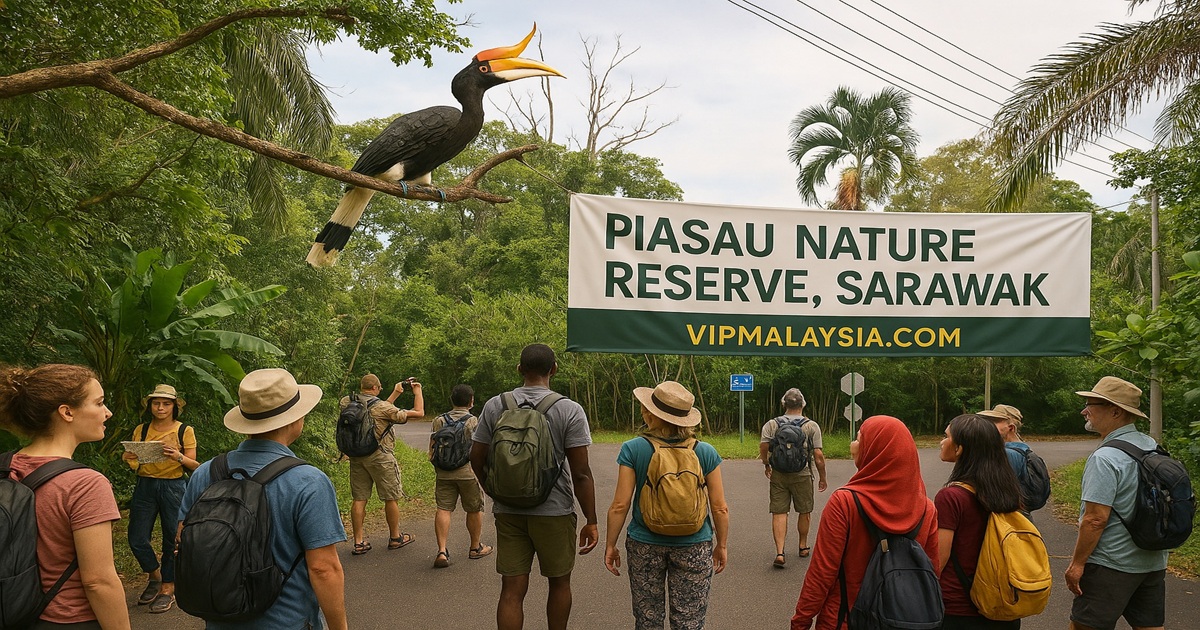
  • Piasau Nature Reserve: Where Hornbills Soar

    Piasau Nature Reserve: Where Hornbills Soar


    Piasau Nature Reserve

    Nestled in Miri, Sarawak, Piasau Nature Reserve is a shining example of ecological transformation. Once an oil camp, now a thriving sanctuary, it’s where Oriental Pied Hornbills glide freely and ancient trees like Tapang reach for the skies. Whether you’re seeking serenity, wildlife, or environmental wisdom, this reserve delivers joy with every visit.

    Why Visit

    Eco-Adventure

    From Oil Camp to Nature Gem

    The reserve, formerly part of Piasau Camp owned by Sarawak Shell Berhad, was gazetted in 2013 thanks to widespread public support. After careful demolition and restoration, it was formally handed over to Sarawak Forestry Corporation in 2016.

    Conservation

    Notable contributors like Dominique Wan and Dr. Giana Minton initiated the monitoring of Oriental Pied Hornbills. Their work with the Piasau Camp Miri Nature Park Society led to significant conservation successes that continue today.

    Trails, Flora, and Fauna

    Hiking Trails to Soothe Your Soul

    • Community Trail (900m): Ideal for casual nature walks
    • Faridah Loop (2.1 km): Best for bird watching and immersive forest exploration
    • Jimmy Trail: Known for hornbill spotting opportunities

    Flora Attractions

    • Tapang Tree: Towering emergent tree, over 80m tall, home to giant honey bees
    • Ficus tinctoria: A strangling fig known for its dramatic growth over host trees

    Hornbills and Birds

    Hornbill Sanctuary

    Home to 8 hornbill species including the Rhinoceros Hornbill (Sarawak’s state bird) and the critically endangered Helmeted Hornbill. Conservation efforts protect nesting sites and educate visitors about their significance.

    Bird Species Diversity

    Spot more than 30 wild bird species including:

    • Crimson Sunbird
    • Blue-throated Bee-eater
    • White-bellied Sea Eagle
    • Olive-backed Sunbird (and many more)

    Quick Visitor Info

    Attribute Details
    Name Piasau Nature Reserve
    Location Miri, Sarawak, Malaysia
    GPS Coordinates 4.4255° N, 113.9875° E
    Gazetted Date 31 December 2013
    Handed to SFC 17 May 2016
    Best Visit Time March – September
    Climate Tropical (24–32°C)
    Facilities Visitor Centre, Parking Bay, ADA Access, Playground, Trails
    Recreational Activities Walking, Cycling, Bird Watching, Picnics
    Protected Zones Zone 1: Wilderness
    Allowable: Rehabilitation Activities, Supervised Use
    Not Allowable: Open Public Access

    Zone 2: Recreational Protection
    Allowable: Natural Trails, Exploration
    Not Allowable: Large Groups, Unauthorized Vehicles

    Zone 3: Visitor Corridor
    Allowable: Walking, Cycling, Group Activities
    Not Allowable: Loud Noise, Off-road Vehicles, Open Fires

    Wildlife Hornbill IUCN Status:
    Critically Endangered – Helmeted Hornbill
    Near Threatened – Rhinoceros, Black, Wrinkled, White-crowned Hornbills
    Least Concern – Oriental Pied, Bushy-crested, Wreathed Hornbills

    Other Bird Species:
    Asian Glossy Starling, Black-headed Munia, Blue-throated Bee-eater, Brahminy Kite, Buffy Fish Owl, Collared Kingfisher, Common Iora, Crimson Sunbird, Dollarbird, Dusky Munia, Eurasian Tree Sparrow, Hill Myna, Intermediate Egret, Olive-backed Sunbird, Oriental Magpie Robin, Oriental Pied Hornbill, Oriental White Eye, Pacific Swallow, Pied Triller, Pink-necked Green Pigeon, Plaintive Cuckoo, Spotted Dove, White-bellied Sea Eagle, White-breasted Woodswallow, Zebra Dove

    User Reviews and Testimonials

    “Piasau Nature Reserve taught me more in one walk than any classroom ever did. Seeing a hornbill in the wild is an unforgettable experience.” – Lina, Kuala Lumpur

    “The reserve is pristine, quiet, and absolutely magical at sunrise. Great for photographers and birdwatchers alike.” – Amirul, Singapore

    Contact & Booking Information

    Attribute Details
    Visitor Centre Hours Monday to Friday: 08:00 – 17:00
    Interpretation Centre Hours Monday to Friday: 09:00 – 15:00
    Weekends & Public Holidays: 09:00 – 17:00
    Main Trails Access Daily: 06:00 – 18:30
    Location Piasau Nature Reserve Ranger Station, 98000 Miri, Sarawak
    How to Get There 10-minute drive from Miri city center
    Website www.sarawakforestry.com
    Phone (Visitor Centre) +60 85-436 637
    Phone (Piasau Camp) 085-644487
    Contact Person Muhammad Zuhdi (Park Warden)

    Final Thoughts

    Piasau Nature Reserve isn’t just a place to visit—it’s a place to connect with nature, learn about conservation, and witness the beauty of rebirth. Whether you’re a solo traveler, educator, or nature photographer, this reserve will leave you inspired and grounded.

    Ready to experience nature’s wonder? Plan your visit to Piasau Nature Reserve today and support Sarawak’s conservation legacy.


    Piasau Nature Reserve

    Summary

    • Attraction: Piasau Nature Reserve 
    • Location: #Sarawak 
    • Attraction Type: #ConservationCenter 

    Best Destinations in Sarawak

    Uncover the best destinations in Sarawak—from the breathtaking peaks of Mount Kinabalu to the pristine shores of Sipadan Island. Whether you’re chasing wildlife encounters, cultural gems, or tropical escapes, this guide reveals the most unmissable adventures. Click now to plan your perfect Sabah getaway!

    Borneo Happy Farm: Joyful Nature & Conservation

    Borneo Happy Farm Nestled amidst the hills of Kuching, Borneo Happy Farm isn’t just another attraction—it’s a living, breathing showcase of sustainable farming, endangered wildlife,…

    Semenggoh Wildlife Centre: Borneo’s Orangutans

    Semenggoh Wildlife Centre Just 24 km from Kuching, Semenggoh Wildlife Centre offers a once-in-a-lifetime chance to witness semi-wild orangutans in their natural rainforest habitat. It’s…


    Sarawak

    Web Directories

    Looking for travel inspiration, delicious recipes, or the best places to eat? Want to stay updated on smart financial tips, personal loan promotions, or the latest car models? Whether you’re searching for hobby ideas, product reviews, or something new, we’ve got you covered! Click on the links, explore exciting insights, and let your next discovery begin—it’s just one click away!

    1. https://asiaworldtour.com: “Asia World Tour: Your Gateway to Asian and World Adventures”
    2. https://personalfinancingloan.com: “Personal Financing Loan: Your Path to Financial Freedom”
    3. https://hobbyforte.com: “HobbyForte: Discover Your Car Passion, Explore Your Interests”
    4. https://reviewsanything.com: “ReviewsAnything: Your Trusted Source for Honest Gadget Reviews”
    5. https://rumahmampumilik.com: “Rumah Mampu Milik: Your Affordable Homeownership Journey Begins Here”
    6. https://malaysiadigit.com: “MalaysiaDigit: Your Digital Destination for News and Insights”
    7. https://vipmalaysia.com: “VIP Malaysia: Elevate Your Experience in Malaysia”
    8. https://vipmalaysia.com: “Indulge in Elegance at Nordiyana: Latest Recipe and Culinary Inspirations”
    9. https://e-penyatagaji.com: “E-Penyata Gaji: Simplifying Payroll Management for You”
    10. https://googleasia.org: “Google Asia: Explore the World and Asia’s Wonders with Google Asia”
    11. https://malaysiafit.com: “Malaysia Fit: Your Partner in Health and Wellness”
    12. https://koperasi.info: “Koperasi: Building Communities, Empowering Lives”
    13. https://recipeinside.com: “RecipeInside: Unveiling Culinary Creations, Your Guide to Delicious Dishes”
    14. https://asiahealthcenter.com: “Asia Health Center: Your Source for Holistic Wellness Solutions”
    15. https://nationalhealthcenters.com: “National Health Centers: Your Source for Vital Health Information and Community Care”
    16. https://malaysiabit.com: “MalaysiaBit: Stay Informed, Stay Connected”
    17. https://epenyatagaji.com: “E-Penyata Gaji: Your Digital Payslip Solution”
    18. https://koperasi.work: “Koperasi Work: Collaborate, Innovate, Succeed”
    19. https://koperasi.business: “Koperasi Business: Driving Entrepreneurship, Fostering Growth”
  • Matang Wildlife Centre: A Sanctuary for Rescued Orangutans

    Matang Wildlife Centre: A Sanctuary for Rescued Orangutans


    Matang Wildlife Centre

    Matang Wildlife Centre, located on the edge of Kubah National Park in Sarawak, is a rehabilitative haven—not a zoo—where rescued orangutans and endangered species reclaim their freedom. Just 40 minutes from Kuching, this eco-responsible destination is a must-visit for travelers seeking an authentic wildlife experience in Borneo.

    Why Visit

    A visit to Matang Wildlife Centre isn’t just sightseeing—it’s supporting a critical conservation mission that protects endangered species and restores their natural habitat. With no buses and no cafeterias, this place doesn’t cater to mass tourism—it caters to conscious explorers and wildlife lovers. Here’s why you shouldn’t miss it:

    A Refuge, Not a Zoo

    • Home to rescued orangutans illegally kept as pets
    • Rehabilitation centre for multiple endangered Bornean species
    • 180 hectares of protected lowland forest

    Nature and Activities for Everyone

    • Jungle trekking: 4 scenic trails from 1 to 4 hours
    • Enclosures and semi-wild animal viewing areas
    • Rock pools, waterfalls, and picnic spots
    • Camping sites, dorms, and chalets for overnight stays
    • Eco-tourism projects like “Heart to Heart with Orangutan” & Junior Programs

    Quick Facts

    Attribute Details
    Name Matang Wildlife Centre
    Address Kubah National Park, Matang, Sarawak, Malaysia
    GPS Position 1.6082° N, 110.1960° E
    State Sarawak
    Opened 1997
    Type Wildlife Rehabilitation and Conservation Centre
    Managed By Sarawak Forestry Corporation (SFC)
    Park Hours 8:00am – 5:00pm (Daily, incl. Public Holidays)
    Accommodation Chalets, dormitories, camping sites
    Activities Trekking, wildlife viewing, eco-programs
    Trails Pitcher, Sungai Rayu, Senduk, Buluh
    Swimming Area Yes, natural rock pools
    Cafeteria No
    Photography Permit Required for professionals
    Distance from Kuching 40 minutes (30km)
    Public Transport No – taxi or own vehicle recommended
    Volunteer Program Every 5th & 19th monthly

    What Visitors Are Saying

    “This is a wildlife center with heart. Watching orangutans learn to survive again at Matang Wildlife Centre was touching and awe-inspiring. It’s not polished, and that’s exactly what makes it real.” — Sulaiman L., volunteer traveler

    “No bus, no crowds. Just nature, honesty, and hope. This place changed how I see conservation.” — David M., eco-tourist

    Contact & Booking Information

    Contact Details
    Matang Wildlife Centre Tel: 011-6572 9228 / 011-6572 9293
    Opening Hours 8.00am – 5.00pm, Monday–Sunday (including Public Holidays)
    Volunteer Project 1 Details E-Mail: contact@malaysianwildlife.org
    Registered Address: The Old Police Station, Priory Road, St. Ives, PE27 5BB, Cambridgeshire, U.K.
    Volunteer Project 2 Details Telephone: +61 417973355
    Email: oo@orangutanodysseys.com

    Final Thoughts

    Matang Wildlife Centre isn’t just a destination—it’s a call to action. It’s a place where conservation meets compassion, where travelers become allies in the fight for survival of Borneo’s most iconic animals. Whether you come for the orangutans, the jungle trails, or the volunteer experience, you’ll leave with something deeper—a renewed sense of purpose.
    Support Matang Wildlife Centre by visiting, volunteering, or simply spreading the word. It’s not just a trip—it’s a legacy you help shape.


    Matang Wildlife Centre

    Summary

    • Attraction: Matang Wildlife Centre
    • Location: #Sarawak 
    • Attraction Type: #ConservationCenter 

    Best Destinations in Sarawak

    Uncover the best destinations in Sarawak—from the breathtaking peaks of Mount Kinabalu to the pristine shores of Sipadan Island. Whether you’re chasing wildlife encounters, cultural gems, or tropical escapes, this guide reveals the most unmissable adventures. Click now to plan your perfect Sabah getaway!

    Borneo Happy Farm: Joyful Nature & Conservation

    Borneo Happy Farm Nestled amidst the hills of Kuching, Borneo Happy Farm isn’t just another attraction—it’s a living, breathing showcase of sustainable farming, endangered wildlife,…


    Sarawak

    Web Directories

    Looking for travel inspiration, delicious recipes, or the best places to eat? Want to stay updated on smart financial tips, personal loan promotions, or the latest car models? Whether you’re searching for hobby ideas, product reviews, or something new, we’ve got you covered! Click on the links, explore exciting insights, and let your next discovery begin—it’s just one click away!

    1. https://asiaworldtour.com: “Asia World Tour: Your Gateway to Asian and World Adventures”
    2. https://personalfinancingloan.com: “Personal Financing Loan: Your Path to Financial Freedom”
    3. https://hobbyforte.com: “HobbyForte: Discover Your Car Passion, Explore Your Interests”
    4. https://reviewsanything.com: “ReviewsAnything: Your Trusted Source for Honest Gadget Reviews”
    5. https://rumahmampumilik.com: “Rumah Mampu Milik: Your Affordable Homeownership Journey Begins Here”
    6. https://malaysiadigit.com: “MalaysiaDigit: Your Digital Destination for News and Insights”
    7. https://vipmalaysia.com: “VIP Malaysia: Elevate Your Experience in Malaysia”
    8. https://vipmalaysia.com: “Indulge in Elegance at Nordiyana: Latest Recipe and Culinary Inspirations”
    9. https://e-penyatagaji.com: “E-Penyata Gaji: Simplifying Payroll Management for You”
    10. https://googleasia.org: “Google Asia: Explore the World and Asia’s Wonders with Google Asia”
    11. https://malaysiafit.com: “Malaysia Fit: Your Partner in Health and Wellness”
    12. https://koperasi.info: “Koperasi: Building Communities, Empowering Lives”
    13. https://recipeinside.com: “RecipeInside: Unveiling Culinary Creations, Your Guide to Delicious Dishes”
    14. https://asiahealthcenter.com: “Asia Health Center: Your Source for Holistic Wellness Solutions”
    15. https://nationalhealthcenters.com: “National Health Centers: Your Source for Vital Health Information and Community Care”
    16. https://malaysiabit.com: “MalaysiaBit: Stay Informed, Stay Connected”
    17. https://epenyatagaji.com: “E-Penyata Gaji: Your Digital Payslip Solution”
    18. https://koperasi.work: “Koperasi Work: Collaborate, Innovate, Succeed”
    19. https://koperasi.business: “Koperasi Business: Driving Entrepreneurship, Fostering Growth”
    Frequently Asked Questions (FAQs)

    Looking for answers to common questions? Our FAQ section provides clear, concise explanations on key topics, helpful troubleshooting tips, and expert insights to guide you. Whether you’re a beginner or an experienced user, you’ll find quick solutions and essential information to streamline your experience.

    Tab Title

    Lorem ipsum dolor sit amet, consectetur adipisicing elit. Optio, neque qui velit. Magni dolorum quidem ipsam eligendi, totam, facilis laudantium cum accusamus ullam voluptatibus commodi numquam, error, est. Ea, consequatur.

    Tab Title

    Lorem ipsum dolor sit amet, consectetur adipisicing elit. Optio, neque qui velit. Magni dolorum quidem ipsam eligendi, totam, facilis laudantium cum accusamus ullam voluptatibus commodi numquam, error, est. Ea, consequatur.

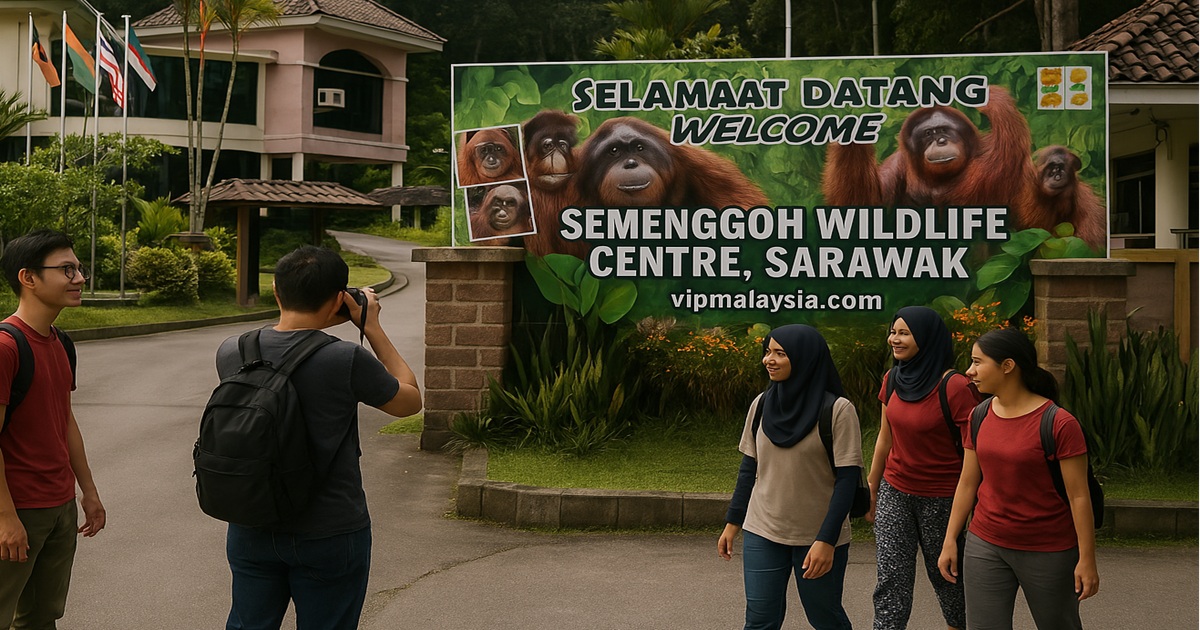
  • Semenggoh Wildlife Centre: Borneo’s Orangutans

    Semenggoh Wildlife Centre: Borneo’s Orangutans


    Semenggoh Wildlife Centre

    Just 24 km from Kuching, Semenggoh Wildlife Centre offers a once-in-a-lifetime chance to witness semi-wild orangutans in their natural rainforest habitat. It’s not a zoo—it’s a conservation success story.

    Why Visit

    A Sanctuary with a Mission

    Established in 1975, Semenggoh was created to care for injured, orphaned, or rescued wild animals—especially orangutans once kept as illegal pets. Over time, it became one of Malaysia’s most successful orangutan rehabilitation centres.

    From Rescue to Rewilding

    More than 20 orangutans now roam the 653-hectare Semenggoh Nature Reserve, many born in the wild to rehabilitated mothers. Though the forest has reached its carrying capacity, the centre continues to study orangutan behavior and educate the public.

    What to Expect During Your Visit

    Feeding Times

    The best time to visit Semenggoh Wildlife Centre is during the daily feeding sessions at 9:00 AM and 3:00 PM. Arrive early—you might spot orangutans near the HQ before they swing over to the feeding platform.

    What You’ll See

    • Mature males with cheek pads and throat sacs
    • Mothers with babies born in the wild
    • Orangutans building nests, foraging, or just hanging out
    • A chance to see dominant male Ritchie, if you’re lucky!

    Quick Info

    Attribute Details
    Name Semenggoh Wildlife Centre
    Location KM 20, Jalan Puncak Borneo, 93250 Siburan, Sarawak, Malaysia
    GPS Coordinates 1.3950° N, 110.2700° E (approx.)
    Established 1975
    Forest Reserve Size 653 hectares
    Primary Species Orangutan (Pongo pygmaeus)
    Feeding Times 9:00 AM – 10:00 AM & 3:00 PM – 4:00 PM
    Opening Hours 8:00 AM – 10:00 AM & 2:00 PM – 4:00 PM (Daily)
    Entry Fee (Adult) RM 10 (Foreigner), RM 5 (Malaysian)
    Entry Fee (Child 6–17) RM 5 (Foreigner), RM 2 (Malaysian)
    Children Under 6 Free
    Getting There
    • Bus No. 6 (RM 2)
    • Grab (RM 20–25)
    • Taxi (~RM 40)
    Walk from Gate to HQ ~20 minutes (if arriving by bus)
    Facilities Washrooms, gift shop, info gallery
    Accessibility Moderate; walking required from main gate
    Languages English, Malay
    Best Time to Visit During feeding sessions (arrive early)
    Wildlife Focus Orangutan behavior, biology, conservation
    Nearby City Kuching (24 km away)
    Rehabilitation Status Now focused on research & education

    User Reviews & Testimonials

    “Seeing orangutans in the Semenggoh Wildlife Centre was surreal. One came down right in front of us—it felt like a dream.” – Kylie Nadarajah., Kuala Lumpur

    “The Semenggoh Wildlife Centre is well-run and respectful of the animals. It’s not a zoo—it’s their home, and we’re just visitors.” – Thomas W., Germany

    “In Semenggoh Wildlife Centre, we saw a mother and baby swinging through the trees. My kids were in awe. Worth every minute of the trip.” – Sabrina H., Penang

    Contact & Booking Information

    Entity Contact Details
    Semenggoh Wildlife Centre KM 20, Jalan Puncak Borneo
    93250 Siburan, Sarawak

    Tel: 082-618 325 / 082-618 324
    Email: semenggohwildlifecentre@gmail.com

    Sarawak Forestry Corporate Office Lot 218, KCLD
    Jalan Tapang, Kota Sentosa
    93250 Kuching

    Tel: (+6) 082-610088 | Fax: (+6) 082-610099
    Toll-Free: 1800-88-2526
    Email: info@sarawakforestry.com

    Borneo Adventure (Tour Operator) 55 Main Bazaar
    93000 Kuching

    Tel: +60-82-245175 | Fax: +60-82-422626
    Email: info@borneoadventure.com

    Final Thoughts

    Semenggoh Wildlife Centre isn’t just a tourist stop—it’s a living classroom, a conservation triumph, and a rare chance to meet Borneo’s most iconic residents in their natural home.

    Whether you’re a wildlife lover, a family traveler, or simply curious—this is your chance to witness orangutans as they were meant to be: wild, free, and unforgettable.


    Semenggoh Wildlife Centre

    Summary

    • Attraction: Semenggoh Wildlife Centre
    • Location: #Sarawak 
    • Attraction Type: #ConservationCenter 

    Best Destinations in Sarawak

    Uncover the best destinations in Sarawak—from the breathtaking peaks of Mount Kinabalu to the pristine shores of Sipadan Island. Whether you’re chasing wildlife encounters, cultural gems, or tropical escapes, this guide reveals the most unmissable adventures. Click now to plan your perfect Sabah getaway!

    Semenggoh Wildlife Centre: Borneo’s Orangutans

    Semenggoh Wildlife Centre Just 24 km from Kuching, Semenggoh Wildlife Centre offers a once-in-a-lifetime chance to witness semi-wild orangutans in their natural rainforest habitat. It’s…


    Sarawak

    Web Directories

    Looking for travel inspiration, delicious recipes, or the best places to eat? Want to stay updated on smart financial tips, personal loan promotions, or the latest car models? Whether you’re searching for hobby ideas, product reviews, or something new, we’ve got you covered! Click on the links, explore exciting insights, and let your next discovery begin—it’s just one click away!

    1. https://asiaworldtour.com: “Asia World Tour: Your Gateway to Asian and World Adventures”
    2. https://personalfinancingloan.com: “Personal Financing Loan: Your Path to Financial Freedom”
    3. https://hobbyforte.com: “HobbyForte: Discover Your Car Passion, Explore Your Interests”
    4. https://reviewsanything.com: “ReviewsAnything: Your Trusted Source for Honest Gadget Reviews”
    5. https://rumahmampumilik.com: “Rumah Mampu Milik: Your Affordable Homeownership Journey Begins Here”
    6. https://malaysiadigit.com: “MalaysiaDigit: Your Digital Destination for News and Insights”
    7. https://vipmalaysia.com: “VIP Malaysia: Elevate Your Experience in Malaysia”
    8. https://vipmalaysia.com: “Indulge in Elegance at Nordiyana: Latest Recipe and Culinary Inspirations”
    9. https://e-penyatagaji.com: “E-Penyata Gaji: Simplifying Payroll Management for You”
    10. https://googleasia.org: “Google Asia: Explore the World and Asia’s Wonders with Google Asia”
    11. https://malaysiafit.com: “Malaysia Fit: Your Partner in Health and Wellness”
    12. https://koperasi.info: “Koperasi: Building Communities, Empowering Lives”
    13. https://recipeinside.com: “RecipeInside: Unveiling Culinary Creations, Your Guide to Delicious Dishes”
    14. https://asiahealthcenter.com: “Asia Health Center: Your Source for Holistic Wellness Solutions”
    15. https://nationalhealthcenters.com: “National Health Centers: Your Source for Vital Health Information and Community Care”
    16. https://malaysiabit.com: “MalaysiaBit: Stay Informed, Stay Connected”
    17. https://epenyatagaji.com: “E-Penyata Gaji: Your Digital Payslip Solution”
    18. https://koperasi.work: “Koperasi Work: Collaborate, Innovate, Succeed”
    19. https://koperasi.business: “Koperasi Business: Driving Entrepreneurship, Fostering Growth”

  • Borneo Elephant Sanctuary: A Refuge for Rare Giants

    Borneo Elephant Sanctuary: A Refuge for Rare Giants

    Borneo Elephant Sanctuary

    Nestled deep within the heart of Sabah’s Kinabatangan Wildlife Sanctuary lies a haven of hope—Borneo Elephant Sanctuary (BES). Home to the endangered and gentle Bornean elephants, this sanctuary is not just a place—it’s a mission to rescue, rehabilitate, and reconnect nature’s giants to the wild. Explore how BES is changing lives, one elephant at a time.

    Introduction

    Nestled in the lush Kinabatangan floodplains of Sabah, Malaysia, the Borneo Elephant Sanctuary stands as a beacon of hope for the endangered Bornean elephant. This sanctuary is not merely a facility—it is a mission-driven initiative that combines wildlife rescue, habitat restoration, and education. Visitors are welcomed into a transformative experience where conservation is not just observed but actively lived.

    History

    The origins of BES trace back to the early 2000s, when the late Datuk Patrick @ Mahadi Andau envisioned a dedicated refuge for elephants suffering from habitat loss and human–elephant conflict. His vision materialized through the collaboration of the Sabah Wildlife Department and the Borneo Conservation Trust, with international support from Japanese partners.

    Phase 1 of the sanctuary began on October 1, 2012, and was completed by June 28, 2013. This milestone marked the establishment of a 25-hectare developed zone within the larger 1,214-hectare sanctuary. The facility was designed to provide medical care, rehabilitation, and eventual release of elephants into connected forest corridors. Over the years, BES has grown into a cornerstone of Malaysia’s conservation strategy, contributing to the Bornean Elephant Action Plan 2020–2029.

    Highlights

    Rescue and Rehabilitation

    The sanctuary specializes in rescuing elephants injured by snares, accidents, or human conflict. Specialized veterinary care ensures that elephants regain strength before being reintroduced into the wild.

    Habitat Corridors

    BES plays a crucial role in restoring ecological corridors that connect fragmented forests. These corridors allow elephants to roam freely, reducing stress and ensuring sustainable home ranges.

    Scientific Research

    Researchers at BES study the effects of fragmented forests on elephant health and behavior. Findings show that isolation increases risks and stress, and this research helped shape the Bornean Elephant Action Plan 2020–2029, a national strategy for elephant conservation.

    Awareness, Education & Community Outreach

    BES works closely with local communities, schools, and stakeholders to build support for peaceful coexistence. Educational programs raise awareness about conservation challenges, while outreach activities encourage sustainable practices that benefit both people and wildlife.

    Sustainable Infrastructure Development

    Supported by Malaysia’s Rolling Plan 4 under the 10th Malaysia Plan, BES integrates eco-friendly infrastructure and global partnerships. This ensures that facilities remain sustainable while expanding capacity for elephant care and research.

    Things to Do

    Guided Tours

    Visitors can join guided tours led by conservation experts. These tours provide insights into elephant rescue operations, habitat restoration, and ongoing research.

    Community Engagement

    Guests are encouraged to participate in outreach programs, including tree planting and wildlife awareness workshops.

    Cultural Experiences

    Nearby villages host cultural festivals showcasing traditional dances, crafts, and local cuisine, offering a deeper connection to Sabah’s heritage.

    Trekking and Adventure

    Jungle Treks

    The Kinabatangan Wildlife Sanctuary was gazetted in 1997 under Sabah’s Wildlife Conservation Enactment and is recognized as Malaysia’s largest RAMSAR site. Covering 26,000 hectares, it is home to diverse habitats including riverine forests, oxbow lakes, and mangroves. Visitors can expect to encounter Bornean pygmy elephants, orangutans, proboscis monkeys, saltwater crocodiles, and over 200 bird species, making it one of Southeast Asia’s most biodiverse regions.

    Address and Contact Information

    The sanctuary’s visitor hub is the Danau Girang Field Centre, located at Lot 6, Lower Kinabatangan Wildlife Sanctuary, Sabah, Malaysia. For inquiries, visitors can call +60 88-341 527 or email goossensbr@cardiff.ac.uk. The center provides guided tours, research opportunities, and visitor facilities.

    Visitor Experience and Activities

    The sanctuary offers river cruises, jungle trekking, birdwatching, and wildlife photography, with tours typically running from 6:00 AM to 6:00 PM year-round. River cruises at dawn or dusk are especially popular, offering sightings of elephants feeding along the banks, hornbills in flight, and crocodiles lurking in the water. Cultural experiences in nearby villages, such as Sukau and Bilit, allow visitors to engage with indigenous communities and learn about conservation efforts.

    River Cruises

    The Sungai Kinabatangan stretches approximately 560–563 km, making it the longest river in Sabah and the second longest in Malaysia after the Rajang River. Its basin covers 16,795 km², and it flows from the mountains of Tongod District to the Sulu Sea near Sandakan. The river is renowned for its extraordinary biodiversity, with habitats ranging from limestone caves and dipterocarp forests to mangroves and oxbow lakes. Wildlife includes Bornean pygmy elephants, proboscis monkeys, orangutans, saltwater crocodiles, and over 200 bird species, making it one of Southeast Asia’s richest ecosystems.

    Address and Accessibility

    Visitors typically access Sungai Kinabatangan through the town of Sukau, located along the riverbanks. The sanctuary’s visitor hub is at Lot 6, Lower Kinabatangan Wildlife Sanctuary, Sabah, Malaysia, with inquiries directed to +60 88-341 527. The river is reachable by road from Sandakan, taking about 2–3 hours by car, or by boat along the river itself. This accessibility, combined with eco-lodges such as Sukau Rainforest Lodge and Kinabatangan Riverside Lodge, makes it a popular destination for both short excursions and extended eco-tourism stays.

    Visitor Experience and Activities

    Travelers to Sungai Kinabatangan often embark on river cruises at dawn or dusk, which provide the best opportunities to spot wildlife in their natural habitats. Jungle trekking along the floodplains offers encounters with rare bird species, while nearby villages such as Sukau and Bilit host cultural experiences, including traditional dances and local cuisine. The river’s unique blend of wildlife and community life makes it a holistic eco-tourism destination, combining conservation with cultural immersion. Eco-lodges along the river also provide guided tours, photography opportunities, and cultural exchanges with the Orang Sungai communities who have lived along the river for centuries.

    Nearby Attractions

    Sepilok Orangutan Rehabilitation Centre

    The Sepilok Orangutan Rehabilitation Centre near Sandakan is one of Sabah’s most recognized conservation projects. Established in the 1960s, it focuses on rescuing and rehabilitating orphaned and injured orangutans before releasing them back into the surrounding forest reserve. Visitors can observe feeding sessions and learn about the challenges orangutans face due to deforestation and human activity, making Sepilok both an educational and inspiring stop for eco-tourists.

    Gomantong Caves

    The Gomantong Caves, located in the Kinabatangan region, are famous for their limestone formations and for being the largest cave system in the area. They are best known for edible swiftlet nests, which have been harvested for centuries and remain a delicacy in Chinese cuisine. The caves also host large bat colonies, creating a dramatic evening bat exodus that draws visitors, while wildlife such as orangutans and hornbills can often be seen nearby.

    Danum Valley Conservation Area

    The Danum Valley Conservation Area is a pristine rainforest reserve in Sabah, recognized as one of the most undisturbed lowland dipterocarp forests in Southeast Asia. It is home to rare species such as orangutans, pygmy elephants, and clouded leopards, alongside hundreds of bird species. Visitors can stay at eco-lodges, enjoy guided treks, canopy walks, and night drives, while researchers at the Danum Valley Field Centre continue to study its unique biodiversity.

    Conclusion

    The Borneo Elephant Sanctuary isn’t just a facility—it’s a force for good, restoring dignity and life to elephants pushed to the brink. As their habitat shrinks and conflicts rise, your visit, donation, or advocacy becomes a vital part of their survival story.

    Support BES through donations, volunteering, or partnerships.

    Summary

    • Attraction: Borneo Elephant Sanctuary
    • Location: #Sabah 
    • Attraction Type: #Wildlife 

    Quick Info

    CategoryDetails
    NameBorneo Elephant Sanctuary (BES)
    LocationLot 8, Kinabatangan Wildlife Sanctuary, Sabah
    GPS PositionApprox. 5.437°N, 118.250°E
    EstablishedPhase 1 began in 2012, completed in 2013
    Size1,214 hectares (25 hectares developed for facilities)
    Managing BodyBorneo Conservation Trust & Sabah Wildlife Department
    Population SupportedEndangered Bornean elephants (Elephas maximus borneensis)
    StatusEndangered – fewer than 1,500 remain in Sabah
    HabitatLowland dipterocarp forest and Kinabatangan floodplains
    GoalRescue, rehabilitate, and release elephants into connected corridors
    Master PlanRM25–30M for BES core facilities; RM50–60M including corridor restoration
    ProgrammeStrategic Elephant Rescue & Biodiversity Corridor
    PartnersAsahiyama Zoo, Saraya Corp, Kirin, NTT Data, and other global supporters
    Contact Emailbctrust2006@gmail.com
    Phone Number+60 88-902 843
    AddressUnit 3-2, Lorong Lintas Plaza, 88300 Kota Kinabalu, Sabah
  • Bornean Sun Bear Centre: Sabah’s Hidden Gem

    Bornean Sun Bear Centre: Sabah’s Hidden Gem

    Bornean Sun Bear Conservation Centre

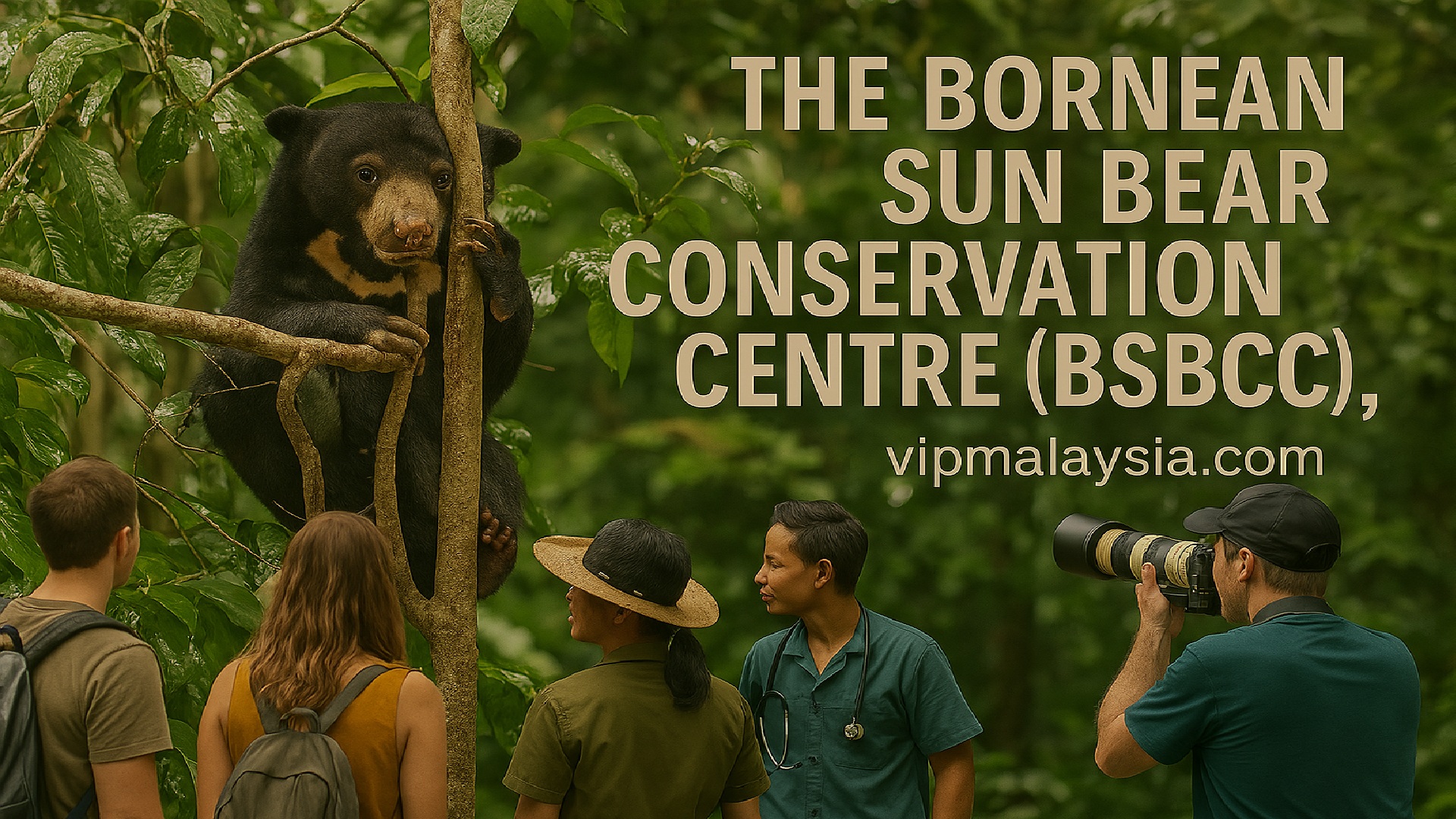
    Discover the untold story of the world’s smallest bear and how you can help save them from extinction—all while enjoying a once-in-a-lifetime wildlife experience in Sabah. The Bornean Sun Bear Conservation Centre (BSBCC) is more than eco-tourism—it’s a mission with heart, offering visitors a chance to witness rescued bears reclaim their wild instincts.

    Introduction

    Nestled in the lush rainforest of Sepilok, Sabah, the Bornean Sun Bear Conservation Centre stands as a beacon of hope for one of the most vulnerable species on Earth. Known as the smallest bear species, sun bears are instantly recognizable by their golden chest crescent and playful yet resilient nature. The centre provides sanctuary for bears rescued from illegal captivity, habitat destruction through deforestation, poaching, and neglectful conditions, malnourished and isolated), while also educating the public about conservation. Visiting BSBCC is not just a wildlife encounter—it’s a chance to directly support species survival.

    History

    The BSBCC was founded in 2008 by wildlife biologist Wong Siew Te, whose vision was to create a safe haven for sun bears rescued from dire conditions. Many of these bears had been kept as pets, locked in cages, or exploited for entertainment. Wong recognized that without intervention, countless bears would never experience the forest again.

    In its early years, the centre faced challenges of funding, awareness, and infrastructure. Yet through partnerships with Sabah Wildlife Department and Sabah Forestry Department, BSBCC grew into a world-class facility. By 2014, the centre opened its doors to the public, allowing visitors to witness firsthand the rehabilitation process. Today, with over 40 bears under care, BSBCC continues to expand its mission, combining animal welfare, research, education, and ecotourism. Its history is a testament to perseverance, compassion, and the power of community-driven conservation.

    Visitor Facilities

    BSBCC offers guided tours, multilingual signage, and a visitor centre with exhibits. Amenities include rest areas, souvenir shops, and cafes serving local delicacies.

    Cultural Integration

    The centre collaborates with local communities, showcasing traditional crafts and cultural festivals. This integration highlights the connection between conservation and cultural heritage.

    Highlights

    Rehabilitation Enclosures

    The centre features large forested enclosures where bears learn to climb, forage, and build nests. These natural habitats mimic the wild, helping bears regain instincts lost during captivity.

    Observation Platforms

    Visitors can view bears from elevated platforms without disturbing them. These platforms are strategically placed to offer panoramic views of the rainforest and its inhabitants.

    Educational Programs

    BSBCC hosts talks, exhibitions, and interactive sessions for students and tourists. These programs highlight the importance of conservation and the threats facing sun bears.

    Research Initiatives

    Ongoing studies monitor bear behavior, health, and adaptability. Some bears are evaluated for potential release into protected forests, though only a few meet the criteria.

    Ecotourism Impact

    Every visitor contributes to conservation funding. Ticket sales and donations directly support bear care, facility maintenance, and outreach programs. Your visit is both an adventure and a lifeline for these animals.

    Things to Do

    Sun Bear Viewing

    The main attraction is, of course, the sun bears themselves. Watching them climb trees, dig for insects, or lounge in hammocks is both entertaining and educational.

    Rainforest Experience

    The centre is located within the Sepilok rainforest reserve, home to diverse wildlife including orangutans, hornbills, and macaques. Visitors often spot these species during their trip.

    Guided Tours

    Knowledgeable guides lead visitors through the centre, explaining bear behavior and conservation efforts. Tours are available in multiple languages.

    Photography

    The observation platforms provide excellent opportunities for wildlife photography. Visitors are encouraged to capture moments while respecting animal welfare.

    Educational Talks

    Daily sessions allow guests to interact with staff, ask questions, and learn about conservation laws and practices.

    Volunteer Programs

    For those seeking deeper involvement, BSBCC offers volunteer opportunities. Participants assist with education, maintenance, and outreach projects.

    Trekking and Adventure

    Sepilok Rainforest Trails

    Surrounding the centre are trails that wind through dense rainforest. Trekking here offers encounters with exotic flora and fauna.

    Wildlife Encounters

    Hiking through Sepilok often reveals sightings of hornbills, flying squirrels, and even pygmy elephants. Each trek is a chance to connect with nature.

    Adventure Activities

    Nearby adventure options include canopy walks, river cruises, and jungle survival courses. These activities complement a visit to BSBCC, offering a full eco-adventure experience.

    Nearby Attractions

    Sepilok Orangutan Rehabilitation Centre

    Located just minutes away, this centre rescues and rehabilitates orangutans. Visitors can watch feeding sessions and learn about primate conservation.

    Rainforest Discovery Centre

    A hub for environmental education, the RDC features canopy walkways, botanical gardens, and birdwatching towers.

    Sandakan Town

    The nearest urban centre, Sandakan, offers historical sites such as the Agnes Keith House and vibrant local markets.

    Cultural Festivals

    Visitors may coincide their trip with local festivals celebrating Sabah’s diverse ethnic heritage, including Kadazan-Dusun harvest festivals and Bajau sea rituals.

    Conclusion

    By visiting or volunteering at the Bornean Sun Bear Conservation Centre, you’re not just a tourist—you’re a conservation ally. Each ticket helps fund rescue efforts, each photo shared spreads awareness, and every volunteer makes a difference.

    Whether you’re planning a trip to Sabah or looking for a wildlife cause to support, the BSBCC needs your voice. Visit, donate, volunteer, or even adopt a sun bear. Let’s protect what makes our world wild—before it’s too late.

    Summary

    • Attraction: Bornean Sun Bear Conservation Centre
    • Location: #Sabah 
    • Attraction Type: #Wildlife 

    Quick Info

    CategoryDetails
    NameBornean Sun Bear Conservation Centre (BSBCC)
    AddressPPM 219, Elopura, 90000 Sandakan, Sabah, Malaysia
    GPS Position5.8431°N, 117.9481°E
    StateSabah, Malaysia
    Founded2008 (Opened to public in 2014)
    Facility TypeWildlife Rehabilitation & Education Centre
    No. of Rescued Bears42–44 ex-captive bears (numbers fluctuate)
    Opening Hours9:00 AM – 3:30 PM daily, including holidays
    Admission (Malaysians)Children RM 5 Adults RM 10
    Admission (Non-Malaysians)Children RM 25 Adults RM 50
    Discount RateReduced rates for Sabah residents with valid ID
    Transport Options20 km from Sandakan town; accessible by car, taxi, Grab. Visitors from Kota Kinabalu or Semporna typically fly to Sandakan first.
    Volunteer ProgrammeAvailable – Hands-on conservation and education activities
    ContactPhone: +6089-534491 Email: info.bsbcc@gmail.com
    Websitebsbcc.org.my
    PartnersSabah Wildlife Department, Sabah Forestry Department, HUTAN Kinabatangan

    Visitor Reviews

    Travel with Graham, United Kingdom – ★★★★★ “I took a Grab from Sandakan, about 40 minutes, and combined my visit with the Sepilok Orangutan Centre across the road. The facilities at BSBCC are well designed for the animals, with spacious enclosures and shaded viewing platforms. Watching the bears forage and climb in a natural rainforest setting was unforgettable. It’s clear the centre prioritizes animal welfare and visitor education.”

    Eric Mc Guiness, Hertfordshire, UK – ★★★★☆ “This centre is just across from the Orangutan Rehabilitation Centre, making it easy to visit both in one day. The work being done here is amazing—rescuing bears from captivity and giving them a second chance. The educational displays were informative, though I wished for more interactive exhibits. Still, seeing the bears up close in such a natural environment was worth the trip.”

    Abdullah Al-Mahdi, Malaysia – ★★★★★ “As a travel blogger, I found BSBCC to be one of Sabah’s most meaningful attractions. The rainforest setting is immersive, and the conservation mission is inspiring. The centre highlights how sun bears act as seed dispersers and termite controllers, vital for the ecosystem. It’s not just a tourist stop—it’s a chance to witness conservation in action and support a species that desperately needs protection.”

  • Tambunan Rafflesia Reserve: Sabah’s Rare Bloom Adventure

    Tambunan Rafflesia Reserve: Sabah’s Rare Bloom Adventure

    Tambunan Rafflesia Reserve, Sabah

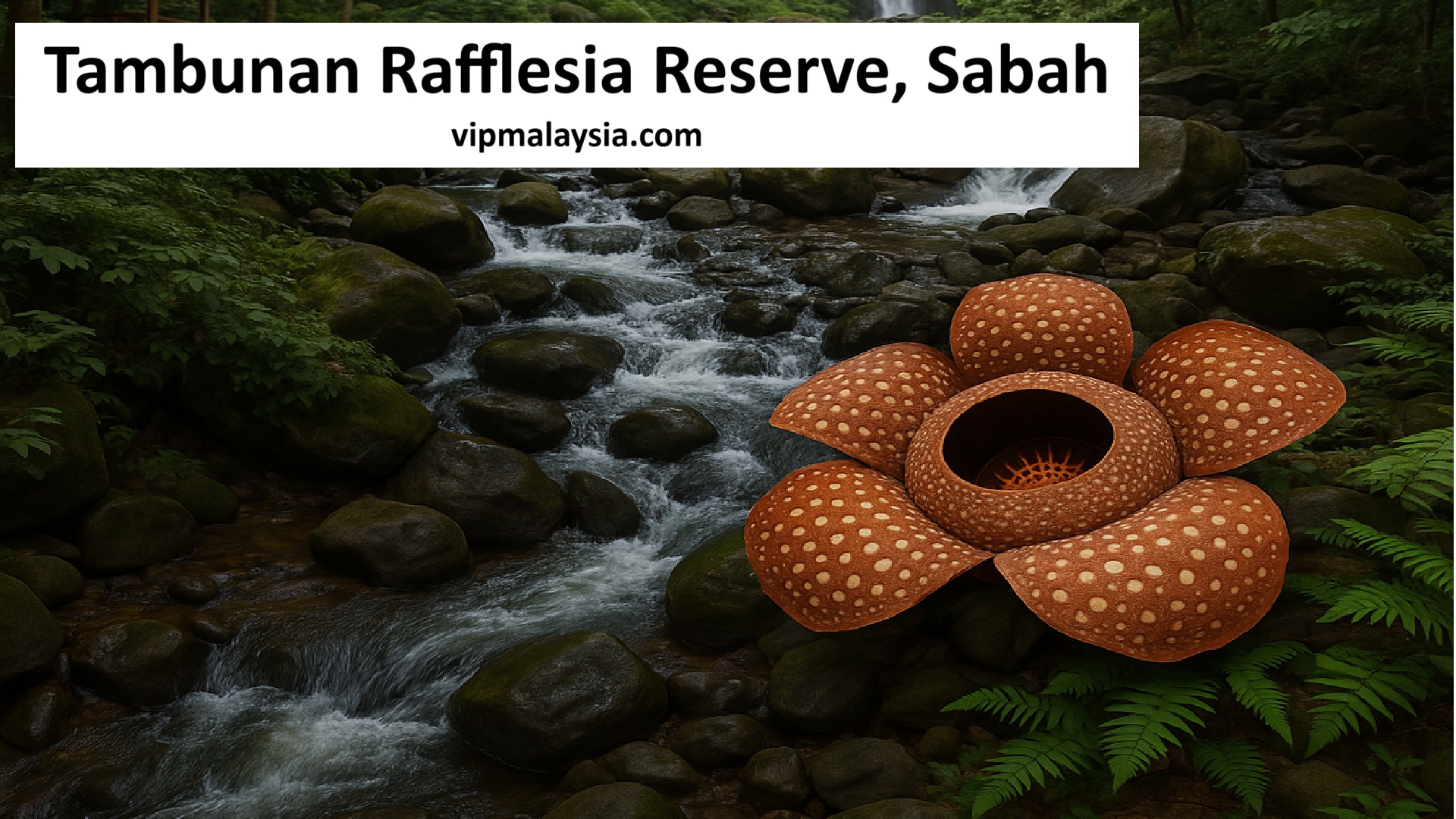
    Just an hour’s drive from Kota Kinabalu, Tambunan Rafflesia Reserve offers an extraordinary trek into Sabah’s rainforest to witness the rare and massive Rafflesia flower—one of the largest and most unique blooms on Earth. With its captivating jungle trails, fascinating biodiversity, and the unforgettable chance to spot the elusive “corpse flower,” this nature reserve is a must-visit gem for eco-tourists and adventure seekers alike.

    Introduction

    Nestled within the Crocker Range National Park, the Tambunan Rafflesia Reserve is one of Sabah’s most unique attractions. Known for the elusive Rafflesia flower, often called the “corpse flower” due to its pungent scent, the reserve combines natural wonder with cultural richness. Visitors are drawn not only by the chance to see this rare bloom but also by the surrounding highland landscapes, Dusun traditions, and diverse wildlife.

    History

    The Tambunan Rafflesia Reserve was established as part of Sabah’s conservation efforts in the late 1980s, following growing concern about the declining habitats of the Rafflesia species. The Crocker Range, with its dense rainforest and high biodiversity, was identified as a critical zone for preservation. The Rafflesia Information Centre (RIC) was built along the roadside to provide education, guided treks, and updates on blooming cycles.

    Historically, the Rafflesia has fascinated botanists since its discovery in the early 19th century. Indigenous communities in Borneo revered the flower for its rarity and mysterious growth cycle, often associating it with spiritual symbolism. Over time, the reserve became a hub for eco-tourism, balancing conservation with visitor experiences. Today, it stands as a testament to Sabah’s commitment to protecting one of the world’s most extraordinary plants.

    Location & Experience

    Just 1 hour (85km) from Kota Kinabalu, located in Crocker Range National Park, the Tambunan Rafflesia Reserve lies nestled along the roadside at the forest’s edge—marked by the Rafflesia Information Centre (RIC).

    Travel Tips & Essentials

    What to Wear:

    • Light, breathable clothing
    • Long trousers or shorts
    • Comfortable walking shoes

    What to Bring:

    • Insect repellent
    • Sunblock or hat
    • Umbrella or raincoat

    Things to Remember Before You Go

    • Bloom sightings are rare—always check blooming status online.
    • Be early! Entry is only allowed before 3:00 PM.
    • The flower stinks! That’s part of its charm.
    • Reserve is open daily.
    • Private guide? Available upon request.
    • Shared tours follow a join-in format.
    • Departure times may vary due to traffic.

    Highlights

    The Rare Bloom

    The Rafflesia flower can reach up to one meter in diameter, making it the largest individual flower on Earth. Its bloom lasts only 3–5 days, creating a sense of urgency and excitement for visitors. Spotting a Rafflesia in full bloom is a once-in-a-lifetime experience.

    What Makes Rafflesia So Special?

    The Rafflesia isn’t just a flower—it’s an enigma. Known for its giant size (up to 1 meter in diameter!) and pungent scent, this rare bloom mimics the smell of decaying flesh to attract pollinators. Despite the odor, the sight of a blooming Rafflesia is both humbling and awe-inspiring.

    Biodiversity of Crocker Range

    The reserve is part of the Crocker Range National Park, home to hornbills, gibbons, orchids, and countless insect species. Visitors often encounter rich flora and fauna even if the Rafflesia is not blooming.

    Cultural Encounters

    Tambunan is known for its Dusun heritage, bamboo crafts, and rice cultivation. Festivals such as Pesta Kaamatan (Harvest Festival) showcase traditional dances, music, and food.

    Attractions

    Rafflesia Information Centre

    The RIC serves as the main gateway to the reserve. It offers educational exhibits, guided tours, and updates on bloom status. It is the best place to learn about the biology and conservation of Rafflesia.

    Jungle Trails

    Several trekking routes lead into the rainforest, ranging from short walks to more challenging hikes. Trails are maintained to balance accessibility with conservation.

    Scenic Highlands

    Tambunan’s valleys and hills provide panoramic views, waterfalls, and cool mountain air. The journey itself is as rewarding as the destination.

    Things to Do

    Educational Sessions

    Visitors can attend talks at the Information Centre, learning about Rafflesia’s parasitic nature and its role in the ecosystem.

    Photography

    The reserve offers stunning opportunities for macro and landscape photography. Capturing a blooming Rafflesia is a prized shot for nature photographers.

    Cultural Exploration

    Beyond the reserve, Tambunan town offers local markets, bamboo crafts, and traditional Dusun cuisine.

    Guided Jungle Treks

    Licensed guides lead treks into monitored plots where Rafflesia buds are tracked. Guides enhance the experience with insights into local ecology and culture.

    A typical trek lasts 1–2 hours, winding through dense rainforest. Visitors may encounter orchids, pitcher plants, and wildlife such as squirrels and hornbills. Even without a bloom, the trek is immersive and rewarding.

    Adventure Beyond the Reserve

    Tambunan is a gateway to Crocker Range National Park, offering longer treks, camping, and birdwatching. Adventurers can combine Rafflesia viewing with multi-day jungle expeditions.

    Bird Watching

    The wetlands, forest edges, and riverbanks around Tambunan attract hundreds of bird species, including rare endemics found only in Borneo. Birdwatching is a rewarding activity for nature enthusiasts.

    Tambunan River Rafting

    For adventure seekers, rafting along the Tambunan River provides thrills amid lush rainforest scenery. It’s a popular activity that complements trekking.

    Rice Paddy Walks

    Tambunan’s terraced rice paddies are a cultural and scenic highlight. Walking through these fields offers insight into Dusun agricultural traditions and stunning photo opportunities.

    Highland Cycling

    Cycling through Tambunan’s cool highland climate is a refreshing way to explore the valley. Routes pass through villages, bamboo groves, and scenic landscapes.

    Nearby Attractions

    Tambunan Town

    A charming highland town known for bamboo crafts, rice fields, and Dusun traditions. It is the cultural heart of the district.

    Mahua Waterfall

    Located near Tambunan, Mahua Waterfall is a popular spot for picnics and swimming. The 17-meter cascade is surrounded by lush forest.

    Crocker Range National Park

    Beyond the reserve, Crocker Range National Park offers diverse trekking routes, wildlife encounters, and panoramic viewpoints.

    Conclusion

    The Tambunan Rafflesia Reserve is more than a place to see a flower — it is a journey into Sabah’s natural and cultural heritage. The rare bloom, rich biodiversity, and Dusun traditions make it a must-visit destination. Even if the rafflesia flower doesn’t bloom during your visit, the journey through Tambunan Rafflesia Reserve is a soulful return to nature. With its lush jungles, knowledgeable guides, and rare biodiversity, this hidden gem in Sabah invites you to slow down, breathe in (maybe not too deeply), and fall in love with the raw beauty of Borneo.

    For the latest blooming updates, follow Sabah Forestry Department on Facebook.

    Summary

    • Attraction: Tambunan Raflesia Reserve
    • Location: #Sabah 
    • Attraction Type: #Park 

    Quick Info

    CategoryDetails
    NameTambunan Rafflesia Reserve
    AddressKM 58 Kota Kinabalu–Tambunan Road, Crocker Range National Park, Sabah, Malaysia
    GPS Coordinates5.5981° N, 116.3432° E (approximate)
    StateSabah
    Opening HoursDaily, 8:00 AM – 3:00 PM
    Entrance Fee (MY Adult)RM5
    Entrance Fee (INTL Adult)RM15
    Child Fee (MY)RM3
    Child Fee (INTL)RM7
    Guiding Fee (MY)RM50 / 5 pax
    Guiding Fee (INTL)RM100 / 5 pax
    Floral SpeciesSeveral Rafflesia species endemic to Borneo
    FacilitiesRafflesia Information Centre, Guided Tours, Trekking Trails
    Activity Duration1–2 hours
    Recommended AttireShirt, Long/Short Pants, Trekking Shoes
    Best Time to VisitCheck Sabah Forestry updates for bloom status
    Important RuleNo entry after 3:00 PM
    Contact+60 88 899 589 / +60 11 252 51277 (Sabah Forestry Department)

    Visitor Reviews

    Hana Akira, Tokyo, Japan – ★★★★★ “I was lucky enough to see two Rafflesia pods, one of which was on its second day of flowering. The bloom was massive and impressive, easily one of the most extraordinary sights I’ve seen in nature. The guides explained the lifecycle and conservation efforts, which made the experience even more meaningful.”

    Triumph Malta, London, UK – ★★☆☆☆ “Although the flower was in full bloom, I had to pay MYR 30 just to walk about 100–200 meters to see it. For me, this felt overpriced and not worth the money, especially since the viewing area was small and crowded. The flower itself was fascinating, but the overall experience was disappointing.”

    Sofea Jane, Kuala Lumpur, Malaysia – ★★★★★ “We visited during a cloudy afternoon and were lucky to see two Rafflesia blooms, each about 40 cm in diameter. The guide showed us buds at different stages, from cabbage-like forms to rotting blooms. The trek was short but slippery, so proper shoes are essential. It was an unforgettable chance to witness Malaysia’s iconic wonder.”

    David Hudson, Melbourne, Australia – ★★★★☆ “The drive through the Crocker Range was scenic, and we managed to see a Rafflesia in bloom. The guide fee was RM100, which felt steep, but the flower’s life history and sheer size made it worthwhile. Checking the Facebook page beforehand is crucial, as blooms only last 4–6 days.”

  • Sepilok Orangutan Rehabilitation Centre: A Wild Journey

    Sepilok Orangutan Rehabilitation Centre: A Wild Journey

    Sepilok Orangutan Rehabilitation Centre

    Discover the Sepilok Orangutan Rehabilitation Centre in Sabah, Malaysia—an iconic sanctuary where orphaned and injured orangutans are nurtured back to health and taught survival skills before returning to the wild. Nestled in the Kabili-Sepilok Forest Reserve, this conservation hub offers visitors a chance to witness rehabilitation in action, trek through lush rainforest, and embrace a mission that protects one of the world’s most endangered primates.

    Introduction

    The Sepilok Orangutan Rehabilitation Centre (SOURC) is more than a tourist attraction—it is a living testament to Malaysia’s dedication to wildlife conservation. Located just 23 kilometers from Sandakan in Sabah, this center has become a global symbol of hope for orangutans. Visitors are drawn not only by the chance to see these magnificent creatures up close but also by the emotional journey of witnessing their path back to freedom.

    History

    Founded in 1964, the Sepilok Orangutan Rehabilitation Centre was established by Barbara Harrison, a British conservationist, with support from the Sabah Forestry Department. At the time, orangutans faced severe threats from deforestation, illegal hunting, and the pet trade. The center was envisioned as a safe haven where rescued orangutans could be rehabilitated and eventually released into the wild.

    Over the decades, Sepilok has grown into one of the world’s most respected rehabilitation facilities. It has successfully released hundreds of orangutans back into the forest, while continuing to care for those unable to survive independently. The center also expanded its mission to include education, research, and eco-tourism, making it a cornerstone of conservation in Southeast Asia.

    Early Challenges

    In its early years, Sepilok faced difficulties in funding, staffing, and public awareness. Rehabilitation required patience, as orangutans needed years to learn survival skills. Despite these challenges, the center persevered, gradually earning international recognition.

    Modern Achievements

    Today, Sepilok is home to around 60–80 orangutans living freely in the reserve, with another 25–30 under rehabilitation. It collaborates with global conservation organizations and continues to inspire eco-travelers and researchers worldwide.

    Love orangutans? We do too—but physical contact can transmit human diseases to these 96% genetically-similar primates. So, at SOURC, a safe distance is required to protect both you and them.

    Visiting Hours

    DayMorning HoursAfternoon Hours
    Monday – Thursday9:00 AM – 12:00 PM2:00 PM – 4:00 PM
    Friday9:00 AM – 11:00 AM2:00 PM – 4:00 PM
    Saturday – Sunday9:00 AM – 12:00 PM2:00 PM – 4:00 PM

    Highlights

    Feeding Sessions

    Twice daily, at 10:00 AM and 3:00 PM, visitors can watch orangutans emerge from the forest to feeding platforms. These sessions are not staged performances but part of the rehabilitation process, ensuring orangutans receive supplemental food while learning to forage independently.

    Outdoor Nursery

    The Outdoor Nursery allows visitors to observe young orangutans through a protective glass window. Here, juveniles practice climbing, swinging, and socializing—skills essential for survival in the wild.

    Kabili-Sepilok Forest Reserve

    Covering over 4,300 hectares, the Kabili-Sepilok Forest Reserve is a pristine rainforest teeming with biodiversity. It is home to hornbills, macaques, gibbons, and countless insect species, making it a paradise for nature lovers.

    Attractions

    Visitor Facilities

    Sepilok offers a visitor center with educational exhibits, a small café, and souvenir shops. Information boards detail the rehabilitation process, orangutan biology, and conservation challenges.

    Educational Programs

    The center runs awareness campaigns and school programs, teaching locals and tourists about the importance of protecting orangutans and their habitats.

    Wildlife Encounters

    Beyond orangutans, visitors may spot sun bears, long-tailed macaques, and hornbills. The adjacent Bornean Sun Bear Conservation Centre provides another opportunity to learn about endangered species.

    Things to Do

    Trekking and Birdwatching

    The forest reserve offers trails for trekking, where visitors can immerse themselves in the rainforest’s sights and sounds. Birdwatchers will delight in spotting species such as the rhinoceros hornbill and kingfishers.

    The Sepilok Rainforest Trails feature several major routes, including the Kabili Trail, Sepilok Laut Trail, and the Rainforest Discovery Centre paths, each offering unique wildlife encounters and rainforest immersion.

    Kabili Trail

    The Kabili Trail is one of the most popular routes in Sepilok, stretching over 8 miles through dense rainforest. It offers a moderately challenging trek with an elevation gain of around 719 feet, making it suitable for adventurous hikers. Along the way, trekkers often encounter hornbills, macaques, and rich tropical flora. The trail connects to the Sepilok Orangutan Rehabilitation Centre, providing opportunities to combine wildlife viewing with conservation education.

    Sepilok Laut Trail

    The Sepilok Laut Trail extends over 11 miles and leads hikers from the rainforest into mangrove ecosystems near the Sepilok Laut Reception Centre. This trail is known for its biodiversity, with sightings of proboscis monkeys, kingfishers, and occasional crocodiles in the mangroves. The elevation gain of over 1,000 feet adds to the challenge, but the reward is a diverse landscape that transitions from dense jungle to coastal wetlands.

    Rainforest Discovery Centre Trails

    The Rainforest Discovery Centre (RDC) offers shorter, inter-looping trails that are ideal for families and casual hikers. These trails are well-marked with educational panels describing local wildlife and plants. Night walks are a highlight, where visitors can spot nocturnal species such as slow lorises, tarsiers, and civet cats. The RDC trails also connect to canopy walkways, giving hikers elevated views of the rainforest and its birdlife.

    Photography

    Photography enthusiasts can capture stunning images of orangutans, lush rainforest, and diverse wildlife. DSLR and GoPro cameras require a small fee, while phone cameras are free.

    Cultural Exploration

    Nearby Sandakan hosts cultural festivals and markets where visitors can experience Sabah’s rich heritage. The Sandakan Memorial Park and Agnes Keith House provide historical insights into the region.

    Night Walks

    Night walks reveal nocturnal creatures such as tarsiers, slow lorises, and owls. These guided tours provide a different perspective on the rainforest ecosystem.

    Nearby Attractions

    Bornean Sun Bear Conservation Centre

    Located next to Sepilok, the Bornean Sun Bear Conservation Centre rescues and rehabilitates sun bears, the world’s smallest bear species. Visitors can observe them in natural forest enclosures.

    Rainforest Discovery Centre

    The Rainforest Discovery Centre (RDC) is located in Sepilok, Sandakan, Sabah, just about 3 kilometers from the Sepilok Orangutan Rehabilitation Centre. Managed by the Sabah Forestry Department, it serves as a vital hub for environmental education and conservation awareness. Visitors are drawn to its impressive canopy walkway, stretching 347 meters and rising up to 25 meters high, which offers panoramic views of the rainforest and excellent opportunities for birdwatching. The RDC also features botanical gardens showcasing native plants and trees, including medicinal and economic species, making it a rich learning ground for eco-tourists, researchers, and school groups.

    Beyond its educational role, the RDC is a vibrant destination for nature enthusiasts. The serene lake within the center is a popular spot for relaxation and spotting water birds, while the annual Borneo Bird Festival attracts birdwatchers from around the world. As part of the Kabili-Sepilok Forest Reserve, the RDC complements the orangutan sanctuary by offering a broader view of Sabah’s biodiversity. Together, these attractions create a holistic eco-tourism experience, blending wildlife encounters with conservation education and cultural appreciation.

    Sandakan City

    Sandakan, once known as “Little Hong Kong,” offers cultural experiences, seafood markets, and historical landmarks. It is the gateway to Sepilok and other eco-tourism destinations.

    Conclusion

    Sepilok Orangutan Rehabilitation Centre is a living, breathing success story. It’s where humanity meets nature—not to dominate, but to heal. It invites us to be part of a mission bigger than ourselves.

    Ready to stand face-to-face with one of Earth’s most intelligent beings—and help save them in the process? Whether you’re traveling solo or with loved ones, your trip to Sepilok could be the most meaningful memory you’ll make in Borneo.

    Share this guide, spread the word, and let Sepilok show you the wild side of compassion.

    Summary

    • Attraction: Sepilok Orang Utan Rehabilitation Centre
    • Location: #Sabah 
    • Attraction Type: #Wildlife 

    Quick Info

    CategoryDetails
    NameSepilok Orangutan Rehabilitation Centre (SOURC)
    AddressPusat Pemulihan Orangutan Sepilok, W.D.T 200, 90009 Sandakan, Sabah, Malaysia
    GPS Coordinates5.8646° N, 117.9497° E
    StateSabah
    Year Established1964
    Managed BySabah Wildlife Department
    Location TypeKabili-Sepilok Forest Reserve
    Facility HighlightsOutdoor Nursery, Viewing Platform, Jungle Trails
    Feeding Times10:00 AM & 3:00 PM
    Wildlife SpeciesOrangutans, Birds, Sun Bears
    Touch PolicyVisitors not allowed to touch orangutans due to disease risk
    Ticket Price (Adult)RM5 (Malaysian), RM30 (non-Malaysian)
    Ticket Price (Child)RM2 (Malaysian), RM15 (Non-Malaysian)
    Camera FeeFree for phones, RM10 for professional gear
    Ticket ValidityValid for one day
    Nearby LodgingMultiple jungle lodges within 1km
    Getting There~50 min drive from Sandakan City Centre (25km)
    Public TransportBus from Sandakan, drop-off at Jalan Sepilok junction (~2.5km away)
    Taxi FareApprox. RM40 to Sandakan
    Nearby AttractionBornean Sun Bear Conservation Centre (adjacent)
    Operating HoursMon–Thurs 9AM–12PM & 2PM–4PM; Fri 9AM–11AM & 2PM–4PM; Weekends 9AM–12PM & 2PM–4PM
    Contact Number089 – 633 587
    Fax089 – 633 597

    Visitor Reviews

    Name: Ali Maiden Locality: Kuala Lumpur, Malaysia Review: ★★★★☆ “I was amazed by the dedication of the staff. Watching the orangutans at the feeding platform was unforgettable. The trek through the rainforest was challenging but rewarding. I wish there were more guided tours available.”

    Name: Monica Alphard Locality: London, UK Review: ★★★★★ “Sepilok was the highlight of my trip to Borneo. Seeing young orangutans in the nursery was heartwarming. The conservation mission is inspiring, and the facilities were well-maintained. Highly recommended for eco-travelers.”

    Name: Abdul Rahman Ghuyub Locality: Singapore Review: ★★★★★ “The experience was magical. The feeding sessions felt authentic, not staged. I appreciated the strict rules about not touching the orangutans—it shows how seriously they take conservation. The nearby Sun Bear Centre was a bonus.”

    Name: Melor Delimasari Locality: Kota Kinabalu, Malaysia Review: ★★★★☆ “Sepilok is a must-visit for anyone in Sabah. The rainforest trek was breathtaking, and I spotted hornbills and macaques. The visitor center could use more interactive exhibits, but overall, it was an enriching experience.”

  • Danum Valley: Ancient Rainforest Sanctuary in Sabah

    Danum Valley: Ancient Rainforest Sanctuary in Sabah

    Danum Valley Conservation Area

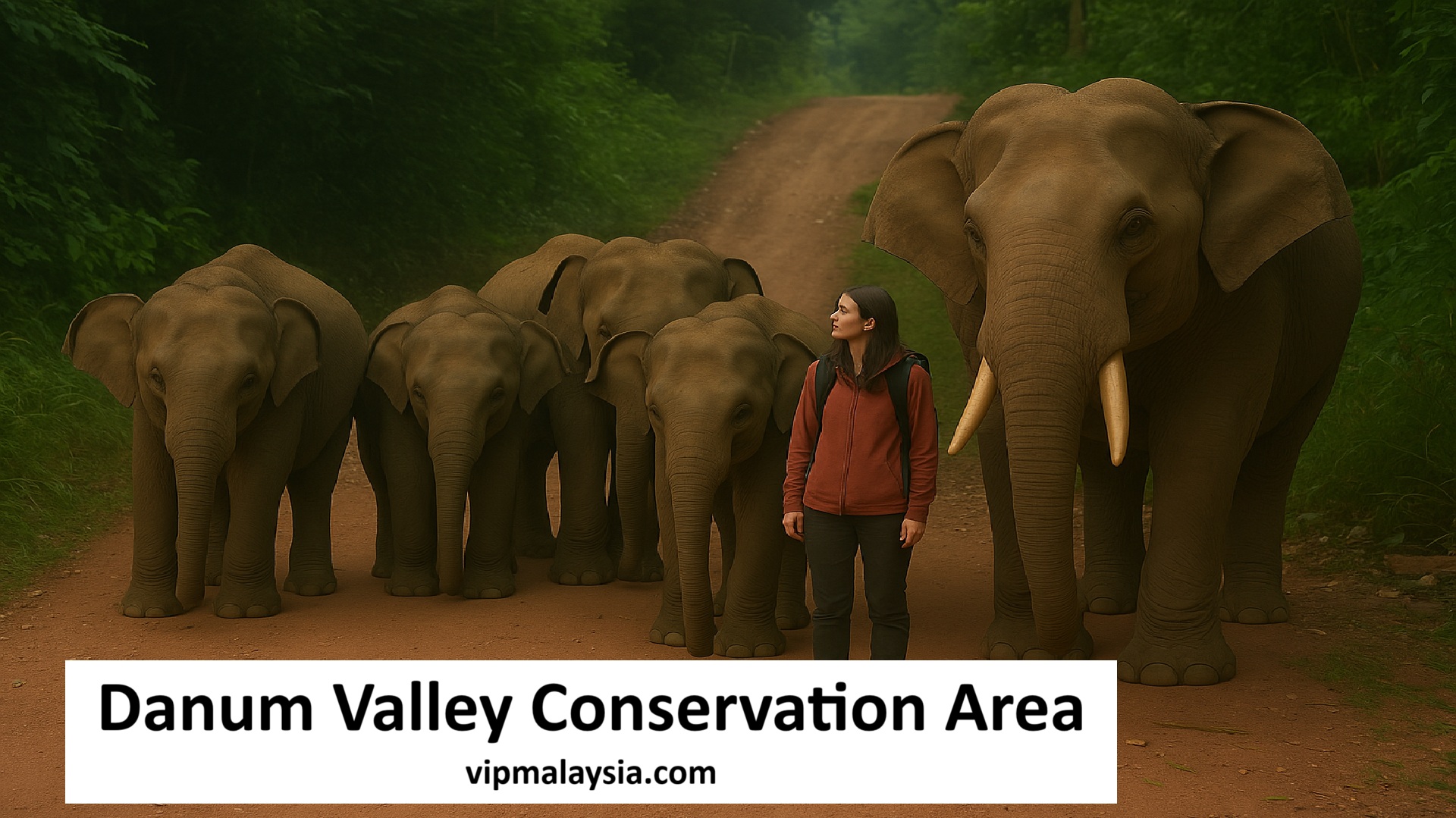
    Experience the untouched wonder of Danum Valley Conservation Area, a 130‑million‑year‑old rainforest sanctuary in Sabah, Malaysia. This pristine wilderness is home to rare wildlife, towering dipterocarp trees, cascading waterfalls, and world‑class research facilities. Whether you seek adventure, serenity, or ecological discovery, Danum Valley offers a once‑in‑a‑lifetime journey into nature’s finest sanctuary.

    Introduction

    Nestled deep in the heart of Sabah, Malaysia, the Danum Valley Conservation Area is one of the world’s most celebrated tropical rainforests. Covering 438 square kilometers of protected land, this ancient ecosystem has remained untouched by logging or permanent human settlement. Visitors are drawn to its extraordinary biodiversity, where orangutans swing through the canopy, hornbills soar overhead, and rivers carve their way through lush valleys. For eco‑tourists, scientists, and adventurers alike, Danum Valley represents a rare chance to step into a living museum of natural history.

    History

    The story of Danum Valley is one of foresight and preservation. In the early 1980s, Sabah faced increasing pressures from logging and development. Recognizing the irreplaceable ecological value of its lowland dipterocarp forests, the Sabah Forestry Department designated Danum Valley as a Class I Protection Forest Reserve in 1984. This status ensured that no logging, hunting, or permanent settlement would ever occur within its boundaries.

    In 1986, the Danum Valley Field Centre (DVFC) was established as a hub for scientific research. Since then, it has attracted global researchers studying rainforest ecology, climate change, and endangered species. The centre’s work has contributed to international conservation efforts and deepened our understanding of tropical ecosystems. Today, Danum Valley stands as a testament to Malaysia’s commitment to preserving its natural heritage, offering both protection for biodiversity and opportunities for sustainable eco‑tourism.

    How to Get Here

    Flying Into Lahad Datu

    The most common gateway to Danum Valley is via Lahad Datu, a small town on Sabah’s east coast. Daily flights operate from Kota Kinabalu, taking about one hour. From Lahad Datu Airport, visitors continue by road into the rainforest interior.

    Road Journey from Lahad Datu

    The drive from Lahad Datu to Danum Valley is approximately 81 km, but don’t let the distance fool you—it takes nearly two hours due to rugged terrain and unpaved roads. The journey itself is part of the adventure, winding through oil palm plantations before giving way to dense rainforest. Four‑wheel drive vehicles are essential, and transfers are usually arranged through lodges or the Danum Valley Field Centre.

    Alternative Routes

    Travelers can also reach Lahad Datu by road from Tawau or Sandakan. These drives are longer—five to seven hours depending on conditions—but they offer scenic views of Sabah’s countryside.

    Permits and Access

    Entry into the conservation area requires a permit, issued at the Danum Valley office in Fajar town, Lahad Datu. This regulation ensures that visitor numbers remain controlled and that the fragile ecosystem is protected. Most lodges and research centres assist with permit applications as part of their booking process.

    Booking Transfers and Guides

    Transfers, guided treks, and night safaris can be arranged through official channels. The contact point often provided is camd.reservations@gmail.com, which connects visitors with the Conservation Area’s management team. Booking in advance is strongly recommended, as access is limited and demand is high during peak seasons.

    Travel Notes for Visitors

    • Road Conditions: Expect bumpy, muddy tracks, especially after rain. Travel time can be longer than expected.
    • Facilities: The Borneo Rainforest Lodge offers eco‑luxury stays, while the Danum Valley Field Centre provides simpler accommodations for researchers and budget travelers.
    • Connectivity: There is little to no mobile signal or internet access once inside the valley. Visitors should prepare for a true digital detox.
    • Best Time to Visit: Dry season months (March–October) are generally more comfortable for trekking, though wildlife sightings occur year‑round.

    Highlights

    Towering Biodiversity

    Danum Valley is home to more than 200 tree species per hectare, with over 511 species identified overall. The towering dipterocarps dominate the canopy, some reaching heights of 70 meters. Beneath them thrive orchids, ferns, and medicinal plants still being studied by botanists. This dense vegetation provides shelter for countless species, making the valley a hotspot for ecological discovery.

    Wildlife Wonderland

    The conservation area shelters over 120 mammal species, including the Bornean orangutan, clouded leopard, sun bear, and Bornean pygmy elephant. Visitors often encounter civets, flying lemurs, and deer during night drives. The diversity of wildlife makes Danum Valley one of the most important refuges for endangered species in Southeast Asia.

    The Birder’s Paradise

    With more than 300 bird species recorded, Danum Valley is a dream destination for birdwatchers. All eight hornbill species found in Borneo can be spotted here, alongside rare birds such as the Bornean bristlehead and blue‑headed pitta. Birding trails and canopy towers provide excellent vantage points for spotting these feathered wonders.

    Attractions

    Jungle Trekking and Nature Trails

    Guided treks lead visitors through dense rainforest trails, where every step reveals new flora and fauna. Trails vary in difficulty, from short walks to multi‑day expeditions. Along the way, trekkers may encounter orangutans feeding, gibbons calling, or butterflies fluttering in shafts of sunlight.

    Waterfall Escapes

    Hidden within the forest are natural pools and waterfalls such as Tembaling and Purut, where visitors can swim and relax. These serene spots offer a refreshing break from trekking and a chance to immerse in the rainforest’s tranquility.

    Wildlife Safari and Night Drive

    Night drives in 4×4 vehicles reveal the rainforest’s nocturnal life. Guides point out flying squirrels, civets, slow lorises, and even the elusive leopard cat. The thrill of spotting rare animals under the stars makes this one of the most popular activities.

    Eco‑Education and Recreation

    Danum Valley is not only a tourist destination but also a living classroom. Educational programs for schools, universities, and private groups are regularly conducted. Facilities include conference rooms, libraries, and laboratories, blending leisure with learning.

    Things to Do

    Trekking and Adventure

    Adventurers can embark on multi‑day treks deep into the forest, camping under the canopy and exploring remote trails. These expeditions often include visits to ancient burial sites, waterfalls, and wildlife observation points. Trekking in Danum Valley is both physically challenging and spiritually rewarding, offering a profound connection to nature.

    Example: Burial Sites of the Kadazan‑Dusun

    Within the valley are ancient burial sites of the Kadazan‑Dusun people, marked by coffins placed in caves and cliff faces. These sites provide cultural depth to the natural landscape, reminding visitors of the human history intertwined with the forest. Exploring them offers a glimpse into Sabah’s indigenous heritage.

    Nearby Attractions

    Imbak Canyon

    Known as Borneo’s “majestic refugium,” Imbak Canyon is another conservation area rich in biodiversity. Its dramatic cliffs and waterfalls make it a striking complement to Danum Valley.

    Maliau Basin

    Often called the “Lost World of Sabah,” Maliau Basin is a remote, pristine wilderness with unique ecosystems. Its circular basin and waterfalls attract researchers and adventurers alike.

    Taliwas River

    A tranquil retreat near Lahad Datu, the Taliwas River offers camping and eco‑education programs. It is a popular spot for families seeking a gentler rainforest experience.

    Silam Coast

    Where rainforest meets the sea, the Silam Coast offers mangrove forests and marine biodiversity. Visitors can enjoy coastal walks and birdwatching.

    Kalabakan Upland

    This area features healing nature trails and community‑based eco‑tourism initiatives. It highlights the role of local communities in conservation.

    Segama Highlands

    A stronghold of the red apes, the Segama Highlands are crucial for orangutan conservation. Trekking here provides opportunities to observe these endangered primates in their natural habitat.

    Conclusion

    The Danum Valley Conservation Area is more than a destination—it is a sanctuary of life, history, and discovery. Its untouched rainforest, extraordinary biodiversity, and cultural heritage make it one of the world’s most important conservation sites. Visitors leave with a deeper appreciation for nature, a sense of serenity, and unforgettable memories. Whether you are a scientist, adventurer, or nature lover, Danum Valley offers a journey into the heart of Earth’s oldest rhythms.

    Summary

    • Attraction: Danum Valley Conservation Area
    • Location: #Sabah 
    • Attraction Type: #Wildlife 

    Quick Info

    AttributeDetails
    NameDanum Valley Conservation Area
    AddressApproximately 80 km east of Lahad Datu, Sabah, Malaysia
    GPS Position5.0316° N, 117.6893° E (approximate)
    StateSabah
    Date EstablishedDeclared Class I Protection Forest Reserve in 1984; Danum Valley Field Centre (DVFC) established in 1986
    Forested AreaAncient rainforest estimated at 130 million years old
    Forest CoveragePredominantly lowland dipterocarp forest; small areas of montane forest
    WildlifeOver 120 mammal species including orangutans, gibbons, pygmy elephants, clouded leopards, sun bears
    Bird SpeciesMore than 300 species recorded; includes all 8 hornbill species and endemic birds like the Bornean bristlehead
    Tree DiversityOver 500 identified tree species; ~200 species per hectare
    Main ActivitiesJungle trekking, canopy walks, birdwatching, waterfall swimming, night safaris, eco‑education
    AccommodationBorneo Rainforest Lodge (eco‑luxury) and Danum Valley Field Centre (research/basic lodging)
    FacilitiesDVFC: labs, library, conference rooms, basic lodging; BRL: restaurant, bar, guided tours, eco‑luxury chalets
    Best Experience3D2N or 4D3N rainforest immersion packages
    Transfer ServiceScheduled/private 4WD transfers from Lahad Datu arranged by lodges or DVFC
    Contact Infocamd.reservations@gmail.com (official booking email)
    Head OfficeYayasan Sabah Complex, Tun Mustapha Tower, Kota Kinabalu

    Visitor Reviews

    Marian, United States – ★★★★★ “I visited Danum Valley in 2025 and was blown away by its raw beauty. There’s no Wi‑Fi and barely any phone signal, which made the experience even more immersive. I woke up to gibbon calls echoing through the canopy and saw orangutans building nests during a guided trek. The night safari was unforgettable—we spotted civets and flying lemurs. Facilities were basic but comfortable, and the remoteness made it feel like stepping back in time.”

    Mike Dorian, United Kingdom – ★★★★★ “Danum Valley is not for casual tourists—it’s for serious nature lovers. I stayed at the Borneo Rainforest Lodge, waking up to hornbills flying overhead and orangutans swinging near the chalets. The guides were excellent, pointing out rare species like the Bornean bristlehead. The road from Lahad Datu was rough and bumpy, taking nearly two hours, but the journey was worth it. The atmosphere was reverent; people spoke softly, moved slowly, and respected the wilderness.”

    Joe Branco, Netherlands – ★★★★☆ “As a wildlife photographer, Danum Valley was paradise. I captured pygmy elephants along the Segama River and hornbills in flight. The biodiversity here is staggering—clouded leopards, gibbons, and sun bears all inhabit the area. The only downside was the challenging access road, which can be muddy after rain. Still, the pristine rainforest and the chance to photograph rare species made it one of the most rewarding trips of my career.”

    Erling Carr, Malaysia – ★★★★★ “Danum Valley is one of Southeast Asia’s most important rainforest reserves. I joined a research group at the Danum Valley Field Centre and learned about conservation projects protecting over 124 mammal species and 340 bird species. The canopy walk was breathtaking, offering views of hornbills and gibbons at sunrise. The isolation was part of the magic—no settlements, no hunting, no deforestation. It felt like entering a living laboratory of nature.”

  • Taman Laut Sultan Iskandar: Johor’s Marine Jewel

    Taman Laut Sultan Iskandar: Johor’s Marine Jewel

    Taman Laut Sultan Iskandar, Johor

    Located off the southeastern coast of Peninsular Malaysia, Taman Laut Sultan Iskandar is a breathtaking marine park, home to pristine beaches, crystal-clear waters, and diverse marine life. Whether you’re a snorkeling enthusiast, an island explorer, or a conservation advocate, this national park promises an unforgettable coastal adventure.

    Introduction

    Located off the southeastern coast of Peninsular Malaysia, Taman Laut Sultan Iskandar is one of the country’s most treasured marine parks. Stretching across the Seribuat Archipelago, this park encompasses 41 islands grouped into six main clusters: Pulau Tinggi, Pulau Sibu, Pulau Besar, Pulau Rawa, Pulau Aur, and Pulau Pemanggil. The park is celebrated for its rich biodiversity, including dugongs, sea turtles, and rare coral species, making it a paradise for divers, snorkelers, and eco-tourists alike.

    History

    The history of Taman Laut Sultan Iskandar is deeply tied to Johor’s maritime heritage. For centuries, these islands were home to Malay fishing communities, who relied on the abundant marine life for sustenance. In earlier times, the waters were plagued by pirates, but as piracy diminished, the islands transformed into safe havens for trade and settlement.

    By the late 20th century, Malaysia recognized the ecological importance of these islands. The government designated them as a marine park, named after Sultan Iskandar of Johor, to protect the fragile ecosystems from overfishing and destructive practices. Today, the park is not only a conservation zone but also a thriving tourism destination, balancing ecological preservation with sustainable visitor experiences.

    Highlights

    Pulau Tinggi

    Pulau Tinggi, often called “High Island,” is known for its lush greenery and towering hills. The island is dotted with traditional villages and offers a blend of cultural immersion and natural beauty. Visitors can enjoy trekking trails through tropical forests, leading to panoramic viewpoints overlooking the South China Sea.

    Pulau Sibu

    Pulau Sibu is famous for its sandy beaches and fishing villages. The island is part of the Mersing Geopark, showcasing volcanic rock formations that date back 248 million years. Its coastline is ideal for snorkeling, while inland trails reveal hidden mangroves and wildlife.

    Pulau Besar

    Pulau Besar is larger and more developed, offering beach resorts and cultural heritage sites. It is a favorite among families and leisure travelers, with facilities such as chalets, guided tours, and water sports rentals.

    Pulau Aur

    Pulau Aur is a diver’s paradise, renowned for its deep-sea wonders. Coral reefs here are home to nudibranchs, staghorn corals, and schools of tropical fish. The island’s remoteness makes it ideal for serious scuba divers seeking untouched underwater landscapes.

    Pulau Pemanggil

    Pulau Pemanggil is rich in marine biodiversity and fishing traditions. It is also known for its mystical folklore, with locals believing the island holds spiritual significance. Visitors can explore both its natural wonders and cultural narratives.

    Attractions

    Coral Reefs and Marine Life

    The park’s coral reefs are among the healthiest in Malaysia, supporting species such as parrotfish, clownfish, reef sharks, and sea turtles. Dugongs, though rare, are occasionally sighted, making the park a sanctuary for endangered marine mammals.

    Cultural Festivals

    Local fishing communities host traditional festivals celebrating the sea. These events often feature Malay music, dance, and seafood feasts, offering visitors a glimpse into Johor’s coastal culture.

    Visitor Facilities

    Resorts and guesthouses across the islands provide accommodations ranging from budget chalets to luxury villas. Facilities include boat transfers, guided diving tours, eco-lodges, and marine education centers.

    Trekking and Adventure

    Jungle Trails

    Several islands feature jungle trekking routes. Pulau Tinggi’s trails lead to waterfalls and hilltops, while Pulau Sibu’s volcanic formations provide geological exploration opportunities.

    Water Adventures

    Snorkeling and scuba diving are the most popular activities. Pulau Aur and Pulau Rawa are particularly famous for their underwater clarity, often compared to the Maldives. Deep-sea fishing trips are also available for sport enthusiasts.

    Nearby Attractions

    Mersing Town

    Mersing serves as the gateway to the marine park. The town offers local markets, seafood restaurants, and cultural landmarks. Visitors often stop here to arrange boat transfers to the islands.

    Tanjung Leman Jetty

    Located south of Mersing, this jetty provides access to Pulau Tinggi and Pulau Sibu. It is surrounded by coastal villages and offers a quieter alternative to Mersing.

    Tioman Island

    Though outside Johor, Tioman Island is nearby and often combined with trips to Taman Laut Sultan Iskandar. It is another diving hotspot with its own unique biodiversity.

    Conclusion

    Taman Laut Sultan Iskandar offers an unparalleled blend of marine biodiversity, island beauty, and adventure, making it one of Malaysia’s best marine park destinations. Whether you’re snorkeling among vibrant reefs, lounging on pristine beaches, or exploring island ecosystems, this coastal paradise promises a tropical getaway like no other.

    Plan your trip today—immerse yourself in the beauty of Taman Laut Sultan Iskandar, Johor!

    Summary

    • Attraction: Taman Laut Sultan Iskandar
    • Location: #Johor 
    • Attraction Type: #NationalPark 
    • Source: johornationalparks.gov.my
    • Why Visit:
      • Protected marine park encompassing 41 islands
      • Crystal-clear waters teeming with vibrant coral reefs
      • Rich biodiversity including rare flora & fauna
      • Perfect for scuba diving, snorkeling & island getaways

    Quick Info

    AttributeDetails
    NameTaman Laut Sultan Iskandar
    LocationMersing, Johor, Malaysia
    GPS PositionVaries depending on specific island
    StateJohor
    Facility TypeMarine Park, Island Resorts & Diving Spots
    Main AttractionsBeaches, Snorkeling, Diving, Island Retreats
    Nearby LandmarksMersing Jetty, Seribuat Archipelago
    AccessibilityBoat transfers from Mersing Jetty or Tanjung Leman Jetty
    Best Time to VisitMarch – September (dry season, calm seas)
    Entry FeesMarine park conservation fees apply
    Recommended ActivitiesDiving, Snorkeling, Beach Relaxation, Trekking
    Opening HoursAccessible all year (weather permitting)
    ContactPhone Numbers: +607-2661301 / +607-7982868
    Address: Johor National Parks Corporation, Mersing Office, Jalan Abu Bakar, 86800 Mersing, Johor, Malaysia
    AddressJohor National Parks Corporation, Mersing Office, Jalan Abu Bakar, 86800 Mersing, Johor, Malaysia

    41 Islands

    Island NameClusterDescription
    Pulau TinggiTinggi ClusterLargest island, lush forests, trekking trails, waterfalls, and traditional fishing villages.
    Pulau MawarTinggi ClusterKnown for sandbank trek to “Heaven’s Gate” rock arch and mangrove forests.
    Pulau MentinggiTinggi ClusterSmaller island near Pulau Tinggi, covered with dense vegetation.
    Pulau SibuSibu ClusterFamous for sandy beaches, fishing villages, and volcanic rock formations.
    Pulau Sibu HujungSibu ClusterSouthern tip island, quiet retreat with fishing community.
    Pulau Sibu TengahSibu ClusterMid-sized island with eco-resorts and snorkeling sites.
    Pulau Sibu KukusSibu ClusterSmall rocky island, part of volcanic formations.
    Pulau BesarBesar ClusterLarger island with beach resorts, chalets, and cultural heritage.
    Pulau TengahBesar ClusterEco-resorts and turtle conservation projects.
    Pulau HujungBesar ClusterSmaller island near Pulau Besar, quiet beaches.
    Pulau RawaRawa ClusterCoral island with white sandy beaches and clear waters.
    Pulau AurAur ClusterRemote island, scuba diving hotspot with deep-sea coral reefs.
    Pulau DayangAur ClusterNeighboring Pulau Aur, popular among divers for pristine reefs.
    Pulau LangAur ClusterSmall rocky island near Pulau Aur, diving site.
    Pulau PinangAur ClusterTiny island, diving and snorkeling site.
    Pulau PemanggilPemanggil ClusterRich in marine biodiversity, sport fishing traditions, mystical folklore.
    Pulau TokongPemanggil ClusterSmall rocky outcrop, fishing spot.
    Pulau Batu GajahPemanggil ClusterRock formation island, known for fishing.
    Pulau LalangPemanggil ClusterSmall island with coral reefs.
    Pulau Seri BuatBesar ClusterScenic island with beaches and coral reefs.
    Pulau HarimauBesar ClusterKnown for tiger-shaped rock formation and snorkeling.
    Pulau MensiripBesar ClusterSmall island with coral reefs.
    Pulau GualBesar ClusterRocky island, fishing and snorkeling.
    Pulau LimaBesar ClusterCluster of five small rocky islands, diving site.
    Pulau SetindanBesar ClusterSmall island with coral reefs.
    Pulau ChakarBesar ClusterSmall rocky island.
    Pulau Batu PutihBesar ClusterWhite rock island, snorkeling site.
    Pulau Lalang BesarBesar ClusterLarger coral island.
    Pulau Lalang KecilBesar ClusterSmaller coral island.
    Pulau Hujung BesarBesar ClusterEnd island of Besar cluster.
    Pulau Batu MerahBesar ClusterRed rock island.
    Pulau Tokong BurungBesar ClusterBird-shaped rock island.
    Pulau Tokong BelalaiBesar ClusterElephant trunk-shaped rock island.
    Pulau Tokong GajahBesar ClusterElephant-shaped rock island.
    Pulau Tokong ChakarBesar ClusterSmall rocky outcrop.
    Pulau Tokong LalangBesar ClusterCoral reef island.
    Pulau Tokong Seri BuatBesar ClusterSmall rocky island near Seri Buat.
    Pulau Tokong HarimauBesar ClusterRock island near Harimau.
    Pulau Tokong MensiripBesar ClusterRock island near Mensirip.
    Pulau Tokong LimaBesar ClusterRock island near Lima.
    Pulau Tokong SetindanBesar ClusterRock island near Setindan.

    Visitor Reviews

    Mohamad Zain Kadir, Kuala Lumpur – ★★★★★ “I spent three days at Pulau Aur diving with a local operator. The visibility was incredible, easily 30 meters, and I saw reef sharks, rays, and even a hawksbill turtle. The coral reefs were healthy compared to other spots I’ve visited in Malaysia. The boat ride from Mersing was long but worth it, and the island felt untouched and peaceful.”

    Nurin Binti Aiman, Johor Bahru – ★★★★☆ “Pulau Besar was a relaxing escape. The beach was clean, and the water was turquoise. My family stayed at a chalet right by the shore, and the kids loved snorkeling near the jetty where clownfish and parrotfish were abundant. The only issue was the limited ferry schedule, which made planning a bit tricky.”

    Jacqualine, Singapore – ★★★★★ “Pulau Tinggi offered a mix of adventure and culture. I hiked up the jungle trail to the hilltop, which took about two hours, and the view of the South China Sea was breathtaking. The local fishing village was welcoming, and I enjoyed fresh seafood prepared by the locals. It felt authentic and not overly commercialized.”

    Eisma, Penang – ★★★★☆ “Pulau Sibu was unique with its volcanic rock formations. I joined a guided eco-tour that explained the geology and history of the island. Snorkeling was enjoyable, though some areas had minor coral bleaching. Still, the marine life was diverse, and I spotted nudibranchs and schools of fusiliers. The island’s quiet atmosphere made it perfect for a short retreat.”

    Ratnam Seri Dewi, Kuala Lumpur – ★★★★★ “Pulau Pemanggil was fascinating. I joined a sport fishing trip and caught a giant trevally, which was thrilling. The island also had a mystical vibe, with locals sharing stories about its spiritual significance. The biodiversity was impressive, and I saw dugongs during a boat ride. It’s less crowded compared to other islands, which made the experience more intimate.”

error: