Cactus Point, Cameron Highlands
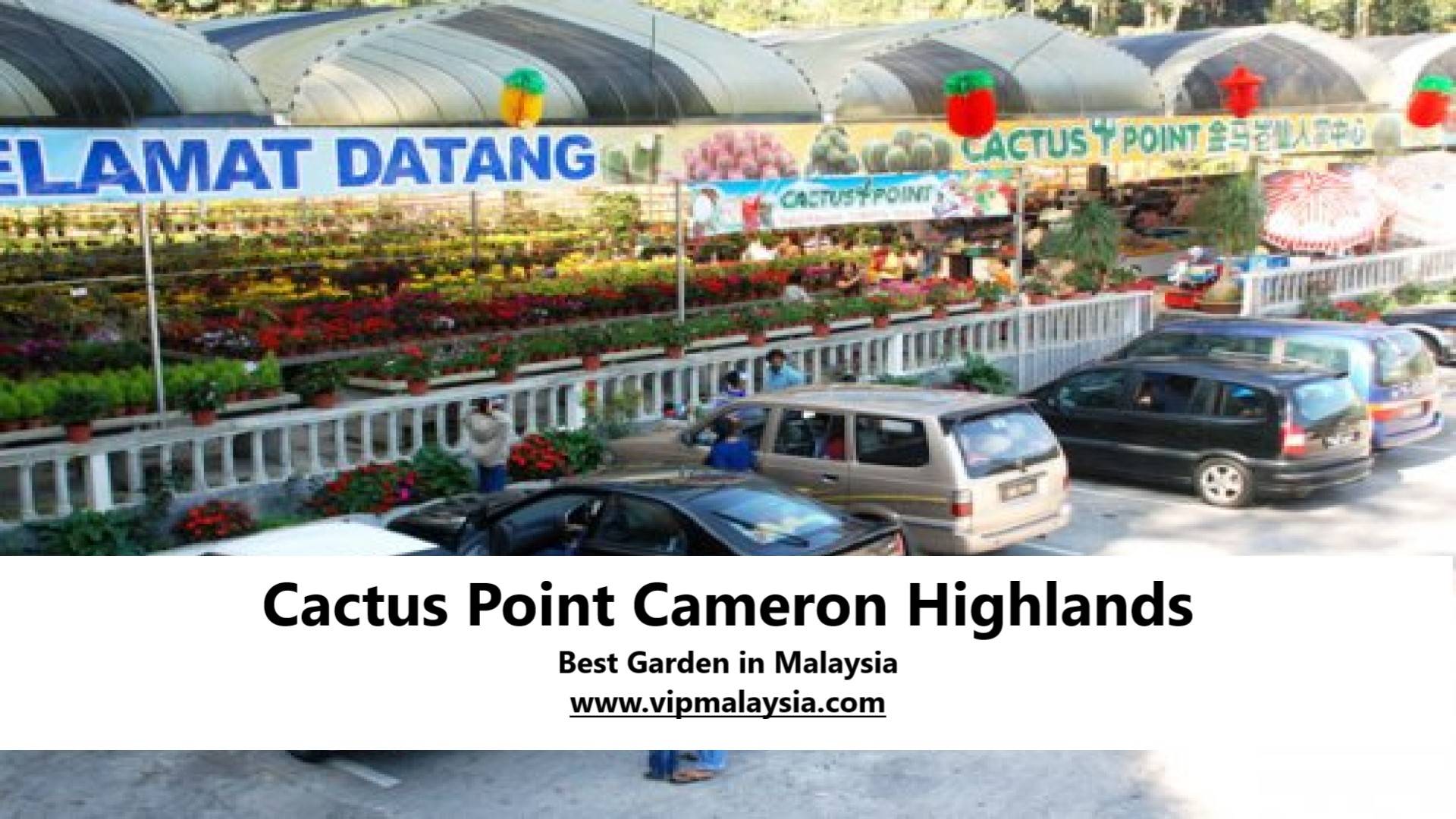
Cactus Point in Cameron Highlands is a vibrant nursery showcasing Malaysia’s largest cactus collection, hydroponic farming, and colorful blooms. With free entry, shopping opportunities, and scenic facilities, it’s a must‑visit destination for plant lovers and travelers alike.
Introduction
Cameron Highlands in Pahang, Malaysia, is renowned for its cool climate, lush tea plantations, and vibrant flower gardens. Among its many attractions, Cactus Point stands out as a botanical haven. Located in Brinchang, this nursery offers visitors a chance to explore one of Malaysia’s largest collections of cacti, alongside hydroponic farming displays, exotic flowers, and fruit‑bearing plants. Whether you are a gardening enthusiast, a casual traveler, or a family seeking a fun day out, Cactus Point provides a unique blend of education, leisure, and shopping.
History
Cactus Point was established in the late 20th century as part of Cameron Highlands’ growing horticultural industry. Initially a small nursery, it expanded rapidly due to the region’s favorable climate for both temperate and tropical plants. Over the years, it became one of the largest cactus nurseries in Malaysia, housing specimens that are decades old. Its founders envisioned a space where visitors could learn about plant cultivation, purchase gardening supplies, and enjoy the beauty of diverse flora. Today, Cactus Point remains a cornerstone of Cameron Highlands tourism, blending tradition with modern farming techniques.
A cactus is a member of the Cactaceae family, distinguished by its thick, succulent stems and branches that store water, enabling survival in arid and desert environments. Instead of leaves, most cacti bear spines or scales that minimize water loss and provide protection. Common examples include the Prickly Pear (Opuntia), valued for its edible pads and fruits; the Barrel Cactus, known for its rounded shape and use as a water source in survival situations; the Christmas Cactus (Schlumbergera), a popular ornamental plant that blooms in winter; and the Organ Pipe Cactus (Stenocereus), a tall columnar species native to Mexico and Arizona.
Highlights
Extensive Variety Of Cactus And Plants
Cactus Point boasts an impressive range of cacti, with some specimens aged over 70 years. Visitors can admire miniature decorative cacti, towering columnar species, and rare flowering varieties. Beyond cacti, the nursery features roses, lavender, calla lilies, impatiens, orchids, hibiscus, rhododendron, and geraniums. Fruit‑bearing plants such as peaches and passion fruits add a delightful twist, showcasing the diversity of Cameron Highlands’ horticulture.
Rare Specimens And Educational Displays
Many of the cacti are labeled with their scientific names, offering an educational experience for visitors. Some rare species are displayed in climate‑controlled sections, emphasizing the nursery’s dedication to conservation and plant science.
Cactus Point in Cameron Highlands is known for selling a wide variety of cacti, including popular species such as Golden Barrel, Echeveria, and other decorative succulents. These plants are available in both miniature and larger forms, making them attractive to collectors and casual buyers alike.
Popular Cactus
Golden Barrel Cactus (Echinocactus grusonii)
This round, spiny cactus is one of the most recognizable species sold at Cactus Point. It is prized for its striking spherical shape and golden spines, often used as a centerpiece in gardens or decorative pots.
The Golden Barrel Cactus (Echinocactus grusonii)** is one of the most iconic ornamental cacti, instantly recognizable by its spherical shape and golden spines. Native to east‑central Mexico, particularly the states of Querétaro and Hidalgo, this cactus can grow to over 1 meter in height and 40–80 cm in diameter. Mature plants develop pronounced ribs and woolly areoles, and after many years they produce yellow flowers around the crown in summer, followed by small, woolly fruits containing shiny brown seeds. Its architectural form and drought tolerance make it a favorite in gardens, landscaping, and decorative pots worldwide.
Despite its popularity, the Golden Barrel Cactus is classified as endangered due to habitat loss and over‑collection. Wild populations were severely reduced by the construction of the Zimapán Dam in Hidalgo, which flooded much of its natural habitat. Today, conservation efforts and widespread nursery cultivation help preserve this species, ensuring that visitors to places like Cactus Point Cameron Highlands can admire and purchase it responsibly. Its resilience, beauty, and rarity make the Golden Barrel Cactus both a botanical treasure and a symbol of sustainable horticulture.
Echeveria
Although technically a succulent, Echeveria is grouped with cacti at Cactus Point due to its popularity. Known for its rosette form and pastel colors, it is sold in individual pots or mixed decorative arrangements.
The Echeveria genus is one of the most beloved groups of succulents in the family Crassulaceae, native to semi‑desert regions of Central America, Mexico, and northwestern South America. These plants are admired for their compact rosettes of fleshy leaves, which often display stunning colors ranging from green and blue‑gray to pink and purple. Typically growing 10–20 cm tall and 10–30 cm wide, some species can reach up to 30 cm in diameter, making them versatile for both indoor and outdoor displays. Their drought tolerance and low maintenance needs make them especially popular among visitors to places like Cactus Point Cameron Highlands, where they are sold as decorative souvenirs and garden additions.
Among the notable species, Echeveria elegans, also known as the Mexican snowball, features pale blue rosettes; Echeveria agavoides resembles agave with pointed leaves tipped in red; Echeveria gibbiflora grows larger and even serves as a host plant for butterflies like Callophrys xami; and Echeveria lilacina, often called ghost echeveria, is admired for its silvery‑gray rosettes. These species highlight the diversity and ornamental appeal of Echeveria, making them a must‑see for visitors seeking unique plants in Cameron Highlands.
Miniature Decorative Cacti
Cactus Point offers a wide range of small, potted cacti that are ideal for beginners or as souvenirs. These include species with varied shapes and spines, often sold in sets at affordable prices.
Old And Rare Cacti
Some specimens at Cactus Point are decades old, with certain varieties reaching up to 70 years in age. These rare plants are displayed as living collections, though some are available for purchase.
At Cactus Point in Cameron Highlands, visitors can explore a wide variety of cacti, including giant barrel cacti, rare ornamental species, and miniature decorative cacti. These plants are neatly grouped for easy viewing, making the nursery both a shopping destination and a botanical showcase. The collection is especially appealing to tourists and plant enthusiasts who want to bring home unique souvenirs or add exotic species to their gardens. With affordable options for beginners and rare specimens for collectors, Cactus Point offers something for everyone.
Mixed Succulent Pots
Visitors can buy decorative ceramic pots containing multiple succulent and cactus varieties. These arrangements are popular for home decoration and gifts, offering a colorful mix of species.
Shopping For Plants And Souvenirs
Cactus Point doubles as a wholesale and retail nursery. Visitors can purchase miniature cacti, decorative succulents, and flowering plants to take home. Gardening supplies such as fertilizers, flowerpots, and vases are readily available, making it a one‑stop destination for enthusiasts. Local products like Cameron Highlands tea, strawberries, and fresh vegetables are also sold, allowing tourists to bring home authentic regional goods.
Local Handicrafts And Gifts
In addition to plants, stalls offer handmade crafts, ceramic pots, and woven baskets. These items reflect the cultural artistry of the Highlands, making them perfect souvenirs.
Accessibility And Facilities
Cactus Point is designed with visitor comfort in mind. Entry is free, making it accessible to all. The nursery provides wide parking spaces for cars, vans, and buses, ensuring convenience for group tours. Wheelchair‑accessible walkways allow inclusive exploration. On‑site restaurants and refreshment stalls serve local delicacies, while clean restrooms add to the visitor‑friendly experience.
Family‑Friendly Amenities
Families with children will appreciate the safe walkways, shaded resting areas, and interactive plant displays. The nursery often organizes seasonal exhibitions, adding variety to repeat visits.
Plant Varieties
Lavender
Lavender is a fragrant evergreen shrub from the genus Lavandula in the mint family (Lamiaceae), widely cultivated for its aromatic leaves and purple flower spikes. Native to the Mediterranean region, Canary Islands, parts of Africa, and southern Europe, it thrives in sunny climates with well‑drained soil. Its essential oils are highly valued in perfumery, cosmetics, and aromatherapy, while dried flowers are used in sachets and culinary recipes, adding both fragrance and flavor.
Among its notable species, English Lavender (Lavandula angustifolia) is prized for producing high‑quality essential oil, French Lavender (Lavandula stoechas) is cultivated for ornamental beauty and distinctive fragrance, and Woolly Lavender (Lavandula lanata) is admired for its silvery foliage. Together, these varieties highlight lavender’s versatility as both decorative and practical, making it one of the most beloved members of the mint family.
Calla Lilies
Calla lilies are elegant flowering plants from the genus Zantedeschia in the arum family (Araceae), native to southern Africa. They are admired worldwide for their striking funnel‑shaped spathes and lush foliage, though they are not true lilies. As tuberous perennials, they thrive in moist, well‑drained soil and are popular in gardens, floral arrangements, and as ornamental houseplants. Their beauty and symbolism make them a favorite in wedding bouquets, floral decorations, and container gardening, often representing purity and elegance in cultural traditions.
Among the notable species, Zantedeschia aethiopica is known as the white arum lily and is hardy in mild climates, often grown outdoors. Zantedeschia elliottiana stands out with its bright yellow spathes and spotted leaves, while Zantedeschia rehmannii is a smaller variety with pink to red spathes, commonly cultivated in pots.
Impatiens
Impatiens are a large genus of flowering plants in the family Balsaminaceae, recognized for their bright, irregularly shaped flowers and their unique explosive seed dispersal mechanism, which earned them the nickname “touch‑me‑not.” With over 1,000 species distributed across Asia, Africa, Europe, and North America, they are especially popular as ornamental plants in shaded gardens. Shade‑loving varieties like Impatiens walleriana, commonly called “busy lizzie,” are widely cultivated for their vibrant colors and ability to thrive where many other flowers struggle.
Among the notable species, Impatiens walleriana is a favorite in gardens, producing hybrids in a wide range of colors. Impatiens balsamina, or garden balsam, is native to Asia and valued for its ornamental appeal. Impatiens capensis, known as spotted jewelweed, is native to North America and features orange flowers with red or brown spots. Meanwhile, Impatiens glandulifera, or Himalayan balsam, introduced in Europe, is recognized for its tall growth and pink flowers, though it is considered invasive in some regions.
Orchids
The orchid family (Orchidaceae) is one of the largest and most diverse plant families in the world, with over 26,000 species across nearly 900 genera. Orchids are admired for their fragrant, colorful blooms and fascinating pollination strategies, making them highly valued in horticulture and floristry. They thrive in a wide range of environments, from tropical forests to temperate regions, and are cultivated globally for both decorative and commercial purposes. Visitors exploring botanical gardens or nurseries often find orchids among the most captivating plants due to their beauty and variety.
Among the notable genera, Phalaenopsis, or moth orchids, are popular in homes and floral shops; Cymbidium is prized for its long‑lasting flowers often used in corsages; Dendrobium includes species ranging from tropical to temperate climates; Vanilla is unique for producing the vanilla flavoring from its seed pods; and Paphiopedilum, known as slipper orchids, are admired for their pouch‑like labellum. These genera highlight the extraordinary diversity of orchids, making them a must‑see for visitors interested in plant collections and floral displays.
Hibiscus
Hibiscus is a large genus of flowering plants in the mallow family (Malvaceae), comprising about 250–300 species of shrubs, trees, and herbaceous plants. Native to warm temperate, subtropical, and tropical regions worldwide, hibiscus is admired for its large, trumpet‑shaped flowers in vibrant colors such as red, pink, yellow, and white. Its striking blooms make it one of the most popular ornamental plants in gardens and landscapes across the globe.
Among the notable species, Hibiscus rosa‑sinensis, also known as the Chinese or Hawaiian hibiscus, is widely cultivated for ornamental use; Hibiscus syriacus, or rose of Sharon, thrives in temperate gardens; Hibiscus sabdariffa, called roselle, is valued for its calyces used in teas and culinary preparations; and Hibiscus mutabilis, the Confederate rose, is admired for flowers that change color with age. In Malaysia, the Hibiscus rosa‑sinensis is the national flower, locally known as Bunga Raya, symbolizing unity and courage of the people. This cultural significance makes hibiscus not only a garden favorite but also a national emblem.
Rhododendron
Rhododendron is a diverse genus of about 1,000 species of woody flowering plants in the heath family (Ericaceae), admired for their clusters of funnel‑shaped flowers and attractive foliage. Native mainly to the Himalayas and Southeast Asia, they also occur in North America and Europe, thriving in cool climates and mountainous regions. Their blooms come in a wide range of colors, including white, pink, red, purple, and yellow, making them popular in gardens and parks worldwide. Visitors to highland destinations such as Cameron Highlands often encounter rhododendrons as part of the ornamental plant collections.
Among the notable species, Rhododendron arboreum, the tree rhododendron, produces striking red flowers in the Himalayas; Rhododendron macrophyllum, the Pacific rhododendron, is native to western North America; Azaleas, once considered a separate genus, are now classified under Rhododendron and are distinguished by their five anthers per flower; and Rhododendron protistum var. giganteum, the critically endangered “big tree rhododendron,” can grow up to 30 meters tall. These species highlight the genus’s diversity and cultural significance, making rhododendrons a must‑see for visitors interested in rare and beautiful flowering plants.
Geraniums
Geraniums are flowering plants in the genus Geranium (family Geraniaceae), commonly called cranesbills, with about 422 species of annuals, biennials, and perennials. They are admired for their palmately cleft leaves and five‑petaled flowers in shades of white, pink, purple, or blue. Thriving in temperate regions worldwide, geraniums are popular in gardens, landscaping, and decorative pots, making them a favorite among visitors looking for colorful and easy‑to‑grow plants. Their resilience and ornamental appeal ensure they remain a staple in both home gardens and public displays.
Among the notable types, Hardy Geraniums are true geraniums that withstand winter climates, while Pelargoniums, often mistaken for geraniums, are widely grown as bedding plants and container favorites. Wild Geraniums, known as cranesbills, are native species that have naturalized in many regions, adding charm to meadows and woodland gardens. For visitors exploring nurseries or botanical attractions, geraniums offer both beauty and variety, making them an excellent choice for enhancing landscapes or bringing vibrant blooms into the home.
Conclusion
Cactus Point offers an extraordinary mix of nature, shopping, and gardening experiences, making it one of Cameron Highlands’ most unique attractions. Whether you’re buying plants, enjoying the floral gardens, or exploring hydroponic farming, this destination promises a refreshing escape into the botanical wonders of Malaysia.
Plan your visit today—explore the beauty of Cactus Point, Cameron Highlands!
Summary
- Attraction: Cactus Point
- Location: #Pahang #CameronHighlands
- Attraction Type: #Nursery
- Source: cameronhighlandsinfo.com
- Why Visit:
- Home to Malaysia’s largest cactus variety collection
- Offers hydroponic farming methods for tomatoes & strawberries
- A perfect shopping destination for souvenirs & gardening supplies
- Free entry, making it an accessible stop for all visitors
Quick Info
| Attribute | Details |
|---|---|
| Name | Cactus Point |
| Location | Brinchang, Cameron Highlands, Pahang, Malaysia |
| GPS Position | 4.4700° N, 101.3800° E |
| State | Pahang |
| Facility Type | Garden, Farm & Nursery |
| Main Attractions | Cactus Collection, Flower Nursery, Hydroponic Farming |
| Nearby Landmarks | Brinchang Town, Kea Farm Market, Strawberry Farms |
| Accessibility | Located near Brinchang, easily accessible by car |
| Best Time to Visit | Open year-round for plant shopping & exploration |
| Entry Fees | Free (public access) |
| Recommended Activities | Plant Shopping, Photography, Sightseeing |
| Opening Hours | 8:00 AM – 6:00 PM daily |
| Contact | Cactus Point, Brinchang (+6011-17829384) |
Frequently Asked Questions (FAQs)
What makes shopping at Cactus Point in Cameron Highlands, Malaysia, a unique experience?
You will enjoy these benefits while shopping at New Cactus Point (besides many attractions here in Cameron Highlands):
- Free parking
- Free entrance
- One stop cactus centre
- Strategic location
- Cheaper price
- Varieties of cactus, pot flowers, flowers
- Fresh vegetables and fruits
- The bigger vase centre
- Various Cameron Highlands
Enjoy your shopping!