Tag: nature

  • Bukit Kutu: Selangor’s Untamed Mountain Escape

    Bukit Kutu: Selangor’s Untamed Mountain Escape

    Bukit Kutu

    Bukit Kutu near Kuala Kubu Bharu is a legendary Selangor hike that blends colonial history, rainforest adventure, and panoramic summit views. With steep trails, river crossings, and ruins of a forgotten hill station, this destination challenges hikers while rewarding them with breathtaking scenery and cultural heritage.

    Introduction

    If there’s one hike that challenges your calves and awakens your soul (while questioning your life decisions along the way), it’s Bukit Kutu. What starts as a “bukit” (hill) quickly turns into an untamed mountain adventure, complete with rivers, boulders, steep stairs—and surprisingly strong mobile signal.

    Tucked just 24 km from Kuala Kubu Bharu, Bukit Kutu is often mistaken for a simple hill, but the climb quickly reveals its true nature as a mountain trek. Rising to 1,053 meters, the trail winds through rivers, tangled roots, and mossy boulders, offering both punishment and exhilaration. Despite its rugged terrain, hikers are often surprised by the strong mobile signal at the summit—a modern twist to a timeless adventure.

    History

    Bukit Kutu’s story begins in the early 20th century when it was known as Treacher’s Hill, a colonial hill station established by British administrators seeking refuge from the tropical heat. Built around 1920–1922, the settlement featured bungalows, stone walls, and a chimney that still stands today. After World War II, the site was abandoned, leaving behind ruins that now serve as historical markers along the trail.

    Forgotten Colonial Legacy

    The remnants of Treacher’s Hill tell a tale of British leisure and retreat. The stone chimney, moss-covered steps, and scattered bricks are silent witnesses to a bygone era. Over time, the jungle reclaimed the area, transforming it into a hidden archaeological site within a thriving rainforest ecosystem.

    Conservation and Forest Reserve

    Although often referred to as a “wildlife reserve,” Bukit Kutu is officially part of the Selangor forest reserve and water catchment area. This designation protects its biodiversity, ensuring that native flora and fauna continue to thrive. The forest is home to species such as dusky leaf monkeys, hornbills, and wild orchids, making it a living museum of Malaysian rainforest ecology.

    Highlights

    Panoramic Summit Views

    At the peak, hikers are rewarded with sweeping views of Kuala Kubu Bharu, the surrounding valleys, and even glimpses of Genting Highlands on clear days. The summit’s boulders provide natural platforms for photography and rest.

    Colonial Ruins

    The chimney and stone foundations are among the most photographed features, offering a tangible connection to Bukit Kutu’s colonial past.

    Biodiversity

    The trail passes through dense rainforest rich with ferns, pitcher plants, and butterflies, making it a paradise for nature enthusiasts.

    Attractions

    Kuala Kubu Bharu Town

    Kuala Kubu Bharu, often called KKB, is the gateway to Bukit Kutu and one of Malaysia’s earliest planned towns. After the catastrophic flood of 1883 destroyed the original Kuala Kubu settlement, the British rebuilt the town in 1928 under Charles Compton Reade, Malaya’s first town planner. It became a pioneering example of the Garden City Movement, integrating greenbelts, tree-lined streets, and colonial architecture into its design.

    Heritage and Architecture

    Walking through KKB reveals colonial-era shop houses, government buildings, and landmarks such as the King George VI Memorial Clock Tower and the old fire station, now serving as the Hulu Selangor Tourism Information Centre. The town’s layout reflects early 20th-century urban planning principles, with pedestrian-friendly streets and preserved heritage structures.

    Local Food and Culture

    KKB is also known for its local food stalls and bakeries, such as the famous Teng Wun Bakery, which has been serving kaya puffs for decades. Traditional eateries and markets offer authentic Malaysian dishes, making the town a perfect stop before or after a hike.

    Sungai Selangor Dam

    Located just outside Kuala Kubu Bharu, the Sungai Selangor Dam was completed in 2002 and now serves as both a water catchment and a scenic attraction.

    Scenic Views and Photography

    The dam’s viewpoint offers sweeping vistas of the reservoir, surrounding hills, and forested slopes, making it a favorite spot for photographers. Golden hour and sunset are particularly popular times to capture reflections on the water.

    Visitor Experience

    Facilities include a recreational park with gazebos and the Splash Info Center, which provides educational displays about the dam project. Visitors often stop here for picnics, nature walks, and relaxation after trekking Bukit Kutu or en route to Fraser’s Hill.

    Things to Do

    Trekking and Hiking

    The Trail Experience

    The trek is a 10–11 km round trip with an elevation gain of about 910 meters. Most hikers take 3–4 hours to ascend and 2–3 hours to descend, depending on fitness and weather. The trail is rugged, featuring river crossings, tangled roots, steep stair-like climbs, and boulder scrambles. It is considered one of Selangor’s more demanding hikes, often described as both punishing and rewarding.

    Permit and Guide Info

    A permit from the Selangor Forestry Department is required, costing RM5 per person. Guides are not mandatory but are highly recommended for groups or first-time hikers, with fees around RM200–250. While fines exist for hiking without permits, the often-quoted RM20,000 penalty is exaggerated; enforcement focuses on ensuring compliance with forestry regulations rather than imposing extreme punishments.

    Tips Before You Climb

    Start early to avoid the midday heat and crowds. Bring sufficient water, snacks, and a power bank, as the trail is long and energy-draining. Wear sturdy trail shoes with good grip to handle slippery roots and rocks. Be mindful of bees during mating seasons, and expect wet paths after rainfall. Despite the remote setting, hikers often note surprisingly strong mobile signal at the summit, making it easy to share photos instantly.

    Birdwatching

    The forest reserve is a hotspot for birdwatchers, with sightings of hornbills, kingfishers, and drongos.

    Camping

    While camping at Bukit Kutu itself is restricted, nearby campsites in Kuala Kubu Bharu offer facilities for overnight stays.

    Nearby Attractions

    Fraser’s Hill

    A colonial hill station about an hour’s drive away, offering cool weather, birdwatching, and Tudor-style architecture.

    Chiling Waterfall

    One of Selangor’s most famous waterfalls, requiring a short trek and multiple river crossings.

    Genting Highlands

    A modern resort destination with casinos, theme parks, and shopping, visible from Bukit Kutu’s summit on clear days.

    Conclusion

    Bukit Kutu is more than a hike—it is a blend of history, adventure, and natural beauty. From colonial ruins to rainforest biodiversity, the trail offers a unique experience that challenges the body and enriches the soul. With proper preparation and respect for its protected status, Bukit Kutu remains one of Selangor’s most iconic trekking destinations.

    Visitor Reviews

    Parames, Kuala Lumpur – ★★★★☆ “I completed Bukit Kutu last month, and it took me about 3.5 hours to reach the summit with three river crossings. The trail is demanding, especially the steep scrambles and ladders near the top. Parking at Kampung Pertak was RM2, and the permit process was straightforward. The panoramic view at 1,053 meters was spectacular, and the colonial ruins added a unique historical touch.”

    Sarah & Lela, Kuala Lumpur – ★★★★★ “As a solo hiker, I joined a guided trek in February 2026. Bukit Kutu is not just a mountain—it’s a living rainforest sanctuary. The hike through Hulu Selangor was immersive, with bamboo groves, rivers, and wildlife sightings. The guide shared stories about Treacher’s Hill, which made the experience culturally rich. It’s a challenging trail but worth every step for those seeking authentic adventure.”

    Monaliza, Shah Alam – ★★★★☆ “The hike began along Sungai Luit, where we pitched a tent near the river before starting. Crossing the broken bridge and climbing the three sets of ladders was thrilling but also nerve-wracking. The stone wall along the trail was a highlight, and reaching the summit gave us breathtaking views of the forest and mountains. Definitely bring good shoes and plenty of water.”

    Mohd Suhaili, Petaling Jaya – ★★★★★ “Bukit Kutu is one of the hardest hikes I’ve done in Selangor. The dense forest, bamboo groves, and steep ascents tested my endurance. The summit boulders were perfect for photos, and the strong mobile signal was a surprise. The ruins of Treacher’s Hill made me reflect on the colonial past. It’s a must-do for serious hikers who want both history and adventure.”

    Conclusion

    Absolutely—if you enjoy pain with a view. The steep ascent might have you questioning everything, but the summit, the misty peaks, and that first IG story post make it unforgettable. Just remember to register, bring a guide, and carry your sense of humor along the trail. Ready to conquer Bukit Kutu? Tag your squad, book that guide, and let the wild adventure begin.

    Summary

    • Attraction: Bukit Kutu
    • Location: #Selangor 
    • Attraction Type: #Nature #Activity 

    Quick Info

    AttributeCorrect Information
    NameBukit Kutu (formerly Treacher’s Hill) – part of Selangor forest reserve and water catchment, not officially gazetted as a wildlife reserve
    LocationTrailhead at Kampung Pertak, about 24 km from Kuala Kubu Bharu, Hulu Selangor, Selangor
    StateSelangor
    Elevation1,053 m above sea level
    Date EstablishedColonial hill station built in early 1920s (Treacher’s Hill); abandoned after WWII
    AreaOverlaps with forest reserves and water catchment zones; exact hectares not officially published
    FacilitiesTrailhead at Kampung Pertak, streams along trail, summit boulders with panoramic views, strong mobile coverage reported by hikers
    Permit RequiredYes, RM5 per person via Selangor Forestry Department
    Guide CostRM200–250 per group (optional, not mandatory)
    Max Hikers per GuideTypically 6–7 hikers per guide (recommended for safety)
    Mobile CoverageStrong signal at summit, often noted by hikers
    Permit AuthoritySelangor Forestry Department, Hulu Selangor District Office (not PERHILITAN)
    ContactSelangor Forestry Department Hulu Selangor Office – permits and inquiries handled locally


  • Bukit Broga: Scenic Sunrise Hike Near Kuala Lumpur

    Bukit Broga: Scenic Sunrise Hike Near Kuala Lumpur

    Bukit Broga

    Looking for a scenic escape just outside Kuala Lumpur? Bukit Broga offers a beginner-friendly hike with breathtaking sunrise views, rolling hills, and a touch of adventure. Whether you’re a first-time hiker or a seasoned trail lover, this hilltop gem in Semenyih is a must-visit.

    Introduction

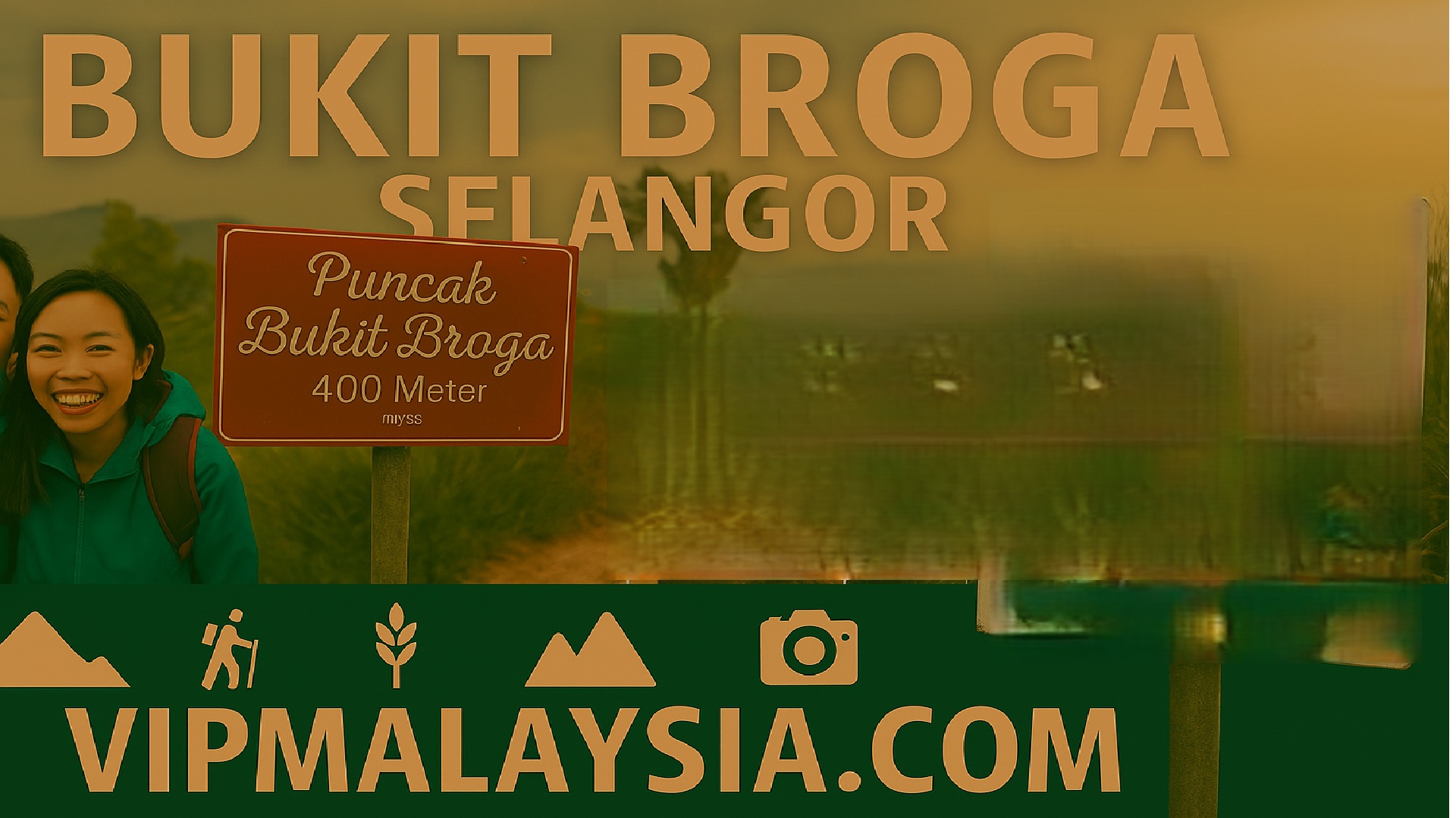
    Nestled on the border of Selangor and Negeri Sembilan, Bukit Broga (also known as Bukit Lalang) is a 400-meter hill that has become a favorite among locals and tourists alike. With its panoramic sunrise views, easy-to-moderate trail, and lush lalang grass fields, it’s the perfect weekend escape for nature lovers, photographers, and families.

    Bukit Broga is one of Malaysia’s most accessible and scenic hiking destinations. Located in Semenyih, about 60 minutes from Kuala Lumpur, this hill is renowned for its open grassland slopes and breathtaking sunrise panoramas. Unlike dense jungle treks, Bukit Broga’s lalang grass fields provide wide‑open views, making it a favorite among photographers, families, and casual hikers. The trail is short yet rewarding, with three distinct peaks offering progressively better vantage points over the surrounding valleys, palm plantations, and distant city skylines.

    History

    Bukit Broga’s history is deeply tied to the surrounding town of Semenyih and the agricultural landscape of Negeri Sembilan. The name “Broga” is believed to have originated from the nearby Broga village, which itself has roots in early Chinese and Malay settlements. Historically, the hill was used by locals for farming and grazing, with lalang grass dominating the slopes due to its resilience in Malaysia’s tropical climate.

    Over time, Bukit Broga transformed from a quiet agricultural backdrop into a recreational hotspot. In the late 20th century, as urban expansion reached Semenyih, locals began hiking the hill for leisure. Its popularity surged in the 2000s, when social media highlighted its sunrise views and photogenic landscapes. Today, Bukit Broga stands as both a cultural landmark and a natural retreat, symbolizing the balance between Malaysia’s rural heritage and modern outdoor tourism.

    Highlights

    Sunrise Views

    The most iconic highlight of Bukit Broga is its sunrise. As dawn breaks, golden light spills across the lalang grass, illuminating the misty valleys below. The first and second peaks are especially popular for sunrise photography, offering unobstructed views of Semenyih and beyond.

    Beginner-Friendly Trail

    Unlike more challenging hikes such as Bukit Tabur, Bukit Broga is accessible to beginners. The trail is relatively short, with rest points along the way, making it suitable for families and casual walkers.

    Instagram-Worthy Spots

    From boulders perched at the summit to sweeping views of palm plantations, Bukit Broga is filled with photo opportunities. Many hikers pause at each peak to capture the changing scenery, especially during sunrise and sunset.

    Attractions

    Lalang Grass Slopes

    The lalang grass fields are a defining feature of Bukit Broga. These tall, swaying grasses create a picturesque setting, especially when lit by morning sunlight.

    Three Peaks

    Bukit Broga’s trail leads to three distinct peaks. The first peak offers open views, the second provides panoramic vistas, and the third is more shaded, surrounded by trees and vegetation.

    Wildlife Encounters

    Though not dense jungle, Bukit Broga is home to small wildlife species such as squirrels, birds, and butterflies. Occasionally, hikers may spot monkeys near the lower slopes.

    Things to Do

    Hiking and Trekking

    The primary activity at Bukit Broga is hiking. The trail takes about 45–60 minutes to reach the final peak, depending on pace.

    Photography

    Bukit Broga is a paradise for photographers. Sunrise shots, panoramic landscapes, and candid hiking moments are popular themes.

    Picnics and Relaxation

    Many visitors bring snacks and enjoy a picnic at the peaks. The open grassland provides a comfortable space to rest and soak in the views.

    Trekking and Adventure

    Trail Breakdown

    • Start Point: Plantation carpark (small fee applies).
    • Checkpoint 1: First peak (15–20 minutes, open view).
    • Checkpoint 2: Second peak (15–20 minutes, panoramic view).
    • Checkpoint 3: Final peak (20–30 minutes, shaded).

    Visitor Facilities

    Basic facilities such as parking, food stalls, and rest areas are available near the trailhead. Local vendors often sell drinks and snacks, especially on weekends.

    Safety Tips

    Hikers are advised to bring headlamps if starting before sunrise, wear shoes with good grip, and carry sufficient water. The trail can be slippery after rain.

    Nearby Attractions

    Semenyih Town

    Semenyih offers local eateries, traditional markets, and cultural festivals. Visitors often stop by for breakfast after a sunrise hike.

    Broga Temple

    Located near the hill, Broga Temple is a Chinese temple known for its colorful statues and panoramic views. It’s a popular stop for those seeking cultural exploration.

    Nottingham University Malaysia

    Just a short drive away, the university campus adds a modern touch to the area, with cafes and facilities accessible to visitors.

    Other Hikes

    Nearby trails include Bukit Gasing and Gunung Tok Wan, offering more challenging adventures for seasoned hikers.

    Bukit Gasing

    Bukit Gasing, located between Kuala Lumpur and Petaling Jaya, is one of the most popular urban forest reserves for casual hikers. The trails here range from easy to moderate, with highlights such as the suspension bridge, abandoned houses, and the telecommunication tower. The forest park is accessible through multiple entrances, including the main archway at Jalan Gasing and the Pantai Hill Park entrance.

    Facilities like toilets, washing areas, and resting gazebos make it a convenient spot for families and beginners. The hike typically takes one to two hours, depending on the chosen route, and offers a mix of flat paths, steep climbs like the “Killer Stairs,” and shaded forest trails.

    Beyond its trails, Bukit Gasing is a cultural and ecological gem. The forest reserve is home to monkeys, birds, and butterflies, adding to the natural charm. Visitors often encounter Hindu temples and cemeteries along the way, reflecting the area’s diverse heritage. The park is especially lively on weekends, with local hikers and families enjoying picnics and photography.

    However, parking can be challenging, and the trails may become muddy during the monsoon season. Despite these minor inconveniences, Bukit Gasing remains a beloved destination for those seeking a quick escape into nature without leaving the city’s vicinity.

    Gunung Tok Wan

    Gunung Tok Wan, standing at approximately 675 meters, is a more challenging extension of the popular Broga Hill hike. After conquering Broga’s three peaks, hikers continue into denser forest trails leading to Tok Wan’s summit. The trek is rated moderate to hard, with steep ascents, rocky paths, and occasional thorny vegetation.

    The journey typically takes 2.5 to 3 hours from Broga Peak 3, and hikers should be prepared with sufficient water, headlamps if starting late, and protective clothing against leeches. At the summit, the views stretch across Selangor’s countryside, with Broga Hill visible in the distance.

    The history of Gunung Tok Wan adds intrigue to the hike. It was reportedly “discovered” by Kajang Prison officers in 2010, and since then, it has become a training ground for seasoned hikers. Unlike Broga Hill’s open lalang grass slopes, Tok Wan’s trail is shaded and secluded, offering a quieter experience.

    Camping is possible along the trail with permits from the Selangor Forestry Department, and wildlife encounters such as fireflies and small mammals have been reported. While less crowded than Broga, the trail’s raw and rugged nature makes it unsuitable for beginners, but perfect for those seeking a tougher adventure beyond the tourist-heavy Broga peaks.

    Conclusion

    Whether you’re chasing the sunrise, reconnecting with nature, or just looking for a peaceful escape from city life, Bukit Broga delivers. It’s a place where memories are made, lungs are filled with fresh air, and hearts leave a little lighter. Set your alarm early and lace up your hiking shoes. Capture the sunrise and tag your journey with #BukitBroga.

    Remember: Leave only footprints, take only memories.

    Summary

    • Attraction: Bukit Broga
    • Location: #Selangor 
    • Attraction Type: #Nature 
    • Source: nordiyana.com

    Quick Info

    AttributeDetails
    NameBukit Broga (Broga Hill), also known as Bukit Lalang
    LocationBroga Town, Semenyih, Selangor — right on the Selangor/Negeri Sembilan border
    GPS Coordinates2.9396° N, 101.9008° E
    StateOfficially in Selangor, but bordering Negeri Sembilan
    HeightApproximately 400 meters above sea level (some sources list 375m depending on peak measured)
    Trail LengthAbout 1.2 km from trailhead to the third peak
    DifficultyEasy to Moderate — suitable for beginners, families, and casual hikers
    Estimated Hiking Time45-80 minutes to reach the summit, depending on pace and rest stops
    Best Time to VisitBetween 5:30 AM and 9:00 AM for sunrise views
    Entrance FeeRM1–RM2 per person (collected by plantation owners, varies slightly)
    ParkingAvailable at plantation carpark, RM2–RM3 per vehicle
    FacilitiesBasic amenities: toilets, drink stalls, parking, signage at trailhead
    Nearby LandmarksUniversity of Nottingham Malaysia, Broga Rabbit Farm, Broga Temple
    WildlifeBirds, butterflies, occasional monkeys along lower slopes
    Trail TypeOpen lalang grassland, dirt paths, rocky sections near peaks
    ContactTourism Selangor: 03-5513 2000

    Visitor Reviews

    Nadia Suparman, Kuala Lumpur – ★★★★★ “I hiked Bukit Broga last month with my cousins, and we started at 5:30 a.m. to catch the sunrise. The trail was manageable even though I’m not very fit, with plenty of spots to rest. The view from the second peak was breathtaking — mist rolling over the palm plantations and the golden light hitting the lalang grass. Parking was easy at the plantation carpark, though it gets crowded on weekends. Definitely worth the early wake‑up.”

    Daniyal Mohd Azwan, Petaling Jaya – ★★★★☆ “I’ve been to Bukit Broga three times, and each visit feels different depending on the weather. On my last hike, the trail was a bit muddy after rain, so good shoes are a must. The lalang grass fields are stunning, especially when the wind blows across them. I love that the hike is short but rewarding, though it can get packed with hikers at sunrise. Facilities at the base are basic, but local stalls selling coconut water and nasi lemak make the trip feel complete.”

    Aishah Abdul Manap, Seremban – ★★★★★ “As someone from Negeri Sembilan, Bukit Broga is practically in my backyard. I often bring visiting friends here because it’s beginner‑friendly yet scenic. The three peaks offer different vibes — the first is open and breezy, the second has the best panoramic view, and the third is shaded and quieter. Wildlife is minimal, but I’ve spotted hornbills once near the upper slopes. It’s a great spot to introduce people to hiking without overwhelming them.”

    Marcella Ariffin, Shah Alam – ★★★★☆ “I went with my photography group, and Bukit Broga is a dream for sunrise shots. The lalang grass catches the light beautifully, and the boulders at the summit make for dramatic compositions. We stayed at the second peak for almost an hour just taking photos. The only downside is the crowd — it’s very popular, so if you want solitude, weekdays are better. Still, the accessibility and views make it one of the best short hikes near KL.”

    Justin Hogan, Kajang – ★★★★★ “My family and I hiked Bukit Broga on a Sunday morning. My younger brother, who’s only 10, managed to reach the second peak without much trouble. The trail is well‑trodden, and there are plenty of people around, which makes it feel safe. After the hike, we visited Broga Temple nearby, which added a cultural touch to the trip. It’s a perfect combination of nature and heritage, and I’d recommend it to anyone looking for a wholesome weekend activity.”

  • The Dusun: Rainforest Villas and Nature Escape

    The Dusun: Rainforest Villas and Nature Escape

    The Dusun, Negeri Sembilan

    Discover The Dusun in Negeri Sembilan, Malaysia—a rainforest retreat offering private villas, panoramic views, jungle trekking, and eco-living. Perfect for couples, families, and adventurers, this hidden gem blends nature, culture, and sustainability.

    Introduction

    Nestled in the lush hills of Seremban, Negeri Sembilan, The Dusun is more than just a resort—it is a sanctuary where travelers reconnect with nature. Known for its eco-friendly philosophy and breathtaking rainforest surroundings, The Dusun has become a sought-after destination for those seeking tranquility away from Kuala Lumpur’s bustling city life. With private villas, panoramic views, and immersive jungle experiences, it offers a rare combination of comfort and sustainability.

    History of The Dusun

    The Dusun began as a family-owned retreat founded by Helen and David, who envisioned a sustainable sanctuary that respected the rainforest. When they arrived in Negeri Sembilan decades ago, they worked closely with local villagers, hiring them and learning traditional practices. Their philosophy was simple: build structures that fit into the landscape, not the other way around.

    Instead of clearing large areas of forest, they designed villas around existing durian trees and natural terrain. Over time, The Dusun grew into a collection of eco-villas, each blending rustic charm with modern convenience. The founders emphasized organic farming, composting, and eco-friendly products, ensuring that the resort remained true to its sustainable roots. Today, The Dusun stands as a living example of ecotourism that supports local communities and preserves Malaysia’s rainforest heritage.

    Highlights of The Dusun

    Comfortable Villas and Cozy Retreats

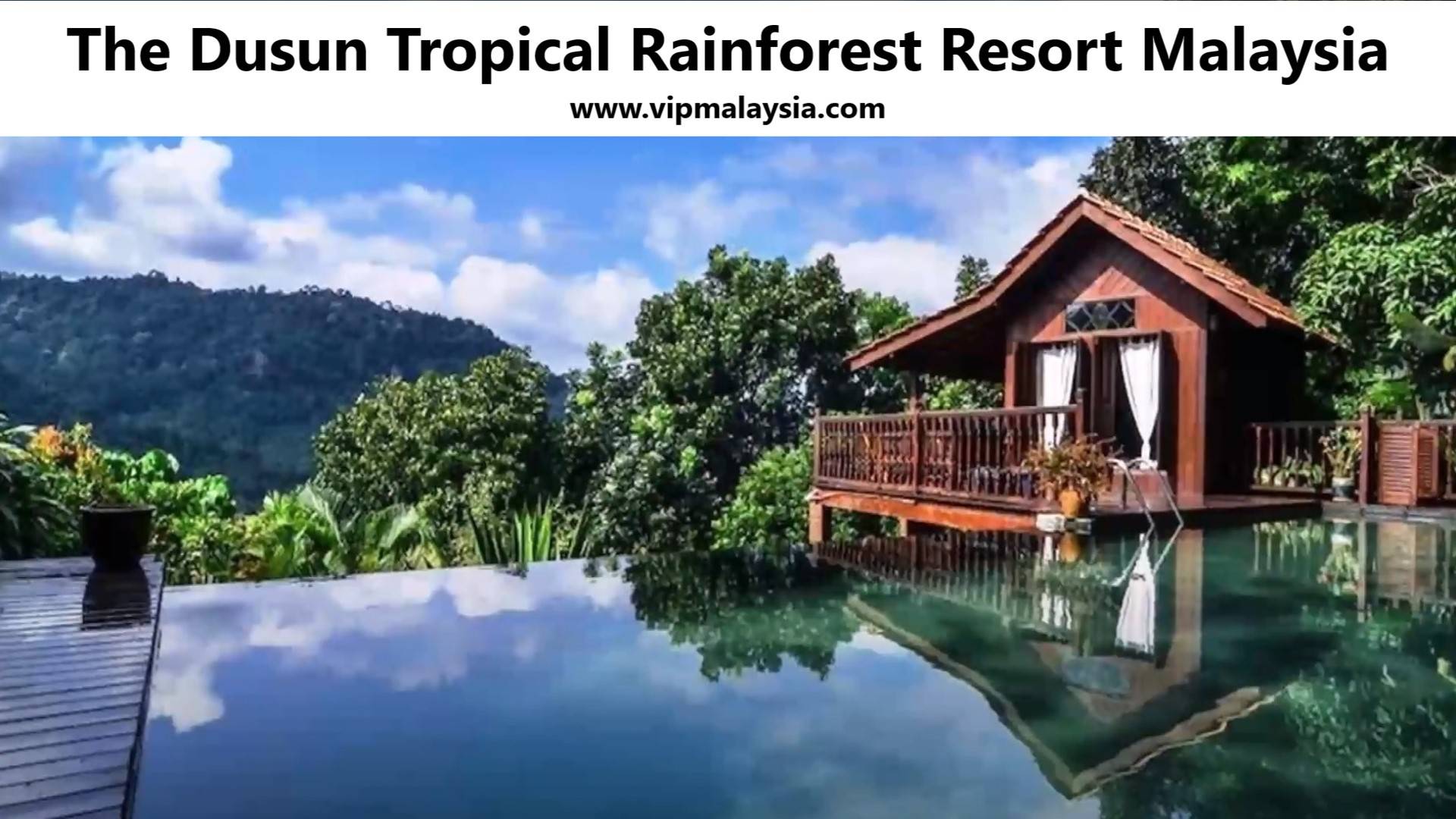
    Guests can choose from several private villas, each designed with open-air concepts and natural ventilation. Balconies with mountain views allow visitors to wake up to misty hills and rainforest sounds. Villas are equipped with kitchens featuring fridges, stovetops, and tea pots, making them ideal for self-catering stays. While rustic in design, they maintain modern comforts without compromising eco-principles.

    Example: The Berembun House

    This villa is perched on a hillside, offering sweeping views of the rainforest canopy. Its open layout encourages guests to immerse themselves in nature, while the kitchen allows for self-prepared meals using fresh produce from local farms.

    Outdoor Activities and Nature Exploration

    The Dusun is a paradise for adventurers. Jungle trekking trails wind through Negeri Sembilan’s rainforest, leading to waterfalls and hidden streams. Guests can also enjoy birdwatching, spotting hornbills, kingfishers, and other tropical species. The resort features year-round pools, perfect for cooling off after a trek.

    Example: Guided Jungle Trek

    Local guides lead treks that highlight medicinal plants, wildlife habitats, and cultural stories tied to the rainforest. These treks are not only adventurous but educational, deepening appreciation for Malaysia’s biodiversity.

    Farm-to-Table Cuisine and Organic Living

    While The Dusun emphasizes self-catering, guests can enjoy authentic Malaysian breakfasts with continental or Asian options. Fresh produce is sourced from local farms, and the resort promotes organic practices such as composting and pesticide-free gardening. This commitment to sustainability creates a unique dining experience where guests savor meals that reflect the land’s bounty.

    Example: Organic Durian Season

    During durian season, guests can taste fresh fruit harvested directly from the property’s trees. This seasonal highlight connects visitors to Malaysia’s cultural love for durian while supporting eco-farming.

    Attractions Near The Dusun

    Jeram Toi Waterfall

    Located a short drive away, Jeram Toi offers refreshing pools and cascading waterfalls. It is a favorite spot for families and trekkers seeking a natural escape.

    Seremban Lake Garden

    This landscaped park is ideal for picnics and leisurely strolls. Its serene environment complements the rainforest retreat, offering a balance of urban greenery and natural beauty.

    Port Dickson Beach

    Just an hour’s drive from The Dusun, Port Dickson provides sandy beaches and coastal relaxation. Visitors often combine rainforest stays with seaside excursions, making their trip diverse and memorable.

    Trekking and Adventure

    Jungle Trails

    The Dusun’s trails are designed for both beginners and seasoned trekkers. Paths wind through moss-covered durian groves, bamboo forests, and hidden streams.

    Example: The Dusun Walk

    This trail loops around mature durian trees, covered in soft moss, and offers a tranquil walk accompanied by the sounds of crickets and frogs.

    Wildlife Encounters

    Guests often spot macaques, squirrels, and tropical birds. The rainforest’s orchestra of sounds—frogs, cicadas, and birds—creates a natural soundtrack that enhances the immersive experience.

    Example: Birdwatching Morning

    Early mornings are the best time to spot hornbills gliding across the canopy. Guests often describe these sightings as magical moments that define their stay.

    Must-Visit Highlights

    Eco-Friendly Practices

    The Dusun is committed to sustainability. Plastic-free soaps and shampoos are provided, sourced from local artisans. Wastewater is recycled into the ground, and composting is encouraged among guests.

    Cultural Connections

    The founders built strong ties with local villagers, supporting traditional practices and hiring locally. This cultural integration ensures that The Dusun is not just a resort but a community-driven project.

    Seasonal Experiences

    From durian harvests to tropical fruit barbecues, seasonal highlights enrich the visitor experience. Guests often plan trips around fruiting seasons to enjoy fresh produce directly from the land.

    Conclusion

    The Dusun in Negeri Sembilan is a rare blend of eco-living, cultural heritage, and rainforest adventure. With private villas, jungle trekking, organic farming, and nearby attractions, it offers something for every traveler. Whether you seek relaxation, romance, or adventure, The Dusun delivers an unforgettable experience rooted in sustainability and nature.

    Experience Nature’s Tranquility at The Dusun

    Why Visit The Dusun in Negeri Sembilan?

    • ✔ Exclusive rainforest retreat – Escape from city life and immerse yourself in nature
    • ✔ Stunning panoramic views – Overlooking lush green landscapes and majestic hills
    • ✔ Private villas & outdoor experiences – Enjoy spacious accommodations surrounded by nature
    • Villas are self-catering with kitchens; while fresh produce is grown onsite

    Relax, unwind, and reconnect with nature—visit The Dusun today!

    Resort Highlights & Guest Experience

    1. comfortable Villas & Cozy Retreats

    • ✔ Private forest villas – Equipped with modern comforts while maintaining an eco-friendly vibe
    • ✔ Balconies with stunning mountain views – Perfect for relaxing and soaking in nature’s beauty
    • ✔ Fully equipped kitchens – Featuring fridges, electric tea pots, and stovetops for convenience

    2. Outdoor Activities & Nature Exploration

    • ✔ Jungle trekking & waterfall excursions – Explore Malaysia’s rainforest trails
    • ✔ Year-round outdoor pool – Refresh yourself with a dip in the pool
    • ✔ Wildlife & birdwatching – Spot various species in their natural habitat

    3. Farm-to-Table Cuisine & Organic Living

    • ✔ Fresh produce sourced from local farms – Enjoy high-quality meals straight from nature
    • ✔ Authentic Malaysian breakfast choices – Choose continental or Asian-inspired breakfast options
    • ✔ Sustainable eco-living environment – The Dusun promotes organic, environmentally friendly practices

    Visitor Experience & Nearby Attractions

    What to Expect at The Dusun

    • ✔ A peaceful & immersive rainforest experience – Escape the hustle and bustle of city life
    • ✔ Family-friendly & romantic getaway options – A perfect destination for couples, friends, and families
    • ✔ Ideal for relaxation & rejuvenationReconnect with nature in total serenity

    Nearby Attractions

    • ✔ Jeram Toi Waterfall – Explore refreshing waterfall trails near The Dusun
    • ✔ Seremban Lake Garden – A peaceful park for strolling and picnics
    • ✔ Port Dickson BeachBeautiful coastal retreats just an hour’s drive away

    The Dusun isn’t just a resort—it’s a nature sanctuary, offering an immersive rainforest experience, breathtaking views, fresh organic food, and serene living spaces. Whether you’re seeking adventure or relaxation, this eco-retreat guarantees an unforgettable tropical getaway in Negeri Sembilan.

    Reconnect with nature’s beauty—visit The Dusun today!

    Summary

    • Attraction: The Dusun
    • Location: #NegeriSembilan 
    • Attraction Type: #Nature 
    • Source: youtube.com
    • Why Visit:
      • Exclusive rainforest retreat – Escape from city life and immerse yourself in nature
      • Stunning panoramic views – Overlooking lush green landscapes and majestic hills
      • Private villas & outdoor experiences – Enjoy spacious accommodations surrounded by nature
      • Farm-to-table dining & fresh produce – Savor local organic ingredients for a true tropical experience

    Quick Info

    AttributeDetails
    NameThe Dusun
    Location3437 Kampung Kolam Air Mukim Pantai, 71770 Seremban, Negeri Sembilan, Malaysia
    GPS Position2.7559° N, 101.9225° E
    StateNegeri Sembilan
    Facility TypeEco-Resort & Rainforest Retreat
    Special AttractionsPrivate Villas, Jungle Trekking, Outdoor Pool, Organic Living
    Nearby AttractionsJeram Toi Waterfall, Seremban Lake Garden, Port Dickson Beach
    Accessibility61 km from KL International Airport, easily accessible via highways
    Best Time to VisitYear-round for nature experiences
    Opening HoursCheck-in: 2:00 PM | Check-out: 11:00 AM
    ContactPhone: +6012-616-2585

    Visitor Reviews

    Shazlin Ahmad, Kuala Lumpur (5 stars) “I stayed at the Berembun House with my husband, and waking up to the sound of hornbills was unforgettable. The villa’s open-air design made us feel immersed in the rainforest, and the kitchen was well-equipped for self-catering. We even cooked with fresh vegetables bought from the Seremban market. The infinity-style pool overlooking the hills was the perfect way to end our evenings.”

    Azram Syah, Selangor (4 stars) “The Dusun is rustic but charming. Our villa had a balcony with sweeping views of the rainforest canopy. We trekked to Jeram Toi Waterfall with a local guide who explained the medicinal uses of plants along the trail. The only drawback was limited dining options onsite, but the self-catering kitchen made up for it. Birdwatching in the mornings was a highlight.”

    Monica Alberto, Singapore (5 stars) “We visited during durian season and had the chance to taste fresh durians straight from the trees. The kids loved the pool, and we enjoyed exploring Seremban Lake Garden nearby. The eco-friendly practices impressed me—no air conditioning, yet the villas stayed cool with natural ventilation. It’s not luxury in the conventional sense, but it’s a true rainforest retreat.”

    Pak Long, Melaka (4 stars) “The Dusun is ideal for those who want to disconnect. No TV, no city noise—just the sounds of cicadas and frogs at night. The villa’s kitchen had everything we needed, and we barbecued under the stars. Trekking through bamboo groves was magical. I’d recommend bringing groceries from Seremban since dining options are limited onsite.”

    Yogendran Fat, Selangor (5 stars) “Our family getaway was memorable. The villa was spacious, with a fridge and stovetop for cooking. We combined our stay with a day trip to Port Dickson Beach, which was just an hour away. The Dusun’s eco-living philosophy—composting, organic farming, and locally made toiletries—made us feel part of something sustainable. Truly a unique experience.”

    Frequently Asked Questions (FAQs)

    Where is The Dusun Tropical Rainforest Resort located?

    This resort is located at Kampung Kolam Air Mukim Pantai, Seremban, Negeri Sembilan.

  • Institut Biodiversiti Veterinar: Preserving Natural Heritage

    Institut Biodiversiti Veterinar: Preserving Natural Heritage

    Institut Biodiversiti Veterinar Kebangsaan

    Institut Biodiversiti Veterinar Kebangsaan (IBVK) in Jerantut, Pahang, is Malaysia’s premier center for biodiversity and veterinary research. Established in 1980 and now spanning over 181 hectares, it houses elite livestock, advanced laboratories, and public exhibitions that promote conservation, sustainability, and ecological awareness.

    Introduction

    Founded as the Pusat Permanian Beradas Nasional in 1980, the institute evolved into IBVK in 1989 when relocated to Bukit Dinding, Jerantut. Today, it is managed under the Department of Veterinary Services (DVS) and plays a crucial role in genetic research, biodiversity mapping, and conservation programs. With laboratories for semen, embryo, and molecular studies, IBVK supports Malaysia’s livestock industry while promoting ecological sustainability.

    Bukit Dinding in Jerantut, Pahang, refers to both a hill area and a traditional Malay village settlement (Kampung Bukit Dinding) located in Mukim Burau, Jerantut district. It is a rural community with basic facilities such as a mosque and a primary school, and it forms part of Jerantut’s historical and cultural landscape. Facilities: Sekolah Kebangsaan Bukit Dinding – primary school for local children and Masjid Kampung Bukit Dinding – serves as a place of worship and community activities.

    Highlights

    Biodiversity and Conservation

    IBVK is a hub for scientific discovery, focusing on Malaysia’s flora and fauna. Research programs include biodiversity mapping, eco-expeditions, and genetic improvement of livestock.

    IBVK began in 1980 as the National Artificial Insemination Centre in Seremban, later relocated to Johor, and finally established at Bukit Dinding, Jerantut, Pahang in 1989.

    Wildlife Research and Preservation

    The institute conducts studies on rainforest ecosystems, rare species, and endangered wildlife. Its conservation efforts safeguard Malaysia’s biodiversity while supporting sustainable agriculture.

    Educational Programs and Public Awareness

    IBVK organizes exhibitions, seminars, and workshops to raise awareness about biodiversity. Collaborations with universities and conservation organizations enhance its outreach.

    Interactive Exhibitions

    Visitors can explore museum collections featuring rare wildlife specimens, gaining insights into Malaysia’s ecological richness. These exhibitions are designed to engage both students and the general public.

    The museum collections at the Institut Biodiversiti Veterinar Kebangsaan (IBVK) in Pahang feature preserved wildlife specimens, biodiversity exhibitions, and educational displays that highlight Malaysia’s ecological richness and veterinary heritage. These collections serve both as research references and public awareness tools.

    Sustainable Environmental Practices

    The institute advocates eco-friendly conservation methods and sustainable land-use policies. It also promotes responsible tourism and ecological preservation.

    Community Engagement

    Local communities are involved in awareness programs, ensuring that conservation efforts are inclusive and impactful. This strengthens the bond between science and society.

    Advanced Research Facilities

    IBVK’s laboratories for semen, embryo, and molecular studies are among the most advanced in Malaysia. They support genetic improvement and biodiversity conservation.

    Elite Livestock Breeding

    The institute houses elite livestock breeds, contributing to Malaysia’s agricultural sustainability and food security.

    Conclusion

    Institut Biodiversiti Veterinar Kebangsaan is at the forefront of Malaysia’s biodiversity conservation efforts, making it a must-visit destination for researchers, students, and nature lovers. Whether you’re exploring wildlife exhibits, learning about ecological preservation, or engaging in scientific research, this institute provides a fascinating and educational experience.

    Learn more about Malaysia’s biodiversity—plan your visit to Institut Biodiversiti Veterinar Kebangsaan today!

    Summary

    • Attraction: Institut Biodiversiti Veterinar
    • Location: #Pahang 
    • Attraction Type: #Nature Wildlife 
    • Source: wildlife.gov.my, ketsa.gov.my, forestry.gov.my
    • Why Visit:
      • Home to Malaysia’s largest wildlife conservation and research efforts
      • Engage in biodiversity exhibitions and nature awareness programs
      • Learn about ecological sustainability and habitat preservation
      • Explore museum collections featuring rare wildlife specimens

    Quick Info

    AttributeDetails
    NameInstitut Biodiversiti Veterinar Kebangsaan
    LocationBukit Rengit, Lanchang, Pahang, Malaysia
    GPS Position3.6841° N, 102.2227° E
    StatePahang
    Main AttractionsBiodiversity Research, Wildlife Museum, Conservation Exhibitions
    Nearby LandmarksKuala Gandah Elephant Sanctuary, Krau Wildlife Reserve
    Accessibility2-hour drive from Kuala Lumpur via East Coast Expressway
    Best Time to VisitYear-round for research and educational programs
    Entry FeesStandard conservation support fees apply
    Recommended ActivitiesBiodiversity Research, Wildlife Exhibitions, Nature Conservation Tours
    Opening HoursOpen daily
    ContactInstitut Biodiversiti (+609-2803351)

    Visitor Reviews

    • Bunga Azalea, Malaysia – ★★★★★ “Visiting IBVK was eye-opening. The exhibitions were informative, and the staff explained conservation efforts clearly.”
    • Thomas Cruz, Brazil – ★★★★☆ “The research facilities are impressive. I enjoyed learning about Malaysia’s biodiversity, though public access is limited.”
    • Priyanka, India – ★★★★★ “The museum collections were fascinating. It’s a great place for students and researchers interested in ecology.”
    • Kiatisok Bupchai, Thailand – ★★★★☆ “Combining IBVK with a trip to Gunung Senyum made for a perfect weekend. The institute’s role in conservation is inspiring.”

    Frequently Asked Questions (FAQs)

    Apakah fungsi Institut Biodiversiti Veterinar Kebangsaan?

    Ia terletak di Pahang Malaysia dan mempunyai fungsi seperti berikut:

    1. Program Latihan
    2. Kesedaran Awam
    3. Koleksi Spesimen Zoologi

    Apakah yang anda perlu tahu tentang United Nation Earth Summit pada tahun 1992?

    United Nation Earth Summit pada tahun 1992 telah mendefinisikan Kepelbagaian biologi atau “biodiversiti” sebagai ” kepelbagaian antara organisma hidup dari pelbagai sumber dari daratan mahupun samudera dan lain-lain yang melangkau ekosistem akuatik dan sebahagian daripada ekosistem yang kompleks termasuk di dalam kelompok spesies dan antara spesies dan ekosistemnya.

    Apakah penemuan-penemuan signifikan ekspedisi saintifik kepelbagaian biologi hutan di Malaysia?

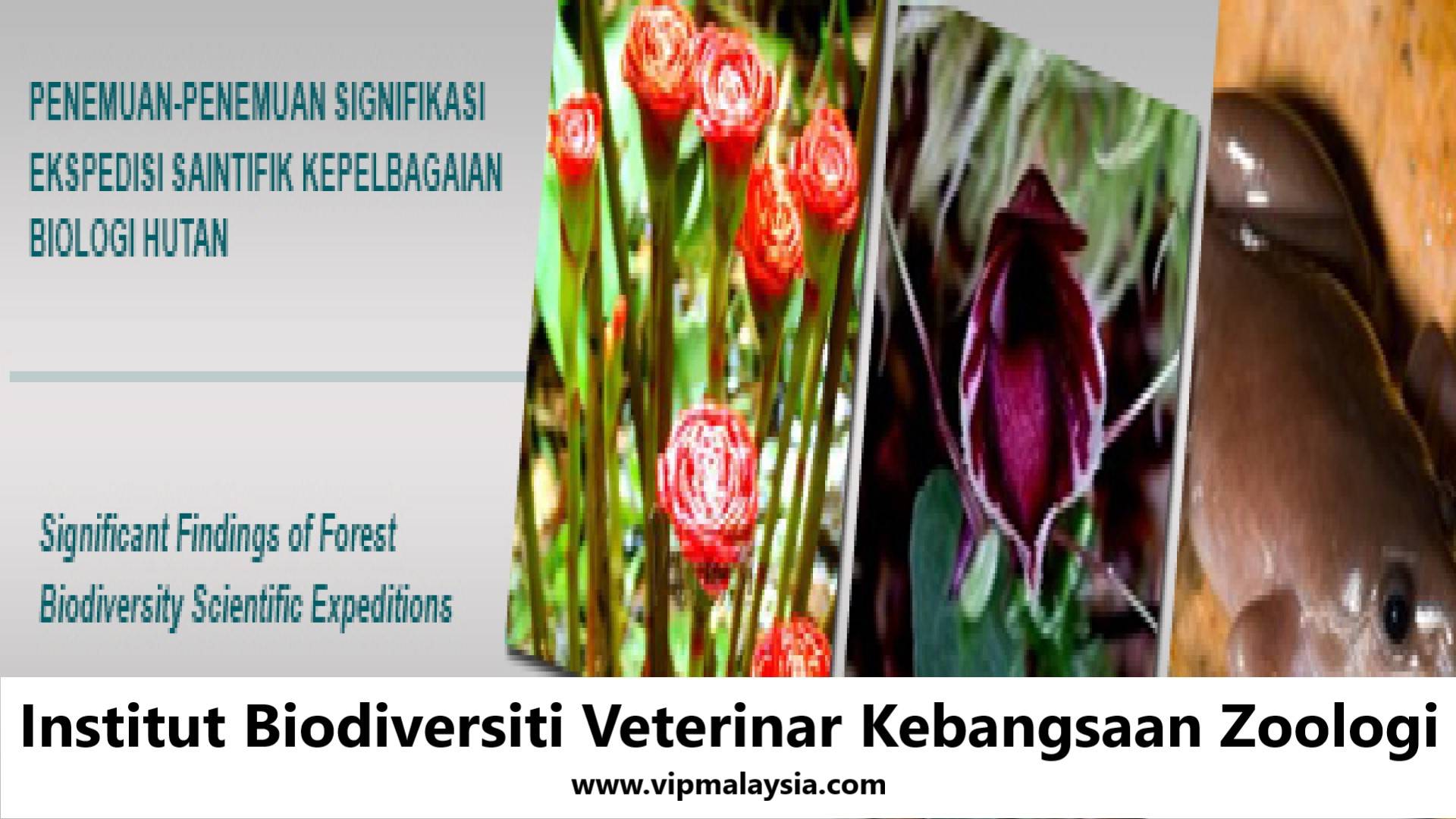
    Malaysia telah diiktirafkan sebagai salah sebuah negara ‘mega-kepelbagaian’ di dunia. Sejajar dengan pengiktirafan ini, kerajaan Malaysia telah memberi persetujuan dan komitmen untuk mempertingkatkan keberkesanan pengurusan, pemeliharaan dan pembangunan sumber kepelbagaian biologi hutan negara secara berkekalan. Dalam konteks ini, penekanan berterusan diberikan ke atas aspek-aspek pemeliharaan, pemuliharaan, penggunaan secara lestari dan perkongsian secara saksama dan adil terhadap sumber tersebut.

  • Kenong Rimba Park, Malaysia: Jungle Paradise

    Kenong Rimba Park, Malaysia: Jungle Paradise

    Kenong Rimba Park, Pahang

    Discover Kenong Rimba Park Pahang Malaysia, a hidden gem filled with limestone caves, lush rainforest trails, rare wildlife, and breathtaking waterfalls. Perfect for trekking, birdwatching, and nature photography, this eco-destination offers unforgettable adventures in the heart of Pahang.

    Pahang is the largest state in Peninsular Malaysia, covering about 35,960 km². Located on the eastern coast, it is known for its lush rainforests, highland resorts, rivers, and beaches. Rich in natural resources and cultural diversity, Pahang serves as both an economic and tourism hub.

    Limestone caves are natural underground formations created primarily by the dissolution of limestone rock (calcium carbonate) through water and chemical processes, often featuring stalactites, stalagmites, and other unique geological structures. Limestone caves are formed when slightly acidic water (containing carbonic acid) seeps into limestone, dissolving the rock over thousands to millions of years. They are a type of karst landscape, characterized by sinkholes, underground rivers, and caverns.

    Introduction

    Kenong Rimba Park, located in Pahang, Malaysia, is a pristine rainforest sanctuary that combines natural wonders, biodiversity, and cultural heritage, covering 128 square kilometers of pristine jungle. Known for its spectacular limestone caves, thriving wildlife, and scenic jungle trails, the park is a paradise for eco-tourists and adventure seekers. Visitors can encounter elephants, tapirs, leopards, and rare bird species while exploring lush greenery and crystal-clear streams. With its immersive trekking experiences and opportunities for birdwatching and photography, Kenong Rimba Park has become one of Malaysia’s most treasured natural attractions.

    A rainforest is a dense, biodiverse forest ecosystem characterized by high rainfall, warm temperatures, and rich vegetation, typically found in tropical and subtropical regions. Rainforests are forests that receive at least 1750–2000 mm of rain annually. They are known for thick canopies, multi-layered vegetation, and extraordinary biodiversity. Found mainly near the equator, in regions like the Amazon, Congo Basin, and Southeast Asia.

    Tapirs are large, herbivorous mammals belonging to the genus Tapirus, known for their distinctive short, trunk-like snouts and pig-like bodies, found in tropical forests and grasslands of Central and South America, and Southeast Asia. They are recognized by their prehensile snout, which functions like a small trunk to grab leaves and fruit. Malayan tapir (Tapirus indicus) – the largest, found in Southeast Asia, with a distinctive black-and-white pattern.

    Highlights

    Spectacular Limestone Caves

    Kenong Rimba Park is home to limestone caves such as Gua Batu Tangga, Gua Hijau, Gua Telinga, and Gua Daun Menari. Each cave features unique formations and mystical atmospheres that captivate explorers. Guided tours ensure safe exploration, making the caves accessible to both beginners and seasoned spelunkers.

    Gua Batu Tangga

    Gua Batu Tangga is a limestone cave located within Kenong Rimba Park, Kuala Lipis, Pahang, Malaysia, known for its natural rock formations, biodiversity, and eco-tourism appeal. It is one of several caves in the park, often explored by hikers and nature enthusiasts. The name “Batu Tangga” (literally “stone stairs”) refers to the cave’s stepped rock formations that resemble staircases. Accessible via guided treks from Kuala Lipis, often combined with visits to other caves in the park.

    Gua Hijau

    Gua Hijau is a limestone cave located within Kenong Rimba Park, Kuala Lipis, Pahang, Malaysia, noted for its striking greenish hue caused by moss and mineral deposits on its walls. It is one of several caves in the park that attract eco-tourists, hikers, and researchers. Accessible via guided treks, often combined with visits to other caves like Gua Batu Tangga and Gua Batu Tiga. Gua Hijau means “Green Cave” in Malay.

    Gua Telinga

    Gua Telinga is a limestone cave located in Taman Negara, Malaysia, famous for its narrow passages, bat colonies, and eco-tourism appeal. It is one of the most accessible caves in the park, often visited by tourists on guided tours. Gua Telinga means “Ear Cave” in Malay, named for its ear-shaped entrance. Easily reached from Kuala Tahan, the main gateway to Taman Negara.

    Gua Daun Menari

    Gua Daun Menari is a limestone cave located in Taman Negara, Malaysia, notable for its unique rock formations and eco-tourism appeal. The name translates to “Dancing Leaves Cave,” inspired by the way light and shadows inside the cave resemble fluttering leaves. Accessible from Kuala Tahan, often included in guided caving tours alongside Gua Telinga and Gua Kepayang.

    Gua Kepayang

    Gua Kepayang is a limestone cave located in Taman Negara, Malaysia, known for its spacious chambers, bat colonies, and eco-tourism appeal. It is one of the larger caves in the park, often included in guided caving tours for adventure seekers. Situated near Kuala Tahan, the main gateway to Taman Negara. Accessible through jungle trekking routes, often combined with visits to Gua Telinga and Gua Daun Menari.

    Thriving Wildlife and Biodiversity

    The park’s dense rainforest shelters elephants, tapirs, leopards, porcupines, river otters, and flying foxes. Wildlife sightings are often heard through rustling leaves or distant calls, adding mystery to the trekking experience. Kenong Rimba Park is a living classroom of biodiversity, showcasing Malaysia’s rich natural heritage.

    Porcupines are medium to large-sized rodents known for their coat of sharp quills used as a defense mechanism against predators. Found in North and South America, Europe, Asia, and Africa, with different species adapted to forests, deserts, and grasslands. The Malayan porcupine (Hystrix brachyura) is found in Malaysian forests. In Malay, porcupines are called “landak.”

    River otters are semi-aquatic mammals belonging to the genus Lontra (in the Americas) and Lutra (in Eurasia), known for their playful behavior, streamlined bodies, and adaptability to freshwater habitats. They are distinguished by their long, slender bodies, webbed feet, and dense waterproof fur. Asian small-clawed otter (Aonyx cinereus) – found in Southeast Asia, including Malaysia. In Malay, river otters are commonly called “memerang sungai.”

    Wildlife Species List

    Bird species include hornbills, fishing eagles, and the prized Murai Batu, known for its melodious singing. Mammals such as civets and macaques are commonly spotted, while reptiles and amphibians thrive in streams and wetlands.

    Murai Batu (Copsychus malabaricus), also known as the White-rumped Shama, is a passerine bird native to South and Southeast Asia, admired for its melodious song, striking plumage, and agility. It is one of the most popular songbirds in Malaysia, often kept for bird-singing competitions. Physical Features: Male Murai Batu: Glossy black head, back, and tail; chestnut underparts; distinctive white rump, Female Murai Batu: Duller coloration, smaller in size, Tail: Long and elegant, often used in display flights.

    Birdwatching Paradise

    With over 200 species of wild birds, Kenong Rimba Park is a haven for birdwatchers. The rainforest canopy provides nesting grounds for hornbills, kingfishers, and vibrant tropical birds. Nature photographers flock to the park for rare sightings, capturing moments of avian beauty.

    Bird Species

    • Hornbills – iconic rainforest birds, often seen flying in pairs.
    • Bulbuls – common fruit-eating species.
    • Flycatchers – insectivorous birds active along trails.
    • Drongos – known for mimicry and agile flight.
    • Babblers – small forest birds with distinctive calls.

    Hornbills are large tropical birds belonging to the family Bucerotidae, recognized by their long, curved bills topped with a casque (a hollow structure), and their important ecological role in rainforest ecosystems. In Malay, “hornbill” is translated as enggang or burung enggang.

    Bulbuls are medium-sized passerine birds with short necks, slender bodies, and often a crest or distinctive head markings. They belong to the family Pycnonotidae and are widely distributed across Africa, Asia, and the Middle East. Known for their melodious calls and fruit-eating habits, bulbuls play an important role in tropical ecosystems. In Malay, “bulbul” is translated as burung merbah.

    Flycatchers are small insect-eating songbirds that belong to two main families: the Old World flycatchers (Muscicapidae) and the New World tyrant flycatchers (Tyrannidae). They are known for their habit of darting out from perches to catch insects mid-air, playing an important role in controlling insect populations. In Malay, flycatchers are generally referred to as “burung pemakan lalat.”

    Drongos are medium-sized passerine birds belonging to the family Dicruridae. They are easily recognized by their metallic black feathers, distinctive forked tails, and sharp calls. Famous for their mimicry skills, often imitating other bird species to confuse predators or competitors. In Malay, drongos are called “cecawi” or sometimes simply “burung drongo.”

    Babblers are small to medium-sized passerine birds belonging to the family Timaliidae, known for their social behavior, distinctive calls, and preference for dense forest undergrowth.

    Scenic Jungle Trails and Waterfalls

    The park’s jungle trails lead visitors through towering trees, lush vegetation, and hidden waterfalls. Trekking offers both physical challenge and spiritual renewal, as the untouched rainforest provides a peaceful ambiance.

    Trekking and Adventure

    Jungle Trekking Routes

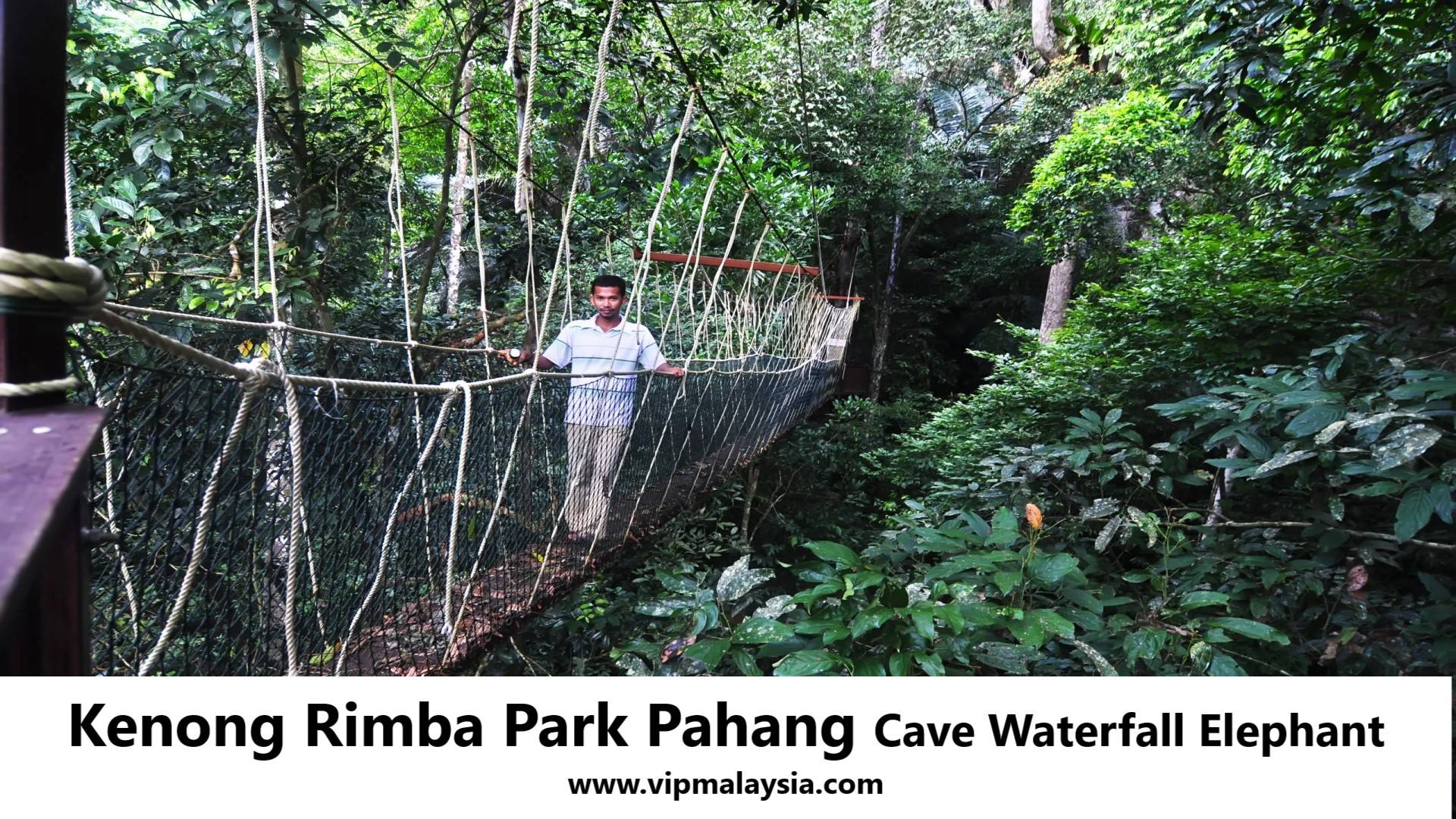
    Kenong Rimba Park offers trekking routes of varying difficulty, from short walks to multi-day expeditions. Trails pass through caves, rivers, and dense forest, providing diverse experiences for adventurers. Guides ensure safety and share knowledge about flora and fauna, enriching the journey.

    Kenong Rimba Park offers several jungle trekking routes that lead visitors through pristine rainforest, limestone caves, rivers, and waterfalls, making it one of Pahang’s hidden eco-tourism gems. The trails vary in difficulty, from short cave explorations to longer treks connecting multiple natural attractions.

    Routes

    • Cave Exploration Trails – Routes leading to limestone caves such as Gua Batu Tinggi, Gua Batu Tangga, and Gua Hijau, featuring stalactites, stalagmites, and bat colonies.
    • Waterfall Trekking – Trails through dense rainforest leading to hidden waterfalls, ideal for swimming and photography.
    • River Trails – Paths along subterranean rivers and streams, offering opportunities for fishing and water activities.
    • Flora & Fauna Trails – Walks showcasing giant rainforest trees like the Tualang (Koompassia excelsa), wild orchids, pitcher plants, and diverse bird species.
    • Adventure Routes – Longer treks combining jungle trekking with activities such as water abseiling, rock climbing, and birdwatching.

    Adventure Activities

    Beyond trekking, visitors can enjoy camping, river exploration, and photography. The park’s natural setting encourages eco-tourism and sustainable practices. Adventure seekers find endless opportunities for exploration, from spelunking to waterfall hikes.

    Nearby Attractions

    Nearby Towns and Cultural Heritage

    Kenong Rimba Park is accessible from Kuala Lipis, a historic town known for colonial architecture and cultural festivals. Visitors often combine park exploration with town visits, adding cultural depth to their trip.

    Heritage Spot

    Kuala Lipis features old railway stations, traditional markets, and temples. Exploring the town provides insight into Malaysia’s history and complements the natural adventure at Kenong Rimba Park.

    Kuala Lipis is a historic town in Pahang, Malaysia, once the state capital, known for its colonial architecture, cultural heritage, and role as a gateway to eco-tourism destinations like Kenong Rimba Park and Taman Negara. It served as the state capital of Pahang from 1898 to 1955 before Kuantan took over.

    Cultural Festivals in Pahang

    Pahang hosts festivals that celebrate local traditions, music, and food. Visitors to Kenong Rimba Park can plan trips during these events for added excitement.

    Visitor Facilities

    Kenong Rimba Park provides basic facilities such as campsites, guided tours, and rest areas. While rustic, these amenities ensure comfort for eco-tourists. Visitors are encouraged to bring supplies and respect conservation rules, preserving the park’s pristine environment.

    Conclusion

    Kenong Rimba Park offers untouched rainforest beauty, fascinating caves, and thrilling wildlife encounters, making it one of Malaysia’s top destinations for nature lovers. Whether you’re trekking through dense jungles, discovering hidden caves, or spotting rare wildlife, this rainforest escape promises an extraordinary outdoor experience.

    Plan your adventure today—explore the wonders of Kenong Rimba Park in Pahang!

    Summary

    • Attraction: Kenong Rimba Park
    • Location: #Pahang 
    • Attraction Type: #Nature Sport Park 
    • Source: pahangtourism.org.my
    • Why Visit:
      • Home to spectacular limestone caves & thriving rainforest wildlife
      • Encounter elephants, tapirs, leopards & rare bird species
      • Experience thrilling jungle treks & breathtaking waterfalls
      • A paradise for birdwatching & nature photography

    Quick Info

    AttributeDetails
    NameKenong Rimba Park
    LocationKuala Lipis, Pahang, Malaysia
    GPS Position4.1851° N, 102.0347° E
    Main AttractionsWildlife Spotting, Cave Exploration, Birdwatching
    Nearby LandmarksTaman Negara National Park, Bukit Bius
    AccessibilityReachable via Kuala Lipis District
    Best Time to VisitMarch – October for trekking & clear weather
    Entry FeesGuided tour pricing applies
    Recommended ActivitiesJungle Trekking, Cave Exploration, Wildlife Photography
    Opening HoursOpen daily
    ContactKenong Rimba Park (+6014-5361866)

    Visitor Reviews

    Thomas Müller, Germany – ★★★★★ “Kenong Rimba Park was breathtaking. The caves were fascinating, and the jungle trails were peaceful. Birdwatching was a highlight, with hornbills flying overhead. Truly a paradise for nature lovers.”

    Fahmi Fadzil, Malaysia – ★★★★☆ “The trekking routes were challenging but rewarding. I loved the waterfalls and the chance to see rare birds. Facilities were basic, but that added to the natural charm.”

    David O’hara, United Kingdom – ★★★★★ “The guided tour was excellent. We learned so much about the flora and fauna. The caves were mystical, and camping under the stars was unforgettable. Highly recommended.”

    Sofia Alvarez, Chile – ★★★★☆ “The park was stunning, with lush rainforest and diverse wildlife. I enjoyed the birdwatching and photography opportunities. It was a bit remote, but worth the journey.”

    Nurul Azlina, Malaysia – ★★★★☆ “A Hidden Gem in Pahang!” ⭐⭐⭐⭐⭐“The caves, wildlife & scenic trekking trails made this adventure unforgettable!”

    Syed Ardi, Malaysia – ★★★★☆ “Birdwatching at Its Best” ⭐⭐⭐⭐⭐“So many rare species—it’s a dream destination for bird lovers!”

    Mona Hasnina, Malaysia – ★★★★☆ “Nature Lovers’ Paradise” ⭐⭐⭐⭐⭐“Kenong Rimba Park is the perfect escape into Malaysia’s pure wilderness!”

    Frequently Asked Questions (FAQs)

    How many caves in Kenong Rimba Park, Pahang?

    The caves are:

    • Gua Batu Tinggi – Home to a variety of exotic orchids, Gua Batu Tinggi is one of the most popular caves in Kenong Rimba Park. The boat like interior is a sight to beolds. Its proximity to other caves makes a visit worth the effort.
    • Gua Harimau
    • Gua Hijau
    • Gua Buta
    • Gua Batu Tangkup
    • Gua Batu Tangga
  • Pemandangan Indah, Langkawi: A Hidden Gem Stunning Views

    Pemandangan Indah, Langkawi: A Hidden Gem Stunning Views

    Pemandangan Indah, Langkawi

    Pemandangan Indah, nestled in Langkawi, Kedah, offers some of the most stunning panoramic views on the island. Whether you’re admiring the golden coastline, lush tropical landscapes, or the soaring peaks of Langkawi’s mountains, this scenic spot is perfect for those seeking tranquility and breathtaking photography opportunities.

    Escape to Langkawi’s hidden gem viewpoint at Pemandangan Indah. With panoramic coastal and city views, peaceful surroundings, and nearby attractions, this spot offers relaxation, photography, and unforgettable sunsets.

    Introduction

    Pemandangan Indah, which translates to “Beautiful View,” is one of Langkawi’s most serene and scenic attractions. Located close to Langkawi International Airport, it is easily accessible for travelers seeking a quick yet rewarding getaway. The viewpoint offers unobstructed panoramas of beaches, cityscapes, and mountain ranges, making it a favorite among photographers and nature lovers. With its peaceful atmosphere, cool breezes, and proximity to cultural and adventure highlights, Pemandangan Indah is a must-visit destination for those looking to unwind and connect with Langkawi’s natural beauty.

    Attractions

    Breathtaking Landscapes

    Coastal and City Views

    From Pemandangan Indah, visitors can admire Langkawi’s shoreline stretching into the horizon. The juxtaposition of sandy beaches and bustling townscapes creates a perfect blend of nature and modern life.

    Mountainous Backdrop

    The viewpoint overlooks rolling hills and dense jungle terrain. These landscapes highlight Langkawi’s geological richness, offering a dramatic backdrop for photography and relaxation.

    Stunning Night Views

    As the sun sets, the city below comes alive with lights. Visitors can enjoy a hidden gem for nighttime sightseeing, capturing illuminated cityscapes against the darkened sea.

    Relaxation and Atmosphere

    Serene and Peaceful Ambiance

    The viewpoint is designed for quiet reflection, meditation, and relaxation. Its tranquil environment makes it an ideal escape from the busy town.

    Cool Evening Breeze

    Visitors often enjoy the refreshing ocean air while watching the sunset. The natural breeze enhances the experience, offering comfort and calm during evening visits.

    Great Spot for Groups and Solo Travelers

    Whether you’re traveling with family, friends, or alone, Pemandangan Indah provides a welcoming space. Its open areas and seating spots make it suitable for all types of visitors.

    Trekking and Adventure

    Scenic Walks and Exploration

    The area around Pemandangan Indah offers walking trails lined with tropical plants and flowers. Visitors can enjoy leisurely strolls while spotting butterflies, hornbills, and monitor lizards.

    Cultural Festivals Nearby

    Langkawi hosts annual festivals featuring traditional Malay dance, gamelan music, and food fairs. Guests can combine their visit with immersive cultural experiences in nearby towns.

    Adventure Activities Around Langkawi

    Beyond the viewpoint, Langkawi offers jungle trekking at Gunung Mat Cincang, mangrove kayaking, and island-hopping tours. Together, these activities create a well-rounded adventure itinerary.

    Must-Visit Highlights

    Langkawi International Airport

    Located nearby, the airport makes Pemandangan Indah convenient for short layovers or quick sightseeing. Travelers can enjoy a scenic stop before or after their flights.

    Pantai Cenang Beach

    Famous for watersports, beachside cafes, and vibrant nightlife, Pantai Cenang is just a short drive away. Visitors can enjoy sunset strolls, jet skiing, and authentic local cuisine.

    Langkawi Cable Car and SkyBridge

    The SkyCab cable car offers breathtaking aerial views of Langkawi’s islands and rainforests. The SkyBridge provides a thrilling walk above the valley, making it a perfect complement to Pemandangan Indah’s scenic beauty.

    Conclusion

    Pemandangan Indah is more than a viewpoint—it is a peaceful retreat that blends panoramic landscapes, cultural richness, and nearby adventure. From coastal sunsets to mountain backdrops, the site offers unforgettable experiences for photographers, families, and solo travelers. Combined with attractions like Pantai Cenang and the SkyCab, Pemandangan Indah ensures that every visitor leaves with cherished memories of Langkawi’s breathtaking beauty.

    Summary

    • Attraction: Pemandangan Indah
    • Location: #Kedah 
    • Attraction Type: #Nature  
    • Source: langkawihomestay.com, sharimahyahya.blogspot.com, langkawi-info.com, nordiyana.com
    • What to Expect:
      • Unobstructed panoramic views – Overlooking Langkawi’s beaches, cityscapes, and mountain ranges
      • Perfect for photography & relaxation – Capture breathtaking sunsets and scenic natural beauty
      • Close to Langkawi International Airport – Offering easy access for travelers looking for a quick getaway
      • Peaceful escape from the busy town – Ideal for unwinding in nature and clearing the mind

    Quick Info

    AttributeDetails
    NamePemandangan Indah, Langkawi
    Address37, Jalan Padang Matsirat, Kampung Yooi, 07000 Langkawi, Kedah, Malaysia
    GPS Position6.3483° N, 99.7356° E
    StateKedah
    Facility TypeScenic Viewpoint & Photography Spot
    Special AttractionsPanoramic Views, Sunset Spot, Relaxation Area
    Nearby AttractionsLangkawi Airport, Pantai Cenang, Langkawi Cable Car
    AccessibilityLocated near Langkawi Airport, easily accessible by car
    Best Time to VisitLate afternoon or evening for stunning sunsets
    ContactN/A

    Customer Reviews

    • Aiman, Kuala Lumpur ⭐⭐⭐⭐⭐ “The view was spectacular! We caught the sunset, and the breeze made it so relaxing. A great spot to unwind after a busy day.”
    • Sarah, London ⭐⭐⭐⭐ “Loved the panoramic views. It was peaceful and quiet, perfect for photography. We combined it with a trip to Pantai Cenang nearby.”
    • Mei Ling, Singapore ⭐⭐⭐⭐⭐ “An amazing hidden gem! The night view of the city lights was stunning. Easy to reach from the airport, which made it very convenient.”
    • “Best hidden spot for sunsets!”Zara, Malaysia “The view over Langkawi’s coastline at dusk is absolutely magical!”
    • “A photographer’s dream location!”David, UK “Captured stunning landscapes, especially at sunrise!”
    • “Peaceful and refreshing!”Amelia, Australia “A perfect escape from the city noise—just sit back and enjoy the breeze.”
    • “Close to the airport, great for quick visits!”Ravi, Singapore “Stopped by before my flight and was blown away by the panoramic views!”

    Frequently Asked Questions (FAQs)

    Dimanakah terletaknya lokasi Pemandangan Indah, Langkawi?

    Salah satu lokasi yang agak menarik untuk dikunjungi ialah Pemandangan Indah (Look Out Point). Berada berhampiran dengan jalan utama dari Kuah ke Ulu Melaka. Dari tepi jalan, akan kelihatan papan tanda Pemandangan Indah (Look Out Point). Ikut sahaja, arah tersebut. Dari tempat kereta, pengunjung perlu mendaki anak tangga untuk ke menara.

    How much is the ticket price for Upsidow Langkawi Upside Down House?

    Tickets to Upsidow Langkawi Upside Down House are priced at RM25 for adults and RM20 for children. Visitors can also opt for the meal package, which adds RM5 to the entrance fee.

    Kenapa anda perlu melawat Pemandangan Indah, Langkawi?

    Pemandangan Indah di Langkawi adalah tempat yang perlu juga di lawati oleh pengunjung atau pelancong yang datang ke sini. Sesuai dengan namanya tempat ini merupakan tempat pelancong meninjau di sekitar Bandar Padang Matsirat, Langkawi Airport, seluruh Pantai Cenang dan Pantai Tengah serta laut membiru termasuk juga Langkawi Cable. Boleh di katakan lokasi ini sejuk mata memandang serta dapat merehatkan minda yang penat dan mendapatkan idea-idea baru sekiranya anda berkarya.

  • Pulau Payar Dive Center, Langkawi: A Gateway to Underwater Wonders

    Pulau Payar Dive Center, Langkawi: A Gateway to Underwater Wonders

    Pulau Payar Dive Center, Langkawi

    The Pulau Payar Dive Center, located in Langkawi, Malaysia, offers top-notch scuba diving courses in one of the region’s most beautiful underwater havens. Whether you’re a beginner or an experienced diver, Pulau Payar promises colorful coral reefs, fascinating marine life, and a safe environment for learning or honing your diving skills.

    Introduction

    Pulau Payar Dive Center is one of Langkawi’s most celebrated scuba diving hubs, attracting both beginners and seasoned divers. Nestled within the Pulau Payar Marine Park, the center offers access to some of Malaysia’s most pristine reefs and diverse marine life. With professional instructors, small-group safety-focused dives, and tailored courses, it ensures every visitor enjoys a personalized underwater journey. Beyond diving, the surrounding attractions, cultural festivals, and wildlife encounters make this destination a must-visit highlight for adventure seekers and nature lovers.

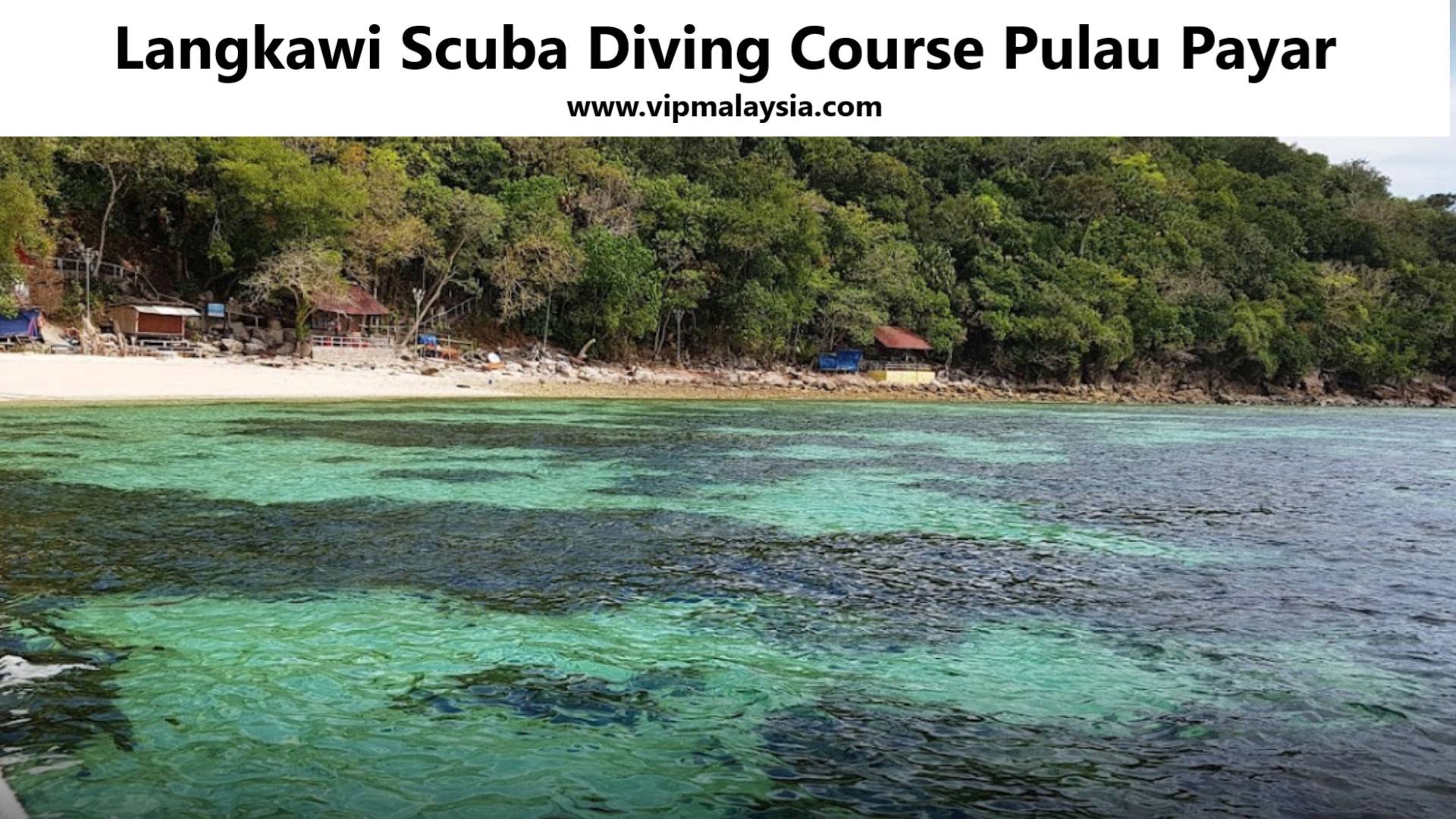
    Pulau Payar is the largest island within the Pulau Payar Marine Park, Malaysia’s oldest marine sanctuary, located about 19 nautical miles (30–35 km) south of Langkawi in the Straits of Malacca. It is famous for snorkeling and diving, with pristine coral reefs and diverse marine life, including clownfish, barracudas, and reef sharks. Comprises four islands – Pulau Payar (largest), Pulau Kaca, Pulau Lembu, and Pulau Segantang. Pulau Payar itself is about 2 km long and 0.25 km wide and reachable in ~45 minutes by catamaran or speedboat from Kuah Jetty, Langkawi. Declared a marine park sanctuary, strictly regulated by the Kedah Fisheries Department.

    Attractions

    Top Langkawi Dive Sites

    Pulau Payar is home to several world-class dive spots, each offering unique marine biodiversity.

    Tanjung Intan and The Stables

    This site features colorful soft corals and schools of clownfish, lionfish, and razorfish. Divers often encounter playful reef fish darting through coral gardens, making it ideal for photography.

    Razorfish are small, slender marine fish with razor-thin, compressed bodies and long tubular snouts, often called shrimpfish, found mainly in the Indo-Pacific and closely related to seahorses. The term can also refer to certain wrasses or even razor clams, depending on regional usage.

    Clownfish are small, brightly colored saltwater fish of the genus Amphiprion, found in warm Indo-Pacific waters, best known for their symbiotic relationship with sea anemones that provide them shelter and protection. They are instantly recognizable by their orange, red, yellow, or black bodies with distinctive white stripes.

    Lionfish are venomous marine fish of the genus Pterois, Scorpaenidae (scorpionfish family), native to the Indo-Pacific but now invasive in the Atlantic and Caribbean. They are recognized by their striking zebra-like stripes, elongated fins, and venomous spines that can deliver painful stings.

    Pulau Cepu

    Known for its schools of barracudas, Pulau Cepu offers a thrilling experience for divers seeking larger marine encounters. The currents here attract pelagic species and mesmerizing shoals of fish.

    Pulau Cepu in Langkawi refers to one of the many small, uninhabited islands within the Langkawi archipelago in Kedah, Malaysia. It is a jungle-covered island, not widely developed for tourism, but part of the cluster of 99 islands that make up Langkawi. Typically reached by boat; not a mainstream tourist stop compared to Pulau Payar or Pulau Dayang Bunting.

    White Coral Corner

    A macro-diver’s paradise, this site is home to nudibranchs, whip coral shrimps, seahorses, and pipefish. It’s perfect for those who enjoy spotting rare and delicate marine creatures.

    Diving Course Options

    Try Dive (Introductory Diving)

    Beginners can enjoy small-group dives led by certified instructors. Safety briefings and hands-on training ensure comfort, while shallow reef dives provide a gentle introduction to scuba.

    Open Water Certification

    For those ready to advance, the Open Water course offers comprehensive training. Divers learn equipment setup, buoyancy control, and underwater navigation, culminating in multiple dives across Pulau Payar’s reefs.

    Dive Trip Details

    Dive Schedule

    Trips typically begin at 9 AM with a briefing and equipment check. The first dive lasts up to an hour, followed by a surface interval on the island’s beaches with coffee and local snacks. During peak season, divers can opt for a third dive to extend their adventure.

    Safety Practices

    Safety is paramount, with groups limited to two divers per instructor. Emergency oxygen and first aid kits are always on board, and spare equipment ensures preparedness for any situation underwater.

    Trekking and Adventure

    Island Exploration

    Beyond diving, Pulau Payar offers trekking trails through lush vegetation. Visitors can spot monitor lizards, macaques, and tropical birds while exploring the island’s natural beauty.

    Macaques are gregarious Cercopithecidae (Old World) monkeys of the genus Macaca, found across Asia, North Africa, and parts of Europe, known for their adaptability, social behavior, and close interactions with humans. They are among the most widespread primates, with 23 recognized species including rhesus macaque (M. mulatta), Japanese macaque (M. fuscata), and Barbary macaque (M. sylvanus).

    Cultural Festivals

    Nearby Langkawi hosts festivals celebrating Malay traditions, including dance, gamelan music, and food fairs. These events allow divers to combine underwater exploration with cultural immersion.

    Gamelan is a traditional Indonesian orchestra made up mainly of percussive instruments such as gongs, metallophones, drums, and bamboo flutes, originating from Java, Sunda, and Bali. It is performed in ensembles and is recognized by UNESCO as Intangible Cultural Heritage (2021).

    Adventure Activities

    Langkawi’s adventure circuit includes kayaking through mangroves, parasailing at Cenang Beach, and jungle trekking at Gunung Mat Cincang. Together, these activities create a well-rounded adventure itinerary.

    Parasailing is a recreational water sport where a person is towed behind a boat while attached to a specially designed parachute-like canopy called a parasail, allowing them to glide high above the water.

    Must-Visit Highlights

    Cenang Beach

    Langkawi’s liveliest beach offers cafes, shops, and water sports. After diving, visitors can unwind with sunset strolls or vibrant nightlife.

    Pulau Payar Marine Park

    A protected marine haven, the park ensures coral reefs and marine species thrive. Snorkeling and glass-bottom boat tours provide alternative ways to enjoy the underwater world.

    Pulau Payar Marine Park is Malaysia’s oldest marine sanctuary, located about 30 km south of Langkawi in the Straits of Malacca, established to protect coral reefs and marine biodiversity. It is a cluster of four islands—Pulau Payar (largest), Pulau Kaca, Pulau Lembu, and Pulau Segantang—renowned for snorkeling and diving. Declared a marine park in 1985. No overnight stays allowed; strictly day trips to preserve the ecosystem.

    Airis Sanctuary Resort

    Located near diving hubs, this resort offers comfortable stays with easy access to dive trips. Guests enjoy beachfront views, local cuisine, and relaxation after a day of adventure.

    Conclusion

    Pulau Payar Dive Center is more than a scuba destination—it is a gateway to marine biodiversity, cultural richness, and island adventure. With tailored courses, professional instructors, and nearby attractions, it offers a complete experience for divers and travelers alike. Whether you’re a beginner or an advanced diver, Pulau Payar promises an underwater journey filled with discovery and wonder.

    Summary

    • Attraction: Pulau Payar Dive Center, Langkawi 
    • Location: #Kedah #Langkawi 
    • Attraction Type: #Nature  
    • Source: langkawi-info.com, langkawi-scuba.com, scubaclublangkawi.com
    • What to Expect:
      • Dive into vibrant coral reefs & marine biodiversity – Explore Tanjung Intan, Pulau Cepu, and White Coral Corner
      • Tailored dive courses for all levels – Perfect for beginners, families, and advanced divers
      • Safety-first approach with small group dives – Ensure a personalized and comfortable experience
      • Professional PADI-certified instructors – Learn skills with expert guidance

    Quick Info

    AttributeDetails
    NamePulau Payar Dive Center, Langkawi
    AddressCenang Beach, Langkawi, Malaysia
    GPS Position6.2986° N, 99.7222° E
    StateKedah
    SeasonOctober to May
    Facility TypeScuba Diving Center
    Special AttractionsDive Courses, Colorful Marine Life, Coral Reef Exploration
    Nearby AttractionsCenang Beach, Pulau Payar Marine Park, Airis Sanctuary Resort
    AccessibilityLocated close to Langkawi diving hubs
    Best Time to VisitMorning or early afternoon for calm waters
    ContactWhatsApp: +60 19-904-9040; Telephone: +60 19-953-8876

    Customer Reviews

    • Nadia, Kuala Lumpur ⭐⭐⭐⭐⭐ “My first dive was unforgettable. The instructors were patient, and I felt completely safe. The coral reefs were stunning, especially at White Coral Corner.”
    • Daniel, Berlin ⭐⭐⭐⭐ “Great diving experience with small groups. I loved Pulau Cepu for the barracudas. The surface interval on the beach was a nice touch.”
    • Mei Ling, Singapore ⭐⭐⭐⭐⭐ “Professional staff and excellent facilities. The Open Water course was well-structured, and I gained confidence quickly. Highly recommend for anyone visiting Langkawi.”
    • “Amazing diving experience!”Alya, Malaysia
      “The instructors were so patient, and the marine life was incredible. Perfect for beginners!”
    • “The reefs were so vibrant!”Chris, UK
      “I spotted clownfish, barracudas, and seahorses—Langkawi’s underwater world is a hidden gem.”
    • “Great for a family trip!”Amira, Indonesia
      “My kids loved the introductory dive, and the guides made us feel safe throughout.”
    • “Stunning underwater photography!”David, Australia
      “The coral reefs and colorful fish made for amazing shots—I’d do it again in a heartbeat.”

    Frequently Asked Questions (FAQs)

    Looking for answers to common questions? Our FAQ section provides clear, concise explanations on key topics, helpful troubleshooting tips, and expert insights to guide you. Whether you’re a beginner or an experienced user, you’ll find quick solutions and essential information to streamline your experience.

    What other scuba diving sites in Langkawi?

    The most popular dive sites include the Coral Garden, Sunken Boat Point, Grouper Farm, Sponge Reef, Lembu Rocks, Shark Point and House Reef, where you can see schools of large fish and exciting marine life, including manta rays, seahorses, sweetlips, angelfishes and snappers.

    Pulau Kaca is a popular alternative to Pulau Payar, housing a wreck diving site named Kaca Sunken Wrecks. Here, you can find several sunken fishing boats that are home to a variety of soft and hard corals, as well as marine life such as clownfish, black tip sharks, barracuda and scorpion fish. Due to the high density of plankton in Pulau Kaca, water visibility is between 5 and 20 meters, depending on the season.

    When is the best time for scuba diving in Pulau Payar, Langkawi?

    While Pulau Payar scuba diving is available all year round, Langkawi experiences heavy rainfall due to monsoon winds in the months of September and October. While showers are sometimes accompanied by violent thunderstorms, the weather in Langkawi is mostly good, even at this time.

    Why must you join diving and snorkeling excursion Pulau Payar Marine Park with Scuba Club Langkawi (SCL)?

    Join our excursion to Pulau Payar Marine Park with our custom 32-footer dive boat. To ensure safety and fun we only take a small group of 8 to 10 persons (combination of divers and snorkelers). The SCL Scuba Club Langkawi (SCL) team consist of 3 dive instructors, 2 divemaster, 1 skipper and 2 administrators which makes our team one small happy family that WE share the same great passion, the ocean and SCUBA diving.

    All of our dive instructors have broad experience in teaching scuba in various locations, especially Southeast Asia. Most of us have clocked hundreds of hours underwater and have taught many different diving courses from beginner to professional level. Our sales office is located at Airis Sanctuary Resort, Pantai Tengah, Langkawi. Feel free to drop by for a chat or drop us a chat on “WhatsApp”, our friendly crew would be more than happy to assist you anyway we can.

    Would you like to know why other people choose Langkawi Scuba?

    Langkawi Scuba is the only certified PADI Dive Resort in Cenang! PADI certified guides/instructors. Personal & professional scuba dive trips: Only 2 divers per instructor and only 6 divers on our boat. Well-maintained equipment and spares on the boat and emergency oxygen and first aid kit on the boat. Dive-staff who are passionate about diving/teaching, and love to have a good time during diving.

error: