Tag: Makanan

  • Sipadan Island: Sabah’s Oceanic Diving Paradise

    Sipadan Island: Sabah’s Oceanic Diving Paradise

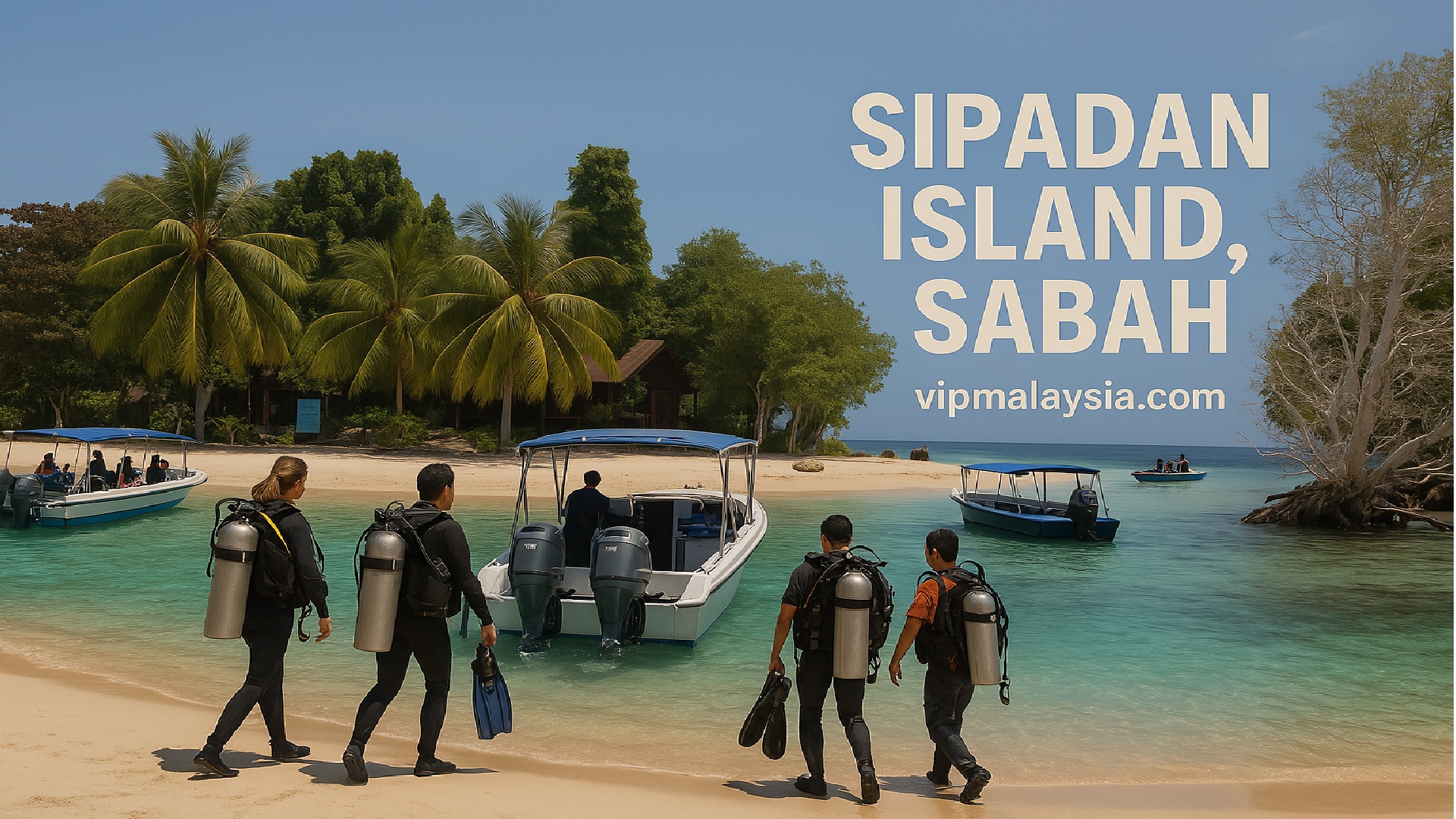
    Sipadan Island, Sabah

    Explore the breathtaking wonders of Sipadan Island, Malaysia‘s only oceanic island and one of the world’s top diving destinations. Home to vibrant coral reefs, swirling barracudas, sea turtles, and over 400+ fish species and over 300 coral species, this protected marine park offers a once-in-a-lifetime underwater experience for certified divers. Plan your dream dive today and uncover nature’s masterpiece beneath the Celebes Sea.

    Introduction

    Sipadan Island is often described as the crown jewel of Southeast Asian diving. Located off the coast of Sabah in the Celebes Sea, it has captivated explorers, marine biologists, and divers for decades. Ocean pioneer Jacques Cousteau once called it “an untouched piece of art,” and today, it remains one of the most sought‑after dive sites in the world. With strict conservation measures, limited daily permits, and no accommodations on the island itself, Sipadan offers a rare chance to experience nature in its purest form.

    History

    Sipadan’s story is as fascinating as its underwater world. Formed by corals growing atop an extinct volcanic cone, the island rises 600 meters from the seabed, making it Malaysia’s only true oceanic island.

    In 1933, Sipadan was declared a bird sanctuary by the colonial government of North Borneo, recognizing its importance for migratory seabirds. Later, in 1981, the Sabah government designated it as a marine reserve, laying the groundwork for stronger conservation. By 2004, Sipadan was officially gazetted as a marine park, ensuring its protection under Sabah Parks.

    The island once hosted dive resorts, but in 2009, all accommodations were removed to preserve its fragile ecosystem. Today, divers stay on nearby islands such as Mabul or Kapalai, traveling by boat to Sipadan for day trips. This careful management has allowed Sipadan’s reefs and marine life to flourish, making it a living testament to conservation success.

    Highlights

    The Marine Ecosystem

    Sipadan is home to green and hawksbill turtles, schools of bumphead parrotfish, swirling barracudas, and reef sharks. Divers often encounter rare species such as scalloped hammerheads, thresher sharks, and manta rays. With visibility reaching up to 60 meters during peak season, the underwater scenery is breathtaking.

    Hanging Gardens

    Named for its coral arches and sponge‑covered walls, this site resembles an underwater Versailles. Layers of soft corals, sea fans, and sponges create a dreamscape for underwater photographers. The vibrant colors and intricate structures make it a favorite for macro enthusiasts.

    Wildlife Above Water

    Sipadan is also a sanctuary for seabirds such as frigatebirds and sea eagles. Its lush vegetation provides nesting grounds, adding another layer of biodiversity to the island.

    Dive Sites

    Drop Off

    A surreal experience that begins just 9 meters from the beach—welcome to an underwater cliff diving into a 600m abyss teeming with vibrant marine life.

    Coral Garden

    Coral Garden is a vibrant reef teeming with hard and soft corals, barrel sponges, and featherstars. Divers encounter schools of sweetlips, butterflyfish, and clownfish weaving through the coral structures. The site is ideal for underwater photography, showcasing Sipadan’s rich biodiversity in shallow, sunlit waters.

    Midreef

    Midreef offers a gentle slope covered in colorful corals and sponges, making it suitable for divers of all levels. Reef sharks, bumphead parrotfish, and turtles are common sightings here. The calm conditions and abundant marine life make Midreef a relaxing yet rewarding dive.

    Whitetip Avenue

    Named for the frequent presence of whitetip reef sharks, this site is a thrilling encounter zone. Sharks patrol the sandy bottom while schools of fusiliers and trevally dart overhead. The avenue’s mix of predators and reef fish creates an exciting dive experience.

    Staghorn Crest

    Staghorn Crest is dominated by expansive staghorn coral formations, providing shelter for damselfish and anthias. The reef’s intricate structures attract macro photographers looking for nudibranchs and shrimp species. It’s a showcase of coral diversity and resilience.

    South Point

    South Point is one of Sipadan’s deeper sites, known for pelagic encounters. Divers may spot hammerhead sharks, thresher sharks, and large schools of barracuda. Strong currents make this site best suited for experienced divers seeking big‑fish thrills.

    Turtle Patch

    Turtle Patch lives up to its name, with frequent sightings of green and hawksbill turtles grazing on sponges. The sandy bottom is dotted with coral bommies that attract reef fish and crustaceans. It’s a peaceful dive where turtles are the star attraction.

    Barracuda Point

    Barracuda Point is one of Sipadan’s signature dive sites, famous for its swirling vortex of Chevron barracudas. Divers are often surrounded by thousands of fish moving in unison, creating a living tornado. Strong currents add to the thrill, making this site a must‑visit for adrenaline seekers.

    Explore Turtle Cavern (Turtle Tomb)

    This haunting cave system contains skeletal remains of turtles that became trapped over the years. Divers explore chambers filled with limestone formations and eerie beauty. It is both a historical and ecological highlight, offering a glimpse into Sipadan’s natural past.

    Dive at South Point

    South Point is known for its deep wall dives and pelagic species. Hammerhead sharks and thresher sharks are occasionally spotted here, along with schools of trevally and barracuda. The site’s strong currents make it suitable for experienced divers seeking big‑fish encounters.

    Things to Do

    Diving Under the Sea

    Sipadan is globally renowned for its dramatic wall dives and pelagic encounters. Divers descend along vertical drop‑offs that plunge 600 meters into the Celebes Sea, encountering reef sharks, manta rays, and schools of jackfish. With visibility often exceeding 30 meters, the underwater scenery is breathtaking, making diving the island’s primary attraction.

    The main activity is scuba diving, with daily permits capped at 120 divers to protect the reef. Dive operators in Semporna, Mabul, and Kapalai arrange trips, ensuring sustainable tourism.

    Snorkeling the Shallow Reefs

    Non‑divers can enjoy Sipadan’s vibrant shallow reefs through snorkeling. The clear lagoons are home to colorful corals, reef fish, and sea turtles gliding gracefully. Snorkeling offers a more relaxed way to experience the island’s biodiversity without scuba certification.

    Visit Bum Bum Island

    Located near Semporna, Bum Bum Island offers cultural immersion with Bajau Laut communities. Visitors can explore traditional stilt villages, learn about maritime heritage, and enjoy local seafood. It’s a meaningful side trip that complements the marine adventure.

    Island Hopping to Mabul Island

    Mabul Island is famous for “muck diving,” where divers explore sandy bottoms rich with unusual critters like frogfish, flamboyant cuttlefish, and pygmy seahorses. The island also has fishing villages and budget accommodations, making it a lively base for Sipadan trips.

    Explore Mataking Island

    Mataking Island is a private resort destination known for its white sandy beaches and turquoise waters. It features an underwater post office where divers can send waterproof postcards. The island is ideal for relaxation after intense diving at Sipadan.

    Relax at Kapalai Island

    Kapalai is a sandbar resort built entirely on stilts above shallow reefs. Guests enjoy over‑water chalets, direct access to house reefs, and a secluded atmosphere. It’s perfect for honeymooners or travelers seeking privacy alongside diving opportunities.

    Day Trips with Scenic Views

    Visitors often combine Sipadan diving with day trips to Semporna town, enjoying local Sabah cuisine and cultural festivals. Scenic boat rides across turquoise waters provide stunning views of the Celebes Sea, making the journey itself part of the adventure.

    Cultural and Natural Heritage

    Nearby Semporna town hosts cultural festivals celebrating Bajau Laut traditions. Visitors can explore local seafood markets, traditional crafts, and maritime heritage before or after their dive trips.

    Underwater Photography

    While Sipadan is primarily for certified divers, snorkeling opportunities exist around nearby islands. Underwater photographers flock here for the clarity and diversity of marine life.

    Birdwatching

    Sipadan’s bird sanctuary status makes it ideal for spotting migratory species. Visitors often see sea eagles, kingfishers, and frigatebirds circling the island.

    Exploring Nearby Islands

    Though Sipadan itself is small and heavily protected, nearby islands like Mabul and Kapalai offer trekking, village visits, and cultural immersion. Mabul is famous for its “muck diving,” where divers explore sandy bottoms rich with unusual critters.

    Walking through Mabul’s fishing villages provides insight into Bajau Laut culture. Wooden stilt houses, traditional boats, and friendly locals create a unique atmosphere. Trekking paths lead to viewpoints overlooking turquoise waters, perfect for sunset photography.

    Here’s a comparison of Mabul Island and Kapalai Island, two popular bases for divers visiting Sipadan. Mabul offers variety and community atmosphere, while Kapalai provides exclusivity and seclusion.

    CategoryMabul IslandKapalai Island
    TypeA real island with a Bajau Laut fishing village, multiple resorts, and the unique Seaventures Dive Rig (a converted oil platform).A sandbar resort only, with Sipadan Kapalai Dive Resort built entirely on stilts over shallow reefs. No dry land, just over‑water chalets.
    AccommodationOffers budget lodges to mid‑range resorts like Sipadan‑Mabul Resort (SMART) and Borneo Divers.Exclusively over‑water chalets, designed for privacy and luxury.
    Diving10+ dive sites with diverse muck diving habitats: mimic octopus, flamboyant cuttlefish, frogfish, pygmy seahorses, ornate ghost pipefish.Direct house reef access from chalets; fewer dive sites but consistent macro life. Unlimited dives without boats.
    AtmosphereCommunity vibe with local villages, cultural immersion, and lively energy. Backpacker options available.Secluded and private atmosphere. Only resort guests are allowed, ensuring exclusivity.
    Accessibility~35–50 minutes by speedboat from Semporna.~50–65 minutes by speedboat from Semporna.

    Nearby Attractions

    Semporna Town

    Semporna serves as the gateway to Sipadan. It offers accommodations, seafood restaurants, and cultural experiences. Festivals such as the Regatta Lepa, celebrating traditional Bajau boats, are highlights for visitors.

    Tun Sakaran Marine Park

    Located near Semporna, this marine park encompasses several islands and reefs, offering additional diving opportunities. It is home to rare giant clams, seagrass beds, and diverse coral ecosystems.

    Mataking Island

    Mataking Island is a private resort destination located northeast of Sipadan, known for its pristine beaches and turquoise waters. Its most unique feature is the world’s first underwater post office, where divers can send waterproof postcards from beneath the sea. Beyond this novelty, Mataking offers vibrant coral gardens, luxury accommodations, and opportunities for snorkeling and kayaking. The island is often chosen as a relaxing retreat after the adrenaline‑filled dives at Sipadan, blending adventure with leisure.

    Conclusion

    Sipadan Island is a true destination for divers and nature lovers. Whether you’re floating past coral cathedrals or exchanging glances with a green turtle, it’s an experience that imprints itself deeply. Limited access, high conservation efforts, and unmatched beauty make Sipadan one of Earth’s last true underwater sanctuaries.

    Make your dream dive happen—check permit availability with licensed Sabah Parks tour operators and plan your journey through Semporna today.

    Summary

    • Attraction:  
    • Location: #Sabah 
    • Attraction Type: Island

    Quick Info

    CategoryDetails
    NameSipadan Island Park
    AddressSemporna, Sabah, Malaysia
    GPS Position4.1146° N, 118.6281° E
    State GovtState: Sabah — Lot 45 & 46, Level 1–5, Block H, Signature Office, KK Times Square, Coastal Highway, 88100 Kota Kinabalu, Sabah, Malaysia. P.O. Box 10626, 88806 Kota Kinabalu, Sabah, Malaysia.
    Website: www.sabahparks.org.my
    Email: sabahparks@sabah.gov.my / sabahparks@gmail.com
    Tel: +6088-523500 Fax: +6088-486434, 486435, 486436
    Date Gazetted2004 as Marine Park (resorts closed in 2009)
    Total Area16,860 hectares / 50 km²
    Island TypeOceanic, coral on volcanic cone
    Marine Species~400+ fish species, 300+ coral species (not 3,000)
    Bird SpeciesKingfishers, sunbirds, wood pigeons
    Access45 min by speedboat from Semporna
    JettyKg. Bangau-Bangau, Semporna
    Permit RequiredYes (max 120–176 permits/day depending on regulation updates)
    Dive CertificationMinimum Advanced Open Water
    Dive Limit2 dives per day per person
    AccommodationAll accommodation facilities on Sipadan were closed in 2009 to protect its pristine treasures. Divers stay at nearby resorts on Mabul or Kapalai.
    FacilitiesShelter, restroom on island
    Closure MonthDecember (annual reef rest)

    Fees

    CategoryFee
    Conservation Fee (International)RM 100 / person
    Conservation Fee (Malaysian)RM 50 / person
    Scuba Diving Fee (International)RM 350 / person
    Scuba Diving Fee (Malaysian)RM 250 / person

    Visitor Reviews

    Mohd Rashdan – Kuala Lumpur, Malaysia Rating: ★★★★★ “I finally dived Sipadan in May 2024 after years of anticipation. The Barracuda Point vortex was surreal—thousands of barracudas circling us in a silver tornado. The ranger’s office check‑in was smooth, and visibility was excellent at nearly 30 meters. Compared to Mabul, Sipadan’s reefs were pristine, with turtles everywhere. Truly worth the strict permit system.”

    Steve Mc Carthy – London, UK Rating: ★★★★☆ “As a seasoned diver, Sipadan ranks in my top three destinations worldwide. The vertical drop‑offs and pelagic encounters—reef sharks, turtles, and the famous barracuda tornado—were unforgettable. Logistics were a bit complex, requiring flights to Tawau and boat transfers from Semporna, but the effort was rewarded with world‑class diving. The daily permit limit of 176 divers ensures the reef remains healthy.”

    Sayang Sharifah – Kota Kinabalu, Sabah Rating: ★★★★★ “As a local diver, Sipadan is our pride. The conservation measures are strict, but they keep the reefs vibrant. I saw green turtles on every dive and even spotted a hammerhead shark at South Point. Staying at Mabul gave me cultural immersion with Bajau Laut villages, while Sipadan itself felt untouched and sacred.”

  • Menara Condong Teluk Intan: Explore Malaysia’s Tower

    Menara Condong Teluk Intan: Explore Malaysia’s Tower

    Menara Condong Teluk Intan, Perak

    Standing tall at 25 meters with a distinct tilt, Menara Condong Teluk Intan in Perak is Malaysia’s answer to the Leaning Tower of Pisa. Built in 1885 as a water reservoir, this pagoda-style tower has transformed into a cultural icon, drawing visitors with its unique architecture, rich colonial history, and vibrant local surroundings.

    Introduction

    Located in the riverside town of Teluk Intan, Perak, Menara Condong is one of Malaysia’s most fascinating landmarks. From afar, the tower appears to have three levels, but inside it reveals eight wooden floors, each steeped in history. Originally constructed to store water for droughts and fire emergencies, the tower has evolved into a heritage site that symbolizes the town’s resilience and multicultural past. Today, it is a must-visit destination for travelers seeking both architectural wonder and cultural immersion.

    History

    Early Construction

    Menara Condong was built in 1885 by Chinese contractor Leong Choon Cheong, also known locally as Ah Cheong. The structure was designed with wood and brick, topped by a steel water tank. Its purpose was practical: to serve as a reservoir for the town and provide water for fire-fighting.

    Leong Choon Cheong (also known locally as Ah Cheong) was a Chinese contractor and architect credited with designing and building the Menara Condong Teluk Intan in 1885. He worked alongside S. Sabapathy, an assistant engineer from the Public Works Department in Teluk Anson (now Teluk Intan). The tower was originally constructed as a water reservoir and fire-fighting resource, but over time became a landmark due to its distinctive tilt and pagoda-inspired design.

    The Leaning Factor

    Over time, the combination of soft alluvial soil and the immense weight of the water tank caused the tower to tilt westward. This tilt gave the tower its iconic “leaning” appearance, making it one of the few leaning towers in Asia.

    Colonial and Wartime Role

    During the British colonial era, the tower doubled as a town clock tower, with its bell imported from London. In World War II, Japanese soldiers used the tower as a watchtower, adding another layer of historical significance.

    British colonial era in Malaya refers to the period between the late 18th century and 1957 when the Malay Peninsula and Singapore came under British control. The British first established a foothold in Penang in 1786, followed by Singapore in 1819 and Malacca in 1824 after the Anglo-Dutch Treaty. Collectively known as British Malaya, these territories included the Straits Settlements (directly ruled by the Crown), the Federated Malay States, and the Unfederated Malay States (ruled indirectly through treaties with local sultans). This era profoundly shaped Malaya’s political, economic, and social structures, introducing tin and rubber industries, modern administration, and legal frameworks, while also laying the foundation for multicultural society. Independence was achieved on 31 August 1957 with the formation of the Federation of Malaya.

    Heritage Recognition

    In 2015, Menara Condong was officially declared a National Heritage Site, ensuring its preservation for future generations. Today, it stands as both a historical monument and a vibrant cultural attraction.

    Highlights

    Unique Architecture

    The tower’s design resembles a Chinese pagoda, with tiered roofs and intricate decorative elements. This architectural style reflects the multicultural influences of Teluk Intan, blending Chinese craftsmanship with colonial utility.

    The Clock and Bell

    The clock mechanism and bell were imported from London’s Ludgate Hill. The bell was historically used to announce time to townsfolk, reinforcing the tower’s role as a community timekeeper.

    Ludgate Hill is a street and small hill in the City of London, England, historically significant as the site of the former Ludgate city gate, which was demolished in 1760. It is one of the three traditional hills of London, alongside Tower Hill and Cornhill, and is closely associated with St Paul’s Cathedral, which sits at its summit. The name “Ludgate” is thought to derive from the Old English hlid-geat meaning “postern” or “swing gate.” Today, Ludgate Hill connects St Paul’s Churchyard with Ludgate Circus, continuing into Fleet Street, and remains a notable historic thoroughfare in central London.

    Interior Experience

    Visitors can climb the wooden staircases inside, exploring each of the eight floors. The interior showcases the original wooden beams and structural ingenuity that have kept the tower standing for over a century.

    Exploring the Tower

    Walking up the tower’s staircases is an adventure in itself. Each level offers a different perspective, from the structural beams to the panoramic views of Teluk Intan.

    The Floors

    FloorFunction / Details
    Ground FloorEntrance area with decorative landscaping, marble flooring, and seating. Historically housed a well with 4.3m depth to stabilize the structure.
    First FloorOriginally part of the water reservoir system, now serves as an exhibition space showcasing the tower’s history.
    Second FloorContained structural supports for the steel water tank; today used for heritage displays.
    Third FloorHouses the large clock mechanism imported from James Wilson Benson of Ludgate Hill, London.
    Fourth FloorProvides access to the bell chamber; the bell historically chimed every 15 minutes and could be heard up to 5 km away.
    Fifth FloorObservation level offering views of Teluk Intan town and the Perak River.
    Sixth FloorReinforced wooden beams and staircases; part of the tower’s structural integrity.
    Seventh FloorSecondary observation deck, often used by Japanese soldiers during WWII as a watchtower.
    Eighth Floor (Top)Originally held the steel water tank; now functions as a heritage landmark and viewing platform.

    Jalan Ah Cheong

    Named after the tower’s builder, this street honors Leong Choon Cheong’s contribution to Teluk Intan’s history.

    Plaza Activities

    The plaza surrounding the tower often hosts cultural events, photography exhibitions, and local performances, making it a lively spot for visitors.

    Evening Illumination

    At night, the tower is beautifully lit, creating a picturesque backdrop for evening strolls and photography.

    Nearby Attractions

    Teluk Intan Waterfront

    The Teluk Intan Waterfront is a popular riverside attraction along the Perak River, offering visitors a serene environment with scenic views and refreshing breezes. It has become a favorite spot for both locals and tourists to enjoy evening strolls, photography, and leisure activities. The area is also known for its firefly cruises, boat rides, and nearby sunflower gardens, making it a vibrant hub that blends natural beauty with cultural experiences .

    Beyond its natural charm, the River Front Teluk Intan provides modern amenities such as a children’s playground, public facilities, and easy accessibility from the town center. It serves as a social gathering place where families relax, joggers exercise, and visitors immerse themselves in the tranquil riverside atmosphere. Despite occasional noise from parked cars, the waterfront remains a well-loved destination that reflects Teluk Intan’s commitment to creating enjoyable public spaces for its community.

    River Front Teluk Intan (Waterfront Park)

    • Address: 6, Jalan Mahkota, Pekan Teluk Intan, 36000 Teluk Intan, Perak, Malaysia

    Waterfront Restaurant Teluk Intan

    • Address: 1937, 58, Jalan Perak, Taman Malaysia, 36000 Teluk Intan, Perak, Malaysia
    • Phone: +60 16-590 0709

    Historical Shophouses

    Nearby streets feature traditional Malaysian-Chinese shophouses, with colorful facades and colonial-era charm. These buildings provide insight into the town’s trading past.

    Local Food Delicacies

    Teluk Intan is famous for its mee rebus and unique chee cheong fun, a steamed rice noodle dish filled with preserved vegetables and dried shrimp.

    Famous Foods in Teluk Intan

    FoodDescription
    Chee Cheong FunTeluk Intan’s signature rice noodle dish, filled with dried shrimp and pickled green chili, best known at Liew Kee (Ah Lek).
    Mee RebusA noodle dish served with thick, spicy-sweet gravy made from potatoes, shrimp, and soybeans, popular at local hawker stalls.
    Nasi KandarRice served with a variety of curries and side dishes, famously offered at Nasi Kandar Krishnan.
    RojakA fruit and vegetable salad mixed with sweet-spicy sauce, often topped with crushed peanuts.
    LaksaSpicy noodle soup with fish-based broth, garnished with herbs and vegetables.
    Chinese BiscuitsTraditional handmade pastries sold in old shophouses, often filled with lotus paste or red bean.
    Fresh Fried PrawnsLarge prawns fried in giant woks, a specialty of Teluk Intan’s seafood stalls.
    Nasi LemakCoconut milk rice served with sambal, anchovies, peanuts, and boiled egg, a staple breakfast dish.
    SataySkewered and grilled meat served with peanut sauce, widely available at night markets.
    CendolA shaved ice dessert with coconut milk, palm sugar, and green rice flour jelly, perfect for cooling down in Teluk Intan’s tropical heat.

    Nearby Towns

    Travelers can extend their journey to nearby towns such as Bidor and Tapah, known for their local markets and fruit orchards. These towns provide a deeper look into Perak’s rural charm.

    Bidor

    Bidor is a charming town in Perak, often considered a hidden gem for travelers. Known for its duck noodles (Mee Itik Bidor), durians, and traditional kopitiams, the town offers a blend of cultural heritage and natural beauty. Visitors can explore firefly tours, coconut farms, and hot springs nearby, making it a relaxing stopover between Kuala Lumpur and Ipoh.

    The highlight of Bidor is its culinary scene, especially the famous Pun Chun Restaurant serving duck noodles. Beyond food, Bidor Rail Museum and nearby hot springs provide cultural and leisure experiences. The town’s slow-paced lifestyle and authentic markets reflect its multicultural roots.

    Tapah

    Tapah, another town in Perak, is often referred to as the gateway to Cameron Highlands. It is strategically located along the North–South Expressway, making it a convenient stop for travelers heading to the highlands. Tapah is known for its local markets, fresh produce, and as a transport hub connecting smaller towns.

    Visitors can enjoy Tapah’s bustling morning markets, which sell tropical fruits and local delicacies. The town also offers access to nearby waterfalls and forest reserves, making it ideal for nature lovers. Its role as a transit point adds to its importance in Perak’s travel landscape.

    Cultural Festivals

    Teluk Intan hosts annual festivals celebrating its diverse heritage. Visitors may encounter Chinese New Year parades, Malay cultural performances, and Indian festivals, all within the town’s vibrant community.

    Wildlife Encounters

    The Perak River and surrounding areas are home to species such as herons, kingfishers, and monitor lizards. Birdwatchers and nature enthusiasts will find plenty to admire along the riverbanks.

    Conclusion

    Visiting Menara Condong Teluk Intan feels less like ticking off a landmark and more like stepping into the living story of a town. The tower’s gentle lean, its wooden staircases, and the echoes of its colonial past all remind you that this isn’t just architecture—it’s a piece of Malaysia’s heritage that has stood through time. Around it, the waterfront, shophouses, and food stalls add layers of local flavor that make the experience complete.

    In the end, Menara Condong isn’t only about its tilt; it’s about the way history, culture, and community lean together to create something truly memorable. Whether you’re here for the view, the stories, or simply a plate of Teluk Intan’s famous chee cheong fun, you’ll leave with a sense that this tower is more than a curiosity—it’s a symbol of resilience and charm that continues to define Perak’s identity.

    Summary

    • Attraction: Menara Condong Teluk Intan
    • Location: #Perak 
    • Attraction Type: #Food 
    • Source: tourismperakmalaysia.com, http://www.mpti.gov.my/en/visitors/places-interest/menara-condong

    Quick Info

    AttributeDetails
    NameMenara Condong Teluk Intan (Leaning Tower of Teluk Intan)
    AddressLot 1 & 2, Kompleks Menara Condong, Jalan Bandar, 36000 Teluk Intan, Perak, Malaysia
    GPS Position4.0252° N, 101.0193° E
    StatePerak (Town formerly known as Teluk Anson)
    Date Built1885
    Facility TypeOriginally a water tank, later converted into a clock tower & heritage site
    Height & Structure25.5 m tall, 8 internal levels (appears as 3 tiers from outside)
    Architecture StyleChinese pagoda design with colonial influences
    Special AttractionsLeaning structure (like Pisa), historic clock, cultural landmark
    Nearby AttractionsTeluk Intan Waterfront, historical shophouses, local food spots
    AccessibilityWell-connected via major roads & public transport
    Best Time to VisitMorning or sunset for cooler weather and best views
    Contact+605-622 1299

    Visitor Reviews

    Gauss, Kuala Lumpur – ★★★★★ “I was amazed by the tower’s tilt and the history behind it. Walking inside and climbing the wooden stairs felt like stepping back in time. The nearby food stalls made the trip even more memorable.”

    Victor, Penang – ★★★★☆ “The architecture is stunning, and the leaning effect is more dramatic than I expected. The plaza was lively with cultural performances. I wish there were more guided tours explaining the history in detail.”

    Siti Dalila, Johor Bahru – ★★★★★ “Menara Condong is a must-visit! The view from the top is breathtaking, and the local chee cheong fun is delicious. I loved learning about its role during World War II.”

    Mahmudhani, Ipoh – ★★★★☆ “The tower is well-preserved and truly unique. The waterfront nearby was relaxing, and I enjoyed the evening lights around the plaza. It’s a great spot for photography.”

error: