Tag: Lake Gardens

  • Taiping Lake Gardens: Discover Timeless Beauty Today

    Taiping Lake Gardens: Discover Timeless Beauty Today

    Taiping Lake Gardens, Perak

    Taiping Lake Gardens in Perak is Malaysia’s first public park, established in 1880 from an abandoned tin mine. With its century-old rain trees, scenic lakes, and colonial heritage, it offers a tranquil escape for families, nature lovers, and photographers.

    Introduction

    Nestled in the heart of Taiping, Taiping Lake Gardens is a living testament to Malaysia’s colonial past and natural beauty. Established in 1880, it was the country’s first public garden, transformed from a tin mining site into a lush recreational haven. Spanning 64 hectares, the gardens feature ten interlinked lakes, iconic rain trees, lotus ponds, and heritage structures. Today, it remains one of Malaysia’s most picturesque destinations, drawing visitors for relaxation, outdoor activities, and cultural exploration.

    The Birth of Malaysia’s First Public Garden

    The story of Taiping Lake Gardens begins in the late 19th century, during the height of British colonial rule in Perak. The idea of transforming an abandoned tin mine into a public park is credited to Colonel Robert Sandilands Frowd Walker, who envisioned a green sanctuary for the growing town of Taiping. The land itself was generously donated by Chung Keng Quee, a prominent Chinese tin miner and philanthropist whose contributions shaped much of Taiping’s early development.

    Development of the gardens was overseen by Charles Compton Reade, a town planner known for his work in creating garden city concepts across Malaya. By 1884, the barren mining land had been transformed into a lush landscape, with grasses, flowers, and trees carefully planted to create a recreational retreat. To protect the young gardens, parts of the area were fenced off to keep out roaming cattle, ensuring the preservation of its delicate greenery.

    Over time, the gardens became a symbol of Taiping’s transformation from a bustling mining settlement into a town celebrated for its natural beauty and colonial heritage. Today, the Taiping Lake Gardens stand as Malaysia’s oldest public park, a living legacy of environmental restoration and community vision.

    Key Figures

    FigureContribution
    Colonel Robert Sandilands Frowd WalkerCredited with the idea of creating Taiping Lake Gardens during British colonial rule. He envisioned transforming abandoned tin mining land into a public park.
    Charles Compton ReadeTown planner who oversaw the development of the gardens in 1880. He also contributed to Kuala Lumpur’s garden city planning, working alongside Lady Swettenham.
    Chung Keng QueeWealthy Chinese tin miner who donated the land for the gardens, enabling its transformation into Malaysia’s first public park.

    Highlights

    Majestic Rain Trees

    The gardens are famous for their Angsana rain trees (Samanea saman), whose sprawling branches arch gracefully over the lakes. These century-old trees create one of Malaysia’s most photographed natural scenes, especially at sunrise and sunset.

    The Angsana rain tree (Samanea saman), also known locally as Pokok Pukul Lima or Monkey Pod Tree, is a large tropical tree belonging to the Fabaceae family. Native to Central and South America, it was introduced to Southeast Asia in the late 1800s and has since become iconic in Malaysia, especially at Taiping Lake Gardens. The tree is renowned for its massive umbrella-shaped crown, which can spread up to 30 meters, providing extensive shade. Its bipinnate leaves fold in the evening or during cloudy weather, giving it the nickname Pukul Lima (“five o’clock tree”). The tree produces pink-and-white powderpuff-like flowers and long seed pods containing sweet pulp eaten by animals. Today, it is celebrated as a heritage tree and a defining feature of Malaysia’s landscapes.

    Scenic Reflections

    The mirrored reflections of the rain trees on the calm waters are breathtaking. Photographers often capture the golden hues of dawn or the romantic glow of dusk, making this spot a favorite for wedding shoots and travel photography.

    Lotus Pond and Bridges

    The gardens feature tranquil lotus ponds and charming bridges, including the Chinese Bridge and Zig Zag Bridge, which add architectural elegance to the natural landscape. These structures highlight the blend of colonial design and local aesthetics.

    Romantic Settings

    Couples often stroll across these bridges, enjoying the serene views of lotus blooms and misty waters. The bridges provide perfect vantage points for panoramic photos of the gardens.

    Heritage Buildings

    Surrounding the gardens are colonial-era structures such as the Old Residency and Raja’s House, which reflect Taiping’s historical significance. These buildings once housed colonial administrators and local nobility.

    Architectural Legacy

    The blend of British colonial architecture with local influences offers visitors a glimpse into Taiping’s past. These heritage sites complement the gardens’ natural beauty, making the area both culturally and environmentally rich.

    Attractions

    Jogging and Walking Paths

    Well-maintained paths wind through the gardens, making them ideal for morning jogs or evening strolls. The shaded trails under rain trees provide a cool and refreshing environment.

    Paddle Boating

    Visitors can rent paddle boats to explore the lakes up close. This activity is popular among families and couples, offering a peaceful way to enjoy the gardens’ waterscapes.

    Lotus Bay Experience

    Paddle boating near Lotus Bay allows visitors to glide past blooming lotus flowers, creating a serene and picturesque adventure.

    Birdwatching and Photography

    The gardens are home to diverse wildlife, including monkeys, turtles, and numerous bird species. Birdwatchers and photographers flock here to capture the vibrant biodiversity.

    Wildlife Encounters

    Early mornings are the best time to spot kingfishers, herons, and migratory birds. The gardens’ calm environment makes wildlife observation easy and enjoyable.

    Nearby Attractions

    Taiping War Cemetery

    A solemn site near the gardens, the cemetery honors soldiers who died during World War II. Its peaceful setting provides historical context to Taiping’s colonial past.

    Tribute to History

    The cemetery is meticulously maintained, offering visitors a quiet place to reflect on Malaysia’s wartime history.

    Bukit Larut (Maxwell Hill)

    Located nearby, Bukit Larut is Malaysia’s oldest hill resort, offering jungle trekking and panoramic views of Taiping. Visitors often combine a trip to the gardens with a hike up the hill.

    Cool Climate Escape

    At 1,250 meters above sea level, Bukit Larut provides a refreshing escape from the tropical heat. Its colonial bungalows and tea houses add to the nostalgic charm.

    Taiping Zoo and Night Safari

    Adjacent to the gardens, Zoo Taiping is Malaysia’s oldest zoo, featuring over 1,500 animals. The Night Safari offers a unique chance to observe nocturnal wildlife.

    Family-Friendly Adventure

    Families can spend the day at the zoo and transition into the Night Safari, making Taiping a full-day destination for wildlife and nature enthusiasts.

    Local Food and Culture

    Nearby hawker centers such as Larut Matang Hawker Centre serve local delicacies like char kuey teow, laksa, and ice kacang. Cultural festivals in Taiping often spill into the gardens, adding vibrancy to the serene landscape.

    Culinary Delight

    After a stroll, visitors can enjoy authentic Perak cuisine, making the gardens not just a natural retreat but also a cultural experience.

    Larut Matang Hawker Centre

    DetailInformation
    NameLarut Matang Hawker Centre
    AddressJalan Panggung Wayang, Bandar Taiping, Perak Darul Ridzuan, 34000 Malaysia
    Phone (Landline)05-807 2027
    Phone (Mobile)+60 19-750 0851
    Opening HoursMon–Fri: 8:00 AM – 5:00 PM; Sat & Sun: Closed (some stalls open earlier, 5:00 AM – 9:00 PM daily)
    FacilitiesSeating available, halal & non-halal sections, nearby parking, public toilets
    SpecialtiesFamous for Mee Goreng Mamak Daun Pisang, Fishball Char Kuey Teow, Curry Mee, Wantan Mee, and Hor Ka Sai

    Conclusion

    Taiping Lake Gardens is more than a park—it is a living heritage site that blends history, nature, and culture. With its century-old rain trees, lotus ponds, colonial architecture, and nearby attractions, it offers a complete travel experience. Whether you’re a jogger, photographer, or history enthusiast, the gardens promise tranquility and inspiration.

    Summary

    • Attraction: #TaipingLakeGardens  
    • Location: #Perak 
    • Attraction Type: #Food
    • Why Visit:
      • Malaysia’s first public park – Established in 1880, preserving nature for over a century
      • Stunning rain trees & scenic lakes – Perfect for relaxation, photography, and outdoor activities
      • Colonial-era heritage structures – Featuring historical buildings surrounding the gardens
      • Recreational activities for all – Enjoy jogging, boating, cycling, and picnicking

    Quick Info

    AttributeDetails
    NameTaiping Lake Gardens, Perak
    AddressJalan Pekeliling, Taman Tasik Taiping, 34000 Taiping, Perak, Malaysia
    GPS Position4.8539° N, 100.7333° E
    StatePerak
    Date Established1880
    Facility TypePublic Park & Heritage Site
    Special AttractionsRain Trees, Lotus Pond, West Lake, Chinese Bridge, Zig Zag Bridge
    Nearby AttractionsTaiping Zoo, Bukit Larut, War Cemetery
    Accessibility5-minute drive or 20-minute walk from Taiping town; accessible via taxi/Grab
    Best Time to VisitEarly morning or late afternoon; dry season (March–October)
    Contact017-546 0464

    Visitor Reviews

    Melissa, Singapore – ★★★★★ “Walking under the rain trees felt magical. The reflections on the lake at sunset were unforgettable. A must-visit for anyone traveling to Perak.”

    Kamal Gaddafi, Kuala Lumpur – ★★★★☆ “The gardens are beautiful and well-kept. Paddle boating was fun, though I wish there were more food stalls inside. Still, a peaceful retreat worth visiting.”

    Alicia Burn, USA – ★★★★★ “I was amazed by the heritage buildings around the gardens. The combination of colonial history and natural beauty made this one of the highlights of my Malaysia trip.”

    Siti Hasliza, Johor – ★★★★☆ “The jogging paths are perfect for morning exercise. I loved the birdwatching opportunities, especially spotting kingfishers. Rainy weather can be a challenge, but it adds to the charm.”
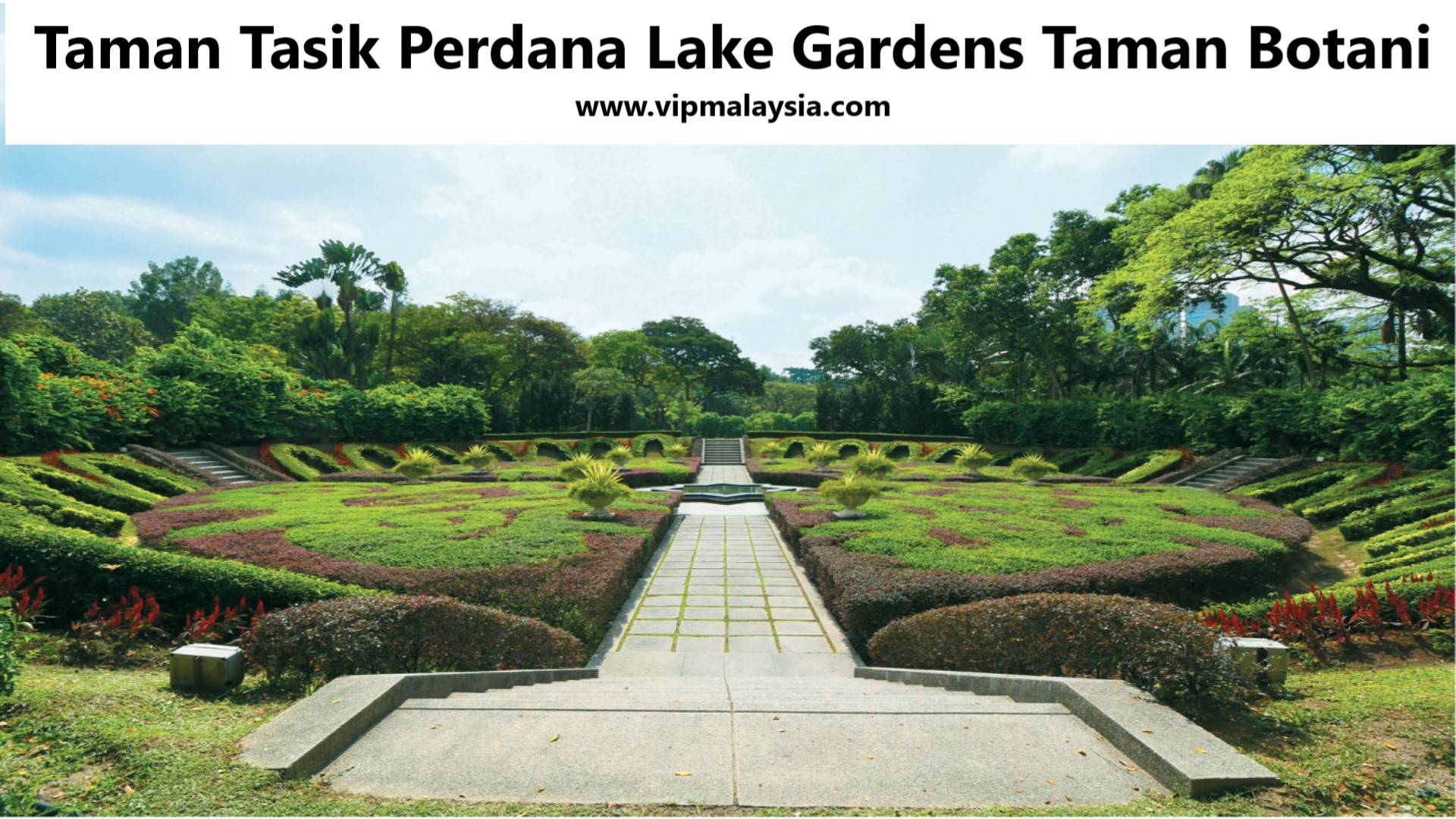
  • Taman Tasik Perdana: KL’s Historic Lake Garden

    Taman Tasik Perdana: KL’s Historic Lake Garden

    Taman Tasik Perdana, Kuala Lumpur

    Escape into Kuala Lumpur’s oldest public park, Taman Tasik Perdana. With lush gardens, cultural landmarks, and family-friendly facilities, this destination offers nature, history, and recreation in the city’s heart.

    Introduction

    Taman Tasik Perdana, also known today as the Perdana Botanical Gardens, is a landmark of Kuala Lumpur’s urban heritage. Established in 1888, it was originally envisioned by Alfred Venning, the Selangor State Treasurer, as a botanical garden modeled after Singapore and Penang’s botanical parks. Supported by British Resident Frank Swettenham, the park was designed to serve both recreational and scientific purposes, studying tropical plants for their economic potential. Officially opened in May 1889 by Sir Cecil Clementi Smith, Governor of the Straits Settlements, the park has evolved into a 91.6-hectare sanctuary blending history, biodiversity, and modern recreation.

    The Perdana Botanical Garden, also known as Taman Tasik Perdana or Lake Gardens, is situated in the Heritage Park of Kuala Lumpur. It has always been a part of the green lung of the city and has a history of over a decade. Originally created as part of a recreational park but planted with collections of tropical plants, the garden has been rehabilitated and turned into a Botanical Garden.

    Management

    The park is operated by Dewan Bandaraya Kuala Lumpur (DBKL). Entry is free for the public, encouraging accessibility for all. This management ensures the park remains well-maintained.

    River Connection

    The lake is linked to the River of Life project, enhancing ecological sustainability. This connection improves water quality and supports urban biodiversity. It ties the park into Kuala Lumpur’s environmental vision.

    Laman Perdana

    In the middle of the main gardens, where the three main roads coming from the three entrances meet, there is a square where events and activities were carried out. It is a central area and located close to the boathouse and with ample space, it is a perfect area for gatherings. This is the Laman Perdana. The rehabilitation efforts have transformed the square into an area for majestic trees. Adansonia and Moringas, planted as mature trees gave quite a surreal feel to the area. One can imagine being transpor ted to the land in Africa where they came from.

    Cycad Island

    The lake has a small Island in the larger water body, and it has two clumps of bamboos growing on it giving a most scenic look to the lake. The other island, which serves as a short cut to the area across the lake has two concrete bridges crossing the narrow water bodies around it. A cycad collection has been started on this Island giving it a new name, “The Cycad Island”. The collection of species of cycads and succulents, although starting small will continue to be expanded with more local and imported species.

    Attractions

    Historical Significance

    Colonial Origins

    The park’s creation reflected British colonial interest in tropical botany. Venning’s vision was to establish a green space that could serve as both a leisure retreat and a research hub. This dual purpose made Taman Tasik Perdana a cornerstone of Kuala Lumpur’s early urban planning.

    Carcosa Seri Negara

    Within the park lies Carcosa Seri Negara, once the official residence of the British Resident. Today, it stands as a heritage building, symbolizing Malaysia’s colonial past and architectural legacy.

    Lake Club

    Founded in 1890, the Lake Club was a social hub for Europeans. Though exclusive at the time, it marked the park’s role as a gathering place, later evolving into a more inclusive recreational space for all communities.

    Landscaped Gardens and Scenic Features

    Hibiscus and Orchid Gardens

    The park houses Malaysia’s national flower, the hibiscus, alongside a wide variety of orchids. These gardens showcase the country’s floral heritage and vibrant biodiversity.

    Sunken Garden and Herbarium

    Visitors can explore themed gardens featuring medicinal plants and rare species. The herbarium provides educational exhibits, offering insight into Malaysia’s botanical richness.

    Lakes and Water Features

    The central lake is a focal point of the park, surrounded by shaded seating areas and walking paths. It is ideal for boating, photography, and peaceful reflection amidst nature.

    Family-Friendly Facilities

    Children’s Playground

    The park features spacious playgrounds equipped with slides, swings, and climbing structures. Families can enjoy safe and engaging activities for children of all ages.

    Jogging and Fitness Tracks

    With over 2 kilometers of jogging paths, the park is popular among fitness enthusiasts. Exercise stations along the trails encourage healthy lifestyles in a natural environment.

    Visitor Amenities

    Facilities include restrooms, refreshment kiosks, and shaded seating areas. These amenities ensure comfort and convenience for all visitors.

    Botanical and Scenic Features

    Hibiscus and Orchid Gardens

    The park showcases Malaysia’s national flower, the hibiscus, alongside thousands of orchid species. These gardens highlight the country’s floral diversity and cultural pride.

    Sunken Garden and Herbarium

    Visitors can explore themed gardens featuring medicinal plants and rare species. The herbarium provides educational exhibits, offering insight into Malaysia’s botanical richness.

    Lakes and Water Features

    The central lake remains a focal point, surrounded by shaded seating areas and walking paths. It is ideal for boating, photography, and peaceful reflection amidst nature.

    Family-Friendly Facilities

    Children’s Playground

    The park features spacious playgrounds equipped with slides, swings, and climbing structures. Families can enjoy safe and engaging activities for children of all ages.

    Jogging and Fitness Tracks

    With over 2 kilometers of jogging paths, the park is popular among fitness enthusiasts. Exercise stations along the trails encourage healthy lifestyles in a natural environment.

    Visitor Amenities

    Facilities include restrooms, refreshment kiosks, and shaded seating areas. These amenities ensure comfort and convenience for all visitors.

    Trekking and Adventure

    Trail Network

    The park has 8 main trails that range from easy loops to moderate routes, making them suitable for jogging, trekking, or family walks. Popular options include the Perdana Botanical Lake Garden Loop (2.2 km) and shaded forest tracks. These trails provide both fitness opportunities and scenic nature experiences.

    Adventure Activities

    Visitors can enjoy kayaking on the lake, cycling around the park, and exploring themed gardens. The Orchid Garden and Hibiscus Garden showcase Malaysia’s national flowers and tropical beauty. These activities add variety to the trekking experience.

    Wildlife Encounters

    The park connects to the KL Bird Park, Butterfly Park, and Deer Park, offering close‑up encounters with animals and insects. These attractions make the park a hub for biodiversity within the city. It’s a perfect blend of adventure and nature discovery.

    Facilities for Adventurers

    Jogging & Cycling Tracks

    Well‑maintained tracks provide shaded areas for exercise. They are popular with both locals and tourists. The paths encourage healthy outdoor activity.

    Canopy Walks & Bridges

    Elevated walkways offer panoramic views of the gardens. They create unique perspectives of the park’s greenery. These bridges add adventure to the trekking experience.

    Picnic & Rest Areas

    Scenic spots around the lake are ideal for relaxation. Families often gather here for picnics. These areas balance activity with leisure.

    Accessibility

    Facilities are inclusive for people with disabilities. This ensures everyone can enjoy the park’s attractions. Accessibility is a key feature of its design.

    Why It’s Special

    Urban Oasis

    Located just minutes from Kuala Lumpur’s city center, the park offers a peaceful escape. Visitors enjoy skyline views alongside natural beauty. It’s a rare blend of city and nature.

    Cultural Landmarks Nearby

    The park is close to the Islamic Arts Museum, National Mosque, and Istana Budaya. This makes it easy to combine trekking with cultural exploration. Its location enhances its appeal.

    Adventure for All Ages

    From family‑friendly trails to moderate trekking routes, the park caters to everyone. Fitness enthusiasts and casual visitors alike find activities to enjoy. It’s truly an adventure for all ages.

    Adventure Activities Around Kuala Lumpur

    Beyond the park, visitors can explore Bukit Nanas Forest Reserve, join river cruises along Klang River, or hike nearby trails. Together, these activities create a well-rounded urban adventure itinerary.

    Bukit Nanas Forest Reserve, now officially called the KL Forest Eco Park, is Malaysia’s oldest permanent forest reserve, gazetted in 1906. Located in the heart of Kuala Lumpur next to KL Tower, it is one one of the last remaining tropical rainforests in central Kuala Lumpur, preserved amidst urban development. Hosts Silver Leaf Monkeys, Long-Tailed Macaques, squirrels, and diverse bird species.

    Conclusion

    Taman Tasik Perdana is more than a park—it is a living sanctuary that blends colonial history, cultural heritage, and biodiversity. From its origins in 1888 to its modern role as a botanical garden, the park offers a complete experience for locals and tourists alike. Whether you’re exploring hibiscus gardens, jogging along shaded trails, or visiting nearby museums, Taman Tasik Perdana promises unforgettable memories in Kuala Lumpur’s vibrant cityscape.

    Summary

    • Attraction: Taman Tasik Perdana
    • Location: Kuala Lumpur, Malaysia
    • Attraction Type: Attraction in Malaysia
    • Credit: klbotanicalgarden.gov.my, nadzirahata.blogspot.com
    • Category: #Attraction #KualaLumpur #RecreationalPark 

    Contact Information

    Perdana Botanical Gardens
    Jalan Kebun Bunga, Tasik Perdana,
    55100 Kuala Lumpur

    Customer Reviews

    • Syed, Kuala Lumpur ⭐⭐⭐⭐⭐ “Taman Tasik Perdana is my favorite weekend spot. The hibiscus garden was stunning, and the jogging track is perfect for morning runs.”sye
    • Badigol, London ⭐⭐⭐⭐ “Loved the orchid garden and the lake views. The park was clean and well-maintained, and the nearby museum made the trip even better.”
    • Swee Leow, Singapore ⭐⭐⭐⭐⭐ “Such a beautiful park! The facilities were impressive, and we enjoyed relaxing by the lake. Highly recommend for families and couples.”

    Frequently Asked Questions (FAQs)

    Why must you visit Botanical Garden, Kuala Lumpur?

    The Taman Tasik Perdana Lake Garden have not only botanical collections but also house features that give the visitors the ambiance of being in a tropical rainforest, despite being in the middle of a bustling metropolis.

    What are exotic species collections found in Taman Botani, Kuala Lumpur?

    The exotic species collections you can find in Lake Garden KL are:

    1. Heritage Trees
    2. Brazil Nut Tree (Bertholletia excelsa)
    3. Tembusu (Fagraea fragrans)
    4. Mahogany (Swietenia-macrophylla)

    What is name of places tree collection in Taman Tasik Perdana?

    Name of Places Tree Collection is many trees lent their names to States and places in Malaysia. We sometimes forget or do not know the origin of the names of the places we are living in or visiting. The following trees will enlighten visitors when they visit this group of tree collections.

    • Phyllanthus pectinatus; Melaka tree giving its name to the state of Melaka.
    • Lepisanthes alata; the Johor state is of the same name as this Johor tree.
    • Lagerstroemia floribunda, or Kedah Bungor; although in this case the tree might have adopted the state’s name.
    • Sandoricum koetjape, or Sentul must have given the name to the area in Kuala Lumpur call Sentul.
    • Suregada multiflora, Merlimau, or fake lime, gives its name to a small town in Melaka.

    Apakah sejarah sebelum Taman Tasik Perdana ini dibangunkan?

    Sebelum Taman Tasik Perdana ini dibangunkan, ia merupakan sebuah bekas lombong bijih timah pada zaman penjajahan British. Ketika itu lombong ini diusahakan pelombong bijih timah menggunakan lombong palung. Setelah jumlah bijih timah berkurangan, lombong ini tinggal terbiar dan dimajukan sebagai sebuah tasik rekreasi.

    Dimanakah letaknya Taman Tasik Perdana?

    Taman Tasik Perdana atau Lake Gardens ni terletak di Kuala Lumpur, Malaysia. Tasik ini terletak di sebelah kiri Jalan Mahameru menuju ke bangunan Parlimen Malaysia. Nama Taman Tasik Perdana dipilih kerana berhampiran dengan kediaman bekas Perdana Menteri Malaysia ke-2, Allahyarham Tun Abdul Razak.

    Kini ia lebih dikenali sebagai ‘Taman Botani Perdana’ iaitu sebuah taman awam yang besar di Kuala Lumpur. Ia merangkumi kawasan 226 ekar (91.6 hektar). Ia diurus oleh Dewan Bandaraya Kuala Lumpur, dan merupakan sebahagian daripada Taman Warisan Tun Abdul Razak.

error: