Tanjung Piai, also known as Cape of the Golden Leather Fern, is a mesmerizing coastal wetland in Johor, Malaysia, recognized for its rich mangrove ecosystem, historical significance, and status as the southernmost point of mainland Asia. Whether you’re a nature lover, a history buff, or an eco-traveler, this national park offers an unparalleled experience blending biodiversity, conservation, and scenic beauty.
Discover the Unique Beauty of Tanjung Piai
Why Visit Tanjung Piai?
Home to the southernmost tip of mainland Asia
Recognized as a Ramsar Site for wetland conservation
A thriving mangrove ecosystem supporting diverse wildlife
Boardwalks & scenic viewpoints overlooking Singapore & Indonesia
Embark on an ecological adventure—Tanjung Piai awaits!
History & Conservation Efforts
The Ramsar Recognition
A Global Conservation Landmark
Tanjung Piai became a designated Ramsar Site in 2003, ensuring its wetlands remain protected for environmental and educational purposes.
Mangrove Restoration & Protection
Addressing Coastal Erosion
Offshore breakwaters have been installed to combat wave erosion
Mangrove replanting initiatives have successfully restored ecosystems
Johor National Parks (+607-2661301 / +607-6960264)
Why Tanjung Piai is Johor’s Coastal Treasure
Tanjung Piai offers a unique blend of conservation, natural beauty, and historical significance, making it one of Malaysia’s most fascinating ecological sites. Whether you’re exploring mangrove forests, standing at the southernmost tip of Asia, or witnessing wetland conservation in action, this park promises an extraordinary experience in Malaysia’s coastal landscapes.
📍 Plan your nature adventure today—discover the beauty of Tanjung Piai, Johor!
Tanjung Piai: Summary
Attraction: Tanjung Piai
Location: #Johor
Attraction Type: #Island
Source: johornationalparks.gov.my
Johor: Explore the Best Destinations
Discover the ultimate destinations and hidden gems waiting for you! Click now for expert travel guides, insider tips, and must-visit spots that will make your journey unforgettable. Start exploring today!
Johor Darul Takzim Johor, rich in diverse attractions, offers a unique vacation experience for every type of traveler. From thrilling theme parks to fascinating cultural…
Johor: National Parks Johor, Malaysia, is home to some of the most ecologically significant wetlands, recognized under the Ramsar Convention, offering diverse landscapes, rich biodiversity,…
Taman Laut Sultan Iskandar, Johor Located off the southeastern coast of Peninsular Malaysia, Taman Laut Sultan Iskandar is a breathtaking marine park, home to pristine…
Gunung Ledang, Johor Located in Johor’s National Park, Gunung Ledang is a breathtaking mountain rich in history, legends, and natural wonders. Whether you’re an adventurous…
Tanjung Piai, Johor Tanjung Piai, also known as Cape of the Golden Leather Fern, is a mesmerizing coastal wetland in Johor, Malaysia, recognized for its…
Johor’s Islands Johor, Malaysia, is home to some of the most breathtaking islands, offering crystal-clear waters, white sandy beaches, and vibrant marine life. Whether you’re…
Discover Johor’s Pristine Beaches: Nature’s Paradise Johor is home to breathtaking beaches with white sand, turquoise waters, and rich coastal biodiversity. Whether you’re an adventure…
Looking for travel inspiration, delicious recipes, or the best places to eat? Want to stay updated on smart financial tips, personal loan promotions, or the latest car models? Whether you’re searching for hobby ideas, product reviews, or something new, we’ve got you covered! Click on the links, explore exciting insights, and let your next discovery begin—it’s just one click away!
Frequently Asked Questions (FAQs) About Tanjung Piai
Looking for answers to common questions? Our FAQ section provides clear, concise explanations on key topics, helpful troubleshooting tips, and expert insights to guide you. Whether you’re a beginner or an experienced user, you’ll find quick solutions and essential information to streamline your experience.
What countries can be seen from Tanjung Piai Johor Darul Takzim?
If you are here at Johor National Parks Tanjung Piai, you can see Singapore and Indonesia, our closest neighboring countries simultaneously.
Pulau Pangkor, Perak: Malaysia’s Tropical Island Retreat
Pulau Pangkor, located in Perak, is one of Malaysia’s most beloved island getaways, offering pristine beaches, crystal-clear waters, and a rich blend of fishing heritage and modern resorts. Whether you’re snorkeling at Coral Bay, exploring historical landmarks, or savoring fresh seafood, this island delivers the perfect balance of relaxation and adventure.
Experience the Beauty & Serenity of Pulau Pangkor
Why Visit Pulau Pangkor, Perak?
✔ Stunning coastline – Golden sands and turquoise waters perfect for beach lovers
✔ Vibrant fishing communities – Experience traditional Malaysian island life
✔ Rich historical significance – Visit Dutch Fort, the ancient Batu Bersurat, and Pangkor Town
✔ Adventure & eco-tourism – Engage in water sports, jungle trekking, and island hopping
Escape to paradise—plan your Pulau Pangkor getaway today!
Beaches & Attractions
Best Beaches in Pulau Pangkor
✔ Pasir Bogak Beach – Ideal for swimming and water sports
✔ Teluk Nipah Beach – Famous for snorkeling and coral reef exploration
✔ Coral Bay – A tranquil hideaway perfect for relaxation
✔ Turtle Bay – Spot sea turtles in their natural habitat
Historical & Cultural Landmarks
✔ Dutch Fort – A 17th-century fortress reflecting Malaysia’s colonial past
✔ Batu Bersurat (Sacred Rock) – Featuring ancient carvings left by early traders
✔ Fishing Villages – Discover authentic island traditions and fresh seafood markets
Activities & Outdoor Adventures
Exciting Island Experiences
✔ Snorkeling & Diving – Explore Malaysia’s vibrant underwater world
✔ Jungle Trekking – Hike through lush rainforests with scenic coastal views
✔ Fishing & Boating – Witness local fishermen in action or rent a boat for island hopping
Nearby Attractions
✔ Lumut Town – A gateway to Pulau Pangkor with charming waterfront views
✔ Pangkor Laut Resort – An exclusive private island retreat for luxury travelers
✔ Marina Island – A man-made island with upscale accommodations
User Reviews & Testimonials
“Pulau Pangkor is a tropical dream! The beaches are beautiful, and the seafood is amazing!” – Jason L., Australia
“Snorkeling at Coral Bay was incredible! The water is crystal clear, and the marine life is vibrant.” – Farah H., Malaysia
“Loved the mix of nature and history! Visiting the Dutch Fort and trekking through the jungle made for a perfect day.” – Nicole S., Singapore
“Perfect weekend escape from KL! It’s peaceful, scenic, and has everything you need for a relaxing trip.” – Hadi M., Indonesia
“Every corner is picture-perfect! I got amazing sunset shots at Teluk Nipah—highly recommend.” – Sofia W., UK
Pulau Pangkor isn’t just an island getaway—it’s a tropical paradise, blending breathtaking landscapes, fascinating culture, and thrilling adventures. Whether you’re lounging on pristine beaches, exploring colonial ruins, or immersing yourself in island life, this destination guarantees an unforgettable Malaysian escape.
📍 Plan your ultimate tropical retreat—visit Pulau Pangkor today!
Discover the ultimate destinations and hidden gems waiting for you! Click now for expert travel guides, insider tips, and must-visit spots that will make your journey unforgettable. Start exploring today!
Seenivasagam Brothers, Perak Located on the fringe of Ipoh Padang, the historic Residence & Law Office of the Seenivasagam Brothers stands as a preserved pre-war…
Perak Hydro Building Perak Hydro Building, located in Ipoh, Perak, is one of Malaysia’s most impressive Neo-Renaissance structures, featuring grand Greek and Roman-inspired columns. Originally…
Bukit Kinding Resort, Perak Nestled in Tanjung Rambutan, Perak, Bukit Kinding Resort is a paradise for thrill-seekers and nature lovers, offering breathtaking landscapes and adrenaline-pumping…
Tempurung Cave, Perak Nestled in Gopeng, Perak, Gua Tempurung is one of Malaysia’s most fascinating limestone cave systems, believed to be over 400 million years…
Felda Residence Hot Spring, Sungkai Nestled in Sungkai, Perak, Felda Residence Hot Spring—also known as Sungai Klah Hot Springs—is a rejuvenating getaway surrounded by lush…
Sungai Kampar White Water Rafting, Perak Located in Gopeng, Perak, Sungai Kampar is a premier white-water rafting destination, offering adventurers an exhilarating ride through 14…
Looking for travel inspiration, delicious recipes, or the best places to eat? Want to stay updated on smart financial tips, personal loan promotions, or the latest car models? Whether you’re searching for hobby ideas, product reviews, or something new, we’ve got you covered! Click on the links, explore exciting insights, and let your next discovery begin—it’s just one click away!
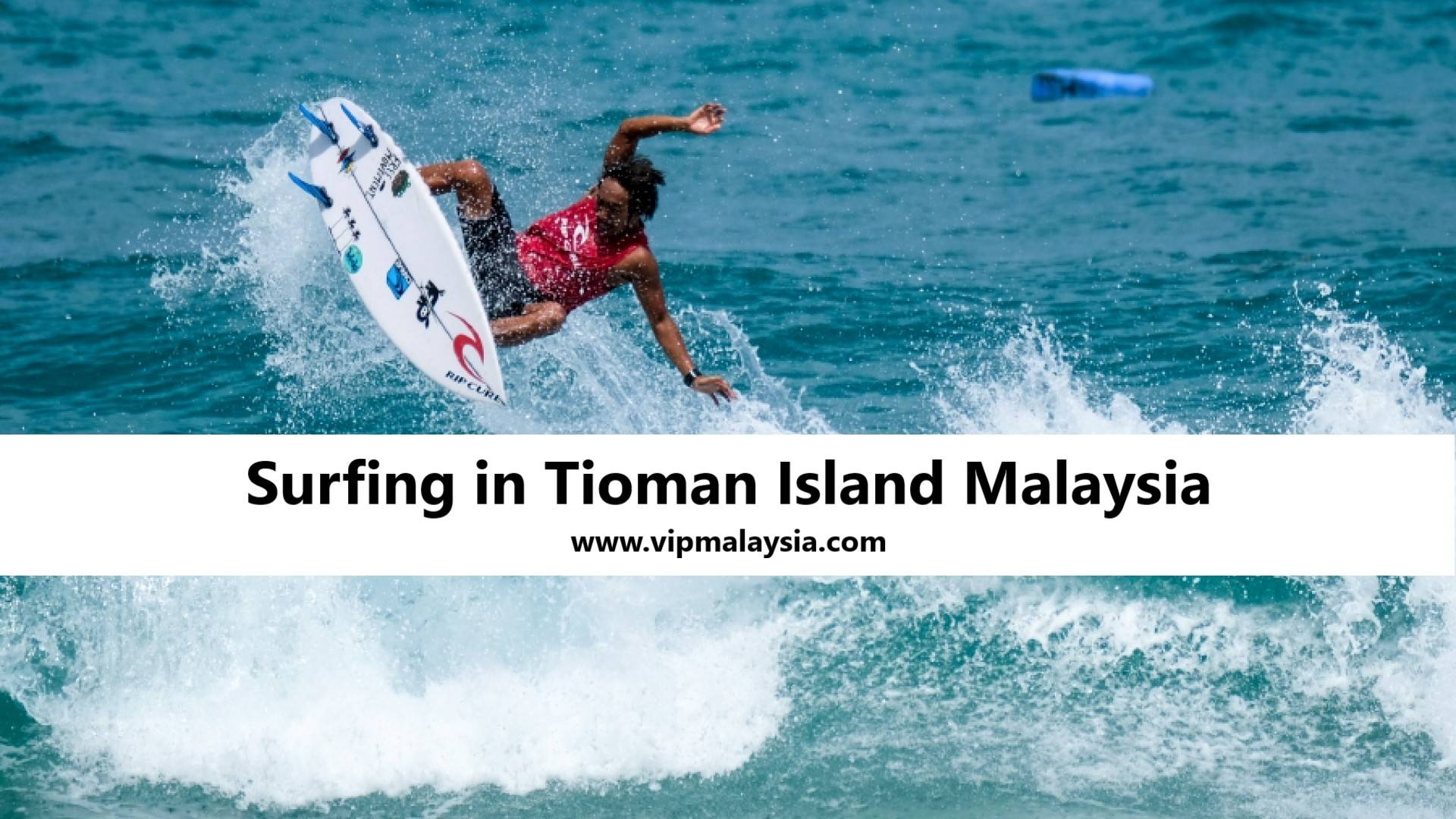
Held annually on the beautiful shores of Tioman Island, Malaysia, the Tioman Surf Festival is a celebration of waves, culture, and adrenaline-pumping surf action. Whether you’re a seasoned surfer or an enthusiastic beach-goer, this festival offers an unforgettable mix of competitions, festivities, and island charm.
Introduction
Pulau Tioman, located off Malaysia’s east coast, has long been a paradise for travelers seeking turquoise waters, lush jungles, and thriving marine life. The Tioman Surf Festival elevates this tropical haven into a global stage for surfing excellence and cultural exchange. Each year, surfers from across the world gather to test their skills against the island’s powerful monsoon swells, while visitors immerse themselves in music, food, and eco-friendly initiatives. Beyond the surf, Tioman offers trekking adventures, wildlife encounters, and cultural festivals that make the island a multifaceted destination.
How to Get There
Travelers can reach Tioman via ferry from Tanjung Gemok or Mersing Jetty. Public buses connect major Malaysian cities to these jetties, making access convenient.
Travel Tips
Booking ferry tickets in advance is recommended, especially during festival season. Early arrivals ensure better accommodation options and smoother travel.
Best Time to Visit
The peak surf season runs from November to February, coinciding with the monsoon swells. This period guarantees strong waves and vibrant festival activities.
Off-Season Charm
Visiting outside the surf season offers calmer seas, ideal for snorkeling and diving. The island remains beautiful year-round, with fewer crowds and lower prices.
Highlights
World-Class Surf Competitions
The festival’s centerpiece is its international surfing competition, attracting professionals and amateurs alike. Surfers compete across categories, ensuring inclusivity for all skill levels. The waves, fueled by seasonal monsoon swells, provide challenging yet exhilarating conditions. Judging panels feature international professionals, guaranteeing fairness and credibility.
Spectacular Wave Conditions
Between November and February, Tioman’s coastline transforms into a surfer’s dream. The monsoon winds generate consistent swells, producing waves that range from beginner-friendly breaks to advanced barrels. These natural conditions make Tioman one of Southeast Asia’s most underrated surf destinations.
Beachside Festivities
The festival extends beyond the surf, creating a lively atmosphere along Tioman’s beaches. Visitors enjoy live performances from local and international musicians, beach parties, and food stalls serving authentic Malaysian cuisine.
Cultural Showcases
Traditional dance performances and craft exhibitions highlight Tioman’s rich heritage. Local artisans display handmade jewelry, batik fabrics, and wood carvings, offering visitors a chance to take home a piece of island culture.
Community Engagement
The Tioman Surf Festival emphasizes sustainability and community involvement. Eco-friendly initiatives, such as beach clean-ups and coral conservation workshops, encourage responsible tourism.
Local Business Collaborations
Island businesses, from guesthouses to dive shops, actively participate in the festival. This collaboration strengthens Tioman’s economy and ensures visitors experience genuine hospitality.
Nearby Attractions
Kampung Tekek
The island’s largest village, Kampung Tekek, offers modern amenities such as ATMs, duty-free shops, and restaurants. It serves as a convenient base for festival-goers.
Visitor Facilities
Accommodation ranges from budget chalets to luxury resorts. Facilities include Wi-Fi, rental scooters, and guided tours, ensuring comfort for all travelers.
Juara Beach
Known for its tranquil atmosphere, Juara Beach is ideal for relaxation. Its calm waters contrast with the surf-heavy west coast, making it perfect for swimming and kayaking.
Turtle Sanctuary
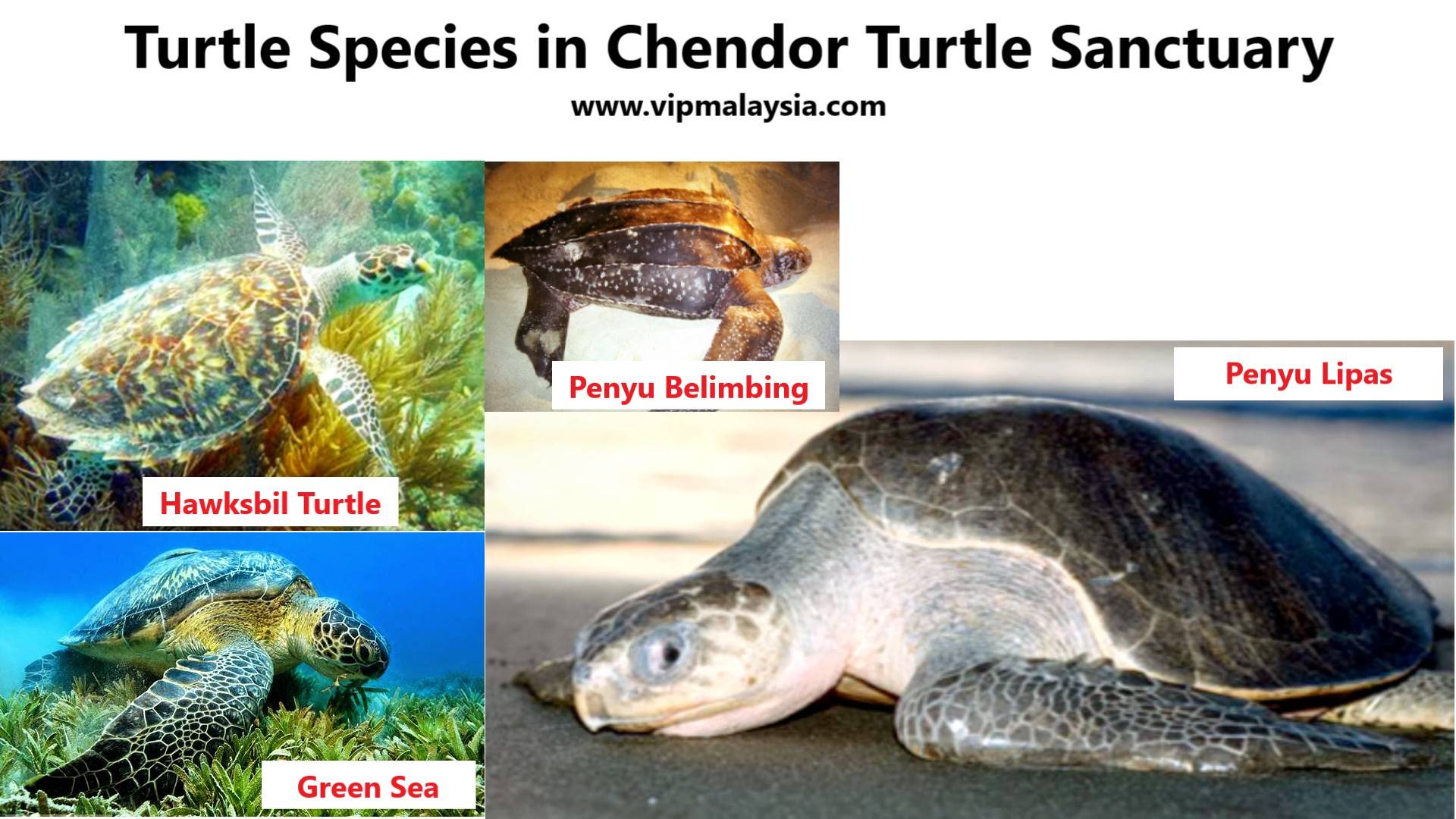
Juara hosts a turtle conservation center where visitors learn about hatchling programs. This sanctuary underscores Tioman’s commitment to wildlife preservation.
Salang Village
Salang is popular among backpackers for its vibrant nightlife and affordable stays. Bars, cafes, and dive shops line the beach, creating a lively hub for social travelers.
Diving Hotspot
Salang’s proximity to dive sites like Coral Island and Labas Reef makes it a favorite among divers. The underwater scenery here is breathtaking, with colorful corals and schools of fish.
Conclusion
Tioman Surf Festival is more than just a surfing competition—it’s a cultural and adventurous experience that brings together waves, music, and the vibrant island spirit. Whether you’re a surfer, a beach lover, or someone looking for a thrilling event, this festival delivers excitement and unforgettable memories.
Catch the next wave—experience Tioman Surf Festival and join the island’s surf culture!
Summary
Attraction: Tioman Surf Festival
Location: #Pahang #Tioman
Attraction Type: #Island
Why Attend:
International surfing competitions – Witness top surfers competing for championship titles
Vibrant beach culture – Enjoy live music, beach parties, and cultural showcases
Ideal surf conditions – Take advantage of monsoon swells between November and February
Beginner-friendly – Plenty of small wave breaks for those new to surfing
Quick Info
Attribute
Details
Name
Tioman Surf Festival
Location
Kampung Juara, Pulau Tioman, Pahang, Malaysia
GPS Position
2.7906° N, 104.1712° E
State
Pahang
Event Type
Surf Festival & Beach Culture Event
Main Highlights
Surf Competitions, Live Music, Beach Festivities
Nearby Attractions
Tioman Island Marine Park, Coral Reef Diving, Jungle Trekking
Accessibility
Ferry from Tanjung Gemok or Mersing Jetty
Best Time to Visit
November–February for surfing, early arrivals for best lodging
Jim Carter, Australia – ★★★★★ “The Tioman Surf Festival was incredible! The waves were perfect, and the atmosphere was electric. I loved the eco-friendly initiatives and the chance to join a coral conservation dive.”
Fuziah Rahman, Malaysia – ★★★★☆ “Great event with amazing surf competitions. The beach parties were fun, and the food stalls offered delicious local dishes. Accommodation was a bit pricey, but overall worth it.”
Carlos Berrada, Holland – ★★★★★ “As a surfer, Tioman exceeded my expectations. The swells were consistent, and the judging was professional. The jungle trek to the waterfall was a highlight of my trip.”
Hiroshi Tanaka, Japan – ★★★★☆ “Beautiful island and well-organized festival. I enjoyed the cultural showcases and turtle sanctuary visit. The ferry ride was long, but the destination made it worthwhile.”
Frequently Asked Questions (FAQs)
How much it cost to surfing in Tioman Island?
Based on Tioman Cabana, the prices to surfing are as follows:
Surf Lesson for beginners – RM180 per person (includes board, 2-hour lesson, rash guard, snacks & hot drinksurf promo)
Stand Up Paddle (SUP) Lesson for beginners – RM180 per person (includes board, 2-hour lesson, rash guard, snacks & hot drink)
Surfboard (Shortboard) Rental – RM80 per day.
Longboard Rental – RM100 per day.
Bodyboard Rental – RM80 per day.
Surf or SUP Tour – RM150 per person (includes board, rash guard, snacks & hot drink)
**min 2 person booking. Email us for more information
Pulau Tioman, Malaysia’s most breathtaking island getaway, offers world-class snorkeling spots, untouched beaches, and hidden lagoons that make island hopping an unforgettable experience. Whether you’re a nature lover, adventure seeker, or looking for a relaxing retreat, hopping across Tioman’s pristine islands and crystal-clear waters will leave you mesmerized.
Introduction
Tioman Island, located off the east coast of Peninsular Malaysia, is a jewel of the South China Sea. Known for its crystal-clear waters, diverse marine life, and lush rainforests, Tioman has become a premier destination for island hopping. Travelers are drawn to its untouched beaches, vibrant coral reefs, and welcoming local communities. Whether you are seeking adventure, relaxation, or cultural immersion, Tioman offers a blend of experiences that cater to every type of traveler. The island’s accessibility from Mersing and Tanjung Gemok makes it a convenient yet exotic getaway.
Highlights
Renggis Island
Renggis Island is one of Tioman’s most famous snorkeling spots. The shallow waters make it ideal for beginners, while the vibrant coral reefs and frequent sightings of sea turtles captivate seasoned snorkelers. The island’s gentle waves provide a safe environment, and its proximity to Tioman’s main villages ensures easy access. Visitors often remark on the abundance of tropical fish, including parrotfish and angelfish, which create a kaleidoscope of colors beneath the surface.
Visitor Facilities
Renggis Island offers guided snorkeling tours, equipment rentals, and boat transfers. Local operators emphasize safety and provide life jackets for children, making it a family-friendly destination. Small kiosks on Tioman’s mainland sell refreshments and snacks for day-trippers heading to Renggis.
Monkey Bay
Monkey Bay is a secluded gem accessible only by boat or jungle trek. Its untouched sandy shores and lush tropical forest backdrop make it perfect for nature photography. The bay’s tranquility appeals to travelers seeking solitude, while its calm waters invite leisurely swims and sunbathing.
Shark Point
Shark Point is renowned for sightings of blacktip reef sharks. While encounters are not guaranteed, the thrill of spotting these majestic creatures excites adventurous snorkelers. The clear visibility makes Shark Point ideal for observing marine life, including schools of barracuda and colorful nudibranchs.
Wildlife Species List
Beyond sharks, Shark Point is home to butterflyfish, clownfish, and giant clams. The reef’s biodiversity attracts marine biologists and eco-tourists alike. Conservation efforts ensure that the ecosystem remains vibrant and sustainable.
Salang Beach
Salang Beach combines relaxation with lively beachfront dining. Its white sandy shores and turquoise waters create postcard-perfect scenery. The beach is lined with restaurants serving fresh seafood, Malay delicacies, and international cuisine. Sunset views here are particularly breathtaking, drawing couples and photographers.
Nearby Towns
Salang is close to Tekek, Tioman’s main village, where visitors can find duty-free shops, local markets, and cultural exhibits. Tekek also hosts eco-tours that highlight Tioman’s rainforest biodiversity, offering a balance between beach leisure and inland exploration.
Coral Island
Coral Island is a snorkeling haven with shallow reefs teeming with marine life. Its accessibility makes it a favorite among families. The island’s clear waters and sandy beaches provide a relaxing environment, while its reefs offer educational opportunities for children learning about marine ecosystems.
Tulai Island
Tulai Island, also known as “Coral Island’s twin,” is less crowded and offers pristine beaches. Its remoteness appeals to travelers seeking untouched beauty. Tulai’s reefs are home to rare species, making it a hotspot for eco-tourism.
Nipah Village
Nipah Village showcases Tioman’s cultural side. Visitors can experience traditional Malay hospitality, sample local dishes, and learn about fishing practices. The village’s charm lies in its authenticity, offering a glimpse into daily life on Tioman.
Trekking and Adventure
Jungle Treks Across Tioman
Tioman’s dense rainforests provide opportunities for trekking adventures. Trails lead to waterfalls, hidden caves, and panoramic viewpoints. Guided treks often highlight medicinal plants, bird species, and traditional uses of the forest by local communities. Trekking is suitable for both beginners and experienced hikers, with varying levels of difficulty.
Asah Waterfall Trek
The trek to Asah Waterfall is a popular choice. It takes visitors through lush greenery, past streams, and into the heart of Tioman’s jungle. The waterfall itself is a refreshing spot for swimming and photography. Guides often share stories of Tioman’s folklore, adding cultural depth to the adventure.
Kayaking and Diving
Beyond trekking, Tioman offers kayaking along its coastline and diving into deeper waters. Kayakers enjoy exploring hidden coves and mangrove areas, while divers encounter shipwrecks and rare marine species. Dive centers across Tioman provide certification courses, making it a hub for underwater exploration.
Marine Park Diving
Tioman Marine Park is a highlight for divers. Its protected waters host diverse coral species and rare fish, including Napoleon wrasse. Diving here emphasizes conservation, with strict guidelines to preserve the fragile ecosystem.
Travel Guide
How to Get to Pulau Tioman
Travelers can reach Tioman via ferry from Tanjung Gemok or Mersing Jetty. Both routes offer direct connections to Tioman’s villages. Alternatively, flights to Sultan Ahmad Shah Airport in Kuantan provide access to ferry services. The journey itself is scenic, with views of the South China Sea.
Mersing Jetty is the main ferry terminal on the east coast of Johor, Malaysia, serving as the gateway to Pulau Tioman, Pulau Rawa, and other islands in the South China Sea. It is strategically located in Mersing town and is one of the most important maritime transport hubs in southern Malaysia. Address: Mersing Harbour Centre, Jalan Abu Bakar, 86800 Mersing, Johor, Malaysia. Travel Time: From Johor Bahru (Senai International Airport): 3 hours by car via Route 3, from Kuala Lumpur: 6 hours by car via North–South Expressway (E2) and Route 3.
Best Time
The ideal season for island hopping is March to October, when waters are clear and weather is sunny. This period offers the best snorkeling visibility and calm seas. November to February marks the monsoon season, with limited boat trips and rougher conditions. Travelers are advised to plan accordingly.
Conclusion
Island hopping in Tioman offers a spectacular mix of adventure, relaxation, and breathtaking scenery, making it one of Malaysia’s top tropical getaways. Whether you’re exploring coral reefs, unwinding on secluded beaches, or enjoying fresh seafood, this island-hopping experience will leave you with memories to cherish forever.
Plan your trip today—experience the beauty of Pulau Tioman through island hopping!
Summary
Attraction: Island Hopping, Tioman
Location: #Pahang #Tioman
Attraction Type: #Island
Source: nazratulazra.blogspot.com, travelblog.org
Highlights:
Explore diverse marine life – Snorkel among colorful coral reefs, sea turtles, and tropical fish
Visit untouched islands & beaches – Discover secluded locations only accessible by boat
Enjoy a variety of water activities – Experience kayaking, diving, and fishing adventures
Perfect for all travelers – Suitable for families, couples, and solo explorers
Quick Info
Attribute
Details
Name
Island Hopping, Pulau Tioman
Location
Pulau Tioman, Pahang, Malaysia
GPS Position
2.7906° N, 104.1712° E
State
Pahang
Activity Type
Island Tour & Snorkeling Experience
Main Attractions
Renggis Island, Monkey Bay, Shark Point, Salang Beach
Nearby Landmarks
Tioman Marine Park, Tekek Village, Coral Reef Diving Sites
Accessibility
Ferry from Tanjung Gemok or Mersing Jetty
Best Time to Visit
March–October for best weather and visibility
Entry Fee
Depends on tour package and boat rental rates
Opening Hours
Available daily, dependent on boat availability
Contact
Call/SMS/WhatsApp: 019-9155093 (EPEQ/HAZERI)
Visitor Reviews
James Carter, United Kingdom – ★★★★★ “I had an amazing time snorkeling at Renggis Island. The coral reefs were vibrant, and I even spotted a sea turtle. Tioman is truly a paradise for nature lovers.”
Aisha Rahman, Singapore – ★★★★☆ “Monkey Bay was so peaceful and secluded. The trek through the jungle was challenging but rewarding. I wish there were more facilities, but the natural beauty made up for it.”
Carlos Mendoza, Spain – ★★★★★ “Shark Point was thrilling! I didn’t see sharks this time, but the marine life was incredible. The guides were knowledgeable and ensured we respected the reef.”
Mei Ling, China – ★★★★★ “Salang Beach was perfect for relaxing. The seafood restaurants served delicious meals, and the sunset views were breathtaking. I’ll definitely return.”
David Johnson, Australia – ★★★★☆ “The trek to Asah Waterfall was unforgettable. The jungle was lush, and the waterfall was refreshing. It’s a must-do for adventure seekers visiting Tioman.”
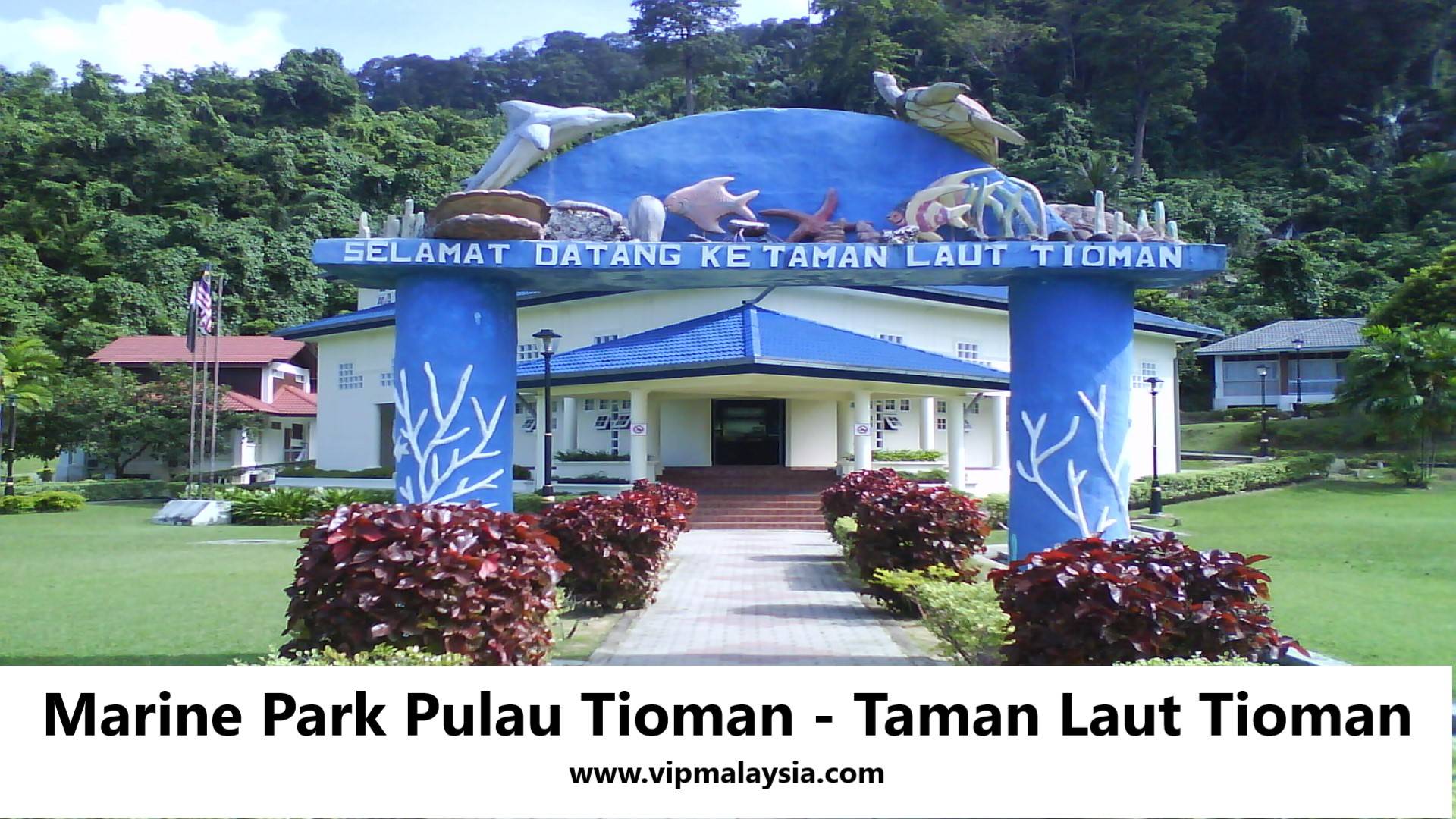
Discover Malaysia’s tropical marine paradise at Taman Laut Tioman, a breathtaking archipelago of nine islands renowned for diverse marine ecosystems, world-class diving spots, and eco-tourism adventures. From lush rainforests to vibrant coral reefs, this destination offers unforgettable experiences for relaxation, exploration, and adventure.
Introduction
Taman Laut Tioman, officially known as Tioman Marine Park, is one of Malaysia’s most treasured natural sanctuaries. Located off the east coast of Peninsular Malaysia, this marine park encompasses nine spectacular islands, each offering unique attractions and highlights. Visitors are drawn to its pristine beaches, crystal-clear waters, and thriving coral reefs that host an astonishing variety of marine life. Beyond the underwater wonders, the islands are home to tropical rainforests, cultural villages, and eco-friendly resorts that make it a perfect blend of adventure and relaxation. Whether you are a diver, trekker, or simply a nature enthusiast, Taman Laut Tioman promises an immersive journey into Malaysia’s tropical beauty.
Highlights
Pulau Tioman
Pulau Tioman is the centerpiece of the marine park, spanning a coastline of 69 kilometers. Its white sandy beaches are fringed by lush tropical rainforests and dramatic granite boulders. The island hosts several villages such as Kampung Tekek and Salang, where visitors can experience local culture and hospitality. Eco-tourism thrives here, with resorts offering sustainable stays and guided tours that emphasize conservation. Pulau Tioman is also famous for its myths, with legends claiming the island was once a dragon princess resting in the South China Sea.
Visitor Facilities And Local Culture
Pulau Tioman offers modern visitor facilities including resorts, homestays, and dive centers. The Marine Park Centre at Kampung Tekek provides orientation, maps, and exhibits on biodiversity. The island’s cuisine features fresh seafood dishes, often prepared with local spices, making dining a memorable part of the visit.
The best seafood in Kampung Tekek, Tioman Island, can be found at Sarang Seafood Village, which is highly rated for its fresh catches like crab, prawns, and grilled fish, served in a relaxed seaside setting. Other notable spots include Restoran Mama Rina and Restoran Seafood Alif, both offering authentic Malay-style seafood dishes.
Kampung Tekek is the largest and most developed village on Tioman Island, Malaysia, often regarded as the island’s “capital.” It serves as the main hub for transport, commerce, and administration, with ferry services, the island’s only airport, and duty-free shopping facilities. Main gateway for tourists arriving by ferry from Mersing or Tanjung Gemok, or via Berjaya Tioman Airport. Duty-free shops: Tekek is famous for affordable alcohol, chocolates, and imported goods.
A duty-free shop is a retail outlet that sells goods exempt from local or national taxes and duties, typically catering to international travelers at airports, seaports, or border crossings. These shops allow passengers to purchase items like alcohol, tobacco, perfumes, and luxury goods at lower prices compared to regular retail stores. Goods sold do not include import duties, VAT, or excise taxes, provided they are taken out of the country by travelers.
Pulau Tokong Bahara
Pulau Tokong Bahara is a diver’s paradise, known for its unspoiled coral reefs and diverse marine species. The island’s underwater formations are ideal for experienced divers seeking unique challenges. Its remote location ensures fewer crowds, offering a peaceful and intimate exploration of Malaysia’s marine biodiversity.
Pulau Tokong Bahara (also known as Bahara Rock or Bahara Lighthouse) is a renowned dive site off Tioman Island, Malaysia, famous for its strong currents (making it suitable for experienced divers) that attract large pelagic species such as blacktip reef sharks, manta rays, and eagle rays. It is part of the Tioman Marine Park and considered one of the island’s top advanced diving spots. Accessible only by boat, typically from dive centers in Tekek or Salang.
Blacktip Reef Sharks
The blacktip reef shark (Carcharhinus melanopterus) is a small species of requiem shark easily recognized by the distinctive black tips on its fins, especially the first dorsal fin. It inhabits shallow coral reefs across the Indo-Pacific and is currently listed as Vulnerable on the IUCN Red List due to overfishing and habitat loss.
Manta Rays
Manta rays are majestic marine animals belonging to the genus Mobula, easily recognized by their triangular wing-like pectoral fins and horn-shaped cephalic fins near the mouth. With wingspans that can reach up to 7 meters, they are among the largest rays in the ocean, gliding gracefully through tropical and subtropical waters worldwide. Both giant and reef manta rays are currently listed as Vulnerable on the IUCN Red List, making conservation efforts crucial to their survival. Their short whiplike tails, sometimes equipped with spines, and their wide mouths adapted for filter-feeding on plankton highlight their unique evolutionary traits.
Known for their gentle nature, manta rays are often seen breaching the surface in spectacular jumps or gliding effortlessly alongside divers and snorkelers. Unlike many marine species, they are non-aggressive toward humans, which makes encounters with them especially memorable. Their large triangular fins resemble wings, giving them an almost otherworldly appearance as they soar through the water. These “devilfish,” named for their horn-shaped cephalic fins, embody both power and elegance, making them a symbol of ocean biodiversity and a favorite subject for marine ecotourism.
Eagle Rays
Eagle rays are striking cartilaginous fishes from the family Myliobatidae, easily identified by their flat bodies, wing-like pectoral fins, and long whip-like tails. Many species feature distinctive spotted or patterned backs, making them a favorite sight for divers in tropical and subtropical waters worldwide. With wingspans reaching up to 3 meters, eagle rays are admired for their graceful swimming and occasional leaps out of the water, a behavior that adds to their reputation as one of the ocean’s most elegant creatures.
Generally shy and non-aggressive toward humans, eagle rays sometimes travel in groups, especially the spotted eagle ray, creating mesmerizing underwater displays. Unfortunately, many species are considered Near Threatened or Vulnerable due to overfishing and habitat loss, highlighting the importance of marine conservation. Their unique appearance and gentle behavior make them both ecologically significant and a symbol of the delicate balance within ocean ecosystems.
Pulau Labas
Pulau Labas is perfect for those seeking tranquility. Its crystal-clear waters are ideal for snorkeling, while scenic viewpoints provide panoramic vistas of the surrounding islands. The beaches are secluded, making it a favorite among eco-tourists and adventure seekers who prefer quiet exploration.
Pulau Labas is a small islet located off the coast of Tioman Island in Pahang, Malaysia, known both as part of a protected marine park and as a popular diving site featuring unique underwater rock formations. It is managed under Malaysia’s Department of Marine Park and offers rich biodiversity, making it a notable destination for eco-tourism and marine conservation.
Pulau Labas is a picturesque island near Tioman, located close to Kampung Salang and Air Batang, making it a convenient stop for travelers exploring the northern coast. Frequently included in eco-tourism itineraries alongside Pulau Tulai and Pulau Sepoi, it offers crystal-clear waters, thriving marine biodiversity, and a peaceful atmosphere ideal for diving, snorkeling, and nature lovers seeking an authentic island escape.
Magicienne Rock
Magicienne Rock is a submerged reef renowned for its stunning coral formations. Divers are treated to vibrant marine life, including clownfish, angelfish, and nudibranchs. The reef’s depth and clarity make it a favorite for underwater photography.
Magicienne Rock is a renowned dive site off Tioman Island, Pahang, Malaysia, consisting of an underwater pinnacle rising to about 8 meters below the surface. It is famous for its rich marine biodiversity, including whale sharks, manta rays, leopard sharks, and turtles, making it one of the top attractions in the Tioman Marine Park. Location: Northeast of Pulau Tioman, Pahang, Malaysia, Depth Range: 8 m to ~25 m (max depth ~15 m for most dives, up to 49 ft recorded).
Diving Experience At Magicienne Rock
The site is accessible to both novice and experienced divers. Its shallow sections are perfect for beginners, while deeper areas challenge advanced divers. The reef’s biodiversity ensures every dive is unique, with new species often spotted.
Pulau Sepoi
Pulau Sepoi is celebrated for its thriving marine habitat. Snorkelers and divers encounter schools of colorful fish, sea turtles, and occasional reef sharks. The island’s calm waters make it ideal for family-friendly snorkeling adventures.
Pulau Sepoi (sometimes referred to as Seri Buat Island) is a small islet near Tioman Island, Malaysia, known for its pristine coral reefs, clear waters, and status as a protected marine park site. It is popular for snorkeling and diving, though less frequently visited compared to other Tioman dive spots. Access: By boat, ~45 minutes from Tioman Island. Depth Range: 5–25 meters, Visibility: 5–20 m depending on season. Special Site: Golden Reef, northeast of Sepoi, with vibrant coral competition and diverse fish life
Visitor Facilities And Accessibility
Pulau Sepoi offers basic facilities such as rest huts and guided tours. Its proximity to Pulau Tioman makes it easily accessible by boat. Conservation programs here emphasize protecting coral reefs from human impact.
Pulau Tulai
Pulau Tulai, also known as Coral Island, is one of Tioman’s most popular snorkeling destinations, famous for its clear turquoise waters, vibrant coral reefs, and diverse marine life including turtles, reef sharks, and even dolphins. Day trips by boat are the main way to reach the island, with Genting Point being a highlight for spotting colorful fish among healthy coral beds.
Pulau Tulai offers snorkelers an unforgettable experience thanks to its pristine sandy beaches and thriving underwater ecosystem. The island’s reefs host species such as the Latent Sling-Jaw Wrasse, alongside schools of tropical fish that make the waters shimmer with color. Morning boat trips are recommended for the calmest seas and best visibility, ensuring a safe and rewarding adventure. Beyond snorkeling, diving opportunities are available, though some coral areas show signs of damage, they still provide spectacular views of marine biodiversity. Coral Island remains a must-visit for nature lovers seeking both relaxation and exploration in Tioman’s surrounding waters.
Pulau Chebeh
Pulau Chebeh, located off Tioman Island, is a premier deep dive site famous for its dramatic granite boulder formations, caves, and swim-throughs. Divers encounter rich marine biodiversity including yellowtail fusiliers, batfish, blacktip reef sharks, and barracuda, with visibility often reaching 20 meters or more.
This site offers depths between 10–25 meters, with intermediate to advanced divers favoring its labyrinth of tunnels and channels. A notable cave at around 21 meters is teeming with fish, while seasonal highlights (April and October) may include sightings of manta rays or even the elusive whale shark. Strong currents enhance the experience by attracting pelagic species, making Pulau Chebeh one of Tioman’s most thrilling underwater adventures for those seeking both geological wonders and diverse marine life.
Pulau Renggis
Pulau Renggis, located just off Tekek on Tioman Island, is one of Malaysia’s most iconic snorkeling sites, renowned for its shallow reefs, crystal-clear waters, and abundant marine life including clownfish, parrotfish, turtles, and even small blacktip reef sharks. Its easy accessibility from Berjaya Tioman Resort makes it a favorite for both beginners and seasoned snorkelers.
The island’s reefs are permanent coral sanctuaries that host a wide diversity of species, offering excellent visibility and calm conditions ideal for underwater photography. Snorkelers often encounter sea turtles resting on the seabed and schools of colorful fish weaving through hard and soft corals. Morning visits are recommended for the clearest waters and fewer crowds, while the site’s proximity to Tioman’s main village ensures it remains one of the most visited and celebrated snorkeling destinations in the region.
Pulau Jahat
Pulau Jahat, located just a short boat ride from Tioman Island, is a renowned dive site known for its dramatic underwater terrain, strong currents, and diverse marine life. With depths ranging from 16 to 30 meters, it features massive granite boulders, sloping coral reefs, and caves that make it a thrilling destination for intermediate to advanced divers.
The site is home to an impressive variety of species including parrotfish, fusiliers, angelfish, groupers, moray eels, barracuda, trevally, reef sharks, and turtles. Coral diversity is equally rich, with branching corals, whip corals, sea fans, and large boulder formations creating vibrant underwater landscapes. Visibility often reaches up to 20 meters, and the moderate to strong currents provide opportunities for exhilarating drift dives. Pulau Jahat is considered one of Tioman’s most adventurous dive spots, offering both macro photography opportunities with nudibranchs and encounters with pelagic species like sharks and rays.
Trekking And Adventure
Rainforest Trails
Pulau Tioman’s rainforest trails offer trekking opportunities for all levels. Trails such as the Tekek to Juara route take hikers through dense jungles, waterfalls, and wildlife habitats. Along the way, trekkers may spot macaques, monitor lizards, and exotic bird species.
Tekek – Juara Route
The Tekek – Juara Route refers to the main jungle trekking trail on Tioman Island that connects the village of Tekek on the west coast to Juara on the east coast. It is a 2–3 hour hike through dense rainforest and paved sections, offering one of the island’s most popular overland connections.
The Tekek – Juara Route on Tioman Island begins near Masjid Jamek Tekek and offers hikers a moderate challenge with a mix of jungle trails and paved road sections. This scenic path is ideal for those with basic fitness levels, providing a rewarding experience through lush rainforest terrain and opportunities to spot local wildlife.
Along the way, trekkers are treated to panoramic views of Tioman’s interior, making the Tekek – Juara Route a favorite for nature lovers and adventure seekers. Its combination of accessibility and natural beauty ensures a memorable hike that showcases the island’s diverse ecosystem and cultural landmarks.
Rock Climbing
Gunung Nenek Semukut, better known as the Dragon Horns, is Tioman Island’s most iconic climbing landmark, rising majestically to 703 meters above sea level. Located near Kampung Mukut at the southern tip of the island, this twin-peaked granite formation resembles the horns of a dragon and has become one of Southeast Asia’s premier big-wall climbing destinations. With towering walls reaching up to 300 meters, climbers can test their skills on more than 14 established routes, ranging from grades 5c+ to 7c+, making it a true playground for advanced adventurers seeking both challenge and breathtaking scenery.
Access to the Dragon Horns involves a journey via ferry from Mersing or Singapore, followed by a transfer to Berjaya Resort and then a speedboat or fishing boat ride to Mukut. Once there, climbers are rewarded with dramatic granite faces that demand ropes, harnesses, and advanced techniques. The site has drawn world-class international climbers such as Arnaud Petit and Cedar Wright, who pioneered routes that continue to inspire enthusiasts today. For those seeking a blend of authentic adventure, natural beauty, and global climbing prestige, Gunung Nenek Semukut stands as a must-visit highlight of Tioman Island.
Grade 7a. Steep granite face, popular among experienced climbers.
The French Connection
Grade 6c+. Established by Arnaud Petit, known for precise technical climbing.
The Dragon’s Backbone
Grade 6c. Long sustained pitches along the exposed ridge line.
The Horn Ridge
Grade 6b+. Scenic climb with panoramic views of Tioman’s coastline.
The Mukut Wall
Grade 6b. Accessible route near Kampung Mukut side, often used for warm-ups.
The Bahara Line
Grade 6a+. Easier line, suitable for intermediate climbers.
The Twin Peaks Traverse
Grade 6a. Traverses across both horns, highly exposed and scenic.
The Pioneer’s Route
Grade 5c+. First ascent line by Scotty Nelson & Nick Tomlin (2000). Historic route.
The Eagle’s Flight
Grade 6b. Named after frequent eagle sightings near the wall.
The Granite Wave
Grade 6c. Smooth granite face requiring technical footwork.
The Vertical Garden
Grade 6a+. Features pockets of vegetation along the wall.
The Horned Summit Direct
Grade 7a+. Direct line to the summit, very demanding and exposed.
Kayaking
Kayaking in Taman Laut Tioman (Tioman Marine Park) is defined as an eco-tourism water activity where visitors paddle across the calm, crystal-clear waters surrounding Tioman Island and its smaller islets. It is especially popular outside the Northeast monsoon season, offering both short beachside paddles and longer expeditions to nearby islands.
Key Features
Main Hub: Kampung Tekek, where the Pusat Taman Laut Tioman visitor center is located.
Other Launch Points: Juara, Salang, and ABC Village beaches.
Waters: Generally flat and calm, ideal for beginners.
Equipment: Sturdy rental kayaks available at beaches; stable and designed to be unsinkable.
Duration: From 30 minutes to full-day trips depending on fitness and skill.
Paddleboarding
Paddleboarding (Stand-Up Paddleboarding, SUP) in Taman Laut Tioman is defined as a recreational water sport where visitors stand on a large, stable board and use a paddle to glide across Tioman’s calm, crystal-clear seas. Tioman Island is considered one of Malaysia’s best SUP destinations thanks to its sheltered bays, easy learning curve, and stunning natural scenery.
Key Features
Main Areas: Kampung Tekek, Juara Beach, Salang, and ABC Village — all offering calm waters ideal for SUP.
Duration: Sessions range from short 30-minute paddles near shore to half-day explorations of nearby coves and reefs.
Conclusion
Taman Laut Tioman offers an extraordinary mix of adventure, marine biodiversity, and island beauty, making it one of Malaysia’s most treasured marine parks. Whether you’re diving in crystal-clear waters, snorkeling among coral reefs, or relaxing on pristine beaches, these islands promise an island getaway like no other.
Plan your island escape today—immerse yourself in the beauty of Taman Laut Tioman, Malaysia!
Summary
Attraction: Taman Laut Tioman
Location: #Johor #Tioman
Attraction Type: #Island
Source: ketsa.gov.my / marinepark.dof.gov.my
Why Visit:
Diverse marine ecosystems & vibrant coral reefs
Nine spectacular islands offering varied experiences
Perfect for relaxation, adventure, and eco-tourism
Quick Info
Attribute
Details
Name
Taman Laut Tioman
Location
Off the east coast of Peninsular Malaysia
GPS Position
2.8184° N, 104.1576° E
State
Pahang
Facility Type
Marine Park, Diving Sites & Island Retreats
Main Attractions
Coral Reefs, Island Exploration, Diving & Snorkeling
Nearby Landmarks
Pulau Labas, Pulau Tokong Bahara, Pulau Seri Buat
Accessibility
Boat transfers from Tanjung Gemuk, Pahang
Best Time to Visit
March – October for calm waters & ideal diving conditions
Entry Fees
Marine park fees may apply
Recommended Activities
Diving, Snorkeling, Island Hopping
Opening Hours
Accessible all year
Contact
Pusat Taman Laut Pulau Tioman (+609-4131273 / +609-4191595)
Visitor Reviews
Jacqueline Soh, Singapore – ★★★★★ “I had the most amazing diving experience at Pulau Tokong Bahara. The coral reefs were vibrant, and I even spotted a reef shark. The guides were knowledgeable and emphasized conservation, which made the trip even more meaningful.”
James Walker, United Kingdom – ★★★★☆ “Pulau Tioman was stunning, with its beaches and rainforest trails. The trek to Juara was challenging but rewarding. Facilities could be improved, but the natural beauty more than made up for it.”
Tuan Haji Abdul Rahman, Malaysia – ★★★★★ “Pulau Labas was serene and perfect for relaxation. Snorkeling was incredible, and I loved the eco-tourism focus. It felt good knowing my visit supported conservation efforts.”
Philips Lauren, UK – ★★★★☆ “Magicienne Rock was a diver’s dream. The underwater photography opportunities were endless. The currents were strong, but the dive instructors ensured safety throughout.”
Mark Davidson, Australia – ★★★★★ “Pulau Sepoi was family-friendly and accessible. My kids enjoyed snorkeling, and we saw sea turtles up close. The conservation programs were inspiring, and we learned a lot about marine life.”
Frequently Asked Questions (FAQs)
What are Marine Park Centre, Pulau Tioman facilities and services?
Toilet and wash facilities, picnic tables and barbeque pits are provided at selected sites. A jetty at the visitor’s centre allows boats to come along shore. The park management provides mooring buoys over coral reefs to allow for snorkelling and diving boats. Visitors can shop for small items of food and drinks at the village shops. For hiring of diving equipment and filling of air tanks, visitors can enquire at the respective dive shops.
How to get to Taman Laut Tioman?
By Air
There is an airstrip in Pulau Tioman. Berjaya Air flies twice daily to the island from Kuala Lumpur and Singapore.
Land and sea
The main staging points to the Tioman Marine Park are Tanjung Gemuk (in Pahang) and Mersing (Johor). Scheduled ferry services (21⁄2-hour journey) from the Tanjung Gemuk or Mersing jetties link to Pulau Tioman on a daily basis. Express bus services from major towns and cities to these two points are also readily available.
The major routes are as follows:
From Kuala Lumpur to Tanjung Gemok Jetty or Mersing Jetty (51⁄2 hours journey).
From Singapore to Tanjung Gemok Jetty or Mersing Jetty (21⁄2 hours journey).
Discover The Barat Tioman Beach Resort, a tropical haven where golden sands meet turquoise waters. Indulge in beachfront dining, thrilling water sports, and rainforest adventures. Secure your stay now and enjoy the perfect mix of relaxation, exploration, and unforgettable island charm.
Introduction
Welcome to a taste of island life. The Barat Tioman Beach Resort warmly invites you to discover an unspoiled natural paradise located on the east side of Pulau Tioman, with a 2km long stretch of golden sand beach offering an exciting assortment of sea and land-based adventures, eco-tourism attractions and facilities throughout the year.
Hidden away on the east coast of Pulau Tioman, Juara Beach retains the charm of a secluded, unspoilt 2km long golden sand beach, voted by CNN as the No.21 most beautiful beach in the world, amidst the peaceful village of Kampung Juara. Here, discover the warm and welcoming ambience of The Barat Tioman Beach Resort.
Juara Beach is a secluded, pristine beach located on the east coast of Tioman Island, Malaysia, known for its calm waters, lush jungle backdrop, and peaceful atmosphere compared to the busier west coast. It’s often described as one of the island’s most beautiful and tranquil spots, ideal for swimming, nature walks, and turtle conservation experiences. Unlike the west coast villages (like Tekek and Salang), Juara is more remote, accessible mainly by a jungle road or boat. Juara has small resorts, guesthouses, and chalets, offering simple but comfortable stays. Visiting the Juara Turtle Project, a conservation center where visitors can learn about sea turtles and sometimes help release hatchlings.
Tekek is the largest and most developed village on Tioman Island, Malaysia, often considered its “capital.” It serves as the main entry and exit point for visitors, with ferry services, the island’s only airport, and essential facilities like shops, banks, and a hospital. Tekek is known for duty-free shops, offering alcohol, chocolates, and other goods at lower prices. More restaurants, cafes, and bars compared to other villages, giving Tekek a livelier atmosphere.
Salang is a small village on the northwest coast of Tioman Island, Malaysia, known for its lively backpacker scene, vibrant nightlife, and easy access to some of the island’s best dive sites. Compared to quieter spots like Juara, Salang is more social, with bars and beach cafés creating a lively atmosphere. Marine Life: Close to famous dive sites such as Coral Island, Labas, and Tiger Reef.
History of Pulau Tioman
According to legend Pulau Tioman which is located on the east coast of Pahang in Malaysia, was the rest stop of a beautiful dragon princess who whilst flying to visit her prince in Singapore fell in love with the surrounding waters and decided to settle there permanently by transforming her body into an island. The twin peaks, Pulau Tioman’s famous landmarks, are believed to resemble the ears of the legendary princess.
Hidden within Pulau Tioman’s tropical rainforests you can spot macaques, black giant squirrels, and various bird species which feed on local fruits. During the day, giant Asian water monitor lizards surface in search of food while colourful snakes and agamid lizards that resemble small dinosaurs play hide and seek among large tree trunks.
At night, watch out as slow lorises, brush-tailed porcupines, civets, and mouse deers come to life as you listen to the sound of katydids and cicadas fill the air – The Barat Tioman Snorkeling
Stay
Located on 5 acres of sprawling beachfront property, The Barat Tioman invites you to stay in air-conditioned comfort in one of our 56 spacious rooms with modern amenities. After an exciting day of discovering nature-inspired adventures, cool down by the swimming pool with a refreshing drink from our rooftop Skybar, or enjoy delicious bites against an ocean view at Barat Restaurant with your family and friends before heading back to your room for a hot shower and relaxing time as you watch TV.
Seafront Chalet & Seafront Villa
Spacious semi-detached chalets & villas. Wake up to a hot mug of coffee or tea while you enjoy stunning sea views from the privacy of your extra-large balcony. In the evening, relax with a cold drink from the fridge in front of your 40-inch flat screen TV. The Seafront Chalets & Villas are generously sized for four and can accommodate an extra bed (mattress).
Seaview Hilltop Villa
Luxuriate in style in your very own villa. Enjoy incredible ocean views from your large balcony as you relax in the privacy of your exclusive Seaview Hilltop Villa. Experience solitude and serenity surrounded by the tropical rainforest as you soak in your personal Jacuzzi overlooking the sea or bask in the sun on beach loungers and unwind with a book while listening to the soothing sound of the waves. Couples can look forward to a perfect night’s sleep in their King bed while families enjoy the comfort of one King and one Queen bed with the option of an extra bed (mattress).
Executive Family Room
Perfect space for group fun. More people = more fun! Our Executive Family Room comes with 1 Queen Bed and 2 Double Decker Beds to accommodate six friends or a family of six who want to spend quality time together. Got a last-minute addition? The Executive Family Room is able to fit an extra bed (mattress).
Things to do
Snorkeling Spots
Pulau Tioman is teeming with marine life and coral reefs and is a haven for nature lovers to enjoy and explore. The island’s sandy golden beaches, warm seas, lush rainforest, and endless sunshine make it one of Southeast Asia’s most attractive travel destinations – The Barat Tioman Snorkeling.
Snorkeling Package
The snorkeling packages offered from The Barat Tioman is divided into low season and peak season. The prices are very if you plan to go for snorkeling in the months of February and October.
3 Days / 2 Nights Full Board Accommodation + 2 Snorkeling Trips (low season).
4 Days / 3 Nights Full Board Accommodation + 2 The Barat Tioman Snorkeling Pulau Tioman Malaysia Trips (low season).
Package Price (Per Room): 4 Days / 3 Nights Full Board Accommodation + 2 The Barat Tioman Snorkeling Pulau Tioman Malaysia Trips (peak season).
Package Price (Per Room): 3 Days / 2 Nights Full Board Accommodation + 2 The Barat Tioman Snorkeling Pulau Tioman Malaysia Trips (peak season).
Scuba Diving
Pulau Tioman’s rich array of marine life including anemone fish, scorpion fish, nudibranchs, turtles, lobsters, and sharks make this island one of Malaysia’s most popular scuba diving destinations. Brush up on your scuba diving skills at the Barat Dive Centre; an internationally recognized PADI Dive Centre that offers diving courses and leisure dives. Beginners can get an introduction to the world of scuba diving through our Discovery Scuba Dive program.
Term & Conditions:
Please book your activities at least 1 day in advance at our Recreational Counter Located at Barat Drive Center.
Rate excluding Govt Tax / Conservation Fund imposed by Malaysian Authorities.
Proof of diving certification for leisure dive. We reserve the right to reject any participant.
We shall not be responsible for any injury or losses due to any accident during the activities.
The Barat reserves the right to change the rates without prior notice.
Discover Juara Beach
Kampung Juara is the only village on the east coast of Pulau Tioman that is accessible by road. This relatively undiscovered part of the island features the quiet and tranquil Juara Beach, which is the ideal venue for sea and water sports activities.
Here, you can swim, kayak, surf, or stand up paddle board on the clear blue waters. Under the sea, the fascinating marine ecosystem beckons you to snorkel or scuba dive to explore the wonders of the ocean. A trip to the waterfalls will leave you feeling refreshed while a jungle trek through the tropical rainforest will allow you to discover the local wildlife. You can also learn more about turtle conservation at the neighbouring turtle sanctuary or play a game of beach football or beach volleyball as you enjoy the warmth of the soft, smooth sand under your feet.
Visit The Barat Tioman’s Recreation Centre to explore all these adventures and more with the help of our experienced recreation guides.
Discover Pulau Tioman
Pulau Tioman is teeming with marine life and coral reefs, and is a haven for nature lovers to enjoy and explore. The island’s sandy golden beaches, warm seas, lush rainforest, and endless sunshine make it one of Southeast Asia’s most attractive travel destinations. According to legend Pulau Tioman which is located on the east coast of Pahang in Malaysia, was the rest stop of a beautiful dragon princess who whilst flying to visit her prince in Singapore fell in love with the surrounding waters and decided to settle there permanently by transforming her body into an island. The twin peaks, Pulau Tioman’s famous landmarks, are believed to resemble the ears of the legendary princess.
Hidden within Pulau Tioman’s tropical rainforests you can spot macaques, black giant squirrels, and various bird species which feed on local fruits. During the day, giant Asian water monitor lizards surface in search of food while colourful snakes and agamid lizards that resemble small dinosaurs play hide and seek among large tree trunks. At night, watch out as slow lorises, brush-tailed porcupines, civets, and mouse deers come to life as you listen to the sound of katydids and cicadas fill the air.
Pulau Tioman’s duty-free status is another attraction as tourists can buy chocolates, alcoholic beverages, and cigarettes at duty free prices.
Conclusion
The Barat Tioman Beach Resort is more than a place to rest — it is a destination where nature, culture, and comfort converge to create an unforgettable island experience. Guests can wake to the sound of waves along pristine beaches, spend their days snorkeling in crystal waters or kayaking across calm lagoons, and wander rainforest trails alive with exotic wildlife. Evenings bring the joy of dining by the shore, with fresh seafood and local flavors served under starlit skies. Whether you are seeking adventure, tranquility, or a balance of both, the resort offers a setting that inspires lasting memories. Secure your stay now and let The Barat Tioman Beach Resort redefine your connection to relaxation, discovery, and the vibrant spirit of Pulau Tioman.
Summary
Attraction: The Barat Tioman Beach Resort
Location: Pahang, Malaysia
Attraction Type: Island in Malaysia
Credit: barattioman.com
Category: #Tioman #Pahang #Island
Visitor Information
The Barat Tioman Beach Resort, Lot 438 Kampung Juara Pulau Tioman, 26800 Kuala Rompin, Pahang
Perjalananku ke Pulau Tioman 2020: Perjalananku ke Pulau Tioman bersama keluargaku. Perjalanan dari Jeti Mersing dengan menaiki feri ke jeti Kampung Tekek, Pulau Tioman mengambil masa 2 jam perjalanan. Setelah sampai Kampung Tekek, Pulau Tioman kami menaiki kereta pacuan empat roda menuju Kampung Juara iaitu di mana kami bermalam Di The Barat Tioman Beach Resort. Perjalanan sejauh 8km dalam masa 20 minit. Kami sekeluarga menginap di Barat Tioman Beach Resort selama tiga hari dua malam. Amri Najib- youtube.com
The Barat Tioman Snorkeling: Snorkeling at Tioman Island ABC, you do not have to scuba dive experience beautiful underwater nature. The protected rich marine life at ABC area is easy to access, corals are just few meters of the shore. Birch Web Design- youtube.com
Snorkeling in Tioman Island Pahang Malaysia: Hello there, travel lovers! We are back to Malaysia – our second home! We are so happy to kick off our Malaysian series with the most beautiful island that we’ve experienced – Tioman Island, Malaysia. We are also very proud to announce that we’ve been working with Swiss Cottage Tioman, they have kindly accommodated us for free and invited us to celebrate Justina’s birthday along with Stella’s birthday! Two ladies born on the same day – International Women Day! So lucky! We highly recommend staying at Swiss Cottage. Great hospitality, the chalets are right on the beach and it’s perfect for sunsets! Cheers! Beer For Breakfast- youtube.com
Review The Barat Tioman Beach Resort: Ideal for fun and relaxation, The Barat Tioman Beach Resort is located in the Kampung Juara area of Tioman Island. The city center is merely away, and the airport can be reached within 35 minutes. With its convenient location, the hotel offers easy access to the city’s must-see destinations. At The Barat Tioman Beach Resort, every effort is made to make guests feel comfortable. To do so, the hotel provides the best in services and amenities. While lodging at this wonderful property, guests can enjoy convenience store, daily housekeeping, gift/souvenir shop, taxi service, wheelchair accessible.
The ambiance of The Barat Tioman Beach Resort is reflected in every guestroom. television LCD/plasma screen, free welcome drink, linens, mirror, towels are just some of the facilities that can be found throughout the property. The hotel offers fantastic facilities, including boats, canoe, dart board, watersports equipment rentals, wind surfing, to help you unwind after an action-packed day in the city. Whatever your purpose of visit, The Barat Tioman Beach Resort is an excellent choice for your stay in Tioman Island. HotelKDM- youtube.com
Barat Tioman Resort One of the best resorts in Pulau Tioman: Meraikan ulangtahun perkahwinan isteriku bagaikan umpama mimpi dalam mimpi. Aku plan membawa isteriku ke Pulau Tioman detaik pertemuan di mana perasaan cinta disulami ke alam perkahwinan. Kini aku berbangga dapat dapat kembali ke Pulau Tioman setelah cinta yang disulami selepas 10 tahun ikatan perkahwinan. Baggio Megat- youtube.com
Frequently Asked Questions (FAQs)
What to discover when you are at Pulau Tioman, Malaysia
You can discover nature-inspired adventure, discover Juara Beach (also known as The Long Beach of Pulu Tioman) and discover the island rich in flora and fauna in Pulau Tioman.
What is the price range for scuba diving packages at The Barat Tioman?
The Barat Tioman Diving (Own Equipment). Contact for latest / revise price
Nestled off the east coast of Peninsular Malaysia, Tioman Island is an idyllic retreat in the South China Sea, famous for its pristine beaches, lush rainforests, and world-class diving sites. Whether you’re a scuba diver, a nature lover, or a traveler seeking tranquility, Tioman Island promises an unforgettable tropical escape.
Introduction
Located off Malaysia’s east coast in the South China Sea, Tioman Island is a destination that captivates travelers with its unique blend of history, culture, and natural wonders. Known to ancient sailors as a vital navigation point, Tioman has played roles in trade, war, and folklore. Today, it is celebrated as one of Southeast Asia’s premier diving and snorkeling spots, offering pristine beaches, lush rainforests, and vibrant marine biodiversity. With its volcanic landscapes and mythical legend of the Dragon Princess, Tioman Island is more than a holiday spot—it is a living storybook of heritage and adventure.
Tioman Island (Malay: Pulau Tioman) is a volcanic island located in the South China Sea, about 32 km off the east coast of Peninsular Malaysia in Pahang. The name “Tioman” is linked to local legends, with some accounts suggesting it derives from “Pulau Ular” (Snake Island), while folklore describes it as the resting place of a dragon princess who transformed into the island. Highest point: Gunung Kajang at 1,038 m (3,406 ft), Villages: Seven villages, with Kampung Tekek being the largest and most populated.
Kampung Tekek is the largest and most developed village on Tioman Island, Malaysia, serving as its administrative and commercial hub with modern facilities such as an airport, port, hospital, and duty-free shops. It is often the first stop for visitors arriving by ferry or plane. Population: Around 2,000 residents, most of whom work in the tourism industry, Geography: Stretches about 3 km along Tioman’s west coast, surrounded by coral reefs and lush greenery and Attractions: Coral reefs, Marine Park, Berjaya Resort
Eco-Tourism and Exploration
Mount Kajang is a hub for eco-tourism activities, including jungle trekking, birdwatching, and scientific tours. Its untouched rainforest offers opportunities to observe wildlife in their natural habitat, while conservation efforts ensure the preservation of this unique ecosystem. For travelers seeking adventure and natural beauty, Mount Kajang remains one of Tioman Island’s most captivating destinations.
Wildlife Encounters During Treks
Explorers often encounter hornbills, macaques, and monitor lizards along jungle paths. Night treks reveal nocturnal species such as the slow loris and flying foxes. Guides emphasize eco-friendly practices, ensuring minimal disturbance to wildlife. These encounters enrich the trekking experience, blending adventure with ecological awareness.
The Tale of the Dragon Princess
According to folklore, Tioman Island was once a dragon princess who chose to rest here instead of continuing her journey. Her body is said to form the island’s rugged terrain, symbolizing her eternal presence. This myth adds a mystical dimension to Tioman, blending cultural heritage with natural wonder.
Highlights
Historical Timeline of Tioman Island
Ancient Trade and Maritime Navigation
For centuries, Tioman Island served as a gateway for sailors and traders. Chinese, Arab, and European ships stopped here to replenish fresh water and timber supplies. Archaeological finds, including porcelain shards, still wash up on its beaches, offering glimpses into its maritime past. This history makes Tioman not just a natural wonder but also a cultural landmark of global trade.
World War II and Naval History
During World War II, Tioman’s waters became a stage for naval operations. Both British and Japanese forces used the island strategically, and remnants of shipwrecks remain beneath its waves. These sites attract divers and historians alike, blending adventure with historical exploration.
The Natural Wonders
Protected Wildlife and Marine Parks
Tioman Island was declared a marine park to safeguard its rich biodiversity. The Pulau Tioman Wildlife Reserve, established in 1994, protects inland forests and their inhabitants. With 45 species of mammals and 138 species of birds, including frigatebirds, the island is a haven for wildlife enthusiasts. Conservation efforts ensure that Tioman remains a sanctuary for both terrestrial and marine life.
Pulau Tioman Wildlife Reserve is a protected area on Tioman Island, Malaysia, gazetted in 1972 and covering about 9,445–9,457 hectares. It safeguards diverse ecosystems including rainforest, mangroves, and coral reefs, and is home to over 45 mammal species, 138 herpetofauna species, 48 freshwater fish species, and 78 butterfly species.
Frigatebirds are large tropical seabirds of the family Fregatidae, known for their long wingspans (up to 2.3 m), forked tails, and distinctive aerial behavior, including stealing food from other seabirds. They are often called “man-o’-war birds” due to their aggressive feeding habits. In Malay, frigatebirds are generally called “Simbang”. Specific species have distinct names: the Great Frigatebird is known as “Simbang Besar”, while the Christmas Island Frigatebird is called “Simbang Pulau Natal”.
Endemic Species of Tioman Island
Tioman is home to rare creatures found nowhere else. The Kajang slender litter frog inhabits Mount Kajang, while the walking catfish (Clarias batu) can be spotted during rainforest treks. Other unique residents include the slow loris, black giant squirrel, and brush-tailed porcupine. These endemic species highlight Tioman’s ecological uniqueness and importance in global biodiversity.
The Kajang slender litter frog (Leptobrachella kajangensis) is a small, endemic amphibian found only on Tioman Island, Malaysia, specifically near caves at the summit of Gunung Kajang. It belongs to the family Megophryidae and is currently listed as “Least Concern” by the IUCN. Size: About 3.5 cm (snout-to-vent length), Type Locality: A small cave near the top of Gunung Kajang (≈1000 m elevation), the island’s highest peak.
A loris is a small, nocturnal primate belonging to the family Lorisidae, found mainly in South and Southeast Asia. In Malay, loris is generally called “Monyet Loris”
Coral Bleaching and Ecosystem Recovery
In 2010, Tioman’s reefs suffered significant coral bleaching. However, recovery efforts since 2016 have stabilized conditions, allowing marine life to flourish once again. Today, diving and snorkeling spots remain vibrant, showcasing colorful corals, reef fish, and sea turtles. This resilience underscores the importance of conservation and sustainable tourism.
Coral bleaching is the process where corals lose their vibrant colors and turn white because they expel the symbiotic algae (zooxanthellae) living in their tissues due to stress, most often caused by rising sea temperatures. The algae, live inside coral tissues and supply nutrients through photosynthesis. Without these algae, corals appear white (“bleached”) and are at risk of starvation. This weakens the coral, making it more vulnerable to disease and death if stressful conditions persist.
Causes
Temperature rise: Elevated sea temperatures, often linked to climate change, are the primary cause.
Light stress: Excessive sunlight can damage the algae’s photosynthetic system.
Nutrient imbalance: Pollution or changes in water chemistry can disrupt coral-algae relationships.
Tioman’s twin peaks at Simukut Mountain are iconic landmarks. Surrounding reefs teem with sea turtles, exotic fish, and corals. The island is part of a volcanic archipelago of 64 islands, each offering unspoiled natural beauty. This combination of land and sea makes Tioman a haven for exploration.
Simukut Mountain, also known as Gunung Nenek Semukut, is one of Tioman Island’s most iconic twin peaks, rising dramatically near Kampung Mukut in southern Tioman. Together with Batu Simau, it forms the legendary “Dragon’s Horns,” a landmark tied to local folklore about a dragon princess who became the island. Easily seen from ferries approaching Tioman, making it a recognizable landmark. Height: Approximately 685 m (2,247 ft).
Coral Diversity and Reef Health
Tioman Island’s coral reefs are home to both hard and soft corals, creating vibrant underwater landscapes. However, they are not “largely untouched” as sometimes claimed. The reefs have faced challenges such as coral bleaching events, particularly in 2010, and ongoing threats from disease and climate change. Conservation efforts have helped stabilize conditions since 2016, but reef health remains a critical focus for marine protection.
Fish Species and Reef Life
The island’s reefs host a wide variety of reef fish species, including barracudas, rainbow runners (Elagatis bipinnulata), fusiliers, and colorful reef dwellers. These species contribute to the ecological balance of Tioman’s marine environment, making it a hotspot for snorkeling and diving enthusiasts. Schools of fusiliers and predatory fish add to the dynamic underwater ecosystem.
Rainbow Runner
The rainbow runner (Elagatis bipinnulata) is a fast-swimming pelagic fish belonging to the jack family (Carangidae). Known for its striking metallic blue and yellow coloration, this species is widespread across tropical and subtropical oceans worldwide. It is highly valued both as a game fish and as a source of food, making it important in both recreational and commercial fisheries.
Rainbow runners are easily recognized by their distinct coloration: a metallic blue upper body, yellow lower body, and two deep blue longitudinal stripes running along their sides. Their streamlined, slender body is perfectly adapted for speed, allowing them to thrive in open-water environments. They can reach lengths of over 1.2 meters (4 ft) and weigh up to 10 kilograms, making them one of the larger species in their family.
As a pelagic species, rainbow runners play a vital role in ocean ecosystems. They are often found in schools near reefs, islands, and offshore structures, where they feed on smaller fish and invertebrates. Their wide distribution across the Atlantic, Pacific, and Indian Oceans highlights their adaptability, while their presence in tropical waters makes them a common sight for divers and anglers alike.
Fusiliers
Fusiliers are small to medium-sized tropical reef fish belonging to the family Caesionidae. Closely related to snappers (Lutjanidae), they differ in their slender bodies, forked tails, and unique feeding habits. Unlike snappers, fusiliers feed primarily on plankton in mid-water, often forming large schools around coral reefs. Their vibrant colors and synchronized swimming make them a spectacular sight for divers.
These reef fish are streamlined and slender, with forked tails that allow for fast swimming in open water. Fusiliers are brightly colored, often displaying shades of blue, yellow, or silver, with distinctive stripes along their bodies. Depending on the species, they typically range from 20 to 60 cm in length, making them agile yet noticeable in reef environments.
As plankton feeders, fusiliers play an important role in reef ecosystems by transferring energy from plankton to larger predators. Their tendency to form large schools provides both protection and a dynamic spectacle for snorkelers and divers. By maintaining balance in the food chain, fusiliers contribute significantly to the biodiversity and health of coral reef habitats.
Large Pelagics and Marine Encounters
Occasionally, divers encounter large pelagics such as manta rays, whale sharks, and sea turtles. While sightings are not guaranteed, these majestic animals highlight Tioman’s role as a biodiversity-rich marine environment. Sea turtles are particularly iconic, with Green and Hawksbill turtles frequenting the waters around the island.
Biodiversity Hotspot for Divers
Tioman is considered one of Malaysia’s biodiversity hotspots, offering rich marine encounters across multiple dive sites. From shallow coral gardens to deeper pelagic zones, the island provides opportunities for divers to experience diverse marine life. Despite environmental pressures, Tioman remains a premier destination for underwater exploration in Southeast Asia.
Deeper pelagic zones refer to the midwater and open-ocean regions below the surface layers, extending into the mesopelagic and bathypelagic zones where sunlight is minimal or absent. These zones are part of the pelagic division of the ocean, which describes life away from the shore and sea floor.
Definition and Structure
Pelagic zone: The water column of the open ocean, not near the coast or bottom.
Mesopelagic zone: 200–1,000 m depth, known as the “twilight zone” with dim light but no photosynthesis.
Bathypelagic zone: 1,000–4,000 m depth, completely dark, cold, and high-pressure.
Abyssopelagic zone: 4,000–6,000 m depth, near freezing temperatures, extreme pressure.
Trekking and Adventure
Mount Kajang
Tioman’s volcanic origins created dramatic landscapes, including Mount Kajang, the island’s highest peak. Trekking routes lead through dense rainforests, offering encounters with wildlife and panoramic views. Trails vary in difficulty, catering to both casual hikers and seasoned adventurers. The jungle’s biodiversity makes every trek an immersive experience in Malaysia’s natural heritage.
Mount Kajang (Malay: Gunung Kajang) is the highest peak on Tioman Island, Malaysia, rising to 1,038 meters (3,406 ft). It is an extinct volcano and a prominent natural landmark, often called “the mountain that stood still” due to its untouched rainforest and remote location.
The mountain is covered in dense rainforest, home to rare and endemic species that attract researchers and nature enthusiasts. Its isolation has allowed evolutionary processes to flourish, creating habitats for unique flora and fauna. Nearby peaks such as Batu Sirau (747 m) and Nenek Si Mukut (685 m), also known as the Dragon’s Horns, add to the region’s striking geological features and climbing appeal.
Hiking Mount Kajang is a challenging adventure, often requiring guides or rangers due to its remote trails. Experienced hikers may complete it in 6–8 hours, but less fit or slower groups may need 9–10 hours, with many hikers starting before dawn to witness breathtaking sunrise views over the South China Sea. The best time to visit is during the dry season (April–October), when conditions are safer and more enjoyable for trekking.
Batu Sirau
Batu Sirau is a granite peak on Tioman Island, Malaysia, rising to about 747 meters (2,451 ft). Together with Nenek Si Mukut (685 m), forms the famous “Dragon’s Horns” cliffs.
Tourism and Activities
Climbing: Popular among experienced climbers due to its steep granite walls.
Hiking: Jungle trekking routes lead to viewpoints near the base, though summit climbs are challenging.
Photography: Iconic backdrop for Tioman’s southern coastline, especially at sunrise and sunset.
Nenek Si Mukut
Nenek Si Mukut is a granite peak on Tioman Island, Malaysia, standing at about 685 meters (2,247 ft). It forms one half of the island’s iconic twin pinnacles known as the “Dragon’s Horns,” together with Batu Sirau (747 m).
Tourism and Activities
Climbing: Known for steep granite walls, attracting experienced climbers.
Hiking: Jungle trekking routes lead to viewpoints near the base, though summit climbs are challenging.
Photography: Iconic backdrop for Tioman’s southern coastline, especially at sunrise and sunset.
Marine Adventures and Diving Spots
Tioman is renowned for its underwater treasures.
Scuba Diving and Snorkeling
Magicienne Rock is famous for manta ray sightings, while Pulau Tokong Bahara offers untouched coral reefs. Snorkeling at Pulau Renggis, Pulau Soyak, and Pulau Tulai reveals vibrant marine ecosystems. These sites attract divers from around the world, cementing Tioman’s reputation as a premier diving destination.
Magicienne Rock (often called Magician Rock) is one of Tioman Island’s most famous dive sites, consisting of an underwater granite pinnacle that rises from about 8 meters below the surface. It is renowned for its pristine coral reefs, excellent visibility (up to 30 m), and frequent sightings of manta rays, turtles, and even whale sharks.
Island Hopping and Sightseeing
Beyond diving, visitors can explore nearby islands within the Tioman Marine Park. Pulau Seri Buat and Pulau Gut are rich in biodiversity, while Kg. Juara’s beaches provide serene relaxation. Hiking Gunung Kajang rewards adventurers with breathtaking summit views, combining physical challenge with natural beauty.
Pulau Seri Buat is a small island located off the east coast of Peninsular Malaysia, within the South China Sea. It is part of the Seri Buat Archipelago, which includes Tioman Island and other nearby islands in Pahang. The island is known for its natural beauty, coral reefs, and role in local fishing and eco-tourism.
Pulau Gut (officially renamed Pulau Jahat in Malaysia’s Federal Government Gazette (2012) is a small islet off the coast of Pahang, Malaysia, near Kampung Mukut on Tioman Island. It is part of the Tioman Marine Park and is recognized for its rocky coastline, coral reefs, and role in local marine conservation. Elevation: About 7 m (23 ft) above sea level.
Kg. Juara (Kampung Juara) is a traditional Malay village located on the eastern coast of Tioman Island, Malaysia. It is one of the few settlements on the island facing the South China Sea and is known for its long sandy beach, turtle conservation efforts, and quieter, rustic atmosphere compared to the busier west-coast villages. Juara Beach stretches for about 2 km, offering one of Tioman’s most scenic and less crowded beaches.
Kampung Mukut is a traditional Malay fishing village located on the southern coast of Tioman Island, Malaysia. It is one of the island’s quieter settlements, known for its rustic charm, proximity to the dramatic “Dragon’s Horns” peaks, and its role in eco-tourism and local culture. Access: Reached by boat from other Tioman villages or via jungle trekking routes.
Visitor Facilities and Local Culture
Resorts and Eco-Lodges
Tioman offers a range of accommodations, from luxury resorts to eco-lodges. Many establishments emphasize sustainability, incorporating solar energy and waste reduction practices. Visitors enjoy modern comforts while supporting eco-friendly tourism.
Nearby Towns and Cultural Festivals
Tioman’s villages, such as Tekek and Juara, provide cultural immersion with local crafts and cuisine. Festivals like Hari Raya Aidilfitri and traditional Malay celebrations showcase vibrant customs. These experiences allow travelers to connect with the island’s community and heritage.
Conclusion
Tioman Island offers a mesmerizing blend of adventure, mythology, and marine biodiversity, making it one of Malaysia’s most treasured island destinations. Whether you’re diving into crystal-clear waters, relaxing on sandy beaches, or exploring volcanic landscapes, this island promises a getaway unlike any other.
Plan your island escape today—immerse yourself in the beauty of Tioman Island, Malaysia!
Visitor Reviews
Liu Wei, China – ★★★★★ “Tioman Island was breathtaking. The diving spots were full of marine life, and the Dragon Princess legend added a mystical touch to our trip.”
Hassan Al-Baituta, Egypt – ★★★★☆ “The jungle trek to Mount Kajang was challenging but rewarding. We saw hornbills and even a slow loris. Facilities were good, though more eco-lodges would be welcome.”
James Carter, USA – ★★★★★ “Snorkeling at Pulau Renggis was unforgettable. The coral reefs were vibrant, and the guides were very knowledgeable about conservation.”
Joshua Batistuta, Argentina – ★★★★★ “The mix of history and nature made Tioman unique. Learning about WWII shipwrecks while enjoying pristine beaches was fascinating.”
Tajol Iskandar, Malaysia – ★★★★☆ “Island hopping was the highlight of my trip. Each island had its own charm. Tioman is truly a paradise worth visiting.”
Summary
Attraction: Tioman Island
Location: #Johor #Tioman
Attraction Type: #Island
Source:en.wikipedia.org, pahangtourism.org.my
Why Visit:
Used by ancient sailors & traders for navigation & fresh resources
A refuge for Chinese, Arab & European trading ships
Played a strategic role in World War II naval operations
A rich biodiversity haven with unique endemic species
Quick Info
Attribute
Details
Name
Tioman Island
Location
South China Sea, Off the East Coast of Malaysia
GPS Position
2.8184° N, 104.1576° E
State
Pahang
Facility Type
Marine Park, Diving Sites & Island Retreats
Main Attractions
Scuba Diving, Snorkeling, Volcanic Peaks, Beaches
Nearby Landmarks
Pulau Tokong Bahara, Pulau Labas, Pulau Tulai
Accessibility
Boat transfers from Tanjung Gemuk, Pahang
Best Time to Visit
March – October for best diving conditions
Entry Fees
Marine park fees may apply
Recommended Activities
Diving, Snorkeling, Island Hopping, Hiking
Opening Hours
Accessible year-round
Contact
Pusat Taman Laut Pulau Tioman (+609-4131273 / +609-4191595)
Frequently Asked Questions (FAQs)
What are the nearest villages in Pulau Tioman?
Within Tioman Island there are four kampungs: Salang, Tekek, Juara and Air Batang. You can stay peacefully in these kampungs and share the best moments as an islander. The telephone numbers start with 09-413, 09-419, 09-582, 09-583 and 09-584.
What are five (5) main things to do in Tioman Islands?
Things to do in Tioman Islands:
Scuba diving
Snorkeling
Marine Park
Island hopping
Diving course
You can contact the diving center via this website for more information, promotions and latest packages.
Where is Taman Laut Tioman located?
The Marine Park center is located between Tekek and Air Batang village and manage by the Fishery Department.
What are the nearest islands located around Pulau Tioman for island hopping?
There are several Islands around Tioman that can be visited such as Tulai, Chebeh, Sepoi, Labas, Sembilang, Sri Buat Tokong Bahara and Jahat.
What are the tourist attractions in Tioman Islands?
There are many attractions for tourist and divers and there are as follows:
Tioman Airport
Panuba Bay
Salang
Tekek Village
Minang Cove – The only cove here
Asah Waterfall
Bagus Place Retreat – The most eco-friendly area
Juara Turtle Project-volunteer Sea turtle and environmental conservation
Nestled along the serene beaches of Cherating, Pahang, the Chendor Turtle Sanctuary is a beacon of marine conservation. Established in 1972, this sanctuary protects endangered sea turtles, educates visitors, and offers unforgettable encounters with nature. From witnessing nesting Leatherbacks to joining hatchling release programs, the sanctuary blends adventure, education, and conservation into one inspiring destination.
Introduction
The Chendor Turtle Sanctuary in Cherating, Pahang, is more than just a tourist attraction—it is a living classroom and a vital conservation hub. Founded to safeguard Malaysia’s endangered sea turtles, the sanctuary has become a cornerstone of ecological preservation and public awareness. Visitors can explore exhibits, join guided tours, and even participate in hatchling release programs, making it a unique blend of adventure and education. With free admission and a strong emphasis on donations, the sanctuary thrives on community support and global interest in marine conservation.
Visitor Facilities
The sanctuary offers a range of facilities to enhance the visitor experience. An educational center provides exhibits on turtle biology, conservation challenges, and local marine ecosystems. Guided tours are available in both Malay and English, ensuring accessibility for international visitors. A small gift shop sells eco-friendly souvenirs, while shaded rest areas allow families to relax. Importantly, the sanctuary emphasizes sustainability, encouraging visitors to minimize plastic use and support conservation through donations.
Highlights
Turtle Species
The sanctuary is home to four remarkable turtle species, each with unique traits and nesting habits.
Leatherback Turtles (Dermochelys coriacea)
The Leatherback Turtle is the largest of all sea turtles, reaching up to 2.4 meters in length and weighing nearly 900 kilograms. Unlike other species, its shell is leathery rather than hard, giving it a unique appearance and flexibility in deep-sea diving.
Historically, Leatherbacks were the main nesting species at Chendor Beach, Malaysia. The sanctuary was established in 1972 to protect them, but their numbers have collapsed dramatically. Today, they are critically endangered and rarely seen in the region, making conservation efforts more urgent than ever.
Green Sea Turtles (Chelonia mydas)
The Green Sea Turtle is one of the most common species found at Chendor today. Growing up to 1.5 meters and weighing around 200 kilograms, they play a vital ecological role by grazing on seagrasses and algae, which helps maintain healthy seagrass beds.
Their nesting season occurs between April and September, with females laying about 115 eggs per clutch every 2–3 years. Visitors to Chendor are most likely to encounter Green Turtles during this period, making them the highlight of turtle-watching experiences.
Hawksbill Turtles (Eretmochelys imbricata)
The Hawksbill Turtle is smaller, reaching up to 114 cm and weighing between 45–70 kg. They are easily recognized by their sharp, beak-like mouth, which allows them to feed on sponges, mollusks, jellyfish, and algae.
By controlling sponge populations, Hawksbills help maintain coral reef balance. At Chendor, they are occasionally observed but are far less frequent than Green Turtles, making sightings a special experience for conservationists and visitors alike.
Olive Ridley Turtles (Lepidochelys olivacea)
The Olive Ridley Turtle is one of the smallest species, measuring 60–70 cm and weighing 35–50 kg. They are famous worldwide for their synchronized mass nesting events, known as “arribadas,” though this behavior is not common in Malaysia.
At Chendor, Olive Ridleys are rare visitors and not considered a regular nesting species. Their occasional presence adds diversity to the sanctuary’s turtle population, highlighting the global importance of protecting different species across regions.
Hatchling Release Programs
One of the most memorable adventures is participating in hatchling release programs. Visitors can help guide baby turtles to the sea, witnessing their first steps into the ocean. These programs are carefully managed to ensure minimal stress to the hatchlings. The experience fosters a personal connection to conservation, leaving lasting impressions on participants.
Trekking and Adventure
Coastal Trails and Eco-Tours
Beyond turtle encounters, the sanctuary offers trekking opportunities along coastal trails. These eco-tours highlight mangrove ecosystems, birdwatching spots, and local flora. Guides explain the interdependence of species, from migratory birds to crabs and fish nurseries. The trails are suitable for families, with shorter routes for casual walkers and longer treks for adventure seekers.
Wildlife Encounters
Trekking often reveals encounters with wildlife such as monitor lizards, hornbills, and macaques. The sanctuary’s proximity to mangroves and forests makes it a biodiversity hotspot. Guides emphasize responsible observation, ensuring minimal disturbance to animals. These encounters deepen visitors’ appreciation for Malaysia’s rich natural heritage.
Cherating Beach Activities
Cherating’s coastline offers opportunities for kayaking, snorkeling, and surfing. Kayaking through mangrove channels provides a close look at ecosystems that support turtle populations. Snorkeling reveals coral reefs inhabited by colorful fish and, occasionally, juvenile turtles. Surfing, popular among locals and tourists, adds a thrill to the coastal experience.
Cherating is a coastal village in Pahang, Malaysia, best known for its beaches, surfing, and traditional crafts. It is also home to a turtle sanctuary and has become a popular tourist destination for both locals and international visitors.
Cherating Beach is a popular destination for both locals and tourists, offering a mix of relaxation and adventure. Surfing is especially popular during the monsoon season from November to March, when waves are at their peak. Outside of surf season, visitors enjoy swimming in calmer waters and sunbathing along the wide sandy shoreline.
The beach’s laid-back atmosphere makes it ideal for families, couples, and solo travelers alike. Whether you’re chasing waves or simply soaking up the sun, Cherating provides a versatile coastal escape.
Eco-Tourism and Accessibility
Cherating is also known for its eco-tourism experiences, including mangrove river cruises where visitors can spot wildlife such as kingfishers and monitor lizards. Firefly watching at night adds a magical touch, while turtle conservation programs give travelers the chance to learn about and support endangered species.
Accessibility is straightforward, with Cherating easily reached by road from Kuantan or Kuala Lumpur. Accommodation options range from budget chalets to luxury resorts like Club Med Cherating, ensuring that every traveler finds a stay that suits their style and budget.
Conclusion
Chendor Turtle Sanctuary stands as a vital conservation center dedicated to protecting Malaysia’s sea turtles. Whether you’re interested in marine wildlife, learning about conservation, or supporting sustainability, this sanctuary offers an educational and meaningful experience.
Witness sea turtle conservation firsthand—visit Chendor Turtle Sanctuary and make a difference!
Visitor Reviews
Sweetie Tan, Singapore – ★★★★★ “I was amazed by the hatchling release program. Watching tiny turtles make their way to the ocean was unforgettable. The guides were knowledgeable and passionate about conservation.”
Cast Pierlo, Italy – ★★★★☆ “The sanctuary is well-maintained and informative. I especially enjoyed the exhibits on turtle species. It can get crowded during nesting season, but overall, a fantastic experience.”
Shahrizan Ismail, Malaysia – ★★★★★ “Bringing my children here was the best decision. They learned so much about turtles and conservation. The staff made the experience engaging and educational.”
David Johnson, United Kingdom – ★★★★★ “The trekking tours were a highlight for me. Seeing wildlife in its natural habitat was incredible. The sanctuary’s commitment to sustainability is commendable.”
Sakura Ito, Japan – ★★★★☆ “I loved the cultural blend of Cherating and the sanctuary. The local food was delicious, and the hatchery tour was very informative. A must-visit for nature lovers.”
Summary
Attraction: Chendor Turtle Sanctuary
Location: #Pahang #Cherating
Attraction Type: #Island
Source: pahangtourism.org.my
Why Visit:
Supports conservation of Malaysia’s endangered sea turtles – Learn about hatchery operations and rescue efforts
Home to multiple turtle species – Observe Leatherback, Green, Hawksbill, and Olive Ridley turtles
Langkawi, known as the Jewel of Kedah, is a breathtaking Malaysian archipelago offering a mix of pristine beaches, lush rainforests, and fascinating historical landmarks. Whether you’re seeking adventure, relaxation, or cultural immersion, Langkawi is packed with must-visit attractions that cater to every traveler.
Explore Langkawi’s Stunning Natural & Cultural Wonders
Why Visit Langkawi?
✔ Diverse landscapes – Enjoy beaches, mountains, mangroves, and waterfalls
✔ Rich cultural heritage – Discover Malay legends, historical sites, and iconic landmarks
✔ Exciting adventures – From cable car rides to wildlife parks, Langkawi offers thrills for all ages
✔ Duty-free shopping – Find great deals on chocolates, perfumes, alcohol, and souvenirs
Plan your unforgettable Langkawi trip—explore these top attractions today!
Top Attractions in Langkawi
1. Mahsuri’s Tomb
✔ Home to Langkawi’s legendary heroine – Learn about Mahsuri’s tragic tale and seven-generation curse
✔ Historic site with cultural exhibits – Explore Kota Mahsuri’s heritage center
✔ Traditional performances & artifacts – Watch daily theater reenactments of Mahsuri’s life
2. Beras Terbakar (Burnt Rice Field)
✔ A site of historic resistance – Visit the spot where Datuk Kerma Wijaya burned rice stocks to prevent Siamese invaders from surviving
✔ Remnants of burnt rice still visible – Witness blackened grains surfacing after heavy rain
✔ Local market with cultural goods – Shop for handmade crafts and herbal remedies
3. Dataran Lang (Eagle Square)
✔ Iconic Langkawi landmark – Marvel at the 12-meter eagle sculpture, symbolizing Langkawi’s identity
✔ Stunning waterfront views – Ideal for sunset photography and sightseeing
4. Kilim Geopark & Mangrove Tour
✔ Unique ecosystem of limestone cliffs & mangroves – Take a boat tour through Kilim Karst Geopark
✔ Diverse wildlife – Spot sea eagles, monitor lizards, and rare marine life
✔ Traditional fish farms – Experience Langkawi’s floating aquaculture platforms
5. Langkawi Cable Car & SkyBridge
✔ Breathtaking aerial views – Ride one of the steepest cable cars in the world
✔ SkyBridge adventure – Walk along the curved bridge suspended above Gunung Mat Cincang
Visitor Experience & Nearby Attractions
What to Expect in Langkawi
✔ A mix of adventure, relaxation, and history – Choose from cultural sites, nature parks, and outdoor activities
✔ Family-friendly experiences – Perfect for kids, couples, and solo travelers alike
✔ Delicious local cuisine – Savor fresh seafood, traditional Malay dishes, and unique flavors
Nearby Activities
✔ Langkawi Wildlife Park – Encounter exotic animals with hands-on feeding experiences
✔ Pantai Cenang Beach – Enjoy water sports, beachfront cafes, and nightlife
✔ Telaga Air Hangat Hot Springs – Relax in natural saltwater thermal baths
Visitor Reviews
“Langkawi’s attractions are unforgettable!” – Halim, Malaysia “Every place we visited had something unique to offer—Mahsuri’s Tomb was a must-see!”
“Eagle Square is stunning!” – Jessica, UK “The best spot for sunset photography—it’s definitely Langkawi’s symbol of beauty!”
“Loved the mangrove tour!” – Aditya, India “Kilim Geopark was magical—I saw sea eagles and even fed stingrays!”
“SkyBridge views were breathtaking!” – Emily, Australia “Langkawi’s cable car ride gave us the best view of the island—I’d do it again in a heartbeat!”
Quick Info About Langkawi Attractions
Attraction
Details
Mahsuri’s Tomb
Kampung Mawat, Ulu Melaka | RM10 (Adults), RM5 (Children)
Beras Terbakar
Padang Matsirat, Langkawi | Free Entry
Dataran Lang
Kuah Town, Langkawi | Free Entry
Kilim Geopark
Kilim River, Langkawi | Mangrove Tours from RM80
Langkawi Cable Car
Oriental Village | Tickets from RM40 (Adults), RM30 (Children)
Langkawi Wildlife Park
Kampung Belanga Pecah | RM39 (Adults), RM22 (Children)
Jalan Air Hangat | RM5 (Adults), Free for Children
Contact
Langkawi Tourism Center | Phone: +603-9235-4800
Why You Should Explore Langkawi
Langkawi isn’t just a tropical island—it’s a paradise rich in history, nature, and adventure, offering stunning landscapes, unique attractions, and immersive cultural experiences. Whether you’re visiting for relaxation, exploration, or excitement, Langkawi guarantees an unforgettable journey through Malaysia’s natural and historical wonders.
📍 Plan your dream getaway—explore Langkawi today!
Langkawi Islands: Summary
Attraction: Langkawi Islands
Location: #Kedah #Langkawi
Attraction Type: #Island
Source: visitkedah.com.my, mplbp.gov.my
Kedah: Explore the Best Destinations
Discover the ultimate destinations and hidden gems waiting for you! Click now for expert travel guides, insider tips, and must-visit spots that will make your journey unforgettable. Start exploring today!
Laman Padi, Langkawi Laman Padi Langkawi, located in Pantai Cenang, is a unique eco-tourism destination showcasing Malaysia’s deep-rooted agricultural traditions. As the rice bowl of…
Pemandangan Indah, Langkawi Pemandangan Indah, nestled in Langkawi, Kedah, offers some of the most stunning panoramic views on the island. Whether you’re admiring the golden…
Duck Tour Langkawi The Duck Tour Langkawi is an exciting amphibious vehicle ride that offers a unique perspective of the island’s scenic beauty by both…
6D Cinema at Cinemotion, Langkawi The 6D Cinema Cinemotion in Langkawi, Kedah, takes movie-watching to the next level of immersion as Asia’s first outdoor 6D…
Rabbit Park at Bunny Zone, Langkawi Rabbit Park, better known as Bunny Zone Langkawi, is a delightful attraction for visitors of all ages, especially families…
Elephant Ride in Langkawi Embark on a one-of-a-kind journey with Elephant Ride Langkawi, where majestic elephants guide you through lush rainforests, serene rivers, and historical…
Langkawi SkyCab Cable Car Langkawi SkyCab, also known as the Langkawi Cable Car, is one of the top attractions in Langkawi Island, Kedah, Malaysia, offering…
Eagle Square (Dataran Lang), Langkawi Eagle Square, known locally as Dataran Lang, is one of Langkawi’s most iconic manmade attractions. Located near the Kuah Jetty,…
Looking for travel inspiration, delicious recipes, or the best places to eat? Want to stay updated on smart financial tips, personal loan promotions, or the latest car models? Whether you’re searching for hobby ideas, product reviews, or something new, we’ve got you covered! Click on the links, explore exciting insights, and let your next discovery begin—it’s just one click away!
Frequently Asked Questions (FAQs) About Langkawi Islands
Looking for answers to common questions? Our FAQ section provides clear, concise explanations on key topics, helpful troubleshooting tips, and expert insights to guide you. Whether you’re a beginner or an experienced user, you’ll find quick solutions and essential information to streamline your experience.
What are very interesting places to visit in Pulu Langkawi, Malaysia?
Here are some of the very interesting places to visit. The first one is Lagenda Langkawi Dalam Taman, following by Sungai Kilim Nature Park, Bird Paradise, Mahsuri’s Tomb @ Makam Mahsuri and Telaga Tujuh Waterfalls. Exciting tours of the city can be arranged through your hotel or by contacting a number of online booking agencies. The prices given below are the average rate during the peak seasons. So, what you guys waiting for? Let’s exploring Langkawi!
Why should you visit Langkawi Bird Paradise, Malaysia?
Langkawi Bird Paradise is a bird sanctuary located in Jalan Ayer Hangat, Kampung Belanga Pecah. It consists of more than 2500 species of exotic birds. This includes more than 100 species of owls, flamingos, eagles and canaries, etc. The part covers a total of 10000 sq km area and has more than 1000 birds that fly freely. There is also a walk-in aviary near Gunung Raya, which offers carefully crafted crystal ornaments from Brazil and China.
Why should you to visit Mahsuri Tomb in Pulau Langkawi, Malaysia?
The tomb of Mahsuri is a historic site in Langkawi and is located at Kampung Mawat, Mukim Ulu Melaka. Their operating hours are from 8am in the morning until 6pm in the evening. The tomb is a symbol for the great Princess Mahsuri, who was also called the also called the Makam Mahsuri. You can also see the diorama museum that has preserved Mashuri’s jewelry and also the weapon that was used to kill her.
Why Telaga Tujuh Waterfalls is so special in Langkawi Island, Malaysia to visit?
The Telaga Tujuh Waterfalls or the Seven wells’ waterfalls is situated towards the northern part of the island and is located at a distance of 45 kilometers from the city of Kuah. You can take a cable car ride to the site from which covers the distance in just about 10 minutes from the Oriental village.
The waterfall is located towards the lower part and the upper part consists of seven pools. You can go for a dip in the pools but be careful from sliding down the rocks that are situated between them. Another thing is that you have to climb more than 300 steps for reaching the well. It is a beautiful site, but it is not meant for families because of the toil involved. Visit some beaches including Pantai Cenang, Pantai Kok, Pantai Tengah, Datai Bay, Tanjung Rhu, Burau Bay, Pantai Pasir Hitam, and Pasir Tengkorak.
Langkawi, Malaysia’s tropical gem, is home to breathtaking beaches that cater to every kind of traveler—whether you’re a sunseeker, nature lover, or peace hunter. Dive into this local guide crafted with a personal touch and discover the best beaches in Langkawi for your next unforgettable getaway.
Langkawi is a vibrant blend of natural wonders, cultural heritage, and unique experiences. While many come for the duty-free shopping and waterfalls, it’s the beaches that truly leave a lasting memory.
From the energetic Pantai Cenang to the mystical Pantai Pasir Hitam, every stretch of shoreline has a story to tell.
Introduction
Langkawi, Malaysia’s jewel of the Andaman Sea, is celebrated for its pristine beaches, lush rainforests, and vibrant culture. Each beach offers a distinct atmosphere—whether you’re seeking nightlife, tranquility, or luxury escapes. This guide explores Langkawi’s beaches in detail, highlighting signature dishes, dining experiences, visitor attractions, and customer reviews. By the end, you’ll know exactly where to go for sunsets, seafood, and unforgettable memories.
Highlights
Pantai Cenang
Pantai Cenang is Langkawi’s most famous beach, located 18.4 km from Kuah Town. It’s lined with restaurants, shops, and bars, making it the island’s entertainment hub. Water sports such as parasailing and banana boat rides dominate the shoreline, while sunset lovers gather each evening to watch the sky turn golden. Nightlife seekers will find beach bars buzzing with music and cocktails.
Pantai Cenang sits on the southwest coast, easily accessible by taxi or scooter from Kuah Town.
The beach combines relaxation with excitement—ideal for families during the day and partygoers at night.
Water Sports and Adventure
Pantai Cenang is a hotspot for adrenaline seekers. Parasailing offers breathtaking aerial views of the coastline, while jet skis and banana boats provide fun for groups and families. Beginners can try paddleboarding or kayaking, which are calmer but equally enjoyable. The beach operators are experienced, ensuring safety while maintaining the thrill of adventure.
Sunset and Nightlife
As the sun sets, Pantai Cenang transforms into a lively social hub. Beach bars and restaurants set up tables along the sand, creating a festive atmosphere. Visitors enjoy cocktails, live music, and fire shows that add to the vibrant nightlife. The combination of natural beauty and entertainment makes evenings here unforgettable.
Pantai Kok
Pantai Kok lies 12 km from Pantai Cenang and is known for its peaceful atmosphere. Nestled near Telaga Tujuh Waterfalls and Gunung Mat Cincang, it’s perfect for nature enthusiasts. The beach is clean, secluded, and framed by lush greenery.
Visitors can combine a beach day with a hike to the waterfalls or a cable car ride up Gunung Mat Cincang.
Telaga Tujuh Waterfalls
The nearby waterfalls, known as the Seven Wells, are a natural wonder. Visitors can hike through lush rainforest trails to reach cascading pools. Each level of the waterfall offers a refreshing dip, making it a favorite among hikers and families. The area is also rich in flora and fauna, adding to the sense of adventure.
Cable Car And SkyBridge
Pantai Kok is close to Langkawi’s famous cable car ride, which takes visitors up Gunung Mat Cincang. At the summit, the SkyBridge offers panoramic views of the island and the Andaman Sea. This attraction blends natural beauty with engineering marvels, making it a must‑visit. The proximity of beach and mountain experiences makes Pantai Kok unique.
The Andaman Sea is a marginal sea of the northeastern Indian Ocean, bordered by Myanmar, Thailand, the west coast of the Malay Peninsula, and the Andaman and Nicobar Islands of India. It is known for its rich marine biodiversity, coral reefs, and strategic importance for trade and shipping.
Pantai Tengah
Just 1 km south of Pantai Cenang, Pantai Tengah offers a quieter alternative. Couples and families enjoy cozy hotels and chalets along the coastline. The beach is less crowded, making it ideal for long walks and romantic evenings.
Romantic Atmosphere
Pantai Tengah is often chosen by honeymooners and couples seeking privacy. The calm waves and quiet surroundings create an intimate setting. Candlelit dinners by the beach are common, with resorts offering tailored experiences. The slower pace makes it perfect for unwinding.
Family-Friendly Stays
Families also appreciate Pantai Tengah for its safe environment. Chalets and boutique hotels provide comfortable stays with easy beach access. Children can play freely without the crowds found at Pantai Cenang. The area balances tranquility with convenience.
Tanjung Rhu
Tanjung Rhu is famous for its exclusive resorts and privacy. The rocky yet scenic beach boasts clean waters and is surrounded by mangrove forests. Birdwatching tours and luxury stays make it a top choice for travelers seeking exclusivity.
Exclusive Resorts
Luxury resorts dominate Tanjung Rhu, offering private beaches and world‑class amenities. Guests enjoy spa treatments, fine dining, and personalized services. The exclusivity ensures a serene environment, far removed from the bustle of other beaches.
Mangrove Tours
The mangrove forests near Tanjung Rhu are a highlight. Guided boat tours take visitors through winding waterways rich with wildlife. Birds, monkeys, and unique plants thrive here, offering an eco‑tourism experience. The tours combine education with adventure, making them memorable.
Burau Bay
Burau Bay is a quiet bay area that serves as a stopover for migratory birds. It’s ideal for meditation, photography, and resort stays. The natural setting makes it a favorite among eco‑travelers.
Birdwatching Paradise
Burau Bay attracts birdwatchers from around the world. Migratory species stop here, creating seasonal spectacles. Visitors can spot kingfishers, herons, and even eagles soaring overhead. The calm environment enhances the experience.
Eco‑Resorts
Resorts in Burau Bay emphasize sustainability. They use eco‑friendly practices and offer nature‑based activities. Guests can join guided walks, yoga sessions, and photography tours. The focus on harmony with nature appeals to mindful travelers.
Pantai Pasir Hitam
Pantai Pasir Hitam is unique for its black‑and‑white sands caused by mineral deposits like tourmaline, ilmenite, and zircon. Located near Air Hangat and Kuala Teriang villages, it offers geological intrigue alongside cultural exploration.
Geological Wonders
The black sand is a rare phenomenon in Malaysia. Minerals from nearby rock formations mix with white sand, creating striking patterns. Visitors often collect samples or photograph the unusual landscape. It’s a natural classroom for geology enthusiasts.
Cultural Villages
Nearby villages like Kuala Teriang offer cultural immersion. Visitors can explore traditional Malay houses, handicrafts, and local cuisine. The blend of natural and cultural attractions makes Pantai Pasir Hitam distinctive.
Signature Dishes and Dining Experience
Pantai Cenang Dining
Pantai Cenang is packed with seafood restaurants and international cafes. Signature dishes include chili crab, butter prawns, and grilled fish (ikan bakar). Street food stalls serve satay and laksa Kedah, giving visitors a taste of local flavors.
Seafood Specialties
Restaurants here pride themselves on fresh catches. Lobster, tiger prawns, and squid are prepared with spicy sambal or butter sauces. The variety ensures every seafood lover finds something to enjoy. Dining by the beach enhances the experience.
Street Food Charm
Night markets near Pantai Cenang offer satay skewers, fried noodles, and sweet desserts. Visitors can sample multiple dishes at affordable prices. The lively atmosphere adds to the culinary adventure.
Pantai Kok Dining
Pantai Kok offers more refined dining experiences. Resorts serve Malay and fusion cuisine, often with panoramic views. Dishes like nasi dagang and coconut desserts are popular.
Resort Dining
Upscale resorts emphasize presentation and flavor. Chefs blend Malay spices with international techniques. Guests enjoy meals overlooking the sea, creating a memorable dining experience.
Local Flavors
Small eateries near Pantai Kok serve traditional Malay dishes. Nasi lemak and rendang are staples. The authenticity appeals to travelers seeking cultural immersion.
Nasi lemak is Malaysia’s national dish made of rice cooked in coconut milk and pandan leaves, served with sambal, anchovies, peanuts, cucumber, and egg.
Rendang is a slow‑cooked meat dish, usually beef, stewed in coconut milk and spices, originating from West Sumatra but widely enjoyed in Malaysia.
Pantai Tengah Dining
Pantai Tengah’s cozy chalets often include small restaurants serving home‑style Malay food. Couples enjoy romantic dinners with fresh seafood and candlelit settings.
Romantic Dining
Restaurants cater to couples with intimate settings. Fresh seafood is paired with fine wines. The quiet atmosphere enhances the romance.
Family Meals
Family‑friendly eateries serve hearty portions. Dishes like fried rice and noodle soups are popular. The casual vibe suits travelers with children.
Tanjung Rhu Dining
Luxury resorts at Tanjung Rhu feature fine dining with international menus. Guests savor dishes like lamb shank rendang and Western‑Malay fusion cuisine.
Fine Dining Experience
Chefs at Tanjung Rhu resorts craft gourmet menus. Ingredients are locally sourced and globally inspired. Guests enjoy multi‑course meals in elegant settings.
Fusion Cuisine
Fusion dishes combine Malay spices with Western techniques. Examples include rendang pasta and satay burgers. These creative offerings appeal to adventurous diners.
Satay burgers are a modern fusion dish that combines the traditional Southeast Asian satay flavor profile with the Western hamburger format. A burger that incorporates satay‑style marinated meat (often chicken or beef) as the patty, topped with peanut sauce, cucumber, onions, and sometimes chili for heat.
Burau Bay Dining
Burau Bay resorts emphasize eco‑friendly dining. Expect organic vegetables, fresh seafood, and traditional Malay recipes.
Organic Focus
Menus highlight organic produce and sustainable seafood. Guests appreciate the health‑conscious approach. The connection to nature extends to the dining table.
Traditional Recipes
Malay classics like laksa and nasi dagang are served. Recipes are passed down through generations. The authenticity adds cultural depth.
Laksa is a spicy noodle soup that is a hallmark of Southeast Asian cuisine, especially in Malaysia, Singapore, and Indonesia. The soup base varies by region: some are coconut milk–based (laksa lemak), while others use tamarind (asam laksa) for a sour, tangy flavor.
Nasi dagang is a traditional Malay rice dish from Malaysia’s east coast, especially Terengganu and Kelantan, made with rice steamed in coconut milk and fenugreek seeds, served with fish curry and accompaniments. The name nasi dagang means “trader’s rice”, reflecting its history as a filling meal for merchants and fishermen. It combines fragrant rice with rich coconut milk, giving it a creamy texture and subtle aroma.
Pantai Pasir Hitam Dining
Nearby villages offer authentic Malay food, including nasi lemak and keropok lekor. Visitors can enjoy meals while learning about local traditions.
Keropok lekor is a traditional Malay fish cracker snack from Terengganu, Malaysia, made by mixing ground fish with sago flour, shaping it into long rolls, and deep‑frying until crispy. It is one of Malaysia’s most iconic street foods, often served hot with chili dipping sauce.
Village Cuisine
Local warungs (small eateries) serve traditional dishes prepared with family recipes. Meals are simple yet flavorful, often featuring rice, sambal, and fresh fish. Dining here provides cultural immersion, as hosts are eager to share stories about their heritage.
Sweet Treats
Desserts like serawa durian and coconut puddings are popular in the area. These sweet dishes highlight Malaysia’s love for tropical fruits. Visitors often enjoy them after a savory meal, completing the culinary journey.
Serawa durian is a traditional Malay dessert made from durian flesh cooked with coconut milk, palm sugar, and sometimes pandan leaves, served warm or chilled, often accompanied by glutinous rice.
Visitor Experience and Nearby Attractions
Pantai Cenang
Pantai Cenang offers vibrant nightlife, family‑friendly activities, and bustling shopping.
Nearby attractions include Underwater World Langkawi and Cenang Mall. Families can explore marine life exhibits or shop for duty‑free goods. The variety ensures entertainment for all ages.
Cenang Mall is a two‑storey shopping complex located in the heart of Pantai Cenang, Langkawi, offering a mix of retail shops, restaurants, and essential services. It is considered the main modern shopping hub in the area, strategically positioned along the beachfront.
Experience
The beach atmosphere is lively and energetic. Visitors enjoy water sports during the day and nightlife after sunset. It’s the perfect blend of adventure and relaxation.
Pantai Kok
The Langkawi Cable Car and SkyBridge are located nearby, offering visitors thrilling rides and panoramic views of the island. The steep ascent provides breathtaking scenery, while the SkyBridge allows for unique photo opportunities. Telaga Tujuh Waterfalls add natural beauty to the area, with cascading waters surrounded by lush greenery. Together, these attractions make Pantai Kok a hub for both adventure and relaxation.
Experience
Pantai Kok is quieter than Cenang, making it appealing to nature lovers and those seeking peace. The combination of beach, mountain, and waterfall experiences creates a unique balance of adventure and serenity. Visitors often leave feeling refreshed and inspired by the tranquil environment. It is ideal for travelers who want to enjoy Langkawi’s beauty without the crowds.
Pantai Tengah
Boutique shops and spa resorts line Pantai Tengah, offering couples massages and wellness treatments. The area is known for cozy accommodations with easy beach access, making it family-friendly as well. Visitors can enjoy leisurely strolls along the shore or indulge in fine dining experiences. The attractions here emphasize relaxation and intimacy.
Experience
The atmosphere at Pantai Tengah is calm and intimate, perfect for unwinding. Visitors appreciate the slower pace compared to bustling Cenang, finding it ideal for reconnecting with loved ones. The beach’s peaceful environment encourages reflection and relaxation. It is a favorite among honeymooners and couples seeking a romantic escape.
Tanjung Rhu
Mangrove tours and birdwatching are highlights of Tanjung Rhu, showcasing the area’s rich biodiversity. Resorts provide private beaches and world-class amenities, ensuring comfort and exclusivity. Guests can also explore cultural experiences tied to the surrounding environment. The attractions here blend natural wonders with luxury services.
Experience
Guests enjoy privacy and personalized services, making Tanjung Rhu a top choice for luxury travelers. The environment is designed to ensure comfort and relaxation at every turn. Honeymooners particularly value the exclusivity and romantic atmosphere. It is a destination that combines opulence with natural beauty.
Burau Bay
Burau Bay is known for birdwatching trails and eco-resorts that emphasize sustainability. Seasonal migrations bring diverse bird species, making it a paradise for ornithologists. Photography opportunities abound, with scenic landscapes and wildlife encounters. The attractions highlight the bay’s commitment to eco-tourism.
Experience
Visitors enjoy meditation and yoga sessions offered by eco-resorts, fostering mindfulness and wellness. The quiet bay encourages a deeper connection with nature, away from busy tourist hubs. It is perfect for travelers who value sustainability and tranquility. Burau Bay is a haven for eco-conscious explorers.
Pantai Pasir Hitam
Nearby attractions include Air Hangat Village and Kuala Teriang, where visitors explore hot springs and traditional Malay houses. Geological tours explain the black sand phenomenon, offering educational insights. The area combines cultural immersion with scientific curiosity. Attractions here make the beach distinctive and memorable.
Experience
Pantai Pasir Hitam is unique and educational, offering more than just scenic views. Visitors learn about minerals and geological processes while enjoying cultural experiences. The blend of science and tradition creates a distinctive stop on any Langkawi itinerary. It appeals to travelers seeking knowledge as well as relaxation.
Conclusion
Langkawi’s beaches each offer distinct experiences—from the lively energy of Pantai Cenang to the luxurious privacy of Tanjung Rhu. Visitors can enjoy signature seafood dishes, cultural attractions, and authentic hospitality across the island. Whether you’re seeking nightlife, romance, or nature, Langkawi’s beaches deliver unforgettable memories.
Lively beach with water sports, restaurants, nightlife, and sunset views. Great for families and first-time visitors.
Pantai Kok
Secluded, scenic beach surrounded by forest and mountains. Close to Langkawi Cable Car and Telaga Tujuh Waterfalls.
Pantai Tengah
Peaceful stretch of sand adjacent to Pantai Cenang, ideal for a quieter stay with access to mid-range resorts.
Tanjung Rhu
Luxury and privacy on Langkawi’s northern shore. Great for high-end resorts, mangrove boat tours, and scenic photography.
Burau Bay
Tranquil and rustic beach near Berjaya Resort, popular with birdwatchers and those seeking nature immersion.
Pantai Pasir Hitam
Known for its unique black-and-white sand caused by natural mineral deposits. Great for geology lovers and local history.
Contact Information
Lembaga Pembangunan Langkawi (Langkawi Development Authority) Kompleks LADA, Peti Surat 60, Jalan Persiaran Putra, 07000 Langkawi, Kedah Tel: 04-9600 600
User Reviews & Testimonials
⭐⭐⭐⭐⭐ “Pantai Cenang was a blast! Great food, music, and waves. It was the highlight of our trip.” – Amir, Kuala Lumpur
⭐⭐⭐⭐ “Loved the serenity of Pantai Kok. We stayed in a hillside villa with breathtaking views.” – Jasmine, Australia
⭐⭐⭐⭐⭐ “Pantai Pasir Hitam was unique and beautiful. Never seen sand like that before!” – Raj, India
Frequently Asked Questions (FAQs)
What are activities you can do here at Pulau Langkawi Malaysia?
The number of activities that you can do in Langkawi will make you go back for a second trip and maybe more. Following is a list of the most popular activities along with the mandatory duty-free shopping. Visiting the famous beach of Pantai Cenang, enjoying the tranquility of Pantai Kok, seeing the Mat Cincang Mountain and the Tujuh Waterfalls, taking a tour of limestone caves and waterways at the Tanjang Rhu beach and watching the migratory birds at the Burau Bay are activities you must try.
What else? Seeing the dual-colored sand of Pantai Pasir Hitam, going on a mangrove tour, going a tour of the remote islands, visiting the Pantai Tengah beach for its natural beauty and eating at any of the numerous restaurants at the Pantai Cenang beach are the best experiences when you are visiting Pulau Langkawi.
What are 10 fun things to do in Langkawi Island, Malaysia?
Based on visitor experiences, there are 10 things to do such as riding Langkawi Skycab, buying foods and stuffs at night market, island hopping with Jetski, Skytrex adventure such as climbing, swinging and crawling the jungle for physical activity and visit Kilim Karst Geoforest Park. Besides that, you can parasail, eating a delicious seafood and swimming at Pantai Chenang.
Mengapa Pantai Cenang merupakan tempat popular di Pulau Langkawi, Malaysia?
Pantainya pula berpasir halus umpama kristal berkerlipan ketika disinari cahaya matahari dan dikelilingi oleh pokok kelapa. Pantai Cenang juga terkenal dengan keindahan matahari terbenam dan di sebelah malamnya pula dipenuhi dengan pelbagai aktiviti, selagi cahaya neon menyala selagi itulah pantai tersebut hidup dengan pelbagai gelagat pengunjung.
What are six (6) best beaches in Langkawi Island, Malaysia?
Langkawi is the best islands in Malaysia and there are many beautiful beaches like Pantai Cenang, Pantai Kok, Pantai Tengah, Tanjung Rhu, Burau Bay and Pantai Pasir Hitam. Read here for more information.