Tag: HistoricalSite

  • Istana Bandar Jugra: Discover the Regal Legacy in Selangor

    Istana Bandar Jugra: Discover the Regal Legacy in Selangor


    Istana Bandar Jugra

    Step into the past and uncover Selangor’s royal roots with a visit to Istana Bandar, a stunning 19th-century palace nestled in Jugra. This guide unveils its architectural splendor, rich history, and nearby heritage gems that make Kuala Langat a must-visit for history lovers and curious travelers alike.

    Why Visit?

    At the heart of Kuala Langat stands Istana Bandar, a majestic palace built in 1899 by Sultan Ala’eddin Sulaiman Shah. It’s not just bricks and mortar—it’s where Selangor’s history was shaped. This site is a goldmine for architecture fans, cultural heritage explorers, and anyone with a fascination for royal stories.

    1. A Royal Past Comes Alive

    Step inside and imagine the palace life of Sultan Ala’eddin and his consort. The detailed dragon-scale carvings, thick brick walls, and Persian-inspired designs whisper tales of regal power and quiet elegance.

    2. A Fusion of Culture and Architecture

    The palace fuses Islamic, Indian, Middle Eastern, and Chinese aesthetics—making it one of Malaysia’s most eclectic architectural gems. Chinese artisans added graceful wood carvings that still dazzle today.

    3. Forgotten, Then Reborn

    Abandoned post-independence, Istana Bandar has seen many lives—a royal residence, a district craft center, even a Quranic school. Restored in 1988, it stands again as a proud heritage symbol.

    Quick Facts

    Attribute Details
    Name Istana Bandar (Alaeddin Palace)
    Address Jalan Istana Lama, Kampung Bandar, 42700 Jugra, Kuala Langat, Selangor
    GPS Coordinates 2.8385° N, 101.4258° E
    State Selangor Darul Ehsan
    Built 1899 – Completed circa 1905
    Founder Sultan Ala’eddin Sulaiman Shah
    Architectural Style Islamic-Indian, Middle Eastern, Chinese & Colonial
    Materials Chengal Wood, Lime Mortar, Brick
    Rooms 44 Rooms Over 5 Hectares
    Facilities Parking, Outdoor Gardens, Viewing Deck
    Ownership PADAT (Perbadanan Adat Melayu dan Warisan Negeri Selangor)
    Contact 03-55190050 / 03-55197604
    Website www.padat.gov.my
    Nearby Attractions Masjid Alaeddin, Rumah Api Jugra, Bukit Jugra
    Interesting Fact The palace was the site of a royal coronation in 1926

    Nearby Attractions

    Jugra Lighthouse

    Perched near the Bukit Jugra Radar, this lighthouse still guides seafarers and offers an incredible view of the Straits of Malacca.

    Former Jugra District Office

    The British legacy still lingers here. Now a memory preserved on Bukit Jugra’s slopes, it reflects Selangor’s first steps into colonial administration.

    Jugra Police Station & Jailhouse

    Crafted from granite and built during Sultan Abdul Samad’s reign, this fort-like relic shows early prison design in Malaysia.

    Batu Hampar Jetty

    Once used for tin and timber trade, this jetty connected Jugra to Klang—Selangor’s lifeblood during the 19th century.

    Masjid Sultan Alaeddin

    Built around 1905, this mosque is only 200 meters from Istana Bandar. With its timber-crafted mimbar and carved pillars, the design echoes influences from Deli, Medan. The Sultan often led Friday prayers here.

    Royal Mausoleum of Sultan Abdul Samad

    A sacred site on Bukit Jugra that holds the graves of Selangor’s royal family, dating back to the 1800s. A beautifully maintained and revered site surrounded by history.

    Istana Long Puteri / Istana Maimun

    The lesser-known royal residence of Raja Long Puteri. Its raised stone staircase and split-level wooden design make it architecturally unique, though sadly, it awaits proper restoration.

    Jugra Ammunition Store

    Domed and concrete-built, this fortress-like relic stored early munitions, strategically located by the Langat River for easy transport.

    User Reviews & Testimonials

    > “A hidden treasure! The Istana Bandar is beautifully restored and tells a story of Selangor’s regal roots. Loved the mix of cultures in the architecture.” – Dzul H., travel blogger

    > “Standing in the middle of the grand hallway, I could almost hear echoes of royal footsteps. It’s a must-visit if you’re near Jugra.” – Shukur M., tourist from Penang

    > “Istana Bandar is a great place to bring kids and talk about our state’s history. The nearby lighthouse and mosque are equally stunning.” – Nora Z., local guide

    Conclusion

    If you’re longing for more than just typical tourist hotspots, Istana Bandar and its surrounding heritage sites are your invitation to step back into a living legacy. From royal coronations to colonial crossroads, every brick and breeze here tells a tale.

    Whether you’re a history buff, a photographer, or just a curious wanderer, Jugra is calling—and the past is ready to greet you.


    Istana Bandar Jugra, Kuala Langat

    Summary

    • Attraction: Istana Bandar Jugra
    • Location: Kuala Langat, #Selangor 
    • Attraction Type: #HistoricalSite 
    • Source: selangor.gov.my, mpkl.gov.my, 

    Best Destinations in Selangor

    Discover the top attractions in Selangor — from iconic mosques to hidden nature gems, vibrant towns, and seaside escapes. Explore 100 must-visit destinations below and plan your perfect getaway today.


    Selangor

    Web Directories

    Looking for travel inspiration, delicious recipes, or the best places to eat? Want to stay updated on smart financial tips, personal loan promotions, or the latest car models? Whether you’re searching for hobby ideas, product reviews, or something new, we’ve got you covered! Click on the links, explore exciting insights, and let your next discovery begin—it’s just one click away!

    1. https://asiaworldtour.com: “Asia World Tour: Your Gateway to Asian and World Adventures”
    2. https://personalfinancingloan.com: “Personal Financing Loan: Your Path to Financial Freedom”
    3. https://hobbyforte.com: “HobbyForte: Discover Your Car Passion, Explore Your Interests”
    4. https://reviewsanything.com: “ReviewsAnything: Your Trusted Source for Honest Gadget Reviews”
    5. https://rumahmampumilik.com: “Rumah Mampu Milik: Your Affordable Homeownership Journey Begins Here”
    6. https://malaysiadigit.com: “MalaysiaDigit: Your Digital Destination for News and Insights”
    7. https://vipmalaysia.com: “VIP Malaysia: Elevate Your Experience in Malaysia”
    8. https://vipmalaysia.com: “Indulge in Elegance at Nordiyana: Latest Recipe and Culinary Inspirations”
    9. https://e-penyatagaji.com: “E-Penyata Gaji: Simplifying Payroll Management for You”
    10. https://googleasia.org: “Google Asia: Explore the World and Asia’s Wonders with Google Asia”
    11. https://malaysiafit.com: “Malaysia Fit: Your Partner in Health and Wellness”
    12. https://koperasi.info: “Koperasi: Building Communities, Empowering Lives”
    13. https://recipeinside.com: “RecipeInside: Unveiling Culinary Creations, Your Guide to Delicious Dishes”
    14. https://asiahealthcenter.com: “Asia Health Center: Your Source for Holistic Wellness Solutions”
    15. https://nationalhealthcenters.com: “National Health Centers: Your Source for Vital Health Information and Community Care”
    16. https://malaysiabit.com: “MalaysiaBit: Stay Informed, Stay Connected”
    17. https://epenyatagaji.com: “E-Penyata Gaji: Your Digital Payslip Solution”
    18. https://koperasi.work: “Koperasi Work: Collaborate, Innovate, Succeed”
    19. https://koperasi.business: “Koperasi Business: Driving Entrepreneurship, Fostering Growth”
  • Persona Lake Bera: Explore Malaysia’s Wetland

    Persona Lake Bera: Explore Malaysia’s Wetland

    Persona Lake Bera RAMSAR Site, Malaysia

    Nestled in Bera District, Pahang, Lake Bera (Tasik Bera) is Malaysia’s largest natural freshwater lake system, spanning 35 km long and 20 km wide. Recognized as a RAMSAR wetland, this biodiverse sanctuary is home to lush peat swamp forests, rich wildlife, and the indigenous Semelai people, making it a must-visit destination for nature lovers and adventurers alike.

    Introduction

    Persona Lake Bera, also known as Tasik Bera, is a breathtaking natural wonder located in Pahang, Malaysia. Recognized as the country’s largest natural freshwater lake and its first RAMSAR site, Lake Bera is a sanctuary of biodiversity and indigenous heritage. Visitors are drawn to its tranquil waters, lush peat swamp forests, and the vibrant traditions of the Semelai people. Whether you’re an adventurer, a nature enthusiast, or a cultural explorer, Lake Bera promises a journey that blends ecological significance with authentic human connection.

    History

    Lake Bera’s story stretches back thousands of years, shaped by natural forces and human settlement. The lake formed as part of Malaysia’s vast riverine system, creating a unique peat swamp ecosystem that nurtures rare flora and fauna. For centuries, the Semelai Orang Asli community has lived along its shores, practicing sustainable fishing, farming, and forest resource use. In 1994, Lake Bera gained international recognition when it was designated as Malaysia’s first RAMSAR wetland, highlighting its global importance for conservation. This designation not only protected its fragile ecosystem but also empowered the Semelai to preserve their cultural heritage while welcoming eco-tourism. Today, Lake Bera stands as a living testament to the harmony between nature and indigenous traditions.

    Highlights

    Accommodation and Facilities

    The Persona Lake Bera Resort is the main accommodation hub for visitors. It offers comfortable chalets and rooms designed for eco-travelers who want modern amenities while staying close to nature. Guests can enjoy an on-site restaurant serving Malay and Western cuisine, guided nature trails, and outdoor facilities such as picnic areas and fishing spots. The resort also organizes eco-tours and cultural visits to Semelai villages, making it a convenient base for exploration.

    Visitor Facilities

    The resort provides basic conveniences like electricity, clean water, and parking, while maintaining eco-friendly practices. It is located near Triang and Temerloh, towns that serve as gateways to Lake Bera, where visitors can access local markets, transport, and additional services.

    Camping and Homestay Experience

    For travelers seeking a more immersive experience, designated camping grounds allow overnight stays in the wilderness. Campers enjoy starry skies, nocturnal wildlife sounds, and rustic living.

    Semelai Homestays

    The Semelai homestay program offers authentic cultural immersion. Guests live with indigenous families, participate in daily activities like fishing and cooking, and learn about traditional forest resource use. This option is ideal for those who want to connect deeply with local culture while supporting community-based tourism.

    Attractions

    RAMSAR-Protected Wetlands

    Lake Bera’s wetlands are internationally recognized for their ecological value. The RAMSAR designation ensures conservation of its peat swamp forests, freshwater swamps, and unique Pandanus-Lepironia habitats. These ecosystems support over 200 bird species, 50 mammals, and 100 fish species, making it a biodiversity hotspot.

    Pandanus–Lepironia habitats are specialized wetland ecosystems dominated by two plant groups: Pandanus (commonly known as screw pines, tropical trees and shrubs with prop roots and long spiny leaves) and Lepironia articulata (a sedge known as grey sedge or bulrush). These habitats typically occur in swampy, marshy, or peatland areas across Southeast Asia, including Malaysia. They provide critical ecological functions such as stabilizing soil, filtering water, and offering shelter for diverse wildlife species. The combination of Pandanus trees and Lepironia sedges creates a unique landscape that supports rare flora and fauna, while also serving as a resource base for indigenous communities.

    Peat Swamp Ecosystem

    The peat swamp forests around Lake Bera are home to rare plants and wildlife. These forests act as natural water filters and carbon sinks, playing a vital role in climate regulation. Visitors trekking through these areas often encounter orchids, pitcher plants, and medicinal herbs used by the Semelai.

    Indigenous Semelai Community

    The Semelai people are custodians of Lake Bera’s heritage. Their settlements offer immersive cultural experiences, from handicraft workshops to traditional cooking.

    Cultural Practices and Festivals

    The Semelai celebrate seasonal festivals tied to harvest and fishing cycles. Visitors can witness traditional dances, music, and storytelling that reflect their deep connection to the land. Herbal medicine walks reveal how forest plants are used for healing, while homestays allow travelers to live alongside families and learn sustainable practices.

    Wildlife and Nature Viewing

    Lake Bera is a paradise for wildlife enthusiasts. Birdwatchers can spot hornbills, kingfishers, and herons, while the lake’s waters host catfish, snakehead fish, and other freshwater species. Mammals such as otters, macaques, and civets roam the forests, and reptiles like monitor lizards bask along the shores.

    Rare Bird Species

    Among the most prized sightings are the Oriental Pied Hornbill and the Black-capped Kingfisher. These birds thrive in the swamp forests, offering photographers and birdwatchers unforgettable encounters.

    SubjectDetails
    Oriental Pied HornbillScientific name Anthracoceros albirostris. A medium-sized frugivorous bird found across Southeast Asia, including Peninsular Malaysia. It thrives in subtropical and tropical moist lowland forests, feeding on fruits, insects, and small vertebrates. It is among the most common hornbill species in Malaysia.
    Black-capped KingfisherScientific name Halcyon pileata. A striking kingfisher with a black cap, coral-red bill, and purple-blue wings. Distributed widely across tropical Asia, including Malaysia, it prefers coastal and mangrove habitats but can also be found inland. Known for its loud cackling calls and rapid flight.

    Persona Lake Bera Resort

    The resort provides comfortable chalets and rooms, blending modern amenities with eco-friendly design. Guests enjoy an on-site restaurant serving Malay and Western cuisine, along with guided nature trails and outdoor facilities.

    Facilities and Nearby Towns

    The resort is located near Triang and Temerloh, towns that serve as gateways to Lake Bera. Visitors can explore local markets, taste authentic Pahang cuisine, and connect with regional culture before or after their lake adventure.

    Trekking and Adventure

    Jungle Trekking

    Guided treks through Lake Bera’s peat swamp forests allow visitors to experience the raw beauty of Malaysia’s wetlands. Trails are rich with wildlife, medicinal plants, and towering trees.

    Adventure Experience

    Trekkers often encounter monkeys swinging overhead, hear the calls of hornbills, and discover hidden orchids along the paths. The swamp terrain adds a thrilling challenge, making each trek a true adventure.

    Water Activities

    Lake Bera’s calm waters are perfect for canoeing, kayaking, and boat cruises. These activities provide serene views of the wetlands and opportunities to spot wildlife from the water.

    Canoeing and Kayaking

    Paddling across the lake offers a peaceful yet exhilarating experience. Visitors glide past lotus blooms, watch fish dart beneath the surface, and enjoy the tranquility of Malaysia’s largest natural lake.

    Conclusion

    Persona Lake Bera is more than a destination—it is a living ecosystem, a cultural heritage site, and an adventure hub. Its RAMSAR status underscores its global ecological importance, while the Semelai community ensures its traditions remain vibrant. From trekking through peat swamps to birdwatching rare species, every visitor leaves with a deeper appreciation of Malaysia’s natural and cultural wealth. Lake Bera is a must-visit for eco-travelers seeking authenticity, biodiversity, and adventure.

    Summary

    • Attraction: Persona Lake Bera
    • Location: #Pahang  
    • Attraction Type: #HistoricalSite 
    • Source: pahangtourism.org.my, wildlife.gov.my, en.wikipedia.org
    • Why Visit:
      • Malaysia’s largest natural lake – A biodiverse freshwater ecosystem
      • RAMSAR-protected wetlandsConservation and ecological significance
      • Indigenous Semelai community – Experience their traditions and sustainable way of life
      • Unique flora & fauna – Discover rare plant species, exotic birds, and native wildlife

    Quick Info

    CategoryDetails
    NamePersona Lake Bera RAMSAR Site
    LocationBera District, Pahang, Malaysia
    GPS Position3.2000° N, 102.4000° E
    StatePahang
    Facility TypeFreshwater Lake, Wetland Reserve, Ecotourism Destination
    Main AttractionsSemelai Community, Peat Swamp Forest, Birdwatching, Canoeing
    Nearby AttractionsPahang River, Kuala Gandah Elephant Sanctuary, Taman Negara
    Accessibility70 km from Temerloh Town, accessible via main roads
    Best Time to VisitDry season (March–September) for outdoor activities
    Opening Hours8:00 AM – 6:00 PM daily
    ContactTel: +609-246-4020

    Visitor Reviews

    Jaya Ganesan, Kuala Lumpur – ★★★★★ “I stayed at a Semelai homestay and it was the highlight of my trip. The family welcomed me warmly, and I learned so much about their traditions. Canoeing on Lake Bera at sunrise was magical.”

    Wak Suparti, Singapore – ★★★★☆ “The resort was comfortable and the food was great. Trekking through the peat swamp was challenging but rewarding. I saw hornbills and even an otter near the lake.”

    Kamelia Ahmad Syah, Johor Bahru – ★★★★★ “Lake Bera is truly Malaysia’s hidden gem. The biodiversity is incredible, and the cultural experiences with the Semelai were unforgettable. Highly recommended for eco-travelers.”

    James, London – ★★★★☆ “I loved the birdwatching opportunities. The guides were knowledgeable, and I managed to spot several rare species. The camping experience was rustic but authentic.”

    Frequently Asked Questions (FAQs)

    What do you need to know about Persona Lake Resort Tasik Bera?

    Additional info:

    • Types: Resorts
    • Address: Lake Bera Resort Kompleks Pelancongan Tasek Bera 28200 Bandar Bera Pahang Darul Makmur
    • Telephone: 013-6231199/ 014-8447070
    • Fax: 09-4455936
    • Websites/ Blogs: http://lakeberaresort.blogspot.my/
    • Email: lakeberaresort@yahoo.com, tasekbera@yahoo.com.
    • Number Of Rooms: 13

    What is the biggest lake in Malaysia?

    Lake Bera RAMSAR site is the biggest natural freshwater lake in Malaysia.

    What are the activities you can do at Tasik Bera RAMSAR Site?

    You can do a lot of activities such as jungle trekking, fishing, bird watching, lake cruising and visit to Herbs Garden and Orang Asli Semelai settlement.

  • Makam Mahsuri, Langkawi: A Legendary Historical Landmark

    Makam Mahsuri, Langkawi: A Legendary Historical Landmark

    Makam Mahsuri, Langkawi

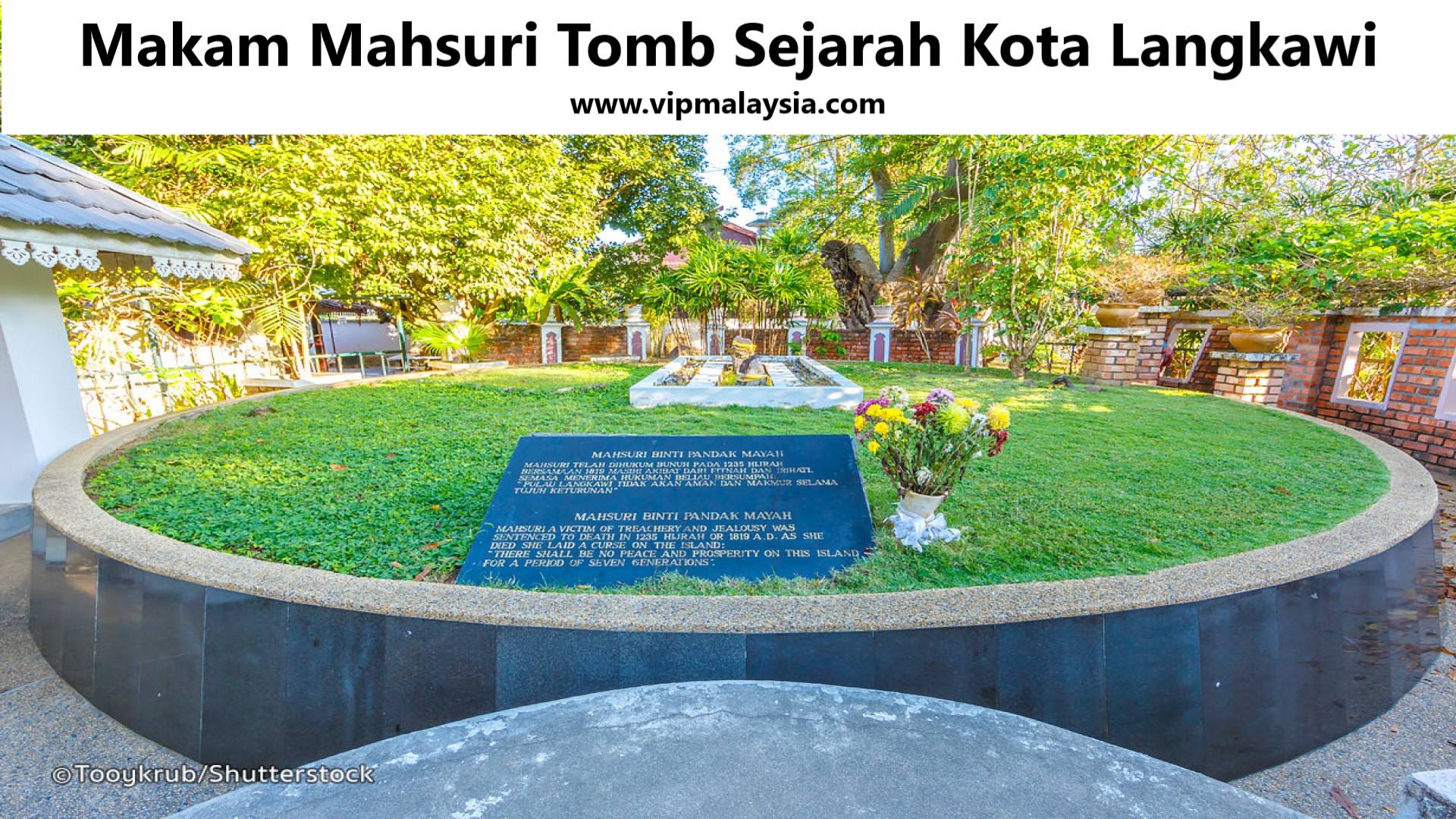
    Makam Mahsuri is one of Langkawi’s most iconic historical sites, believed to be the final resting place of Mahsuri binti Pandak Maya, a woman whose tragic tale continues to captivate generations of Malaysians. Located within Kota Mahsuri, this cultural complex offers a rich historical experience, complete with traditional performances, museums, ancient artifacts, and local legends.

    Step into the legend—explore Makam Mahsuri today! Discover the tomb of Langkawi’s most famous heroine, immerse in cultural performances, and experience Kedah’s rich heritage.

    Introduction

    Makam Mahsuri is one of Langkawi’s most iconic cultural landmarks, steeped in history and folklore. Known as the resting place of Mahsuri, a woman wrongfully accused of adultery, the site has become a symbol of sacrifice, resilience, and legend. Visitors can explore Kota Mahsuri, a heritage complex featuring museums, traditional Kedah-style homes, and live theater reenactments of Mahsuri’s story. The site also offers unique herbal remedies such as King Gamat Plus Walit, connecting modern wellness with traditional practices. A visit to Makam Mahsuri is both a journey into Langkawi’s past and a celebration of its living culture.

    Makam Mahsuri is the ultimate destination for history lovers and cultural explorers, offering legend, heritage, and authentic experiences—all in one unforgettable visit.

    The Story of Mahsuri

    A Tragic Fate

    Mahsuri was a beautiful woman wrongly accused of adultery. Despite her innocence, she was sentenced to death. Her story reflects themes of injustice and sacrifice. It remains one of Langkawi’s most enduring legends.

    The Seven-Generation Curse

    Before her death, Mahsuri cursed Langkawi to hardship for seven generations. Locals believe the curse brought misfortune to the island. The legend adds a mystical dimension to Langkawi’s history. It continues to intrigue visitors today.

    Rediscovered Tomb

    The tomb was rediscovered during Tunku Abdul Rahman’s efforts to honor Langkawi’s heritage. Its preservation ensures that Mahsuri’s story is remembered. The tomb has become a cultural landmark. It connects past struggles with present pride.

    Tunku Abdul Rahman was Malaysia’s first Prime Minister (1957–1970) and is widely honored as the “Father of Independence” (Bapa Kemerdekaan) for leading the country to freedom from British colonial rule and later forming Malaysia in 1963.

    Historical and Cultural Attractions

    Kota Mahsuri Heritage Complex

    The complex includes traditional Kedah homes and ancient relics. It offers a comprehensive view of Langkawi’s cultural heritage. Visitors can explore architecture, artifacts, and exhibits. It is a hub of history and tradition.

    The Sacred Perigi Mahsuri

    Perigi Mahsuri, or Mahsuri’s Well, is believed to hold the secret to her beauty. Locals say the water has mystical properties. Visitors often collect water as a symbolic gesture. The well adds spiritual depth to the site.

    Rare Artifacts

    Artifacts such as Wan Darus’ sword are displayed at the complex. These relics connect visitors to Mahsuri’s time. They provide tangible links to history. The artifacts enrich the storytelling experience.

    Wan Darus’ sword is part of the Langkawi legend of Mahsuri, where Wan Darus—Mahsuri’s husband—left to fight against the invading Siamese army, carrying his weapon as a symbol of duty and defense. The sword is remembered in folklore as representing loyalty, protection, and the tragic backdrop to Mahsuri’s wrongful execution and curse on Langkawi.

    Highlights

    Visit a Historic Cultural Site

    The Famous Tomb

    The tomb of Mahsuri is the centerpiece of the complex, attracting visitors from around the world. It is beautifully maintained, with inscriptions that recount her tragic story. The tomb serves as a reminder of Langkawi’s heritage and the enduring power of legend. Visitors often feel a sense of reverence when standing before it.

    Symbol of Resilience

    Mahsuri’s story symbolizes resilience in the face of injustice. Her wrongful death and subsequent curse shaped Langkawi’s identity for generations. The tomb is not just a burial site but a cultural symbol. It continues to inspire pride among locals.

    A Place of Reflection

    The serene environment of the tomb encourages reflection. Visitors often pause to consider the lessons of Mahsuri’s life. The site blends history with spirituality, making it a meaningful stop. It is a place where legend and reality converge.

    Explore Kota Mahsuri’s Attractions

    Heritage Homes

    Kota Mahsuri features Kedah-style heritage homes that showcase traditional architecture. These homes are furnished with artifacts, giving visitors a glimpse into life during Mahsuri’s time. Walking through them feels like stepping back into history. They preserve the cultural essence of Langkawi.

    Museums and Exhibits

    The museums at Kota Mahsuri display relics, manuscripts, and artifacts connected to Mahsuri’s era. Exhibits explain the historical context of her story and Langkawi’s struggles. Interactive displays make learning engaging for visitors of all ages. The museums enrich the cultural experience.

    Cultural Performances

    Daily performances bring Mahsuri’s legend to life through music, dance, and theater. These shows allow visitors to connect emotionally with the story. The performances are both educational and entertaining. They highlight Langkawi’s vibrant cultural traditions.

    Witness Live Theater

    Dramatic Reenactments

    Live theater performances reenact Mahsuri’s trial, execution, and curse. Actors portray the emotional intensity of her story. Visitors gain a deeper understanding of the legend through these dramatizations. It is a highlight of the Makam Mahsuri experience.

    Audience Engagement

    The performances often involve audience participation, making them interactive. Visitors can feel part of the story rather than passive observers. This engagement enhances the cultural connection. It creates lasting memories for attendees.

    Preserving Tradition

    Theater performances help preserve Langkawi’s folklore for future generations. They ensure that Mahsuri’s story remains alive in collective memory. The shows combine tradition with modern storytelling techniques. They are a vital part of the heritage complex.

    Discover Unique Herbal Remedies

    King Gamat Plus Walit

    This traditional remedy combines sea cucumber (gamat) with saffron and bird’s nest. It is believed to promote healing and wellness. Visitors can purchase it at the complex as a cultural souvenir. It connects heritage with modern health practices.

    Traditional Wellness Products

    Other herbal remedies are available, including oils and tonics. These products reflect Langkawi’s long-standing use of natural medicine. They are popular among both locals and tourists. Trying them adds a unique dimension to the visit.

    Cultural Significance

    Herbal remedies are part of Langkawi’s cultural identity. They showcase the island’s connection to nature and tradition. Visitors learn about the role of natural medicine in daily life. It enriches the overall experience at Makam Mahsuri.

    Visitor Experience and Nearby Attractions

    What to Expect

    Live Theater Performances

    Visitors can enjoy daily reenactments of Mahsuri’s legend. The performances are emotional and immersive. They provide a deeper connection to the story. It is a highlight of the visit.

    Interactive Museum Exhibits

    Museums offer interactive displays about Langkawi’s history and culture. Visitors can engage with multimedia presentations. The exhibits make learning enjoyable. They appeal to both adults and children.

    Traditional Herbal Products

    Visitors can try King Gamat Plus Walit and other remedies. These products reflect Langkawi’s wellness traditions. They are available for purchase as souvenirs. It adds a practical aspect to the cultural experience.

    Nearby Attractions

    Langkawi Wildlife Park

    This park features rare bird species and exotic animals. Visitors can enjoy interactive feeding sessions. The park emphasizes conservation and education. It is a family-friendly attraction near Makam Mahsuri.

    Kilim Geopark

    Kilim Geopark showcases mangrove forests and limestone formations. Boat tours reveal caves, wildlife, and geological wonders. It is part of Langkawi’s UNESCO Geopark. The park offers adventure and education.

    Telaga Air Hangat Hot Springs

    These natural saltwater thermal baths are known for their healing properties. Visitors can soak in the warm waters to relax. The site also features cultural performances and crafts. It combines wellness with cultural immersion.

    Conclusion

    Makam Mahsuri is more than just a tomb—it is a cultural landmark that embodies Langkawi’s history, legend, and heritage. With its tragic story, heritage complex, live theater, and traditional remedies, it offers a multifaceted experience for visitors. The site connects travelers to Langkawi’s past while enriching their understanding of its culture.

    Quick Info

    AttributeDetails
    NameMakam Mahsuri (Mahsuri’s Tomb)
    AddressKampung Mawat, Mukim Ulu Melaka, Langkawi, Kedah, Malaysia
    GPS Position6.3662° N, 99.7938° E
    StateKedah
    Facility TypeHistorical & Cultural Complex
    Special AttractionsMahsuri’s Tomb, Kota Mahsuri Heritage Center, Live Cultural Performances
    Nearby AttractionsLangkawi Wildlife Park, Kilim Geopark, Telaga Air Hangat
    AccessibilityLocated 12 km from Kuah, easily accessible by taxi or car
    Best Time to VisitMorning or early afternoon for cooler weather
    Opening HoursDaily | 9:00 AM – 5:00 PM
    Entry FeeRM10 (Adults) | RM5 (Children under 12)
    ContactPhone: +604-955-6055

    Summary

    • Attraction: Makam Mahsuri
    • Location: #Kedah #Langkawi 
    • Attraction Type: #HistoricalSite 
    • What to Expect:
      • Visit a historic cultural site – See the famous tomb and learn about Mahsuri’s story
      • Explore Kota Mahsuri’s attractions – Includes museums, cultural performances, and Kedah-style heritage homes
      • Witness live theater – Enjoy daily reenactments of Mahsuri’s legend for a deeper connection to history
      • Discover unique herbal remedies – Try King Gamat Plus Walit and other traditional wellness products

    Customer Reviews

    Daisy, Laos – ★★★★★

    “Makam Mahsuri is a must-visit. The tomb is beautifully maintained, and the live theater brought the legend to life. I left with a deeper appreciation of Langkawi’s history.”

    Abdul Fattah Abdel Amin, Morocco – ★★★★☆

    “The heritage complex was fascinating. I enjoyed exploring the traditional homes and exhibits. It was crowded, but the experience was worth it.”

    LIm Koh Keng, Perak – ★★★★★

    “The story of Mahsuri is powerful. The museum displays and artifacts were impressive. I also bought herbal remedies as souvenirs.”

    Robert Lau, China – ★★★★★

    “Makam Mahsuri combines history, culture, and wellness. The performances were emotional, and the atmosphere was mystical. Highly recommended for all visitors.”

    Frequently Asked Questions (FAQs)

    Apakah kisah disebalik Kota Mahsuri yang terletak di Pulau Langkawi?

    Kota Mahsuri adalah merupakan tempat yang dipercayai di mana Mahsuri binti Pandak Maya dikuburkan di Pulau Langkawi, Kedah. Ia terletak sekitar 12km dari Kuah dan terletak dalam kawasan kompleks Kota Mahsuri, Mukim Ulu Melaka.

    Cerita rakyat menyatakan beliau dikuburkan di tempat dia melepaskan nafas terakhirnya selepas dia dihukum bunuh di Padang Mat Sirat. Makam beliau telah dibina semula dan dilengkapi dengan muzium, teater traditional dan rumah Kedah yang mewakili rumah binaan Langkawi yang popular ketika itu, dikatakan dibina di bekas tapak rumah Mahsuri.

    Where is Makam Mahsuri located?

    A signpost about 10km from town directs you to Makam Mahsuri. About 17km from Langkawi International Airport, it can be reached in less than 20 minutes; heading east. The complex is accessible via the Padang Matsirat Road. Once you pass the Tok Senik Resort on your left, there will the junction to Makam Mahsuri Road – turn right and follow the road and you’ll easily be able to find the mausoleum. There are signposts in English and Malay to guide you.

  • Beras Terbakar, Langkawi: A Legendary Historic Site

    Beras Terbakar, Langkawi: A Legendary Historic Site

    Beras Terbakar, Langkawi

    Beras Terbakar, or “The Field of Burnt Rice,” is a historic site in Padang Matsirat, Langkawi, linked to a dramatic chapter in the island’s past. This location marks the spot where Datuk Kerma Wijaya ordered the burning of rice stocks to prevent invaders from seizing Langkawi’s vital food supply. Today, it stands as a symbol of resilience, sacrifice, and Langkawi’s rich history, making it a must-visit attraction for history enthusiasts and travelers alike.

    Introduction

    Beras Terbakar, or the Burnt Rice Field, is one of Langkawi’s most fascinating historical landmarks. Located in Padang Matsirat, this site is tied to the island’s defense against Siamese invaders in 1821. Known for its legendary tale of sacrifice, cultural significance, and mystical atmosphere, Beras Terbakar continues to attract visitors who want to connect with Langkawi’s past. Today, it is not only a place of history but also a cultural hub, surrounded by local markets and nearby attractions. Visiting Beras Terbakar offers a unique blend of heritage, folklore, and authentic Malaysian experiences.

    Beras Terbakar is the ultimate destination for history lovers and cultural explorers, offering legend, heritage, and authentic local experiences—all in one unforgettable visit.

    Highlights

    Explore an Ancient Legend of Langkawi’s Defense

    The Burning of Rice Stocks

    In 1821, Langkawi’s leader, Datuk Kerma Wijaya, ordered the burning of rice supplies to prevent Siamese invaders from surviving on the island’s resources. This act of sacrifice symbolized the islanders’ determination to protect their homeland. Even today, ashes of burnt rice are said to appear after heavy rain, reminding visitors of this dramatic event. The site stands as a testament to Langkawi’s resilience.

    Strategic Resistance

    The burning of rice was not just symbolic—it was a strategic move to weaken the enemy. By depriving the Siamese army of food, Langkawi’s defenders hoped to force them into retreat. This bold decision highlights the ingenuity and bravery of the island’s leaders. Visitors can imagine the tense atmosphere of the battlefield while walking through the site.

    A Lasting Historical Landmark

    Beras Terbakar has become a lasting landmark in Langkawi’s cultural memory. The site is preserved as a reminder of the island’s struggles and triumphs. It is often included in heritage tours, making it a must-visit for history enthusiasts. The legend continues to inspire pride among locals.

    Discover Local Heritage

    Folklore and Mystical Atmosphere

    The site is surrounded by folklore, with stories passed down through generations. Visitors often describe a mystical aura when walking through the area. The combination of history and legend makes Beras Terbakar more than just a physical landmark—it is a cultural experience. This atmosphere adds depth to the visit.

    Cultural Shopping Bazaar

    Nearby markets offer batik fabrics, gamat-based healing products, and handmade souvenirs. These bazaars allow visitors to take home a piece of Langkawi’s culture. Shopping here supports local artisans and preserves traditional crafts. It adds a vibrant dimension to the historical site.

    Educational Value

    Beras Terbakar provides educational opportunities for students and tourists alike. Guided tours often explain the historical context and significance of the site. Learning about Langkawi’s resistance helps visitors appreciate the island’s heritage. It is a place where history comes alive.

    Signature Dishes and Dining Experience

    Local Flavors Around Beras Terbakar

    Traditional Malay Cuisine

    Visitors can enjoy traditional Malay dishes at nearby eateries. Meals often include nasi lemak, grilled fish, and sambal belacan. These flavors reflect the authenticity of Langkawi’s culinary heritage. Dining near Beras Terbakar enhances the cultural experience.

    Sambal belacan is a traditional Malay chili paste made from fresh chilies and toasted shrimp paste (belacan), often mixed with lime juice, sugar, and sometimes garlic or shallots. It is one of Malaysia’s most iconic condiments, known for its pungent aroma and spicy, savory flavor.

    Street Food Delights

    Markets around Padang Matsirat offer street food such as satay, laksa, and kuih. These affordable treats are popular among both locals and tourists. The variety ensures that every visitor finds something to enjoy. Street food adds a casual and lively atmosphere to the area.

    Satay is a Southeast Asian dish of skewered and grilled meat, usually chicken, beef, or lamb, marinated in spices and served with a rich peanut sauce. It is a popular street food in Malaysia, Indonesia, and Singapore, often accompanied by rice cakes (ketupat), cucumber, and onions.

    Laksa is a spicy noodle soup that blends Chinese and Malay culinary traditions, featuring rice noodles in either a coconut milk–based broth (laksa lemak) or a tamarind‑based broth (asam laksa). It is typically topped with seafood or chicken and garnished with cucumber, mint, lime, and boiled egg.

    Kuih refers to a wide variety of traditional Malaysian and Indonesian bite‑sized snacks or desserts, both sweet and savory. Made from rice flour, glutinous rice, coconut milk, palm sugar, and pandan leaves, kuih is often colorful and served during tea time or festive occasions.

    Gamat-Based Products

    Gamat, or sea cucumber, is a local specialty used in both food and medicine. Visitors can find gamat-based soups and tonics in nearby stalls. These products are believed to have healing properties. Trying gamat adds a unique culinary twist to the visit.

    Visitor Experience and Nearby Attractions

    What to Expect

    Walking Through History

    Visitors can walk through the site and imagine the dramatic events of 1821. The atmosphere is both solemn and inspiring. Guided tours often provide detailed explanations of the legend. It is a journey into Langkawi’s past.

    Shopping and Souvenirs

    Markets near Beras Terbakar offer a variety of souvenirs. Visitors can purchase batik, handicrafts, and gamat products. Shopping adds a cultural dimension to the visit. It is an opportunity to support local businesses.

    Gamat products are traditional Malaysian health and wellness remedies made from sea cucumbers (known locally as gamat), especially the species Stichopus variegatus. They are widely used in Malaysia for general health, wound healing, skin care, and as tonics, available in forms such as oils, gels, capsules, and jellies. Considered a “miracle from the sea,” gamat is a staple in traditional medicine and is also known as hai shen in Chinese culture.

    Exploring Padang Matsirat

    The surrounding area of Padang Matsirat is rich in cultural landmarks. Visitors can explore traditional Malay houses and local markets. The combination of history and culture makes the area vibrant. It is a perfect complement to the Beras Terbakar experience.

    Nearby Attractions

    Mahsuri’s Tomb

    Mahsuri’s Tomb tells the story of Langkawi’s legendary heroine, cursed to bring misfortune to the island. The complex includes cultural exhibits and historical artifacts. Visitors can learn about local folklore and traditions. It adds depth to Langkawi’s heritage.

    Langkawi Wildlife Park

    This park allows visitors to interact with exotic birds and animals. Feeding sessions are popular among families. The park emphasizes conservation and education. It is a family-friendly attraction near Beras Terbakar.

    Telaga Air Hangat Hot Springs

    These natural saltwater thermal baths are known for their therapeutic properties. Visitors can soak in the warm waters to relax and rejuvenate. The site also includes cultural performances and local crafts. It combines wellness with cultural immersion.

    Conclusion

    Beras Terbakar is more than just a historical site—it is a symbol of Langkawi’s resilience and cultural heritage. With its legendary tale of burnt rice, nearby markets, and surrounding attractions, it offers a multifaceted experience for visitors. The site connects travelers to the island’s past while providing opportunities for cultural immersion and shopping.

    Quick Info

    AttributeDetails
    NameBeras Terbakar, Padang Matsirat
    AddressPadang Matsirat, Langkawi, Kedah, Malaysia
    GPS Position6.3395° N, 99.7278° E
    StateKedah
    Facility TypeHistorical Site & Cultural Landmark
    Special AttractionsRemnants of Burnt Rice, Historical Legends, Cultural Shopping Bazaar
    Nearby AttractionsMakam Mahsuri, Langkawi Wildlife Park, Telaga Air Hangat Hot Springs
    AccessibilityLocated near Langkawi International Airport, easily accessible by taxi or car
    Best Time to VisitMorning or early afternoon for cooler weather
    Entry FeeFree
    ContactMalaysia Tourist Center | Phone: +603-9235-4800

    Summary

    • Attraction: Beras Terbakar 
    • Location: #Kedah #Langkawi 
    • Attraction Type: #HistoricalSite 
    • Source: ms.wikipedia.org, mplbp.gov.my
    • What to Expect:
      • Explore an ancient legend of Langkawi’s defense – Witness the site where rice was burned to stop invaders
      • Discover local heritage – Learn about Langkawi’s historical battles and strategic resistance
      • Experience a cultural shopping bazaar – Find batik fabrics, gamat-based products, and unique souvenirs
      • Immerse in Langkawi’s folklore – Feel the mystical atmosphere surrounding this legendary place

    Visitor Reviews

    “An emotional historic site!”Rahman, Malaysia
    “Standing at the site of Beras Terbakar felt like stepping back in time—it’s a powerful experience.”

    “A must-visit for history buffs!”Eliza, UK
    “Learning about the Siamese invasion and Langkawi’s resistance was truly fascinating!”

    “Great cultural shopping nearby!”Tariq, UAE
    “Found amazing batik fabrics and herbal gamat products while exploring the area!”

    “Intriguing and photogenic!”Hiroshi, Japan
    “It’s surreal to see remnants of burnt rice still appearing after rain—this place has a unique energy!”

    Frequently Asked Questions (FAQs)

    Dimanakah letaknya Beras Terbakar?

    Ia terletak di Kampung Raja, Mukim Padang Matsirat. Kawasan ini kini terletak di dalam kawasan tanah milik perseorangan.Mengikut cerita orang terdahulu, Pemerintahan Pulau Langkawi bertempat di Kampung Raja.

    Bagaimanakah tempat bersejarah ini digelar sebagai Beras Terbakar?

    Selepas kejadian pembunuhan Mahsuri atas perintah Datuk Kerma Wijaya, Pulau Langkawi telah diserang oleh pihak Siam. Pertempuran yang dahsyat sehingga mengorbankan Datuk Kerma Wijaya dan panglima-panglima yang hebat telah berlaku di Selat Berhala Balik yang kini merupakan selat jalan masuk ke Pelabuhan Kuah sekarang.

    Melihat kepada keadaan yang tidak memihak kepada pihak Datuk Kerma Wijaya, beliau telah mengarahkan penduduk Langkawi supaya menanam beras simpanan yang ada agar tidak jatuh ke tangan pihak musuh. Kesan kekalahan itu telah menyebabkan beras simpanan yang ditanam itu telah terbakar.

    Kekalahan Datuk Kerma Wijaya dan kejadian beras terbakar dikatakan ada kaitan dengan Sumpahan Mahsuri. Selepas melalui pelbagai cabaran dan proses pembangunan, kini kawasan ini telah dipagar sebagai tanda letaknya tapak beras terbakar. Kawasan ini terletak di dalam kawasan tanah persendirian di kawasan Padang Mat Sirat.

  • Tsunami Monument Kedah: Tragedy and Travel Guide

    Tsunami Monument Kedah: Tragedy and Travel Guide

    Tsunami Monument, Kedah

    Discover the Tsunami Monument in Kota Kuala Muda, Kedah, a memorial built from wrecked fishing boats to honor victims of the 2004 tsunami. Learn its history, explore nearby attractions, and uncover why this site is both a place of remembrance and a must‑visit destination for travelers seeking culture, resilience, and coastal beauty.

    The Tsunami Monument in Kota Kuala Muda, Kedah, is a solemn memorial built to honor victims of the 2004 Indian Ocean tsunami. It features symbolic structures made from damaged fishing boats, preserved houses, and an educational gallery, making it both a historical site and a place of reflection.

    Introduction

    The Tsunami Monument in Kedah is more than a memorial; it is a living testament to the strength of communities that endured one of the most devastating natural disasters in modern history. On 26 December 2004, waves triggered by a massive earthquake off Sumatra struck Malaysia’s northern coastline, destroying villages and claiming lives. In Kota Kuala Muda, the tragedy left deep scars, but also inspired the creation of a monument that preserves memory, educates visitors, and symbolizes resilience.

    The 2004 Tsunami Tragedy

    On December 26, 2004, a massive earthquake in the Indian Ocean triggered waves that struck Malaysia’s northern coastline. The district of Kuala Muda in Kedah was among the hardest hit, with villages devastated by walls of water that reached several meters high.

    In Malaysia, over 68 lives were lost, with most casualties concentrated in Kedah, Penang, and Perlis. Families were torn apart, and fishing communities that depended on the sea for their livelihood were suddenly overwhelmed by its destructive force.

    The tsunami also left hundreds of homes destroyed, sweeping away wooden houses, boats, and coastal infrastructure. The scars of this tragedy remain visible in the affected areas, and the monument was later built to ensure that the memory of those lost would never fade.

    Architectural Symbolism

    The Tsunami Monument itself is a striking piece of architectural symbolism. It was constructed using 26 damaged fishing boats, a number chosen deliberately to reflect the date of the disaster — December 26. This detail ensures that the monument is not only a memorial but also a reminder of the exact day when tragedy struck.

    The boats are arranged to resemble overlapping structures, symbolizing the chaotic destruction caused by the waves. Their placement conveys the confusion and force of nature that overwhelmed the coastline, while also representing the resilience of the fishing community that rebuilt after the disaster.

    Ultimately, the monument serves as a lasting tribute to the fishermen and families impacted by the tsunami. It honors their memory while educating visitors about the importance of disaster awareness, community solidarity, and respect for the power of the sea.

    Attractions

    The Symbolic Monument Structure

    The centerpiece of the memorial is built from damaged fishing boats, transformed into symbolic structures that represent both destruction and survival. These boats, once the livelihood of local fishermen, now stand as reminders of the fragility of life and the strength of community spirit.

    Tsunami Gallery and Educational Exhibits

    The Tsunami Gallery houses photographs, artifacts, and survivor accounts. It provides context on how the tsunami affected Malaysia and neighboring countries, while also educating visitors about disaster preparedness. Exhibits highlight the importance of early warning systems, community resilience, and the global impact of the 2004 tragedy.

    Preserved Houses and Memorial Park

    Several tsunami‑affected homes remain preserved as part of the memorial. Walking through these structures offers a tangible connection to history, allowing visitors to see the remnants of destruction firsthand. The surrounding memorial park provides seating areas, shaded spots, and plaques that narrate the events of that day.

    Trekking and Adventure

    Coastal Exploration

    While the monument itself is solemn, the surrounding Kota Kuala Muda coastline offers opportunities for exploration. Beach walks allow visitors to enjoy scenic views of Penang Island in the distance, while cycling routes connect small fishing villages, offering cultural immersion.

    Gunung Jerai Trekking

    Just a short drive away lies Gunung Jerai, Kedah’s highest peak at 1,217 meters. Known as the “Roof of Kedah,” it offers trekking trails through tropical rainforest, panoramic viewpoints, and historical sites linked to the ancient Kedah Tua civilization. For adventure seekers, combining a visit to the monument with a trek up Gunung Jerai creates a balanced itinerary of reflection and exploration.

    Must‑Visit Highlights

    Pantai Merdeka

    A popular beach destination near the monument, Pantai Merdeka is known for family outings, seafood stalls, and recreational activities. Its lively atmosphere contrasts with the solemnity of the monument, making it a good spot to unwind after a reflective visit.

    Pulau Sayak

    Just a short drive away, Pulau Sayak is a fishing village famous for mee udang (prawn noodles) and its role as an official moon‑sighting location during Ramadan. Visitors can enjoy rustic coastal charm while sampling local delicacies.

    Tanjung Dawai

    Known as Kedah’s seafood hub, Tanjung Dawai offers dried seafood products and stunning sunset views. It is accessible by road or boat from Pantai Merdeka, making it a convenient stop for travelers exploring the coastline.

    Bujang Valley Archaeological Sites

    For history enthusiasts, the Bujang Valley Archaeological Museum showcases ruins of ancient Hindu‑Buddhist temples and artifacts from the Kedah Tua civilization. This site connects natural disaster remembrance with Malaysia’s deep historical roots.

    Nearby Towns

    The Tsunami Monument is equipped with parking areas, rest spots, and basic amenities. Food stalls and local eateries are available in nearby villages, offering traditional Kedah cuisine. The site is accessible by road from Sungai Petani (30 km) and Alor Setar (40 km), both of which provide accommodation, transport links, and additional tourist facilities.

    Wildlife and Environment

    The coastal region around Kota Kuala Muda is rich in biodiversity. Visitors may encounter:

    • Sea birds such as herons, kingfishers, and egrets
    • Mangrove ecosystems supporting crabs, prawns, and fish
    • Occasional sightings of monitor lizards along the shoreline

    This natural environment adds depth to the visit, reminding travelers of the delicate balance between human settlements and coastal ecosystems.

    Herons are large, long-legged wading birds from the family Ardeidae. They are commonly found near wetlands and rivers, using their long necks and sharp bills to catch fish and other aquatic animals.

    Kingfishers are small to medium-sized birds in the family Alcedinidae, known for their bright plumage and sharp bills. They often dive into water to catch fish but also feed on insects and small reptiles.

    Egrets are a type of heron, usually distinguished by their white plumage and elegant breeding plumes. They inhabit wetlands and marshes, feeding on fish, amphibians, and insects much like other herons.

    Conclusion

    The Tsunami Monument in Kedah is more than just a landmark—it’s a powerful reminder of history, tragedy, and resilience, offering a unique chance to reflect on one of Malaysia’s most devastating events. Whether you’re exploring history or paying tribute to lives affected, this site provides a meaningful experience that leaves a lasting impression.

    Explore Malaysia’s history—visit the Tsunami Monument today!

    Summary

    • Attraction: Tsunami Monument
    • Location: #Kedah 
    • Attraction Type: #HistoricalSite 
    • Source: mpspk.gov.my
    • What to Expect:
      • Emotional & educational significance – Provides a solemn look at the disaster’s impact
      • Preserved tsunami-hit homes – Visit the fenced area with abandoned destroyed houses
      • Suitable for reflective visits – Encouraging learning and remembrance

    Quick Info

    AttributeDetails
    NameTsunami Monument
    LocationKampung Kepala Jalan, 08500 Kota Kuala Muda, Kedah, Malaysia
    GPS Position5.6300° N, 100.3721° E
    StateKedah
    Facility TypeHistorical Monument & Memorial
    Special AttractionsMemorial Site, Historic Tsunami Remnants, Damaged Homes Preservation
    Nearby AttractionsPantai Merdeka, Kota Kuala Muda Fishing Village, Alor Setar Tower
    AccessibilityLocated in Kuala Muda, accessible via main roads
    Best Time to VisitMorning or late afternoon for a peaceful experience
    Opening HoursOpen daily, outdoor monument
    ContactTourism Kedah Office | Phone: Not Available

    Visitor Reviews

    “A moving experience!”Aiman, Malaysia
    “It was eye-opening to see the remains of damaged homes. A true tribute to resilience.”

    “History preserved!”Sarah, UK
    “The monument tells a story of tragedy but also of hope and survival.”

    “A must-visit historical site!”Rajesh, India
    “The arrangement of boats is powerful—it makes you feel the impact of that day.”

    “Reflective and emotional!”Emily, Australia
    “Walking around the area felt like stepping into history—it’s a reminder of nature’s force.”

    Frequently Asked Questions (FAQs)

    What year did Malaysia experience a tsunami?

    After a massive earthquake in Acheh, Indonesia, Malaysia experiences a tsunami in Penang Island and Kedah. This is the first time Malaysia facing this tragedy.

    What does a tsunami look like in Kota Kuala Muda, Kedah?

    According to the local residents who saw the incident, the giant waves from the first wave measuring about 2.5 meter and second wave at 8 meters rolled over to Kota Kuala Muda. Only 60 houses along the shoreline still stand during tsunami disaster.

error: