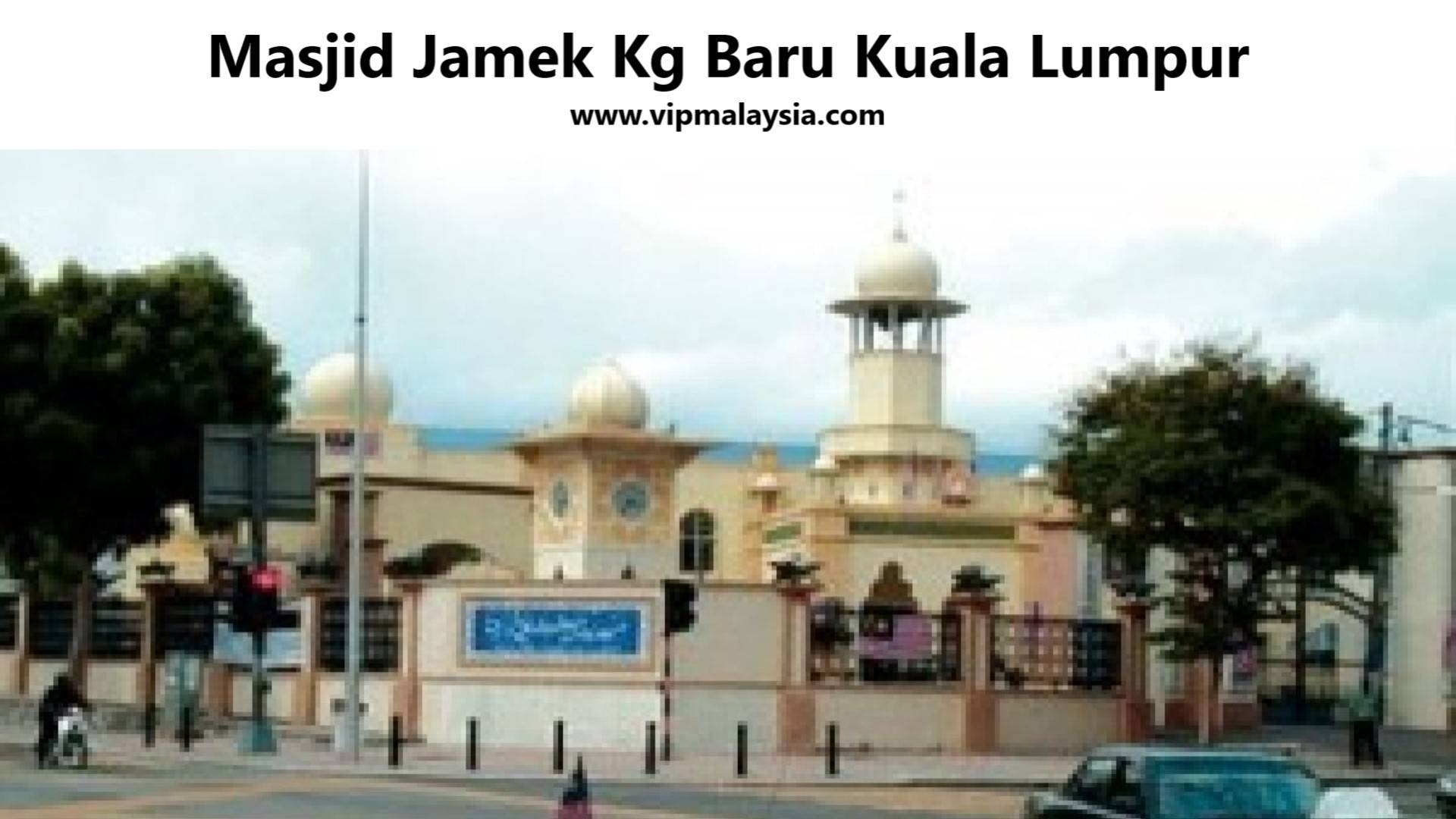
Masjid Jamek Kg Baru, Kuala Lumpur
Masjid Jamek Kg Baru, located in Kampung Baru, Kuala Lumpur, is one of Malaysia’s most historically significant mosques, playing a central role in Islamic worship and community gatherings. Established on donated land by Haji Bachik bin Abdullah, this mosque has evolved into a spiritual sanctuary with modernized facilities and community-driven activities.
Introduction
Masjid Jamek Kg Baru is one of Kuala Lumpur’s most significant mosques, deeply rooted in the city’s Islamic heritage. Established on donated land in the early 20th century, it has grown from a small surau into a full-fledged mosque serving thousands of worshippers. Officially inaugurated by Malaysia’s first Prime Minister, Tunku Abdul Rahman Putra Al-Haj, the mosque symbolizes both faith and national pride. With its traditional Malay-Islamic architecture, expansive facilities, and educational programs, Masjid Jamek Kg Baru continues to nurture future generations while welcoming visitors from across Malaysia and beyond.
Attractions and Highlights
Historical Significance
Founding Legacy
Masjid Jamek Kg Baru was established on land generously donated by Haji Bachik bin Abdullah. Initially a small surau, it expanded over the decades through community contributions and government support. Its transformation reflects the resilience and devotion of Kuala Lumpur’s Muslim community.
Inauguration by Tunku Abdul Rahman
The mosque’s official inauguration by Tunku Abdul Rahman added historical weight to its legacy. As Malaysia’s founding leader, his presence underscored the mosque’s importance in shaping national identity. This connection continues to resonate with worshippers today.
Tunku Abdul Rahman Putra Al-Haj (1903–1990) was Malaysia’s first Prime Minister (1957–1970), widely honored as the “Father of Independence” for leading the country to freedom from British colonial rule and later overseeing the formation of Malaysia in 1963. Revered as Bapa Kemerdekaan (Father of Independence).
Architectural Design
Malay-Islamic Elements
The mosque’s design incorporates traditional Malay-Islamic architecture, featuring domes, wood carvings, and open prayer spaces. These elements create a harmonious blend of cultural heritage and religious symbolism. Visitors often admire the craftsmanship and attention to detail.
Modern Facilities
Beyond its traditional design, the mosque includes modern amenities such as air-conditioned prayer halls, libraries, meeting rooms, and funeral management areas. These facilities ensure comfort and accessibility for worshippers and visitors alike.
Prayer Facilities
Expansive Halls
The mosque’s Dewan Solat Muslimin and Dewan Solat Muslimat are air-conditioned and spacious, accommodating thousands of worshippers. These halls are designed for comfort and accessibility, ensuring a serene prayer experience.
Ablution Areas
Separate ablution facilities for men and women ensure hygiene and convenience. The design accommodates large crowds efficiently, reflecting thoughtful planning. Visitors appreciate the cleanliness and accessibility of these areas.
Community Engagement
Tadika Islam Masjid Jamek Kg Baru
The mosque is home to an Islamic kindergarten that has achieved award-winning recognition. This institution nurtures young children with religious and academic education, ensuring future generations are grounded in faith and knowledge.
Educational Programs
The mosque offers Quranic education, Islamic lectures, and community events. These programs strengthen religious knowledge and foster unity among worshippers. Visitors interested in cultural exchange often join these sessions.
Trekking and Adventure
Nearby Towns and Exploration
Kampung Baru
Located in the heart of Kuala Lumpur, Kampung Baru is a historic Malay enclave known for its traditional houses and street food. Visitors often explore the area before or after visiting the mosque, enjoying dishes like nasi lemak and satay. The neighborhood offers a glimpse into Malaysia’s cultural roots.
Chow Kit
A short distance away, Chow Kit is famous for its bustling markets and local produce. Tourists can experience the vibrancy of Kuala Lumpur’s daily life while sampling fresh fruits and street snacks. The proximity adds variety to the mosque visit.
Chow Kit is a district in central Kuala Lumpur, Malaysia, known for its bustling markets, street food, and diverse cultural atmosphere. Named after Loke Chow Kit, a prominent local businessman in the early 20th century. Situated near Jalan Tuanku Abdul Rahman, north of Kuala Lumpur’s city center.
KLCC
The iconic Petronas Twin Towers are nearby, offering shopping, dining, and panoramic views. Combining a mosque visit with a trip to KLCC provides a balance of spirituality and modernity.
KLCC (Kuala Lumpur City Centre) is a landmark development in Kuala Lumpur, Malaysia, best known for housing the Petronas Twin Towers and serving as a premier hub for business, shopping, culture, and recreation. Location: Heart of Kuala Lumpur, built on the site of the former Selangor Turf Club.
Cultural Festivals
Ramadan Activities
During Ramadan, Masjid Jamek Kg Baru hosts nightly prayers, Quran recitations, and community iftar gatherings. The atmosphere is lively, with thousands attending to strengthen their faith. Visitors gain insight into Malaysia’s Islamic traditions during this holy month.
Ramadan is the ninth month of the Islamic lunar calendar, observed by Muslims worldwide as a sacred period of fasting, prayer, reflection, and community. Word origin: From Arabic Ramadān (رمضان), meaning “scorching heat,” linked to the month’s timing in the hot season. Duration: 29–30 days, depending on the lunar sighting.
Eid Celebrations
Eid al-Fitr and Eid al-Adha are celebrated with large congregations and festive events. The mosque becomes a hub of joy and unity, welcoming worshippers from across Kuala Lumpur. These celebrations highlight the mosque’s role in fostering community spirit.
Eid al-Fitr is the Islamic festival that marks the end of Ramadan, the month of fasting, and is celebrated by Muslims worldwide with prayers, feasting, charity, and community gatherings. Celebrated on the first day of Shawwal, the 10th month of the Islamic lunar calendar. Muslims give Zakat al-Fitr (charitable donation of food or money) before the prayer to help the needy. A time to thank God for strength during Ramadan and blessings received.
Eid al-Adha is the Islamic festival of sacrifice, commemorating Prophet Ibrahim’s (Abraham’s) willingness to obey God by sacrificing his son, before God provided a ram as a substitute. It is celebrated by Muslims worldwide with prayers, charity, and the ritual sacrifice of livestock. Falls on the 10th day of Dhu al-Hijjah, the last month of the Islamic lunar calendar, during the Hajj pilgrimage season. Honors Prophet Ibrahim’s devotion and submission to God.
Wildlife and Nature
Taman Tasik Titiwangsa
Located nearby, this park offers scenic views, jogging tracks, and recreational facilities. Visitors often enjoy a stroll before or after prayers, combining nature with spirituality. The park’s lake and greenery provide a refreshing escape from the city.
Taman Tasik Titiwangsa is a large recreational park in Kuala Lumpur, Malaysia, centered around a scenic lake and popular for outdoor activities, leisure, and family gatherings. Location: Jalan Kuantan, near Hospital Kuala Lumpur and Istana Budaya.
KL Forest Eco Park
This urban forest reserve is home to diverse flora and fauna, including tropical trees and bird species. Trekking through the reserve offers a unique experience, complementing a mosque visit with natural exploration.
KL Forest Eco Park (formerly Bukit Nanas Forest Reserve) is one of Malaysia’s oldest permanent forest reserves, gazetted in 1906, and today serves as a 9.3-hectare tropical rainforest park located right in the heart of Kuala Lumpur near KL Tower. It is a rare urban green space offering canopy walks, hiking trails, and wildlife encounters.
Conclusion
Masjid Jamek Kg Baru Kuala Lumpur is a historic and cultural landmark that embodies Malaysia’s Islamic heritage. With its traditional architecture, expansive prayer facilities, and educational programs, it serves as both a place of worship and a center for community engagement. Visitors can explore its rich history, cultural festivals, and nearby attractions, making it a holistic destination. Whether you come for prayer, education, or tourism, Masjid Jamek Kg Baru offers a journey into Malaysia’s faith, tradition, and national pride.
Summary
- Attraction: #MasjidJamekKgBaru
- Location: #KualaLumpur
- Attraction Type: #Mosque
- Source: masjidmjkb.org.my
- What to Expect:
- Rich Islamic heritage – Founded in the early 1900s, deeply connected to Malaysia’s Muslim community
- Historic significance – Officially inaugurated by Tunku Abdul Rahman Putra Al-Haj
- Expansive facilities – Capacity for 7,000 worshippers, with air-conditioned prayer halls and educational centers
- Cultural & religious education – Home to Tadika Islam Masjid Jamek Kg Baru, nurturing future generations
Quick Info
| Attribute | Details |
|---|---|
| Name | Masjid Jamek Kg Baru Kuala Lumpur |
| Address | Jalan Raja Alang, Kampung Baru, 50300 Kuala Lumpur |
| GPS Position | 3.1570° N, 101.6975° E |
| State | Kuala Lumpur |
| Date Established | Early 1900s |
| Facility Type | Mosque & Islamic Learning Center |
| Capacity | 7,000 worshippers |
| Architectural Features | Traditional Malay-Islamic design, open prayer spaces |
| Prayer Services | Daily Solat, Friday Prayers, Ramadan Gatherings |
| Community Services | Quran Studies, Religious Talks, Charity Programs |
| Nearby Attractions | Kampung Baru Market, Petronas Twin Towers, Suria KLCC |
| Accessibility | Connected via LRT, MRT, major roads |
| Special Events | Ramadan Ceremonies, Eid Gatherings, Islamic Conferences |
| Operating Hours | Open Daily |
| Contact | +603-2691 3954 |
Visitor Reviews
Hassan, Saudi Arabia – ★★★★★ “Masjid Jamek Kg Baru is beautiful and welcoming. The prayer halls were spacious and comfortable, and the atmosphere was peaceful. A truly historic mosque worth visiting.”
Elena, Spain – ★★★★☆ “I loved the architecture, especially the wood carvings and domes. It was crowded during Friday prayers, but the facilities were well-organized. A great cultural experience.”
Arjun, India – ★★★★★ “The mosque felt very community-driven. I was impressed by the Tadika Islam program and the focus on education. The guided tour gave me a deeper understanding of its history.”
Mei, China – ★★★★★ “The mosque was serene and beautifully designed. The staff were friendly, and the Ramadan activities were inspiring. Highly recommended for anyone visiting Kuala Lumpur.”
“Masjid Jamek Kg Baru is a historic landmark! Beautifully maintained, deeply connected to Islamic heritage, and welcoming to all worshippers.” – Ismail H., Malaysia
“A peaceful mosque in KL with rich history! Love the traditional architecture and community-driven activities.” – Ayesha R., Singapore
Frequently Asked Questions (FAQs)
Apakah perkara yang paling diingati orang mengenai Masjid Jamek Kg Baru di Kuala Lumpur apabila berada di Bulan Ramadhan?
Sudah pastinya Bulan Ramadhan bulan yang mulia dan menjadi kebiasaan bubur lambuk adalah perkara yang paling diingati apabila ditanya kepada orang ramai mengenai Masjid Jamek Kg Baru Kuala Lumpur. Kesedapan bubur lambuk Masjid Jamek Kg Baru Kuala Lumpur ini sehingga mendapat liputan luas di media massa dan stesen televisyen.
Bagaimana wujudnya Kampung Baru?
Sebenarnya nama Kampung Baru wujud atas dasar penyatuan dari beberapa buah kampung Melayu atau mukim. Pada kira-kira tahun akhir 1880 terdapat tujuh buah kampung yang kedudukannya berdekatan antara satu dengan yang lain. Penyatuan kampung-kampung tersebut telah dilakukan tahap demi tahap kerana masing-masing penduduk mahukan pentadbiran itu harus diterajui oleh mereka sendiri.
Misalnya Kampung Masjid telah menjadi sebahagian Kampung Baru pada tahun 1880, Kampung Periok pula dalam tahun 1890. Kampung Hujung Pasir telah masuk ke dalam Ikatan Perkampungan itu dalam tahun 1900. Dalam tahun-tahun berkutnya jelas kelihatan jumlah penduduk semakin bertambah.
Berita tentang kemakmuran penduduk-penduduk Kampung Baru telah diketahui umum khususnya oleh peniaga-peniaga yang berulang alik dari Kuala Lumpur ke Klang. Maka orang dari keturunan Jawa pula tidak mahu ketinggalan untuk mencari rezeki di situ. Dalam tahun 1906-pula ramai orang-orang Jawa berhijrah ke sini di suatu yang digelar Kampung Paya. Dalam tahun 1914 pula, Kampung Periok diterima masuk dengan pembahagian lot-lot tanah untuk tujuan penempatan.
Berapakah kapasiti jemaah di Masjid Jamek Kg Baru, Kuala Lumpur?
Hari ini, Masjid Jamek Kg Baru terpaksa menampung lebih dari 7,000 orang jemaah setiap hari Jumaat. Dan pada waktu sembahyang tidak kurang dari 500 orang berjamaah. Jumlah Masjid Jamek Kg Baru ini bertambah dari hari ke hari. Sebagaimana biasa kuliah tetap diadakan setiap malam selepas Maghrib sementara kuliah Subuh pula diadakan selepas Subuh hingga pukul 7.00 pagi setiap hari.
Selain Masjid Jamek Kg Baru, apalagi yang yang terlintas difikiran anda jika anda sampai di Kampung Baru Kuala Lumpur?
Selepas mendirikan solat fardhu atau solat jumaat, perkara yang paling menyeronokkan ialah mencari makanan masakan melayu. Anda boleh menikmati nasi lemak asli, nasi campur yang dijual ditepi jalan. Nasi Kandar LC Restaurant aka Line Clear juga ada disamping nasi padang masakan Indonesia.