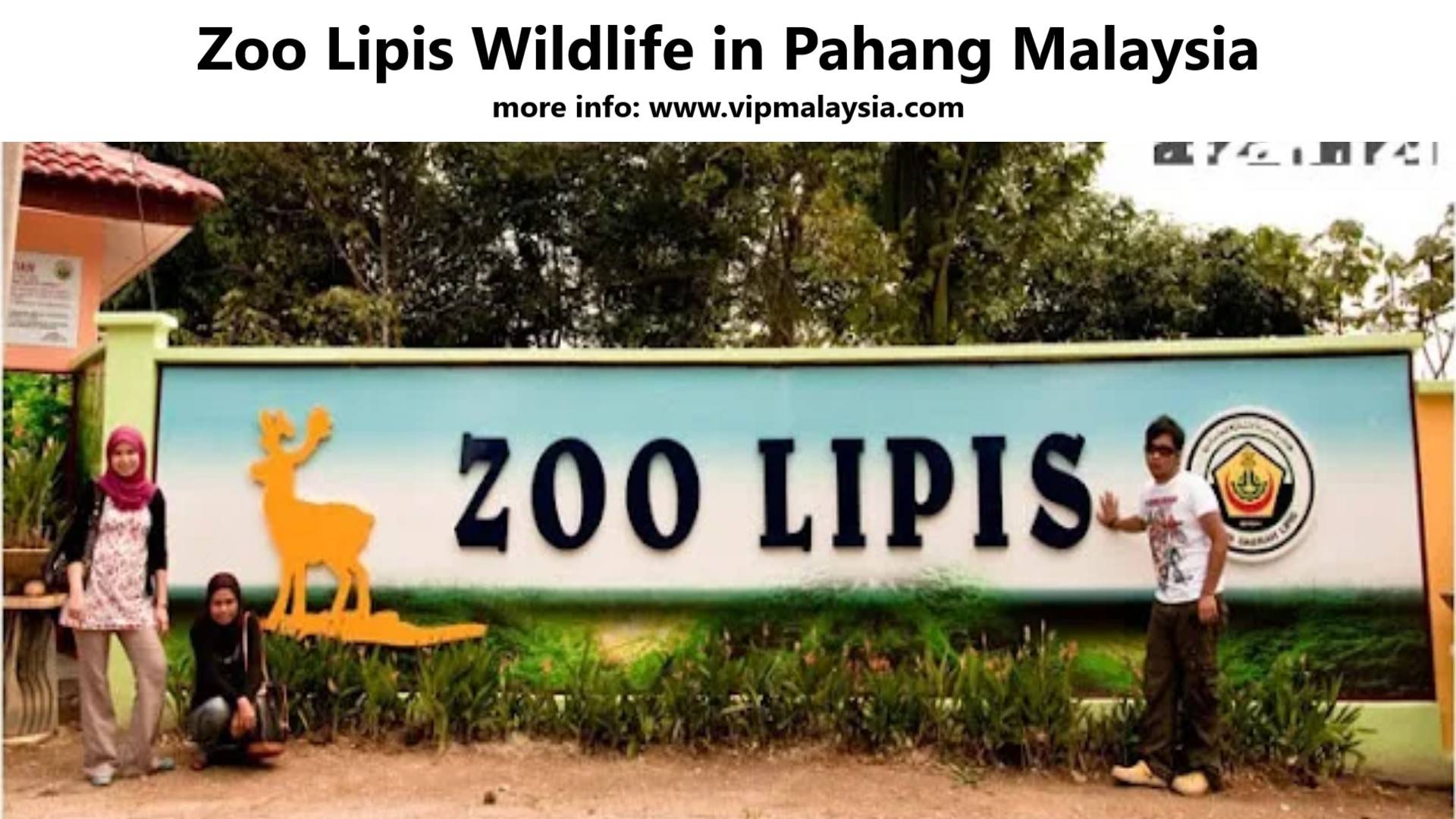
Zoo Lipis is one of Pahang’s top wildlife attractions, home to almost 40 species of animals. Located at Bukit Bius, just 1.5 km from Lipis Centrepoint, the zoo offers an educational and fun experience for families, animal lovers, and adventure seekers.
Experience the Beauty of Zoo Lipis
Why Visit
A diverse collection of exotic animals in a well-maintained environment
Affordable entrance fee for families & budget travelers
Scenic location at Bukit Bius, offering great photo opportunities
Perfect for wildlife enthusiasts & children’s outdoor learning experiences
Come face-to-face with Malaysia’s wildlife—visit Zoo Lipis today!
Exploring Zoo Lipis
Wildlife & Animal Species
Exotic & Native Animals
Home to over 40 species, including birds, reptiles & mammals
Some animals contributed from Melaka Zoo
Great for learning about Malaysia’s diverse wildlife
Zoo Lipis Facilities
Visitor-friendly amenities including shaded rest areas
Educational signboards providing details about animal species
Safe enclosures for close-up animal observation
Entrance Fees & Visiting Hours
Budget-Friendly Admission
Children (12 years old and below): RM 1
Adults: RM 2
Open daily for public visits
Scenic Location at Bukit Bius
A Natural Escape for Visitors
Surrounded by greenery at one of Lipis’ highest points
Enjoy a peaceful environment away from city crowds
Perfect for photography & outdoor exploration
Summary
Attraction: Zoo Lipis
Location: #Pahang
Attraction Type: #Zoo
Source: pahangtourism.org.my
Why Visit:
A diverse collection of exotic animals in a well-maintained environment
Affordable entrance fee for families & budget travelers
Scenic location at Bukit Bius, offering great photo opportunities
Perfect for wildlife enthusiasts & children’s outdoor learning experiences
Quick Info
Attribute
Details
Name
Zoo Lipis
Location
Bukit Bius, Lipis, Pahang, Malaysia
GPS Position
4.1851° N, 102.0347° E
State
Pahang
Established
March 4, 2006
Main Attractions
Over 40 wildlife species, scenic Bukit Bius location
Why Zoo Lipis is Pahang’s Best Wildlife Destination
Zoo Lipis combines education, nature, and wildlife, making it a fantastic destination for families, animal lovers, and eco-tourism enthusiasts. Whether you’re exploring diverse animal species, capturing stunning photos, or simply enjoying a peaceful day out, this zoo promises an enriching wildlife experience.
📍 Plan your wildlife adventure today—discover Zoo Lipis in Pahang!
Guest Reviews & Testimonials
“A Great Family Experience!” ⭐⭐⭐⭐⭐
“Zoo Lipis is an affordable and fun destination—my kids loved it!”
“Hidden Wildlife Gem in Pahang” ⭐⭐⭐⭐⭐
“Great place to see animals up close and enjoy a peaceful nature setting!”
“Perfect for Weekend Activities” ⭐⭐⭐⭐⭐
“For just RM 2, it’s a fantastic spot for a short and meaningful visit!”
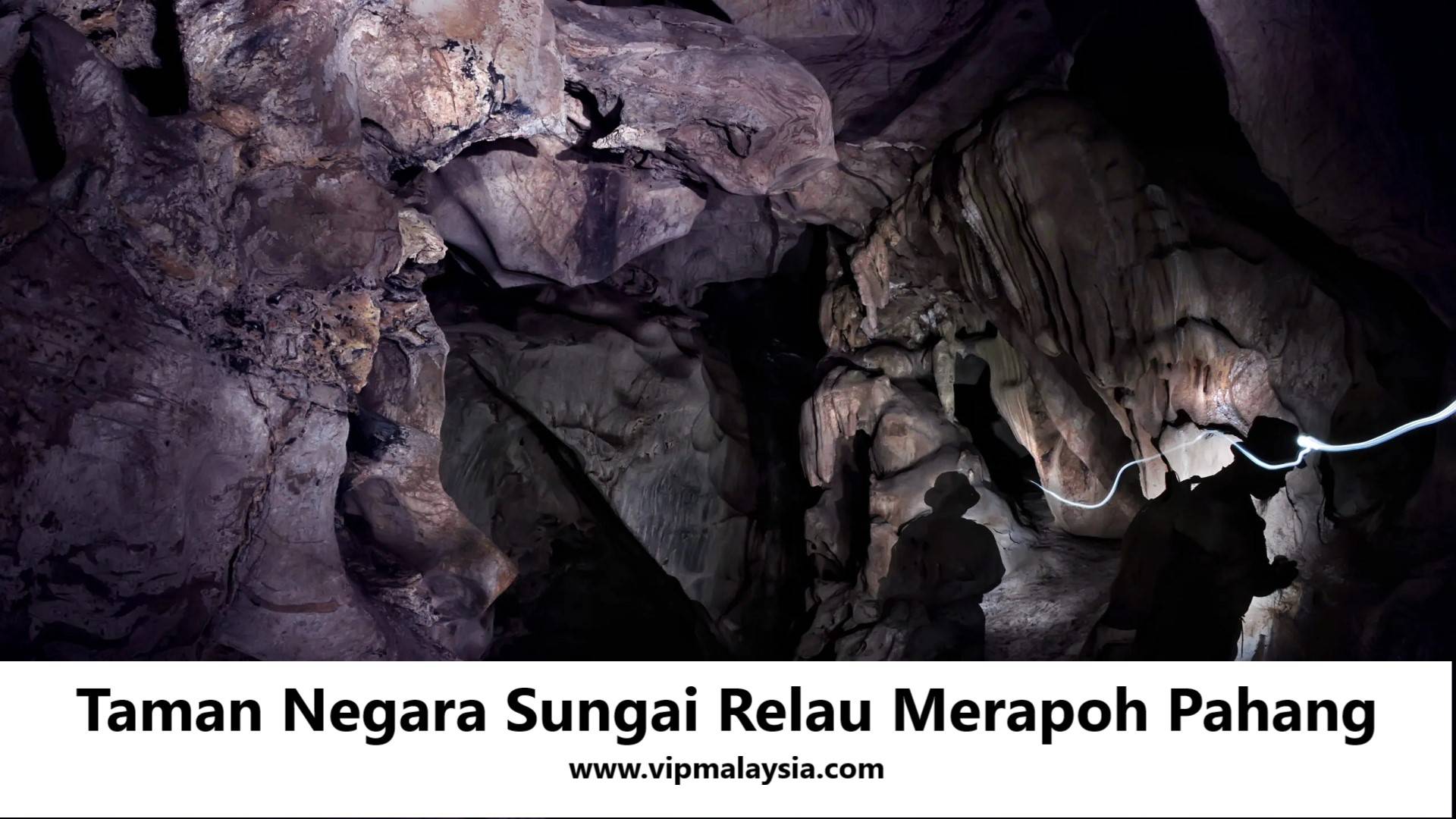
Taman Negara Sungai Relau is the western entrance to Malaysia’s oldest national park, offering thrilling jungle trekking, limestone cave explorations, and the famous Gunung Tahan climb. Whether you’re a seasoned hiker or a nature enthusiast, this rugged terrain promises an unforgettable adventure.
Discover Malaysia’s wild frontier at Taman Negara Sungai Relau, where untamed rainforest, thrilling treks, and rare wildlife await. From the legendary Gunung Tahan climb to limestone caverns and riverside trails, this destination offers an unforgettable adventure for explorers and nature lovers alike.
Gunung Tahan (Mount Tahan) is the highest peak in Peninsular Malaysia at 2,187 m (7,175 ft) above sea level, located within Taman Negara National Park. It is renowned as the most challenging climb in Malaysia, often requiring several days of trekking through dense rainforest and rugged terrain. Home to endangered species such as Malayan tigers, elephants, sun bears, tapirs, and snakes. Part of the Tahan Range in the Tenasserim Hills, a granite ridge older than the Himalayas. In Malay, Gunung Tahan translates to “Mount Endurance” — reflecting the difficulty of the climb
Taman Negara Sungai Relau is one of Malaysia’s most remarkable gateways into the country’s oldest rainforest. Located in Merapoh, Pahang, this park is celebrated for its rugged trekking routes, diverse ecosystems, and cultural significance. Visitors are drawn to its pristine landscapes, where towering Tualang trees, limestone caves, and peat swamp forests create a natural wonderland. Beyond the trails, Sungai Relau offers facilities for travelers, access to nearby towns, and opportunities to witness traditional festivals. Whether you are a seasoned trekker or a curious traveler, this destination promises challenging adventures, breathtaking scenery, and encounters with rare wildlife.
The Tualang tree (Koompassia excelsa) is one of the tallest tropical rainforest trees in the world, reaching up to 85–88 m (280–289 ft), and is native to Malaysia, Indonesia, Brunei, the Philippines, and Thailand. It is famous for hosting giant honeybee colonies and plays a vital ecological and cultural role in Southeast Asia.
Tualang Ecological Importance
Bee Habitat: Giant honeybees (Apis dorsata) build massive honeycombs on its branches, producing prized wild honey.
Wildlife Shelter: Birds, bats, and small mammals use the tree for nesting and protection.
Forest Role: Emergent species that stabilizes rainforest structure and biodiversity.
Peat swamp forests are tropical wetlands where waterlogged soils prevent organic matter from fully decomposing, leading to the accumulation of thick layers of acidic peat. They are among the world’s largest near-surface carbon reserves, making them critical for climate regulation and biodiversity. Formation: Dead leaves and wood accumulate in waterlogged conditions, creating acidic peat layers.
Trekking and Adventure
Taman Negara Sungai Relau is a paradise for adventurers seeking untouched rainforest experiences. The park is home to challenging trails, limestone formations, and diverse wildlife species. It is also the most popular route for climbing Gunung Tahan, Malaysia’s tallest peak. Visitors can explore scenic riverside paths, limestone caverns, and interpretive trails that highlight the region’s biodiversity. The area is rich in cultural heritage, with nearby towns offering glimpses into traditional Malay life and local festivals.
Gunung Tahan Climb
The Gunung Tahan climb from Sungai Relau is considered Malaysia’s toughest trekking route. Unlike the five-day trek from Kuala Tahan, this climb can be completed in two days, though it demands endurance and preparation. The journey begins with a 14-km jeep trail linking Sungai Relau to Kuala Juram, the trailhead. Climbers must be ready for steep ascents, unpredictable weather, and long hours of hiking. Guided assistance is highly recommended, as the trail passes through dense forests and river crossings. Reaching the summit rewards trekkers with panoramic views of Malaysia’s untouched wilderness.
Kuala Juram is a remote base camp inside Taman Negara, Pahang, Malaysia, serving as the starting point for treks up Gunung Tahan and as the site of the Kuala Juram Kelah Sanctuary. It is considered one of the most pristine rainforest areas in Peninsular Malaysia accessible by road. Known for towering trees and untouched jungle, making it one of the most remote road-connected areas in Peninsular Malaysia. A conservation site (Kelah Sanctuary) for the Red Mahseer (Tor tambroides), Malaysia’s prized freshwater fish. Visitors can observe, feed, and even attempt to catch-and-release the fish by hand.
Kuala Juram Trekking Significance
Gunung Tahan Route: Kuala Juram is the entry point for the Merapoh–Kuala Juram trail, considered shorter but still demanding compared to the Kuala Tahan route.
Campsites: Key overnight stops include Kem Kor and Kem Botak, with Kuala Juram as the initial staging area.
Logistics: Hikers must register with the Perhilitan Department at Sungai Relau before being transported by 4WD to Kuala Juram.
Visitor Facilities For Climbers
Facilities at Sungai Relau include a ranger station, campsites, and basic accommodations. Climbers can arrange permits, guides, and transportation here. The nearby town of Merapoh provides supplies, food stalls, and homestays, making it a convenient base for adventurers. Seasonal festivals in Merapoh also allow visitors to experience local culture before or after their trek.
Unique Jungle Trails
Interpretive Trail: Nature’s Classroom
This beginner-friendly trail offers a 30–45 minute stroll through diverse forest ecosystems. Along the path, 20 educational stations introduce Malaysia’s flora, including medicinal plants and towering hardwoods. Families and school groups often use this trail as an outdoor classroom, making it an ideal introduction to rainforest ecology.
Negeram Trail: Riverside Escape
The Negeram Trail is a jungle trekking route in Taman Negara National Park, Malaysia, designed as an easy-to-moderate hike that allows visitors to experience the rainforest’s biodiversity without the extreme difficulty of longer treks like Gunung Tahan. It is popular for short eco-tourism walks and wildlife observation. Classified as a Green Line trail (easy), typically completed in under 4 hours.
Stretching 4 km along the Sungai Relau River, this scenic trek is perfect for wildlife spotting. Visitors often encounter freshwater fish, kingfishers, and towering Tualang trees. The trail’s riverside setting makes it a peaceful escape, especially for photographers seeking reflections of the forest canopy on calm waters.
Sungai Relau is both a river in Penang and the name of a gateway into Taman Negara National Park in Pahang. In Penang, it flows through Relau and merges from two streams (Relau A and Relau B merging south of Jalan Dato Ismail Hashim), while in Pahang, “Sungai Relau” refers to the entry point near Merapoh that provides access to pristine rainforest and the Gunung Tahan trekking route. Origin: Relau B begins in the hills of Paya Terubong.
Palas Trail: A Wild Trek Through Peat Swamp Forest
The Palas Trail is a moderately challenging 1.6-km route featuring hills and stream crossings. It is famous for animal tracks, with wild boars and deer frequently spotted here. The swampy terrain provides insight into Malaysia’s unique peat ecosystems, which play a vital role in carbon storage and biodiversity.
The Palas Trail in Taman Negara is a short rainforest trekking route named after the fan palms (locally called Palas) that line the path. It is an easy interpretive trail designed to introduce visitors to rainforest flora and ecosystems, making it suitable for casual hikers and eco-tourists. Suitable for families, beginners, and those seeking a short rainforest experience without strenuous trekking. Difficulty: Easy stroll, typically 30–45 minutes
Gua Gajah Trail: Limestone Wonders
This 5-km trek leads to Gua Gajah, a cavern filled with bats and unique limestone formations. During monsoon seasons, elephants are known to shelter here, leaving behind fascinating signs of their presence. Inside the cave, visitors can observe guano deposits and intricate stalactites, making it a geological highlight of Sungai Relau.
The Gua Gajah Trail in Taman Negara Sungai Relau (Merapoh), Pahang, is an easy rainforest trekking route named after “Elephant Cave.” It is popular with beginners and eco-tourists, offering wildlife encounters and a glimpse of elephant-made paths through the jungle. Hikers may encounter signs of tigers, sun bears, elephants, and birds along the trail. Deep claw marks on trees are notable highlight. Duration: Typically 1–2 hours depending on pace.
Wildlife and Birdwatching
Meet Malaysia’s Rare Species
Taman Negara Sungai Relau is home to tapirs, wild boars, and exotic mammals that thrive in its dense forests. Over 200 bird species inhabit the park, including hornbills, Murai Batu, and rare raptors. Birdwatchers often gather at dawn to witness flocks of colorful species soaring above the canopy. The park also shelters reptiles, amphibians, and freshwater fish, making it a biodiversity hotspot. For photographers and nature lovers, Sungai Relau offers unparalleled opportunities to capture Malaysia’s rare wildlife.
Seasonal Birdwatching Highlights
During migratory seasons, Sungai Relau becomes a haven for visiting species from northern Asia. The riverbanks and swamp forests attract herons, egrets, and migratory flycatchers. Local guides often organize birdwatching tours, ensuring visitors can spot both resident and migratory species.
Wildlife Conservation Efforts
Sungai Relau is part of Malaysia’s broader conservation initiatives to protect endangered species. Rangers monitor wildlife activity, ensuring tapirs, elephants, and hornbills thrive in their natural habitats. Educational programs highlight the importance of rainforest preservation, encouraging visitors to practice sustainable tourism. By supporting conservation, travelers contribute to the protection of Malaysia’s ecological treasures.
Eco-Tourism Practices
Eco-tourism initiatives at Sungai Relau include waste management, guided tours, and awareness campaigns. Visitors are encouraged to minimize plastic use and respect wildlife habitats. These practices ensure that future generations can continue to enjoy the park’s natural beauty.
Nearby Attractions
Merapoh
The town of Merapoh serves as the main gateway to Sungai Relau. Known for its warm hospitality, Merapoh offers homestays, food stalls, and cultural experiences. Visitors can enjoy traditional Malay cuisine, including nasi kerabu and rendang. Seasonal festivals, such as Hari Raya celebrations, showcase local dances, music, and crafts. These cultural highlights enrich the trekking experience, allowing travelers to connect with Malaysia’s heritage.
Merapoh is a small town in northern Lipis District, Pahang, Malaysia, near the Pahang–Kelantan border. It is best known as a gateway to Taman Negara National Park and as a “caving paradise” with hundreds of limestone caves of historical and geological significance. Northern Lipis District, Pahang, Close to the Kelantan border, about 25 km south of Gua Musang. Hosts 200–500 limestone caves, many with prehistoric rock paintings, unique formations, and historical value. Majority of locals speak the Kelantanese dialect due to migration and proximity to Kelantan. Lies along the Kota Bharu–Kuala Lumpur highway and is connected by the railway line from Tumpat to Gemas, making it a rest stop for travelers.
Local Handicrafts and Traditions
Merchants in Merapoh often sell handmade crafts, including woven baskets and batik textiles. These items reflect the artistry of local communities and provide meaningful souvenirs. Travelers can also witness traditional ceremonies, where music and storytelling play a central role in preserving cultural identity.
Conclusion
Taman Negara Sungai Relau offers rugged jungle trekking, untouched rainforest scenery, and thrilling wildlife encounters, making it a must-visit destination for explorers and adventure seekers. Whether you’re scaling Gunung Tahan, discovering hidden caves, or spotting rare wildlife, this park promises an extraordinary outdoor experience.
Ready for adventure? Plan your expedition to Taman Negara Sungai Relau today!
Summary
Attraction: Taman Negara Sungai Relau
Location: #Pahang
Attraction Type: #NationalPark
Source: pahangtourism.org.my
Why Visit:
Home to challenging trails & untouched rainforest landscapes
Popular route for climbing Malaysia’s tallest peak, Gunung Tahan
Diverse ecosystem featuring lowland forests, limestone formations & rare wildlife
Exciting trekking trails, including the famous Gua Gajah & Negeram Trail
Quick Info
Attribute
Details
Name
Taman Negara Sungai Relau
Location
Merapoh, Kuala Lipis, Pahang, Malaysia
GPS Position
4.5851° N, 102.0347° E
State
Pahang
Established
Opened to the public in August 1993
Main Attractions
Gunung Tahan Trek, Gua Gajah, Wildlife & Birdwatching
James Tan, Singapore – ★★★★★ “I climbed Gunung Tahan via Sungai Relau, and it was the toughest yet most rewarding trek I’ve ever done. The facilities were basic but sufficient, and the guides were incredibly knowledgeable. The view from the summit was worth every step.”
Maria Gonzalez, Spain – ★★★★☆ “The Negeram Trail was peaceful and full of wildlife. I spotted hornbills and even a tapir near the river. The only downside was the humidity, but that’s part of the rainforest experience. Overall, a beautiful adventure.”
Arun Patel, India – ★★★★★ “Gua Gajah was fascinating! The limestone formations and bat colonies made the trek unforgettable. I also loved exploring Merapoh town afterward, where the food was delicious and the locals were welcoming.”
Sophie Müller, Germany – ★★★★☆
“The Interpretive Trail was perfect for my family. My kids learned so much about plants and animals. The ranger station staff were friendly, and the facilities were well-maintained. A great introduction to Malaysia’s rainforest.”
Mahmood Abdullah, Singapore – ★★★★★ “A True Wilderness Experience!” “Trekking Gunung Tahan was the toughest and most rewarding hike of my life!”
Sidhique, Singapore – ★★★★★ “A Hidden Rainforest Gem” “Loved exploring the caves and spotting hornbills—an unforgettable adventure!”
Jeremy Chuah, Singapore – ★★★★★ “Perfect for Jungle Trekking” “The trails, wildlife, and river scenery make Sungai Relau a must-visit!”
Frequently Asked Questions (FAQs)
What are four (4) popular trails in Taman Negara Sungai Relau, Pahang?
You can use interpretive, negeram, palas and Gua Gajah trails to Taman Negara.
What are the fees and facilities in Taman Negara Sungai Relau, Pahang?
The fees and facilities in Taman Negara Sg. Relau are as per below:
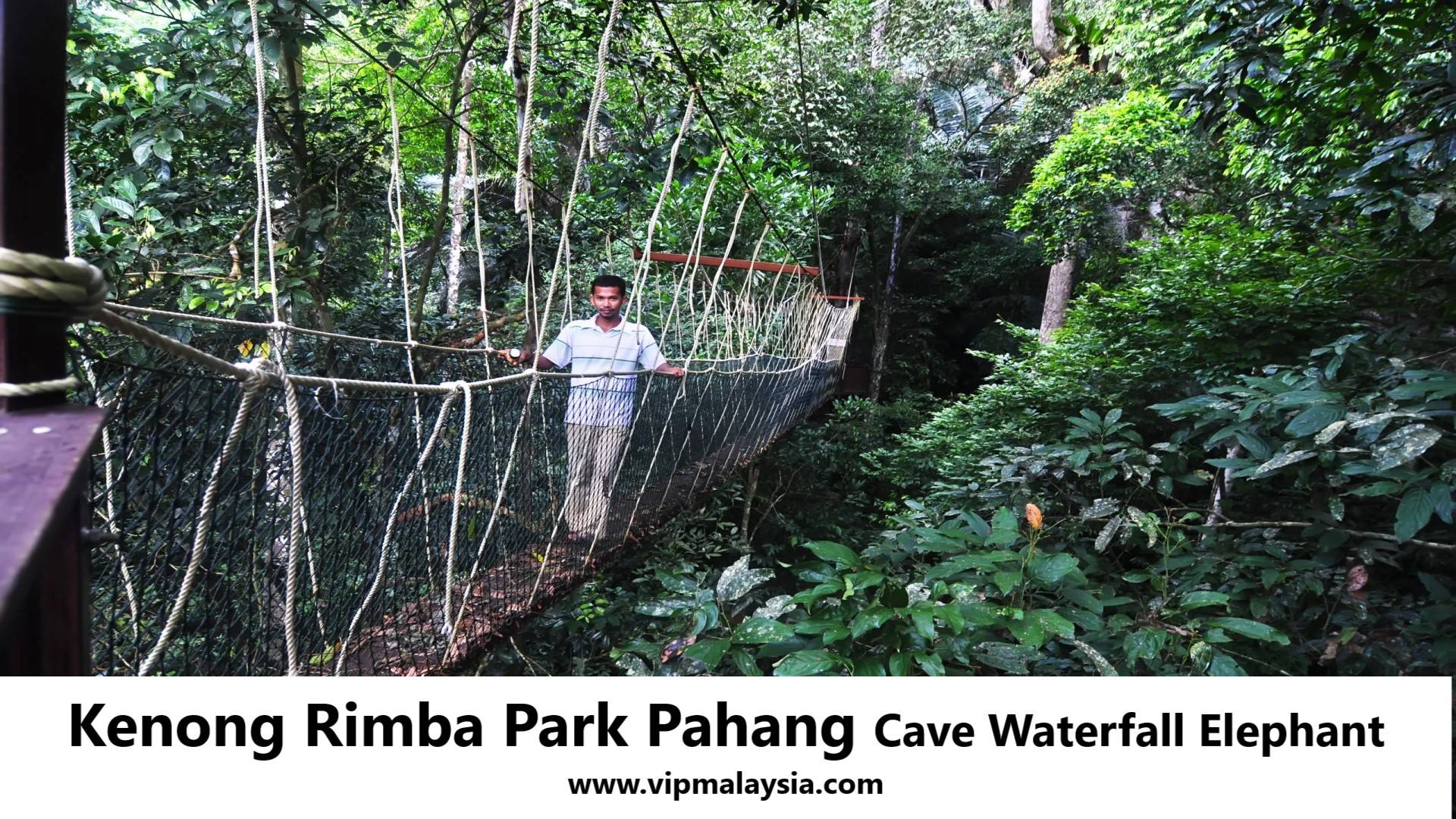
Discover Kenong Rimba Park Pahang Malaysia, a hidden gem filled with limestone caves, lush rainforest trails, rare wildlife, and breathtaking waterfalls. Perfect for trekking, birdwatching, and nature photography, this eco-destination offers unforgettable adventures in the heart of Pahang.
Pahang is the largest state in Peninsular Malaysia, covering about 35,960 km². Located on the eastern coast, it is known for its lush rainforests, highland resorts, rivers, and beaches. Rich in natural resources and cultural diversity, Pahang serves as both an economic and tourism hub.
Limestone caves are natural underground formations created primarily by the dissolution of limestone rock (calcium carbonate) through water and chemical processes, often featuring stalactites, stalagmites, and other unique geological structures. Limestone caves are formed when slightly acidic water (containing carbonic acid) seeps into limestone, dissolving the rock over thousands to millions of years. They are a type of karst landscape, characterized by sinkholes, underground rivers, and caverns.
Introduction
Kenong Rimba Park, located in Pahang, Malaysia, is a pristine rainforest sanctuary that combines natural wonders, biodiversity, and cultural heritage, covering 128 square kilometers of pristine jungle. Known for its spectacular limestone caves, thriving wildlife, and scenic jungle trails, the park is a paradise for eco-tourists and adventure seekers. Visitors can encounter elephants, tapirs, leopards, and rare bird species while exploring lush greenery and crystal-clear streams. With its immersive trekking experiences and opportunities for birdwatching and photography, Kenong Rimba Park has become one of Malaysia’s most treasured natural attractions.
A rainforest is a dense, biodiverse forest ecosystem characterized by high rainfall, warm temperatures, and rich vegetation, typically found in tropical and subtropical regions. Rainforests are forests that receive at least 1750–2000 mm of rain annually. They are known for thick canopies, multi-layered vegetation, and extraordinary biodiversity. Found mainly near the equator, in regions like the Amazon, Congo Basin, and Southeast Asia.
Tapirs are large, herbivorous mammals belonging to the genus Tapirus, known for their distinctive short, trunk-like snouts and pig-like bodies, found in tropical forests and grasslands of Central and South America, and Southeast Asia. They are recognized by their prehensile snout, which functions like a small trunk to grab leaves and fruit. Malayan tapir (Tapirus indicus) – the largest, found in Southeast Asia, with a distinctive black-and-white pattern.
Highlights
Spectacular Limestone Caves
Kenong Rimba Park is home to limestone caves such as Gua Batu Tangga, Gua Hijau, Gua Telinga, and Gua Daun Menari. Each cave features unique formations and mystical atmospheres that captivate explorers. Guided tours ensure safe exploration, making the caves accessible to both beginners and seasoned spelunkers.
Gua Batu Tangga
Gua Batu Tangga is a limestone cave located within Kenong Rimba Park, Kuala Lipis, Pahang, Malaysia, known for its natural rock formations, biodiversity, and eco-tourism appeal. It is one of several caves in the park, often explored by hikers and nature enthusiasts. The name “Batu Tangga” (literally “stone stairs”) refers to the cave’s stepped rock formations that resemble staircases. Accessible via guided treks from Kuala Lipis, often combined with visits to other caves in the park.
Gua Hijau
Gua Hijau is a limestone cave located within Kenong Rimba Park, Kuala Lipis, Pahang, Malaysia, noted for its striking greenish hue caused by moss and mineral deposits on its walls. It is one of several caves in the park that attract eco-tourists, hikers, and researchers. Accessible via guided treks, often combined with visits to other caves like Gua Batu Tangga and Gua Batu Tiga. Gua Hijau means “Green Cave” in Malay.
Gua Telinga
Gua Telinga is a limestone cave located in Taman Negara, Malaysia, famous for its narrow passages, bat colonies, and eco-tourism appeal. It is one of the most accessible caves in the park, often visited by tourists on guided tours. Gua Telinga means “Ear Cave” in Malay, named for its ear-shaped entrance. Easily reached from Kuala Tahan, the main gateway to Taman Negara.
Gua Daun Menari
Gua Daun Menari is a limestone cave located in Taman Negara, Malaysia, notable for its unique rock formations and eco-tourism appeal. The name translates to “Dancing Leaves Cave,” inspired by the way light and shadows inside the cave resemble fluttering leaves. Accessible from Kuala Tahan, often included in guided caving tours alongside Gua Telinga and Gua Kepayang.
Gua Kepayang
Gua Kepayang is a limestone cave located in Taman Negara, Malaysia, known for its spacious chambers, bat colonies, and eco-tourism appeal. It is one of the larger caves in the park, often included in guided caving tours for adventure seekers. Situated near Kuala Tahan, the main gateway to Taman Negara. Accessible through jungle trekking routes, often combined with visits to Gua Telinga and Gua Daun Menari.
Thriving Wildlife and Biodiversity
The park’s dense rainforest shelters elephants, tapirs, leopards, porcupines, river otters, and flying foxes. Wildlife sightings are often heard through rustling leaves or distant calls, adding mystery to the trekking experience. Kenong Rimba Park is a living classroom of biodiversity, showcasing Malaysia’s rich natural heritage.
Porcupines are medium to large-sized rodents known for their coat of sharp quills used as a defense mechanism against predators. Found in North and South America, Europe, Asia, and Africa, with different species adapted to forests, deserts, and grasslands. The Malayan porcupine (Hystrix brachyura) is found in Malaysian forests. In Malay, porcupines are called “landak.”
River otters are semi-aquatic mammals belonging to the genus Lontra (in the Americas) and Lutra (in Eurasia), known for their playful behavior, streamlined bodies, and adaptability to freshwater habitats. They are distinguished by their long, slender bodies, webbed feet, and dense waterproof fur. Asian small-clawed otter (Aonyx cinereus) – found in Southeast Asia, including Malaysia. In Malay, river otters are commonly called “memerang sungai.”
Wildlife Species List
Bird species include hornbills, fishing eagles, and the prized Murai Batu, known for its melodious singing. Mammals such as civets and macaques are commonly spotted, while reptiles and amphibians thrive in streams and wetlands.
Murai Batu (Copsychus malabaricus), also known as the White-rumped Shama, is a passerine bird native to South and Southeast Asia, admired for its melodious song, striking plumage, and agility. It is one of the most popular songbirds in Malaysia, often kept for bird-singing competitions. Physical Features: Male Murai Batu: Glossy black head, back, and tail; chestnut underparts; distinctive white rump, Female Murai Batu: Duller coloration, smaller in size, Tail: Long and elegant, often used in display flights.
Birdwatching Paradise
With over 200 species of wild birds, Kenong Rimba Park is a haven for birdwatchers. The rainforest canopy provides nesting grounds for hornbills, kingfishers, and vibrant tropical birds. Nature photographers flock to the park for rare sightings, capturing moments of avian beauty.
Bird Species
Hornbills – iconic rainforest birds, often seen flying in pairs.
Bulbuls – common fruit-eating species.
Flycatchers – insectivorous birds active along trails.
Drongos – known for mimicry and agile flight.
Babblers – small forest birds with distinctive calls.
Hornbills are large tropical birds belonging to the family Bucerotidae, recognized by their long, curved bills topped with a casque (a hollow structure), and their important ecological role in rainforest ecosystems. In Malay, “hornbill” is translated as enggang or burung enggang.
Bulbuls are medium-sized passerine birds with short necks, slender bodies, and often a crest or distinctive head markings. They belong to the family Pycnonotidae and are widely distributed across Africa, Asia, and the Middle East. Known for their melodious calls and fruit-eating habits, bulbuls play an important role in tropical ecosystems. In Malay, “bulbul” is translated as burung merbah.
Flycatchers are small insect-eating songbirds that belong to two main families: the Old World flycatchers (Muscicapidae) and the New World tyrant flycatchers (Tyrannidae). They are known for their habit of darting out from perches to catch insects mid-air, playing an important role in controlling insect populations. In Malay, flycatchers are generally referred to as “burung pemakan lalat.”
Drongos are medium-sized passerine birds belonging to the family Dicruridae. They are easily recognized by their metallic black feathers, distinctive forked tails, and sharp calls. Famous for their mimicry skills, often imitating other bird species to confuse predators or competitors. In Malay, drongos are called “cecawi” or sometimes simply “burung drongo.”
Babblers are small to medium-sized passerine birds belonging to the family Timaliidae, known for their social behavior, distinctive calls, and preference for dense forest undergrowth.
Scenic Jungle Trails and Waterfalls
The park’s jungle trails lead visitors through towering trees, lush vegetation, and hidden waterfalls. Trekking offers both physical challenge and spiritual renewal, as the untouched rainforest provides a peaceful ambiance.
Trekking and Adventure
Jungle Trekking Routes
Kenong Rimba Park offers trekking routes of varying difficulty, from short walks to multi-day expeditions. Trails pass through caves, rivers, and dense forest, providing diverse experiences for adventurers. Guides ensure safety and share knowledge about flora and fauna, enriching the journey.
Kenong Rimba Park offers several jungle trekking routes that lead visitors through pristine rainforest, limestone caves, rivers, and waterfalls, making it one of Pahang’s hidden eco-tourism gems. The trails vary in difficulty, from short cave explorations to longer treks connecting multiple natural attractions.
Routes
Cave Exploration Trails – Routes leading to limestone caves such as Gua Batu Tinggi, Gua Batu Tangga, and Gua Hijau, featuring stalactites, stalagmites, and bat colonies.
Waterfall Trekking – Trails through dense rainforest leading to hidden waterfalls, ideal for swimming and photography.
River Trails – Paths along subterranean rivers and streams, offering opportunities for fishing and water activities.
Flora & Fauna Trails – Walks showcasing giant rainforest trees like the Tualang (Koompassia excelsa), wild orchids, pitcher plants, and diverse bird species.
Adventure Routes – Longer treks combining jungle trekking with activities such as water abseiling, rock climbing, and birdwatching.
Adventure Activities
Beyond trekking, visitors can enjoy camping, river exploration, and photography. The park’s natural setting encourages eco-tourism and sustainable practices. Adventure seekers find endless opportunities for exploration, from spelunking to waterfall hikes.
Nearby Attractions
Nearby Towns and Cultural Heritage
Kenong Rimba Park is accessible from Kuala Lipis, a historic town known for colonial architecture and cultural festivals. Visitors often combine park exploration with town visits, adding cultural depth to their trip.
Heritage Spot
Kuala Lipis features old railway stations, traditional markets, and temples. Exploring the town provides insight into Malaysia’s history and complements the natural adventure at Kenong Rimba Park.
Kuala Lipis is a historic town in Pahang, Malaysia, once the state capital, known for its colonial architecture, cultural heritage, and role as a gateway to eco-tourism destinations like Kenong Rimba Park and Taman Negara. It served as the state capital of Pahang from 1898 to 1955 before Kuantan took over.
Cultural Festivals in Pahang
Pahang hosts festivals that celebrate local traditions, music, and food. Visitors to Kenong Rimba Park can plan trips during these events for added excitement.
Visitor Facilities
Kenong Rimba Park provides basic facilities such as campsites, guided tours, and rest areas. While rustic, these amenities ensure comfort for eco-tourists. Visitors are encouraged to bring supplies and respect conservation rules, preserving the park’s pristine environment.
Conclusion
Kenong Rimba Park offers untouched rainforest beauty, fascinating caves, and thrilling wildlife encounters, making it one of Malaysia’s top destinations for nature lovers. Whether you’re trekking through dense jungles, discovering hidden caves, or spotting rare wildlife, this rainforest escape promises an extraordinary outdoor experience.
Plan your adventure today—explore the wonders of Kenong Rimba Park in Pahang!
Summary
Attraction: Kenong Rimba Park
Location: #Pahang
Attraction Type: #Nature Sport Park
Source: pahangtourism.org.my
Why Visit:
Home to spectacular limestone caves & thriving rainforest wildlife
Encounter elephants, tapirs, leopards & rare bird species
Thomas Müller, Germany – ★★★★★ “Kenong Rimba Park was breathtaking. The caves were fascinating, and the jungle trails were peaceful. Birdwatching was a highlight, with hornbills flying overhead. Truly a paradise for nature lovers.”
Fahmi Fadzil, Malaysia – ★★★★☆ “The trekking routes were challenging but rewarding. I loved the waterfalls and the chance to see rare birds. Facilities were basic, but that added to the natural charm.”
David O’hara, United Kingdom – ★★★★★ “The guided tour was excellent. We learned so much about the flora and fauna. The caves were mystical, and camping under the stars was unforgettable. Highly recommended.”
Sofia Alvarez, Chile – ★★★★☆ “The park was stunning, with lush rainforest and diverse wildlife. I enjoyed the birdwatching and photography opportunities. It was a bit remote, but worth the journey.”
Nurul Azlina, Malaysia – ★★★★☆ “A Hidden Gem in Pahang!” ⭐⭐⭐⭐⭐“The caves, wildlife & scenic trekking trails made this adventure unforgettable!”
Syed Ardi, Malaysia – ★★★★☆ “Birdwatching at Its Best” ⭐⭐⭐⭐⭐“So many rare species—it’s a dream destination for bird lovers!”
Mona Hasnina, Malaysia – ★★★★☆ “Nature Lovers’ Paradise” ⭐⭐⭐⭐⭐“Kenong Rimba Park is the perfect escape into Malaysia’s pure wilderness!”
Frequently Asked Questions (FAQs)
How many caves in Kenong Rimba Park, Pahang?
The caves are:
Gua Batu Tinggi – Home to a variety of exotic orchids, Gua Batu Tinggi is one of the most popular caves in Kenong Rimba Park. The boat like interior is a sight to beolds. Its proximity to other caves makes a visit worth the effort.