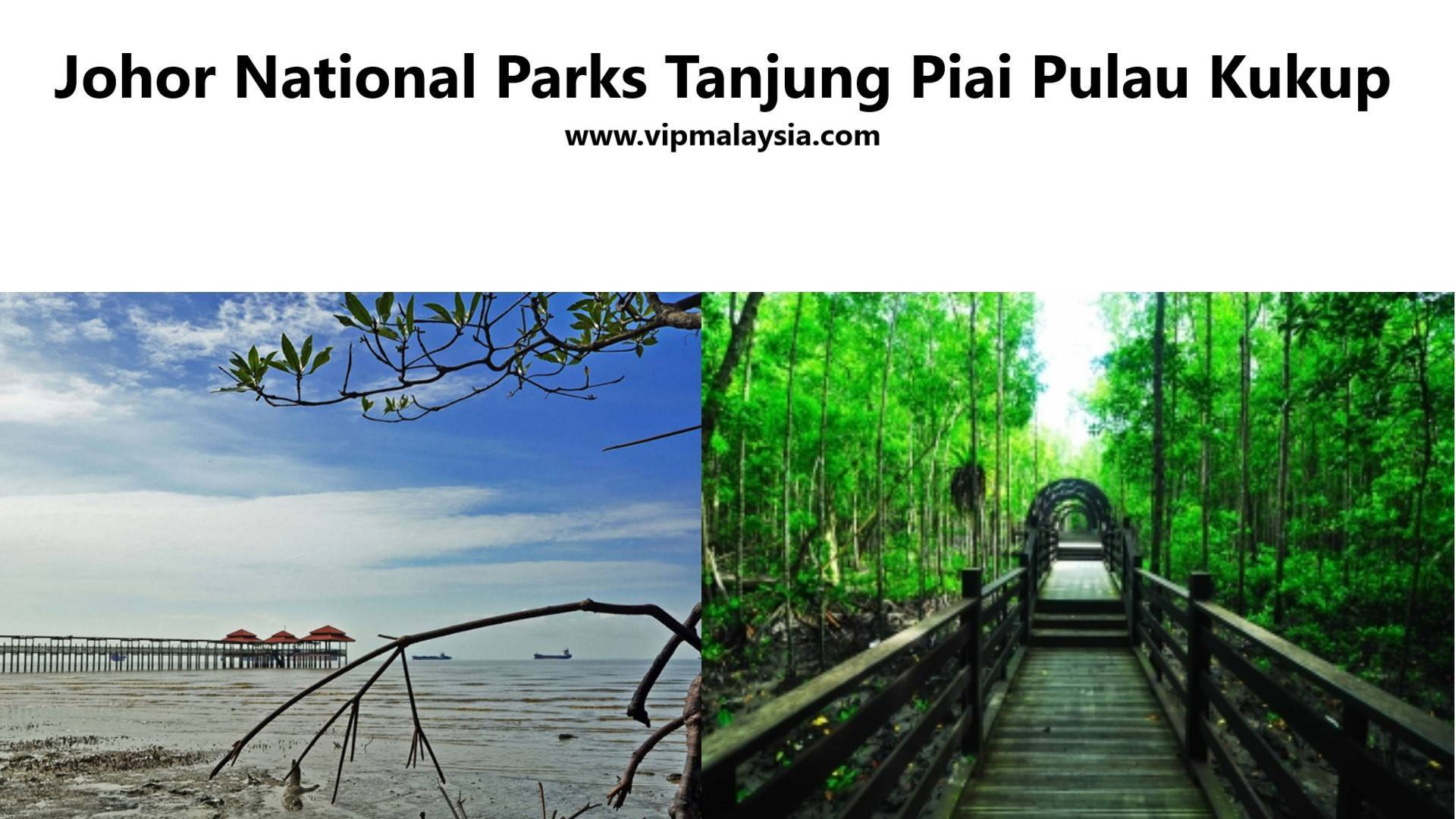
Tanjung Piai, also known as Cape of the Golden Leather Fern, is a mesmerizing coastal wetland in Johor, Malaysia, recognized for its rich mangrove ecosystem, historical significance, and status as the southernmost point of mainland Asia. Whether you’re a nature lover, a history buff, or an eco-traveler, this national park offers an unparalleled experience blending biodiversity, conservation, and scenic beauty.
Discover the Unique Beauty of Tanjung Piai
Why Visit Tanjung Piai?
Home to the southernmost tip of mainland Asia
Recognized as a Ramsar Site for wetland conservation
A thriving mangrove ecosystem supporting diverse wildlife
Boardwalks & scenic viewpoints overlooking Singapore & Indonesia
Embark on an ecological adventure—Tanjung Piai awaits!
History & Conservation Efforts
The Ramsar Recognition
A Global Conservation Landmark
Tanjung Piai became a designated Ramsar Site in 2003, ensuring its wetlands remain protected for environmental and educational purposes.
Mangrove Restoration & Protection
Addressing Coastal Erosion
Offshore breakwaters have been installed to combat wave erosion
Mangrove replanting initiatives have successfully restored ecosystems
Johor National Parks (+607-2661301 / +607-6960264)
Why Tanjung Piai is Johor’s Coastal Treasure
Tanjung Piai offers a unique blend of conservation, natural beauty, and historical significance, making it one of Malaysia’s most fascinating ecological sites. Whether you’re exploring mangrove forests, standing at the southernmost tip of Asia, or witnessing wetland conservation in action, this park promises an extraordinary experience in Malaysia’s coastal landscapes.
📍 Plan your nature adventure today—discover the beauty of Tanjung Piai, Johor!
Tanjung Piai: Summary
Attraction: Tanjung Piai
Location: #Johor
Attraction Type: #Island
Source: johornationalparks.gov.my
Johor: Explore the Best Destinations
Discover the ultimate destinations and hidden gems waiting for you! Click now for expert travel guides, insider tips, and must-visit spots that will make your journey unforgettable. Start exploring today!
Johor Darul Takzim Johor, rich in diverse attractions, offers a unique vacation experience for every type of traveler. From thrilling theme parks to fascinating cultural…
Johor: National Parks Johor, Malaysia, is home to some of the most ecologically significant wetlands, recognized under the Ramsar Convention, offering diverse landscapes, rich biodiversity,…
Taman Laut Sultan Iskandar, Johor Located off the southeastern coast of Peninsular Malaysia, Taman Laut Sultan Iskandar is a breathtaking marine park, home to pristine…
Gunung Ledang, Johor Located in Johor’s National Park, Gunung Ledang is a breathtaking mountain rich in history, legends, and natural wonders. Whether you’re an adventurous…
Tanjung Piai, Johor Tanjung Piai, also known as Cape of the Golden Leather Fern, is a mesmerizing coastal wetland in Johor, Malaysia, recognized for its…
Johor’s Islands Johor, Malaysia, is home to some of the most breathtaking islands, offering crystal-clear waters, white sandy beaches, and vibrant marine life. Whether you’re…
Discover Johor’s Pristine Beaches: Nature’s Paradise Johor is home to breathtaking beaches with white sand, turquoise waters, and rich coastal biodiversity. Whether you’re an adventure…
Looking for travel inspiration, delicious recipes, or the best places to eat? Want to stay updated on smart financial tips, personal loan promotions, or the latest car models? Whether you’re searching for hobby ideas, product reviews, or something new, we’ve got you covered! Click on the links, explore exciting insights, and let your next discovery begin—it’s just one click away!
Frequently Asked Questions (FAQs) About Tanjung Piai
Looking for answers to common questions? Our FAQ section provides clear, concise explanations on key topics, helpful troubleshooting tips, and expert insights to guide you. Whether you’re a beginner or an experienced user, you’ll find quick solutions and essential information to streamline your experience.
What countries can be seen from Tanjung Piai Johor Darul Takzim?
If you are here at Johor National Parks Tanjung Piai, you can see Singapore and Indonesia, our closest neighboring countries simultaneously.
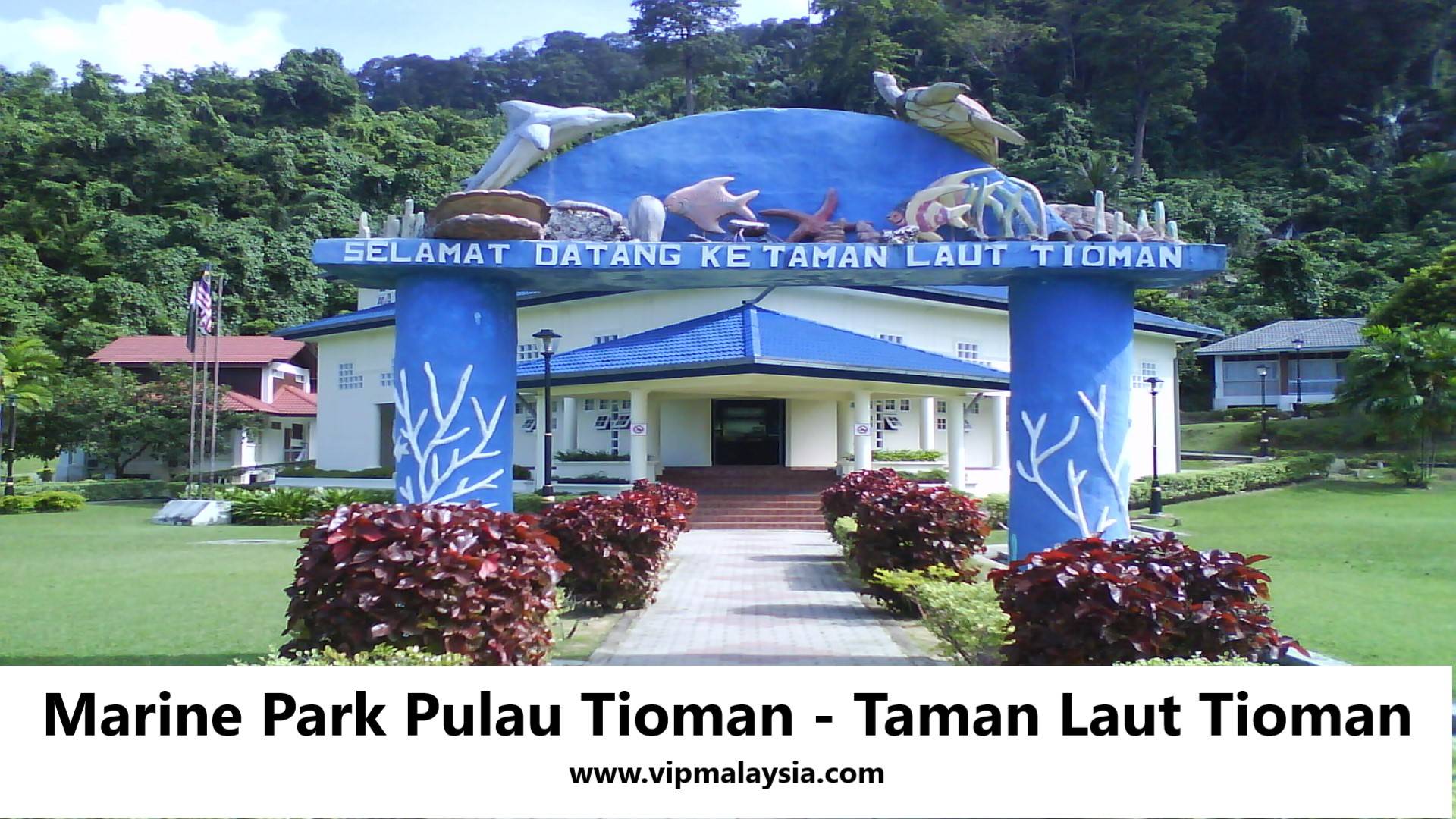
Discover Malaysia’s tropical marine paradise at Taman Laut Tioman, a breathtaking archipelago of nine islands renowned for diverse marine ecosystems, world-class diving spots, and eco-tourism adventures. From lush rainforests to vibrant coral reefs, this destination offers unforgettable experiences for relaxation, exploration, and adventure.
Introduction
Taman Laut Tioman, officially known as Tioman Marine Park, is one of Malaysia’s most treasured natural sanctuaries. Located off the east coast of Peninsular Malaysia, this marine park encompasses nine spectacular islands, each offering unique attractions and highlights. Visitors are drawn to its pristine beaches, crystal-clear waters, and thriving coral reefs that host an astonishing variety of marine life. Beyond the underwater wonders, the islands are home to tropical rainforests, cultural villages, and eco-friendly resorts that make it a perfect blend of adventure and relaxation. Whether you are a diver, trekker, or simply a nature enthusiast, Taman Laut Tioman promises an immersive journey into Malaysia’s tropical beauty.
Highlights
Pulau Tioman
Pulau Tioman is the centerpiece of the marine park, spanning a coastline of 69 kilometers. Its white sandy beaches are fringed by lush tropical rainforests and dramatic granite boulders. The island hosts several villages such as Kampung Tekek and Salang, where visitors can experience local culture and hospitality. Eco-tourism thrives here, with resorts offering sustainable stays and guided tours that emphasize conservation. Pulau Tioman is also famous for its myths, with legends claiming the island was once a dragon princess resting in the South China Sea.
Visitor Facilities And Local Culture
Pulau Tioman offers modern visitor facilities including resorts, homestays, and dive centers. The Marine Park Centre at Kampung Tekek provides orientation, maps, and exhibits on biodiversity. The island’s cuisine features fresh seafood dishes, often prepared with local spices, making dining a memorable part of the visit.
The best seafood in Kampung Tekek, Tioman Island, can be found at Sarang Seafood Village, which is highly rated for its fresh catches like crab, prawns, and grilled fish, served in a relaxed seaside setting. Other notable spots include Restoran Mama Rina and Restoran Seafood Alif, both offering authentic Malay-style seafood dishes.
Kampung Tekek is the largest and most developed village on Tioman Island, Malaysia, often regarded as the island’s “capital.” It serves as the main hub for transport, commerce, and administration, with ferry services, the island’s only airport, and duty-free shopping facilities. Main gateway for tourists arriving by ferry from Mersing or Tanjung Gemok, or via Berjaya Tioman Airport. Duty-free shops: Tekek is famous for affordable alcohol, chocolates, and imported goods.
A duty-free shop is a retail outlet that sells goods exempt from local or national taxes and duties, typically catering to international travelers at airports, seaports, or border crossings. These shops allow passengers to purchase items like alcohol, tobacco, perfumes, and luxury goods at lower prices compared to regular retail stores. Goods sold do not include import duties, VAT, or excise taxes, provided they are taken out of the country by travelers.
Pulau Tokong Bahara
Pulau Tokong Bahara is a diver’s paradise, known for its unspoiled coral reefs and diverse marine species. The island’s underwater formations are ideal for experienced divers seeking unique challenges. Its remote location ensures fewer crowds, offering a peaceful and intimate exploration of Malaysia’s marine biodiversity.
Pulau Tokong Bahara (also known as Bahara Rock or Bahara Lighthouse) is a renowned dive site off Tioman Island, Malaysia, famous for its strong currents (making it suitable for experienced divers) that attract large pelagic species such as blacktip reef sharks, manta rays, and eagle rays. It is part of the Tioman Marine Park and considered one of the island’s top advanced diving spots. Accessible only by boat, typically from dive centers in Tekek or Salang.
Blacktip Reef Sharks
The blacktip reef shark (Carcharhinus melanopterus) is a small species of requiem shark easily recognized by the distinctive black tips on its fins, especially the first dorsal fin. It inhabits shallow coral reefs across the Indo-Pacific and is currently listed as Vulnerable on the IUCN Red List due to overfishing and habitat loss.
Manta Rays
Manta rays are majestic marine animals belonging to the genus Mobula, easily recognized by their triangular wing-like pectoral fins and horn-shaped cephalic fins near the mouth. With wingspans that can reach up to 7 meters, they are among the largest rays in the ocean, gliding gracefully through tropical and subtropical waters worldwide. Both giant and reef manta rays are currently listed as Vulnerable on the IUCN Red List, making conservation efforts crucial to their survival. Their short whiplike tails, sometimes equipped with spines, and their wide mouths adapted for filter-feeding on plankton highlight their unique evolutionary traits.
Known for their gentle nature, manta rays are often seen breaching the surface in spectacular jumps or gliding effortlessly alongside divers and snorkelers. Unlike many marine species, they are non-aggressive toward humans, which makes encounters with them especially memorable. Their large triangular fins resemble wings, giving them an almost otherworldly appearance as they soar through the water. These “devilfish,” named for their horn-shaped cephalic fins, embody both power and elegance, making them a symbol of ocean biodiversity and a favorite subject for marine ecotourism.
Eagle Rays
Eagle rays are striking cartilaginous fishes from the family Myliobatidae, easily identified by their flat bodies, wing-like pectoral fins, and long whip-like tails. Many species feature distinctive spotted or patterned backs, making them a favorite sight for divers in tropical and subtropical waters worldwide. With wingspans reaching up to 3 meters, eagle rays are admired for their graceful swimming and occasional leaps out of the water, a behavior that adds to their reputation as one of the ocean’s most elegant creatures.
Generally shy and non-aggressive toward humans, eagle rays sometimes travel in groups, especially the spotted eagle ray, creating mesmerizing underwater displays. Unfortunately, many species are considered Near Threatened or Vulnerable due to overfishing and habitat loss, highlighting the importance of marine conservation. Their unique appearance and gentle behavior make them both ecologically significant and a symbol of the delicate balance within ocean ecosystems.
Pulau Labas
Pulau Labas is perfect for those seeking tranquility. Its crystal-clear waters are ideal for snorkeling, while scenic viewpoints provide panoramic vistas of the surrounding islands. The beaches are secluded, making it a favorite among eco-tourists and adventure seekers who prefer quiet exploration.
Pulau Labas is a small islet located off the coast of Tioman Island in Pahang, Malaysia, known both as part of a protected marine park and as a popular diving site featuring unique underwater rock formations. It is managed under Malaysia’s Department of Marine Park and offers rich biodiversity, making it a notable destination for eco-tourism and marine conservation.
Pulau Labas is a picturesque island near Tioman, located close to Kampung Salang and Air Batang, making it a convenient stop for travelers exploring the northern coast. Frequently included in eco-tourism itineraries alongside Pulau Tulai and Pulau Sepoi, it offers crystal-clear waters, thriving marine biodiversity, and a peaceful atmosphere ideal for diving, snorkeling, and nature lovers seeking an authentic island escape.
Magicienne Rock
Magicienne Rock is a submerged reef renowned for its stunning coral formations. Divers are treated to vibrant marine life, including clownfish, angelfish, and nudibranchs. The reef’s depth and clarity make it a favorite for underwater photography.
Magicienne Rock is a renowned dive site off Tioman Island, Pahang, Malaysia, consisting of an underwater pinnacle rising to about 8 meters below the surface. It is famous for its rich marine biodiversity, including whale sharks, manta rays, leopard sharks, and turtles, making it one of the top attractions in the Tioman Marine Park. Location: Northeast of Pulau Tioman, Pahang, Malaysia, Depth Range: 8 m to ~25 m (max depth ~15 m for most dives, up to 49 ft recorded).
Diving Experience At Magicienne Rock
The site is accessible to both novice and experienced divers. Its shallow sections are perfect for beginners, while deeper areas challenge advanced divers. The reef’s biodiversity ensures every dive is unique, with new species often spotted.
Pulau Sepoi
Pulau Sepoi is celebrated for its thriving marine habitat. Snorkelers and divers encounter schools of colorful fish, sea turtles, and occasional reef sharks. The island’s calm waters make it ideal for family-friendly snorkeling adventures.
Pulau Sepoi (sometimes referred to as Seri Buat Island) is a small islet near Tioman Island, Malaysia, known for its pristine coral reefs, clear waters, and status as a protected marine park site. It is popular for snorkeling and diving, though less frequently visited compared to other Tioman dive spots. Access: By boat, ~45 minutes from Tioman Island. Depth Range: 5–25 meters, Visibility: 5–20 m depending on season. Special Site: Golden Reef, northeast of Sepoi, with vibrant coral competition and diverse fish life
Visitor Facilities And Accessibility
Pulau Sepoi offers basic facilities such as rest huts and guided tours. Its proximity to Pulau Tioman makes it easily accessible by boat. Conservation programs here emphasize protecting coral reefs from human impact.
Pulau Tulai
Pulau Tulai, also known as Coral Island, is one of Tioman’s most popular snorkeling destinations, famous for its clear turquoise waters, vibrant coral reefs, and diverse marine life including turtles, reef sharks, and even dolphins. Day trips by boat are the main way to reach the island, with Genting Point being a highlight for spotting colorful fish among healthy coral beds.
Pulau Tulai offers snorkelers an unforgettable experience thanks to its pristine sandy beaches and thriving underwater ecosystem. The island’s reefs host species such as the Latent Sling-Jaw Wrasse, alongside schools of tropical fish that make the waters shimmer with color. Morning boat trips are recommended for the calmest seas and best visibility, ensuring a safe and rewarding adventure. Beyond snorkeling, diving opportunities are available, though some coral areas show signs of damage, they still provide spectacular views of marine biodiversity. Coral Island remains a must-visit for nature lovers seeking both relaxation and exploration in Tioman’s surrounding waters.
Pulau Chebeh
Pulau Chebeh, located off Tioman Island, is a premier deep dive site famous for its dramatic granite boulder formations, caves, and swim-throughs. Divers encounter rich marine biodiversity including yellowtail fusiliers, batfish, blacktip reef sharks, and barracuda, with visibility often reaching 20 meters or more.
This site offers depths between 10–25 meters, with intermediate to advanced divers favoring its labyrinth of tunnels and channels. A notable cave at around 21 meters is teeming with fish, while seasonal highlights (April and October) may include sightings of manta rays or even the elusive whale shark. Strong currents enhance the experience by attracting pelagic species, making Pulau Chebeh one of Tioman’s most thrilling underwater adventures for those seeking both geological wonders and diverse marine life.
Pulau Renggis
Pulau Renggis, located just off Tekek on Tioman Island, is one of Malaysia’s most iconic snorkeling sites, renowned for its shallow reefs, crystal-clear waters, and abundant marine life including clownfish, parrotfish, turtles, and even small blacktip reef sharks. Its easy accessibility from Berjaya Tioman Resort makes it a favorite for both beginners and seasoned snorkelers.
The island’s reefs are permanent coral sanctuaries that host a wide diversity of species, offering excellent visibility and calm conditions ideal for underwater photography. Snorkelers often encounter sea turtles resting on the seabed and schools of colorful fish weaving through hard and soft corals. Morning visits are recommended for the clearest waters and fewer crowds, while the site’s proximity to Tioman’s main village ensures it remains one of the most visited and celebrated snorkeling destinations in the region.
Pulau Jahat
Pulau Jahat, located just a short boat ride from Tioman Island, is a renowned dive site known for its dramatic underwater terrain, strong currents, and diverse marine life. With depths ranging from 16 to 30 meters, it features massive granite boulders, sloping coral reefs, and caves that make it a thrilling destination for intermediate to advanced divers.
The site is home to an impressive variety of species including parrotfish, fusiliers, angelfish, groupers, moray eels, barracuda, trevally, reef sharks, and turtles. Coral diversity is equally rich, with branching corals, whip corals, sea fans, and large boulder formations creating vibrant underwater landscapes. Visibility often reaches up to 20 meters, and the moderate to strong currents provide opportunities for exhilarating drift dives. Pulau Jahat is considered one of Tioman’s most adventurous dive spots, offering both macro photography opportunities with nudibranchs and encounters with pelagic species like sharks and rays.
Trekking And Adventure
Rainforest Trails
Pulau Tioman’s rainforest trails offer trekking opportunities for all levels. Trails such as the Tekek to Juara route take hikers through dense jungles, waterfalls, and wildlife habitats. Along the way, trekkers may spot macaques, monitor lizards, and exotic bird species.
Tekek – Juara Route
The Tekek – Juara Route refers to the main jungle trekking trail on Tioman Island that connects the village of Tekek on the west coast to Juara on the east coast. It is a 2–3 hour hike through dense rainforest and paved sections, offering one of the island’s most popular overland connections.
The Tekek – Juara Route on Tioman Island begins near Masjid Jamek Tekek and offers hikers a moderate challenge with a mix of jungle trails and paved road sections. This scenic path is ideal for those with basic fitness levels, providing a rewarding experience through lush rainforest terrain and opportunities to spot local wildlife.
Along the way, trekkers are treated to panoramic views of Tioman’s interior, making the Tekek – Juara Route a favorite for nature lovers and adventure seekers. Its combination of accessibility and natural beauty ensures a memorable hike that showcases the island’s diverse ecosystem and cultural landmarks.
Rock Climbing
Gunung Nenek Semukut, better known as the Dragon Horns, is Tioman Island’s most iconic climbing landmark, rising majestically to 703 meters above sea level. Located near Kampung Mukut at the southern tip of the island, this twin-peaked granite formation resembles the horns of a dragon and has become one of Southeast Asia’s premier big-wall climbing destinations. With towering walls reaching up to 300 meters, climbers can test their skills on more than 14 established routes, ranging from grades 5c+ to 7c+, making it a true playground for advanced adventurers seeking both challenge and breathtaking scenery.
Access to the Dragon Horns involves a journey via ferry from Mersing or Singapore, followed by a transfer to Berjaya Resort and then a speedboat or fishing boat ride to Mukut. Once there, climbers are rewarded with dramatic granite faces that demand ropes, harnesses, and advanced techniques. The site has drawn world-class international climbers such as Arnaud Petit and Cedar Wright, who pioneered routes that continue to inspire enthusiasts today. For those seeking a blend of authentic adventure, natural beauty, and global climbing prestige, Gunung Nenek Semukut stands as a must-visit highlight of Tioman Island.
Grade 7a. Steep granite face, popular among experienced climbers.
The French Connection
Grade 6c+. Established by Arnaud Petit, known for precise technical climbing.
The Dragon’s Backbone
Grade 6c. Long sustained pitches along the exposed ridge line.
The Horn Ridge
Grade 6b+. Scenic climb with panoramic views of Tioman’s coastline.
The Mukut Wall
Grade 6b. Accessible route near Kampung Mukut side, often used for warm-ups.
The Bahara Line
Grade 6a+. Easier line, suitable for intermediate climbers.
The Twin Peaks Traverse
Grade 6a. Traverses across both horns, highly exposed and scenic.
The Pioneer’s Route
Grade 5c+. First ascent line by Scotty Nelson & Nick Tomlin (2000). Historic route.
The Eagle’s Flight
Grade 6b. Named after frequent eagle sightings near the wall.
The Granite Wave
Grade 6c. Smooth granite face requiring technical footwork.
The Vertical Garden
Grade 6a+. Features pockets of vegetation along the wall.
The Horned Summit Direct
Grade 7a+. Direct line to the summit, very demanding and exposed.
Kayaking
Kayaking in Taman Laut Tioman (Tioman Marine Park) is defined as an eco-tourism water activity where visitors paddle across the calm, crystal-clear waters surrounding Tioman Island and its smaller islets. It is especially popular outside the Northeast monsoon season, offering both short beachside paddles and longer expeditions to nearby islands.
Key Features
Main Hub: Kampung Tekek, where the Pusat Taman Laut Tioman visitor center is located.
Other Launch Points: Juara, Salang, and ABC Village beaches.
Waters: Generally flat and calm, ideal for beginners.
Equipment: Sturdy rental kayaks available at beaches; stable and designed to be unsinkable.
Duration: From 30 minutes to full-day trips depending on fitness and skill.
Paddleboarding
Paddleboarding (Stand-Up Paddleboarding, SUP) in Taman Laut Tioman is defined as a recreational water sport where visitors stand on a large, stable board and use a paddle to glide across Tioman’s calm, crystal-clear seas. Tioman Island is considered one of Malaysia’s best SUP destinations thanks to its sheltered bays, easy learning curve, and stunning natural scenery.
Key Features
Main Areas: Kampung Tekek, Juara Beach, Salang, and ABC Village — all offering calm waters ideal for SUP.
Duration: Sessions range from short 30-minute paddles near shore to half-day explorations of nearby coves and reefs.
Conclusion
Taman Laut Tioman offers an extraordinary mix of adventure, marine biodiversity, and island beauty, making it one of Malaysia’s most treasured marine parks. Whether you’re diving in crystal-clear waters, snorkeling among coral reefs, or relaxing on pristine beaches, these islands promise an island getaway like no other.
Plan your island escape today—immerse yourself in the beauty of Taman Laut Tioman, Malaysia!
Summary
Attraction: Taman Laut Tioman
Location: #Johor #Tioman
Attraction Type: #Island
Source: ketsa.gov.my / marinepark.dof.gov.my
Why Visit:
Diverse marine ecosystems & vibrant coral reefs
Nine spectacular islands offering varied experiences
Perfect for relaxation, adventure, and eco-tourism
Quick Info
Attribute
Details
Name
Taman Laut Tioman
Location
Off the east coast of Peninsular Malaysia
GPS Position
2.8184° N, 104.1576° E
State
Pahang
Facility Type
Marine Park, Diving Sites & Island Retreats
Main Attractions
Coral Reefs, Island Exploration, Diving & Snorkeling
Nearby Landmarks
Pulau Labas, Pulau Tokong Bahara, Pulau Seri Buat
Accessibility
Boat transfers from Tanjung Gemuk, Pahang
Best Time to Visit
March – October for calm waters & ideal diving conditions
Entry Fees
Marine park fees may apply
Recommended Activities
Diving, Snorkeling, Island Hopping
Opening Hours
Accessible all year
Contact
Pusat Taman Laut Pulau Tioman (+609-4131273 / +609-4191595)
Visitor Reviews
Jacqueline Soh, Singapore – ★★★★★ “I had the most amazing diving experience at Pulau Tokong Bahara. The coral reefs were vibrant, and I even spotted a reef shark. The guides were knowledgeable and emphasized conservation, which made the trip even more meaningful.”
James Walker, United Kingdom – ★★★★☆ “Pulau Tioman was stunning, with its beaches and rainforest trails. The trek to Juara was challenging but rewarding. Facilities could be improved, but the natural beauty more than made up for it.”
Tuan Haji Abdul Rahman, Malaysia – ★★★★★ “Pulau Labas was serene and perfect for relaxation. Snorkeling was incredible, and I loved the eco-tourism focus. It felt good knowing my visit supported conservation efforts.”
Philips Lauren, UK – ★★★★☆ “Magicienne Rock was a diver’s dream. The underwater photography opportunities were endless. The currents were strong, but the dive instructors ensured safety throughout.”
Mark Davidson, Australia – ★★★★★ “Pulau Sepoi was family-friendly and accessible. My kids enjoyed snorkeling, and we saw sea turtles up close. The conservation programs were inspiring, and we learned a lot about marine life.”
Frequently Asked Questions (FAQs)
What are Marine Park Centre, Pulau Tioman facilities and services?
Toilet and wash facilities, picnic tables and barbeque pits are provided at selected sites. A jetty at the visitor’s centre allows boats to come along shore. The park management provides mooring buoys over coral reefs to allow for snorkelling and diving boats. Visitors can shop for small items of food and drinks at the village shops. For hiring of diving equipment and filling of air tanks, visitors can enquire at the respective dive shops.
How to get to Taman Laut Tioman?
By Air
There is an airstrip in Pulau Tioman. Berjaya Air flies twice daily to the island from Kuala Lumpur and Singapore.
Land and sea
The main staging points to the Tioman Marine Park are Tanjung Gemuk (in Pahang) and Mersing (Johor). Scheduled ferry services (21⁄2-hour journey) from the Tanjung Gemuk or Mersing jetties link to Pulau Tioman on a daily basis. Express bus services from major towns and cities to these two points are also readily available.
The major routes are as follows:
From Kuala Lumpur to Tanjung Gemok Jetty or Mersing Jetty (51⁄2 hours journey).
From Singapore to Tanjung Gemok Jetty or Mersing Jetty (21⁄2 hours journey).
Discover Johor’s stunning beaches that blend natural beauty, adventure, and cultural heritage. From Desaru’s lively resorts to Mersing’s tranquil islands, this long‑form guide explores attractions, trekking opportunities, and must‑visit highlights for an unforgettable coastal escape.
Introduction
Johor, Malaysia’s southernmost state, is often recognized for its bustling capital Johor Bahru and its proximity to Singapore. Yet beyond the urban skyline lies a coastline stretching for hundreds of kilometers, dotted with beaches that range from lively resort hubs to quiet fishing enclaves. These beaches are not only places for relaxation but also gateways to adventure, culture, and wildlife. In this guide, we’ll explore Johor’s beaches in detail, highlighting attractions, trekking and adventure opportunities, must‑visit highlights, and practical tips for travelers.
Attractions
Pantai Air Papan
Pantai Air Papan is one of Johor’s most beloved coastal spots, located about 12 kilometers north of Mersing town. Known for its shallow, sandy beaches facing Pulau Setindan, this destination is ideal for families, casual travelers, and locals seeking a relaxing day by the sea. The calm waters and wide beachfront make it especially suitable for swimming, picnics, and leisurely strolls.
Mersing is a coastal town in Johor, Malaysia, best known as the main gateway to islands like Tioman, Rawa, and Besar. It is also popular for its beaches, seafood, and laid-back atmosphere, making it both a transit hub and a destination in its own right. Mersing also offers several attractions for visitors, including island hopping to Tioman, Rawa, Besar, and other nearby islands via the Mersing Jetty. Travelers can also enjoy Air Papan Beach, explore the Mersing Harbour Centre, and experience traditional fishing trips at local kelongs.
Shallow Sandy Beaches with Scenic Views
The beach stretches for several kilometers, offering soft sand and gentle waves. Facing Pulau Setindan, visitors enjoy panoramic views of the island and the South China Sea. The shallow waters make it safe for children and beginner swimmers, while the open space is perfect for beach games and family outings.
Pulau Setindan is a small tropical island located in Mukim Tenglu, Mersing District, Johor, Malaysia. It is popular among local and international visitors for its white sandy beaches, clear waters, and peaceful atmosphere, making it a favorite spot for family outings and relaxation. The island is often chosen by those seeking a quiet escape from city life, with activities like swimming, kite flying, and sandcastle building.
Popular Fishing Spot with Competitions
Pantai Air Papan is also a well‑known fishing hub, attracting anglers from across Johor. Regular fishing competitions are held here, drawing both locals and tourists who enjoy the challenge and camaraderie. The abundance of fish species in the area makes it a rewarding spot for hobbyists and seasoned fishermen alike.
Great for Swimming, Picnics, and Family Outings
With its calm environment, Pantai Air Papan is a favorite for weekend picnics and gatherings. Families often bring food to enjoy under the shaded trees lining the beach, while children play in the sand or swim in the shallow waters. Facilities such as parking areas, restrooms, and food stalls add convenience, making it easy to spend the whole day here.
Pantai Air Papan combines natural beauty with community spirit, offering a coastal experience that is both relaxing and culturally engaging. Whether you’re here to swim, fish, or simply enjoy the view, it remains one of Johor’s most accessible and enjoyable seaside escapes.
Pantai Minyak Beku
Pantai Minyak Beku, located about 7 kilometers from Batu Pahat town in Johor, is a coastal destination that blends scenic beauty with historical significance. This rocky beachfront is tied to the legend of Sultan Mahmud of Johor, who was assassinated here in the 17th century. Today, it serves as both a cultural landmark and a tranquil retreat for visitors seeking leisure by the sea.
Batu Pahat is a town and district capital in Johor, Malaysia, known for its textile industry, shopping hubs, and cultural heritage. It is often called “BP” or “Bandar Penggaram” and serves as a growing urban center with both historical sites and modern attractions.
A Scenic Coastline With Historical Significance
Unlike sandy beaches, Pantai Minyak Beku features rocky shores and tidal pools that create a unique coastal landscape. The site is historically important, with stories linking it to Johor’s royal past. Visitors often come not only for the views of the South China Sea but also to connect with the heritage that surrounds the area.
Perfect for Fishing Enthusiasts
The rocky coastline makes Pantai Minyak Beku a popular fishing spot, attracting locals who cast their lines in search of grouper, snapper, and other coastal species. Fishing competitions are occasionally organized, adding a lively community spirit to the otherwise quiet retreat.
Pantai Minyak Beku is a popular fishing spot in Batu Pahat where anglers often catch grouper, snapper, barracuda, trevally (ikan selar / ikan cermin), catfish (ikan keli laut) and stingray along the rocky and coastal areas. It is also known for species like barracuda, trevally, and catfish, making it a diverse location for both casual and experienced fishers.
A Tranquil Getaway for Relaxation and Leisure
Pantai Minyak Beku is ideal for those who prefer a peaceful seaside escape. Families and couples often visit for picnics, evening strolls, or simply to enjoy the sea breeze. Facilities such as food stalls, parking areas, and shaded seating make it convenient for day trips. Batu Pahat town nearby adds to the experience with local markets, seafood restaurants, and cultural festivals.
Pantai Minyak Beku stands out as a destination where history, fishing traditions, and coastal relaxation converge. Whether you’re drawn by its heritage or its tranquil atmosphere, it remains one of Johor’s most distinctive seaside retreats.
Pantai Pasir Lanun
Pantai Pasir Lanun, located near Mersing in Johor, is a secluded beach destination that rewards travelers willing to venture off the beaten path. Its name, which translates to “Pirate Beach,” adds a touch of intrigue to the journey, though today it is known more for its tranquility than its legends.
Clear Waters and Fine White Sands
The beach is celebrated for its crystal‑clear waters and soft white sand, making it perfect for swimming, sunbathing, and photography. Unlike more commercialized beaches, Pantai Pasir Lanun retains its natural charm, offering a pristine environment where visitors can enjoy the sea without the usual crowds.
A Secluded Beach Far From Tourist Crowds
Pantai Pasir Lanun is not as easily accessible as Johor’s more famous beaches, which is precisely why it remains peaceful and uncrowded. Travelers who make the effort to reach it are rewarded with solitude, making it ideal for those seeking a quiet retreat or a romantic escape.
Unique Travel Experience Through Orchards and Forests
Getting to Pantai Pasir Lanun is part of the adventure. The route takes visitors through lush orchards and forested areas, offering glimpses of rural Johor life along the way. This journey adds to the uniqueness of the destination, making the beach feel like a hidden treasure waiting to be discovered.
Pantai Pasir Lanun stands out as a destination where natural beauty, seclusion, and a sense of discovery come together. For travelers who value authenticity and tranquility, it is truly a hidden gem worth the journey.
Desaru Beach and Resort Area
Desaru is Johor’s flagship beach destination, famous for its wide sandy shoreline and family‑friendly resorts. The Desaru Coast development has transformed the area into a tourism hub, with luxury hotels, golf courses, and the Desaru Coast Adventure Waterpark. Families can enjoy water sports such as jet skiing, parasailing, and banana boat rides, while couples often choose Desaru for romantic getaways. The beach itself remains clean and inviting, with lifeguards and facilities that make it safe for swimming.
Desaru is a coastal resort area in Johor, Malaysia, located about 1.5–2 hours from Johor Bahru (JB) via the Senai–Desaru Expressway. It is known for its long sandy beaches, seafood dining, and attractions like the Desaru Coast Adventure Waterpark and fruit farms, making it a popular weekend getaway.
Tanjung Balau and Fishing Heritage
Just a short drive from Desaru, Tanjung Balau offers a quieter experience. Its Fishermen’s Museum is a cultural highlight, showcasing traditional fishing tools, boats, and maritime history. Visitors can stroll along the rocky coastline, watch fishermen at work, and enjoy fresh seafood at local eateries. Unlike Desaru, Tanjung Balau retains a rustic charm, making it ideal for travelers who prefer authenticity over luxury.
The Fishermen’s Museum in Tanjung Balau, Johor is the only museum in Malaysia dedicated to the traditional fishing community. Opened in 1992, it features galleries on fishermen’s life, geology, and sea navigation, along with exhibits of boats, nets, and tools that preserve the heritage of coastal fishing villages.
Fishermen’s Gallery
This gallery showcases the traditional life of Johor’s fishing communities, including superstitions, fishing boats, rafts, nets, and tools. It provides a vivid look into the daily practices and beliefs that shaped coastal livelihoods.
Geology Gallery
Featuring over 100 types of stones and rocks found in the region, this gallery highlights Johor’s geological diversity. It’s an educational stop for those interested in natural sciences and the formation of coastal landscapes.
Sea Gallery
Focused on navigation, communication, and safety at sea, this gallery explains how fishermen and sailors managed maritime journeys. Exhibits include maps, radios, and safety equipment that underline the challenges of life on the water.
Traditional Fishing Equipment
Visitors can explore nets, tackle, and boat‑building tools that were essential for survival and trade. These artifacts illustrate the craftsmanship and ingenuity of Johor’s fishing communities.
Actual Boats and Dioramas
Full‑sized fishing boats and detailed dioramas bring history to life. These exhibits illustrate fishing practices and community life, offering a realistic glimpse into Johor’s maritime heritage.
Visitor Experience
Located right on the beachfront, the galleries make for a scenic cultural stop. A souvenir shop, added in 1997, allows visitors to take home mementos of their trip. Recommended visit duration is 1–2 hours, making it suitable for families, students, and anyone interested in Malaysia’s maritime traditions.
Mersing and Gateway to Islands
Mersing is both a town and a beach destination, serving as the gateway to the Seribuat Archipelago. From here, ferries depart to Pulau Rawa, Pulau Besar, and Pulau Tioman. The beaches around Mersing are quieter, often used by locals, but the real attraction lies offshore. Pulau Rawa is known for its powdery white sand and coral reefs, while Pulau Besar offers jungle trekking and snorkeling. Mersing itself has seafood restaurants, budget accommodations, and a laid‑back vibe.
The Seribuat Archipelago is a group of islands off the southeastern coast of Peninsular Malaysia, within Johor waters, known for its clear seas, rich marine life, and popular diving and snorkeling spots. It includes well-known islands such as Tioman, Rawa, Besar, Tinggi, Aur, and Pemanggil, many of which are part of the Sultan Iskandar Marine Park.
Pulau Rawa
Pulau Rawa is a small coral island off Mersing, famous for its clear turquoise waters and powdery white sand. Often called the “Maldives of Johor,” it is ideal for snorkeling, kayaking, and relaxing at boutique resorts. The island is privately owned, which keeps visitor numbers limited, ensuring a peaceful and exclusive experience.
Pulau Besar
Pulau Besar offers a blend of jungle trekking and beach leisure, making it perfect for adventurous travelers. The island is larger than Pulau Rawa and features rustic chalets, hiking trails, and vibrant coral reefs. Visitors can explore the forest interior, spot wildlife such as monitor lizards and hornbills, or enjoy snorkeling in calm lagoons.
Pulau Tioman
Although technically part of Pahang, Pulau Tioman is accessible via Mersing and is one of Malaysia’s most famous islands. It is renowned for scuba diving, marine biodiversity, and lush rainforest landscapes. Tioman has multiple villages, resorts, and dive centers, making it a hub for both leisure and adventure. Its reefs host clownfish, parrotfish, and reef sharks, while inland trails lead to waterfalls and mountain viewpoints.
Pantai Minyak Beku in Batu Pahat
Pantai Minyak Beku is a historical site linked to the story of Sultan Mahmud of Johor. The beach is rocky rather than sandy, but it offers scenic coastal views and cultural significance. Locals often visit for evening strolls, fishing, and seafood dining. Batu Pahat town nearby provides amenities, markets, and cultural festivals, making this beach a blend of history and leisure.
Pantai Minyak Beku, located about 7 kilometers from Batu Pahat town in Johor, is a historical beachfront retreat that combines coastal scenery with cultural heritage. The rocky shoreline and tidal pools make it distinct from sandy beaches, offering visitors a unique seaside experience.
Perfect for Fishing Enthusiasts
Pantai Minyak Beku is a popular fishing location, attracting locals and visitors alike. The rocky terrain supports a variety of fish species, and occasional fishing competitions bring a lively atmosphere to the otherwise tranquil setting.
A Tranquil Getaway for Relaxation and Leisure
Families and couples often choose Pantai Minyak Beku for picnics, evening strolls, and quiet retreats. Facilities such as food stalls, shaded seating, and parking areas make it convenient for day trips. Batu Pahat town nearby enhances the experience with seafood restaurants, local markets, and cultural festivals.
Trekking and Adventure
Coastal Trekking Trails
Johor’s beaches are often bordered by mangroves and forest reserves. Desaru has trails that lead into mangrove forests where visitors can spot kingfishers, mudskippers, and monitor lizards. Guided tours explain the ecological importance of mangroves, and boardwalks make the experience accessible even for families.
Kingfishers are brightly colored birds found near rivers, lakes, and coastal areas, known for their sharp beaks and skill in diving to catch fish.
Mudskippers are amphibious fish that can live both in water and on land, often seen in mangrove swamps where they use their fins to “walk” on mudflats.
Monitor lizards are large reptiles native to Asia and Africa, recognized for their long bodies, strong tails, and carnivorous diet, often inhabiting forests, riversides, and coastal regions.
Island Hopping from Mersing
Adventure seekers can embark on island‑hopping tours from Mersing. Pulau Rawa is famous for snorkeling and kayaking, while Pulau Besar offers jungle trekking. Pulau Tioman, though technically part of Pahang, is accessible from Mersing and is a diving paradise. These islands provide opportunities for scuba diving, snorkeling, and wildlife encounters.
Island hopping is the activity of traveling between multiple islands in a single trip, often by boat, to explore their beaches, natural scenery, and local culture. In Johor, it usually refers to visiting islands accessible from Mersing Jetty, such as Tioman, Rawa, Besar, Tinggi, Aur, and Pemanggil, each offering unique experiences like snorkeling, diving, or relaxing on pristine beaches.
Water Sports and Diving
Johor’s beaches are hubs for water sports. Desaru offers surfing during the monsoon season, while Mersing’s islands are popular for diving. Coral reefs host species such as clownfish, parrotfish, and reef sharks, making the underwater world as captivating as the beaches themselves.
Clownfish
Clownfish are easily recognized by their bright orange bodies with white stripes. They live symbiotically with sea anemones, gaining protection from predators while providing food scraps to their hosts. Divers and snorkelers often spot them darting among the tentacles of anemones, making them a favorite for underwater photography.
Parrotfish
Parrotfish are named for their beak‑like teeth, which they use to scrape algae off coral. Their feeding habits are vital for reef health, as they prevent algae from overwhelming coral growth. With their vivid colors and active swimming patterns, parrotfish add vibrancy to Johor’s reefs and are commonly seen during snorkeling excursions.
Reef Sharks
Reef sharks, typically blacktip and whitetip species, are among the larger inhabitants of Johor’s waters. While they may look intimidating, they are generally harmless to humans and play a crucial role in maintaining the balance of marine ecosystems. Spotting a reef shark during a dive is considered a highlight, offering a thrilling yet safe encounter with one of the ocean’s top predators.
Must‑Visit Highlights
Wildlife Encounters
Johor’s coastal ecosystems are rich in biodiversity. Visitors may encounter sea eagles, hornbills, and migratory shorebirds. Mangrove tours often reveal otters, mud crabs, and mudskippers. Offshore reefs teem with marine life, making snorkeling and diving rewarding experiences.
Sea Eagles
Sea eagles are often spotted soaring above Johor’s beaches and islands, particularly around Pulau Rawa and Pulau Besar. With their impressive wingspans and sharp eyesight, they are skilled hunters that feed on fish and small marine animals. Their presence is a sign of a healthy coastal ecosystem, and birdwatchers often consider them a highlight of any visit.
Hornbills
Hornbills, with their distinctive large bills and striking calls, are commonly found in Johor’s forested areas near the coast. These birds play a vital role in seed dispersal, helping maintain the balance of tropical ecosystems. Spotting a hornbill in flight or perched among the trees adds a unique cultural and natural dimension, as they are also considered symbolic in many Southeast Asian traditions.
Migratory Shorebirds
Johor’s mudflats and coastal wetlands provide resting and feeding grounds for migratory shorebirds traveling along the East Asian–Australasian Flyway. Species such as sandpipers, plovers, and terns stop here during their long journeys, making the region an important site for global bird conservation. Their seasonal appearances attract birdwatchers and researchers alike.
Otters
Smooth‑coated otters are often seen swimming in rivers and mangrove channels. They are playful yet skilled hunters, feeding on fish and crustaceans. Spotting a family of otters gliding through the water or resting along the banks is a highlight for visitors exploring Johor’s wetlands.
Mud Crabs
Mud crabs are a staple of mangrove ecosystems and local cuisine. They burrow into the muddy banks and are prized by fishermen for their size and flavor. Observing them in their natural habitat provides insight into the balance between traditional fishing practices and conservation efforts.
Mudskippers
Mudskippers are unique amphibious fish that thrive in Johor’s mangroves. They can “walk” on land using their pectoral fins and are often seen hopping across mudflats. Their ability to survive both in water and on land makes them a fascinating species for visitors, especially students and families interested in coastal ecology.
Cultural Festivals and Local Towns
Johor’s beaches are often near towns that host cultural festivals. Mersing celebrates fishing traditions, while Batu Pahat is known for Chinese New Year festivities and seafood markets. Johor Bahru, though urban, offers easy access to beaches and vibrant nightlife, making it a convenient base for coastal exploration.
Visitor Facilities and Accessibility
Most popular beaches like Desaru and Tanjung Balau offer modern facilities including restrooms, showers, resorts, and parking areas. Mersing provides ferry terminals and budget accommodations, while Batu Pahat’s beaches are more rustic but close to town amenities. Accessibility is straightforward, with highways connecting Johor Bahru to Desaru and Mersing, and public buses serving smaller towns.
Conclusion
Johor’s beaches offer an extraordinary mix of natural beauty, relaxation, and adventure, making them one of Malaysia’s most serene coastal escapes. Whether you’re swimming in turquoise waters, exploring hidden coves, or fishing at scenic shorelines, these beaches promise a peaceful tropical retreat unlike any other.
Plan your beach getaway today—immerse yourself in the beauty of Johor’s stunning coastlines!
Quick Info
Attribute
Details
Popular Beaches
Pantai Air Papan, Pantai Minyak Beku, Pantai Pasir Lanun
Location
Johor, Malaysia
GPS Position
Depends on specific beach
State
Johor
Facility Type
Public Beach & Coastal Retreat
Main Attractions
Beaches, Fishing, Swimming
Nearby Landmarks
Johor’s Islands, Coastal Villages
Accessibility
Easy access via major highways
Best Time to Visit
Morning for best beach conditions
Entry Fees
Free (public access)
Recommended Activities
Fishing, Swimming, Relaxation
Opening Hours
Accessible all year
Contact
Tourism Johor (+607-2241432 / +607-2249960)
Summary
Attraction: Johor’s Pristine Beaches
Location: #Johor
Attraction Type: #Beach
Source: tourism.johor.my
Must-Visit Highlights:
Idyllic beaches with crystal-clear waters
Perfect for swimming, fishing & beach picnics
Less crowded & more secluded compared to other regions
Ideal for nature lovers seeking peaceful coastal landscapes
Guest Reviews & Testimonials
“A Perfect Beach Retreat” ⭐⭐⭐⭐⭐
“Johor’s beaches are amazing! Crystal-clear waters, white sand, and a peaceful environment—perfect for relaxation.”
“Hidden Coastal Gems” ⭐⭐⭐⭐⭐
“Pantai Pasir Lanun was breathtaking—a hidden paradise with stunning scenery!”
“Unforgettable Experience in Johor” ⭐⭐⭐⭐⭐
“Pantai Air Papan was great for fishing and swimming. I’ll definitely return!”