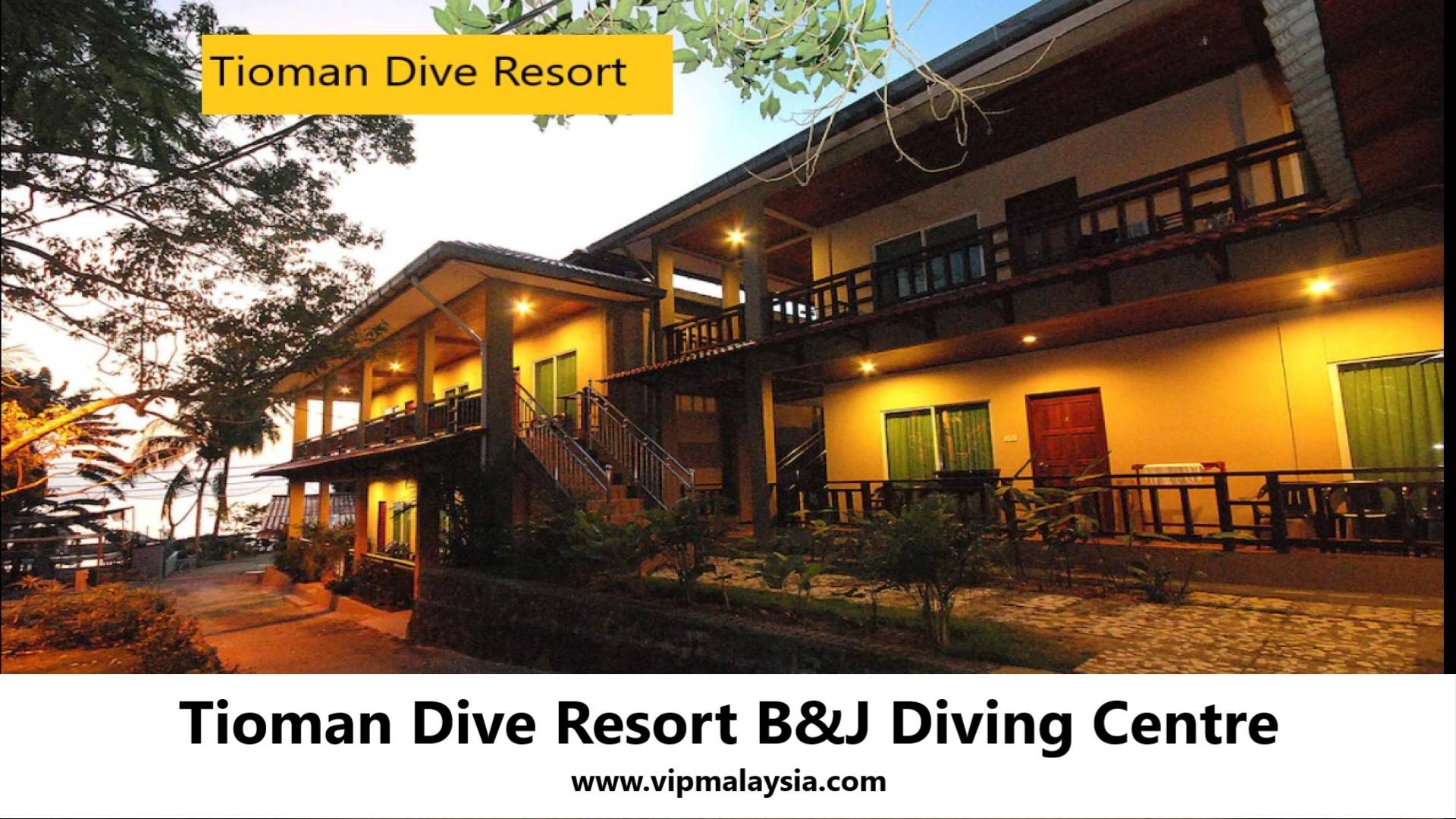
Experience the best of Tioman Dive Resort on Pulau Tioman, Malaysia, with top-notch accommodation and diving courses provided by B&J Diving Centre. Discover why our resort is the ideal place to stay and learn diving skills. Click here for detailed information on our packages and the benefits of diving with us.
Introduction
Tioman Island has a lot to offer for everyone. It might be primarily a destination for scuba diving and snorkelling but apart from water sport and chilling out in the sun one can also go island hopping, play golf at Berjaya’s 18-hole golf course, hike through one of the oldest rainforests on earth and chill after a day in tropical paradise at our B&J Beach Bar. Get in touch with us if you’d like to know more about us and Tioman Island.
History
Tioman Dive Resort aka TDR was built in 2012 and extended in 2014. Tioman Dive Resort B&J Diving Centre make it a point to renovate every monsoon season to ensure the place does not age. We are a small, cozy resort with just 11 secluded rooms available to diver and non-divers alike. As our TripAdvisor reviews suggest, we can truthfully say that we have some of the best rooms available in northern Tioman. TDR is conveniently located just meters away from our scuba diving centre in ABC (Air Batang Bay) on Tioman Island.
Accomodation
TIOMAN DIVE RESORT aka TDR High quality accommodation on an island in the South China Sea. Tioman Dive Resort aka TDR was built in 2012 and extended in 2014. The mission of the owners is to offer local and international guests clean and spacious rooms with a modern design, daily room cleaning service and all the amenities one would wish for.
TDR hosts just 11 beautiful rooms in various categories as described in our room list page. It’s a double story building where every room has access to the balcony with seating arrangements. We care for the environment and have put a water dispenser as well as reusable water bottles in place. Our vision is that Tioman Dive Resort looks better each year hence we keep re-investing in TDR and renovate each room at the end of each season.
Tioman Dive Resort packages are based on various resorts in Air Batang Bay (aka ABC)
Executive Triple Rooms
Furnished with either 1 king plus a 1 single bed or instead 3 single beds. This spacious room with sofa, attached bathroom and common balcony with chairs. Expect an elegantly furnished and air-conditioned room with ceiling fan, featuring tiled flooring, a wardrobe, in-room safe, a fridge, kettle with free tea/coffee and a flat-screen satellite TV with DVD player. The rooms come with En suite bathroom offering hot water shower facility, hair dryer and free toiletries. Enjoy garden views from the room or common balcony with seating area.
All rooms have aroma diffusers as well as reusable water bottles and electronic mosquito repellent. Water dispenser for hot and cold drinking water can be found in the common areas. Daily room cleaning service. Tioman Dive Resort TDR is owned and operated by B&J Diving Centre, a leading PADI 5 Star IDC Centre which is offering all PADI scuba diving courses as well as daily dive excursions for already certified divers.
Dormitory Rooms with Air-Conditioning
Basic but clean air-conditioned “Backpacker Style” dormitory with bunk beds on the 1st floor. Warm water shower/toilets are on the ground floor and only accessible from outside. We host a total of 4 dorm rooms, each can sleep up to 5 persons. Bedsheets and towel provided but will only be changed once a week (self-wash/laundry machine is available). No room cleaning service hence you need to make-up your own bed.
Conclusion
Tioman Dive Resort is more than a destination — it’s an immersive island sanctuary where the thrill of underwater discovery meets the calm of tropical living. From colorful reefs alive with marine life to evenings spent unwinding by the shore, every detail is designed to enrich your journey. Whether you’re a passionate diver, a nature enthusiast, or simply seeking a peaceful retreat, the resort offers experiences that linger long after your visit. Secure your stay now and let Tioman Dive Resort redefine your connection to adventure, relaxation, and the natural beauty of Malaysia’s most treasured island.
Summary
Attraction: Tioman Dive Resort
Location: Pahang, Malaysia
Attraction Type: Hotel in Malaysia
Credit: divetioman.com
Category: #Tioman #Pahang #Hotel
Visitor Information
Tioman Dive Resort Air Batang, Tioman Island, Malaysia Phone: +60 9419 1218 Email: info@tiomandiveresort.com
Reviews
Awesome Room, Laid Back: Simply love this place and can’t help it, I just have to keep coming back. Love the rooms (I think I tried them all), the team, the vibe, the island and the diving. Absolutely enjoy chilling out at the bar at night and forget about work. Highly recommended for divers and non-divers .- Maisarah- Singapore
Simply Excellent ” The Best of All is Tioman Island Malaysia – B&J Diving Center: If you are into diving and looking for a chill-out hotel with nice rooms, then you are in for a treat. The rooms are very comfortable, and they provide an air diffuser as well as mosquito repellent. It is also nice that there is a water cooler that dispenses very cold and hot water. Tracey W- Singapore
Frequently Asked Questions (FAQs)
Why many peoples like to stay at Tioman Dive Resort?
Recognizing the demand for a higher standard of accommodation on the island, B&J has built its own Tioman Dive Resort to offer our customers not only spacious and clean rooms, but also daily room cleaning service and all the amenities for a luxurious stay on Tioman.
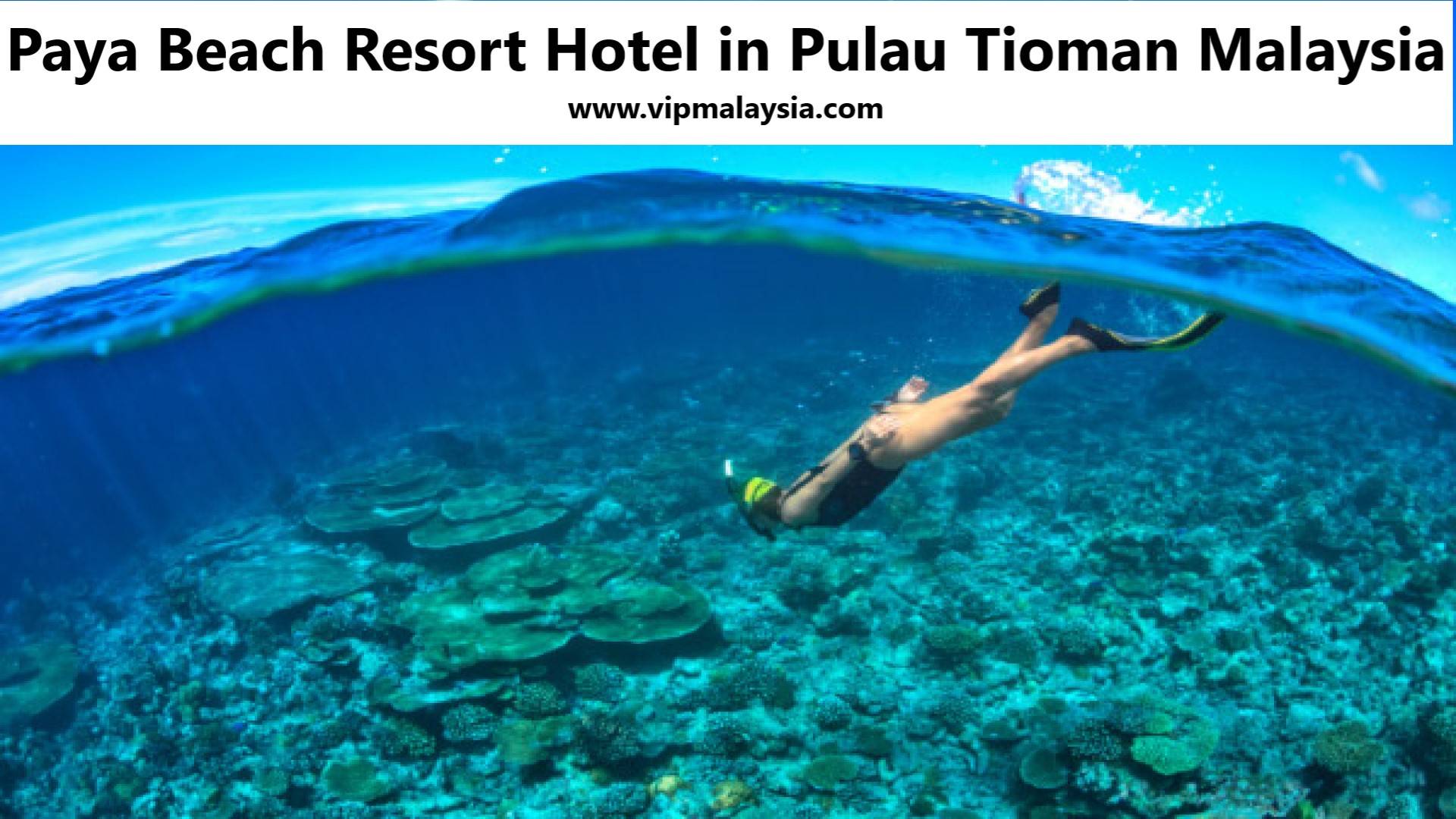
Escape to Paya Beach Resort Pulau Tioman, where pristine beaches meet lush rainforest and crystal‑clear waters. Enjoy snorkeling, spa indulgence, and unforgettable island adventures. Secure your stay now and experience the perfect blend of relaxation and discovery at Tioman’s premier beachfront resort.
Introduction
Paya Beach Spa & Dive Resort is located centrally at the central western shores of Tioman Island Malaysia. Explore the exclusive white sand beach that spans across our beachfront resort and create memorable experiences at the one and only Beach Front Resort with full facilities at Paya Village, Kampong Paya.
Experience the exhilarating feeling that Tioman Snorkeling offers from Paya Beach Resort. Snorkeling in Tioman Island is as exciting as it gets, and it all begins with a familiarization session at the resort’s snorkeling pool, followed by a brief presentation at the Movie Room, and a guided eco walk through Tioman Island Resort’s rock falls.
Snorkeling Package
Our Tioman’s Paya Beach Resort snorkeling adventure comes with some fees such as the tour starting from the beachfront to Tomok Island and back to the resort. Another tour is headed to the Benut Beach, where you can witness one of the last two turtle sanctuaries in the island. If you are adventurous enough, you may take a half-day bumboat, which goes with a snorkeling tour to Marine Park and Renggis Island. As for other guests who wish to visit other parts of Tioman Island‘s exotic snorkeling sites, you may take a private charter speedboat tour.
Keep in mind that pre-arrival reservations for Paya Beach Resort apply to secure your spot in these tours, particularly on peak seasons.
Some of the best snorkeling spots are in the temperate waters of the tropics, and our Tioman beach resort just happens to be in the perfect place, as it hugs the southern shores of Pulau Tioman. At Paya Beach Resort, we ensure your safety with a familiarization session at our swimming pool and a brief presentation, all with a dedicated guide on-site to answer all your questions. Afterwards, you can start your journey through nature with our guided rockfall walk, before diving (pun intended) into the fun of Tioman snorkeling!
Are you looking for things to do on Tioman island? Then gear up and get ready for the ultimate water adventure in the dazzling waters of the South China Sea. Our exclusive Tioman snorkeling trip, which will take you to the nearby Renggis Island & Marine Park, promises to be the height of your experience here on Pulau Tioman. See with your own eyes the scenery that seems to belong to a mermaid’s fairytale – with the vibrant marine life and beautiful coral reefs waiting for you to explore – and discover now why this is the most popular activity at our Tioman beach resort!
WHAT’S SO SPECIAL?
If you’re looking to interact with ocean life in the most authentic way, then snorkeling is the activity for you. The name comes from ‘snorkel,’ which is a sharp breathing tube, because you will only need that, some goggles, and some swim fins before you can immerse yourself in the kingdom of the sea! Float along the surface to observe exotic fish and colorful corals in the jade-like water under the sun, and you’ll find that jewels of the ocean come in more shades than gems of the lands.
And here’s the catch – you can be a non-swimmer and still enjoy snorkeling! Our on-site guides will give you training to get comfortable in water, and the swim fins are all you will need to move about. Whether you are an expert swimmer or someone with no experience, the best way to snorkel is still to slow down, relax, and let the fins do the hard work for you as you explore the marine life of Tioman island.
Rooms Highlight
Superior Pool View
With our latest addition of having a “Modern” concept themed room, the Superior Chalets located next to our swimming pool is perfect for the pool lovers! Furthermore, each room features a private balcony and is located just a few steps from the beach. Each room is equipped with two double beds which can comfortably accommodate up to 4 adults.
Superior Beach Front
The Superior Beach Front rooms at our Tioman accommodation features a private balcony that opens directly to the beach. This room category is an ideal choice for the beach lovers who are looking to spend the weekend with their loved ones enjoying the sun and the sea. There are 2 Double Beds in each room, suitable for 4 Adults. Experience the beach lifestyle with us today!
Superior Chalet
Situated in a quiet environment, our Superior Chalets are located just a few steps away from the beach. Each chalet is equipped with a private balcony for you and your loved ones to enjoy the calming sea breeze from the South China Sea. There are three different layouts available. One Queen-sized bed & One Single Sofa Bed, Two Queen-sized beds (Priority for 4 adults to a room), One Queen-sized bed and two single beds (Priority for 4 adults to a room)
Conclusion
At Paya Beach Resort Pulau Tioman, every moment is designed to immerse you in the island’s natural wonders and cultural charm, offering a rare balance of adventure and serenity. From sunrise walks along pristine sands to evenings spent savoring local flavors under the stars, the resort creates experiences that linger long after your stay. Whether you’re drawn to the thrill of snorkeling in crystal waters, the calm of a rejuvenating spa session, or the joy of discovering Tioman’s lush rainforest trails, this beachfront haven provides the perfect setting for unforgettable memories. Secure your stay now and let Paya Beach Resort redefine the way you connect with nature, relaxation, and discovery on one of Malaysia’s most treasured islands.
Summary
Attraction: Paya Beach Resort Best Hotel in Pulau Tioman Malaysia
Location: Pahang Malaysia
Attraction Type: Hotel in Malaysia
Credit: www.payabeach.com
Category: #Tioman #Pahang #Hotel
Visitor Information
Paya Beach Spa & Dive Resort Kampong Paya, Pulau Tioman, Malaysia Telephone: 1800 818 848 (Local Toll Free) / +65 6733 4333 (Overseas) / 60 186608081 (WhatsApp and WeChat) E-mail: sales@payabeach.com Website: www.payabeach.com
Frequently Asked Questions (FAQs)
Why should you choose Paya Beach Resort as your snorkeling company in Pulau Tioman?
Some of the best snorkeling spots are in the temperate waters of the tropics, and our Tioman beach resort just happens to be in the perfect place, as it hugs the southern shores of Pulau Tioman. We ensure your safety with a familiarization session at our swimming pool and a brief presentation, all with a dedicated guide on-site to answer all your questions. Afterwards, you can start your journey through nature with our guided rockfall walk, before diving (pun intended) into the fun of Tioman snorkeling!
For your adventures, we have several pre-designed snorkeling routes that caters to travelers with different preferences. Furthermore, a private speedboat tour can always be arranged if you’re interested in exploring other areas of the island.
Check out our 3D2N Fallboard Package & 3D2N Water Adventure Package that comprises of half day snorkeling tours in Tioman island.
Nestled off the east coast of Peninsular Malaysia, Tioman Island is an idyllic retreat in the South China Sea, famous for its pristine beaches, lush rainforests, and world-class diving sites. Whether you’re a scuba diver, a nature lover, or a traveler seeking tranquility, Tioman Island promises an unforgettable tropical escape.
Introduction
Known to ancient sailors as a vital navigation point, Tioman has played roles in trade, war, and folklore. Today, it is celebrated as one of Southeast Asia’s premier diving and snorkeling spots, offering pristine beaches, lush rainforests, and vibrant marine biodiversity. With its volcanic landscapes and mythical legend of the Dragon Princess, Tioman Island is more than a holiday spot—it is a living storybook of heritage and adventure.
Tioman Island (Malay: Pulau Tioman) is a volcanic island located in the South China Sea, about 32 km off the east coast of Peninsular Malaysia in Pahang. The name “Tioman” is linked to local legends, with some accounts suggesting it derives from “Pulau Ular” (Snake Island), while folklore describes it as the resting place of a dragon princess who transformed into the island. Highest point: Gunung Kajang at 1,038 m (3,406 ft), Villages: Seven villages, with Kampung Tekek being the largest and most populated.
Kampung Tekek is the largest and most developed village on Tioman Island, Malaysia, serving as its administrative and commercial hub with modern facilities such as an airport, port, hospital, and duty-free shops. It is often the first stop for visitors arriving by ferry or plane. Population: Around 2,000 residents, most of whom work in the tourism industry, Geography: Stretches about 3 km along Tioman’s west coast, surrounded by coral reefs and lush greenery and Attractions: Coral reefs, Marine Park, Berjaya Resort
Eco-Tourism and Exploration
Mount Kajang is a hub for eco-tourism activities, including jungle trekking, birdwatching, and scientific tours. Its untouched rainforest offers opportunities to observe wildlife in their natural habitat, while conservation efforts ensure the preservation of this unique ecosystem. For travelers seeking adventure and natural beauty, Mount Kajang remains one of Tioman Island’s most captivating destinations.
Wildlife Encounters During Treks
Explorers often encounter hornbills, macaques, and monitor lizards along jungle paths. Night treks reveal nocturnal species such as the slow loris and flying foxes. Guides emphasize eco-friendly practices, ensuring minimal disturbance to wildlife. These encounters enrich the trekking experience, blending adventure with ecological awareness.
The Tale of the Dragon Princess
According to folklore, Tioman Island was once a dragon princess who chose to rest here instead of continuing her journey. Her body is said to form the island’s rugged terrain, symbolizing her eternal presence. This myth adds a mystical dimension to Tioman, blending cultural heritage with natural wonder.
Highlights
Historical Timeline of Tioman Island
Ancient Trade and Maritime Navigation
For centuries, Tioman Island served as a gateway for sailors and traders. Chinese, Arab, and European ships stopped here to replenish fresh water and timber supplies. Archaeological finds, including porcelain shards, still wash up on its beaches, offering glimpses into its maritime past. This history makes Tioman not just a natural wonder but also a cultural landmark of global trade.
World War II and Naval History
During World War II, Tioman’s waters became a stage for naval operations. Both British and Japanese forces used the island strategically, and remnants of shipwrecks remain beneath its waves. These sites attract divers and historians alike, blending adventure with historical exploration.
The Natural Wonders
Protected Wildlife and Marine Parks
Tioman Island was declared a marine park to safeguard its rich biodiversity. The Pulau Tioman Wildlife Reserve, established in 1994, protects inland forests and their inhabitants. With 45 species of mammals and 138 species of birds, including frigatebirds, the island is a haven for wildlife enthusiasts. Conservation efforts ensure that Tioman remains a sanctuary for both terrestrial and marine life.
Pulau Tioman Wildlife Reserve is a protected area on Tioman Island, Malaysia, gazetted in 1972 and covering about 9,445–9,457 hectares. It safeguards diverse ecosystems including rainforest, mangroves, and coral reefs, and is home to over 45 mammal species, 138 herpetofauna species, 48 freshwater fish species, and 78 butterfly species.
Frigatebirds are large tropical seabirds of the family Fregatidae, known for their long wingspans (up to 2.3 m), forked tails, and distinctive aerial behavior, including stealing food from other seabirds. They are often called “man-o’-war birds” due to their aggressive feeding habits. In Malay, frigatebirds are generally called “Simbang”. Specific species have distinct names: the Great Frigatebird is known as “Simbang Besar”, while the Christmas Island Frigatebird is called “Simbang Pulau Natal”.
Endemic Species of Tioman Island
Tioman is home to rare creatures found nowhere else. The Kajang slender litter frog inhabits Mount Kajang, while the walking catfish (Clarias batu) can be spotted during rainforest treks. Other unique residents include the slow loris, black giant squirrel, and brush-tailed porcupine. These endemic species highlight Tioman’s ecological uniqueness and importance in global biodiversity.
The Kajang slender litter frog (Leptobrachella kajangensis) is a small, endemic amphibian found only on Tioman Island, Malaysia, specifically near caves at the summit of Gunung Kajang. It belongs to the family Megophryidae and is currently listed as “Least Concern” by the IUCN. Size: About 3.5 cm (snout-to-vent length), Type Locality: A small cave near the top of Gunung Kajang (≈1000 m elevation), the island’s highest peak.
A loris is a small, nocturnal primate belonging to the family Lorisidae, found mainly in South and Southeast Asia. In Malay, loris is generally called “Monyet Loris”
Coral Bleaching and Ecosystem Recovery
In 2010, Tioman’s reefs suffered significant coral bleaching. However, recovery efforts since 2016 have stabilized conditions, allowing marine life to flourish once again. Today, diving and snorkeling spots remain vibrant, showcasing colorful corals, reef fish, and sea turtles. This resilience underscores the importance of conservation and sustainable tourism.
Coral bleaching is the process where corals lose their vibrant colors and turn white because they expel the symbiotic algae (zooxanthellae) living in their tissues due to stress, most often caused by rising sea temperatures. The algae, live inside coral tissues and supply nutrients through photosynthesis. Without these algae, corals appear white (“bleached”) and are at risk of starvation. This weakens the coral, making it more vulnerable to disease and death if stressful conditions persist.
Causes
Temperature rise: Elevated sea temperatures, often linked to climate change, are the primary cause.
Light stress: Excessive sunlight can damage the algae’s photosynthetic system.
Nutrient imbalance: Pollution or changes in water chemistry can disrupt coral-algae relationships.
Tioman’s twin peaks at Simukut Mountain are iconic landmarks. Surrounding reefs teem with sea turtles, exotic fish, and corals. The island is part of a volcanic archipelago of 64 islands, each offering unspoiled natural beauty. This combination of land and sea makes Tioman a haven for exploration.
Simukut Mountain, also known as Gunung Nenek Semukut, is one of Tioman Island’s most iconic twin peaks, rising dramatically near Kampung Mukut in southern Tioman. Together with Batu Simau, it forms the legendary “Dragon’s Horns,” a landmark tied to local folklore about a dragon princess who became the island. Easily seen from ferries approaching Tioman, making it a recognizable landmark. Height: Approximately 685 m (2,247 ft).
Coral Diversity and Reef Health
Tioman Island’s coral reefs are home to both hard and soft corals, creating vibrant underwater landscapes. However, they are not “largely untouched” as sometimes claimed. The reefs have faced challenges such as coral bleaching events, particularly in 2010, and ongoing threats from disease and climate change. Conservation efforts have helped stabilize conditions since 2016, but reef health remains a critical focus for marine protection.
Fish Species and Reef Life
The island’s reefs host a wide variety of reef fish species, including barracudas, rainbow runners (Elagatis bipinnulata), fusiliers, and colorful reef dwellers. These species contribute to the ecological balance of Tioman’s marine environment, making it a hotspot for snorkeling and diving enthusiasts. Schools of fusiliers and predatory fish add to the dynamic underwater ecosystem.
Rainbow Runner
The rainbow runner (Elagatis bipinnulata) is a fast-swimming pelagic fish belonging to the jack family (Carangidae). Known for its striking metallic blue and yellow coloration, this species is widespread across tropical and subtropical oceans worldwide. It is highly valued both as a game fish and as a source of food, making it important in both recreational and commercial fisheries.
Rainbow runners are easily recognized by their distinct coloration: a metallic blue upper body, yellow lower body, and two deep blue longitudinal stripes running along their sides. Their streamlined, slender body is perfectly adapted for speed, allowing them to thrive in open-water environments. They can reach lengths of over 1.2 meters (4 ft) and weigh up to 10 kilograms, making them one of the larger species in their family.
As a pelagic species, rainbow runners play a vital role in ocean ecosystems. They are often found in schools near reefs, islands, and offshore structures, where they feed on smaller fish and invertebrates. Their wide distribution across the Atlantic, Pacific, and Indian Oceans highlights their adaptability, while their presence in tropical waters makes them a common sight for divers and anglers alike.
Fusiliers
Fusiliers are small to medium-sized tropical reef fish belonging to the family Caesionidae. Closely related to snappers (Lutjanidae), they differ in their slender bodies, forked tails, and unique feeding habits. Unlike snappers, fusiliers feed primarily on plankton in mid-water, often forming large schools around coral reefs. Their vibrant colors and synchronized swimming make them a spectacular sight for divers.
These reef fish are streamlined and slender, with forked tails that allow for fast swimming in open water. Fusiliers are brightly colored, often displaying shades of blue, yellow, or silver, with distinctive stripes along their bodies. Depending on the species, they typically range from 20 to 60 cm in length, making them agile yet noticeable in reef environments.
As plankton feeders, fusiliers play an important role in reef ecosystems by transferring energy from plankton to larger predators. Their tendency to form large schools provides both protection and a dynamic spectacle for snorkelers and divers. By maintaining balance in the food chain, fusiliers contribute significantly to the biodiversity and health of coral reef habitats.
Large Pelagics and Marine Encounters
Occasionally, divers encounter large pelagics such as manta rays, whale sharks, and sea turtles. While sightings are not guaranteed, these majestic animals highlight Tioman’s role as a biodiversity-rich marine environment. Sea turtles are particularly iconic, with Green and Hawksbill turtles frequenting the waters around the island.
Biodiversity Hotspot for Divers
Tioman is considered one of Malaysia’s biodiversity hotspots, offering rich marine encounters across multiple dive sites. From shallow coral gardens to deeper pelagic zones, the island provides opportunities for divers to experience diverse marine life. Despite environmental pressures, Tioman remains a premier destination for underwater exploration in Southeast Asia.
Deeper pelagic zones refer to the midwater and open-ocean regions below the surface layers, extending into the mesopelagic and bathypelagic zones where sunlight is minimal or absent. These zones are part of the pelagic division of the ocean, which describes life away from the shore and sea floor.
Definition and Structure
Pelagic zone: The water column of the open ocean, not near the coast or bottom.
Mesopelagic zone: 200–1,000 m depth, known as the “twilight zone” with dim light but no photosynthesis.
Bathypelagic zone: 1,000–4,000 m depth, completely dark, cold, and high-pressure.
Abyssopelagic zone: 4,000–6,000 m depth, near freezing temperatures, extreme pressure.
Trekking and Adventure
Mount Kajang
Tioman’s volcanic origins created dramatic landscapes, including Mount Kajang, the island’s highest peak. Trekking routes lead through dense rainforests, offering encounters with wildlife and panoramic views. Trails vary in difficulty, catering to both casual hikers and seasoned adventurers. The jungle’s biodiversity makes every trek an immersive experience in Malaysia’s natural heritage.
Mount Kajang (Malay: Gunung Kajang) is the highest peak on Tioman Island, Malaysia, rising to 1,038 meters (3,406 ft). It is an extinct volcano and a prominent natural landmark, often called “the mountain that stood still” due to its untouched rainforest and remote location. Because of its isolation and difficulty, expeditions are often recommended with experienced guides or rangers.
The mountain is covered in dense rainforest, home to rare and endemic species that attract researchers and nature enthusiasts. Its isolation has allowed evolutionary processes to flourish, creating habitats for unique flora and fauna. Nearby peaks such as Batu Sirau (747 m) and Nenek Si Mukut (685 m), also known as the Dragon’s Horns, add to the region’s striking geological features and climbing appeal.
Hiking Mount Kajang is a challenging adventure, often requiring guides or rangers due to its remote trails. Experienced hikers may complete it in 6–8 hours, but less fit or slower groups may need 9–10 hours, with many hikers starting before dawn to witness breathtaking sunrise views over the South China Sea. The best time to visit is during the dry season (April–October), when conditions are safer and more enjoyable for trekking.
Batu Sirau
Batu Sirau is a granite peak on Tioman Island, Malaysia, rising to about 747 meters (2,451 ft). Together with Nenek Si Mukut (685 m), forms the famous “Dragon’s Horns” cliffs.
Tourism and Activities
Climbing: Popular among experienced climbers due to its steep granite walls.
Hiking: Jungle trekking routes lead to viewpoints near the base, though summit climbs are challenging.
Photography: Iconic backdrop for Tioman’s southern coastline, especially at sunrise and sunset.
Nenek Si Mukut
Nenek Si Mukut is a granite peak on Tioman Island, Malaysia, standing at about 685 meters (2,247 ft). It forms one half of the island’s iconic twin pinnacles known as the “Dragon’s Horns,” together with Batu Sirau (747 m).
Tourism and Activities
Climbing: Known for steep granite walls, attracting experienced climbers.
Hiking: Jungle trekking routes lead to viewpoints near the base, though summit climbs are challenging.
Photography: Iconic backdrop for Tioman’s southern coastline, especially at sunrise and sunset.
Marine Adventures and Diving Spots
Tioman is renowned for its underwater treasures.
Scuba Diving and Snorkeling
Magicienne Rock is famous for manta ray sightings, while Pulau Tokong Bahara offers untouched coral reefs. Snorkeling at Pulau Renggis, Pulau Soyak, and Pulau Tulai reveals vibrant marine ecosystems. These sites attract divers from around the world, cementing Tioman’s reputation as a premier diving destination.
Magicienne Rock (often called Magician Rock) is one of Tioman Island’s most famous dive sites, consisting of an underwater granite pinnacle that rises from about 8 meters below the surface. It is renowned for its pristine coral reefs, excellent visibility (up to 30 m), and frequent sightings of manta rays, turtles, and even whale sharks.
Island Hopping and Sightseeing
Beyond diving, visitors can explore nearby islands within the Tioman Marine Park. Pulau Seri Buat and Pulau Gut are rich in biodiversity, while Kg. Juara’s beaches provide serene relaxation. Hiking Gunung Kajang rewards adventurers with breathtaking summit views, combining physical challenge with natural beauty.
Pulau Seri Buat is a small island located off the east coast of Peninsular Malaysia, within the South China Sea. It is part of the Seri Buat Archipelago, which includes Tioman Island and other nearby islands in Pahang. The island is known for its natural beauty, coral reefs, and role in local fishing and eco-tourism.
Pulau Gut (officially renamed Pulau Jahat in Malaysia’s Federal Government Gazette (2012) is a small islet off the coast of Pahang, Malaysia, near Kampung Mukut on Tioman Island. It is part of the Tioman Marine Park and is recognized for its rocky coastline, coral reefs, and role in local marine conservation. Elevation: About 7 m (23 ft) above sea level.
Kg. Juara (Kampung Juara) is a traditional Malay village located on the eastern coast of Tioman Island, Malaysia. It is one of the few settlements on the island facing the South China Sea and is known for its long sandy beach, turtle conservation efforts, and quieter, rustic atmosphere compared to the busier west-coast villages. Juara Beach stretches for about 2 km, offering one of Tioman’s most scenic and less crowded beaches.
Kampung Mukut is a traditional Malay fishing village located on the southern coast of Tioman Island, Malaysia. It is one of the island’s quieter settlements, known for its rustic charm, proximity to the dramatic “Dragon’s Horns” peaks, and its role in eco-tourism and local culture. Access: Reached by boat from other Tioman villages or via jungle trekking routes.
Snorkeling Sites
Renggis Island
Renggis Island which is considered one of the best places for snorkeling in Tioman Island. The shallow waters of the area host some of the best marine life that snorkelers can view and also houses nice big corals in its adjacent area. The marine life that surrounds Renggis Island is not known to be aggressive but very friendly and it is reported that fishes often eat from human hands.
Coral Island and Malang Rocks
The snorkeling around Coral Island and Malang rocks is very impressive and contains a lot of diversity in the water life it has to offer. The best trips are made in groups where you can cherish the moments with your snorkel buddies. The corals around this area are a bit damaged but nonetheless provide a good view of the water life. The marine life is more visible around the corals and in shallow waters so you can get glimpses of fishes up close.
Marine Park
Marine Park is a good location for water-based activities, especially snorkeling. The place gives a splendid view of the aquatic life, and the fishes are very friendly. You can feed some fish underwater which is truly an amazing experience, not to mention the park hosts a commendable turtle population so if you are into turtles then this place is a must visit during your stay in Pulau Tioman. The Marine Park Tioman also offers full marine snorkeling sets at about RM 15 and full rental of fins at about RM 7 so you can enjoy all day snorkeling trips.
Salang Beach
Being an Island, Tioman beaches offers picturesque view & clear water for snorkeling. Salang beach is another great place for snorkeling in Tioman Island and enjoying the marine life to its finest. You can catch a lot of turtles and puffer fish in the area surround Salang beach. Kids will be highly interested in the clown fish, which is plenty in the area, not to mention low tides make it a safe place for kids to snorkel and experience the marine life.
Visitor Facilities and Local Culture
Resorts and Eco-Lodges
Tioman offers a range of accommodations, from luxury resorts to eco-lodges. Many establishments emphasize sustainability, incorporating solar energy and waste reduction practices. Visitors enjoy modern comforts while supporting eco-friendly tourism.
Nearby Towns and Cultural Festivals
Tioman’s villages, such as Tekek and Juara, provide cultural immersion with local crafts and cuisine. Festivals like Hari Raya Aidilfitri and traditional Malay celebrations showcase vibrant customs. These experiences allow travelers to connect with the island’s community and heritage.
Conclusion
Tioman Island offers a mesmerizing blend of adventure, mythology, and marine biodiversity, making it one of Malaysia’s most treasured island destinations. Whether you’re diving into crystal-clear waters, relaxing on sandy beaches, or exploring volcanic landscapes, this island promises a getaway unlike any other.
Plan your island escape today—immerse yourself in the beauty of Tioman Island, Malaysia!
Visitor Reviews
Liu Wei, China – ★★★★★ “Tioman Island was breathtaking. The diving spots were full of marine life, and the Dragon Princess legend added a mystical touch to our trip.”
Hassan Al-Baituta, Egypt – ★★★★☆ “The jungle trek to Mount Kajang was challenging but rewarding. We saw hornbills and even a slow loris. Facilities were good, though more eco-lodges would be welcome.”
James Carter, USA – ★★★★★ “Snorkeling at Pulau Renggis was unforgettable. The coral reefs were vibrant, and the guides were very knowledgeable about conservation.”
Joshua Batistuta, Argentina – ★★★★★ “The mix of history and nature made Tioman unique. Learning about WWII shipwrecks while enjoying pristine beaches was fascinating.”
Tajol Iskandar, Malaysia – ★★★★☆ “Island hopping was the highlight of my trip. Each island had its own charm. Tioman is truly a paradise worth visiting.”
Used by ancient sailors & traders for navigation & fresh resources
A refuge for Chinese, Arab & European trading ships
Played a strategic role in World War II naval operations
A rich biodiversity haven with unique endemic species
Quick Info
Feature
Details
Name
Tioman Island
Location
South China Sea, Off the East Coast of Malaysia
GPS Position
2.8184° N, 104.1576° E
State
Pahang
Facility Type
Marine Park, Diving Sites & Island Retreats
Main Attractions
Scuba Diving, Snorkeling, Volcanic Peaks (Mount Kajang), Beaches
Nearby Landmarks
Pulau Tokong Bahara, Pulau Labas, Pulau Tulai
Accessibility
Boat transfers from Tanjung Gemuk (Pahang) & Mersing (Johor)
Best Time to Visit
March – October (calm seas, best diving conditions)
Entry Fees
Marine park fees: RM30 foreigners, RM5 Malaysians
Recommended Activities
Diving, Snorkeling, Island Hopping, Hiking
Opening Hours
Accessible year-round (ferry schedules vary during monsoon)
Contact
Address: Tioman Marine Park Information Centre, Tekek Village, Tioman Island, Pahang, Malaysia Phone: +609-4131273 / +609-4191595
Frequently Asked Questions (FAQs)
What are the nearest villages in Pulau Tioman?
Within Tioman Island there are four kampungs: Salang, Tekek, Juara and Air Batang. You can stay peacefully in these kampungs and share the best moments as an islander. The telephone numbers start with 09-413, 09-419, 09-582, 09-583 and 09-584.
What are five (5) main things to do in Tioman Islands?
Things to do in Tioman Islands:
Scuba diving
Snorkeling
Marine Park
Island hopping
Diving course
You can contact the diving center via this website for more information, promotions and latest packages.
Where is Taman Laut Tioman located?
The Marine Park center is located between Tekek and Air Batang village and manage by the Fishery Department.
What are the nearest islands located around Pulau Tioman for island hopping?
There are several Islands around Tioman that can be visited such as Tulai, Chebeh, Sepoi, Labas, Sembilang, Sri Buat Tokong Bahara and Jahat.
What are the tourist attractions in Tioman Islands?
There are many attractions for tourist and divers and there are as follows:
Tioman Airport
Panuba Bay
Salang
Tekek Village
Minang Cove – The only cove here
Asah Waterfall
Bagus Place Retreat – The most eco-friendly area
Juara Turtle Project-volunteer Sea turtle and environmental conservation