Explore the Clock Tower Zero Kilometer Square in Sungai Petani, Kedah — a colonial‑era landmark that blends history, culture, and modern leisure. This guide covers attractions, trekking and adventure opportunities, must‑visit highlights, and practical tips for visitors.
Introduction
In Sungai Petani City there is a historic building of The Clock Tower was built in 1936 to commemorate The Silver Jubilee of King George V and Queen Mary. MPSPK have upgraded Zero Kilometer Square near the clock tower to the public. Semeling Jetty, Merbok River Semeling jetty which is located next to the bridge of Semeling provides various facilities and the beauty of Merbok River. This river that flows into the Strait of Malacca and have the mangrove forest.
This clock tower was built at a cost of RM7,000. Its history is tied to a gift from businessman Lim Lean Teng to the people of Sungai Petani, commemorating King George V’s Silver Jubilee. Today, the tower stands proudly as one of the landmarks of Sungai Petani, located within the Kuala Muda district. Rising to a height of 121 feet, it continues to mark time while carrying the memory of its colonial-era origins.
Tourists can visit The Mangrove Forest Gallery and enjoy tourist boat or water taxi services that provided to cruise along this river. You can also relax and dine in seafood restaurants that are available around Semeling Jetty.
Sungai Petani is the second-largest city in Kedah, Malaysia, located in the Kuala Muda District. Its name means “river of the farmer” in Malay, reflecting its agricultural roots, though today it is a major industrial and commercial hub in northern Malaysia. Known for Cinta Sayang Resort and Bandar Laguna Merbok as lifestyle and leisure hubs.
Attractions
The Clock Tower and Its History
The tower’s colonial architecture reflects British influence, with a design that has stood for nearly a century. It is considered the zero kilometer marker for Sungai Petani, symbolizing the city’s central point.
Zero Kilometer Square
The square surrounding the tower has been redeveloped into a public space with benches, pathways, and open areas for cultural events. It is a popular meeting place and a landmark for orientation in the city.
Nearby Attractions
Close to the square, visitors can explore Semeling Jetty and the Merbok River, which offer boat rides, scenic views, and eco‑tourism experiences.
Trekking and Adventure
Urban Exploration
While the tower itself is a city landmark, nearby areas like Semeling Jetty provide opportunities for light trekking and river exploration. The Merbok River is known for its mangrove ecosystems, making it ideal for eco‑tours.
Semeling Jetty
Semeling Jetty, located near Sungai Petani in Kedah, is a popular gateway to the Merbok River and its mangrove ecosystems. It serves as both a transportation hub and an eco‑tourism attraction, offering visitors boat rides, fishing opportunities, and scenic views of the surrounding wetlands. The jetty is often included in cultural and nature tours that highlight Kedah’s coastal heritage.
From Semeling Jetty, visitors can embark on river cruises along the Merbok River. These tours showcase mangrove forests, migratory birds, and traditional fishing villages, making the experience both educational and recreational. The river is also home to diverse aquatic life, including crabs, prawns, and fish species that support local livelihoods.
Merbok River
The Merbok River in Kedah is one of Malaysia’s most historically and ecologically significant waterways. Stretching across mangrove forests and traditional fishing villages, it is closely tied to the ancient Lembah Bujang archaeological sites, making it a destination where natural beauty and cultural heritage converge.
The river is lined with extensive mangrove ecosystems, which protect coastlines from erosion and serve as nurseries for fish, crabs, and prawns. These mangroves also provide habitats for migratory birds, otters, and monitor lizards. The biodiversity of the Merbok River makes it a vital ecological corridor in Kedah.
Cultural Walks
Walking tours around Sungai Petani highlight colonial buildings, local markets, and traditional eateries. These cultural treks combine history with modern urban life.
Must‑Visit Highlights
Visitor Facilities
The square offers rest areas, benches, and open spaces for relaxation. Local food stalls and shops nearby provide refreshments and souvenirs.
Nearby Towns and Festivals
Sungai Petani hosts cultural festivals and night markets, making the clock tower a central point for celebrations. Kedah’s traditional events, such as harvest festivals, often spill into the square.
Wildlife and Eco‑Tourism
Though the tower is urban, nearby attractions like the Merbok River and Semeling Jetty allow visitors to spot mangrove species, migratory birds, and river wildlife, adding an eco‑tourism dimension to the visit.
Conclusion
The Clock Tower Zero Kilometer Square is a must‑visit landmark in Kedah, blending colonial history, cultural heritage, and modern public space. Whether you’re admiring its architecture, exploring nearby eco‑tourism sites, or joining local festivals, the tower offers a unique glimpse into Sungai Petani’s identity. Its accessibility, facilities, and surrounding attractions make it a highlight for both history lovers and casual travelers.
Summary
Attraction: The Clock Tower Zero Kilometer Square
Discover Tasik Dayang Bunting in Langkawi, a freshwater lake steeped in legend and natural beauty. This guide explores attractions, trekking and adventure opportunities, must‑visit highlights, and practical tips for an unforgettable eco‑tourism experience.
Introduction
Tasik Dayang Bunting, also known as the Lake of the Pregnant Maiden, is one of Langkawi’s most iconic natural attractions. Located about 20 km from Kuah Town, it is accessible by boat and forms part of the Dayang Bunting Marble Geoforest Park. Surrounded by rainforest and limestone hills, the lake offers a mix of scenic beauty, cultural legend, and adventure. Visitors are drawn to its tranquil waters, trekking trails, and the folklore that drinking from the lake enhances fertility.
The History
This lake has its own legend. It is said that the lake was a favorite bathing pool of a celestial princess named Mambang Sari. A prince named Mat Teja, fell for her and tricked her into marrying him. They had a child together and on the seventh day, the child died from a mysterious illness. Saddened and distraught, Mambang Sari left the child’s body in the lake and returned to her heavenly home. To this day, there’s a belief that barren women who bathe in this lake will be endowed with a child. That is how the lake got its name – lake of the pregnant maiden. Many have claimed to be successful after bathing in the lake.
Attractions
The Lake and Its Legend
The lake’s name comes from the outline of the surrounding hills, which resemble a reclining pregnant woman. Local folklore enriches the experience, making the site both a natural wonder and a cultural landmark.
Swimming and Kayaking
Visitors can swim in the freshwater lake or rent kayaks for short paddling trips. Safety facilities such as life jackets are available, making it suitable for families and students.
Forest Eco Park
The lake is part of the Tasik Dayang Bunting Forest Eco Park, which features trekking trails, picnic spots, and viewpoints. The park is open daily, offering easy access for day trips.
Tasik Dayang Bunting Forest Eco Park is the gateway to Langkawi’s famous Lake of the Pregnant Maiden. The eco park is designed to protect the surrounding rainforest and limestone hills while offering visitors a safe and enjoyable way to explore the area. It combines natural beauty with educational experiences, making it suitable for families, students, and eco‑tourists.
The Lake of the Pregnant Maiden (Tasik Dayang Bunting) is a freshwater lake on Dayang Bunting Island, the second largest island in Langkawi. It is famous for its legend of a celestial princess who blessed the lake’s waters with fertility powers, making it a popular spot for visitors seeking tranquility and cultural folklore. Accessible by boat tours from Kuah Jetty or other Langkawi marinas.
Trekking Trails and Flora
The eco park features well‑maintained trekking trails that lead to the lake. Along the way, visitors encounter tropical flora such as mangroves, orchids, cycads, and ferns, which thrive in the humid environment. The trails are shaded and relatively easy to navigate, allowing visitors to enjoy the forest without strenuous effort.
Wildlife Encounters
Wildlife is abundant in the eco park. Birdwatchers can spot hornbills, kingfishers, and sea eagles, while the forest floor is home to monitor lizards, macaques, and butterflies. The park’s biodiversity makes it an excellent destination for nature photography and educational tours.
Visitor Facilities
Facilities at the eco park include boat jetties, rest areas, restrooms, and life jacket rentals for those planning to swim in the lake. Souvenir stalls near the entrance sell local crafts and refreshments, adding convenience for day‑trippers. Guided tours are available, offering insights into the ecological and cultural significance of the site.
Accessibility and Nearby Attractions
The eco park is accessible via boat from Kuah Town, about 20 km away. Many visitors combine a trip to Tasik Dayang Bunting with other Langkawi attractions such as Pulau Tuba or Pantai Cenang. Its location within the Dayang Bunting Marble Geoforest Park also makes it part of Langkawi’s UNESCO Global Geopark network, enhancing its appeal as a cultural and natural heritage site.
Pulau Tuba is a small fishing island located south of Langkawi, accessible by boat from Kuah Jetty. It is part of the Dayang Bunting Marble Geoforest Park and is known for its traditional Malay villages, mangrove forests, and limestone hills. Unlike Langkawi’s more tourist‑oriented beaches, Pulau Tuba offers a glimpse into authentic island life, with homestays, local seafood, and cultural festivals. Visitors can explore jungle trekking trails, spot wildlife such as hornbills and monitor lizards, and enjoy the slower pace of rural island living.
Pantai Cenang is Langkawi’s most famous beach, located on the island’s western coast. It is a lively stretch of white sand lined with resorts, restaurants, and shops. The beach is popular for water sports such as jet skiing, parasailing, and banana boat rides, while its vibrant nightlife makes it a hub for younger travelers. Families also enjoy the nearby Underwater World Langkawi, a large aquarium showcasing marine life. Pantai Cenang combines relaxation with entertainment, making it a must‑visit highlight for anyone exploring Langkawi.
Trekking and Adventure
Forest Trails
The forest trails leading to Tasik Dayang Bunting are one of the most rewarding parts of the visit. The trek begins at the jetty and winds through dense tropical rainforest, offering travelers a chance to immerse themselves in Langkawi’s natural heritage before reaching the lake. The trails are relatively short but can be steep in sections, making them both accessible and adventurous.
Tropical Flora Along the Path
Visitors walking the trails will encounter mangroves, orchids, cycads, ferns, and towering hardwood trees. These plants thrive in the humid environment and provide shade throughout the trek. The flora not only adds beauty but also plays a vital role in supporting the ecosystem, offering food and shelter to wildlife.
Wildlife Encounters
The forest is alive with hornbills, kingfishers, butterflies, and macaques. Monitor lizards are often seen basking along the path, while smaller creatures like mudskippers and crabs inhabit the mangrove edges. Birdwatchers find the trails especially rewarding during migratory seasons, when flocks of shorebirds pass through.
Macaques are medium-sized Old World monkeys belonging to the genus Macaca, found across Asia, North Africa, and parts of Europe. They are highly adaptable, social animals with cheek pouches for storing food, and their diet ranges from fruit and seeds to insects and small animals.
Visitor Facilities and Accessibility
The trails are maintained with steps, handrails, and resting points to make the trek easier for families and casual hikers. Guided tours are available, offering ecological insights and ensuring safety. Rest areas and small stalls near the entrance provide refreshments, while life jackets can be rented for those planning to swim in the lake after the trek.
Starting Point: The trail begins at the boat jetty on Pulau Dayang Bunting.
Length & Difficulty: It is a short but steep trek, taking about 10–15 minutes to reach the lake. Steps and handrails are provided to make it accessible for families and casual hikers.
Environment: The path winds through dense tropical rainforest, with shaded sections and resting points along the way.
Cultural and Educational Value
Beyond the natural scenery, the trails are often used for eco‑education programs, teaching visitors about rainforest conservation and the legends tied to Tasik Dayang Bunting. This blend of culture and ecology makes the forest trails more than just a walk — they are an immersive learning experience.
Limestone Hills and Caves
The surrounding karst landscape includes caves and cliffs that attract adventure seekers. Guided tours explain the geological significance of the marble formations.
Tasik Dayang Bunting’s limestone hills are part of the Setul and Chuping formations, which are among Langkawi’s oldest rock systems. These formations feature caves, sea arches, and marble deposits that make the area geologically unique and culturally significant.
Setul Formation Limestone Hills
The Setul Formation, dating back 490–370 million years, dominates parts of Dayang Bunting. These limestone hills are responsible for the dramatic karst landscape, with towering cliffs and rugged outcrops. The hills provide habitats for orchids, cycads, and hornbills, while their geological age makes them a key feature of Langkawi’s UNESCO Global Geopark.
Chuping Formation Limestone Hills
Alongside the Setul Formation, the Chuping Formation contributes younger limestone layers. The interaction between these two formations, uplifted by a thrust fault, created the striking scenery of Dayang Bunting. Visitors can see marble deposits and unique rock textures that highlight millions of years of geological processes.
Caves in Tasik Dayang Bunting
Collapsed Cave Lake Origin: The freshwater lake itself was formed when a large cave collapsed due to erosion, leaving behind the basin that filled with rainwater. This geological event shaped the famous Lake of the Pregnant Maiden.
Sea Arches and Hidden Chambers: The limestone hills also contain smaller caves and sea arches. Some caves serve as bat roosts, while others are accessible to visitors on guided eco‑tours.
Cultural Legends: Local folklore ties these caves to myths of fertility and the Pregnant Maiden, blending geology with cultural storytelling.
Birdwatching and Wildlife
The area is rich in biodiversity, with sea eagles, kingfishers, and migratory shorebirds frequently spotted. Otters, mudskippers, and mud crabs inhabit nearby mangrove channels, adding to the ecological variety.
Rare Bird Species
Birdwatchers can spot white‑bellied sea eagles, brahminy kites, kingfishers, and hornbills soaring above the lake or nesting in the forest canopy. During migratory seasons in September and March, flocks of shorebirds and waterbirds pass through, offering spectacular viewing opportunities. The cliffs and caves also provide nesting sites for swifts and bats, adding to the ecological richness.
Must‑Visit Highlights
Visitor Facilities
Facilities include boat jetties, restrooms, and life jacket rentals. Souvenir stalls near the entrance sell local crafts and refreshments, enhancing the visitor experience.
Nearby Towns and Cultural Festivals
Kuah Town, located nearby, offers seafood restaurants, duty‑free shopping, and cultural festivals. Many visitors combine a trip to Tasik Dayang Bunting with other Langkawi attractions such as Pulau Tuba or Pantai Cenang.
Best Time to Visit
The lake is most peaceful in the early morning, before crowds arrive. September and March are ideal for birdwatching during migratory seasons.
Conclusion
Tasik Dayang Bunting is a must‑visit eco‑tourism destination in Langkawi, blending natural beauty, cultural legend, and adventure. From swimming in its freshwater lake to trekking through rainforest trails and spotting wildlife, the experience is both enriching and memorable. With its accessibility, facilities, and connection to nearby towns, Tasik Dayang Bunting stands out as one of Langkawi’s most captivating highlights.
Summary
Attraction: Tasik Dayang Bunting Langkawi
Location: Kedah, Malaysia
Category: #Attraction #Langkawi #Kedah
Contact Information
Langkawi Tourist Information Centre Telephone: 04-955 7155
Frequently Asked Questions (FAQs)
Dimanakah terletaknya Tasik Dayang Bunting?
Tasik Dayang Bunting terletak 17km dari Pekan Kuah di Pulau Langkawi. Tasik ini mempunyai kisah yang tersendiri. Anda harus datang ke sini untuk melihat sendiri sejarah dan keindahan yang ada di Malaysia.
ipsum dolor sit amet, consectetur adipisicing elit. Optio, neque qui velit. Magni dolorum quidem ipsam eligendi, totam, facilis laudantium cum accusamus ullam voluptatibus commodi numquam, error, est. Ea, consequatur.
Apakah cerita mitos yang popular di Pulau Langkawi?
Diantara kisah mitos popular yang masih lagi diperkatakan sehingga kini adalah kewujudan 3 bukit yang bersambung-sambung seolah-olah seorang wanita yang sedang mengandung dalam keadaan berbaring iaitu Puteri Kayangan Mambang Sari iaitu Pulau Tasik Bunting. Cerita ini tidak harus diperkatakan kerana mungkin berunsur khurafat dan syirik hingga boleh menjejaskan iman kita sebagai seorang yang beragama Islam.
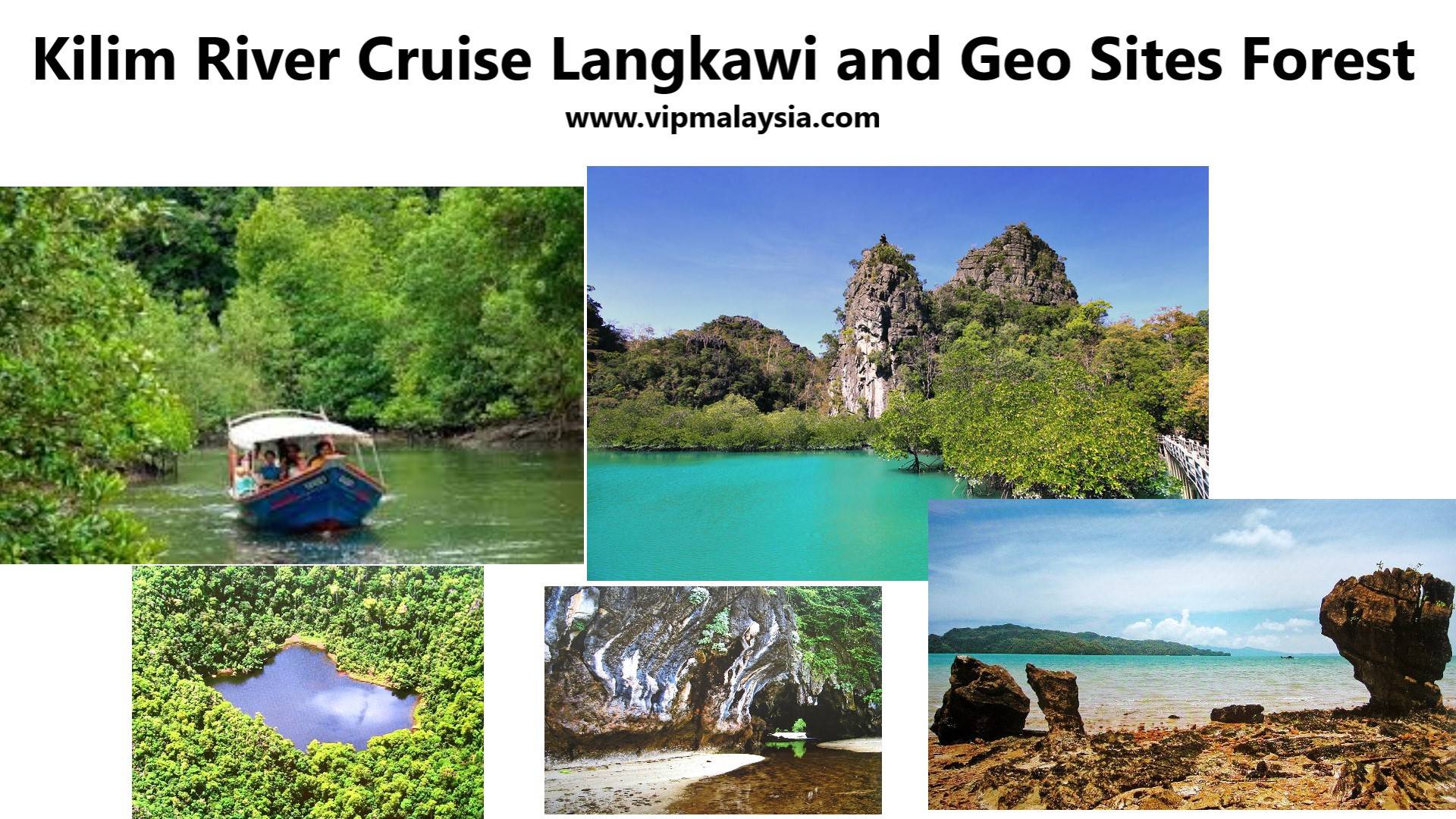
Experience the Kilim River Cruise in Pulau Langkawi, where you can explore UNESCO Geo Sites and immerse yourself in the beauty of nature. This guide covers attractions, trekking and adventure opportunities, must‑visit highlights, and practical tips for an unforgettable eco‑tourism journey.
Introduction
The Kilim River Cruise, located within the Kilim Karst Geoforest Park in Langkawi, is a UNESCO‑recognized natural wonder. Visitors glide along calm waters surrounded by mangrove forests, limestone cliffs, and exotic wildlife. The cruise is both educational and recreational, offering insights into Malaysia’s coastal ecosystems while providing a relaxing escape from city life. Whether you’re a birdwatcher, adventure seeker, or family traveler, the Kilim River Cruise delivers a unique blend of nature and culture.
The Kilim Nature Park Langkawi spreads over an area of 100sq. km that features a mixture of protected green mangrove forests, isolated white beaches and blue lagoons. Through this Kilim River Cruise, you will be able to witness the wonders of the park’s marine ecosystem, flora and fauna and its natural habitats. You’ll get to see eagles here, in a great number too. The eagles include white-bellied fish eagle, brahminy kite and the gigantic sea eagles.
Not so long ago, Kilim was a laid-back place where people’s activities are connected mainly to small scale fishing. Today, this park can be regarded as the most successful ecotourism destination in Langkawi where economic activities have vastly improved. The beauty of this geo forest park lies in its diverse natural geological, biological and cultural resources with high heritage value. These elements have been the pillars for the success of its ecotourism.
Among the remarkable features found here are the pristine mangrove and limestone forests, dramatic karstic landscapes and landform and colorful cultures. this geo forest park is also unique because it is the only place in Malaysia where one can find a coexistence of coastal karst and mangrove ecosystems. These unique landscapes provide new experience to tourists who flock this area to observe a wide spectrum of geological heritage diversity, such as various types of rock, beautiful caves, coastal and island karst morphologies, fossils, as well as rich mangrove fauna and flora.
Attractions
Kilim Geo Forest Park (or Kilim Karst Geo Forest Park as its full name) is one of the three Geo Forest parks associated with the Langkawi Geopark. The other two are the Machinchang Cambrian Geo Forest Park and The Dayang Bunting Marble Geo Forest Park. Langkawi Geopark comprises the whole of Langkawi Island, which is one of the districts of Kedah State, Malaysia. Langkawi started as a fishing village until its revelation as a UNESCO Geopark.
Feeding Marine Life and Birdwatching
You might even get the chance to hand‑feed marine life during the Kilim River Cruise. Birdwatchers will especially enjoy this experience during the migratory seasons in September and March, when flocks of shorebirds pass through the mangroves. The cruise eventually reaches the Andaman Sea, exiting the Kilim River through a narrow limestone passage known as The Hole in the Wall. This natural gateway connects the river to the open sea and provides a sheltered area for a fish farm.
Fish Farm and Floating Restaurant Experience
At the fish farm, visitors can feed a variety of species including groupers, bat fish, blue‑spotted stingrays, lobsters, mantis prawns, and snappers. This interactive stop is both educational and entertaining, offering close encounters with marine life. The farm also hosts a floating restaurant, where guests can select fresh seafood directly from the tanks and have it cooked to their preference. This combination of hands‑on learning and dining makes the Kilim River Cruise a memorable cultural and culinary experience.
Mangrove Forests and Limestone Cliffs
The cruise takes you through dense mangrove forests with prop roots rising above turquoise waters. Towering limestone cliffs frame the river, creating dramatic scenery. These ecosystems are vital for protecting coastlines and supporting biodiversity.
Bat Cave and Crocodile Cave
One highlight is the Bat Cave, home to megabats and microbats. Visitors can observe them resting or flying within the cave. Another stop is Crocodile Cave, named for its crocodile‑shaped limestone formation. While no crocodiles live here today, the cave remains a fascinating geological site.
Bat Cave
The Bat Cave, locally known as Gua Kelawar, is one of the most popular stops along the Kilim River Cruise. Inside, visitors can observe colonies of fruit bats and microbats hanging from the cave ceiling. Guided tours provide insights into their ecological role, explaining how bats help with pollination and insect control. The cave is easily accessible via wooden walkways, making it suitable for families and students interested in wildlife.
Crocodile Cave
Crocodile Cave, or Gua Buaya, is another fascinating highlight. It is named after the crocodile‑shaped limestone formation at its entrance. While no crocodiles inhabit the cave today, it remains an important geological site. The cave’s narrow passage connects the Kilim River to the Andaman Sea, and during high tide, boats can pass directly through. This natural gateway adds adventure to the cruise and offers dramatic views of limestone cliffs.
Fish Farms and Floating Restaurants
The cruise often includes visits to floating fish farms, where visitors learn about aquaculture and can feed groupers or stingrays. Floating restaurants nearby serve fresh seafood, making the experience both educational and culinary.
Trekking and Adventure
Jungle Trekking Trails
Beyond the river, Kilim Karst Geoforest Park offers jungle trekking trails. Visitors can explore tropical flora, spot hornbills, and encounter monitor lizards. Guided treks provide ecological insights and safe routes through the forest.
Mangrove Flora
The mangrove forests in Kilim Karst Geoforest Park are among the richest and most extensive in Southeast Asia, with over 55 mangrove species recorded. These include species such as Rhizophora (red mangrove), Avicennia (grey mangrove), and Sonneratia (mangrove apple). Their dense root systems protect the shoreline from erosion, provide nurseries for fish, and shelter wildlife like mudskippers, crabs, and otters.
Limestone Flora
The limestone cliffs and karst formations host specialized plants that thrive in nutrient‑poor soils. These include hardy ferns, orchids, and shrubs adapted to the rocky environment. Some species cling directly to cliff faces, creating striking greenery against the stark limestone backdrop. This flora contributes to the park’s unique landscape and supports nesting sites for hornbills and other birds.
Rare and Ancient Species
One notable plant found in Langkawi’s geoparks is the cycad (Cycas circinalis), considered a “living fossil” dating back to the Jurassic period. Its presence highlights the park’s geological and biological significance, offering visitors a glimpse into ancient plant lineages that have survived for millions of years.
Kayaking and Eco‑Tours
For adventure seekers, kayaking along the mangrove channels offers a more intimate experience. Eco‑tours emphasize conservation, teaching visitors about mangrove importance and sustainable tourism practices.
Birdwatching and Wildlife Spotting
The area is a paradise for birdwatchers, with species such as sea eagles, kingfishers, and migratory shorebirds. Otters, mudskippers, and mud crabs are commonly seen along the banks, adding to the diversity of wildlife encounters.
Must‑Visit Highlights
Geology and Cultural Heritage
The park features unique geological formations, including limestone karsts and caves. Local guides share stories about pirate legends and fishing traditions, enriching the cultural dimension of the cruise.
Visitor Facilities and Accessibility
Facilities include jetty points, guided tours, restrooms, and souvenir shops. Cruises typically last 1–2 hours, with options for half‑day or full‑day packages. The site is accessible from Langkawi town, with transport services available.
Nearby Towns and Festivals
Langkawi town offers markets, seafood restaurants, and cultural festivals. Visitors often combine the cruise with trips to Pantai Cenang Beach or Kuah town, making it part of a broader Langkawi itinerary.
Conclusion
The Kilim River Cruise is a must‑visit eco‑tourism experience in Langkawi, blending mangrove exploration, wildlife encounters, and cultural heritage. Whether you’re gliding past limestone cliffs, spotting sea eagles, or dining at floating restaurants, the cruise offers something for everyone. With its accessibility, educational value, and natural beauty, the Kilim River Cruise stands as one of Malaysia’s most enriching coastal adventures.
Langkawi Tourist Information Centre Kilim River Cruise Langkawi Phone: +604-966 7789/955 715
Frequently Asked Questions (FAQs)
Where is Kilim Nature Park located?
Kilim Nature Park is located on the northeastern side of Langkawi Island about 13km from Kuah town and is accessible via Jalan Kisap.
What is the first UNESCO’s Global Geopark in Southeast Asia region?
Langkawi was endorsed as the 52nd Global Geopark by UNESCO on 1st June 2007, making it the 1st geopark in Malaysia and the Southeast Asia region. This endorsement was given due to its significant Geo heritage features like landscapes, caves sea arches and sea stacks, drop stones, fossil and local community involvement. Langkawi Geopark is a member of the Asia Pacific Geoparks Network and The Global Geoparks Network (GGN).
Gunung Ledang and Endau Rompin National Parks, Johor
Discover Johor National Parks — Malaysia’s southern treasure of rainforests, mangroves, and mountain escapes. From the legendary Gunung Ledang to the ancient Endau‑Rompin rainforest and the southernmost tip of Asia at Tanjung Piai, Johor offers rare wildlife, cultural legends, and eco‑tourism adventures. Plan your journey now and explore the green heart of Malaysia.”
Introduction
Johor, the southernmost state of Peninsular Malaysia, is a land of contrasts where modern development meets untouched wilderness. The Johor National Parks Corporation manages a network of protected areas that safeguard over 120,000 hectares of pristine ecosystems. These parks are not only vital for conservation but also serve as gateways for travelers to experience authentic eco‑tourism, cultural heritage, and outdoor adventure.
For visitors, Johor National Parks offer more than scenic beauty. They provide opportunities to connect with nature, learn about biodiversity, and immerse in local folklore. Whether you are a hiker, birdwatcher, photographer, or simply someone seeking tranquility, Johor’s parks promise experiences that linger long after your journey ends.
Attractions
Gunung Ledang National Park
Gunung Ledang, also known as Mount Ophir, rises majestically to 1,276 meters, making it Johor’s highest peak. The mountain is steeped in legend, with tales of a mystical princess who lived atop its summit. Today, it attracts hikers eager to conquer its challenging trails and enjoy panoramic views of Johor and Melaka. Along the way, visitors encounter waterfalls, lush forests, and diverse flora.
The park is a blend of natural wonder and cultural storytelling, making it a must‑visit for those who appreciate both adventure and folklore. Its accessibility from Johor Bahru and Melaka also makes it a popular weekend destination.
Endau‑Rompin National Park
Spanning 870 square kilometers, Endau‑Rompin is one of Malaysia’s oldest rainforests, estimated to be 240 million years old. It is a sanctuary for rare species such as the Malayan tiger, Asian elephant, and white‑handed gibbon. The park is also home to unique plants like fan palms and pitcher plants.
Visitors can trek through dense jungle, camp by rivers, and marvel at waterfalls like Buaya Sangkut. Endau‑Rompin is not just a tourist attraction; it is a living laboratory for scientists studying biodiversity. For eco‑tourists, it offers a chance to experience untouched wilderness and ancient geological formations.
Endau Rompin Peta
Established in 1993, the 48,905-ha Endau-Rompin National Park is the largest protected area in the southern half of Peninsular Malaysia. This ancient rainforest realm in north-eastern Johor is a treasure trove of biodiversity, and a critical habitat so important for the survival of the country’s globally threatened megafauna, including the Malayan Tiger, Malayan Tapir and Asian Elephant.
There are two official entry points to the National Parks: the Peta entrance located along the eastern boundary in the district of Mersing, and the Selai entrance at the southwestern boundary in the district of Segamat. The Johor National Parks Peta entrance provides a gateway to the rugged wilderness of the upper Endau valley, where pristine rivers and raging waterfalls are the star attractions.
A visit to Johor National Parks Peta is also a cultural experience, as the Endau valley lies within the customary lands of the indigenous people of Kampung Peta, whose lives are intertwined with the forest in profound and inexplicable ways. Through the eyes and hearts of the Jakun, this timeless land is filled with oral history; populated by unseen beings; and alive with the hidden messages of benevolent animals.
Planning your best adventure at Johor National Parks including:
Upeh Guling – Soak up the scenery at one of the most beautiful waterfalls in the country.
Buaya Sangkut – Endure the challenging trek to the foot of this majestic falls.
Janing Barat – Feel the other-worldly vibes of the fan palm forest.
Tasik Biru – Swim with the fishes in the translucent waters of the blue lake.
Kampung Peta – Experience authentic Orang Hulu culture and hospitality.
Endau Rompin Selai
Established in 1993, the 48,905-ha Endau-Rompin National Park is the largest protected area in the southern half of Peninsular Malaysia. This ancient rainforest realm in north-eastern Johor is a treasure trove of biodiversity, and a critical habitat so important for the survival of the country’s globally threatened megafauna, including the Malayan Tiger, Malayan Tapir and Asian Elephant.
There are two official entry points to the park: the Peta entrance located along the eastern boundary in the district of Mersing, and the entrance at the southwestern boundary in the district of Segamat. The Johor National Parks Selai entrance is named after the main river that flows through this park of the park. A local Orang Asli legend has it that long ago a celestial princess who possessed great body heat descended upon the earth.
The scorching heat that emanated from her body caused the great river that flowed down from the mountains of Gunung Besar to be reduced to a mere trickle the size of a strip of rattan or in the local language, sehelai rotan (or “Selai” for short). Smaller than the Johor National Parks Endau and Jasin rivers at the park’s eastern entrance, the Selai river exudes a tranquil quality, with exquisite Pelawan trees that lean over the water’s edge, their foliage dappling sunlight onto stony islets encircled by aquatic life.
The local word for “waterfall” is takah, and Selai is indeed takah country. Some of its finest waterfalls are open to visitors; these form the focal points of pleasant, if not mildly challenging, day treks through the rainforest.
Experiences the best destination when you arrive here.
Takah Tinggi – Feel the force while standing at the foot of this massive waterfall.
Tubing Sungai Selai – Use your strength and wits to conquer the rapids by tyre tube and paddle.
Takah Pandan – Savour the fragile beauty of the falls and the unique plants that adorn it.
Forest trails – Be captivated by all the little things that you spot along the trail, both in the daytime and at night.
Tanjung Piai National Park
Tanjung Piai holds the distinction of being the southernmost tip of mainland Asia. Its mangrove forests stretch across 526 hectares and are recognized as a Ramsar wetland site of international importance. Elevated boardwalks allow visitors to explore the mangroves without disturbing the ecosystem.
The park is home to mudskippers, crabs, and migratory birds. It is also a symbolic destination, where travelers can stand at the edge of Asia and gaze across the Straits of Johor. For those interested in conservation, Tanjung Piai demonstrates the importance of mangroves in protecting coastlines and supporting biodiversity.
Pulau Kukup National Park
Pulau Kukup is one of the world’s largest uninhabited mangrove islands. Covering 647 hectares, it supports rich biodiversity including proboscis monkeys, mudskippers, and migratory birds. Elevated walkways and observation towers provide excellent vantage points for eco‑photography and birdwatching.
The island’s isolation has allowed its ecosystem to remain largely undisturbed. Pulau Kukup is a reminder of the fragile balance between human activity and nature, and its Ramsar status underscores its global ecological value.
Gunung Pulai Recreational Forest
Located near Johor Bahru, Gunung Pulai is a favorite among locals for weekend hikes and picnics. Its trails lead to waterfalls and viewpoints, offering a more accessible alternative to Gunung Ledang. The forest is home to secondary rainforest species and freshwater streams, making it ideal for families and casual hikers.
Gunung Pulai demonstrates how natural spaces can coexist with urban development, providing city dwellers with a quick escape into nature.
Must‑visit Highlights
Gunung Ledang summit trek: A challenging climb with breathtaking views.
Endau‑Rompin’s Buaya Sangkut waterfall: A pristine jungle cascade.
Tanjung Piai’s southernmost landmark: A symbolic photo spot at Asia’s edge.
Pulau Kukup’s mangrove boardwalks: Perfect for eco‑photography and birdwatching.
Gunung Pulai’s waterfalls: Family‑friendly recreation near Johor Bahru.
Each highlight showcases Johor’s diversity — from mountain adventures and rainforest exploration to wetland conservation and cultural legends.
Conclusion
Johor National Parks embody the essence of Malaysia’s natural heritage. From the legendary heights of Gunung Ledang to the ancient rainforests of Endau‑Rompin, and from the southernmost tip of Asia at Tanjung Piai to the mangrove wonders of Pulau Kukup, Johor offers a diversity of landscapes unmatched in the region.
Plan your visit today — Johor National Parks await with unforgettable adventures that showcase the green heart of Malaysia.
Summary
Attraction: Johor National Parks Gunung Ledang Endau Rompin
Location: #Johor #NationalPark
Attraction Type: National Park in Malaysia
*Credit: www.johornationalparks.gov.my
Contact Information
Johor National Parks Corporation Level 1, Dato’ Muhamad Salleh Perang Building, Kota Iskandar, 79100 Nusajaya, Johor Darul Ta’zim. Telephone: +607 266 1301
Taman Negara Johor Endau-Rompin (Peta) 11, Jalan Bawal 1, Taman Kahang Baru, 86700 Kahang, Kluang, Johor Darul Ta’zim. Telephone: +607 788 2812 / +6013 744 0951
Taman Negara Johor Endau-Rompin (Selai) 8, Jalan Satria 1, Taman Berjaya, 86500 Bekok, Segamat, Johor Darul Ta’zim. Telephone: +607 922 1253 / +6013 744 0952
Discover Johor’s stunning beaches that blend natural beauty, adventure, and cultural heritage. From Desaru’s lively resorts to Mersing’s tranquil islands, this long‑form guide explores attractions, trekking opportunities, and must‑visit highlights for an unforgettable coastal escape.
Introduction
Johor, Malaysia’s southernmost state, is often recognized for its bustling capital Johor Bahru and its proximity to Singapore. Yet beyond the urban skyline lies a coastline stretching for hundreds of kilometers, dotted with beaches that range from lively resort hubs to quiet fishing enclaves. These beaches are not only places for relaxation but also gateways to adventure, culture, and wildlife. In this guide, we’ll explore Johor’s beaches in detail, highlighting attractions, trekking and adventure opportunities, must‑visit highlights, and practical tips for travelers.
Attractions
Pantai Air Papan
Pantai Air Papan is one of Johor’s most beloved coastal spots, located about 12 kilometers north of Mersing town. Known for its shallow, sandy beaches facing Pulau Setindan, this destination is ideal for families, casual travelers, and locals seeking a relaxing day by the sea. The calm waters and wide beachfront make it especially suitable for swimming, picnics, and leisurely strolls.
Mersing is a coastal town in Johor, Malaysia, best known as the main gateway to islands like Tioman, Rawa, and Besar. It is also popular for its beaches, seafood, and laid-back atmosphere, making it both a transit hub and a destination in its own right. Mersing also offers several attractions for visitors, including island hopping to Tioman, Rawa, Besar, and other nearby islands via the Mersing Jetty. Travelers can also enjoy Air Papan Beach, explore the Mersing Harbour Centre, and experience traditional fishing trips at local kelongs.
Shallow Sandy Beaches with Scenic Views
The beach stretches for several kilometers, offering soft sand and gentle waves. Facing Pulau Setindan, visitors enjoy panoramic views of the island and the South China Sea. The shallow waters make it safe for children and beginner swimmers, while the open space is perfect for beach games and family outings.
Pulau Setindan is a small tropical island located in Mukim Tenglu, Mersing District, Johor, Malaysia. It is popular among local and international visitors for its white sandy beaches, clear waters, and peaceful atmosphere, making it a favorite spot for family outings and relaxation. The island is often chosen by those seeking a quiet escape from city life, with activities like swimming, kite flying, and sandcastle building.
Popular Fishing Spot with Competitions
Pantai Air Papan is also a well‑known fishing hub, attracting anglers from across Johor. Regular fishing competitions are held here, drawing both locals and tourists who enjoy the challenge and camaraderie. The abundance of fish species in the area makes it a rewarding spot for hobbyists and seasoned fishermen alike.
Great for Swimming, Picnics, and Family Outings
With its calm environment, Pantai Air Papan is a favorite for weekend picnics and gatherings. Families often bring food to enjoy under the shaded trees lining the beach, while children play in the sand or swim in the shallow waters. Facilities such as parking areas, restrooms, and food stalls add convenience, making it easy to spend the whole day here.
Pantai Air Papan combines natural beauty with community spirit, offering a coastal experience that is both relaxing and culturally engaging. Whether you’re here to swim, fish, or simply enjoy the view, it remains one of Johor’s most accessible and enjoyable seaside escapes.
Pantai Minyak Beku
Pantai Minyak Beku, located about 7 kilometers from Batu Pahat town in Johor, is a coastal destination that blends scenic beauty with historical significance. This rocky beachfront is tied to the legend of Sultan Mahmud of Johor, who was assassinated here in the 17th century. Today, it serves as both a cultural landmark and a tranquil retreat for visitors seeking leisure by the sea.
Batu Pahat is a town and district capital in Johor, Malaysia, known for its textile industry, shopping hubs, and cultural heritage. It is often called “BP” or “Bandar Penggaram” and serves as a growing urban center with both historical sites and modern attractions.
A Scenic Coastline With Historical Significance
Unlike sandy beaches, Pantai Minyak Beku features rocky shores and tidal pools that create a unique coastal landscape. The site is historically important, with stories linking it to Johor’s royal past. Visitors often come not only for the views of the South China Sea but also to connect with the heritage that surrounds the area.
Perfect for Fishing Enthusiasts
The rocky coastline makes Pantai Minyak Beku a popular fishing spot, attracting locals who cast their lines in search of grouper, snapper, and other coastal species. Fishing competitions are occasionally organized, adding a lively community spirit to the otherwise quiet retreat.
Pantai Minyak Beku is a popular fishing spot in Batu Pahat where anglers often catch grouper, snapper, barracuda, trevally (ikan selar / ikan cermin), catfish (ikan keli laut) and stingray along the rocky and coastal areas. It is also known for species like barracuda, trevally, and catfish, making it a diverse location for both casual and experienced fishers.
A Tranquil Getaway for Relaxation and Leisure
Pantai Minyak Beku is ideal for those who prefer a peaceful seaside escape. Families and couples often visit for picnics, evening strolls, or simply to enjoy the sea breeze. Facilities such as food stalls, parking areas, and shaded seating make it convenient for day trips. Batu Pahat town nearby adds to the experience with local markets, seafood restaurants, and cultural festivals.
Pantai Minyak Beku stands out as a destination where history, fishing traditions, and coastal relaxation converge. Whether you’re drawn by its heritage or its tranquil atmosphere, it remains one of Johor’s most distinctive seaside retreats.
Pantai Pasir Lanun
Pantai Pasir Lanun, located near Mersing in Johor, is a secluded beach destination that rewards travelers willing to venture off the beaten path. Its name, which translates to “Pirate Beach,” adds a touch of intrigue to the journey, though today it is known more for its tranquility than its legends.
Clear Waters and Fine White Sands
The beach is celebrated for its crystal‑clear waters and soft white sand, making it perfect for swimming, sunbathing, and photography. Unlike more commercialized beaches, Pantai Pasir Lanun retains its natural charm, offering a pristine environment where visitors can enjoy the sea without the usual crowds.
A Secluded Beach Far From Tourist Crowds
Pantai Pasir Lanun is not as easily accessible as Johor’s more famous beaches, which is precisely why it remains peaceful and uncrowded. Travelers who make the effort to reach it are rewarded with solitude, making it ideal for those seeking a quiet retreat or a romantic escape.
Unique Travel Experience Through Orchards and Forests
Getting to Pantai Pasir Lanun is part of the adventure. The route takes visitors through lush orchards and forested areas, offering glimpses of rural Johor life along the way. This journey adds to the uniqueness of the destination, making the beach feel like a hidden treasure waiting to be discovered.
Pantai Pasir Lanun stands out as a destination where natural beauty, seclusion, and a sense of discovery come together. For travelers who value authenticity and tranquility, it is truly a hidden gem worth the journey.
Desaru Beach and Resort Area
Desaru is Johor’s flagship beach destination, famous for its wide sandy shoreline and family‑friendly resorts. The Desaru Coast development has transformed the area into a tourism hub, with luxury hotels, golf courses, and the Desaru Coast Adventure Waterpark. Families can enjoy water sports such as jet skiing, parasailing, and banana boat rides, while couples often choose Desaru for romantic getaways. The beach itself remains clean and inviting, with lifeguards and facilities that make it safe for swimming.
Desaru is a coastal resort area in Johor, Malaysia, located about 1.5–2 hours from Johor Bahru (JB) via the Senai–Desaru Expressway. It is known for its long sandy beaches, seafood dining, and attractions like the Desaru Coast Adventure Waterpark and fruit farms, making it a popular weekend getaway.
Tanjung Balau and Fishing Heritage
Just a short drive from Desaru, Tanjung Balau offers a quieter experience. Its Fishermen’s Museum is a cultural highlight, showcasing traditional fishing tools, boats, and maritime history. Visitors can stroll along the rocky coastline, watch fishermen at work, and enjoy fresh seafood at local eateries. Unlike Desaru, Tanjung Balau retains a rustic charm, making it ideal for travelers who prefer authenticity over luxury.
The Fishermen’s Museum in Tanjung Balau, Johor is the only museum in Malaysia dedicated to the traditional fishing community. Opened in 1992, it features galleries on fishermen’s life, geology, and sea navigation, along with exhibits of boats, nets, and tools that preserve the heritage of coastal fishing villages.
Fishermen’s Gallery
This gallery showcases the traditional life of Johor’s fishing communities, including superstitions, fishing boats, rafts, nets, and tools. It provides a vivid look into the daily practices and beliefs that shaped coastal livelihoods.
Geology Gallery
Featuring over 100 types of stones and rocks found in the region, this gallery highlights Johor’s geological diversity. It’s an educational stop for those interested in natural sciences and the formation of coastal landscapes.
Sea Gallery
Focused on navigation, communication, and safety at sea, this gallery explains how fishermen and sailors managed maritime journeys. Exhibits include maps, radios, and safety equipment that underline the challenges of life on the water.
Traditional Fishing Equipment
Visitors can explore nets, tackle, and boat‑building tools that were essential for survival and trade. These artifacts illustrate the craftsmanship and ingenuity of Johor’s fishing communities.
Actual Boats and Dioramas
Full‑sized fishing boats and detailed dioramas bring history to life. These exhibits illustrate fishing practices and community life, offering a realistic glimpse into Johor’s maritime heritage.
Visitor Experience
Located right on the beachfront, the galleries make for a scenic cultural stop. A souvenir shop, added in 1997, allows visitors to take home mementos of their trip. Recommended visit duration is 1–2 hours, making it suitable for families, students, and anyone interested in Malaysia’s maritime traditions.
Mersing and Gateway to Islands
Mersing is both a town and a beach destination, serving as the gateway to the Seribuat Archipelago. From here, ferries depart to Pulau Rawa, Pulau Besar, and Pulau Tioman. The beaches around Mersing are quieter, often used by locals, but the real attraction lies offshore. Pulau Rawa is known for its powdery white sand and coral reefs, while Pulau Besar offers jungle trekking and snorkeling. Mersing itself has seafood restaurants, budget accommodations, and a laid‑back vibe.
The Seribuat Archipelago is a group of islands off the southeastern coast of Peninsular Malaysia, within Johor waters, known for its clear seas, rich marine life, and popular diving and snorkeling spots. It includes well-known islands such as Tioman, Rawa, Besar, Tinggi, Aur, and Pemanggil, many of which are part of the Sultan Iskandar Marine Park.
Pulau Rawa
Pulau Rawa is a small coral island off Mersing, famous for its clear turquoise waters and powdery white sand. Often called the “Maldives of Johor,” it is ideal for snorkeling, kayaking, and relaxing at boutique resorts. The island is privately owned, which keeps visitor numbers limited, ensuring a peaceful and exclusive experience.
Pulau Besar
Pulau Besar offers a blend of jungle trekking and beach leisure, making it perfect for adventurous travelers. The island is larger than Pulau Rawa and features rustic chalets, hiking trails, and vibrant coral reefs. Visitors can explore the forest interior, spot wildlife such as monitor lizards and hornbills, or enjoy snorkeling in calm lagoons.
Pulau Tioman
Although technically part of Pahang, Pulau Tioman is accessible via Mersing and is one of Malaysia’s most famous islands. It is renowned for scuba diving, marine biodiversity, and lush rainforest landscapes. Tioman has multiple villages, resorts, and dive centers, making it a hub for both leisure and adventure. Its reefs host clownfish, parrotfish, and reef sharks, while inland trails lead to waterfalls and mountain viewpoints.
Pantai Minyak Beku in Batu Pahat
Pantai Minyak Beku is a historical site linked to the story of Sultan Mahmud of Johor. The beach is rocky rather than sandy, but it offers scenic coastal views and cultural significance. Locals often visit for evening strolls, fishing, and seafood dining. Batu Pahat town nearby provides amenities, markets, and cultural festivals, making this beach a blend of history and leisure.
Pantai Minyak Beku, located about 7 kilometers from Batu Pahat town in Johor, is a historical beachfront retreat that combines coastal scenery with cultural heritage. The rocky shoreline and tidal pools make it distinct from sandy beaches, offering visitors a unique seaside experience.
Perfect for Fishing Enthusiasts
Pantai Minyak Beku is a popular fishing location, attracting locals and visitors alike. The rocky terrain supports a variety of fish species, and occasional fishing competitions bring a lively atmosphere to the otherwise tranquil setting.
A Tranquil Getaway for Relaxation and Leisure
Families and couples often choose Pantai Minyak Beku for picnics, evening strolls, and quiet retreats. Facilities such as food stalls, shaded seating, and parking areas make it convenient for day trips. Batu Pahat town nearby enhances the experience with seafood restaurants, local markets, and cultural festivals.
Trekking and Adventure
Coastal Trekking Trails
Johor’s beaches are often bordered by mangroves and forest reserves. Desaru has trails that lead into mangrove forests where visitors can spot kingfishers, mudskippers, and monitor lizards. Guided tours explain the ecological importance of mangroves, and boardwalks make the experience accessible even for families.
Kingfishers are brightly colored birds found near rivers, lakes, and coastal areas, known for their sharp beaks and skill in diving to catch fish.
Mudskippers are amphibious fish that can live both in water and on land, often seen in mangrove swamps where they use their fins to “walk” on mudflats.
Monitor lizards are large reptiles native to Asia and Africa, recognized for their long bodies, strong tails, and carnivorous diet, often inhabiting forests, riversides, and coastal regions.
Island Hopping from Mersing
Adventure seekers can embark on island‑hopping tours from Mersing. Pulau Rawa is famous for snorkeling and kayaking, while Pulau Besar offers jungle trekking. Pulau Tioman, though technically part of Pahang, is accessible from Mersing and is a diving paradise. These islands provide opportunities for scuba diving, snorkeling, and wildlife encounters.
Island hopping is the activity of traveling between multiple islands in a single trip, often by boat, to explore their beaches, natural scenery, and local culture. In Johor, it usually refers to visiting islands accessible from Mersing Jetty, such as Tioman, Rawa, Besar, Tinggi, Aur, and Pemanggil, each offering unique experiences like snorkeling, diving, or relaxing on pristine beaches.
Water Sports and Diving
Johor’s beaches are hubs for water sports. Desaru offers surfing during the monsoon season, while Mersing’s islands are popular for diving. Coral reefs host species such as clownfish, parrotfish, and reef sharks, making the underwater world as captivating as the beaches themselves.
Clownfish
Clownfish are easily recognized by their bright orange bodies with white stripes. They live symbiotically with sea anemones, gaining protection from predators while providing food scraps to their hosts. Divers and snorkelers often spot them darting among the tentacles of anemones, making them a favorite for underwater photography.
Parrotfish
Parrotfish are named for their beak‑like teeth, which they use to scrape algae off coral. Their feeding habits are vital for reef health, as they prevent algae from overwhelming coral growth. With their vivid colors and active swimming patterns, parrotfish add vibrancy to Johor’s reefs and are commonly seen during snorkeling excursions.
Reef Sharks
Reef sharks, typically blacktip and whitetip species, are among the larger inhabitants of Johor’s waters. While they may look intimidating, they are generally harmless to humans and play a crucial role in maintaining the balance of marine ecosystems. Spotting a reef shark during a dive is considered a highlight, offering a thrilling yet safe encounter with one of the ocean’s top predators.
Must‑Visit Highlights
Wildlife Encounters
Johor’s coastal ecosystems are rich in biodiversity. Visitors may encounter sea eagles, hornbills, and migratory shorebirds. Mangrove tours often reveal otters, mud crabs, and mudskippers. Offshore reefs teem with marine life, making snorkeling and diving rewarding experiences.
Sea Eagles
Sea eagles are often spotted soaring above Johor’s beaches and islands, particularly around Pulau Rawa and Pulau Besar. With their impressive wingspans and sharp eyesight, they are skilled hunters that feed on fish and small marine animals. Their presence is a sign of a healthy coastal ecosystem, and birdwatchers often consider them a highlight of any visit.
Hornbills
Hornbills, with their distinctive large bills and striking calls, are commonly found in Johor’s forested areas near the coast. These birds play a vital role in seed dispersal, helping maintain the balance of tropical ecosystems. Spotting a hornbill in flight or perched among the trees adds a unique cultural and natural dimension, as they are also considered symbolic in many Southeast Asian traditions.
Migratory Shorebirds
Johor’s mudflats and coastal wetlands provide resting and feeding grounds for migratory shorebirds traveling along the East Asian–Australasian Flyway. Species such as sandpipers, plovers, and terns stop here during their long journeys, making the region an important site for global bird conservation. Their seasonal appearances attract birdwatchers and researchers alike.
Otters
Smooth‑coated otters are often seen swimming in rivers and mangrove channels. They are playful yet skilled hunters, feeding on fish and crustaceans. Spotting a family of otters gliding through the water or resting along the banks is a highlight for visitors exploring Johor’s wetlands.
Mud Crabs
Mud crabs are a staple of mangrove ecosystems and local cuisine. They burrow into the muddy banks and are prized by fishermen for their size and flavor. Observing them in their natural habitat provides insight into the balance between traditional fishing practices and conservation efforts.
Mudskippers
Mudskippers are unique amphibious fish that thrive in Johor’s mangroves. They can “walk” on land using their pectoral fins and are often seen hopping across mudflats. Their ability to survive both in water and on land makes them a fascinating species for visitors, especially students and families interested in coastal ecology.
Cultural Festivals and Local Towns
Johor’s beaches are often near towns that host cultural festivals. Mersing celebrates fishing traditions, while Batu Pahat is known for Chinese New Year festivities and seafood markets. Johor Bahru, though urban, offers easy access to beaches and vibrant nightlife, making it a convenient base for coastal exploration.
Visitor Facilities and Accessibility
Most popular beaches like Desaru and Tanjung Balau offer modern facilities including restrooms, showers, resorts, and parking areas. Mersing provides ferry terminals and budget accommodations, while Batu Pahat’s beaches are more rustic but close to town amenities. Accessibility is straightforward, with highways connecting Johor Bahru to Desaru and Mersing, and public buses serving smaller towns.
Conclusion
Johor’s beaches offer an extraordinary mix of natural beauty, relaxation, and adventure, making them one of Malaysia’s most serene coastal escapes. Whether you’re swimming in turquoise waters, exploring hidden coves, or fishing at scenic shorelines, these beaches promise a peaceful tropical retreat unlike any other.
Plan your beach getaway today—immerse yourself in the beauty of Johor’s stunning coastlines!
Quick Info
Attribute
Details
Popular Beaches
Pantai Air Papan, Pantai Minyak Beku, Pantai Pasir Lanun
Location
Johor, Malaysia
GPS Position
Depends on specific beach
State
Johor
Facility Type
Public Beach & Coastal Retreat
Main Attractions
Beaches, Fishing, Swimming
Nearby Landmarks
Johor’s Islands, Coastal Villages
Accessibility
Easy access via major highways
Best Time to Visit
Morning for best beach conditions
Entry Fees
Free (public access)
Recommended Activities
Fishing, Swimming, Relaxation
Opening Hours
Accessible all year
Contact
Tourism Johor (+607-2241432 / +607-2249960)
Summary
Attraction: Johor’s Pristine Beaches
Location: #Johor
Attraction Type: #Beach
Source: tourism.johor.my
Must-Visit Highlights:
Idyllic beaches with crystal-clear waters
Perfect for swimming, fishing & beach picnics
Less crowded & more secluded compared to other regions
Ideal for nature lovers seeking peaceful coastal landscapes
Guest Reviews & Testimonials
“A Perfect Beach Retreat” ⭐⭐⭐⭐⭐
“Johor’s beaches are amazing! Crystal-clear waters, white sand, and a peaceful environment—perfect for relaxation.”
“Hidden Coastal Gems” ⭐⭐⭐⭐⭐
“Pantai Pasir Lanun was breathtaking—a hidden paradise with stunning scenery!”
“Unforgettable Experience in Johor” ⭐⭐⭐⭐⭐
“Pantai Air Papan was great for fishing and swimming. I’ll definitely return!”